

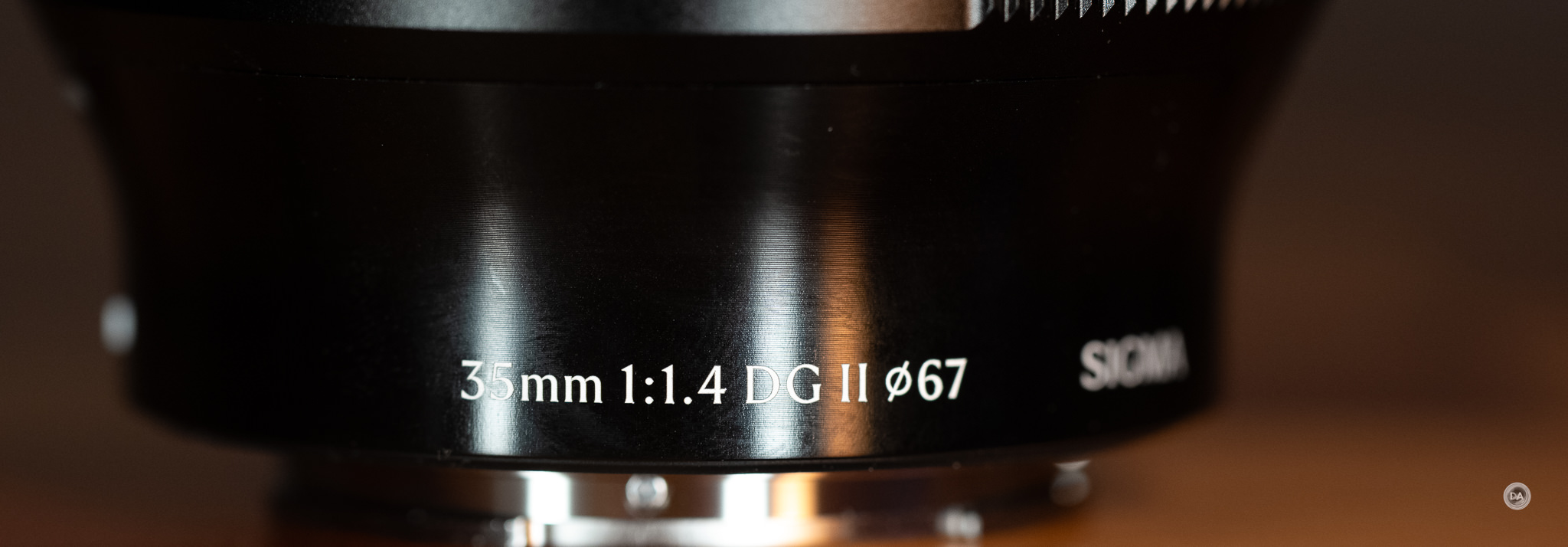
Sigma released the second generation of their 35mm F1.2 | ART lens in the fall of 2025, and they are quickly following that up with a MK II version of their 35mm F1.4 | ART lens. The original 35mm F1.4 DN was released about five years ago (in 2021), and Sigma is back with a lens that manages to reduce the size and weight further to where it now directly competes with the Sony 35mm F1.4 GM in size and weight (almost identically) while continuing to compete in build, features, autofocus, and optical performance. And, at an MSRP of $1059 USD, it cuts about $550 off the price of the Sony GM lens. This is very comfortable territory for Sigma, a company which seems to really be hitting their stride as a premier lens maker. Is the Sigma 35mm DG II worth considering on either Sony E or L-mount? Find out by reading this review or watching the video review linked below.
Follow Me @ YouTube | Patreon | Instagram | Facebook | DA Merchandise | Flickr | 500px | X
Thanks to Sigma Canada (Gentec) for sending me a review loaner of this lens. As always, this is a completely independent review. *The tests and most of the photos that I share as a part of my review cycle have been done with the Sony a7RV along with the Sony Alpha 1 that serve as my benchmark cameras for Sony lenses. You can visit theproduct page for the Sigma 35mm F1.4 II ART here.
__________________________________________________________________________________________________
AI SUMMARY: The Sigma 35mm F1.4 DG II ART lens significantly improves upon its predecessor by reducing size and weight, making it a strong competitor against Sony’s 35mm F1.4 GM lens. With advanced features like dual HLA autofocus motors, it enhances focus speed and precision, appealing to both photographers and videographers. The lens showcases excellent optical quality, with sharpness across the frame, low distortion, and improved flare resistance. Overall, it offers substantial performance upgrades and value at a lower price point compared to similar lenses in its class.
Strengths:
- Compact and lightweight design, directly competing with Sony’s 35mm GM lens.
- Exceptional autofocus performance, even in challenging conditions.
- High optical quality with sharpness and low distortion.
- Affordable pricing compared to similar premium lenses.
Weaknesses:
- Vignetting may require significant correction.
- Eco-friendly packaging lacks protective quality of previous designs.
- Burst shooting speed may be limited as a third-party lens on Sony bodies.
In many ways the 35mm DG II feels like the lens we’ve wanted from Sigma all along. Sigma has managed to reduce the size and weight significantly, allowing the new DG II lens to directly compete with the Sony G-Master lens, and Sigma’s choice to employ multiple HLA (High Speed Linear Actuator) motors allows the autofocus to directly compete as well. New technologies from this past year have allowed Sigma to start to shrink lenses like this and the 35mm F1.2 DG II, making them generally more appealing…particularly since Sigma is managing to also improve the optical performance at the same time.
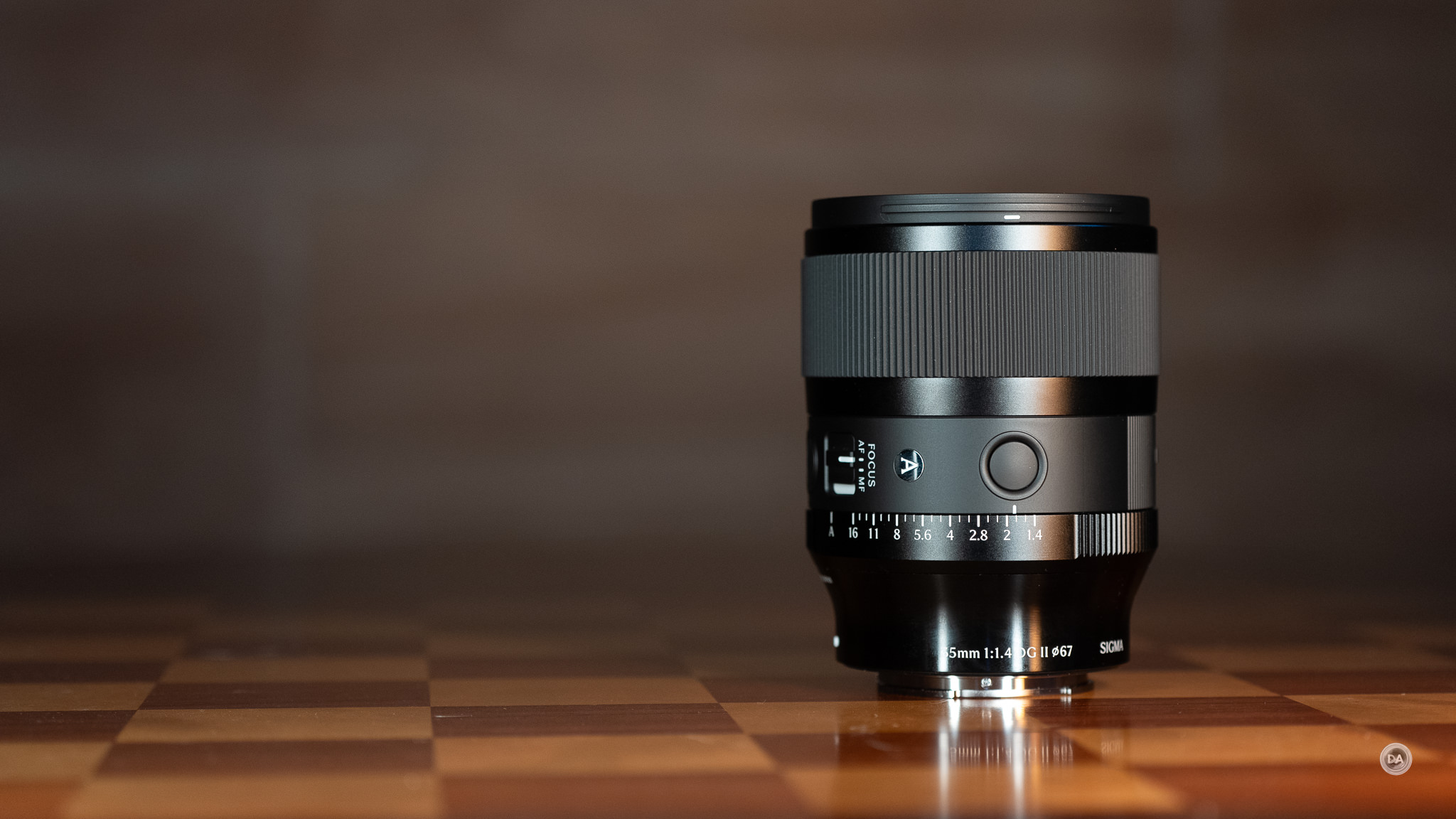
Sigma is highlighting three main areas of improvement 1) size and weight B) autofocus performance and C) optical improvements. We’ve also go significantly improved up-close performance due to Sigma’s embrace of floating elements in the design.

All told, this is a compelling package, and while the price has risen $70 over the first generation lens, I suspect that most photographers will agree that the improvements are well worth that mild price increase.
Build and Handling
The first of Sigma’s objectives with these Mark II lens is to radically reduce the size and weight. This helpful diagram from Sigma shows just how much smaller the new lens is.
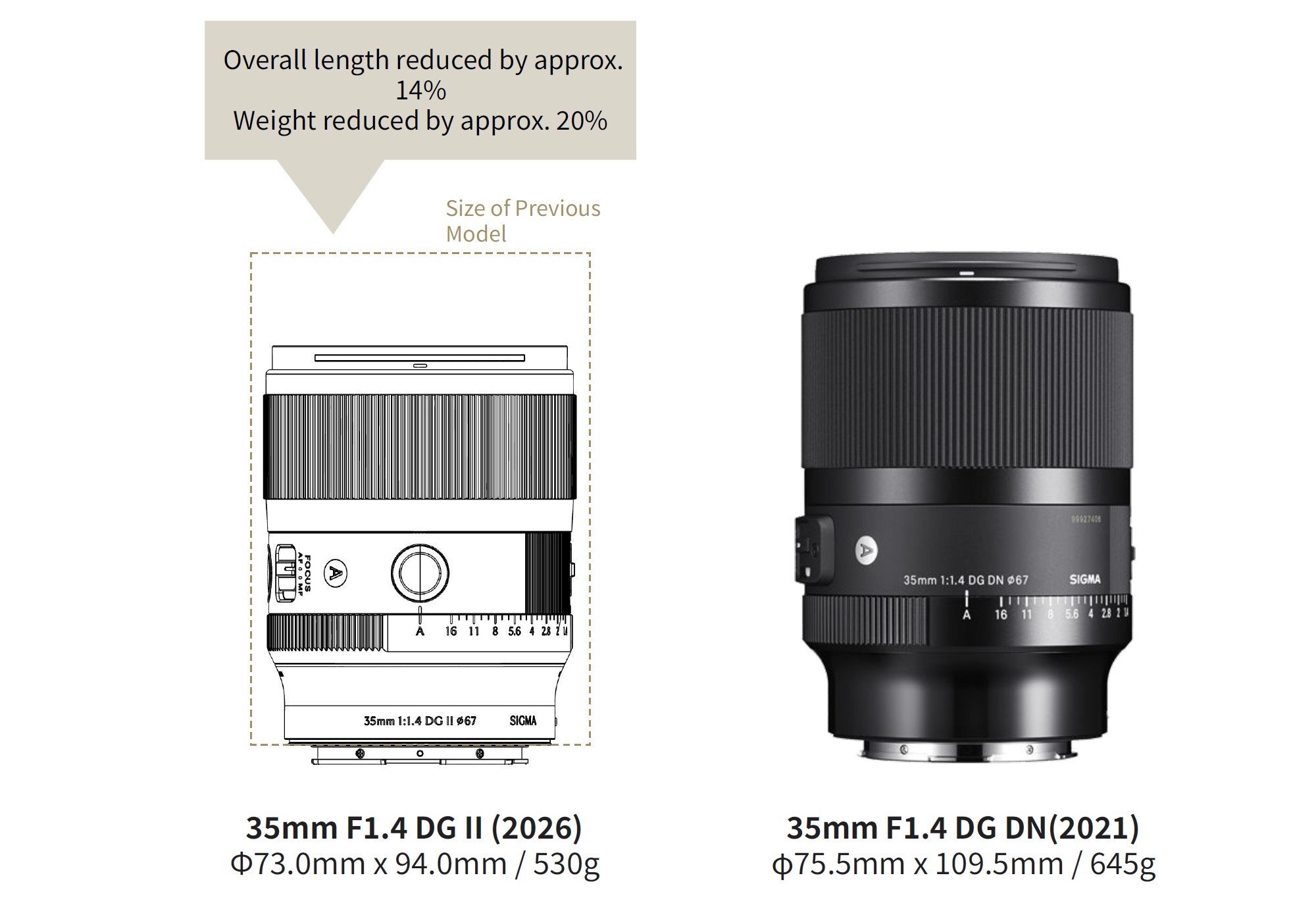
The dimensions are 73mm (2.9″) in diameter by 94mm (3.7″) in length, which cuts 2.5mm in diameter, and, more significantly, 17.5mm in length. That all adds up to a significant weight reduction of 115g down to just 530g, or 18.5oz. That brings it down in line with the Sony GM (524g). It’s not quite as light as the Sirui Aurora 35mm F1.4 (490g) but considerably less than the 659g of the LK Samyang 35mm F1.4 II. This is a great space for Sigma to fill, as they have reduced the weight by reducing the size rather than just putting a cheaper housing on the lens.

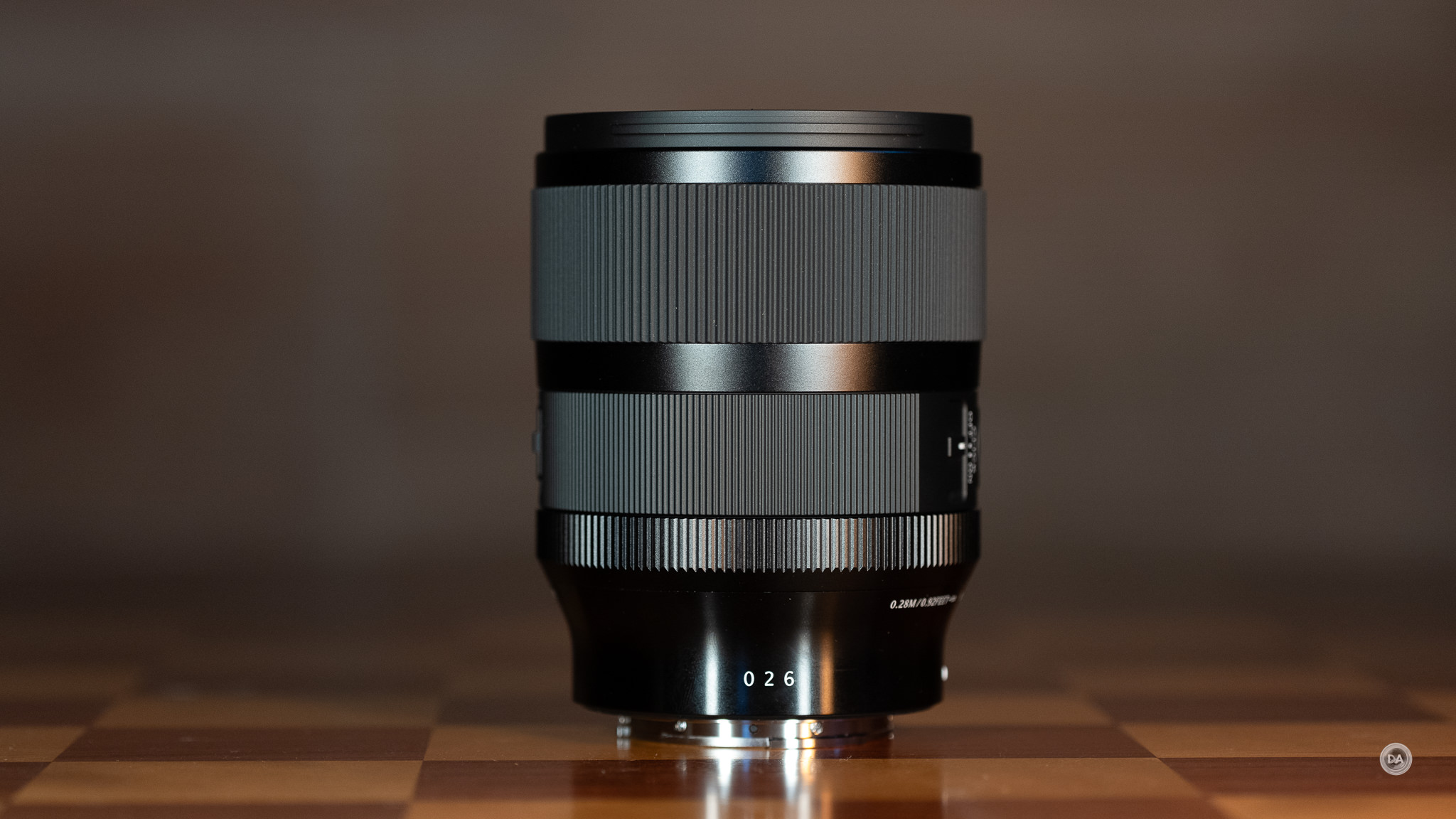
The front filter thread is a very common 67mm.
That makes the new Sigma F1.4 lens about 225g lighter than the F1.2 lens, which feels about right.
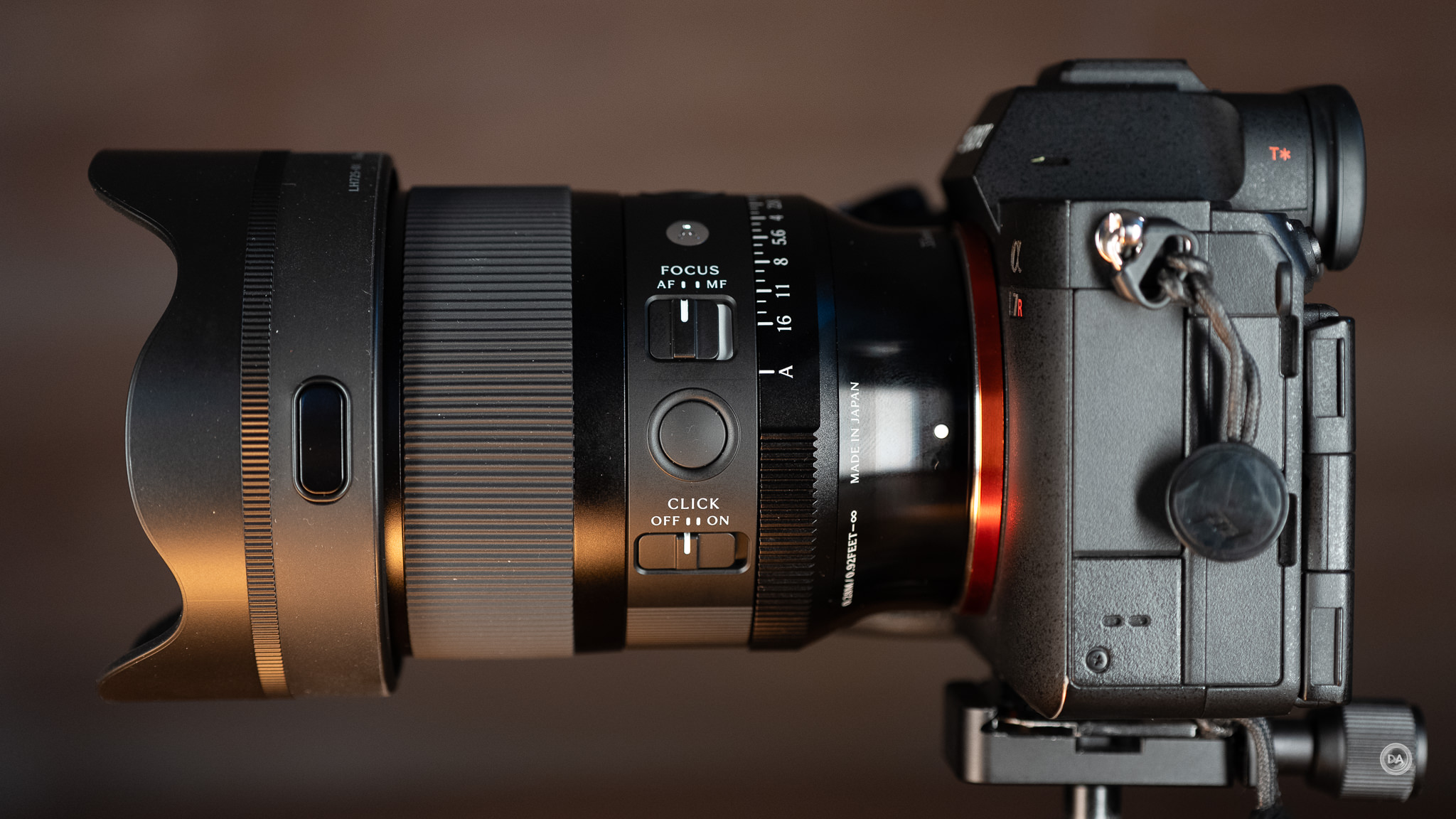
The look of the lens is clean and elegant, reflecting the subtle 2025 updates to the typical Sigma look in some of the textures and fonts. I’ve heard a few say that they don’t like this change, but most of you seem like to like the direction that Sigma has gone.

Sigma has established a high bar for their feature set on their better lenses which rivals that provided by anyone. That starts with a robust approach to aperture control. There is a manual aperture ring where you have the option to use clicks, with one third stop detents, or to declick the aperture for smooth aperture racking. The Click/Declick switch is low down on the left side of the lens. There is also an “iris lock” switch that will allow you to either lock into or out of the manual aperture ring. This ensures that you won’t accidentally end up out of the manual aperture settings or into them if you prefer to control aperture from within the camera. The iris lock switch is found on the right side of the lens barrel and has no label attached to it.
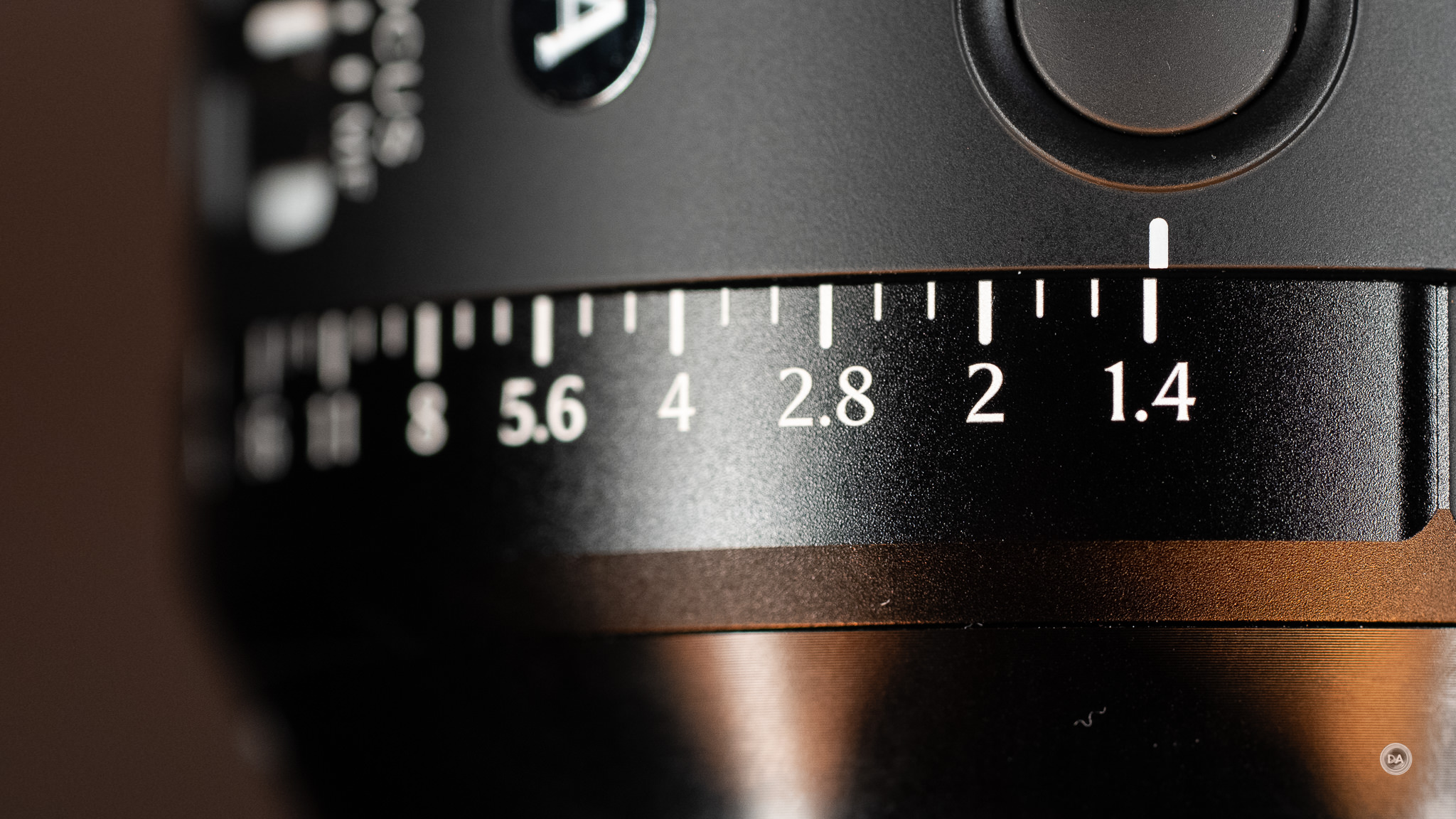
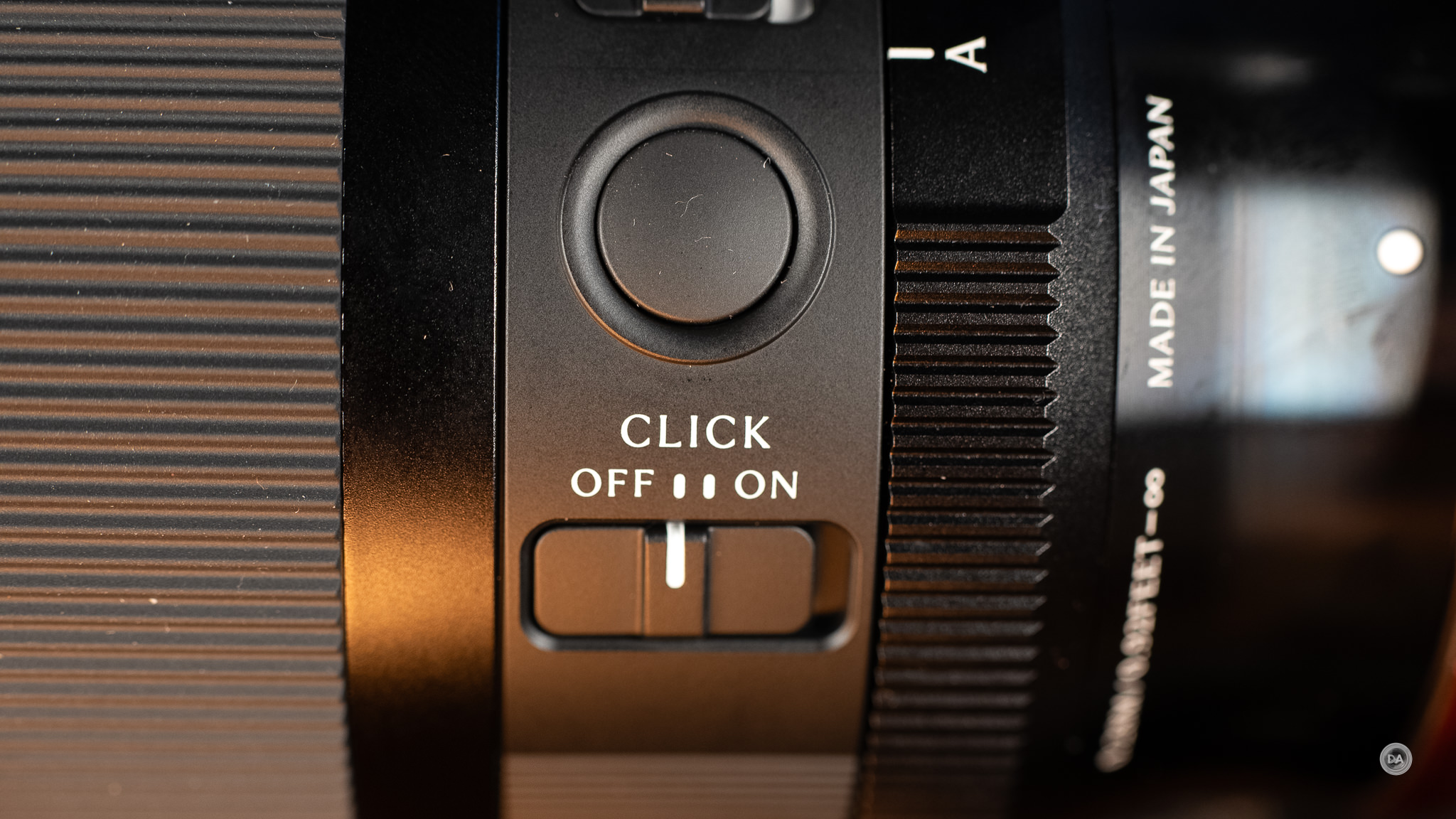
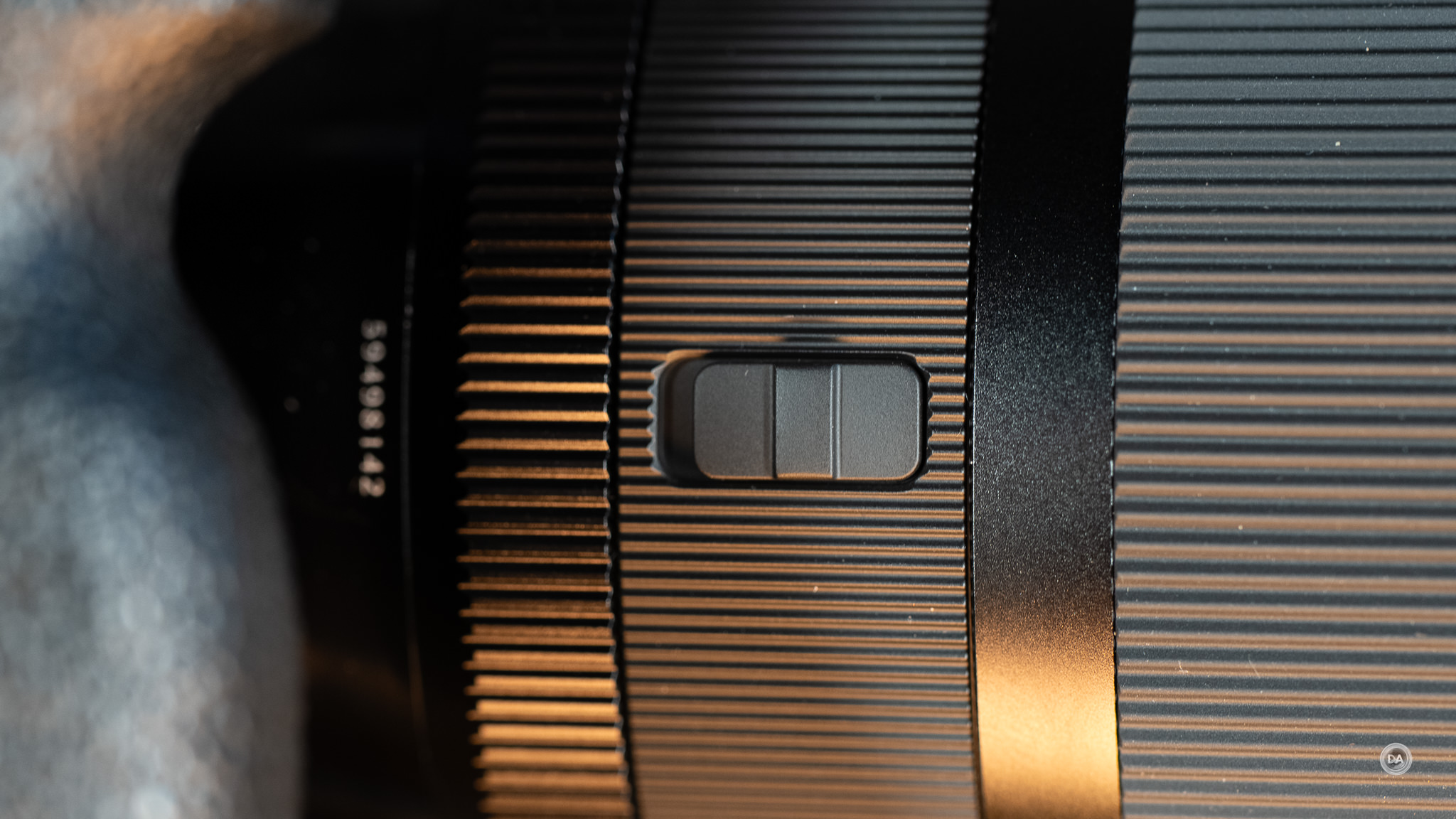
With the aperture declicked I was able to successfully perform smooth aperture racks all throughout the aperture range for video.
The aperture iris has 11 blades, which helps maintain a nice circular shape when the lens is stopped down. Here is the iris at roughly F4:

The iris allows for nice geometry as the lens is stopped down. Here’s a look at F1.4, then F2, then F2.8. You can see that by F2 the specular highlights are mostly round across the frame.



The lens also includes an AF | MF switch along with two Fn/Custom buttons – one on the left side of the camera below the AF | MF switch, and one on the top to access when shooting in vertical mode. As always, you assign the function of that button (both have the same function) through the camera body.
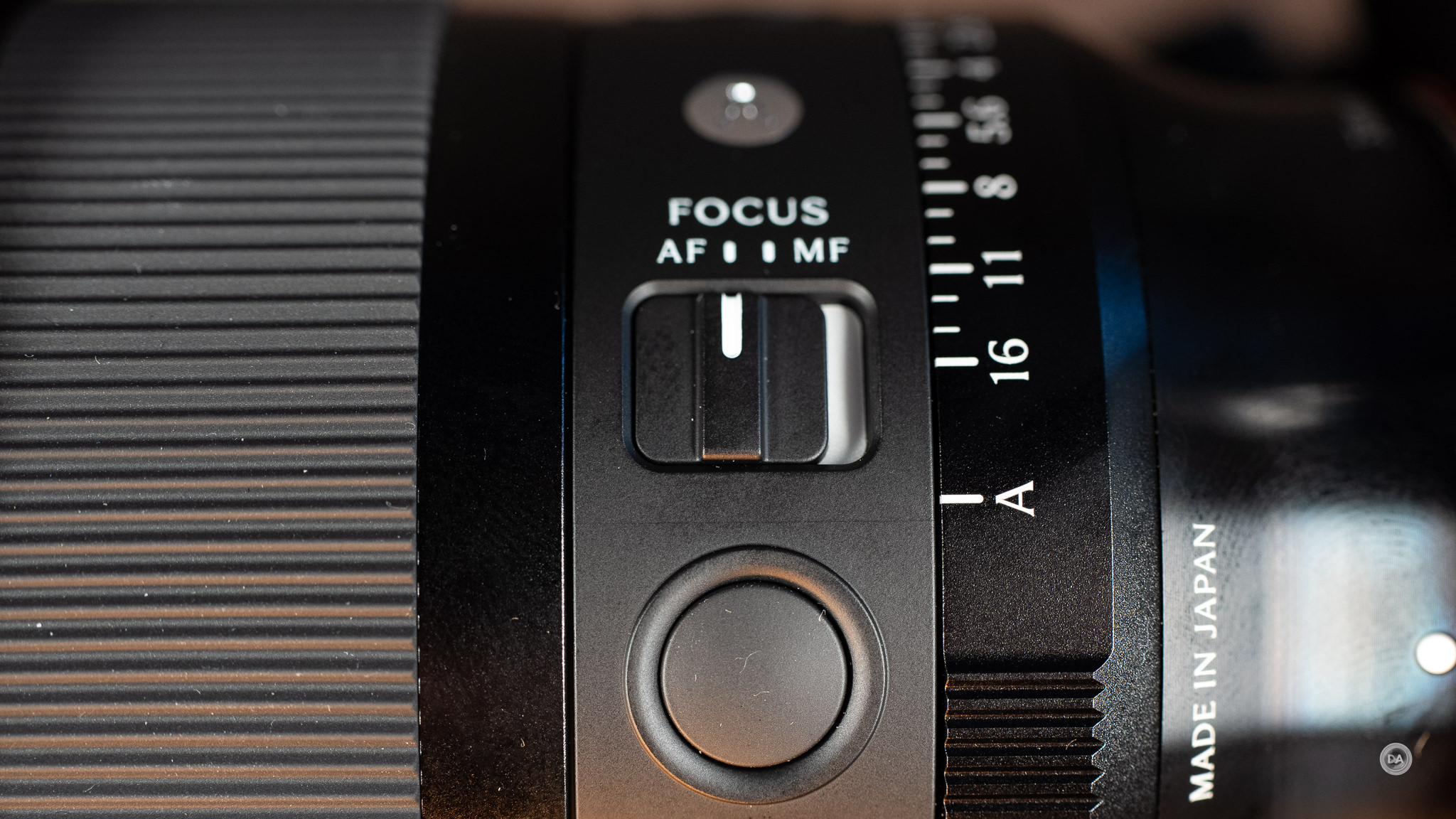
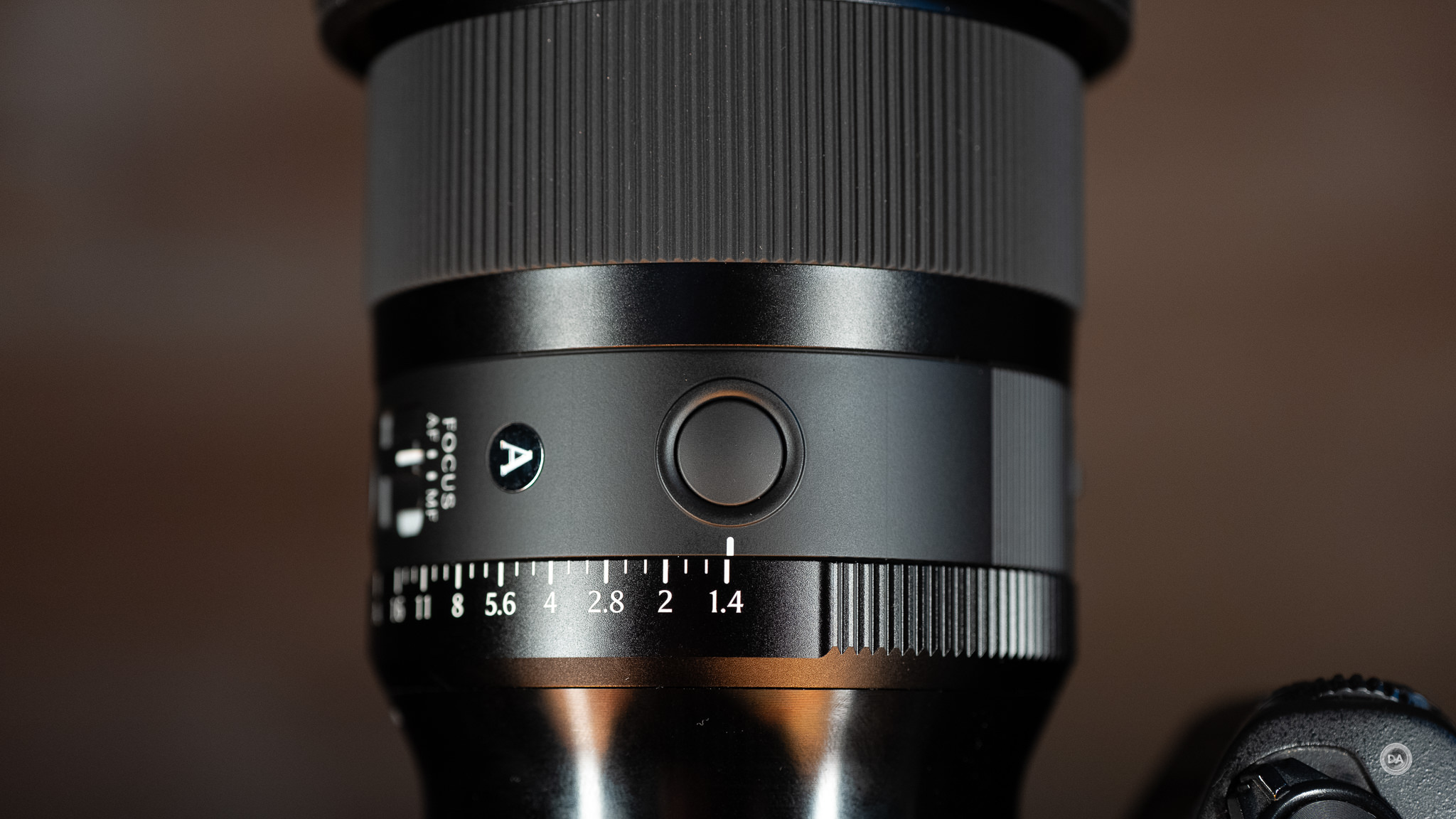
The final element on the lens barrel is a nice, wide focus ring with rubberized ribs. It has nice damping and moves well. It is worth emphasizing that Sigma lenses provide full time override, which not all lenses do. I appreciate this.
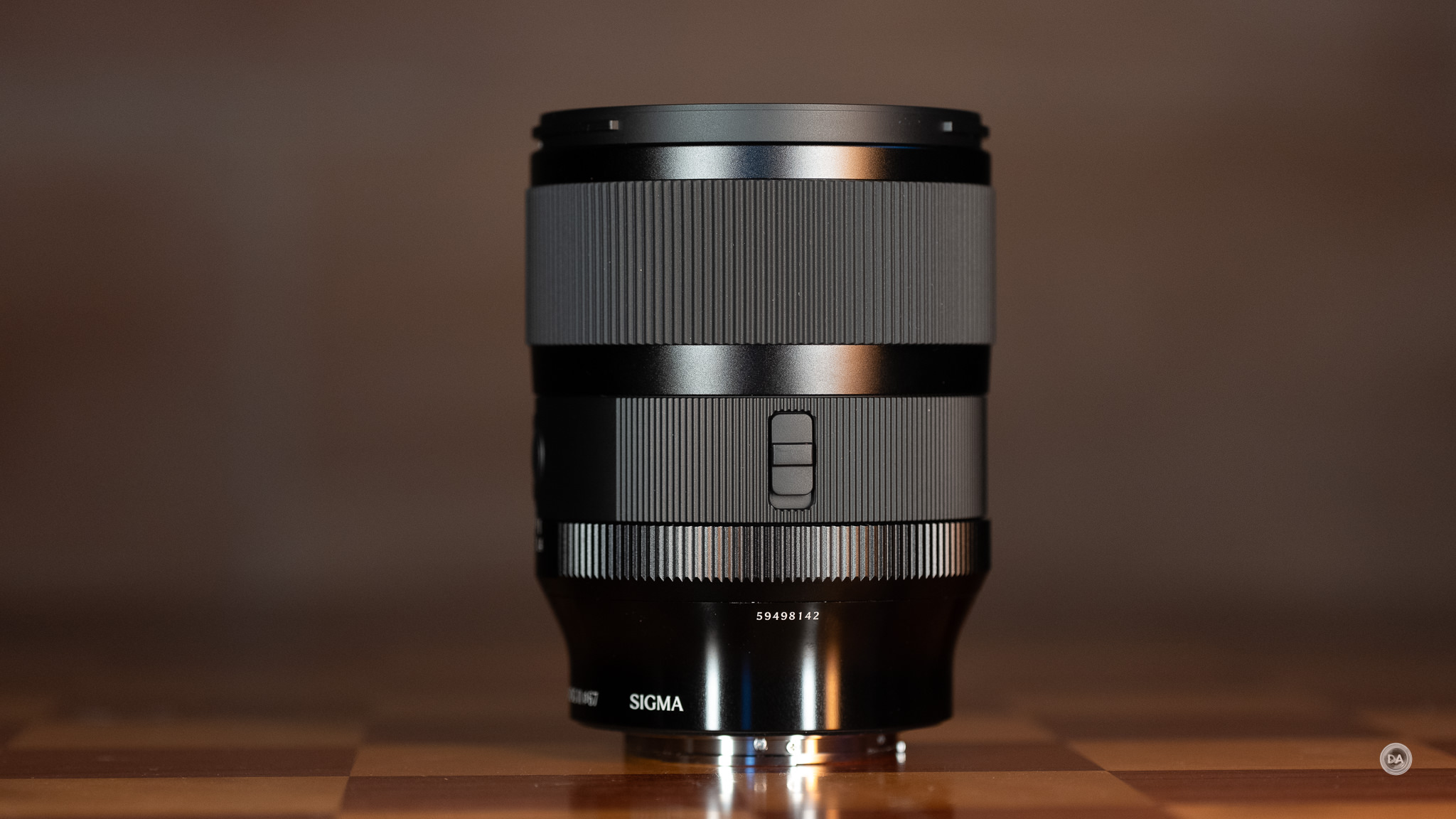
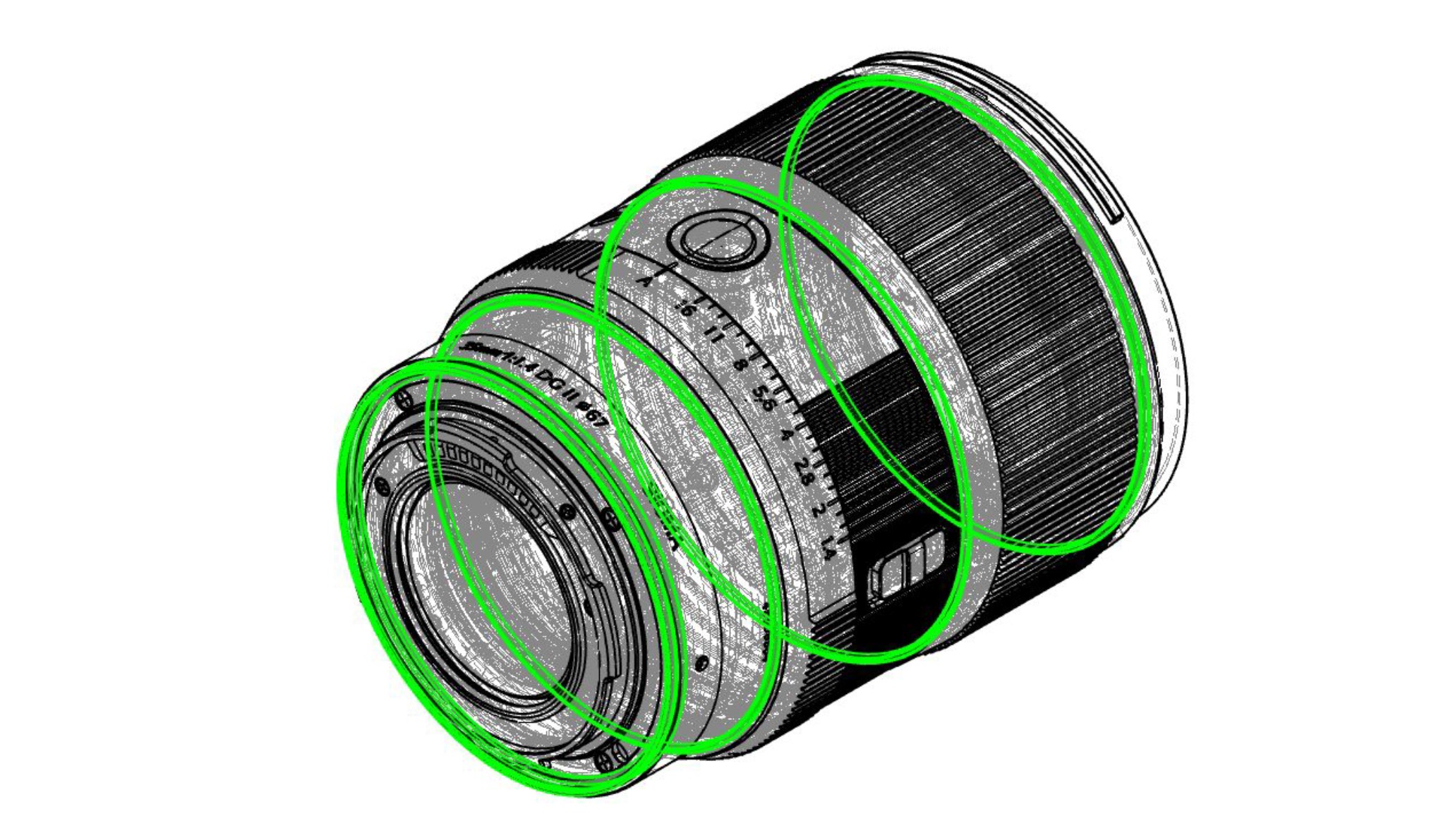
The ART 35 II cares Sigma’s dust- and splash-resistant structure, including a gasket at the lens mount, internal seals, and a special coating on the front element to resist fingerprints and moisture.

The lens comes with a hood and case. The lens hood is pretty typical for Sigma (though Sigma’s hoods tend to be nicer than everyone else’s), with a scalloped design and grip elements like a rubberized section along with a thin ribbed section to make it easy to grip and remove. There is a lock on the hood with a release button.

My one complaint about this hood is one I’ve had with Sigma lenses before – it is nearly impossible to use a circular polarizer or variable ND filter with the hood in place. You may not even be able to mount the hood, as it fits too tightly. At the least, you will almost certainly be unable to rotate the filter, which defeats the purpose of using a rotating filter.
Sigma has equipped the 35mm F1.4 DC II with a competitive minimum focus distance of 28mm. That is shared with the 35mm F1.2 II, along with the magnification of right under 0.19x. That’s closer than the Viltrox 35mm F1.2 (34cm), Sirui Aurora 35mm F1.4 (35.5cm), or the LK Samyang 35mm F1.4 II (29cm) but not quite as close as the Sony GM (25cm). The Sony has the highest magnification at 0.26x, but the results from the Sigma are very useful. Here’s what that magnification looks like on my test chart:

The magnification hasn’t increased over the first generation 35mm F1.4 for Sony E, but Sigma has utilized floating elements in the design that allow for a much sharper result up close.
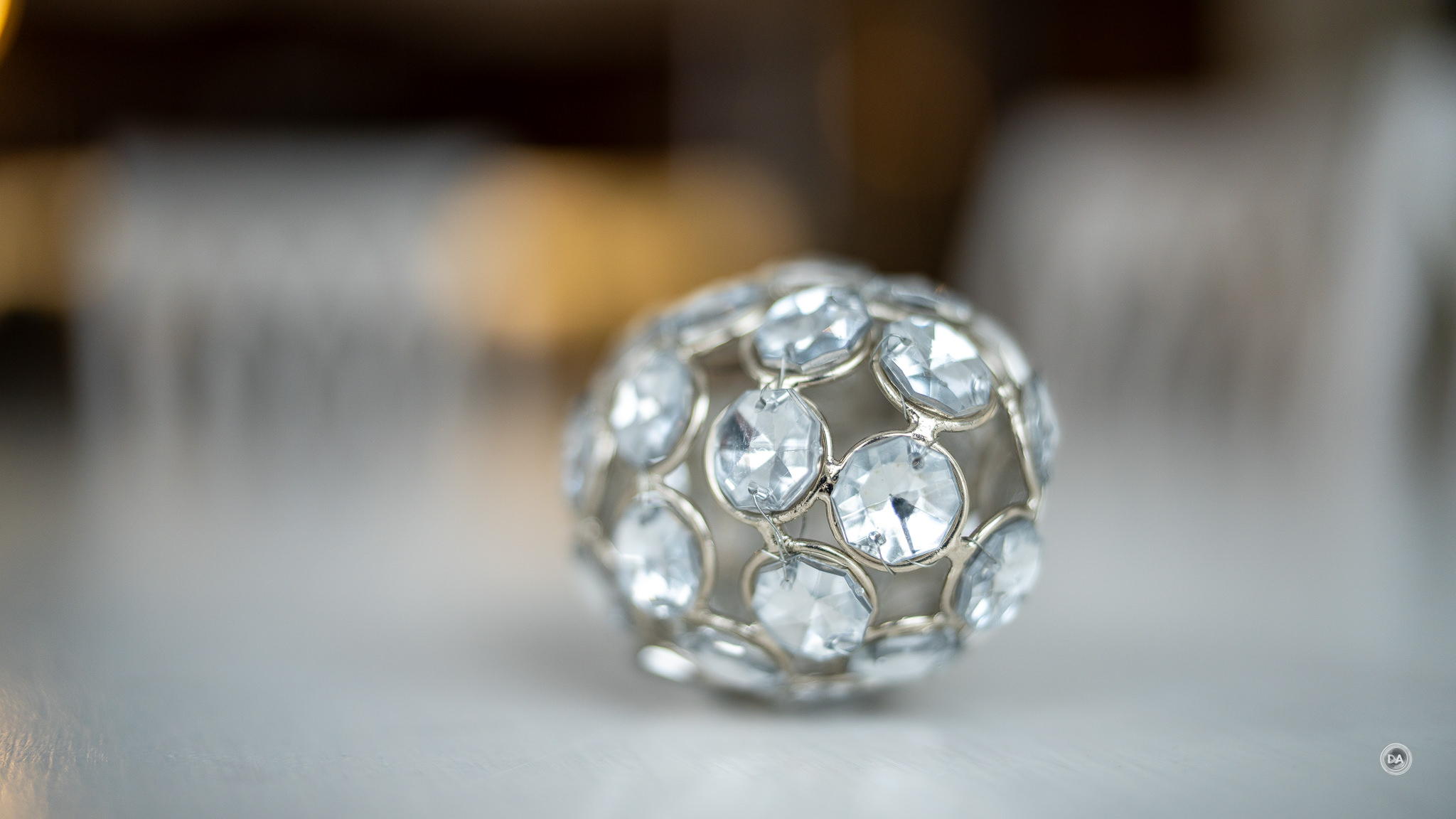
On final note is that Sigma has moved to more eco-friendly packing for their newest lenses, which I don’t mind because it has a cool retro-style to it. What I don’t love is that we’ve lost the nice padded, zippered case and it has been replaced with a little eco-friendly pouch that has zero protection value. That’s a bummer.
Other than that, however, this is a sweet lens that really improves on the first generation lens in basically every way.
Autofocus
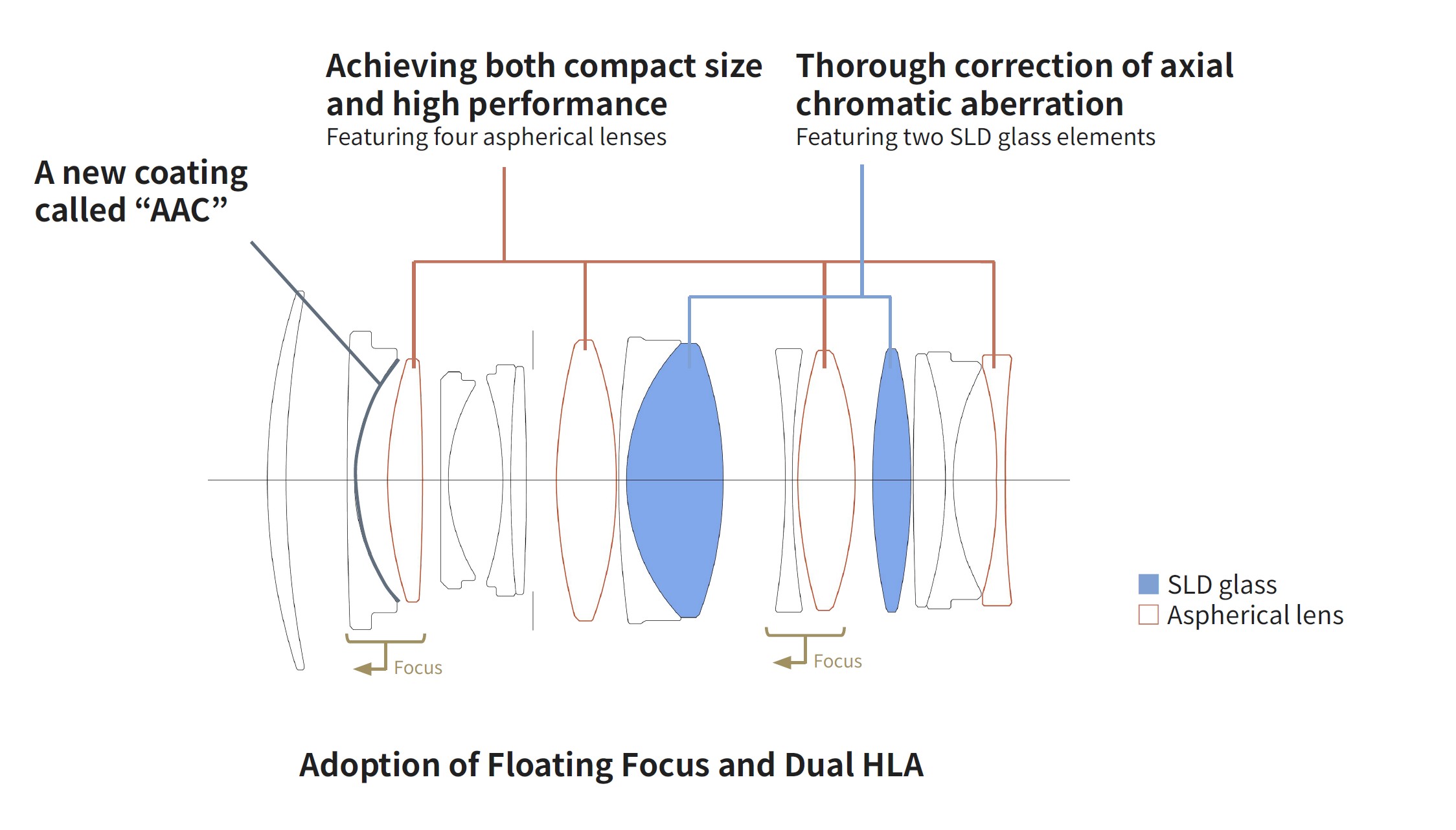
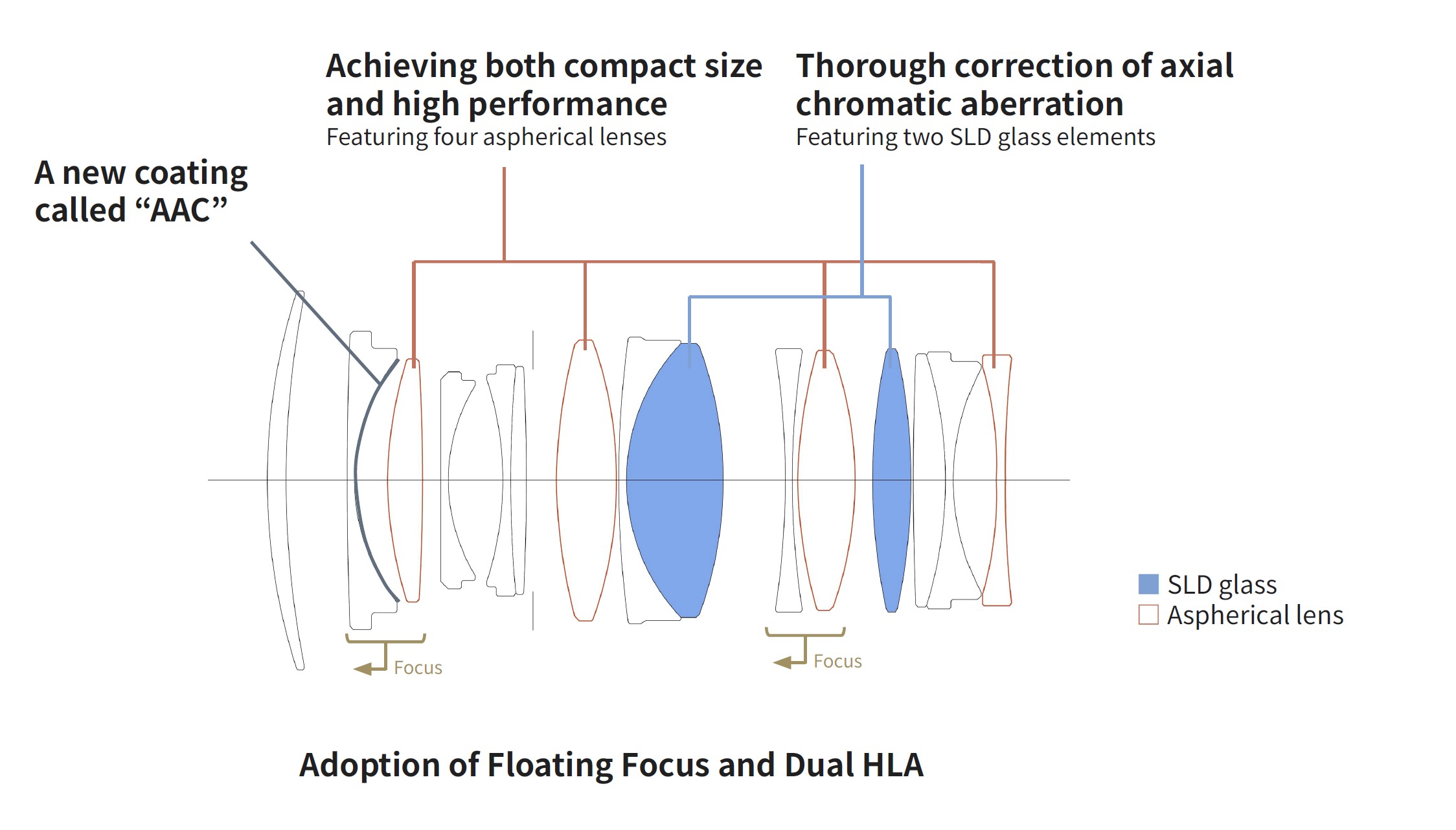
Like the 35mm F1.2 II, Sigma has equipped the 35mm F1.4 II with dual HLA focus motors. Sigma debuted the HLA (High speed Linear Actuator) focus motor a few years ago, but only now are they developing the ability to use these motors in tandem. It was this breakthrough that Sigma actually credits for their being able to reduce the size of these lenses from the first generation. This is one area that has really set Sony GM lenses apart from the competition, but between Sigma and Viltrox, it is clear that the competition is catching up. The HLA motor has much more torque/thrust than lenses equipped with a stepping motor (like the first gen 35mm F1.4), which is very important when you are talking about a lens with larger, heavier optical glass like this one. The increased thrust of the focus motors makes focus extremely snappy. This diagram shows that there are two different focusing groups, and, while heavier, the higher thrust potential of the HLA motors actually improves focus speed.
I was able to get many well focused shots of Nala on the move, even at F1.4 and in difficult lighting, and it seemed like autofocus had no problem keeping up.





You can see in this shot that Nala had quickly moved basically out of frame by the time I got the camera up and snapped the photo, but it is still accurately focused even though depth of field is very shallow.

On Sony, this remains a third party lens, which means that Sony does impose certain limitations. Burst speed with full time autofocus will be limited to 15 FPS on all bodies, though that may not prove a major limitation for most people in most situations. If you do need to shoot fast action with a 35mm lens, however, the Sony G-Master might be preferred for that reason. On L-mount, however, the Sigma is a first party lens, and it is unlikely that there is a better focusing alternative.
In my controlled focus tests, moving back and forth from a near to distant subject, I found the focus speed to be very near instant. There is no sound or drama connected with focus either.
Focus precision was also excellent, allowing me to focus on very narrow subjects effortlessly.

I will also note that Sigma’s full time manual override is great for the moments when the autofocus wants to grab a background rather than foreground subject (something I find common with all modern cameras and lenses), allowing you to get focus in the proper “zone” where AF can take over and make sure that focus is accurate.
As expected, focus was flawless for shooting portraits, even at F1.4:



At this point, frankly, I would be surprised by any lens that I’m testing on Sony that didn’t have decent autofocus performance for portrait work for the simple reason that the eye-detect technology is pretty much perfect.

The bottom line is that this is an excellent focusing lens; I had zero issues with autofocus for stills.
Video AF
I also saw good results for video work. Autofocus pulls were fast and confident, and focus breathing is naturally better controlled than many of the other 35mm options, including the Sony GM (which is fairly notorious for focus breathing). The Sony has the advantage of being able to be digitally corrected by Sony’s focus breathing compensation in camera, but this comes at the cost of a crop factor and thus less width to the image. The Sigma wins for the lowest native focus breathing.
I saw no visible steps or pulses. Focus was stable and confident.
My hand test (where I alternately block the camera’s view of my face with my hand and then remove it to allow focus to move to my face) went fairly well, with confident transitions back and forth.

Focus was quick and confident to pick up me back up when I popped out of frame and then jumped back in, like above.
I shot some of my YouTube episodes with the lens and saw nothing but stable focus.
Sigma has done a solid job on the autofocus in general.
Image Quality Breakdown
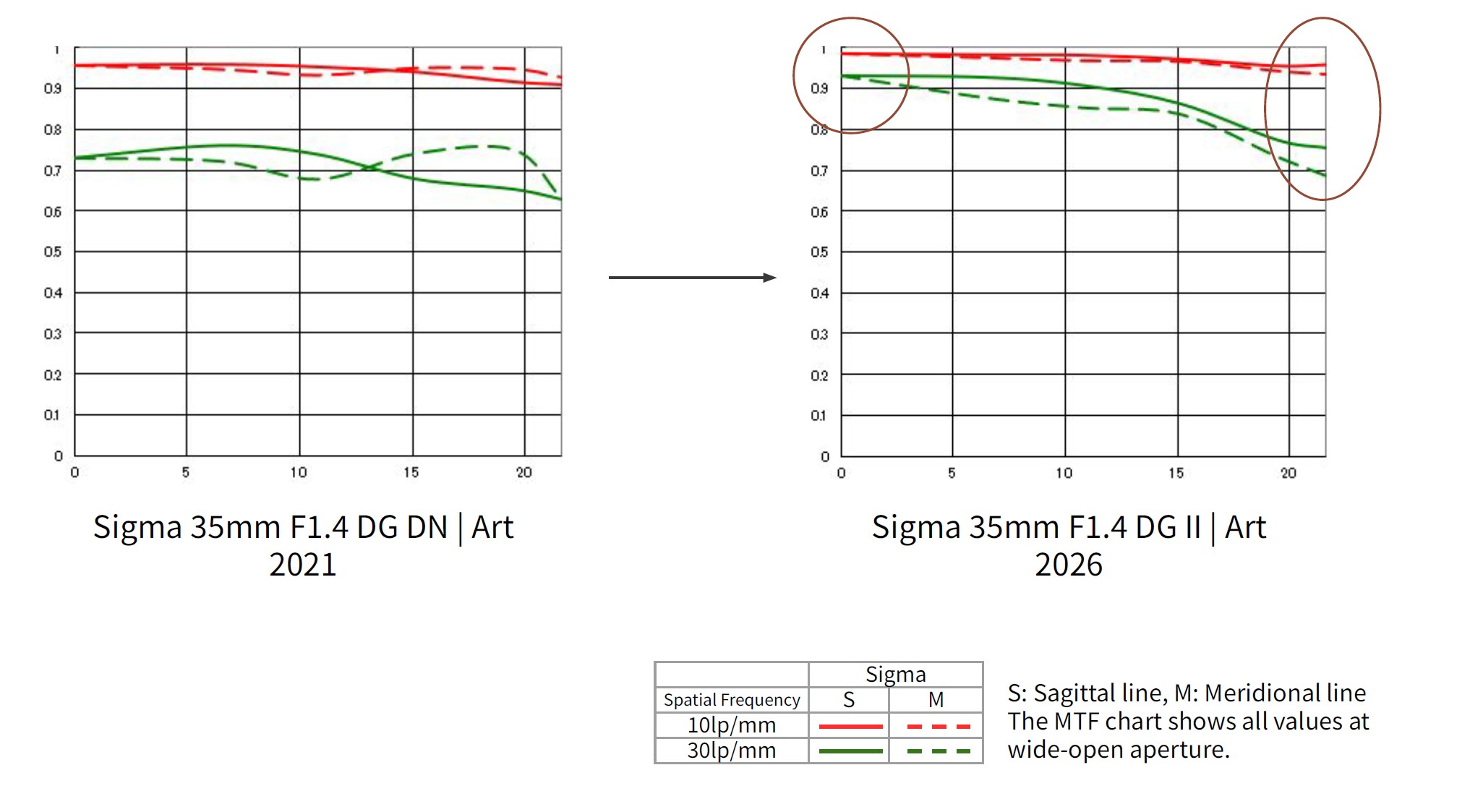
The 35mm F1.3 DG II is slightly less optically complex as the 35mm F1.2 II, but certainly isn’t a “single-digit” classic design. We’ve got 15 elements in 12 groups, including 4 aspherical elements and 2 SLD elements. The MTF shows that this is a very sharp lens, with a performance near 80% even in the corners, which is outstanding.
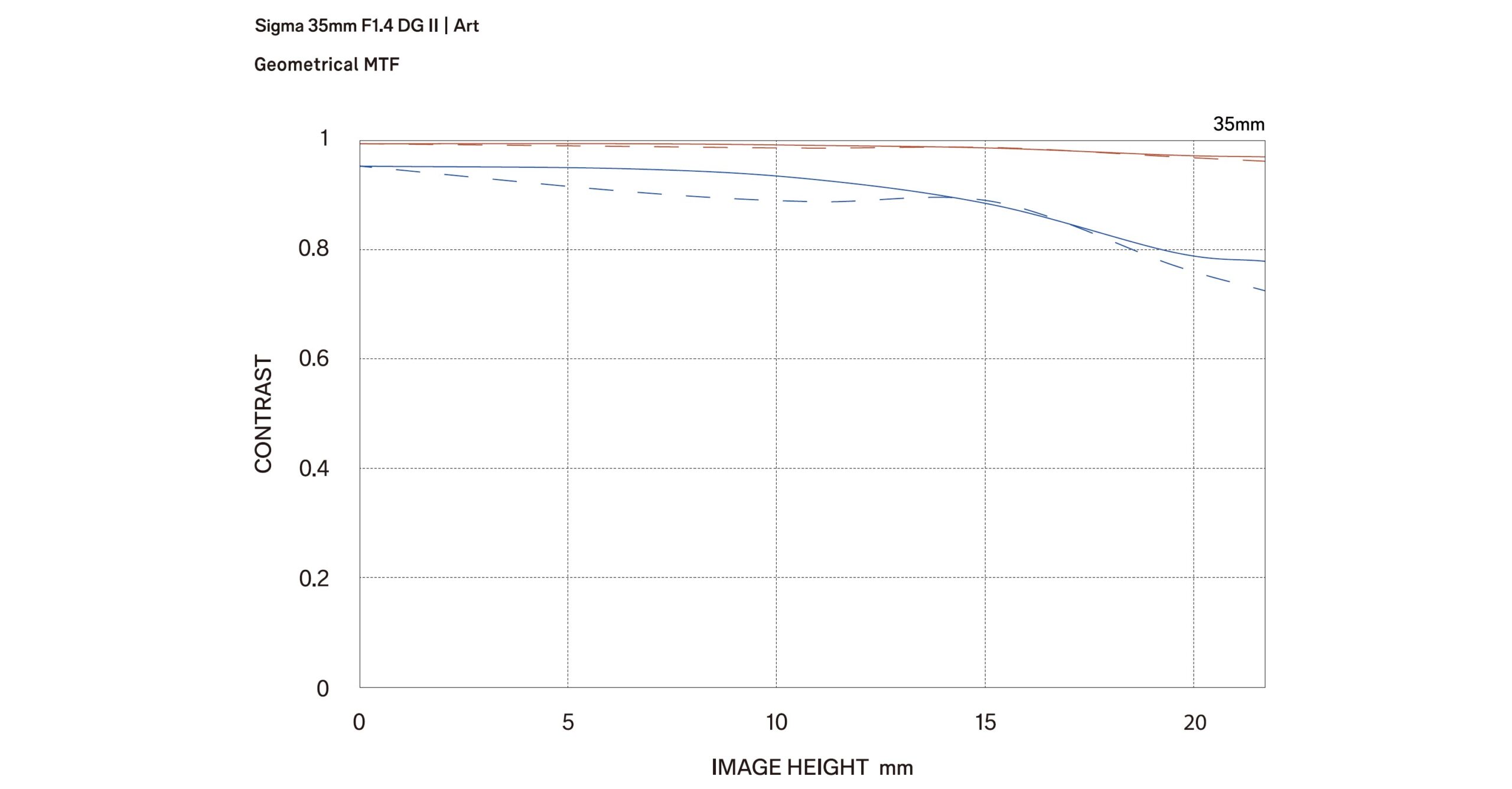
Sigma chose to benchmark their first gen lens in their literature, and while that lens was very sharp, we can see that the new lens is sharper, well, everywhere.
This is certainly a very sharp lens, even at F1.4 and at a distance:


As we are going to see, the Sigma holds up well in a lot of metrics. Let’s take a look at vignette and distortion.
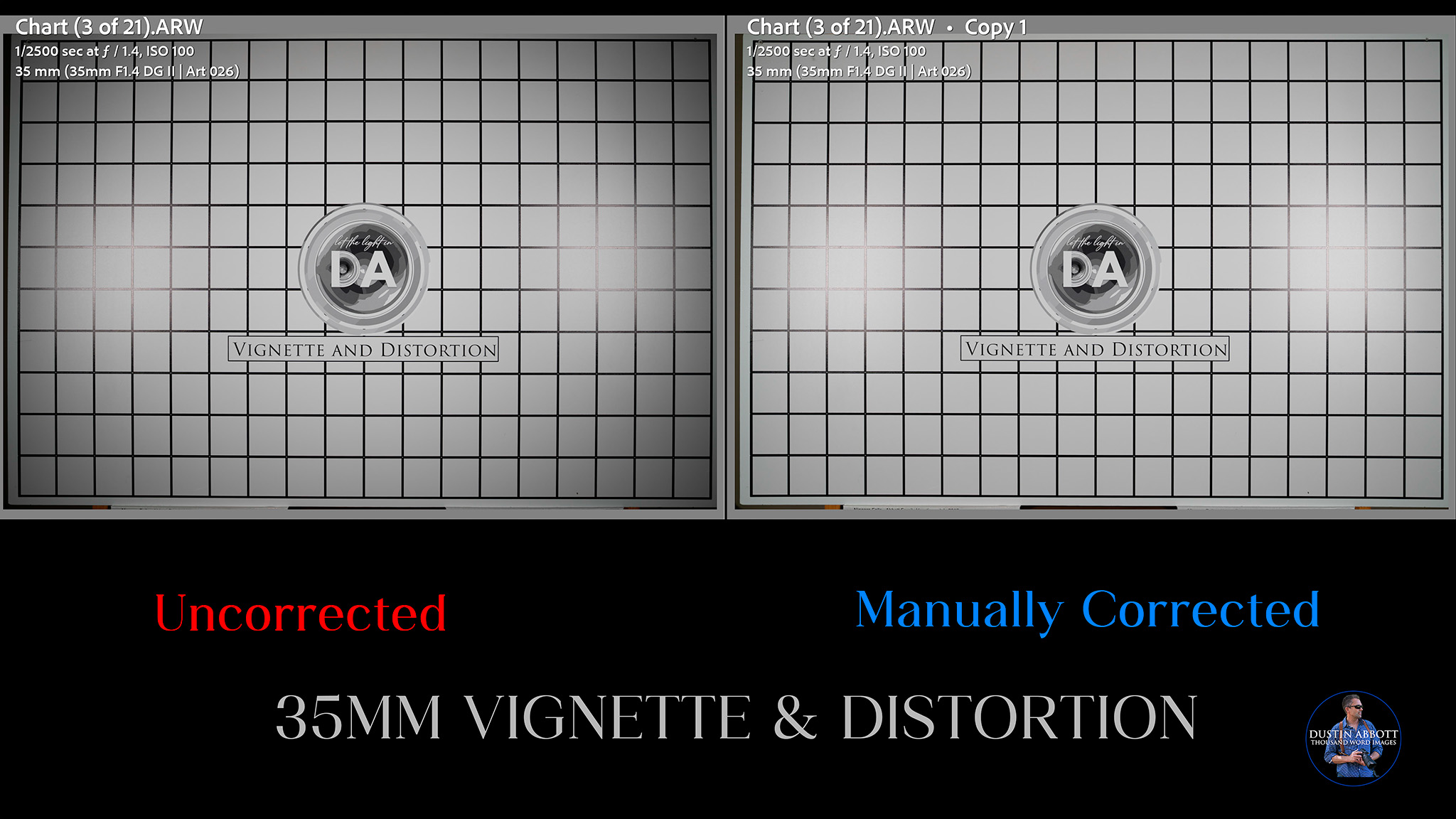
While I sometimes complain about how much correction Sigma wide angle lenses often need, they’ve nailed both of their recent 35mm releases. There is only the tiniest amount of barrel distortion, requiring just a +2 to correct for. Vignette is another story, however, requiring a full +81 (about three stops) to correct the vignette. You will see that natural vignette pretty strongly in certain images.

Sigma has thorough profile support on both Sony and L-mount, so these are not any kind of real world issue.
Testing for longitudinal chromatic aberrations (LoCA) shows only a tiny amount of fringing before the plane of focus.

I often shoot my Dad’s old SLR because it really exaggerates fringing. There is only the tiniest amount of green fringing on a few shiny edges, and no fringing around the specular highlights.

I also saw zero issues with LaCA (lateral chromatic aberrations), which shows up along the edges of the frame. All of the transitions here are very neutral.

This is a high-end optical instrument, and they’ve (mostly) corrected the issues in the optics rather than through software (other than a bit too much vignette).
So how about resolution and contrast? My formal tests are done on the 61MP Sony a7RV.
The MTF suggests that this is a very sharp lens all across the frame even at F1.2. Is that what we see? Here’s a look at the test chart from which the crops come.

Here are crops from across the frame at F1.2 and shown at a 200% magnification.



The center and midframe look excellent, and the corners still look fairly strong as well.
I don’t honestly think that lack of sharpness will be a problem for anyone. Real world images are pretty impressive even at F1.4.

A deep crop from an F1.4 portrait shows plenty of detail in the skin textures.

You can also see from this crop the defocused area is nice and soft as well.
When I compared with my own main 35mm lens on E-mount – the Viltrox LAB 35mm F1.2 – I found that the rendering looked more similar than different.
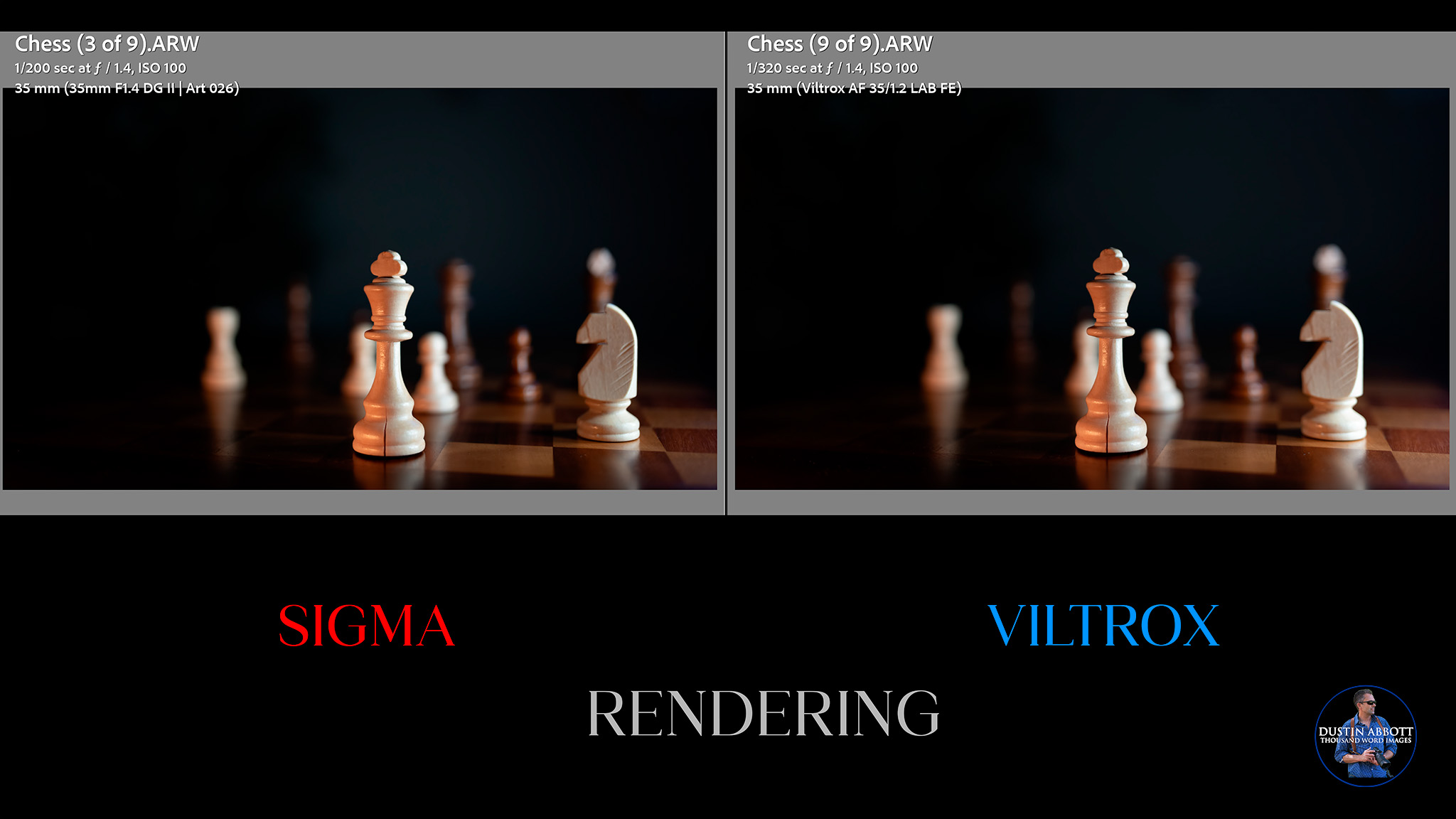
Likewise the detail when I zoom into the image looks largely the same.
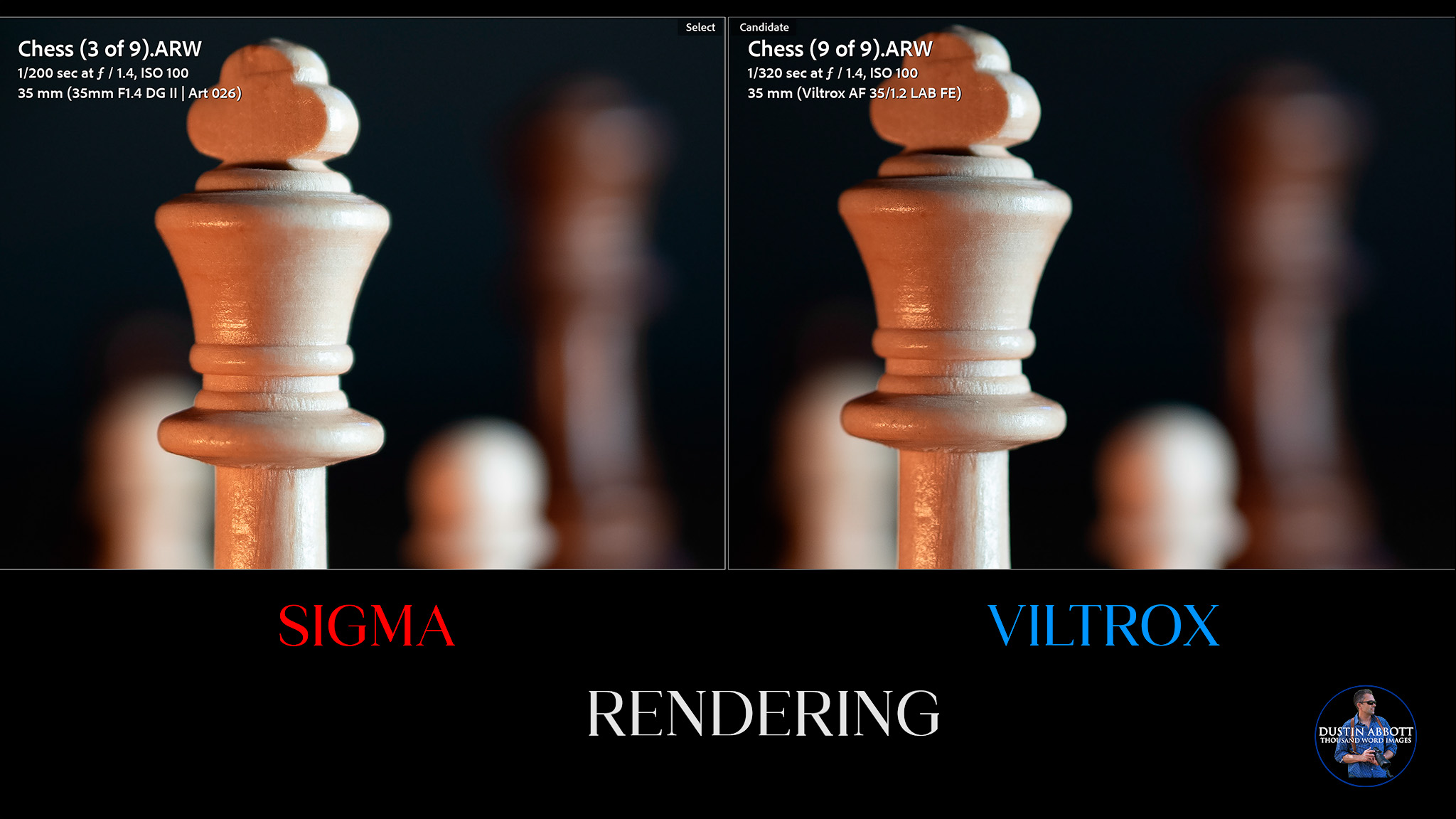
One difference that did stand out was the LAB lens was able to produce an image with roughly equal brightness with a faster shutter speed (both lenses at F1.4), suggesting a better light transmission. The LAB is one of the sharpest 35mm lenses that I’ve ever tested, and the fact that the Sigma matches it for sharpness and contrast in this comparison is impressive.
Stopping the Sigma down to F2.8 produces a surprising amount of improvement to detail and contrast.
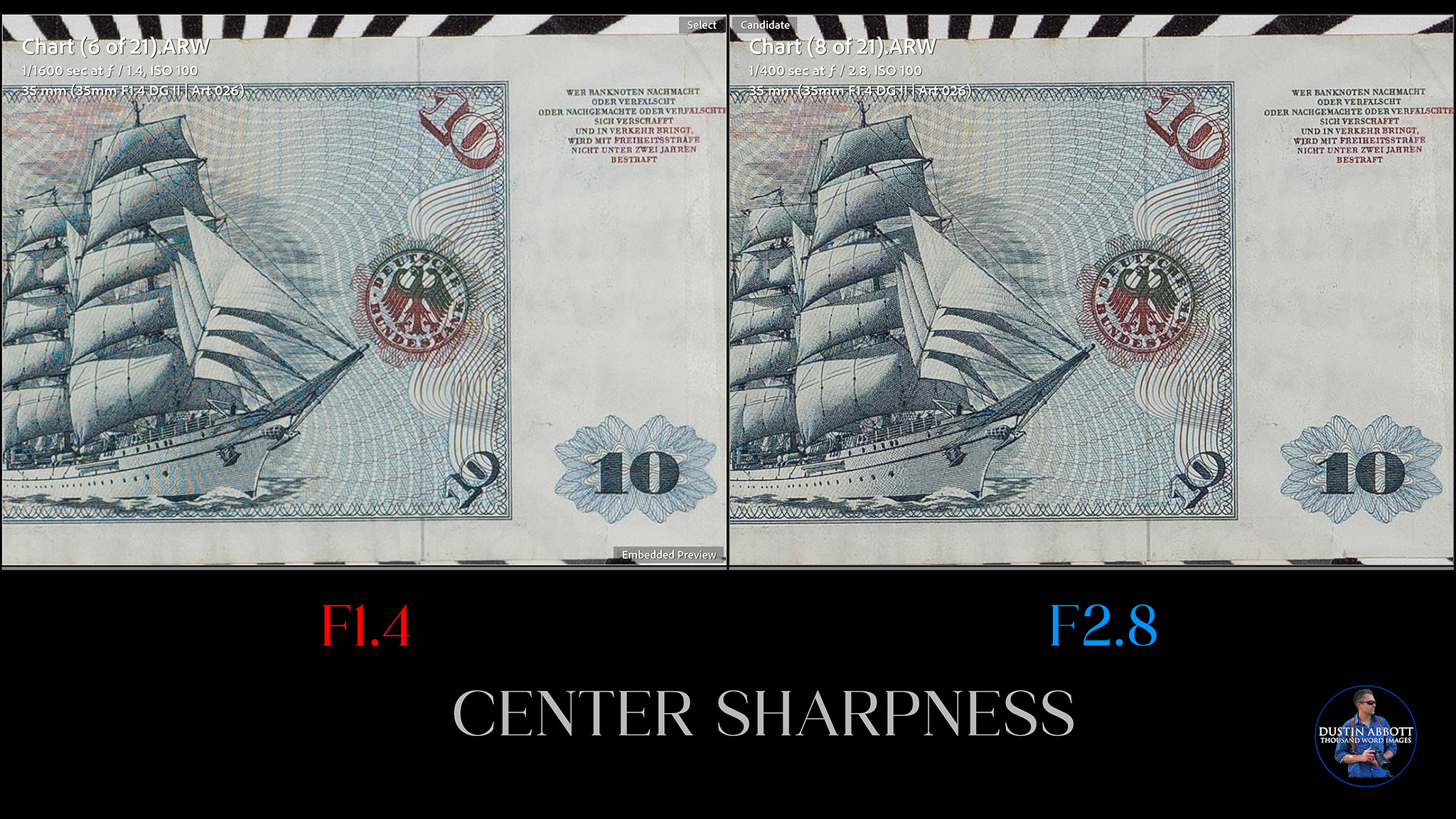
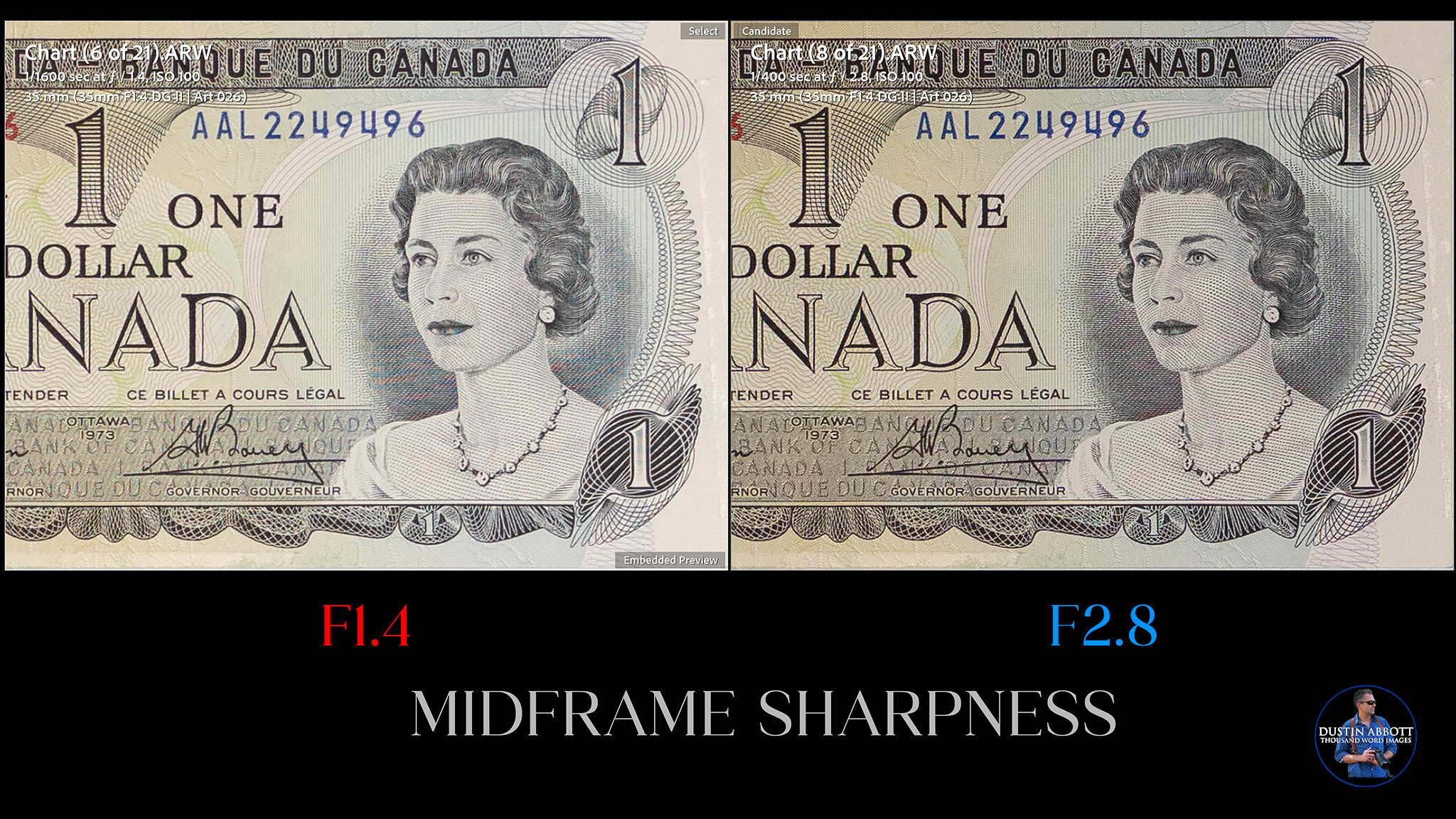

I saw surprising because the lens is already so strong wide open.
Stopping down further produces no further meaningful improvements, but the lens was already exceptionally sharp. Landscape images are sharp across the frame.



Diffraction will start to take a bite out of contrast by F11, but more noticeably by the minimum aperture of F16.

The bokeh quality also feels somewhat improved here. At its best, the rendering is nice and soft:

This is helped in part by having such low levels of fringing, allowing the out-of-focus areas to be much more neutral than the previous version.


Even at medium distances, and with more in the transition zone between focus and defocus, I felt like the rendering looked quite nice.

Also improved is the flare resistance. The 35mm F1.4 DC II has Sigma’s new AAC (Advanced Amorphous Coating), and this new coating works very well at suppressing flare issues…particularly when shooting directly into the sun.



Flare resistance was also excellent when shooting into bright window light. You can see from this shot that contrast stays strong and there are no ghosting artifacts.
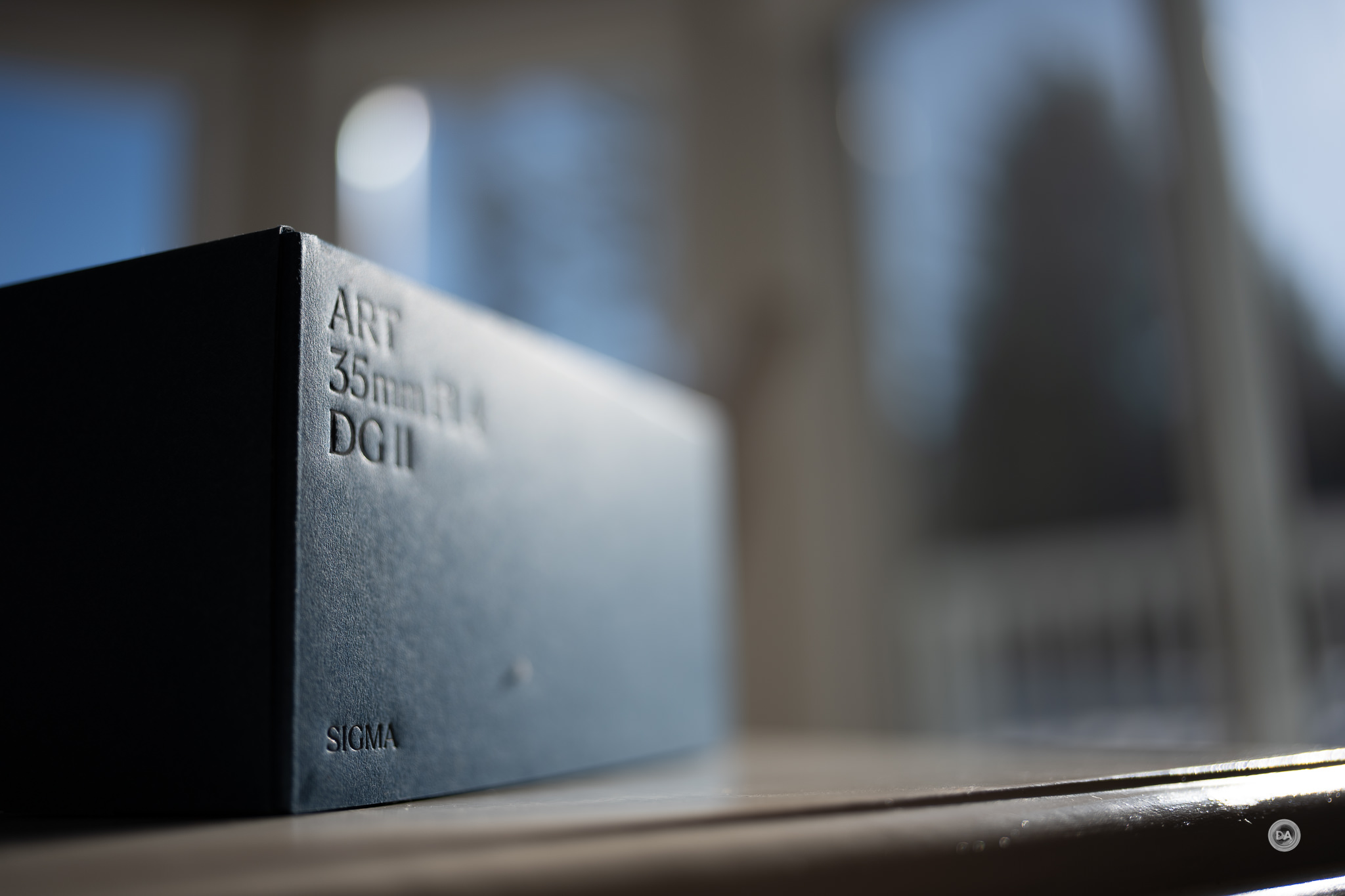
I was able to get some night sky images and got some great captures of the Milky Way. Other than the strong vignette, this is a nice astro lens, with crisp star points, low coma, and a lot of light gathering potential.



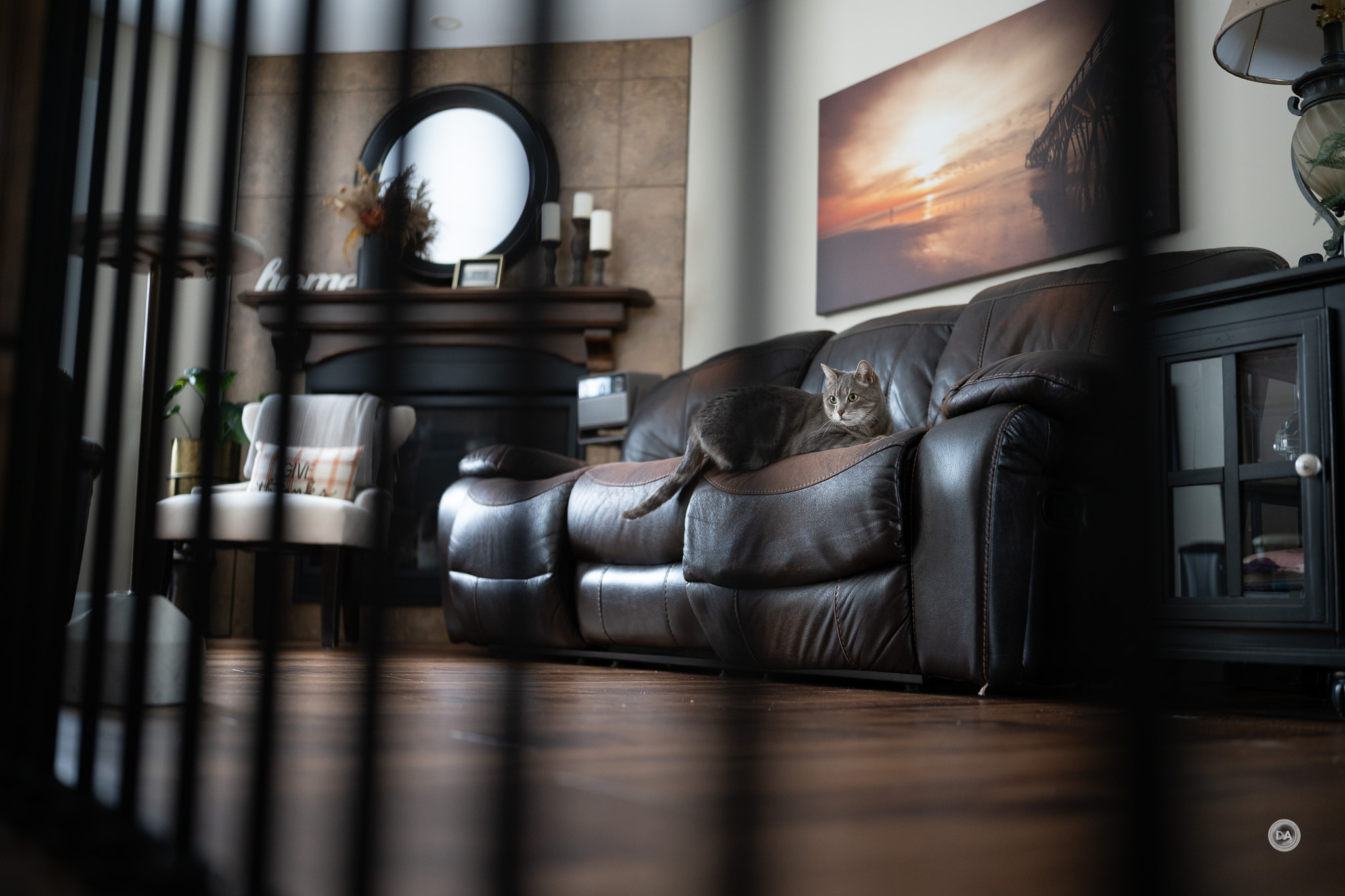
The image quality is in general pretty special. The lens is sharp, has low distortion, nice bokeh, and produces images that are generally delightful. Here’s a mini gallery of extra images for you to enjoy.














Conclusion
The Sigma 35mm F1.4 DG II | ART, like last year’s 35mm F1.2 DG II | ART, shows the polish of being a second generation lens. It feels more sophisticated than the first generation lens, and Sigma’s newfound ability to shrink their optical designs helps them to compete more directly with Sony’s own G Master lenses (which are often amongst the most compact in their class). Autofocus is more refined, and the optical performance improves on the few optical flaws of the first generation lens.

While you can get the Viltrox LAB 35mm F1.2 for roughly the same money, the Viltrox is MUCH bigger and heavier, and in some ways is a bit less polished. I think that the 35mm F1.4 DG II also makes a more compelling case against the Sony 35mm F1.4 GM, as now is is the same size, has similar autofocus and optical performance, and can be had for well over $500 less.

The 35mm F1.4 II may just be sharper than the 35mm F1.2 II from Sigma, though it won’t have quite the same ability to produce a shallow depth of field, making it a great option for both Sony and L-mount shooters. I think that Sigma has done a great job with this one, as this is a lens that I could happy own and use as my primary 35mm option.

Pros:
- Compact and lightweight design, directly competing with Sony’s 35mm GM lens.
- Exceptional autofocus performance, even in challenging conditions.
- High optical quality with sharpness and low distortion.
- Affordable pricing compared to similar premium lenses.
- Improved close-up performance through new floating elements
- Robust build quality with dust and splash resistance.
- Versatile manual aperture ring options for video and photography.
- Enhanced bokeh quality for aesthetically pleasing out-of-focus areas.
- Effective flare suppression, maintaining contrast in bright lighting situations.
Cons:
- Vignetting may require significant correction.
- Burst shooting speed may be limited as a third-party lens on Sony bodies.
_________________________________________________________________________
GEAR USED:
Purchase the Sigma 35mm F1.4 DG II | ART @ B&H Photo | Adorama | Amazon | Camera Canada | Amazon Canada | Amazon UK | Amazon Germany
Purchase the Sigma 35mm F1.2 DG II | ART @ B&H Photo | Adorama | Amazon | Camera Canada | Amazon Canada | Amazon UK | Amazon Germany
Purchase the Sigma 135mm F1.4 ART @ B&H Photo | Adorama | Amazon | Camera Canada | Amazon Canada | Amazon UK | Amazon Germany
___________________________________________________________________
Purchase the Sony a7RV @ B&H Photo | Adorama | Amazon | Camera Canada | Sony Canada | Amazon Canada | Amazon UK | Amazon Germany
__________________________________________________________________
Purchase the Sony a7IV @ B&H Photo | Adorama | Amazon | Camera Canada | Sony Canada | Amazon Canada | Amazon UK | Amazon Germany
_________________________________________________________________
Purchase the Sony Alpha 1 @ Camera Canada | B&H Photo | Adorama | Amazon | Sony Canada | Amazon Canada | Amazon UK | Amazon Germany | Ebay
_________________________________________________________________
Want to support this channel? Use these affiliate links to shop at: B&H Photo | Amazon | Adorama | Camera Canada | Amazon Canada | Amazon UK | Ebay | Make a donation via Paypal
Buy DA Merchandise https://bit.ly/TWIMerch

Keywords: Sigma 35mm, 35mm ART, 35mm F1.4, 35 f/1.4, DG, DG II, ART, Sigma 35mm ART, Sigma 35mm F1.4 II, Sigma 35mm F1.4 DG II | ART, Sigma 35 ART Review, #SIGMAEmount, #SIGMA #SIGMA35mmF14ART, Viltrox LAB, LAB 35mm, #SIGMAART, Full Frame, Review, Sony Alpha 1, Sony α II, Sony a7RV, Review, Hands On, Dustin Abbott, Real World, Comparison, Sharpness, Bokeh, Flare Resistance, Autofocus, Image Quality, Sample Images, Video, Photography, let the light in, weathersealing, #letthelightin, DA
Related posts:
 Sigma 35mm F1.2 DG II | ART Review
 Sigma 24-70mm F2.8 DG DN II | ART Review
 Sigma 28-45mm F1.8 DG DN | ART Review
 Sigma 28-105mm F2.8 DG DN | ART Review
 Sigma 135mm F1.4 DG | ART Review
 Sigma 24-70mm F2.8 DN II Gallery
 Sigma 28-45mm F1.8 DG DN | ART Gallery
 Sigma 28-105mm F2.8 DG DN ART Gallery
 Sigma 17-40mm F1.8 DC | ART Review
 Sirui Aurora vs Sigma DN 85mm F1.4