

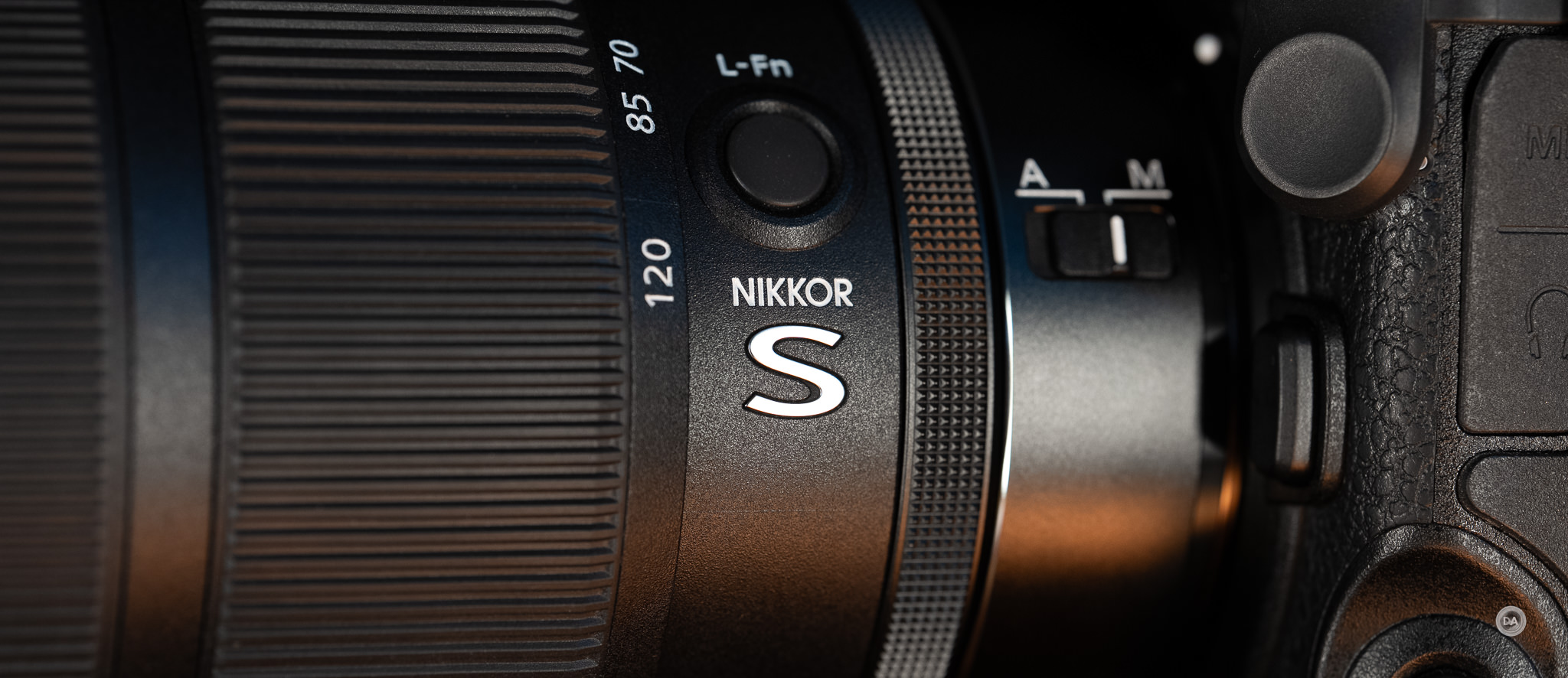
I’ve reviewed nearly a dozen 24-105mm variants over the years, but this is my first time reviewing a lens that manages to stretch that traditional zoom range and give it a little more telephoto reach. And after spending some time with Nikon’s Nikkor Z 24-120mm F4 S, I can see why so many people urged me to review it. This is an extremely useful lens, marrying a 5x zoom ratio with good autofocus and a reasonably compact package. It has strong up close performance, a constant maximum aperture, and delivers strong image quality throughout the zoom range. And, at an MSRP of $1150 USD (currently available for $150 less), it is priced in a reasonable enough zone that more people can afford it. It’s no wonder that this is one of Nikon’s most popular zoom lenses. We’ll explore the reasons why in video review below or in this text review.
Follow Me @ YouTube | Patreon | Instagram | Facebook | DA Merchandise | Flickr | 500px | X
__________________________________________________________________________________________________
Thanks to Chris at Nikon Canada for sending me a review loaner of this lens. As always, this is a completely independent review. All opinions and conclusions are my own. *The tests and most of the photos that I share as a part of my review cycle have been done with the 45MP Nikon Z8, which I reviewed here. You can find the product listing page for the Nikkor Z 24-120mm F4 S here.
__________________________________________________________________________________________________
AI Summary: The Nikon Nikkor Z 24-120mm F4 S lens is highly praised for its versatility, combining a 5x zoom ratio with strong autofocus and impressive image quality. It features a constant maximum aperture, compact design, and remarkable performance for close-up shots, making it a solid choice for professionals and enthusiasts alike. While not equipped with lens-based Vibration Reduction (VR), it compensates well with camera-based stabilization, particularly on the Nikon Z8. At a reasonable price point, this lens stands out as one of Nikon’s most popular zoom lenses, successfully merging functionality with affordability.
Strengths:
- Versatile 5x zoom range with strong image quality.
- Excellent autofocus performance for both stills and video.
- Compact and lightweight design compared to competitors.
- Reasonably priced for a premium lens.
Weaknesses:
- Lacks built-in Vibration Reduction (VR), which may limit performance for some users.
- Some corner sharpness issues, particularly at wider apertures.
- Autofocus switch placement may be inconvenient on some camera bodies.
__________________________________________________________________________________________________
There’s no question that this is perhaps the most useful focal range ever paired to a constant maximum aperture. You can go from this framing at 24mm:
…to a much, much tighter framing at 120mm:

…all without moving.
What’s more, the close focus abilities of the Nikkor 24-120S means that you can also get unique close focus shots to augment portrait or wedding shoots.
The main omission in this design is VR, (Vibration Reduction, or lens-based stabilization), which is unusual in this class of lens. That isn’t a problem on my Nikon Z8 body and its effective camera-based stabilization, but obviously is a limiting factor for those of you using a camera without VR. Let’s see if there are any other surprises as we take a deep dive into the review.
Features
- Full-Frame | f/4 to f/22
- Wide-Angle to Telephoto Zoom
- Multi-Focus Stepping Motor AF System
- Programmable Control Ring & L.Fn Button
- ED and Aspherical Elements
- ARNEO and Nano Crystal Coatings
- Weather-Sealed Design, Fluorine Coating
- Rounded 9-Blade Diaphragm
Build and Handling
Nikon’s lineup of Z-mount premium lenses – the S-Line lenses – is known for many things, but being small is not one of them. That’s true to some degree of the 24-120S, as it runs right under 5mm longer than the Sony 24-105mm F4 G and roughly 10mm longer than the Canon RF 24-104mm F4L IS. It also has an extra 15mm of reach, however, so I’m inclined to give it a pass!
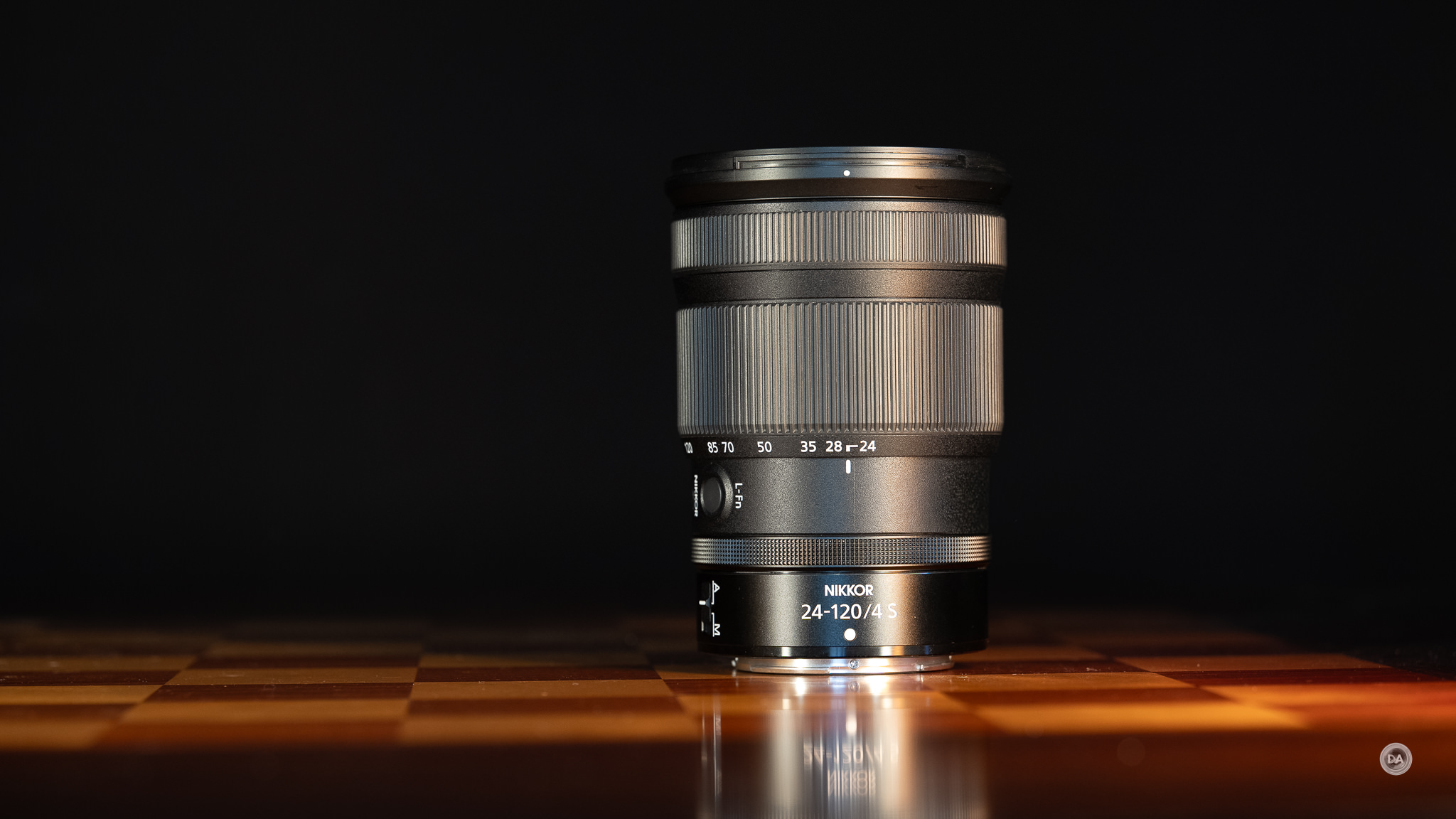
The size isn’t bad, however. It measures 84 mm (3.4 in) in diameter and 118 mm (4.7 in) in length. That gives us a standard 77mm filter thread up front.
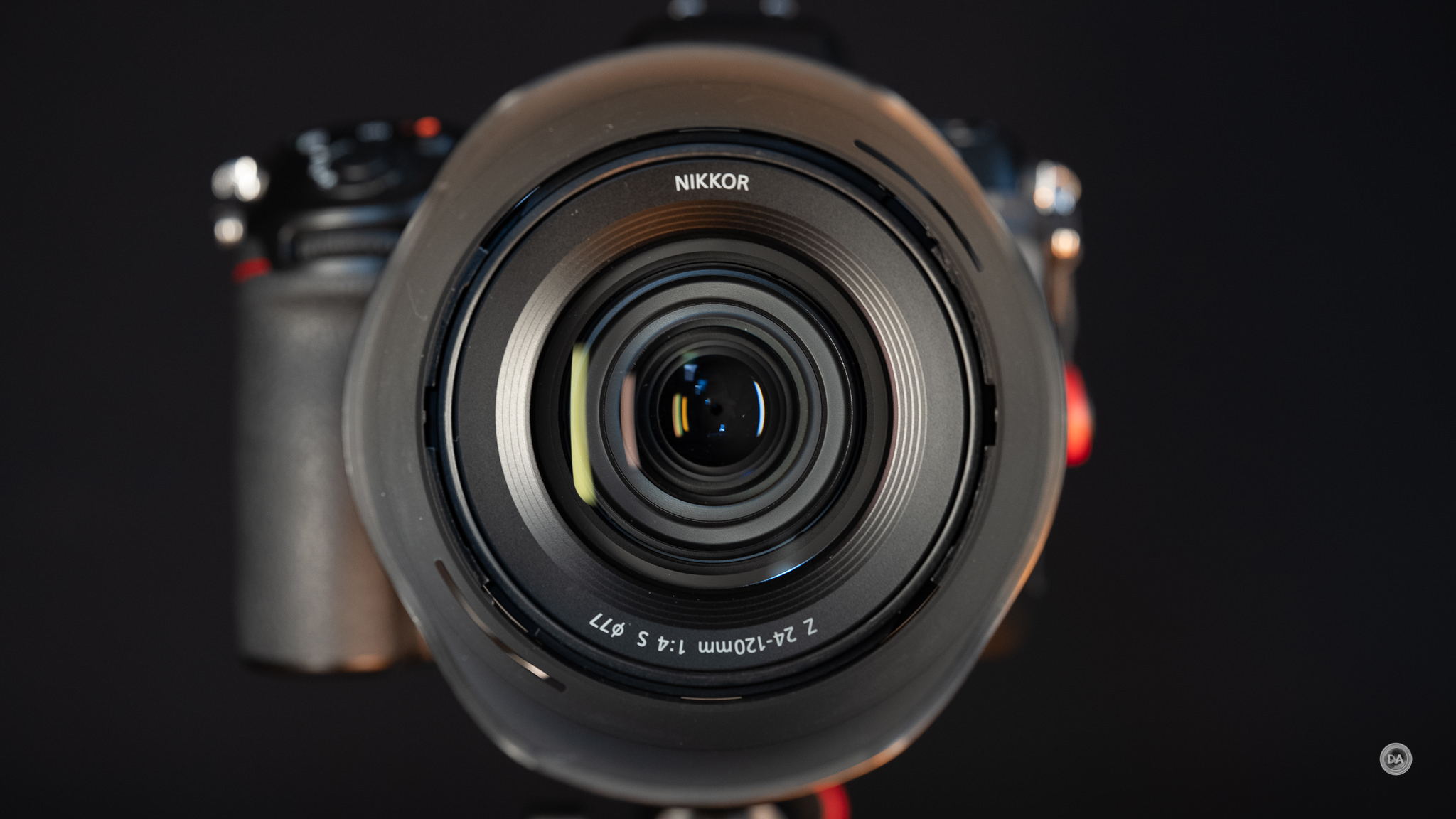
The weight is 630g (1.4lb), which is actually lighter than the Canon or Sony equivalent despite that extra reach.
Like other lenses in this class, the 24-120S is an externally zooming lens. It will extend roughly 60mm when zoomed out to 120mm.

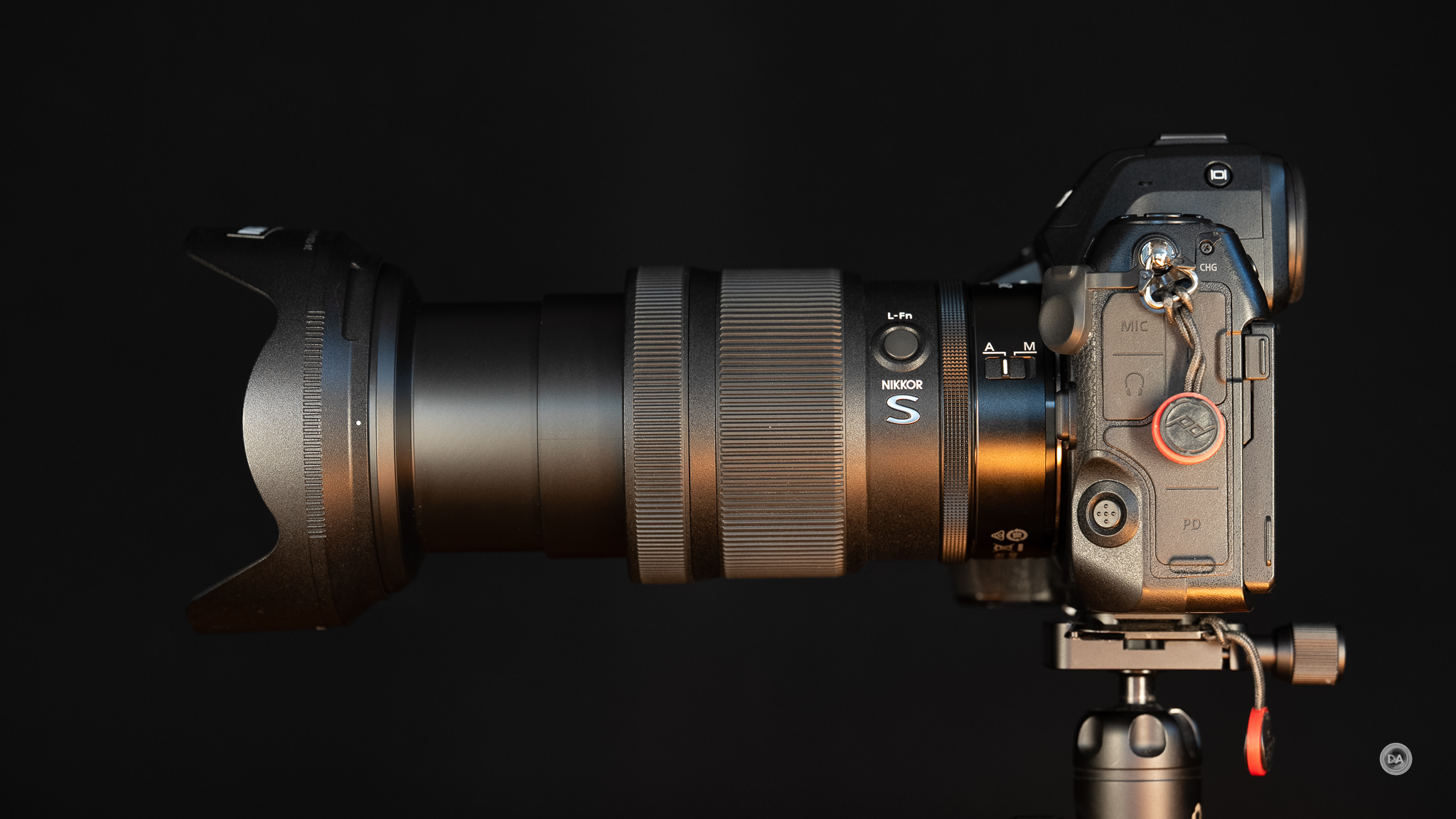
While this is an externally zooming lens, I did find the zoom action to be quite smooth. It’s perhaps a little tighter past 85mm, but I felt like I could successfully zoom in and out during video capture with a good degree of success.
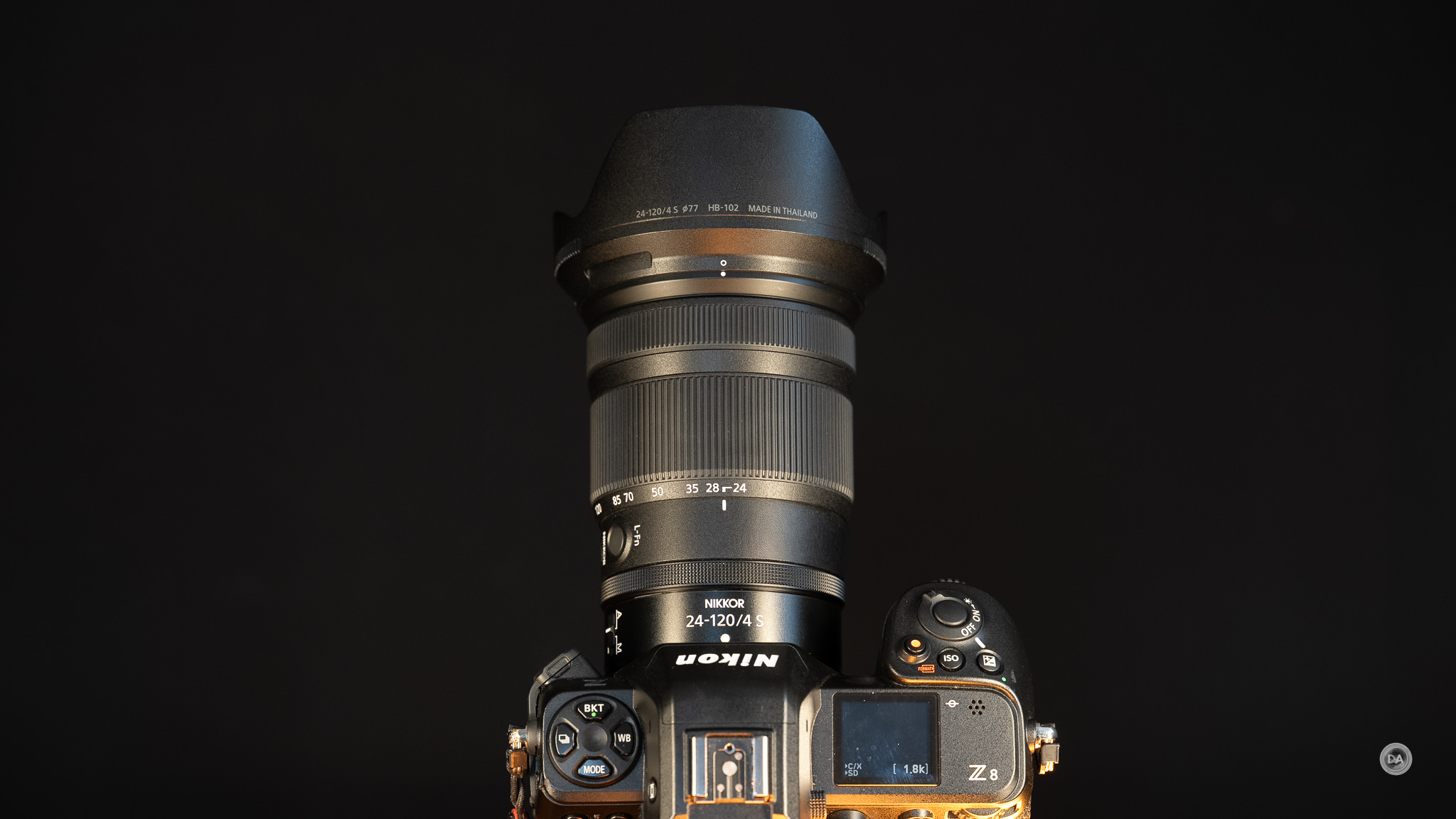
The 24-120S is a weather sealed lens, with Nikon saying, “The body is designed to achieve superior dust- and drip-resistant performance* for enhanced reliability“. I count roughly 11 seals in the design plus a fluorine coating on the front element to help resist fingerprints and moisture.
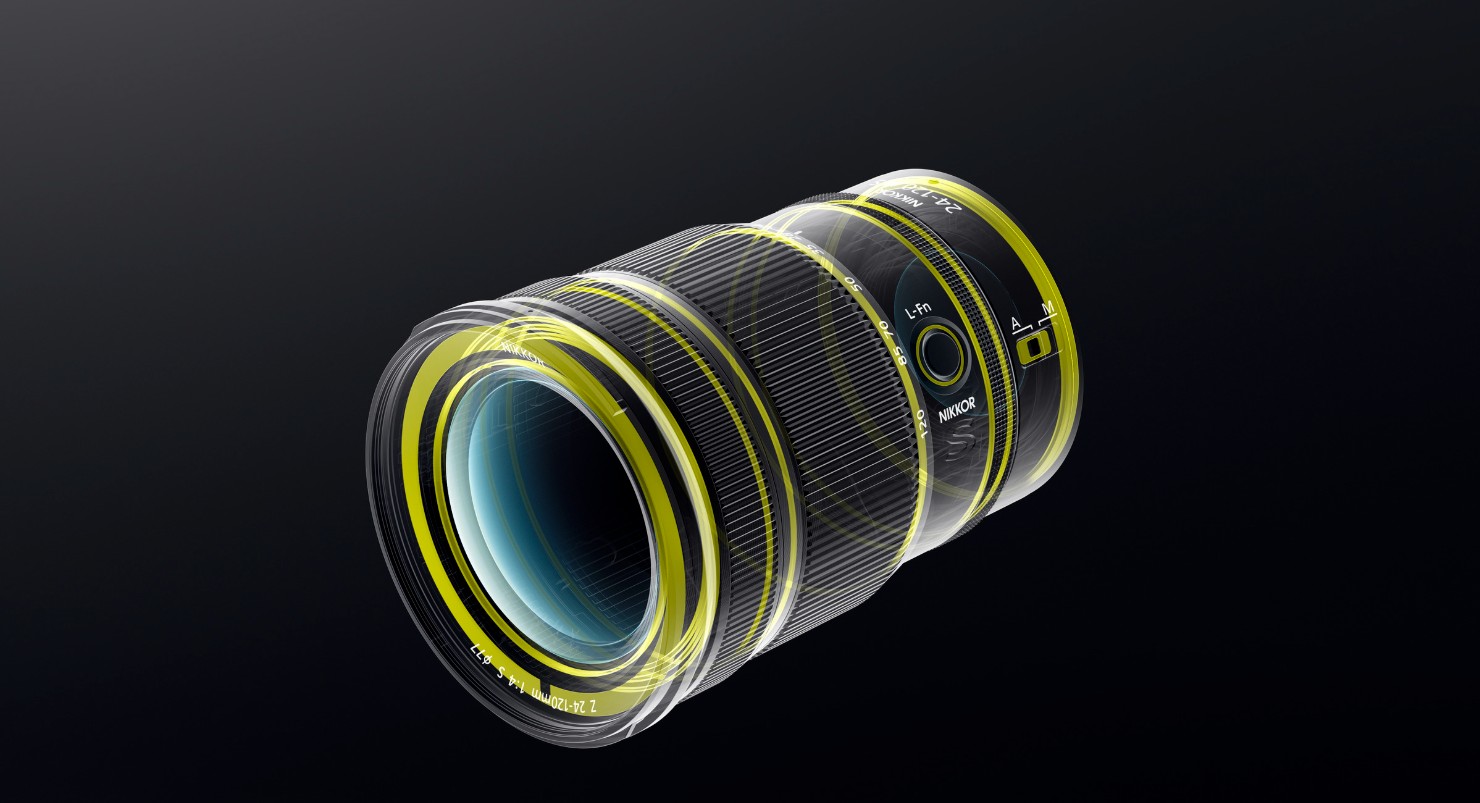
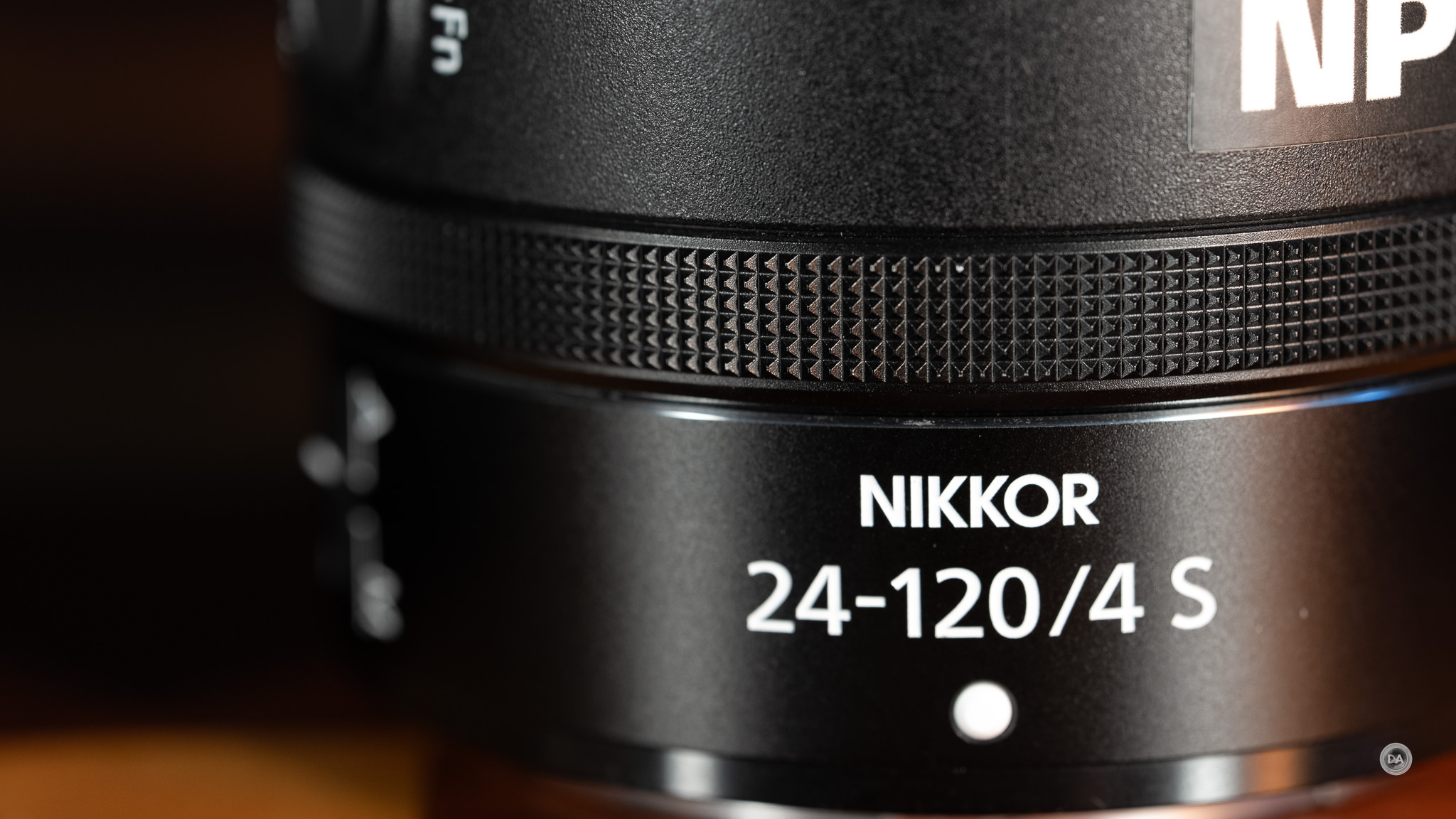
The closest ring to the lens mount is Nikon’s Customizable Control Ring. It can be assigned different values, but in aperture mode I found that I could execute smooth aperture racks during video work.
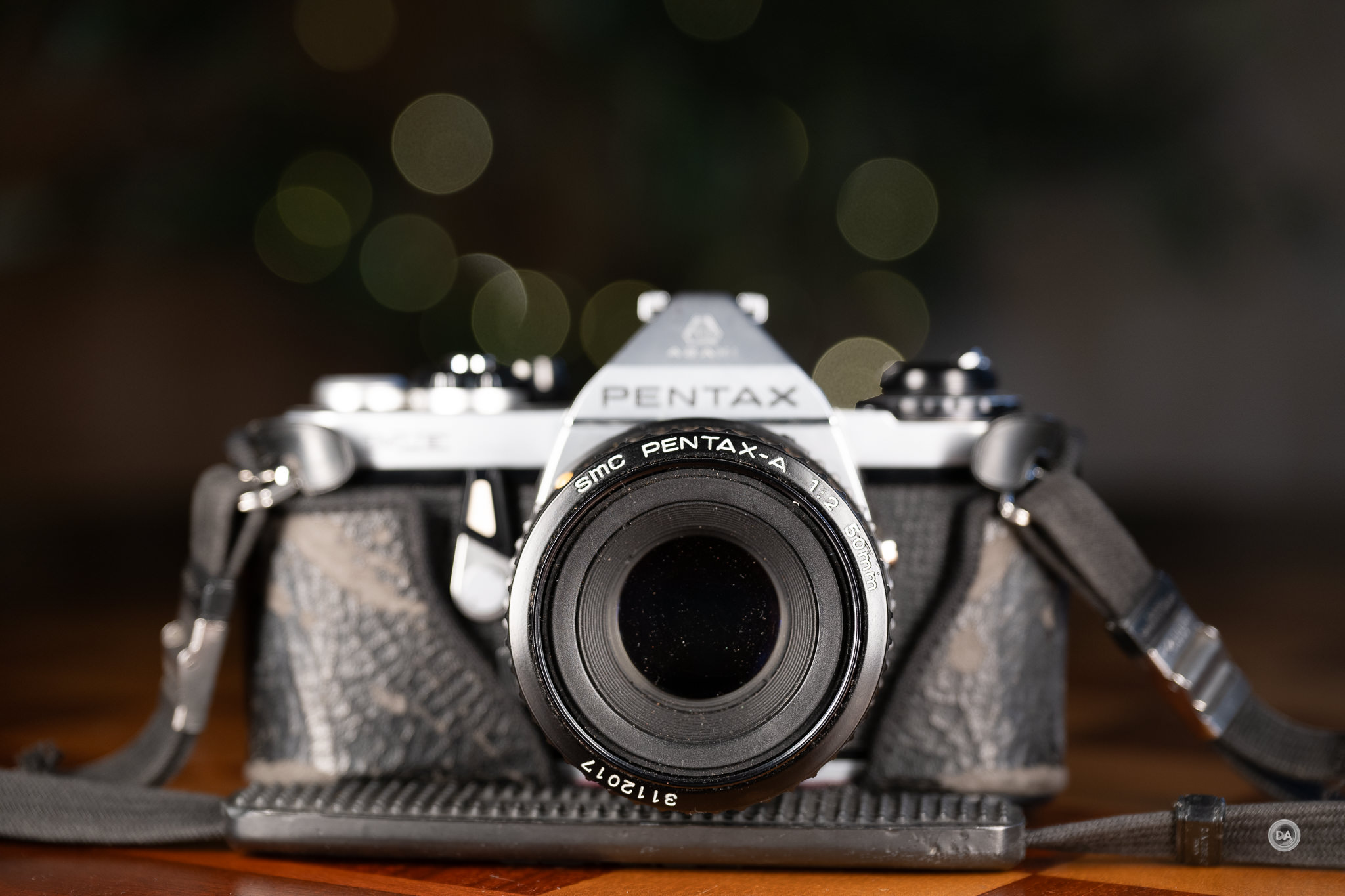
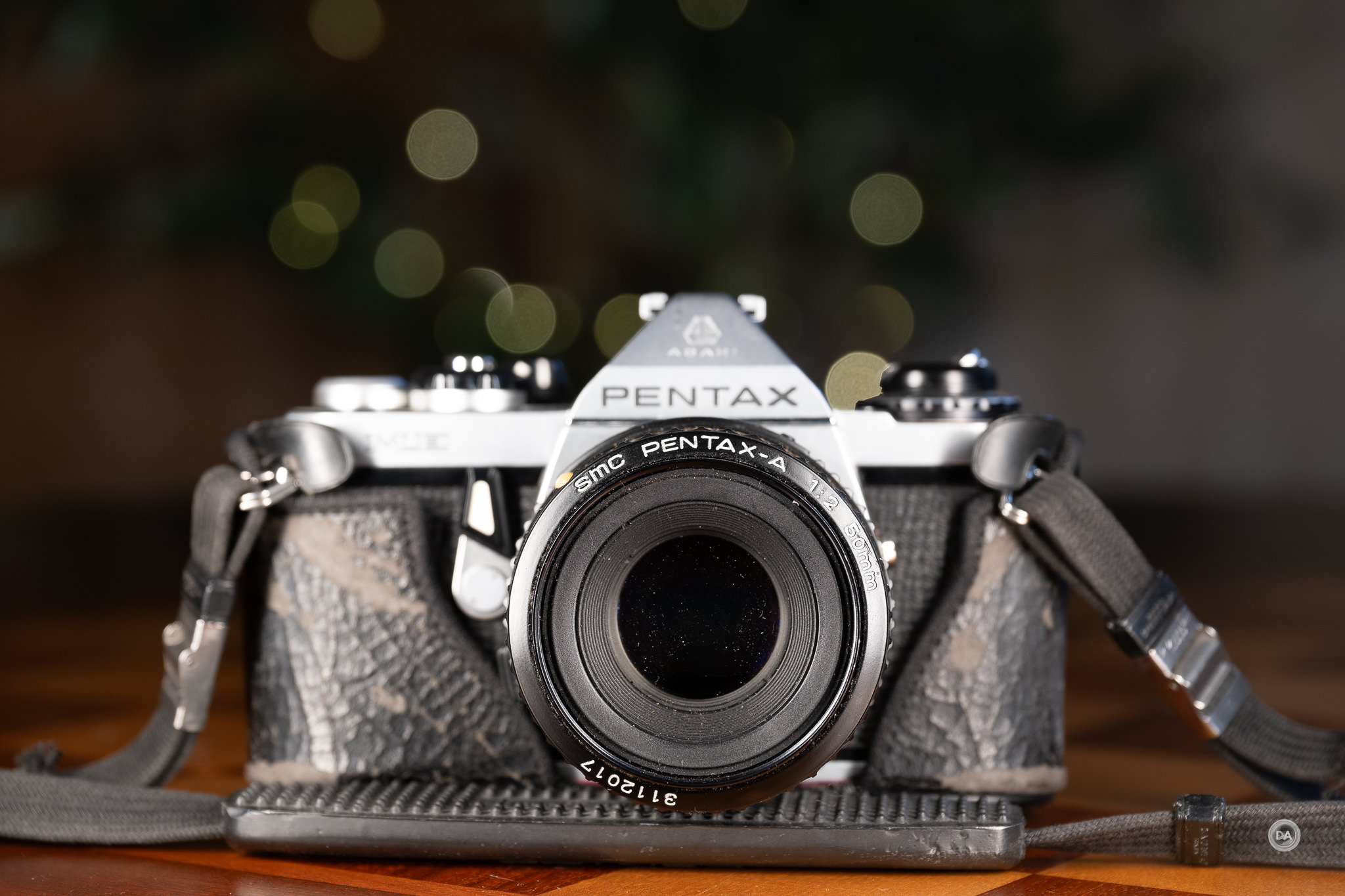
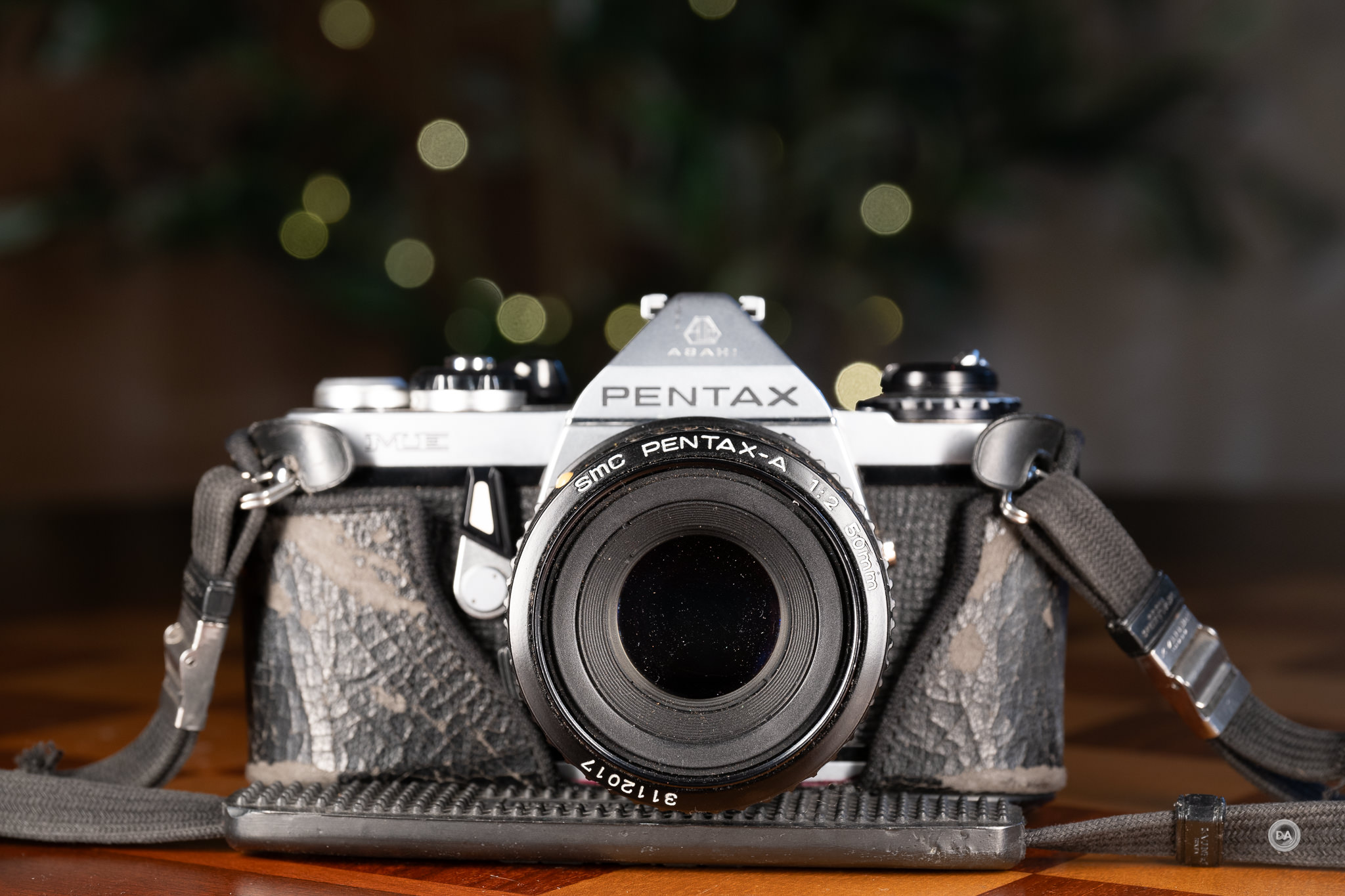
The aperture iris itself has a standard nine blades, but they are nicely rounded and do an effective job of maintaining a circular shape as the lens is stopped down. Here’s a look at F4, F5.6, and F8:
The frontmost ring is the manual focus ring, which moves with a decent amount of damping and good precision. No complaints there.

Other features include a custom/Fn button whose value can be assigned via the camera menus along with an AF | MF switch. As per usual, I don’t love the placement of this switch when mounted on my Z8, as there are two controls located way too close to this area. There is a flash sync port behind a rubber cover along with the camera release button. That means if I’m reaching around with my left thumb to operate the switch, I’m having to thread the needle through a couple of obstacles. Perhaps placing it on the same tier with the Fn button would have made more sense.

A standard lens hood is included. There is no lock, but it does click into place with good precision and stays in place.
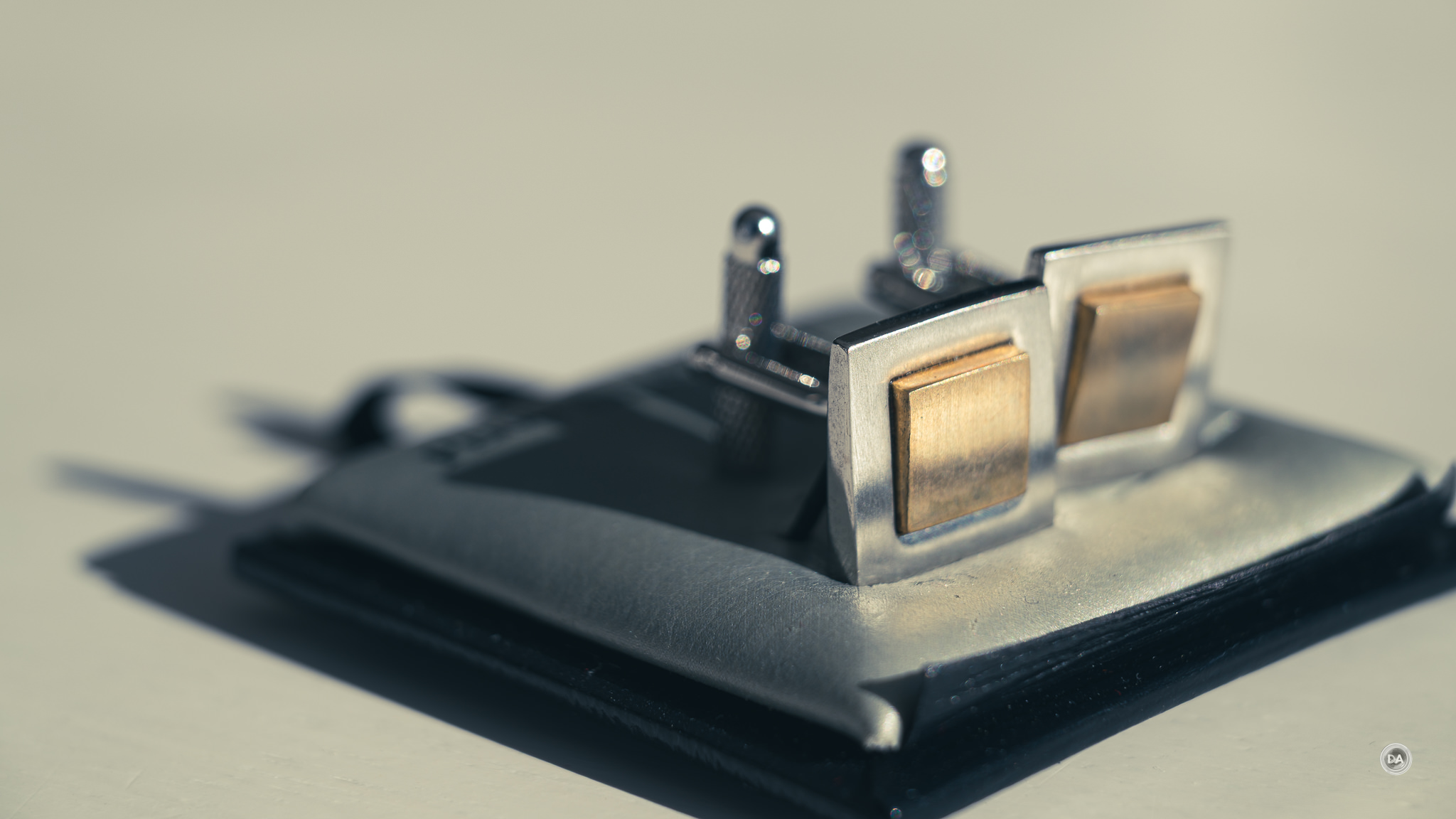
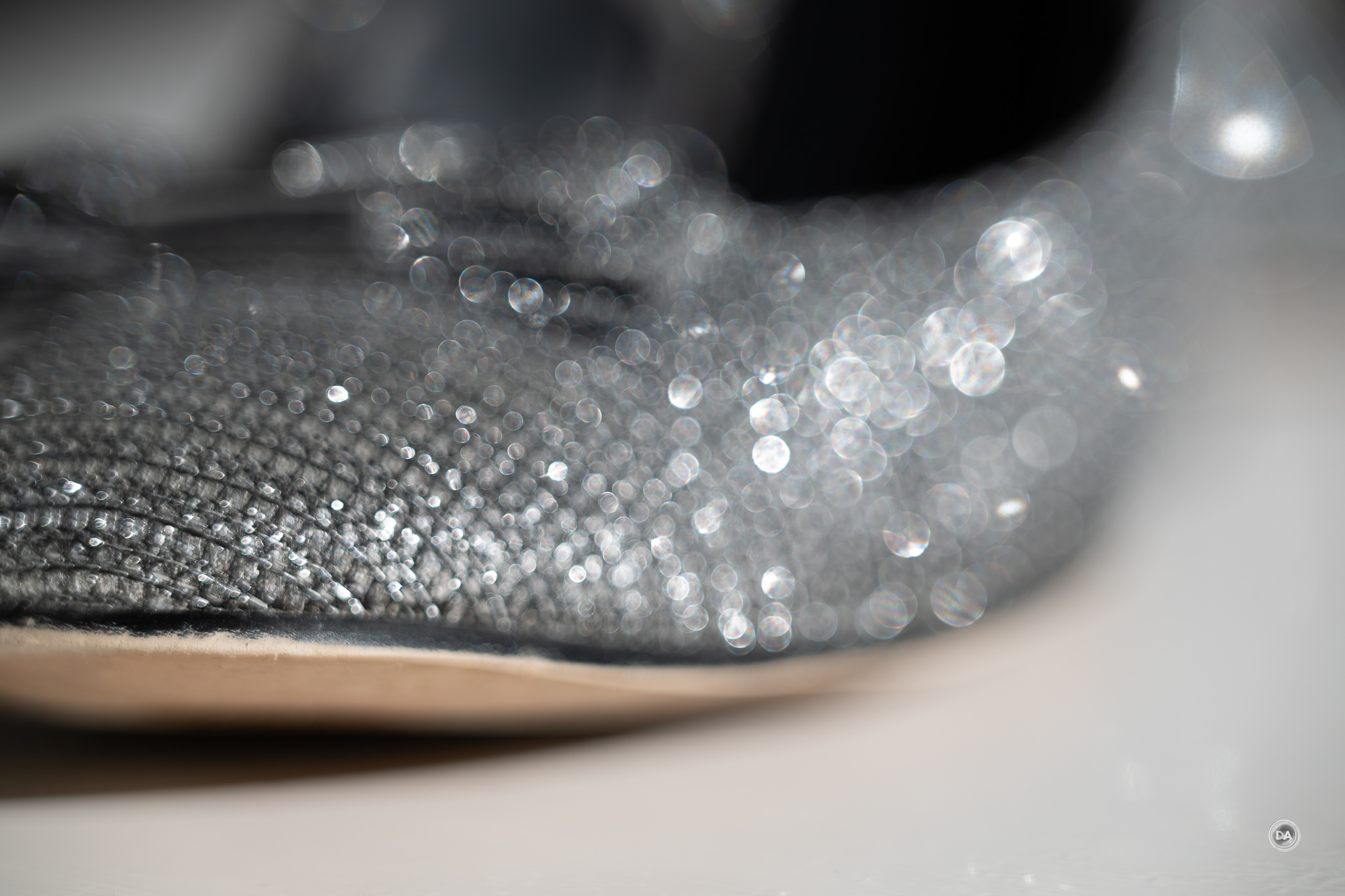
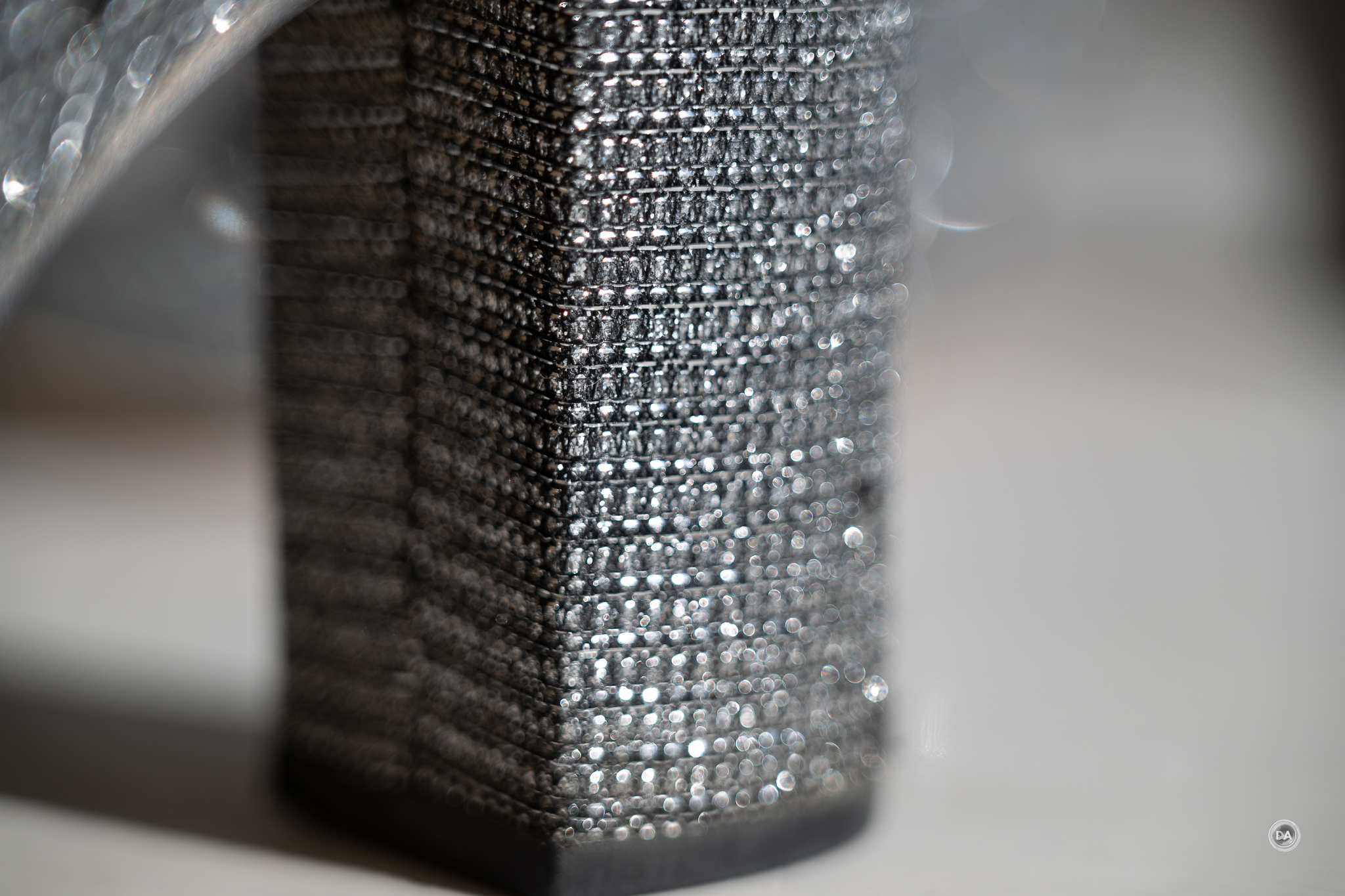
The minimum focus distance is a constant 35cm, meaning that at 120mm you are able to get a high degree of magnification. The 0.39x level of magnification easily bests competitors. Here’s what that looks like:

Contrast feels little low at the minimum focus distance, though it improves if you move back just a little bit (or stop the lens down).
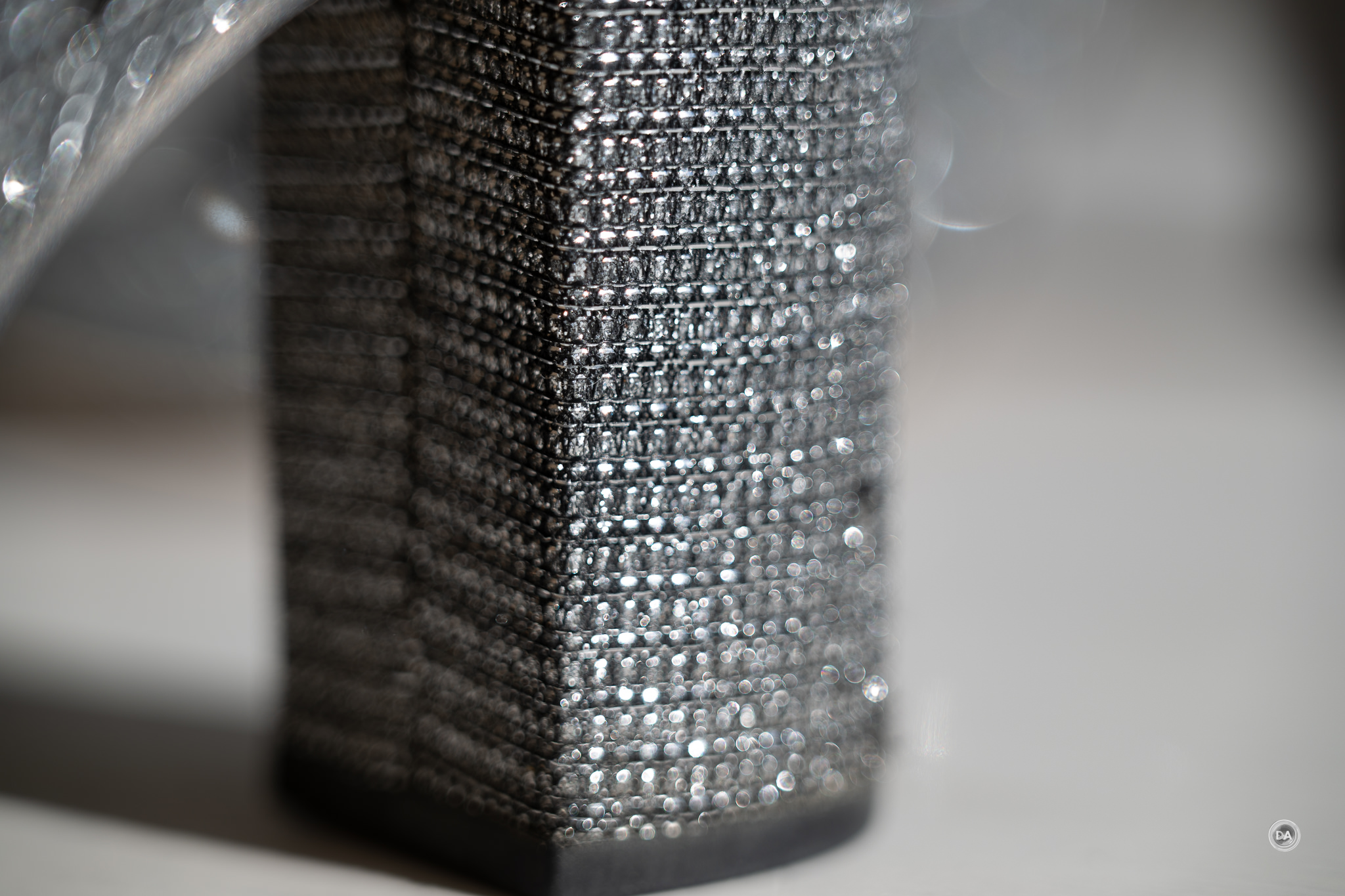
I love the added versatility of lenses with great magnification capabilities. It helps ensure this is a lens you can leave on your camera most of the time.
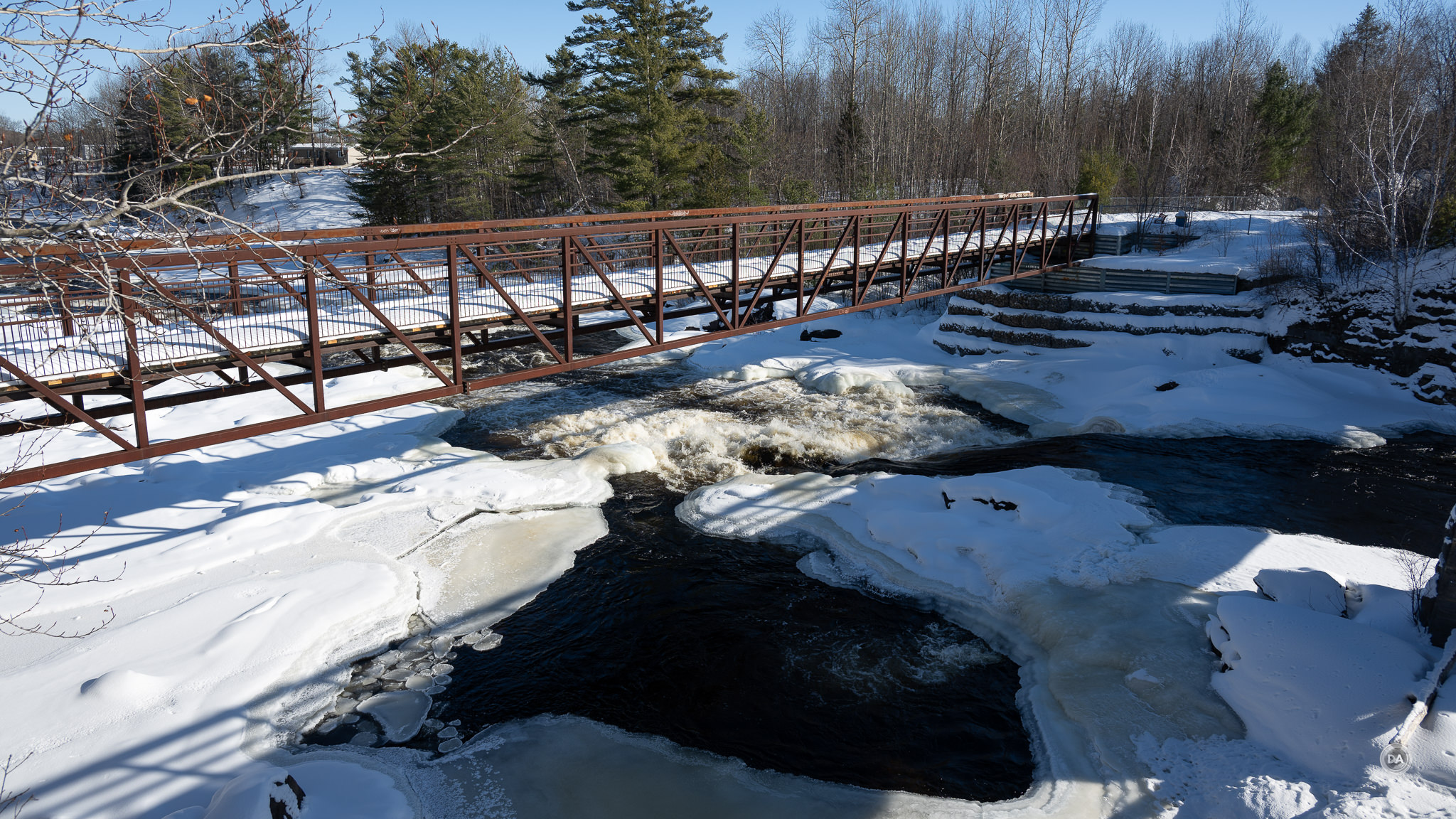
There is no VR (vibration reduction, or optical stabilization) built into the lens. That’s not a problem on a body like my Z8, which has good camera based stabilization, but could be a problem for those of you shooting on a camera without VR. I was able to drag the shutter to capture the movement of water around an ice floe in this shot. I shot at 120mm and a 1/13th second shutter speed for this shot.

I don’t have much to critique in the design. I love the extra 15mm of reach, so I can handle an extra few millimeters of length.
Autofocus Performance for Stills
Nikon has leaned into the use STM (stepping motors) until very recently, when we’ve started to see some voice coil motors utilized. While I’m typically underwhelmed by stepping motors in premium lenses, Nikon’s are better than most. In this case, they have utilized a pair of STM motors on either side of the focus group to help to “push/pull” and add more thrust to focus.

I’ve got no complaints about the result. Autofocus is fast, quiet, and smooth. In my formal tests autofocus was very close to instant in going from close to distant subjects. I took a series of shot of Nala rolling around (it was the first sunny day of the year that wasn’t absolutely freezing, so she was delighted!). She was whipping back and forth, but I had no problem nailing focus.

Shooting in a portrait session produced well-focused results (as expected) whether the model (me!) was facing the camera or in profile.



I didn’t really have an opportunity to shoot sports or fast action, but focus seems to be sufficiently fast to keep up with moderate action.
I also shot some in dimmer conditions where I had to increase the ISO to compensate for the fairly small maximum aperture. Focus continued to lock on quickly and delivered well focused results.

A casual shot across the dinner table shows that focus is perfectly locked on the eyes (in this case, lashes, as the eyes are downturned). Perfect for getting all of those shots of your kids of family trips while they stare at their phones!


While any lens with a maximum aperture of F4 is going to be limited in certain lighting conditions, it won’t be autofocus that holds you back. It is quick, quiet, and confident…just the way I like it!
Autofocus (Video)
Video autofocus is excellent. My standard video focus pull test went extremely well, with nicely damped and yet highly responsive results. Most impressive is the very low focus breathing. This is going to be a very useful lens for video. I also felt the sharpness results in this test stood out as being impressive.
My hand test went well, with good transitions from my hand to my face and back. The low focus breathing makes those transitions seem very seamless. When I approached the camera and ducked in and out of frame, focus responsiveness was excellent. It picked me up quickly and resumed focus on my face in no more than a second.

I also noticed good results while zooming, with focus never seeming to slip. The lens isn’t parfocal, but the autofocus is quick (and responsive) enough to keep focus stable throughout zoom pulls.
The quality of focus for video work was generally excellent, and I felt like footage looked great from the lens.
Optical Quality
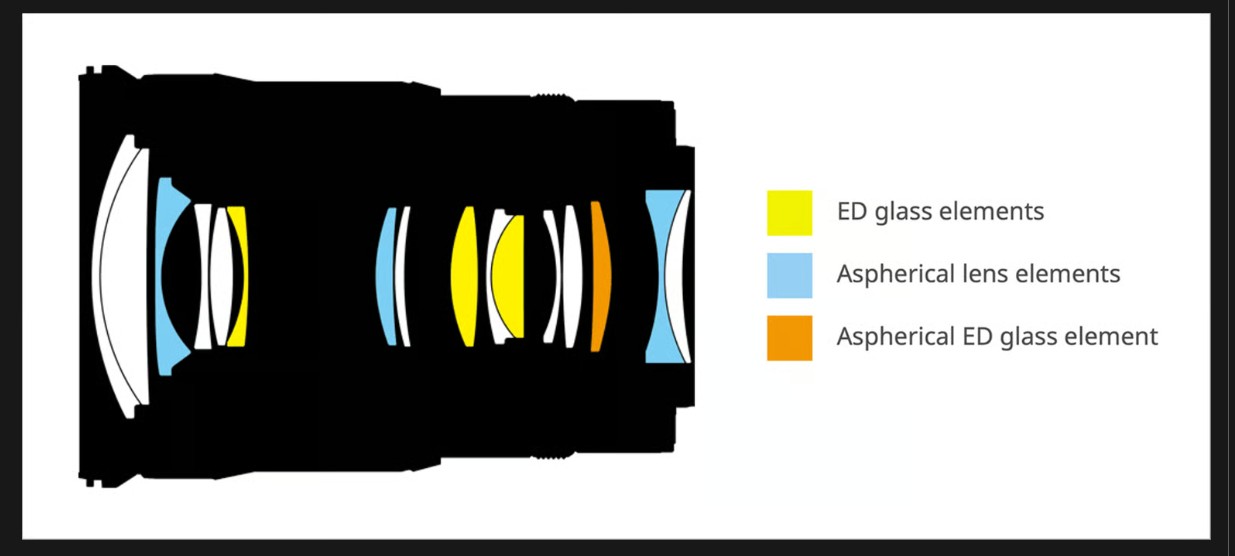
Nikon has equipped the 24-120S with an optical design of 16 elements in 13 groups (including 3 ED glass, 1 aspherical ED glass, 3 aspherical lens elements). Some elements have been treated with Nikon’s Nano Crystal Coat and ARNEO Coating to help flare resistance and aberrations.


The MTF chart looks mostly excellent at 24mm, with exceptional center sharpness and amazing sharpness in the midframe on the sagittal plane, though the meridional plane (dotted line) drops a bit (expect less contrast there). There’s the typical dip into the corners, but not terrible. The 120mm result is a bit less consistent, as while the center also starts excellent, the dip out of peak sharpness starts earlier and goes much deeper in the corners.
I was frequently impressed with the real-world sharpness from the lens.
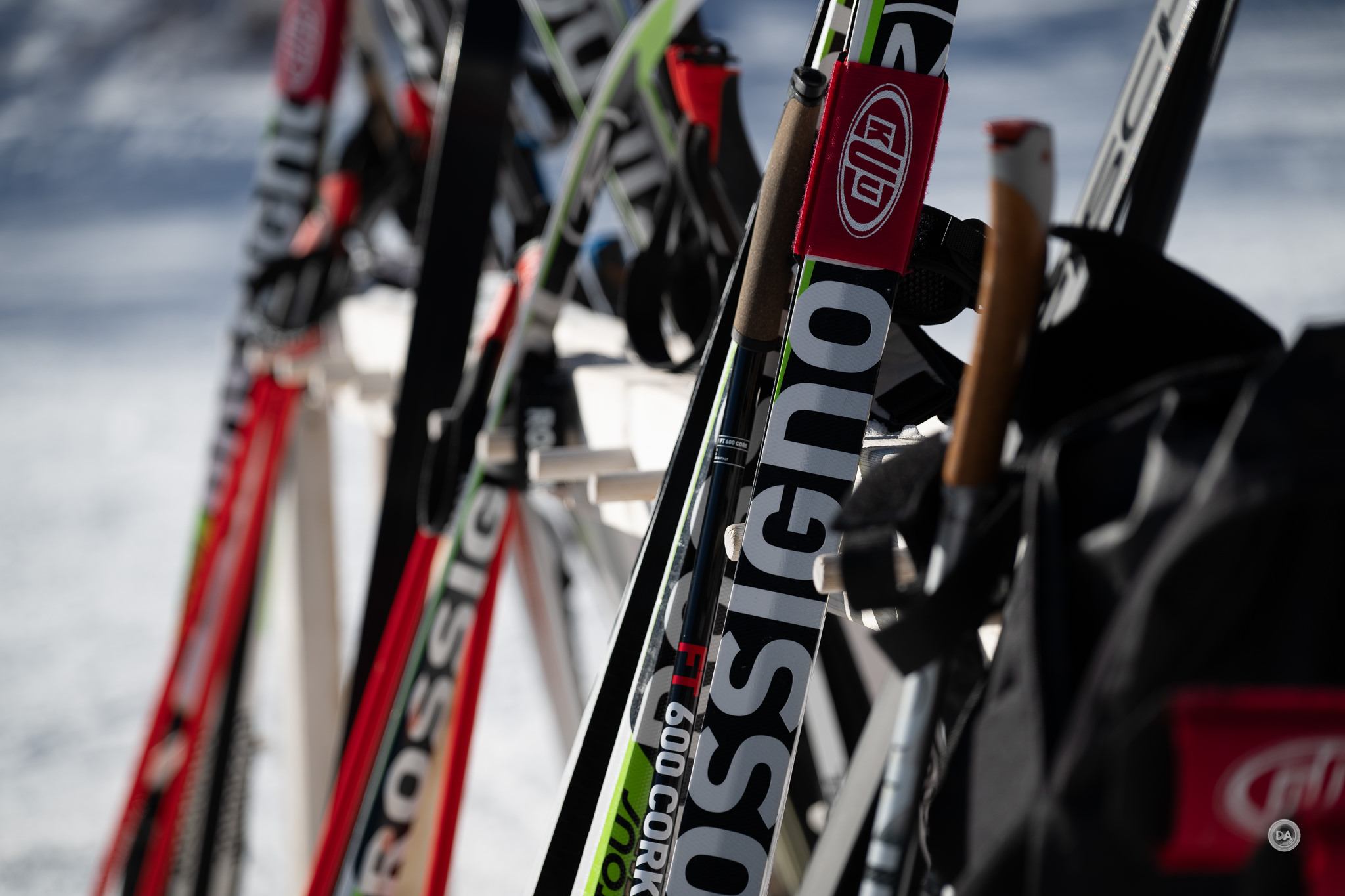
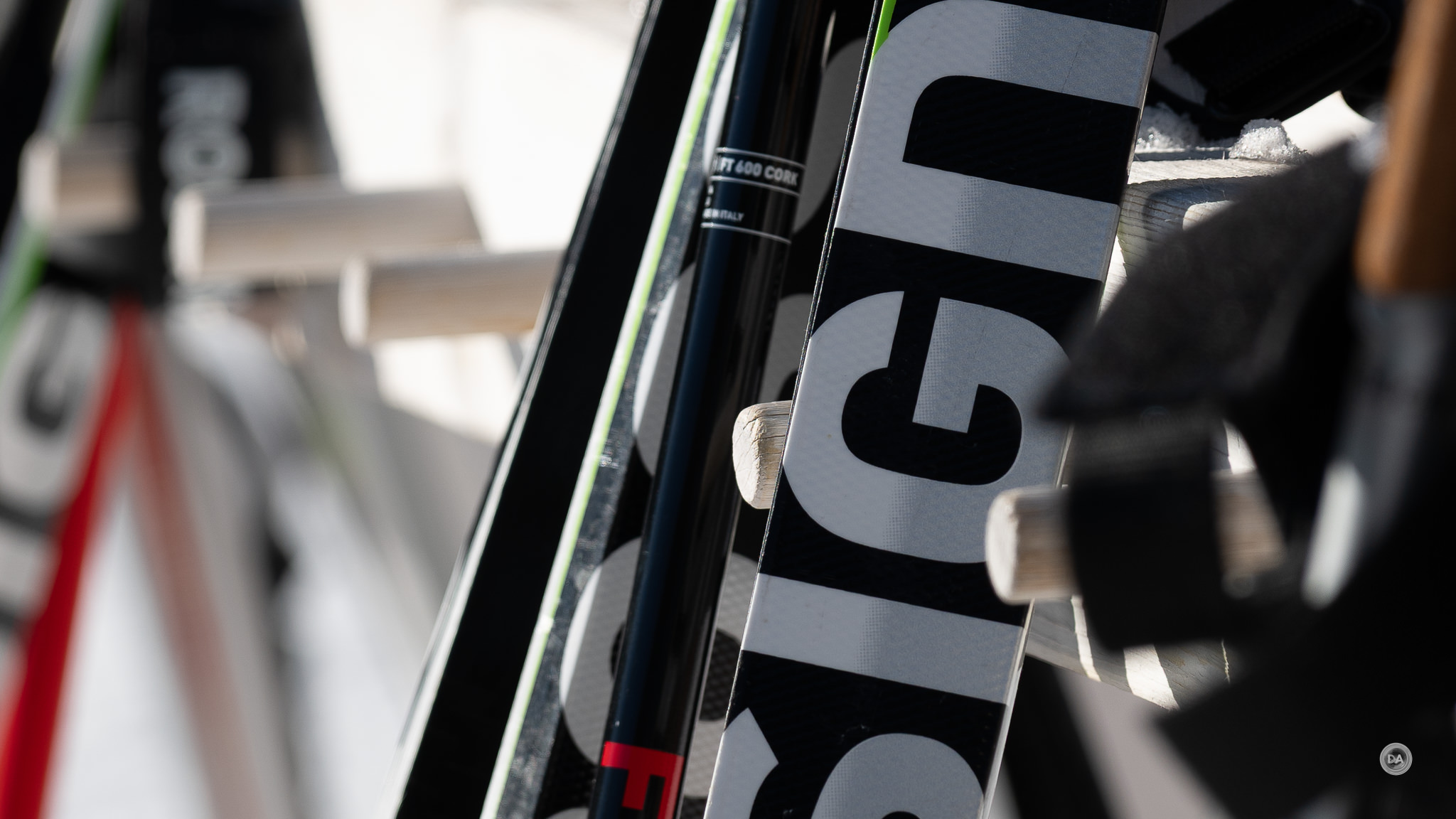
The Nikkor 24-120mm F4 S is one of the rare lenses where Nikon hides what’s going on with vignette and distortion. You don’t have the option of disabling distortion control in camera, and even the .NEF (RAW files) arrive in Lightroom with the corrections baked in. Here’s what they look like at 24mm, 50mm, and 120mm.
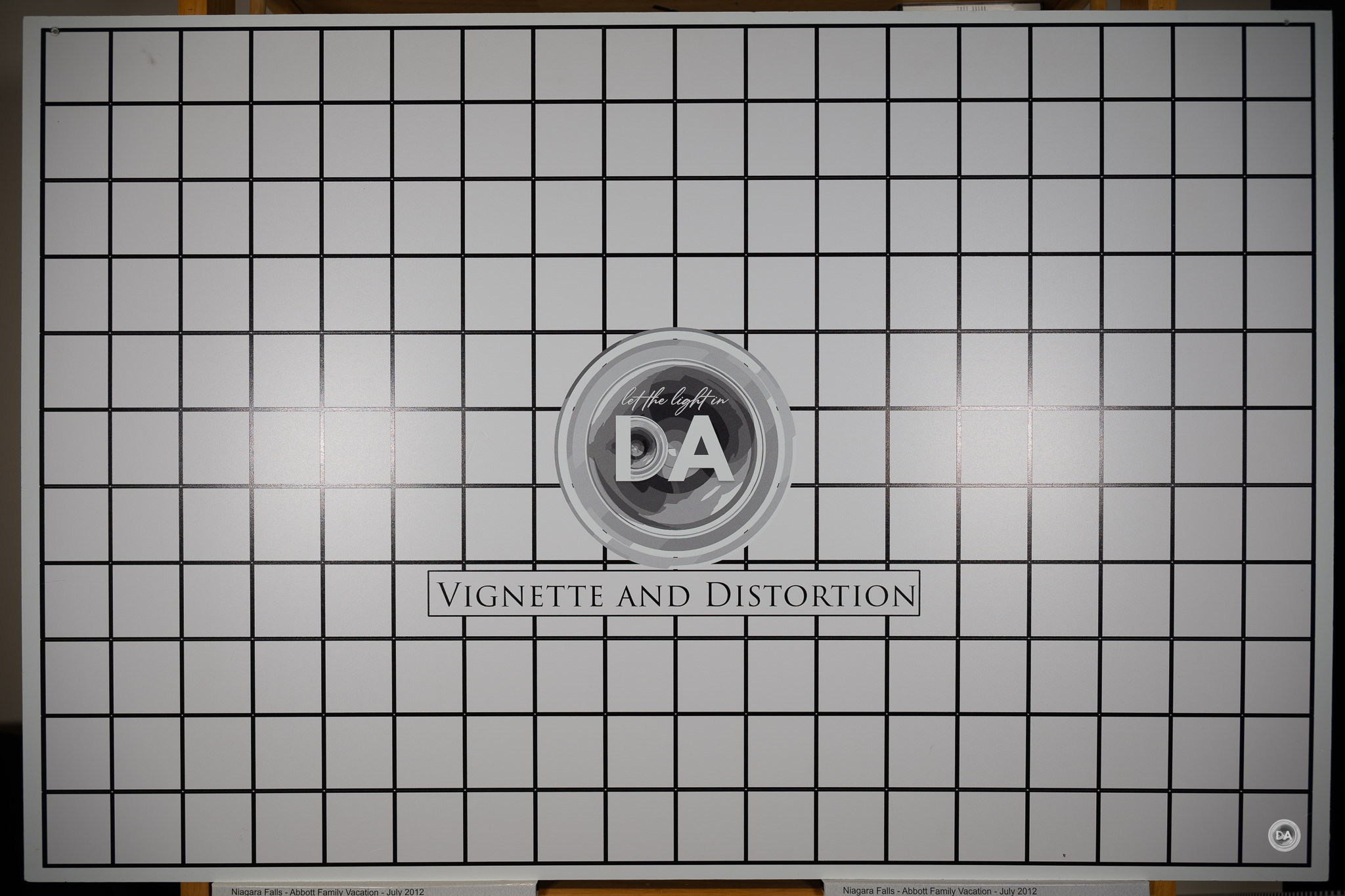
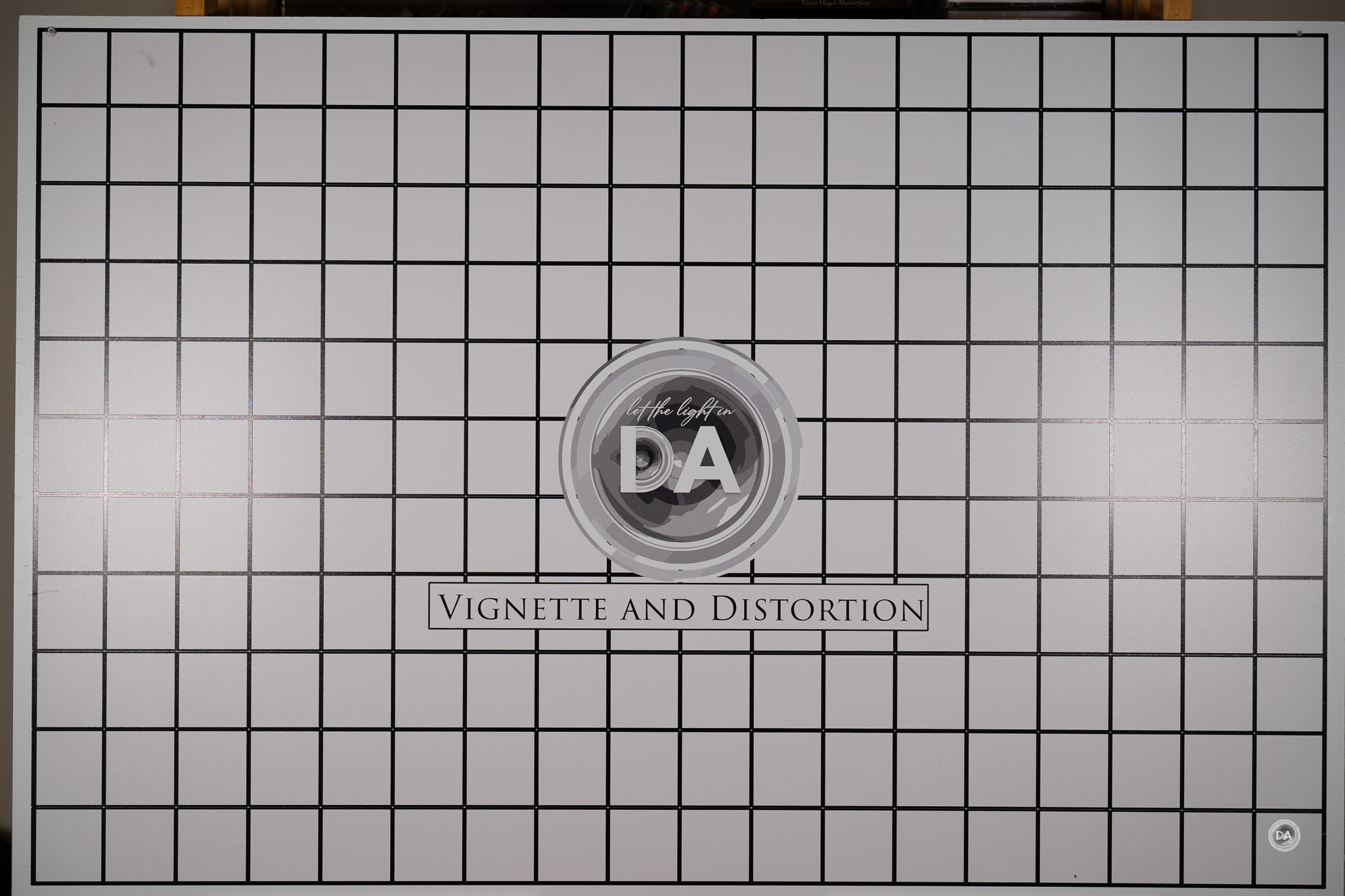
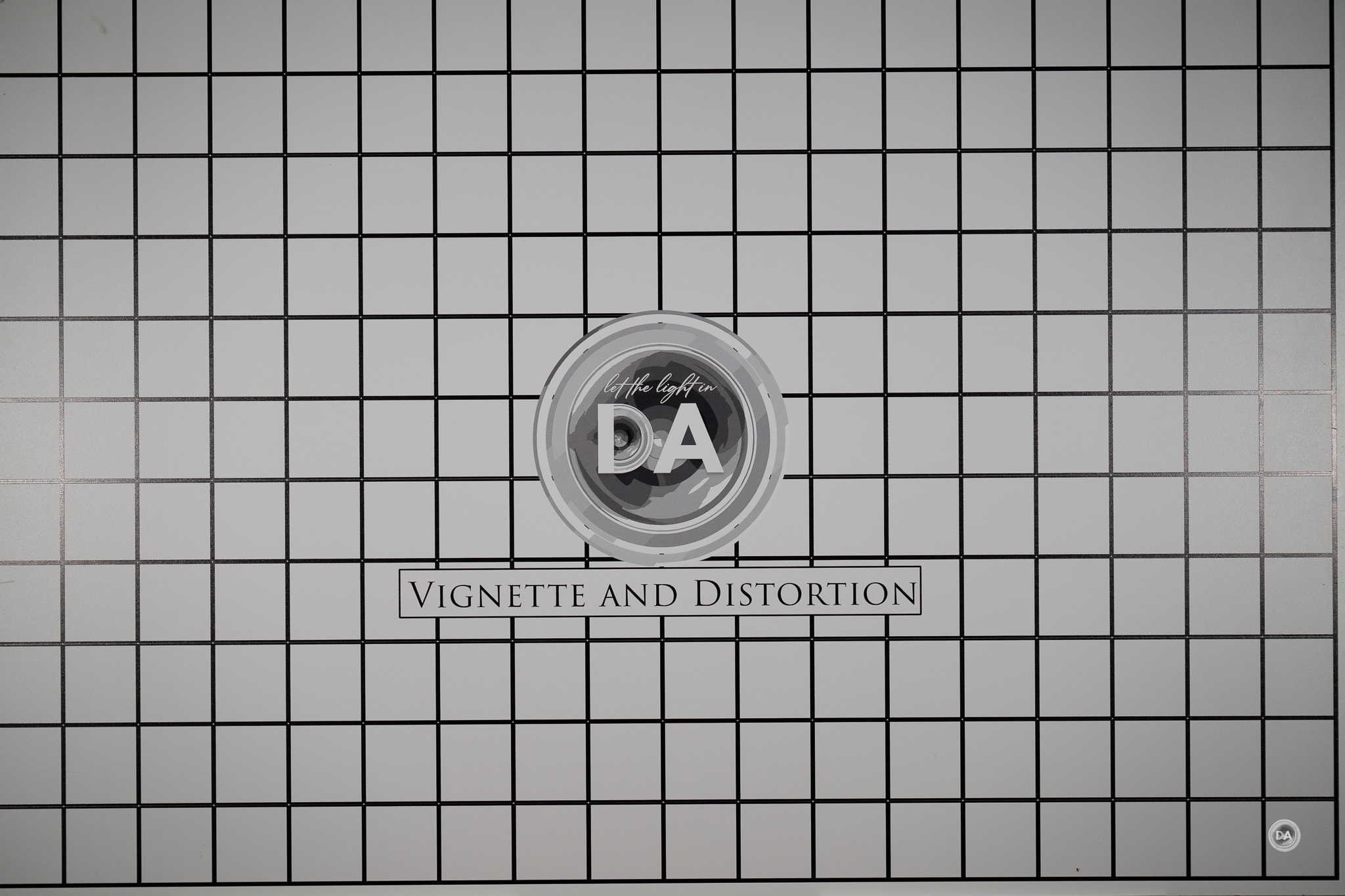
I had to open the image up in Luminar NEO to see the 24mm image without automatic correction. There is a significant amount of barrel distortion that is fairly complex. Fully correcting the barrel distortion creates some pincushion distortion in the edges of the frame. Vignette wasn’t too bad.
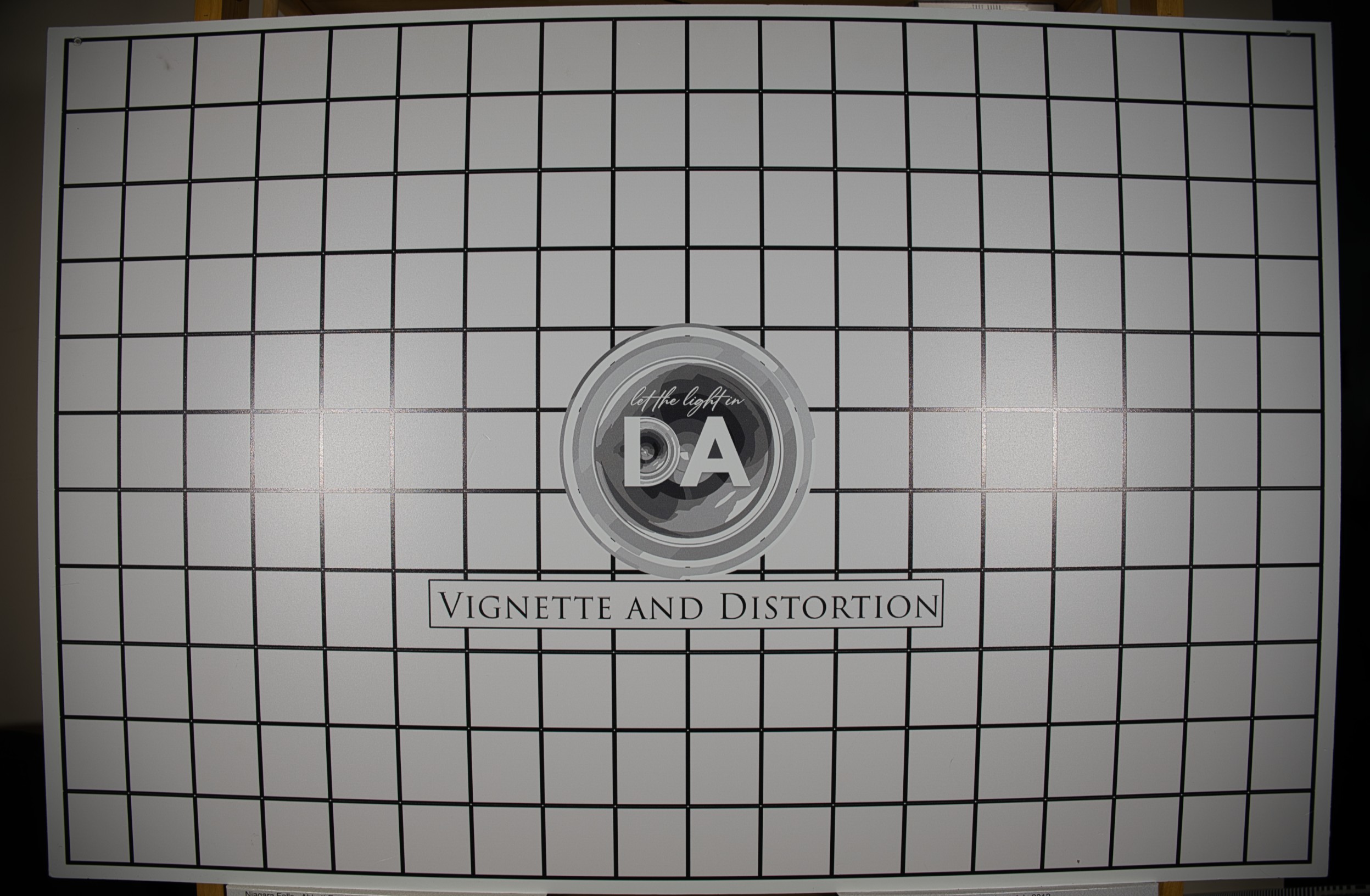
There’s nothing criminal here, however, and since I had to go out of my way to find the “bad” image, I suspect that most people will never notice. The more recent 24-70mm F2.8 S II didn’t force distortion correction, but neither was distortion quite as pronounced. Still, the end result is fine. If we go back to this 24mm image with a lot of straight lines, we’ll find that it looks fine with the in-camera corrections.
As expected, that distortion will turn to pincushion style as you advance through the zoom range, though the quantity is lower and has a more linear correction. Vignette is lower as well, so nothing unusual there. While I don’t like an overreliance on electronic corrections, the reality is that every such lens that I’ve tested shows significant barrel distortion at 24mm and pincushion distortion on the long end, so I see nothing unusual here.
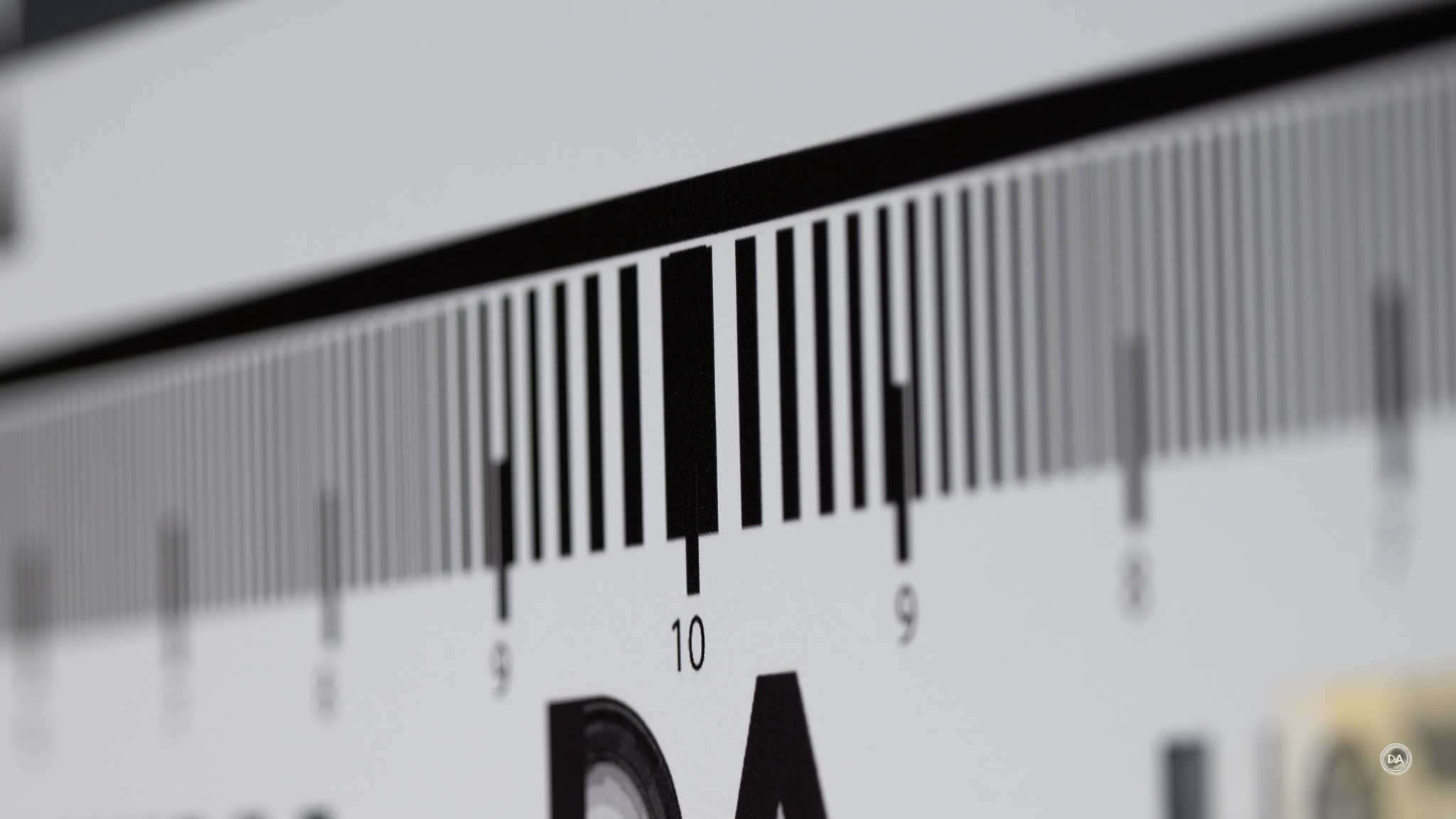
There is basically no LoCA (longitudinal chromatic aberrations) before and after the plane of focus.
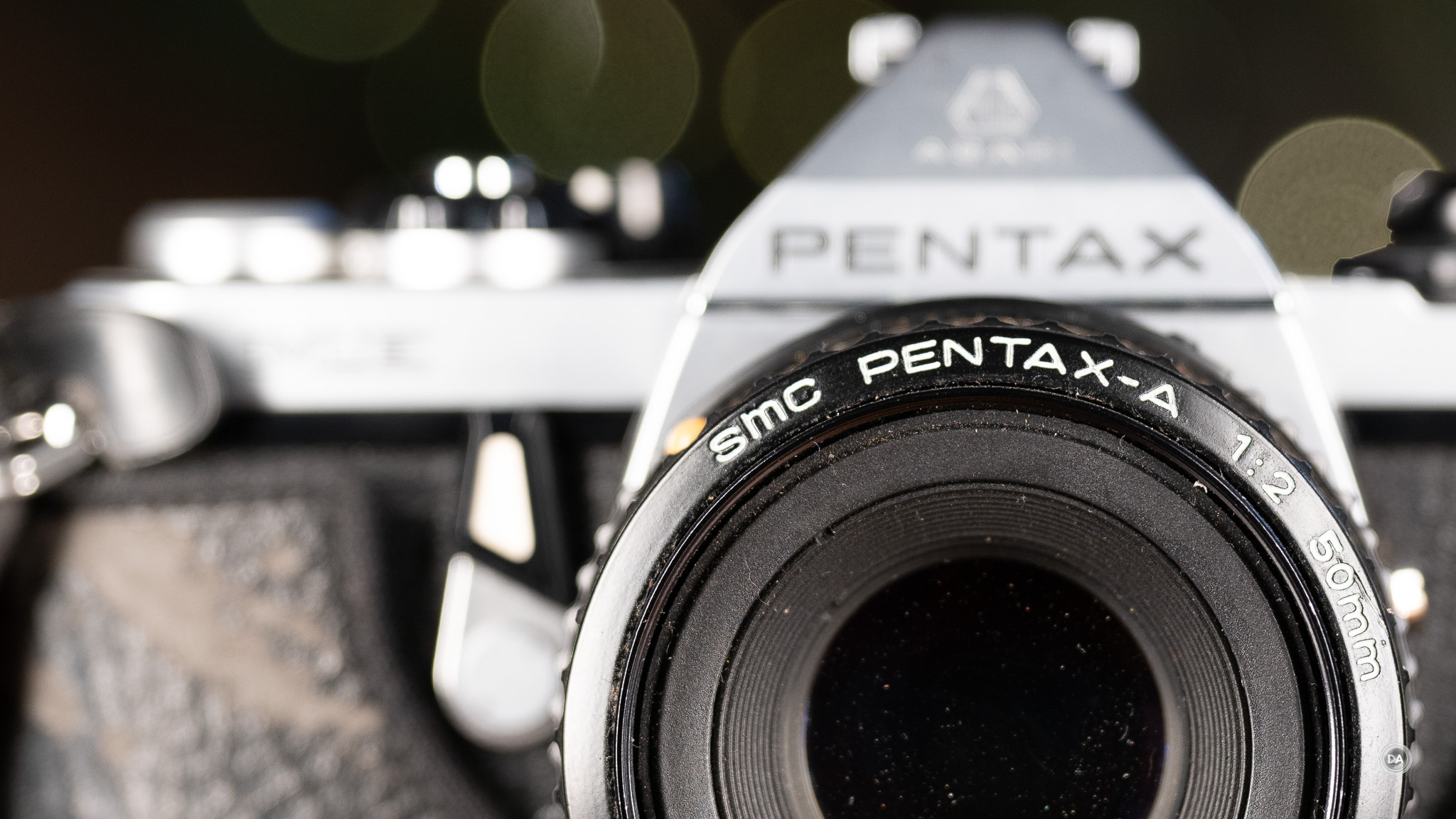
I like to use my Dad’s old SLR as a real world test, and I saw basically no fringing either on the shiny bits here or in the specular highlights (bokeh balls) beyond.
No problems there.
LaCA (lateral chromatic aberrations) typically show up along the edges of the frame with high contrast transition points. I’m even more delighted to see an excellent correction of LaCA, as this is far more likely to show up on a smaller aperture zoom lens.
Outside of the distortion, these are excellent results.
We’ll move on to inspecting our test chart. This test has been done on a 45MP Nikon Z8 sensor. I use a high end tripod and two second camera delay to ensure vibration doesn’t affect images. Here’s a look at the test chart that we will examine at high magnification:

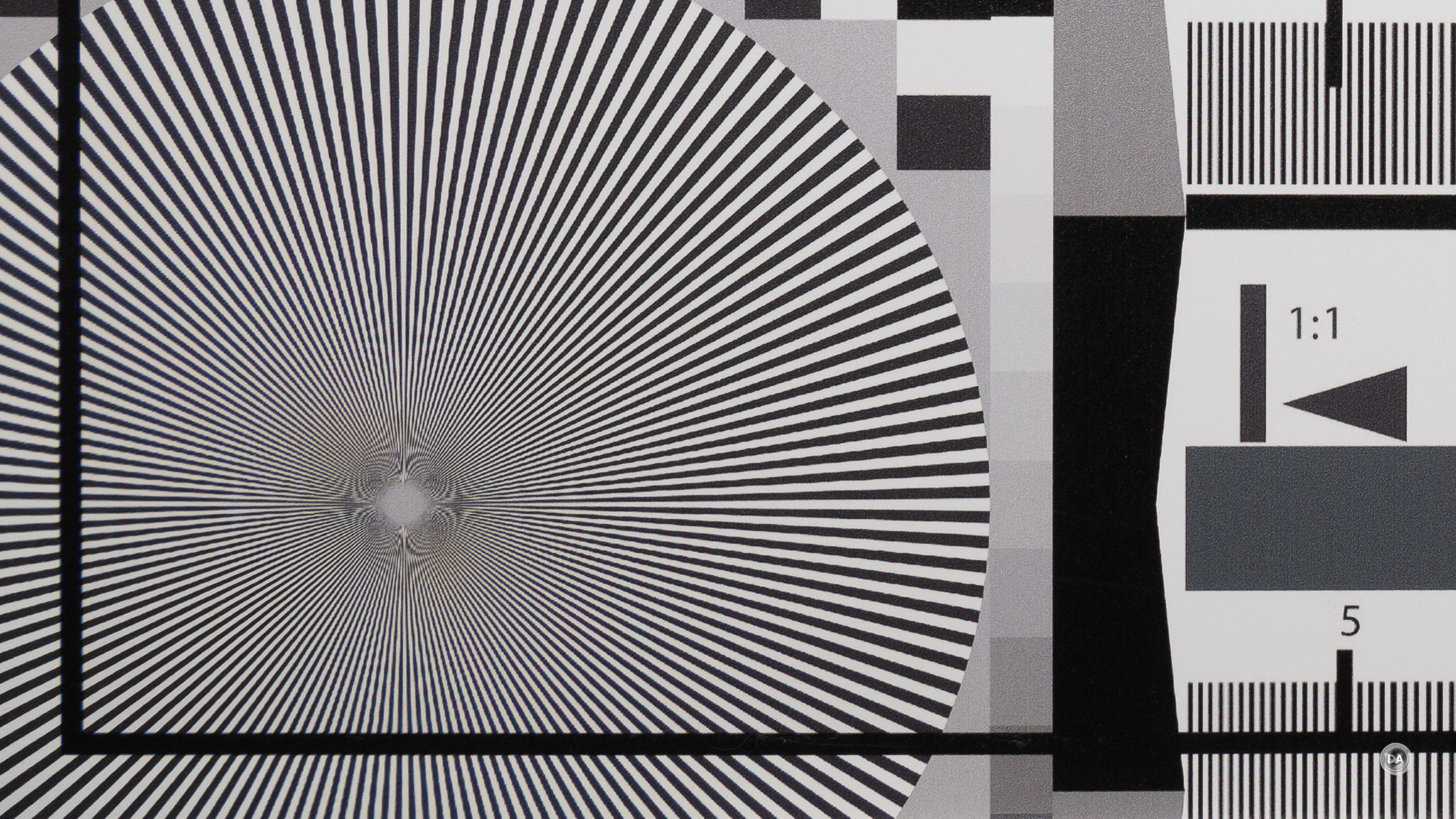
Starting at 24mm, if we take a look at crops (at 200%) at F4 from the center, midframe, and lower right corner, we find very strong results everywhere save the far corners.



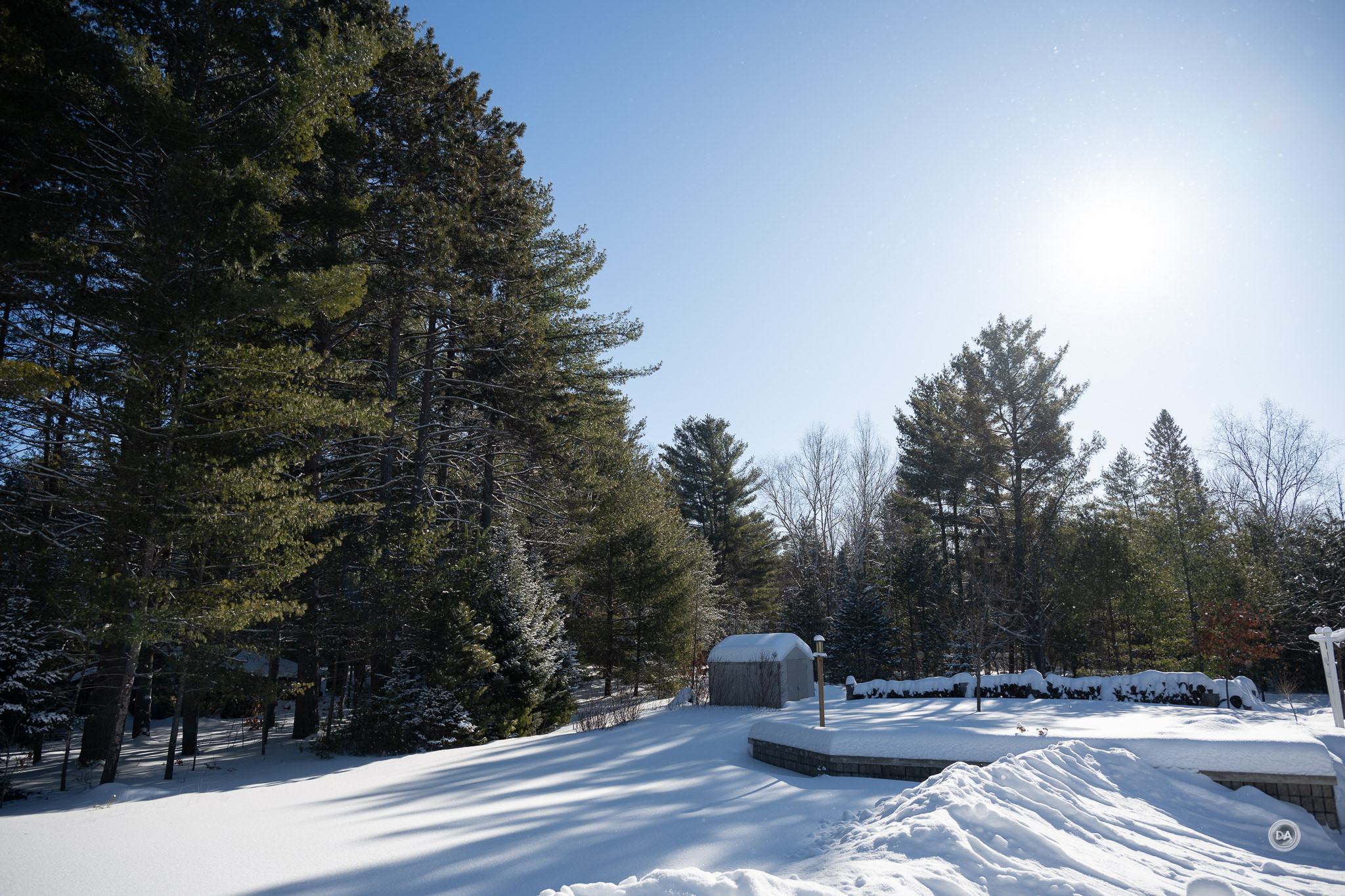
Contrast isn’t off the charts, but definitely hits in the good range. I found real world results to generally look strong at 24mm, even at F4:
Just out of curiosity, I wanted to see how it compared to the Canon RF 24-105mm F4L IS, as the Canon EOS R5 has the identical 45MP of resolution as my Nikon Z8, making for somewhat of an apples-to-apples comparison.
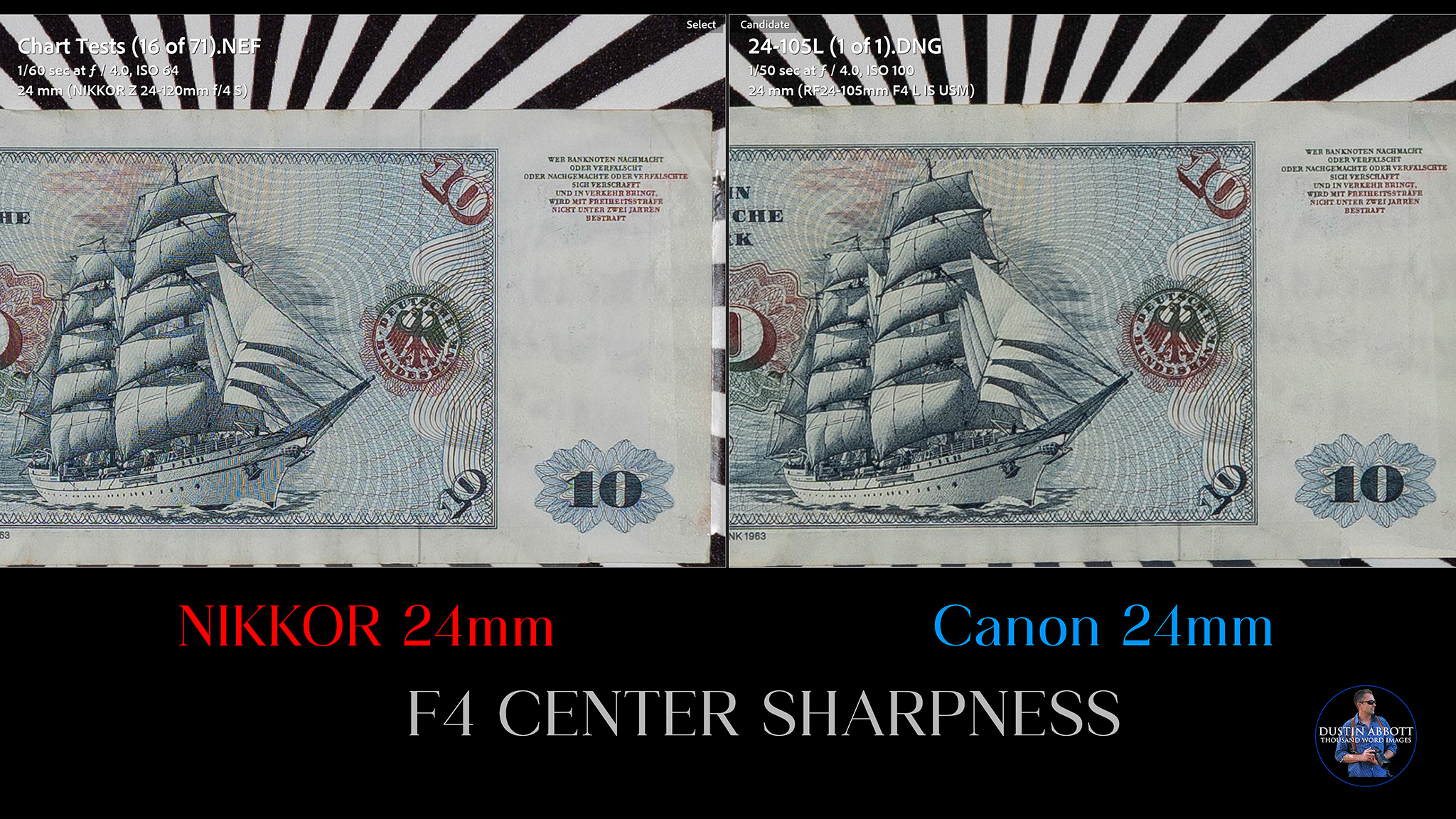
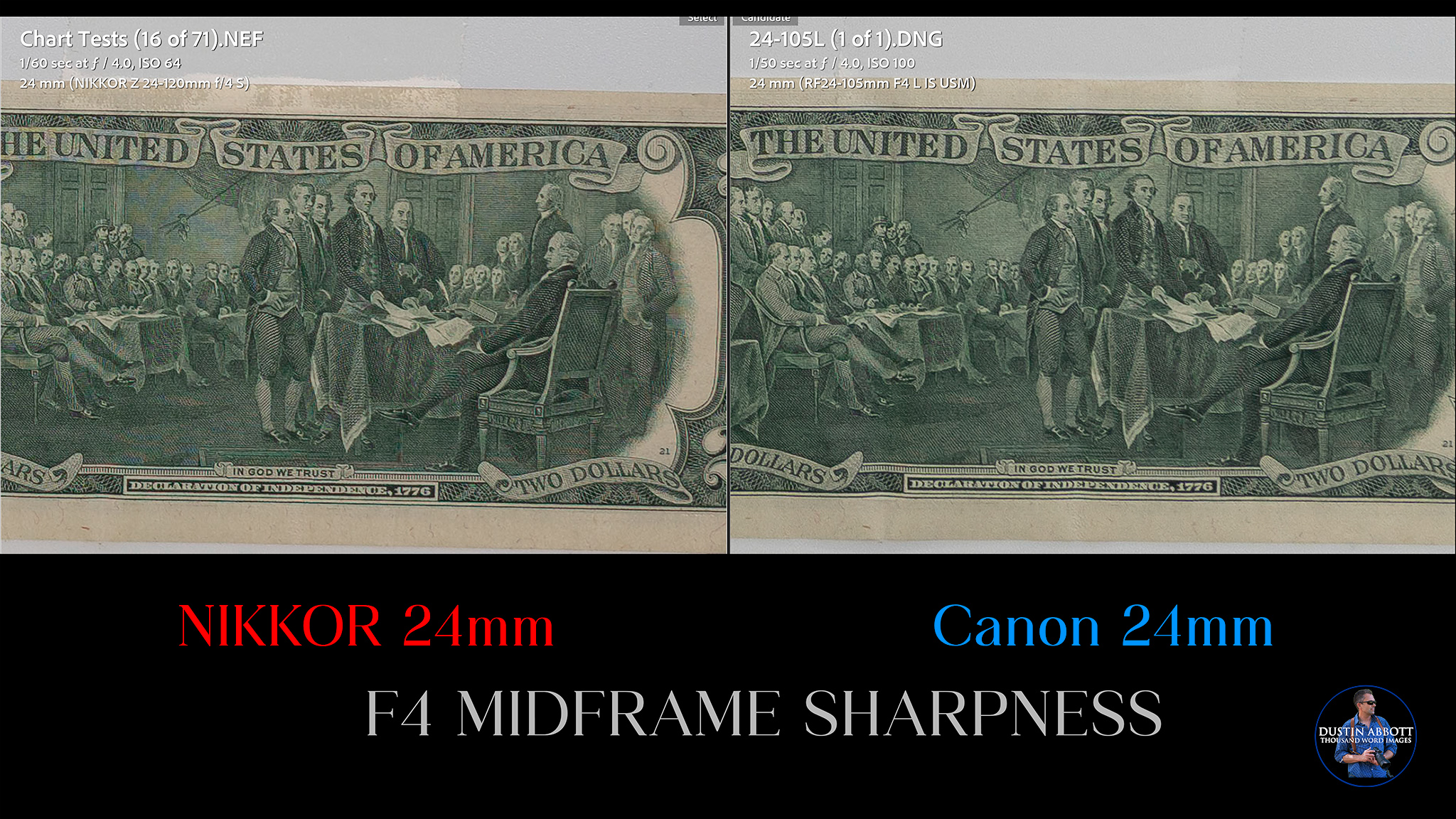
The Nikkor is obviously better in the center, while the midframe and corner results are closer.
There’s a bit more in the tank, too. Stopping down to F5.6 doesn’t make a huge difference in the center (which starts off pretty much perfect), but the midframe and corner show better contrast and a bit more detail.
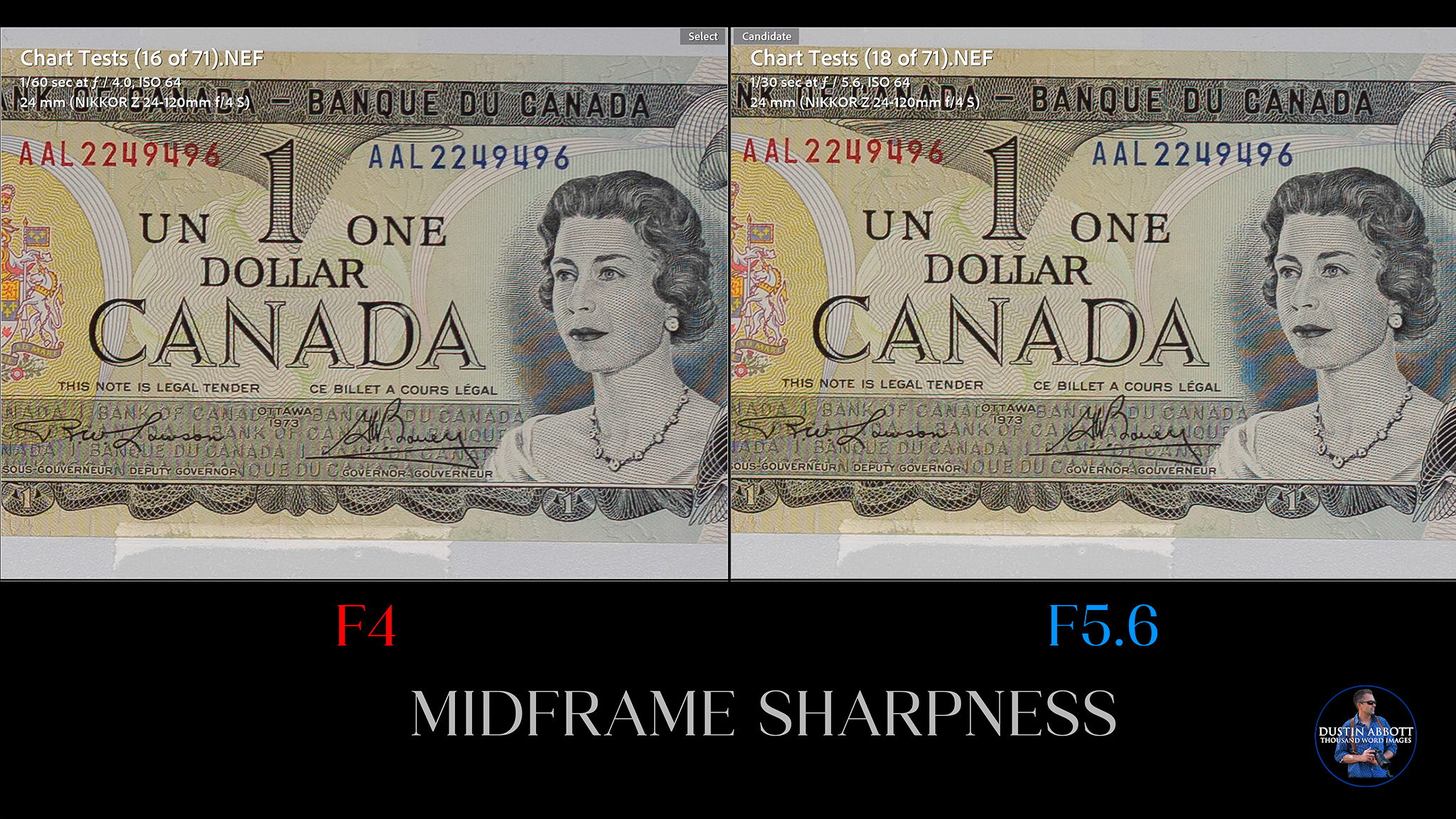
The extreme corners never quite catch up with the rest of the frame. Even stopping down to F8 doesn’t bring them up to pin-sharp, but it is just the last few percentage points of the frame.

Diffraction will start to soften the image after F8, and while the impact at F11 is minimum, by F22 (which is minimum aperture), you can see a much more obviously softening.
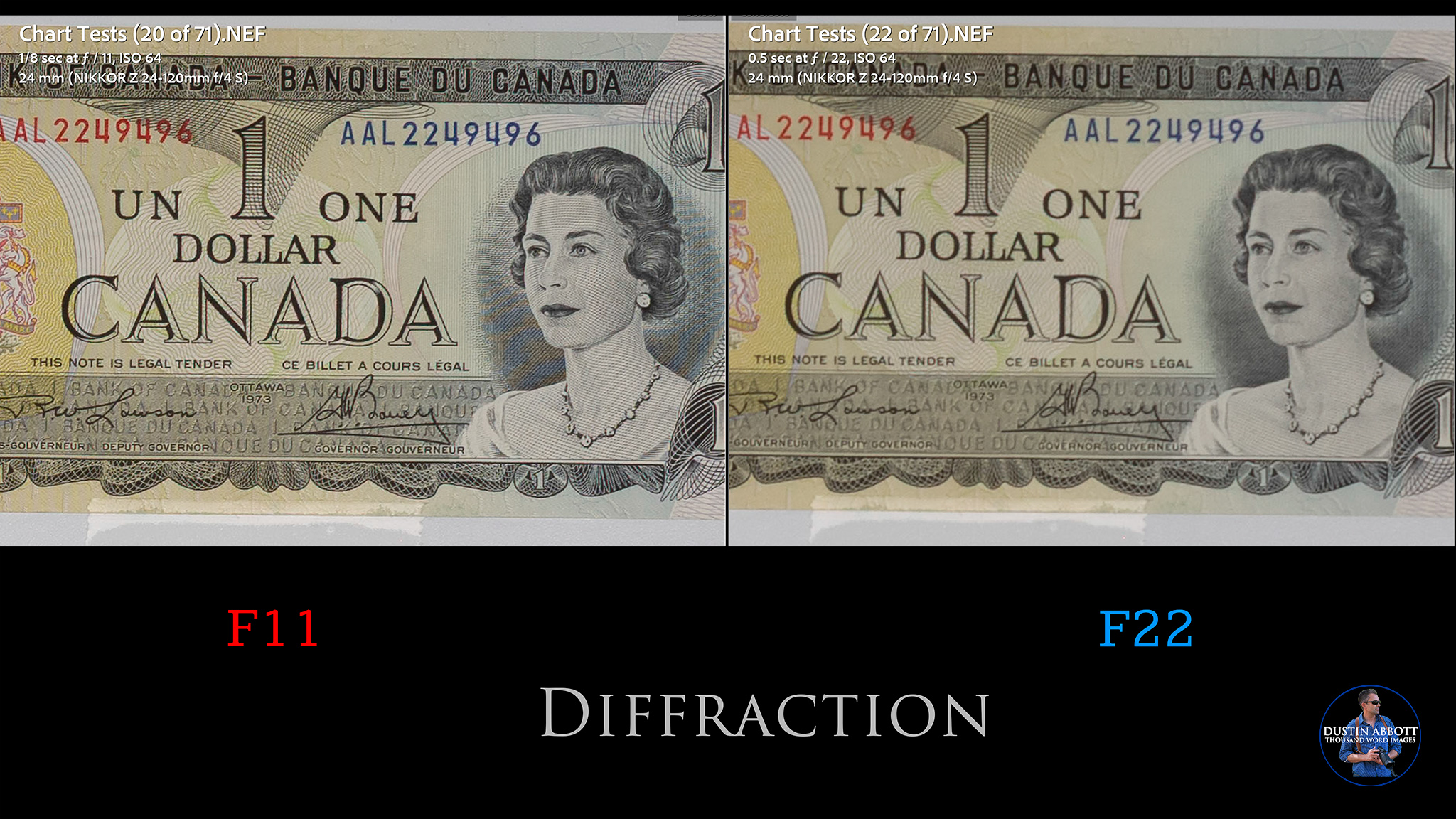
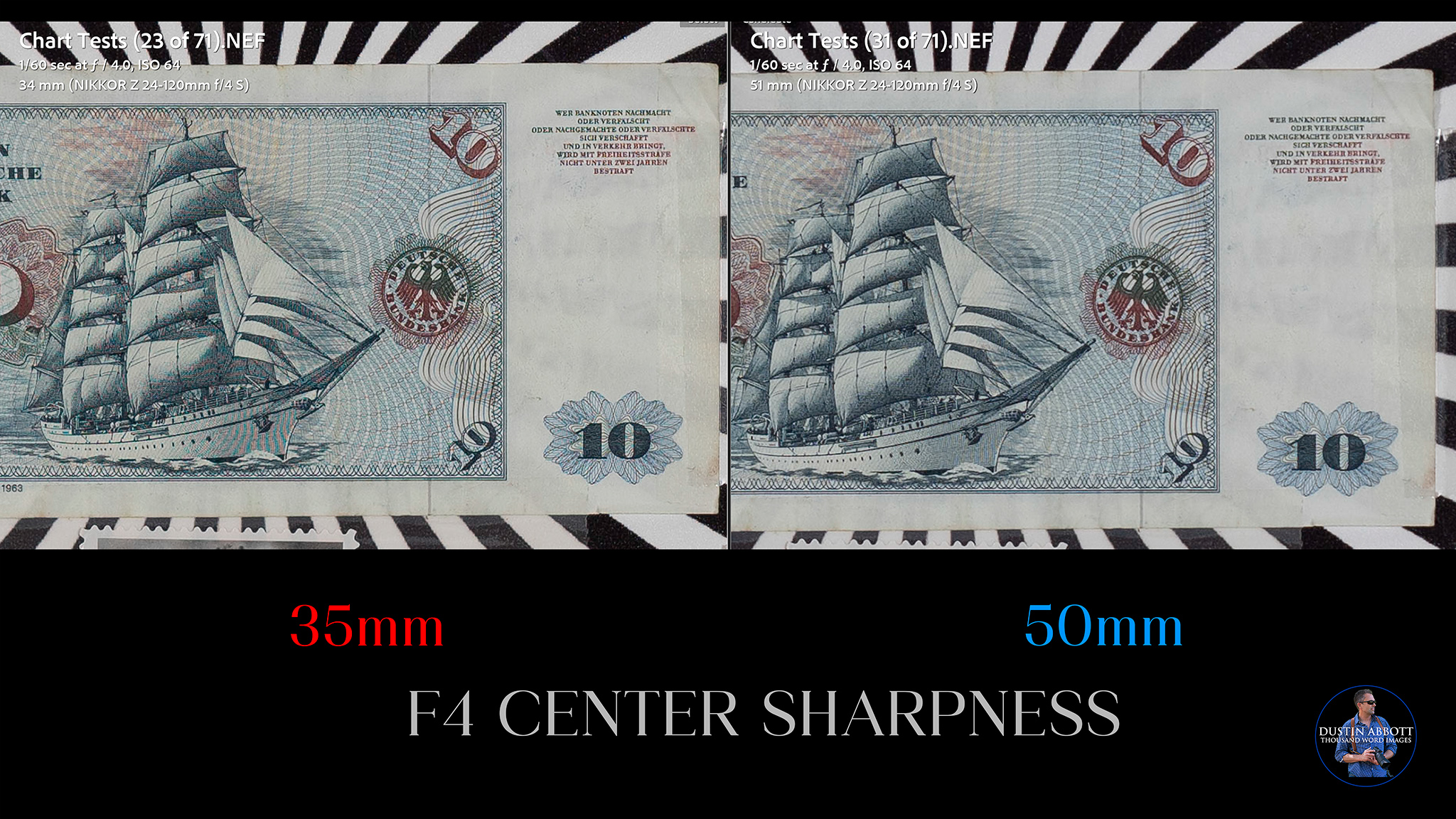
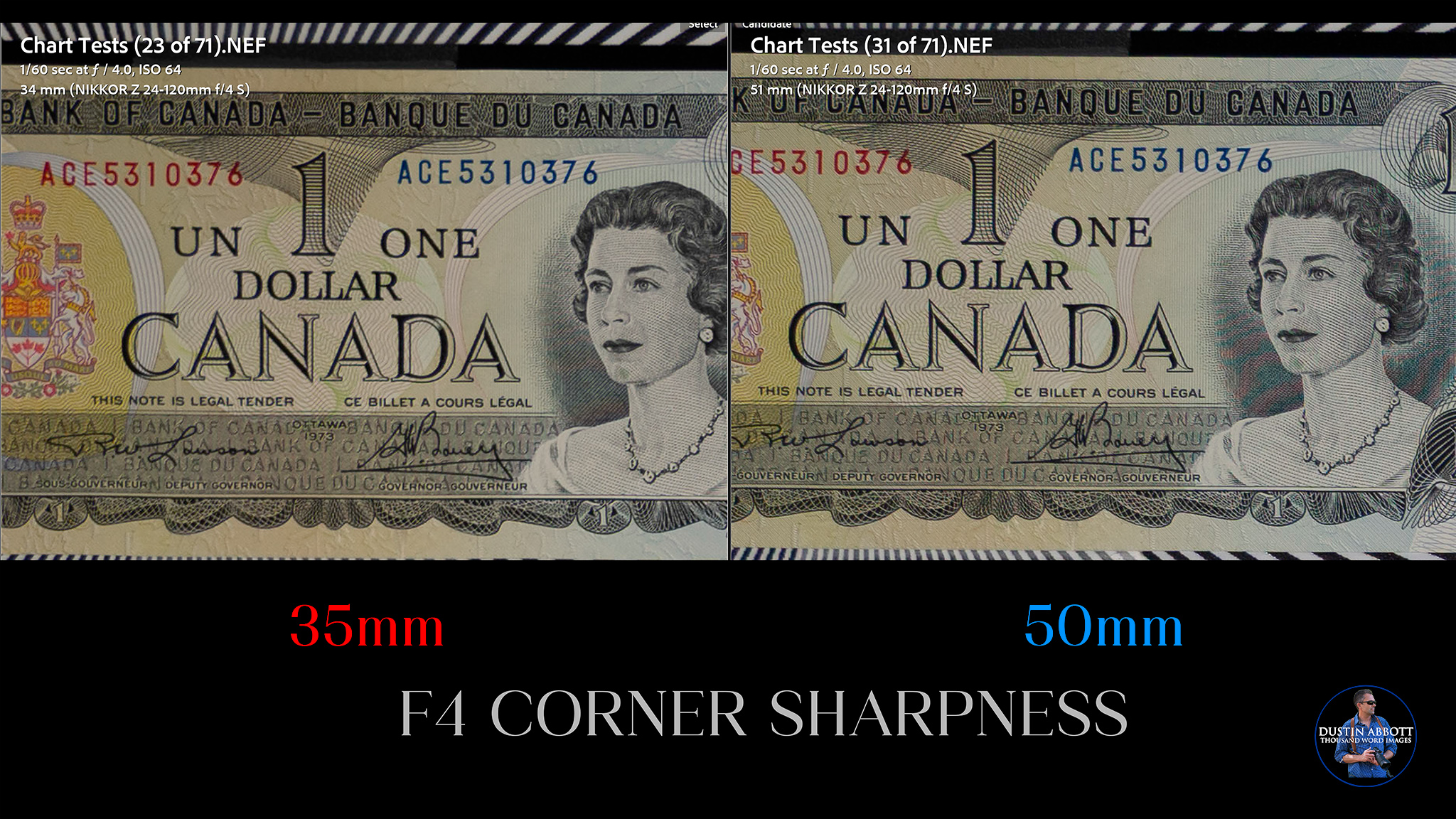
Moving on in the zoom range to 35mm and 50mm, we find that 35mm looks fantastic, with 50mm looking just slightly softer in the center and midframe, though it redeems itself in the corner, where it is sharper at F4 than we saw of 24mm at any aperture.
Here’s a real world shot at 67mm that shows fantastic detail in the layers of the ice.

The sharpness pattern of the 35mm and 50mm focal lengths looks largely the same at other apertures, with just a bit more contrast and clarity.
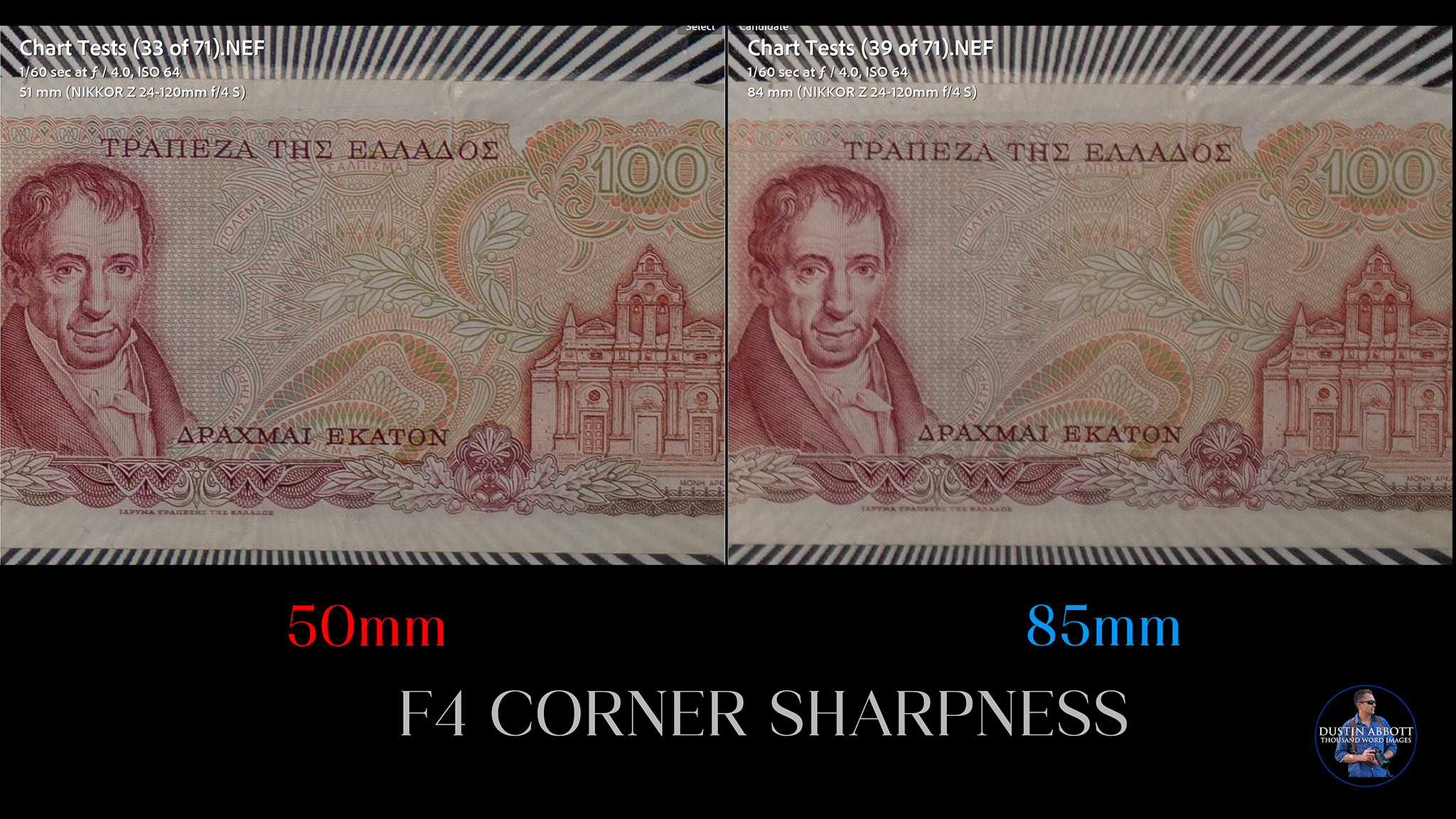
85mm is very similar to 50mm, though somewhat weaker in the corners.
It’s good to emerge from the charts periodically to see how these results bear out in the real world. Here’s an F5.6 shot at 85mm:


And here’s a crop from an F4 portrait in this range.

Good contrast, though the rendering of fine details isn’t quite at the level of the 24-70mm F2.8 S II on the telephoto end.
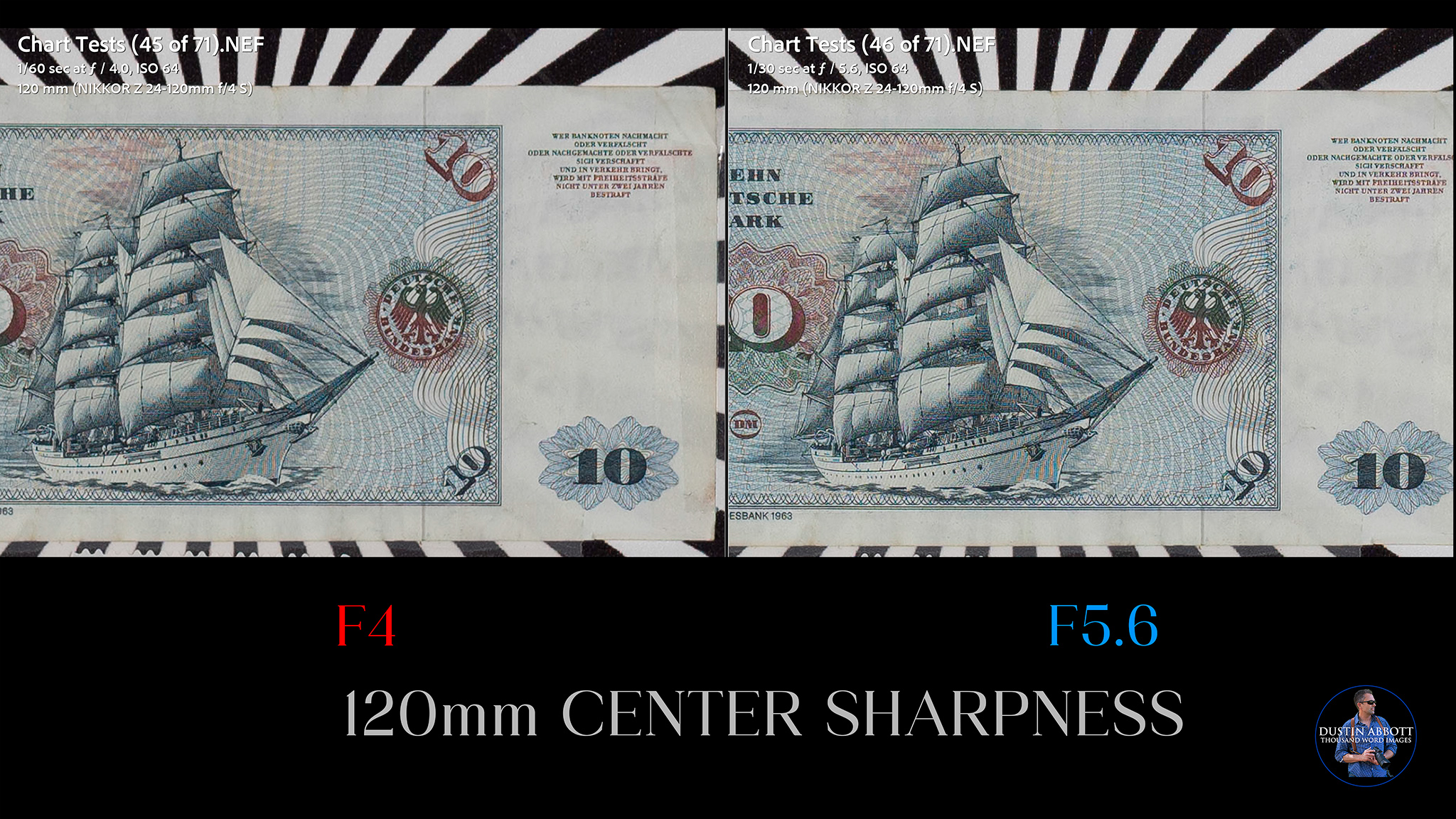
But 85mm actually represents the low ebb of sharpness for the lens, as, surprisingly, it is actually better at 120mm. It’s not just better at F4, but sharpens up to levels not reached at 50mm or 85mm in the center when stopped down to F5.6:
The midframe also looks good, particularly at F5.6:
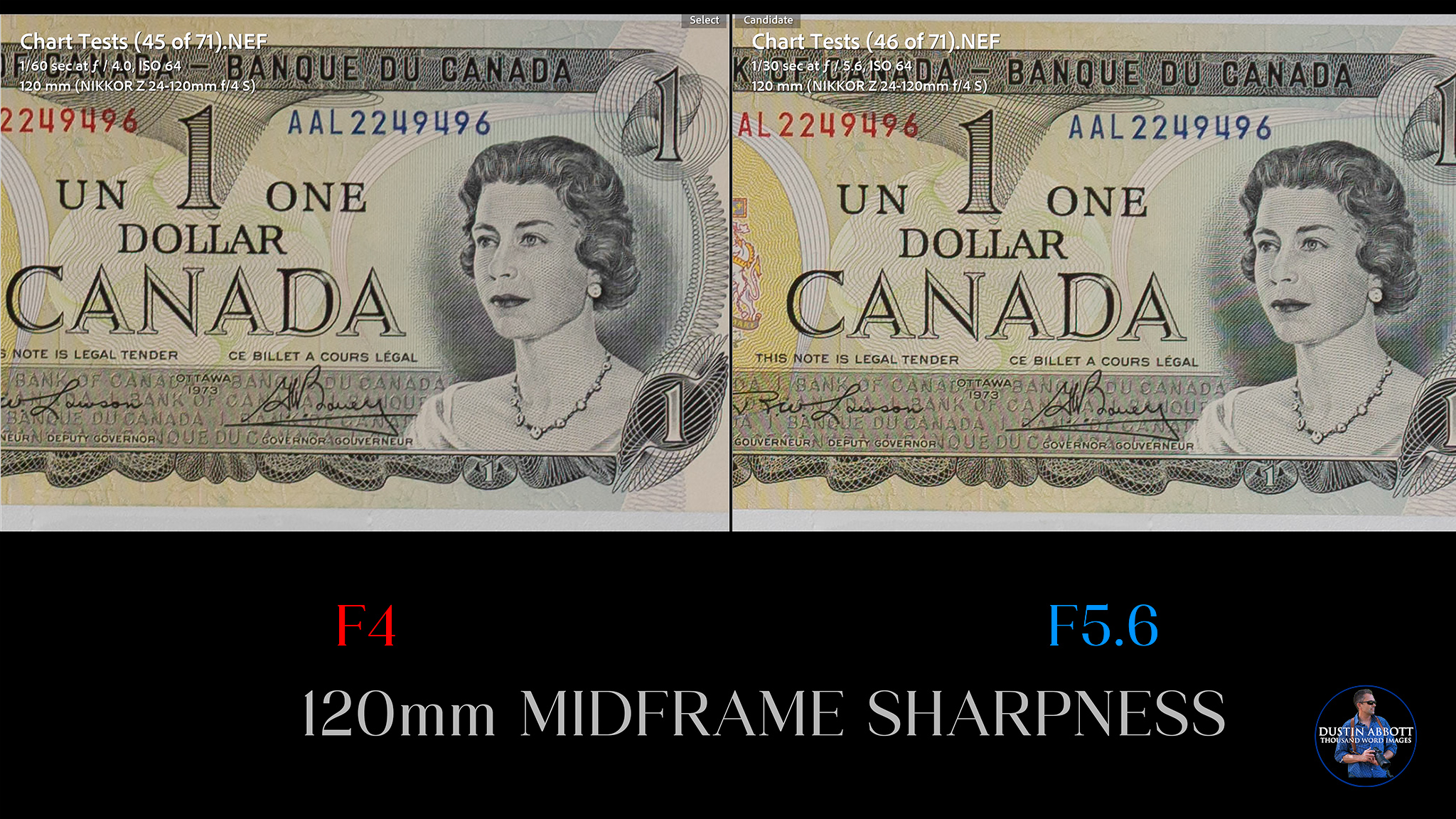
I tend to shoot lenses like this primarily on their wide and telephoto extremes, and there were some shot at 120mm, F4, where I was quite impressed. Here, for example, I found a great amount of fine detail on the leaf than expected.


In general, I would say that the sharpness from the lens exceeded my expectations. You could shoot a wide variety of subjects with the Nikkor Z 24-120mm F4 S and generally be happy with the results you get…which is a big part of why so many people are fans of this lens.
The shot above serves as our intro to the rendering, as you can see a bit of the defocus here. Zooms like this rarely have what I would call exceptional bokeh, as they cover many focal lengths and don’t have the kind of extremely bright aperture at these focal lengths that a prime lens would typically have. One advantage that the Nikkor has over the Canon is that the specular highlights are cleaner. The Canon has a fair bit of busyness in the “bokeh balls”, but the 24-120 S is fairly clean.
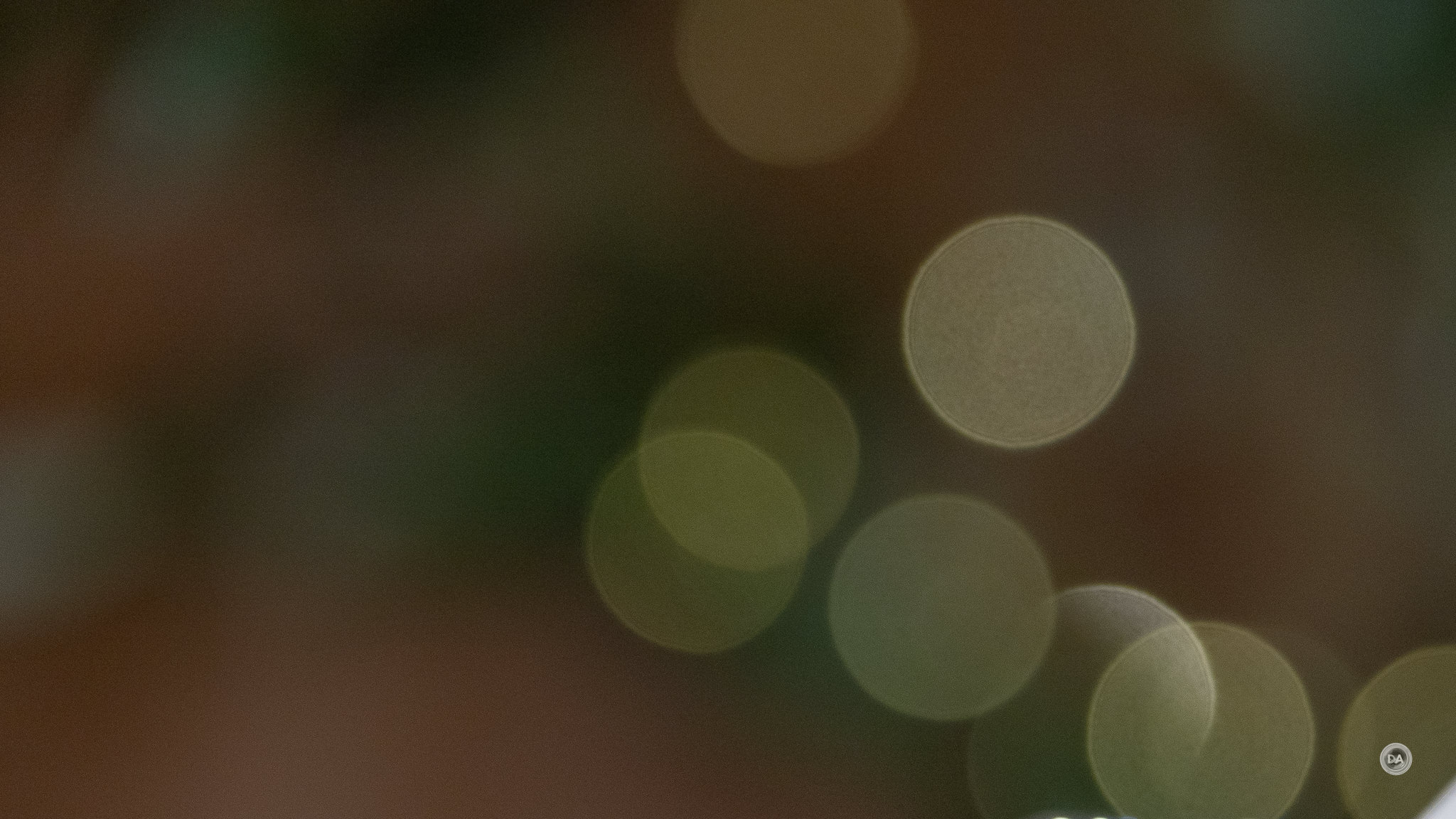
The bokeh is probably best at close focus distances, as the close focus distance and the longer focal length allows backgrounds to be more completely blurred than they will be at further distances.
In this shot the background is not completely defocused, and while it isn’t what I would call “harsh”, it isn’t particularly soft, either.

In this portrait shot, you can see that the background doesn’t quite become creamy or soft. It’s still too much in focus for that (for which you can thank a maximum aperture of F4!)

Still, for this class of lens, the bokeh is fairly good. I have no real complaints.
Flare resistance is quite good.
Speaking of flare, Nikkor has used their proprietary Nano Crystal Coat and ARNEO coatings on this lens, and it shows. I found flare resistance at a variety of angles and aperture values to be consistently excellent.
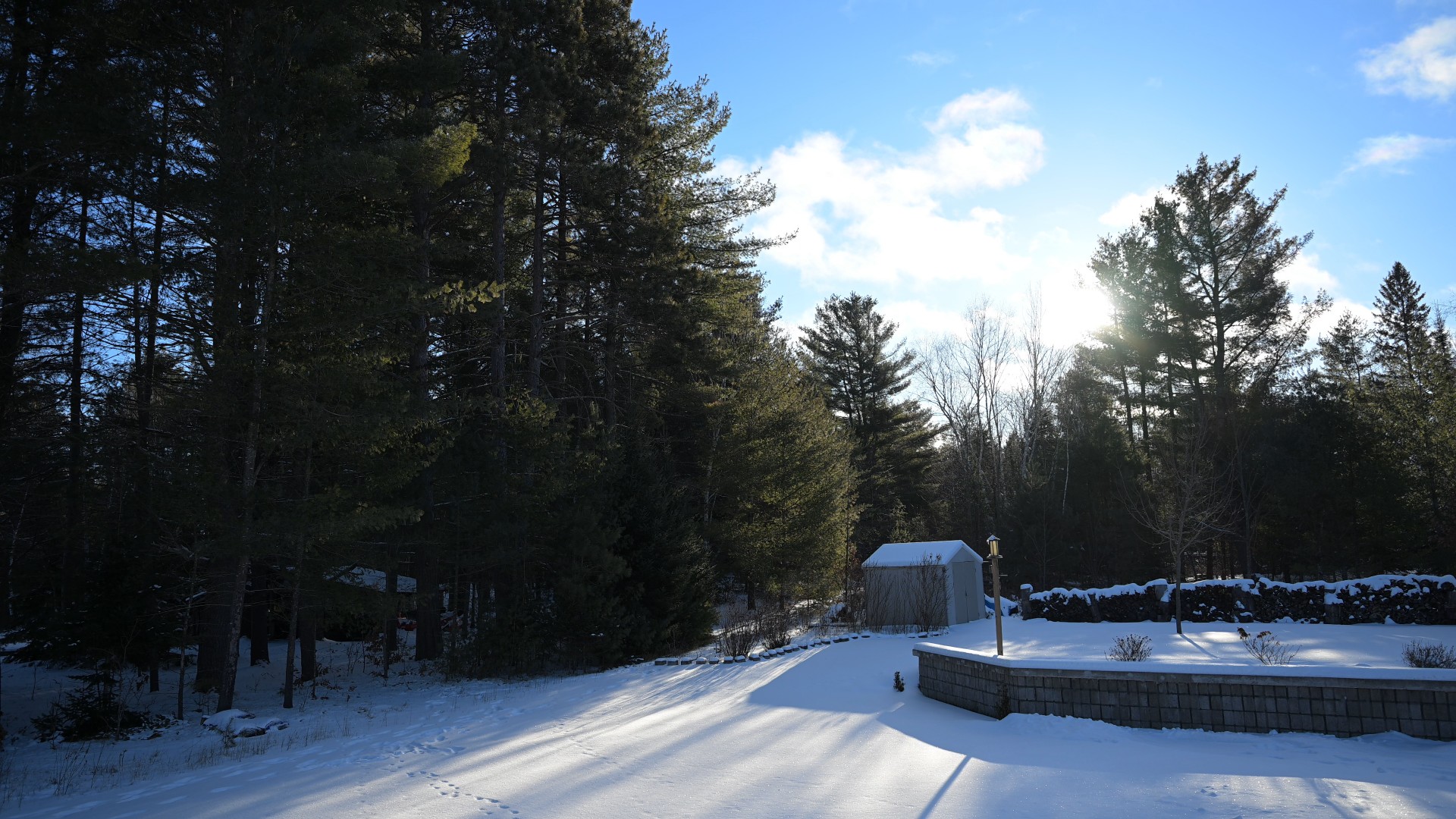

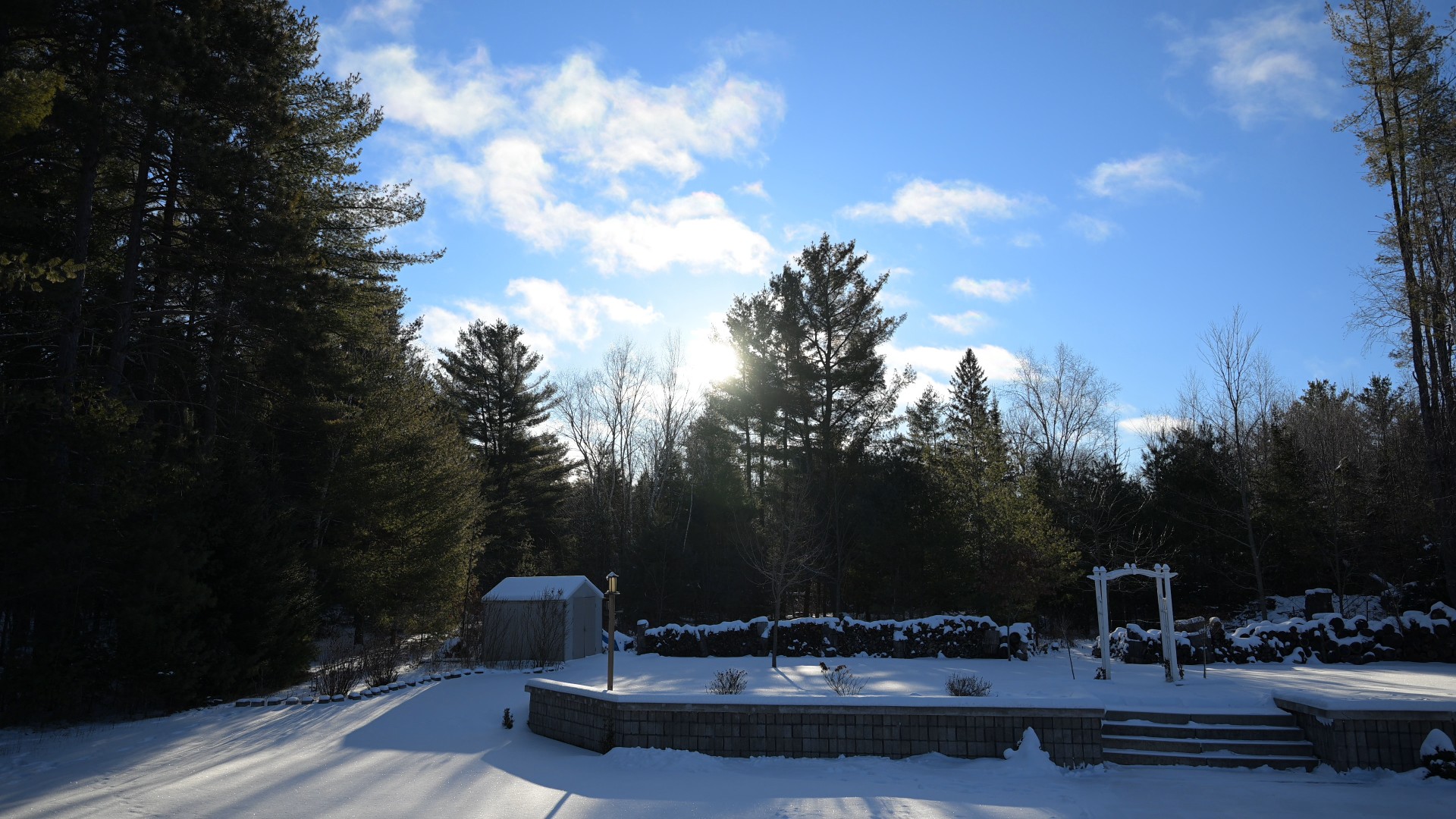
Line things up right, and you can get a nice sunburst effect out of the lens, too.

Sometimes when companies expand the zoom range away from what has been traditionally done, there’s a price to pay. I don’t really feel like that is the case here, as the optics compete well with the lenses from other companies covering the traditional 24-105mm zoom range.
Here’s a mini gallery of images for you to enjoy.
Conclusion
Traditionally 24-105mm F4 lenses have been the most popular premium lenses on pretty much any platform. They deliver much higher end image quality than cheaper kit style zooms, and do so with a constant maximum aperture. Their versatility make them a logical one-lens solution for those that like the idea of keeping one lens on their camera most of the time, and they also make sense for those with a limited budget that might only be able to buy one lens after spending a significant amount for a new full-frame camera. Nikon has improved on the formula with their 24-120mm F4 S, however, not only giving more telephoto reach but also higher magnification…just in case you really wanted to know what your wife’s high-heel shoe looks like up close.
I was impressed with both the autofocus and image quality from the 24-120S, and at its best, it delivered images that I really liked. I didn’t have a particularly nice time of year to test the lens in (February in Canada doesn’t draw many tourists!), but I can see how easy it would be to get great results while traveling, which is another area of interest for those who might own more lenses but would prefer a single lens for travel.

The final advantage for the Nikkor lens is price. Not only is the MSRP lower than competing lenses, but at the time of this review, the Nikkor Z 24-120mm F4 S could be had for under $1000, making it one of the absolute cheapest S-Line zoom lenses available. All of these factors add up to a lens that hits high marks for usefulness and performance. It’s no wonder the 24-120mm F4 S hits basically every list of the best zoom lenses available on Nikon Z!

Pros:
- Versatile Zoom Range: The 24-120mm focal length provides excellent flexibility, covering both wide-angle and telephoto needs, which is beneficial for various types of photography such as landscapes, portraits, and events.
- Strong Image Quality: Delivers impressive sharpness throughout the zoom range, with particularly good performance at 24mm and 120mm, ensuring high-quality images across diverse shooting scenarios.
- Constant Maximum Aperture: Maintains an f/4 aperture throughout the zoom range, allowing for consistent exposure settings and depth of field control without the need to adjust settings while zooming.
- Excellent Autofocus Performance: Equipped with a dual stepping motor system for fast, quiet, and smooth autofocus, making it suitable for both still photography and video recording.
- Close Focus Capability: The lens has a minimum focus distance of 35cm, enabling unique close-ups and macro-like shots that add depth to portraits and creative photography.
- Compact and Lightweight Design: Weighing 630g (1.4 lbs), it is relatively lighter than competitors while providing extra reach, enhancing portability for travelers and outdoor shooters.
- Weather-Sealed Construction: Built with multiple seals and a fluorine coating, adding durability and protection against dust and moisture, which is essential for outdoor use.
- Customizable Control Ring: A programmable control ring allows photographers to tailor their adjustments for added convenience during shoots.
- Low Focus Breathing: Particularly beneficial for video work, ensuring smooth focus transitions without noticeable jumps or shifts.
- Value for Money: Priced competitively compared to similar lenses from other brands, offering high performance at a relatively lower cost.
Cons:
- Lack of Built-in Vibration Reduction (VR): The absence of lens-based stabilization might hinder performance for users on cameras without in-body stabilization, particularly in low-light conditions.
- Corner Sharpness Issues: While overall sharpness is good, there can be noticeable drop-offs in sharpness at the extreme corners, especially at wider apertures, which might affect composition for certain images.
- Autofocus Switch Placement: The positioning of the autofocus/mode switch can be awkward when mounted on some camera bodies, potentially leading to a less ergonomic user experience.
- Dependence on Electronic Corrections: Vignette and distortion corrections are applied automatically, limiting user control over these aspects in RAW images, which may be a disadvantage for advanced photographers preferring manual correction.
_________________________________________________________________________
GEAR USED:
Purchase the Nikkon Z 24-120mm F4 S @ B&H Photo | Adorama | Amazon | Camera Canada | Amazon Canada | Amazon UK | Amazon Germany
Purchase the Nikkor Z 24-70mm F2.8S II @ B&H Photo | Amazon | Camera Canada | Amazon Canada | Amazon UK | Amazon Germany
_______________________________________________________________
Purchase the Nikon Z8 @ B&H Photo | Adorama | Amazon | Camera Canada | Amazon Canada | Amazon UK | Amazon Germany
_________________________________________________________________
Want to support this channel? Use these affiliate links to shop at: B&H Photo | Amazon | Adorama | Camera Canada | Amazon Canada | Amazon UK | Ebay | Make a donation via Paypal
Buy DA Merchandise https://bit.ly/TWIMerch

Keywords: Nikkor, Nikkor 24-120, Nikkor Z 24-120mm F4 S, Nikkor Z 24-120mm, F4, F2.8 S, Nikkor Z, Nikkor Z 24-70mm S review, Nikon 24-120mm, S, Nikon, Nikon Z8, Z, Z-mount, Z8, Review, mirrorless, Full Frame, Sports, Tracking, Dustin Abbott, Real World, Comparison, Handling, Focus, Portraits, Resolution, High ISO, Image Quality, Sample Images, Photography, 45MP, #letthelightin, #DA, #NIKON, #Z8, #NIKONZ8, #NikonZ24-70SII, #NikonLens, #ZoomLens, #PortraitPhotography, #WeddingPhotography, #Astrophotography, #FastAperture, #ProfessionalPhotography, #CameraGear, #NikonZmount, #PhotographyGear, #LensReview, #UltimatePortraitLens, #NikonPhotographers
Related posts:
 Nikkor Z 24-70mm F2.8 S II Review
 Nikkor Z 35mm F1.2 S Review
 Nikkor Z 135mm F1.8 S Plena Review
 LAB vs PLENA: Nikon 135mm Showdown
 Nikkor Z 40mm F2 Review
 Nikkor Z 50mm F1.4 Review
 Nikkor Z 135mm F1.8 S Plena Gallery
 Nikkor Z 50mm F1.8 S Review
 Viltrox LAB 35mm F1.2 Z-Mount Review
 Tamron 70-300mm F4.5-6.3 RXD Z-mount Review