

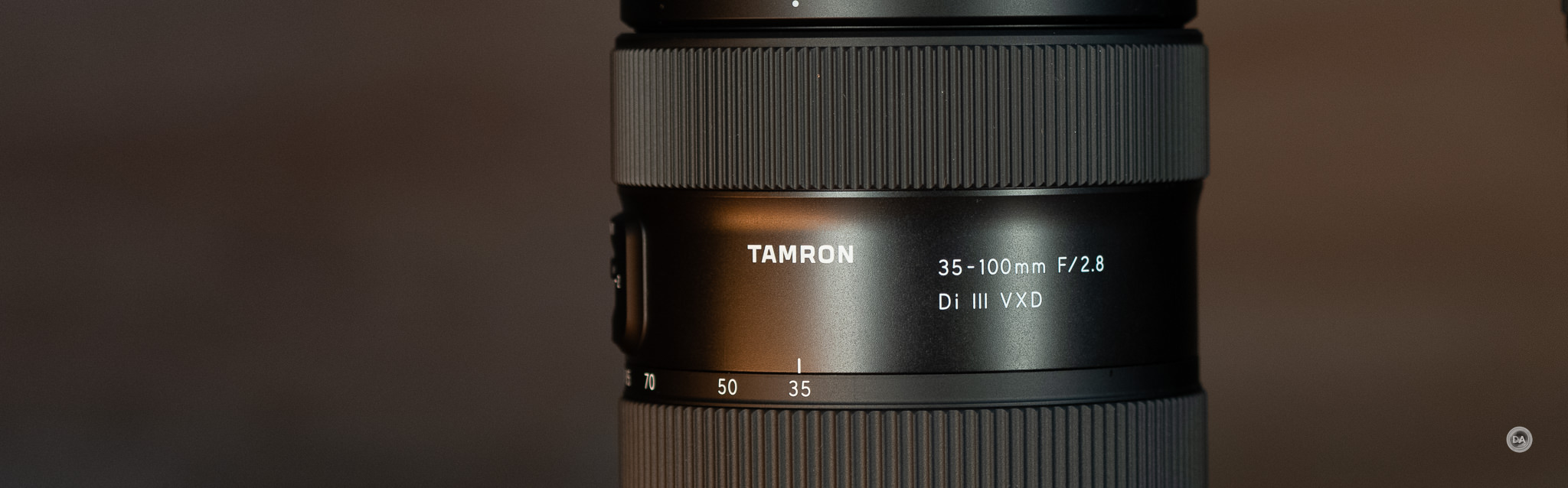
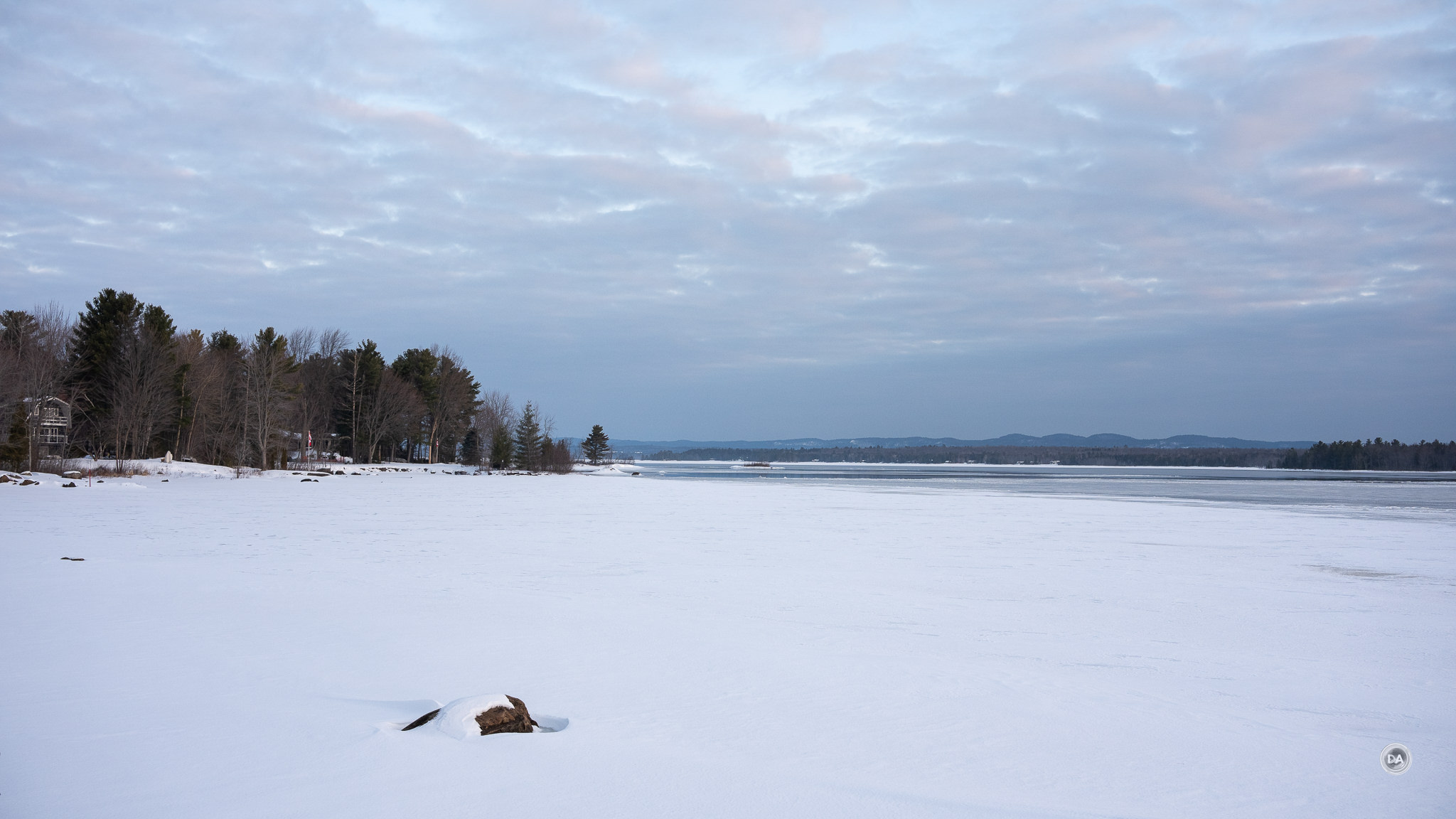

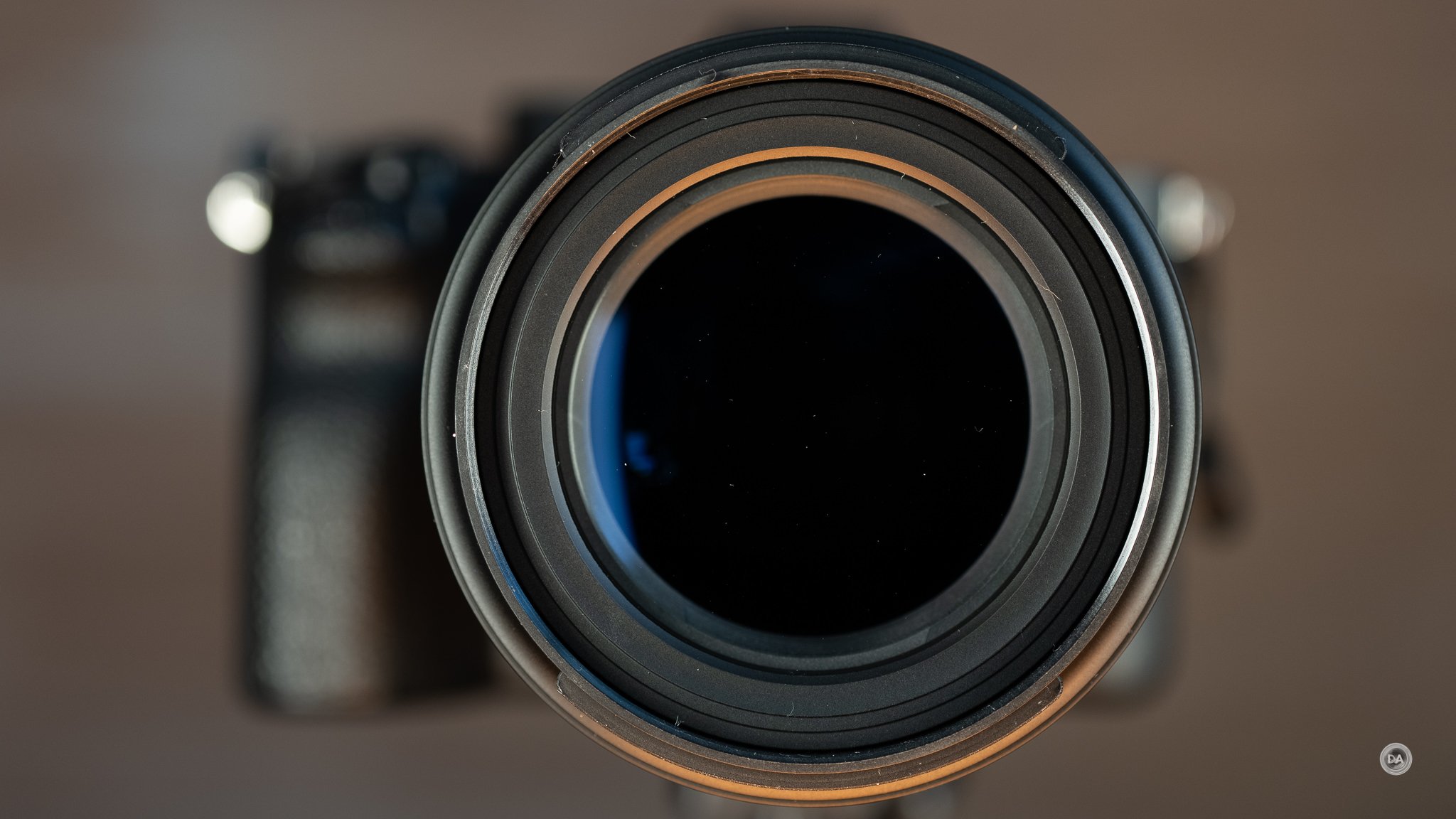
Build and Handling
I’m reviewing the Sony E-mount version of the lens, but there is also a Nikon Z-mount version as well.
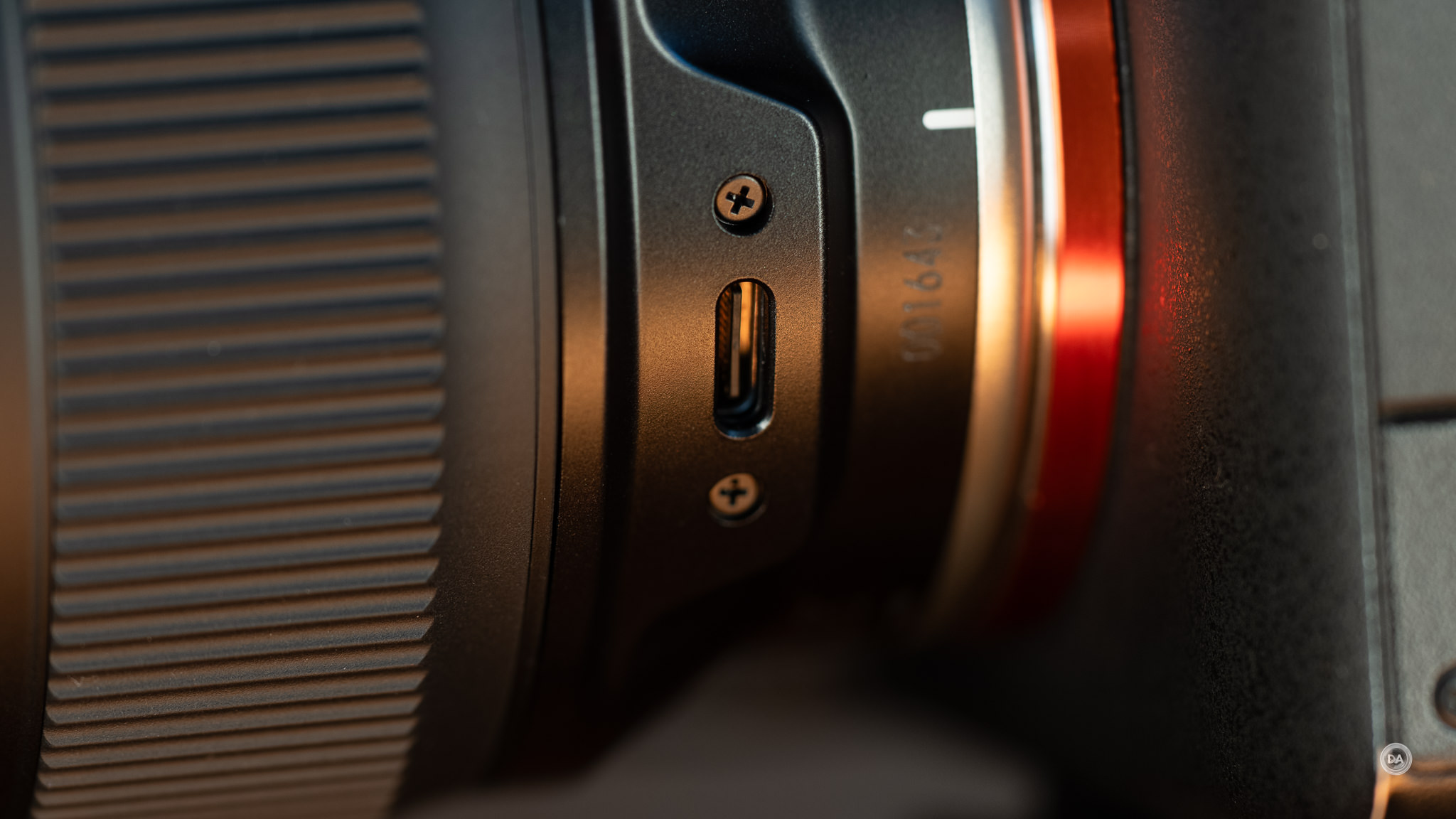
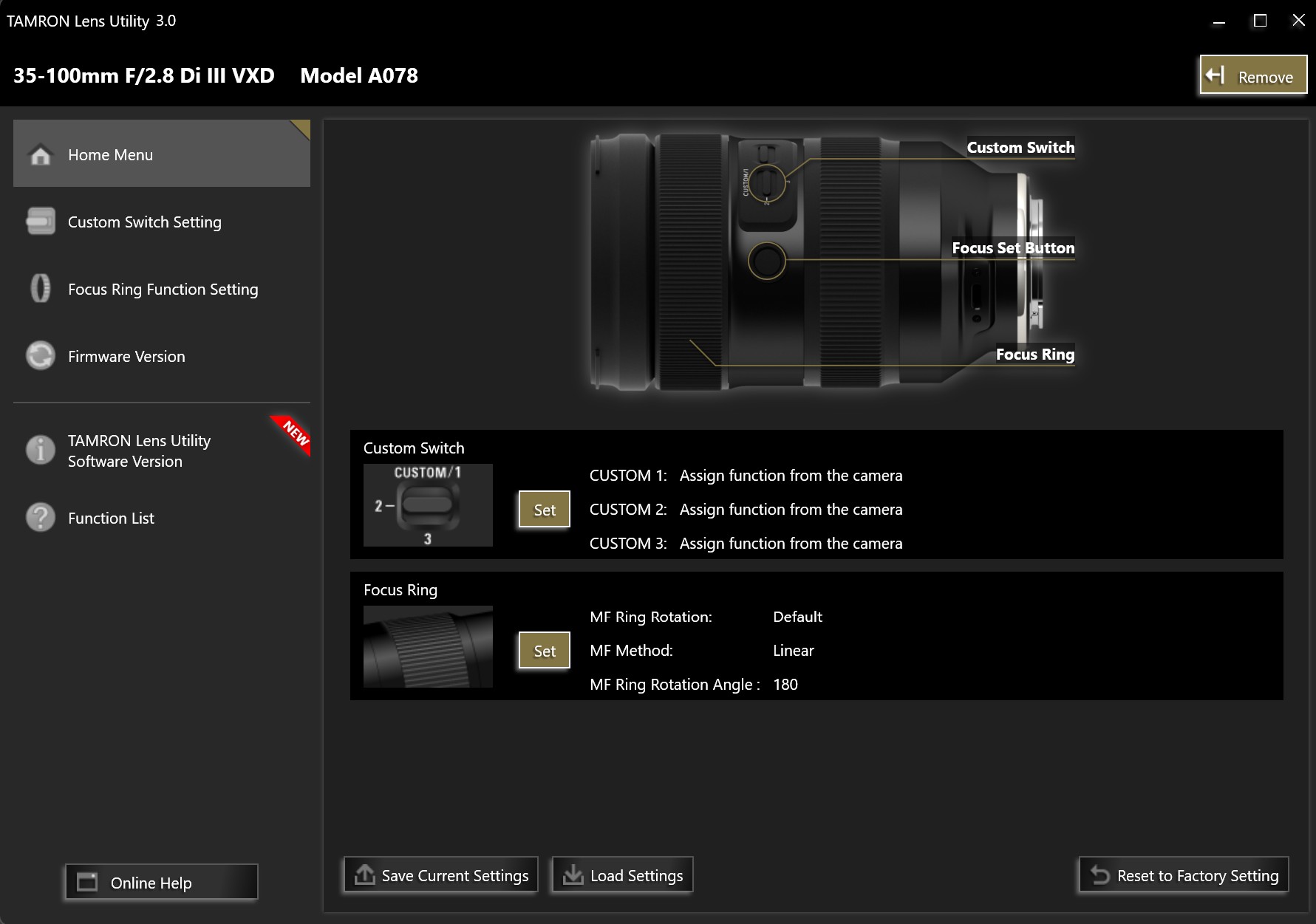
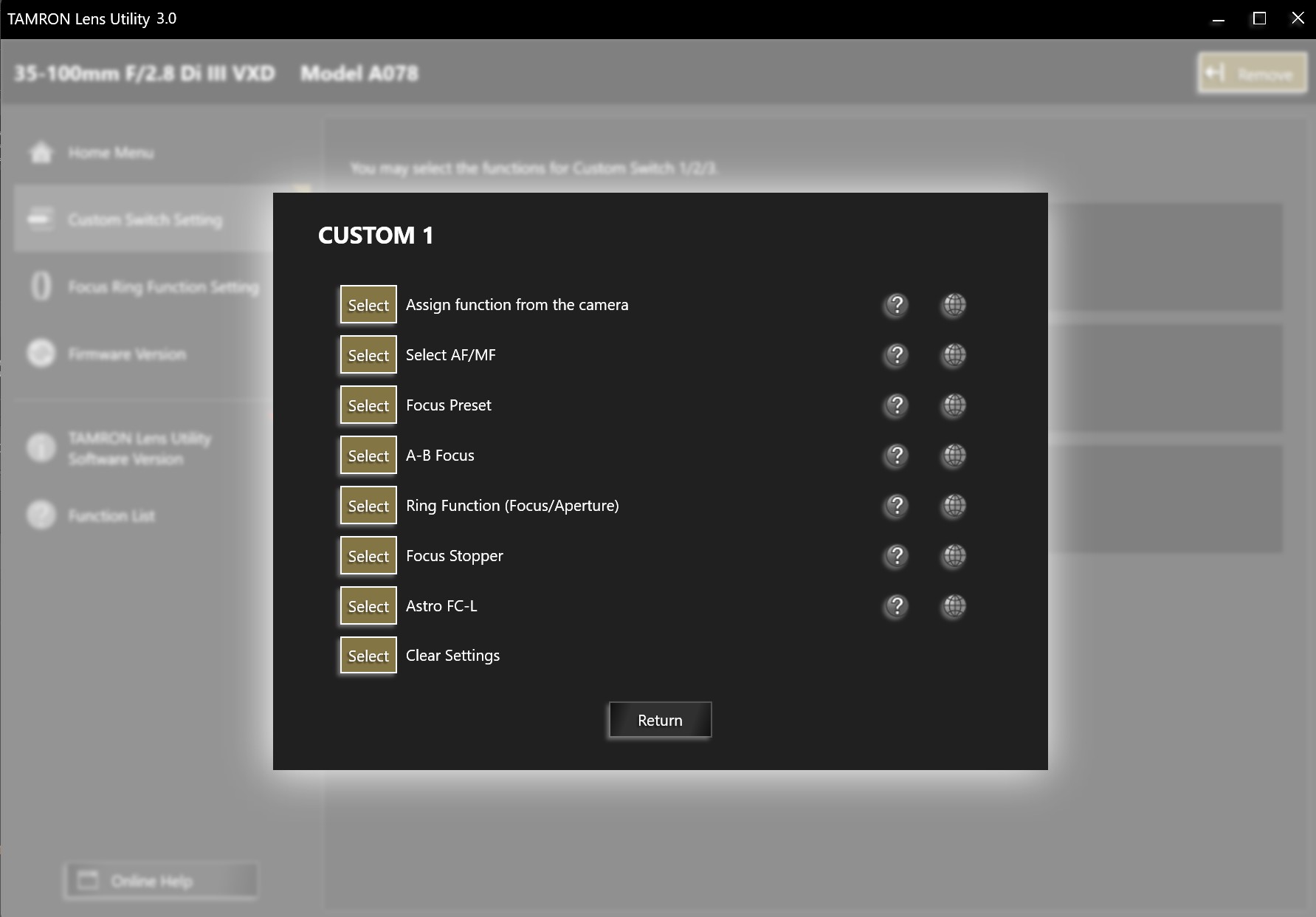
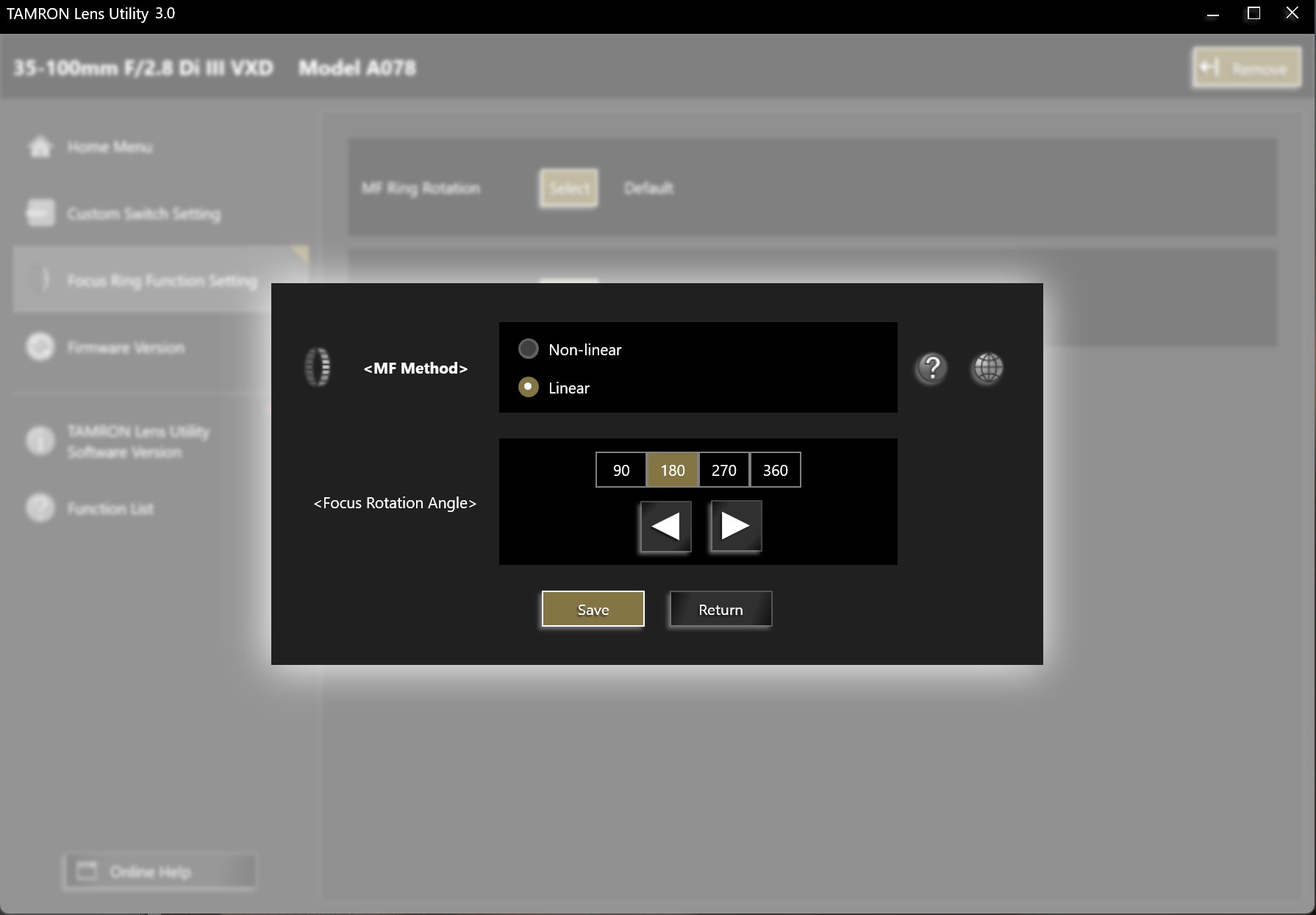
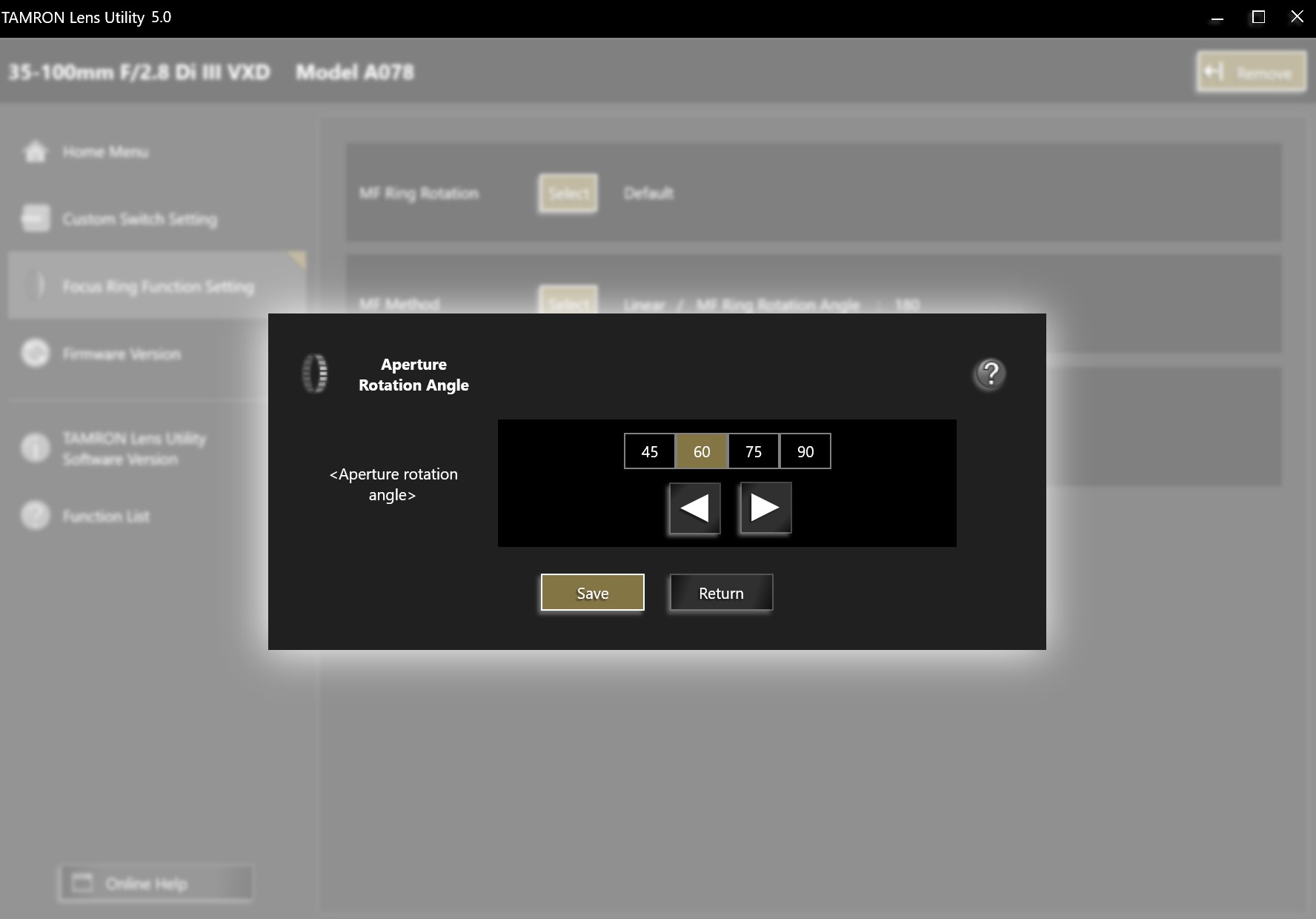
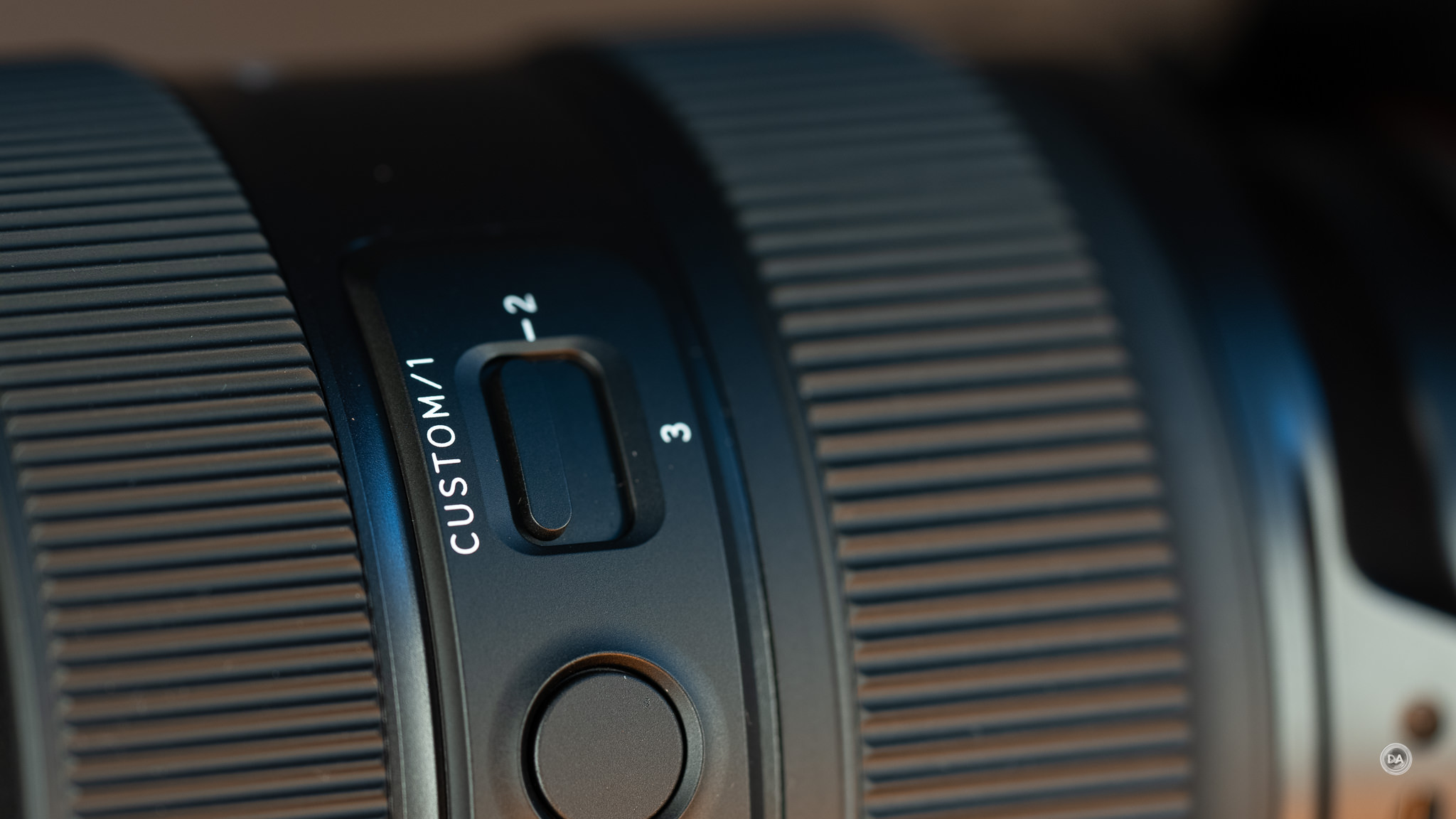
What’s more, Tamron has give us a three-position custom switch, which means that you can actually achieve program three different custom functions depending on what mode you have selected. Custom controls can impact both the function button and the control ring.
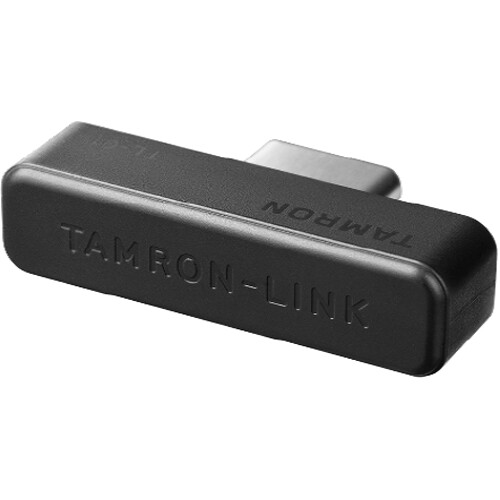
You can connect to the lens via Bluetooth from your phone, and use the free Tamron Lens Utility app (for iOS and Android) to wirelessly control the lens and change functions.
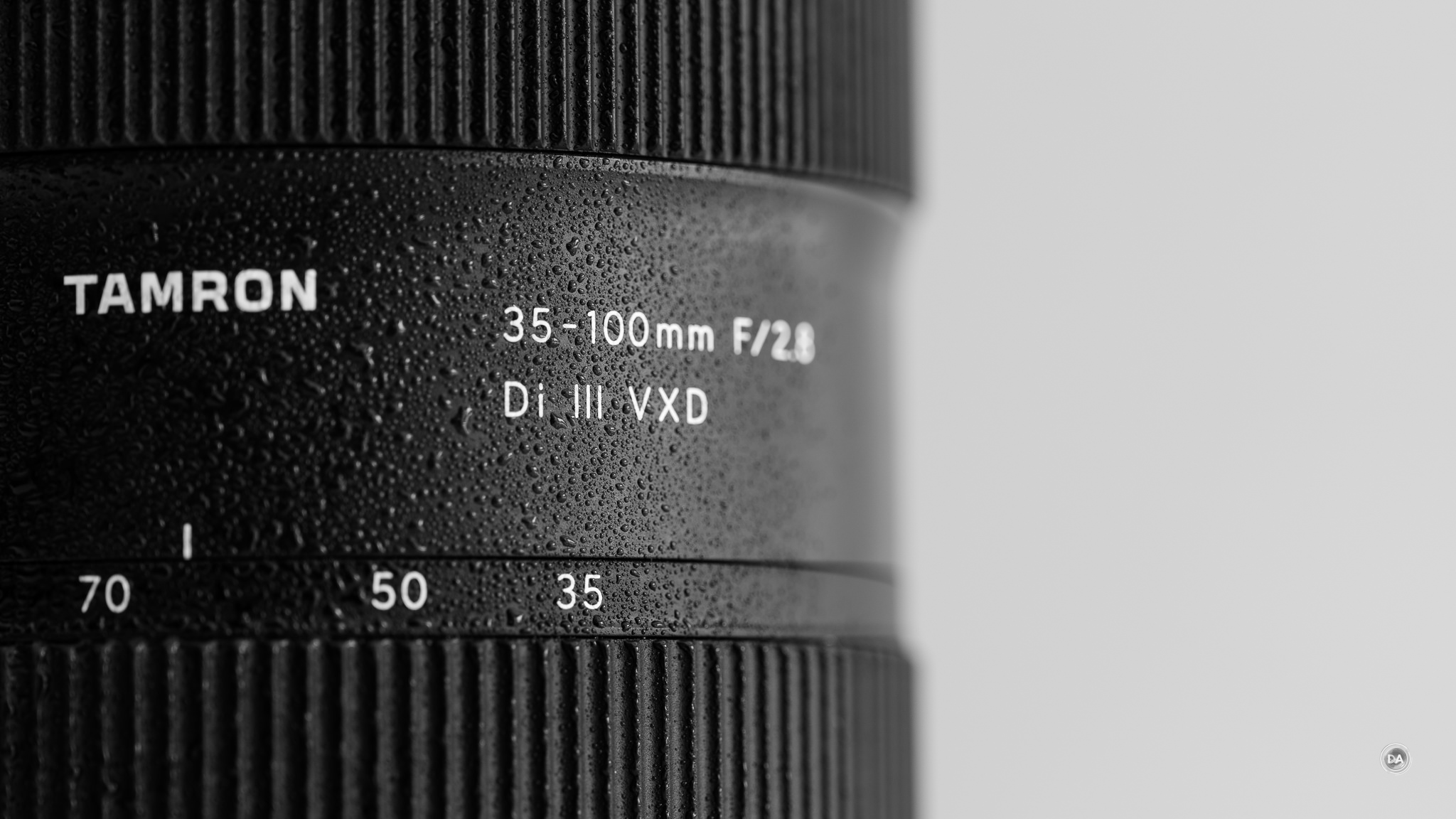
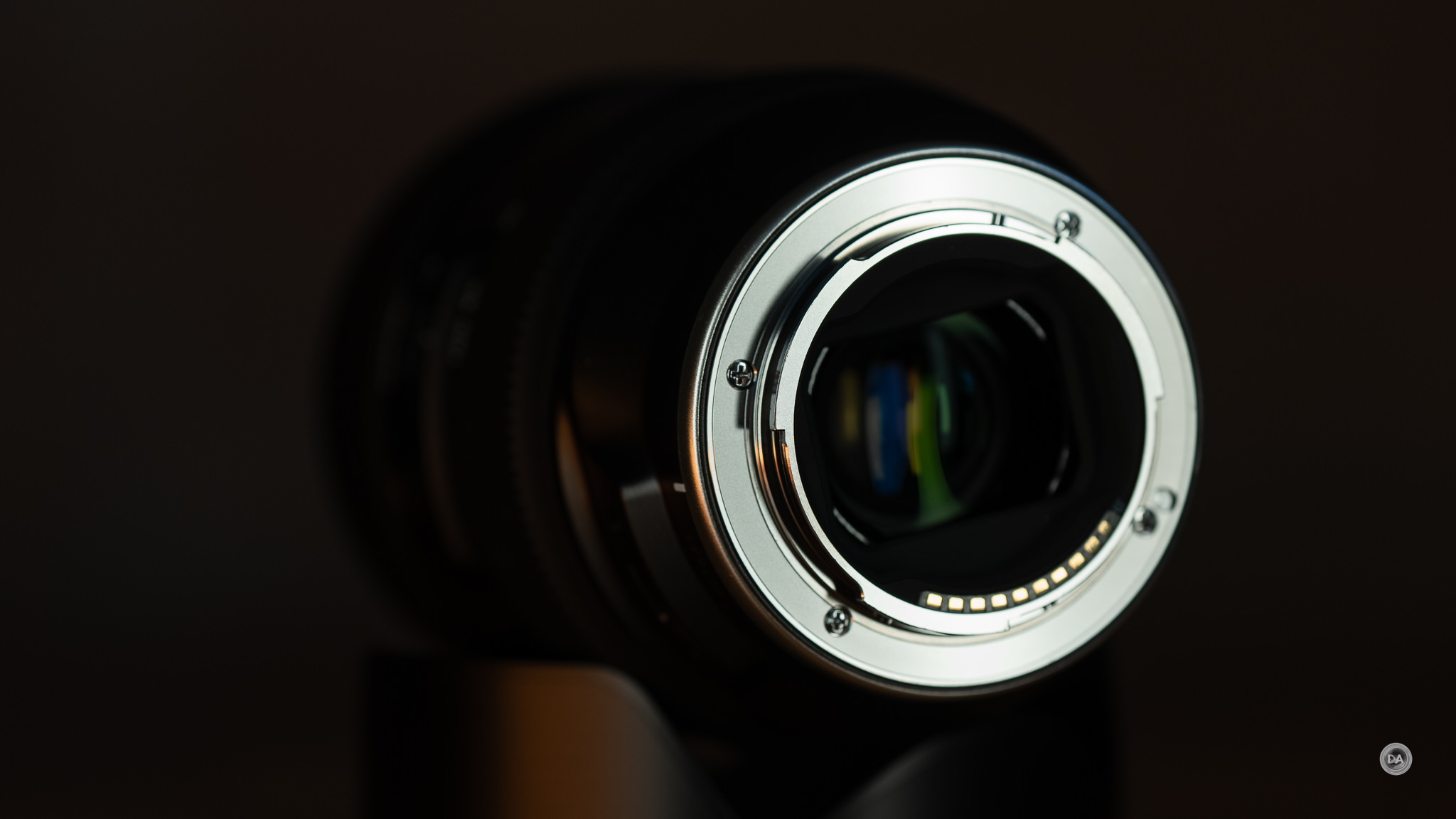

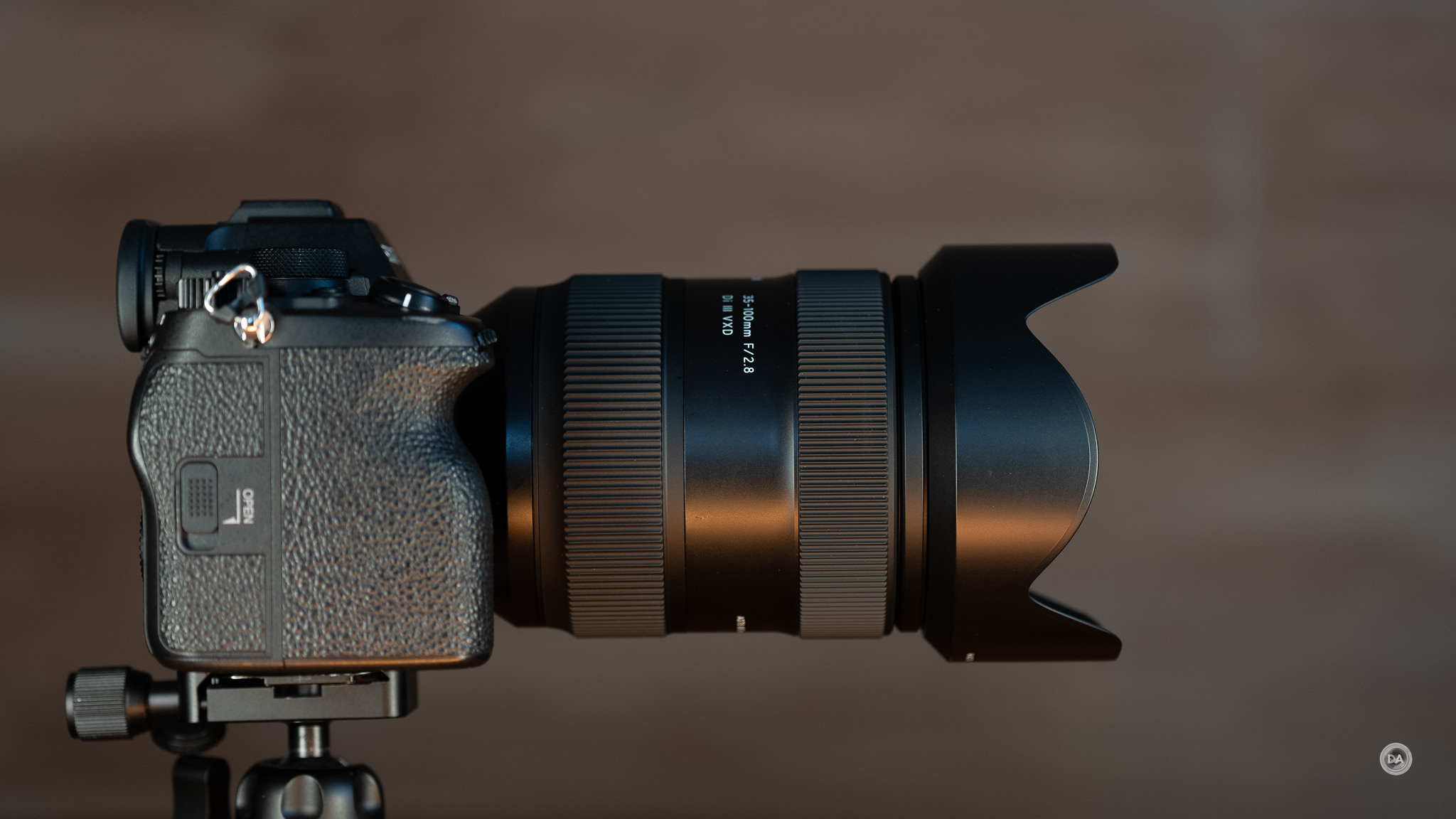
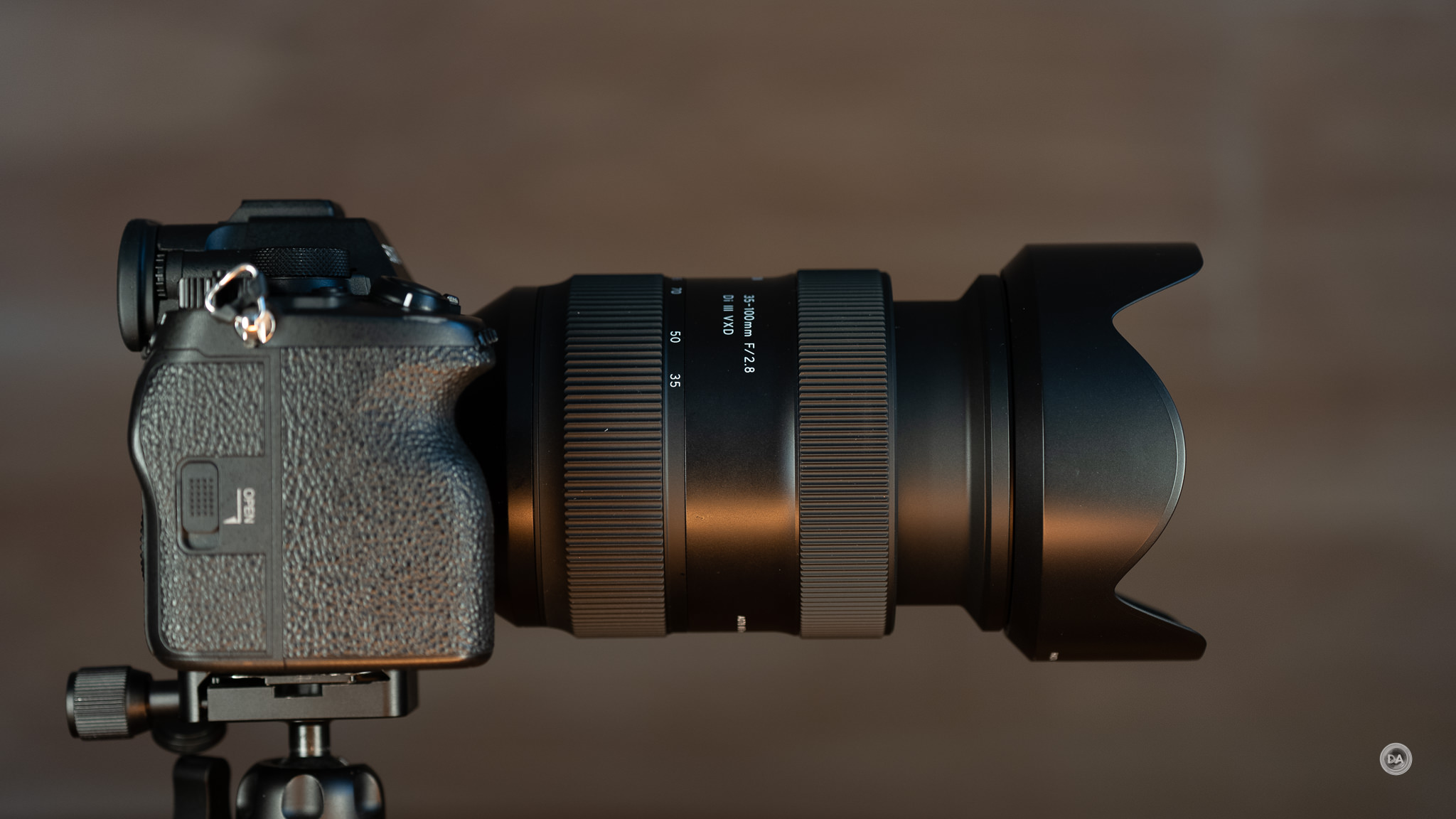
The difference in size between the new 35-100mm and the existing 35-150mm is pretty radical.
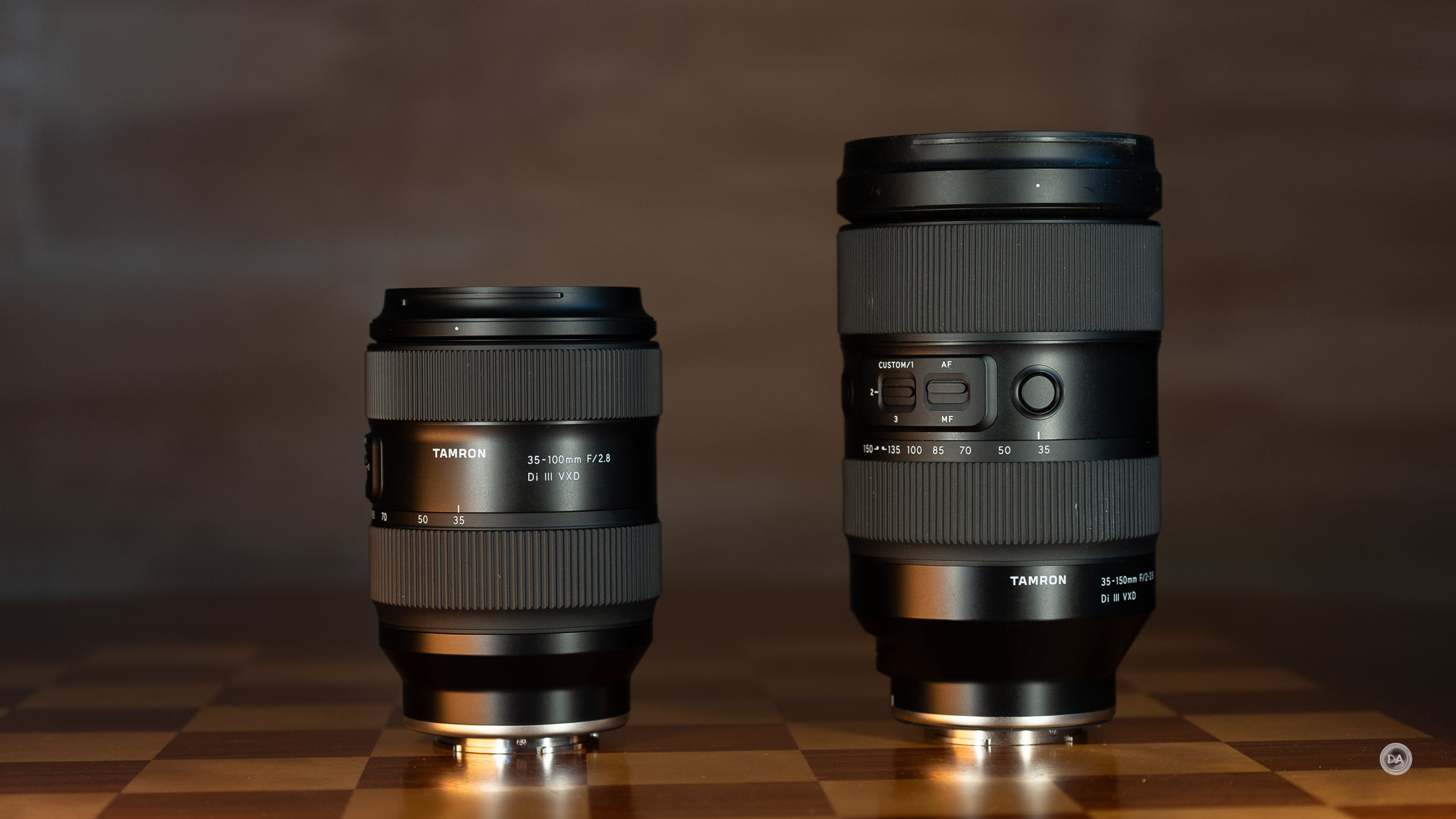
The 35-150mm is roughly 40mm longer, 9mm wider, and weighs a whopping 1165g – more than twice as much as the 565g (1.2 lb) of the 35-100mm. The size is more similar to Tamron’s 28-75mm F2.8 G2, though the 35-100mm is very slightly longer and is wider in diameter.


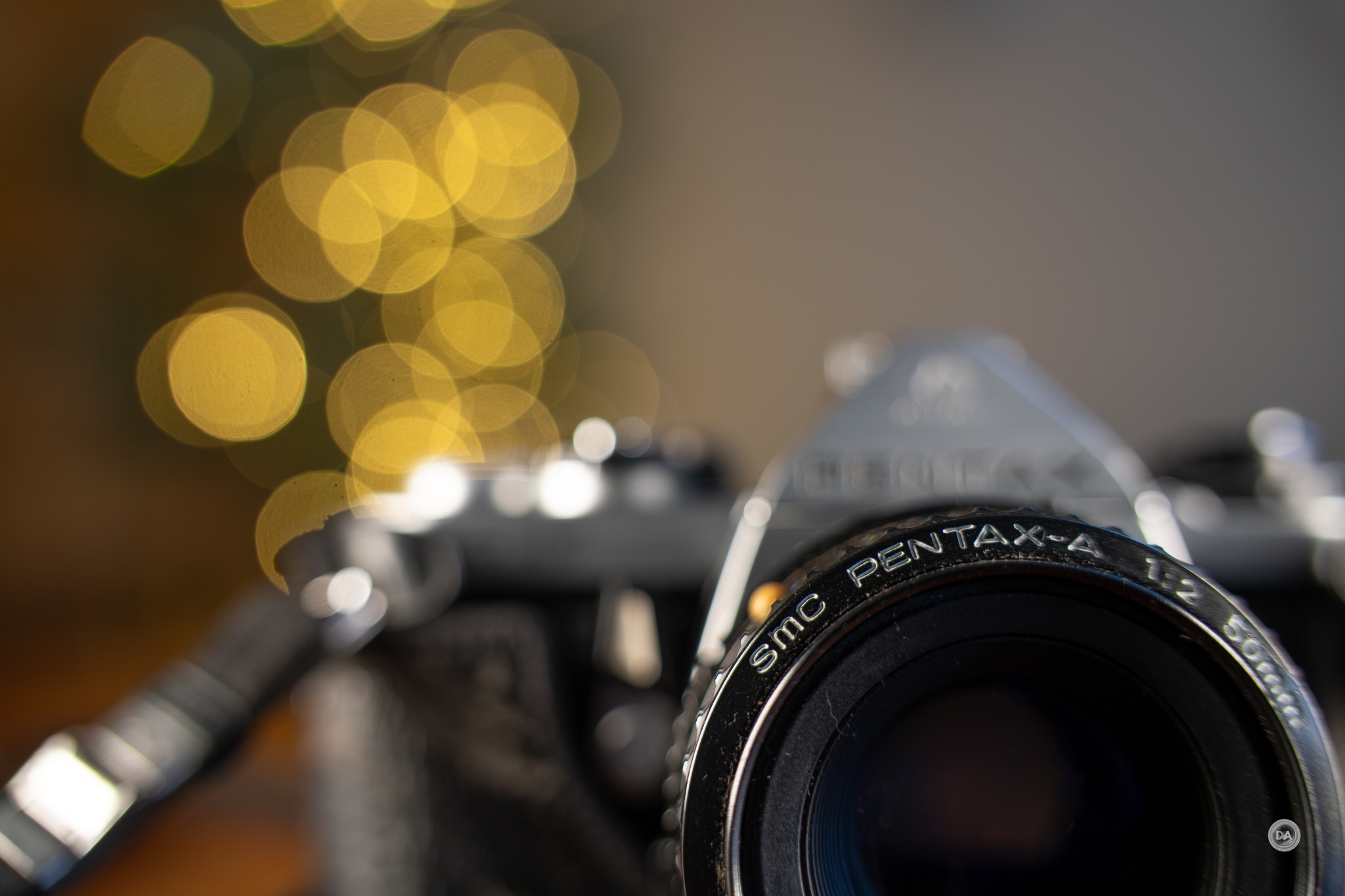
Here’s a look at the geometry of specular highlights at F2.8, F4, and then F5.6:

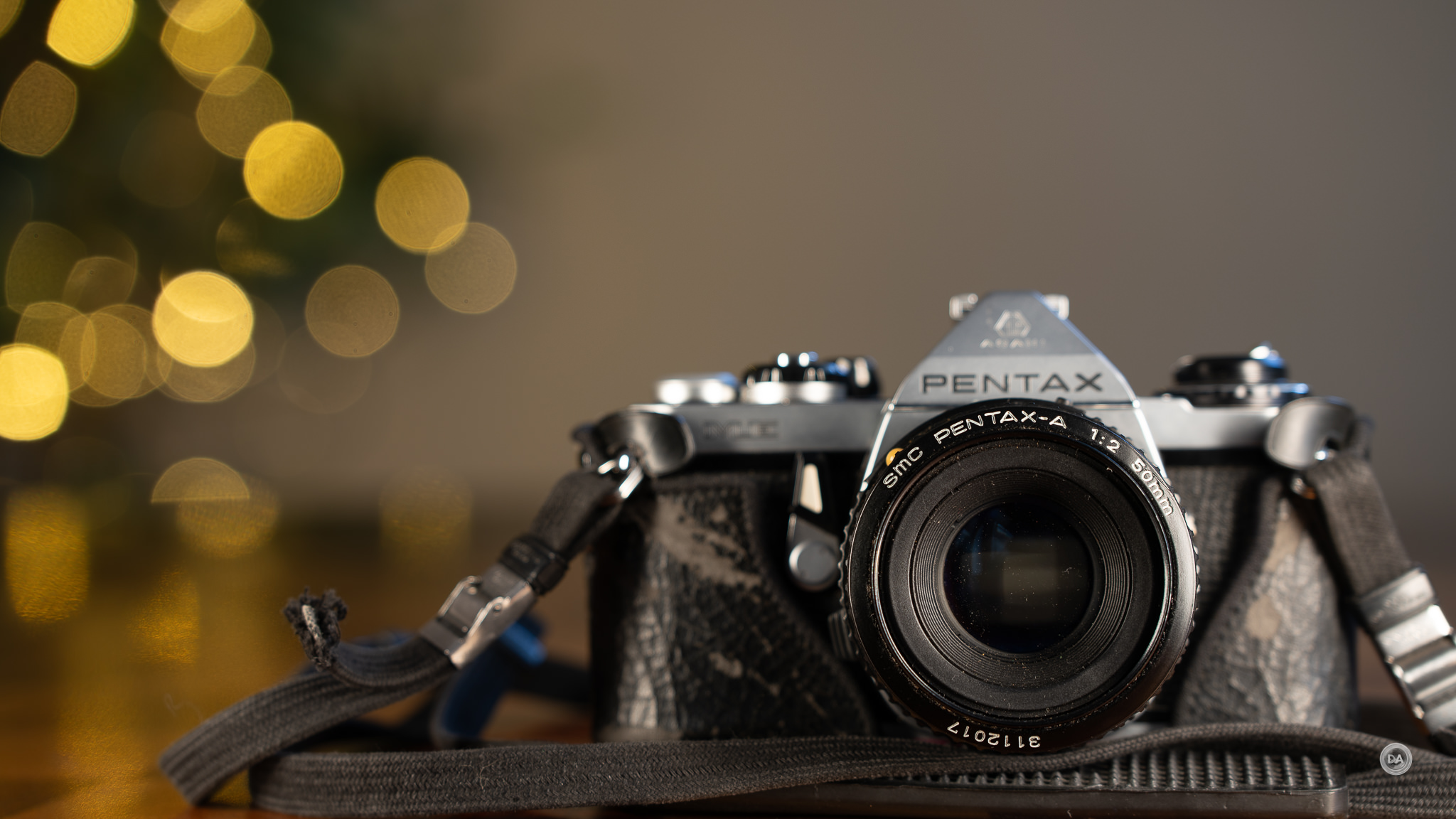

You’ll also see that the plane of focus isn’t particularly flat at that kind of focus distance. Fortunately things work better when you are shooting a three-dimensional subject rather that a flat test chart.


Autofocus

Focus was brilliant as Nala was rolling around, nailing focus each time. And the results are fantastically sharp.








In my controlled focus tests, moving back and forth from a near to distant subject, I found the focus speed to be excellent and quite consistent across the zoom range.
Focus precision was also excellent, allowing me to focus on very narrow subjects effortlessly.

I will also note that Tamron’s full time manual override is great for the moments when the autofocus wants to grab a background rather than foreground subject (something I find common with all modern cameras and lenses), allowing you to get focus in the proper “zone” where AF can take over and make sure that focus is accurate.
This feels like a mature, confident lens on either on my a7RV or α1 II.
Video AF
I also saw good results for video work. Autofocus pulls were fast and confident, and focus breathing is extremely low, allowing for smooth looking pulls back and forth.
My hand test (where I alternately block the camera’s view of my face with my hand and then remove it to allow focus to move to my face) went extremely well, with confident transitions back and forth. Sometimes focus didn’t move to my hand, but that’s because just a peak of my face was visible.

I had good success when approaching the camera, with good tracking of this movement, and quick recovery if I ducked or stepped out of frame and then back.

While the lens isn’t parfocal, the focus motors react quickly and smoothly, so I didn’t see issues with lost or lagging focus when zooming.
There’s not a lot to complain about here. Unlike a 70-200mm F2.8 zoom, this lens is easily small enough to go on a gimbal, and the very small zoom extension means that you should be able to use it at different focal lengths without having to rebalance. The low focus breathing extends the usefulness of the lens for video work.
Image Quality Breakdown
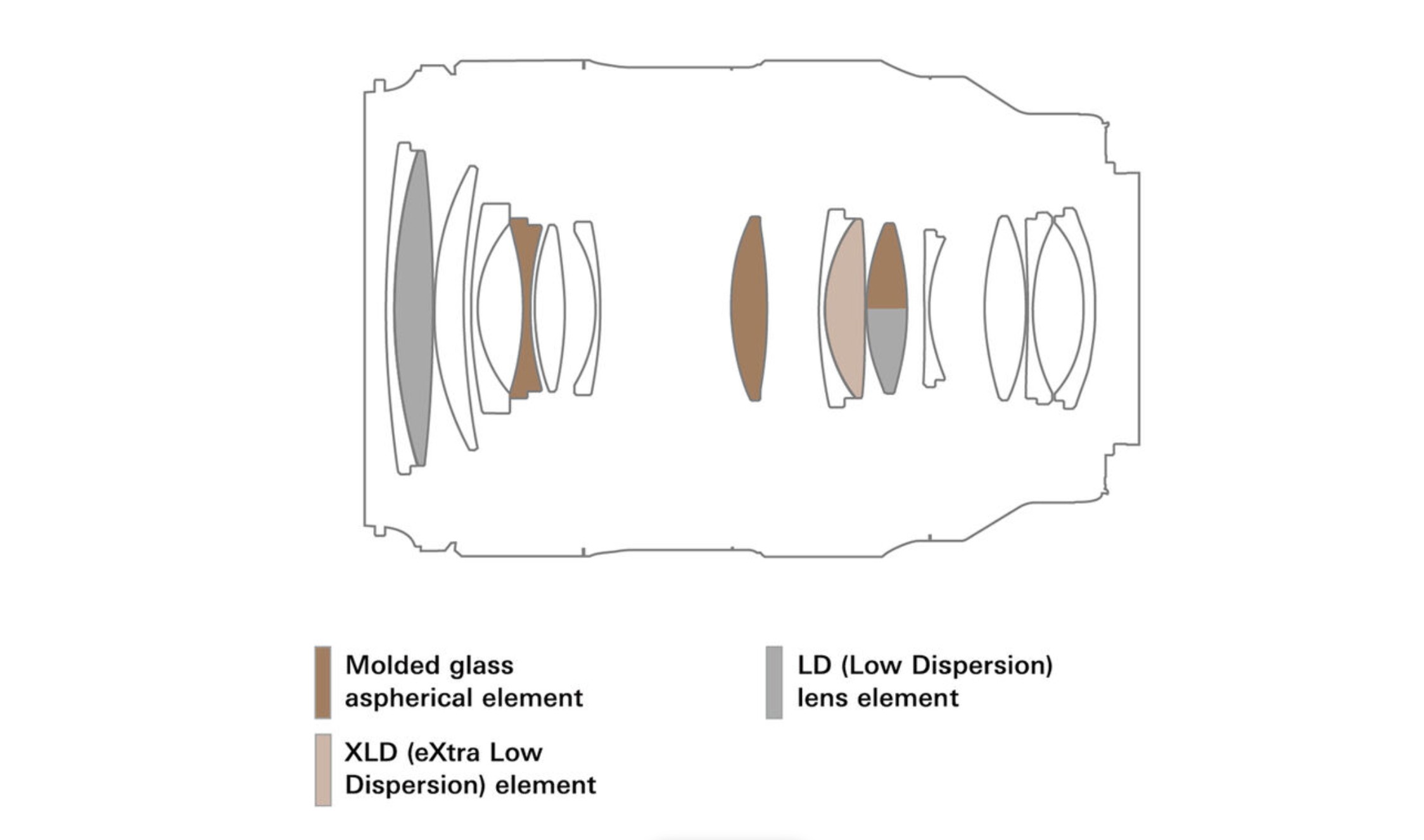
The Tamron 35-100mm VXD features an optical design of 15 elements in 13 groups. This includes GM (Glass Molded Aspherical), LD (Low Dispersion), and XLD (eXtra Low Dispersion) elements.
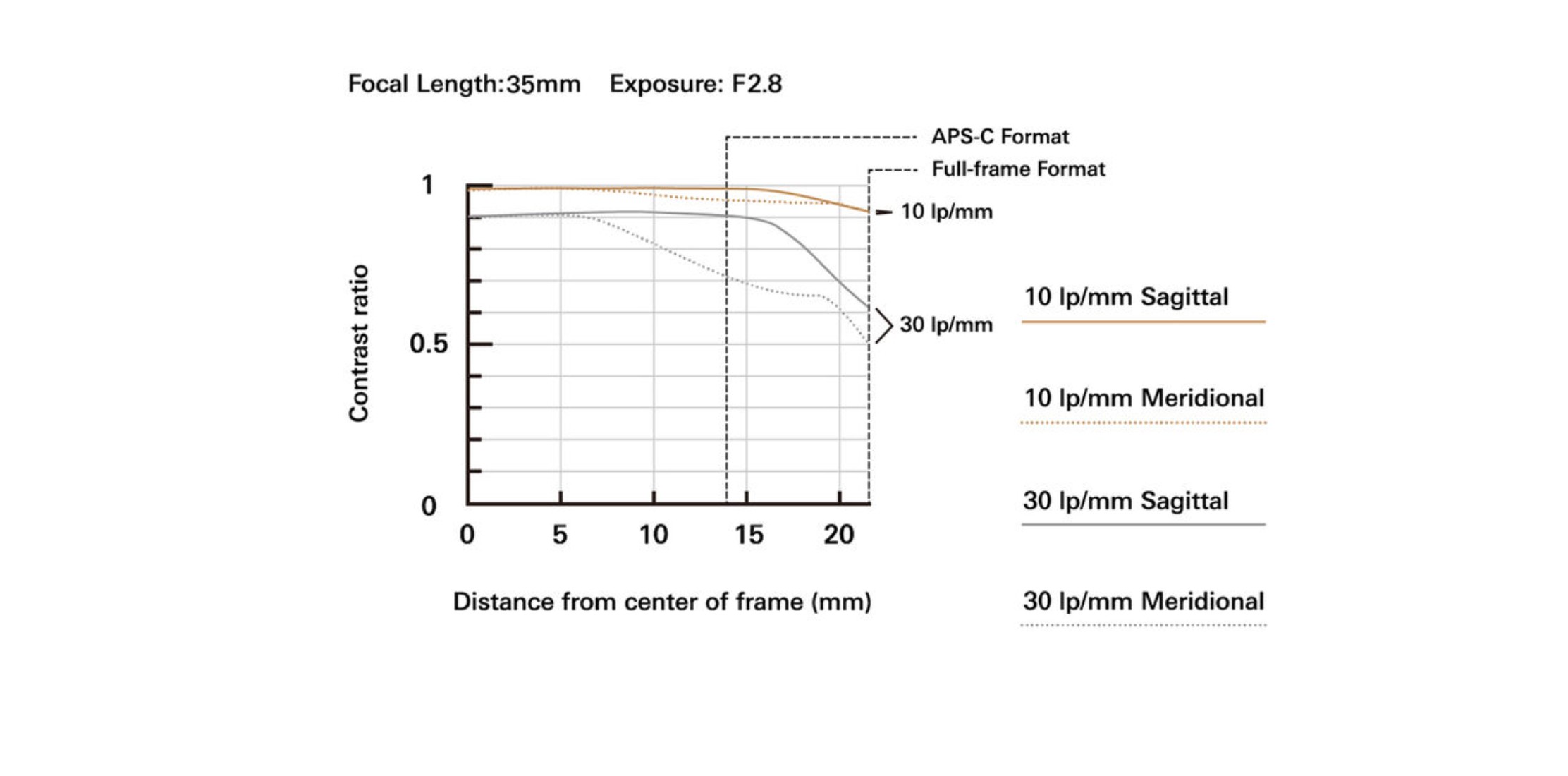
The MTF charts from 35mm and 100mm are quite similar, though 100mm shows a steeper drop off from the midframe to the corners.
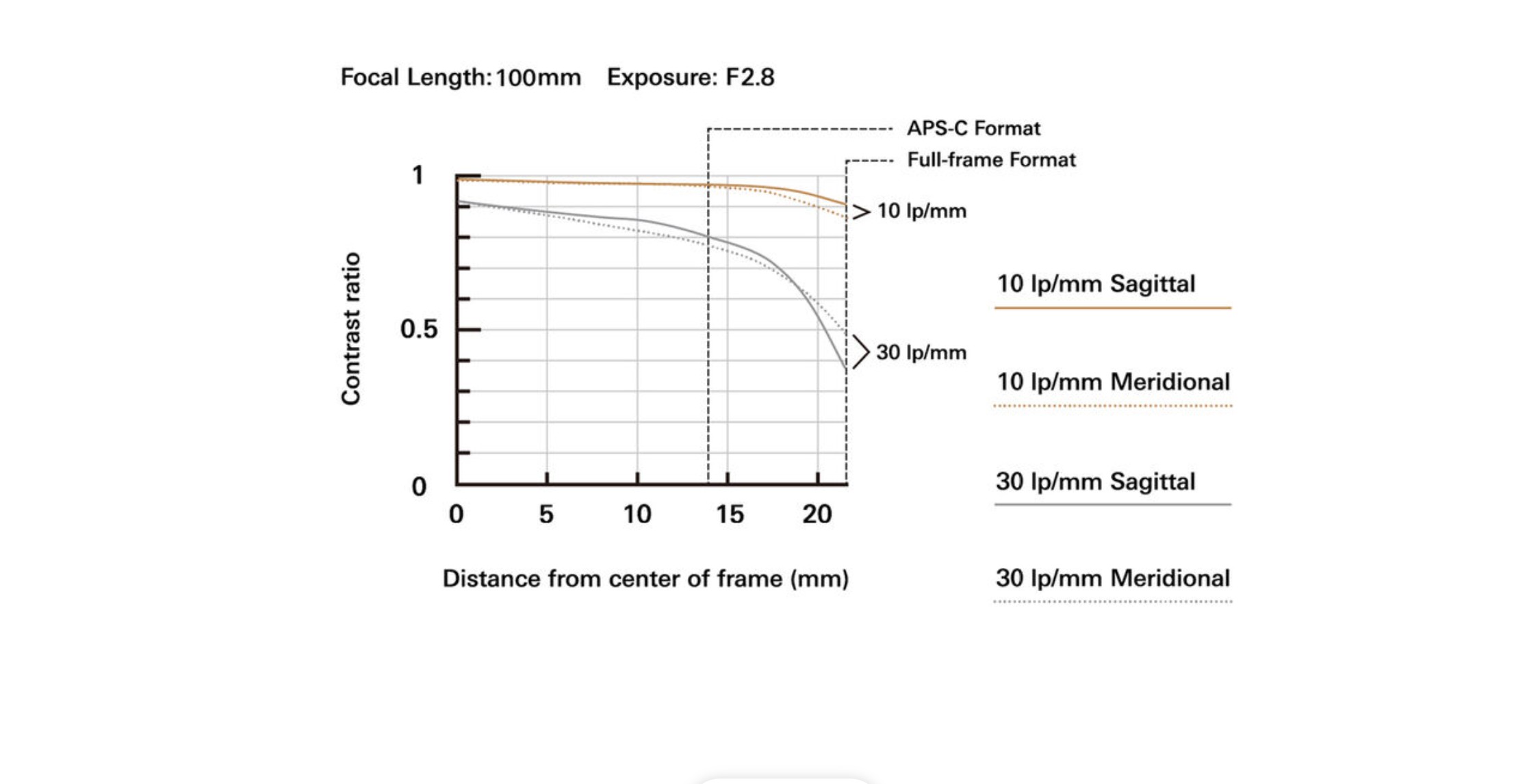
Shooting at 35mm one can get impressively sharp landscape shots even at F2.8:

Zooming in to 100mm shows continued nice sharpness, though in an image with depth like this, you are more likely to get some thermal disruptions due to compressing the scene.

As it’s best, this lens is extremely sharp.

Zoom lenses are always a series of compromises, but Tamron tends to be very, very good at minimizing those compromises in their zooms. Let’s take a look at the details, starting with the distortion and vignette.
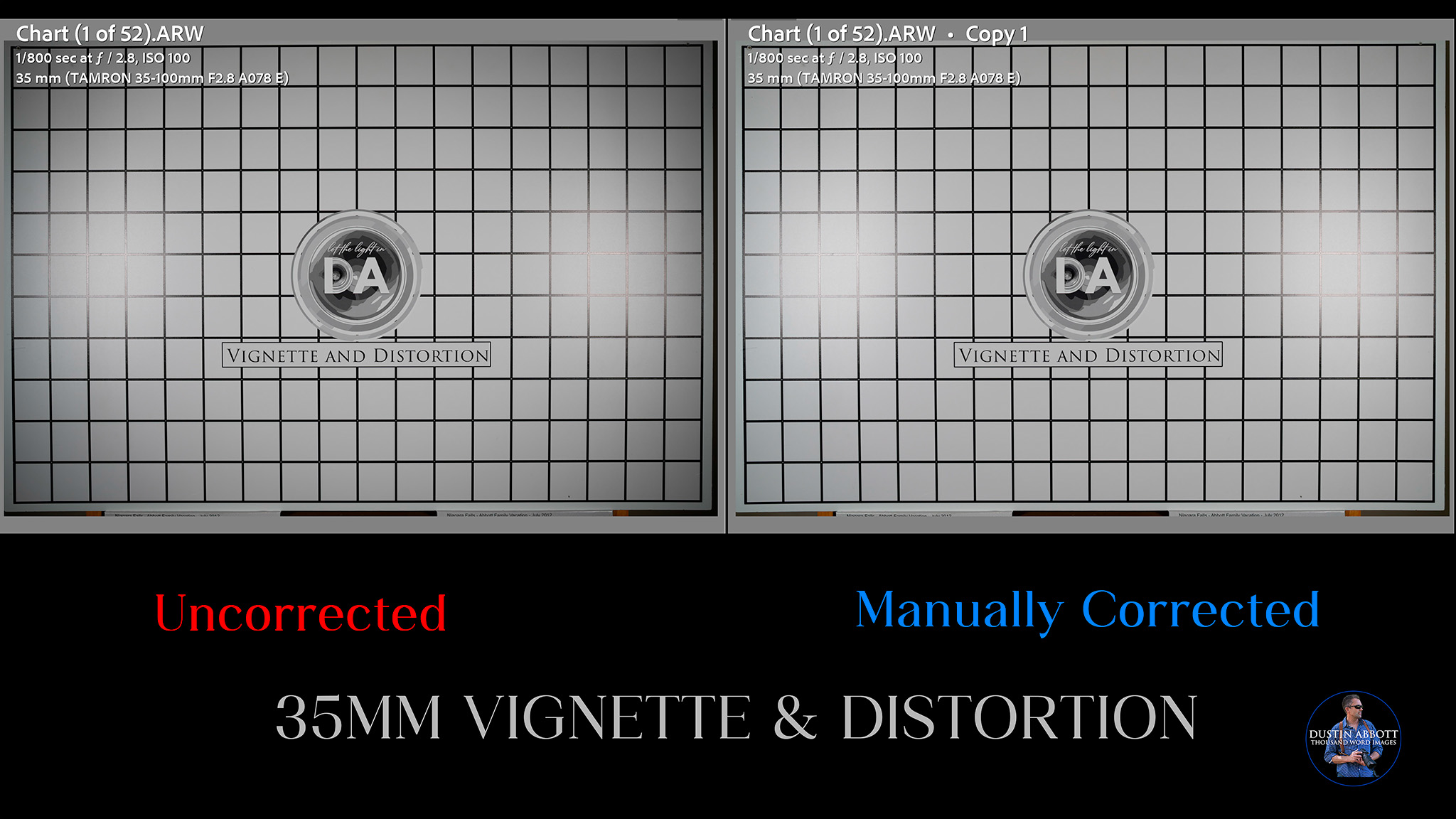
35mm isn’t particularly wide for a zoom like this, and the tradeoff is that rather than the excessive barrel distortion we typically see on the wide end of lenses, we have nearly perfect lines. I used a +1 to correct a basically imperceptible amount of distortion. Vignette is moderately heavy, requiring a +64 to correct, but I’ve seen far worse.
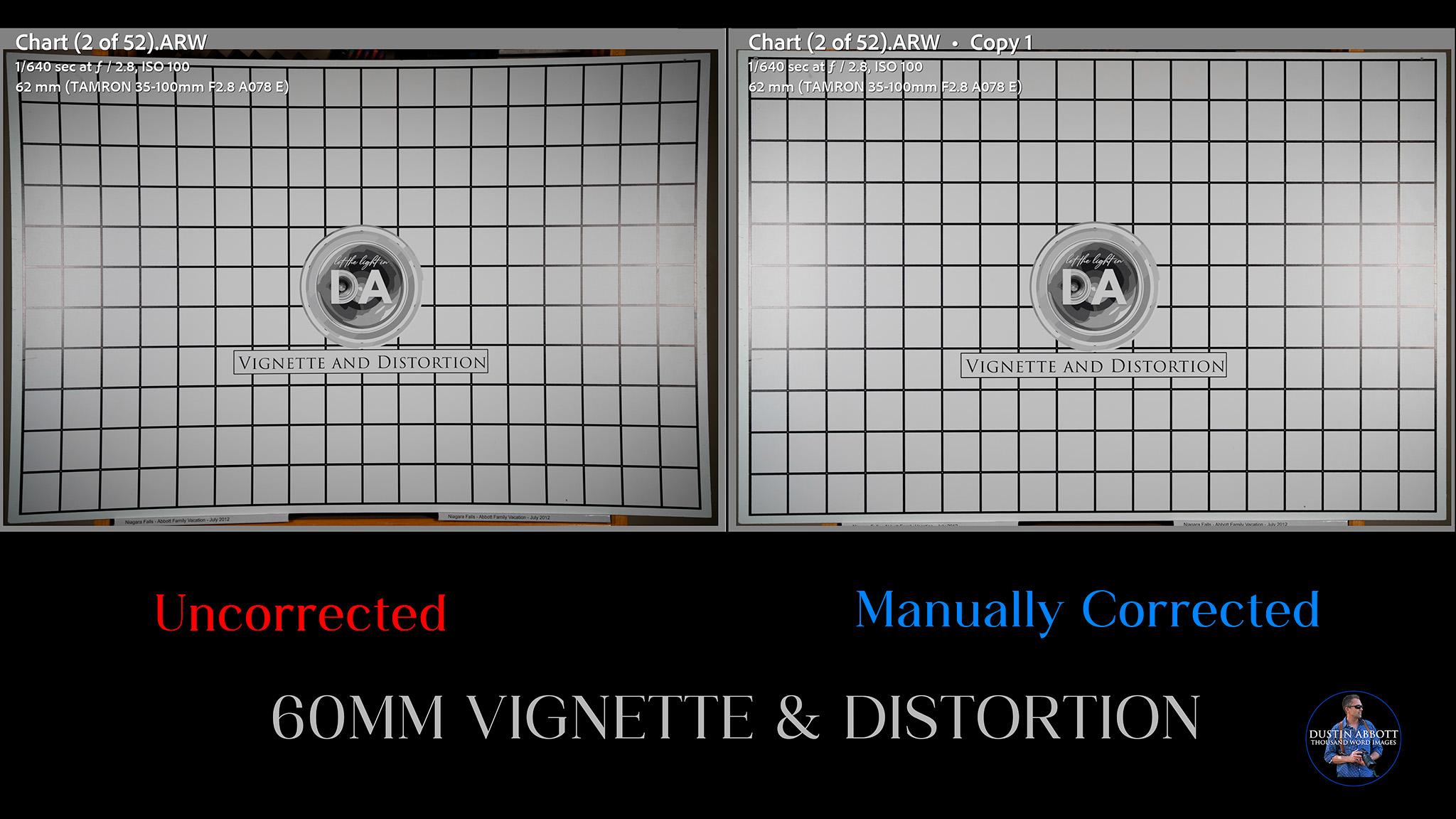
Moving on into the zoom range reveals the distortion pattern flip to a pincushion style distortion. At 60mm there is a moderate amount of pincushion distortion, though it remains very linear and easily correctable. I dialed in a -9 to correct the distortion, and vignette drops a bit to requiring a +50 to correct.
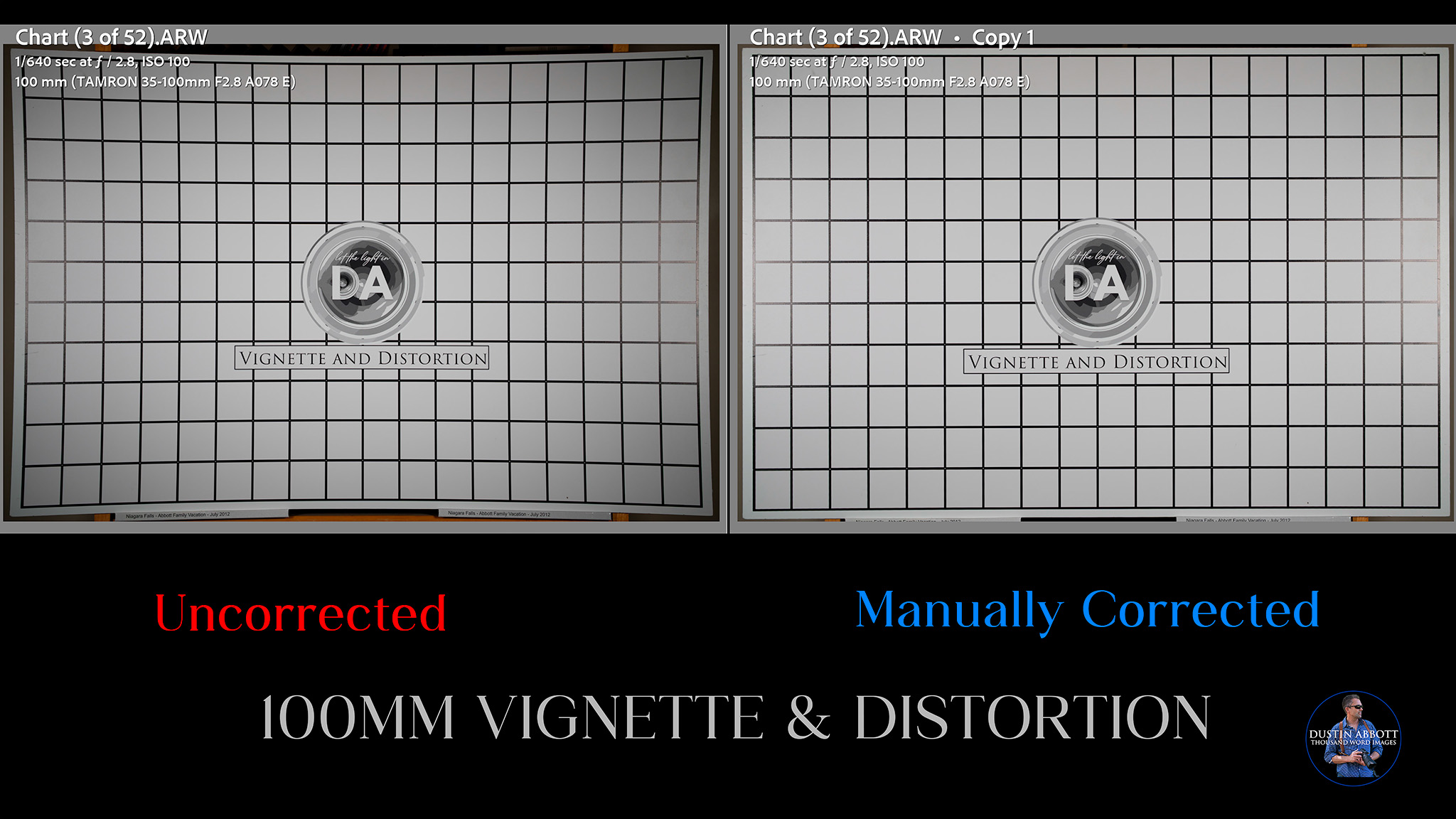
By 100mm, the distortion remains the same (-9 to correct), but the vignette is a bit heavier, requiring a +60 to correct (like the wide end).
None of this is heavy for a zoom lens, and profile corrections in-camera or in post editing software will clear it all up nicely.
Testing for longitudinal chromatic aberrations (LoCA) showed minimal amounts before and after the plane of focus.

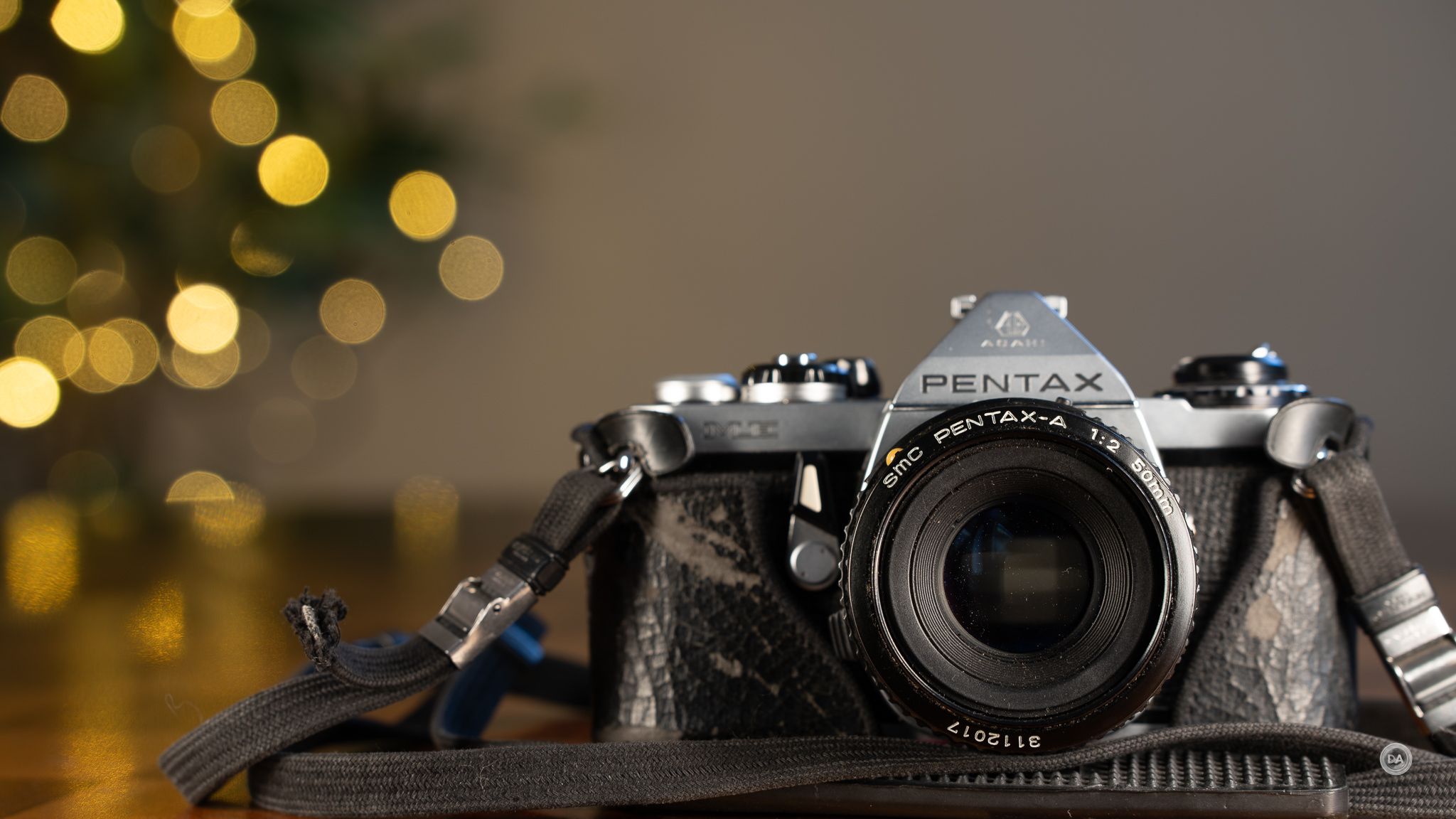
I can see a bit of green/blue fringing on the shiny areas on my Dad’s old SLR.
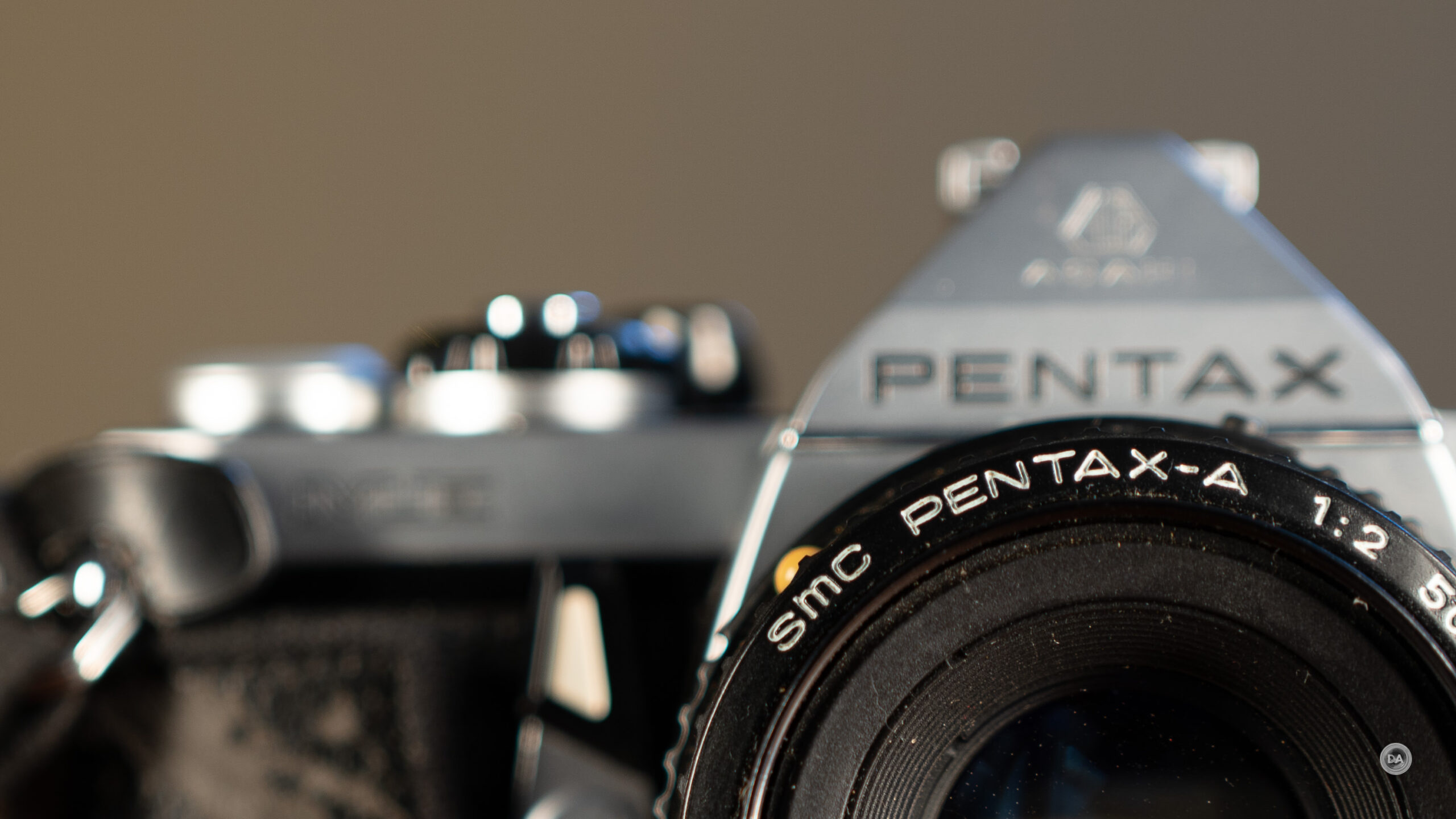
I also saw minimal issues with LaCA (lateral chromatic aberrations), which shows up along the edges of the frame. All of the transitions here are fairly neutral.
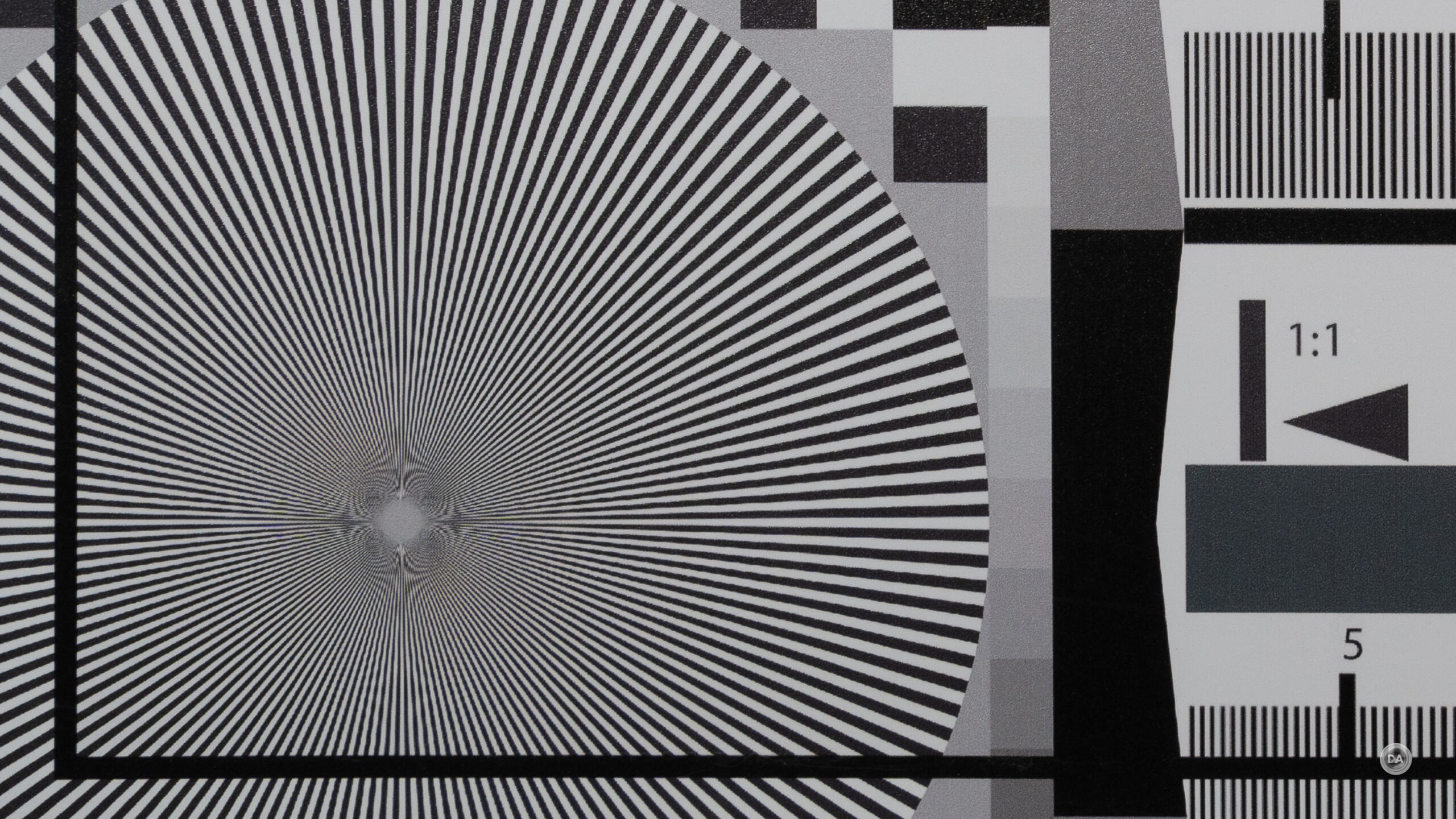
So how about resolution and contrast? My formal tests are done on the 61MP Sony a7RV.
Here’s a look at the test chart from which the crops will come.

Here are crops from across the 35mm frame at F2.8 and shown at a 200% magnification.



That is a very good (and very consistent) result. Sharpness moves all the way into the corners.
Stopping down to F4 makes only a very minor improvement, but a more obvious improvement shows up by F5.6. Now the sharpness is strong all the way to the corner.
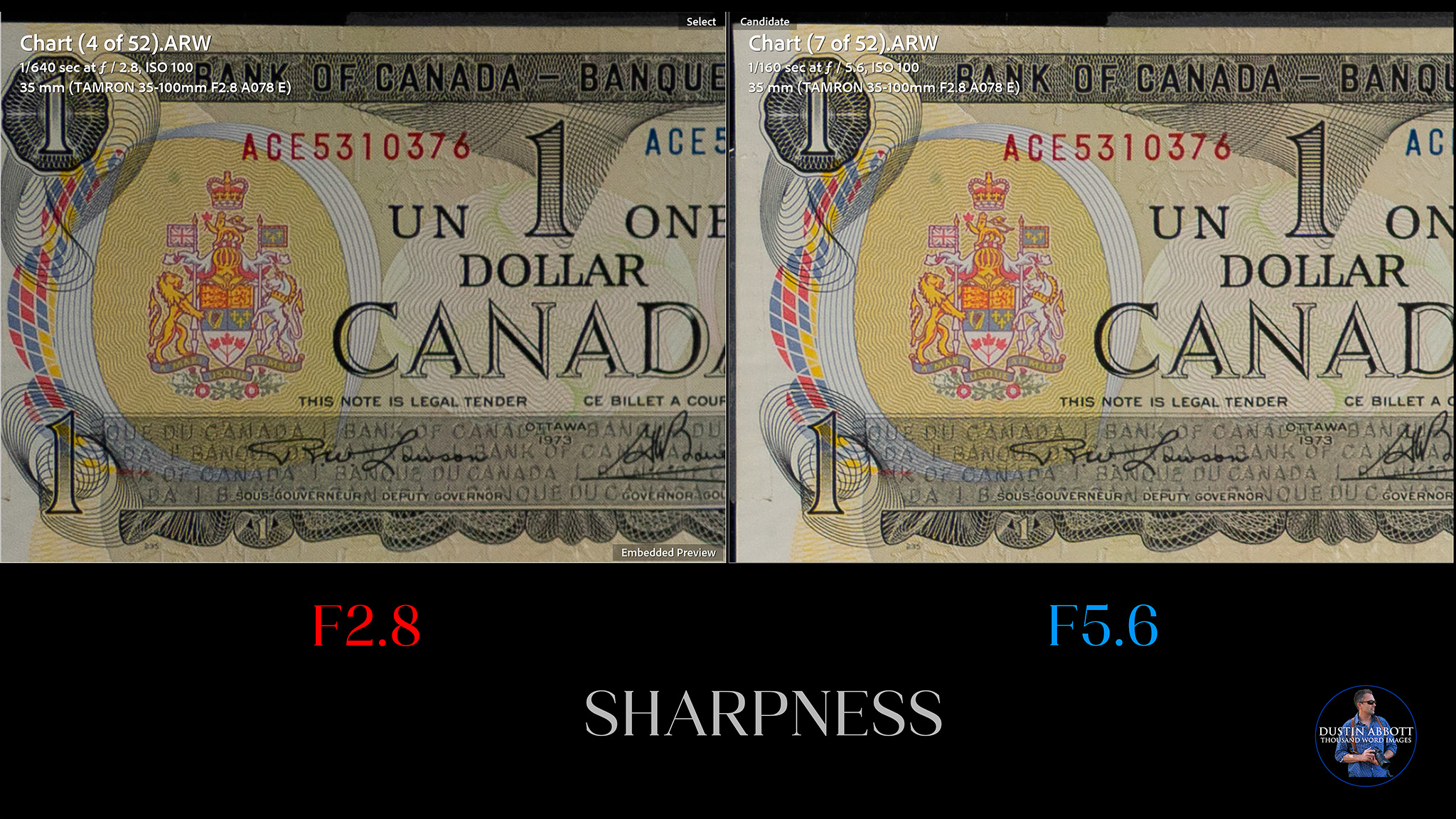
You can expect very crisp landscape results.
Results are fantastic through F11, where diffraction will start to slightly soften the image. By F22 (minimum aperture), the image is starting to look fairly soft.
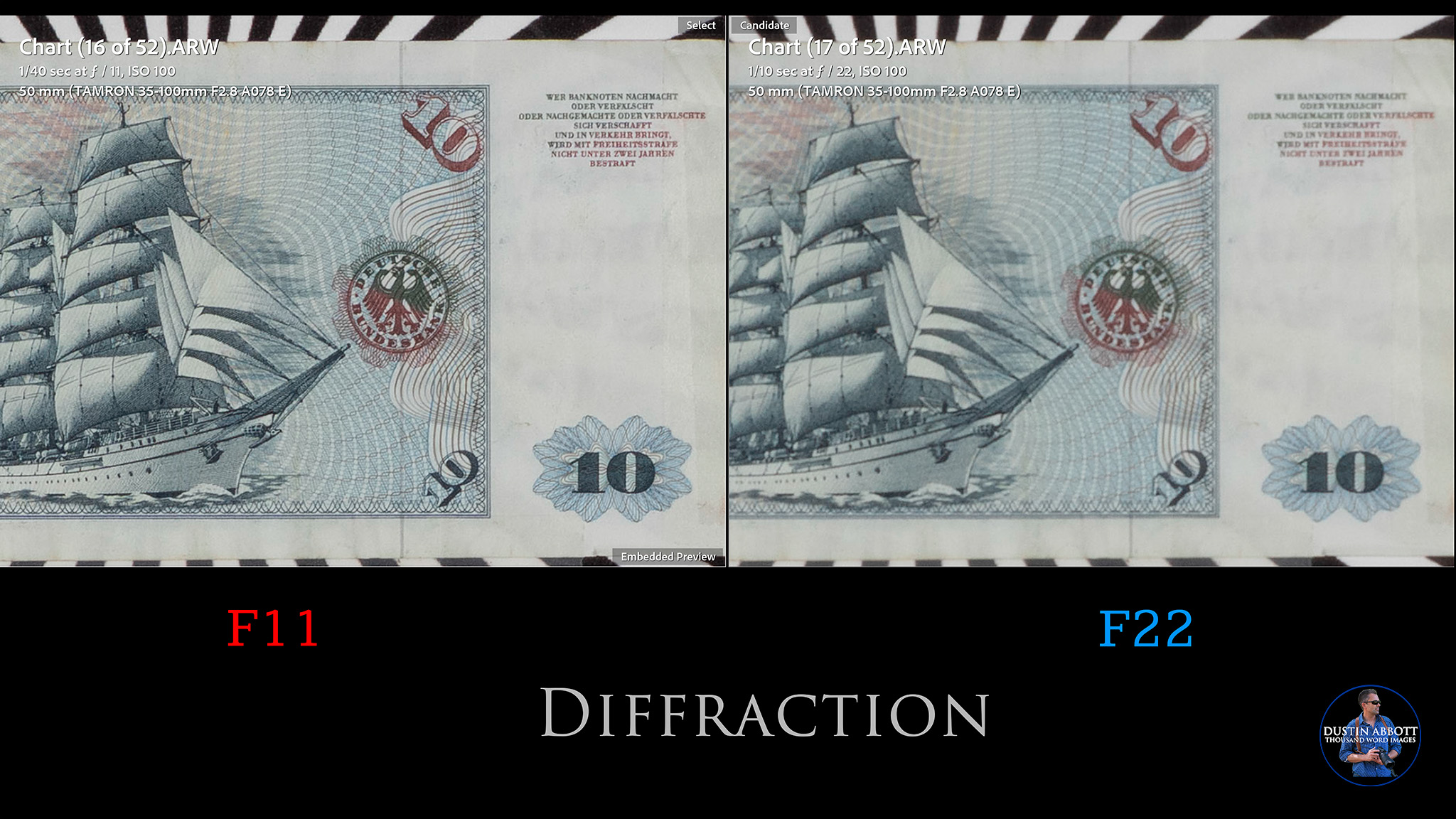
Variable aperture zooms like this can have pretty small minimum apertures. At 25mm the minimum aperture is an ordinary F16, but by the telephoto end that becomes F32. Diffraction is going to be a factor at any of those minimum apertures, but even more pronounced on the telephoto end where the minimum aperture is a couple of stops smaller. You can see that while F11 (in the corners, here) looks pretty decent, F32 is simply unusable due to diffraction.
Moving on to 50mm shows an even sharper center and midframe performance, though the corners, while brighter, aren’t quite as sharp.

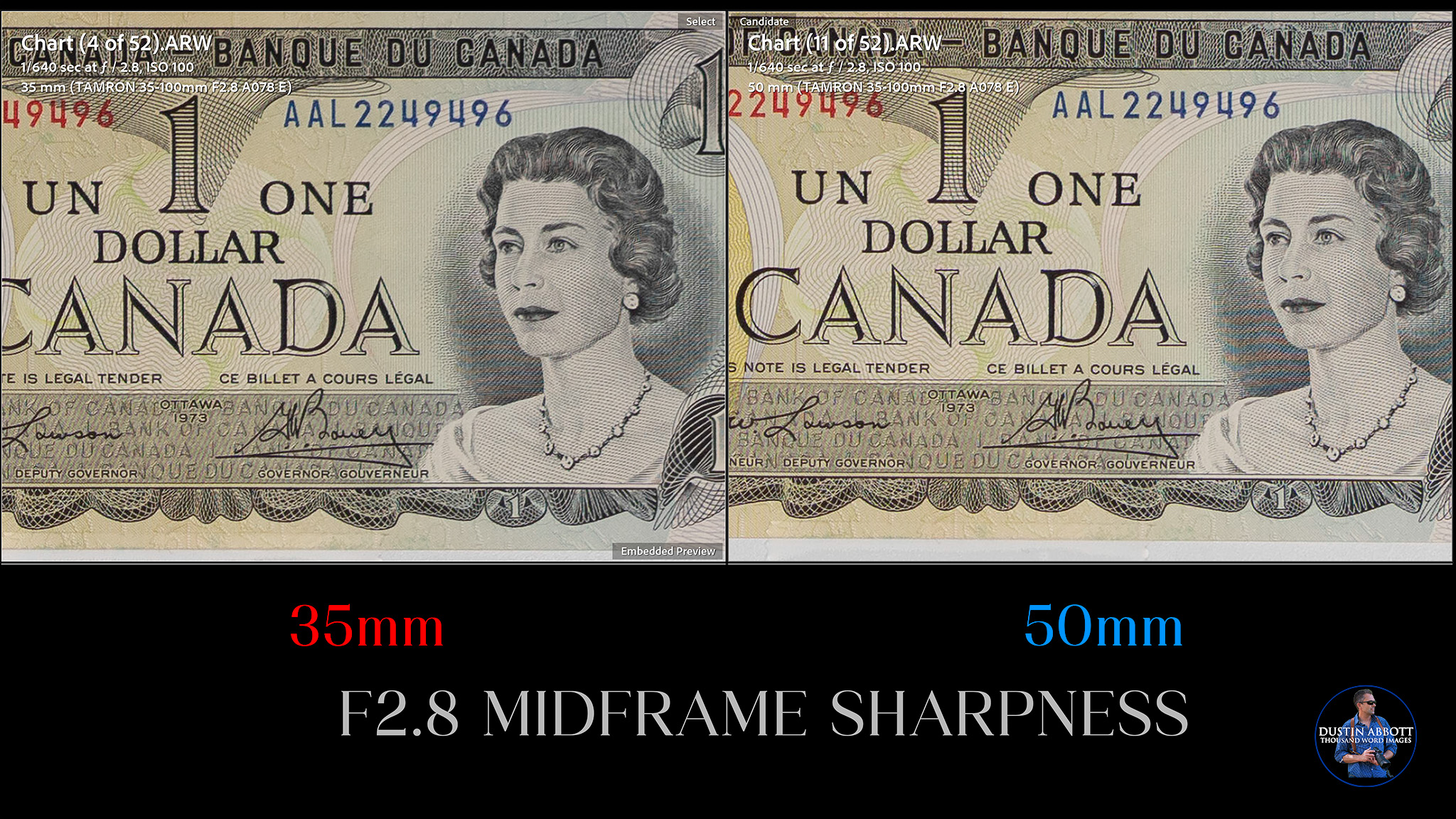

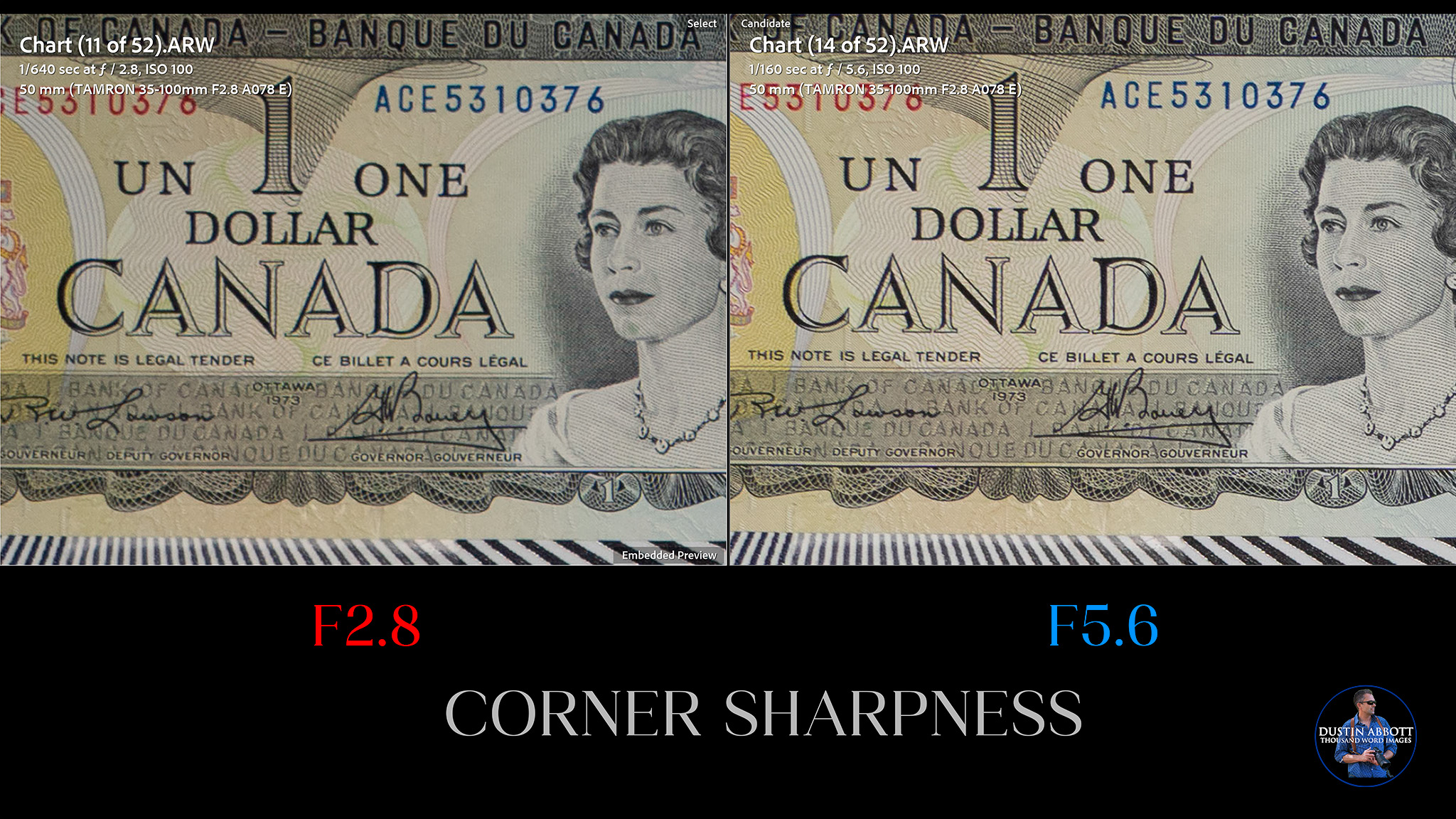
Stopping down to F5.6 raises contrast levels up to fantastic levels all across the frame…including the corners.
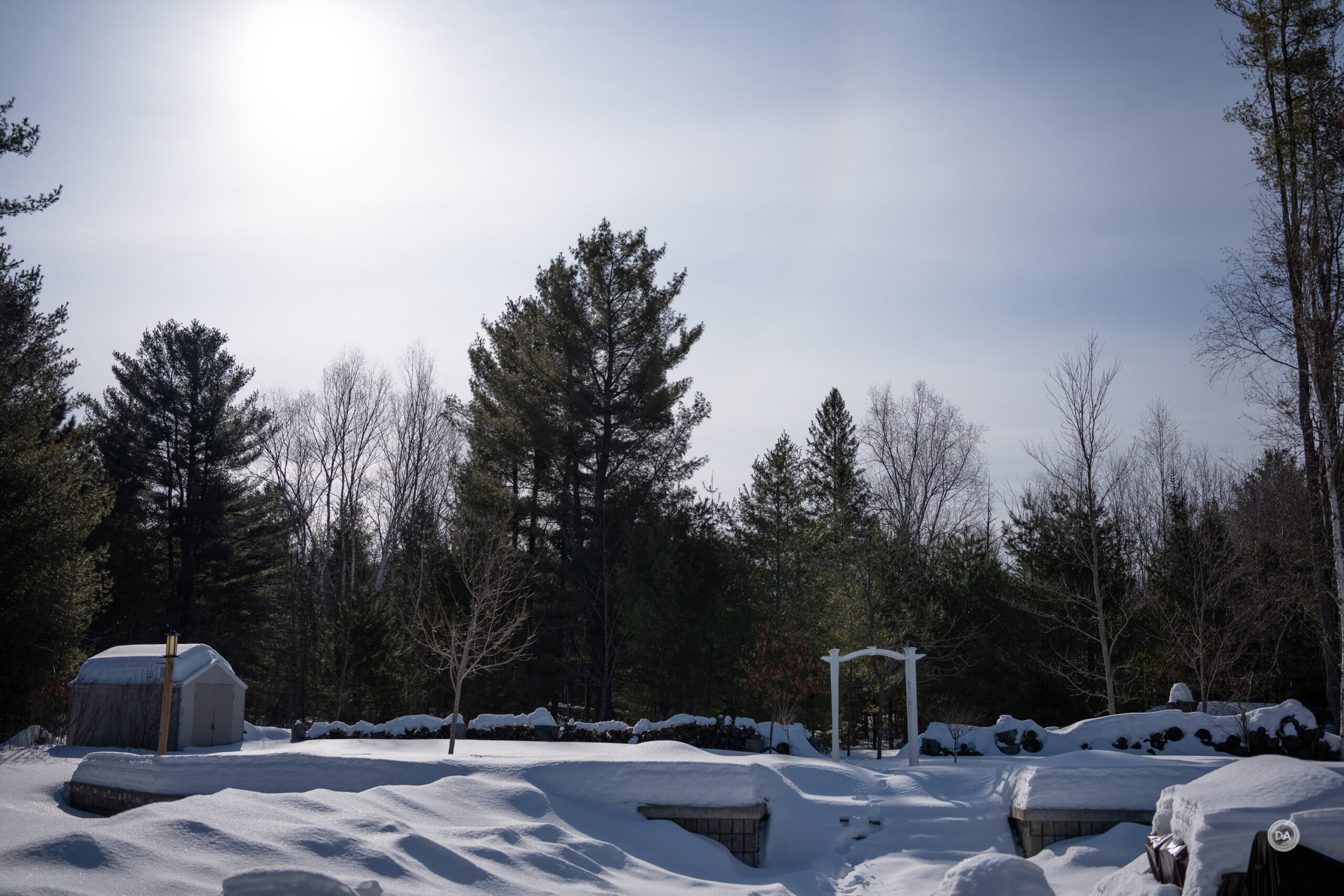
50mm landscape images are very sharp and crisp.

70mm largely the same. It might be 1% less sharp at 200% magnification, but not enough to be detectable in real world situations.
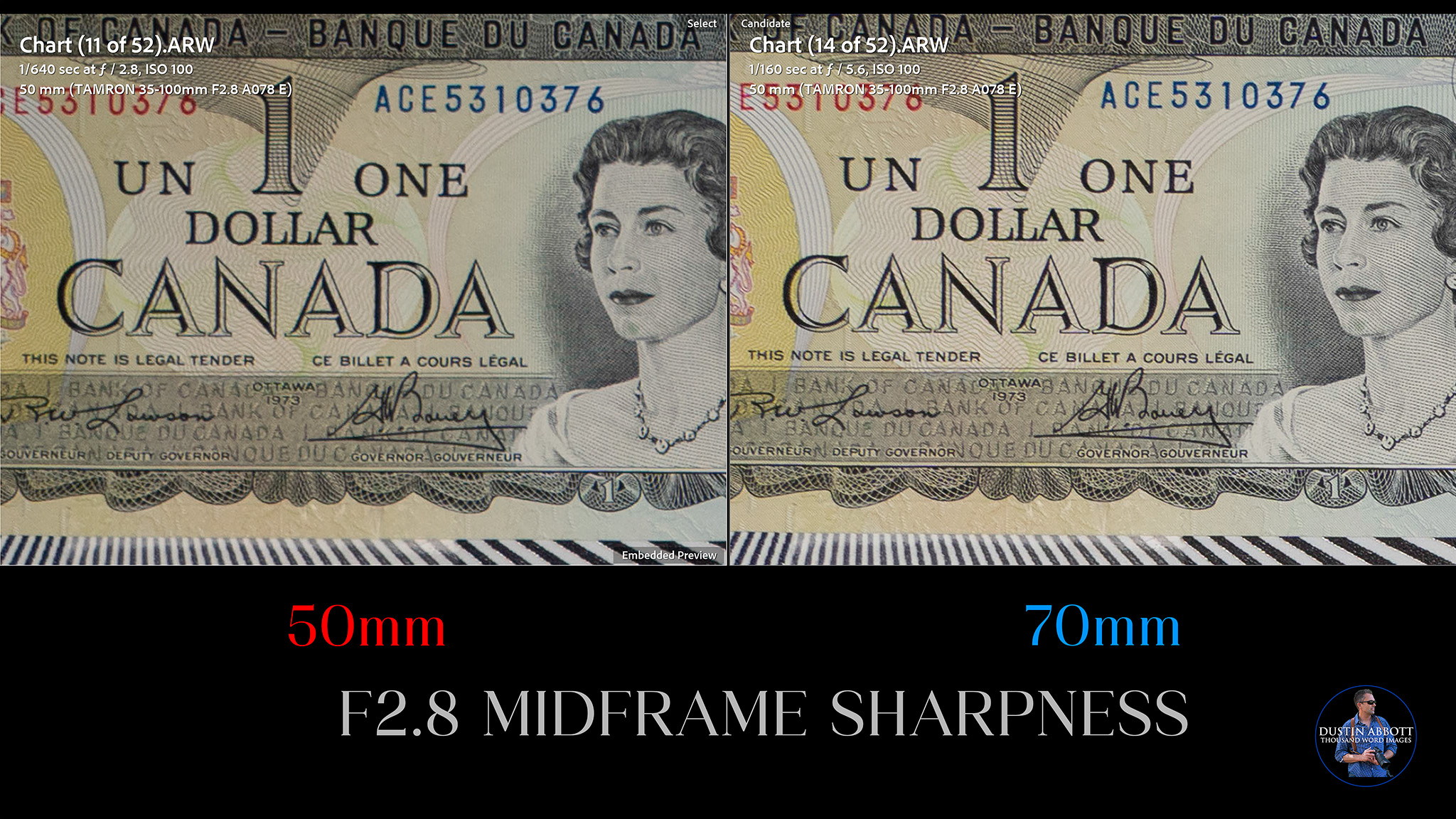
As before, F5.6 seems to be the sweet spot for maximizing sharpness all across the frame.
At 100mm, sharpness is largely as the MTF suggested, with a very sharp center and midframe, and very slightly more softness in the corners than at 35mm (though they still look fairly good).



Contrast is slightly lower due to a bit more astigmatism, but if we look at real world results, we see that the wide open, F2.8 detail is already extremely impressive.


Stop down to landscape apertures and you will get crisp detail right out to the edge of the frame.



The bottom line is that there are many more expensive zoom lenses than this that can’t match that degree of sharpness across the zoom range. Tamron knows how to engineer excellent zoom lenses!
But lenses are more than sharpness. How about the overall rendering from the lens? Once again, I’m pleasantly surprised.

At medium distances, I can see a few harder edges than what I would like, but the overall effect is still pretty good.

Here’s a shot with a busier background, and I still feel like it looks fairly good.
A portrait shot of a room (at 68mm) shows a background that is not strongly blurred out, but without any rough edges.

Specular highlights look fine, though not exceptional. There’s a bit of general busyness within them.

The background here looks fairly soft and without any pronounced edges.

When it comes to flare resistance, Tamron’s BBAR 2 coatings seem to be doing what they need to do. The 35-100mm seemed to be nicely resistant to ghosting and veiling.

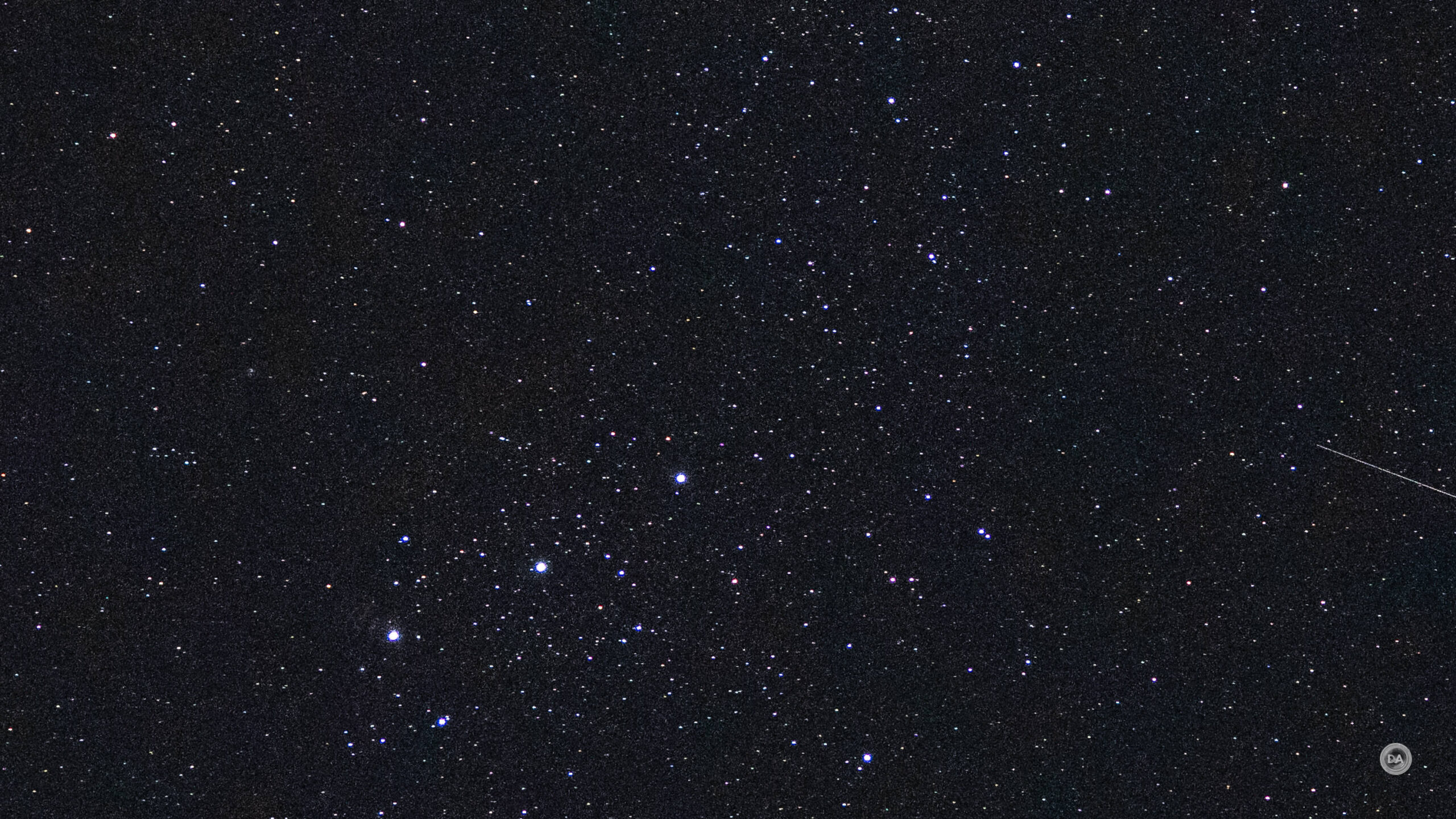
While F2.8 isn’t a particularly bright aperture for astro work, the 35-100mm did a stellar job when pointing it at the stars, delivering fairly low levels of coma distortion in the corners of the frame and good, crisp star points throughout.


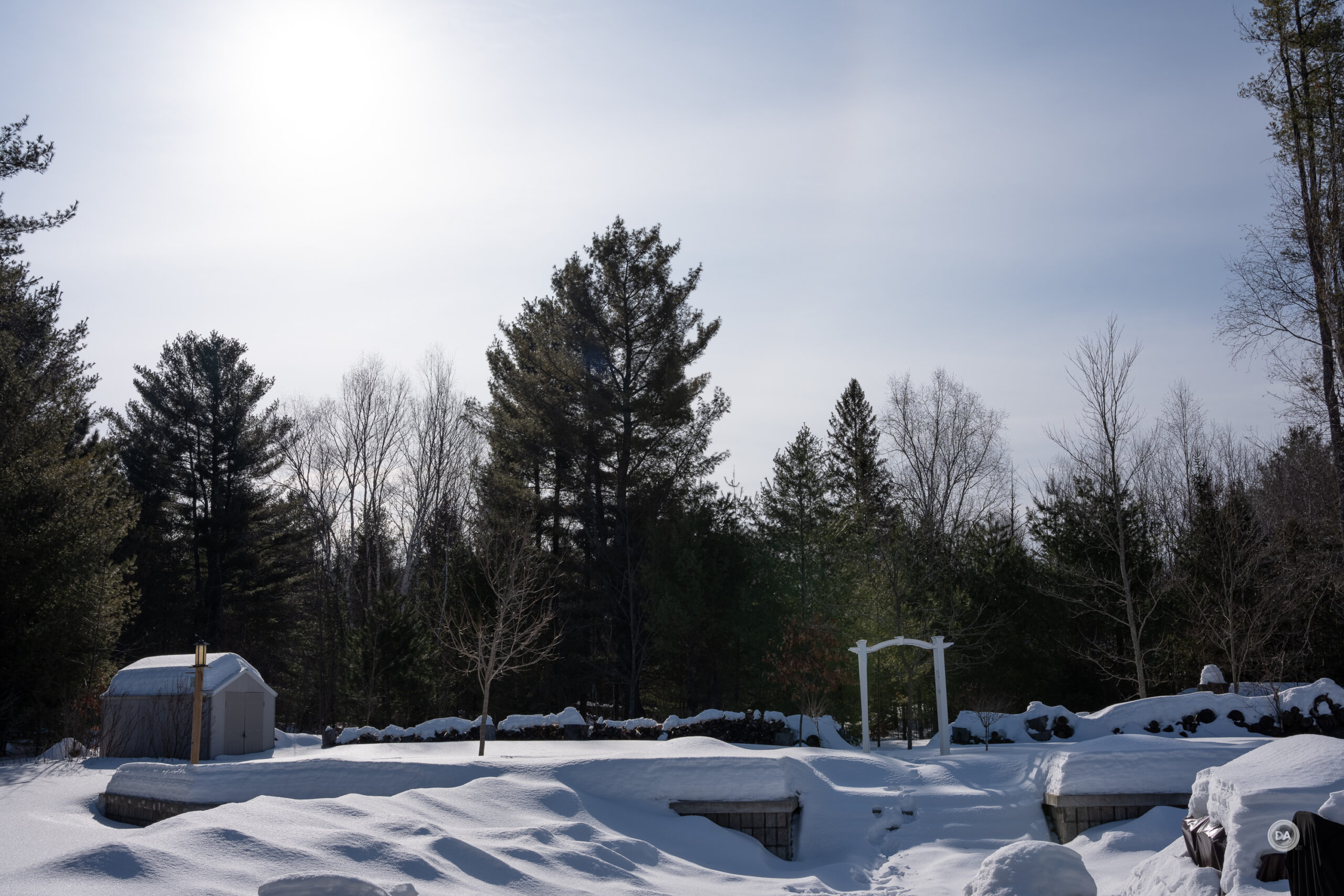
Colors are nice, detail is great, and generally I feel like anyone who buys the Tamron 35-100mm F2.8 VXD is going to be really happy with the image quality. Here’s a mini-gallery of images for you to enjoy.










Conclusion
The Tamron 35-100mm F2.8 Di III VXD is a very interesting lens. It combines a unique zoom range with a constant F2.8 aperture, a compact size, great autofocus, and extremely strong optical performance…all at a reasonable price. The most likely direct competitor on both Sony and Nikon will be Tamron’s own 28-75mm F2.8 G2, which is a roughly similar in size and price and is beloved by photographers on both platforms. Some will photographers will prefer the wider focal range of that lens, but, for others the appeal of getting to 100mm at F2.8 in an affordable, compact package will certainly be intriguing.

The 35-100mm doesn’t replace the utility of the 35-150mm VXD to me for event, wedding, and portrait work, but this is a very intriguing option for travel…particularly when paired with a wider zoom like Tamron’s own 16-30mm F2.8 G2. It weighs less than half as much as the big 35-150mm, and delivers a similar level of optical excellence.

I don’t think that anyone who buys the 35-100mm VXD will be disappointed with the lens or its performance. The bigger question will be if people find the focal length itself compelling. There’s a reason why the conventional zoom ranges exist; photographers have found those particular focal lengths interesting or useful. Tamron is tinkering with the formula, and it remains to be seen if photographers will find this particular zoom range compelling. I personally am glad to see more unique options on the market, as not ever photographer has identical needs. This would be a very compelling zoom range for those who shoot street, for example, as they rarely need ultra-wide and the ability to get to 100mm (over 70 or 75mm) could allow for great framing versatility. Portrait photographers may also find this range compelling. If you can accept the premise, however, the Tamron 35-100mm F2.8 Di III VXD delivers in excellent fashion.

Pros:
- Unique Zoom Range: The 35-100mm range provides versatility for various photography styles, particularly street and portrait work, allowing photographers to capture a wide range of scenes without the need for multiple lenses.
- Constant F2.8 Aperture: This aperture allows for excellent low-light performance and depth of field control, making it suitable for a variety of shooting conditions.
- Compact and Lightweight: At 565g, the lens is significantly lighter than competitors, making it a great travel companion for photographers who prioritize portability.
- Affordable Price: Priced at $900, it presents a competitive option compared to similar lenses that are often heavier and costlier.
- Optical Performance: It features a robust optical design, delivering sharp images with minimal distortion and excellent overall image quality across various focal lengths.
- Advanced Autofocus Technology: The Voice-coil eXtreme-torque Drive (VXD) focus motor offers fast, accurate, and quiet autofocus, enhancing its utility for both photography and videography.
- Customizable Features: The USB-C port and Tamron Lens Utility app allow users to customize lens functionalities, such as focus modes and firmware updates, providing greater control over shooting preferences.
- Weather Sealing: With 10 seal points and a fluorine coating, the lens is well-protected against dust and moisture, making it suitable for outdoor shooting.
- Low Focus Breathing: This is particularly beneficial for video work, as it ensures smooth focus transitions without noticeable shifts in the framing of the subject.
Cons:
- Niche Focal Range: The 35-100mm range may not be appealing to all photographers, particularly those who prefer traditional zoom ranges like 24-70mm or 70-200mm, which are more widely accepted.
- Limited access to maximum magnification: Achieving the maximum magnification figure is difficult due to having to be so close to the subject on the wide end.
- Potential for Heavy Vignetting: Vignetting may need correction, especially at wider apertures and focal lengths, requiring additional editing work.
_________________________________________________________________________
GEAR USED:
Purchase the Tamron 35-100mm F2.8 VXD @ B&H Photo | Adorama | Amazon | Camera Canada | Amazon Canada | Amazon UK | Amazon Germany
___________________________________________________________________
Purchase the Sony a7RV @ B&H Photo | Adorama | Amazon | Camera Canada | Sony Canada | Amazon Canada | Amazon UK | Amazon Germany
__________________________________________________________________
Purchase the Sony a7IV @ B&H Photo | Adorama | Amazon | Camera Canada | Sony Canada | Amazon Canada | Amazon UK | Amazon Germany
_________________________________________________________________
Purchase the Sony Alpha 1 @ Camera Canada | B&H Photo | Adorama | Amazon | Sony Canada | Amazon Canada | Amazon UK | Amazon Germany | Ebay
_________________________________________________________________
Want to support this channel? Use these affiliate links to shop at: B&H Photo | Amazon | Adorama | Camera Canada | Amazon Canada | Amazon UK | Ebay | Make a donation via Paypal
Buy DA Merchandise https://bit.ly/TWIMerch

Keywords: Tamron 35-100mm, 35-100mm, F2.8, f/2.8, Di III, VXD, Tamron 35-100mm F2.8 Review, Travel, All-in-One, Tamron 35-150mm, Full Frame, Review, Sony A1 II, Sony a7RV, α1 II, Nikon Z8, Review, Hands On, Dustin Abbott, Real World, Comparison, Sharpness, Bokeh, Flare Resistance, Autofocus, Image Quality, Sample Images, Video, Photography, let the light in, weathersealing, #letthelightin, DA, #withmytamron, #35-100VXD
Related posts:
 Tamron 28-300mm F4-7.1 Di III VC VXD Review
 Tamron 16-30mm F2.8 Di III VXD G2 Review
 Tamron 25-200mm F2.8-5.6 VXD G2 Review
 Tamron 28-300mm F4-7.1 VC VXD Gallery
 Tamron 90mm F2.8 Di III Macro VXD Review
 Tamron 50-300mm F4.5-6.3 VC VXD Review
 Tamron 90mm F2.8 Macro VXD Gallery
 Tamron 50-300mm F4.5-6.3 VC VXD Gallery
 Tamron 17-50mm F4 Di III VXD Review
 Laowa AF 10mm F2.8 Zero D Review