


2025 has proved to be a very competitive year for mid-level cameras. Earlier this year, I reviewed the very impressive Nikon Z5 II, which is a remarkably complete camera at a budget price point. More recently I reviewed what stands as the most direct competition to the new Sony a7V, the Canon EOS R6 III, which now shares a similar resolution, has (somewhat) similar tracking specs, and has arguably even more robust video features. But the key upgrade for the Sony a7V is in the sensor, which is now a partially stacked 33MP sensor that allows for blackout free tracking (which the R6 III lacks) at up to 30 FPS (frame per second). This makes it much like an a1 II (at least in this regard) at less that half the price. That price (roughly $2900) is on the high side of this class of camera, but so is the performance. Is the new Sony a7V the way to go for your new camera purchase? Let’s dive in and find out.
Follow Me @ YouTube | Patreon | Instagram | Facebook | DA Merchandise | Flickr | 500px | X
Thanks to Sony USA for sending me a review loaner of the a7V. As always, this is a completely independent review. *The tests and most of the photos that I share in this review have been taken with the camera. You can find the product page for the camera here. Most of the links are included are affiliate links from I earn a small percentage when you purchase from them.
__________________________________________________________________________________________________
AI SUMMARY: The Sony a7V is a highly capable mid-level full-frame mirrorless camera that builds on the a7IV with a new 33MP partially stacked sensor, enabling blackout-free 30fps bursts, faster readout speeds, and improved performance across autofocus, video, and image quality. It competes directly with cameras like the Canon EOS R6 III and Nikon Z6 III, offering superior dynamic range, robust hybrid features, and strong low-light capabilities while retaining the popular 33MP resolution sweet spot. Priced around $2900, it delivers premium-level speed and sensor performance at a more accessible cost than flagship models like the a1 II. Overall, it’s positioned as a versatile jack-of-all-trades hybrid camera that should appeal to a wide range of photographers and videographers in a competitive 2025-2026 market.
Strengths:
- Exceptional dynamic range with class-leading highlight and shadow recovery
- Blackout-free 30fps bursts with full AF/AE tracking and reduced rolling shutter thanks to the new partially-stacked 33MP sensor
- Strong hybrid video performance: full-width 4K 60p oversampled from 7K, plus improved heat management
- Advanced AI-driven autofocus with reliable real-world tracking across diverse subjects
- Vast Sony E-mount lens ecosystem and excellent overall build/weather sealing
Weaknesses:
- Shallow buffer depth limits sustained high-speed shooting
- Grip remains uncomfortably narrow for some hands compared to Canon/Nikon rivals
- Higher price (~$2900) than the a7IV’s launch
- No in-camera timelapse or Pixel Shift file compilation Video lacks internal RAW and Open Gate recording options found on competitors
________________________________________________________________________________________________
Key Features
- 33MP Partially-Stacked Exmor RS Sensor
- BIONZ XR2 Processor, Built-In AI Unit
- 759-Point PDAF with Real-time Tracking
- AI Subject Recognition & Auto Framing
- 4K 60p 10-Bit Video, S-Log3 & S-Cinetone
- 7.5-Stop, 5-Axis Image Stabilization
- 3.68m-Dot EVF with 120 fps Refresh Rate
- 3.2″ 4-Axis Multi-Angle Touchscreen LCD
- Pre-Capture, Speed Boost, 30fps Shooting
- CFexpress A & SD Slots, Dual USB-C Ports
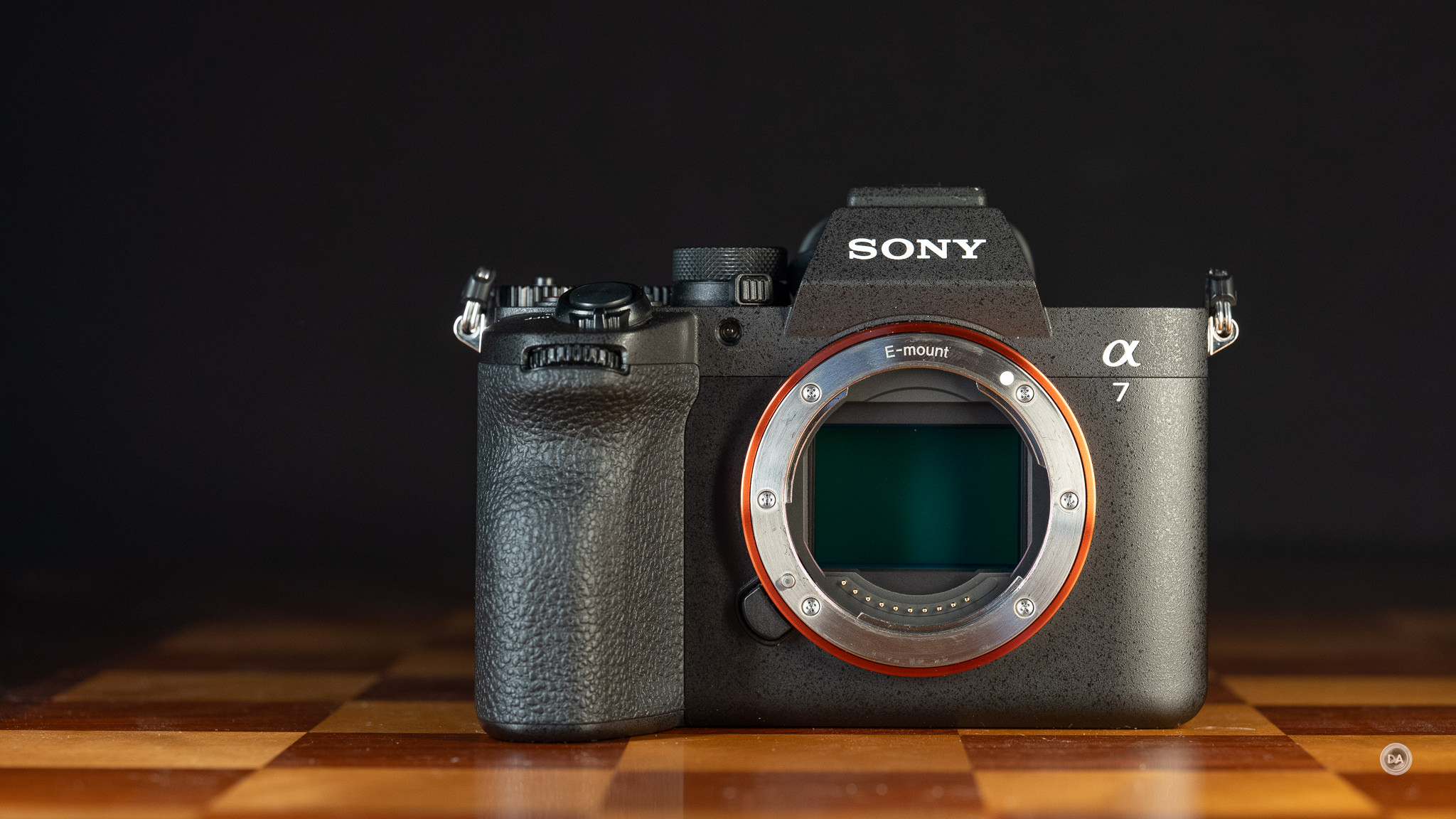
I’ve owned both the Sony a73 and the a7IV, and my assistant continues to use the a7IV that I gave him when I moved to the a7RV. I felt like the a7IV was a huge improvement, finding the improvement to the 33MP sensor a big improvement over the previous generation’s 24MP sensor. 33MP is what I consider a sweet spot for many photographers, allowing for sufficient resolution for almost all practical work but without the compromises that sometimes come with higher resolution. That resolution point is retained in the a7V, but with a new, partially stacked sensor that allows for a faster readout speed (less rolling shutter) and the ability to track action without the viewfinder blacking out between shots, which allows the photographer to be more engaged with the subject and better able to keep the subject in frame. The a7 series has proven to be extremely popular for Sony, and it is hard to see the a7V as being anything but another top-selling model for them.
Key Upgrades Over the α7IV
• Sensor and Readout Speed — Features a new 33MP partially stacked Exmor RS CMOS sensor (vs. the α7IV’s standard BSI CMOS). This enables much faster readout, reducing rolling shutter distortion and allowing blackout-free continuous shooting.
• Burst Shooting — Up to 30 fps blackout-free with full AF/AE tracking using the electronic shutter (and 14-bit RAW), plus pre-capture functionality. Mechanical shutter at 10 fps. (α7IV: 10 fps max, with blackout and slower readout.)
• Autofocus System — Advanced AI processing unit (similar to higher-end models like the α1 II), with improved subject detection and tracking (30-50% faster for animals/birds). Enhanced real-time recognition for a wider range of subjects. (α7IV has excellent AF but lacks the dedicated AI chip for next-level refinement.)

• Video Capabilities — 4K 60p full-width (no crop) oversampled from 7K for superior detail. 4K 120p available (in Super 35/APS-C crop mode). Better heat management for longer recording times (e.g., ~90 minutes 4K60p at room temperature vs. ~10-15 minutes on α7IV). Additional features like Dynamic Active stabilization and AI-driven Auto Framing. (α7IV: 4K 60p with 1.5x crop; 4K 30p full-width.)
• Stabilization and Dynamic Range — 7.5 stops of IBIS (improved over α7IV’s 5.5 stops). Claimed up to 16 stops of dynamic range in stills.
• Other Enhancements — BIONZ XR2 processor for faster overall performance. Improved EVF (higher resolution/refresh). Better ergonomics and build (influenced by newer bodies like α7R V).
Build and Features
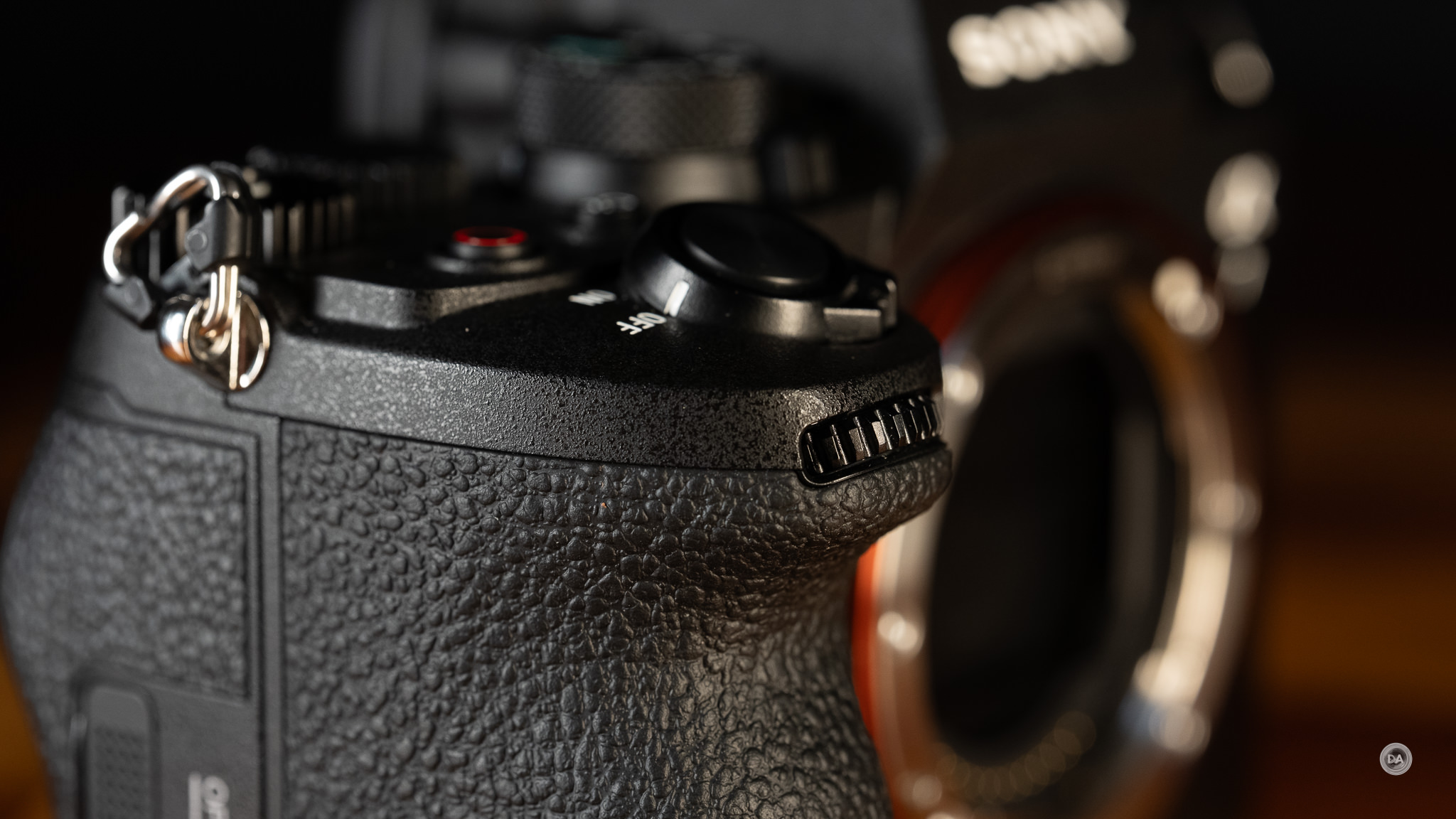
Sony’s full frame cameras have remained largely the same over the roughly eight years that I have been covering them. They have roughly the same shape and dimensions (outside of the compact a7C series) for both good and bad. While Sony hasn’t really changed the formula, they do continue to tweak and improve it. The a7V has received some of the physical tweaks we’ve seen in bodies like the a7RV or Alpha 1 II. The grip has been subtly improved to feel a little better in the hand, and there have been improvements to the functionality of things like the LCD screen.
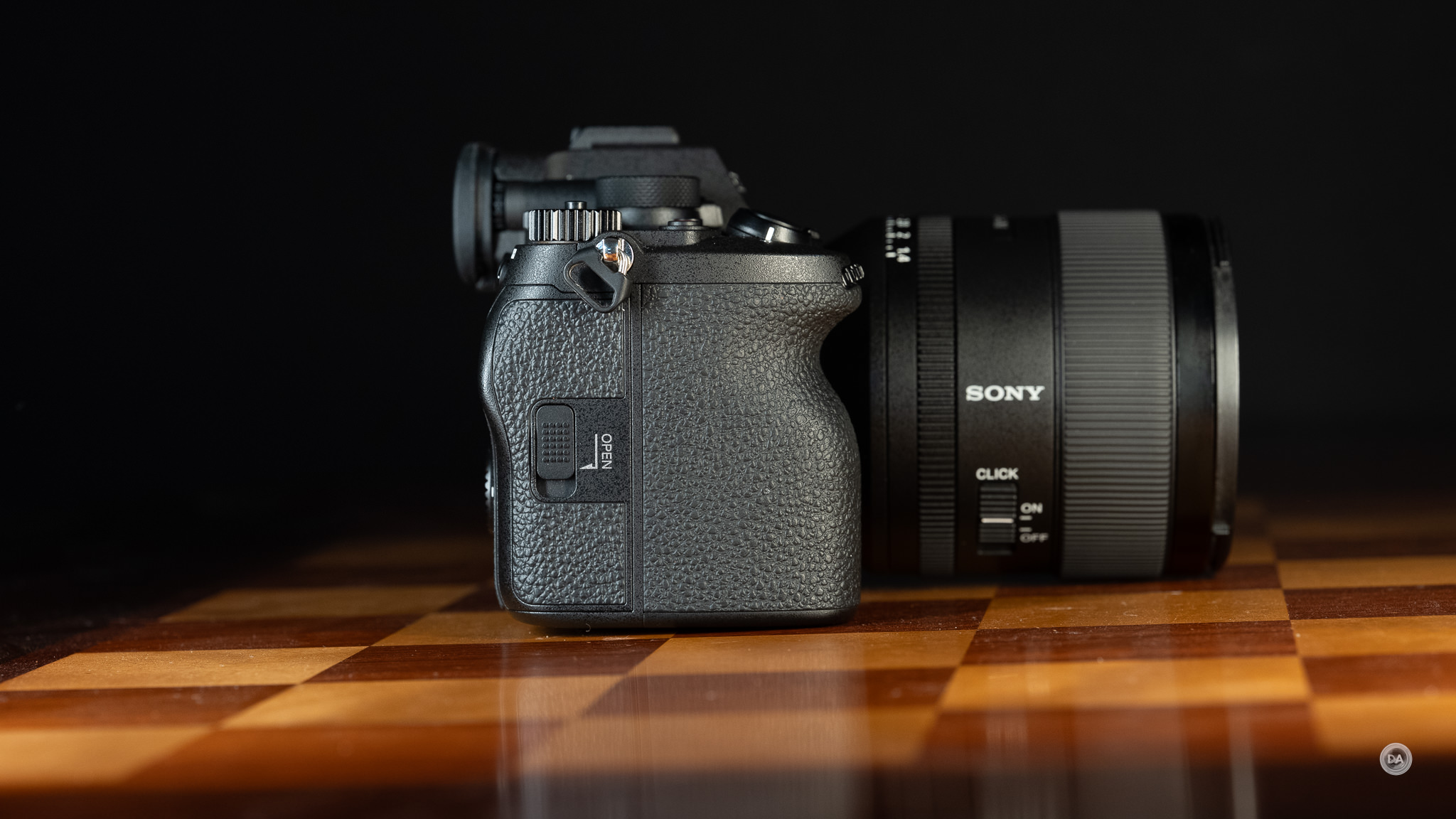
The physical dimensions are 130.3 (w) x 96.4 (h) x 82.4 mm (depth). The weight of the camera is 695g (24.6oz) with battery and memory card or 610g (21.6oz) without. That’s roughly 37g heavier than the a7IV.
I unfortunately continue to find Sony cameras not quite wide enough for my knuckles to curl around the grip and not rub on wider lenses. These bodies need to be just a bit wider, and I would argue they need to be taller as well, as my fingers barely fit on the grip I find the grips on competing models from Nikon and Canon more comfortable.
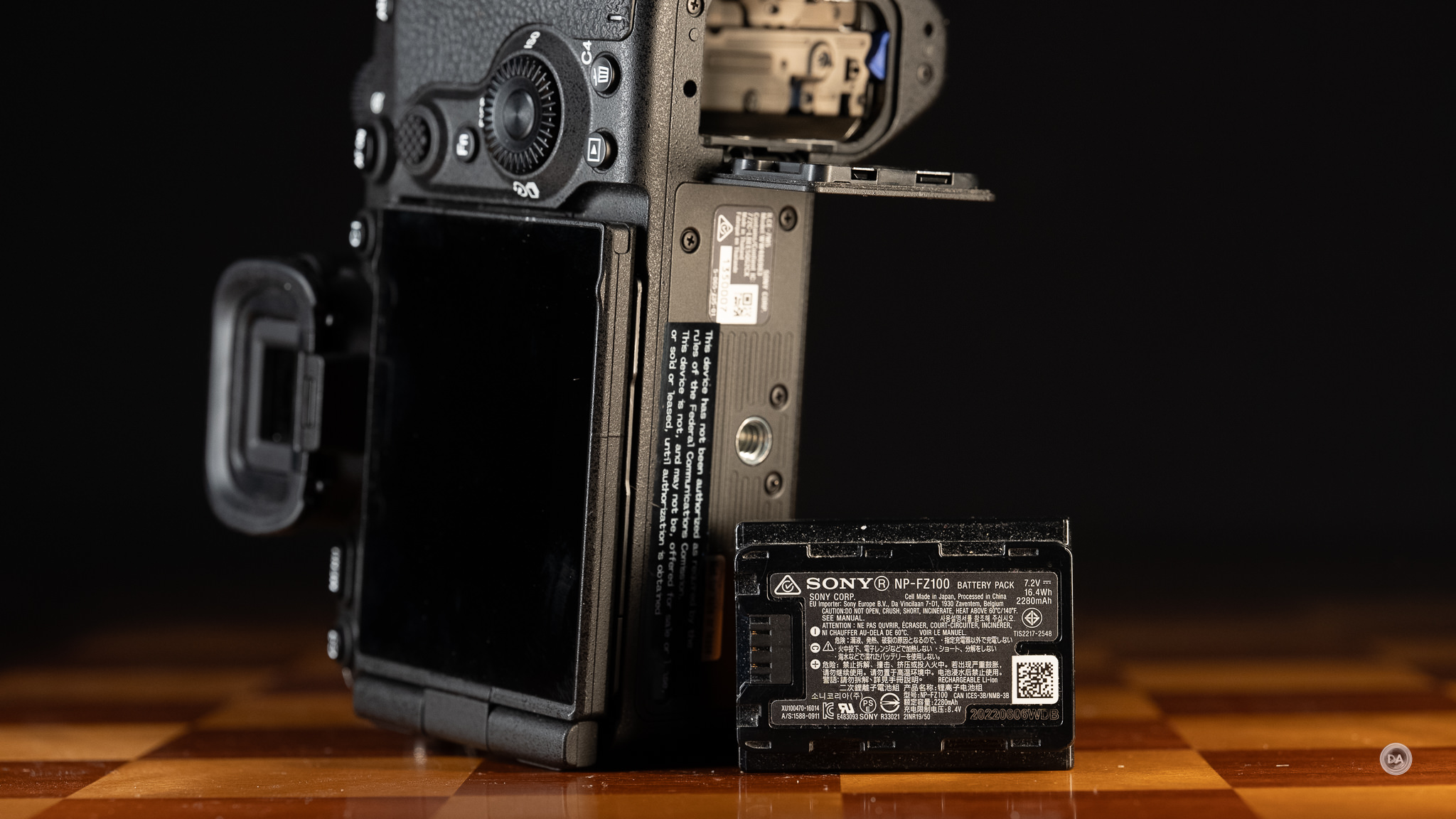
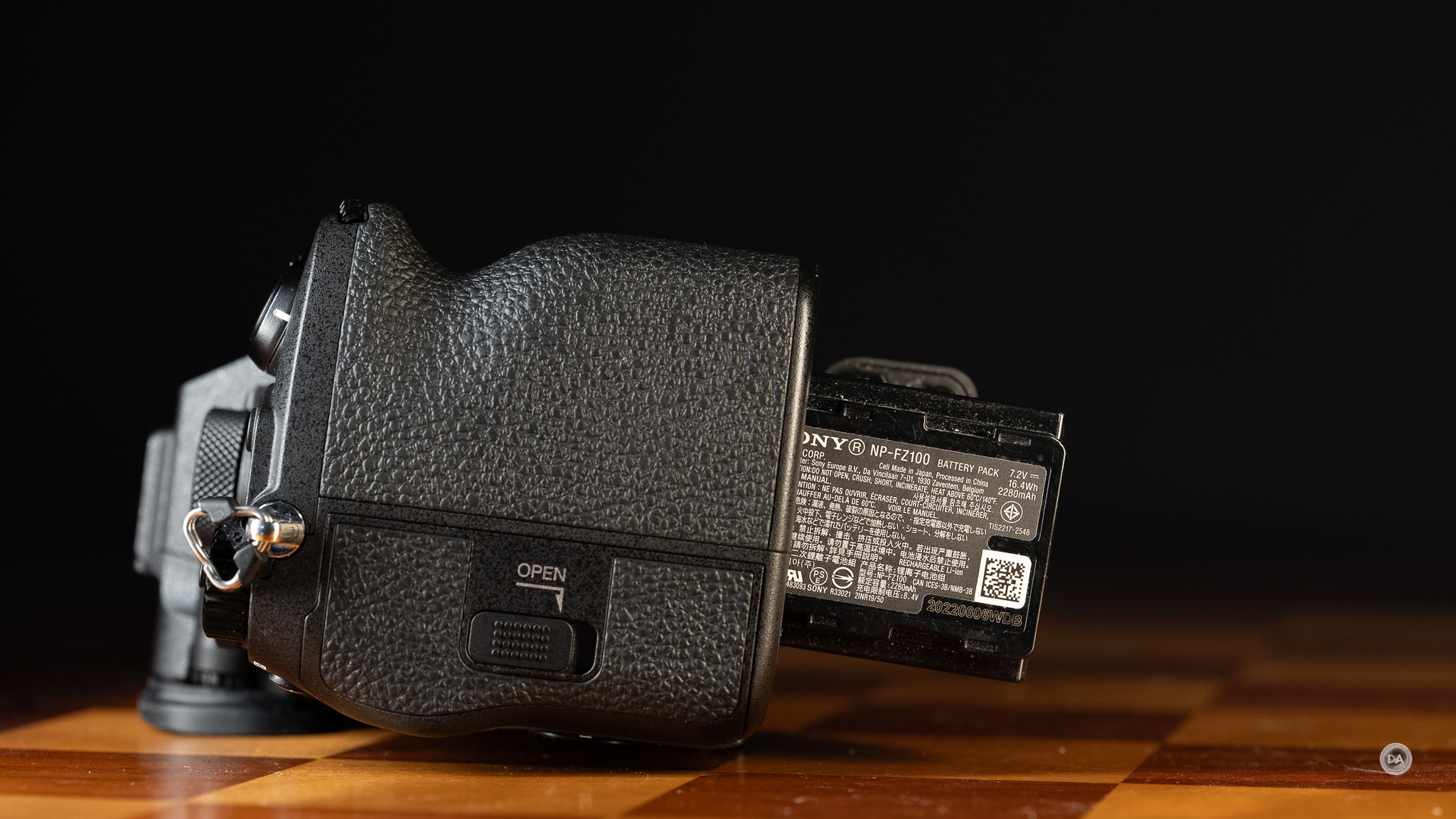
I was pleasantly surprised to find that that the a7V is compatible with the VG-C4EM vertical battery grip, which is also compatible with many other Sony bodies. The grip will allow you to utilize two of the NP-FZ100 batteries and extends your shooting life. Increased efficiencies in the camera’s architecture have improved battery life. The NP-FZ100 is rated here for 630 shots through the viewfinder and 750 shots using the LCD screen. That’s a very solid figure that compares favorably with competitors from other brands. It’s great to see Sony solving this problem with greater efficiency rather than switching to a new battery style with larger capacity. I’m seeing perhaps better battery life than I’ve seen in any of my previous Sony cameras.
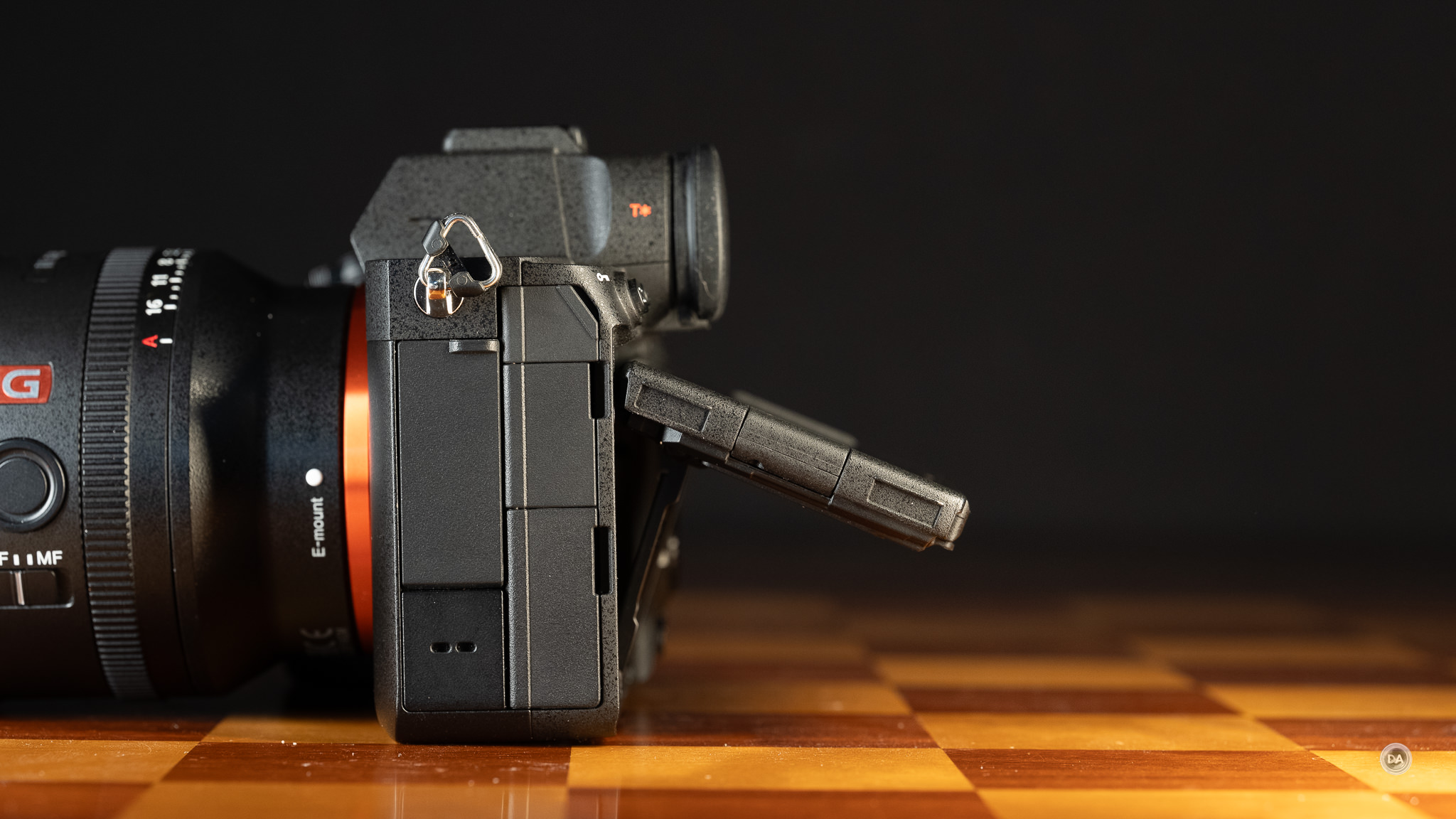
One of the key physical improvements is to the LCD screen. It has inherited the a7RV’s combo tilting and articulating screen, which really gives you the best of both worlds. You can tilt it if that is your preference, but also rotate it out (or forwards) if so desired. The size of the screen has grown from 3” to 3.2”, and the resolution has increased from 1.44 million dots to 2.09 million dots. This gives Sony an advantage over some of the competition. Touch responsiveness on the screen is solid.
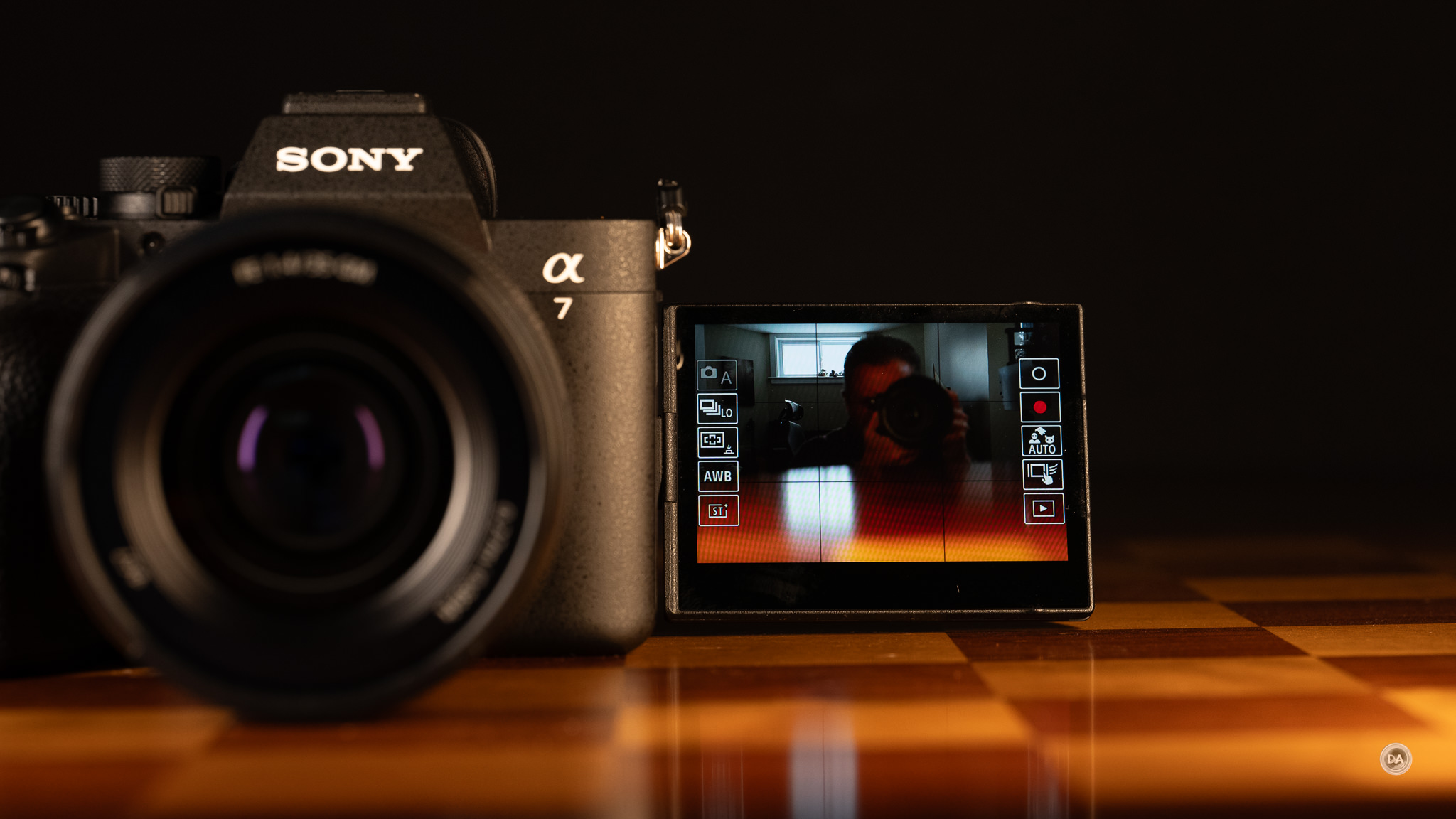
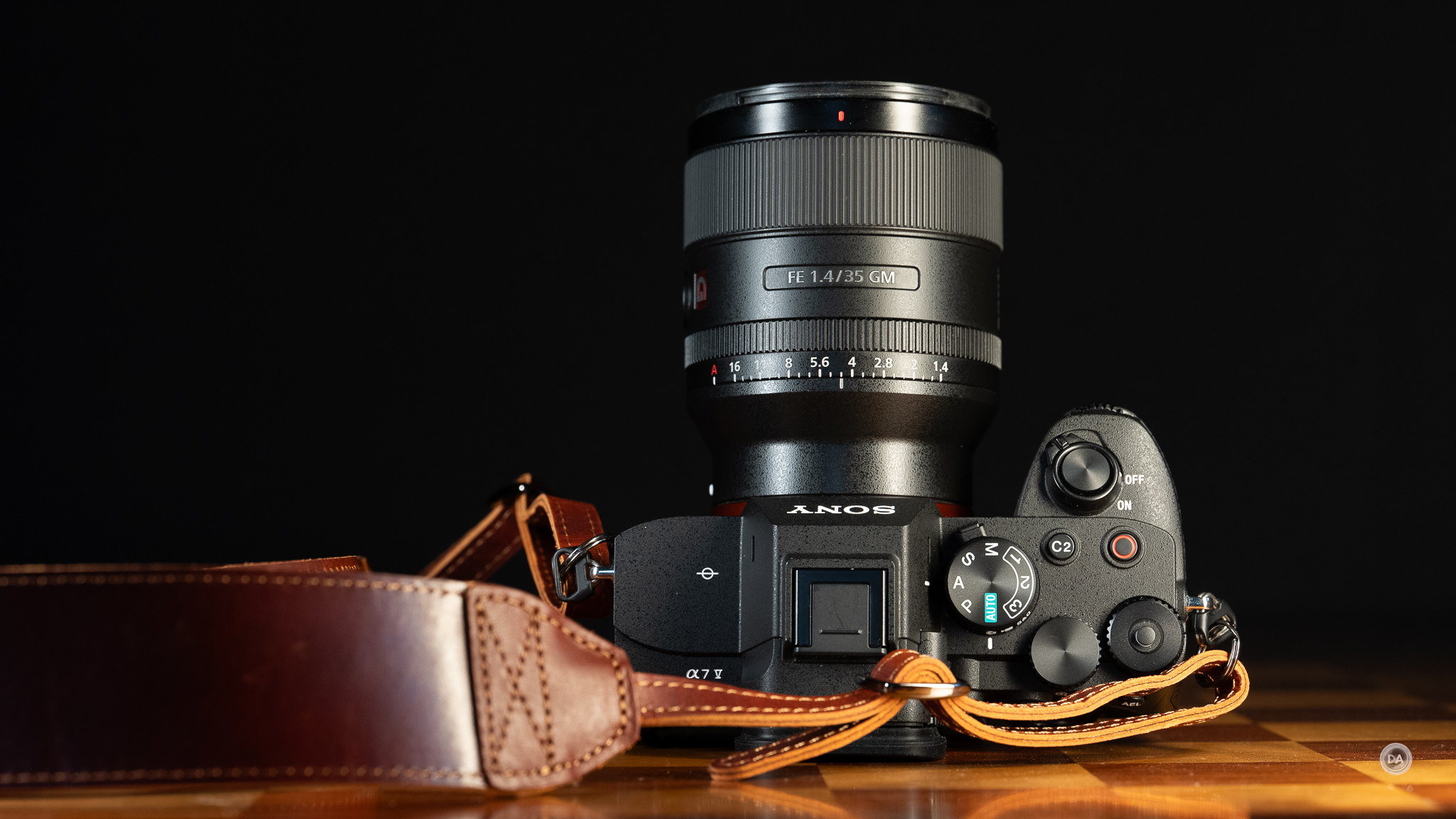
Those familiar with the a7IV or a7RV will find the ergonomics very familiar. The C1 button is on the back next to the viewfinder (right side) while the movie record button is on the top of the camera next to the C2 button. There are a total of four control dials, including two on the rear top plate. The furthest right of these is, by default Exposure Compensation, but the dial can now easily be assigned a different function if you don’t want to use it for exposure compensation. The dial doesn’t have a predetermined limit in either direction, either, so it can be easily used for a completely different function. Menu options include exposure, white balance, or Color/Tone. This dial does have a locking mechanism that is either locked or unlocked, not one that you hold down during rotation.
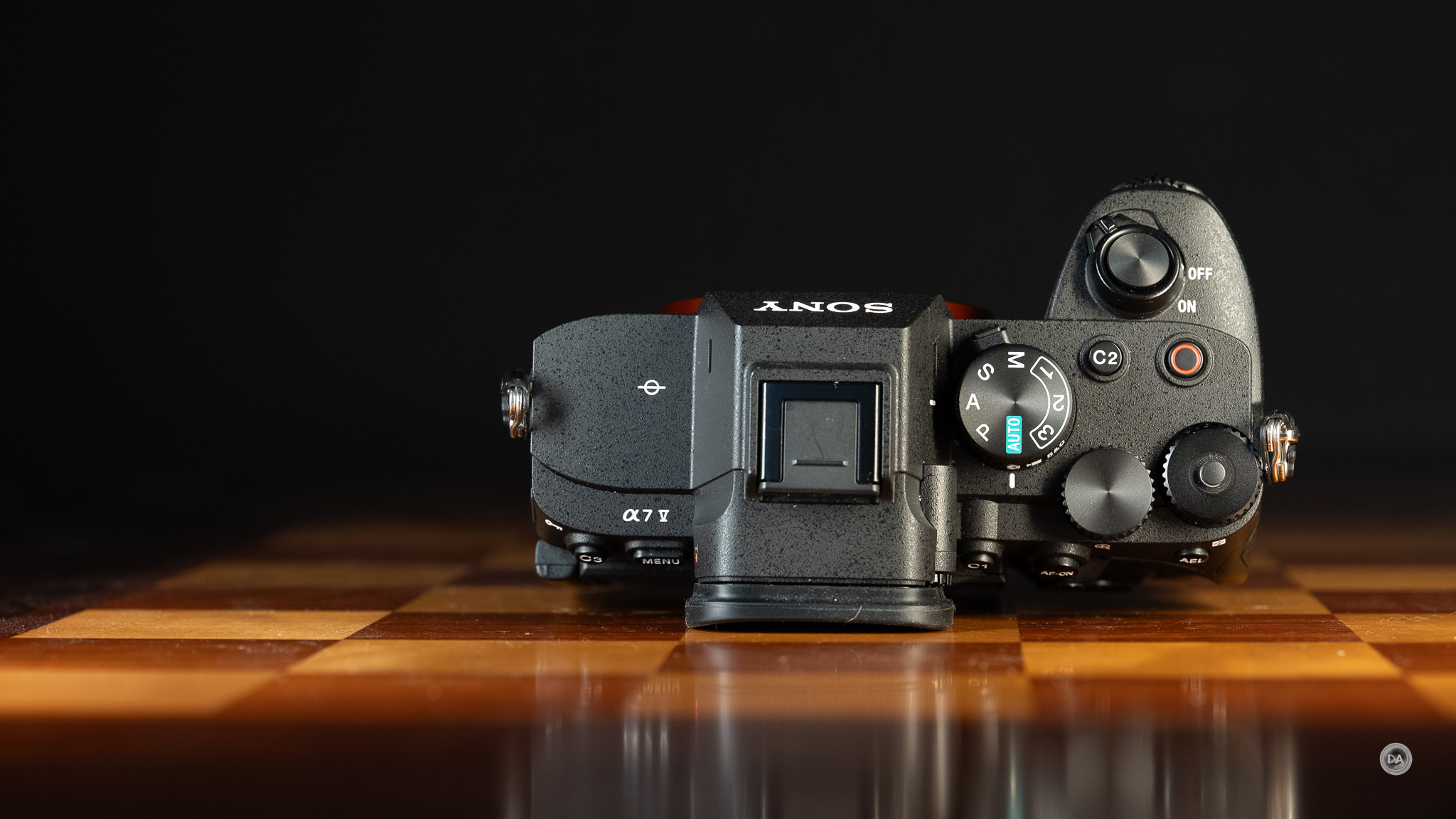
We’ve also got the common Sony two-layer dial that has mode on the top (Auto, PASM, and 3 custom modes) and then a Stills/Video/S&Q (slow and quick) option below. This is great, as it allows you to have a completely different configuration for stills and video, up to and including button and menu customization for each setting.

I really like the fact that Sony gives us a fourth wheel around the SET button. This can be clicked like a D-Pad but rotated to control another function where a wheel works well. I like to assign ISO to this wheel on all my Sony cameras to give a direct control for this function.
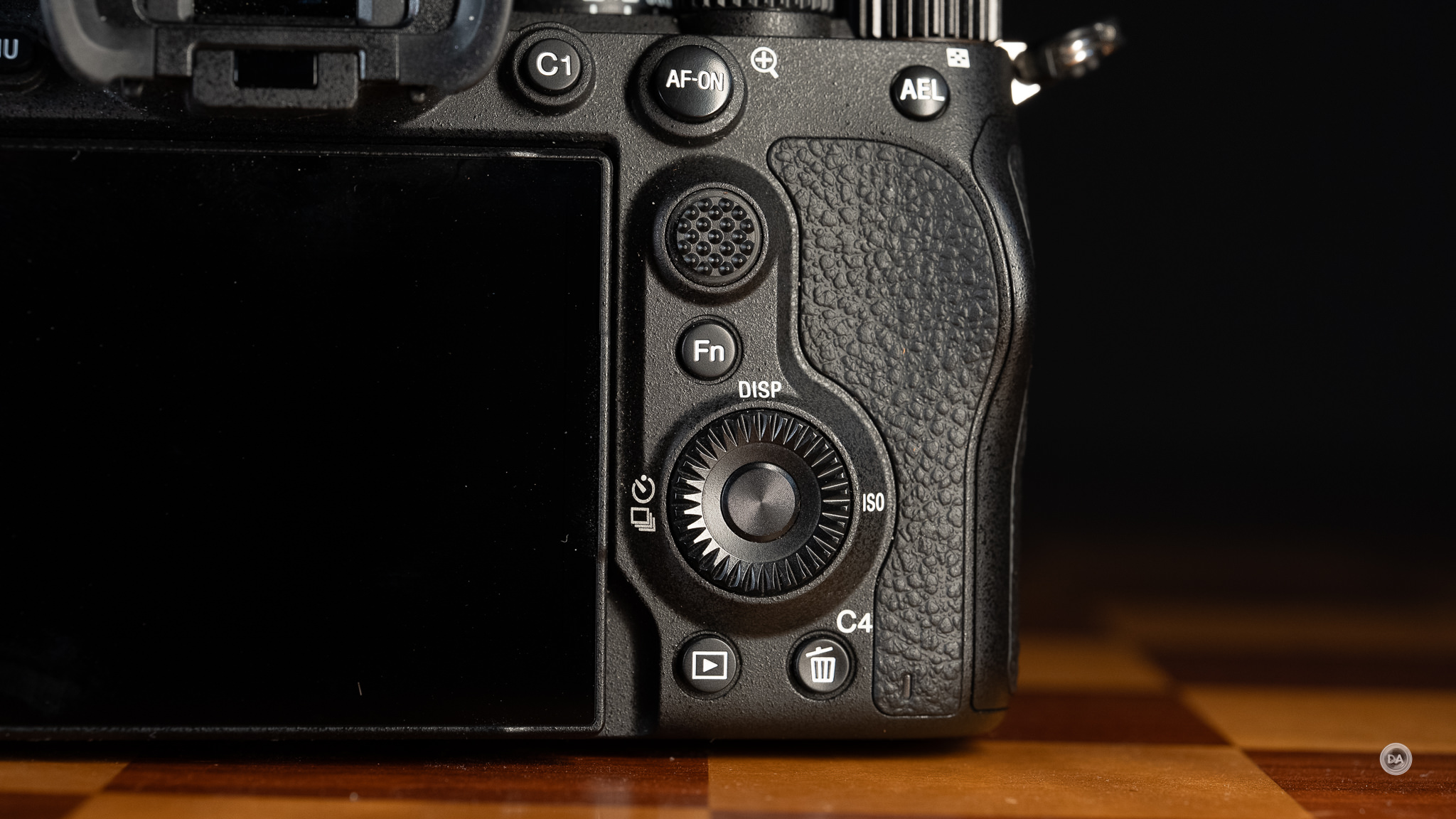
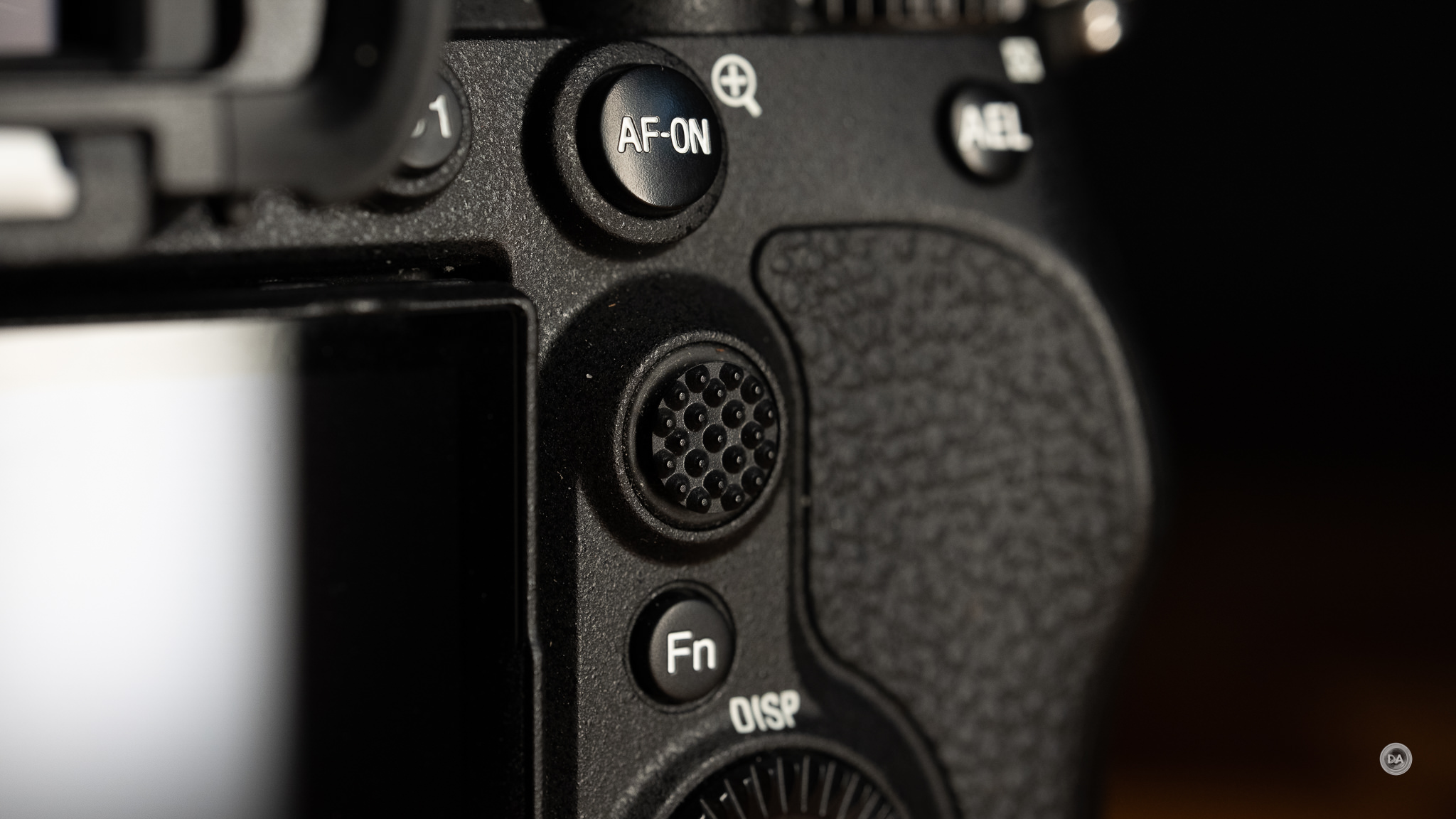
The a7V retains the a7RIV’s improvement to things like the rear joystick, which had better surface texture and more precise movement compared to older models and a slight cant to the front wheel that makes it fall more readily to the finger. The rear wheel sits at a higher position on top of the camera body where it is easier to get one’s thumb on it. I don’t love some of the physical ergonomics of Sony cameras, but I love the number of control dials and custom buttons.
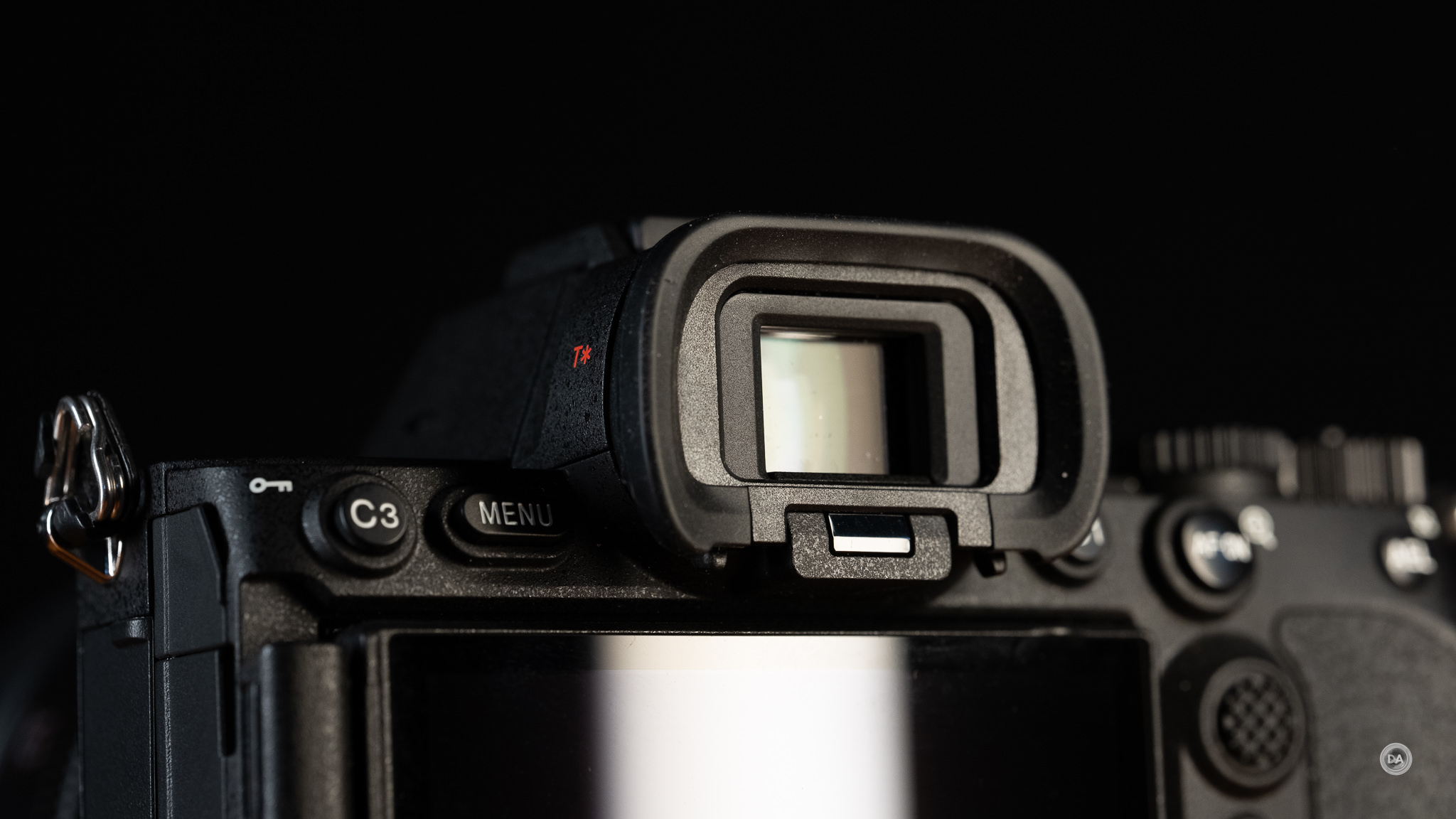
The viewfinder is 3.68 million dot display with approximately 0.78x magnification. The standard refresh rate is 60FPS with a HI option of 120FPS. This is pretty standard fare for this class of camera and is nothing special. I often prefer the EVFs from other brands.
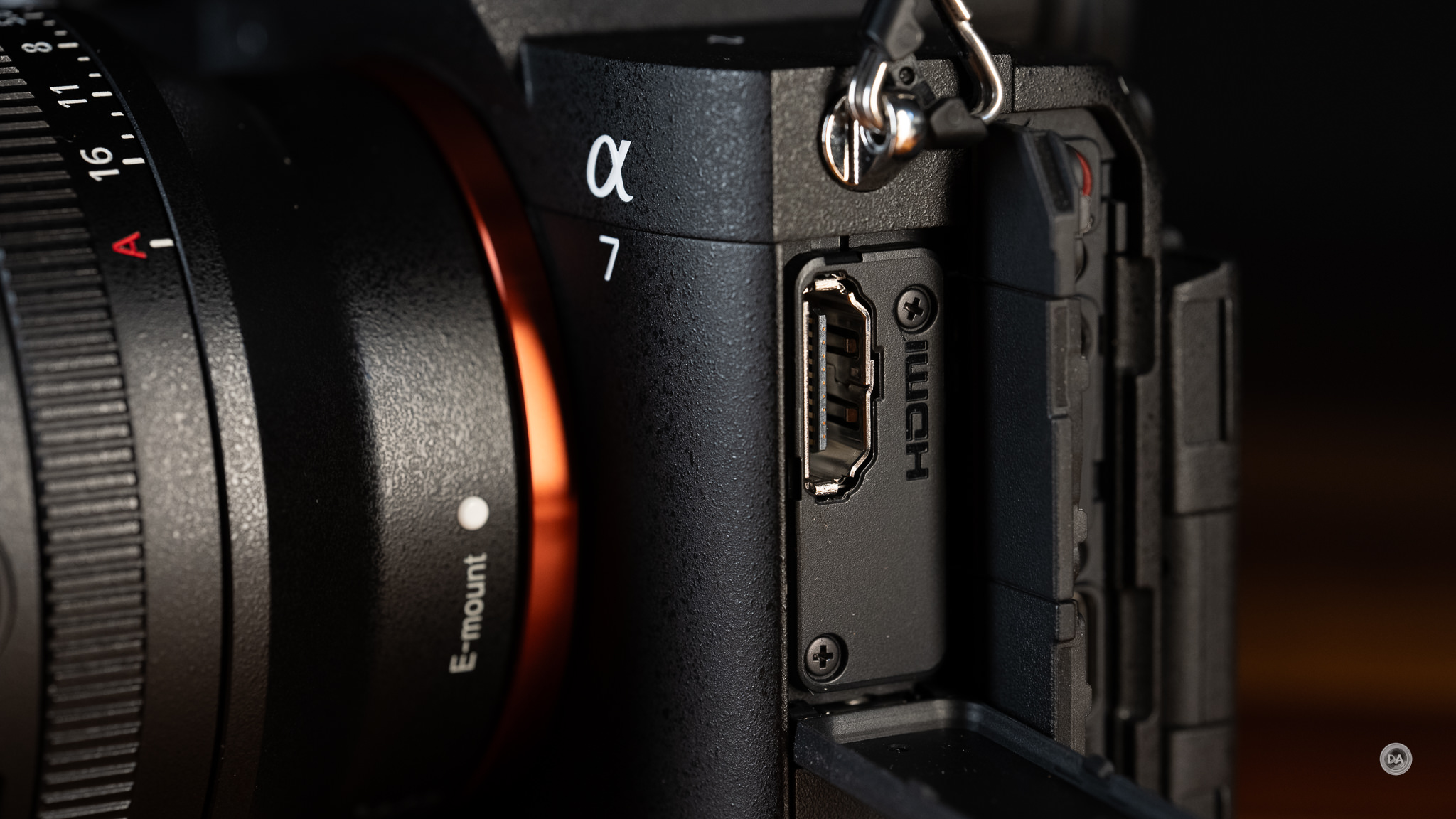
What I did prefer on Sony, however, is the doors covering They have better gaskets and seals and open in a cleaner way than older cameras. The doors open cleanly rather than being flaps that hang in the way like I find on some Canon and Nikon competitors.

One of the Sony design cues that I like is the small separate compartment for the 3.5mm microphone input port. This is very useful as it allows you to have the screen facing forward for monitoring while having a microphone plugged in.
The 3.5mm headphone monitoring jack occupies its own port below that, and, in a new move for a Sony camera, we have dual USB-C 3.2 ports. This is great, as it allows you to use one for data transfer (up to 10Gbps) and to use the second for charging the camera (requires PD standard at at least 18W and a 3A cable). Via the data port you can also use the camera as a webcam, do direct live streaming, or connect a smartphone. Being able to power the camera separately means that you won’t have to worry about a battery dying during filming.
The final port in a second compartment is a full-size HDMI. I’m very thankful to see this trend among recent cameras, as the smaller micro-HDMI ports provide a far less stable connection and are more prone to wear.
On the right side of the camera we have dual card slots. One is a combo CFExpress Type A/UHS-II SD slot which allow you to use either/or, while the second slot is a UHS-II SD card slot. This gives you a number of recording options. I tend to use the “Sort” option that writes RAW images to one card and JPEGs to the other. The upgrade to CFExpress here allows for much faster data transfer (almost 3x as fast), and the price of CFExpress Type A cards has really dropped in recent years due to more and more companies producing them.

Sony’s 5 Axis in-body-image-stabilization (Steady Shot) has gotten a huge upgrade here, moving from a CIPA rated 5.5 stops to up to 7.5 stops in the center and 6.5 stops in the periphery. That rating is reported using the 50mm F1.2 GM, so there will be some minor variation based on what lens is attached. I’ve found that Sony’s IBIS works better with shorter focal lengths in the past, which is still true to some degree, though I do see some improvement with longer lenses. Sony’s camera-based stabilization will work in conjunction with lens-based stabilization, though unlike Canon, for example, Sony doesn’t give any numbers on what level of stops are available in a hybrid situation where both lens and camera stabilization is working in concert.
Sony does a great job with this sensor shift stabilization, and, to me, the benefit of sensor-based stabilization is the fact that it works for all lenses…including adapted lenses, vintage lenses, and wide aperture prime lenses. This isn’t a great photo, per se, but it is one taken at 1200mm, handheld, at 1/100th of a second. Not bad!

One nice feature of Sony’s IBIS is that if you are using a lens with electronics (even an adapted lens), it will automatically adjust for the focal length. If you are using a lens without electronics you can manually set the focal length in the Steady Shot settings. It’s worth noting that sometimes third party lenses don’t report quite as well, so if you see less than desired stabilization results, switching to manually inputting the focal length can make a positive improvement. The a7V sports Sony’s Active Mode for video capture which adds digital stabilization into the mix to help with those handheld video shots. The combination works very well for getting run and gun video.
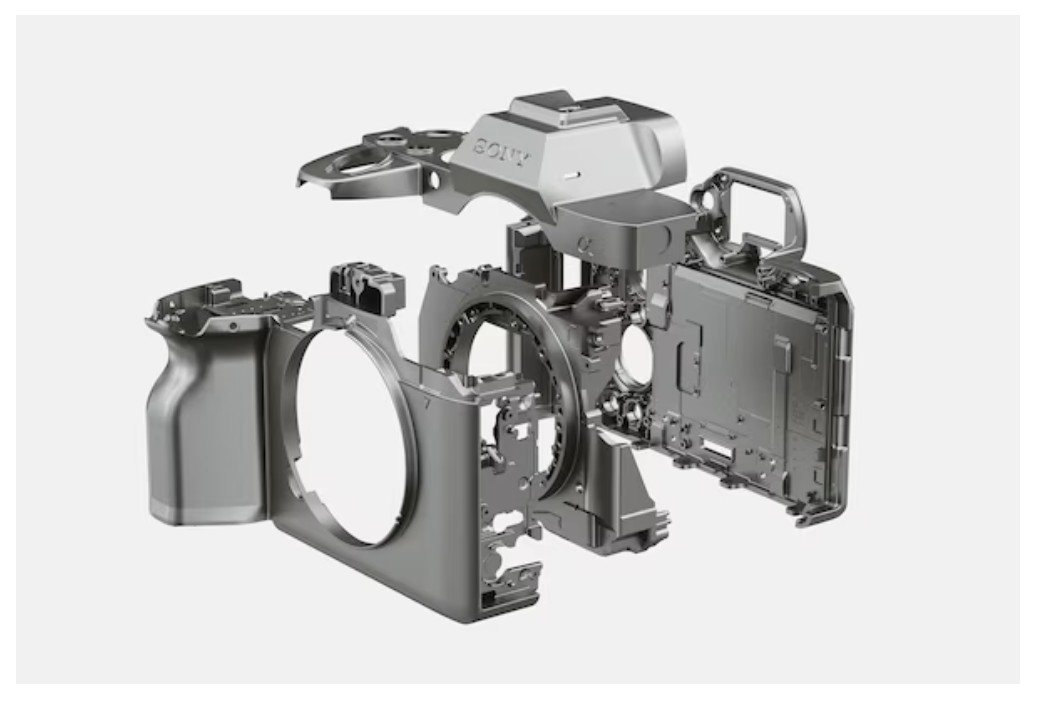
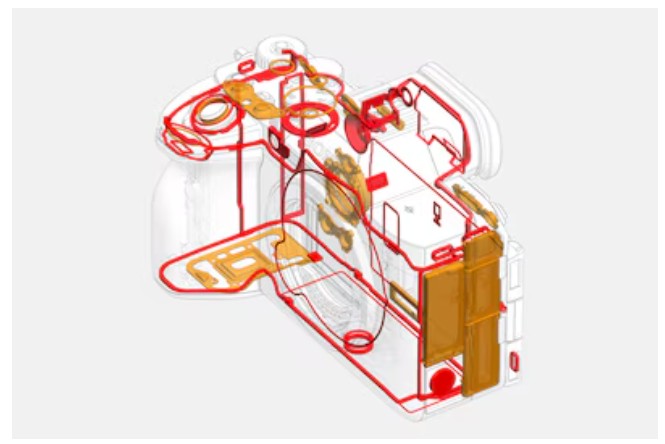
The a7V has a robust body made of magnesium alloy complete with thorough weather sealing. The mechanical shutter is rated for an impressive 500,000 actuations.
The a7V sports an intervalometer that is well-implemented for shooting time lapses, though I continue to wish there was an option for creating the timelapse movie in-camera, as downloading potentially hundreds of images and then creating the time lapse in software feels like unnecessary extra work. I would prefer to have a both/and option rather than either/or for this.
Ditto for the Pixel Shift feature, which has now been added to the a7V.
What is Pixel Shift? Pixel Shift functions by taking up to 16 photos (options are 4 or 16) while shifting the sensor one-half pixel in between, which results in getting massive amounts of information at a pixel level. Those (up to) 16 images are blended together (in software) to produce a single file with as much as 199MB, plus it eliminates things like moire and even increases color accuracy. This is particularly noticeable at a pixel level, where the file has much more resolution. Pixel Shift works best with a subject in which there will be no movement in between frames (architecture, for example), as there will be some minor delay between shots. Landscape images might be marred if there is any breeze present.
After shooting you will have either four or sixteen uncompressed RAW files in camera (there is no automatic combining of files in camera, unfortunately). You have to combine these files in post afterwards, and, at least for now, this is unsupported by Adobe or other third party software makers even after several years of the technology being on the market. You are required to use Sony’s own Imaging Edge Software to combine the images. The end results are impressive, but the resulting file sizes will be huge (particularly with the 16 shot option), and might be hard for your workstation to work with if it is underpowered.
There are three RAW options. One is a lossless compressed option, a HQ (high quality) compressed option, and a lower quality compressed option. Each of these will have increasingly smaller file sizes, though the quality will drop as well. I prefer the lossless compressed option, as it gives you the best quality at good efficiency in terms of file size. The average size of my RAW images seems to be around 40MB.
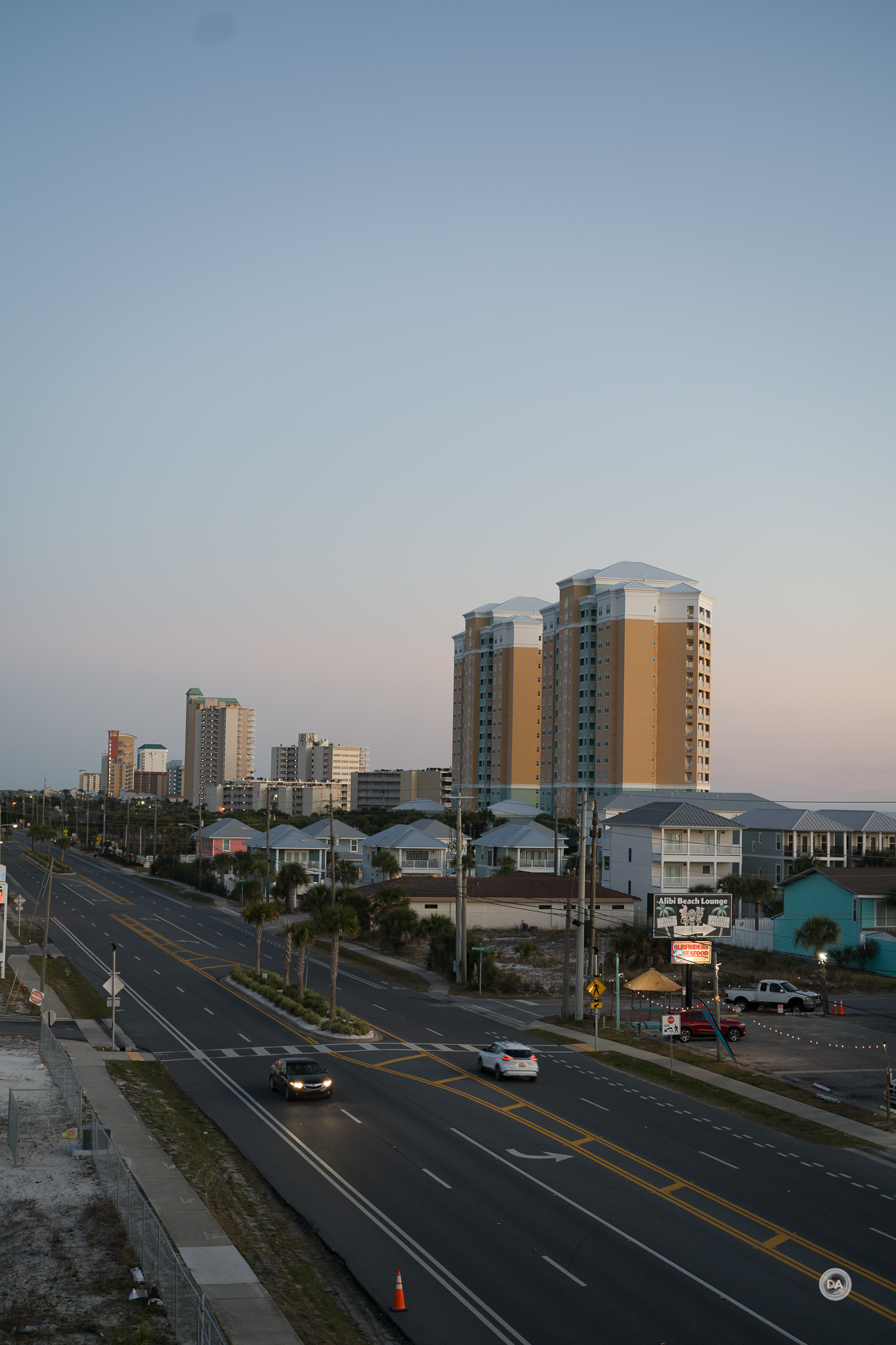
GPS logging and geotagging is handled via a Bluetooth connection to your smartphone and having the Sony Creator’s app active (and the Location Linkage set up). This is standard practice these days across brands, but it doesn’t always work consistently, in my experience, leaving some images tagged and others untagged. You essentially need to be sure that the Bluetooth link is active before you start shooting (at the very least at the beginning of your shoot).
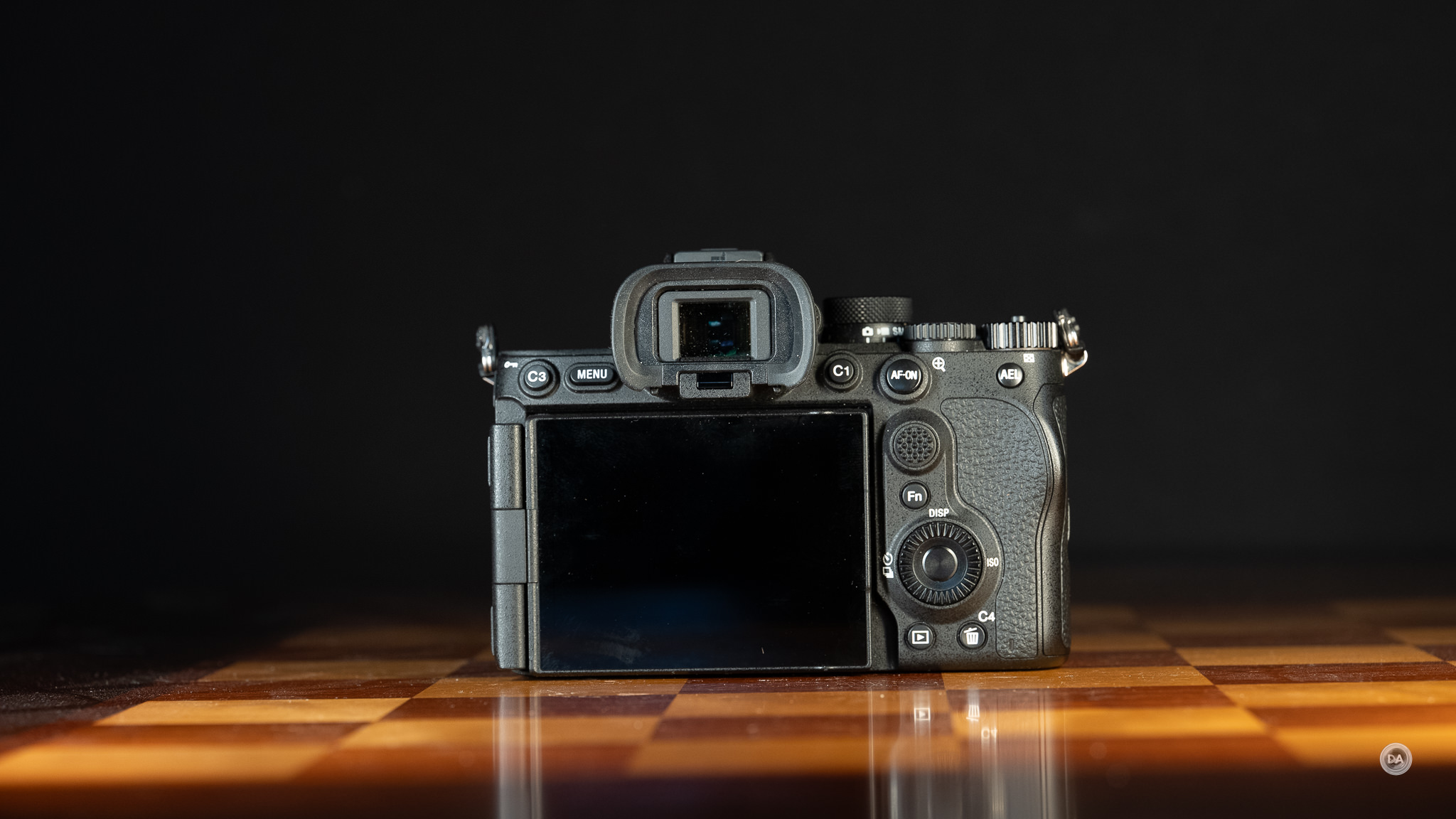
The headline physical control improvements are the upgraded LCD screen and improved IBIS. Other improvements are more subtle, and for someone who has owned the a7RV since its launch, this camera feels very, very family in almost every detail.
Shutter, Burst Rate, and Buffers
The bigger improvements to the a7V over the a7IV are found “under the hood”.
The key addition to the a7V is the new stacked sensor but also the faster burst rates afforded by it. The readout speed of the “normal” sensor from the a7IV was around 75ms, which led to some rolling shutter issues when trying to track action. The partially stacked sensor drops that readout speed all the way down to around 15ms. While the a7IV was limited to 10FPS with either the mechanical or electronic shutter, the a7V can shoot up to 30 frames per second with full AF/AE tracking, and, what’s more, you can still shoot 14bit RAW images at that speed. The mechanical shutter is limited to 10 FPS.

The Canon R6 MKIII can shoot even faster (40FPS), but the quality of the RAW files drops to 12bit and it doesn’t have the key element the a7V has – a blackout free viewfinder at those fast burst speeds. This means that there are no blackouts in the viewfinder in between frames, allowing you to stay locked onto the subject more easily.
This is helped by the use of the new Bionz XR2 processor. This processor is faster, more efficient, and is Sony’s first processor to include integrated AI processing rather than relying on a separate dedicated AI processing unit. This allows for tracking capabilities not far off what the high-end Alpha 1 II is capable of.
But, as is so often the case with these mid-level cameras that inherit the focus capabilities of the high-end cameras, the weakness lies in the buffer depth. Despite having the faster recording medium, the buffer depth is pretty shallow.
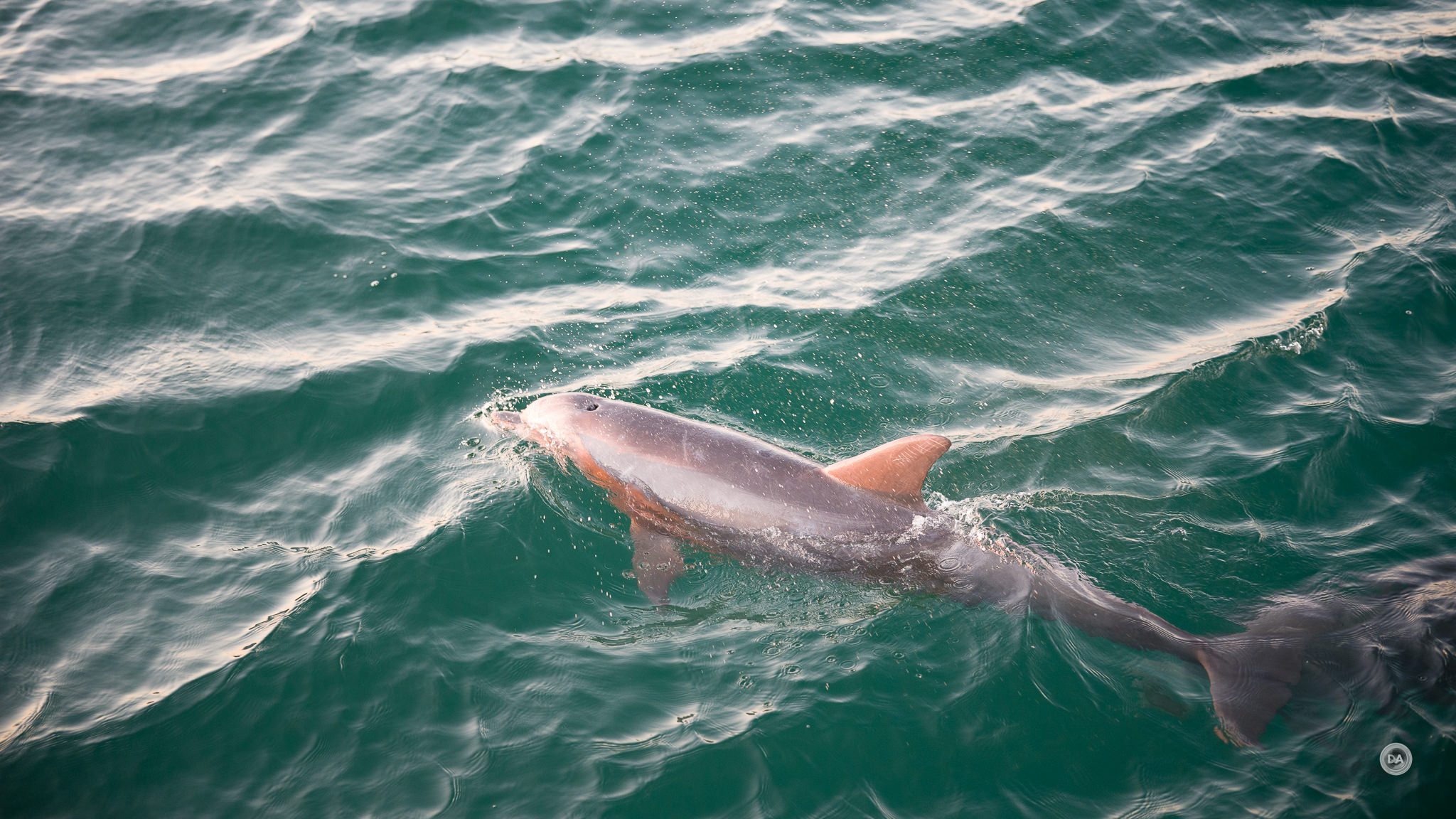
When shooting JPEG Fine L, you can get 185 frames, but if shooting RAW, that drops to 85 frames. Want both RAW and JPEG? That’s 85 frames. Want better compression? Compressed HQ or Lossless Compressed RAW gives you just 35 frames. I probably don’t need to tell you that it doesn’t take long to fill up that buffer when you are shooting 30 frames per second. You can find a clip in my video review that demonstrates just how quickly this happens.
Shutter speeds are the typical 1/8000th to 30 seconds with the mechanical shutter, though the electronic shutter gives you one more stop and allows you to shoot between 1/16,000th of a second to 30 seconds. Maximum flash sync speed is 1/250th of a second, though in APS-C mode you can stretch that up to 1/320th second.
Autofocus Performance
The autofocus system here is the basic hardware that we’ve seen for a while, with 759 autofocus points that cover the vast majority of the frame. Many of the key improvements to autofocus come from processor upgrades, including AI processing (that detects not only a wide variety of subjects but also human “poses” even if a face is not visible. The a7IV didn’t have the AI chip, which means that autofocus is much more versatile here despite the number of focus points not looking particularly different. I’ve been traveling to the Gulf Coast in the US for the past week, and found the autofocus to be excellent in a wide variety of shooting conditions…including dense coastal fog.
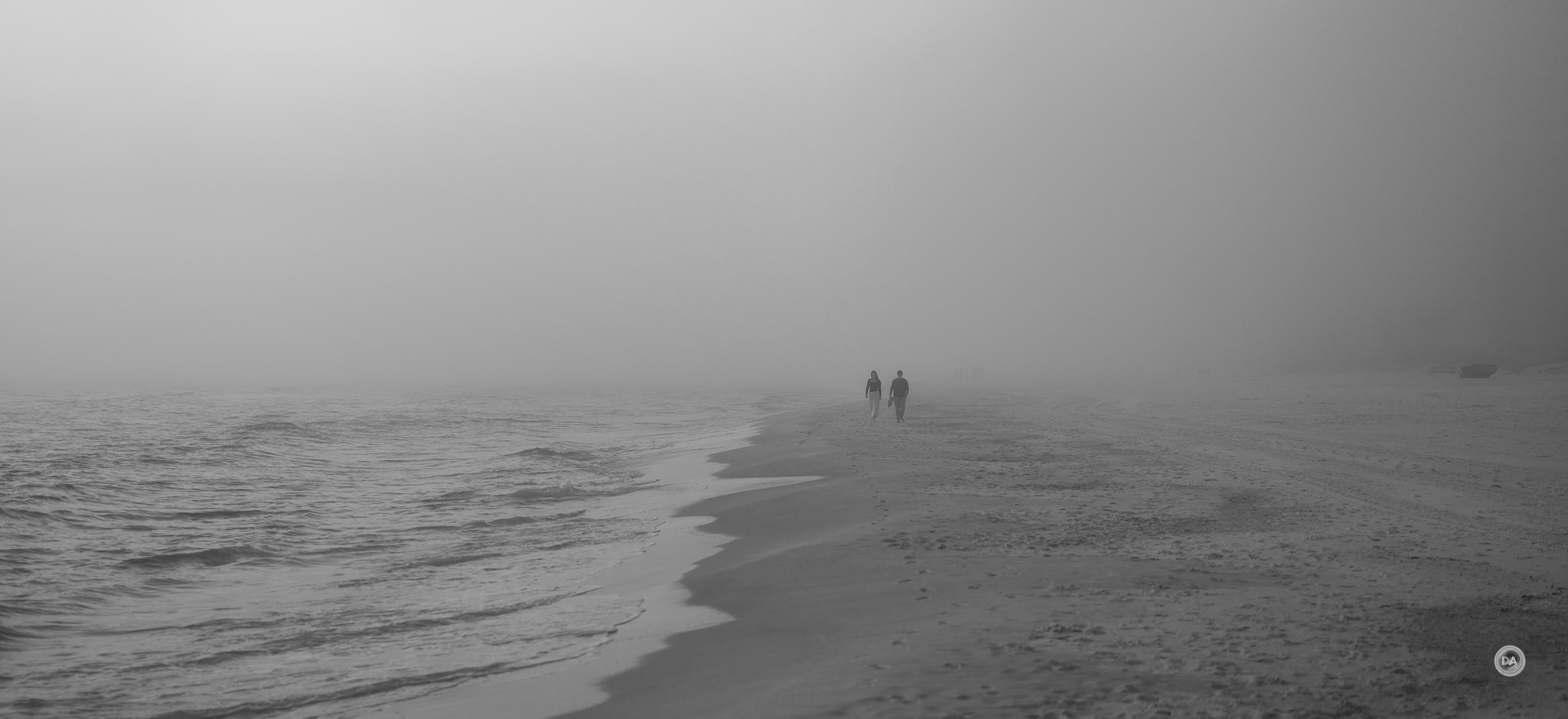
One of my favorite improvements over the past few years has been the auto subject detection, which allows you to change subjects without having to change settings. I find that Sony’s system works well, allowing you to switch from human to animal subjects (and others) with the system grabbing the new subject and tracking it. In times past I’ve actually had videos that I was filming for my YouTube channel on the a7IV end up out of focus because I had forgotten to change the subject for tracking from animal to human. That’s not going to be a problem anymore. The tracking subject choices include: Auto, Human, Animal, Bird, Insect, Car, Train, and Airplane.
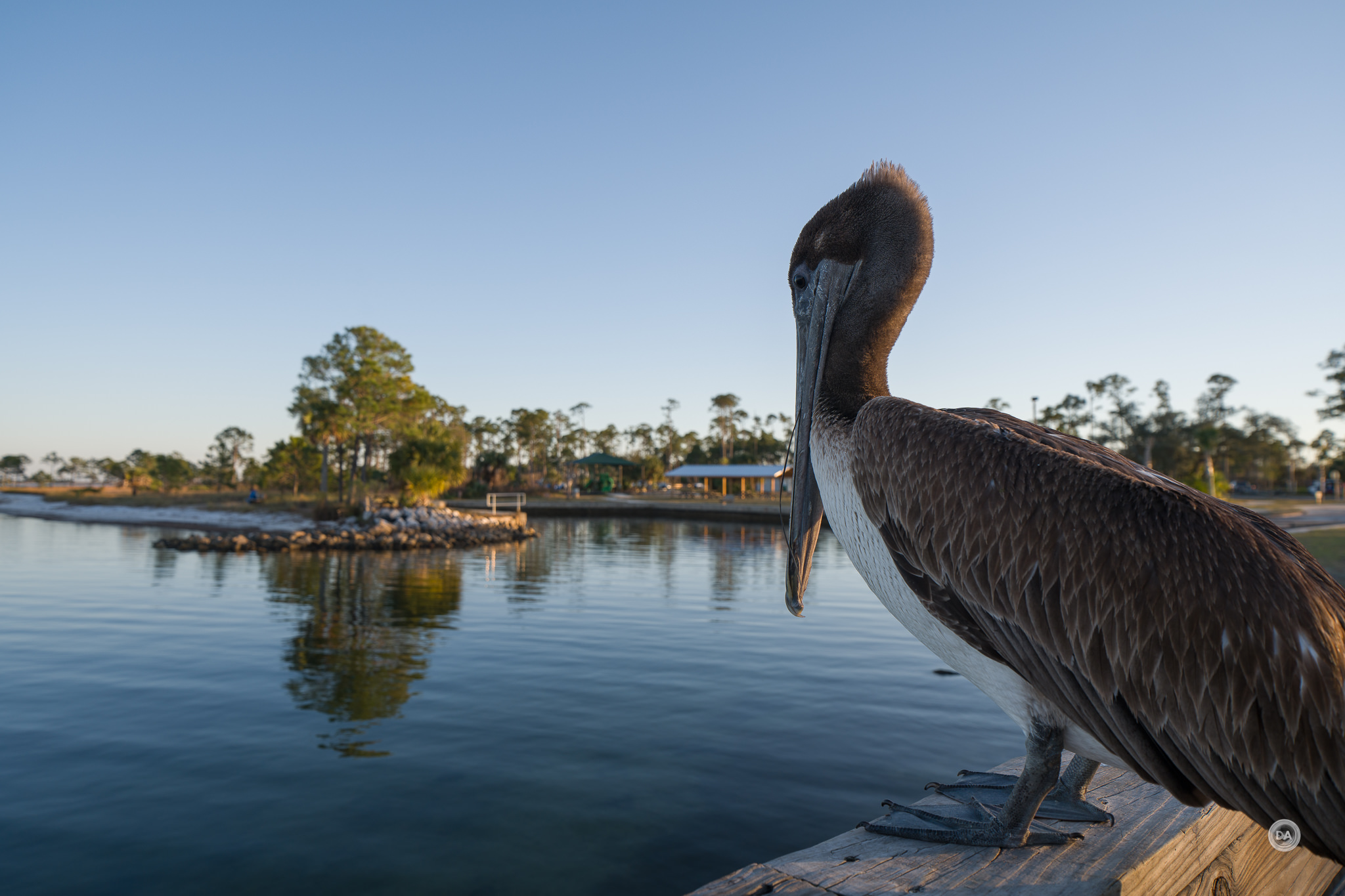
I had no problem quickly picking up birds in flight and accurately tracking them…even shooting at wide apertures like F2.

I shot a series of casual portraits on the beach with a dense fog rolling in, and autofocus worked flawlessly.


I also shot a wide variety of family shots indoors in a variety of conditions and autofocus was always quick and accurate with a variety of lenses. The sensitivity range runs from -4 EV up to +20 EV, meaning that the camera will autofocus in nearly all conditions, though, as always, that has a lot to do with the lens you have attached to the camera. A “slow” lens with a small maximum aperture (F5.6, for example), lets in a fraction of the light of a lens with an F2 or brighter aperture. Sony’s measurements are made with a lens using an F2 aperture, which I think more reasonable than some brands who base their low light claims on having a more extreme F1.2 lens attached.

The bottom line is that Sony has one of the industry’s best autofocus systems. It has both the hardware and software side of things working in perfect sync, and the end result sets the benchmark for excellence in the industry.
Video Performance
The Sony a7IV was a good but not great video camera. It would allow up to 4K60 recording, though with the severe compromise of having a Super35 (APS-C) crop. It was always pretty astounding how much the framing would change when you switched to 4K60 recording. The a7V ups the ante in a number of ways, allowing 4K60 without crop, and up to 4K120 recording (though that does come with a crop). Here’s a look at some of the various resolution and bit rate options available at 4K:

The 4K60 footage is downsampled from 7K with full pixel readout and no pixel binning, producing very high quality footage.
Another key improvement is the faster readout speed of the sensor, which reduces rolling shutter in video capture, making the a7V a better video camera when shooting action or panning across scenes.
Beyond reduced rolling shutter, the a7V also promises improved video features and performance compared to the a7 IV. The a7IV’s full-width 4K video topped out at 30p, while the a7V ups the game and offers full-width 4Kp60 video. The a7IV’s APS-C crop still exists on the a7 V, but only at 120p and faster frame rates.
Another key improvement is to the physical design, where a new design allows for superior heat dissipation. Sony says, “A unique Σ (sigma) shaped graphite component built into the image stabilization unit allows the image sensor, a major source of heat inside the camera body, to move freely during image stabilization while conducting heat away for efficient heat dissipation.”
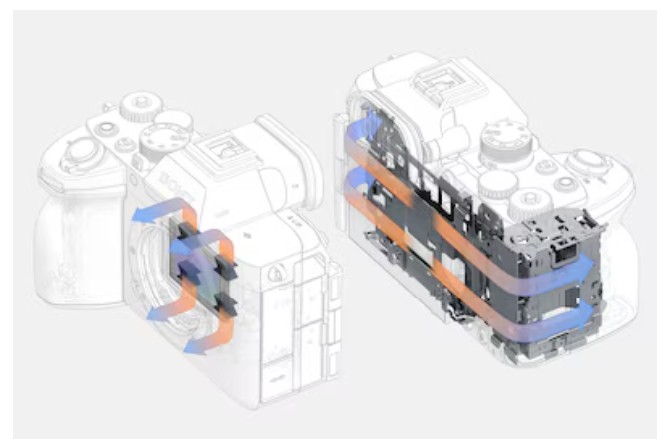
This is trumpeted on YouTube as providing a major advantage over the Canon R6 Mark III, but the initial reports of the Canon’s overheating issues seem to be tremendously oversold. I saw no issues in my own video recording with either camera.
What is lacking here is any kind of Open Gate recording or internal RAW recording options, which competitors like the Canon have. Each company will trumpet the advantages of their cameras, so you need to decide for yourself what features are most significant to you.
The a7V’s video features may not keep pace with all the competitors, but they are significantly improved compared to the a7IV. Beyond full-width oversampled 4K video at 60p, the a7V’s autofocus performance is improved, it offers Sony’s more aggressive stabilization technology for smoother handheld shooting, and it supports Custom LUTs and Auto Framing.
Sensor Performance

One of the headline improvements here is the new 33MP sensor. Sony says, “An enhanced partially stacked Exmor RS CMOS image sensor features 33.0 megapixels and high-speed circuitry above and below the sensing layer. Readout is approximately 4.5x faster providing a maximum shutter speed of 1/16000 sec., blackout-free bursts at up to 30fps with full AF/AE tracking,”
We’ve already examined how that the sensor comes with a number of performance improvements, but does that additional speed come at the cost of reduced image quality?
Fortunately the answer is a resounding “no”. Let’s explore why…
Resolution
The 33MP resolution point stays the same as the a7IV, though this is a completely new sensor. Picture resolution is 7008 x 4672 pixels, giving you roughly 14.5MP of resolution in APS-C mode. That’s on the low side of useful, but obviously much more useful than the 10.5MP we had available on Sony’s 24MP full frame sensors in APS-C mode. 33MP is what I consider a sweet spot for many photographers, with sufficient resolution for most types of work but without the hassles that sometimes come with higher resolution bodies.
This allows for a reasonable amount of cropping, allowing me to take this image…

…and cropping out this:
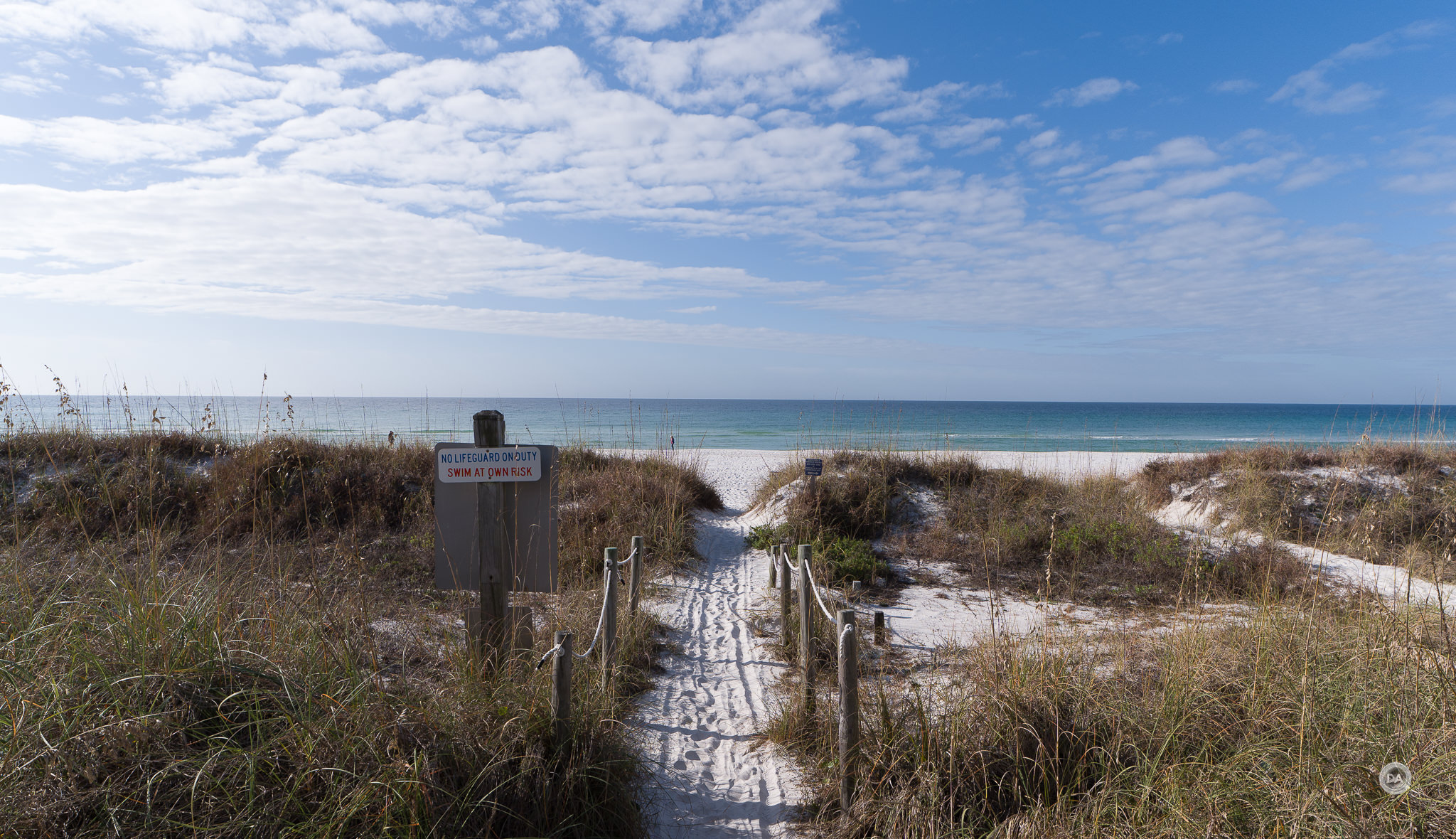
That crop is still a little over 12.5MP, plenty for most applications.
Sony’s files are, as always, very easy to work with. They sharpen well and show good detail.
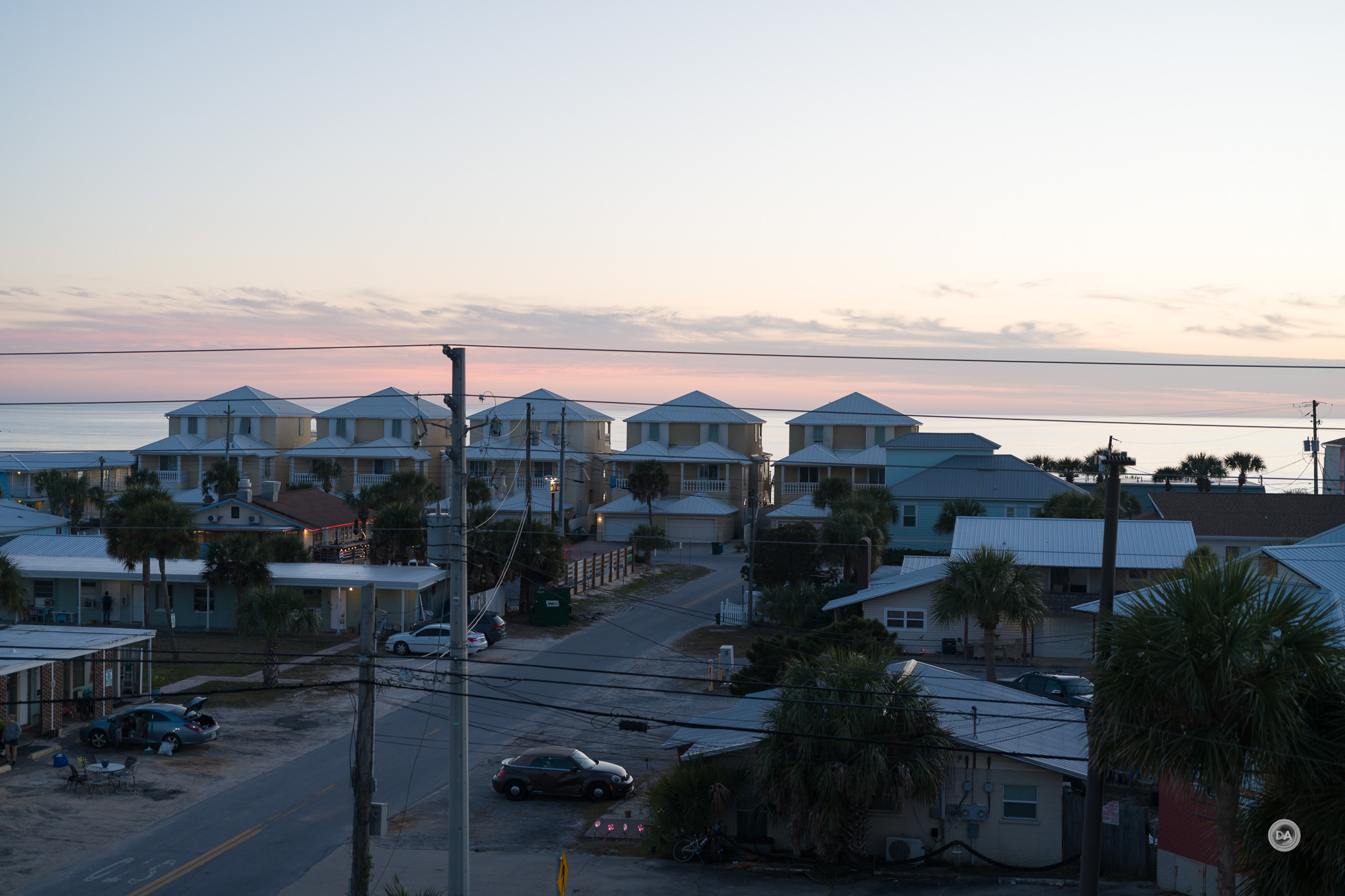

If you want more resolution, moving up to the a7RV will accomplish that nicely, but will also cost you another $1000+.
Dynamic Range
Moving to a stacked sensor has the potential to negatively affect dynamic range, but Sony has always been very good in this metric. In fact, it appears that they have outdone themselves. I often refer to Photons to Photos for their empirical testing of this metric, and, according to them, Sony has created the best dynamic range we’ve seen in a full frame (35mm) camera in the a7V’s sensor. You can clearly see an improvement over the a7IV.
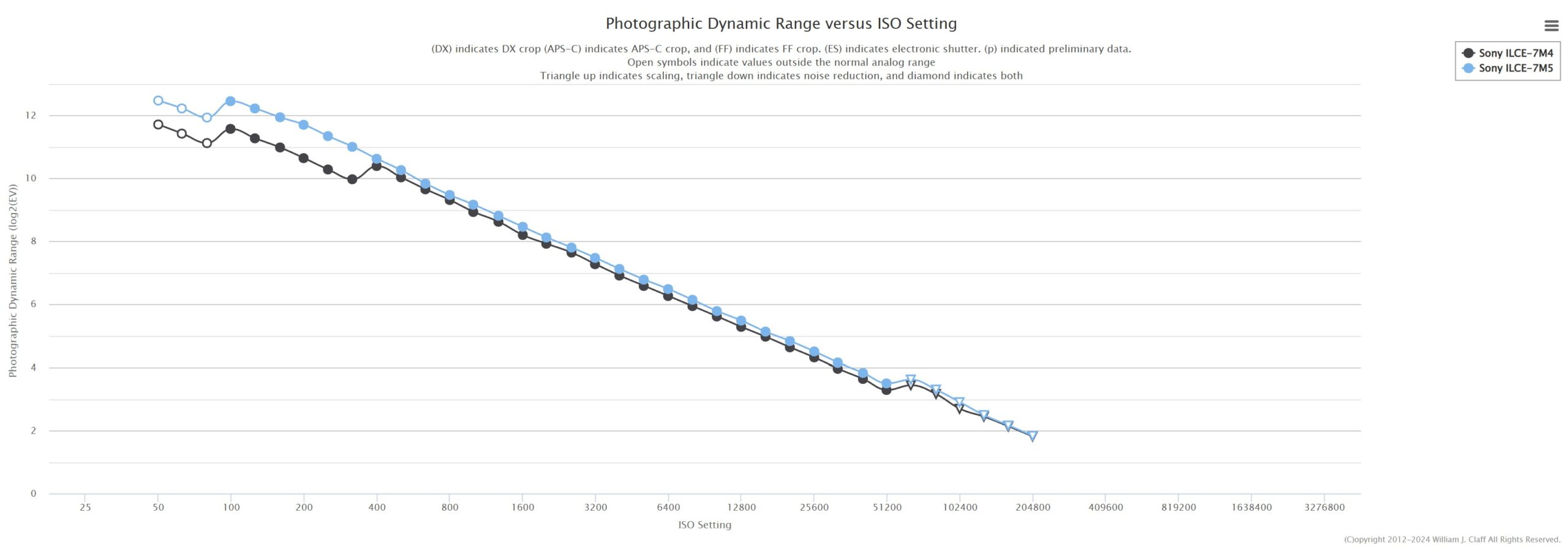
What’s more, the a7V shows a clear win over the Canon R6 MKIII and the Nikon Z6 MKIII as well:
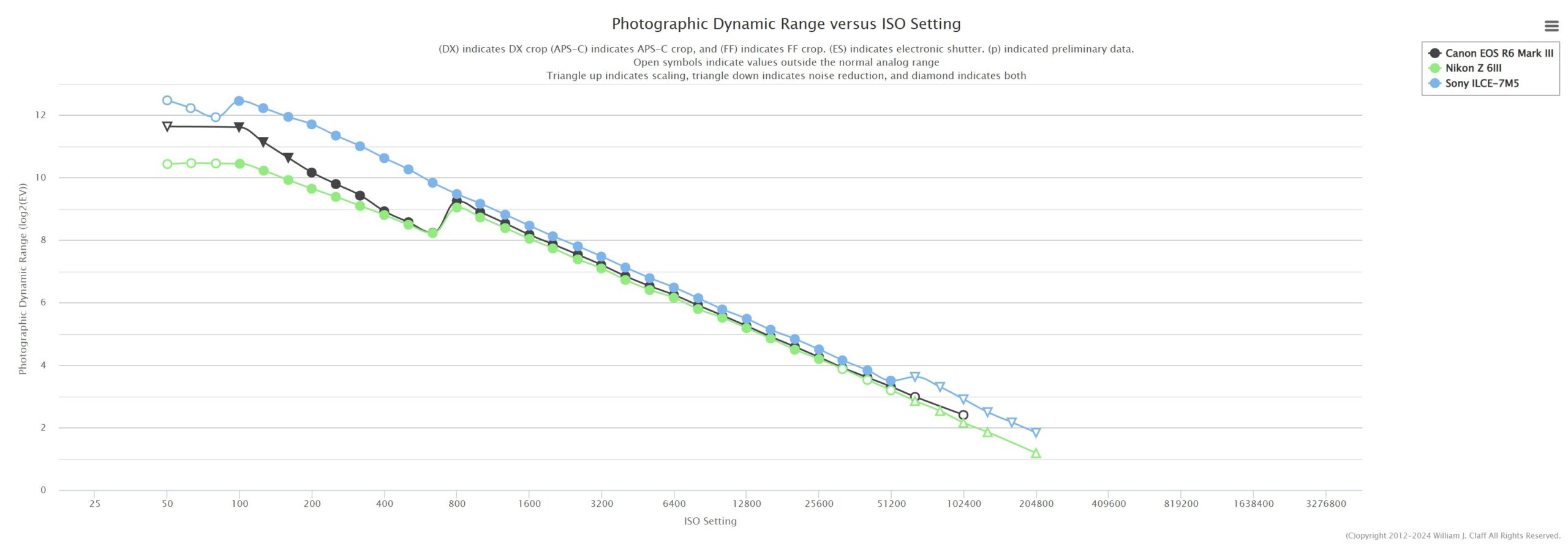
In their tests, the dynamic range reaches a full 12.5 stops, which is three quarters of a stop better than the a7IV. That’s two stops(!!) better than the Z6 MKIII and almost a stop better than the Canon R6 MKIII. In fact, it is basically on par with the medium format Fujifilm GFX-100 II. Wow! Impressive.
My own tests examine more of a real-world consequence for either under or over-exposing images, as this gives a good indication of how successfully one can recover either shadows or highlights. Most modern cameras are fairly good with shadow recovery, and, in fact, when I underexposed by 4 stops and then recovered the image in post, I found a nice clean-looking recovering when viewed globally.
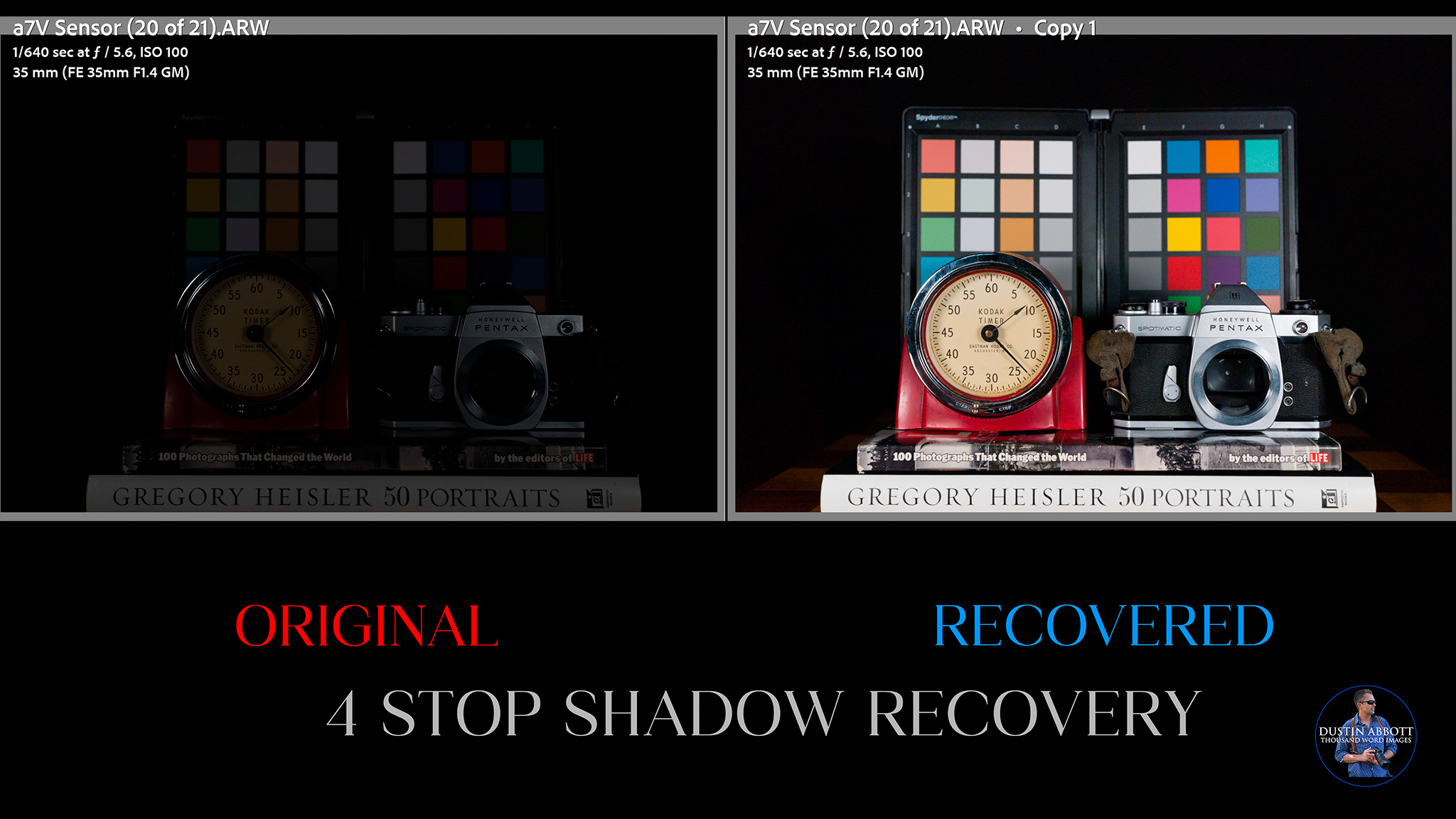
I was a little less impressed under close scrutiny, however, as there is a bit of pattern noise that emerges in shadows…and this includes some blotches of green and magenta.
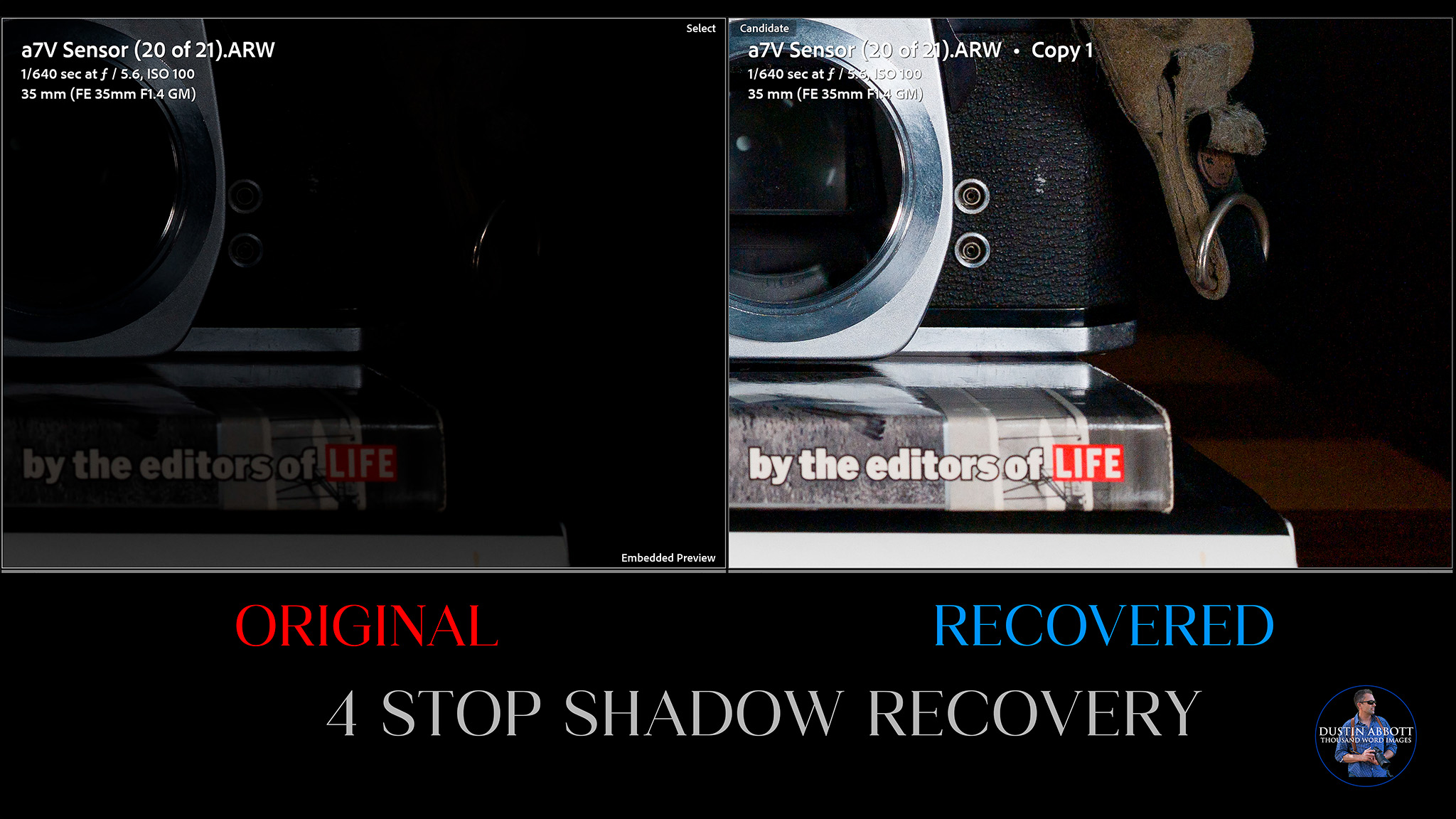
What I didn’t see, however, is any evidence of a grid pattern which I sometimes see with Sony sensors after recovery.
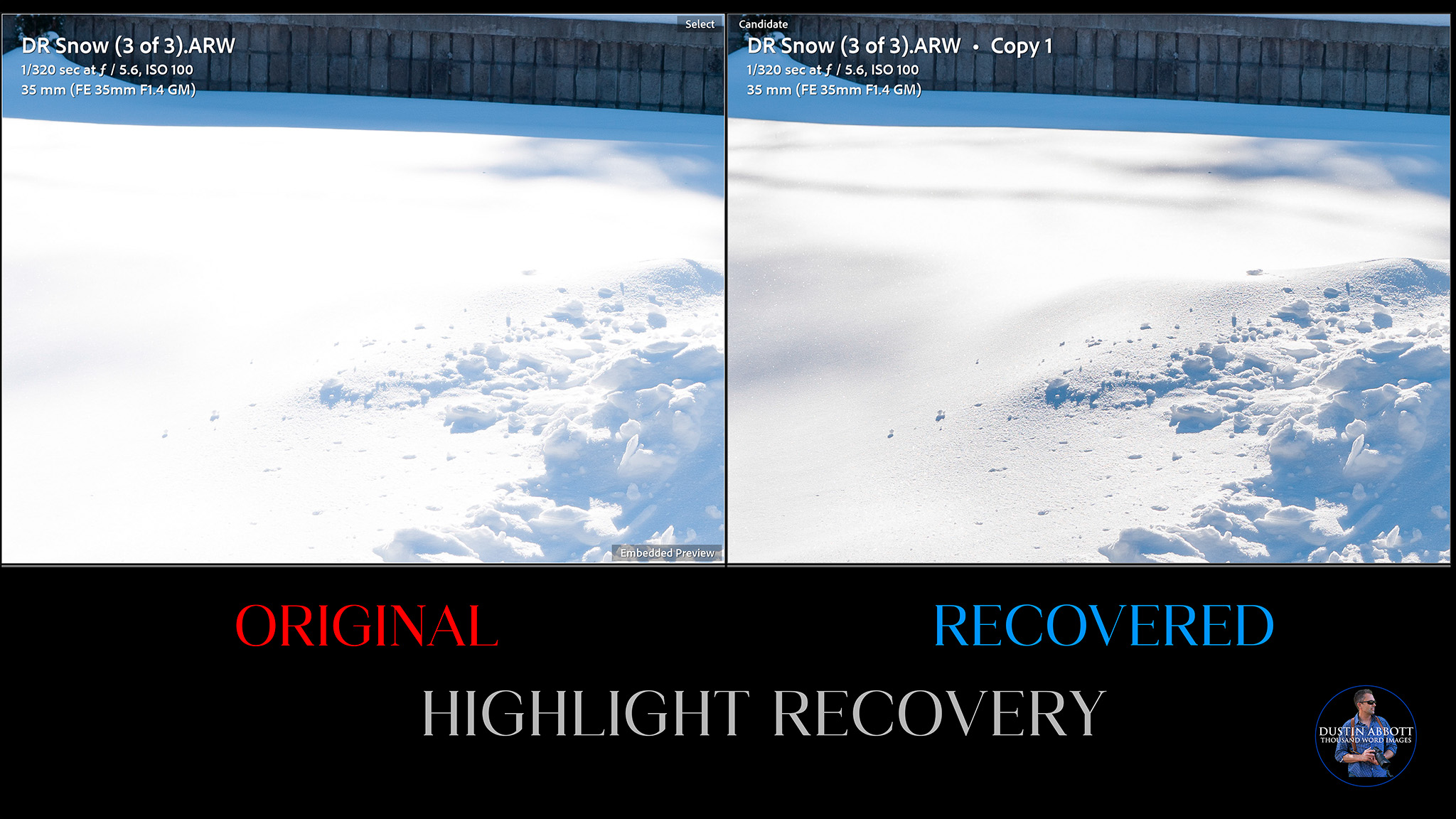
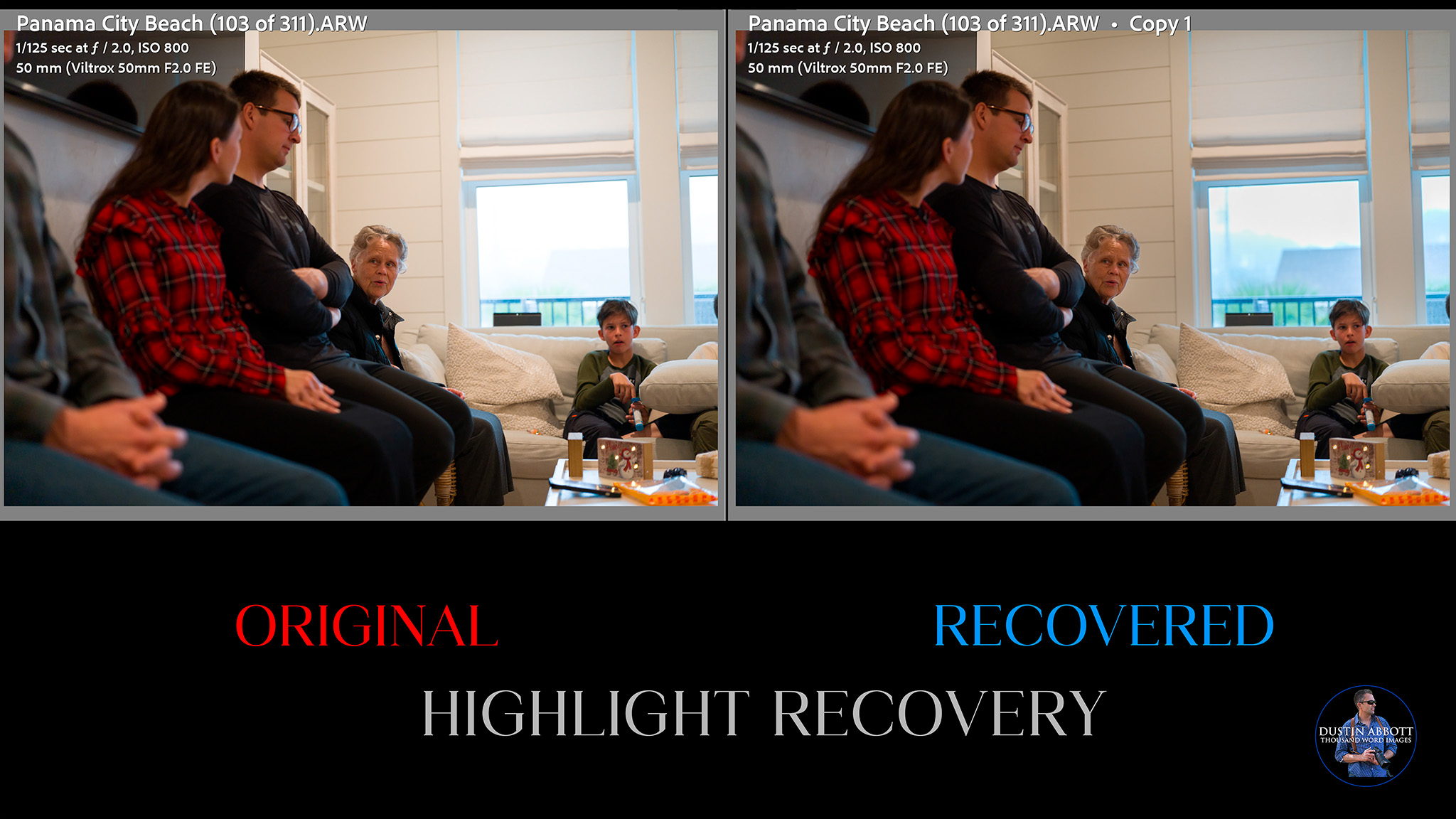
What I found far more impressive was the highlight recovery, which is an area where cameras are more likely to struggle. Overexposure results in hot spots where texture information is lost, blown out colors that can’t recover, and a general unnatural look to images. The a7V really shines here, as it delivered the kind of performance at three stops of overexposure that I typically only see with a two stop recovery.
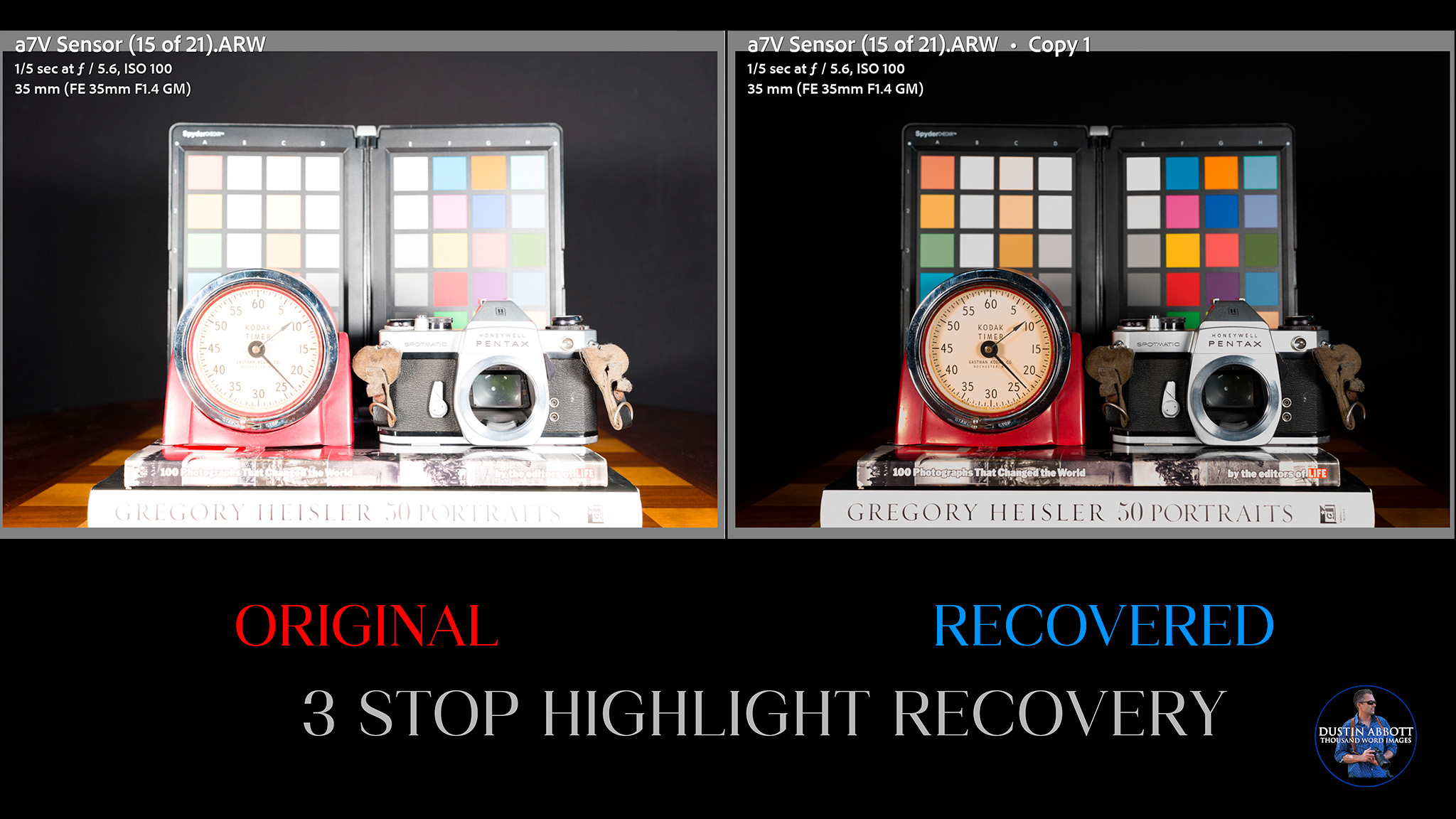
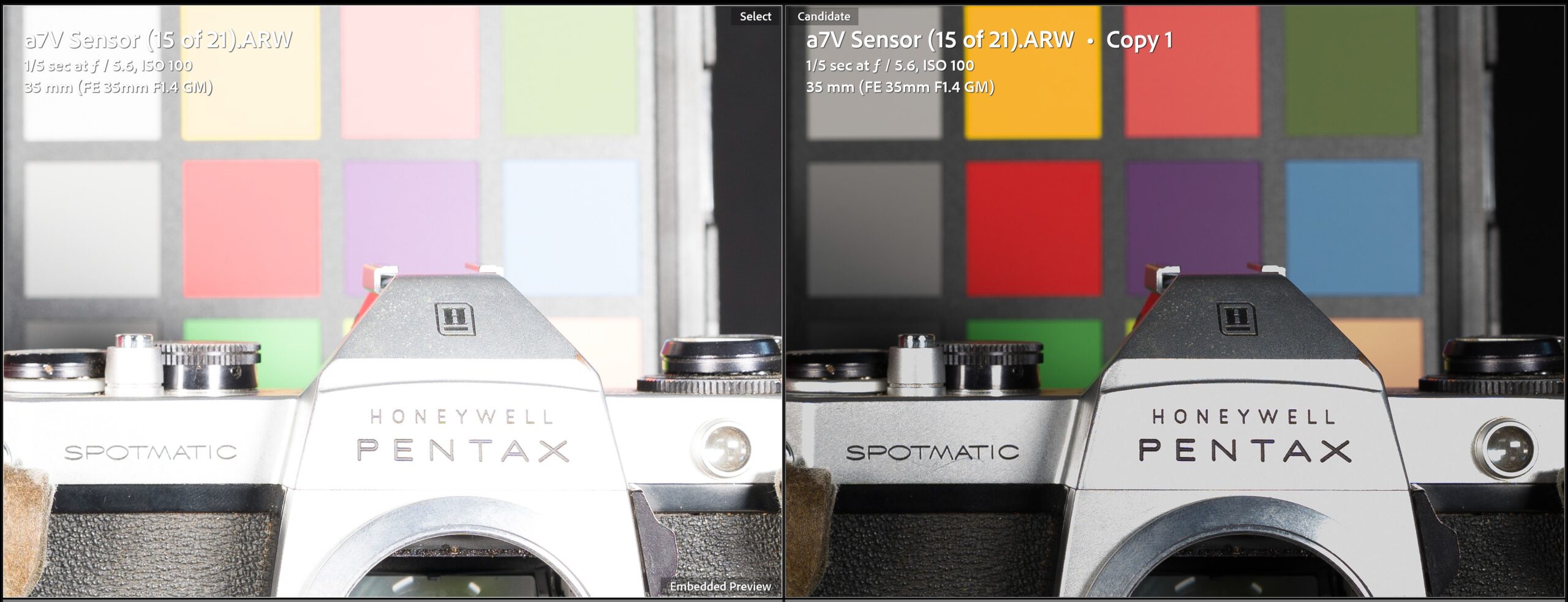
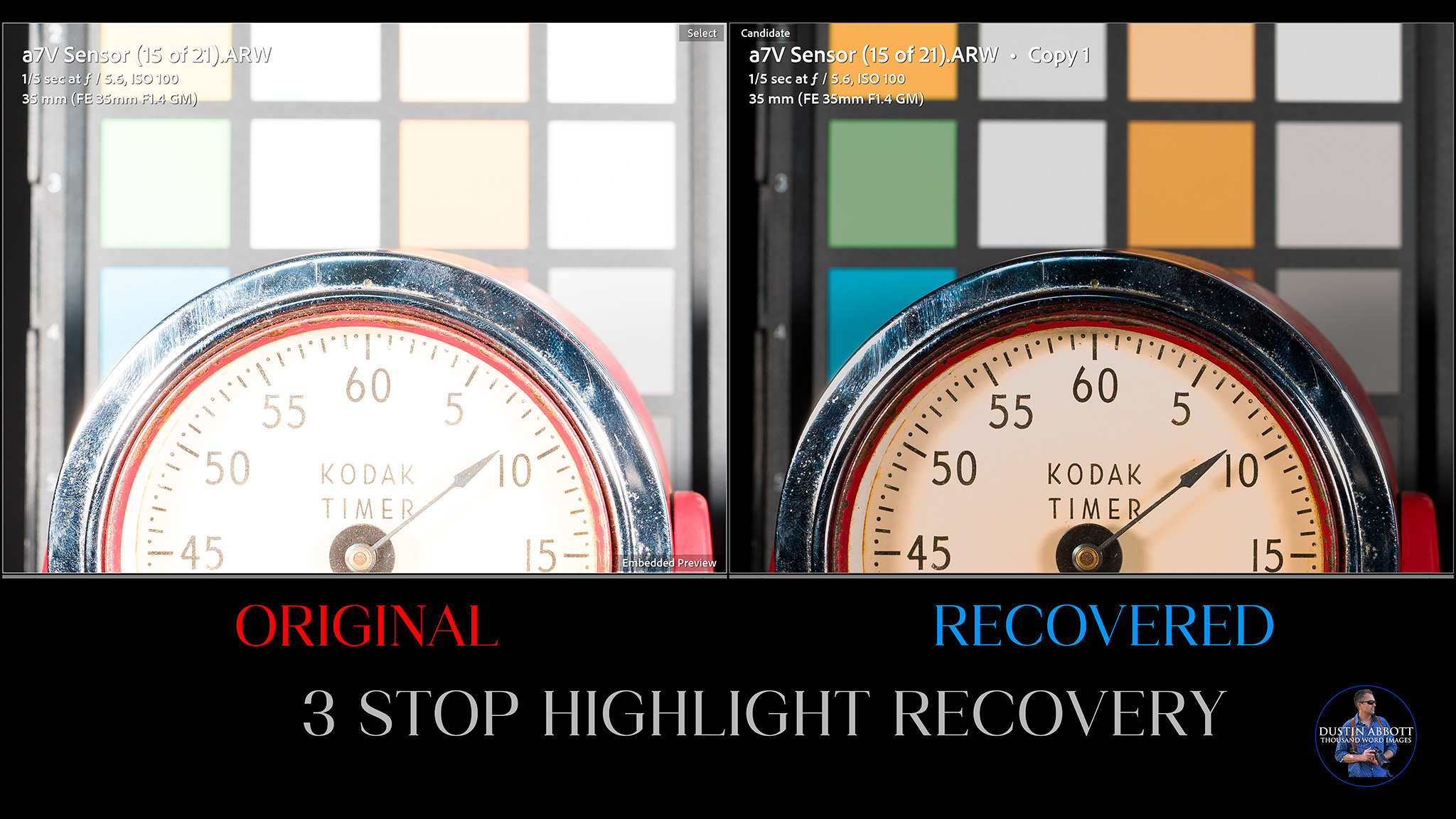
Color swatches successfully regained their color, textures were largely recovered to the metal surfaces, and the image looks natural after recovery. Pretty impressive.
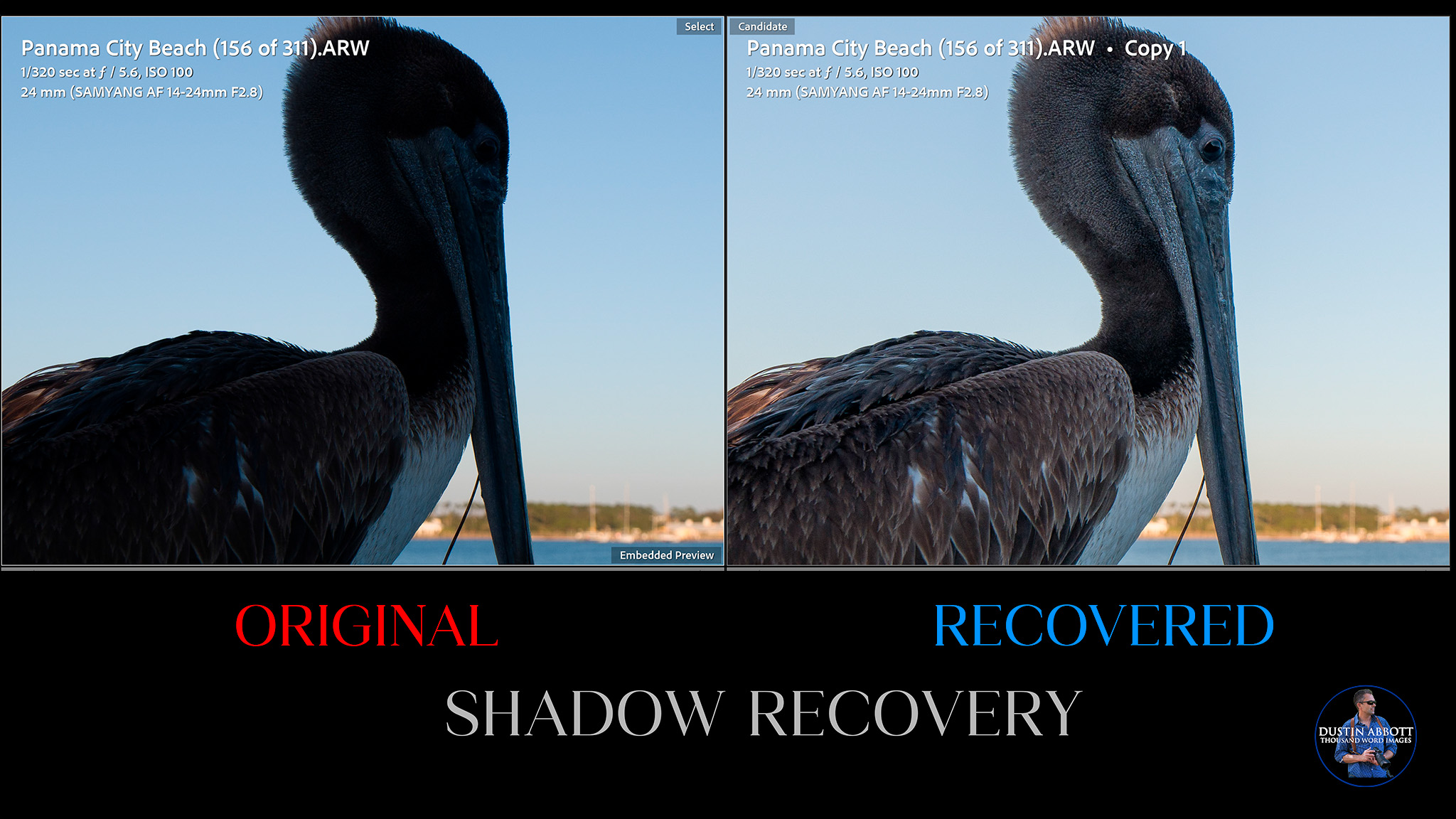
How does that play out practically? Here’s a shot of a pelican, and you can see that the strong shadow recovery allowed me to regain the detail lost in the shadows before recovery.
Or, the highlight recovery can allow me to recover lost detail and contrast from bright snowy areas of an image, like this:
I can even recover what’s out the window (if I wanted).
The bottom line is that the bar has been raised for dynamic range, allowing for more flexibility in editing than any full frame camera we’ve seen before.
ISO Performance
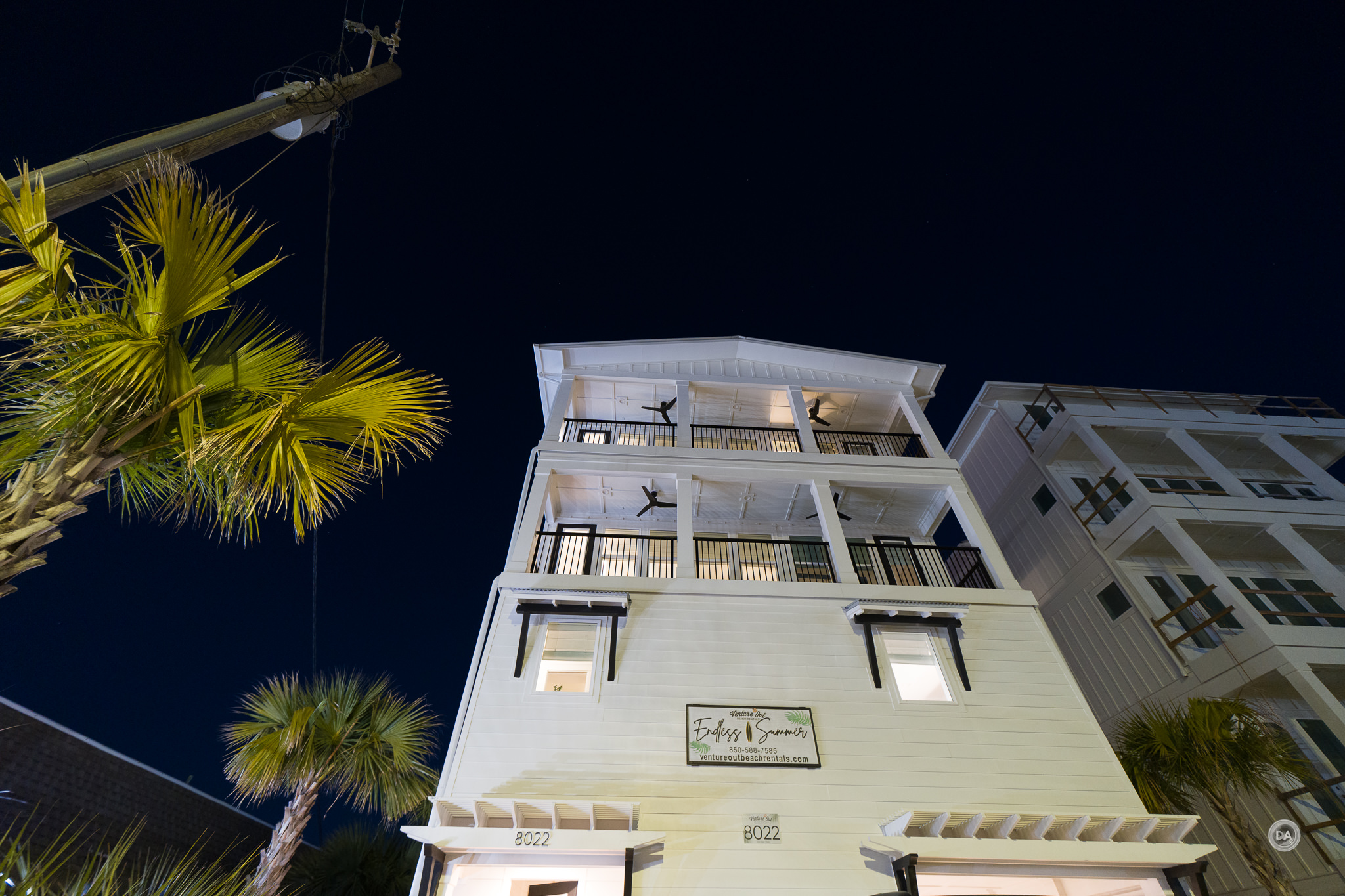
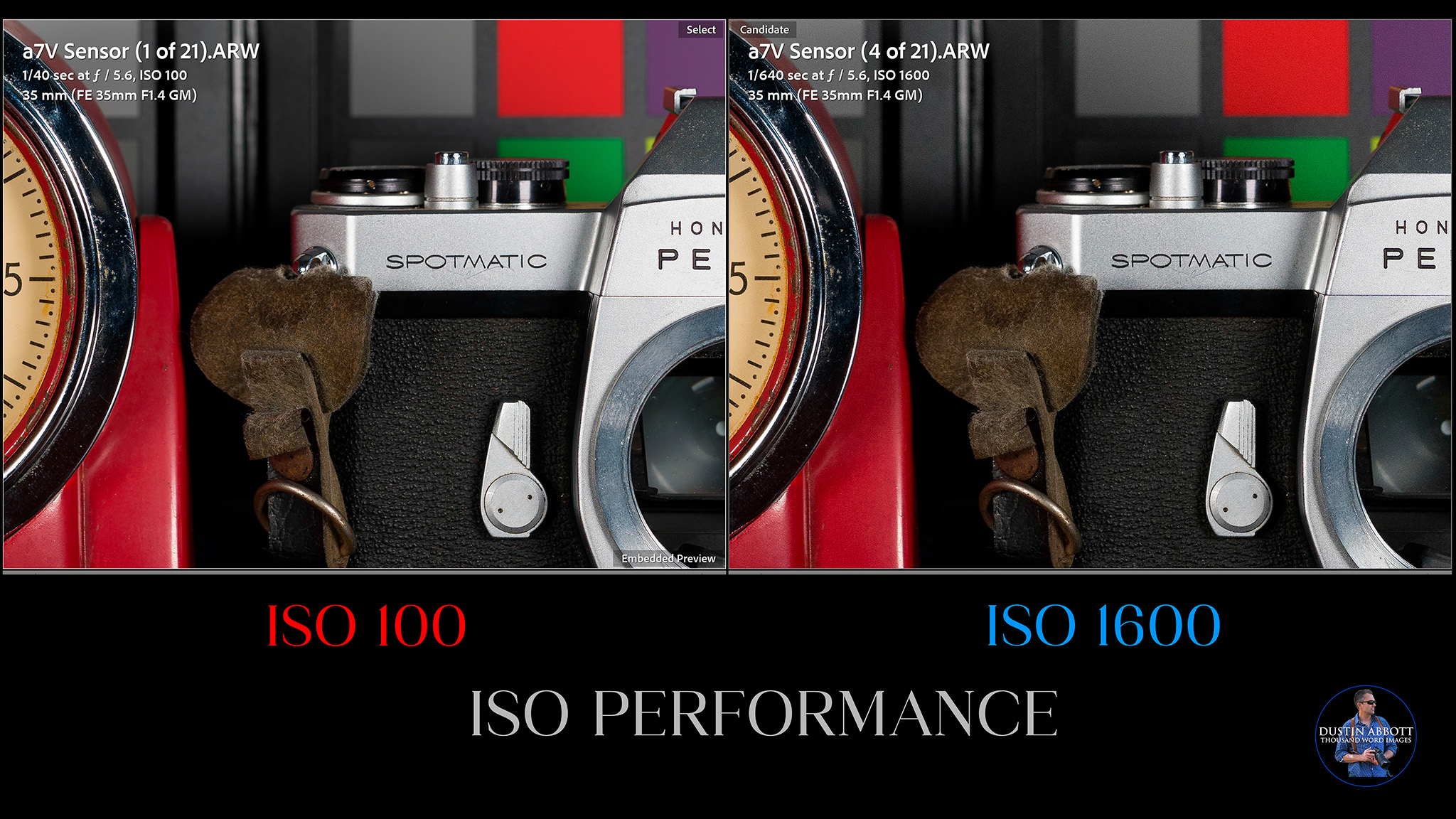
Sony has also managed to tweak the sensor from the a7V to deliver outstanding performance at high ISO values. I shot at ISO 1600 and 3200 and felt like shots were pretty much as clean as shooting at base ISO.
My real world tests back that up, with ISO 1600 looking nearly indistinguishable at a pixel level from ISO 100:
ISO 3200 continues to look very clean, and even ISO 6400 still looks quite good.
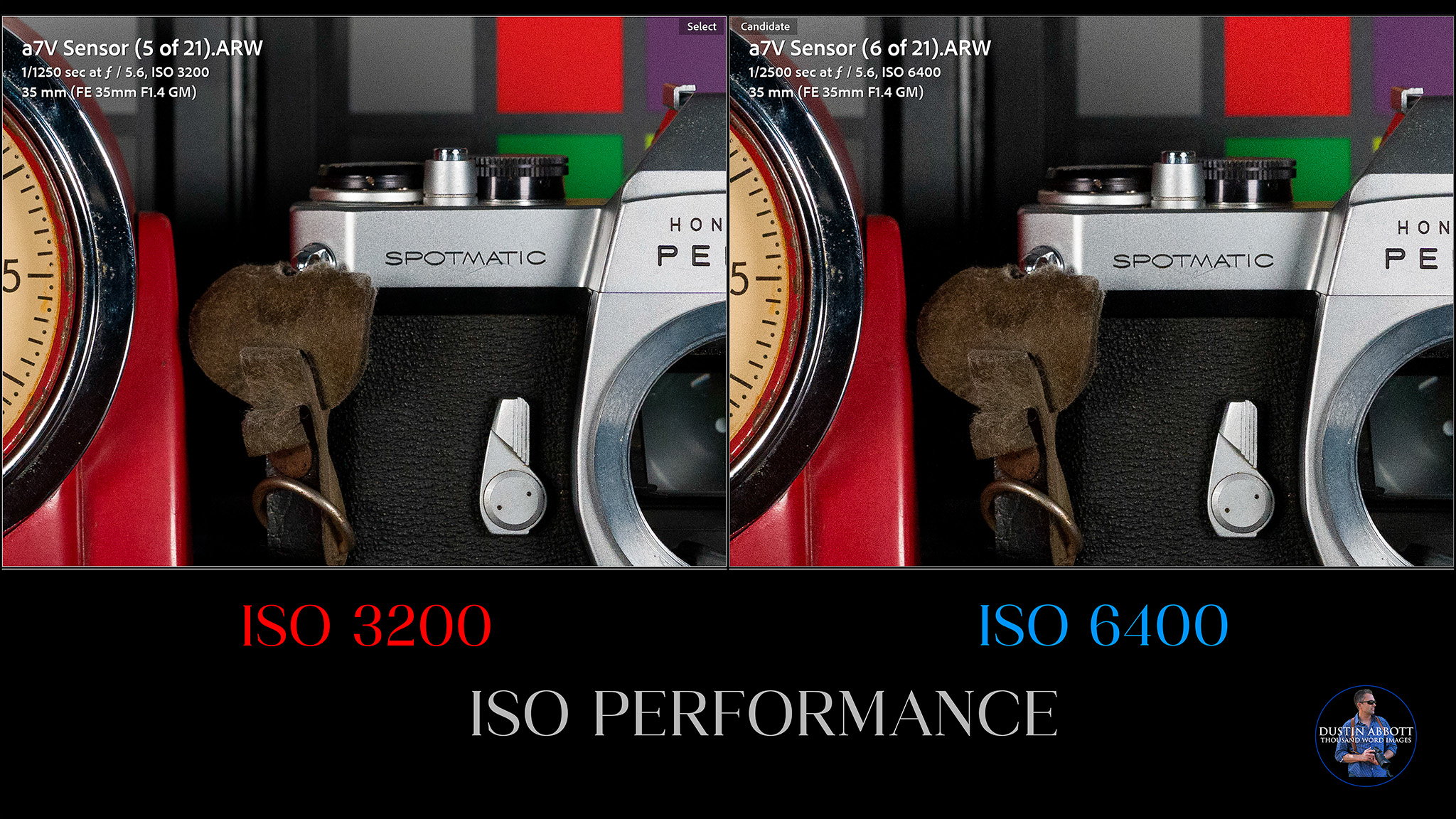
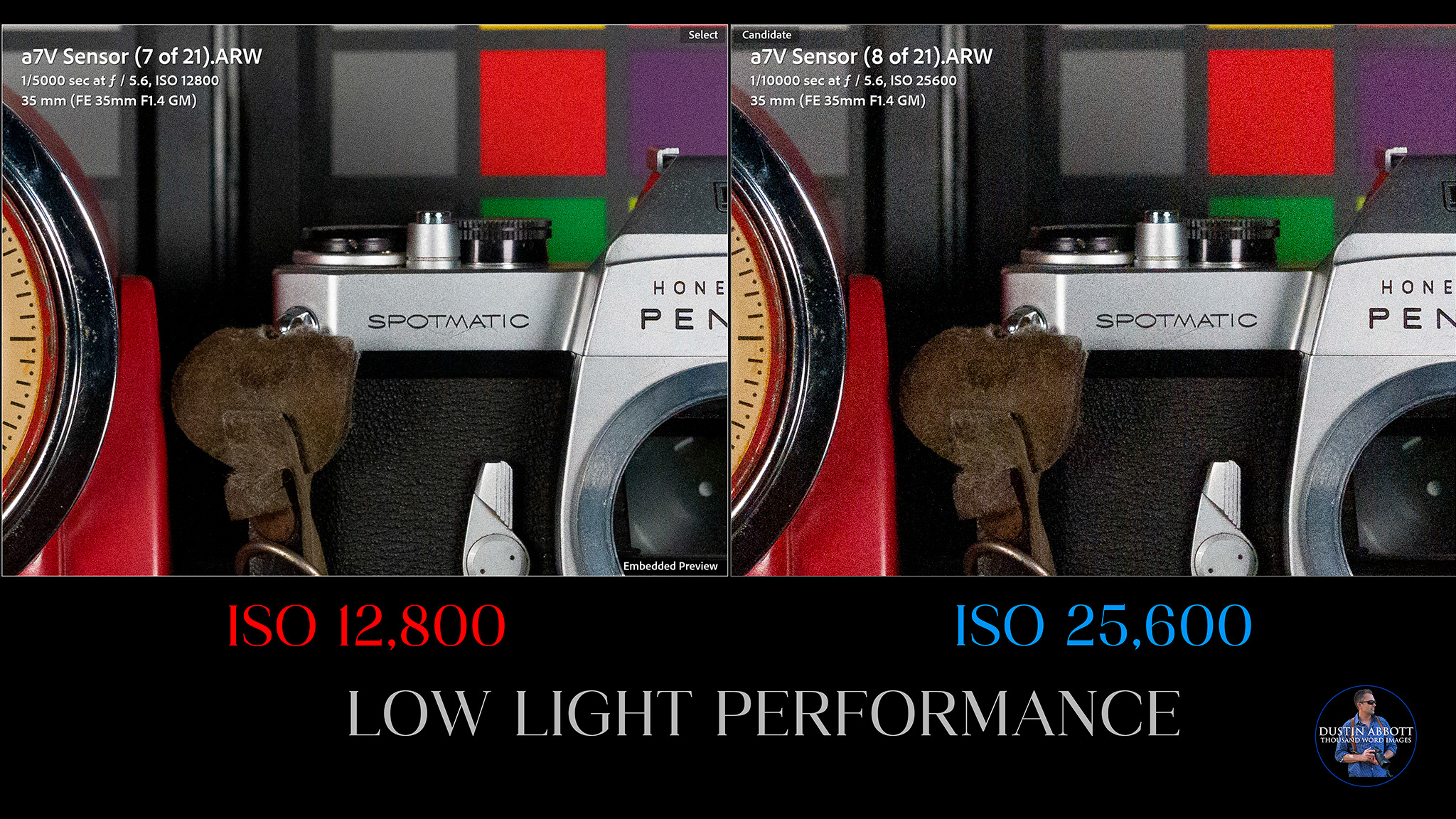
By 12,800 things are getting noticeably worse, and that definitely accelerates by ISO 25,600:
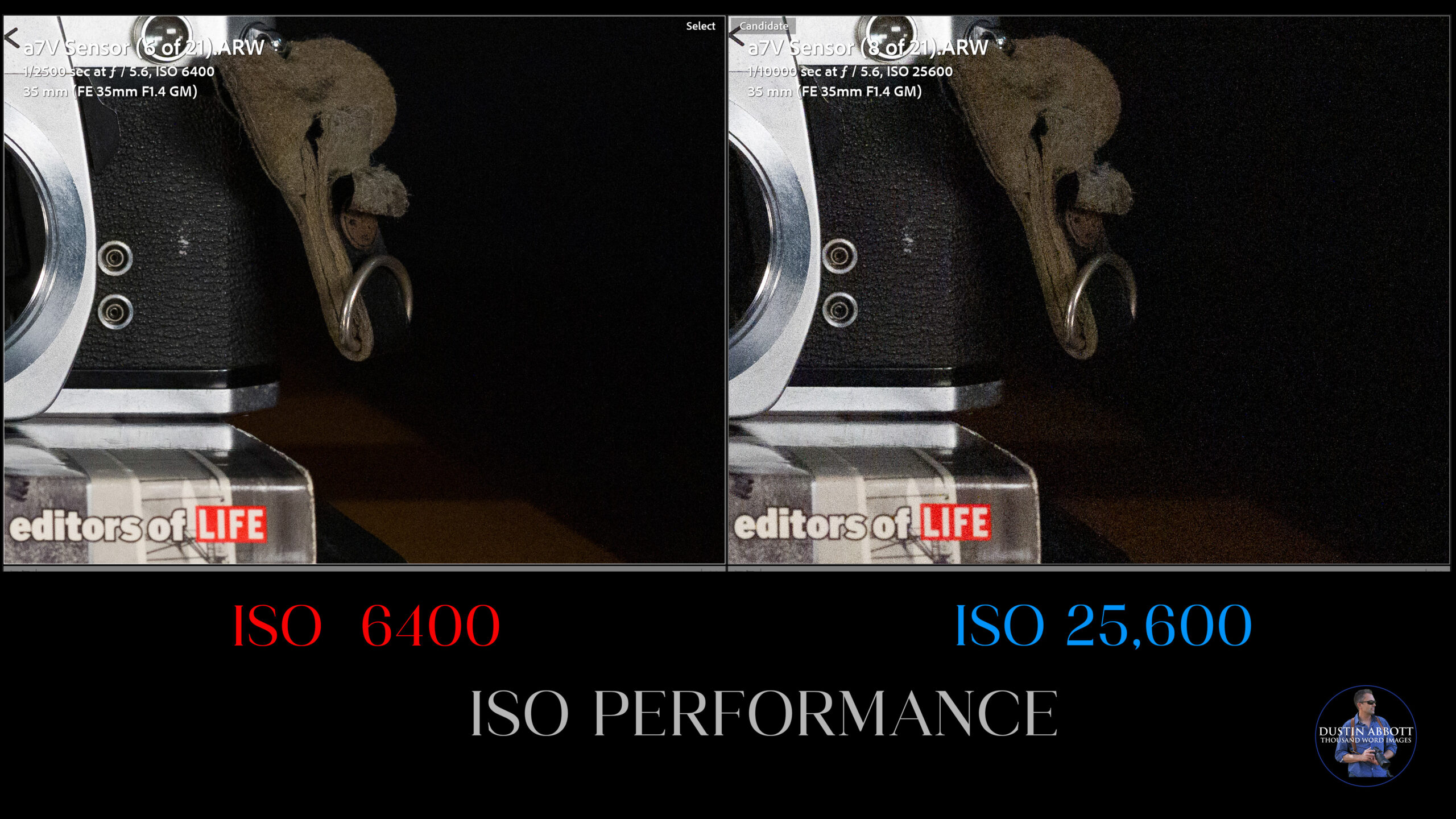
There’s a more noticeable difference if I look at an area of the image that should have solid shadows. See how different the results are between ISO 6400 and 25,600.
In a pinch, you might be able to get away with ISO 51,200 in ideal conditions, but by 102,400 the image is complete garbage, with heavy noise and obvious color banding.
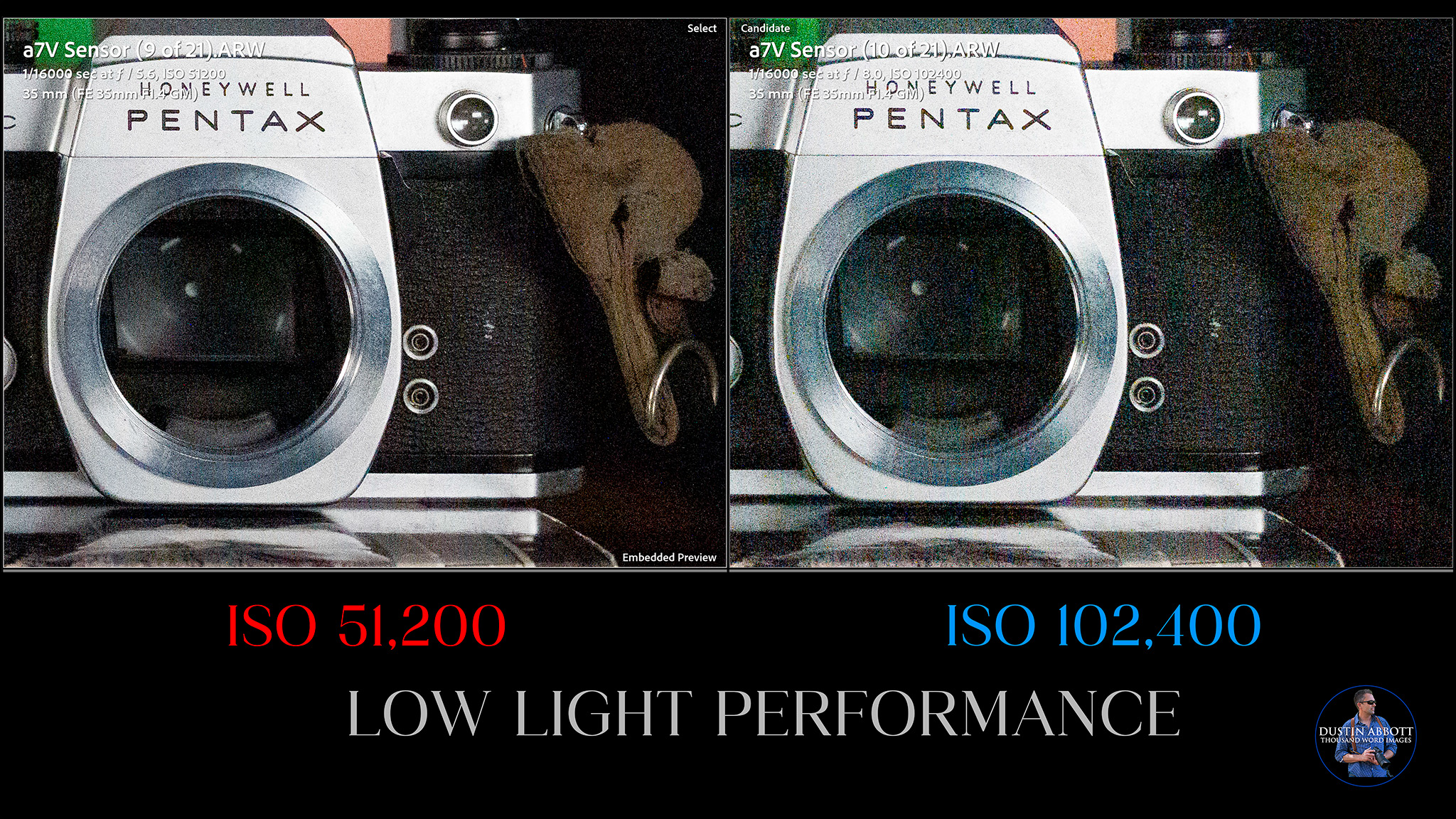
Still, when viewed globally, the image at ISO 51,200 doesn’t look bad…and that’s pretty fantastic.
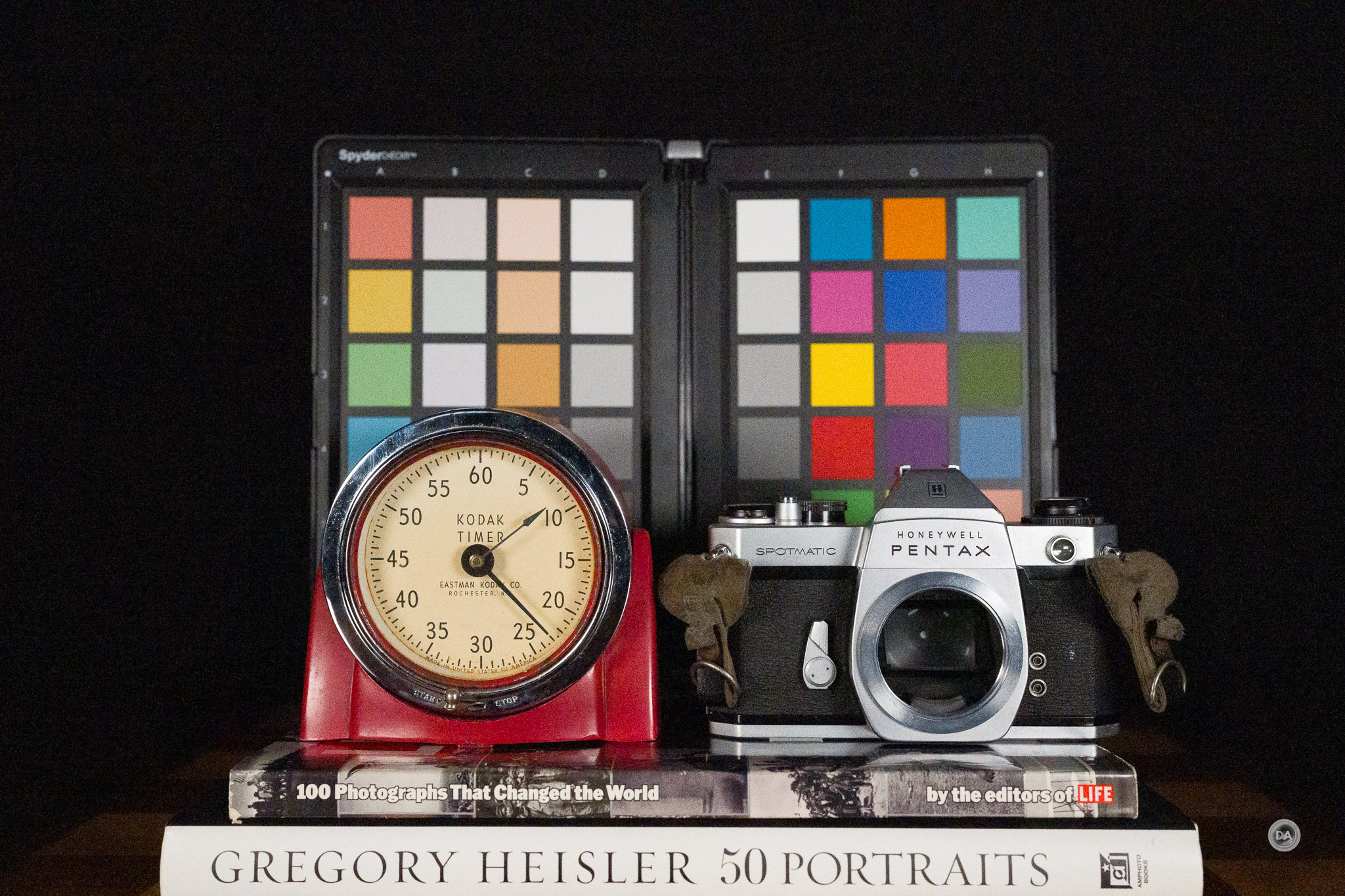
The bottom line is that there is no penalty here relative to the 24MP sensors, which is impressive. This is a serious low light performer!
Color
I’ve watched Sony slowly tweak its color science over the years, and the current results are much improved over where I started with the a7R2. Colors are natural, easy to edit, and Sony does the best job with accuracy in white balance of any of the four brands that I test.

Colors are rich but accurate.

Skin tones also render accurately. Here’s a shot of me with 3 of my 4 younger siblings from the holidays this year.

I’ve got no complaints in this department.
Sensor Conclusion
Color me impressed. Sony has done a great job with this sensor, giving it not only more speed but also increased performance over the a7IV in basically every metric. This is something that Sony has done well in times past, as they will often increase resolution no more than every second generation, but in that in-between generation they tweak and maximize the performance of that sensor. This is a great sensor with good resolution, excellent dynamic range, and very strong low light performance. Not much to complain about!

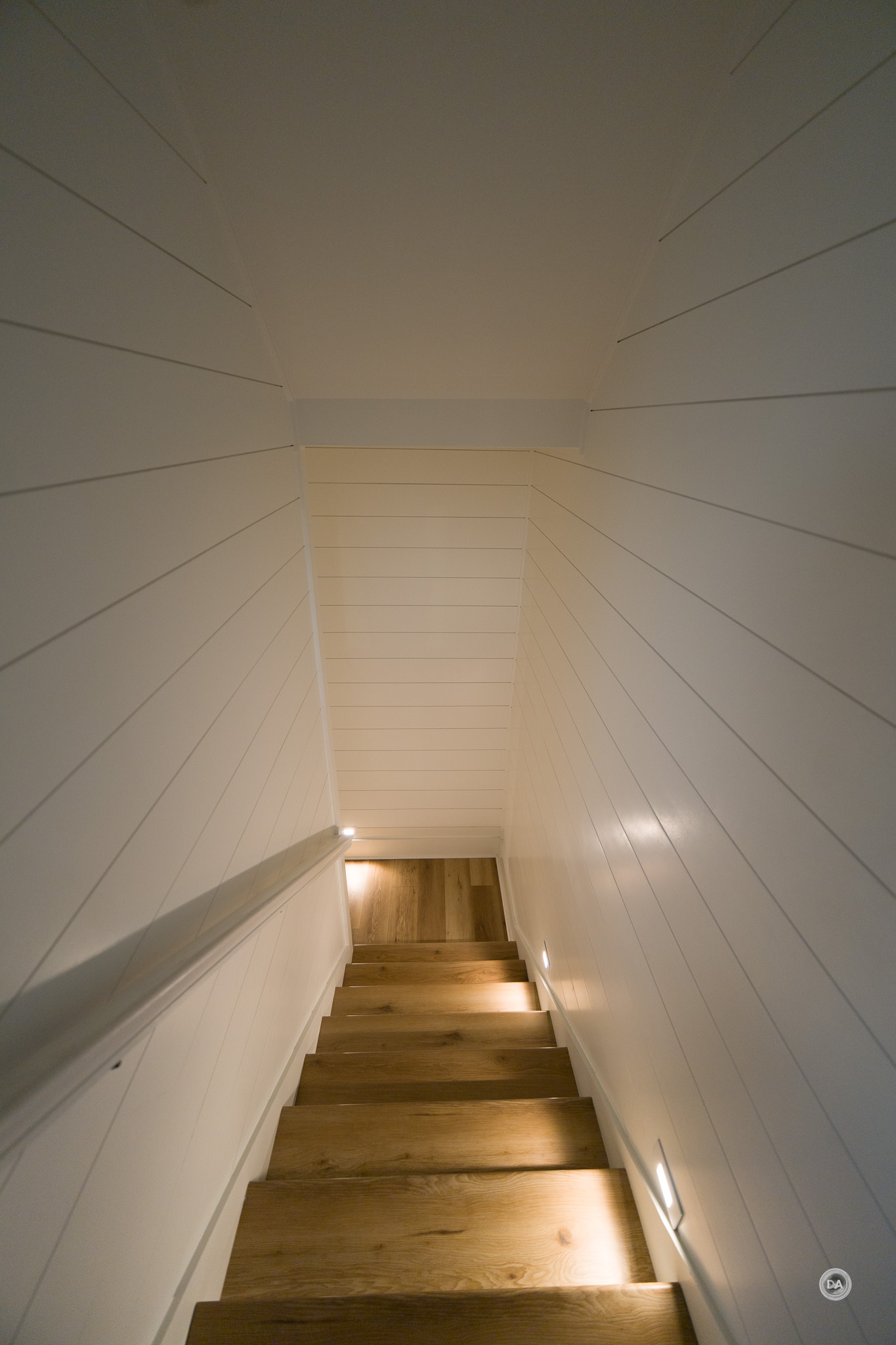
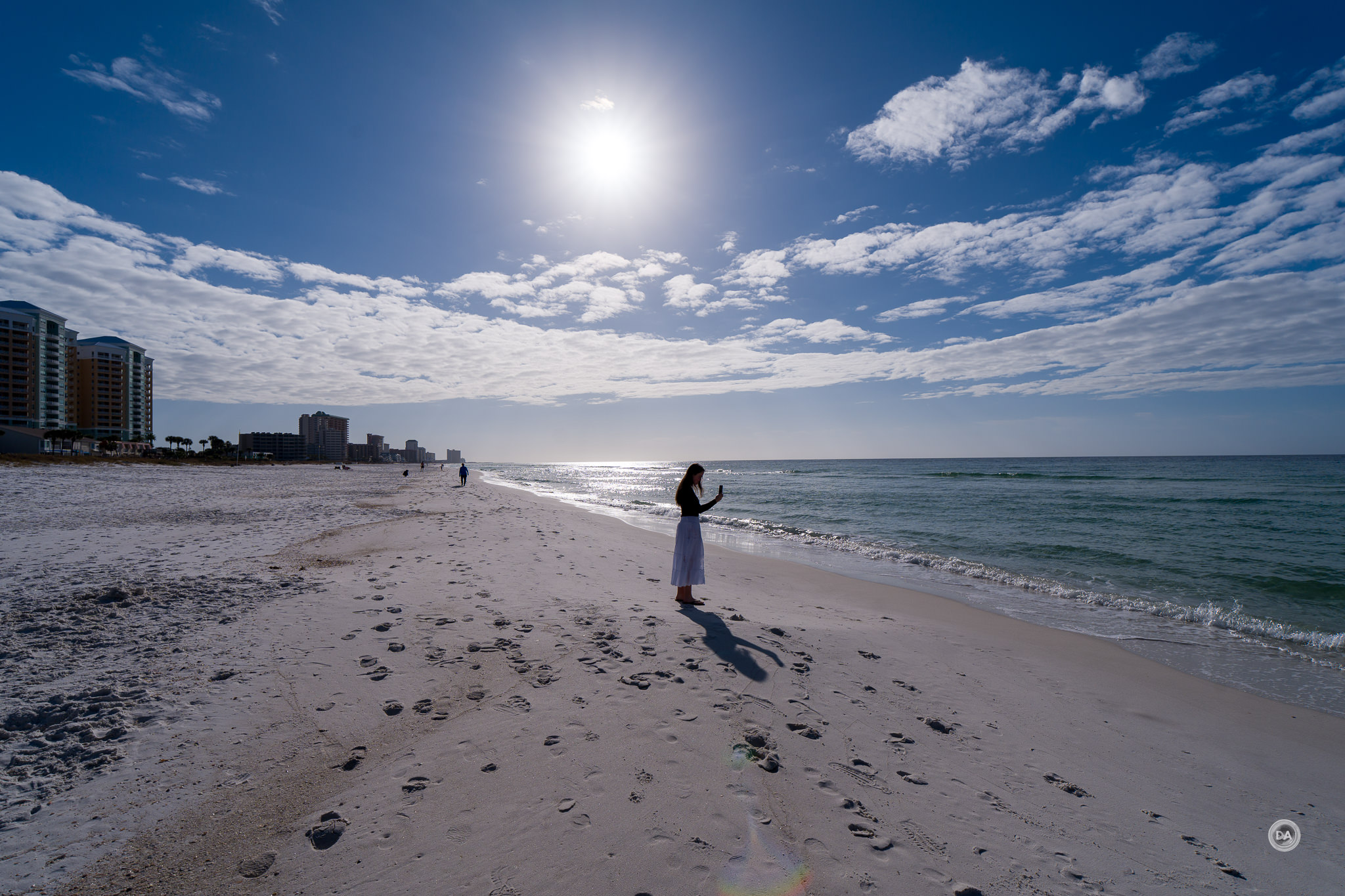
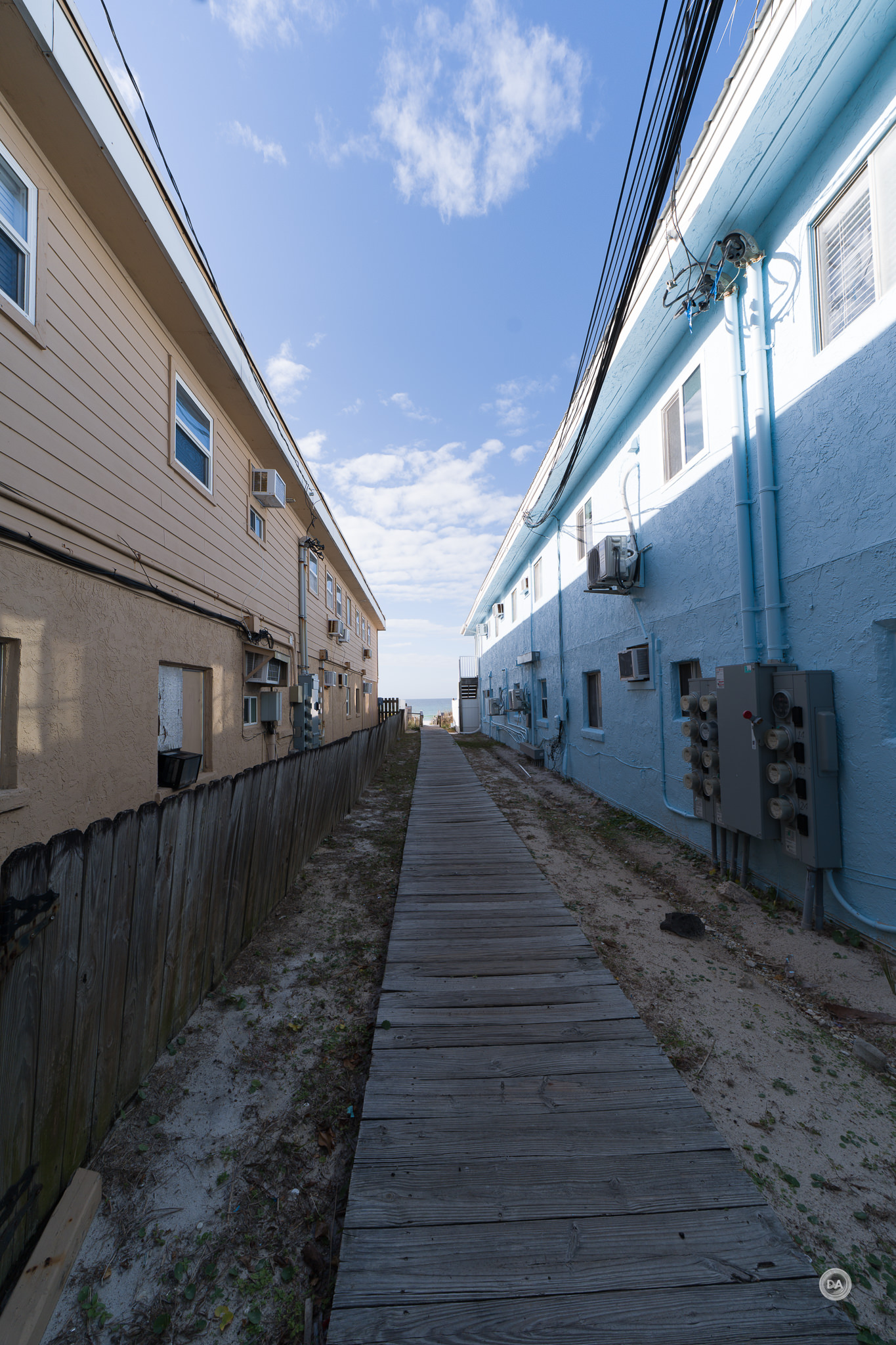
Here’s a mini-gallery of further images taken with the camera for you to enjoy

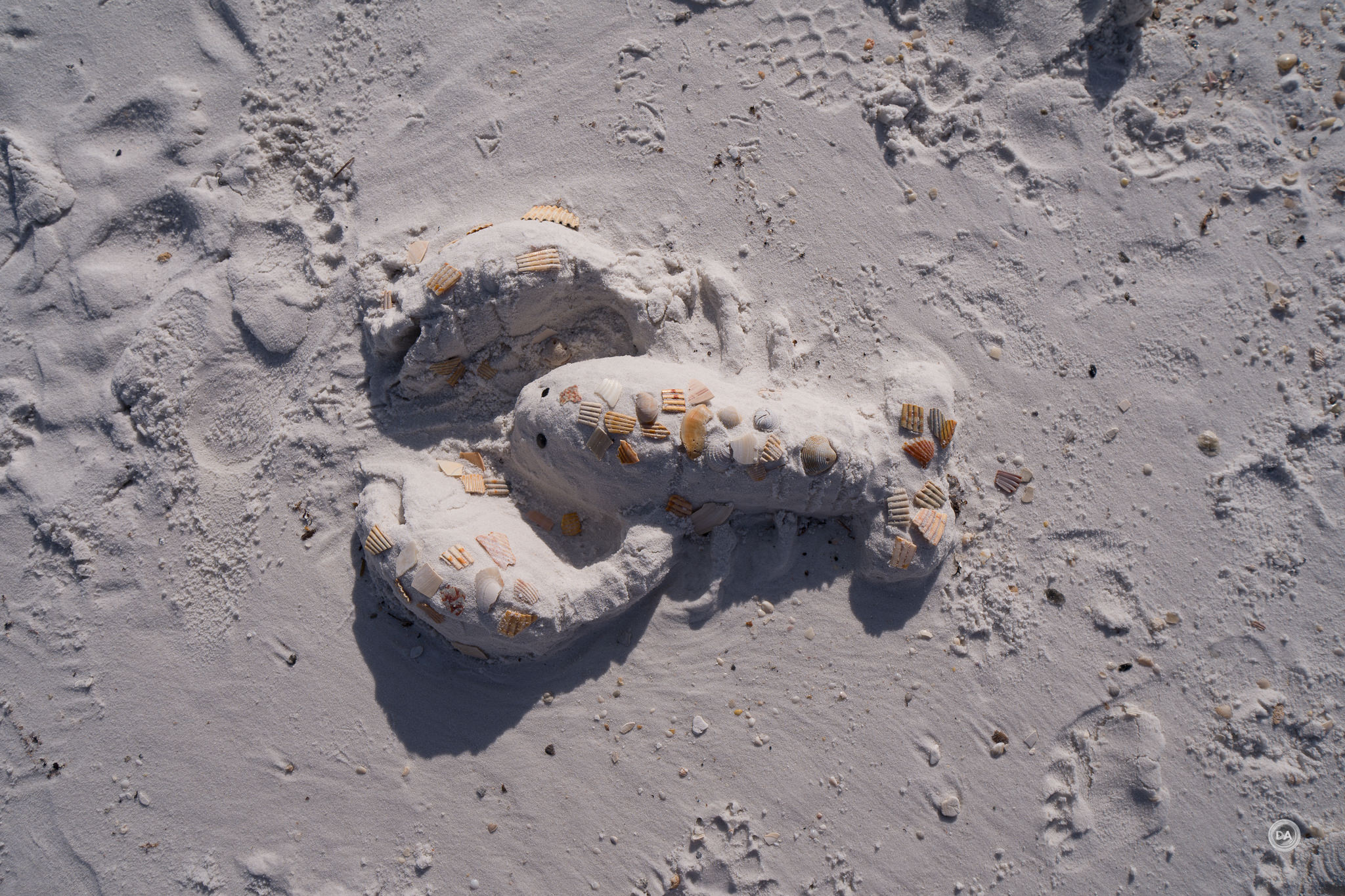


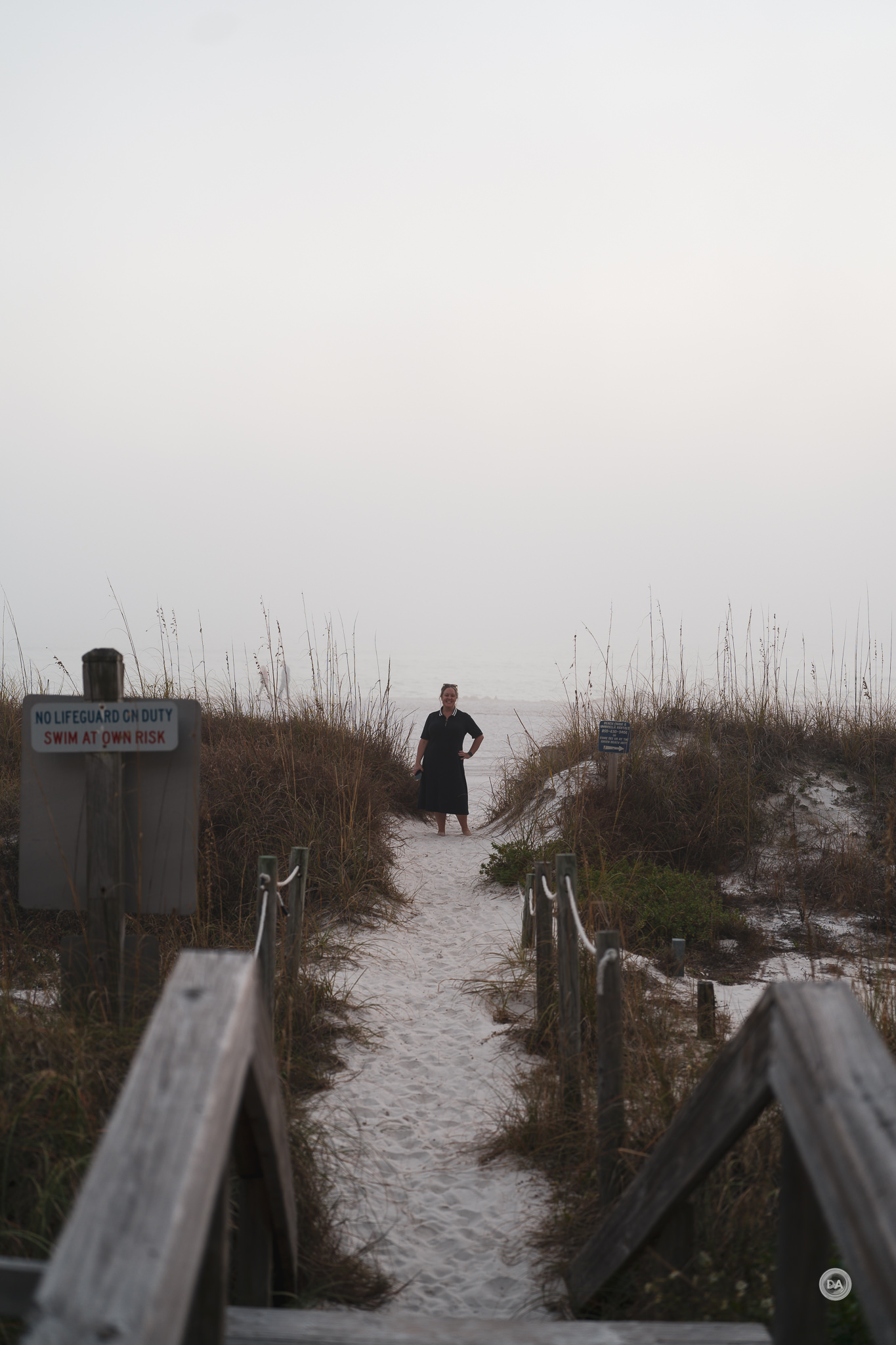



Conclusion
The Sony a7V is triumph on many levels, and, like with the Canon R6 Mark III, moves the “mid-level” camera further into premium territory. At this point the main reason to choose the a7RV or the Canon R5 Mark II is more about the resolution than any other metric. The Sony a7V is a true jack-of-all-trades type camera, though it could also be argued that it is a “master of none”. It’s got good resolution, but it is far from the resolution of the a7RV (61MP). It’s got great focus, though the buffer depth will keep it from competing with the Alpha 1 or a9 series as a true sports camera. It’s got solid video specs, but doesn’t quite have the versatility of the a7S series.
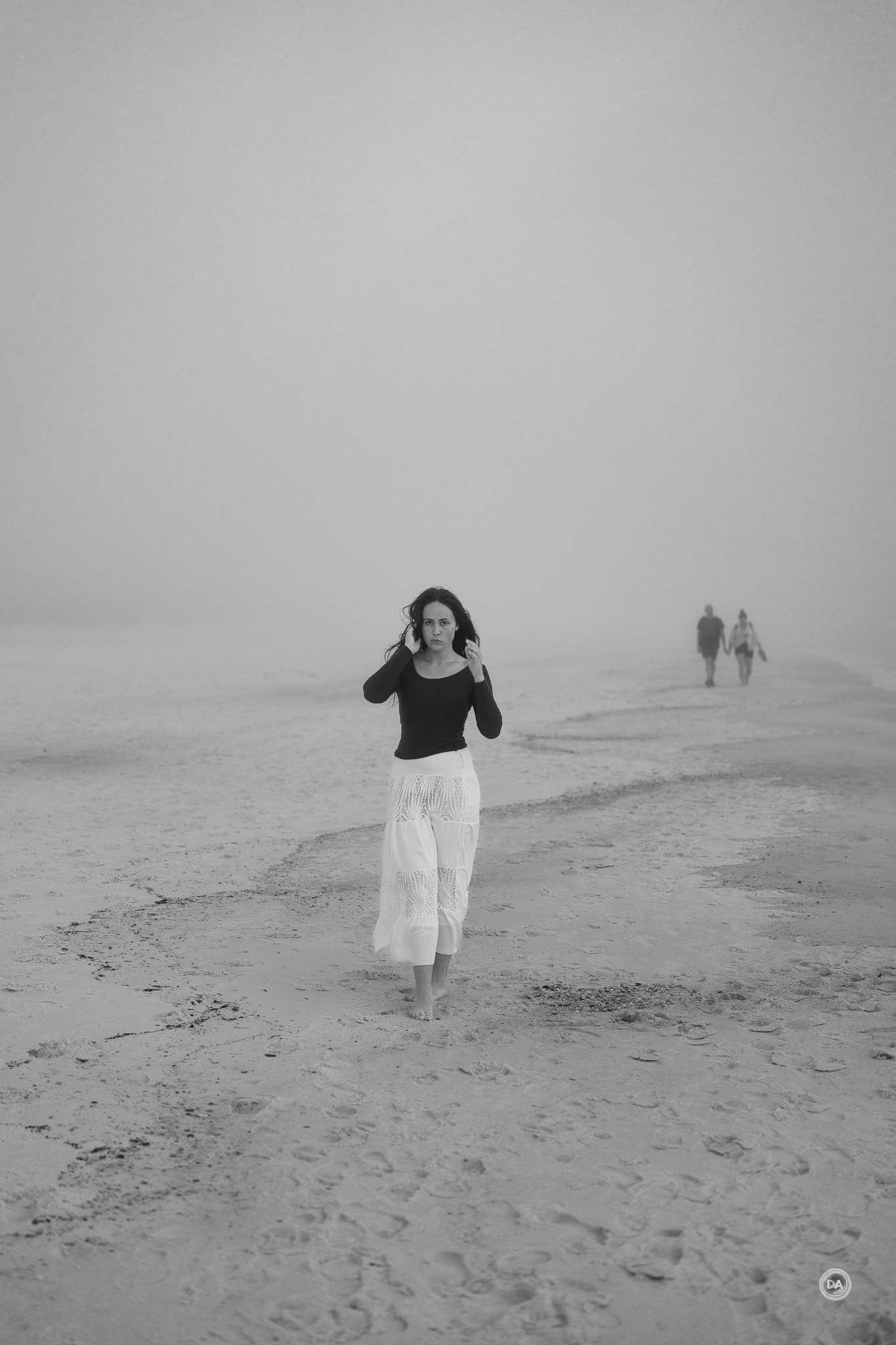
But that’s the glass-half-full version of the story, as the more charitable take is that it has as much of those cameras as the average person actually needs. Enough resolution, enough autofocus and buffer, and enough video performance to suit most photographers. And, the fact that Sony largely nails the details of autofocus, build, and sensor means that the a7V will almost certainly be one of the best selling cameras of 2026.

The price tag of $2899 USD ($3099 USD with the new 28-70mm II kit lens) has crept up relative to the a7IV (which will continue to be sold for now at a cheaper price point), but there are also changing economic conditions (like tariffs) that are a factor in that price. It’s a lot of money, but it is also a lot of camera, and I think Sony probably has a solid finger on the pulse of the market. It’s a solid upgrade over the a7IV and a compelling offering in this very competitive space. There’s some give and take between it and the Canon R6 Mark III, but I consider the whole Sony ecosystem more compelling due to the vast amount of lens choices from both first and third party brands.
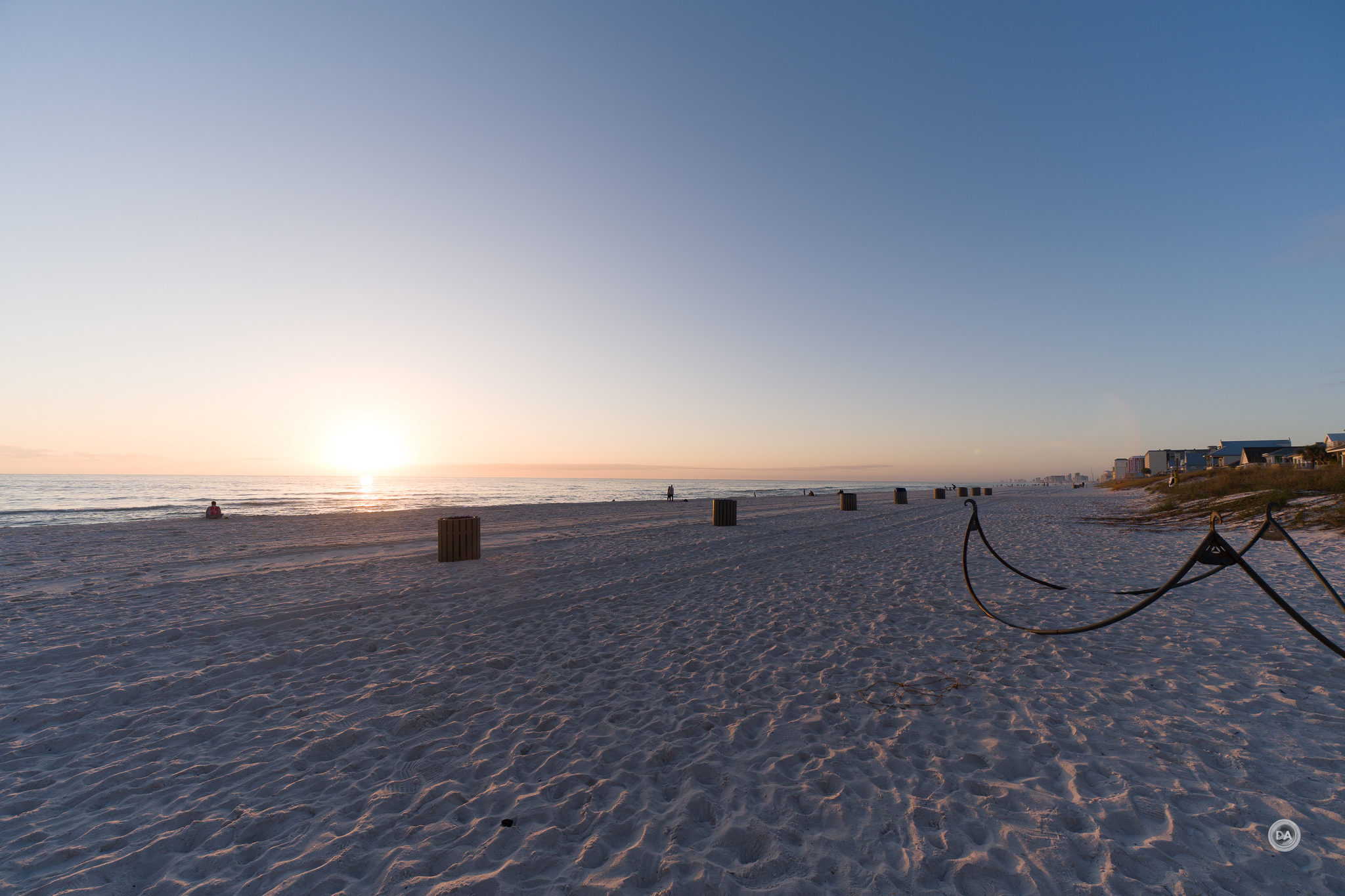
Pros:
- Fantastic new sensor
- Excellent tracking and burst rate
- New AI chip leads to improved autofocus detection
- Love the tilt/flip screen options
- Strongly improved IBIS system
- More efficient architecture = better battery life
- 30FPS electronic shutter option
- Blackout free viewfinder
- Outstanding dynamic range
- Exceptional low light performance
- Good color and detail
- Excellent Sony ecosystem with nearly limitless lens options
Cons:
- Buffer is a little shallow
- Video feature set falls behind the R6 MKIII
- Most expensive camera in this class
_________________________________________________________________________
GEAR USED:
Purchase the Sony a7V @ Sony USA | B&H Photo | Adorama | Amazon | Camera Canada | Amazon Canada | Amazon UK | Amazon Germany
___________________________________________________________________
Purchase the Sony a7RV @ B&H Photo | Adorama | Amazon | Camera Canada | Sony Canada | Amazon Canada | Amazon UK | Amazon Germany
__________________________________________________________________
Purchase the Sony a7IV @ B&H Photo | Adorama | Amazon | Camera Canada | Sony Canada | Amazon Canada | Amazon UK | Amazon Germany
_________________________________________________________________
Purchase the Sony Alpha 1 @ Camera Canada | B&H Photo | Adorama | Amazon | Sony Canada | Amazon Canada | Amazon UK | Amazon Germany | Ebay
_________________________________________________________________
Want to support this channel? Use these affiliate links to shop at: B&H Photo | Amazon | Adorama | Camera Canada | Amazon Canada | Amazon UK | Ebay | Make a donation via Paypal
Buy DA Merchandise https://bit.ly/TWIMerch

Keywords: Sony a7V, Sony a75, ILCE-7M5MB, a7V, #a7V, Full Frame, Review, Sensor, Resolution, Dynamic Range, ISO, Autofocus, Video, S-Log, Burst Rate, FPS, Review, Hands On, Dustin Abbott, Real World, Comparison, Sharpness, Autofocus, Image Quality, Sample Images, Video, Travel, Florida, Photography, let the light in, weathersealing, #letthelightin, DA
Related posts:
 Sony a7C2 (ILCE-A7CM2) Review
 Sony a7CR Review
 Sony ZV-E10 II Vlogging Camera Review
 Tamron 28-300mm F4-7.1 Di III VC VXD Review
 Tamron 28-300mm F4-7.1 VC VXD Gallery
 Tamron 90mm F2.8 Di III Macro VXD Review
 Tamron 90mm F2.8 Macro VXD Gallery
 Tamron 25-200mm F2.8-5.6 VXD G2 Review
 Sony FE 16-35mm F2.8 GM II Review
 7Artisans AF 50mm F1.8 Photo Gallery