

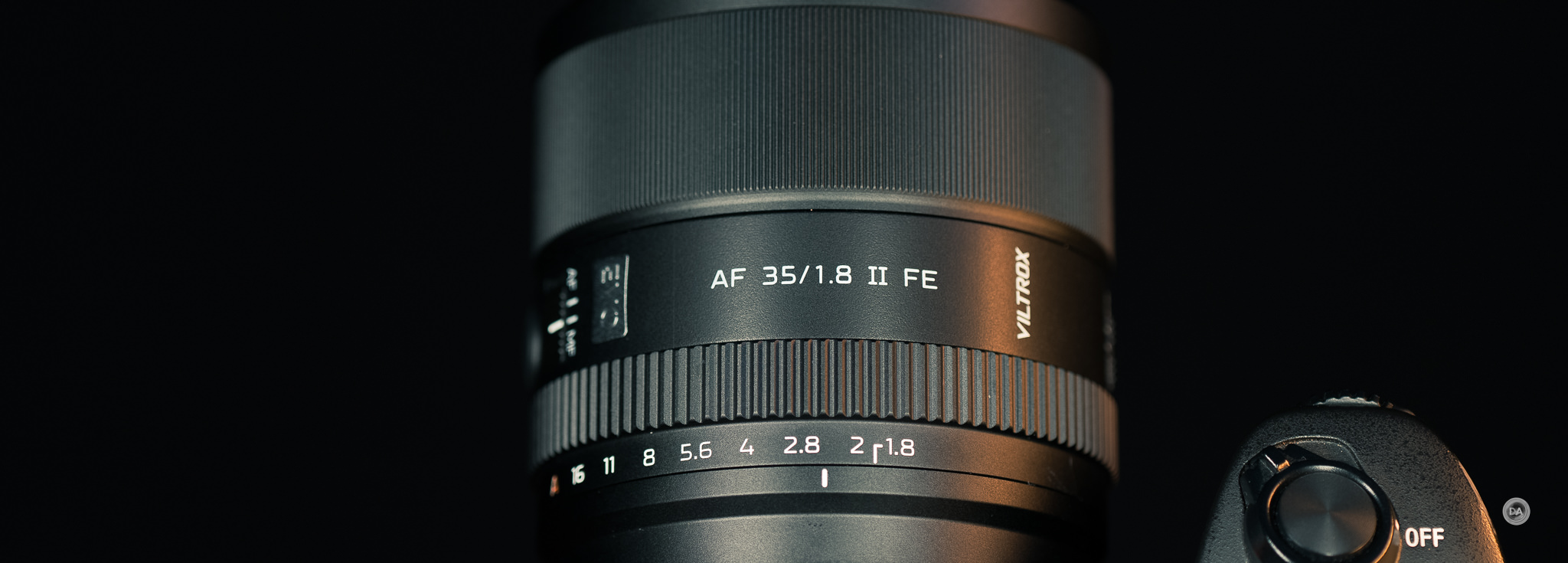
The Viltrox EVO series came out of the blue last year as Viltrox’s most recent industry-disrupting move. This mid-tier series of compact, feature-rich, high-performing lenses at an extremely competitive price got everyone’s attention, and the EVO 85mm F2 was just a fantastic lens, period. The number one request I got in the responses to my review was for a 35mm F2 in the EVO series with the same size and attributes. Well, what if Viltrox did one better and gave us an EVO 35mm F1.8 instead (and a new 55mm F1.8 EVO to boot)? The Viltrox AF 35mm F1.8 II EVO is Viltrox’s solution for everyone who wants a compact (76mm long), lightweight (330g), yet high performing 35mm prime. The 35mm EVO comes in a little more expensive than last year’s 85mm F2 at $395 USD, 459 Euro, or 389 GBP (less, if you buy from Viltrox and use the code DUSTINABBOTT for 5% off!), but that undercuts the Sony 35mm F1.8 ($848 USD) or the Nikon 35mm F1.8 S ($899 USD) by huge margins while exceeding them in both features and performance. Is this the new 35mm lens of choice? Find out more in either the video review below or by reading on in the text review.
Follow Me @ YouTube | Patreon | Instagram | Facebook | DA Merchandise | Flickr | 500px | X
Thanks to Viltrox for sending me a review copy of this lens. As always, this is a completely independent review. *The tests and most of the photos that I share as a part of my review cycle have been done with the Sony a7RV and the Sony A1 II. You can find the listing for the EVO 35mm F1.8 here.
__________________________________________________________________________________________________
Viltrox EVO Series Lens Reviews
APS-C Series
- EVO 75mm F1.8
- EVO 90mm F2.2
Full Frame Series
___________________________________________________________________________________________
AI SUMMARY: The Viltrox AF 35mm F1.8 II EVO lens offers a competitive price point while delivering impressive features and performance, appealing particularly to photographers looking for a compact and high-quality prime lens. Positioned in the EVO series, it’s lighter and less expensive than Sony and Nikon alternatives, while providing a robust handling experience and user-friendly aperture control. Unique to this lens is its Apochromatic designation, which enhances optical performance typically reserved for more premium lenses. Despite some drawbacks, such as a substandard minimum focus distance, the overall value and image quality make the EVO 35mm F1.8 an attractive option for many photographers.
Strengths:
- Excellent price-to-performance ratio, significantly undercutting competitors while exceeding them in features and performance.
- Compact, lightweight design with solid build quality and user-friendly aperture control.
- Impressive image quality with sharpness, contrast, and good handling of optical issues.
- Apochromatic design enhances optical performance.
Weaknesses:
- Substandard minimum focus distance (34cm) and maximum magnification (0.10x) compared to competitors.
- Autofocus not as fast as higher-end models, which might not be ideal for high-speed sports photography.
There are two interesting things about this 35mm lens, one of which applies to the new 55mm F1.8 EVO lens as well. The first is that Viltrox has designated this a MK II lens to differentiate it from the first generation 35mm F1.8 that was released in 2022. That lens was a fairly typical decent prime lens similar to what is now available from other brands like 7Artisans or Meike. Viltrox has discontinued that lens (which, interestingly, was priced the same as this new lens) to avoid confusion. The second interesting detail is that both the 35mm and 55mm lenses carry the APO (Apochromatic) designation. This type of optical design has largely been reserved for much more premium (read: expensive) lenses in the past, and gives us a hint at the exceptional optical performance of these lenses.

Here on Sony the chief challenger will be the Sony 35mm F1.8, a lens that I liked but feels overpriced by today’s standards. On Nikon Z-mount (the EVO 35mm will initially be available for these two platforms), the primary competitor is Nikon’s own Nikkor Z 35mm F1.8 S, which falls into a similar category for me. There are also a variety of cheaper competitors, including the Samyang/Rokinon (a good little lens but with much lower build and image quality), a fairly big 7Artisans 35mm F1.8, and the Meike 35mm F1.8 Pro (I haven’t reviewed it). The latter three lenses are all the same price or very slightly cheaper. The Viltrox still feels like an excellent value due to have a great mix of size, features, and performance…none of which is quite matched by the competing lenses.
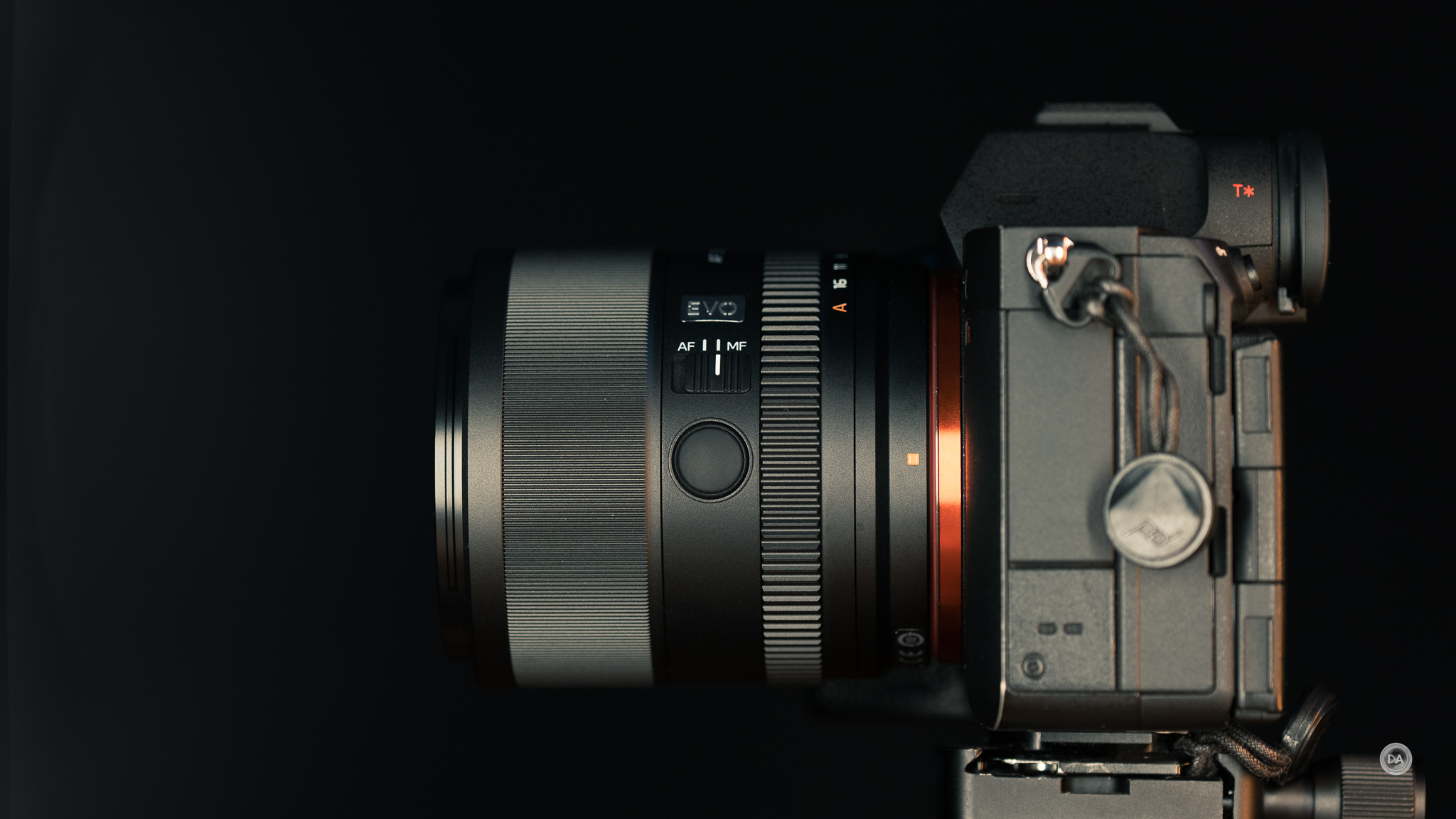
The EVO series slots in between the budget AIR series and more premium PRO and LAB series. I suspect that the EVO series will hit the sweet spot for a lot of people, particularly considering the PRO series lenses typically weigh more like 800g.

This is a great little performer with only one real weakness, which is a substandard minimum focus distance (34cm) and maximum magnification (0.15x), which is weaker than competing lenses. This is as close as I can get to the new 55mm EVO mounted on my Nikon Z8.
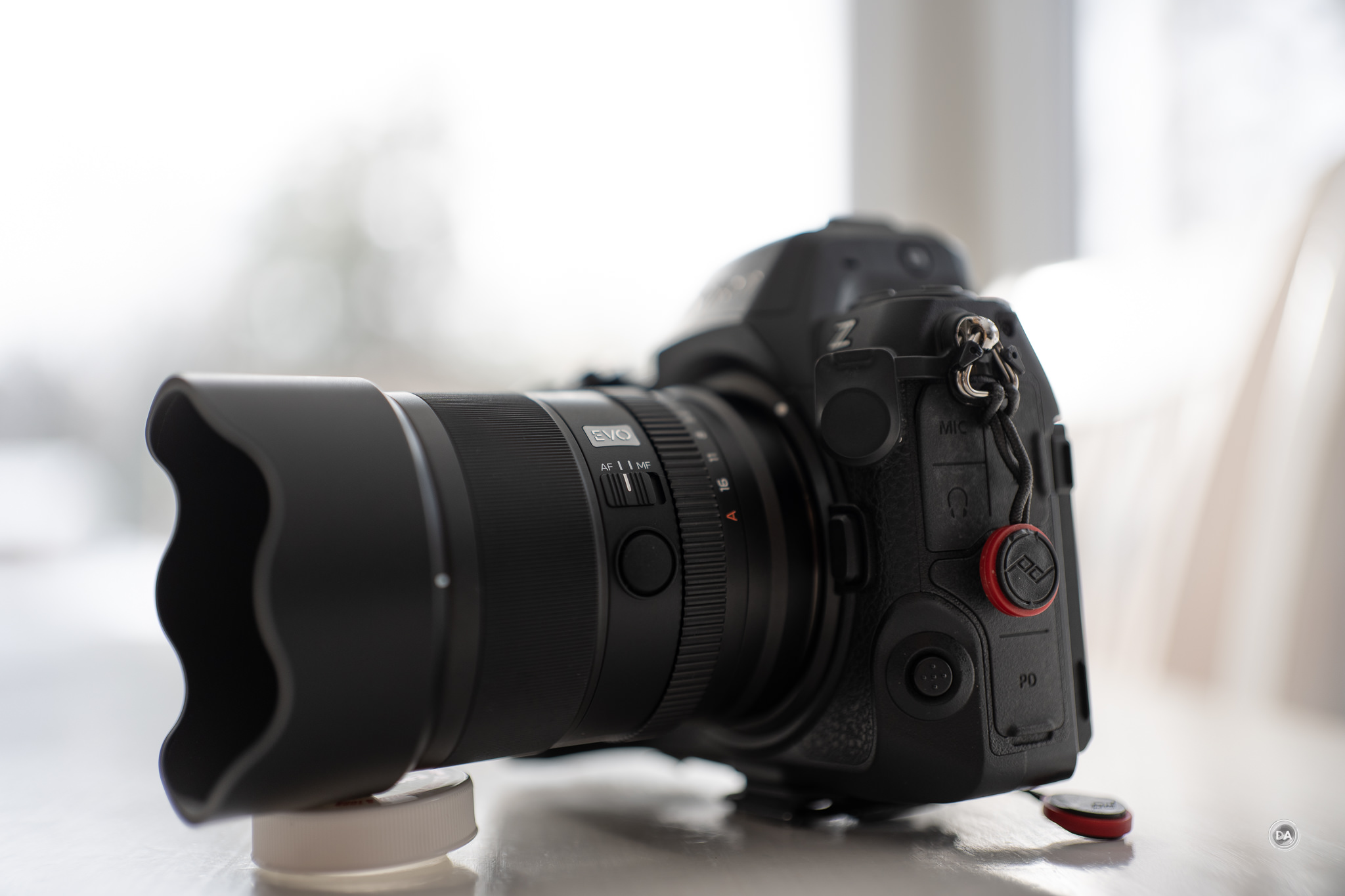
But outside of that, this lens is just fantastic. Let’s explore the details…
Viltrox EVO 35mm Build and Handling
I absolutely love the formula Viltrox has chosen for this new mid-level series, as it checks just about all the boxes for me. The first is a robust approach to aperture control, starting with an aperture ring that can be used with traditional “clicks” at the one-third of a stop points throughout the aperture range.
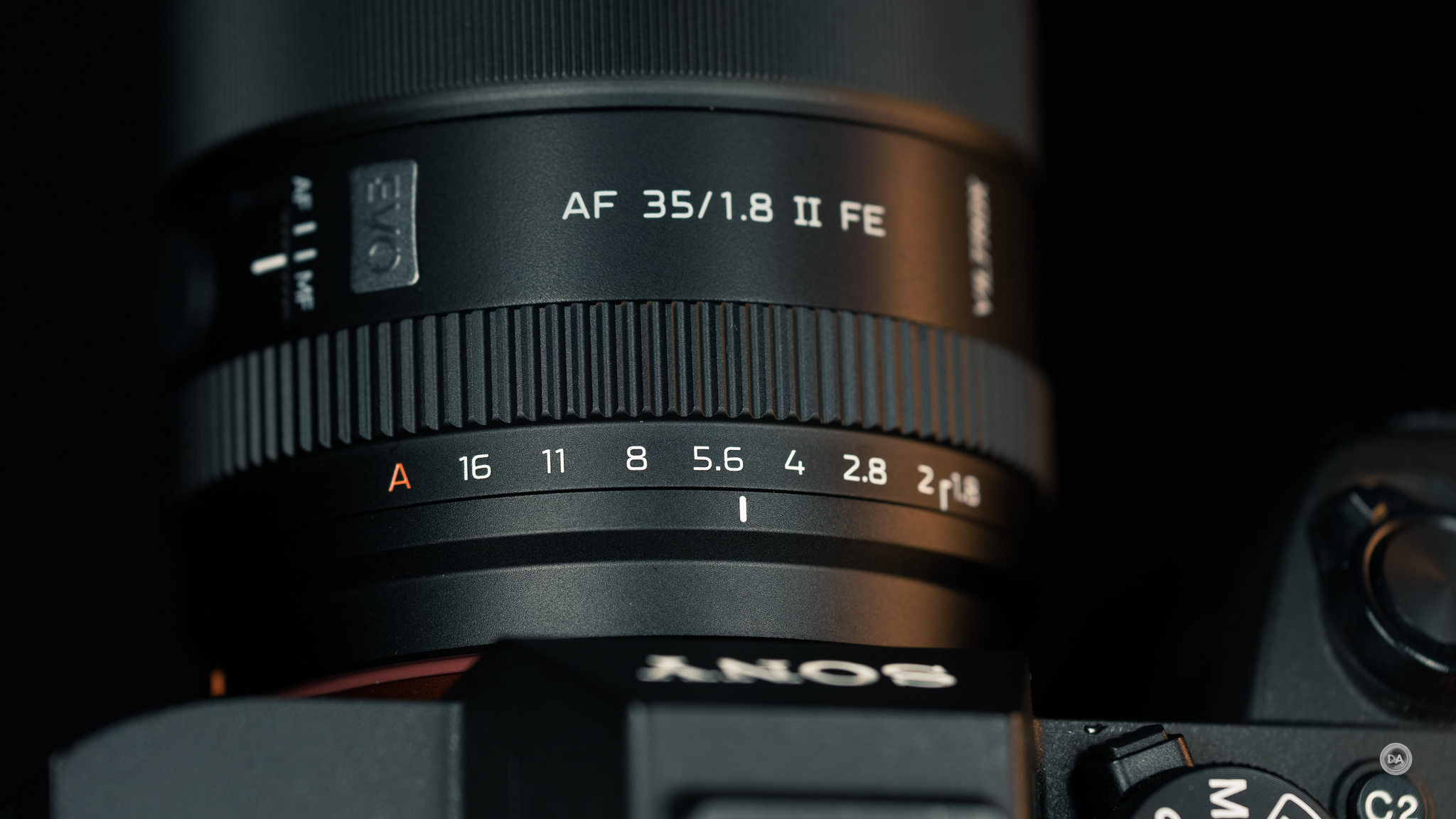
The aperture ring works perfectly here, with markings at the one third stop positions and light detents at those places if you have the “clicks” on. You also have a declick option where you can smoothly rack from F2 to F16. There is a firmer detent between F16 and the A (automatic) option which will allow aperture to be controlled from within the camera. The one aperture feature that is missing is an iris lock which would allow you to either lock into or out of the aperture ring, though the detent before the A mode is firm enough that you shouldn’t stray there by accident.
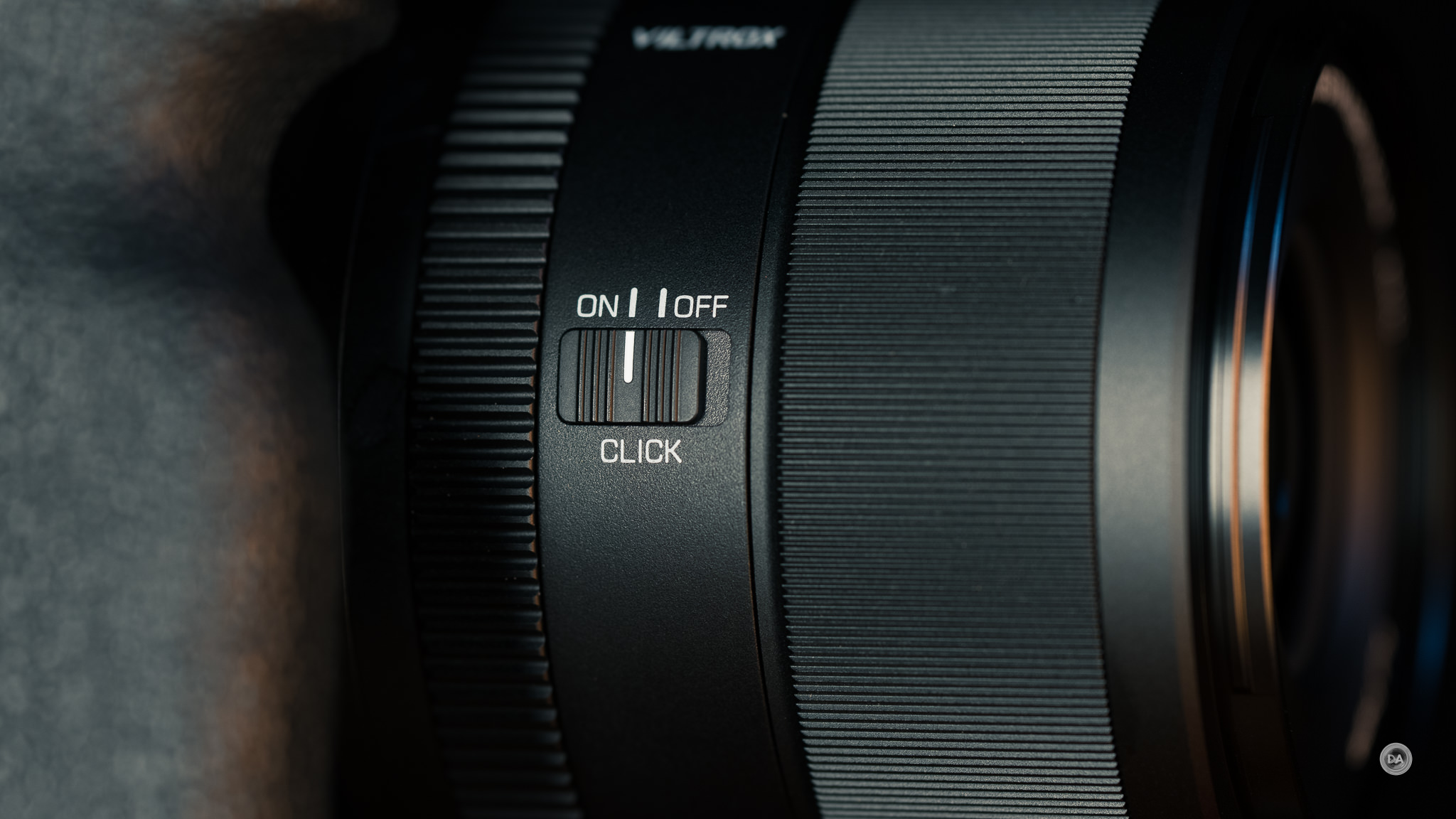
I was able to perform aperture racks in the declicked mode without visible steps. The Nikkor 35mm does have a customizable control ring that allows for aperture racking, but the Sony and Samyang lenses have no aperture ring. The Nikkor and 7artisans lenses doesn’t have the option of having clicks in the aperture ring, so the bottom line is that the EVO 35mm gives you the most choice here.

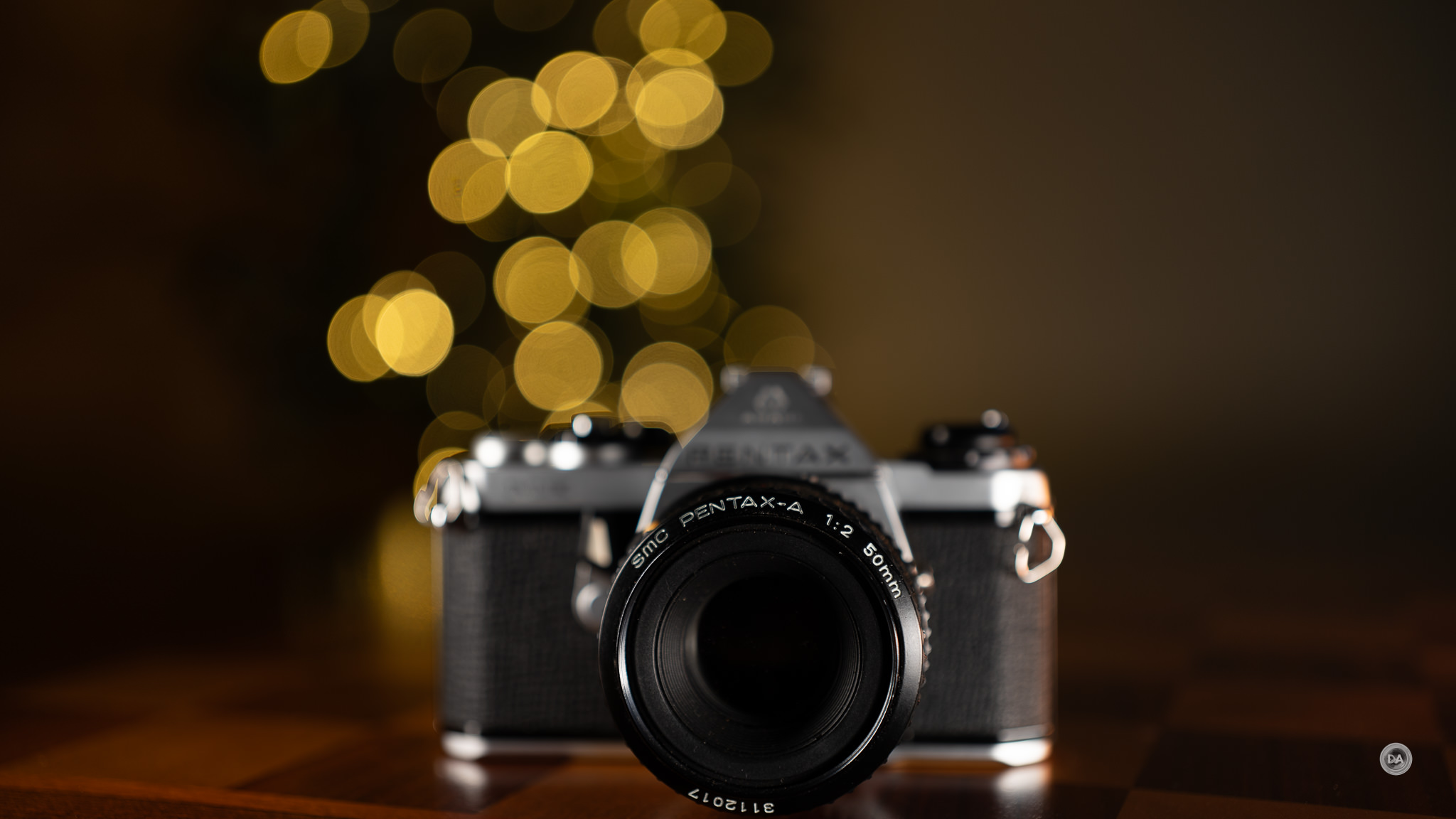
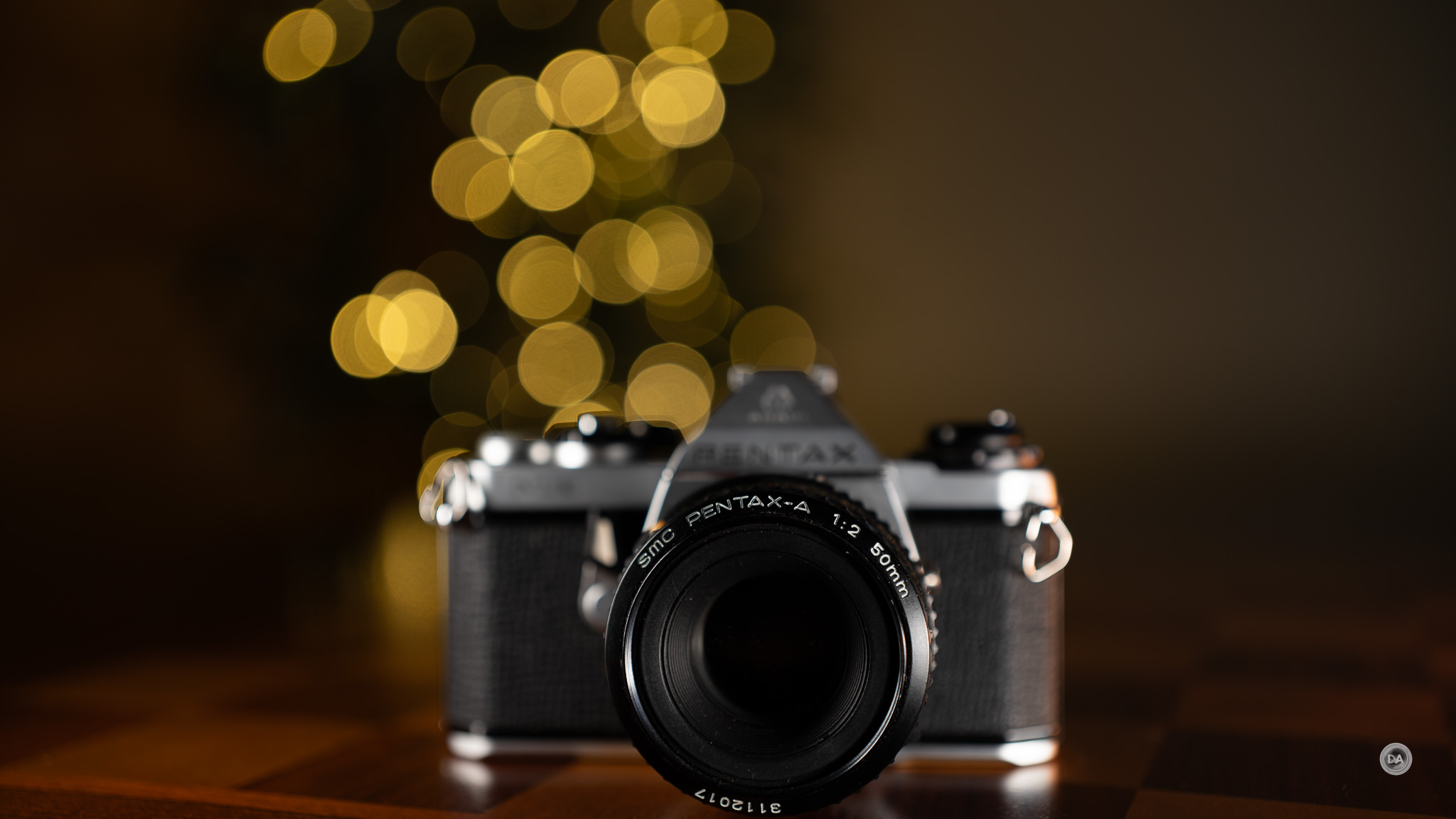
The iris itself has 9 aperture blades, and these make for a nicely rounded aperture (though with a slight outline of the blades) even when stopped down a fair bit. Here’s what the bokeh geometry looks like at F1.8, F2, and F2.8:

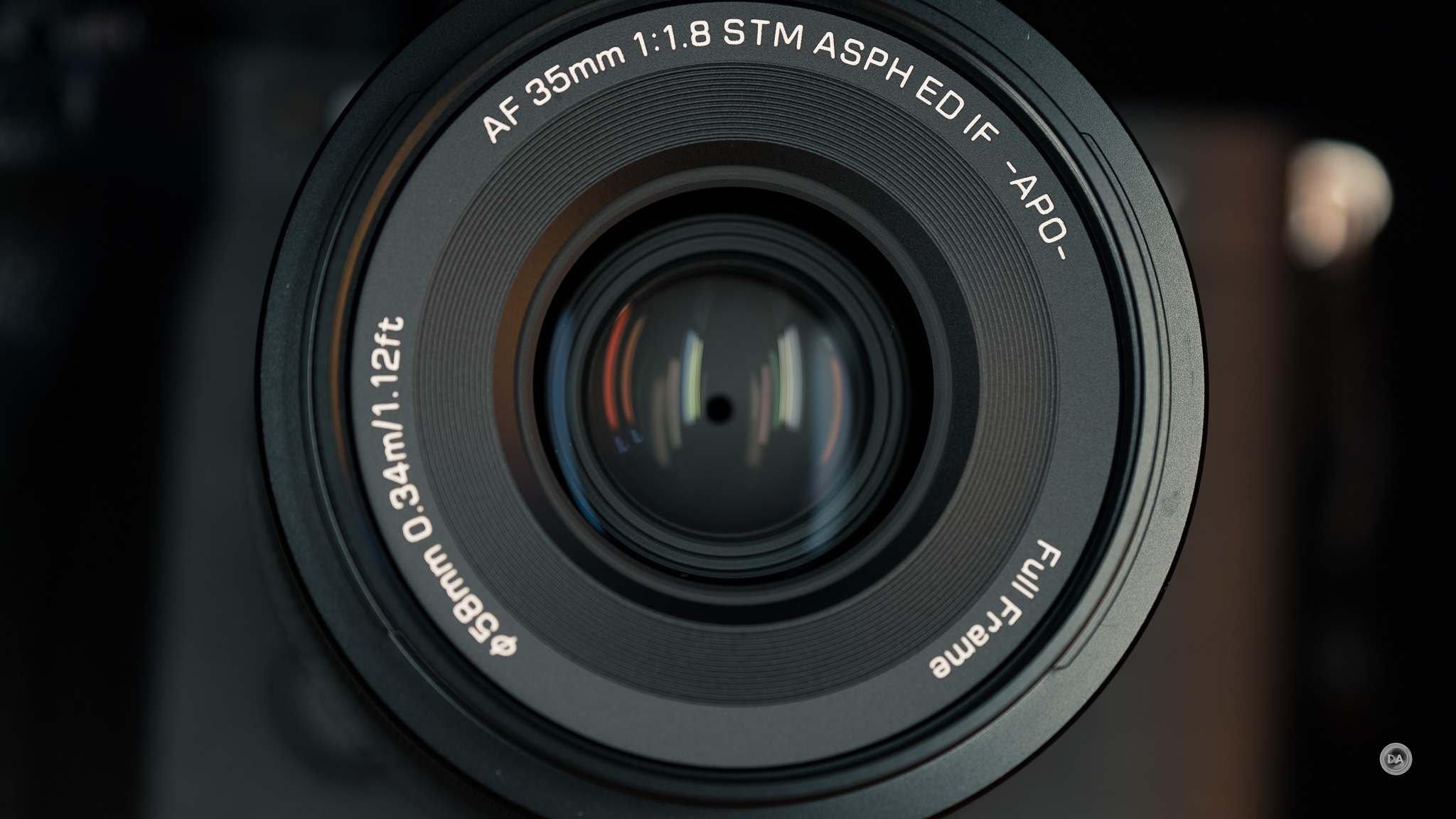
There is a 58mm filter thread up there, which is shared with the 55mm and 85mm EVO lenses as well.
Other features include an AF | MF switch and a custom/Fn button that can be programmed to various functions from within the camera.

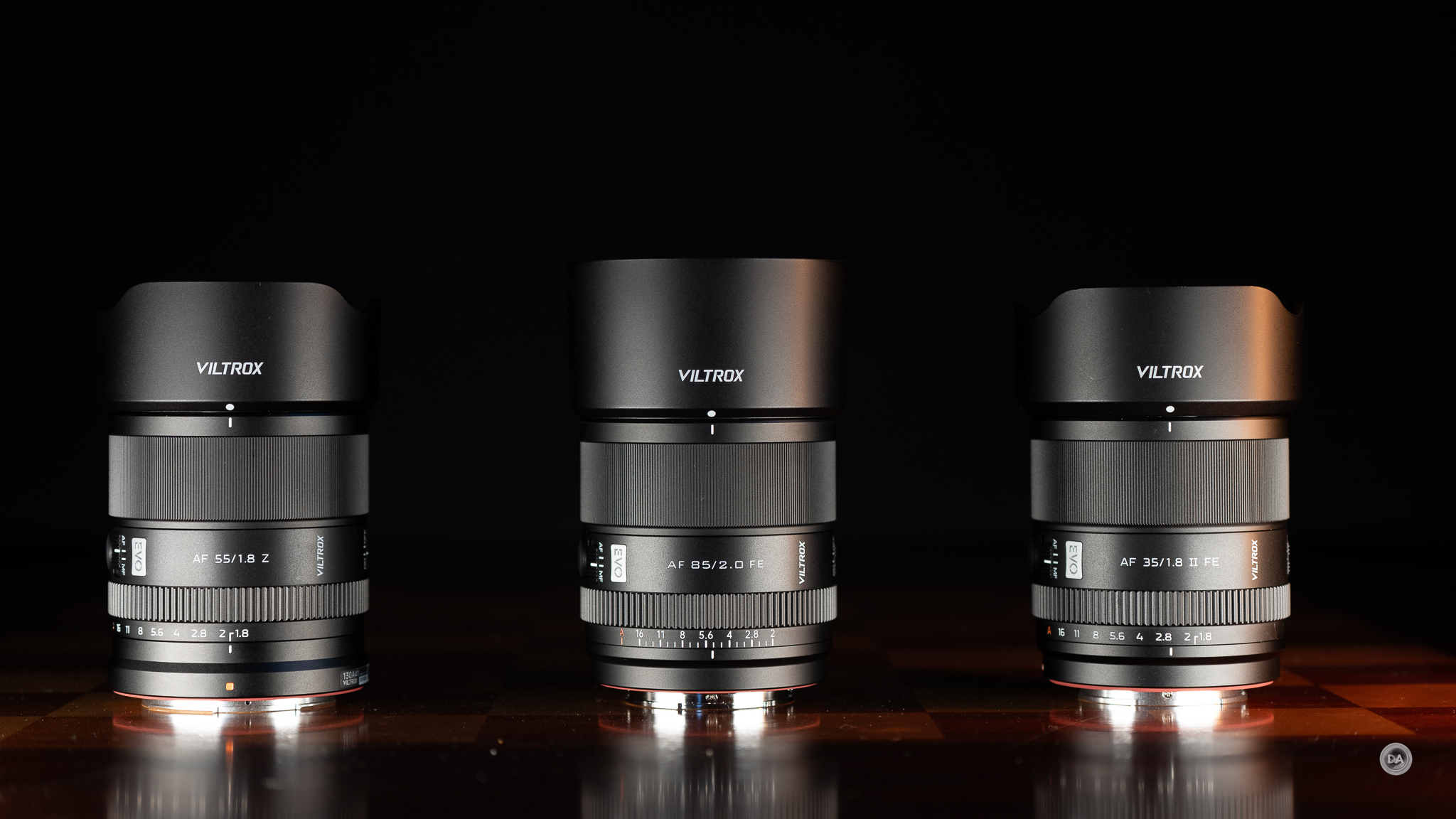
Viltrox is clearly leveraging a common form factor as they have with some of their other series, with the three lenses in the new EVO series sharing exterior dimensions and features, though there is a variation in their hoods.
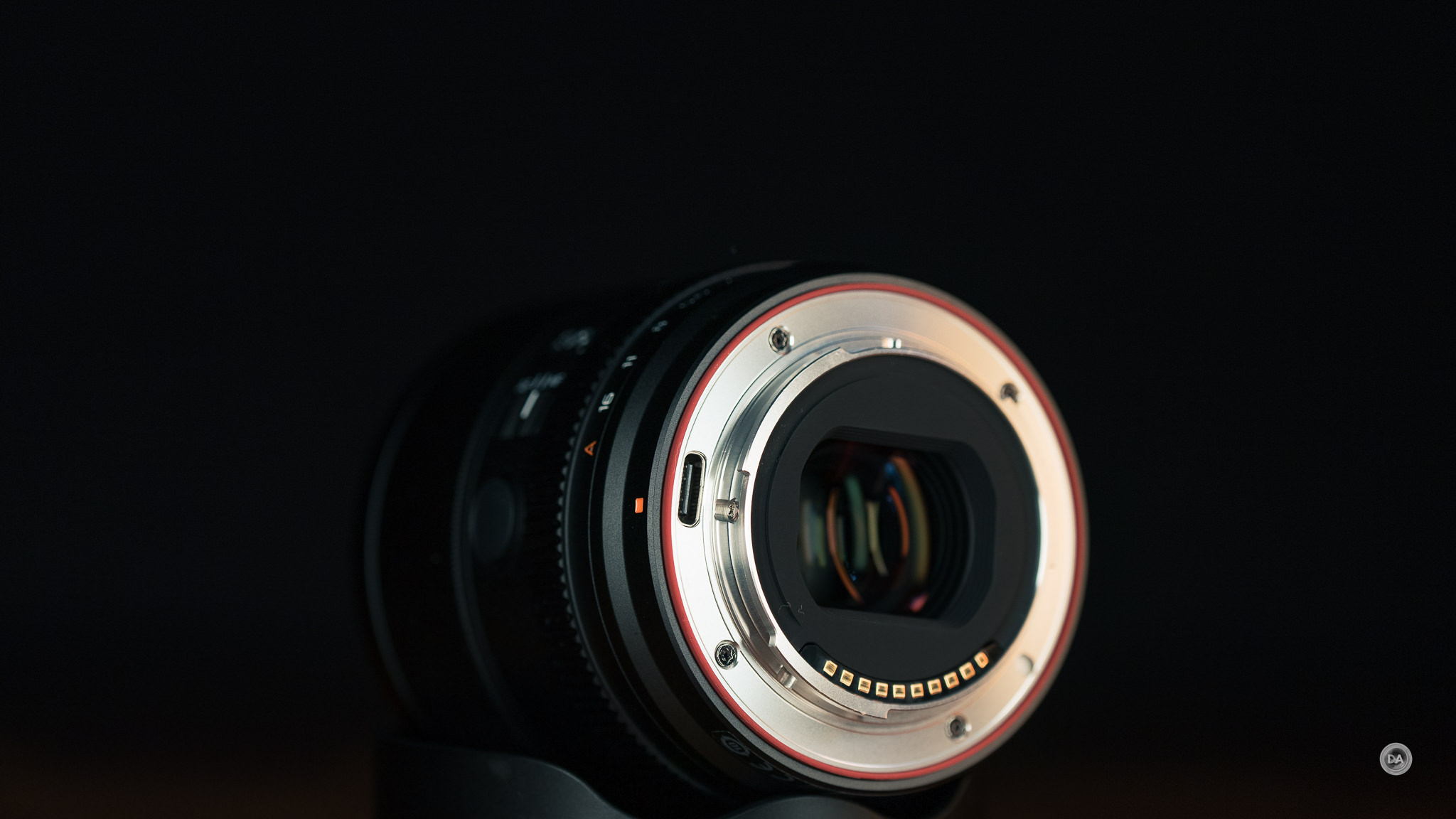
Viltrox has been a little coy about the weather sealing on the EVO lineup. There is no mention of weather sealing in the packet that they sent me, though I do see a weather sealing gasket at the lens mount and the information packet does mention a special coating on the front element to resist moisture and fingerprints.
I was curious if these were the only seal points, but when I reached out to Viltrox, they shared this cutout with me.
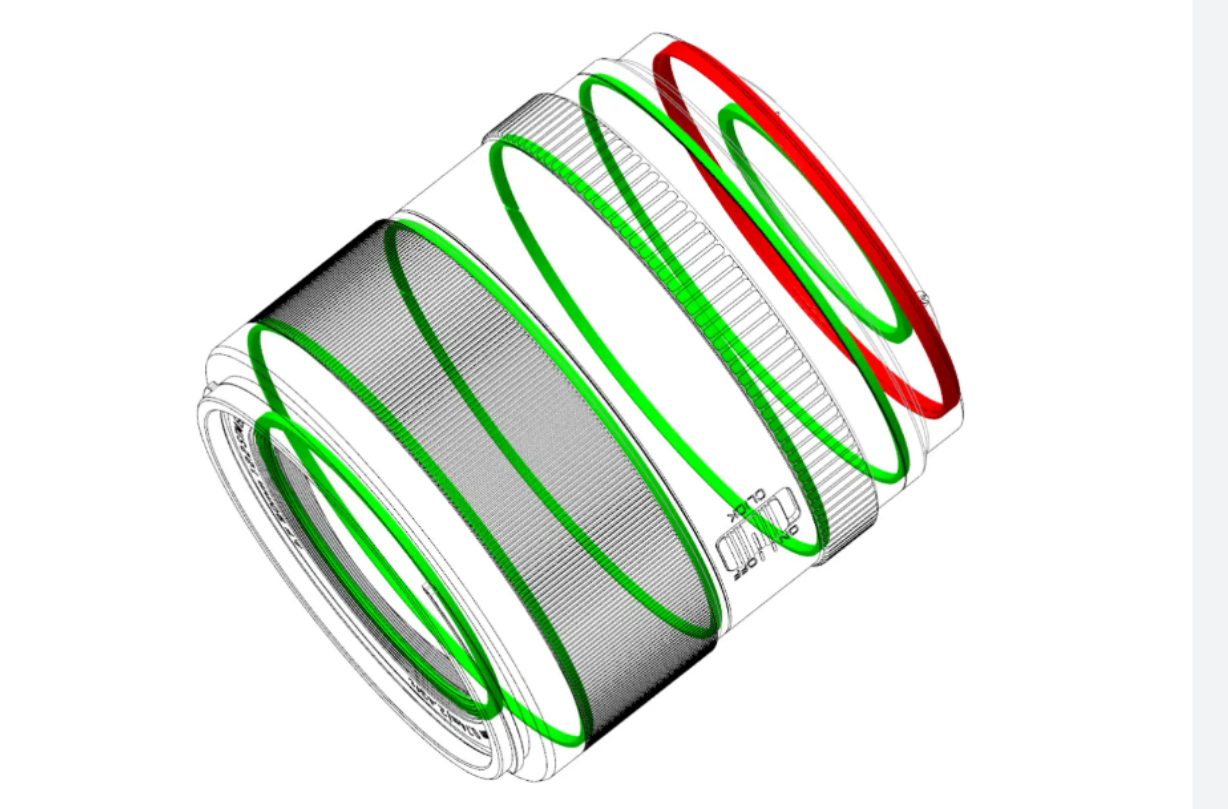
I was shocked, because I count seven seal points in there, which is better than expected. Viltrox is such a driven company, however, that their rep stated that they are still dissatisfied with this level of sealing and will market the sealing once they improve it in the EVO series. I can’t help but think that this is already better sealing than much of their competition, however!
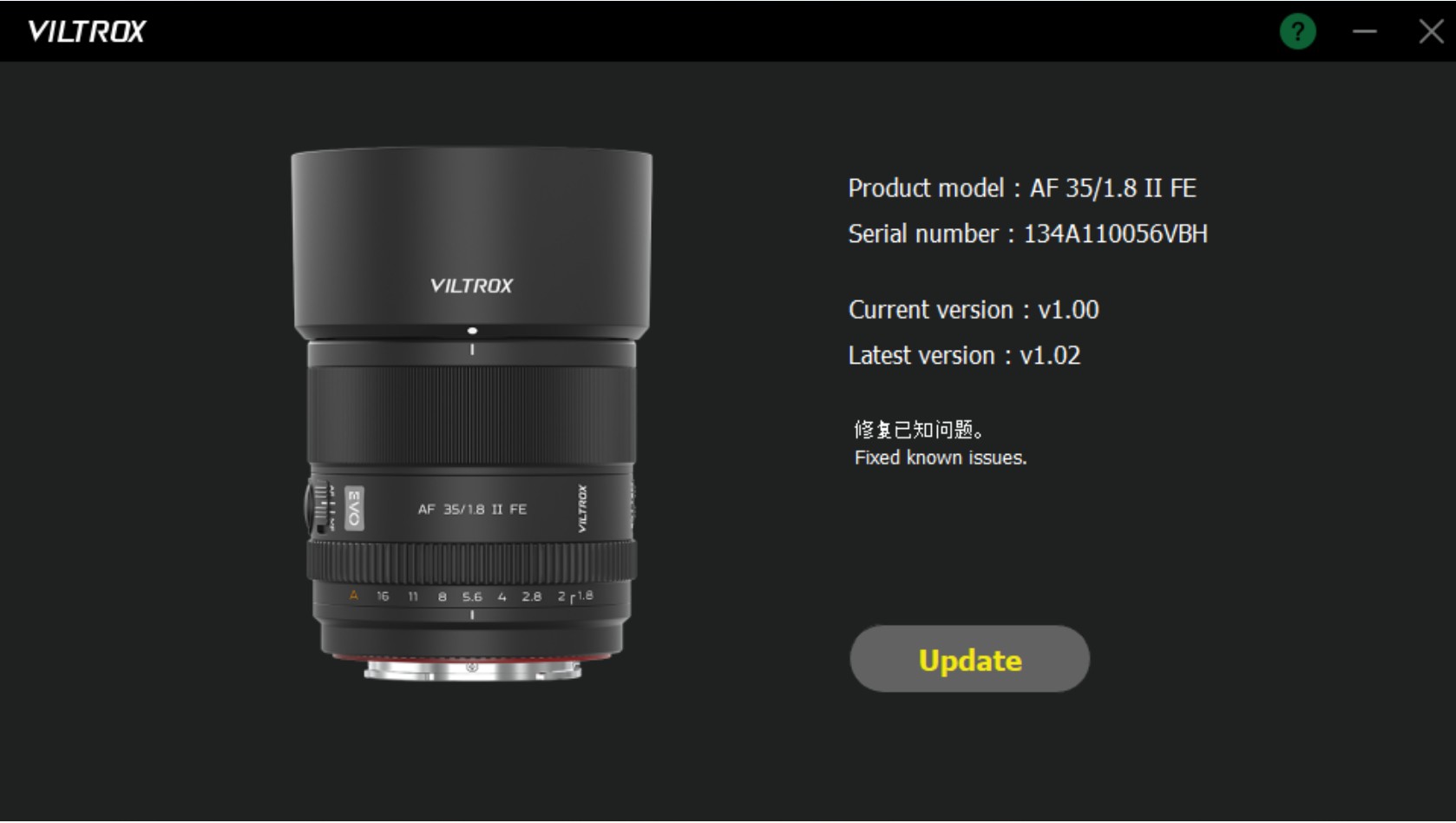
You probably also noted the USB-C port in the lens mount that allows you to do firmware updates right to the lens. I’m a fan of this approach, as it eliminates the need for a separate dock or lens station for firmware updates, and I find the process a little more intuitive than even doing firmware updates through the camera. Viltrox gives you a variety of ways to do the firmware updates. Here’s the screen I got before doing a firmware update via their PC app.
The build materials feel like they fall somewhere between the AIR and PRO series. The body is engineered plastics rather than the magnesium-aluminum alloy found in the PRO series, but the finish is more upscale. It’s a great looking little lens and feels just as premium as either the expensive Sony or Nikon alternative.
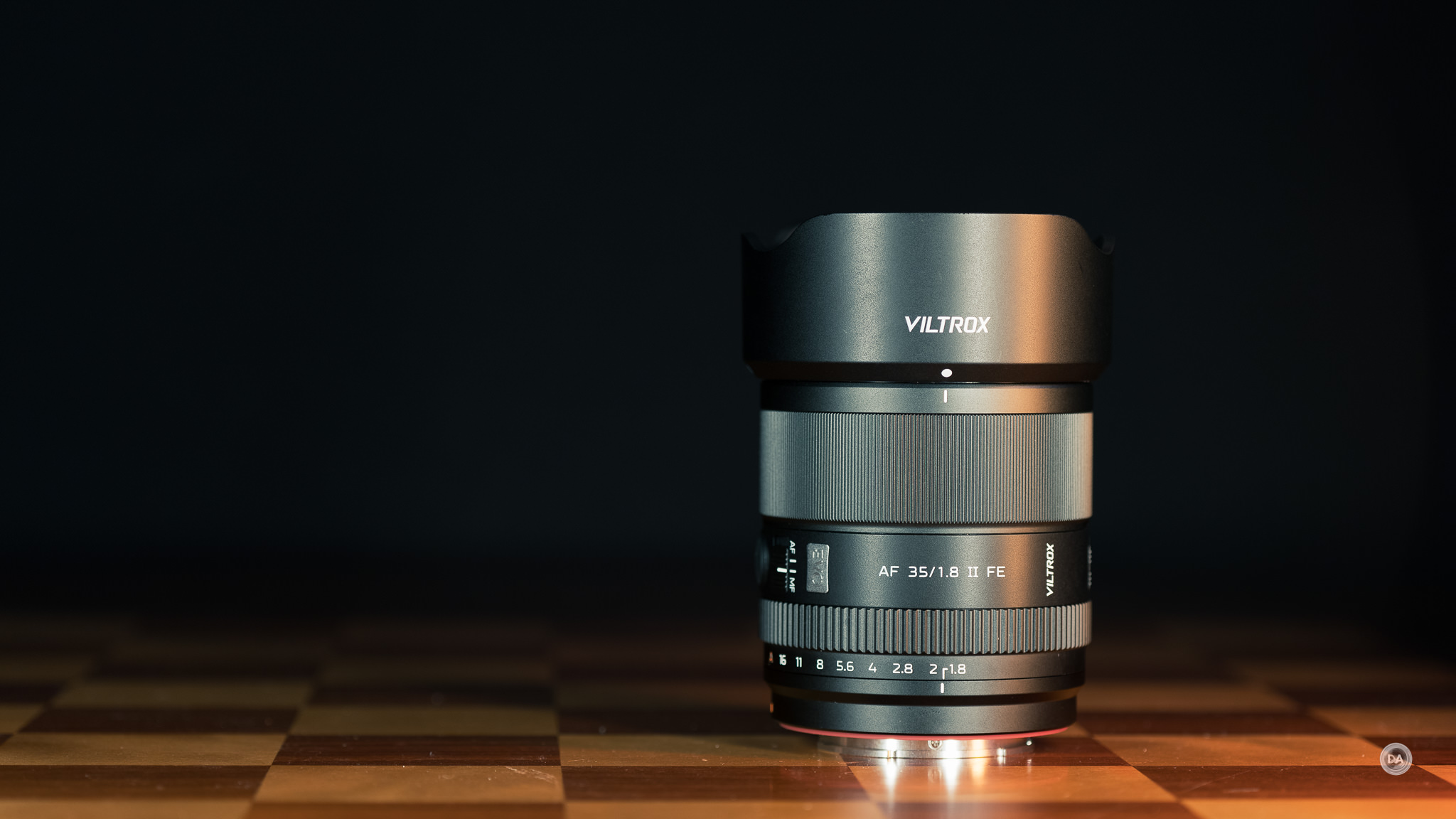
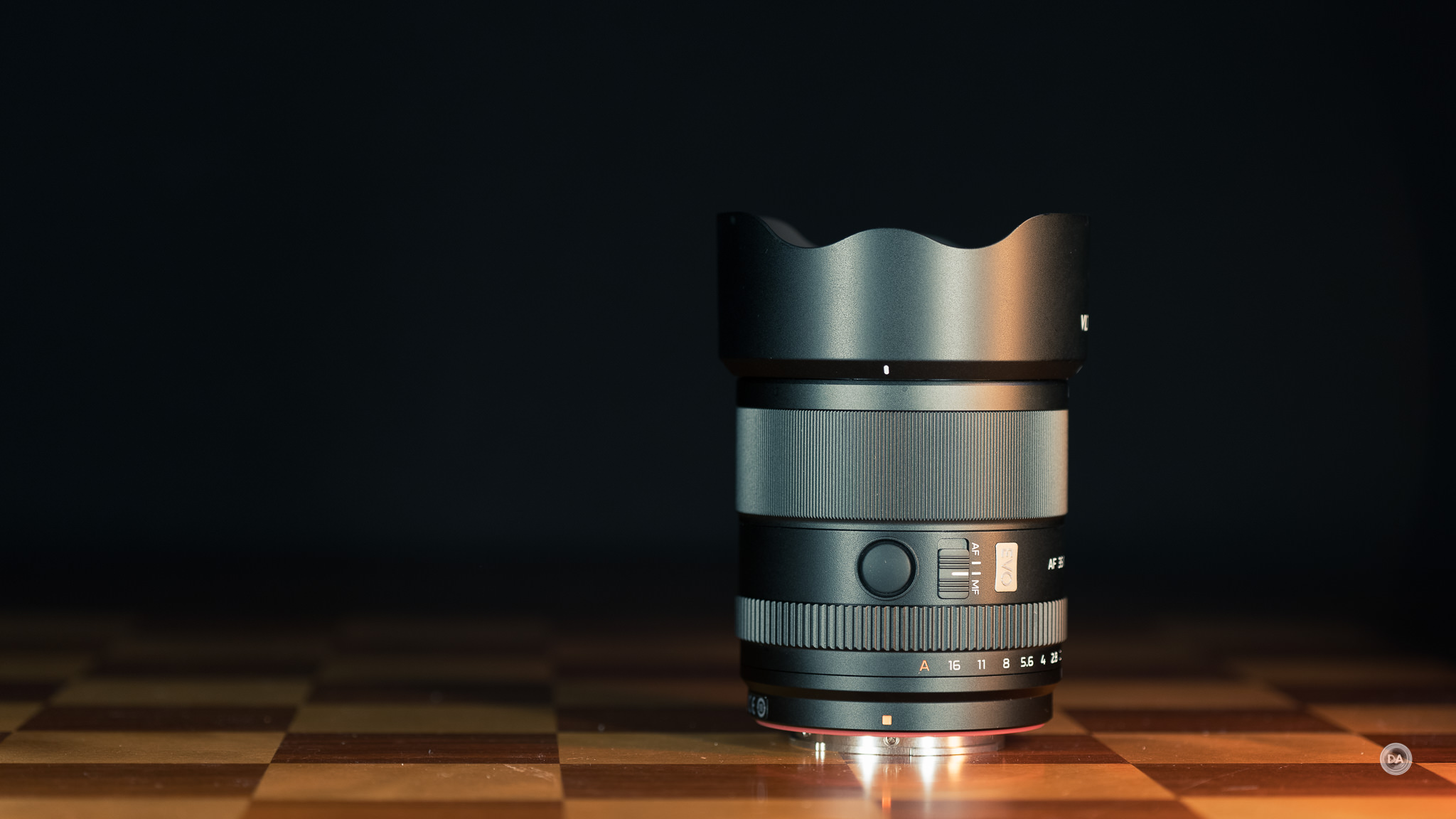
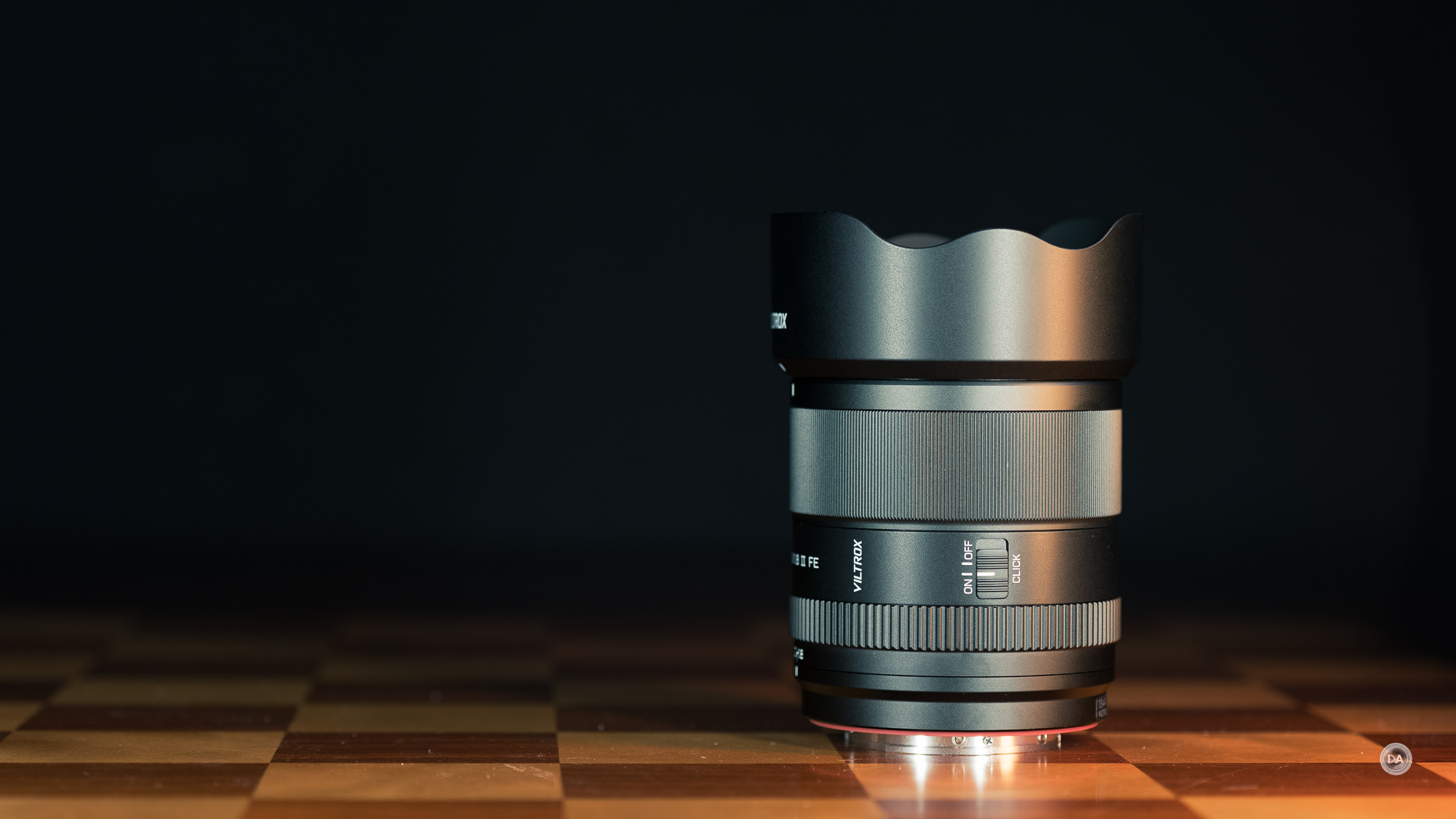
This is an extremely nice build quality for this price point.
Included is a small pouch and the lens hood. The lens hood is plastic, yes, but it is also fairly thick and robust. It bayonets on a little too tightly for my tastes, but on the upside it locks into place with good firmness and doesn’t move around.
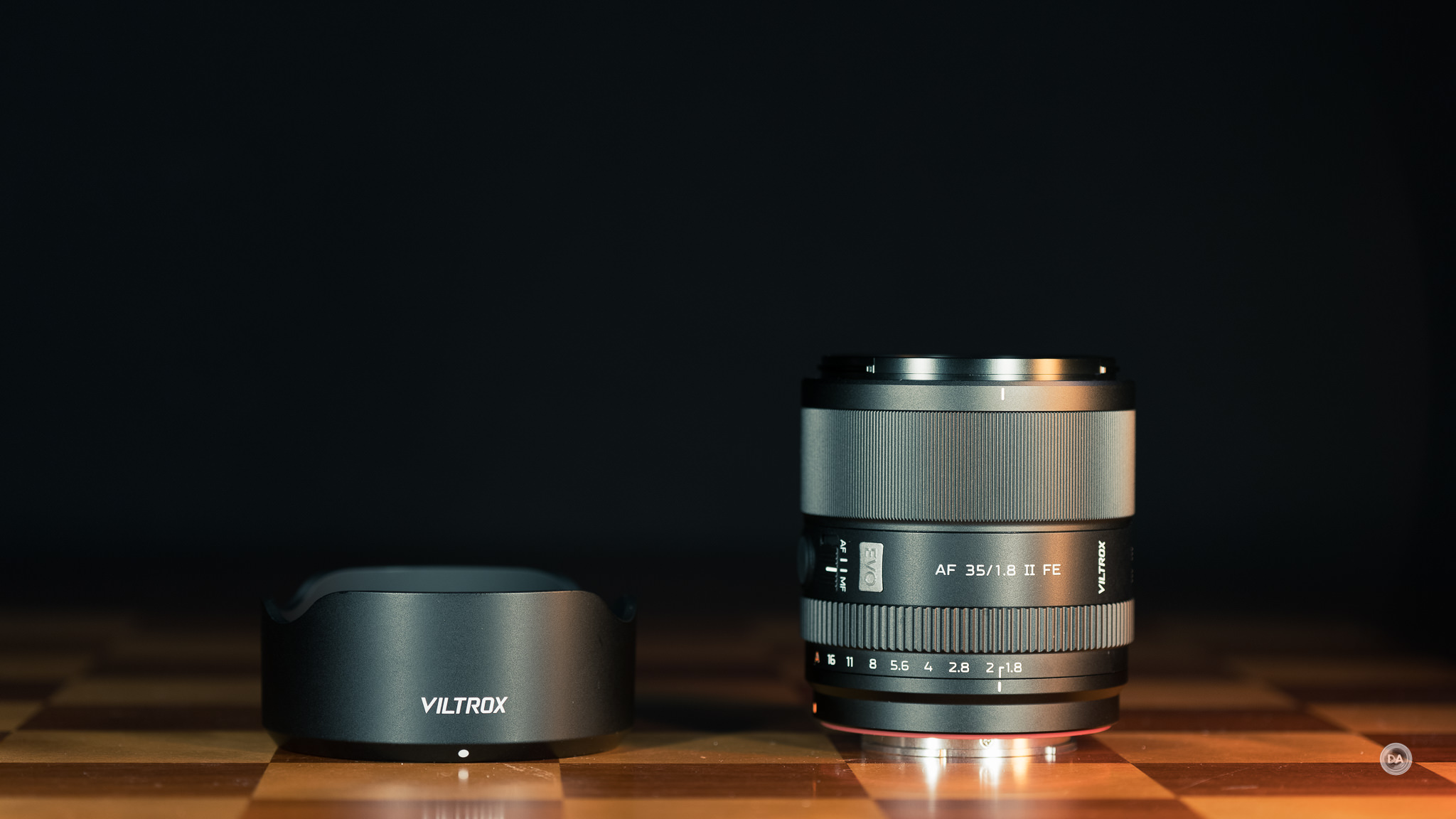
There is no lens based stabilization, so you will need to rely upon the in-camera stabilization if your camera is so equipped.
The EVO 35mm is a moderately lightweight lens that actually competes nicely in this class of lens. The lens is 69mm (2.71″) in diameter by 76mm (2.99″) in length (just like the 85mm F2 and 55mm F1.8). The weight of 330g (11.64 oz) is slightly lower than the 340g of the 85mm. The Z-mount version is 2mm longer (78mm) and weighs 350g (12.34 oz) due to the extra length and larger mount diameter. The Sony 35mm F1.8 is very slightly shorter (73mm) and lighter (281g), but the Nikkor is longer (86mm) and heavier (370g). The smallest and lightest option remains the Samyang/Rokinon 35mm F1.8, which is 63.5mm in length and weighs just 210g, though it has no features and has a much more “plasticky” feel. The size and weight of the Viltrox continues to feel very competitive, particularly considering the higher build quality and more robust feature set.
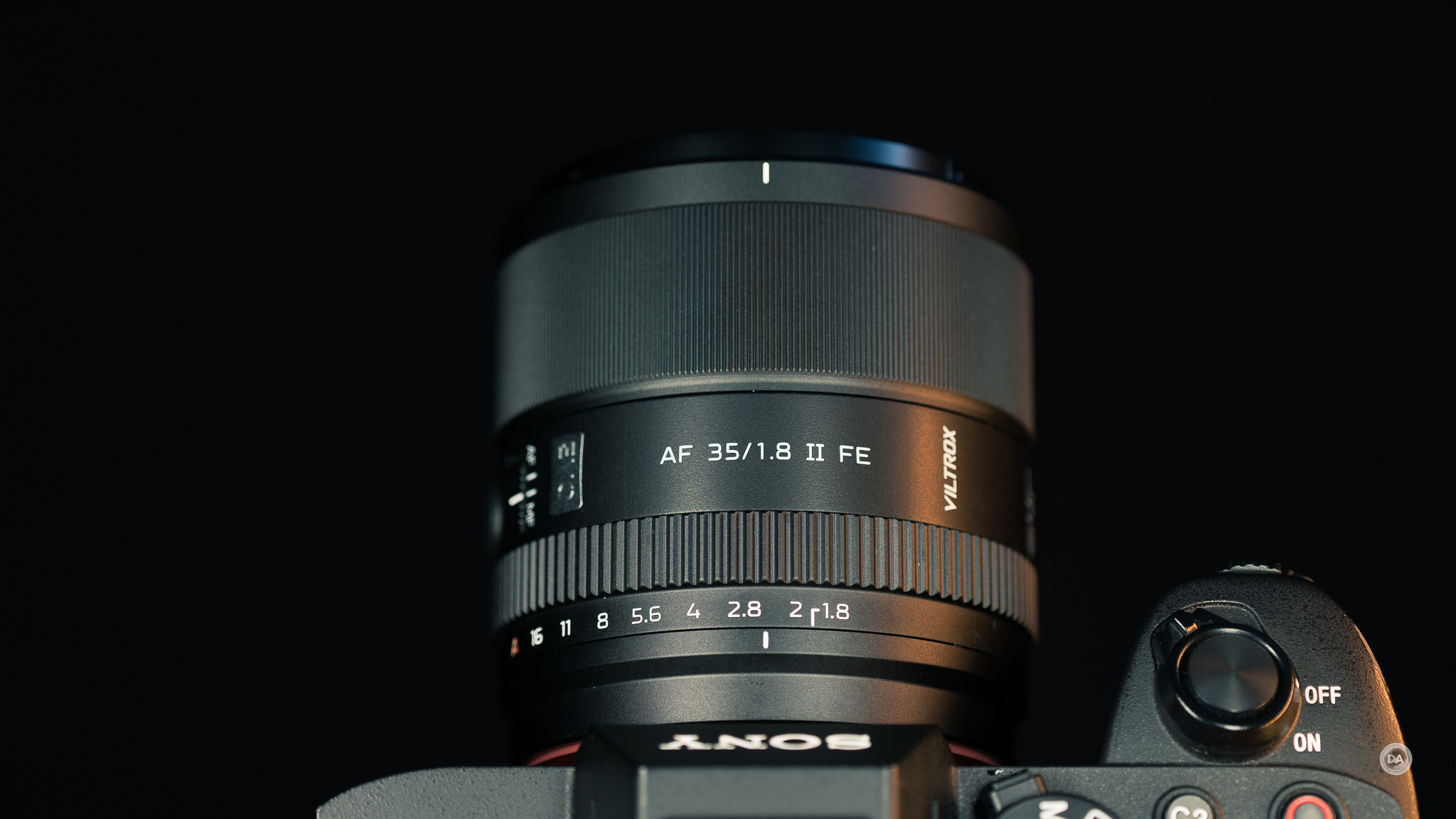
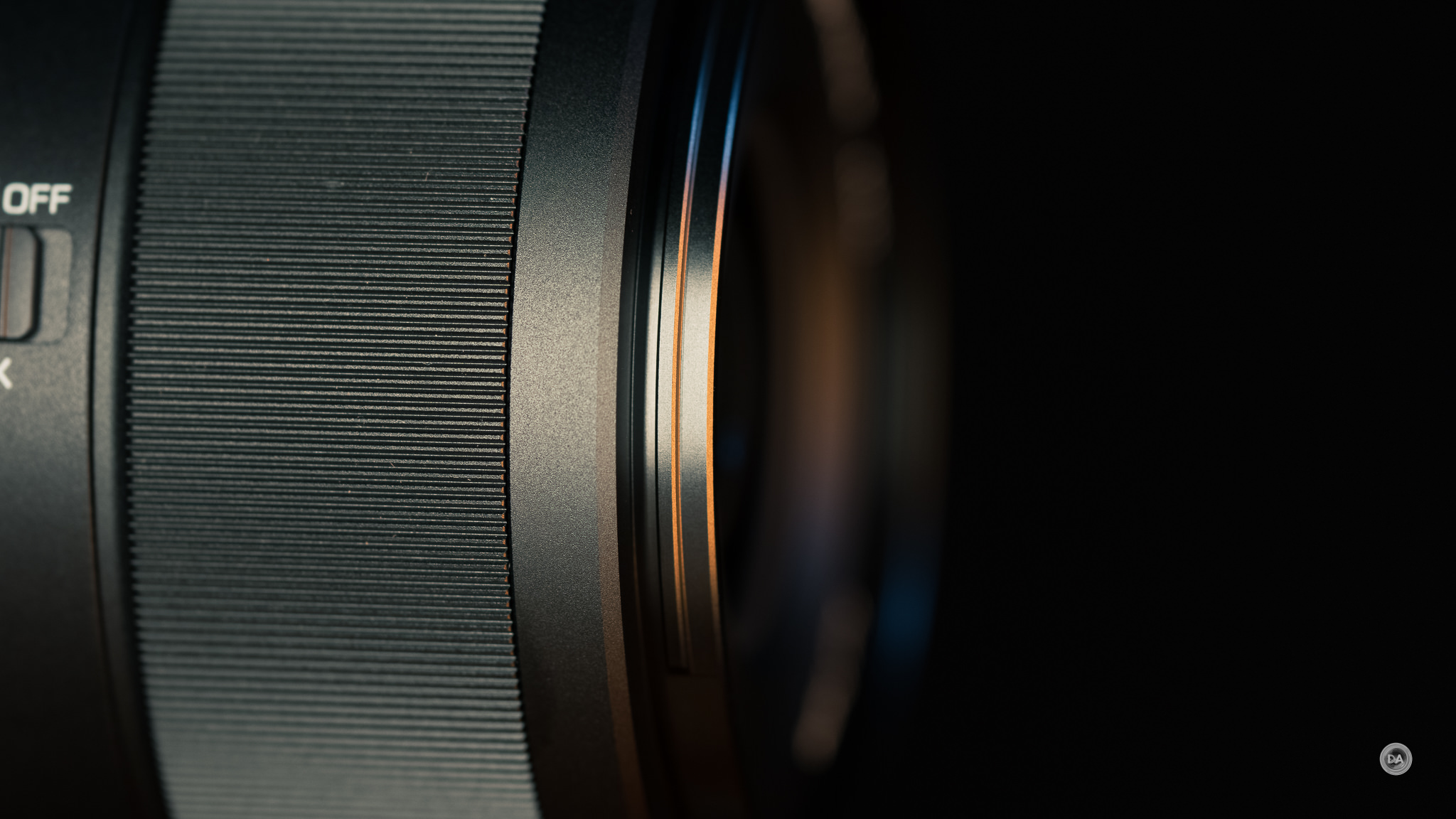
The manual focus ring is tightly ribbed and moves nicely. It has a medium weight to it, but is nicely reactive and doesn’t have any apparent lag. I was able to focus smoothly and with precision. Full time manual override is available (though that could be camera specific).
The EVO 35mm only focuses as closely as 34cm and produces just a 0.15x magnification, which is below average for a 35mm lens. This falls behind all competing lenses, with the Sony at 0.24x magnification and the Nikkor at 0.19x. This is one of my deepest regrets for the lens, as I love using 35mm lenses for close work. Here’s what the magnification looks like.

Up close performance at F1.8 is excellent, with a nice, flat plane of focus and good sharpness and contrast.

That misstep aside, I continue to feel that the EVO series hits the sweet spot for many people, and enthusiasm I’ve seen from my audience to my reviews of EVO 85mm confirmed that for me. I suspect this 35mm will be even more popular, as this particular focal length was the one that people seemed to most want. I feel like the EVO 35mm F1.8 is an amazing value for the quality of lens you are getting here; the build and handling are excellent.
Autofocus for Stills
Viltrox has now moved to higher end HyperVCM (voice-coil motor) focus in their recent premium lenses, but it looks like they will be sticking with their STM motors for the AIR and EVO series. These lenses have smaller optical elements to push in their focus group, so the STM (stepping motor) produces enough thrust. Focus isn’t quite GM level fast (the best are basically instant), but focus moves back and forth with good quickness. I suspect that most everyone will be satisfied with focus speed, unless you are trying to shoot high speed sports.

I was mostly able to keep up with Nala as she walked around. I had no problem snapping a shot of this gentleman as he whipped his frisbee for frisbee golf in Fountain Hills, Arizona.

Focus was also consistently accurate, locking onto very slim subjects and delivering excellent focus.

The focus motor is quiet but not as silent as their HyperVCM focus motors. There’s a very light whirring to be heard if you put your ear right up to the lens barrel, and I could hear a little noise when doing my rapid autofocus test.
People shots were always perfectly focused in a wide variety of conditions, including a dim room.

Here’s another shot at F1.8 in the very stylish Kierland Commons in Scottsdale, AZ.

As per usual, my recommendation for those wanting to photograph fast action on Sony is to use a first party Sony lens. They tend to have good autofocus, for one, but also Sony does a few things to advantage its own lenses and disadvantage third party lenses. But for ordinary use (the way the vast majority of photographers work), the EVO 35mm will work flawlessly. I can’t recall a missed shot during my review period.

Video AF
STM motors definitely cover a spectrum of performance, and fortunately the STM motor in the EVO 35mm is one of the better ones. Video focus pulls were smooth and crisp, with no visible steps and confident focus lock. Focus pulls seem nicely damped, allowing them to have a decently cinematic quality. There is some focus breathing, (not as bad as a lens like the Sony 35mm F1.4 GM), though, as a third party lens, the focus breathing compensation available on some Sony cameras will not work.
I found the focus breathing to be minimal at smaller distances like my “hand test”, only really noticing it during big focus pulls.

My “hand test” where I alternatively block and unblock the camera’s view of my face with my hand went well, with smooth and confident transitions from my hand to my face and back. Autofocus was smooth when tracking me approaching the camera, and picked up fairly quickly when I stepped out of frame and back in.
Generally autofocus for video was great in all my clips and also the episodes for my YouTube channel that I filmed on it. Focus was stable and confident on Sony FE. Viltrox has years of experience of developing autofocus lenses on Sony at this point…and it shows.
Viltrox EVO 35mm F1.8 Image Quality
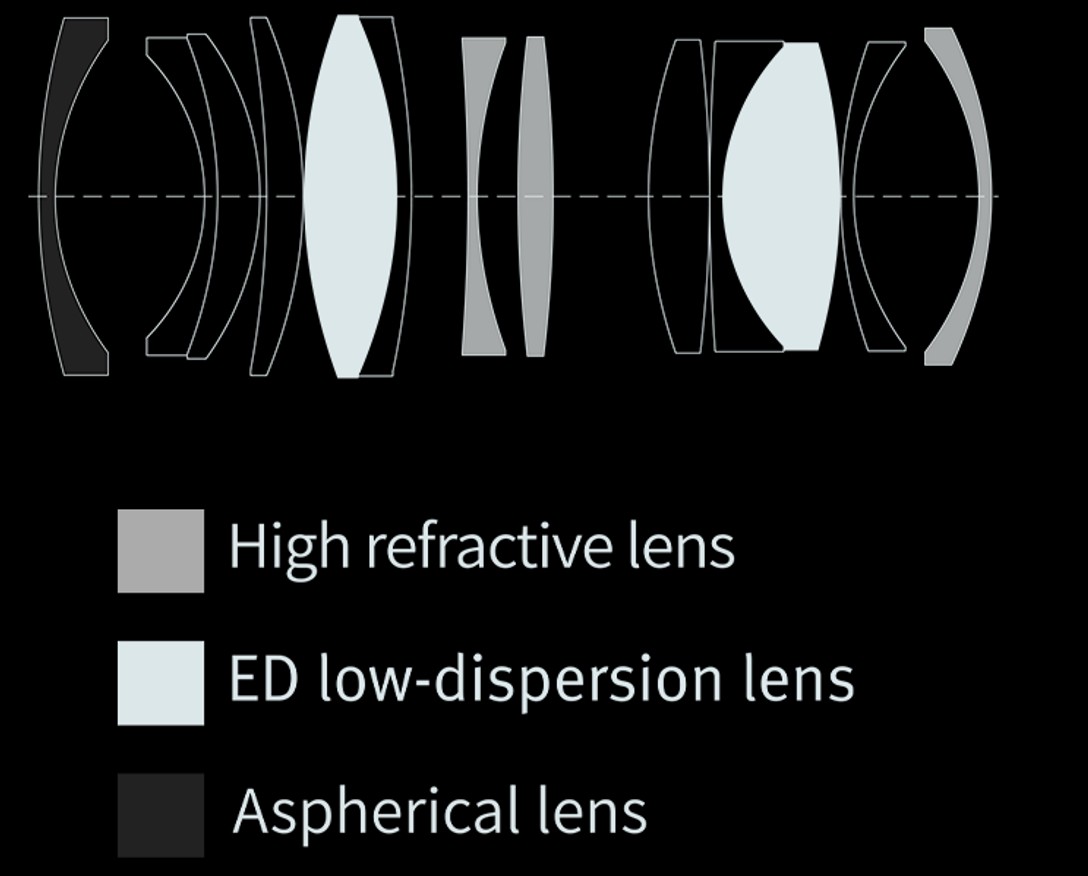
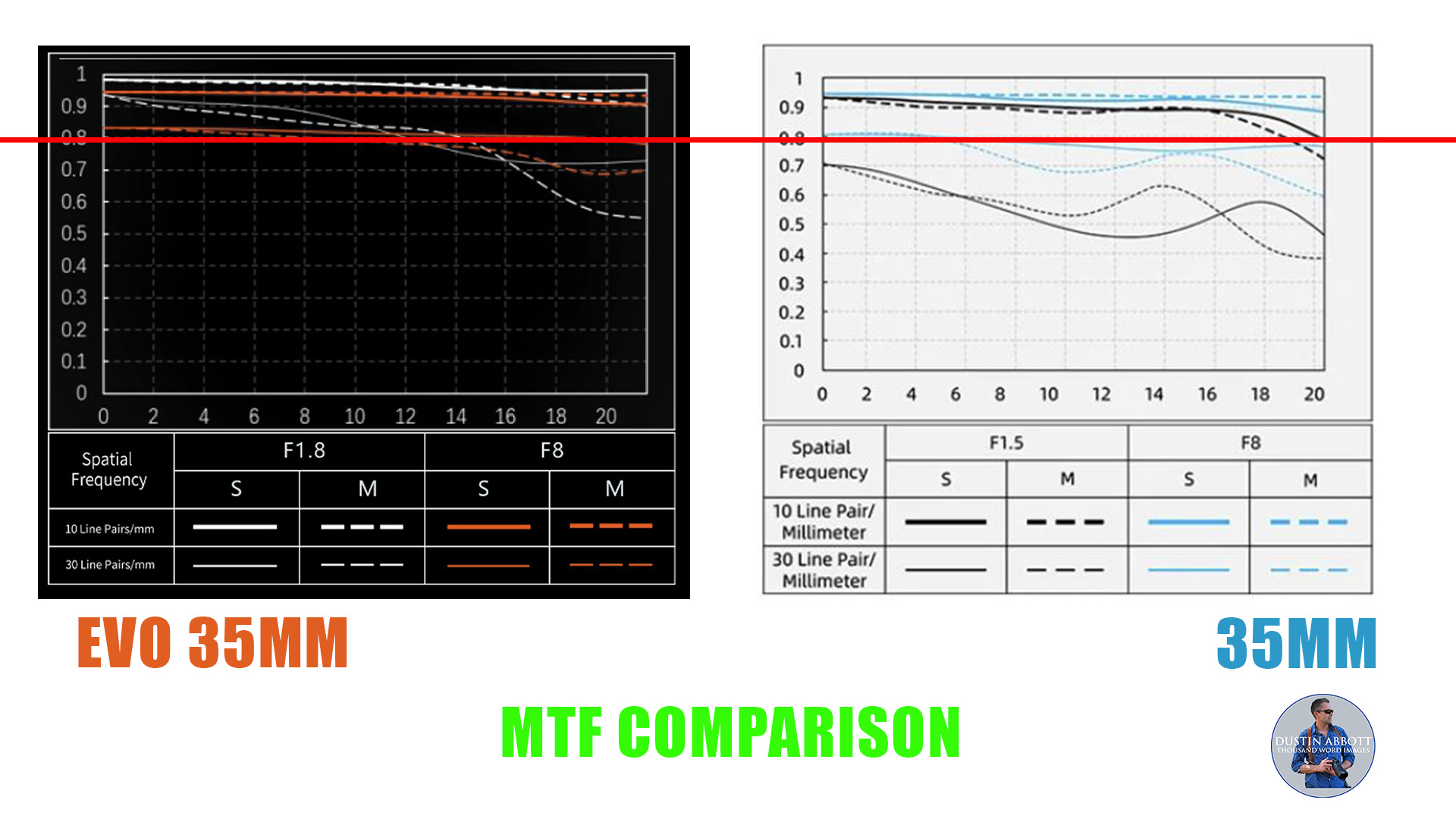
The EVO 35mm sports a sophisticated optical design of 13 elements in 10 groups. This includes 2 ED (extra low dispersion) elements, 3 HR (high refractive index) elements, and one aspherical lens. The MTF chart is pretty exceptional, showing incredible sharpness in the center and midframe, and even the corners are largely good (save a drop on the meridional axis). As has been the case with a number of recent Viltrox optical designs, the F8 performance isn’t quite at sharp in the center and midframe as F1.8 but stays remarkably consistent right into the far corners.
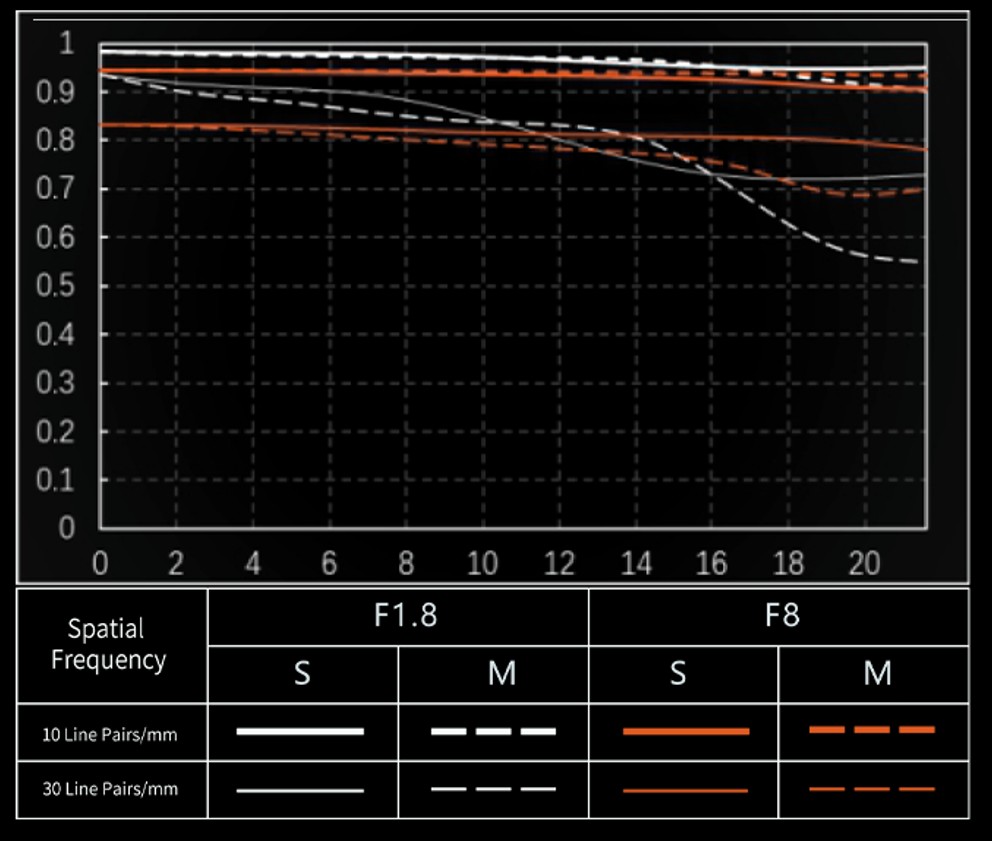
A comparison to the older 35mm F1.8 shows a massive improvement all across the frame, with the center and midframe have a 25-30 point advantage.
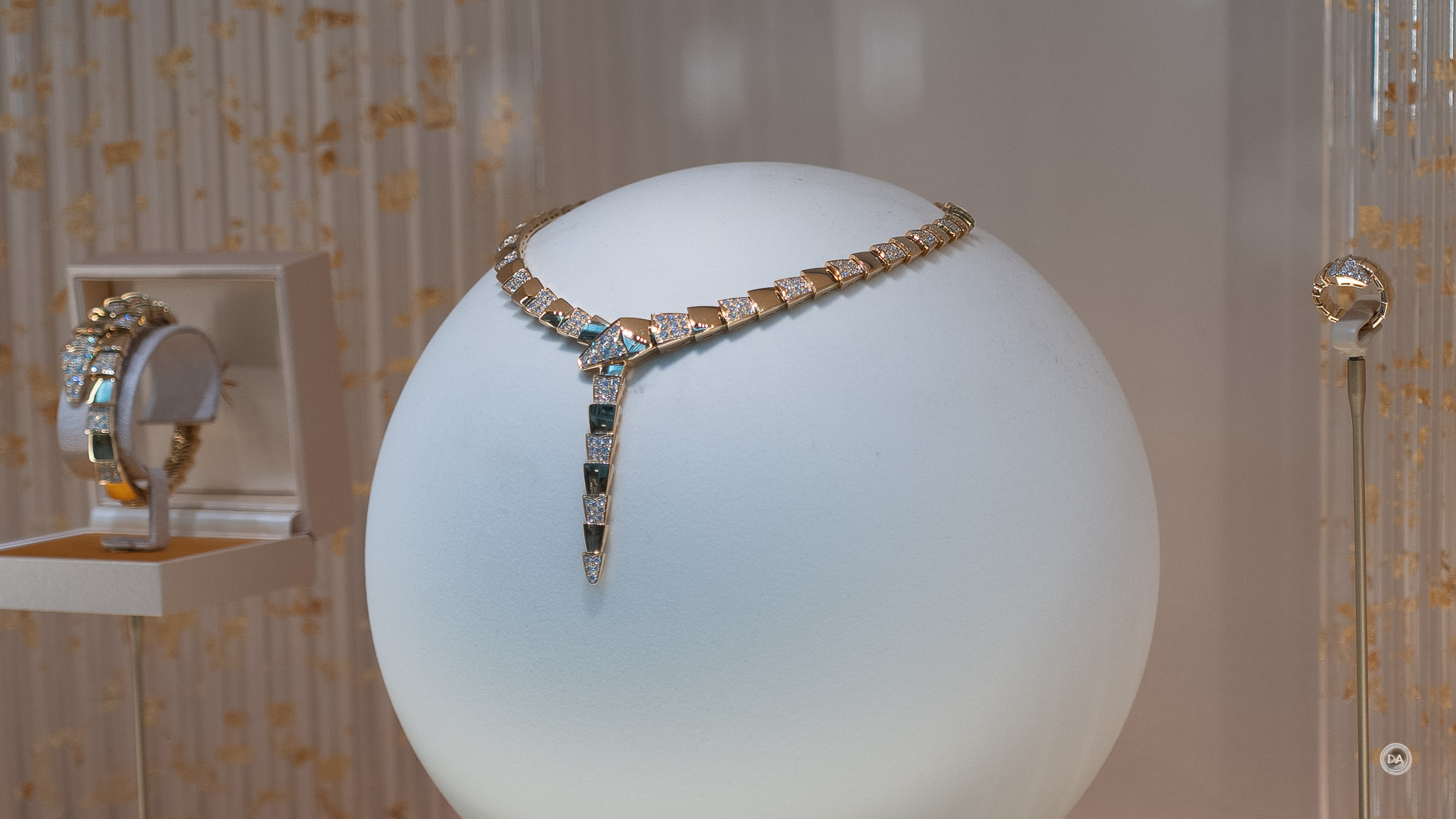
Real world sharpness is fantastic even at F1.8, and that’s true even when shooting something like this jewelry, a subject that it can be easy to loose sharpness on due to aberrations from the shiny bits.

There is a tiny amount of barrel distortion (a +1 to correct), but vignette was very heavy (the price to be paid for the compact design). I needed a +100 to correct the vignette (maxed out slider).
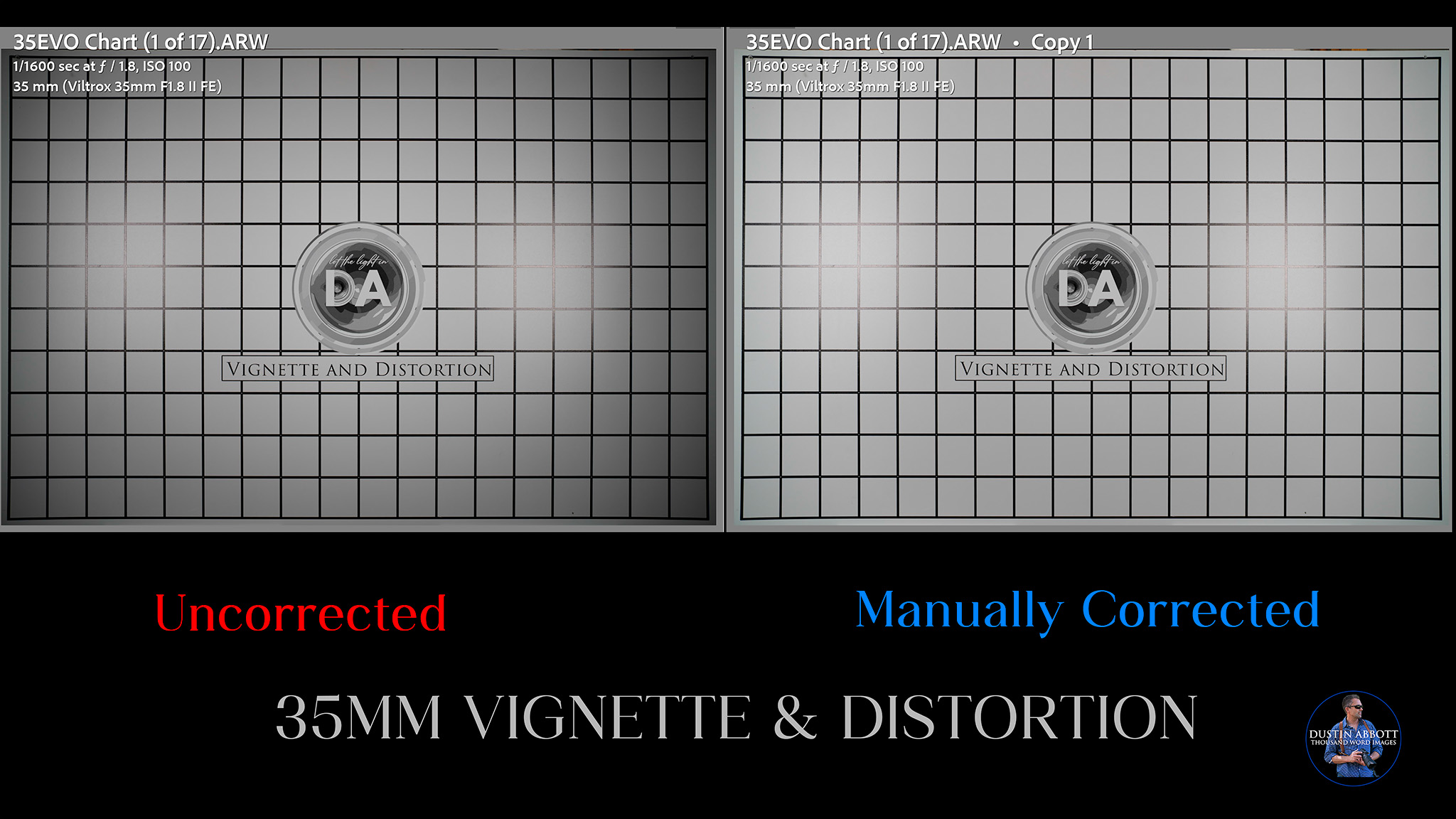
That vignette is enough that you’ll probably want to work to correct it, though, interestingly, I didn’t really notice it in my real world shots. Here’s a shot at F1.8 with no corrections, and corners look fairly bright. It’s almost as if the vignette is intensified at close focus distances (like my chart).

There’s a bit more fringing on the 35mm than on the 55mm, though neither is bad. I expected very little fringing due to the Apochromatic design, which helps with all colors being equally focused. I saw little evidence of longitudinal chromatic aberrations either before or after the plane of focus on my test chart.

I do see a bit of fringing on the shiny edges of my dad’s old SLR, however.
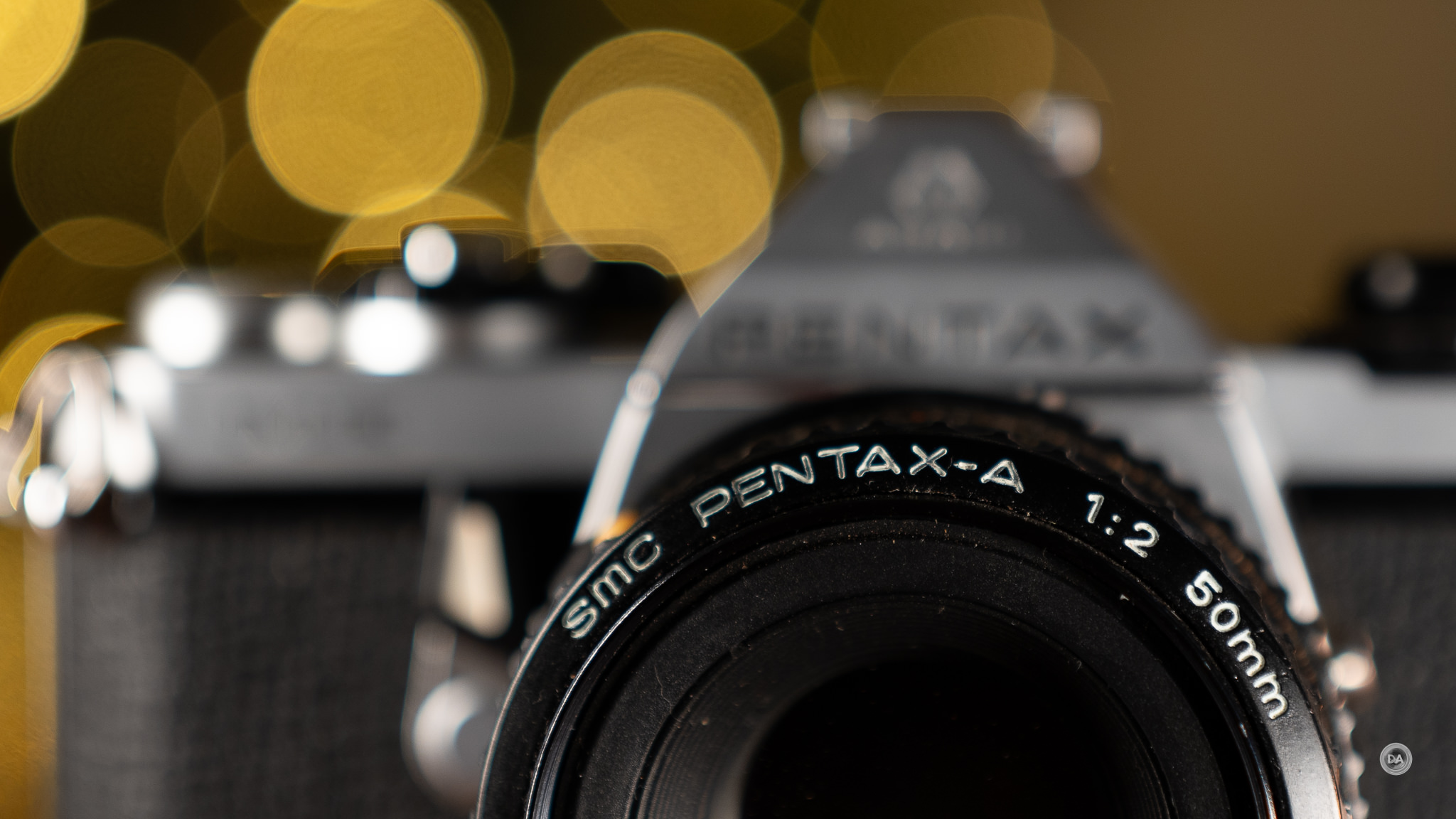
This caused me to expect a bit more issues out in the real world, but I didn’t see them. This shot from a little further away, for example, shows a very neutral performance on all the shiny bits.


My real world shots felt very, well, Apochromatic.

I shot the Viltrox Pro AF 27mm F1.2 a few years back in similar conditions, and the EVO 35mm felt similarly excellent in those very bright conditions that Arizona brings.
I saw next to no lateral style chromatic aberrations (LaCA) found in the contrast transitions near the edge of the frame.
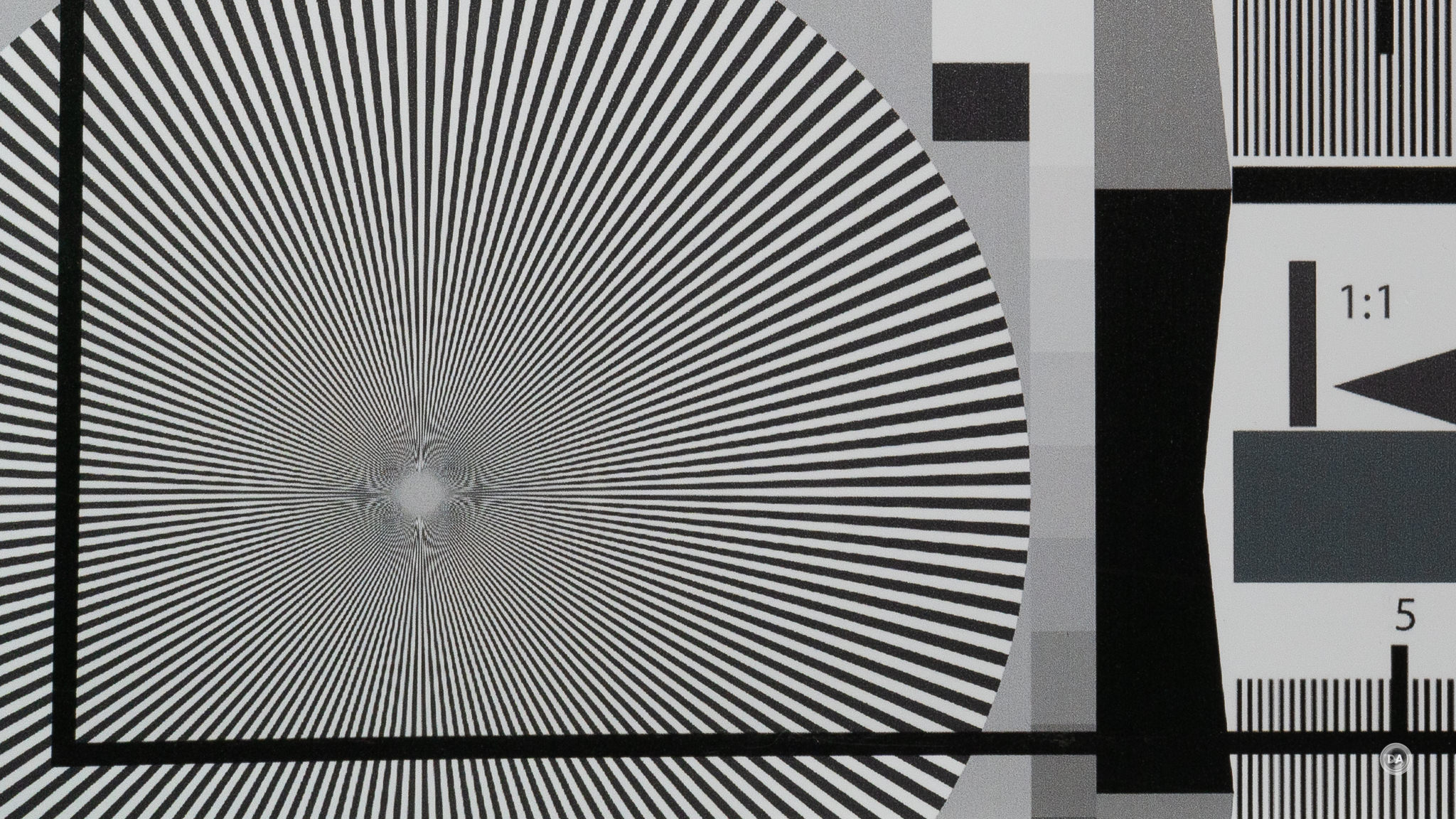
Other than some vignette, this is a lens that takes care of the optical problems through optical corrections.
So how about resolution and contrast? These results are shot on a 61MP Sony a7RV and the crops are shown at roughly 200% magnification level. Here’s a look at the test chart that the crops are taken from.

If we zoom in and look at the 200% crops at F1.8 from the center, mid-frame, and lower right, we discover that sharpness and contrast are excellent in the center and mid-frame, and still fairly strong right into the corners.



So how sharp is that? The Sigma 35mm F1.4 II ART that I recently reviewed is one of the sharpest 35mm lenses that I’ve yet tested, and the EVO 35mm F1.8 sticks very close, even with the Sigma stopped down to F1.8.
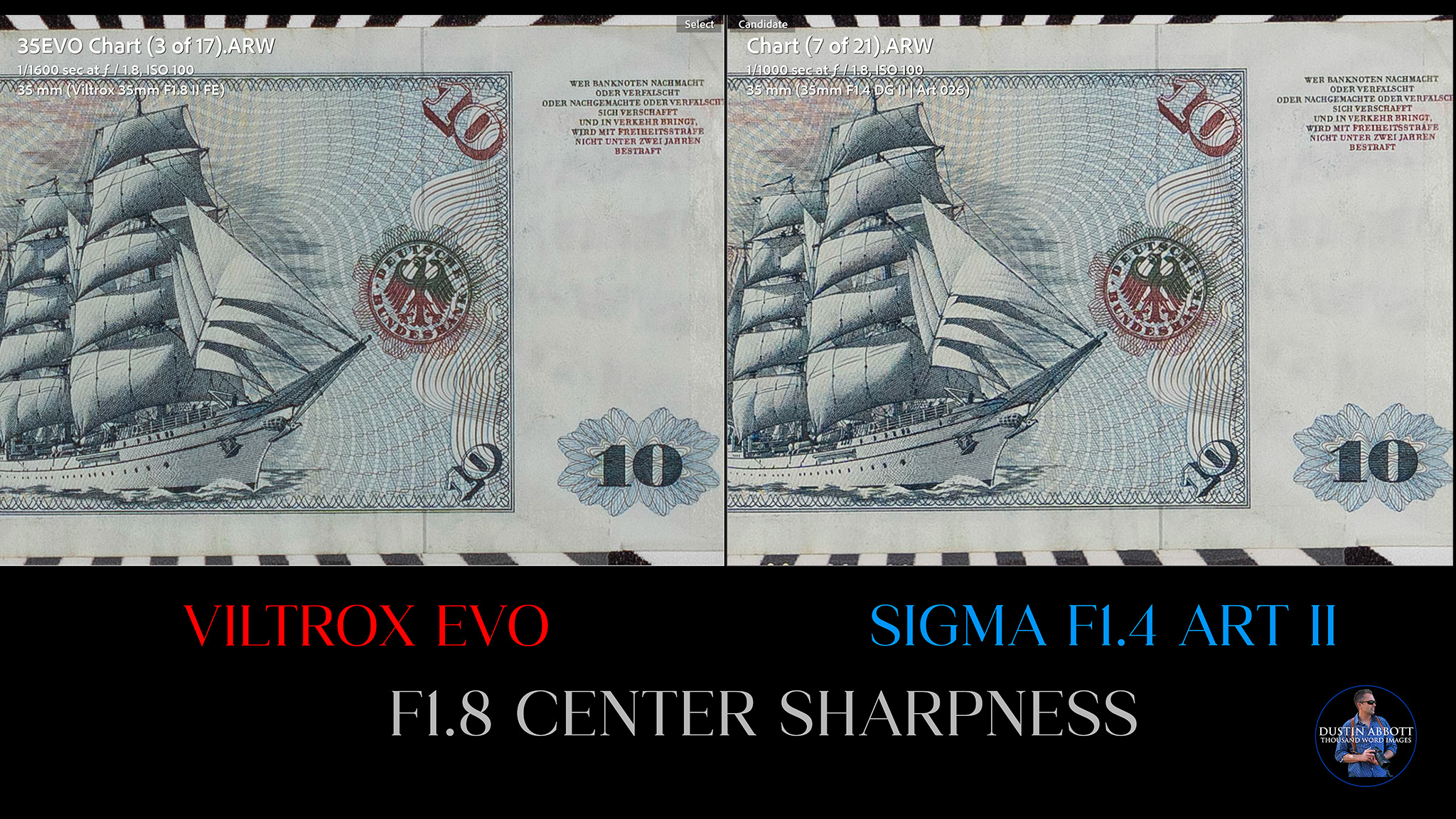
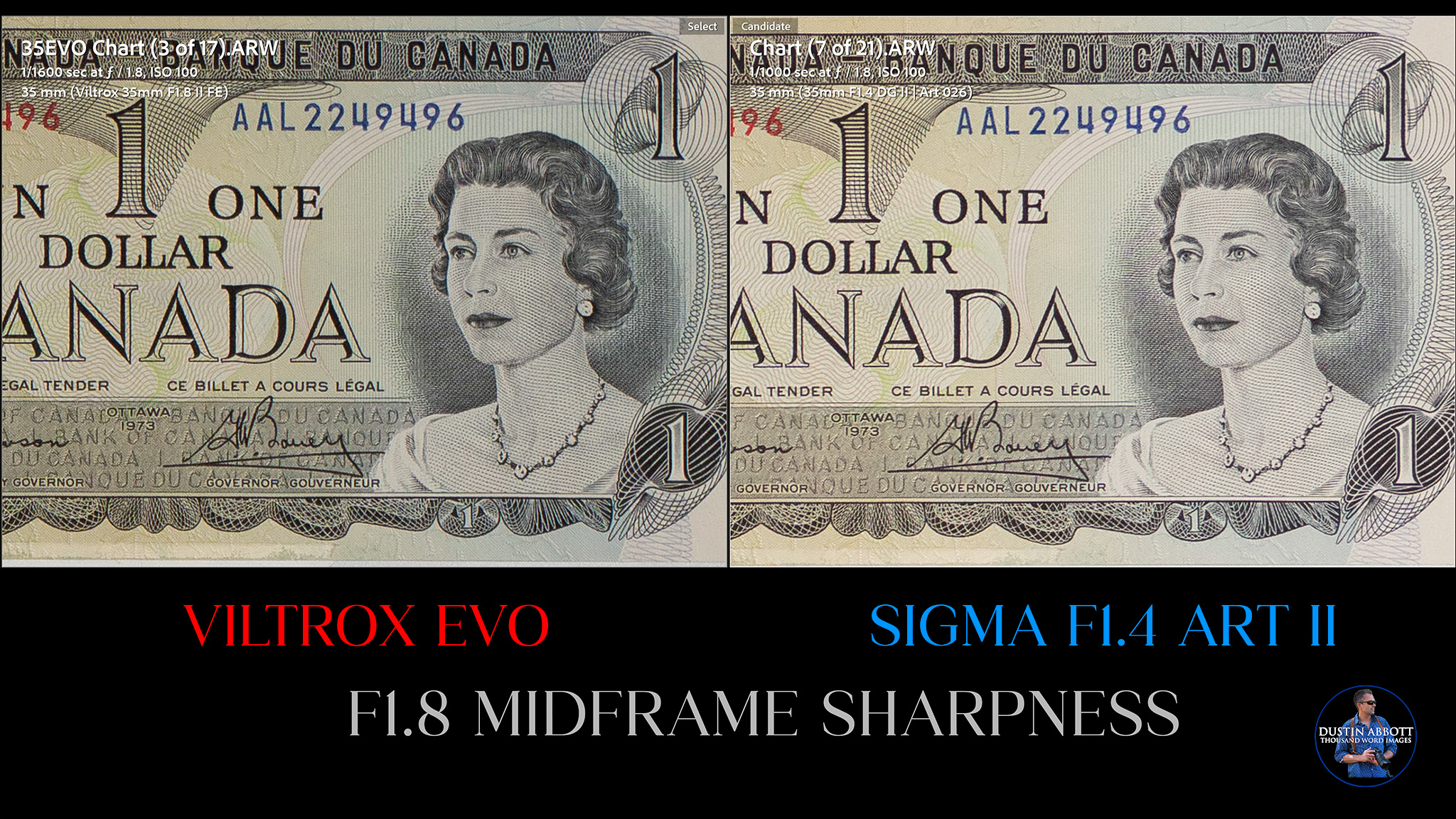
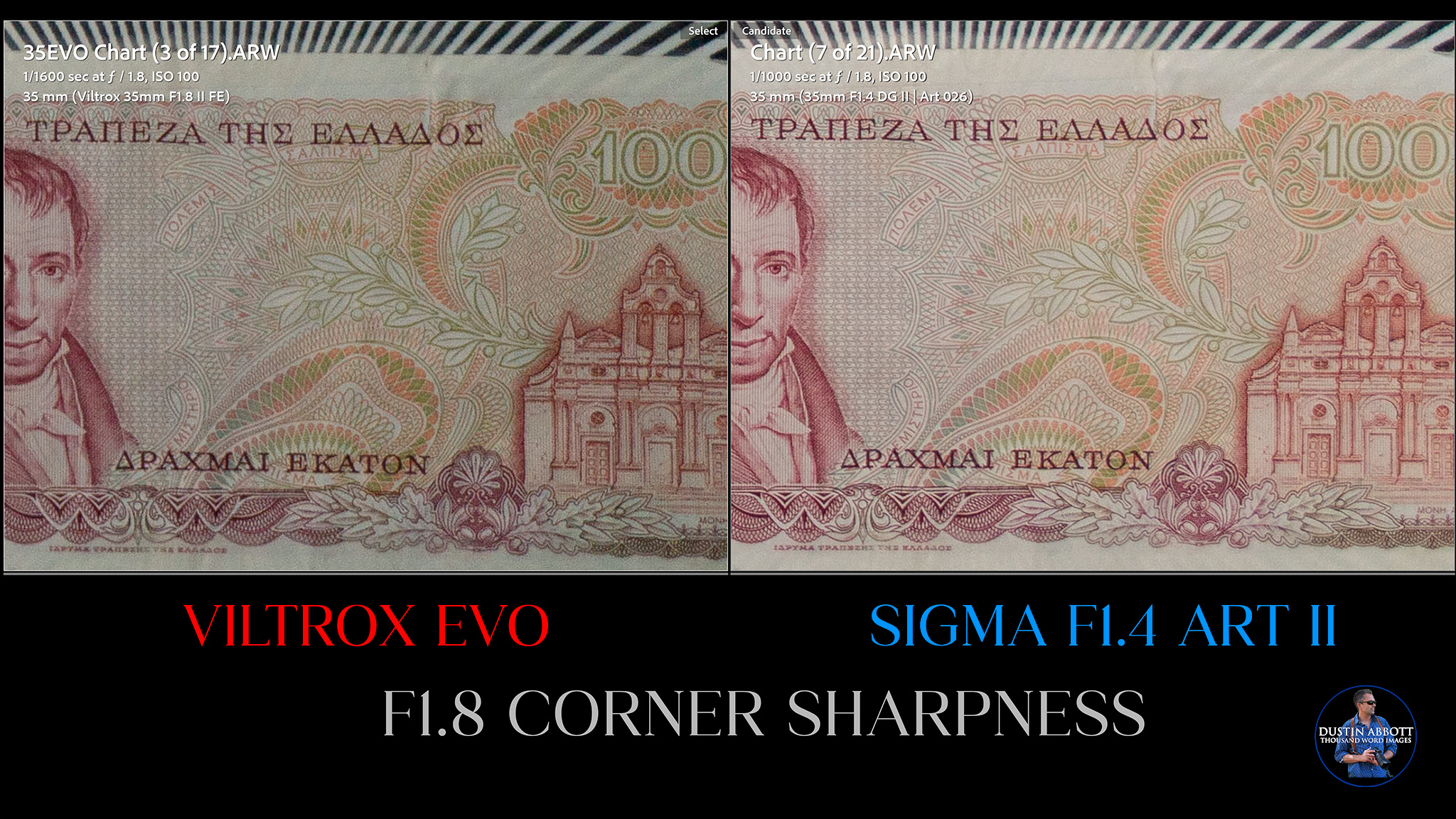
I would give the Sigma a slight edge in contrast, but it also costs far less than half as much. Neither the Sony 35mm F1.8 or the Nikkor 35mm F1.8 S are able to deliver this level of performance at F1.8 despite their higher price tags.
I was consistently impressed with the real-world sharpness and contrast even when pixel-peeping.


Images have amazing “punch” even at F1.8:

Stopping down to F2 does give a slight contrast boost, and by F2.8 the sharpness is great even into the corners.
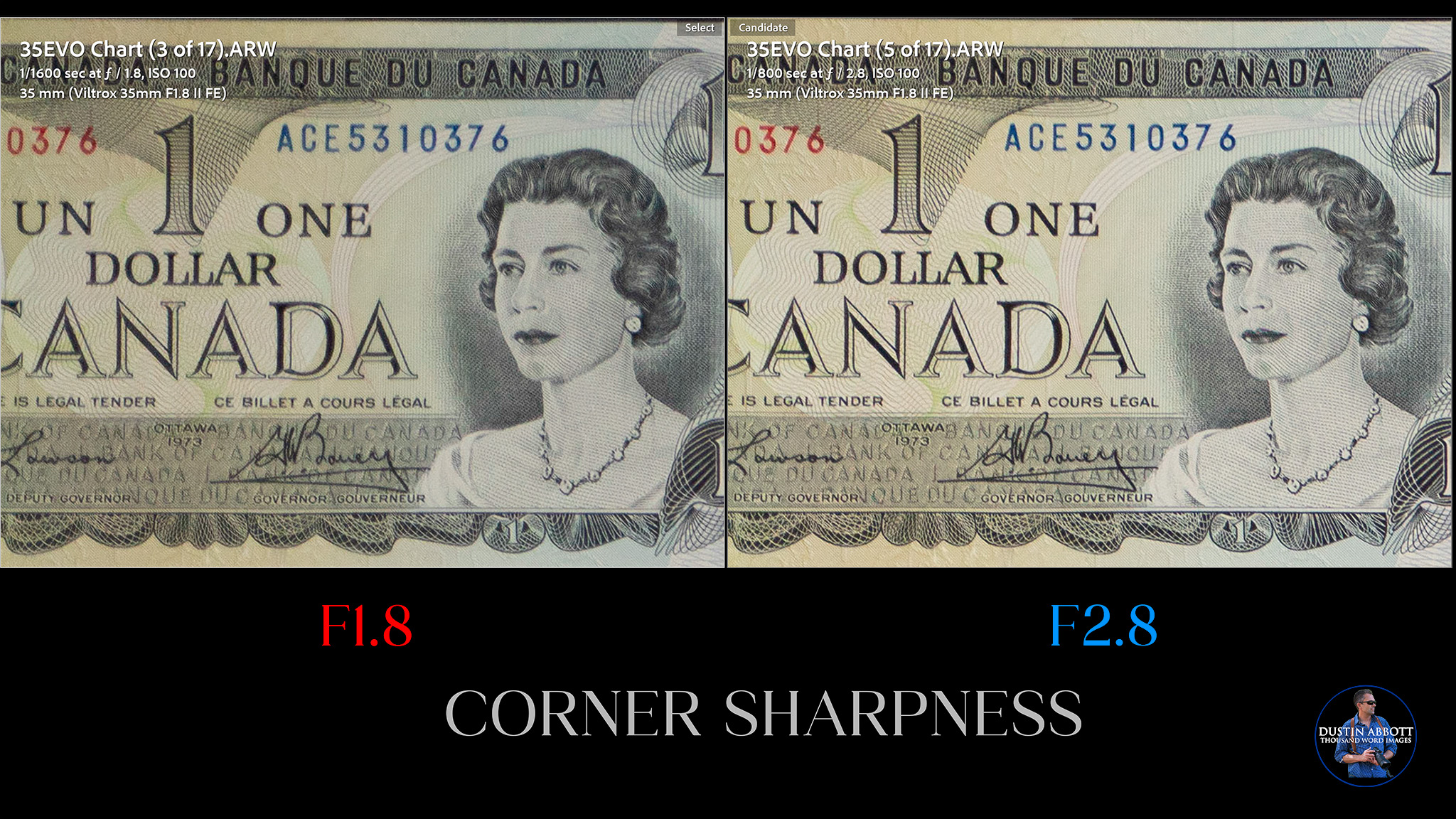
Stopping on down to F4 or F5.6 raises corner sharpness to a level rarely seen on a 61MP camera.
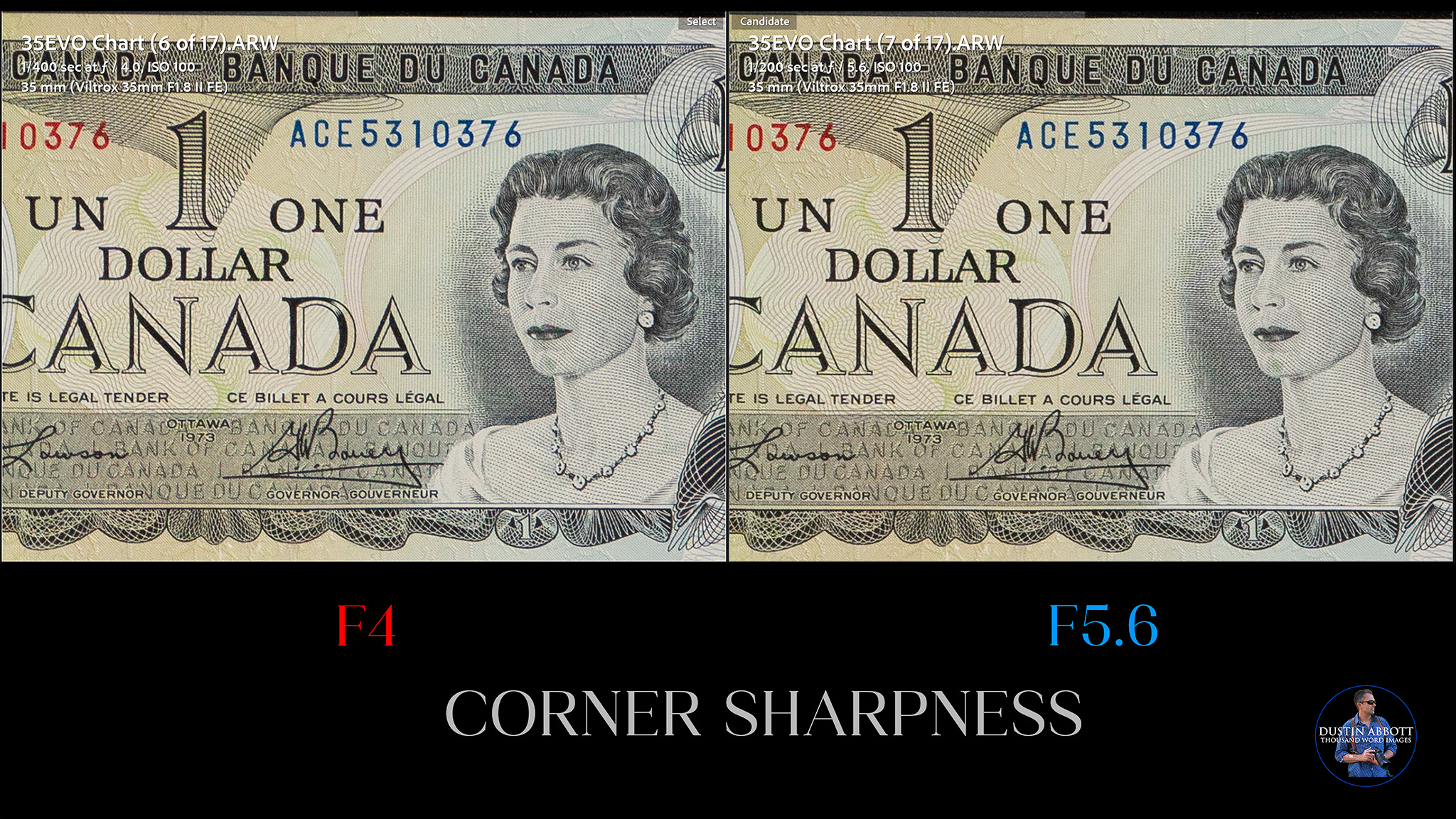
That makes this a pretty epic landscape lens, able to resolve massive amounts of detail even on high resolution sensors.



I found it a fantastic companion while hiking, easy to carry along and able to give me great photos time and again.

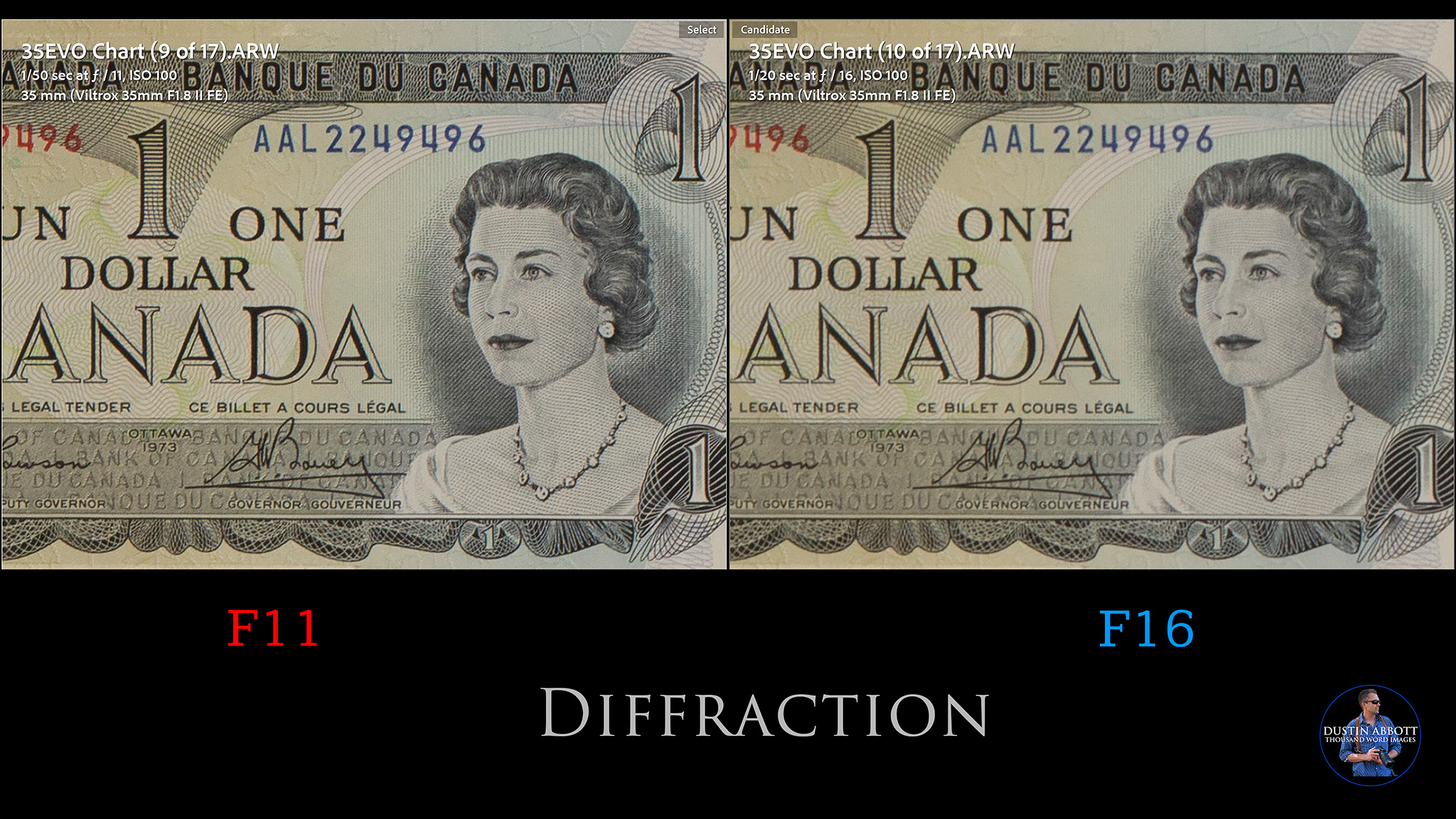
Diffraction is an unfortunate reality on higher resolution cameras, so you will see a faint softening by F11 and a more obvious softening by the minimum aperture of F16, though frankly results at 100% will still look fine.
So many of you wanted a 35mm focal length in the EVO series because they are so useful. I suspect that this is going to be EXACTLY what you were looking for.
I’m accustomed to lenses with “APO” in the title being very sharp and high contrast (definitely the case here), but sometimes they aren’t as exceptional in the rendering department. A 35mm F1.8 lens is rarely going to “obliterate” backgrounds, particularly one with a rather low maximum magnification like this one. I’ve been carefully examining the bokeh in a variety of settings to determine if there is any “magic” here.
First of all, a look at the specular highlights.

There’s a little noise in there, but nothing like “onion bokeh”. There also isn’t any kind of pronounced inner line, so I think that this is a lens that will do fine when shooting images with “bokeh balls”.
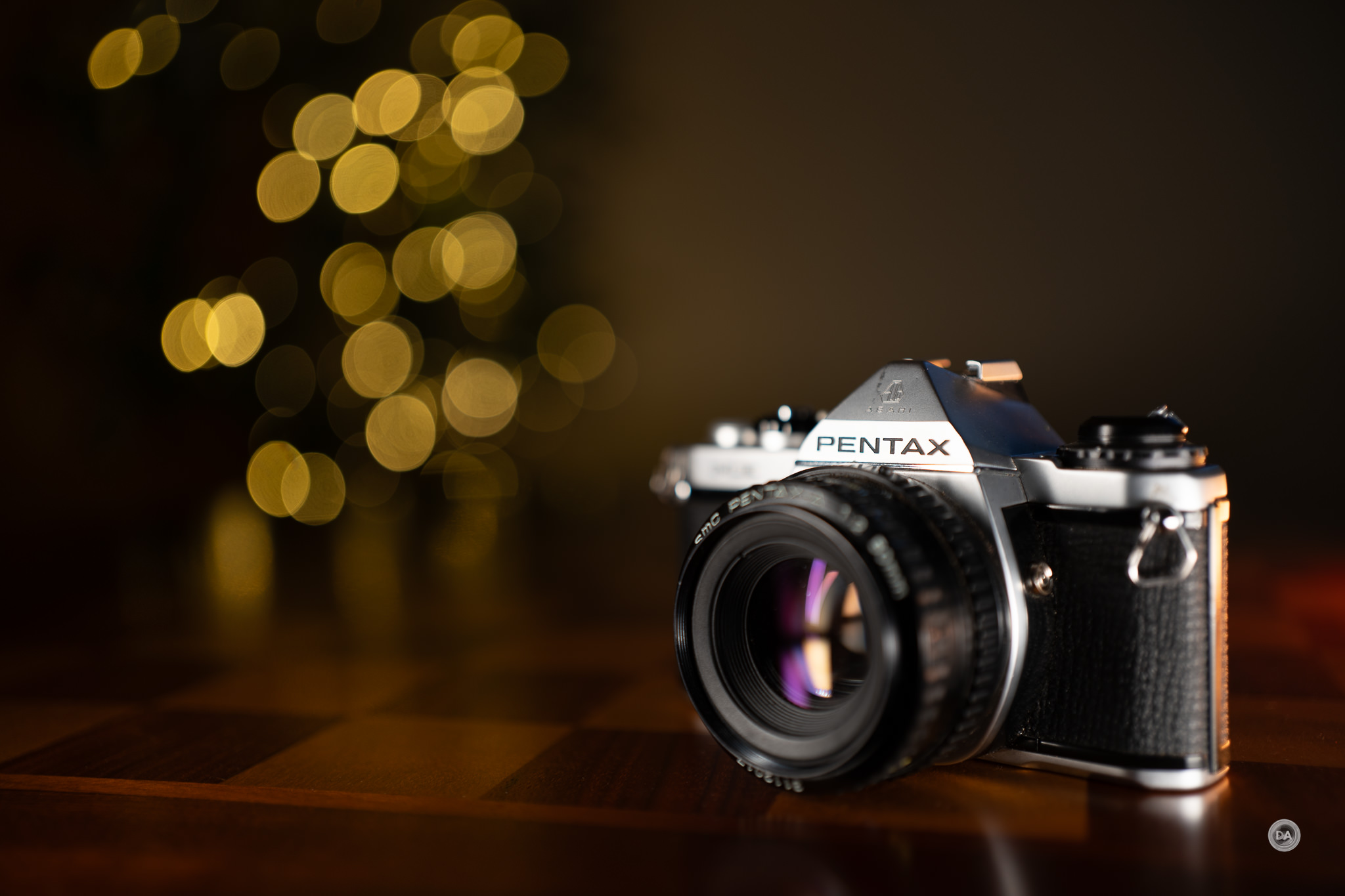
I had a chance to shoot in temperature extremes with the EVO 35mm, all the way from -20C in Canada to +40C in Arizona. Bokeh looked pretty good, rather shooting the cold:

…or the hot:

A shot like the one below doesn’t hit favorable ratios of distance to subject to background, and while things look a little busy, it isn’t bad.

In more favorable ratios, things look nice.

Full body portraits or casual shots like below won’t have strongly blurred backgrounds, but look fine (this is a shot of me and my momma).

While the EVO 35mm isn’t going to threaten the LAB 35mm F1.2 for out of focus rendering, I would say that if you can’t make fine art images with this lens…it probably isn’t the lens’ problem.

I was also pretty impressed with flare resistance. It feels like Viltrox’s coatings are getting better. I was able to shoot into intense sun with this shot and retain excellent contrast and color, with minimal ghosting and veiling. I only saw flare artifacts in one shot (the last in the series).
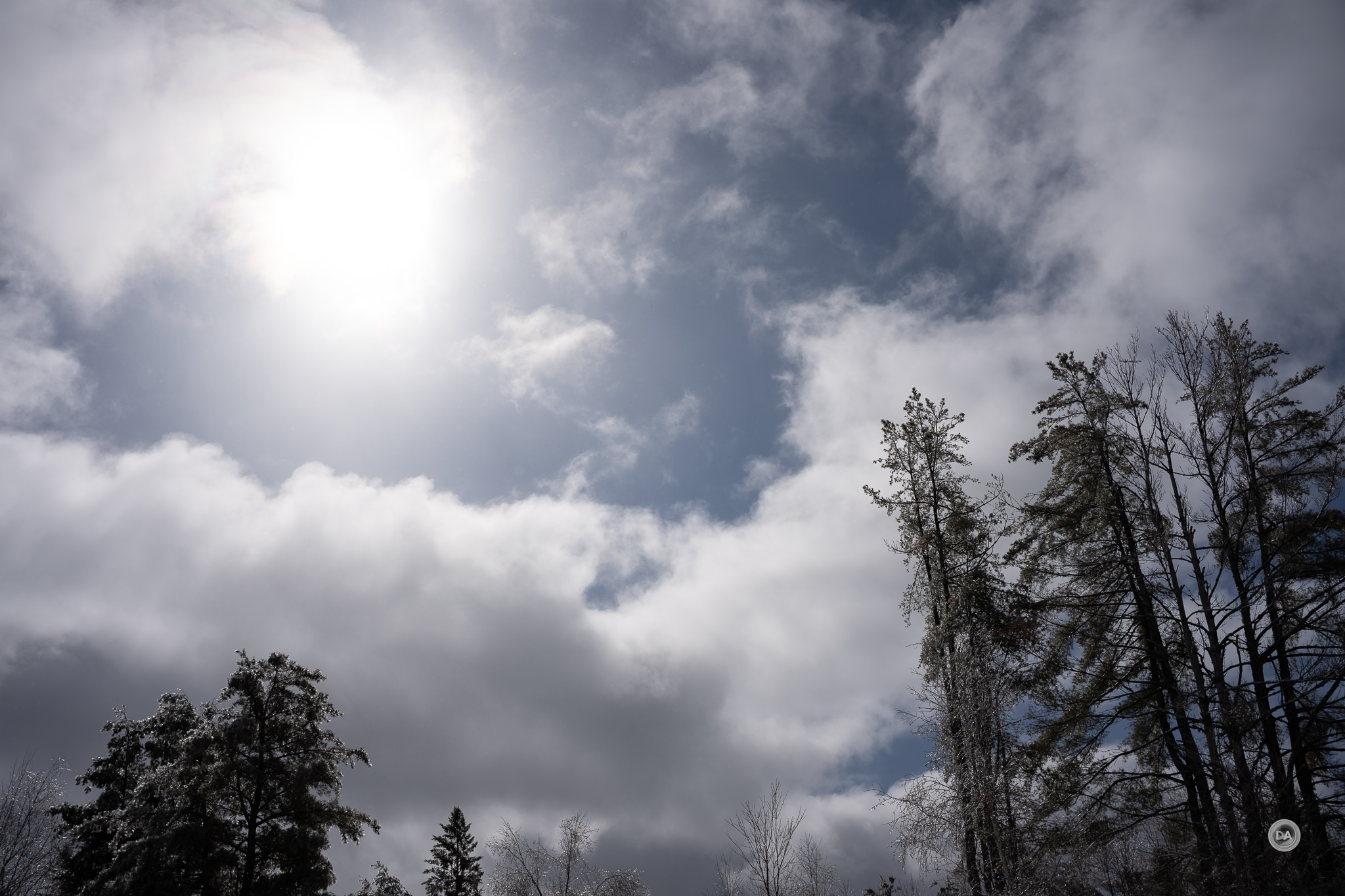



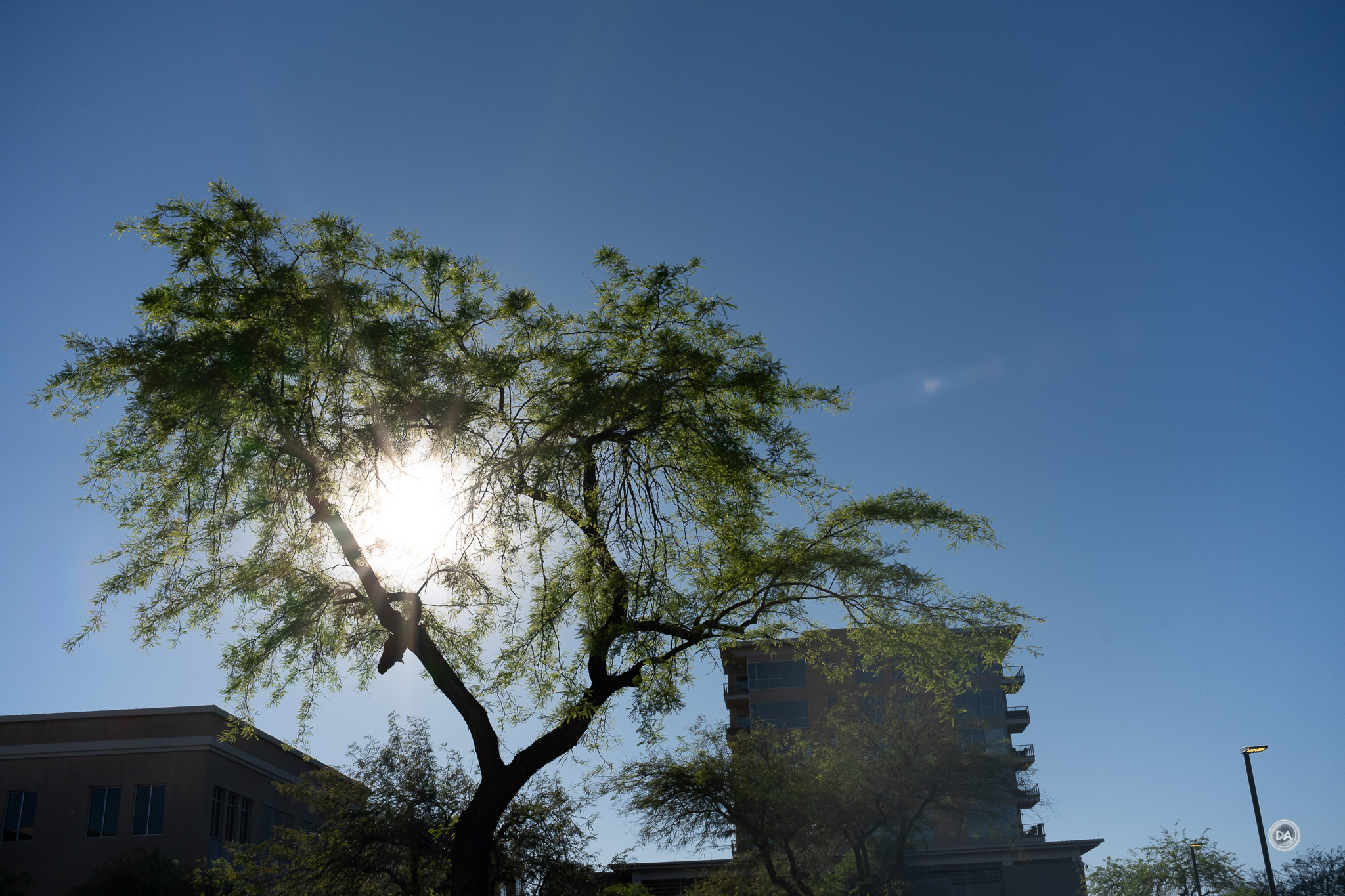

I was able to shoot into the intense Arizona sun without fear. This is definitely stronger than a lot of other Viltrox lenses.

The bottom line is that I doubt you’ll get a better optical performance in a 35mm lens at this kind of price. This is a very, very impressive lens. That APO design produces a lot of pop to images, and colors look good and rich.

I enjoyed every minute of shooting with the EVO 35mm. Enjoy the images in the mini-gallery here.

















Conclusion
The EVO series of lens continues to be an absolute sweet spot for me. They are well made, compact, feature rich, and optically excellent. I thoroughly enjoyed shooting with the Viltrox AF 35mm F1.8 APO II.
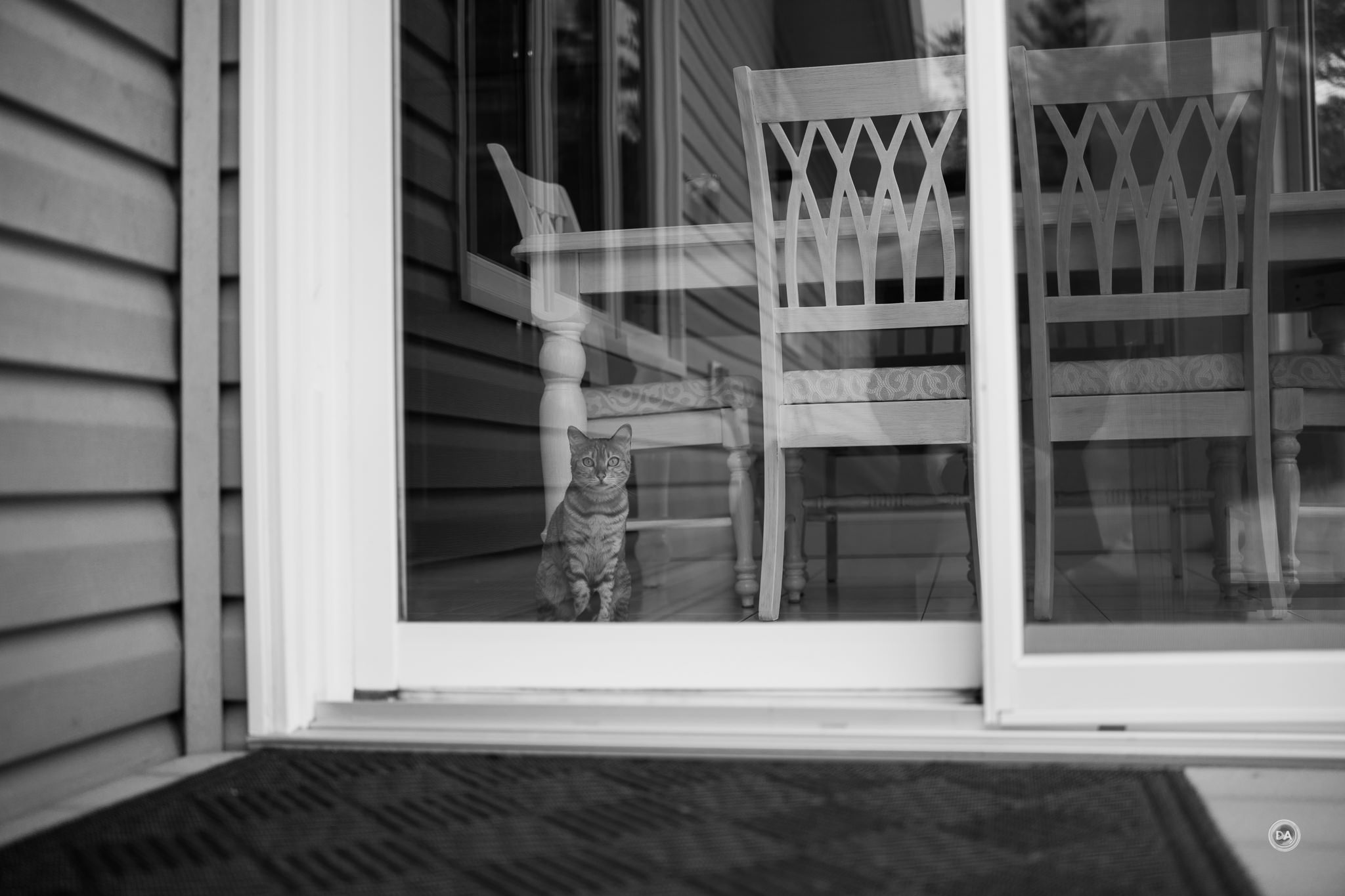
We don’t get the higher end focus system reserved for the Pro and LAB series lenses, but the smaller glass elements in the EVO lenses are easier to move anyway, and I found autofocus generally excellent.
My one complaint about the EVO 35mm is its disappointing maximum magnification. I love using 35mm lenses for close-up work, and I missed being able to get high-level magnification.

Where Viltrox always shines is in the price-to-performance ratio. I can’t think of a better 35mm for under $500, and at $395, the EVO is well under $500. You can use the code DUSTINABBOTT at Viltrox to shave a extra 5% off the MSRP.

I’m a fan of 35mm lenses generally, and I own F1.8, F1.4, and F1.2 variants. The EVO is good enough that I think many people would be happy with it as their only 35mm lens, and, in my opinion, it outperforms either the Sony or Nikon first party alternative that cost more than twice as much. That makes it an absolutely killer value, and I suspect that Viltrox will sell a lot of these excellent lenses on both platforms.

Pros:
- Competitive Pricing:
Priced at $395, the Viltrox AF 35mm F1.8 II EVO significantly undercuts similar lenses from Sony and Nikon, which are priced over $800, providing great value. - Apochromatic Design:
The APO designation enhances optical quality by minimizing chromatic aberrations, making it comparable to premium lenses at a fraction of the price. - Lightweight and Compact:
At just 330g and 76mm long, the lens is easy to carry and handle, appealing to photographers who prioritize portability. - High-Quality Build:
The lens exhibits excellent build quality with an upscale finish, offering a premium feel despite being made of engineered plastics. - User-Friendly Features:
- Aperture Control: Offers a click or de-click option on the aperture ring, allowing for smooth adjustments tailored to user preference.
- USB-C Port: Facilitates easy firmware updates directly through the lens, eliminating the need for additional equipment.
- Impressive Optical Performance:
Real-world sharpness and contrast are exceptional, even at wide apertures like F1.8, making it suitable for a variety of shooting conditions. - Excellent Bokeh:
The lens produces pleasing bokeh due to its rounded aperture blades, making it suitable for portrait and artistic photography. - Good Autofocus Performance:
While not the fastest, autofocus is generally accurate and reliable, making it suitable for most photography scenarios. - Good Image Quality Across the Frame:
Maintains sharpness even into the corners with minimal distortion and good flare resistance
Cons:
- Substandard Minimum Focus Distance:
With a minimum focus distance of 34cm and a maximum magnification of 0.10x, it lags behind competitors, limiting close-up photography capabilities. - Not Suitable for High-Speed Action:
Autofocus speed is decent but may not satisfy those needing quick, instantaneous focus, particularly for fast-moving subjects or sports. - Vignetting:
There is noticeable vignetting, particularly at wide apertures, which may require correction in post-processing for optimal results. - Presence of Fringing:
Although the APO design minimizes chromatic aberrations, some minor fringing can still be observed, particularly in high-contrast situations.
_________________________________________________________________________
GEAR USED:
Purchase the Viltrox EVO 35mm F1.8 @ Viltrox (use code DUSTINABBOTT for 5% off) | B&H | Adorama | Amazon | Amazon Canada | Amazon UK | Amazon Germany
Purchase the Viltrox EVO 55mm F1.8 @ Viltrox (use code DUSTINABBOTT for 5% off) | B&H | Adorama | Amazon | Amazon Canada | Amazon UK | Amazon Germany
Purchase the Viltrox EVO 85mm F2 @ Viltrox (use code DUSTINABBOTT for 5% off) | B&H | Adorama | Amazon | Amazon Canada | Amazon UK | Amazon Germany | Pergear
Purchase the LK Samyang 85mm F1.8 P @ B&H Photo | Adorama | Amazon | Amazon Canada | Amazon UK | Amazon Germany | LK Samyang
_________________________________________________________________________
Purchase the Sony a7RV @ B&H Photo | Adorama | Amazon | Camera Canada | Sony Canada | Amazon Canada | Amazon UK | Amazon Germany
__________________________________________________________________
Purchase the Sony a7IV @ B&H Photo | Adorama | Amazon | Camera Canada | Sony Canada | Amazon Canada | Amazon UK | Amazon Germany
_________________________________________________________________
Purchase the Sony Alpha 1 @ Camera Canada | B&H Photo | Adorama | Amazon | Sony Canada | Amazon Canada | Amazon UK | Amazon Germany | Ebay
_________________________________________________________________
Want to support this channel? Use these affiliate links to shop at: B&H Photo | Amazon | Adorama | Camera Canada | Amazon Canada | Amazon UK | Ebay | Make a donation via Paypal
Buy DA Merchandise https://bit.ly/TWIMerch

Keywords: Viltrox AF 35mm FE EVO FE, Viltrox AF, EVO, Viltrox EVO, #EVO, #EVO35, #explorebeyond, Viltrox 35mm, Telephoto, Full Frame, F1.8 f/1.8, STM, Viltrox EVO 35mm F1.8 II FE, Viltrox EVO 35mm Review,, Sony a7V, Sony A1 II, α1 II, Sony a7RV, Review, Hands On, Dustin Abbott, Real World, Comparison, Sharpness, Bokeh, Flare Resistance, Autofocus, Image Quality, Sample Images, Video, Photography, let the light in, weathersealing, #letthelightin, DA
Related posts:
 Viltrox EVO 85mm F2 FE Review
 Viltrox EVO 55mm F1.8 APO Z Review
 Viltrox AF 35mm F1.2 LAB FE Review
 Viltrox EVO 85mm F2 Nikon Z-Mount Review
 Viltrox AF 85mm F1.4 PRO FE Review
 Viltrox AF 35mm F1.2 LAB FE Gallery
 LAB vs GM – Sony 35mm Showdown
 Viltrox Pro AF 50mm F1.4 FE Review
 Viltrox AF 40mm F2.5 E-mount Review
 Viltrox AF 28mm F4.5 VCM “Chip” Review