


The newer lensmakers that were making manual focus lenses last year are all moving on into autofocus this year. This is the first time that I’ve reviewed an autofocus lens from Brightin Star, and they’ve created an interesting one – an autofocusing 12mm F2.8 with a whopping 122.5° angle of view. What’s more, the lens comes with a full set of features, from an aperture ring to a custom button and AF | MF switch. It’s compact form is easy to bring along, and both the autofocus and optical performances are solid. The initial launch price will be $609.99 USD, which undercuts the Laowa AF 12mm F2.8 that I reviewed in 2025 by about $90. So is the Brightin Star 12mm the one to buy if you need to go extremely wide? Find out more in either the video review below or by reading on in the text review.
Follow Me @ YouTube | Patreon | Instagram | Facebook | DA Merchandise | Flickr | 500px | X
Thanks to Brightin Star for sending me a review sample of this lens. As always, this is a completely independent review. *The tests and most of the photos that I share as a part of my review cycle have been done with the Sony a7RV and the Sony A1 II. You can find the listing for the Brightin Star AF 12mm F2.8 here.
__________________________________________________________________________________________________
AI SUMMARY: The Brightin Star 12mm F2.8 autofocus lens, with its impressive 122.5° angle of view, marks a significant entry for the brand into the autofocus market. It boasts a range of features, including a manual aperture ring, a custom button, and a durable all-metal construction, making it a compact yet robust option for photographers. The lens performs solidly in both autofocus and optical quality, offering a good balance between price and functionality, coming in at $609.99, slightly less than its Laowa competitor. However, while it excels in many areas, certain optical quirks and limitations on close focus distance may deter some users.
Strengths:
- Impressive wide-angle view at 122.5°.
- Durable all-metal build quality and thoughtful ergonomic features.
- Excellent autofocus performance, both for stills and video.
- Competitive price compared to similar options like the Laowa 12mm F2.8.
Weaknesses:
- Limited close focus distance may not suit all photography needs.
- Vignetting and distortion require post-processing corrections.
- Currently not compatible with In-camera corrections
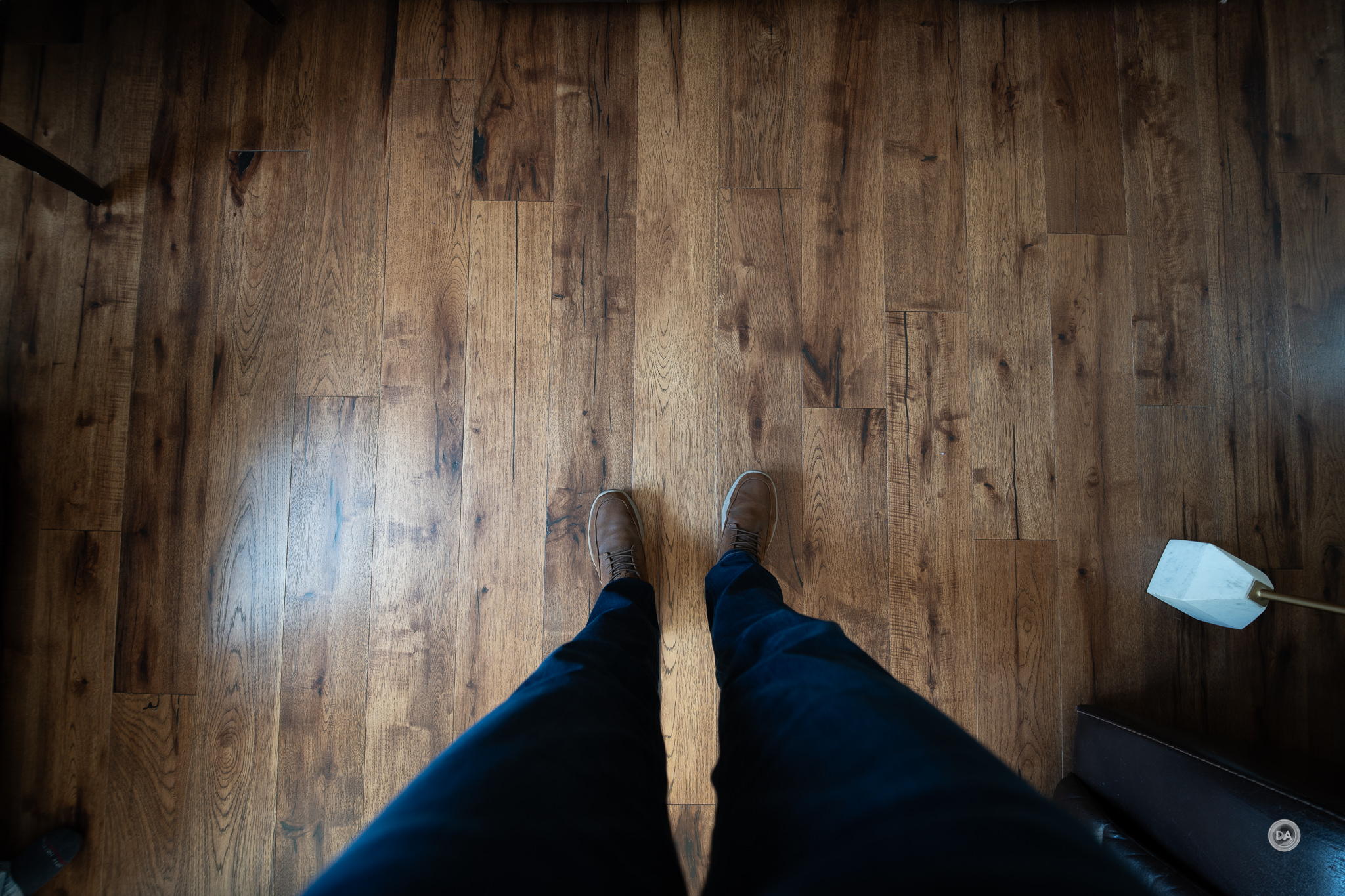
It’s hard to fully comprehend how wide lenses like this really are. A 122.5° angle of view means that it is easy to get your feet in the frame, and if you aim at your feet, its a LONG way down.

If you’ve never shot with a lens this wide, it takes a completely different approach to framing, as foregrounds will be exaggerated, rooms will be elongated, and people…well, you had better hope they are interested in comedy. It’s a fun challenge, however, and allows you to get some uniquely dynamic images.

Let’s take a closer look at what we have from Brightin’ Star here…
Brightin Star 12mm Build and Handling
I’m doing this review on Sony FE, but the lens will also be available for Nikon Z mount.

In times past, most of these extremely wide angle lenses were manual focus only, but the addition of autofocus not only makes the lens more accessible but also adds electronics. The inclusion of electronic contacts means:
- We get full EXIF data – information like the lens name and aperture value for the shot is now included.
- Information for IBIS (in body image stabilization) is automatically transferred so the lens stabilization works properly.
- Any manual focus aids dependent on electronic communication will now work.
- What we don’t seem to get (at least in the pre-release copy I tested) is in-camera corrections. The JPEGs in-camera have as much vignette and distortion as the RAW images.
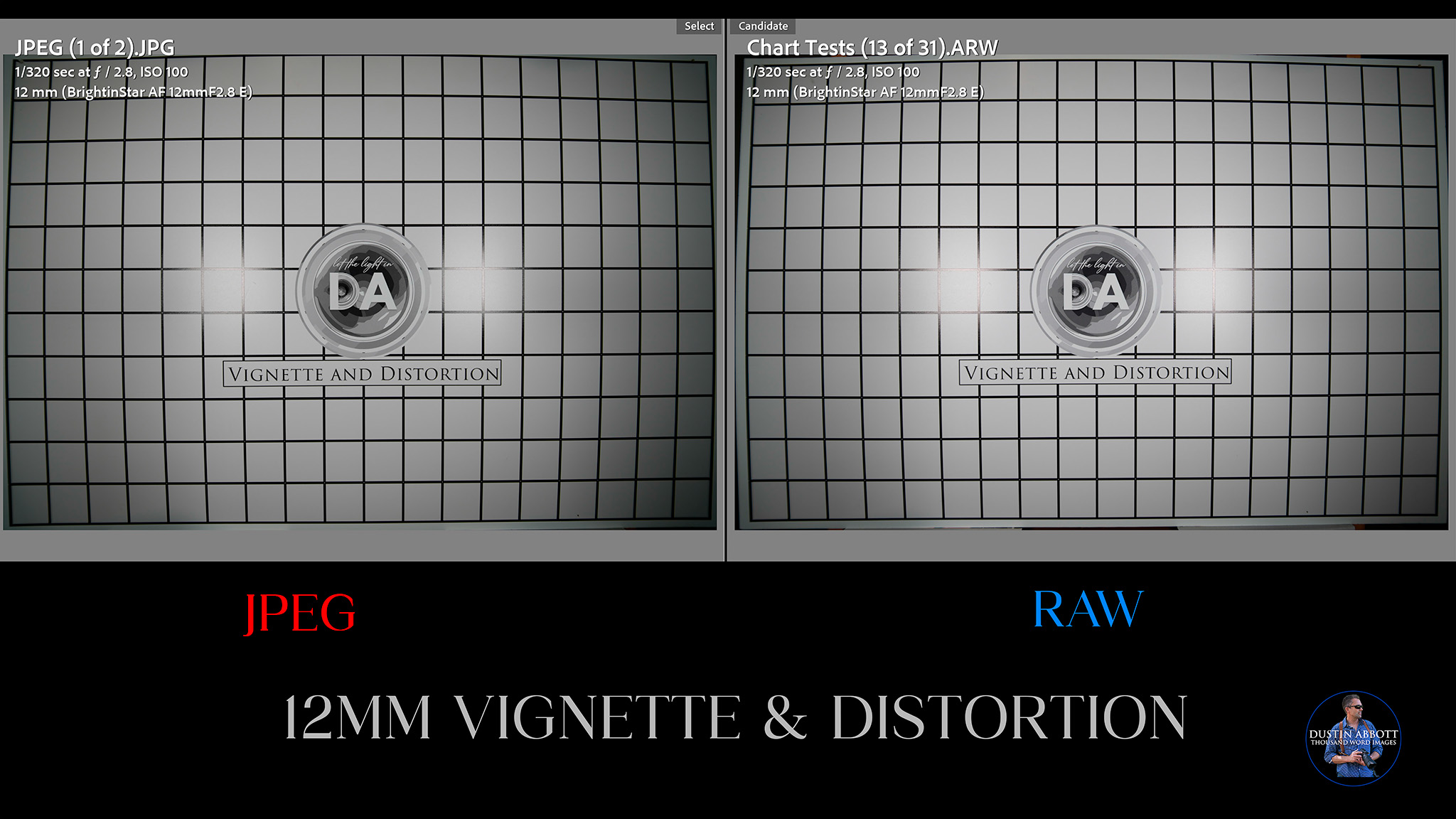
That’s unfortunate, though that is something that could potentially change in the future.
The Brightin Star has a clean, classic that somehow manages to look more like a manual focus lens. The badging is subtle, and while the lens doesn’t shake anything up in terms of style, it is a lens that looks good now and will still look good in 20 years.

Unlike the Laowa AF 12mm F2.8, the Brightin Star has a traditional bulbous front element that requires the constant protection of a fixed lens hood.

When out shooting in the rain I found that I did have a problem with rain getting on the front element and causing streaking in my shots because the lens hood doesn’t protect the element at all angles.

That means that the lens cap has to fit over the fixed lens hood, meaning that it is deeper than most. It’s not bad for this type of lens, however, staying on tightly and being small enough to still fit in a pocket okay. The etched writing on the metal lens hood is the boldest element in the whole lens design.
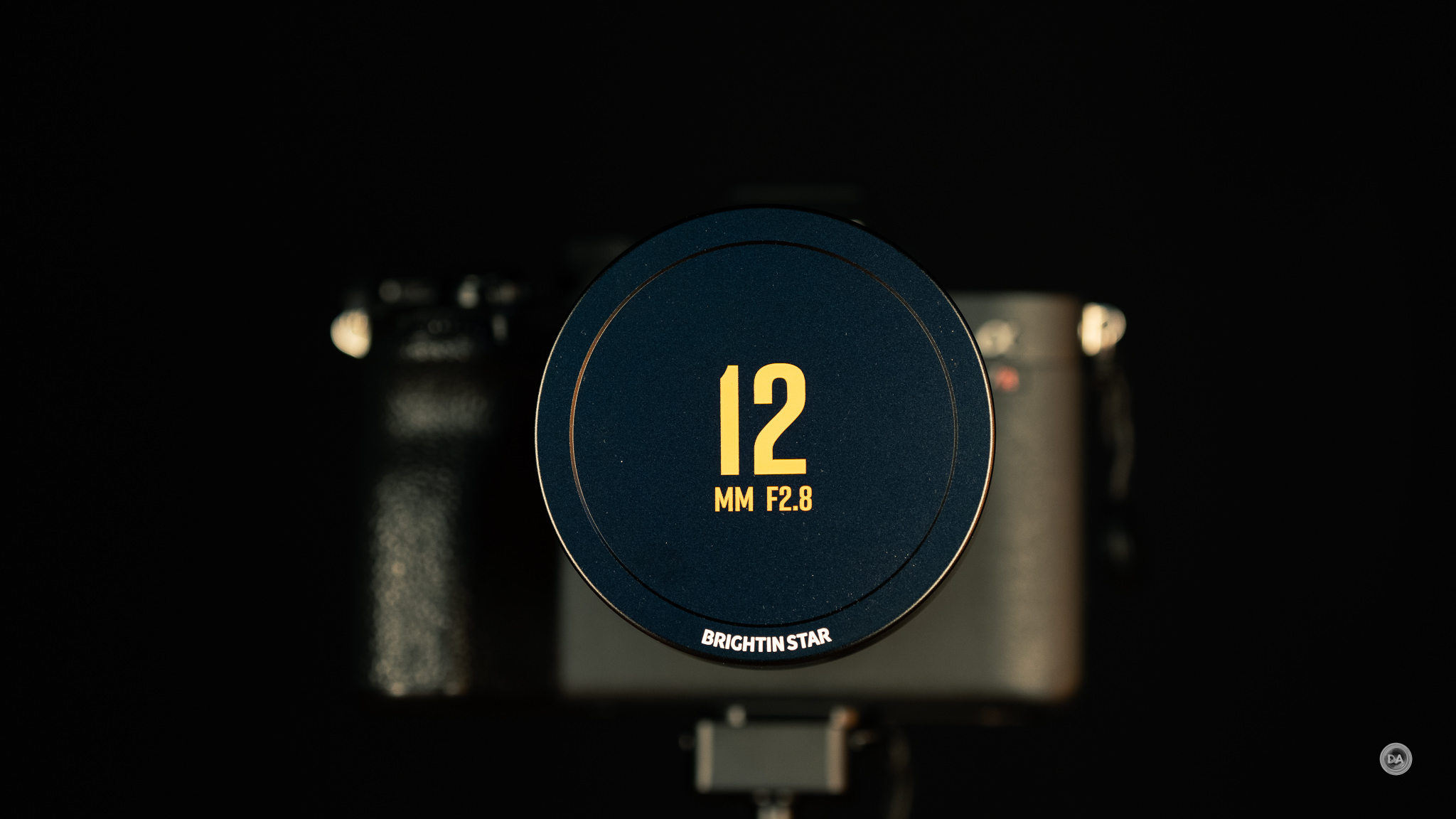
The Brightin Star 12mm is 70mm (2.75″) in diameter, making it considerably slimmer than the Laowa 12mm. The fixed lens hood does add to the length, however, adding up to a 96.6mm (3.8″) overall length. The body is also all metal, so it has more heft than a similarly-sized lens in plastics. It weighs in at 499g (17.6oz).

That curved front element means that tradtional screw-on filters are out, but Brightin Star has “kind of” solved that through having a rear filter thread with an installed protection filter. When there is a rear filter holder like this, you will need to have a filter of some kind installed, as it becomes part of the optical path.
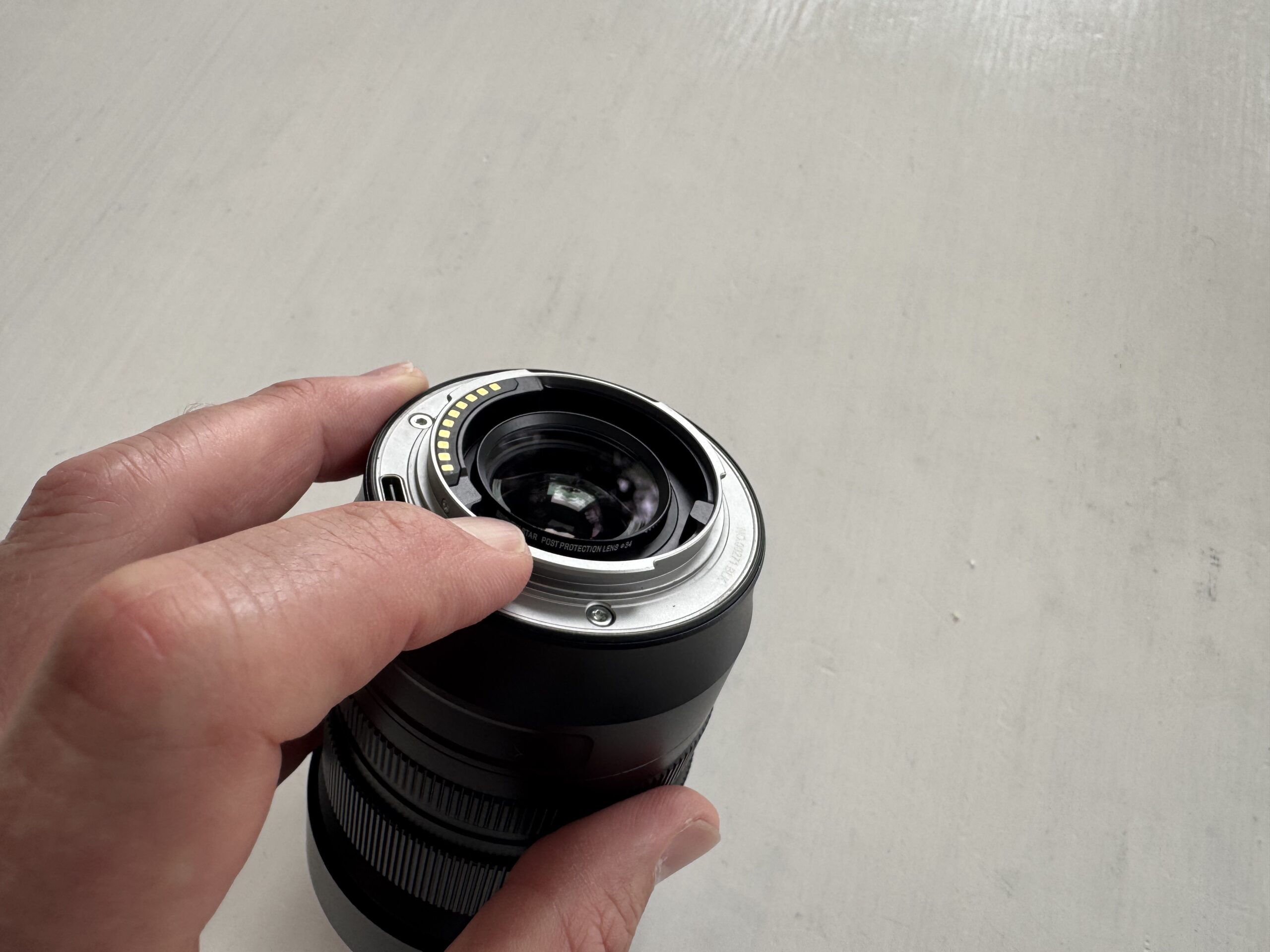
The filter size is a rather unusual 34mm, but Brightin Star is selling filters from their own website for minimal money. You can get a kit of an ND1000, ND64, and a Clear Night filter for just $20. The ND (Neutral Density) filters are the most important to me, as they will unlock long exposure photography, which will be a great application for this lens.
This is a more feature rich lens than some of the competing options. We do have a manual aperture ring, which is by default declicked. There is no option to have it clicked instead.

We’ve also got a custom (Fn) button along with an AF | MF switch.
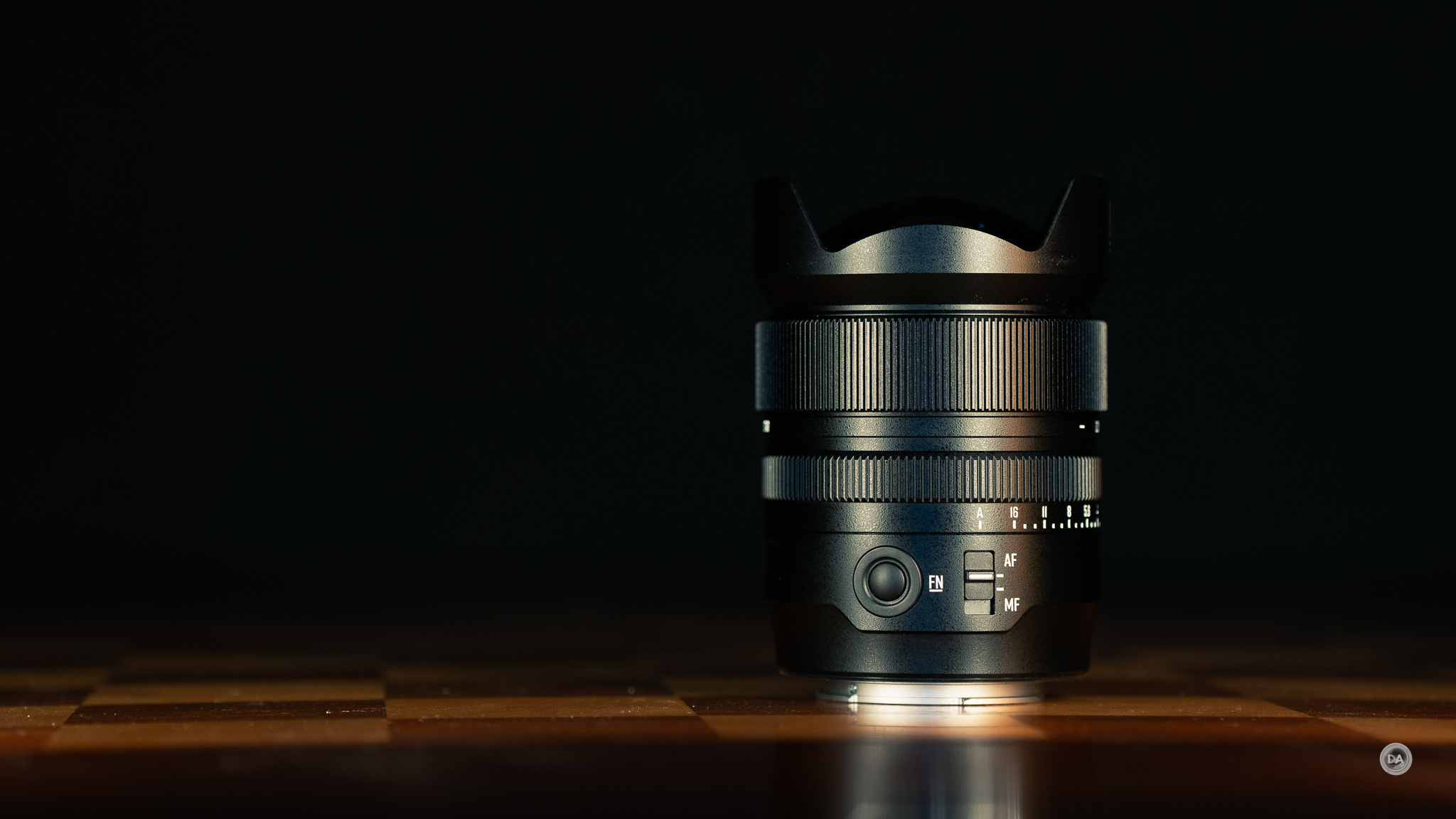
The manual focus ring is metal (like everything else), and moves with an upscale level of precision and quality damping. It’s generally a joy to use.

At the rear of the lens there is a weather sealing gasket (the only seal point, however), along with a USB-C port for firmware updates.
Both of these have become increasingly common, but I don’t want to take them for granted, as they are awesome additions to basic functionality, giving us both more confidence when shooting in inclement weather and also the ability to keep lenses up to date in both function. I’ve seen definite autofocus improvements over time in many third-party lenses because of updated firmware with better focus algorithms.

The aperture iris has 7 blades, allowing for 14-pointed sunstars.

I found the sunstars a little on the busy side for my tastes.
Minimum focus distance is a 30cm (which is a full 16cm longer than the Laowa), leaving an extremely low level of magnification. I’m used to this bill mostly filling the frame! The magnification level is not stated, but it looks to be near 0.06x.

If your goal is to get strongly out-of-focus backgrounds, this is NOT your lens.

All in all, this is quite a nice package. It is compact, nicely made, and feature rich, though heavier than the Laowa alternative due to more dense metal construction. The Laowa’s ability to use traditional front filters is a big deal, though the rear filter option for the Brightin Star helps close that gap.
Autofocus for Stills
This is the autofocus lens that I have tested by Brightin Star, but it doesn’t feel like an early effort at all. I haven’t seen specifics about the focus motor, but it feels like it is a stepping motor (STM). I’ve got no complaints, as focus is quick, silent, and accurate, even in very dim conditions.

Focus speed is nearly instantaneous, helped by the fact that a lot is typically in focus in a lens this wide, so focus shifts are minimal. Focus is fast and accurate even when focusing on a closer subject, however, and in shots like this, you can tell that focus is also accurate.

Often subjects won’t be large enough in the frame to require eye detection, but on the rare occasions when they do, focus is accurate.

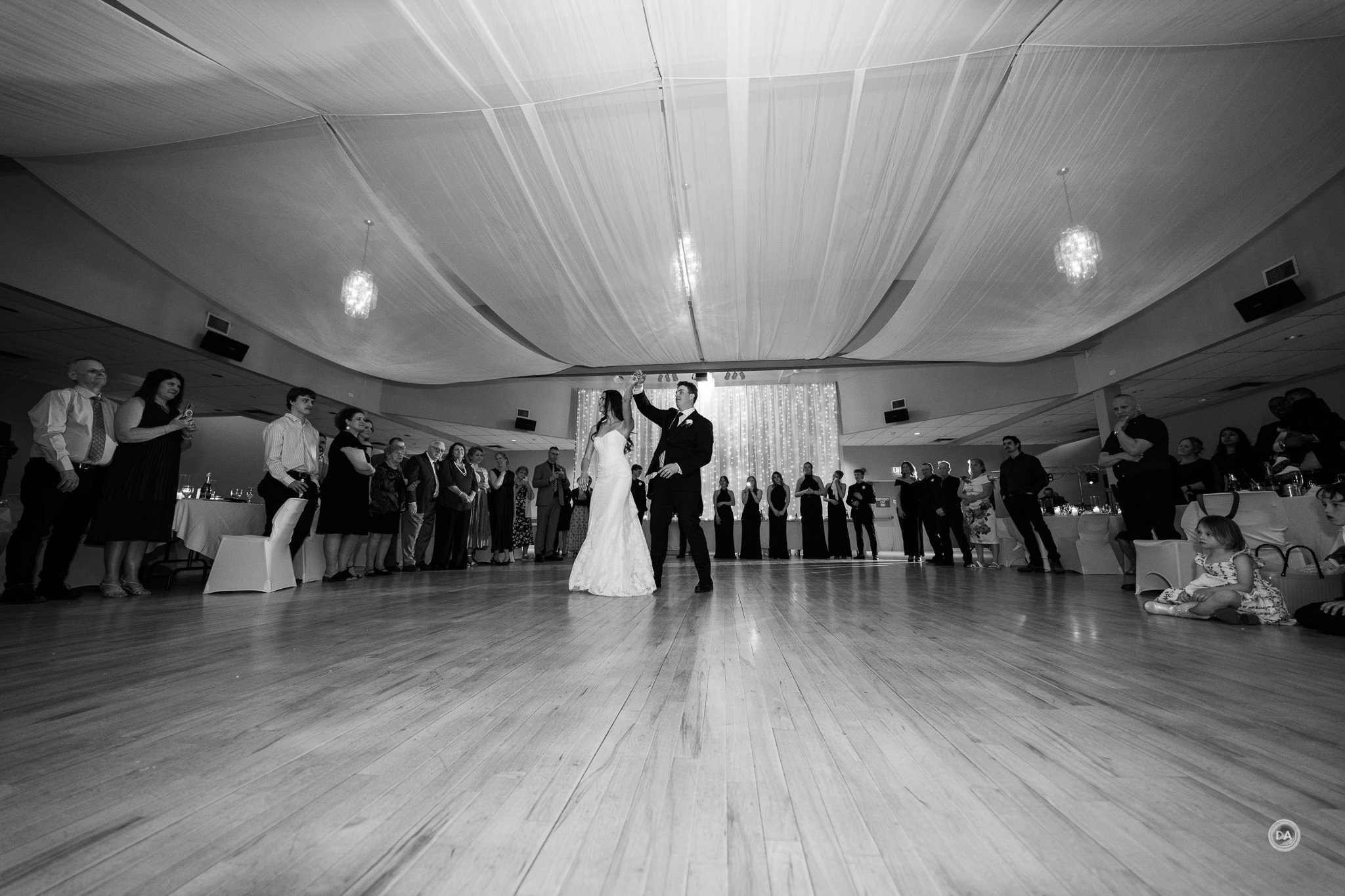
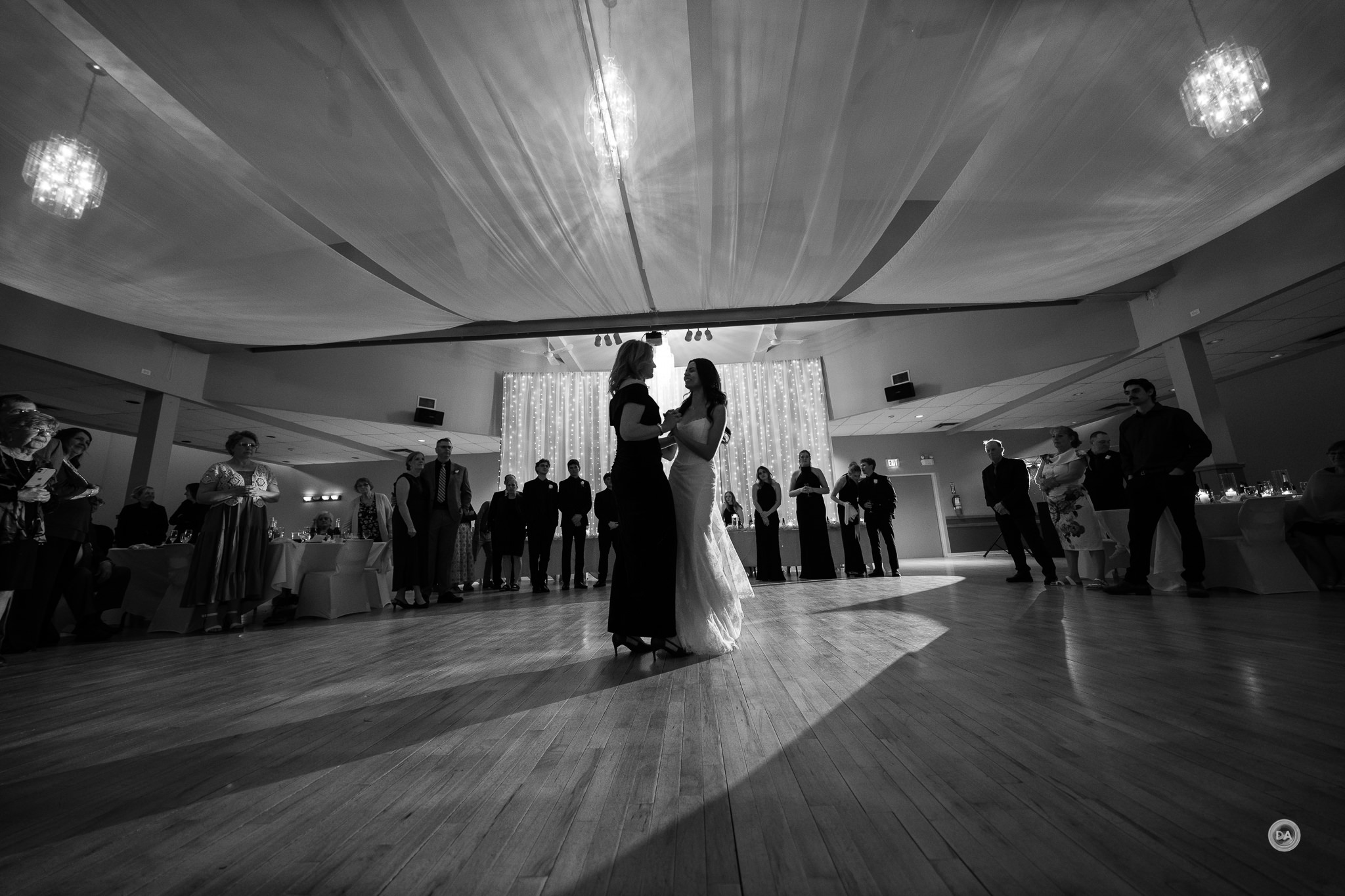
Focus was no stress. I had no problems with nailing all the shots I took…including those on the dance floor at a wedding I shot during my review period.

Video AF
The video front largely brings positive things. Focus pulls are smooth, without pulsing, settling, or visible steps. Once again the minimal amount of focus change contributes to very low focus breathing, though there is a faint shift to the image when focus changes.
My hand test went well, with smooth focus transitions from my hand to my face and back.
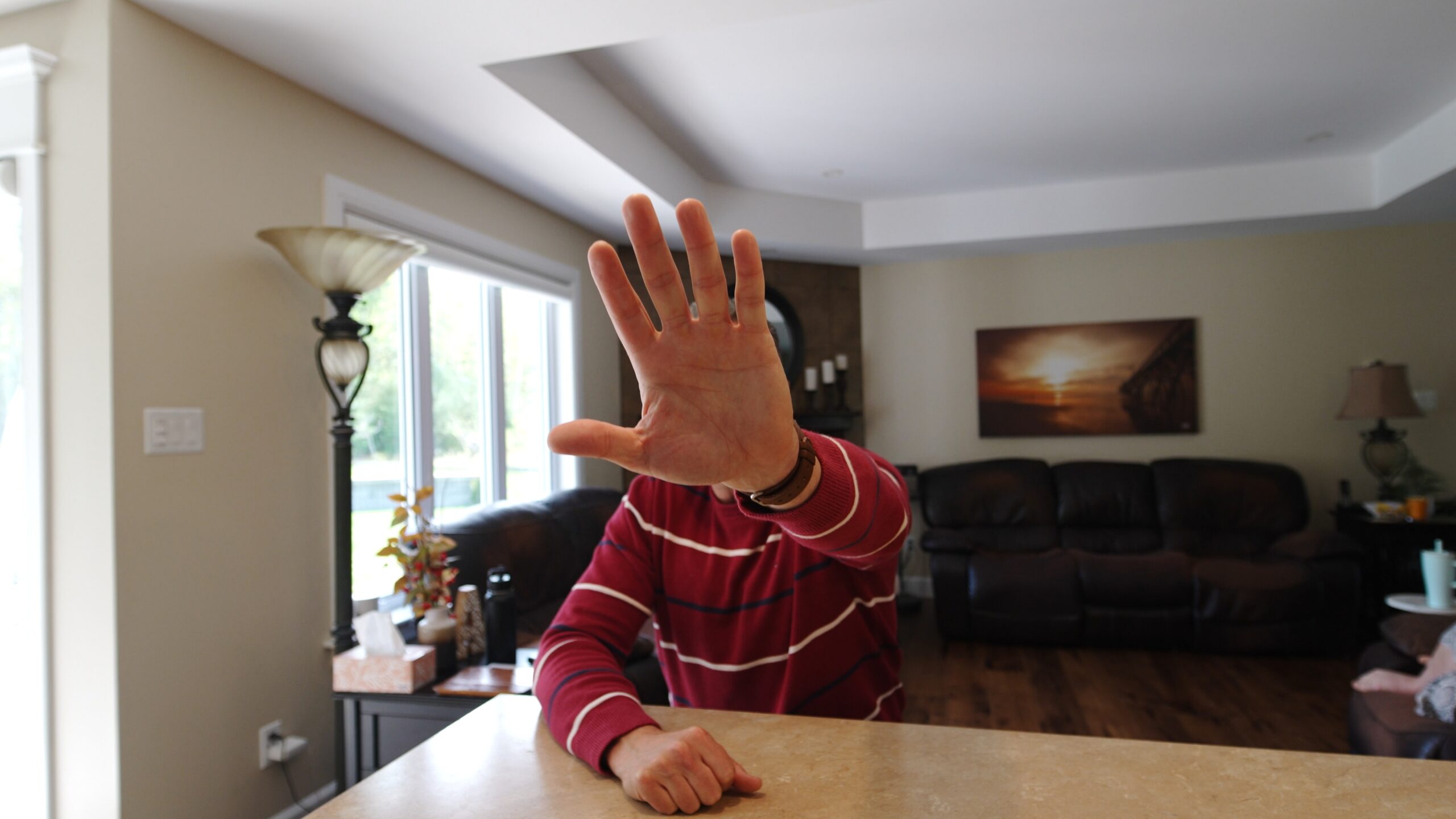
Autofocus was smooth when tracking me approaching the camera, and picked up fairly quickly when I stepped out of frame and back in.
This is a lens that will work well for things like vlogging, with stable autofocus and a very wide angle of view.
Brightin Star 12mm Image Quality
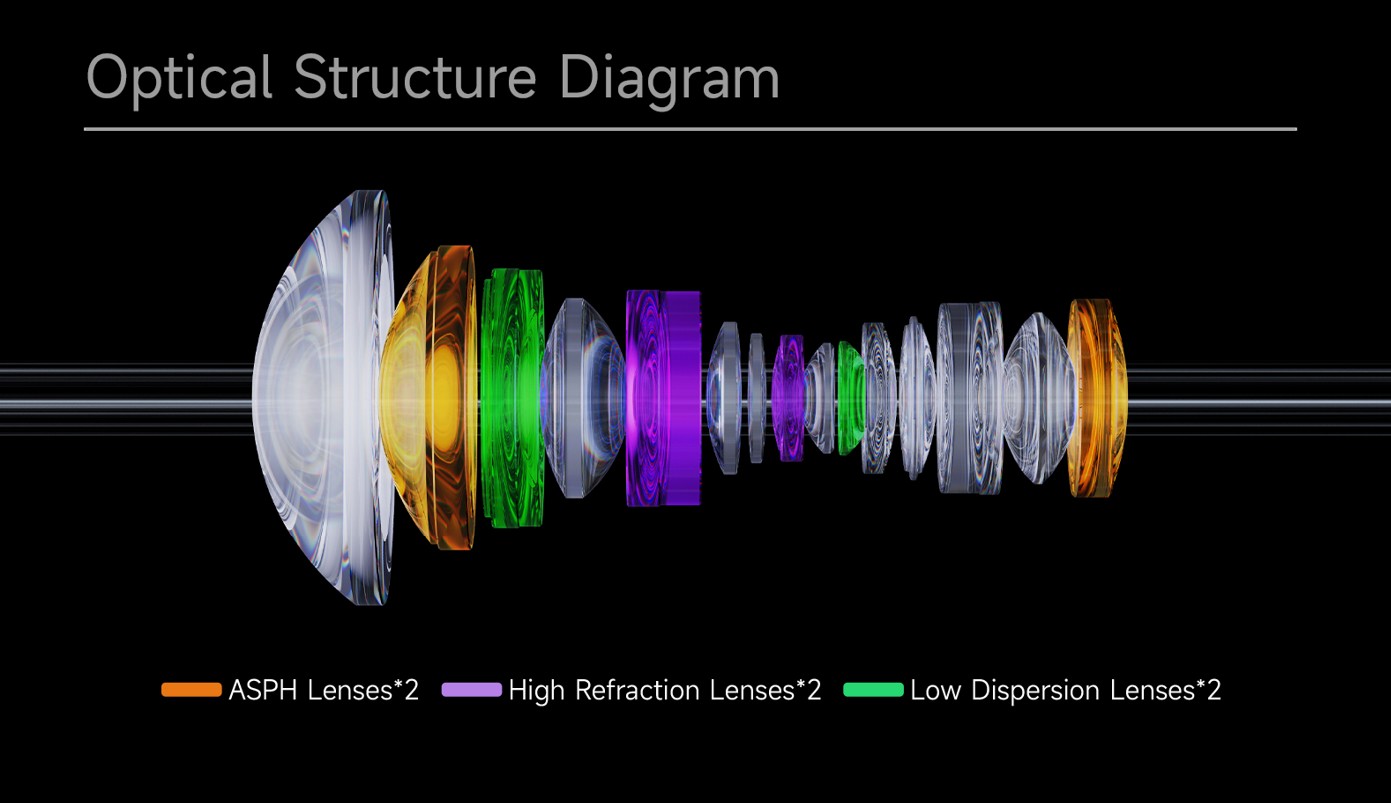
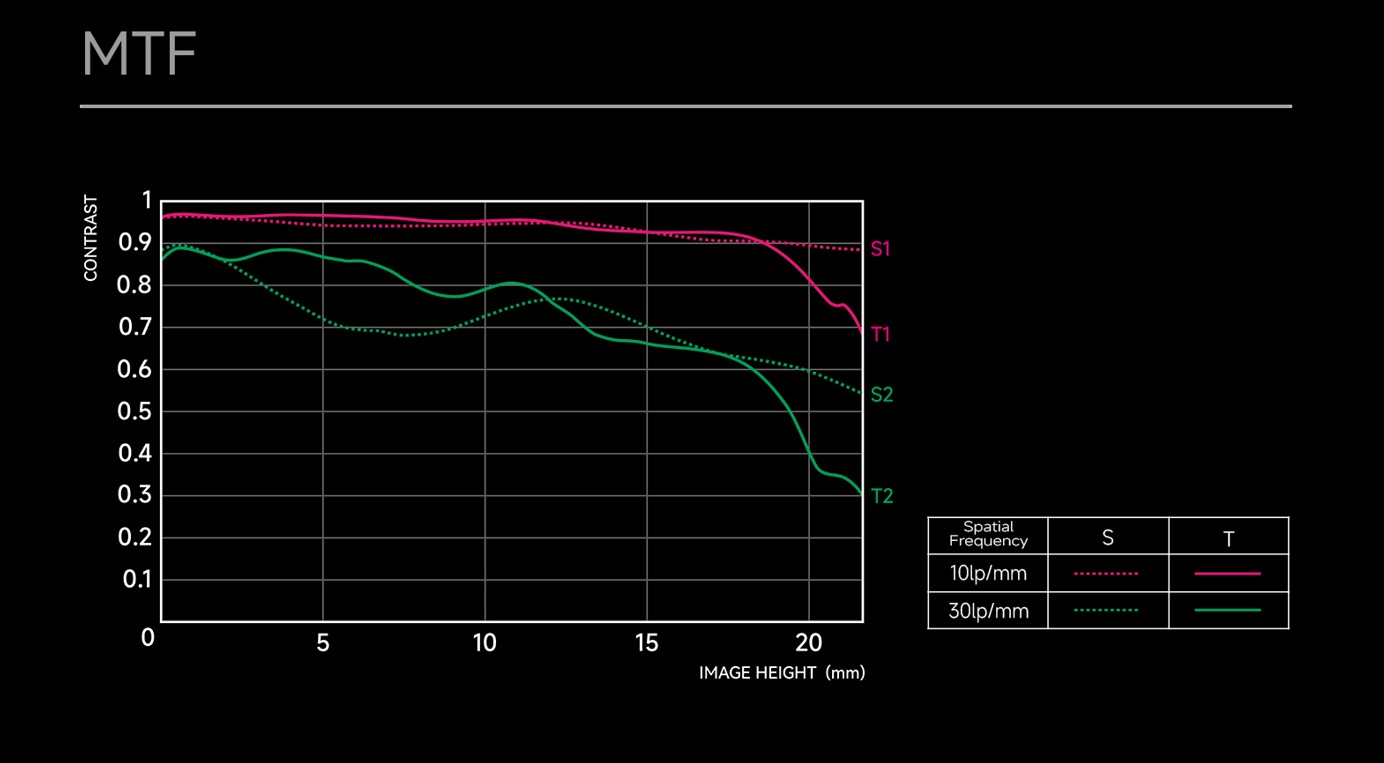
The Brightin Star 12mm F2.8 sports a sophisticated optical design of 15 elements in 11 groups. This includes 2 LD (low dispersion) elements, 2 HR (high refractive index) elements, and two Aspherical lenses. The MTF charts looks really sharp in the center, very strong in the midframe, though the corners drop significantly.
We’ll look closer at the image sharpness, but first, however, what about some of the other optical metrics?
As a third party lens, the Brightin Star 12mm can’t hide behind electronic corrections to solve optical problems. The amount of barrel distortion is fairly low, but it is slightly complex. Correcting the distortion across most of the frame actually creates a bit of pincushion distortion near the edges.
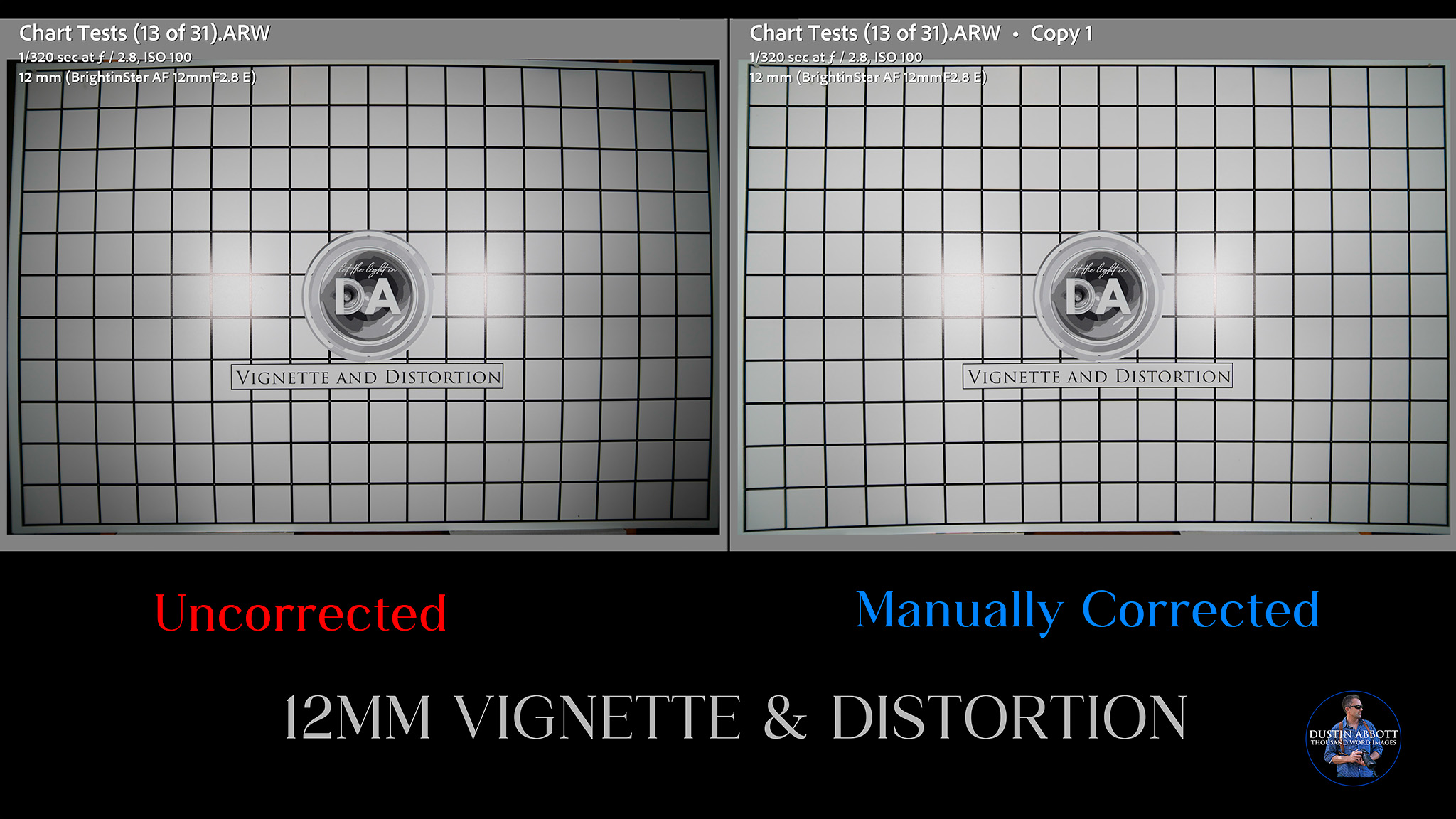
I dialed in a +11 to correct the barrel distortion above. Vignette is heavy but not unusually so for a wide angle lens, requiring about a +74 to correct.
I found in real world shots that lines were mostly straight, making this a definite option for those do interiors or real estate work.


You can see in that latter shot (which hasn’t been cropped to 16:9), that vignette is apparent but not destructively so. There’s far less than what I saw with the Laowa 12mm F2.8, where vignette was heavy enough that it actually impacted metering for the lens.
Longitudinal chromatic aberrations (LoCA) show up as fringing before or after the plane of focus, but the nature of this lens means that the opportunities for LoCA are minimal. It has both a wide angle of view and a fairly long minimum focus distance, so depth of field is never shallow enough to allow for any real LoCA. Here’s a fairly deep crop from an image just to give us a look at a potential situation, but there’s not much there.

Lateral chromatic aberrations (LaCA) show up in the contrast transitions near the edge of the frame. These aren’t difficult to correct, but sometimes do cost a bit of contrast after correction. These type of aberrations are far more common in wide angle lenses, but fortunately the Brightin Star 12mm does a solid job in optically correcting for these aberrations.

A solid performance in the fringing department, and nothing terrible in the vignette and distortion department, either.
So how about resolution and contrast? These results are shot on a 61MP Sony a7RV and the crops are shown at roughly 200% magnification level. Here’s a look at the test chart that the crops are taken from.

The MTF suggests an excellent center, good midframe, and softer corners. Is that what the chart reveals? If we zoom in and look at the 200% crops at F2.8 from the center, mid-frame, and lower right, we discover that this is largely the pattern found, though the midframe is slightly softer than expected in the reviewed lens.
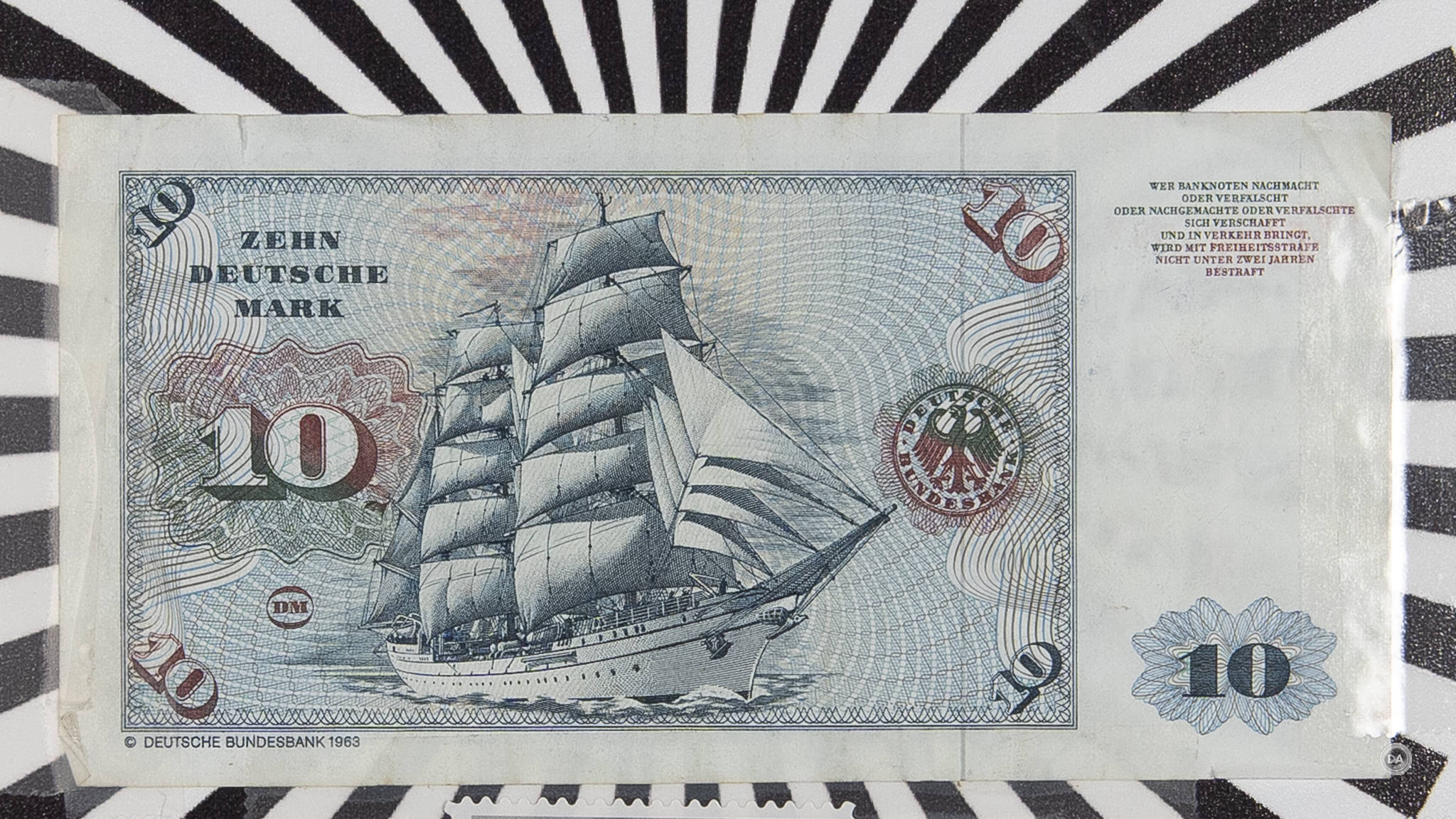
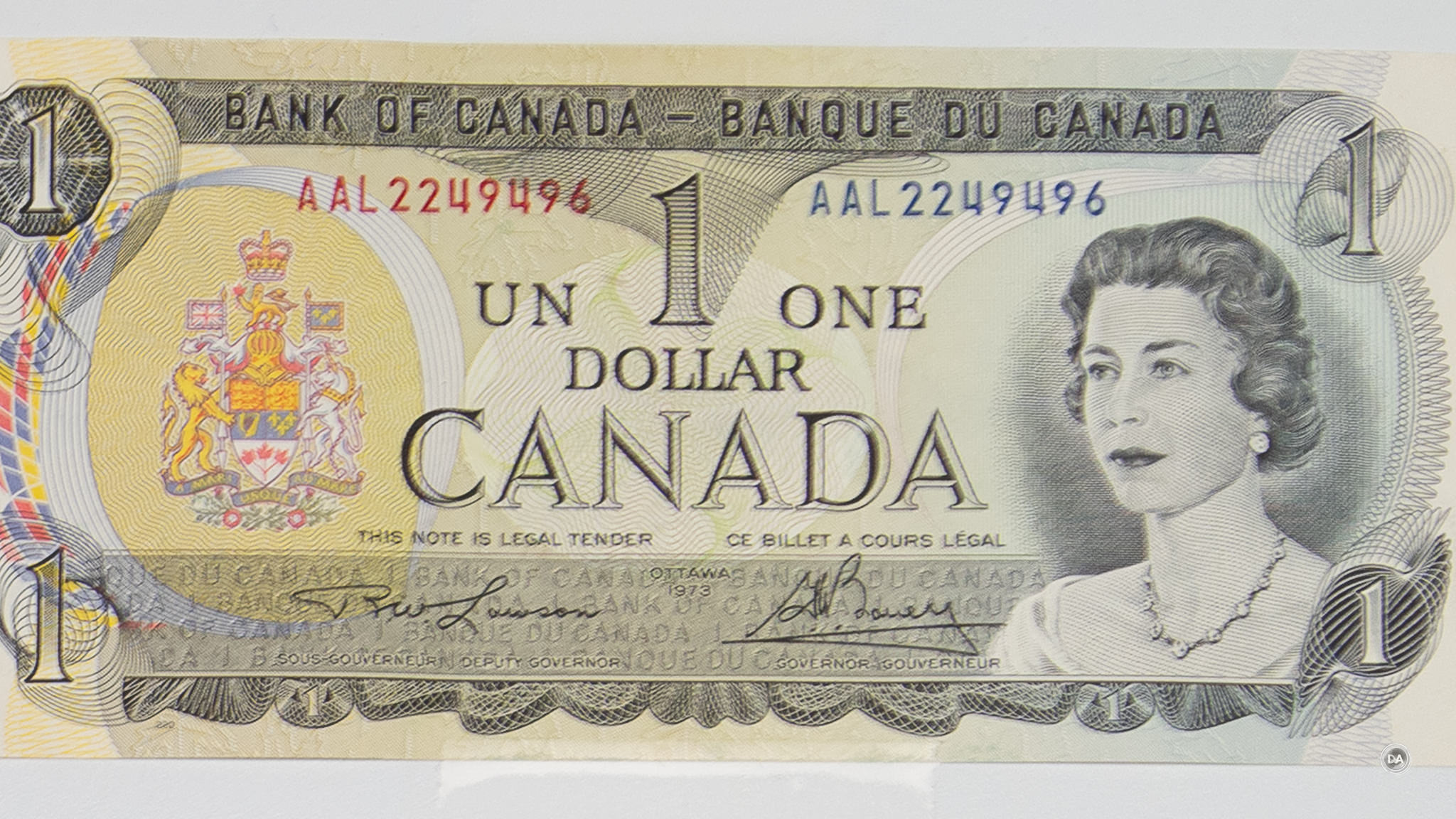

I did try to focus in the corner instead, and found only a very marginal improvement. This is just softness in the corners, not the result of field curvature.
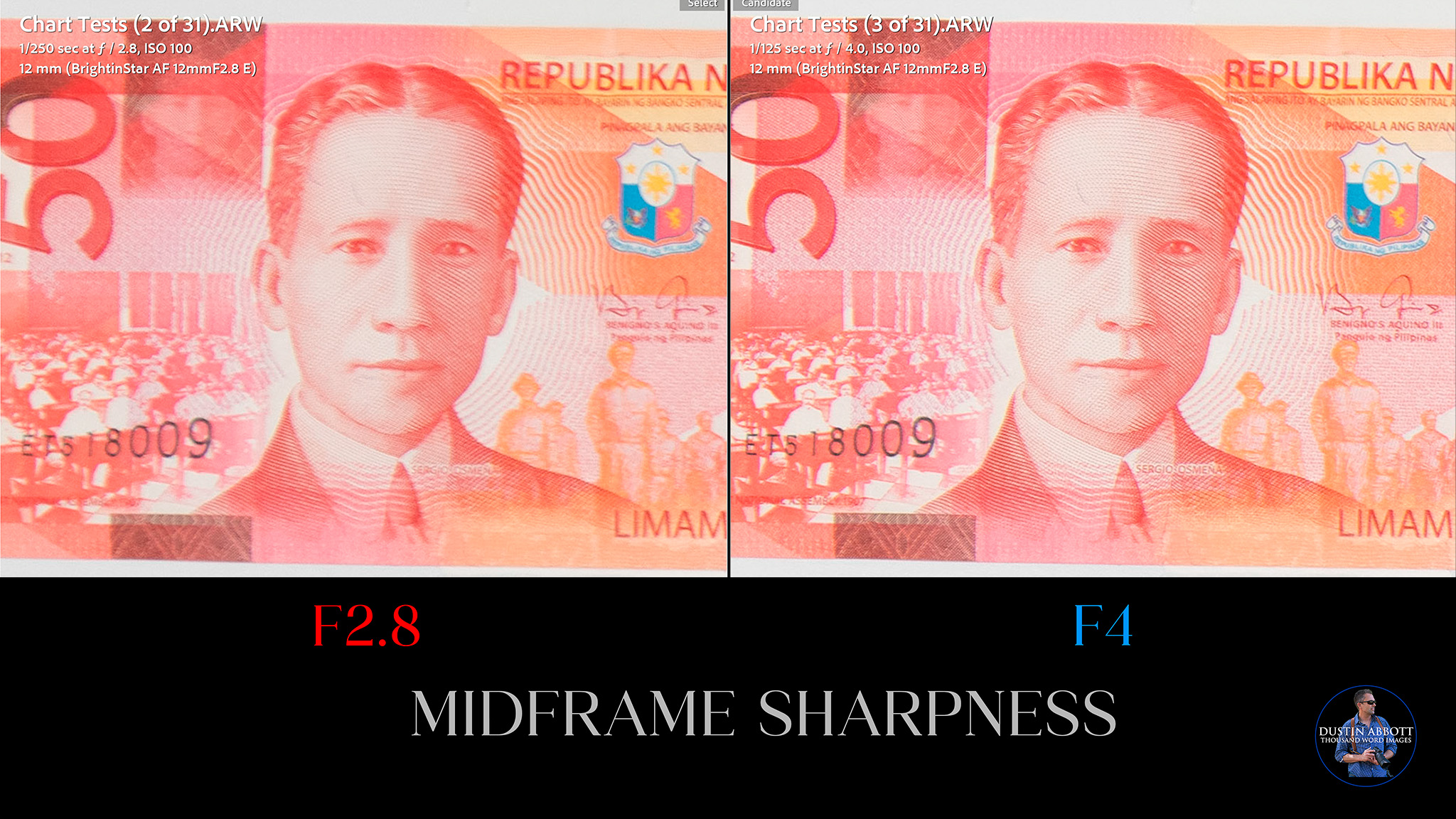
Stopping down to F4 starts to improve the midframe:
The corners are also somewhat improved, though still soft.
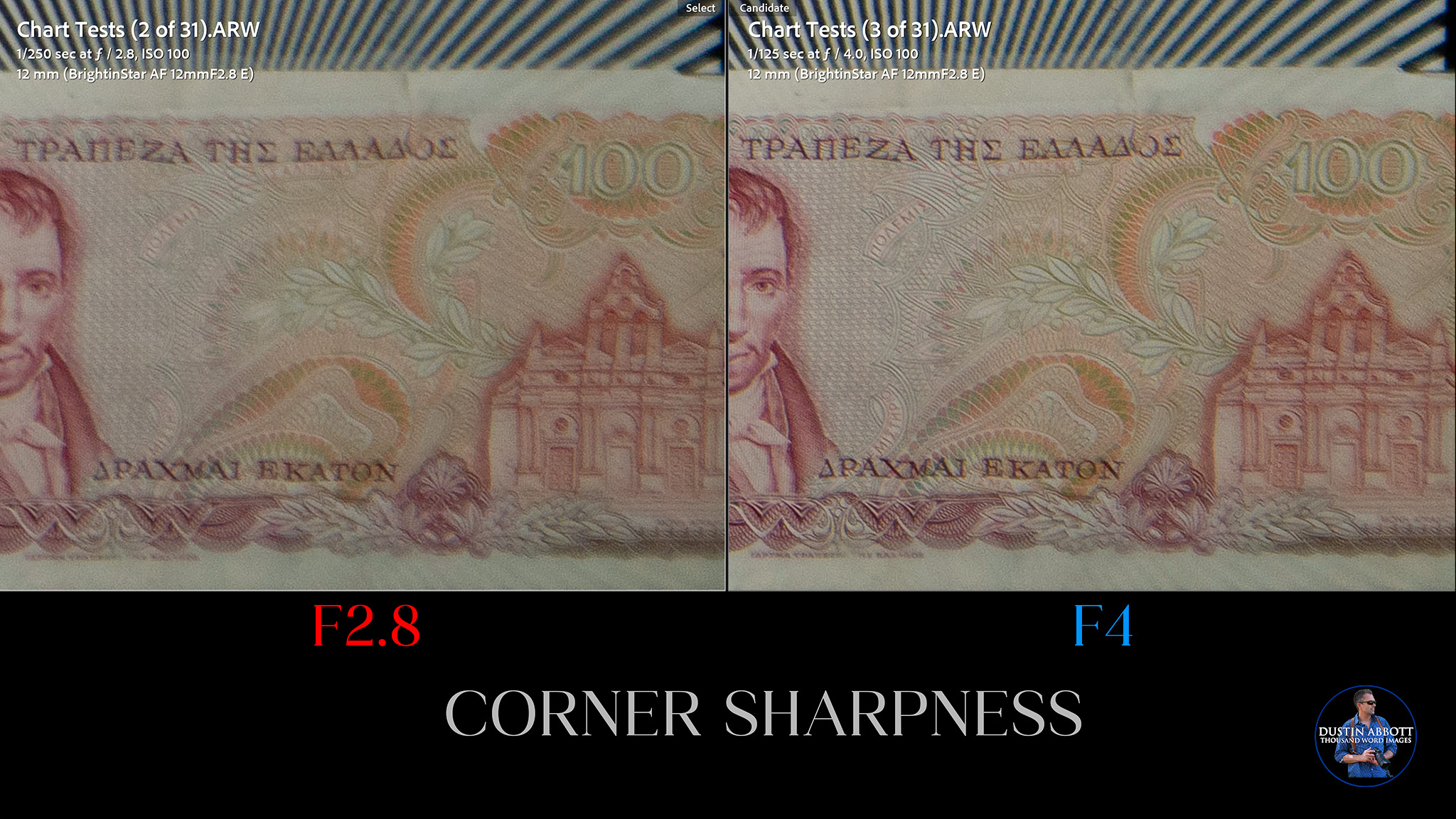
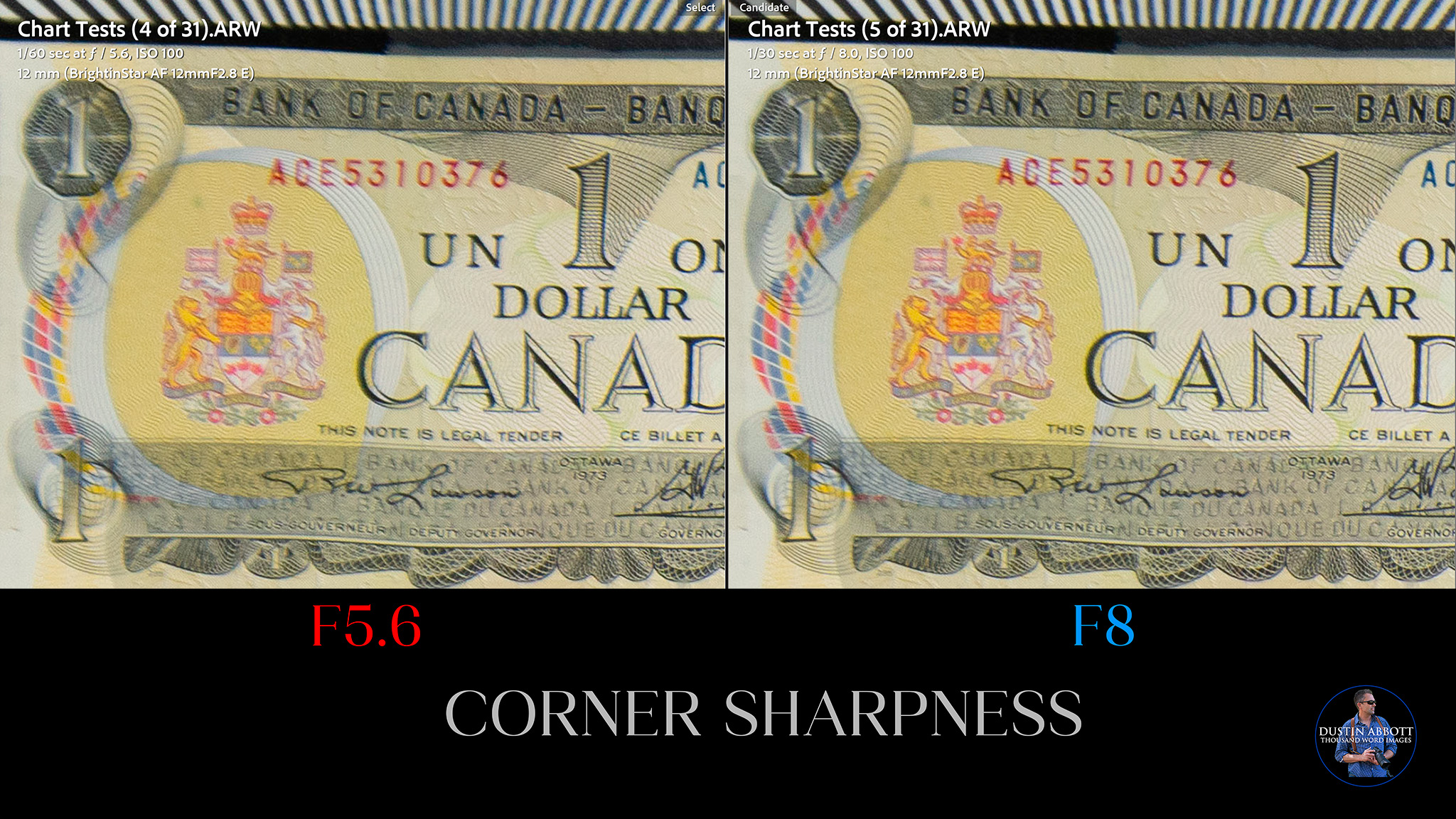
Stopping down to F5.6 gives us further improvement in the corners:
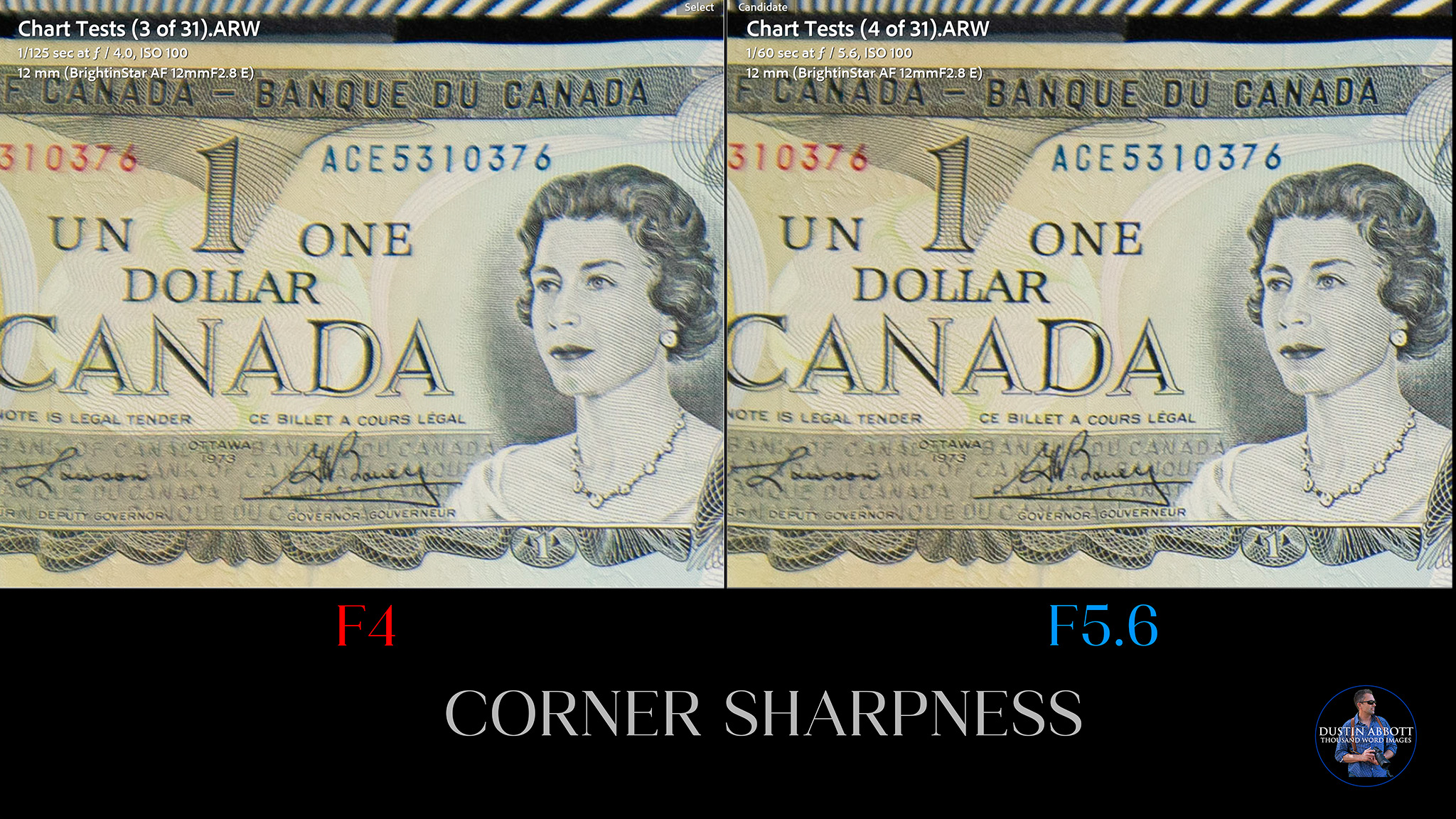
…though the last little bit in the corner never really improves, even at F8, where sharpness seems to be the most consistent across the frame.
In real world situations, however, and at normal levels of magnification, my general impression of images was that they were quite sharp. That last few percentage points in the extreme corners isn’t super sharp, but few images will be completely contingent on that.


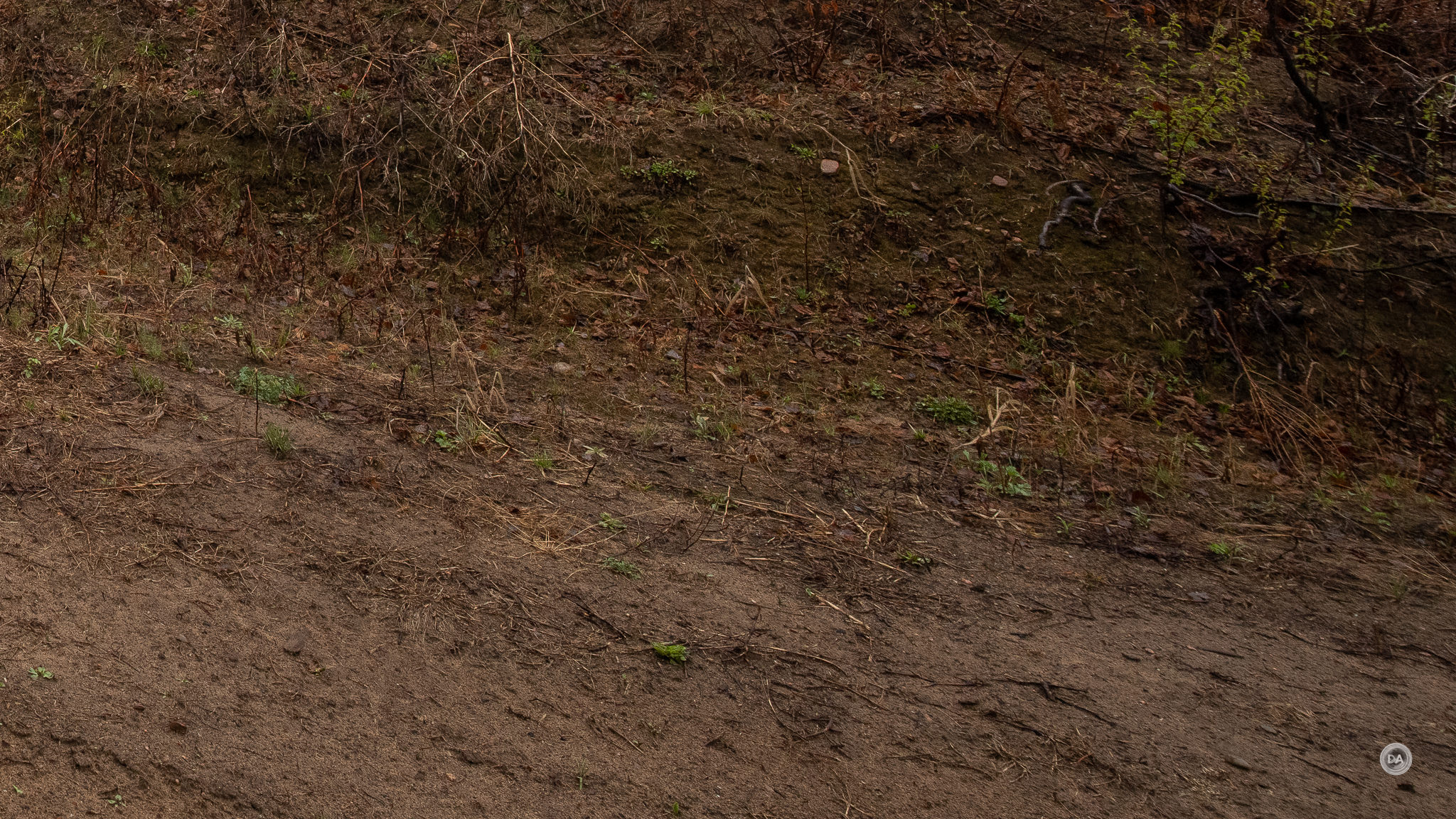
When I started reviewing lenses in 2012, most wide angle lenses were absolute mush in the corners, so we’ve come a LONG way in optical design in the last 15 years.
Getting compelling landscape or architectural images with this lens will not be difficult.

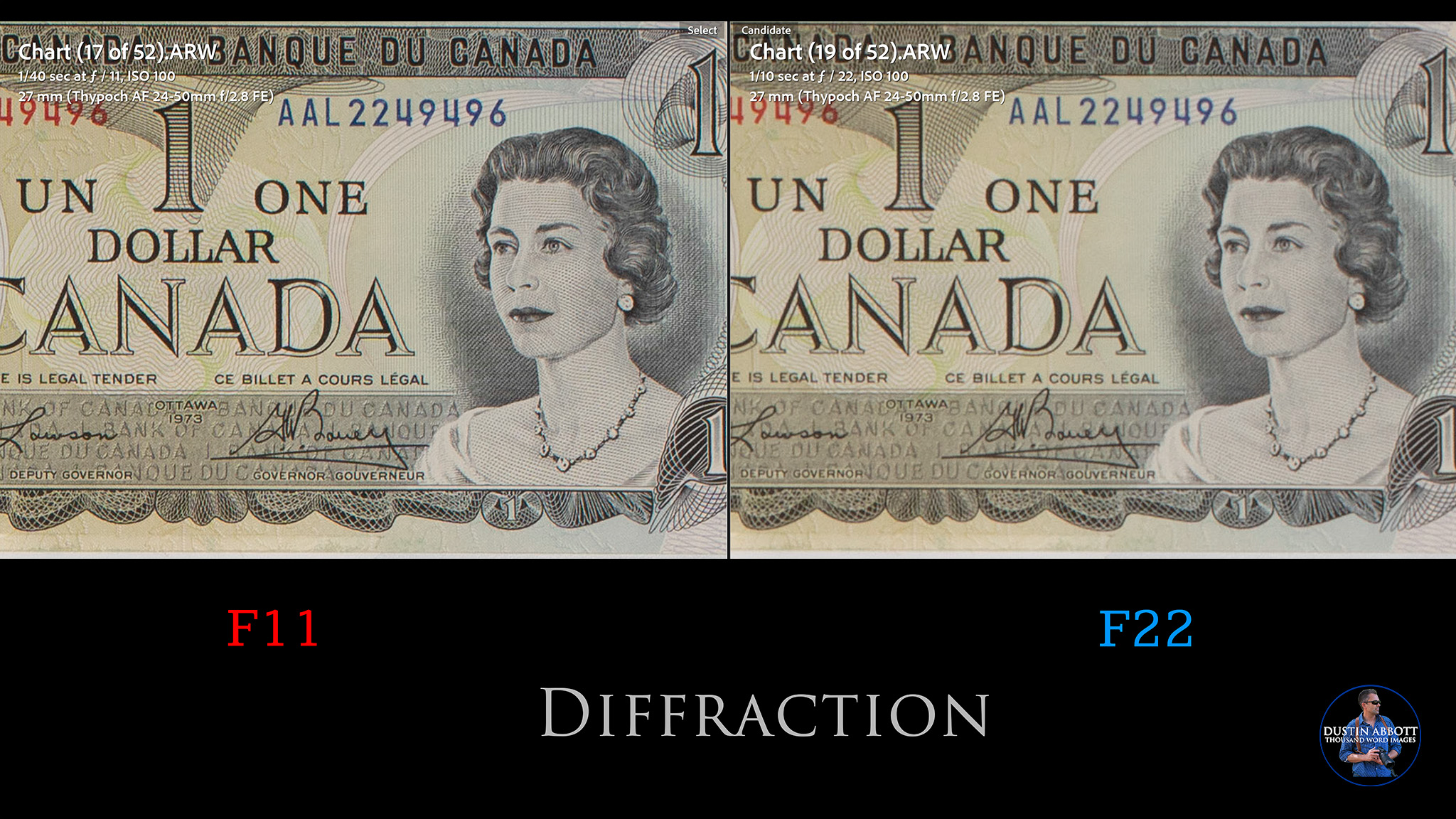
Diffraction is an unfortunate reality on higher resolution cameras, so you will see a faint softening by F11 and a more obvious softening by the minimum aperture of F16, though in this case the difference between F11 and F16 is fairly minimal.
Out-of-focus rendering, or bokeh, is not much of a factor with the Brightin Star 12mm as pretty much everything will be in focus all the time. If you focus on a close subject and have so separation from the background, you will get a bit of defocus, which looks average (neither objectionable or particularly nice).

Flare resistance is fairly good at larger apertures, though in the final shot (at F16) you can see there is an obvious ghosting/flare pattern, though contrast consistently holds up well. I didn’t find it difficult to get strong images largely unaffected by flare if I wasn’t actively trying to induce flare.

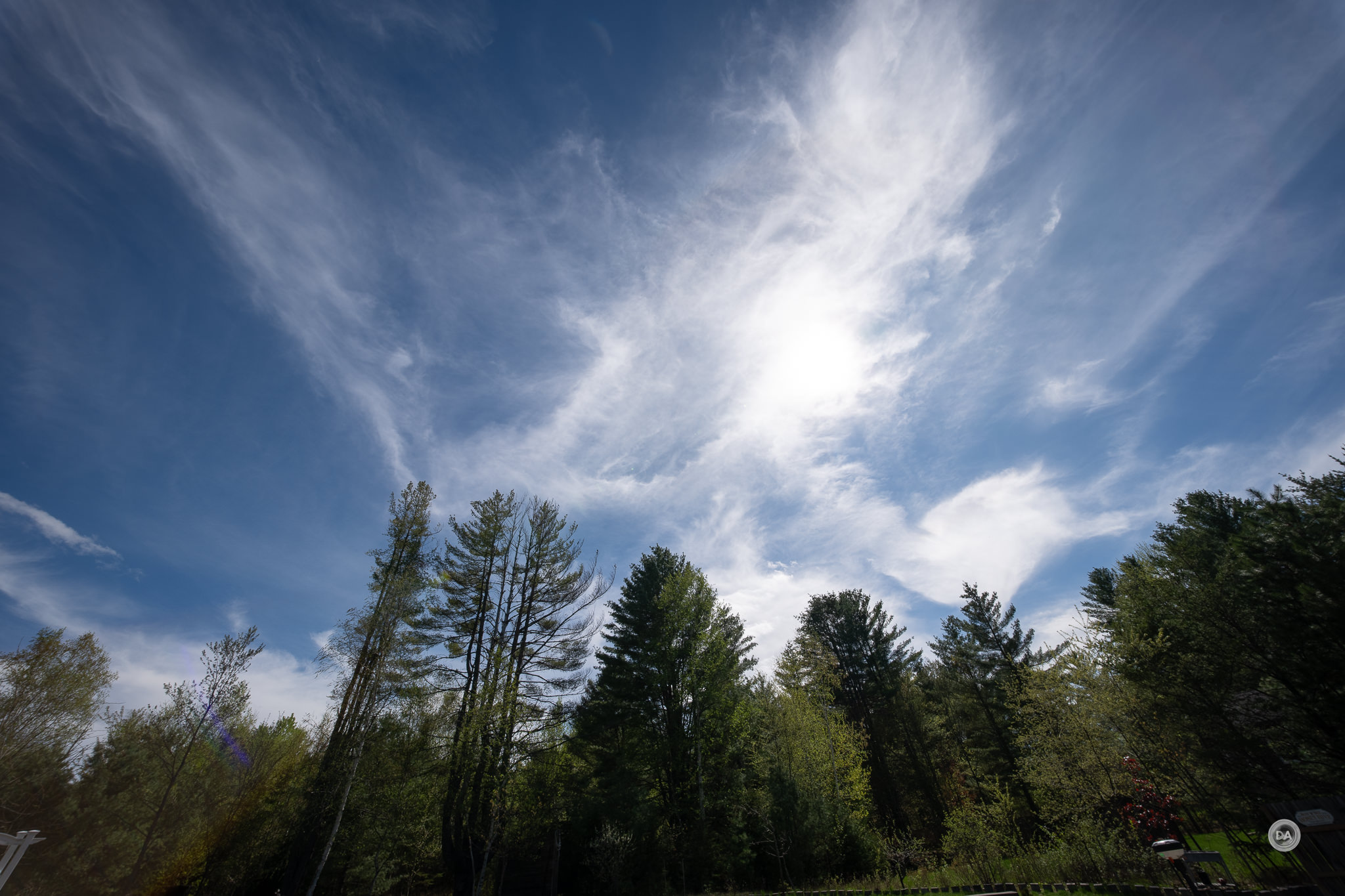

I didn’t have any issues with the DJ’s spotlight when shooting the dance floor at the wedding.

In fact, in that wedding, I was generally pleased by how sharp images were when using the Brightin Star.
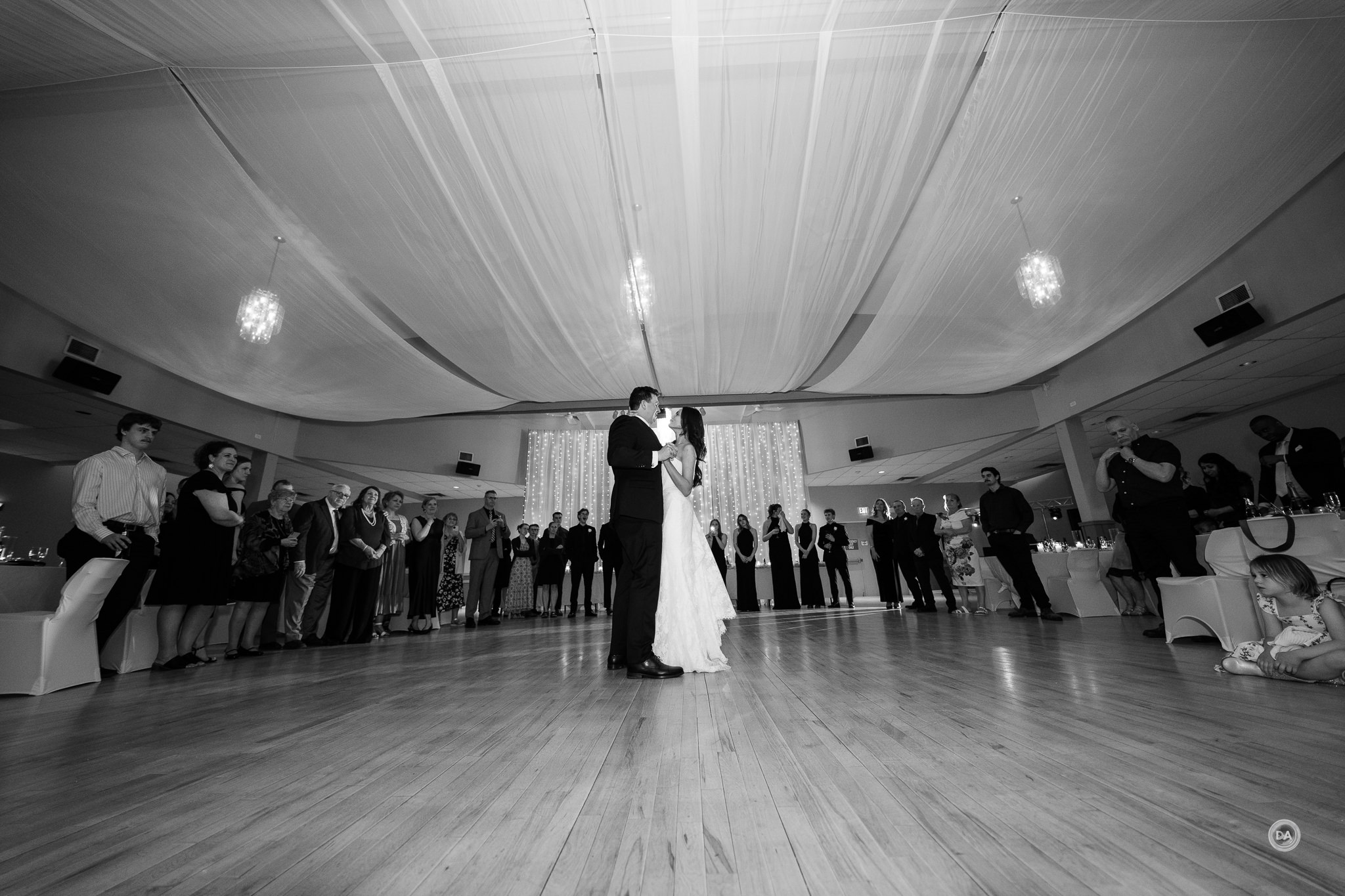
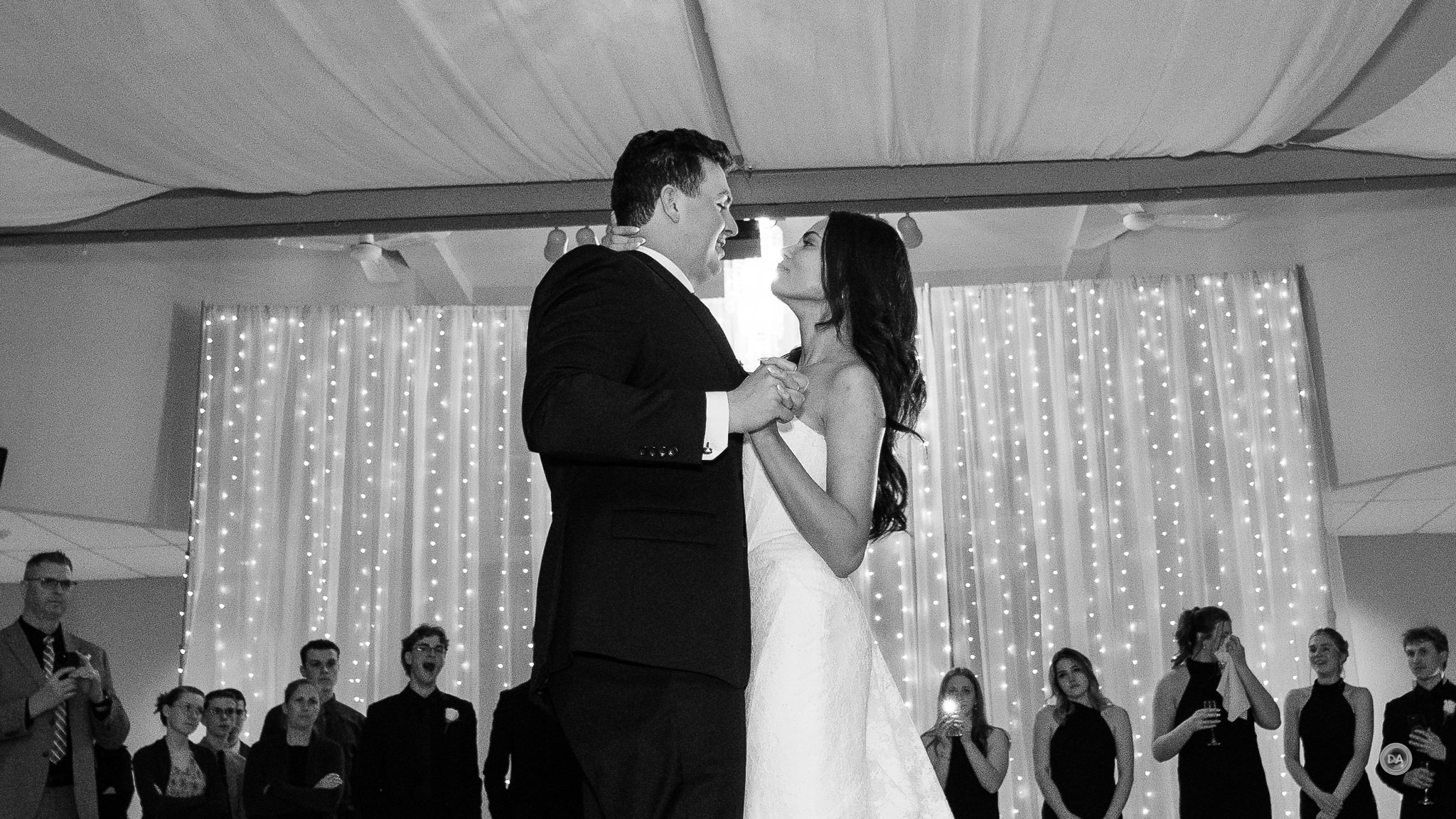
Bottom line is that this is a surprisingly solid lens optically. It would have easily surpassed the Canon L-series wide angle zooms that were available when I started getting seriously into photography.
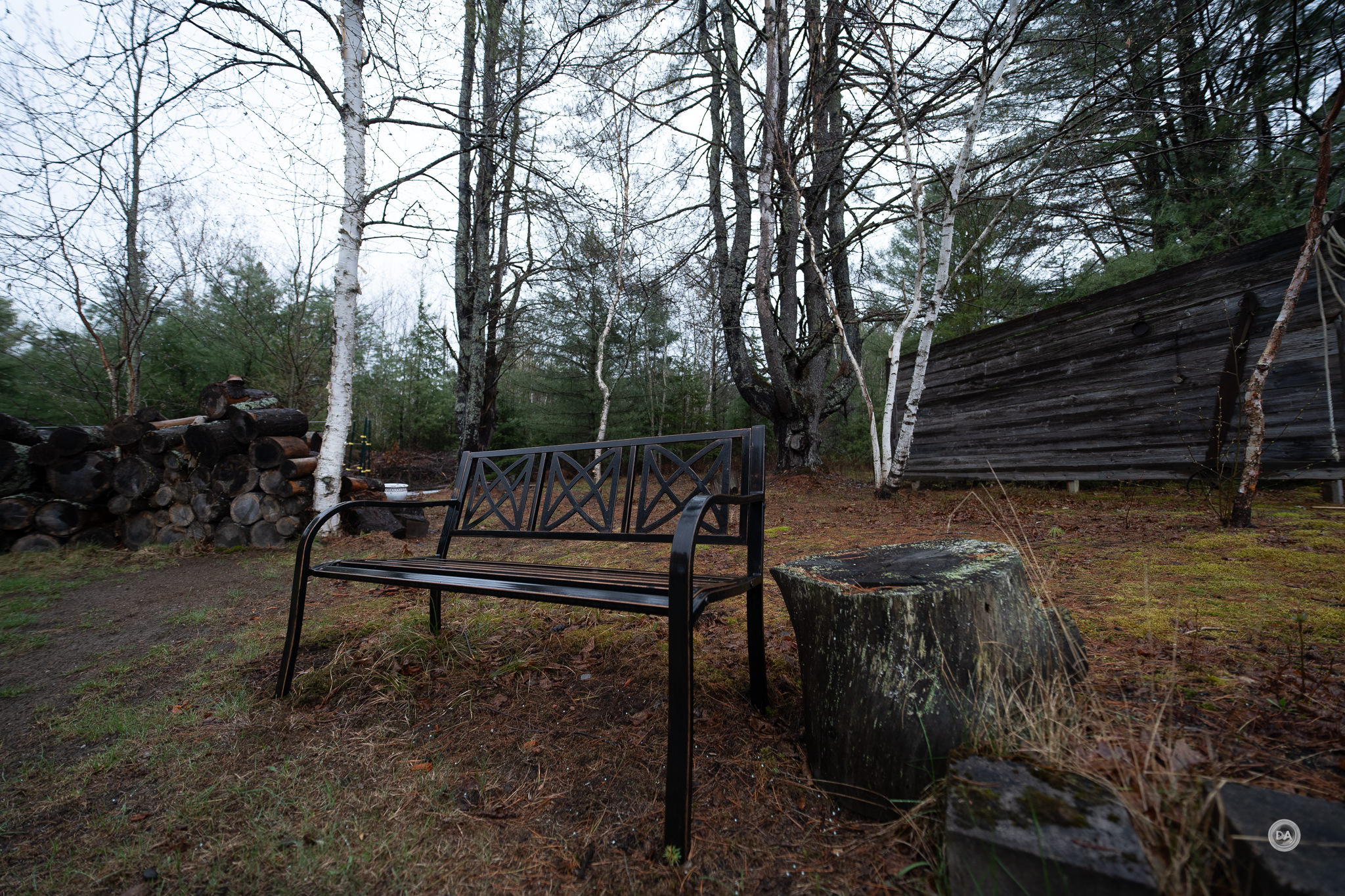
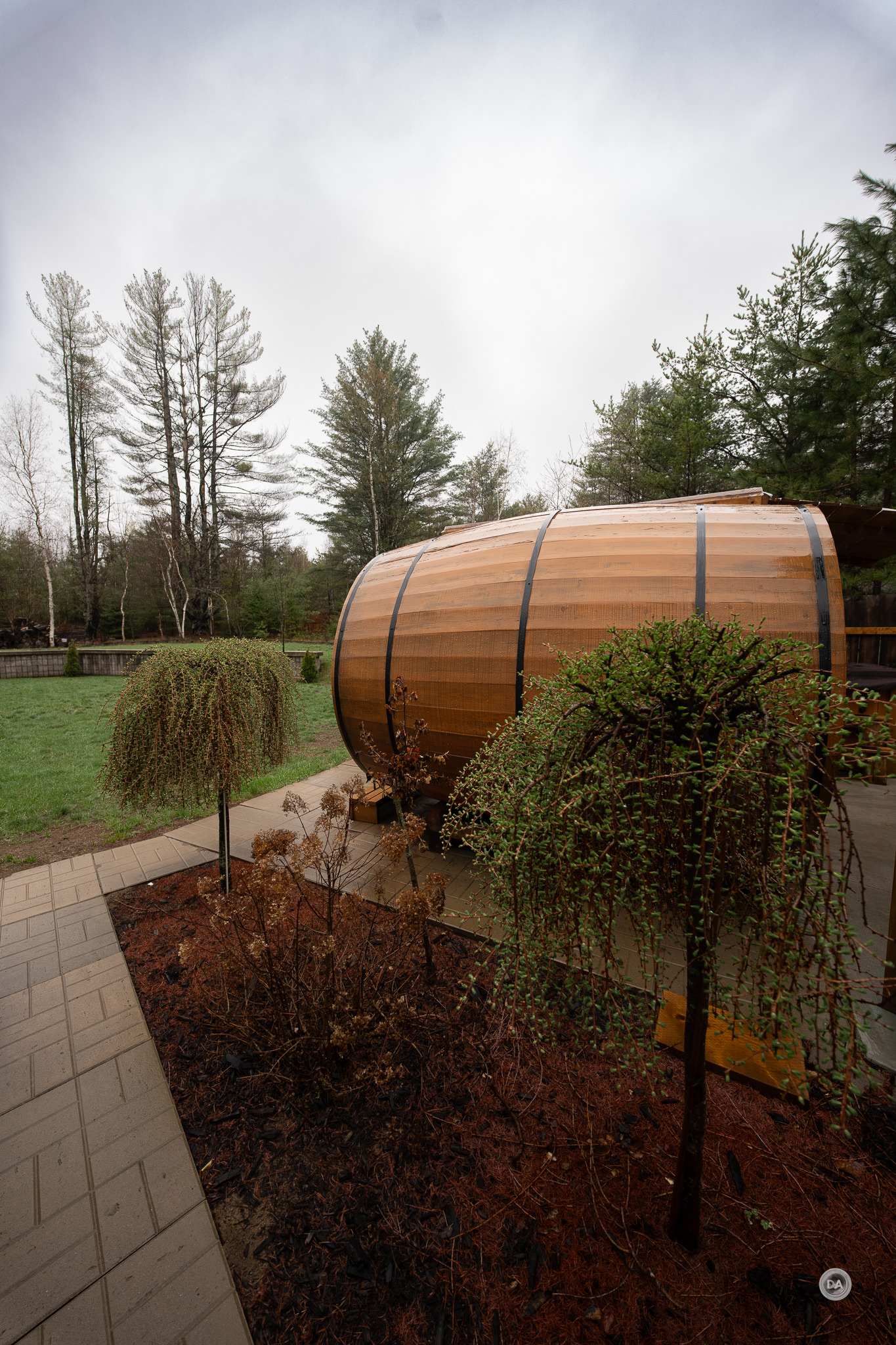
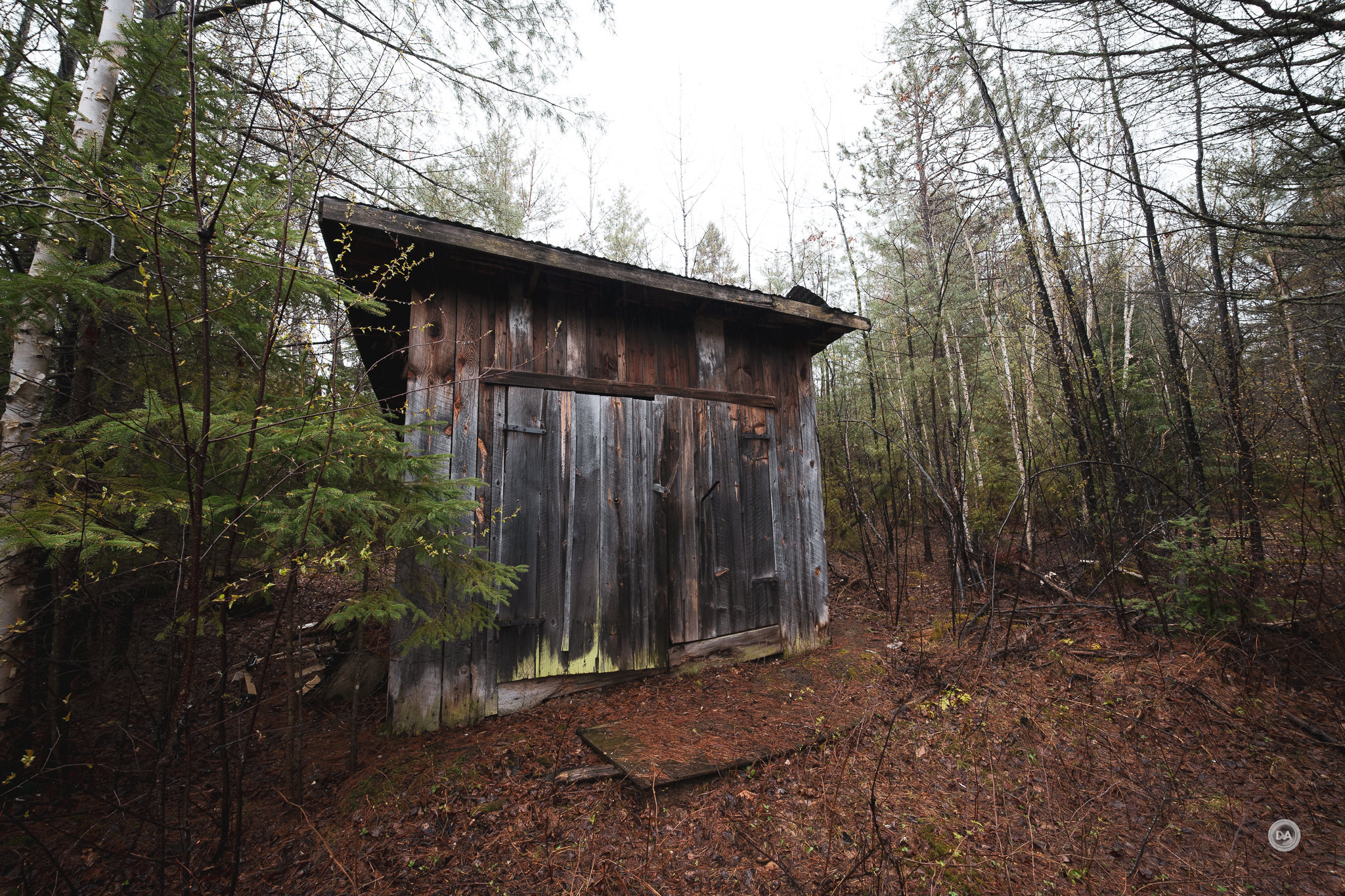
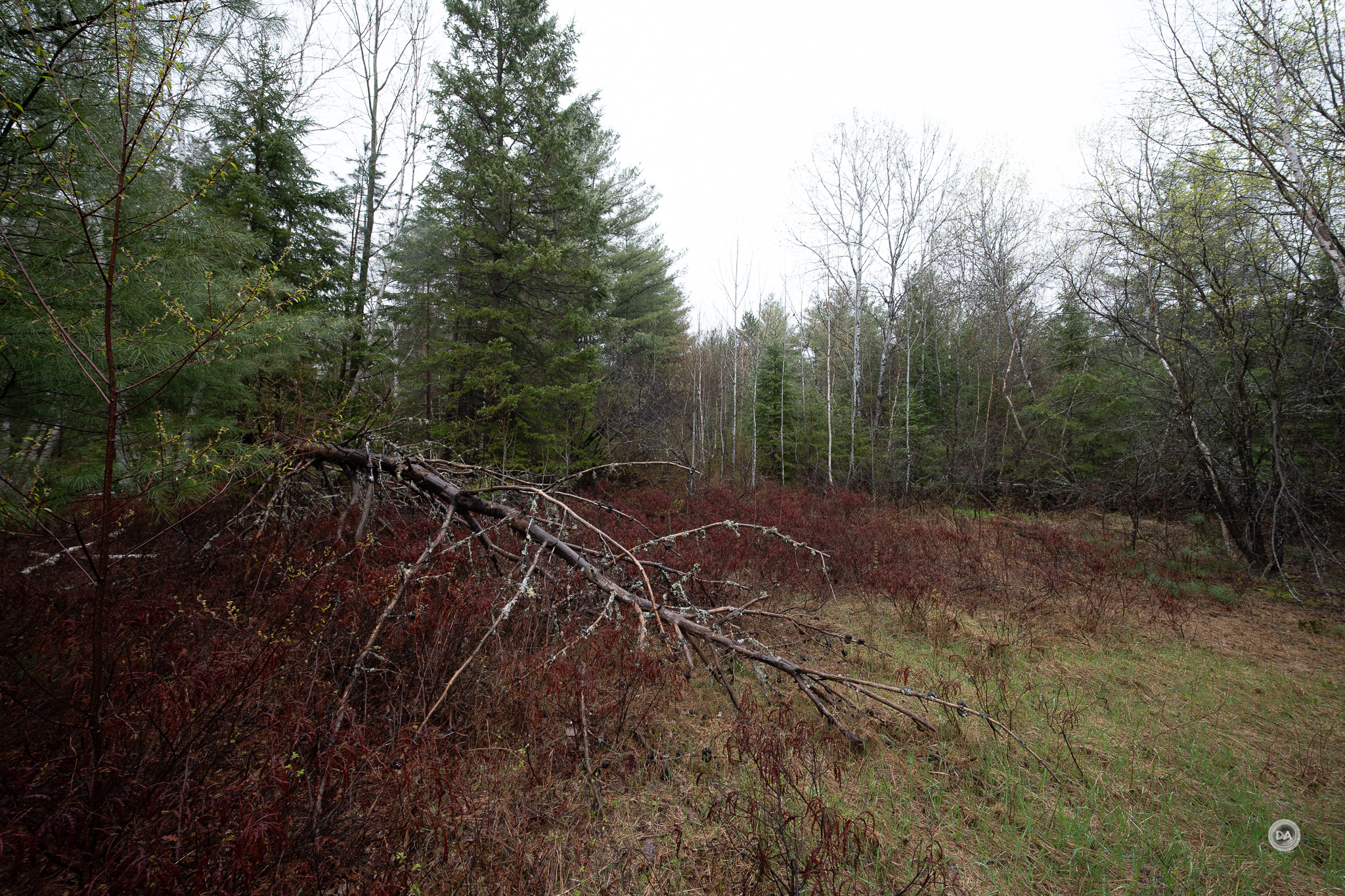
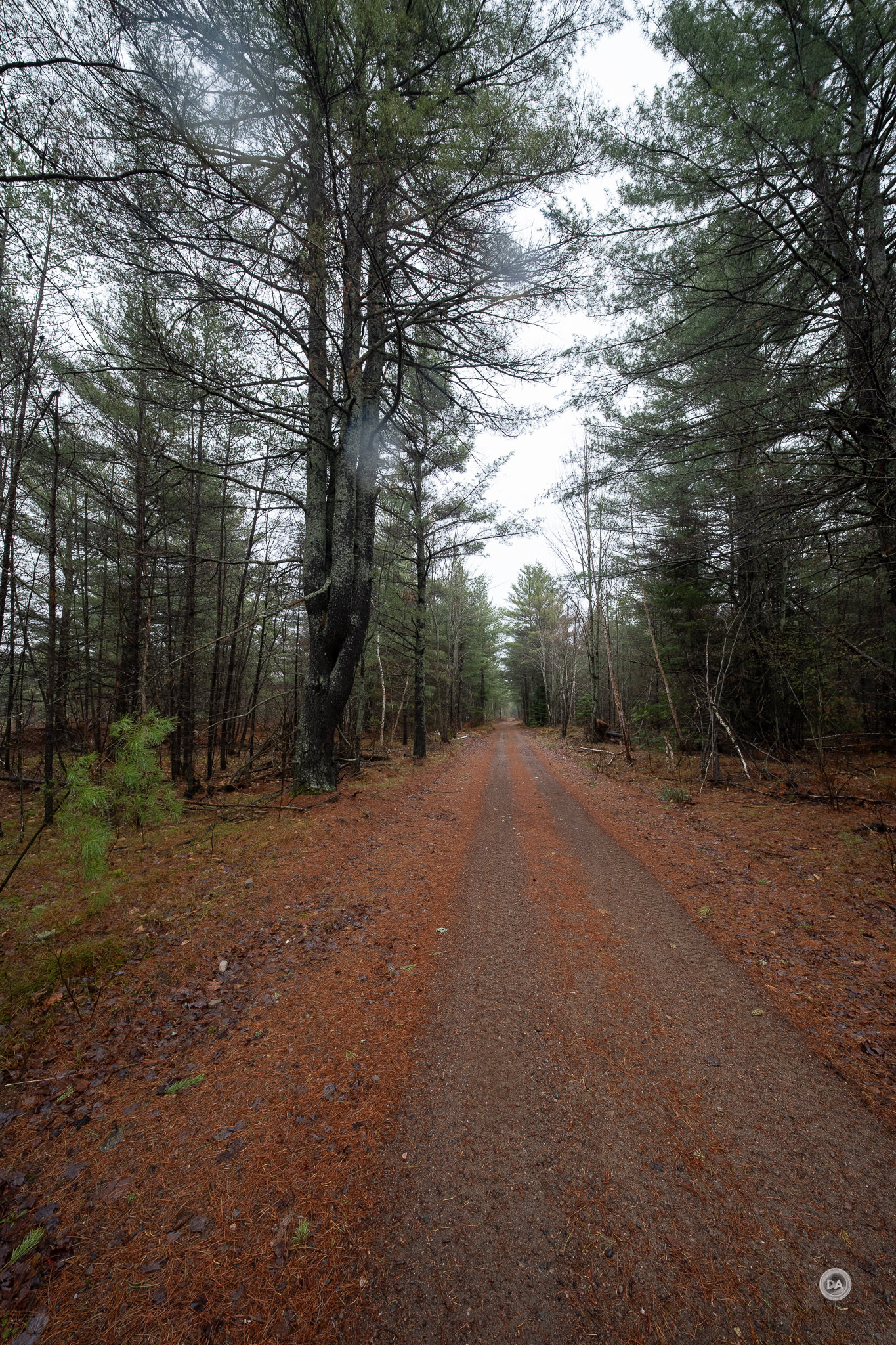
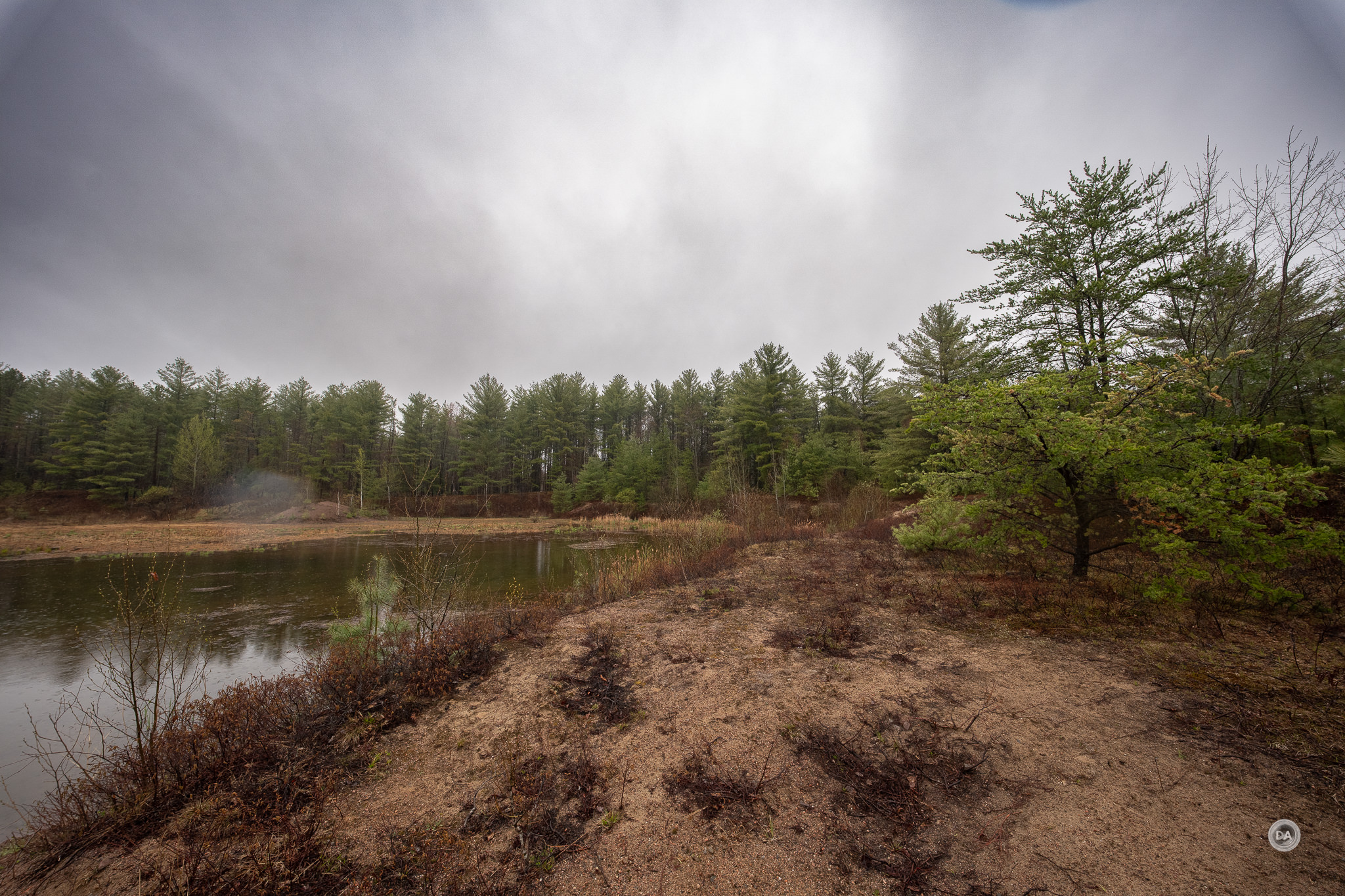
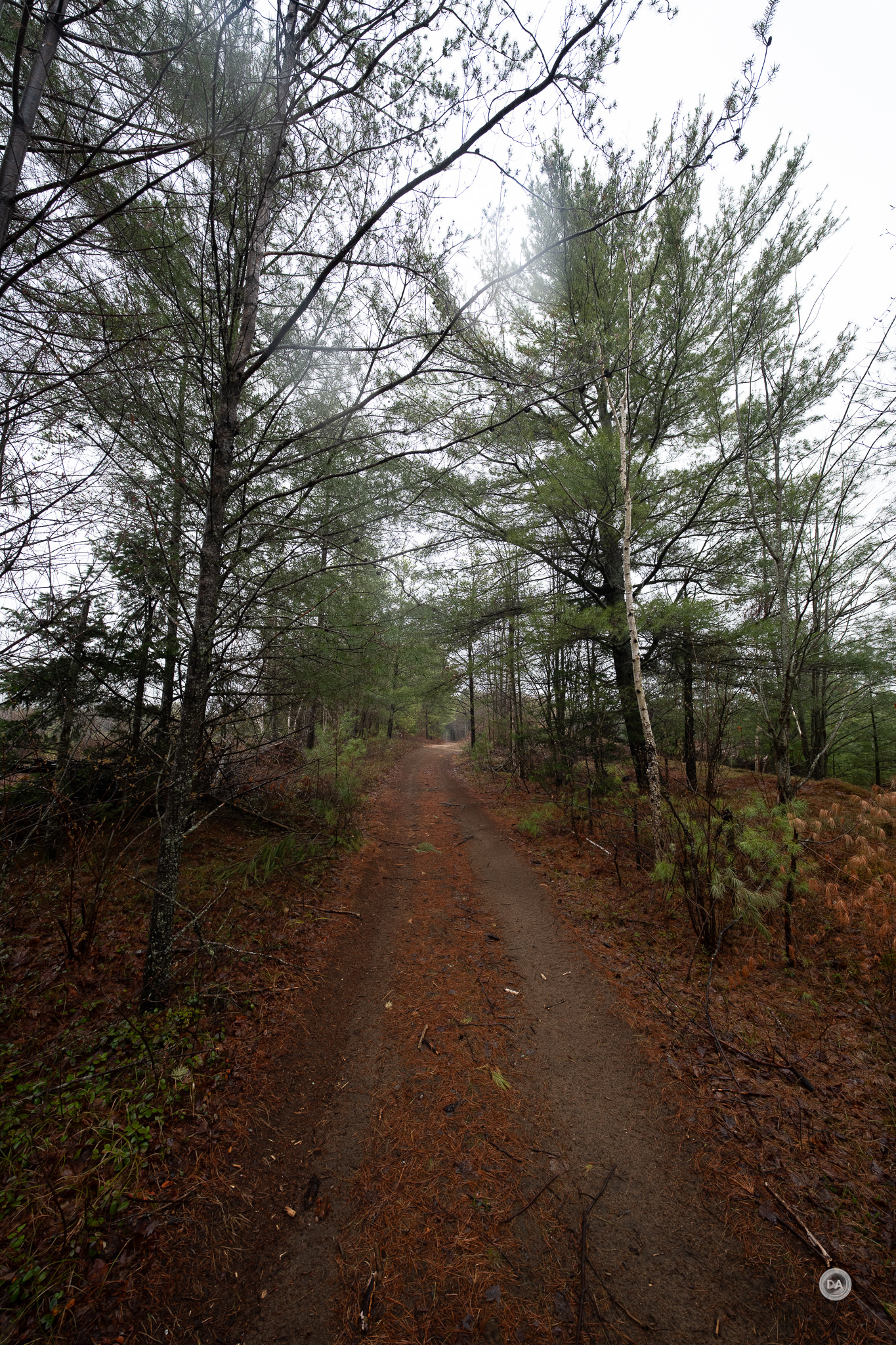
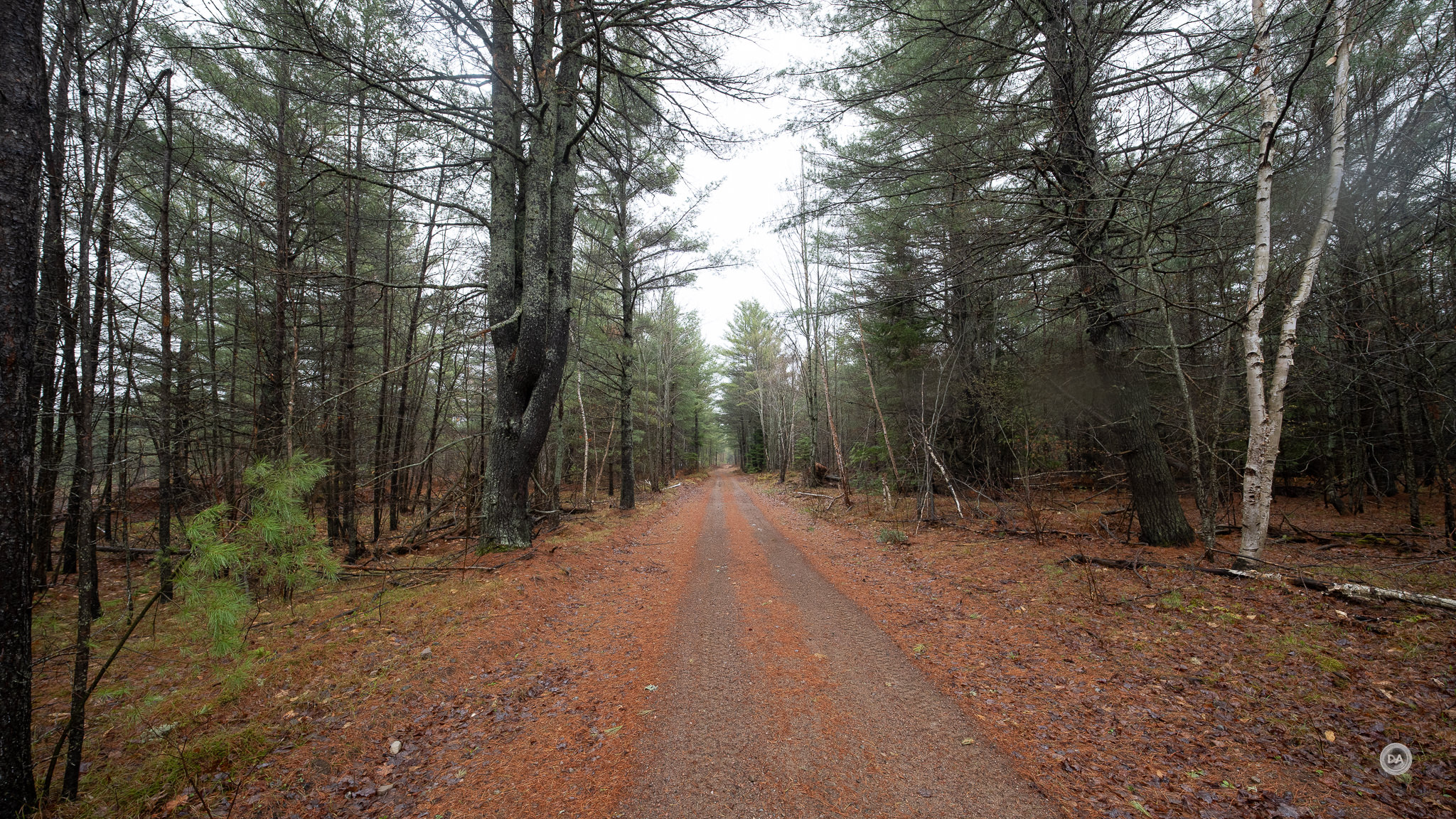
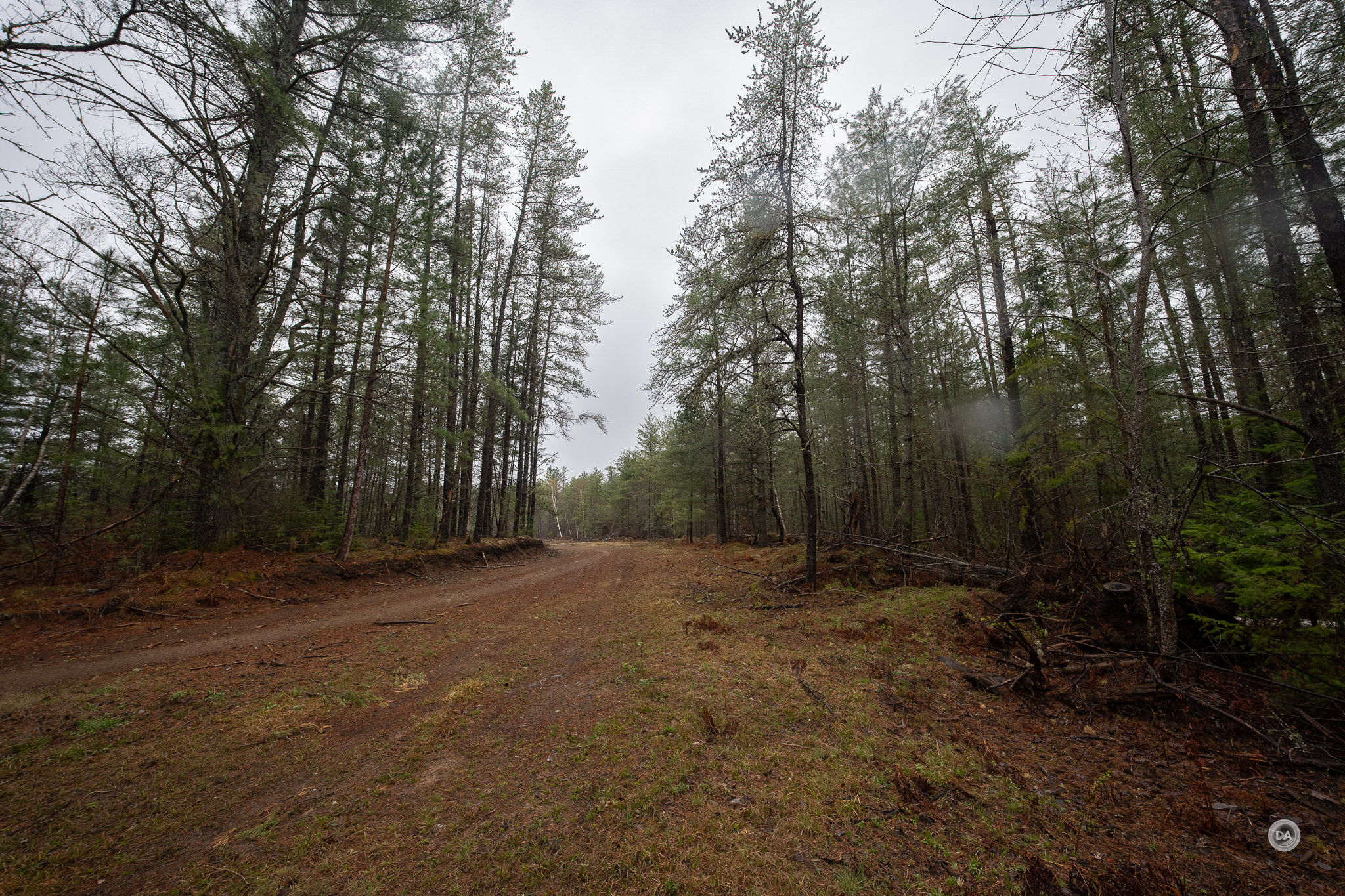
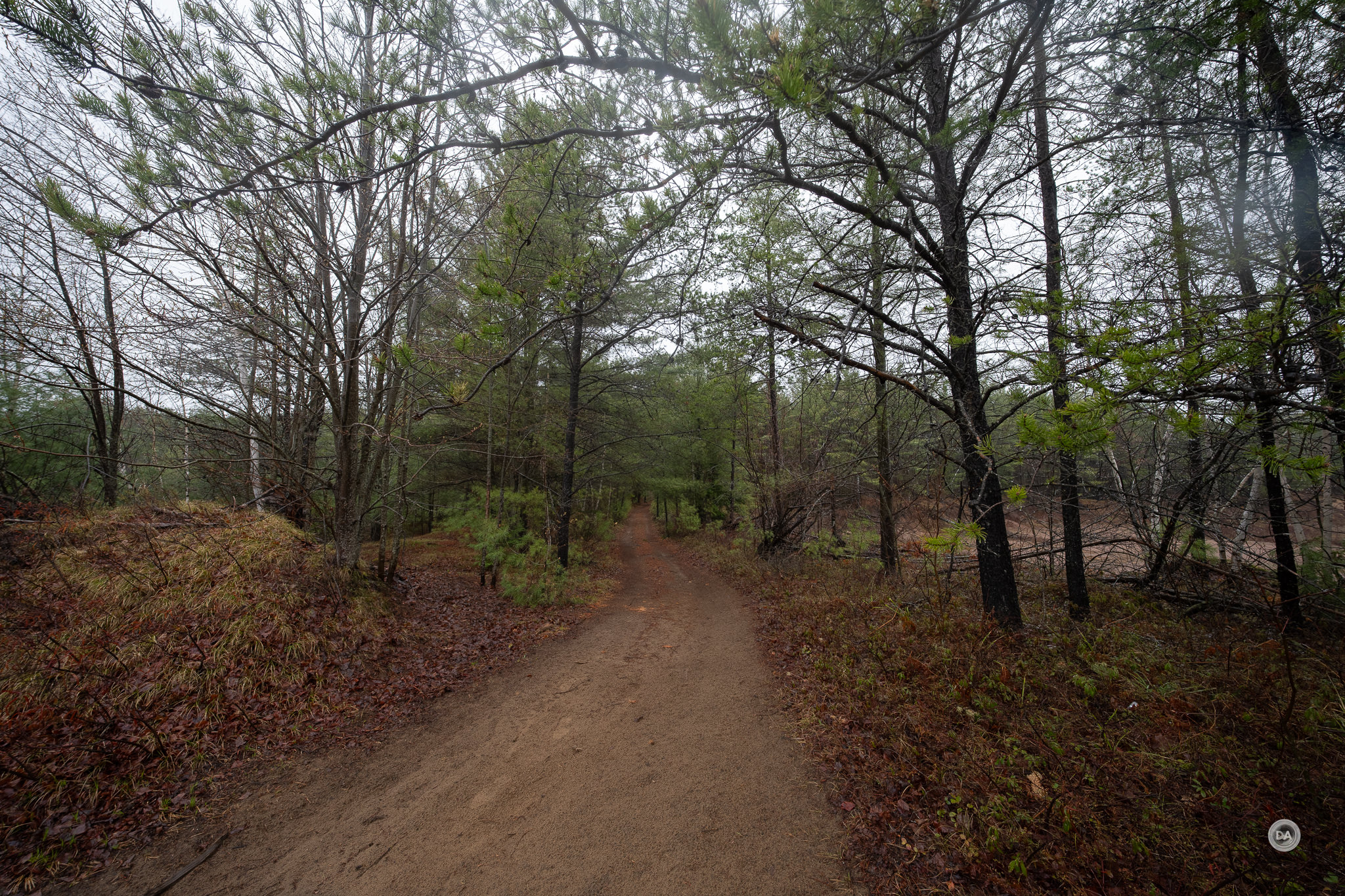
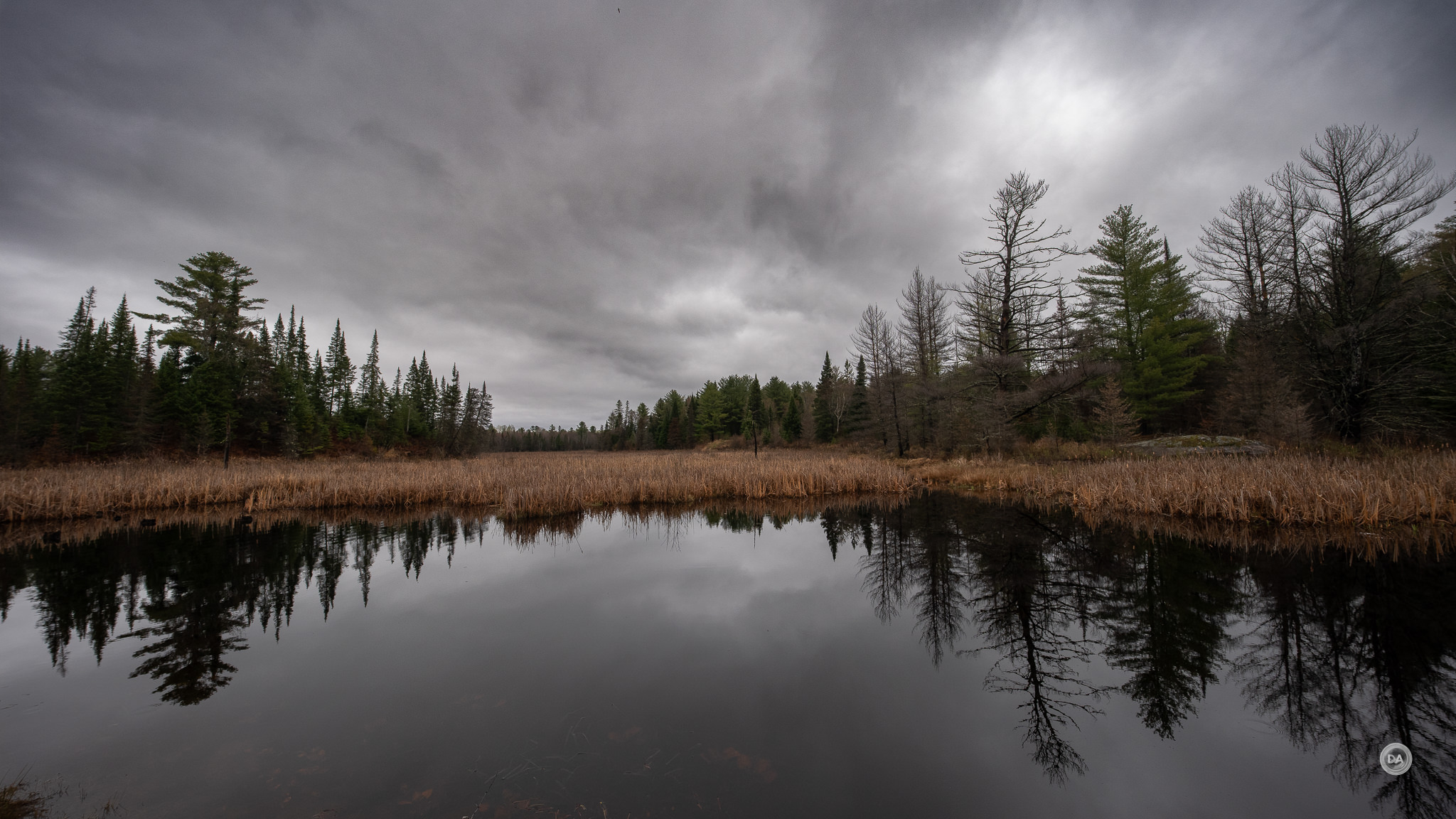
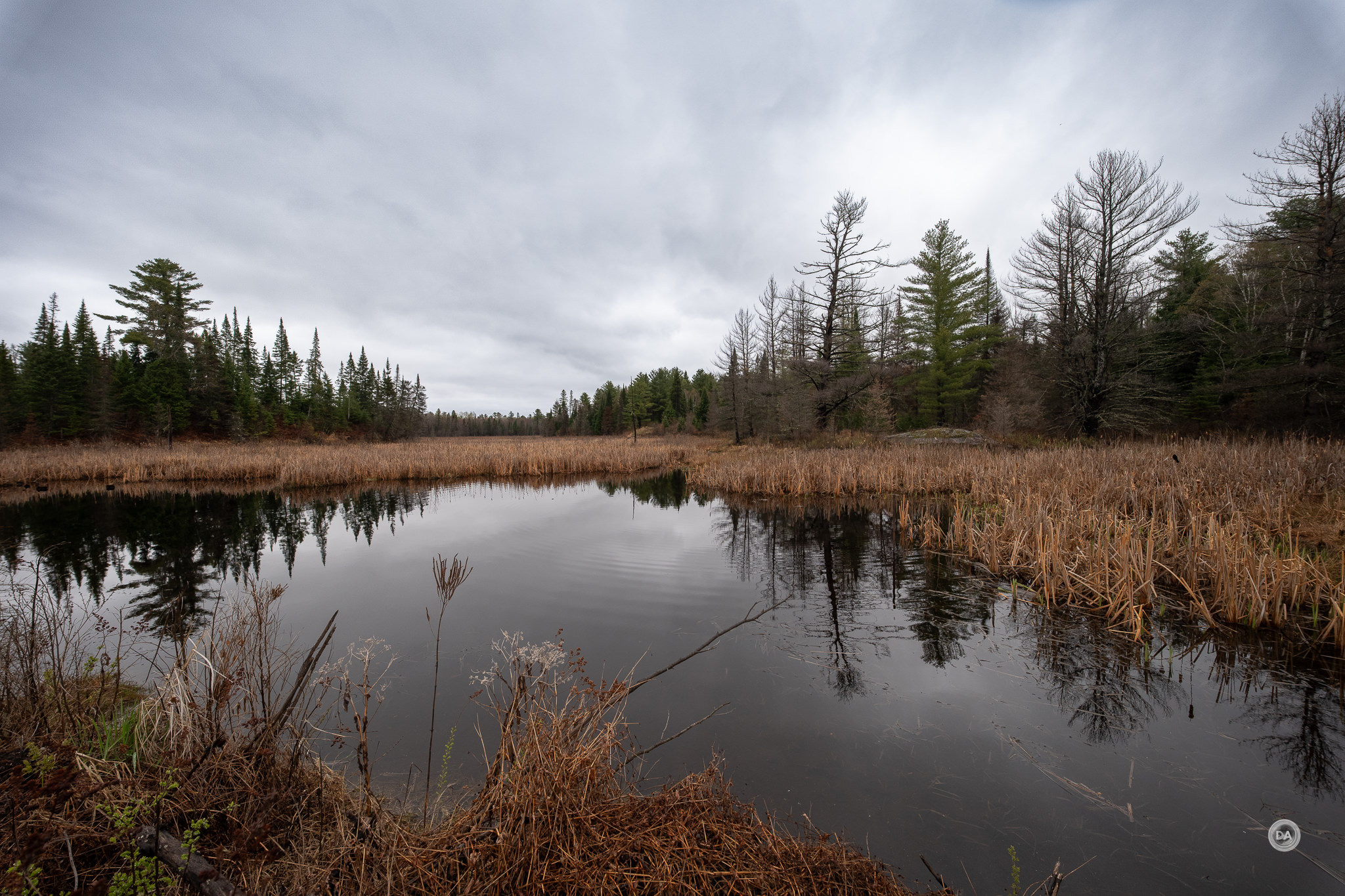
Here’s a mini-gallery of images to help tell the story:
Conclusion
I didn’t go into this review with high expectations, but I was intrigued to see how well Brightin Star was handling the transition to doing autofocus. I came away with my expectations easily exceeded. The build quality is very nice, the feature set is solid, autofocus seemed pretty excellent, and the lens was better than expected optically. This is the first time that Brightin Star has tested the waters above the $500 USD mark, and time will tell if consumers are ready to spend this much on a Brightin Star lens.

The biggest challenge will be the existence of the Laowa AF 12mm F2.8 Zero D Lite, as that lens comes from a more established brand, can be filtered more easily, and isn’t much more expensive.

But that’s the reality of today’s market. There are so many lensmakers producing lenses at a variety of prices that it is hard for these new brands to really distinguish themselves. That doesn’t change the reality that this is a really solid lens, however, and I’ll go on the record as being impressed by what Brightin Star has accomplished here. The Brightin Star AF 12mm F2.8 is a strong choice for anyone looking for an ultrawide prime lens.

Pros:
- Wide Angle of View: Boasts an impressive 122.5° angle of view, making it ideal for landscapes and architecture.
- Compact Design: Its compact form factor makes it easy to carry for on-the-go photography.
- Build Quality: Sturdy all-metal construction provides durability and a premium feel.
- Feature-Rich: Comes equipped with a manual aperture ring, custom button, and AF/MF switch for versatile operation.
- Autofocus Performance: Quick, silent, and accurate autofocus, even in low light conditions and dynamic shooting environments.
- Image Quality: Sharp center performance with acceptable midframe detail, suitable for landscape and architecture work.
- Rear Filter Thread: Offers the ability to use filters on the rear, providing flexibility for special effects like ND filters.
- Weather Sealing: Includes a weather sealing gasket for added protection against the elements.
- Price: Competitive pricing at $609.99 makes it an attractive option compared to similar lenses.
- Low Focus Breathing: Minimal focus breathing during video, enhancing the quality of video work
Cons:
- Soft Corners: Corner sharpness is less than optimal, particularly at wider apertures.
- Limited Close Focus Distance: Minimum focus distance of 30cm may limit creative opportunities.
- Vignetting and Distortion: Heavy vignetting and distortion can complicate post-processing, especially for JPEG users.
- In-camera Corrections Lacking: At this stage Brightin Star is not receiving support for in-camera corrections
- Fixed Lens Hood: The fixed lens hood does not protect the front element from rain and may require extra care in inclement weather.
- Nontraditional Filter Size: The unusual 34mm rear filter size may restrict options for choosing compatible filters.
- Bokeh Quality: Limited out-of-focus rendering, with average quality for images that do have separation.
- Competition: Challenging market with established brands like Laowa offering similar lenses with additional advantages (e.g., front filter options).
_________________________________________________________________________
GEAR USED:
Purchase the Brightin Star 12mm F2.8 @ B&H Photo | Amazon | Amazon Canada
_________________________________________________________________________
Purchase the Sony a7RV @ B&H Photo | Adorama | Amazon | Camera Canada | Sony Canada | Amazon Canada | Amazon UK | Amazon Germany
__________________________________________________________________
Purchase the Sony a7IV @ B&H Photo | Adorama | Amazon | Camera Canada | Sony Canada | Amazon Canada | Amazon UK | Amazon Germany
_________________________________________________________________
Purchase the Sony Alpha 1 @ Camera Canada | B&H Photo | Adorama | Amazon | Sony Canada | Amazon Canada | Amazon UK | Amazon Germany | Ebay
_________________________________________________________________
Want to support this channel? Use these affiliate links to shop at: B&H Photo | Amazon | Adorama | Camera Canada | Amazon Canada | Amazon UK | Ebay | Make a donation via Paypal
Buy DA Merchandise https://bit.ly/TWIMerch

Keywords: Brightin Star, AF, Autofocus, 12mm, F2.8, Brightin Star AF 12mm F2.8, 12mm F2.8 Review, Brightin Star review, ultra wide angle, UWA, Sony a7V, Sony A1 II, α1 II, Sony a7RV, Review, Hands On, Dustin Abbott, Real World, Comparison, Sharpness, Bokeh, Flare Resistance, Autofocus, Image Quality, Sample Images, Video, Photography, let the light in, weathersealing, #letthelightin, DA
Related posts:
 Thypoch Voyager 24-50mm F2.8 Review
 Tamron 35-100mm F2.8 Di III VXD Review
 Viltrox AF 35mm F1.8 II EVO E-Mount Review
 Brightin Star 28mm F2.8 Micro-Pancake Review
 Brightin Star X-Slim 28mm F2.8 Gallery
 AstrHori 25mm F2.8 2-5x Macro Review
 AstrHori 25mm F2.8 2-5x Macro Gallery
 Laowa AF 10mm F2.8 Zero D Gallery
 Schneider-Kreuznach x LK Samyang 14-24mm F2.8 FE Review
 Meike MIX 24mm F1.4 FE Review