

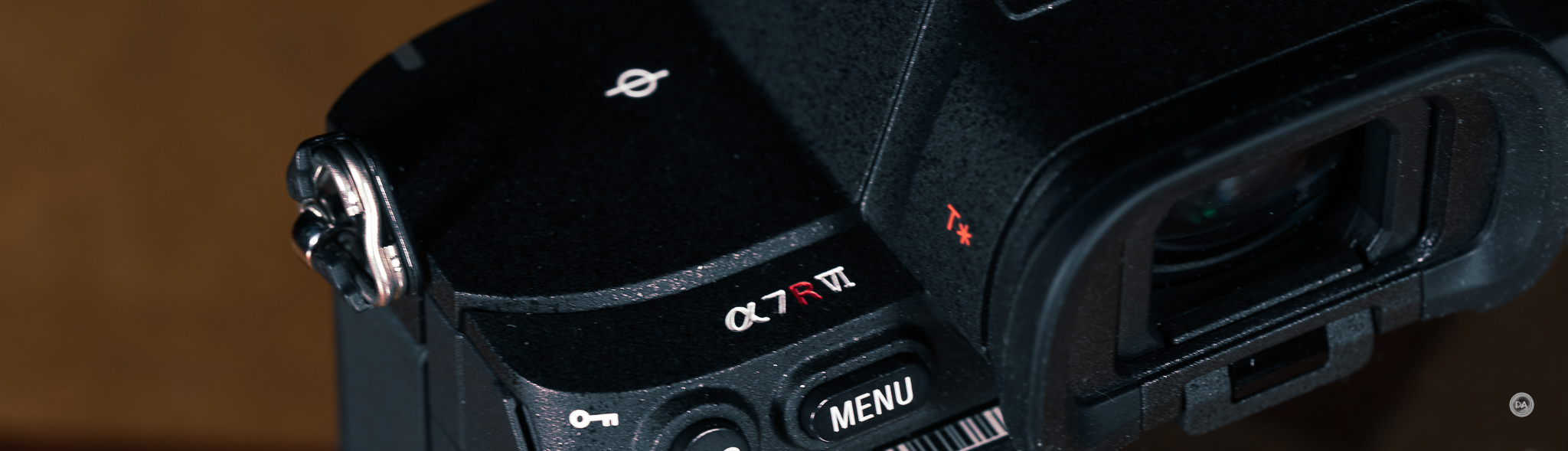
The Sony a7RV was already one of the most complete high-resolution cameras on the market when it launched. It took the excellent 61MP sensor and refined nearly everything else—ergonomics, AF, video, buffer depth, and flexibility with MRAW options—into a truly mature package. The new Sony a7R VI builds on that foundation with a significant leap forward: a new 66.8MP fully-stacked Exmor RS sensor paired with the BIONZ XR2 processor. This isn’t just “more megapixels”—it’s a high-res body that now shoots like a flagship speed camera (though with a caveat or two). Sony has essentially taken many of the strengths of the Alpha 1 series and married them to class-leading resolution. The result is a camera that feels like the true successor the R-series has been building toward: exceptional detail for landscapes, commercial, or heavy cropping, combined with blackout-free 30fps bursts, vastly improved readout speeds, and strong hybrid video capabilities. But with the new goodness comes a new price point, too. At a launch price of around $4499 USD, it’s a premium investment, running about $550 more than what the a7RV did at launch. That being said, as a Sony α1 II owner, I’m tempted to look at the α7R VI and think there isn’t a lot that my α1 II can do that this can’t…and it costs $2000 more. So is the new Sony a7R VI the way to go for your new camera purchase? Let’s dive in and find out.
Follow Me @ YouTube | Patreon | Instagram | Facebook | DA Merchandise | Flickr | 500px | X
Thanks to Sony USA for sending me a review loaner of the α7R VI. As always, this is a completely independent review. *The tests and most of the photos that I share in this review have been taken with the camera. You can find the product page for the camera here. Most of the links are included are affiliate links from I earn a small percentage when you purchase from them.
__________________________________________________________________________________________________
AI SUMMARY: The Sony α7R VI builds on its predecessor’s foundation with a new 66.8MP fully-stacked sensor and advanced processing capabilities, providing impressive speed and image quality. The camera offers 30fps blackout-free shooting, superior autofocus performance with enhanced AI subject tracking, and robust video capabilities, making it a strong hybrid option. Ergonomically improved, it features a redesigned grip, enhanced battery life, and refined controls, though it carries a higher price tag than the α7R V. While the α7R VI excels in various aspects, it has left out some RAW output options, marking a notable trade-off for users.
Strengths:
- Exceptional image quality with a high-resolution 66.8MP sensor.
- Impressive burst rate and autofocus performance, including advanced AI tracking.
- Robust battery life and ergonomic improvements for prolonged usage.
- Strong video capabilities with options like 8K recording and advanced stabilization.
Weaknesses:
- Increased price point, making it a premium investment.
- Limited RAW output options compared to its predecessor.
- Relatively shallow buffers keep it from delivering on burst speed
- Absence of top-mounted LCD screen for quick reference.
________________________________________________________________________________________________
Key Features
What carries over (but refined and improved):
- Advanced AI subject recognition AF (now with Recognition AF+)
- Excellent IBIS (now rated up to 8.5 stops center / 7.0 periphery)
- 9.44M-dot EVF (now brighter) and highly flexible articulating screen
- Robust weather sealing and pro-grade build
- Strong color science and dynamic range
What’s dramatically better:
- New 66.8MP fully-stacked BSI Exmor RS CMOS sensor
- Blazing 30fps blackout-free electronic shutter with AF/AE tracking (up to 60 AF calculations/sec)
- Pre-capture and Speed Boost modes
- Much faster sensor readout (~5.6x vs a7RV) for reduced rolling shutter
- Enhanced video: 8K30p, 4K120p, improved heat management
- New higher-capacity SA-series battery
- Dual USB-C ports
- Illuminated buttons
- Wi-Fi 6E and other connectivity upgrades
- Composite and Extended RAW options for even more detail
What could still improve:
- All of Sony’s cameras are scaling up in price
- Grip size still a bit compact for some larger lenses/hands
- Sony persists in not offering any top-mounted LCD screens
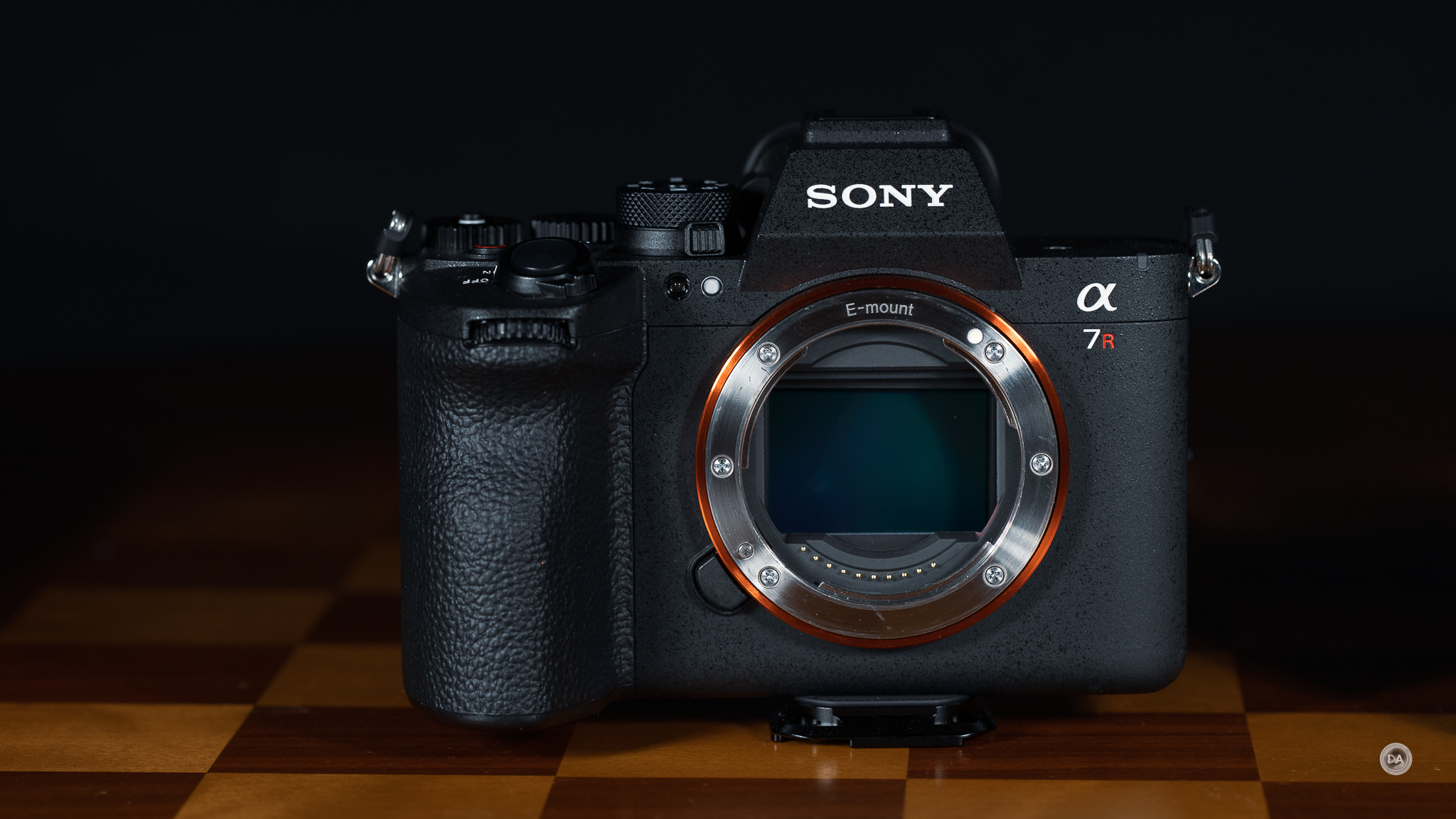
I started buying into Sony’s a7R ecosystem in the third generation (the α7RIII was my first Sony camera), and have moved through multiple generations to the a7RV, which I currently own. I’ve owned the a7RV for the past three years and am very familiar with it, so I’m been intrigued to see just how improved the α7R VI is in real world use. Sony already had the highest full frame (35mm) resolution standard on the market, so raising that even higher to nearly 67MP is interesting, but more intriguing is that the new sensor is a fully stacked design, which changes the calculus in many ways. We’ll explore them all in detail.

Build and Features
Sony’s full-frame cameras have remained largely consistent in their core shape and dimensions over the years (outside of the compact a7C series), for both good and bad. While Sony hasn’t radically altered the formula, they continue to refine and improve it with each generation. The a7R VI benefits from the physical and ergonomic tweaks we’ve seen in recent bodies like the α7RV and a7V, along with some meaningful upgrades tailored to its flagship ambition, though there are still a few areas where Sony has left some separation between the α7R VI and their dedicated sports bodies like the α9 III or the α1 II. The grip has been subtly but noticeably improved, the build feels even more robust, and features like illuminated buttons and a new higher-capacity battery address long-standing user feedback.
But you could be forgiven if you look at this photo and have a hard time telling me which is the α7RV and which is the α7R VI.
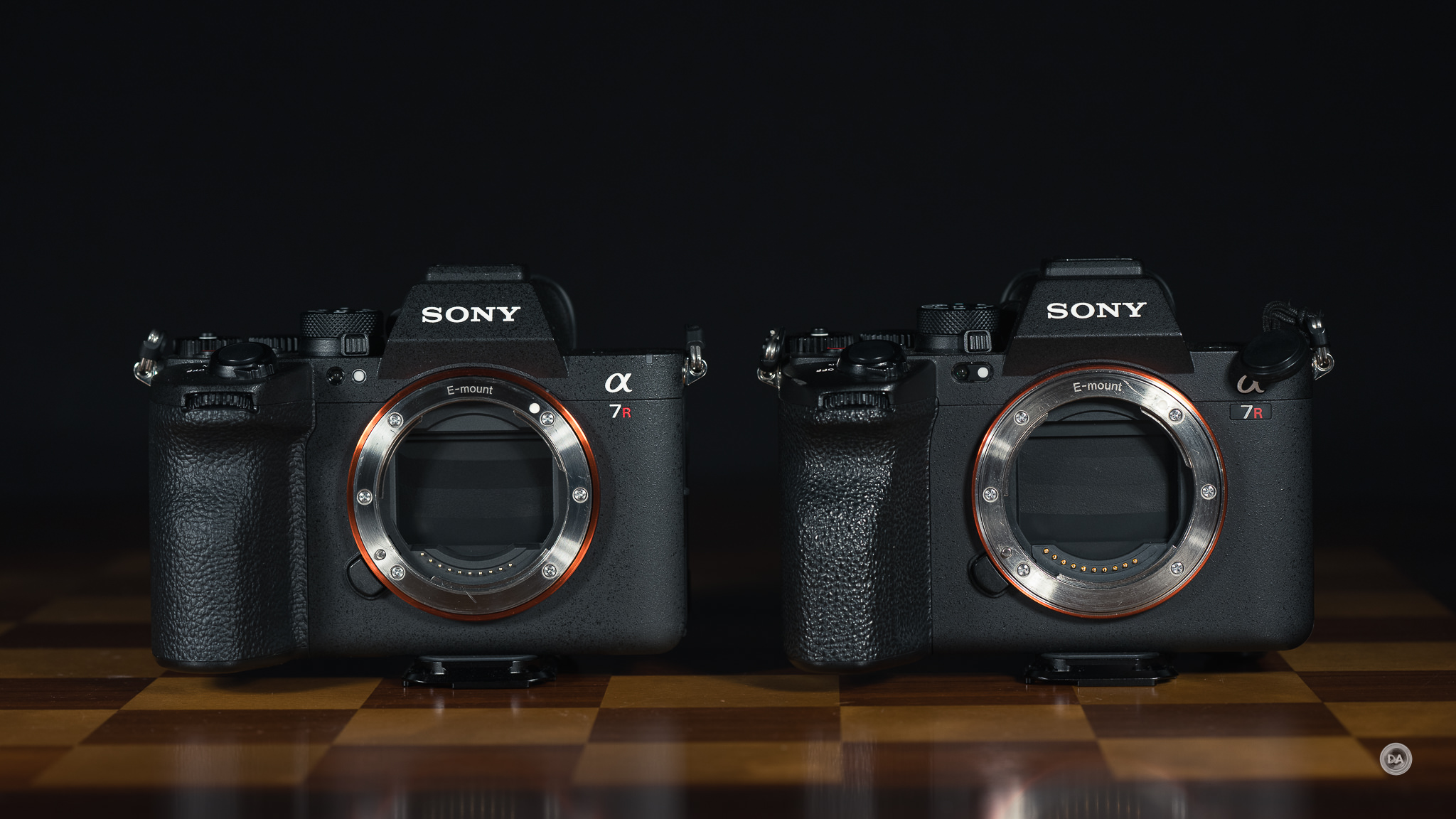
The physical dimensions are approximately 132.7 x 96.9 x 82.9 mm (5.2 x 3.8 x 3.3 inches). That is 2mm wider than the α7RV, and 1mm deeper at the grip, though the height of the cameras is the same. They look similar from most angles, though one thing that does stand out is that grip material is more of a matte finish and has less shine.

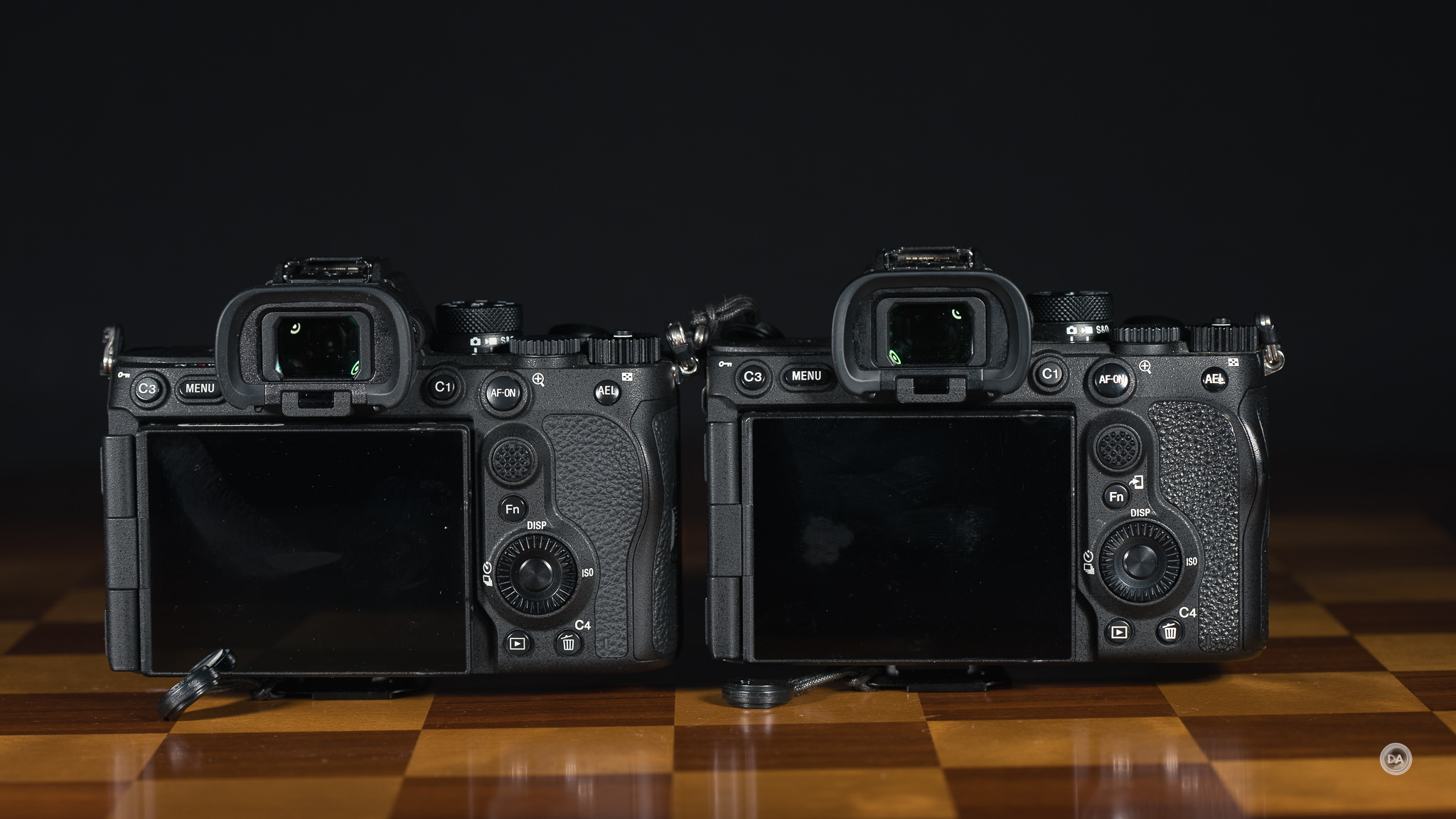

The weight is around 622g body-only or 713g (25.1 oz) with battery and memory card. That is – somewhat surprisingly – 10 grams less than the α7RV despite being very slightly bigger and having a large capacity battery.
I’ve long noted that Sony grips can feel a bit narrow for larger hands, with knuckles sometimes brushing against bigger lenses. The a7R VI’s reworked grip helps here—it’s deeper and more contoured, with a more pronounced lip at the top and better shaping for the fingers. I put on a large, thick lens like the SongRaw Moonlit 50mm F1.2 and my knuckles barely grazed the lens barrel, so that’s progress. I would say that it is more comfortable for extended shooting sessions than the α7RV, though I still prefer the slightly more generous grips on competing Nikon and Canon models for all-day comfort with heavy glass. The lens mount has also been strengthened to better support large, heavy lenses.

The α7R VI is compatible with an updated vertical battery grip (the new VG-C6 grip, which will set you back roughly $450 USD). Those who have invested in the VG-C4EM may be less than delighted in not being able to reuse an expensive accessory, but at least there is a very good reason for this change. Sony has introduced an all-new battery, the NP-SA100, which is larger capacity (2670mAh vs 2280mAh for older NO-FZ100 battery, or 27% more capacity). The NP-SA100 isn’t much bigger, however, due to a more efficient design, which has allowed the grip on the α7R VI to stay mostly the same size.
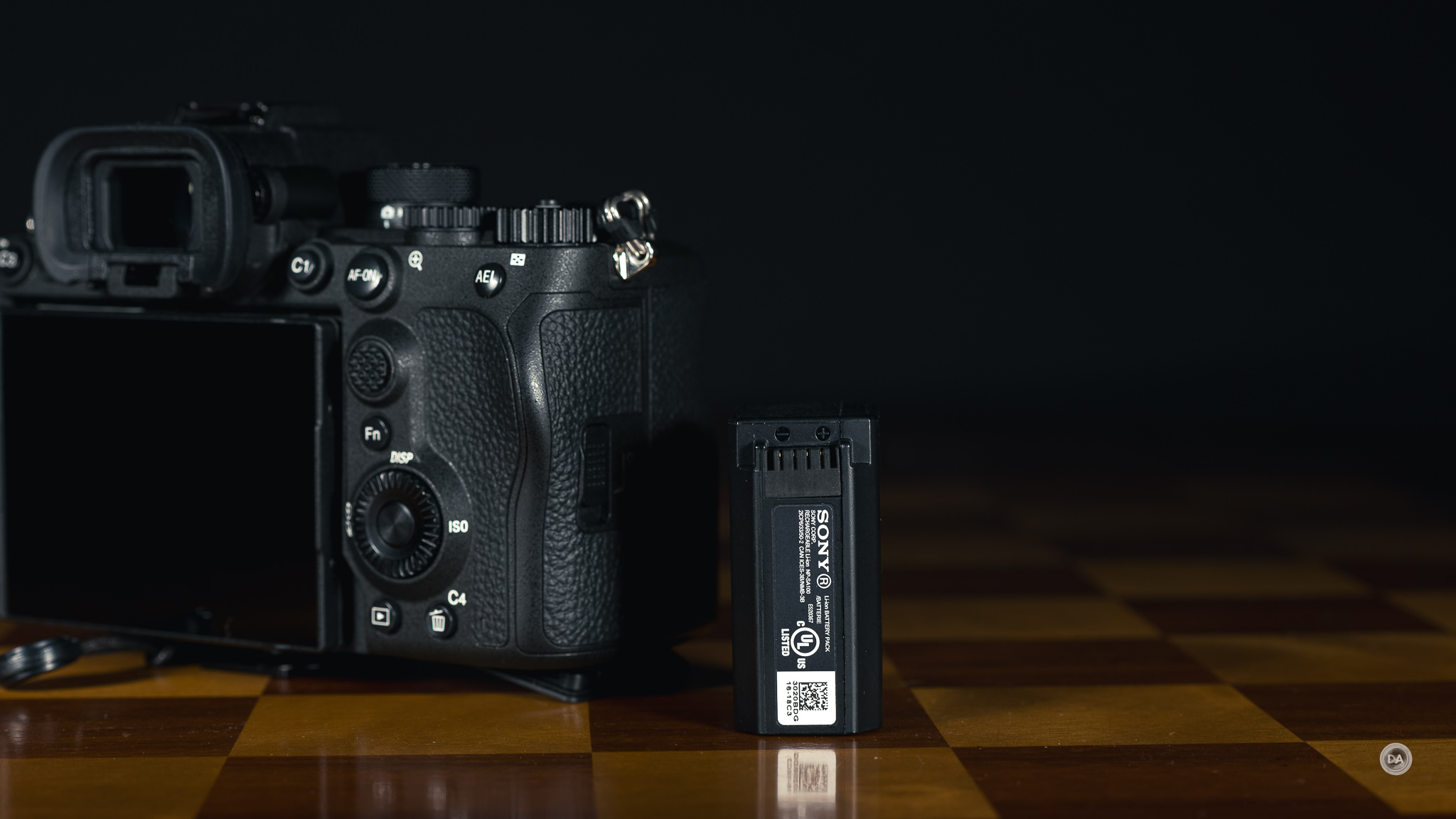

The battery life is rated at 600 shots through the viewfinder, or 710 shots using the LCD screen. That’s not only a big improvement over the α7RV, but it blows competitors like the Nikon Z8 or Canon R5 II out of the water. The α7V used the same battery but had a breakthrough in battery capacity due to efficiency improvements, but the α7R VI has both the efficiencies and the new battery. Sony is (nicely) including BC-SAD1 dual-bay charger with the α7R VI (despite it only having one battery included), so if you do order a second battery, you’ll be able to quick-charge two at once.
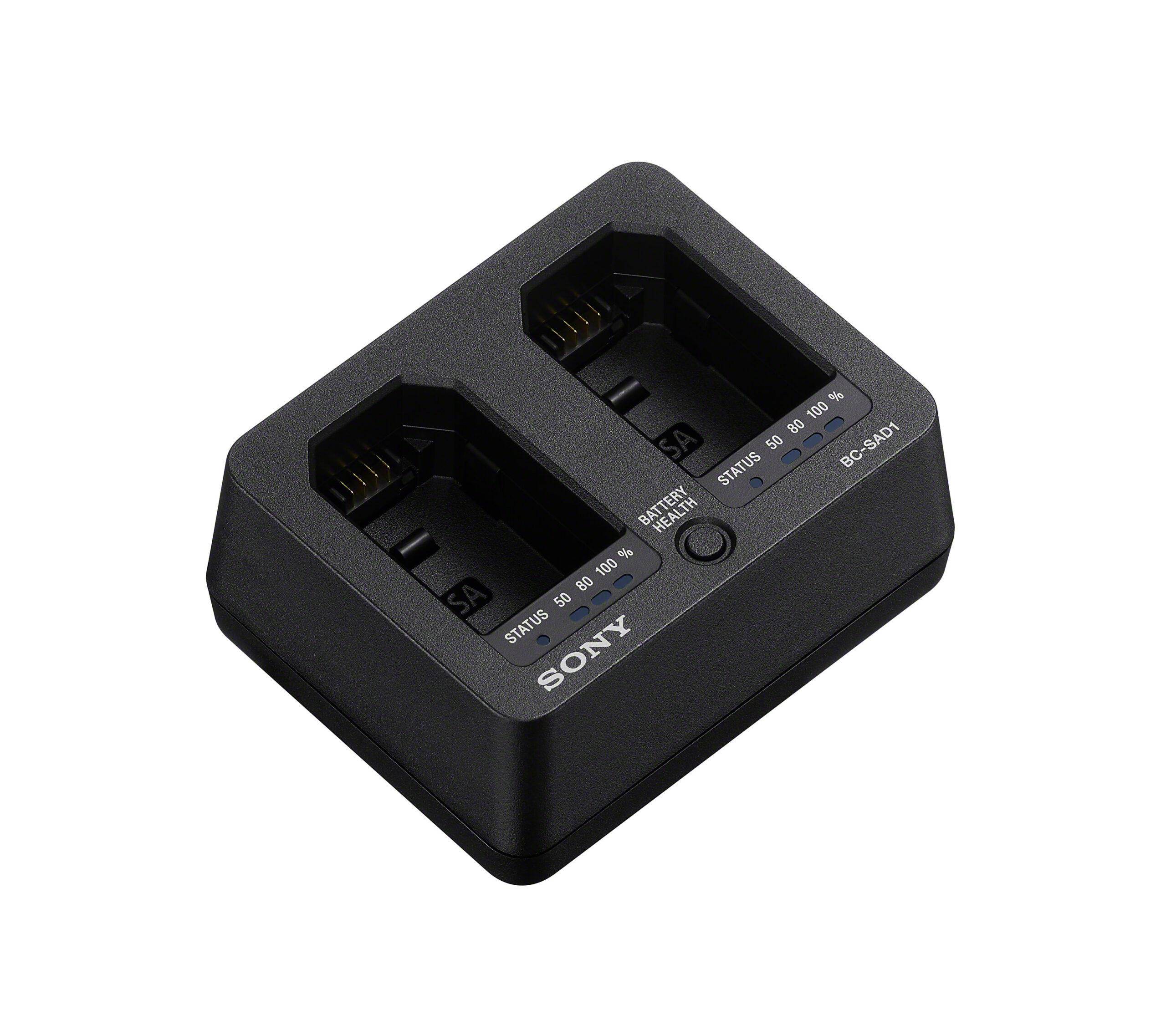
You also have the option of charging the battery in-camera via USB-C so long as you have a PD (Power Delivery) rated source, which is pretty much ubiquitous these days. It is always uncomfortable to change a battery standard, as it will invariably upset the loyalists who have invested in spare batteries in the past, but after using the α7R VI extensively, I’m excited for the changed. I shot well over a 1000 shots, lots of video clips, and did all of the typical initial playing with settings…and I’m currently at 48% state of charge at this point in my review cycle. I’ve NEVER used a Sony camera with this level of stamina before.
One of the standout physical upgrades is the retained but refined 4-axis multi-angle LCD. This settles the debate over tilt vs articulating by combining tilt and full articulation, giving the best of both worlds. The screen is a 3.2″ panel with higher resolution (around 2.1 million dots), and touch implementation is excellent across menus, focus selection, and settings. It’s versatile for awkward angles, vlogging, or ground-level work. I definitely miss this screen when shooting with cameras from other brands.
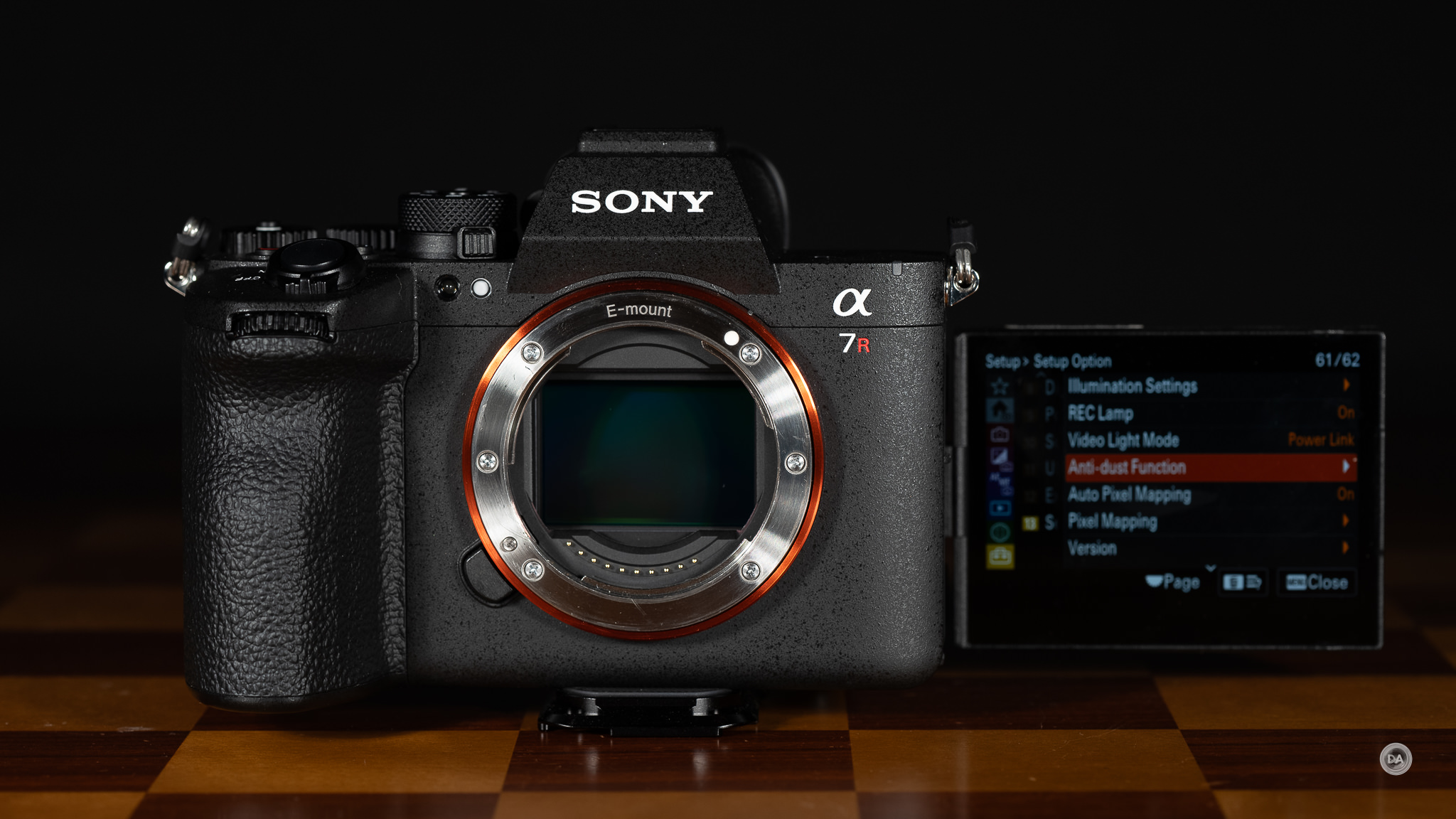
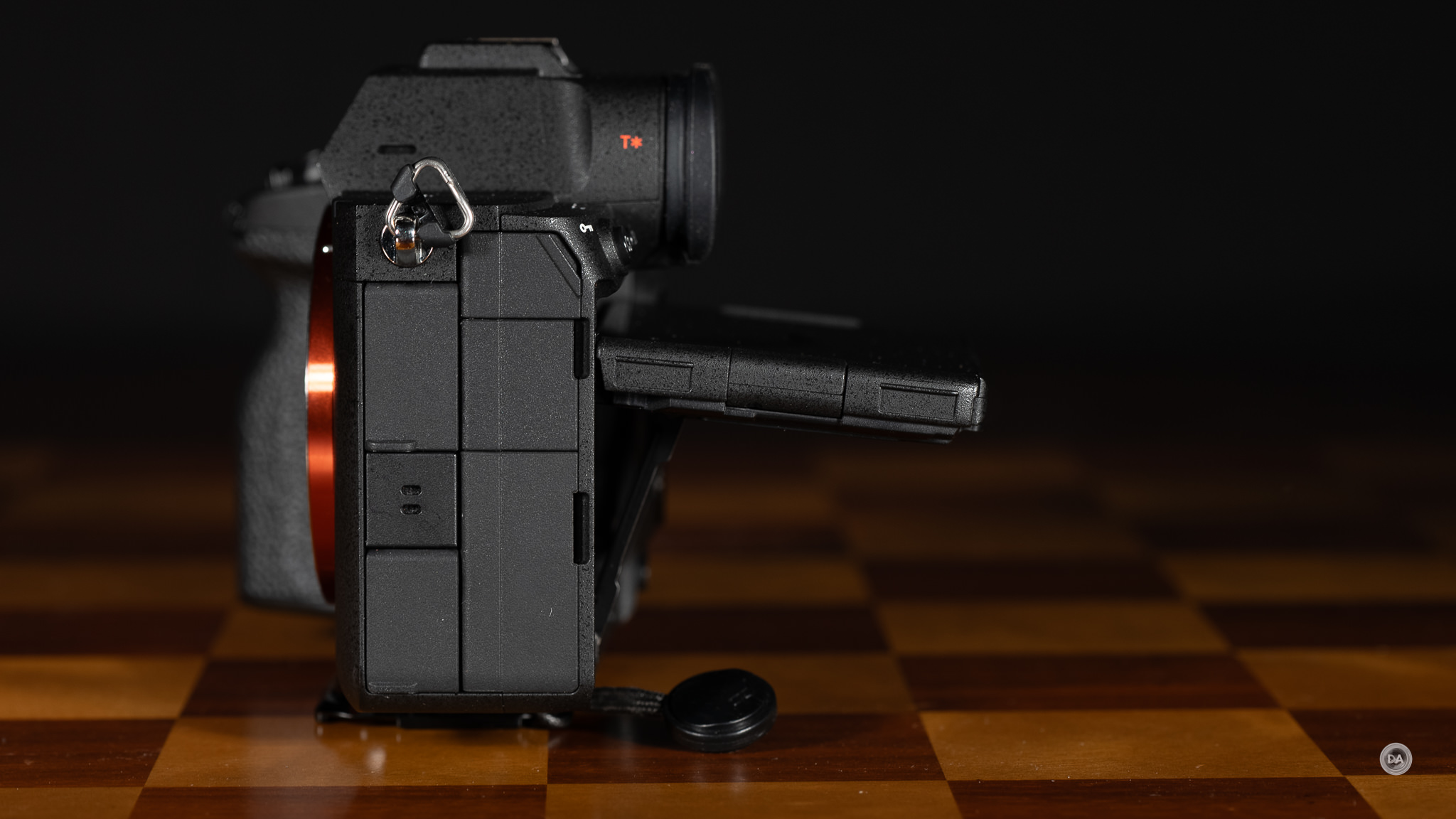
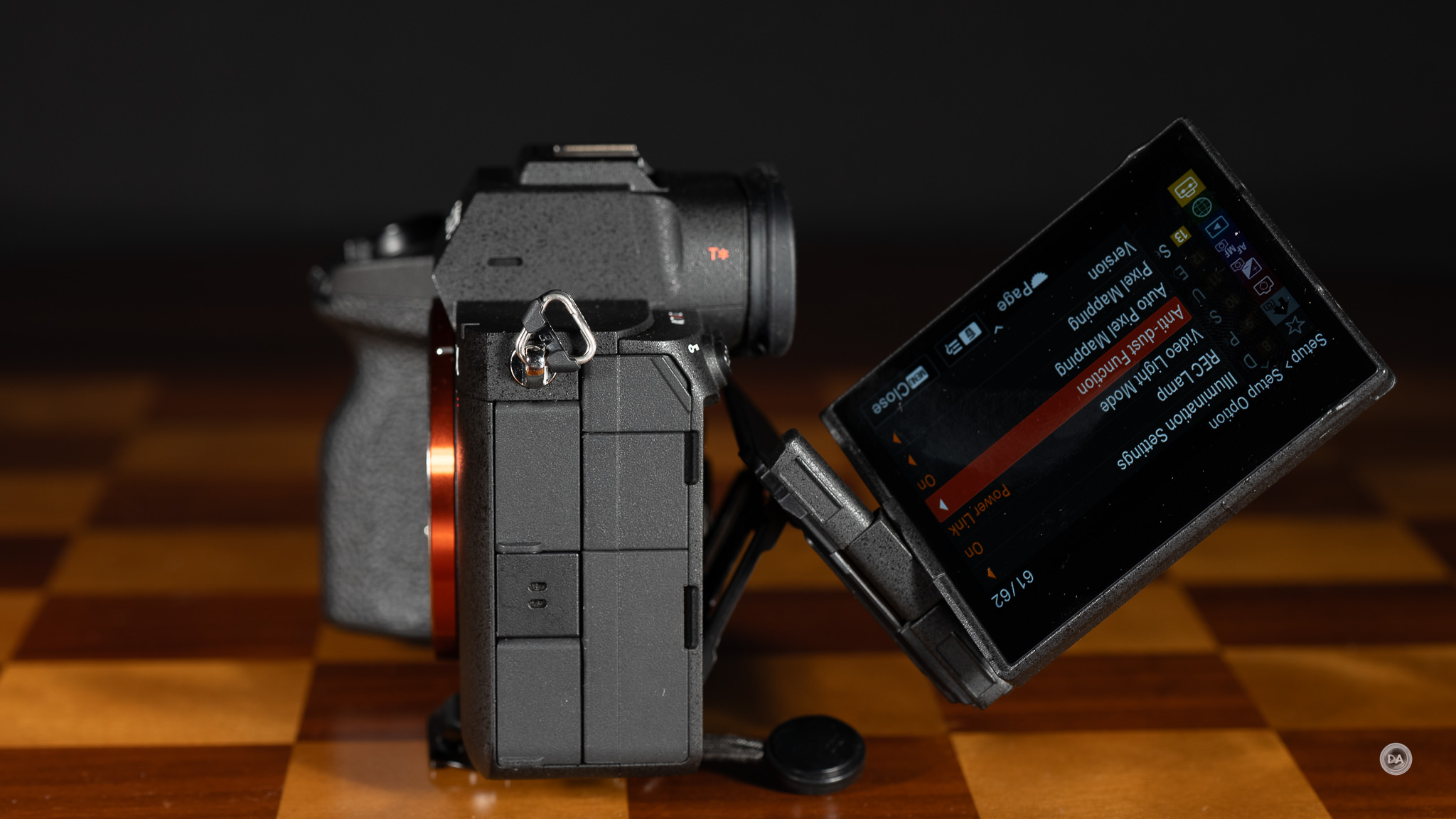
Ergonomics will feel very familiar to a7RV or a7V users. You get the excellent dual-layer mode dial (stills/video/S&Q modes with separate customizations), multiple control dials (including a customizable fourth wheel around the SET button that I often assign to ISO), and well-placed custom buttons.
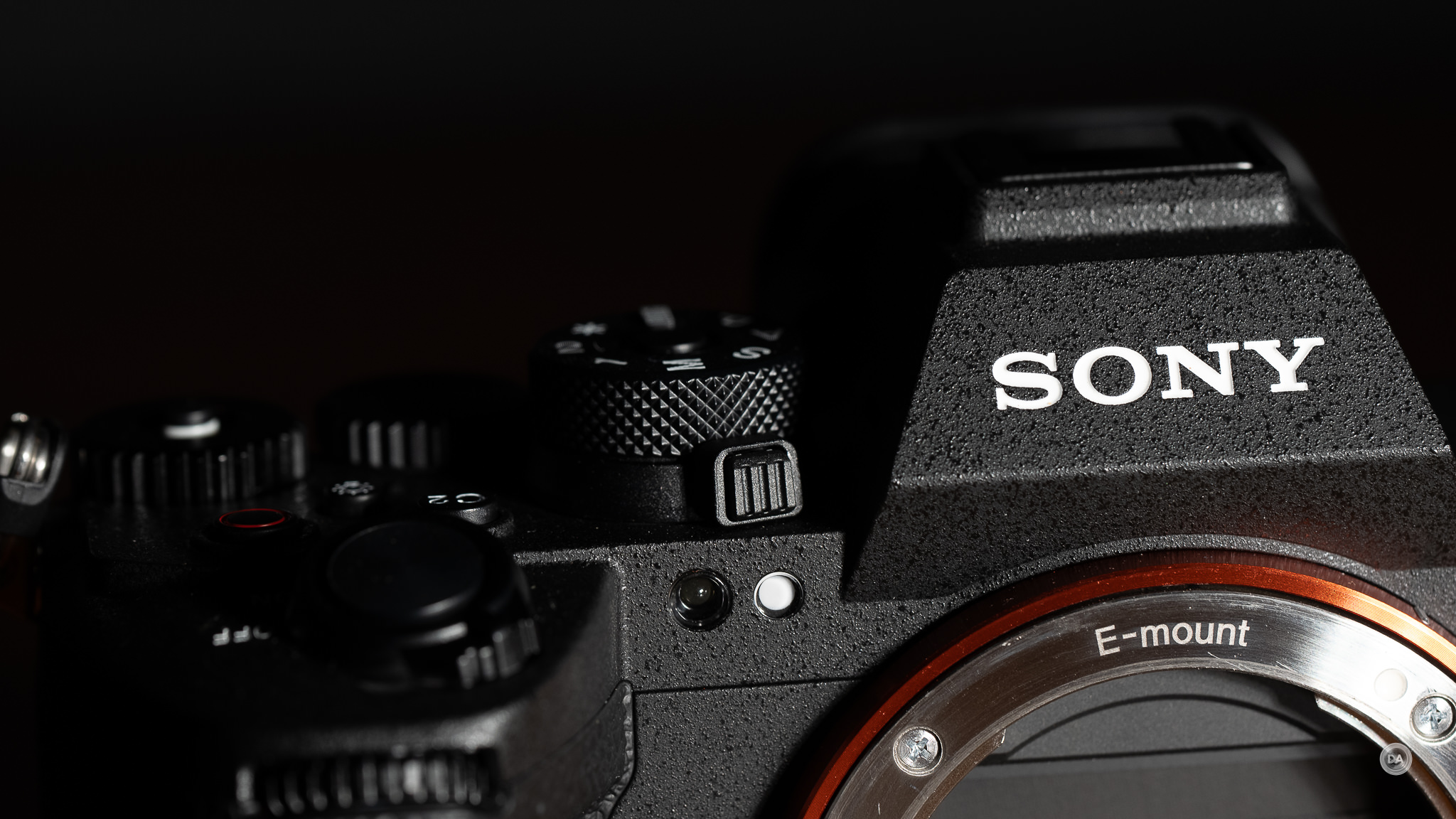
Those familiar with the α7RV (or any other recent Sony camera) will find the ergonomics very familiar. The C1 button is on the back next to the viewfinder (right side) while the movie record button is on the top of the camera next to the C2 button. There are a total of four control dials, including two on the rear top plate. The furthest right of these is, by default Exposure Compensation, but the dial can now easily be assigned a different function if you don’t want to use it for exposure compensation. The dial doesn’t have a predetermined limit in either direction, either, so it can be easily used for a completely different function. Menu options include exposure, white balance, or Color/Tone. This dial does have a locking mechanism that is either locked or unlocked, not one that you hold down during rotation.
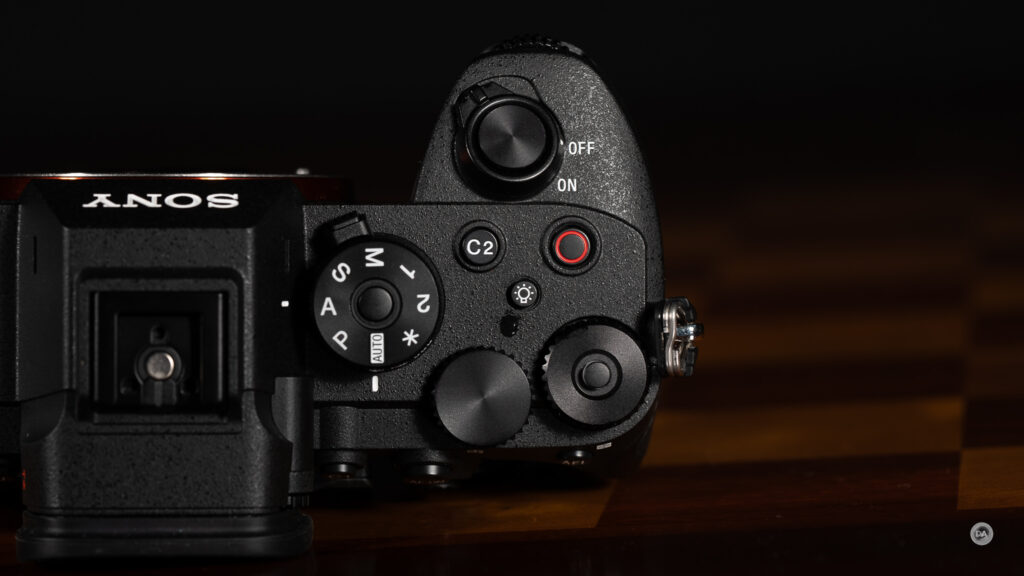
New for this generation are illuminated buttons, a godsend for low-light or night shooting. The camera also includes a tally lamp for video recording confirmation.
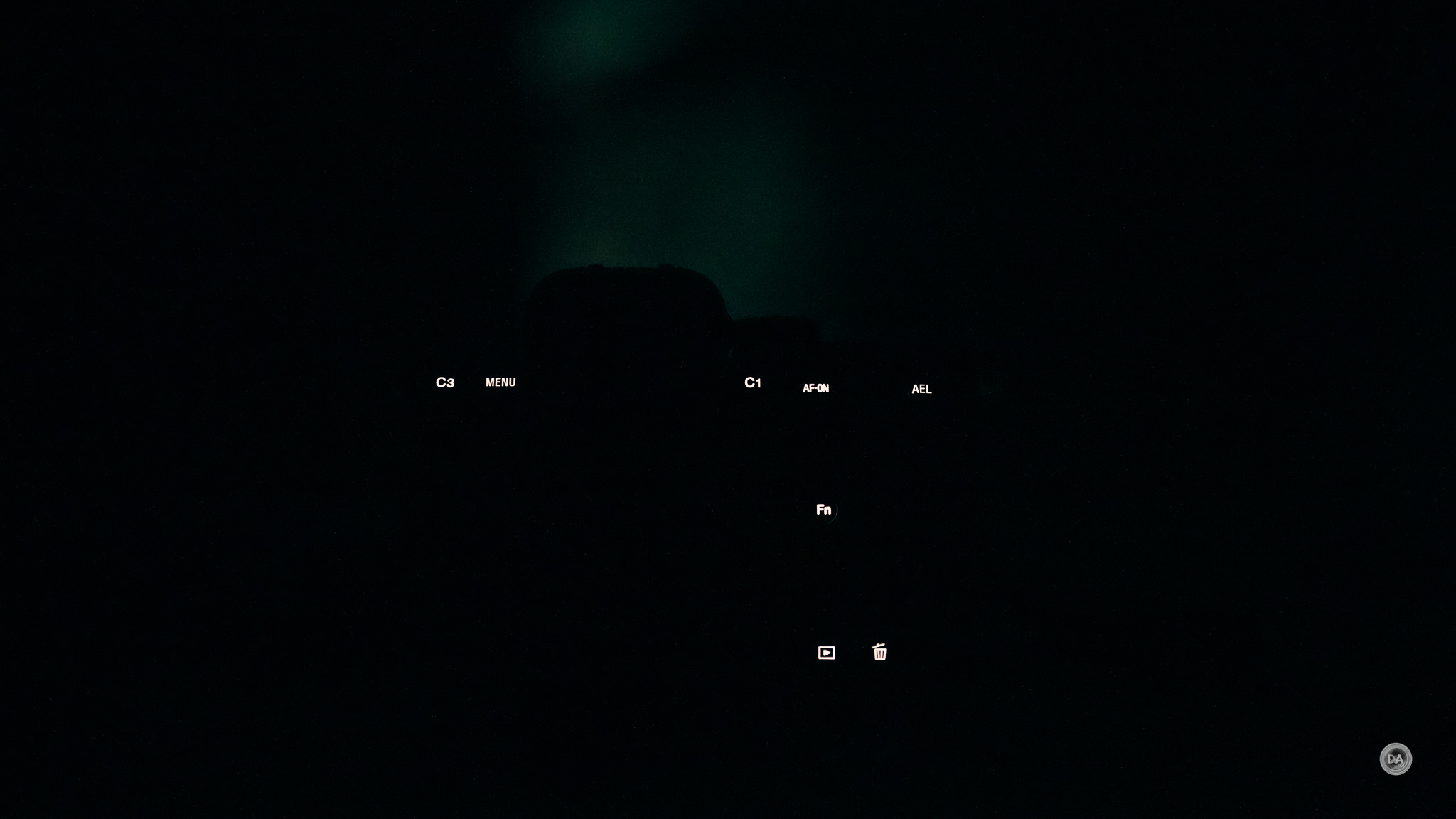
This is meaningful on Sony but has been pretty common on other brands for quite a while. What we still don’t have is a top-mounted LED screen for important information at a glance.
Other ergonomic controls are great, however. I really like the fact that Sony gives us a fourth wheel around the SET button. This can be clicked like a D-Pad but rotated to control another function where a wheel works well. I like to assign ISO to this wheel on all my Sony cameras to give a direct control for this function.
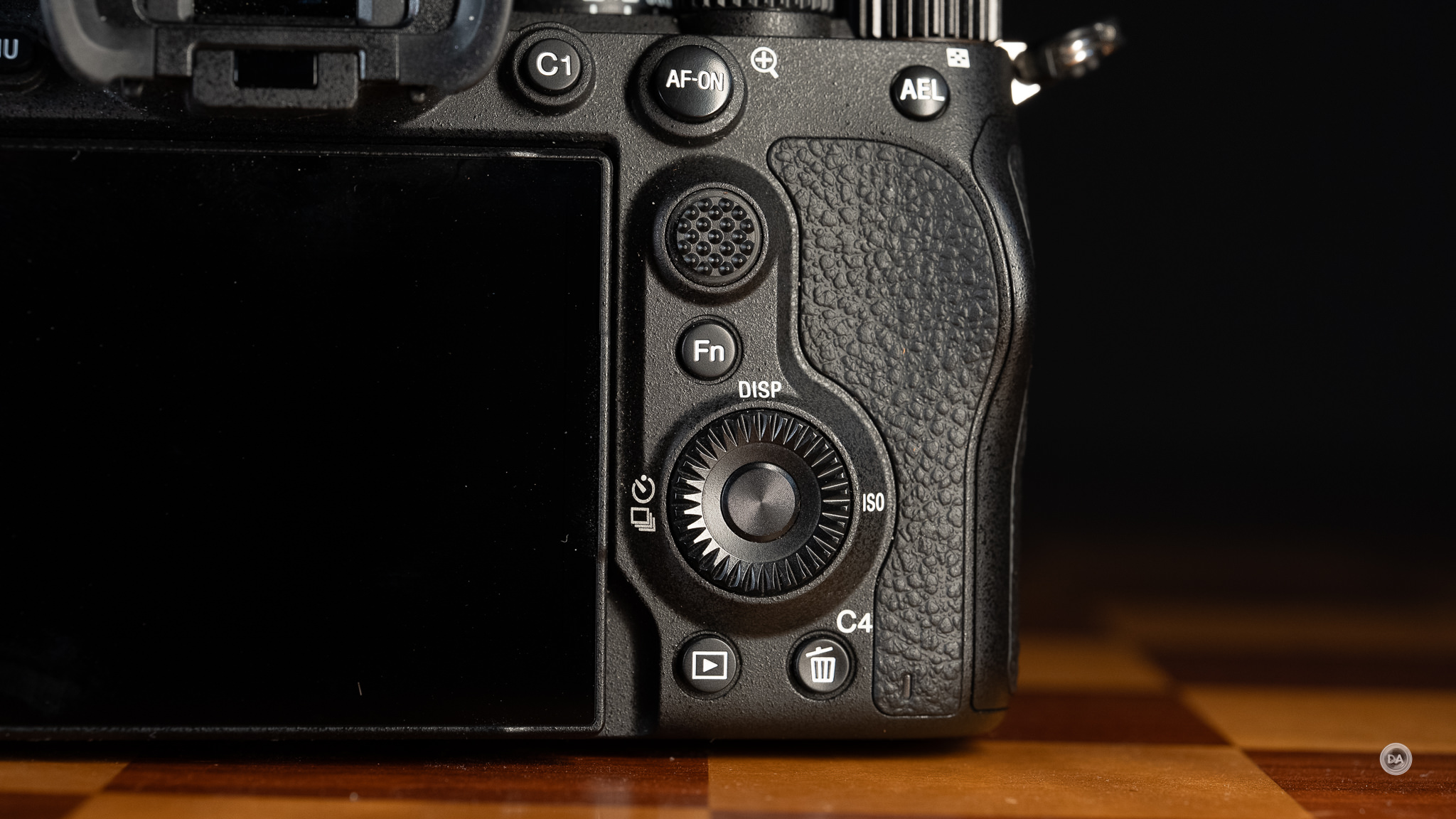
The α7R VI has a joystick and a number of customizable buttons and controls. I don’t love some of the physical ergonomics of Sony cameras, but I love the number of control dials and custom buttons.
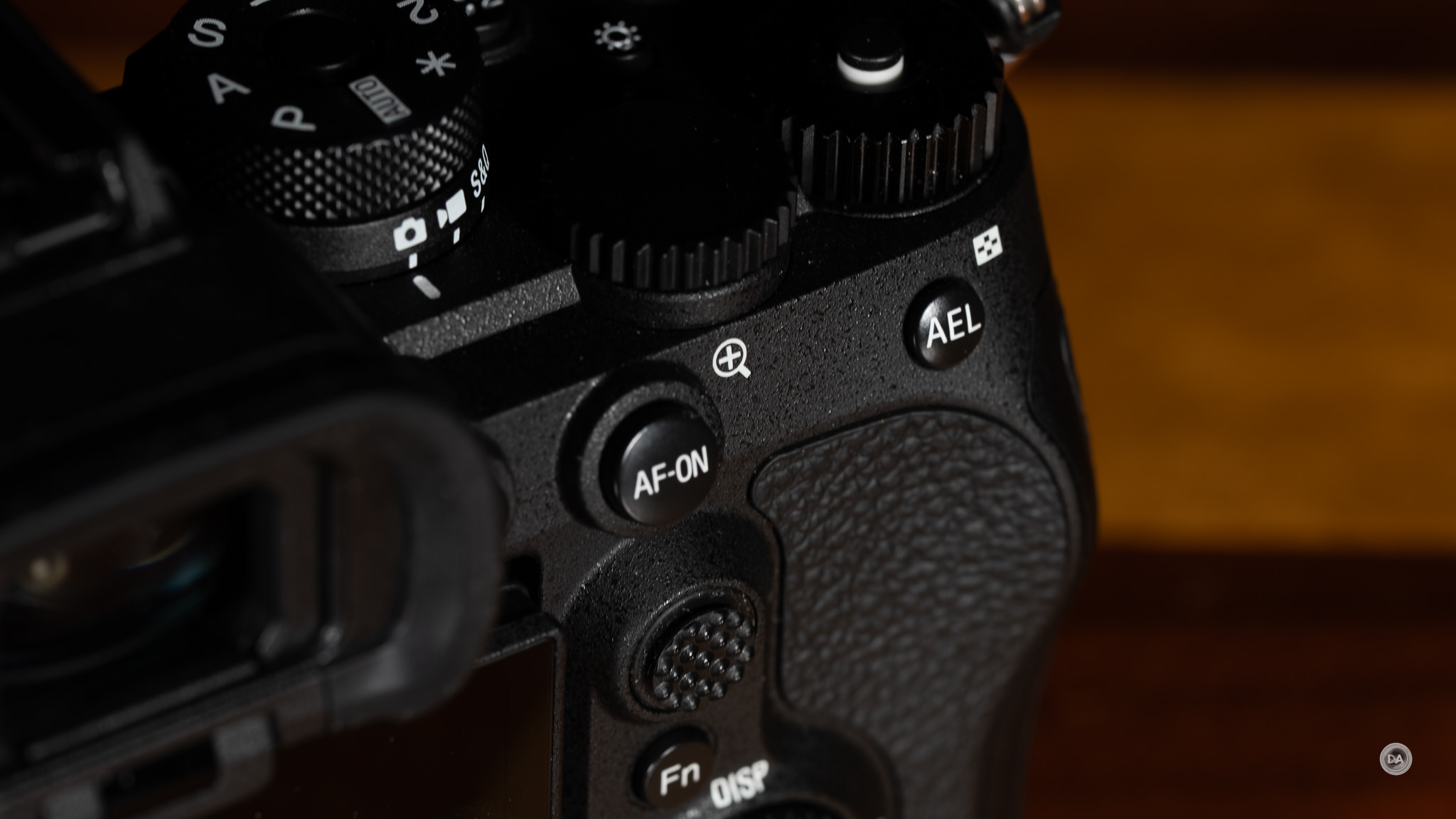
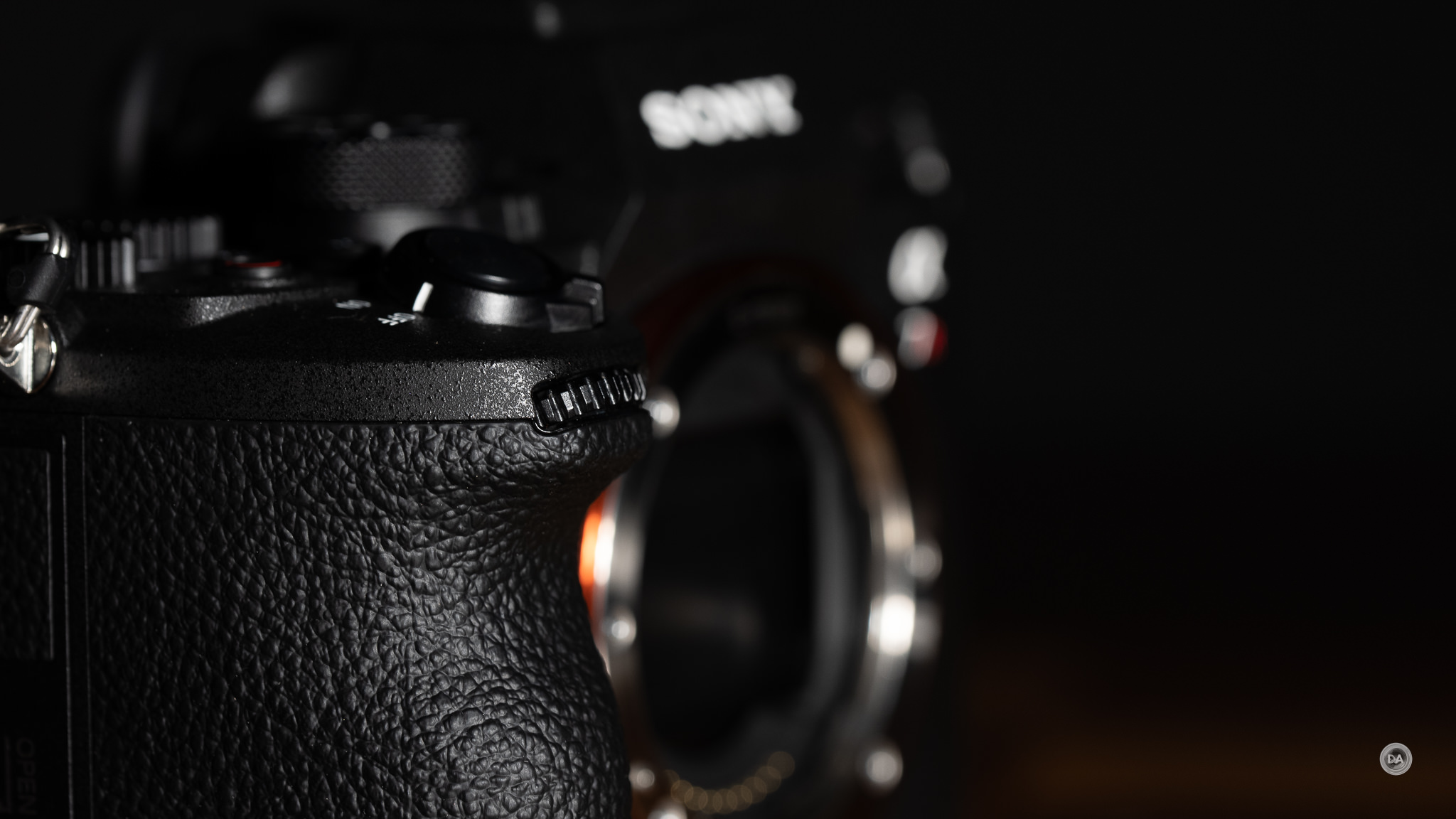
There are two things that Sony withholds for its dedicated sports cameras. The first is the drive/focus mode dual layer dial that sits on the left side of the viewfinder housing on the α9/α1 series along with the C5 button found on the front of the camera. Both of these will be missed by those accustomed to having them.
The electronic viewfinder is class-leading: a 9.44 million-dot OLED with 0.9x magnification, HDR support, higher brightness (up to 3x brighter than previous models), and a wide DCI-P3 color gamut. Refresh rates up to 120fps make it smooth and responsive, and it’s a joy for manual focus or precise composition. Sony has FINALLY solved the issue with the viewfinder having mosaic issues when holding the shutter half down or shooting in APS-C mode. It feels better in this regard than the viewfinder even on my α1 II, even though that viewfinder is capable of faster refresh rates.

Port selection is pro-grade. You get dual USB-C 3.2 ports (one for fast data/10Gbps transfer and webcam use, the other for simultaneous PD charging), a full-size HDMI (much more stable than micro versions), dedicated 3.5mm mic and headphone jacks, and clean door mechanisms with good sealing. The separate mic port compartment is particularly handy when the screen is flipped forward. Other than the second USB-C port, the ports are the same as the α7RV (on the right), but the arrangement is slightly different.
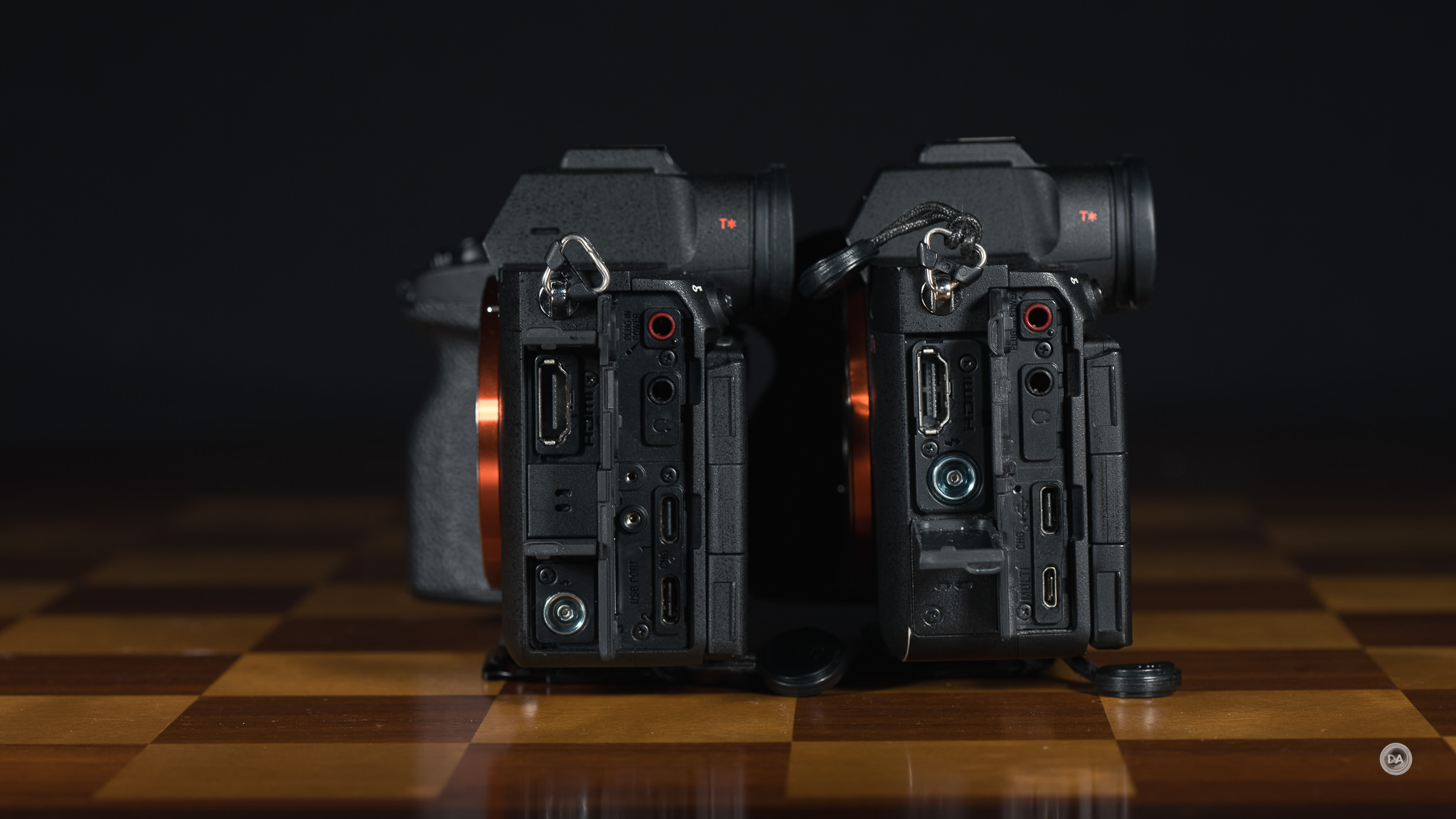
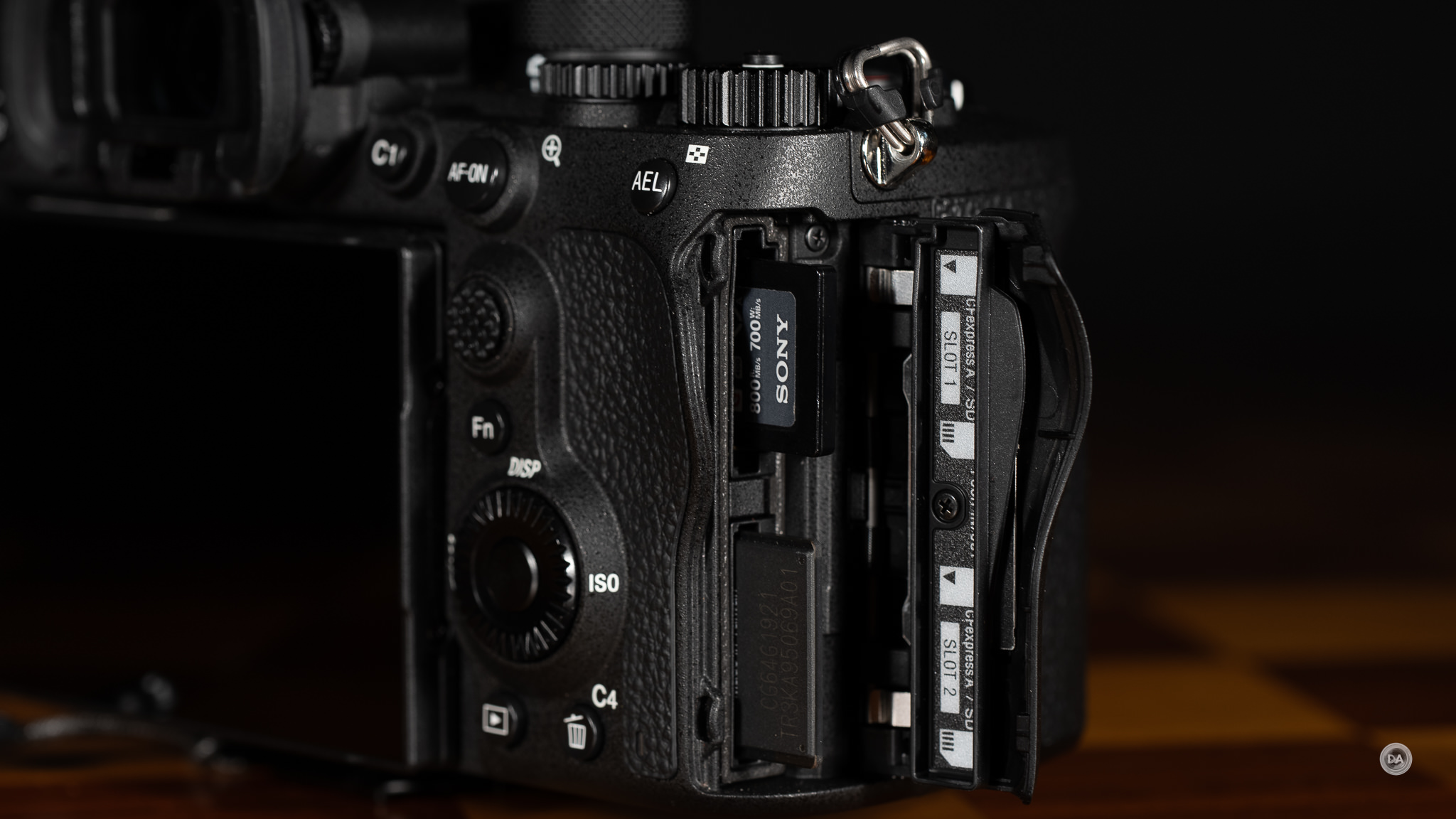
Memory card slots consist of dual CFexpress Type A / UHS-II SD combo slots. This gives excellent flexibility and fast write speeds for those massive 66MP files and long bursts. CFexpress Type A cards have become more affordable and deliver the performance needed for 30fps shooting.
Sony’s 5-axis in-body image stabilization has been further refined, now rated at up to 8.5 stops in the center (and 7.0 stops at the periphery) depending on the lens. It works effectively with both Sony lenses, third party lenses, and adapted glass, and pairs nicely with Active Mode for video. This makes handheld shooting with telephotos or in low light far more viable. Sony’s IBIS is becoming better when shooting with longer focal lengths as well.

The magnesium alloy chassis has enhanced weather sealing, with a high number of seal points throughout. This includes improved gaskets around the doors and joints. The mechanical shutter is rated for an impressive 500,000 actuations.
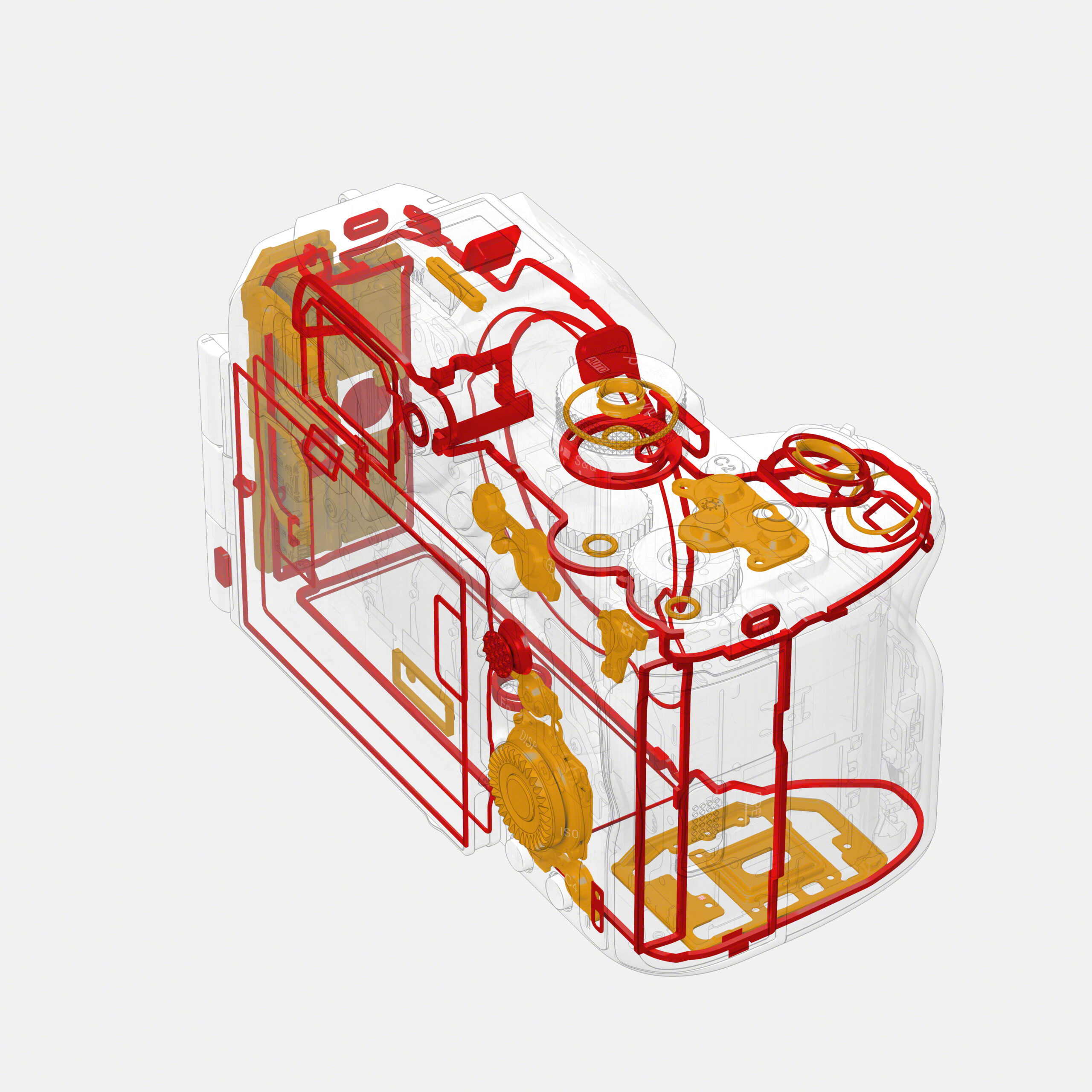
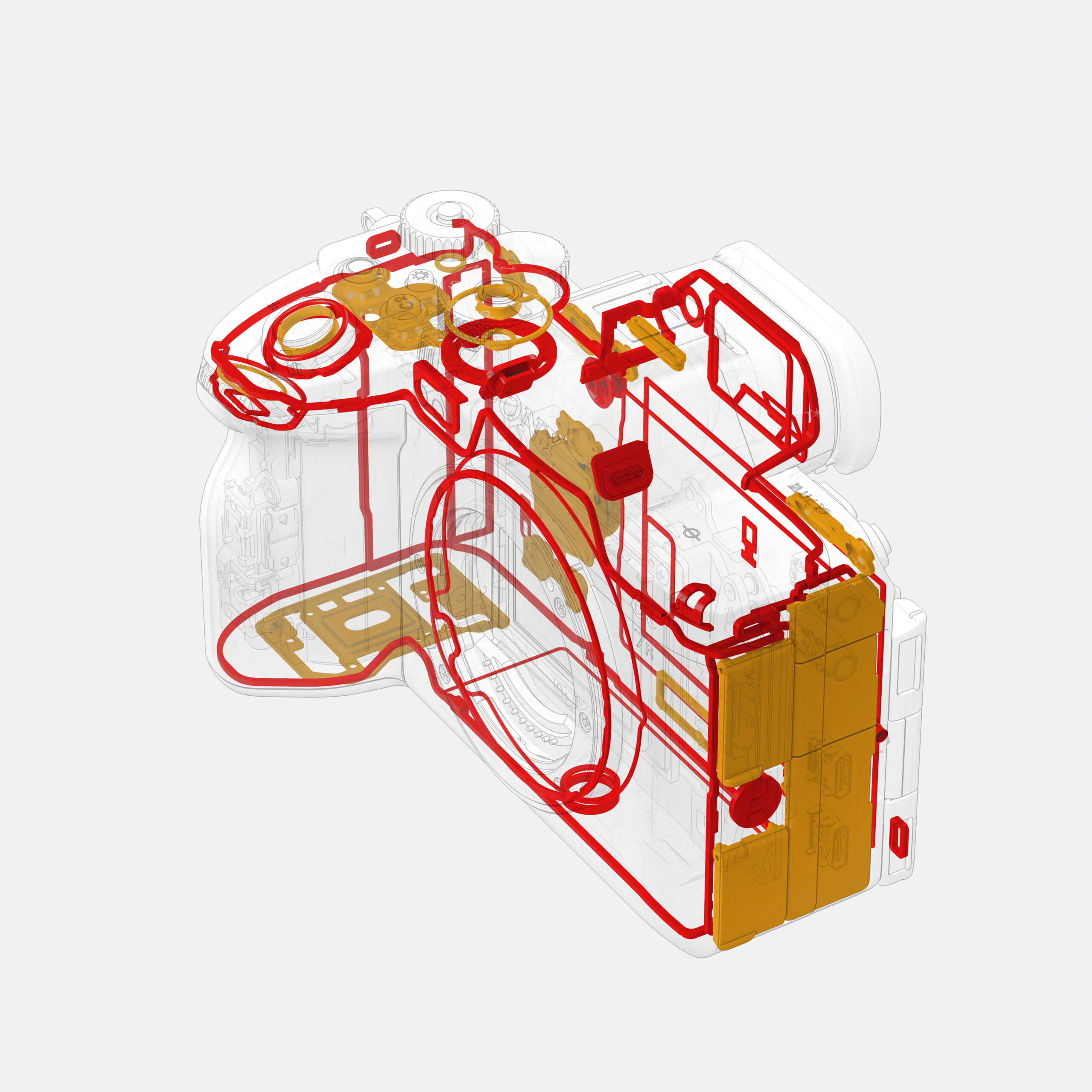
As is typically the case, Sony has chosen to refine the existing camera designs in ways that are often subtle but also result in an overall better experience. I still don’t find that Sony’s cameras are my ergonomic favorite in terms of the way they fit my hands, but there’s no question that they have gotten better over time, and in many ways I think the overall control scheme is the most logical.
Time-Lapse, RAW Options, and Pixel Shift
The α7R VI sports an intervalometer that is well-implemented for shooting time lapses, and while there are a lot of capture options, we still don’t have an option for creating timelapse movies in-camera, as downloading potentially hundreds of images and then creating the time lapse in software feels like unnecessary extra work. I would prefer to have a both/and option rather than either/or for this.
Sony’s RAW options have definitely improved over the years, and no camera takes more advantage of that then the α7R VI, as it has the most pixels to work with (9984 x 6656 of them to be precise). But sometimes you don’t need all the pixels, all the time, or perhaps not all of the quality (and the accompanying file size) all the time, so Sony gives you a number of options of how that massive resolution is handled…though unfortunately less than what we saw with the α7RV. If I open the RAW file options on the two cameras, one has far fewer options.
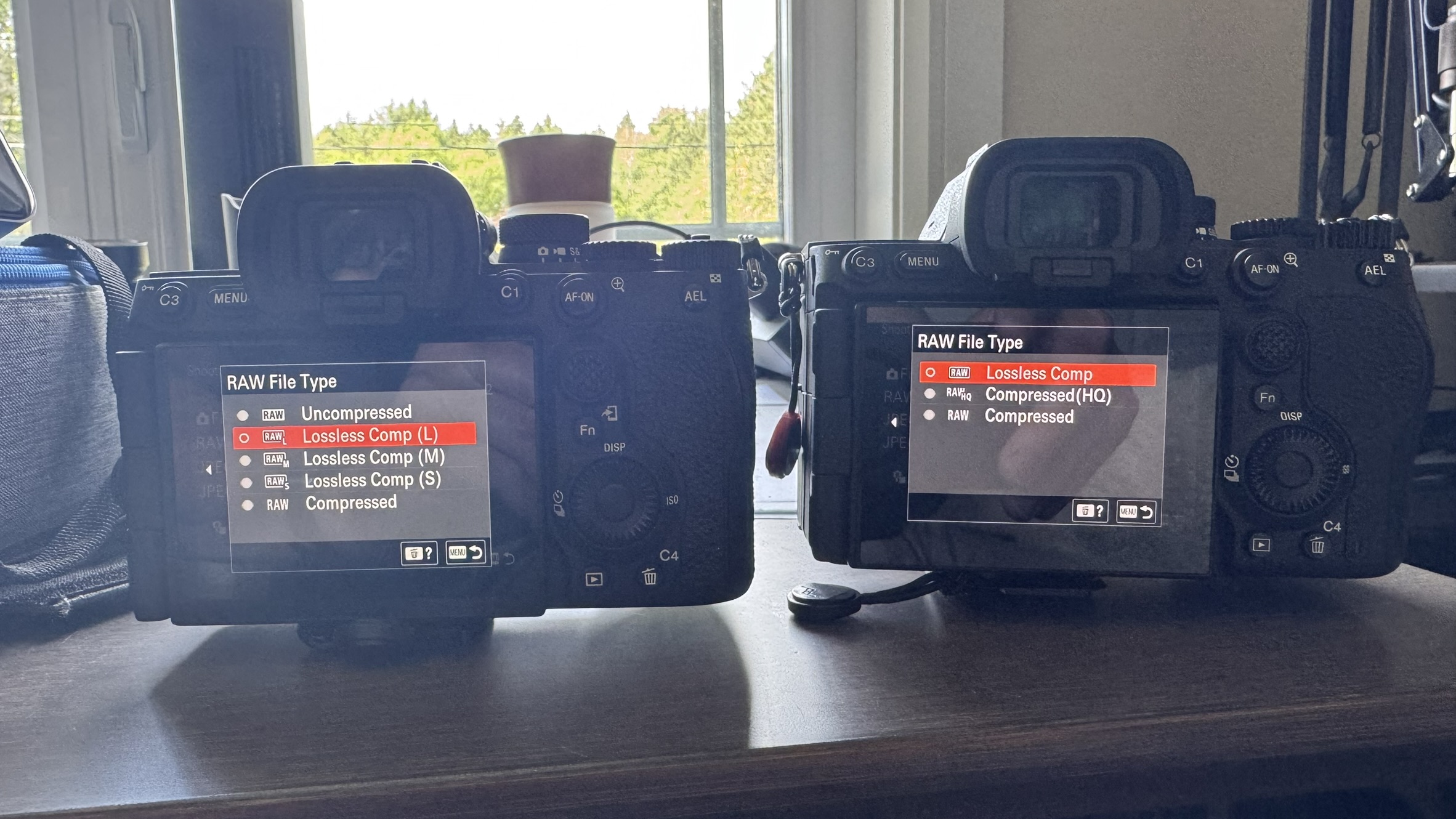
While I’m not personally vexed over not having an Uncompressed RAW option (I typically choose Lossless Compressed), I severely miss having the Medium RAW setting (which would have 28MP here, two higher than the 26MP of the α7RV). I just find that there are times that I don’t need (or want) so much resolution, and I want to capture images at a lower resolution setting. For now, at least, that ability is lost here. Disappointing.
Here are the RAW choices.
- Lossless Compressed: Retains maximum image quality (14-bit) while reducing file sizes by compressing them without losing visual data.
- Compressed (HQ): Delivers excellent image quality with a smaller file size than Lossless.
- Compressed: The most lightweight option, which can result in 12-bit files depending on camera settings, maximizing your burst rate and buffer.
I typically choose the Lossless Compressed option, and the average size of my RAW images seems to be around 75MB.
That nearly 68MP of resolution allows for deeper cropping while retaining high resolution than any other camera. I can start with this:
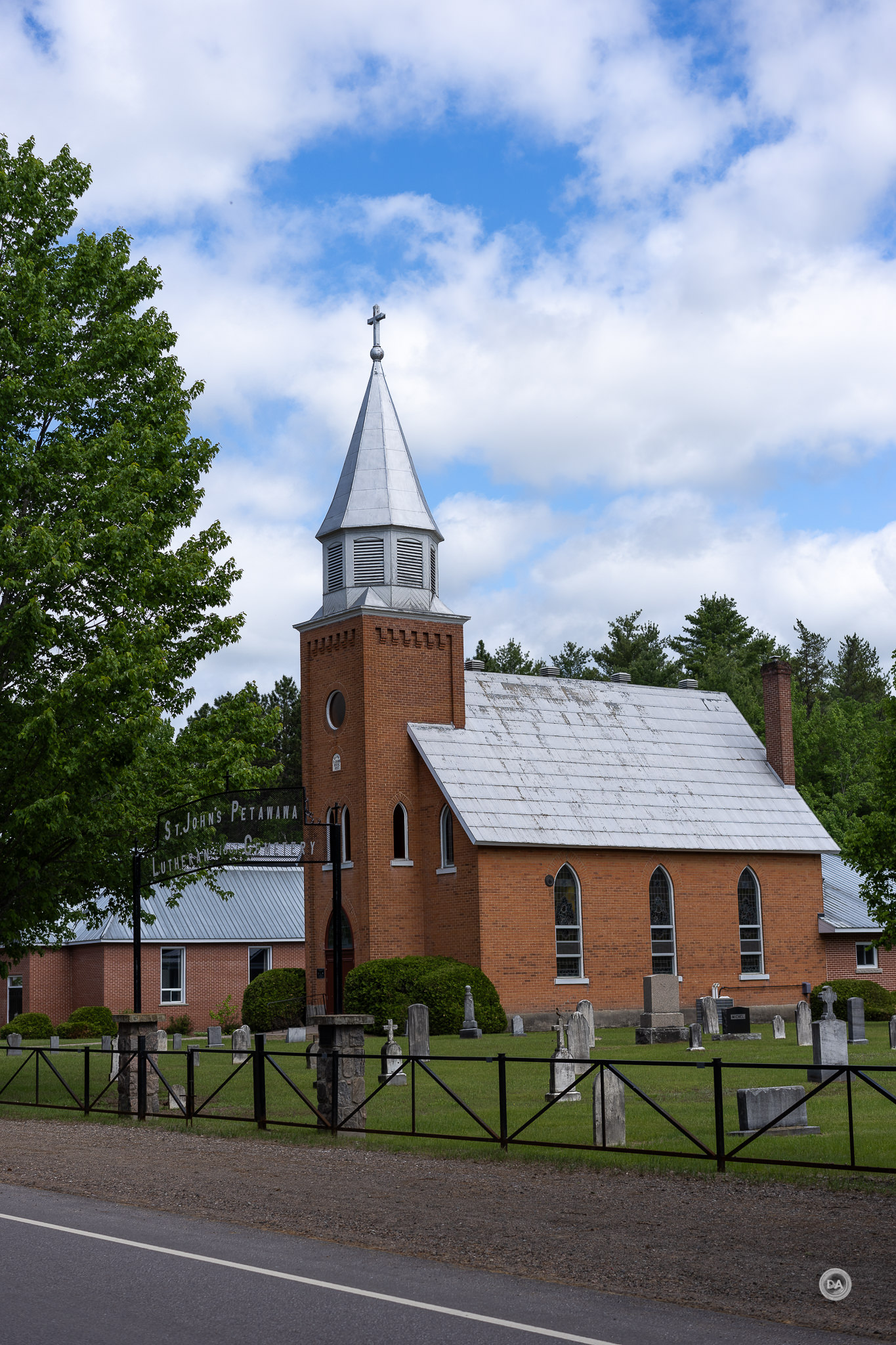
And deeply crop while still retaining massive amounts of detail.
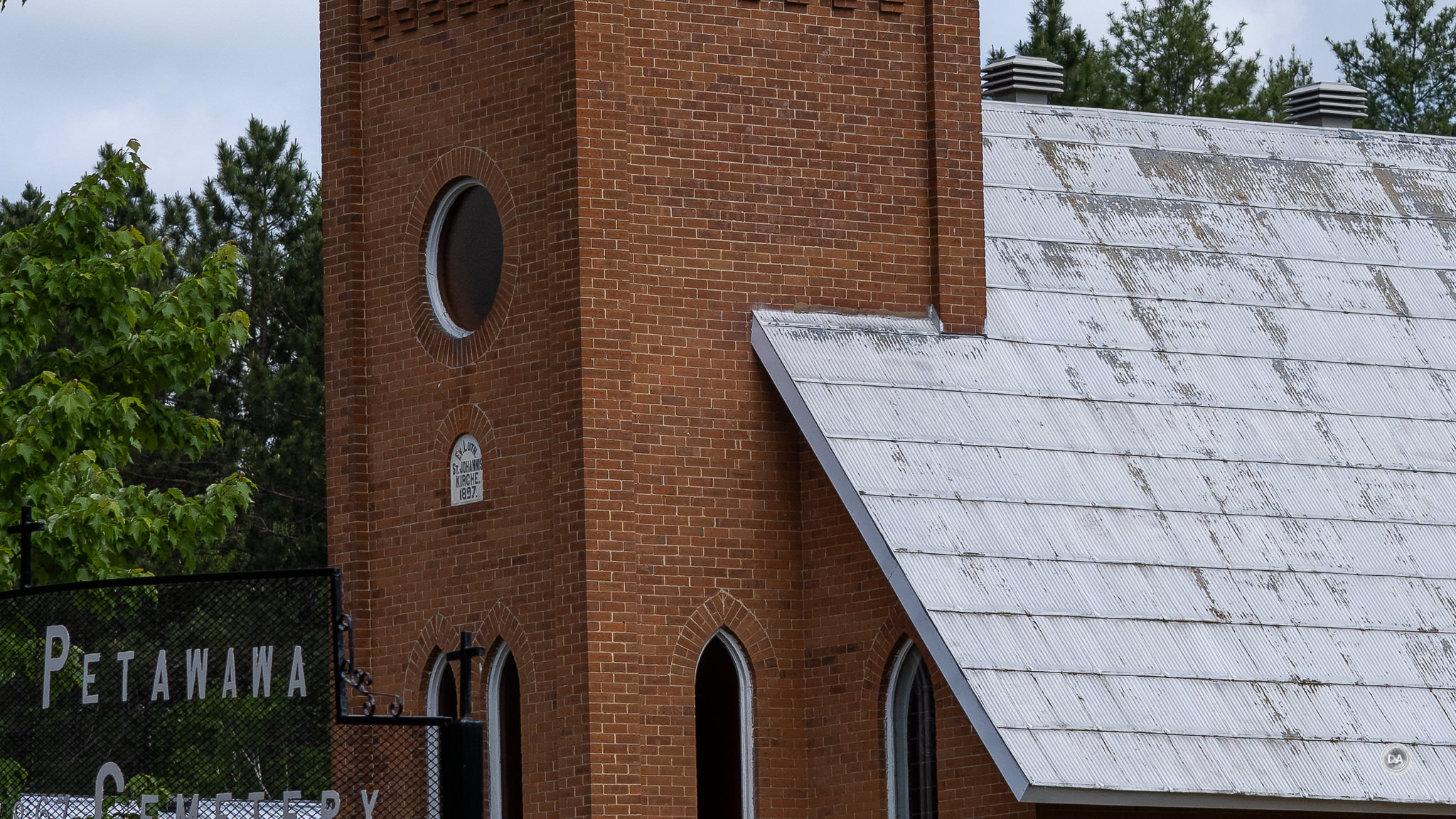
While it doesn’t support it for RAWs, the α7R VI allows you to adjust the resolution for JPEG files according to need.
- Large: 67 Megapixels
- Medium: 28 Megapixels
- Small: 17 Megapixels
*28 Megapixels is also the resolution when shooting in APS-C mode, which makes the APS-C mode of the α7R VI currently the highest APS-C resolution available on Sony.
One final consideration if you intend to use the camera’s 30 frames per second (fps) continuous shooting mode is that your RAW file selection impacts performance:
- Using Compressed RAW enables the camera to perform up to 60 AF calculations per second.
- Using Lossless Compressed RAW or Compressed (HQ) limits the camera to 30 AF calculations per second, which means you might get slightly lower tracking accuracy in demanding situations.
Want even more resolution? The camera’s Pixel Shift function can take you up to truly ridiculous levels of resolution, though with some caveats.
Here’s a single image taken from a Pixel Shift sequence.
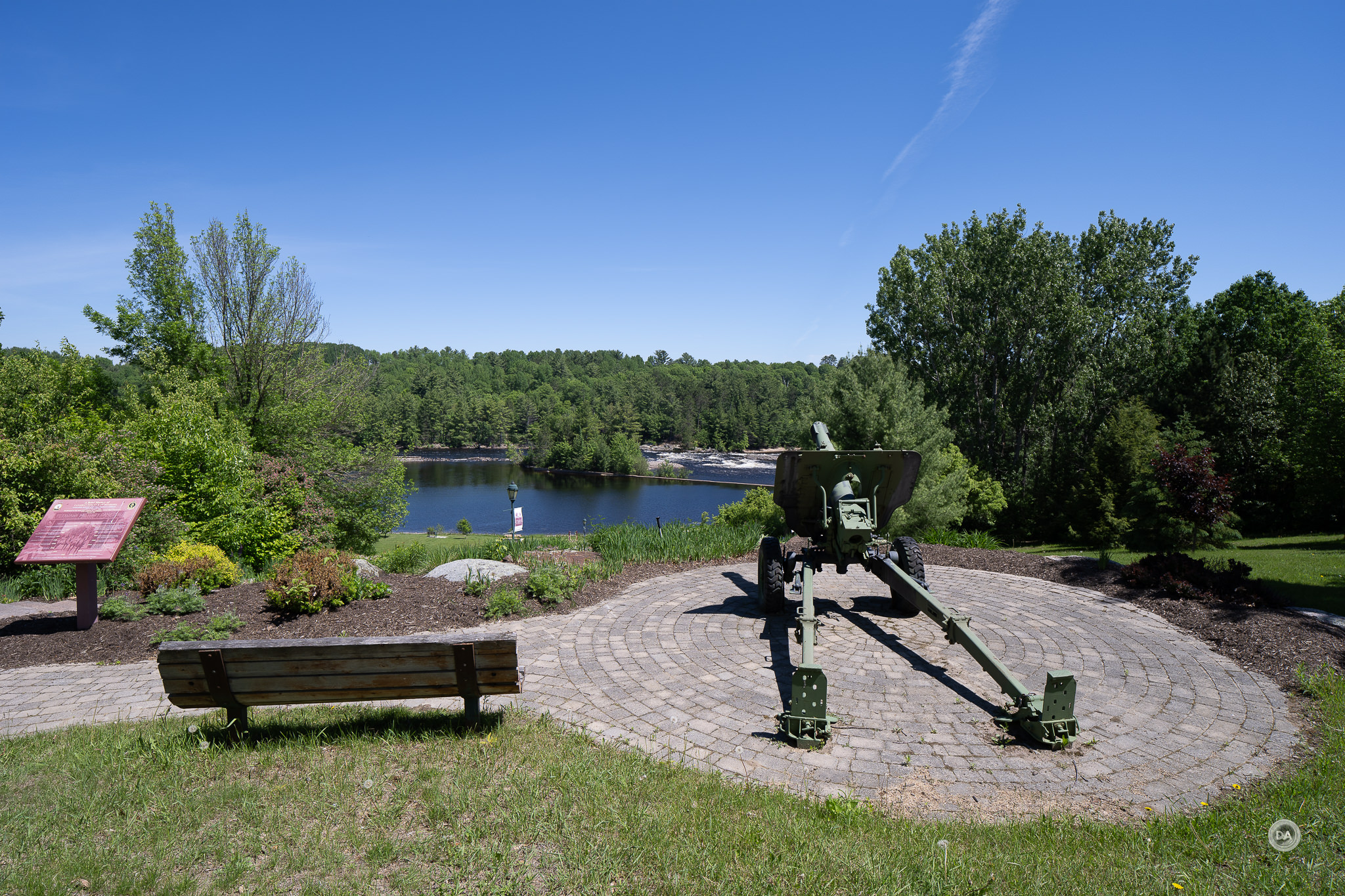
That single image is 92.98 MB. Now, if I choose to use Pixel Shift, I have two main options.
4-Shot Mode: Captures four images, shifting the sensor by one pixel each time. This eliminates the Bayer filter’s color interpolation, ensuring that every single pixel gets true Red, Green, and Blue data.
16-Shot Mode: Captures 16 images by shifting the sensor in half-pixel increments to acquire roughly 265.8 megapixels of information. This effectively scales the final image to a massive ~266-megapixel file with unparalleled sharpness and zero false color artifacts.
After shooting you will have either four or sixteen uncompressed RAW files in camera (there is no automatic combining of files in camera, unfortunately). The camera does not combine the files in-body. You will need to import your batch of RAW (.ARW) images into your computer and use Sony’s Imaging Edge Desktop software to automatically merge and export the final, high-resolution composite image. This feature remains unsupported by Adobe or other third party software makers even after many years of the technology being on the market. The end results are impressive, but the resulting file sizes will be huge (particularly with the 16 shot option), and might be hard for your workstation to work with if it is underpowered. I continue to find Imaging Edge Workshop fairly clunky to use.
The resulting file of combining the 16 images is either 760.64MB in the .TIF format I could output from Imaging Edge, or a whopping 2.2 GB in the .ARQ format! As you might expect, both of these are slow to work with, and I actually found the TIF file better. So it is sharper?
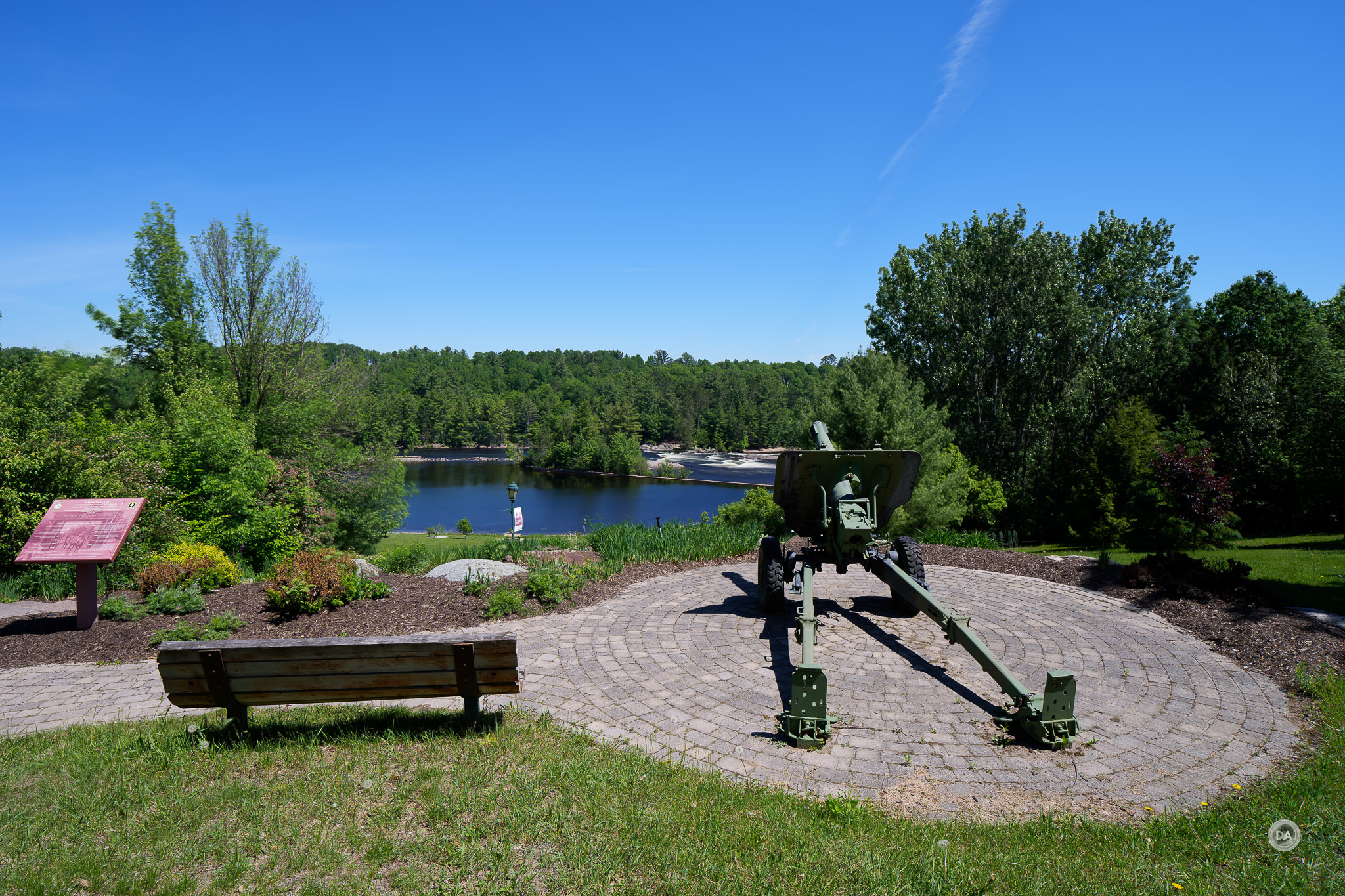
It is certainly BIGGER. The resolution is an insane 19968 x 13312 pixels (over 265MP), which is really only useful if you want to print a billboard. More practical, however, is when I then downscaled that image to the native resolution level of the α7R VI and then compared resolution and contrast at high magnification levels. On the positive side, there is no question that resolution and particularly contrast looks better on still subjects. I’ve shown this at 200% magnification to make the differences very obvious.
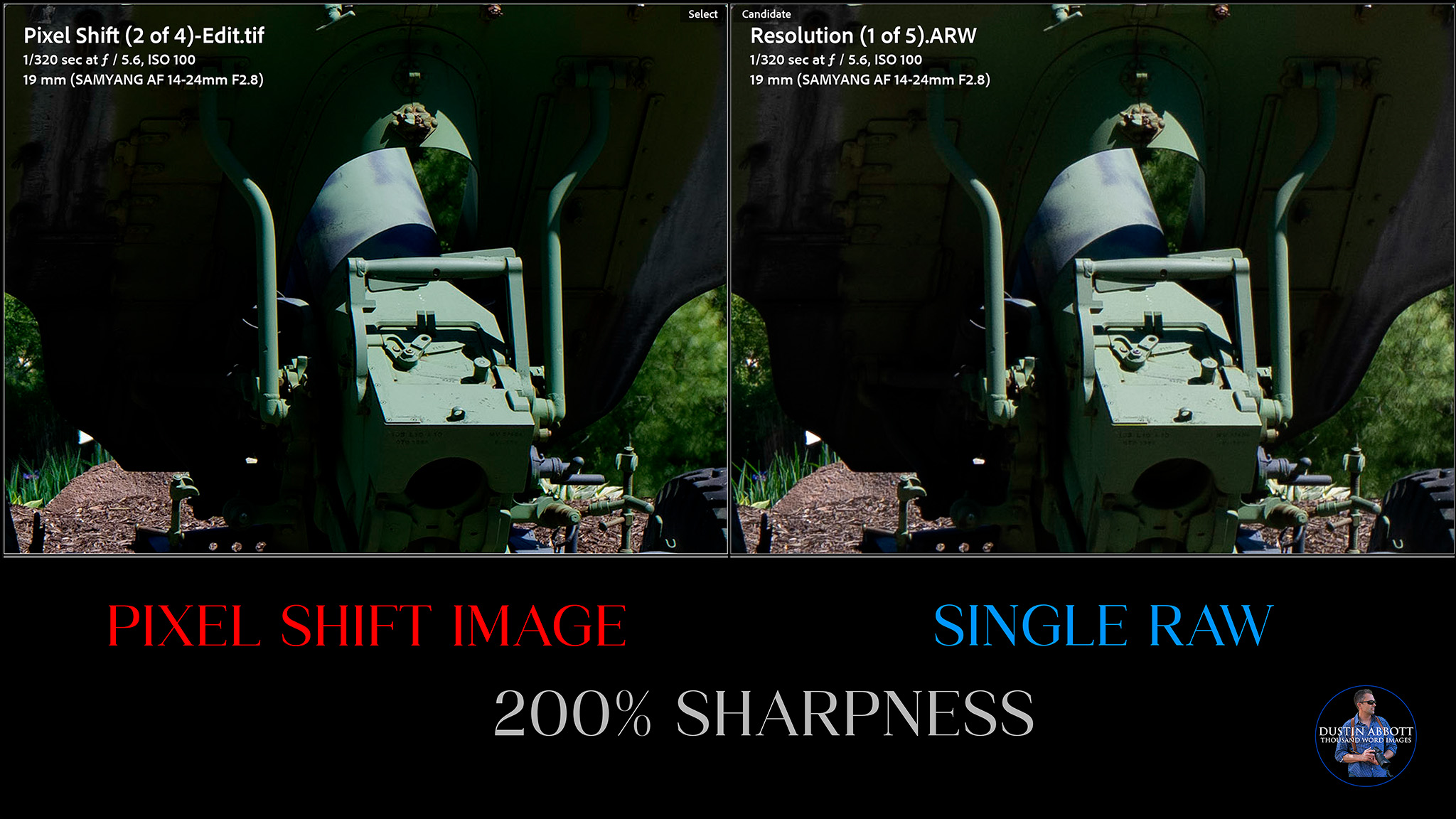
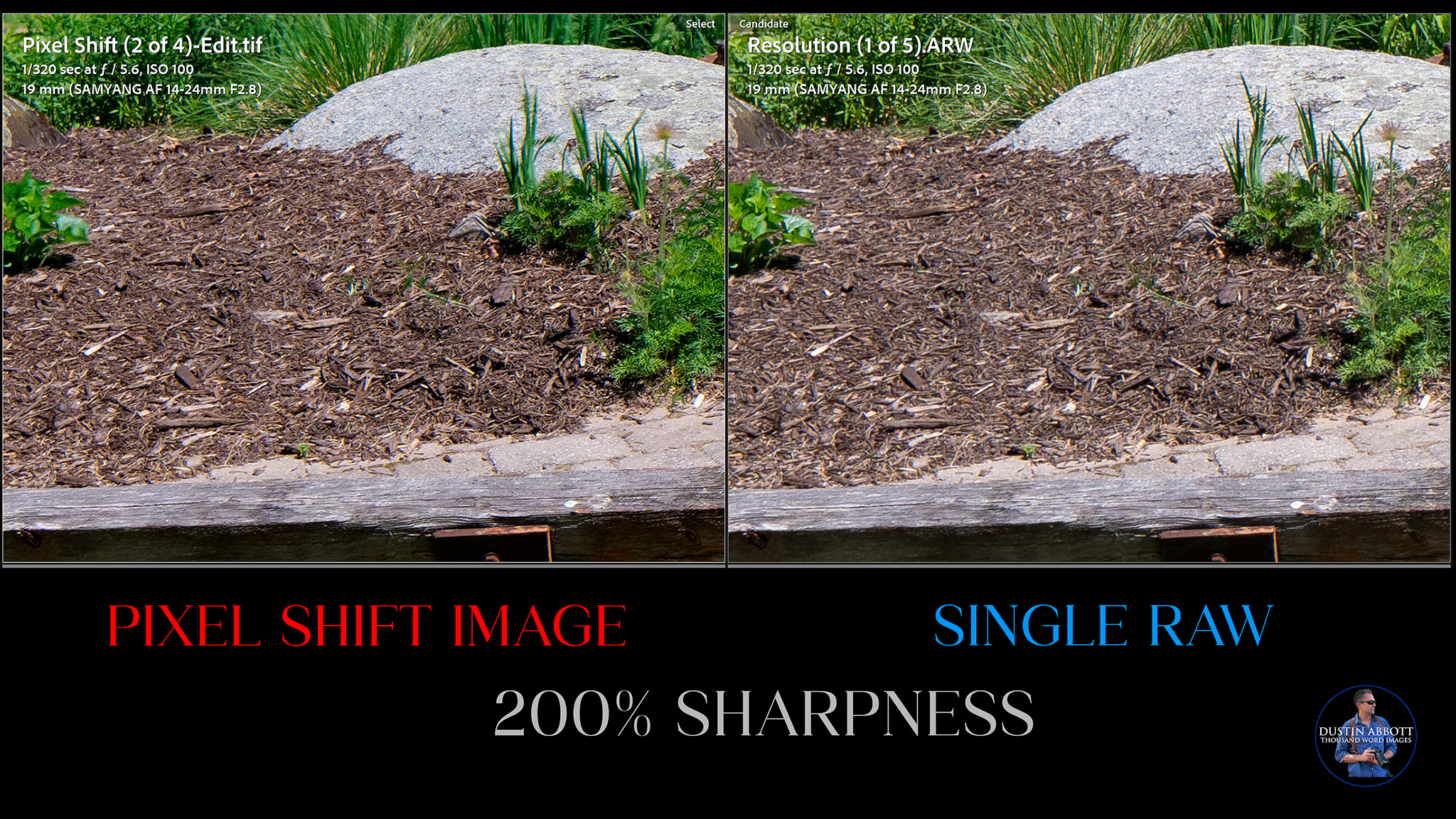
That could make a serious difference in a critical project.
Pixel Shift works best with a subject in which there will be no movement in between frames (architecture, for example), as there will be some minor delay between shots. Landscape images might be marred if there is any breeze present. And that leads me to my next two crops:
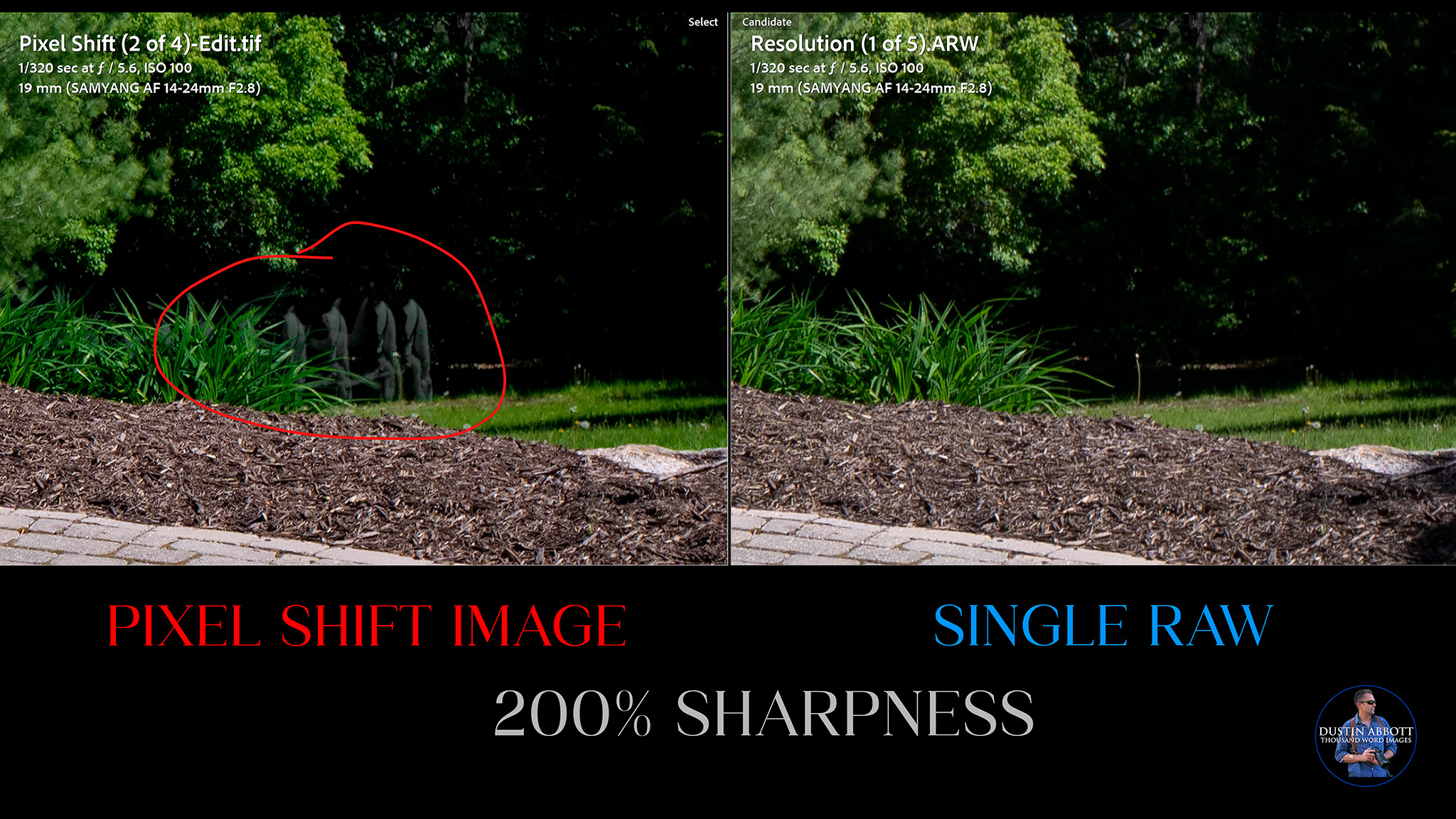
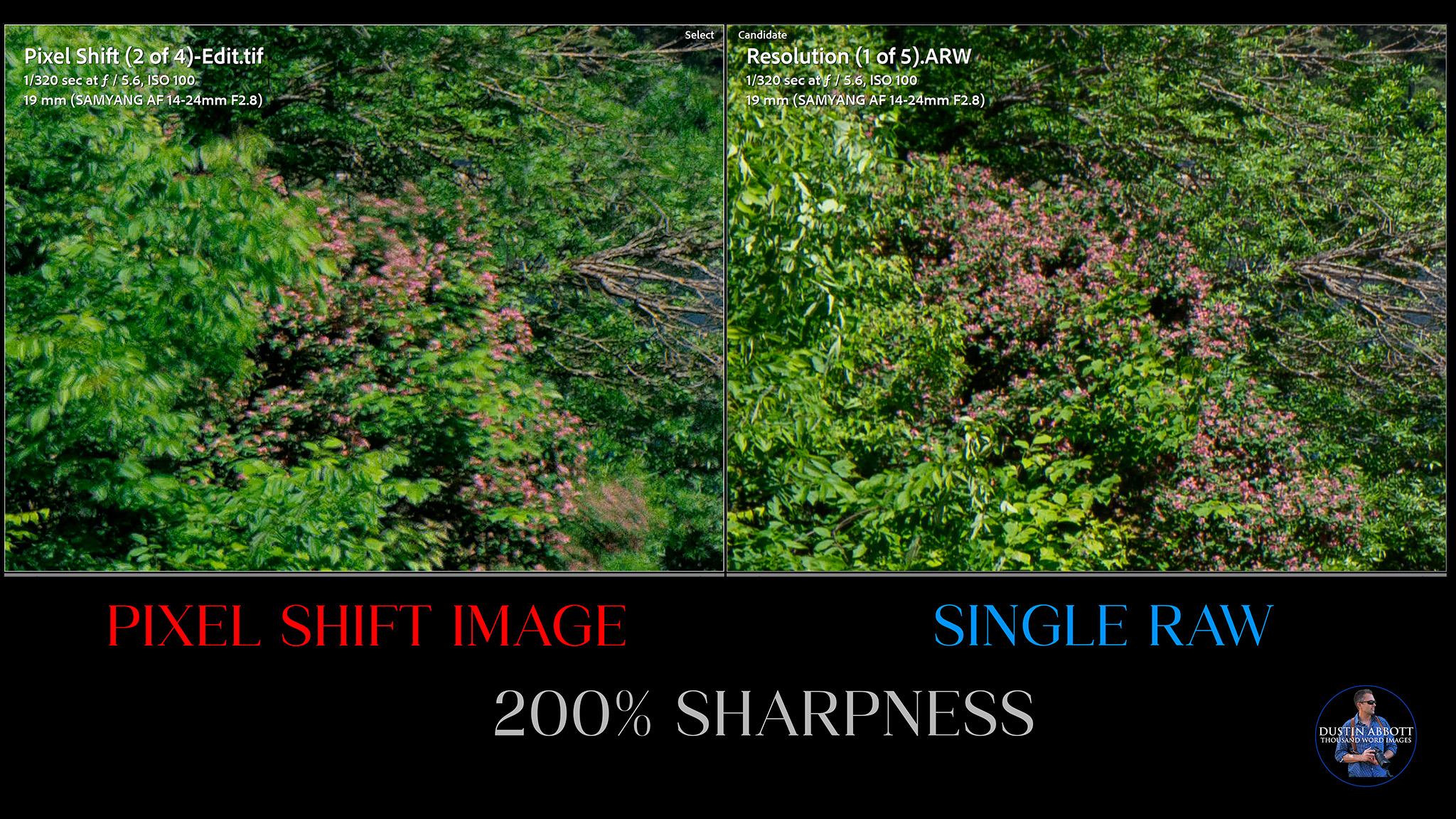
In the first crop, a woman stepped into frame as I was in the middle of shooting. Some of her “ghosts” made it into the final image. In the second crop, you can see that even minor movement of the bushes resulted in less resolution because the composite didn’t have a still subject to work with.
Pixel Shift is useful, but only in very specific cases. And most of the time, frankly, it just isn’t necessary. I’m still glad it is there as an option.
The bottom line is the Sony α7R VI brings more resolution options to the table than arguably any other 35mm camera before it.
Shutter, Burst Rate, and Buffers
Probably the single biggest leap forward in the α7R VI is the huge improvement to overall burst speed enabled by the new 66.8MP fully-stacked Exmor RS CMOS sensor, which dramatically increases readout speed (roughly 5.6x faster than the a7RV). This reduces rolling shutter distortion significantly and enables blackout-free continuous shooting at high speeds. While the a7RV topped out at 10 fps (with good but not class-leading buffer performance for its resolution), the a7R VI can shoot up to 30 fps blackout-free with full AF/AE tracking using the electronic shutter, all while maintaining 14-bit RAW capture in many modes. The mechanical shutter is capped at 10 fps.
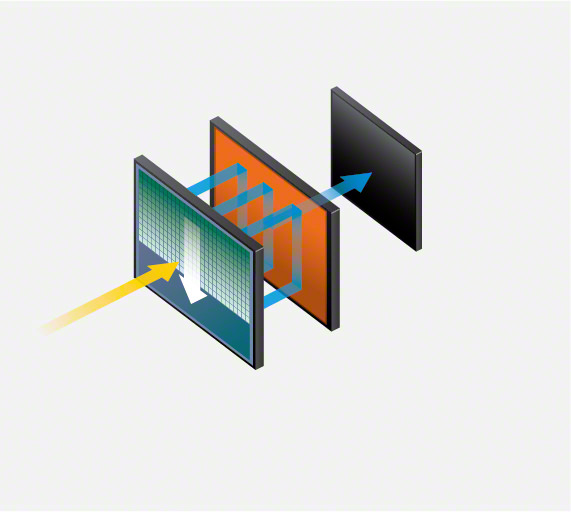
This is helped by the new BIONZ XR2 processor (with integrated AI) that we first saw on the α7V, which powers faster overall performance, up to 60 AF/AE calculations per second, and pre-capture functionality (up to 1 second of buffering before the shutter is fully pressed). The viewfinder remains blackout-free at 30 fps, allowing you to stay locked on fast-moving subjects like wildlife, sports, or birds in flight much more effectively than with previous R-series bodies. This is one area where the α1 II shows its superiority, however, as it can due twice as many calculations per second (up to 120), allowing it to provide a higher degree of accuracy in high speed situations.
And, as is often the case with these high-resolution bodies that punch above their weight in speed, the weakness lies in buffer depth relative to the massive file sizes. The burst speed exceeds the camera’s ability to clear its cache and move data through the pipeline. Using fast CFexpress Type A cards:
- At 30 fps (electronic shutter): Roughly 65–75 frames of Compressed (HQ) RAW or around 60–70 frames of lossless compressed RAW before the buffer fills (about 2–2.5 seconds of continuous shooting). JPEGs allow deeper bursts, up to 200+ frames.
- At 10 fps (mechanical or slower electronic): Significantly deeper buffers—around 130–150+ frames of lossless compressed RAW or 200+ for compressed options.
Using a Sony Tough CF Express Type A card, I got about sixty frame per burst when shooting lossless compressed at 30FPS before the frame rate dropped (about two second’s worth). When switching over APS-C (28MP) and shooting Lossless Compressed, I bumped that up to nearly 125 RAW frames, which could be an option in some situations. What I really wanted was to shoot MRAW at 28MP and without the crop factor, but as I lamented earlier, that option is gone. The buffer clears reasonably quickly with CFexpress Type A, but it’s still a consideration for extended action sequences. Pre-capture and a dedicated Speed Boost button (for instant switching to high-speed modes) help mitigate this in real-world use. *As with all Sony cameras, these numbers are based on using a compatible Sony lens. All third party lenses will be restricted to a 15FPS upper limit.
When compared to the 50MP α1 II, a pattern emerges where the α1 II is essentially capable of at least twice as many frames in a burst.
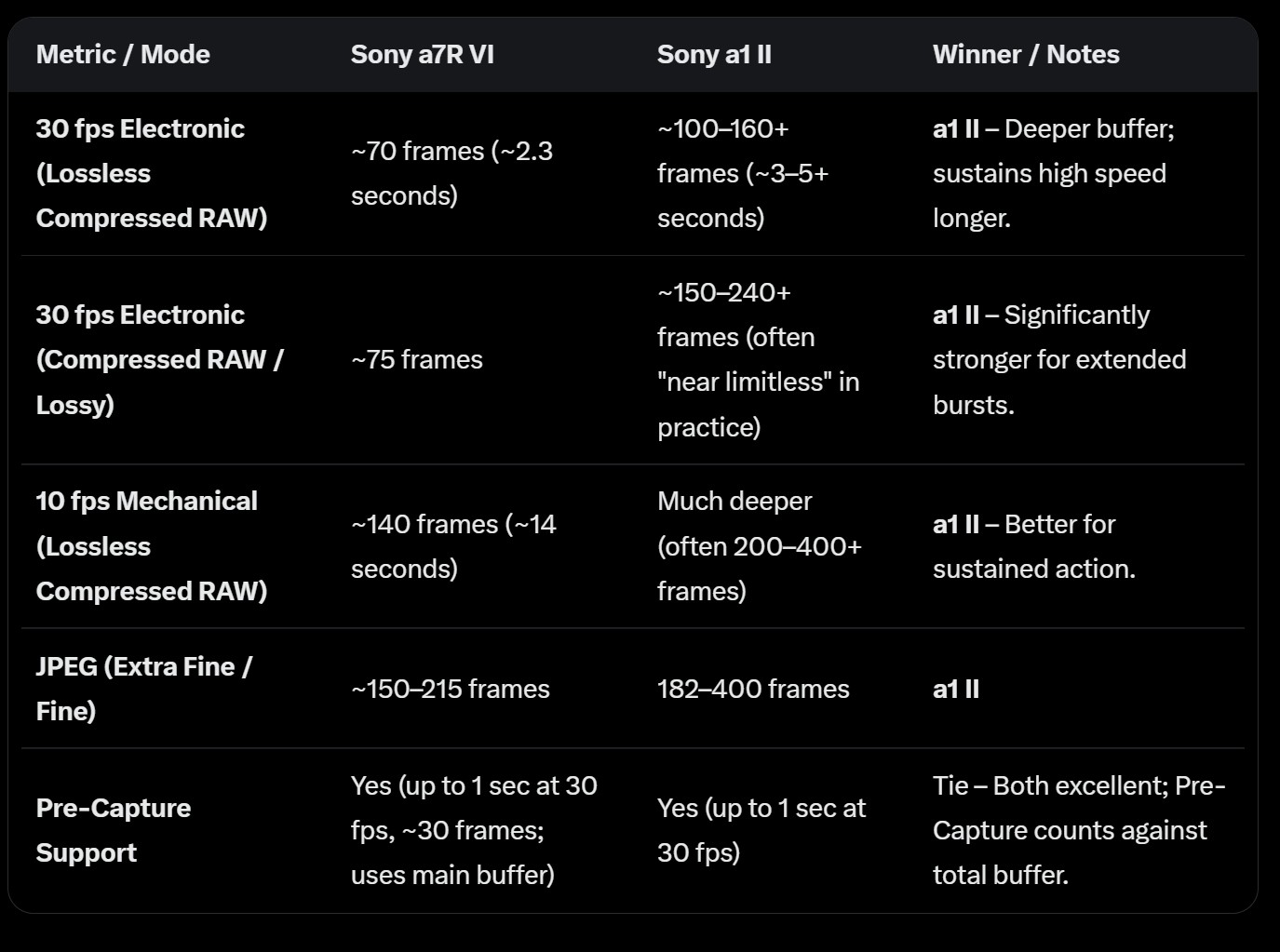
When you combine the deeper buffer depths of the α1 II and its much faster AF calculations, you’ll find that despite how it initially looks on paper, the α1 II remains the better option for sports and other high speed work.
Another limitation to the α7R VI relative to the α1 II is the maximum shutter speed with the electronic shutter. Shutter speeds run from 1/8000 sec to 30 seconds with either the mechanical or electronic shutter, while the electronic shutter on the α1II is capable of 1/32,000th of a second. Maximum flash sync speed is 1/250th of a second with the mechanical shutter, though no flash sync is supported in the electronic shutter mode. This is another area of advantage for the α1 II, as it has a flash sync speed of 1/400th of a second in mechanical shutter and will still support 1/200th of a second in electronic shutter mode.
While this section may seem a bit negative at the moment, that isn’t my intent. I rather want to highlight that there are more differences between the α7R VI and the α1 II than are immediately obvious from the basic specs.

When compared to the α7RV, however, the α7R VI is transformative. You no longer have to choose quite so starkly between resolution and speed. The combination of 30 fps blackout-free bursts, strong AI tracking, and vastly improved readout makes this a surprisingly capable camera for action and wildlife work while retaining the detail that R-series users demand for landscapes, studio, or commercial jobs.
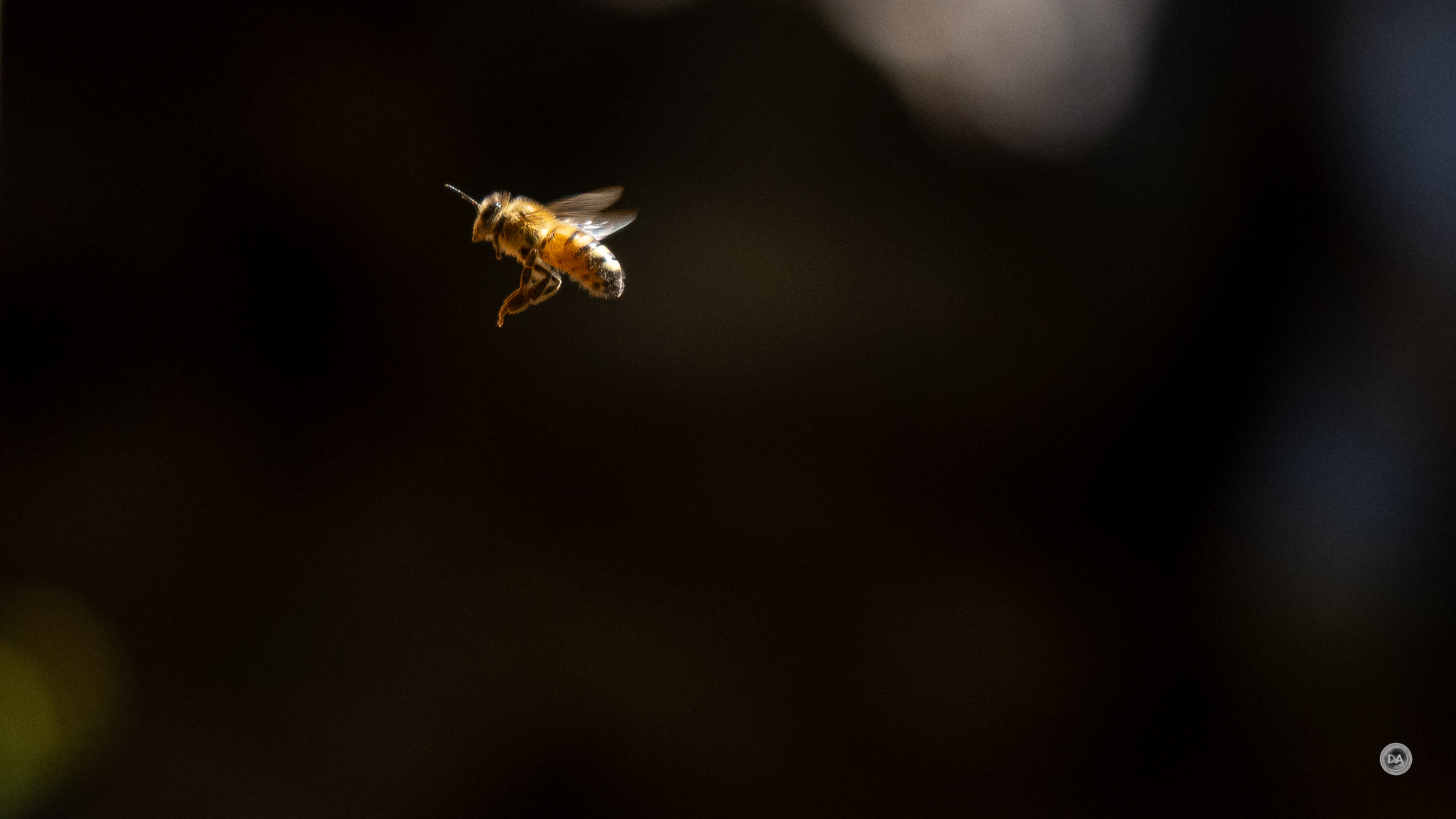
That makes being able to catch high speed action like this far more possible (image captured with the Sony 70-200mm F4 G II).
What’s more, while the α7R VI can’t match the α1 II’s sensor readout speed of approximately 3.8 ms, it’s roughly 17.5 ms readout speed is world’s better than the α7RV’s extremely slow 99.3 ms readout. That means far less rolling shutter issues and thus a far greater range of suitable subjects/shooting situations. To illustrate this, take a look at this shot of a fans blades with the α7RV:

See how they are blurring together and distorting?
If I shoot the same shot with the exact same settings on the α7R VI, I get a much more accurate capture of the three fan blades, with far less distortion.

But the ultimate performance comes courtesy of the α1 II, which (with the exact same settings) essentially freezes the three blades in time.
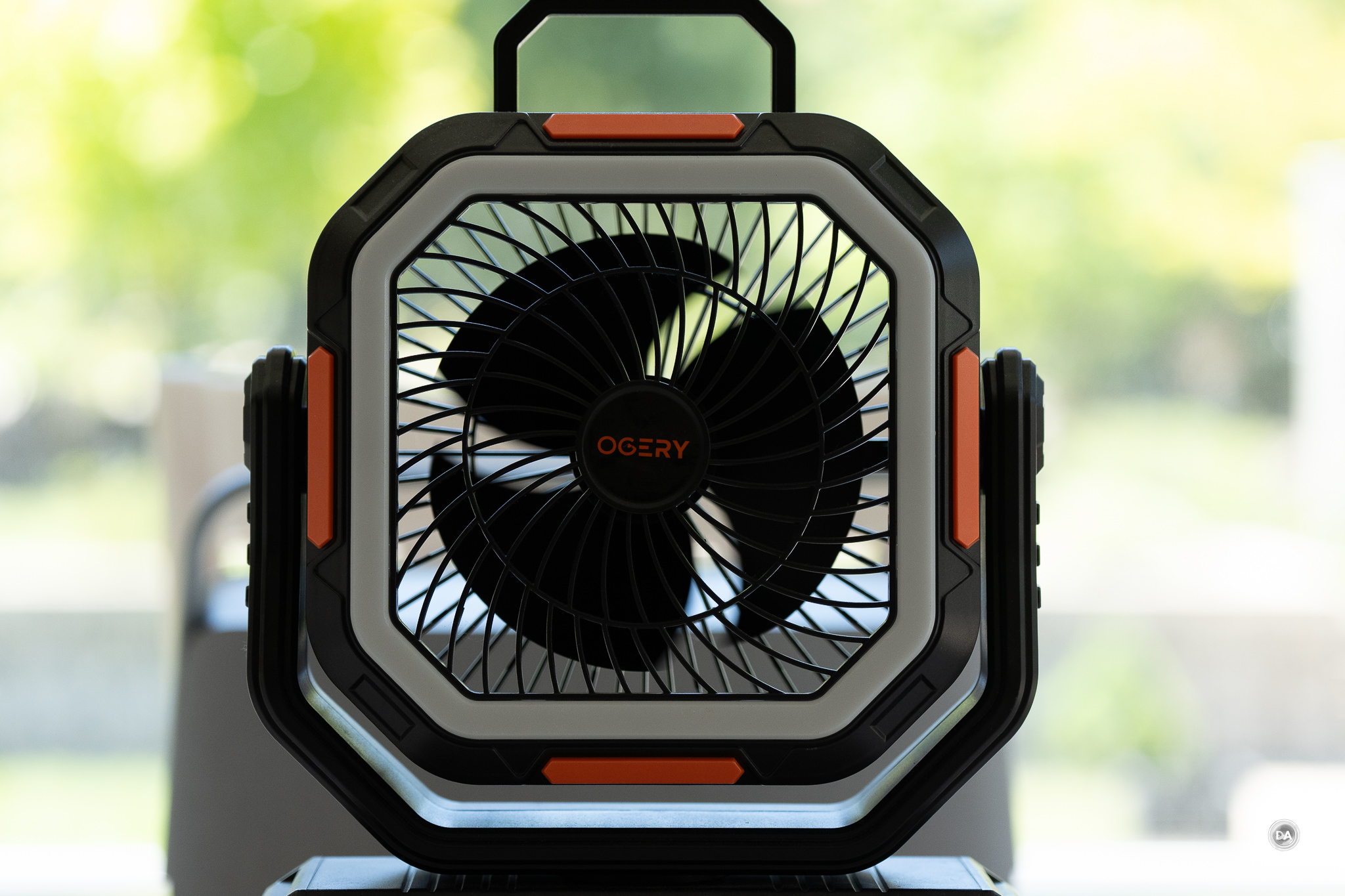
The performance of the α7R VI is much, much closer to that of the α1 II, meaning that it will be much more useful for capturing high speed action in either stills or video than the α7RV was.
So while the buffer depth is more limiting, and it can’t run the same degree of autofocus calculations per second, the α7R VI definitely helps close the gap between Sony’s highest resolution lineup and its sports-oriented cameras. Doing that while also increasing the resolution and camera efficiency is an amazing feat.
Autofocus Performance
The autofocus in the α7RV really raised the bar for the series when Sony debuted its AI subject detection in this model. Far beyond recognizing eyes, it added the ability to track human “poses” and predict movement. The α7R VI builds on that foundation with meaningful refinements powered by the new BIONZ XR2 processor and its integrated AI processing unit (as seen on the α7V). Sony calls this Real-time Recognition AF+, and the “plus” matters. While the hardware core remains a dense 759 phase-detection point array covering 94% of the full-frame image area (100% in APS-C crop), the improvements in subject recognition, tracking tenacity, and low-light performance push it into even more reliable territory, particularly for high-resolution wildlife, sports, and portrait work where every pixel counts. One of the biggest leaps is in how quickly and confidently the camera identifies and sticks to subjects, even when they are small or distant in the frame. The AI now better recognizes not just eyes, faces, and bodies but does so with improved stability across subject transitions and in challenging conditions. Subject modes include the familiar Human, Animal, Bird, Insect, Vehicle, and Airplane options, plus a very useful Auto mode that seamlessly switches between them without you having to dive into menus. This remains one my chief frustrations on the α7RV, where forgetting to change the subject type could result in lost focus during a shoot; the a7R VI largely eliminates that problem.

In the field, this translates to outstanding real-world performance. I shot hundreds of frames of bees coming in and out of the hive, and while there are definitely missed shots, its amazing that focus can acquire and track such a tiny subject that moves both quickly and erratically. Once locked on, the tracking was “sticky” — it held the eye or head through erratic movement, wing flaps, and brief occlusions far more reliably than the α7R V. Here’s three frames from one of those sequences…deeply cropped.

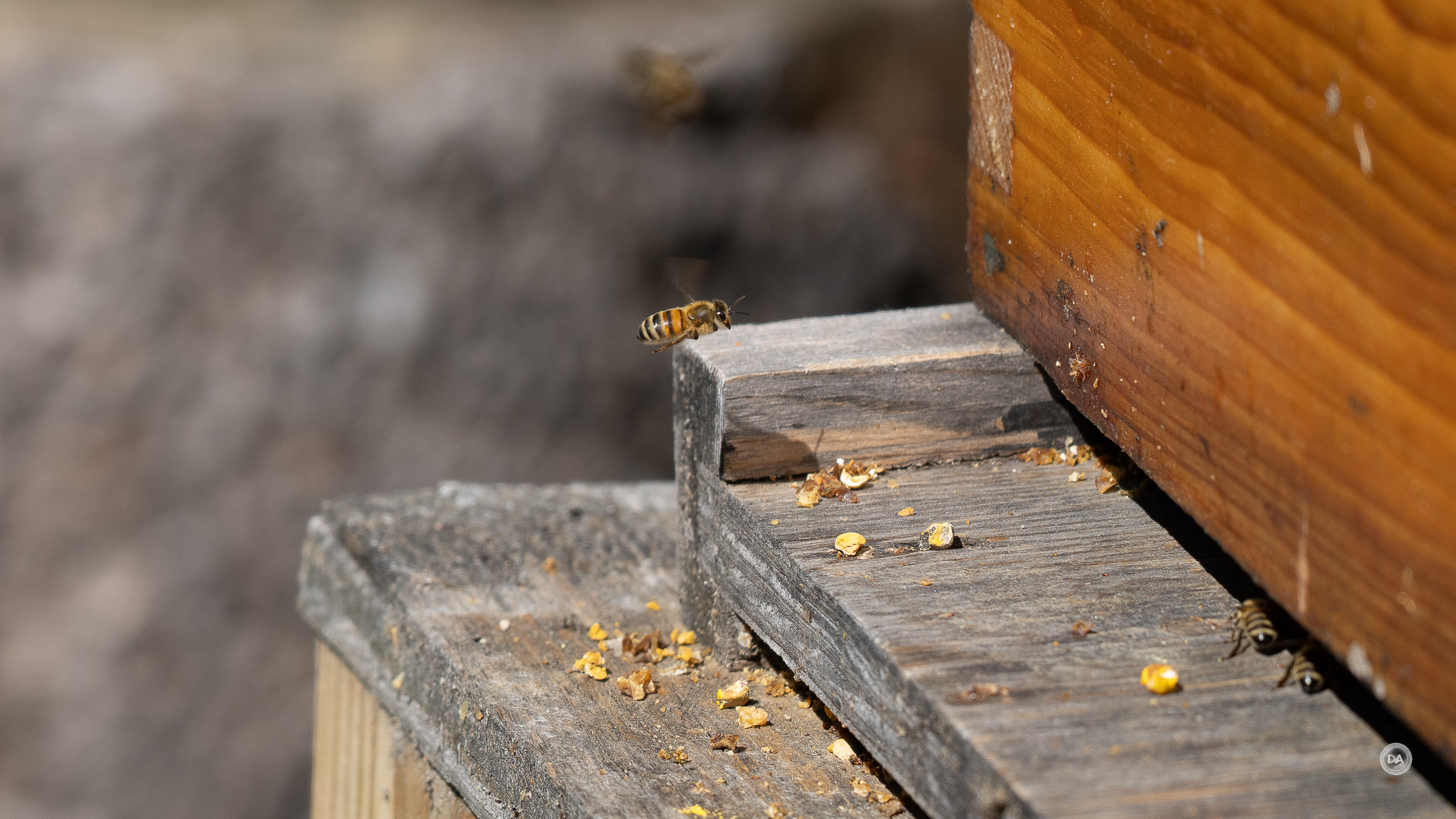

The faster 60 AF/AE calculations per second (in certain modes) and the stacked sensor’s quicker readout help maintain that lock during 30 fps blackout-free bursts with full tracking. Cameras like the α9 III and α1 II are moving even faster, but for such a high resolution body, this is impressive. I snapped onto a squadron of geese and focus was nailed from the first frame.

For portraits and people, the system excels at recognizing full human subjects and poses, even when the face is turned away or partially obscured. Eye detection remains Sony’s strong suit — it jumps to the nearest or selected eye with precision, and I found it worked flawlessly in a range of lighting, from bright outdoor sessions to dim indoor environments. The camera’s low-light AF sensitivity reaches -6 EV standard (down to -11 EV with Bright Monitoring enabled), which is a notable step up from many competitors and even edges out Sony’s own flagship α1 II in some scenarios. I could move from a close to medium subject in near darkness (shooting at ISO 12,800), and focus was surprisingly confident. Essentially I’m getting better focus in near darkness than I did in perfect conditions with the a7R2.
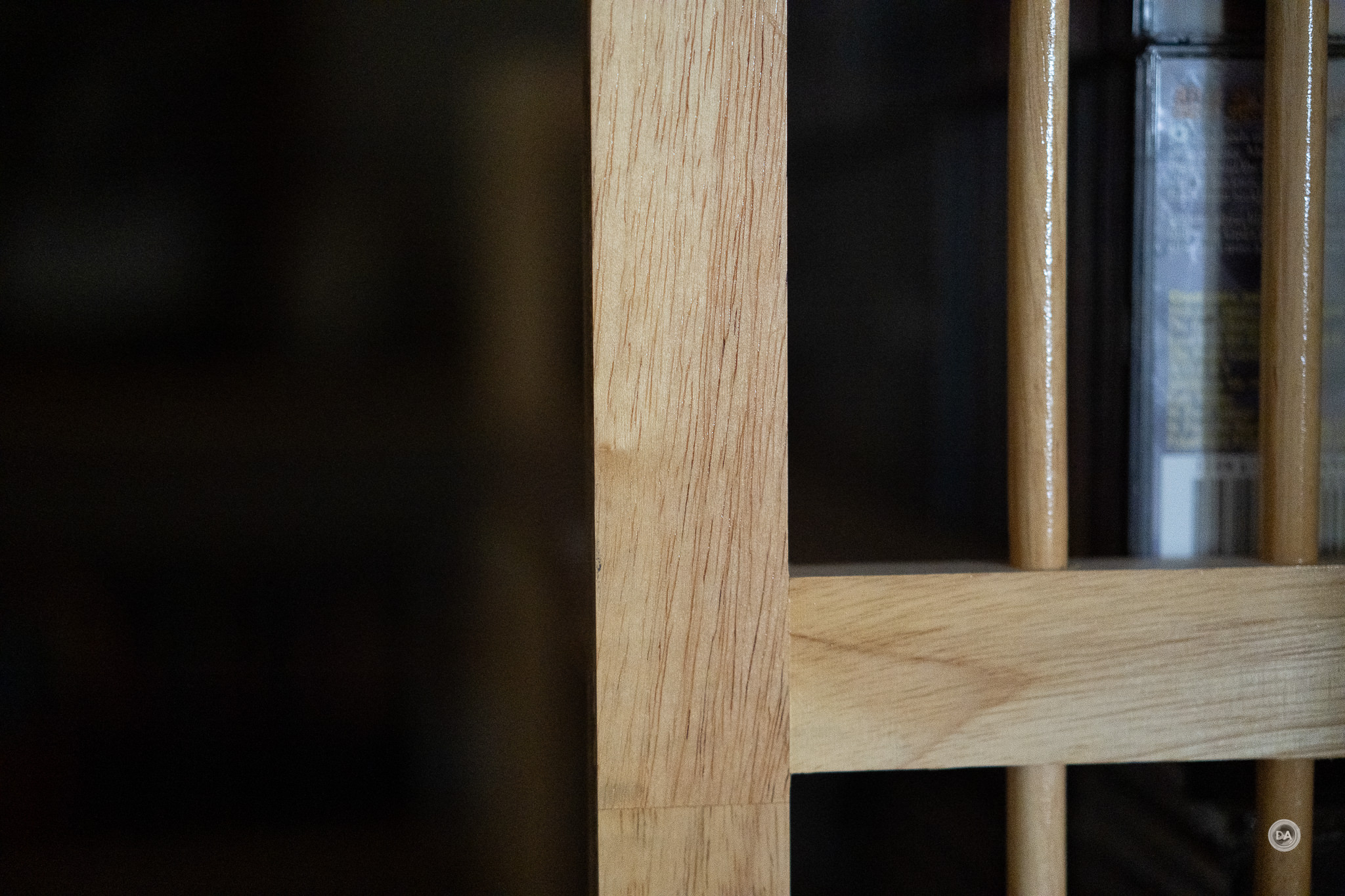
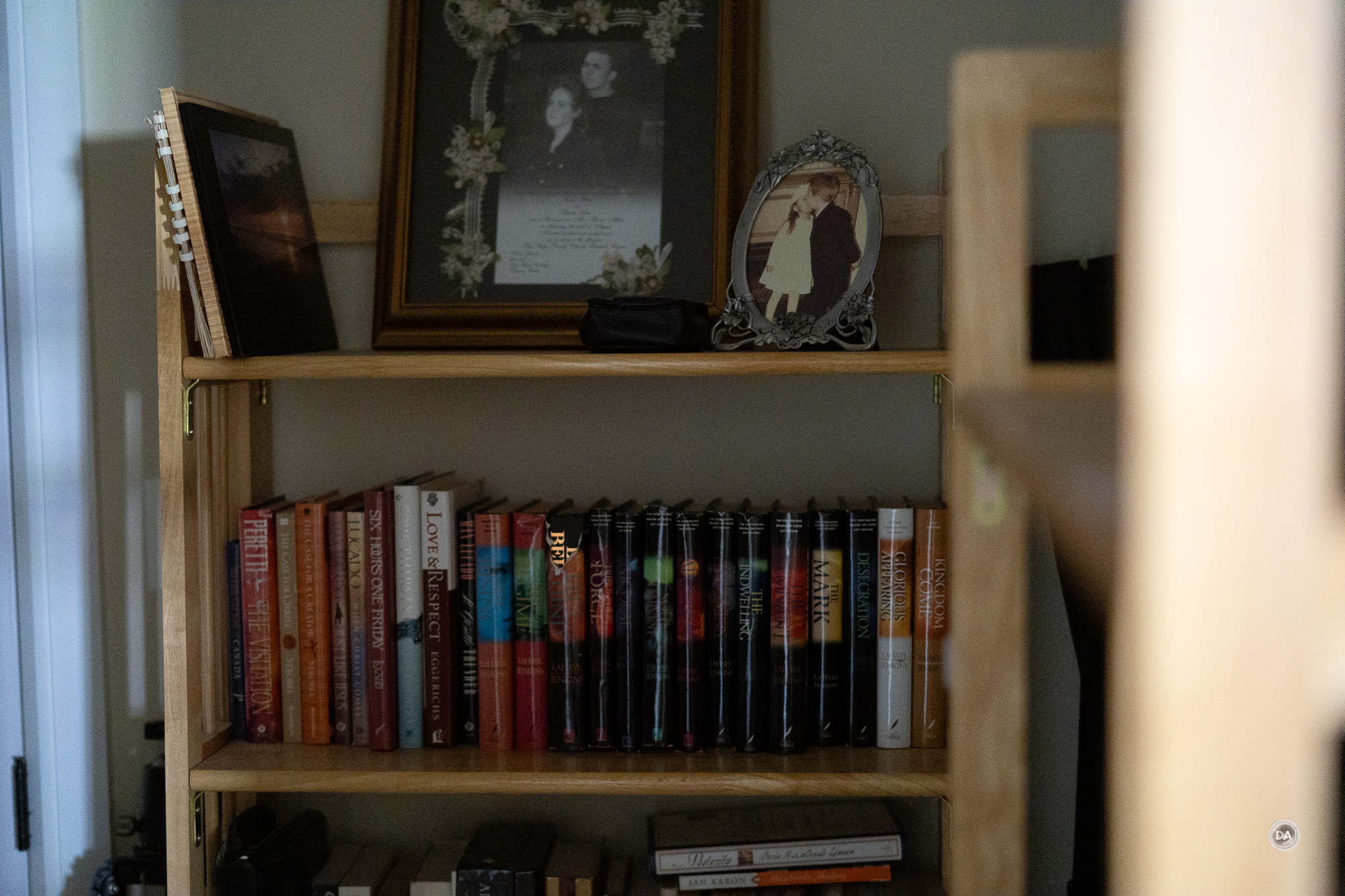
Static subjects are a non-issue: the α7R VI snaps focus almost instantly with good lenses across nearly the entire frame, even with fast primes at wide apertures.


The bottom line is that Sony’s autofocus continues to set a high bar in the industry, and the α7R VI refines an already excellent system into something even more versatile and trustworthy. It isn’t quite sports camera worthy in every way, but it certainly does a much better job cosplaying as one than any a7R camera before it. The combination of strong hardware coverage, advanced AI-driven recognition, rapid calculations, and excellent low-light capability means you can trust the camera to deliver sharp images when the moment matters — whether you’re chasing 67MP detail in a distant bird or capturing decisive expressions in fast-paced portrait sessions. It’s one of the most complete and reliable AF implementations available on a high-resolution full-frame body today.
Video Performance
The Sony α7R VI takes a meaningful step forward as a hybrid camera in some areas, though still not quite matching competitors in others. It leverages its new 66.8MP stacked Exmor RS sensor and BIONZ XR2 processor to deliver video capabilities that finally feel competitive with Sony’s dedicated cinema line while retaining the exceptional stills performance that defines the R-series. This isn’t just an incremental update over the α7R V; the stacked architecture brings dramatically reduced rolling shutter, better heat management, and higher frame rate options that make the camera far more usable for serious hybrid shooters.

*Screen grab from α7R VI footage.
At its core, the α7R VI offers 8K 30p recording with 8.2K oversampling (roughly 1.2x crop), which is a bump up from the 24p limit on the α7R V (and a slightly smaller crop factor). It is unfortunate that we still have a crop at all in 8K, however, as this is an area where some competitors still have an edge. You can see that crop in this screen grab that compares the 4K framing on the left with the 8K framing on the right.

The footage itself is detailed and clean, particularly when downsampled to 4K in post, giving you excellent flexibility for reframing or future-proofing projects. We’ll explore just how good the dynamic range is for stills in the next sections, but it appears that Sony has used the stacked sensor to achieve better dynamic range for video. In fact, the sensor brings dual gain architecture (a new addition for the Alpha series in video) that allows for up to 16 stops of dynamic range according to Sony. Rolling shutter in 8K sits around 17ms—noticeably improved from the α7R V’s ~38ms, though still visible during fast pans.
Here’s a look at the various formats and bitrates available.
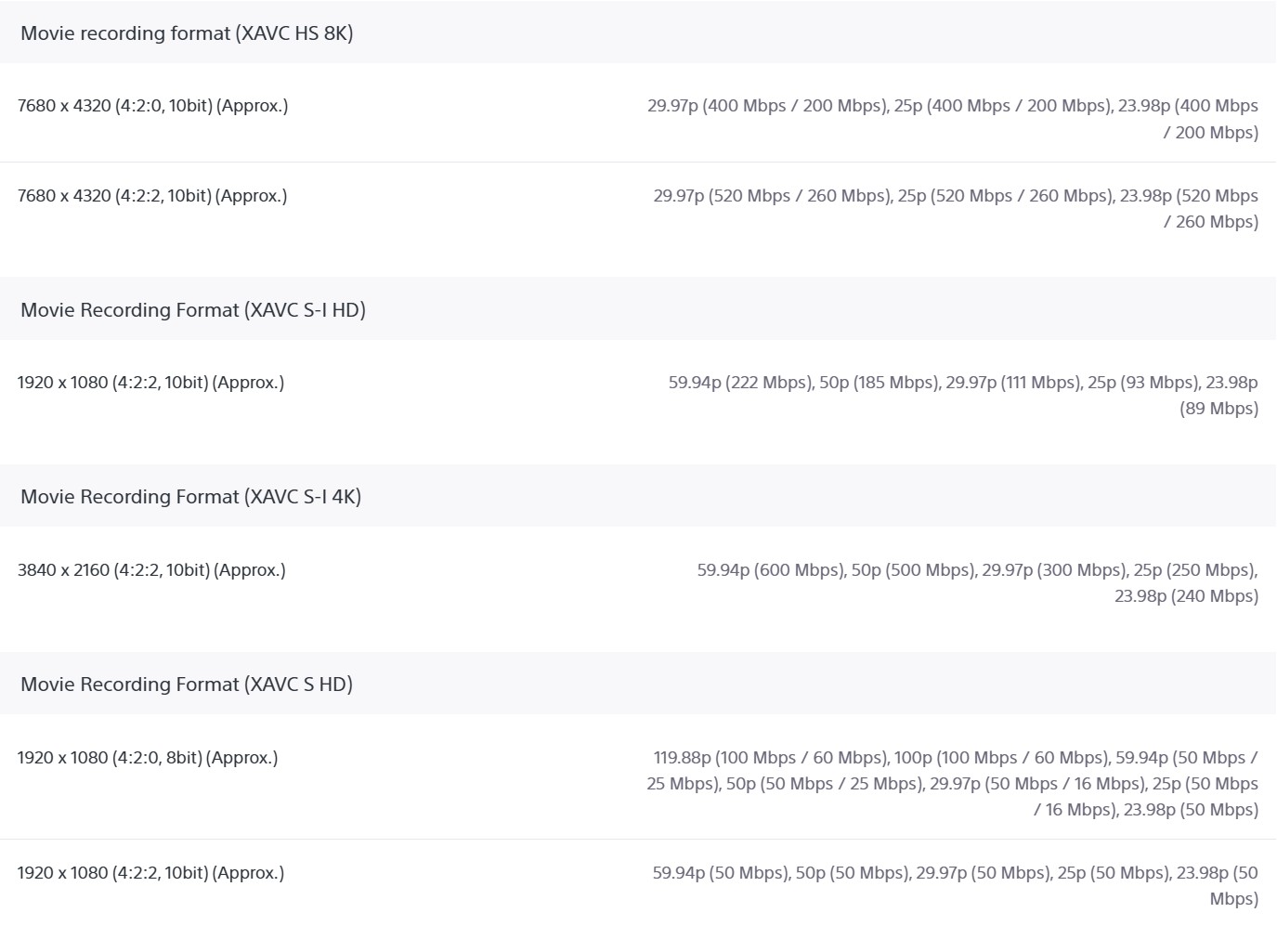
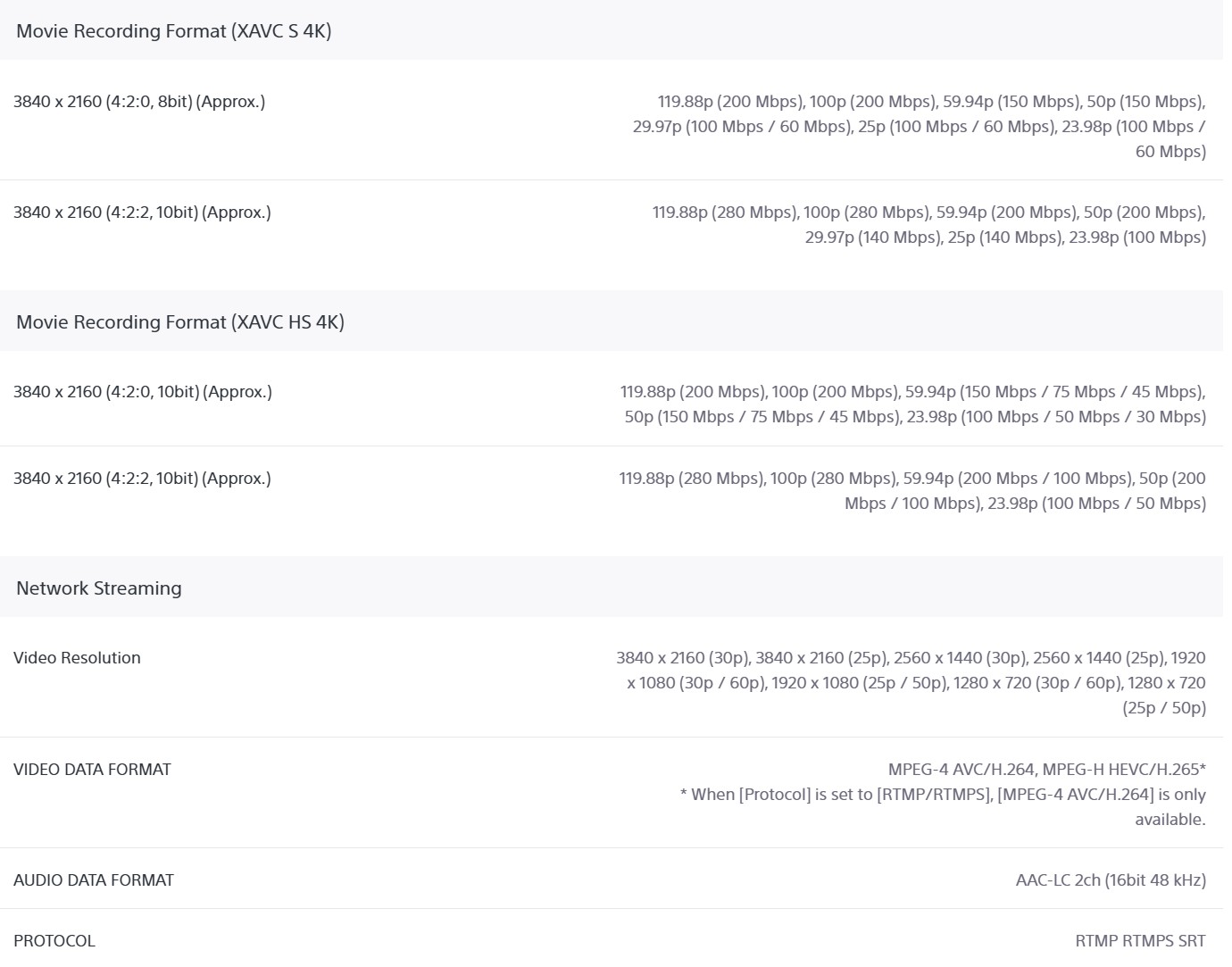
Where the camera really shines for most users is in 4K. You get full-frame 4K 60p oversampled from 5K with no crop, delivering sharp, detailed footage with excellent color science and low noise. 4K 120p is now available (with a modest ~1.1x crop in some modes), opening up beautiful slow-motion options without sacrificing too much field of view. Super 35 crop modes allow even higher quality 4K 60p from 6.3K oversampling.
Sony has also adopted some of the heat dissipation design elements of the α7V, allowing for superior heat flow through the chassis when doing long format video recording. It has a Sigma-shaped graphite heatsink built into the stabilization unit that allows heat to escape the body more efficiently. Sony states that you should be able to get two straight hours of 4K recording and roughly 30 minutes when shooting 8K.

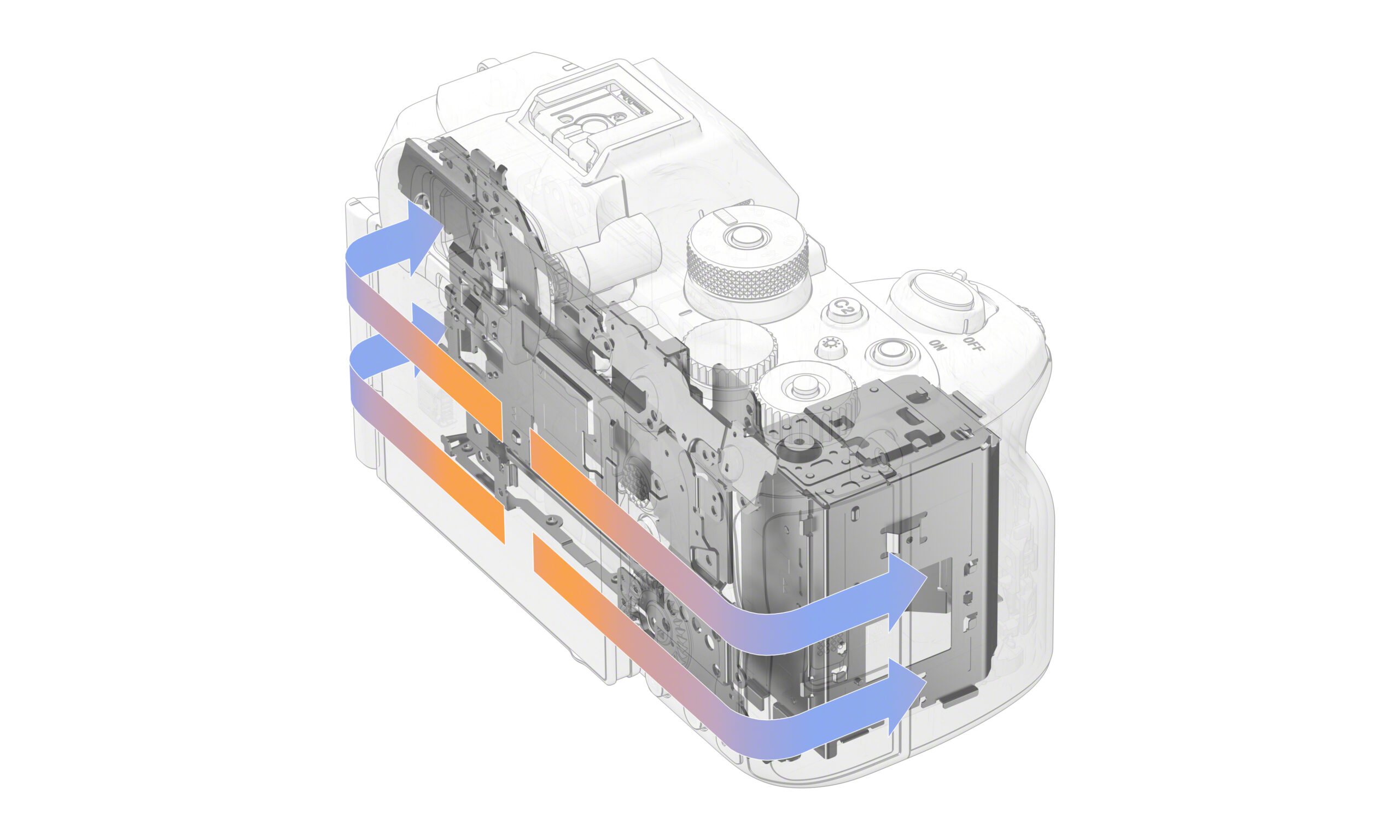
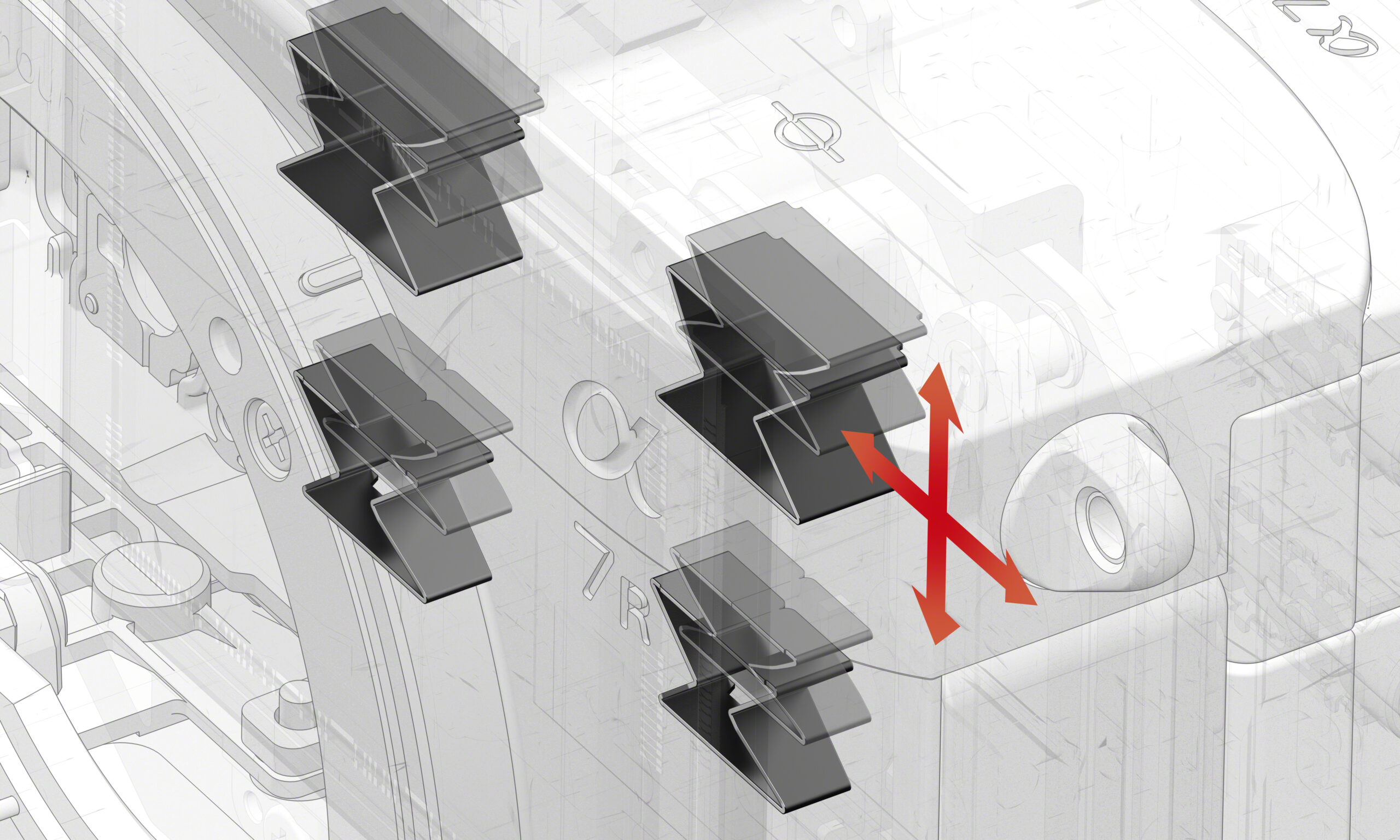
This makes it viable for longer event or documentary shoots where you previously might have needed an external recorder or dedicated video body.
One other physical improvement to the camera is an integrated tally lamp on the front.
Stabilization gets a boost too, with improved IBIS (rated up to 8.5 stops center) and Sony’s Dynamic Active mode for video. Handheld walking shots feel almost gimbal-like in many situations, though there is a small crop factor to give the sensor some room to play. I followed behind my Mammotion LUBA 3 AWD robot mower and was surprised by how smooth the footage felt.

The AF system carries over its photographic excellence into video—Real-time Recognition AF+ tracks eyes, faces, animals, and vehicles with impressive tenacity, even during slow-motion or in lower light. Low-light AF sensitivity remains class-leading.
Audio features see a welcome upgrade with support for 32-bit float recording (via the optional XLR-A4 adapter) and improved internal microphones. This reduces the risk of clipping on loud sounds while capturing clean dialogue, which is a game-changer for run-and-gun creators. You also get LUT import, S-Log3, S-Cinetone, and 10-bit 4:2:2 internal recording options for serious grading work.

*Screen grab from α7R VI LOG footage before and after grading.
There are a few minor caveats. The body will still get warm during extended recording (and your memory card even hotter!), and we still have no Open Gate recording or internal RAW recording options, which competitors like the Canon have. Each company will trumpet the advantages of their cameras, so you need to decide for yourself what features are most significant to you.
The α7R VI is definitely progress in the right direction for hybrid use.
Sensor Performance
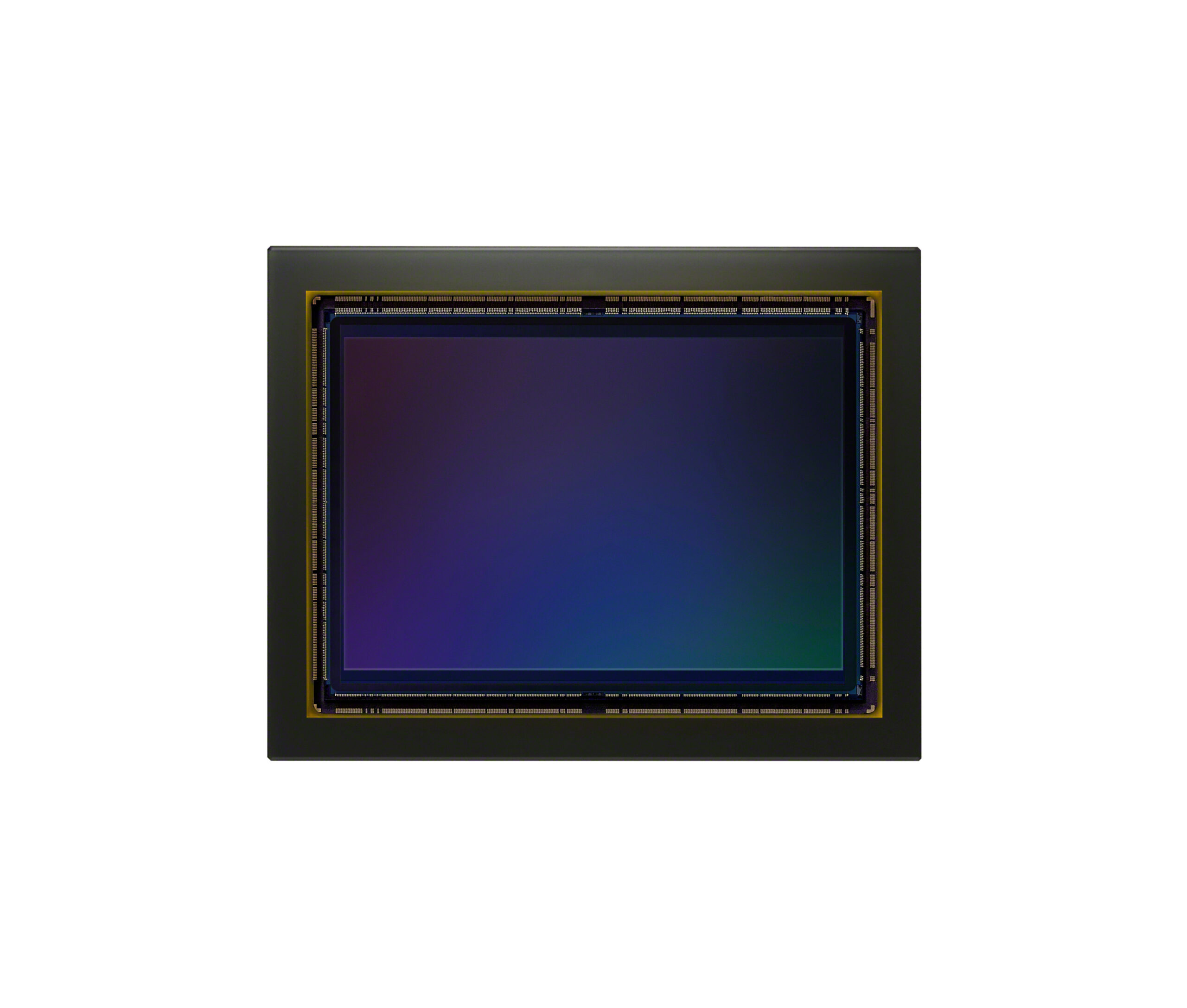
One of the headline improvements here is the new 33MP sensor. Sony says, “An enhanced partially stacked Exmor RS CMOS image sensor features 33.0 megapixels and high-speed circuitry above and below the sensing layer. Readout is approximately 4.5x faster providing a maximum shutter speed of 1/16000 sec., blackout-free bursts at up to 30fps with full AF/AE tracking,”
We’ve already examined how that the sensor comes with a number of performance improvements, but does that additional speed come at the cost of reduced image quality?
Fortunately the answer is a resounding “no”. Let’s explore why…
Resolution
The Sony α7R VI features a groundbreaking new 66.8MP stacked Exmor RS back-illuminated CMOS sensor paired with the BIONZ XR2 processor and integrated AI unit. This represents the biggest leap in the R-series sensor technology since the jump to 61MP on the α7R IV. The stacked design delivers not only dramatically faster readout speeds (approximately 5.6x quicker than the α7R V) but also maintains — and in many ways enhances — the exceptional image quality that has defined Sony’s high-resolution bodies.
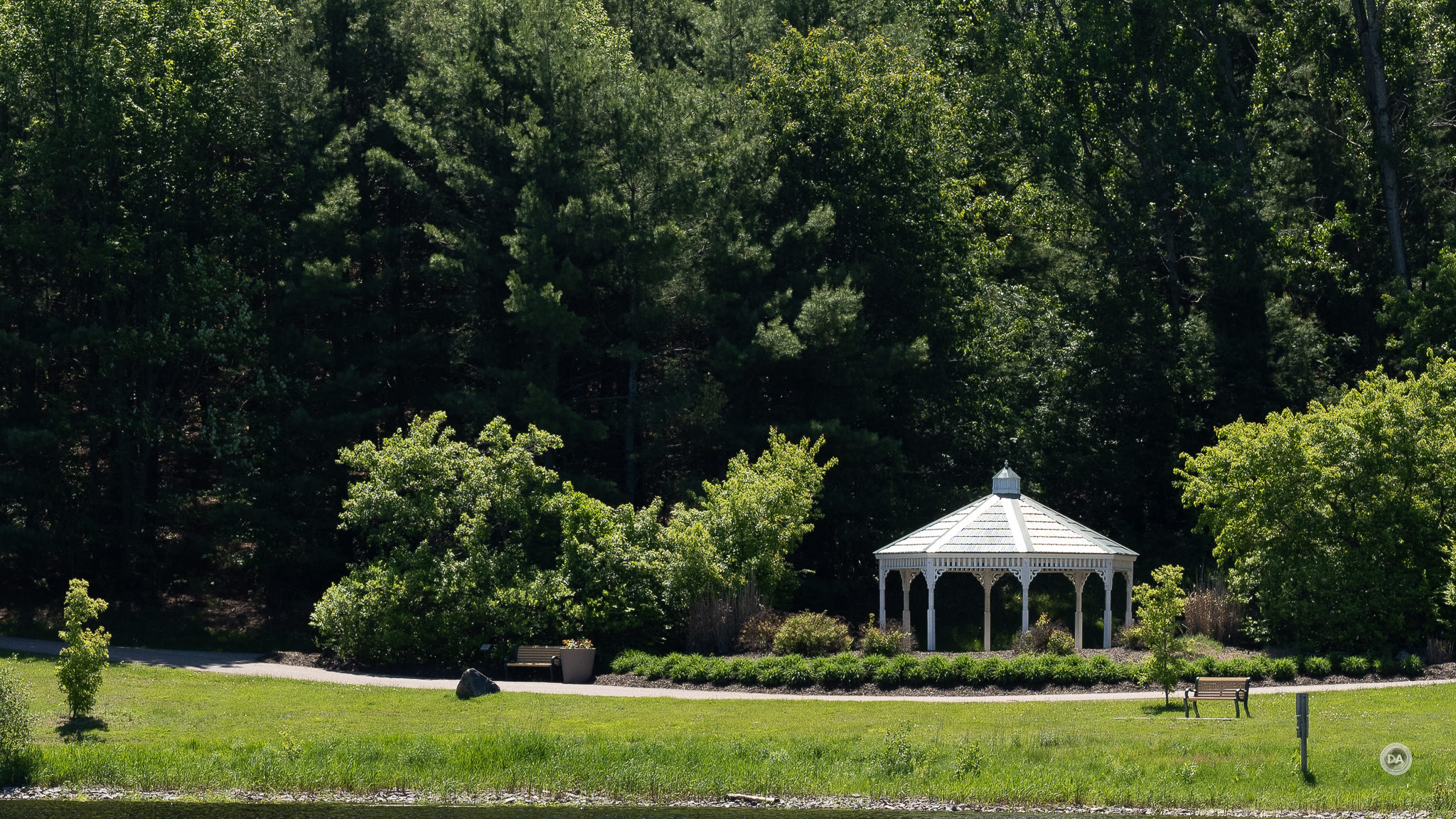
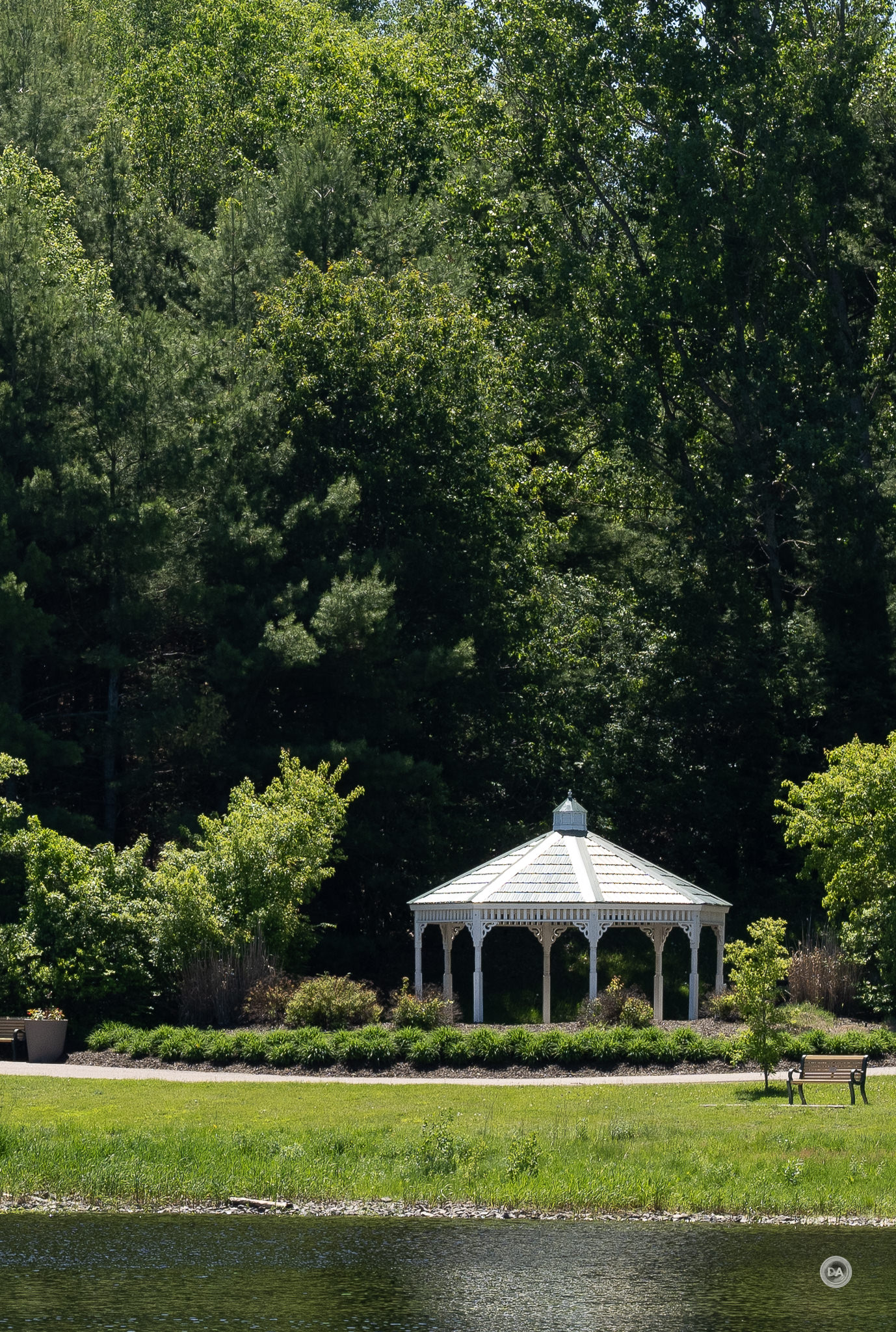
The resolution is 9984 x 6656, or 66.8 effective megapixels (with a 72.6MP total count), which means that we have more pixels to work with on a full frame camera than ever before. The amount of cropping ability here is pretty insane.

From this image, I can crop deeply to this:
Or this:
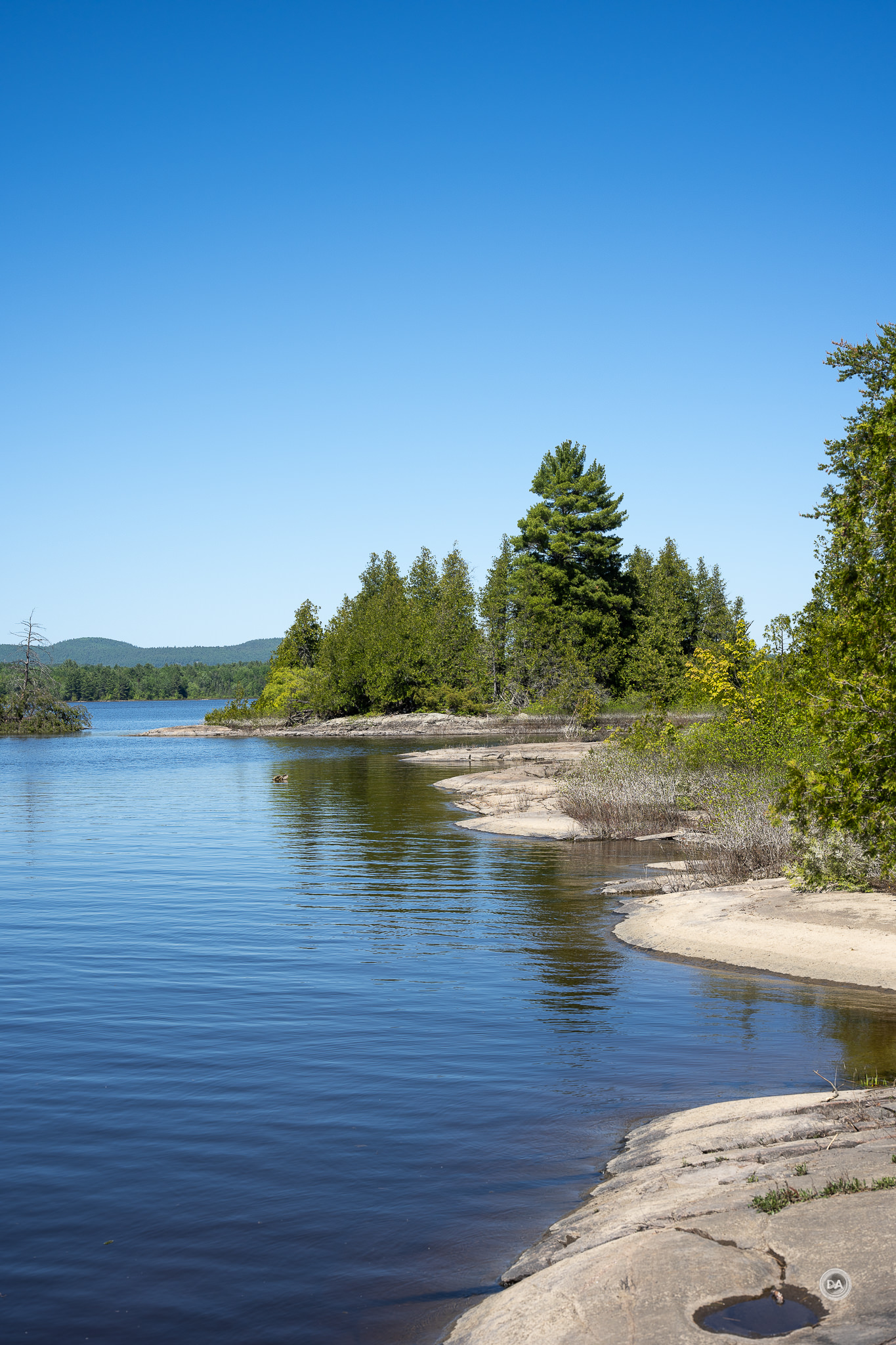
Sony’s files are, as always, very easy to work with. They sharpen well and show good detail.
If resolution is your priority, there is nothing better short of Fujifilm’s 100MP medium format options.
Sony’s Best APS-C Camera?
One could easily make the argument that the APS-C mode of the α7R VI represents Sony’s best in the APS-C space. It has the highest resolution (28MP, or a resolution of 6528 x 4352 pixels). That’s higher than the 26MP represented by the a6700 or the APS-C mode of the α7RV. What’s more, the APS-C mode not only has the highest resolution, but also takes advantage of what is one of the best full frame sensors ever. Take a look at this chart from Photons to Photos – see the one sensor differentiating itself from the pack?

That’s the APS-C mode of the α7R VI, which is clearly superior (at least in terms of dynamic range) than the best other sensors from Sony along with Nikon, Canon, and Fujifilm. Impressive.
In fact, if I compile the data from Photons to Photos, it shows that the APS-C mode of the α7R VI is the best in all of the rated categories.

In short, it has the best dynamic range but also the best low light performance. It could be argued that this is one of the best APS-C sensors, period, though both Canon (33MP) and Fuji (40MP) boast higher resolution points. It is easy to take beautiful images with the α7R VI in APS-C mode.

What’s more, you get access in electronic shutter mode to the 30FPS burst rate with a blackout-free viewfinder (far faster than the 11FPS of the a6700) and a far superior viewfinder experience, generally.
Finally, in a more subjective observation, I personally vastly prefer the ergonomics of Sony’s full frame models versus their APS-C specific models, though that calculus changes if your priority is traveling as small and light as possible.
Part of how I justified the expense of the α7RV is that I sold my α6600 and my α7IV and consolidated into one camera. It is pretty easy to make a similar argument here. I see little reason to own both a Sony APS-C and full frame camera when the α7R VI serves as an excellent camera on both fronts.
Dynamic Range
Moving to a stacked sensor has the potential to negatively affect dynamic range, but Sony has always been very good in this metric. We saw them improve every measure of performance in the partially stacked sensor of the α7V, and now the α7R VI has done the same over previous generations of the a7R family. The α7R VI has the highest dynamic range we’ve seen thus far from any full frame sensor. Using the data from Photons to Photos, I created this chart.
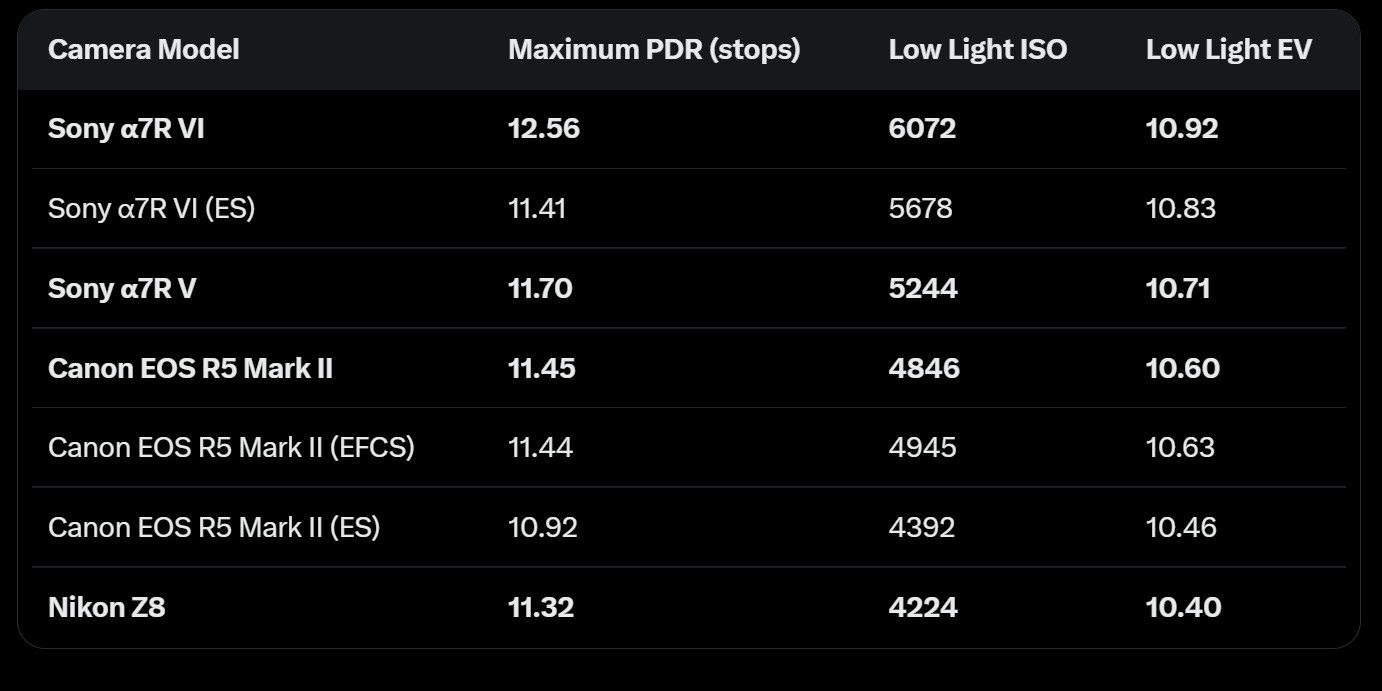
We’ll dive into more of these numbers in the next section, but setting marketing figures aside (and every manufacturer has its tricks), the 12.56 stops of Maximum PDR is not only the highest full frame figure we’ve seen, but is only surpassed by a couple of Medium Format bodies from Phase One. That’s impressive. It is more than a stop better than its direct competition, and Canon is pretty famous for getting to its figure only by some electronic trickery.
I was curious, so I used the bracketing feature on the α7R VI to shoot 4 images for HDR. Exposures ranged from as fast as 1/500th second to 1/30th of a second, which yields wildly different results.
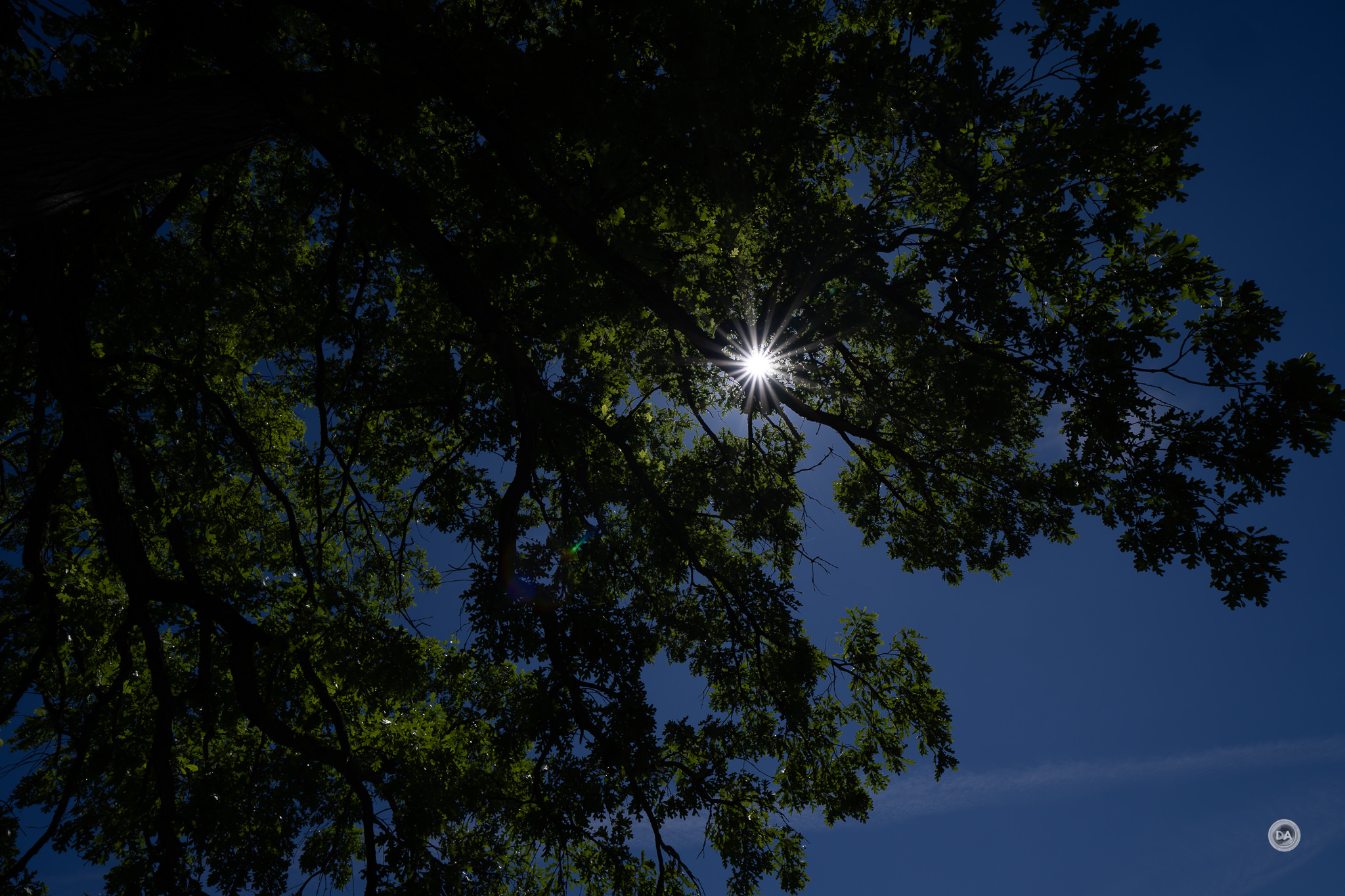

Combining the four images into an HDR made for a nice end result.

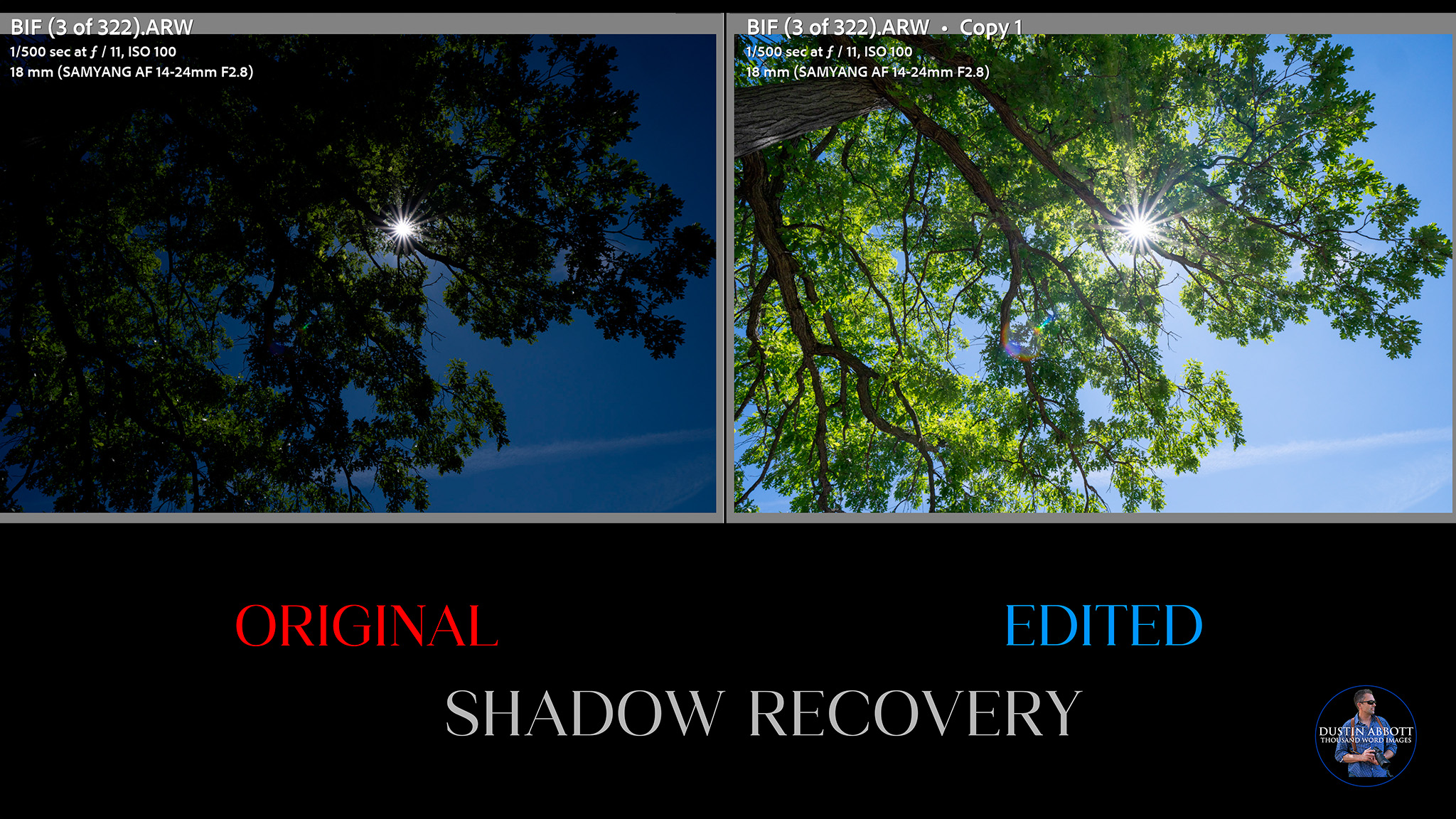
But could I create a similar result out of the under and over exposed single RAW images?
From the underexposed image, no problem. A few quick tweaks in Lightroom, and I’ve got an image that looks a lot like the HDR result.
But the big challenge would be the overexposed image, as highlights are notoriously more difficult to recover than shadows for modern cameras. Here’s what I got:
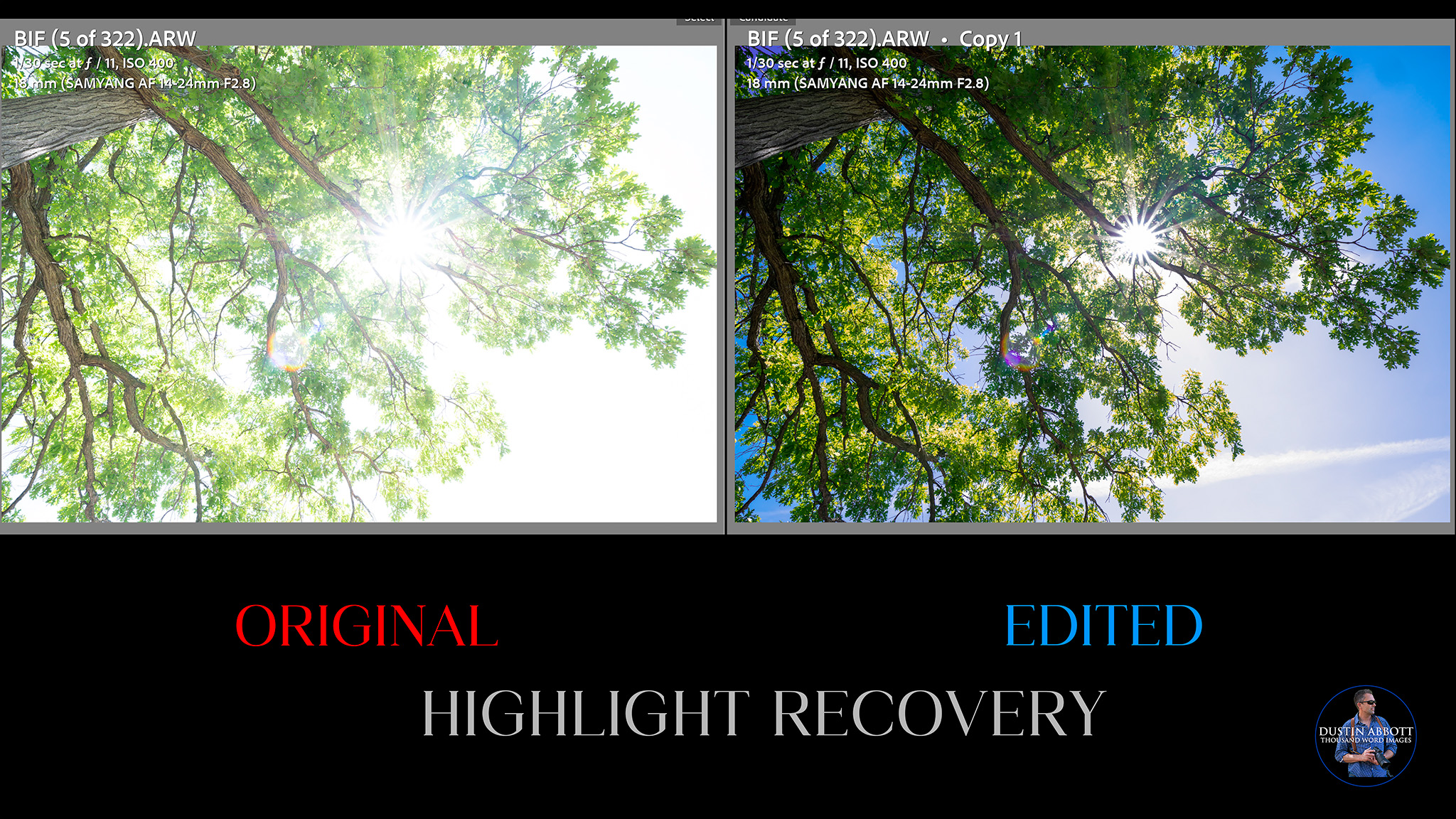
The sky isn’t quite as even, but that’s still a credible result that I could probably improve even further with more editing. This gives you a little idea of how useful this kind of dynamic range can be in recovering the “mistake” images that could otherwise be headed for the trash heap.
My own tests examine more of a real-world consequence for either under or over-exposing images, as this gives a good indication of how successfully one can recover either shadows or highlights. Most modern cameras are fairly good with shadow recovery, and, in fact, when I underexposed by 4 stops and then recovered the image in post, I found a nice clean-looking recovering when viewed globally or when looking at the typical places I find extra noise or color shifts.
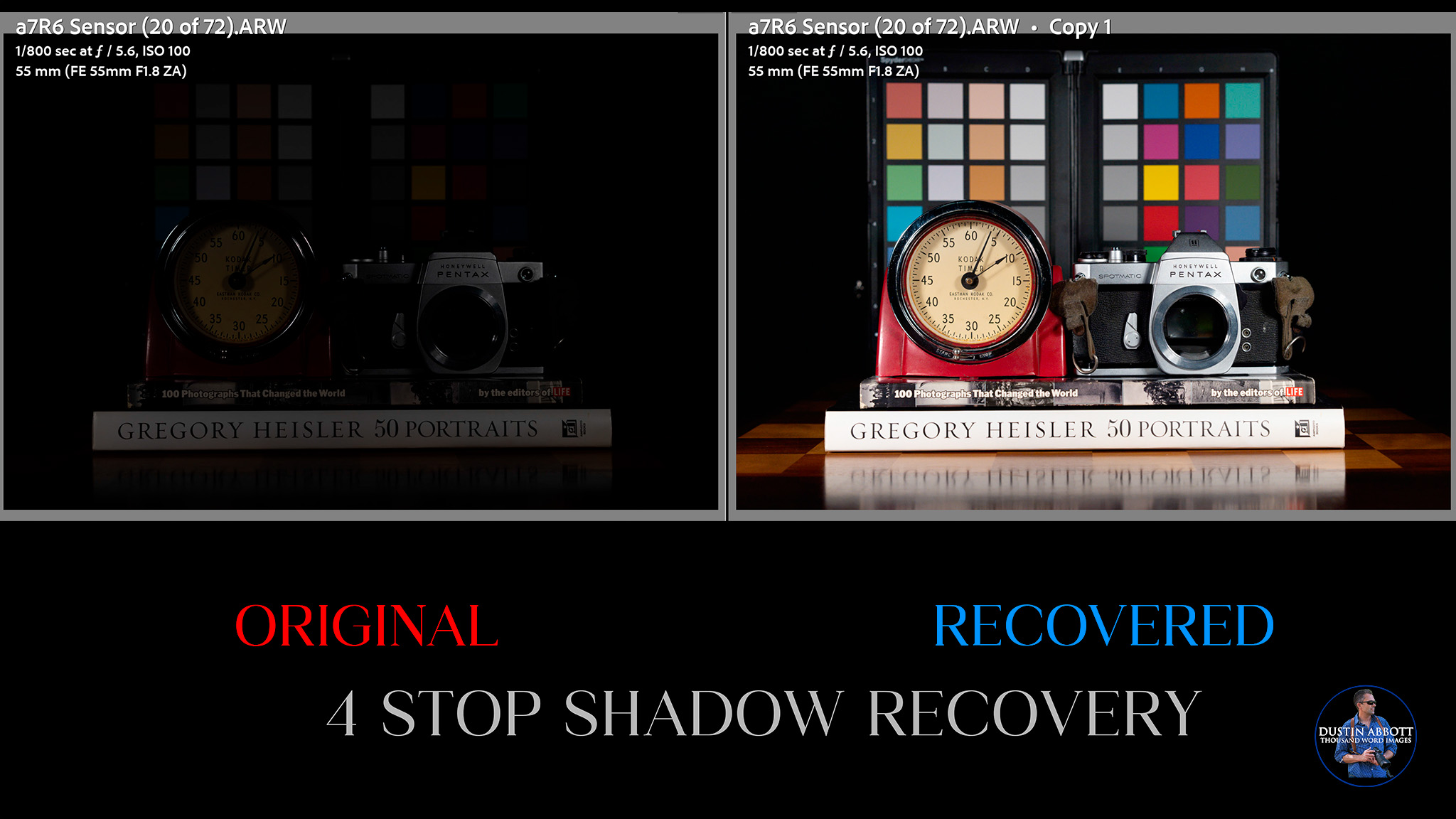
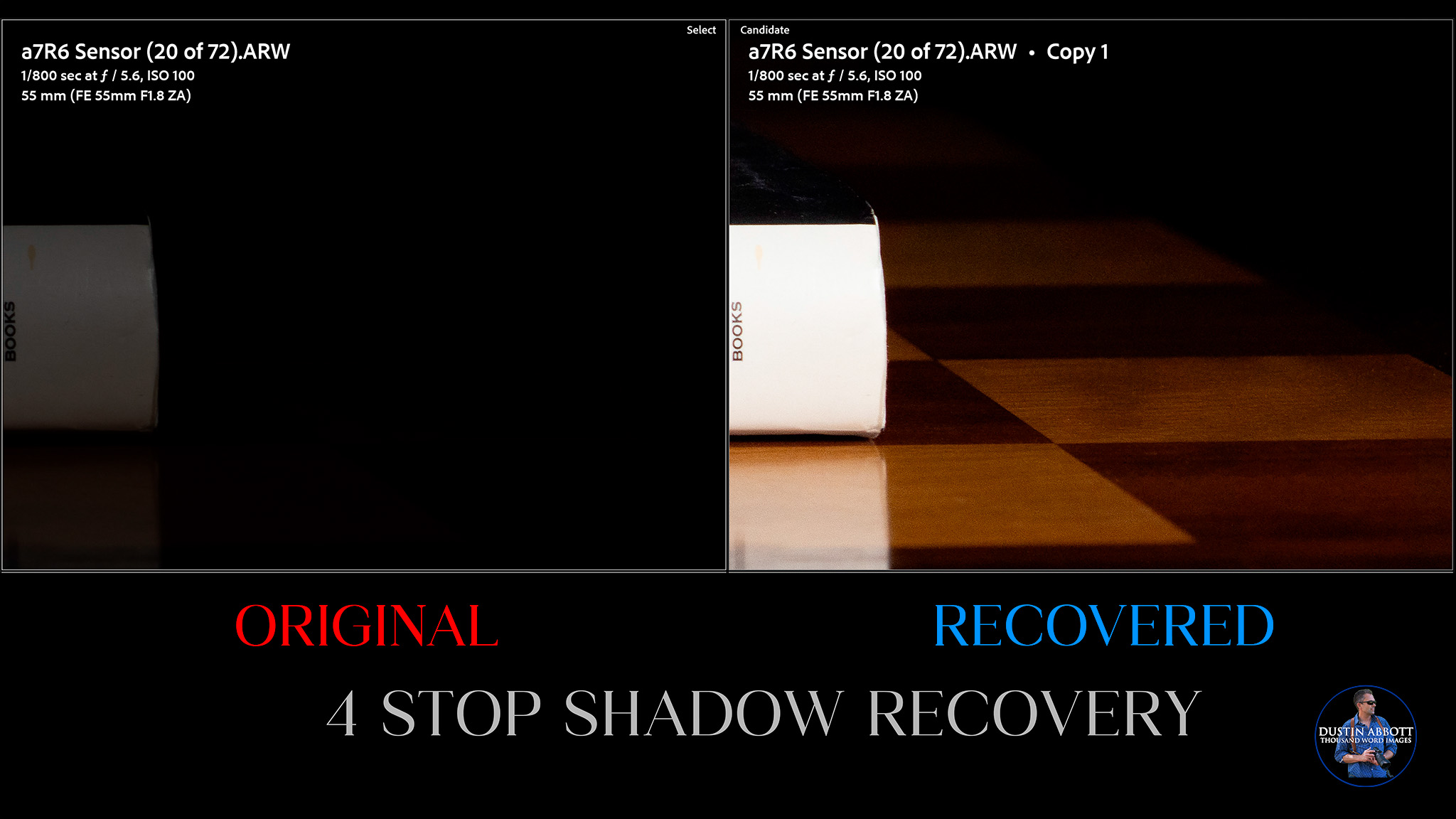
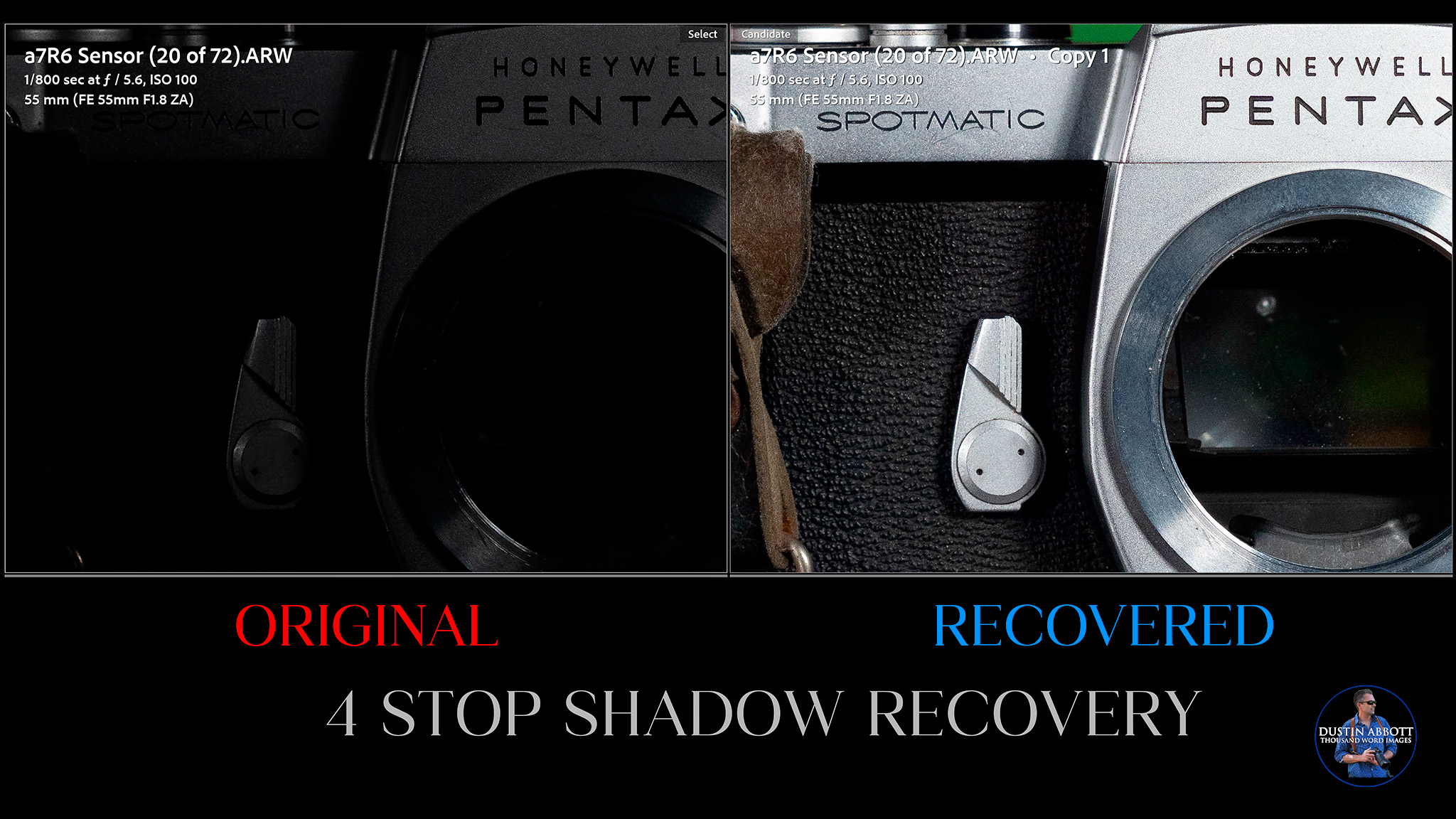
That’s particularly impressive considering how many pixels there are on this sensor, which makes any flaws more obvious at a 1:1 pixel level.
At five stops I got a mostly good recovery, but with some blotches of false color under high scrutiny.
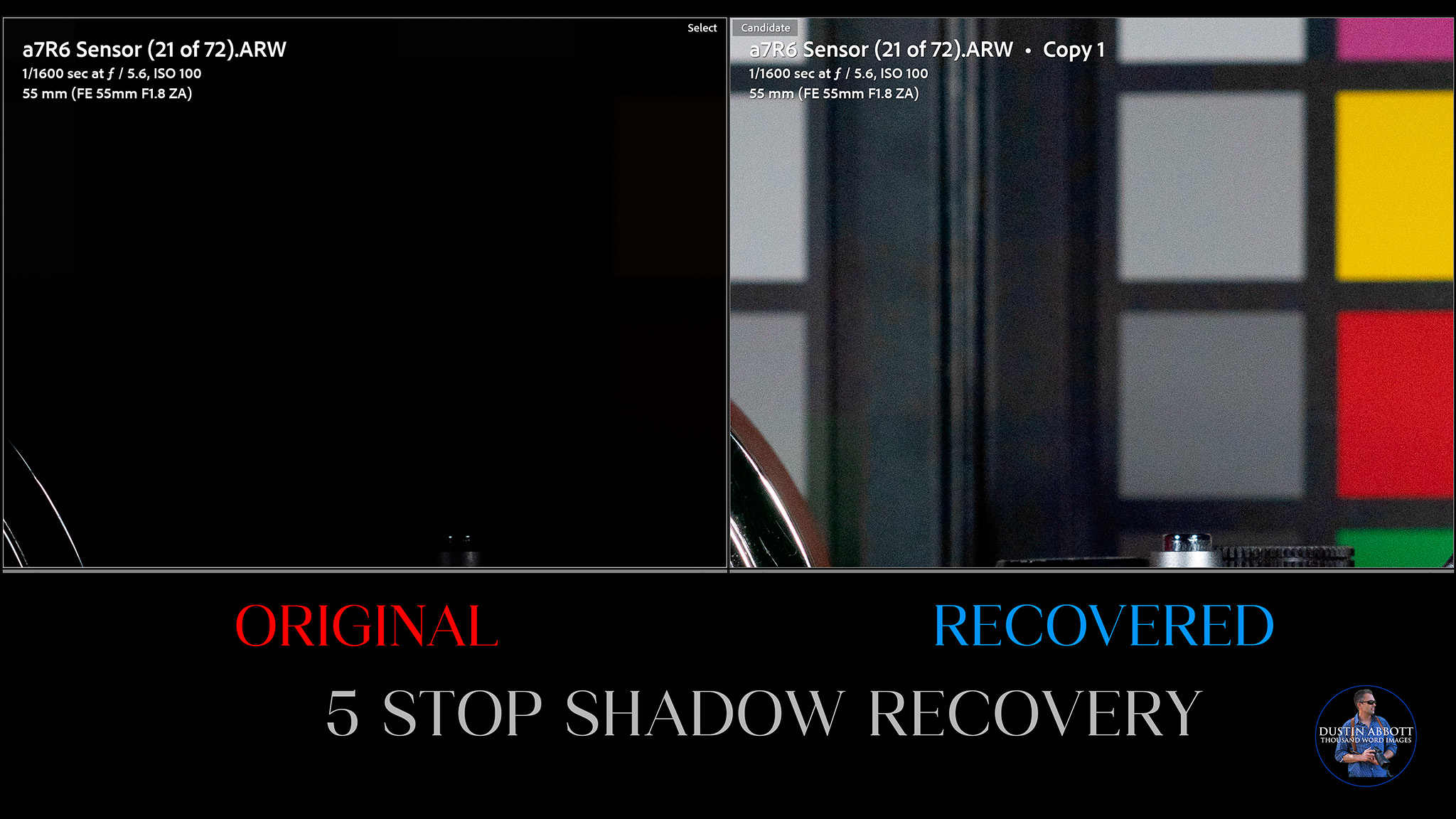
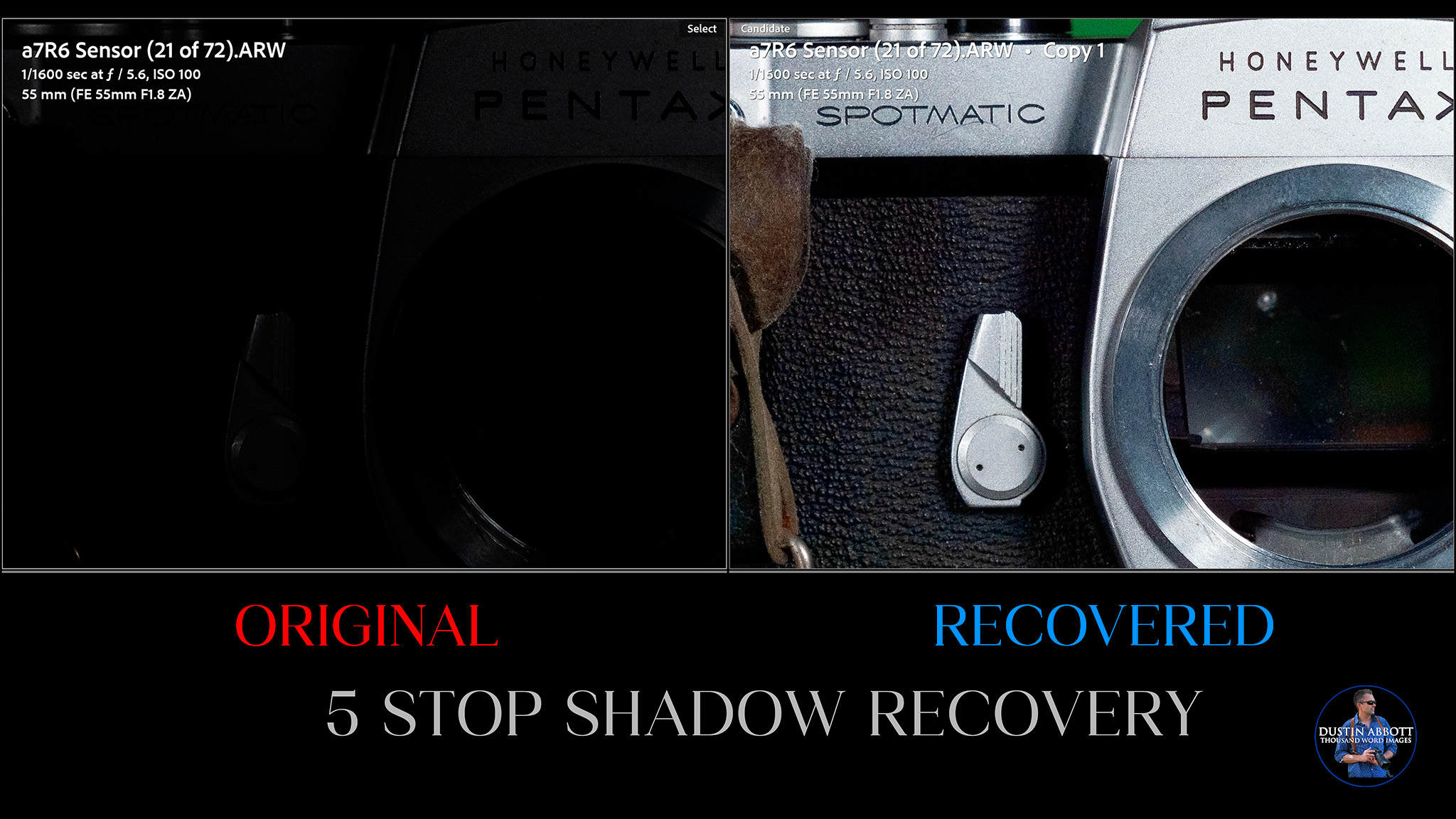
What I didn’t see, however, is any evidence of a grid pattern which I sometimes see with Sony sensors after recovery, and the black levels still look quite good after recovery.
What I found far more impressive was the highlight recovery, which is an area where cameras are more likely to struggle. Overexposure results in hot spots where texture information is lost, blown out colors that can’t recover, and a general unnatural look to images. The α7R VI really shines here, as it delivered the kind of performance at three stops of overexposure that I typically only see with a two stop recovery.
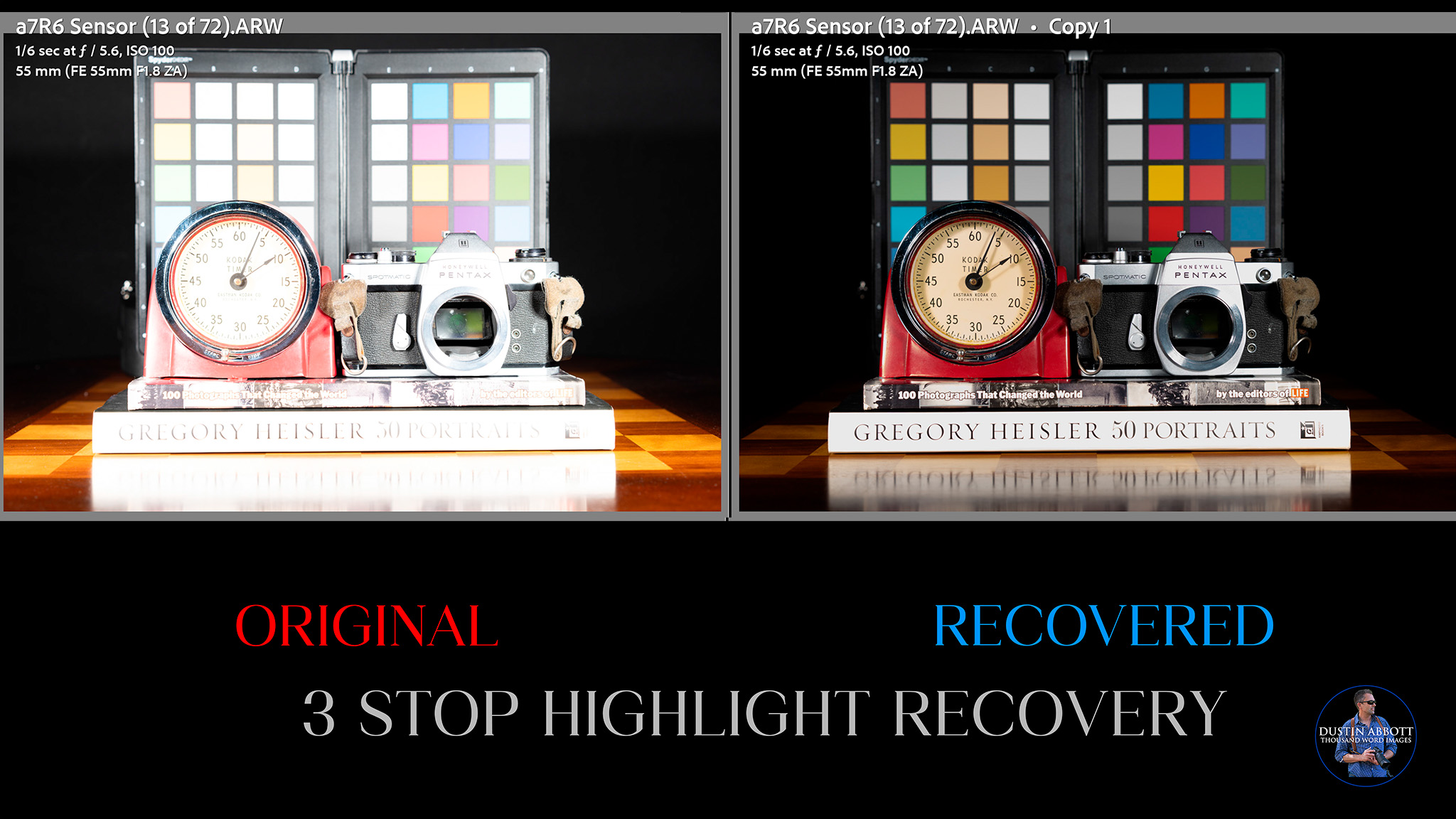
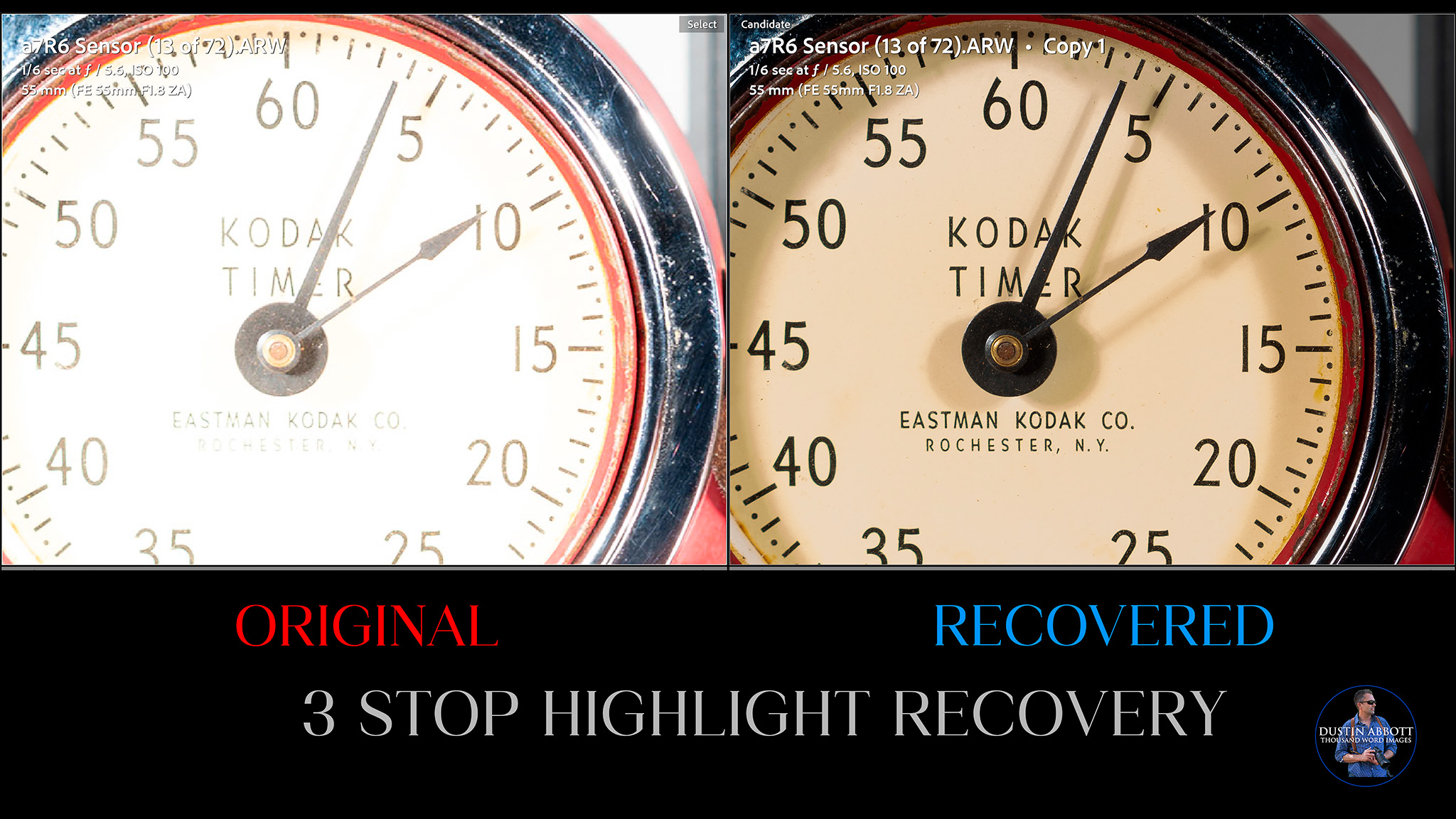
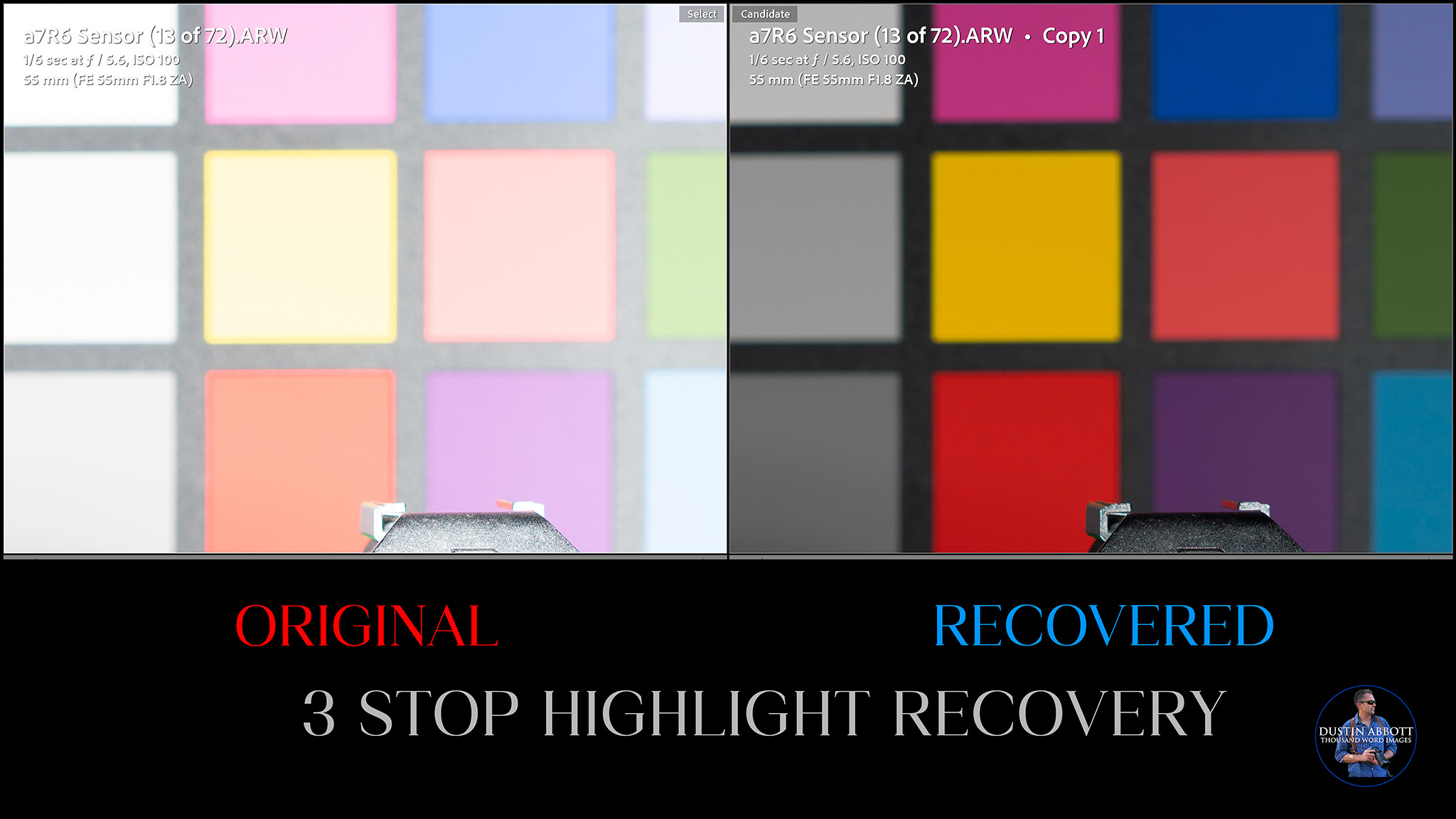
Color swatches successfully regained their color, the timer face is nice and even, textures were largely recovered to the metal surfaces, and the image looks natural after recovery. That’s the best I’ve ever seen – impressive!
Trying to get greedy and go to 4 stops of overexposure is where we find our limits. Colors are still recovered reasonably well, but the whole image has a weird, dingy look to it.
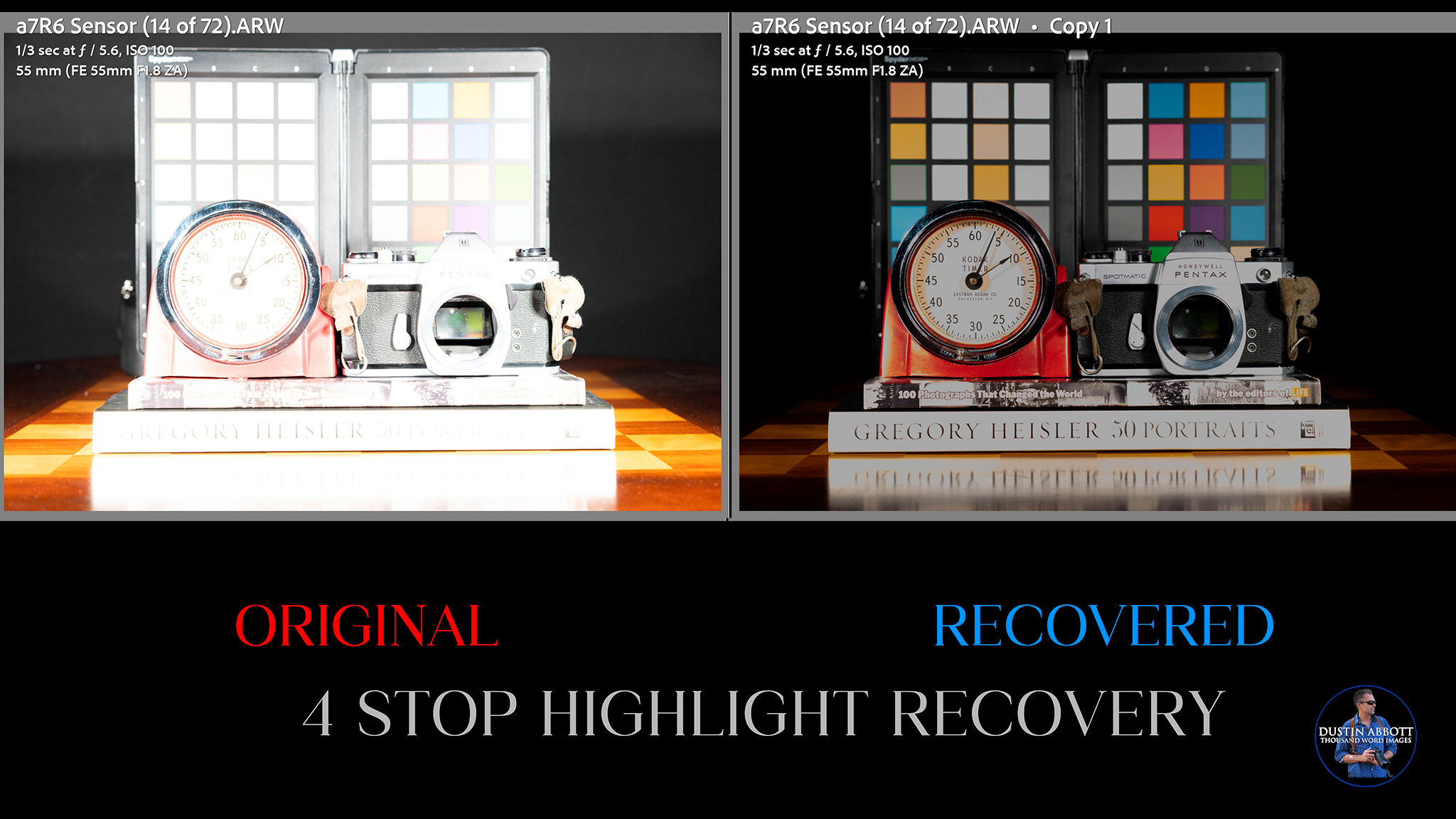
Still, Sony has clearly been making some gains in the area where cameras have largely struggled, meaning it will be easier than ever to recover details in skies and in overexposed faces. The bottom line is that the bar has been raised for dynamic range, allowing for more flexibility in editing than any full frame camera we’ve seen before.
ISO Performance
The α7R VI has a native ISO range of 100–32,000 for both stills and movies, but can be expanded down to ISO 50 and up to ISO 102,400 for stills (not movies). The number that surprised me in the chart I shared earlier is the low light performance figure. This is the highest resolution full frame camera on the market, but still manages to achieve one of the highest full frame figures for low light performance out there. That’s pretty amazing. Photons to Photos gives it a 6072 figure for Low Light ISO, which is defined as the ISO at which PDR drops to 6.5 stops — a practical threshold for usable shadow detail in low light. Anything beyond that threshold and the shadows are too grainy/noisy to be of practical use.
I shot in my very dimly lit basement (a little bit of external light was reaching me), shooting between ISO 6400 and 25,600. Results were largely good, with results being very useable. Here’s a guitar at ISO 6400 and without any edits (a RAW image).
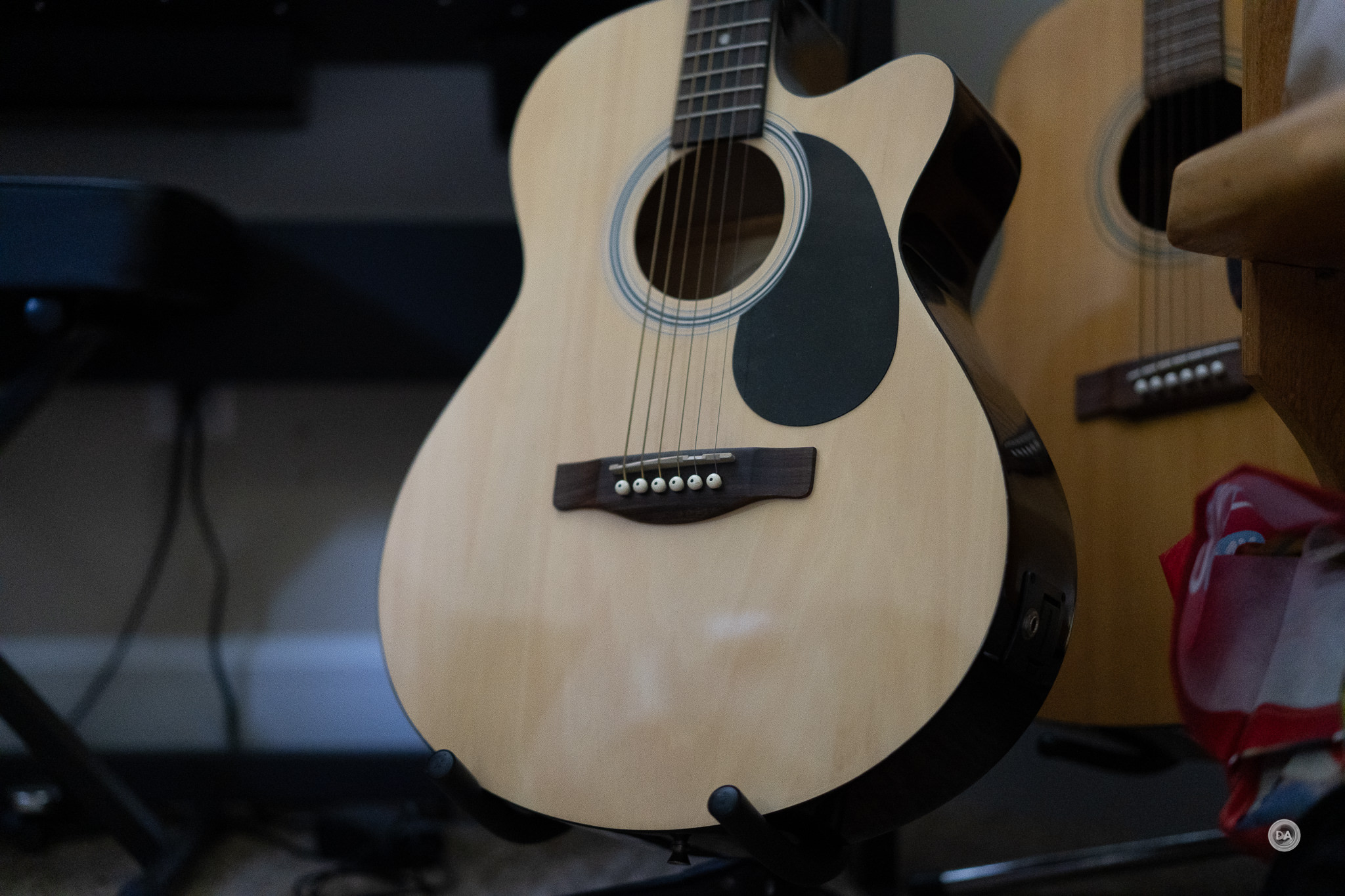
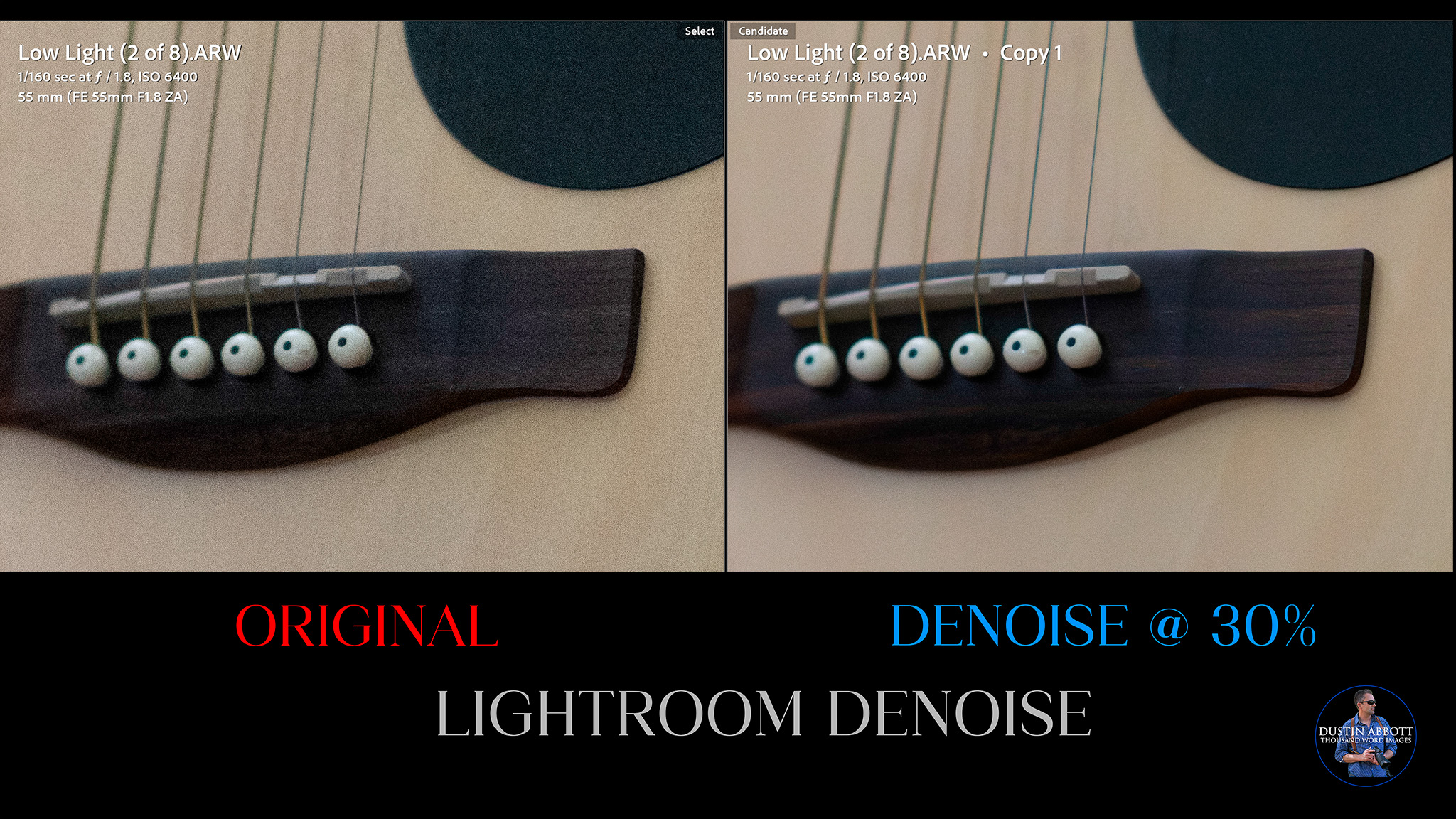
It’s got some noise, but is otherwise very usable. Throw on a bit of Lightroom’s Denoise if you want a smoother look:
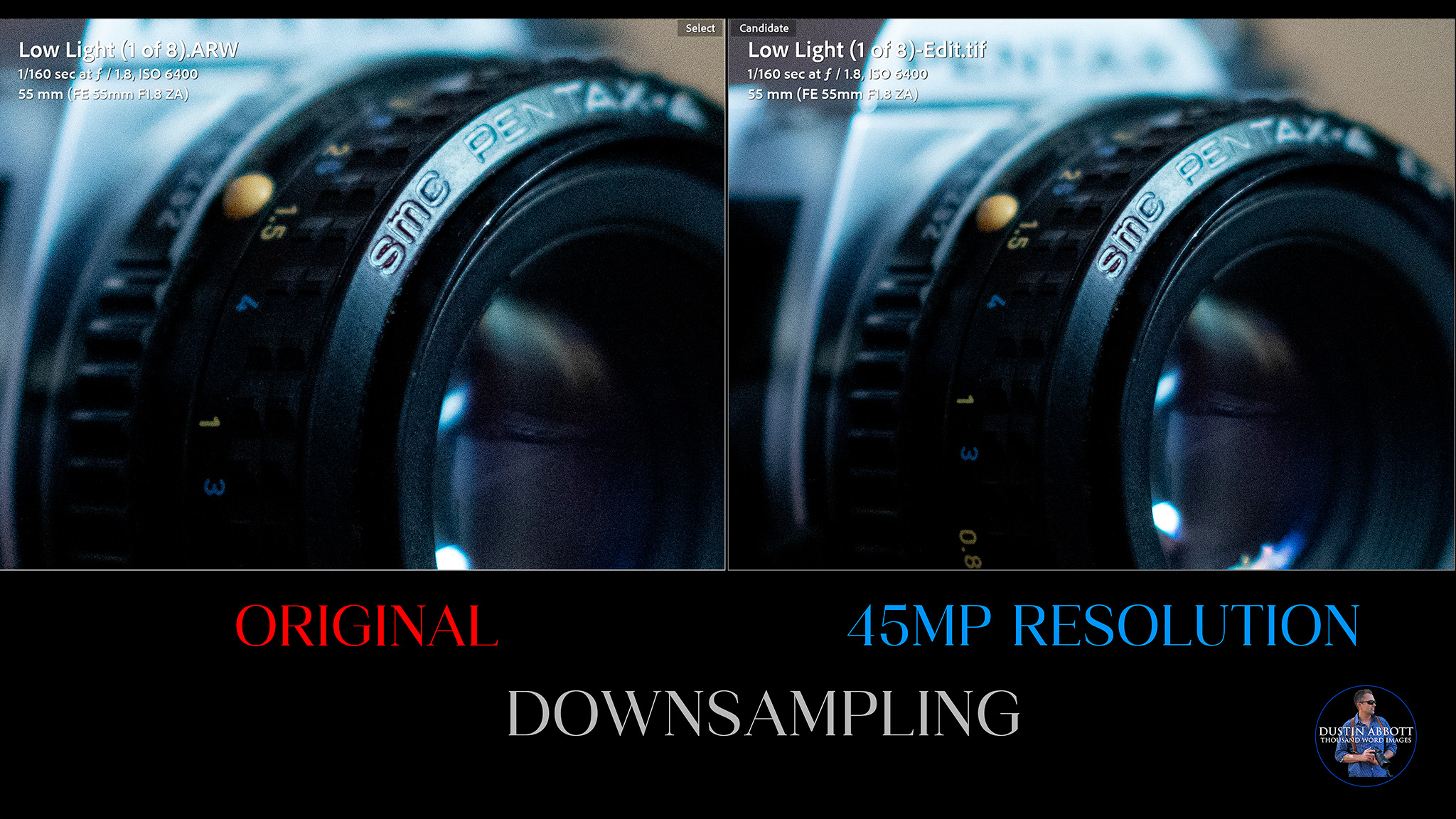
Those extra pixels can be handy, too, as downsampling to the resolution of the Canon R5 II or Nikon Z8 cleans up apparent noise a bit and increases the apparent detail and contrast.
ISO 12,800 looks a bit noisier, and I see a bit of false color in the shadow area here.
That’s with zero editing, however. Adding a bit of denoising and downsampling the image to the resolution of the α7V, I’ve got an image that really looks very clean.
ISO 25,600 is getting fairly rough, with some definite false color in what should be black.
Denoising helps, obviously, but I think I would probably stay in the monochrome space for the most part when shooting at ISO’s this high. They look more natural.
In my formal tests that I always run, I found that ISO 3200 looks pretty close to the base ISO, save with a bit of additional noise. All the blacks are still inky, and colors are true.
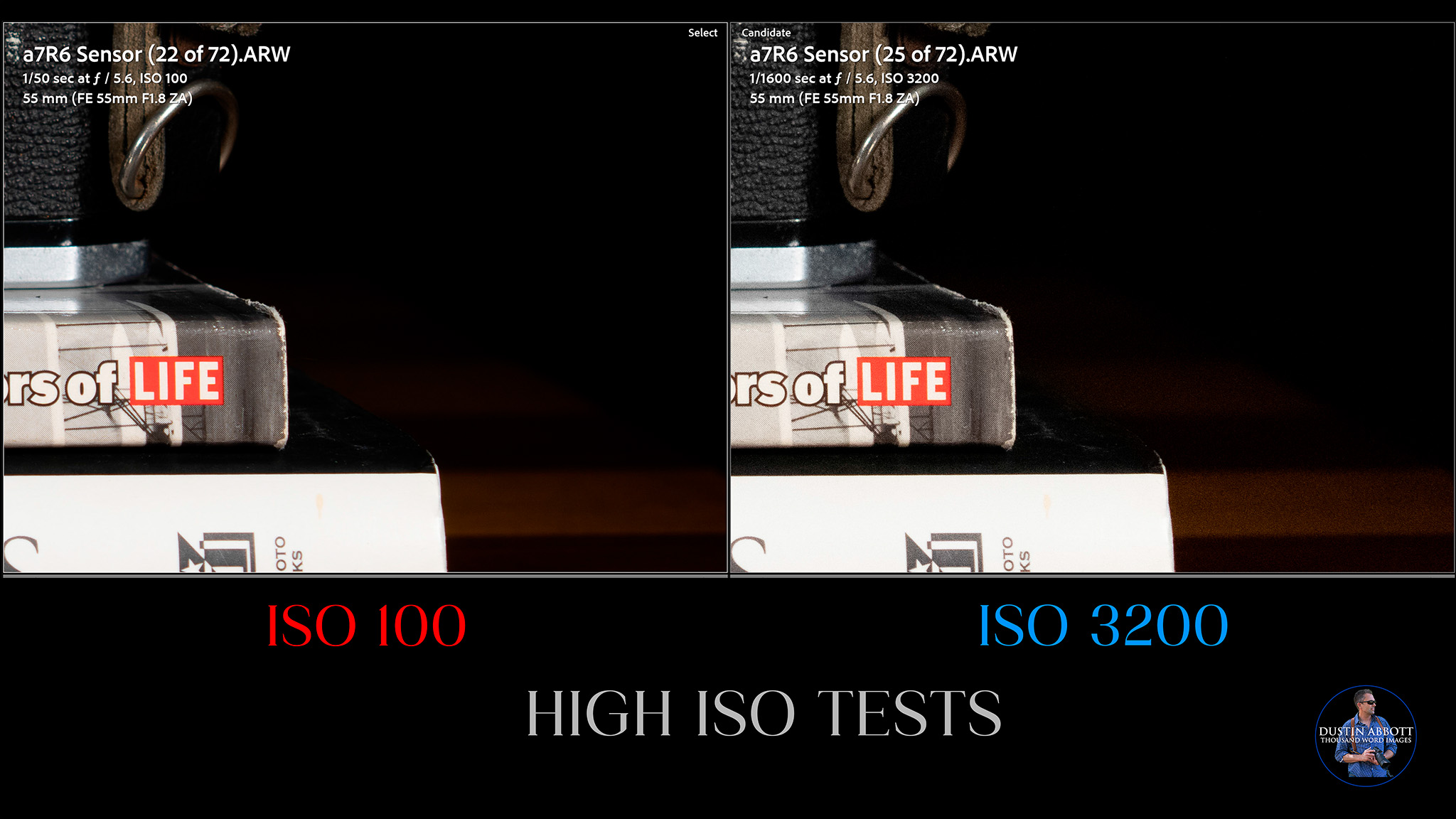
ISO 6400 still looks quite good, showing just a bit of additional noise.

By 12,800 things are getting noticeably worse, and that definitely accelerates by ISO 25,600:

There’s a more noticeable difference if I look at an area of the image that should have solid shadows. See how different the results are between ISO 6400 and 25,600 – there is some obvious “snow” in what should be uniformly black due to the increased noise.
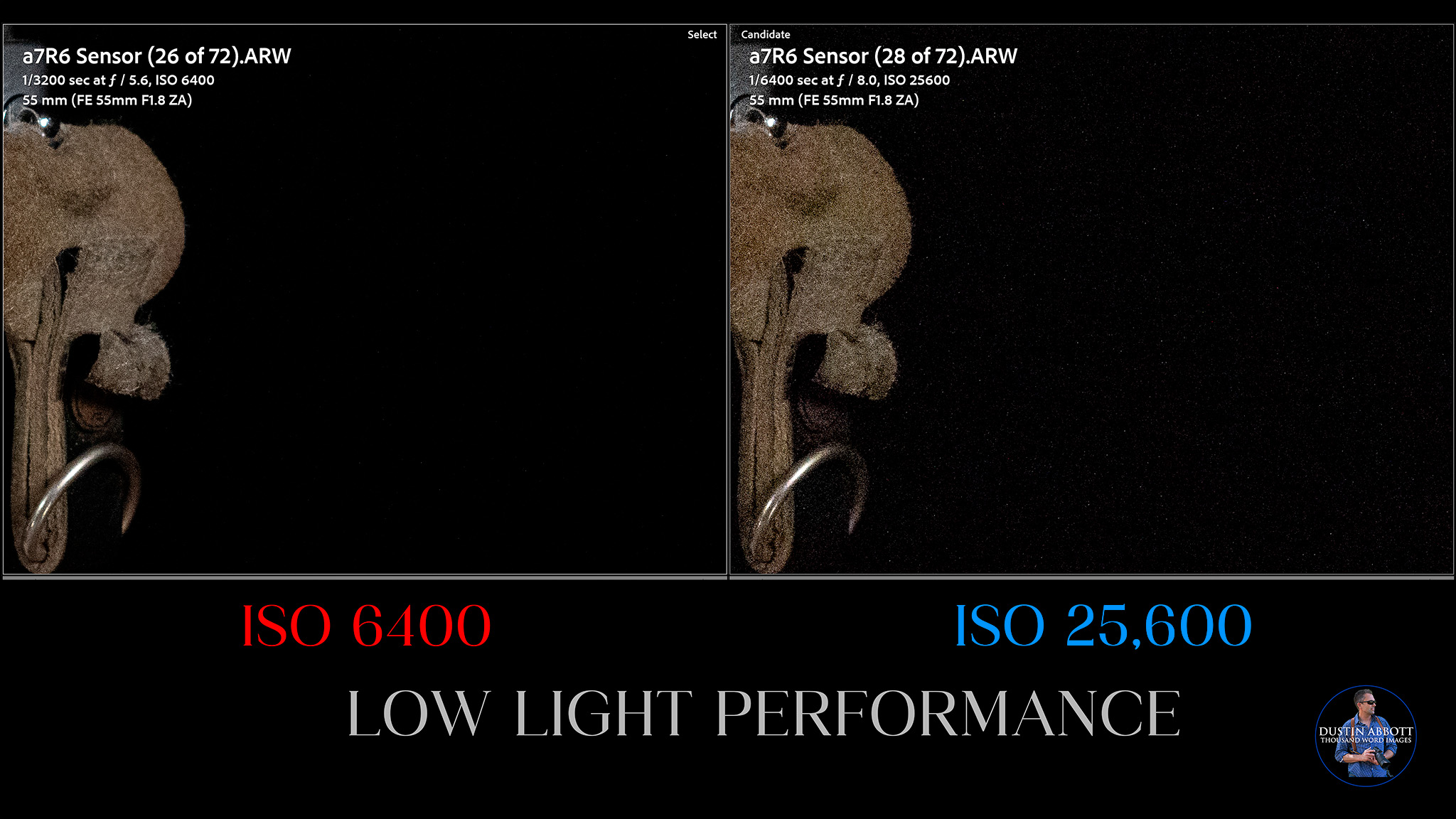
I’m not sure I would recommend going higher. The native range technically goes up to 32,000, but within increasingly diminished returns, and the expanded figures of 51,200 and 102,400 stretch beyond what I consider usable. Color fastness stays consistent through 51,200, but 102,400 has a weird yellow/green cast to it. There’s more “snow” than Christmas in the shadows by these values.

What all of this adds up to, however, is that the α7R VI is the best high resolution sensor on the market for full frame low light performance, which is pretty astounding considering that it is also the highest resolution point. Sony is very, very good at the whole sensor business.
Color
I’ve watched Sony slowly tweak its color science over the years, and the current results are much improved over where I started with the a7R2. Colors are natural, easy to edit, and Sony does the best job with accuracy in white balance of any of the four brands that I test.
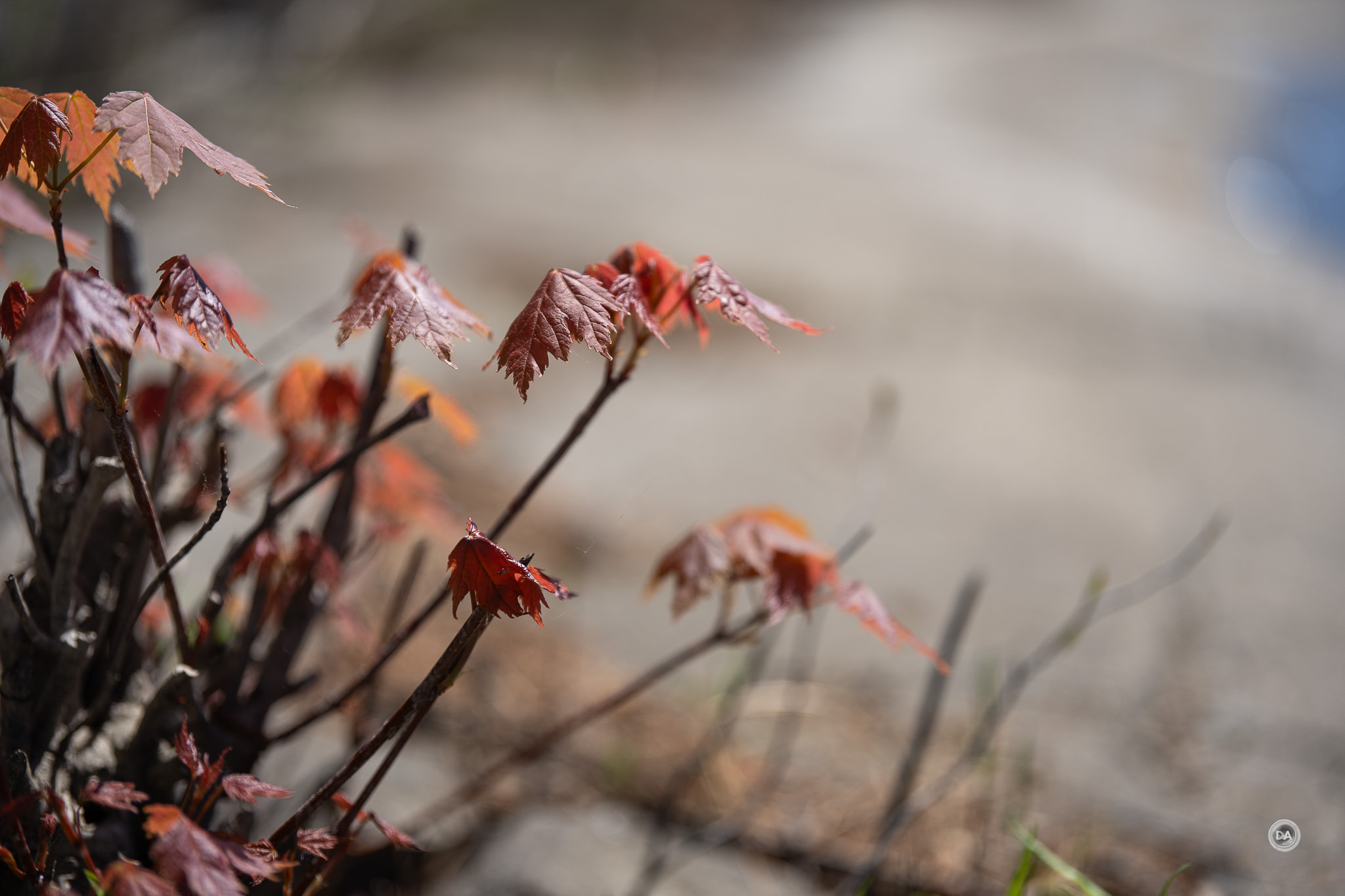
That’s helped here by the α7R VI leveraging its AI chip set to help determine auto white balance algorithms. It uses a dedicated Visible Light + IR sensor to help determine accurate color.
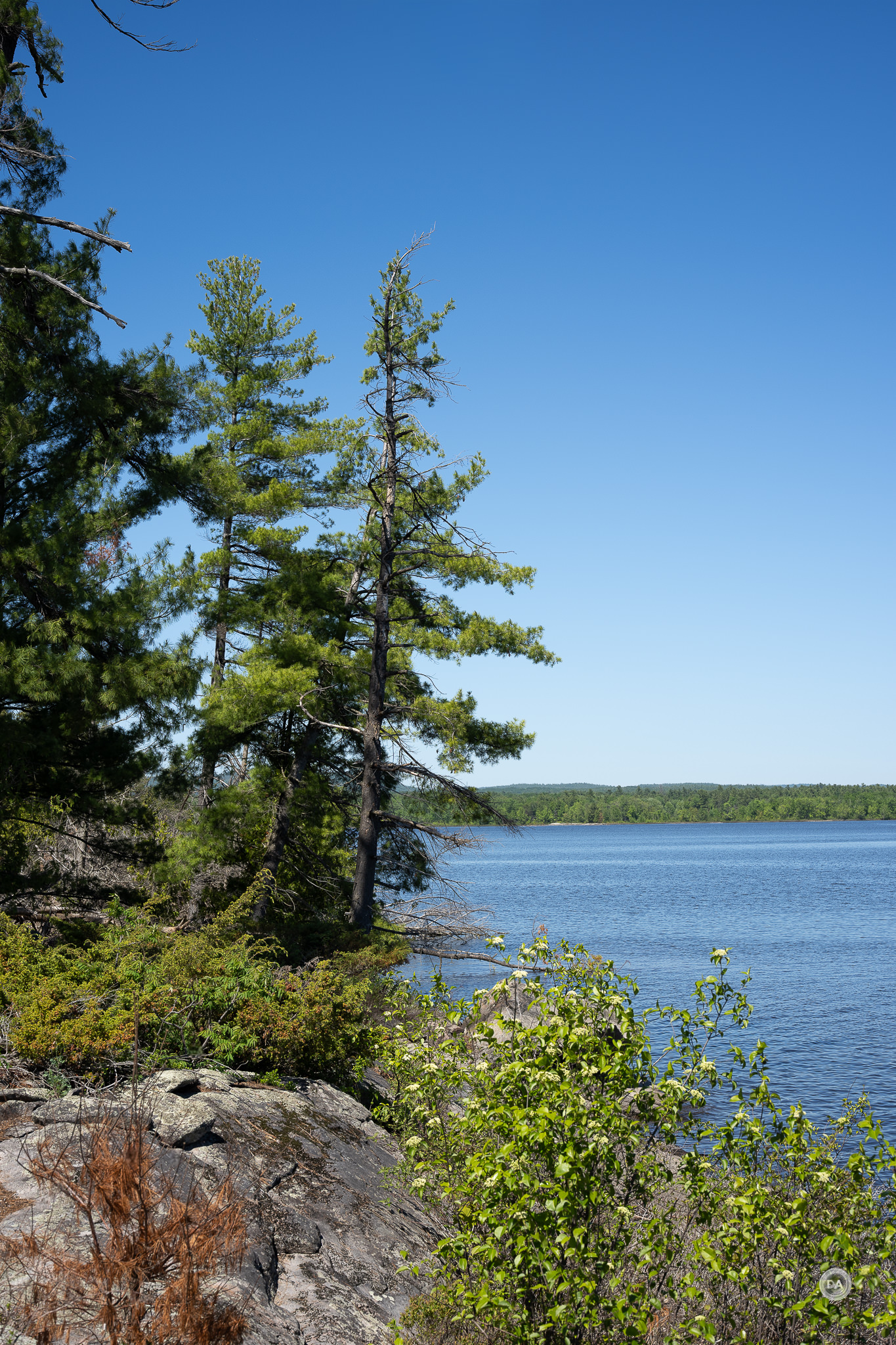
I’ve been happy with the various images that I’ve captured.
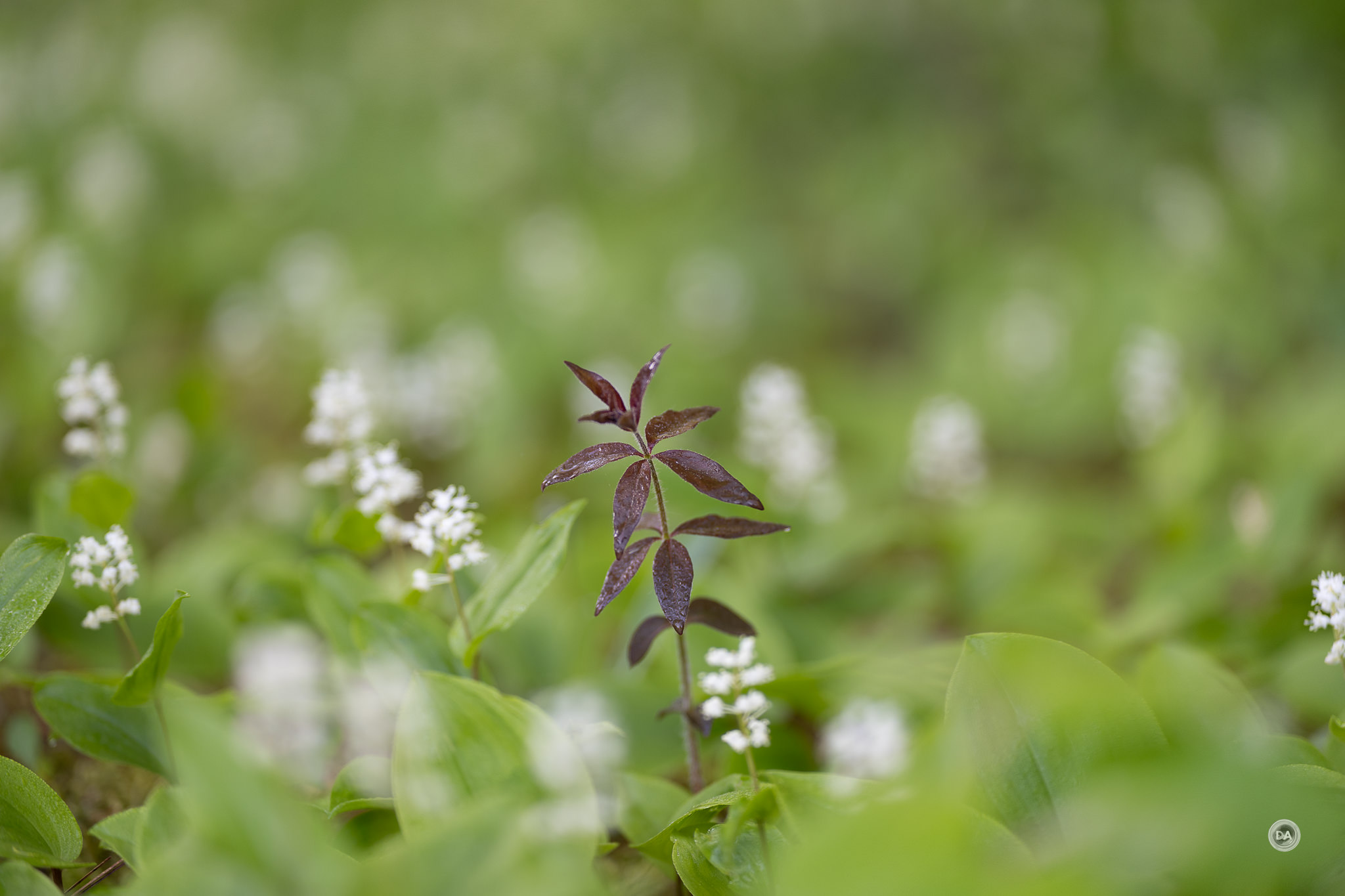
Sony has added a few new “Creative Look” color profiles, including FL2 (Film 2) and FL3 (Film 3). Here’s a look at a scene shot with FL1 (Film 1):
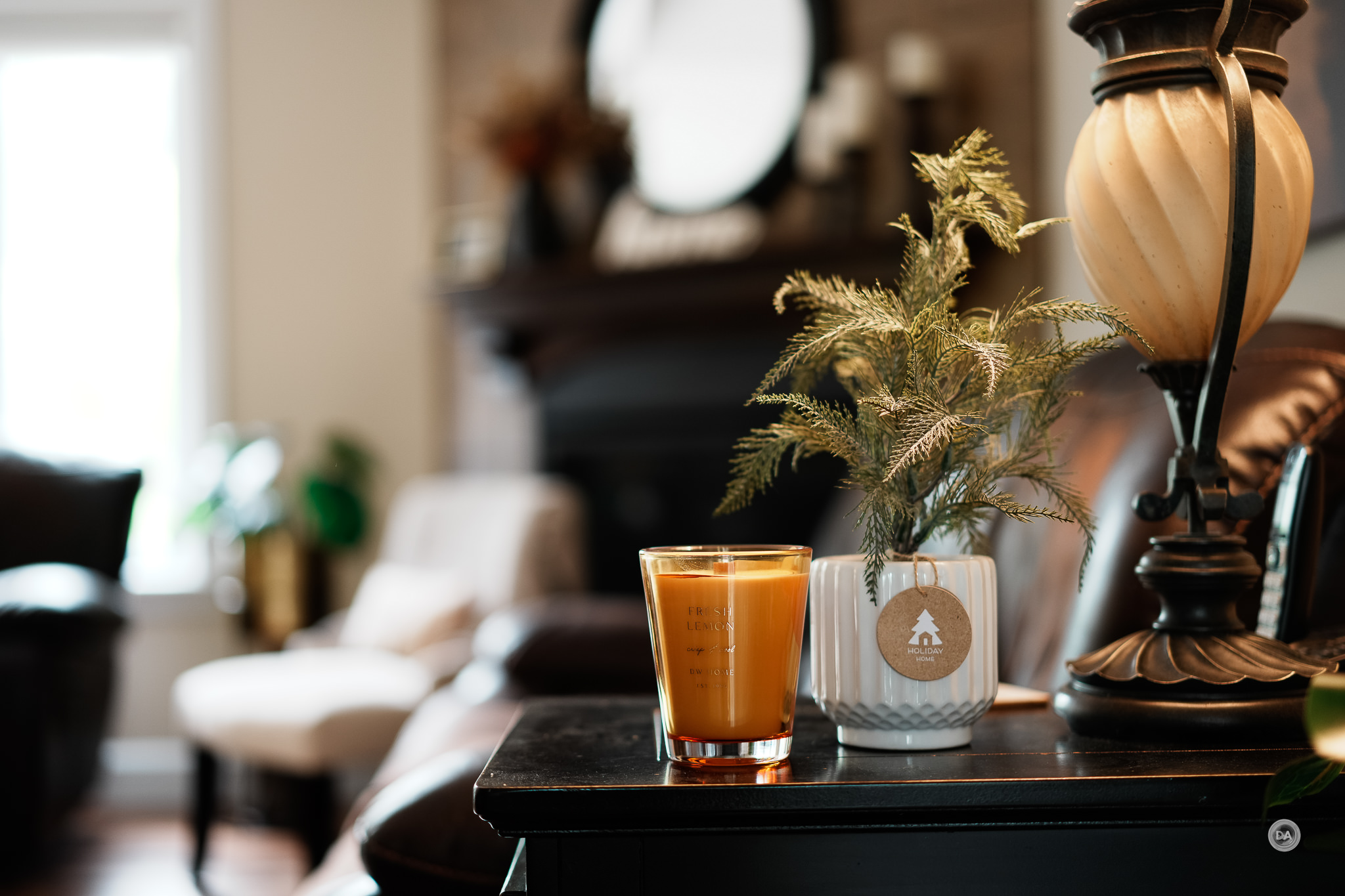
Then FL2:

And finally FL3:
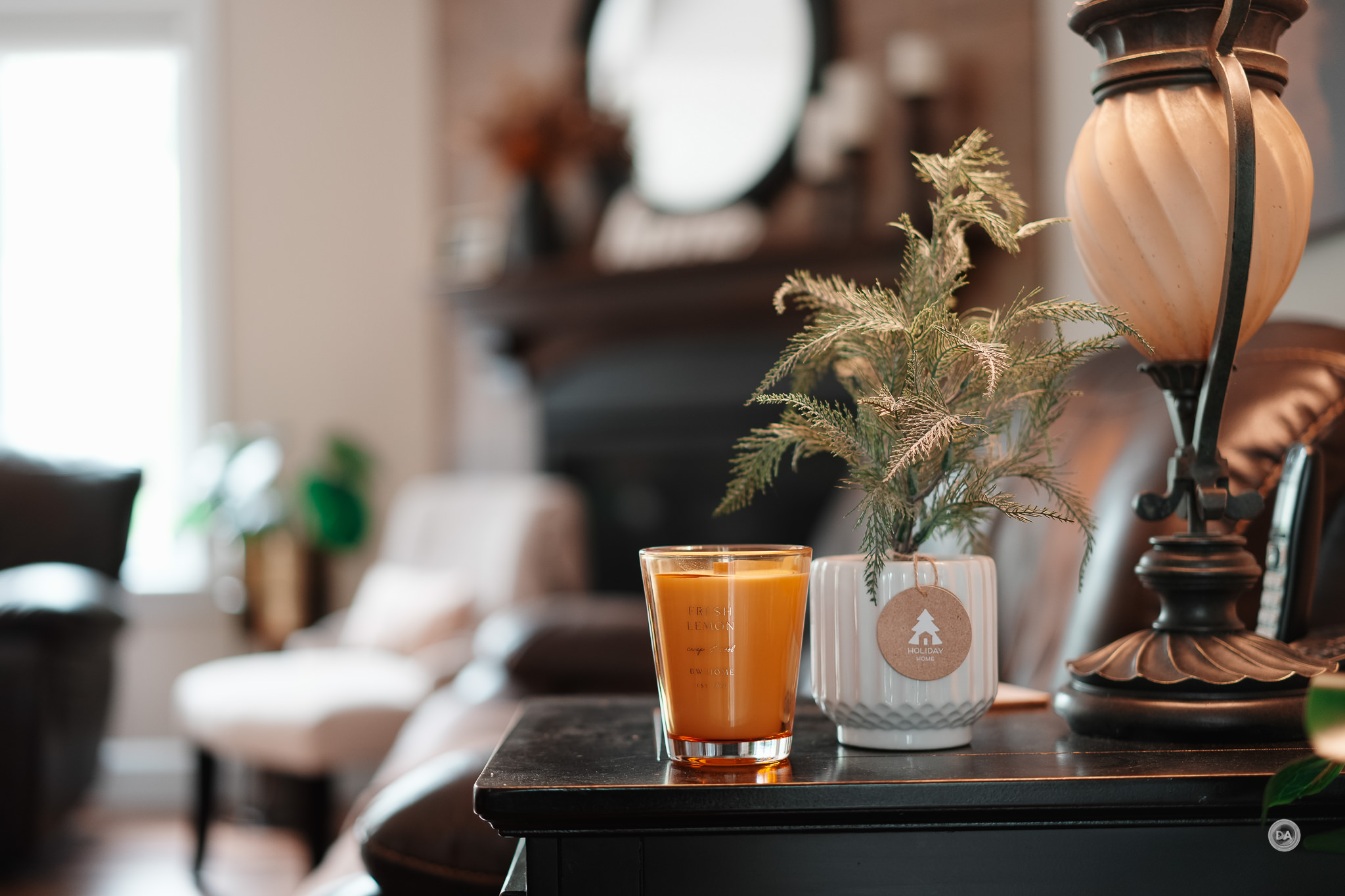
The differences are subtle but real and seem primarily focused on contrast levels and subtle tweaks to a few color channels.
This is something that I’d love to see Sony lean into more, as frankly I find their “Creative Looks” relatively bland compared to the more robust efforts from Fuji and even Nikon.
Sensor Conclusion
Sony has done it again. They have released yet another sensor that manages to advance what is a possible. We’ve got more resolution while also getting better dynamic range and even better low light performance. The sensor from the α7R VI is now the one to beat.
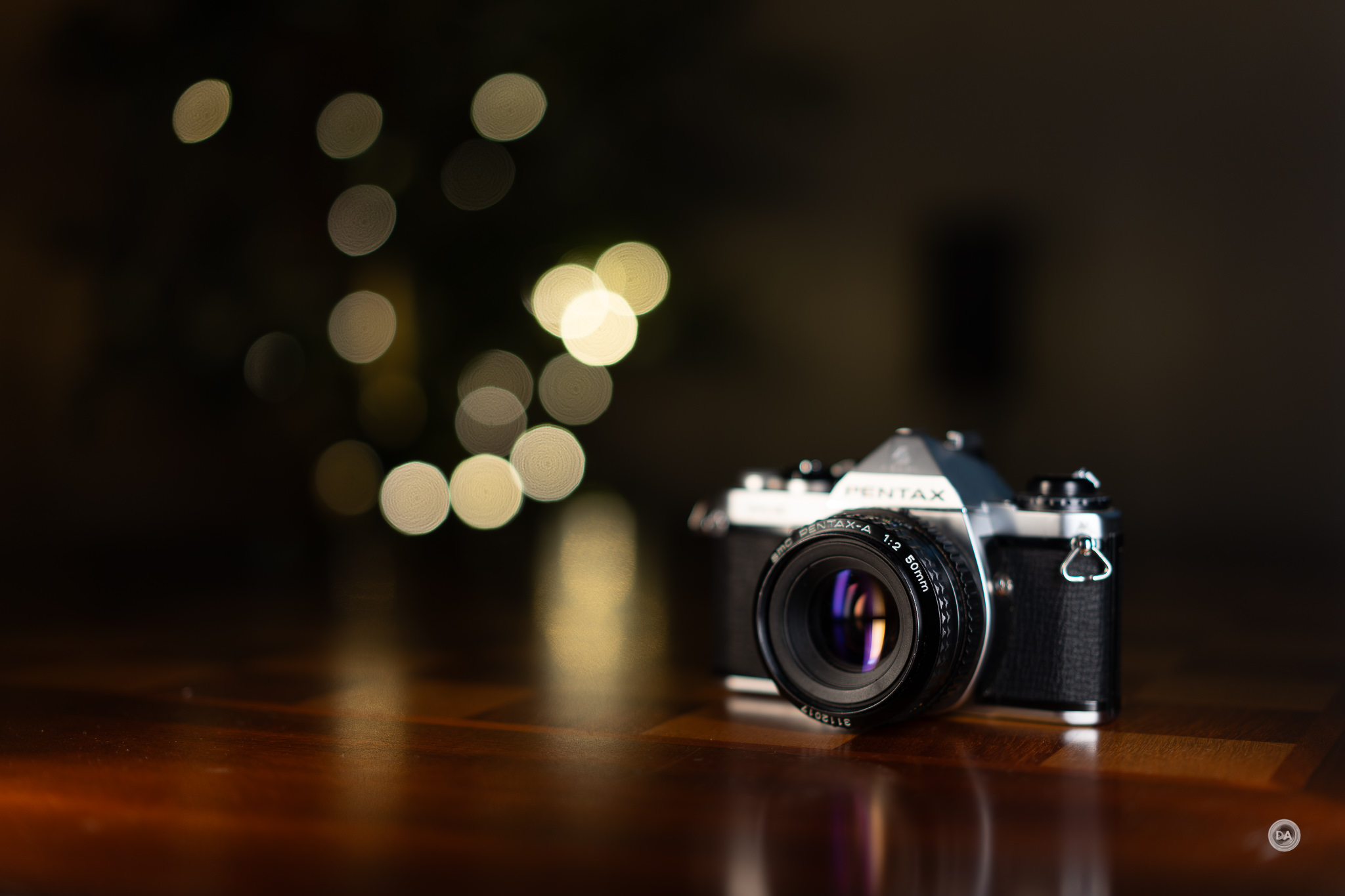
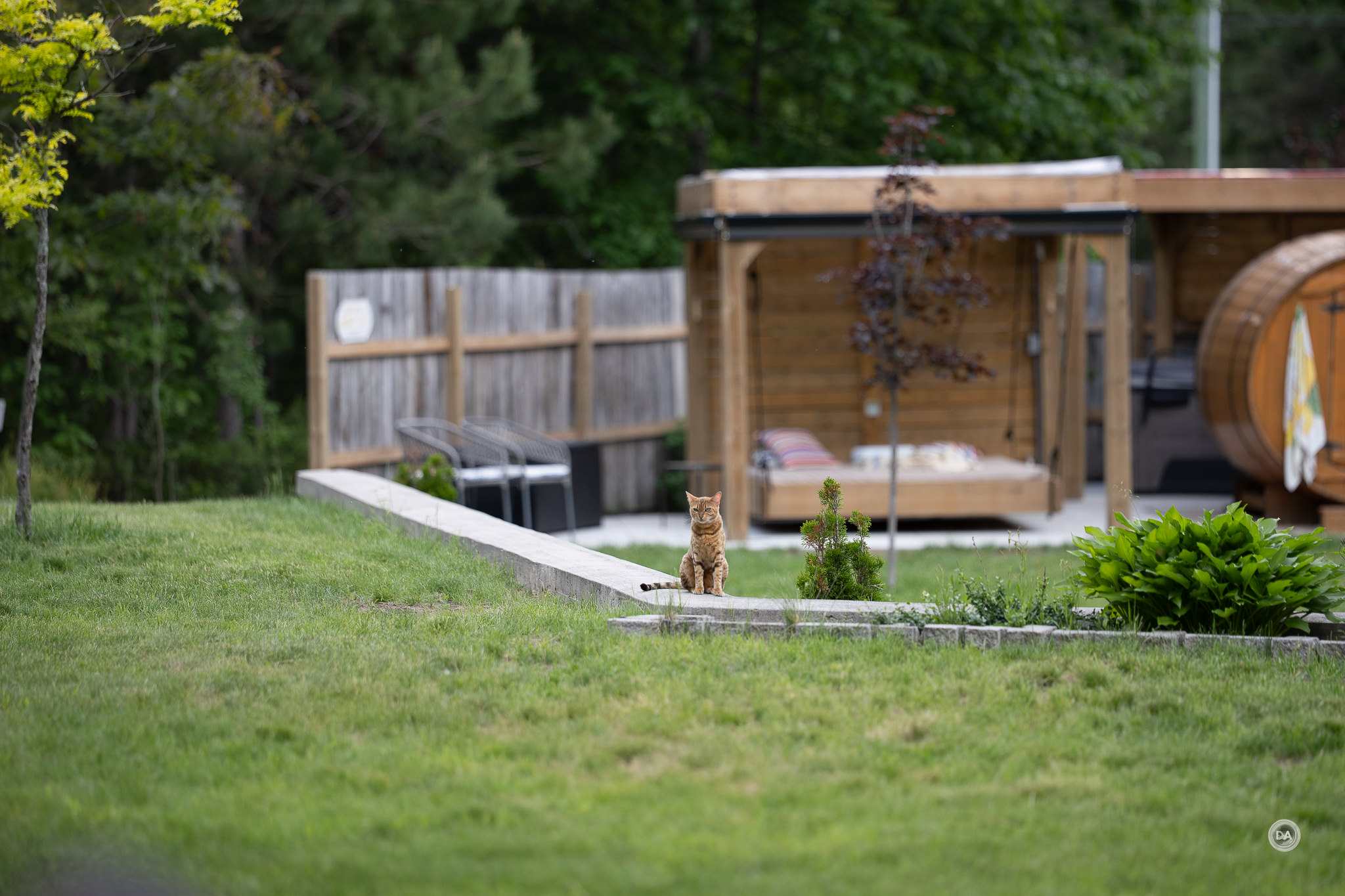
Here’s a mini-gallery of further images taken with the camera for you to enjoy
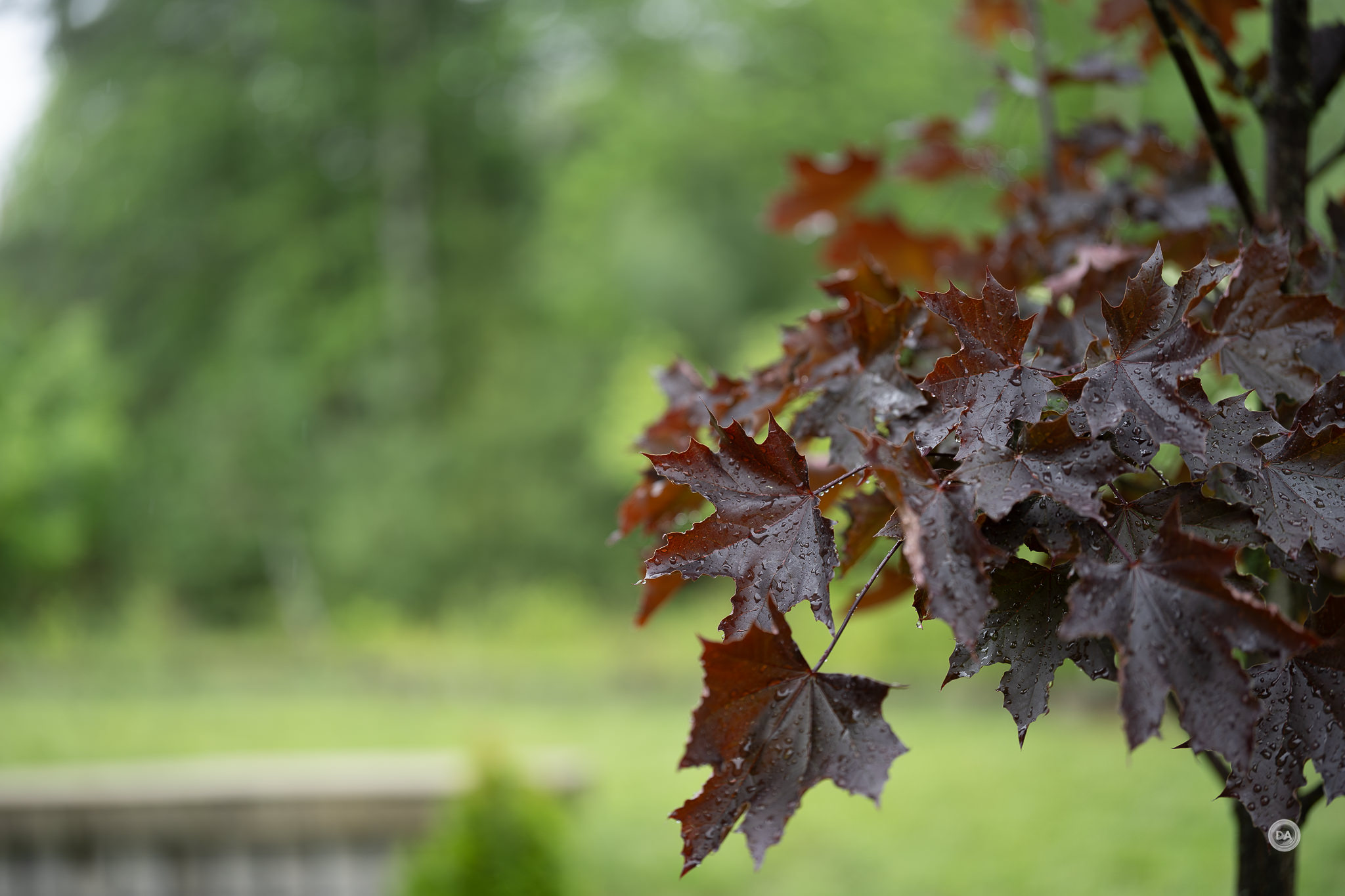

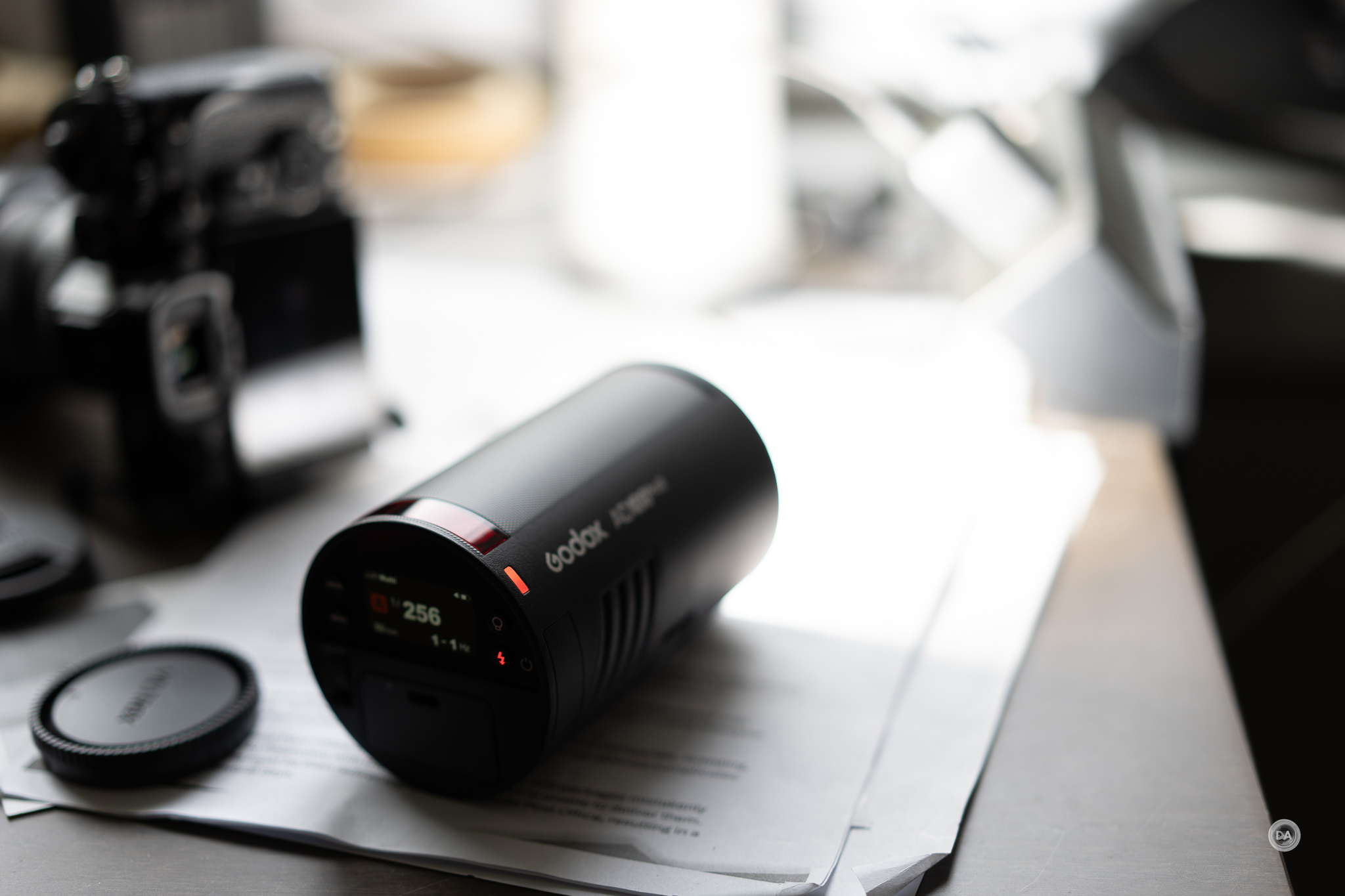





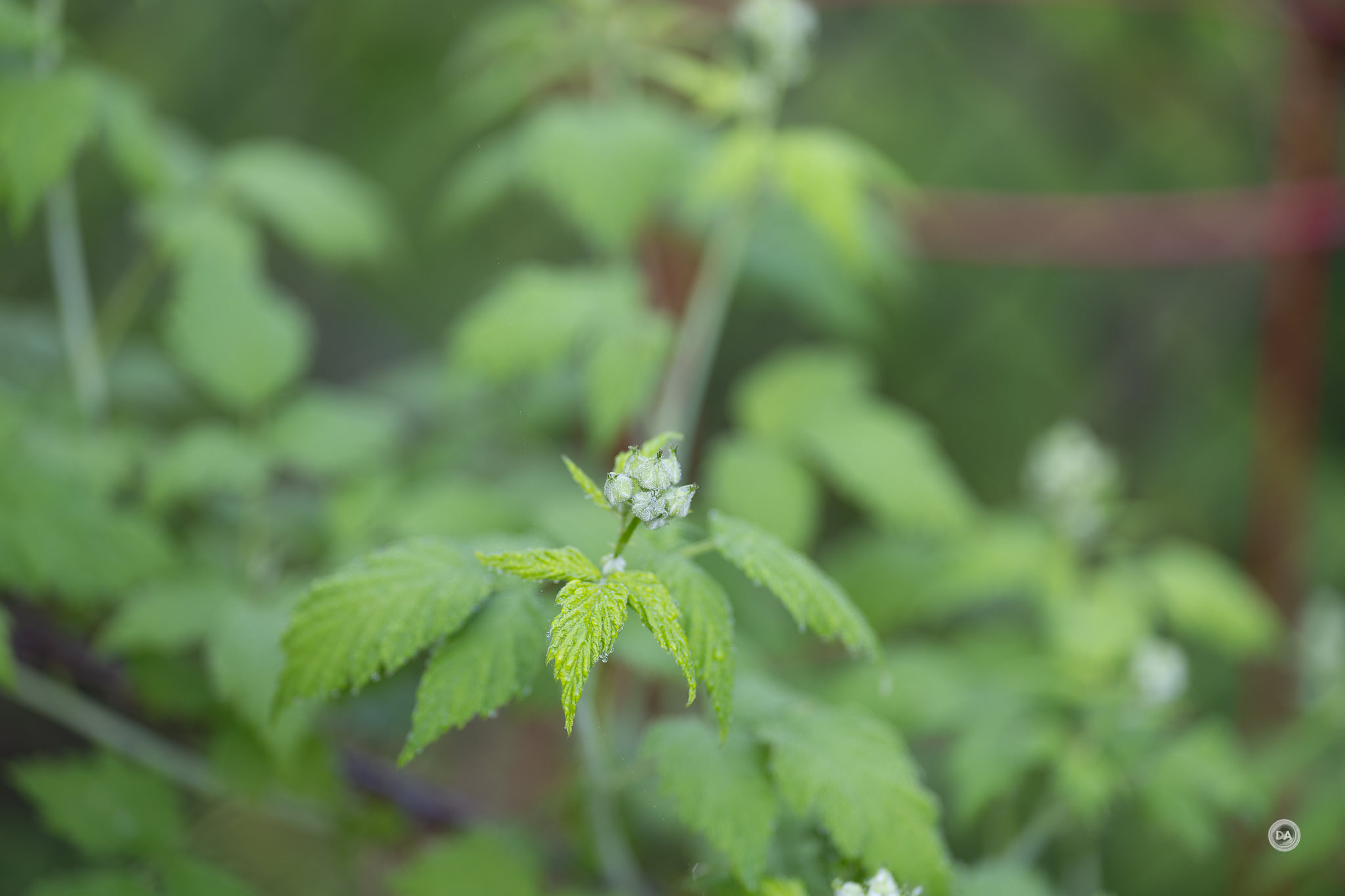




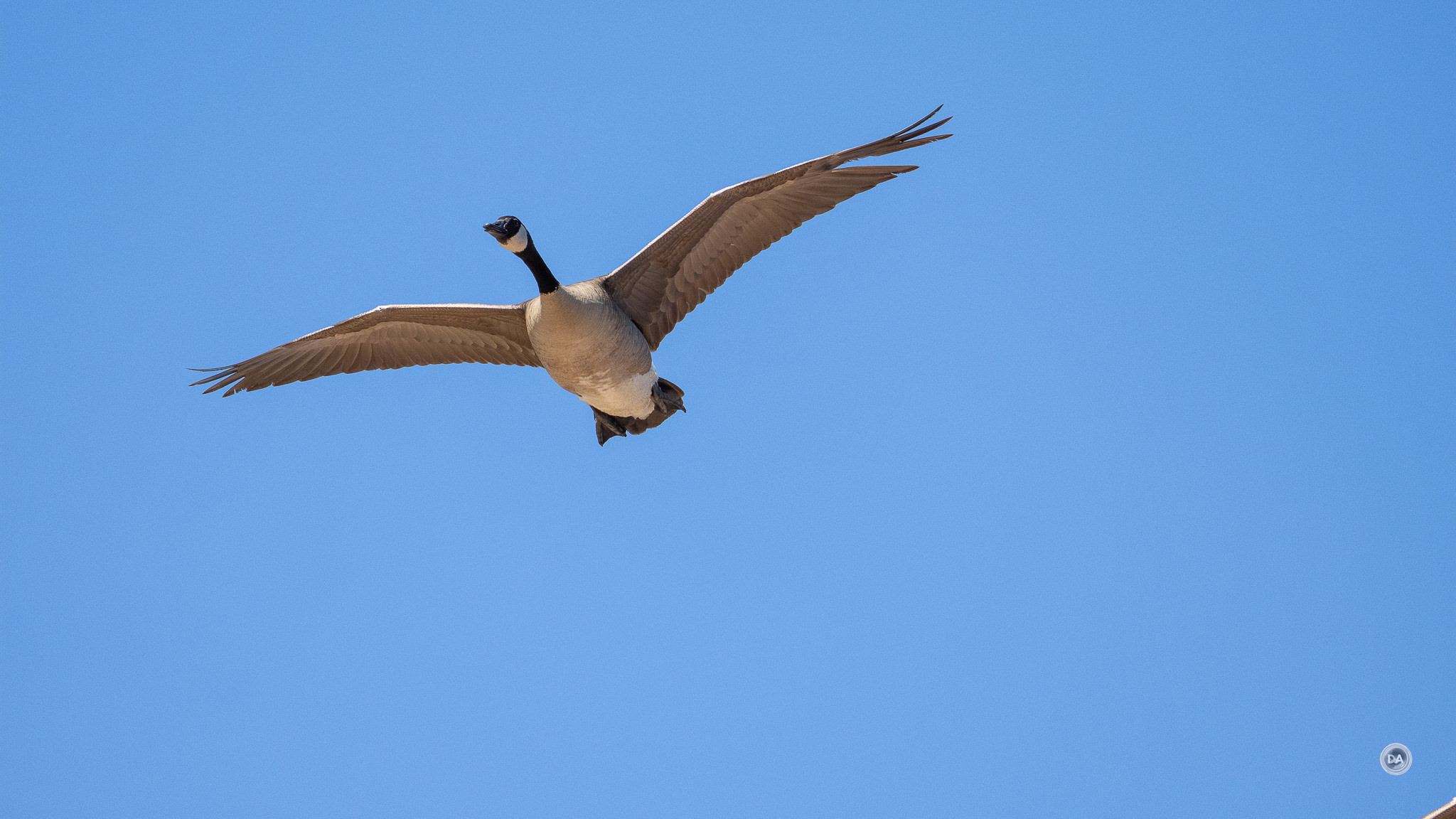




Conclusion
Sony knows how to do high resolution better than anyone, and the Sony α7R VI is Exhibit A in the defense. High resolution has many strengths, but it also comes with definite liabilities. Somehow Sony has managed to mitigate many of those weaknesses, giving us not only greater resolution but also faster burst rate, better dynamic range, and even slightly better high ISO performance.

On paper, the α7R IV is the match of a camera like the α1 II, achieving similar burst speeds and having a similar black-out free viewfinder experience, though, in reality, the faster AF calculations and deeper buffers of the α1 II leave it the high resolution sports camera champ.

But there’s no question that the Sony α7R IV pushes the series into new territory. Never before has the α7R series combined both massive resolution with speed, and for that reason the α7R VI will give most people enough of the α1 II experience that they’ll avoid shelling out an additional $2000 to upgrade further. Two thousand bucks can buy a pretty nice lens!
My biggest critique of the α7R VI is that they’ve abandoned what I thought was one of the most useful changes to the α7RV – the ability to use Lossless Compressed RAWS at lower resolution options. If anything, the α7R VI has the fewest options for RAW output that we’ve seen with the Uncompressed RAW option also axed. There are a few other small quibbles to point to, but Sony has nailed it for most part.
If you’ve liked the α7R series in the past, then most likely you’ll love the α7R VI. It’s the best combination of speed, resolution, and sensor performance that we’ve yet seen. Start saving your money!
Pros:
- High Resolution: The new 66.8MP fully-stacked Exmor RS sensor significantly enhances image detail, especially for landscapes and commercial work.
- Speed and Performance: Capable of shooting 30fps blackout-free with full AF/AE tracking, accelerating capture while maintaining image quality.
- Advanced Autofocus System: Builds on AI subject recognition for fast and accurate tracking of various subjects, including animals, vehicles, and humans, even in challenging conditions.
- Improved Battery Life: Equipped with a new higher-capacity SA-series battery, the camera boasts excellent battery longevity (600 shots via EVF, 710 via LCD).
- Enhanced Video Recording: Offers 8K 30p recording capabilities with improved dynamic range and low rolling shutter, appealing to hybrid shooters.
- Ergonomic Improvements: The redesigned grip is deeper and contoured, enhancing comfort for extended shooting sessions while retaining a familiar control layout.
- Superior Viewfinder and LCD: Features a class-leading 9.44 million-dot EVF and a versatile 4-axis multi-angle LCD, improving usability during various shooting angles.
- Robust Build Quality: Improved weather sealing and build quality enhance durability, catering to professional use in various conditions.
- Connectivity Upgrades: Includes dual USB-C ports for charging and data transfer, enhancing usability and versatility.
- Usage in APS-C Mode: Highest resolution in APS-C mode (28MP), providing versatility for users needing both full-frame and APS-C capabilities.
Cons:
- Higher Price Point: Priced at approximately $4,499, it represents a significant investment compared to its predecessor and competitors.
- Limited RAW Output Options: Abandoning certain RAW settings found in the α7R V (like Medium RAW) may disappoint users seeking flexibility in file size and quality.
- Grip Size Challenges: Although improved, the grip might still feel narrow for larger hands or when using heavier lenses, which could affect prolonged comfort and usability.
- Absence of Top-Mounted LCD Screen: Lacks a top LCD for quick reference, requiring users to rely on the main display for settings, which can be less convenient.
- Buffer Depth Limitations: Although it allows high-speed shooting, the buffer depth when shooting RAW at 30fps may fill quickly, limiting extended continuous shooting.
_________________________________________________________________________
GEAR USED:
Purchase the Sony α7RVI @ Sony USA | B&H Photo | Adorama | Amazon | Camera Canada | Amazon Canada | Amazon UK | Amazon Germany
Purchase the Sony a7V @ Sony USA | B&H Photo | Adorama | Amazon | Camera Canada | Amazon Canada | Amazon UK | Amazon Germany
___________________________________________________________________
Purchase the Sony a7RV @ B&H Photo | Adorama | Amazon | Camera Canada | Sony Canada | Amazon Canada | Amazon UK | Amazon Germany
__________________________________________________________________
Purchase the Sony a7IV @ B&H Photo | Adorama | Amazon | Camera Canada | Sony Canada | Amazon Canada | Amazon UK | Amazon Germany
_________________________________________________________________
Purchase the Sony Alpha 1 @ Camera Canada | B&H Photo | Adorama | Amazon | Sony Canada | Amazon Canada | Amazon UK | Amazon Germany | Ebay
_________________________________________________________________
Want to support this channel? Use these affiliate links to shop at: B&H Photo | Amazon | Adorama | Camera Canada | Amazon Canada | Amazon UK | Ebay | Make a donation via Paypal
Buy DA Merchandise https://bit.ly/TWIMerch

Keywords: Sony a7RVI, Sony a7R6, α7RVI, ILCE-7RM6/B, a7RVI, #a7RVI, 67MP, Full Frame, Review, Sensor, Resolution, Dynamic Range, ISO, Autofocus, Video, S-Log, Burst Rate, FPS, Review, Hands On, Dustin Abbott, Real World, Comparison, Sharpness, Autofocus, Image Quality, Sample Images, Video, Travel, Florida, Photography, let the light in, weathersealing, #letthelightin, DA, #ILCE-7RM6B
Related posts:
 Sony a7V Review
 Sony α1 II (ILCE-1M2) Camera Review
 Tamron 28-300mm F4-7.1 Di III VC VXD Review
 Tamron 28-300mm F4-7.1 VC VXD Gallery
 Tamron 90mm F2.8 Di III Macro VXD Review
 Tamron 90mm F2.8 Macro VXD Gallery
 Tamron 25-200mm F2.8-5.6 VXD G2 Review
 Tamron 35-100mm F2.8 Di III VXD Review
 Sigma 28-45mm F1.8 DG DN | ART Review
 Tamron 50-300mm F4.5-6.3 VC VXD Review