

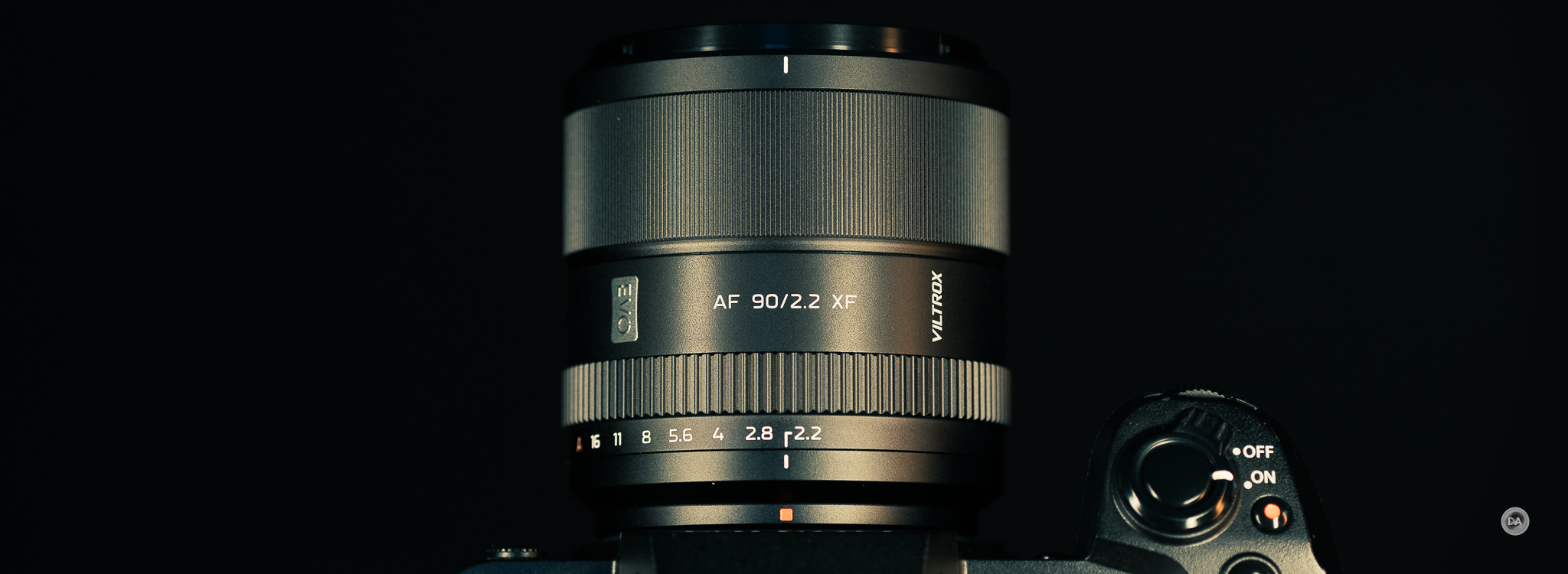
The Viltrox EVO series has hit the sweet spot for a lot of people. First came the 85mm F2, then the 35mm and 55mm F1.8 full frame options, each of which has proven to be both critical and commercial successes. I thought initially that this was going to be a uniquely full frame series, but, like the AIR and PRO series from Viltrox, we are now seeing APS-C additions to the lineup. I’m delighted to see that the first EVO lenses are longer than the typical 23-25mm, 33-35mm, and 50-56mm options we see for APS-C primes. The first two APS-C lenses for the EVO series will be a 75mm F1.8 and a 90mm F2.2 (reviewed here) option, giving us a 112.5mm and 135mm full frame equivalent field of view. Viltrox gave me a mount choice when sending me evaluation samples of the 75mm and 90mm lenses, and I knew that I wanted the 90mm in Fuji X-mount because at the end of 2019 I reviewed the direct Fuji comparison for this lens – the Fujinon XF 90mm F2 LM WR. That lens is very expensive ($1149 USD for the Fuji vs $350 for the Viltrox) and is both bigger (105mm vs 76mm in length) and heavier (540 vs 325g). That means that Viltrox definitely has some room to operate in undercutting that lens in every way. Have they succeeded? We’ll find out in the video review linked below or in this text review.
Follow Me @ YouTube | Patreon | Instagram | Facebook | DA Merchandise | Flickr | 500px | X
Thanks to Viltrox for sending me a review copy of this lens. As always, this is a completely independent review. *The tests and most of the photos that I share as a part of my review cycle have been done with the Sony a7RV and the Sony A1 II. You can find the listing for the EVO 75mm F1.8 here.
__________________________________________________________________________________________________
Viltrox EVO Series Lens Reviews
APS-C Series
Full Frame Series
___________________________________________________________________________________________
AI SUMMARY: The Viltrox EVO series, including the newly released 75mm F1.8 and 90mm F2.2 lenses, has quickly gained popularity among photographers due to their excellent build quality and optical performance. The 90mm F2.2, specifically designed for APS-C cameras, offers a 135mm full-frame equivalent focal length and competes favorably against pricier alternatives like the Fujinon XF 90mm F2. Despite some limitations in autofocus performance, particularly on Fujifilm bodies, the lens is lightweight, compact, and delivers remarkable image quality. Overall, the EVO series lenses represent a significant value, providing high-quality options for those looking for budget-friendly telephoto alternatives.
Strengths:
- Excellent optical performance with sharpness and minimal distortion.
- Compact and lightweight design, making them ideal for travel and gimbal use.
- Cost-effective compared to premium brands, offering great value for photographers.
- Robust build quality and similar features across the EVO series lenses.
Weaknesses:
- Autofocus performance can be inconsistent on Fujifilm cameras, potentially affecting critical shots.
- Some features are “dumbed down” for compatibility with Fuji systems, which may disappoint users.
The Fuji XF 90mm F2 has a slighter brighter maximum aperture (F2 vs F2.2, or one-third stop brighter), a closer minimum focus distance (60cm) and a higher maximum magnification (0.20x vs 0.14x), and a slightly more robust weather sealing (though both lenses have some weather sealing). But it also costs more than 3x as much, making the Viltrox look very, very appealing, particularly when it can create images like this:

Viltrox continues to leverage the same basic housing for each of the lenses in this series thus far, which not only saves them money but also is helpful to consumers. All of the lenses have a common 58mm front filter thread, have the same feature set, and have features and buttons in the same position. They have a similar size and weight, making them easy to swap for gimbal use. And, what’s more, all of the EVO lenses thus far have been pretty special optically. No, they aren’t as bright as the fast Pro (F1.4) or LAB (F1.2) series, but each of them has packed a serious optical punch.

The EVO 90mm is unquestionably one of the special ones of the series, in part because it has the longest focal length thus far and thus the highest compression of the backgrounds, making for the ability to get more background blur and more subject isolation.

I suspect that the EVO 90mm is going to be a very enticing lens for Fuji shooters who are interested in experimenting with a longer focal length but don’t want to pay the high price for the Fujinon lens, and also Sony E and Nikon Z-mount shooters who haven’t really had a lens like this available to them. Let’s take a closer look at whether or not you should consider one yourself.
Viltrox EVO 90mm Build and Handling
The EVO 90mm F2.2 is designed specifically for APS-C cameras, and Sony, Fuji, and Nikon APS-C cameras all sport a 1.5x crop factor. That means that the effective focal length is a 135mm full frame equivalent. The maximum aperture of F2.2 will let in the same amount of light on either full frame or APS-C, as this is a measurement of the size of the physical aperture. When it comes to depth of field, however, the crop factor is impacted. The effective aperture for depth of field is more like F3.3 on full frame, meaning that you’ll get a slightly deeper depth of field with this lens than you would with a full frame 135mm F2.8. That still means quite a shallow depth of field, however.

I absolutely love the formula Viltrox has chosen for this new mid-level series, as it checks just about all the boxes for me…at least on Sony and Nikon. Fuji users are going to have to deal with a stripped down feature set, however, for the simple reason that Fuji cameras don’t support the full range of features that other platforms have. That includes the ability to choose between having a clicked or declicked aperture, meaning that the aperture will only be clicked here (like other Fuji lenses).
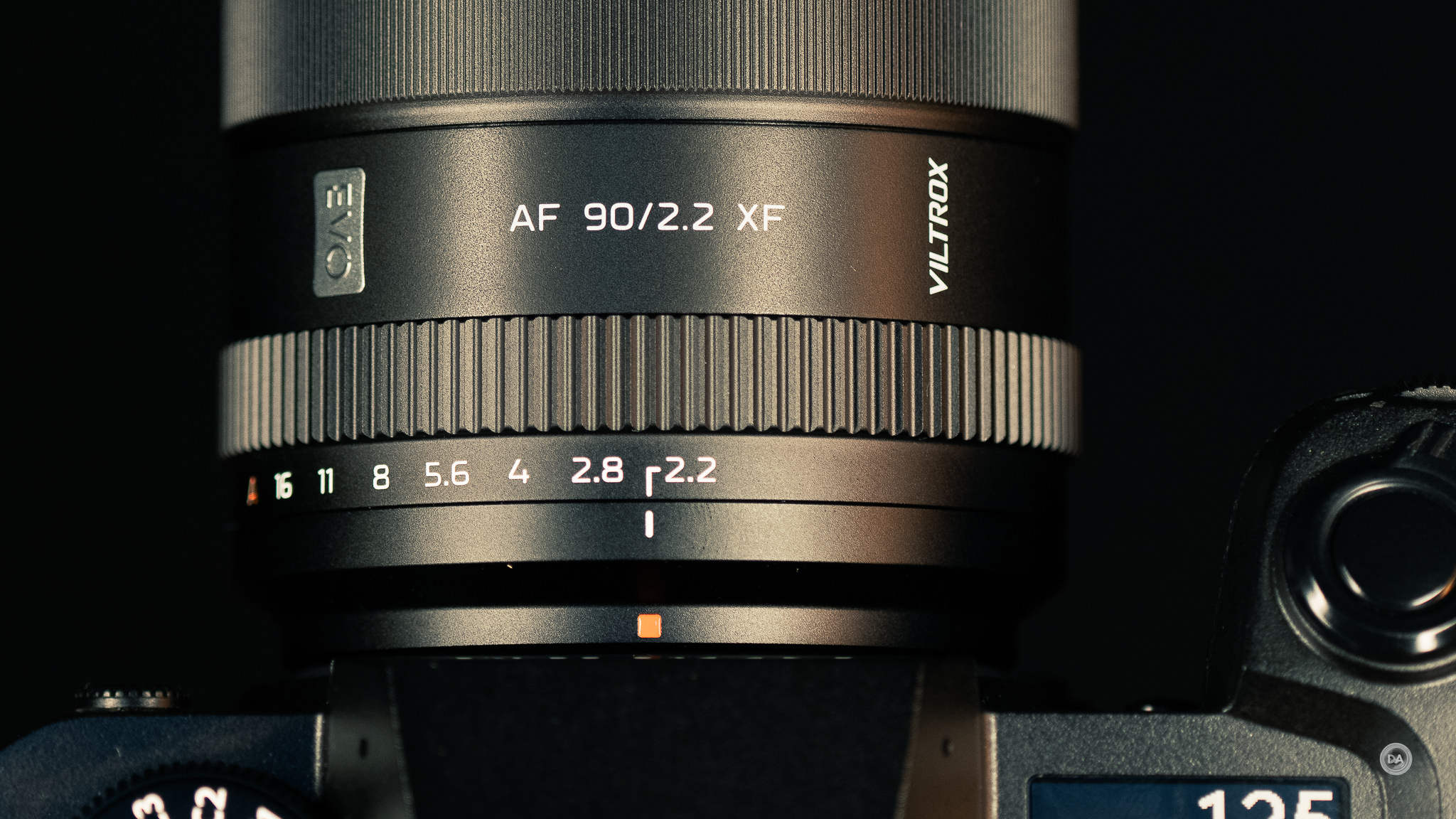
The aperture ring works perfectly here, with markings at the one third stop positions and light detents at those places if you have the “clicks” on. There is a firmer detent between F16 and the A (automatic) option which will allow aperture to be controlled from within the camera.
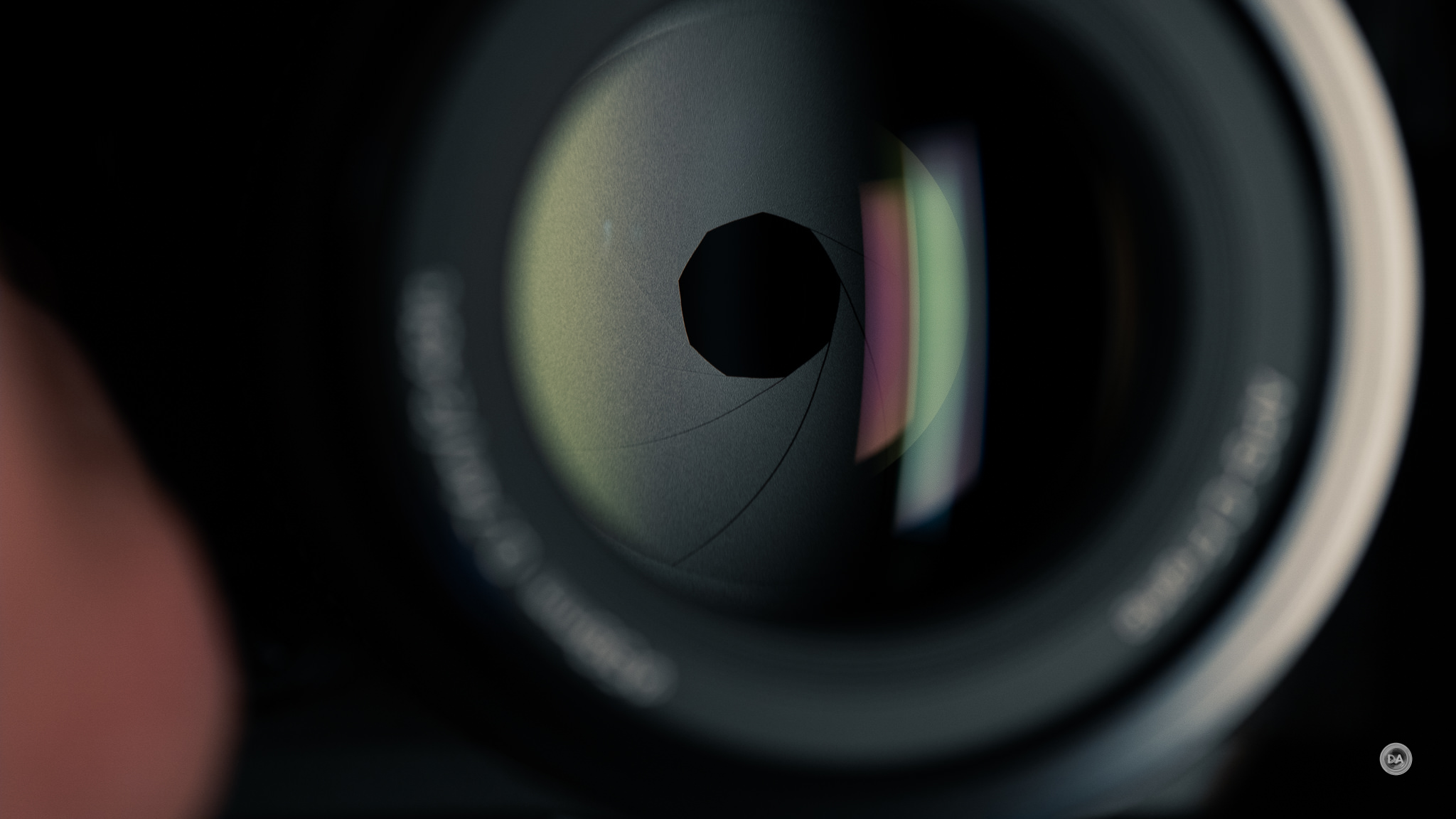
The iris itself has 9 aperture blades, and these make for a nicely rounded aperture (though with a slight outline of the blades) even when stopped down a fair bit. Here’s what the bokeh geometry looks like at F2.2, F2.8, and F4:


The ability to declick the aperture is not the only missing feature, however. A quick visual comparison with the 75mm F1.8 in E-mount shows some other missing features.
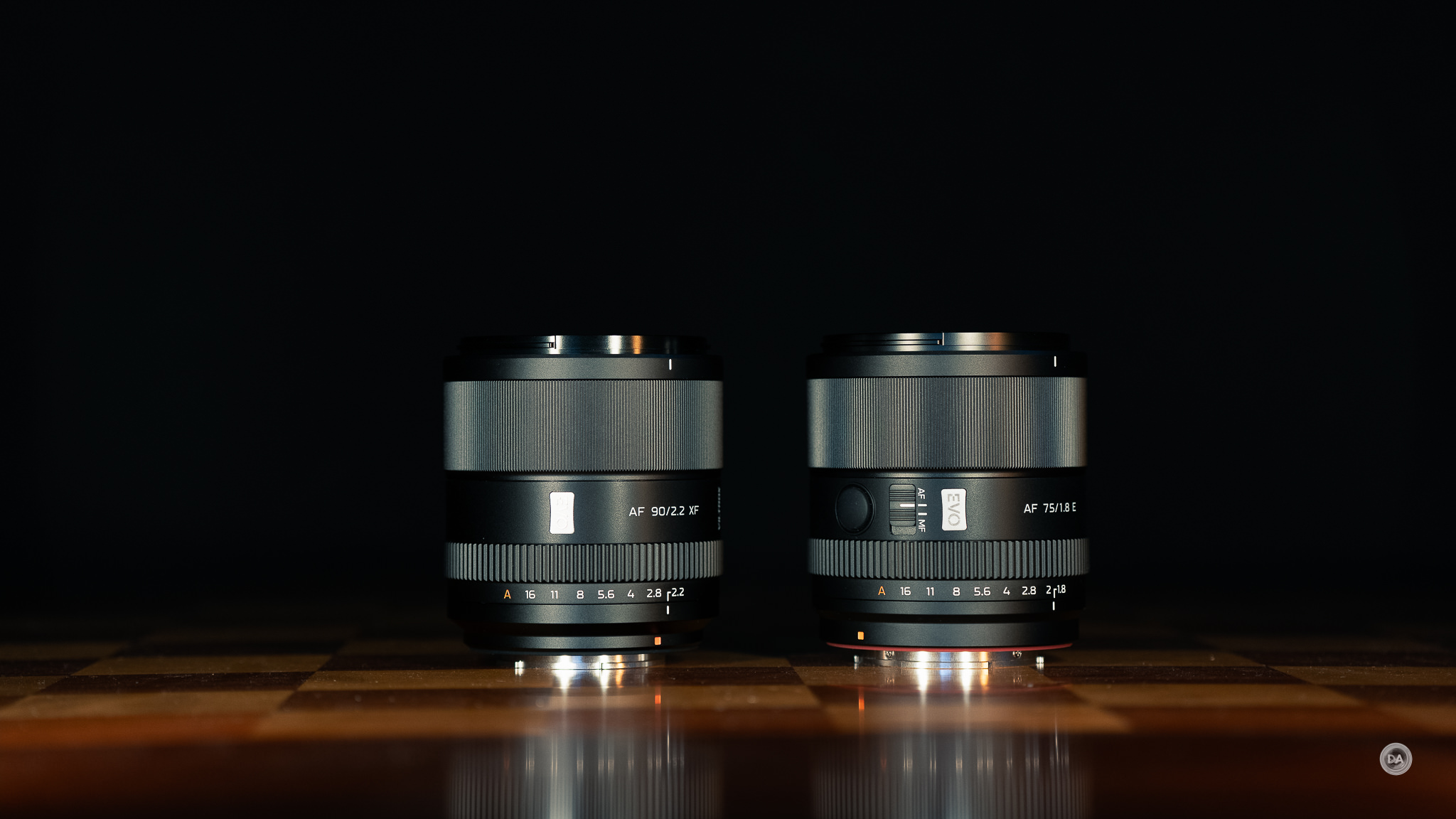
Fujifilm camera don’t support the use of a custom button or a lens-based AF | MF switch, as that is often controlled from a toggle on the camera body itself (though not all Fujifilm cameras are so equipped.). That means that the left side of the lens looks a little barer than usual.

Now, to be clear, this is not representative of the EVO 90mm F2.2 uniquely, but rather any of the EVO lenses in Fuji X-mount. Sony E-mount and Nikon Z-mount version of the EVO 90mm will have all of the typical EVO feature set. Viltrox actually included its full feature set in the PRO series 75mm F1.2 (the first high-end lens they released on Fuji), but dropped those features in subsequent lenses because the features actually created a few glitches due to not being fully supported on the platform. It is a bit of bummer to not see those missing features here, however, and I do miss them. In fairness, however, this is the exact same feature set as the premium XF 90mm.
There is a 58mm filter thread up front, which is shared across all the EVO lenses thus far.

Viltrox is clearly leveraging a common form factor as they have with some of their other series, with all the lenses in the EVO series sharing exterior dimensions and features, with the only variation being in the size and shape of the lens hoods.
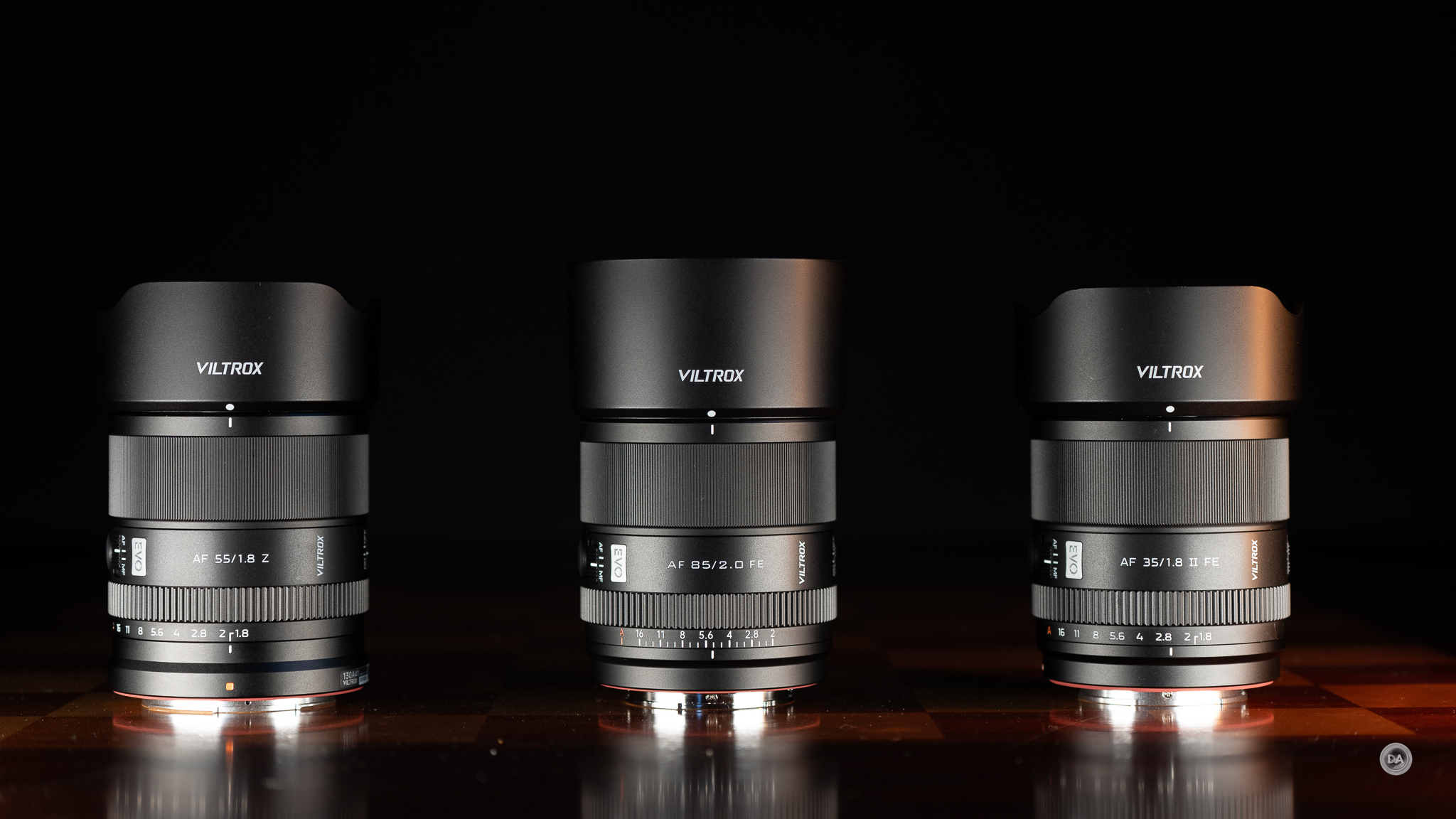
The lens hood here is the PL-122A, which is shared across the other telephoto options like the 75mm F1.8 and the 85mm F2 full frame lens.

The lens hood fits tightly and snaps very definitely into place. Ironically this is a nicer lens hood that fits better than the Fuji 90mm F2 that I tested. Along with the lens hood, a small pouch is included.
Like the other EVO lenses, there is no mention of weather sealing in the packet that they sent me, though I do see a weather sealing gasket at the lens mount and the information packet does mention a special coating on the front element to resist moisture and fingerprints.
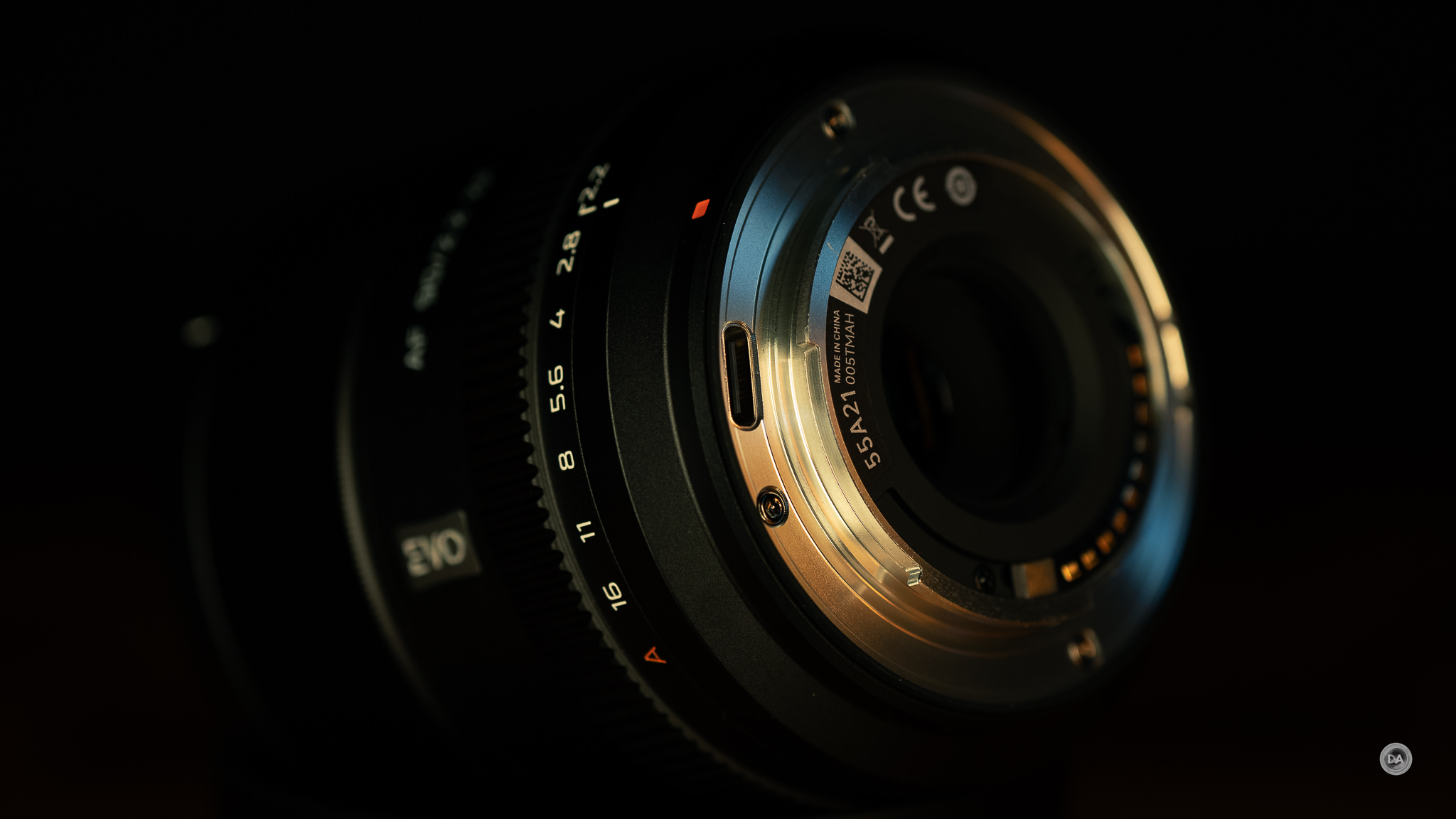
I was curious if these were the only seal points, but when I reached out to Viltrox, they shared this cutout with me.
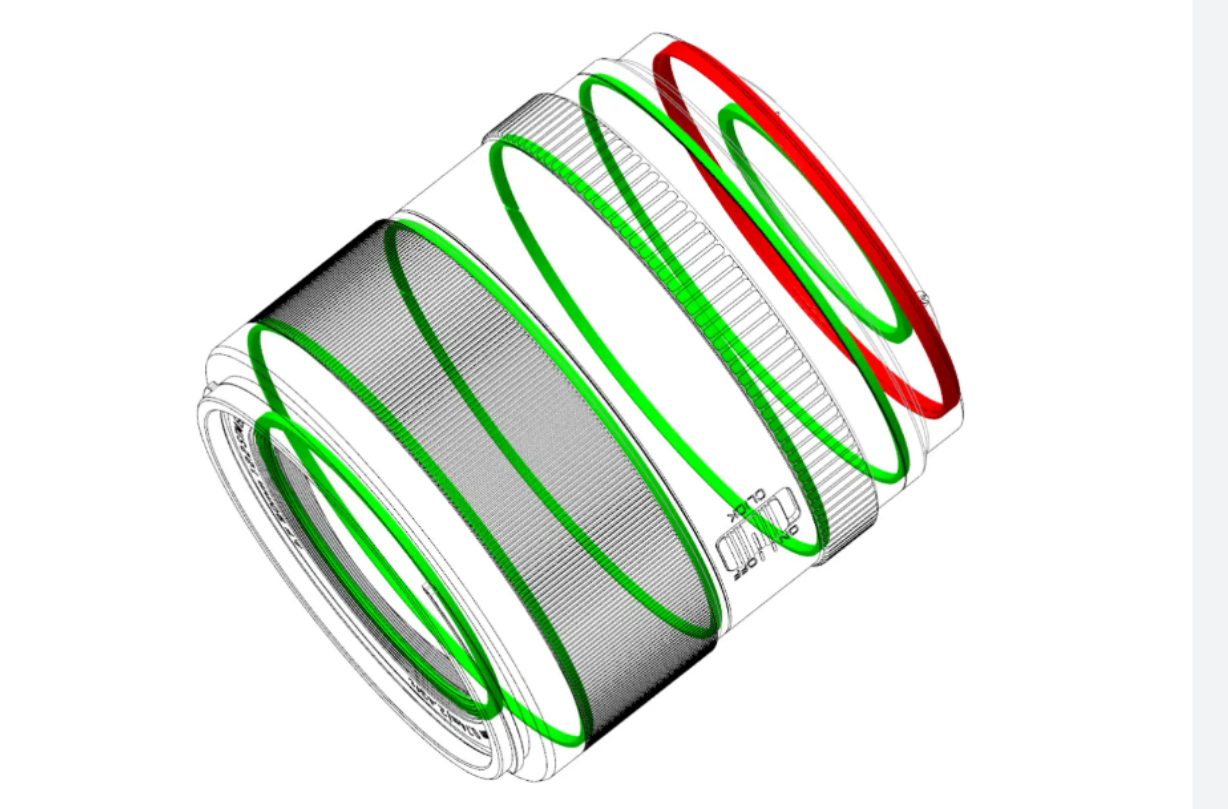
I was shocked, because I count seven seal points in there, which is better than expected. Viltrox told me that those internal seals are felt rather than rubber, but even getting the basic rubber gasket plus some form of internal seals at this price point is impressive. The gasket here is black rather
You probably also noted the USB-C port in the lens mount that allows you to do firmware updates right to the lens. I’m a fan of this approach, as it eliminates the need for a separate dock or lens station for firmware updates, and I find the process a little more intuitive than even doing firmware updates through the camera. Viltrox gives you a variety of ways to do the firmware updates. Here’s the screen I got before doing a firmware update via their PC app.
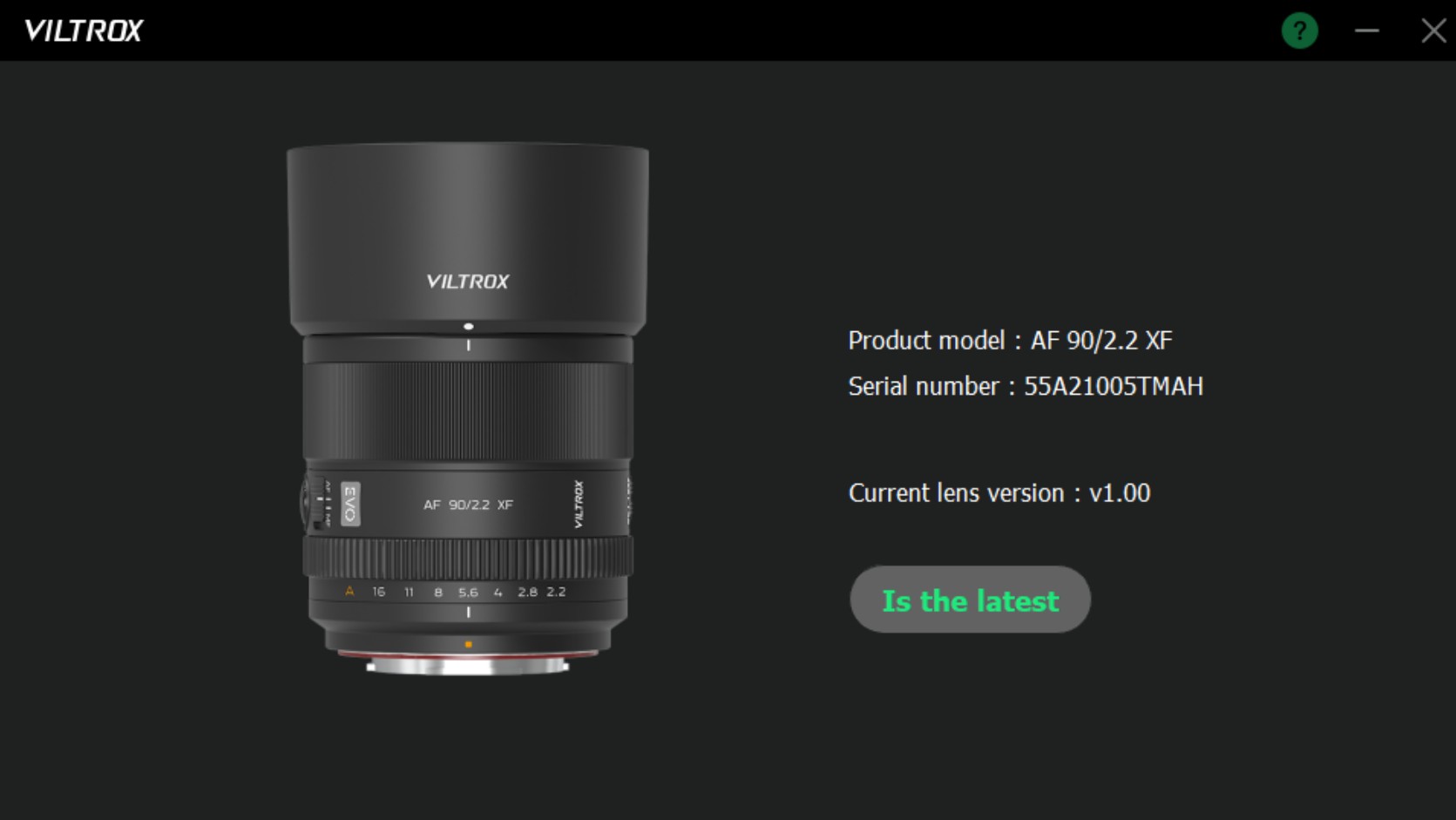
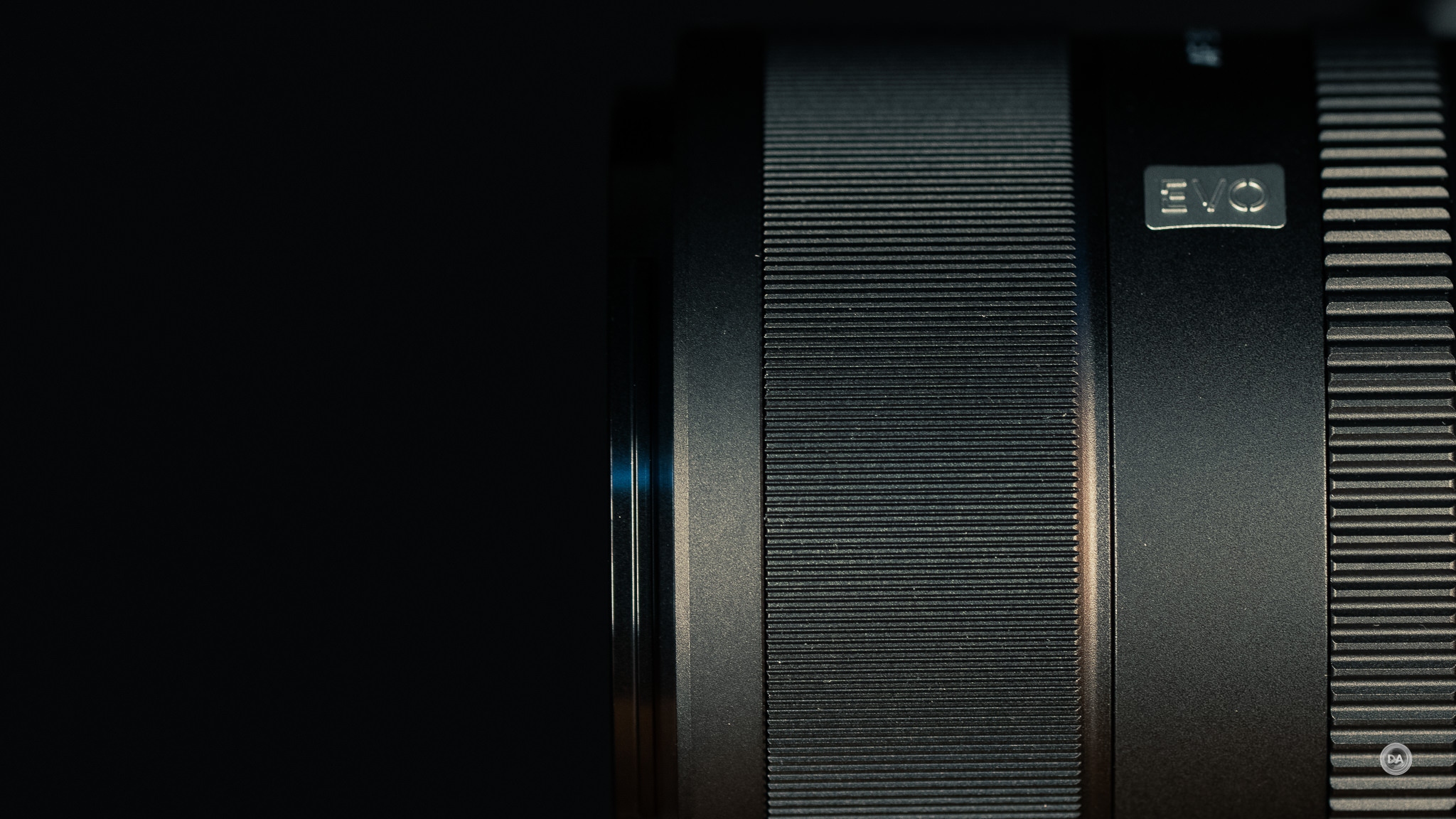
The build materials feel like they fall somewhere between the AIR and PRO series. The body is engineered plastics rather than the magnesium-aluminum alloy found in the PRO series, but the finish is more upscale. It’s a great looking little lens and frankly doesn’t feel any cheaper than the premium Fujinon XF 90mm F2 LM.
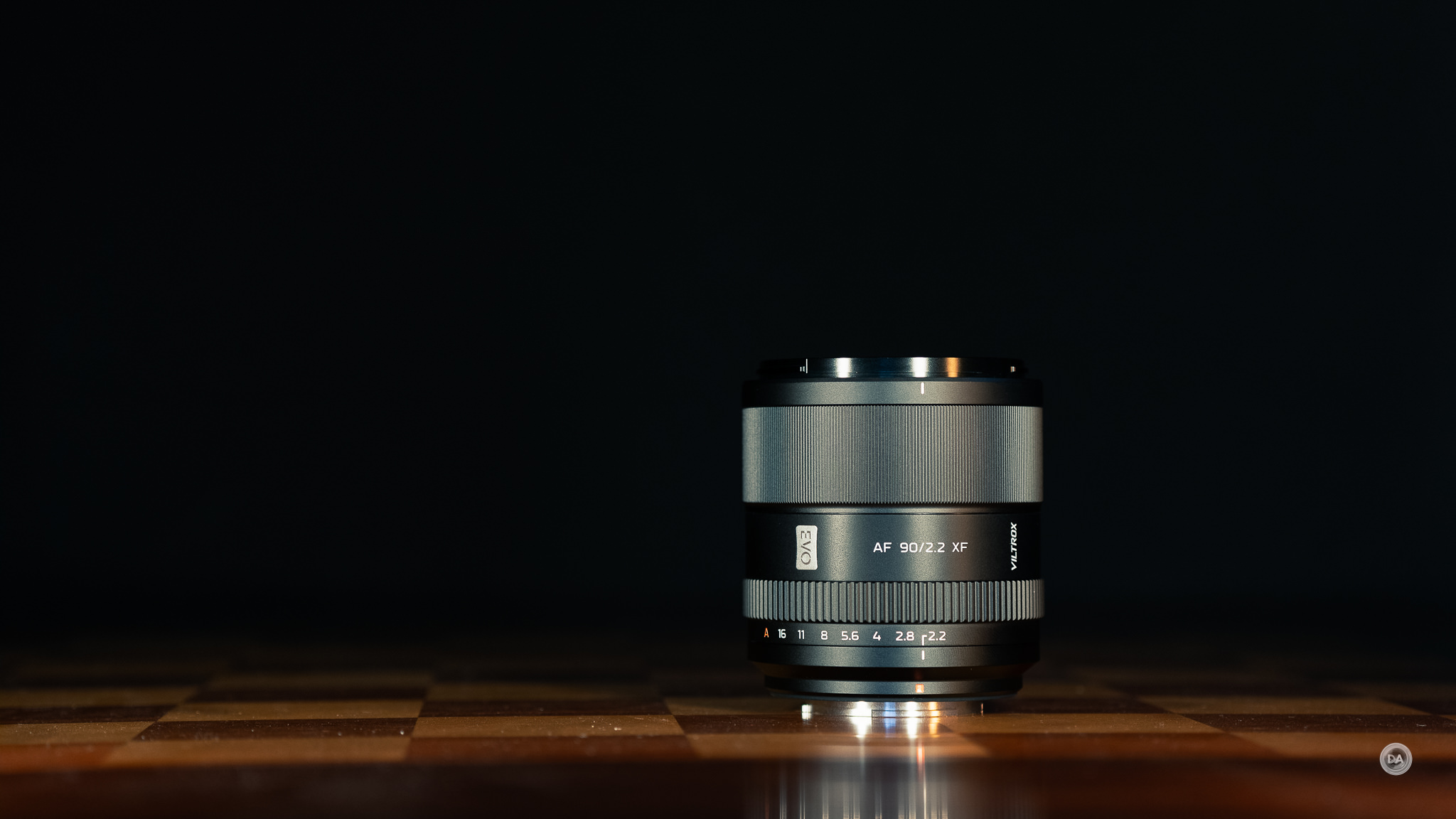
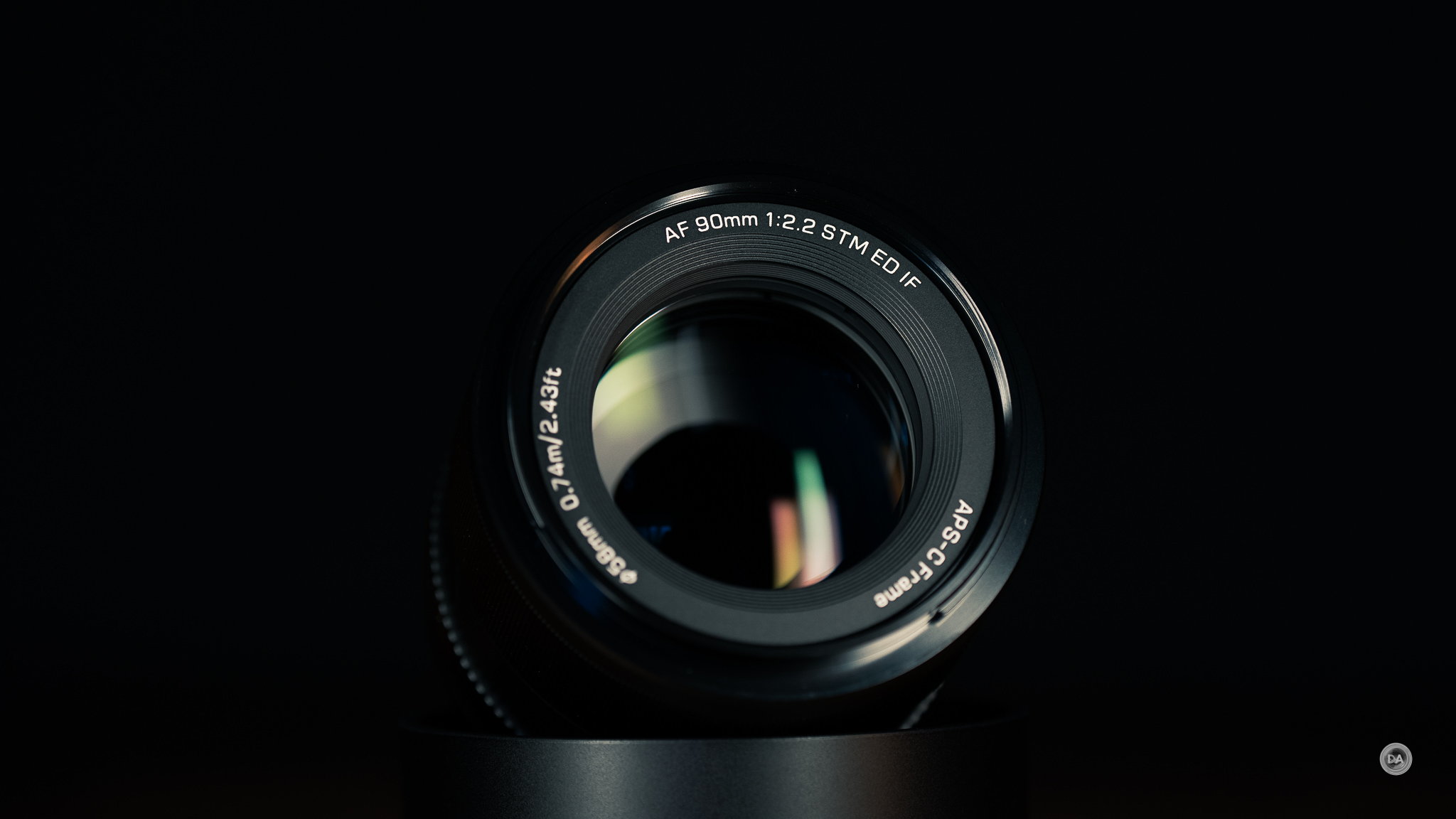
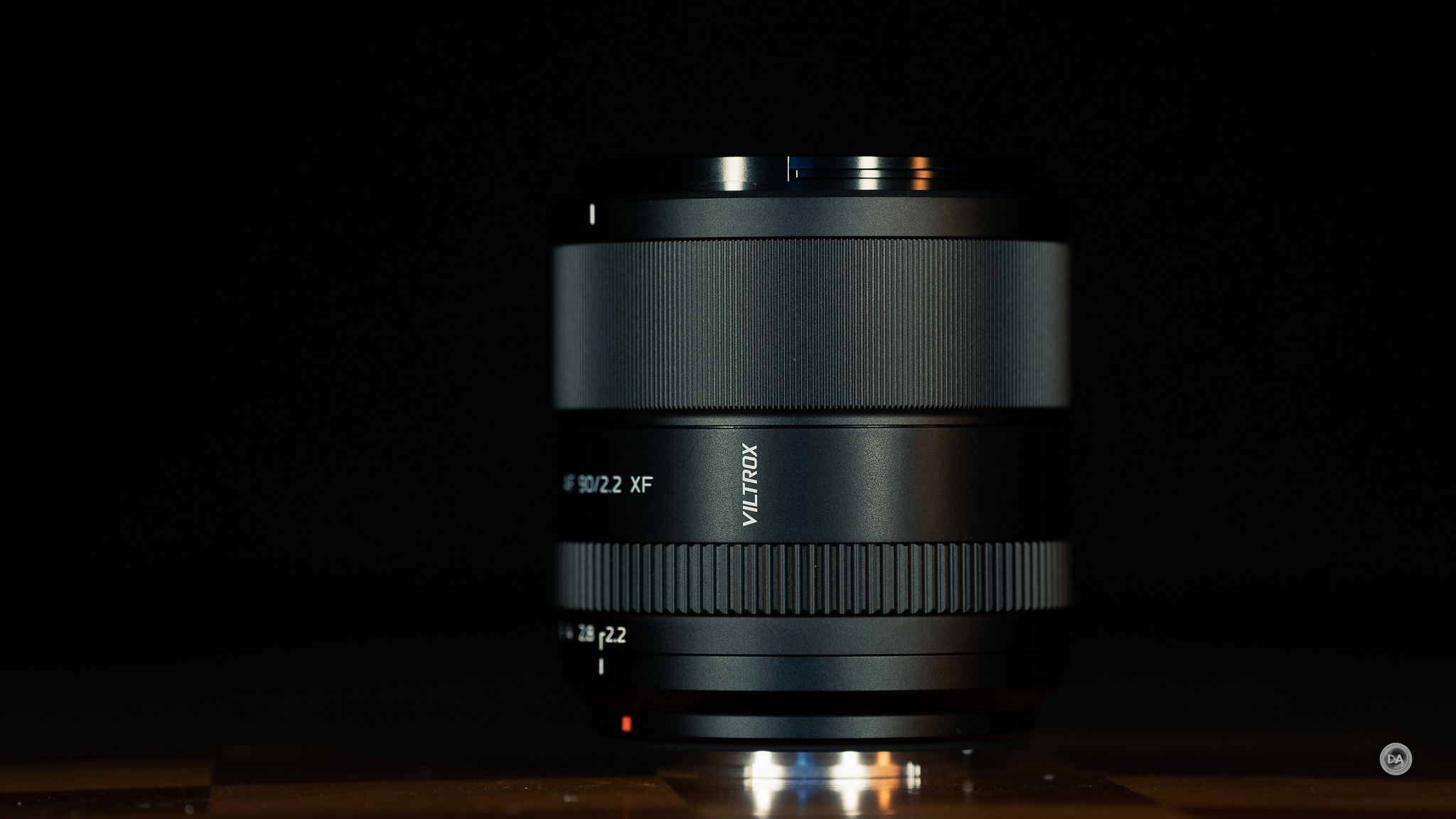
This is an extremely nice build quality for this price point.
There is no lens based stabilization, so you will need to rely upon the in-camera stabilization if your camera is so equipped. Back when I reviewed the XF 90mm F2, the number of IBIS-equipped Fuji cameras was pretty limited, and the X-T3 I used for the review wasn’t one of them. I definitely had some issues with motion blur. Fortunately my X-H2 today does have IBIS, so I benefitted from more stable results during my review of the EVO 90mm.
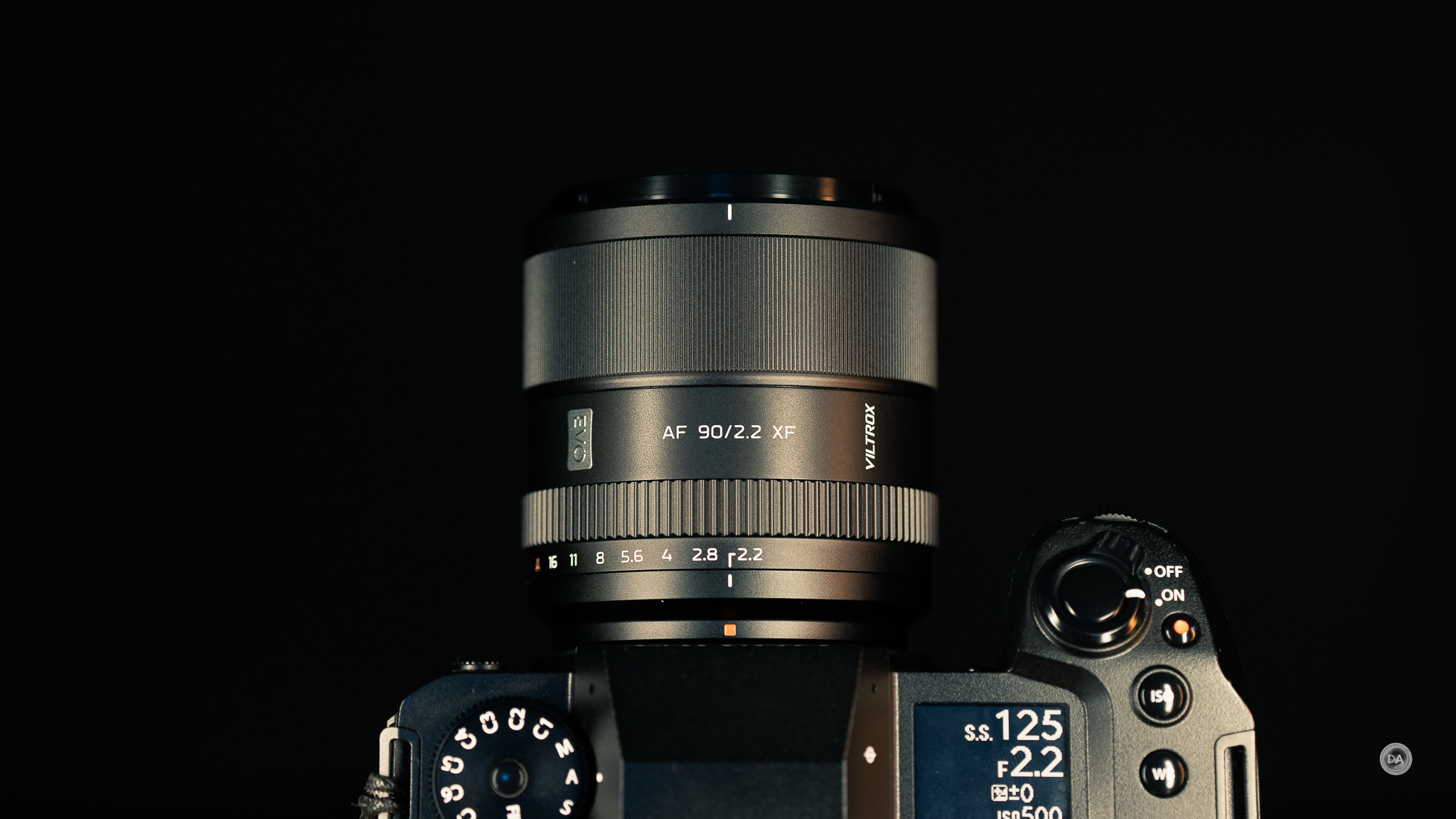
The EVO 90mm is a moderately lightweight lens that really undercuts the Fujinon lens in size and weight. A maximum aperture of F2.2 is unconventional, but that’s the largest that Viltrox could go while maintaining the size constraints of the EVO series. The lens is 69mm (2.71″) in diameter by 76mm (2.99″) in length (just like the other EVO lenses). The weight of 325g (11.46 oz) is a whopping 215g less than the 540g of the XF 90mm. The Z-mount version is 2mm longer (78mm) and weighs 345g (12.16 oz) due to the extra length and larger mount diameter. The size and weight of the Viltrox is radically smaller than the Fuji despite the just one-third of a stop difference in maximum aperture.

The manual focus ring is tightly ribbed and moves nicely. It has a medium weight to it, but is nicely reactive and doesn’t have any apparent lag. I was able to focus smoothly and with precision. It’s definitely better than a lot of Fuji lenses I’ve tested.
The EVO 90mm only focuses as closely as 74cm and produces just a 0.14x magnification, though Viltrox gives these figures without full frame equivalency. That’s more like 0.21x on full frame, and looks like this:

The Kase 85mm F1.4 is a full frame lens rated at 0.14x, but you can see that this looks radically different on full frame:
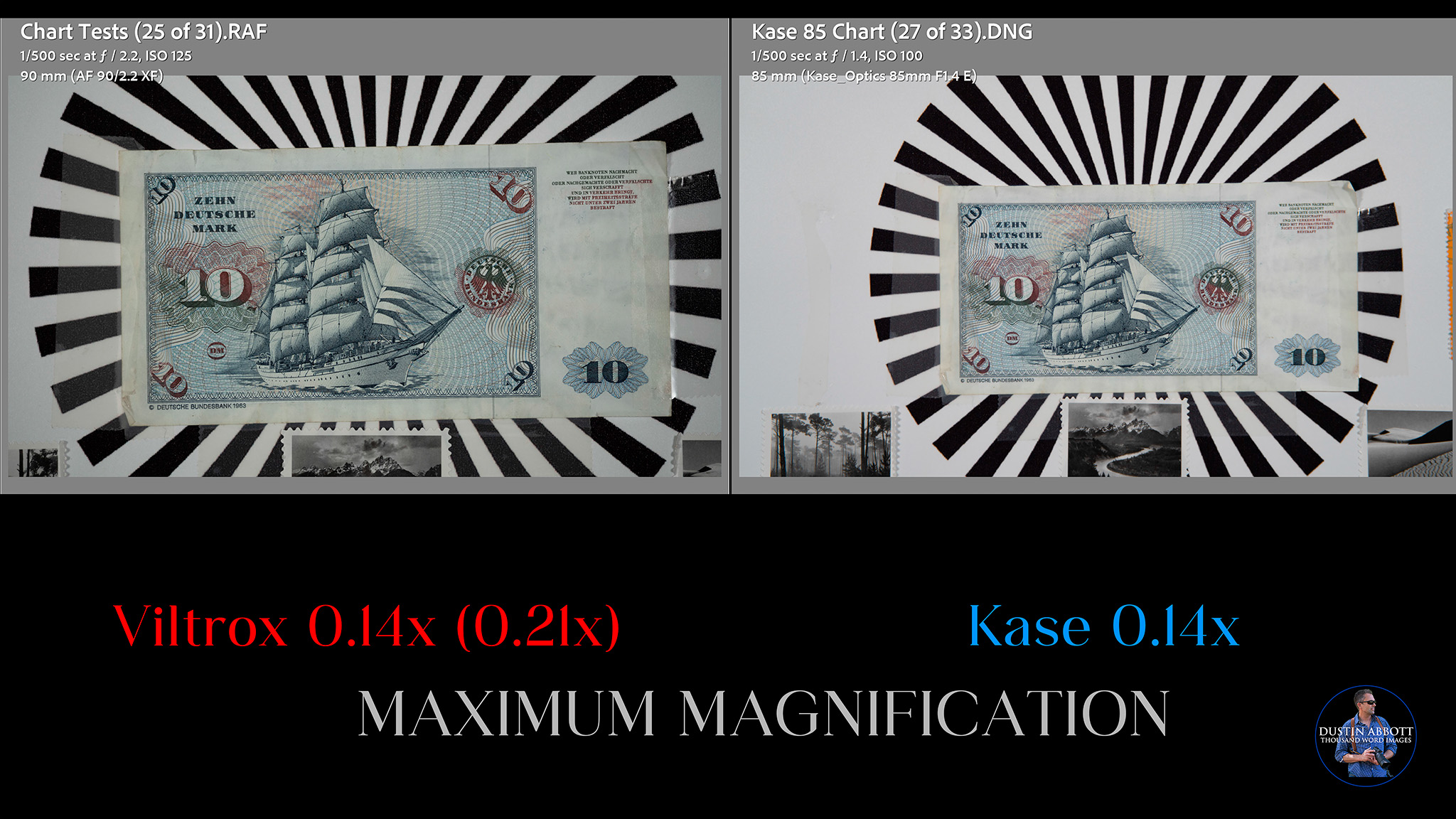
You might ask if the Fuji’s magnification is handled the same way, and the answer is yes. It has the equivalent of a 0.30x magnification on full frame, so even more useful. Still, the Viltrox magnification level is definitely high enough to be useful.
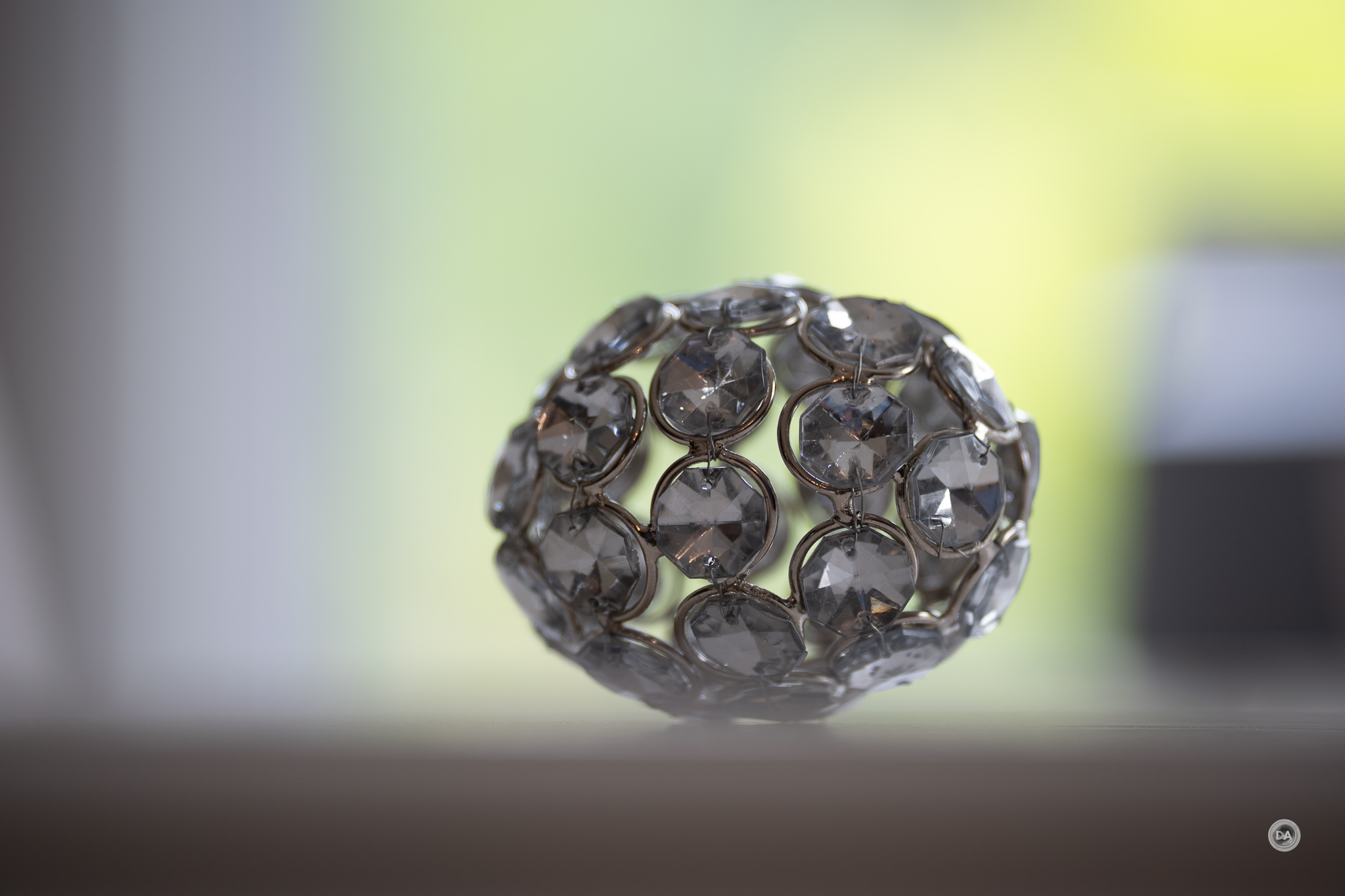
Up close performance at F2.2 is excellent, with a nice, flat plane of focus and good sharpness and contrast.
While I don’t love a feature rich lens having to be “decontented” to fit Fuji’s now outdated approach to lens features, the Viltrox EVO 90mm F2.2 is a sweet little package that is generally a lot of fun to use. It’s also a much more natural fit on Fuji’s smaller bodies than Fuji’s own 90mm F2 lens.
Autofocus for Stills
Viltrox has now moved to higher end HyperVCM (voice-coil motor) focus in their recent premium lenses, but it looks like they will be sticking with their STM motors for the AIR and EVO series. These lenses have smaller optical elements to push in their focus group, so the STM (stepping motor) produces enough thrust. Focus isn’t quite GM level fast (the best are basically instant), but focus moves back and forth with good quickness. I suspect that most everyone will be satisfied with focus speed, unless you are trying to shoot high speed sports.

Fuji’s autofocus hardware is going to the limiting factor here rather than the lens’ focus motors, as Fuji’s autofocus technology lags behind the standard set on Sony and Nikon. I’ve tested three EVO lenses on Nikon Z and found focus excellent, and 4 EVO lenses on Sony, and found focus excellent there, too. Focus here on Fuji is overall good, but not quite as consistently precise, and Fuji’s focus process is clunkier.
While most shots were near perfectly focused, it wasn’t unusual to see shots like this, where focus precision is just slightly off. I love this lovely photo of a beautiful bride, but if I’m looking critically, focus is more on her nose than her iris.


In my formal tests I could see that autofocus had a good amount of thrust (just like the other EVO lenses), but there’s less confidence on Fuji. I saw some racks in the wrong direction at times and some racks would be very fast, while others would look slower for one reason or another. Ironically I went back and read my thoughts from the XF 90mm F2 and saw some identical complaints, namely focus irregularities and less accuracy than desirable when doing things like Eye AF detection. That XF 90mm has QUAD linear motors, so it should “scream” in terms of speed and performance, which tells me that the limiting factor in both instances is not the lens but the autofocus system of Fuji’s cameras, which has made very little progress since 2019.
In theory, the EVO 90mm should lag behind the performance of the XF 90mm in terms of thrust and focus speed due to the latter have multiple focus motors, but with the current state of Fuji’s autofocus, the limiting principle is going to be the camera and not the lens. I’m not sure that the theoretical advantages of the XF lens are going to be realized at the moment.
I don’t want to be overly dramatic, however, as my second shooter was able to get accurately focused results (for the most part) in a wedding ceremony using the EVO 90mm.


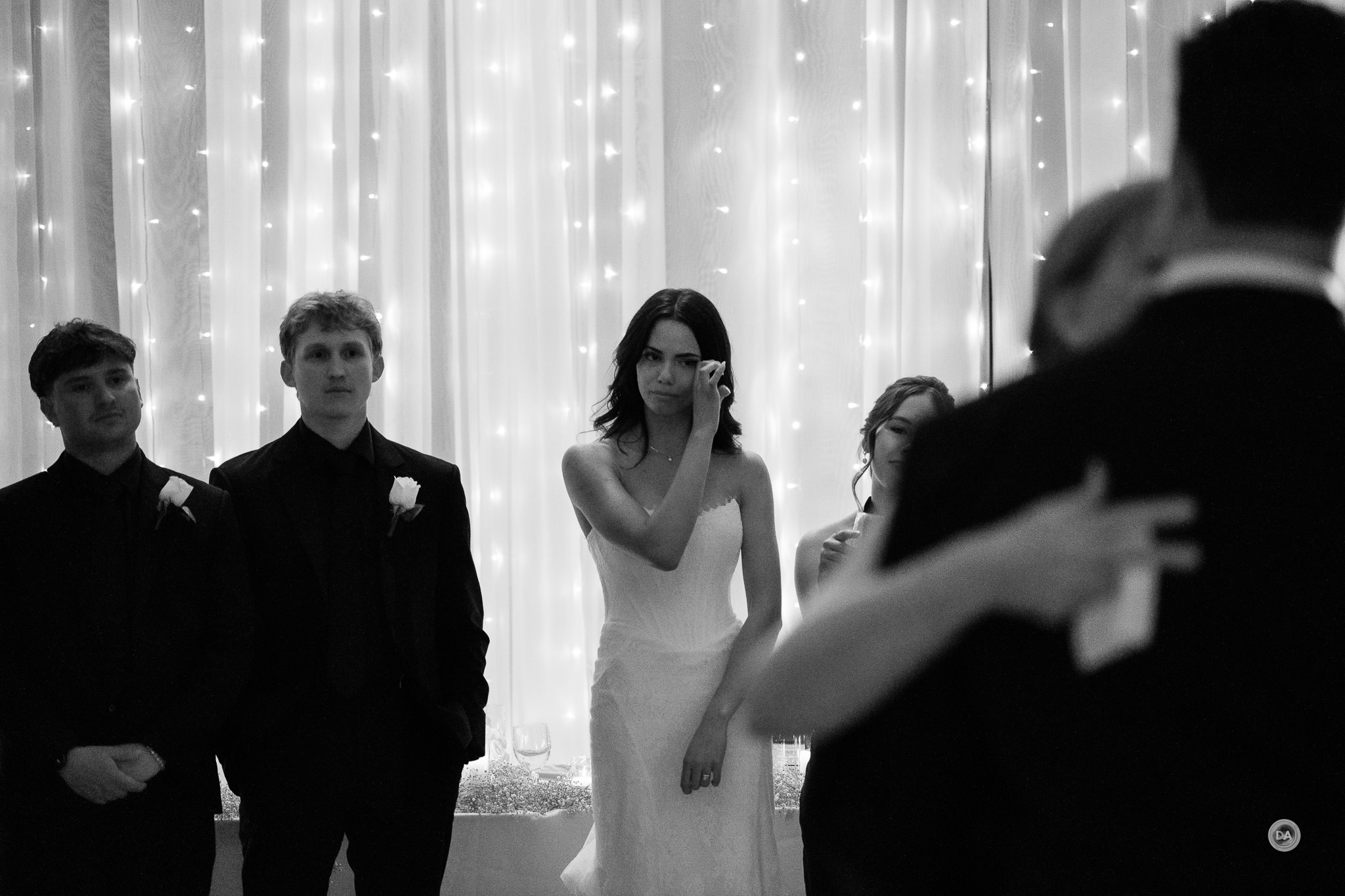
I was also able to get accurately focused results in a much dimmer reception venue shooting at ISO 3200 and 6400.


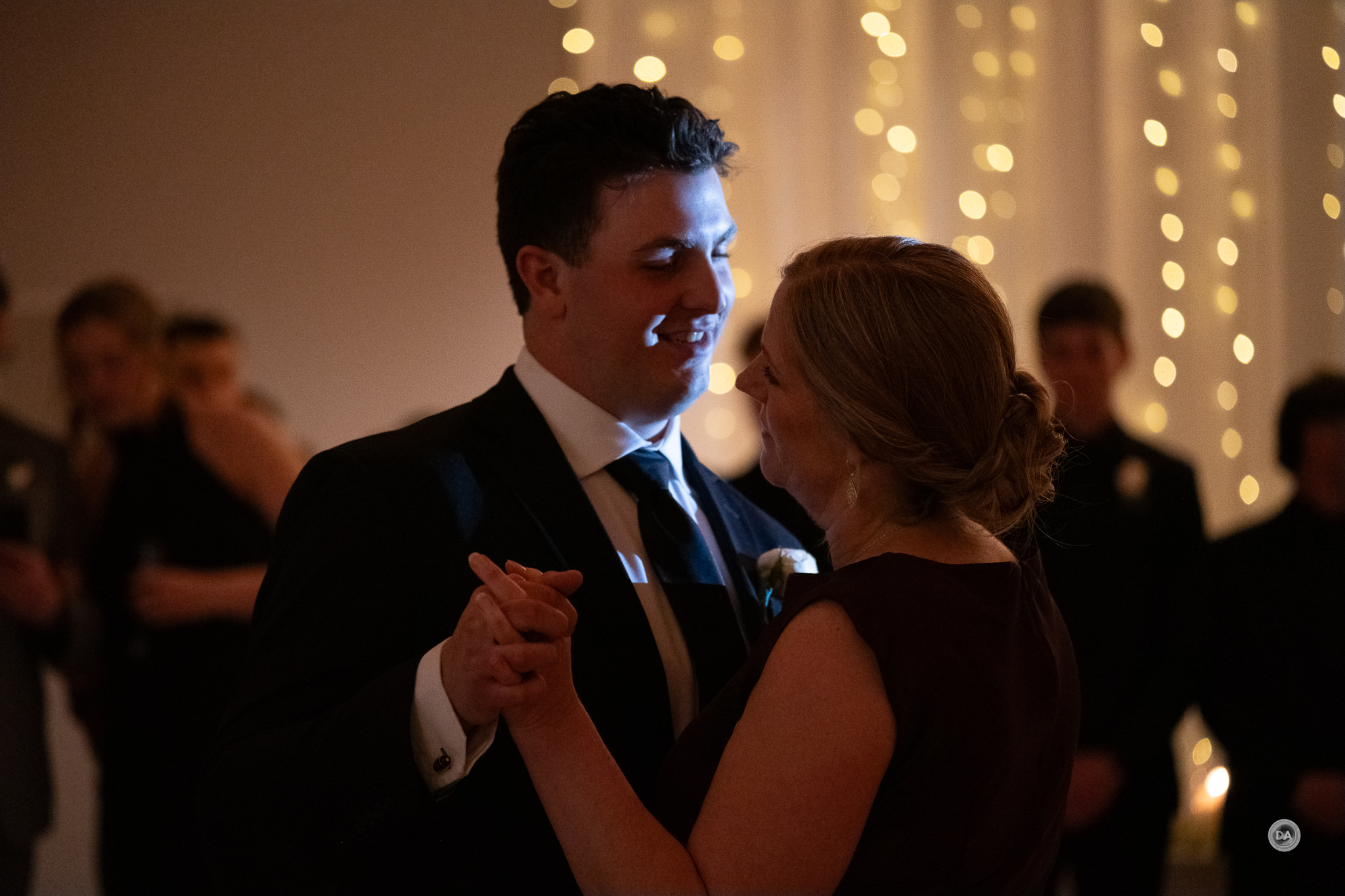
So, while focus here on Fuji isn’t as competent as the other platforms, it also isn’t difficult to get well focused pictures.
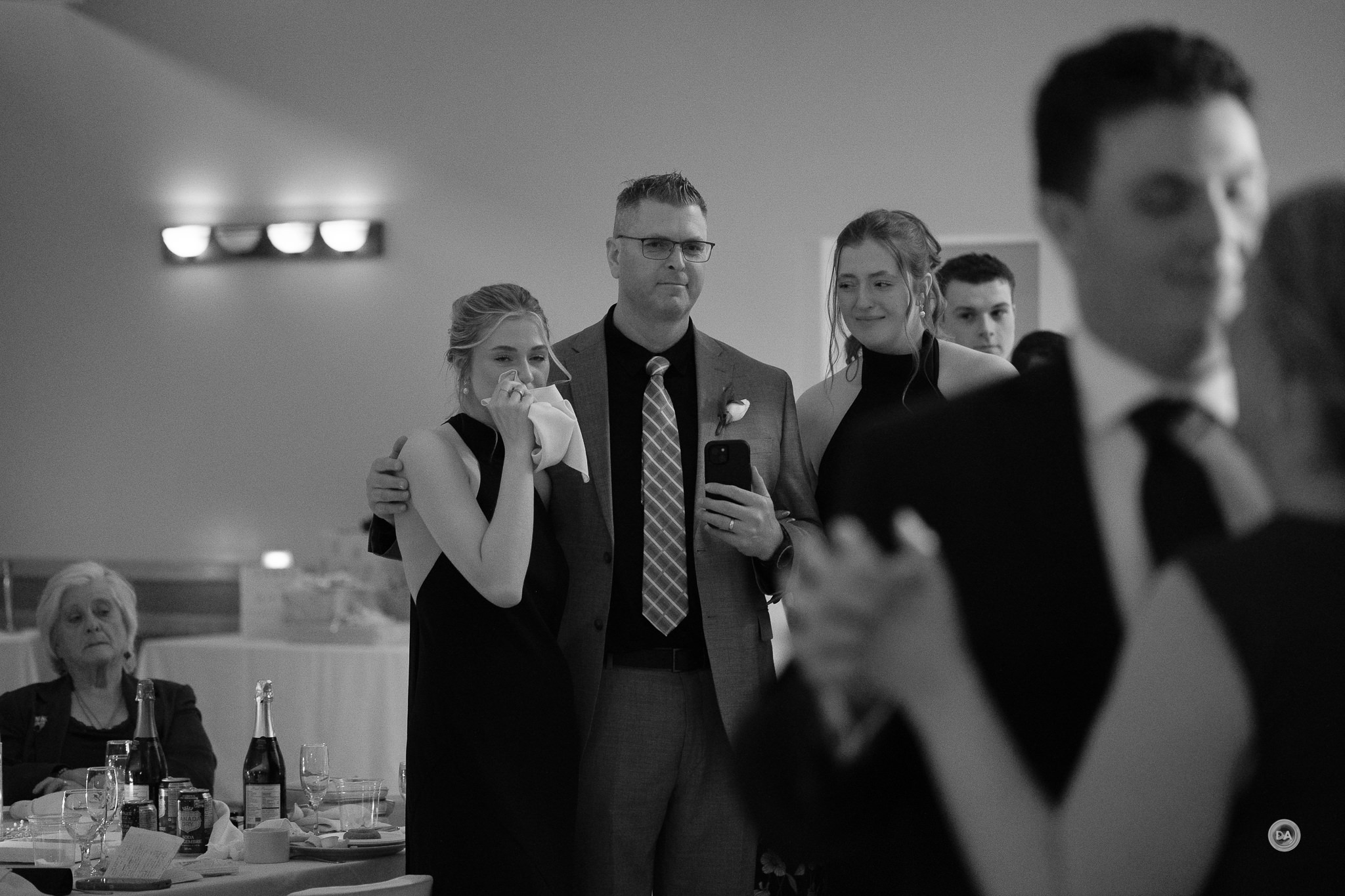
The focus motor is quiet but not as silent as their HyperVCM focus motors. There’s a very light whirring to be heard if you put your ear right up to the lens barrel, and I could hear little noise when doing my rapid autofocus test.
I’m not sure that a lens like this is recommended for capturing high speed action (particularly on Fuji), but for things like weddings or typical events, I found autofocus worked just fine.
Video AF
Doing my touch to focus tests focus pull tests on Fuji is typically excruciating, and that was certainly the case here. It is largely due to very low reactiveness for touch to focus, which results in focus changes often lagging many seconds behind focus changes, and when those focus pulls do happen, they tend to happen in steps or chunks rather than a smooth, linear sweep.
Focus breathing is noticeable but not bad for such a long focal length. I didn’t really notice it much in my hand test. What I did notice in my hand test, however, is that focus was not smooth when moving back and forth, at times not moving when it should and then when focused back to my face, focus was often more on my ear than my eye.

I tried the test outdoors to give me more room to operate, and while I felt like focus was a bit more accurate, the reaction times remained terrible.
Autofocus was decent in tracking me once it had acquired my face, but when I stepped out of frame, focus didn’t move the first time, so I was still in focus when I stepped back in. The second time I stepped out, focus did move, but now focus didn’t pick me back up when I stepped back into frame…and that stayed true even when I walked close.

I would not trust this combination for my YouTube channel. On Sony or Nikon, however, it shouldn’t be a problem, as I use EVO lenses on both platforms for professional work all the time.
Autofocus transitions under normal video work were okay but not exceptional. Because I have tested a number of these EVO lenses (and dozens of other Fuji XF lenses), I know the basic problem is not with the lens AF system but the state of autofocus on Fuji generally. Unfortunately I can just report what I see. Fuji shooters are unfortunately familiar with this reality.
Viltrox EVO 90mm F2.2 Image Quality
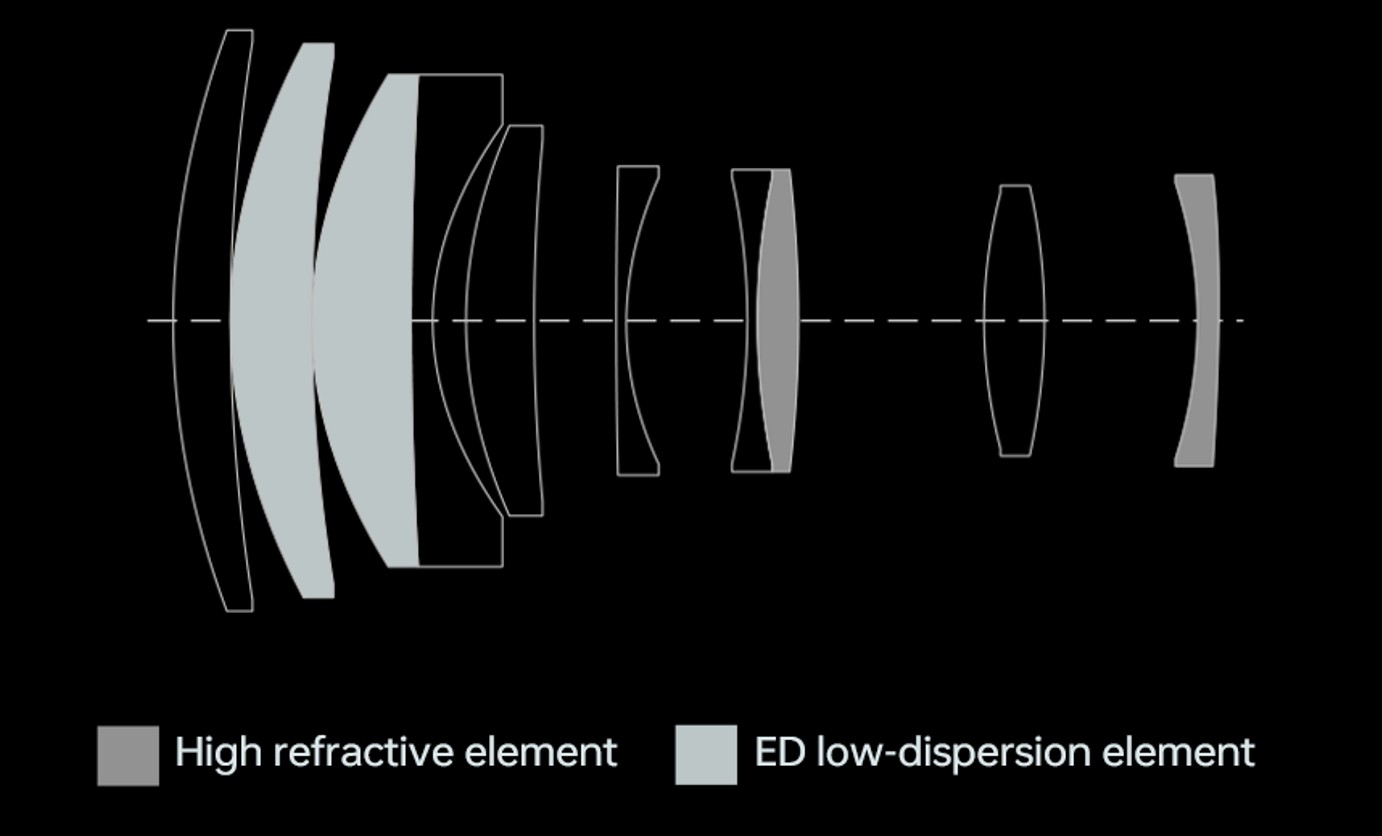
The EVO 90mm sports a fairly simple optical design of 10 elements in 8 groups. This includes 2 ED (extra low dispersion) elements and 2 HR (high refractive index) elements. The MTF chart is exceptional, showing incredible sharpness in the center and midframe, and only a mild dip into the corners. As has been the case with a number of recent Viltrox optical designs, the F8 performance isn’t quite at sharp in the center and midframe as F1.8 but stays remarkably consistent right into the far corners (if anything, slightly sharper there).
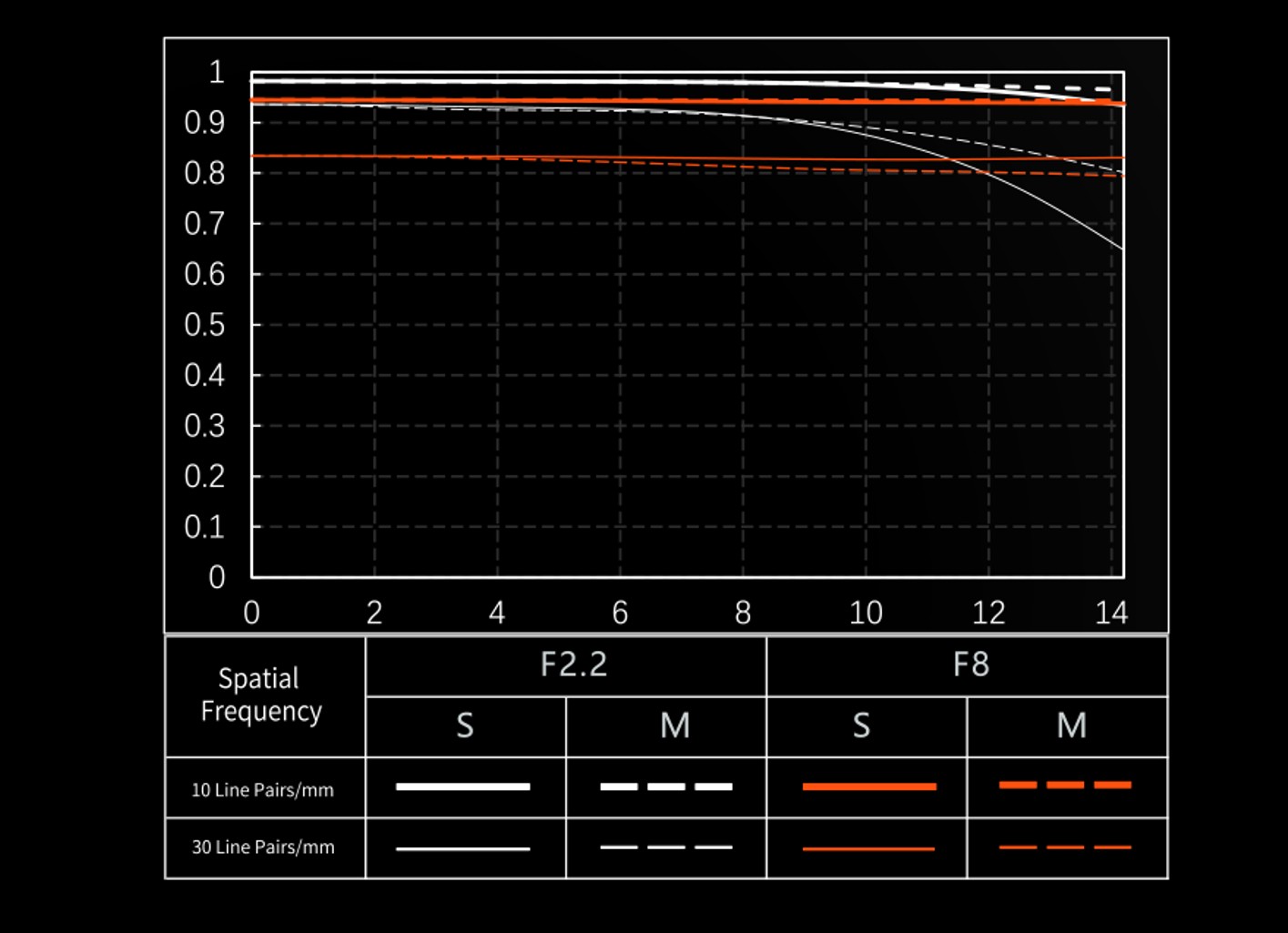
This is one case where comparing the MTF charts is near impossible, as there really isn’t a comparative lens on Sony or Nikon, and Fuji uses a non-standard 15 and 45lpmm standard (most manufacturers use 10 and 30lpmm). Unfortunately my testing standards have also changed since I tested the XF 90mm, both in the charts and in the resolution of camera that I use (I used a 26MP sensor then and a 40MP sensor now). I fed both MTF charts into Grok and asked the AI model to compare them, and this was the conclusion:
At f/2.2 (wide open):
- 10 lp/mm: Both lenses are excellent, but the Viltrox is flatter and more consistent across the frame. Fuji shows a bit more drop-off toward the edges.
- 30 lp/mm: Fuji has slightly higher central contrast, but Viltrox holds up better toward the edges (especially in the meridional direction). The Viltrox looks more uniform overall.
At f/8 (stopped down):
- 10 lp/mm: Very similar — both are near-perfect.
- 30 lp/mm: The Viltrox again shows better edge performance, while Fuji has a steeper drop-off in the corners.
Overall Takeaways:
- The Viltrox 90mm f/2.2 appears to have more consistent performance across the image circle, especially at the edges/corners — which is impressive for a portrait lens.
- The Fuji seems to have a bit more central “pop” at mid-frequencies but falls off faster toward the edges.
- Viltrox also shows very little difference between f/2.2 and f/8, meaning it’s already performing close to its peak wide open.
___________________________________________________________________________________________________________________________________________
This seems consistent with what I’m observing. This is a fantastically sharp lens, even on the extremely demanding 40MP sensor of my X-H2. A 40MP APS-C sensor has the pixel density of more than 90MP on full frame (which doesn’t yet exist), so any lens that looks good on this sensor is an incredible optic.


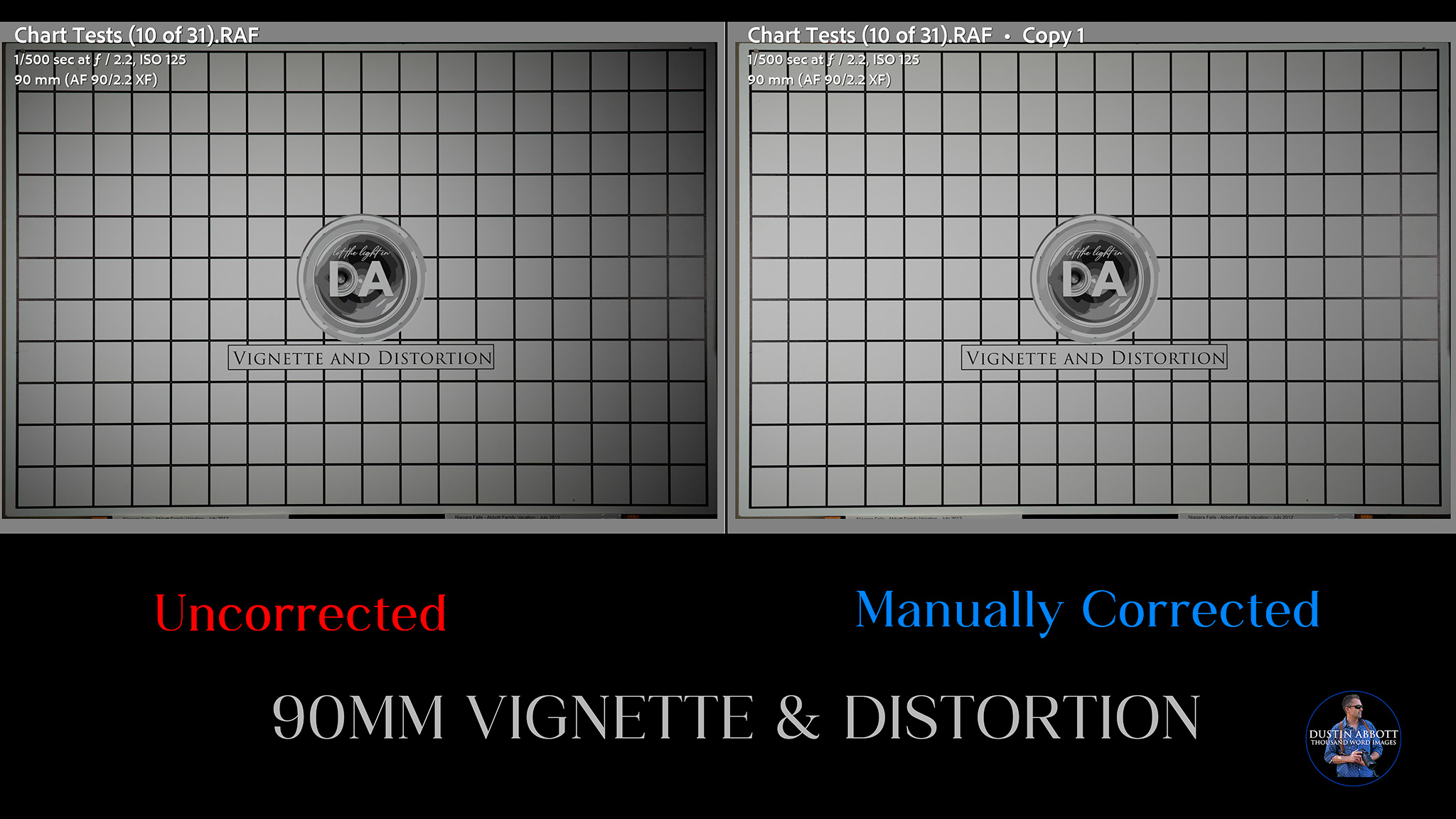
The EVO 90mm is distortion free and has a moderate amount of vignette (I used a +65 to manually correct the result on the right).
Longitudinal Chromatic Aberrations, or LoCA, manifests as fringing before and after the plane of focus. Unlike the 35mm and 55mm EVO lenses, Viltrox does not claim an APO (Apochromatic) design here, but that doesn’t stop the lens from having near perfect correction for fringing. I saw little evidence of longitudinal chromatic aberrations either before or after the plane of focus on my test chart.

I also saw basically perfect correction of LoCA on my Dad’s old SLR, too, with no evidence of fringing on shiny surfaces or on the bokeh balls beyond.
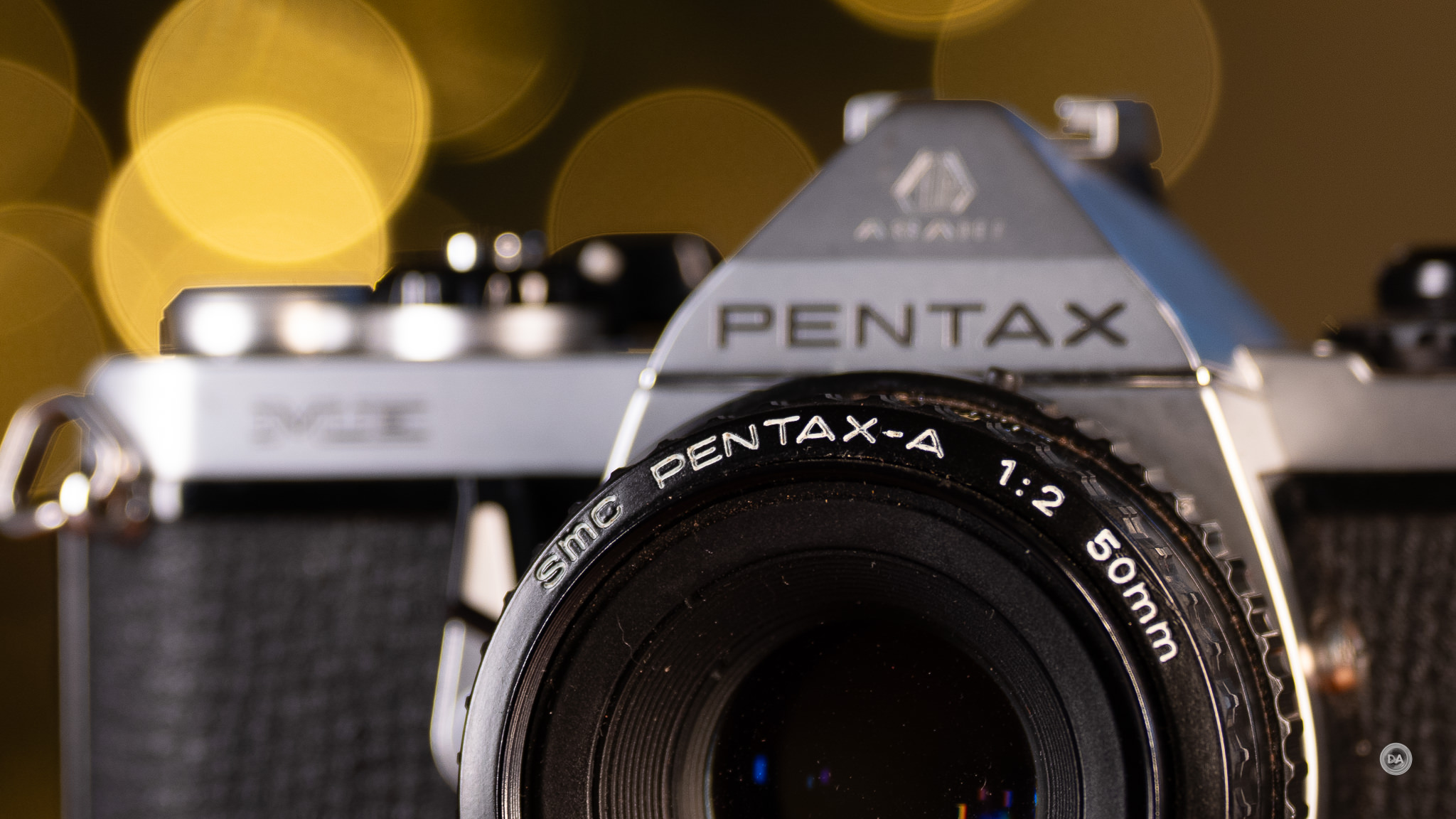
While we are here, it is worth noting how smooth the specular highlights are, too, without very little noise or busyness inside of them. That certainly helps with the overall look of the bokeh!
Lateral Chromatic Aberrations (LaCA) show up as fringing around contrast transitions near the edge of the frame. I see no evidence of LaCA either.

Other than a bit of vignette, this is a lens that takes care of any optical problems through optical corrections…just the way I like it.
So how about resolution and contrast? These results are shot on a 40MP Fujifilm X-H2 and the crops are shown at roughly 200% magnification level. Here’s a look at the test chart that the crops are taken from.

If we zoom in and look at the 200% crops at F1.8 from the center, mid-frame, and lower right, we discover that sharpness and contrast looks excellent all across the frame. The particular standout is the corners, which are definitely in the upper tier of performance.



Put simply, this becomes one of the sharpest lenses on the Fujifilm platform (or on Sony and Nikon, though no real direct competitor exists there).

Even deep crops show a lot of detail in the plane of focus:

Delivering results this good on such a high resolution APS-C sensor is impressive, and means that the lens will appear even more fantastically sharp on lower resolution cameras from Sony or Nikon.
Is there more in the tank if we stop down? The difference isn’t staggering, but I can definitely see a mild improvement right through to the corners. Contrast is better, and everything looks a bit more crisp.

After F2.8 I see little further gains. F4-F8 should largely be used when more depth of field is required, not to improve sharpness. You’ll gain a bit more corner sharpness, but at the cost of a bit less sharpness in the center and midframe.
Landscape images are crisp and detailed across the frame (here at F4):

Diffraction is an unfortunate reality on higher resolution cameras and arrives particularly early on Fuji’s 40MP sensors, so expect some obvious softening by F11, and F16 should probably be avoided because of the hit diffraction causes to image quality.

So how about other aspects of image quality? I find the EVO 90mm to be fairly “bokehlicious”, but not in the way that the full frame Pro 85mm F1.4 or the LAB 135mm F1.8 is.

Specular highlights are nice and clean (as we saw earlier), but the depth of field isn’t quite as shallow as those full frame options can produce. At close focus distances, the lens can obliterate backgrounds.

At a bit further distances, however, bokeh can get a little busier due to more being in the “transition zone” between focus and defocus.

Even at its worst, however, the EVO 90mm is still very nice. In most situations, the bokeh is really quite lovely.

In general, the optical glass in the EVO series seems to be a nice match for Fuji’s color science, which I typically enjoy.

Flare resistance is mostly good save one angle where some flashing is seen.



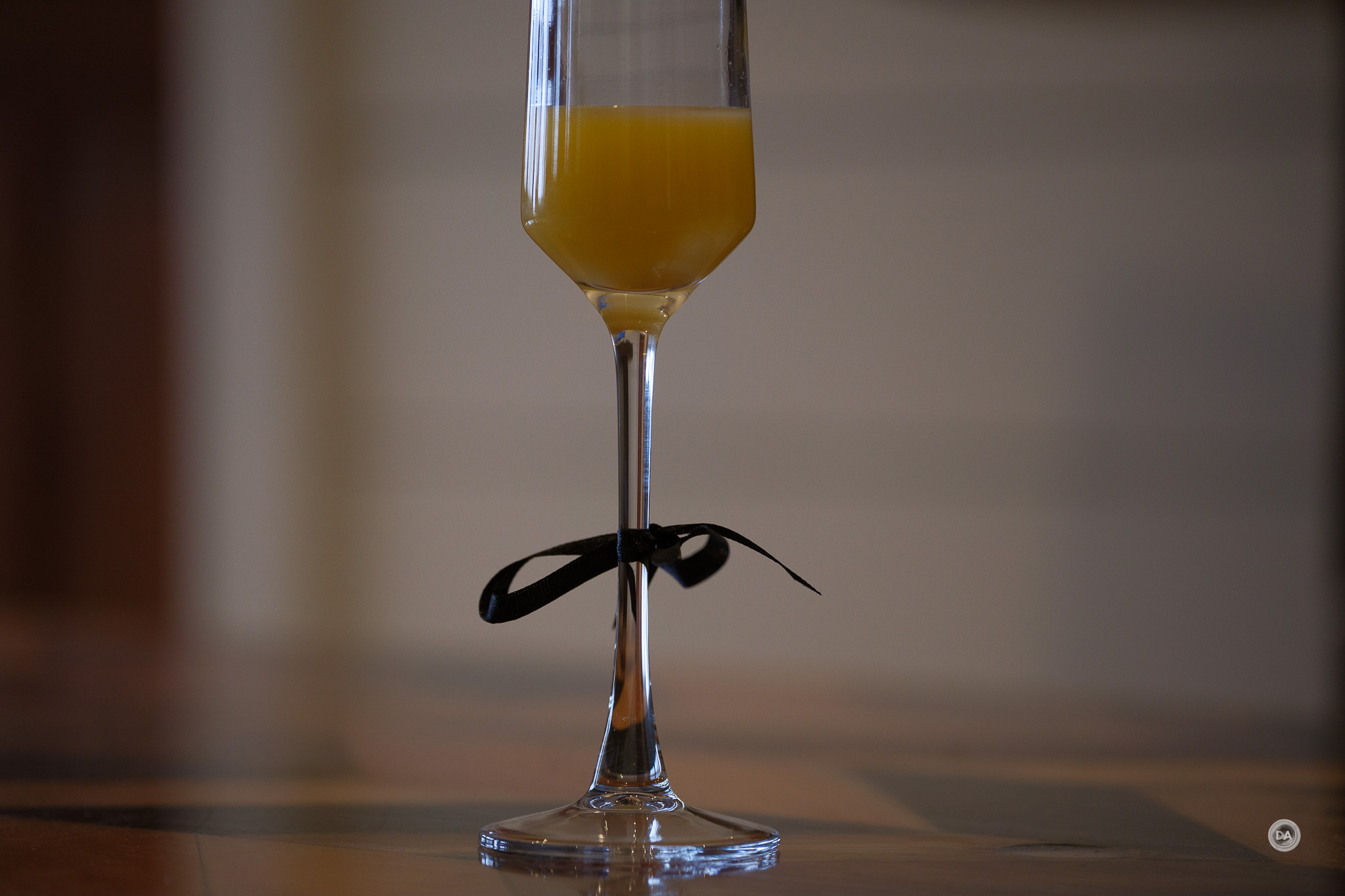
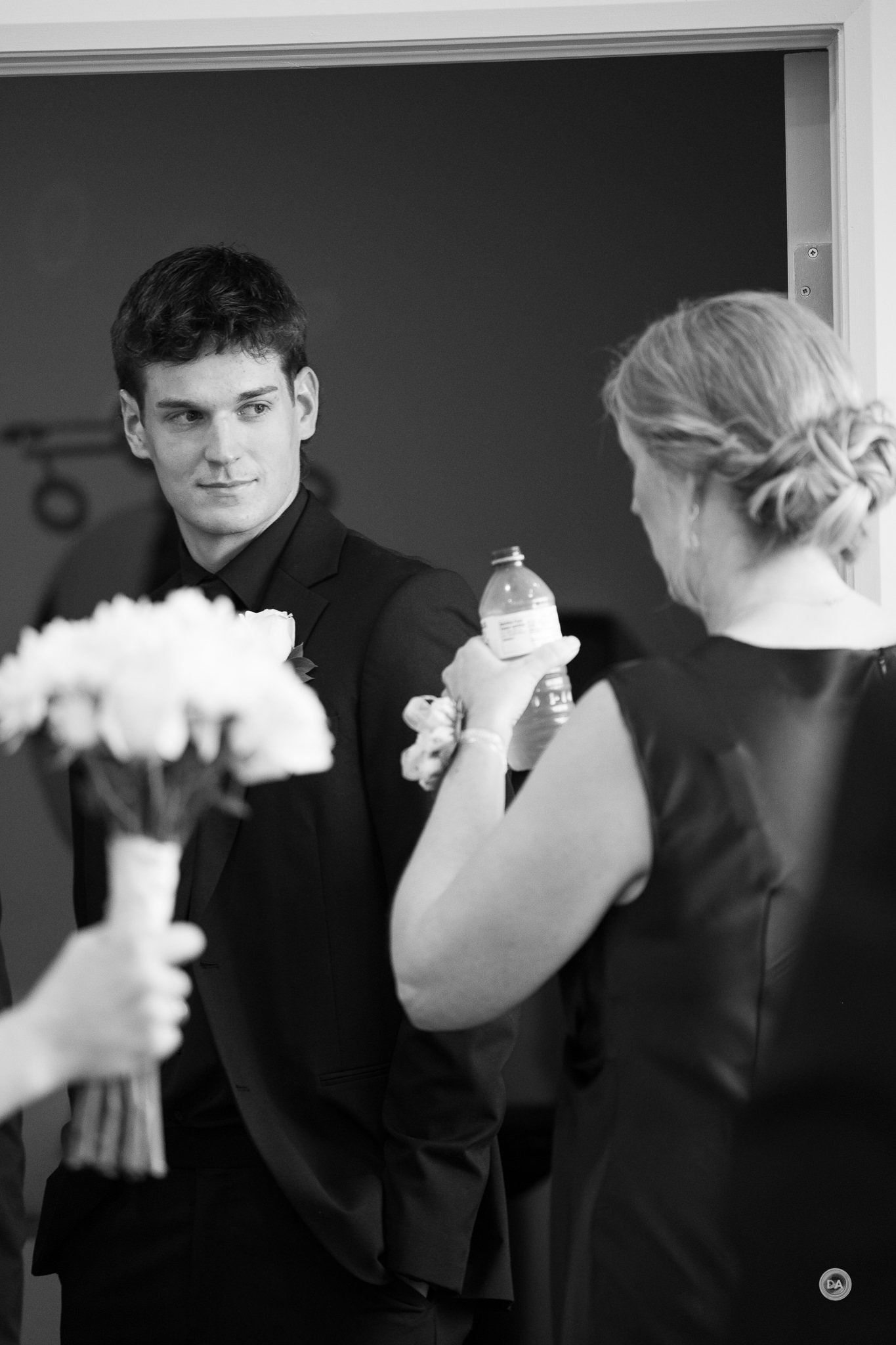
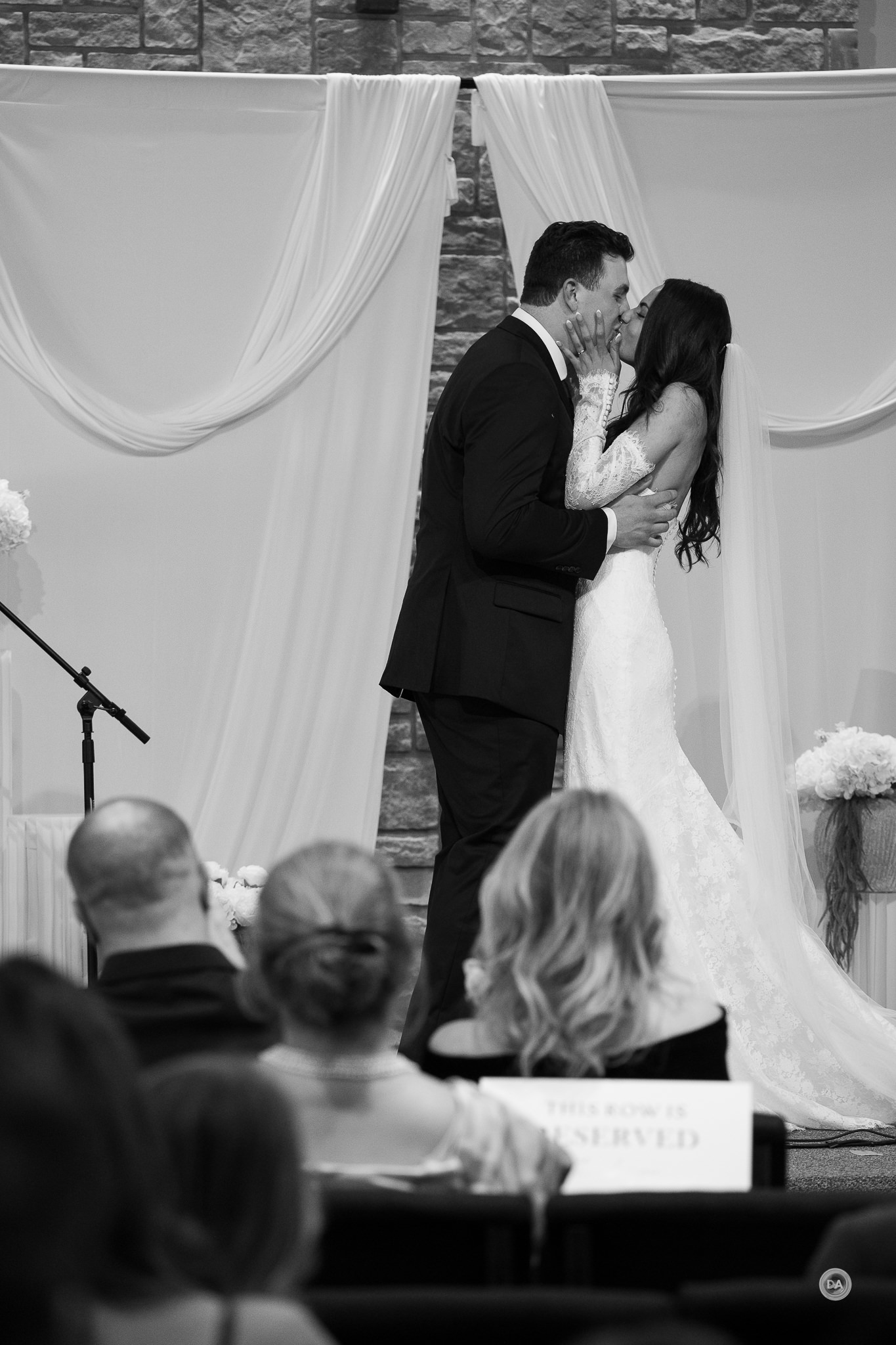
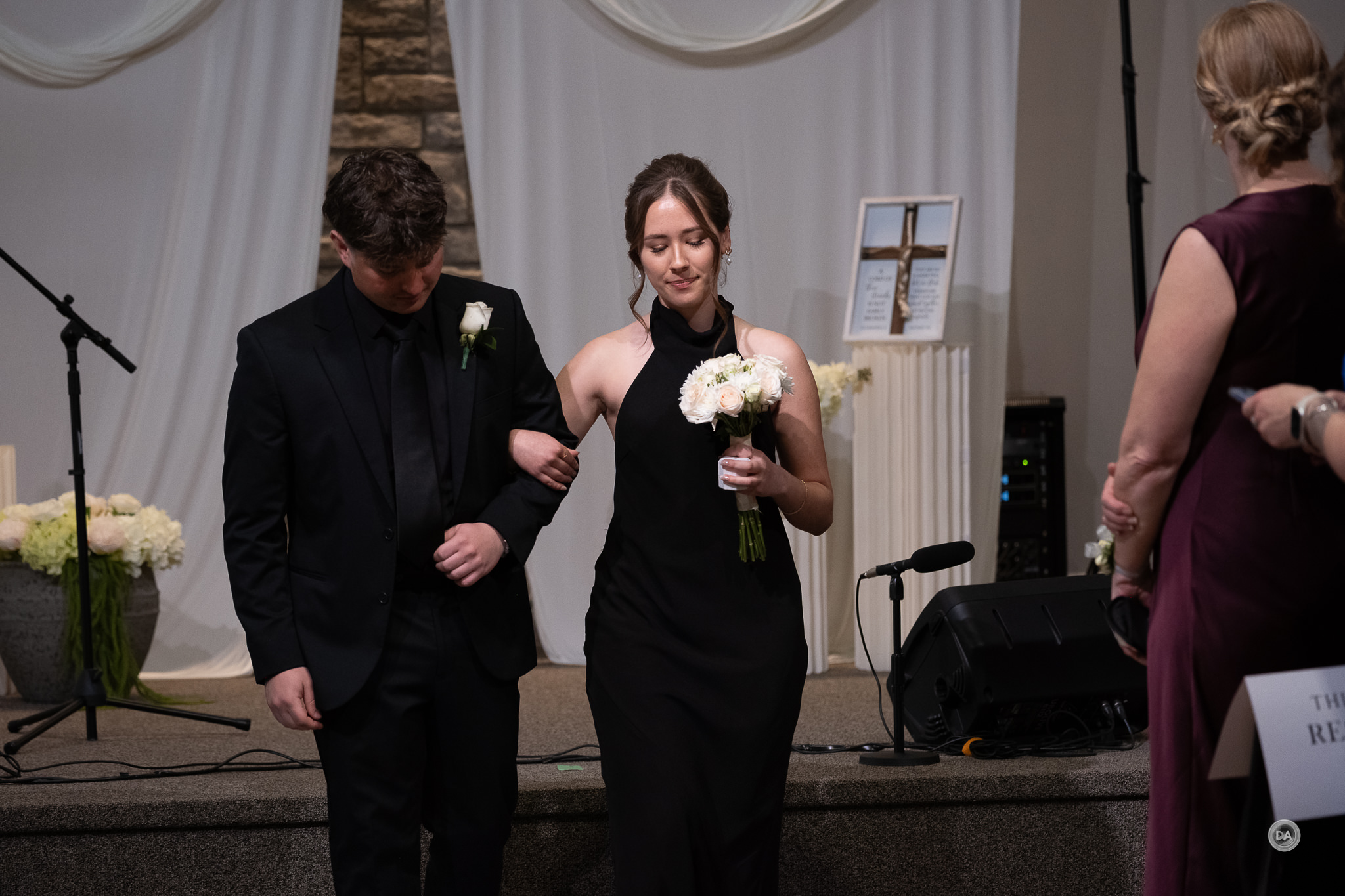
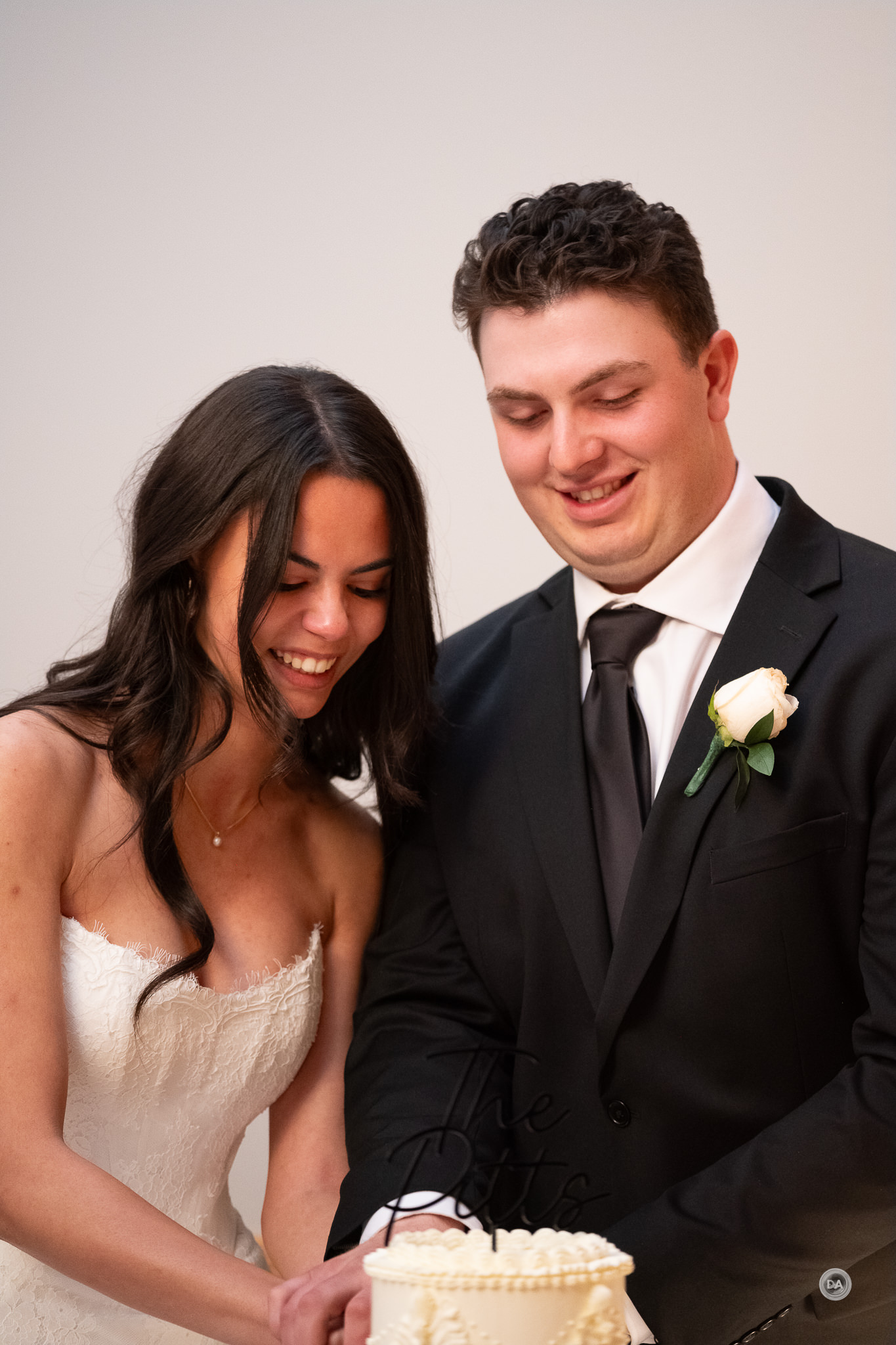
In general, the Viltrox AF 90mm F2.2 EVO was yet another lens in the EVO series that was a joy to use and produced images I was delighted with. Here’s a mini-gallery of further images for you to check out.













Conclusion
The EVO series of lens continues to be an absolute sweet spot for me. They are well made, compact, feature rich, and optically excellent. I was very excited for the Viltrox AF 90mm F2.2 EVO to come to Fuji, as I think there are a lot of people (particularly portrait photographers) who would love to have the XF 90mm F2 in their bag but can’t justify the cost. A 90mm (135mm equivalent) lens produces beautiful images, but for most people it won’t be a primary focal length. The EVO 90mm allows someone to add this dynamic focal length to their bag for about a third of the price of the Fuji lens.

Image quality is pristine from the EVO 90mm, though the typical Fuji autofocus frustrations were very much on display. I also hate seeing Viltrox have to “dumb down” the feature set to accommodate Fuji’s lower standard.

This is a beautiful lens, however, and I suspect it would be a joy to use on any of the three platforms it comes for. The Viltrox EVO 90mm F2.2 is another outstanding entry into the EVO series lineup – well worth the $350 price of entry. You can use the code DUSTINABBOTT at Viltrox to shave a extra 5% off the MSRP.

Pros:
- Optical Performance:
- Exceptional sharpness across the image frame, including at corners.
- Minimal distortion, achieving high-quality images for various shooting conditions.
- Effective correction of chromatic aberrations, leading to clear and clean images.
- Compact and Lightweight Design: The EVO 90mm F2.2 weighs only 325g and measures 76mm in length, making it significantly lighter and smaller than competitors.
- Cost-Effective Pricing: Offers high-quality optics at a fraction of the price of similar lenses from premium brands like Fujifilm, providing great value for photographers on a budget.
- Build Quality: Solid construction with good materials, offering a premium feel without the weight.
- Shared features across the EVO series: Common 58mm filter thread and similar design elements, allowing for easy swapping between lenses.
- Familiar Features:
- Inclusion of a USB-C port for convenient firmware updates directly on the lens.
- Smooth manual focus ring with good feedback for precision focusing.
Cons:
- Autofocus Limitations:
- Autofocus performance can be inconsistent, particularly on Fujifilm bodies, which may lead to missed focus in critical scenarios.
- Compared to faster and more advanced focus motors found in premium lenses, the EVO series uses stepping motors that might not meet the needs of high-speed photography.
- Feature Set Constraints:
- Some features, like the custom button and lens-based focus switches, are not available for Fujifilm versions due to compatibility issues, potentially limiting functionality.
- Maximum Aperture: The maximum aperture of F2.2 is slightly slower than the competition
- Autofocus Performance:
- Video autofocus can be less reliable and slower on Fujifilm systems, leading to possible focus pull issues during video work.
- Focus breathing can be noticeable during video recording, which could disrupt the effectiveness of focus transitions.
_________________________________________________________________________
GEAR USED:
Purchase the Viltrox EVO 90mm F2.2 @ Viltrox (use code DUSTINABBOTT for 5% off) | B&H | Adorama | Amazon | Amazon Canada | Amazon UK | Amazon Germany
Purchase the Viltrox EVO 75mm F1.8 @ Viltrox (use code DUSTINABBOTT for 5% off) | B&H | Adorama | Amazon | Amazon Canada | Amazon UK | Amazon Germany
Purchase the Viltrox EVO 35mm F1.8 @ Viltrox (use code DUSTINABBOTT for 5% off) | B&H | Adorama | Amazon | Amazon Canada | Amazon UK | Amazon Germany
Purchase the Viltrox EVO 55mm F1.8 @ Viltrox (use code DUSTINABBOTT for 5% off) | B&H | Adorama | Amazon | Amazon Canada | Amazon UK | Amazon Germany
_________________________________________________________________________
Purchase the Sony a7RV @ B&H Photo | Adorama | Amazon | Camera Canada | Sony Canada | Amazon Canada | Amazon UK | Amazon Germany
__________________________________________________________________
Purchase the Sony a7IV @ B&H Photo | Adorama | Amazon | Camera Canada | Sony Canada | Amazon Canada | Amazon UK | Amazon Germany
_________________________________________________________________
Purchase the Sony Alpha 1 @ Camera Canada | B&H Photo | Adorama | Amazon | Sony Canada | Amazon Canada | Amazon UK | Amazon Germany | Ebay
_________________________________________________________________
Want to support this channel? Use these affiliate links to shop at: B&H Photo | Amazon | Adorama | Camera Canada | Amazon Canada | Amazon UK | Ebay | Make a donation via Paypal
Buy DA Merchandise https://bit.ly/TWIMerch

Keywords: Viltrox AF 90mm FE EVO X, Viltrox AF, EVO, Viltrox EVO, #EVO, #EVO90, #explorebeyond, Viltrox 90mm, Telephoto, APS-C, F2.2, f/2.2, STM, Viltrox EVO 90mm F2.2, AF 90mm F2.2, Viltrox EVO 90mm Review, X-T5, X-H2, X-S20, X-T30 III, Review, Hands On, Dustin Abbott, Real World, Comparison, Sharpness, Bokeh, Flare Resistance, Autofocus, Image Quality, Sample Images, Video, Photography, let the light in, weathersealing, #letthelightin, DA
Related posts:
 Viltrox EVO 85mm F2 FE Review
 Viltrox AF 35mm F1.8 II EVO E-Mount Review
 Viltrox EVO 55mm F1.8 APO Z Review
 Viltrox EVO 85mm F2 Nikon Z-Mount Review
 Viltrox Pro AF 56mm F1.2 X Review
 Viltrox AF 56mm F1.7 E-mount Review
 Viltrox AF 56mm F1.7 E-Mount Gallery
 Yongnuo YN 50mm F1.8X DA DSM Pro Review
 Yongnuo YN 50mm F1.8 DA DSM Pro Gallery
 Viltrox AF 35mm F1.2 LAB FE Review