

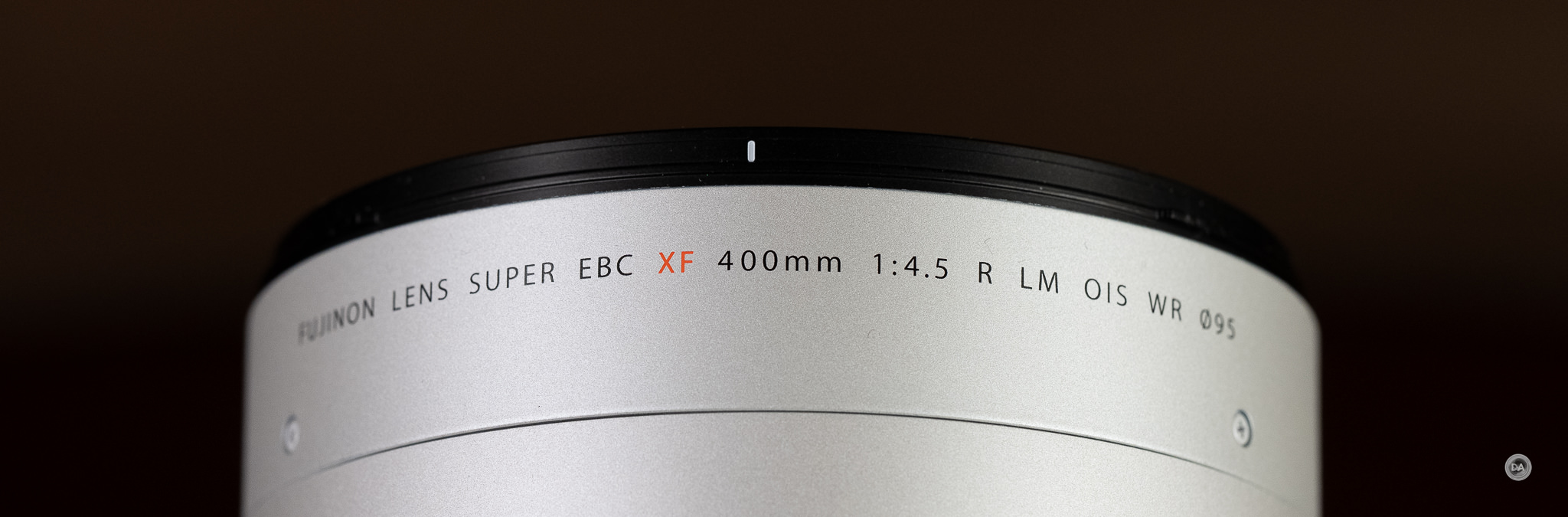
A few years ago one of the chief complaints on Fuji’s X-mount platform was a lack of true telephoto options, particularly when it comes to prime lenses. Fuji has worked to address that with several major telephoto lens releases over the past couple of years, including 2024’s XF 500mm F5.6 OIS, and now this year’s Fujinon XF 400mm F4.5 R LM OIS WR. Both lenses join the XF 200mm F2 OIS (my review here) as reasonably bright telephoto primes that can be used with a 1.4x teleconverter for greater versatility. The new lens is a bit smaller, lighter, and cheaper than the XF 500mm, though somehow Sony managed to produce the amazing FE 400mm F4.5 GM OS that is lighter and cheaper than the XF 400mm despite being designed for full frame cameras. That lens is irrelevant in this space, however, so is the Fujinon XF 400mm F4.5 worthy of your hard-earned money? I’ll do my best to help you answer that question for yourself with my video review below and the text review that follows.
Follow Me @ YouTube | Patreon | Instagram | Facebook | DA Merchandise | Flickr | 500px | X
__________________________________________________________________________________________________
Thanks to for sending me a review copy of this lens. As always, this is a completely independent review. All opinions and conclusions are my own. I’m doing this review on a 40MP Fujifilm X-H2 camera. You can visit the product page for the XF 400mm F4.5 here.
__________________________________________________________________________________________________
SUMMARY: The Fujinon XF 400mm F4.5 R LM OIS WR is a high-quality telephoto lens for Fujifilm’s APS-C system, offering impressive optical performance and solid build quality. Despite its substantial 400mm reach, equivalent to 609mm in full-frame terms, it faces challenges with autofocus, being held back by limitations within Fujifilm’s camera systems. The lens features effective image stabilization and is weather-resistant, making it suitable for various shooting conditions. Thee XF 400mm stands out for its design and handling, especially for dedicated Fuji users.
Strengths:
- Excellent optical performance with impressive sharpness and minimal distortion.
- Solid build quality and weather resistance, featuring premium materials and design.
- Versatile focal length, especially when paired with Fujifilm’s teleconverters.
- User-friendly features, including an aperture ring and customizable focus modes.
Weaknesses:
- Autofocus performance is inconsistent, limiting the lens’s full potential.
- Heavier than some competitors, like Sony’s 400mm F4.5 GM lens.
- Higher price point compared to some alternatives, making it a significant investment.
Fuji’s XF platform is APS-C specific, and that means that all lenses stated focal length will have to be magnified by the crop factor of the camera. Fuji’s crop factor is not quite 1.5x, so, according to Fuji, the XF 400mm has a 609mm full frame equivalent focal length. In other words – quite long. I was out alongside the Ottawa River between Ontario and Quebec, Canada, when a boat came ripping into the scene. I took a burst of photos, and only later, when reviewing the images, did I realize that I actually knew the pilot of the boat.
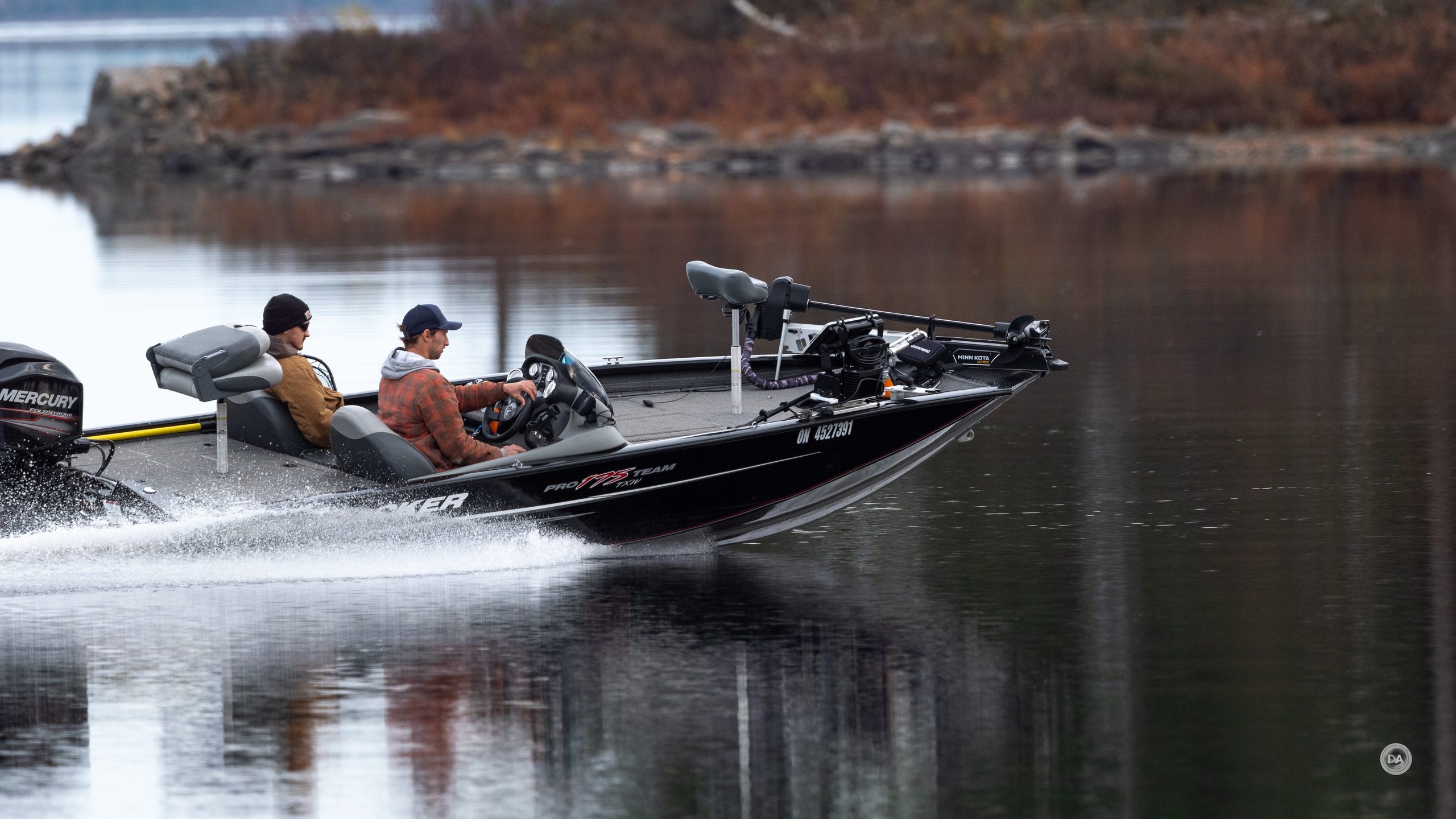
A lens like this has the ability to bring distant things very close. What’s more, if you put Fuji’s 1.4x teleconverter on there, the effective zoom range stretches out to an impressive 852.6mm full frame equivalent focal length (at a maximum aperture of F6.3).

That’s a lot of reach, but is the lens any good? Let’s find out.
Build and Handling
First of all, a quick breakdown of what all of those letters in the lens title mean. This is the Fujinon XF 400mm F4.5 R LM OIS WR. Fuji essentially puts a list of features right into the name of their lenses, which includes:
- R = Aperture Ring
- LM = Linear Motor(s) – Fuji’s premium autofocus system
- OIS = Optical Image Stabilization
- WR = Weather Resistance
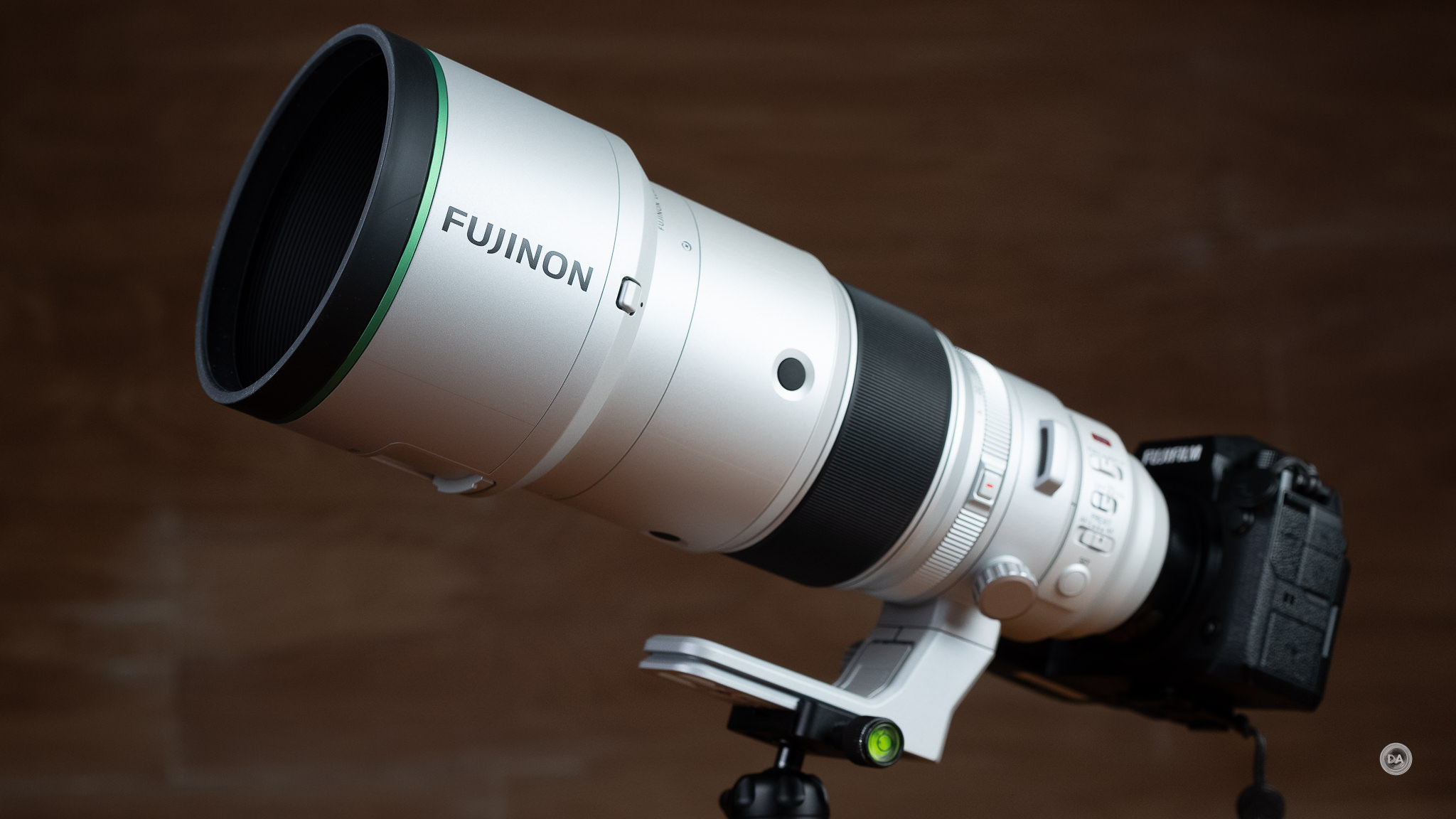
The XF 400mm includes all of Fuji’s premium features, and definitely looks the part of a high end telephoto prime lens. I’ve long thought that Fuji makes some of the nicest looking super telephotos on the market.
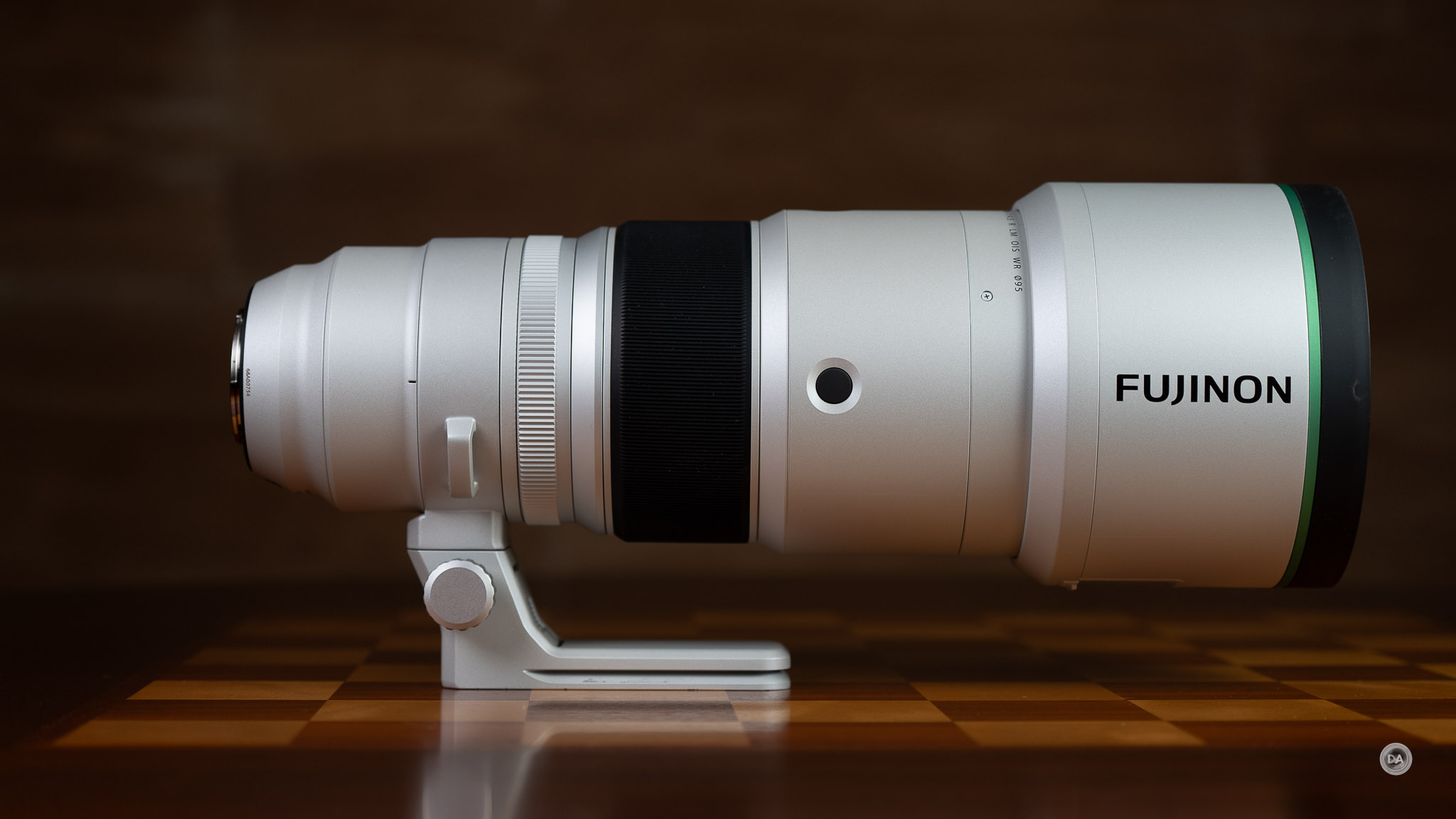
There’s a slightly pearlescent finish to the lens that looks very chic, and the little green accent ring on the hood is different than everyone else.
As noted, this lens is smaller than the XF 500mm F5.6 but bigger than the Sony 400mm F4.5 GM. It measures 104.5mm in diameter (4.1″) x 239.5mm (9.4″) in length, which is 16mm shorter than the 500mm (but only 2.5mm shorter than the Sony).
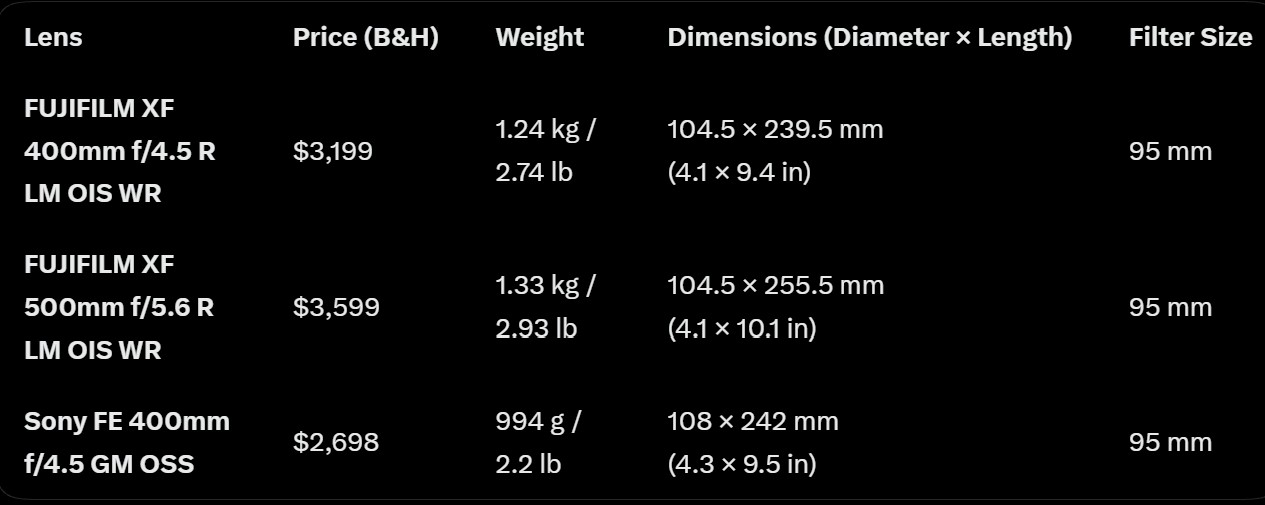
The weight of 1240g (2.74lb) is lightweight in the absolute, and runs 73g lighter than the XF 500mm. The outlier here is the Sony, which despite being designed for a larger sensor manages to have a weight of just 995, some 245g lighter!!
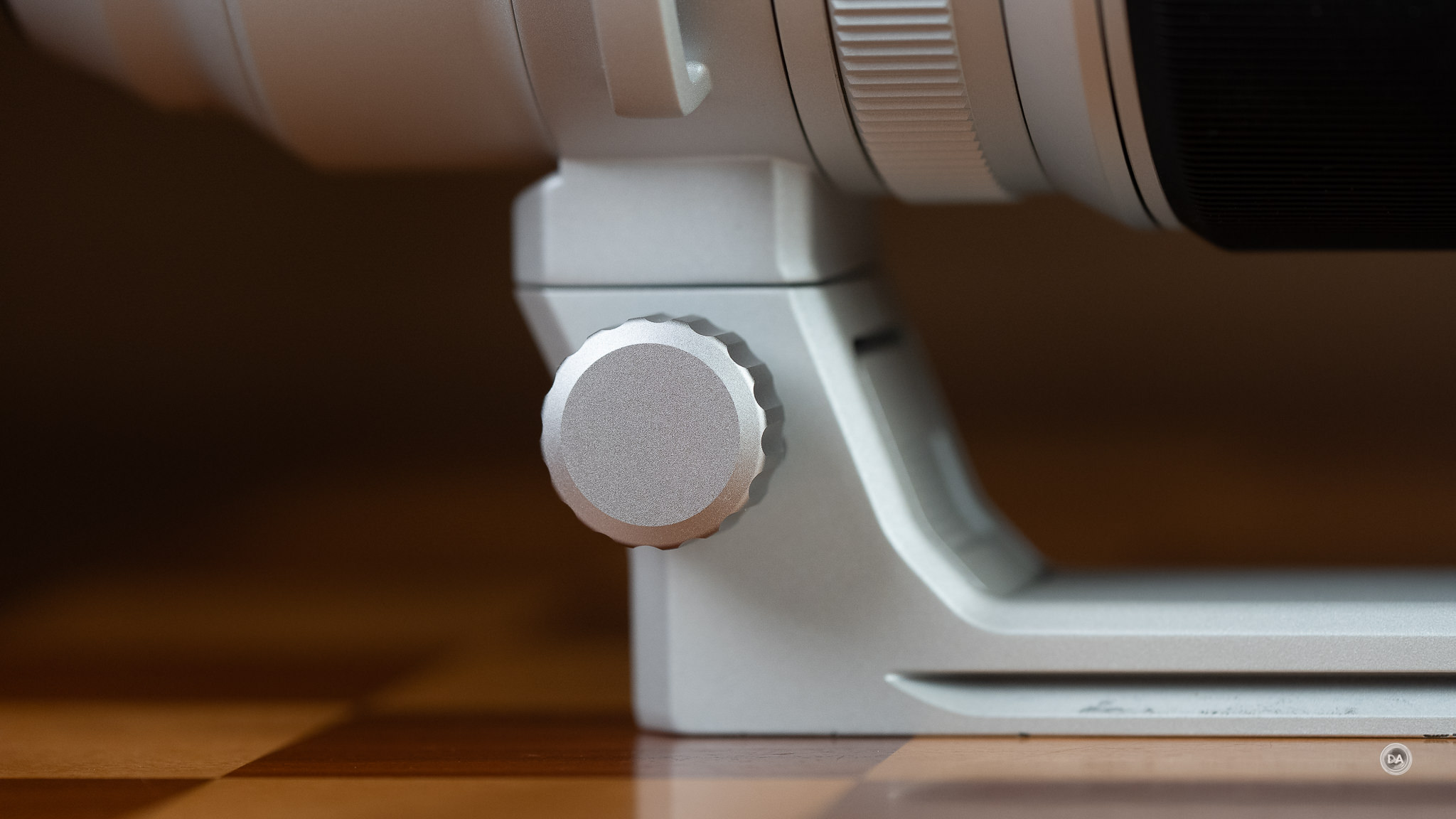
One of my favorite things about Fuji’s telephotos is when it comes to the design of the tripod collar and foot. First of all, if you look at the photo from earlier in this section, you can see that the balance point is excellent. The lens can sit resting on the foot without tipping. Secondly, I love the fact that Fuji has the Arca compatible grooves cut into their tripod feet. It means that I can go right onto most of my tripods without having to use an additional plate.
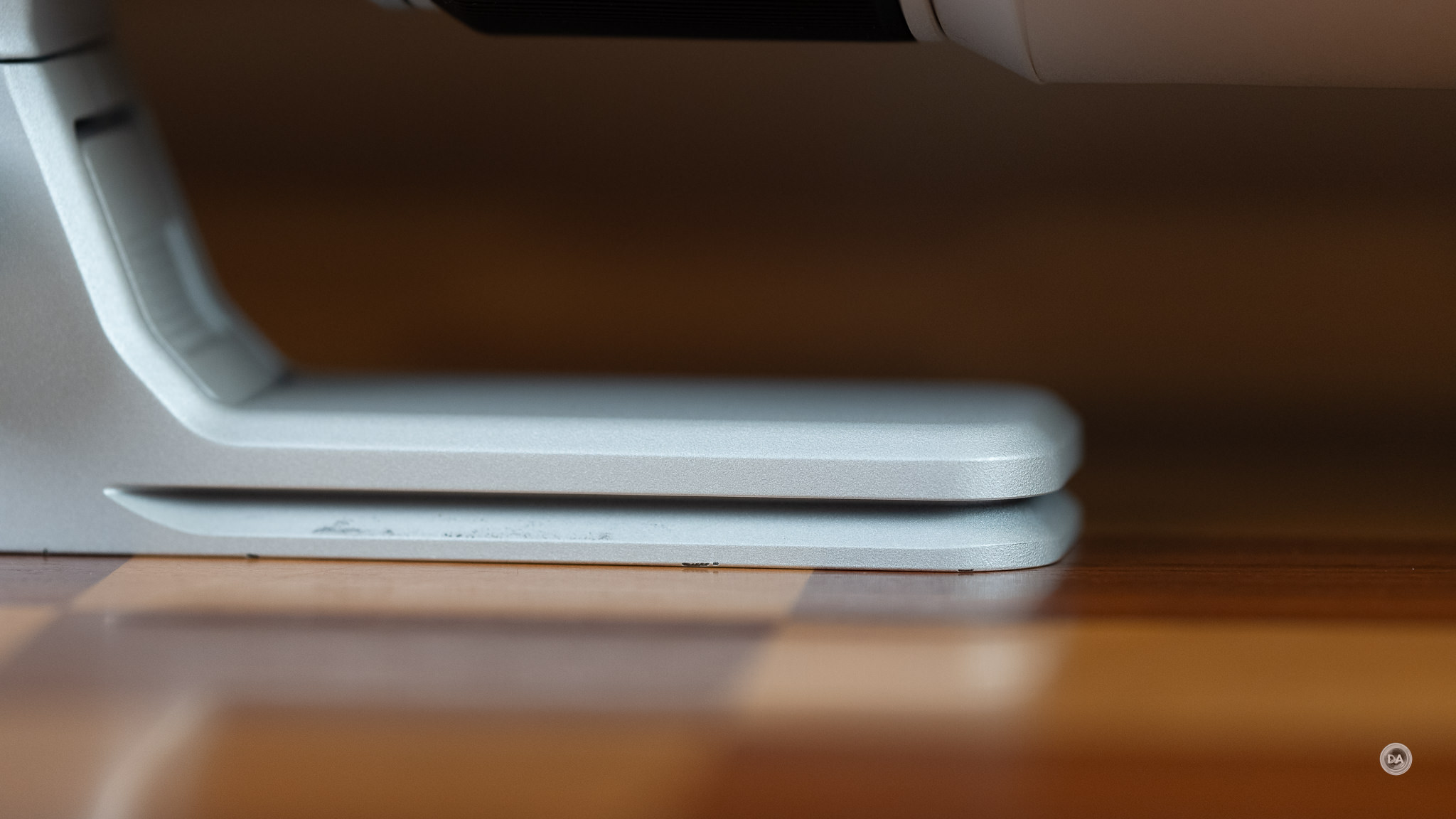
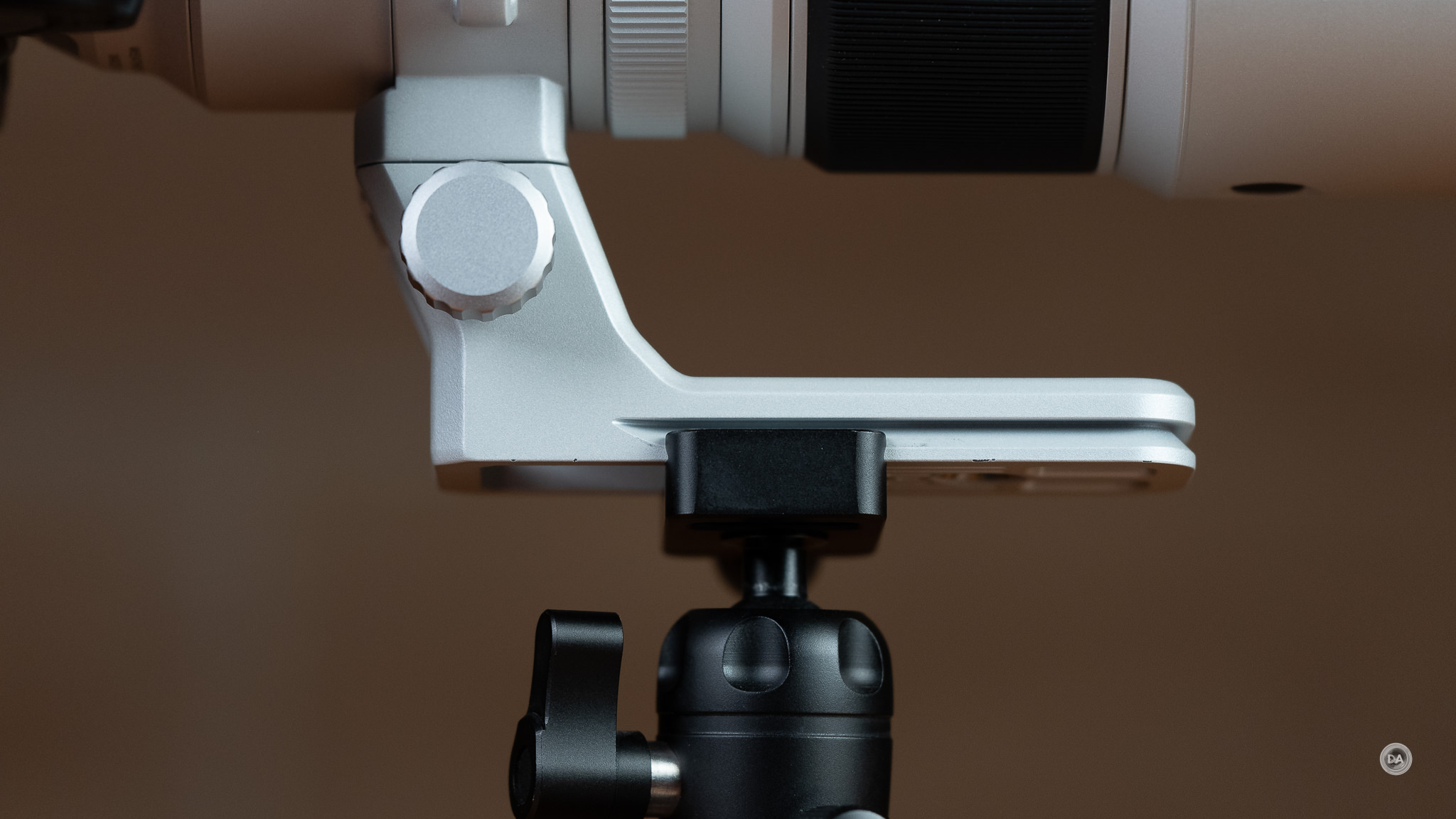
For the life of me I cannot understand why this isn’t common practice across other first party lenses. Sigma and Tamron have the Arca grooves as well, but not first party telephotos from Sony, Canon, or Nikon.
The foot itself can be easily removed via the knob and depressing the release button. The collar can be rotated via the tension knob, and while there are dots that you can align on the cardinal positions, there are no detents there. There are also strap attachment points on either side of the lens.
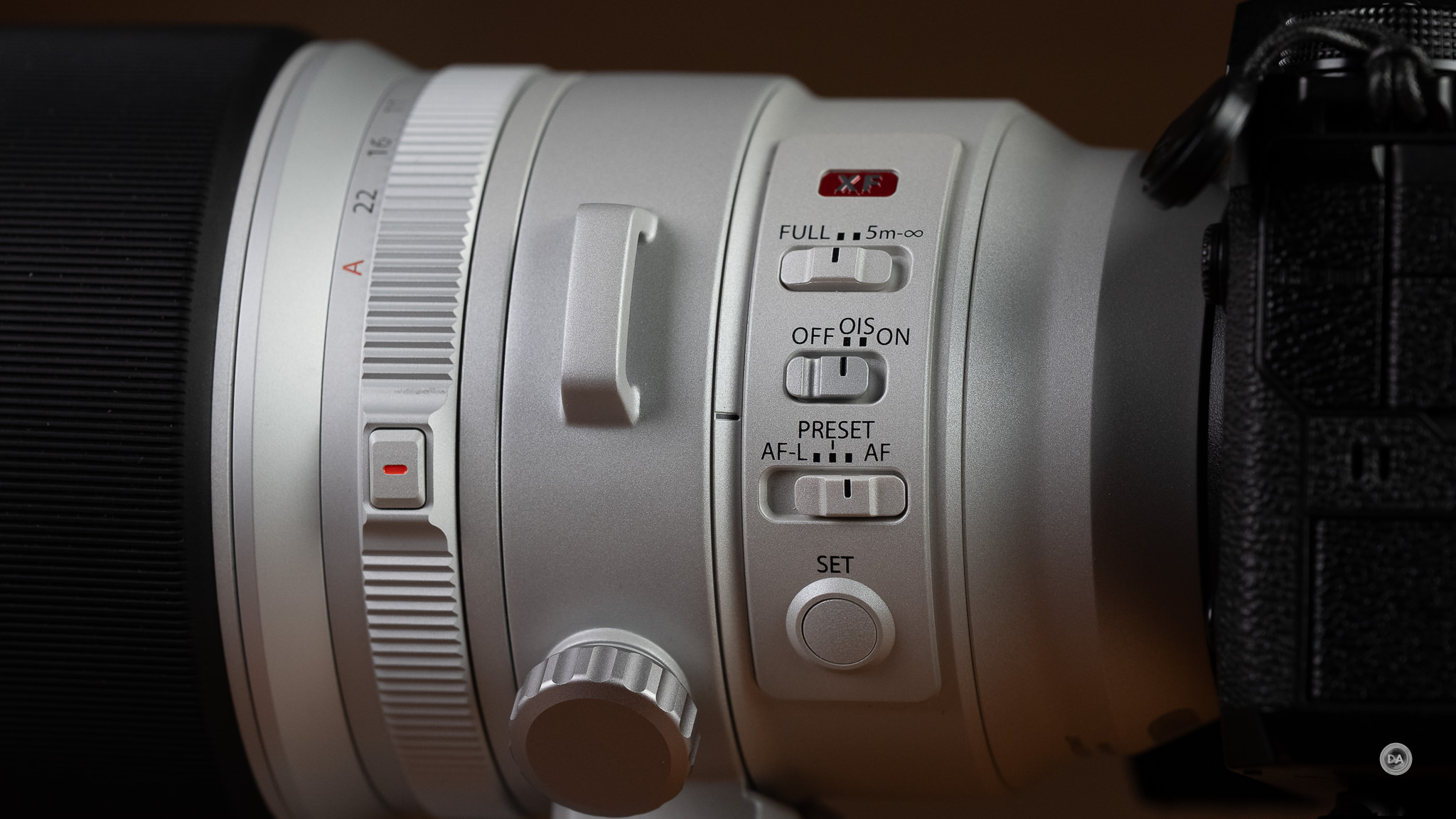
You’ll have noticed that this is also a fully featured lens. At the top of the bank of switches is a two position focus limiter. It will allow you to eliminate the close focus possibilities under 5 meters (minimum focus distances is 2.8m) for snappier focus. Next comes a simple ON | OFF for the OIS system (it is a smart system that will determine whether or not you are panning). The OIS is rated for up to 5.5 stops, which is certainly useful.
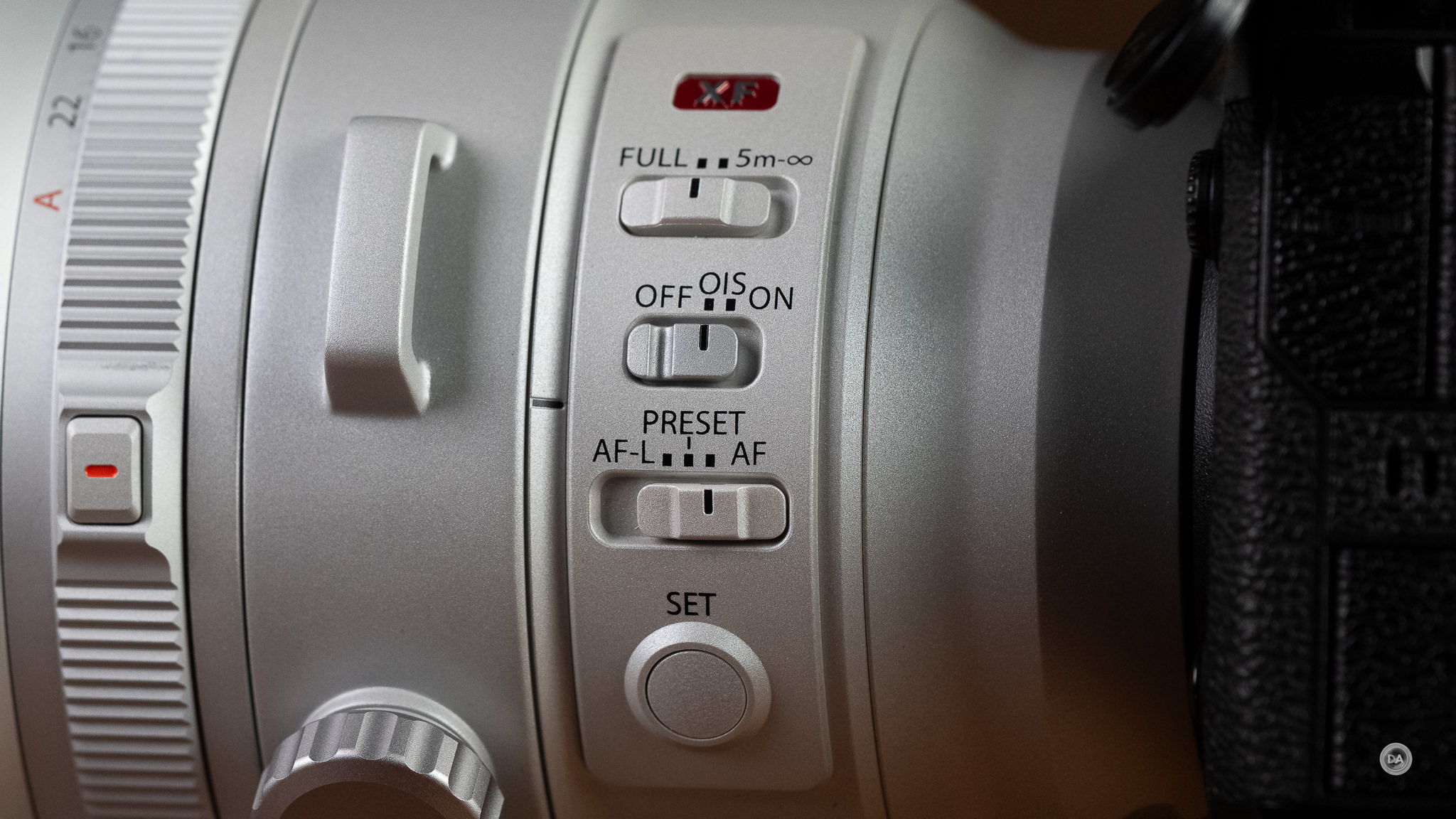
Finally there is a three position switch that will allow you to choose AF-L, Preset, or standard AF modes. You can set the Preset focus position by using the button underneath the switch.
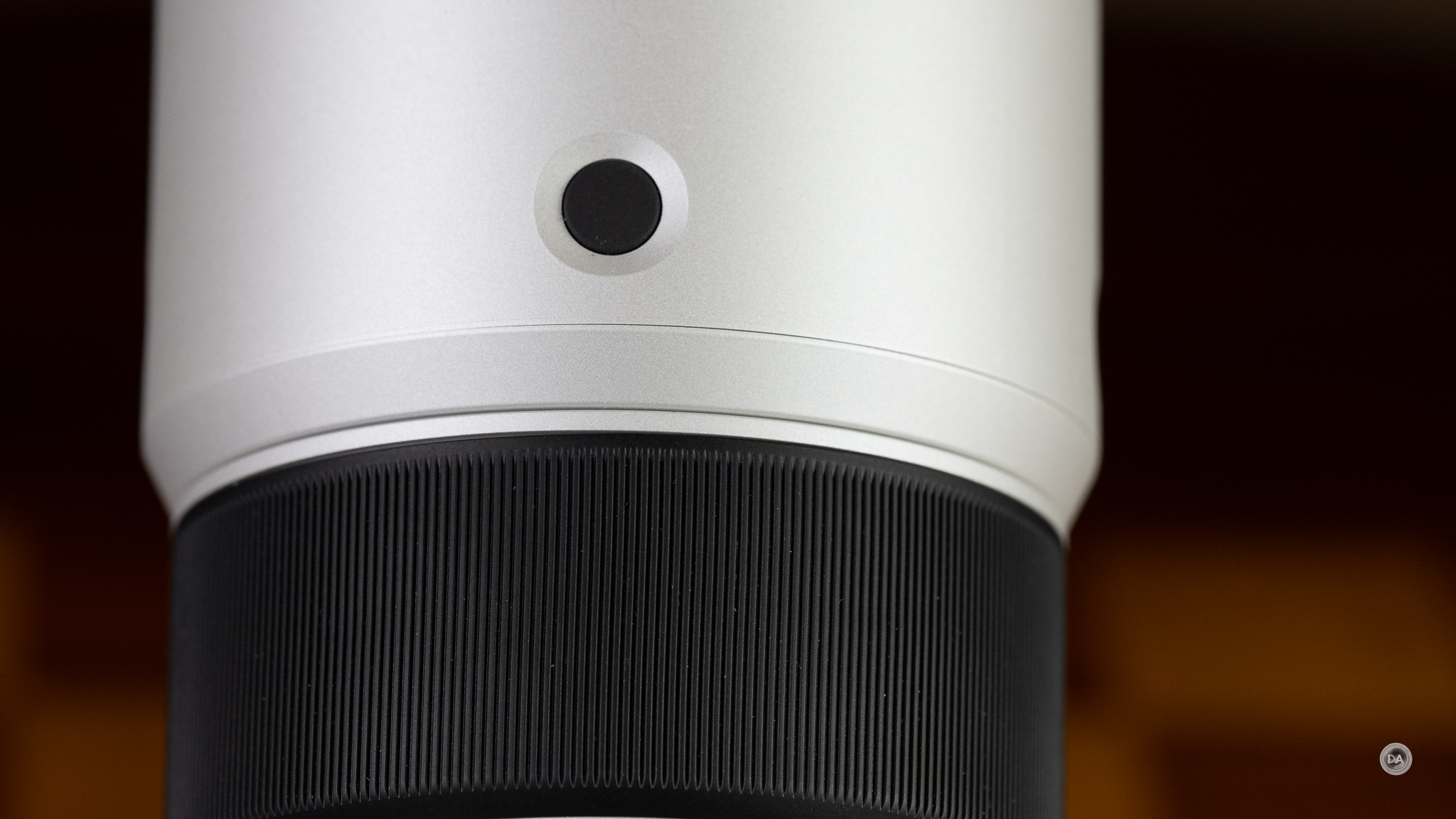
You can then hit one of the buttons towards the front of the lens located at the four pole positions, and focus will instantly revert to whatever the preset was. It’s a nice option when you are shooting in a situation where both your shooting position and your subject (or at least one of them) are at consistent positions.
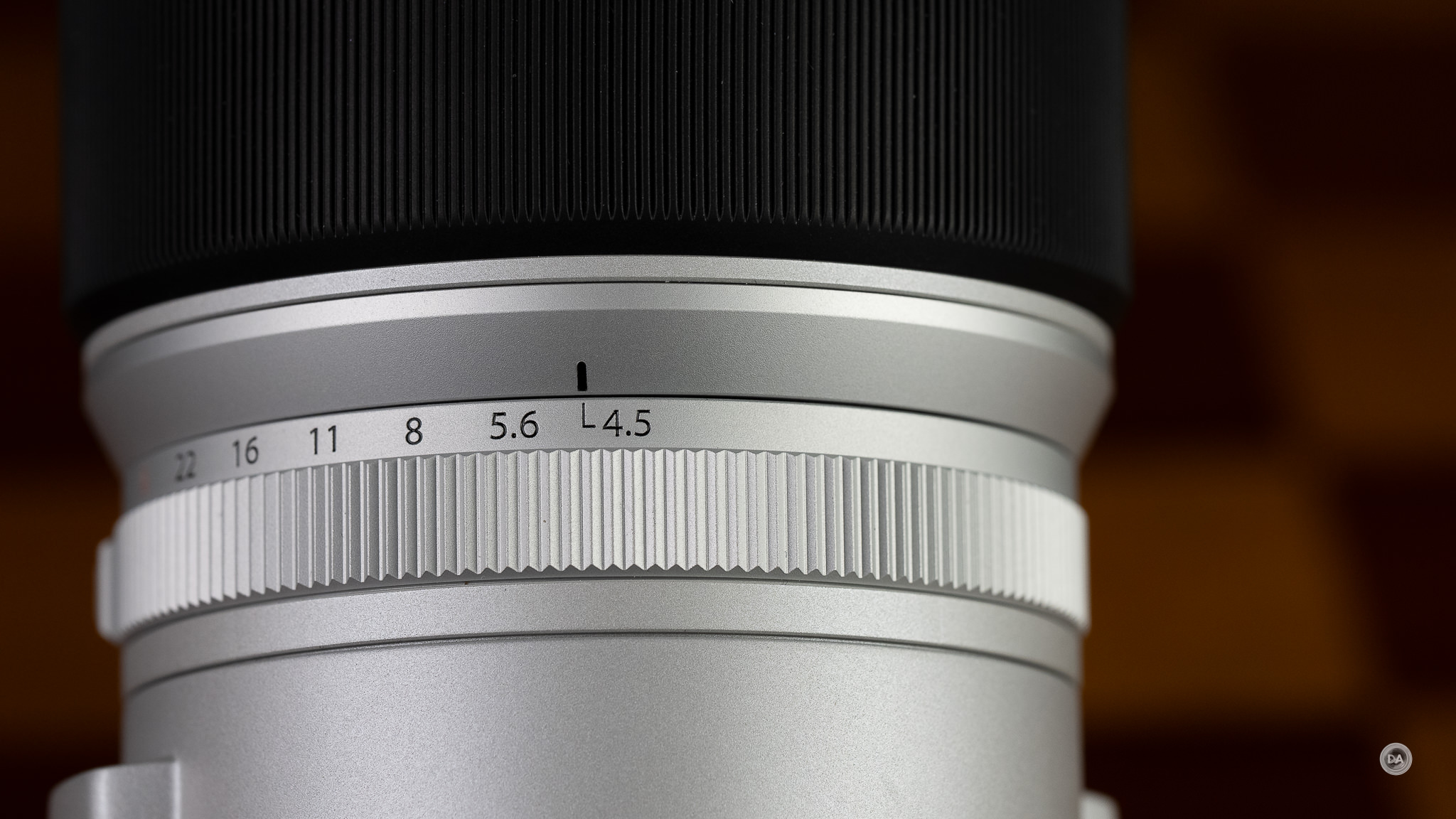
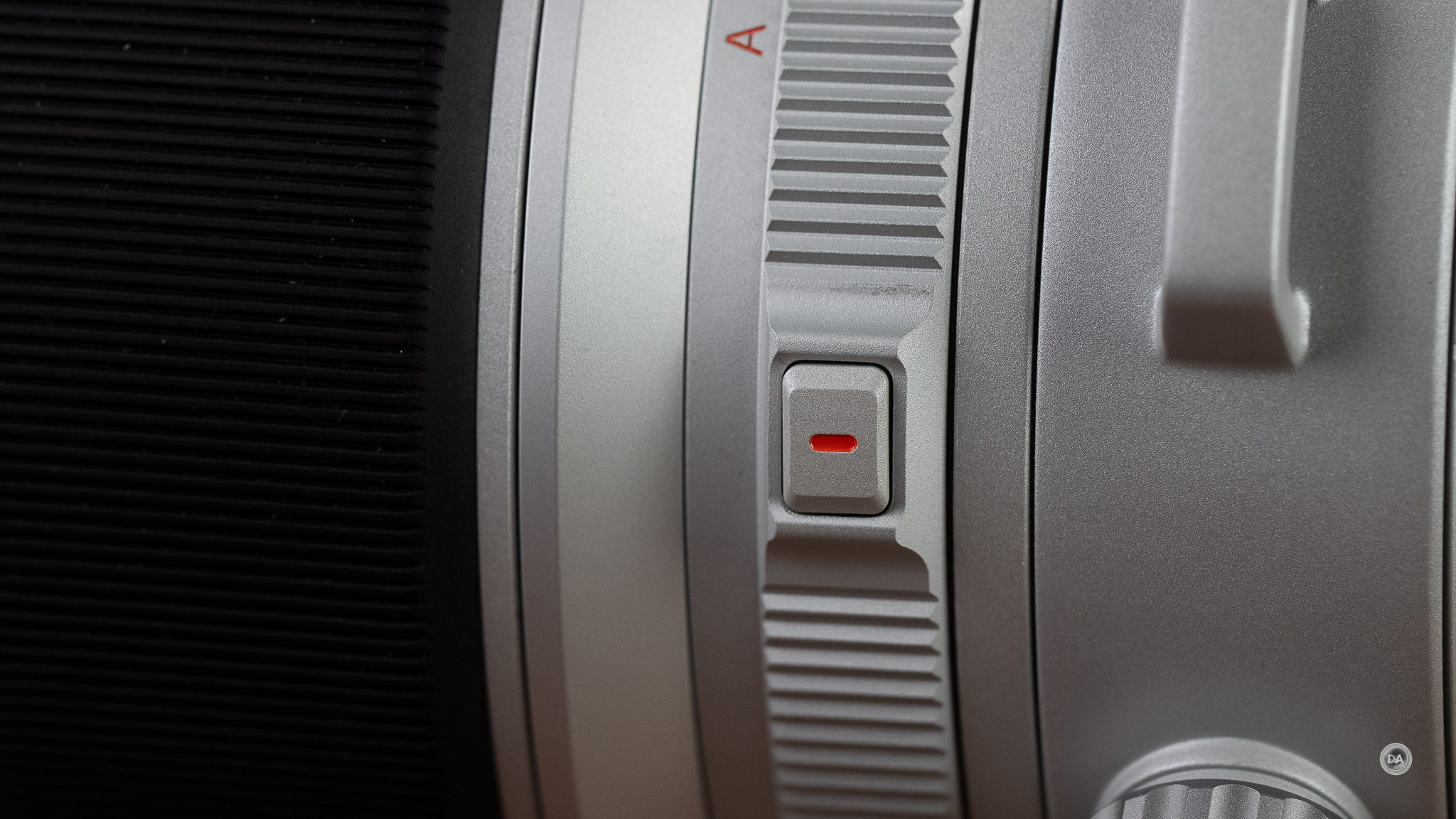
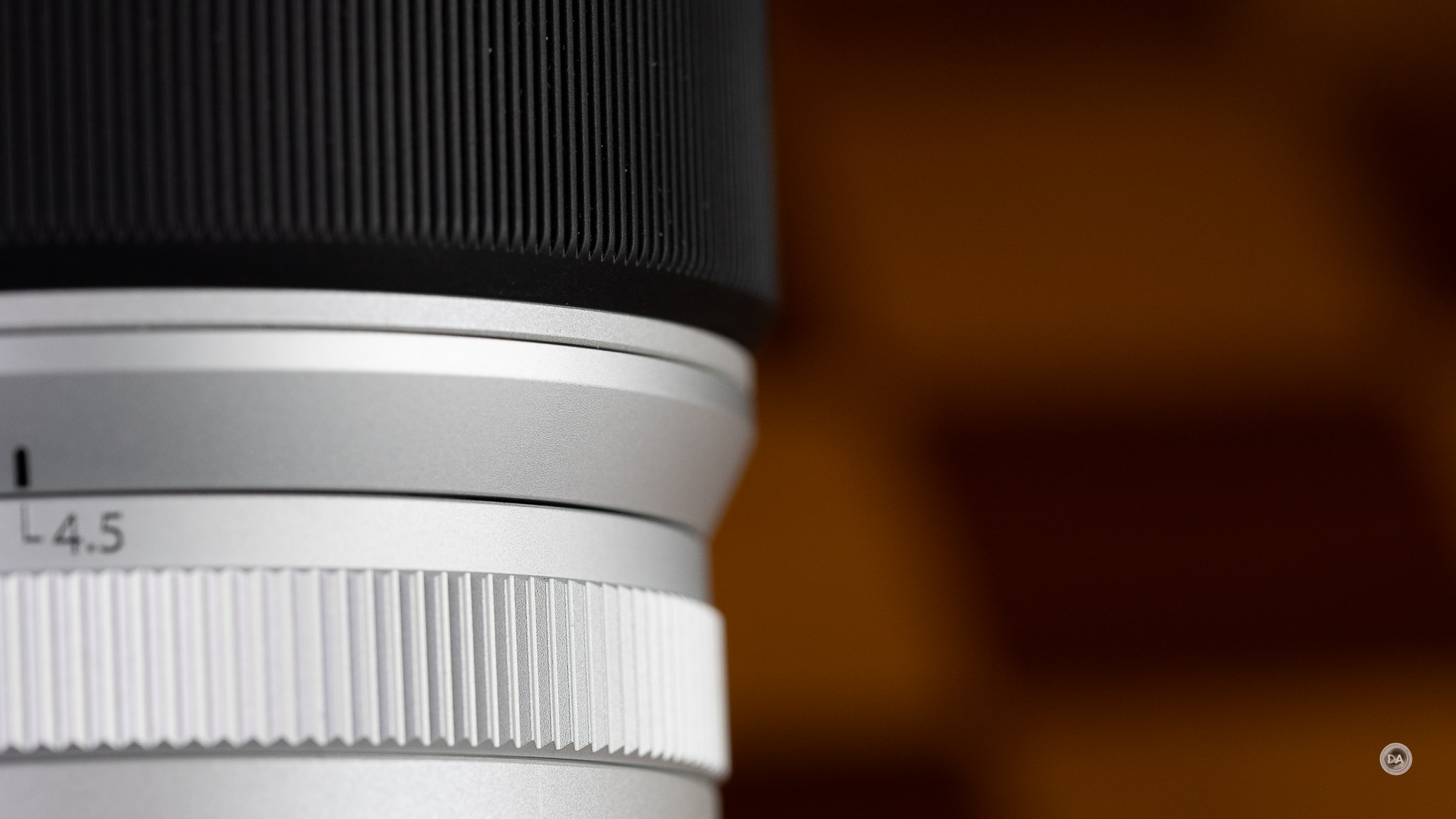
Aperture is controlled via an aperture ring located between the switches and the broad manual focus ring. You can select aperture manually on the ring, and while the one third stop positions are not marked, there are light detents at each of them. You can also switch into either the Auto or Command positions by depressing the release button on the ring that will allow you to move either in or out of these options. The aperture iris itself has the typical nine blades.
The focus ring itself is nice and wide (as you can see above) and has a rubberized grip surface. It is very easy to distinguish between the focus and aperture rings even if you eye is pressed up to the viewfinder.
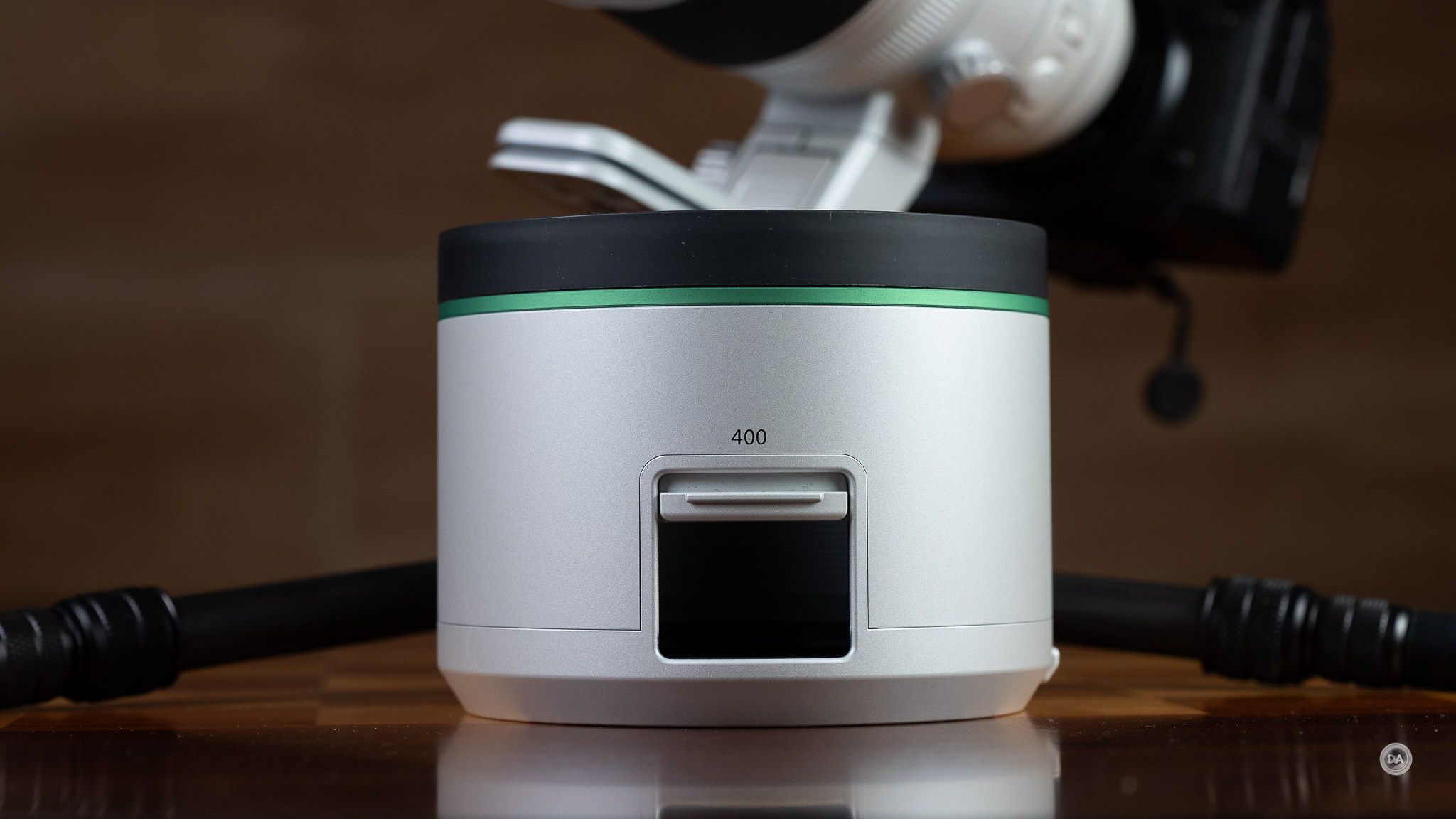
The included lens hood is deep and features a rubberized front edge (great for setting the lens/camera down in this position) and bayonets on rather than using a tension knob. It has a lock to prevent the hood from inadvertent movement and has a sliding door on the bottom that allows you to access a rotating filter like a circular polarizer if you have one attached.
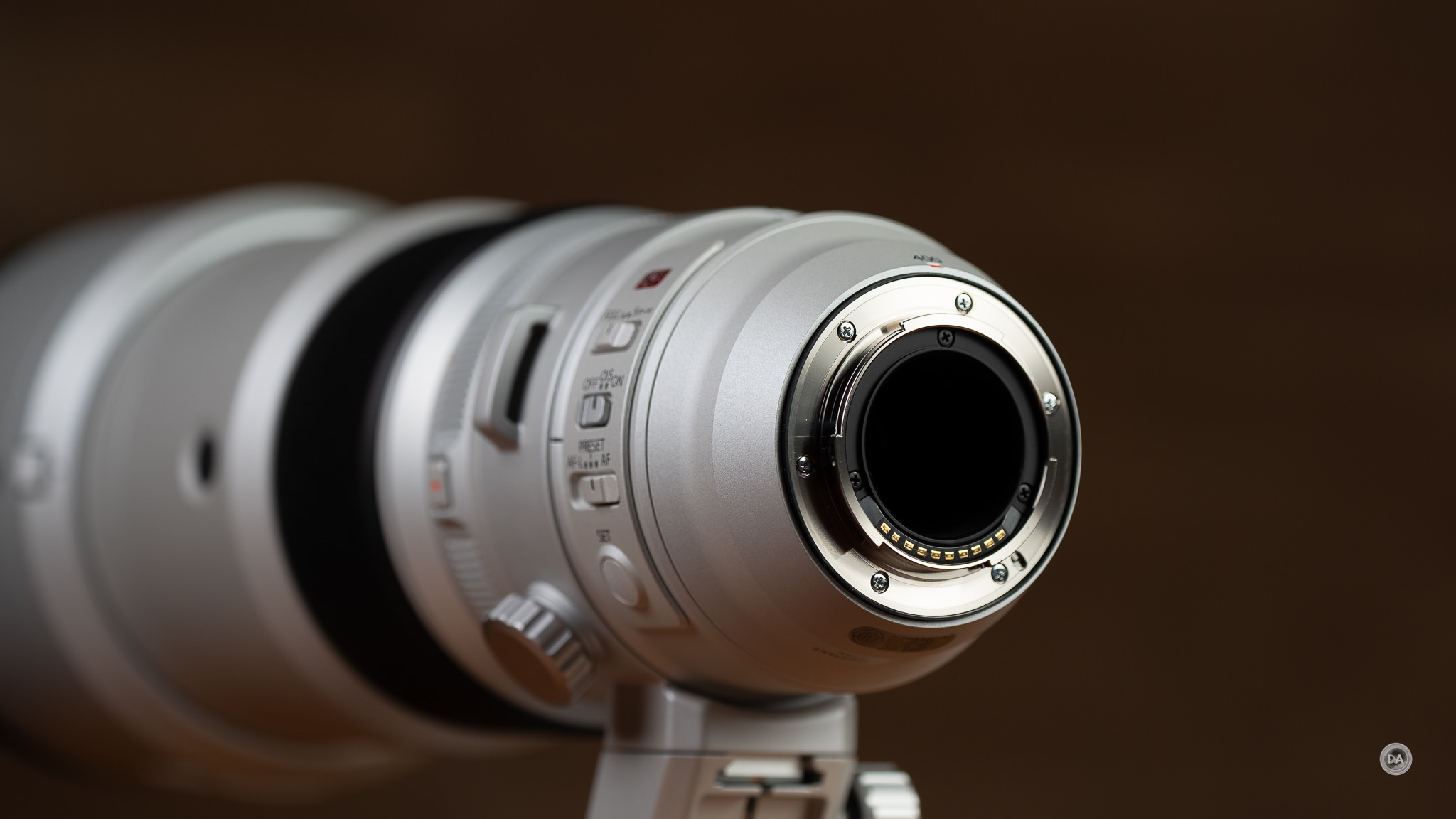
According to Fuji, the XF 400mm has 20 weather seal points for dust and weather resistance and is rated for operation down to -10°C. There is a nice, thick gasket at the lens mount.
The build quality is fantastic, with a nice blend of metals and high end composites to create a lens that is both durable and reasonably lightweight. It looks and handles great in the field.
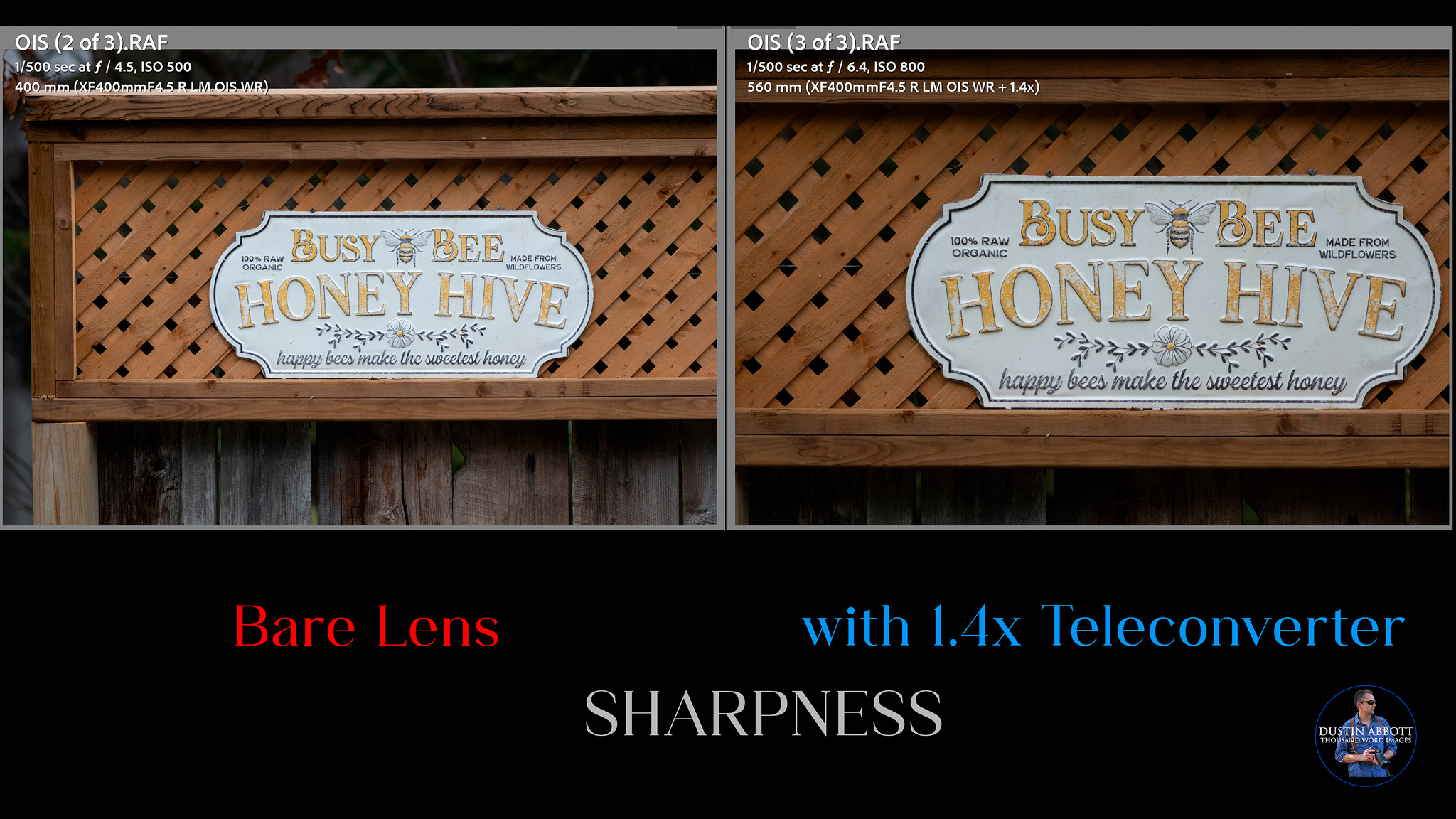
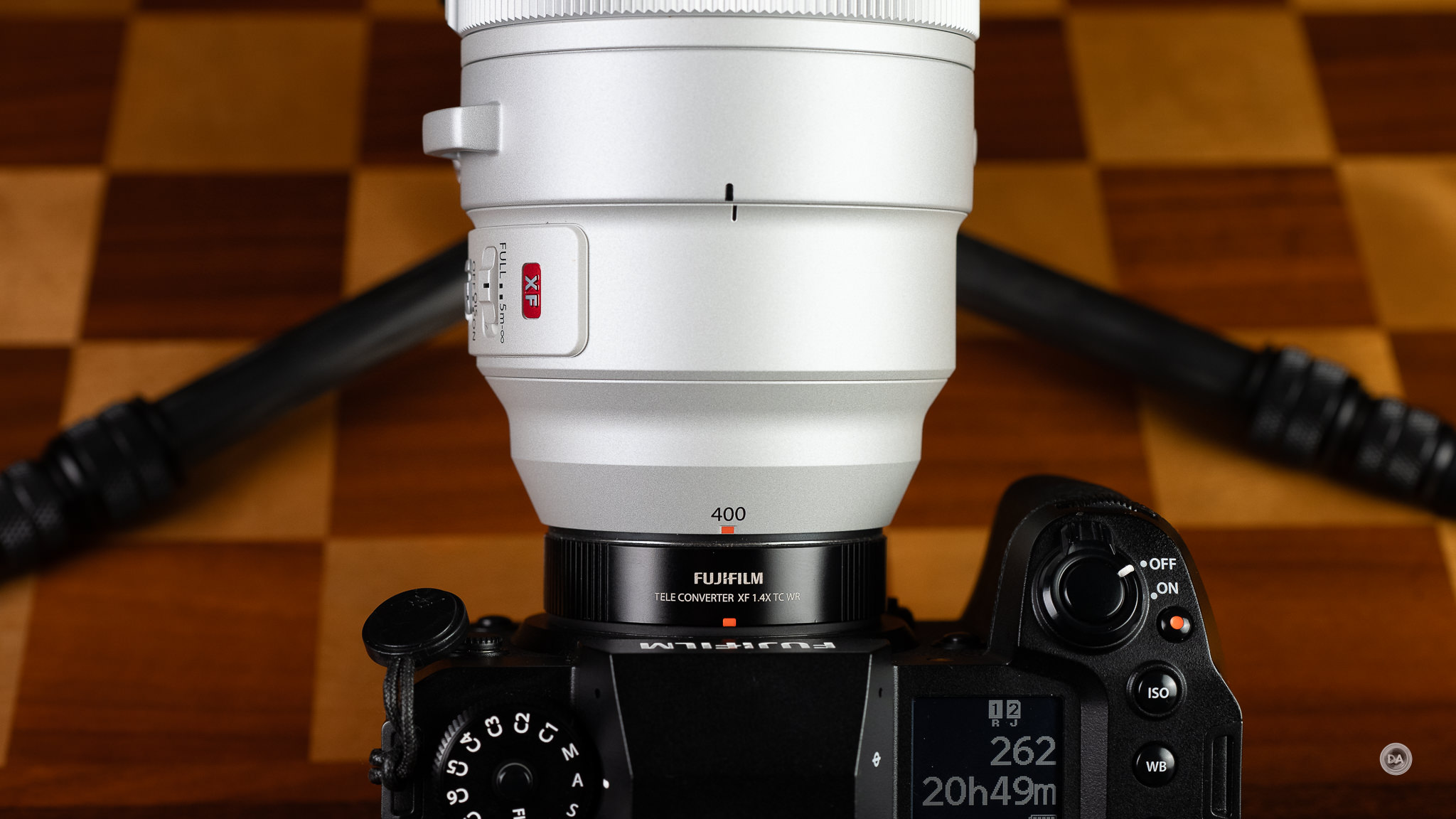
The XF 400mm is fully compatible with both of Fuji’s teleconverters, and when you add the 1.4x teleconverter, you get a 560mm (852.6mm full frame equivalent) focal length with a maximum aperture of F6.3. Here’s a look a the difference in framing when you add the 1.4x:
Adding the 2x teleconverter gets you to an 800mm (1219mm full frame equivalent), though with a maximum aperture of F9. There will be more optical and focusing tradeoffs with the 2x teleconverter, as the focus system will have less light to work with while trying to accommodate a much longer focal length, and by F9 you are well into the point where diffraction will start to soften image quality (particularly on Fuji’s 40MP sensors). I did not have the 2x teleconverter on hand for testing.
The minimum focus distance isn’t particularly close (2.75 meters), but that’s not unusual for long telephoto primes. The resulting magnification is still reasonably high, however, at 0.16x. That looks like this.
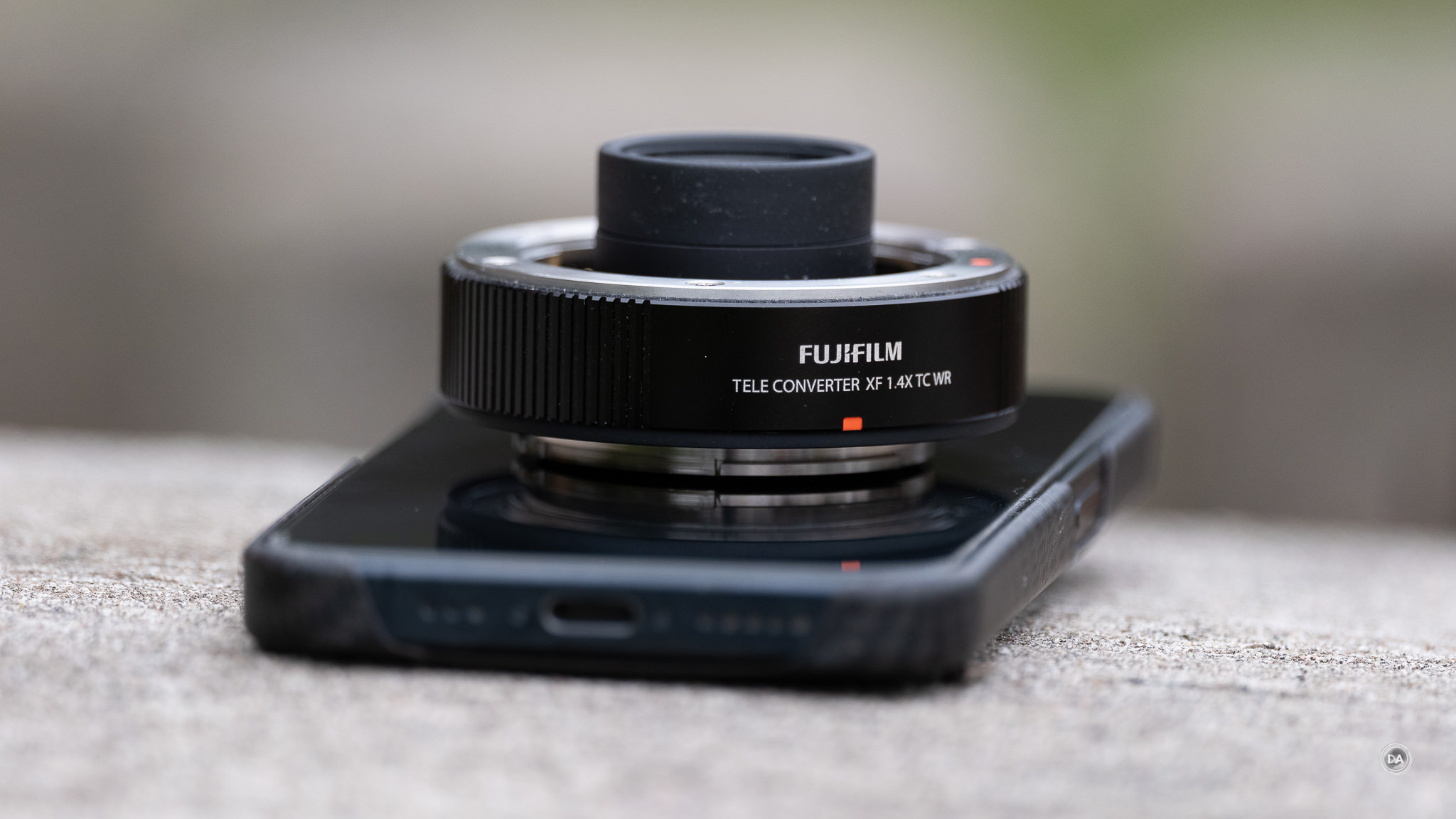
Definitely enough to be useful.
This is an extremely nice package, and while the price tag of $3199 USD ($3898 here in Canada) is dear, you have no question that you are getting a very high end lens for that money.
Autofocus for Stills
Fuji has equipped the XF 400mm F4.5 with a single linear motor. Fuji’s linear motors are smooth and powerful, though it is impossible to separate the performance of the lens from the limitation of Fujifilm’s autofocus in their cameras. I can tell that the lens has great potential, but unfortunately it is still held back by the limitations of the camera (and I used the X-H2 for this review, which, for this generation of cameras, is only exceeded by the X-H2S for tracking performance).
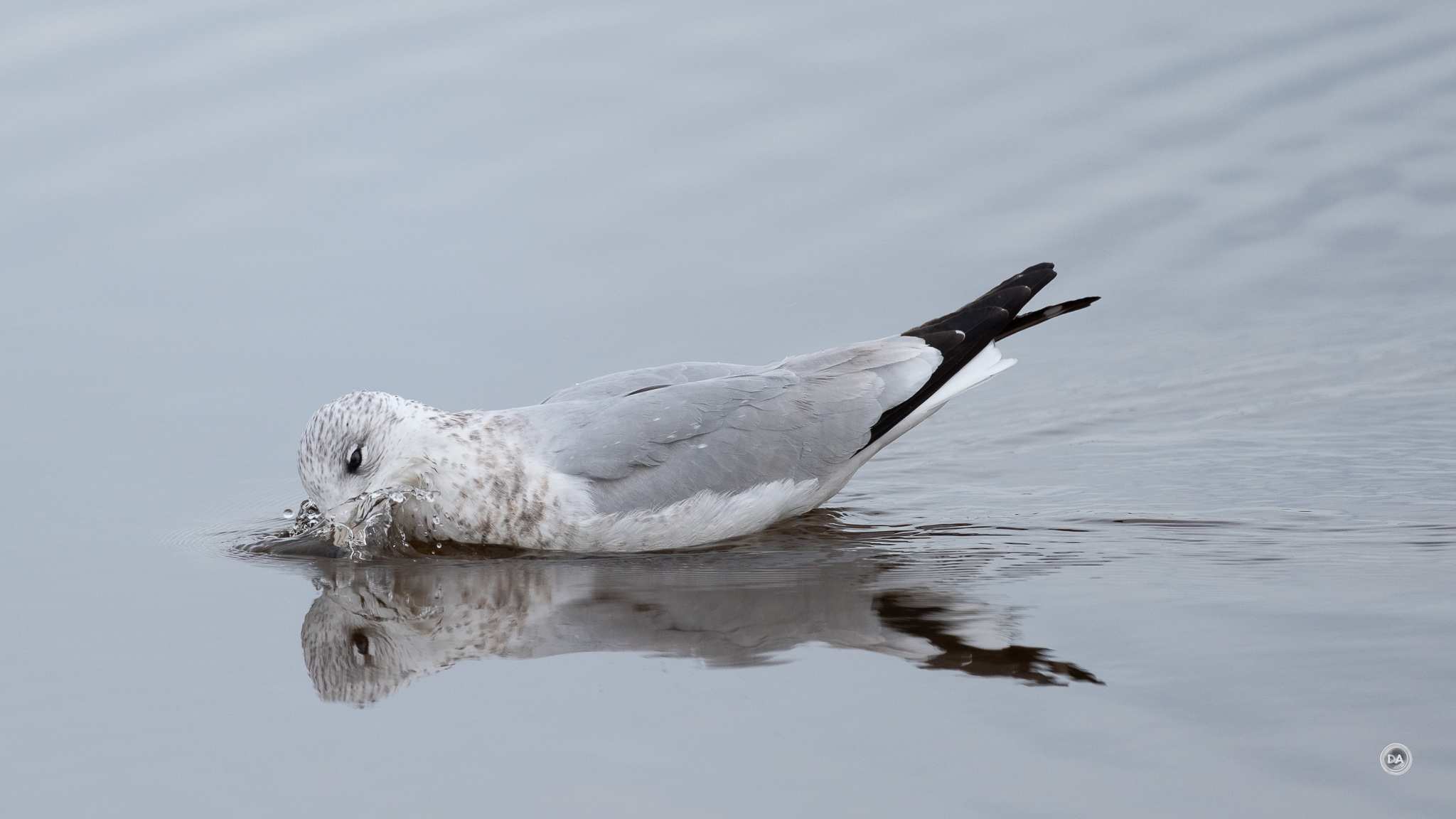
Those limitations showed up in a variety of situations. Fortunately one of those is not stills. I got great focus results in slower moving situations, like this:
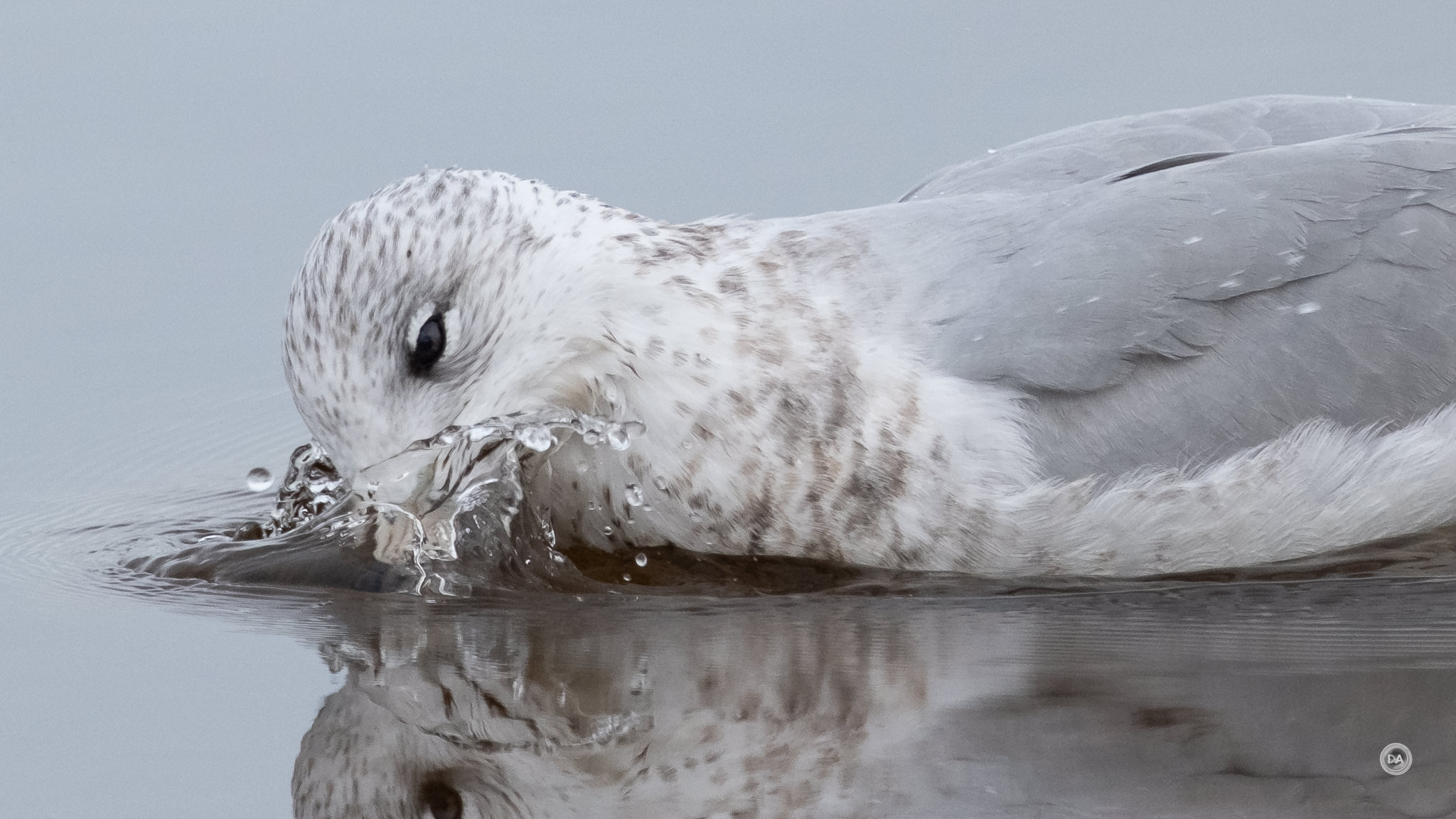
Fuji’s focus systems work best when the camera can see eyes, and I found that I got the best results when birds were facing me.


I could get a reasonable amount of keepers if a bird was flying towards me.

But where I really struggled was in subject acquisition. The seagulls were not active on this drab day, and I had to walk towards them to encourage them to take flight. It was frustrating to get them to fly, and then to not be able to pick them up on the wing. I got far too many shots that look like this:

In the following sequence I gave up after ten frames where the camera simply refused to pick up on the bird despite it being large in the frame.

Sometimes focus drifted even with an obvious subject. If you look at these three frames from a burst of the speedboat, you will find that one and three are fairly well focused, but #2 has drifted…and I can’t even tell what it has focused on instead. It just seems to have everything slightly out of focus.
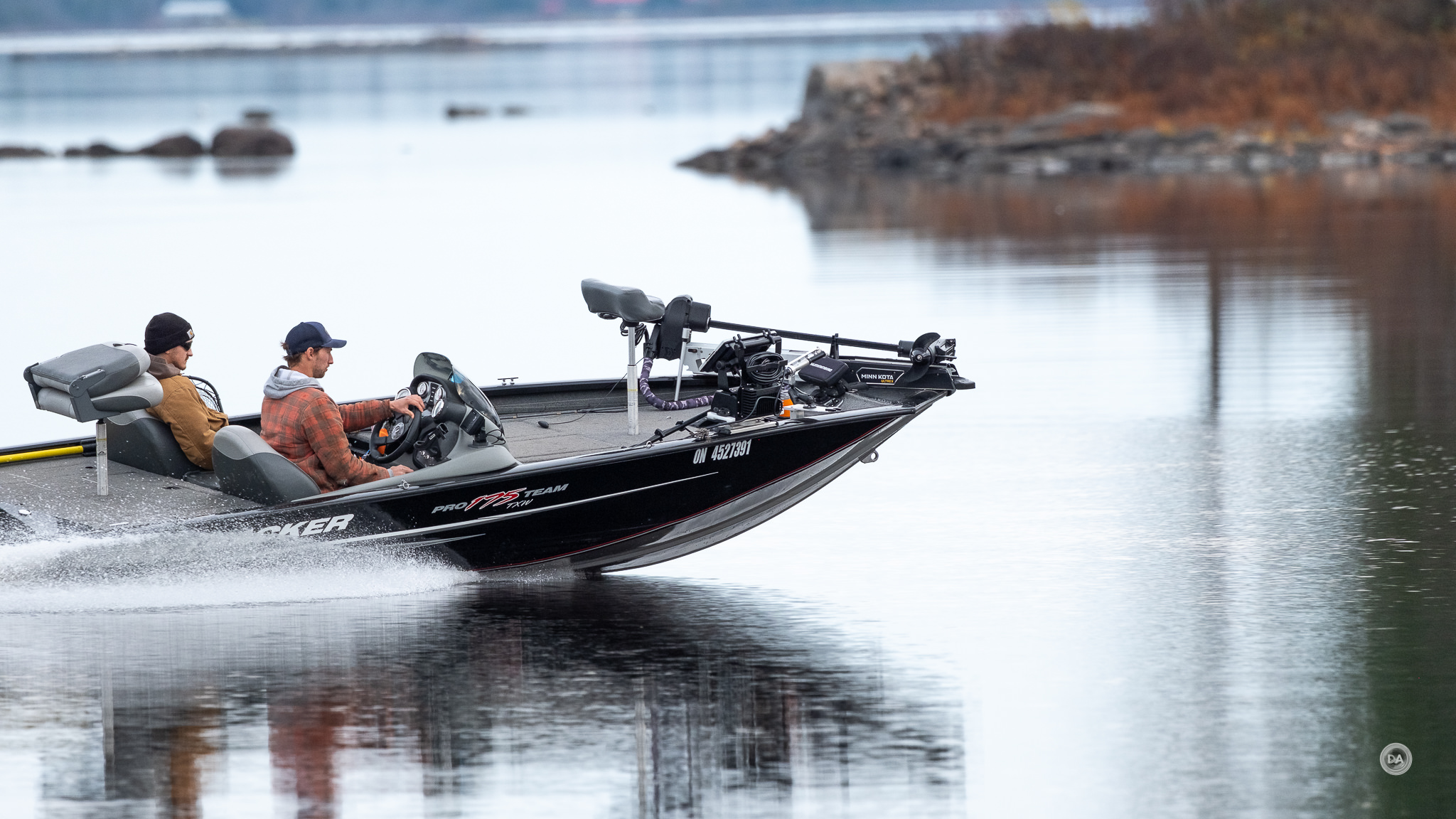
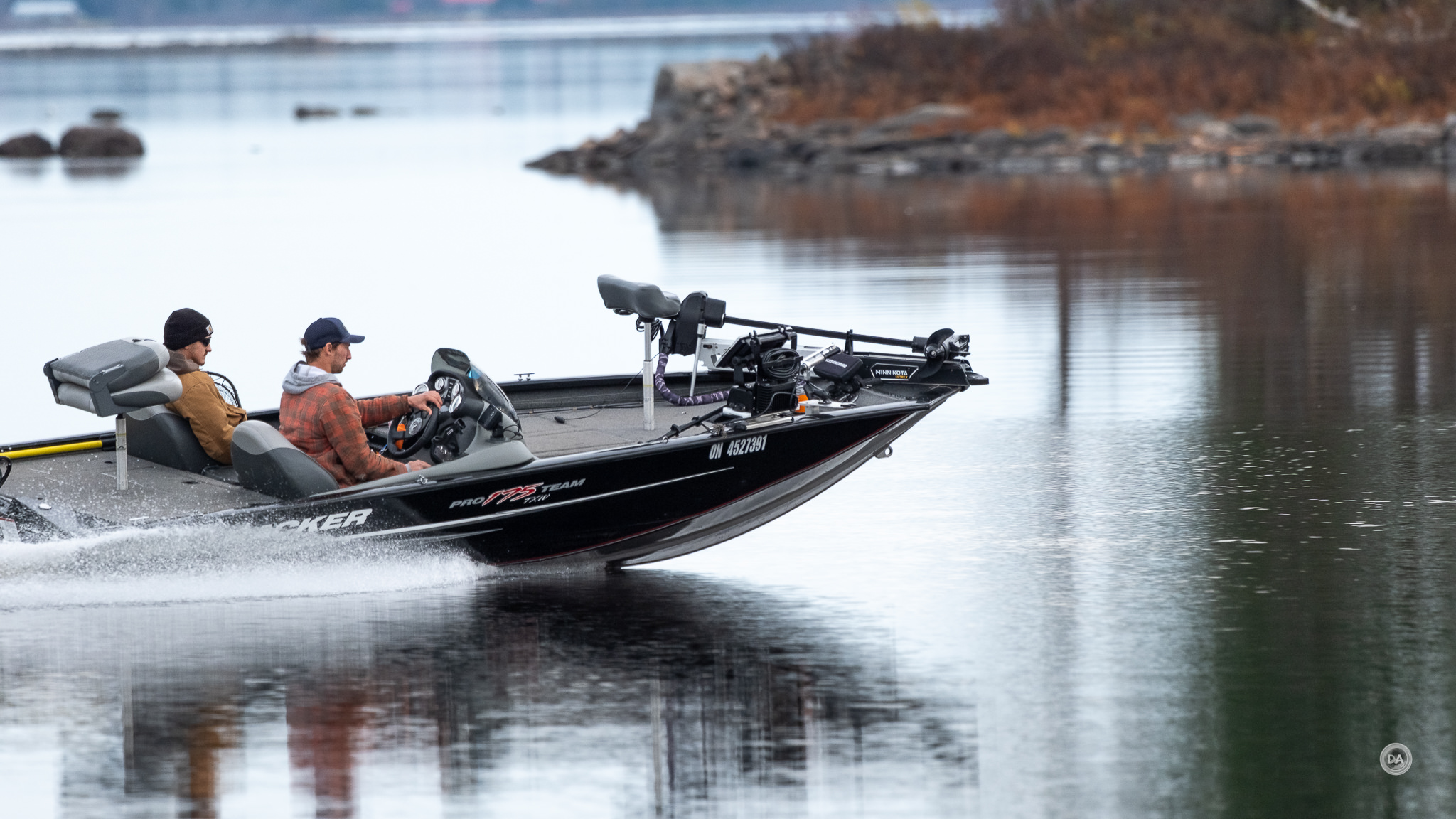
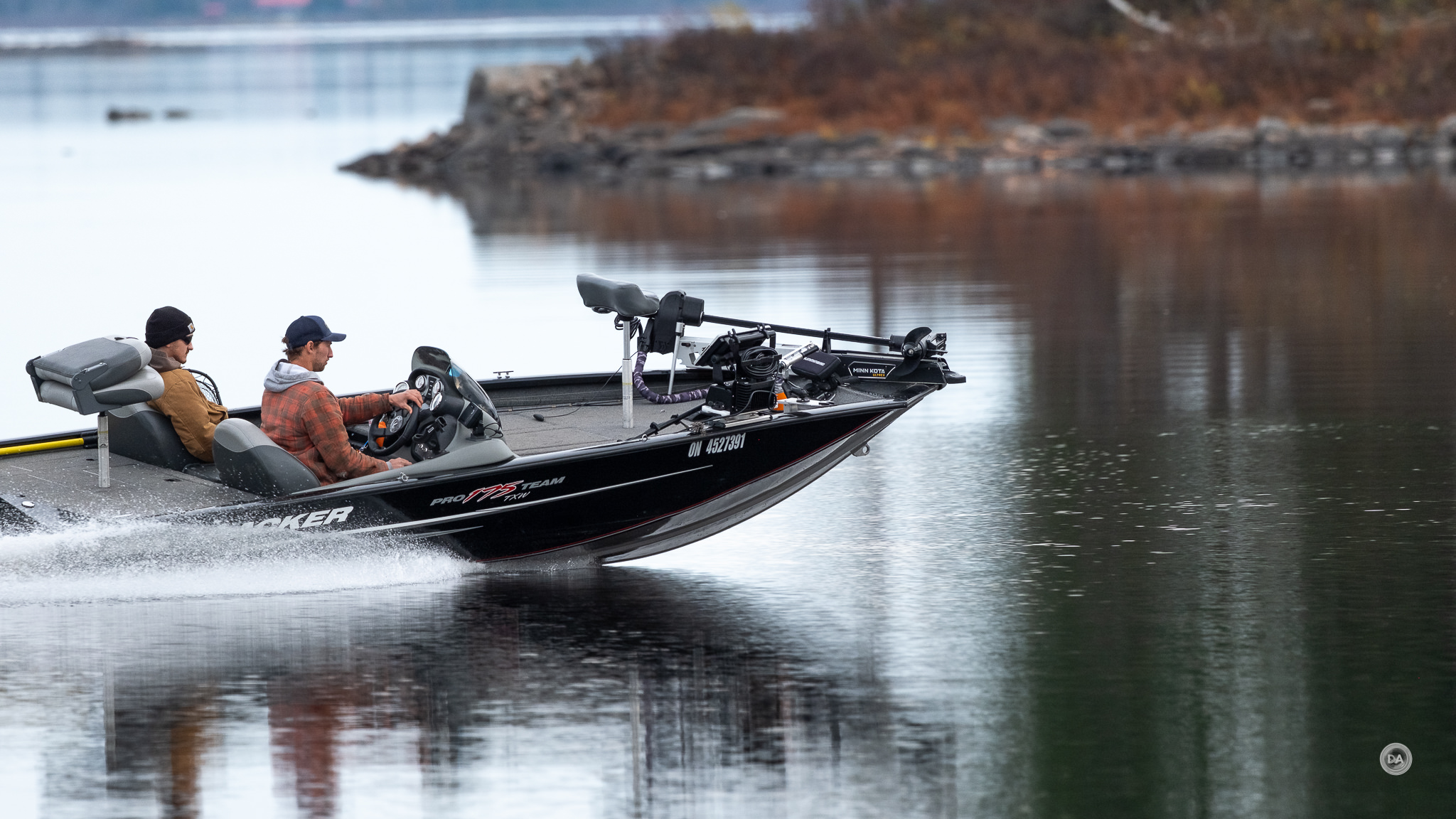
I’ve reviewed nearly 40 Fuji lenses previously (including some third party XF mount lenses), so I can say with confidence that most of the issues here are the focus system of the camera, which tells me that focus has the potential to get much better when Fuji invariably figures out how to do autofocus in its cameras better.

In the meantime, you can get good results, but it will take a little more patience and good technique than the fairly effortless process one finds these days on Sony, Canon, or even Nikon.
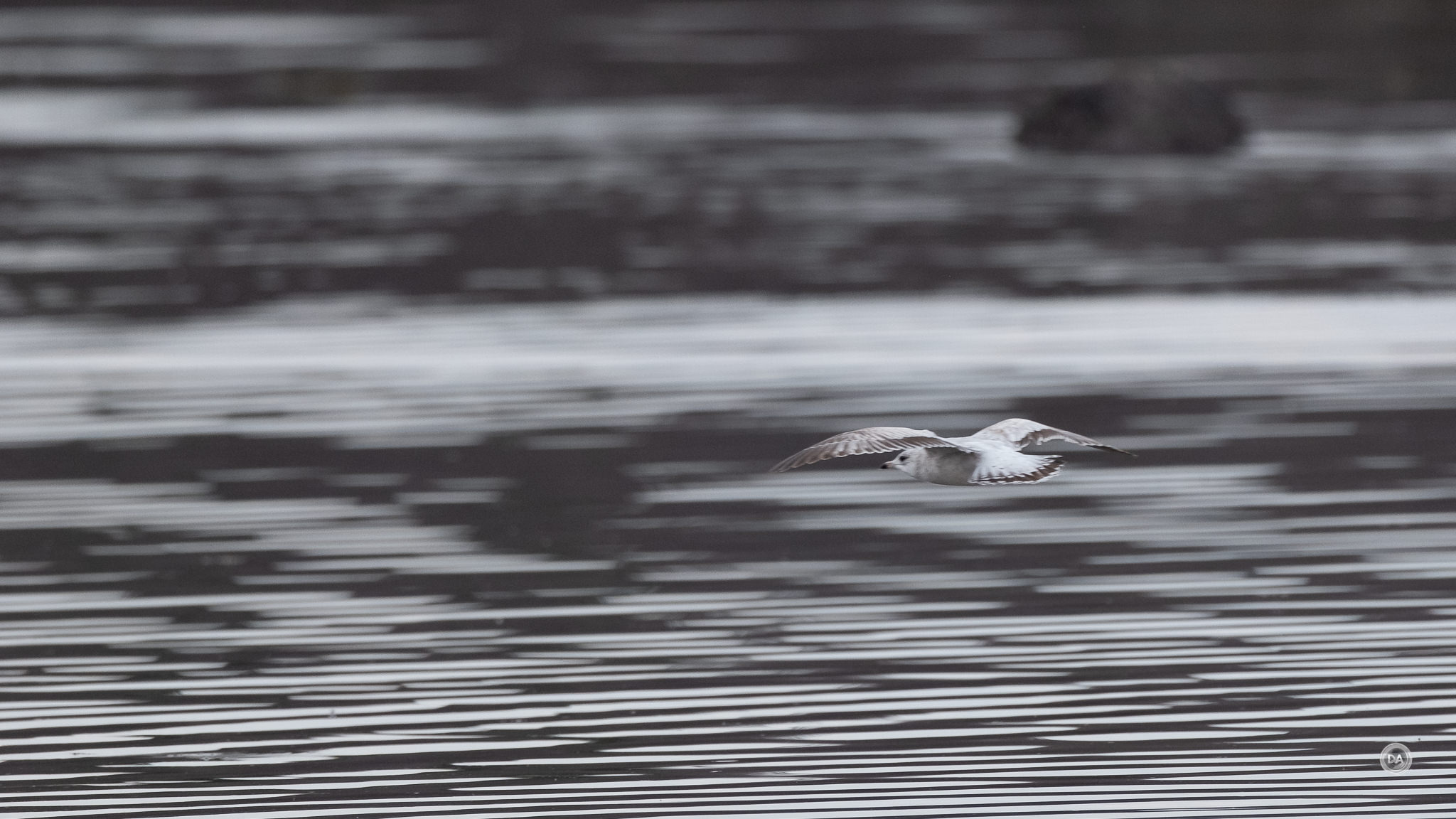
As the moment I would say with confidence that this is only weak link in the chain.
Video Performance
Lenses with a focal length this long are less likely to be used for video work, but that doesn’t mean that they won’t be at all. I mostly found that autofocus was easier here, as I was largely capturing scenes where focus was already acquired and just needed to stay locked on. Here’s some frames from a clip of a woodpecker doing its thing, and I found that focus stayed stable as the woodpecker moved back and forth.
*all photos in this section are stills from video clips.



Trying to acquire focus of a moving subject was just as frustrating as with stills, however, and over the course of this roughly six second clip focus never latched onto the bird despite having “bird AF” turned on.

One clip I was framed very tightly, and I still felt that focus mostly did a good job of staying locked, with only a couple split second moments where the gull moved and focus hadn’t yet adjusted.

A video clip of fishermen out of the water had stable focus despite them being some distance away.

There is some minor focus breathing, but it isn’t bad for a lens this long.
Don’t plan on doing touch to focus pulls, however, as one of my recurring Fuji frustrations turned up with a vengeance. I simply could not make the XF 400mm do touch to focus pulls regardless of what focus mode I chose and how many times I touched in different spots on the screen. Frustrating!
My take is that there isn’t a lot of versatility for video work here, but focus is reasonably stable if you start with the subject in focus.
Optical Performance
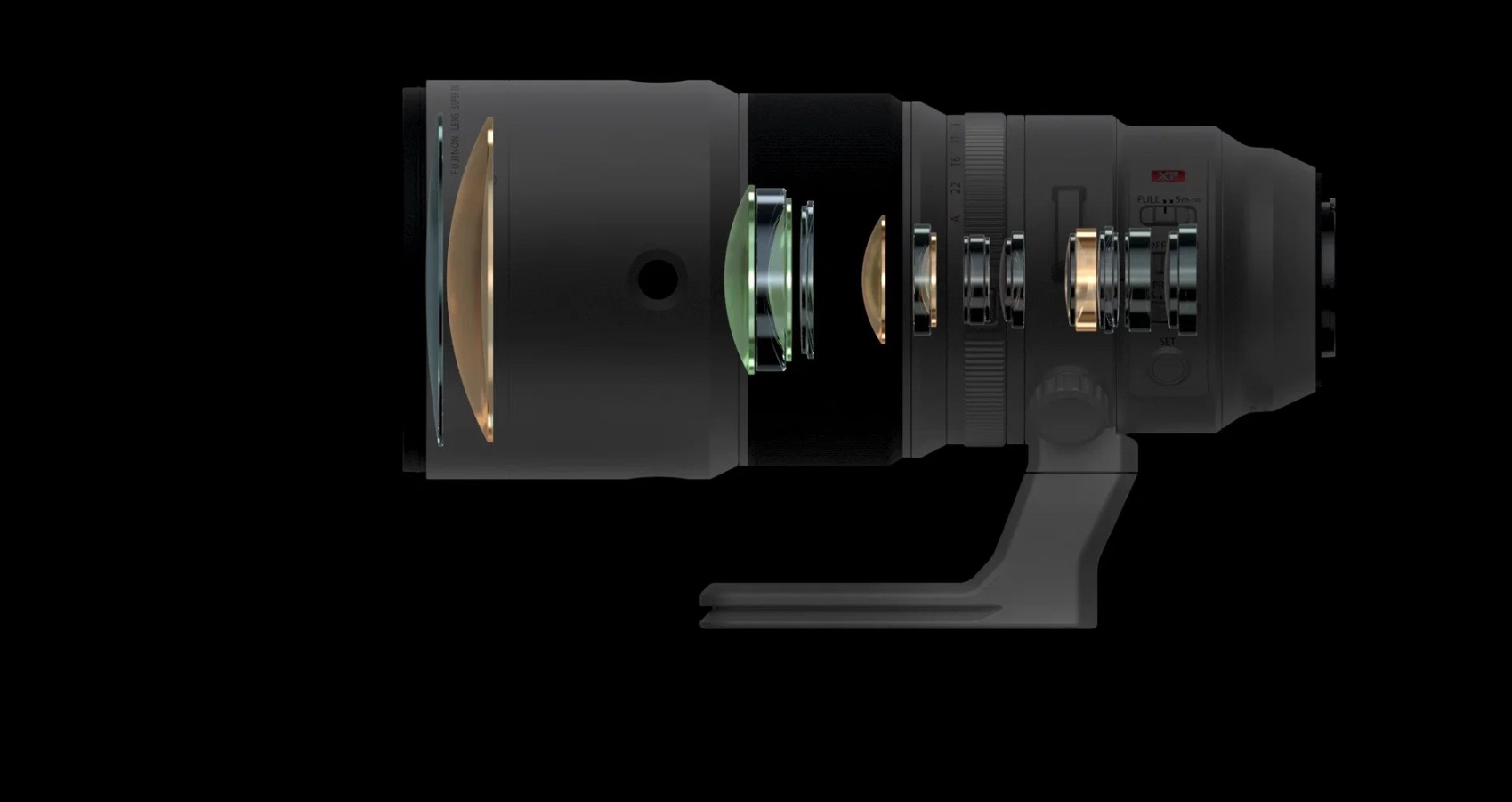
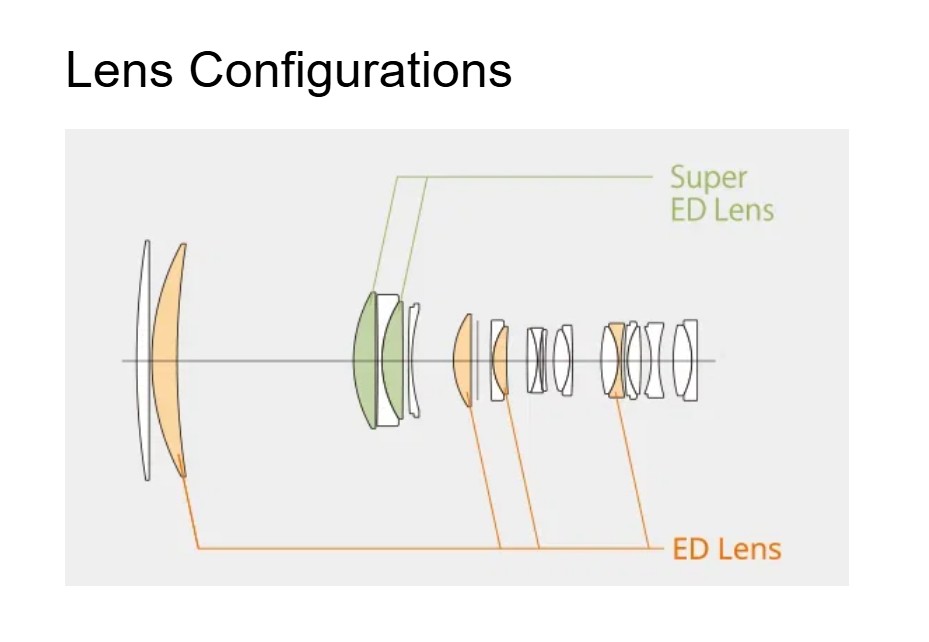
The Fujinon XF 400mm F4.5 has an optical design of 21 elements in 14 groups, which includes 4 ED (extra-low dispersion) elements and 2 super ED elements. The MTF is downright amazing (even at the demanding 45 lines/mm MTFs that Fuji shares).
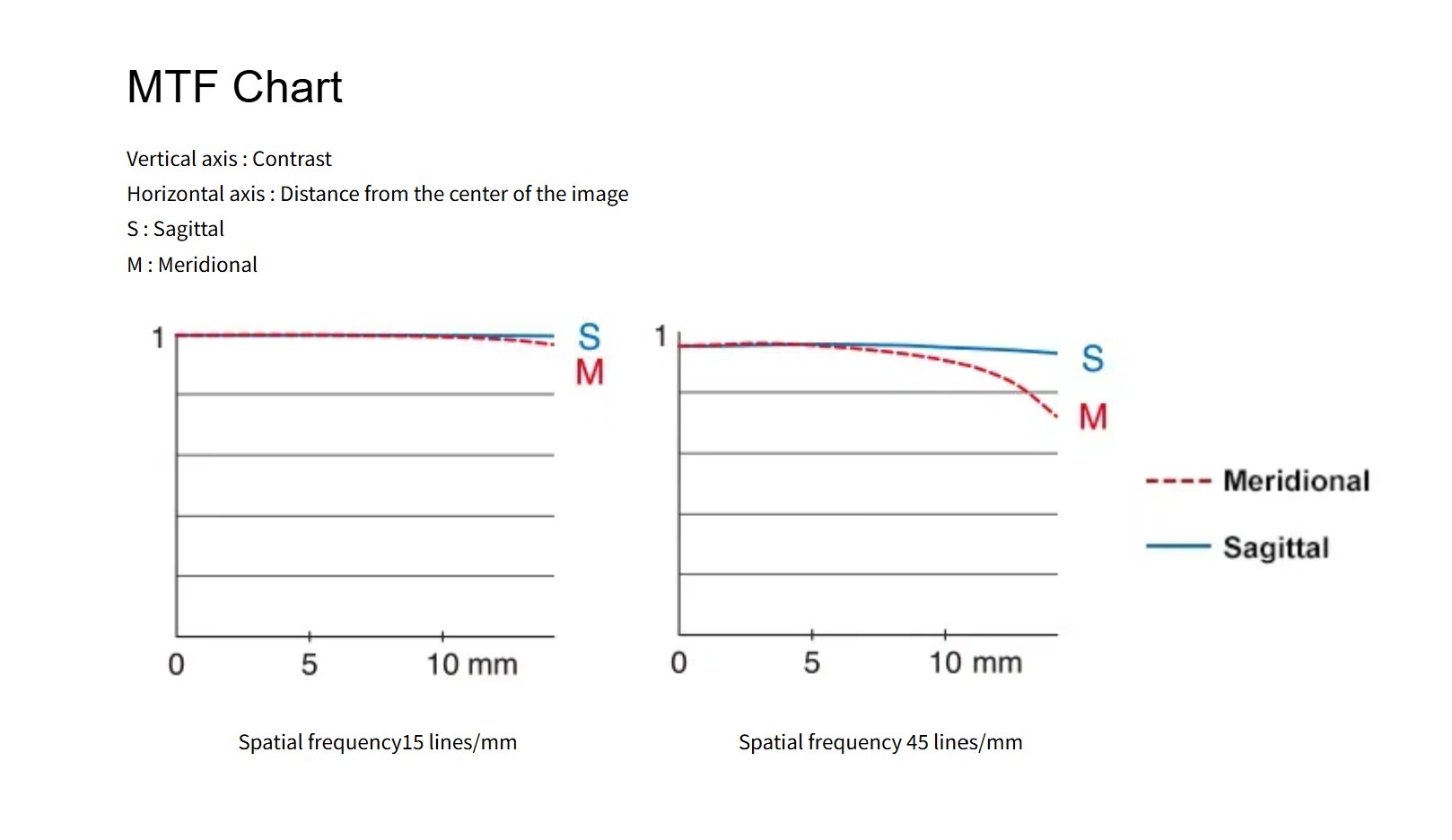
The center and midframe are essentially perfect, while there is a very slight fade in the meridional axis in the corners. I vastly prefer a lens like this to the XF 150-600mm (my review here), as while that was also a sharp lens, the maximum aperture of F8 on the telephoto end means that you are already well into diffraction territory even wide open on the 40MP sensor. F4.5 gives you the ability to play with aperture a bit more and even utilize the 1.4x teleconverter without compromising image quality too much. That being said, there is some definite loss of contrast and detail if you add the 1.4x teleconverter, though within reasonable margins.

There is no distortion and very little vignette even without corrections turned on.
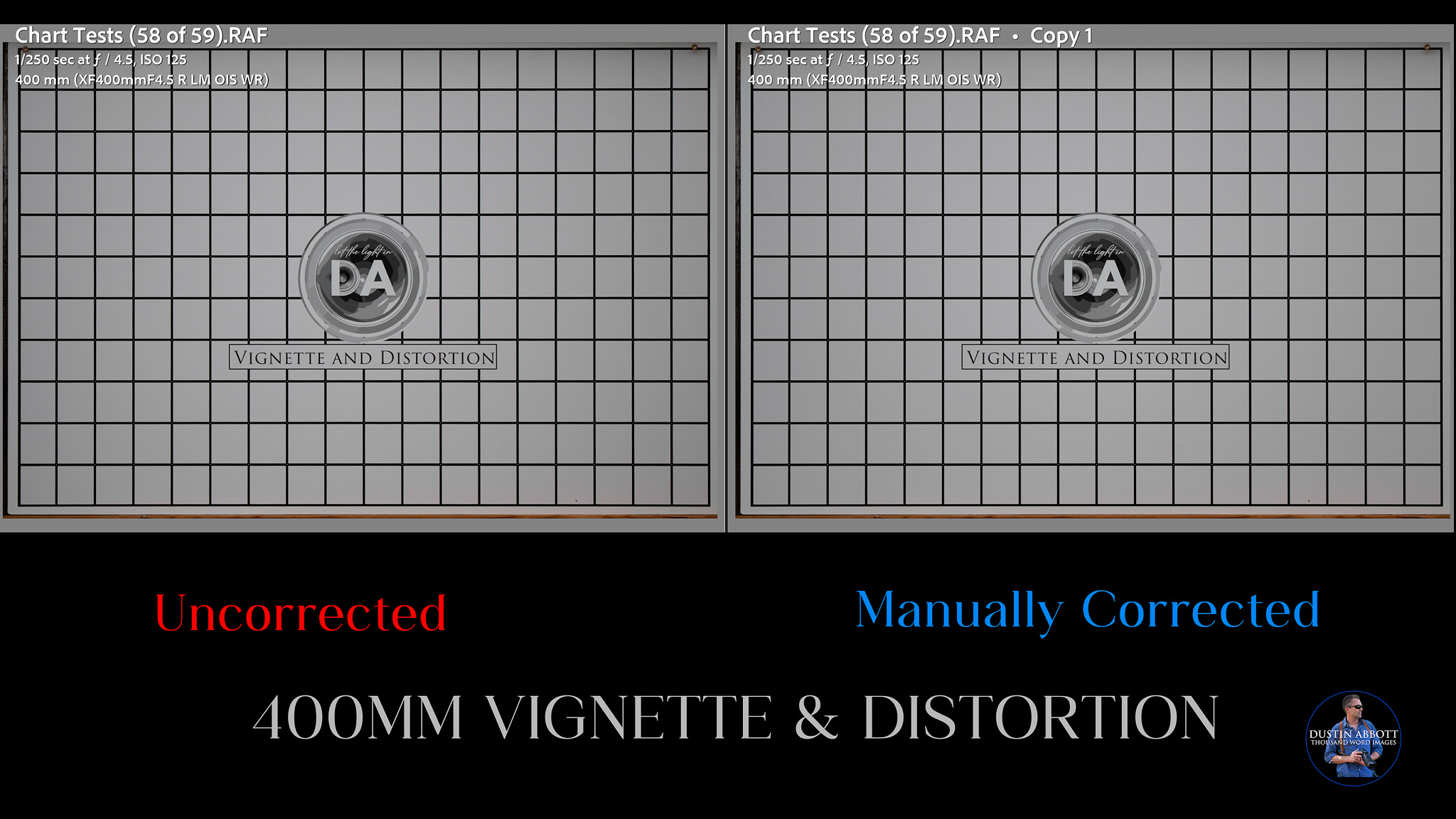
I used no distortion correction and minimal (+19) vignette correction.
Adding the 1.4x will add some barrel distortion (+9 to correct) but no additional vignette.
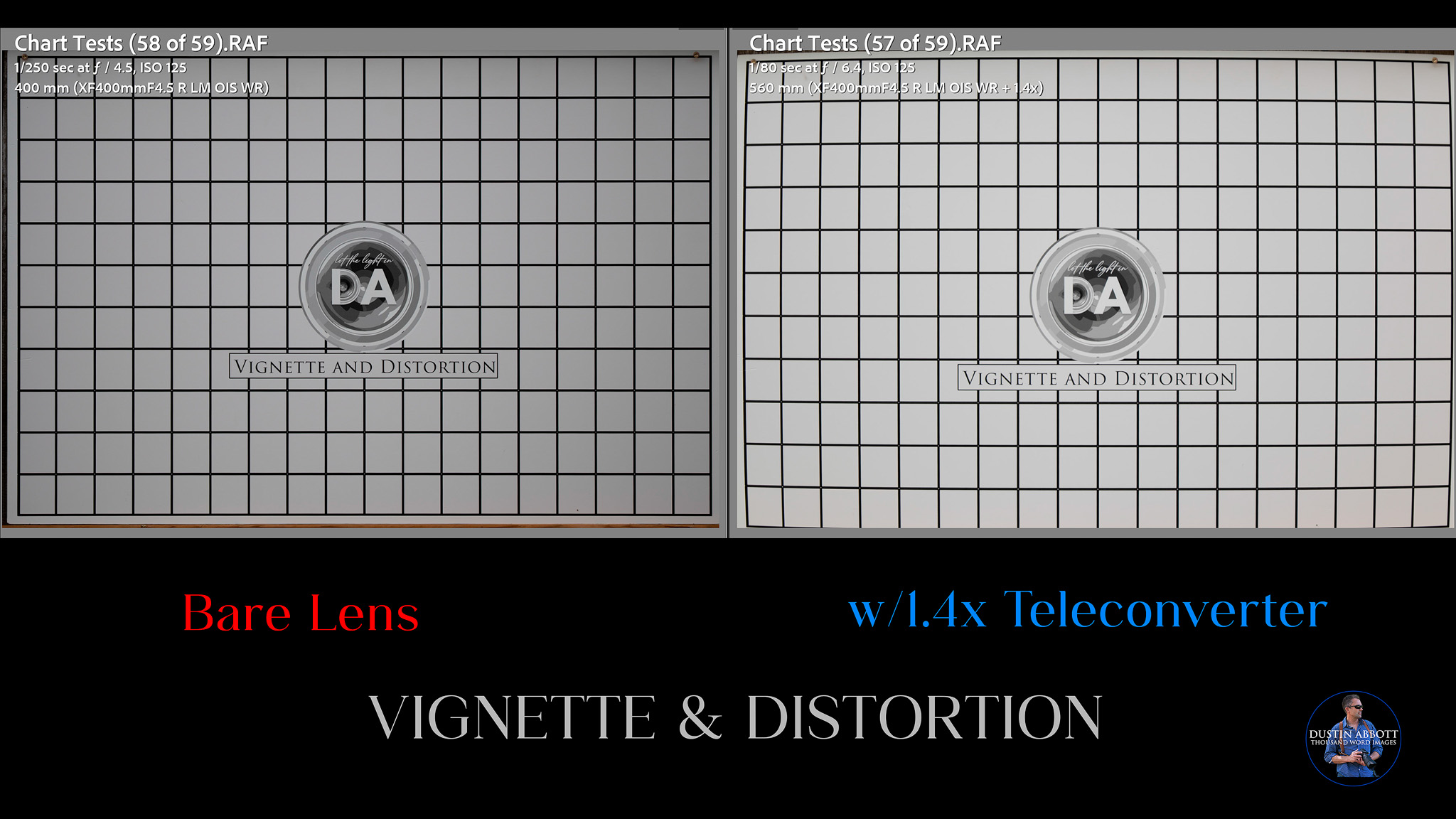
I didn’t see any real world problems with fringing. Transitions around high contrast areas are very clean.


Let’s take a look at sharpness. These tests are done on a 40MP Fujifilm X-H2 body, which is the most pixel dense platform I test on (the equivalent of over 90MP on full frame).

Crops are from the center, midframe, and corner at F4.5, cropped to 200%.



I continue to find Fuji’s X-Trans files the most difficult to effectively sharpen. That being said, the sharpness results across the frame are excellent, with very consistent results everywhere.
There is no lack of detail in real world shots.


Stopping down to F5.6 boosts detail by a small amount, but contrast increases in a more obvious way.
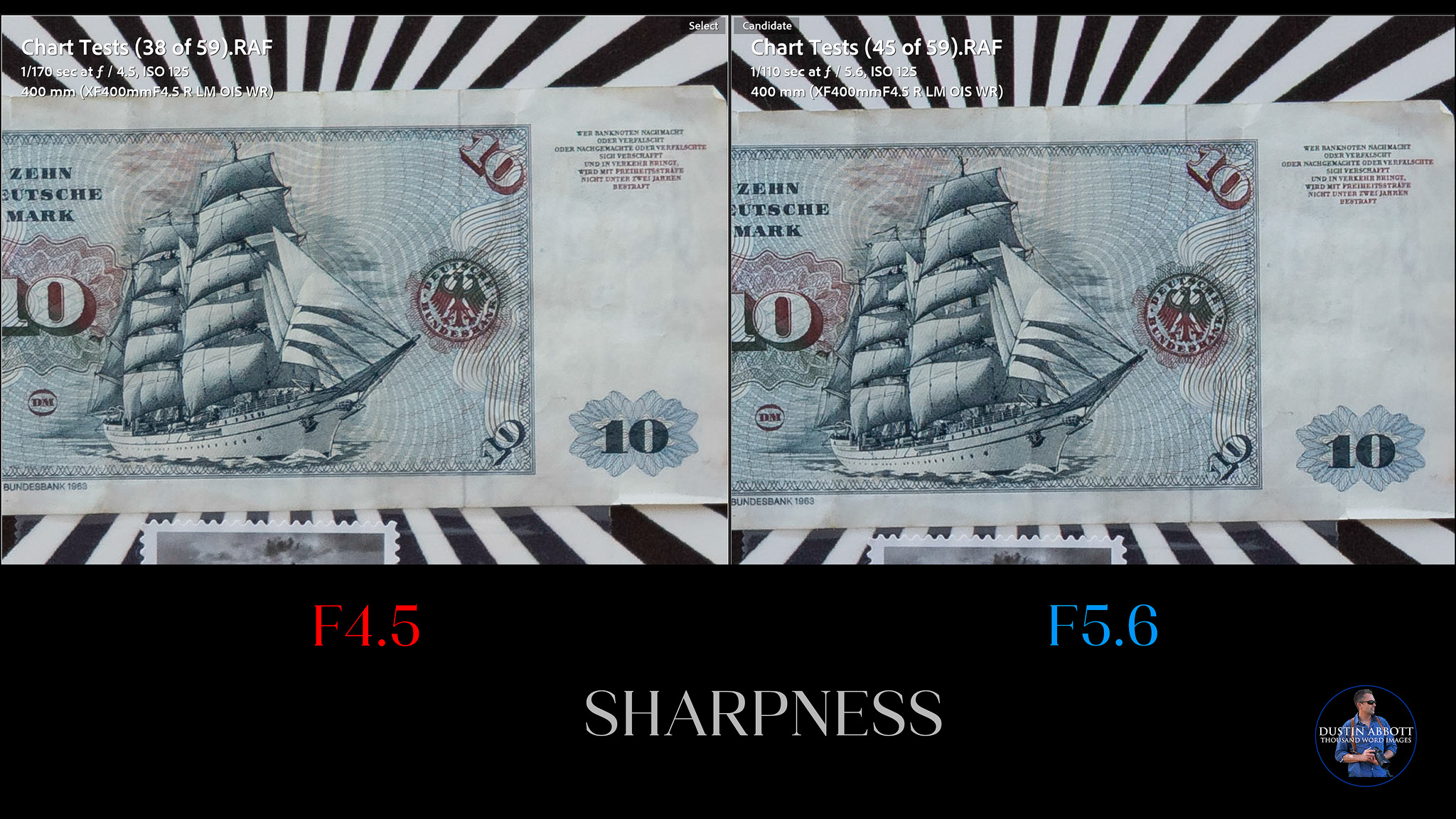
Shooting at F8 gives just a bit more contrast and detail, with very consistent results across the frame. Often the bigger issue that affects apparent sharpness on telephotos is heat shimmer over distance.



Here’s a closer subject to show sharpness without any risk of heat shimmer.



That all looks pretty great. The unfortunate reality is that we have an amazing optical instrument that will frequently be held back (at the moment) by less than idea autofocus.
I felt like images with the XF 400mm and 1.4x teleconverter still looked very sharp.

That’s a tremendous amount of reach, allowing you to bring distant subjects quite close.

I also generally like the bokeh quality here. F4.5 is still fairly bright, and at 400mm the depth of field is quite small. That allows for backgrounds to frequently be strongly blurred.

Even at medium to further distances, the lens still provides some separation from the background.

At closer focus distances, the background will be very strongly blurred out.


Flare resistance is less of a primary concern in a lens like this for the simple reason that the angle of view is just 4.1° – it is rare that the sun or a bright light source is going to be in the frame. That being said, Fuji’s coatings seem excellent to me, and when I did intentionally put the sun in the frame, I saw solid flare resistance.


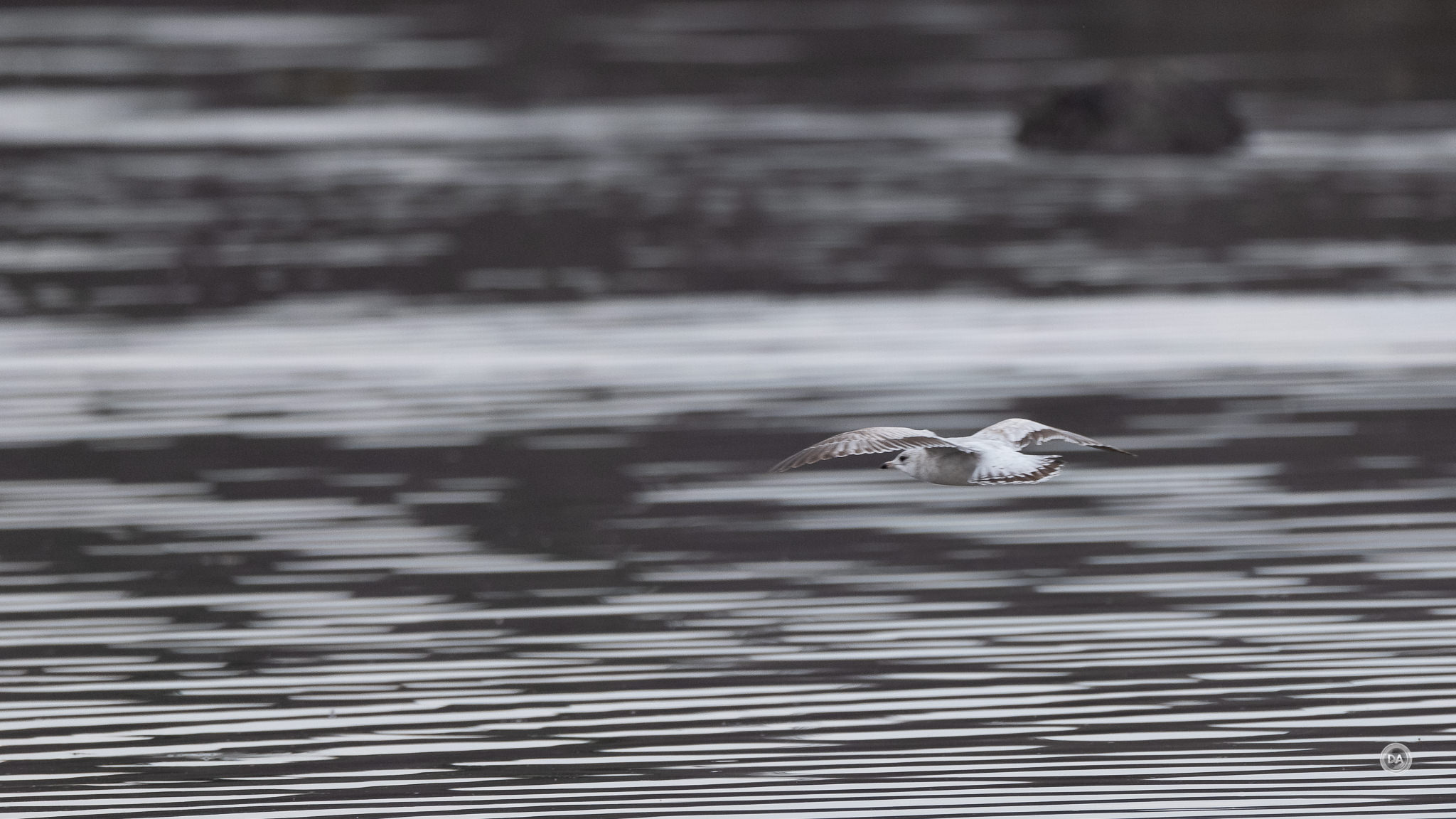
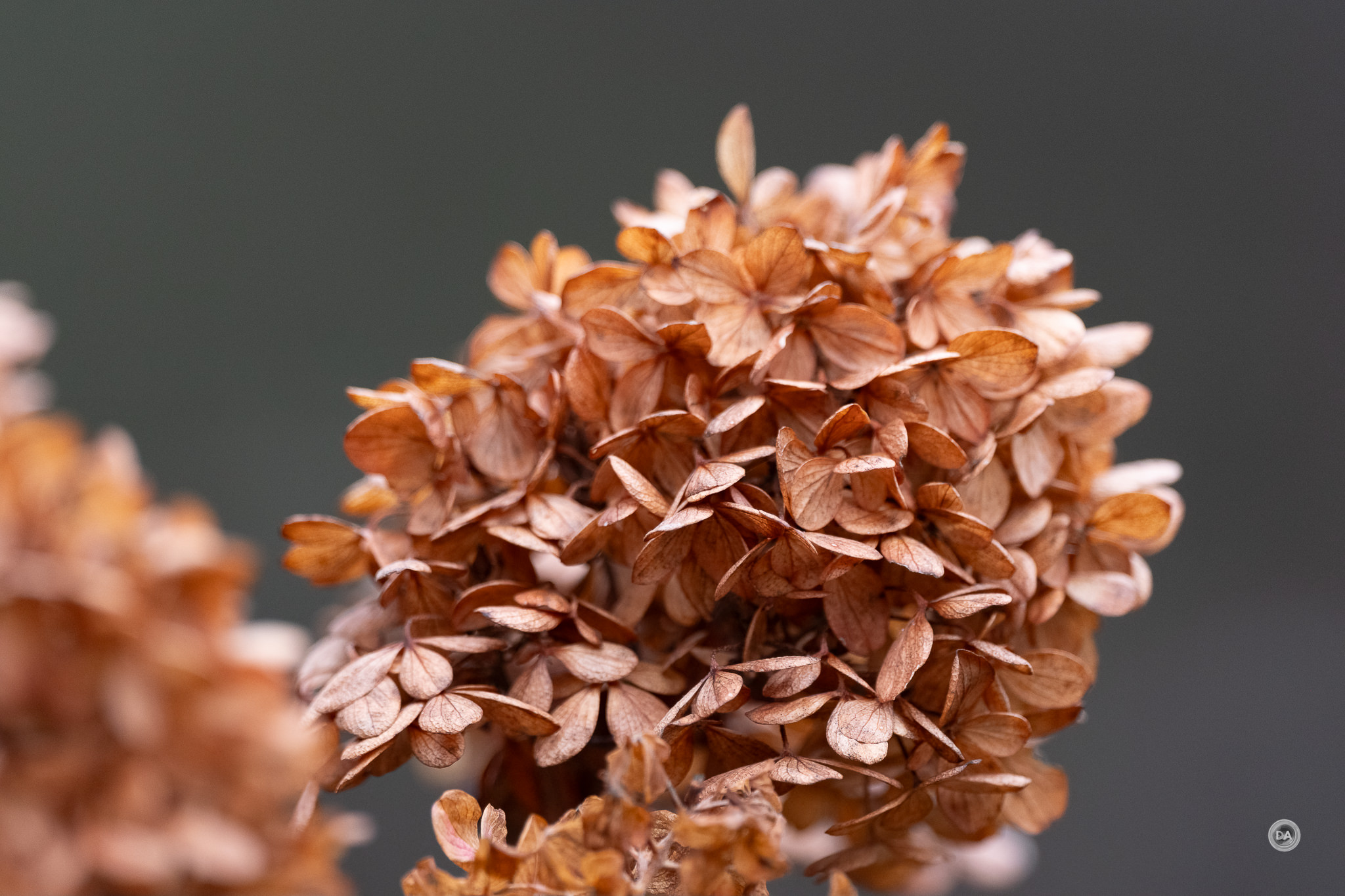
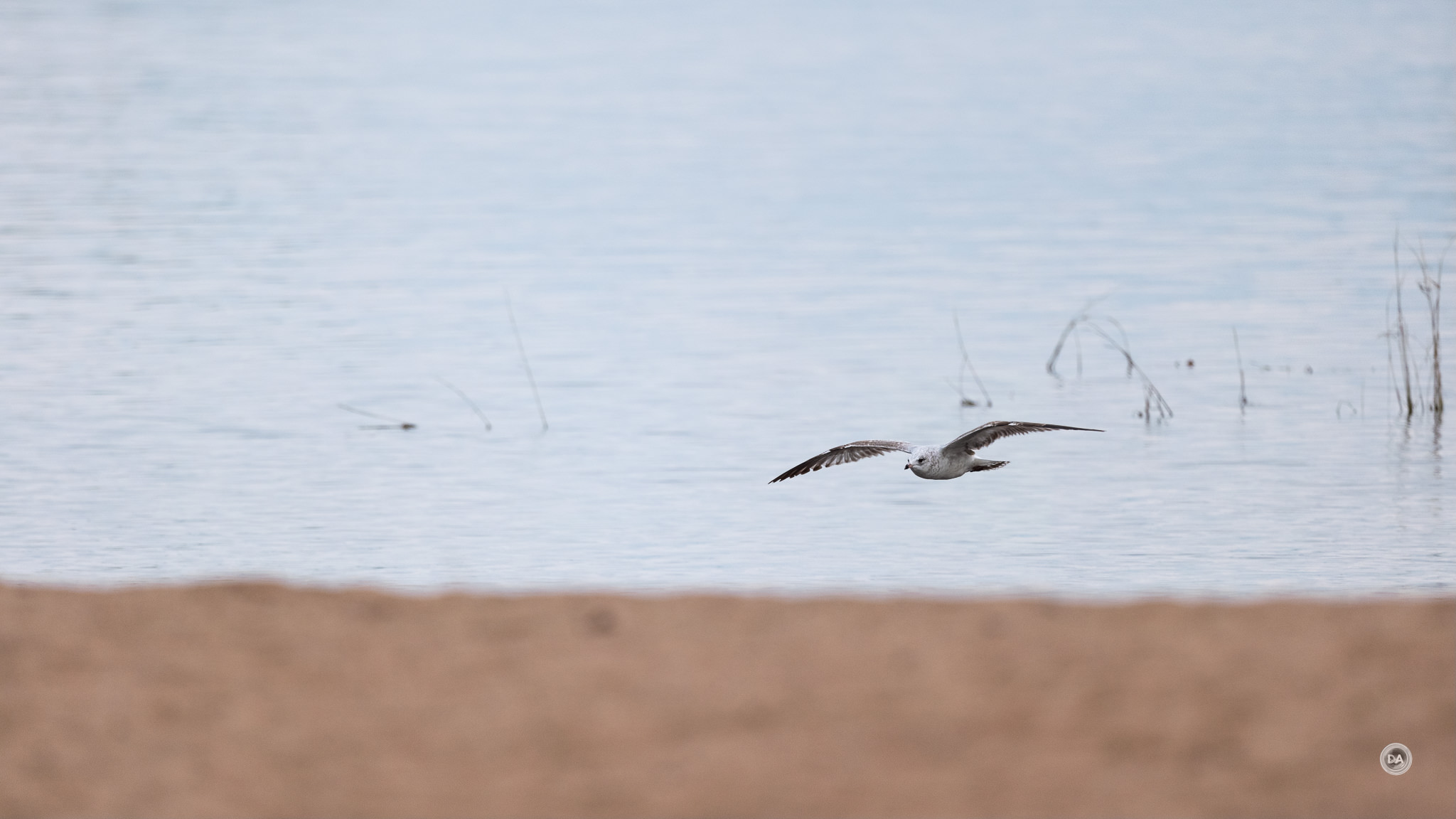
All told, I’m delighted by the optics of this lens, which are excellent in every category. I feel like if Fuji could solve the autofocus issue, this could be a great APS-C platform for sports and wildlife. There is now a good number of high end APS-C telephoto primes on XF mount, something that, at the moment, is only true for Fuji. Here’s a look at a few more images in a mini-gallery.











Conclusion
There’s nothing wrong with the Fujinon XF 400mm F4.5 R LM OIS WR. It is a great package, with well executed features, solid OIS, and a beautiful design. While I do feel that Sony has somewhat “one-upped” Fuji with the 400mm F4.5 GM, that doesn’t change the fact that Fuji has delivered the kind of high end telephoto lens that has frankly been missing from the APS-C space…and is unlikely to come from the other big brands, which tend to “fill that space” with their full-frame options that also happen to work on APS-C.

I’m a bit frustrated with the state of play on Fuji, as there are so many things that I really love about the platform. I like the bodies, the color science, the video specs, and many of the lenses. I love the variety of lenses now available for XF mount from third parties. But a high-end lens like the XF 400mm really highlights how far Fuji is behind in the autofocus performance. This is a lens capable of achieving results that really do rival what full frame alternatives can deliver, but I found the process of acquiring those images so much more difficult due to the autofocus limitations.

The good news is that invariably (hopefully in this upcoming generation of cameras!) autofocus will improve, and, when it does, lenses like the XF 400mm F4.5 OIS are going to really be unleashed to their full potential. And, for those of you who are faithful Fuji shooters already and know how to maximize the potential of your Fuji cameras, don’t hesitate to invest in the XF 400mm F4.5 OIS if you are looking for a high-end telephoto lens. It really is an awesome lens.

Pros:
- Optical Performance:
- Exceptional sharpness across the frame, maintaining detail from center to corner.
- Excellent control of chromatic aberration, resulting in clean transitions in high-contrast scenarios.
- Minimal distortion and vignetting without corrections, enhancing overall image quality.
- Build Quality:
- Constructed with high-quality materials, combining metals and robust composites for durability.
- Aesthetic design with a chic pearlescent finish and unique green accent ring.
- Weather Resistance:
- 20 weather-sealing points protect against dust and moisture, rated for operation in temperatures down to -10°C.
- User Features:
- Inclined with an aperture ring with light detents, enhancing tactile feedback for manual adjustments.
- The lens hood is designed to prevent inadvertent movement and allows for easy access to filters.
- Tripod collar features Arca-Swiss compatibility, eliminating the need for an additional plate.
- Versatility:
- Compatible with Fujifilm’s 1.4x and 2x teleconverters, expanding the focal length for greater shooting options.
- The ability to shoot at wide apertures, allowing for creative depth-of-field effects.
Cons:
- Autofocus Limitations:
- Inconsistent autofocus performance, especially with fast-moving subjects or in challenging lighting conditions.
- Difficulty in acquiring focus quickly, often requiring patience and refined shooting techniques.
- Weight and Size:
- Heavier than some competitors in the same focal length category, making it less ideal for extended handheld use.
- Larger dimensions may be cumbersome in specific shooting scenarios or for travel.
- Price Point:
- Positioned at a higher price range ($3199 USD), potentially limiting accessibility for casual photographers.
- Comparatively more expensive than rivals, despite the autofocus drawbacks, which may deter prospective buyers.
- Limited Close-Range Capabilities:
- Minimum focus distance of 2.75 meters may limit shooting opportunities for close-up subjects, primarily focusing on distant subjects.
- Teleconverter Trade-offs:
- Some loss of optical performance (contrast and detail) when using the 1.4x teleconverter, with significant compromises when using the 2x teleconverter (F9 maximum aperture).
_________________________________________________________________________
GEAR USED:
Purchase the Fujinon XF 400m F4.5 OIS @ B&H Photo https://bhpho.to/4sJqOqa | Adorama https://prf.hn/l/XZ0E52D/ | Amazon https://link.amazon/B0emMxHSX | Camera Canada https://tidd.ly/4z0l9O1 | Amazon Canada https://link.amazon/B0i0AKI1b | Amazon UK https://link.amazon/B0bGzrDua | Amazon Germany https://link.amazon/B0cUAo4eY
_____________________________________________________________
Purchase the Fujifilm X-H2 @ B&H Photo | Adorama | Amazon | Camera Canada | Amazon Canada | Amazon UK | Amazon Germany
_______________________________________________________________
Purchase the Fujifilm X-T5 @ B&H Photo | Amazon | Camera Canada | Amazon Canada | Amazon UK | Find it Used at KEH
________________________________________________________________
Purchase the Fujifilm X-S20 @ B&H Photo | Adorama | Amazon | Camera Canada | Amazon Canada | Amazon UK | Amazon Germany |
_________________________________________________________________
Want to support this channel? Use these affiliate links to shop at: B&H Photo | Amazon | Adorama | Camera Canada | Amazon Canada | Amazon UK | Ebay | Make a donation via Paypal
Buy DA Merchandise https://bit.ly/TWIMerch

Keywords: Fuji 400mm F4.5, Fujinon XF 400mm F4.5, OIS, R, WR, LM, Fujinon, XF, 1.4x, TC, 560mm, 400mm, F4.5, Fuji X, Fujifilm, X-mount, APS-C, Review, Telephoto, Action, Tracking, Hands On, Dustin Abbott, Real World, Comparison, Sharpness, Bokeh, Flare Resistance, Autofocus, Image Quality, Sample Images, Video, Photography, Fujifilm X-T5, Fujifilm X-H2, let the light in, #letthelightin, DA
Related posts:
 Fujinon XF 56mm F1.2 R WR Review
 Fujinon XF 56mm F1.2 R WR Gallery
 Fujinon XF 16-55mm F2.8 R LM WR II Review
 Fujinon XF 16-50mm F2.8-4.8 R LM WR Review
 Fujinon XF 16-55mm F2.8 R LM WR II Gallery
 Fujinon XF 16-50mm F2.8-4.8 R LM WR Gallery
 Fujinon GF 500mm F5.6 R LM OIS WR Review
 Fujinon GF 500mm F5.6 OIS Gallery
 TTArtisan AF 56mm F1.8 X-mount Review
 TTArtisan AF 56mm F1.8 Gallery