

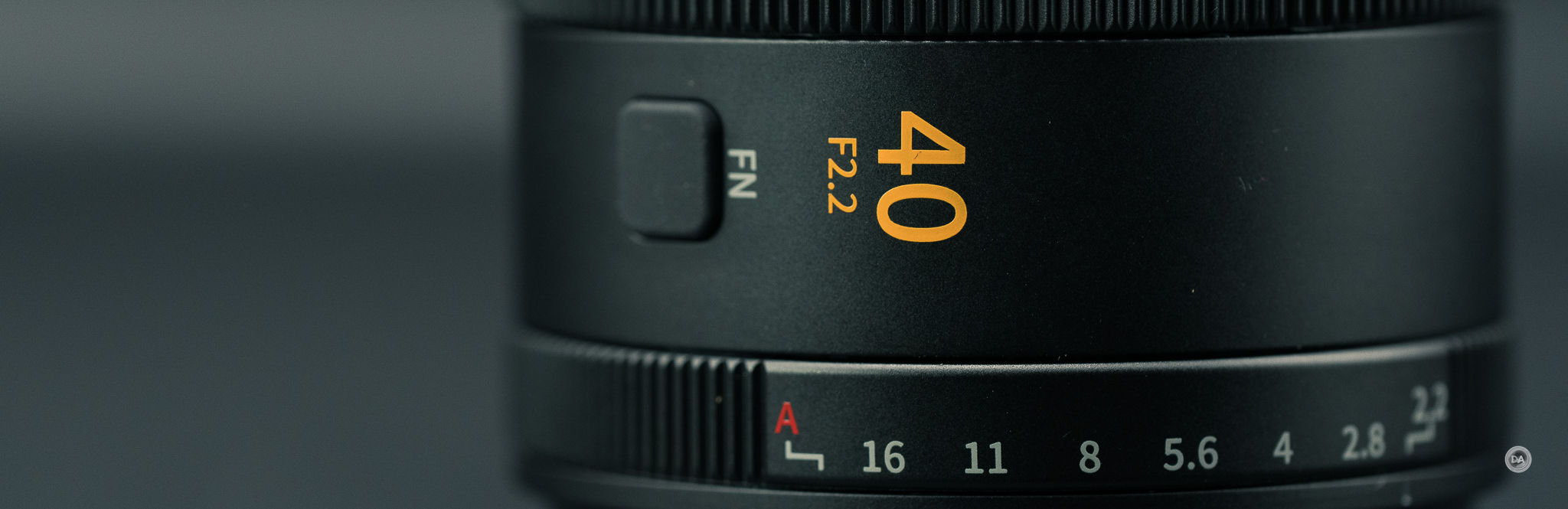
Several years ago I did a comparison video where I pitted the Viltrox AIR 40mm F2.5 against the Nikkor Z 40mm F2. My takeaway is that the Viltrox had the sharpness I craved while the Nikkor had a more beautiful rendering. What I really wanted was a lens that marged the strengths of both into one. I think I’ve found that lens in the form of the new Sirui Swift 40mm F2.2. It joins the new Swift 20mm F2.4 as reasonably bright, compact, lightweight lenses that also pack a lot of punch. The Swift 40mm brings a more robust feature set than either the Viltrox or the Nikkor lens while also combining the sharpness of the Viltrox with the lovely rendering from the Nikkor. What’s more, the weight is just 210g, making the Swift 40mm an easy lens to throw in the bag (or on your camera) and bring along…and it costs just $149 (less if you use code UPA-DUSTINABBOTT at Sirui or DUSTINSW40 on Amazon). Sound interesting? Find out more in either the video review below or by reading on in the text review.
Follow Me @ YouTube | Patreon | Instagram | Facebook | DA Merchandise | Flickr | 500px | X
Thanks to Sirui for sending me a review copy of this lens. As always, this is a completely independent review. *The tests and most of the photos that I share as a part of my review cycle have been done with the Sony a7RV and the Sony α1 II. You can visit the product page for the Sirui Swift 40mm F2.2 here.
___________________________________________________________________________________________
SUMMARY: The Sirui Swift 40mm F2.2 lens impressively combines sharpness and beautiful rendering in a compact, lightweight design that weighs only 210g. Priced at just $149, it outperforms both the Viltrox and the Nikkor lenses by merging their strengths while offering robust features such as weather sealing and a USB-C port for firmware updates. Although it has some minor chromatic aberrations, its overall image quality, including sharpness and contrast, makes it a compelling choice for photographers looking for an affordable lens. The Sirui Swift 40mm F2.2 stands out as an excellent option for those seeking an upgrade from kit lenses without breaking the bank.
Strengths:
- Excellent sharpness and contrast for the price.
- Lightweight and compact design, ideal for travel.
- Competitive feature set, including weather sealing and firmware updates.
- Highly affordable compared to similar lenses from other brands.
Weaknesses:
- Some minor chromatic aberrations present.
- Slightly softer corners compared to the center when wide open.
- Focus breathing in video may be noticeable, though not overly problematic.
I praised Sirui lenses for their rendering far more often than I’ve praised them for their sharpness, but the Swift 40mm is a very sharp lens.
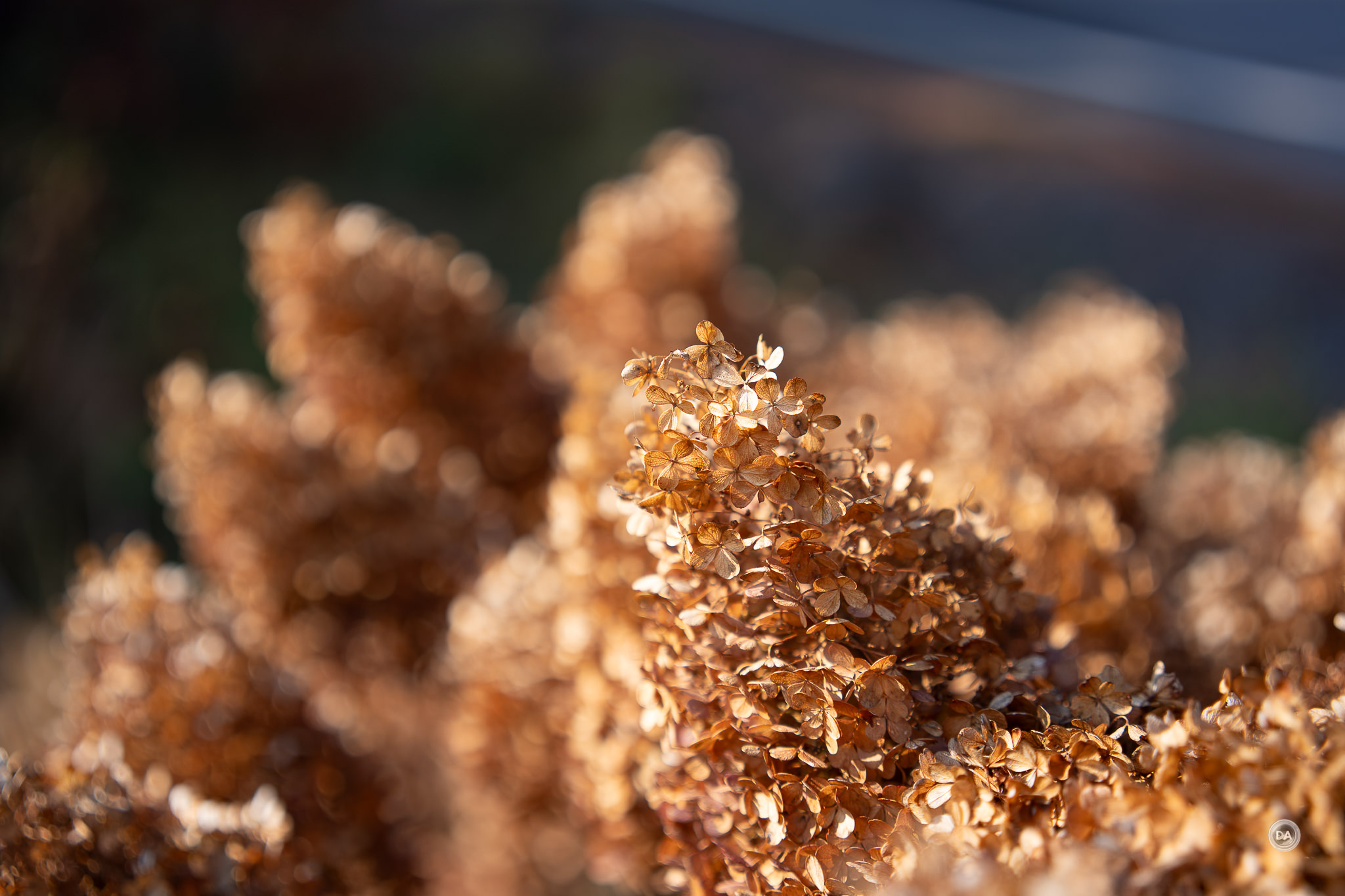

This quickly became one of my favorite Sirui lenses to date because it managed to provide the sharpness and contrast I crave while also retaining a very nice rendering for a lens without a particularly long focal length (40mm) or bright maximum aperture (F2.2).

A 40mm lens makes for a fun walkaround focal length and this is a genuinely interesting lens for capturing everything from mild close-ups (like above) to quiet landscapes.
Let’s take a closer look.
Swift 40mm F2.2 Build and Handling
We all loved the Viltrox AIR series until the even better EVO series came along. The Swift build quality is not quite as high as the EVO series, but is closer to the EVO series than the AIR series. It has a decent feature set, some weather sealing, but stays very lightweight. I’m testing the Sony FE version, but a Nikon Z, L-mount, and even Fujifilm X-mount version will be available (the lens will behave more like a 60mm focal length on the APS-C only Fujifilm mount).
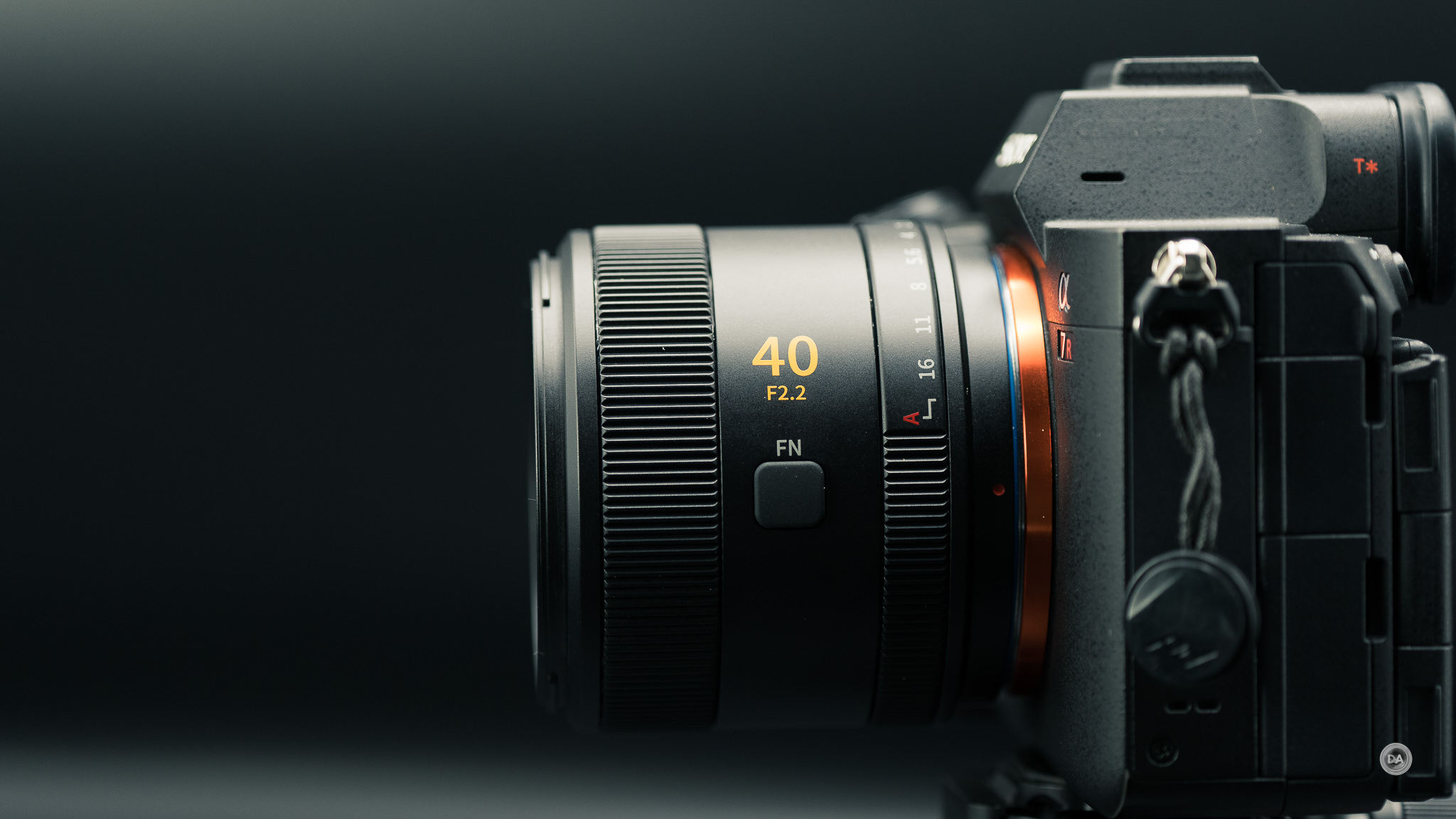
The profile of the lens is somewhat squat, measuring more in diameter (69mm, or 2.71″) than in length (62mm or 2.44″). As noted, the weight is just 210g (7.4oz).
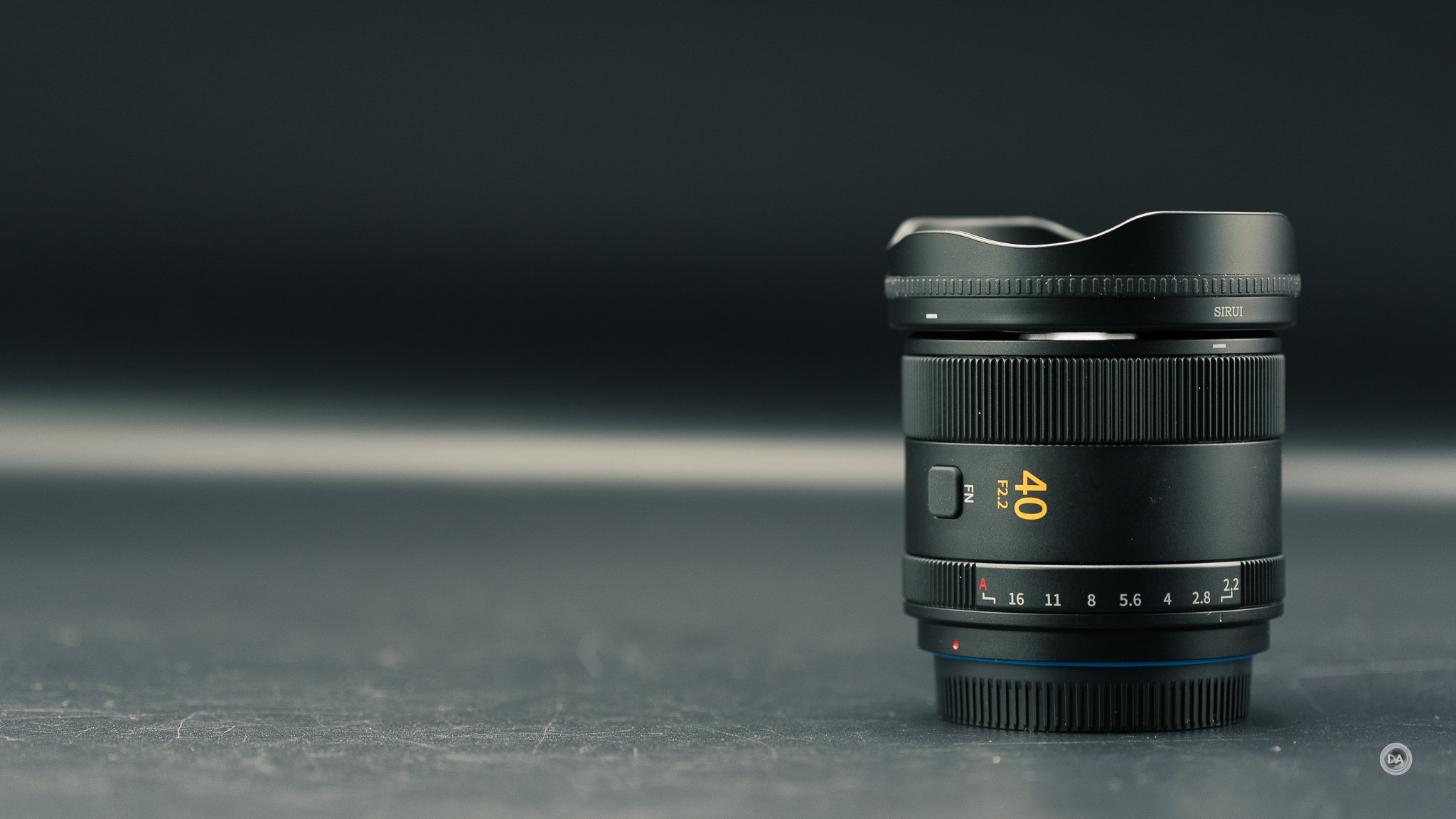
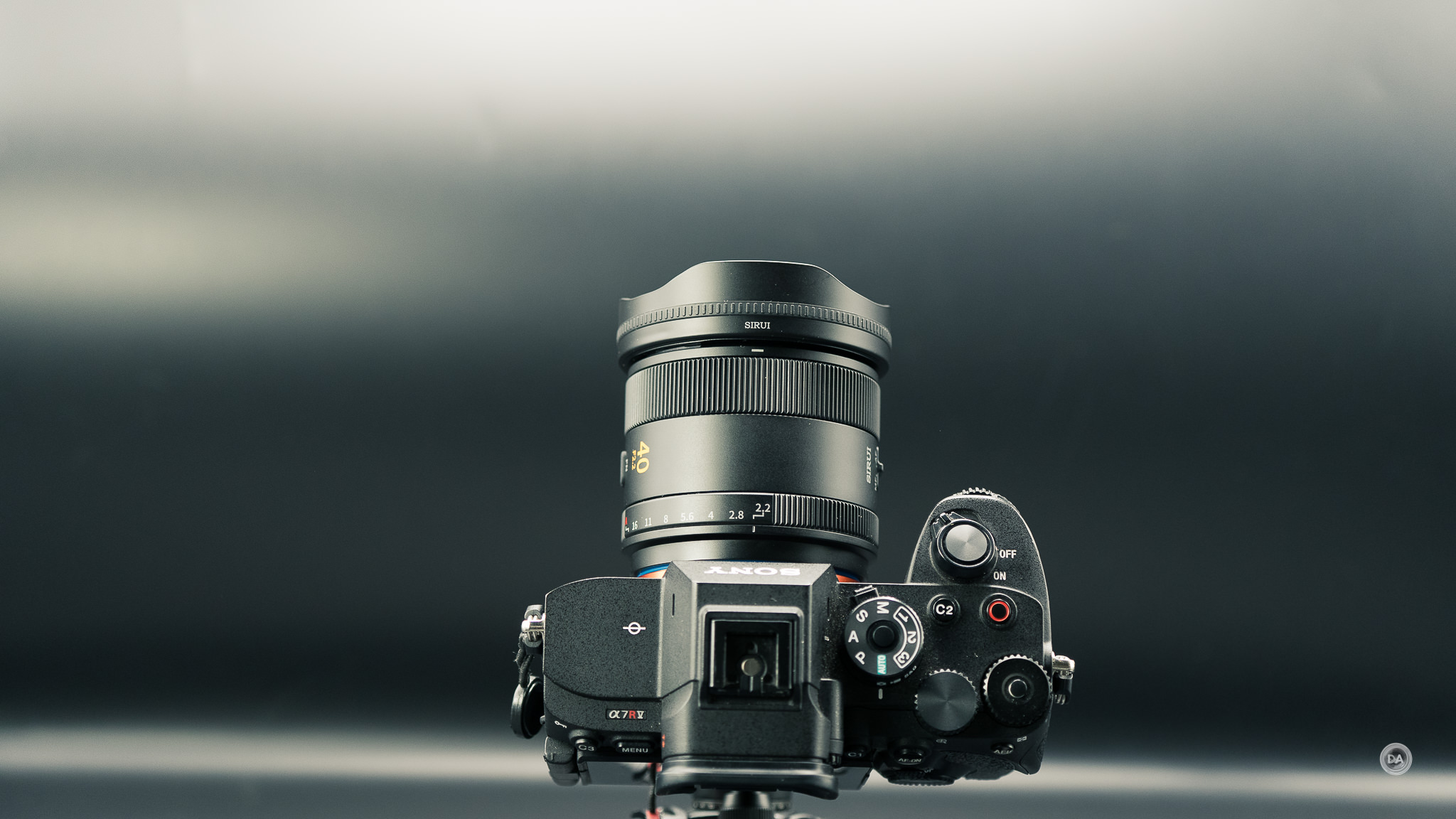
A small, low profile lens hood is included.
A bright blue (like Zeiss!) weather-sealing gasket is found at the lens mount, though I’m yet unsure if there are other seal points.
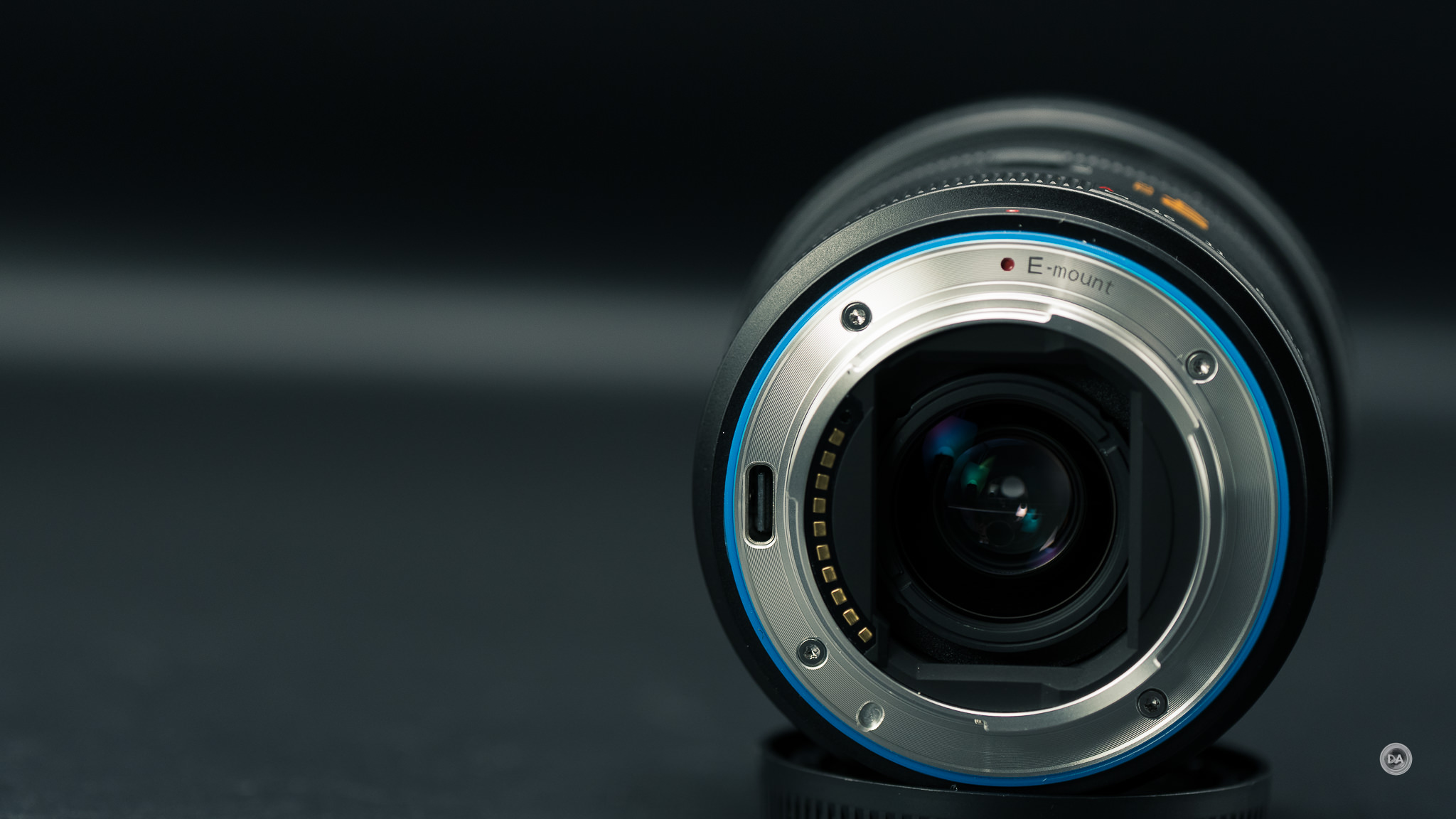
You’ll also note a USB-C port there for easy firmware updates, which I’m always happy to see.
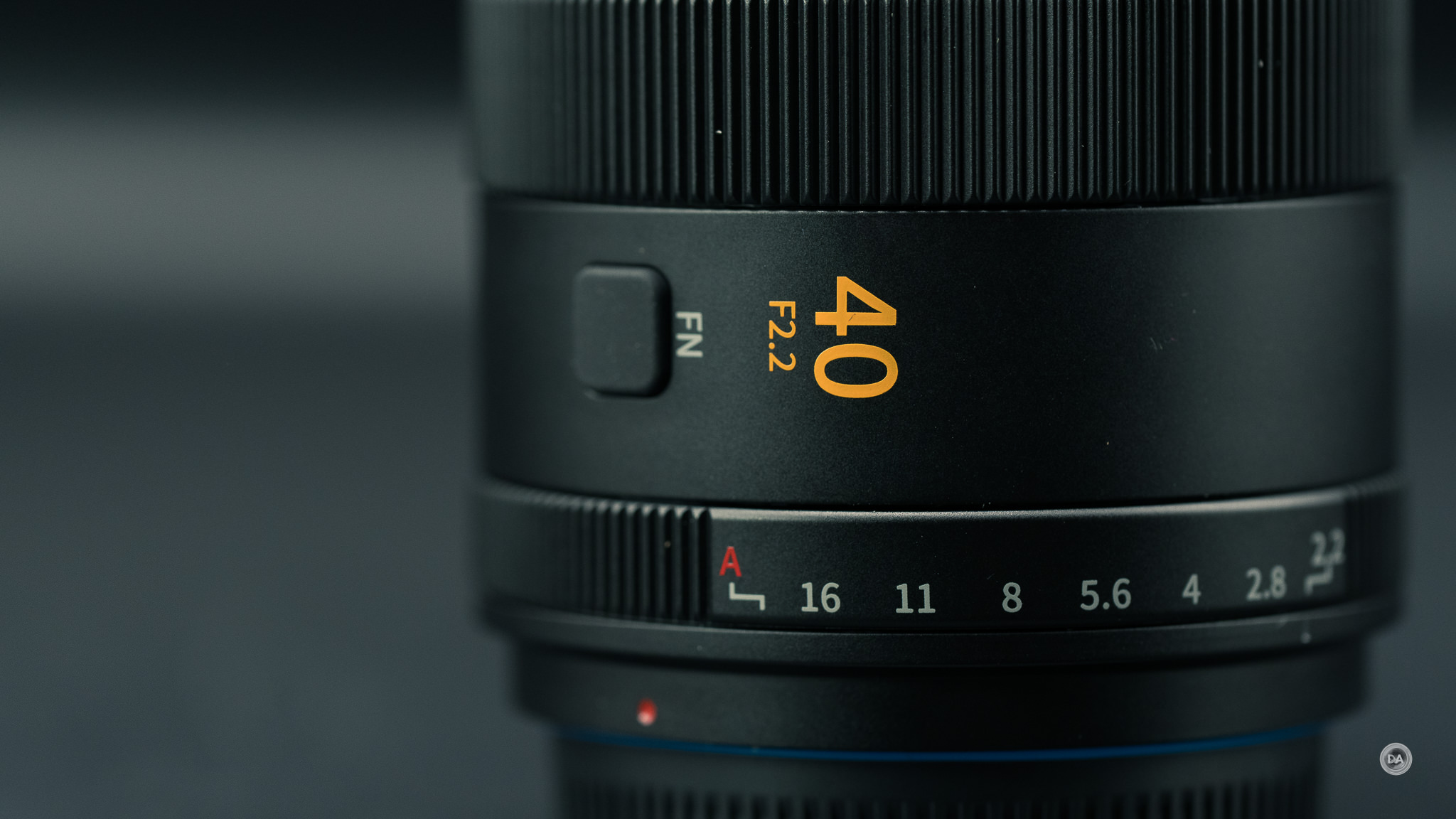
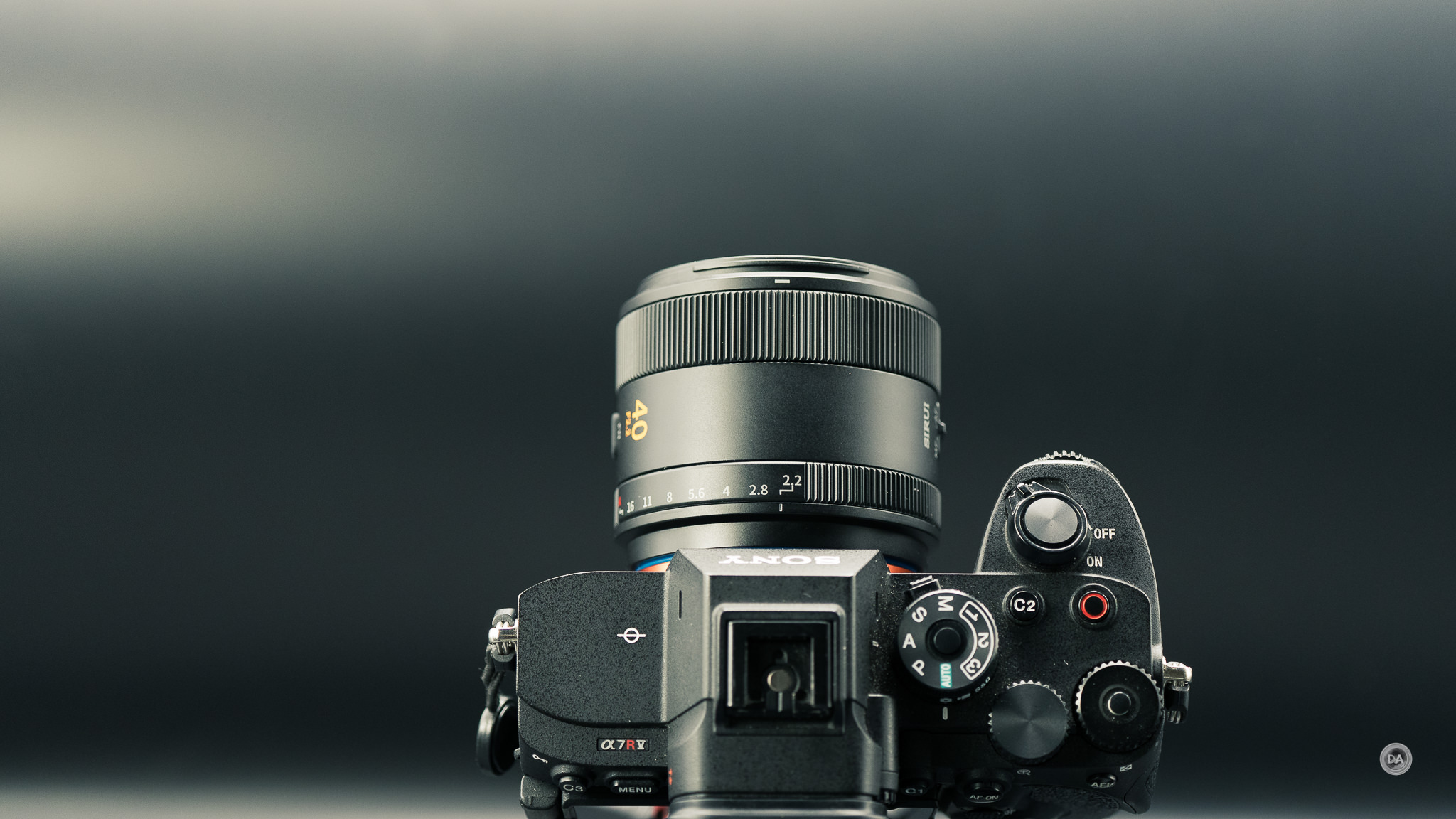
We have a clicked aperture ring with markings from F2.2 to F16, though there are one third stop detents between the marked aperture positions.
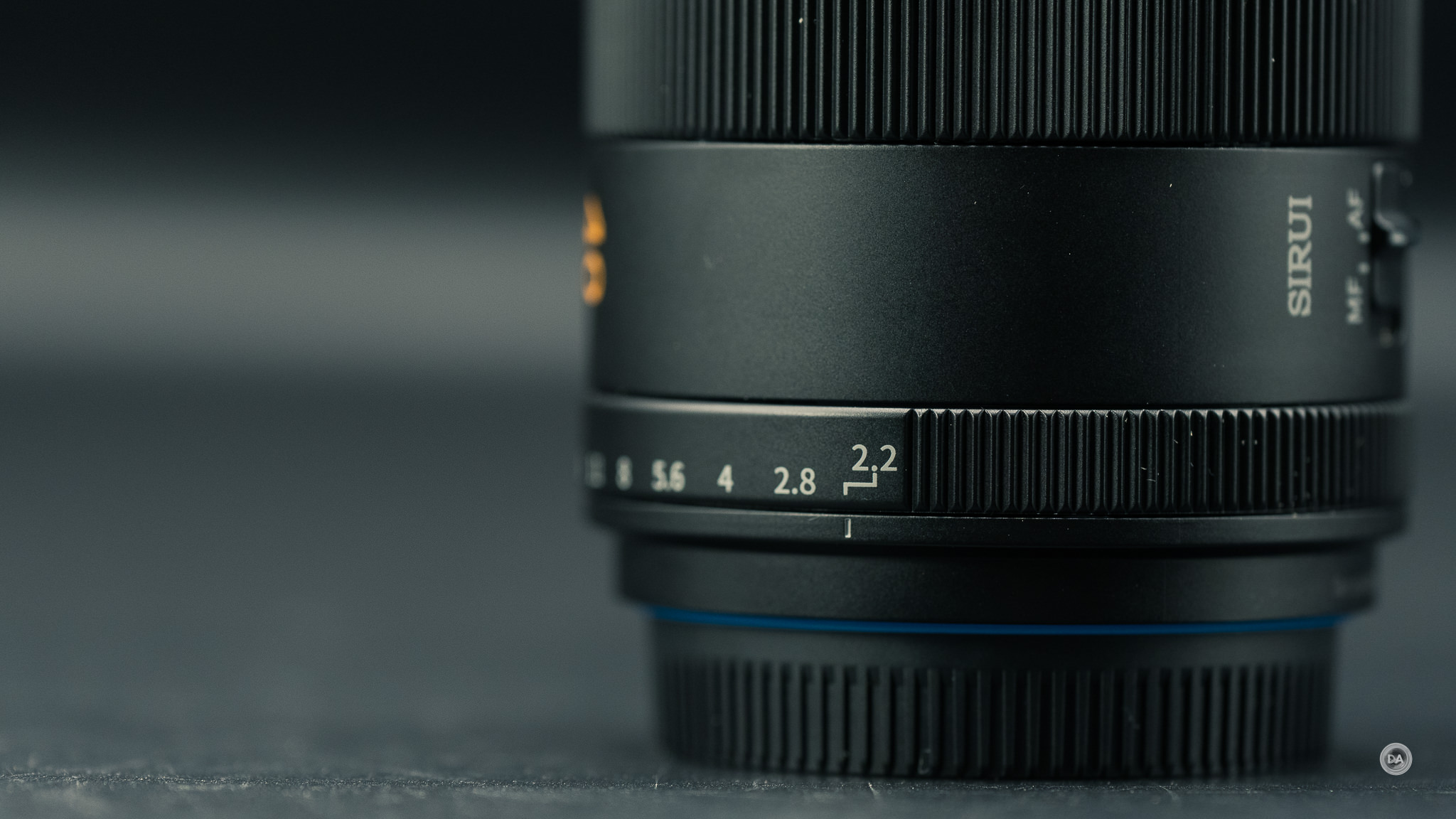
We don’t have a declickable option here, so doing aperture racks won’t be possible. The aperture iris has 9 blades by my count.
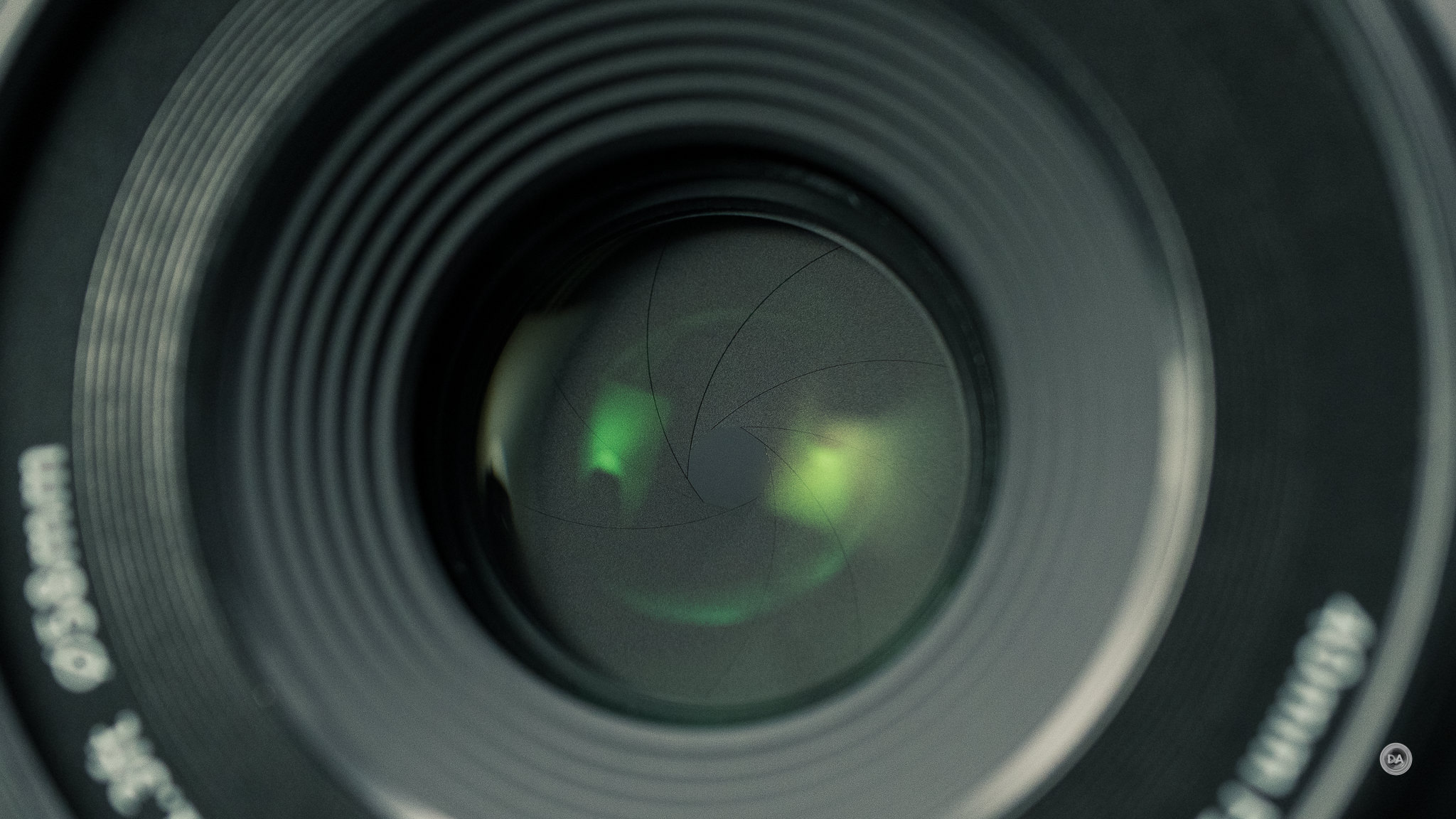
The rounded blades make for a nicely rounded aperture (though with a slight outline of the blades) even when stopped down a fair bit. Here’s F2.2, F2.8, and F4.
Here’s a look at the aperture iris stopped down to F5.6 – it’s not perfectly round here.
On the left side of the lens barrel there is a square Function button whose function can be programmed from within the camera body.
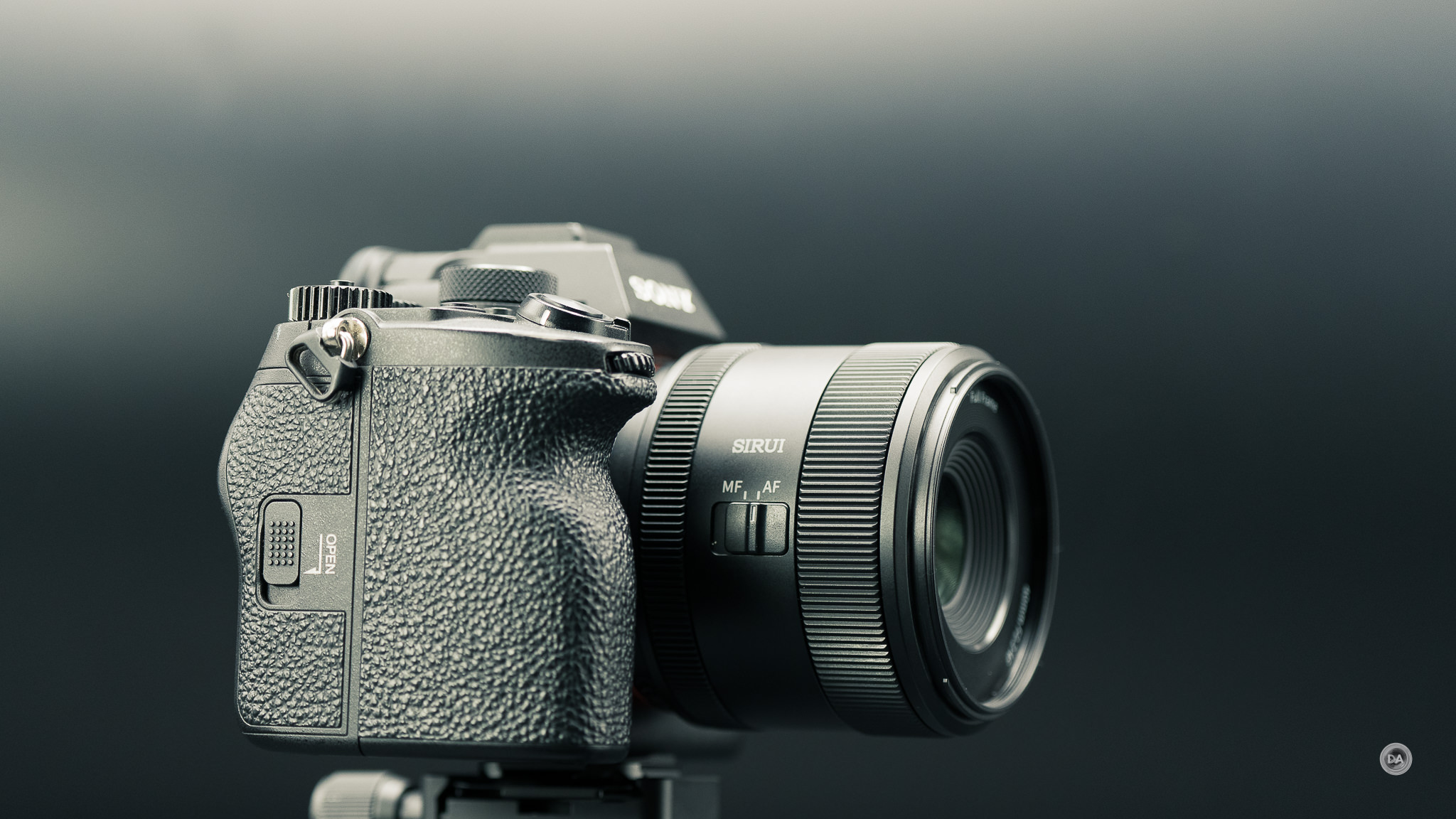
An AF | MF switch is located on the right side of the lens barrel.
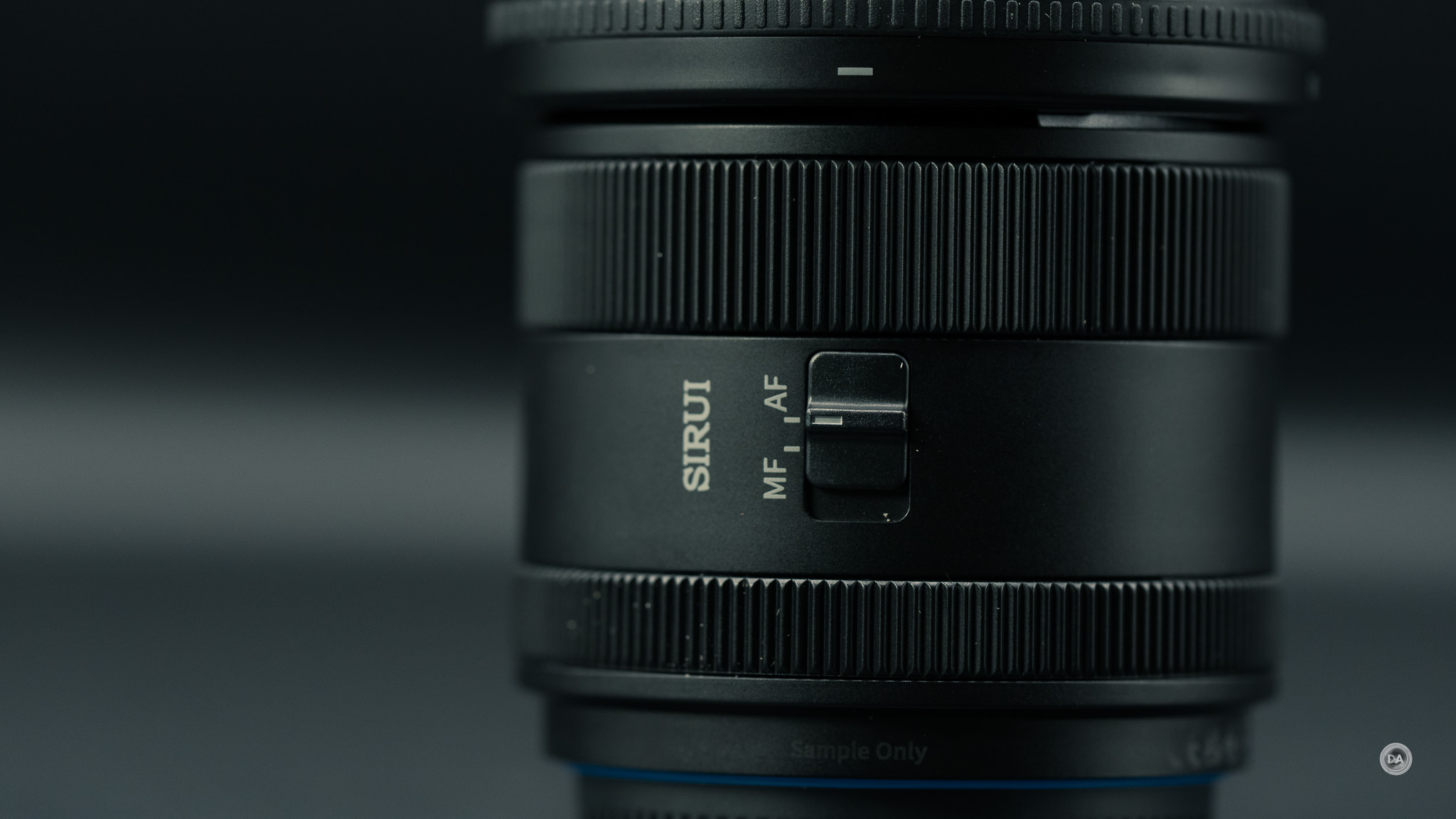
The manual focus ring is located near the front of the lens barrel, and weight is fairly light but moves nice and smoothly. I wouldn’t mind a little more damping myself, but I also found manual focus smooth and easy to execute.
My only minor critique of the design is that from the top view there is a bit of a blank spot on top of the lens where some branding would be nice (something Sirui does with the Aurora series).
There is no lens based stabilization, so you will need to rely upon the in-camera stabilization if your camera is so equipped.
The front filter size is 58mm, which is a bit bigger than either the Nikkor or Viltrox lenses (52mm). The Sirui is also about 30g heavier than those lenses, but is giving you more in the features department.
The minimum focus distance is 40cm, and the resulting magnification is about 0.14x, which equals what the Viltrox gives but falls a bit behind the Nikkor’s 0.17x. Here’s what the magnification looks like.

Up close results look excellent, with good detail and contrast.

It’s not a high level of magnification, but the quality results make this an attractive walk around lens where close up shots might be a part of the routine.
All in all, this is an attractive package that feels fairly similar to the Viltrox EVO series but is priced even cheaper than the AIR series. That’s pretty sweet!
Autofocus for Stills
Sirui has equipped this lens with a standard STM (stepping motor), though in a lens with lightweight glass elements like this, focus seems nice and snappy. The focus motor is quiet and smooth, and was responsive enough to capture at least moderate action.
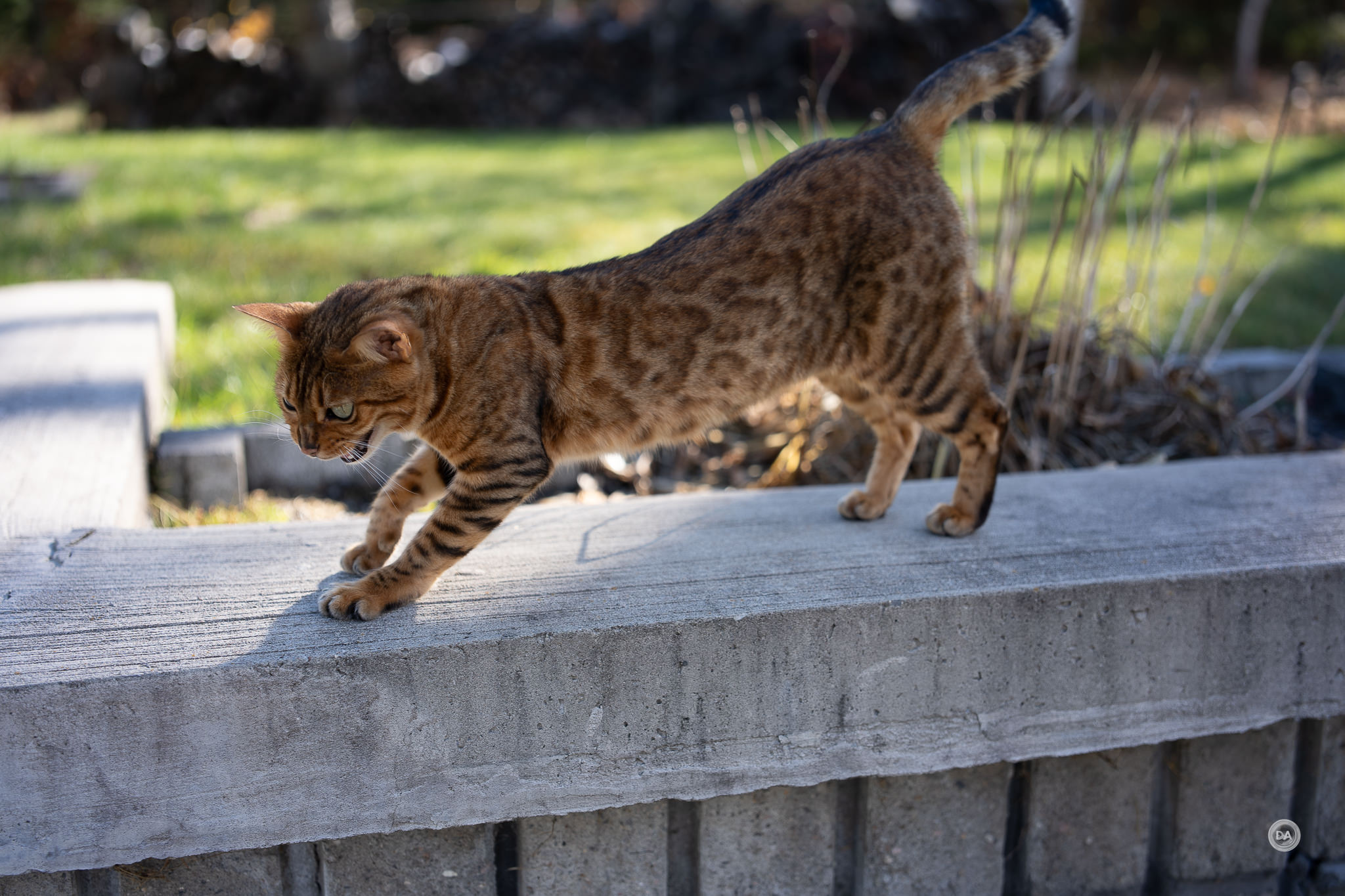
Focus in my formal tests is nice and snappy, delivering good speed and confidence back and forth. The accuracy was excellent, delivering well-focused results that show off the fact that this is a remarkably sharp lens for such an inexpensive optic.


Even when taking photos of very narrow subjects, I found that focus was accurate, and that allows the wide open contrast of the lens to be on full display.


I generally had a great time out shooting with this lens. I liked the shooting process, and I liked the results.

As with all third-party lenses, burst rate will be limited to 15FPS with autofocus here on Sony, but that’s probably not going to be a serious hindrance for anyone. Sirui did a very nice job on the autofocus here.
Video
Results are mostly similar for video work. Touch to focus pulls moved back and forth with good confidence and precision, and no visible steps. Focus breathing is obvious but not extreme.
Focus noise is basically nonexistent, so that won’t negatively impact any video work. My hand test went fine, with smooth transitions from my hand to my eye and back, and focus breathing over that smaller distance isn’t significant enough to be jarring.
I found that the focus motor had no problem tracking ongoing movement, like these late season Comptonia peregrina that were blowing around constantly in the late fall breeze.
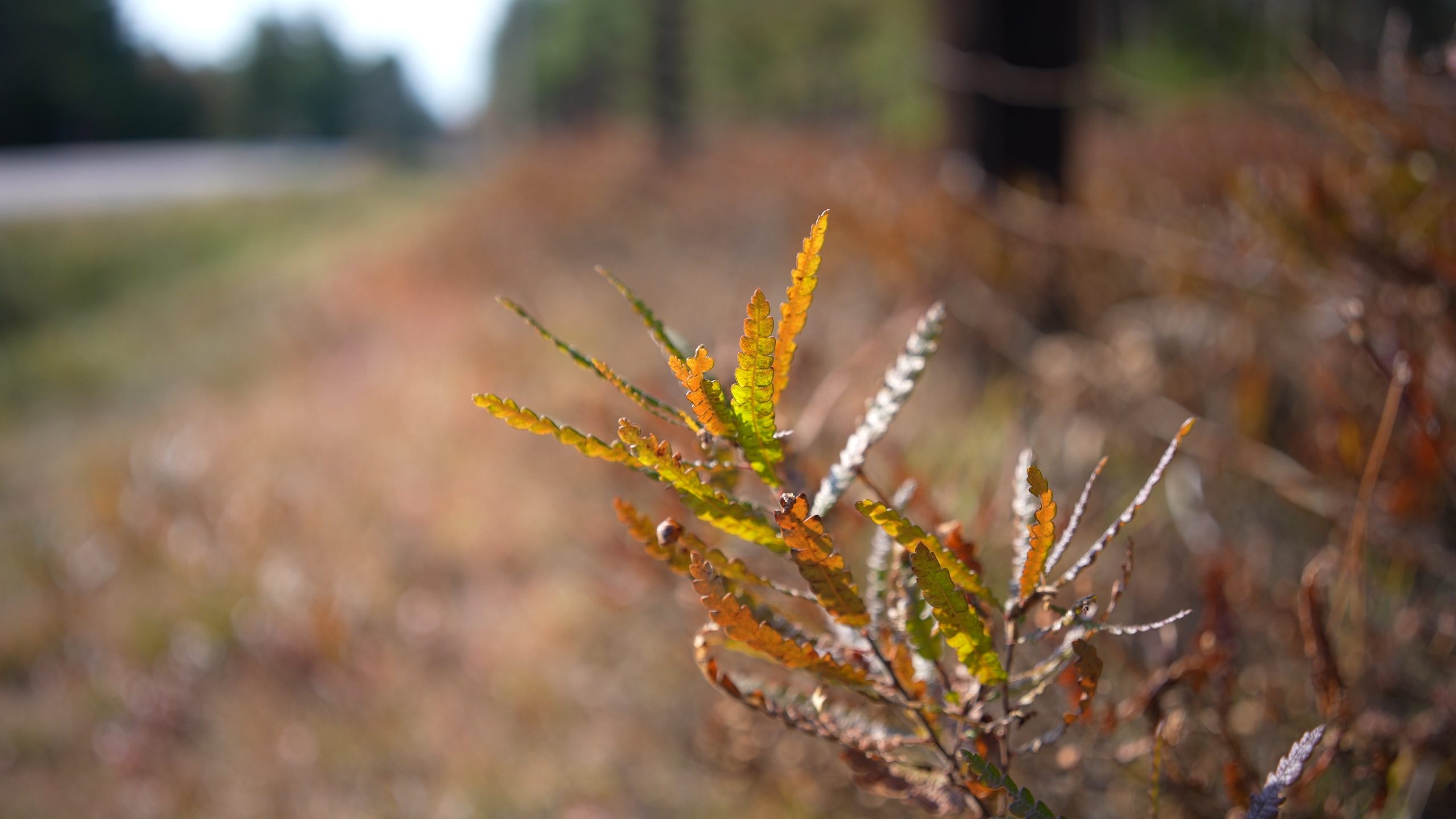
Shots that should be stable were stable, and in general I liked this inexpensive little lens fine for video as well.
Sirui Swift 40mm F2.2 Image Quality
The Swift 40mm sports an optical design of 11 elements in 8 groups, and includes one aspherical lens in the design. I don’t yet have an MTF chart, but I can assure you that this is a very sharp lens.

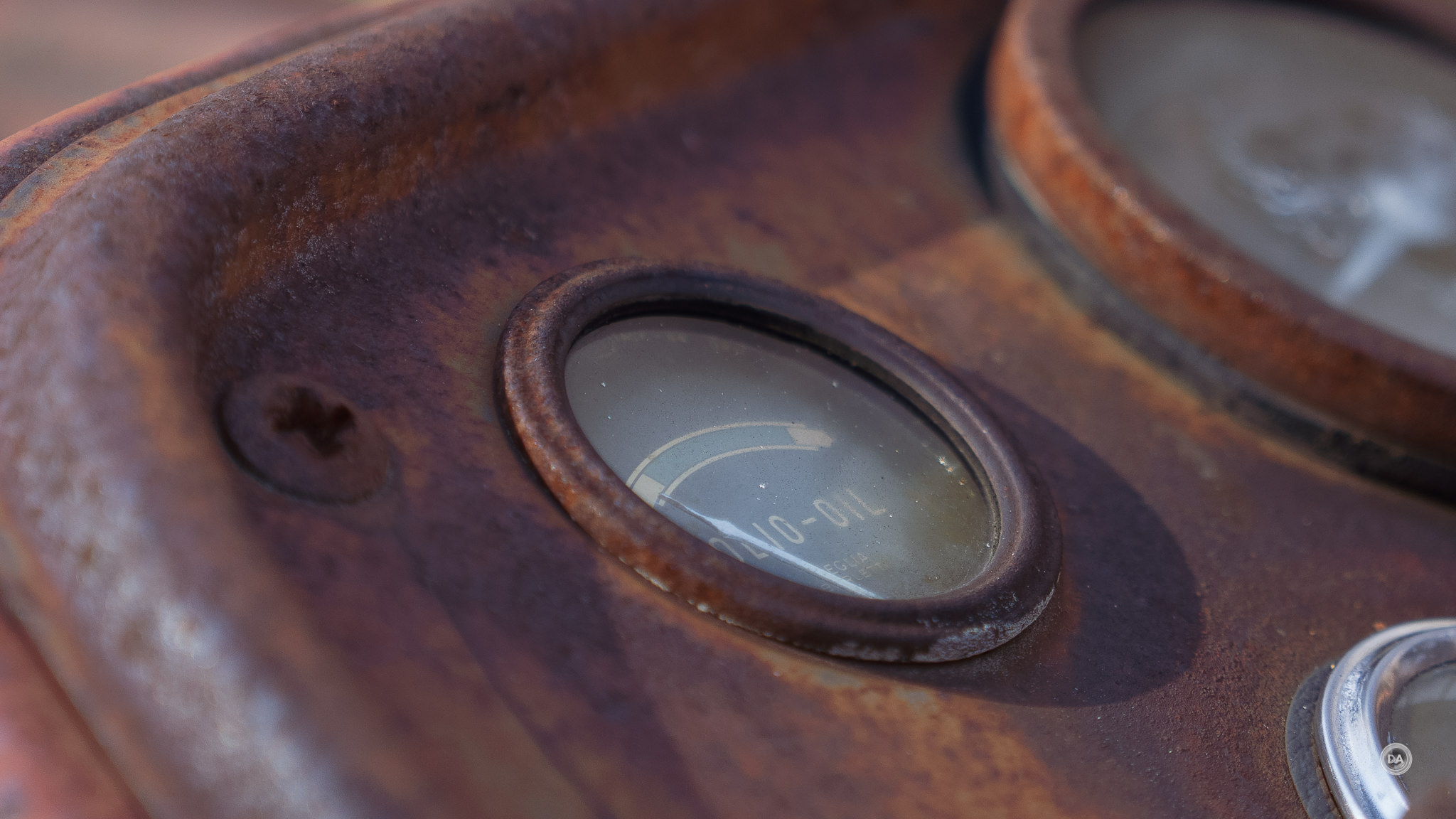
This is definitely a lens with much more “pop” than what I would expect from such an inexpensive lens. I’ve found many of Sirui’s optical designs to be very “cine-informed”, where the priority was on the rendering rather than the wide open contrast, but despite this lens not having a massive maximum aperture, I feel like they’ve done a good job of capturing both here.
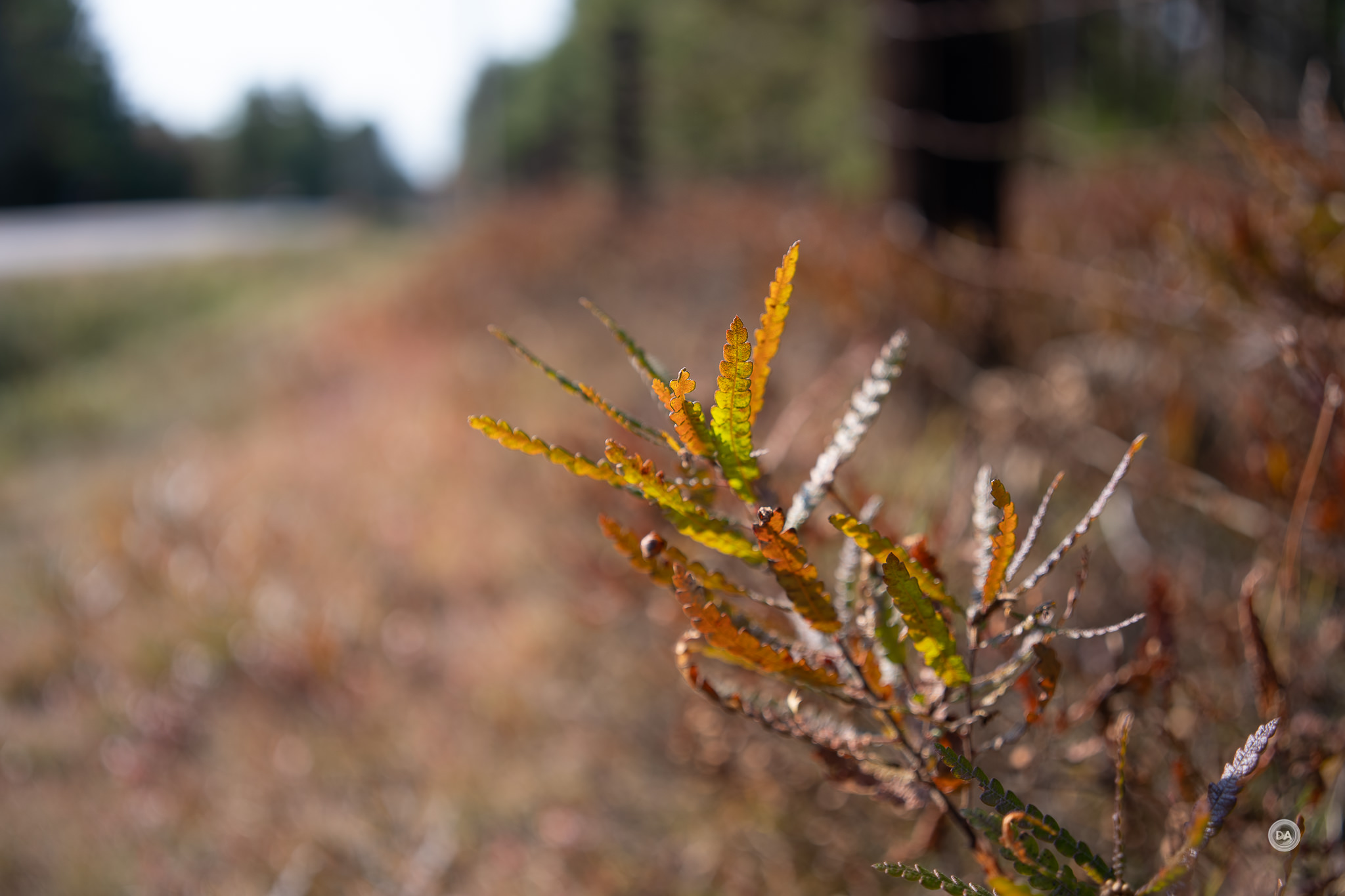
We will break that performance down in more detail, starting with a look at vignette and distortion. There is literally zero issue with distortion; I didn’t need any corrections at all. Vignette was moderate, requiring a +60 to correct.
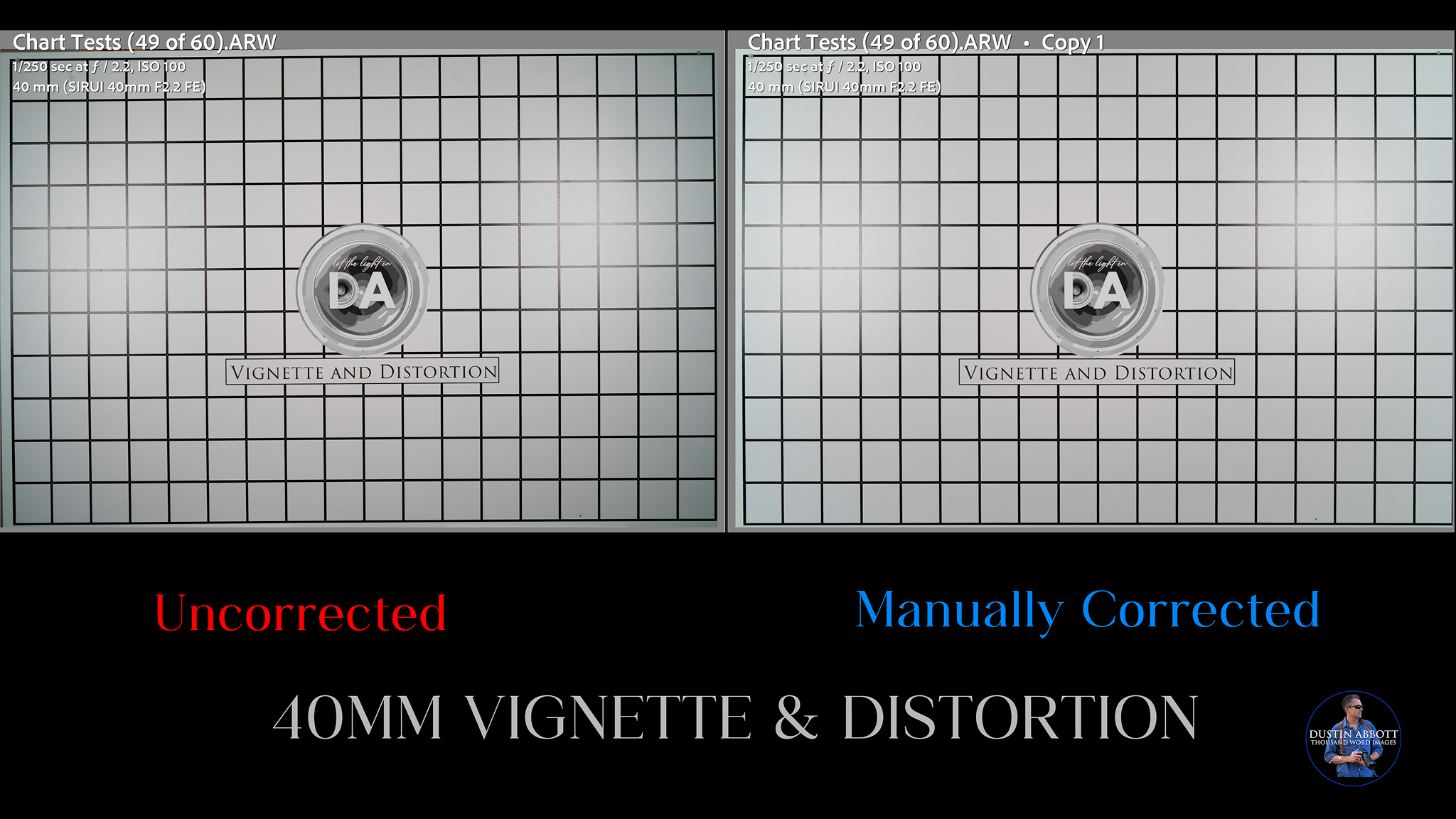
Sirui lenses don’t typically get great in-camera corrections, so it is good that most of this is corrected optically. The image below, for example, was shot at F2.2 and received no corrections – it is a RAW image straight out of camera.
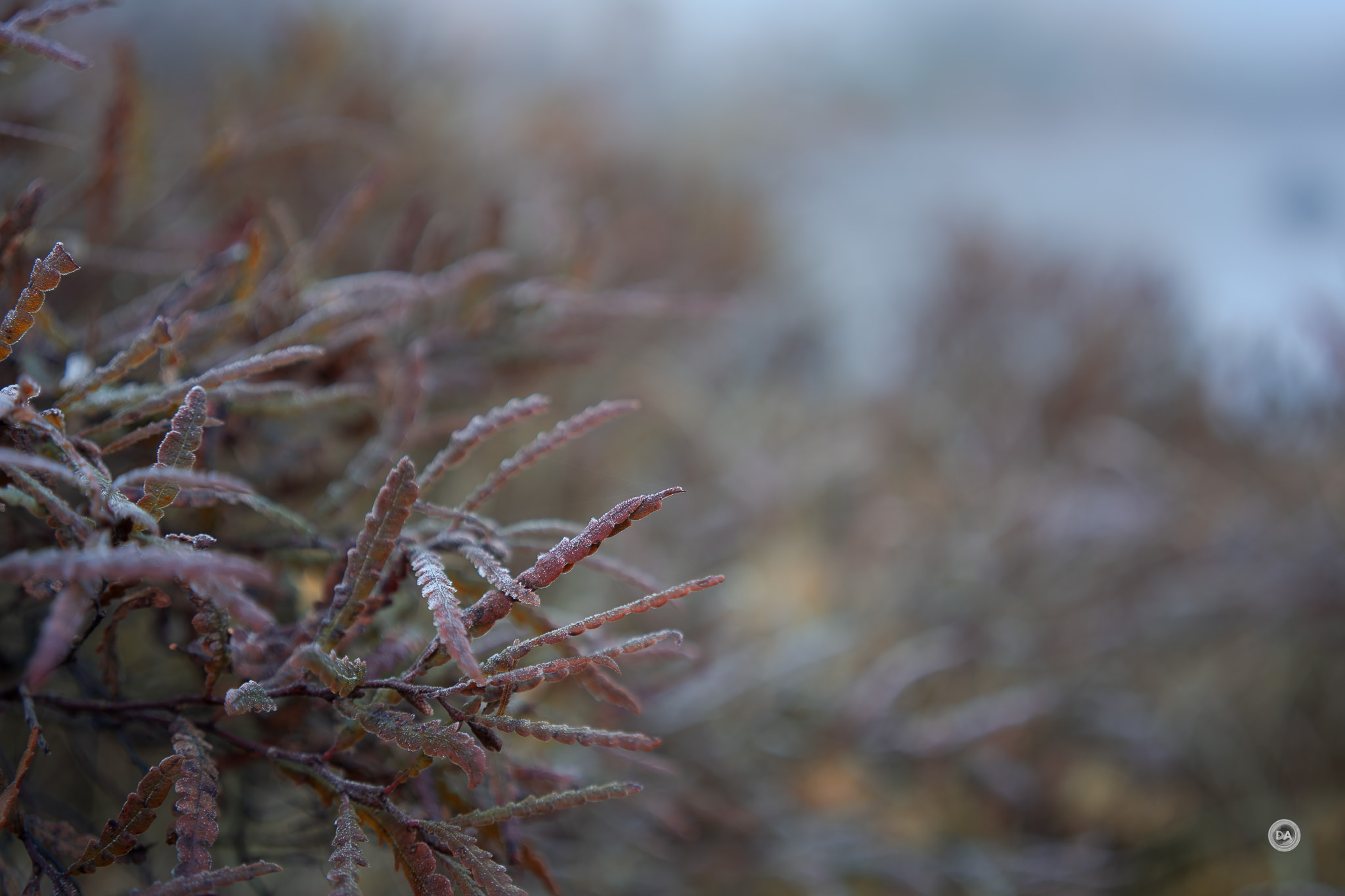
Nothing to complain about there.
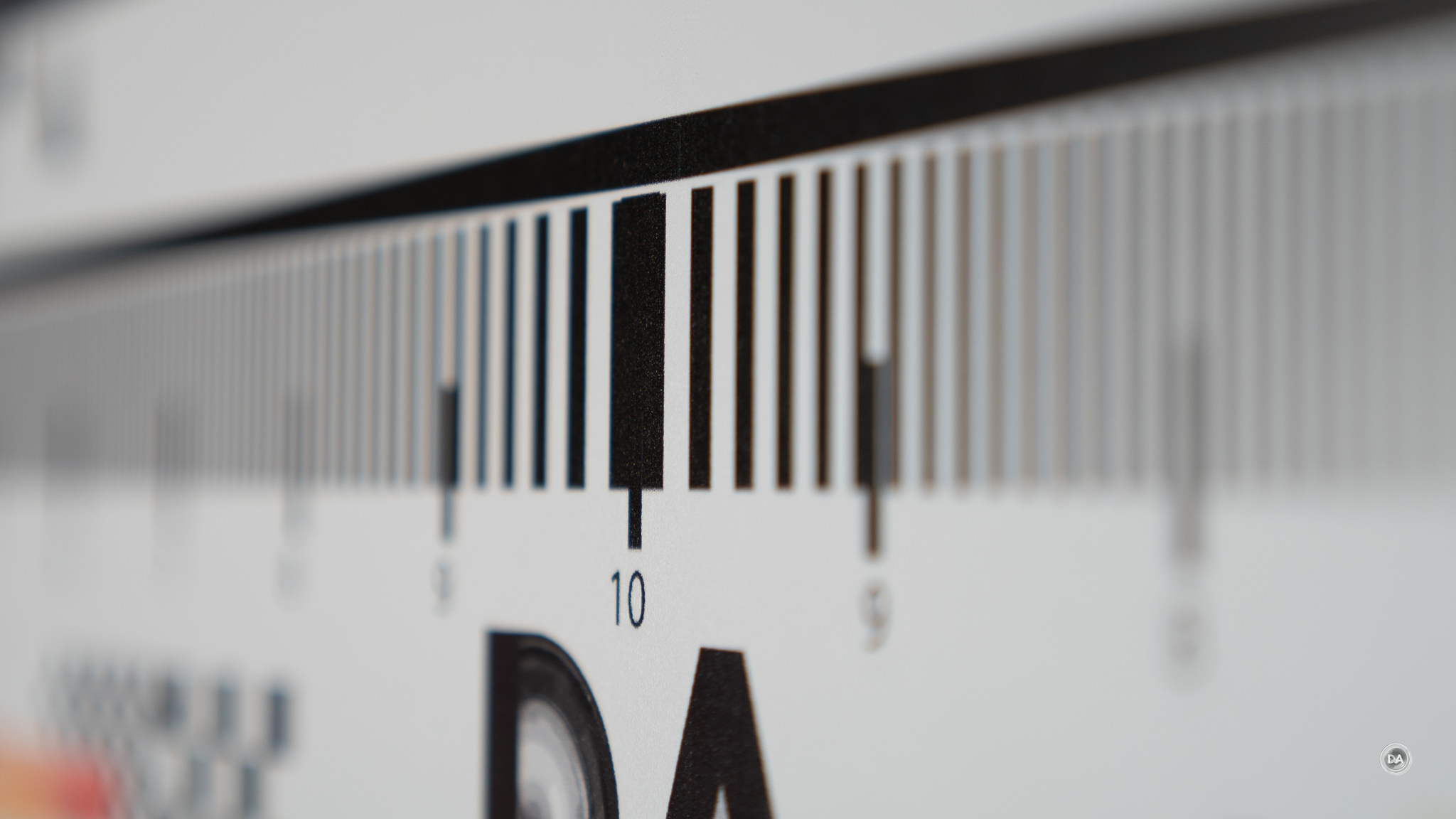
I do see some Longitudinal Chromatic Aberrations (LoCA) before and after the plane of focus here.
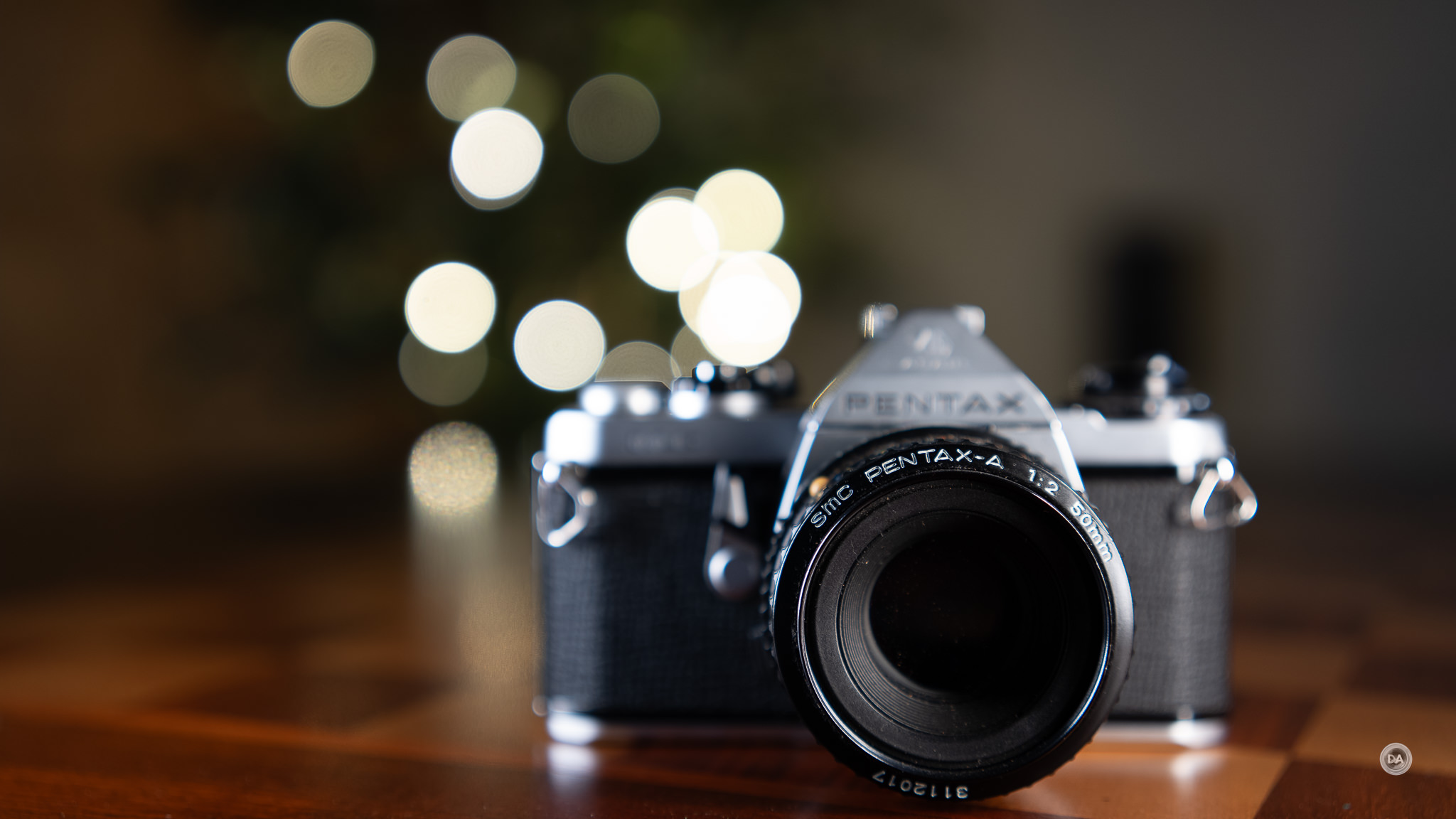
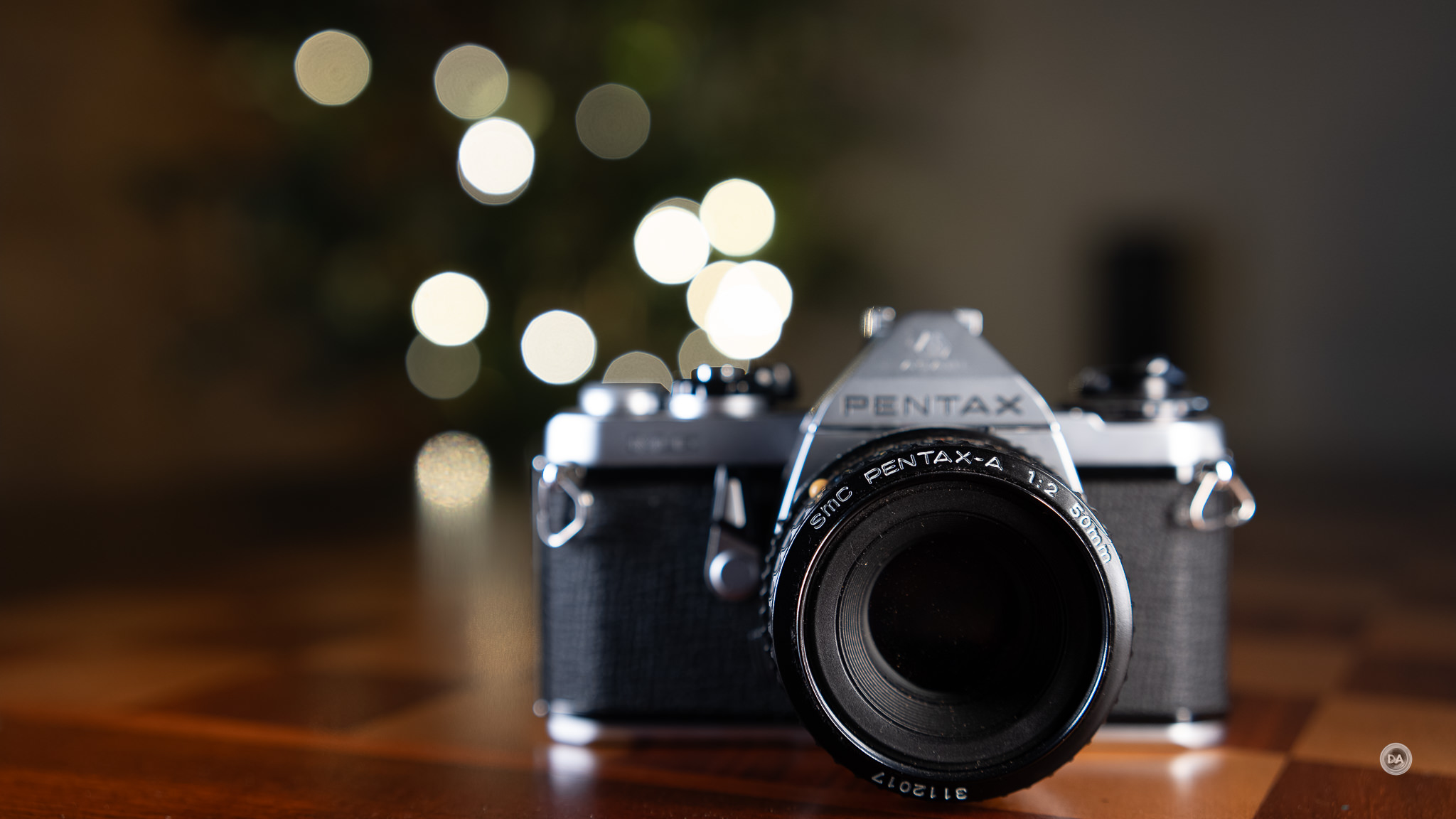
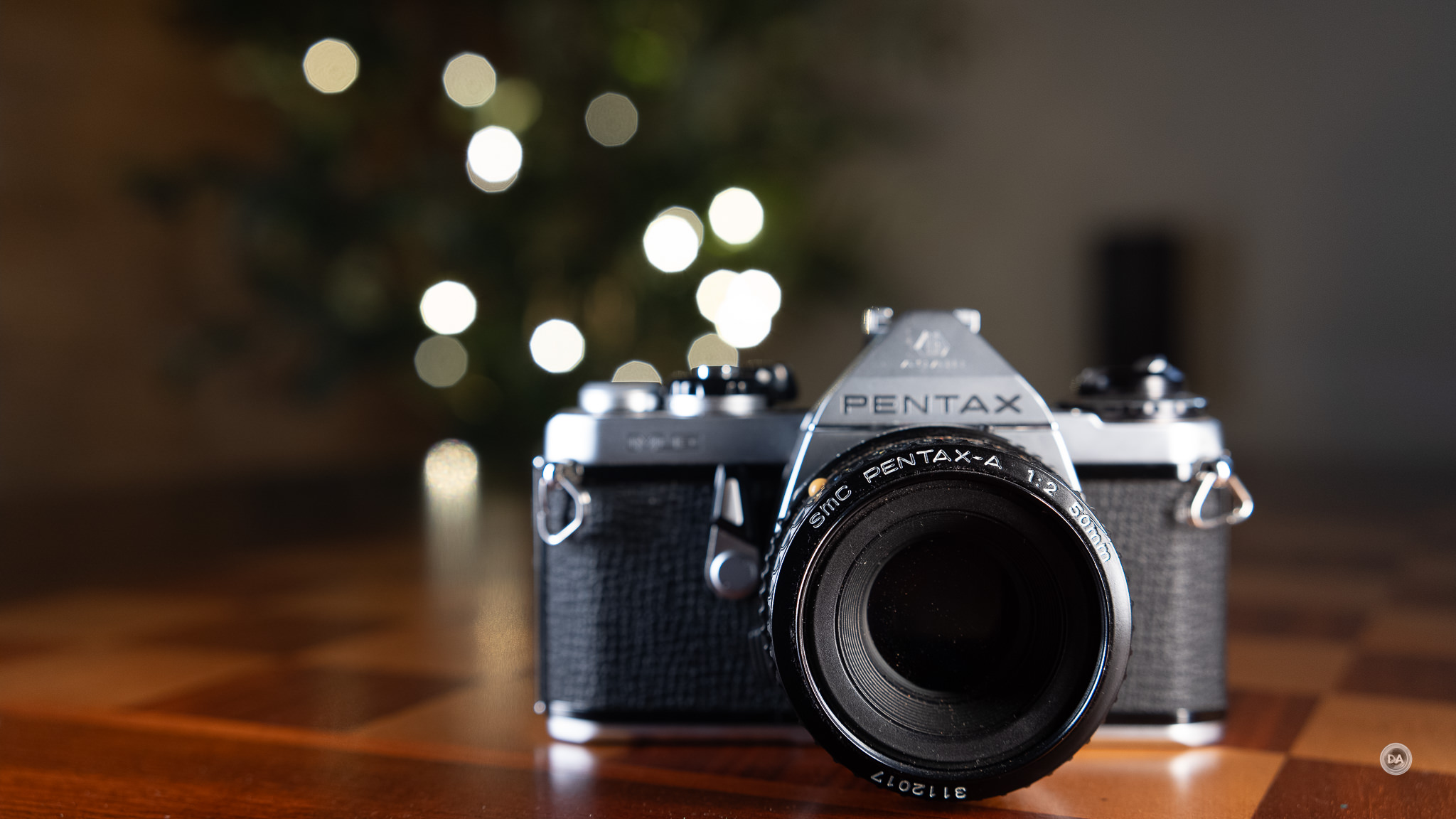
If I look at my Dad’s old SLR, I definitely find some blue fringing on the shiny edges along with some around specular highlights, though I also note that contrast is fantastic despite the fringing and the specular highlights are very nice and clean.
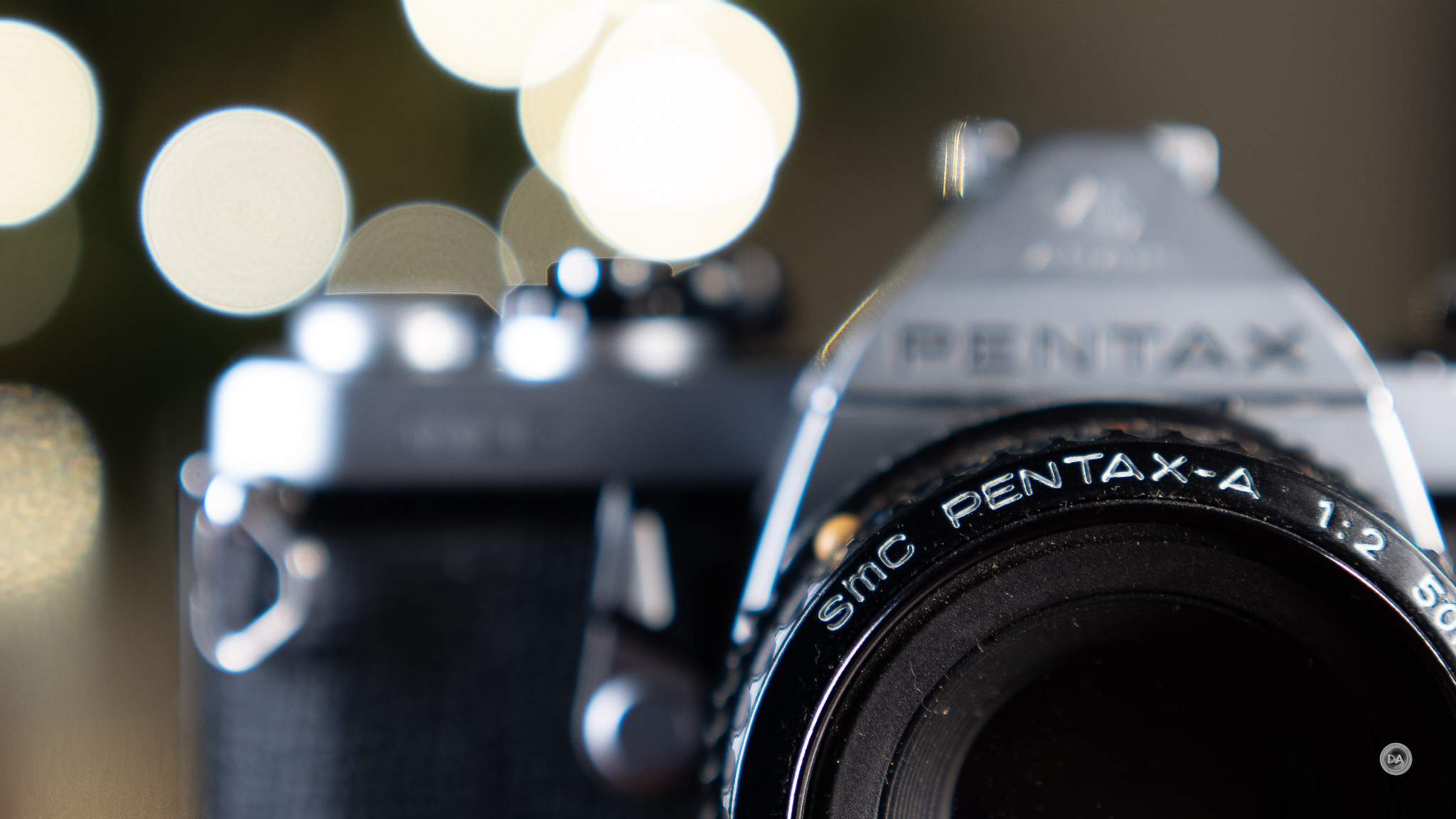
Nothing too concerning here. This looks nice and clean. I also found shooting into high contrast scenes didn’t produce issues with fringing.
Lateral style chromatic aberrations (LaCA) found in the contrast transitions near the edge of the frame were well controlled. I didn’t see any issues here.
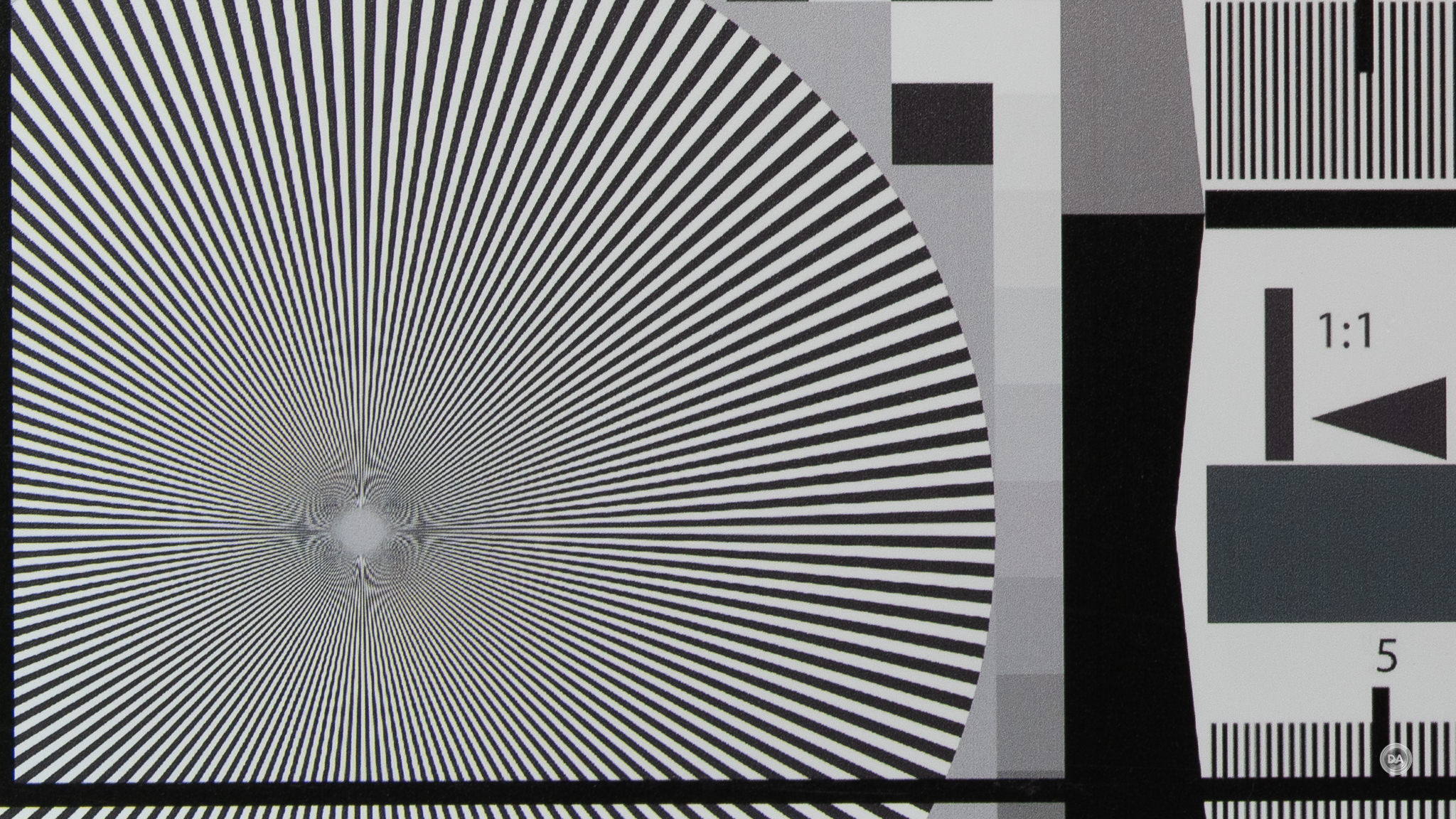
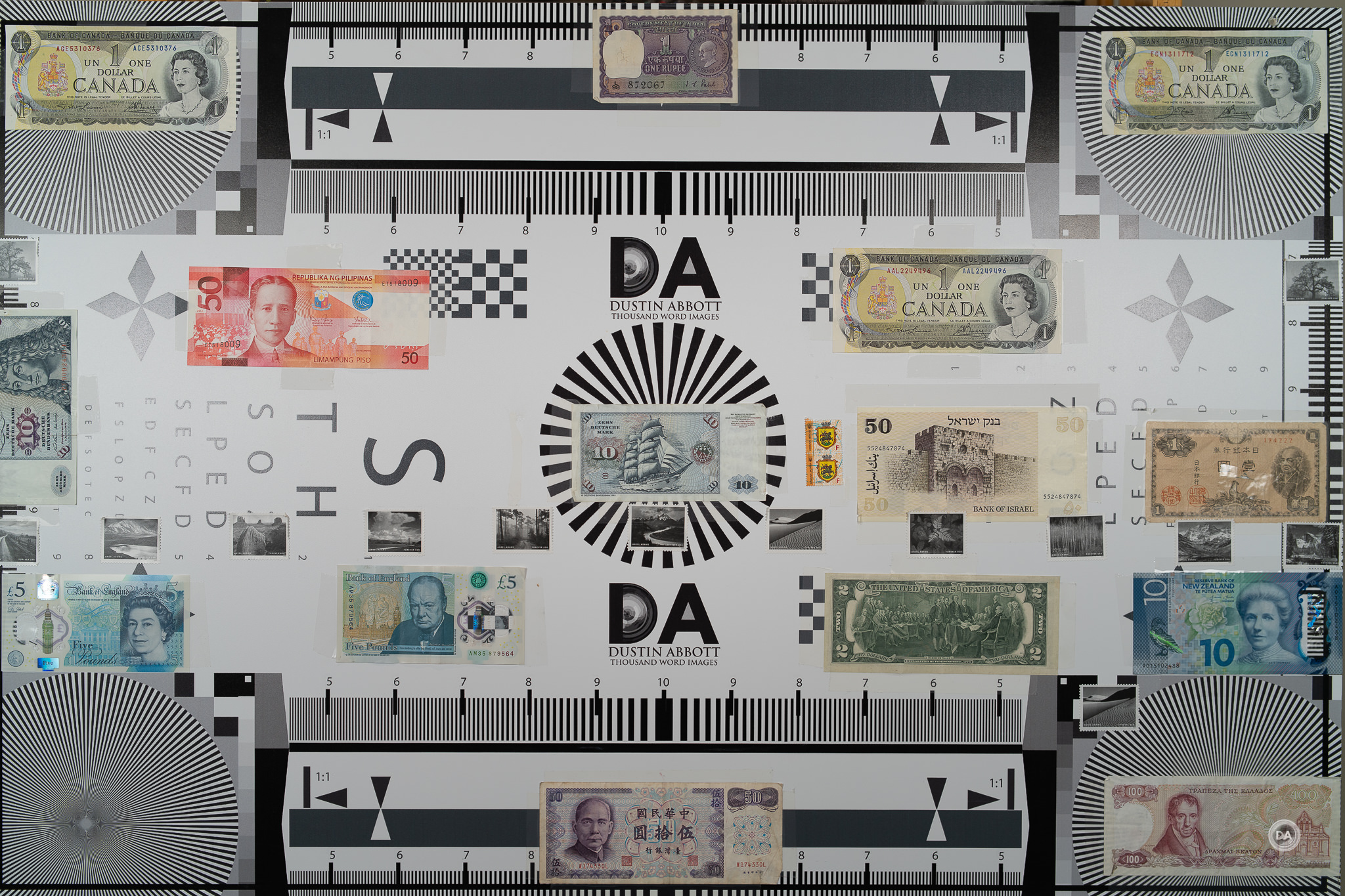
So let’s return to focus on resolution. These results are shot on a 61MP Sony a7RV and the crops are shown at roughly 200% magnification level. Here’s a look at the test chart that the crops are taken from.
If we zoom in and look at the 200% crops at F2.2 from the center, mid-frame, and lower right, we discover that sharpness is fairly consistently good across the frame. The corners are bit softer, but the upper left corner that I also sample looked even better. Contrast is also quite good.



This one has some nice wide open “pop”.


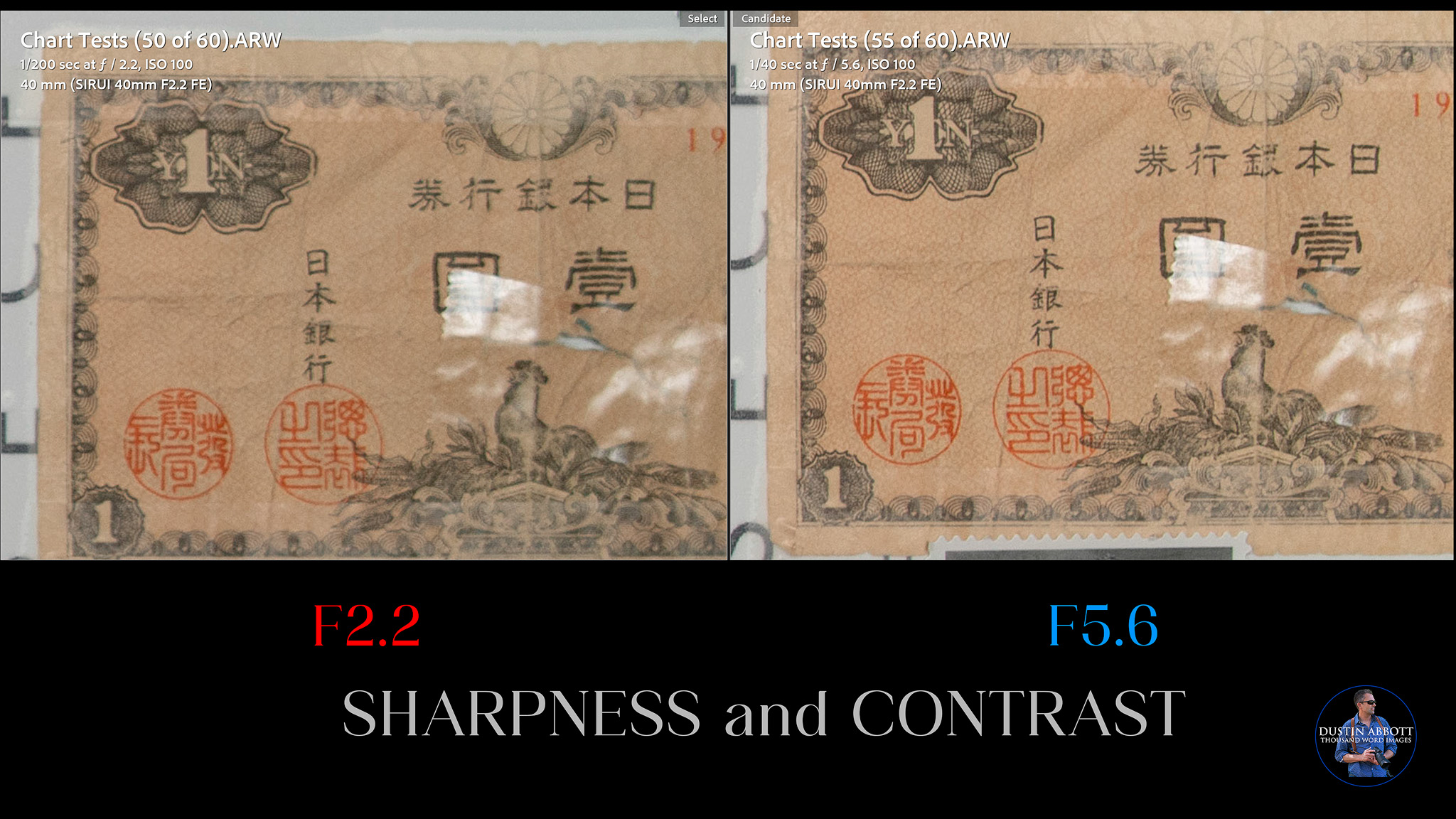
Stopping down will increase detail slightly, but mostly you’ll see an improvement in contrast. You can see that on my test chart:
I also saw an uptick in overall contrast in real world images when stopped down a bit to F2.8.

Landscape style images at smaller apertures (F5.6, here), show a fantastic amount of detail (again, particularly for such an inexpensive lens.)
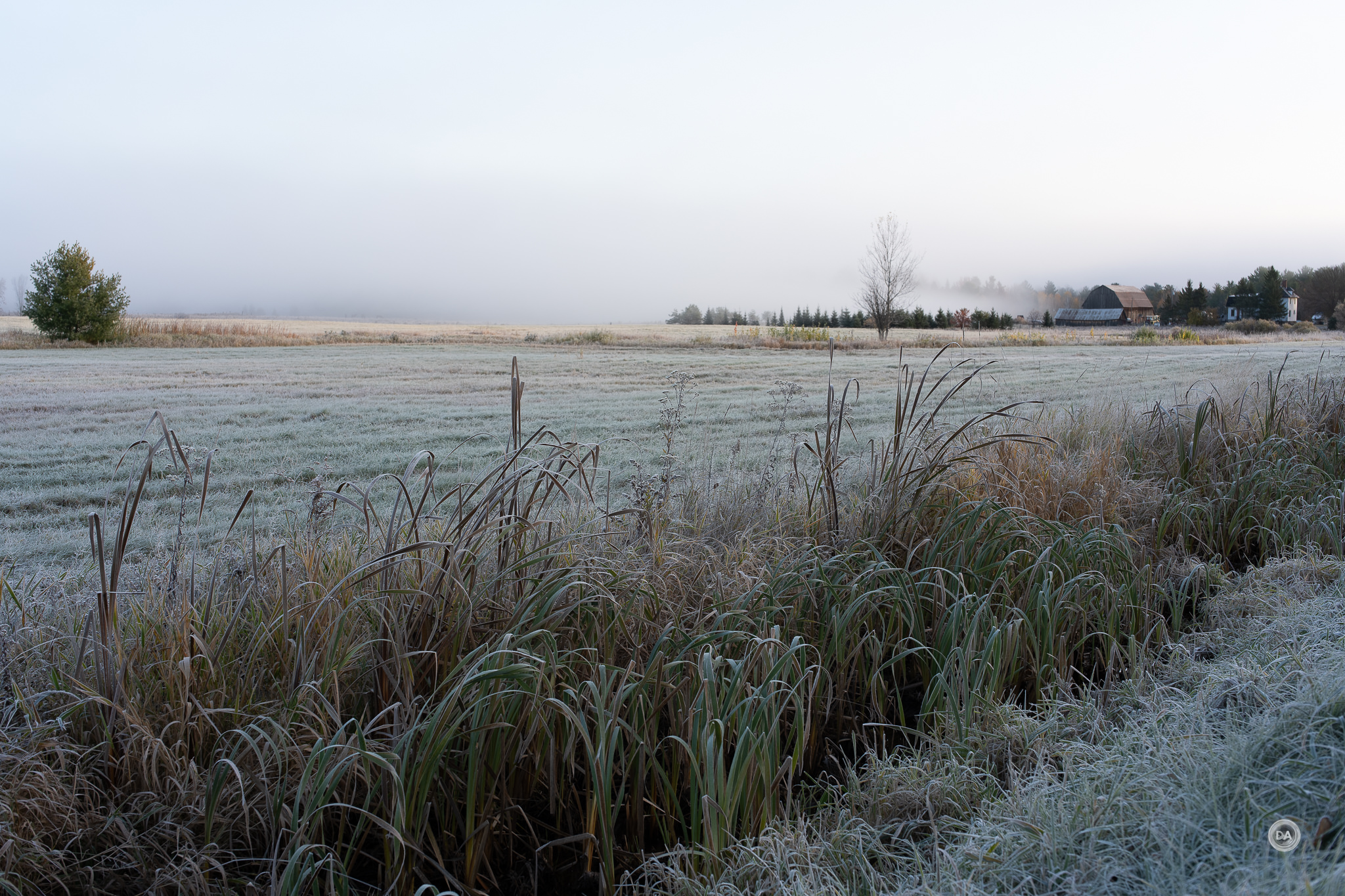
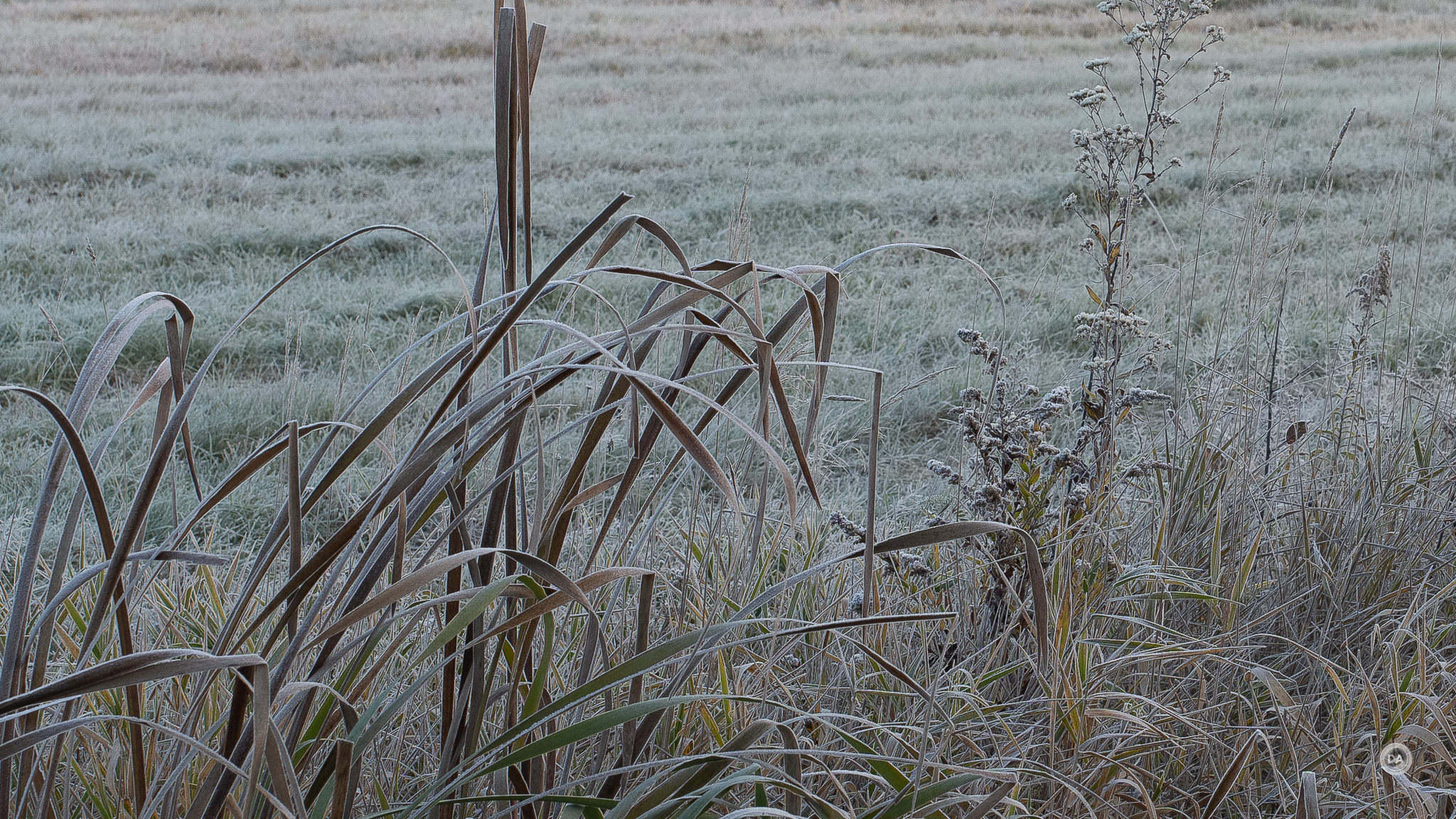
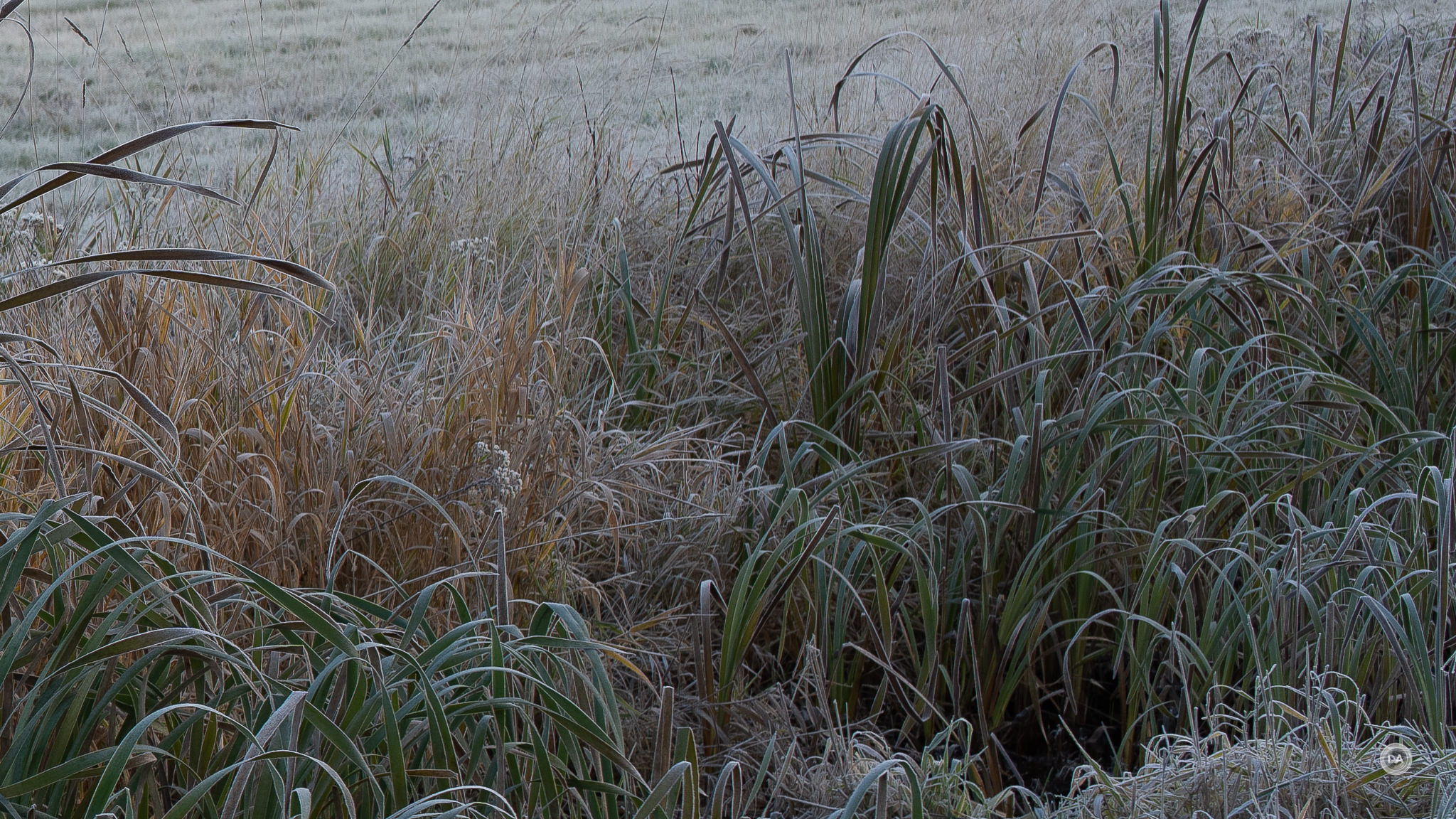
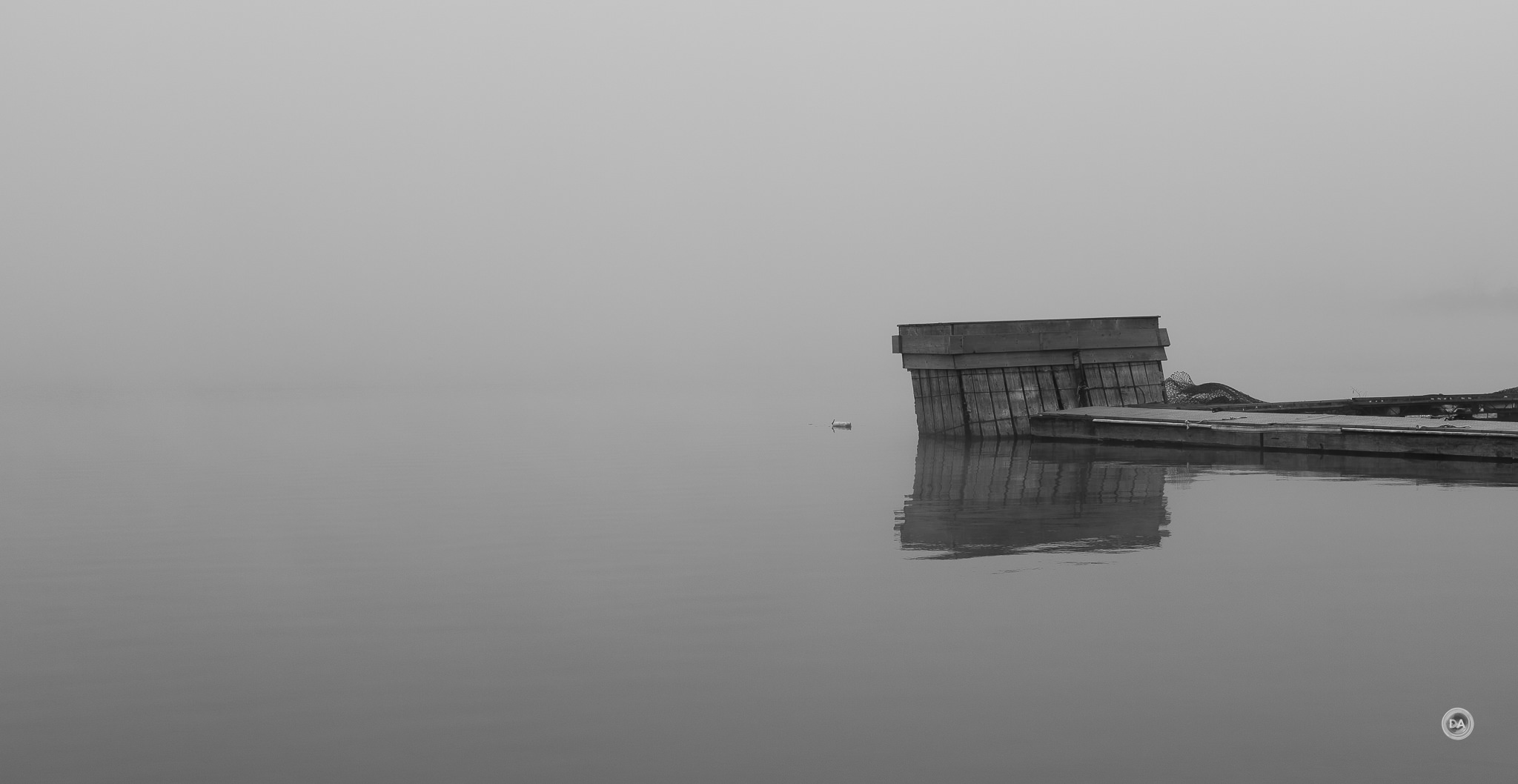
I got some beautiful landscape images on foggy autumn mornings.

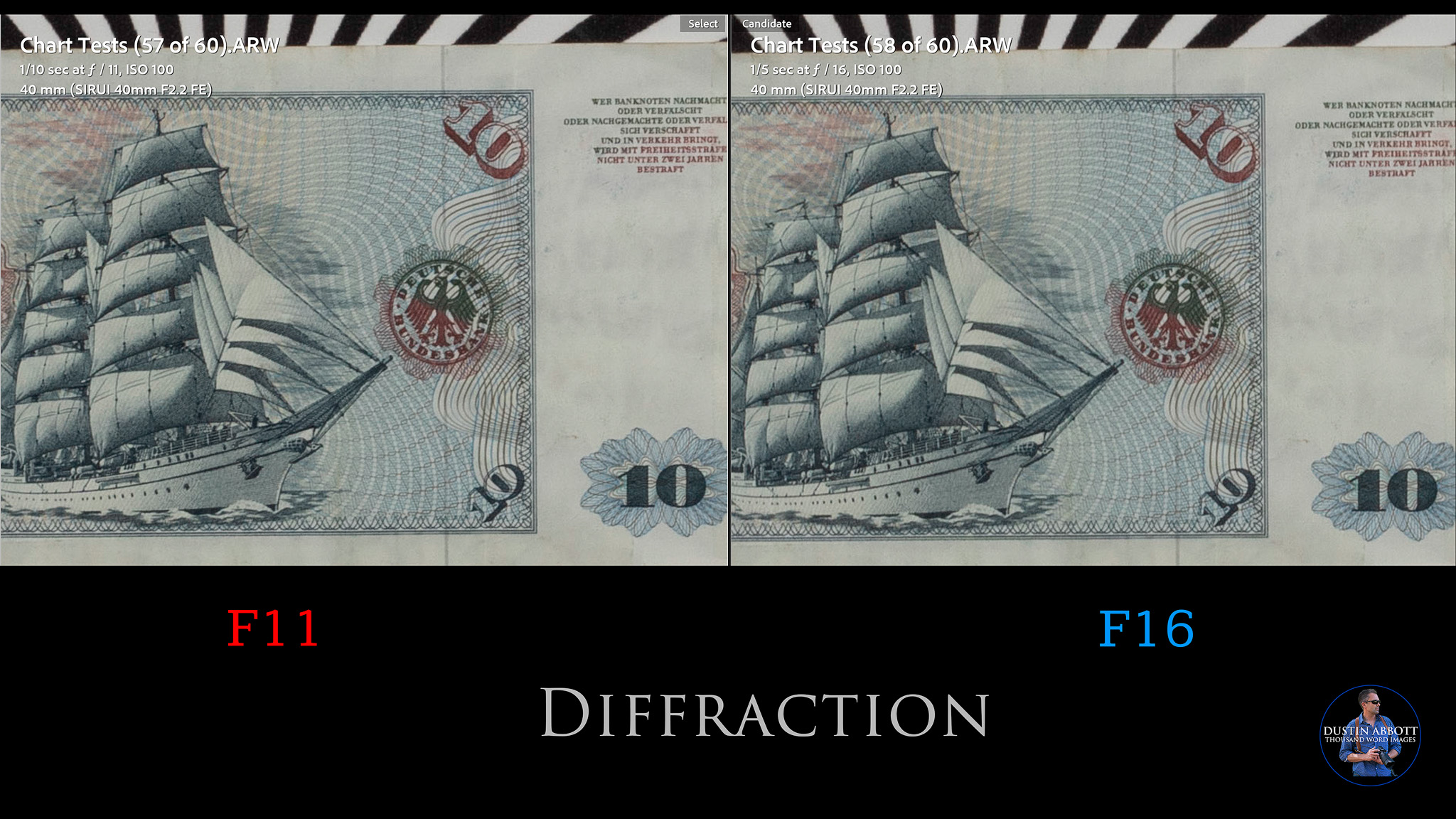
Diffraction is an unfortunate reality on higher resolution cameras, so you will see a faint softening by F11 and a more obvious softening by the minimum aperture of F16, though frankly results at 100% will still look fine.
Sirui has achieved good sharpness without compromising the rendering. As I’ve mentioned, this is neither a long focal length nor a particularly bright maximum aperture, but the quality of the rendering is still quite good in many situations. This medium distance shot still has a nice amount of separation from the background (which is helpfully a bit further away).

This shot is a little less advantageous, and there are some hard edges in the background, which the Swift 40mm can’t quite overcome.
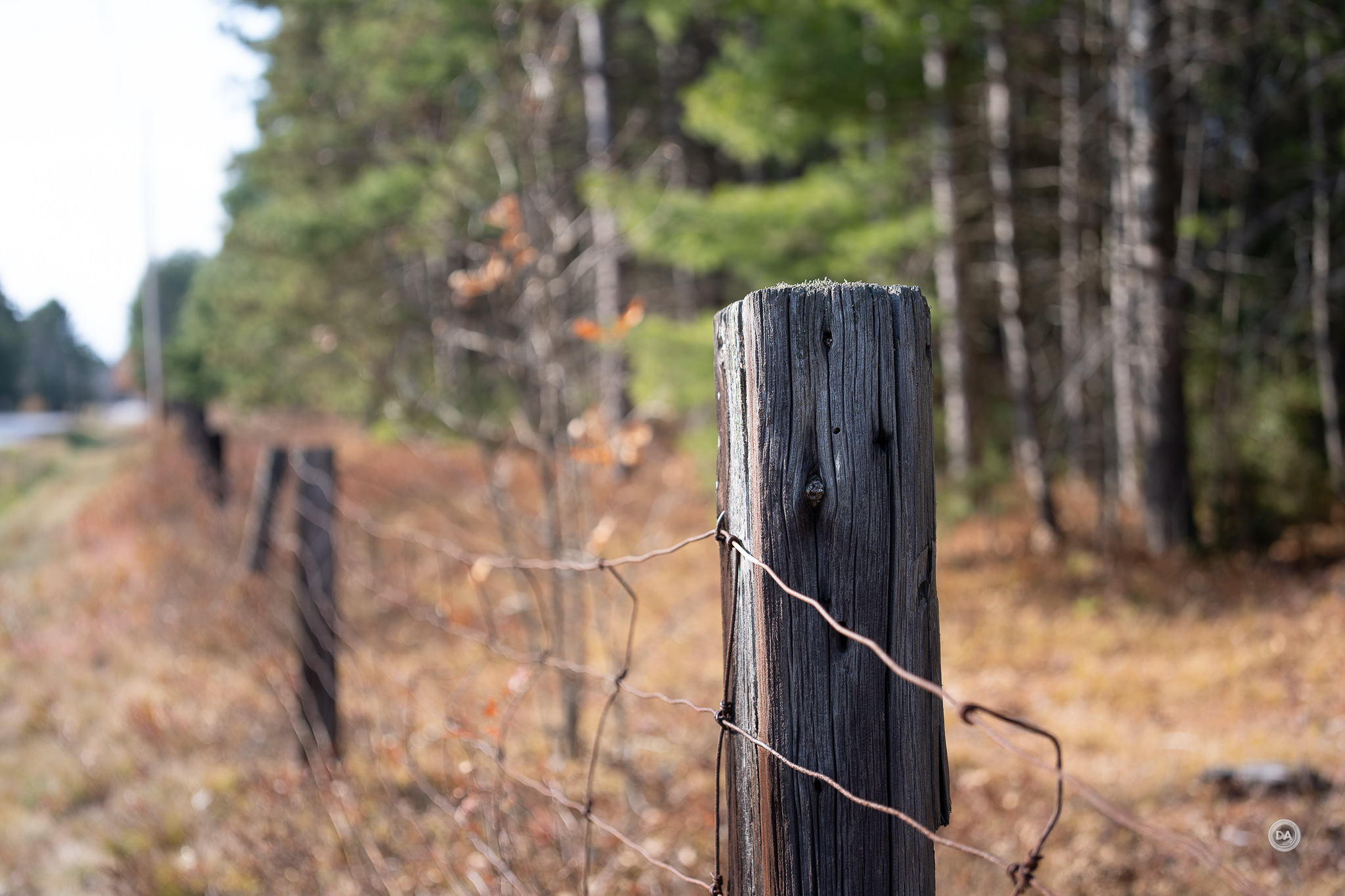
Get close to your subject and the bokeh can be quite soft.

A less favorable ratio to the background can produce a slightly busier result, however.
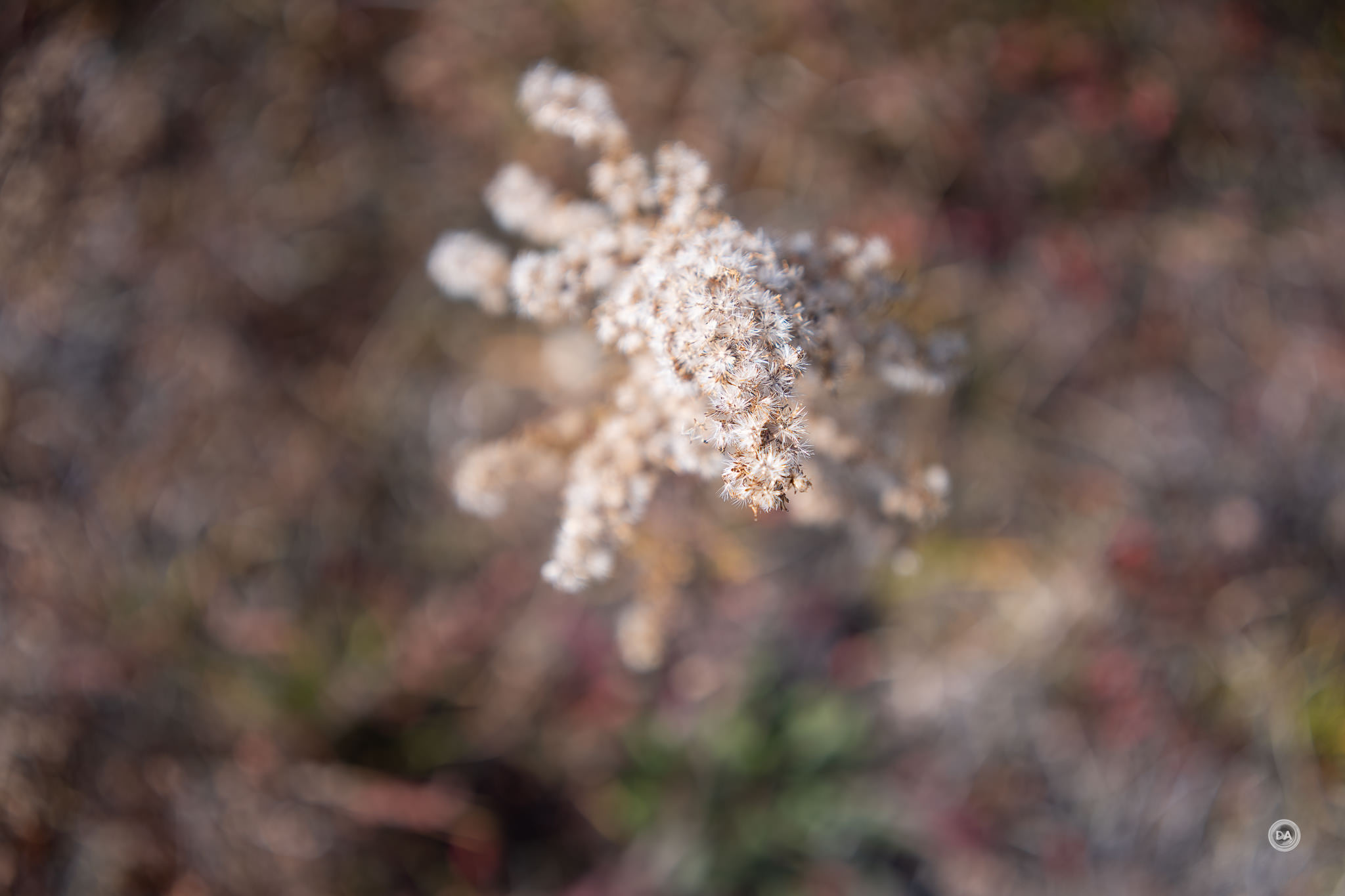
Still, the quality and quantity of the bokeh one can produce with the Swift 40mm will be a serious upgrade over a kit lens, for example.
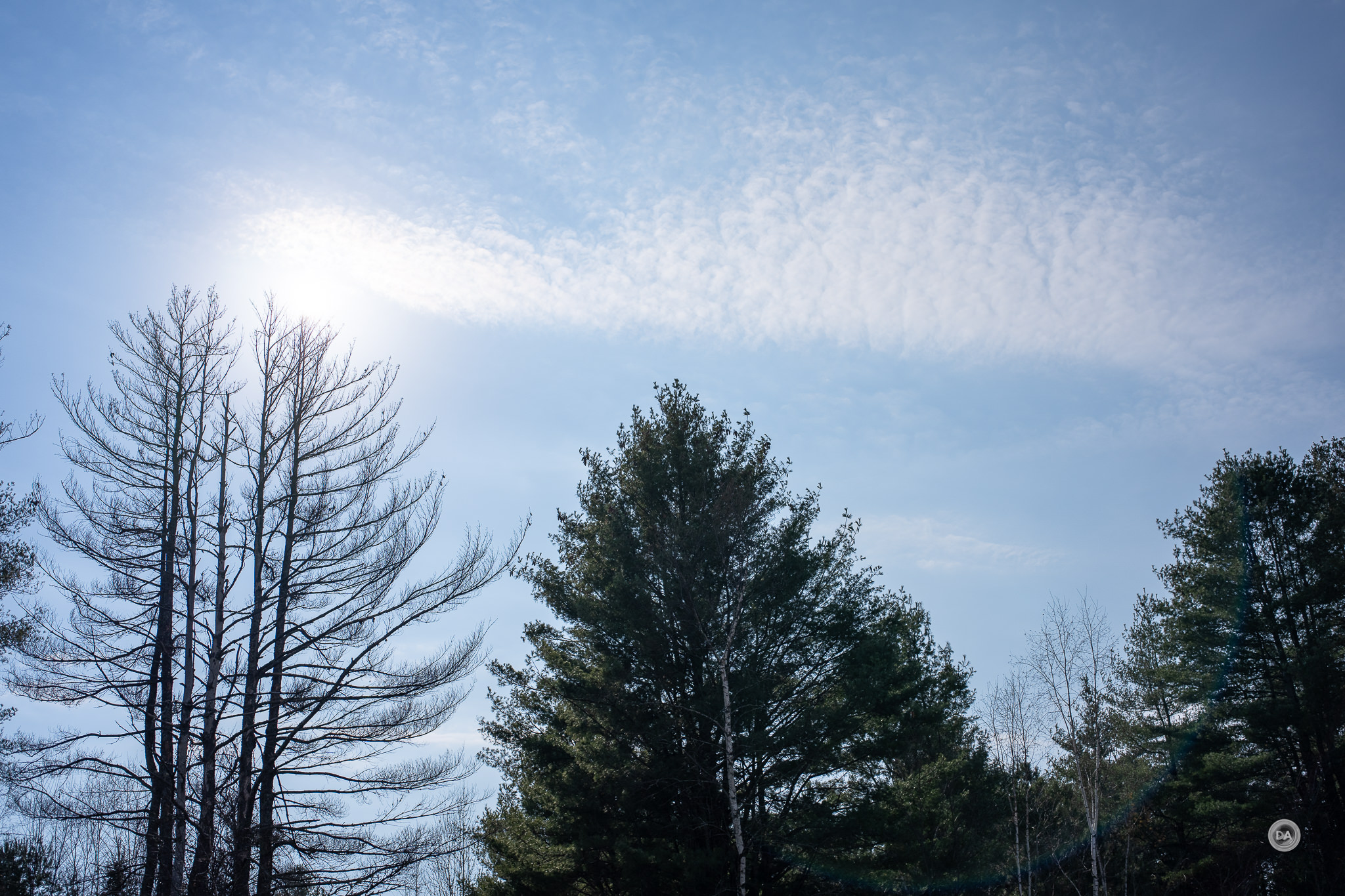
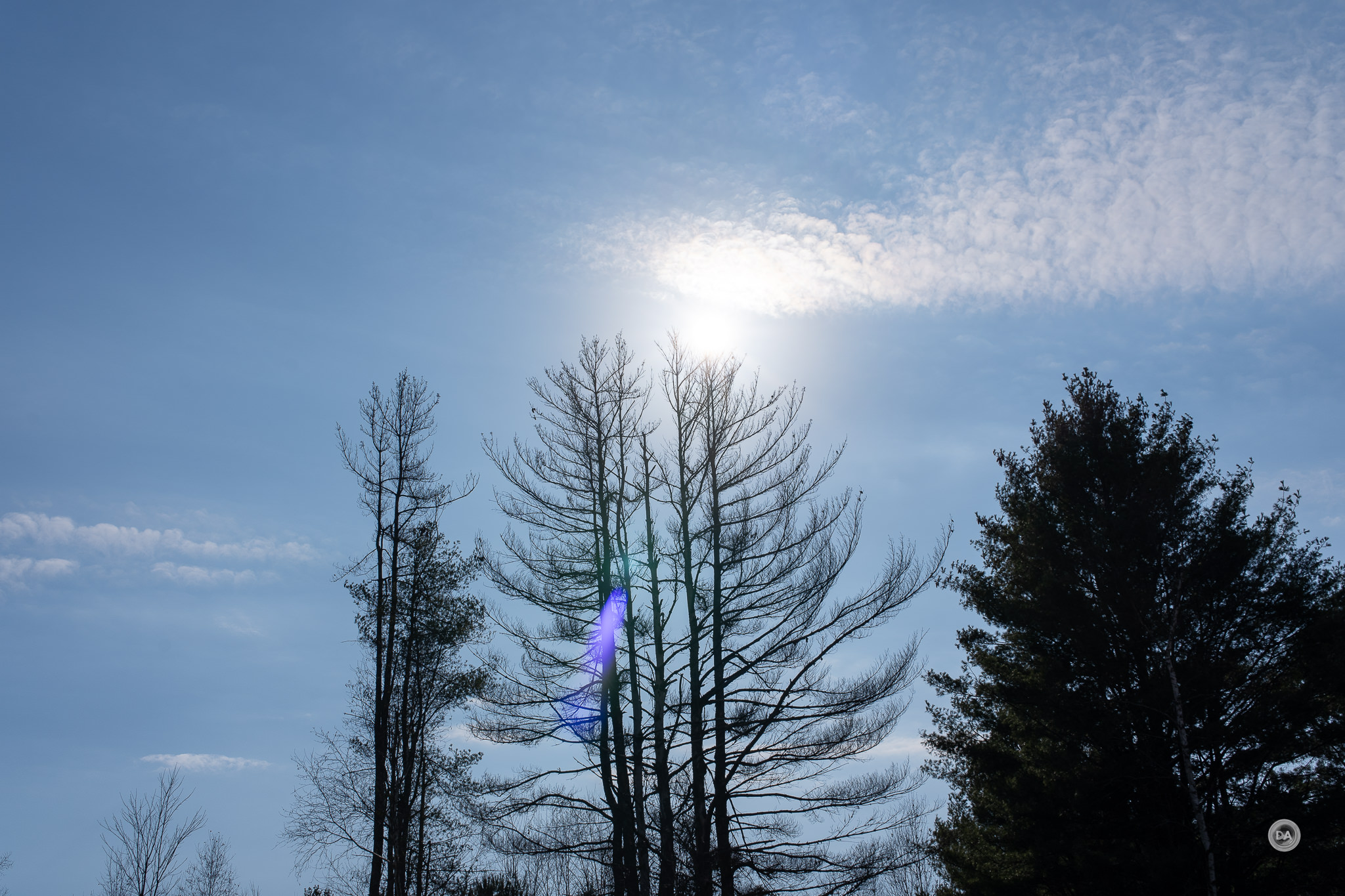
Flare resistance is a bit of a mixed bag. At wide apertures you will get some veiling and ghosting, though the effects are still soft enough to be usable in some situations.

I saw some minor issues in a window light shot, too.
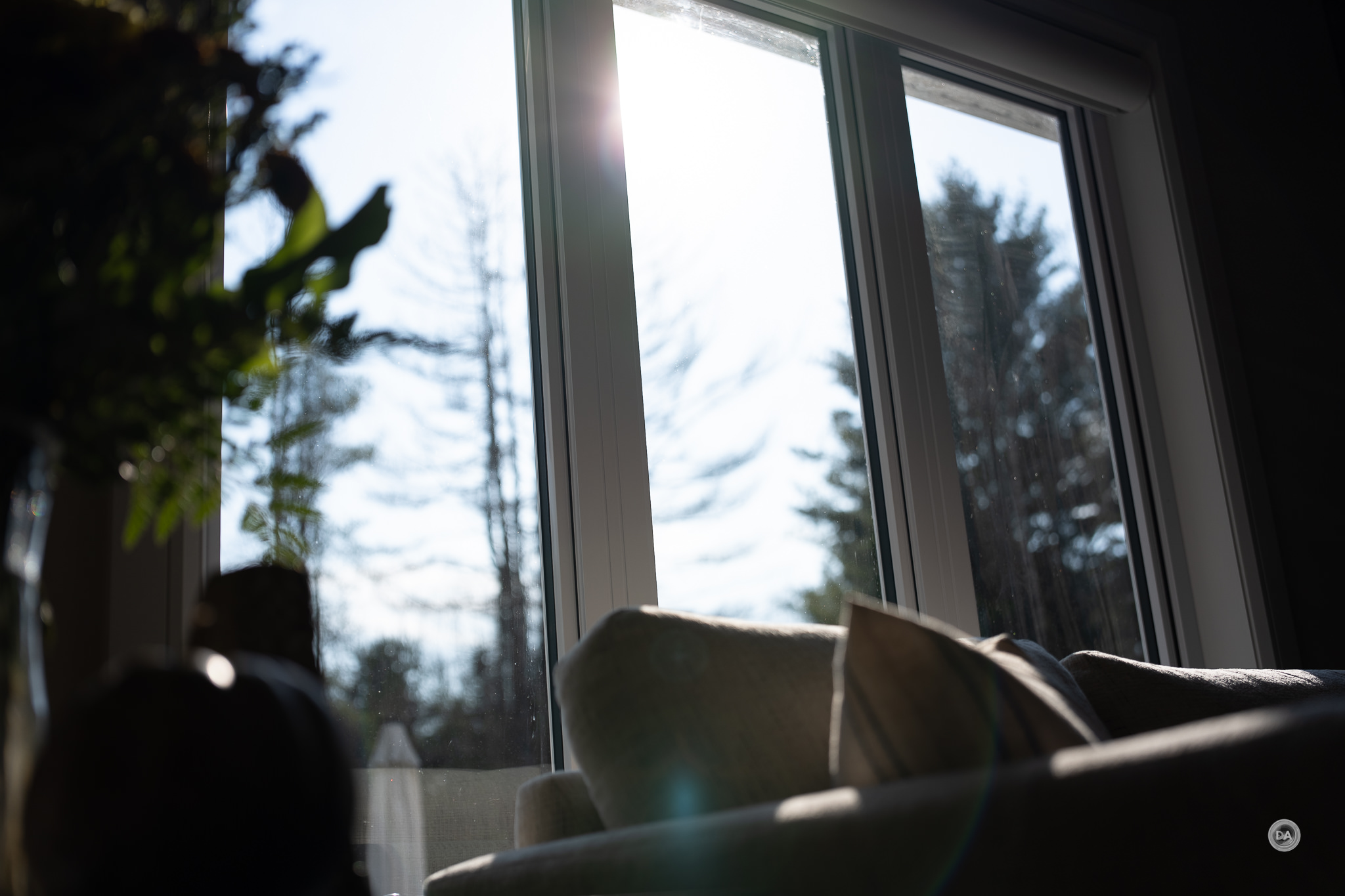
More standard shots shooting into the sun produced mostly decent results, with just minor ghosting.

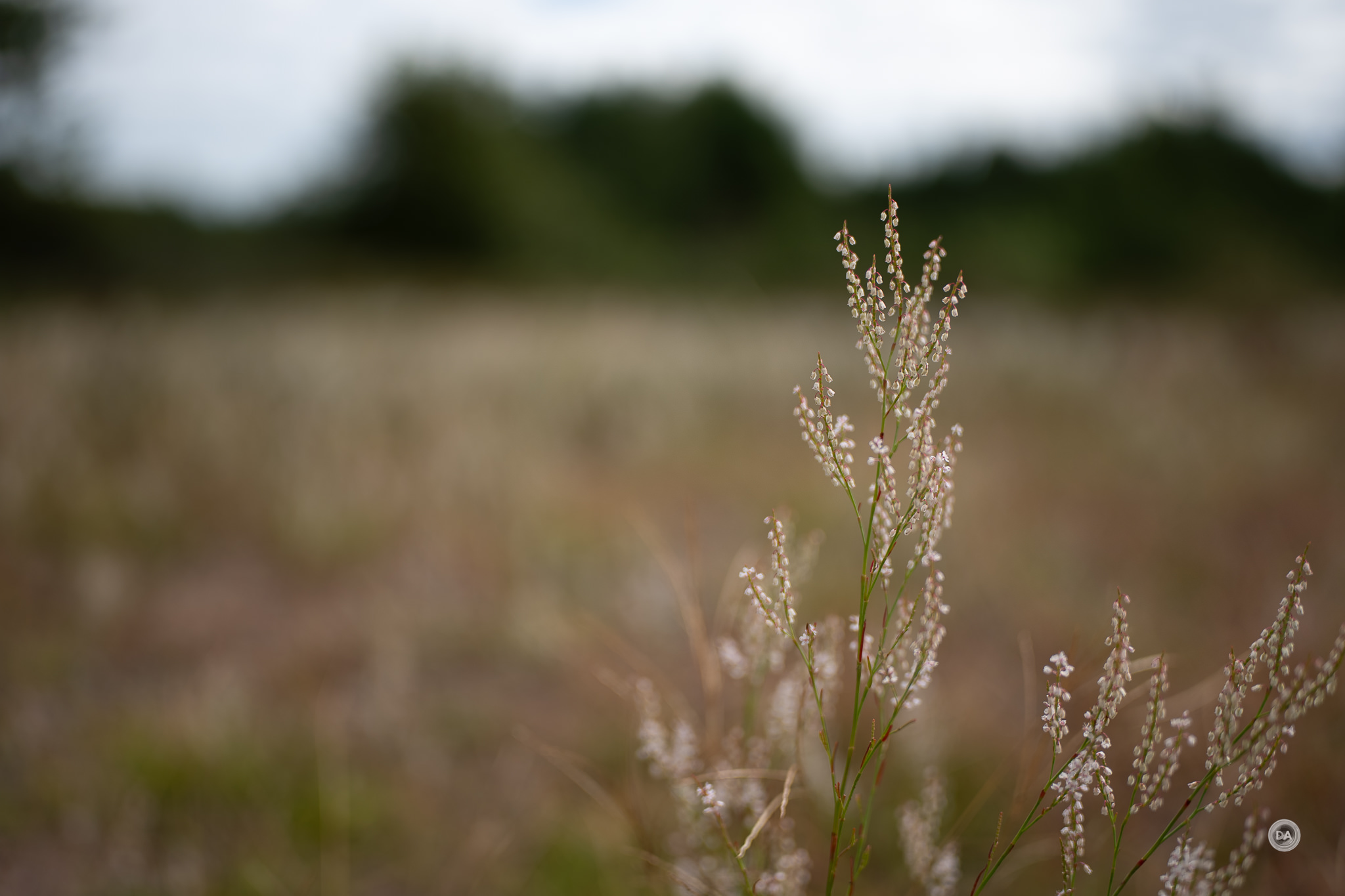
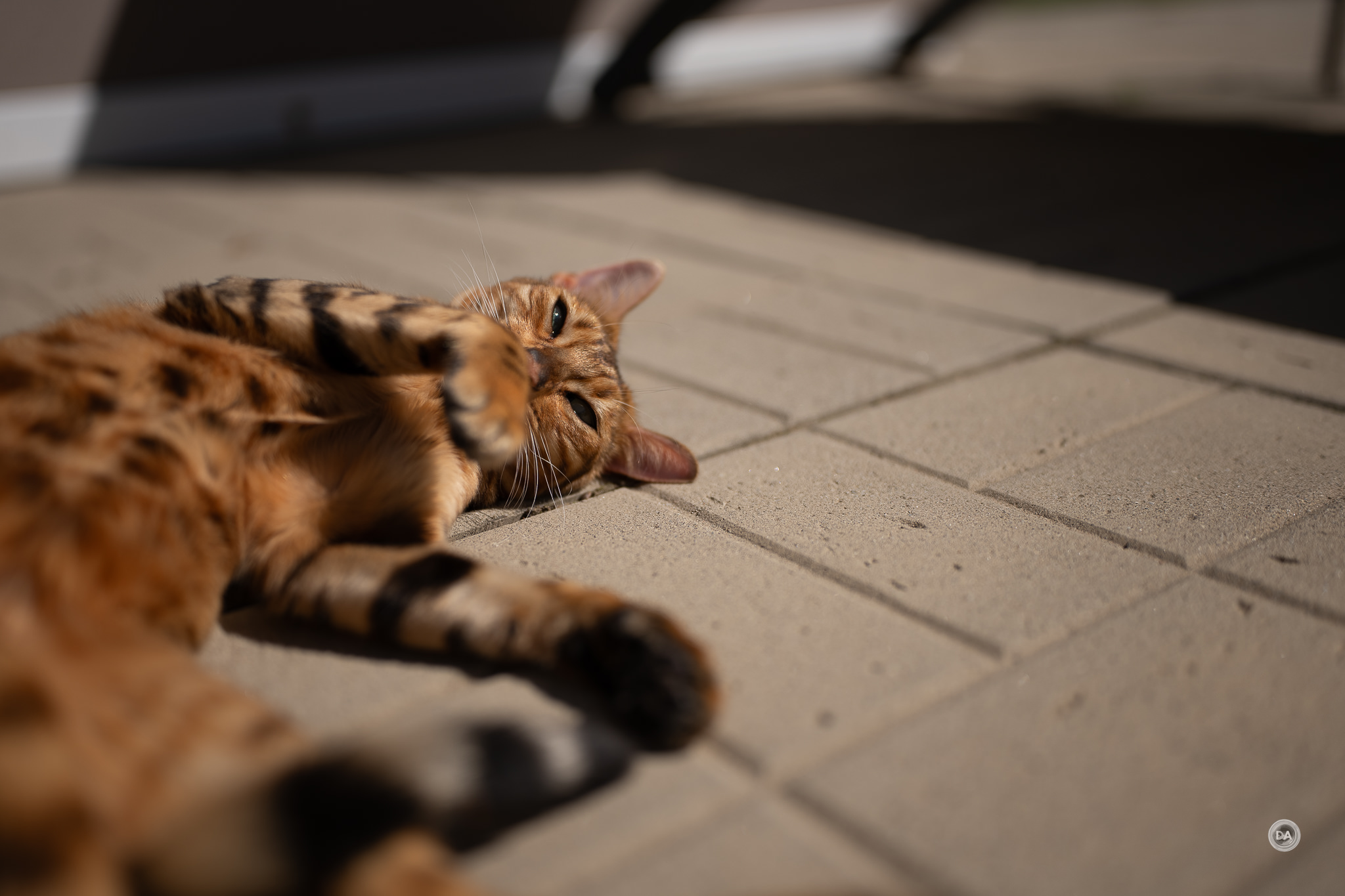
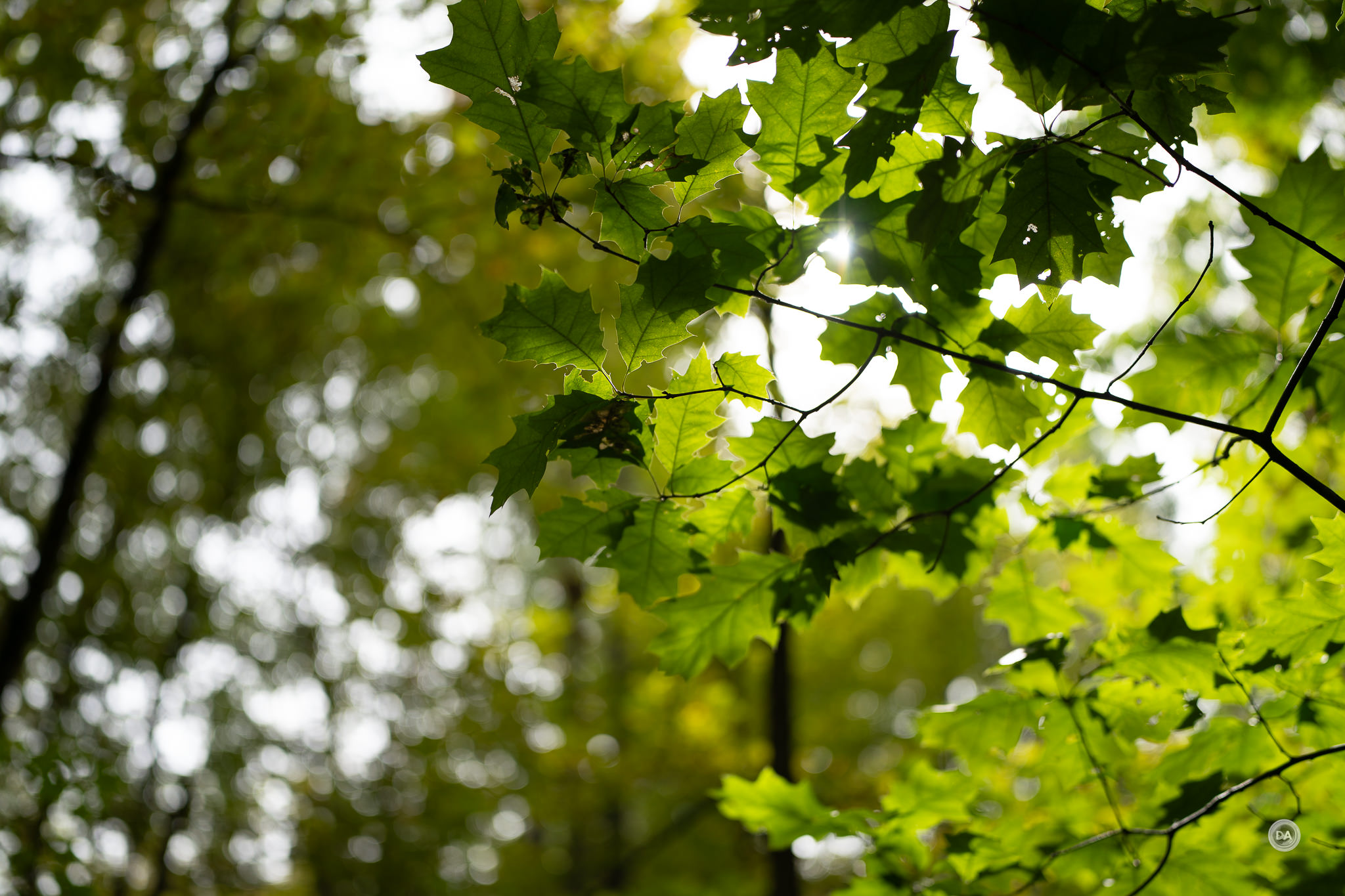
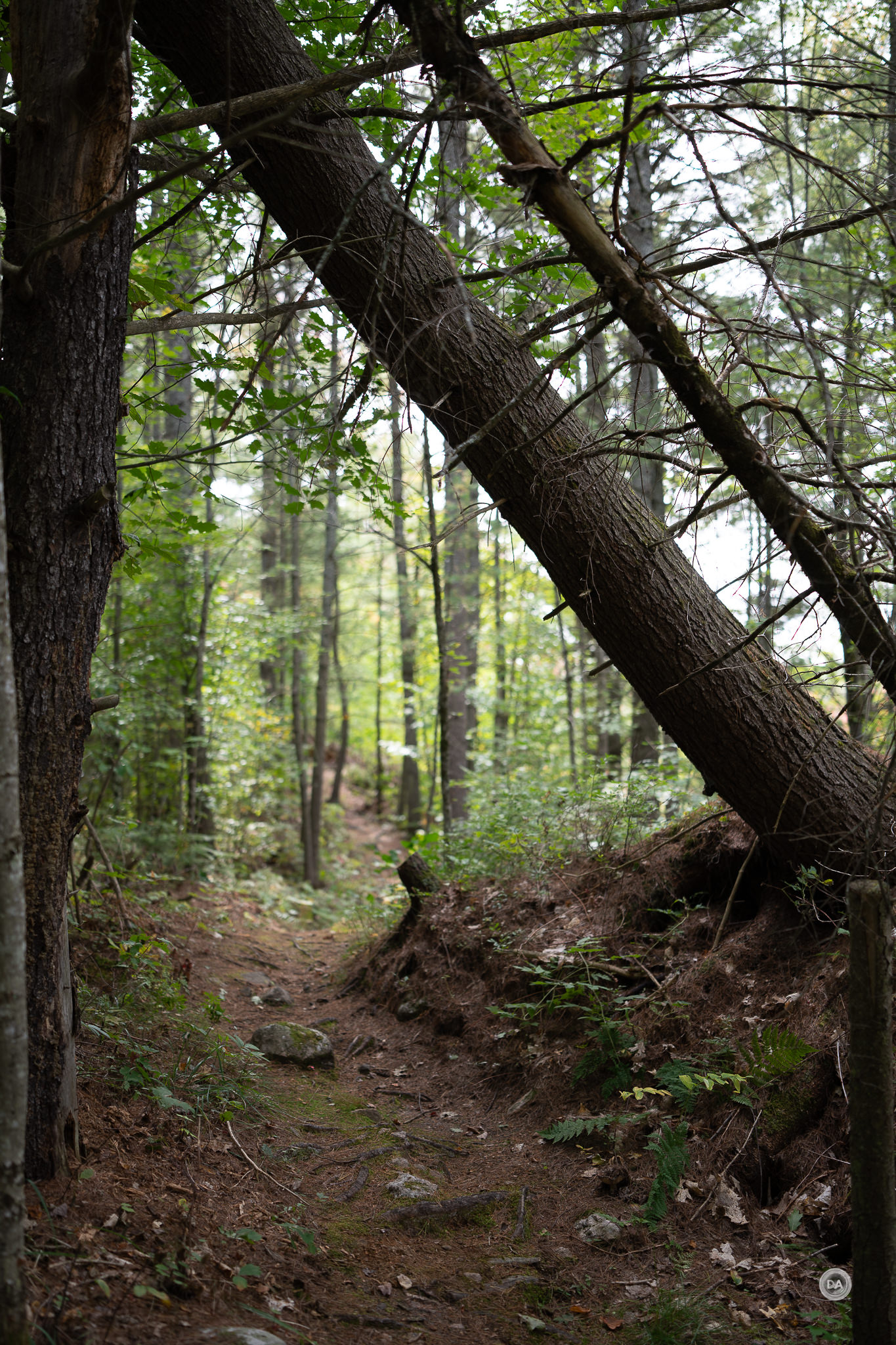
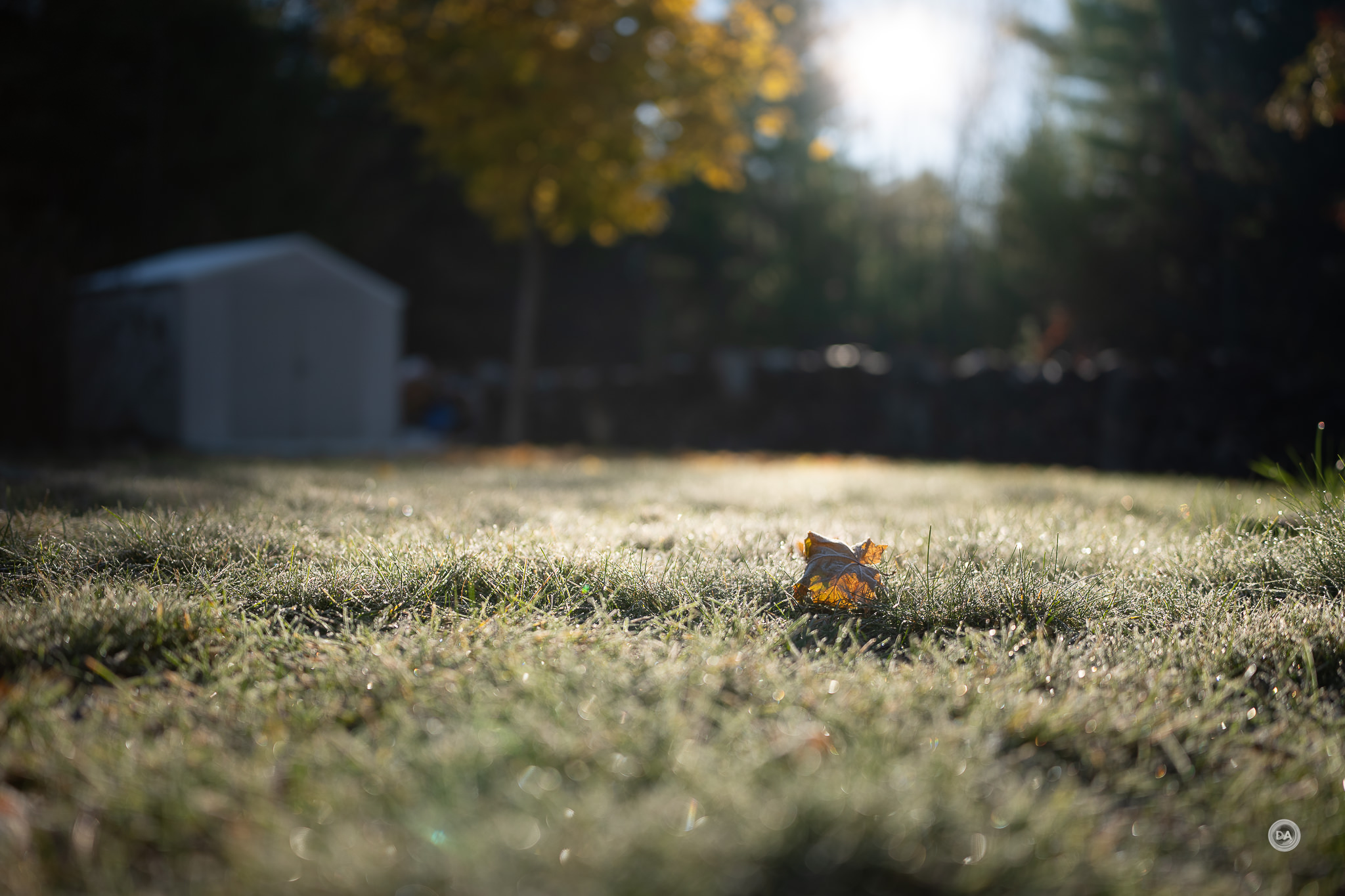
The bottom line is that the Sirui Swift 40mm F2.2 is an amazingly good lens for a price tag of just $149 USD. It has a bit more chromatic aberrations that I would prefer, but outside of that, it has a ton of pop for just an inexpensive little optic. Enjoy the images in the mini-gallery here.













Conclusion
I’ve liked but not loved many of the Sirui lenses that I’ve tested thus far, but I feel like Sirui has a winner in their new Swift 40mm F2.2. It matches the sharpness of the Viltrox AIR 40mm F2.5 while giving the nicer rendering of the Nikkor Z 40mm F2 and with a feature set more resembling that found on the Sony 40mm F2.5 G…all while undercutting them all in price (in some cases by a huge margin).

I had a lot of fun with this little lens, and could see it being a great first prime for someone looking to upgrade from their kit lens but without adding a lot of cost. I also like 40mm as a walkaround or street lens.

I like this new series from Sirui, as it tackles the Viltrox AIR lane of lenses (which have been very popular), though with more features and some weather sealing. It is pretty amazing that we are getting a lens with good optics, autofocus, weather sealing, an aperture ring, and custom button…for under $150 USD. There are a lot of things that have gotten much more expensive in our world, but that fact that lenses like this exist for this price is pretty mind-blowing. It is sad that the photography market has contracted globally, as we are really in a golden age of gear design.
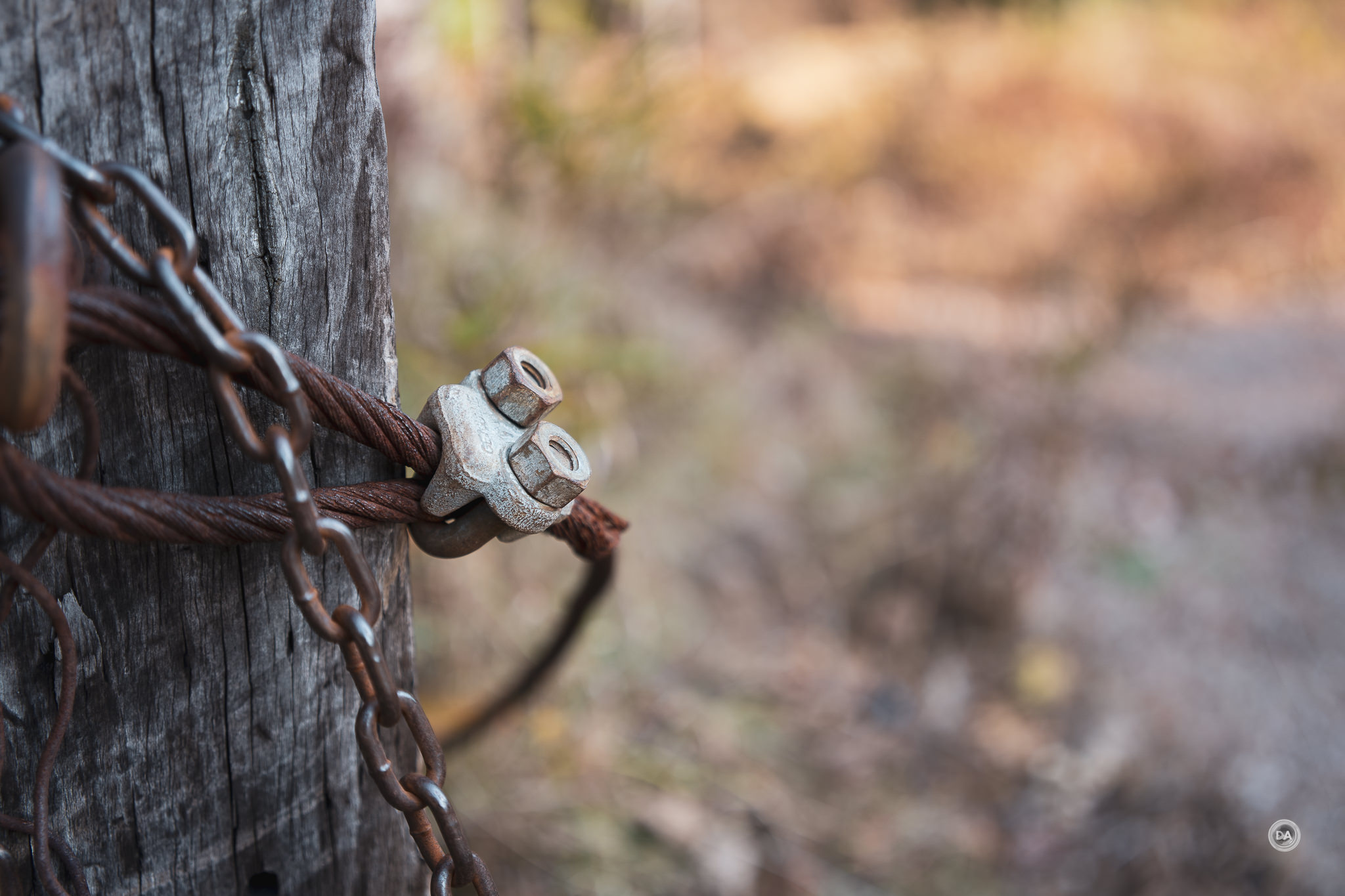
Pros:
- Outstanding Sharpness: Delivers impressive sharpness across various apertures, making it suitable for detailed photography.
- Beautiful Rendering: Combines the sharpness of the Viltrox with the pleasing rendering of the Nikkor, making it versatile for different styles of photography.
- Compact and Lightweight: Weighs only 210g, making it easy to carry and ideal for travel and street photography.
- Affordable Price: Priced at just $149, it offers excellent value compared to competitors without sacrificing quality.
- Robust Feature Set: Includes weather sealing, a USB-C port for firmware updates, and a clicked aperture ring with marked stops.
- Good Autofocus Performance: The standard STM motor provides quick and accurate focusing, effective for both photography and video.
- Minimal Focus Noise: Operates quietly, suitable for capturing video without audible distractions.
- Versatile Focal Length: The 40mm focal length is great for a wide range of scenes, from close-ups to landscapes.
- Nice Bokeh: Produces soft and appealing bokeh, enhancing the aesthetics of portraits and close-up shots.
Cons:
- Chromatic Aberrations: Minor longitudinal chromatic aberrations can affect high-contrast edges, although generally manageable.
- Focus Breathing in Video: Focus breathing can be noticeable during video work, potentially distracting in certain shooting scenarios.
- Limited Magnification: Minimum focus distance of 40cm offers modest magnification (0.14x), which may not satisfy macro photography needs.
_________________________________________________________________________
GEAR USED:
Purchase the Sirui SWIFT 40mm F2.2 @ Sirui (UPA-DUSTINABBOTT) | B&H Photo | Adorama | Amazon (use code DUSTINSW40) | Amazon Canada | Amazon UK | Amazon Germany
_________________________________________________________________________
Purchase the Sony a7RV @ B&H Photo | Adorama | Amazon | Camera Canada | Sony Canada | Amazon Canada | Amazon UK | Amazon Germany
__________________________________________________________________
Purchase the Sony a7IV @ B&H Photo | Adorama | Amazon | Camera Canada | Sony Canada | Amazon Canada | Amazon UK | Amazon Germany
_________________________________________________________________
Purchase the Sony Alpha 1 @ Camera Canada | B&H Photo | Adorama | Amazon | Sony Canada | Amazon Canada | Amazon UK | Amazon Germany | Ebay
_________________________________________________________________
Want to support this channel? Use these affiliate links to shop at: B&H Photo | Amazon | Adorama | Camera Canada | Amazon Canada | Amazon UK | Ebay | Make a donation via Paypal
Buy DA Merchandise https://bit.ly/TWIMerch

Keywords: Sirui, SWIFT, 40mm, F2.2, f/2.2, Sirui Swift 40mm F2.2, Sirui Swift 40mm F2.2, Swift Review, Viltrox, 40mm F2.5, Sony Alpha 1, Sony α1 II, Sony a7RV, Review, Hands On, Dustin Abbott, Real World, Comparison, Sharpness, Bokeh, Flare Resistance, Autofocus, Image Quality, Sample Images, Video, Photography, let the light in, weathersealing, #letthelightin, DA
Related posts:
 Sirui Autofocus 1.33x Anamorphic 40mm T1.8 Review
 Sirui AF 20mm T1.8 1.33x Anamorphic Review
 Sirui Aurora 85mm F1.4 Review
 Sirui Aurora 85mm F1.4 AF Gallery
 Sirui Aurora vs Sigma DN 85mm F1.4
 Viltrox Pro AF 27mm F1.2 E-Mount Gallery
 Viltrox LAB 135mm F1.8 Gallery
 Sirui Aurora 35mm F1.4 Z Review
 Sony FE 100-400mm F4.5 GM OSS Review
 Viltrox Pro AF 35mm F1.4 FE Review