

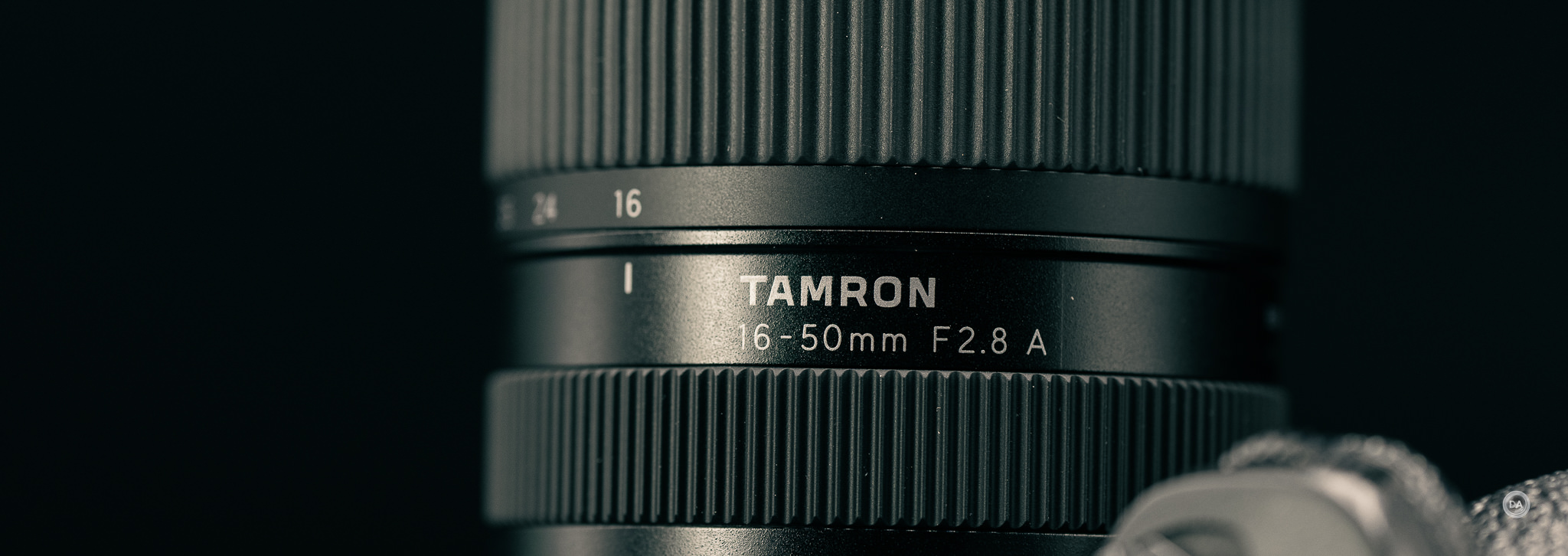
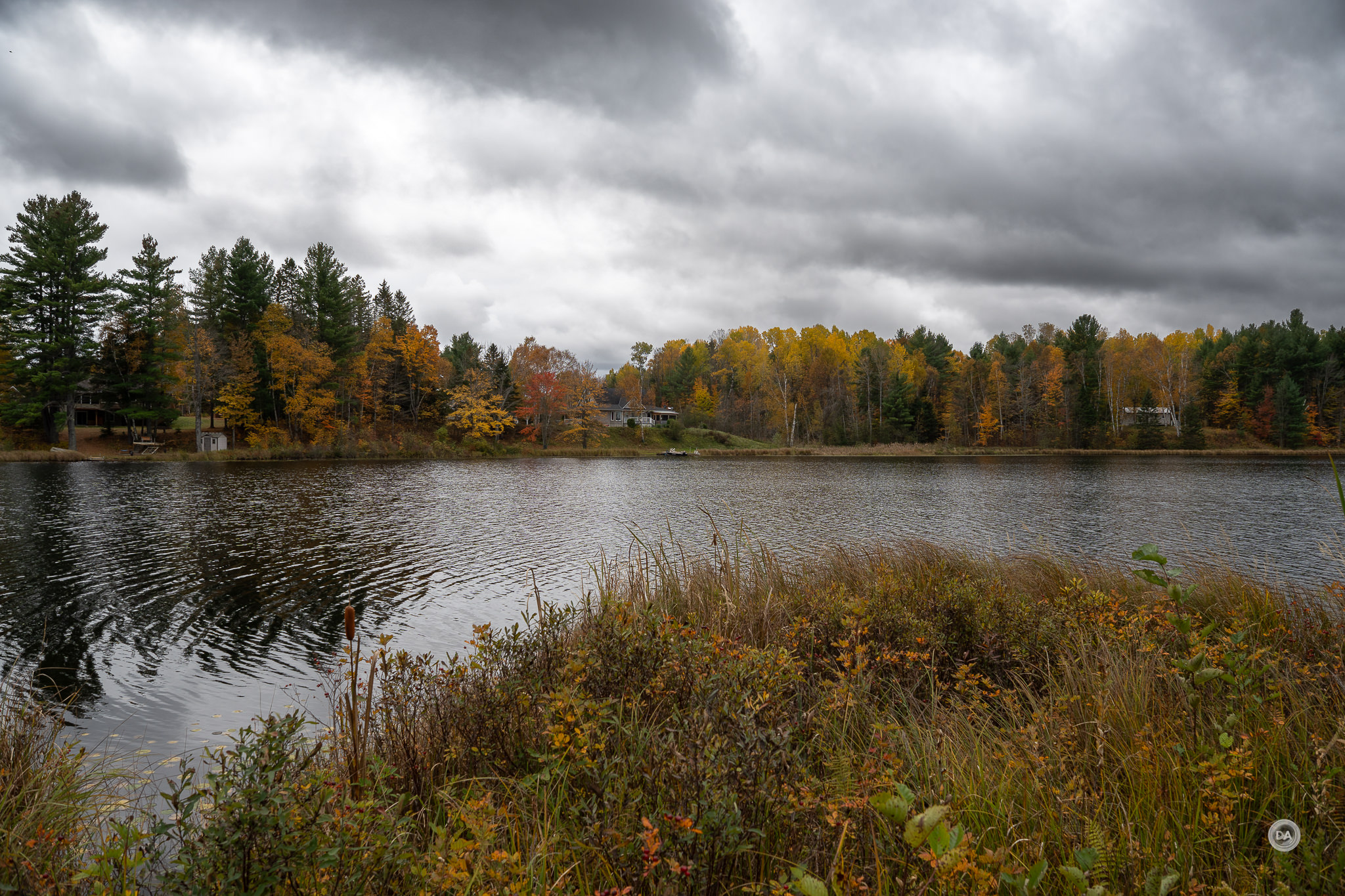
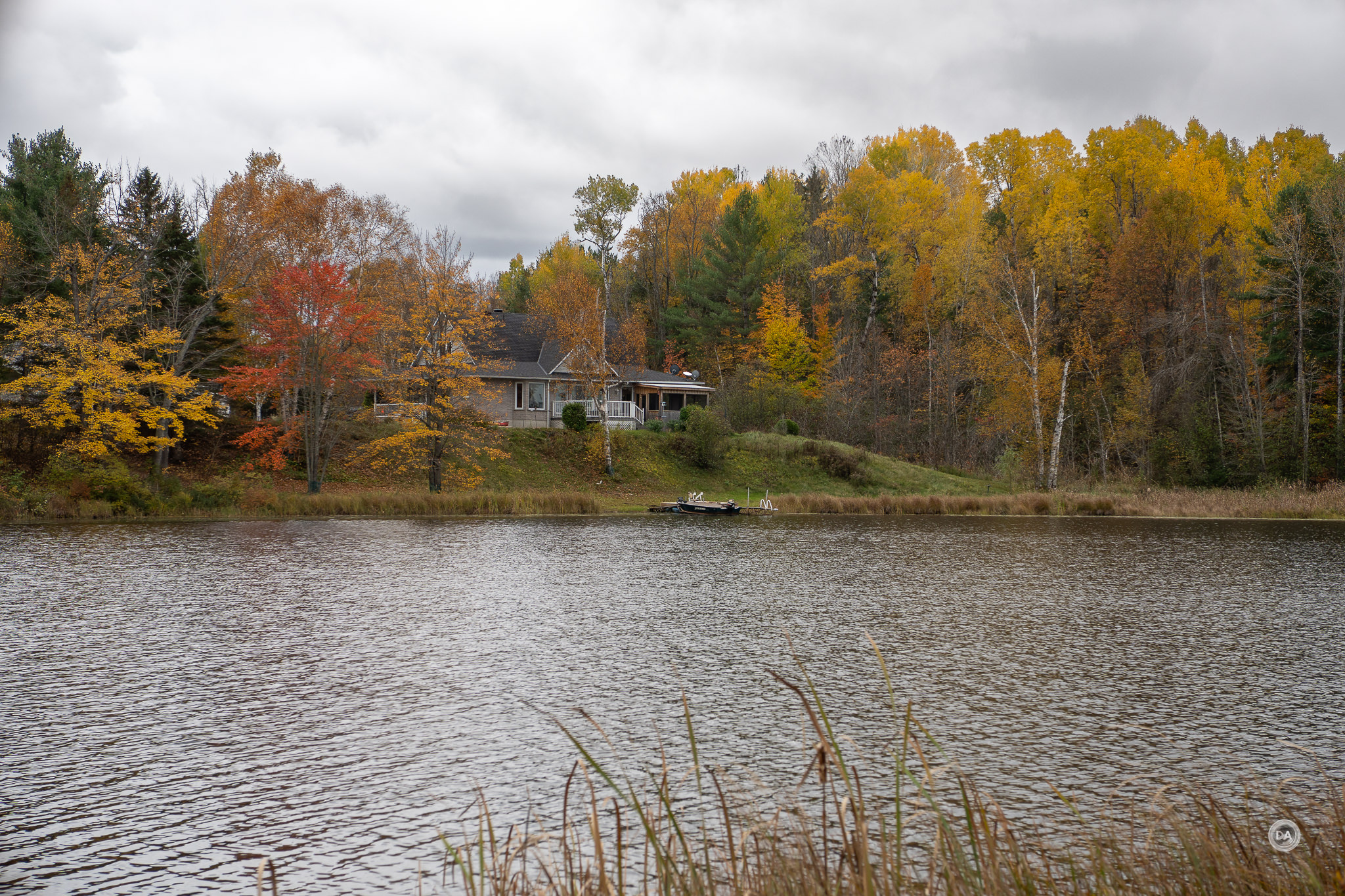
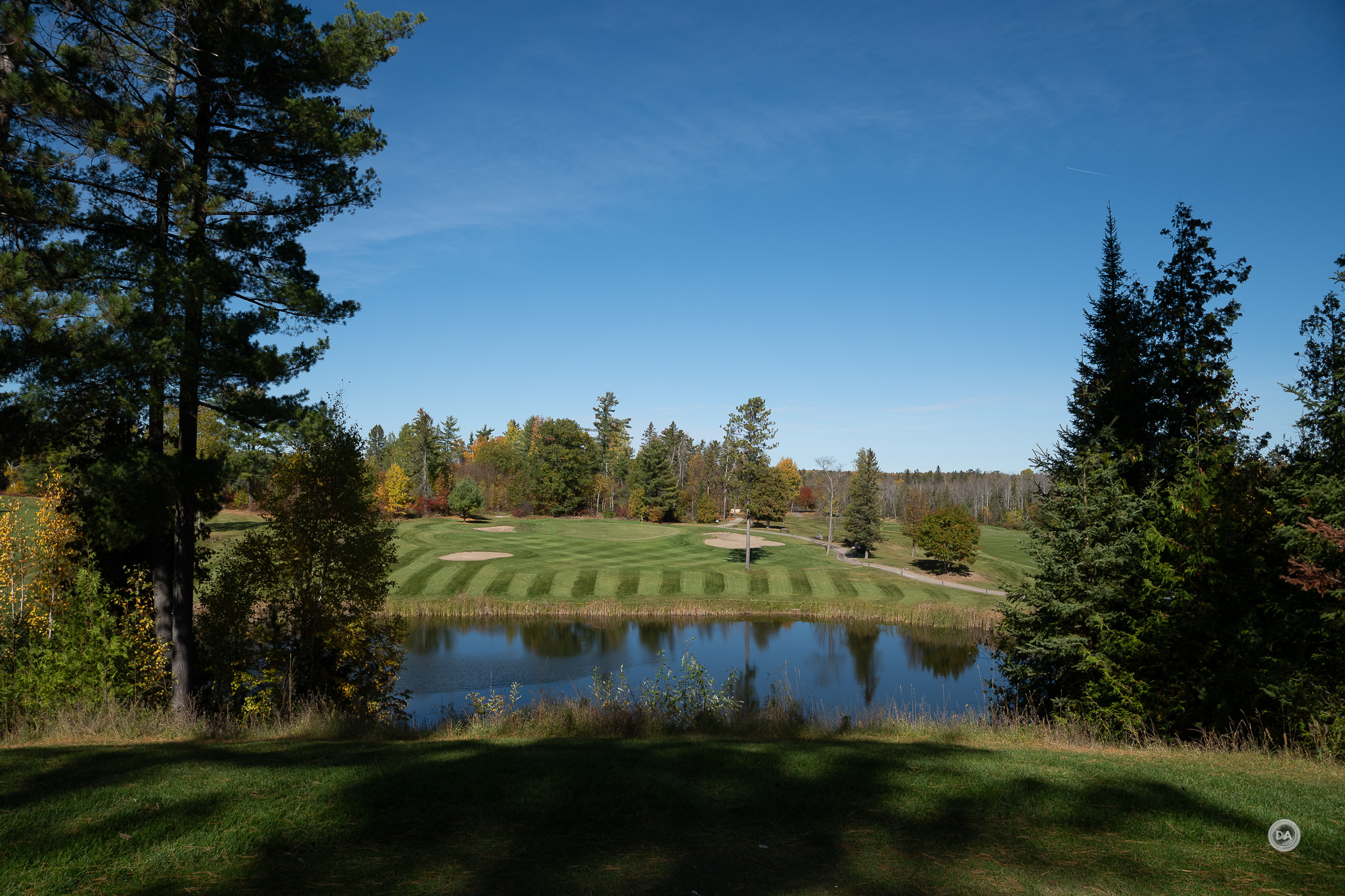


This is definitely a fun little lens. Let’s take a closer look.
Build and Handling
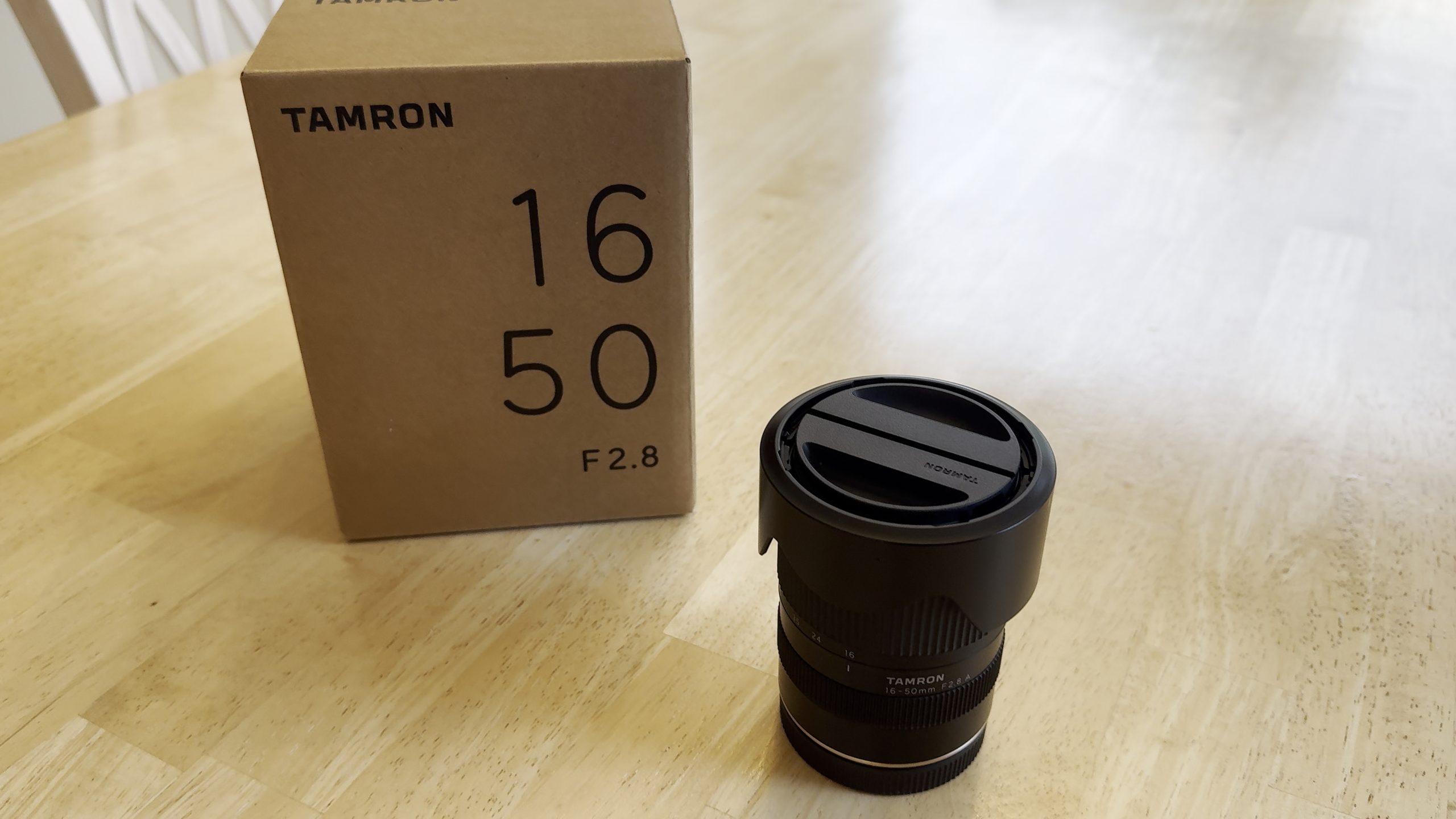
Tamron has decided to SIMPLIFY, which is a great idea. They used to have long, unnecessarily complicated names for their lenses, but this lens is just 16-50mm F2.8 A, with the A being used to designate any APS-C lens moving ahead.
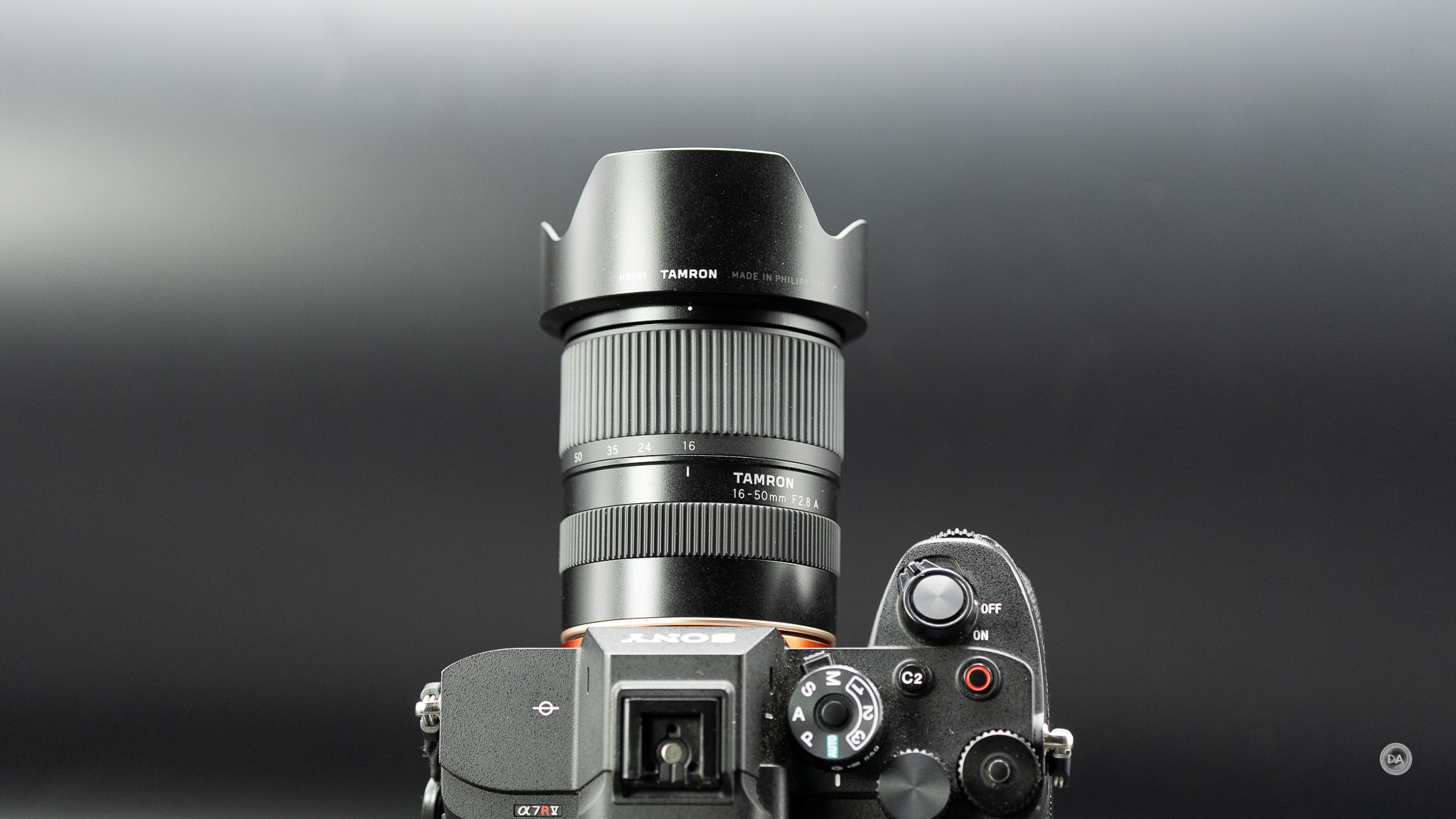
While this is not one of their premium lenses, Tamron has moved the build slightly upscale, with a new design language that Tamron calls, “Toned Profile Next”. It feels like there’s a little lost in translation there, but I do like the design language, which is a bit glossier and with more robust distinction for the rings (particularly the zoom ring). The body is a high grade polycarbonate (resin) that should prove durable and resist to bumps and drops.
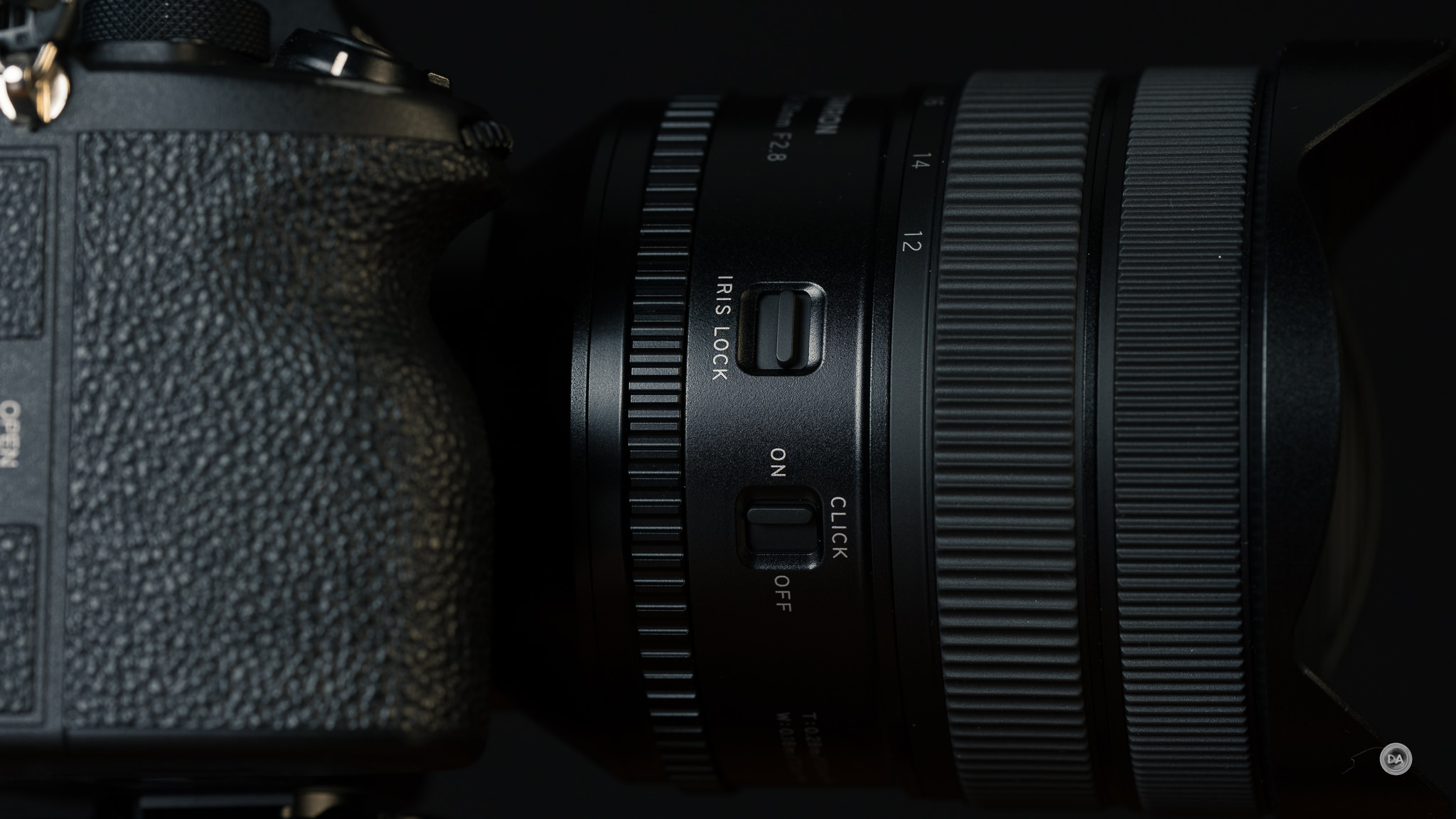
Furthering that is a thorough degree of weather sealing, starting with a gasket at the lens mount but continuing on throughout the lens barrel. I count at least 9 seal points plus a fluorine coating on the front element.
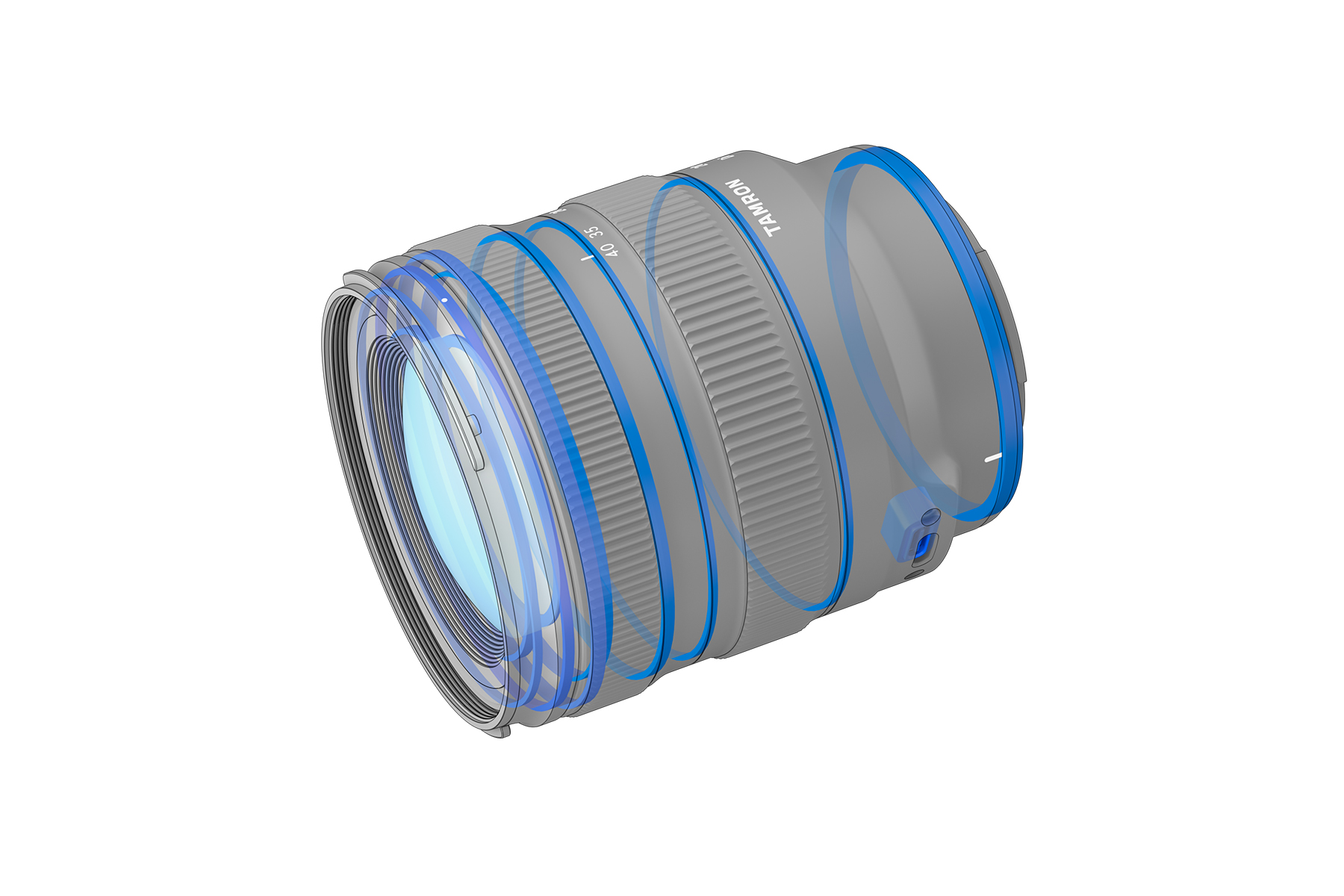
That definitely trumps the Sigma, which just has a weather sealing gasket at the lens mount but no further seals.
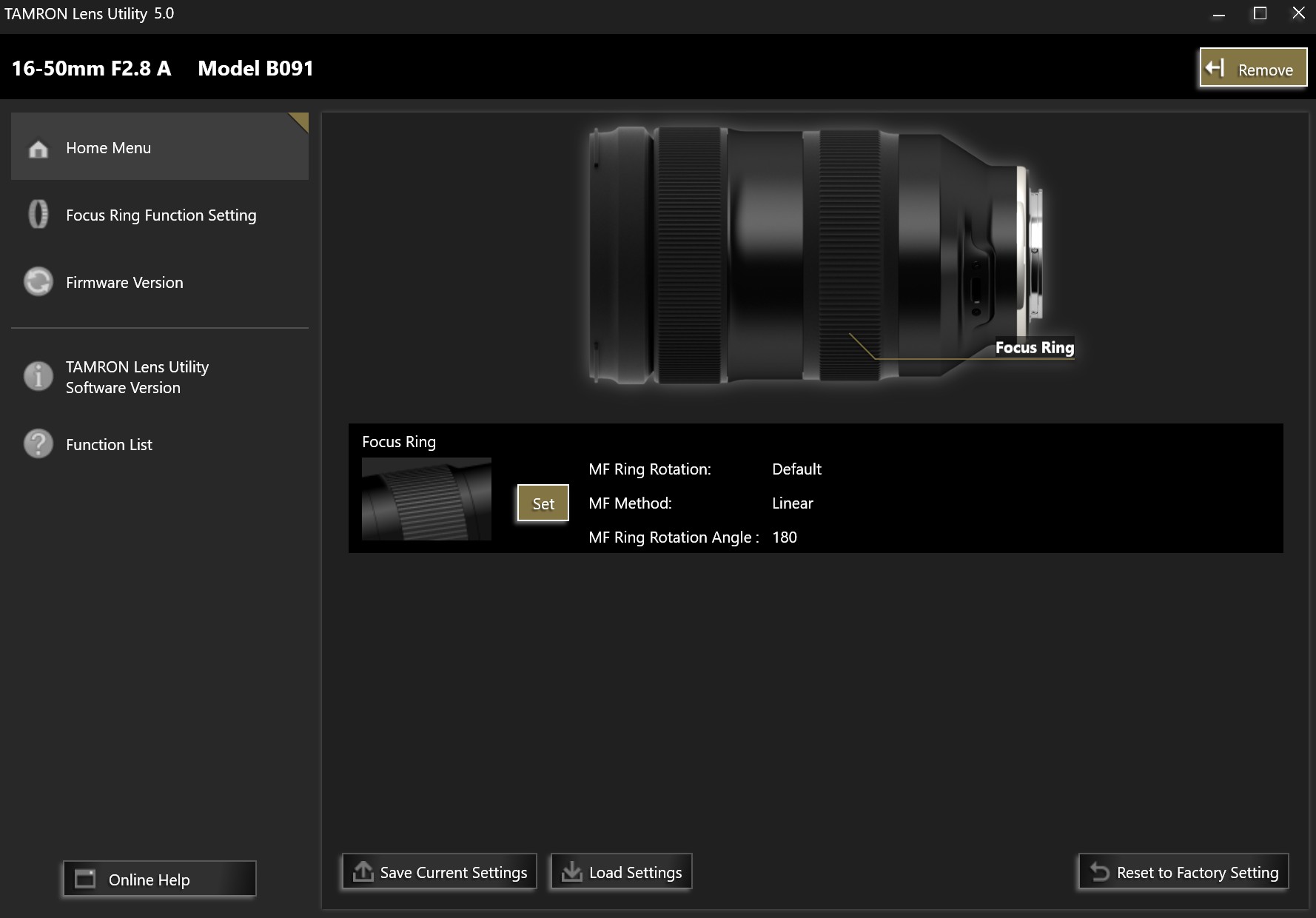
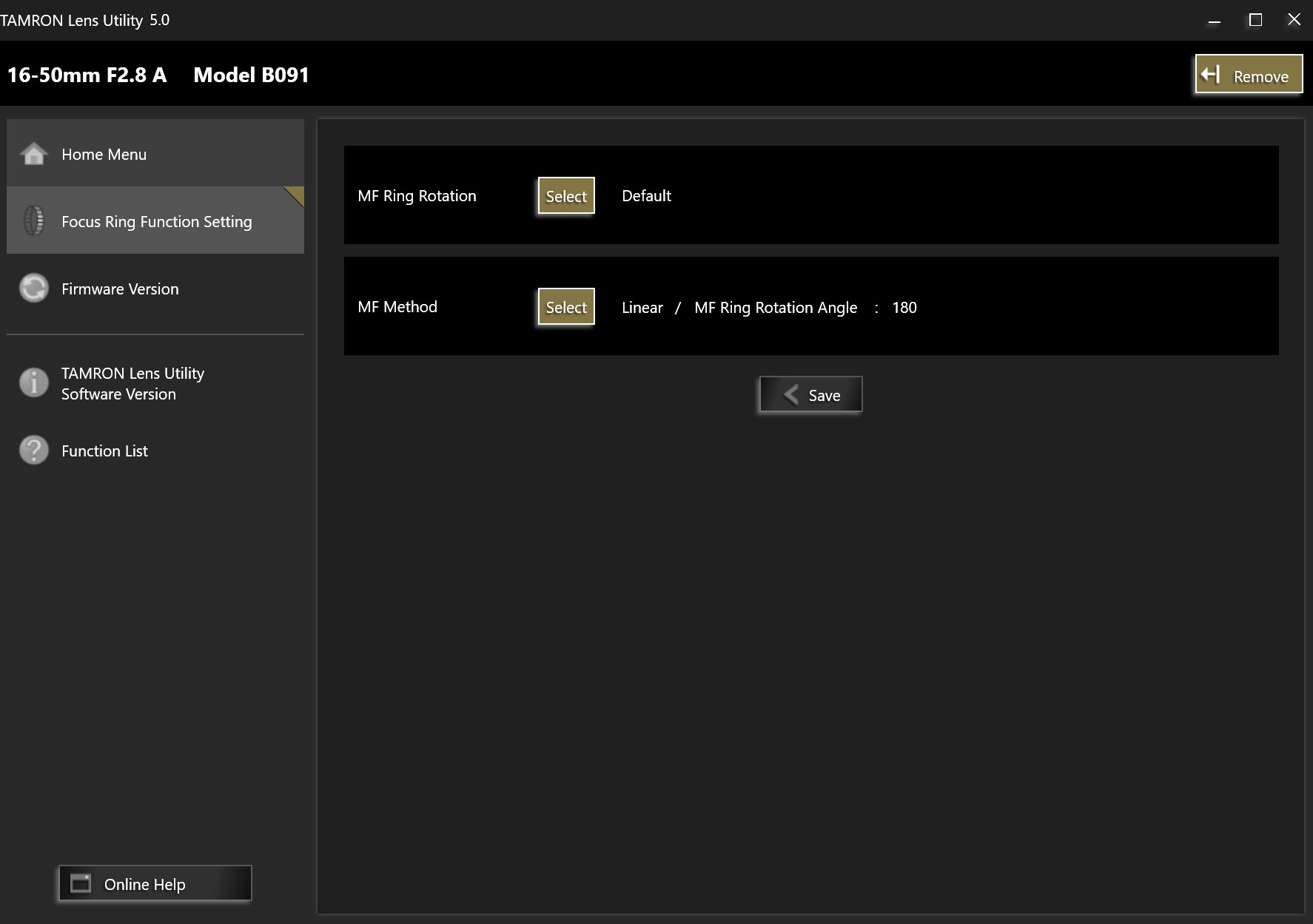
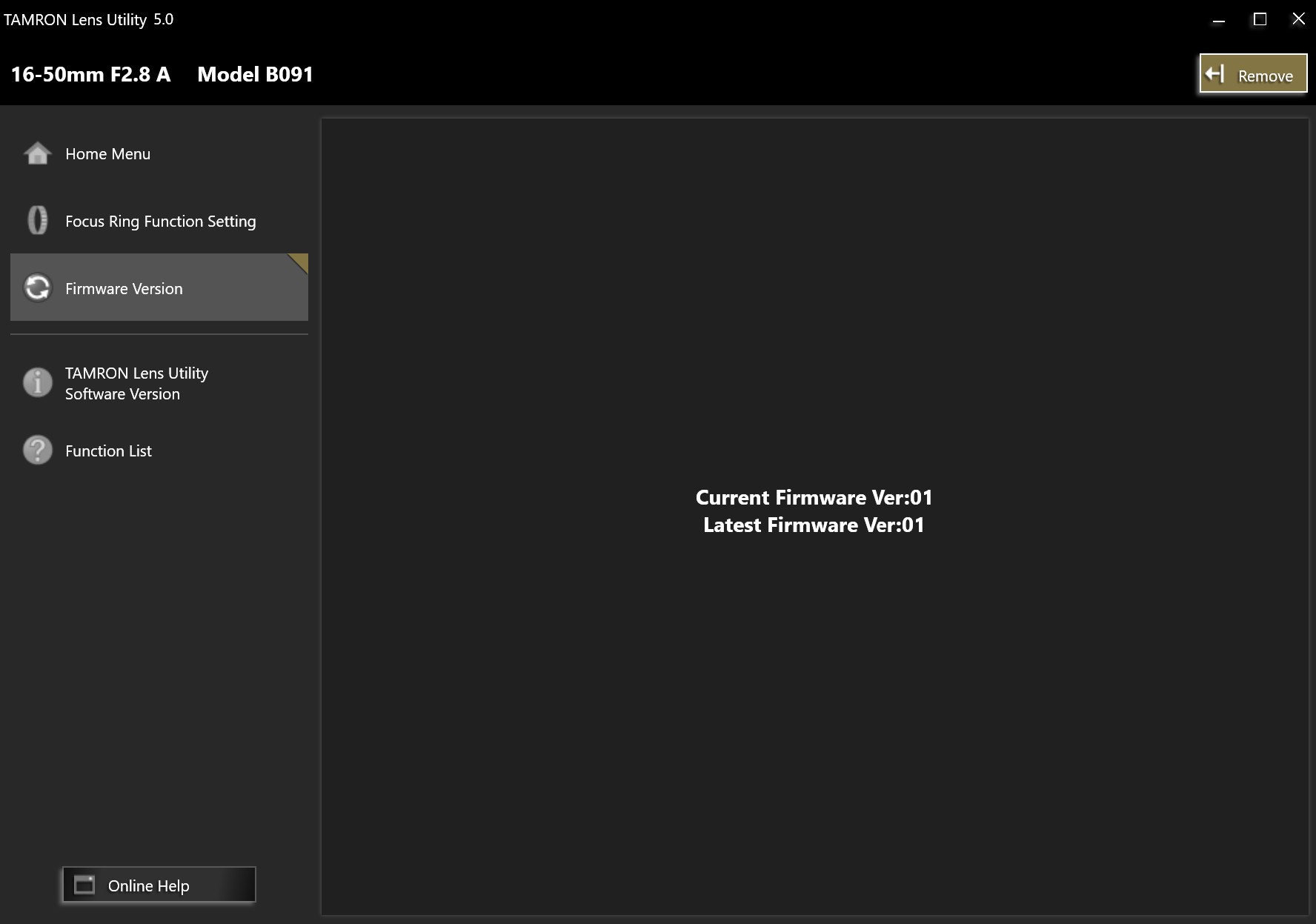
Part of the weather sealing is of a USB-C port on the side of the lens, and that port serves a few purposes. It first gives you access to Tamron’s Lens Utility PC app, which allows you to do firmware updates and also tweak the focus ring behavior. There are limited functions here, but at the least you can get the focus ring to behave just how you like.
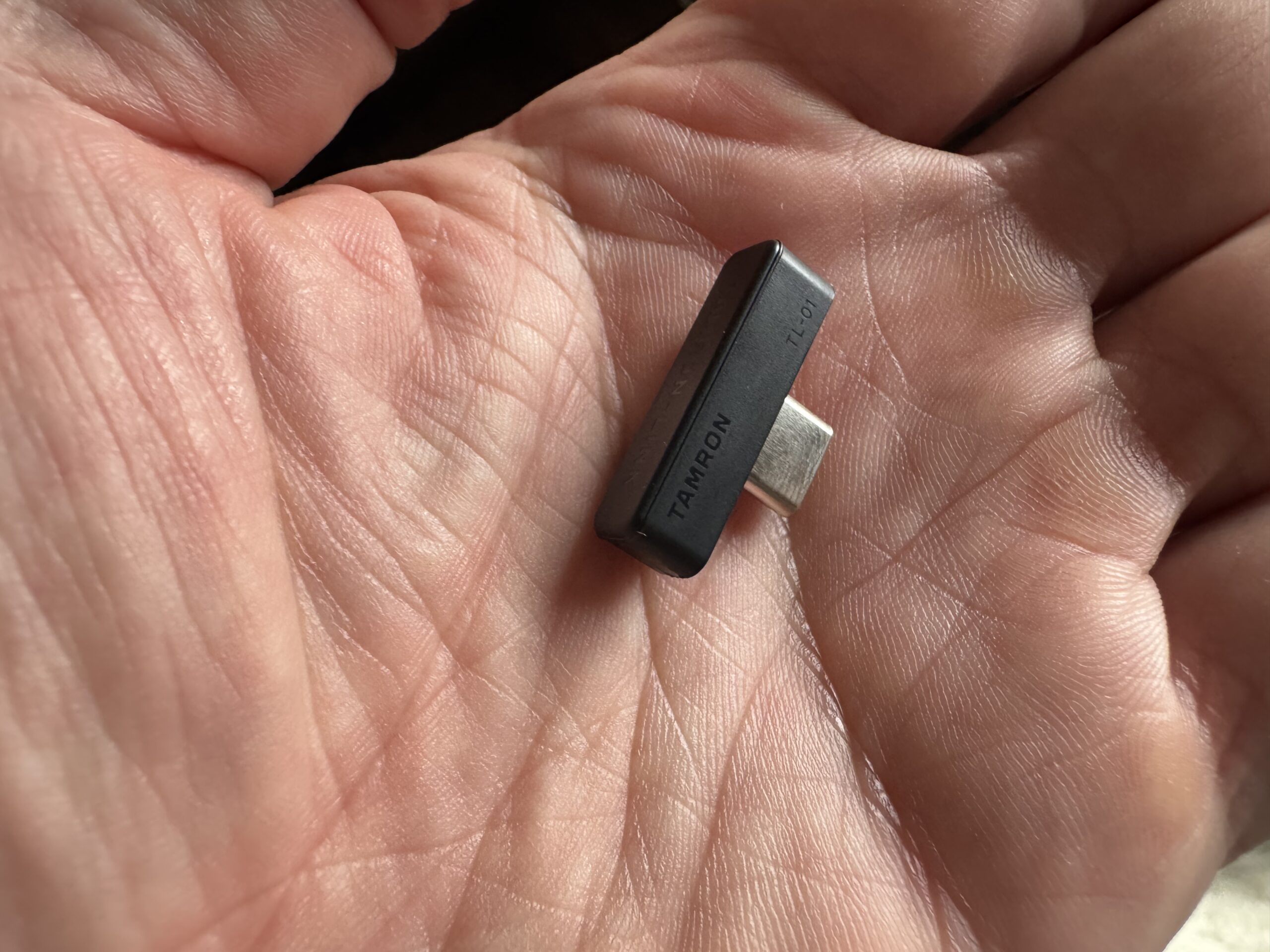
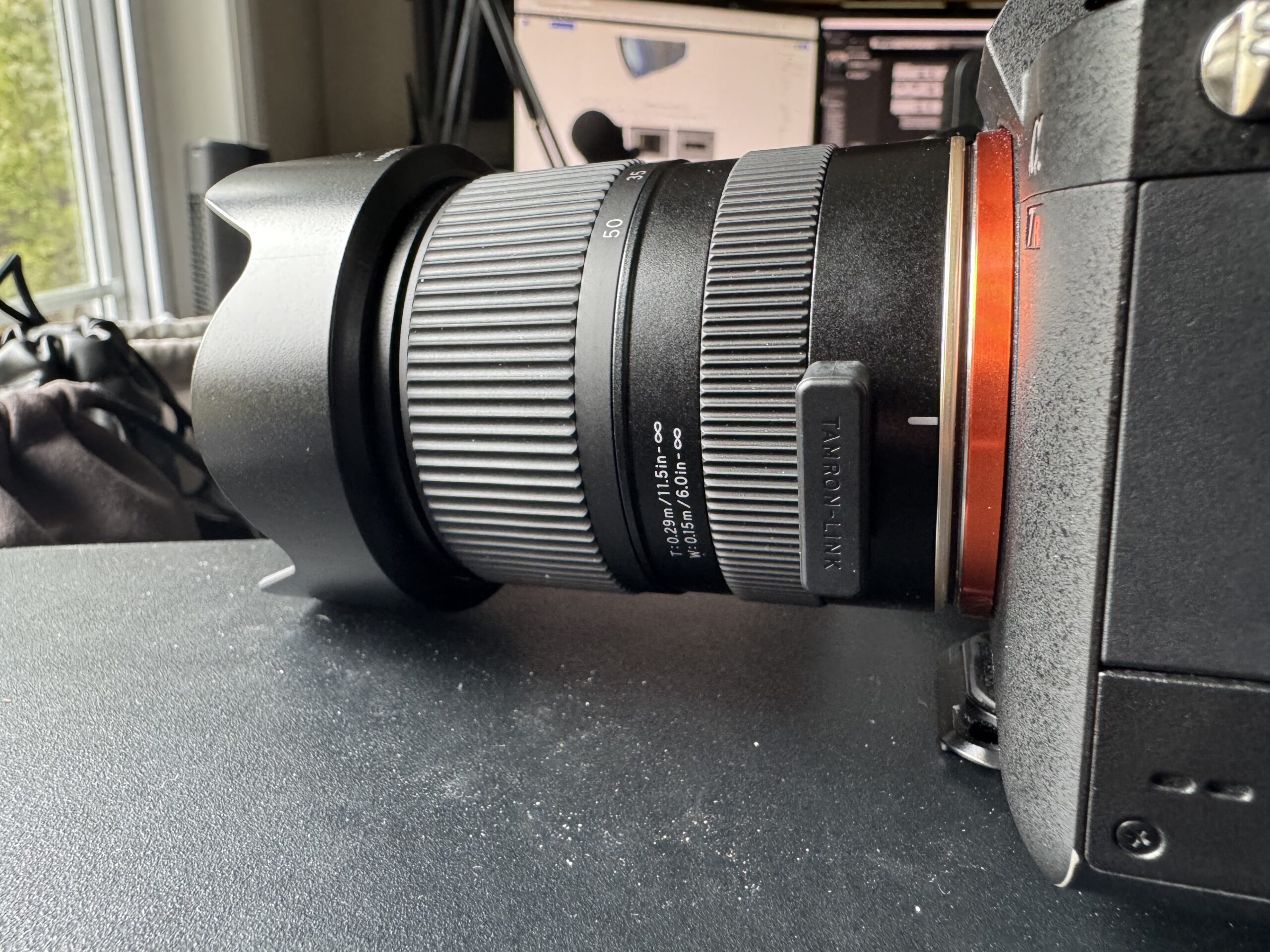
That USB-C port also enables you to use the Tamron Link accessory, which enables remote control of the lens. This could be very useful for many filming and some remote photography situations. It is a tiny little dongle that slips into the USB-C port.
I was able to do focus pulls and program preset focus positions via the app simply and easily.
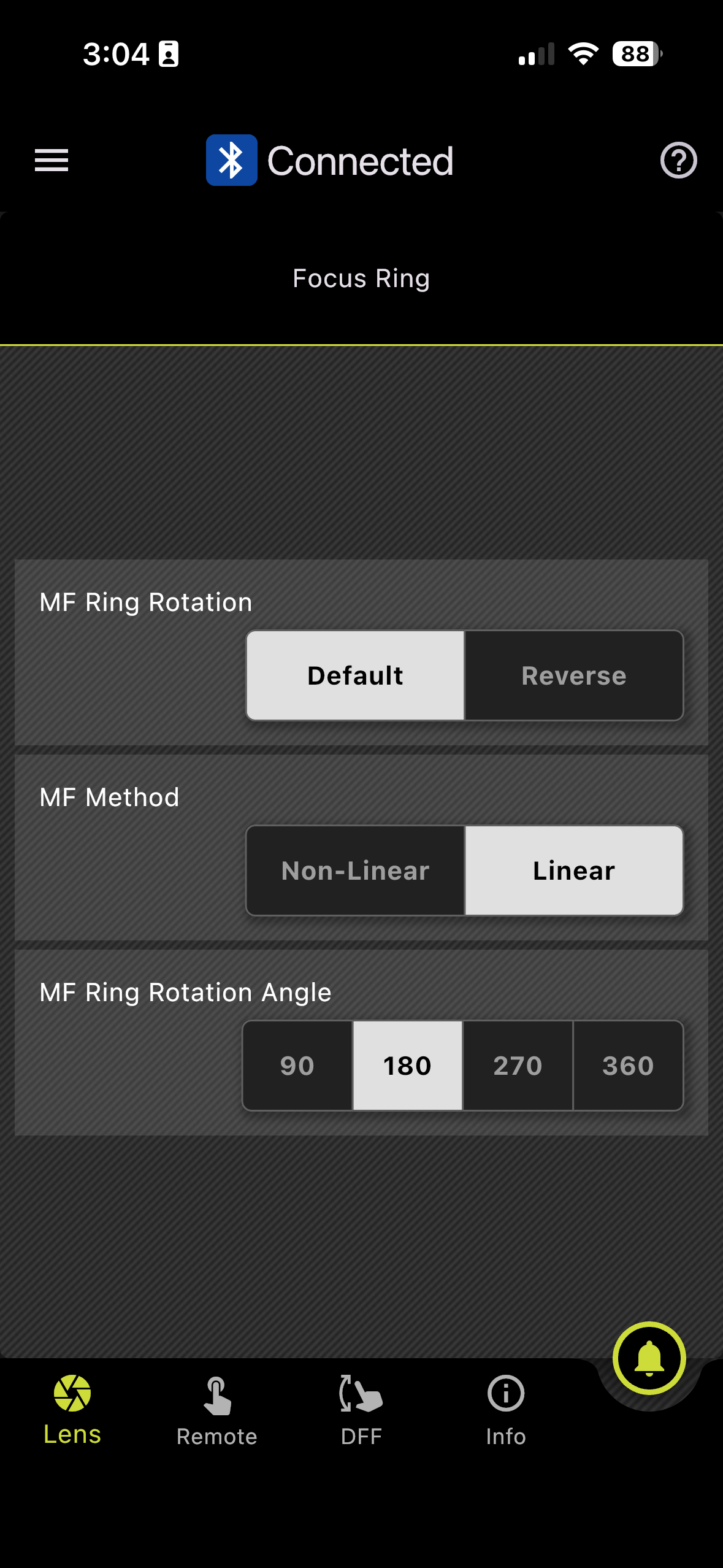
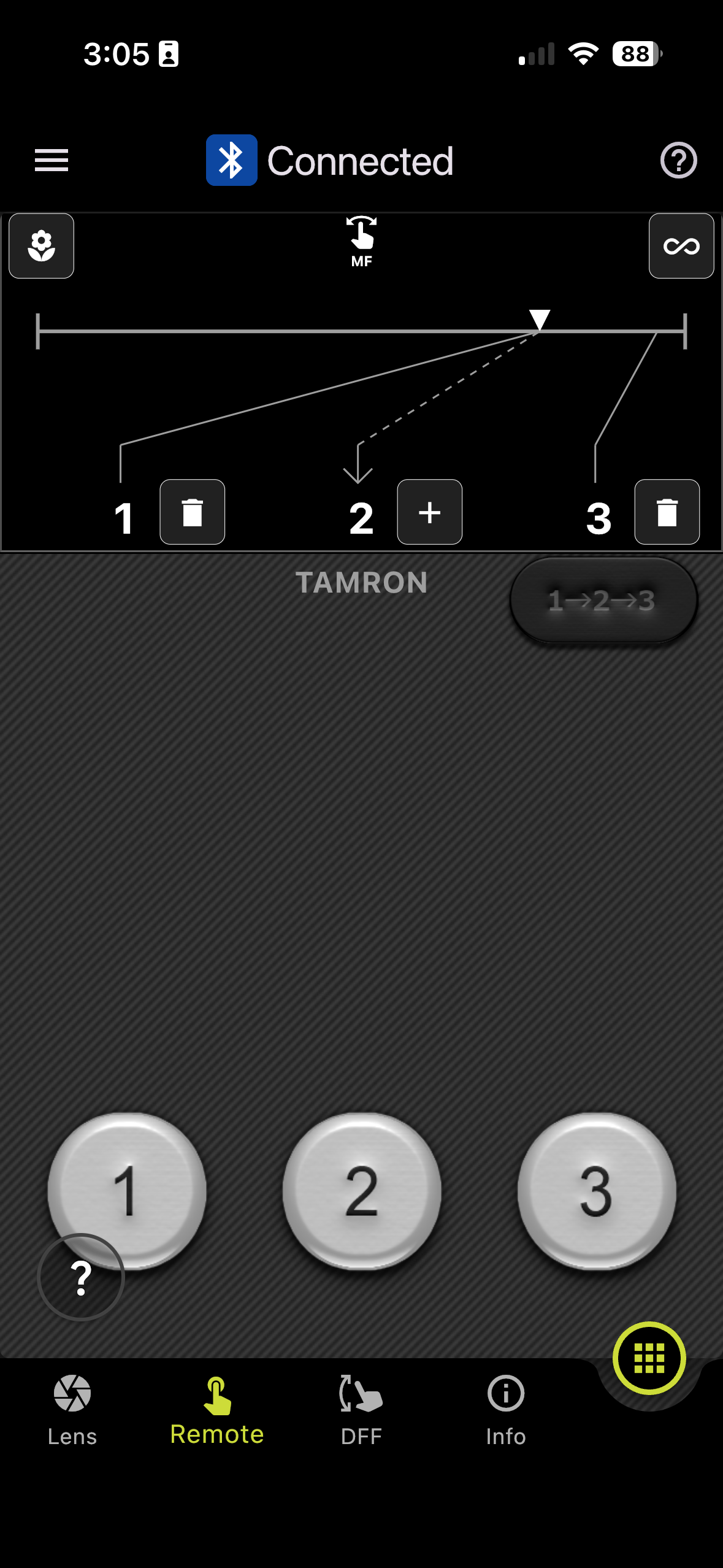
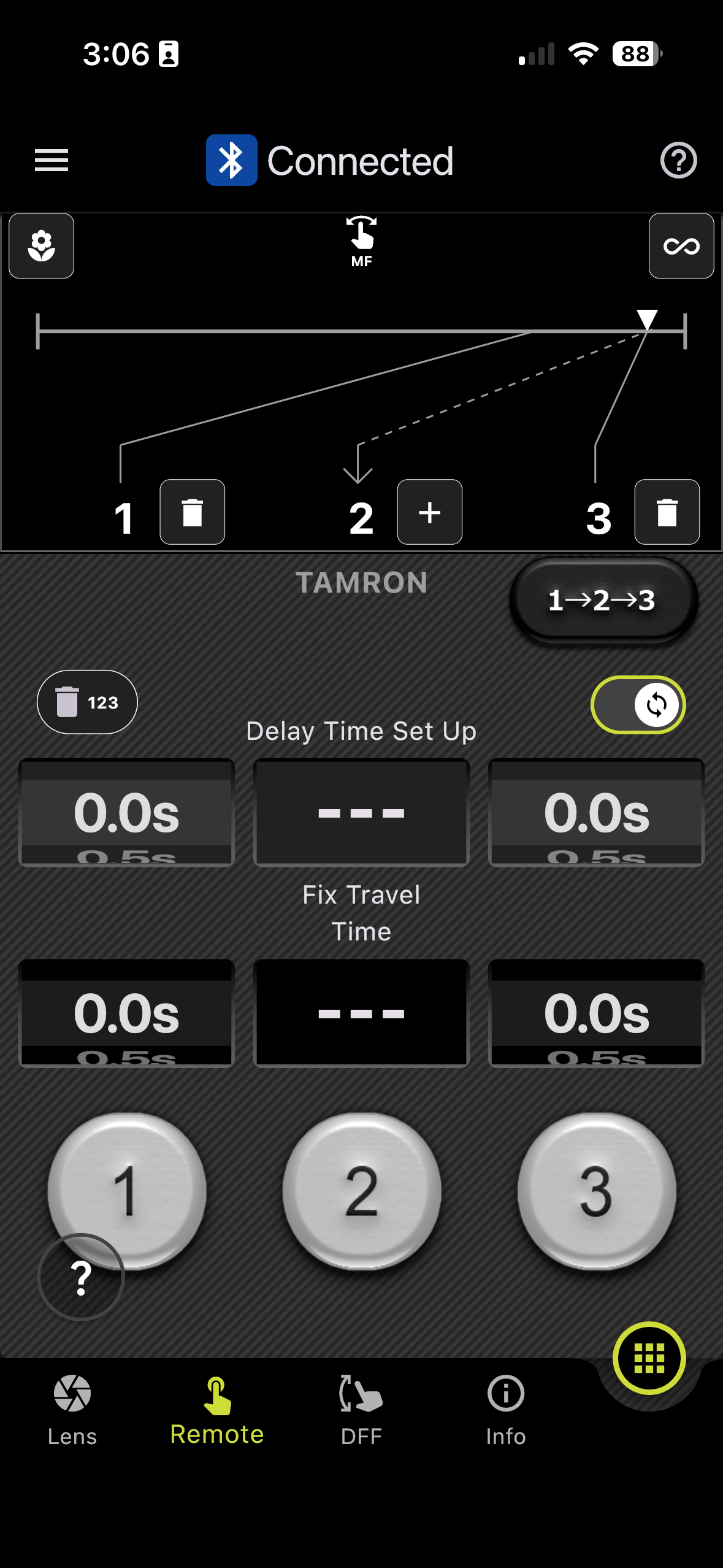
Tamron is doing a great job of allowing for most customization and remote control than just about any other brand. It’s very interesting.
There are no other switches or buttons on the lens barrel, which is largely dominated by the two rings.
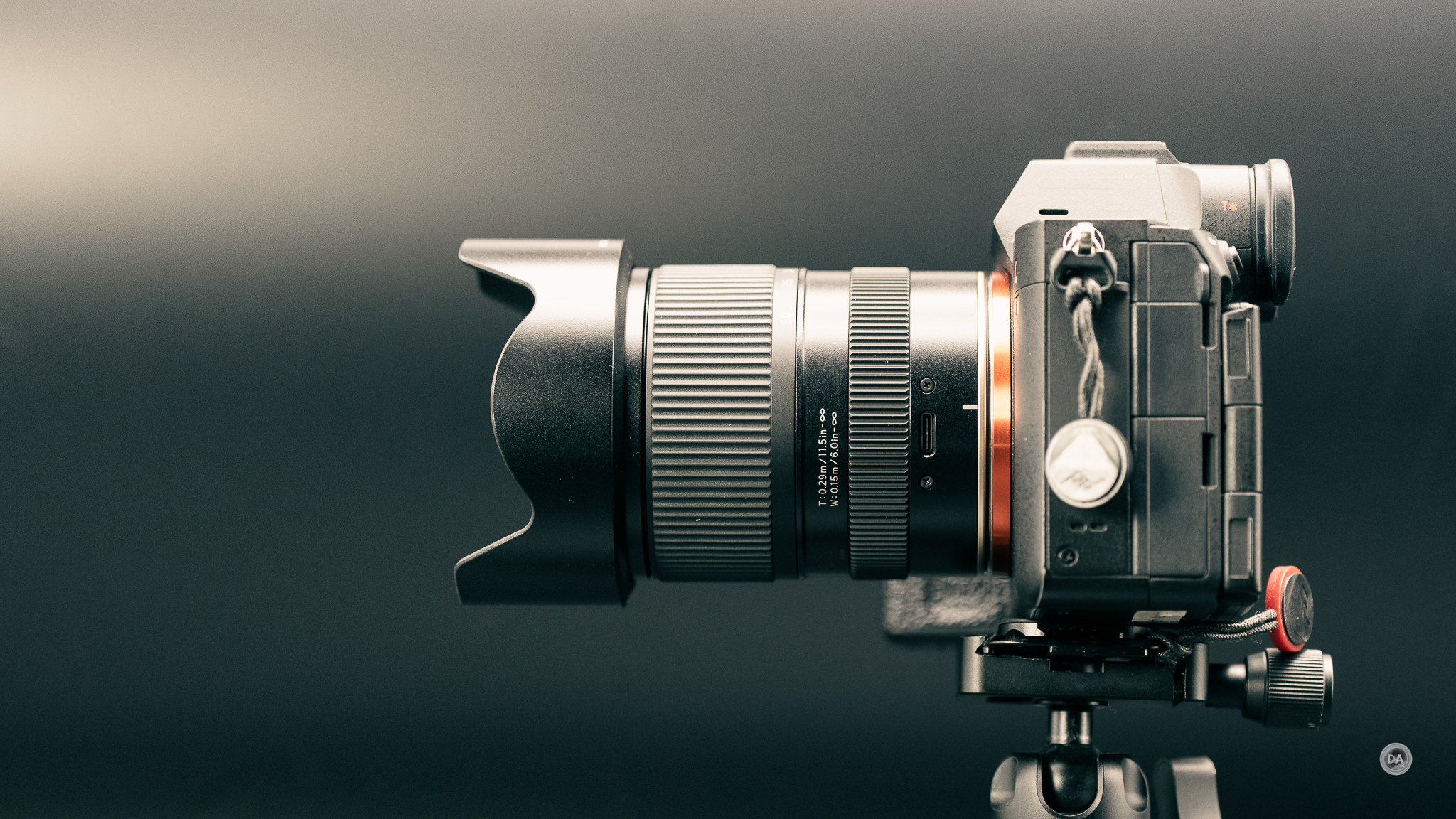
The lens is 64.4mm in diameter and 79.6mm in length (2.5 x 3.1″) and weighs 305g (10.8oz).
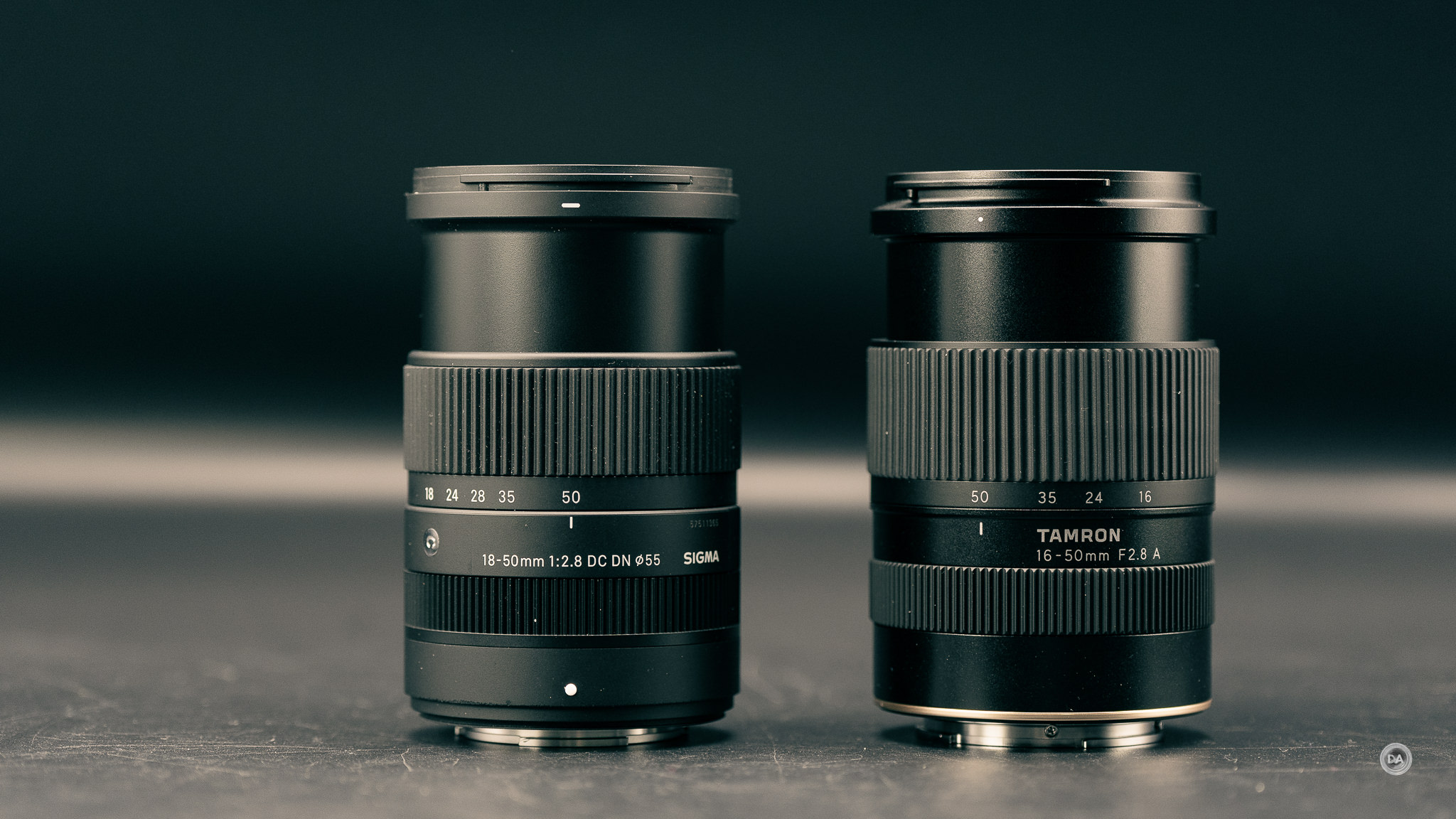
The inner barrel extends about 19mm further when zoomed out to 50mm
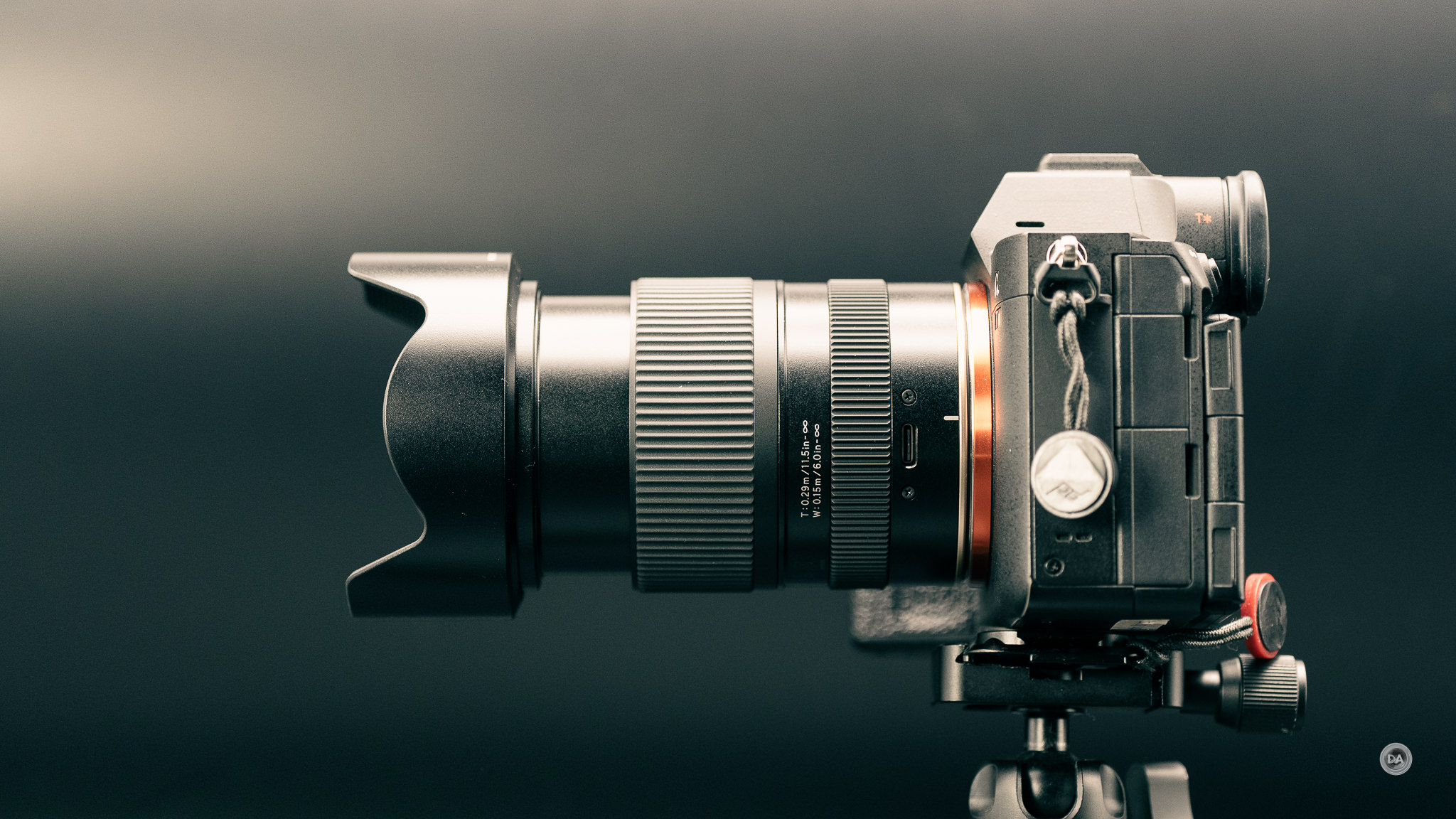
The zoom ring is ribbed and moves smoothly. The zoom throw is short to enable optimal zoom changes. I found it possible to do smooth zooms during video recording.
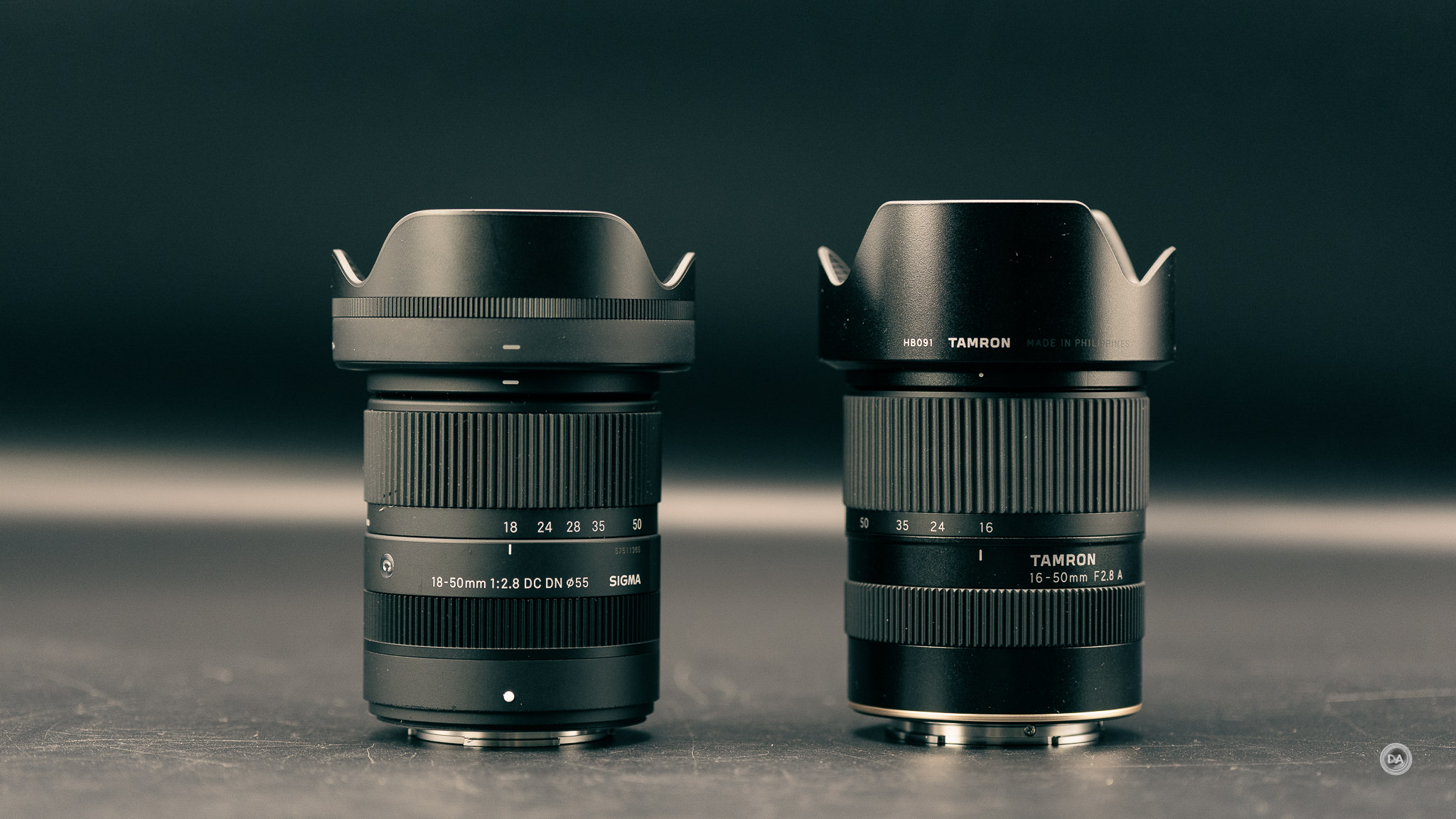
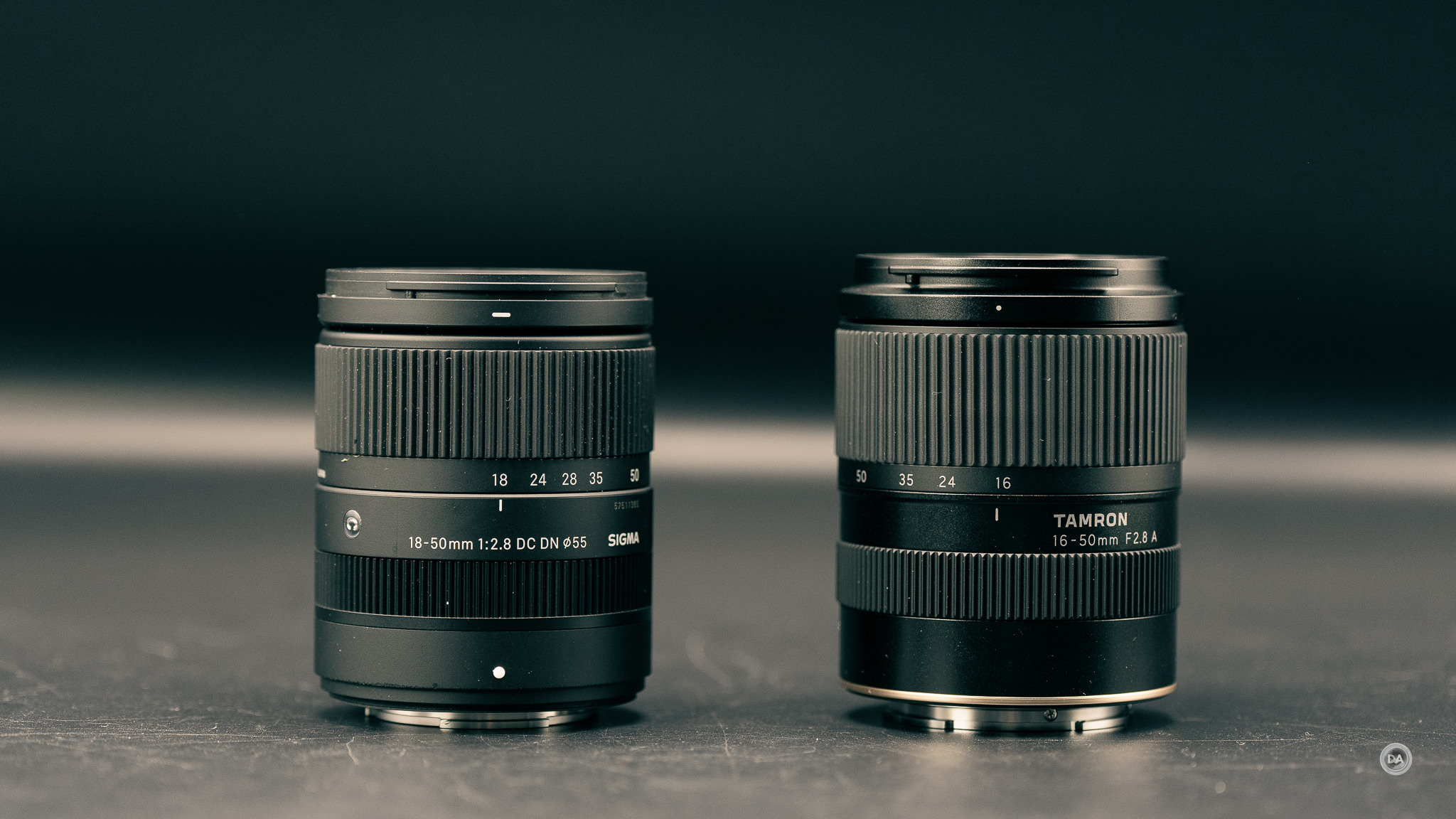
To put that in perspective, the Sigma 18-50mm is 64.5 x 74.5mm, which it makes it near identical in diameter but 5mm shorter. It weighs 290g, or 15g less. I suspect that most users would find those minor differences an acceptable compromise to get the additional 2mm of wide angle. If you look at the lenses visually, that extra size is hard to spot.
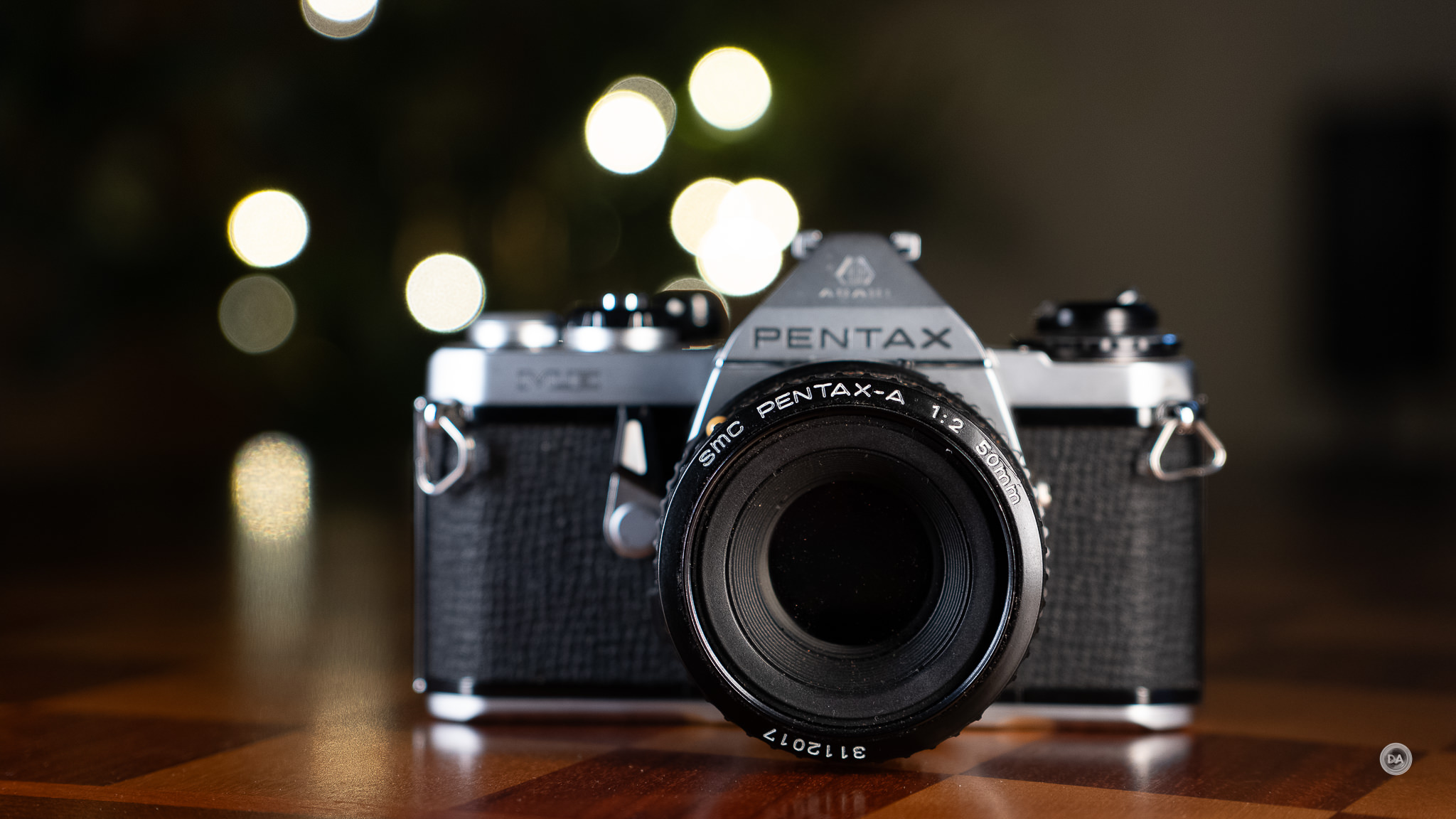
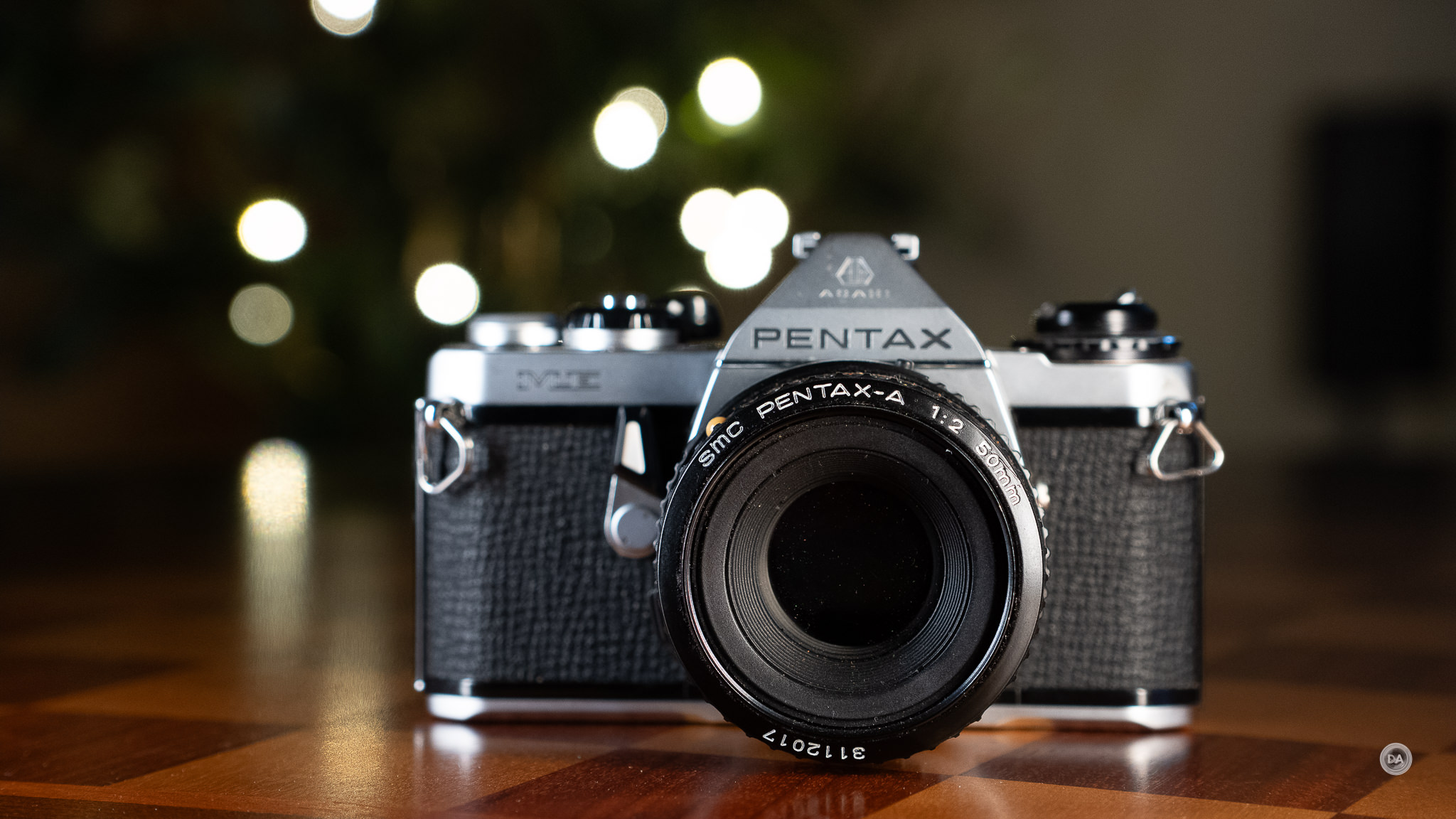
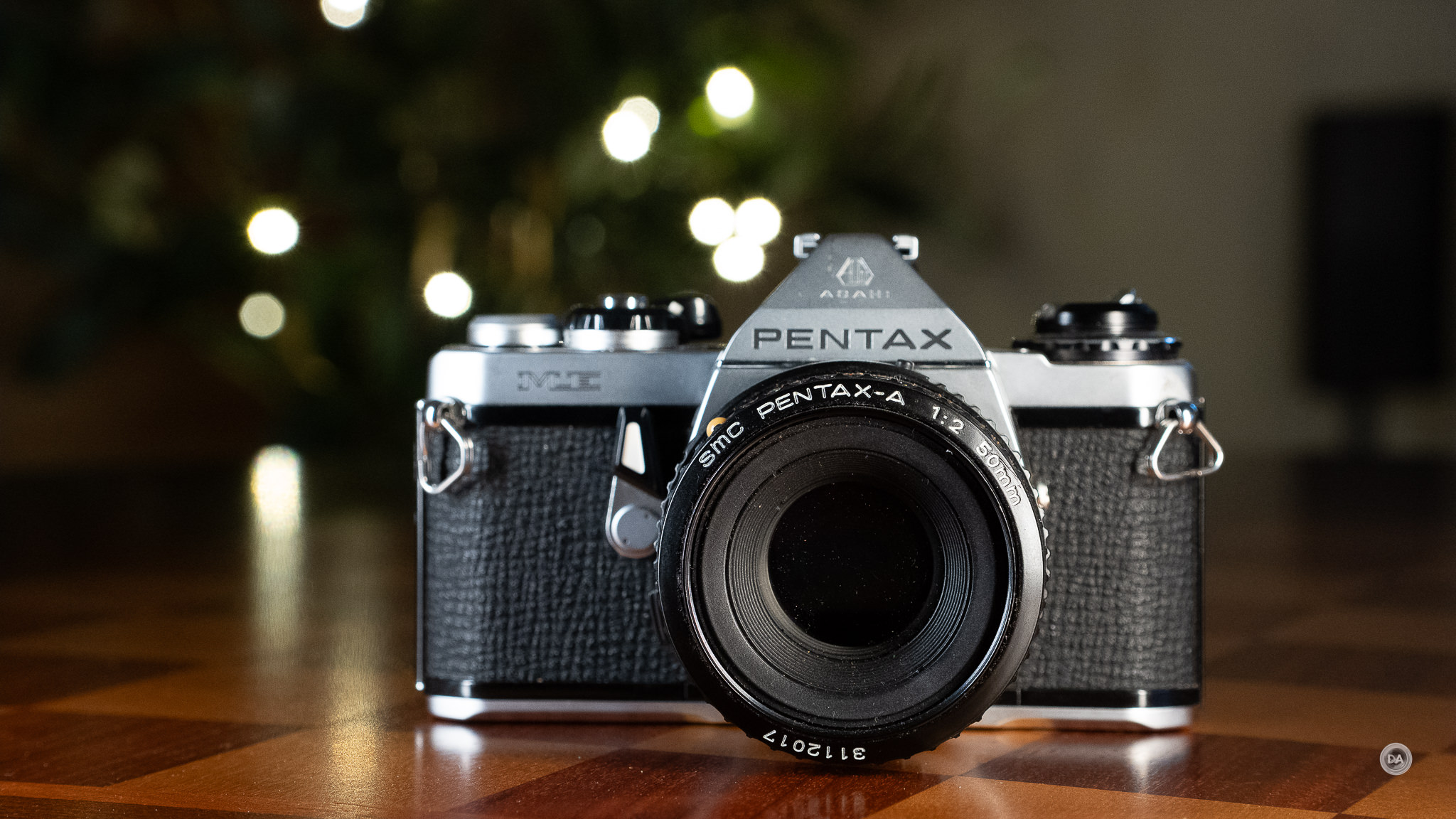
Inside we have seven aperture blades, and they do a reasonably good job of keeping a circular aperture shape when stopped down. Here’s a look at specular highlights at F2.8, F4, and F5.6:
The front filter threads are 55mm.
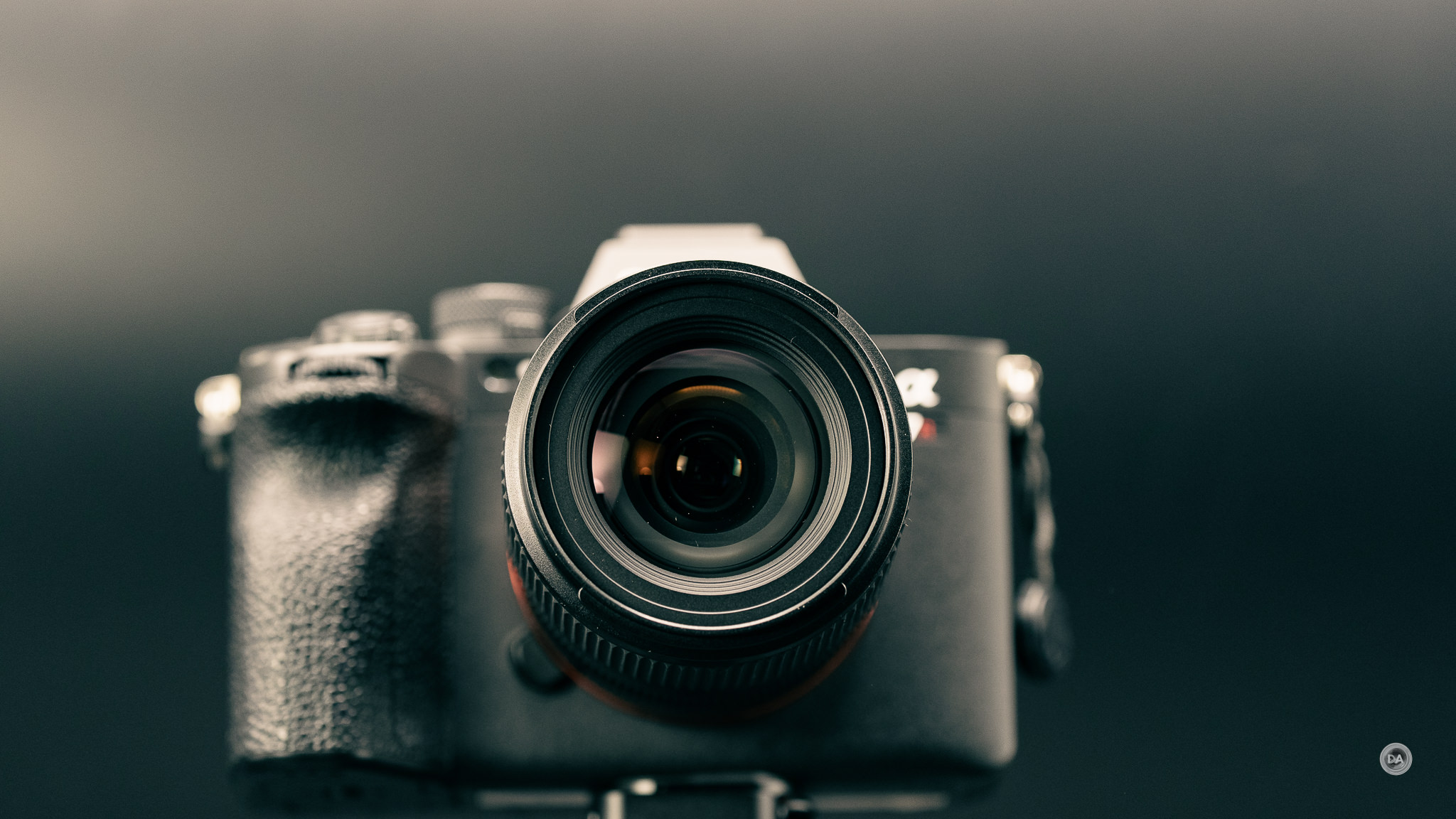
Part of Tamron’s rebranding has been new style eco-friendly packaging (of which I have mixed emotions, as it has often also meant less and less included in terms of lens cases or protection). Tamron’s boxes at least look fairly cool in their minimalist design. I do really like their new lens caps, however, which are probably the most stylish in the business at the moment.
As with many Tamron zooms, there is a variable minimum focus distance depending on which end of the zoom range you are at. MFD on the wide end is just 15cm, while the telephoto end is 29cm. You get slightly more magnification on the wide end (0.22x), though the wide end gives you a less flat field of focus.

At 50mm the magnification is slightly lower (0.21x), but delivers a flatter plane of focus.

You can get some nice close up results:

Autofocus

In my formal autofocus tests I couldn’t hear any focus noise and focus was essentially instant from close to distant subjects.
That meant that snapping quick shots was effortless.

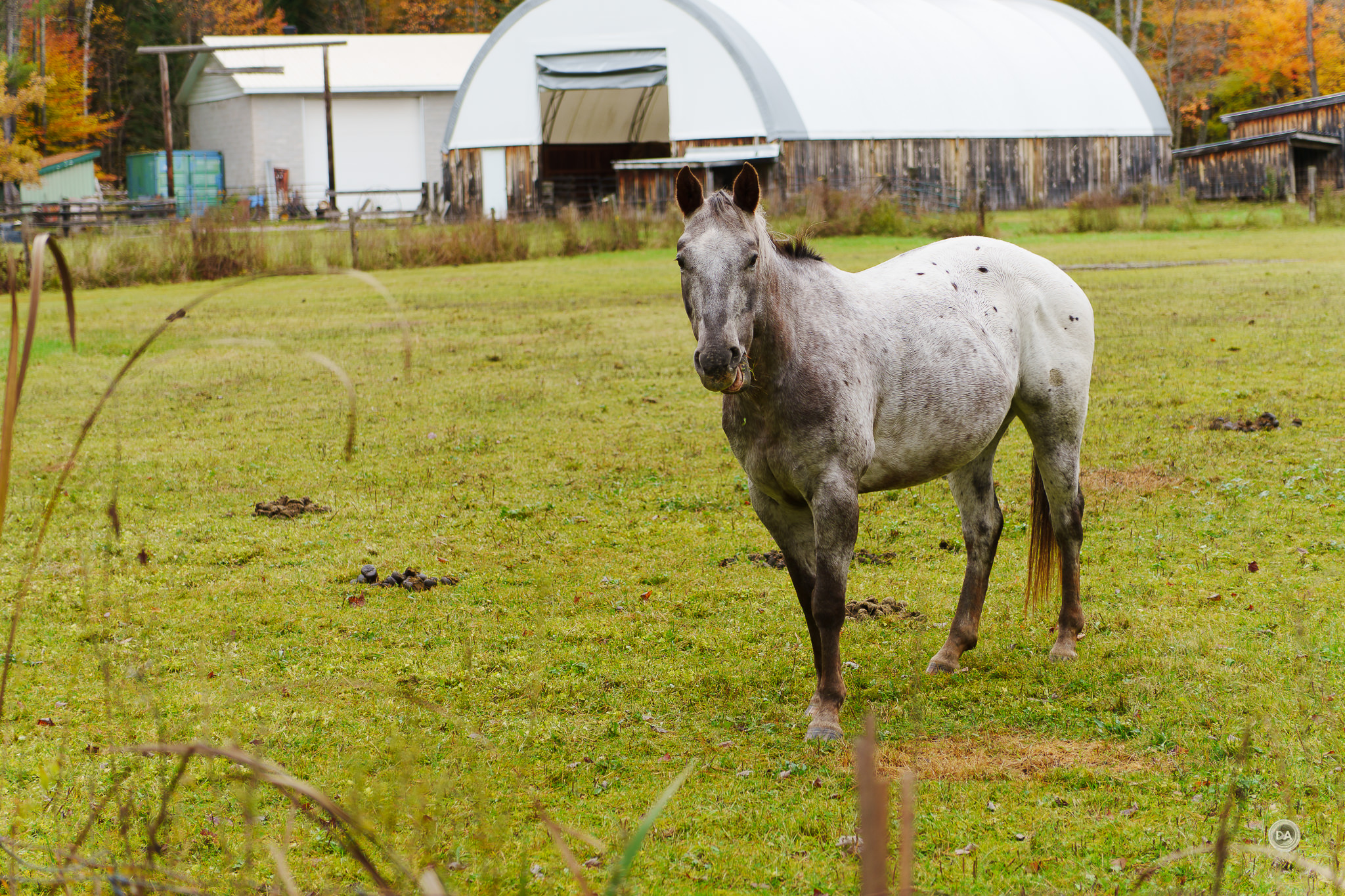
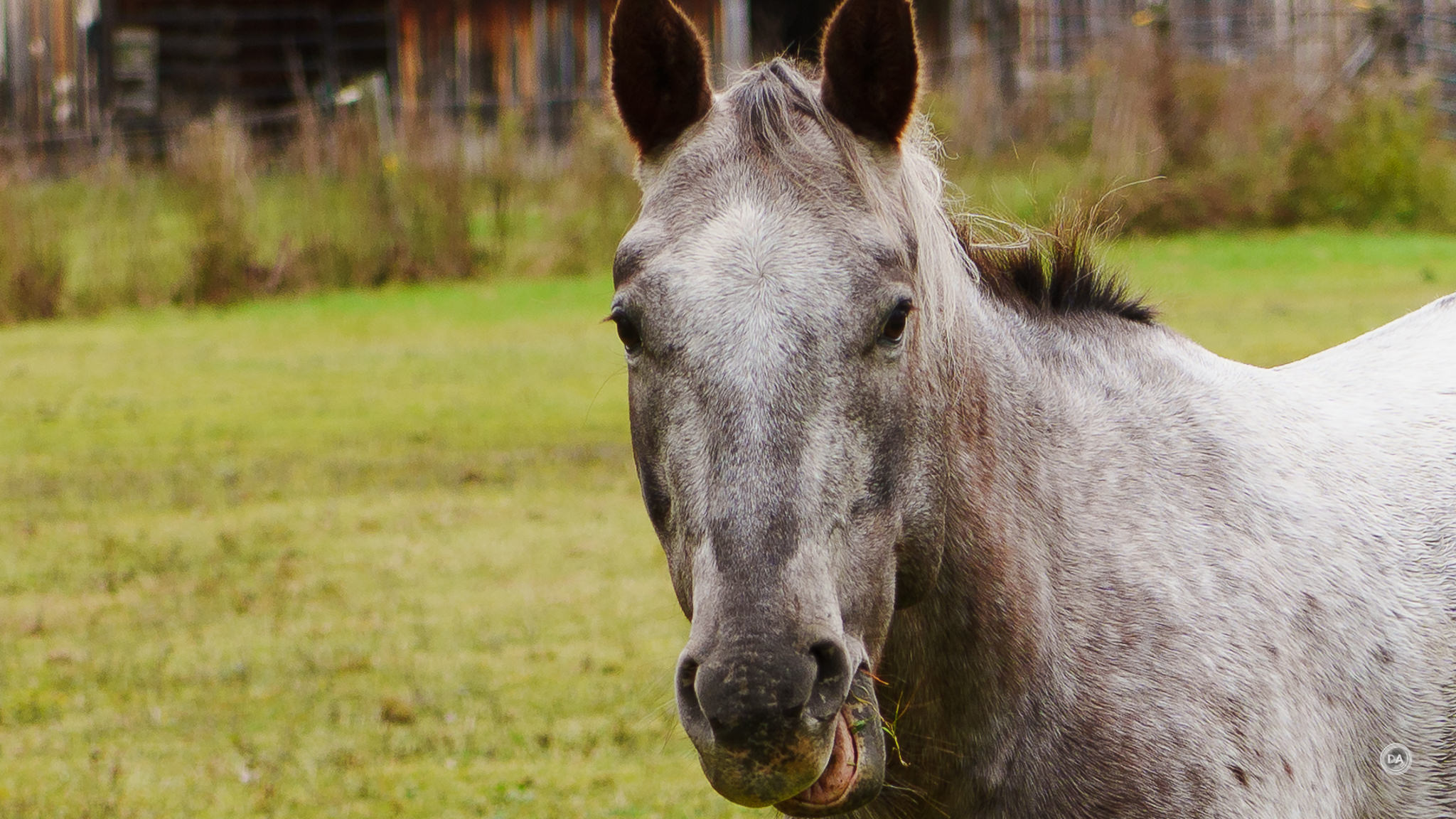
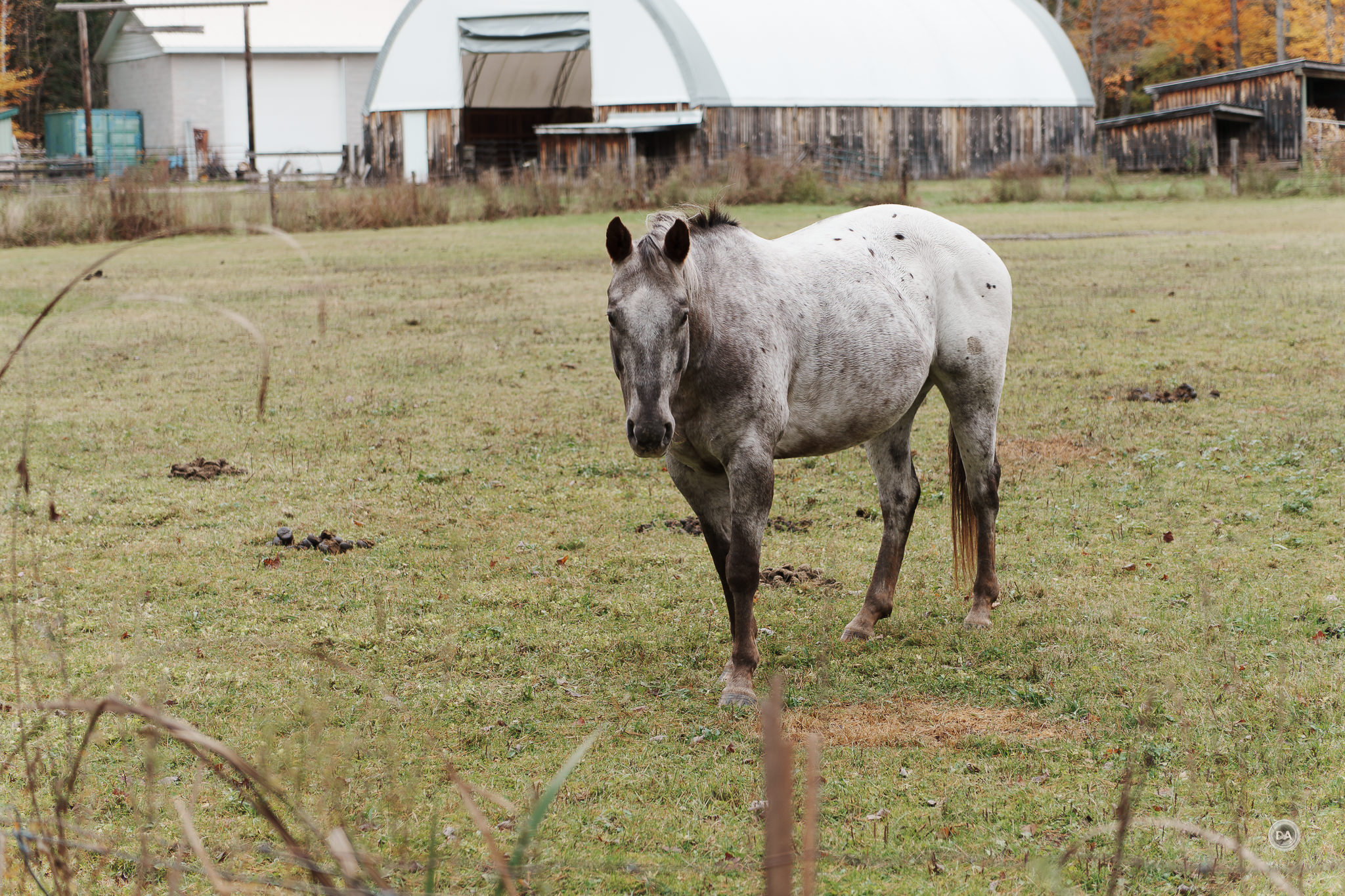
I came across a horse on one of my hikes and focus had no problem locking onto the eye and delivered accurate focus.
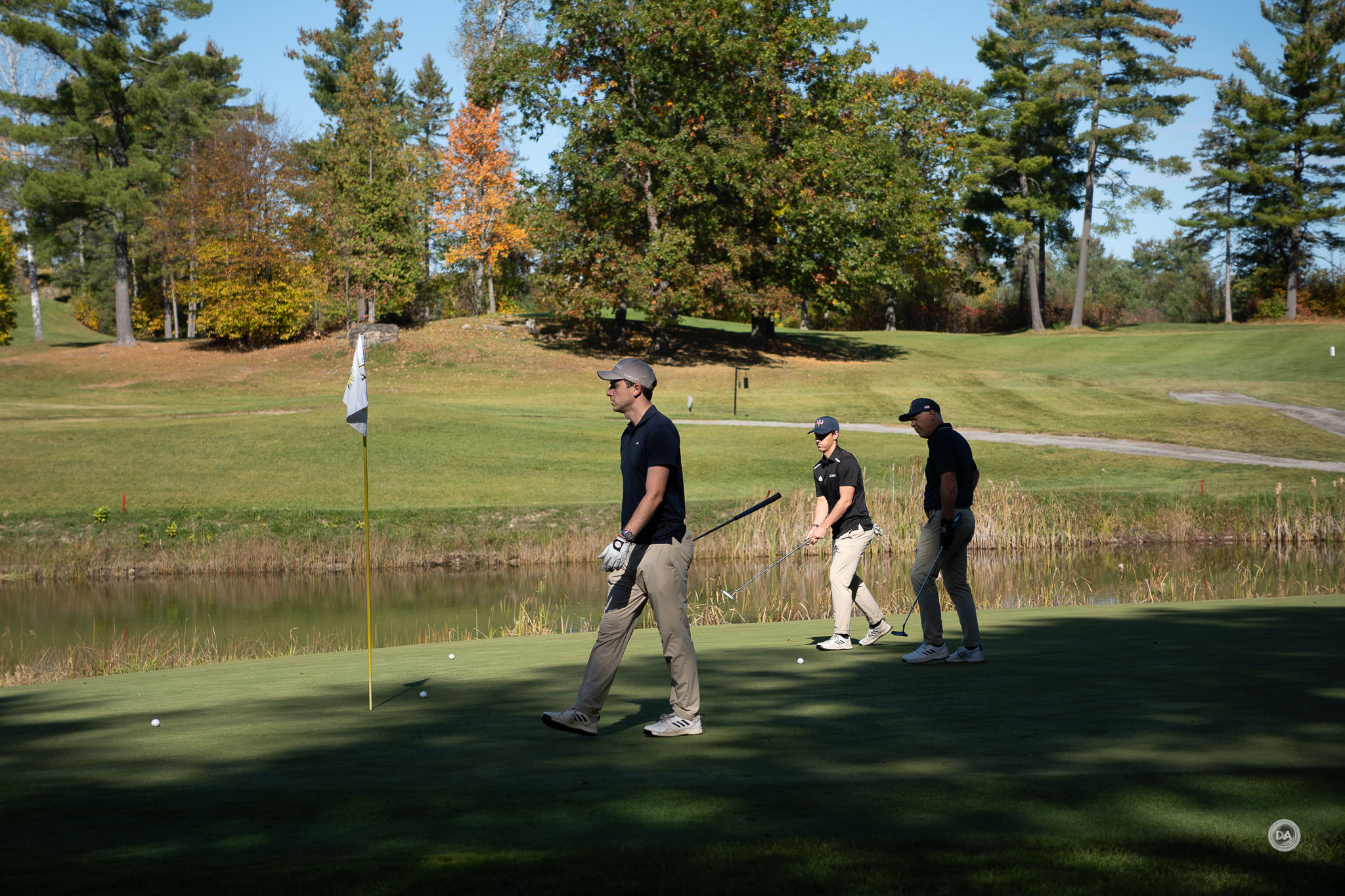
I will also note that Tamron’s full time manual override is great for the moments when the autofocus wants to grab a background rather than foreground subject (something I find common with all modern cameras and lenses), allowing you to get focus in the proper “zone” where AF can take over and make sure that focus is accurate.
Tamron tends to have some of the best third-party autofocus in the business, and that’s particularly true here on Sony, as Sony has a partial stake in Tamron and their systems tend to be a little more integrated. Tamron has also done some actual lens manufacturing for Nikon, too, and thus has fairly deep experience with their focus algorithms. The bottom line is that this is a great focusing lens.
Video AF
I also saw good results for video work. Autofocus pulls were fast and confident, and focus breathing is extremely low, allowing for smooth looking pulls back and forth. I’ve been impressed the last couple of lenses from Tamron on the focus breathing front. This makes them far more useful for video work. In this case that furthers the “jack-of-all-trades” nature of this lens.
My hand test (where I alternately block the camera’s view of my face with my hand and then remove it to allow focus to move to my face) went extremely well, with confident transitions back and forth. Focus breathing is so low that it almost seemed as if no focus change was taking place, even though it was. This would be a very nice lens for interviews or something similar.
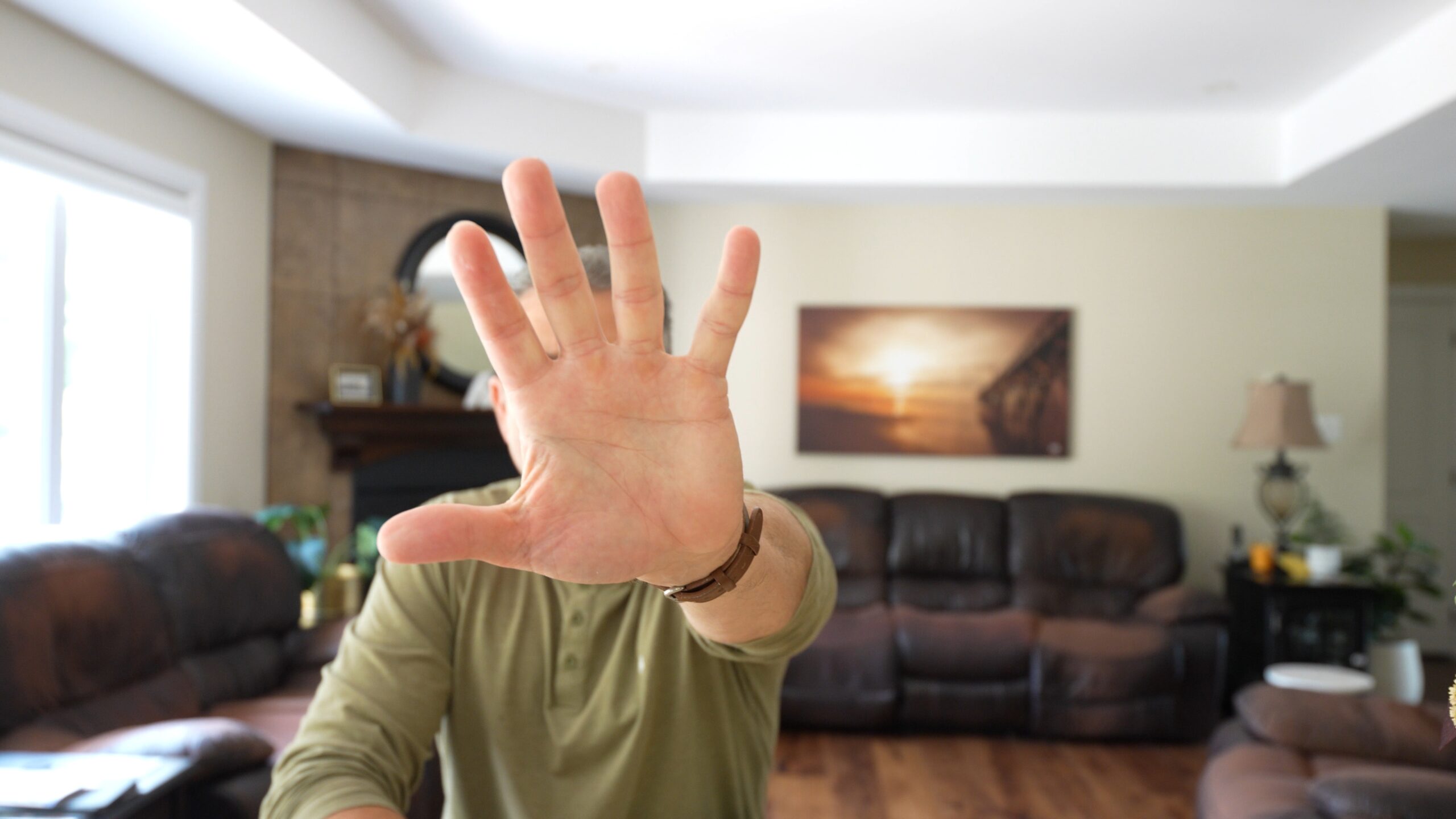
The low focus breathing also helped when moving from one subject to another, as there was none of that “lurching” feel when the camera changed focus. I also didn’t note any obvious loss of focus while zooming, adding to the usefulness of this lens for that type of video work.
This should prove to be a very solid video lens, particularly considering that it is light enough to easily mount on a gimbal and wide enough to work for something like vlogging.
Image Quality Breakdown
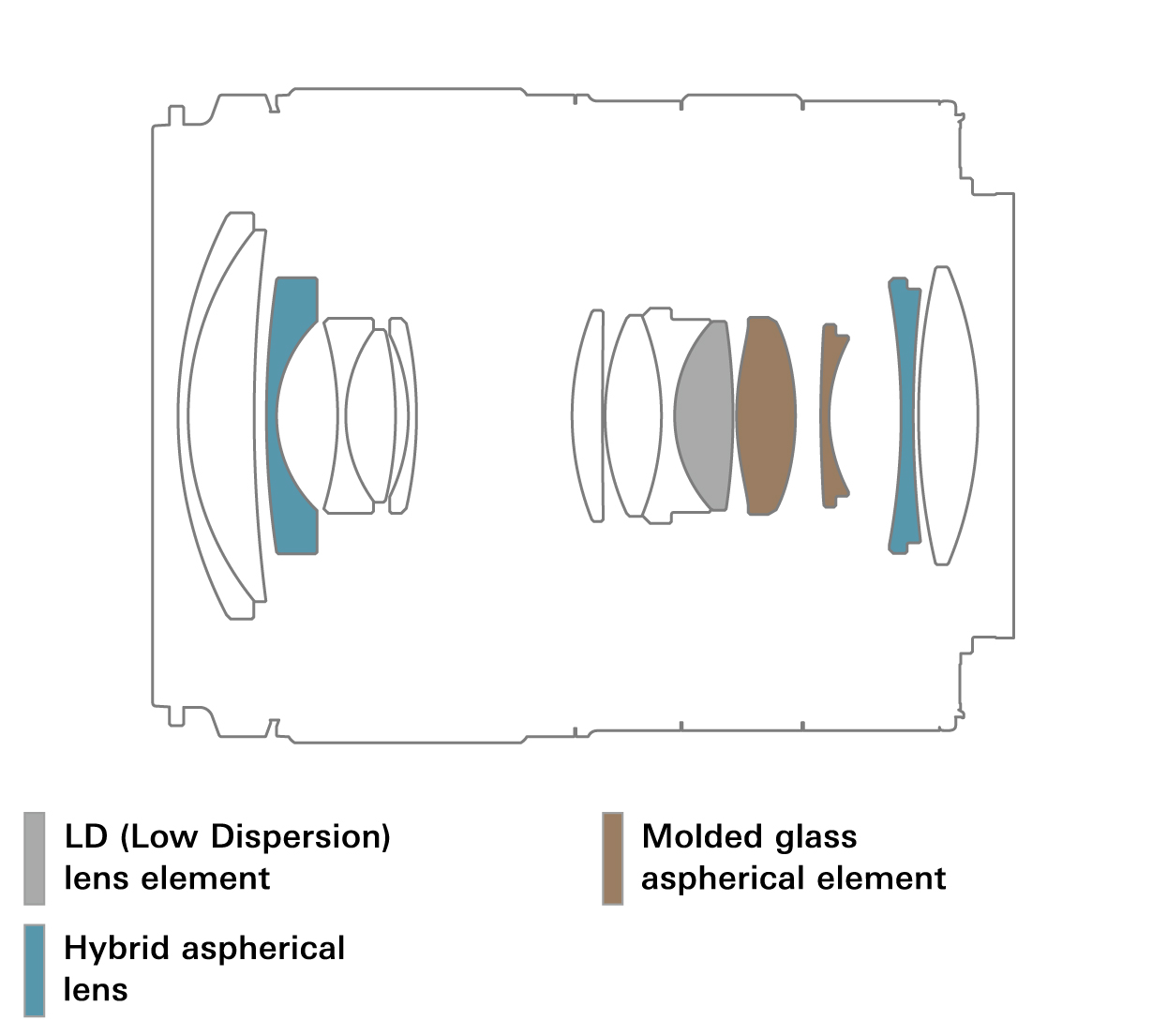
The Tamron 16-50mm features an optical design of 14 elements in 10 groups. This includes 2 GM (Glass Molded Aspherical), 1 LD (Low Dispersion), and 2 hybrid aspherical lenses.
The MTF charts from 16mm and 50mm both look excellent in the center of the frame and then in the midframe, though there’s a steep dropoff to the corners.
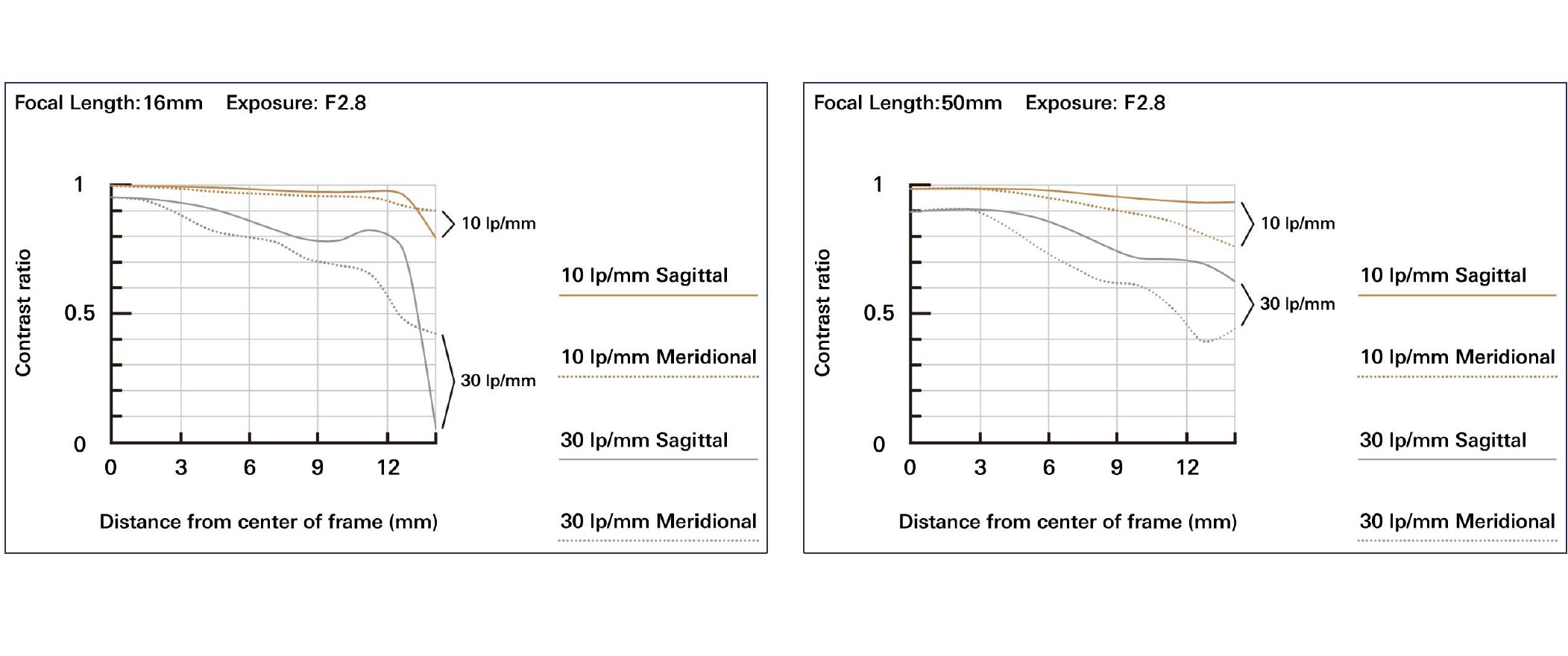
We will examine just how bad those corners actually are in a moment.
First a word about framing. 2mm of additional width (16mm vs 18mm) may not sound like much, but it makes a shocking amount of difference. I set up a tripod and shot my living room with the at 16mm on the Tamron and 18mm on the Sigma. Look at how much more is in the frame at 16mm:
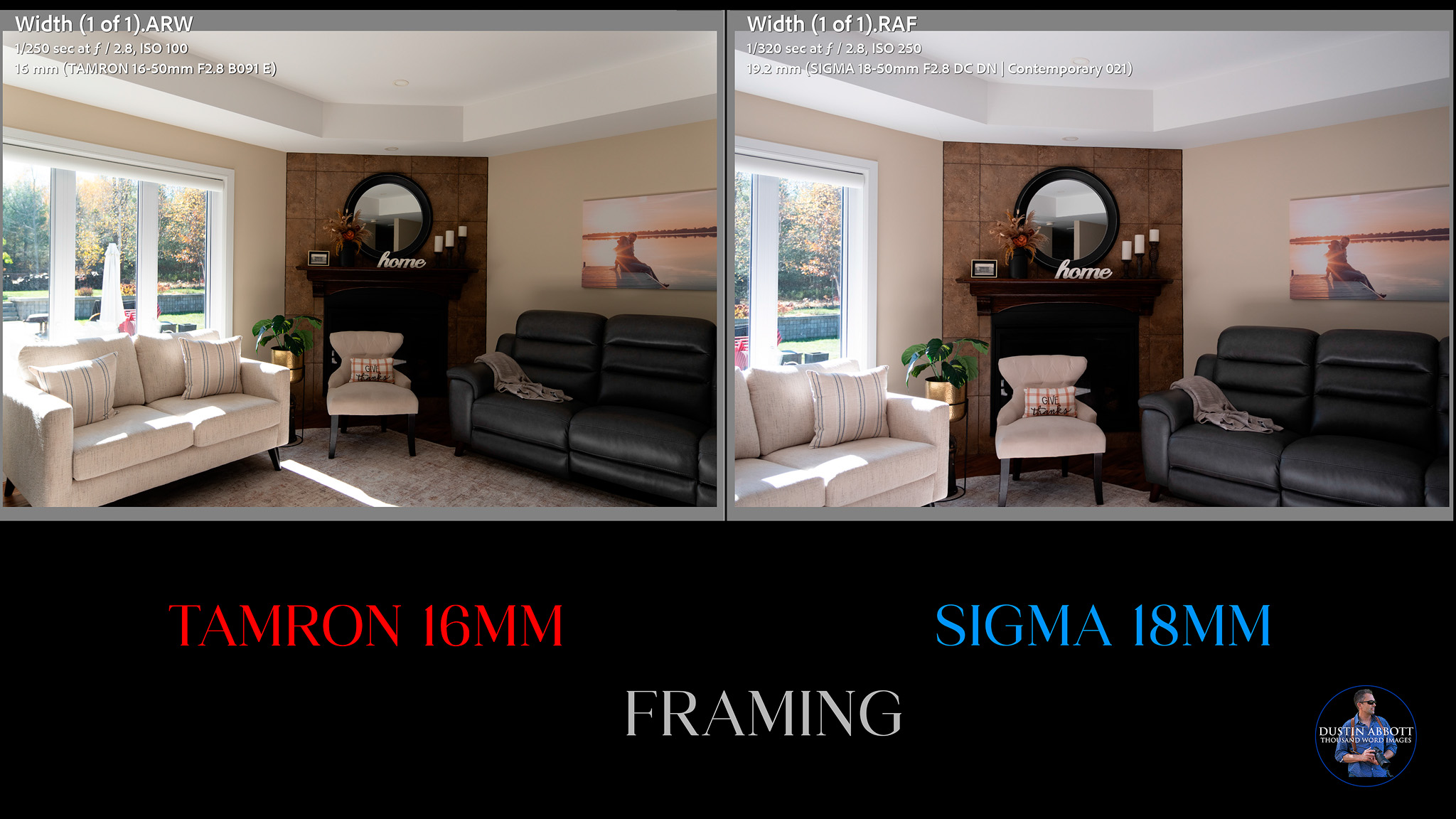
That obviously really makes a huge difference if you are trying to photograph a big group, an interior, or even a landscape scene.
Compact zooms like this often deal with some serious distortion, and the Tamron doesn’t escape unscathed. On the wide end there is a signification amount of barrel distortion.
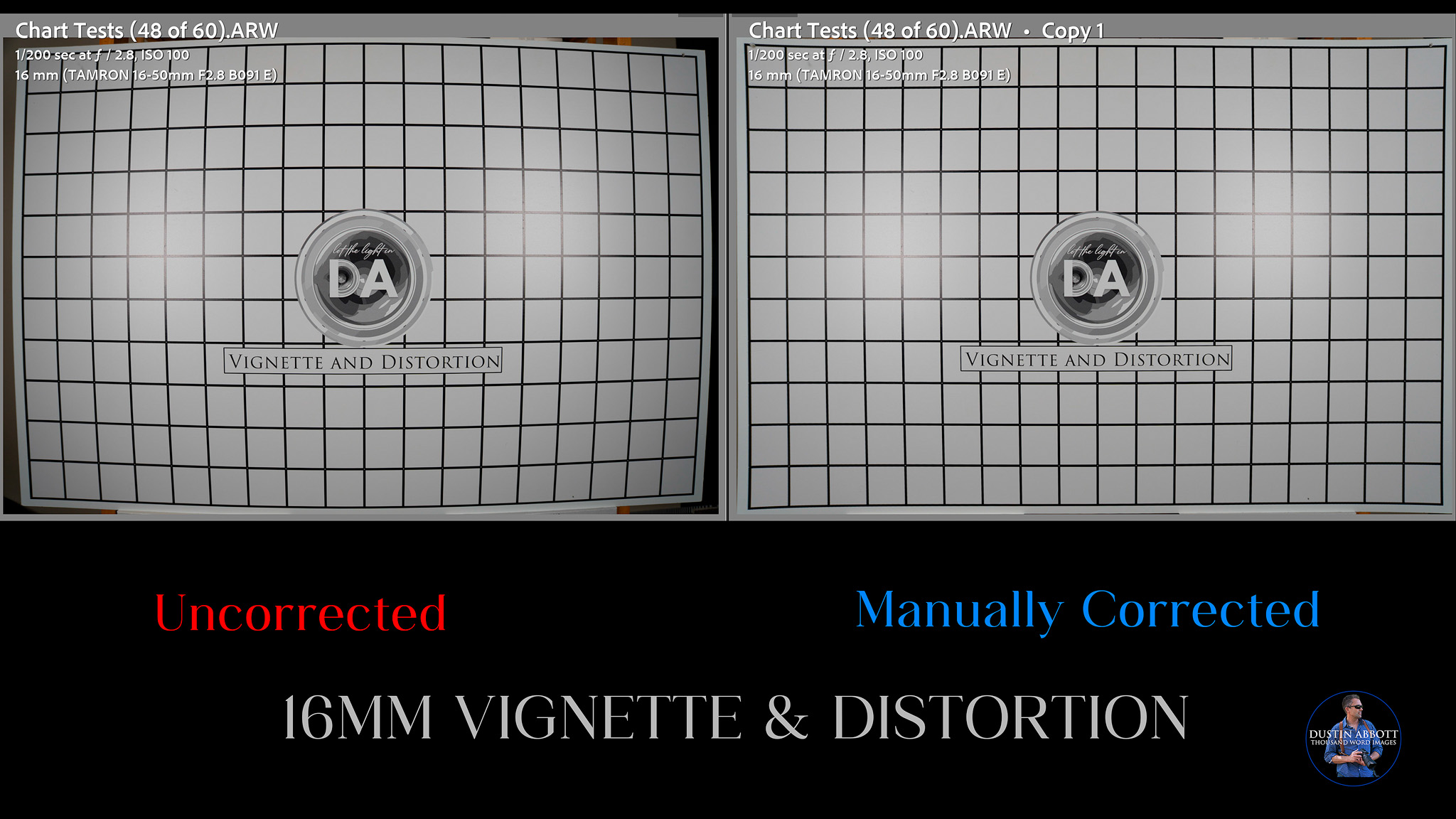
It is reasonably linear, however, and doesn’t correct too badly, though it required a very significant +27 to correct. Vignette is more mild, requiring just a +45 to correct. For perspective, the Sigma needed a +21 to correct for the distortion at 18mm, so Tamron isn’t much worse despite going much wider.
At the telephoto end the distortion inverts to a pincushion style, though it is nicely linear and easy to correct.
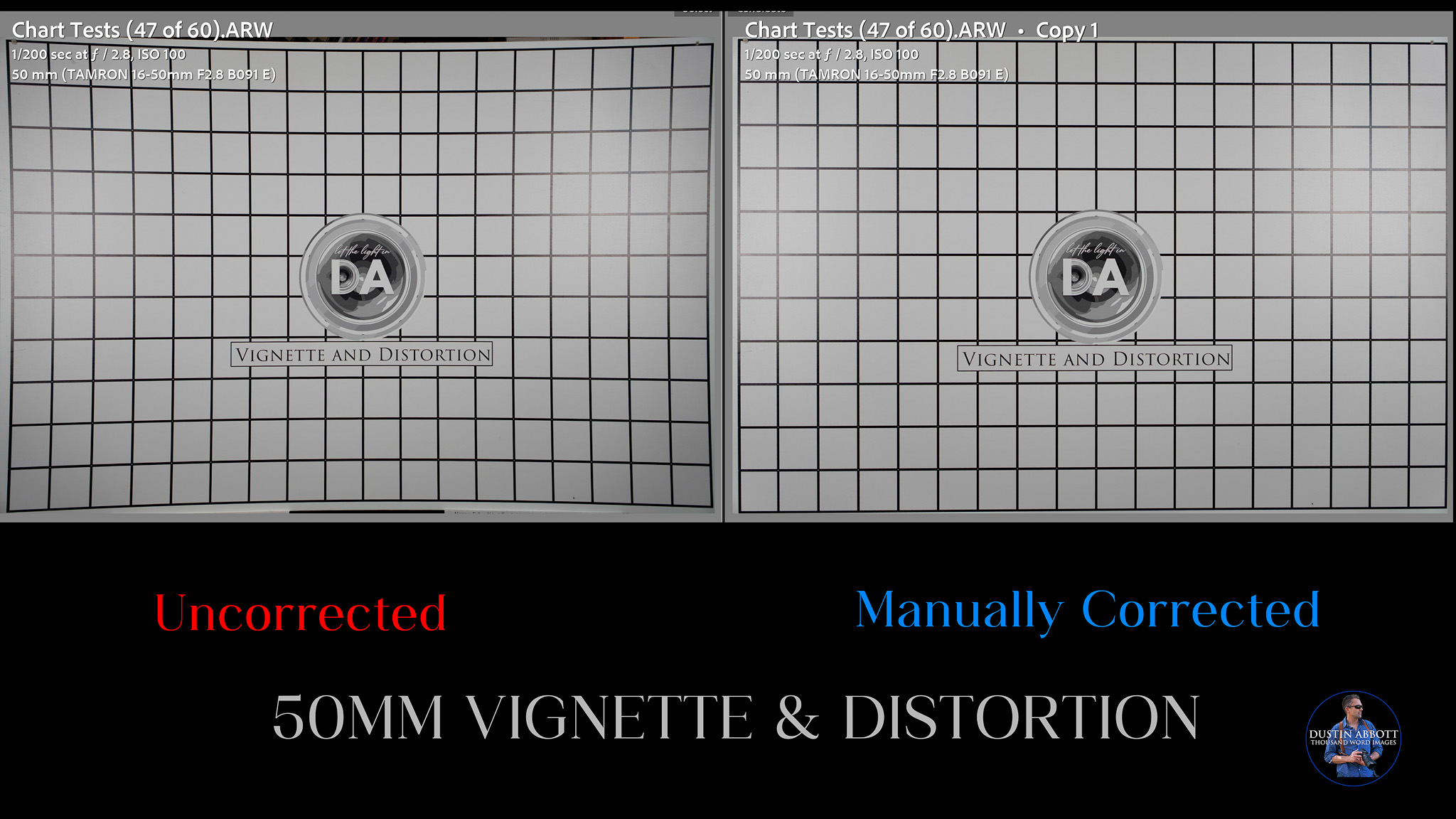
It still required a -11, which is quite a bit. The vignette remains mild, requiring just a +41 to correct. The Sigma showed a similar level of distortion and just a bit more vignette.
In short, Tamron has managed to engineer a wider focal length in a similar sized zoom without going crazy with the distortion and vignette. It’s a pretty good job in such a compact lens, though I never like seeing this level of distortion.
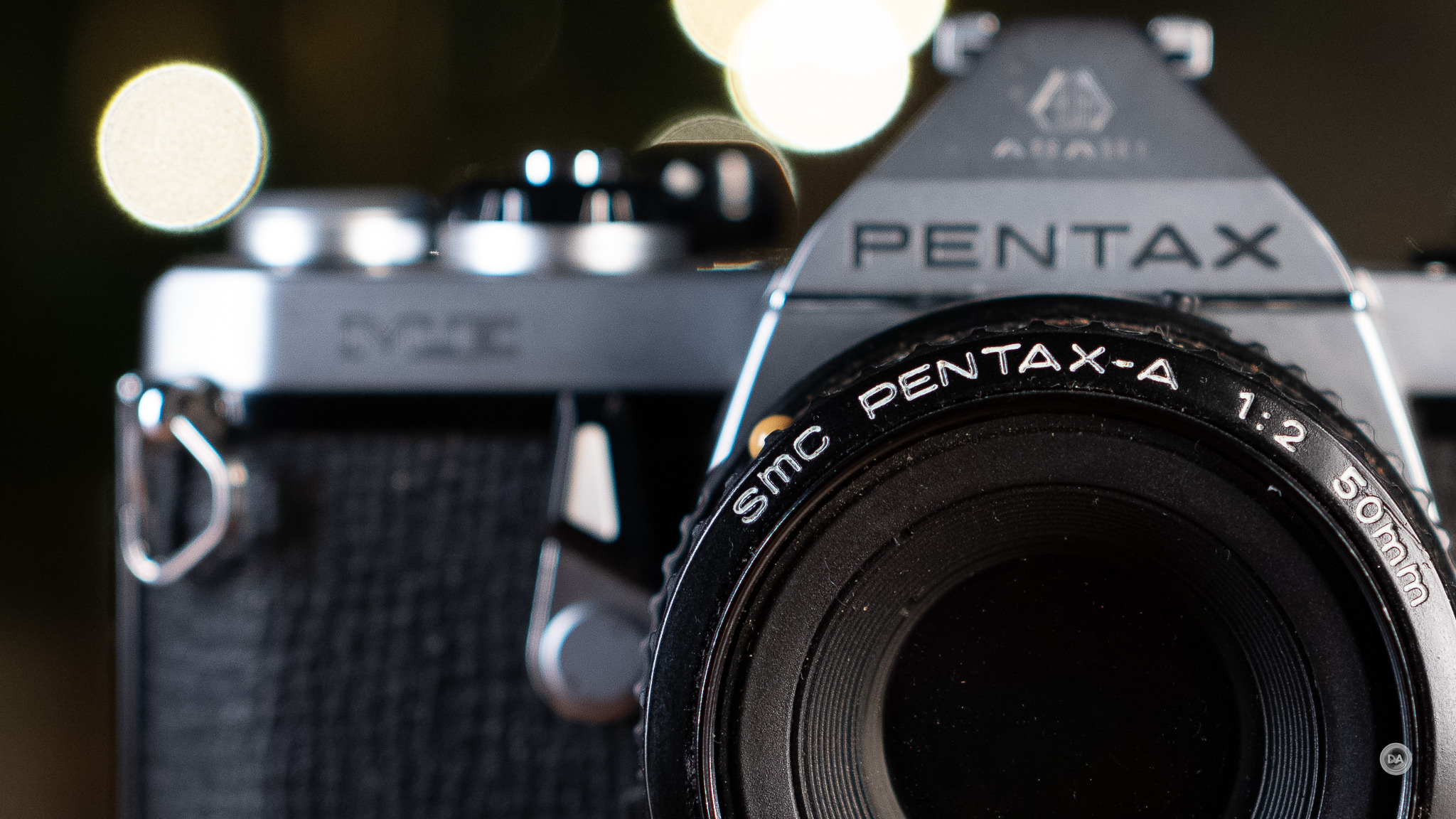
Testing for longitudinal chromatic aberrations (LoCA) showed no apparent vignette before or after the plane of focus.

I do see some fringing on the shiny bits of my Dad’s old SLR, however.
There’s not much to see when shooting up through the tree foliage, however. Results are clean.

I also saw minimal issues with LaCA (lateral chromatic aberrations), which shows up along the edges of the frame. All of the transitions here are fairly neutral.
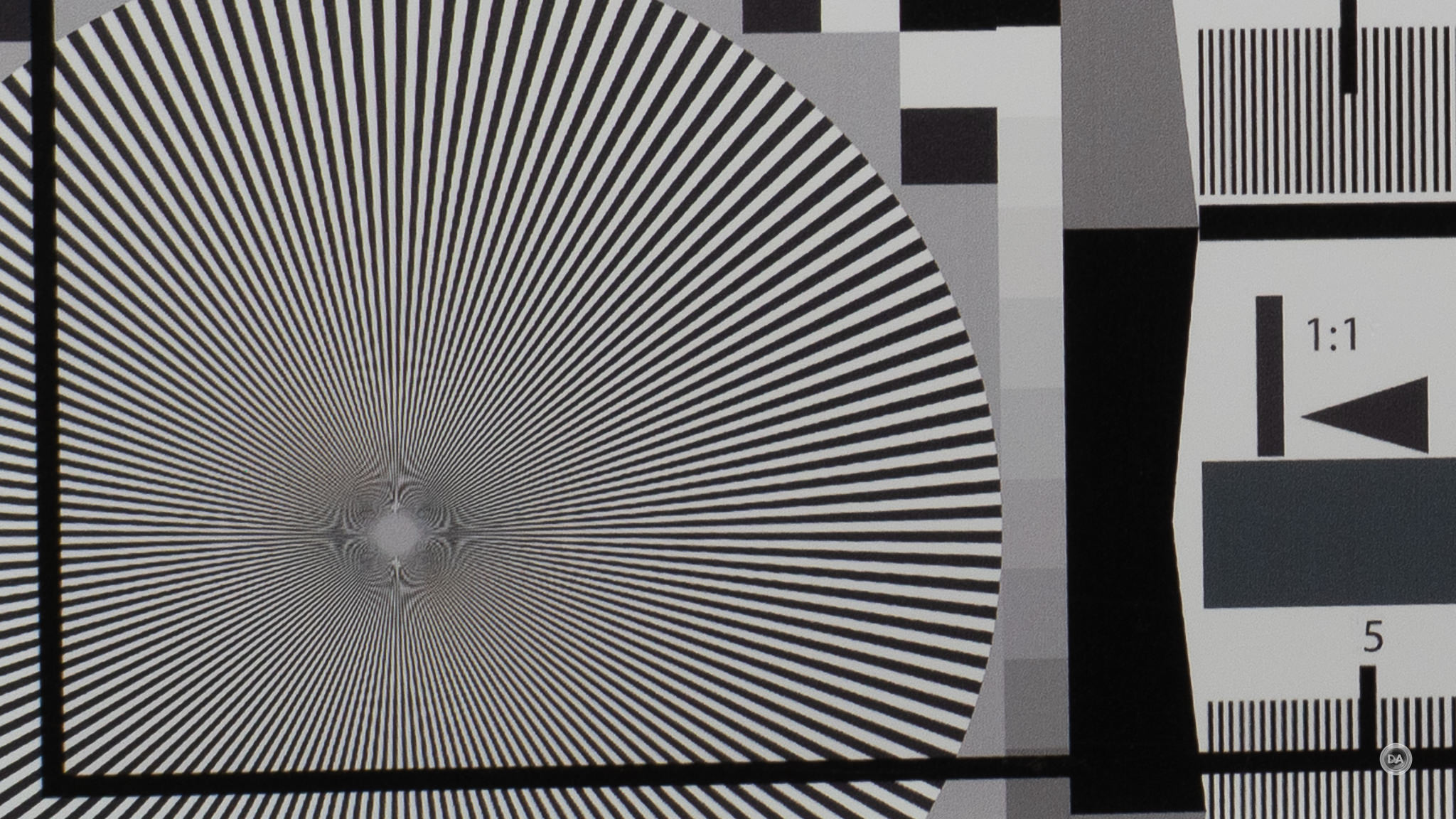
This is important to me, as living in Canada, I shoot a lot in the forest, and I hate seeing fringing up in the foliage of trees.
So how about resolution and contrast? My formal tests are done on the 26MP APS-C mode of my a7RV.
Here’s a look at the test chart from which the crops will come.

Here are crops from across the 16mm frame at F2.8 and shown at a 200% magnification.



As forecast, the center looks excellent, the midframe very good, and the corners are looking somewhat weak.
How does that compare to the Sigma? Here’s a look at 200% comparisons from the middle, midframe, and edge:
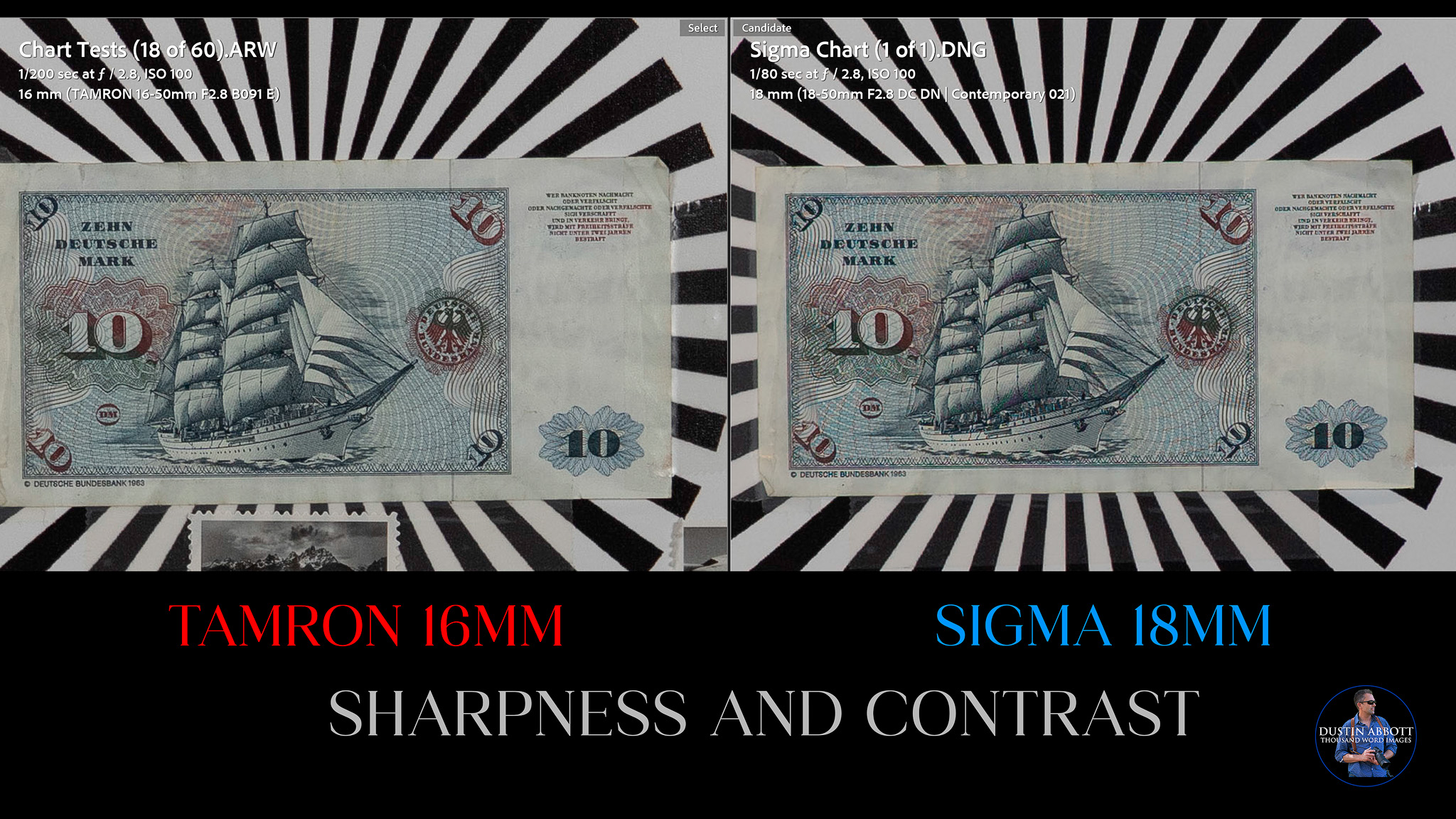
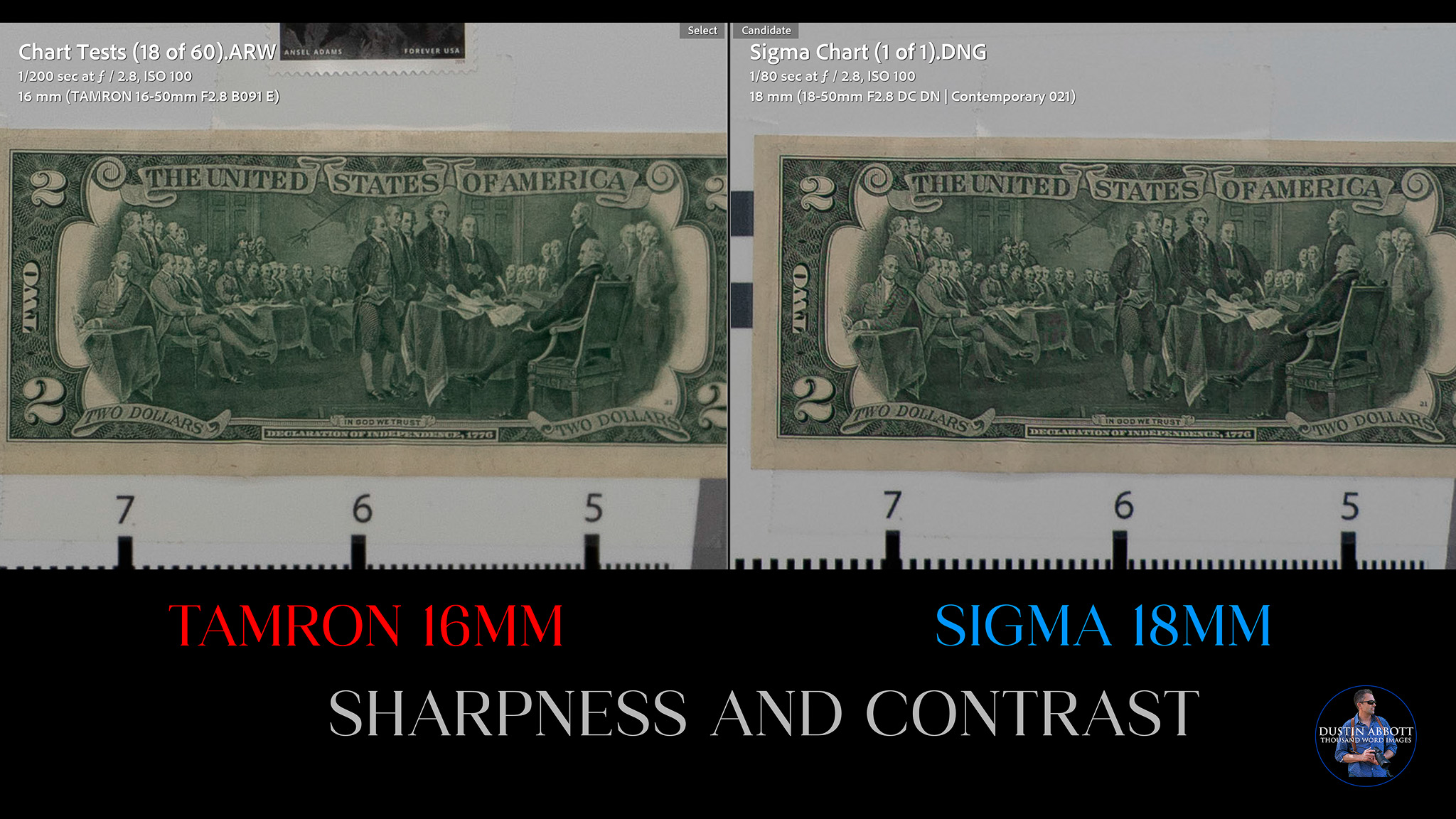
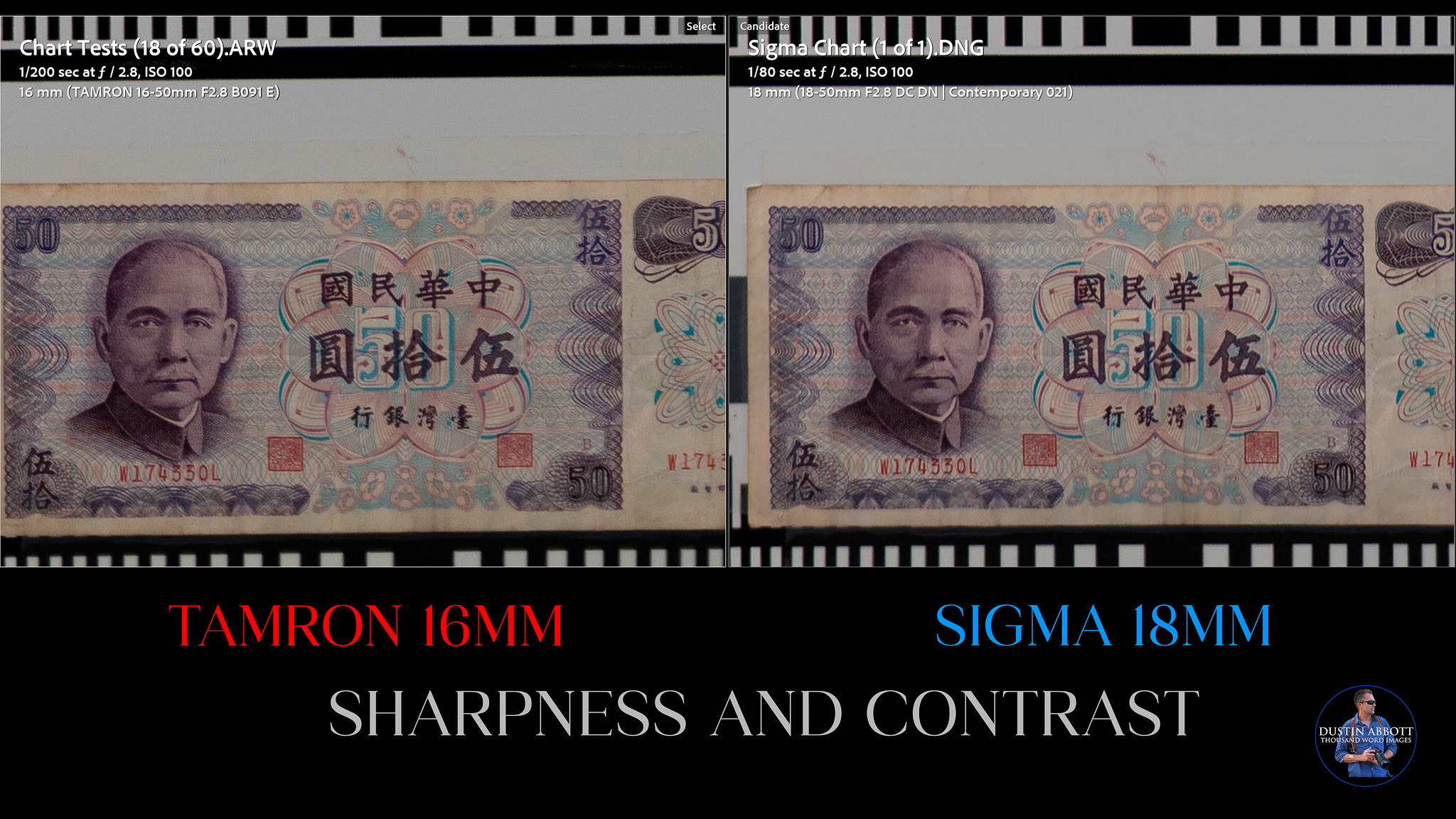
The Sigma is delivering slightly more contrast but similar levels of detail across much of the frame, but the corner/edge performance is a little better at F2.8.
Fortunately those weak corners resolve very quickly. Stopping down even to F4 makes a pretty shocking difference in the contrast and detail in the corners.
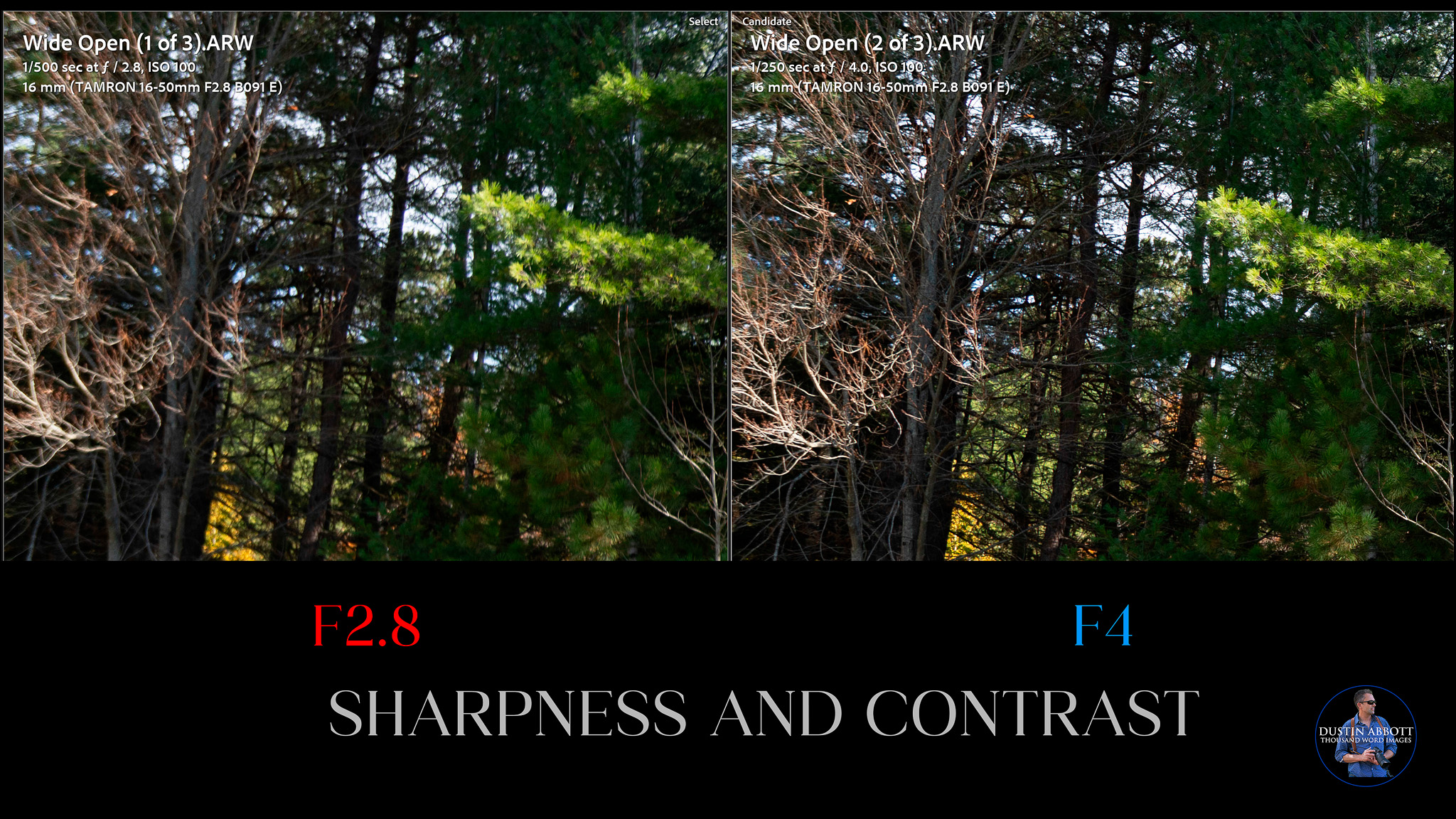
I hadn’t noticed that corner performance was weak in real-world use as I tend to shoot very few wide angle scenes at maximum aperture. This could be a factor for shooting night or interior scenes, however. I would recommend stopping down to F4 if lighting permits, as you’ll get more even results.
I was surprised to find that the corners actually didn’t look soft when shooting astrophotography. Star points look crisp (even in the corners), and coma is actually quite low.
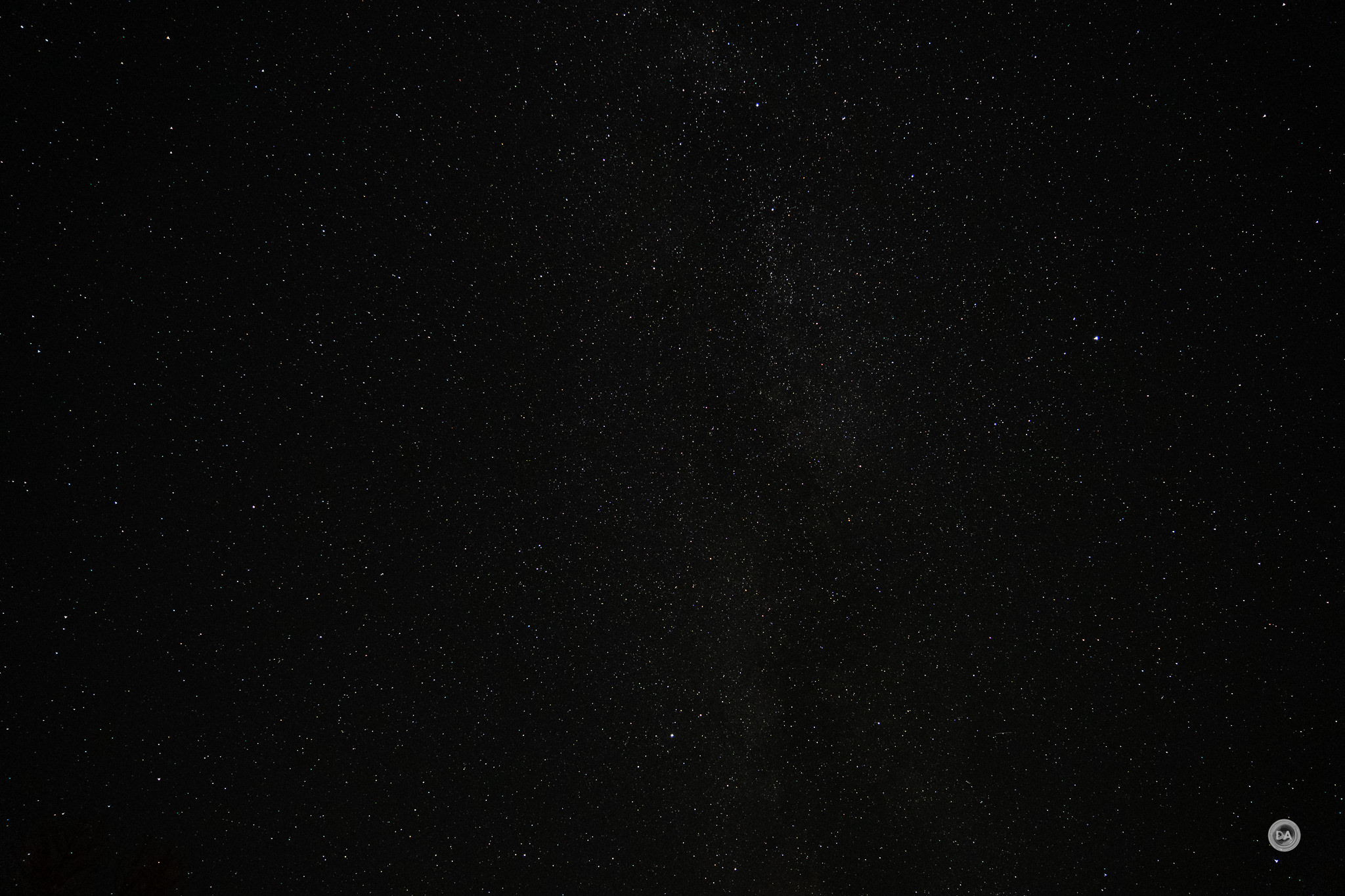
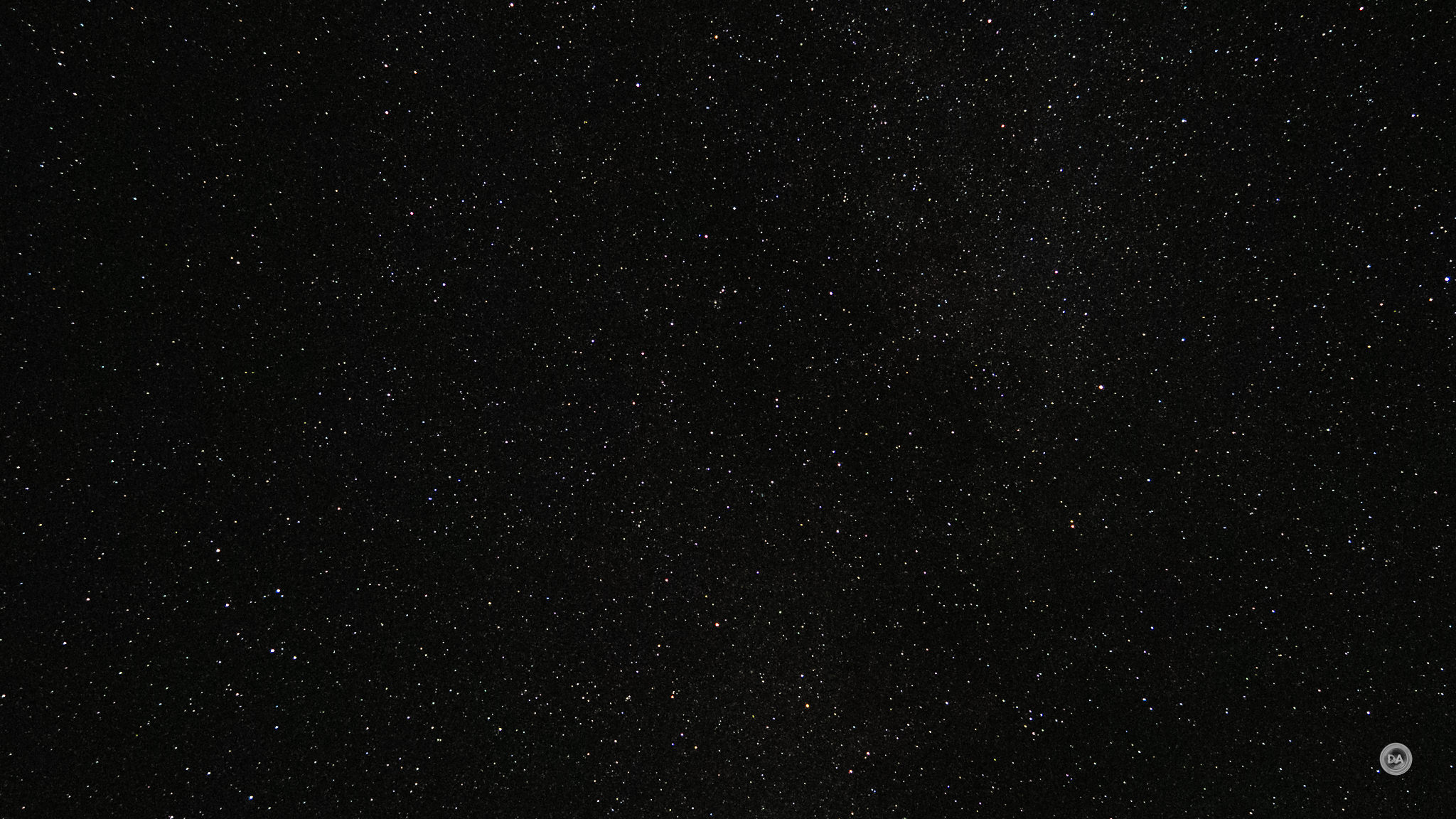
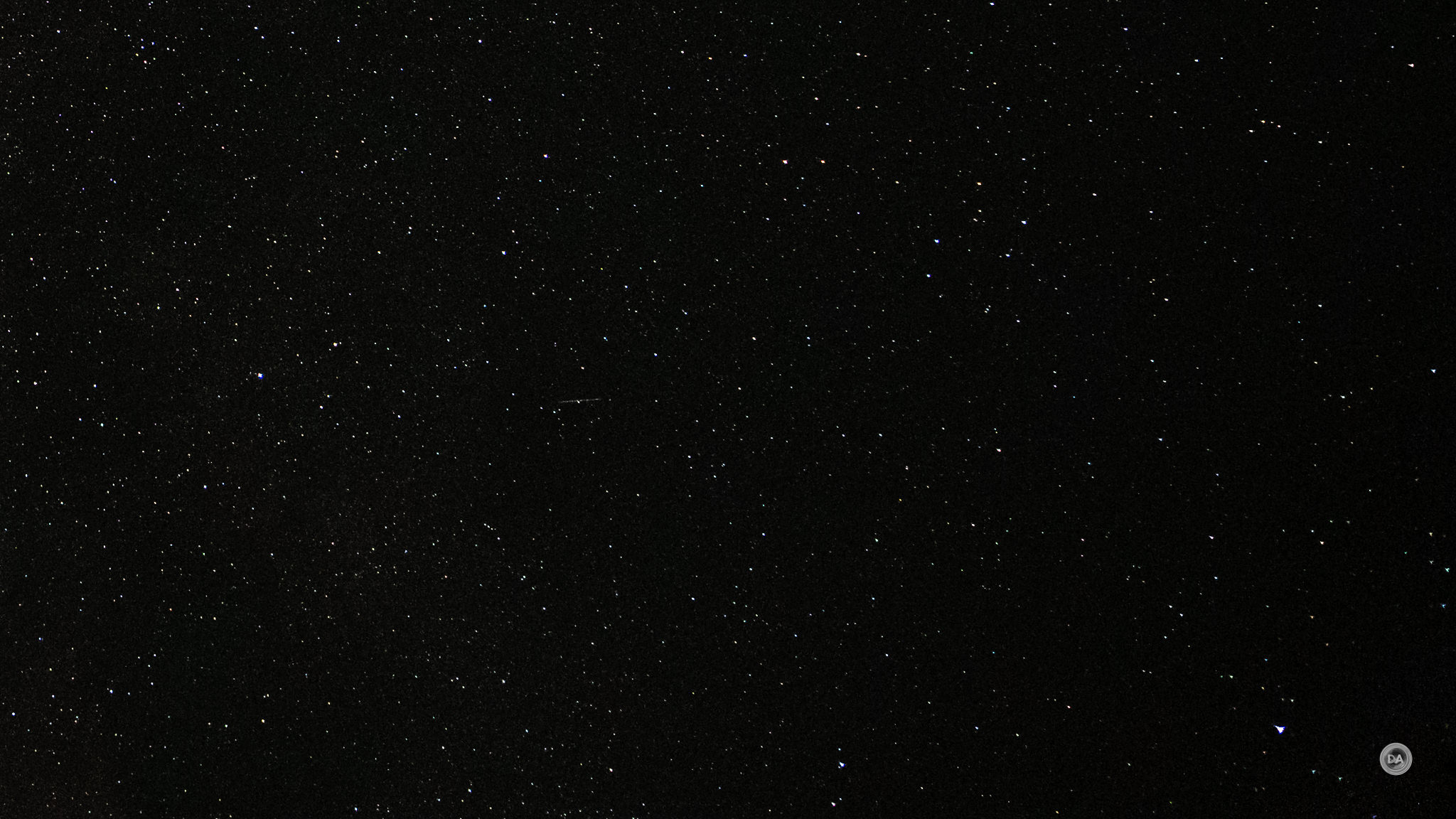
Real world shots at landscape apertures like F5.6 or F8 look excellent. The corners aren’t pin-sharp, but are very usuably sharp.
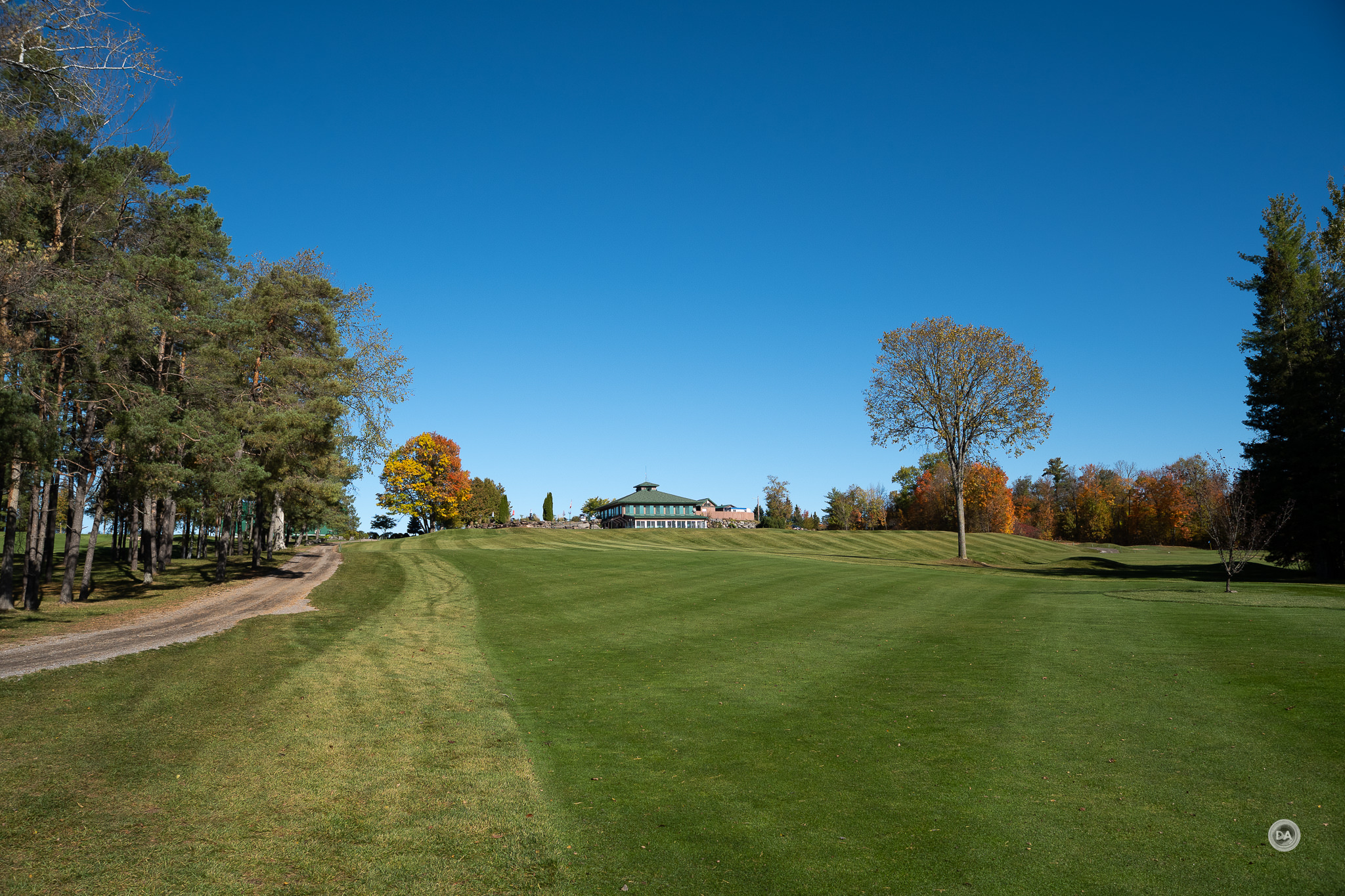
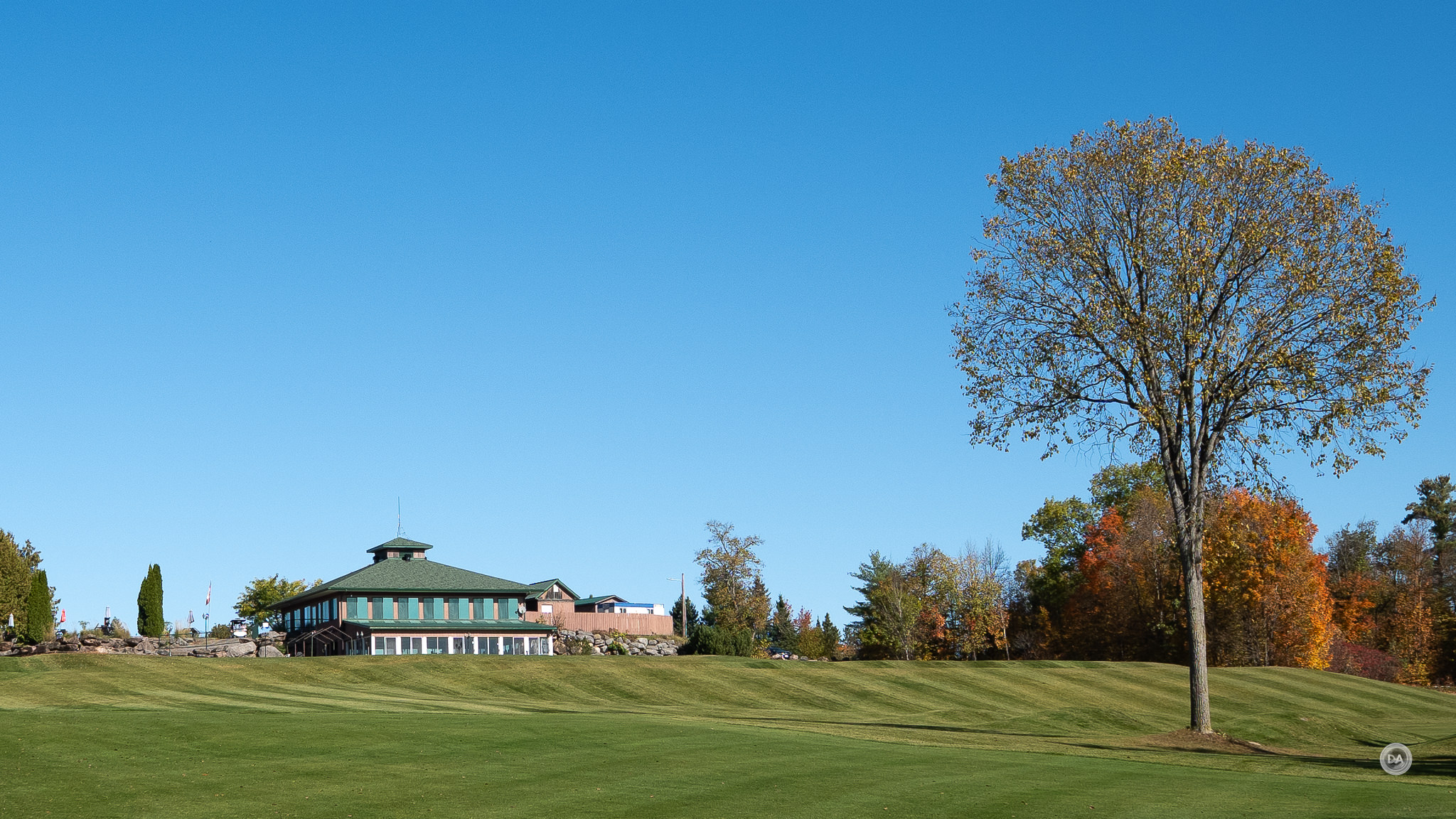
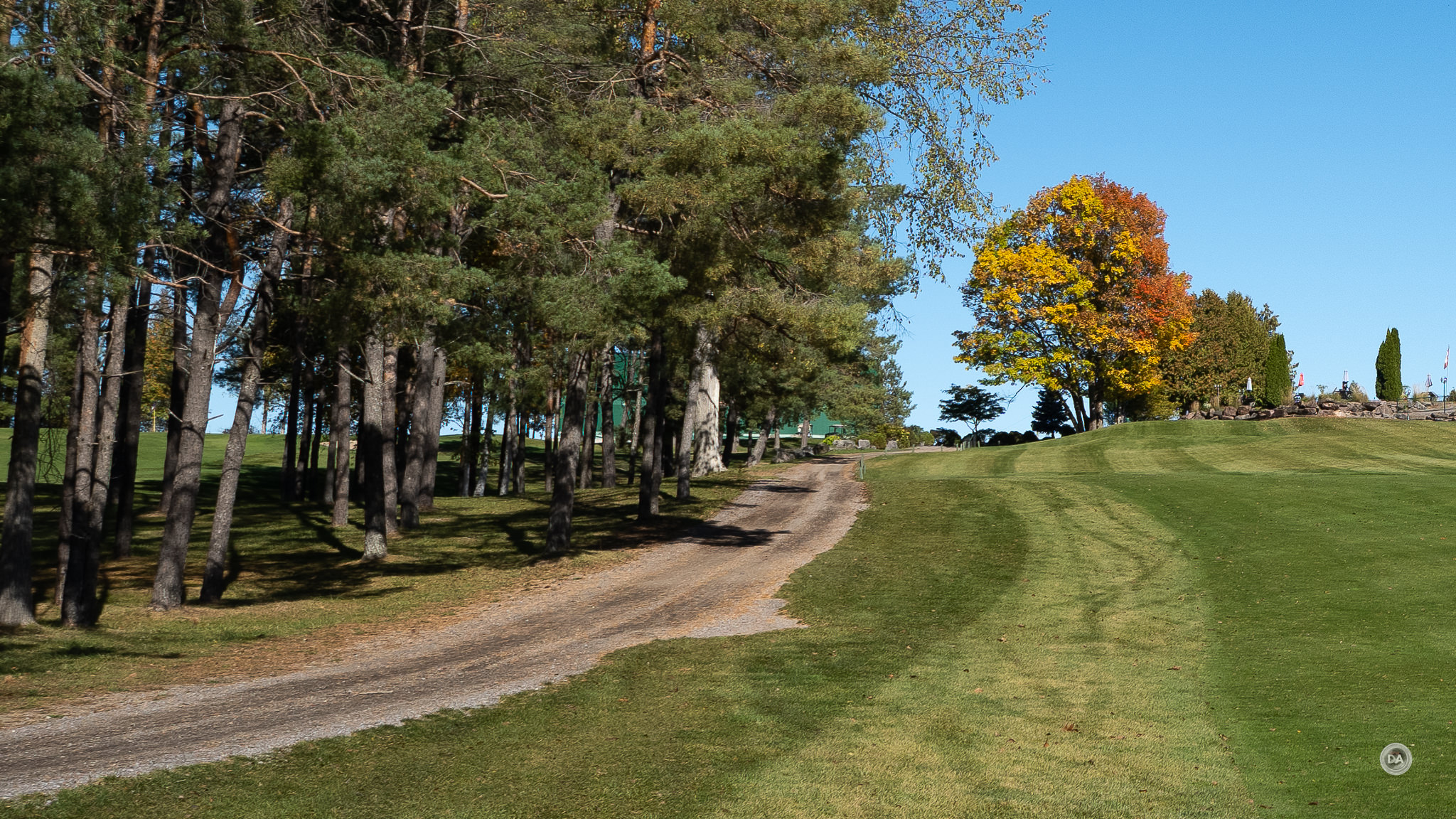
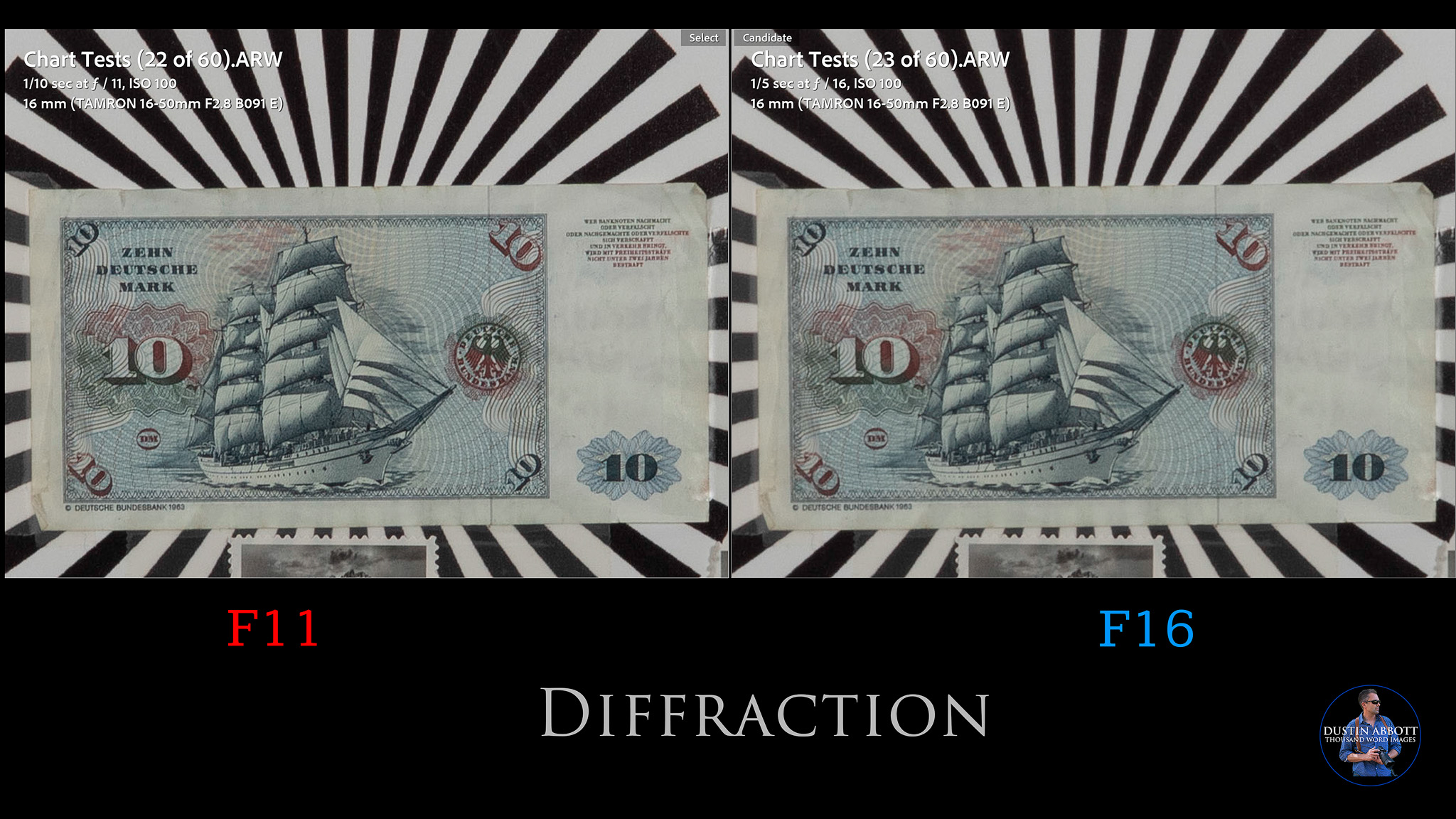
The pixel density here on Sony isn’t as high as what you might see on Fuji X or Canon RF, so diffraction doesn’t hit as strongly here was it will there. Results will start to soften some by F11, and by F16 (minimum aperture), contrast has taken a hit.
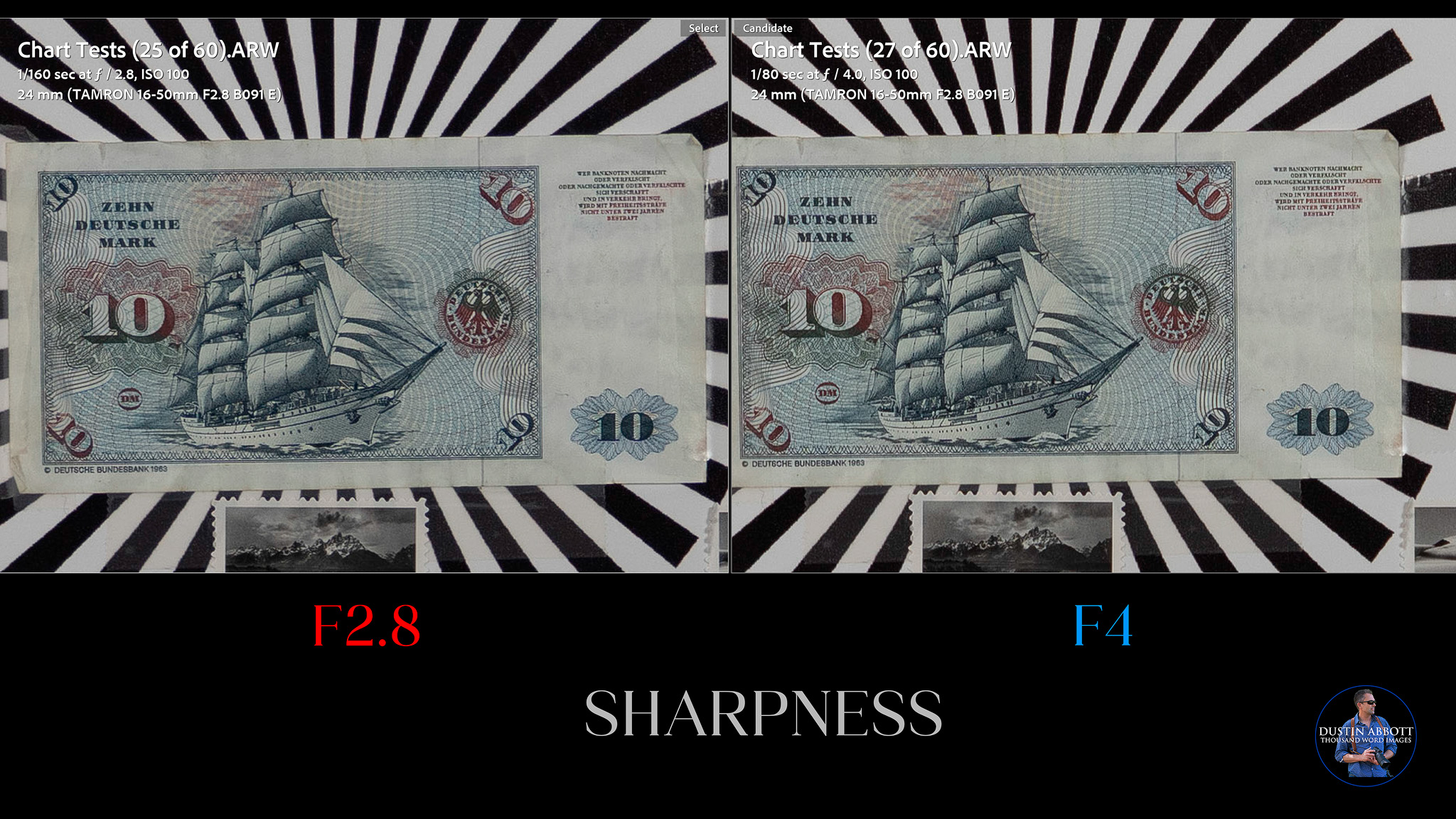
Results are both better and more consistent at 24mm, with better contrast in the middle and a better performance in the corners.
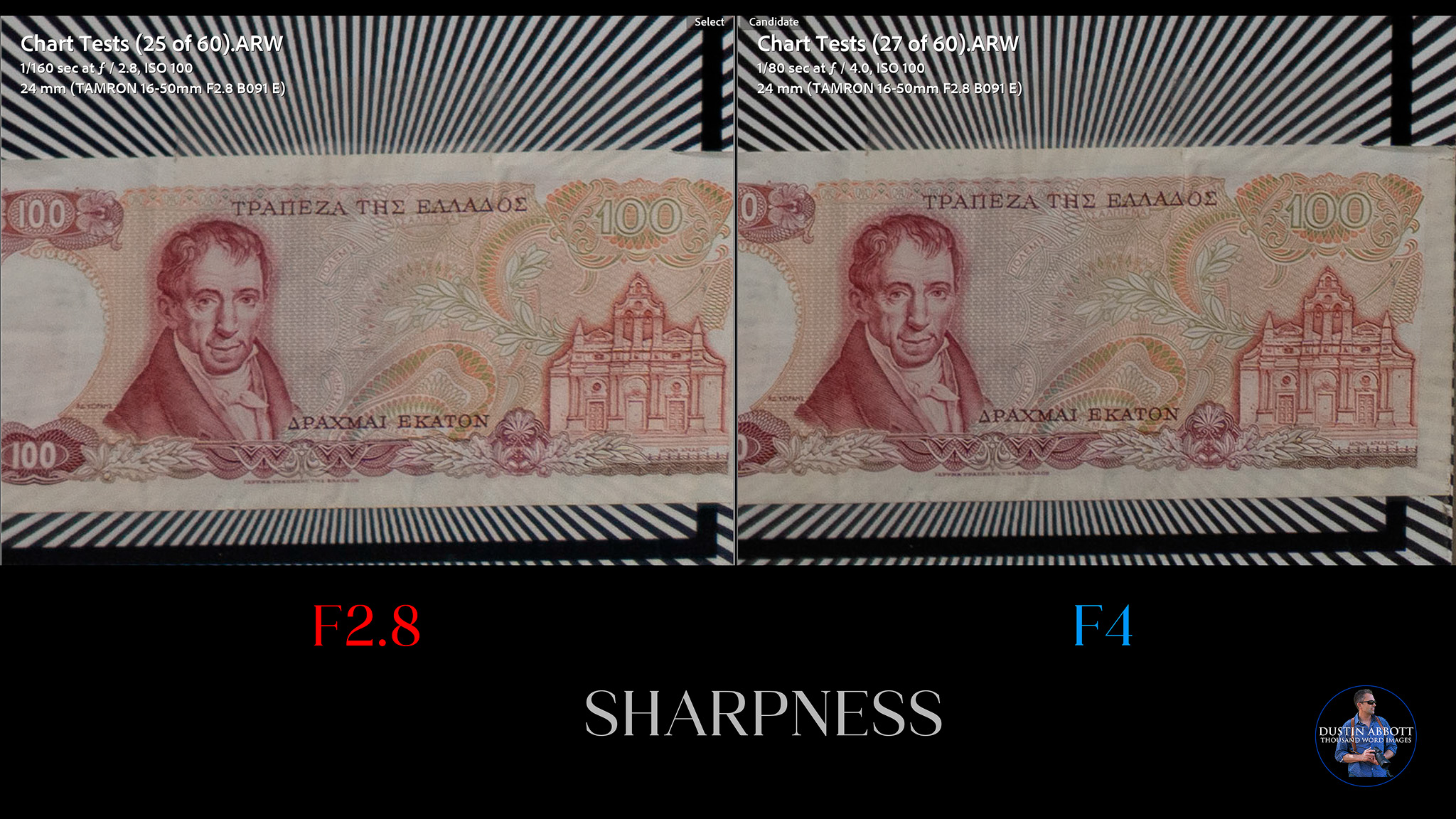
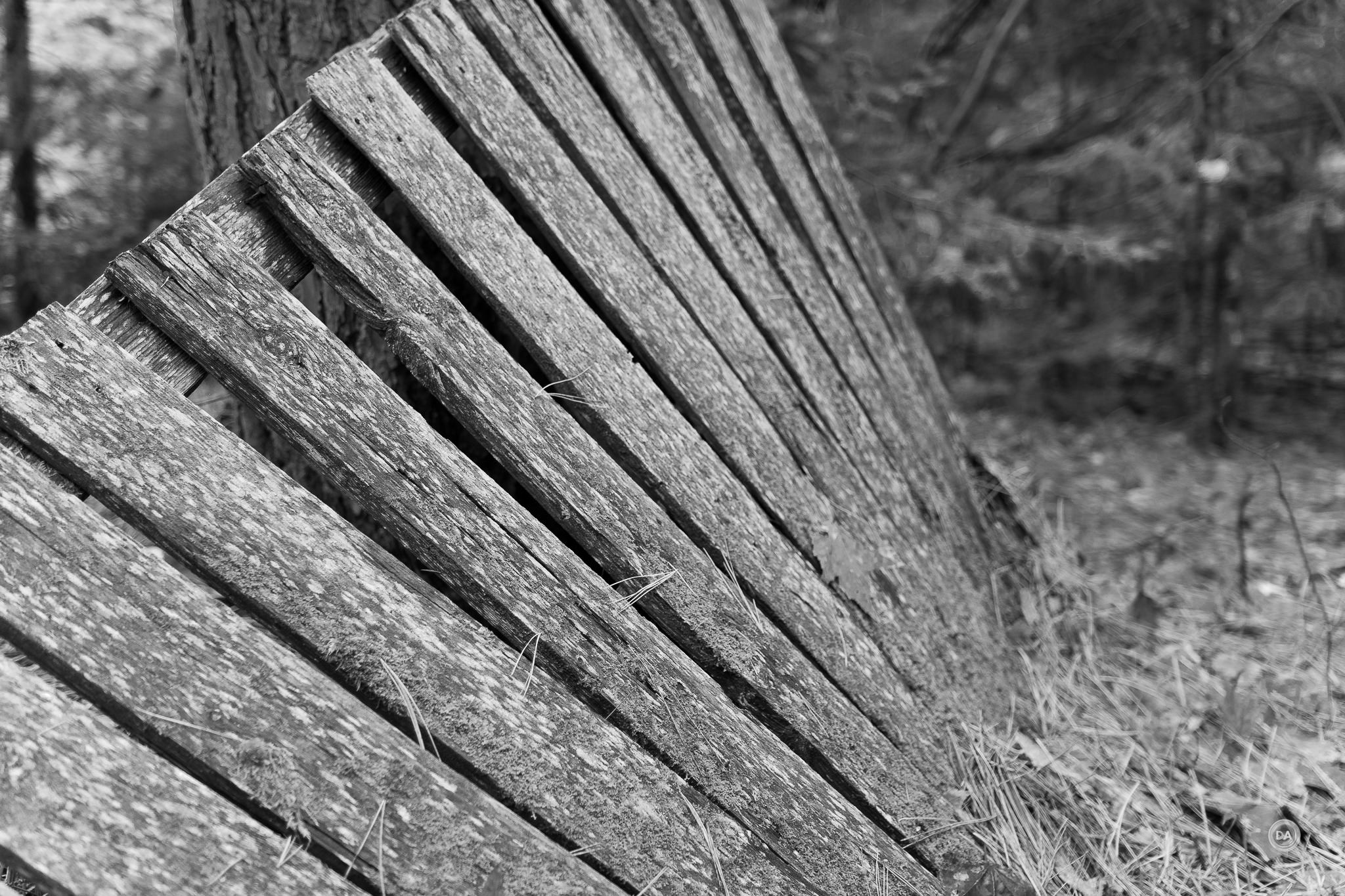
Real world images in the middle of the zoom range look great.
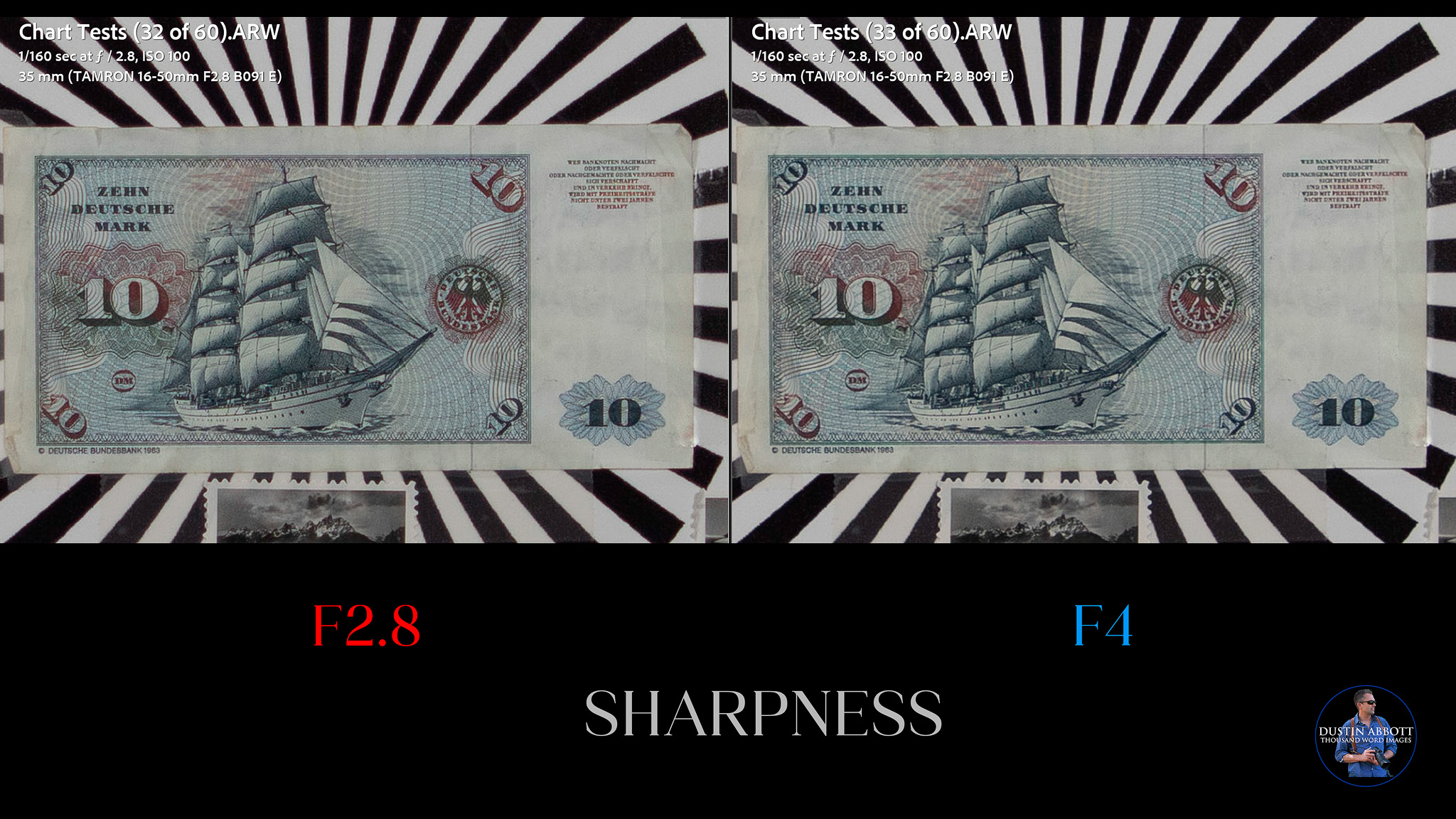
35mm looks a little softer at F2.8, but contrast boosts at F4.
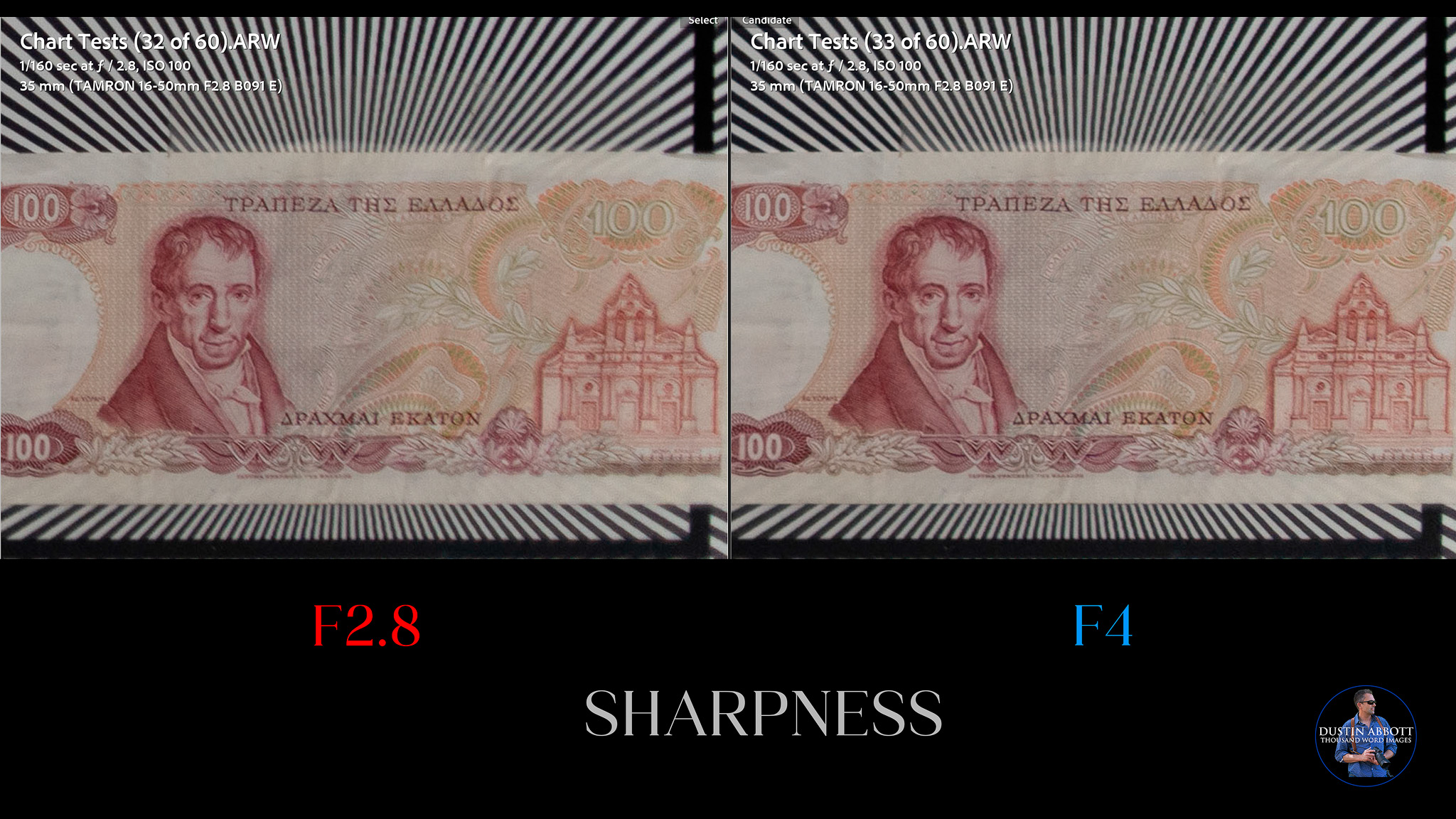
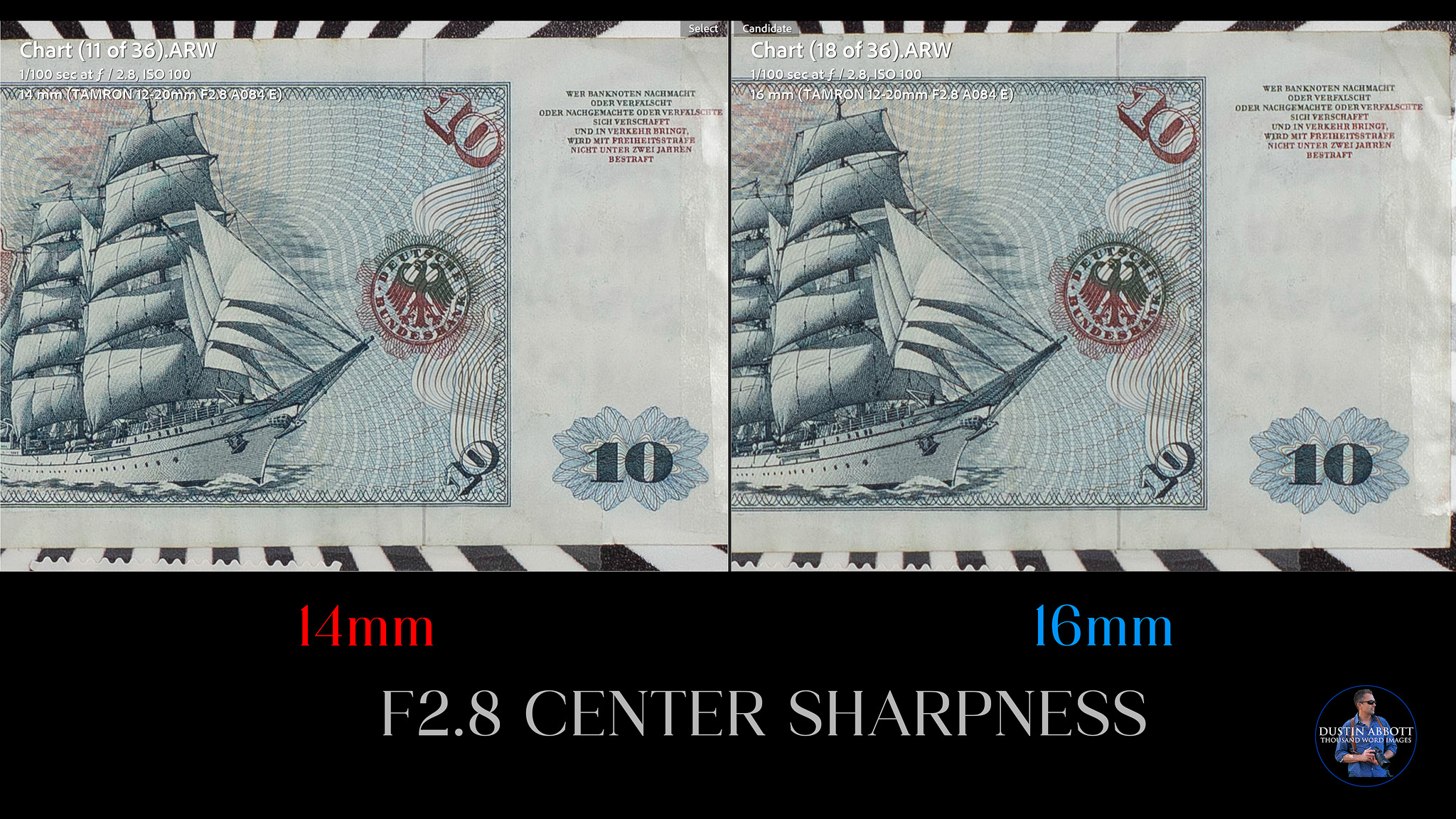
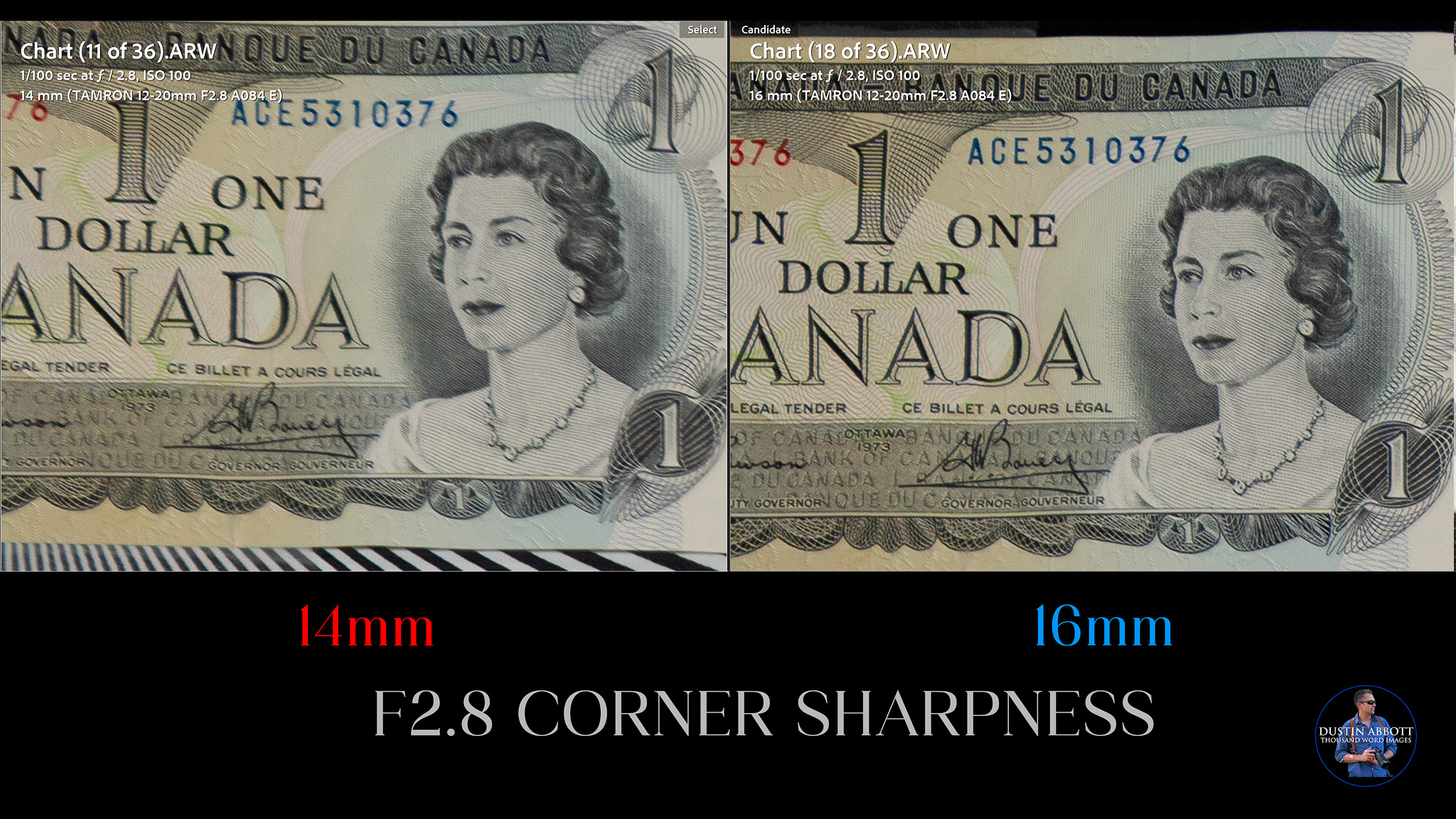
At 16mm, the center results are a tiny bit less sharp than 14mm, though the corners are slightly sharper.
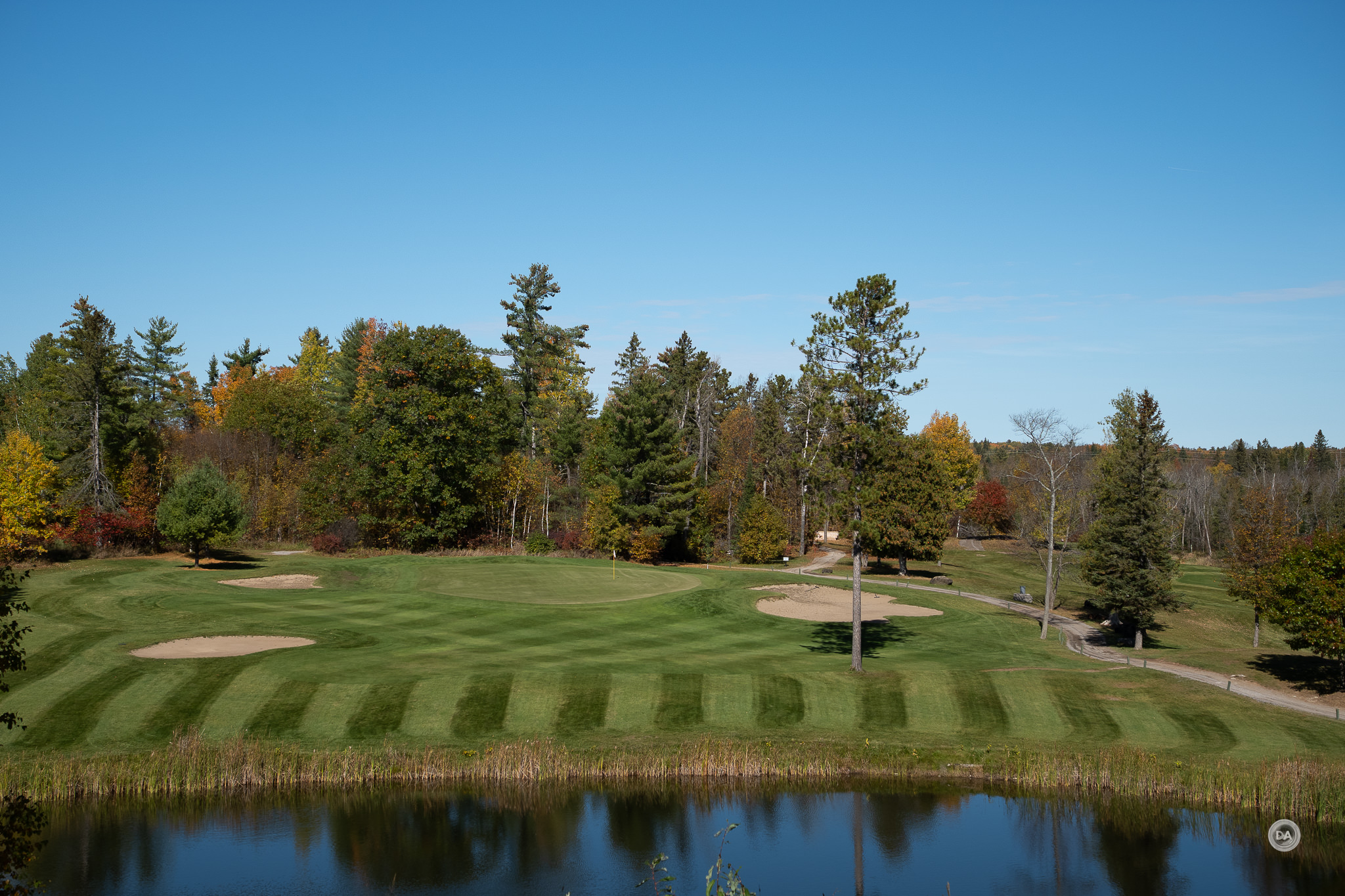
The real-world results at 35mm look beautiful.
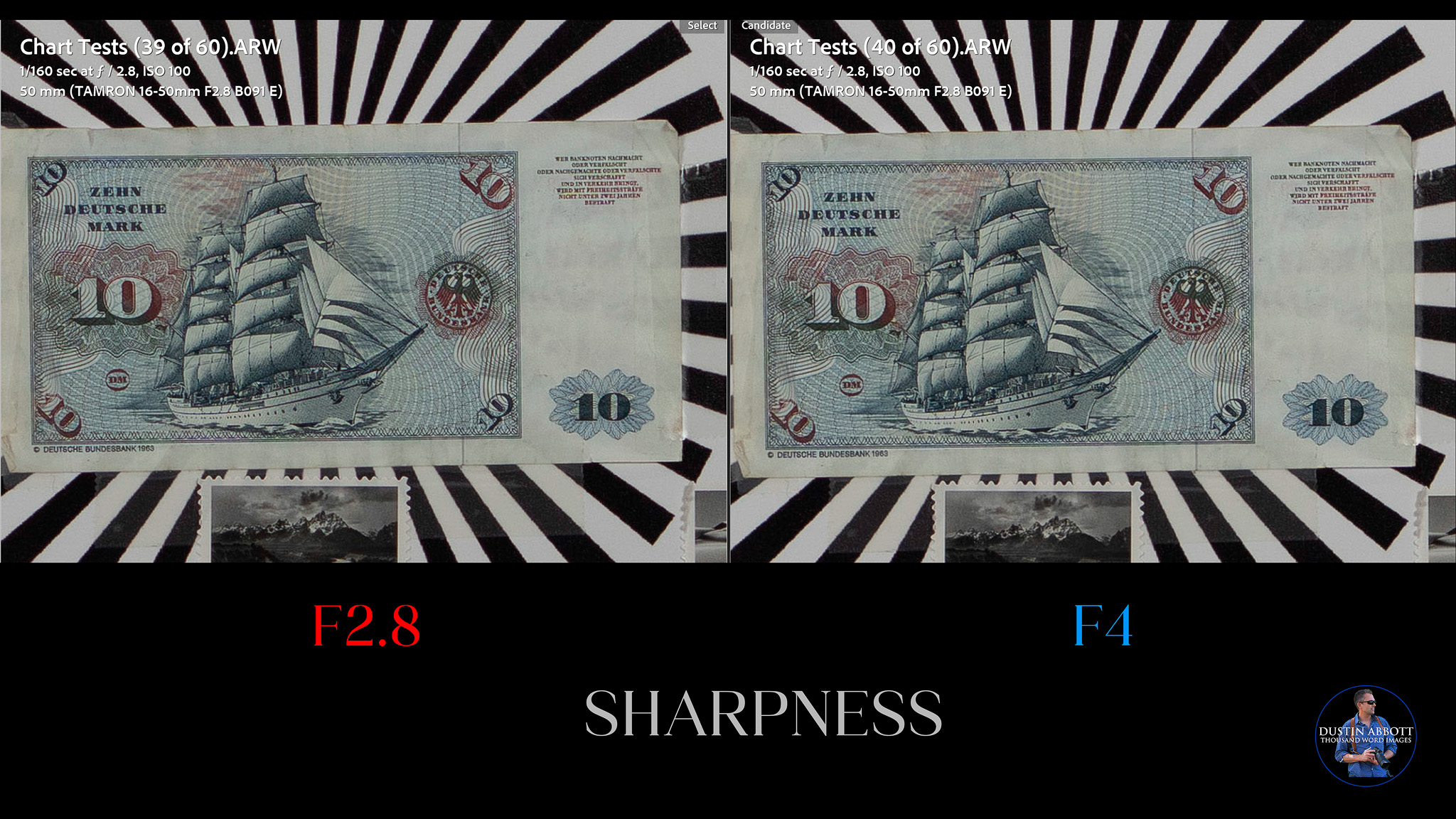
Finally, moving to 50mm, I find that contrast is a bit better again, though there isn’t quite as much gain when stopping down to F4.
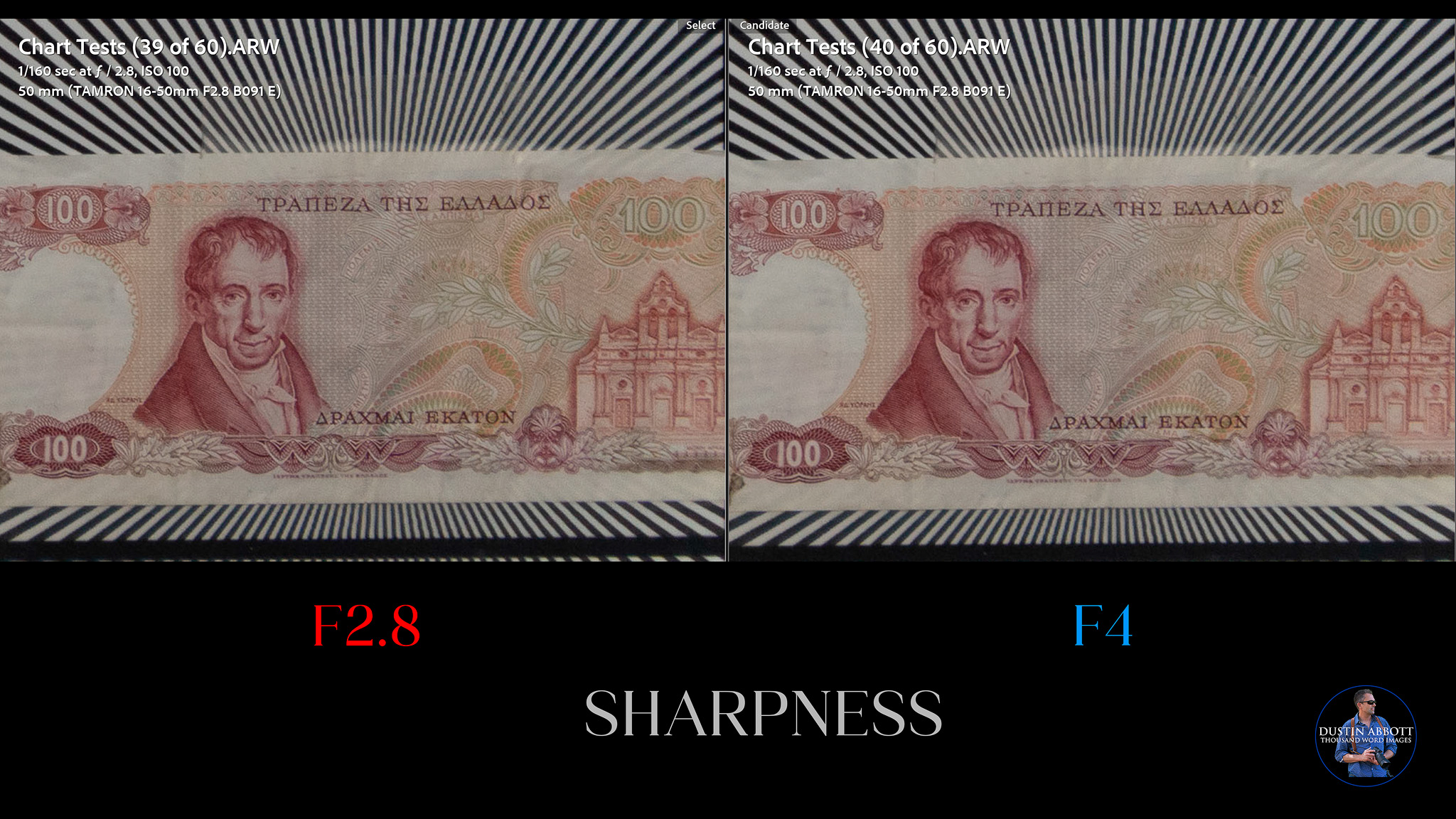
I shot at lot at 50mm, and found that I was quite happy with results even at F2.8:


Tamron gets a little advantage over the Sigma here, as it is definitely sharper and better contrast in the center of the frame, though the corners still slightly favor the Sigma.
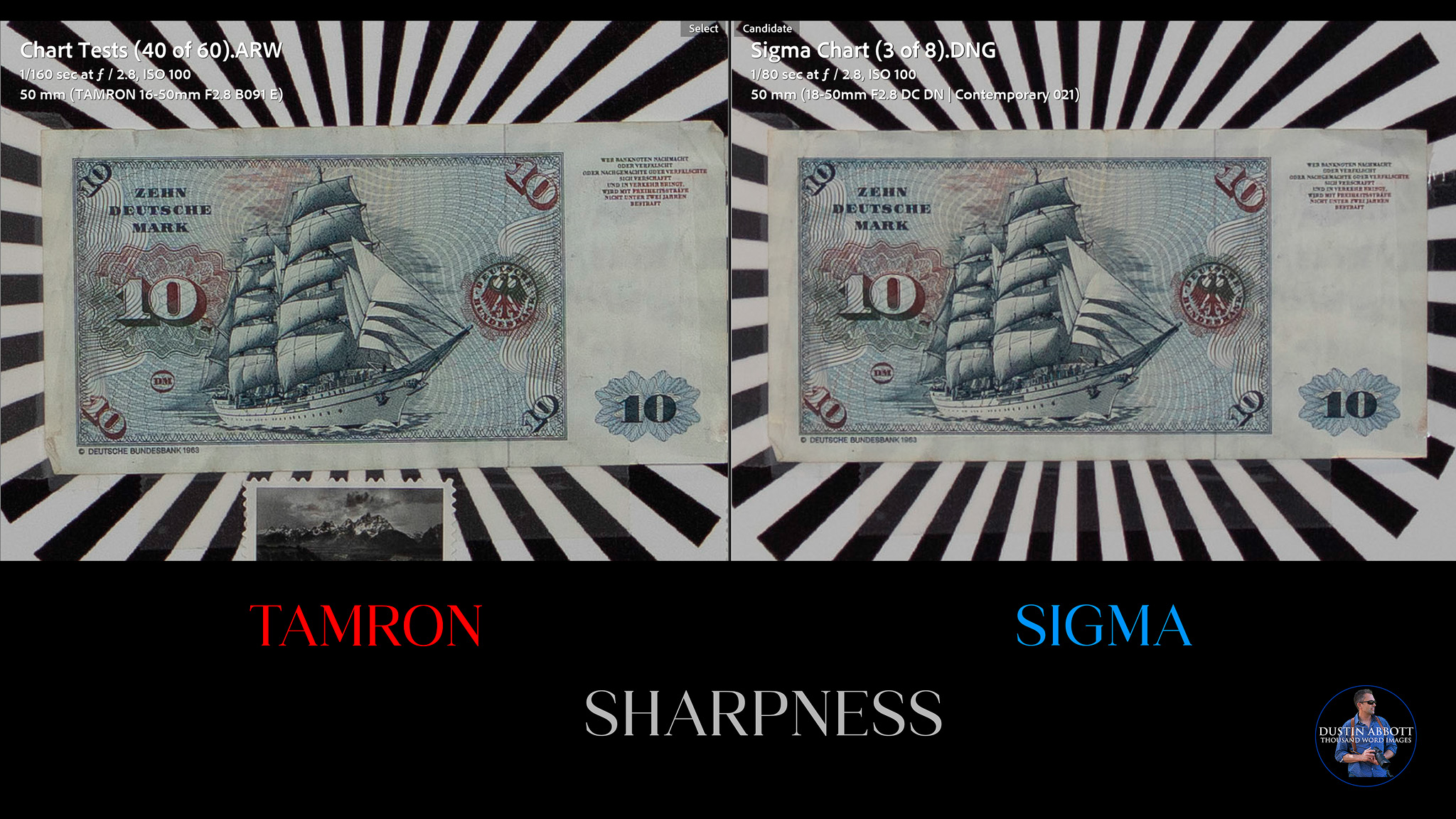
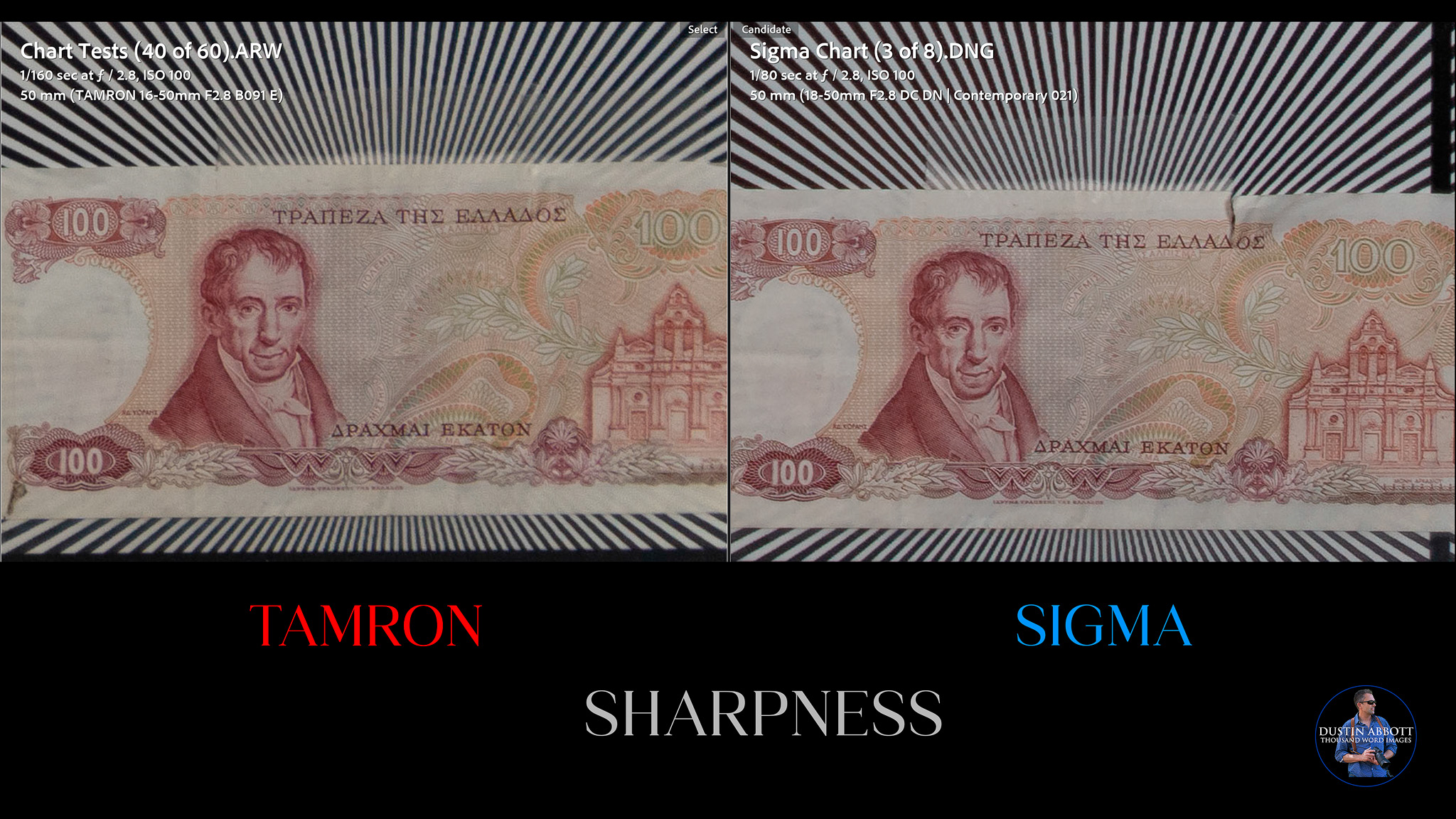
In general I found that images from the Tamron had nice punch.

How about the rendering from the lens? Compact zooms are rarely the source of the world’s finest bokeh, but I would say that the Tamron does fairly well here. There’s a bit of outlining in specular highlights, but not bad.

This image looks really nice to my eye in all facets.

Images with favorable ratios of distance to the subject and then to the background can look very nice, like this:

Images where the ratios are less favorable can look a little busy.

In general I would say that this performance was slightly better than average.
Tamron’s colors are nice, and I saw consistently pleasing looking images here on Sony.

Images just looked good, generally.
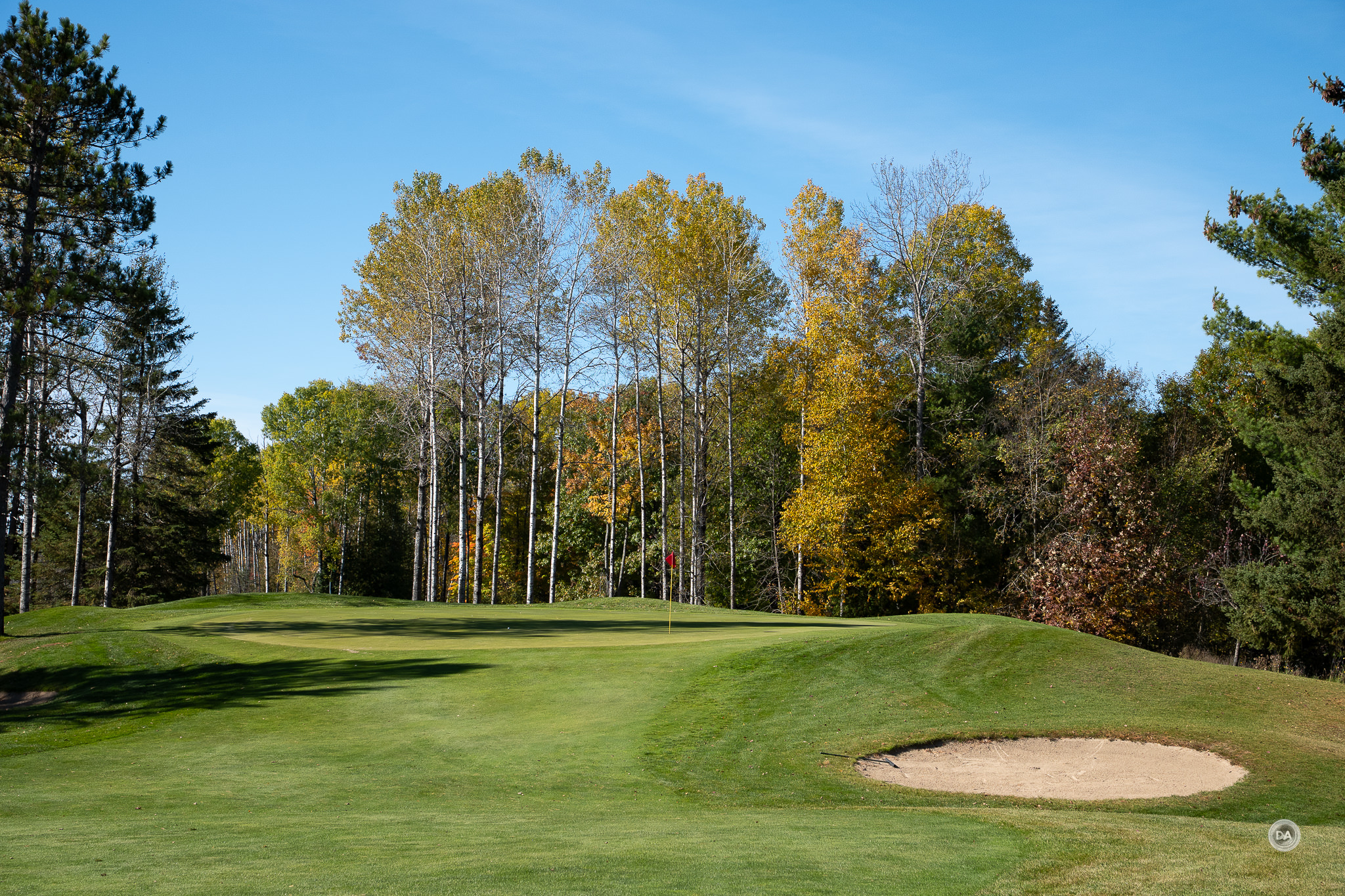
The Tamron 16-50mm is equipped with their BBAR-G2 coatings, but that doesn’t completely banish all flare related issues. Some images were really strong, with no real ghosting or flare issues.
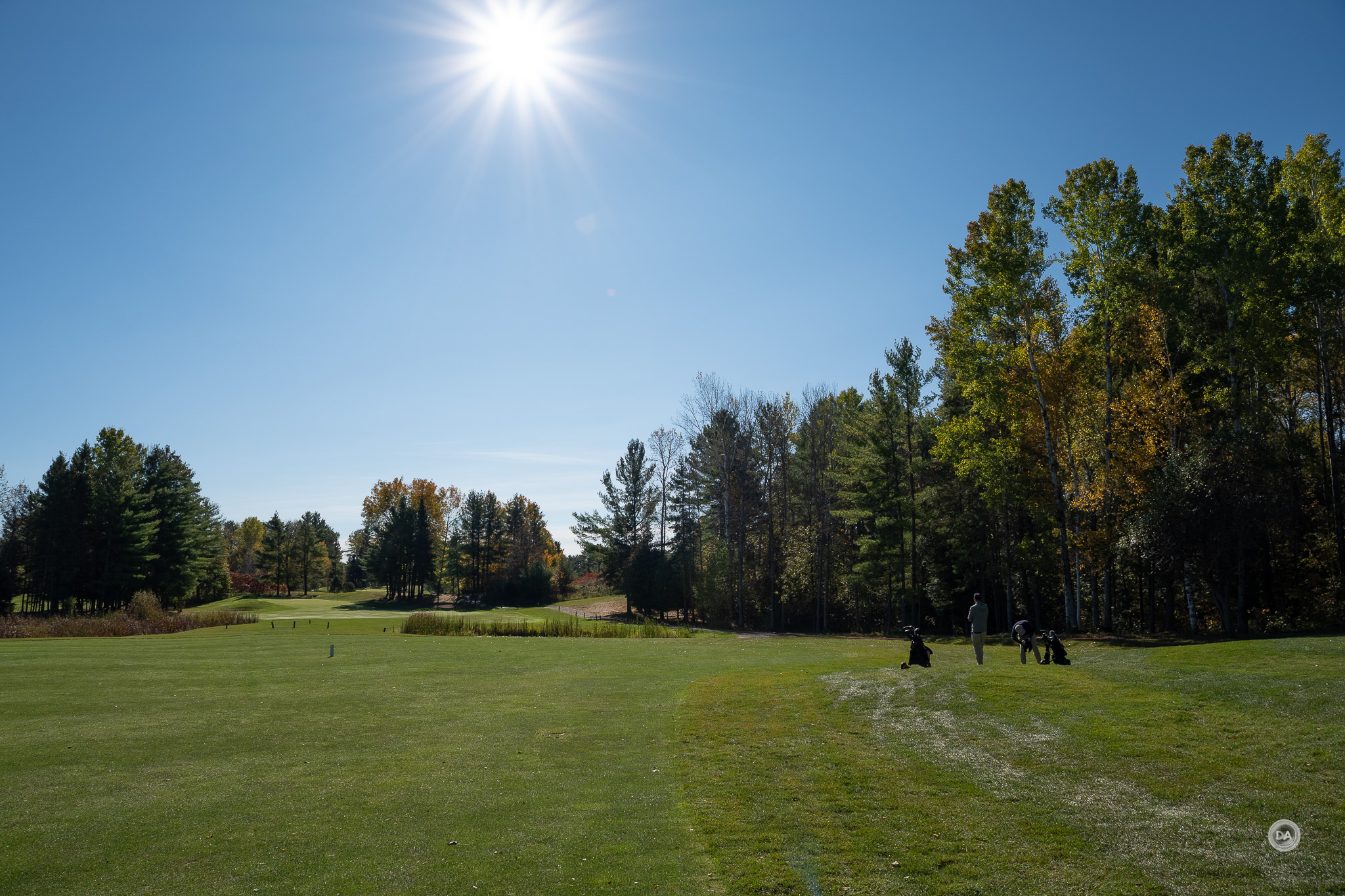
I see a bit of ghosting here, but not bad.
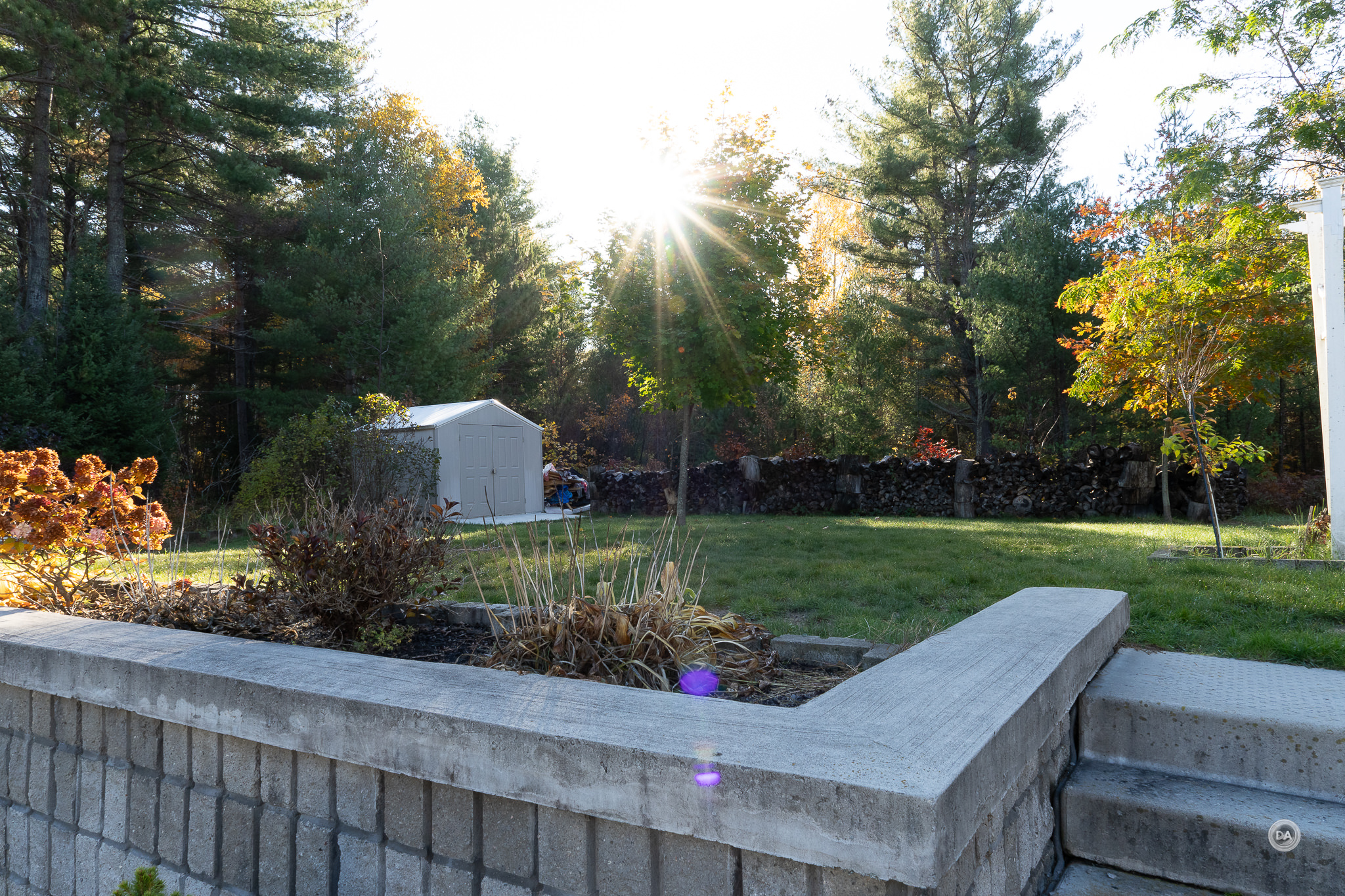
The worst I saw was at 50mm, which is actually good news, as you’re far less likely to be shooting into bright lights on the telephoto end.
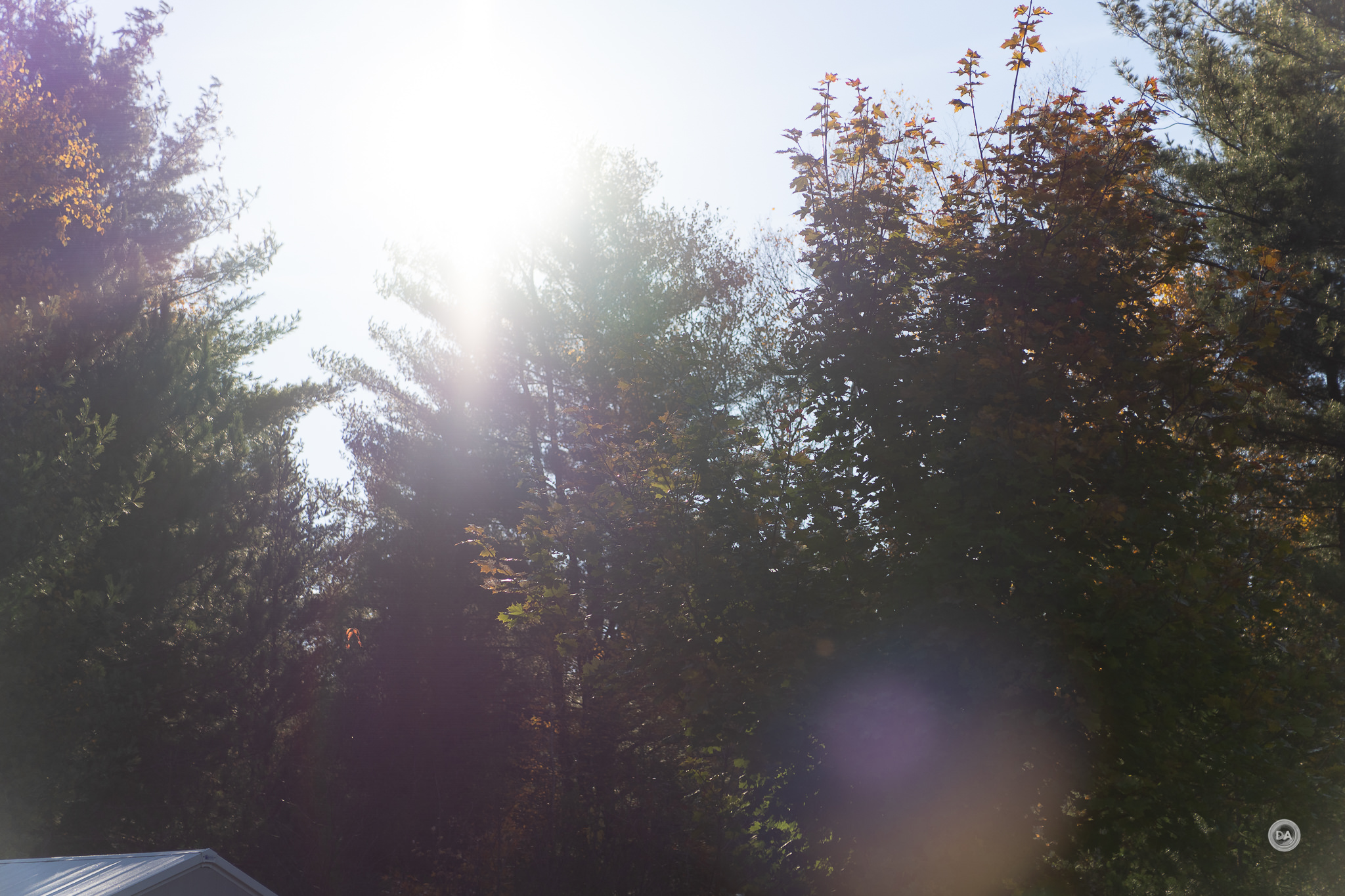
In general, I would say that (like the Sigma) we are getting an above-average optical performance for this type of lens. I would say the biggest advantage for the Tamron over the Sigma optically is the additional width on the wide end.
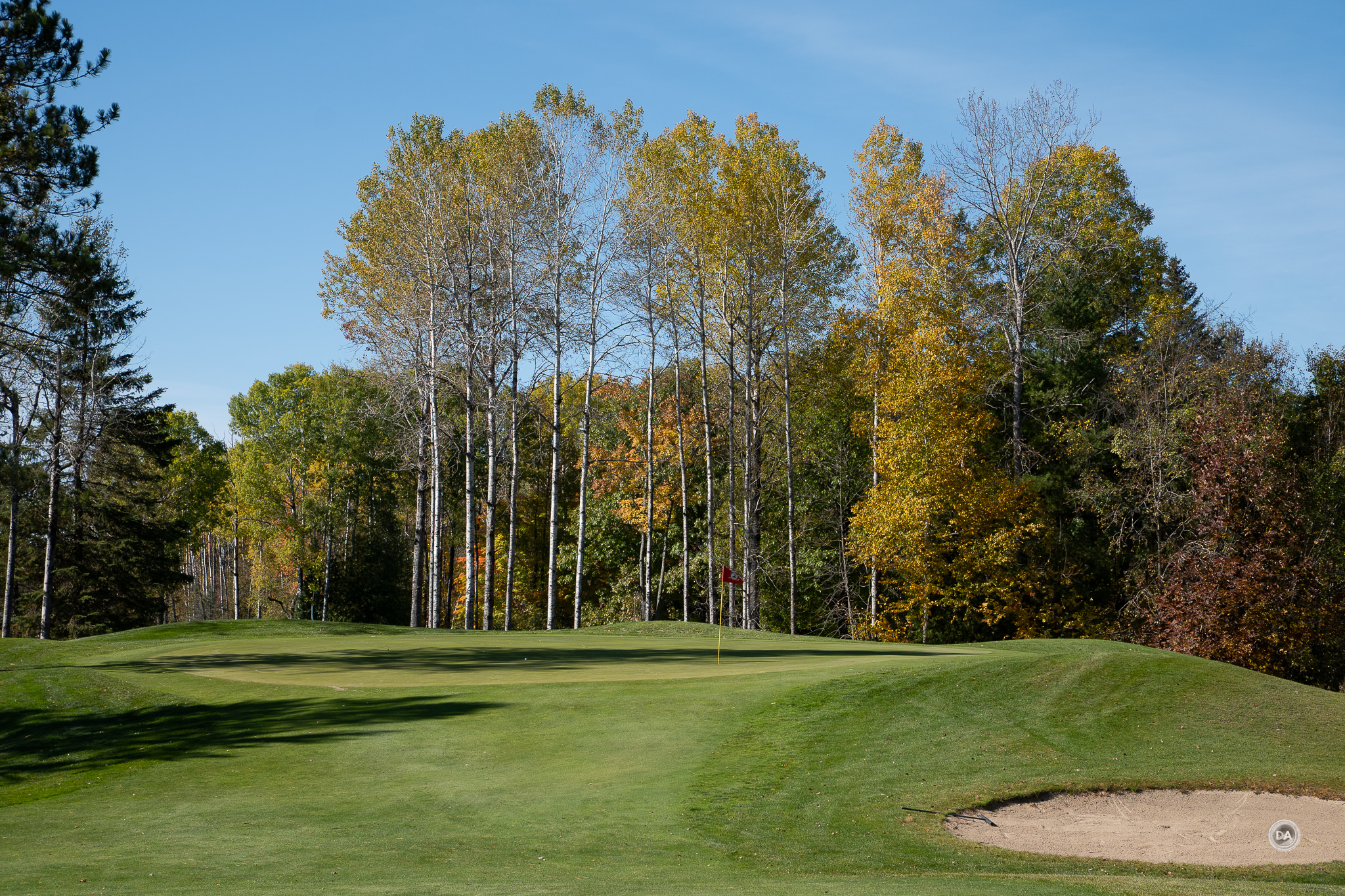
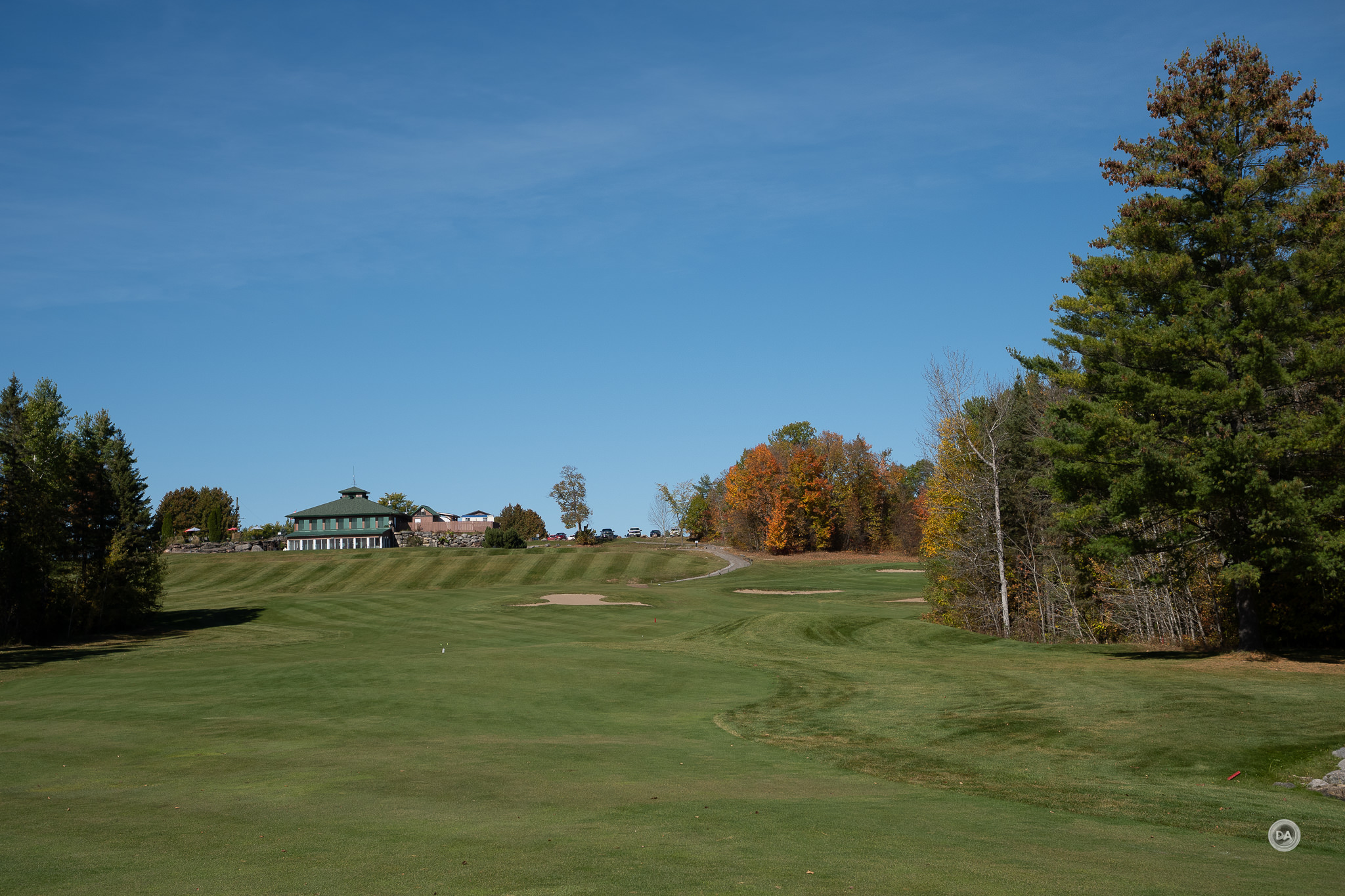
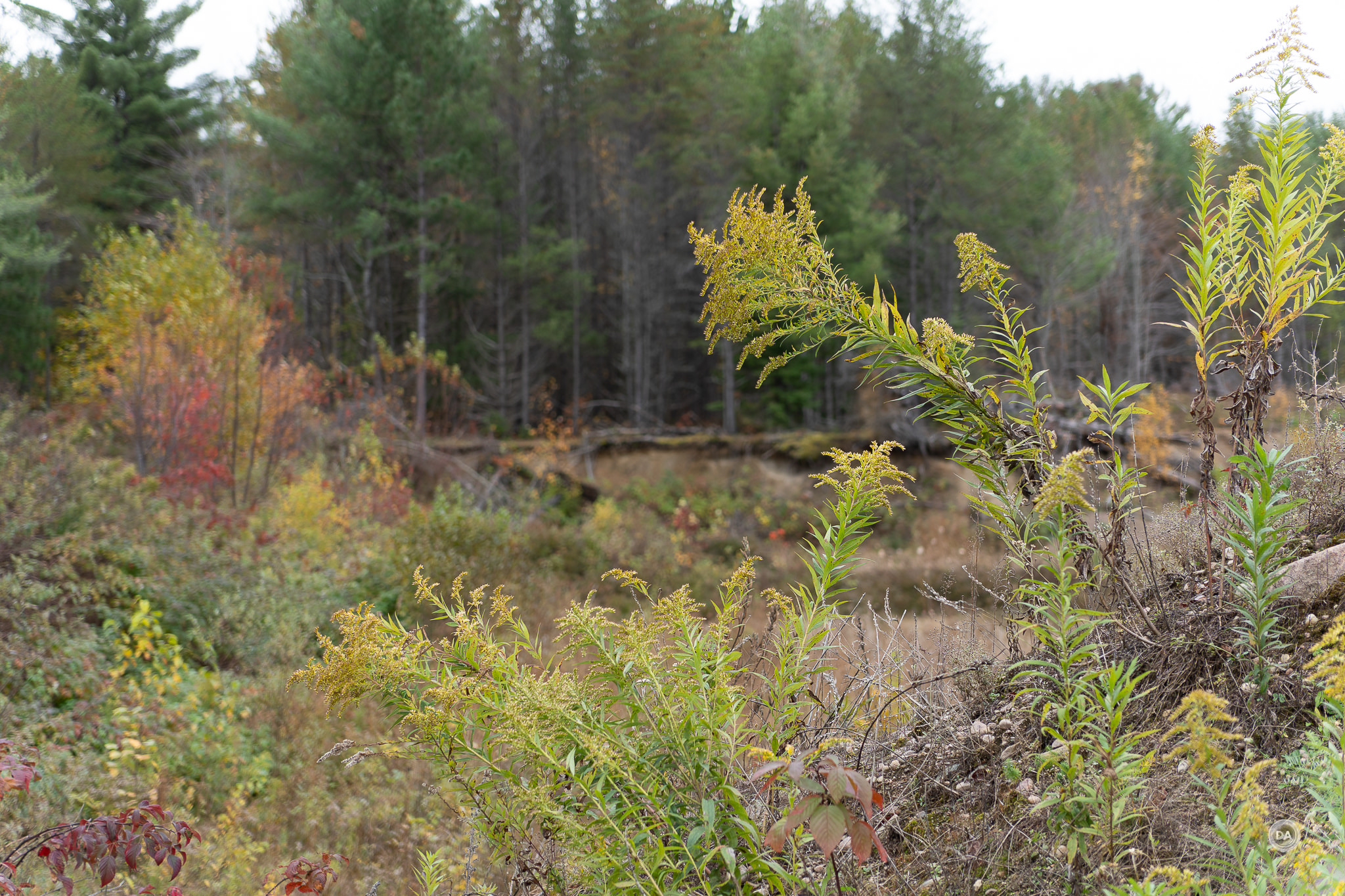
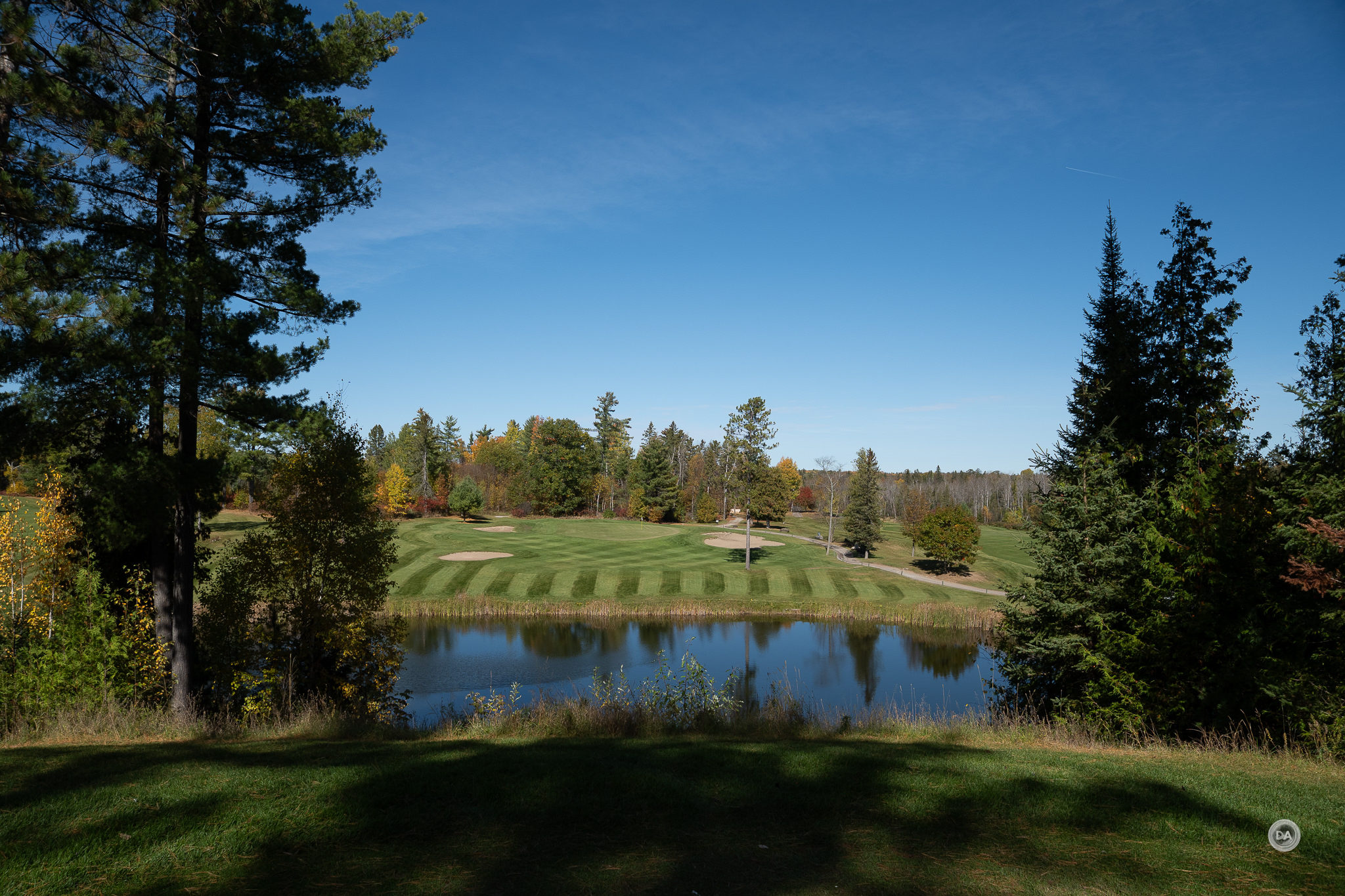
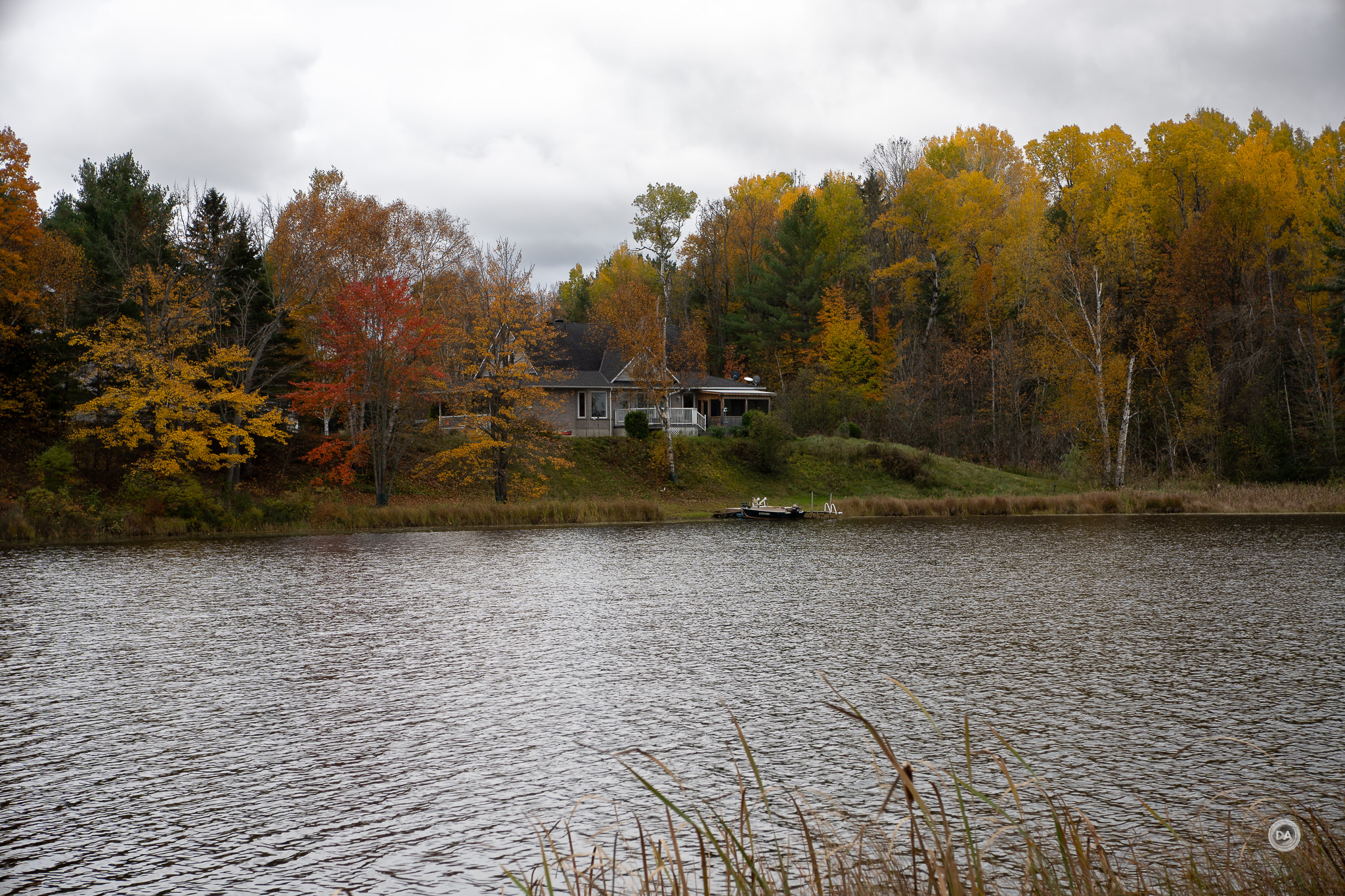
Here’s a mini-gallery of images for you to enjoy.














Conclusion
The Tamron 16-50mm F2.8 A isn’t exotic or exciting, but it is very welcome. Photographers tend to get excited over the extreme lenses, but lenses like the 16-50mm F2.8 are far more likely to end up on actual cameras. It is easy to see why, too. This lens is affordable, has great autofocus, has a zoom range that covers at least 80% of most people’s needs, and delivers lovely looking images.
It also provides an even more affordable alternative to similar fast lenses from first party brands. Sony has a 16-55mm F2.8 G lens that costs well over $1500. Fuji’s 16-55mm F2.8 LM WR II costs $1400. Nikon’s 16-50mm F2.8 is the cheapest of the first-party offerings, but it still costs $900. Tamron’s price of just $529 USD is going to be a much more affordable upgrade path for photographers.
I see no reason not to recommend the Tamron. It goes wider than the Sigma and costs $130 less while delivering similar image quality. It has better weather sealing, too, along with more deep customization via either the Tamron Lens Utility or the Link. It’s an excellent video option, with low focus breathing, high quality autofocus, and smooth zoom action. In short, this is probably a no-brainer for most photographers.

Pros:
- Wider Focal Length: Starts at 16mm, providing more flexibility for landscapes, group shots, and interiors compared to the previous model’s 18mm.
- Cost-Effective: Priced at $529, it offers a more affordable option compared to similar lenses from first-party manufacturers (e.g., Sony, Fujifilm, Nikon).
- Superior Autofocus System: Equipped with Tamron’s VXD (Voice-coil eXtreme-torque Drive) for quiet, fast, and accurate autofocus with reliable performance in various shooting conditions.
- Excellent for Video: Low focus breathing and smooth zooming motion make it highly suitable for video work, including interviews and vlogging.
- Good Build Quality: Constructed with high-grade polycarbonate and incorporates upgraded weather sealing, with multiple sealing points enhancing durability.
- Customization Features: Includes a USB-C port for firmware updates and functionality tweaks via Tamron’s Lens Utility app, allowing users to customize focus behavior.
- Solid Image Quality: Produces sharp images in the center, with generally good color rendition and pleasing bokeh, making it a great overall performer.
- Lightweight and Compact: Weighs just 305g (10.8 oz), making it an excellent choice for on-the-go photographers who require a portable lens.
Cons:
- Corner Sharpness Issues: The lens may exhibit softness in the corners when used at maximum aperture, necessitating users to stop down for better overall image quality.
- Distortion at Wide End: While distortion is manageable, there is significant barrel distortion present at 16mm, requiring post-processing to correct.
_________________________________________________________________________
GEAR USED:
Purchase the Tamron 16-50mm F2.8 A @ B&H Photo | Adorama | Amazon | Camera Canada | Amazon Canada | Amazon UK | Amazon Germany
___________________________________________________________________
Purchase the Sony a7RV @ B&H Photo | Adorama | Amazon | Camera Canada | Sony Canada | Amazon Canada | Amazon UK | Amazon Germany
__________________________________________________________________
Purchase the Sony a7IV @ B&H Photo | Adorama | Amazon | Camera Canada | Sony Canada | Amazon Canada | Amazon UK | Amazon Germany
_________________________________________________________________
Purchase the Sony Alpha 1 @ Camera Canada | B&H Photo | Adorama | Amazon | Sony Canada | Amazon Canada | Amazon UK | Amazon Germany | Ebay
_________________________________________________________________
Want to support this channel? Use these affiliate links to shop at: B&H Photo | Amazon | Adorama | Camera Canada | Amazon Canada | Amazon UK | Ebay | Make a donation via Paypal
Buy DA Merchandise https://bit.ly/TWIMerch

Keywords: Tamron 16-50mm, 16-50mm, F2.8, f/2.8, VXD, Tamron 16-50mm F2.8 Review, Sigma 18-50mm, A, Travel, Wide Angle, UWA, Full Frame, Review, Sony A1 II, Sony a7RV, α1 II, Nikon Z8, Review, Hands On, Dustin Abbott, Real World, Comparison, Sharpness, Bokeh, Flare Resistance, Autofocus, Image Quality, Sample Images, Video, Photography, let the light in, weathersealing, #letthelightin, DA, #withmytamron, #16-50mm
Related posts:
 Tamron 12-20mm F2.8 FE Review
 Tamron 35-100mm F2.8 Di III VXD Review
 Tamron 16-30mm F2.8 Di III VXD G2 Review
 Tamron 28-300mm F4-7.1 Di III VC VXD Review
 Tamron 28-300mm F4-7.1 VC VXD Gallery
 Tamron 90mm F2.8 Di III Macro VXD Review
 Tamron 90mm F2.8 Macro VXD Gallery
 Tamron 25-200mm F2.8-5.6 VXD G2 Review
 Tamron 50-300mm F4.5-6.3 VC VXD Review
 Tamron 50-300mm F4.5-6.3 VC VXD Gallery