

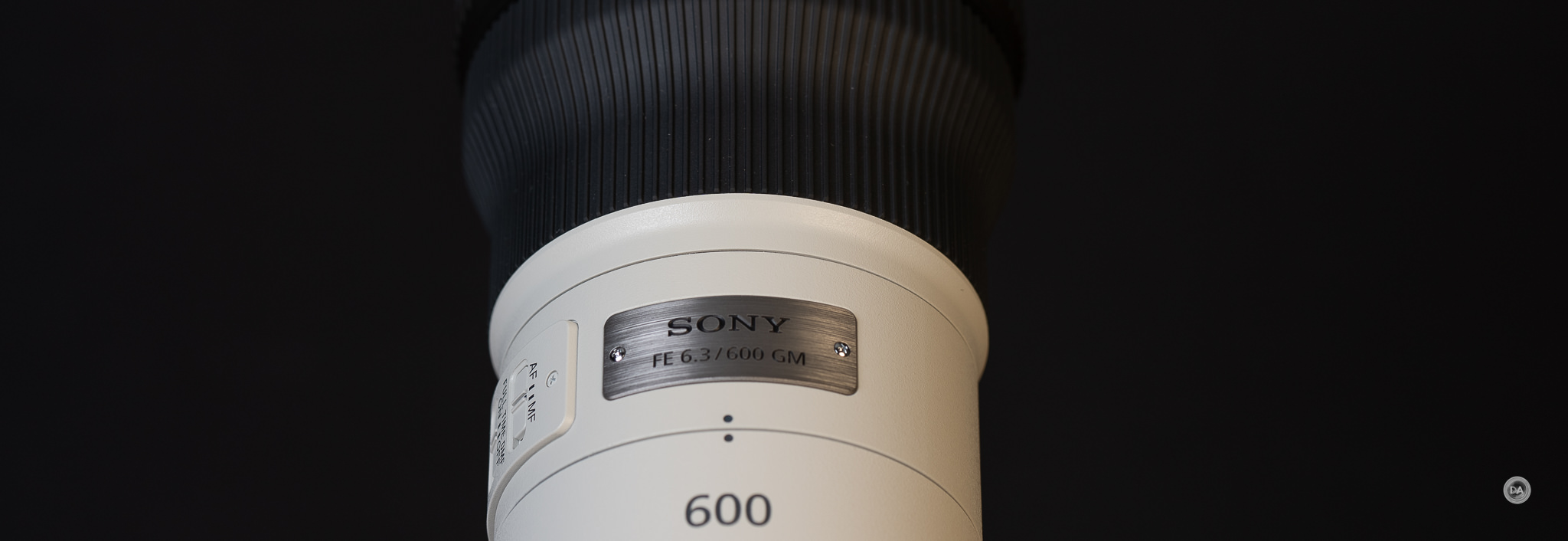
I cannot tell you how many times I’ve heard people request high performing telephoto prime lenses with smaller maximum apertures, smaller size, and smaller prices. Traditionally there has been a huge gap between telephoto zooms (typically costing $1000-3000) and the fast telephoto prime lenses that frequently cost $10,000+. Sigma helped bridge that gap in 2024 with their $3200 500mm F5.6 OS | SPORT lens (my review here), but on Sony third-party lenses are subject to certain limitations, including reduced burst rate (no more than 15FPS with full autofocus) and a restriction on teleconverters. That makes the new Sony FE 400mm F4.5 GM OSS and 600mm F6.3 OSS all the more interesting. Imagine two very high performing telephoto primes that weigh under a kilogram each and cost, respectively, $2699 USD and $3699 USD. Imagine that these lenses are fully compatible with Sony’s highest burst rates (up to 120 FPS on the α9III) and the 1.4x and 2x teleconverters. I suspect Sony’s newest lenses are going to make a number of wildlife, bird, and even sports photographers very happy. Let’s explore why…
Follow Me @ YouTube | Patreon | Instagram | Facebook | DA Merchandise | Flickr | 500px | X
Thanks to Sony USA for sending me a review loaner of this lens. As always, this is a completely independent review. *The tests and most of the photos that I share as a part of my review cycle have been done with the Sony a7RV and the Sony A1 II. You can visit the product page for the 600mm F6.3 GM OSS here.
__________________________________________________________________________________________________
SUMMARY: The Sony FE 600mm F6.3 GM OSS lens offers impressive performance for wildlife and sports photographers, featuring lightweight design with exceptional autofocus capabilities. Priced at $3,699, it effectively competes with more expensive alternatives while providing full compatibility with Sony’s teleconverters, extending its versatility. While it excels in sharpness and handling, the slower maximum aperture may limit its effectiveness in low-light conditions. Overall, this lens presents a compelling option for those seeking extended reach without the burdensome weight of traditional telephoto lenses.
Strengths:
- Lightweight design at under 1 kg, making it easier to handle and transport.
- Fast and reliable autofocus performance, even in high-speed situations.
- Compatibility with teleconverters, allowing for focal lengths up to 1200mm.
- Excellent image sharpness and optical performance with minimal aberrations.
Weaknesses:
- Maximum aperture of F6.3 limits low-light performance compared to faster alternatives.
- Higher ISO sensitivity required in certain conditions, potentially introducing more noise.
- Additional cost of $1,000 compared to the 400mm F4.5 GM may affect value perception for some photographers.
- Handling and stabilization may be challenging for video applications without additional support equipment.
The differences between the 600mm F6.3 GM and the 600mm F4 GM are staggering. The 600mm F6.3 costs $3699 USD, while the 600mm F4 GM costs over $14,000! The F6.3 lens weighs 995g (without tripod foot and hood), while the F4 lens weighs 3040g under the same conditions. The F6.3 lens is 263mm long while the F4 lens is 449mm long. Let’s just say that extra 1 1/3 stop of light gathering in the big 600mm F4 lens is going to cost you in a LOT of ways…which is why the new Sony FE 600mm F6.3 GM OSS is going to be such a tempting option. While it isn’t as versatile in lower light conditions, obviously, it is a powerhouse under better conditions.

What’s more, the lens is fully compatible with Sony’s teleconverters (though with some practical limits). Add the 1.4x teleconverter and you have an 840mm lens with a maximum aperture of F9, which, while fairly dim, is still perfectly usable in good light.
Far more extreme is attaching a 2x teleconverter, where the focal length becomes a staggering 1200mm but the maximum aperture just F13, well into diffraction territory. That means often shooting at very high ISO values and some softening of images, but when you’ve got a very sharp lens, you can still get some fairly impressive images.

With the bare lens in particular, however, you have the capability of producing crisp, detailed images with a lot of pop…and reach.


I’ve owned and used the FE 200-600mm for years (my review here), but if your primary goal is to get the reach of 600mm, the prime lens is definitely going to give you a better, more consistent performance while weighing less than half as much.
Let’s take a closer look…
Build and Handling
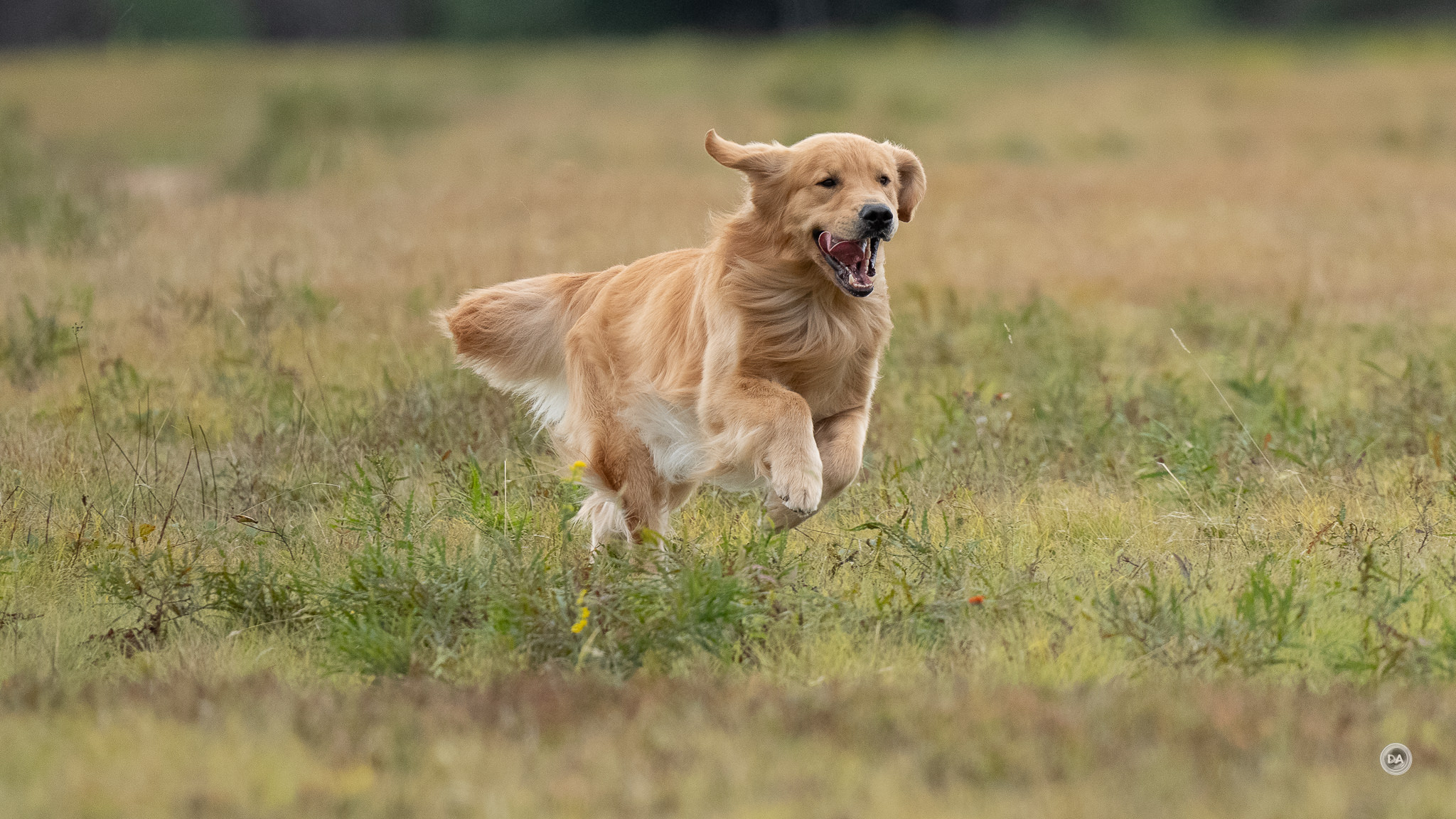
If you are familiar with telephoto primes and zooms, you know that they are a big and heavy lot. You typically get a LOT of attention when you show up with a big telephoto lens, and while these two new primes from Sony aren’t what anyone would call small, they are significantly smaller than my longtime telephoto companion – the Sony FE 200-600mm.
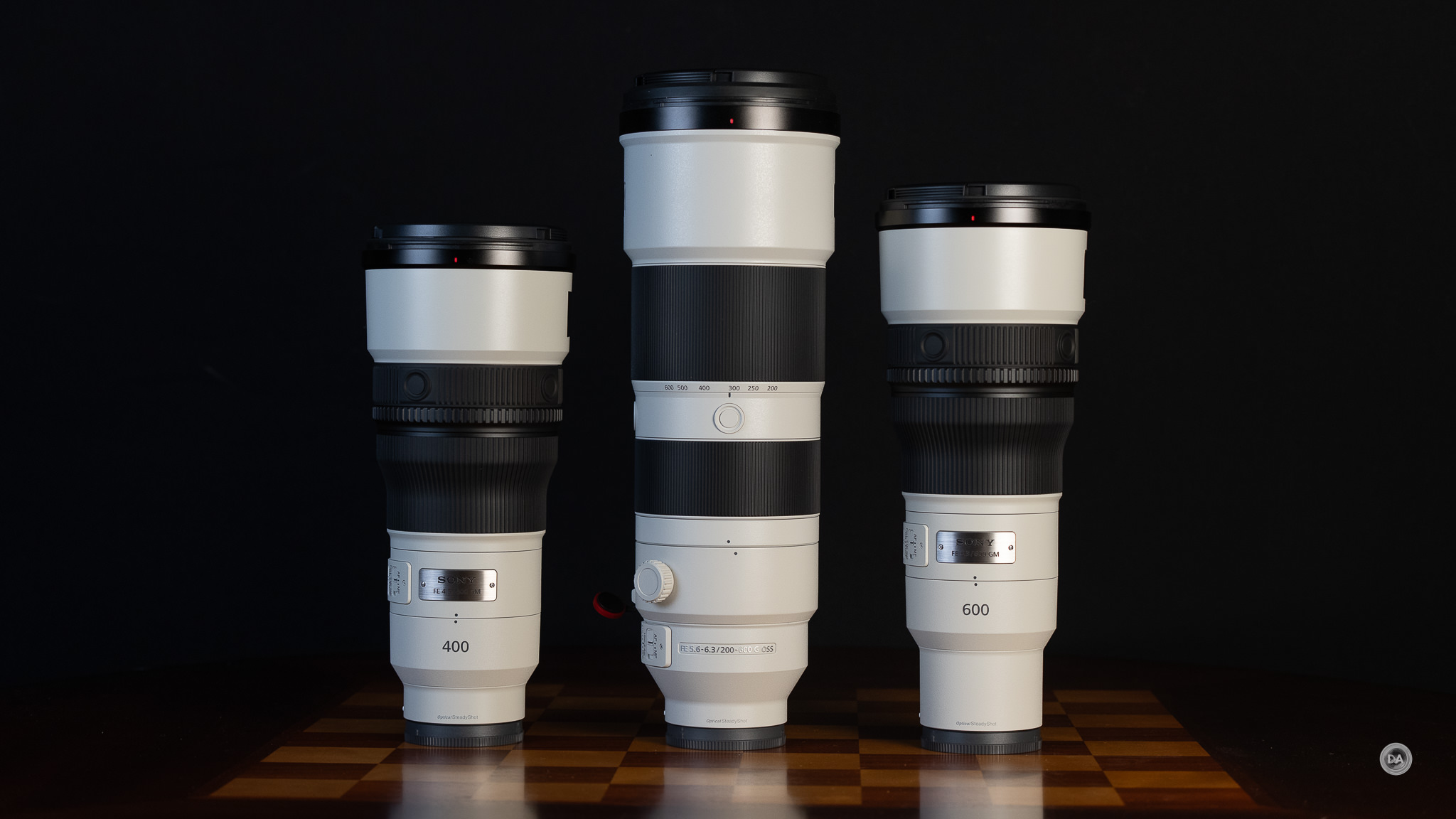
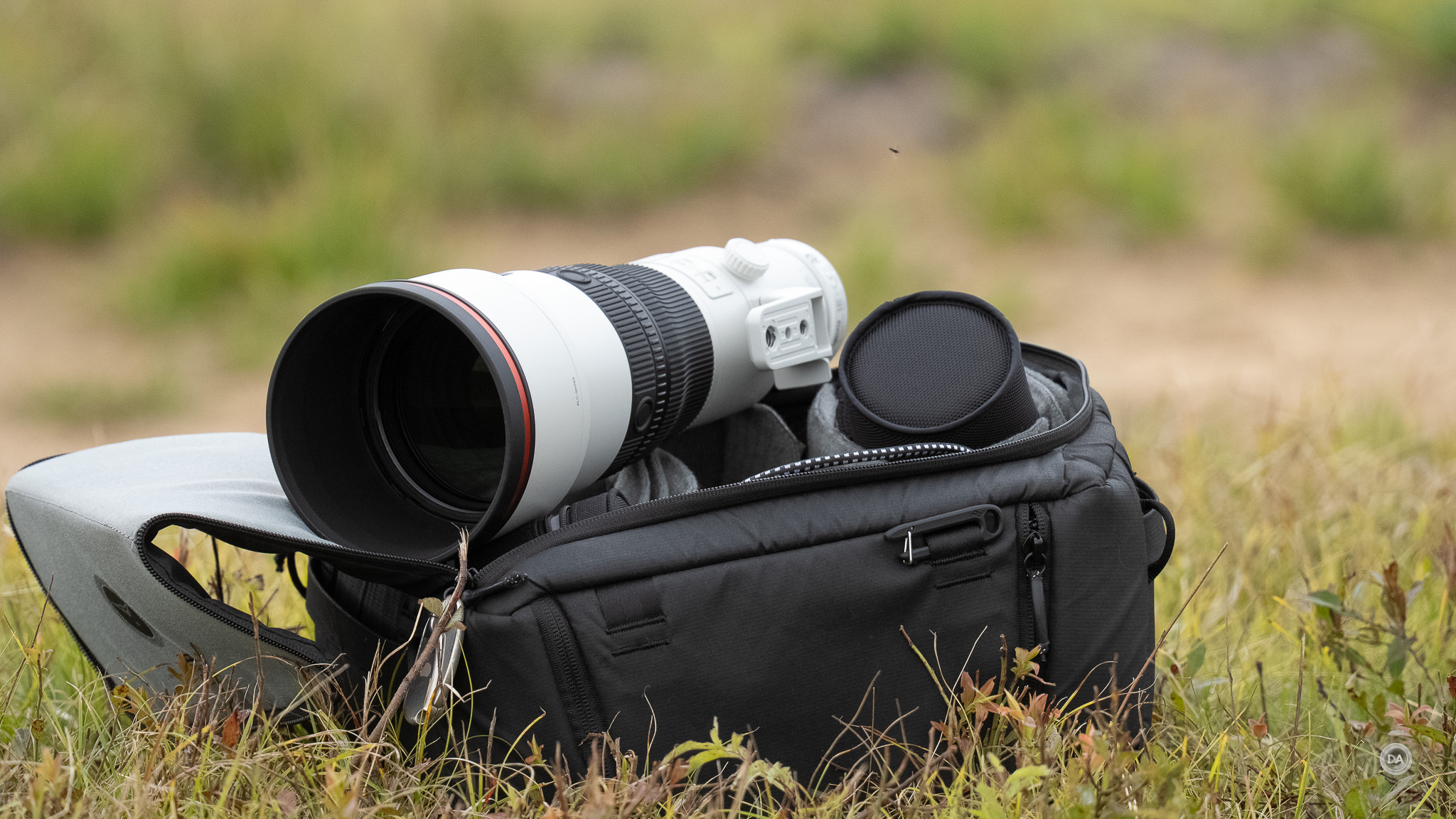
That makes a huge difference in where a lens like this can be stored and how it can be carried. I was shocked to discover that I was able to fit both Sony primes, an α1 II camera body, and both the 1.4x and 2x teleconverters in a Peak Design Medium camera cube.
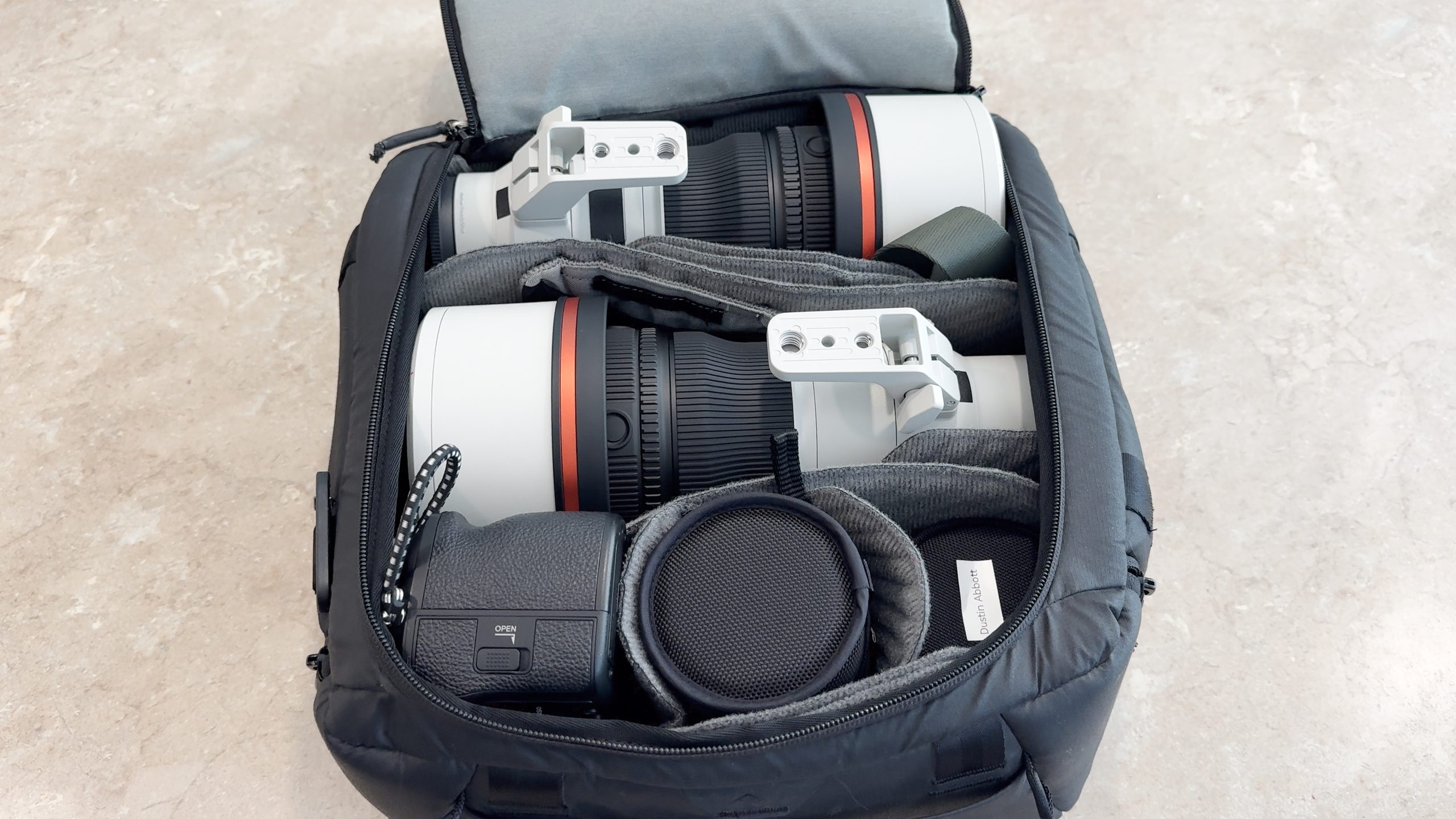
That was very impressive to me. I went to the shooting gig to track a champion Golden Retriever being advertised for stud with just that configuration.
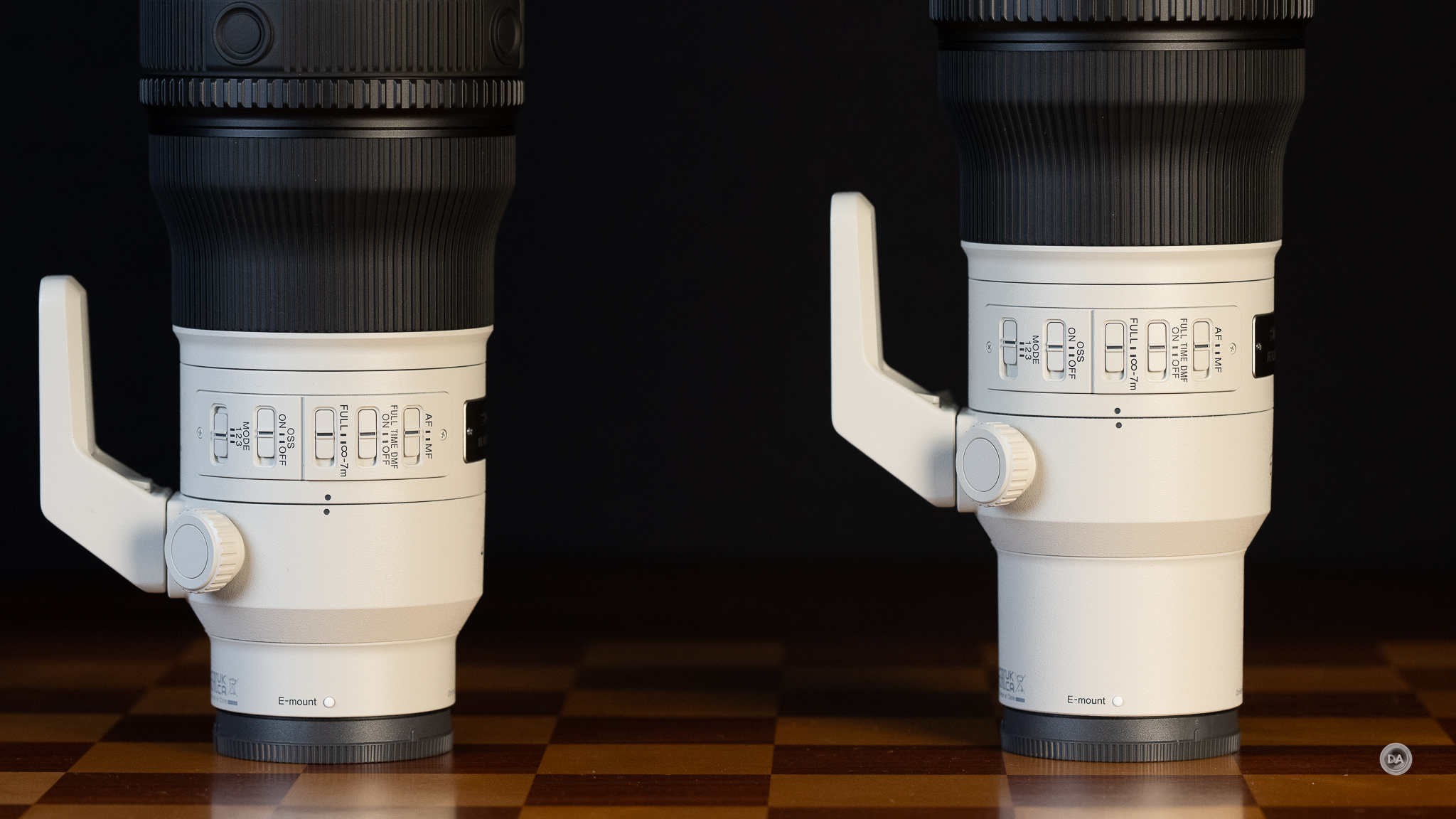
The biggest only difference between the two new primes is that the 600mm is just a little longer (21mm) in the section between the mount and tripod collar.
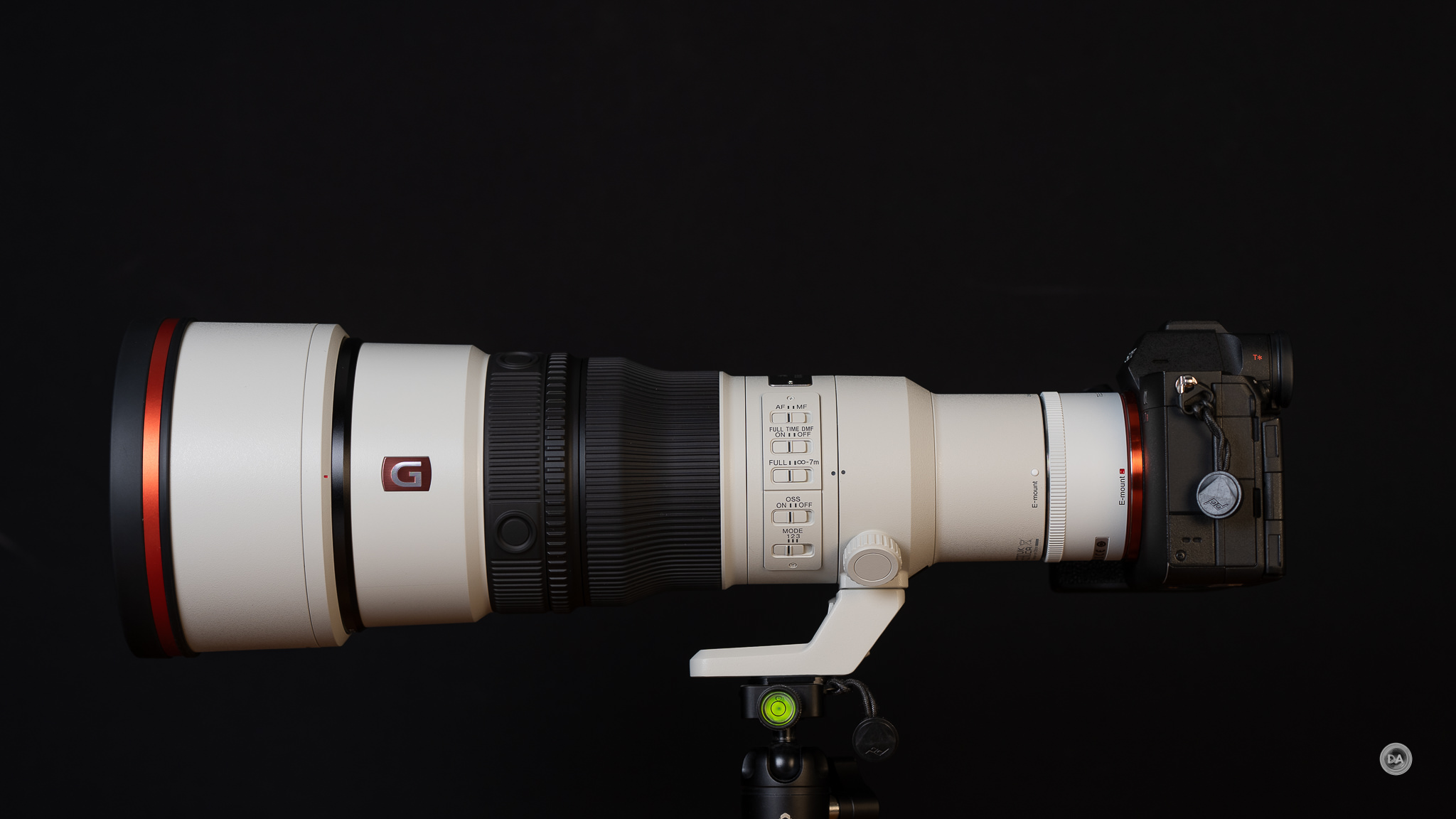
More specifically, the 600mm F6.3 GM is 108mm (4.25″) in diameter and 263mm (10.35″) in length.
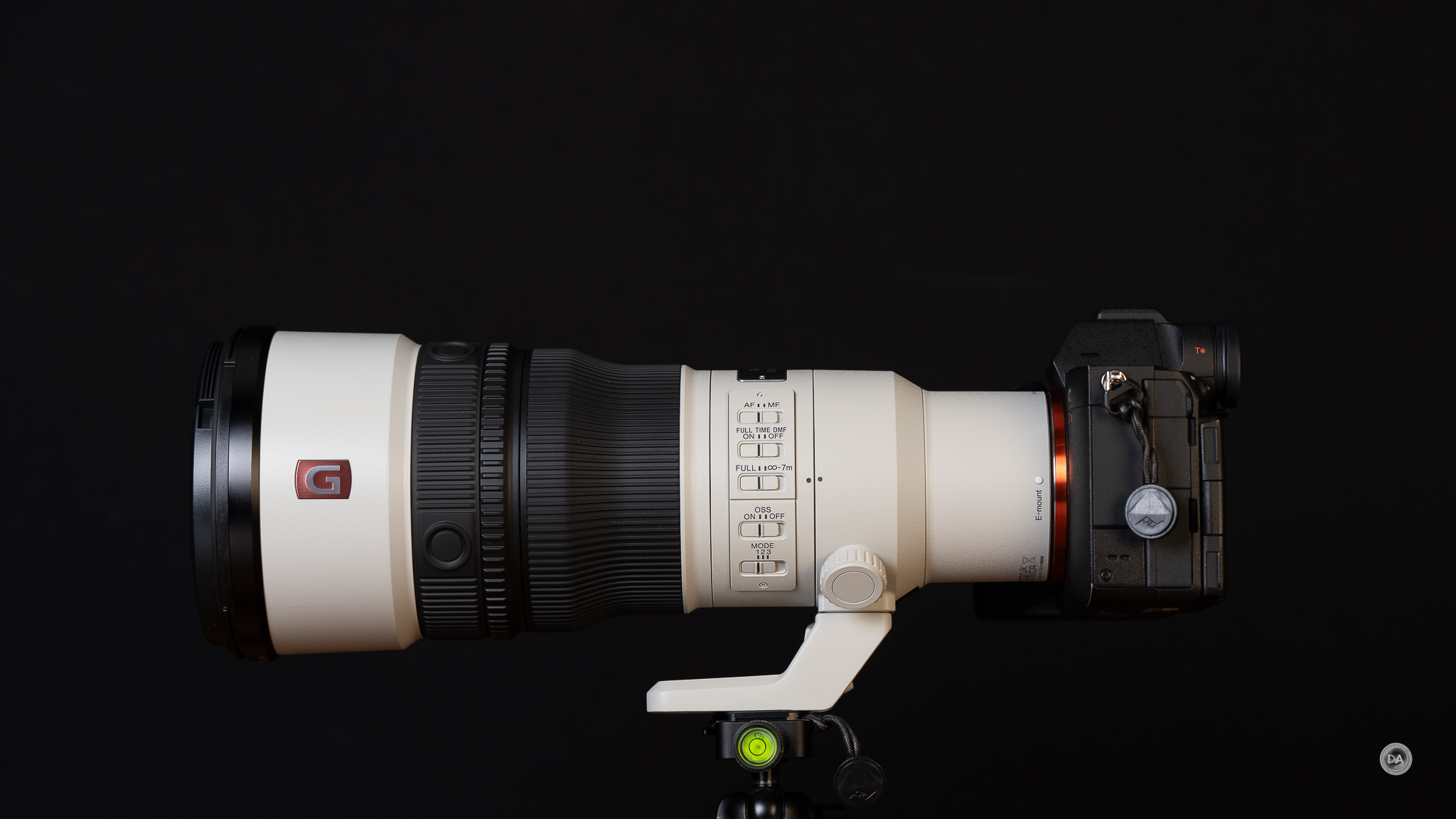
On my scale, the lens weighs 999g with the tripod foot, caps, and lens hood removed (the official weight is 995g, or 35oz). Add all of those back in and the weight goes up to 1217g. I’m not quite sure how they managed to keep the weight almost identical to the 400mm F4.5 when the lens is 21mm longer!
The lens comes across as feeling very lightweight for its size, and the balance is superb due to Sony designing the lens with only one element towards the front, meaning that most of the glass is near the camera body. It is that much easier to support the front of the lens as a result, making this a very easy lens to use handheld. When I handed the lens to my wife and asked her to evaluate the weight, she asked me, “How did they do that?” She is used to lenses like this being surprisingly heavy, but this one is surprisingly light. I thought Sigma did a great job in managing the weight on the 500mm F5.6 Sport, but that lens is more than 400g heavier.
The front filter thread is a large but reasonably common 95mm size.
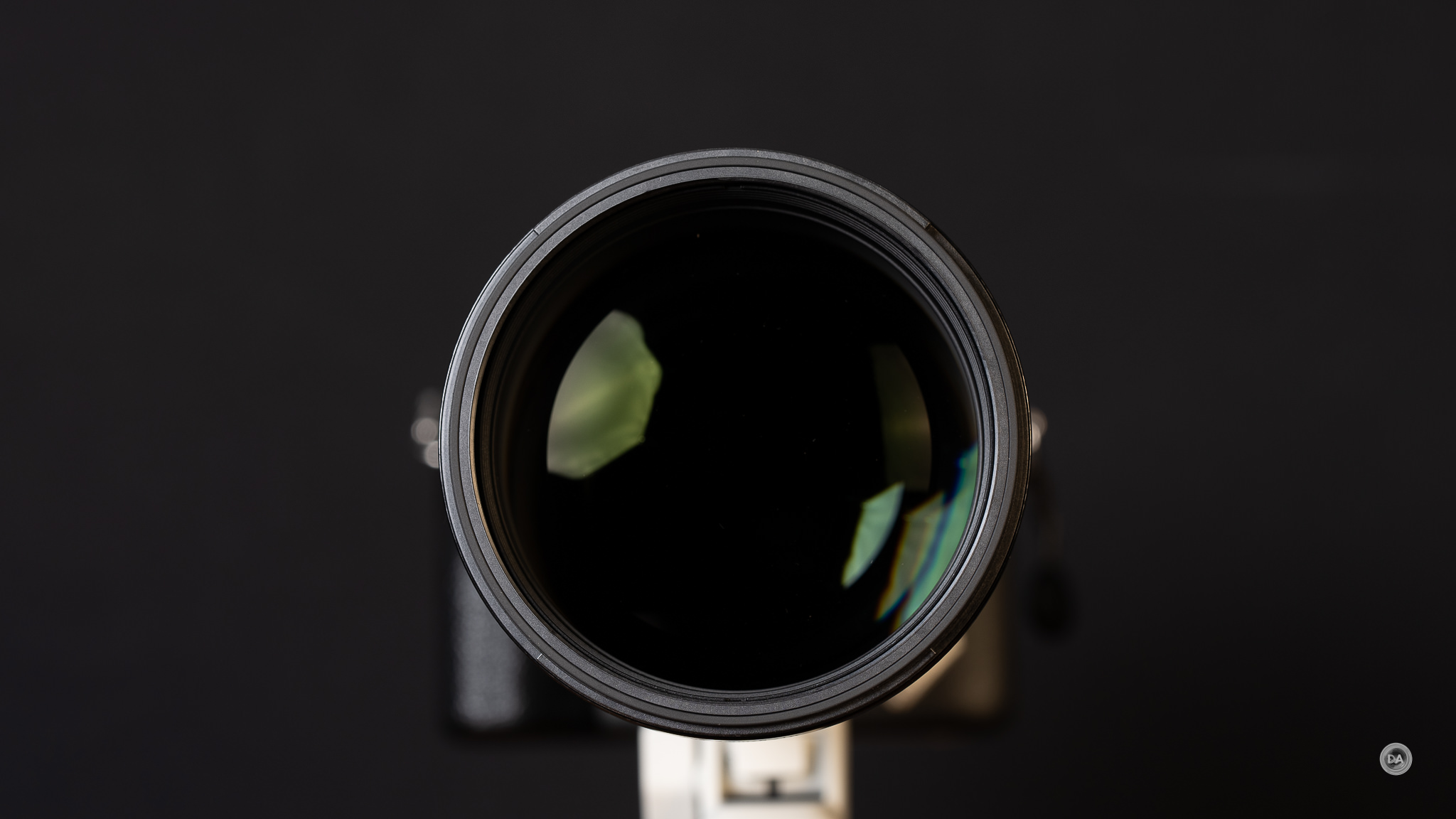
Some of the higher end primes and zooms have a drop-in filter holder as well, but that is absent here.
The aperture iris has 11 rounded blades, but there is no manual aperture ring (that isn’t present on the 600mm F4 GM, either).
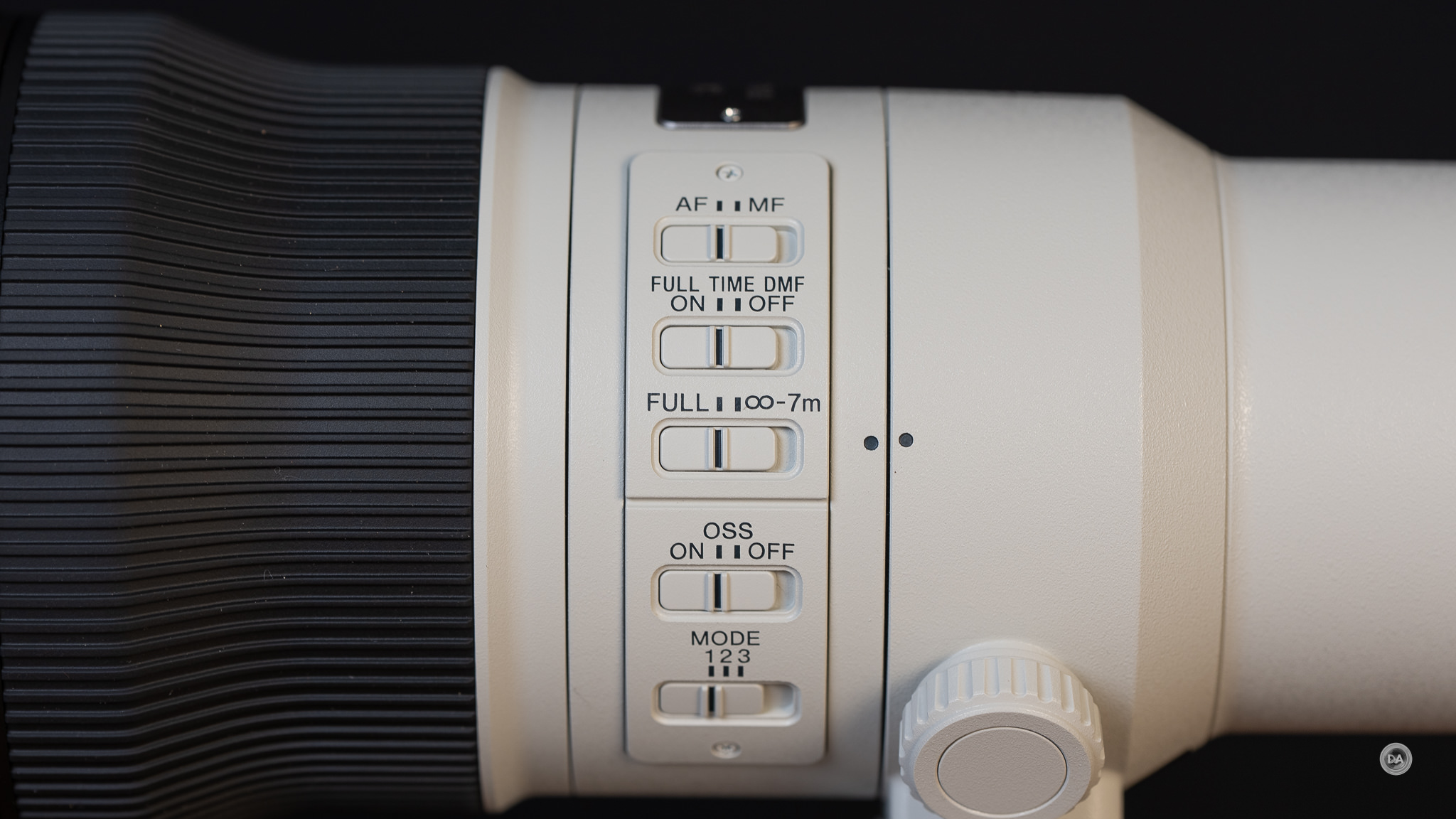
We do have a full bank of controls, however, including:
- An AF | MF switch
- A switch to control whether or not you want DMF (full time manual override) enabled
- A two position focus limiter (full range or removing focus under 7 meters to eliminate any aperture racks or the focus catching on a closer object)
- An ON | OFF for the OSS (Optical Steady Shot)
- A three position mode switch for the OSS. 1 being standard, 2 for panning, and 3 being “dynamic” or prioritizing stabilization only at image capture.
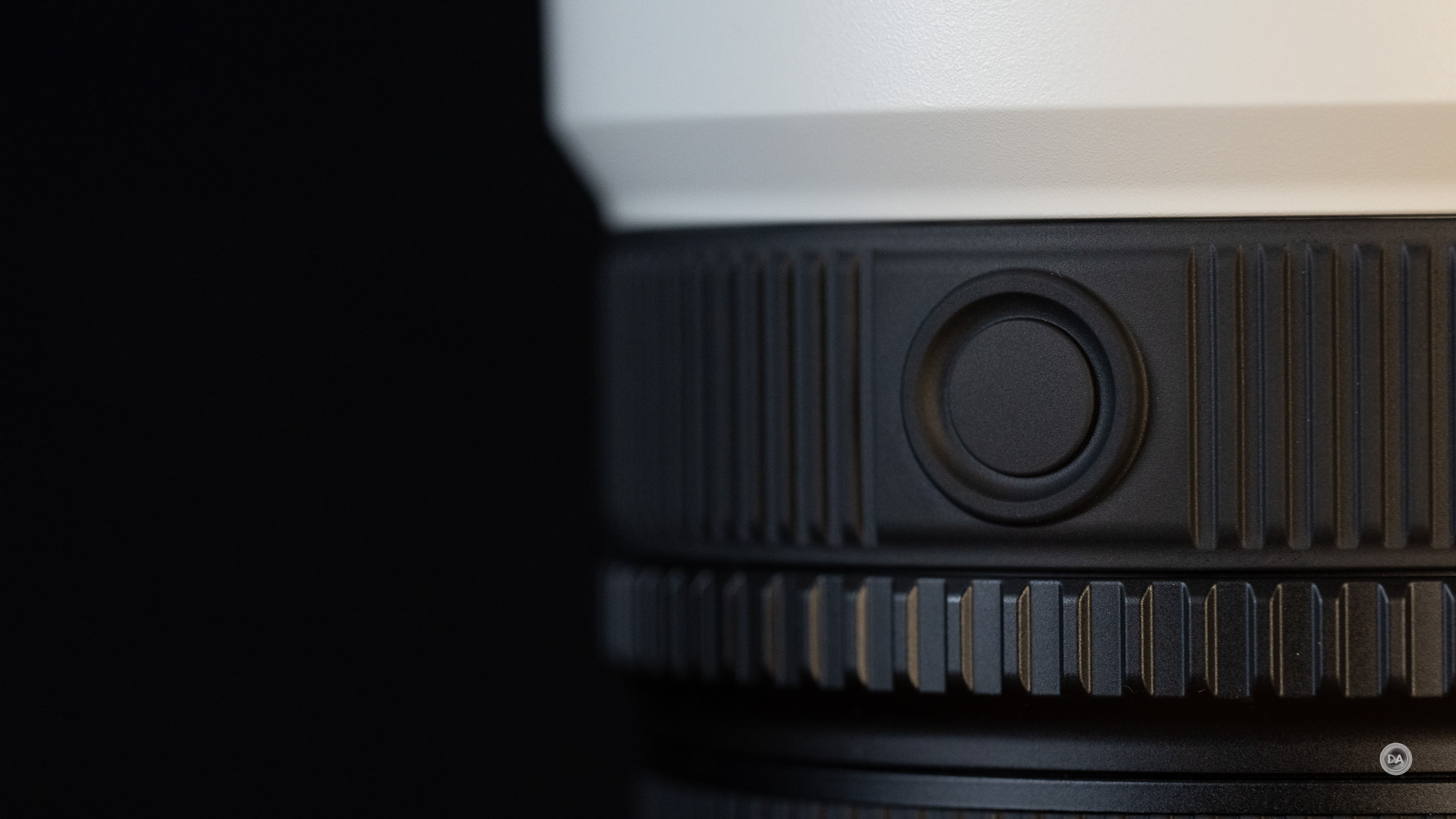
Also present are a total of 4 Fn (custom) buttons distributed around the barrel in a ribbed section to the front. These all share one common function (whatever you assign from the in the camera) but are situated on all four points so one is always easily accessible in all shooting positions.
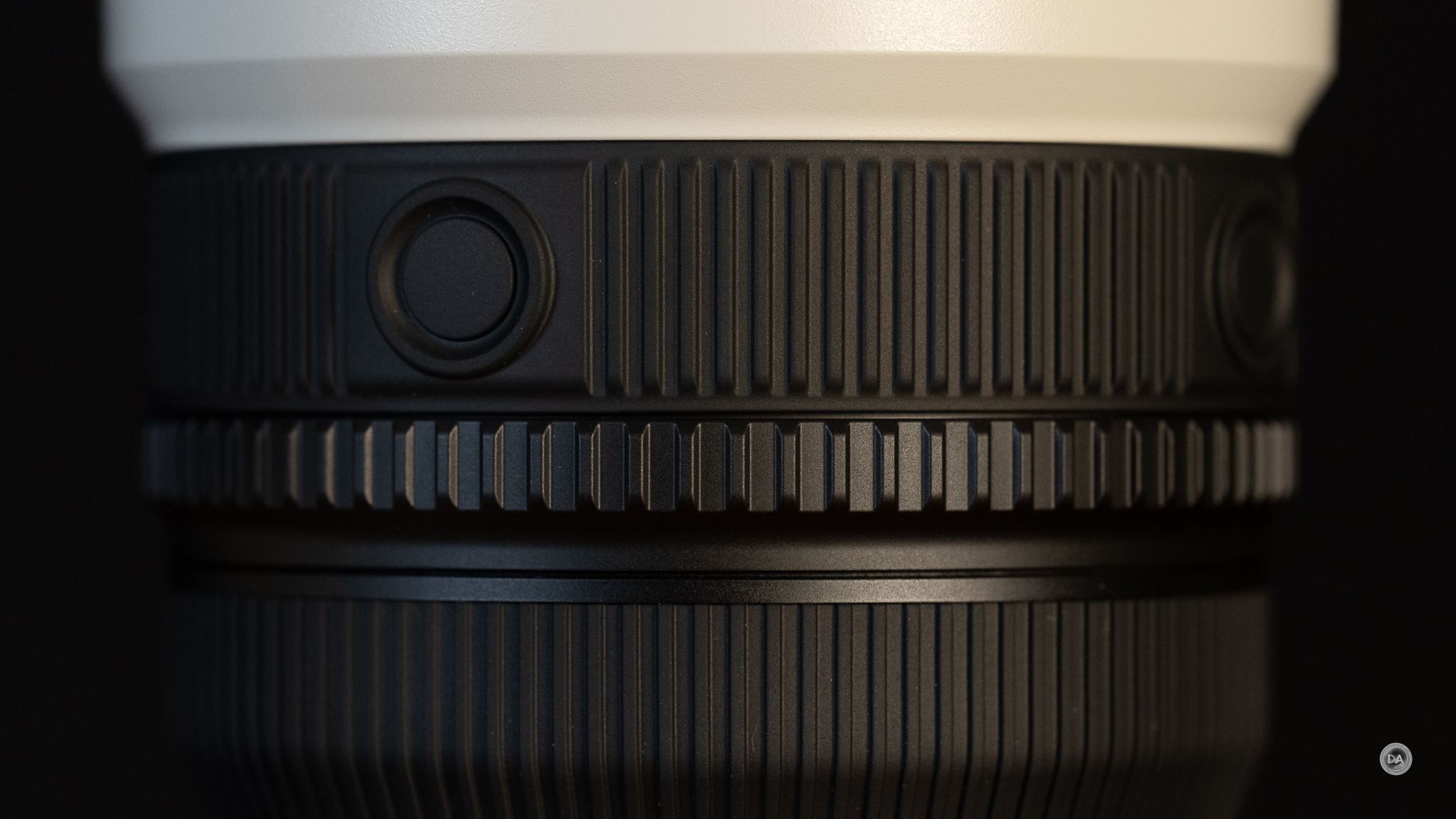
Also included is Sony’s customizable function ring (the narrow ring above), which can be assigned various functions like programming a preset focus position (great for sports), power focus, or even something like switching between full frame and APS-C mode.
The manual focus ring is broad and nicely beveled to make it ergonomically pleasing. Despite the size of the ring, the weight is actually fairly light, making it easy to make one finger adjustments. I do find that the focus throw (range) is a bit smaller than I’d like for precision in some situations.
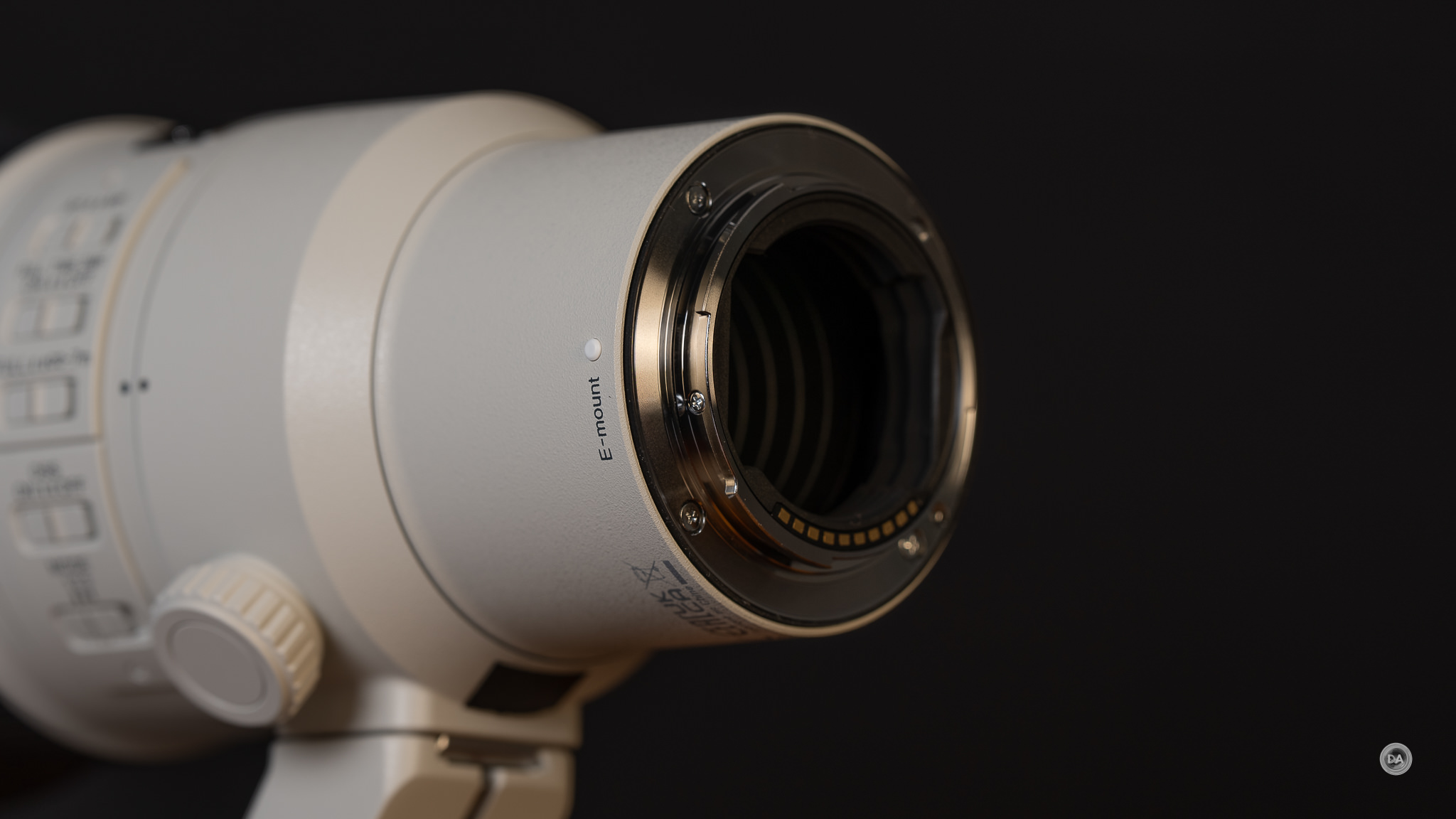
The 600mm F6.3 GM has a typical GM-level thorough weather sealing, starting with a gasket at the lens mount and internal seals all throughout. The front element has a special fluorine coating to help repel oils and moisture.
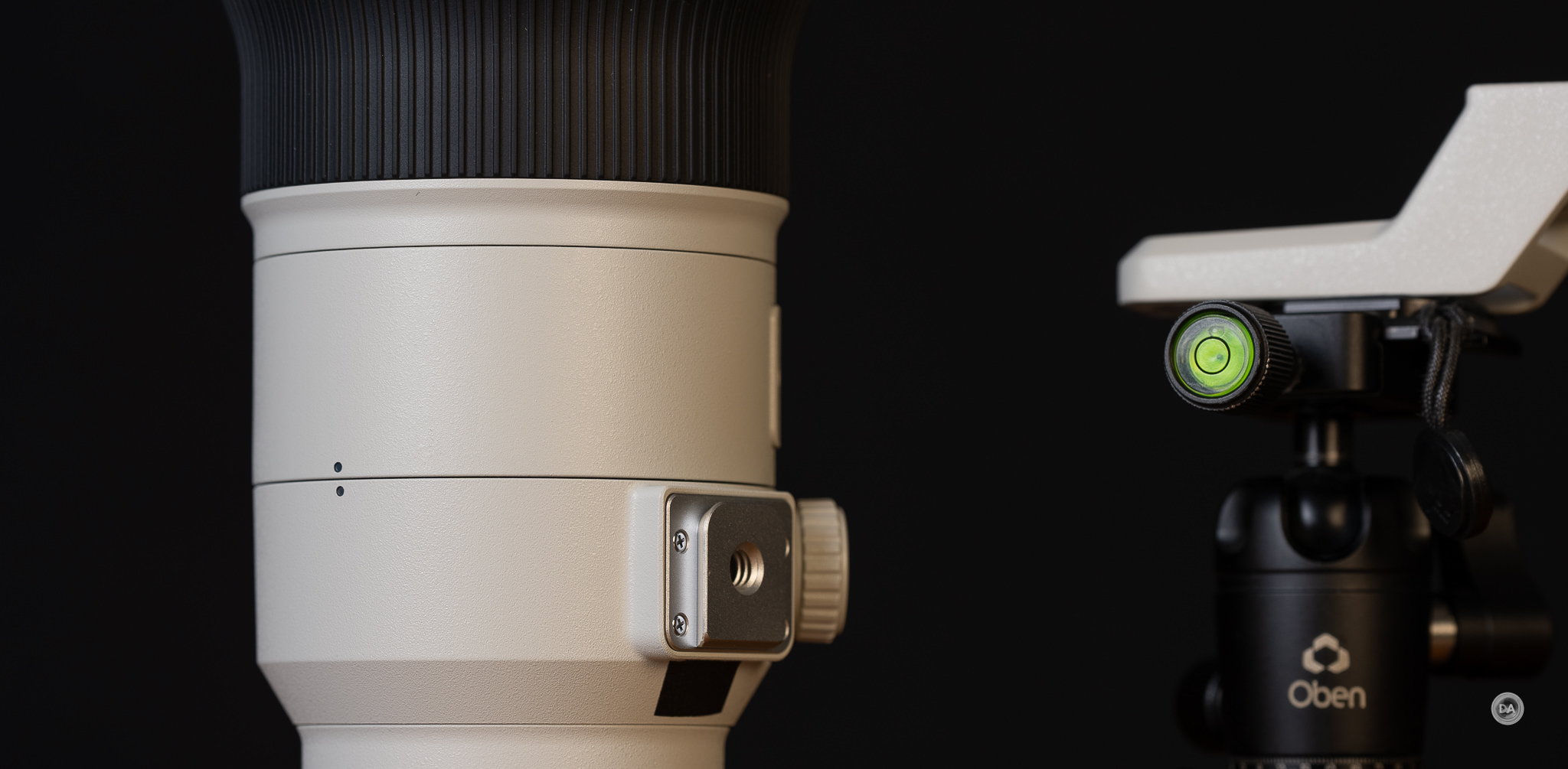
The tripod collar is fully rotatable and can be controlled by a simple tension knob. There are no “detents” or clicks, but rather the collar rotates freely, so be sure to use the alignment dots to line things up properly
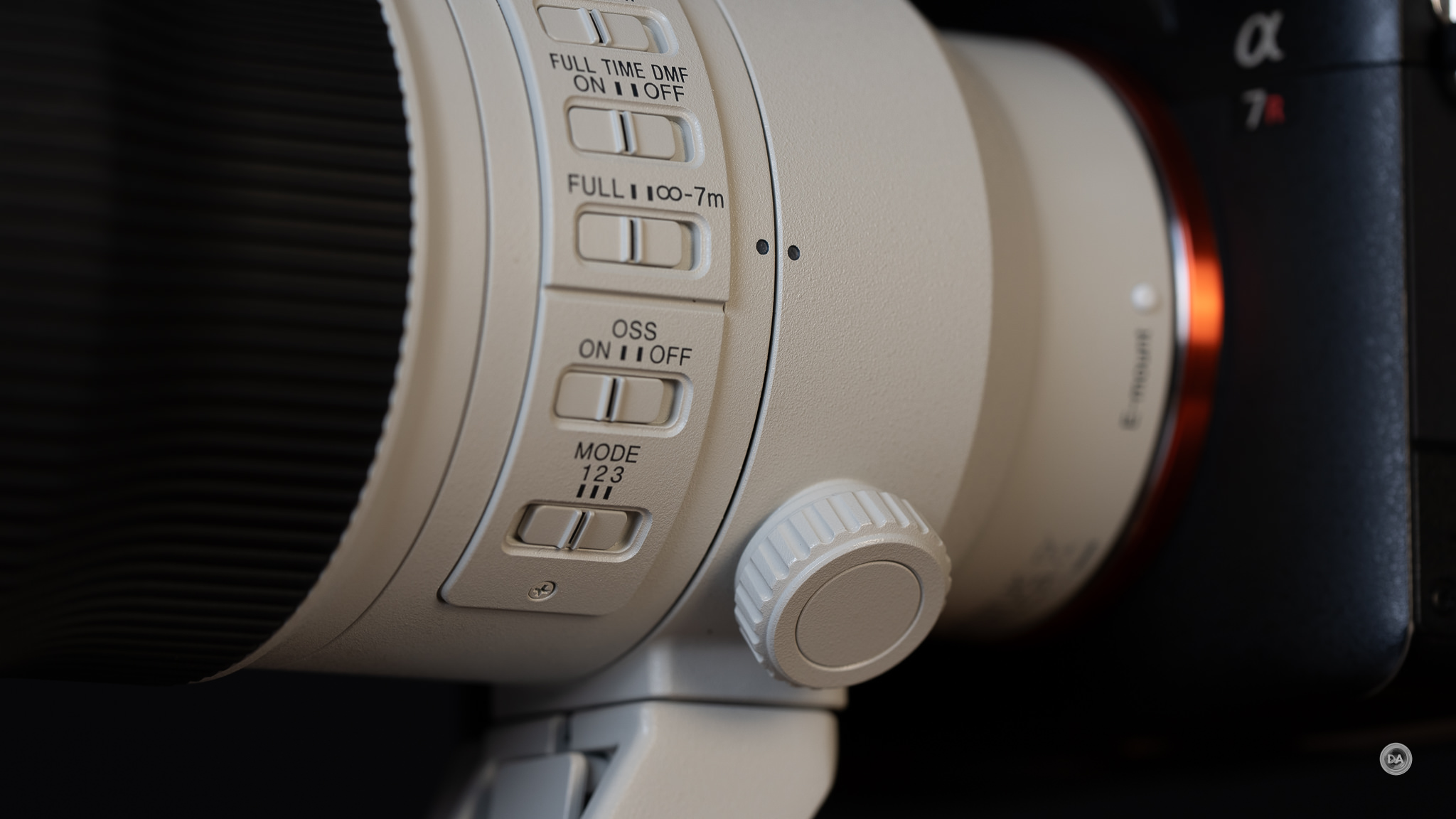
The foot is (as per usual for Sony) NOT Arca compatible, meaning that I have to add a quick release plate before mounting it on a tripod.
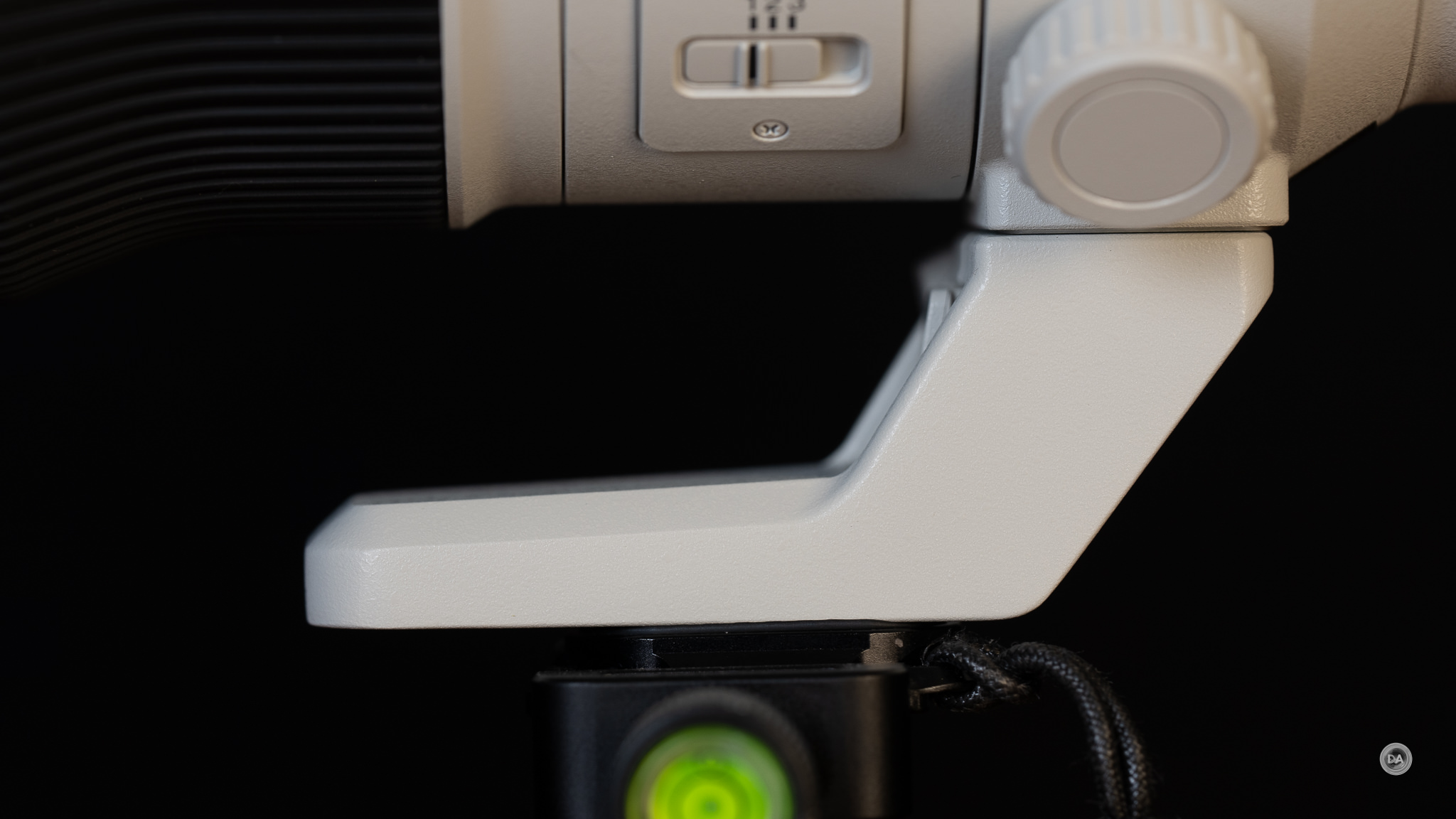
The collar itself is integrated and not removable, but the foot itself can be easily removed if you want to travel slimmer and lighter.
As noted earlier, the 600mm F6.3 GM is fully compatible with Sony’s 1.4x and 2x teleconverters, giving you a 560mm F6.3 combination with the 1.4x teleconverter.
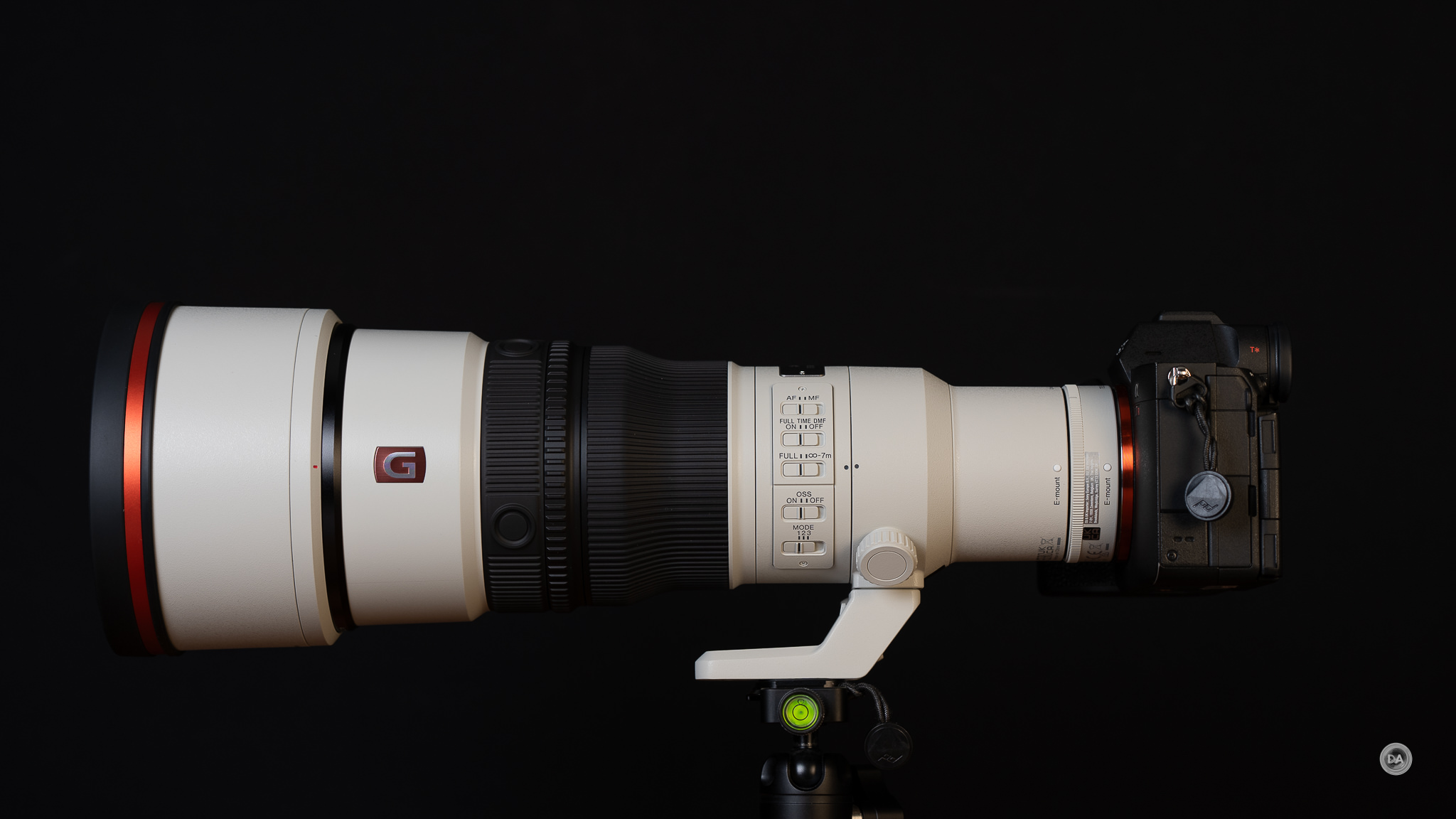
Adding the 2x teleconverter gives you an 1200mm lens with a maximum aperture of F13.
The minimum focus distance is 2.5m (8.2 feet), which is the same as the shorter 400mm F4.5, meaning that the 600mm F6.3 has a much higher level of magnification.
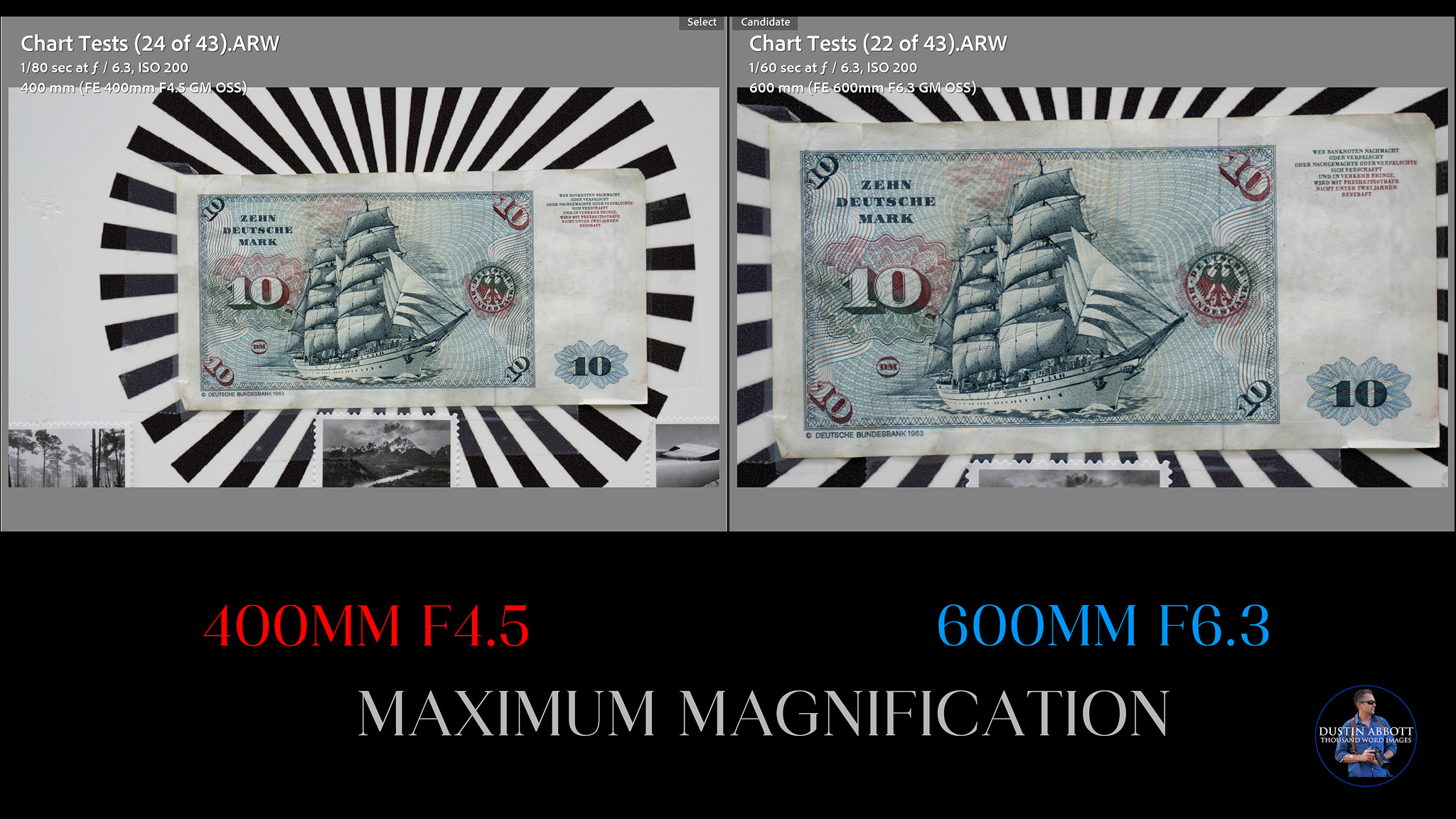
I haven’t seen the official magnification figure, but it looks to be around 0.28x. That’s very useful, and if you add the teleconverters, that figure will only increase.
Both the new 400mm and 600mm GM lenses come with nice, zippered cases that are identical in size. This makes for a nice way to transport the lens, and you can just about fit the lens in there with a camera attached if you remove one of the spacers inside.
And finally, that price tag of $3699 USD, while not cheap, is a massive bargain compared to the 600mm F4. I’m not quite sure why the 600mm is a $1000 more than the 400mm F4.5 GM, however, leaving that one feeling like the better value to me.
Autofocus
Sony’s XD (Xtreme Dynamic) Linear Motors are powerful, quiet, and confident, and the 600mm F6.3 GM comes with two of them, assuring that focus is very close to instant. That allows you to pick up birds in flight effortlessly and nail focus.


One of the big points of emphasis for Sony is that you are getting the same kind of sophisticated autofocus in the 600mm F6.3 GM as you are in the much-more-expensive 600mm F6.3 GM. Autofocus is very near instant in my formal tests, and you will probably find that acquiring your subject in the view finder takes far more work than actually focusing.
I found, for example, that it took me a couple of seconds to locate a bird in flight in the narrow 4° 10′ angle of view, but once I saw the blur of the bird, autofocus would lock on near instantly…and even the first shot in a sequence was properly focused.

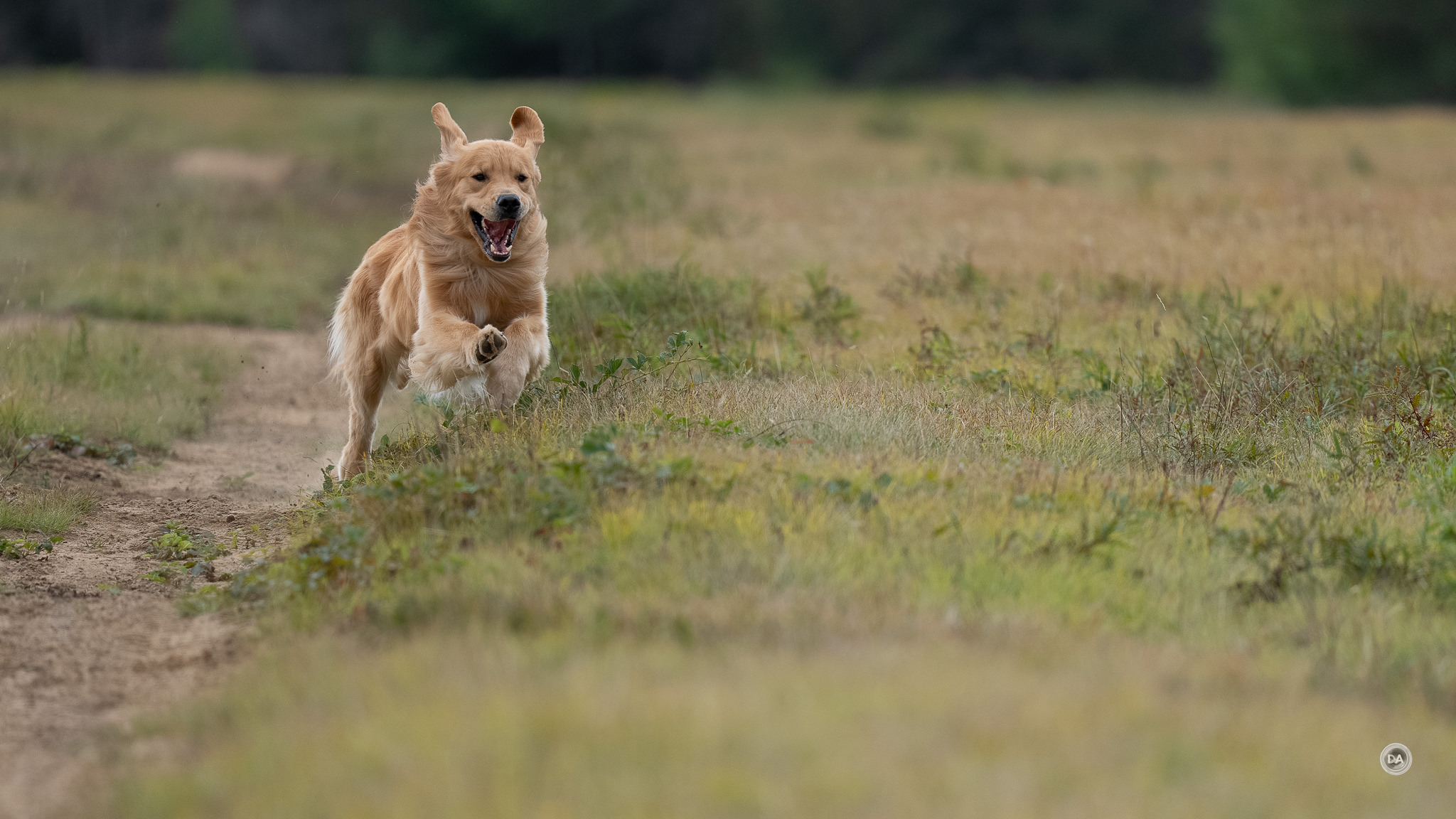
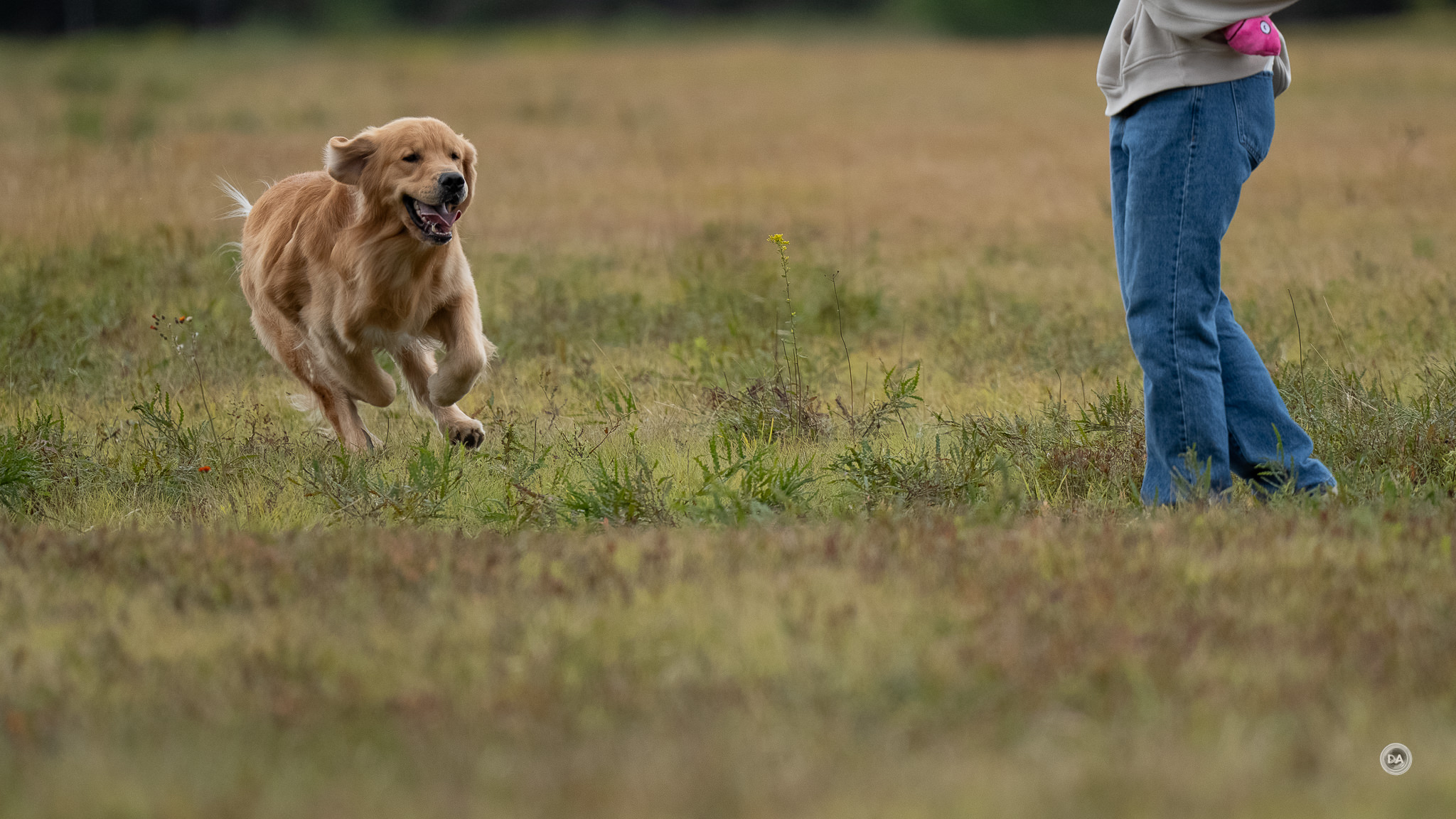
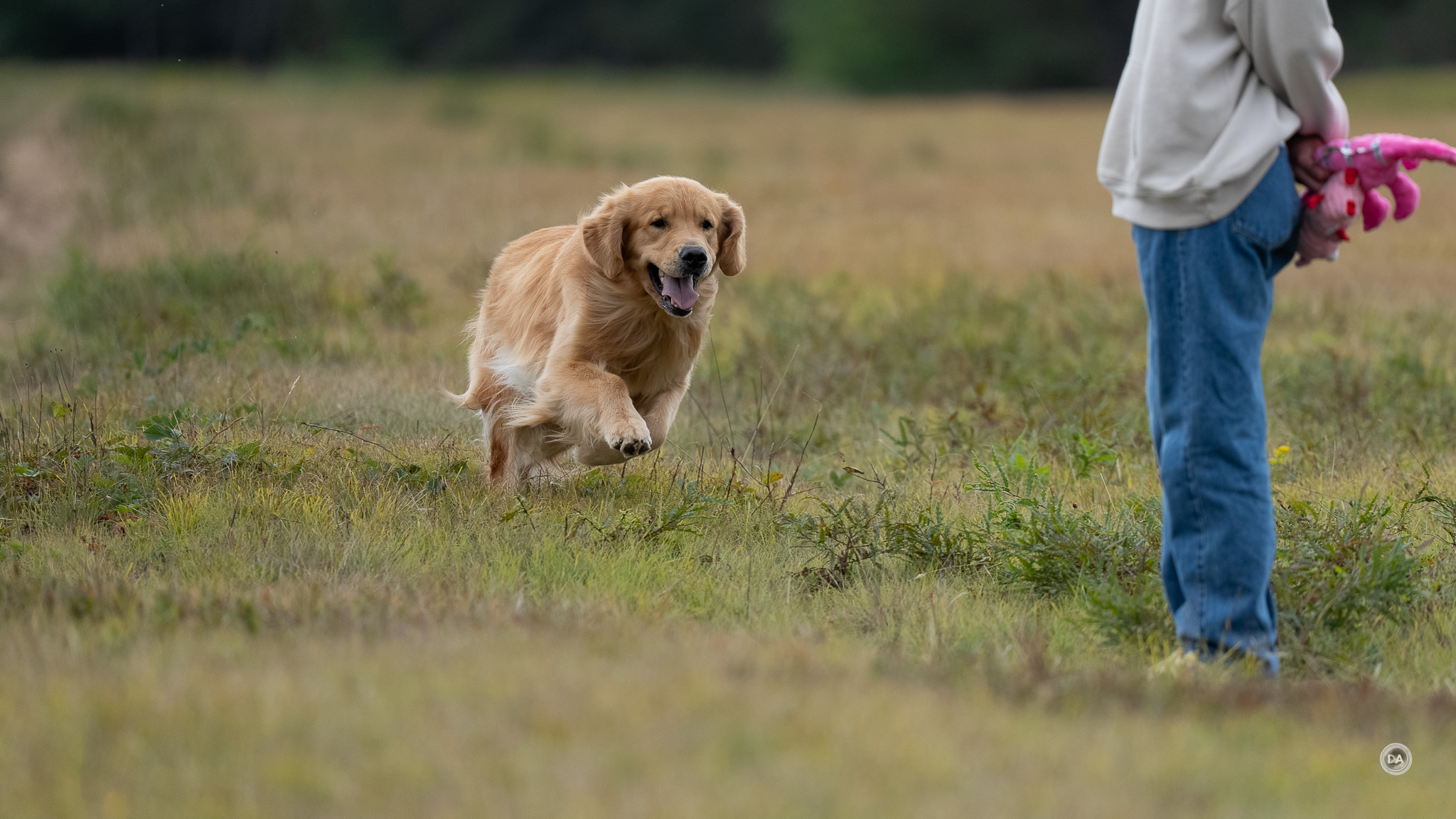
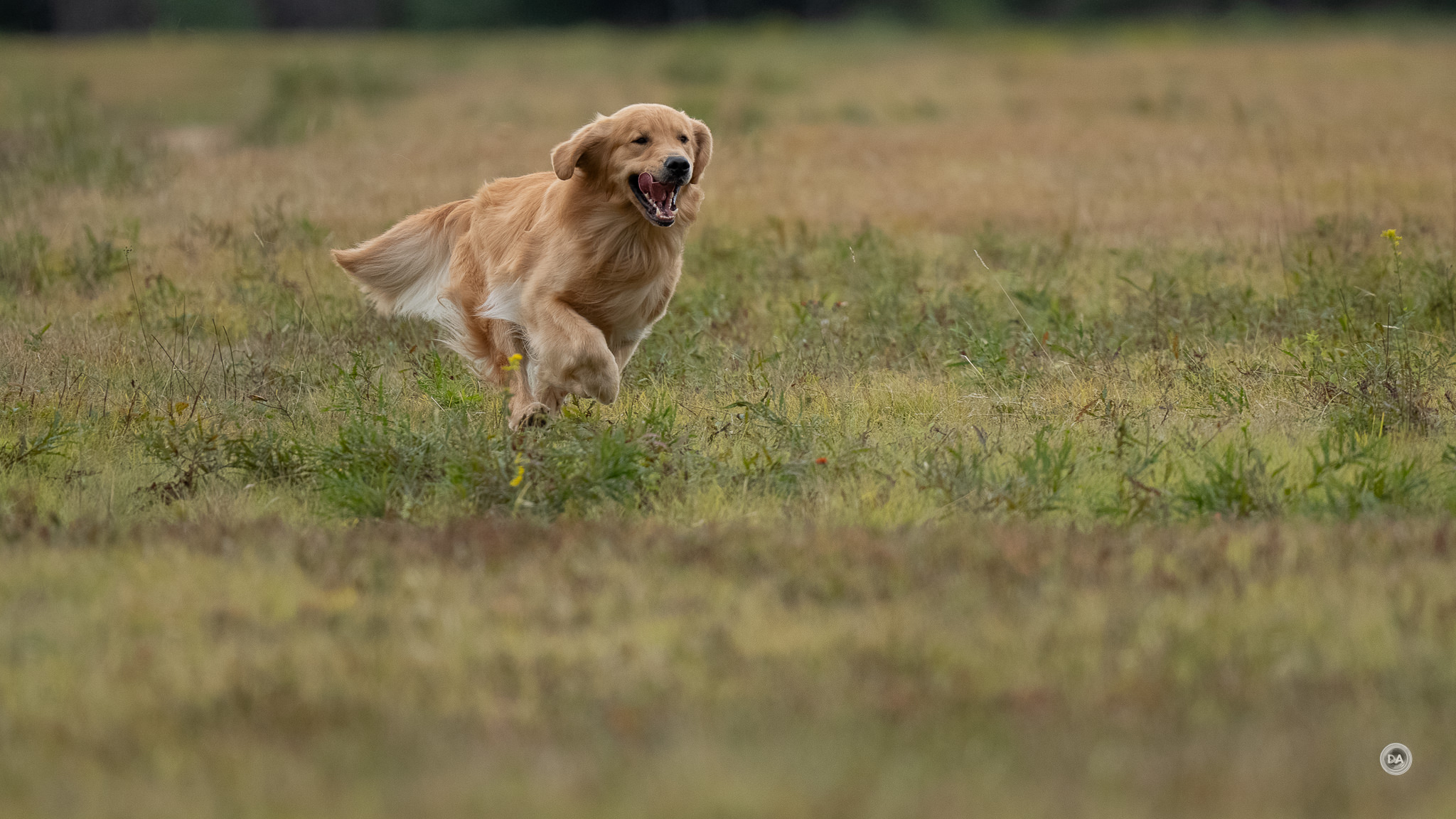
Sustained bursts tracking a fast moving golden retriever running towards the camera proved flawless with the the 600mm F6.3 GM mounted on my α1 II. Every shot in the long bursts of over 100 frames were perfectly focused, allowing me to focus on the poses I liked the most.
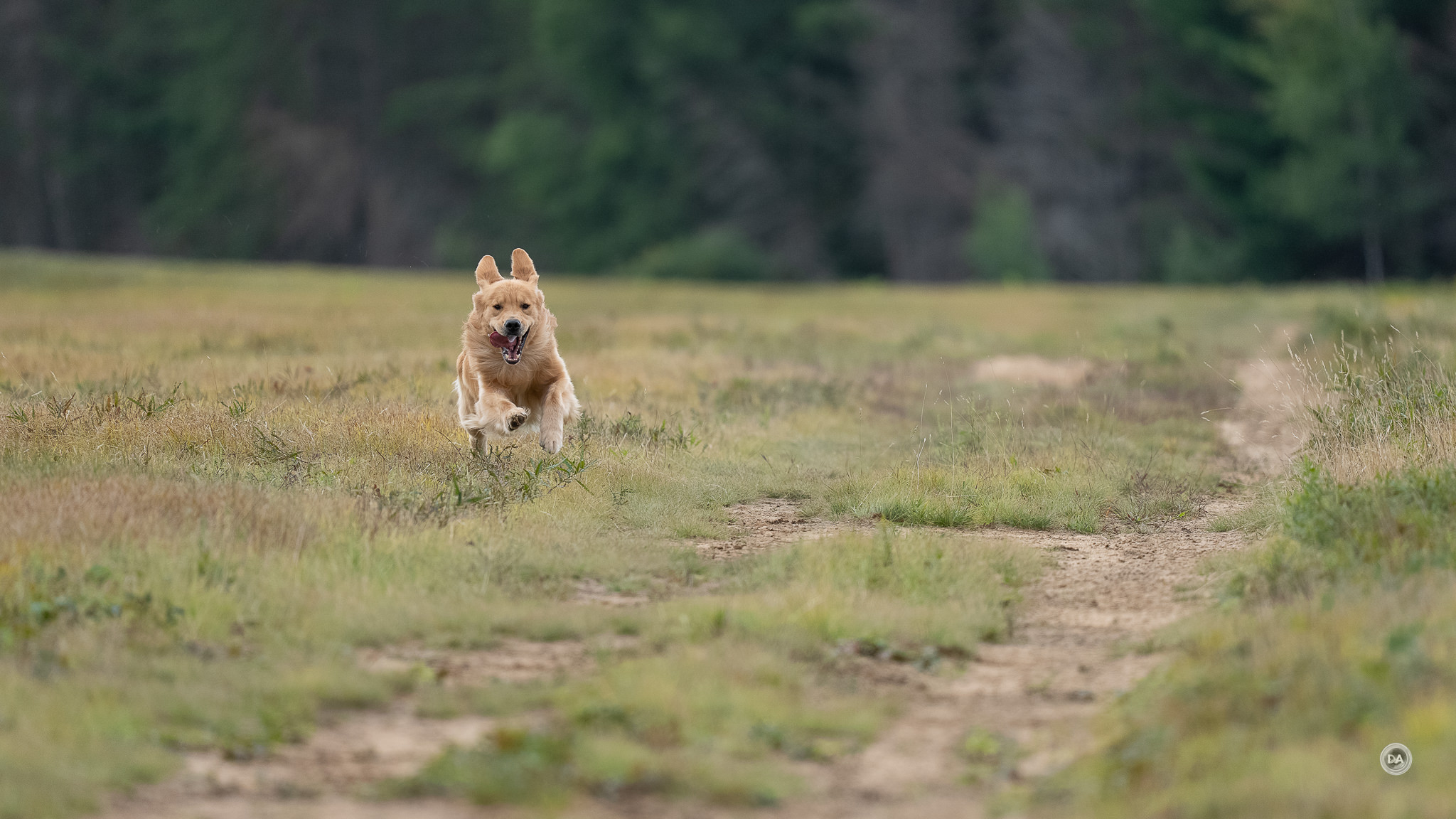
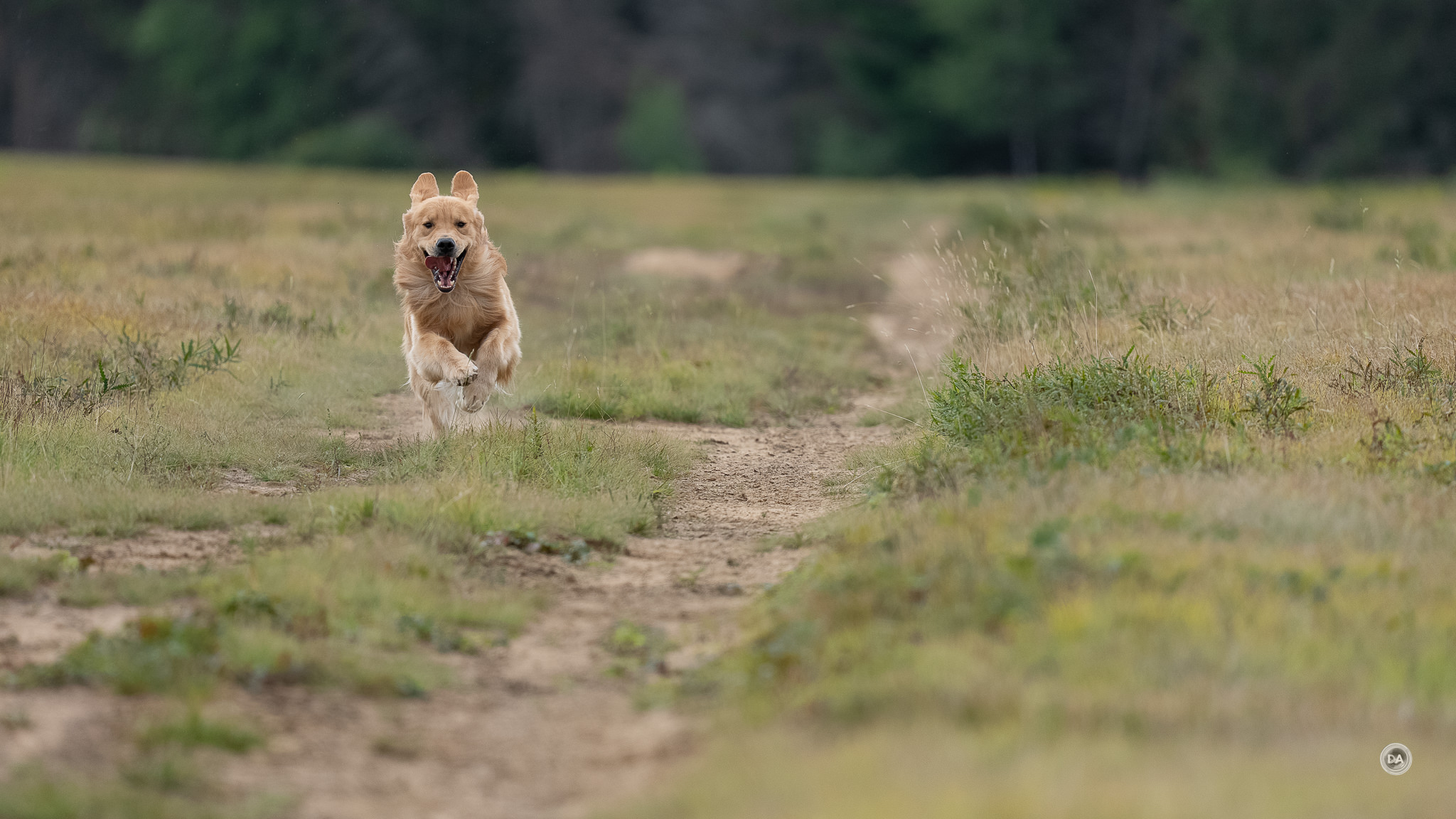
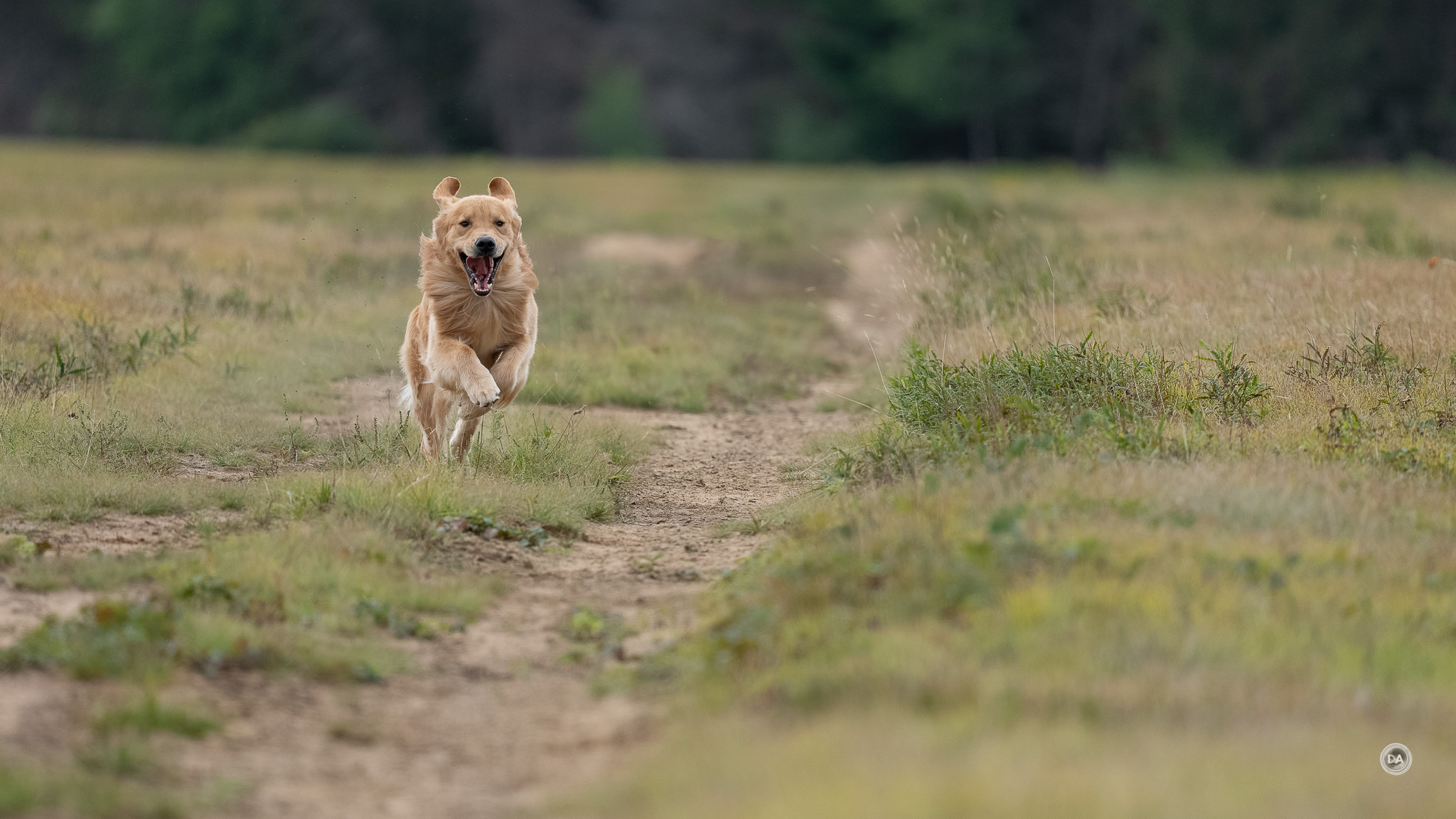
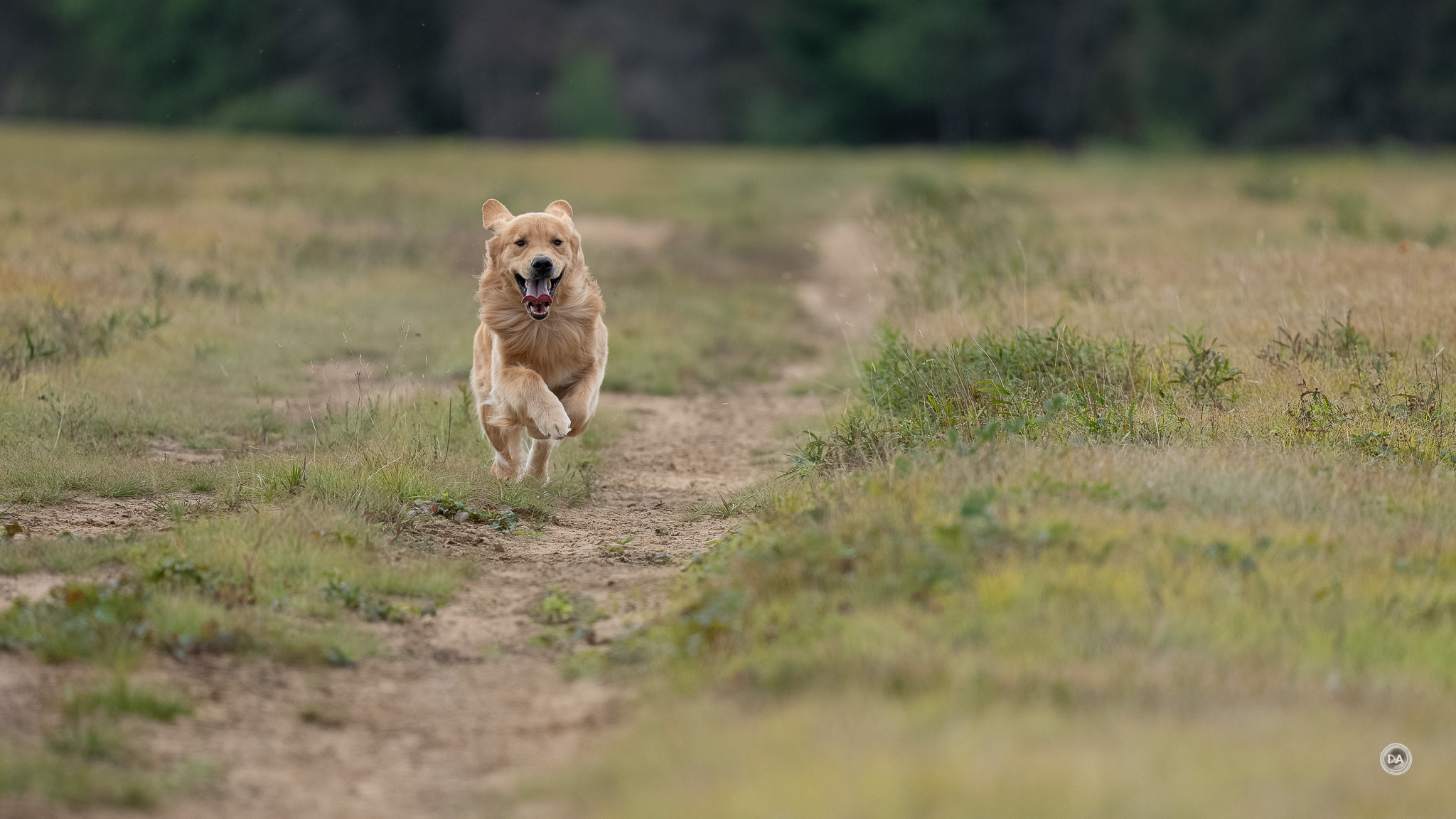
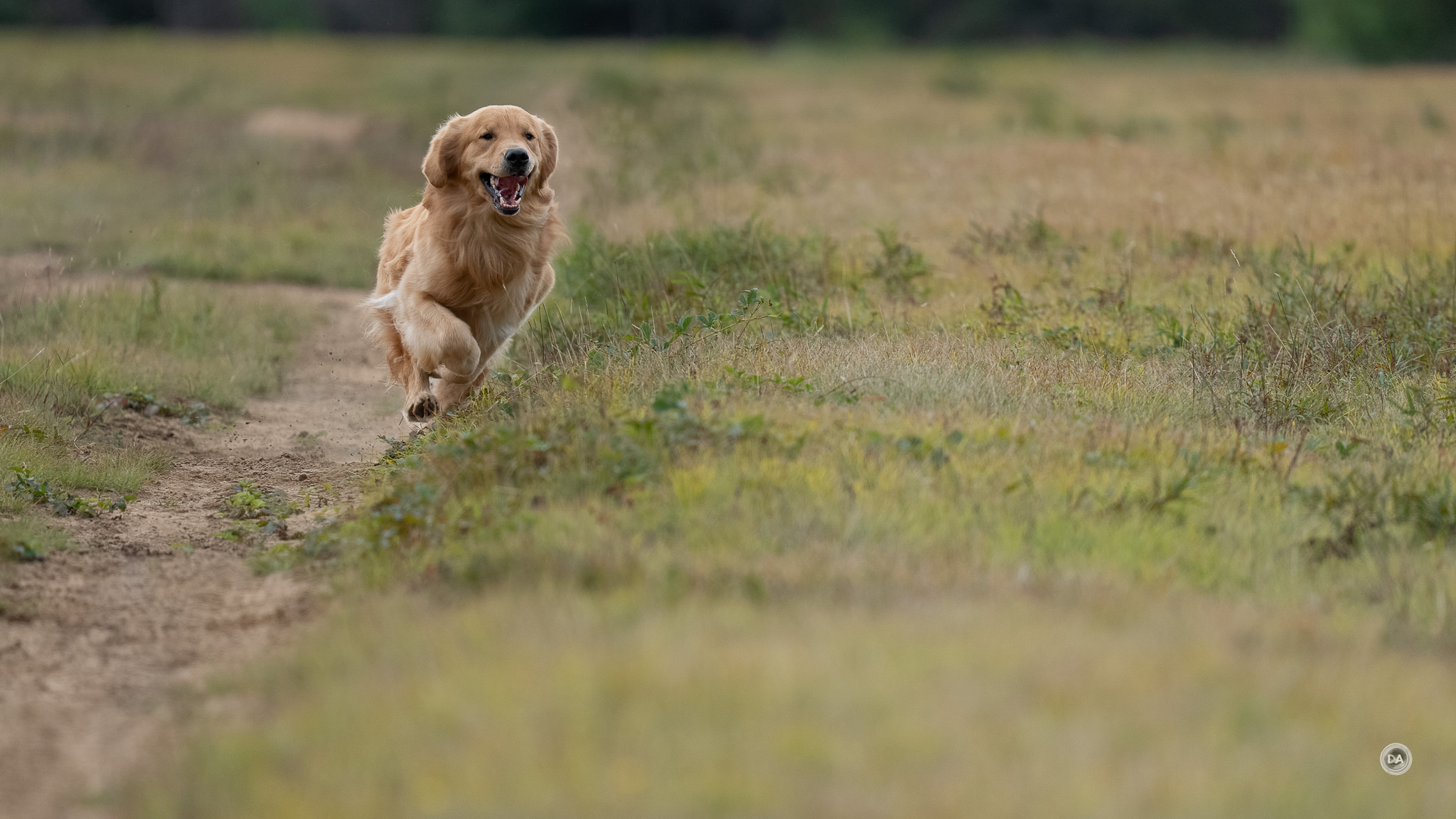
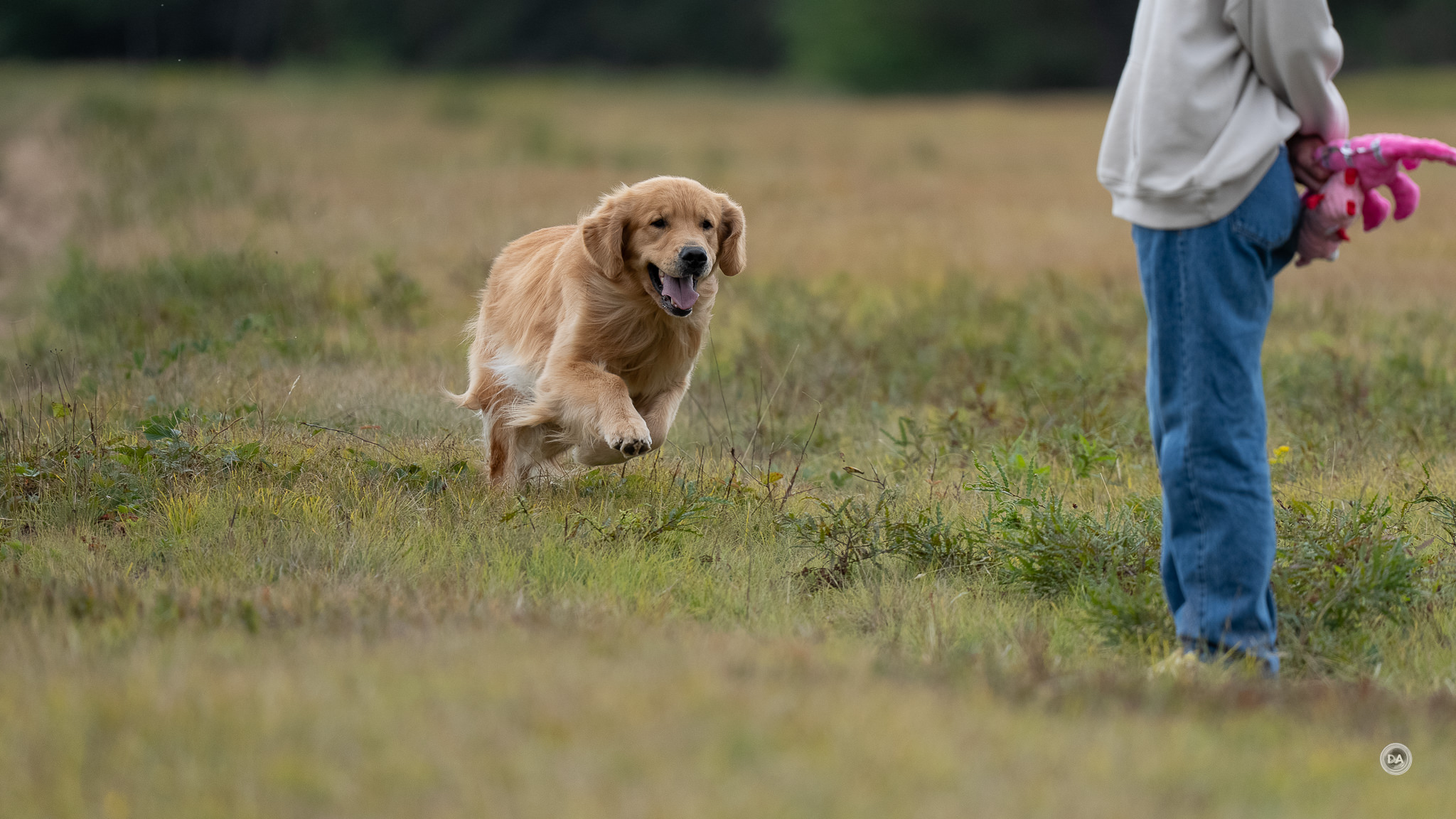
A closer look at one of the images in that sequence show great accuracy of focus, with a clear line of focus delineation.
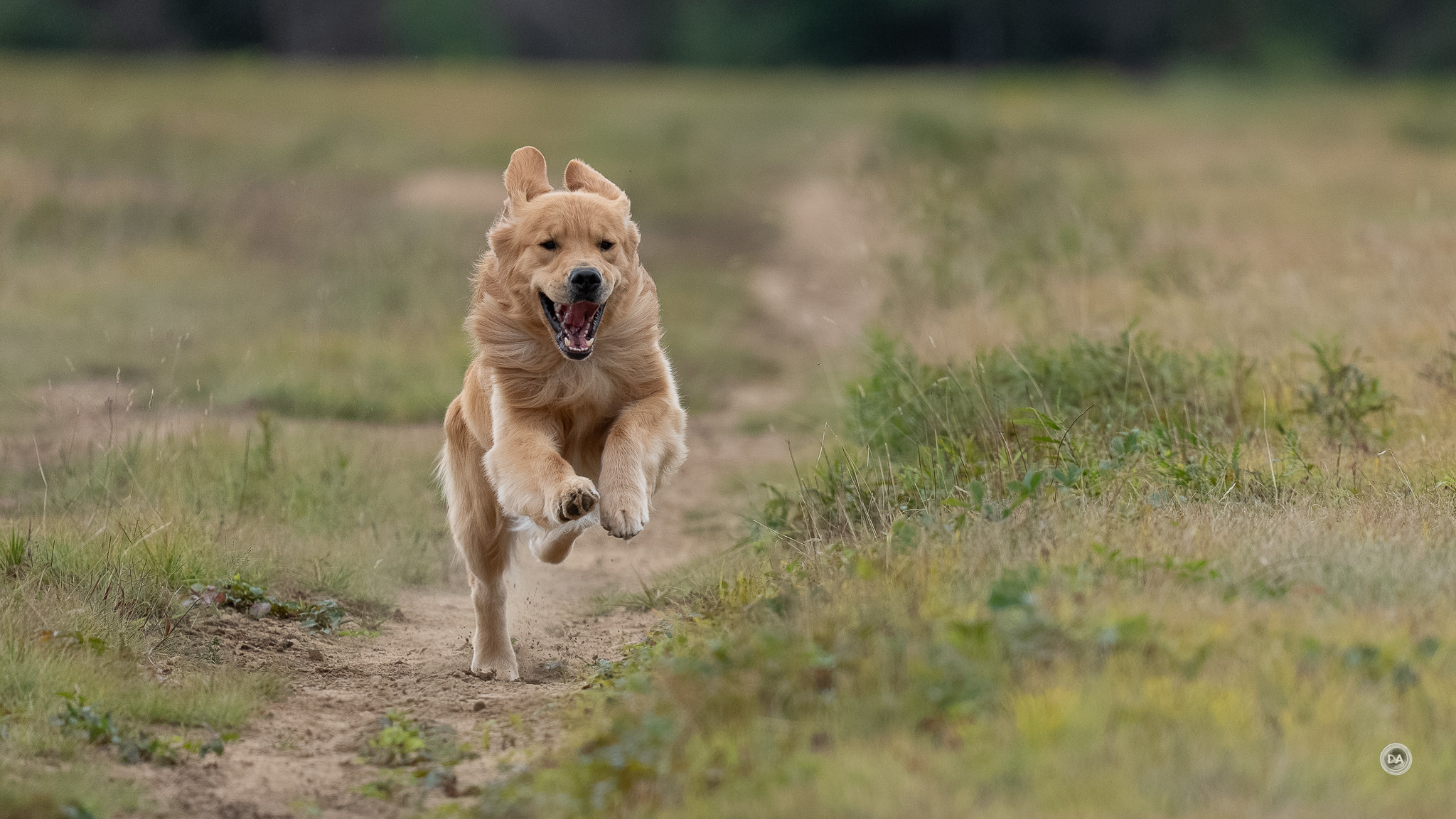
I had equally good tracking with the Sony 1.4x TC attached as well (840mm F9).
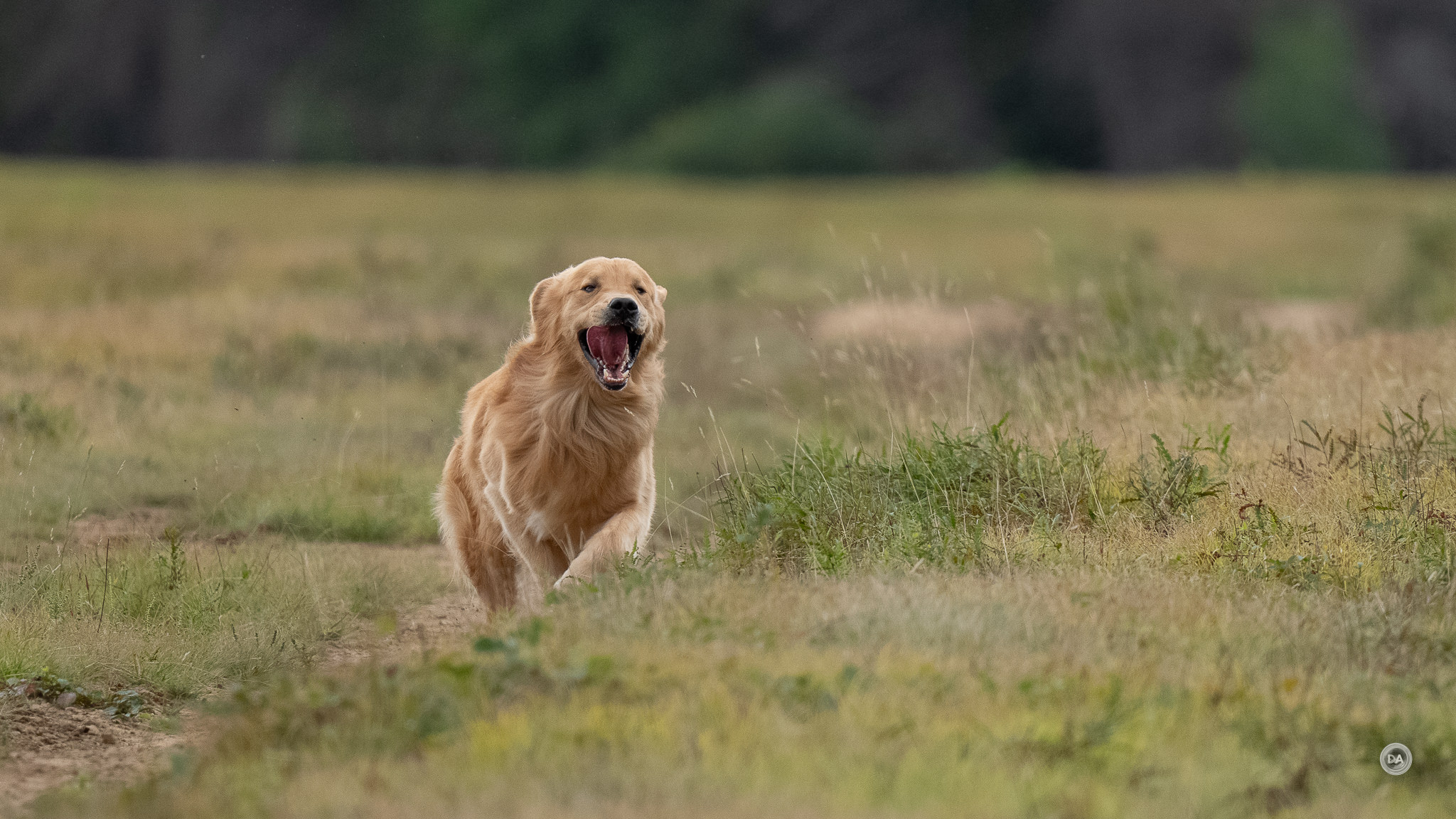
Focus stayed rock solid all throughout these sequences, which is impressive considering that the maximum aperture is F9.

You will need a good amount of light to use this combination, however. A moving subject requires a faster shutter speed, so to get a shutter speed of 1/1000th for this sequence, I had to shoot at ISO 1600.
While shooting with the 2x teleconverter is possible, the maximum aperture of F13 and the extreme focal length of 1200mm means that there are going to be serious challenges. This shot, for example, has plenty of light, but to get the 1/1000th of a second for this shot I needed ISO 10,000, which obviously comes with some negative impact on image quality.


What can be seen, however, is that autofocus remained accurately locked on the eye of the little chipmunk…and that is with a third party TC as I don’t own Sony’s own 2x TC.
With the bare lens, focus was able to pick flying bees out of the air, which always blows my mind.

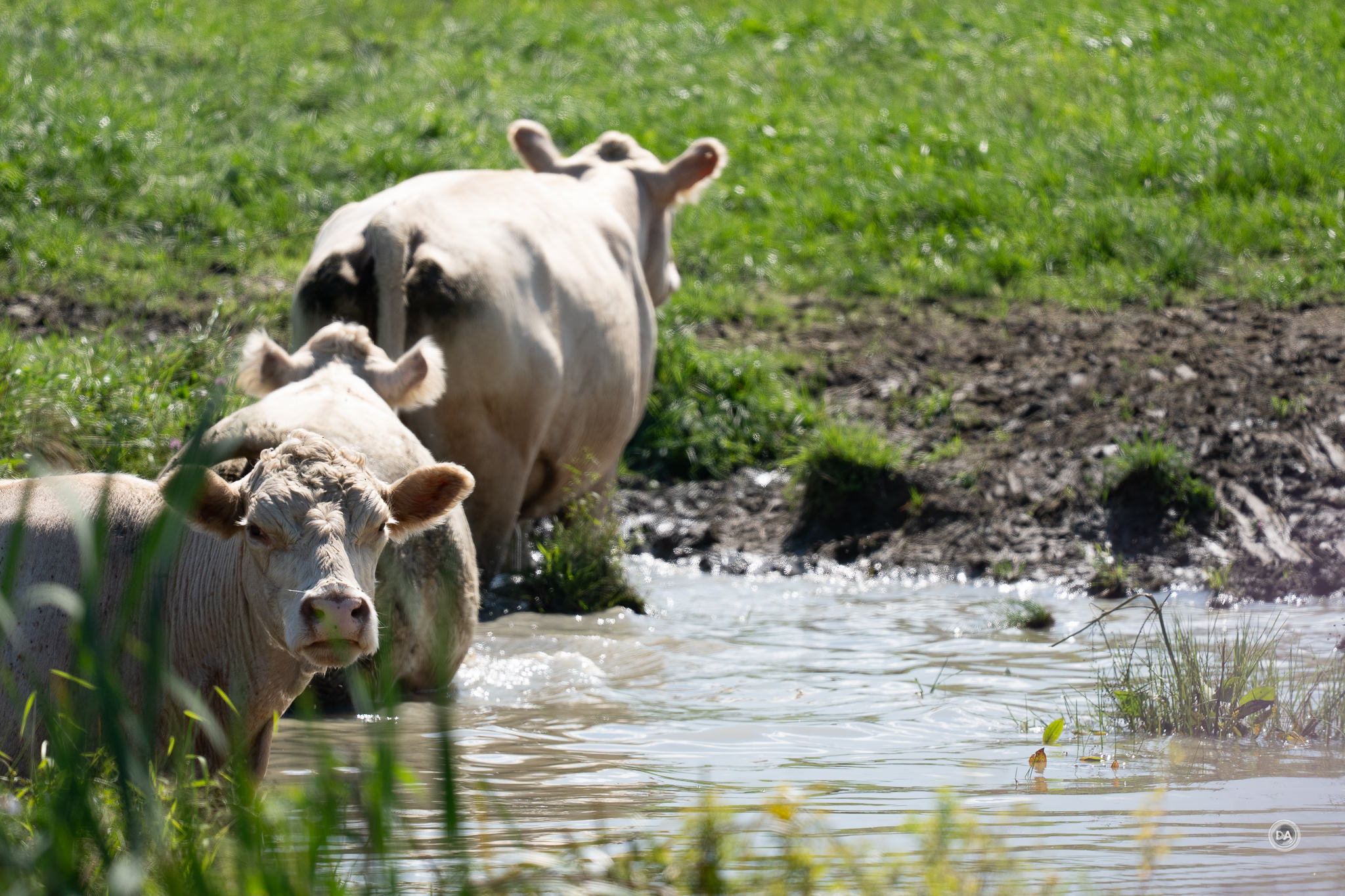
For slower moving subjects, I found autofocus was of course excellent.
In summation, the only real challenges to the autofocus are going to be the light gathering limitation of the lens, but that is particularly true with the TCs attached. The bare lens focuses well in more lighting conditions, but you will be fighting with shooting at higher ISO values in many lighting conditions. The autofocus system itself is fantastic.
Video AF
Telephoto lenses are much more niche products for video work because they are so extreme. They might be used for wildlife videography, perhaps for sports, but no one is running around with a 400mm and 600mm prime on a gimbal!
I did use the 600mm F6.3 to shoot some handheld video, but I found getting stable footage difficult. Don’t expect rock steady results unless you are using a monopod or tripod. The OSS here is useful, but not the best that I’ve seen.
That being said, I was able to grab some interesting footage, including filming an interesting scene where a number of turtles were sunning themselves on a rock. A fourth turtle was trying to get onto the rock, but the waves kept knocking it off. I grabbed a frame of one of those moments.

Autofocus remained solid, however, when adding the 1.4 and 2x teleconverters, though all of the same light gathering restrictions referenced in the review apply here as well. Focus was solid, though shakiness will obviously impact certain frames.


On the plus side, high ISO issues are reduced as video doesn’t require as high of shutter speeds. The video performance is excellent (for this type of lens), but there are a number of real world challenges associated with such a long focal length and a relatively small maximum aperture.
Sony 600mm F6.3 GM Optical Performance
This may be Sony’s smaller, cheaper, option, but it still has a robust optical design of 24 elements in 17 groups, with include 3 Super ED (Extra-low Dispersion) and one ED element. I don’t yet have the MTF charts on the lens in hand, as I’m reviewing it ahead of Sony making any such materials available. I’ve seen those MTF charts in a Sony briefing, however, and they are excellent.


You can see that there is sharp detail in the crop, and the overall rendering is nice (though, in my opinion, not as nice as the 400mm F4.5 GM).
Colors are rich and saturated but without being garish in any way.

Testing long lenses is much more complicated for independent reviews like myself, as the amount of space you need to test 600-1200mm (as I’m doing here by the time teleconverters are added) is significant. Here’s how far away I am when testing at 800mm.
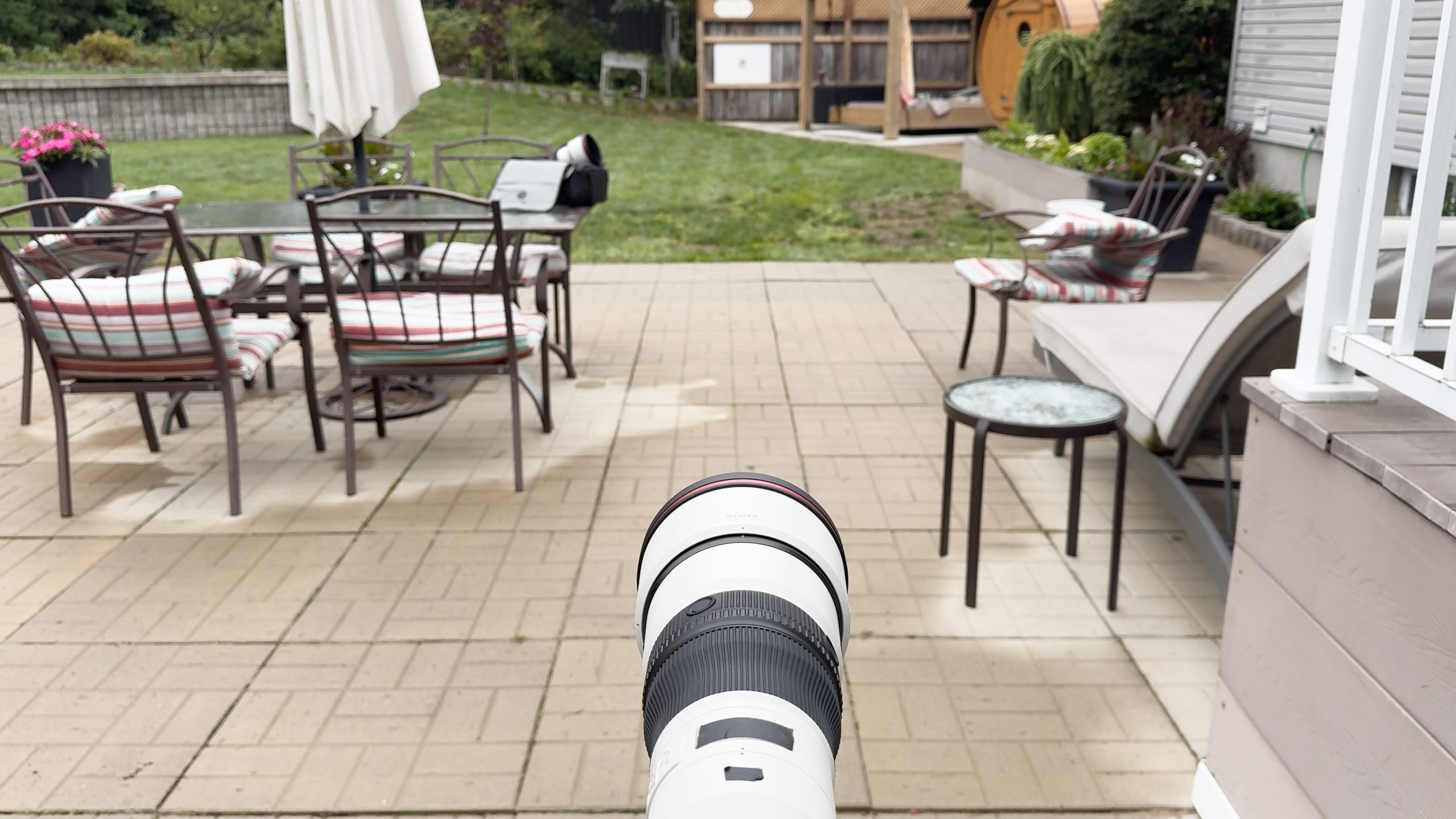
Being outdoors introduces a lot of variables that I can’t control – temperature, lighting, air movement, etc… I do my best to compensate for all of these factors, but I also lean a little harder into real-world examples for that reason.
That being said, here are some of my chart findings.
First of all, the 600mm F6.3 GM needs basically zero optical correction for vignette and distortion. I found I could tweak the sliders bit a few percentage points and maybe get a tiny improvement, but it really wouldn’t be seen in a real world situation.
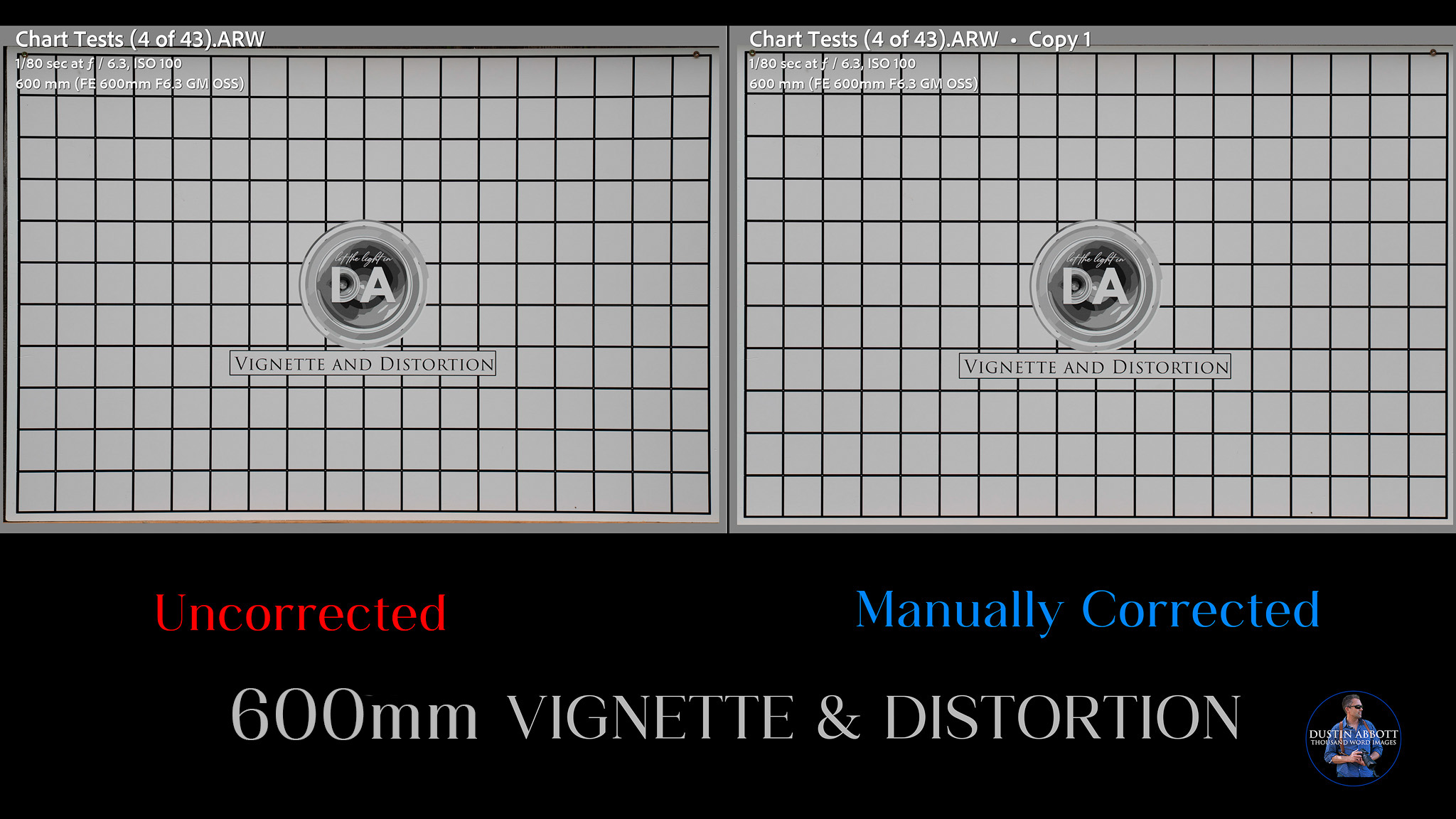
There is a tiny amount of pincushion distortion (-2) and the vignette is almost nonexistent (+13).
Adding the Sony 1.4x teleconverter adds a tiny amount of barrel distortion (+4 to correct) and vignette (+16), though the vignette is still so negligible as to not need correcting. Adding the Viltrox 2x teleconverter actually reduces the barrel distortion (+2 to correct) while the vignette (+21) is only marginally higher.
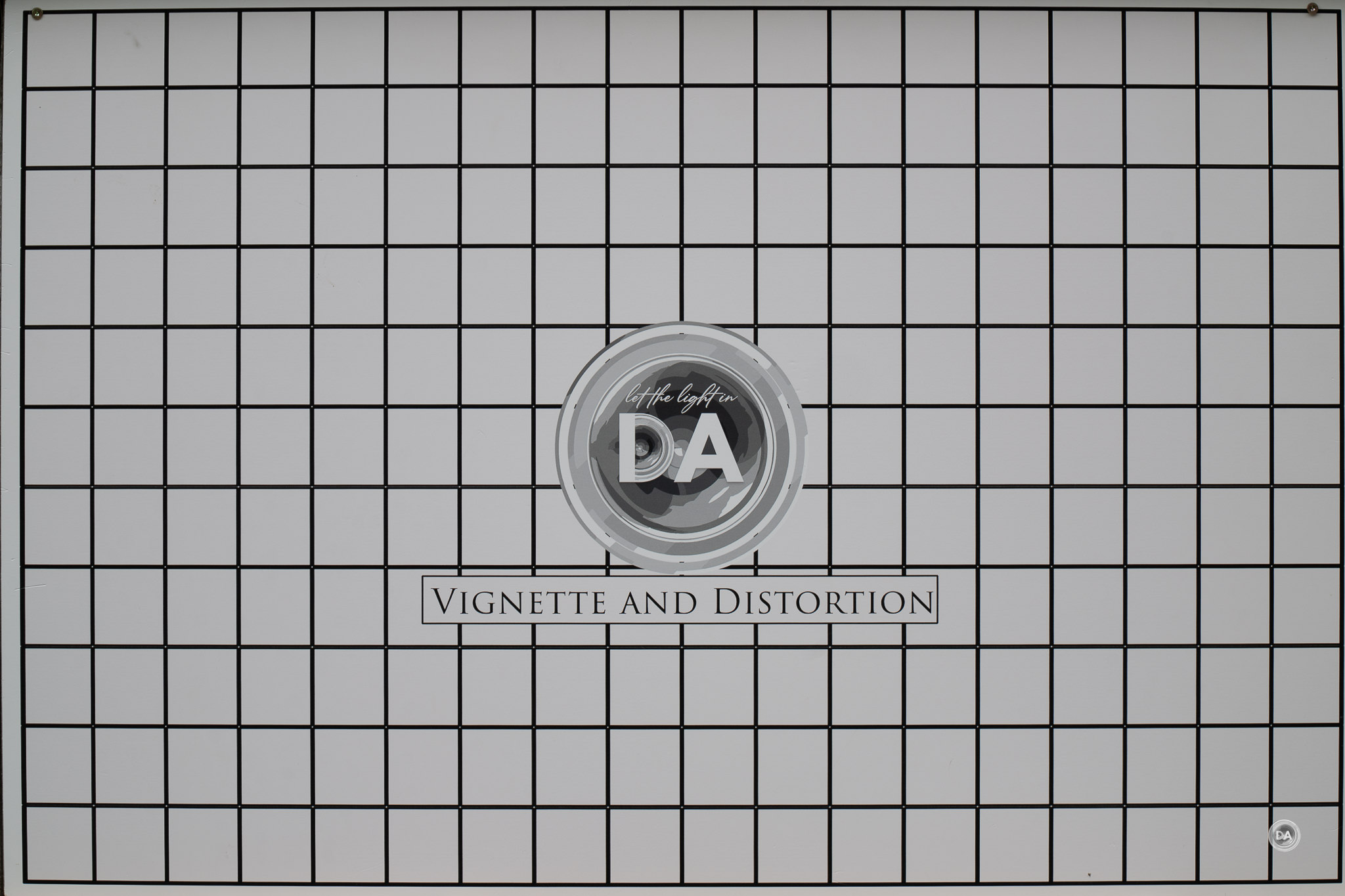
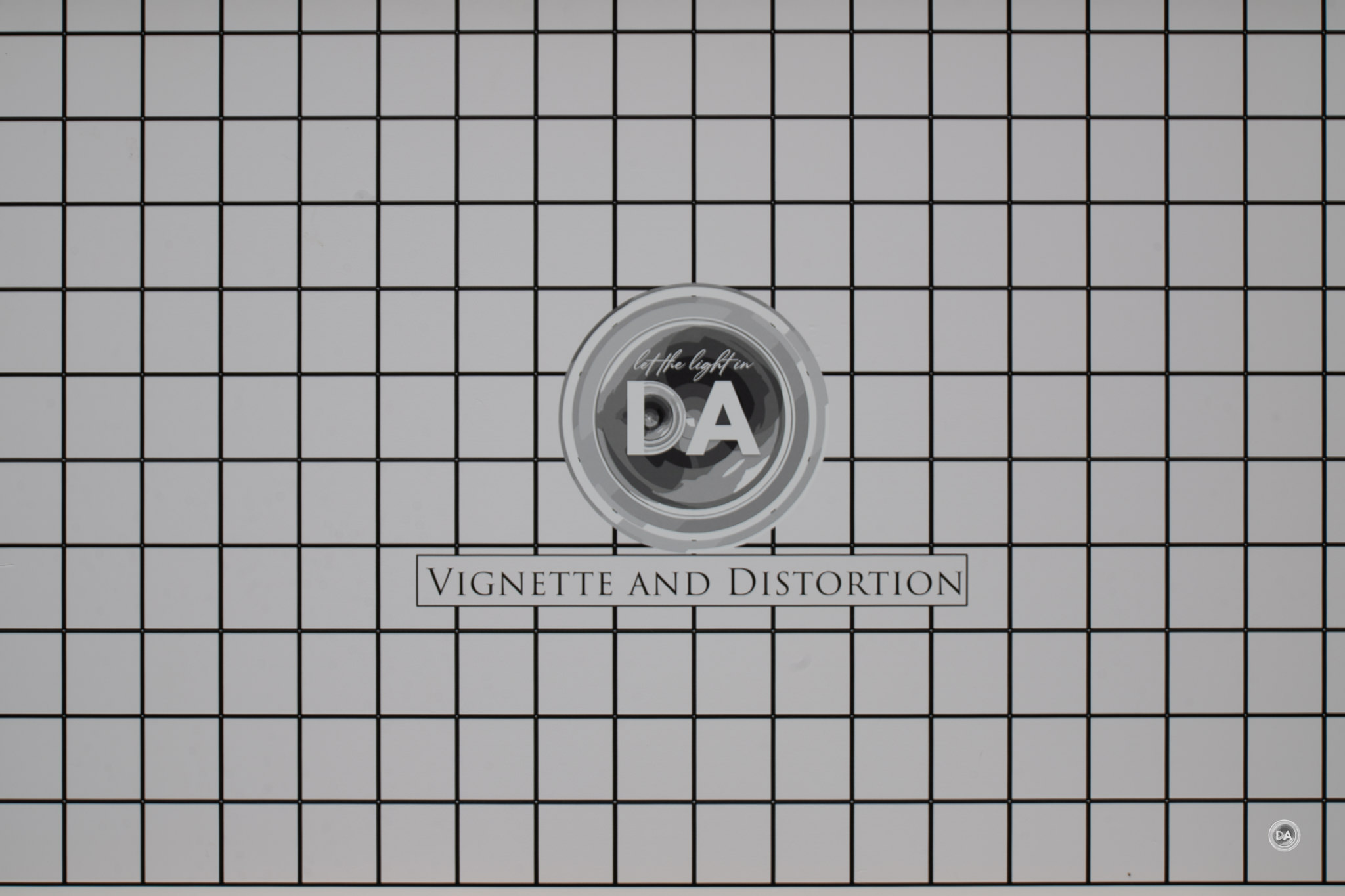
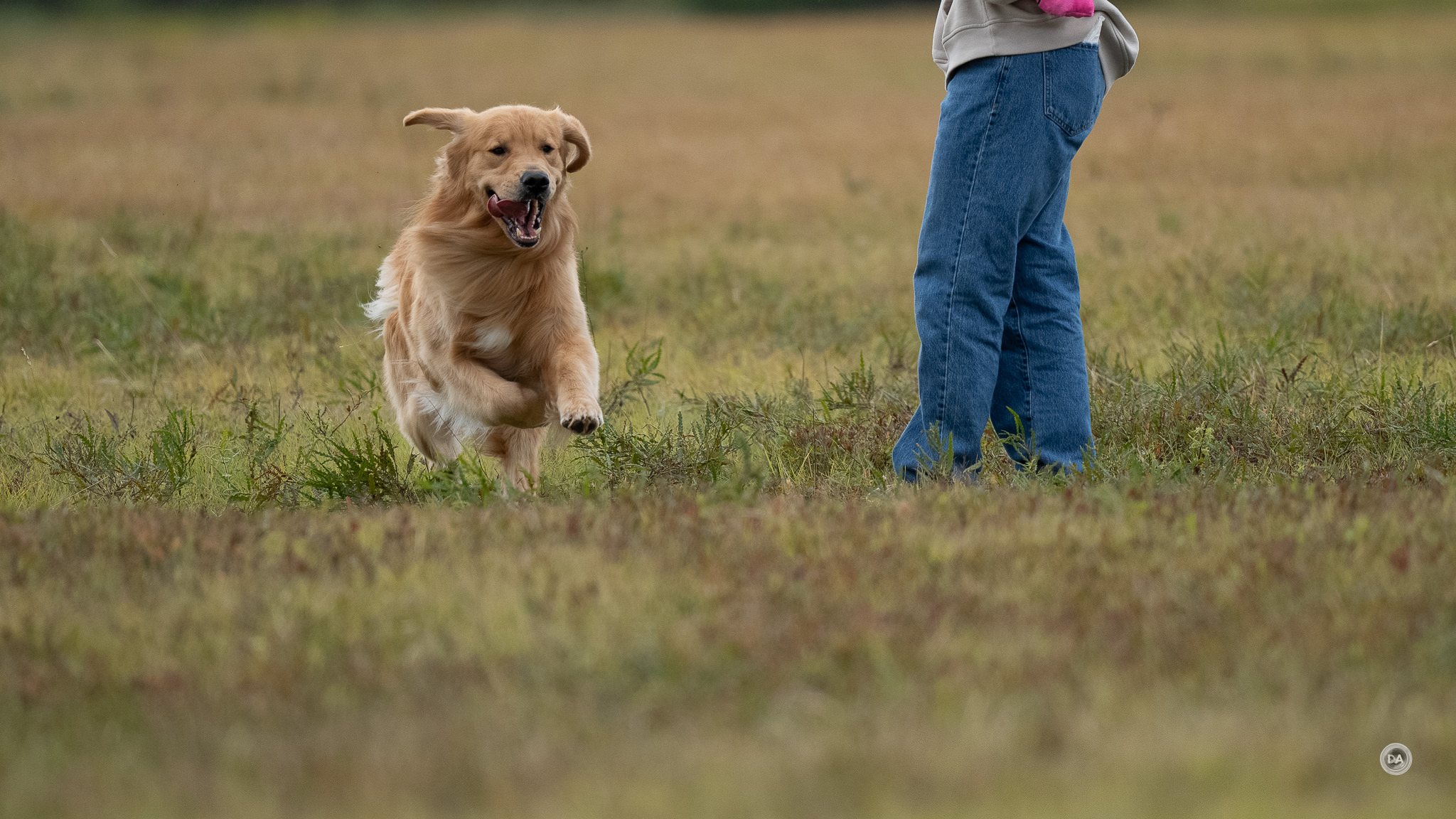
The impact on vignette and distortion from the teleconverters are minimal, though there are other areas that are much more impacted by the addition of teleconverters. Here is an 840mm F9 shot that shows minimal vignette.

Longitudinal Chromatic Aberrations (LoCA) shows up as colored fringing before and after the plane of focus and tends to be more pronounced in large aperture lenses. There is zero issue with LoCA here. Transitions on high contrast areas and shiny bits are perfect.
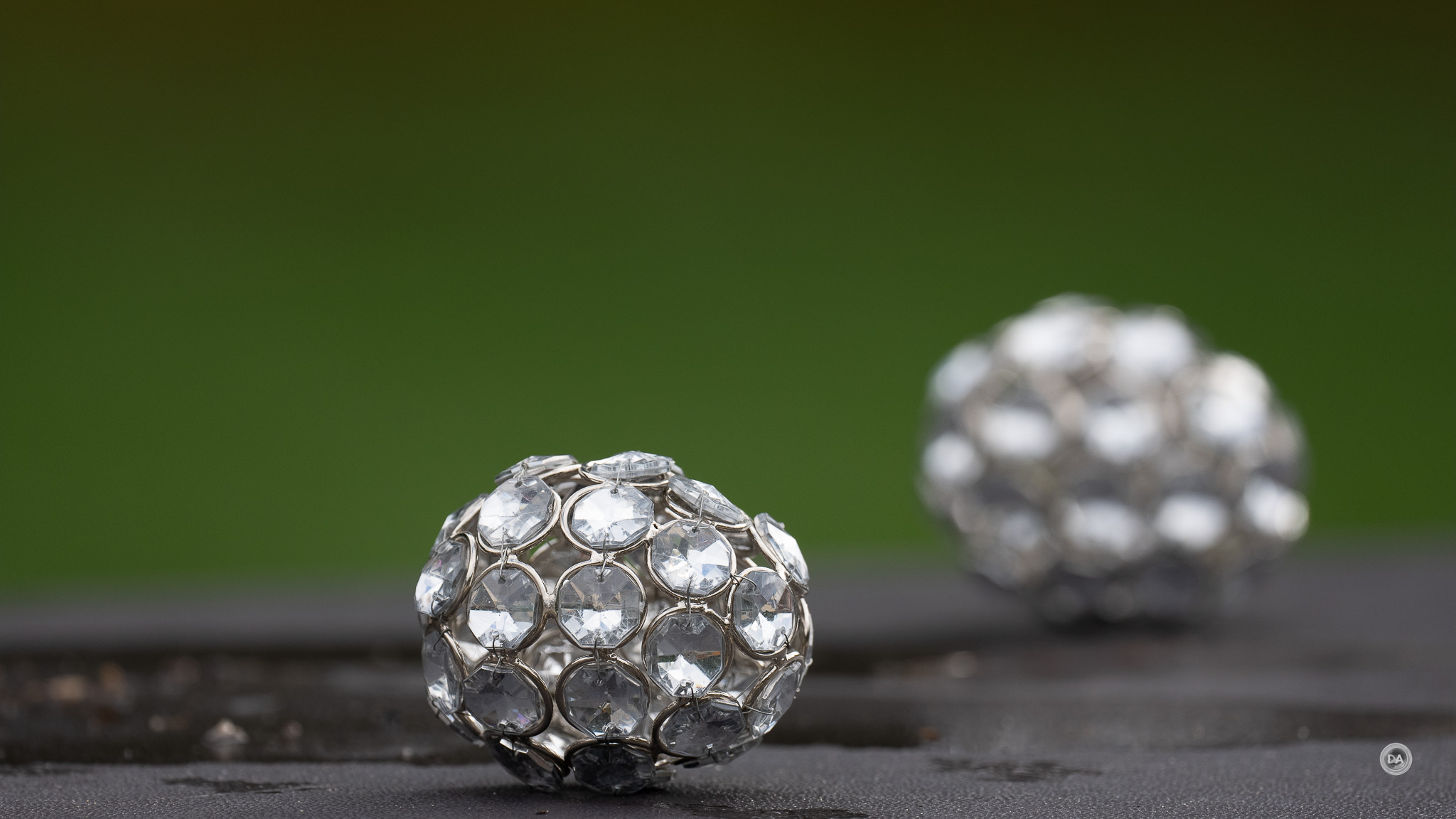
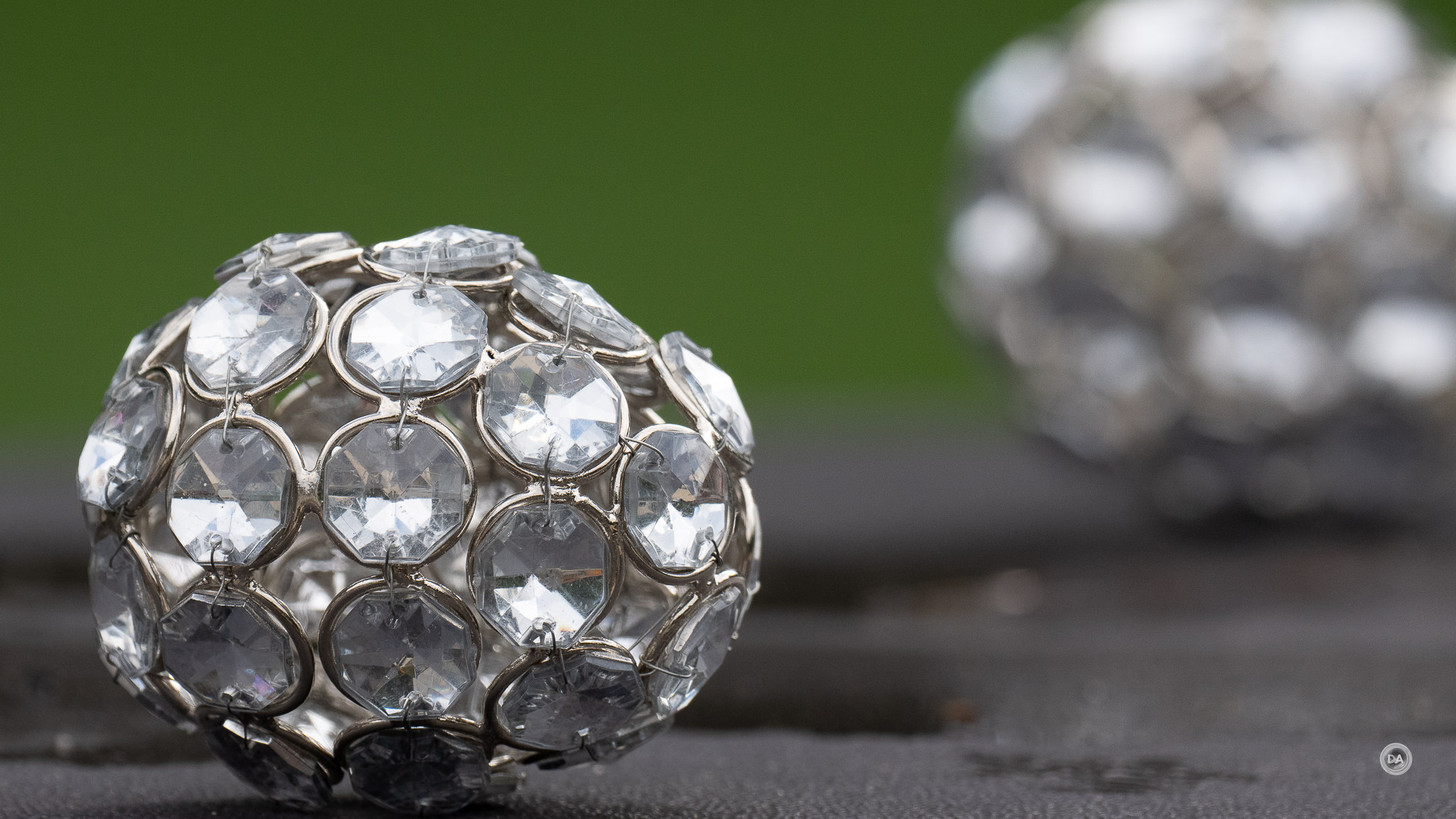
Lateral Chromatic Aberrations (LaCA) show up as color fringing on either side of contrast objects near the edge of the frame. No problem here, either, as I see no fringing in the transitions from black to white.
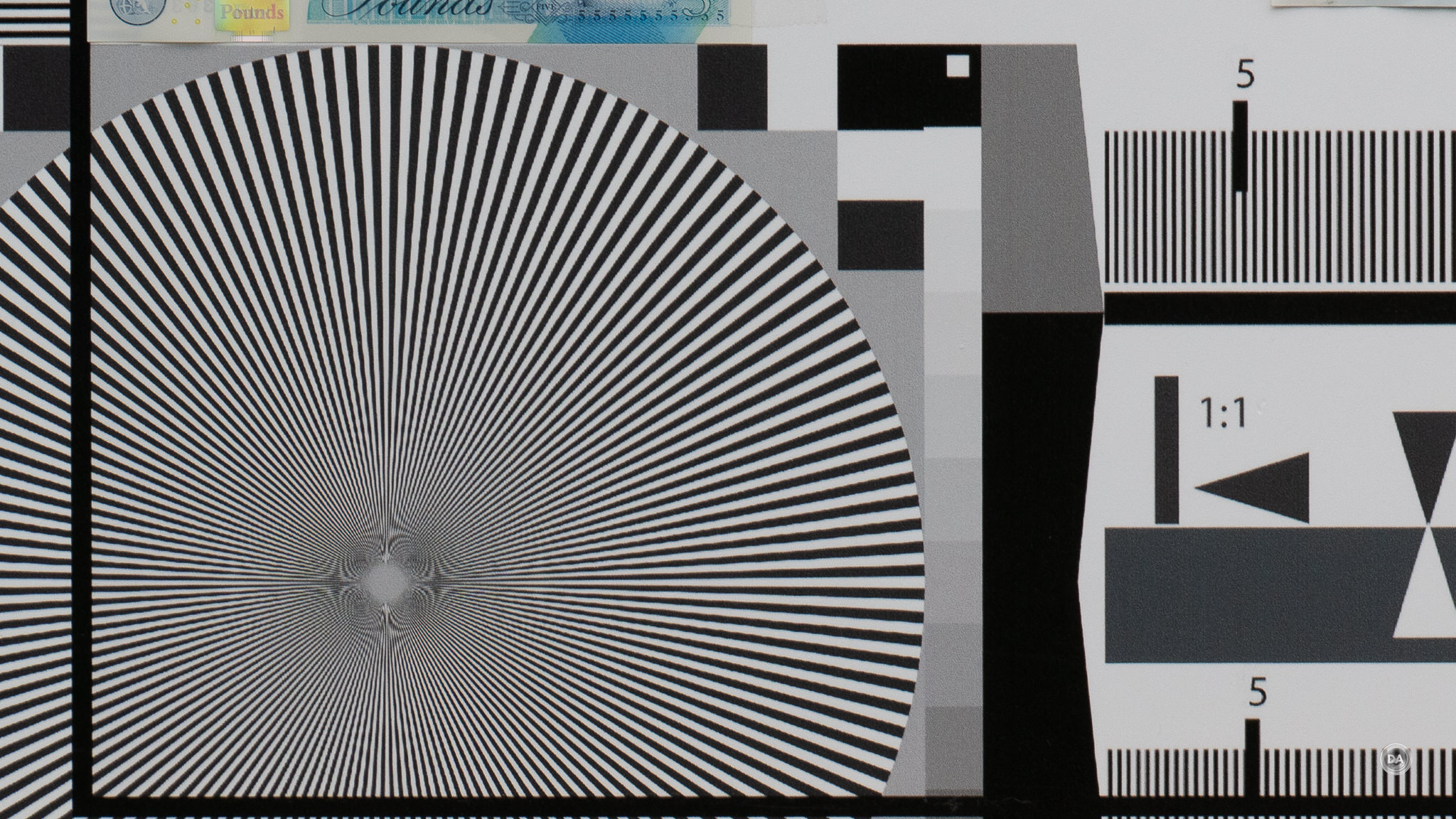
There are some limitations to a lens like this that I’ve previously mentioned (and will explore further), but those limitations do not include any basic optical issues with vignette, distortion, or fringing.
So how about sharpness and contrast? I’m using a 61MP Sony a7RV for these tests, and crops will be shown at 200% level of magnification. I’ve worked hard to eliminate the variables that can impact sharpness results, though I’m sure my results won’t be perfect.
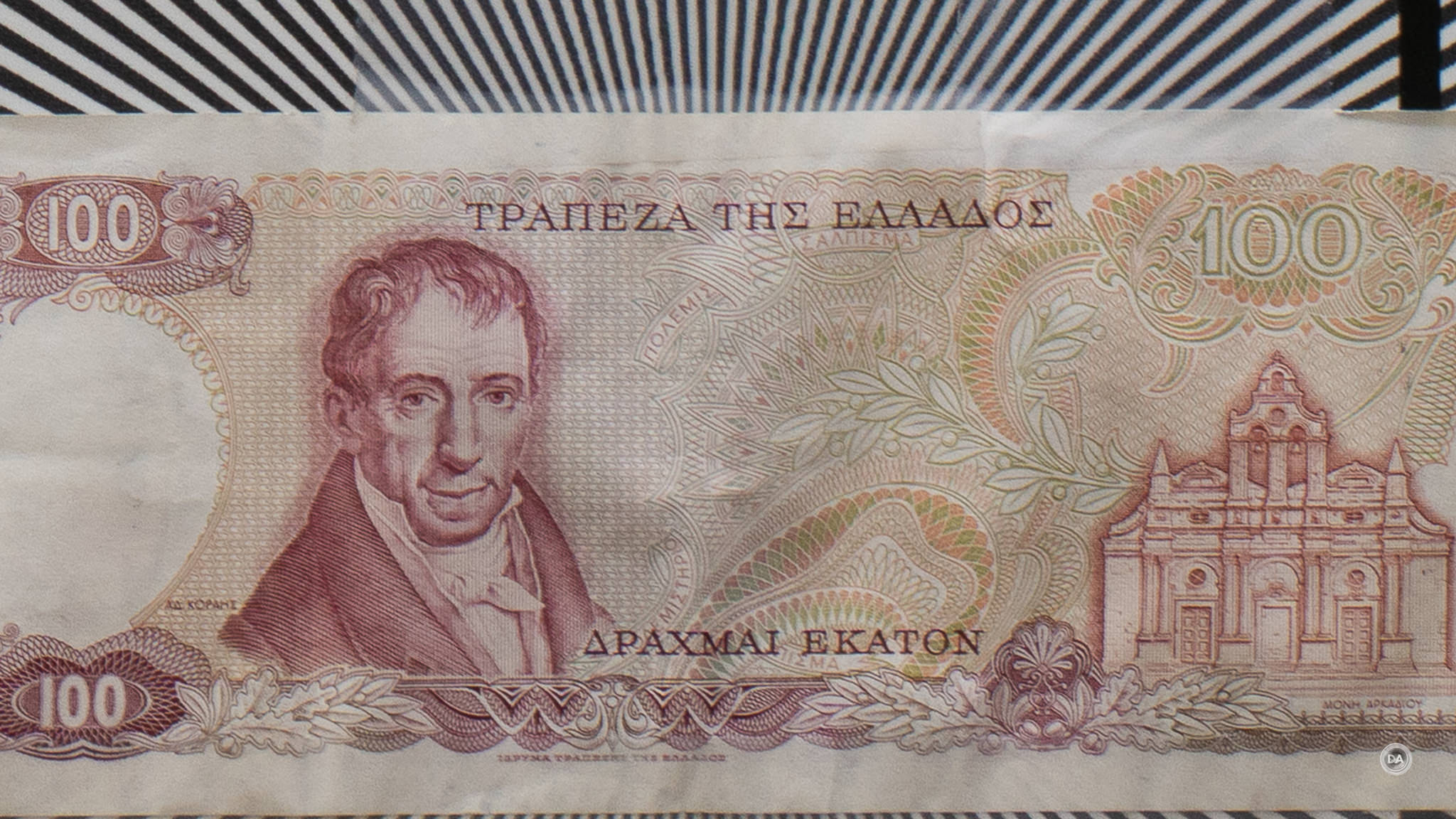
Here’s the test chart.

Taking a look at the deep crops from the center, midframe, and lower right corner, we see a very consistent performance all across the frame. Everything right out to the corners looks very good.
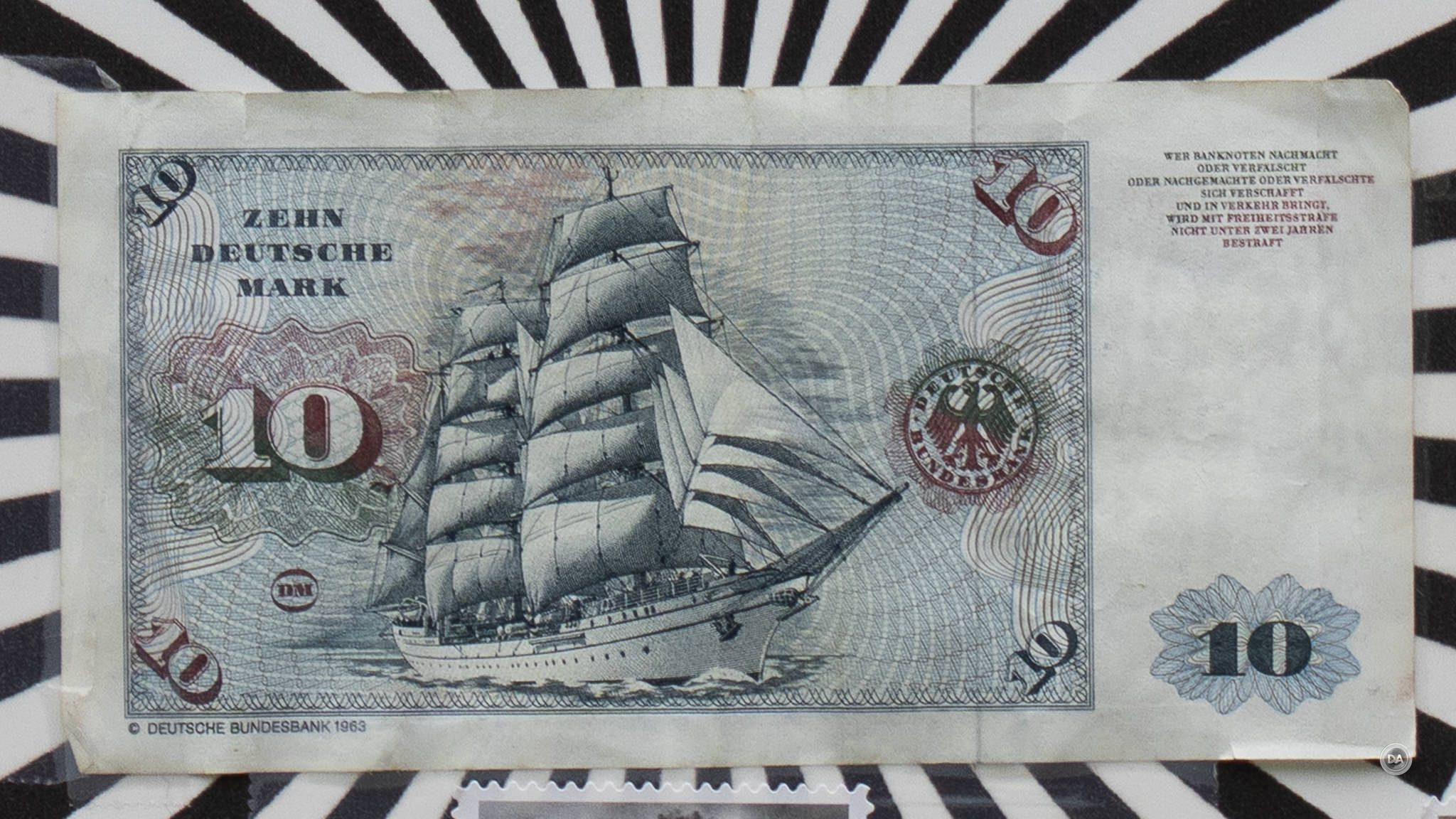

This makes for an interesting comparison if I look at the 600mm end of the Sony FE 200-600mm F5.6.3. The 600mm compares fairly well in the center of the frame, but is much softer in the midframe and corners relative to the 600mm F6.3 GM.
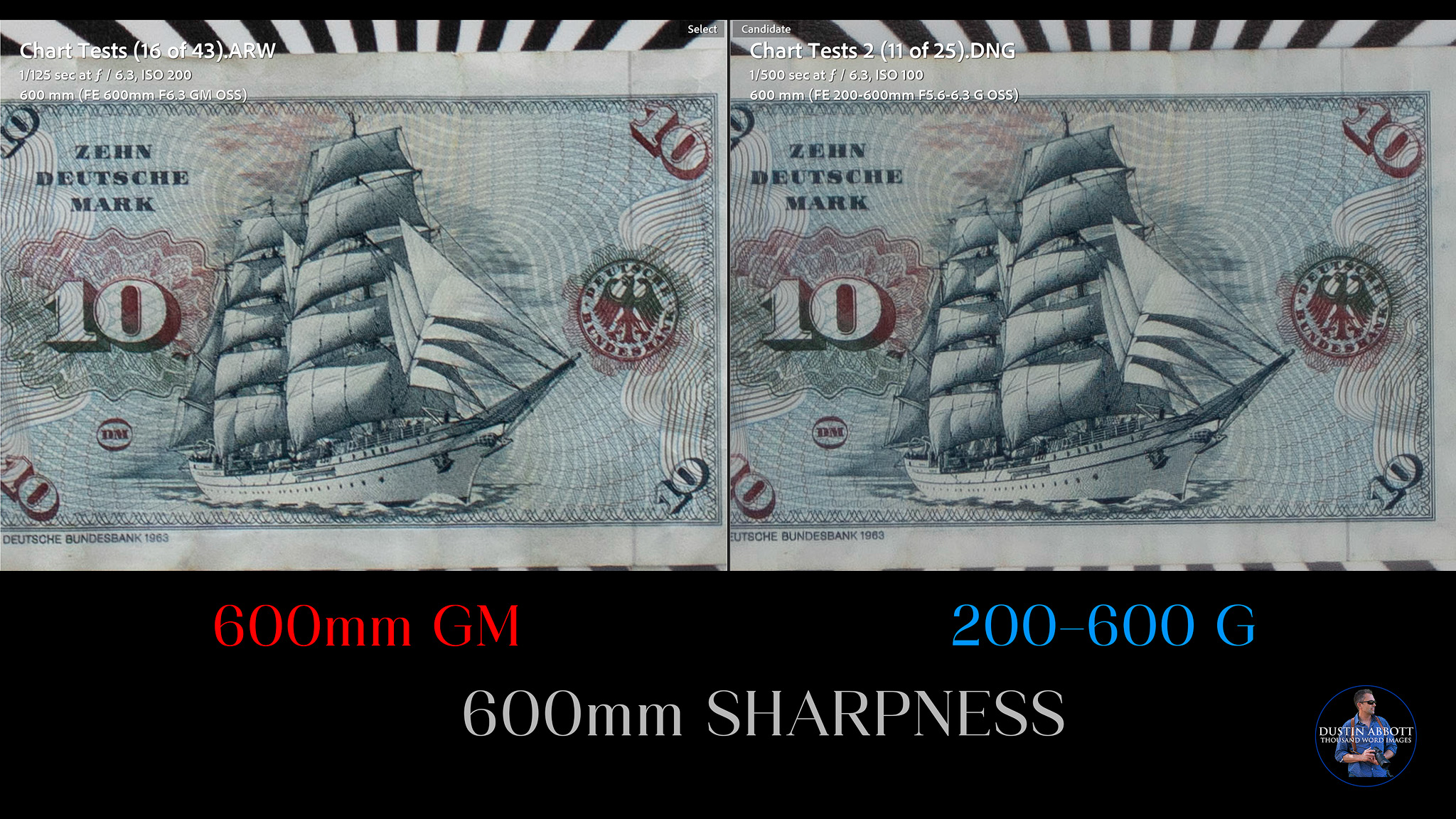
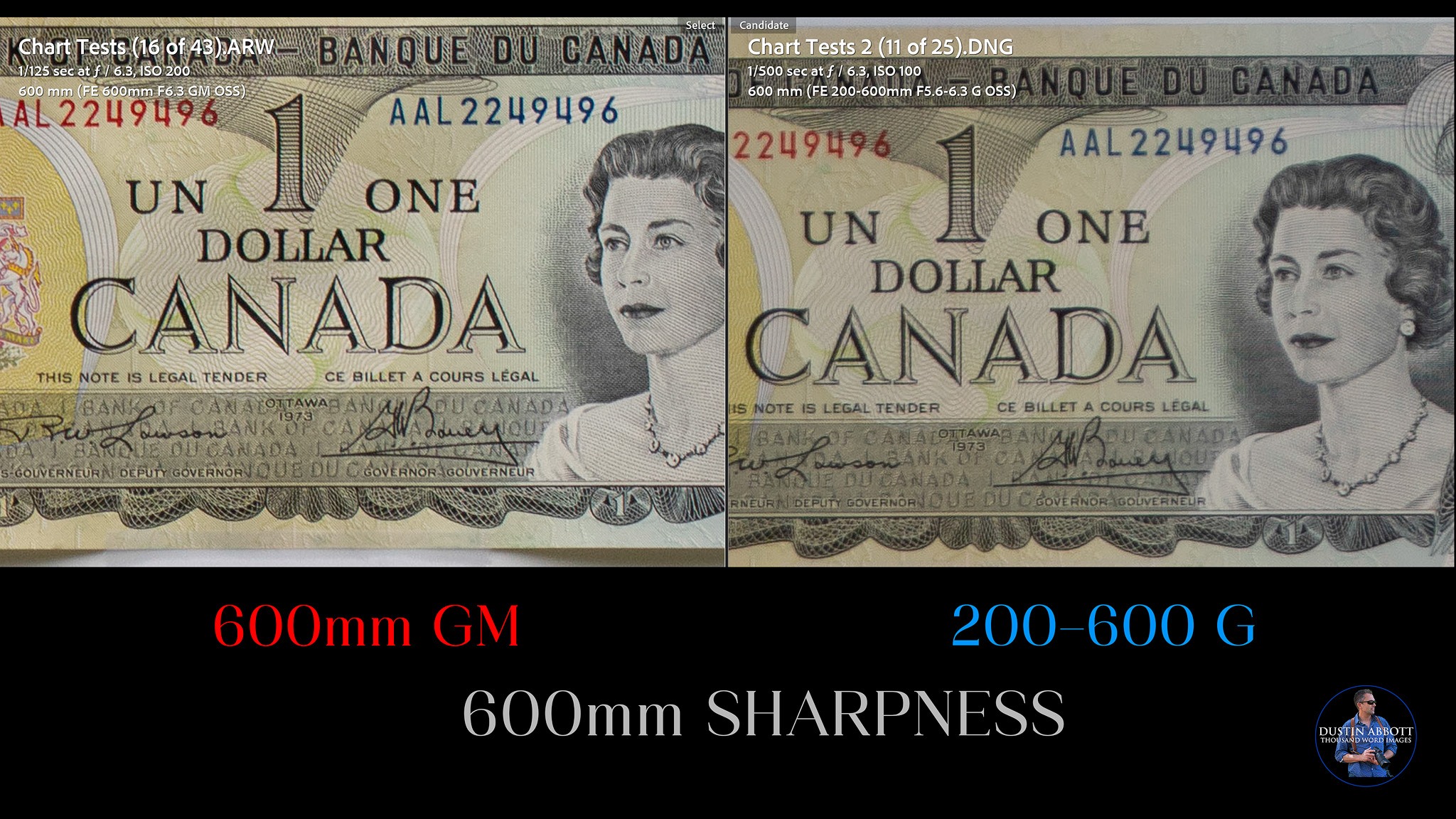
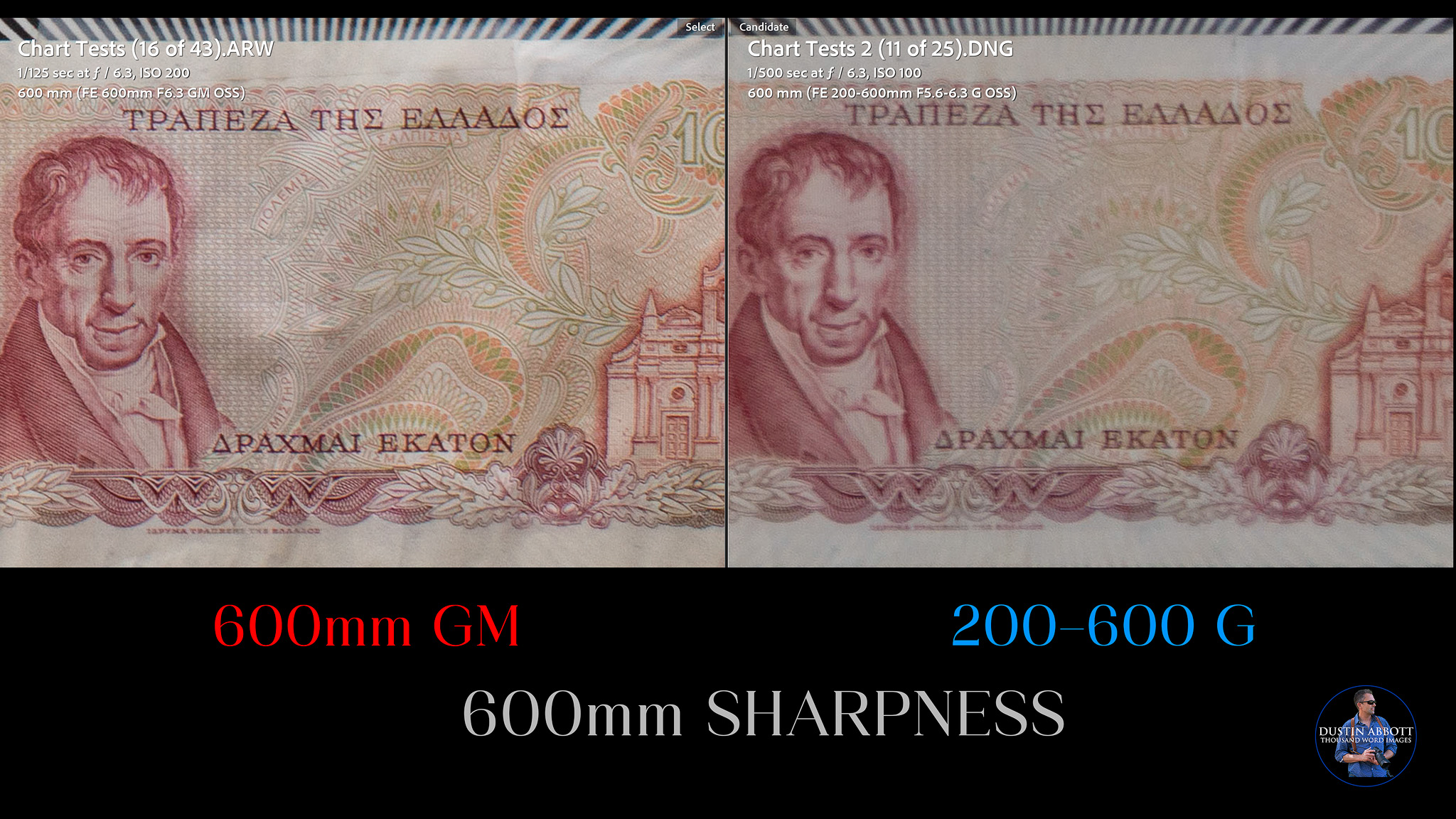
There is definitely an overall sharpness and contrast advantage for the prime lens.
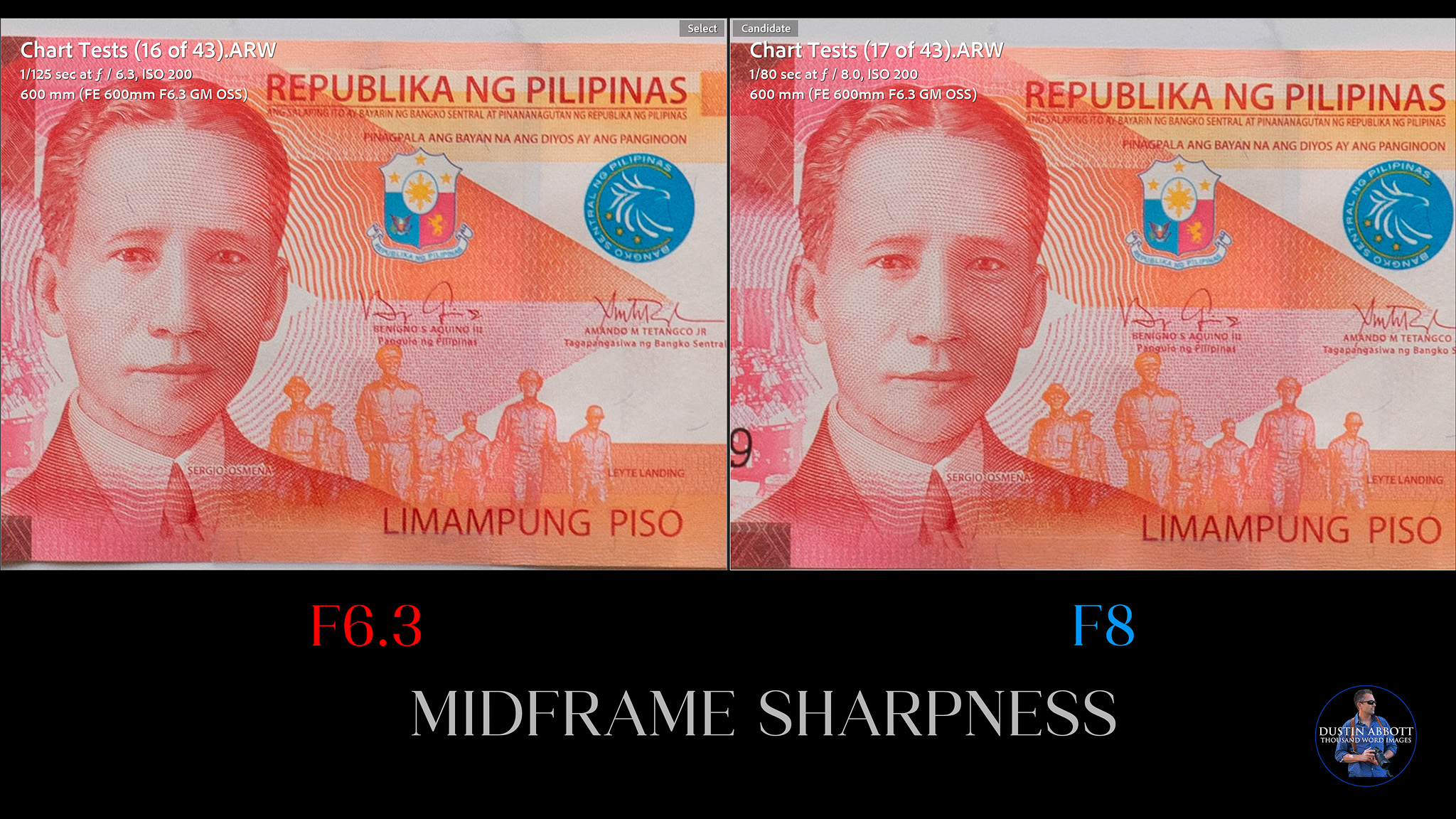
Stopping down the 600mm F6.3 sets up an interesting tug-of-war where optical improvements are offset by the rise of diffraction. F8 looks largely like F6.3, though I do see a bit more contrast.
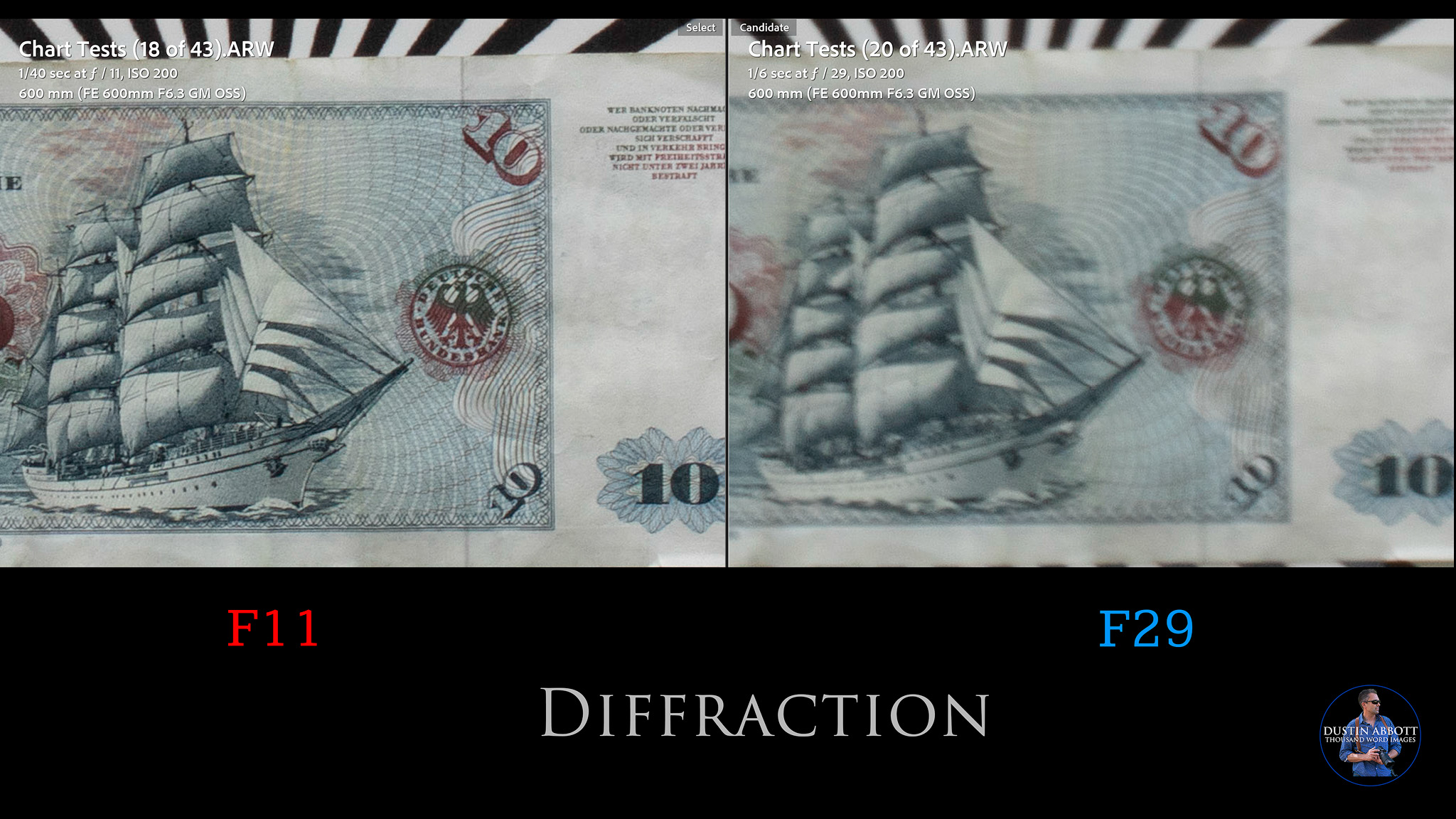
Stopping down further is a net loss to sharpness, as diffraction starts to win that battle. By F11 there is some softening, and by the minimum aperture of F29 the image is quite soft.
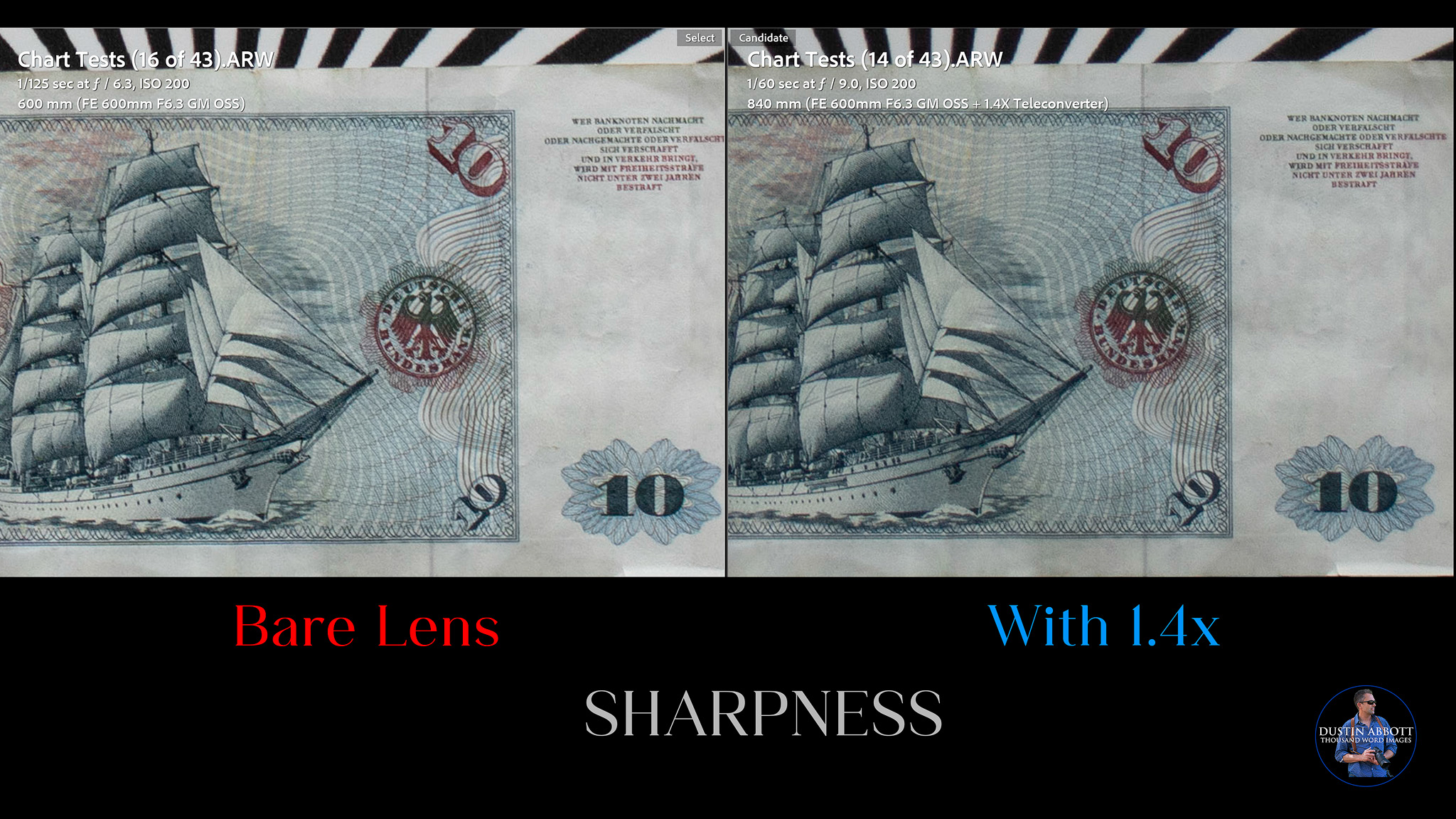
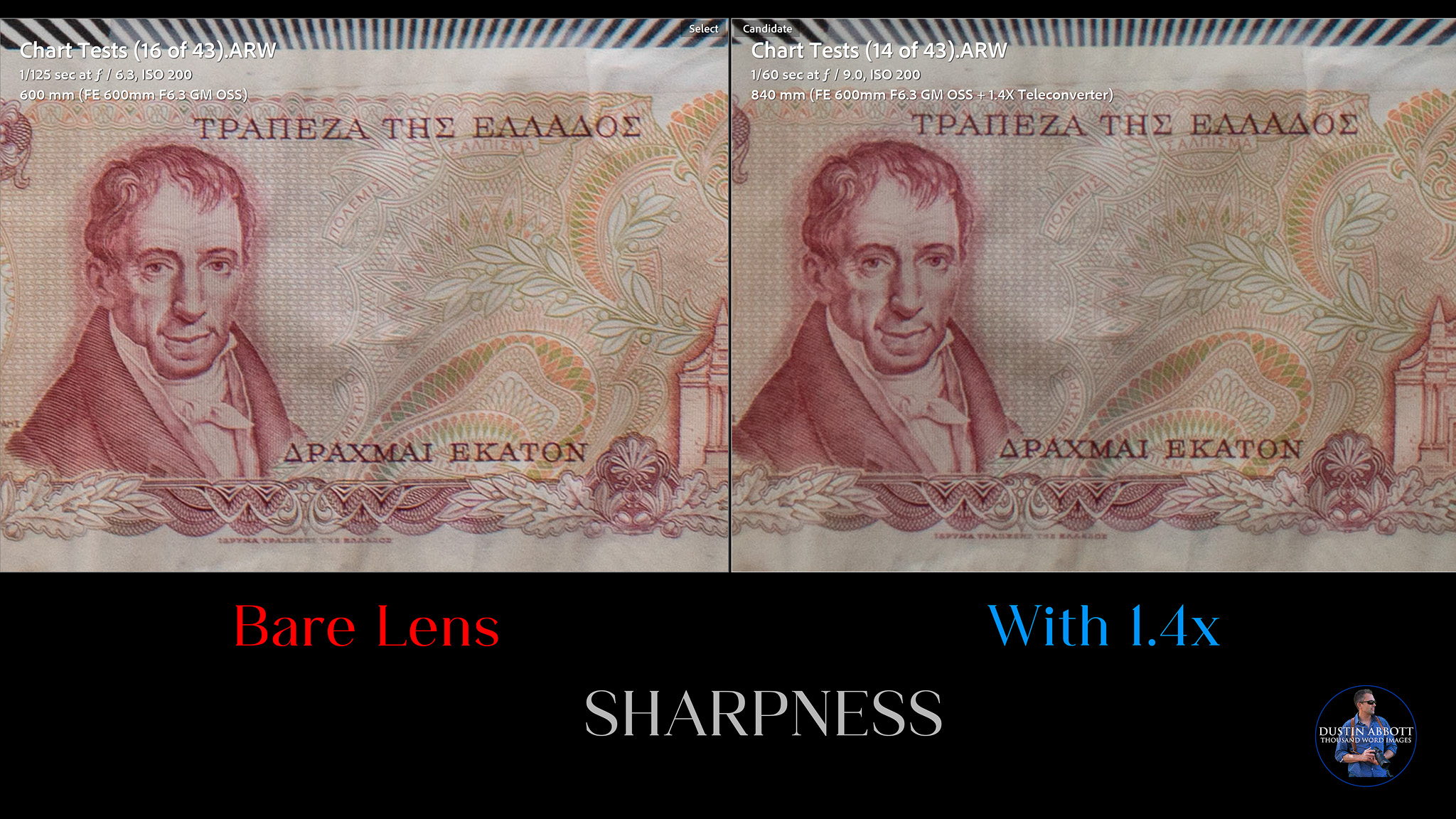
This battle with diffraction does affect the performance when using teleconverters, as the maximum aperture of F9 with the 1.4x and definitely the maximum aperture of F13 with the 2x TC pushes well into the zone where diffraction softens the images. Adding the 1.4x produces a 840mm F9 lens, and you see that while sharpness holds up well, contrast does obviously soften across the frame.
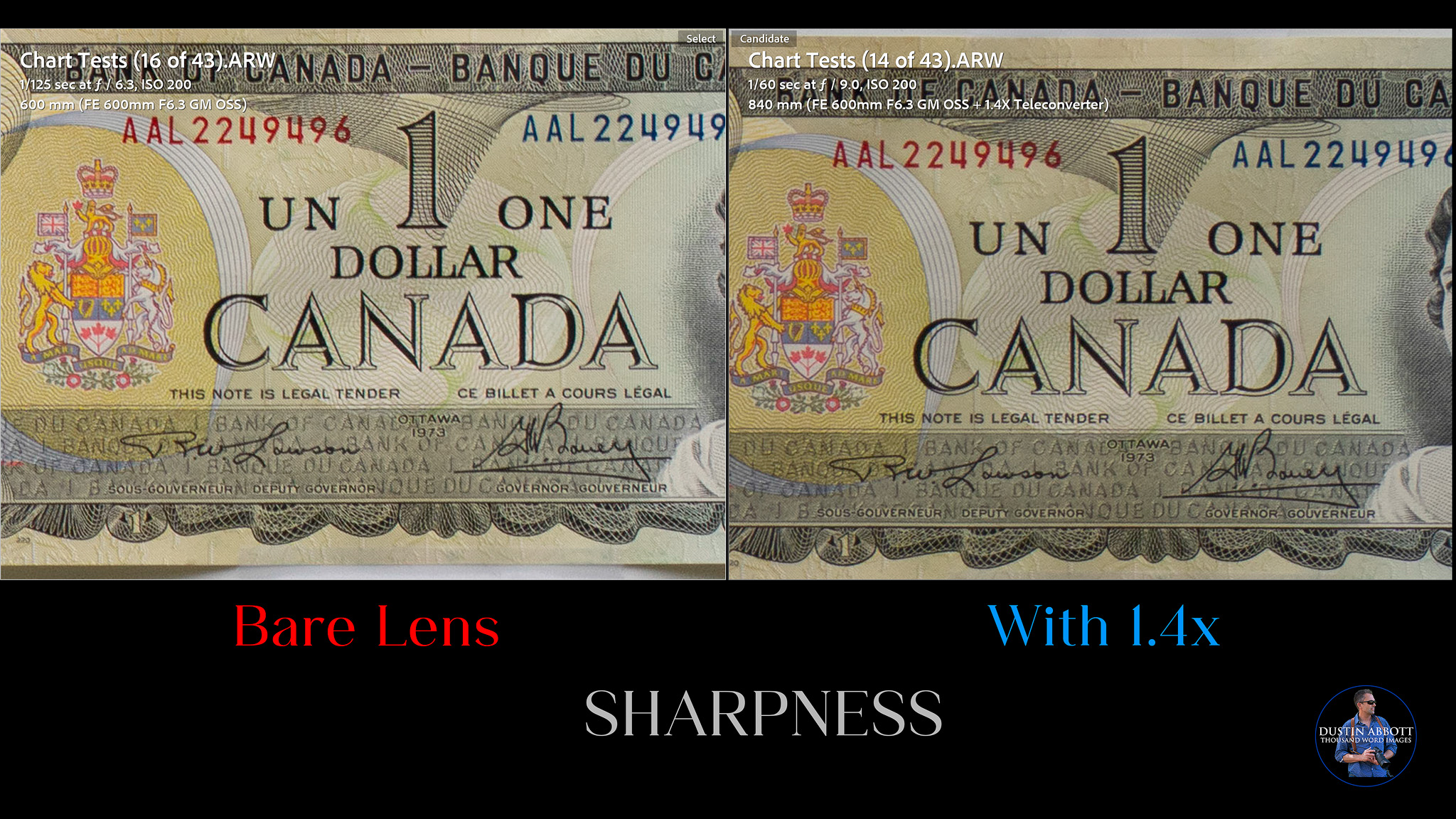
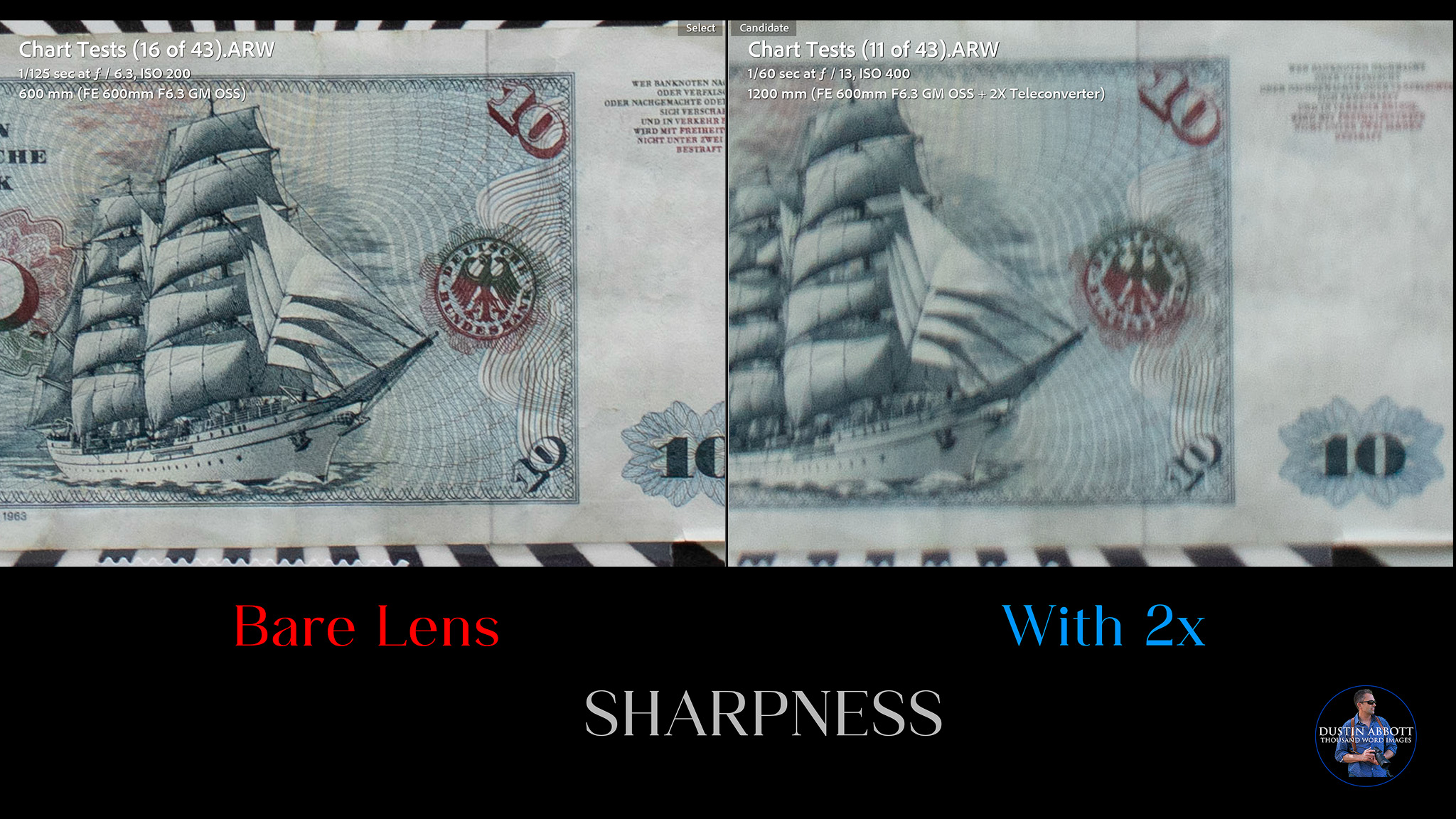
The impact from the 2x teleconverter is more pronounced. You do get 1200mm of reach, yes, but at the cost of a maximum aperture of F13, which is well into the zone of diffraction. The loss of sharpness and contrast is obvious.
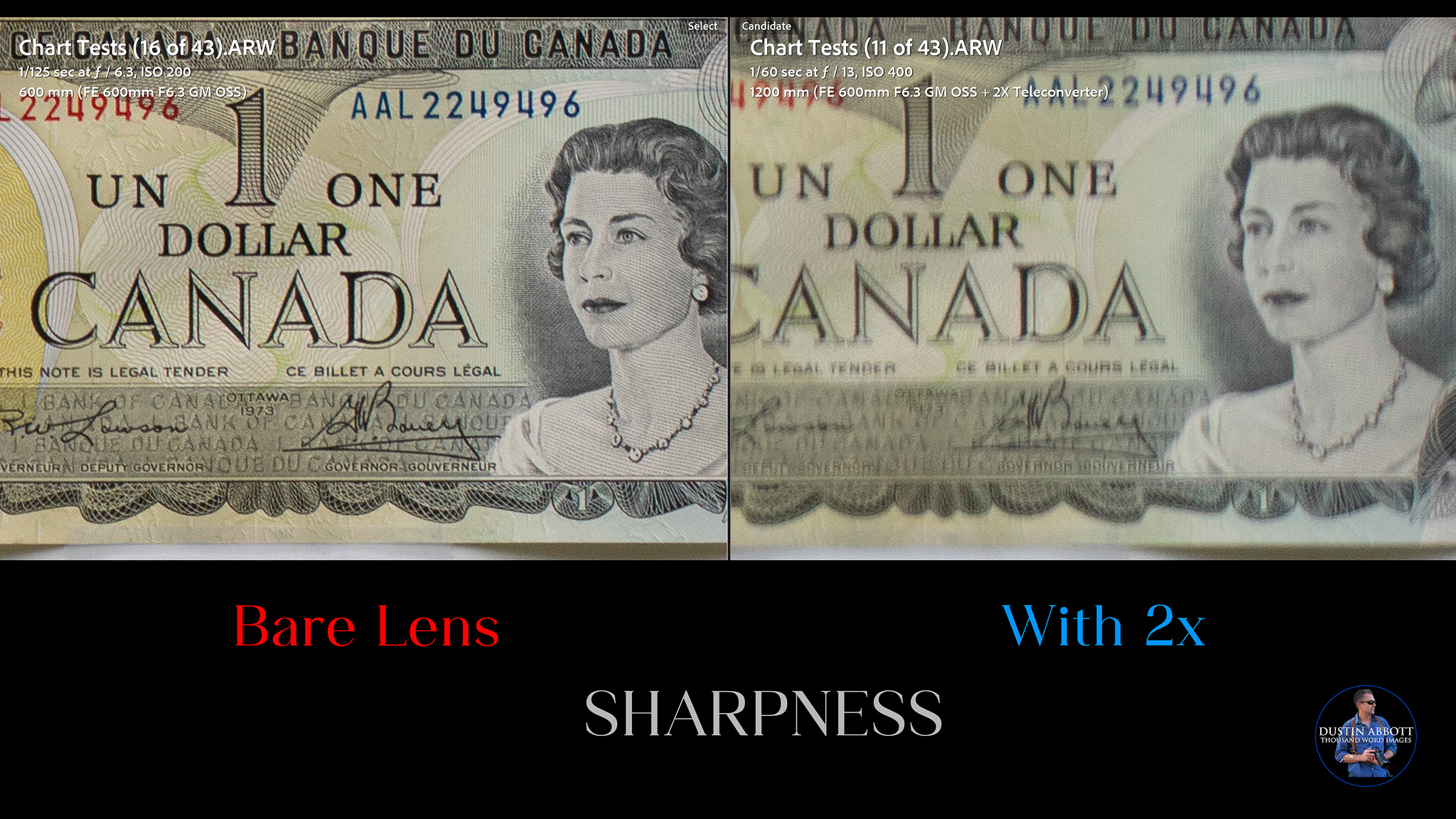
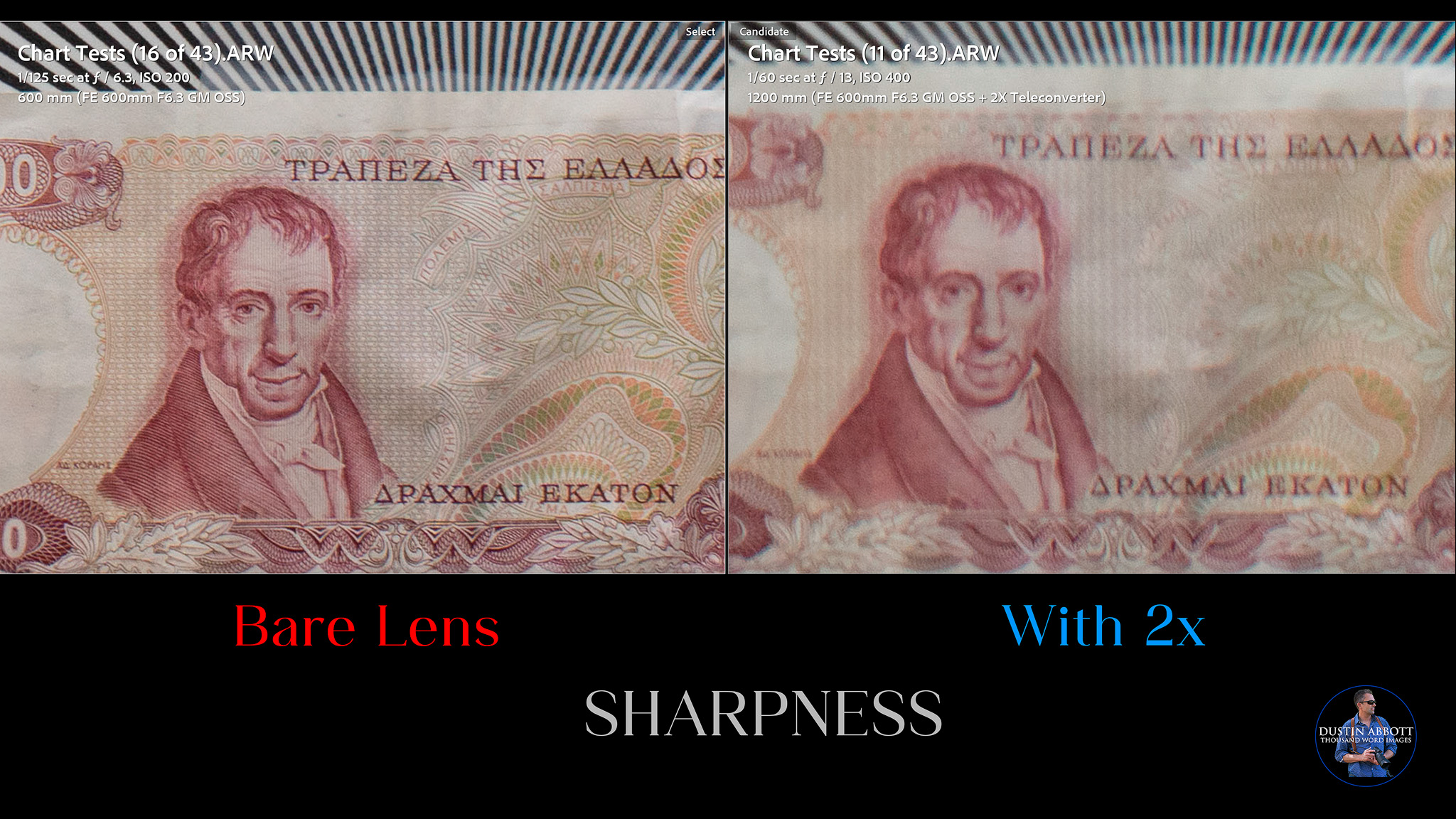
The secondary optical reality of having such a small maximum aperture combined with a long focal length is that you will often be pushed into very high ISO situations. I was surprised to find that my AUTO ISO had had to jump to ISO 6400 to keep up the shutter speed in this fairly brightly lit subject. You can see from the crop how much extra noise is present in the image, which further reduces contrast.


It is still usable, obviously, and software can help, but there are definitely some practical limitations to using the 600mm F6.3 with teleconverters. I personally wouldn’t use a 2x with it, as I feel like there are too many tradeoffs. The 1.4x combination is usable in favorable lighting conditions.
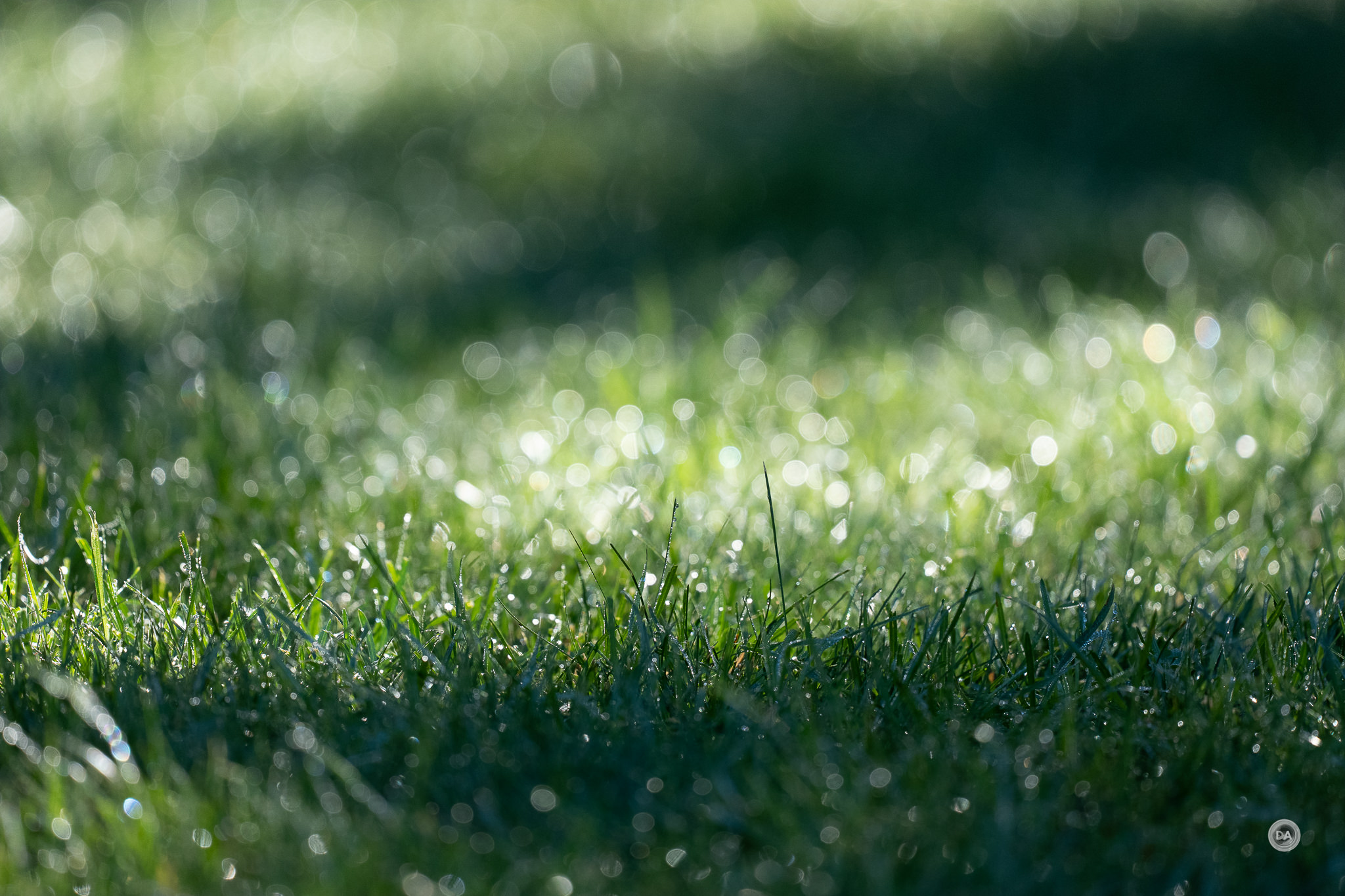
So how about rendering? A lot of my actual work with this lens was shooting a championship golden retriever in action for the breeder, which you’ve seen a lot of in this review. Those shots are more about the animal than the background, however, so I went out specifically to just shoot “bokeh shots”. Part of the conversation with a F6.3 lens, always, is the fact that many shots end up at a higher ISO value than preferred, but in general I got some lovely images.
First of all, at close focus distances (and on this lens, anything under 7 meters/21 feet is close), results in background being completely blurred away. These shots will typically look fantastic.

This is a sharp, high contrast lens, and when backgrounds are blurred to the point of essentially being solid color gradients, the subject is really going to stand out.
Favorable ratio shots where the background is a little further away will also look fantastic.

Putting foreground objects in the frame with this long of a focal length results in very interesting foreground bokeh and framing.

In less favorable situations I found that the bokeh could get a little more “jittery”.

This is an area where the quantity and quality of the bokeh, while nice in many situations, can’t match what the far more expensive 600mm F4 GM can achieve.
Sony is using their Nano AR Coating II to help deter flare-related issues, and while lenses with this narrow of an angle-of-view are probably rarely going to be directed at the sun, I found that flare resistance was solid.


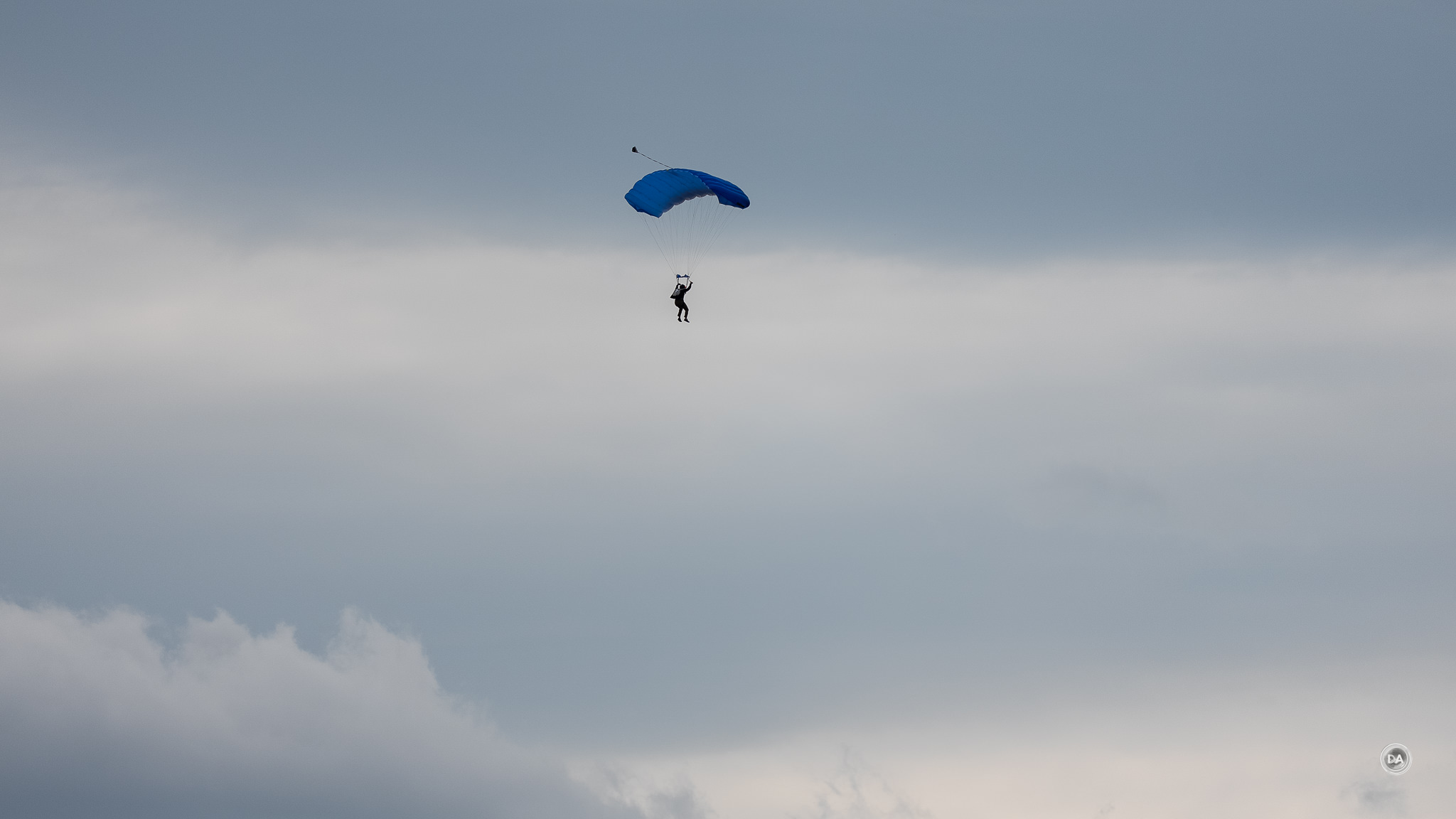
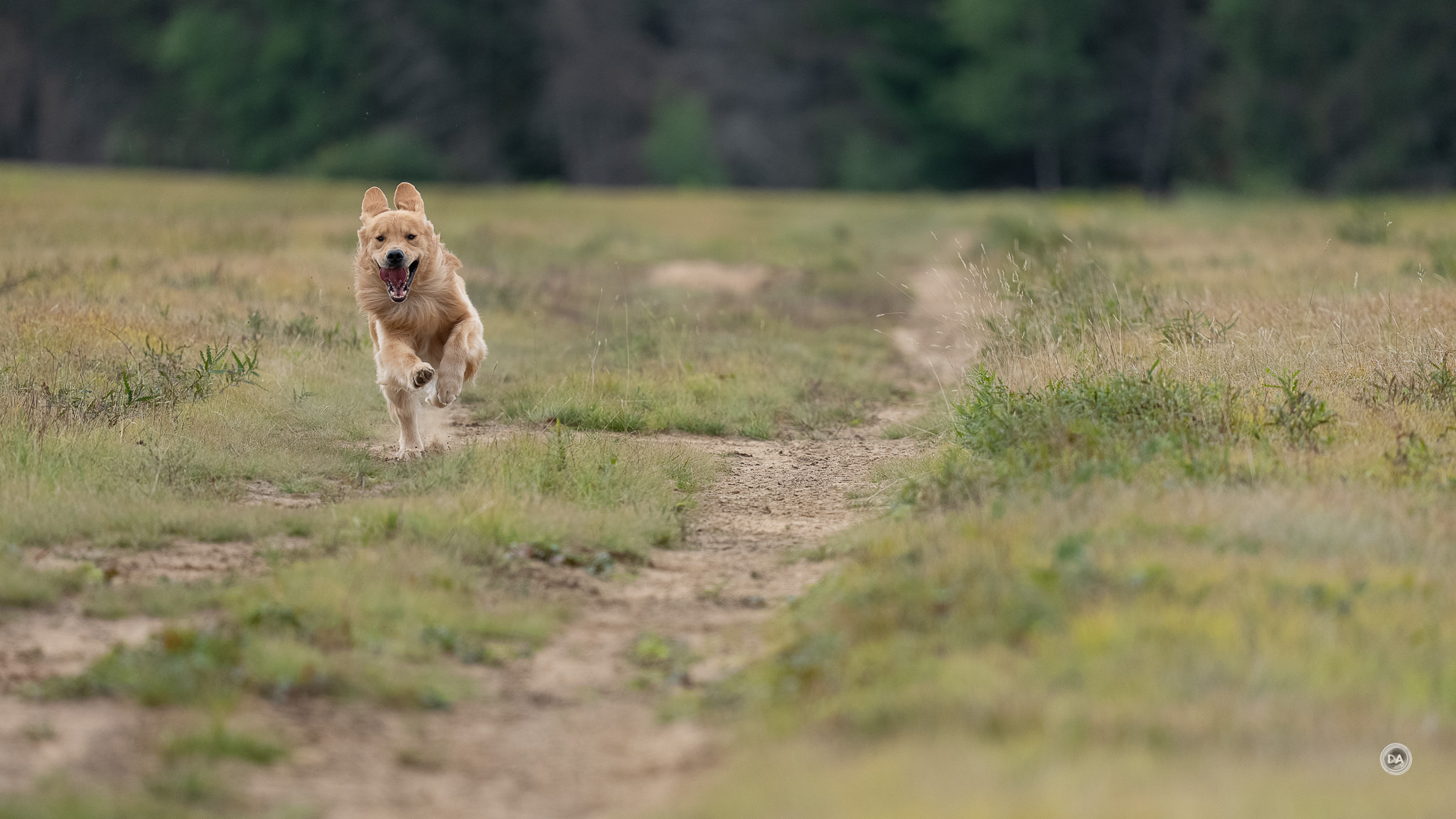
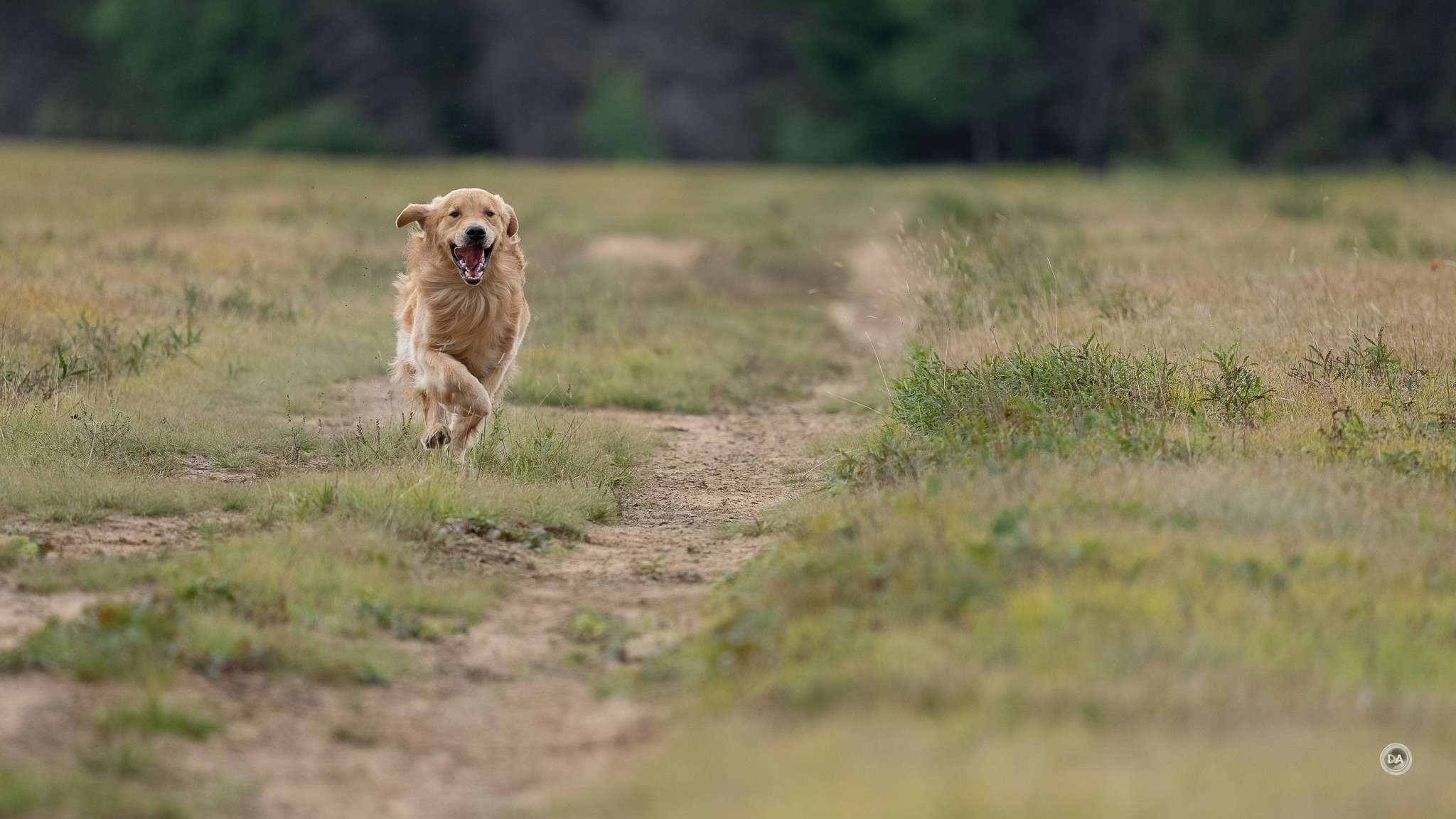
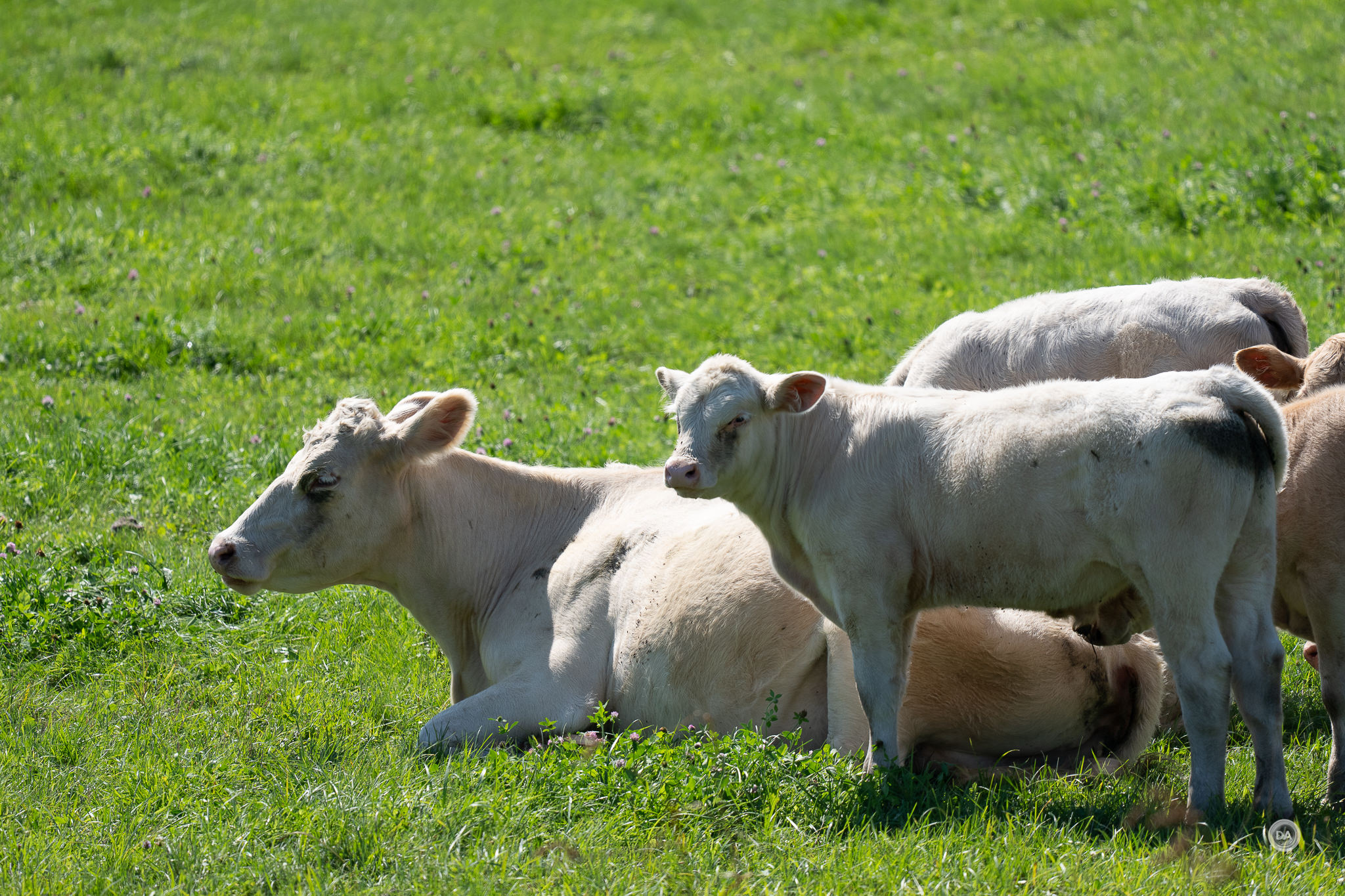
While I don’t think the Sony FE 600mm F6.3 is quite as magical as the 400mm F4.5 GM announced at the same time, there’s no question that you are getting the best optical performance in a focal length this long as you’ll find short of much more expensive (and heavier!) lenses. Here’s a mini-gallery of images to prove the point.













Conclusion
The Sony FE 600mm F6.3 GM OSS is a shockingly lightweight way to get to truly awesome performance at 600mm. The fact that a lens that reaches out this far with sharpness this good while weighing less than a kilogram is impressive. And, while I think the reality of an F6.3 lens is a bit more limiting than the 400mm F4.5 GM that was announced at the same time, there’s no question that the potential reach of this lens (up to 1200mm in certain circumstances) is going to be incredible for certain photographers for whom the reach is the most important element. What a great lens to pack for safari, for example, particularly where weight is limited.
The performance of the lens is exceptional, with fantastic autofocus that is backed by first-party algorithms, quick processing to take full advantage of rapid burst speeds, and excellent compatibility with teleconverters.

Most of my complaints about the 600mm F6.3 GM have little to do with the actual performance of the lens and everything to do with the physical limitations of a long telephoto lens with a somewhat slow maximum aperture. I’m also not sure that I personally consider this to be worth an additional $1000 over the 400mm F4.5 GM, but the same may not be true for someone looking to maximize their reach. The reality is that you can get a very useful 840mm of reach here with a 1.4x teleconverter, though I would only reach for a 2x teleconverter if absolutely necessary. That extra reach above and beyond the 400mm GM could make all the difference for some photographers…and that makes the Sony FE 600mm F6.3 GM OSS an extremely welcome addition to the telephoto options on Sony.

Pros:
- Lightweight Design: At just under 1 kg, this lens is easier to carry and handle compared to other telephoto options, making it ideal for extended outdoor shooting sessions.
- Exceptional Autofocus: Equipped with dual XD (Xtreme Dynamic) Linear Motors, it offers near-instant autofocus, allowing photographers to effectively capture fast-moving subjects like birds and athletes.
- Teleconverter Compatibility: Fully compatible with Sony’s 1.4x and 2x teleconverters, giving photographers extended reach while maintaining operational quality.
- Image Sharpness: Provides excellent sharpness across the entire frame, reducing the occurrence of optical aberrations such as vignette and distortion.
- Fast Burst Rate Compatibility: Works seamlessly with Sony’s Alpha cameras, allowing for rapid shooting at burst rates of up to 120 FPS.
- Robust Optical Design: Composed of 24 elements in 17 groups, including Super ED elements, contributing to superior optical performance and color reproduction.
- Weather Sealing: Designed with thorough weather resistance, the lens is well-suited for outdoor photography in varying conditions.
- User-Friendly Controls: Features multiple customizable buttons and controls for efficient shooting, enhancing usability for photographers in dynamic environments.
- Compact Size: Despite its long focal length, it fits well in standard camera bags, facilitating easier transport and setup.
Cons:
- Maximum Aperture Limitation: The F6.3 maximum aperture may hinder performance in low-light situations, making it less effective for nighttime or indoor photography.
- Increased ISO Requirement: In low-light scenarios, photographers might need to rely on higher ISO settings, which can introduce noise and affect image quality.
- Price Consideration: Although competitively priced, some may find the $3,699 price point still high compared to other alternatives, especially given the presence of the 400mm F4.5 GM.
- Slightly Softening with Teleconverters: Using teleconverters can introduce optical compromises, particularly with the 2x teleconverter, where diffraction may significantly affect image quality.
- Stability in Video Use: Handheld video footage can be shaky without additional stabilization equipment, posing challenges for stable shooting.
_________________________________________________________________________
GEAR USED:
Purchase the Sony 600mm F6.3 GM @ B&H Photo | Adorama | Sony USA | Amazon | Camera Canada | Amazon Canada | Amazon UK | Amazon Germany
Purchase the Sony FE 1.4x Teleconverter @ B&H Photo | Adorama | Sony USA | Amazon | Camera Canada | Amazon Canada | Amazon UK | Amazon Germany
Purchase the Sony 400mm F4.5 GM @ B&H Photo | Adorama | Sony USA | Amazon | Camera Canada | Amazon Canada | Amazon UK | Amazon Germany
Purchase the Sony 100-400mm F4.5 GM @ B&H Photo | Adorama | Sony USA | Amazon | Camera Canada | Amazon Canada | Amazon UK | Amazon Germany
___________________________________________________________________
Purchase the Sony a7RV @ B&H Photo | Adorama | Amazon | Camera Canada | Sony Canada | Amazon Canada | Amazon UK | Amazon Germany
__________________________________________________________________
Purchase the Sony a7IV @ B&H Photo | Adorama | Amazon | Camera Canada | Sony Canada | Amazon Canada | Amazon UK | Amazon Germany
_________________________________________________________________
Purchase the Sony Alpha 1 @ Camera Canada | B&H Photo | Adorama | Amazon | Sony Canada | Amazon Canada | Amazon UK | Amazon Germany | Ebay
_________________________________________________________________
Want to support this channel? Use these affiliate links to shop at: B&H Photo | Amazon | Adorama | Camera Canada | Amazon Canada | Amazon UK | Ebay | Make a donation via Paypal
Buy DA Merchandise https://bit.ly/TWIMerch

Keywords: Sony FE 600mm F6.3 GM OSS, FE, Sony, 600mm, F6.3, 600mm f/6.3, 600mm F6.3, OSS, GM, G Master, Gold Master, Golden Retriever, Dog, Full Frame, Review, Sony Alpha 1, Sony α II, Sony a7RV, a7RVI, Review, Hands On, Dustin Abbott, Real World, Comparison, Sharpness, Bokeh, Flare Resistance, Autofocus, Image Quality, Sample Images, Video, Photography, let the light in, weathersealing, #letthelightin, DA
Related posts:
 Sony FE 400mm F4.5 GM OSS Review
 Sony FE 100-400mm F4.5 GM OSS Review
 Sony FE 16-35mm F2.8 GM II Review
 Sony FE 16-35mm F2.8 GM II Gallery
 Sony FE 100mm F2.8 Macro GM OSS Review
 Sony FE 28-70mm F2 GM Gallery
 Sony FE 400-800mm F6.3-8 G OSS Review
 Sony FE 50-150mm F2 G Master Review
 Sony FE 50-150mm F2 GM Gallery
 Sony 50-150mm F2 GM vs Tamron 35-150mm F2-2.8