

In 2024 Viltrox released their tiny little 28mm F4.5 “Chip” lens. It was about the thickness of a lens cap and, with the right camera, made for a pocketable experience. TTArtisan has adapted the same formula in their new little AF 24mm F3.8 Mini lens, though they have improved on Viltrox’s formula with a more versatile focal length (24mm) and a brighter maximum aperture (F3.8). This is also their first lens to utilize a VCM (Voice Coil Motor) style focus motor rather than a traditional STM focus motor. There’s something very attractive about these simple little lenses, and the price tag of just $99 isn’t going to hurt! I think I’d actually choose this one over the Viltrox for several reasons. Find out more in either the video review below or by reading on in the text review.
Follow Me @ YouTube | Patreon | Instagram | Facebook | DA Merchandise | Flickr | 500px | X
Thanks to Vitopal for sending me a retail sample of this lens. As always, this is a completely independent review. *The tests and most of the photos that I share as a part of my review cycle have been done with the Sony a7RV and the Sony A1 II. You can find the listing for the TTArtisan AF 24mm F3.8 here..
__________________________________________________________________________________________________
SUMMARY:
The TTArtisan AF 24mm F3.8 Mini lens offers a compact, lightweight design paired with a versatile focal length, making it an attractive option for casual photographers. With its fixed aperture of F3.8 and silent autofocus powered by a Voice Coil Motor, it delivers sharp images across various settings, despite lacking manual focus capabilities. Its build quality, effective optical performance, and affordable price of $99 further enhance its appeal. However, limitations include the absence of a manual focus ring and a narrow minimum focus distance, which may hinder detailed close-up photography.
Strengths:
- Extremely compact and lightweight design
- Versatile 24mm focal length with decent optical performance
- Affordable pricing at $99
- Effective silent autofocus (VCM)
Weaknesses:
- Fixed aperture (F3.8) with no manual focus option
- Limited minimum focus distance
- Lacks weather sealing and filter threads
First of all, like the Viltrox, this is a “fixed aperture” lens. The aperture is F3.8, period. Not bigger, not smaller. No aperture ring or aperture control from within camera. Aperture is fixed at F3.8.
There also isn’t any manual focus here. There is no manual focus ring. Most of the time that is okay, as autofocus is solid, though there are a few objections I have that I’ll detail later.
Don’t let the tiny little size fool you, however, as this is a real lens capable of making surprisingly nice images.
Let’s a take a closer look.
Build and Features
24mm is a great focal length, giving you flexibility for shooting landscapes, street, and general purpose. While you don’t have an flexibility with the aperture, TTArtisan has tried to find a balance where enough is in focus at medium distances to infinity for crisp results…
…while still bright enough to not be useless in low light and even capable of providing a bit of subject separation in the right scenario.

The physical design is very, very similar to the Viltrox 28mm F4.5. Both have a lightweight metal mount, a black engineered plastic body with ridges on the side, and even a USB-C port in the lens mount.
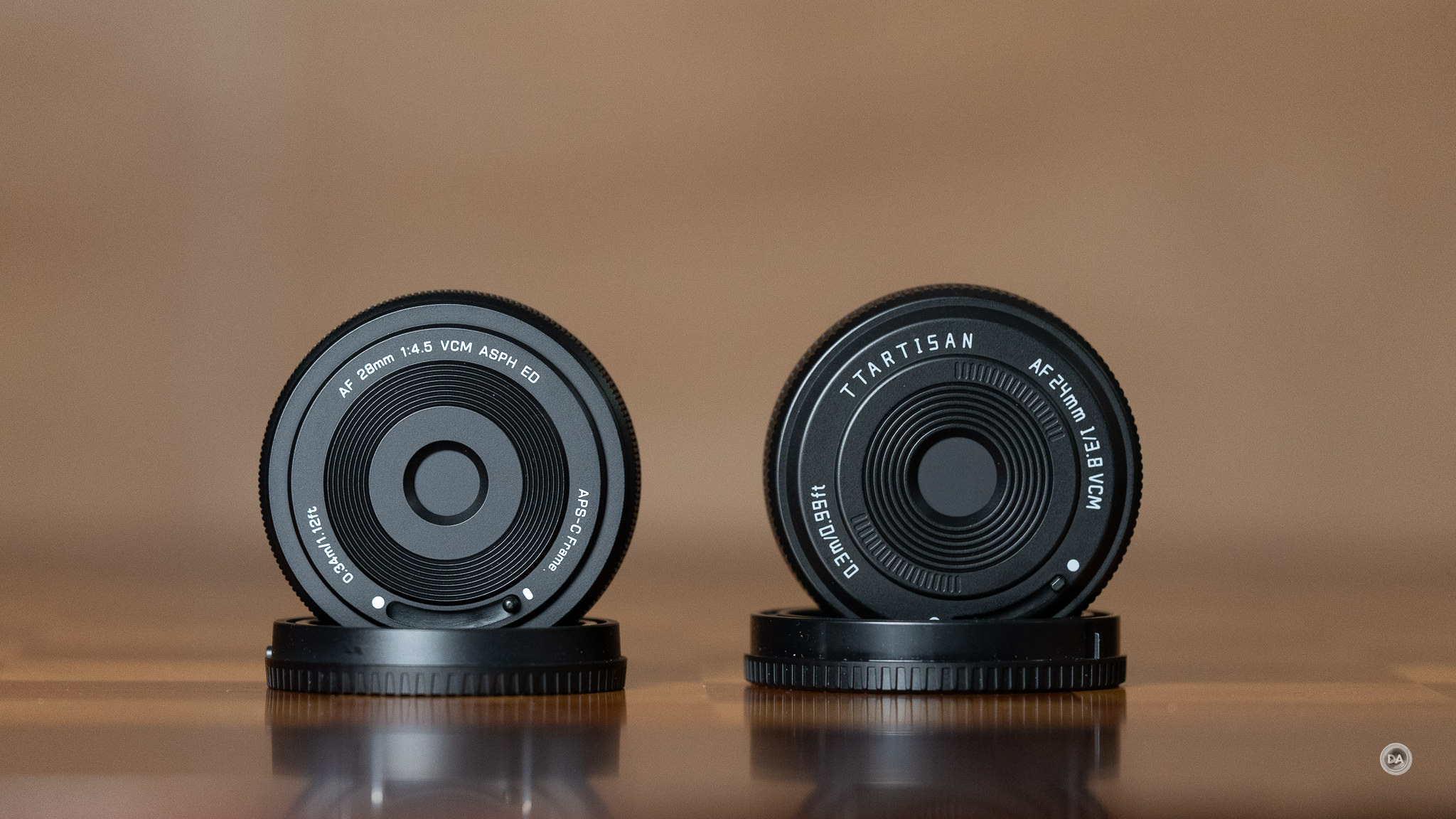
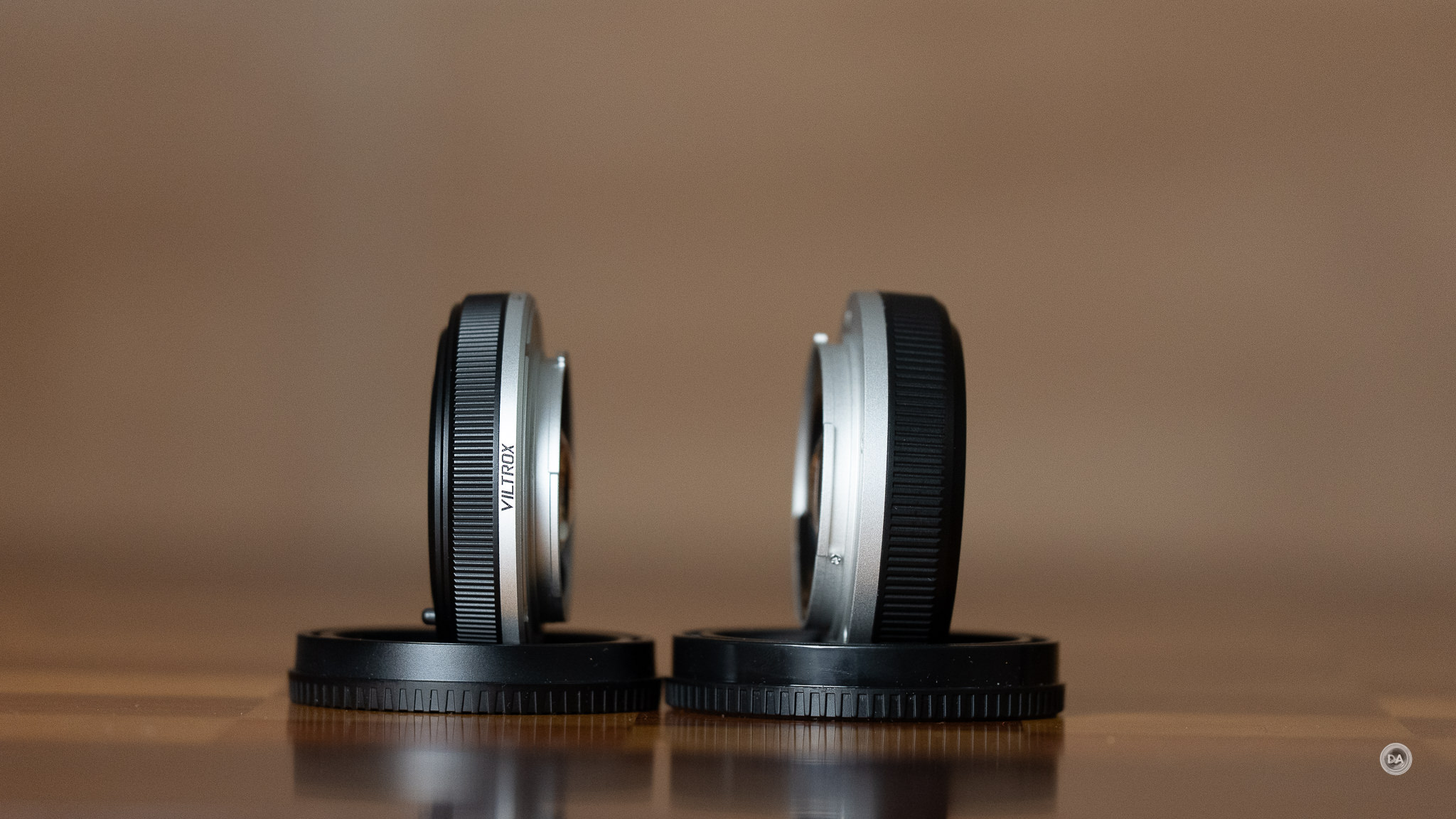
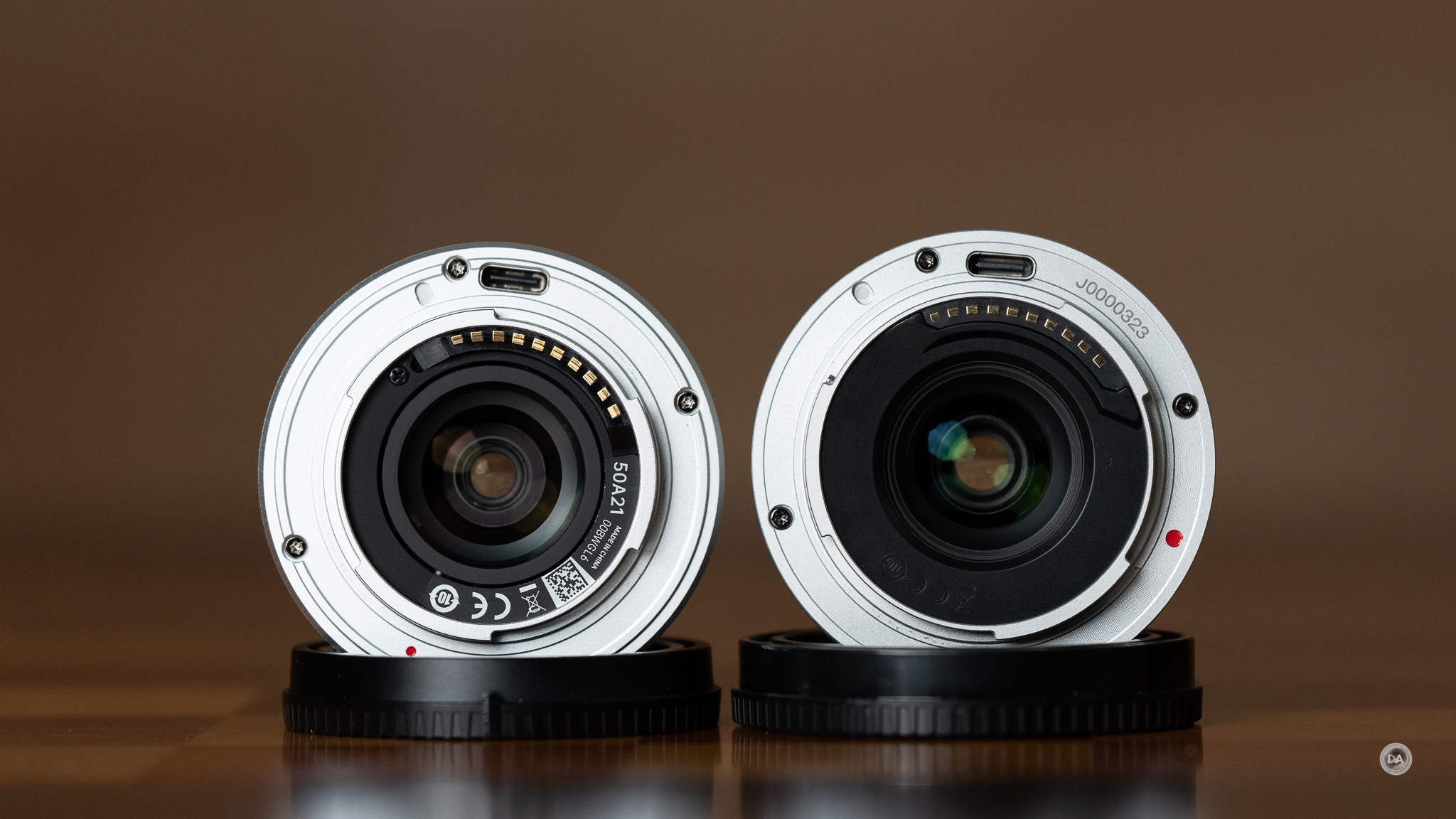
The TTArtisans’ lens is slightly thicker, but that’s appropriate considering that it has a wider focal length and brighter maximum aperture. It is still incredibly slim, so that won’t be an issue for anyone. I measure the depth/length of the lens at just 16mm (0.62″), which is only a fraction thicker than the 15.3mm of the Viltrox.
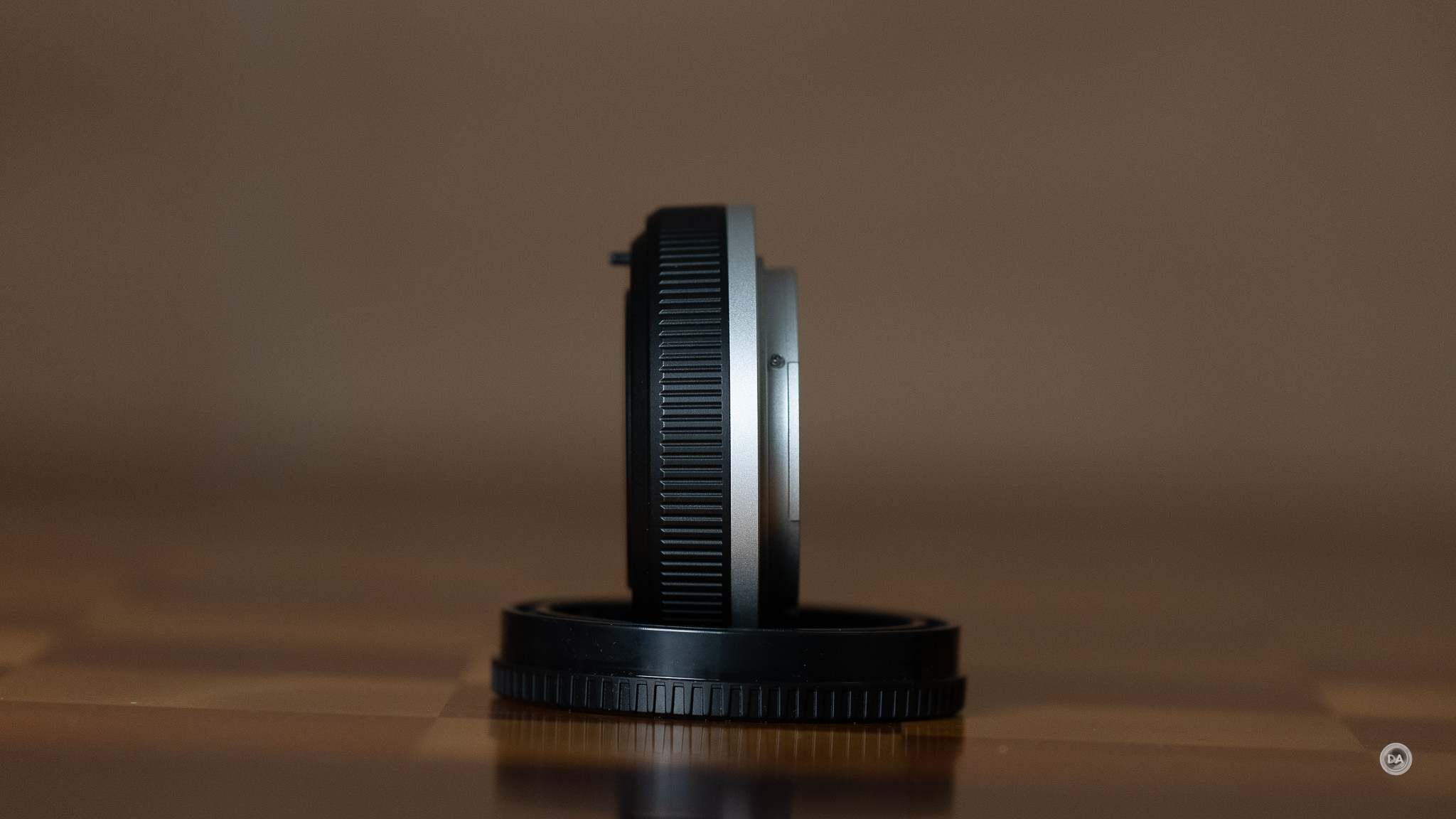
The diameter is right around 60mm by my measurement (2.36″), making it very slightly slimmer than the Viltrox. It is basically just wide enough to cover the lens mount on my camera.
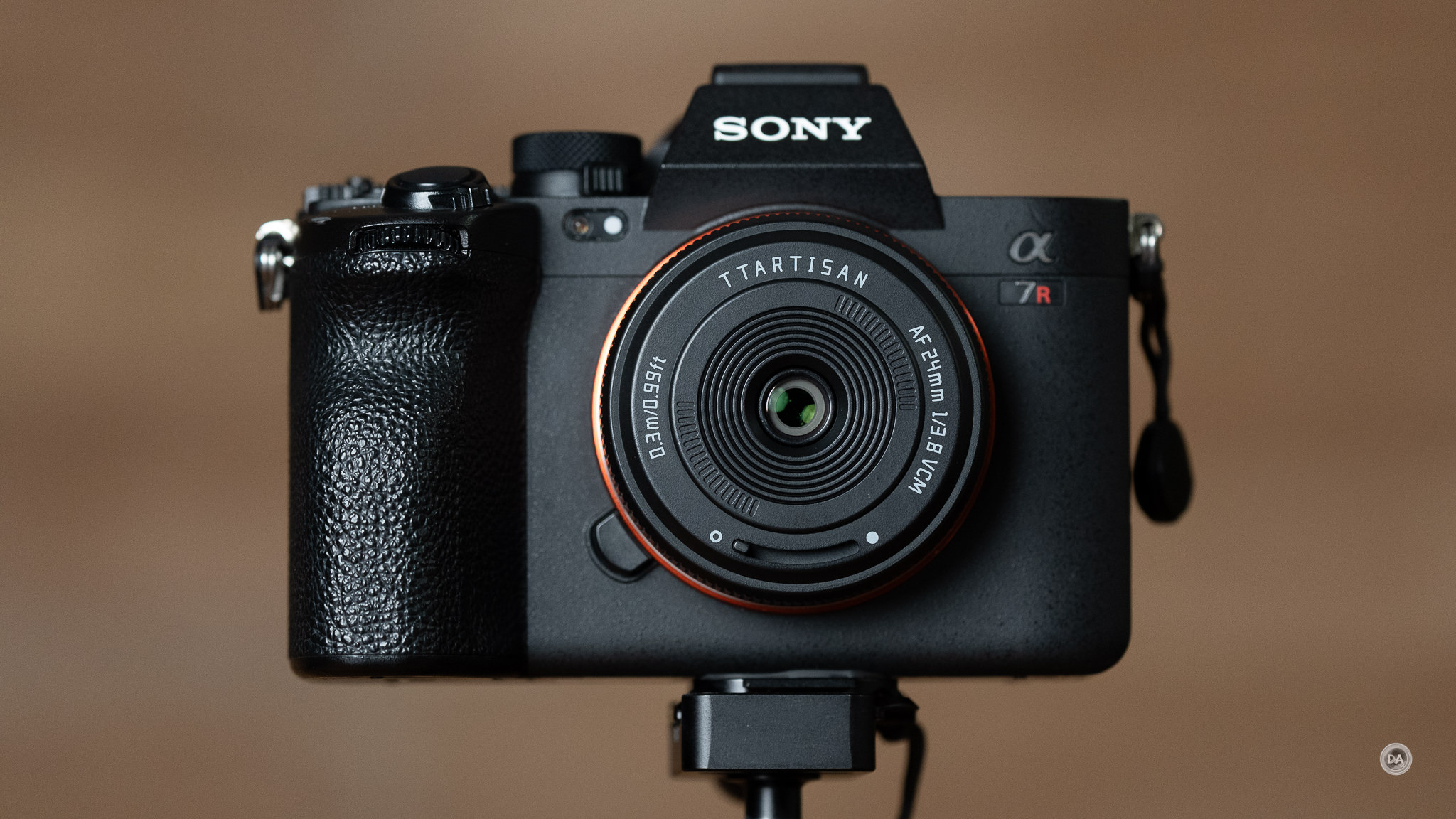
The weight on my scale is just 59g (2 oz), which is roughly the same as the Viltrox.
Bottom line: this is one of the smallest and lightest autofocusing lenses ever made. It won’t take up much more room in your bag than the front camera cap.
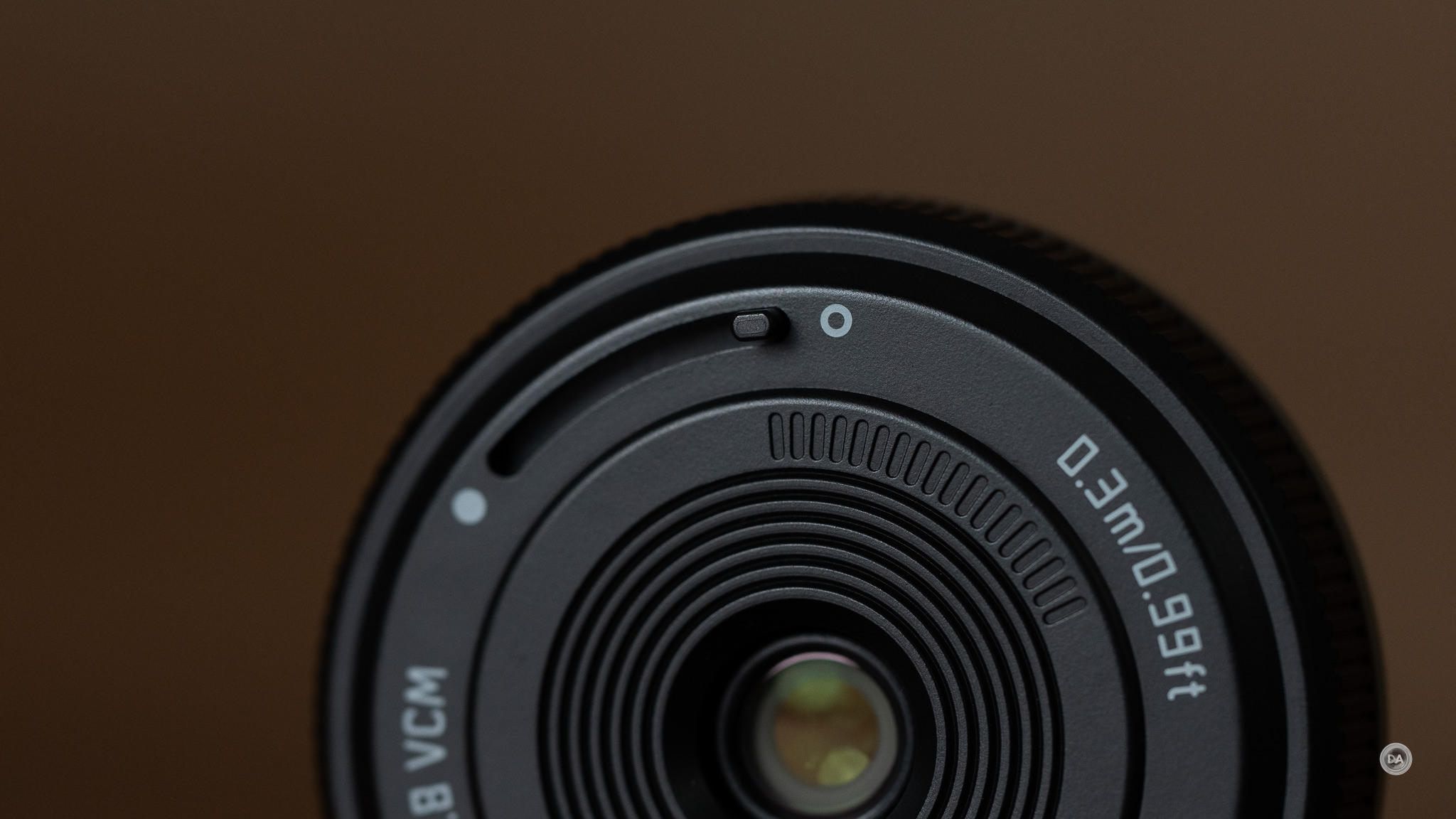
You’ll note that there is a small lever on the front of the lens. That essentially serves like a front lens cap. One direction will open the protective cover over the glass elements for shooting, the other direct will close it and protect things for storage. Unlike the Viltrox, the focus motor doesn’t pulse forward when the camera is turned on, which eliminates the issue with the optics sometimes hitting the cover.
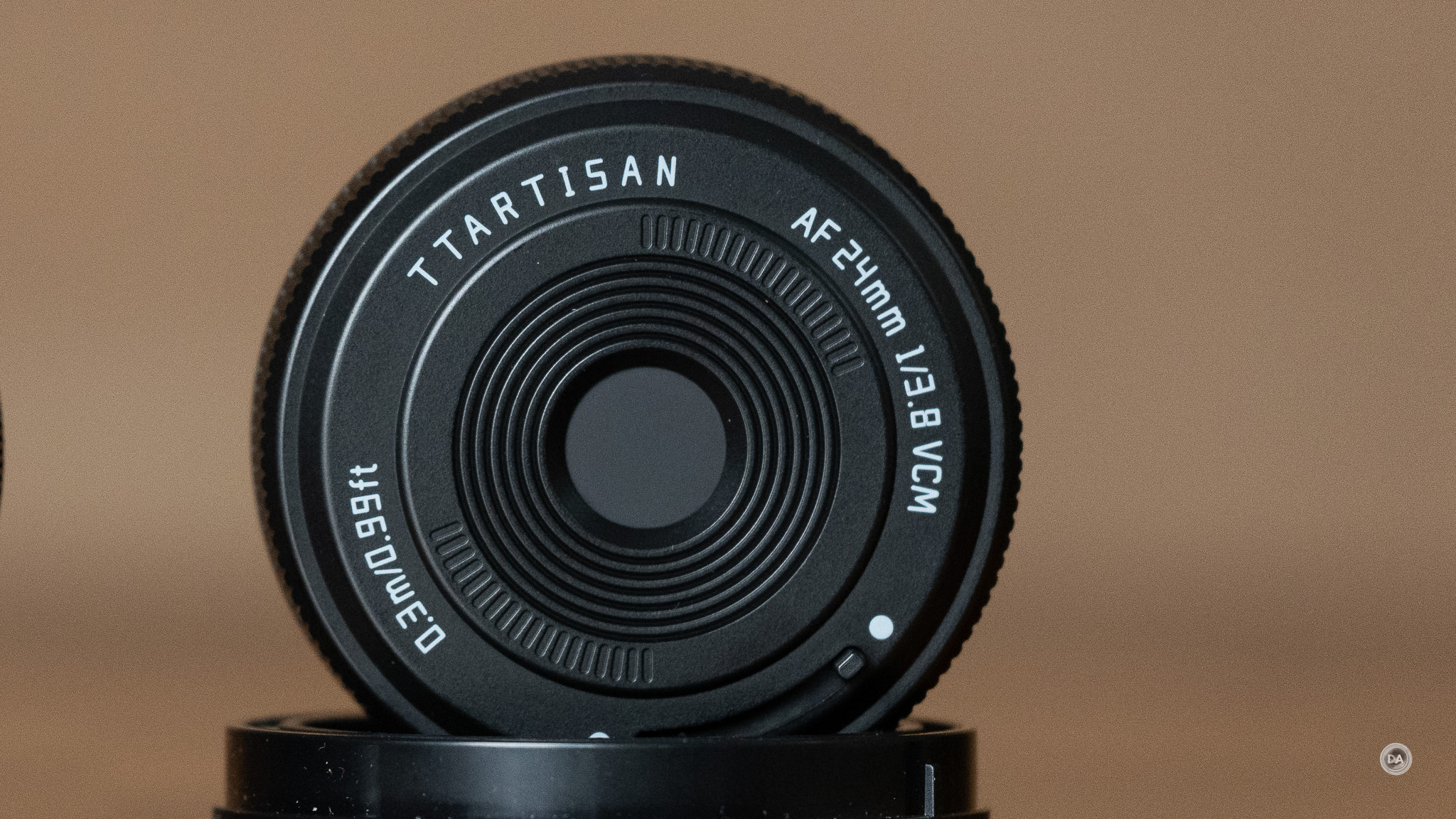
There are no other “features” on the lens. No switches (autofocus only), aperture ring (fixed aperture), or other buttons. This is the ultimate grab and go lens.
While some early rumors announced filter threads, it doesn’t take a rocket scientist to see that there are no filter threads on the front of this lens. This lens is not about filtering or advanced photography – it is a grab and go lens.
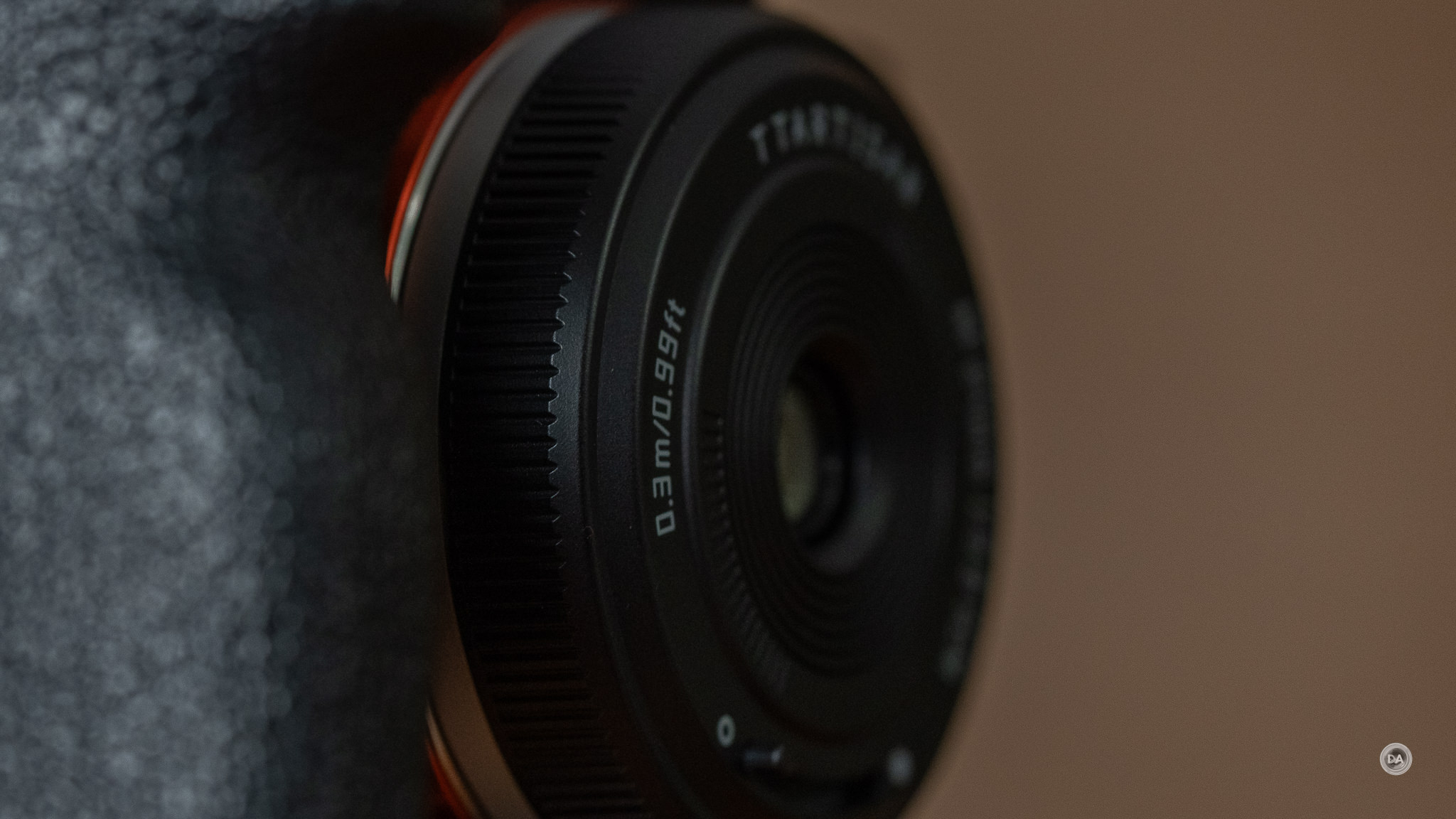
As far as handling, the truth of the matter is that the only thing you need to handle is the lever to open or close the protective cover. The lens is small enough that you might not even touch it during operation and instead keep your hands on the camera instead.
The only other thing to really discuss here is the minimum focus distance, which is 30cm. That’s not particularly close for a 24mm lens, resulting in a low level of magnification.

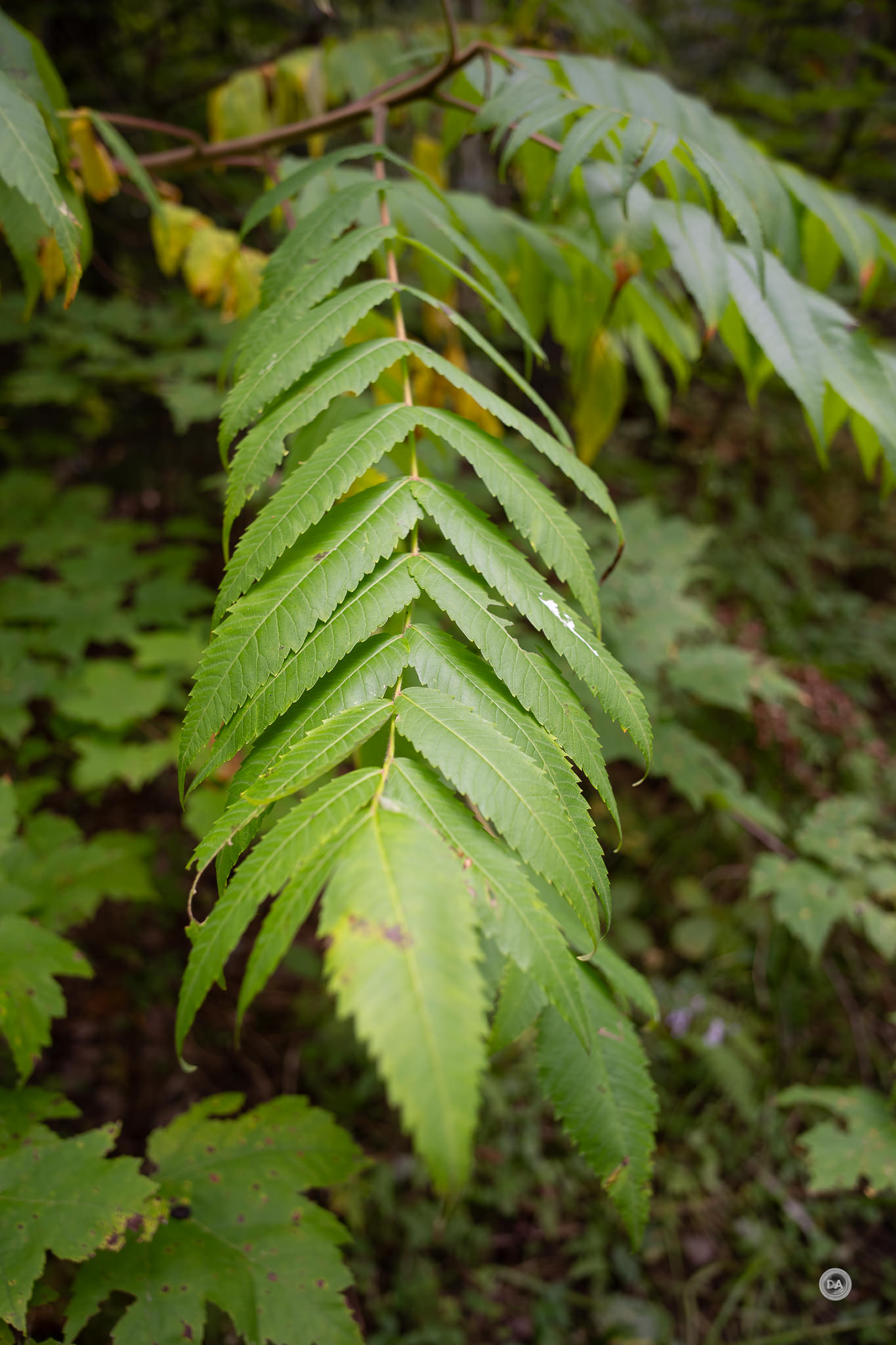
Trying to get close up shots was my least favorite part of the handling with the lens, as there is no manual focus. With manual focus you can easily determine where the minimum focus distance is, but in this case you have to move back and forth until you find the spot where the lens will focus. I didn’t quite get it right here, and only the tiniest tip of the leaf is in focus.


There is no weather sealing gasket here.
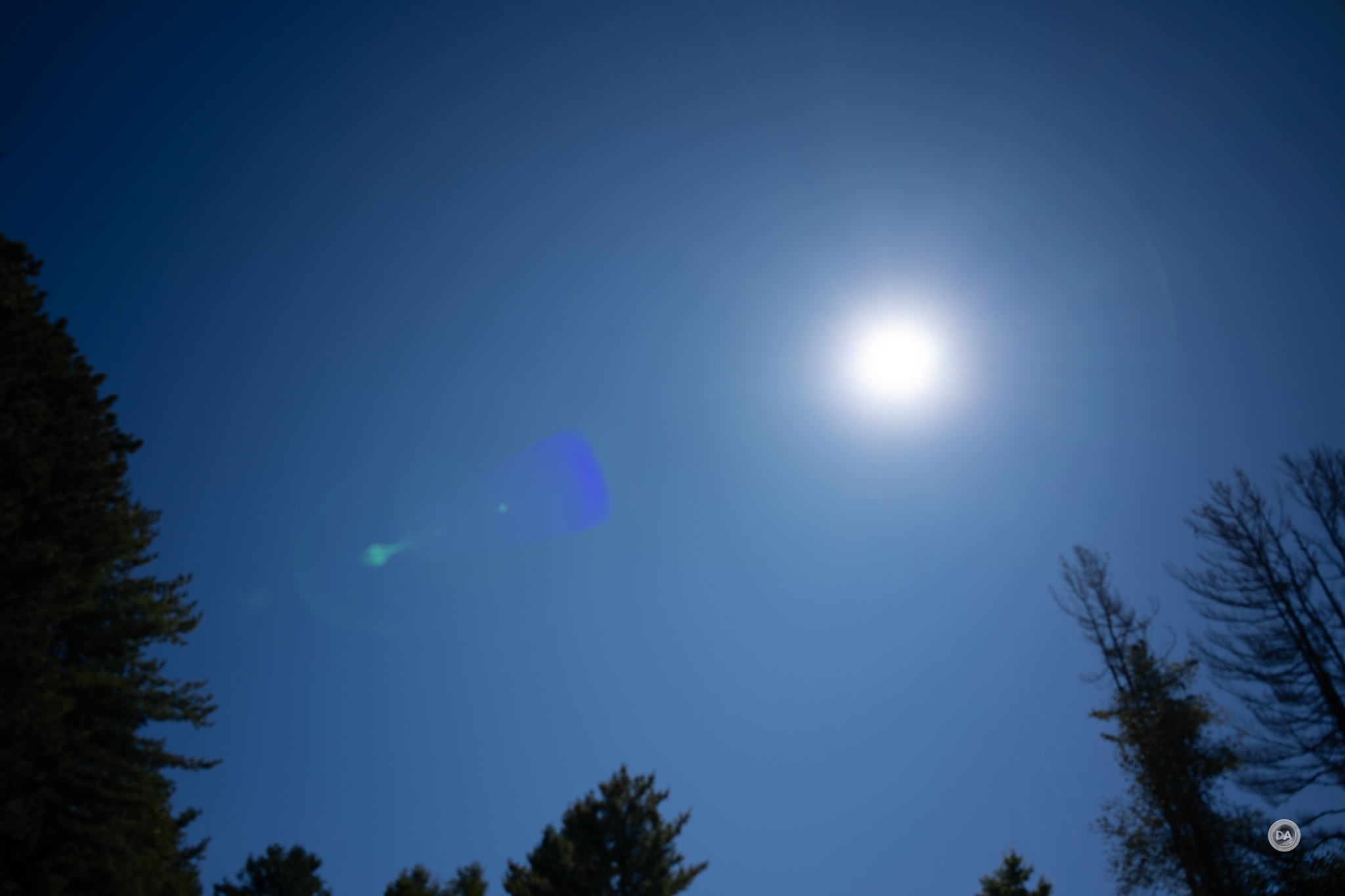
There are also no aperture blades, as the iris opening is fixed. This will give you fairly circular specular highlights…
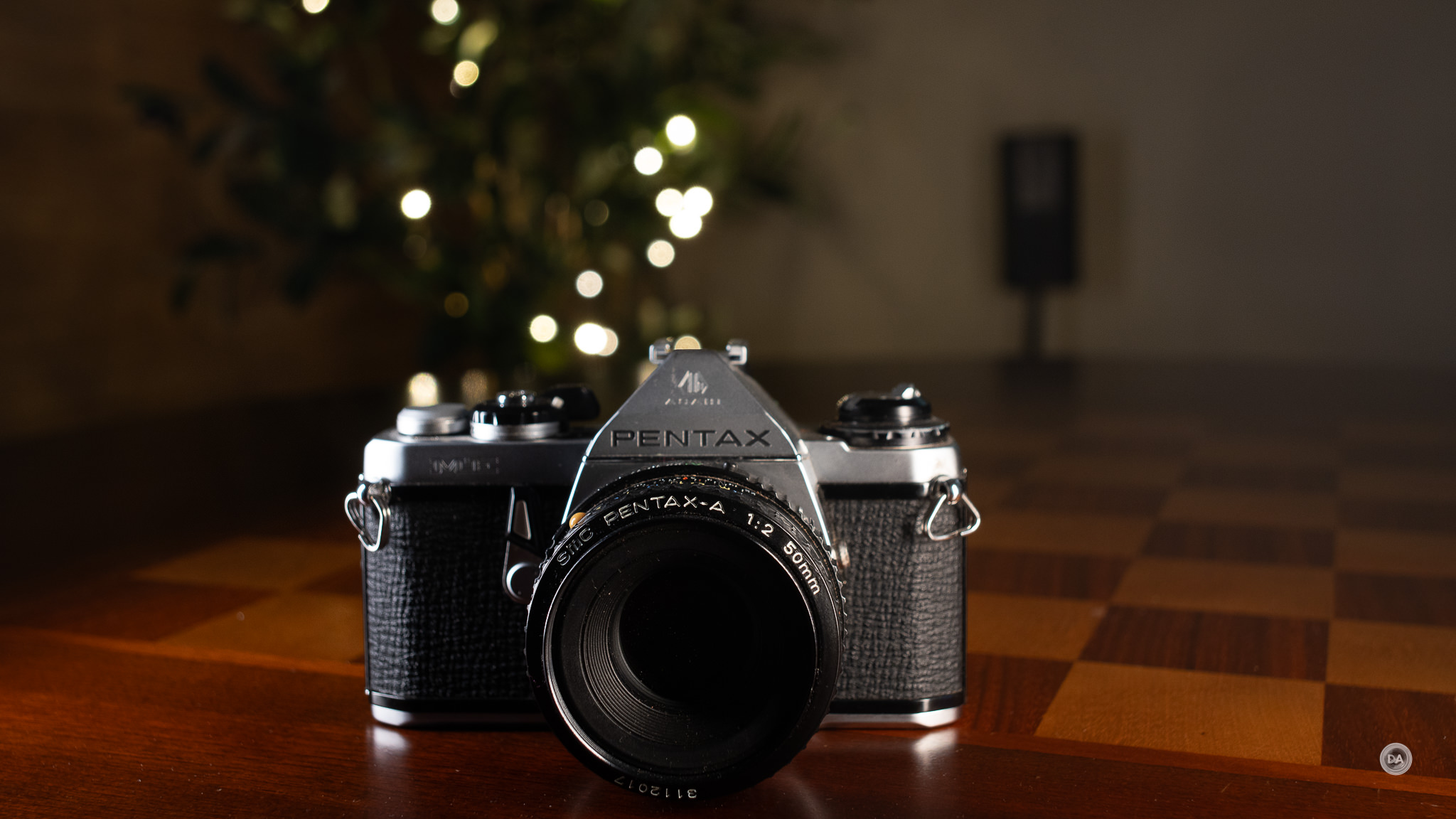
…but not much in terms of sunstars.
People love pancake lenses, and Viltrox has sold a ton of their 28mm F4.5 lenses already. I think in many ways this new TTArtisan is even more desirable, as it gives you just a bit more versatile lens with a bit brighter maximum aperture while not costing you anything in price, size, or weight.
Autofocus Performance
This is the first lens from TTArtisan that I’ve tested to receive a VCM, or VoiceCoil Motor. This is a more sophisticated style motor than the typical STM focus motor, and the design must work better in this type of lens, as Viltrox’s 28mm F4.5 was also one of their earliest lenses to get the VCM treatment. The focus motor proved very adequate, providing well focused results throughout my tests.
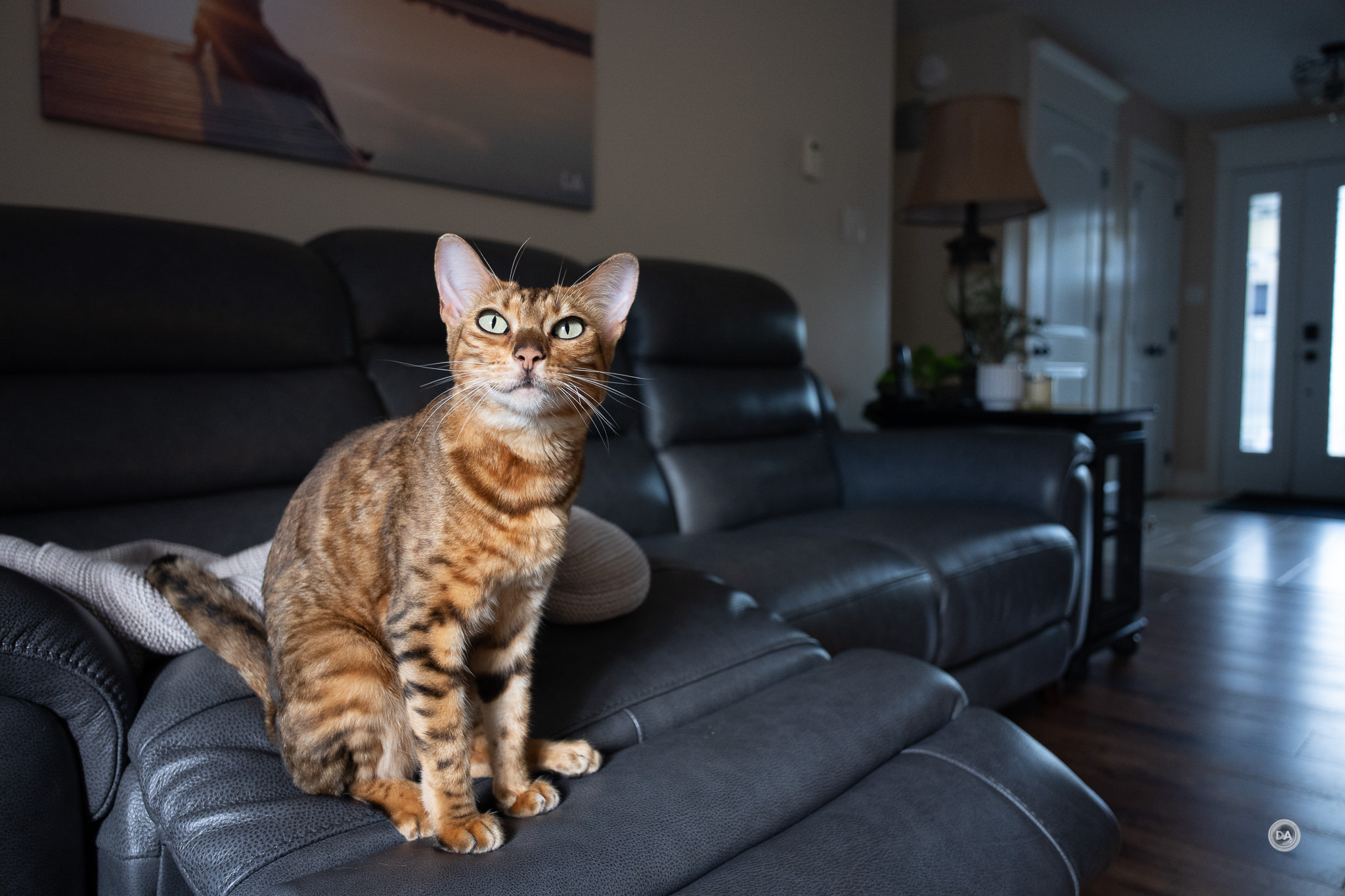
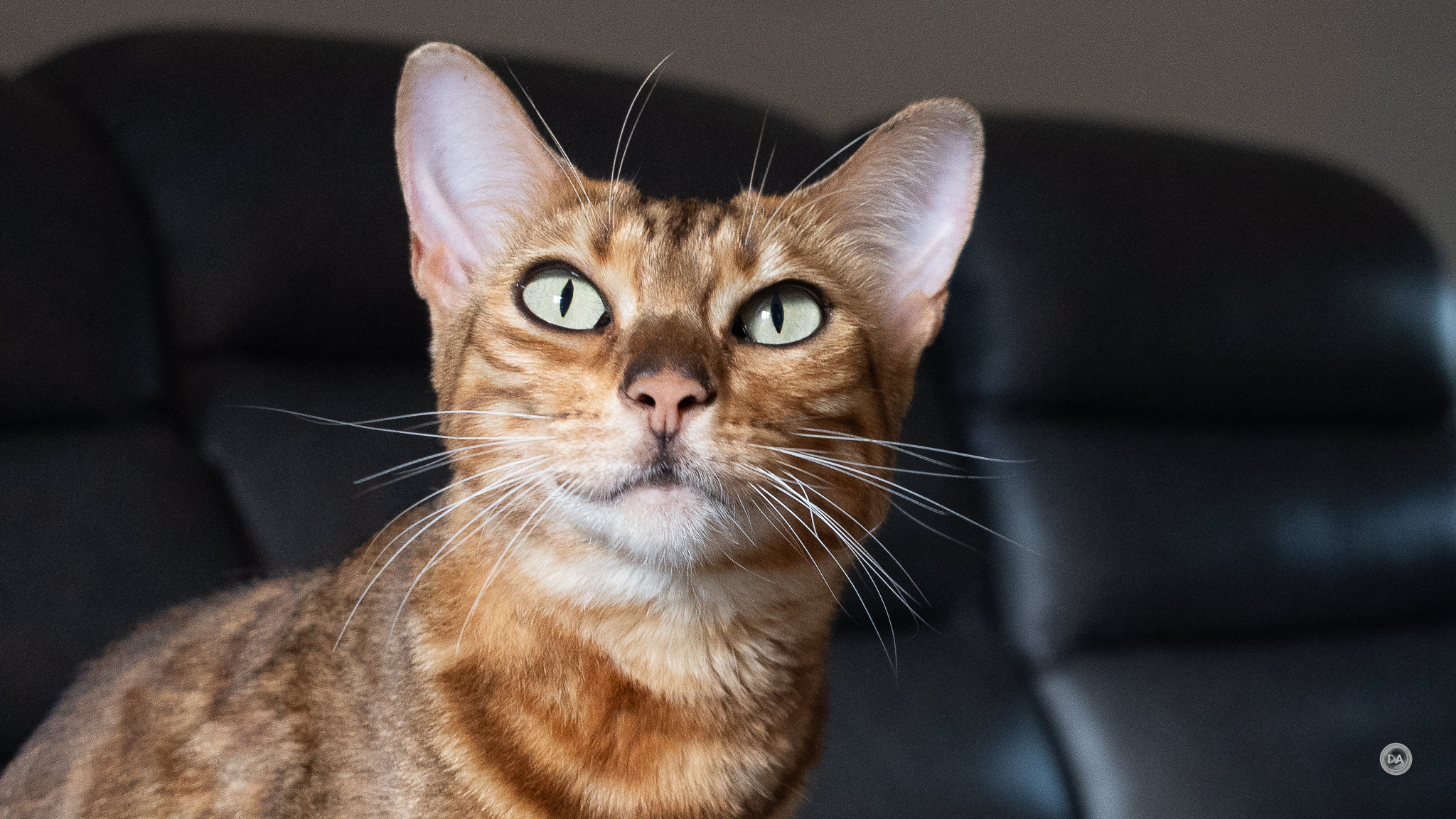
That’s very important, as you don’t have manual focus as a backup option.
I took a series of photos of my grand-nephew playing with his toys, and focus was excellent in the series.
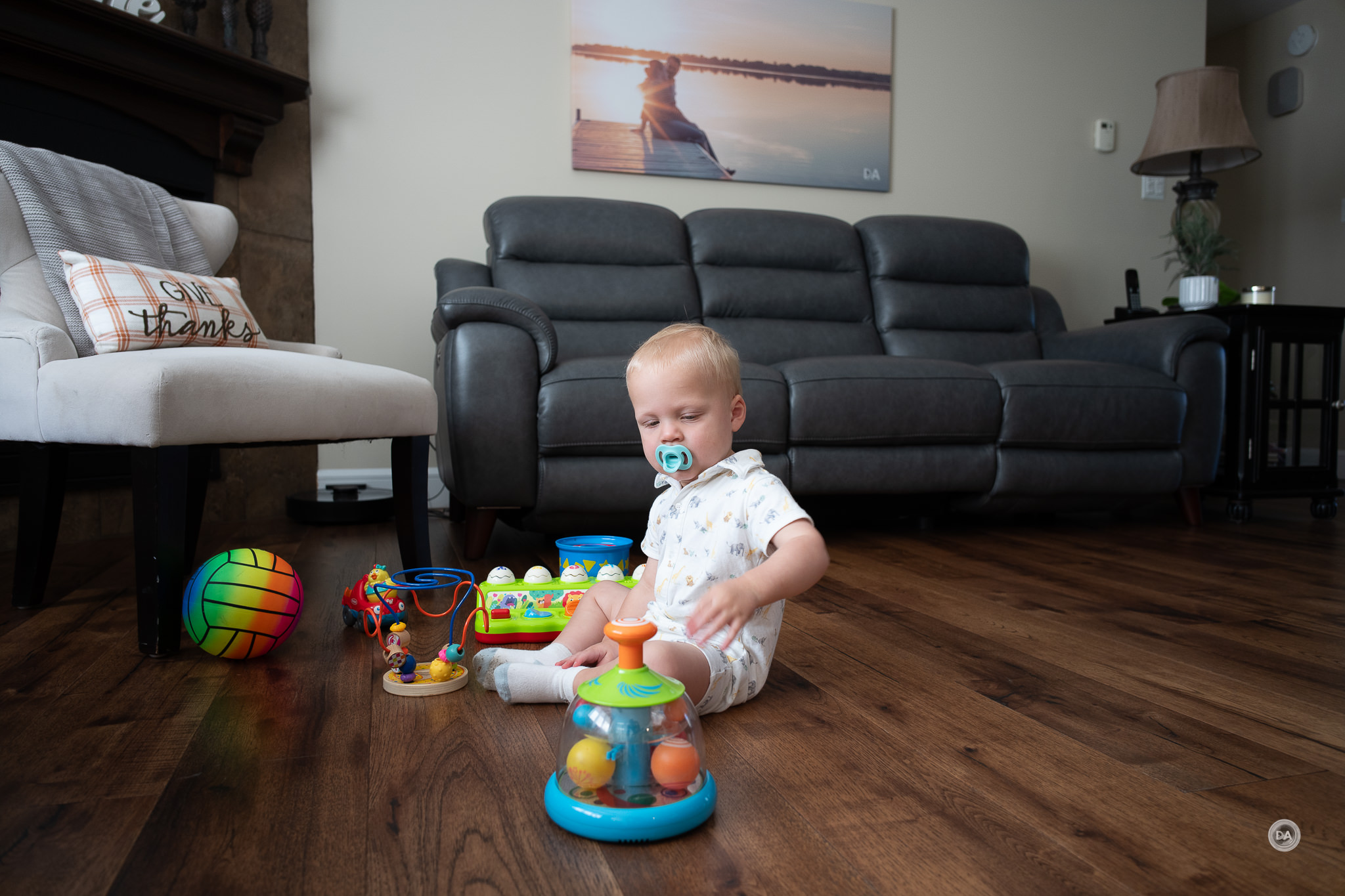

I was able to get good pinpoint focus, however, and focus comes without any drama.
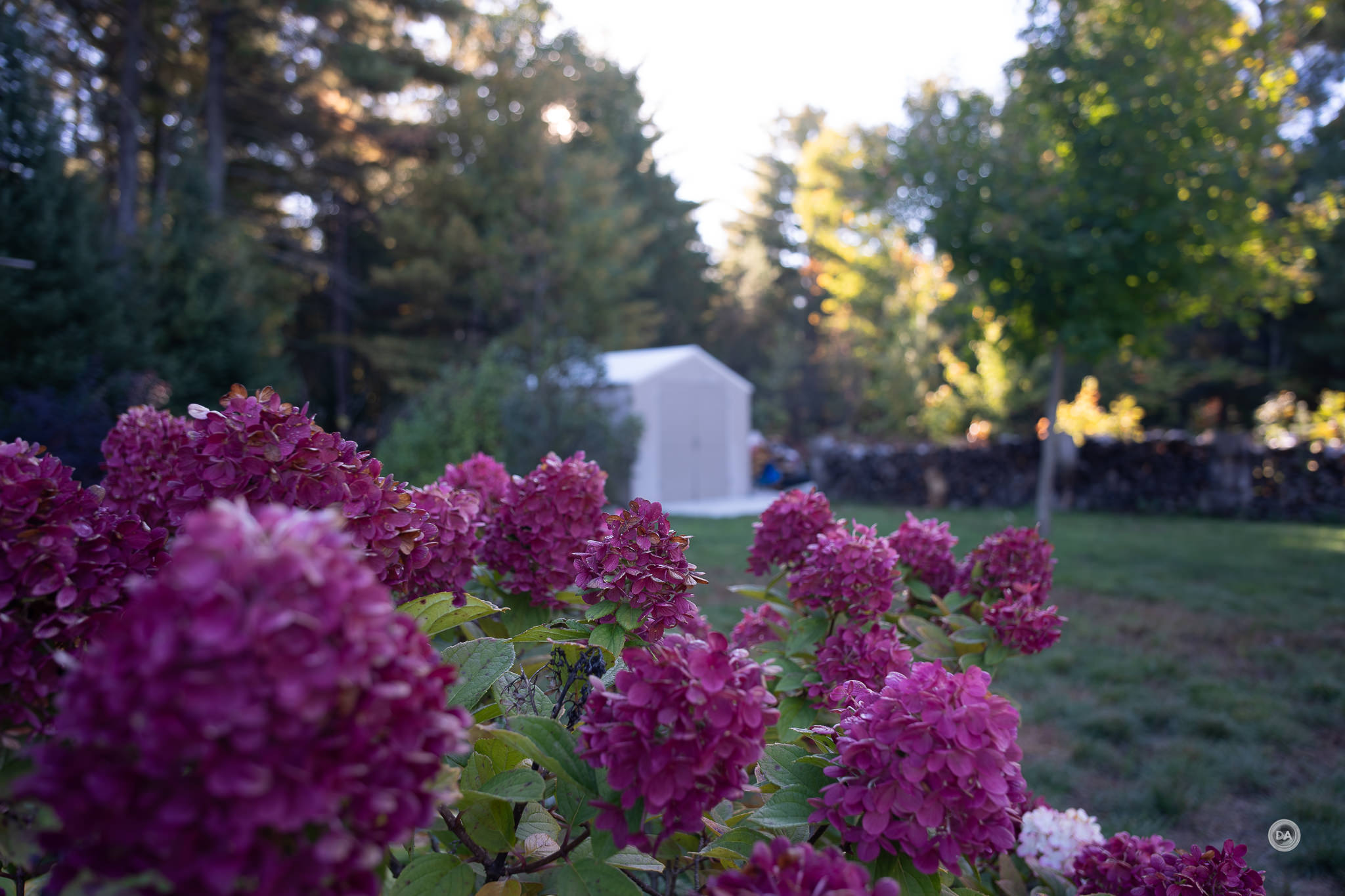
Autofocus moves back and forth with good (not exceptional speed), and focus is essentially silent at normal distance, though you can hear a faint growl if you put your ear next to the barrel.
There will be moments that you miss having manual focus, but in general autofocus does a good job.
Video Performance
The video front largely brings positive things. Touch to focus pulls are smooth and quiet, and I saw no issues with pulsing or a lack of confidence locking focus on the subject. Focus breathing is fair obvious, though, which isn’t unusual in very compact lenses.
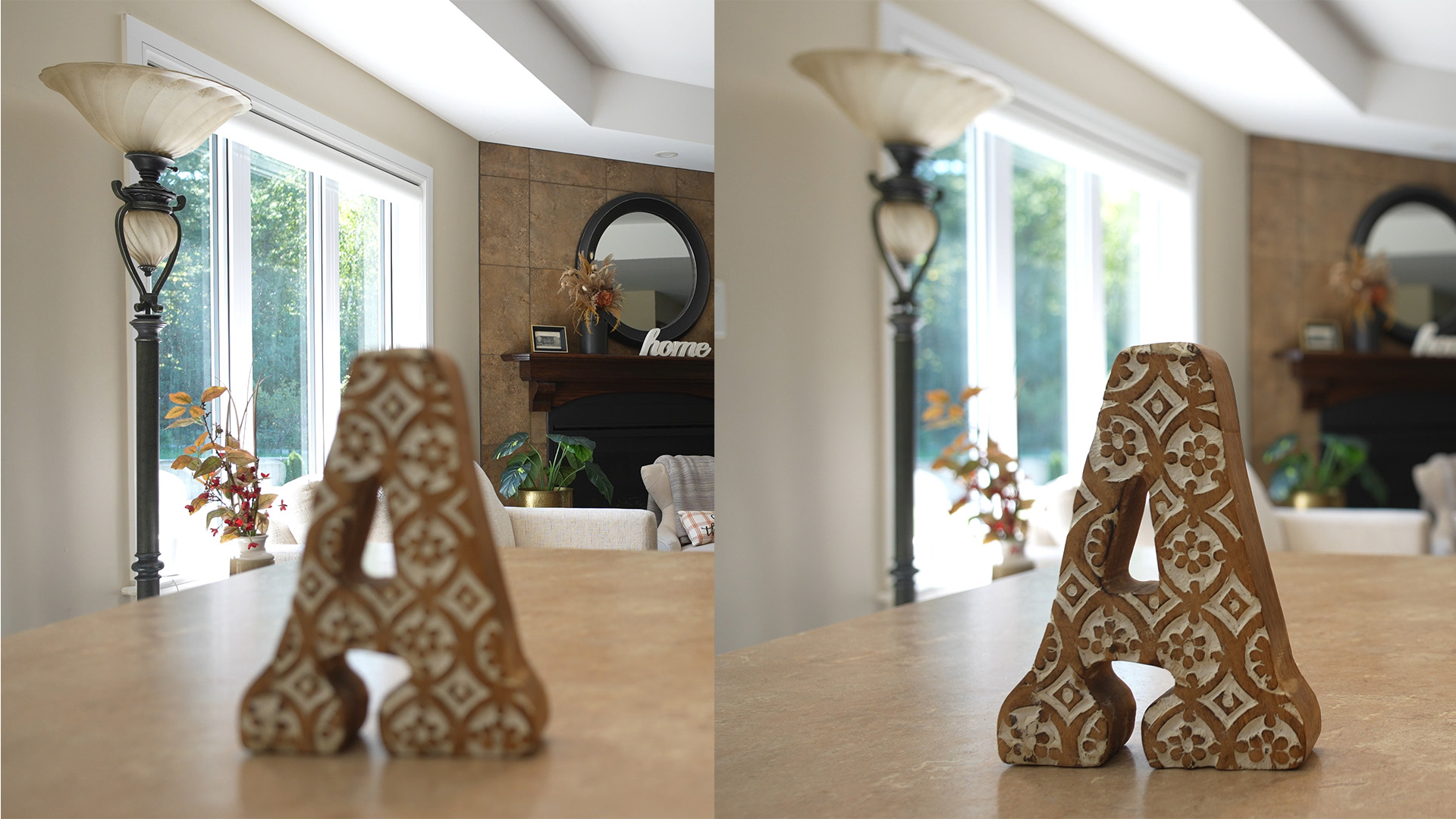
My typical “hand test” where I alternatively block the camera’s view of the face with my hand and then remove it went well in terms of confident movement from my hand to my eye and vice versa, though there is a bit of a “lurching” feeling due to some focus breathing.

A lens like this is so light that, paired with a lightweight body, like the Sony a7C series, you could use the smallest of gimbals and still use it as a video lens for vlogging or just capturing general purpose video. It also stands out as a very compact wide angle lens to throw in your bag and bring along as a complimentary different angle of view if your primary setup is normal or telephoto focal lengths.
TTArtisan AF 24mm F3.8 Optical Performance
According to early reports, the optical design is 7 elements in 6 groups, including some ED (extra low dispersion) glass elements. I will update the review once I have the optical diagram and MTF chart available.
The real-world sharpness definitely exceeded my expectations. I found the lens quite sharp across the frame, and the contrast is definitely stronger than what I saw when reviewing the Viltrox lens.

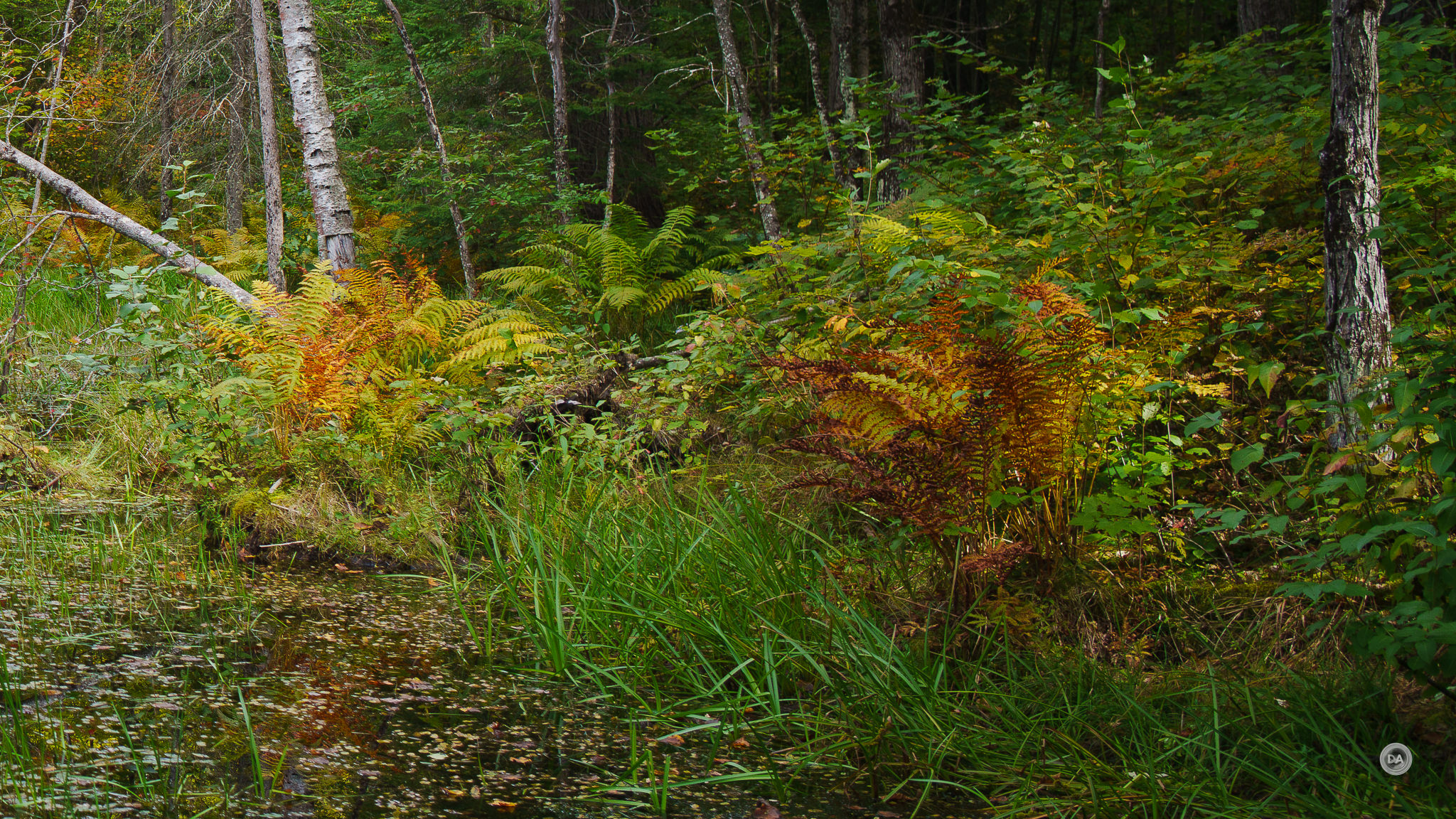
It is pretty rare when anyone upstages Viltrox these days, so kudos to TTArtisan for doing something unique.
Let’s break it down.
Longitudinal chromatic aberrations (LoCA) show up as fringing before or after the plane of focus. This is not a particularly bright maximum aperture, so depth of field is fairly large, which limits the potential for LoCA.

I saw very minor fringing on reflective surface, and almost none around specular highlights.
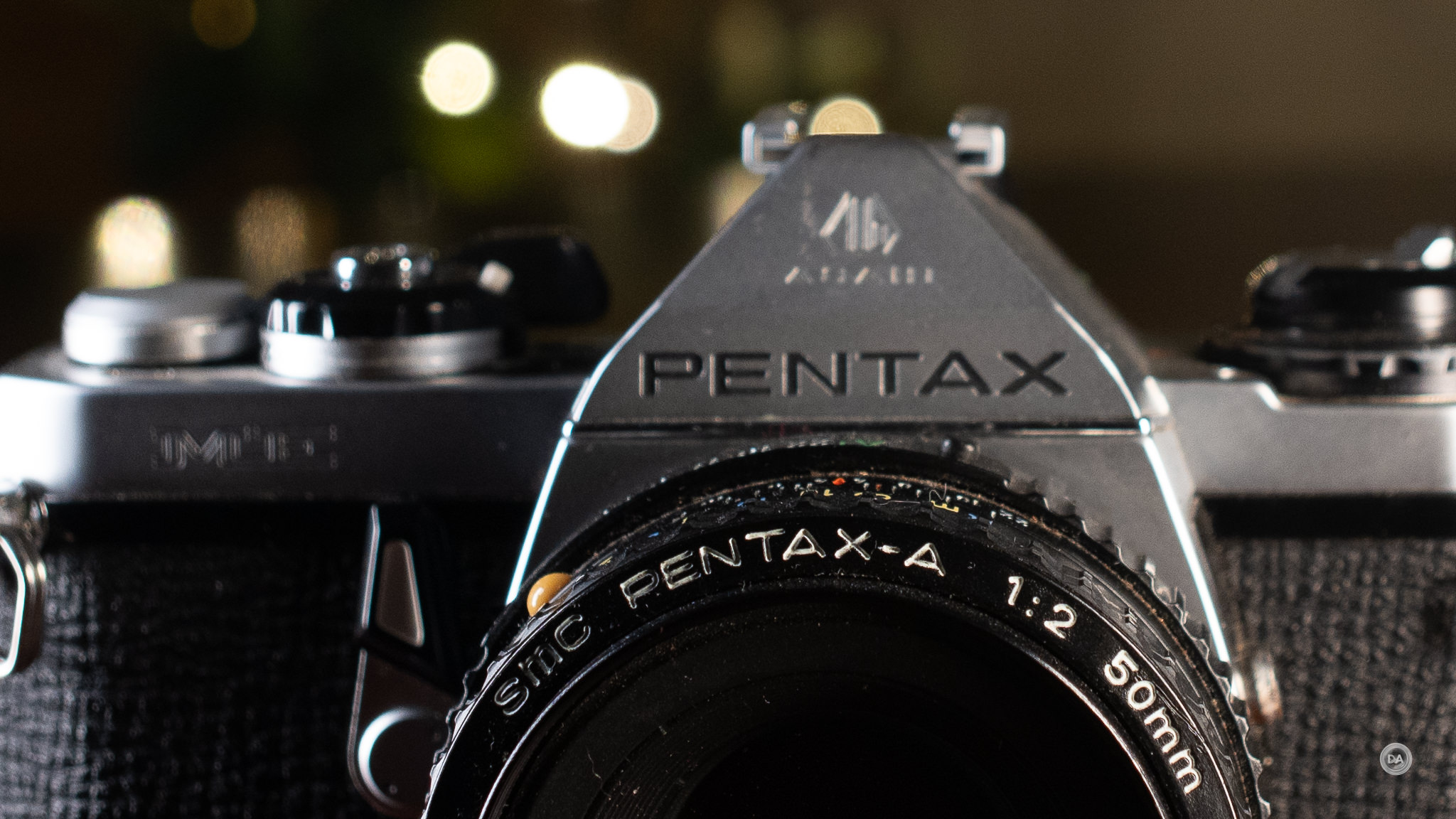
Lateral chromatic aberrations (LaCA) show up in the contrast transitions near the edge of the frame. There is also some minor evidence of fringing here.
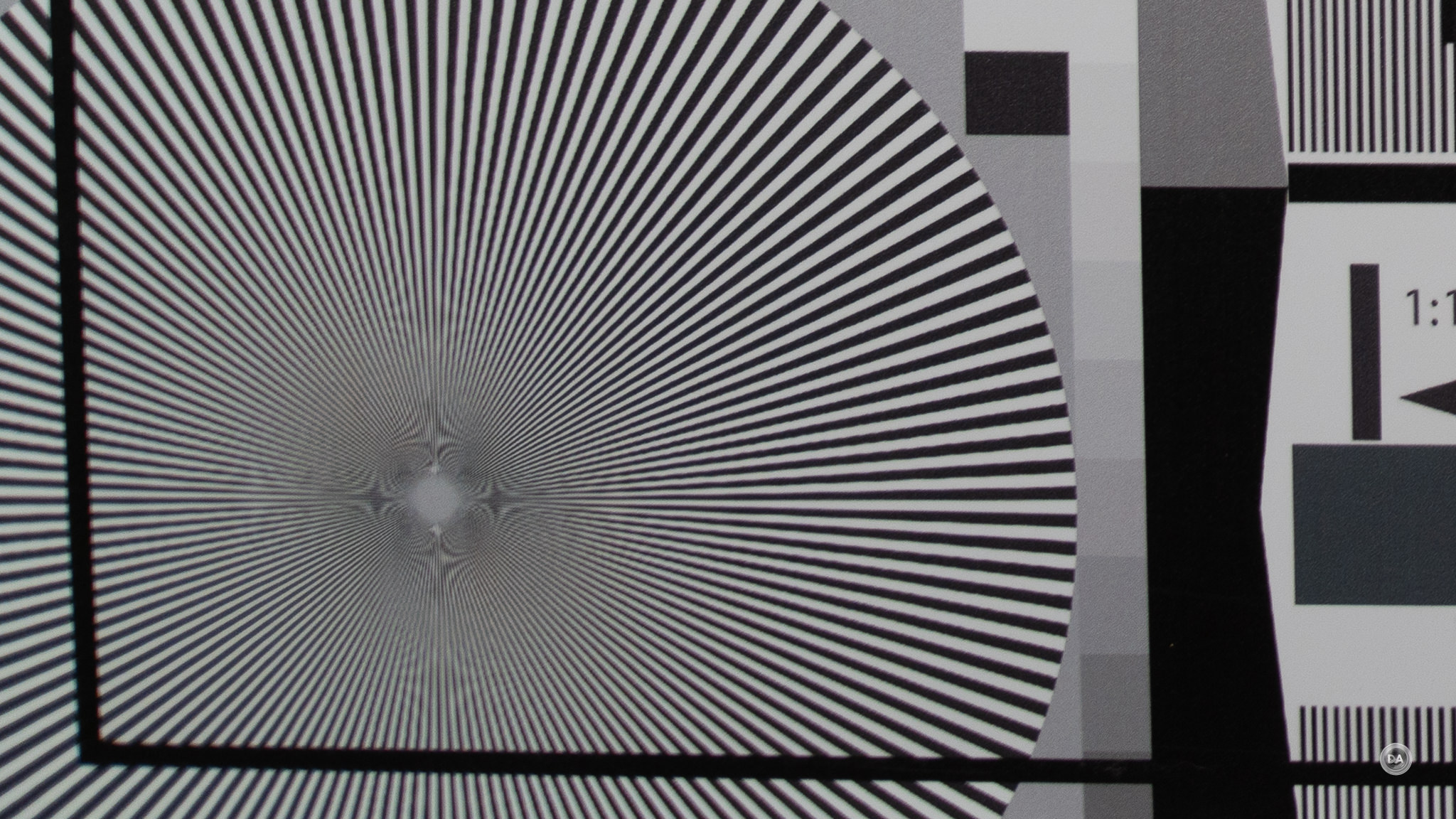
These won’t become more pronounced, however, since you can’t stop the aperture down.
Distortion and vignette aren’t terrible for such a compact lens. There is a tiny bit of pincushion distortion (a -2 to correct) along with an average amount of vignette (+56 to correct).
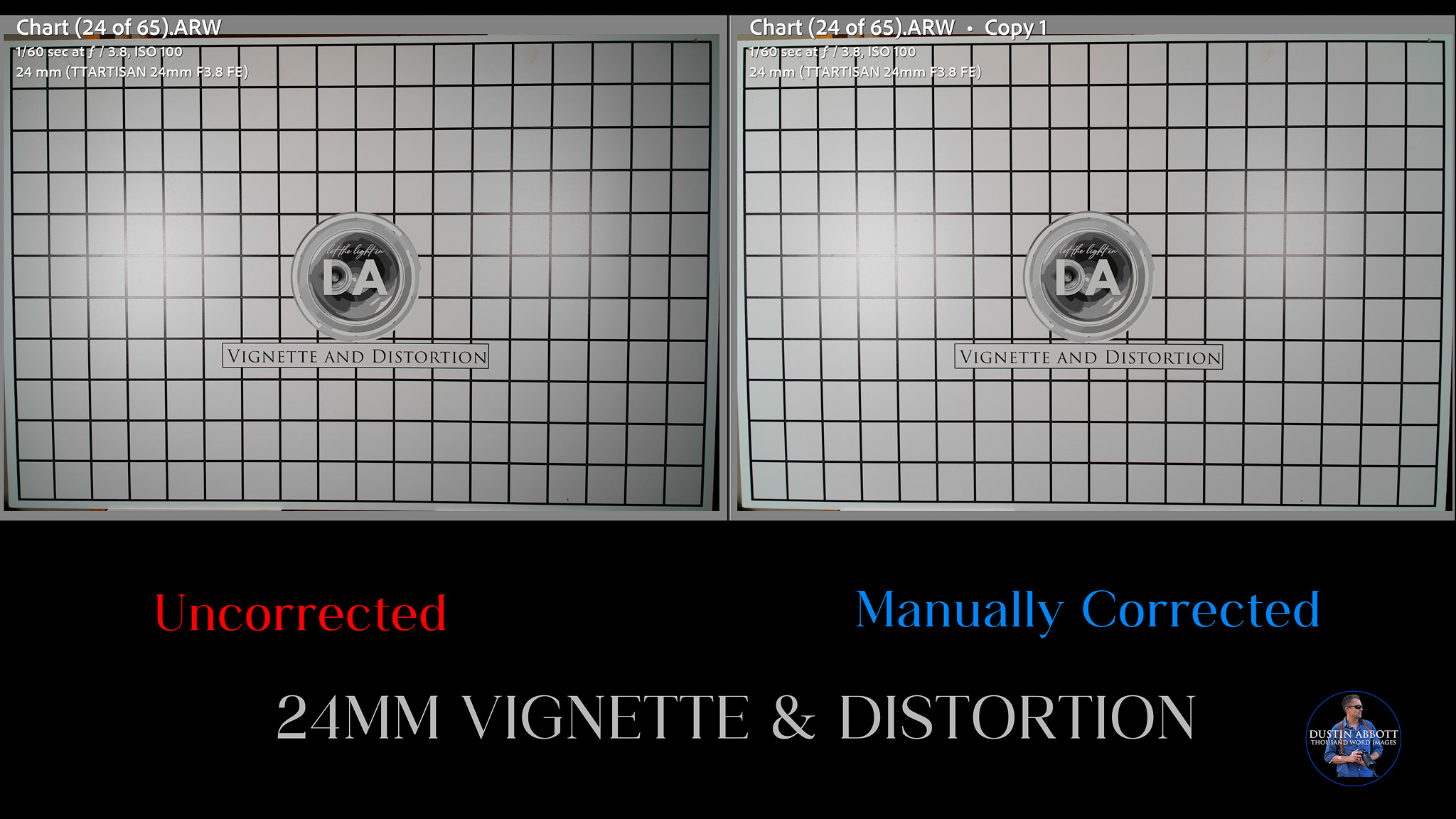
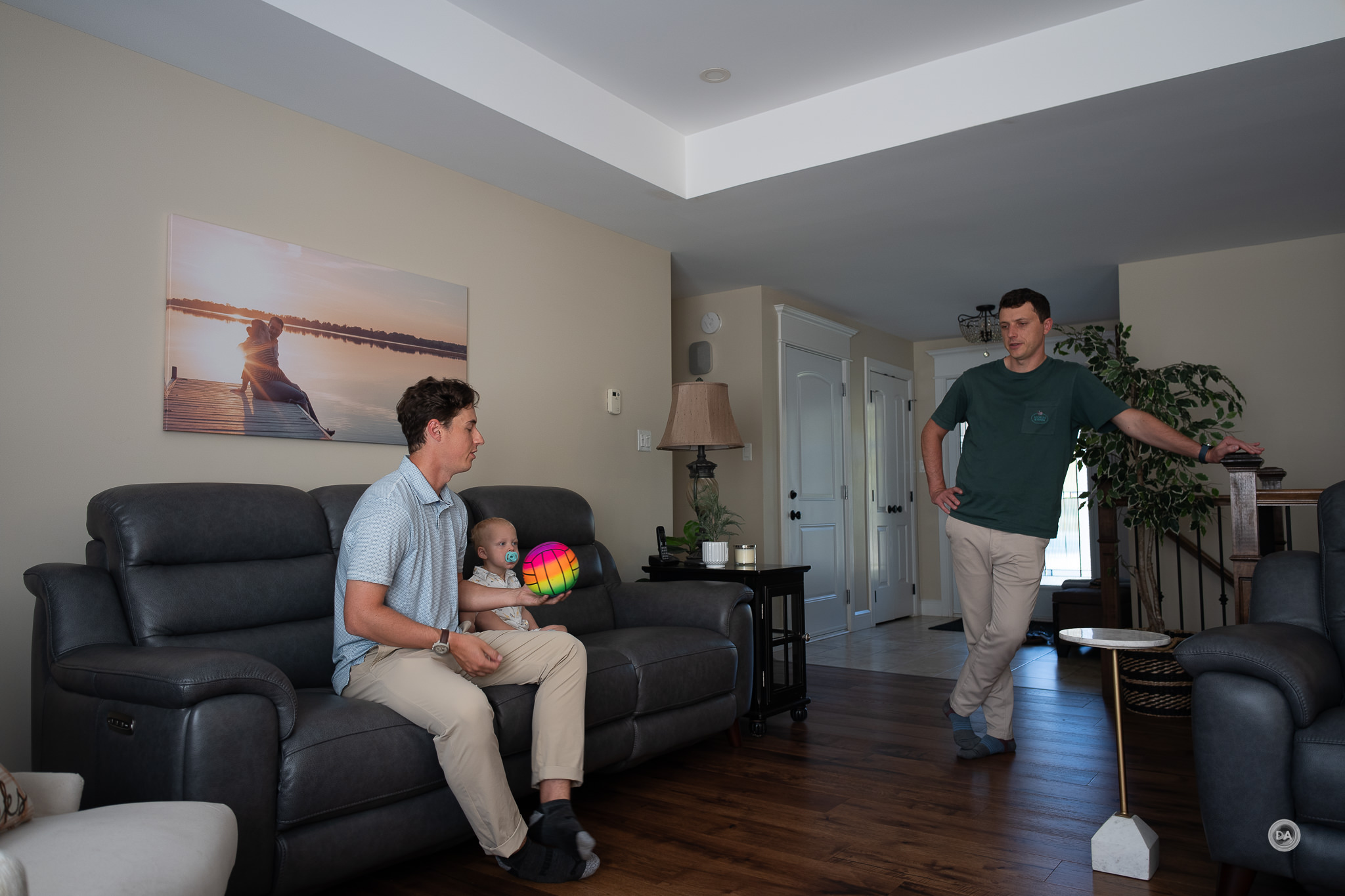
There’s nothing too concerning there. The bit of distortion isn’t perfectly linear, but it is small enough that it won’t really be noticed in real world images. Thot of our living room shows straight lines even in the window frame at the extreme left edge of the frame.
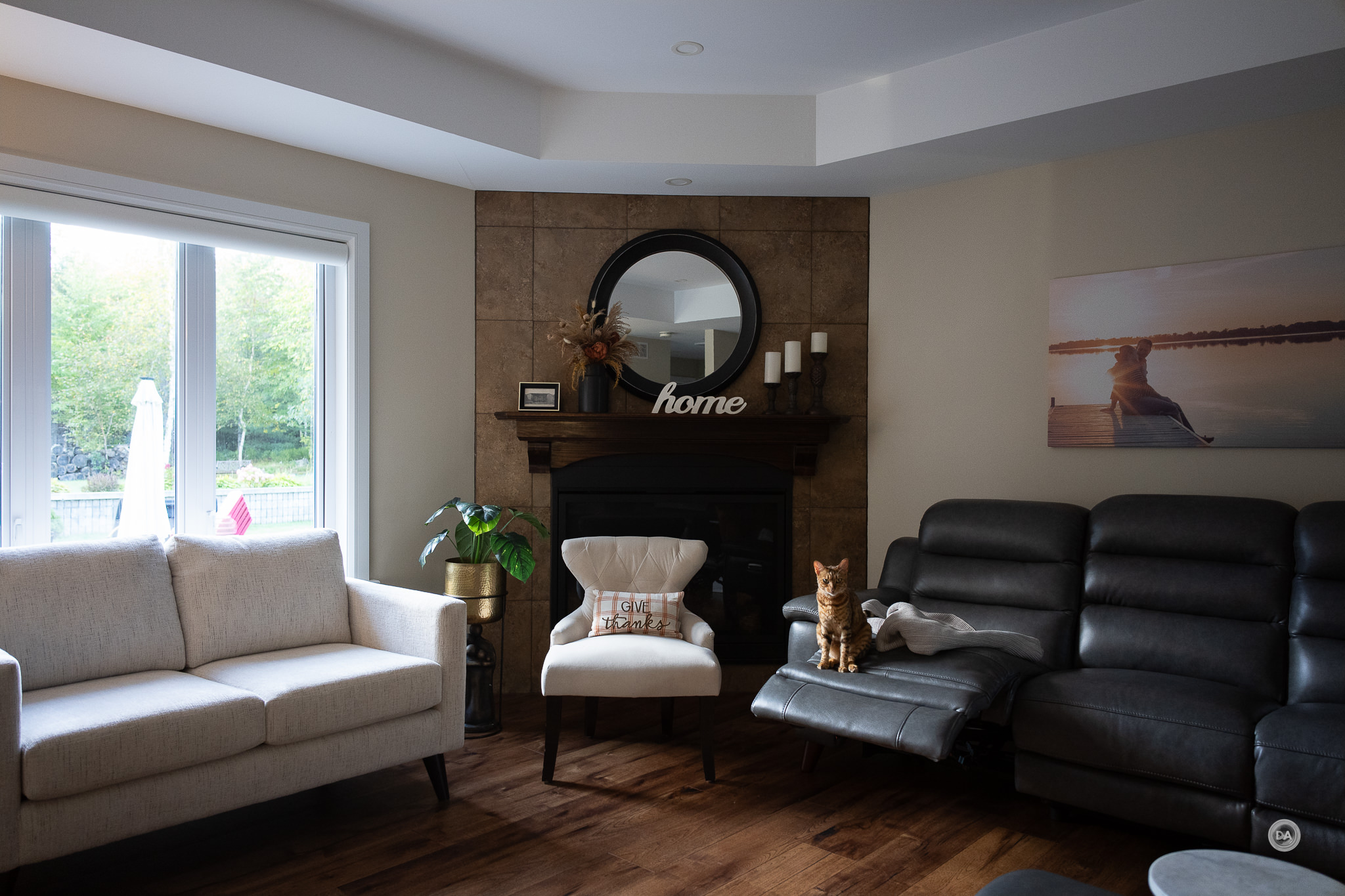
All of that is pretty awesome for such a tiny little optic. I’ve tested much larger 24mm lenses with far more issues with distortion, vignette, and even fringing, and very few zoom lenses that start at 24mm give as good of performance as this.
How about sharpness and contrast? I’m testing on a Sony a7RV (61MP) for these chart tests, with crops shown at 200% magnification. Here’s the test chart that the crops will come from:

If we take a look at crops from across the frame (at F3.8, of course, as it is the only aperture available), we find very strong results in the center and midframe with some fading to the corners.



I mentioned the higher contrast of the TTArtisan lens relative to the Viltrox, and if I look back to my comparison charts of the Viltrox, I find that the additional contrast is very noticeable all across the frame.
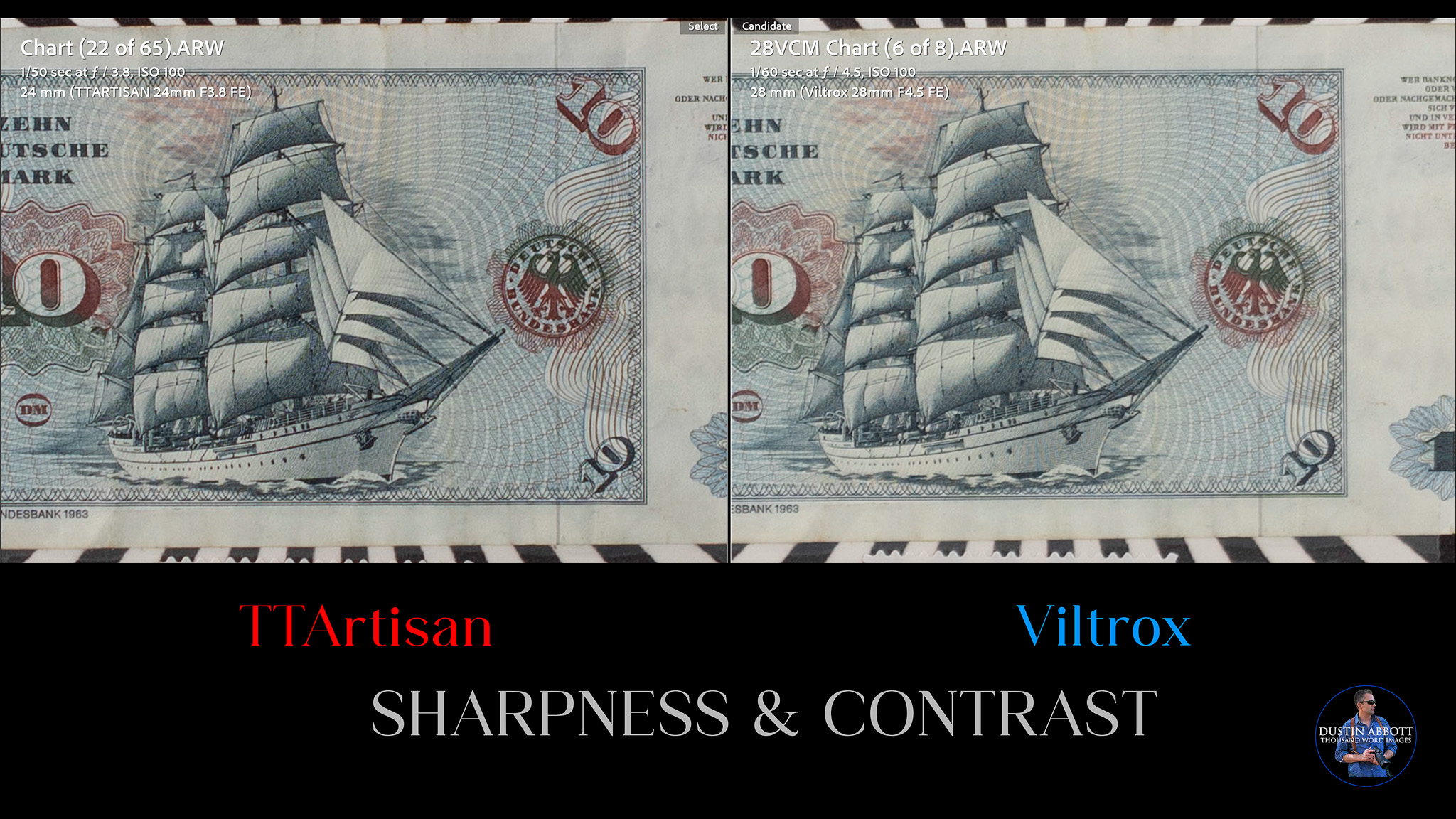
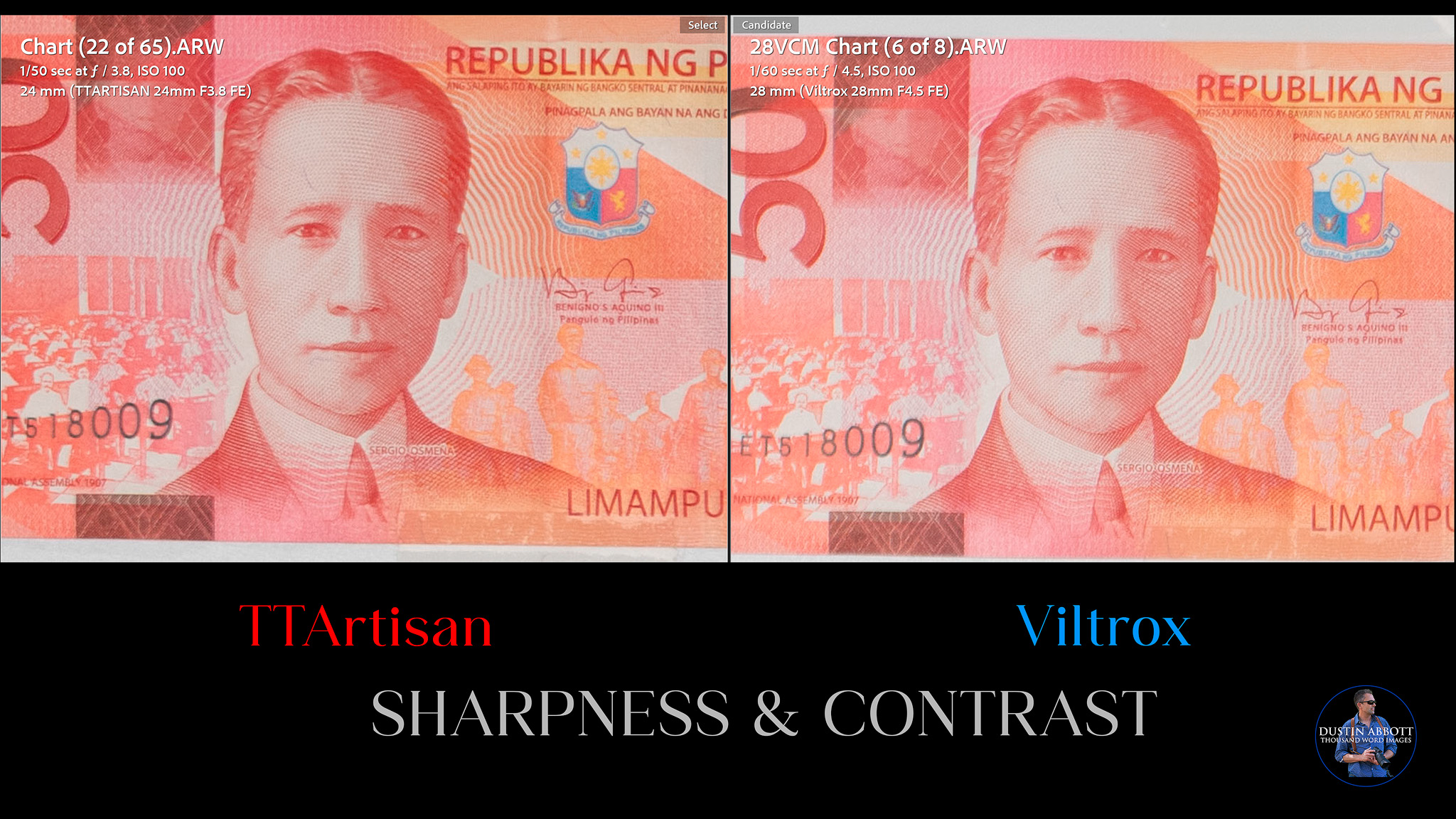
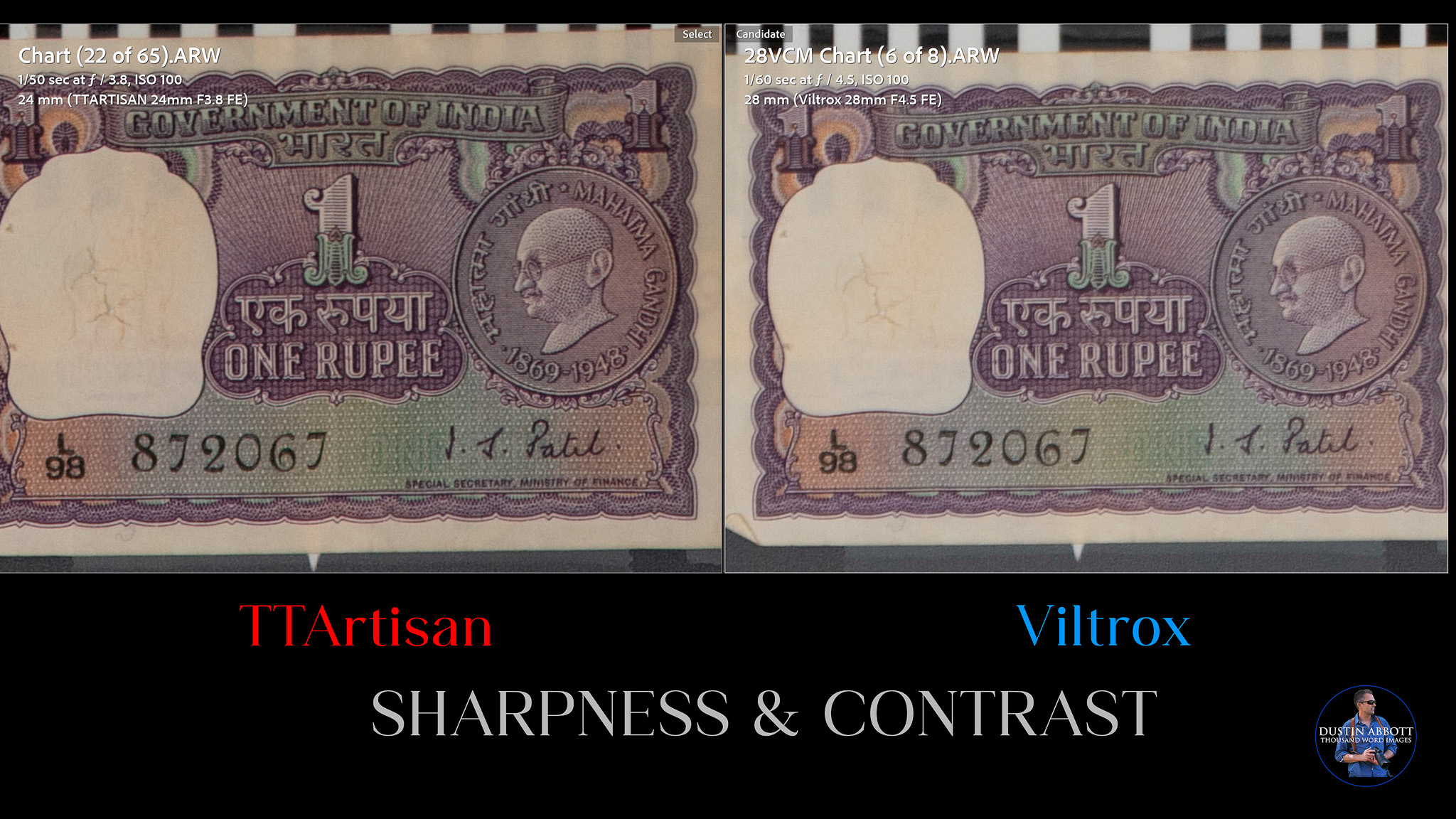
Getting a wider focal length, brighter maximum aperture, and better image quality in a similarly-sized lens is a huge win, in my books.
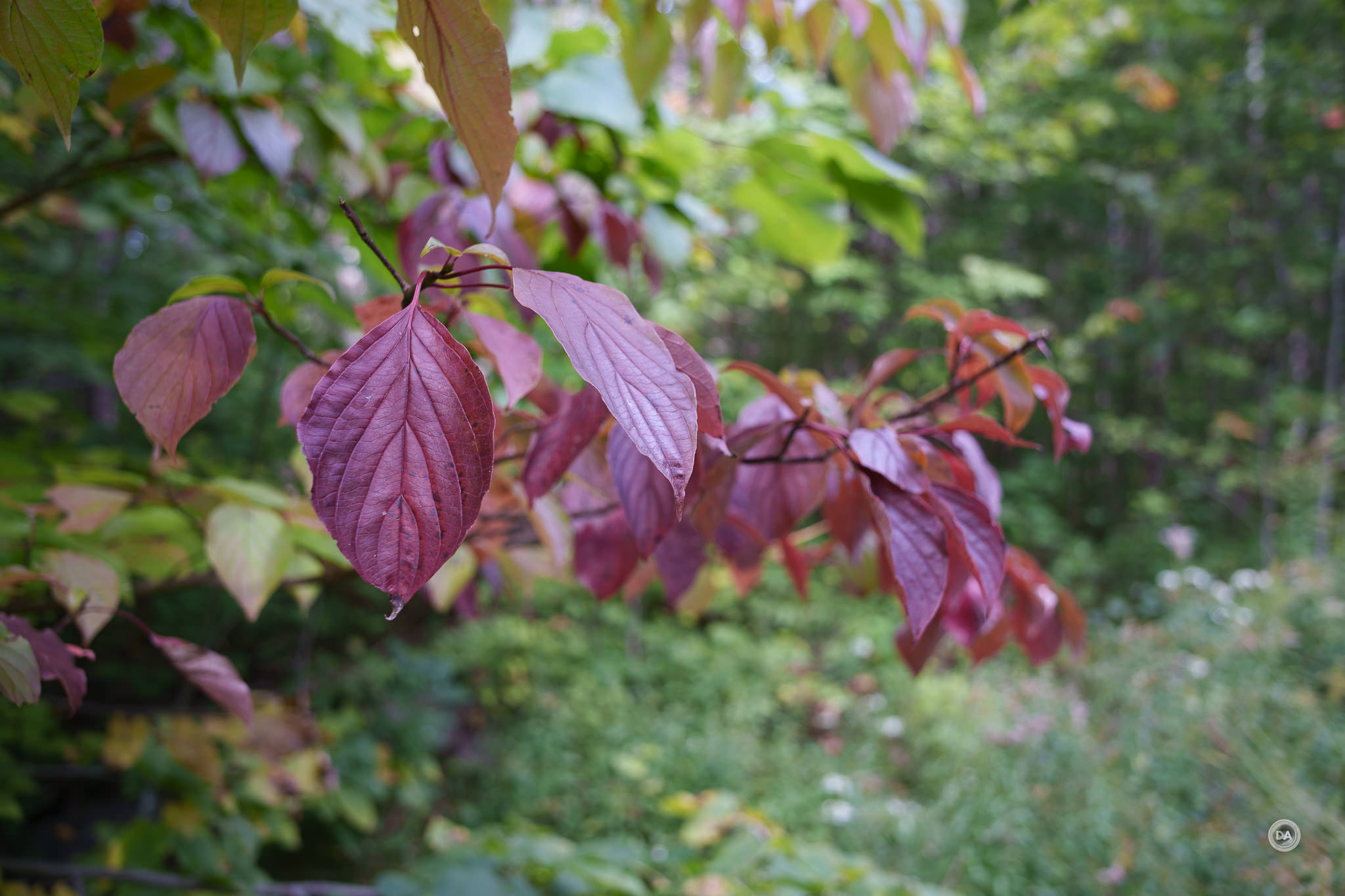
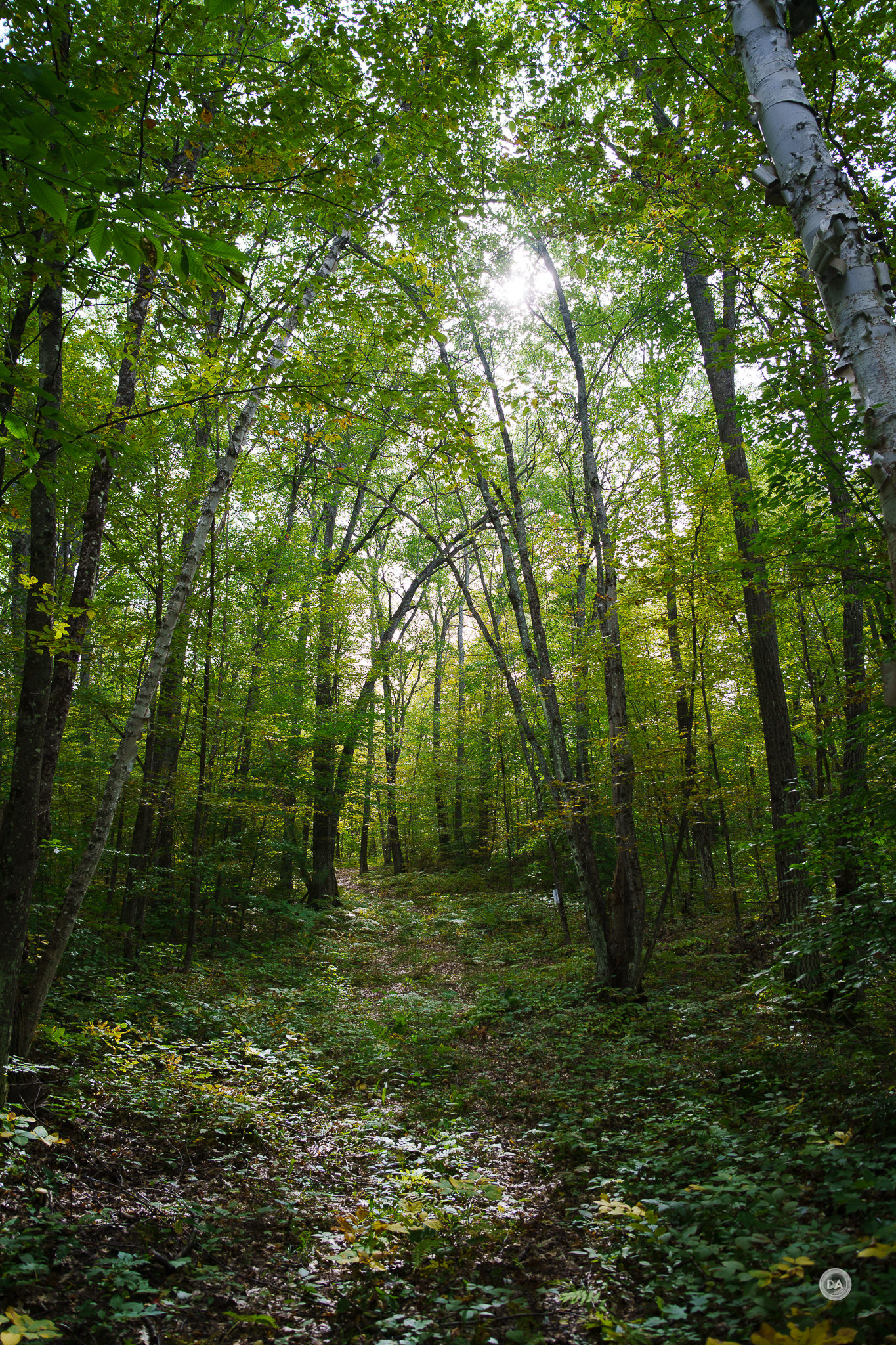
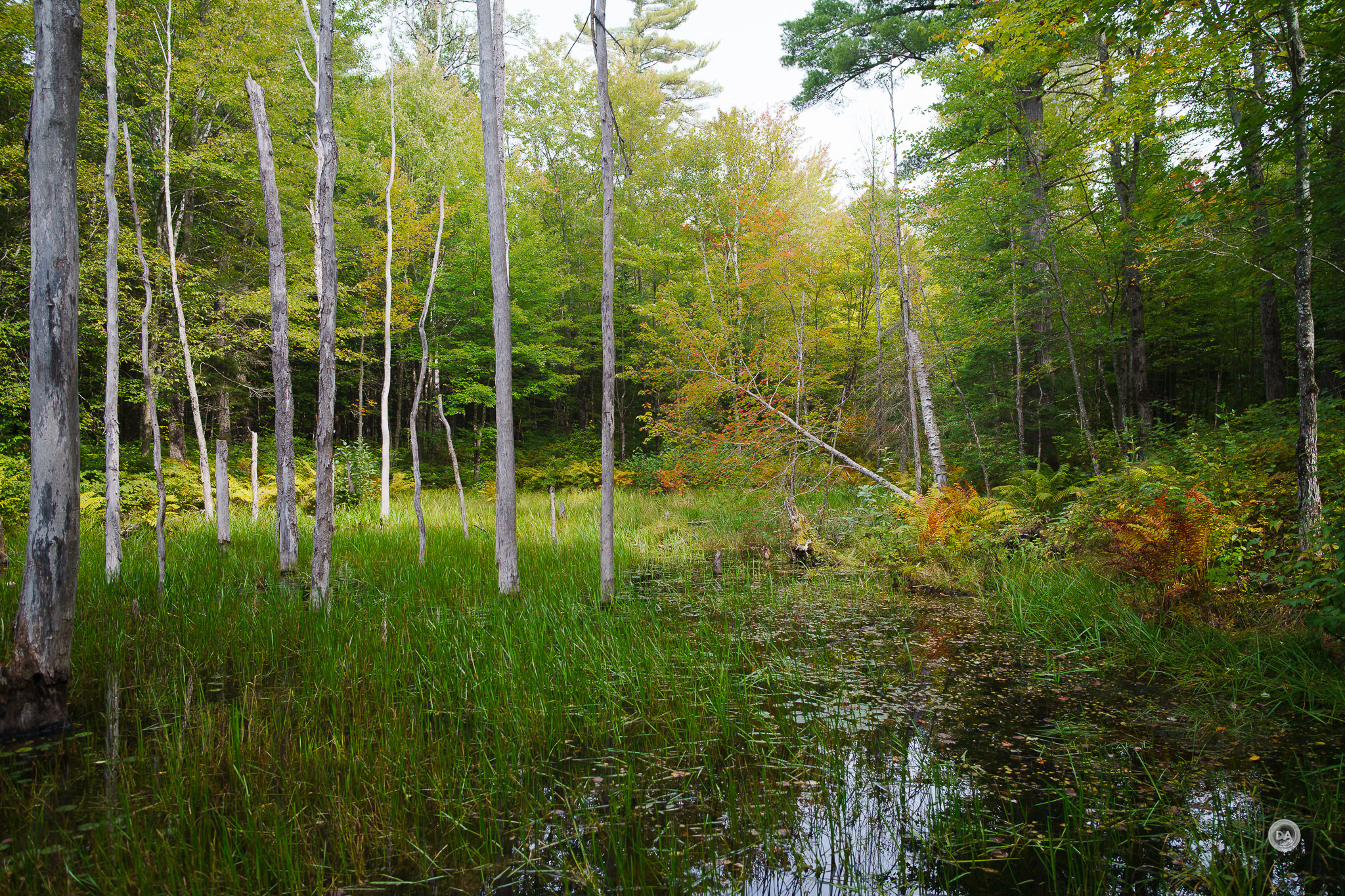
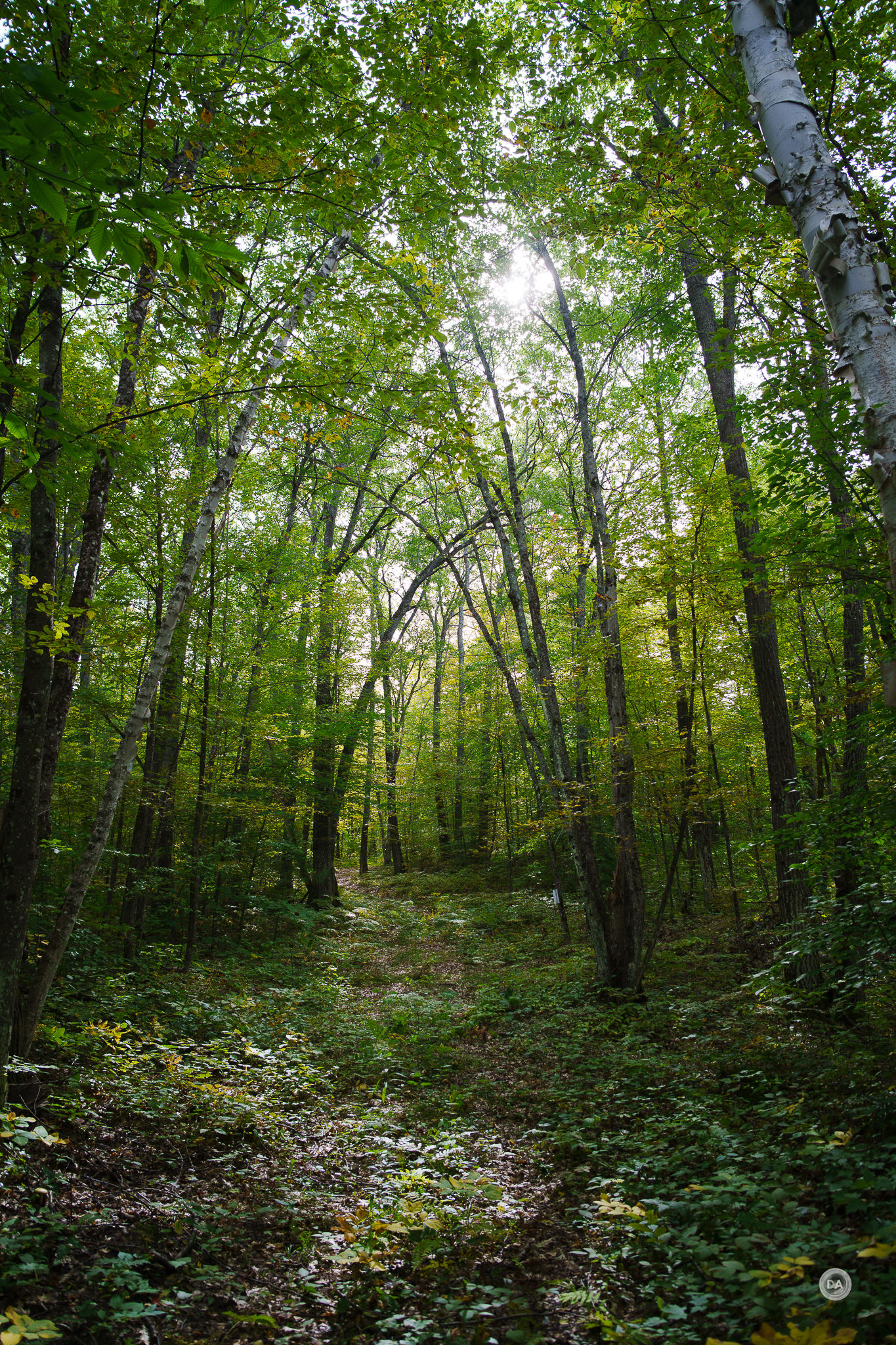
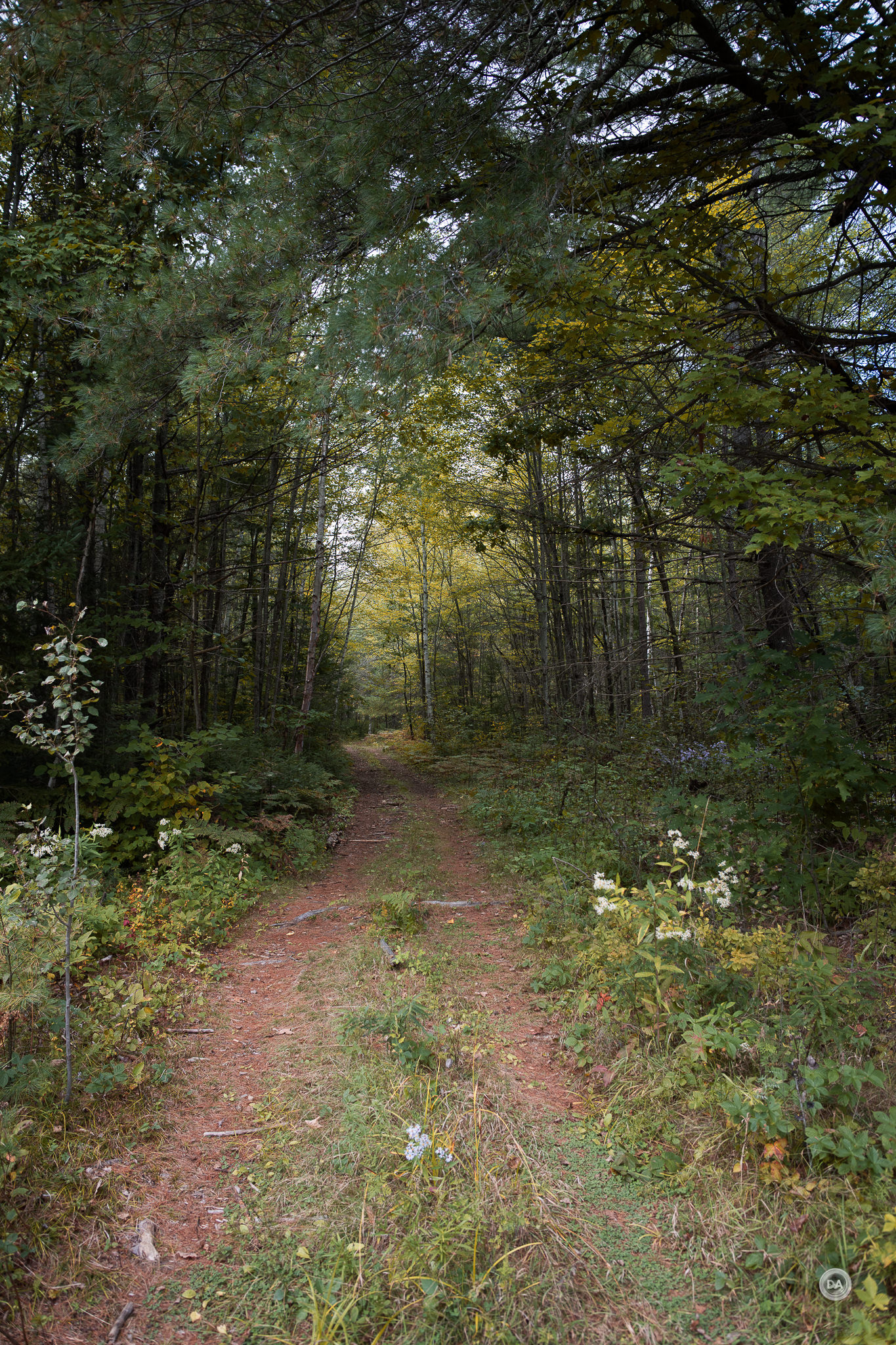
I found landscape and trail photos surprisingly delightful, with good detail, contrast, and color.

An F3.8 aperture at 24mm won’t provide a lot of subject separation, but I didn’t see anything objectionable about the backgrounds.

The bokeh looks about kit-lens level, but I would say detail and contrast are better than what I see from most kit lenses.


But when you consider that these results are coming from a lens about the size of the camera cap, it is pretty impressive.
Diffraction will never be an issue with this lens for the simple reason that you can’t stop it down, and F3.8 comes well before any diffraction limit.
Many Chinese lenses have struggled a bit with their coatings than established brands from Japan. This is obviously a more difficult area of lens design than most people consider. The end result is more issues with flare. The TTArtisan shows little issues with veiling and loss of contrast, but there are some green and purple blobs of ghosting that show up pretty often if a bright light like the sun is in the frame.
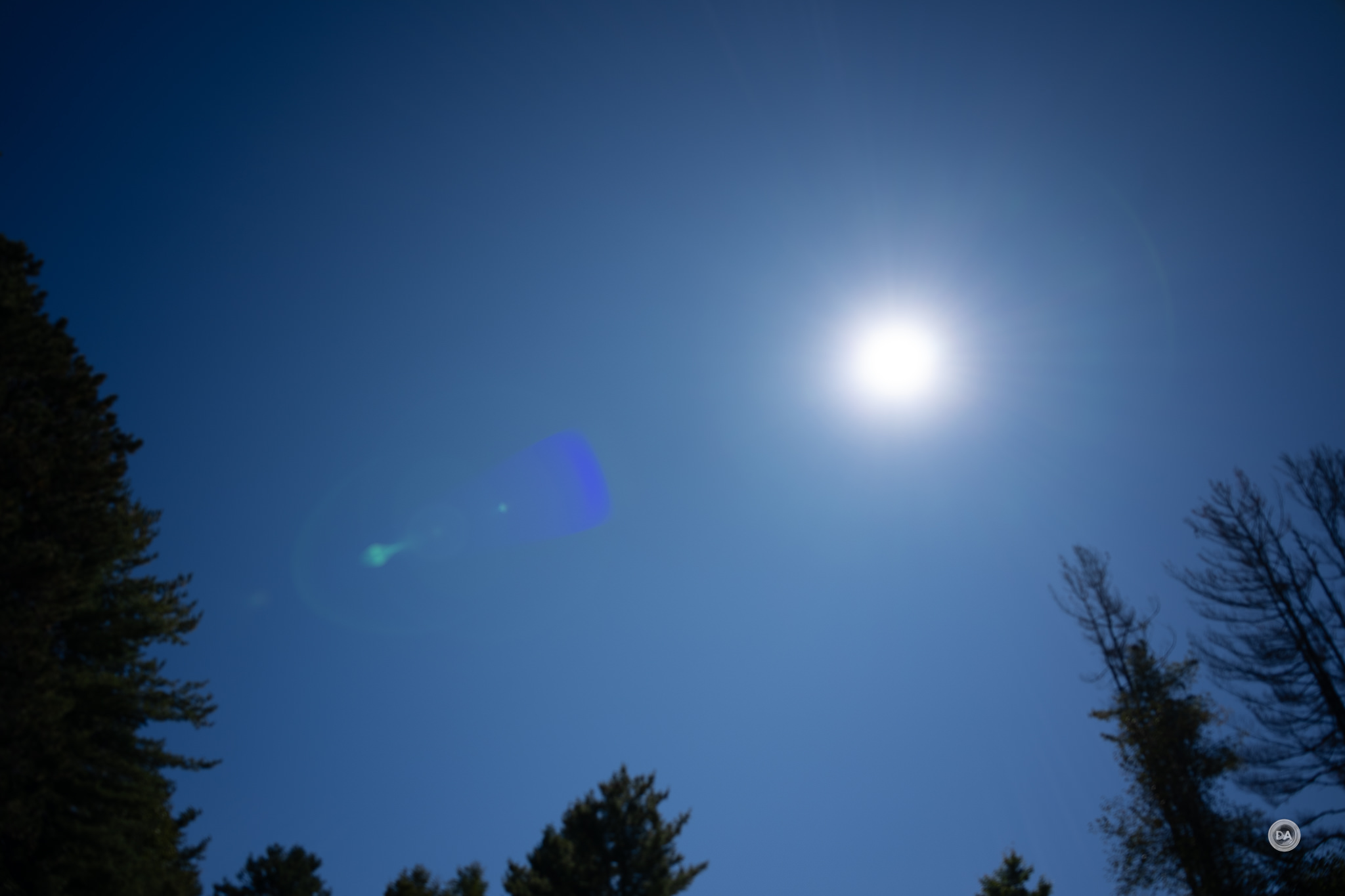
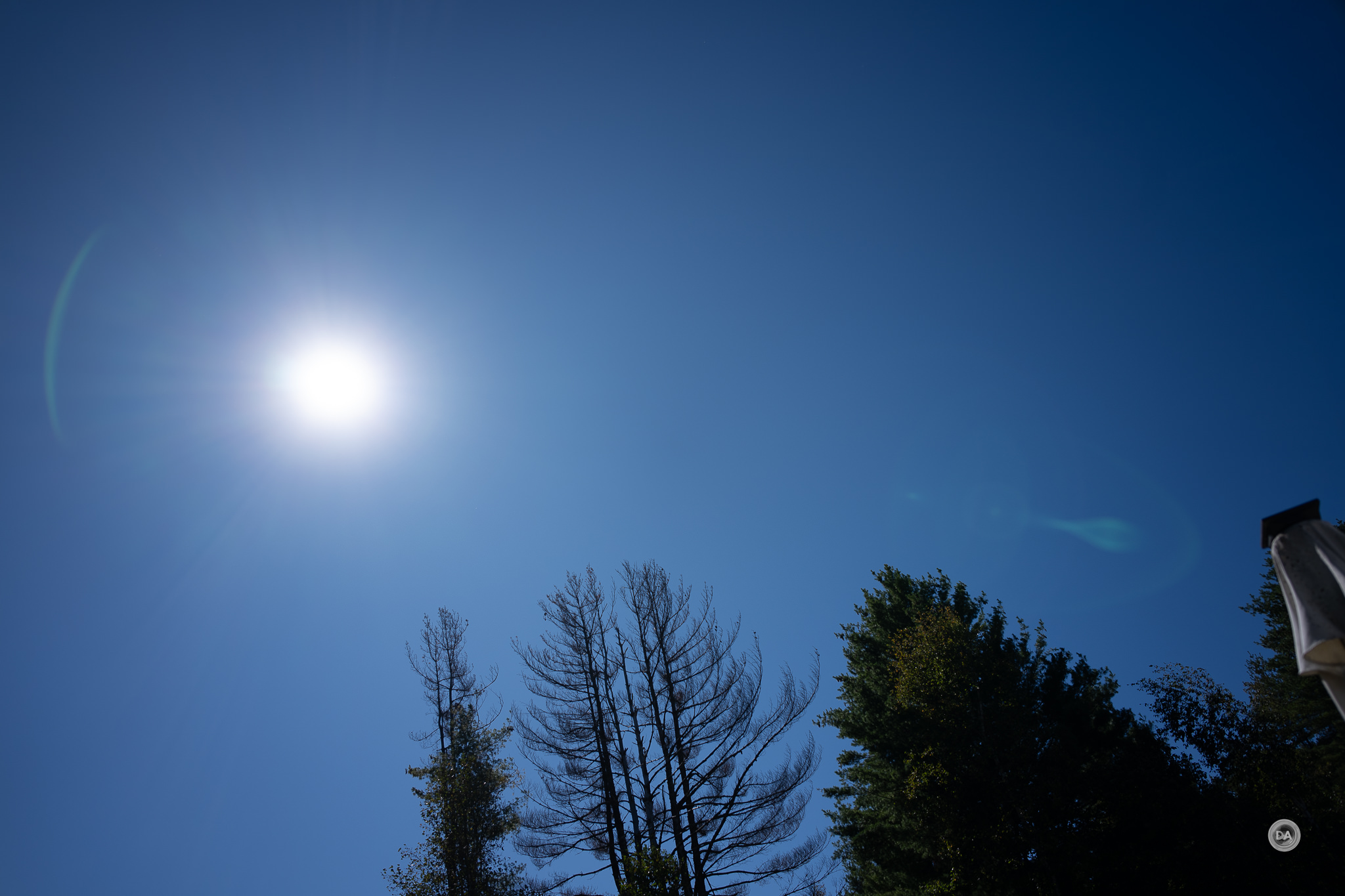
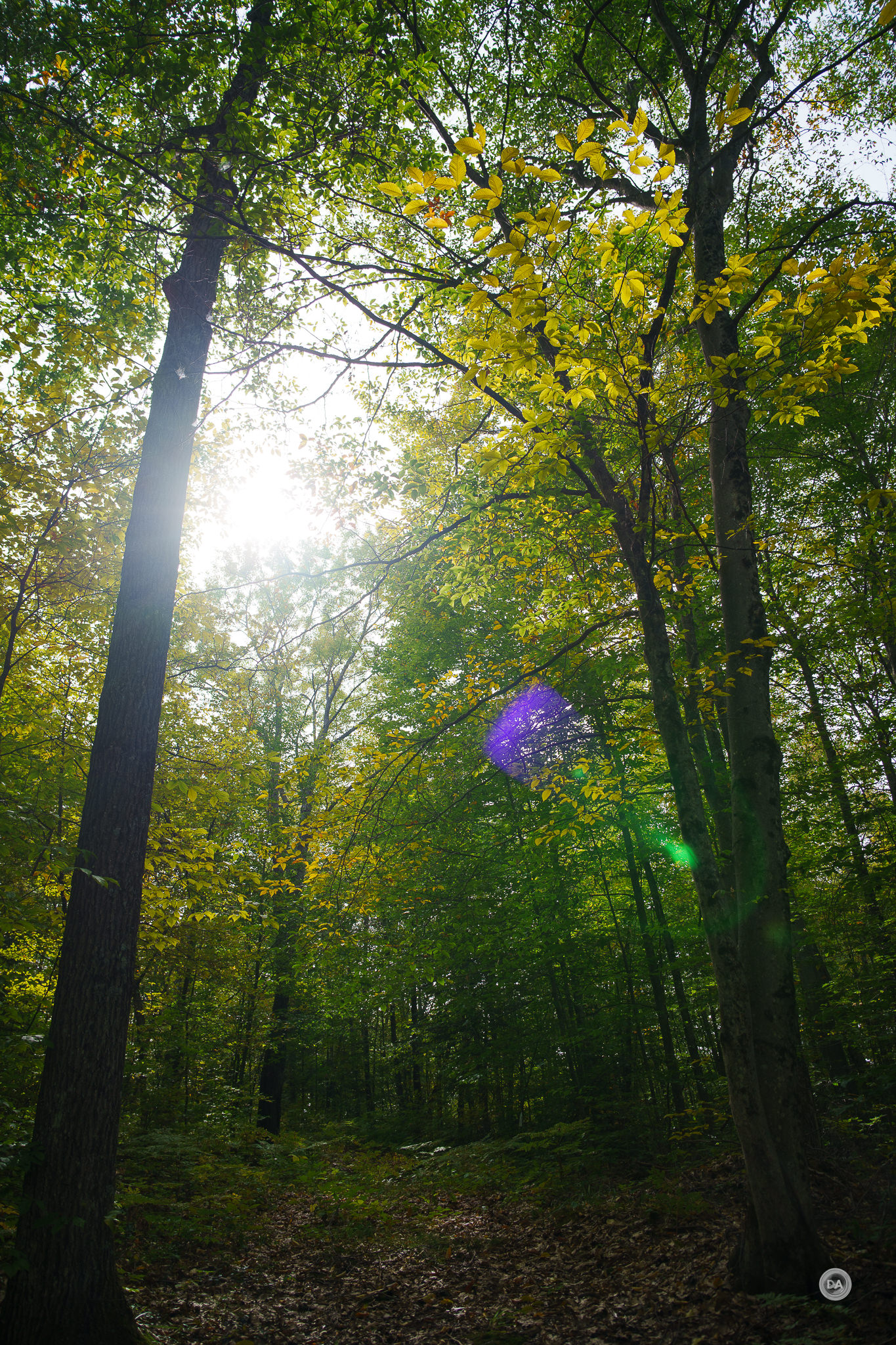
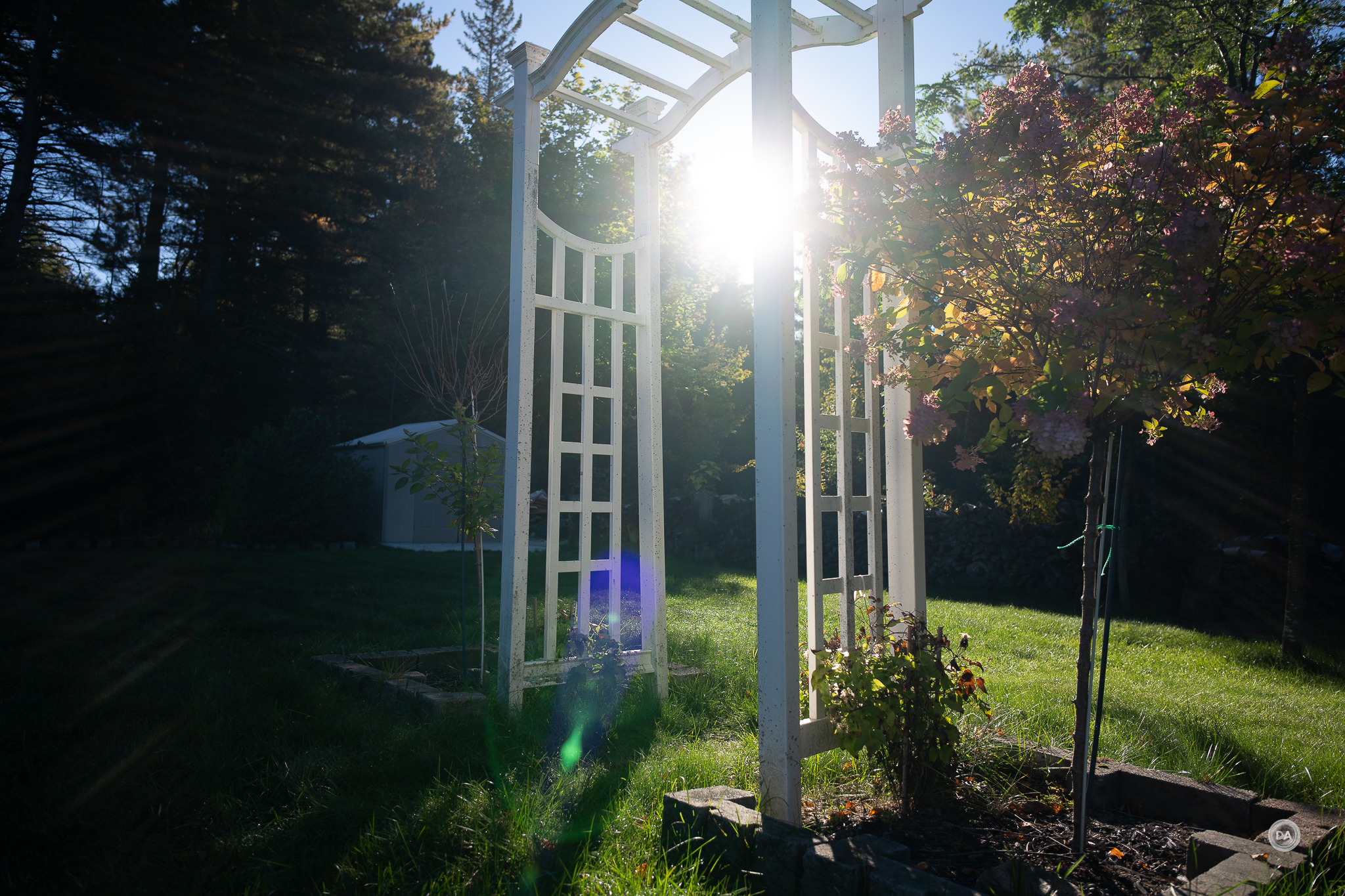
There is no lens hood here, but fortunately I saw only minor issues with side-lighting situations. Contrast held up fairly well.
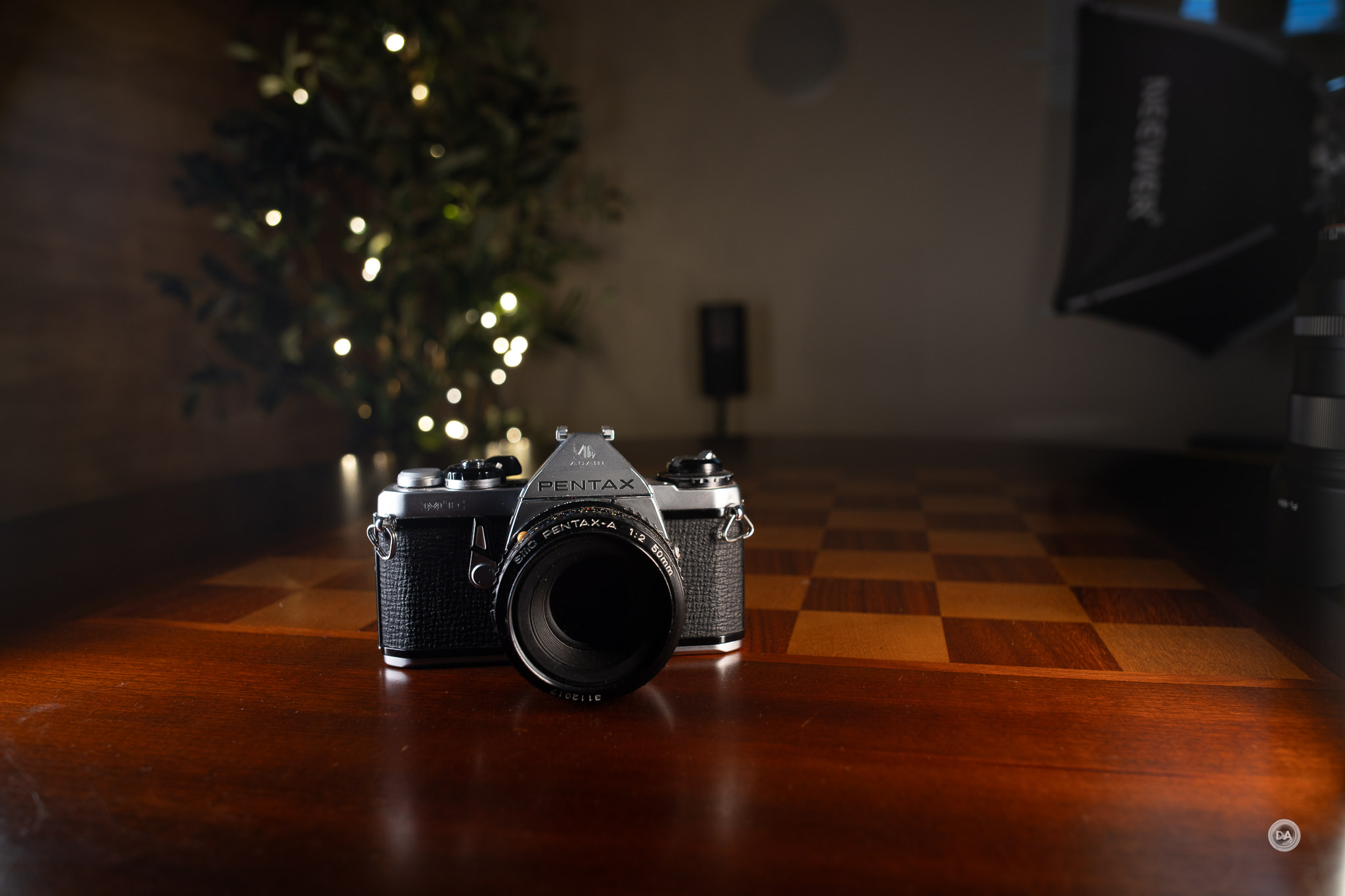
As mentioned, I found colors to be decent, too.


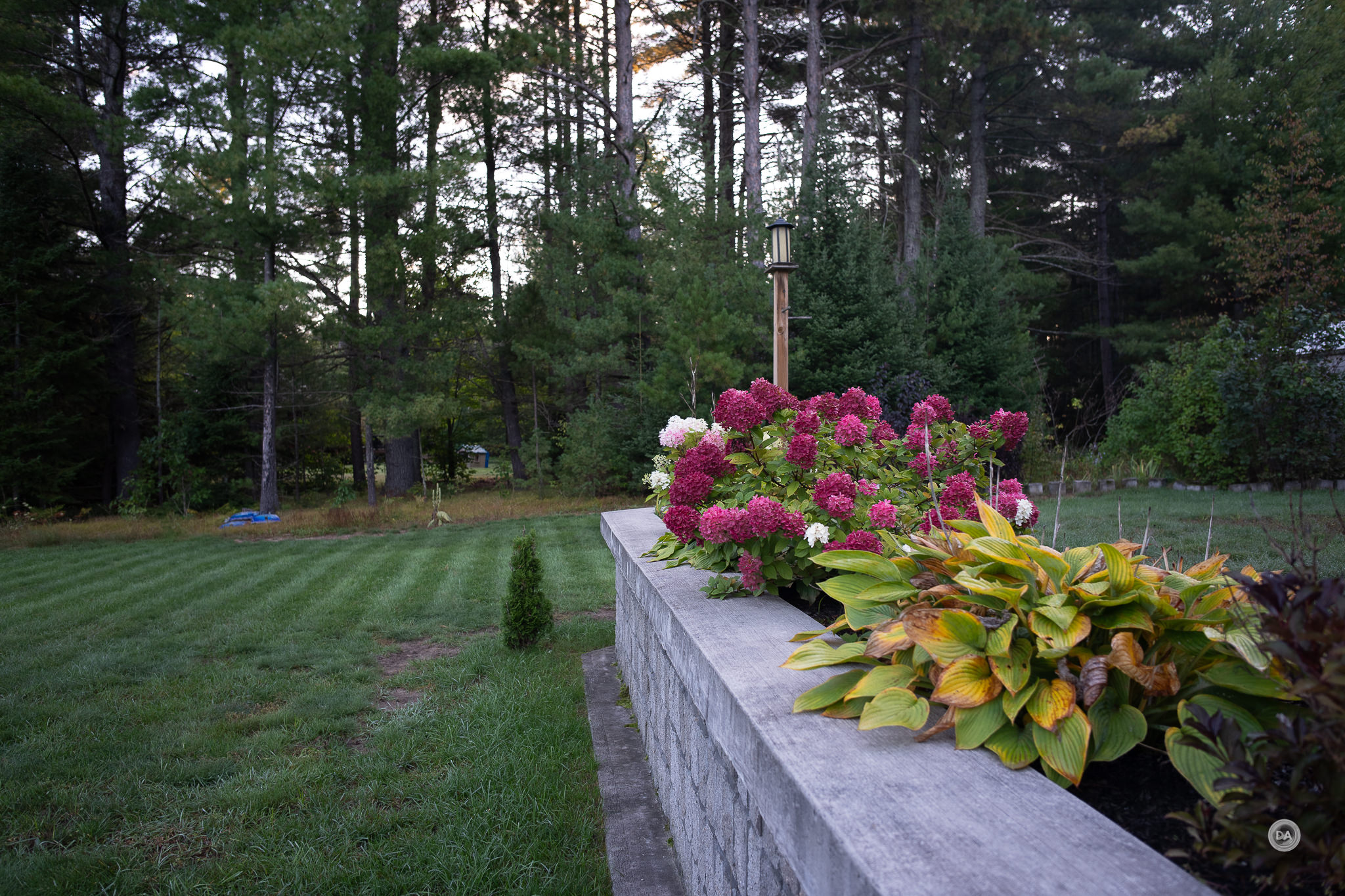
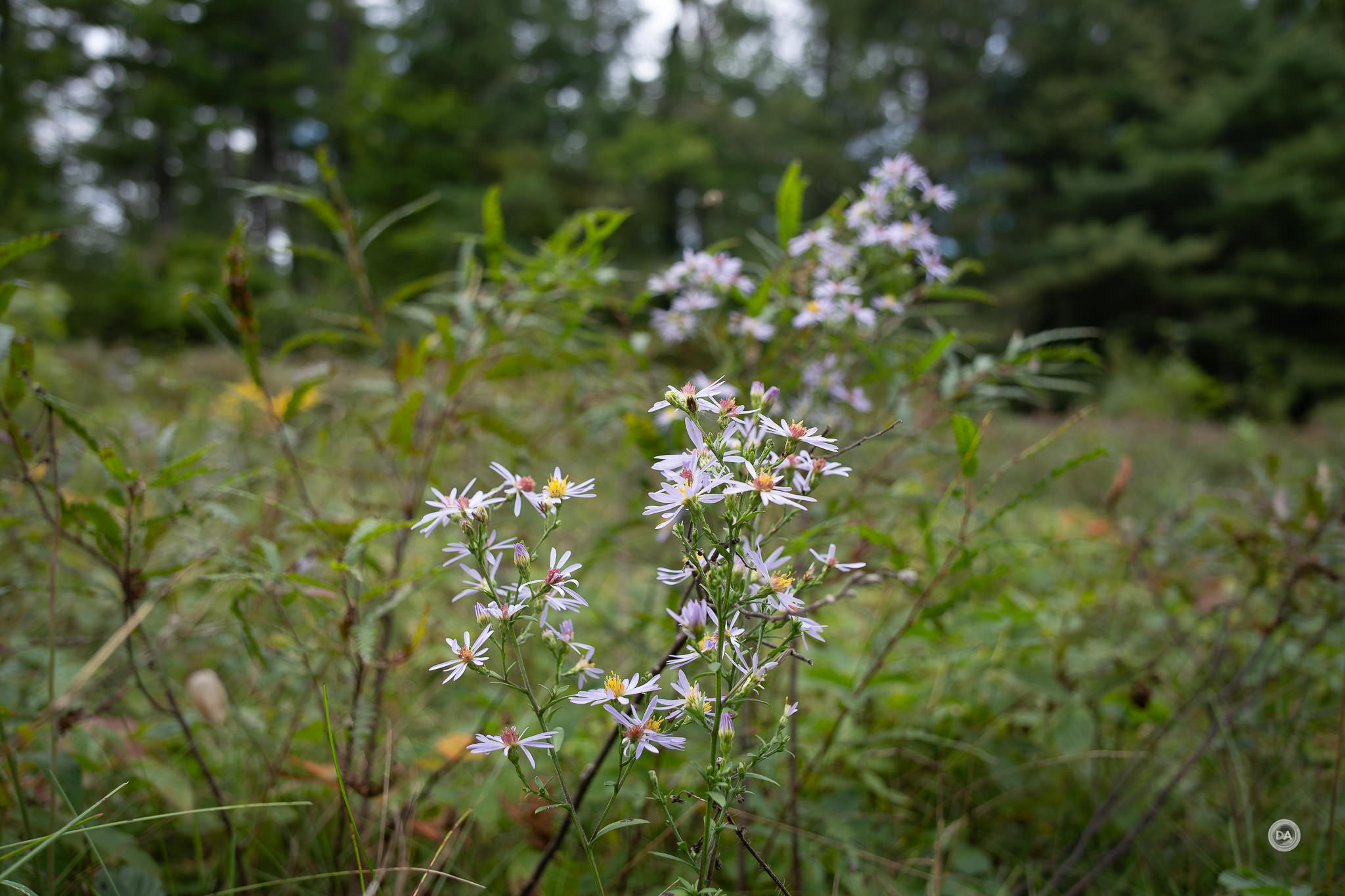
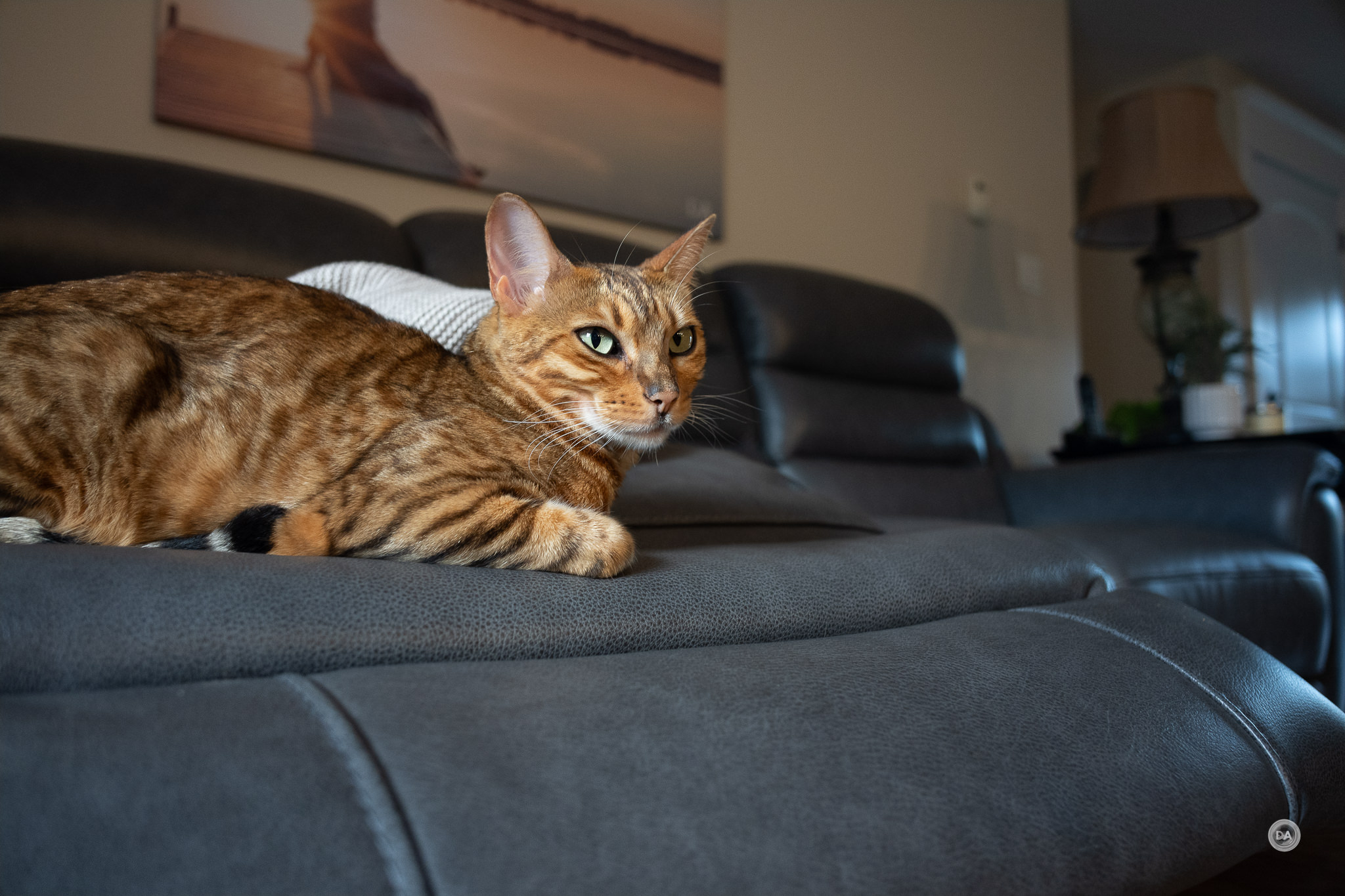
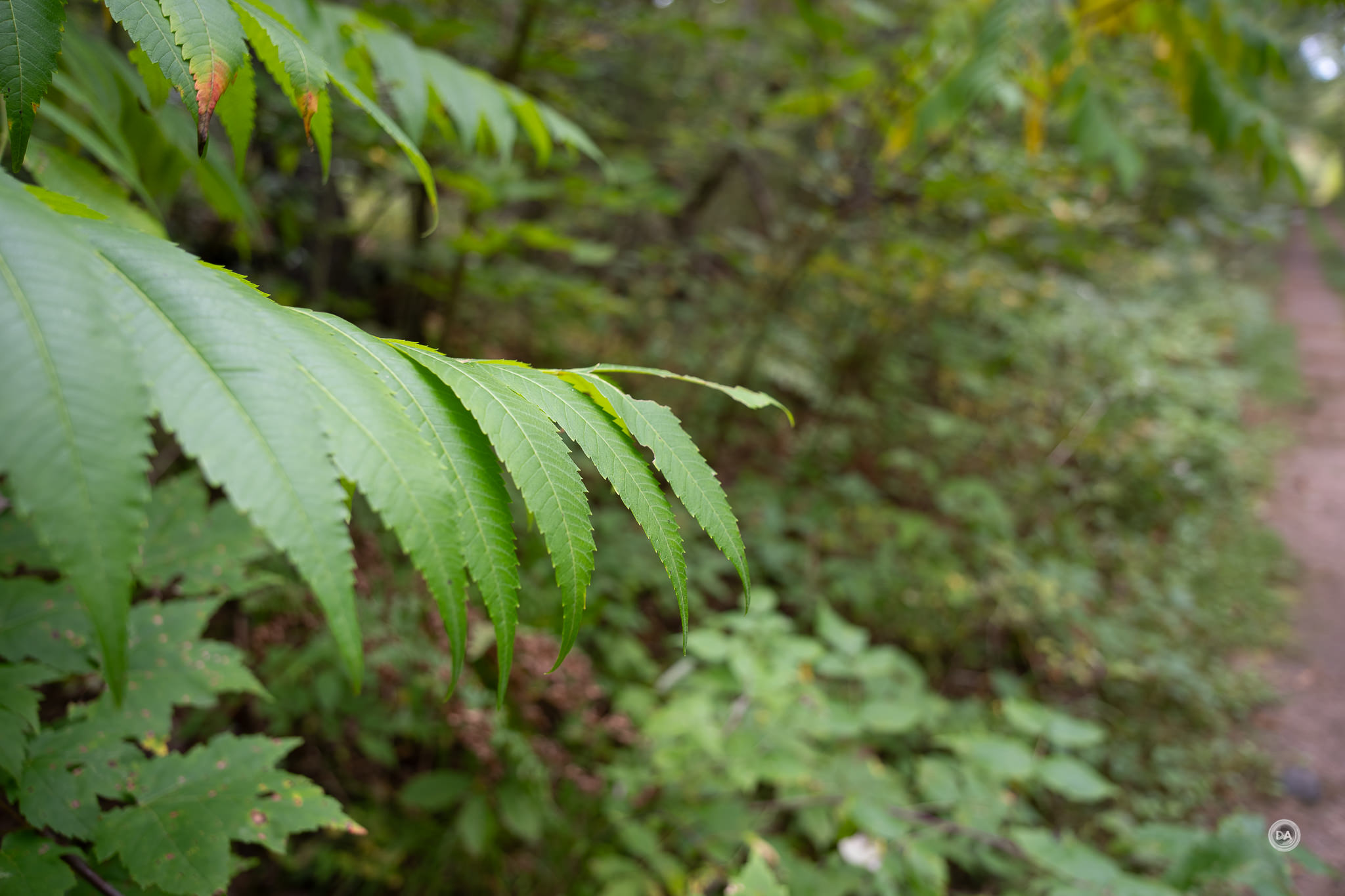
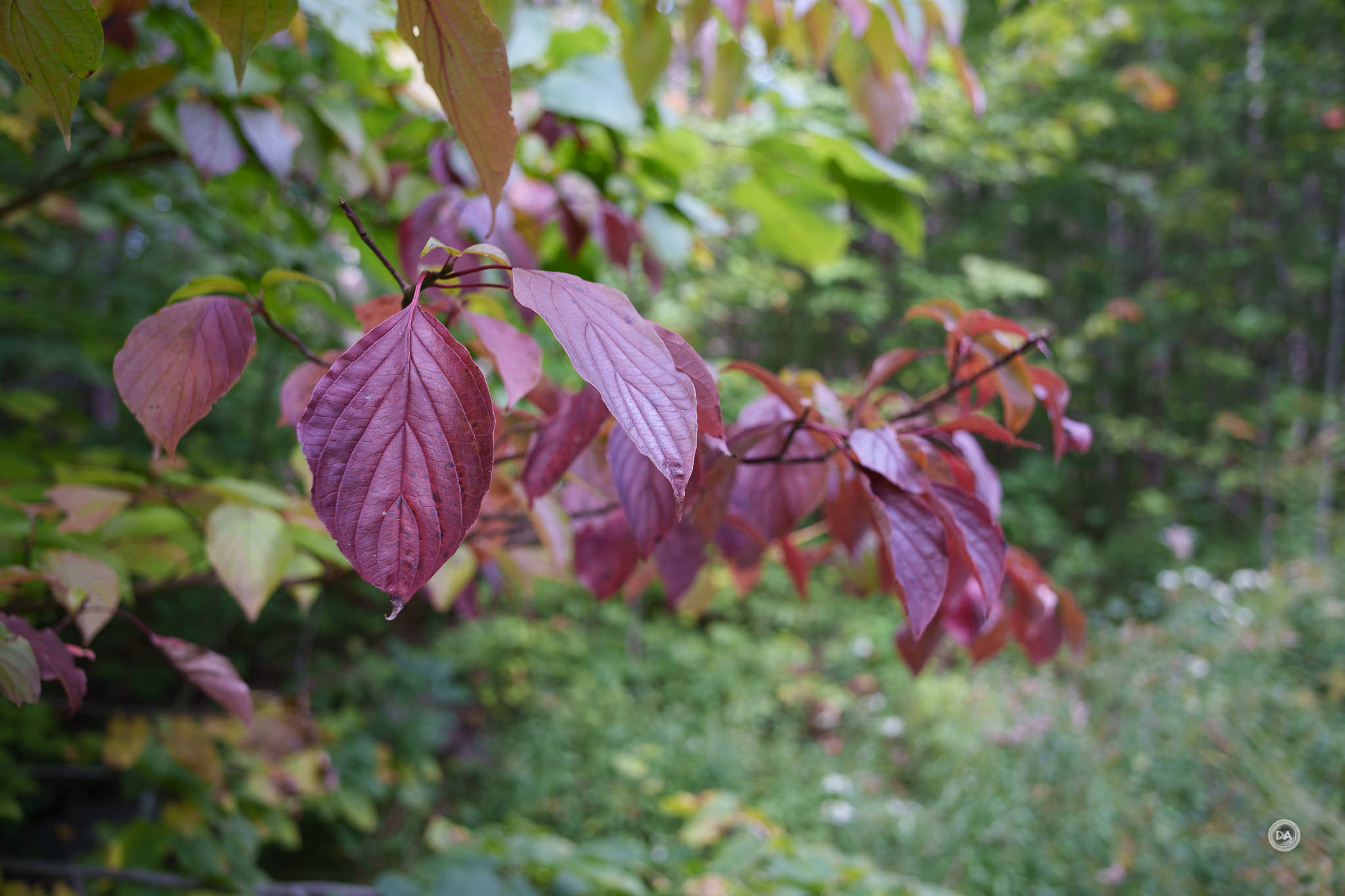
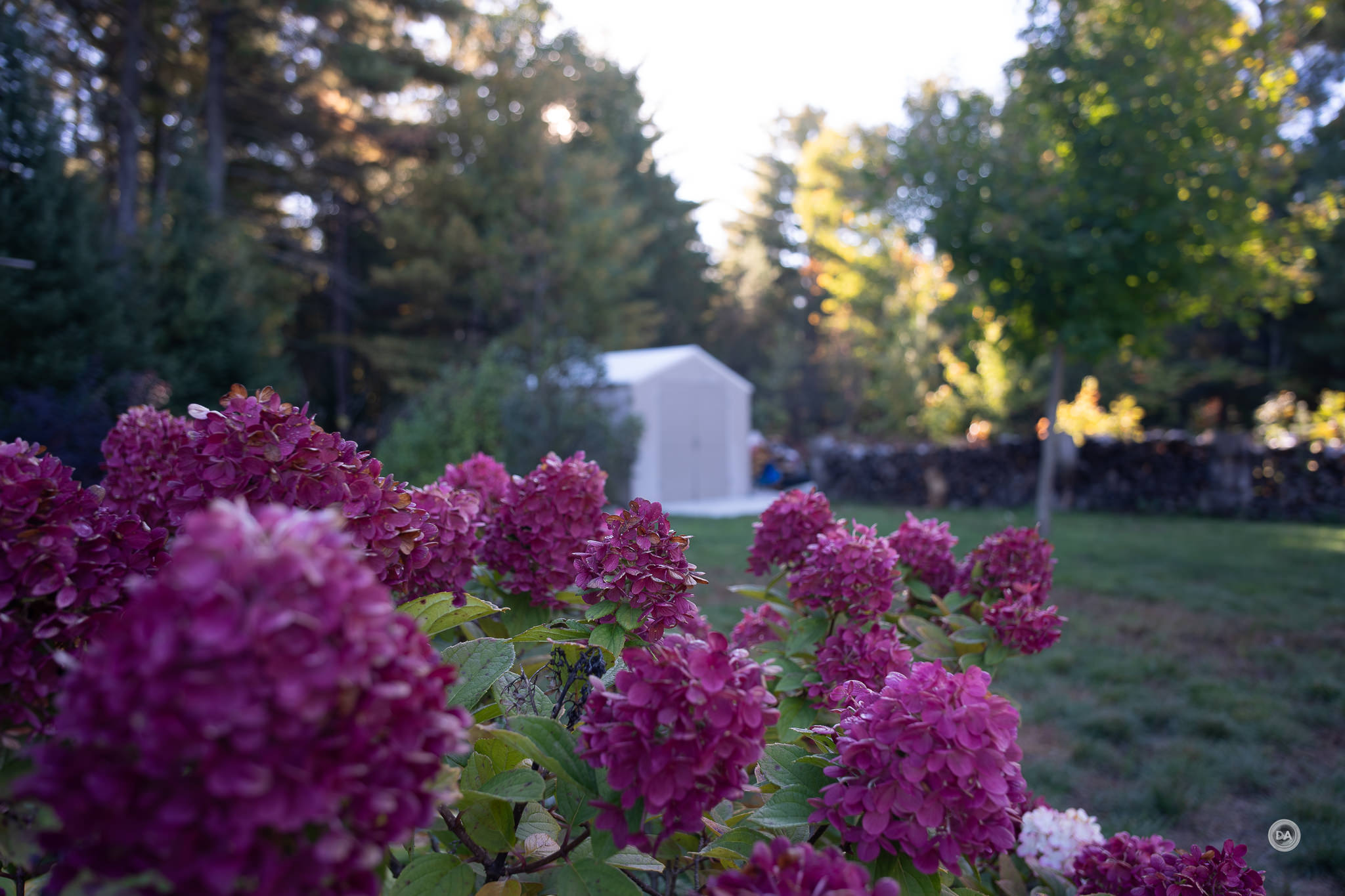
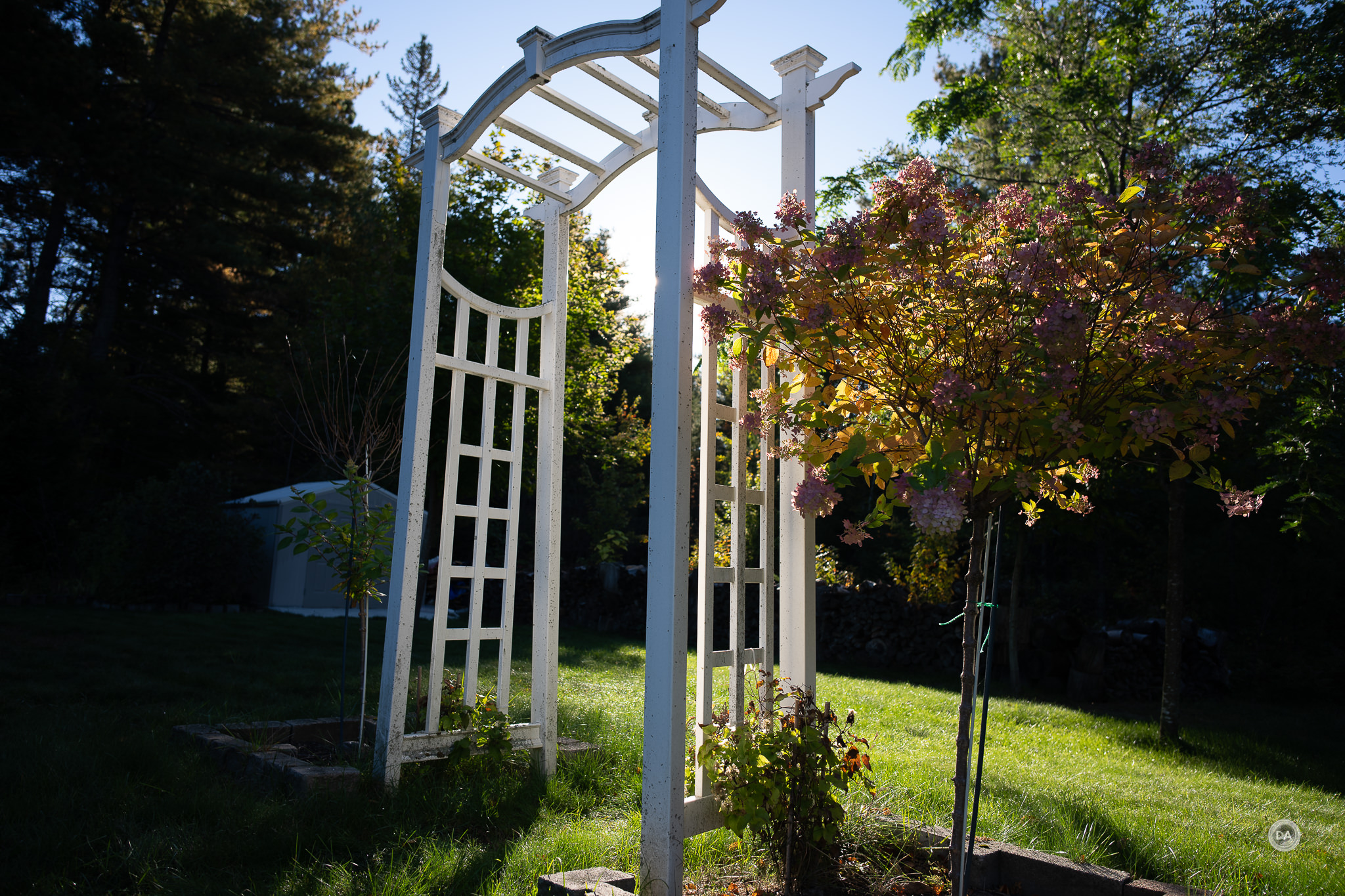
Bottom line is that my optical expectations for this tiny optic were exceeded. This is a ultra-compact, inexpensive, fun lens that can produce surprisingly strong images. Here’s a mini-gallery of images from the lens.






Conclusion
The TTArtisan AF 24mm F3.8 Mini joins the Viltrox AF 28mm F4.5 as a completely new breed of ultra-compact, smaller-than-pancake lenses. They are so small that they barely register as lenses, and yet in the case of the TTArtisan, it is a shockingly competent lens that I could easily justify hanging onto and bringing along (or even permanently leaving in my camera bag) as an easy-to-grab wide angle option.

I do miss having manual focus (particularly at close focus distances), and the level of magnification is pretty woeful here, but I actually really liked my landscape images and general purpose shots from the lens.
The price of just $99 USD makes this a very affordable option for those on a tight budget. What’s more, the fact that this is so competent on full frame cameras is impressive. I see this as a perfect match for Sony a7C bodies, and its also interesting as a 35mm equivalent option on APS-C cameras as well. There’s a lot to like here, and little to criticize. Well done, TTArtisan!
Pros:
- Compact Size: At just 16mm thick, it’s incredibly portable and resembles the size of a lens cap.
- Light Weight: Weighing only 59g (2 oz), it’s one of the lightest autofocusing lenses available.
- Affordable Pricing: It’s just $99!
- Versatile Focal Length: The 24mm focal length is ideal for landscapes, street photography, and general-purpose use.
- Decent Maximum Aperture: The F3.8 maximum aperture provides a balance between moderate low-light capability and depth of field.
- Effective Autofocus: Utilizes a Voice Coil Motor (VCM) for smooth and silent autofocus, suitable for both photos and video.
- Good Optical Performance: Sharp images across the frame with strong contrast; minor chromatic aberrations are well-controlled.
- Minimal Distortion: Displays only slight pincushion distortion, making it suitable for architectural photography.
- Robust Build Quality: Features a lightweight metal mount and a durable plastic body, contributing to its overall sturdiness.
Cons:
- Fixed Aperture: The F3.8 aperture is not adjustable, limiting creative control over depth of field.
- No Manual Focus: Lacks a manual focus ring, which may be frustrating for precise focusing, especially in close-up situations.
- Limited Minimum Focusing Distance: The minimum focus distance of 30 cm reduces magnification for close subjects.
- Lack of Weather Sealing:
- No weather sealing means it may not withstand harsh conditions.
- No Filter Threads: Absence of front filter threads limits creative options, such as using ND or polarizing filters.
- Potential Ghosting: In certain lighting conditions, ghosting may occur, especially with bright light sources in the frame.
_________________________________________________________________________
GEAR USED:
Purchase the TTArtisan AF 24mm F3.8 VCM @ Vitopal | B&H Photo | Adorama | Amazon | Amazon Canada | Amazon UK | Amazon Germany
_________________________________________________________________________
Purchase the Sony a7RV @ B&H Photo | Adorama | Amazon | Camera Canada | Sony Canada | Amazon Canada | Amazon UK | Amazon Germany
__________________________________________________________________
Purchase the Sony a7IV @ B&H Photo | Adorama | Amazon | Camera Canada | Sony Canada | Amazon Canada | Amazon UK | Amazon Germany
_________________________________________________________________
Purchase the Sony Alpha 1 @ Camera Canada | B&H Photo | Adorama | Amazon | Sony Canada | Amazon Canada | Amazon UK | Amazon Germany | Ebay
_________________________________________________________________
Want to support this channel? Use these affiliate links to shop at: B&H Photo | Amazon | Adorama | Camera Canada | Amazon Canada | Amazon UK | Ebay | Make a donation via Paypal
Buy DA Merchandise https://bit.ly/TWIMerch

Keywords: TTArtisan, 24mm F3.8, TTArtisan AF 24mm F3.8, f/3.8, Cookie, Pancake, Viltrox AF 28mm F4.5, VCM, TTArtisan AF 24mm F3.8 Review, AF, Sony a6700, a6600, Sony a7RV, Sony FE, Nikon Z, L-mount, Review, Hands On, Dustin Abbott, Real World, Portrait, Comparison, Sharpness, Bokeh, Flare Resistance, Autofocus, Image Quality, Sample Images, Video, Photography, let the light in, weathersealing, #letthelightin, DA
Related posts:
 7Artisans AF 18mm F2 Review
 7Artisans AF 10mm F2.5 MAX Fisheye Review
 7Artisans AF 27mm F2.8 Review
 Viltrox AF 56mm F1.7 E-mount Review
 Viltrox AF 56mm F1.7 E-Mount Gallery
 Viltrox AF 28mm F4.5 VCM “Chip” Review
 Viltrox LAB 135mm F1.8 Gallery
 Viltrox AF 135mm F1.8 LAB Z-mount Gallery
 Viltrox Pro AF 56mm F1.2 E Review
 Viltrox Pro AF 56mm F1.2 X Review