

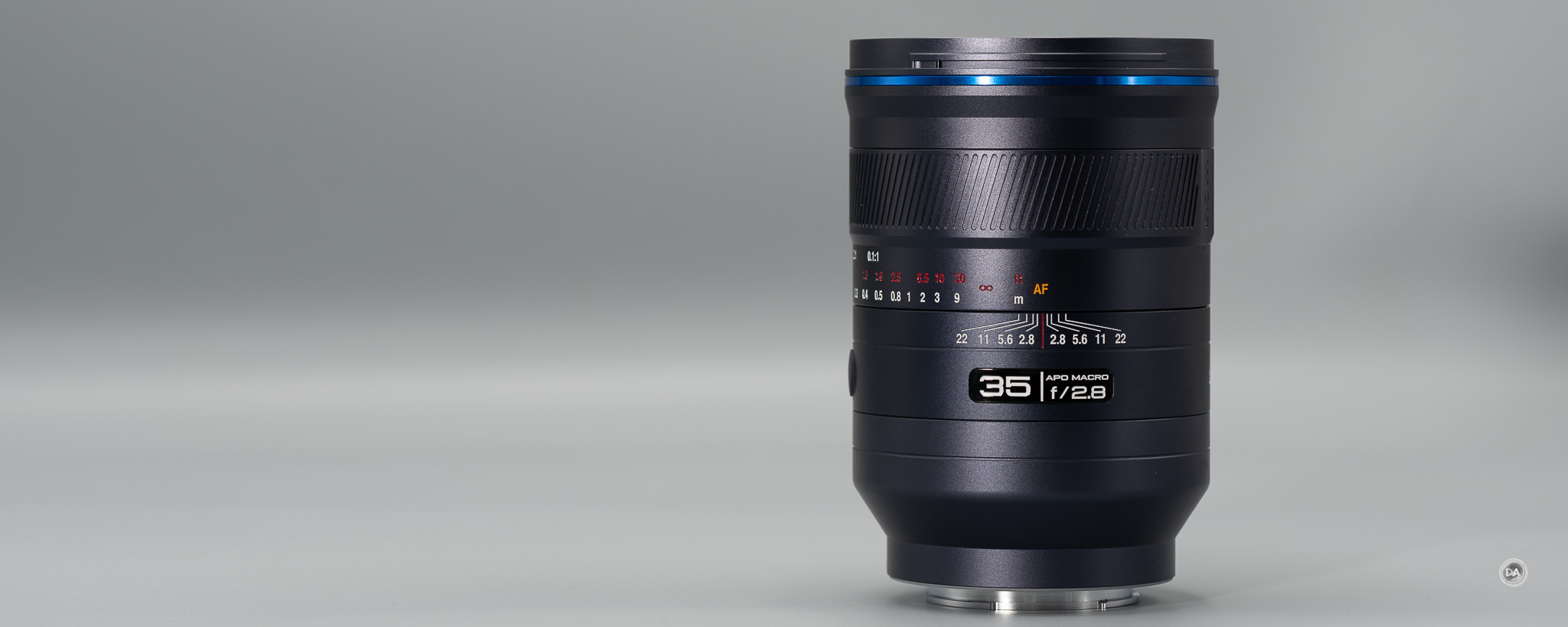
It was basically a year ago that I reviewed the Laowa AF 180mm F4.5 1.5x Macro, which was the first of their hybrid autofocus/manual lenses. In the macro range, it was a manual focus lens with a traditional focus ring with fixed distance markings and hard stops. That is most macro photographer’s preferred focus process because of the extra precision it provides. From 1.5 meters on, however, you had the option of switching into autofocus mode…it just required rotating the focus ring past infinity into the “AF” position. I actually didn’t realize that this was an option for the first week or so of using the lens, as I had never seen anything like it before. After my review, however, Laowa added the option to use autofocus even in the macro range via firmware to the lens, though I didn’t have the opportunity to test that personally. Laowa is back with another lens following the same format, though, somewhat confusingly, it has the same autofocus limitations that the 180mm did before the firmware updates. Will the same kind of firmware change come here, and, if so, why not include it in the design from the beginning? The Laowa AF 35mm F2.8 APO Macro is a nice prime lens that also has 1:1 macro capabilities and comes at a reasonable price. There really aren’t a lot of other lenses like it on the market, and Laowa is trying to cover all the bases with autofocus versions available for Sony E (reviewed here), Nikon Z, and Canon EF, with manual-focus-only versions available for Canon RF, L, and Fuji X-mounts. Is this unique lens worthy of your consideration? Either read on or watch the video below to get my thoughts.
Follow Me @ YouTube | Patreon | Instagram | Facebook | DA Merchandise | Flickr | 500px | X
__________________________________________________________________________________________________
Thanks to Laowa for sending me a review loaner of this lens. As always, this is a completely independent review. All opinions and conclusions are my own. *The tests and most of the photos that I share as a part of my review cycle have been done with the Sony a7RV along with the Sony Alpha 1 that serve as my benchmark cameras for Sony lenses. You can find the product listing page for the Laowa 35mm F2.8 APO Macro here.
__________________________________________________________________________________________________
__________________________________________________________________________________________________
Summary: The Laowa AF 35mm F2.8 APO Macro is a unique lens that combines macro capabilities with autofocus functionality, though autofocus is limited in the macro range. It features traditional manual focus mechanisms with hard stops, offering precise adjustments, and the lens is weather-sealed, adding to its durability. Despite some optical limitations, such as noticeable vignetting and less-than-ideal performance in focus stacking, it provides commendable image quality for macro photography. The price point makes it an attractive option for photographers seeking both macro and general-purpose usage.
Strengths:
- Unique Design: Offers both macro capabilities and autofocus with a precise manual focus mechanism.
- Build Quality: Weather-sealed construction ensures durability in various conditions.
- Versatile Usage: Functions well as both a macro lens and a general-purpose 35mm lens.
- Great Value: Competitive pricing for a 1:1 macro lens with autofocus capabilities.
Weaknesses:
- Autofocus Limitations: Autofocus is not available in the macro range, which may hinder usability.
- Optical Issues: High vignetting and some flare problems at certain angles affect image quality.
- Focus Breathing: Makes it less suitable for focus stacking in macro photography.
- Size and Weight: Larger and heavier compared to typical F2.8 lenses, which could affect portability.
__________________________________________________________________________________________________
At least for the moment, this is a hybrid lens with autofocus that begins at 0.5m and beyond. From 18cm to 50cm (the macro range), it is manual focus only, though you can manually focus all the way to infinity (the focus throw is roughly 130°). Autofocus can get me this close to these hydrangea blossoms…

…but manual focus can get me this close:

35mm is an interesting focal length for a macro-capable lens, as it gives you the option of doing macro…

But also works well as a general purpose 35mm walkaround lens.

What’s more, this is an Apochromatic (APO) optical design, which often pretty much guarantees pristine image quality…though I do feel that APO gets thrown around a bit too often. In this case, that doesn’t mean perfect control of aberrations, but does mean that you can get beautifully detailed, high contrast images.

So is this unique lens the one you’ve been looking for? Let’s dive in and find out.
Build and Handling
As mentioned in the intro, there are both autofocus and manual-only versions of this lens. Laowa’s workaround for Canon not opening up RF is to release an EF version of the lens, which can of course be easily adapted to RF. The unique design of this lens makes this possible, as the manual focus portion of the lens is not focus-by-wire like almost every other mirrorless lens.
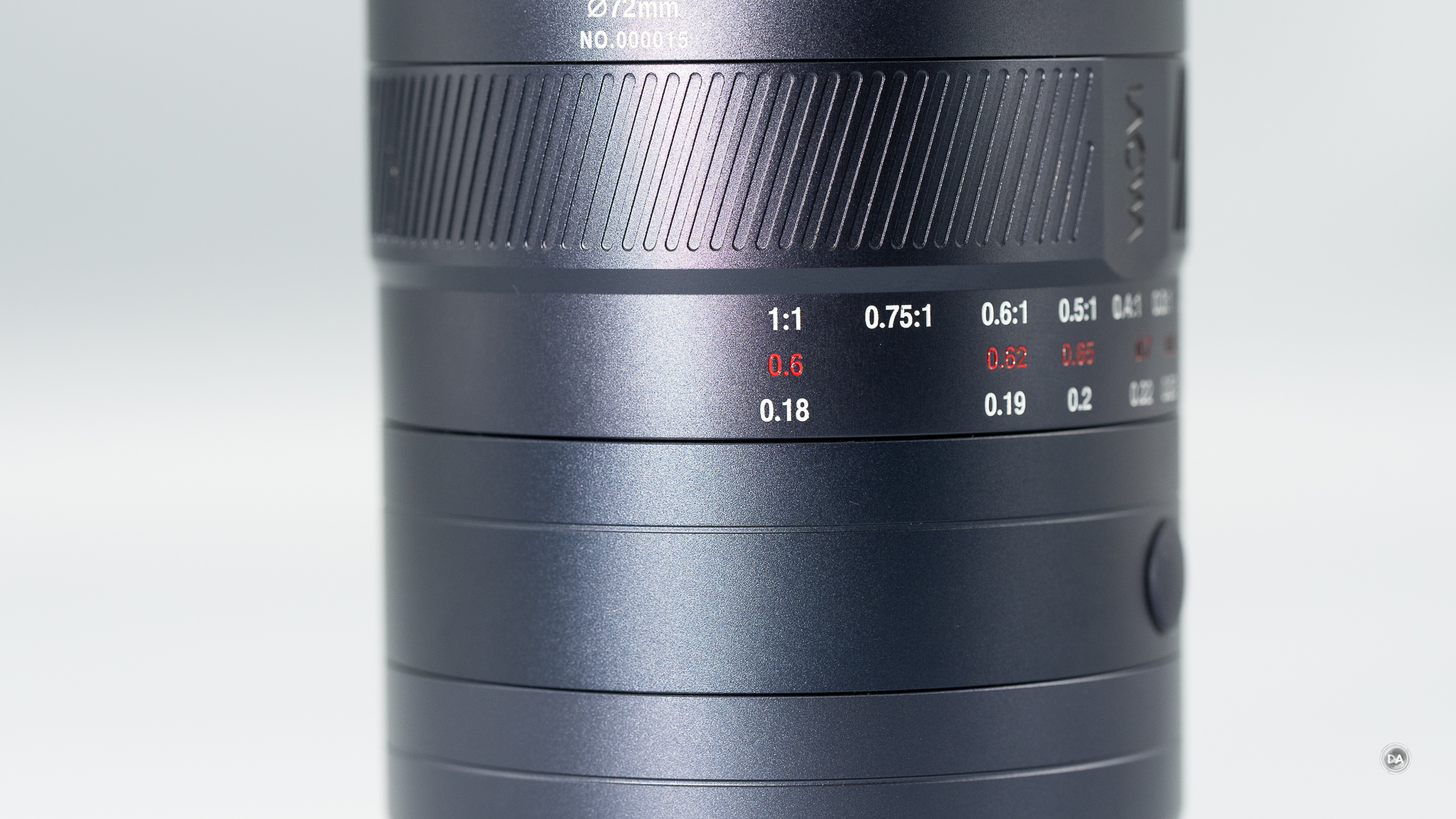
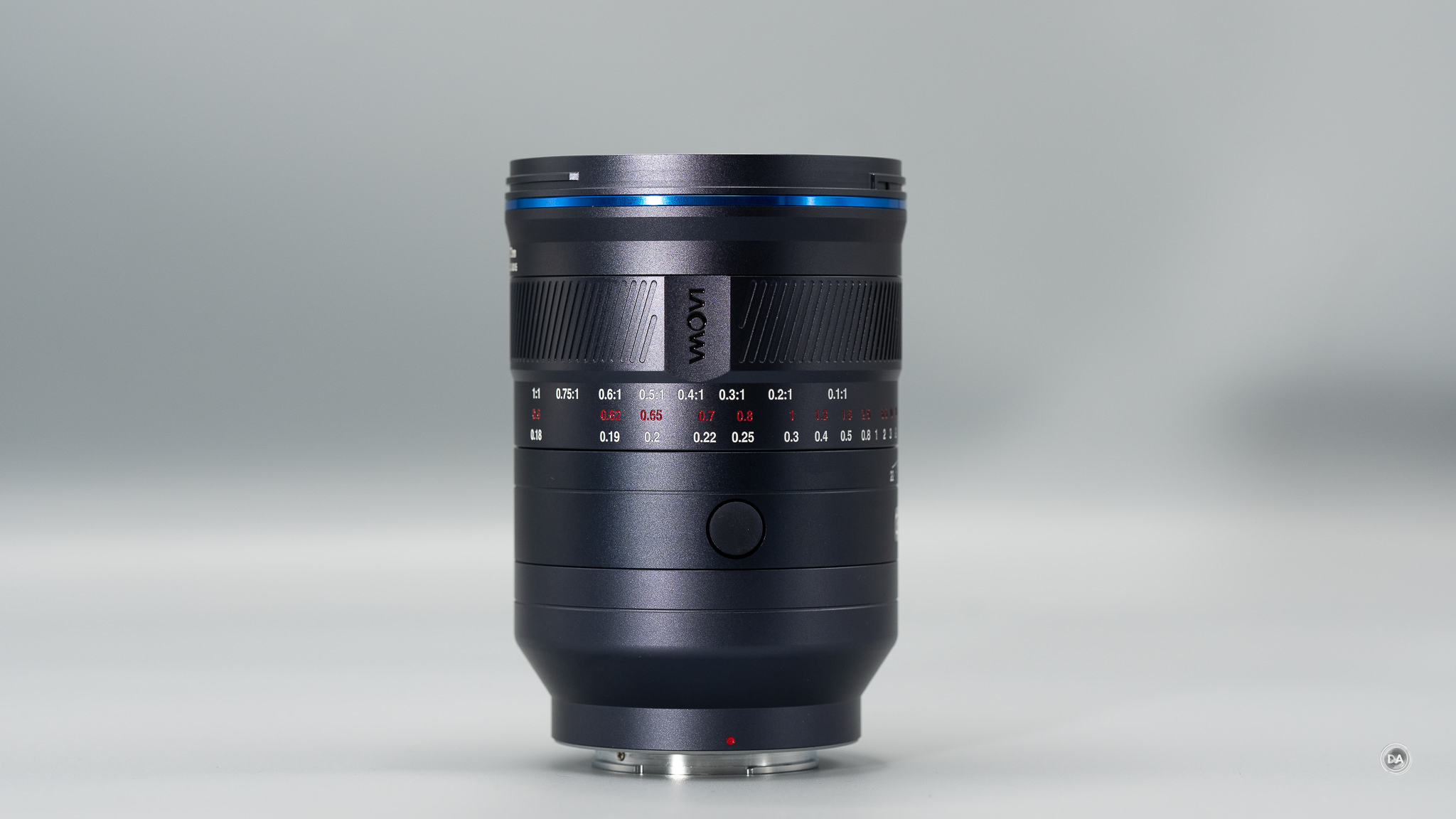
The manual focus ring is a typical true manual focus ring, with hard stops and fixed distance markings. That’s great, because you can focus with more precision than you can on a focus-by-wire lens. We even have hyperfocal markings.
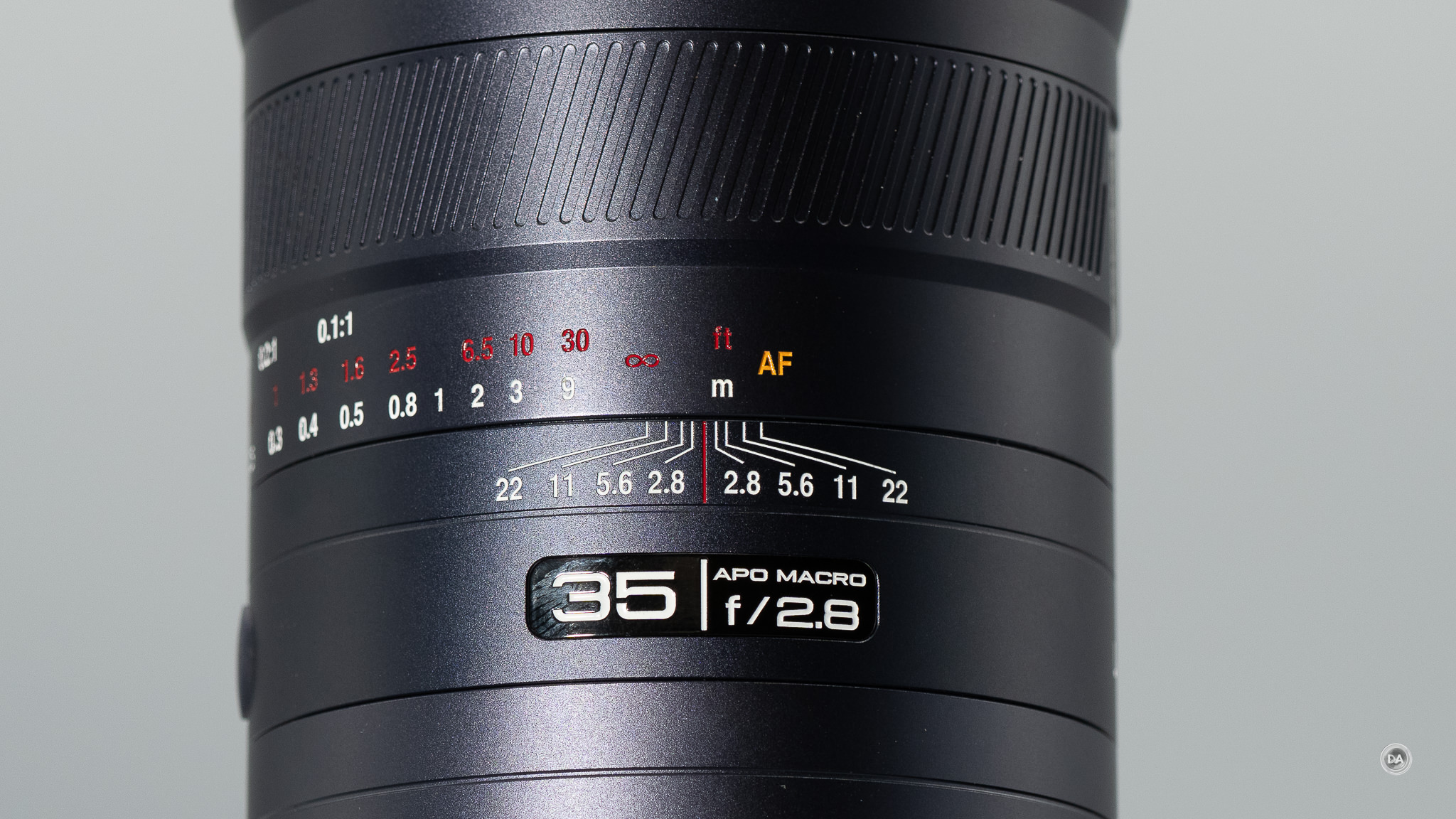
If you rotate the ring all the way to the left (the focus throw is a little over 130°) you will go past infinity and a little gap to a marked position that says “AF”. Rotate to that position, and all of a sudden you have an autofocus lens, though one with a minimum focus distance of 0.5 meters.
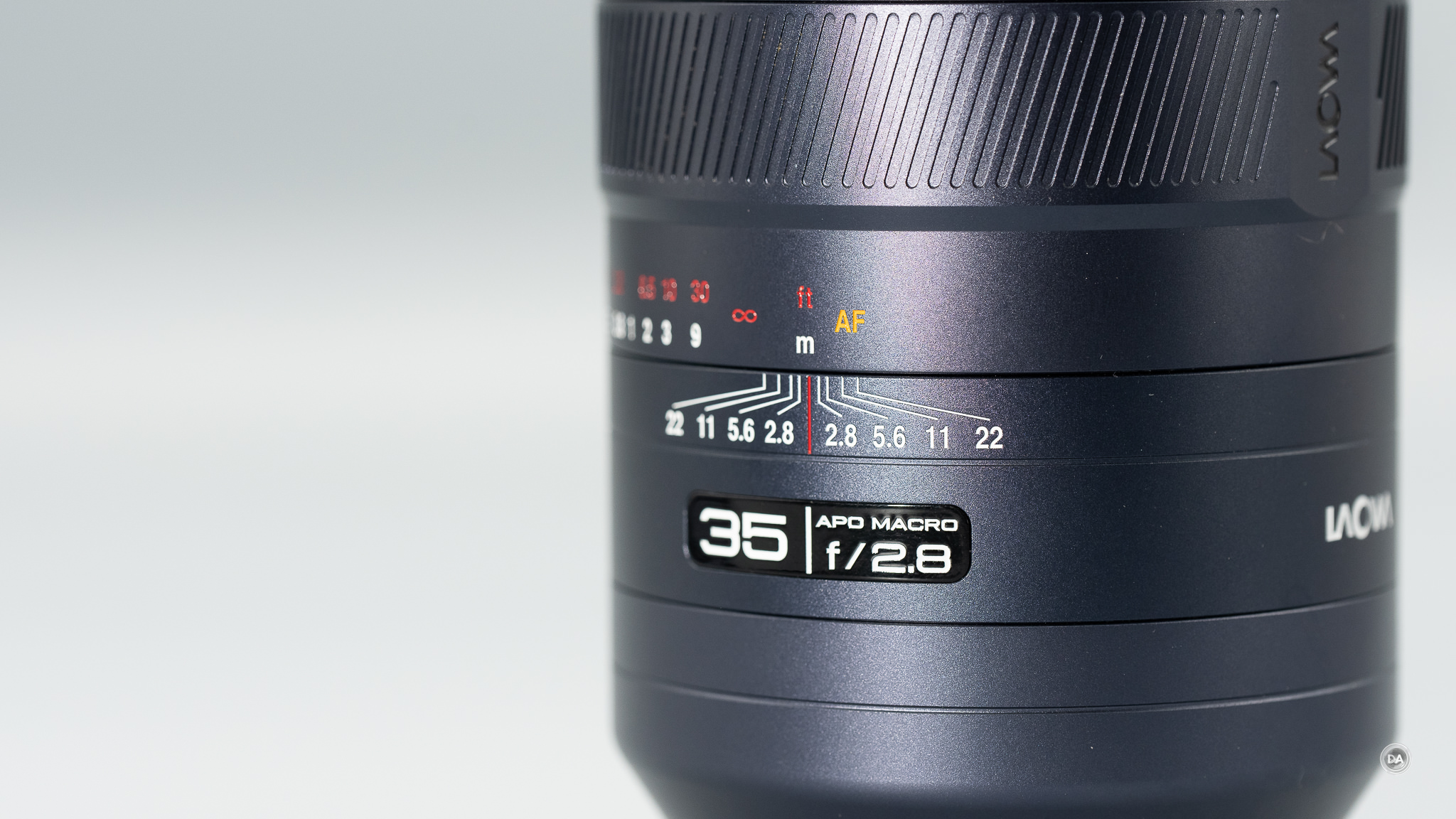
There is not aperture ring here, as the aperture is electromagnetically controlled on Sony (I’m not sure if the manual-focus-only lenses will feature an aperture ring). The aperture has nine blades, and is capable of maintaining a fairly circular shape when stopped down…within limits. By the time you get to smaller apertures (like F8, below), you can see some straight edges.
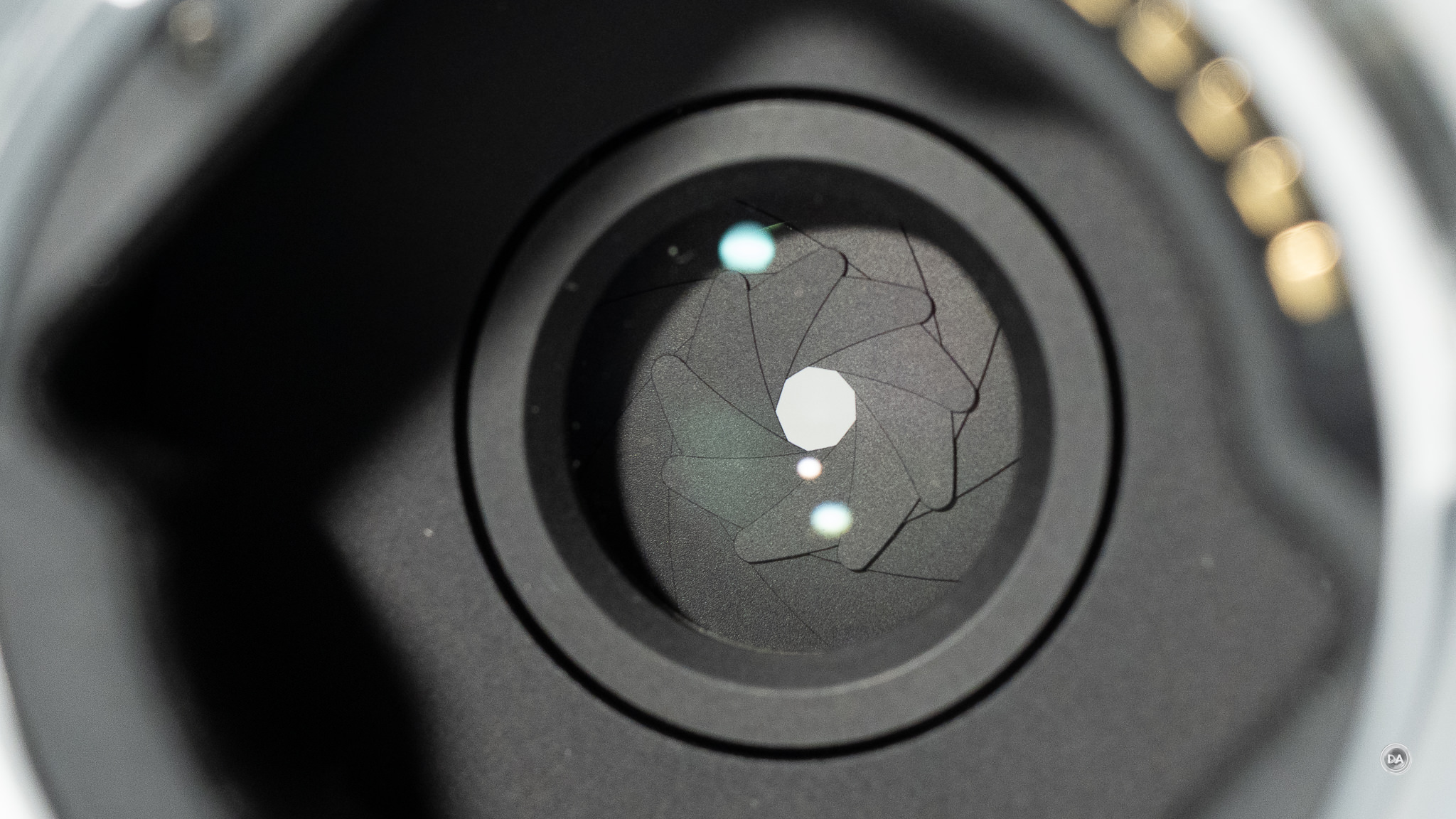
From F2.8 to F4 to F5.6 the shape is still mostly circular, though you will see a bit of the aperture shape at smaller apertures.
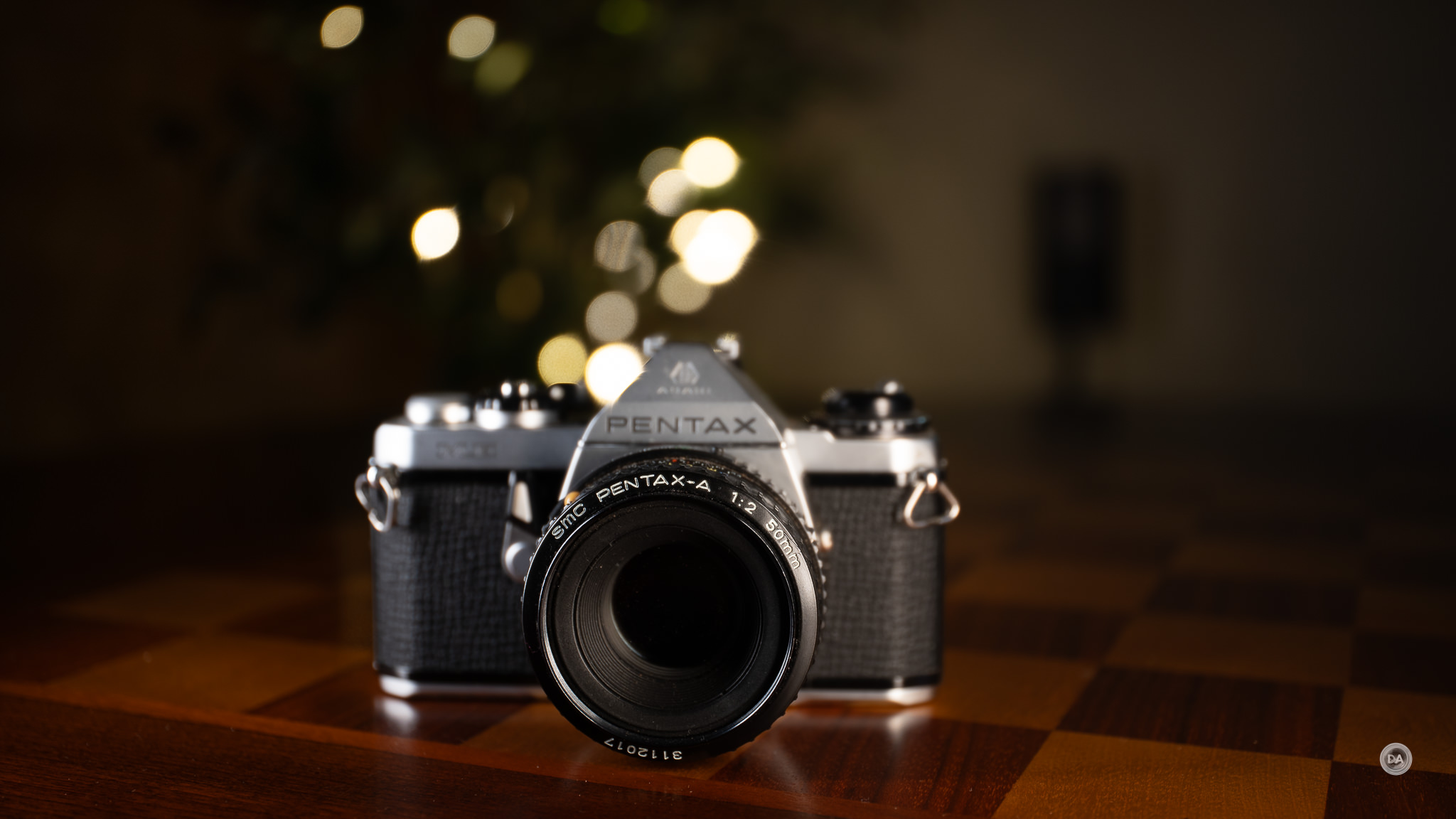
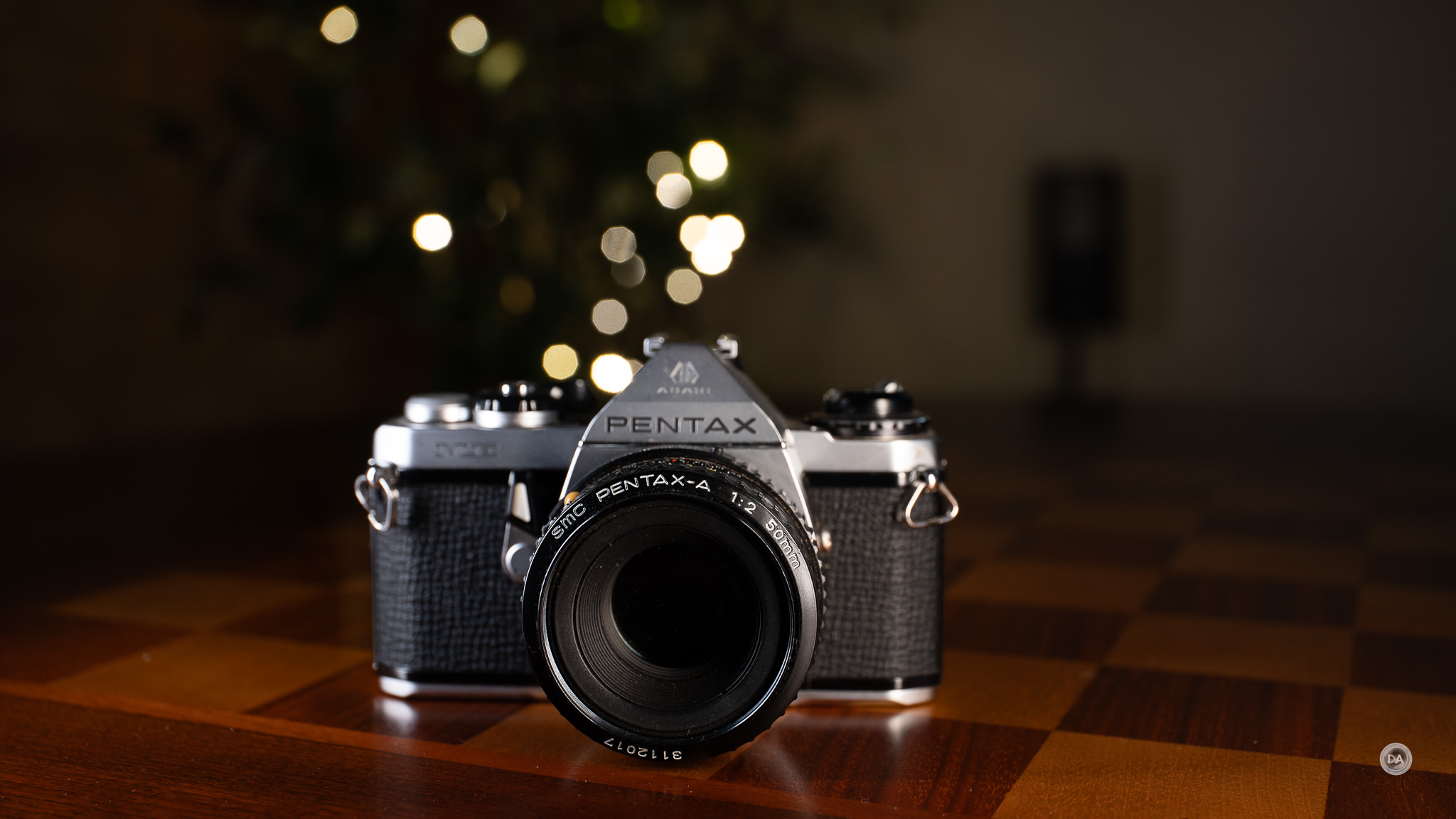
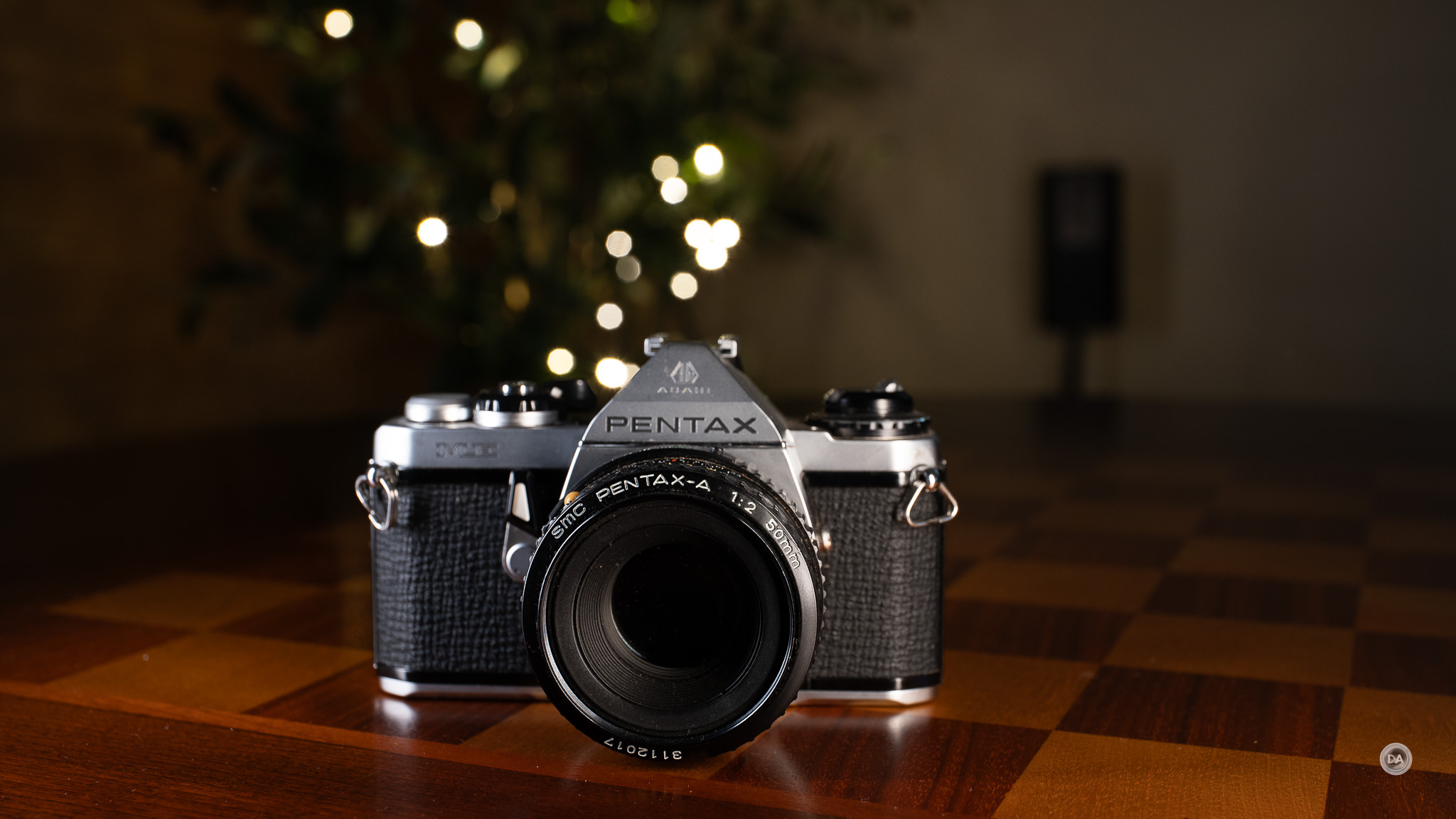
There is a custom/function button on the side which will perform whatever function you have assigned in camera.
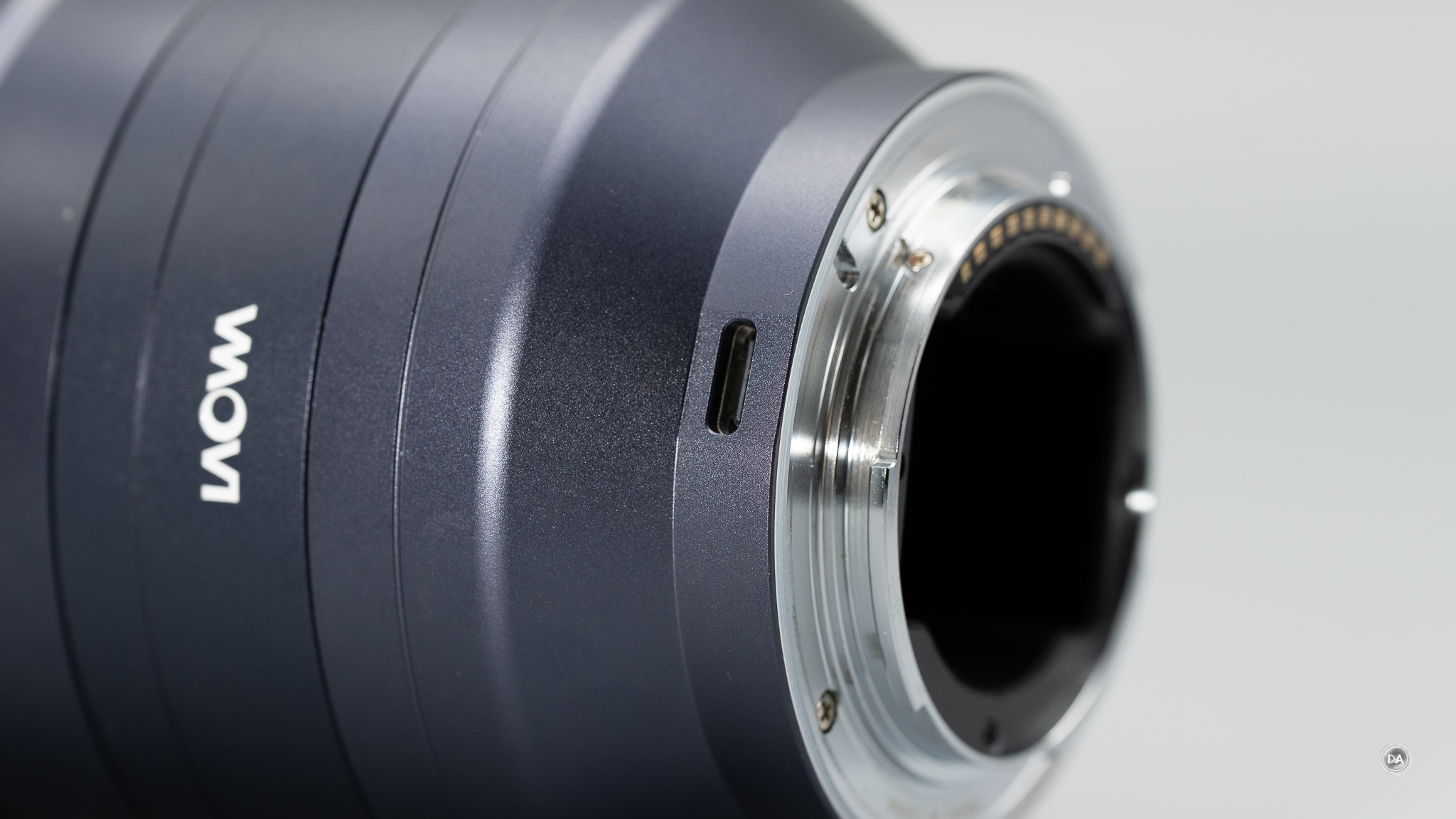
There is a weathersealed USB-C port near (but not on) the lens mount.
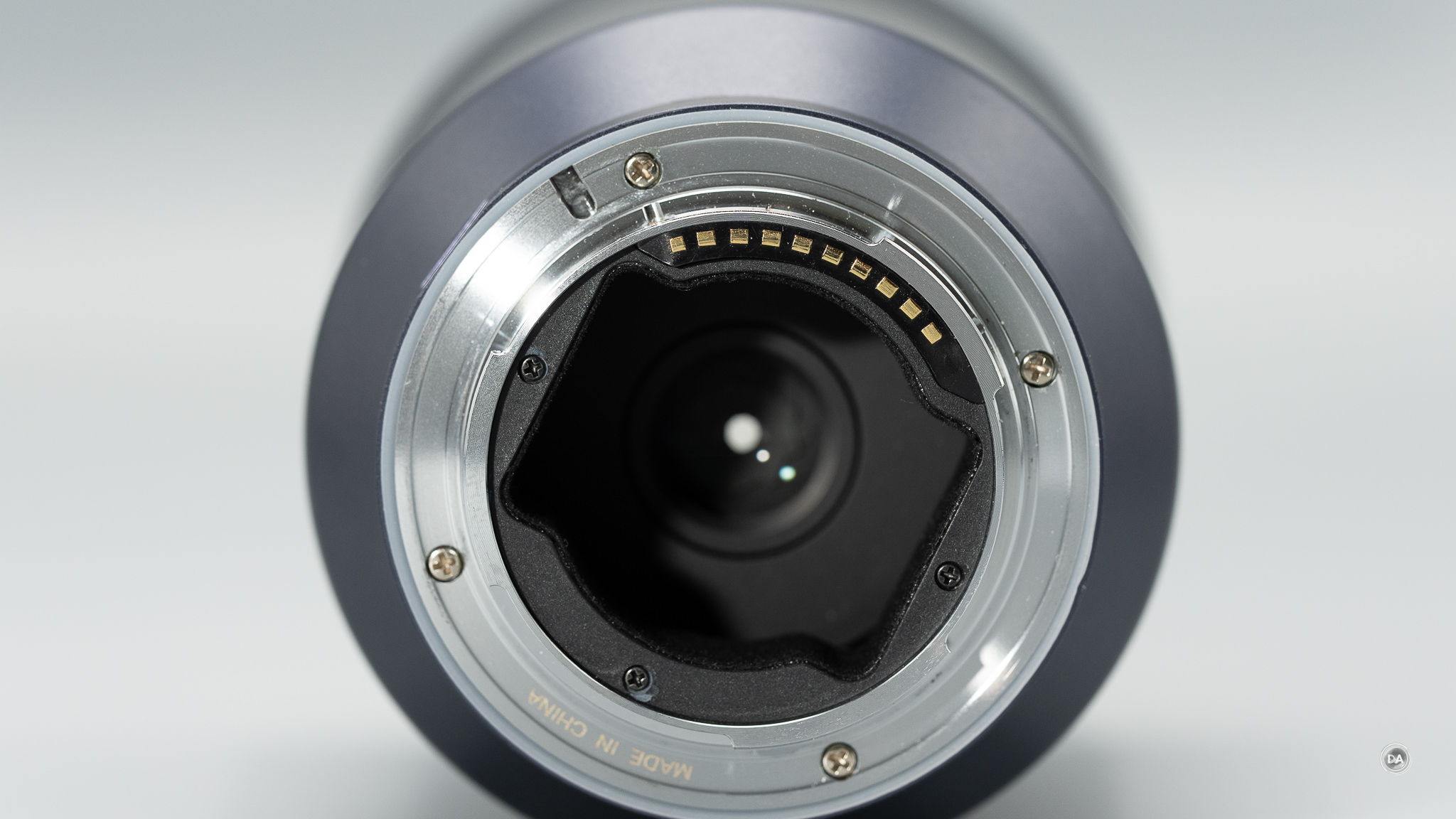
While I haven’t seen a diagram showing internal seal positions, this is a weathersealed lens with a gasket at the lens mount along with internal seals.
The Laowa 35mm Macro has a fairly traditional looking profile, has a very long, slim profile that is unique from most other lenses. It is 79mm (3.11″) in diameter and 87.4mm (3.44″) in length.
The weight is 630g (22oz).
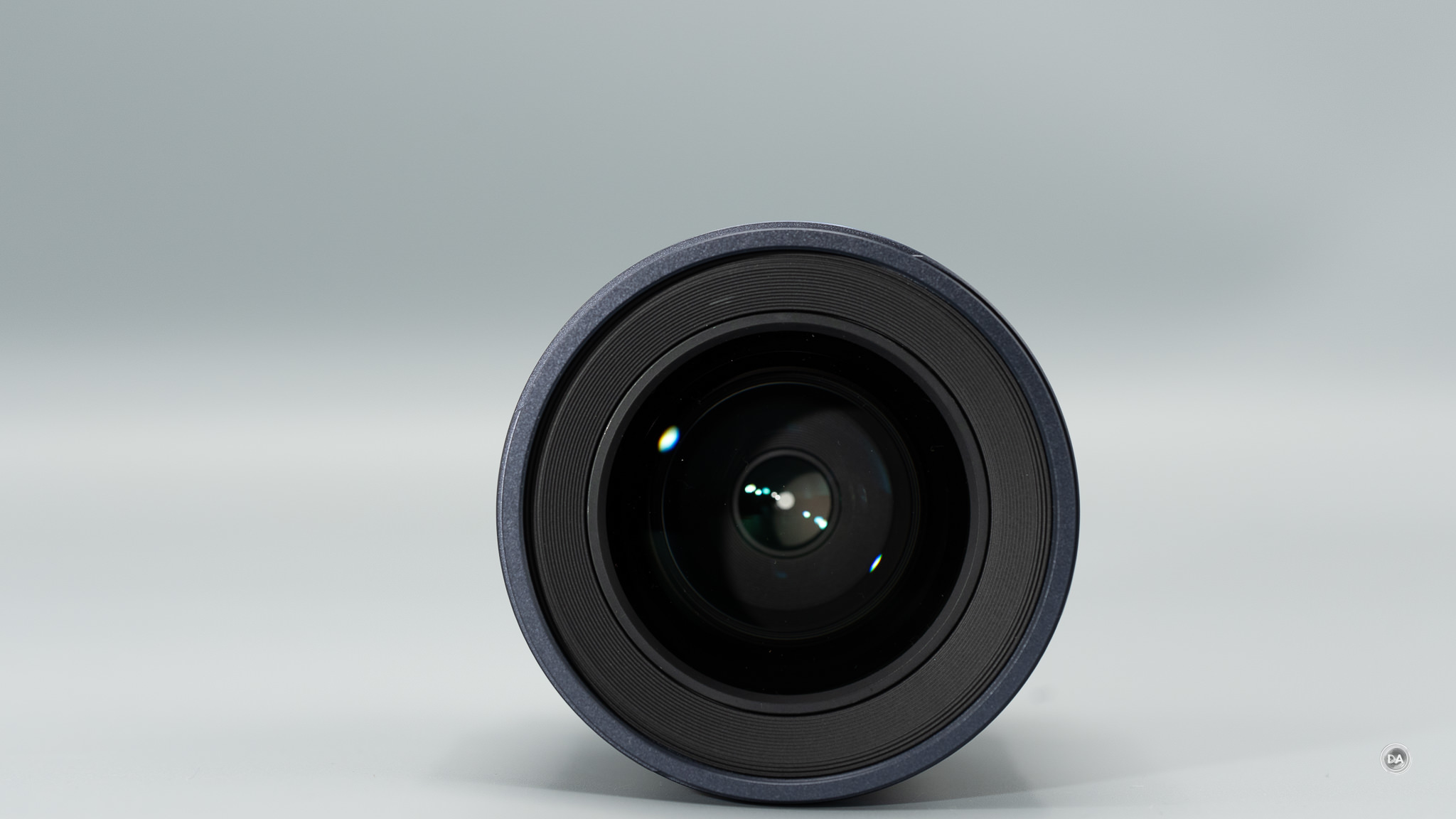
The front filter size is 72mm.
It does come with a lens hood, though Laowa forgot to send me one with my loaner.
Laowa’s recent design language has proven somewhat controversial, with some liking the gunmetal blue color and others less impressed. At the least, though, the design language is uniquely theirs.
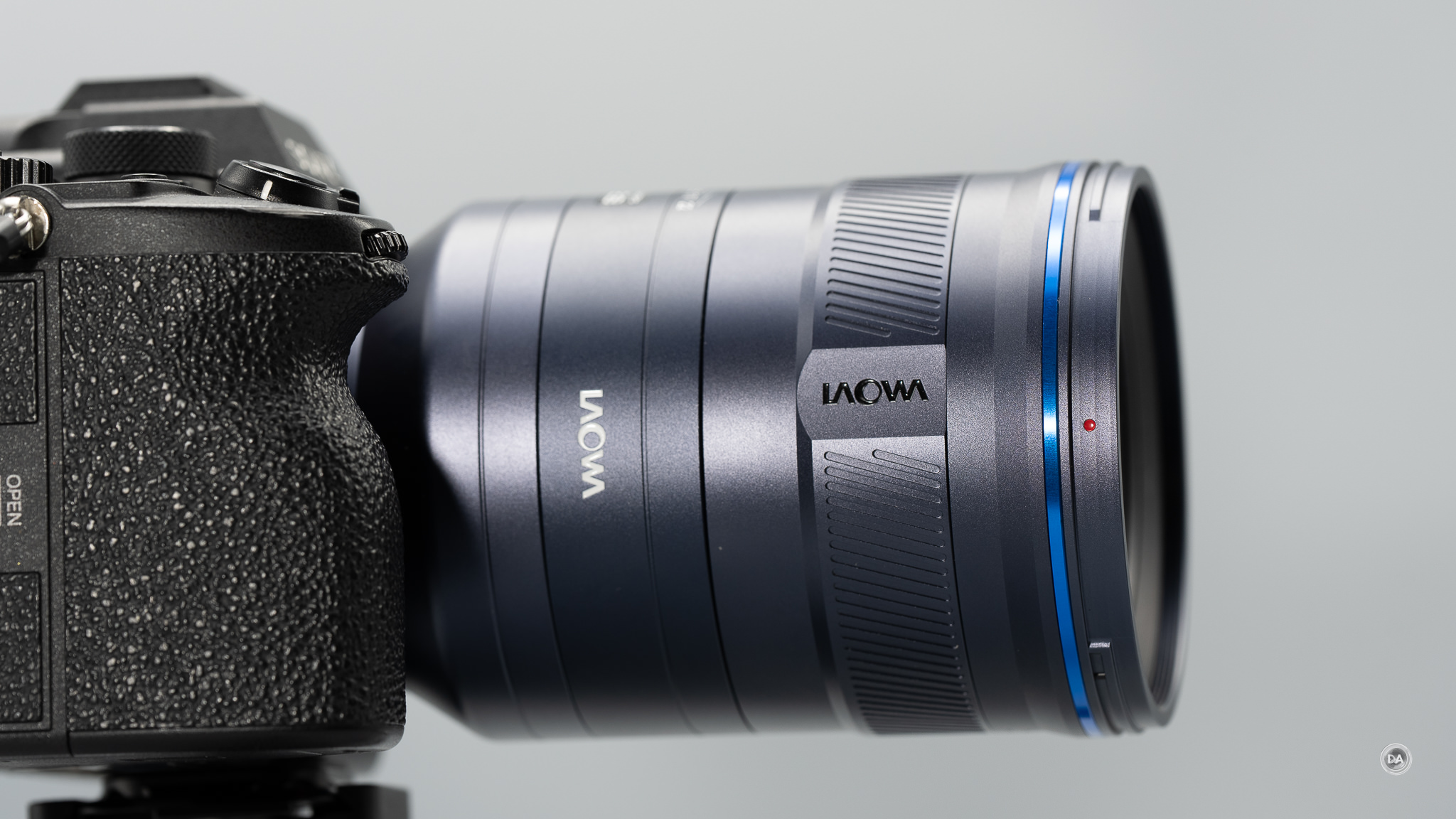
The Laowa logo is imprinted on both sides of the manual focus ring, giving you a definite tactile point for gripping the ring and even (with time) the ability to know the focus zone by feel. The only downside is that sometimes that logo will not be in a symmetrical position (which might trigger your OCD).
The body of the lens is metal, as is the hood, which is perfectly matched to the lens barrel itself.
The Laowa 35mm Macro does not come with lens-based stabilization, so you’ll need to rely on either a tripod or your camera-based stabilization for handheld macro work. The latter takes some skill, but it is possible to achieve good macro results handheld.

Minimum focus distance is 18cm (6″), and while we know that ultimately you can achieve a 1:1 (1.0x) level of magnification, it is a bit of a challenge to achieve that. That 18cm isn’t from the front of the barrel but rather from the sensor, and, by my measurement, the front of the lens is 13.5cm, leaving just 4.8cm of working distance. That would fall within the lens hood if attached, so you’ll probably find it pretty easy to shade your subject at minimum focus distance, as we see in my test chart example.

Using better macro lights produced a much more even result.
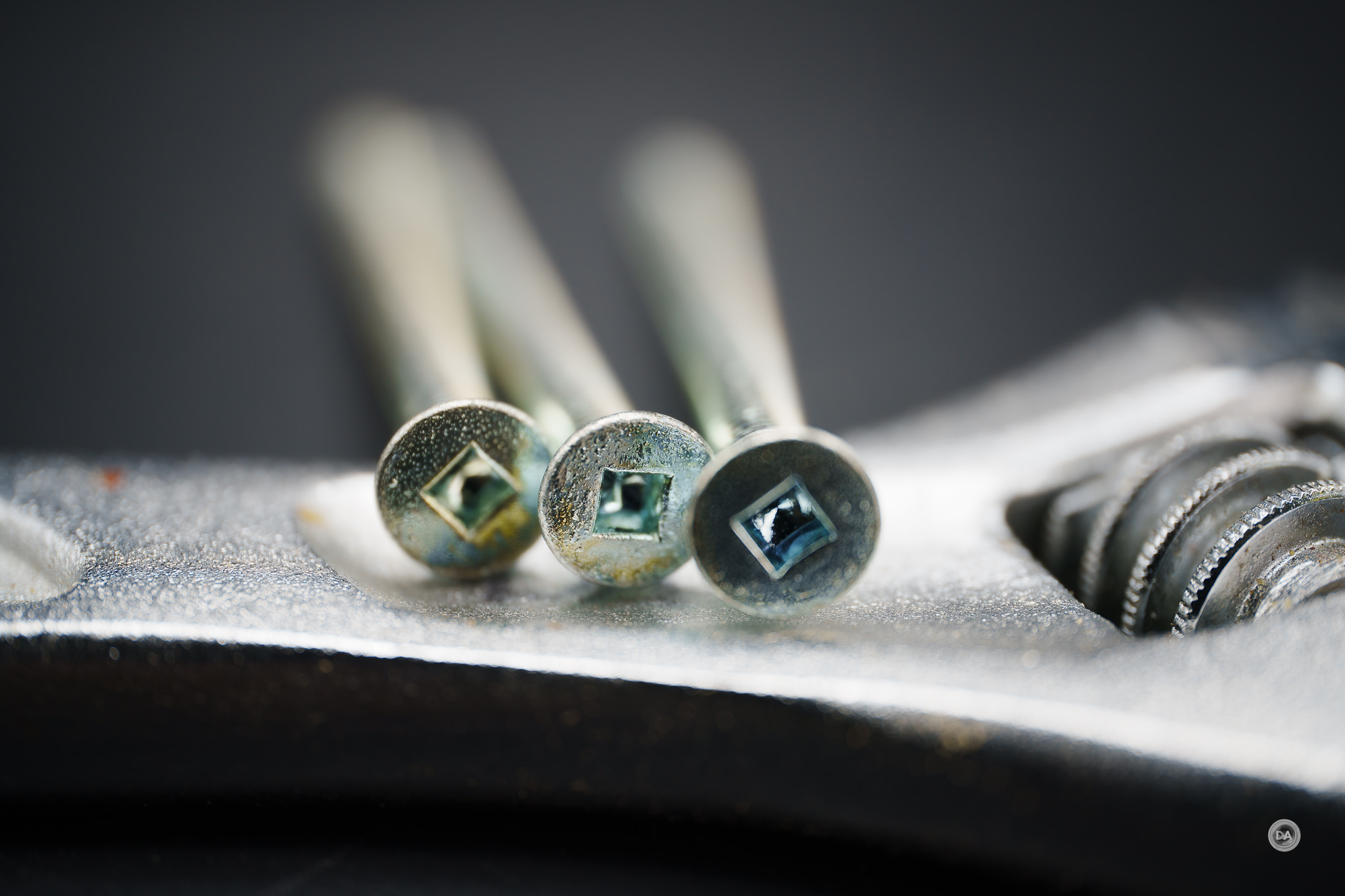
In conclusion, I would say that while the AF/Manual function is unique (and I’m curious to see if they enable macro AF via firmware), the lens is nicely made and fully functional.
Autofocus Performance
Laowa is relatively new to the whole autofocus game, but thus far I’ve been fairly impressed by how smooth their focus motors are and how well they’ve worked. There wasn’t any evidence that I often see in early autofocus attempts from new lensmakers. Laowa has clearly been working on this for a while and has ironed out the kinks in advance rather than “beta-testing” on the public. This is an STM (steppping motor), but moves with good precision and is very quiet in operation. I had no problem nailing focus.

As mentioned, you won’t have autofocus in the macro range, but what you will have is a very well damped manual focus ring with a long focus throw to allow for a lot of precision in up close work.

Focus speed is not incredibly fast when making major focus changes, but in smaller (normal) focus adjustments I found speed adequate. I wouldn’t recommend it for action work, but for slow moving or still subjects, it will work fine.


Video Performance
Autofocus pulls in video were relatively smooth, though there are definitely some visible steps as focus “fine-tunes” towards the subject. There is some focus breathing, though not a terrible amount.
My hand test where I alternately cover and the uncover the camera’s view of my face was actually quite good, with solid transitions back and forth, though there’s a minor “lurch” due to having some focus breathing.

The footage itself is beautiful, however, with great results for landscape (this is a grab from 4K video):

…or the middle of a focus pull at macro distances.
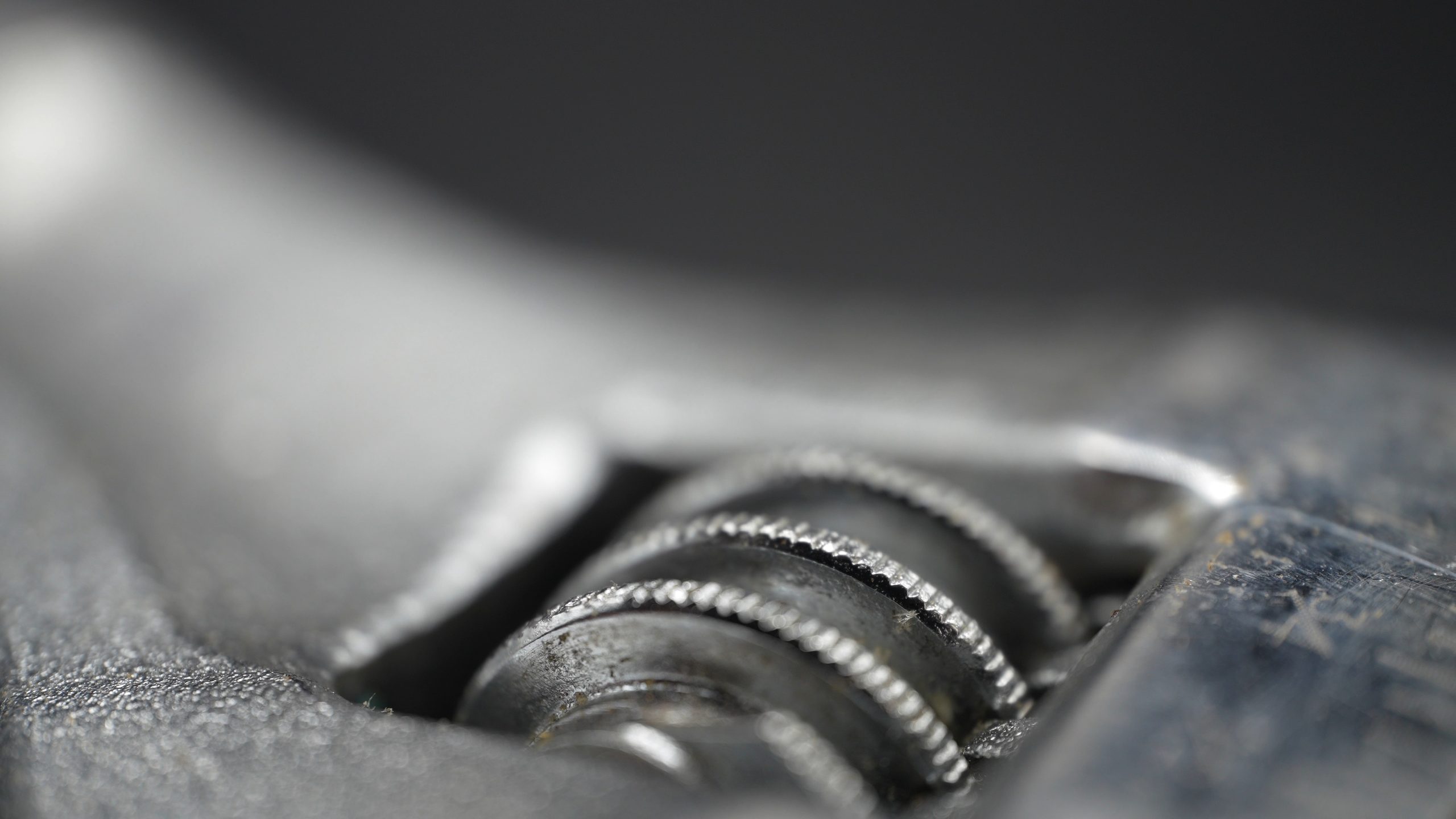
As with most macro lenses, there is some very obvious breathing depending on where focus is. You can see that not only is the magnification figure higher, but also the size of the whole object in frame changes depending on where focus is (the camera was in an identical position for both shots below.)
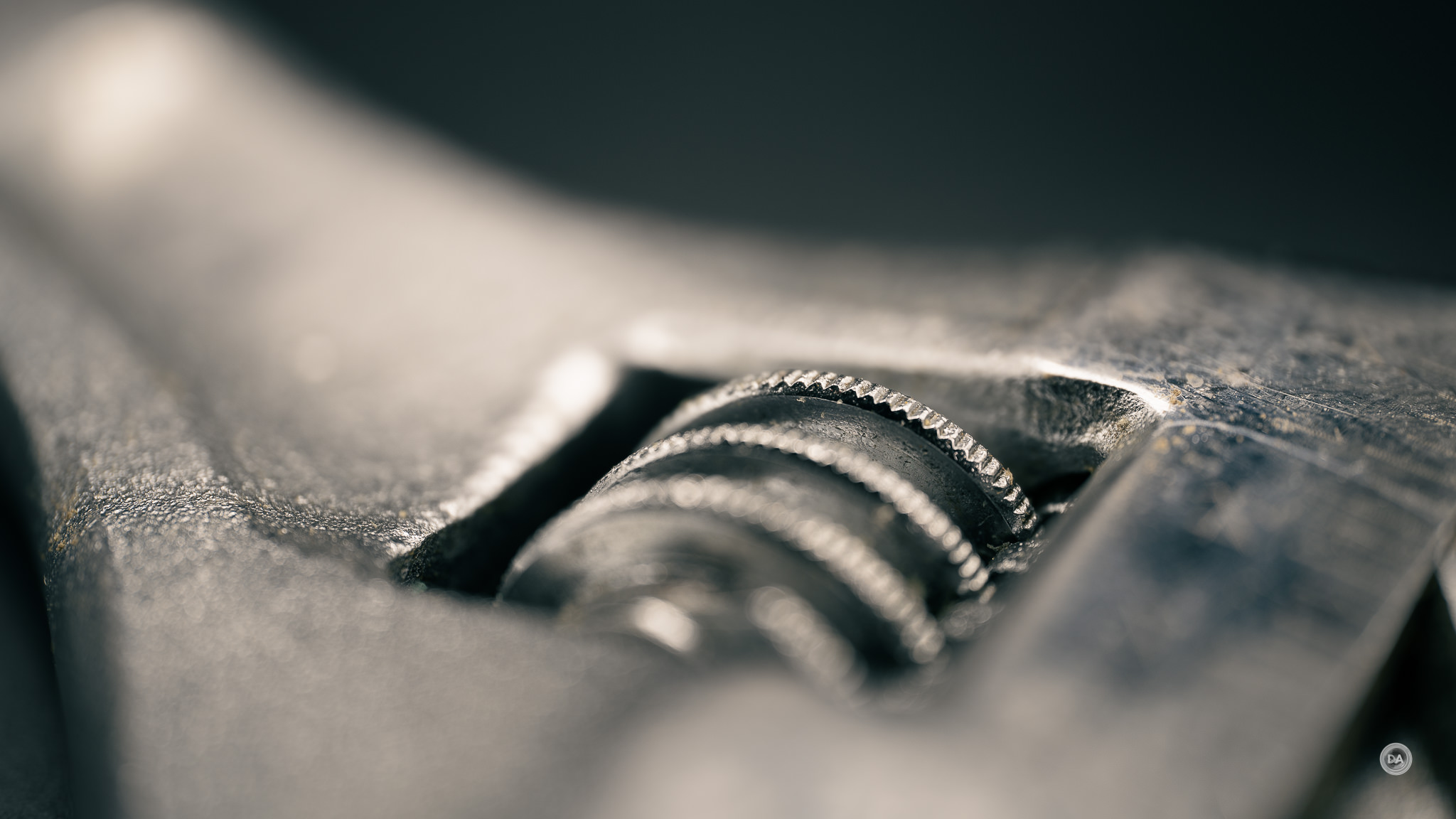
That will obviously be pretty obvious when shooting video…but I love a lens like this for video because of the flexibility of being able to shoot standard 35mm shots (very useful) but also getting the good macro performance.
One final note based on this observation: this won’t be a good macro lens for focus stacking due to the breathing issue. Objects change size too much for stacking to be successful.
Laowa 35mm F2.8 Macro Image Quality Breakdown
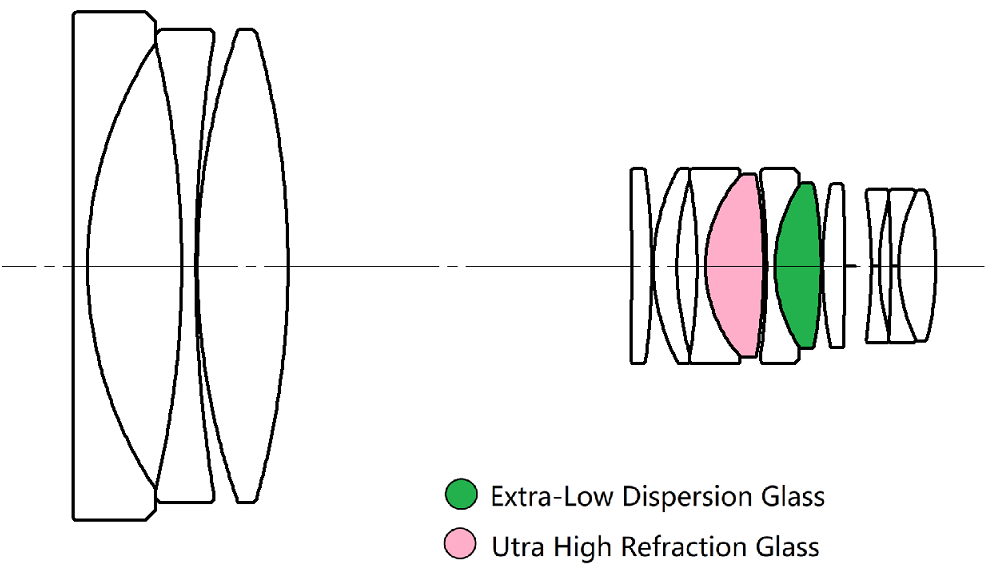
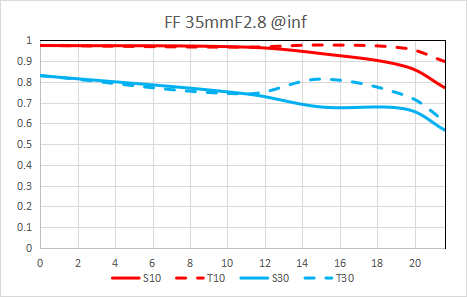
Macro lenses need to be incredibly sharp, but Laowa definitely knows how to do that. This optical design is 13 elements in 10 groups, with 1 of those elements being ED (Extra Low Dispersion) elements and one Ultra High Refraction element. This is an Apochromatic design (APO), which tends to produce very special lenses when done right. The MTF shows a lens that is never exceptionally sharp but has an even performance across the frame. Astigmatism is highest about 2/3rds out of center.
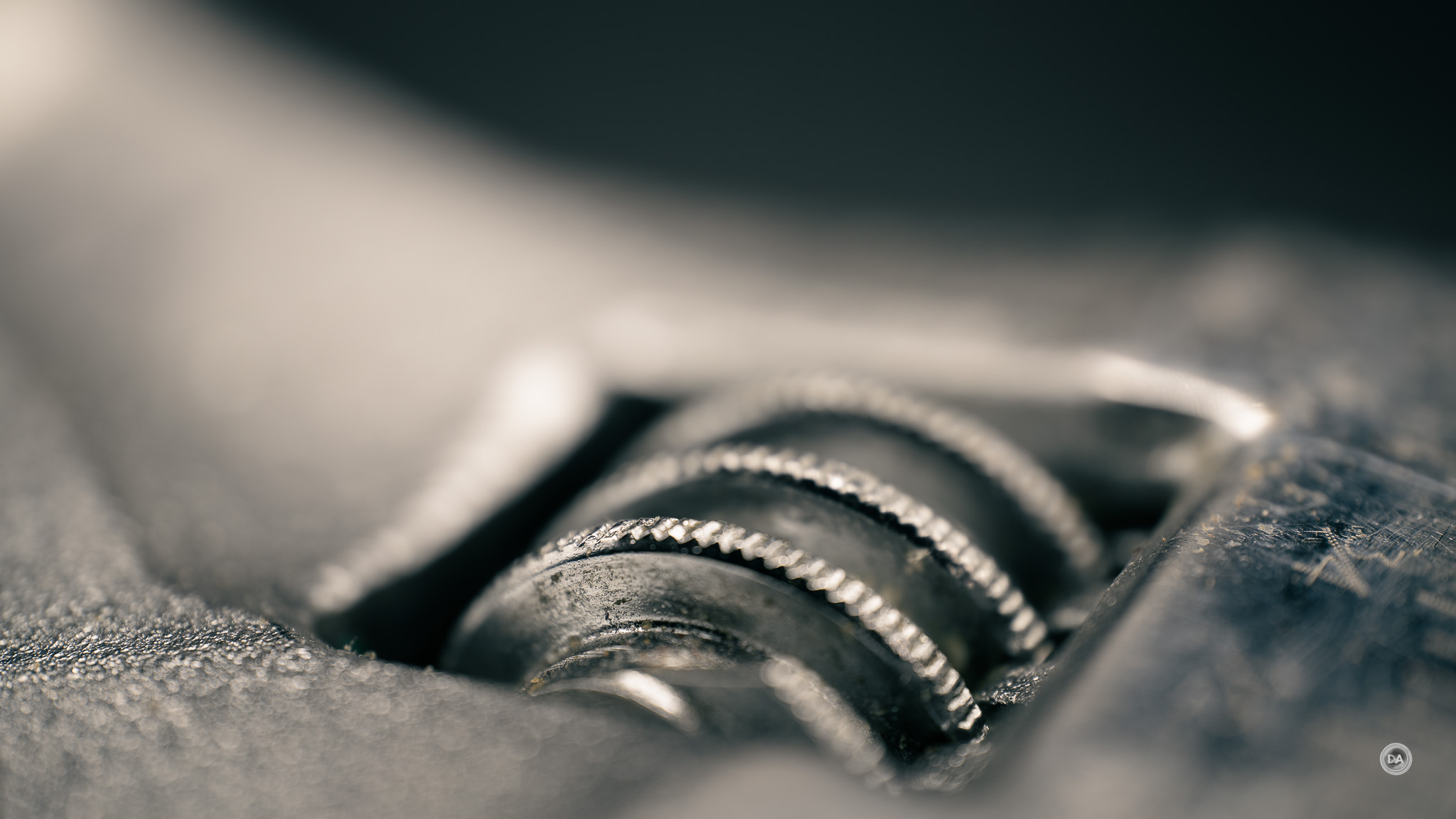
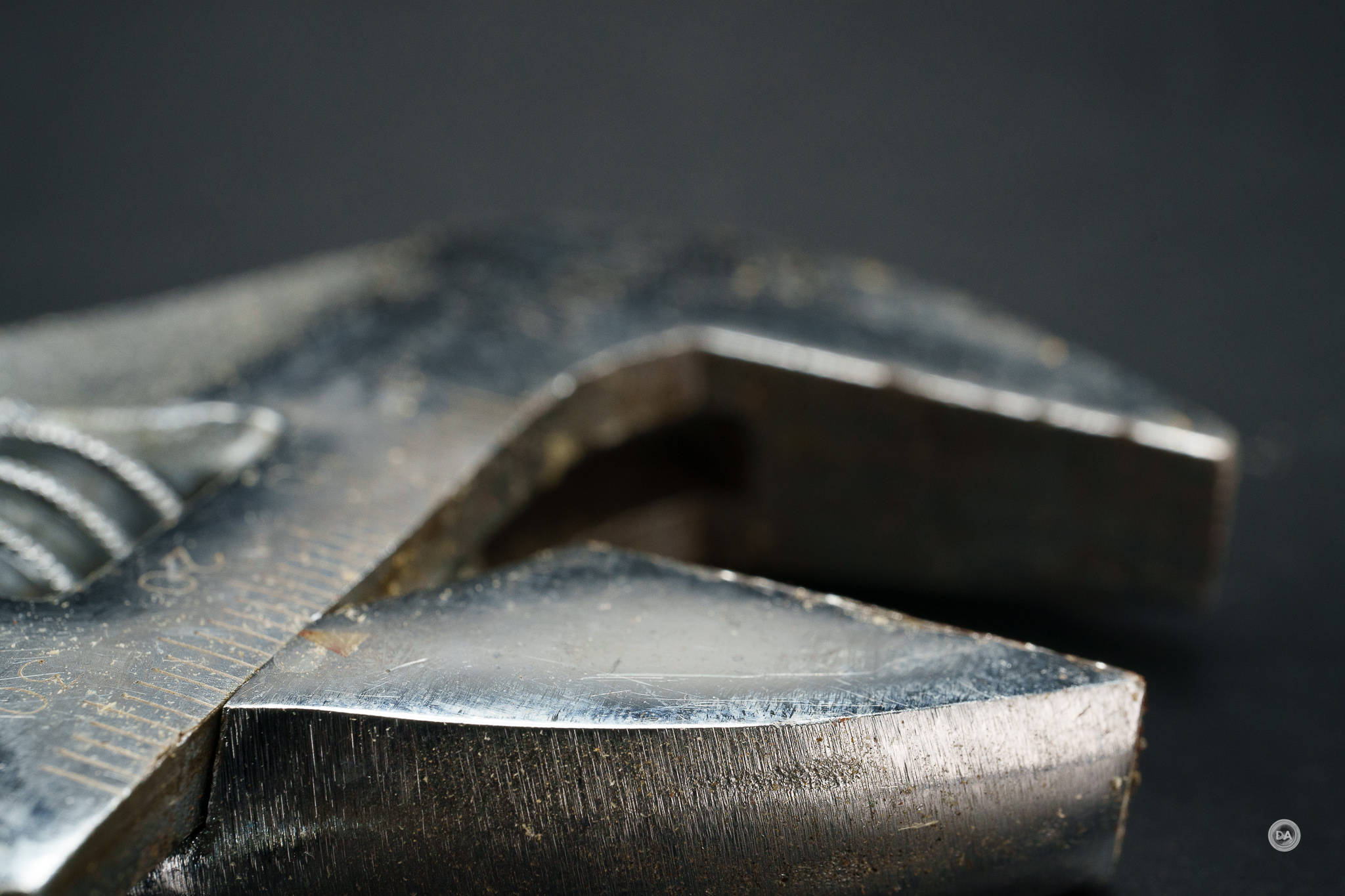
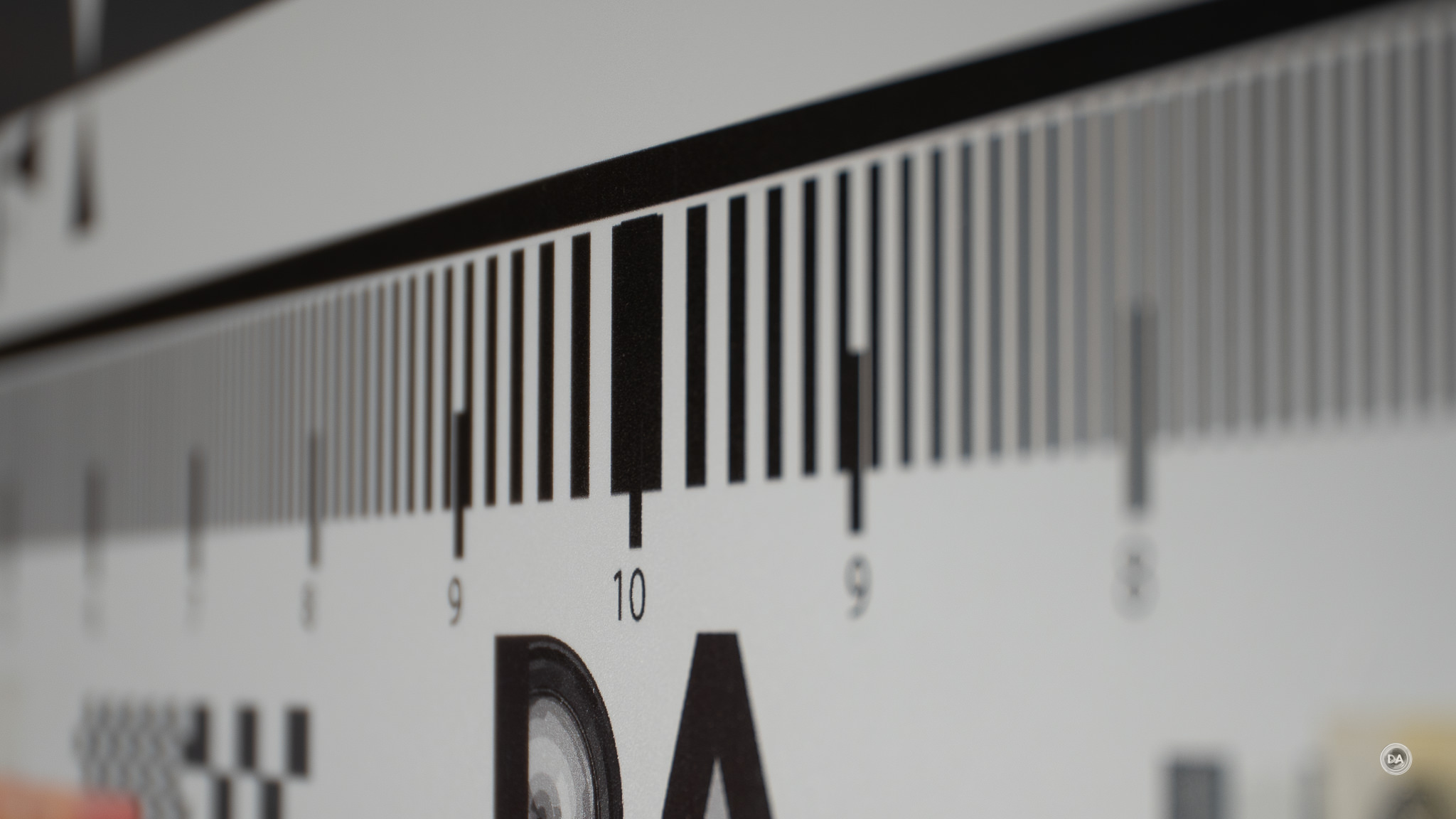
Macro lenses need to be sharp, high contrast, and have excellent control of aberrations in order to reproduce fine details at high levels of magnification…where all of the fringing could become much more obvious. I was very satisfied with the Laowa 35mm Macro in these situations.
Wide angle designs are more complicated when it comes to distortion and vignette, so this probably won’t be as good of a lens for page reproduction or other 2-dimensional jobs relative to a lens with a longer focal length. Distortion is low, but vignette is really high.
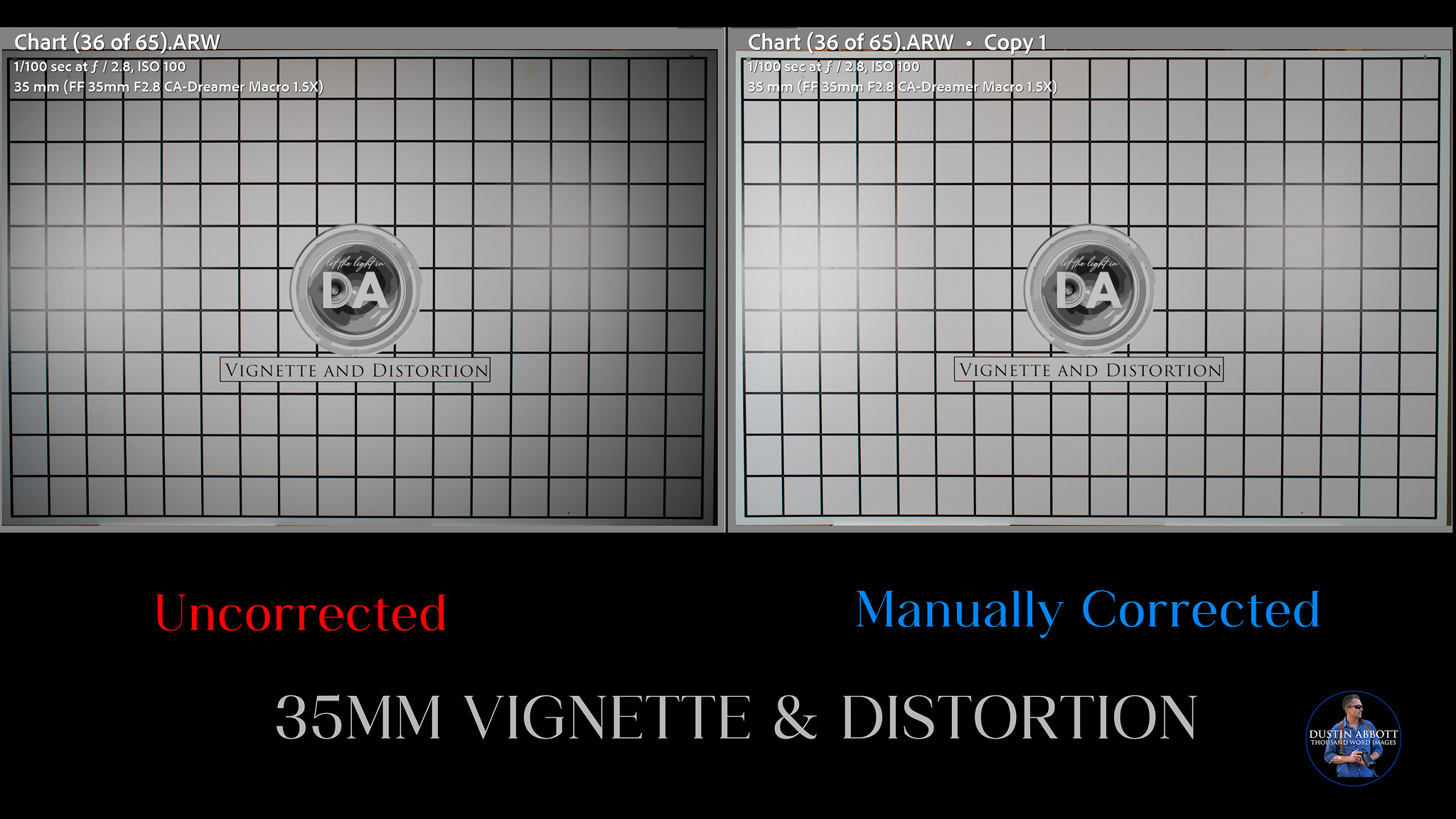
There is a small amount of barrel distortion, requiring a +1, but vignette is nearly maxed out, requiring a +97 to correct. There doesn’t seem to be vignette correction support in camera, so you will probably need to correct this in post. Without correction the heavy vignette will create almost a spotlight type effect on subjects in some settings.

Even at macro distances, this will create a “look” that you’ll either like or feel like needs correcting.
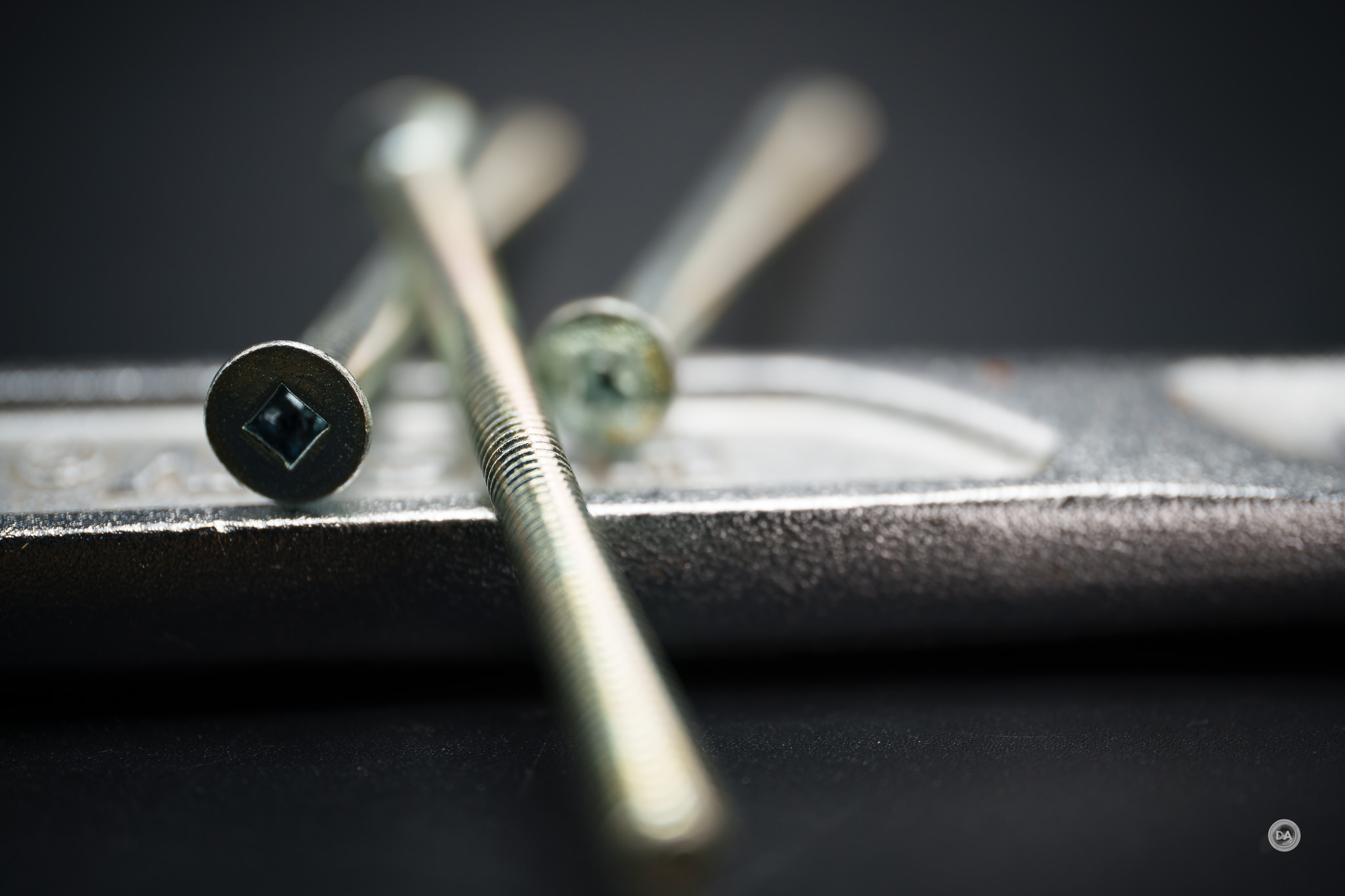
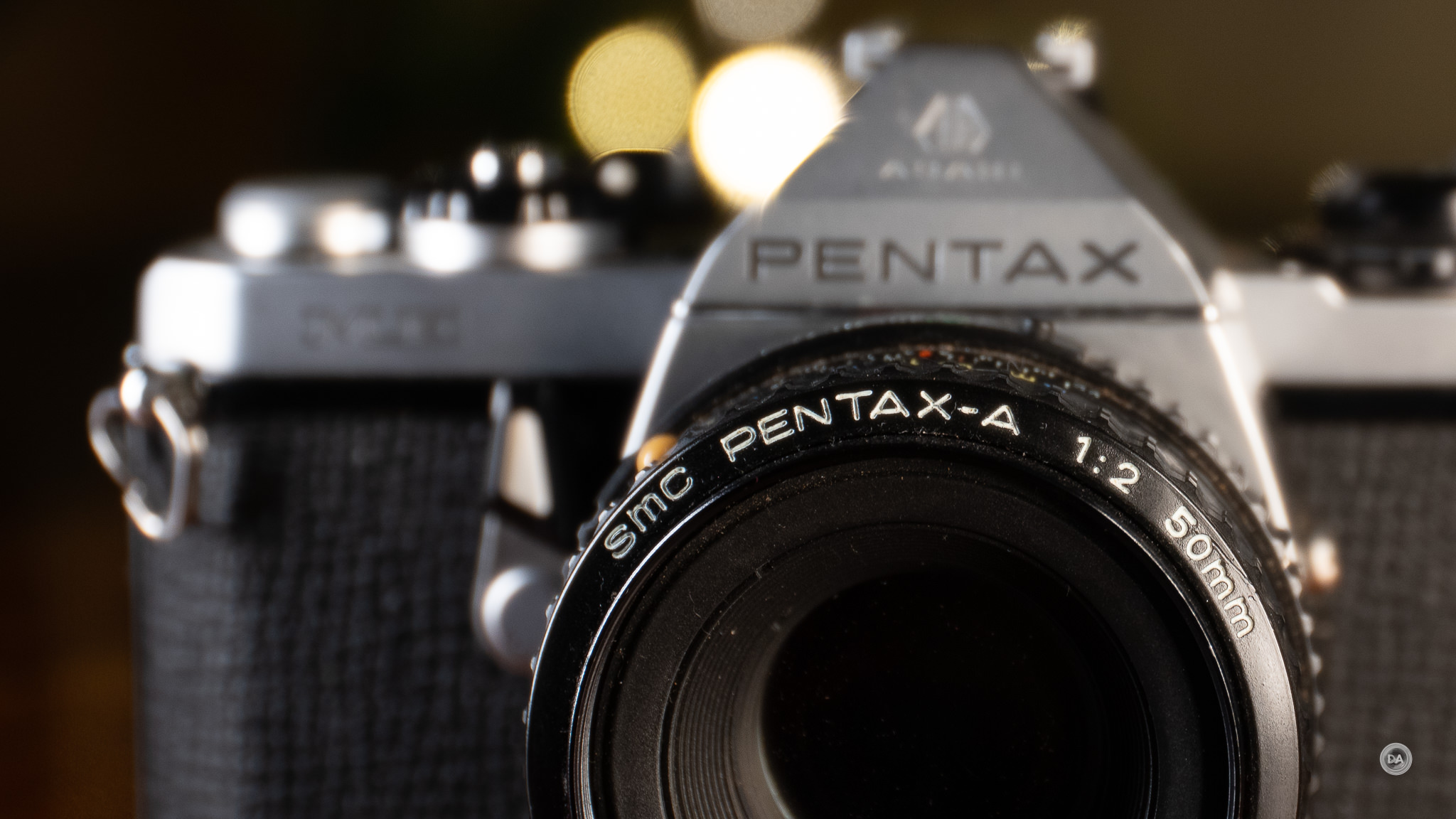
APO lenses tend to be exceptional in their ability to completely eliminate fringing. I see no LoCA (longitudinal chromatic aberrations) before and after the plane of focus. You’ll note that this allows blacks to be very inky and clean.
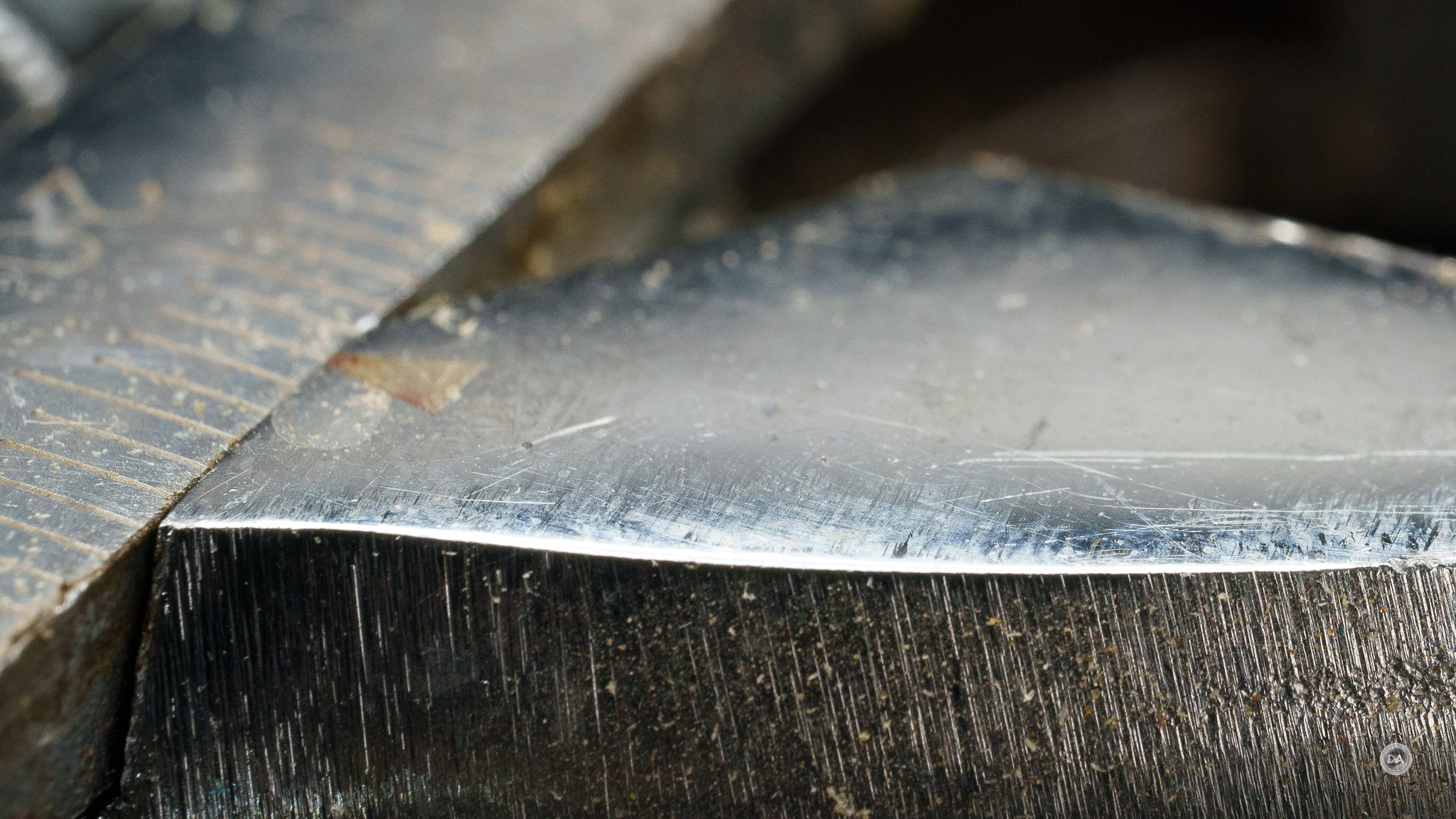
Likewise I see no fringing on the shiny areas of my Dad’s old SLR.
LaCA (lateral chromatic aberrations) typically show up along the edges of the frame with high contrast transition points.
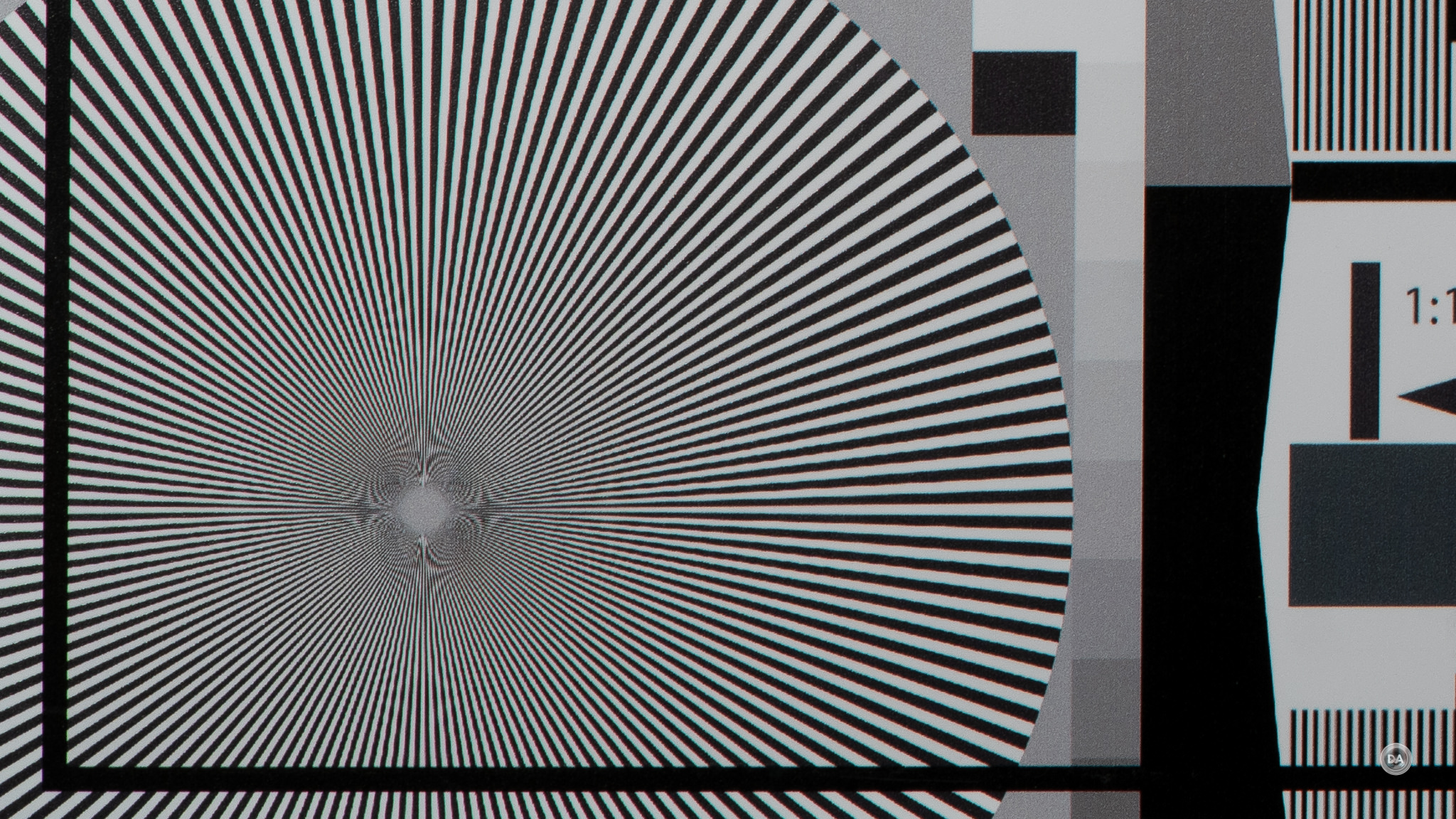
There’s actually more LaCA than expected here, which will impact landscape images more than macro shots. I went looking at real world images to see if this was a problem, and didn’t really notice it.
We’ll move on to inspecting our test chart. This test has been done on a 61MP Sony a7RV sensor. I use a high end tripod and two second camera delay to ensure vibration doesn’t affect images. Here’s a look at the test chart that we will examine, with crops being shown at a very high 200% magnification. You’ll also note that the minimum focus test is of that ship in the middle of the test chart.

If we take a look at crops (at 200%) at F2.8 from the center, mid-frame, and lower right corner, the primary thing that stands out to me is consistency. The center is good, but not exceptional, but there isn’t much fade in the mid-frame or even the corners.



The contrast surprisingly didn’t look fantastic, which is unusual for an APO lens. This is consistent with what I saw at F2.8 and at non-macro distances, where contrast looked good but not great.


I found contrast and detail better at macro distances, even when shooting with an F2.8 aperture. Here’s a crop from an F2.8 macro shot.
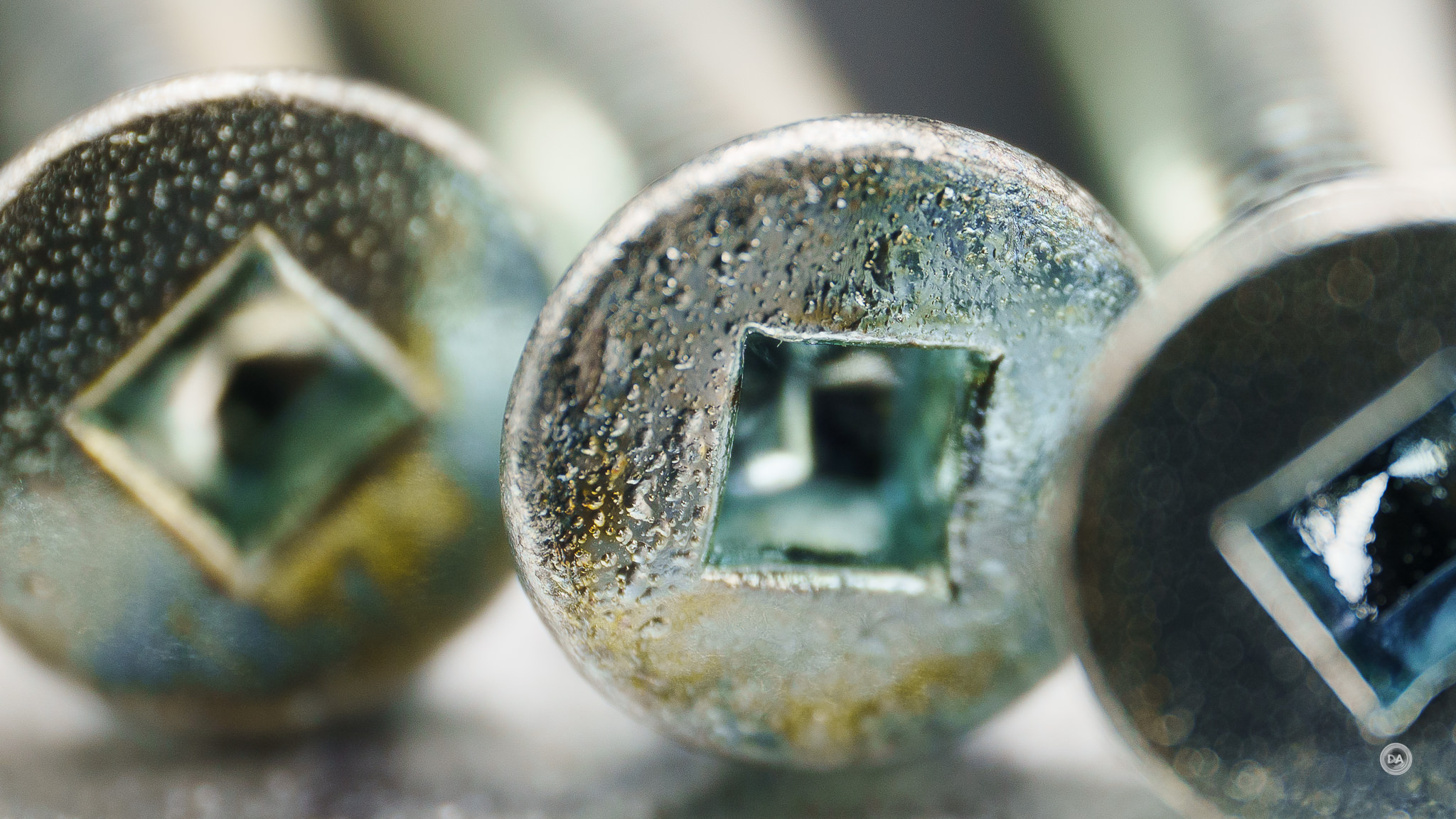
Stopping down to F4 did improve contrast. It was a bit better at F5.6, though the main gains seem to be in contrast with fewer gains in detail.
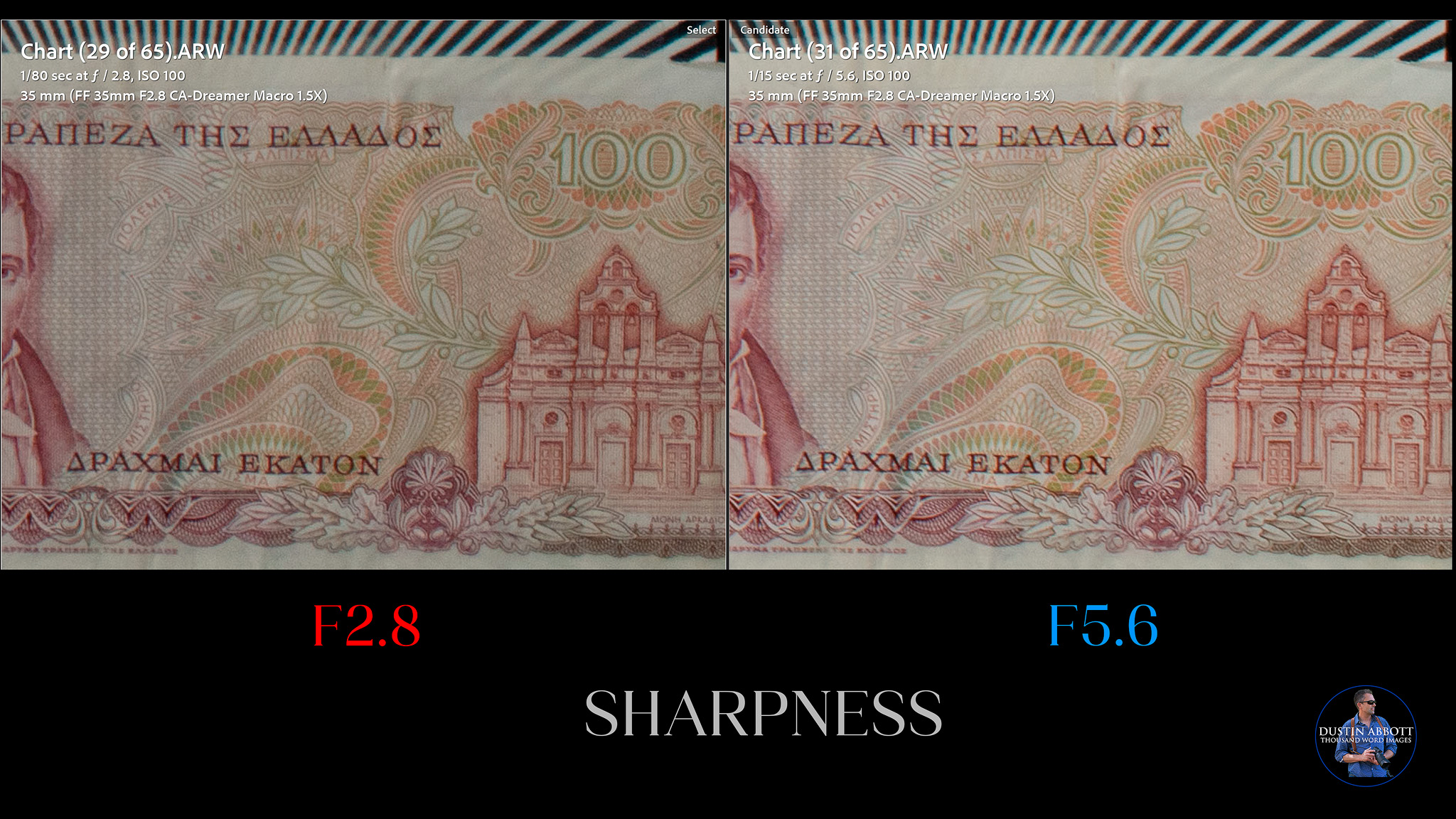
Some lenses seem to get sharper and sharper as you stop them down, but that doesn’t seem to be the case here.
That being said, real world images look fantastic globally, and while I don’t find the microcontrast from the lens off the charts, images look good at a pixel level, too.

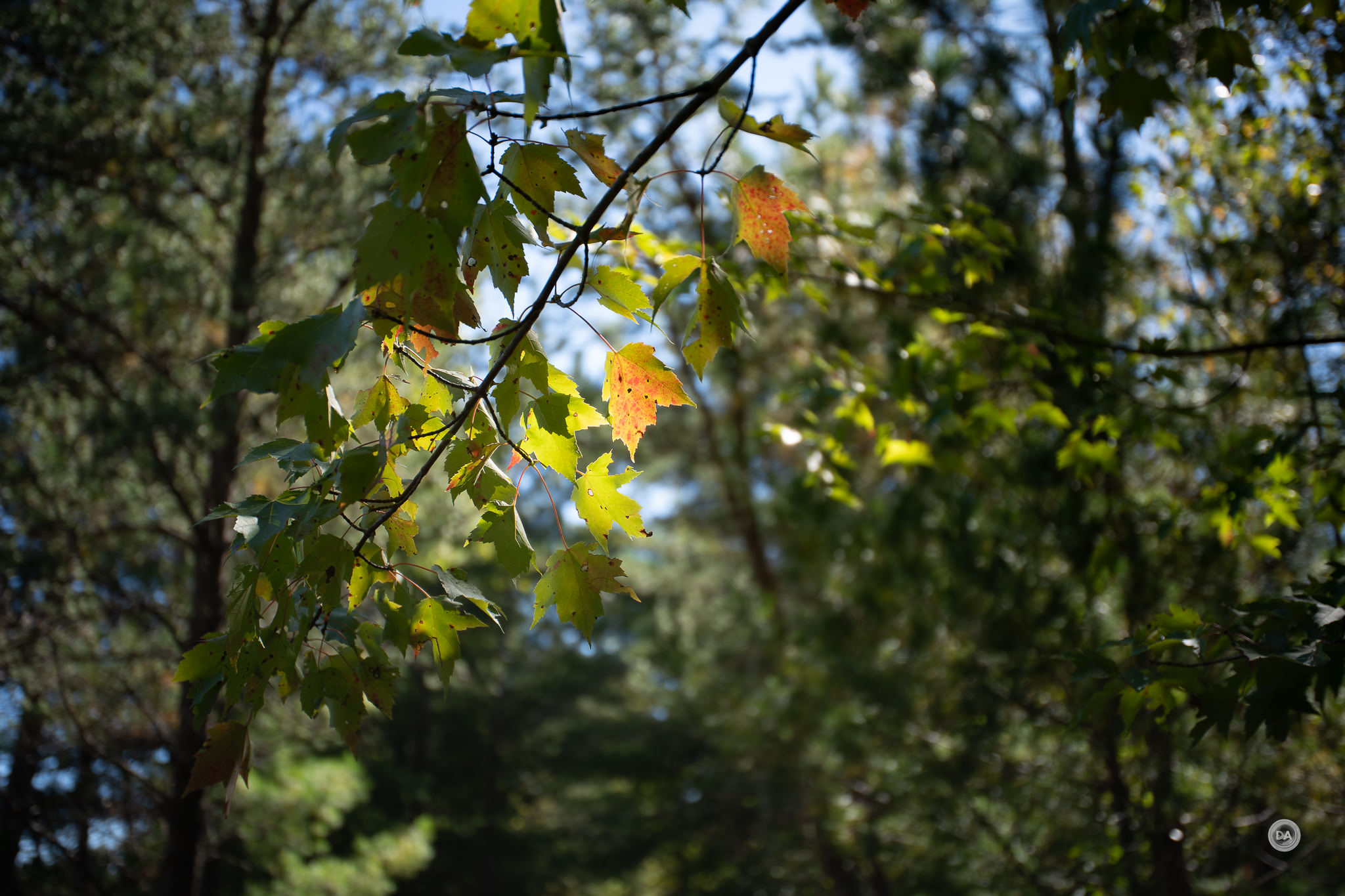

I said this in my review of the 180mm F4.5 Macro, and it is equally applicable here. “Detail is good but not exceptional. I didn’t feel like sharpness ever quite met the level of the Tamron 90mm F2.8 Macro VXD that I regularly use, and so I wasn’t surprised to find that was the case when I pulled up a comparison image from my archive.” It is easy to forget that this is priced lower than most competing macro lenses, as it doesn’t really feel budget in any way.
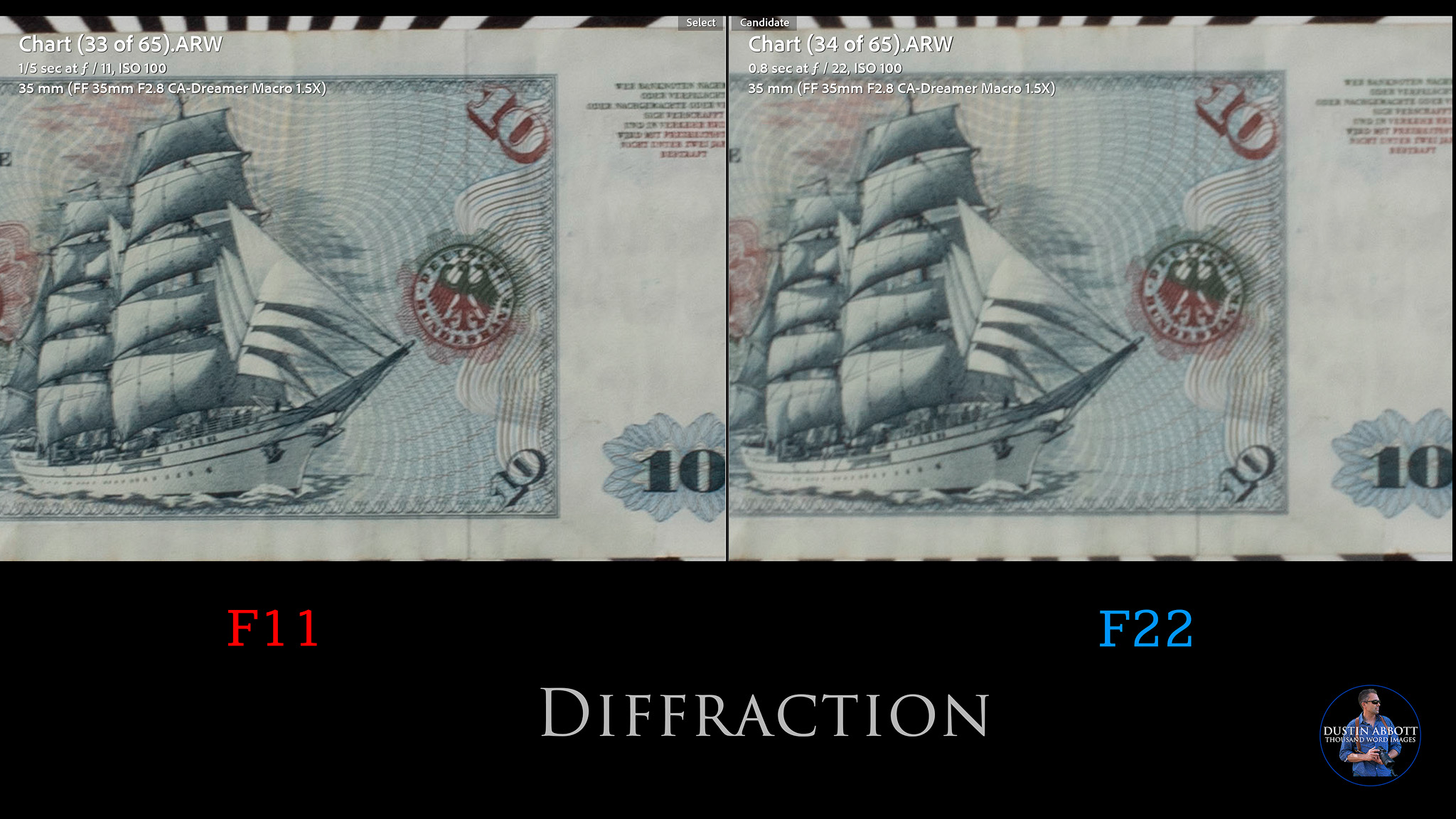
By F11 you will start to see a mild regression due to diffraction on my high resolution a7RV body, and that diffraction will become more pronounced by the minimum aperture of F22.
I do feel like this is a lens that performs best in the macro range, however, and I wasn’t disappointed at all with the level of detail I was able to get from macro images.

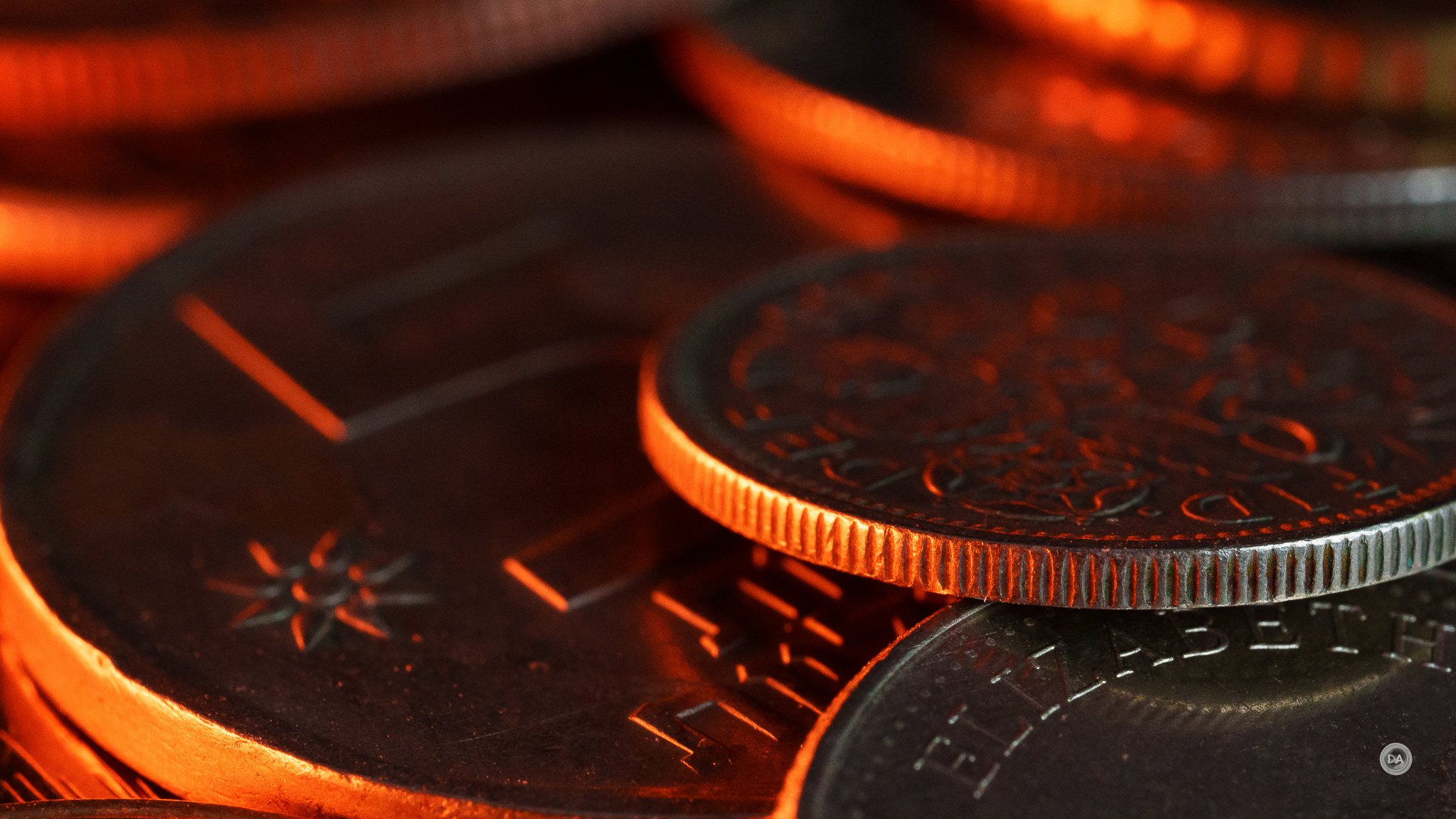
I don’t think it is the sharpest macro lens I’ve ever used (hello Sony 100mm F2.8 GM Macro!), but it is really solid at macro distances, though again I have to reiterate that the breathing at macro distances makes this a poor choice for focus stacking.
My typical complaint about APO lenses is that while they have exceptional sharpness and contrast, the bokeh is sometimes negatively impacted because that contrast remains in the defocused areas, making them less creamy. I wouldn’t say that is true here, however, as the bokeh generally feels solid to me.

What we don’t get with a 35mm lens with a maximum aperture of F2.8 is strongly blurred backgrounds outside of very close focus distances. You can see that at this medium distance the background is not strongly blurred at all.
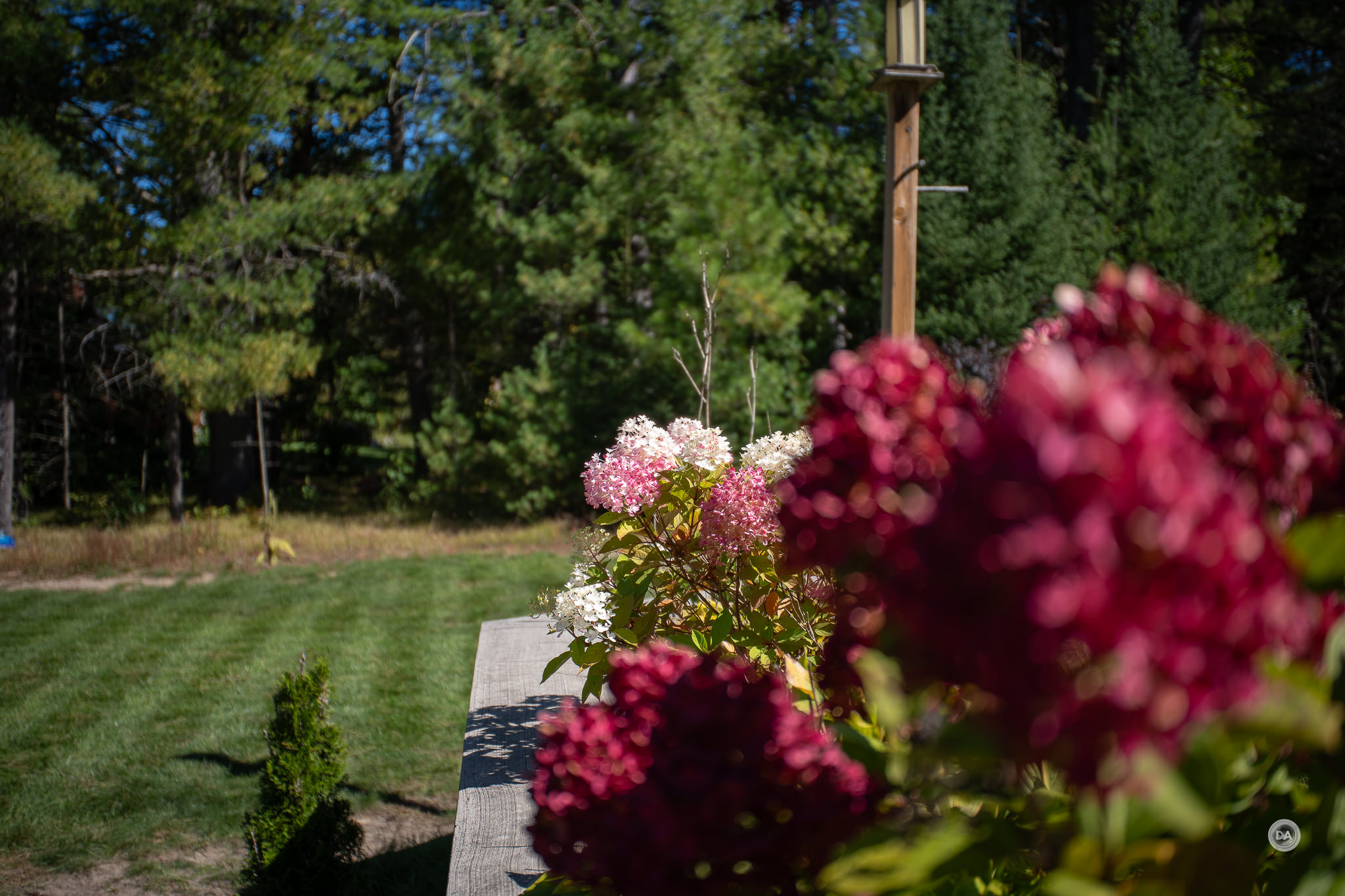
There is not a huge amount of separation between the blossoms in focus and everything beyond, yet the transition to defocus feels pretty smooth.

At macro distances the transition to defocus also looks smooth, and I don’t see any rough edges negatively impacting the image.
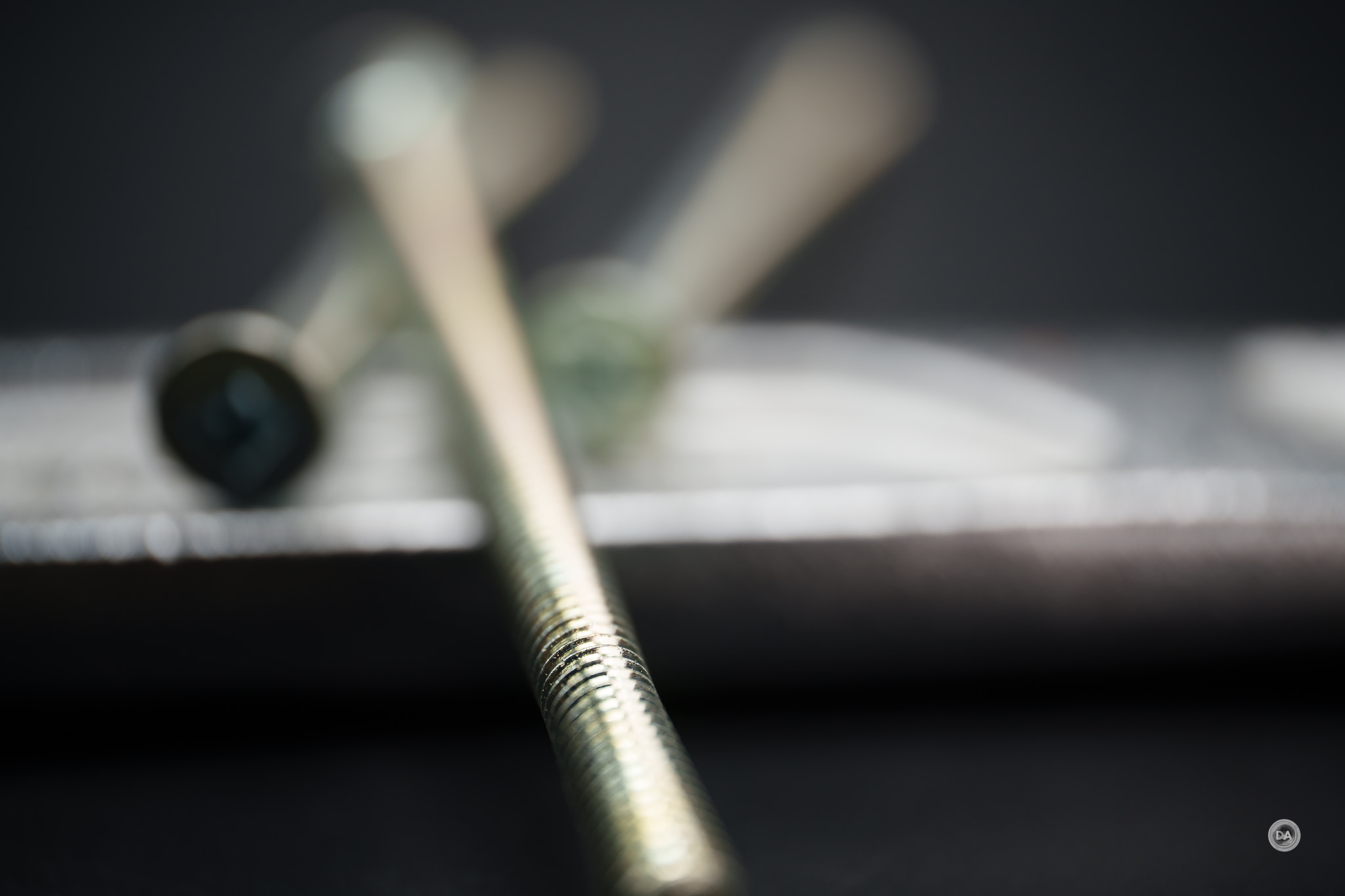
My loaner of the 35mm F2.8 Macro didn’t come with a lens hood, and it was missed. At specific angles I saw so internal reflections in the image, essentially “light leaks”. Look at the lower left corner here.

But there’s more. At bright apertures, there is a circular prismatic pattern that shows up at certain angles.
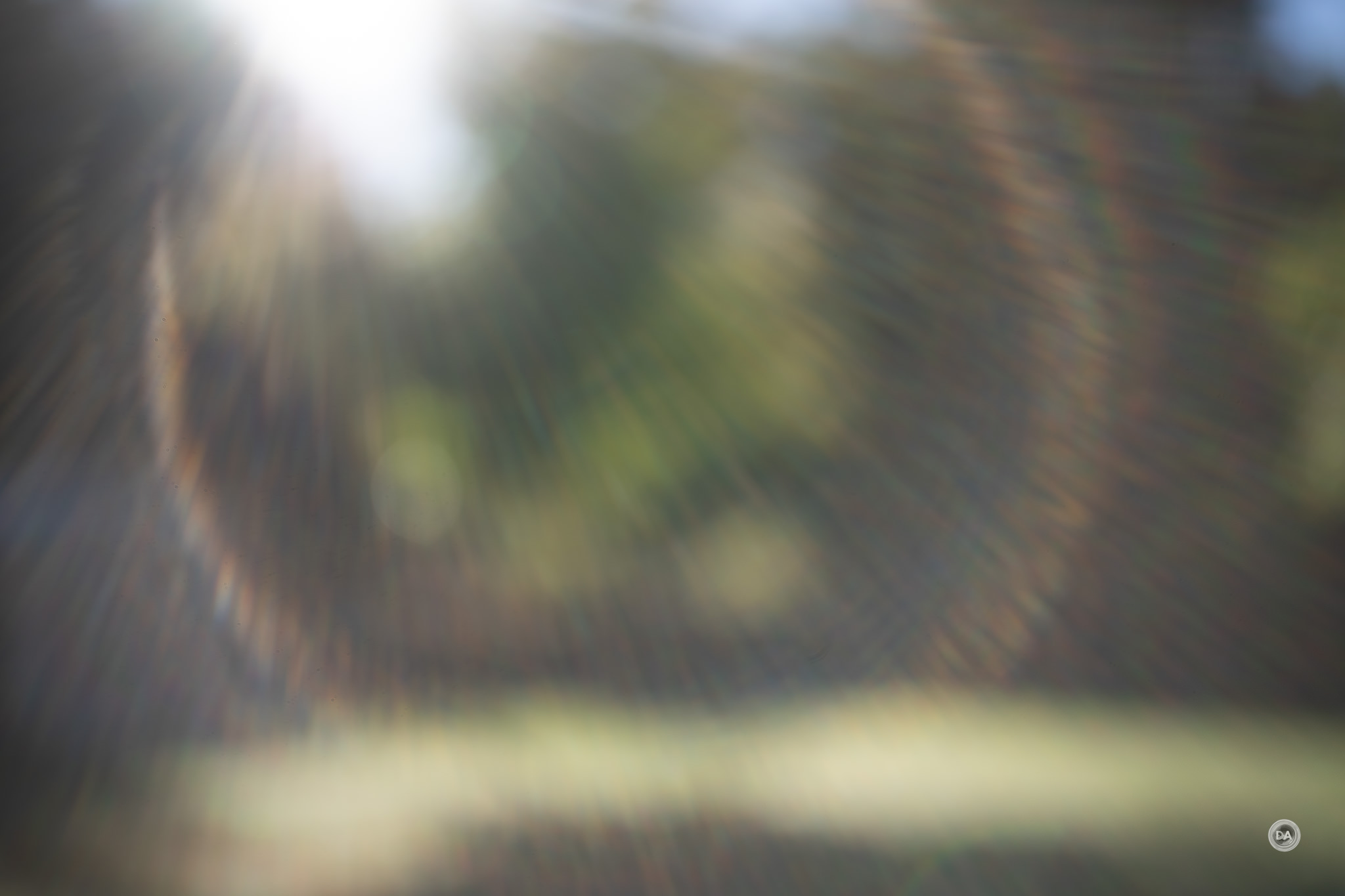
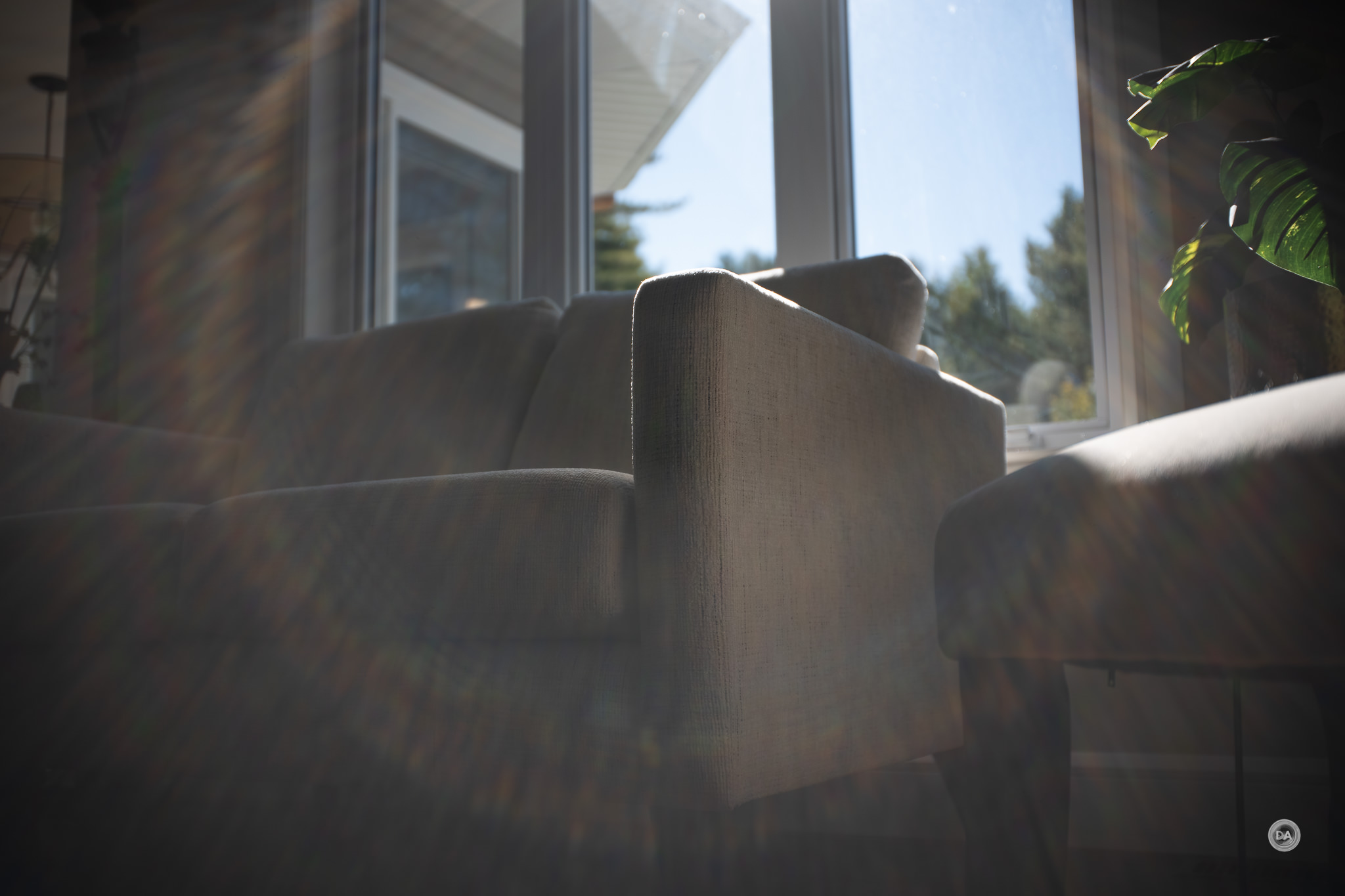
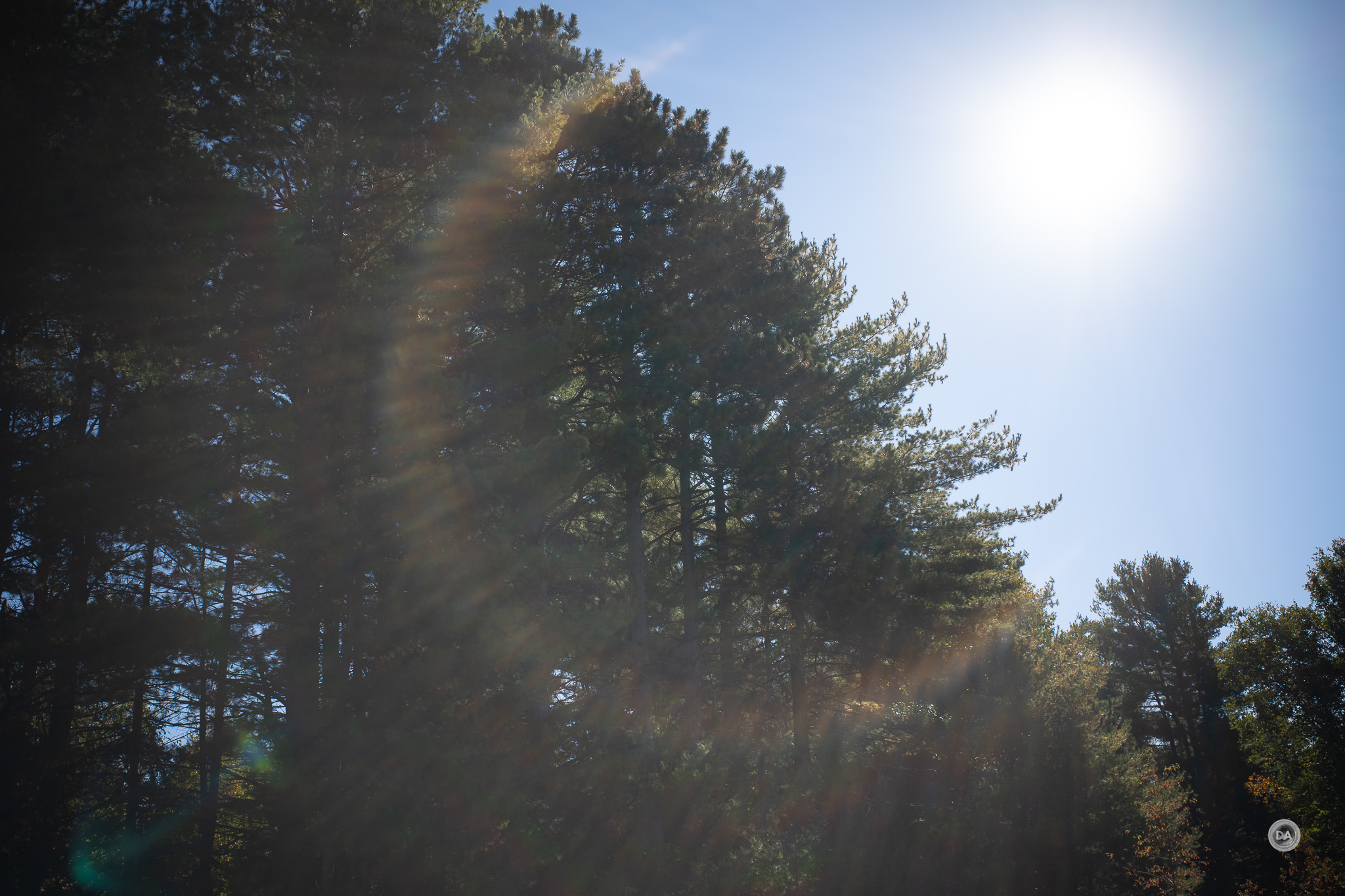
At smaller apertures there is a halo that shows up near the edges of the frame a bit more ghosting artifacts.
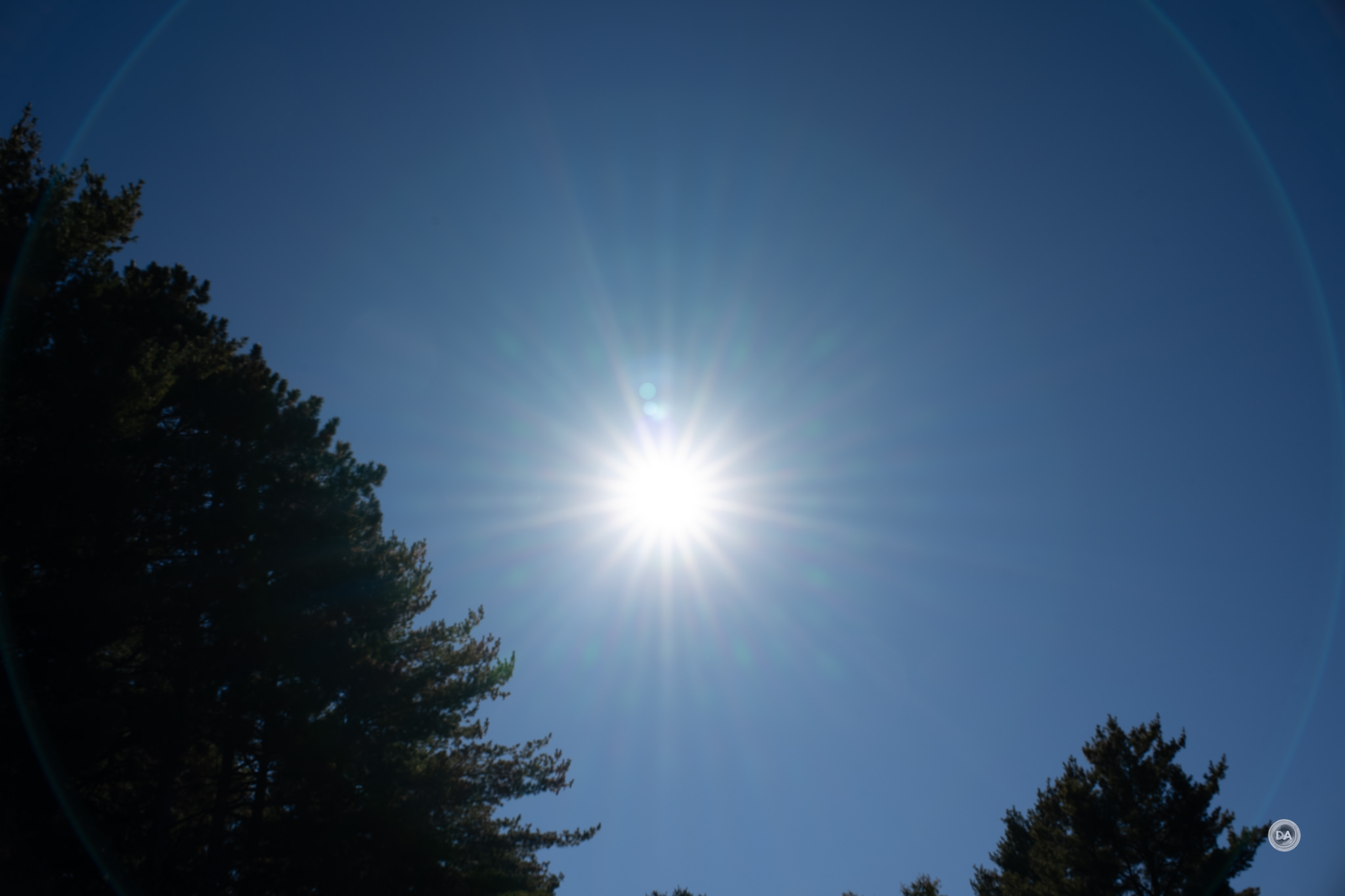
Shooting into the morning sun reflecting off the river was fine, however, with no ghosting or veiling showing up.

Laowa’s APO lenses always produce excellent color, and that’s true here. Color rendition is rich but natural.

Colors looks rich at macro levels as well.
Outside of the flare issues, there is no real optical flaw here, though I did expect the lens to be slightly sharper than what it is. It’s almost eerie how similar my findings were with the 35mm F2.8 relative to the 180mm F4.5 considering the radical difference in focal lengths. In general, though, I think this is a lens that provides great bang for the buck, and it really helps that it is such a solid macro lens. Here’s a mini gallery of additional images to enjoy.
















Conclusion
The Laowa AF 35mm F2.8 APO Macro really reminded me of the Milvus version of the Zeiss Makro-Planar 50mm F2. While that was a manual focus lens with a different focal length/aperture combination, it too was a very useful general-purpose lens that also happened to have good macro capabilities (though just 1:2 reproduction). The Laowa is more practical, however, with 1:1 magnification and autofocus. This would be a great option for someone looking for both a 35mm walkaround lens and also a macro lens.

There are some limitations here, namely that this is big for a F2.8 lens, won’t be great for focus stacking, and there are definitely some potential flare issues, but in general I found the Laowa easy to live with.

The value is strong here, as it undercuts many macro lenses in price despite being a 1:1 macro lens with autofocus. It’s a fun, practical lens that could benefit a lot of people who might want to dabble in macro periodically but could also get a nice general purpose lens for daily use. The 180mm F4.5 Macro was interesting, but I feel like this is a more practical lens for a lot of people, and, frankly, Laowa is doing something here that very few other lensmakers are. I appreciate that!
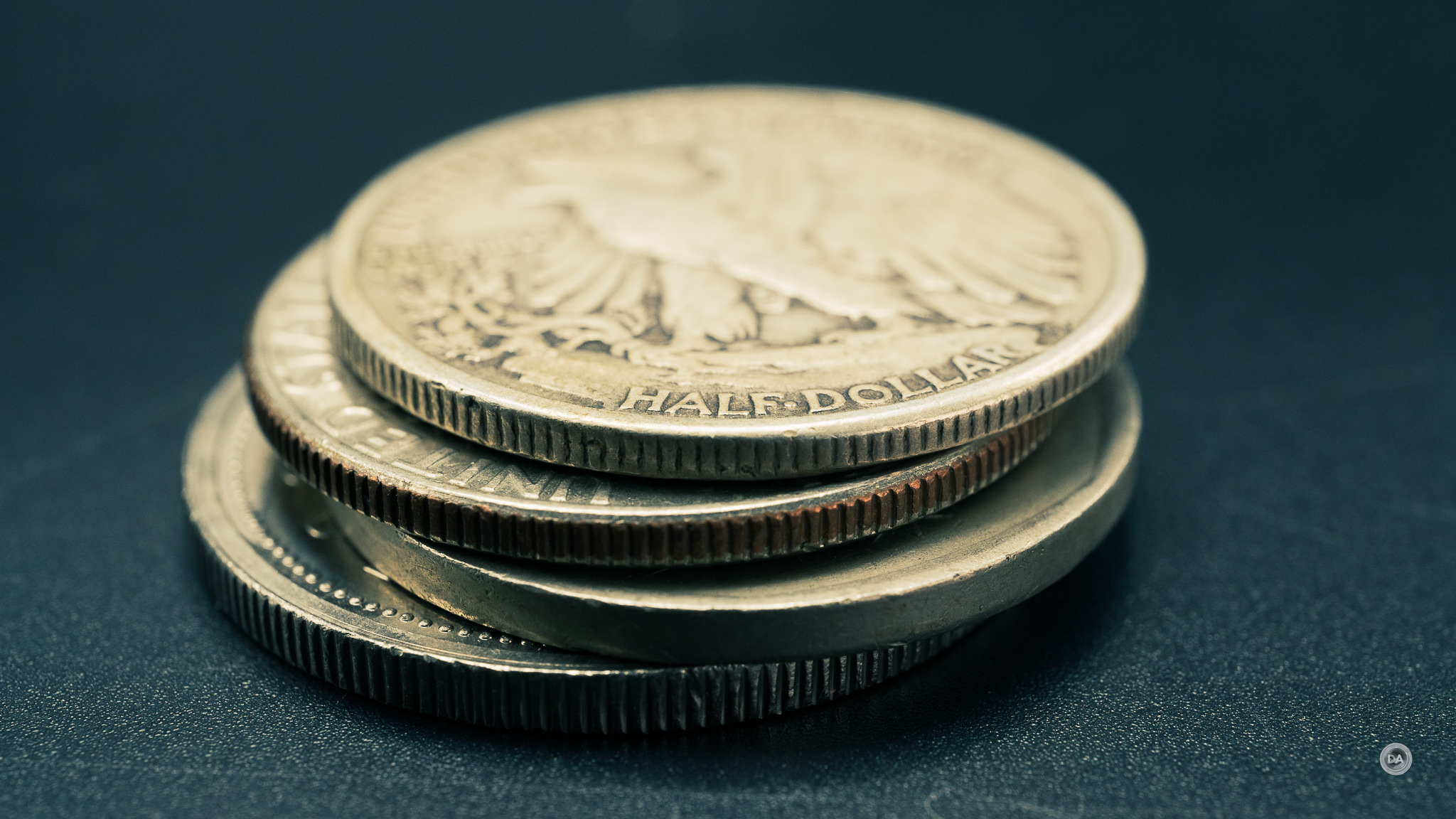
Pros:
- Manual Focus Precision: The traditional focus ring with hard stops allows for greater control and precision in focusing, especially important for macro photography.
- Weather-Sealed Design: The lens features weather sealing and internal gaskets, making it resilient in adverse conditions and suitable for outdoor shooting.
- Versatile Focal Length: At 35mm, it works well for both macro photography and as a general walkaround lens, allowing for diverse shooting situations.
- Quality Build: Constructed from metal materials, the lens feels robust and professional, enhancing the user experience.
- Apochromatic Design: The APO optical design helps minimize color fringing and enhances image quality, producing detailed and high-contrast results.
- Smooth Autofocus: The autofocus operates quietly and smoothly, making it suitable for both still photography and video.
- Competitive Pricing: Offers a lower price point compared to many other macro lenses while still providing 1:1 magnification and autofocus features.
- Adaptability: Available in versions compatible with Sony E, Nikon Z, and Canon EF mounts, with manual-only options for other systems.
- Decent Bokeh: Provides pleasant background defocus at macro distances, improving the aesthetic quality of images.
Cons:
- Macro Range Autofocus Limitation: Autofocus is only available beyond 0.5 meters, requiring manual focus for true macro shots, which may frustrate users expecting full autofocus capabilities.
- Vignetting Issues: Significant vignetting occurs at wider apertures, necessitating correction in post-processing or potentially detracting from image quality.
- Limited Support for Focus Stacking: Due to the focus breathing and potential variable image scales, using this lens for focus stacking may not yield satisfactory results.
- No Aperture Ring: It relies on electronic control for aperture settings, which may limit tactile functionality that some photographers prefer.
_________________________________________________________________________
GEAR USED:
Purchase the Laowa AF 35mm F2.8 Macro @ B&H Photo | Adorama | Amazon | Camera Canada | Amazon Canada | Amazon UK | Amazon Germany
_______________________________________________________________
Purchase the Nikon Z8 @ B&H Photo | Adorama | Amazon | Camera Canada | Amazon Canada | Amazon UK | Amazon Germany
_________________________________________________________________
Want to support this channel? Use these affiliate links to shop at: B&H Photo | Amazon | Adorama | Camera Canada | Amazon Canada | Amazon UK | Ebay | Make a donation via Paypal
Buy DA Merchandise https://bit.ly/TWIMerch

Keywords: Laowa, Laowa AF, 35mm, F2.8, Laowa AF 35mm F2.8, Macro, Ultra Macro, APO, 1.5x, Laowa 35mm F2.8 1.5x Ultra Macro APO, Laowa 35mm f/2.8 Review, Sony, FE, Sony a7RV, Sony Alpha 1, Dustin Abbott, Real World, Comparison, Handling, Focus, Portraits, Resolution, High ISO, Image Quality, Sample Images, Photography, 61MP, #letthelightin, #DA, #SONY, #A7RV, #LAPHA1, #Laowa35mmF28, #Macro, #ULTRAMACRO, #Autofocus, #ManualFocus, #LowDistortion, #Vignette, #FilterCompatibility, #WeatherSealing, #Sunstars, #LandscapePhotography, #ArchitectureLens, #NikonZMount, #SonyFEMount, #CompactDesign, #LightweightLens, #HighResolution, #Sharpness, #OpticalPerformance, #Bokeh, #LongExposures, #LensReview, #PhotographyGearReview
Related posts:
 Laowa AF 180mm F4.5 1.5x Ultra Macro APO Review
 Laowa AF 12mm F2.8 Zero D Review (Z-Mount)
 Voigtländer Nokton 50mm F1.0 Review
 Voigtländer Nokton 50mm F1 Gallery
 TTArtisan 75mm F1.5 “Swirl” Lens Review
 TTArtisan 75mm F1.5 “Swirl” Gallery
 Laowa Tilt/Shift 55mm F2.8 Macro Review
 Laowa Tilt/Shift 55mm F2.8 Macro Gallery
 Nikkor Z 24-70mm F2.8 S II Review
 Nikkor Z 35mm F1.2 S Review