

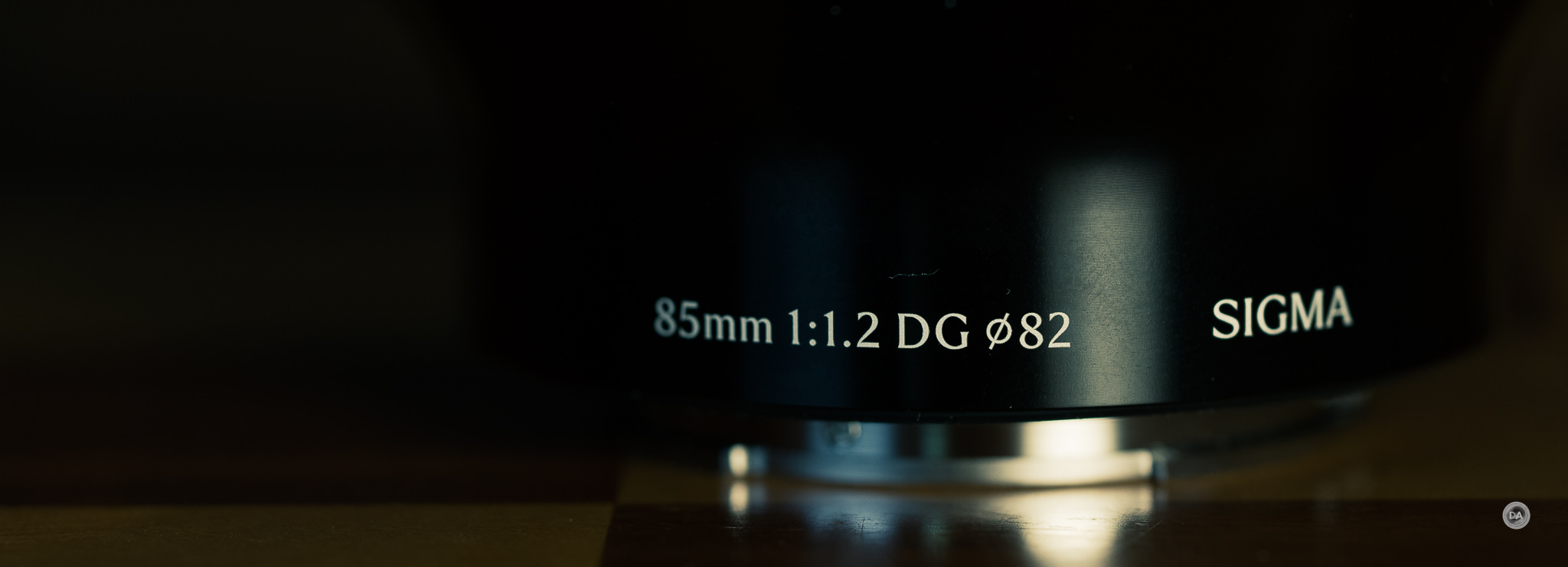
Sony’s E-mount launched in 2010 for APS-C NEX cameras, and then expanded to support the a7 and a7R full frame cameras in 2013, and since that point, many armchair professionals on message boards and YouTube have pontificated on its limitations. The inner diameter of the mount is just 46.1mm, leading them to say that certain things couldn’t be done. One by one, those things have been done, whether it be a 35mm F1.2 lens (Sigma 35mm F1.2 or Sigma 35mm F1.2 II), 50mm F1.2 lens (Sony 50mm F1.2 GM or SongRaw 50mm F1.2 or Sigma 50mm F1.2), or even a pancake lens (Viltrox AF 26mm F2.8). “Ahh”, they said, “but no one can do an 85mm F1.2 on E-mount”. Oh really? Say hello to the new Sigma 85mm F1.2 | ART. This lens will be launching on September 30th, 2026 for both L-mount and Sony E-mount. And is it worth buying? Dive in with me and find out…
Follow Me @ YouTube | Patreon | Instagram | Facebook | DA Merchandise | Flickr | 500px | X
Thanks to Sigma Canada (Gentec) for sending me a review loaner of this lens. As always, this is a completely independent review. *The tests and most of the photos that I share as a part of my review cycle have been done with the Sony a7RV along with the Sony Alpha 1 that serve as my benchmark cameras for Sony lenses. You can visit the product page for the Sigma 85mm F1.2 ART here.
__________________________________________________________________________________________________
SUMMARY: The Sigma 85mm F1.2 ART lens is a high-performing premium telephoto option for Sony E-mount and L-mount users. Praised for its impressive build quality and optical performance, it features a lightweight design that undercuts competitors while delivering exceptional sharpness and autofocus speed. The lens showcases advanced engineering, particularly in minimizing focus breathing and maintaining clarity at wide apertures. Overall, it stands out as a compelling option for portrait photographers due to its pleasing bokeh and versatile handling.
Strengths:
- Sharpness: Excellent image quality, even wide open at F1.2.
- Lightweight & Compact: Significantly lighter than similar lenses from Canon and Nikon.
- Autofocus Speed: Quick and accurate autofocus with minimal focus breathing.
- Build Quality: Robust design with weather-sealing and a user-friendly aperture ring.
Weaknesses:
- Price Point: Higher than some emerging competitors, though still less than first-party lenses.
- Corner Sharpness: While overall sharp, corner performance isn’t quite as high as some premium alternatives, like the Sony 85mm F1.4 GM II.
- No Case Inclusion: Lacks a padded case that was previously standard with Sigma lenses.
85mm lenses are often considered the premier option for portrait work. The focal length is long enough (particularly when paired with a bright aperture) to allow for beautiful subject separation, but not so long as to be restrictive on working distance (you can use it in a standard room or studio). It also renders facial features without distortion.
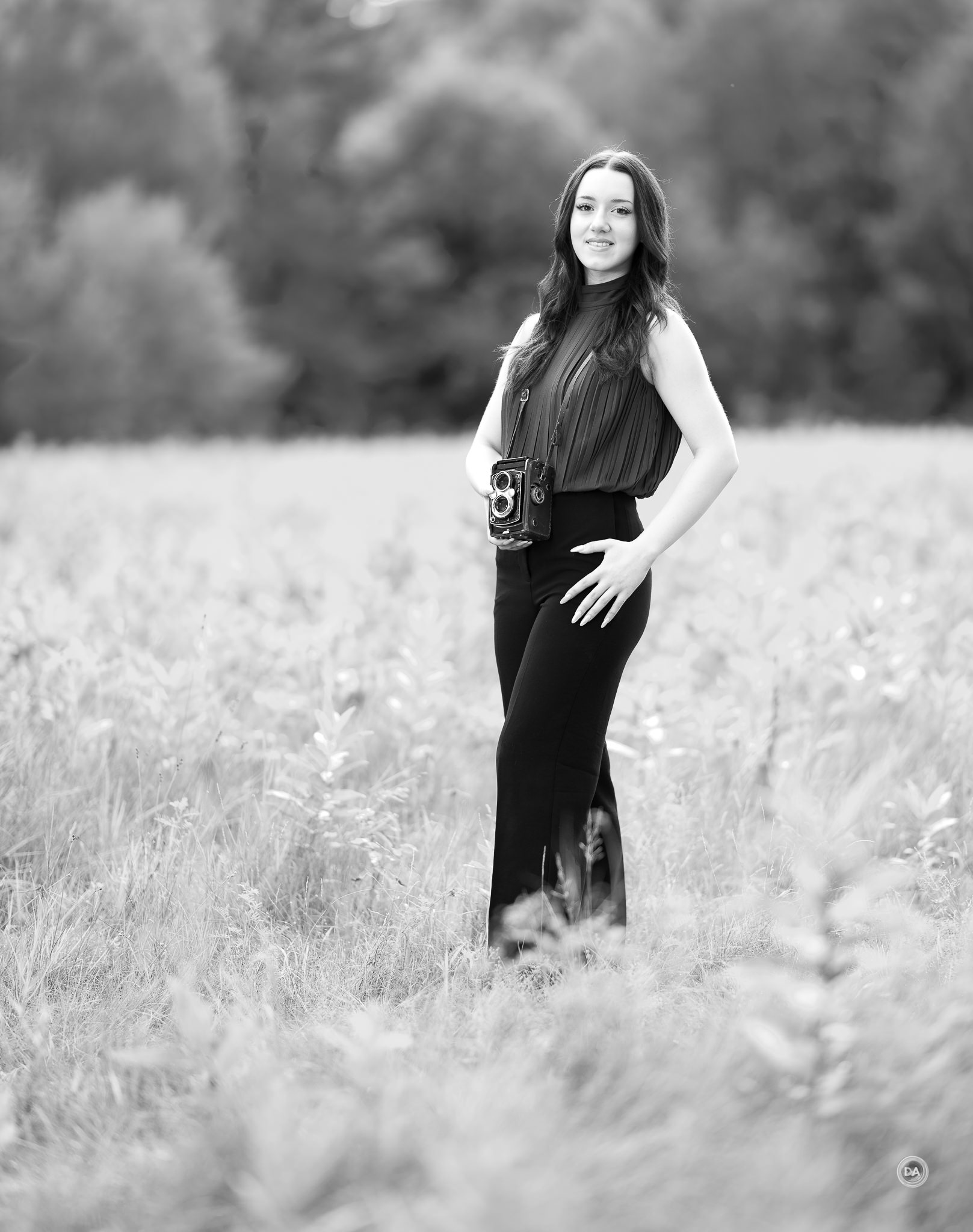
Full-frame 85mm F1.2 lenses have existed for some time, with Canon producing two generations of autofocusing 85mm F1.2 lenses for the DSLR EF mounts, and both Canon and Nikon have produced modern 85mm F1.2 lenses for their respective mirrorless platforms. Those lenses are very expensive, however, both retailing in the vicinity of $3000 USD. New lensmaker SongRaw has a less-expensive 85mm F1.2 coming, and Viltrox promises one in their LAB series as well. To date, however, no one had delivered an 85mm F1.2 for E-mount. Trust Sigma to do it well, as the 85mm F1.2 ART is incredible sharp even at F1.2, focuses quickly, and even manages to undercut competitors in size, weight, and price.


Let’s take a closer look…
Build and Handling
Gone are the days when Sigma’s ART series prime lenses were the biggest and heaviest in the class. Over the past few years they have had some engineering breakthroughs that have allowed them to produce more compact lenses. The 85mm F1.2 ART at 950g (33.5oz) undercuts the Canon RF 85mm F1.2L (1195g) and the Nikkor Z 85mm F1.2 S (1160g) by 200+ grams, which will make a definite difference in the way the lens feels in the hands.
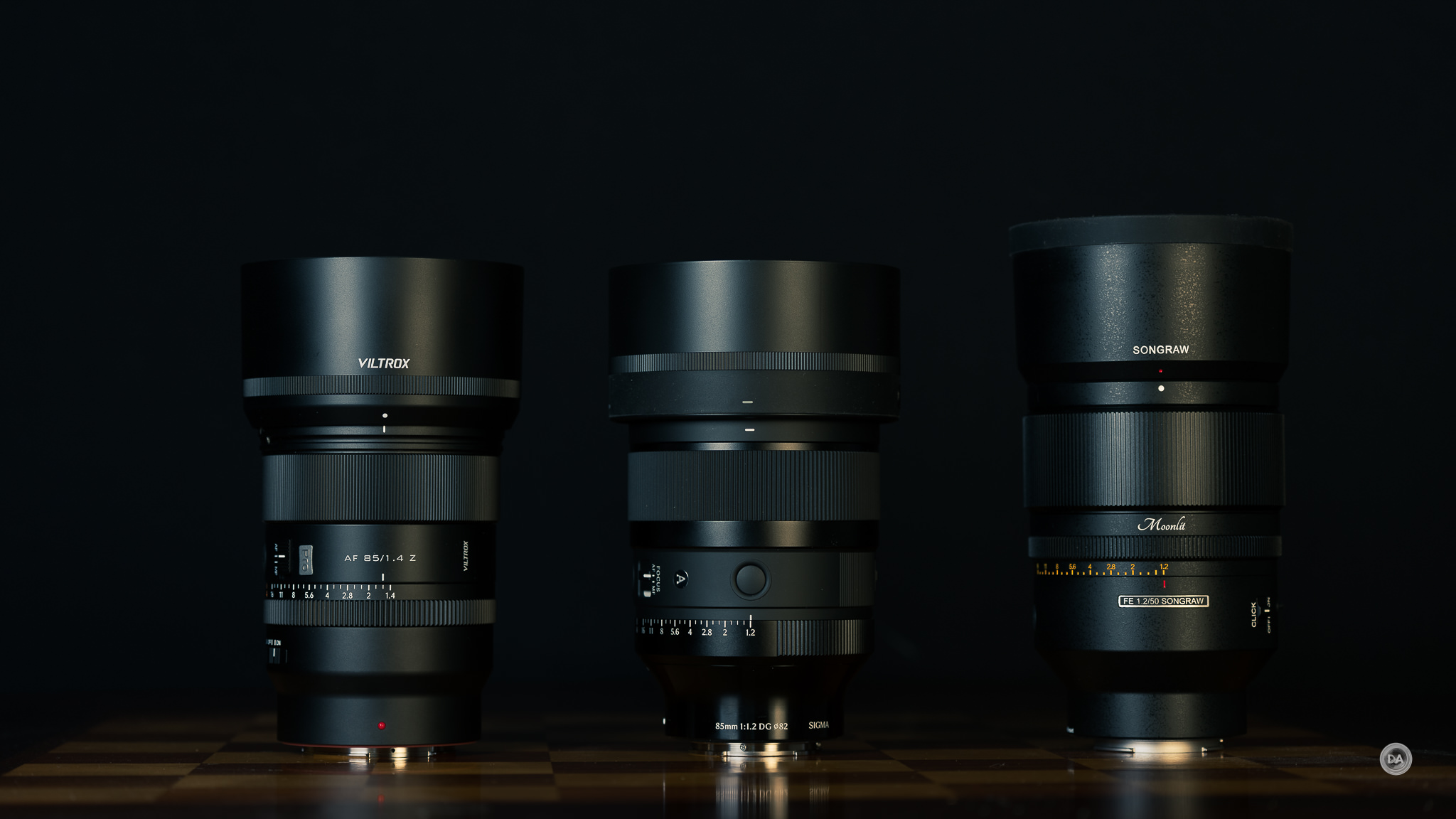
I don’t have either of those lenses on hand for a visual comparison, but I do have the Viltrox Pro AF 85mm F1.4 (left) and the SongRaw 50mm F1.2 (right) on hand. The Sigma isn’t much longer (121.7mm vs 108.5mm) or heavier (950g vs 800g) than the Viltrox 85mm F1.4 despite that lens’ smaller maximum aperture.
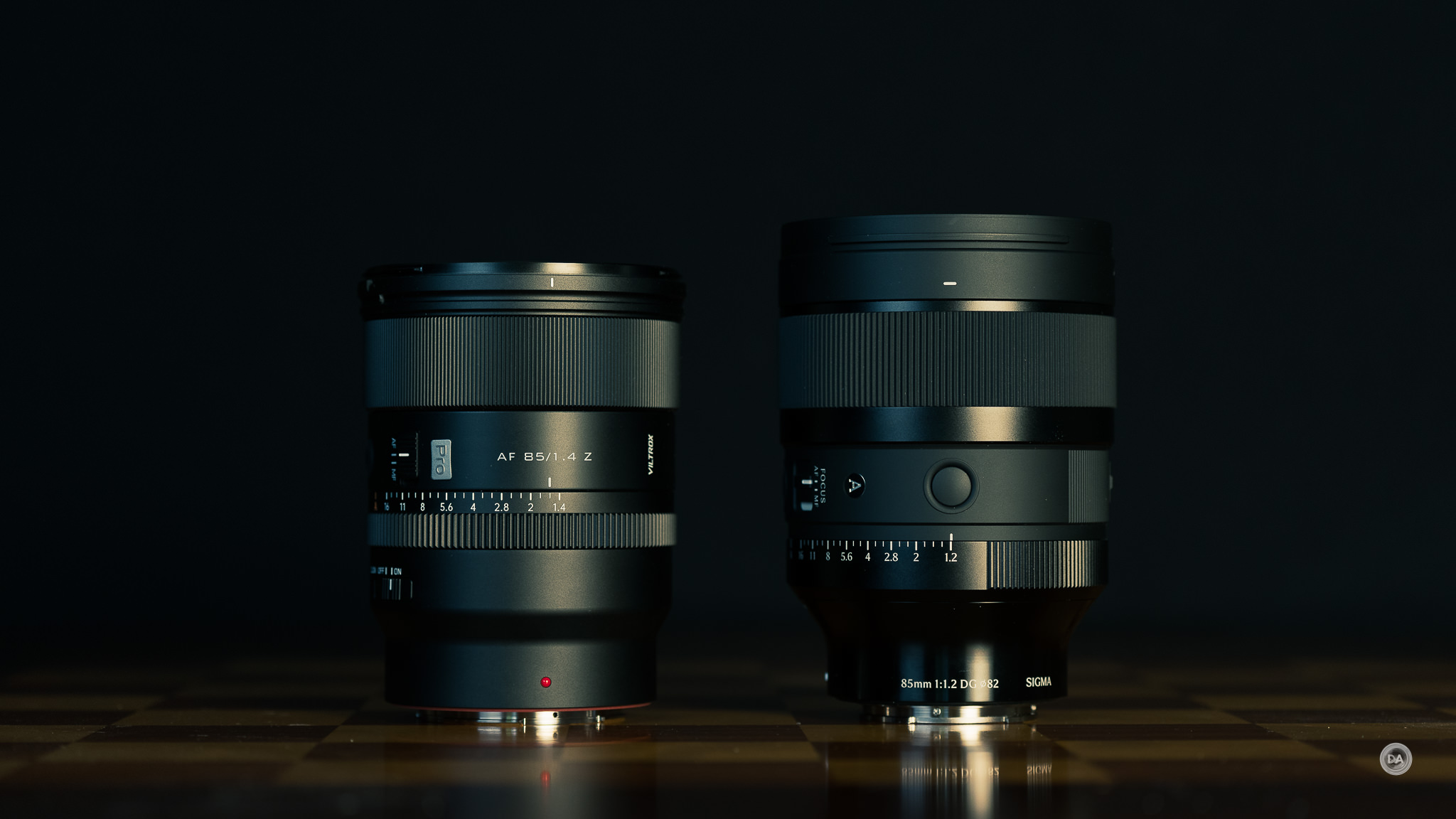
That being said, no one is going to mistake this for a small lens. It is 87.2mm in diameter (3.4”) and 121.7mm (4.8”) in length, with the L-mount version measuring 2mm shorter.
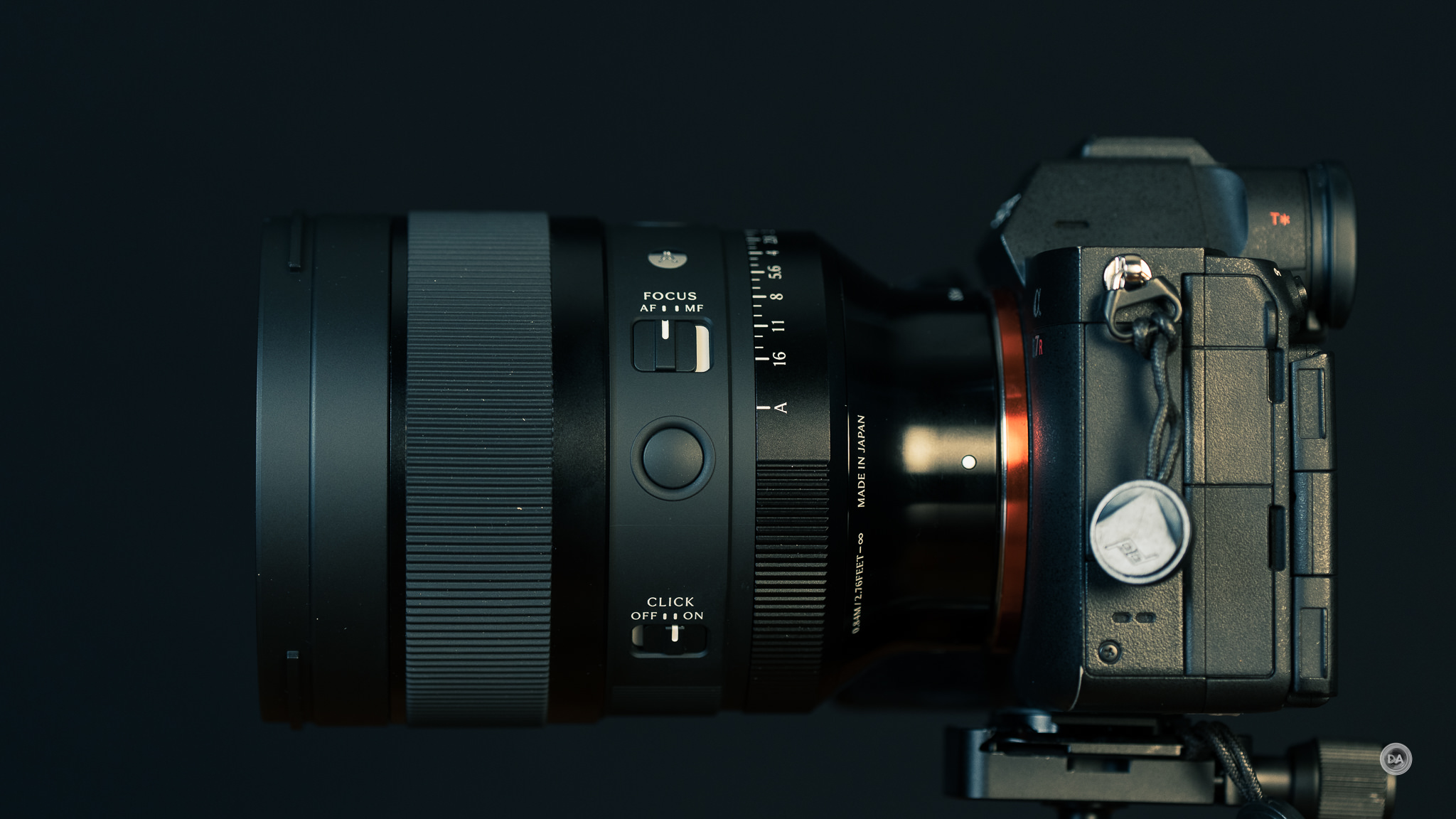
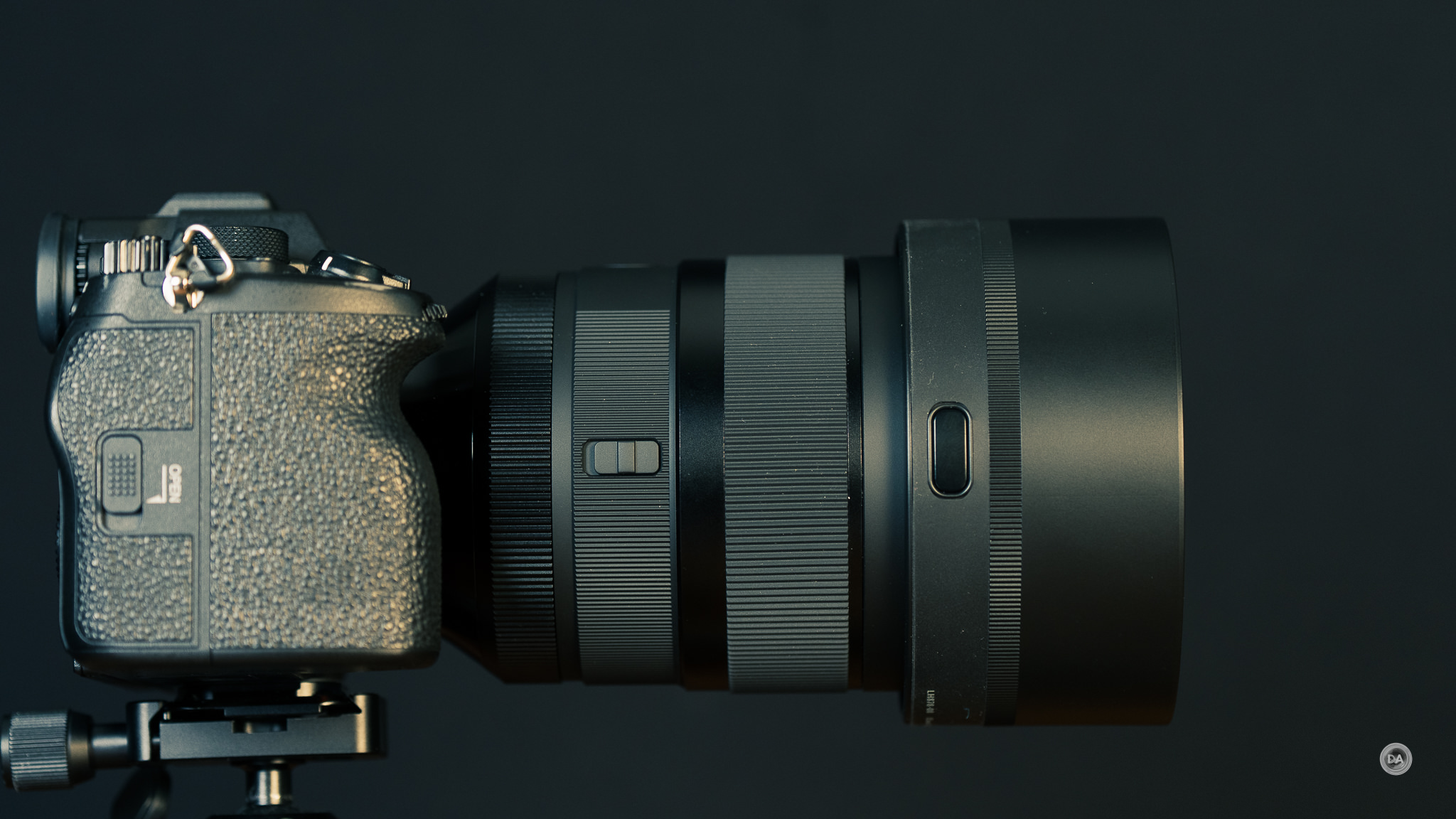
It looks, well, “chunky” when mounted on my camera.
It also very much looks like a Sigma lens. Sigma’s design language is sleek and manages to have a lot of controls without looking busy. I’ve been a fan of Sigma’s new fonts that add a subtle extra layer of class to their lenses.
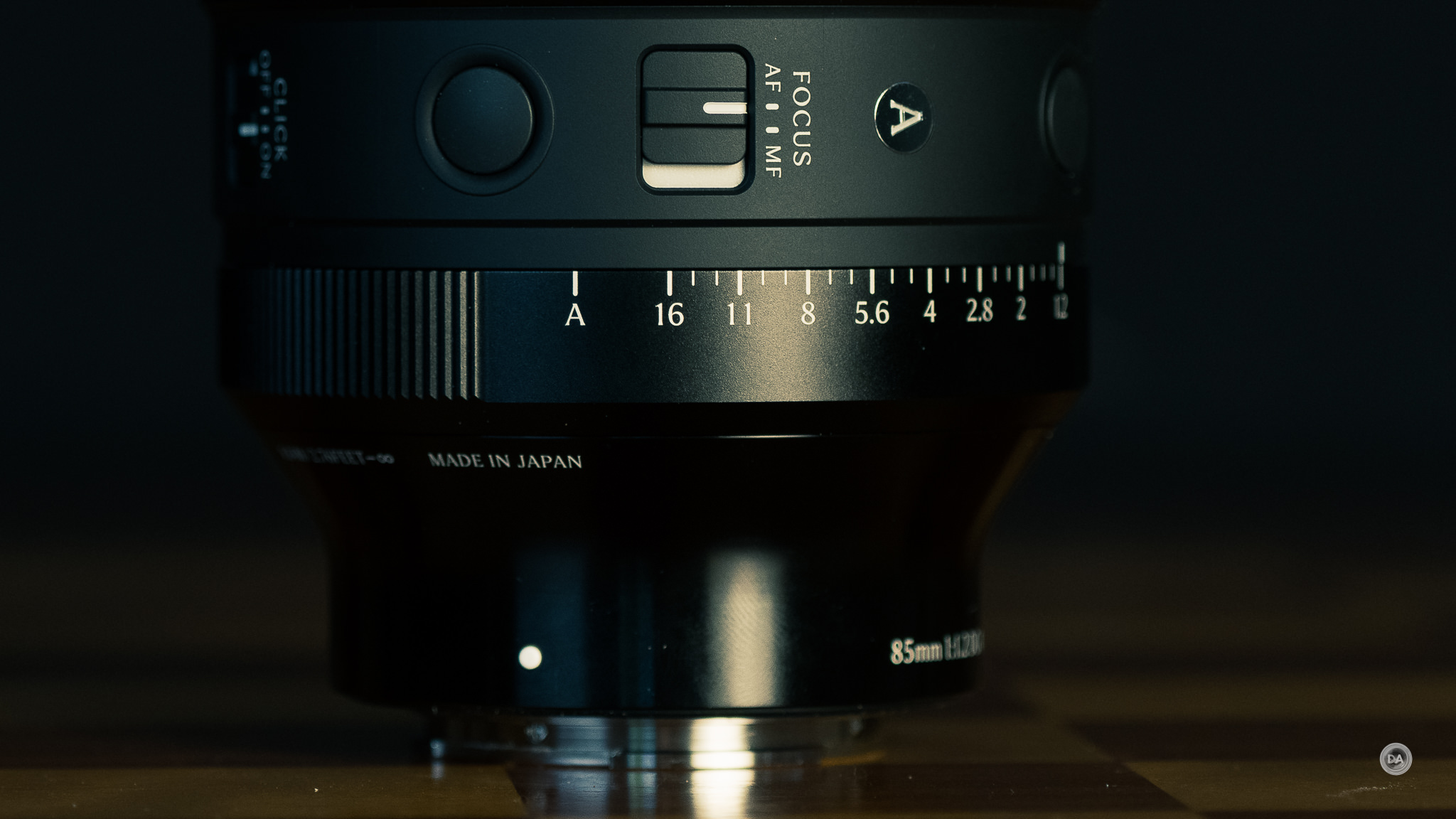
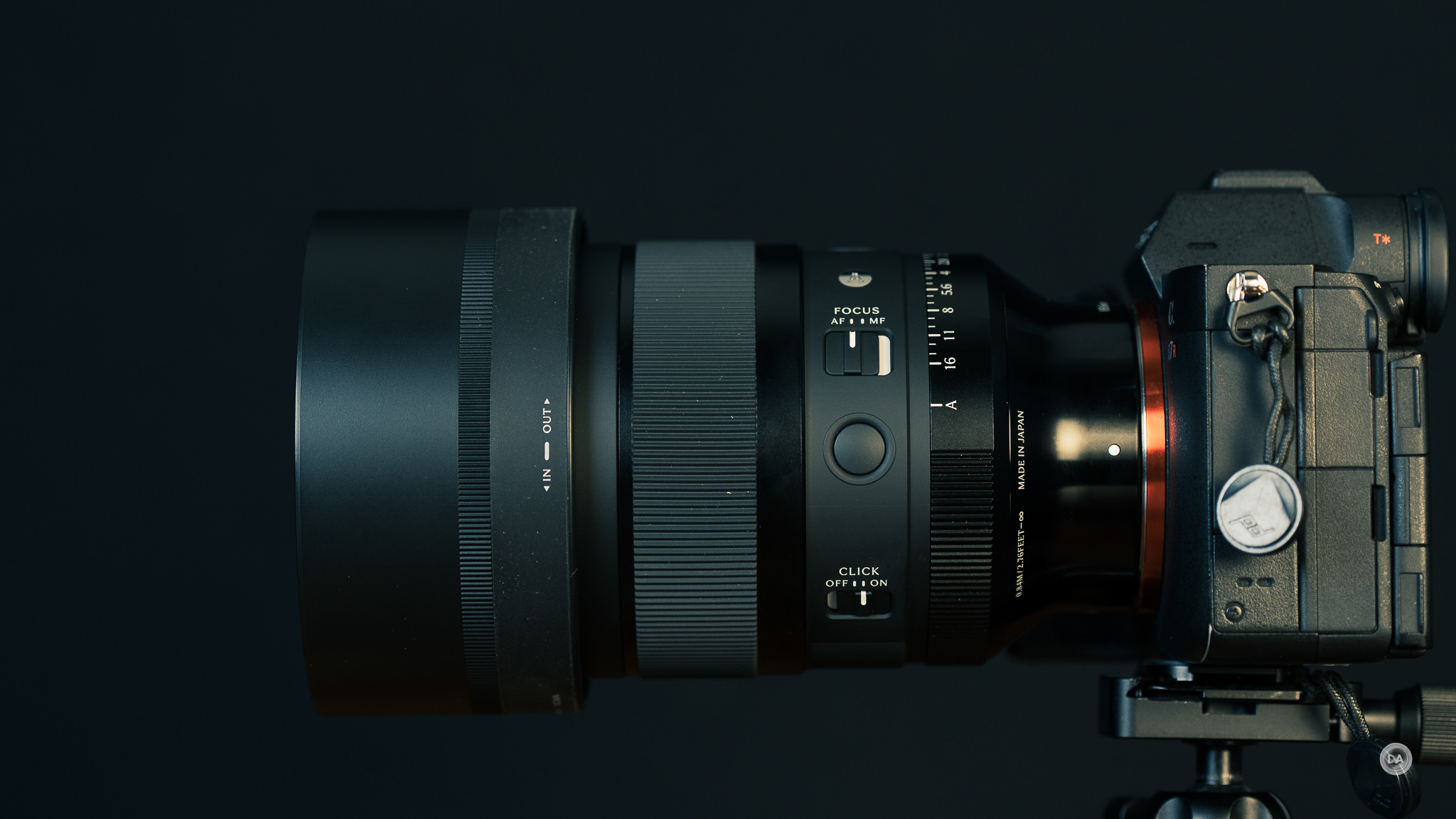
There is a robust control for aperture, starting with an aperture ring. One has the option to use the ring with or without clicks. If the clicked version is chosen, there are detents at the one-third stop marks with marked positions for each full aperture stop starting at F2. If used without clicks, you can smoothly glide through the whole aperture range and do aperture racks for video.
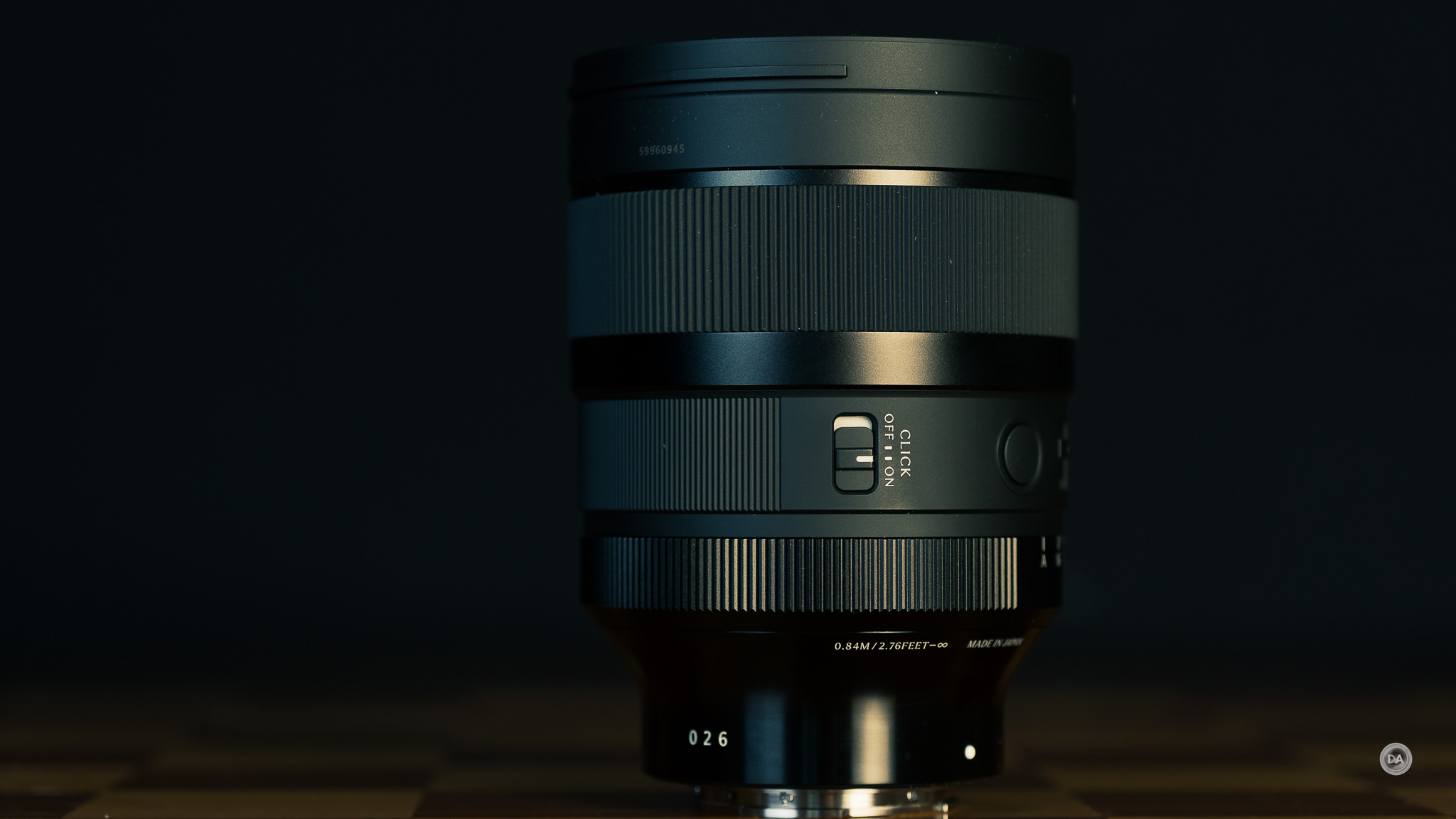
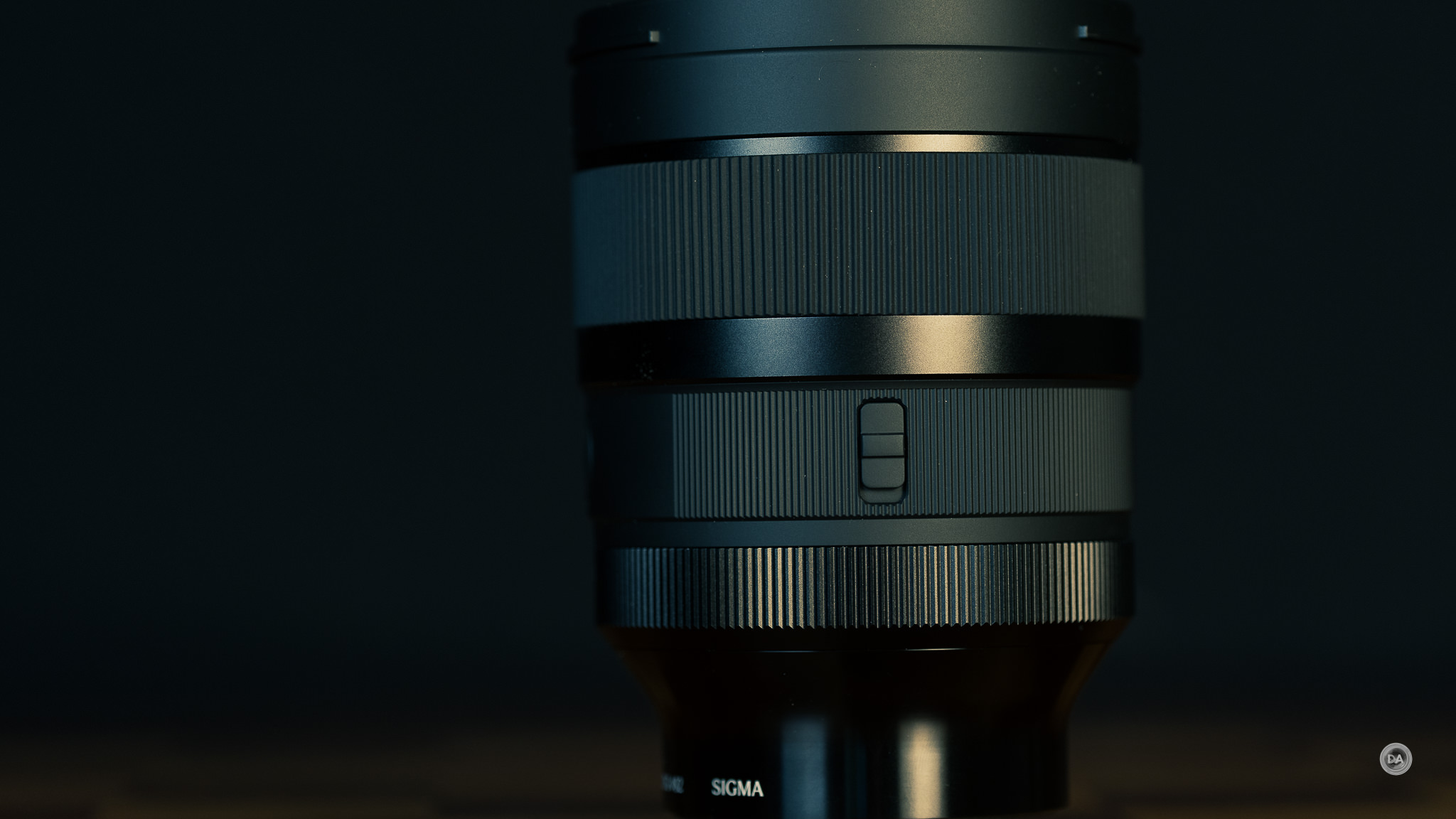
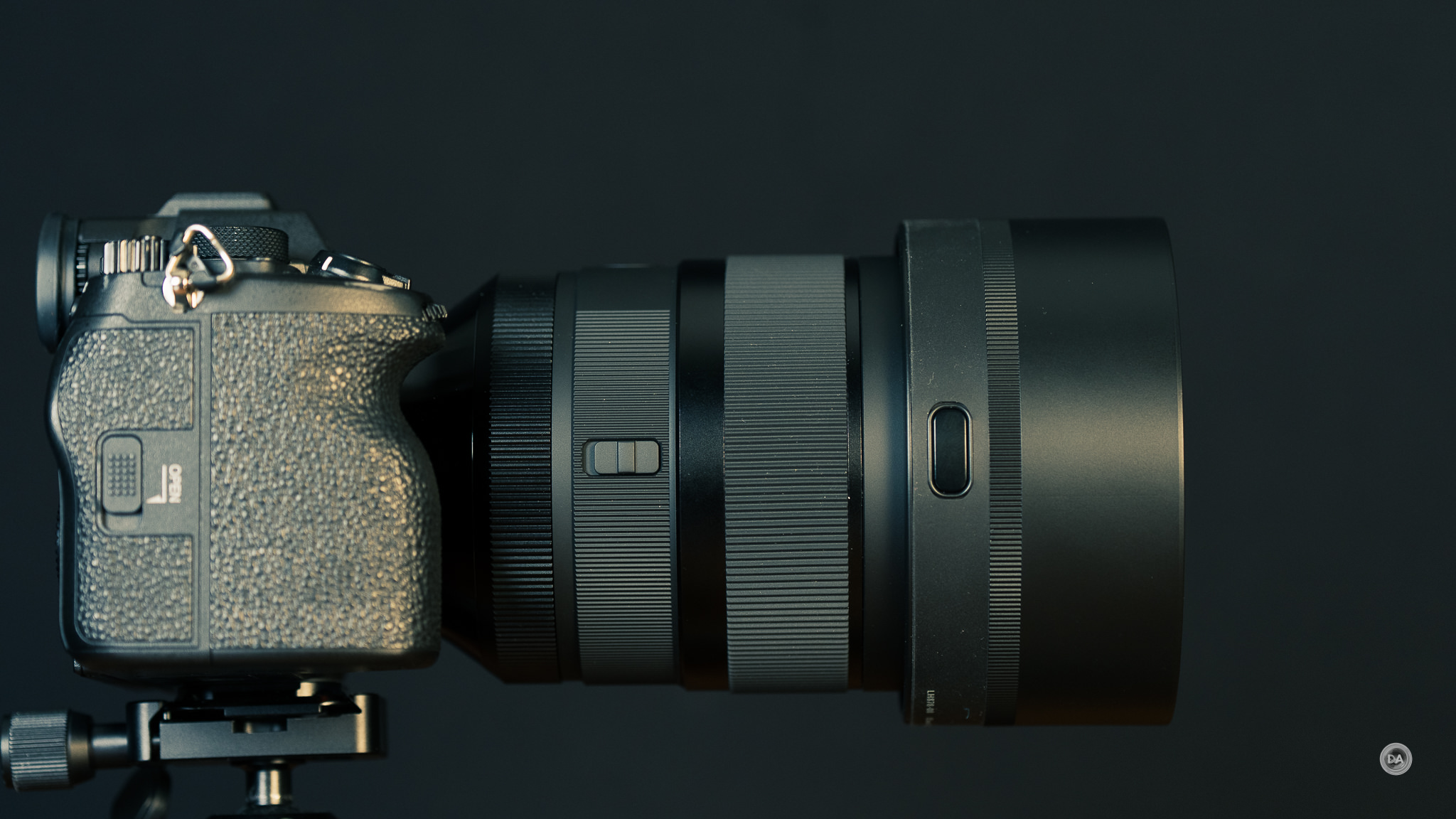
Some people don’t enjoy using aperture rings, so Sigma has an iris lock on the other side of the barrel that will allow the user to either lock into the ring or out of the ring to avoid any inadvertent bumps. If the latter is chosen, the aperture will just be controlled from within the camera just like a lens without an aperture ring.
The aperture iris has a high blade count of 13 (by my count), allowing for a very circular shape to be retained even when stopped down.
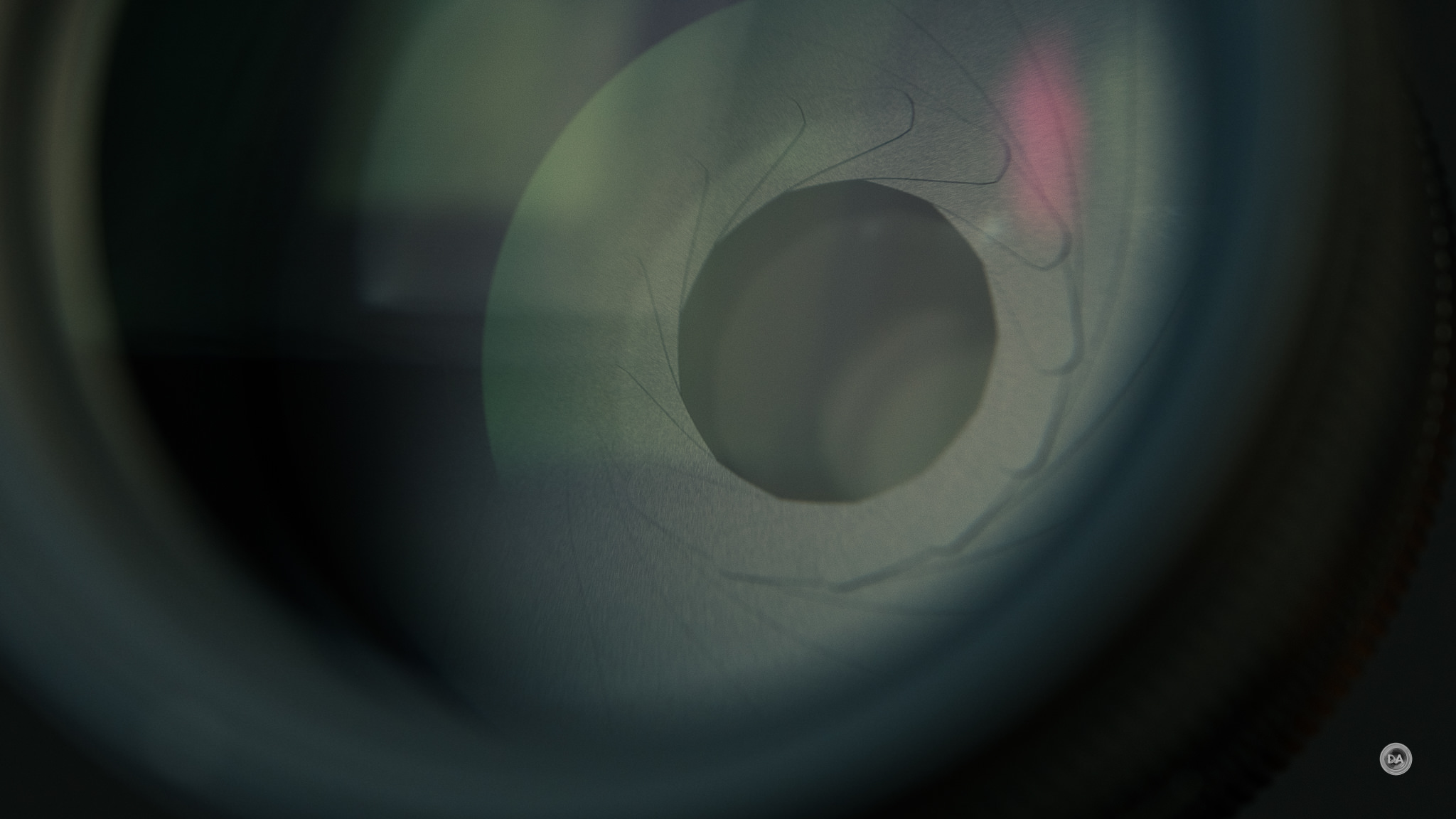
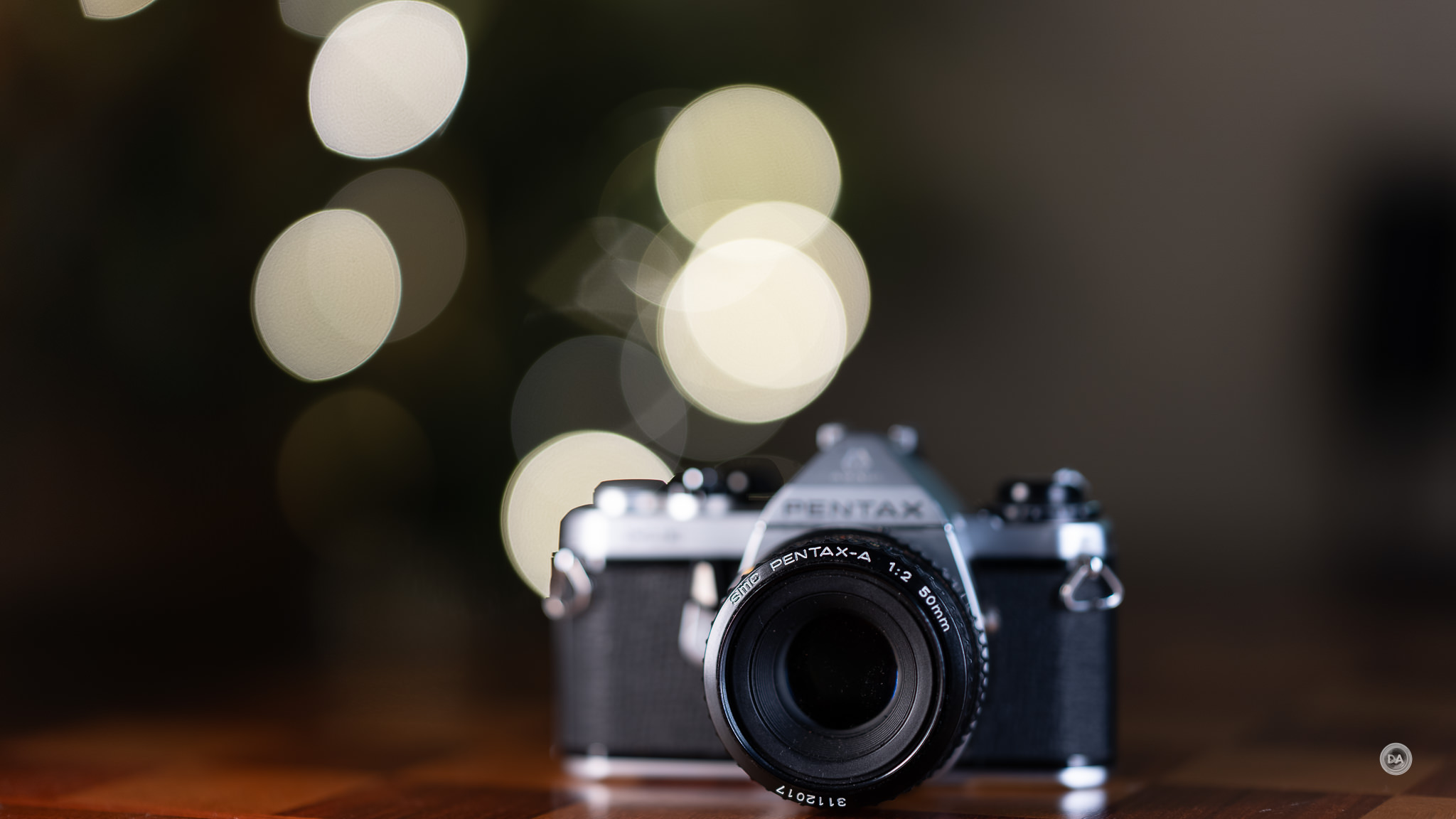
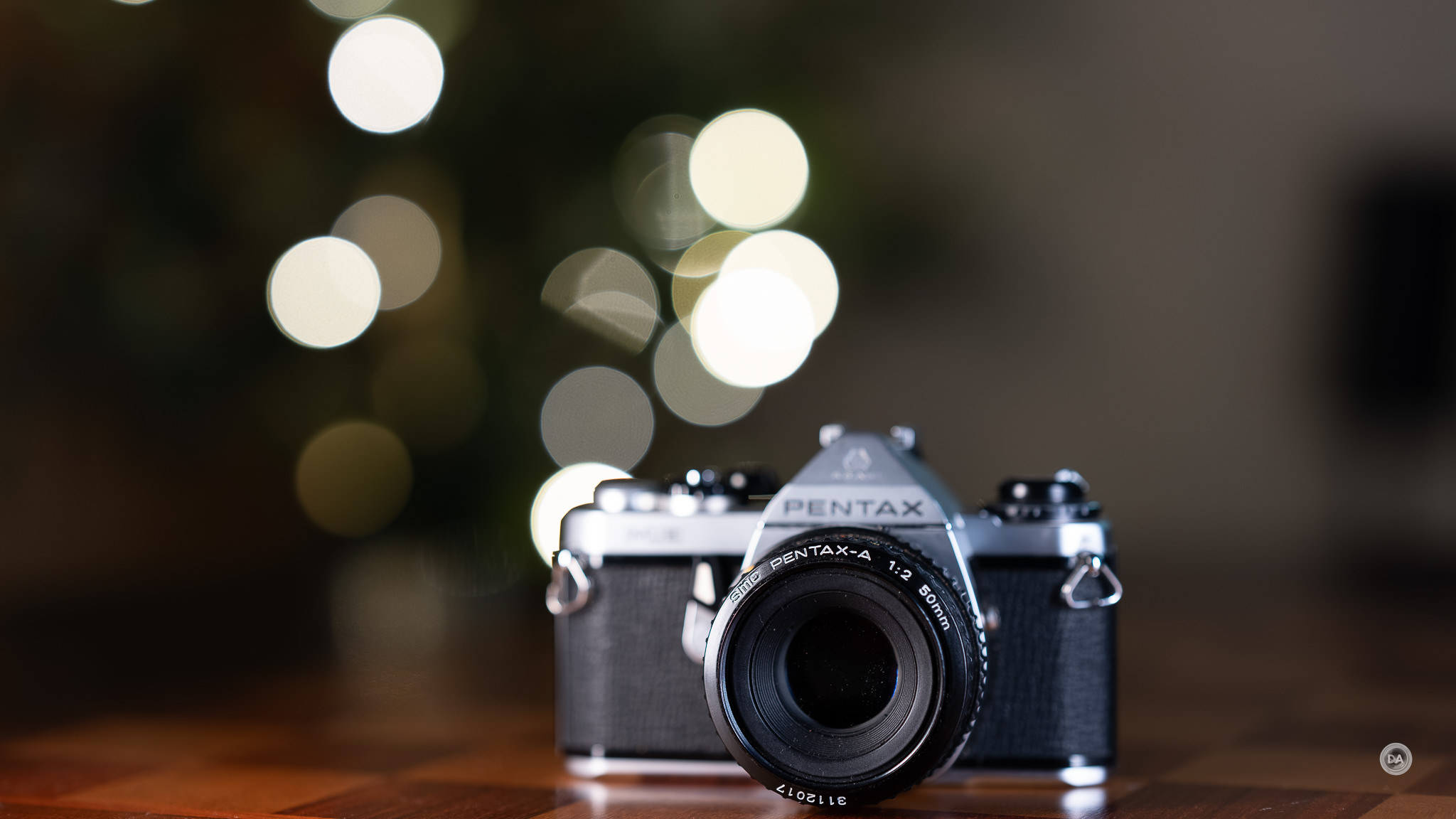
This is important in a lens like this, and I found that while at F1.2 there is some cat-eye shape near the edge of the frame, the lens has perfectly circular specular highlights across the frame by F2 and retains a circular shape as the lens is stopped down (F1.2, F2, and F2.8 shown here).

Other controls include two (redundant) custom/Fn buttons (one on the top for vertical shooting, the other on the left side for horizontal shots) and an AF | MF switch.
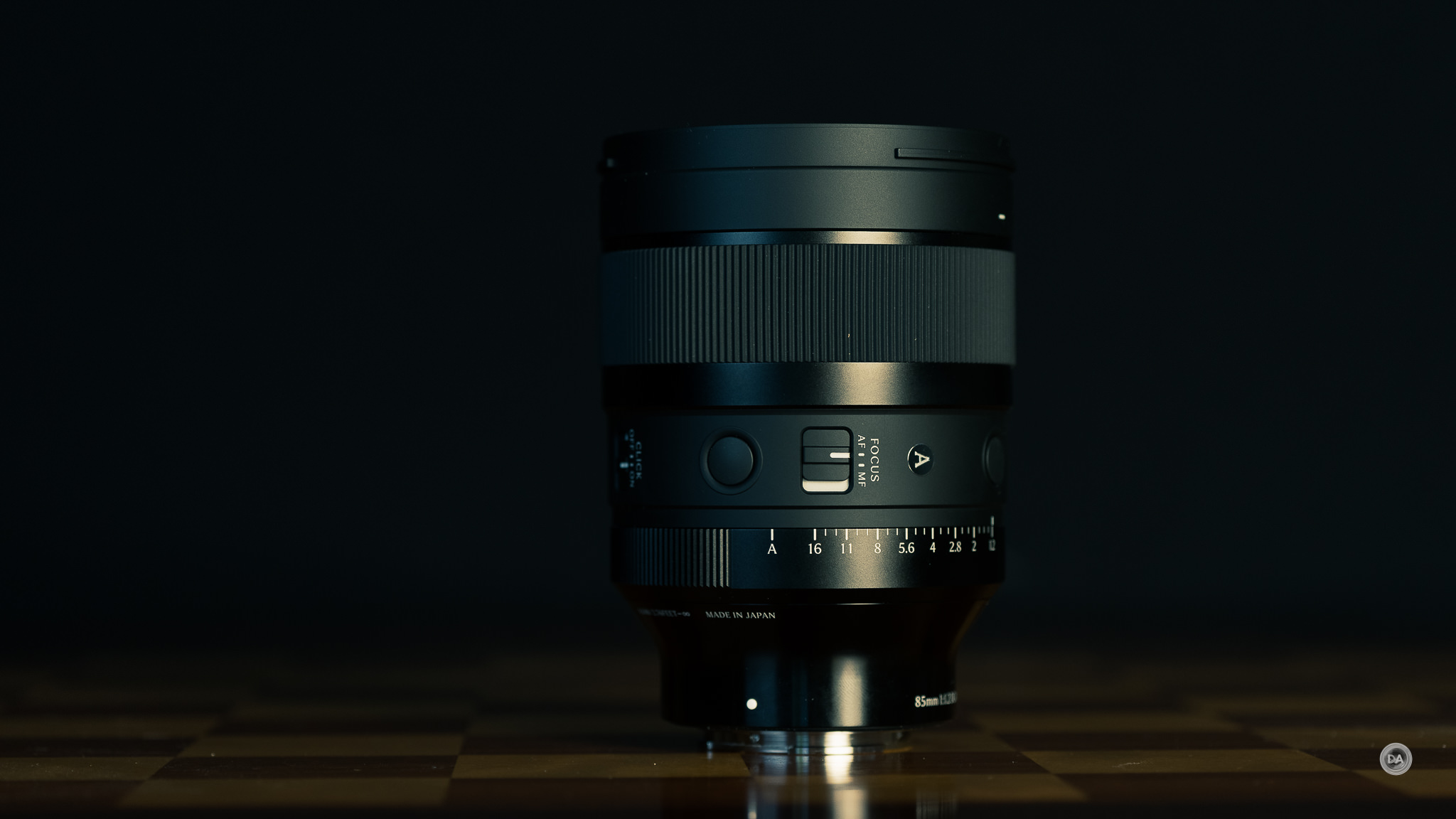
Essentially we have all the standard controls we would expect on a premium prime lens in 2026.
The manual focus ring is wide and nicely damped, and full time manual override is available. Manual focus is smooth and precise. L-mount users will have more finite control over the ring’s behavior, including the length of the throw and whether it will behave in a linear or non-linear fashion. These options aren’t available here on Sony.
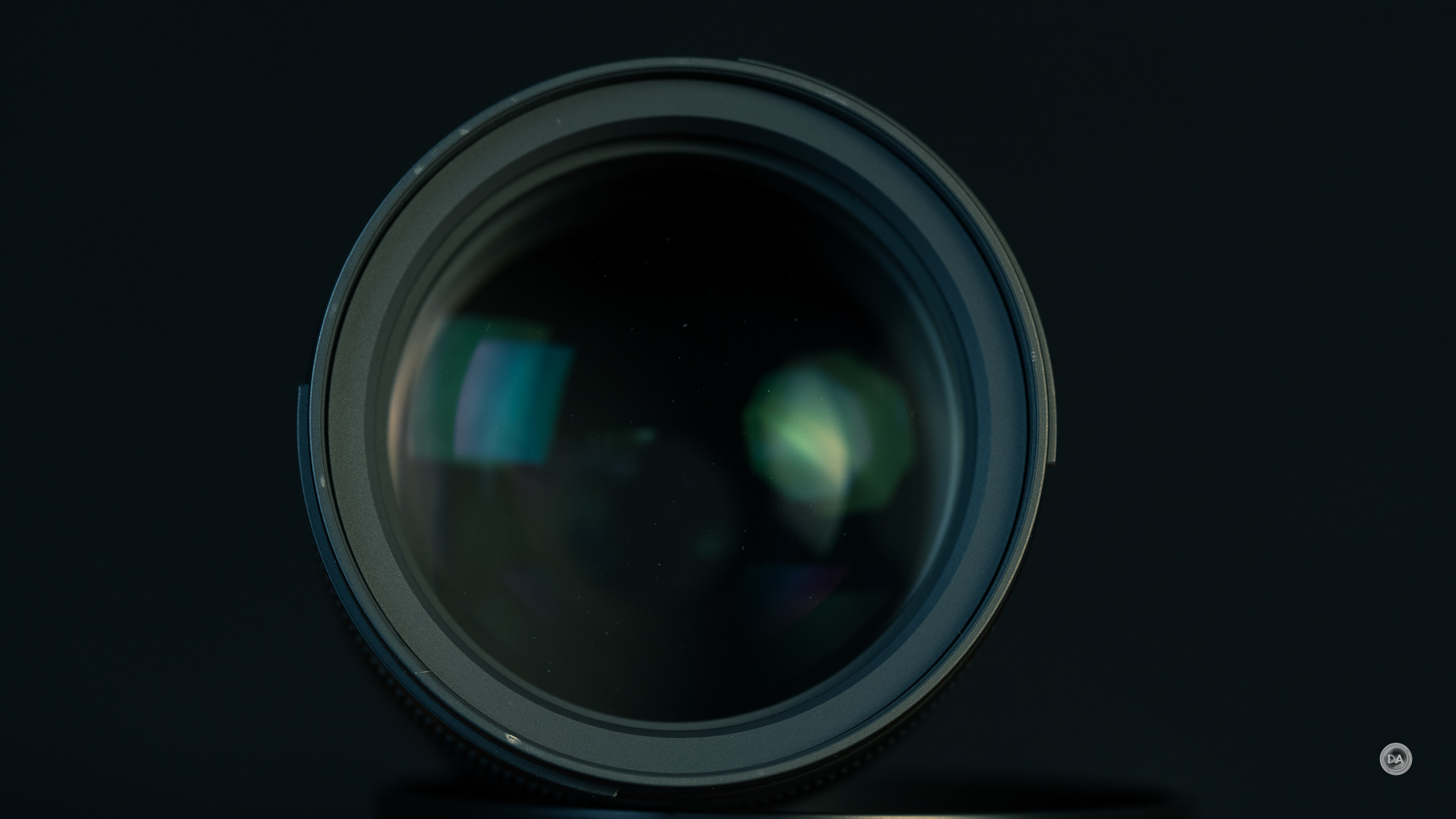
Up front we have 82mm filter threads, which is large but standard size with a full range of filters readily available.
A nice quality hood with rubberized grip sections and a locking button is included, and the design is more complimentary than some hoods from competing brands.
What is not included, unfortunately, is the padded and zippered case that Sigma used to include with all their prime lenses. This appears to be lost in the shuffle with the new eco packaging.
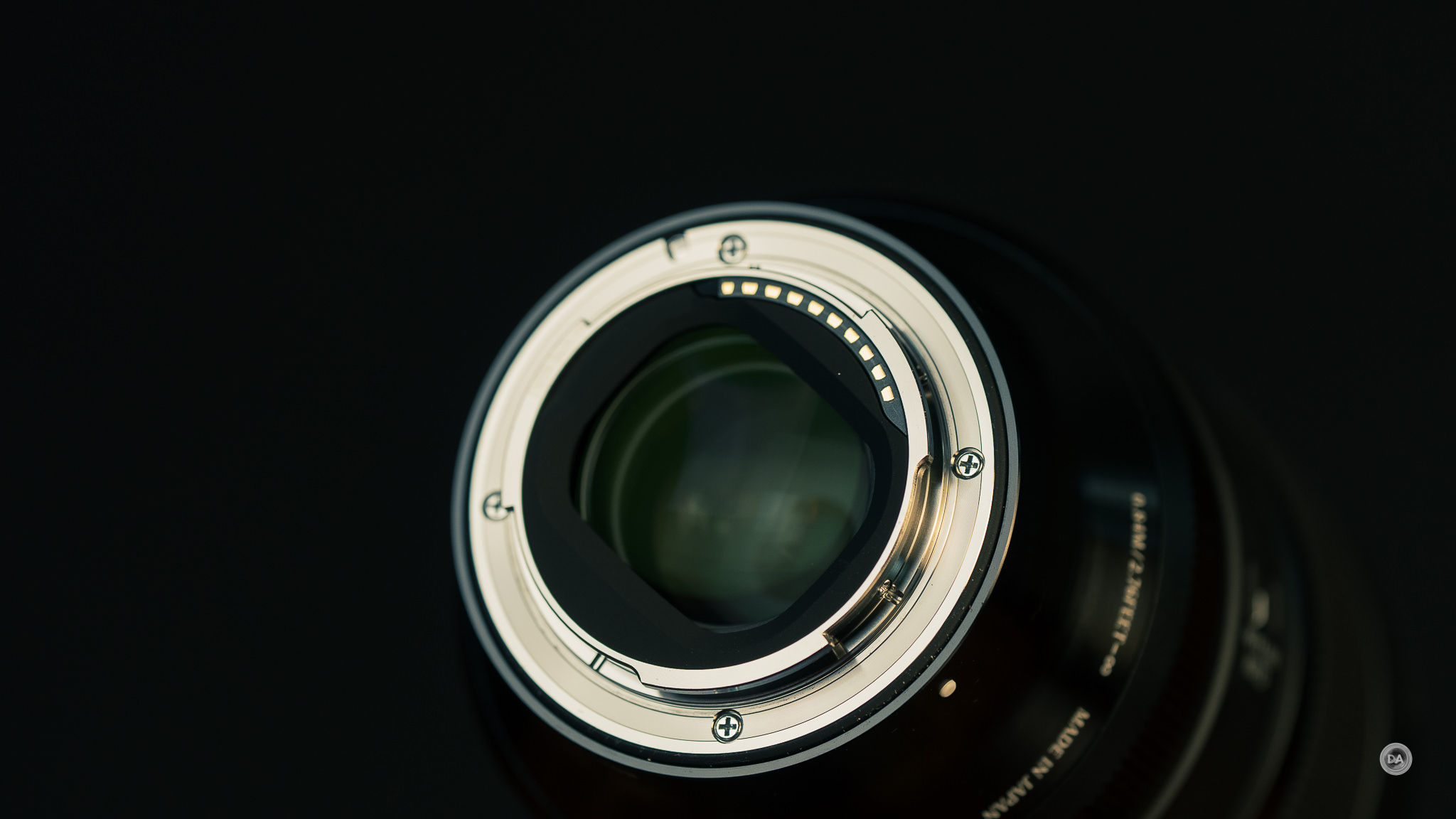
At the rear of the lens you will find a weather-sealing gasket, which hints at the thorough weather-sealing inside the lens. Sigma says that the body (not just the mount) is dust and splash resistant, while the front element has a special water and oil repelling coating.
The minimum focus distance 84cm, which is one centimeter closer than the 85mm F1.4 ART can focus. That lens produces a maximum magnification of 0.12x, but despite the closer focus ability of the 85mm F1.2 ART, I think its magnification figure is slightly lower. I estimate it to be more in the 0.11x magnification level, as it looks basically identical to the magnification from the Sony 85mm F1.4 GM II. Here’s what it looks like.

Up close performance is solid, with great detail and clarity along with a flat plane of focus.
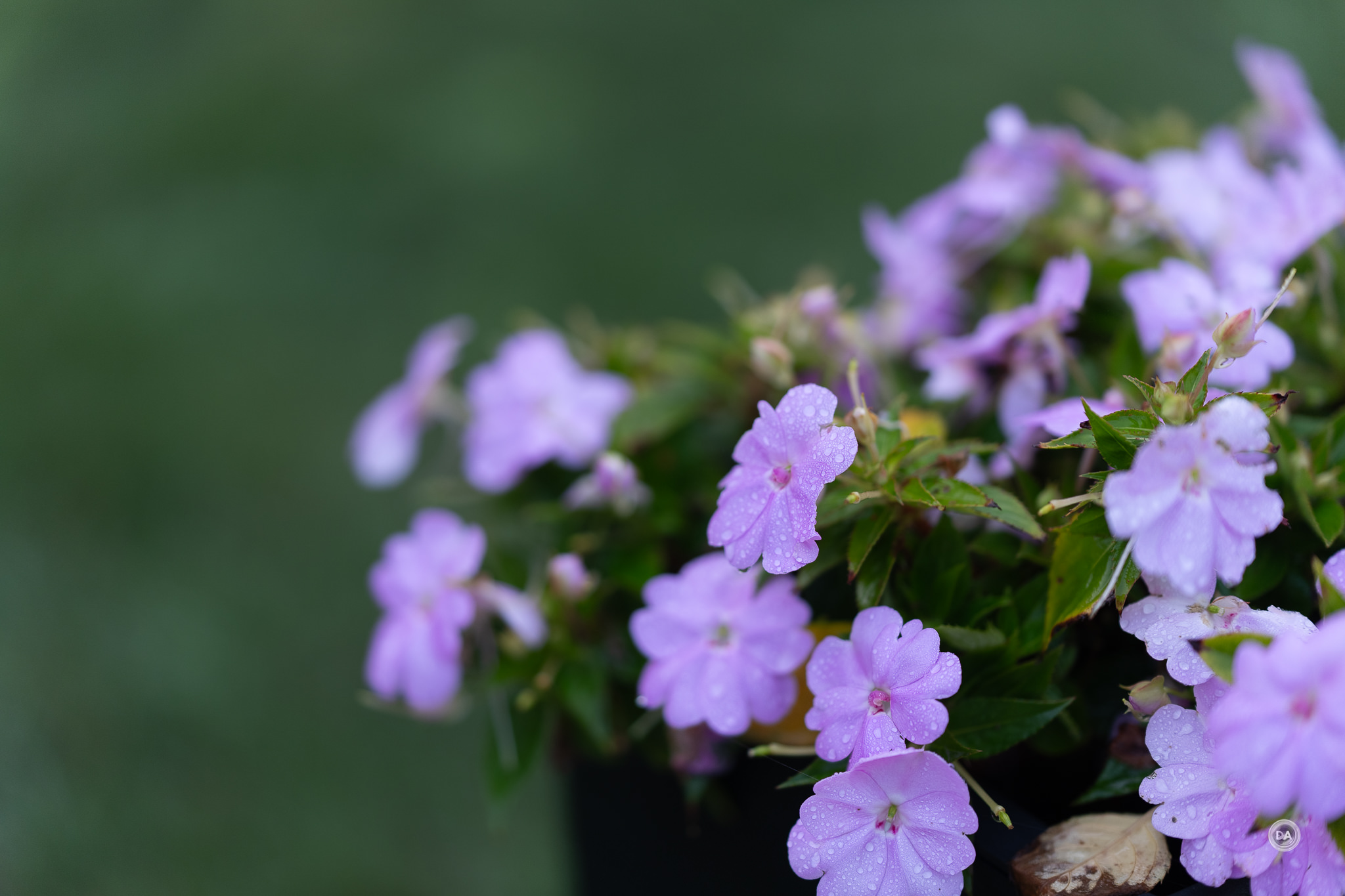
It is no macro lens, and certainly nowhere near the class leader for magnification even for an 85mm lens, but it is good enough for tight framing of faces, and that’s probably what will matter most to potential buyers.
In short, this lens is pretty much exactly what I expected it to be. Well-made and nice-looking, with robust controls and good handling. It is going to be on the big and heavy side for some users, however, particularly since their existing 85mm F1.4 ART is nearly 30mm shorter and weighs 325g less. It might be a better option for those who have a low tolerance for big lenses, but it is hard to fault Sigma here when their offering is significantly lighter than competing lenses. And, what’s more, it is far less expensive. At $1599 USD ($2169.95 CDN), it is roughly $1400 cheaper than either the Canon or Nikon 85mm F1.2 options, and even sits $400 less than Sony’s 85mm F1.4 GM II. There’s no question that the Sigma is an excellent bargain by comparison.
Autofocus
Autofocus is great here for stills, with great speed and deadly accuracy. I didn’t miss one portrait or event shot during my review period. Every shot was perfectly focused, even when shooting at F1.2:


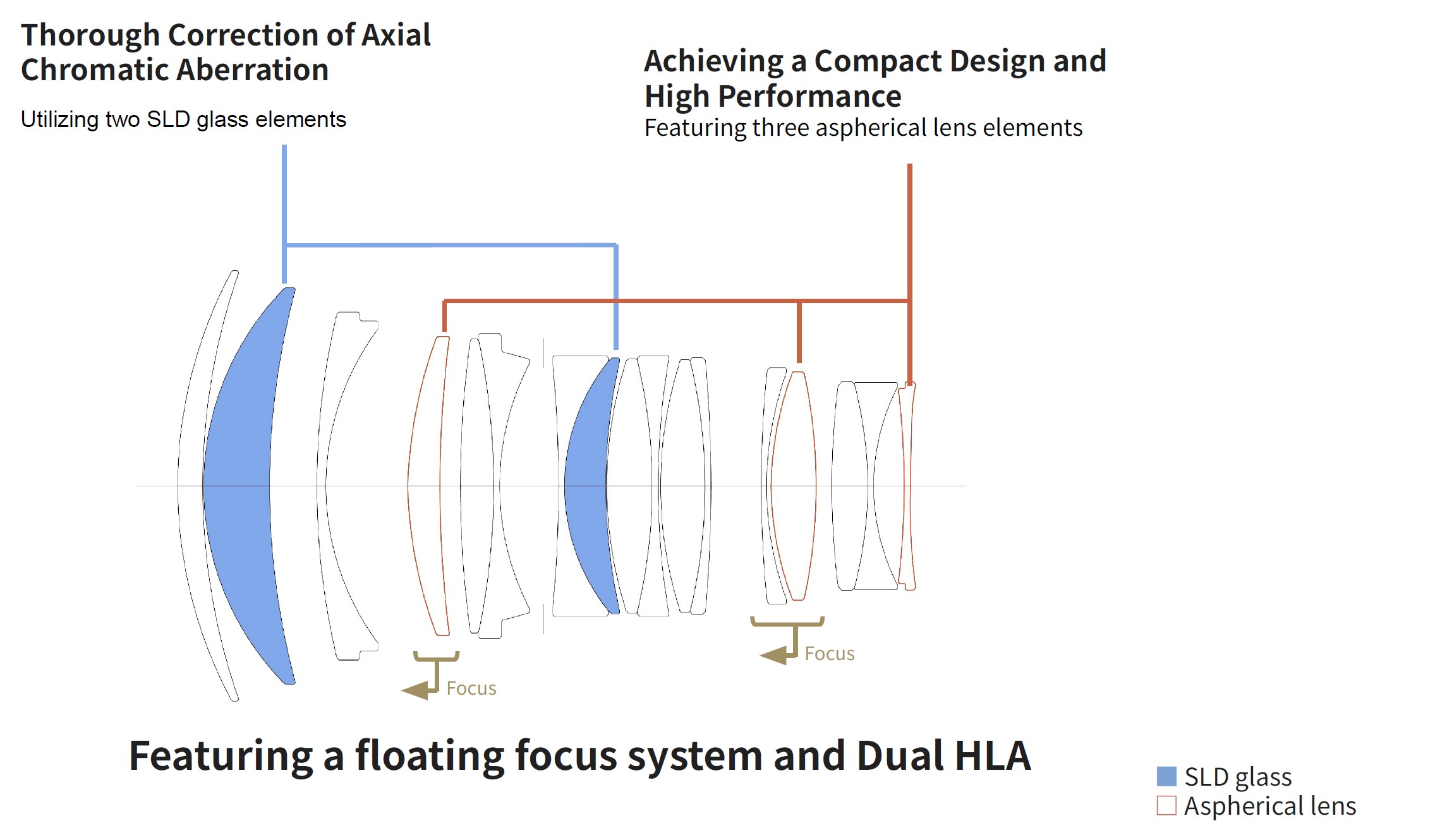
Sigma’s focusing breakthrough came a few years ago with the development of their new HLA (High-speed Linear Actuator) focus motor, and, more recently, they have begun to employ multiples of these motors to ensure fast, accurate results even when lenses have large, heavy elements. Sigma has designed this lens with two focus motors at the front and back of the focusing group.
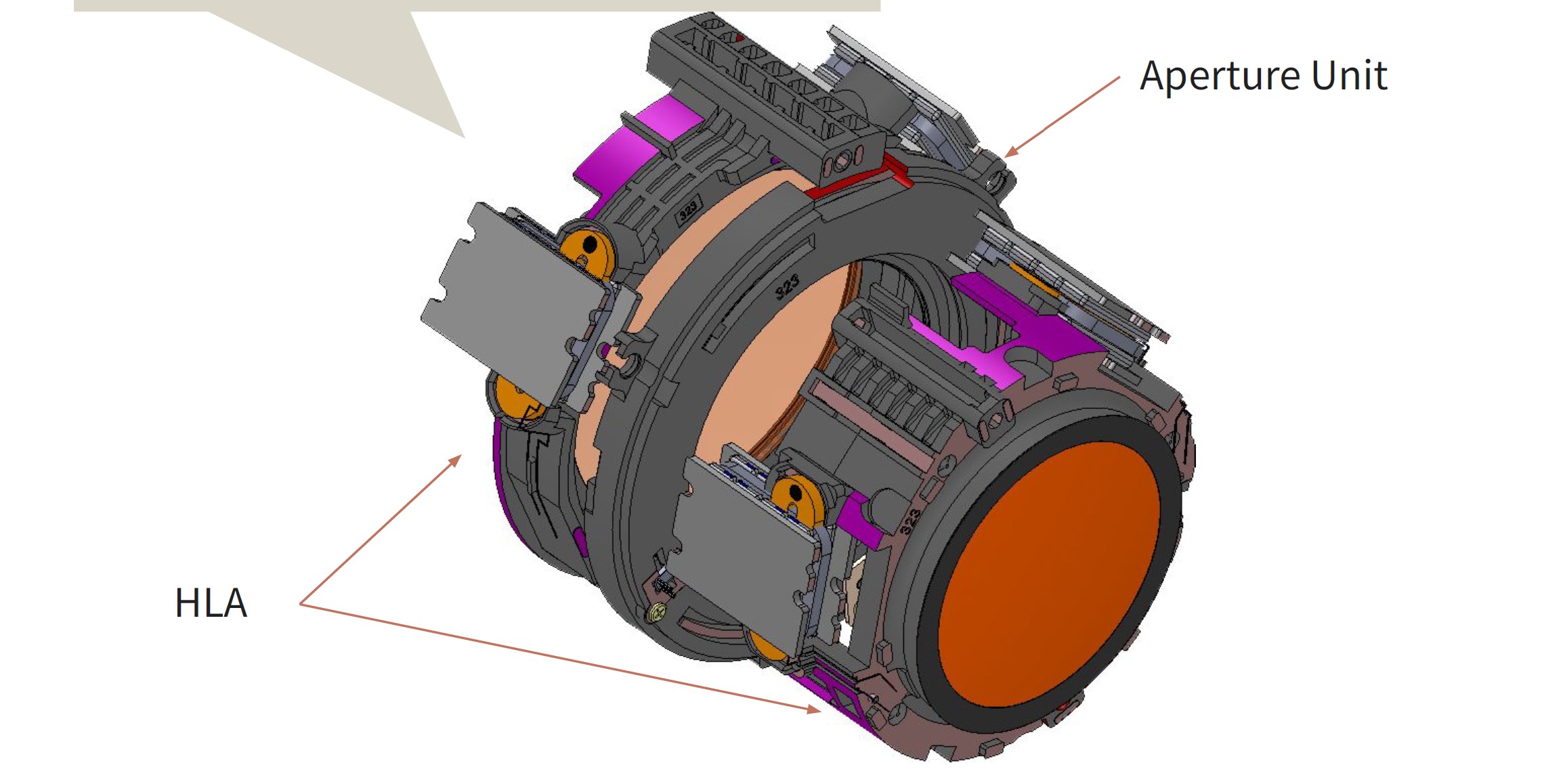
What’s more, they used a floating focus system to help with focus breathing and up-close work and even incorporated an aspherical lens into the focus group to help reduce the overall size and weight of the lens.
Focus speed was virtually instant in my formal tests as I went from close to distant subjects, and I heard no focus sound other than my finger pressing on and off the shutter.
I was able to snap quick photos in an event setting without having to really think about it at all.

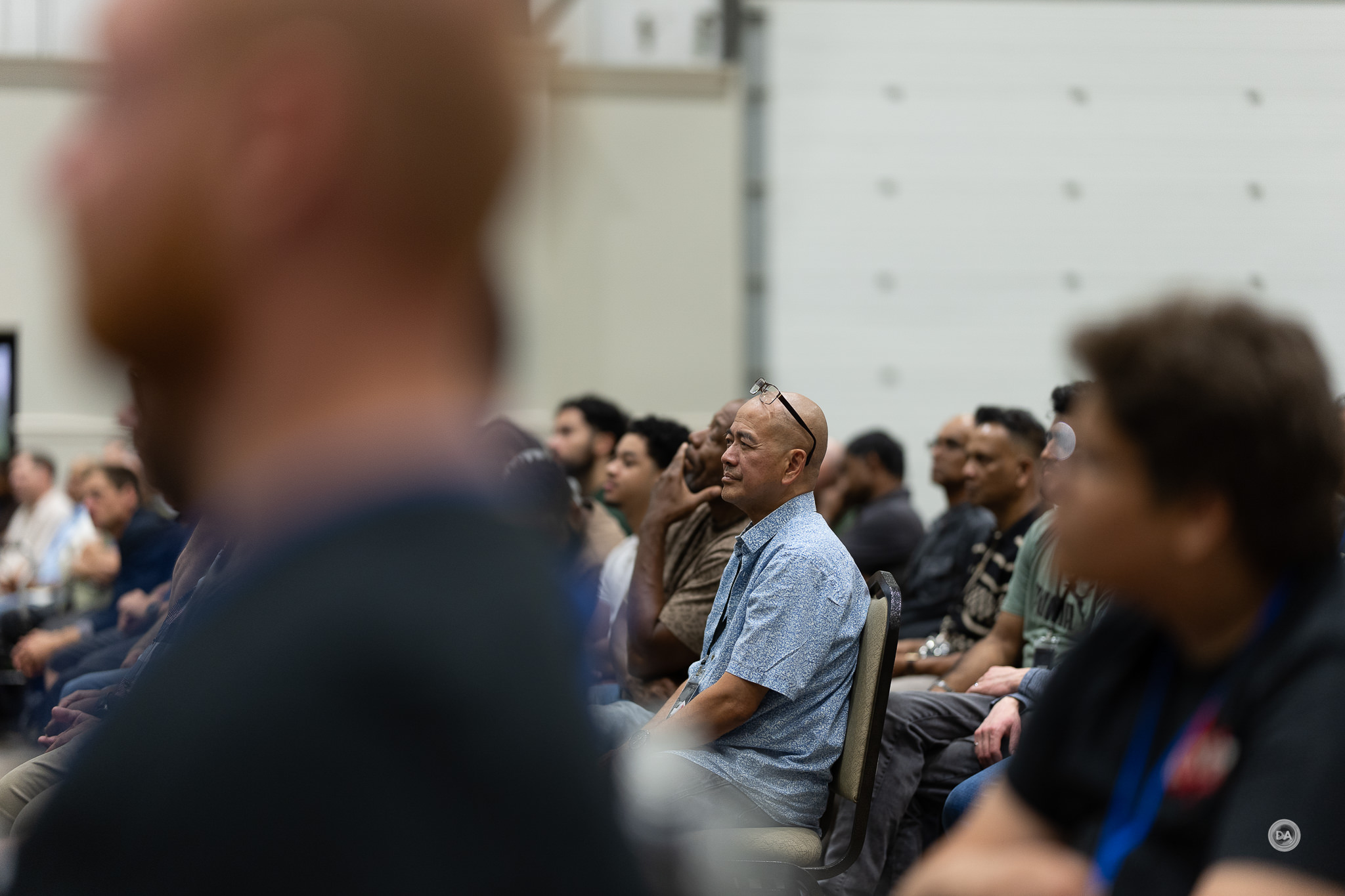
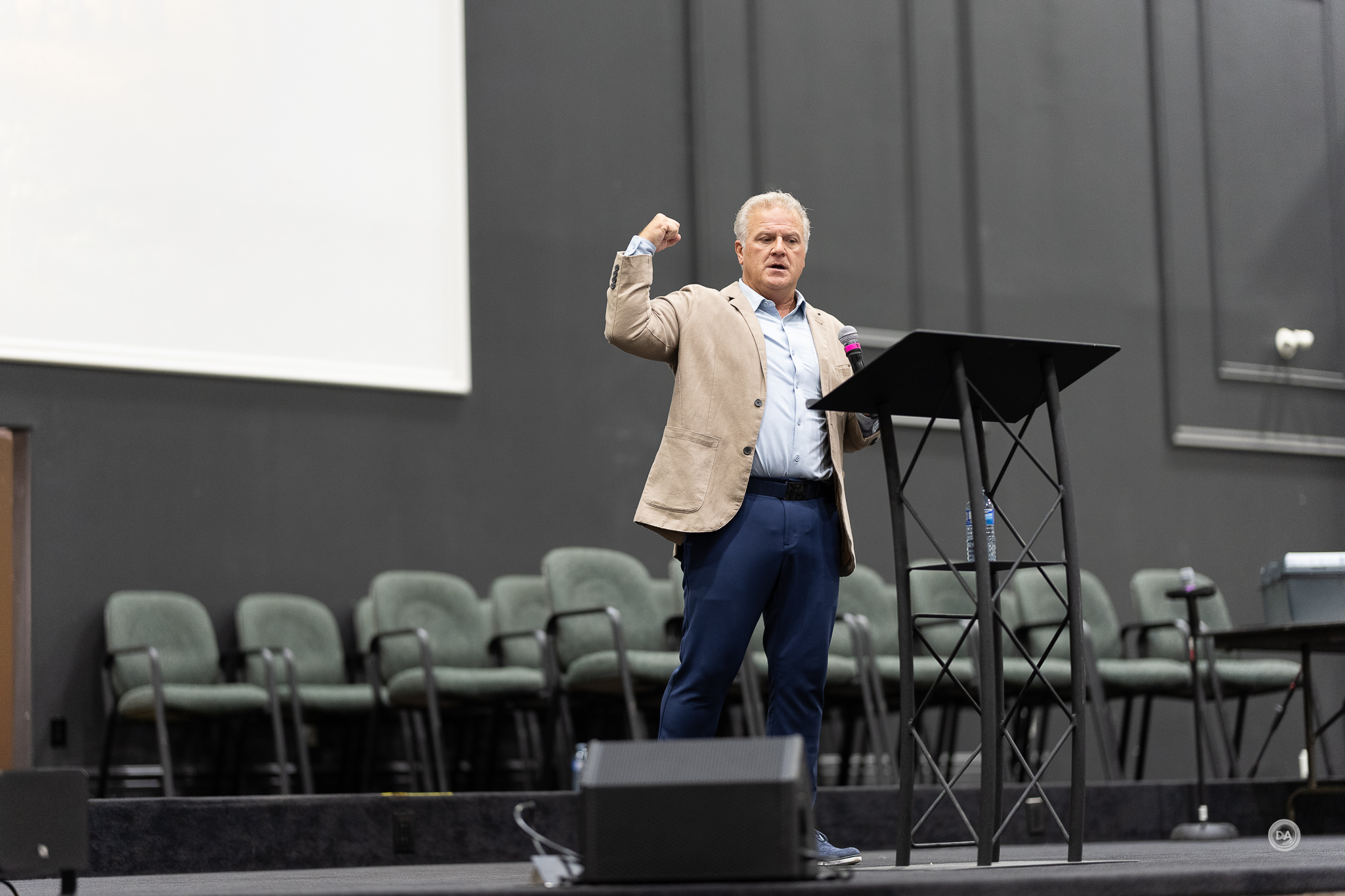
My portrait results were well-focused regardless of the distance to the subject, or whether shooting indoors or outdoors.

You can see the lovely shallow depth of field and intense cutout effect that this lens can create.
Focusing on narrow subjects was no problem, and I was even able to focus against intense backlighting without issue.

In short, the Sigma easily trumps both of the first party 85mm F1.2 lenses I’ve tested when it comes to autofocus speed, smoothness, and precision. This is much more like a modern Sony G-Master lens than the older Canon or Nikon models. It obviously benefits from being newer, sure, but I also want to credit Sigma for really nailing this aspect of lens design.
Video AF
One of Sigma’s priorities on the video side of things was to reduce focus breathing via the use of floating elements. I saw some modest breathing when I tested for it, but it was low enough that I saw next to little in the shorter focus throws from my hand to my eye when extending my hand to block the camera’s view of my face.

Focus pulls when using touch to focus were smooth and confident. I saw no steps, pulses, or settling. Focus just moved from point A to point B without hesitation. You can tell there is a lot of thrust in the focus motors, and you can tune that speed via settings in the camera.
My only complaint came in a couple of clips when shooting flowers. There were moments when a prominent flower was right in the middle of frame and yet focus didn’t shift to it.

I saw something similar a few times in my hand test, as my hand would obviously be in front of the camera, and yet focus doggedly held onto the background.
I wasn’t exceeding the minimum focus distance, either, as when I switched to stills I was able to take the photo I wanted without issue.

Here’s hoping this can be easily rectified via production firmware.
In general, however, the autofocus for video was also excellent.
Sigma 85mm F1.2 ART Optical Performance
And so we arrive at the section where Sigma lenses tend to thrive. Sigma has done an exceptional job in the past decade of creating optical designs capable of competing with the very best, and this lens is no exception. The optical design has 17 elements in 12 groups with 2 SLD glass elements and 3 aspherical lenses. You can see from the diagram where the HLA motors are positioned.
The MTF chart looks very good, slightly exceeding the excellent 85mm F1.4 ART essentially all across the frame.
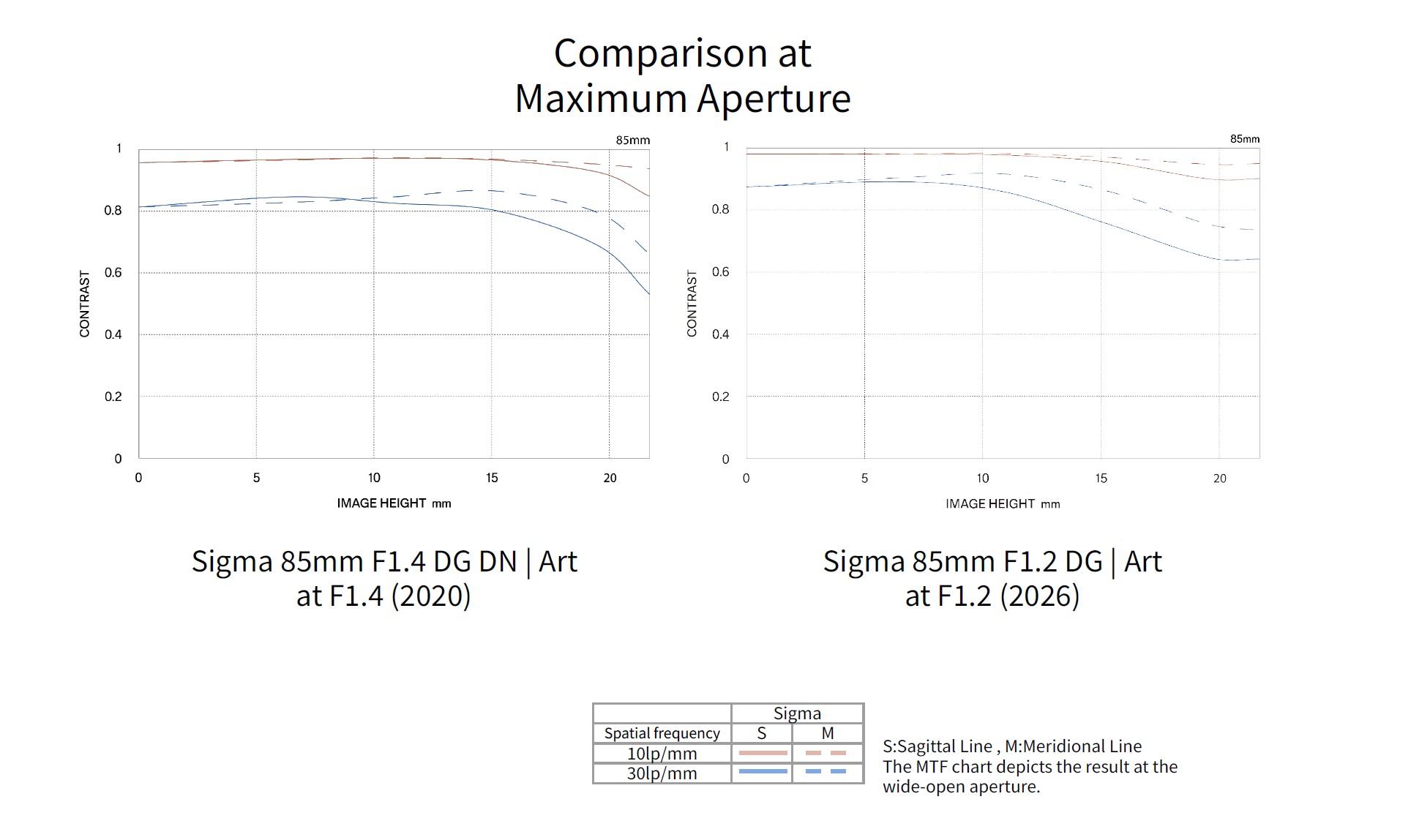
That includes a sharper center, midframe, and even corner production at F1.2 vs F1.4. You aren’t compromising any wide-open sharpness by choosing the brighter F1.2 lens.


I consistently found that I was impressed with wide-open sharpness, regardless of my shooting subject.
In fact, even when shooting at infinity at F1.2, I saw consistently sharp detail and contrast right out to the edge of the frame.



I used and loved the 85mm F1.4 DN ART for years, but one flaw it did have was very strong pincushion distortion. There’s still a little pincushion distortion here, but it is largely well corrected. I needed just a -2 in the Lightroom distortion slider to cleanly correct what was there.
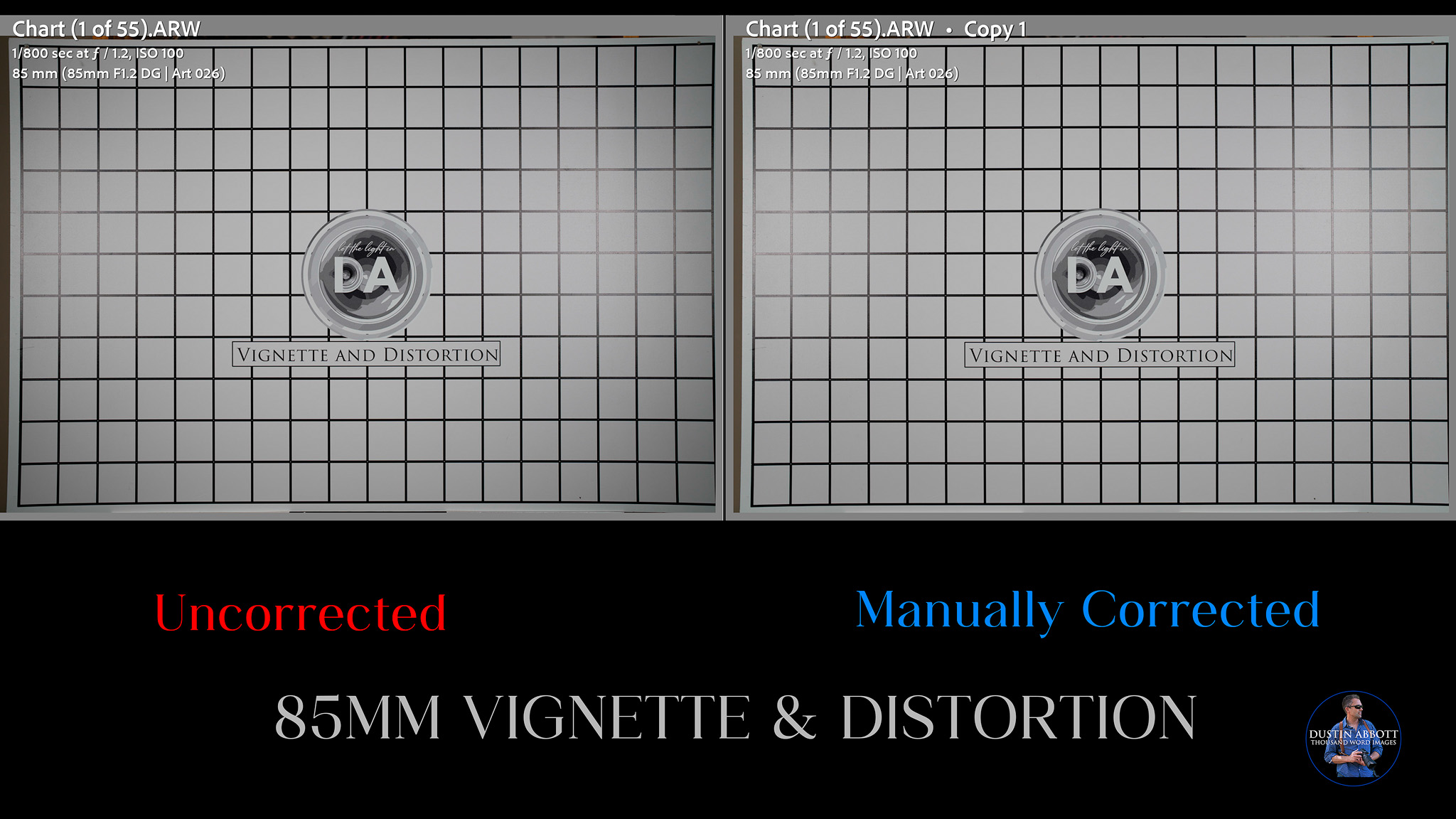
There is some vignette, but it isn’t extreme. I used a +46 to correct, which is less than two stops. In most photos that won’t really be noticeable. This shot, for example, has no correction.
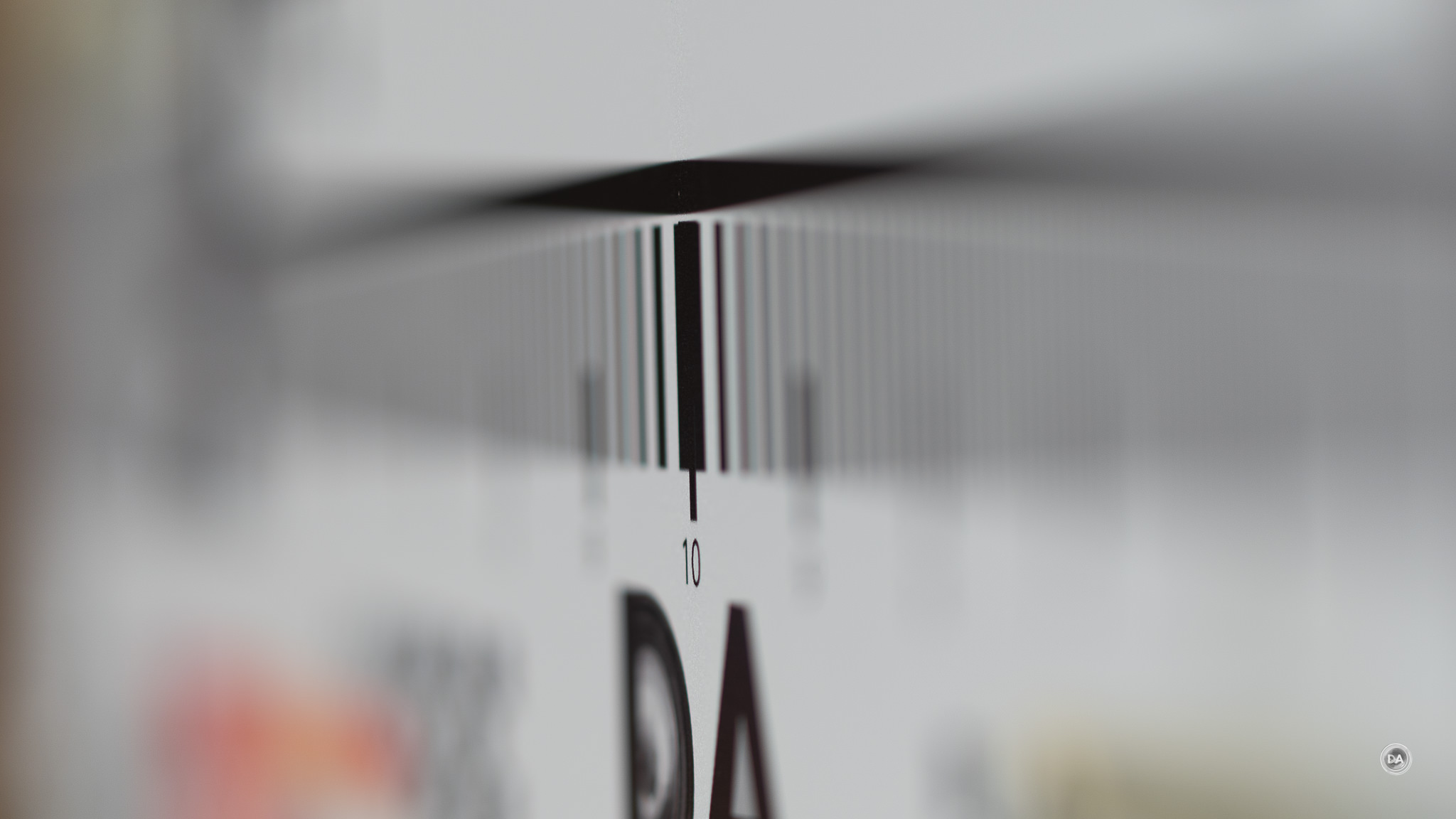
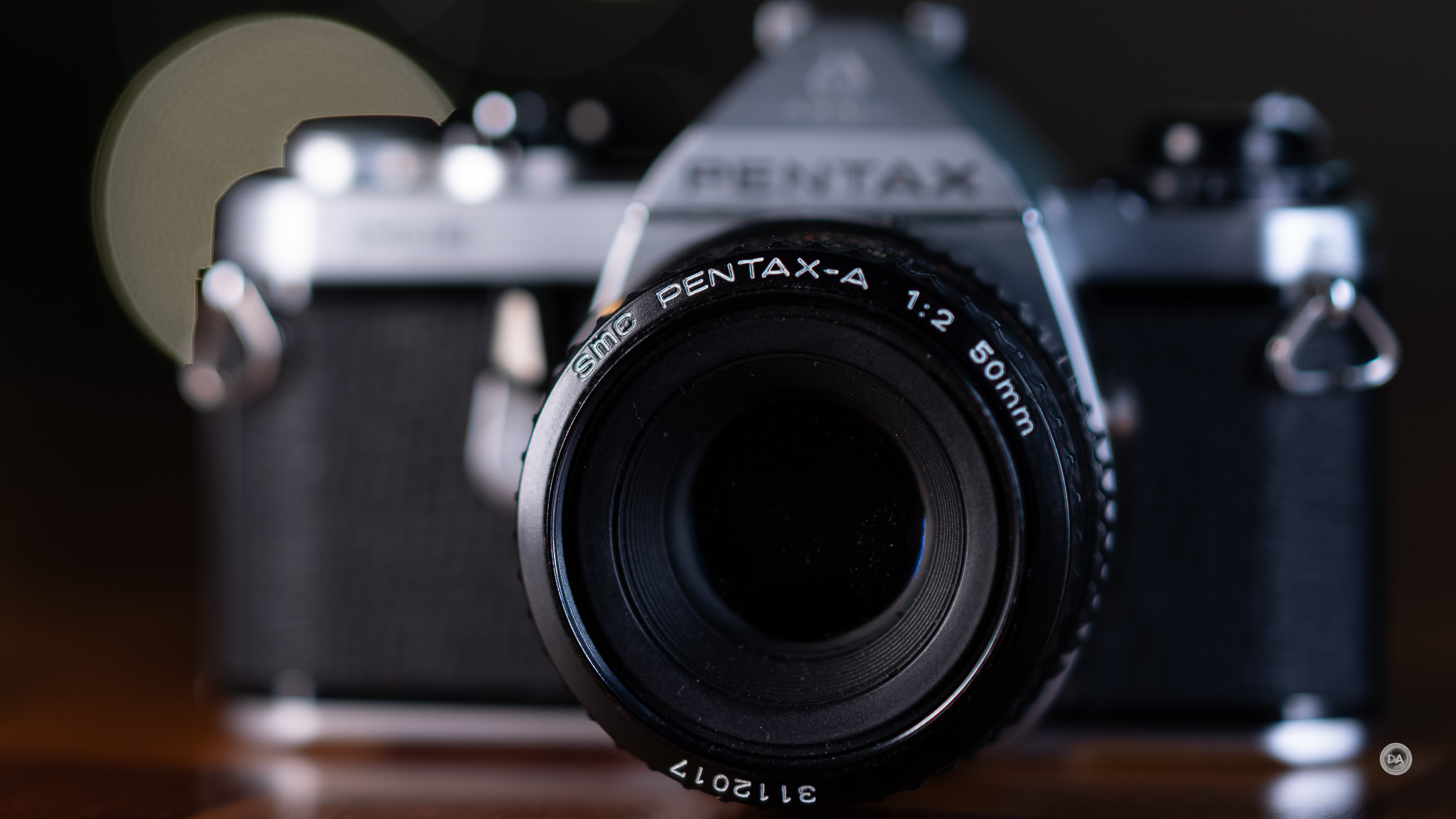
Longitudinal Chromatic Aberrations (LoCA) shows up as colored fringing before and after the plane of focus and tends to be more pronounced in large aperture lenses. The 85mm F1.2 ART isn’t perfectly corrected, but the fringing isn’t pronounced.
I see a bit of fringing on the shiny bits of my Dad’s old SLR.
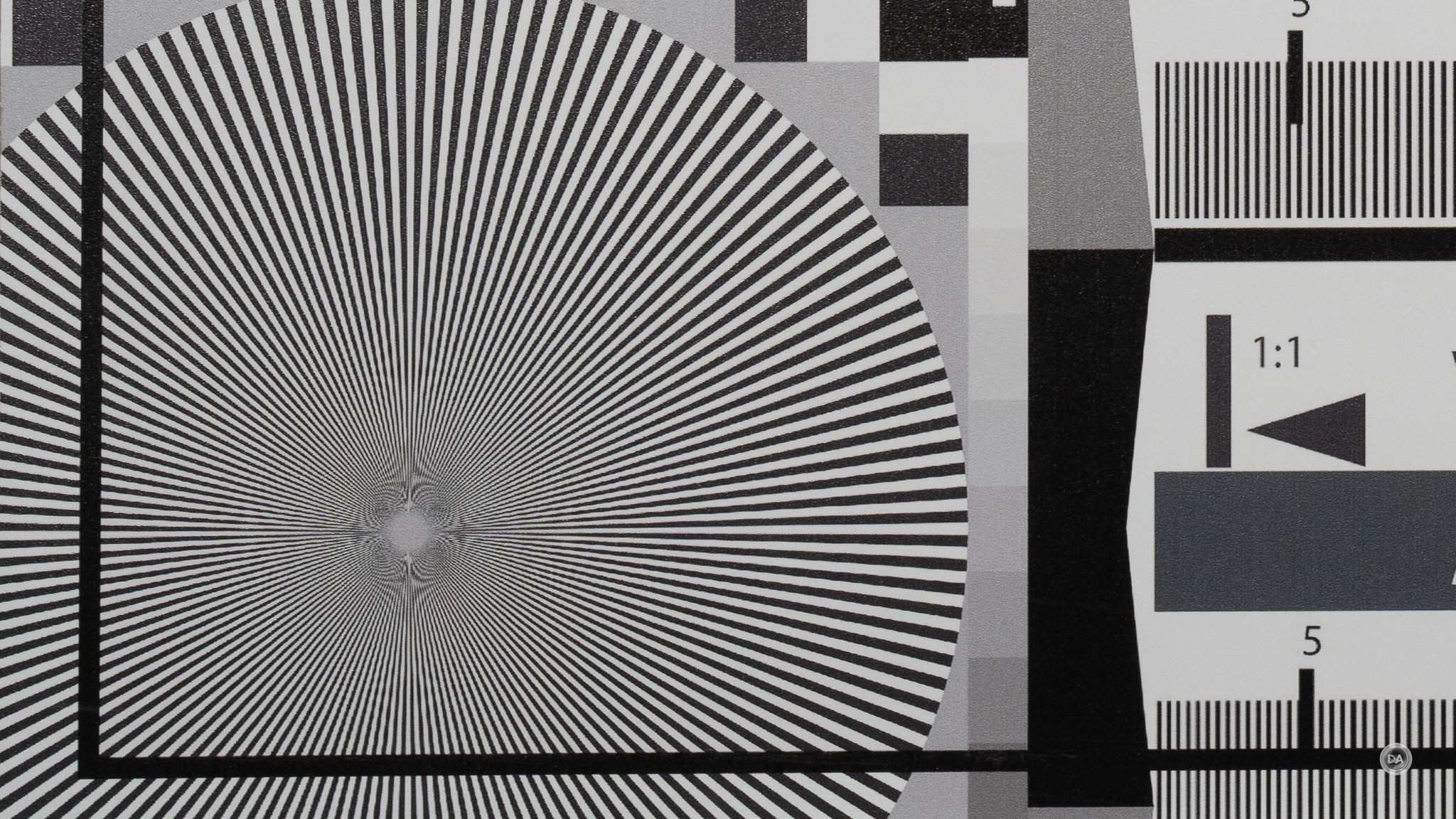
Lateral Chromatic Aberrations (LaCA) show up as color fringing on either side of contrast objects near the edge of the frame. The 85mm F1.2 ART is mercifully clear of this type of fringing.
No red flags here. Sigma has managed to create a bright F1.2 lens largely without optical flaws. Kudos to a great engineering team!
So how about sharpness?
Here’s a look at the test chart that subsequent crops will come from.

My test chart results are shot on a 61MP Sony a7RV and results are shown at a 200% level of magnification. Needless to say, this is a high bar for critiquing results. Here are F1.2 crops from the center, midframe, and lower right corner.



We can see that detail and contrast are consistently good all across the frame. It’s not as sharp in the corners as in the center, obviously, but the corner performance is still quite good.
So how good is this performance? Here’s a look at a comparison with the Sigma 85mm F1.4 DN across the frame. *Don’t draw any conclusions on the fact that the exposure value is identical between these two samples. I’ve changed my chart lighting system since the 85mm F1.4 DN results were taken, and the new lights are more diffused to produce more even illumination.
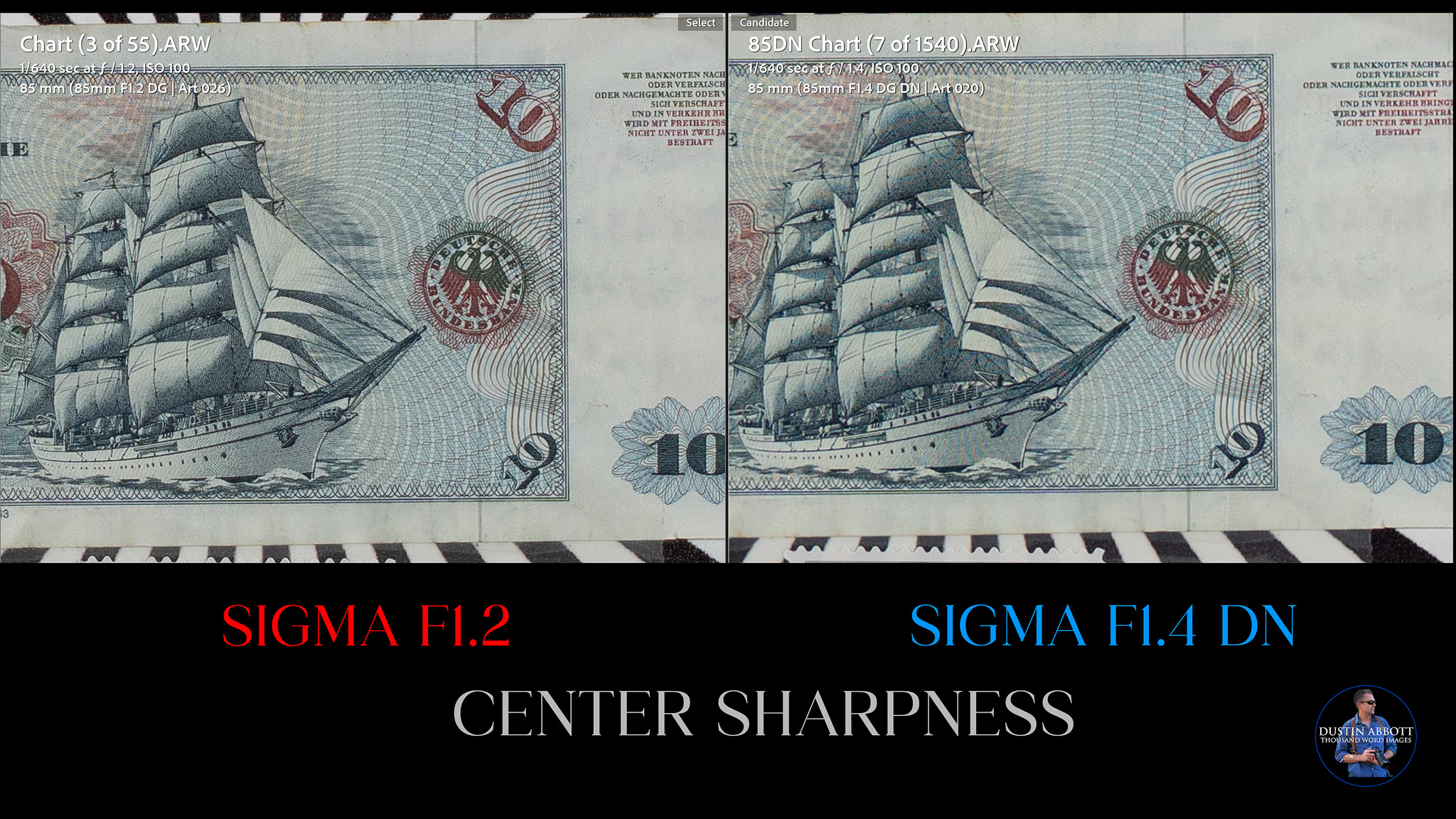
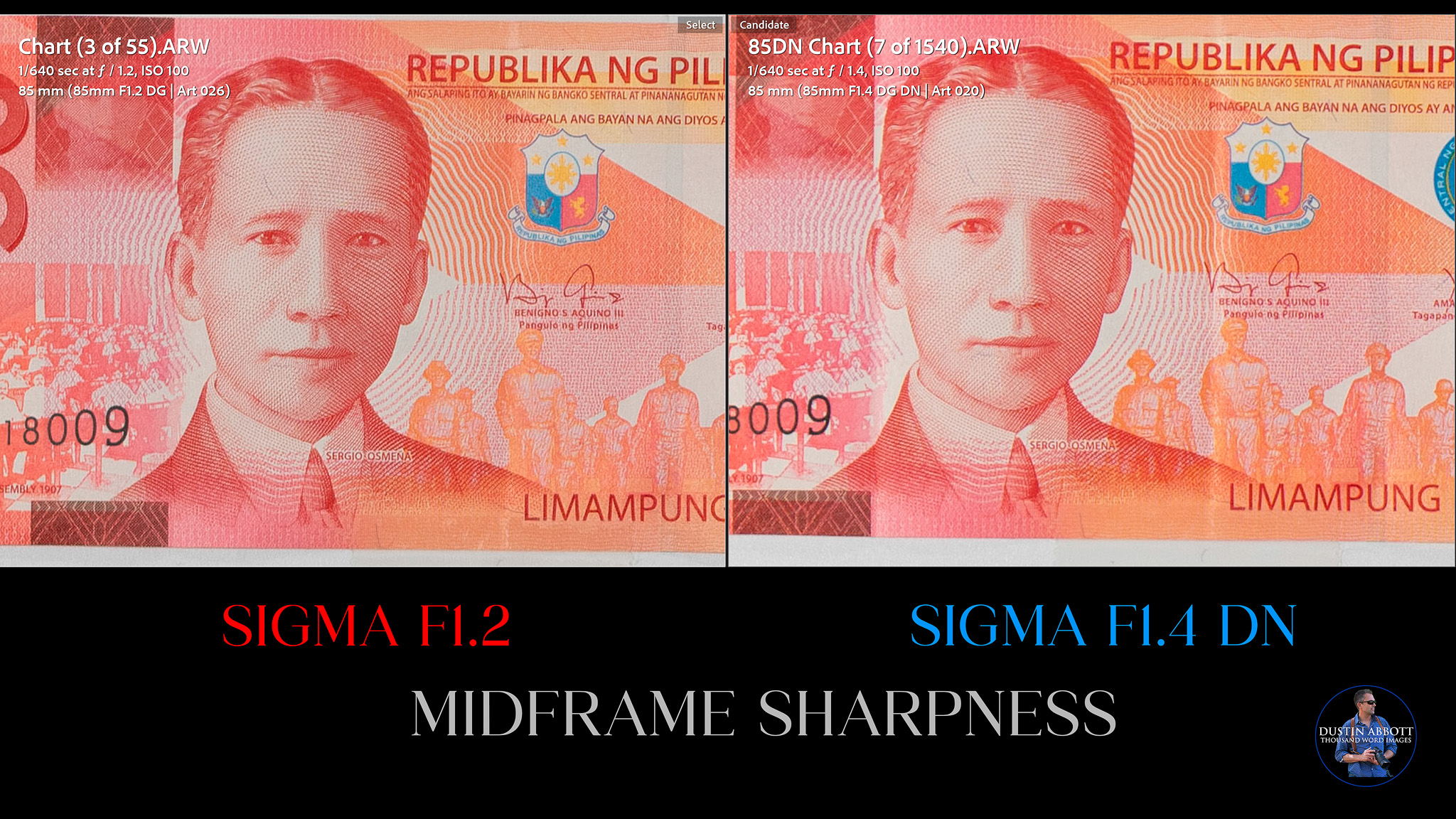
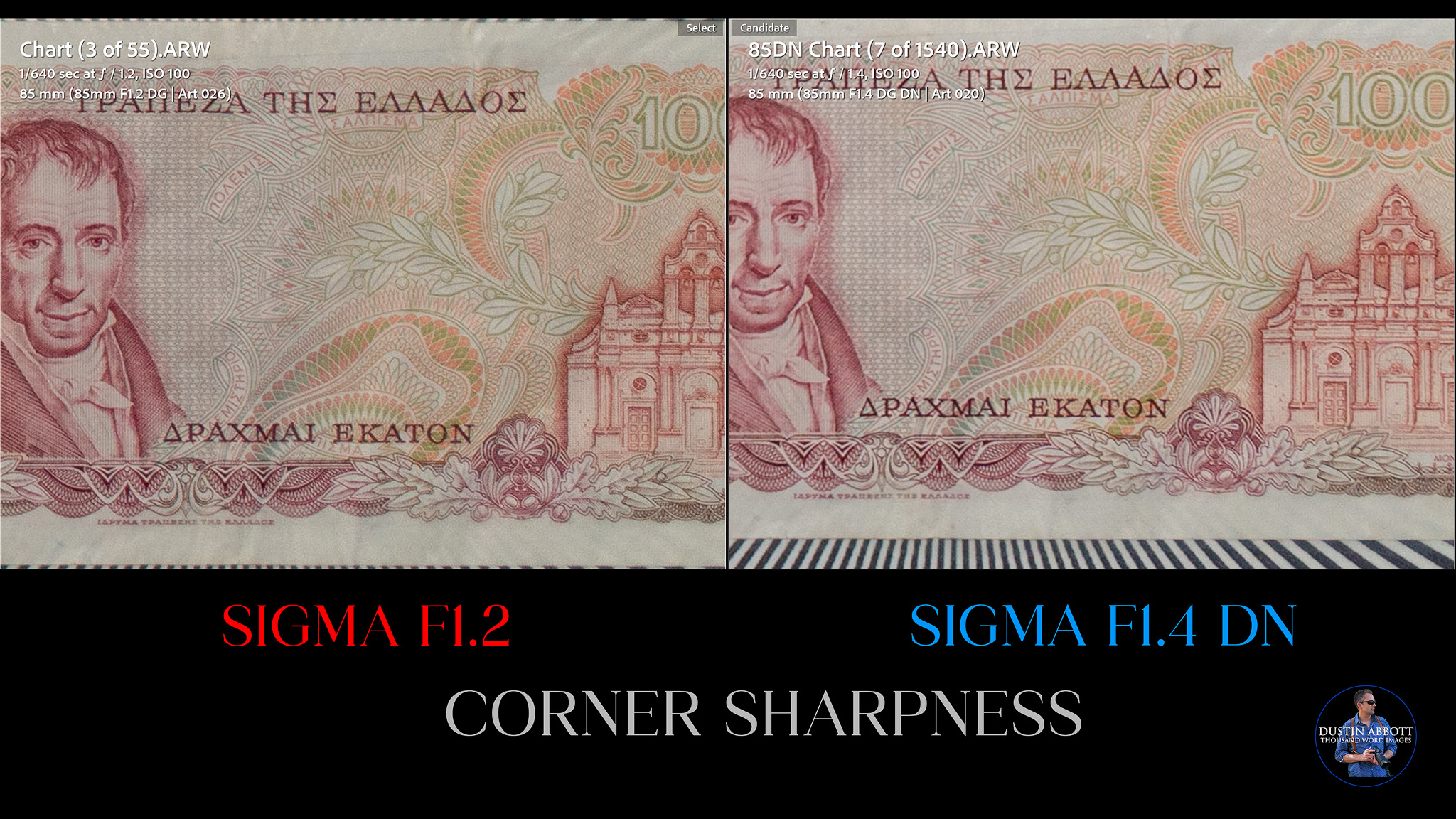
We can see that the 85mm F1.2 ART is, as promised by the MTF, consistently sharper across the frame.
How about an even higher standard – the Sony 85mm F1.4 GM II? I have found this to be the sharpest 85mm lens that I’ve ever tested.
The results were more nuanced here, with the Sigma looking better in the center, but the Sony looking better in the midframe and the corners.
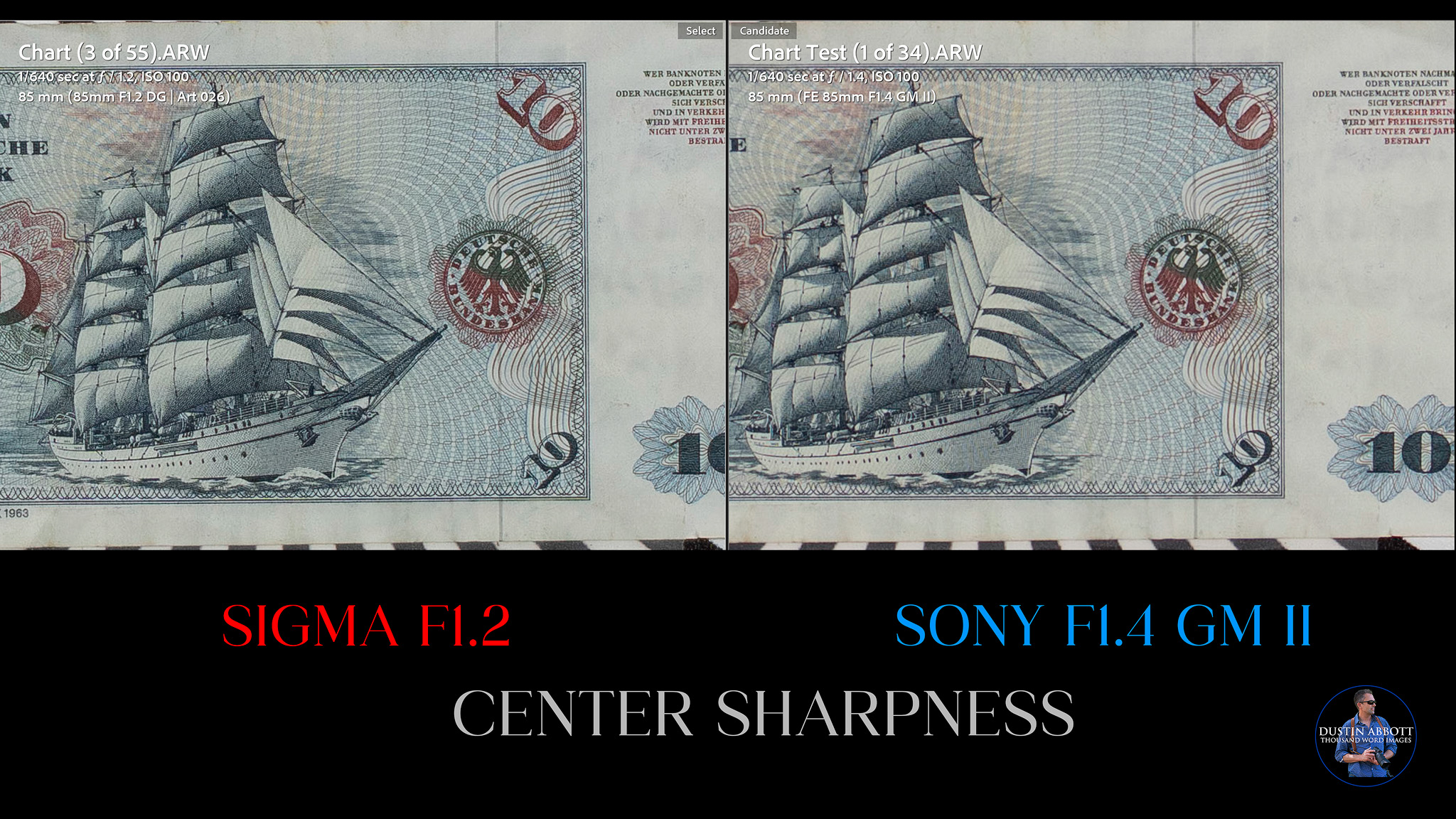
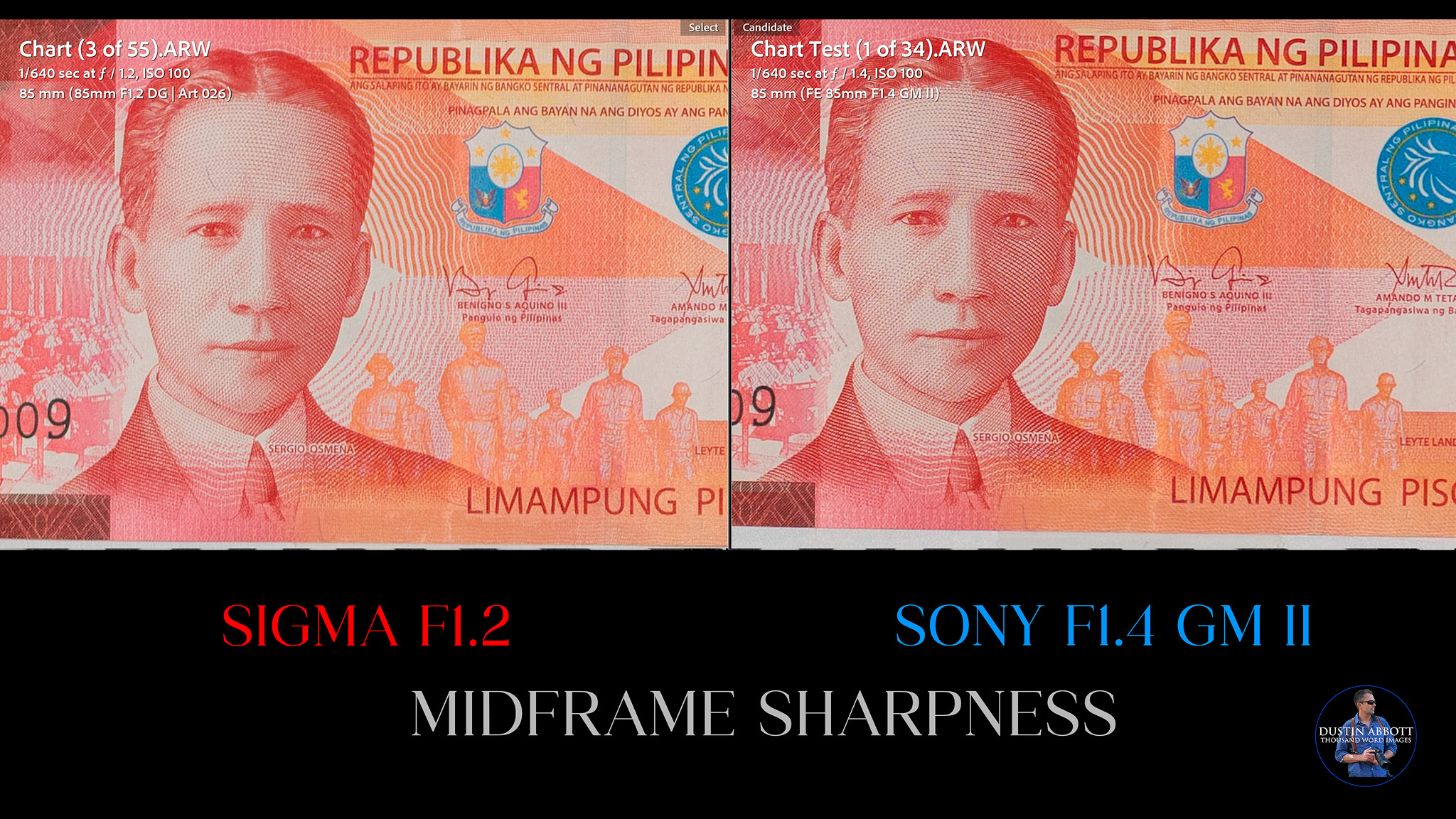
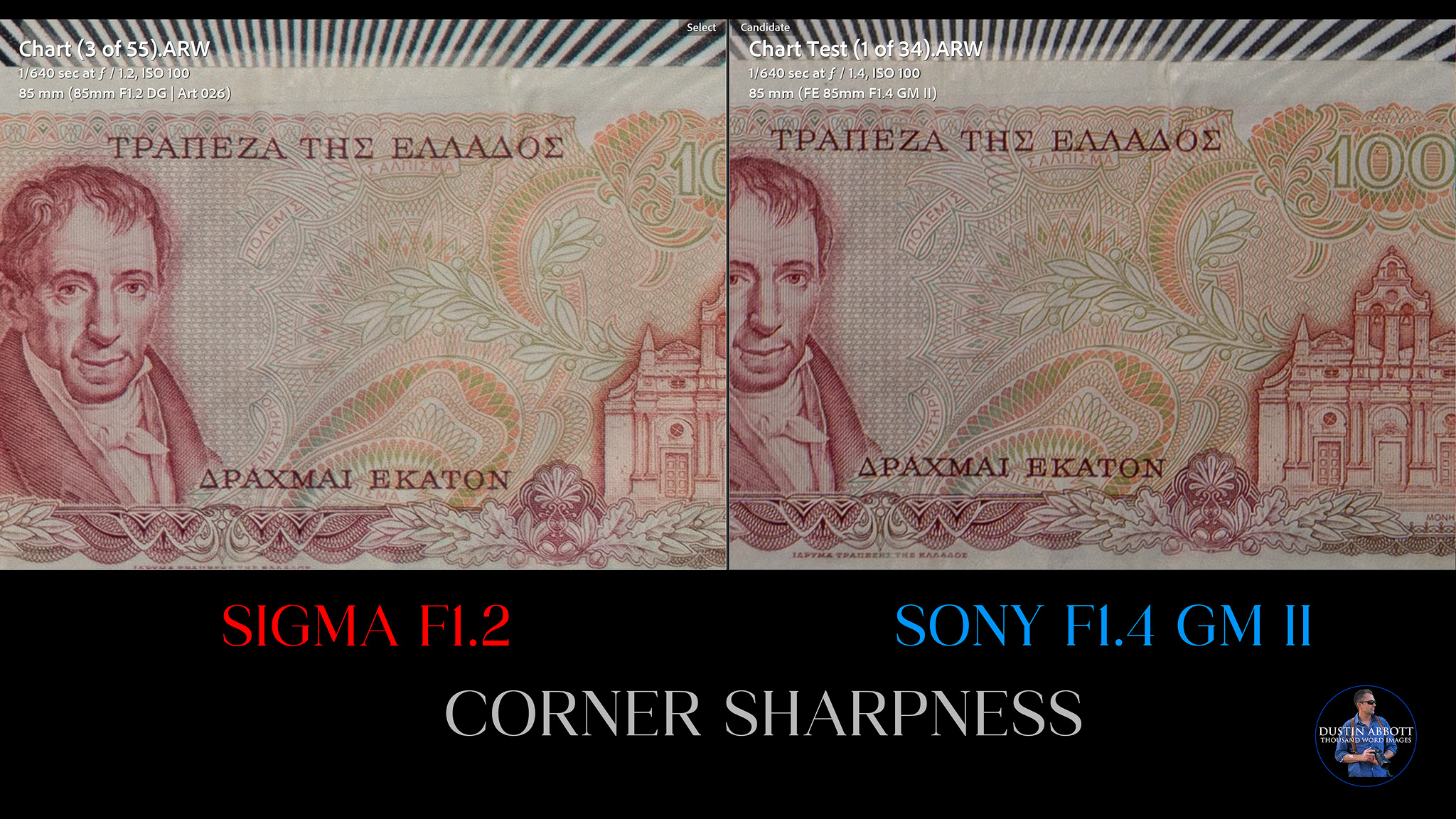
Stopping the Sigma down to F1.4 doesn’t quite get it to the Sony’s level in those parts of the frame.
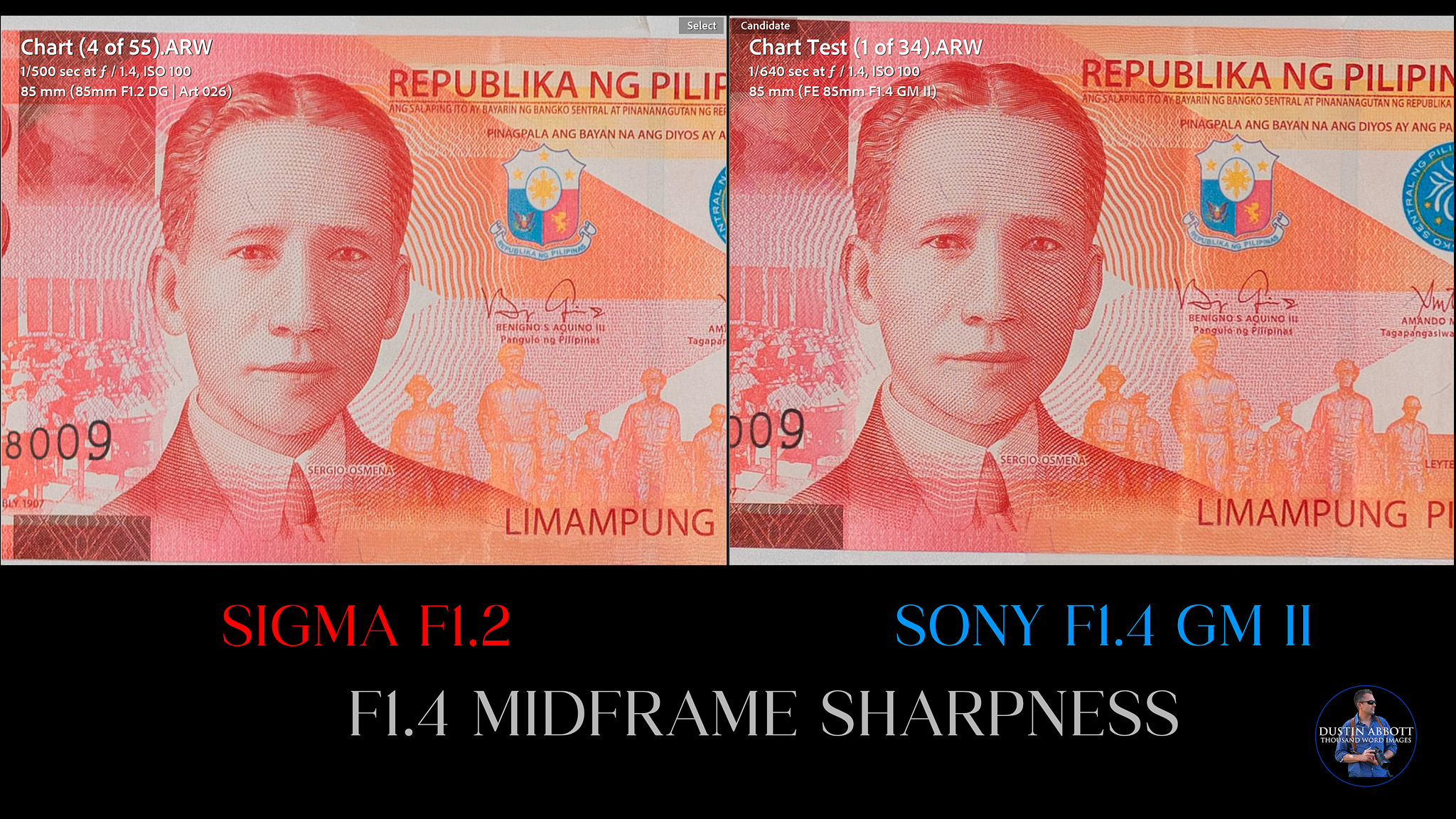
Bottom line is that the Sigma is competing with the very best for sharpness and contrast. I never had an image shot at any aperture where I was looking for more sharpness than I found.
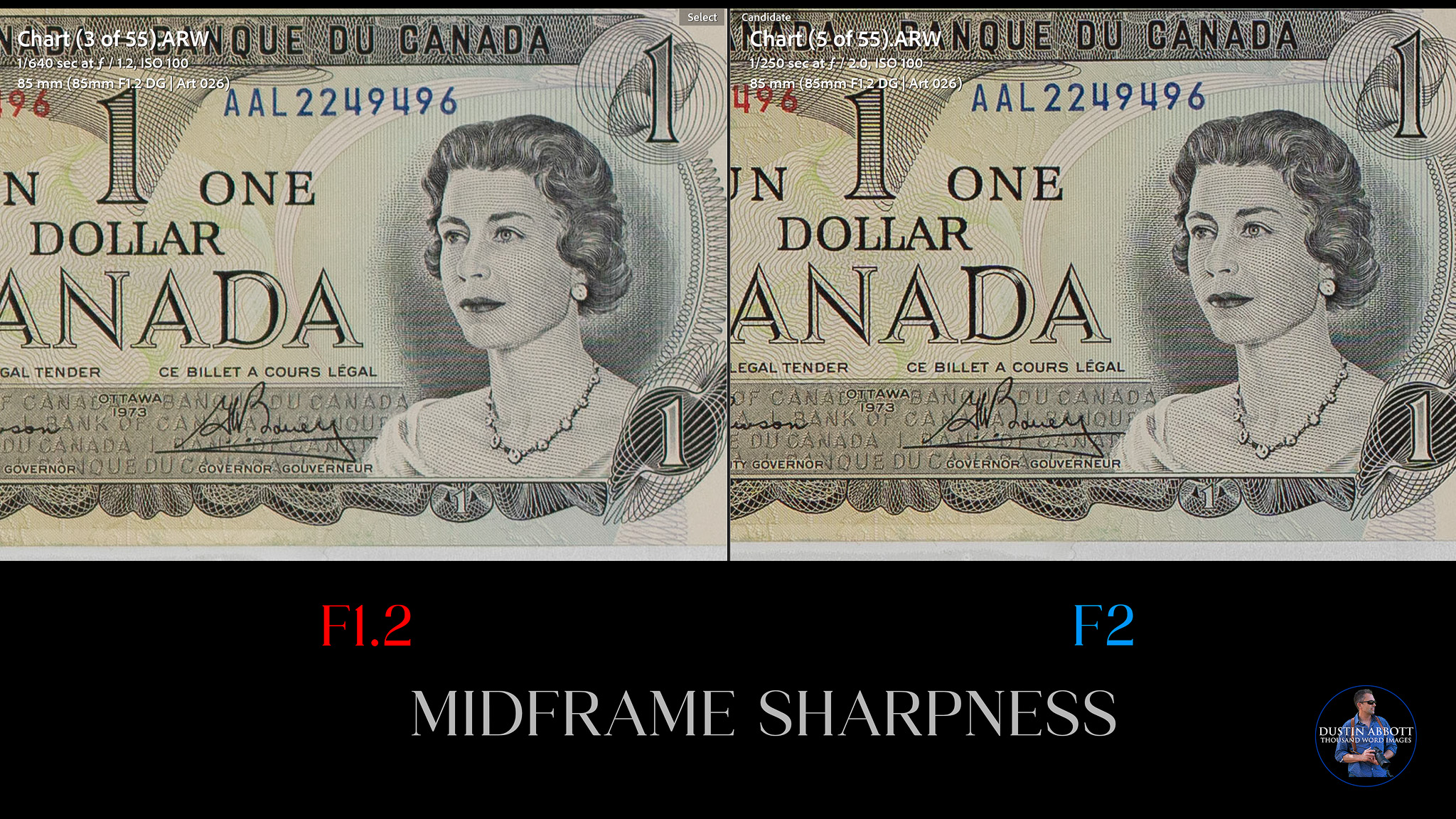
Stopping down to F2 further improves sharpness and contrast. The contrast here in the midframe is in the absolutely fantastic range that few lenses achieve.
Past F2 most gains will be seen in the corners, as the image quality is essentially perfect elsewhere.
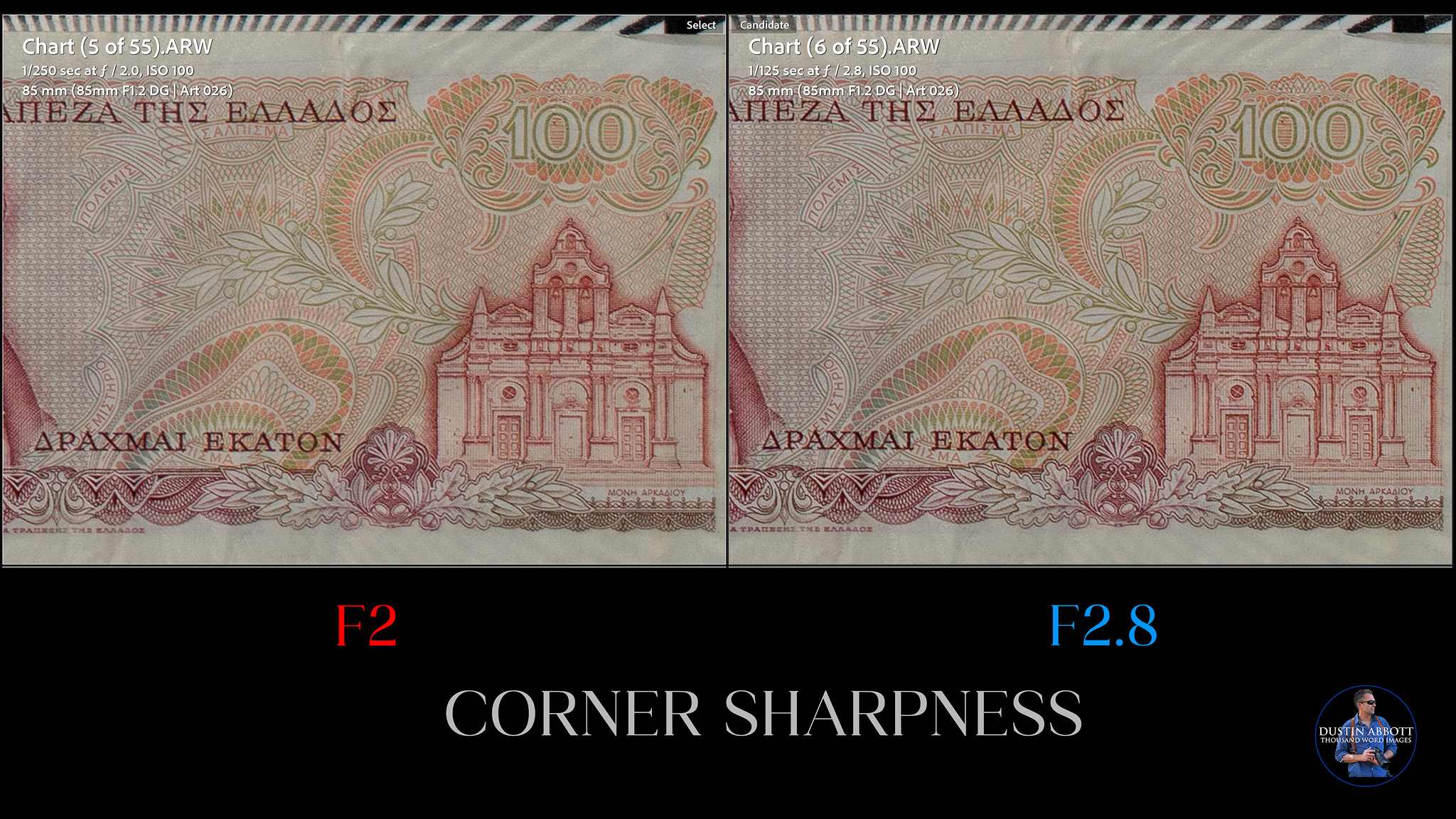
I saw perhaps a fraction of a percent more at F4 and F5.6 in the corners, but no one is probably going to notice without having results side by side, like this:
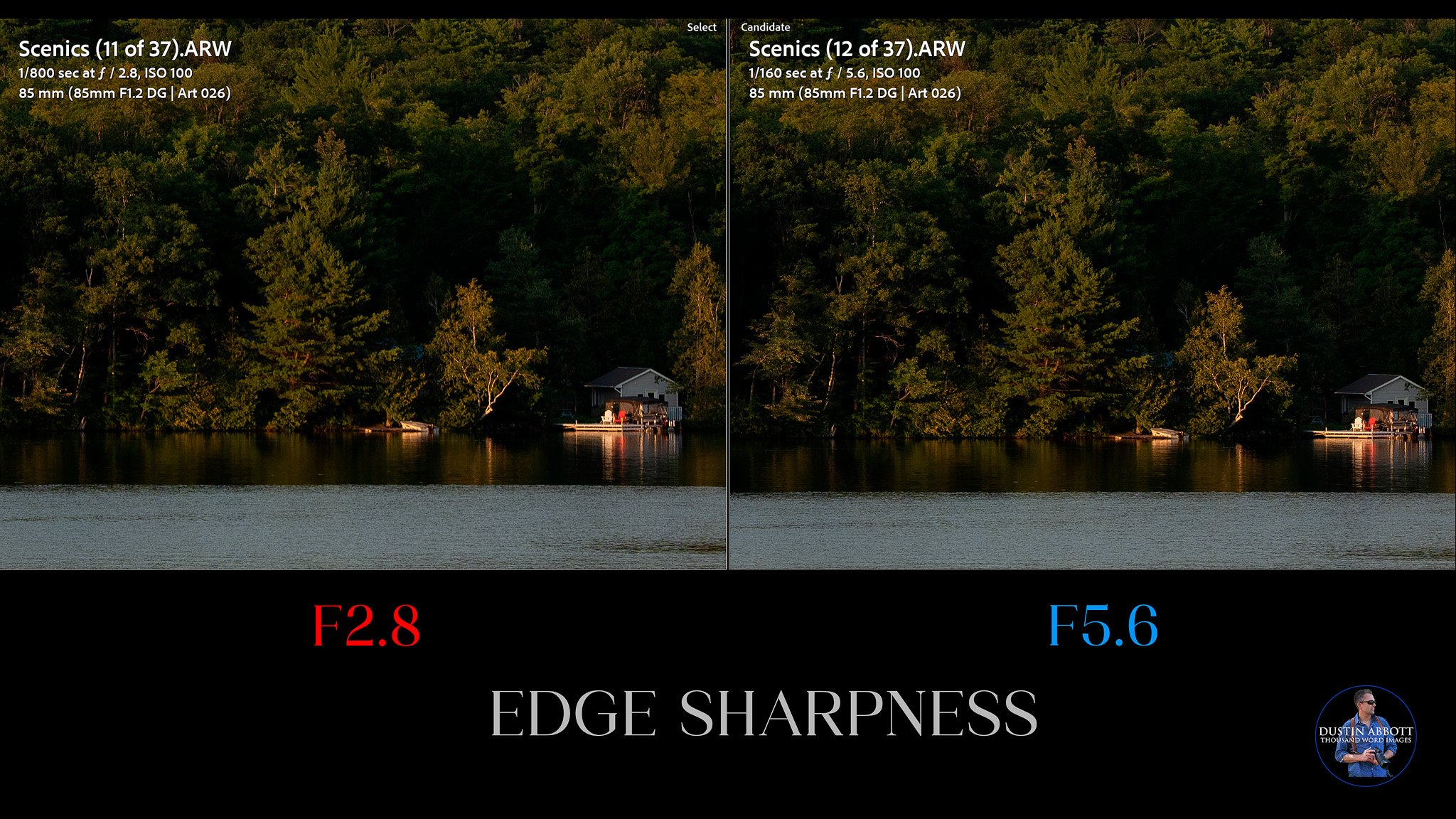
Image quality stays extremely sharp through F8, with some softening arriving by F11 and more by the minimum aperture of F16 due to diffraction on my high resolution camera.
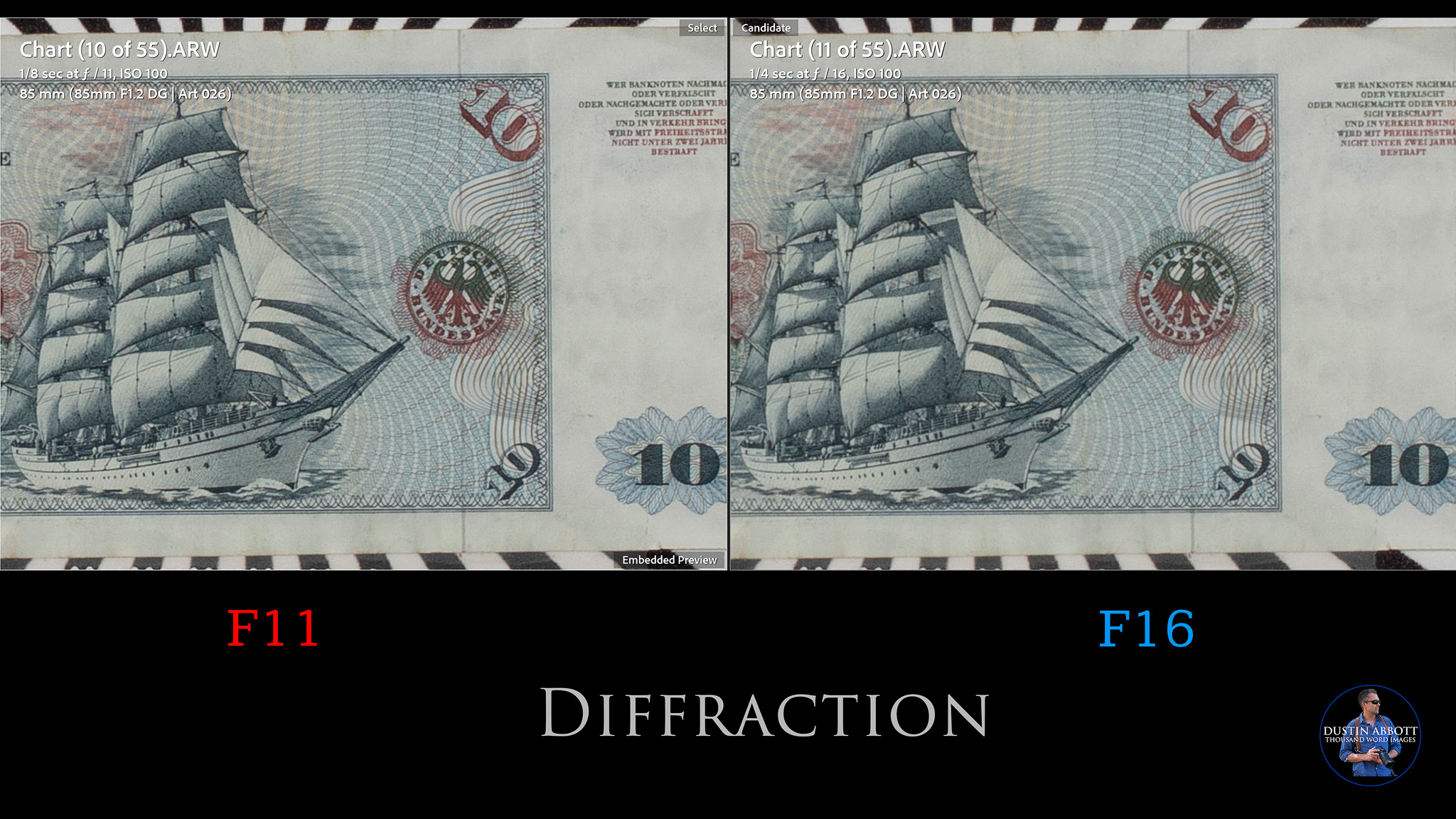
Even the sharpest lenses must bow to physics.
We’ve established that this is an extremely sharp lens, but what about the rendering? In my review of the Sony 85mm F1.4 II, I critiqued the fact that while the lens was ridiculously sharp, I actually didn’t love the images from it. I found the rendering somewhat flat. Does the Sigma fall into the same trap?
First of all, let’s take a closer look at the specular highlights.
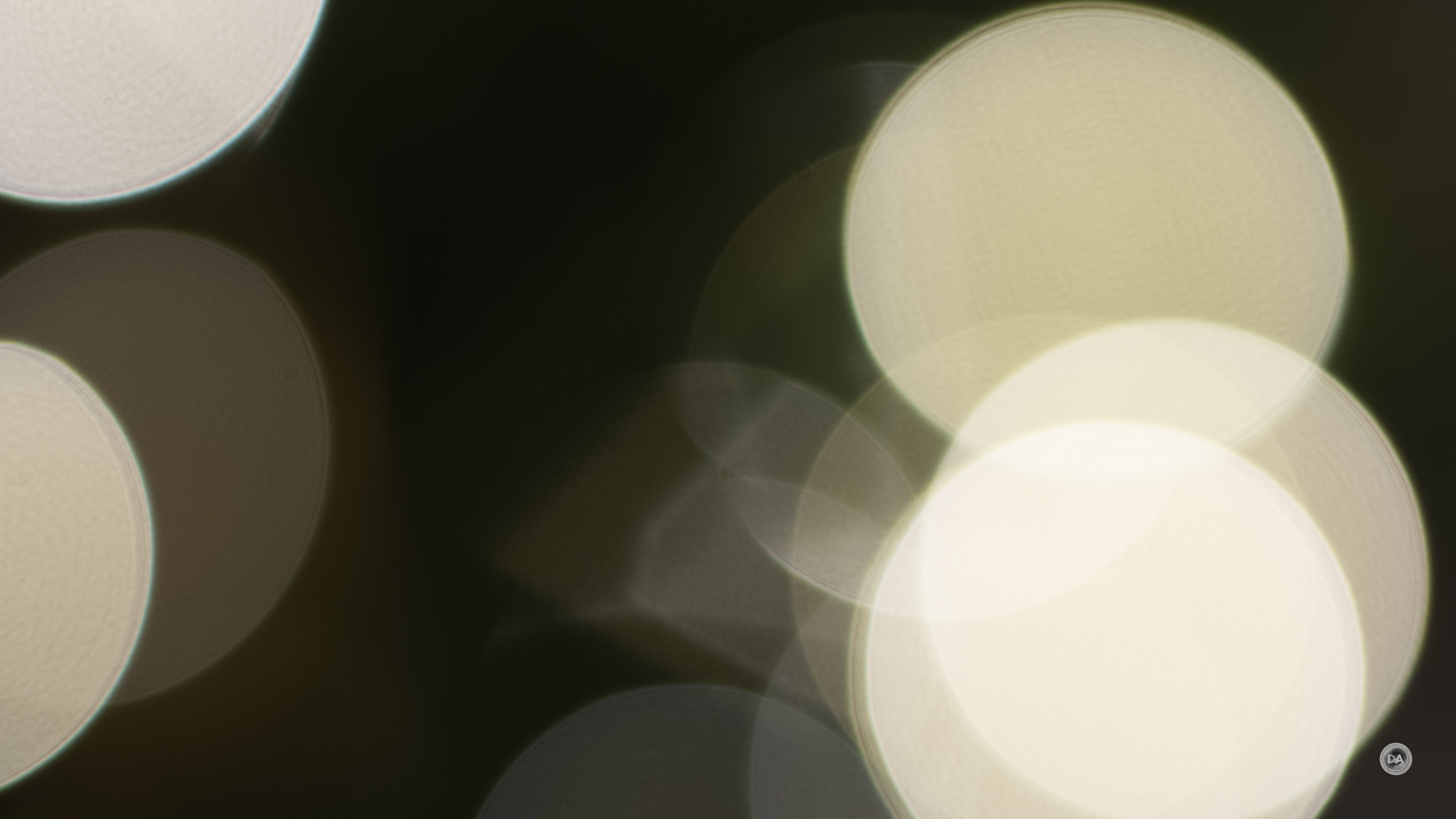
We can see that they have only minor fringing, no obvious inner line, and only some slight busyness in them. Definitely nothing like concentric rings or “onion bokeh”.
That is a good start.
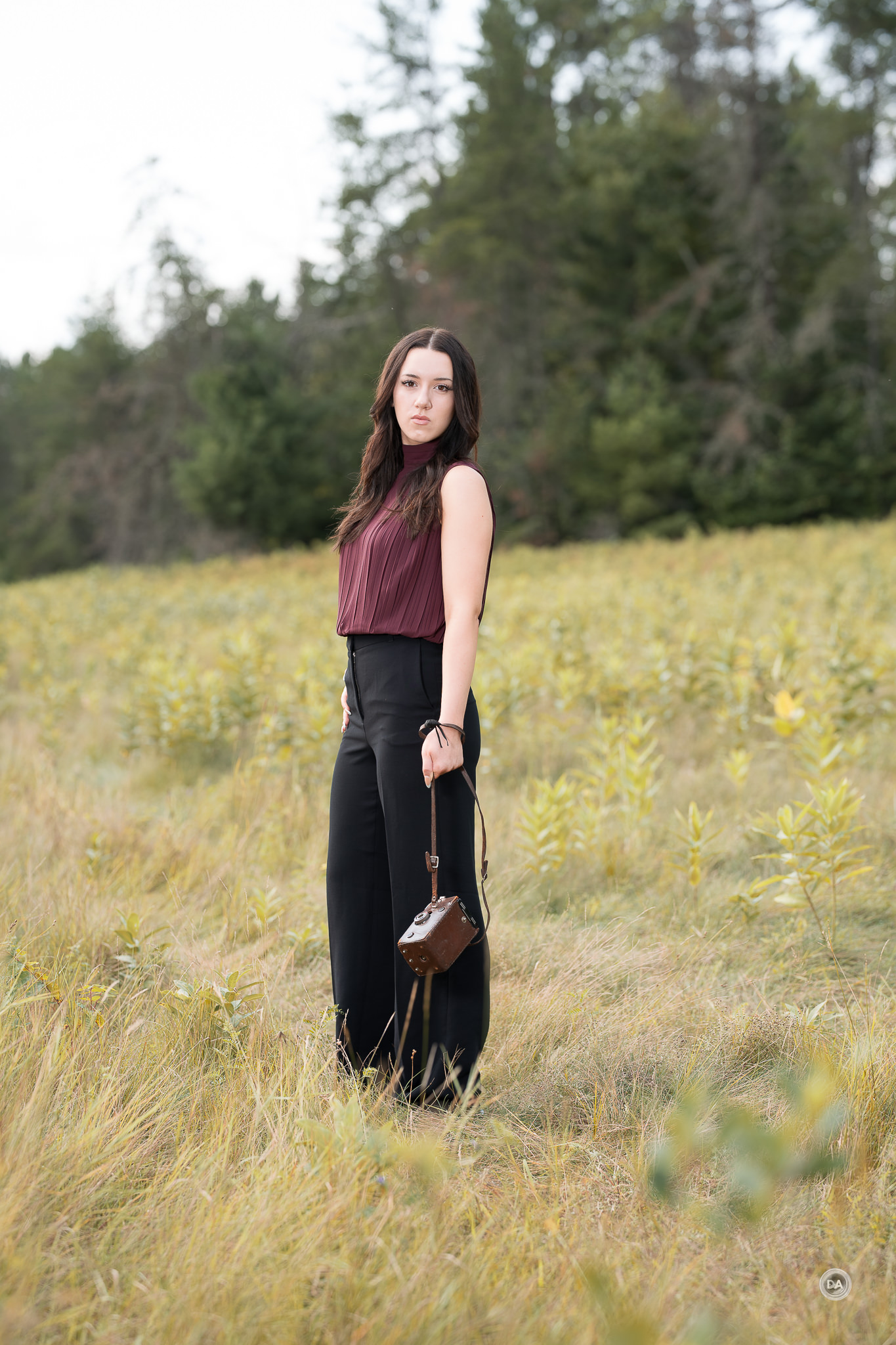
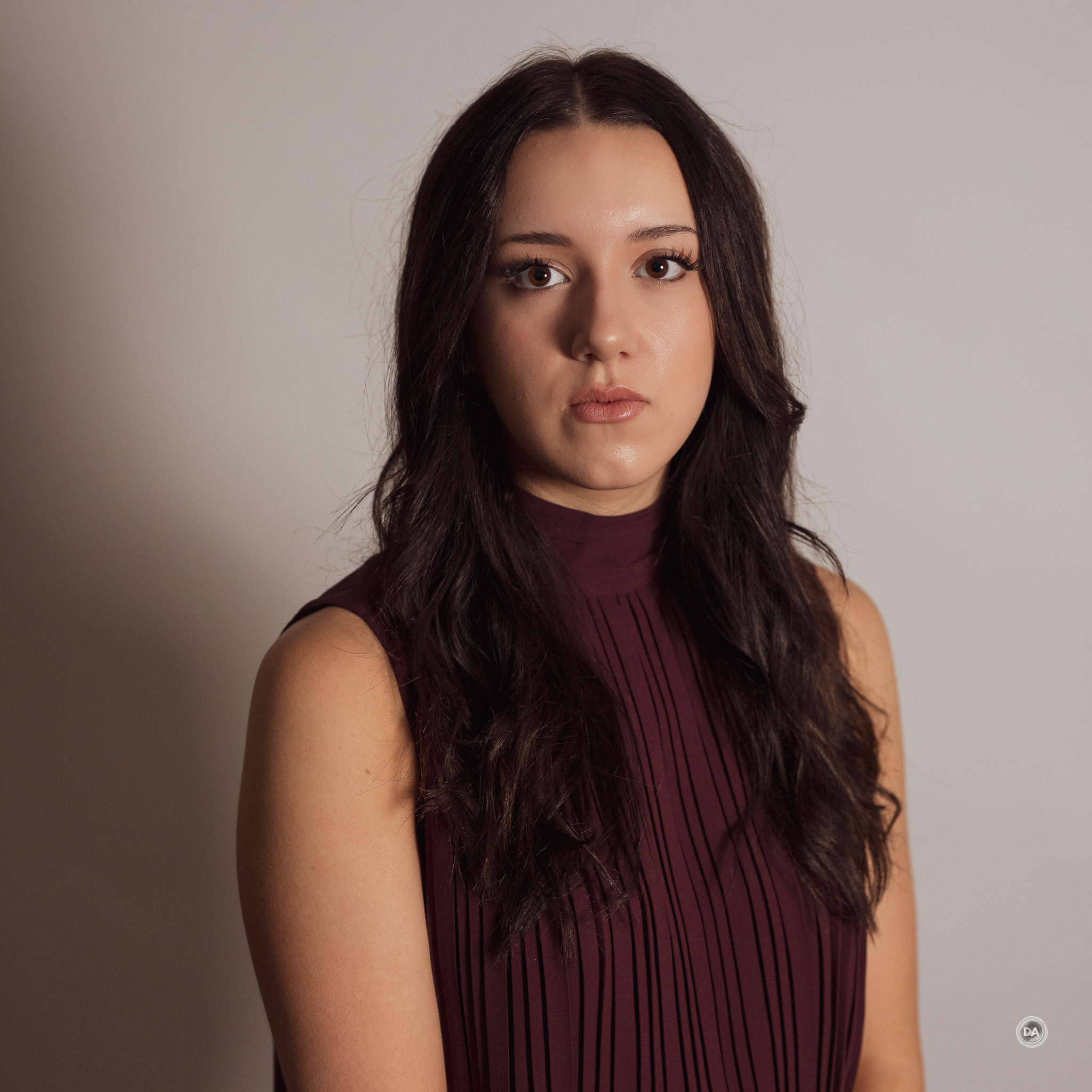
If we look at the portrait above, it is obvious that there is an intense amount of subject isolation at F1.2. The subject isolation is roughly equal to that of an 135mm F1.8, and many would find the 85mm F1.2 easier to work with because of the more flexible working distance.

Even stopping down to smaller apertures, like F2.8 here, allows for a very nice transition to defocus.

*I used the Neewer Q4 Pro light for these portraits, which I reviewed here. It is a very affordable way to get a LOT of light on your subject.
F1.2 allows for beautifully shallow depth-of-field at closer focus distances, allowing backgrounds to look very soft and creamy.

This shot is of a more complicated scene, with more hard edges and less distance from the subject to the background. I don’t love it, but I think it still looks relatively good.

Having that bright aperture gives you options even when shooting landscapes, allowing me to play with where I wanted the eye to travel to in these shots.


In general, I would say that I found the bokeh pleasing from the 85mm F1.2 ART, which makes it more desirable to me than the G Master.

Sigma has utilized their newest coatings to help minimize flare. Most of these portrait shots were shot against bright backlighting, as my intent was in part to test the flash unit to see if it could provide sufficient front lighting to offset the backlighting. You can see that the coatings have done a great job, and there are no flare artifacts messing up the image.
The sun was shining through the trees so intensely in this shot that I couldn’t stand to look at it, and yet there is minimal impact from flare.
That’s a huge asset in a portrait lens, as it means that a portrait photographer has far more flexibility in the kinds of lighting situations (particularly backlighting and side-lighting) that are usable.
Colors are nice and rich, with good saturation levels. Sigma grinds their own optical glass, and it is good stuff.
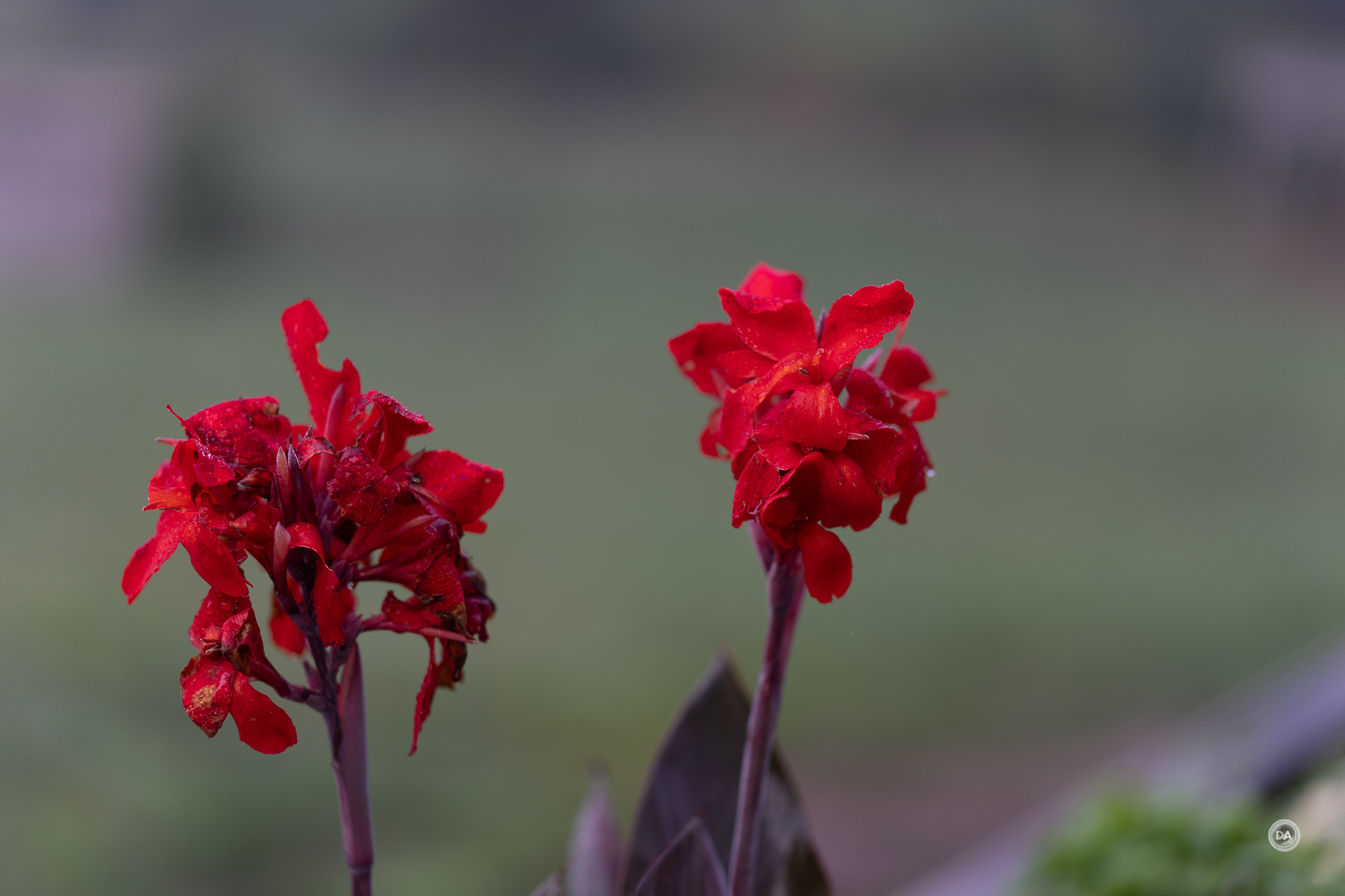


In general, I think that Sigma has nailed this lens. It may not have quite as “dreamy” of bokeh as a lens like the older Canon EF 85mm F1.2L II, but it has beautiful rendering while also avoiding all of the optical and functional issues that the old Canon had. Here’s a mini gallery of extra images for you to enjoy.



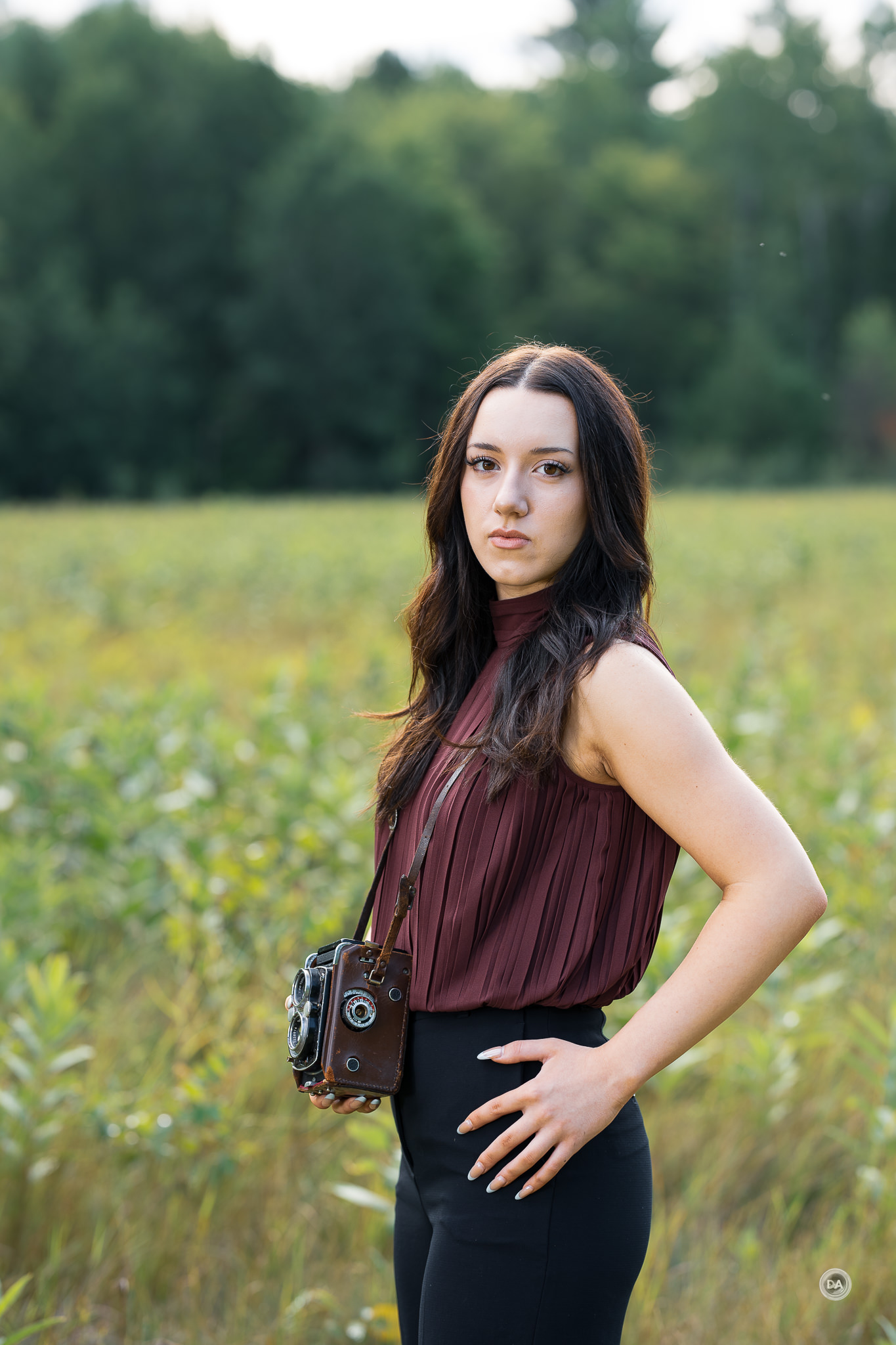





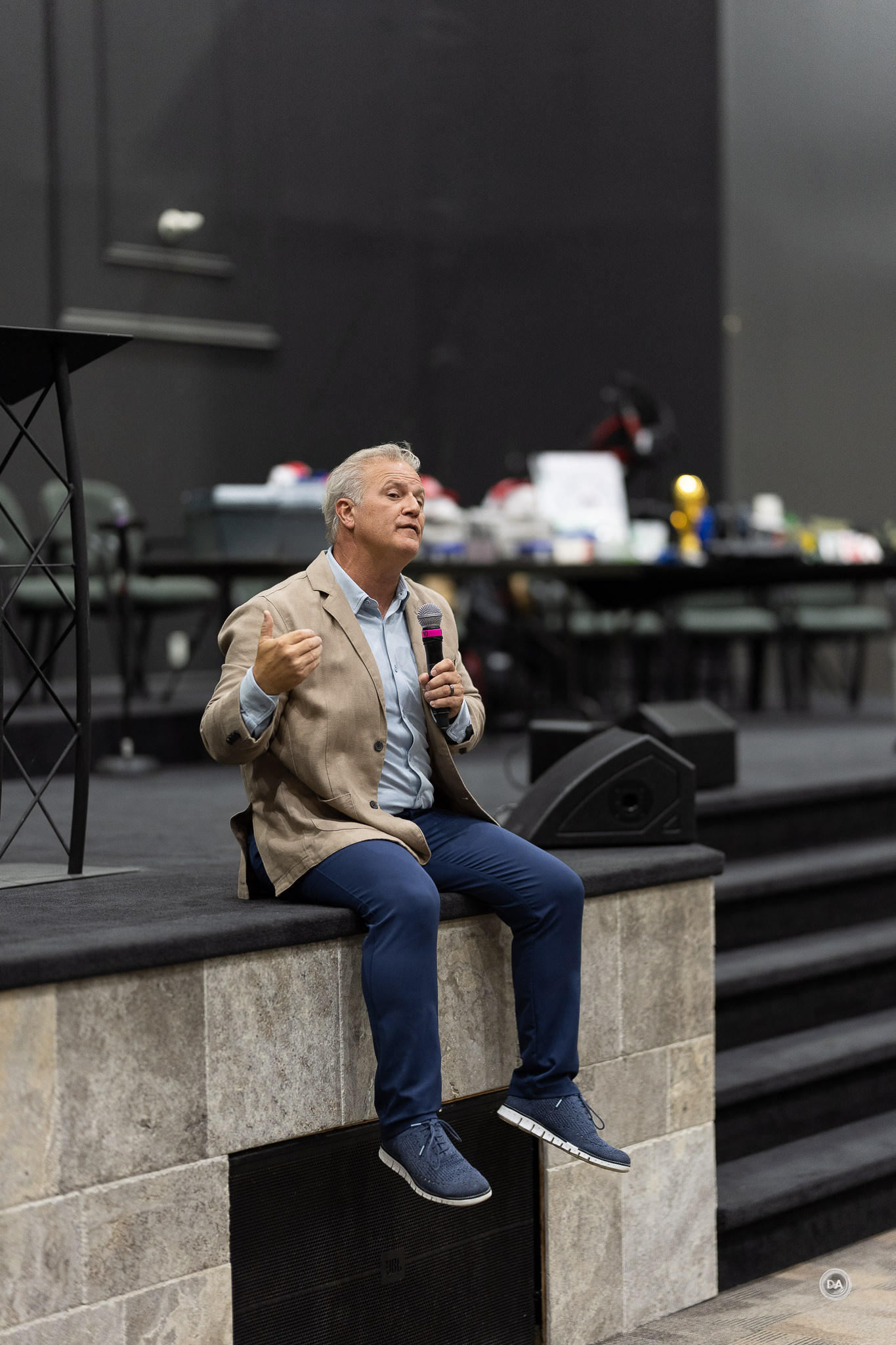
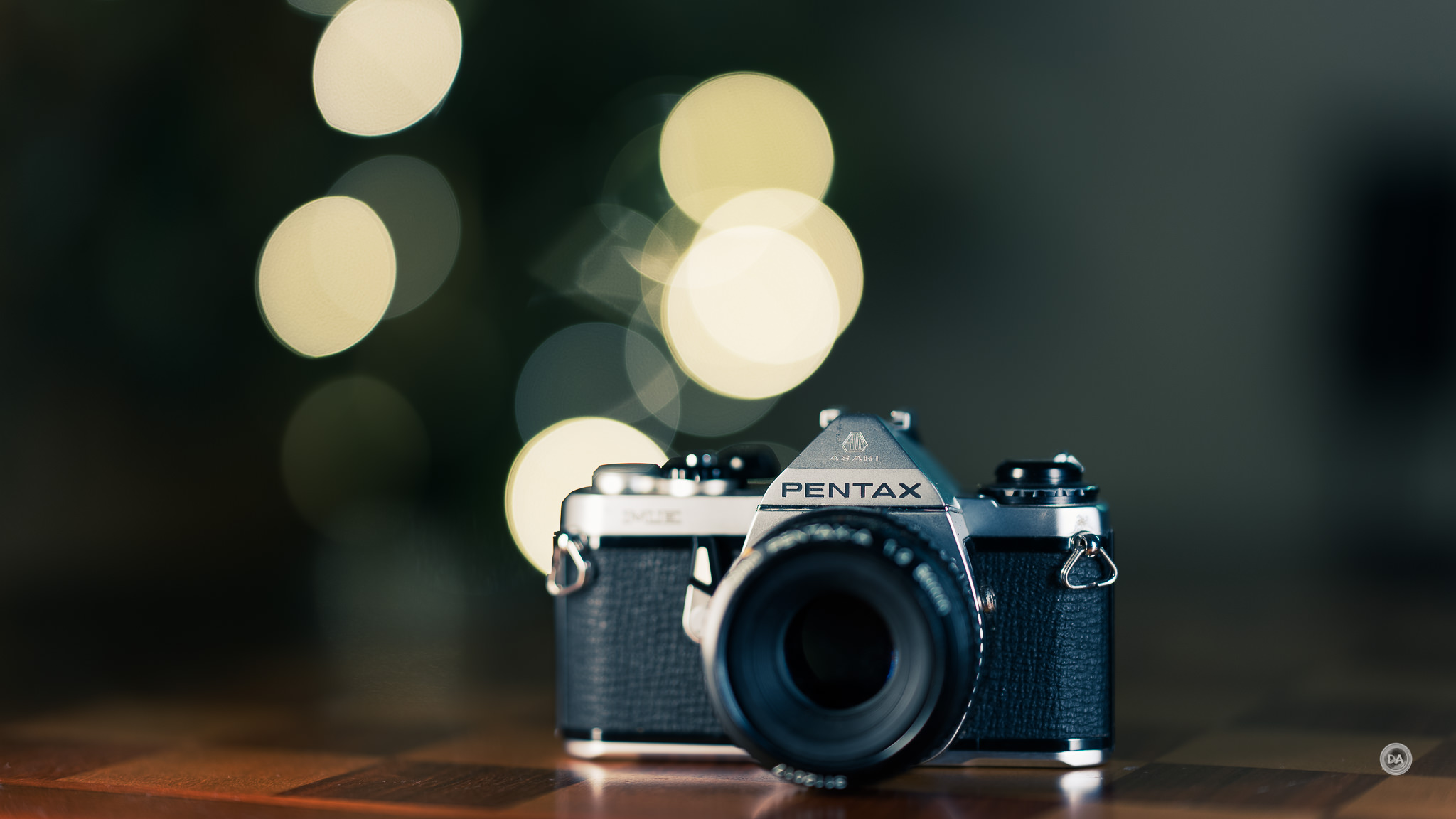




Conclusion
If the reports of upcoming releases are to be believed, this is the first of several 85mm F1.2 lenses that will make their way to Sony E-mount, L-mount, and at least some of them to Nikon Z-mount. Once a lens has been done, it seems like others find a way to do it, too. I suspect the most significant challenger will be the Viltrox LAB 85mm F1.2 based on other lenses in the series, but there’s no question that Sigma holds a unique position amongst the third-party lenses that make prime lenses. Sigma has forged a well-deserved reputation for excellence by repeatedly designing lenses that compete with more expensive first-party lenses in both performance and features. What’s more, people feel like their quality control and durability is better than other less expensive competitors, and I would have to agree.
Their pricing, while higher than the new Chinese brands competing in this space, is always considerably lower than the first-party alternatives, though that is confused somewhat here by the fact that there really isn’t a first-party F1.2 alternative on Sony, though the Sigma is still $400 less than Sony’s F1.4 option. If we compare to Canon and Nikon, however, we get a fairer picture, and the Sigma comes in at just over half as much as those lenses. Few lenses are a bargain at $1600, but this just might be one.

At the end of the day, however, I think I would take this lens over any of those alternatives. The Sigma 85mm F1.2 DG | ART provides the best combination of size, weight, features, autofocus, sharpness, and rendering. It isn’t necessarily the best in all of those categories, but it provides the best balance of those qualities, in my opinion. It is the one I’d buy.

Pros:
- Exceptional Sharpness: Delivers outstanding image quality at F1.2; sharpness holds up across the frame, making it suitable for detailed portrait work.
- Lightweight & Compact Design: Weighs only 950g, making it lighter than competitors like the Canon RF 85mm F1.2L and Nikkor Z 85mm F1.2 S, enhancing portability for photographers on the go.
- Fast Autofocus: Equipped with dual HLA motors for quick and accurate focusing, ensuring you don’t miss key moments, especially in fast-paced environments.
- Minimal Focus Breathing: Effective design minimizes focus shifts during video recording, making it suitable for both stills and video work.
- High Build Quality: Features a robust and sleek design with excellent ergonomics, complemented by weather sealing for outdoor shooting.
- Versatile Aperture Control: The aperture ring can be set to click or smoothly glide, catering to both stills photographers and videographers.
- Pleasant Bokeh: Produces beautiful background blur with a high blade count, enhancing the aesthetic quality of portraits.
- Effective Flare Control: Specialized coatings minimize flare, allowing for better performance in challenging lighting situations.
- Value for Money: Compared to first-party lenses, it offers similar or better performance at a more accessible price point.
Cons:
- No Included Case:
- The lack of a padded carrying case, previously standard for Sigma lenses, could deter buyers who expect a full package.
- Minimally Effective Minimum Focus Distance: Lower level of magnification than many competitors
- Weight Consideration: Although lighter than competitors’ offerings, some users may still find it bulky compared to prime lenses with smaller apertures.
_________________________________________________________________________
GEAR USED:
Purchase the Sigma 85mm F1.2 ART @ B&H Photo | Adorama | Amazon | Camera Canada | Amazon Canada | Amazon UK | Amazon Germany
Purchase the Sigma 35mm F1.2 DG II | ART @ B&H Photo | Adorama | Amazon | Camera Canada | Amazon Canada | Amazon UK | Amazon Germany
Purchase the Sigma 135mm F1.4 ART @ B&H Photo | Adorama | Amazon | Camera Canada | Amazon Canada | Amazon UK | Amazon Germany
___________________________________________________________________
Purchase the Sony a7RV @ B&H Photo | Adorama | Amazon | Camera Canada | Sony Canada | Amazon Canada | Amazon UK | Amazon Germany
__________________________________________________________________
Purchase the Sony a7IV @ B&H Photo | Adorama | Amazon | Camera Canada | Sony Canada | Amazon Canada | Amazon UK | Amazon Germany
_________________________________________________________________
Purchase the Sony Alpha 1 @ Camera Canada | B&H Photo | Adorama | Amazon | Sony Canada | Amazon Canada | Amazon UK | Amazon Germany | Ebay
_________________________________________________________________
Want to support this channel? Use these affiliate links to shop at: B&H Photo | Amazon | Adorama | Camera Canada | Amazon Canada | Amazon UK | Ebay | Make a donation via Paypal
Buy DA Merchandise https://bit.ly/TWIMerch

Keywords: Sigma 85mm, 85mm ART, 85mm F1.2, 85 f/1.2, DG, ART, Sigma 85mm ART, Sigma 85mm F1.2, Sigma 85mm F1.2 ART, Sigma 85 ART Review, #SIGMAEmount, #SIGMA #SIGMA85mmF12ART, Viltrox LAB, LAB 85mm, #SIGMAART, Full Frame, Review, Sony Alpha 1, Sony α II, Sony a7RV, a7RVI, Review, Hands On, Dustin Abbott, Real World, Comparison, Sharpness, Bokeh, Flare Resistance, Autofocus, Image Quality, Sample Images, Video, Photography, let the light in, weathersealing, #letthelightin, DA
Related posts:
 Sigma 35mm F1.4 DG II | ART Review
 Sigma 35mm F1.2 DG II | ART Review
 Sigma 24-70mm F2.8 DG DN II | ART Review
 Sigma 24-70mm F2.8 DN II Gallery
 Sigma 28-45mm F1.8 DG DN | ART Review
 Sigma 28-45mm F1.8 DG DN | ART Gallery
 Sigma 28-105mm F2.8 DG DN | ART Review
 Sigma 28-105mm F2.8 DG DN ART Gallery
 Sigma 135mm F1.4 DG | ART Review
 Sigma 17-40mm F1.8 DC | ART Gallery