

- Nikkor Z 20mm F1.8 S
- Nikkor Z 24mm F1.8 S
- Nikkor Z 35mm F1.8 S
- Nikkor Z 50mm F1.8 S
- Nikkor Z 85mm F1.8 S
SUMMARY: The Nikon Nikkor Z 20mm F1.8 S is a high-performing wide-angle lens that balances quality and accessibility, occupying a unique space among competitors in the Z-mount. Released in 2020, it has garnered a reputation for delivering sharp images, impressive flare resistance, and solid autofocus, though it comes at a higher price point compared to similar lenses. While it excels in image quality and is robustly built, its size and weight may deter some photographers seeking a more compact option. Overall, the lens stands strong in 2026, providing excellent performance for a diverse range of photographic needs.
Strengths:
- High image quality with sharpness and contrast across the frame.
- Excellent flare resistance due to advanced coatings.
- Robust construction with effective weather sealing.
- Solid autofocus performance in still shooting and video.
Weaknesses:
- Larger and heavier than other lenses in the F1.8 S-Line, making it less portable.
- Higher price point than competitors, which may deter budget-conscious photographers.
- Autofocus performance struggles with fast-moving subjects in action situations.
_________________________________________________________________________________________________

So while there isn’t much in terms of competition, that in no way diminishes the fact that this is an excellent lens…and I would argue that few need a brighter maximum aperture than F1.8 in a lens this wide anyway. Let’s a take a closer look…
Nikkor 20mm F1.8 S Build and Handling
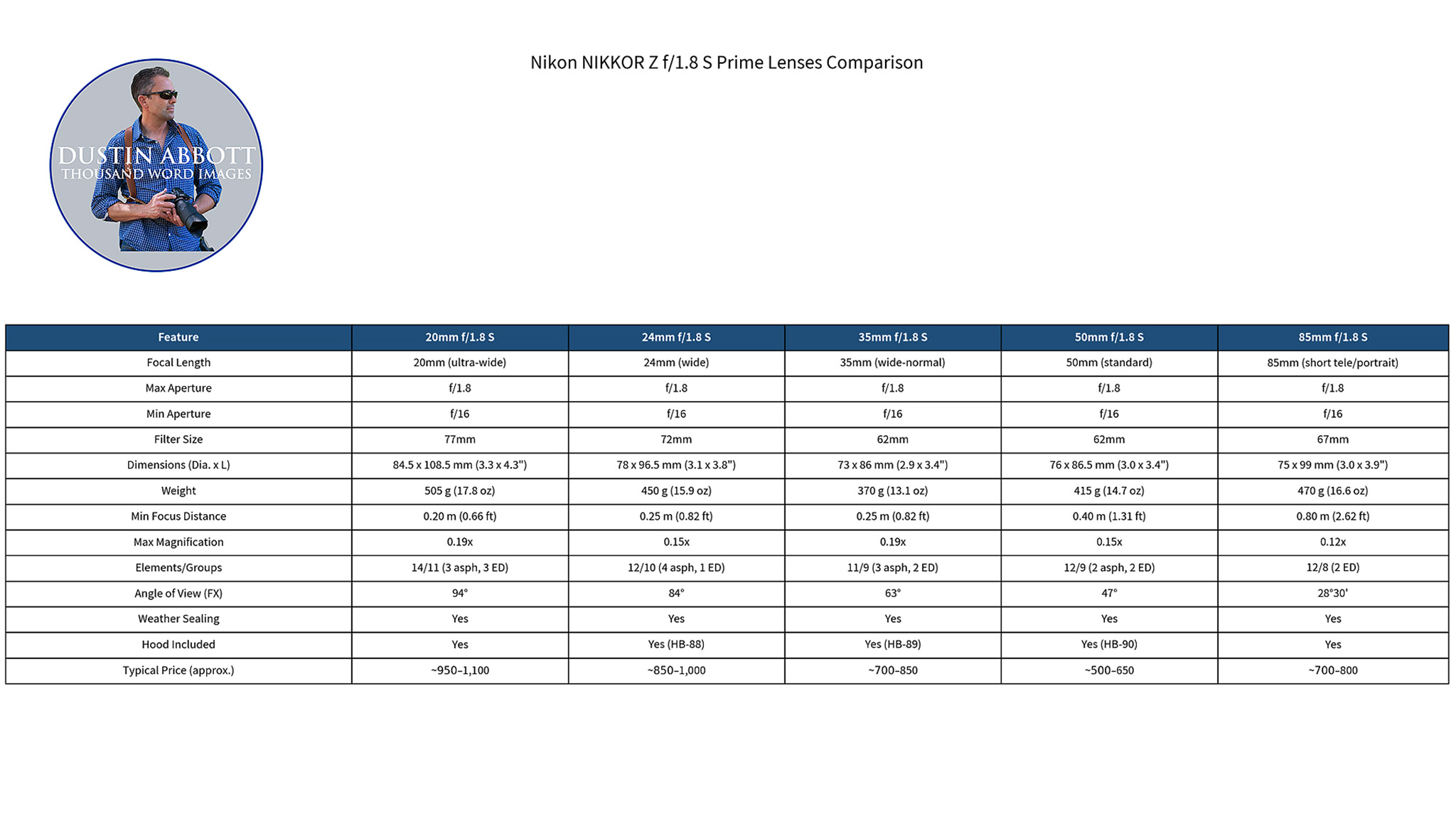
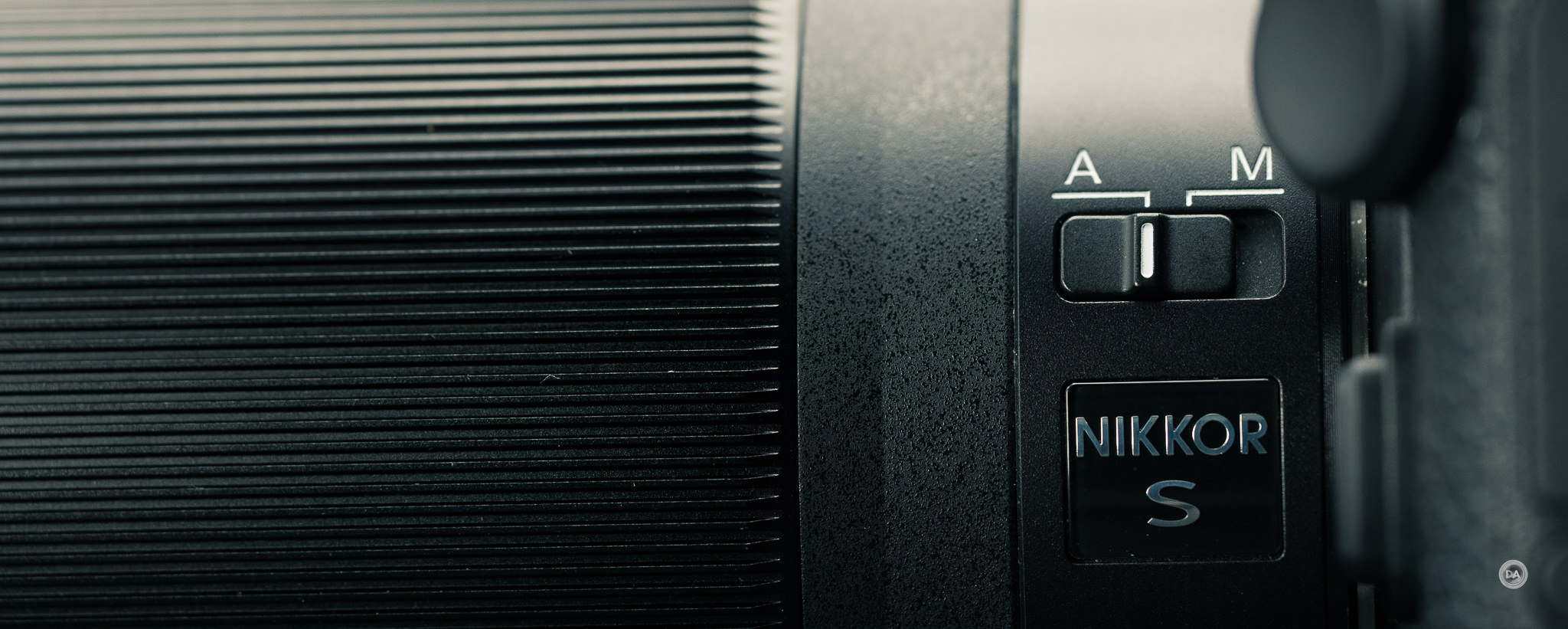
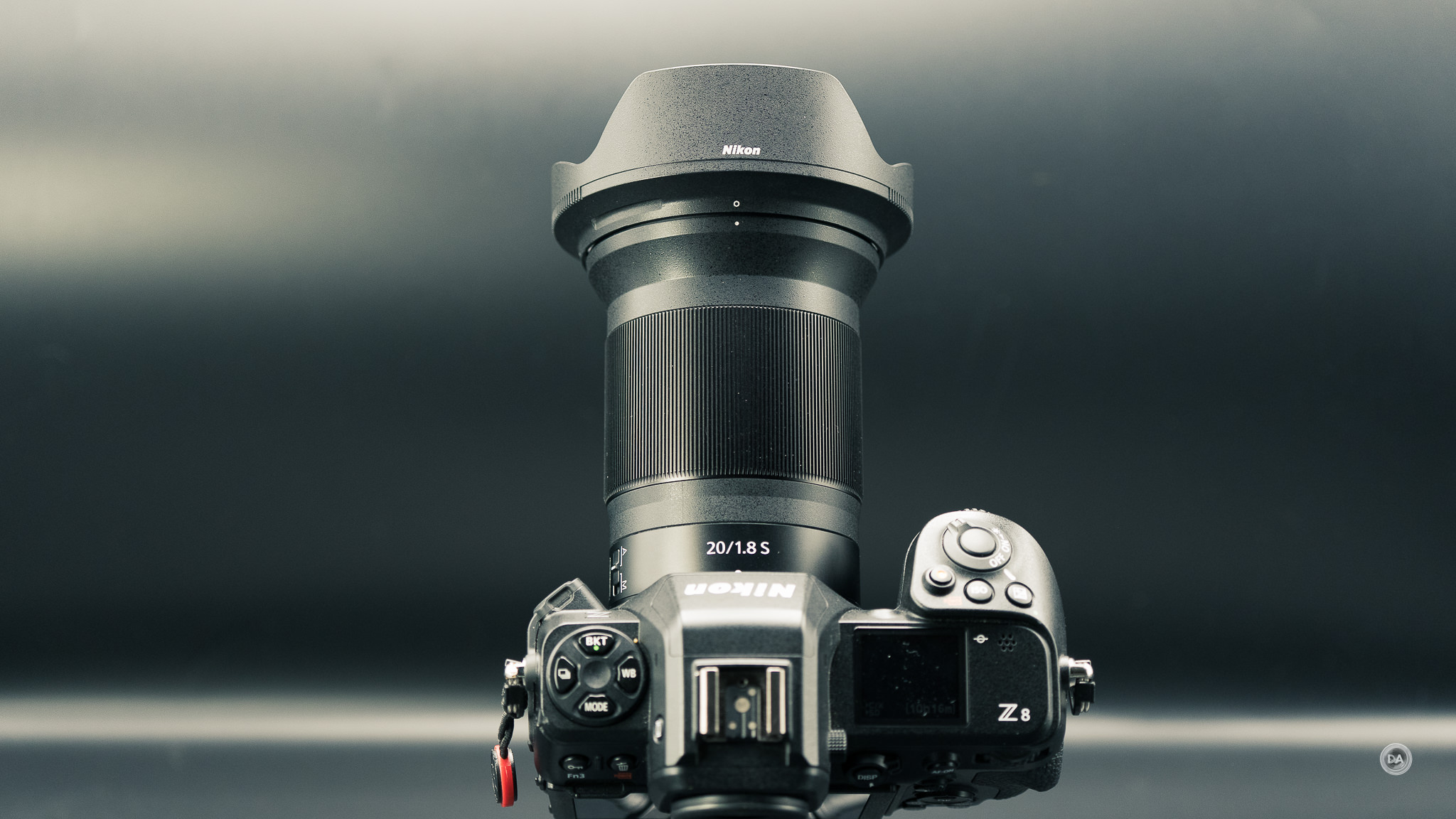
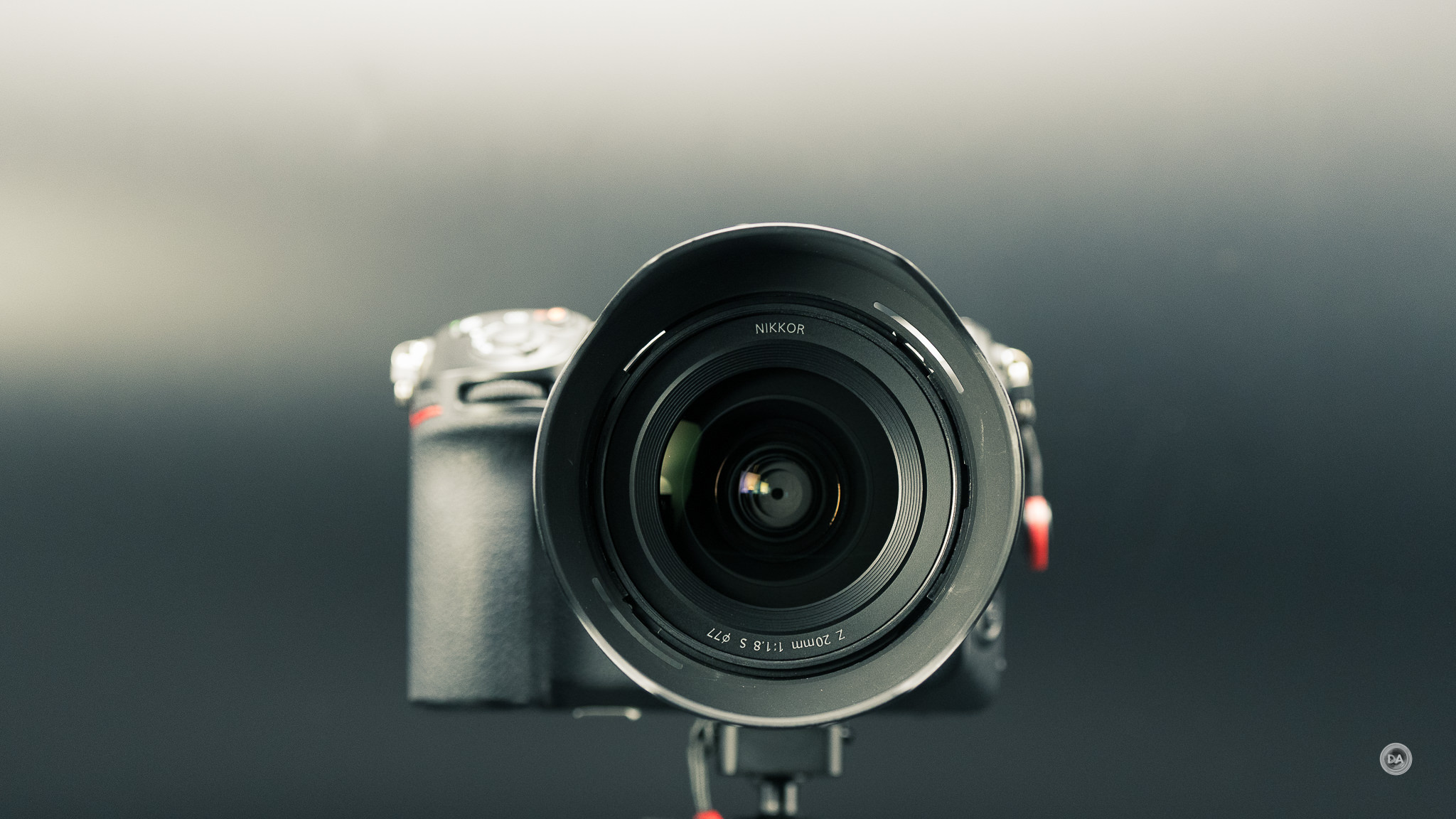
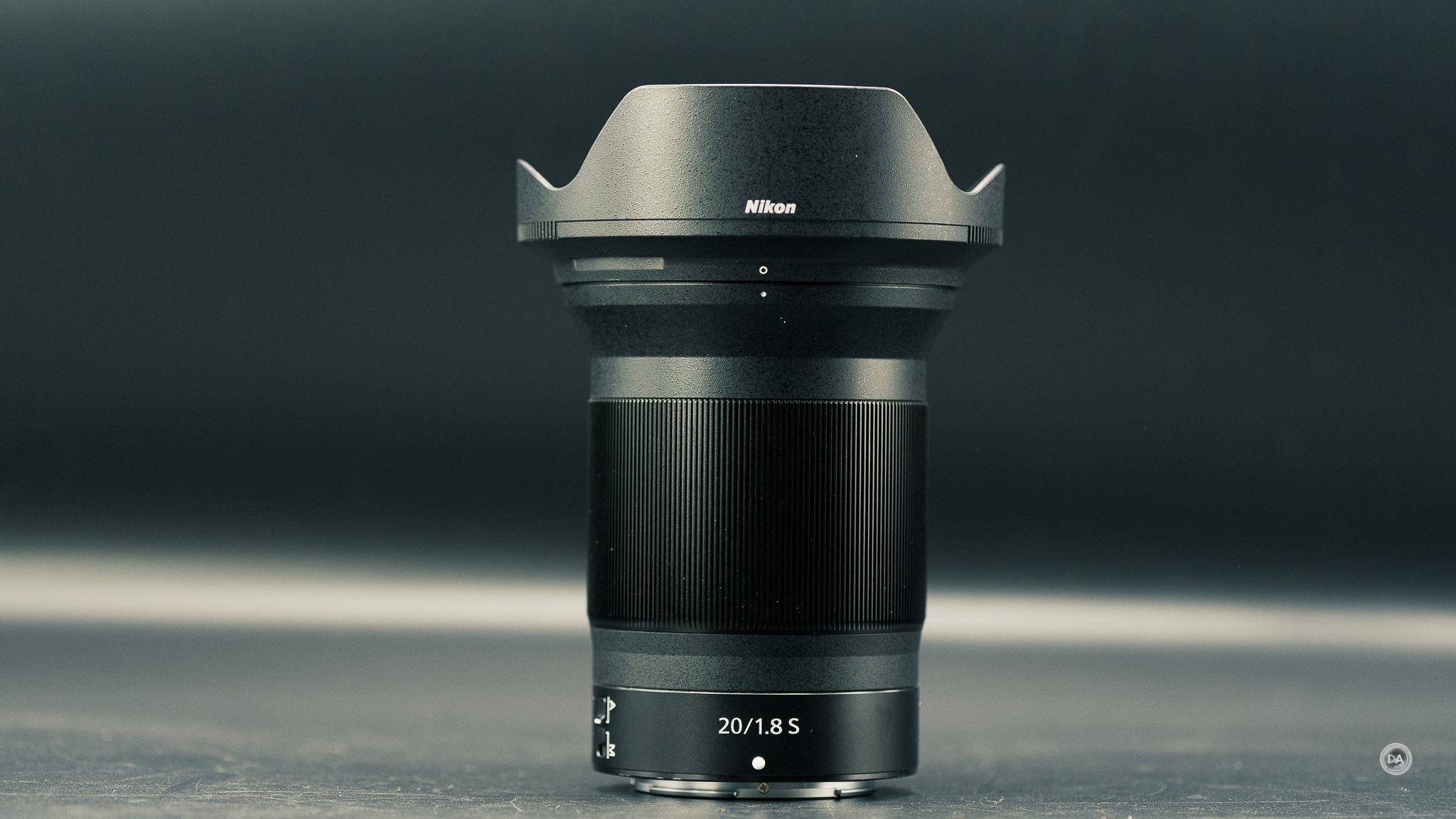
The weight is 505g (17.8oz), making it easily the heaviest lens in the series. Sony was definitely better at miniaturizing their design, as the 20mm F1.8 G is just 73.5 x 84.7mm and weighs 373g. Mount the lens hood and you have a lens that looks significant even on my beefy Z8 body.
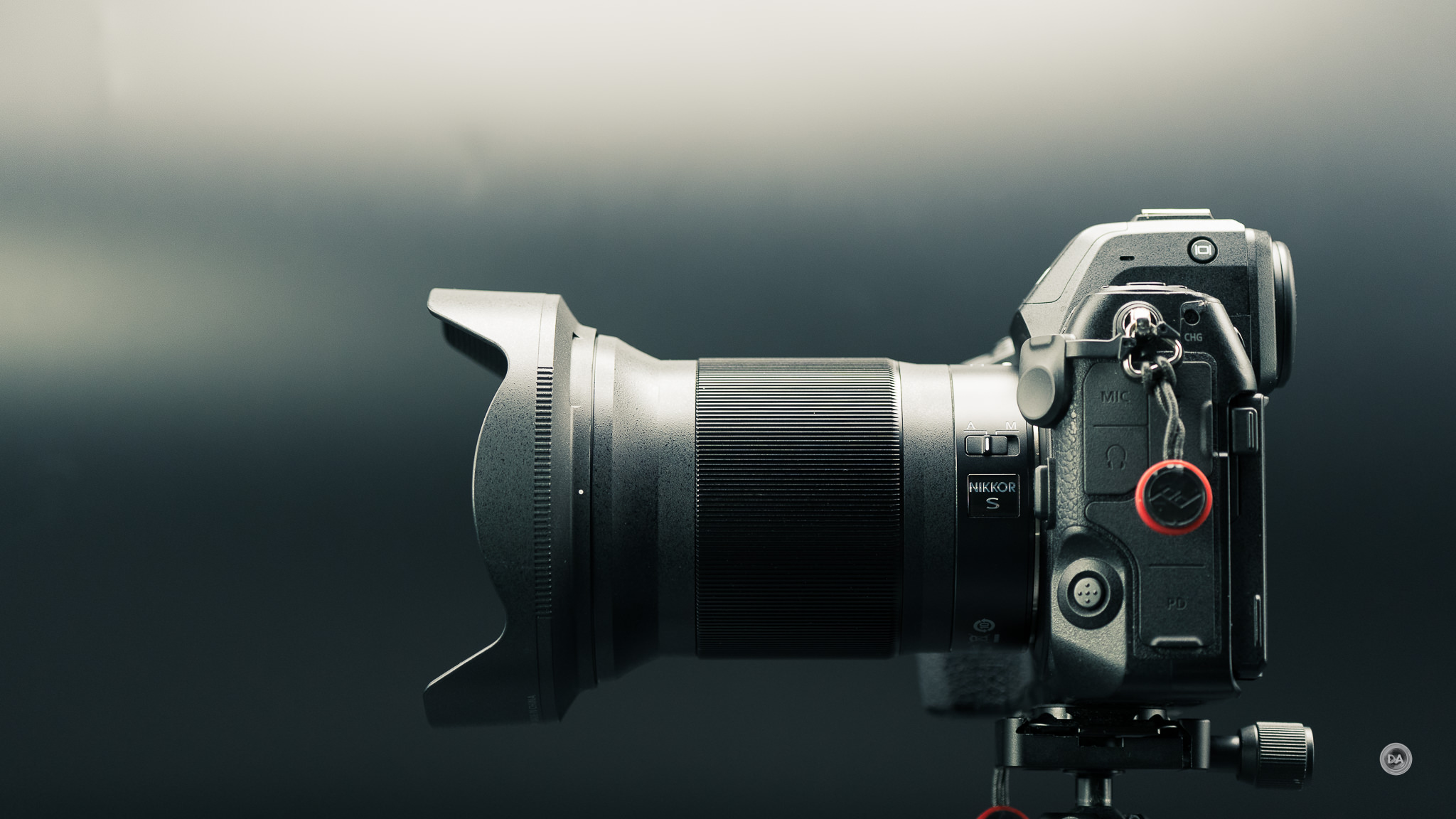
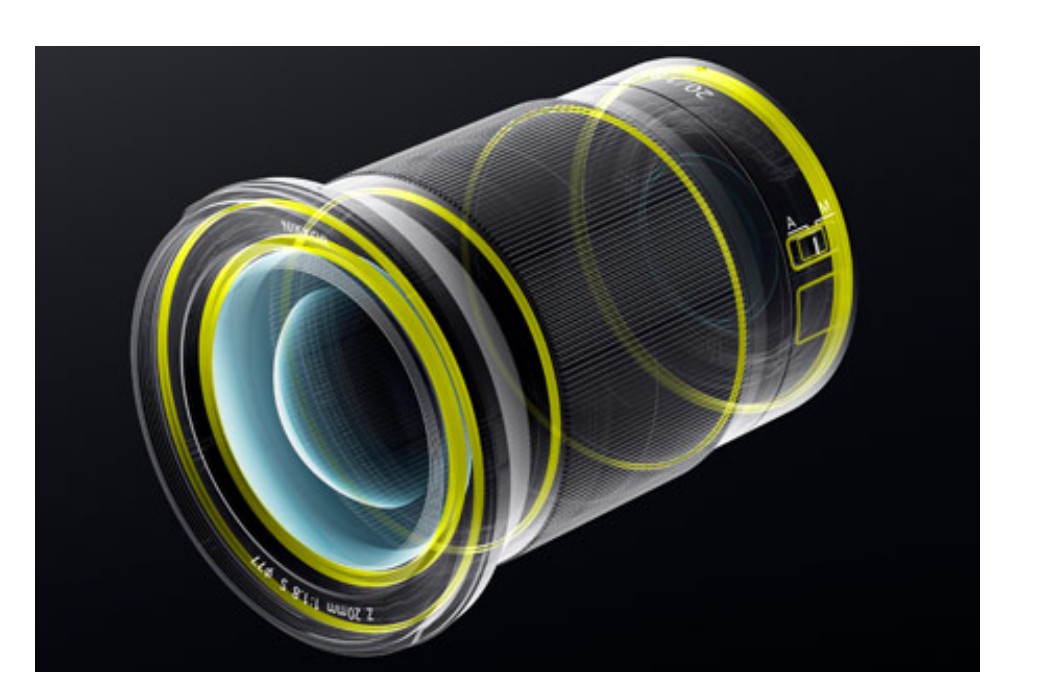
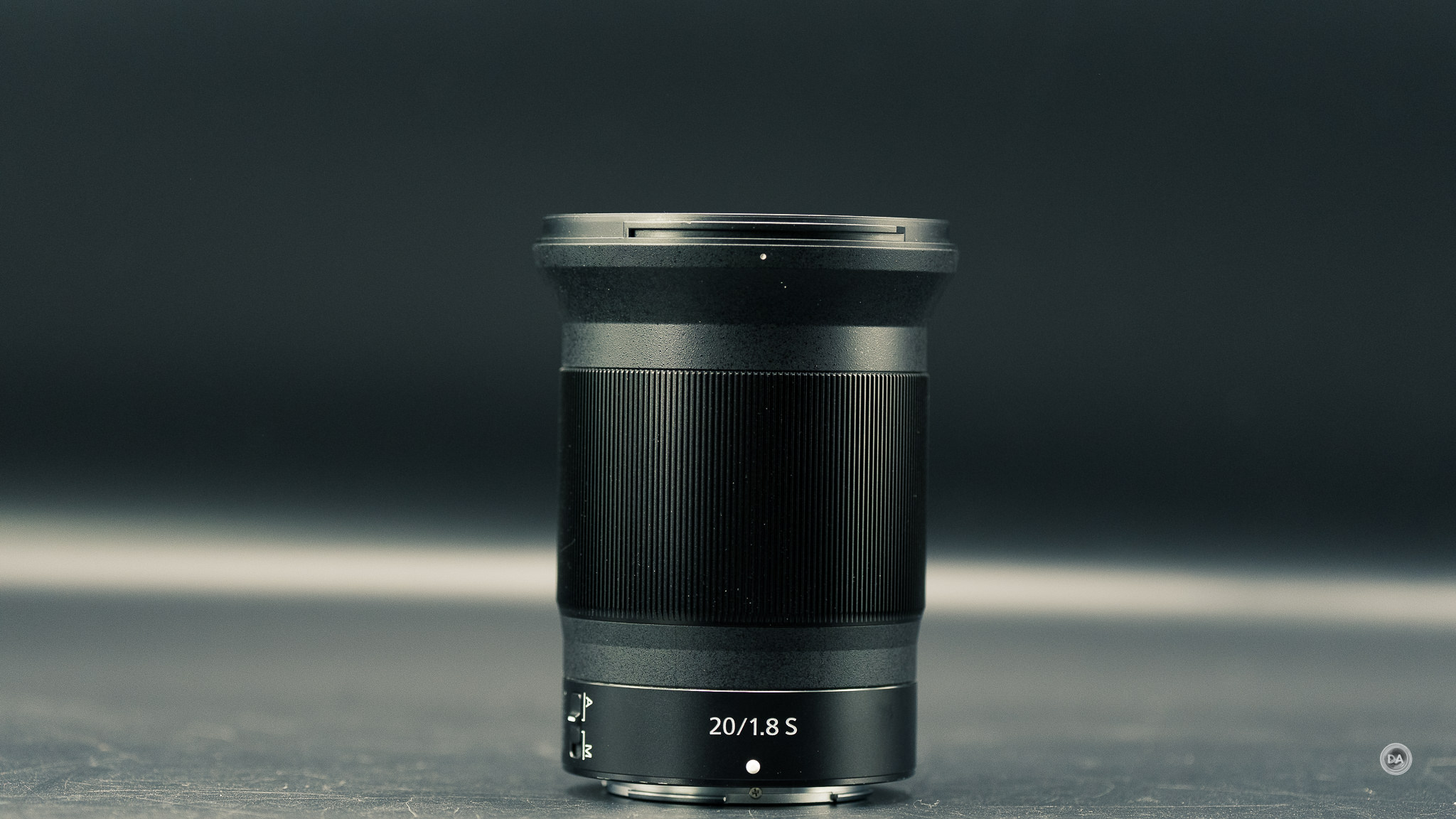
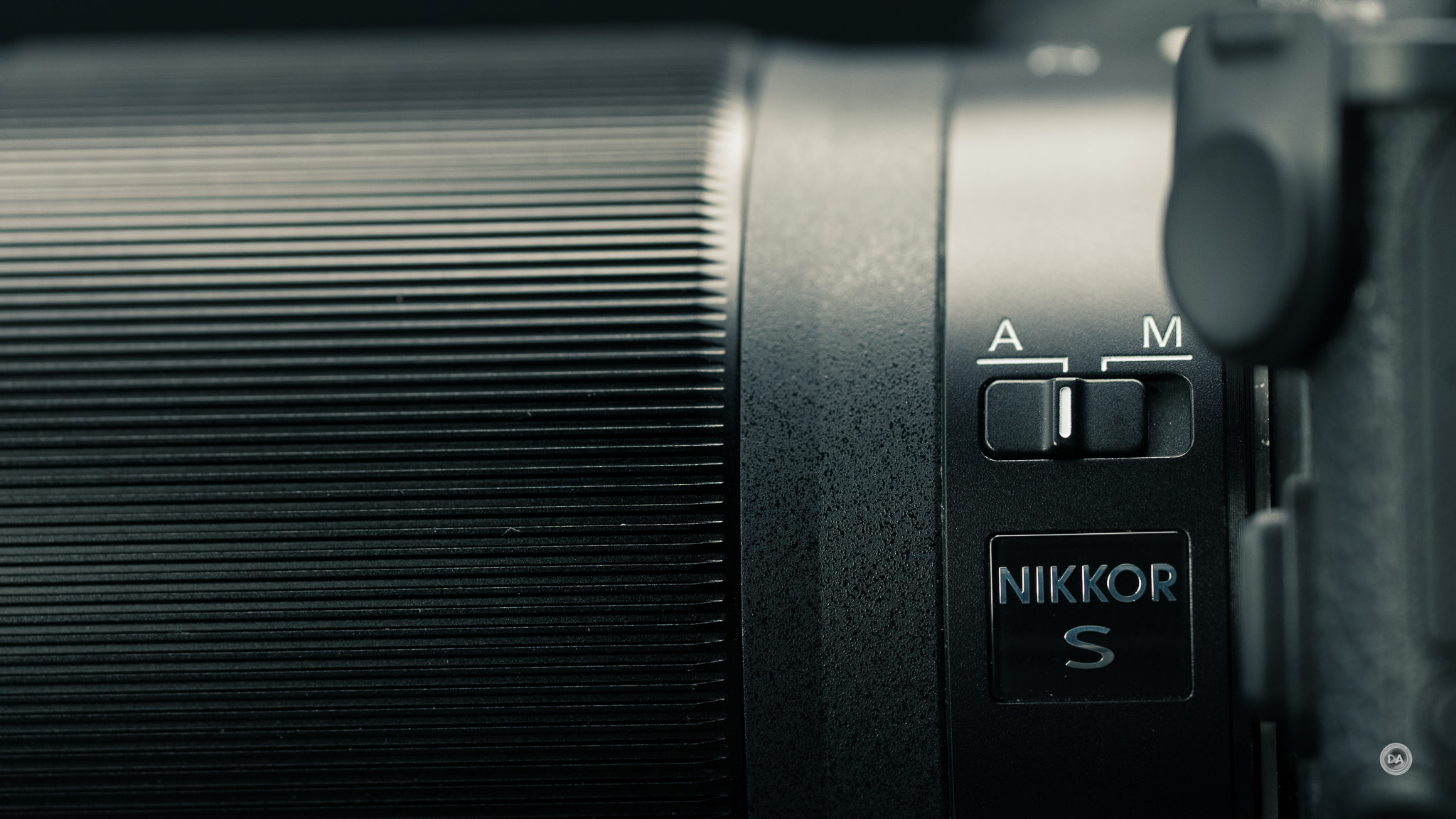
The F1.8 S lenses have a functional but not particularly aesthetically attractive look, in my opinion. They have a single ring on them, so that tends to dominate the lens barrel, and the fact that the Z-mount diameter is so big means that the lenses tend to be about as wide at the mount as they are elsewhere. The result is a fairly boring lens profile with little sculpting or shape to it, though the 20mm F1.8 S adds a flare to the larger front diameter that adds a little shape to the lens.
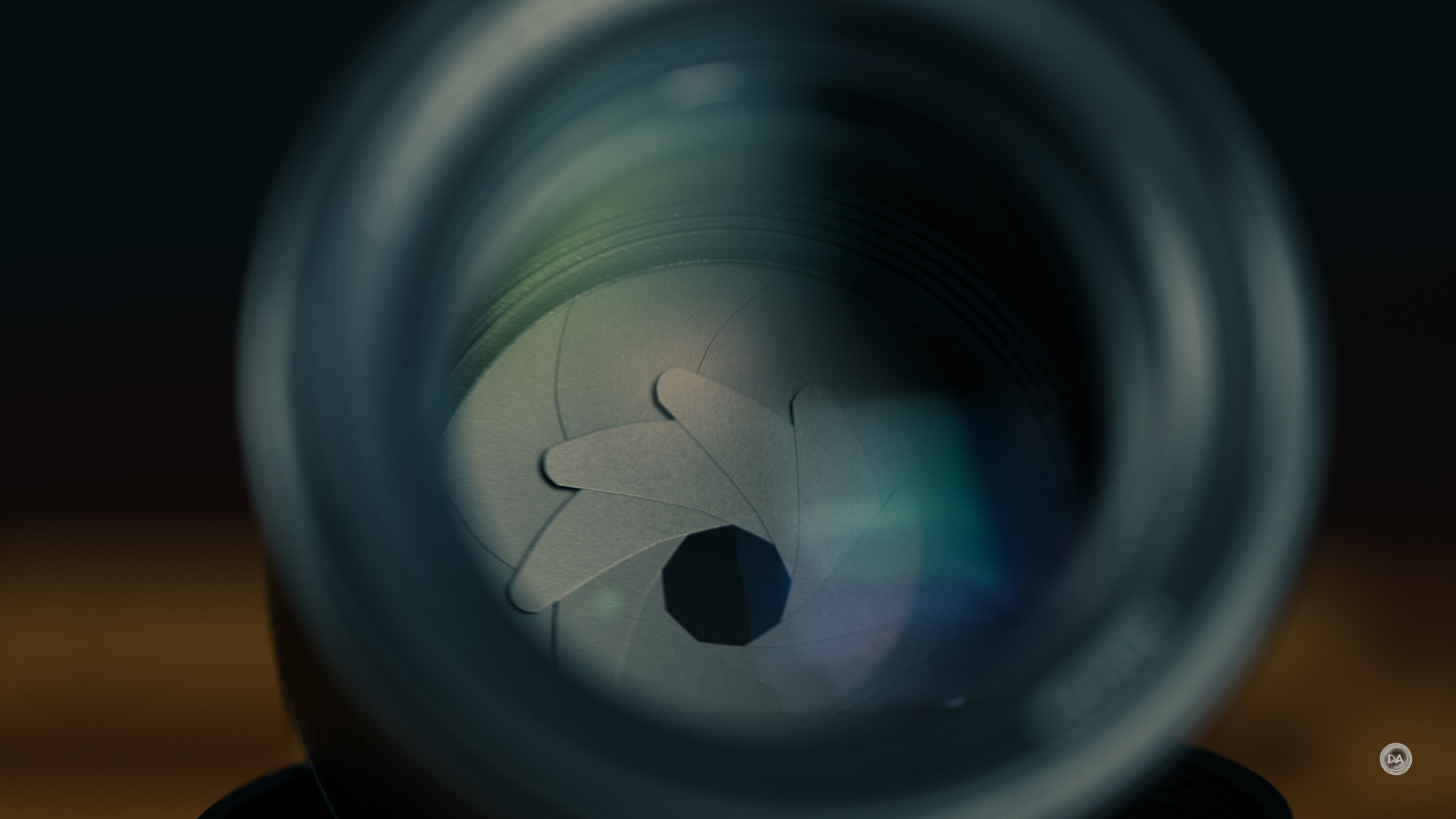
Specular highlights aren’t going to be as obvious with a wide angle lens like this, but you can see that the “bokeh balls” stay reasonably circular through F2.8:
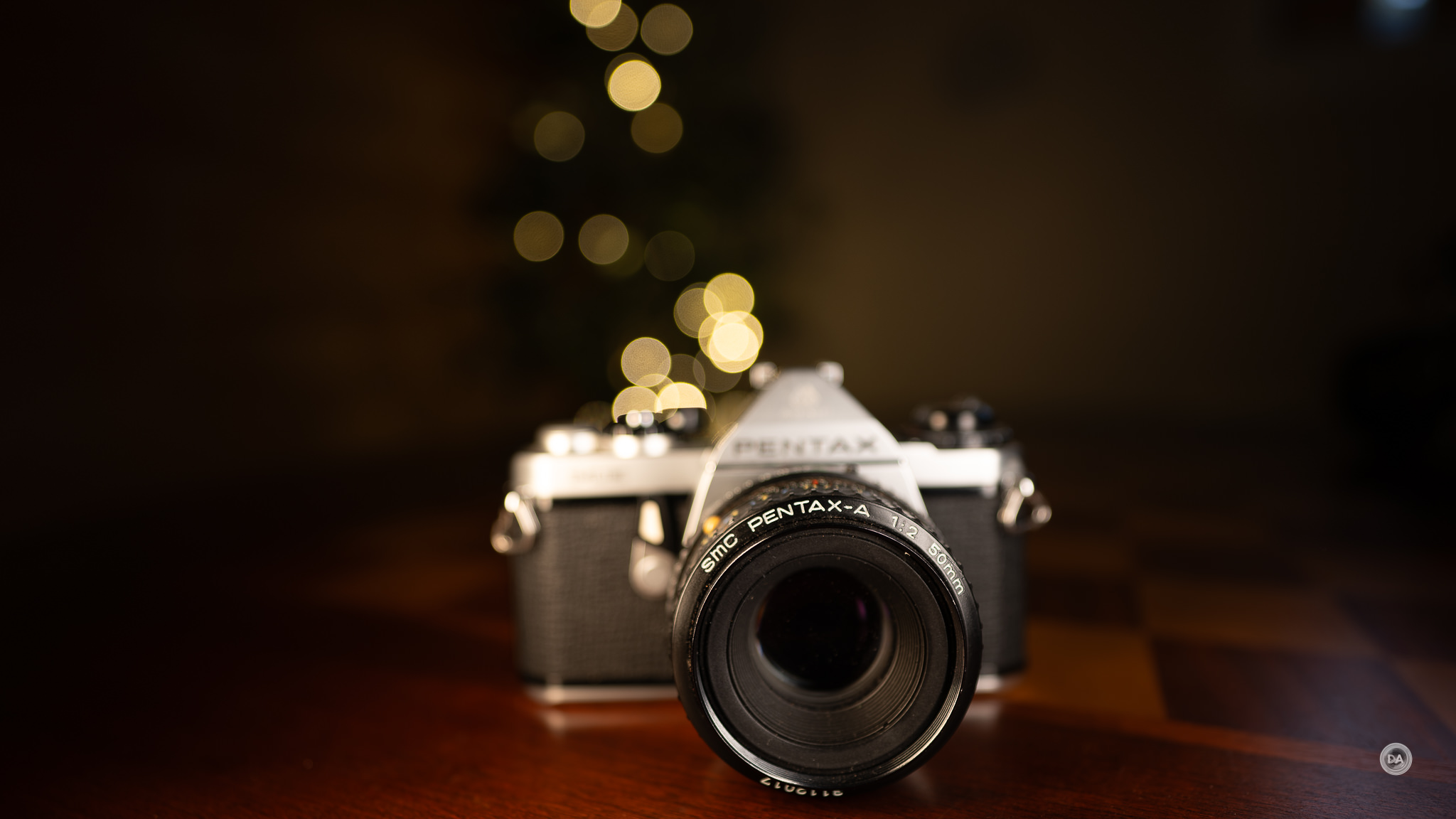
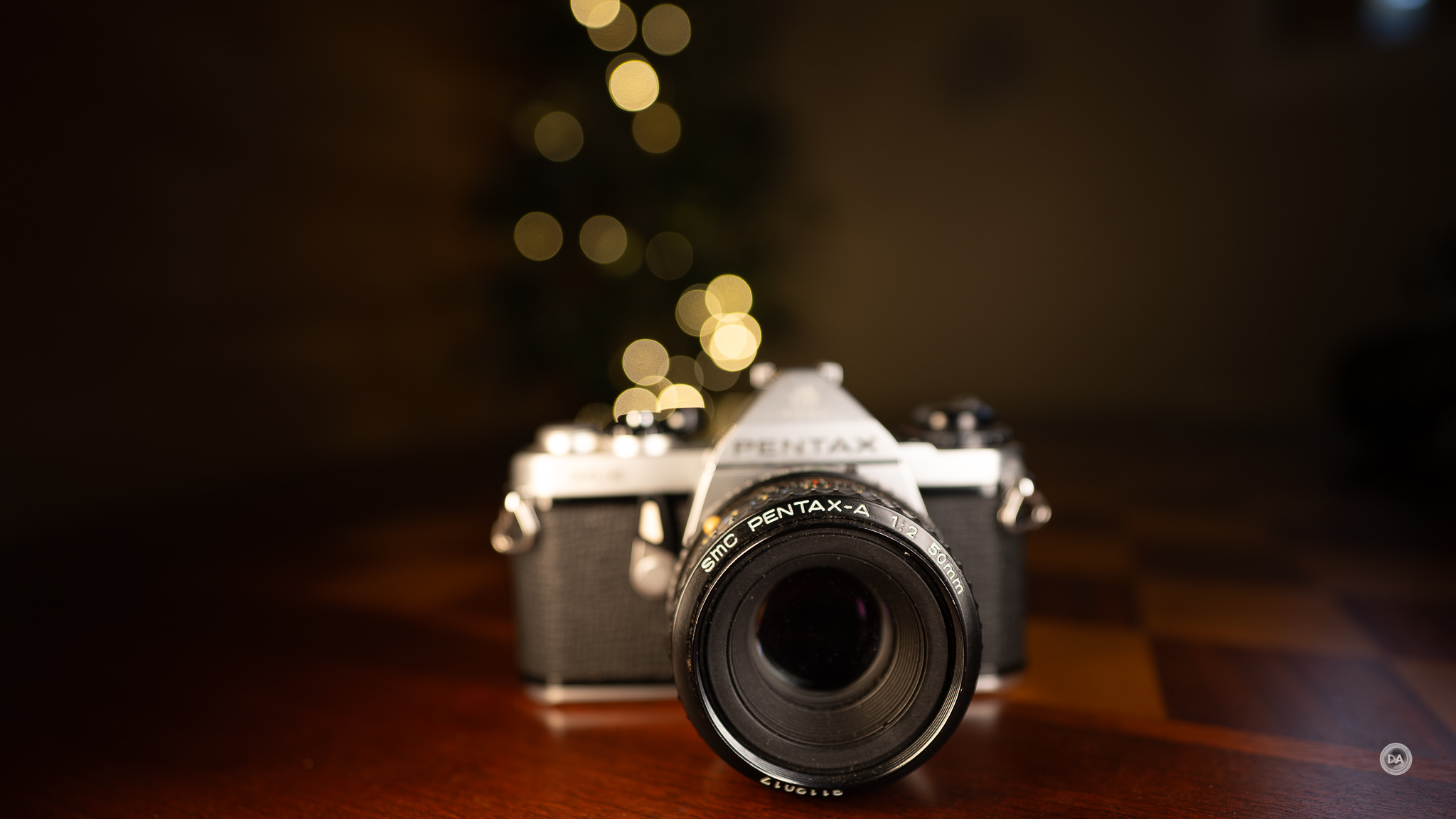


There is no lens-based VR (stabilization). You will have to rely on camera based stabilization (if your camera is so equipped) for stabilization. My Z8 test camera has good stabilization, so I didn’t have any issues.
Autofocus for Stills
When action was slow, focus would be nailed.


But if Nala was moving fast (in an a challenging situation for a wide angle lens due to many textures), autofocus just didn’t keep up.
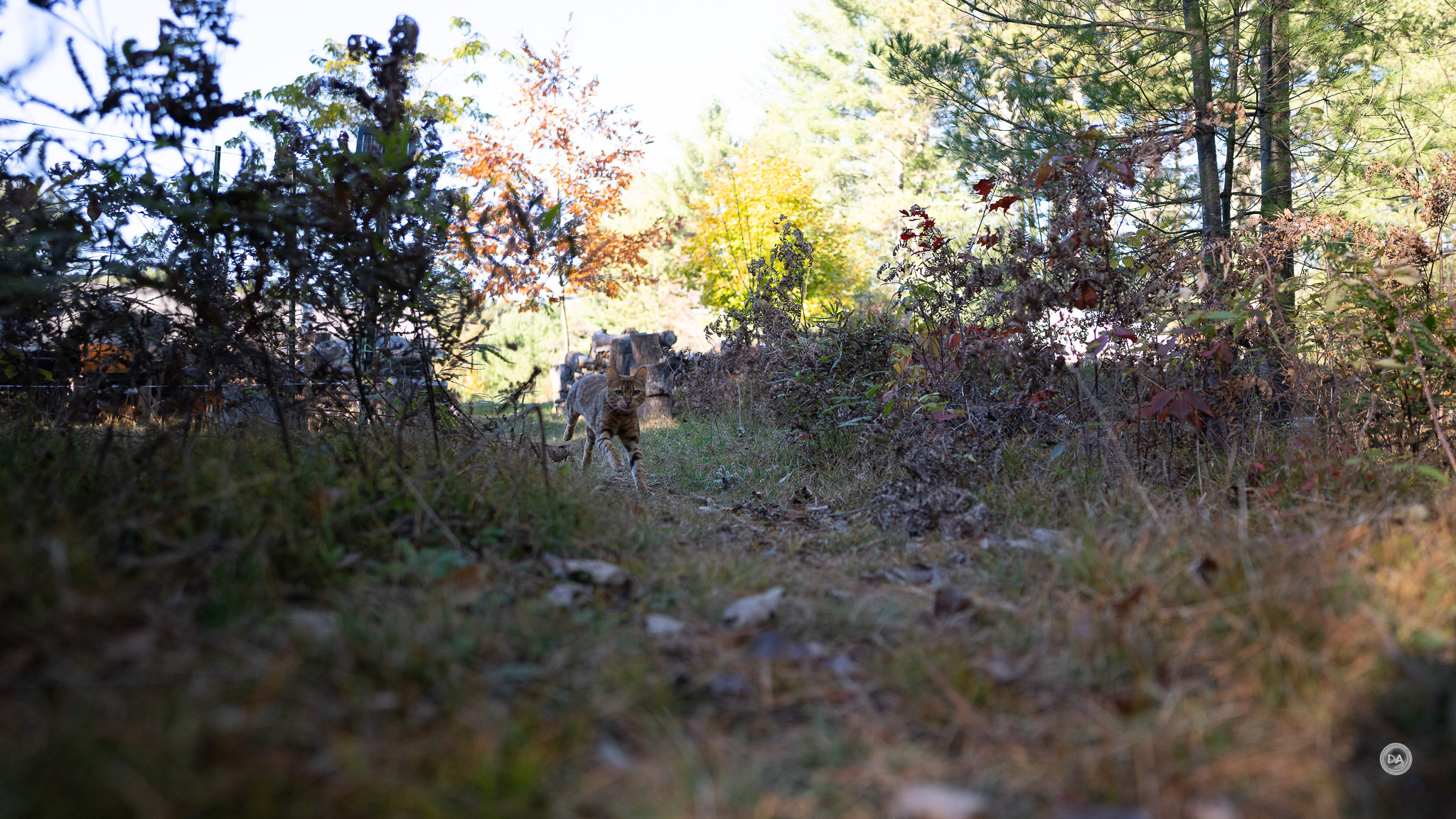
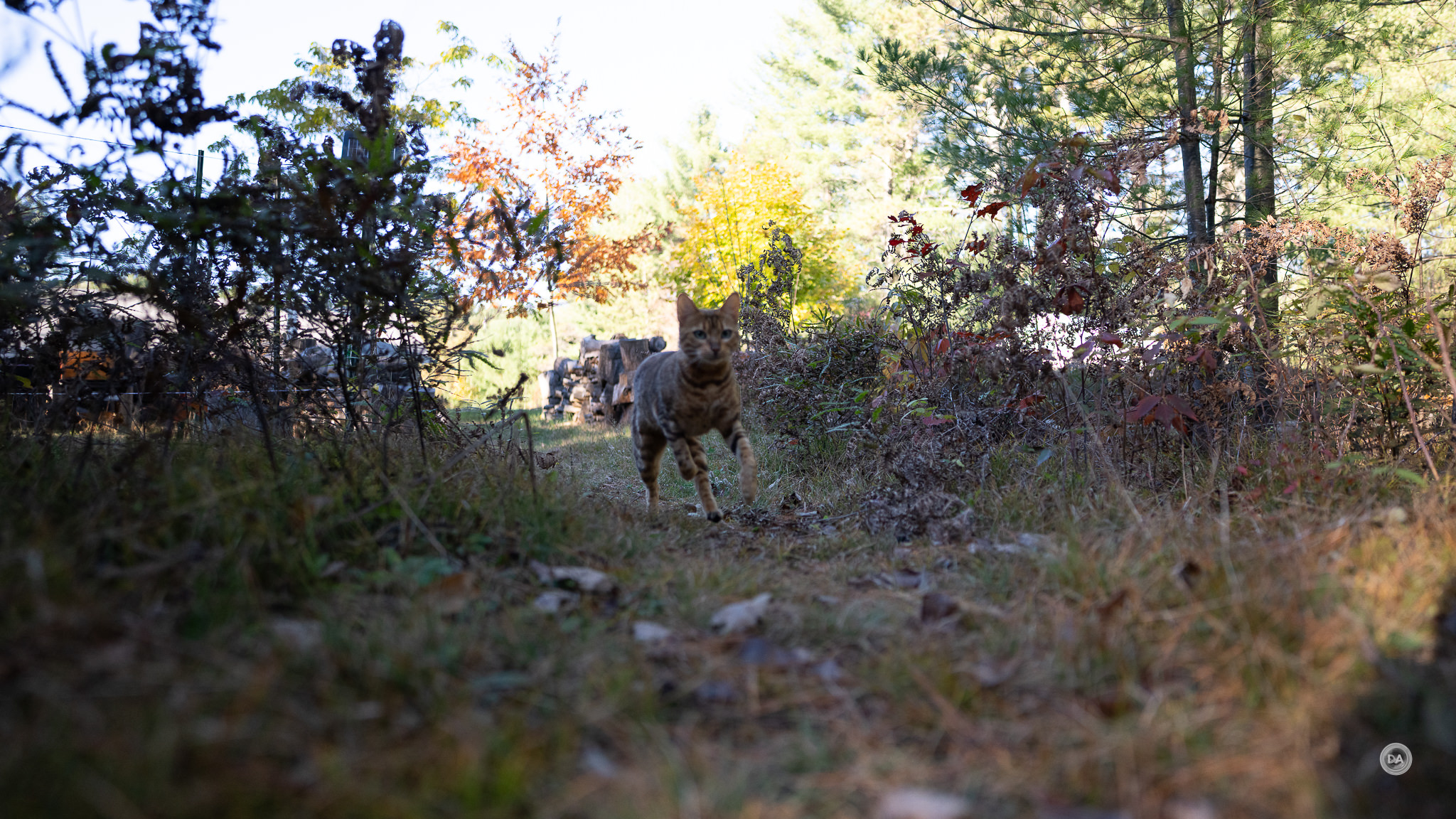
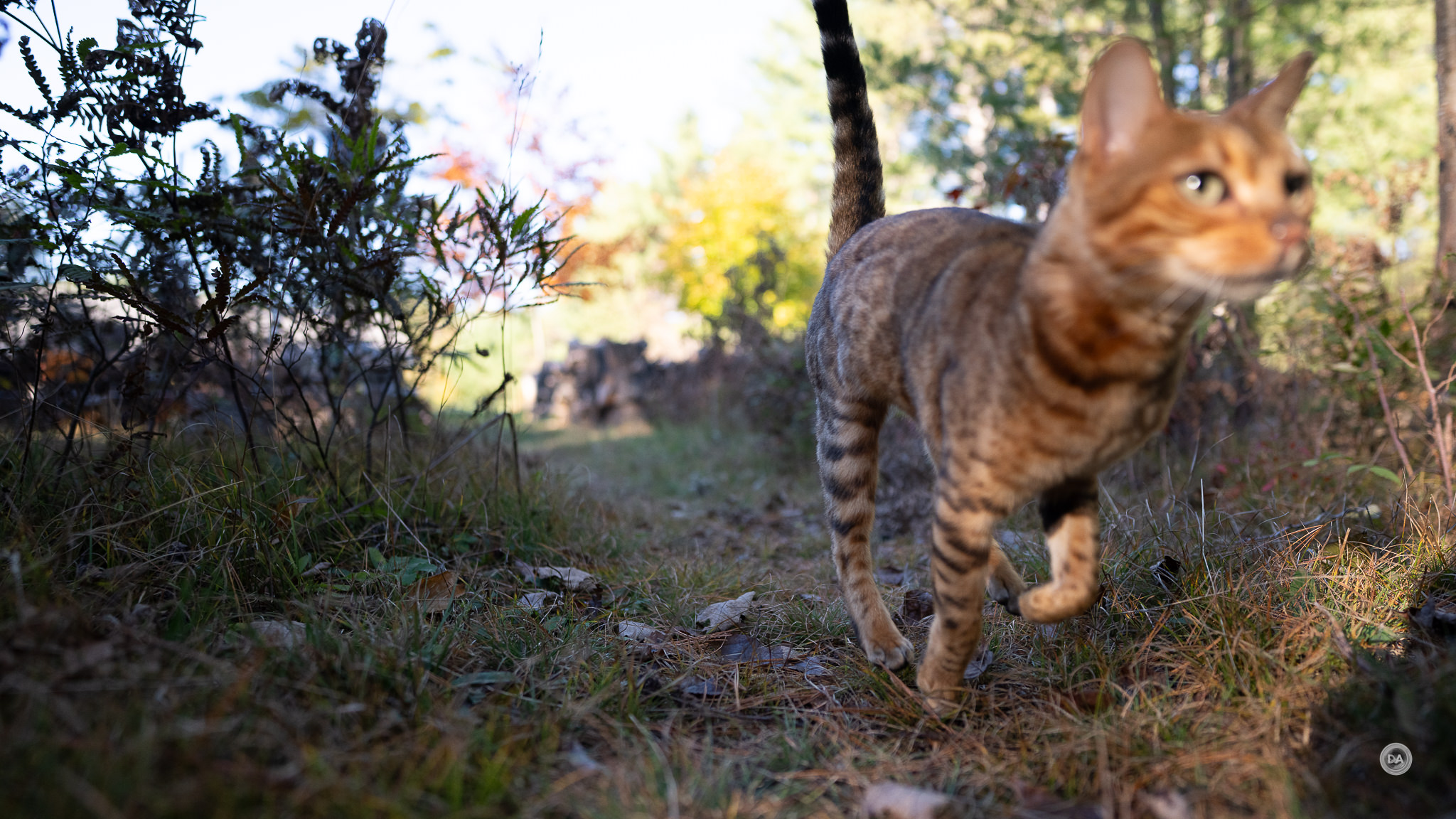
There’s nothing too surprising here. I wouldn’t treat these F1.8 S-Line lenses as sport-oriented lenses. That’s just beyond their capabilities…but that does highlight at least one area where Sony’s offerings fair better. The combination of of lens/camera on the Sony side is just slightly more versatile.
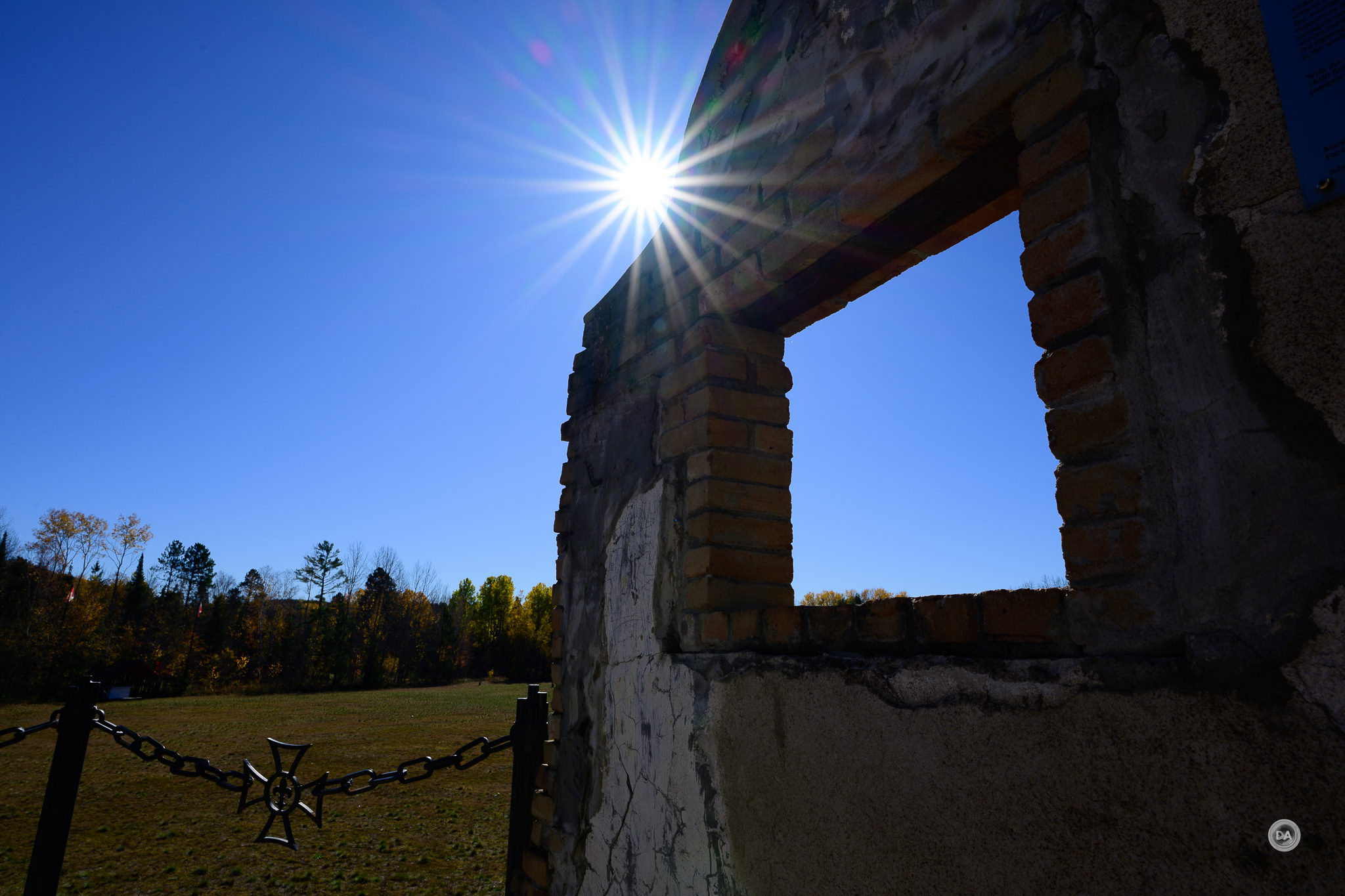
Autofocus is very solid here in general, however, and I suspect most people in most situations will be happy.
Video Autofocus
My first test was touch-to-focus video focus pulls, and I saw quick and reasonably confident pulls from one subject to another in my standard test. I didn’t see any visible steps from the STM motor.
Focus breathing is well controlled overall, so you shouldn’t experience anything jarring when changing primary focus.
My “hand test” where I alternately block the camera’s view of my face with my hand and then remove it went well, with subtle, non-jarring focus changes from my hand to my face and back.

Focus stayed stable when shooting a variety of landscape-oriented clips…as expected.
I would say that in general this lens has held up well in this area, and is helped by the fact that Nikon’s autofocus in their cameras has significantly improved since the time in which the 20mm F1.8 S was released.
Image Quality Breakdown
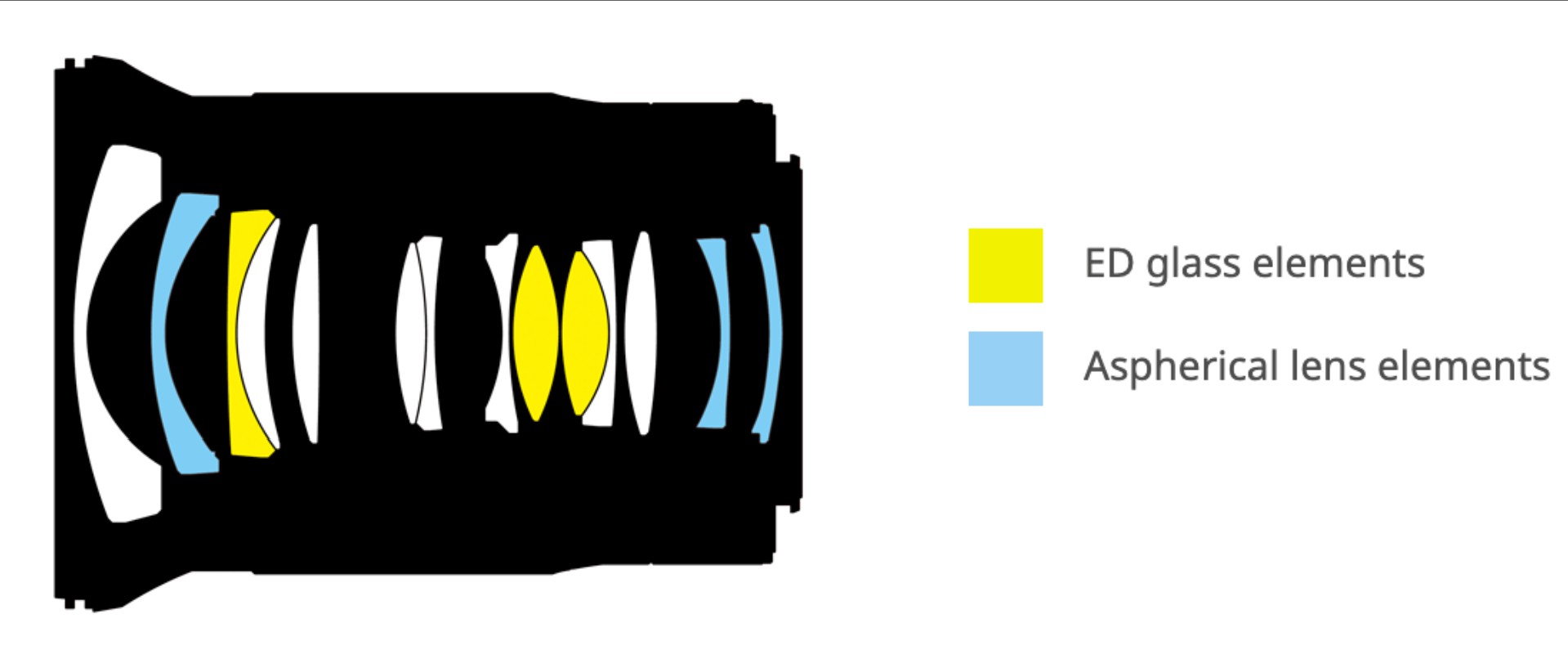
The Nikkor Z 20mm F1.8 S is an FX (full frame lens), though it can also be used on DX cameras where it will give a full frame equivalent of 30mm due to the 1.5x crop factor on DX. That’s still useful, giving a near 35mm perspective. The optical design here is 14 elements in 11 groups, including 3 ED (extra low dispersion) elements along with 3 aspherical lenses. The MTF chart shows a very even performance across most of the frame with a drop out in the far corners.
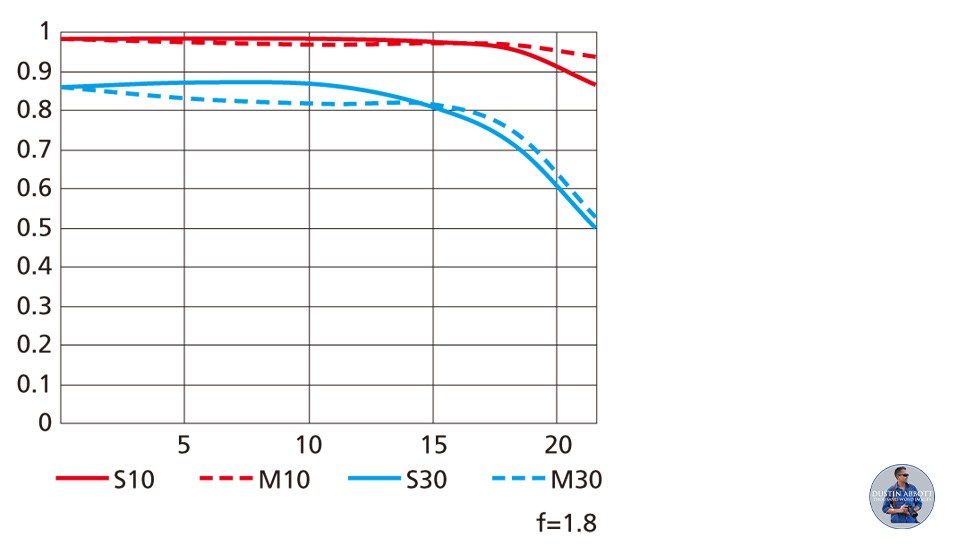
It is a more linear performance than the Sony 20mm F1.8 G, though the Sony is slightly sharper at certain points.
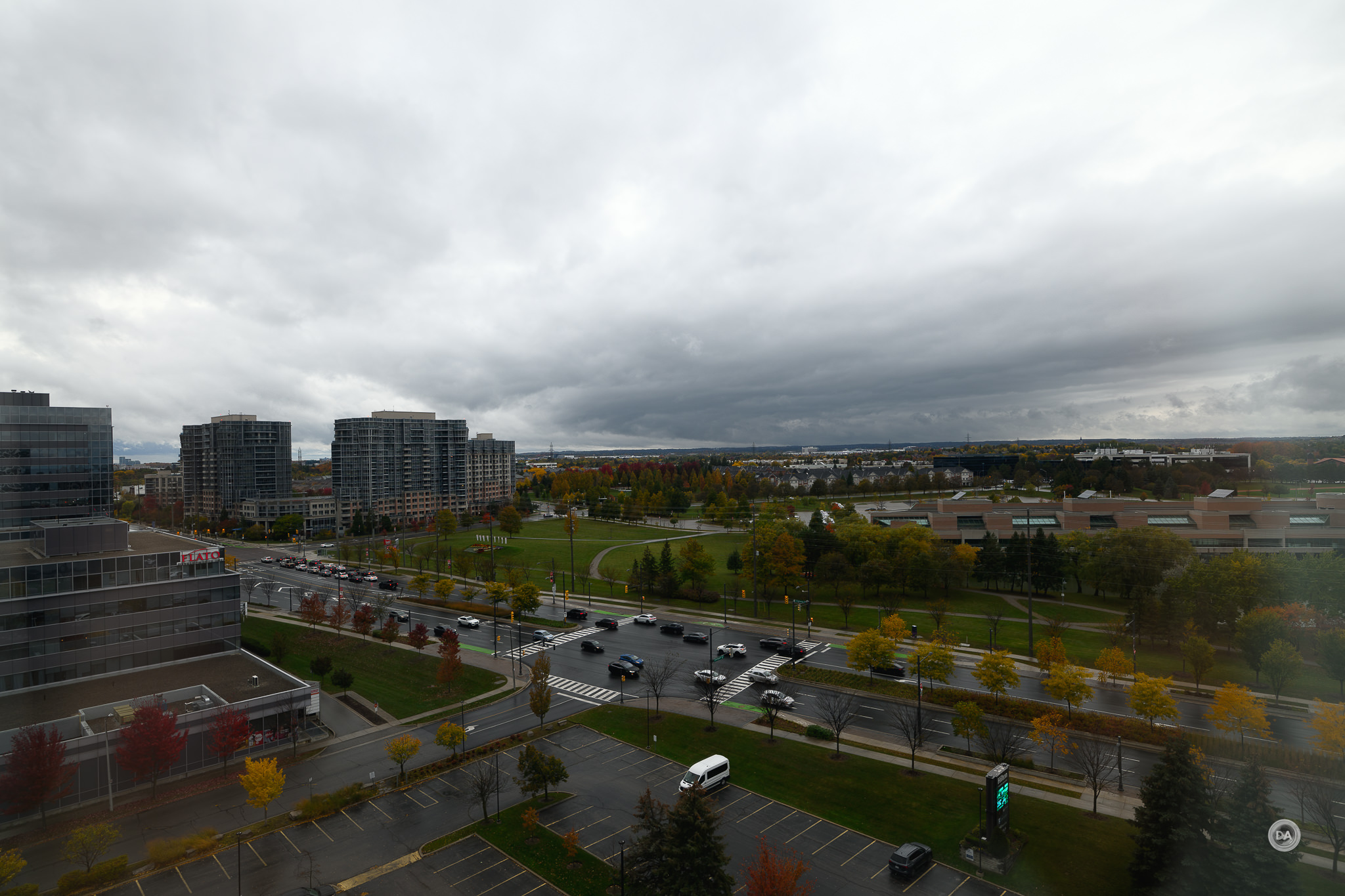
The Nikkor Z 20mm F1.8 S is capable of delivering high contrast, high detailed images from F1.8 on. This show out my hotel window (at F1.8) shows that detail looks great in the center and still very good off at the far left edge of the image.
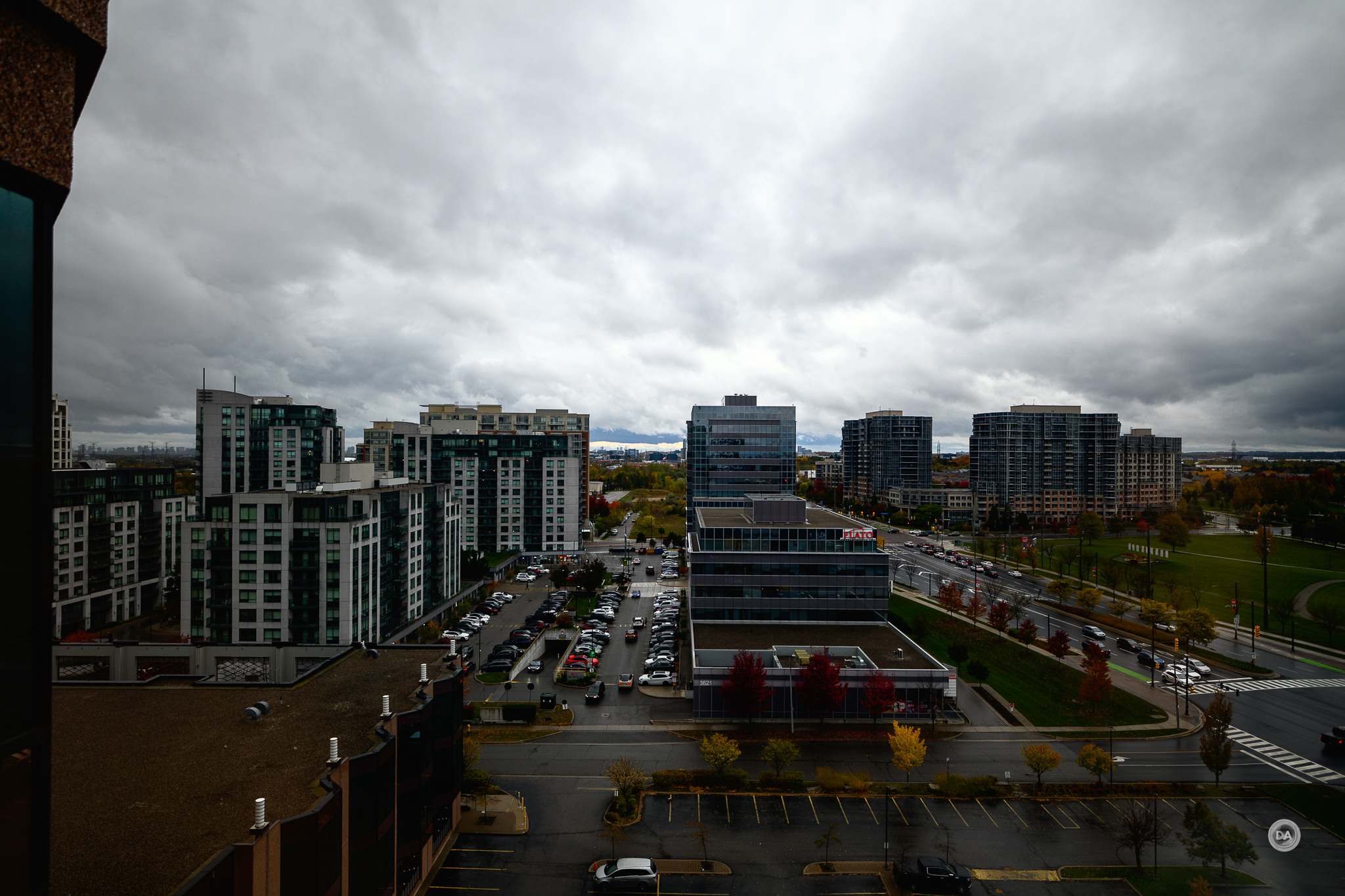
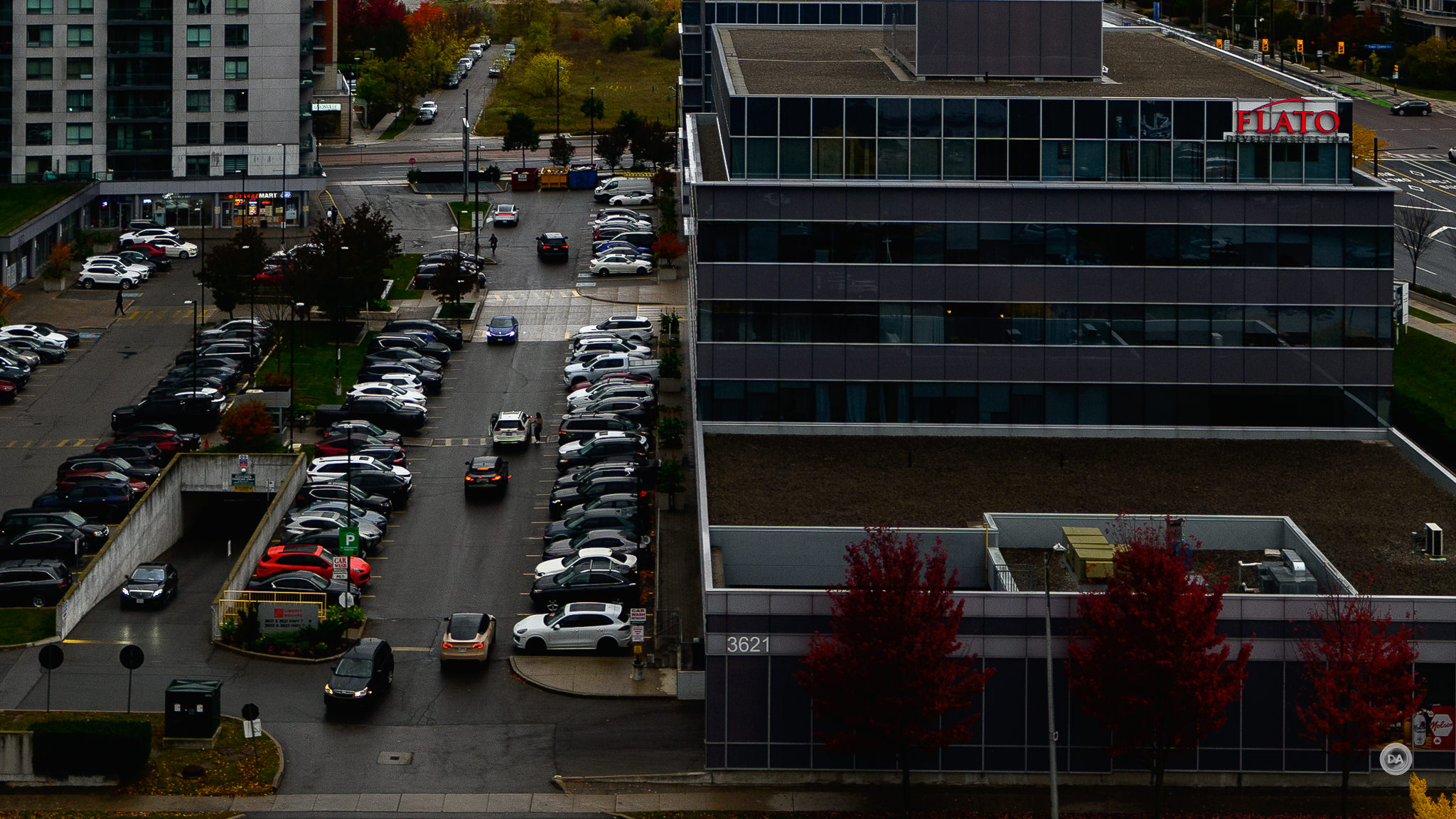
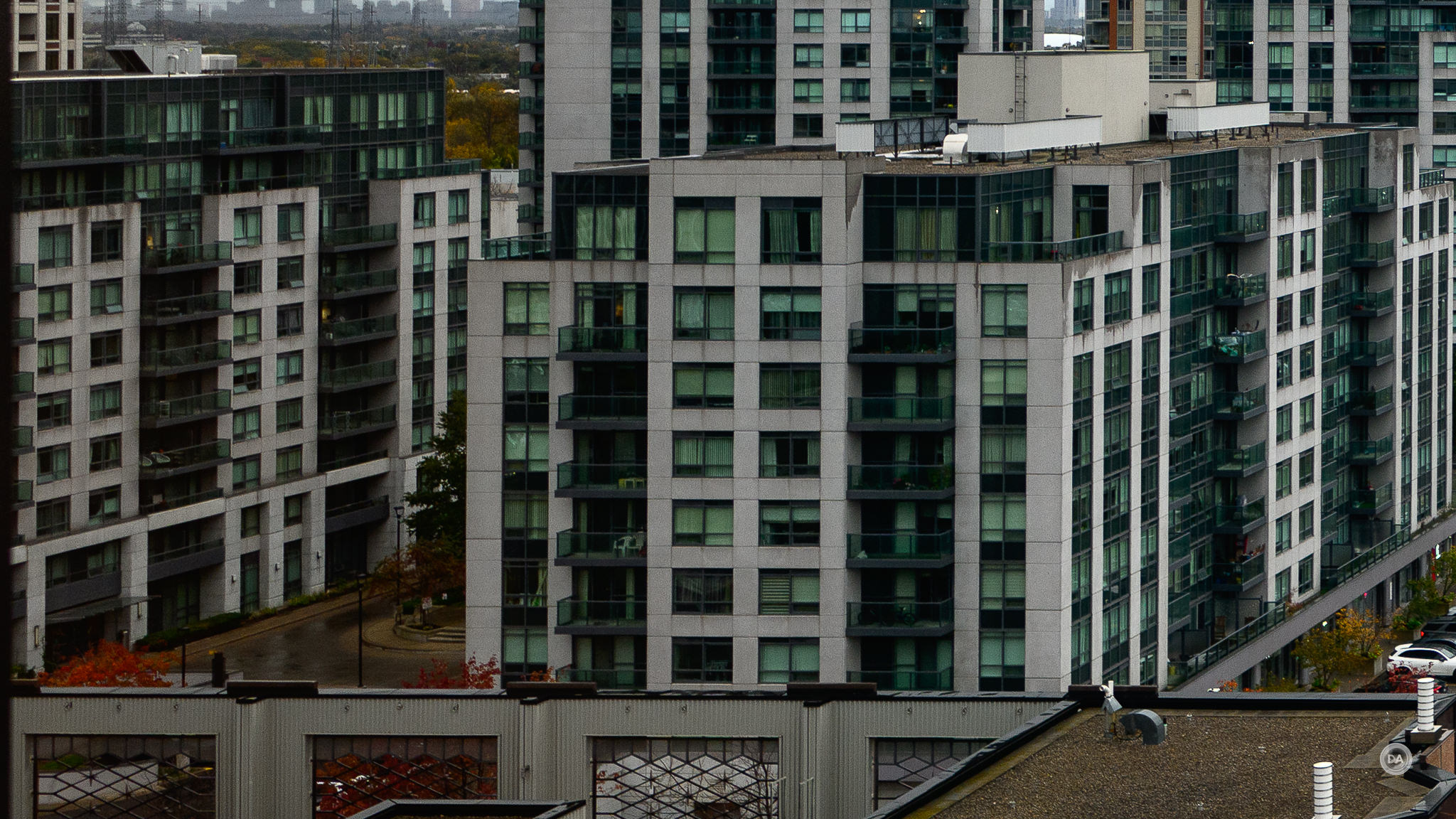
I would say that it is among the better lenses in the F1.8 S lineup.
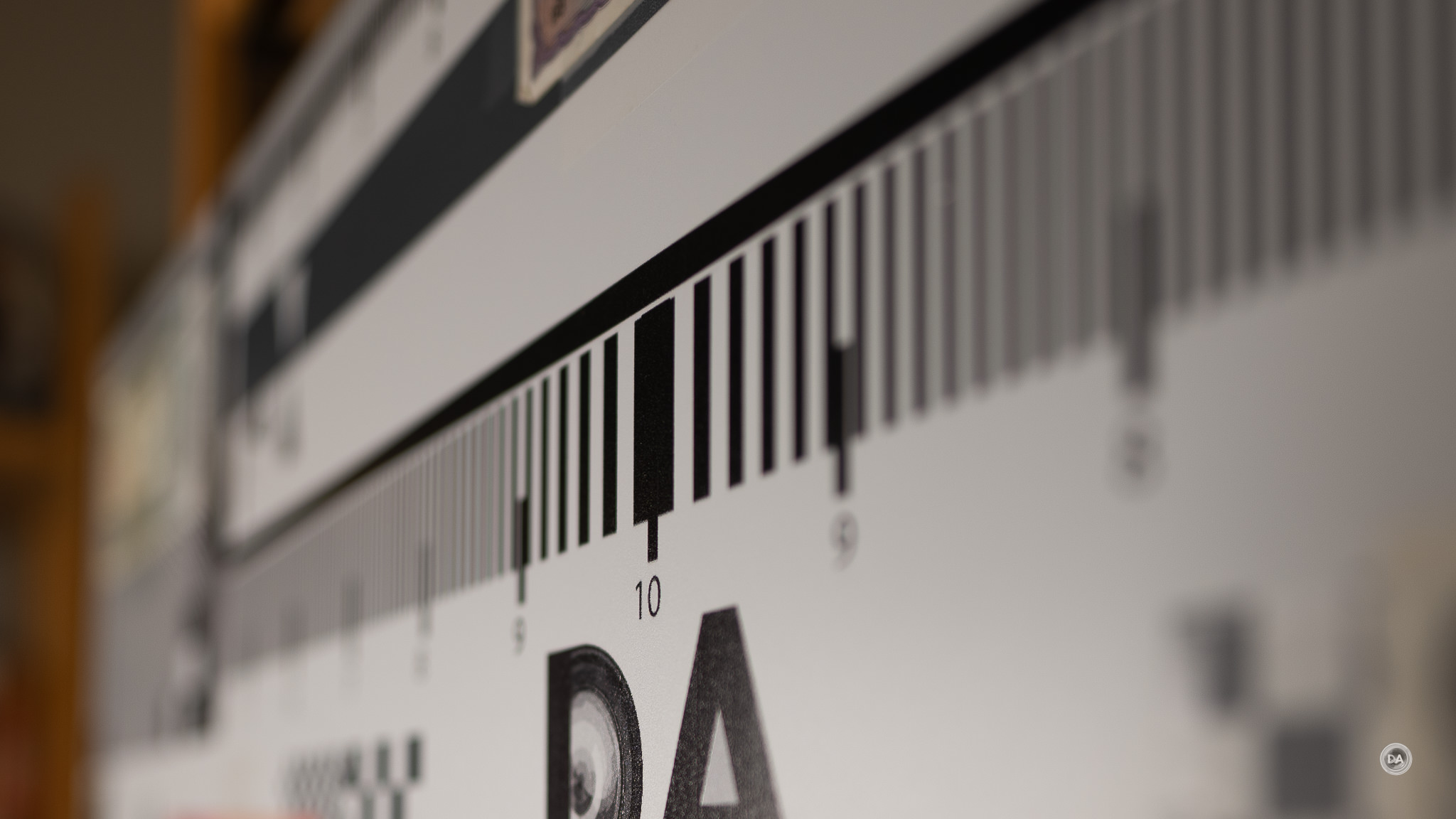
Longitudinal Chromatic Aberrations (LoCA) show before and after the plane of focus. You’ll see very little on my test chart.
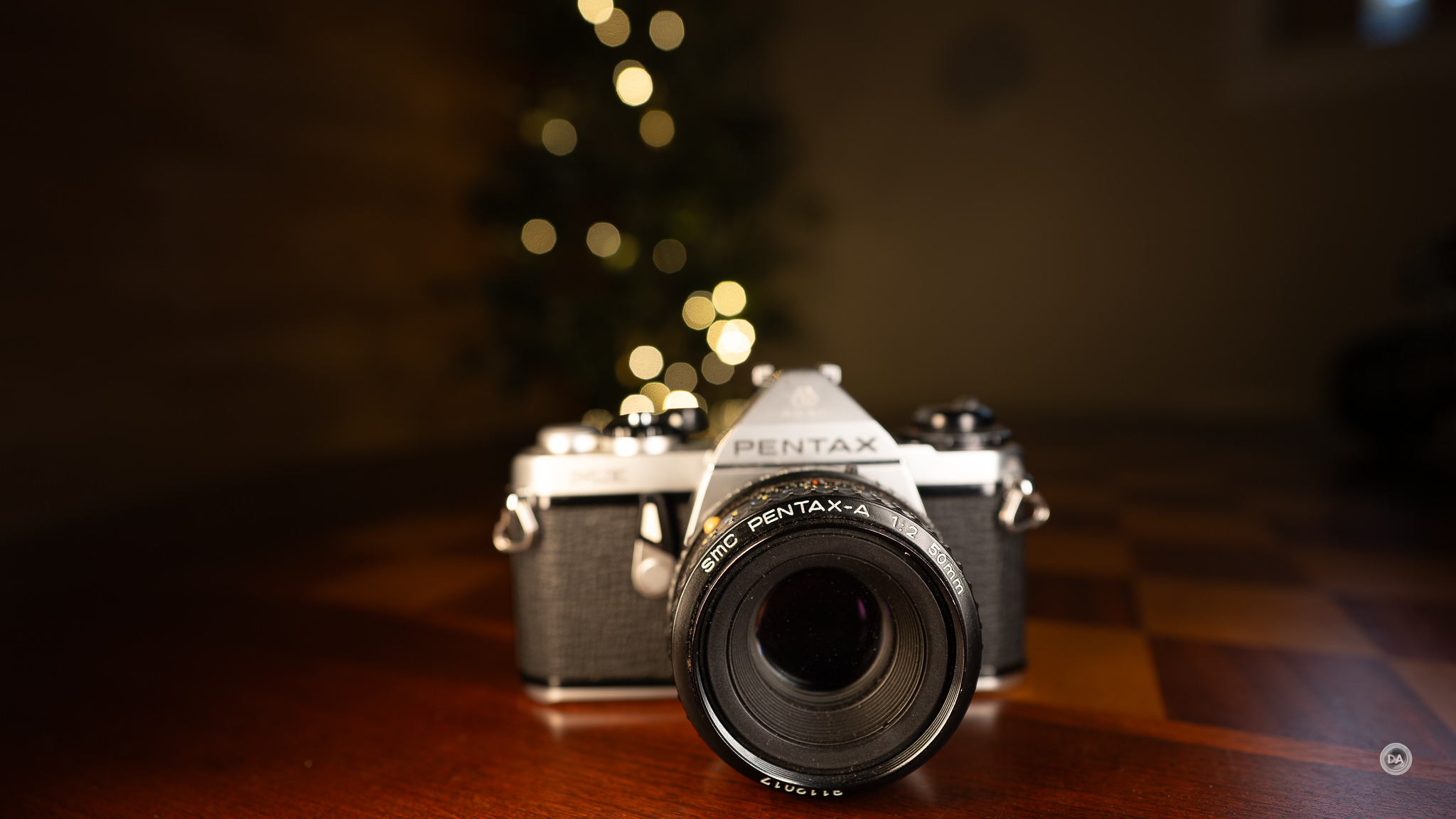
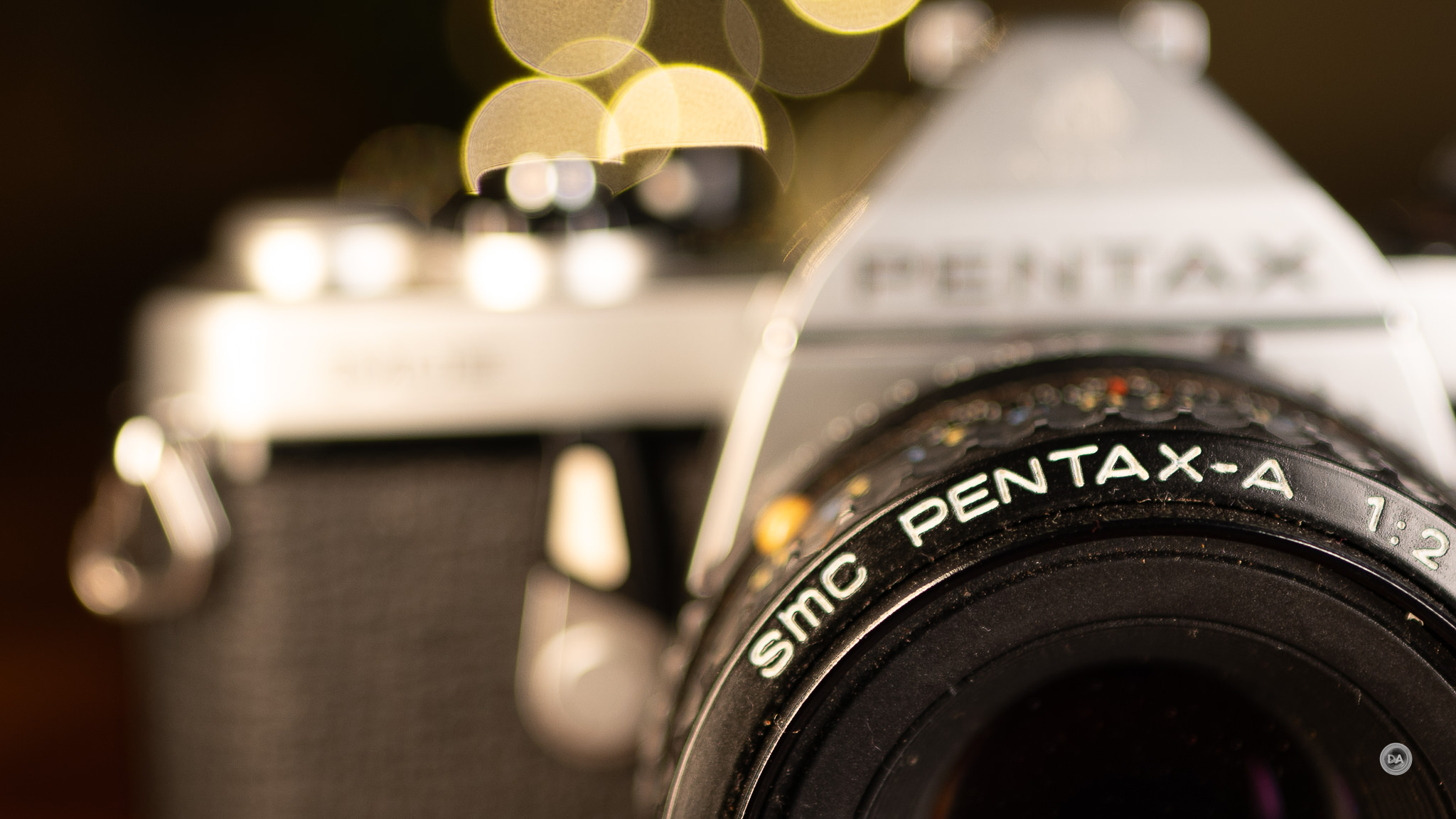
Nor will you see much on the shiny edges of my Dad’s old SLR.
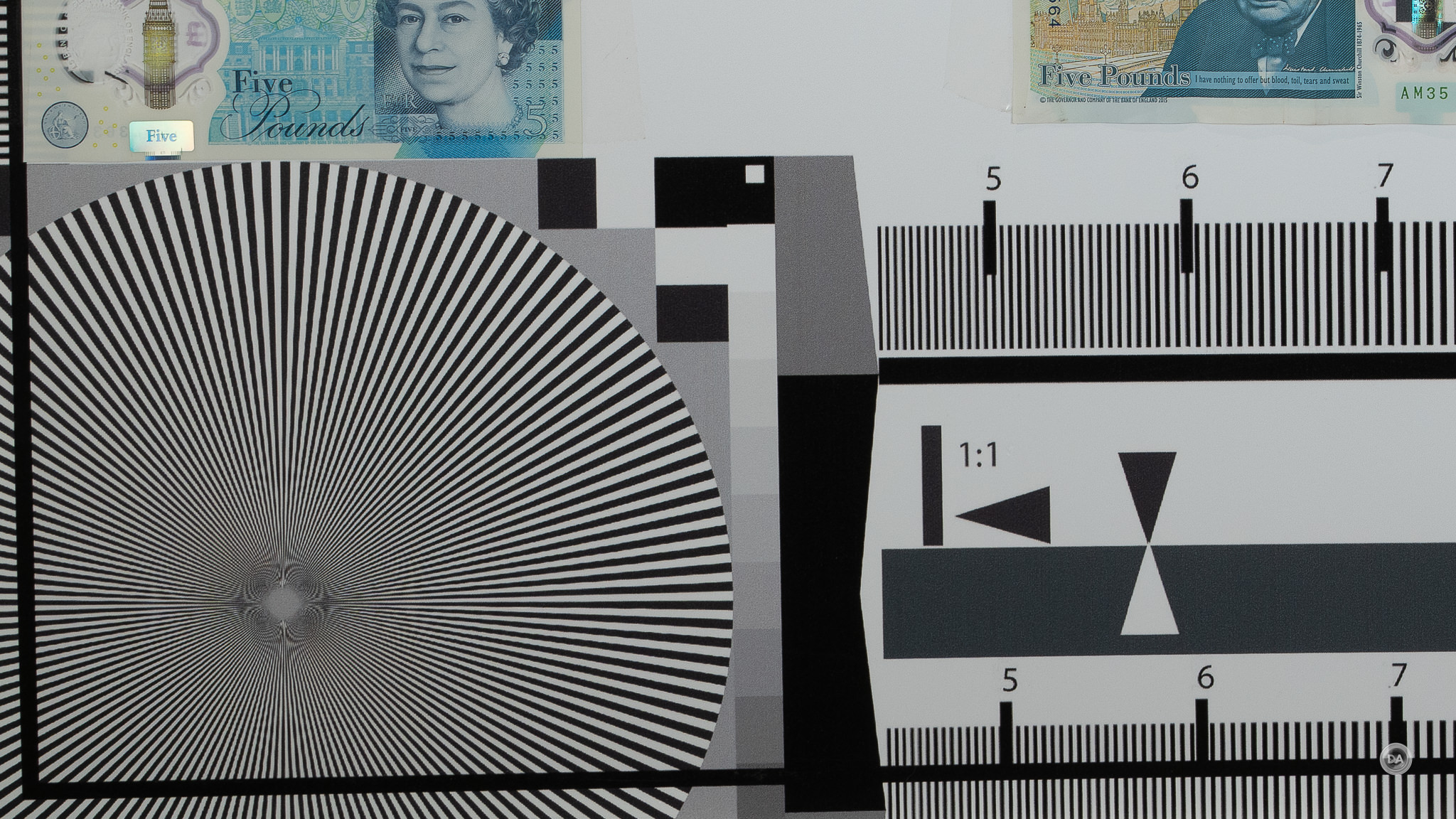
Lateral chromatic aberrations (LaCA) near the edge of the frame are a more common problem on wide-angle lenses, but the 20mm F1.8 S is exceptionally well corrected in this regard.
If we move on to vignette and distortion we find that there is a minor amount of barrel distortion and a massive amount of vignette.
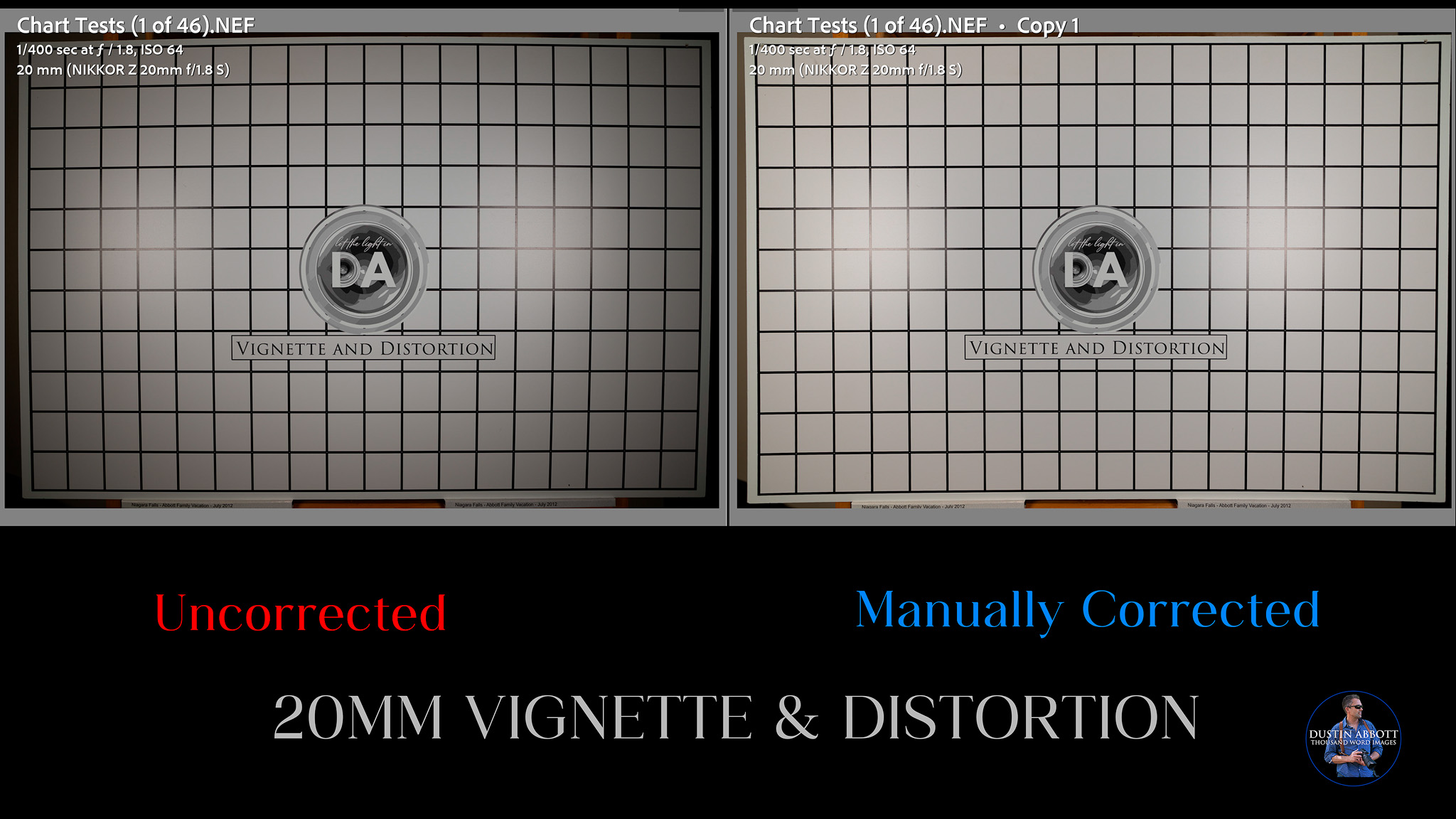
I used a +9 to correct for the distortion but needed to max out the sliders to correct the vignette (+100). The vignette seems to be the area that the engineers allowed to “slip” to get the desired results in other areas more difficult for electronic corrections to adjust for. As always, however, I would be remiss if I did not point out that correcting this much vignette is not without cost. You will see additional noise in the corners even at lower ISOs, and at higher ISO values that could become much more noticeable. I also noticed that in some scenes the heavy vignette played a bit of havoc with metering.
We’ll move on to inspecting our test chart. This test has been done on a 45MP Nikon Z8 sensor. I use a high end tripod and two second camera delay to ensure vibration doesn’t affect images. Here’s a look at the test chart that we will examine at high magnification:

If we take a look at crops (at roughly 200%) at F1.8 from the center, mid-frame, and lower right corner, we see an excellent center and midframe with strong corners until the last few percentage points in the extreme corner.



In real world shooting I was very happy with results even at F1.8.
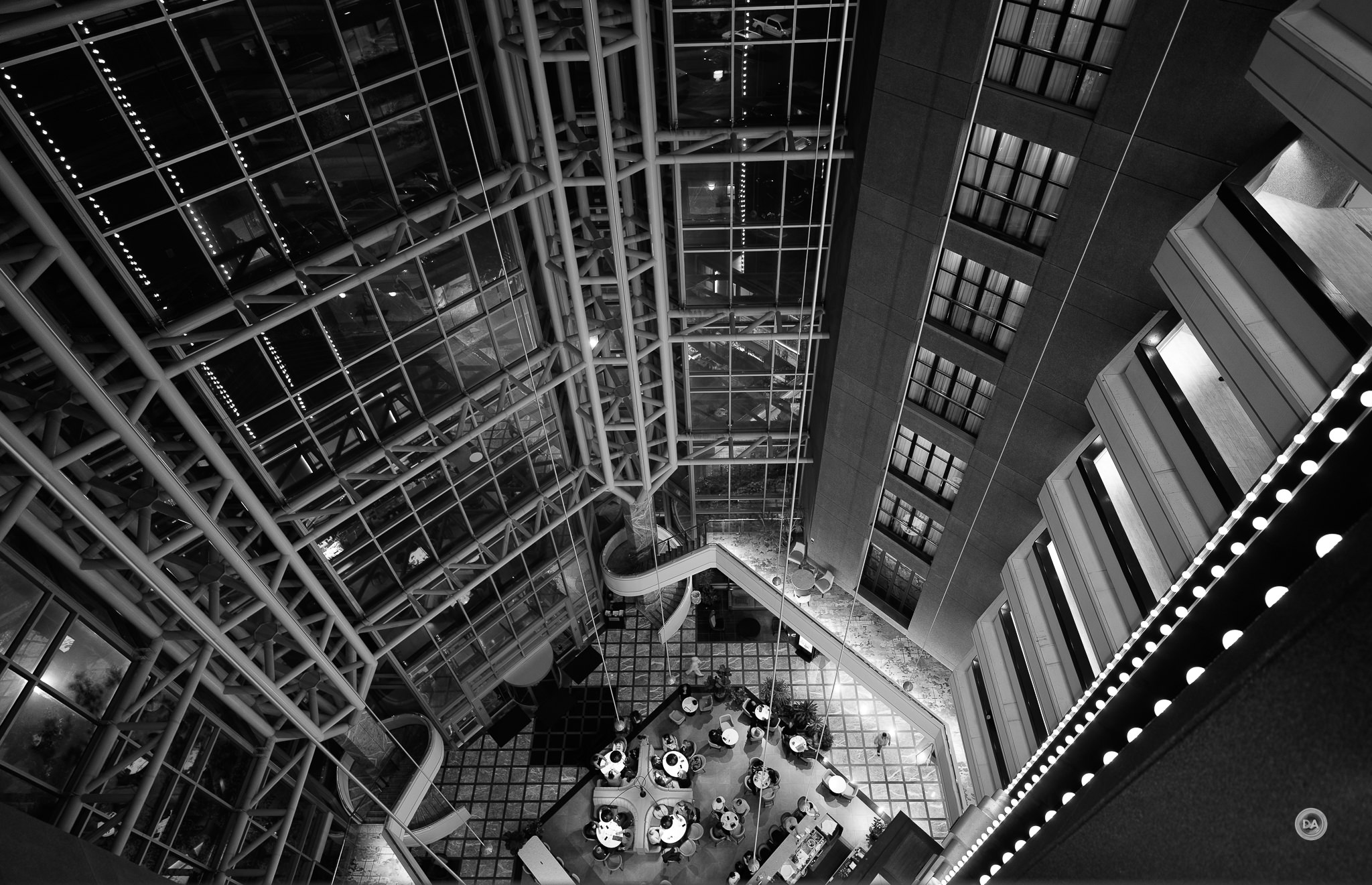

Wide angle lenses need to be sharp to handle all of the textures of landscape images, and I feel like the 20mm F1.8 S does that well.


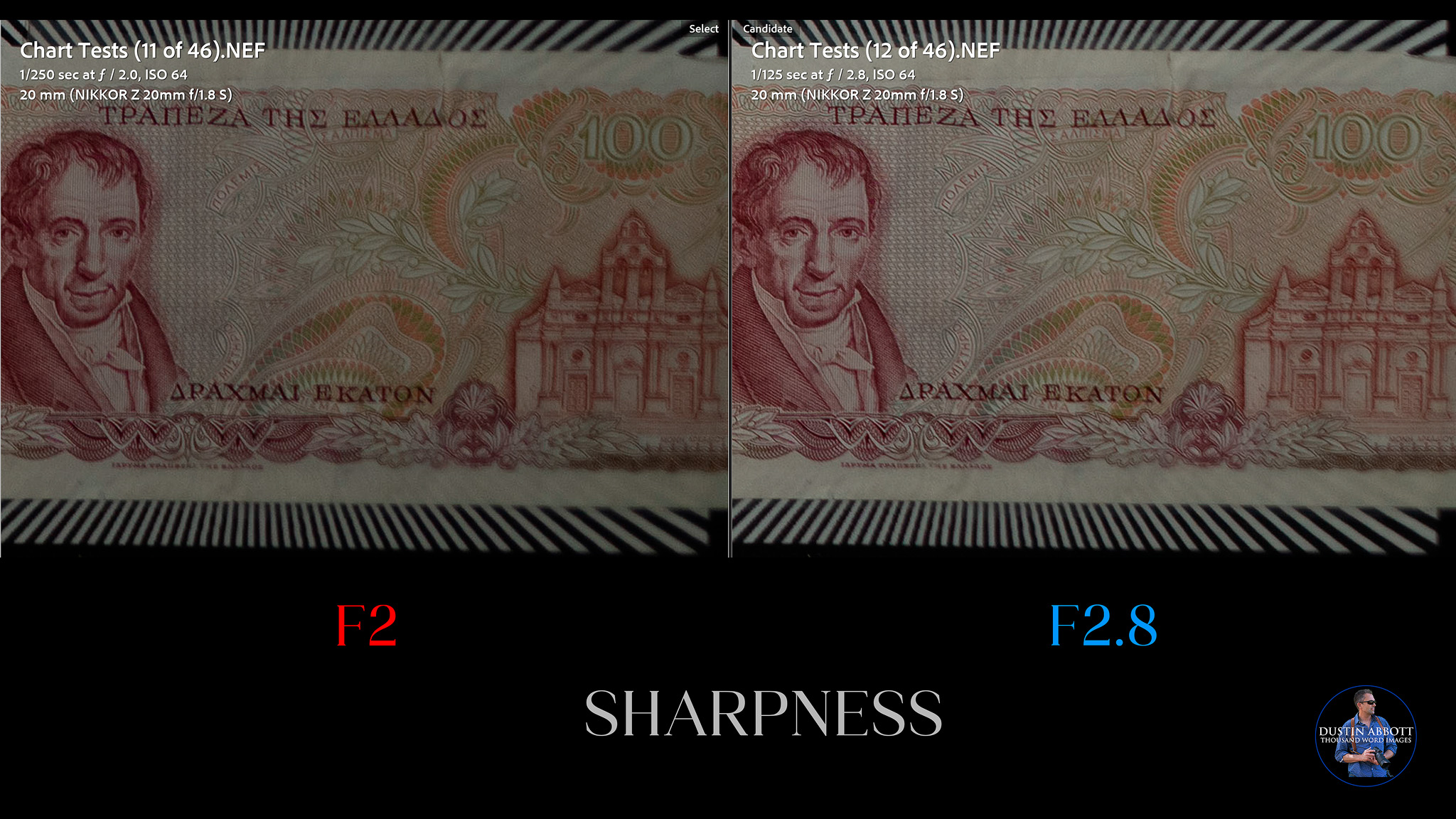
There is slightly more contrast at F2, though probably not enough that would be noticed even at 100% magnification (you can barely see it at 200% magnification). More can be seen at F2.8, though in part this is due to some of the vignette lifting (which means you see more gain off-center than in the middle of the frame. The corners are most obvious:
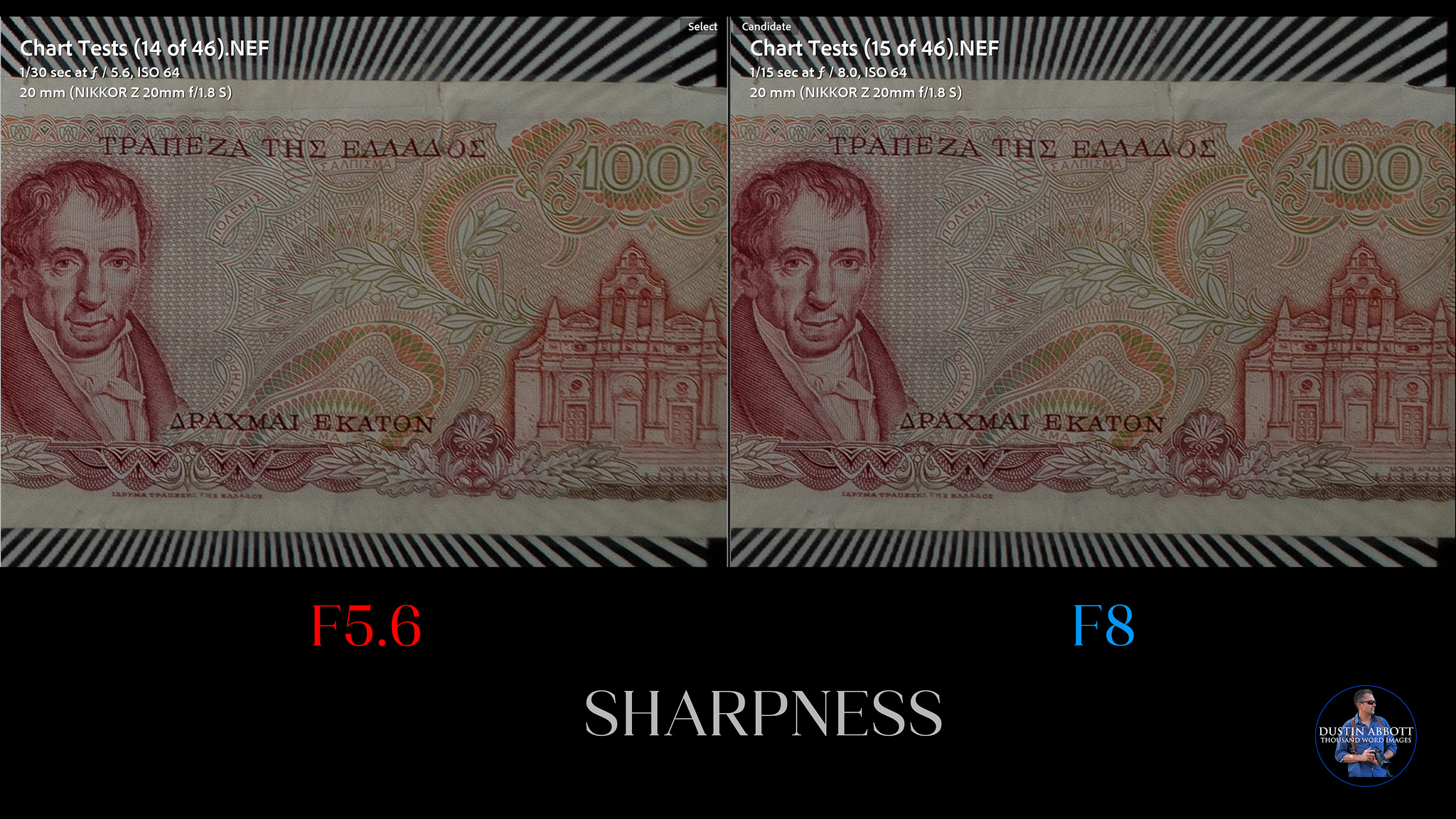
Peak consistency across the frame is found from F5.6 and F8, with F8 representing the strongest corner performance.
The beauty of lens like this is that even at a relatively large aperture, like F4 here, you can have everything in focus (and with good detail).
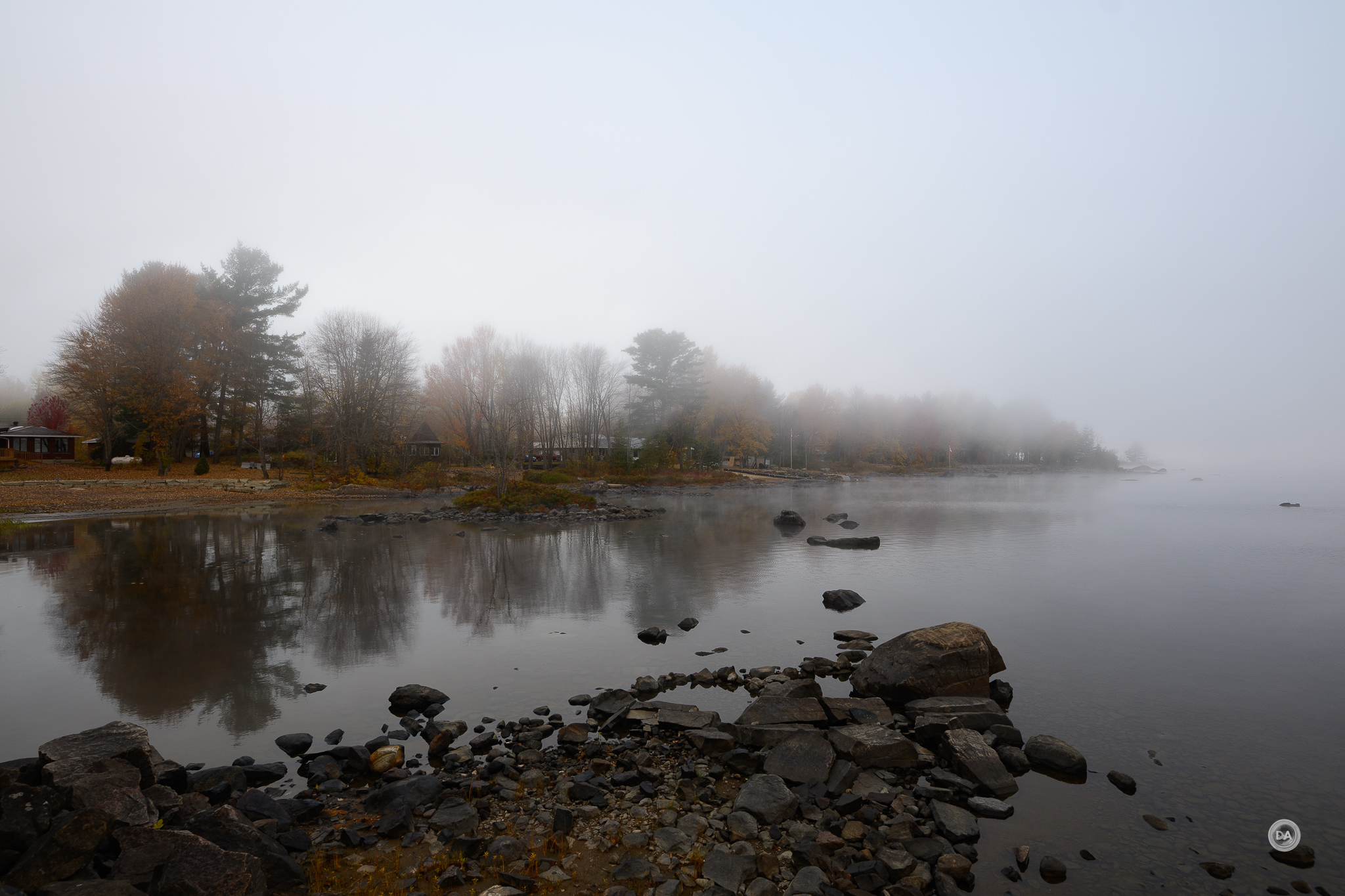
If I look closely at this image the foreground is sharply in focus, the background is in focus, and detail continues right off to the edge of the frame.
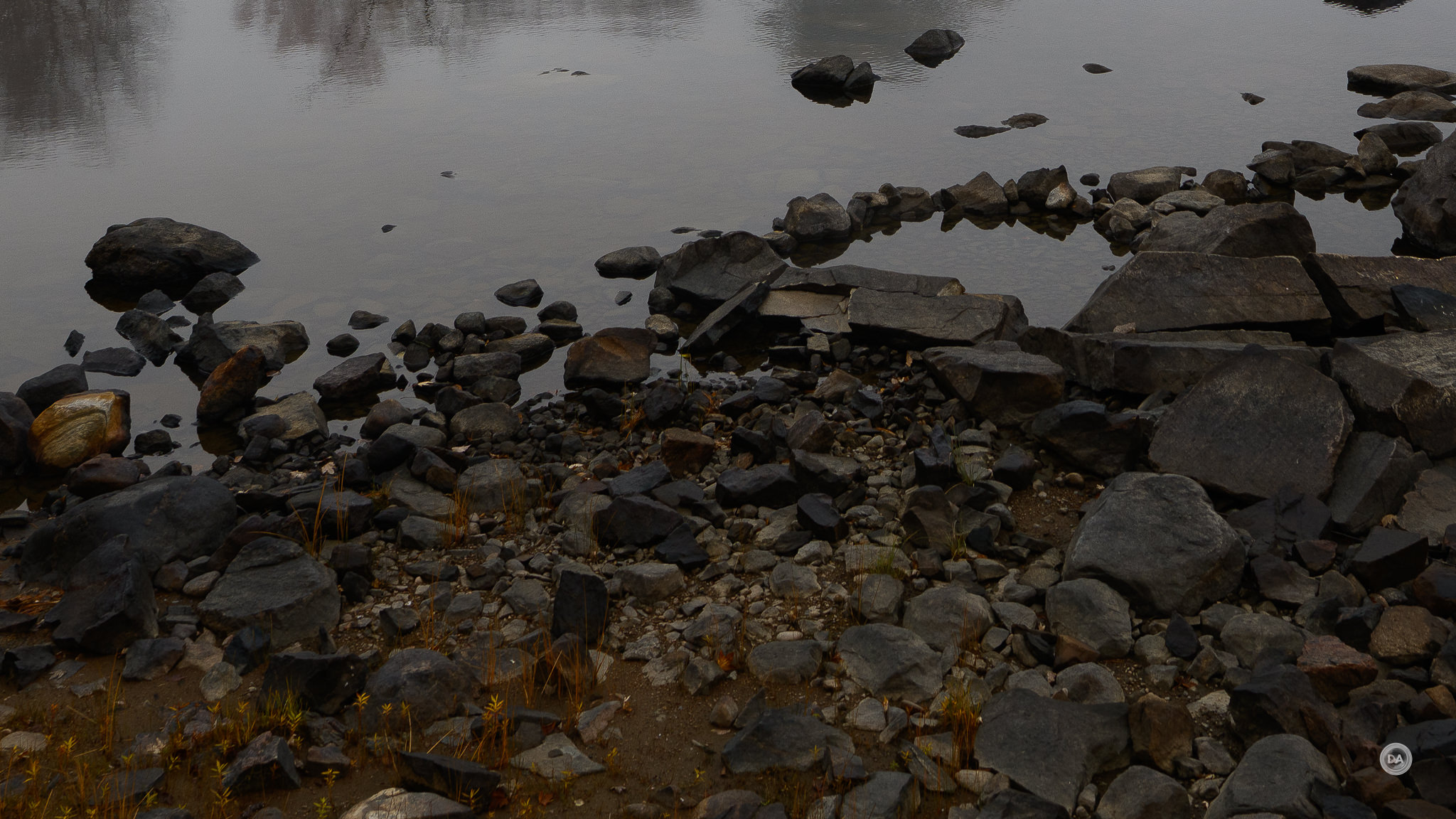
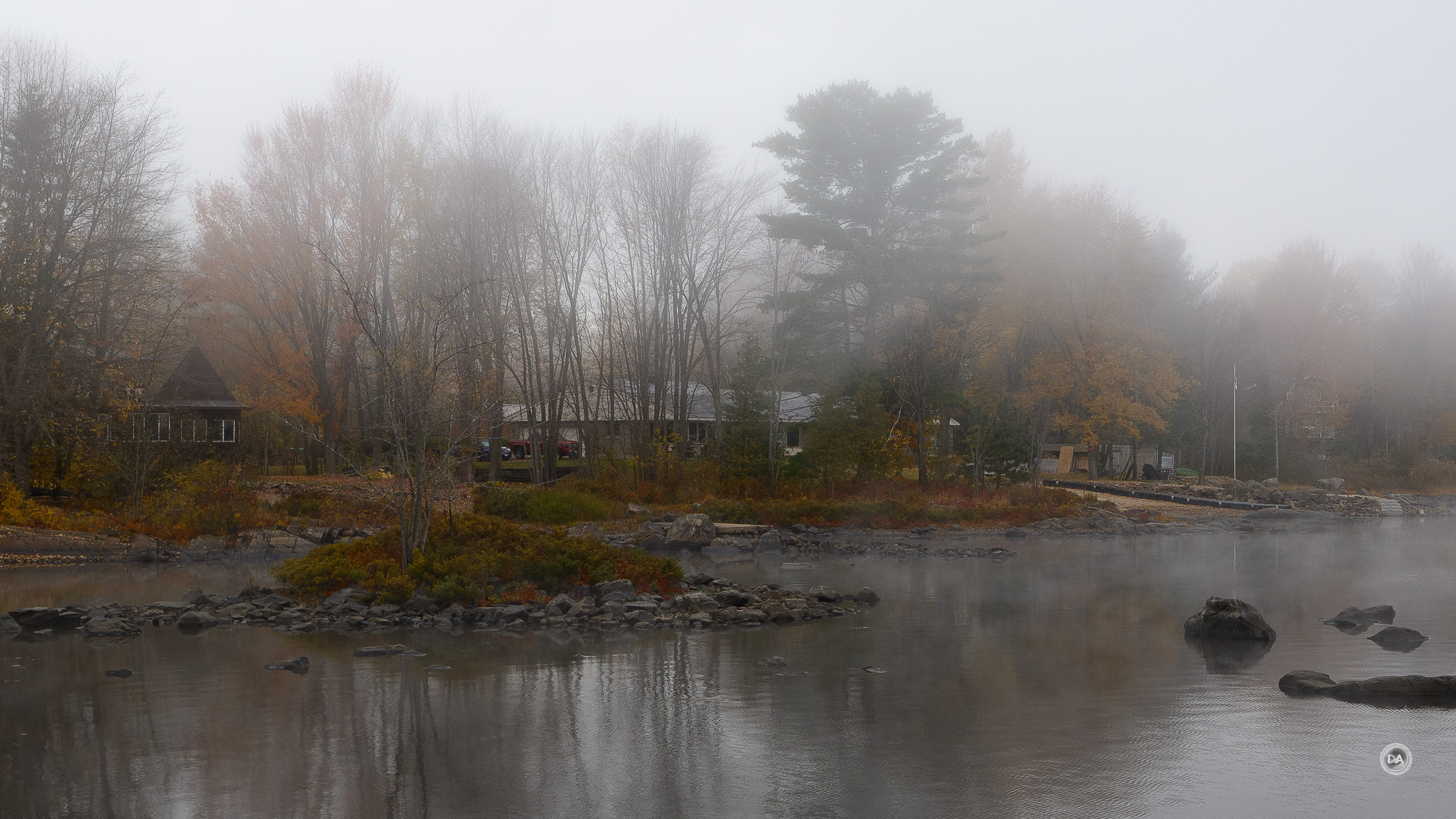
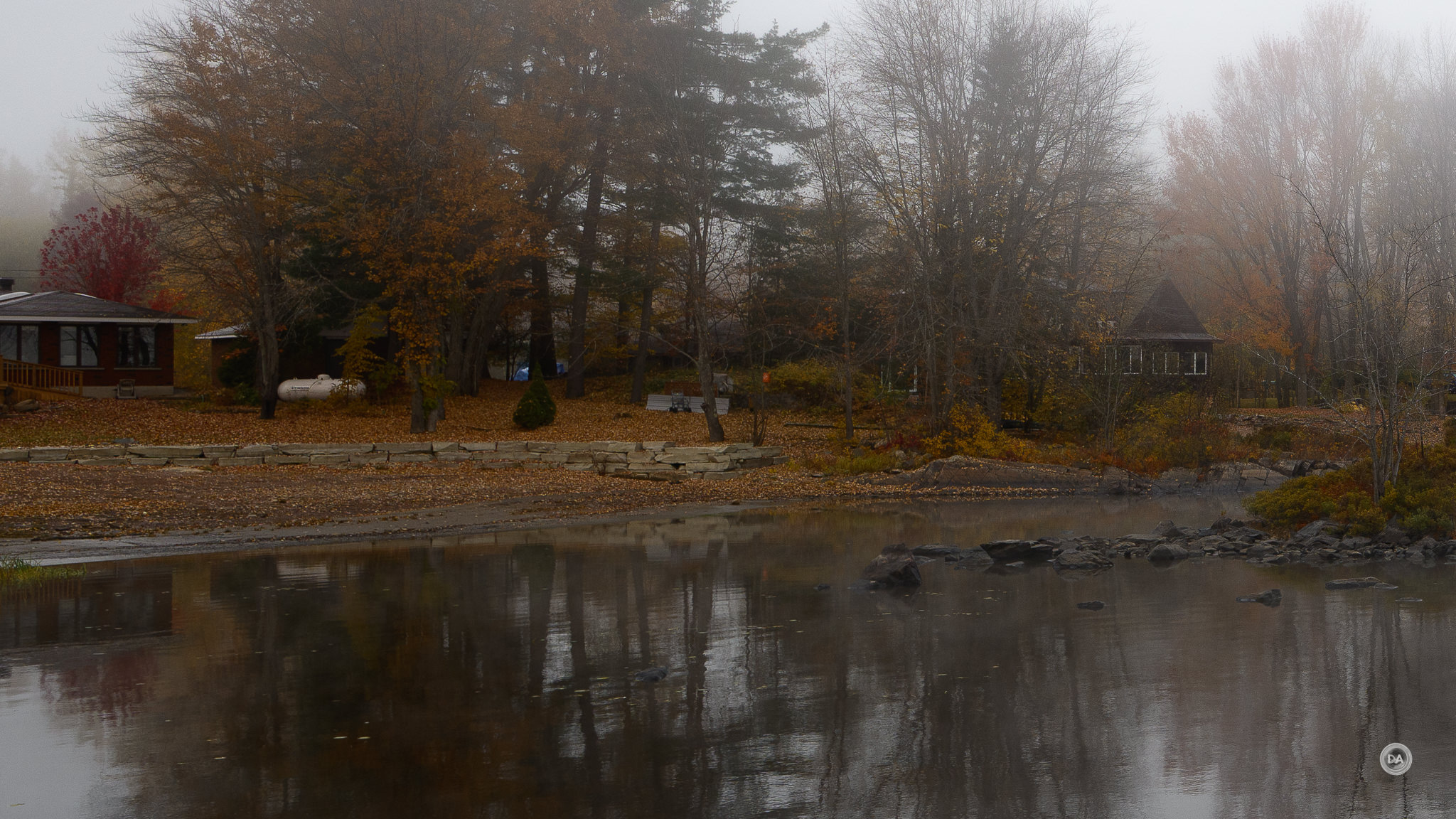
Expect the typical diffraction pattern on high resolution cameras where the image is a little softer by F11 and softer still at the minimum aperture of F16, though frankly I’ve seen much worse when it comes to diffraction.
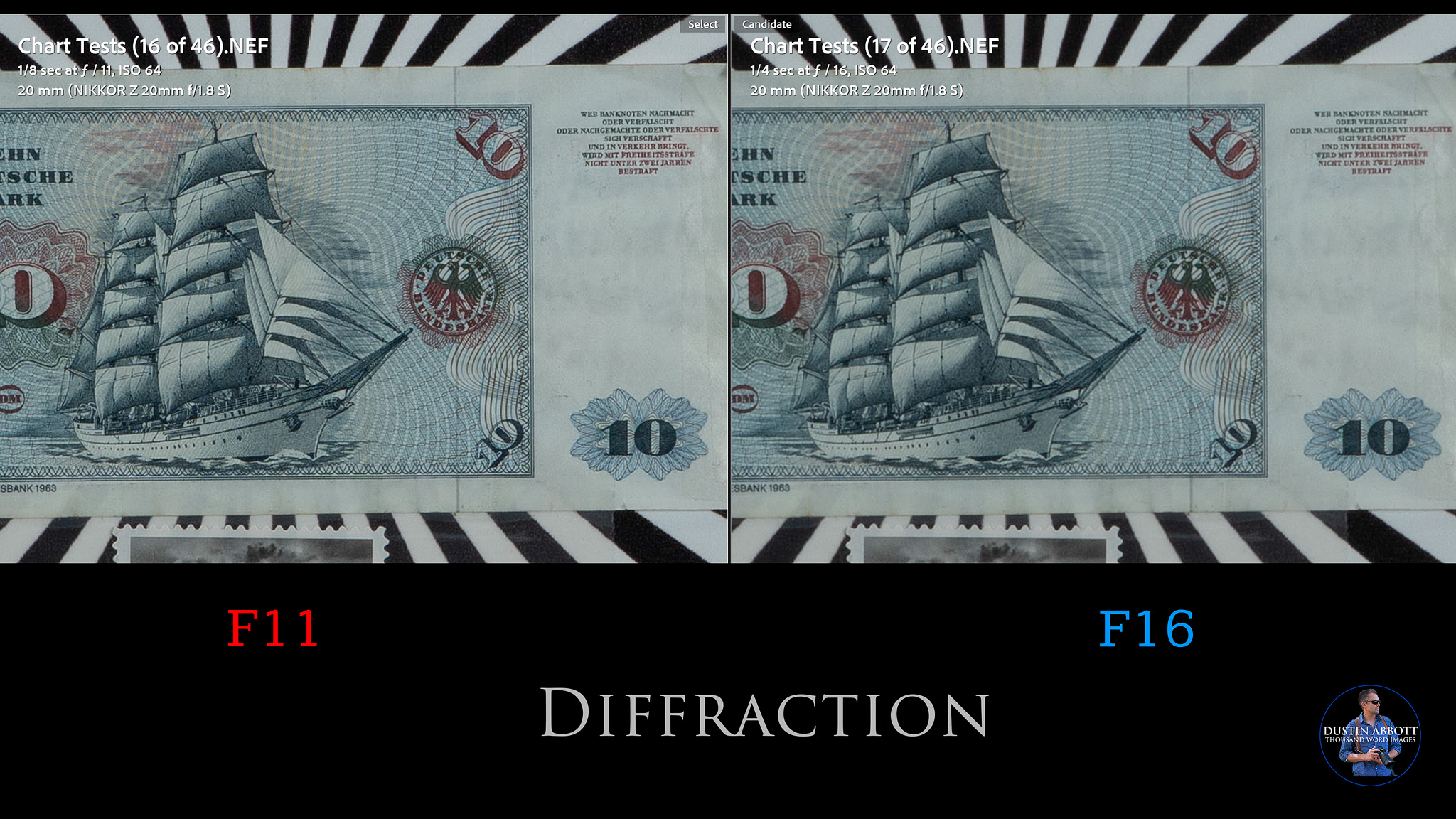
Sharpness and contrast are generally excellent.
But how about the overall rendering from the lens? Does it have that “special sauce” that makes images look exceptional? First of all, people don’t (or shouldn’t) buy wide angle lenses for the bokeh, and while the bokeh is okay for a wide angle lens, I do see much more outlining than I prefer for an exceptional rendering lens.
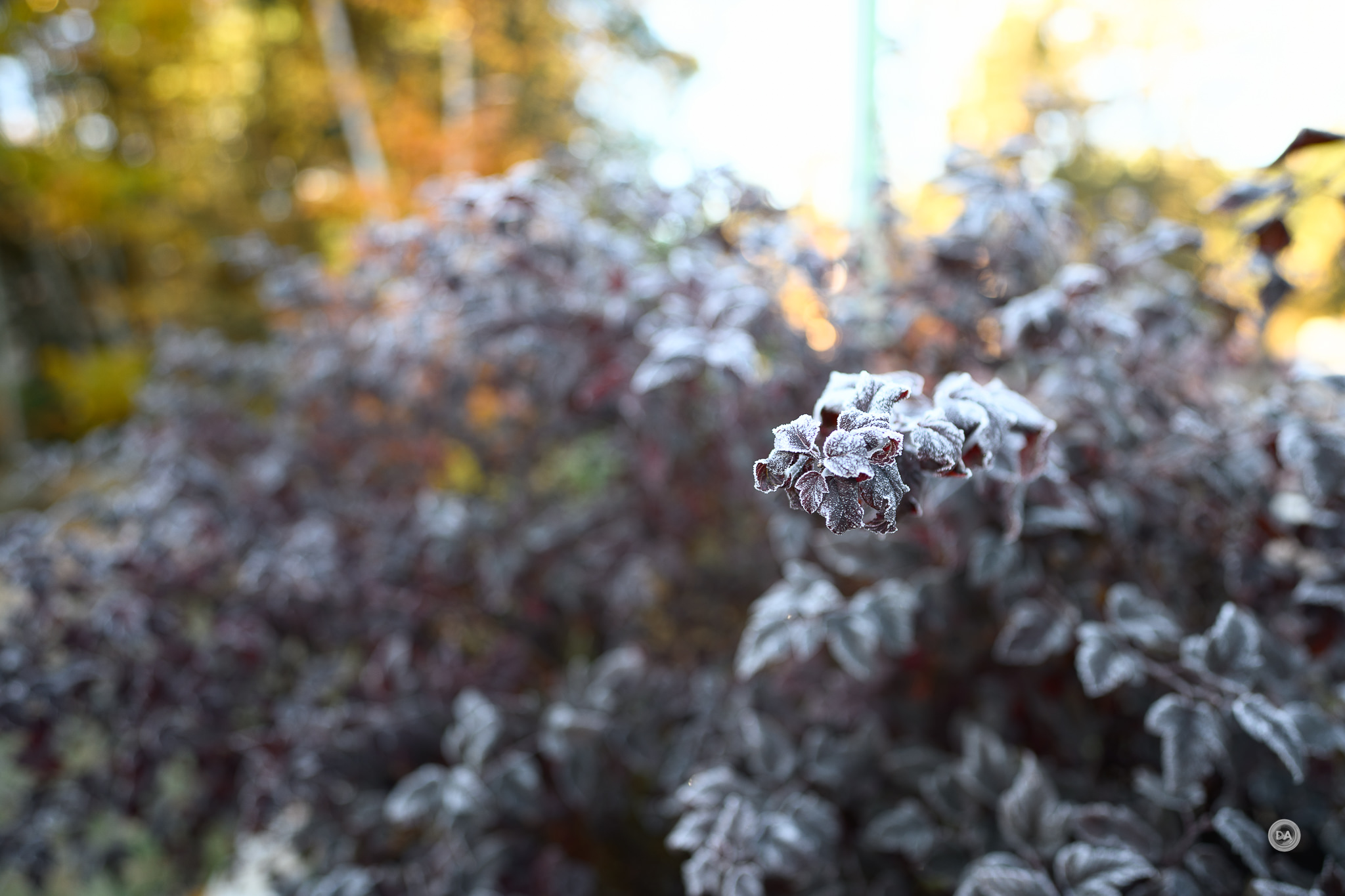
In a shot like the one below, however, I find the rendering fine. I’m able to put the subject out of focus but without losing a sense of its presence. The transition to defocus is fine.

Likewise if I reverse the focus, the foreground bokeh is fine and the eye can naturally flow towards focus without anything distracting.
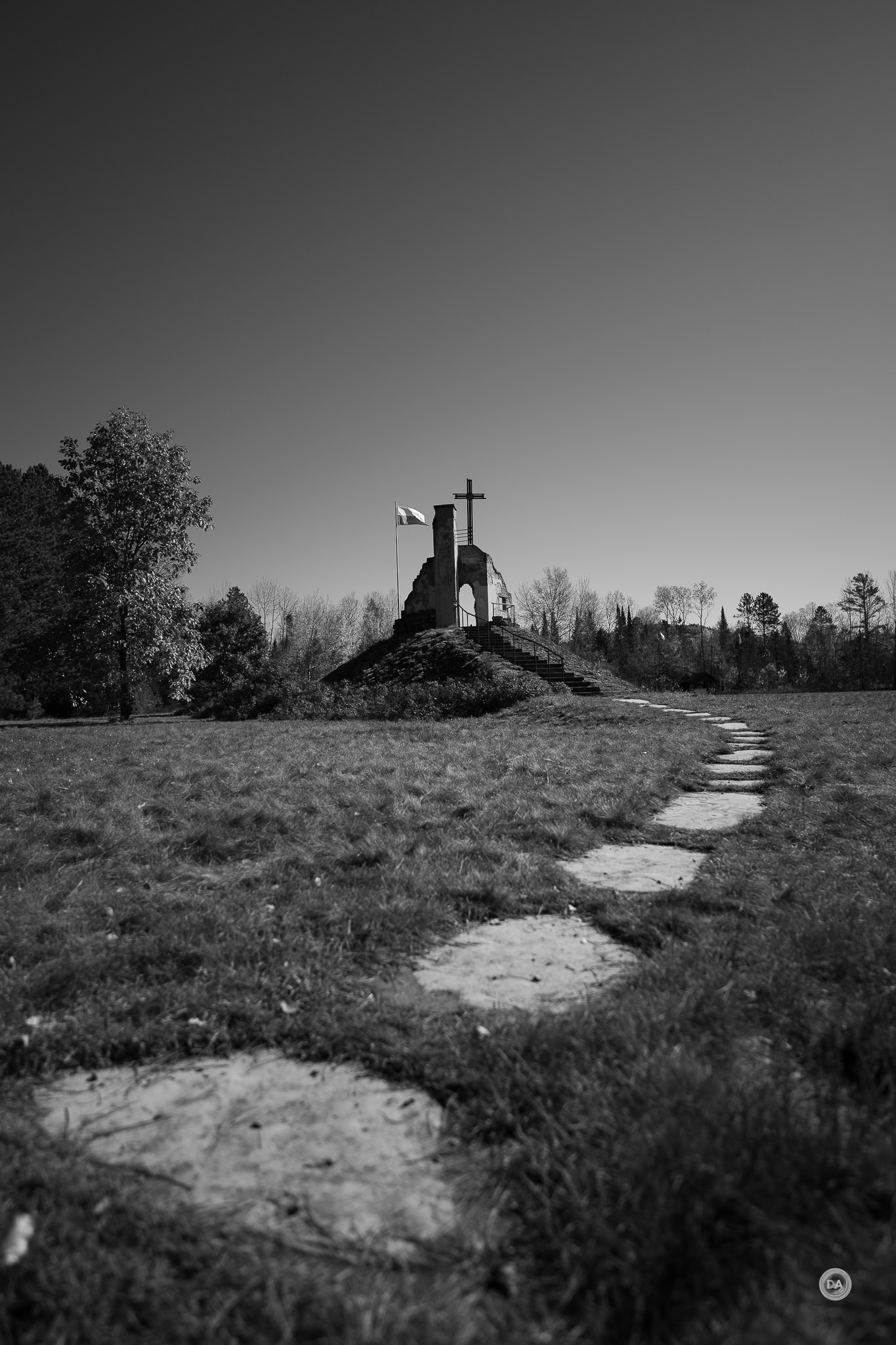
You couldn’t really do shots like this with a lens utilizing a smaller maximum aperture.
Perhaps more important to wide angle performance is the flare resistance. Nikon uses both their Nano Crystal Coat along with their SIC (Super Integrated Coat) as a part of the optical design, and it does a great job. Even intense sunlit situations show fantastic flare control.
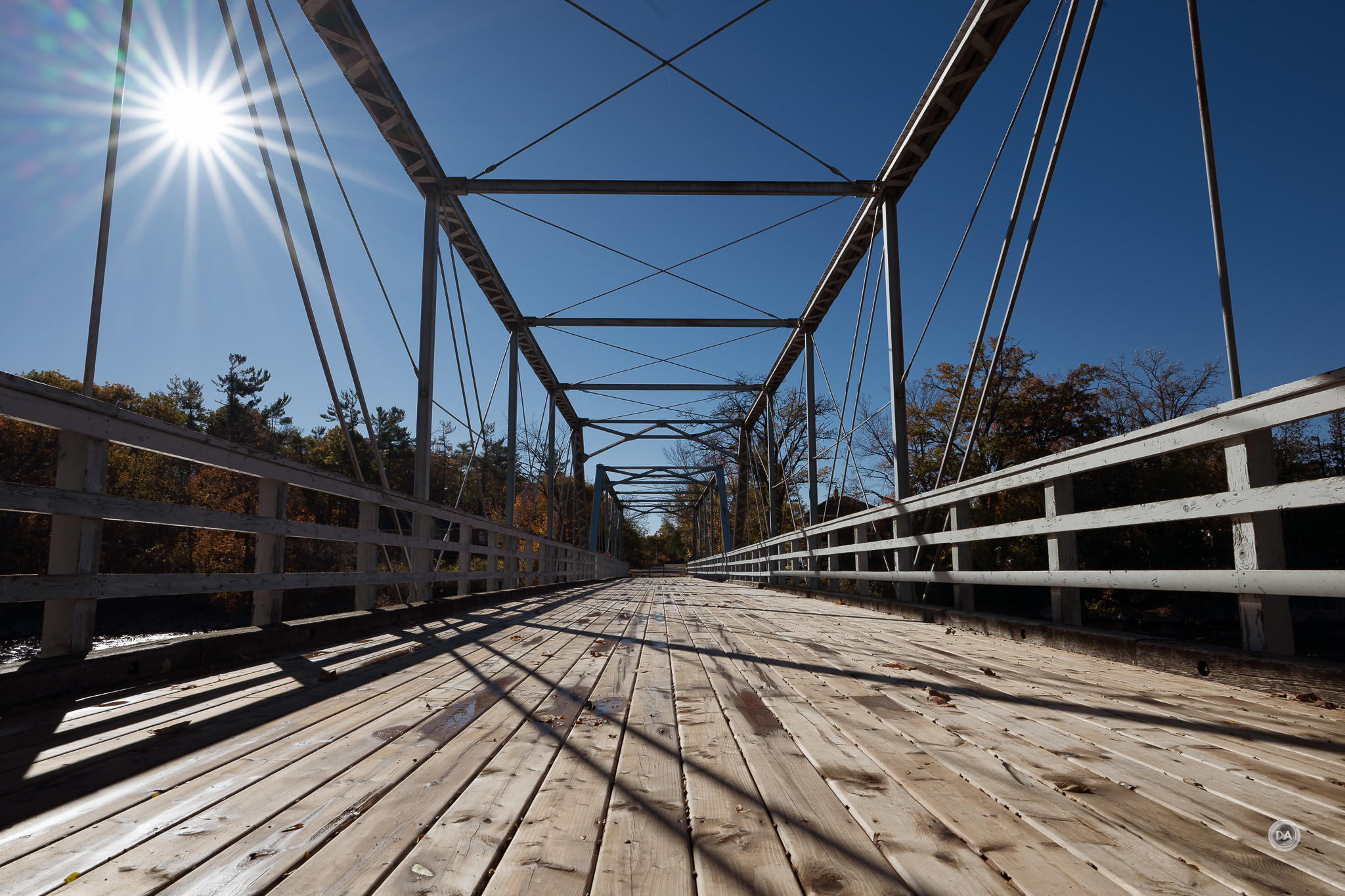
That’s true in a variety of situations, and at a variety of angles and aperture values. The 20mm 1.8 S is rock solid in its flare resistance.
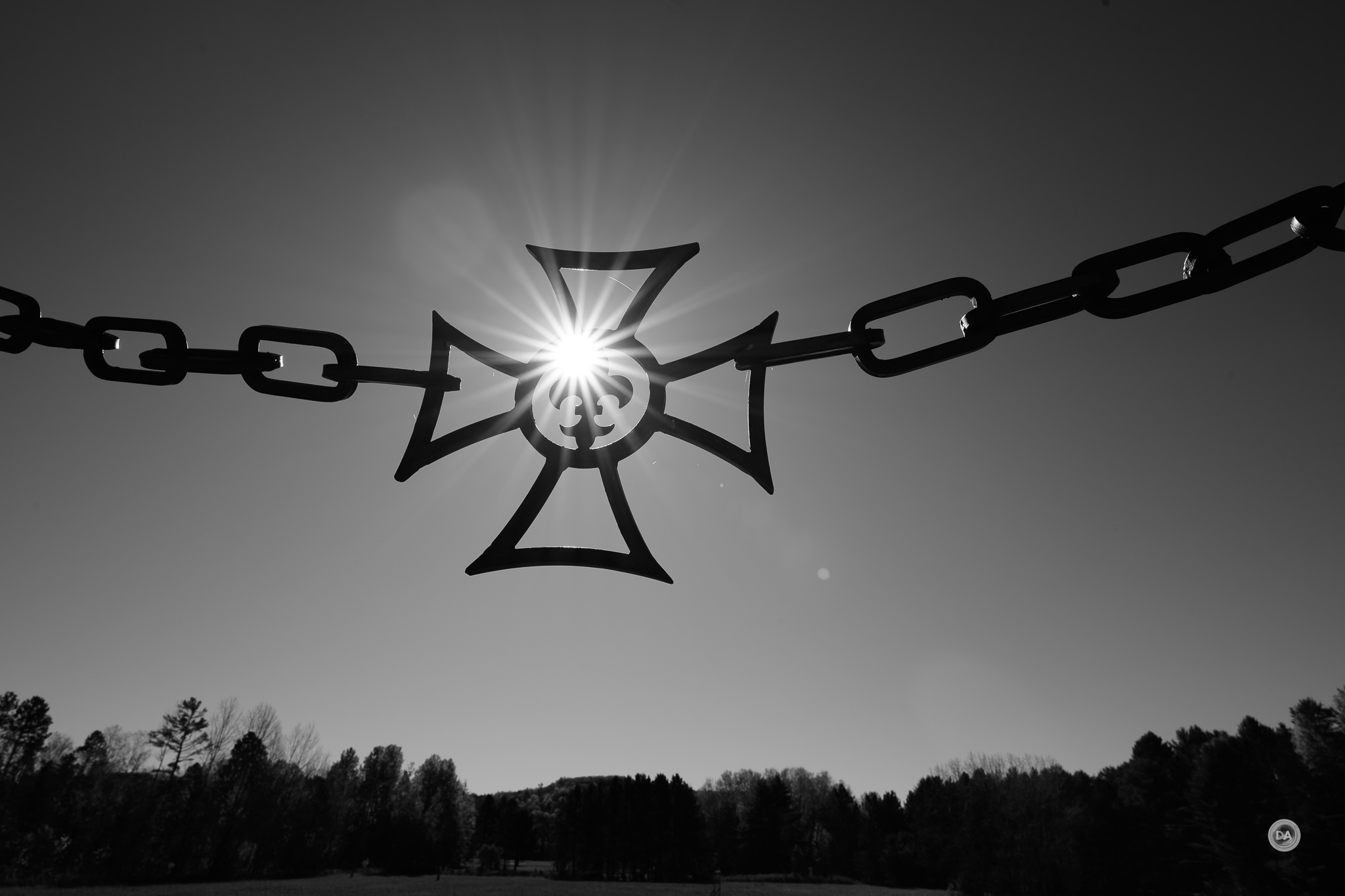
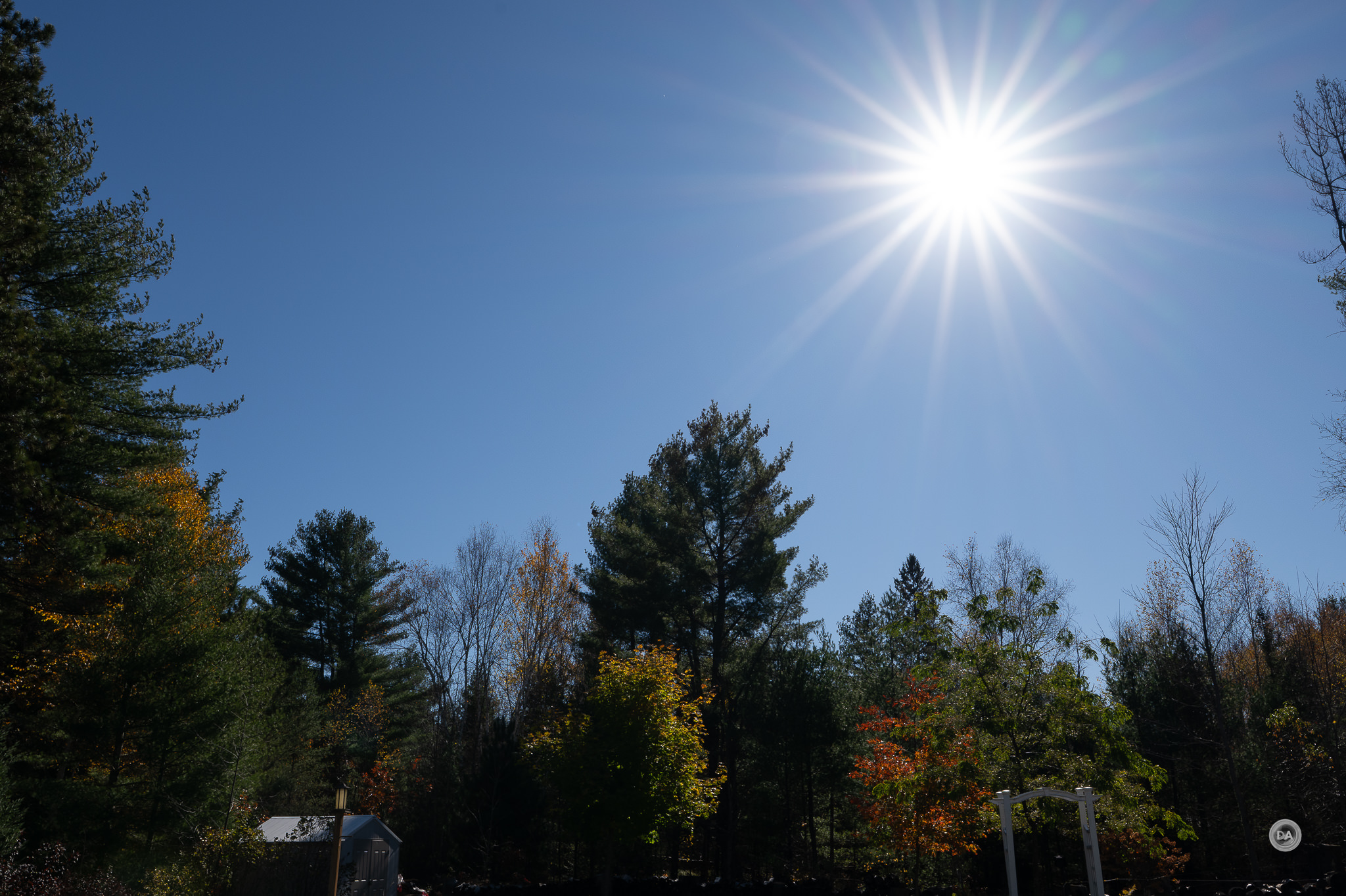
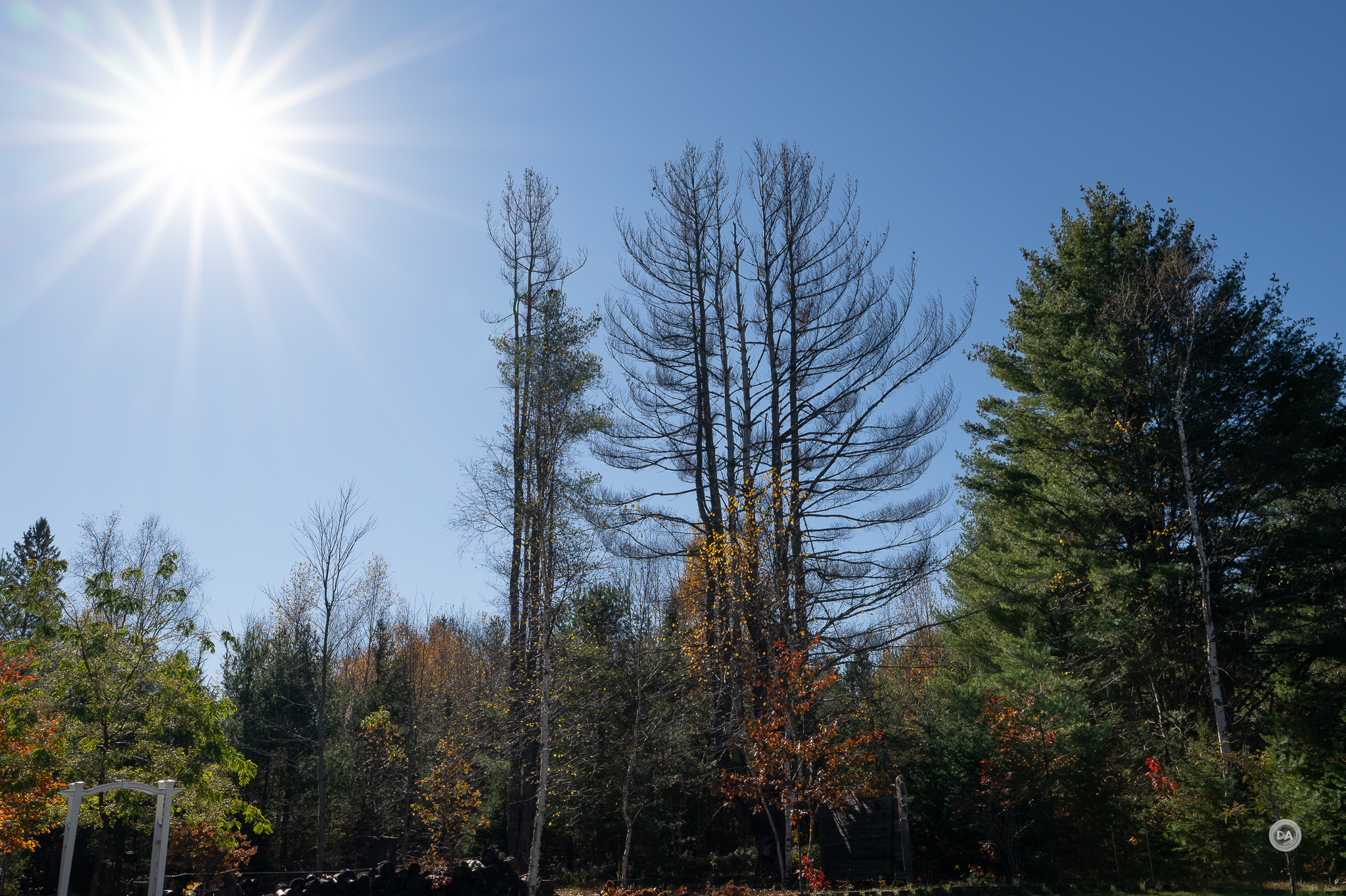
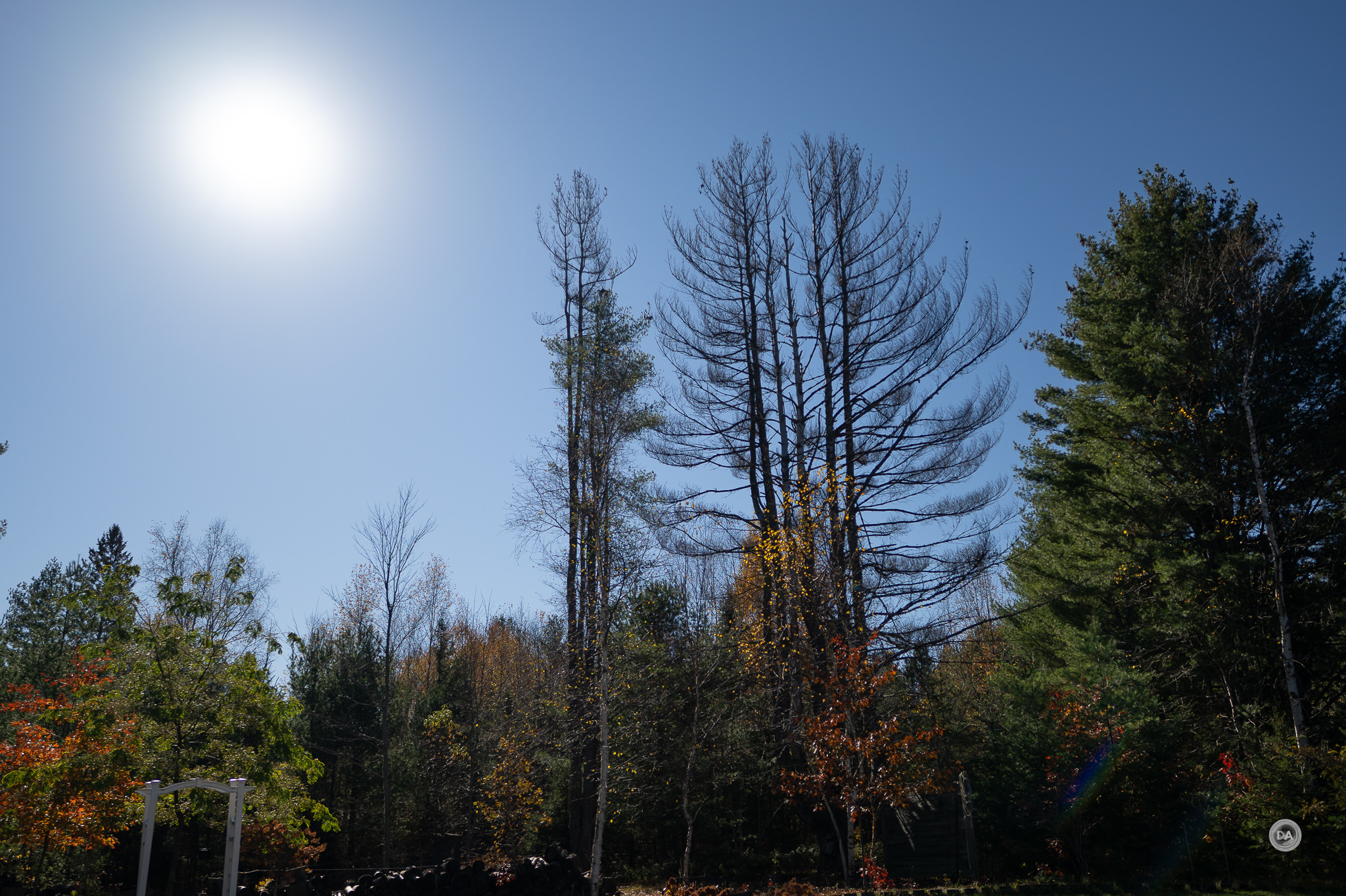
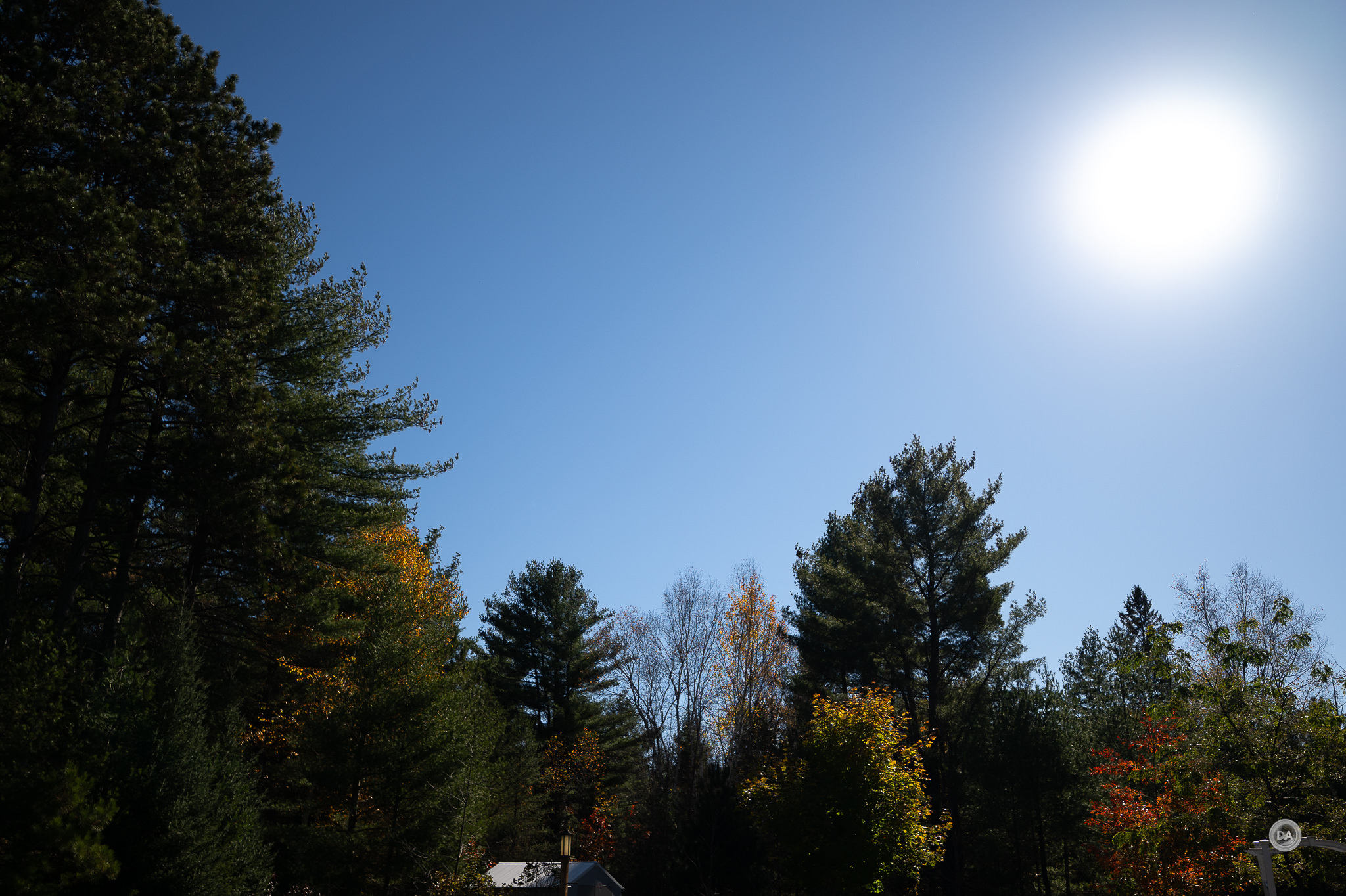
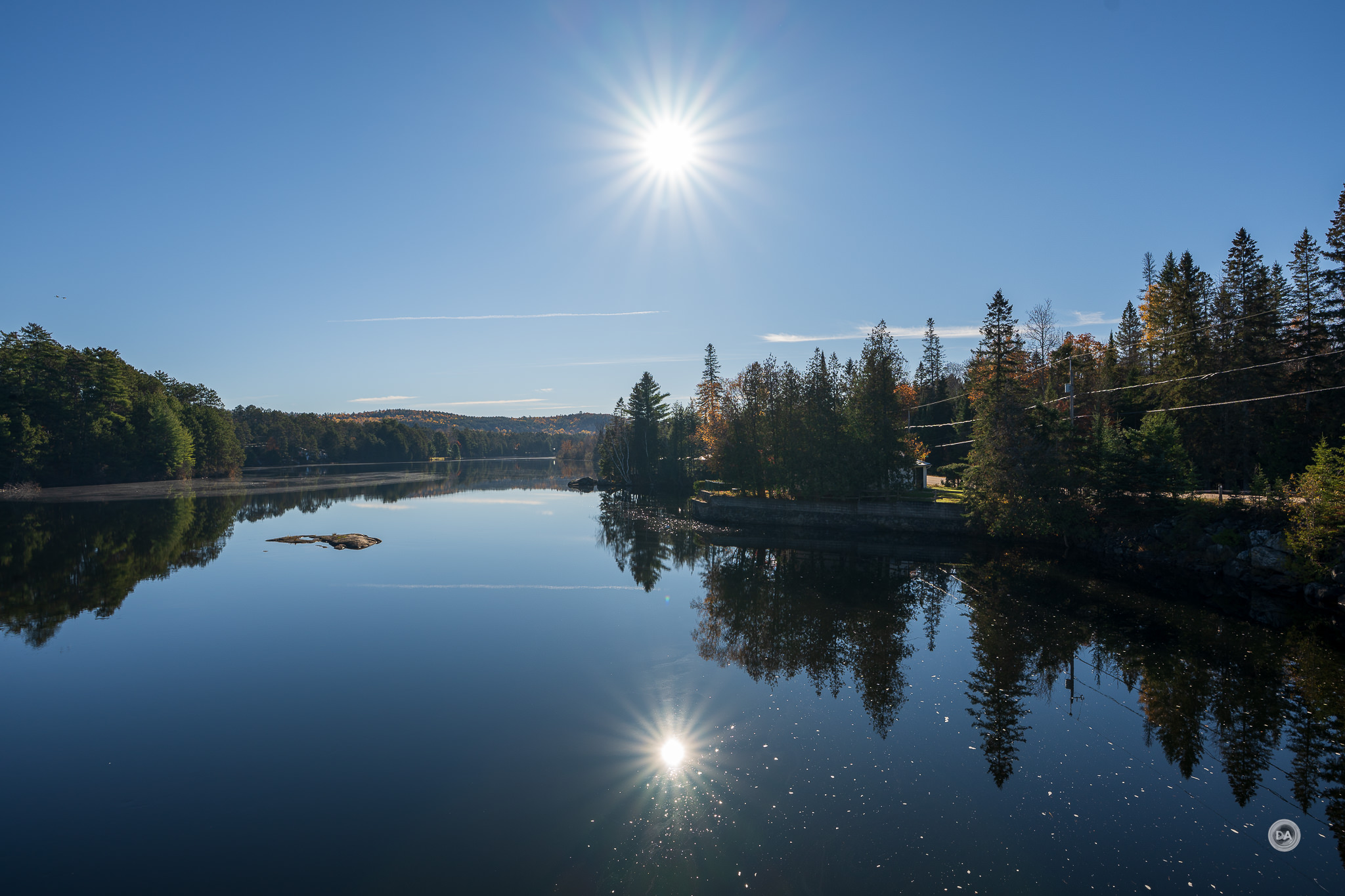
The colors are punchy but natural – just what you need in a wide angle lens.
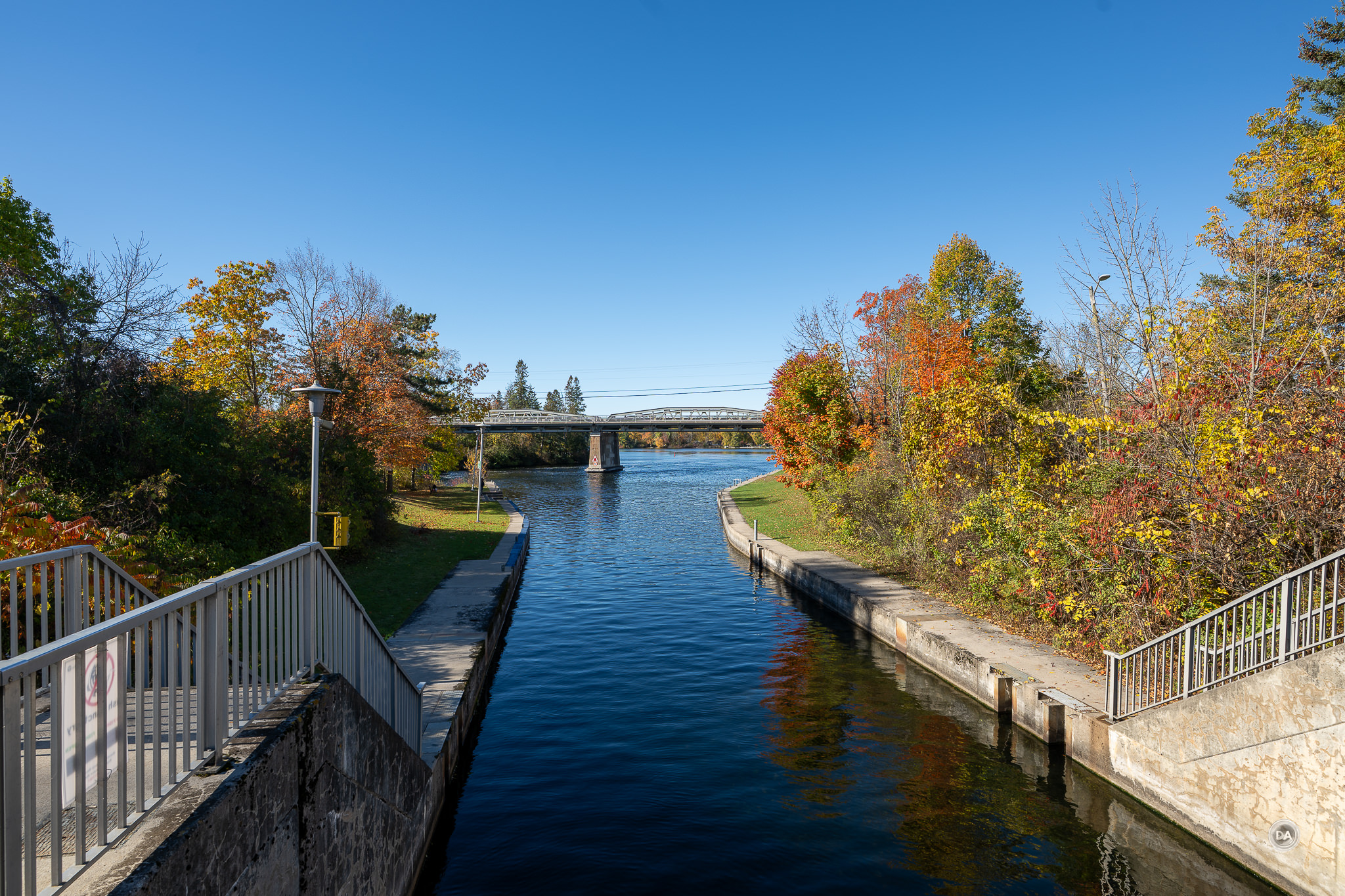
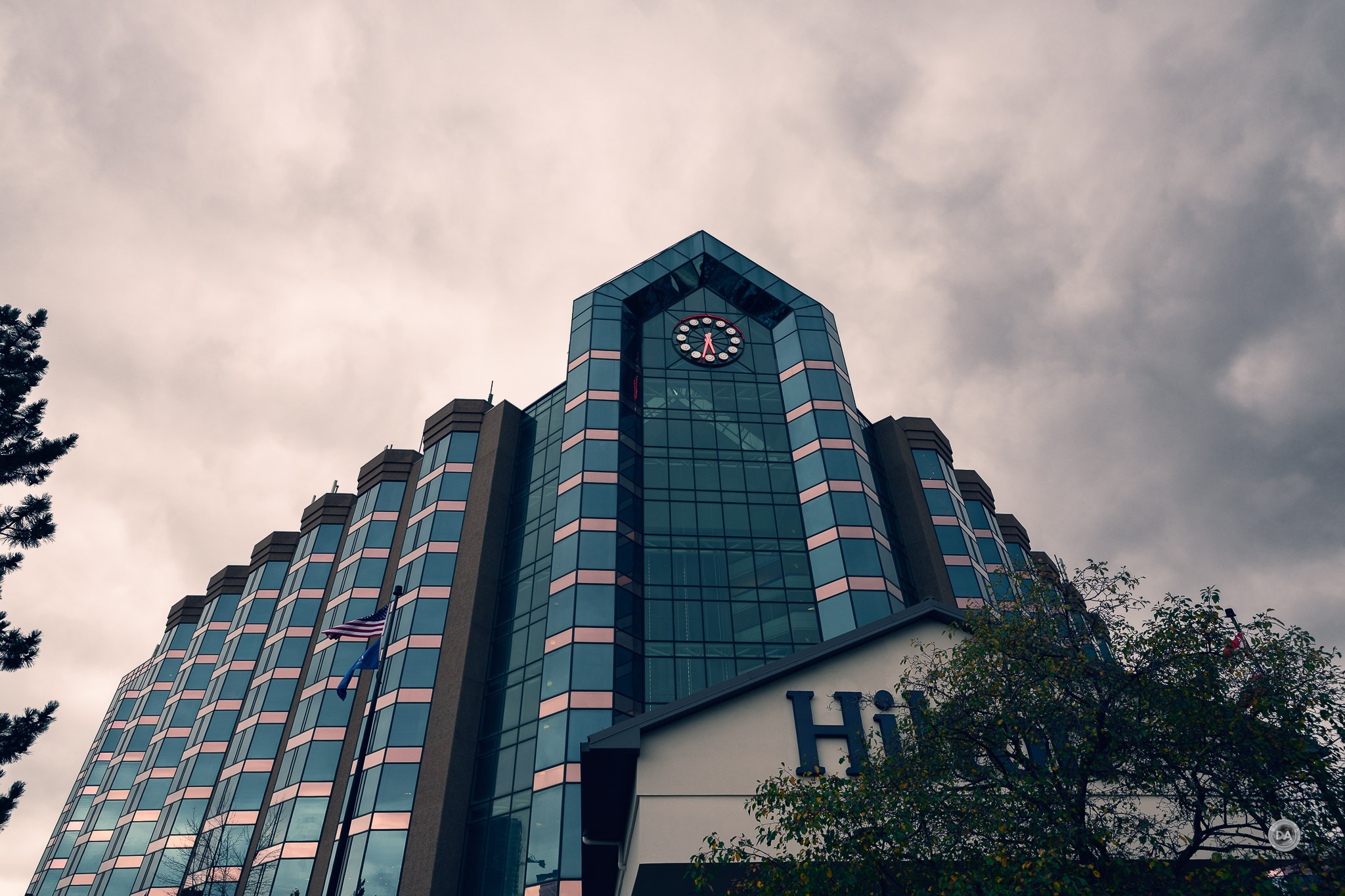
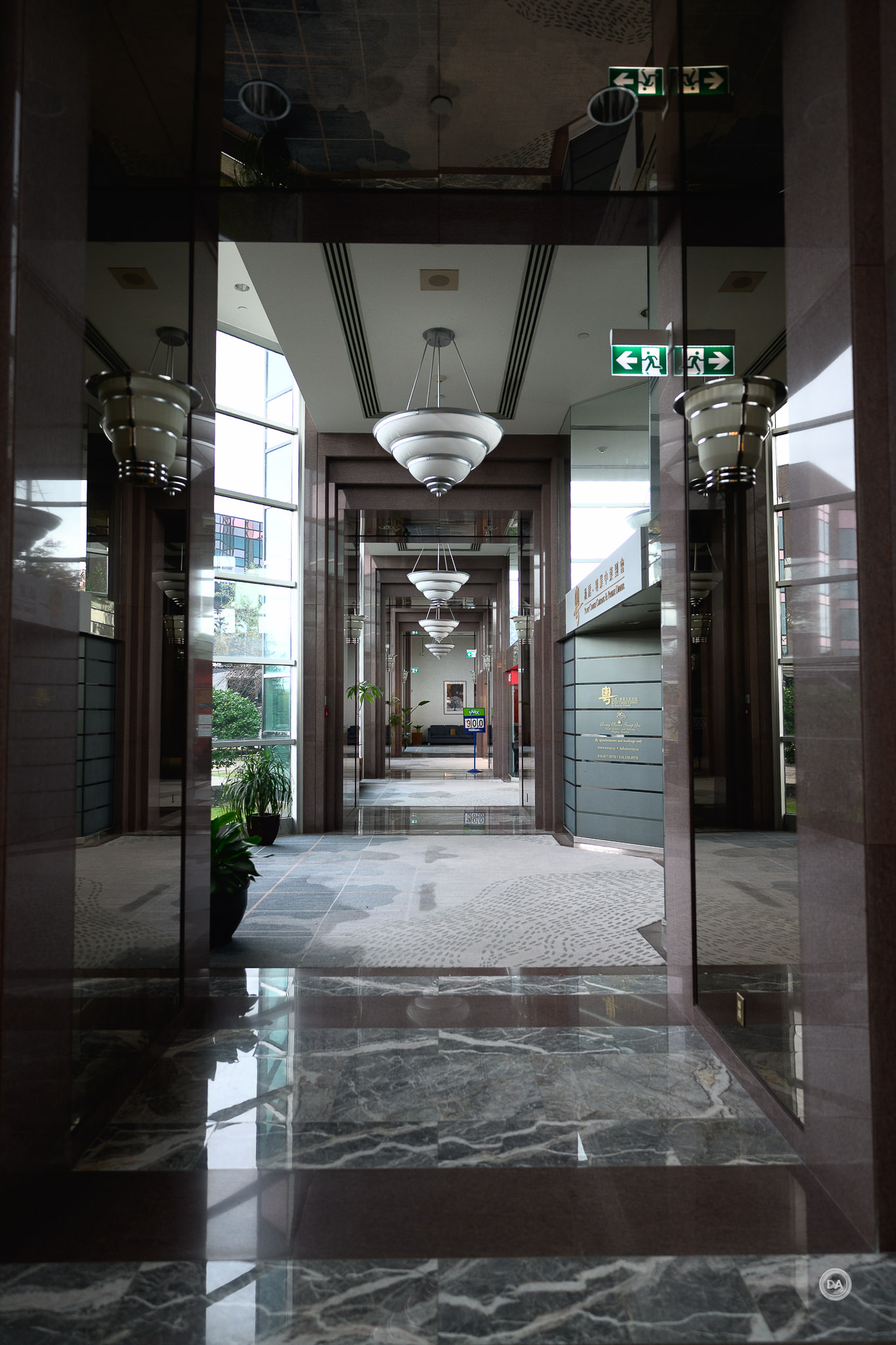
Interior shots look nice.
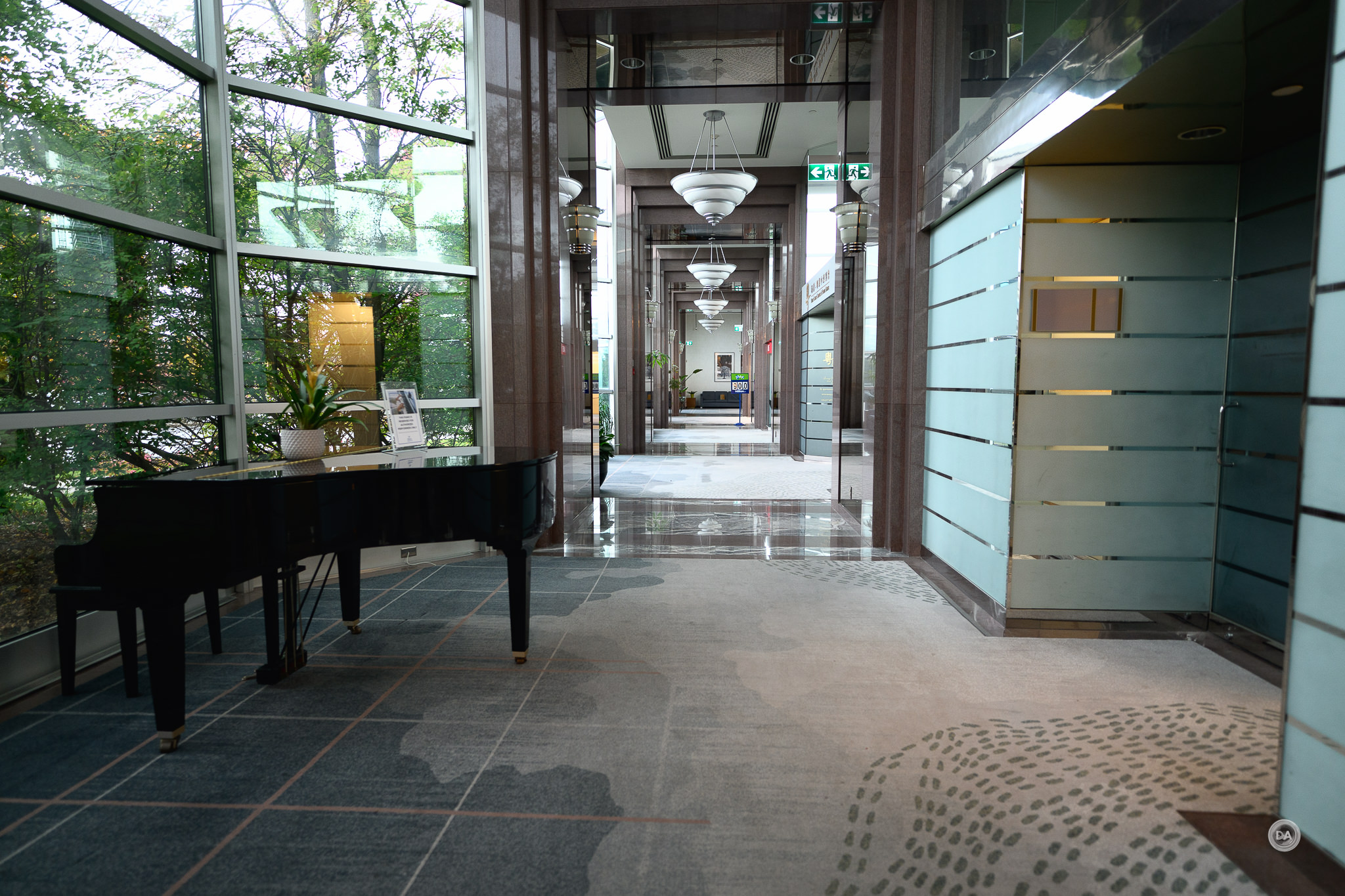
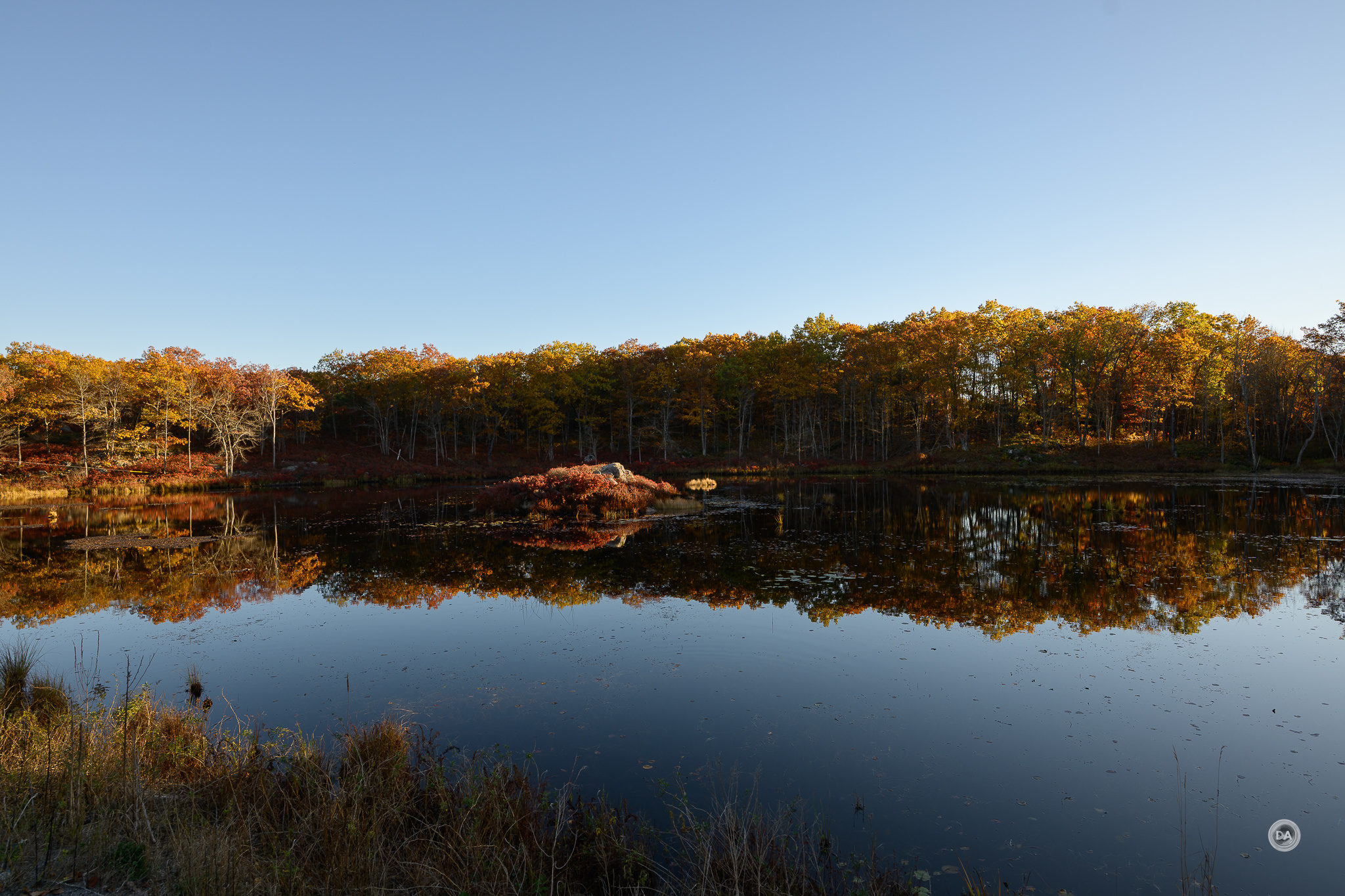
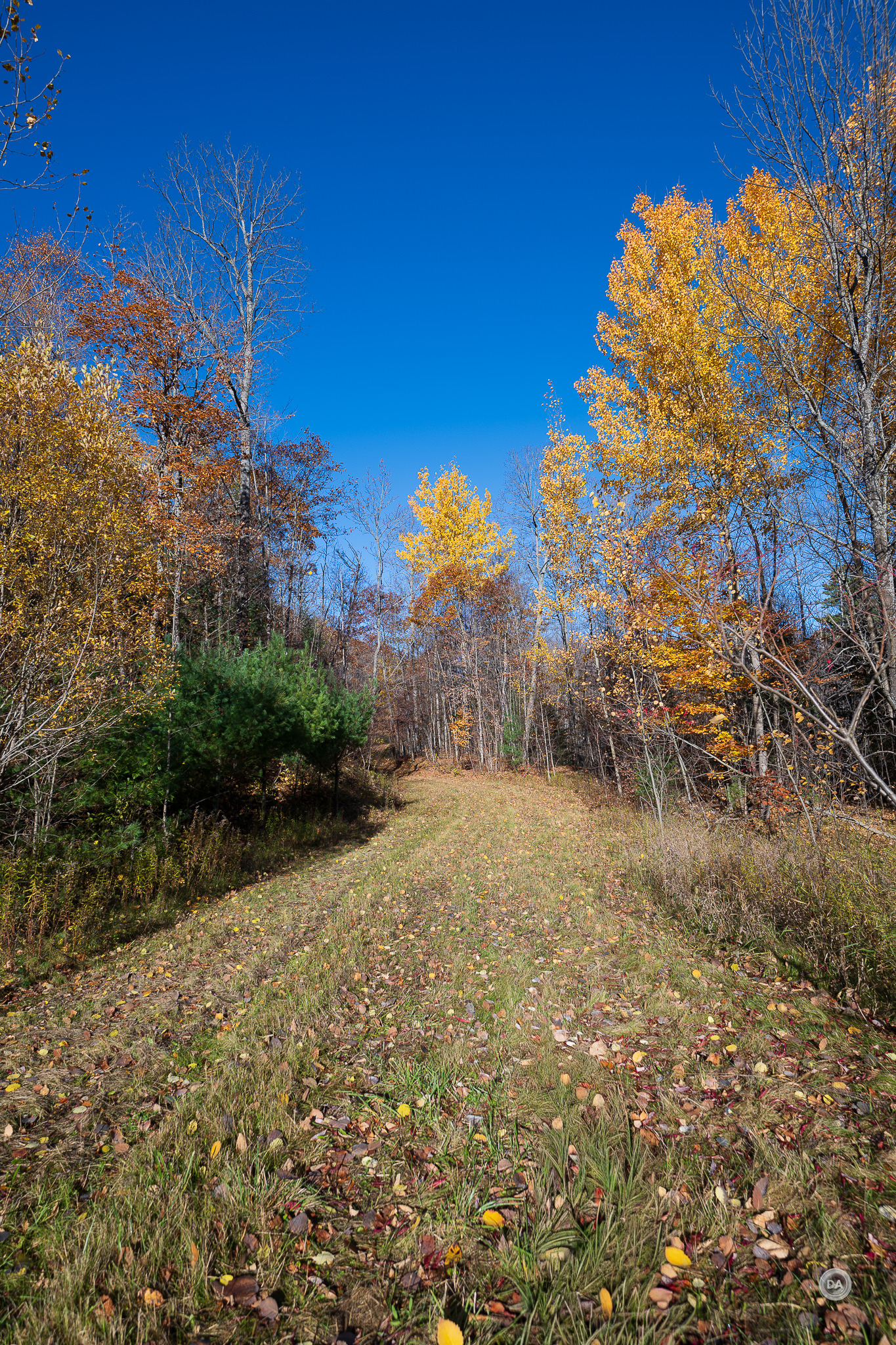
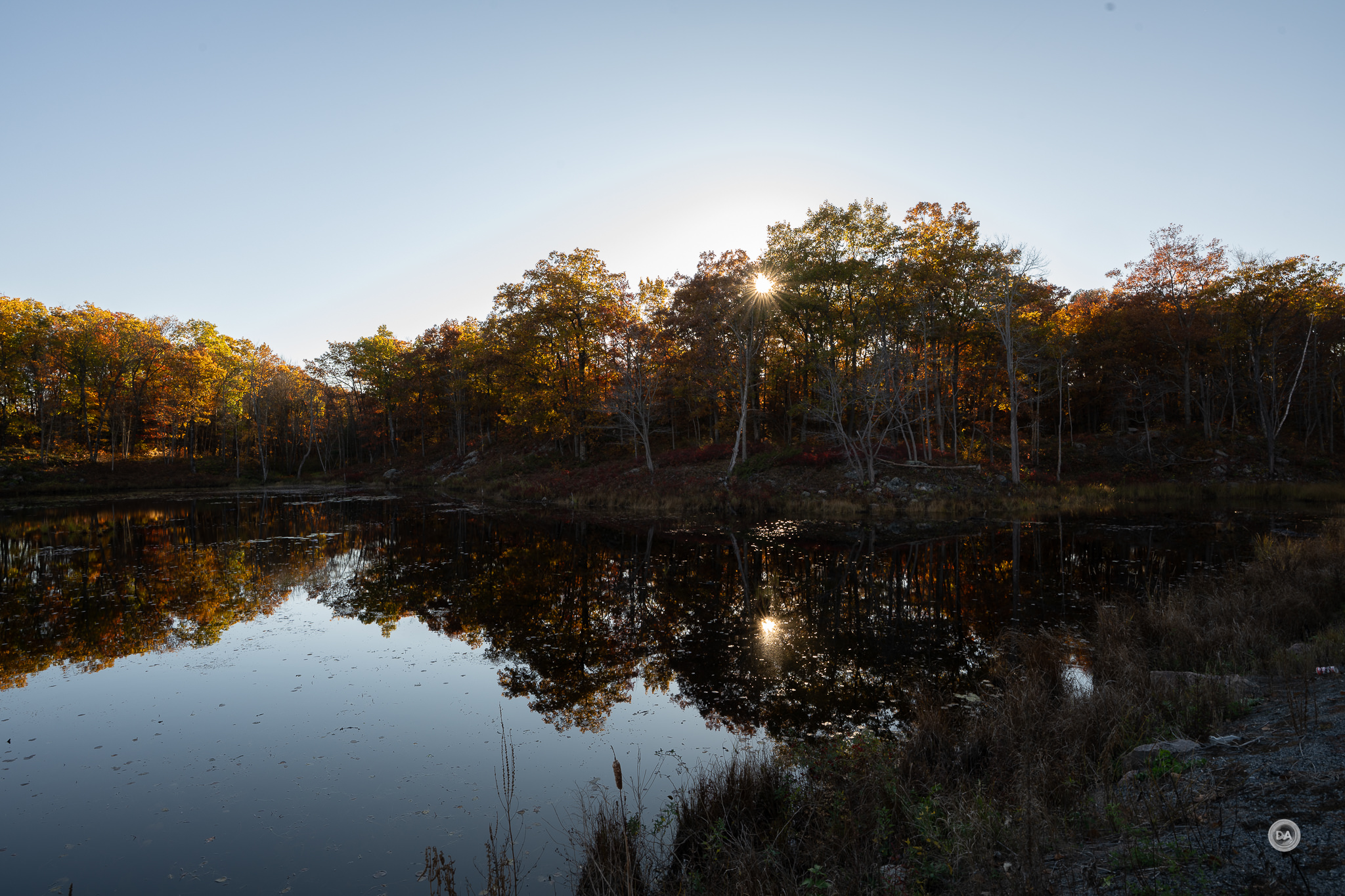
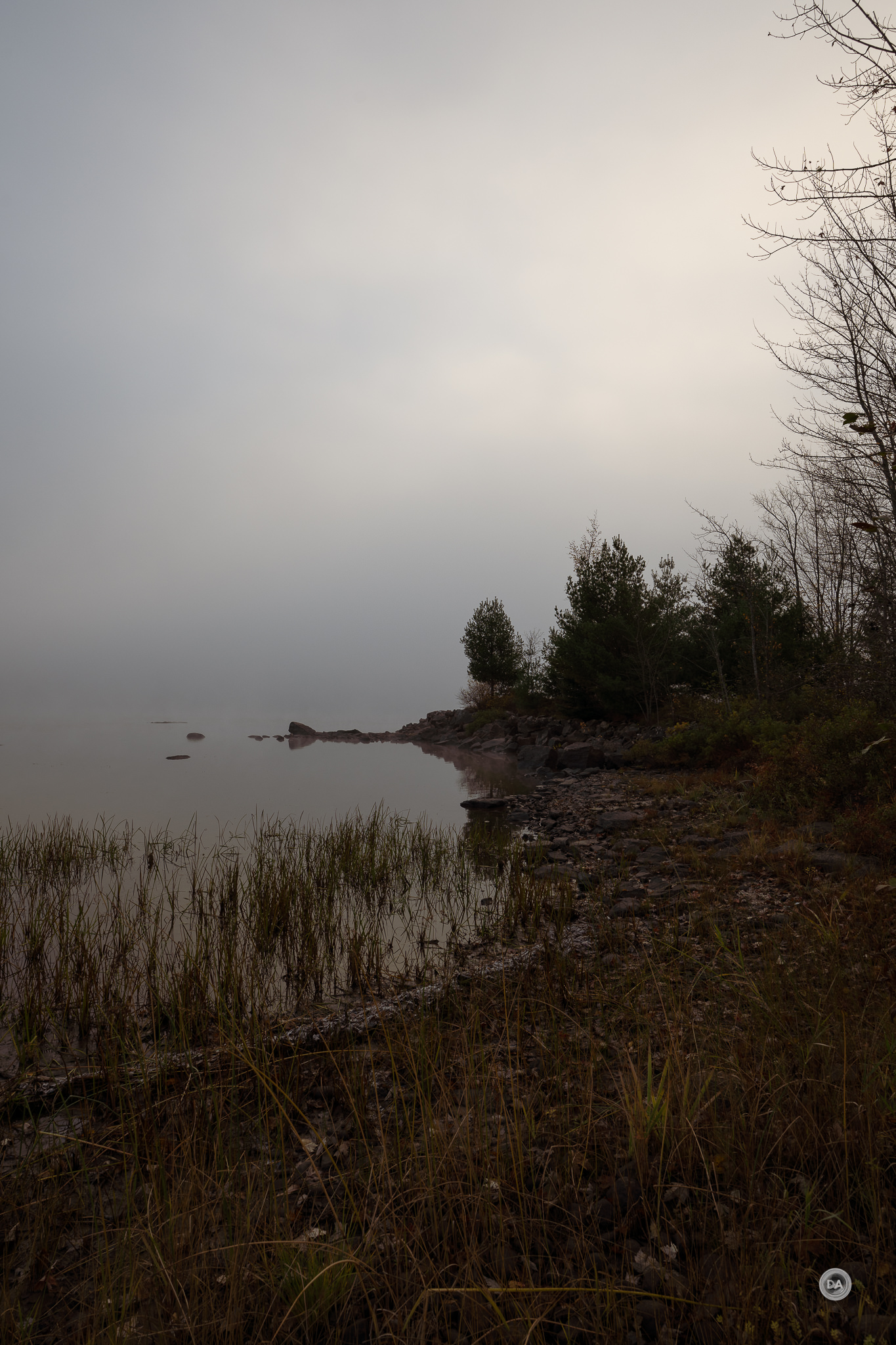
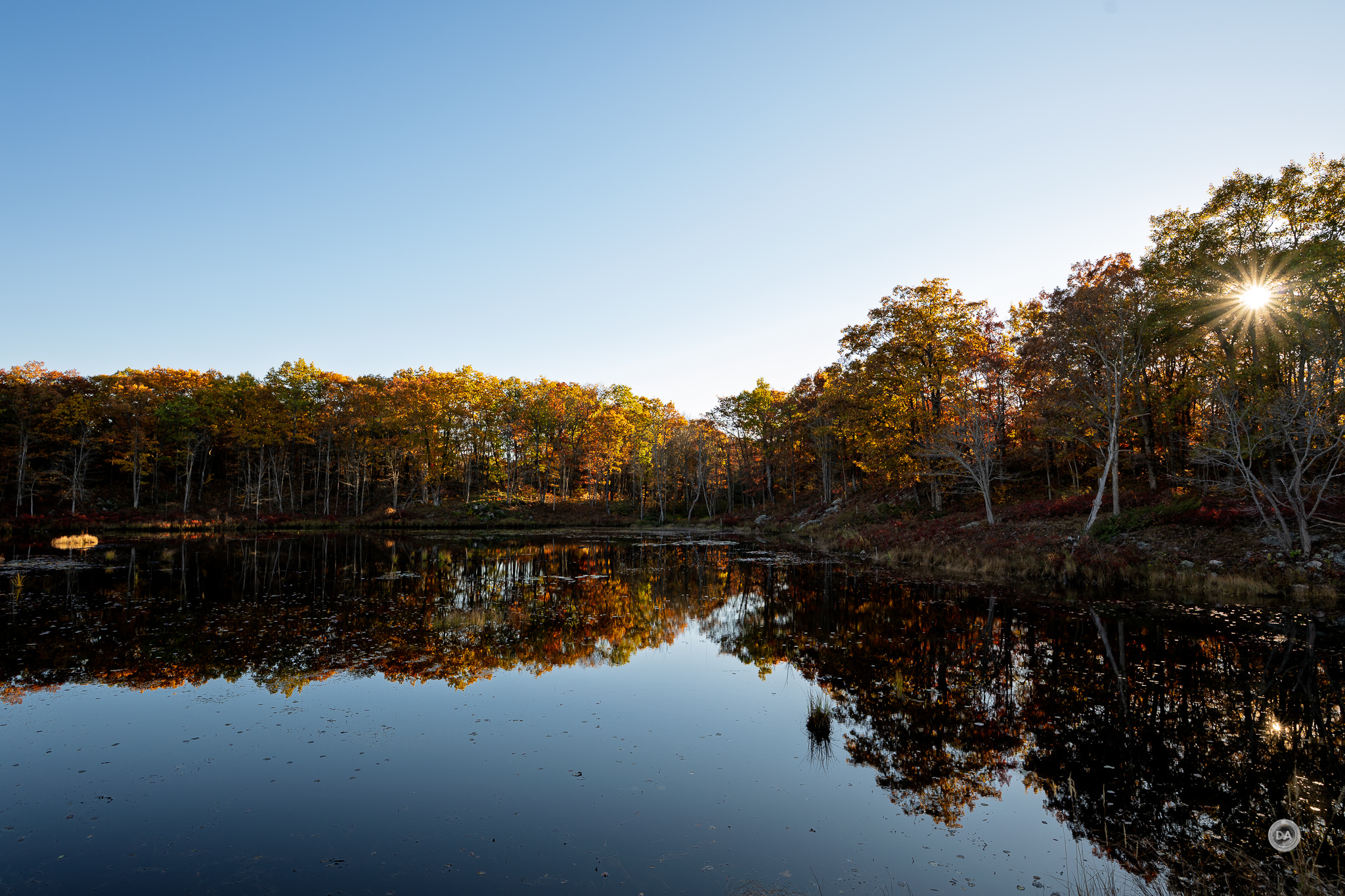
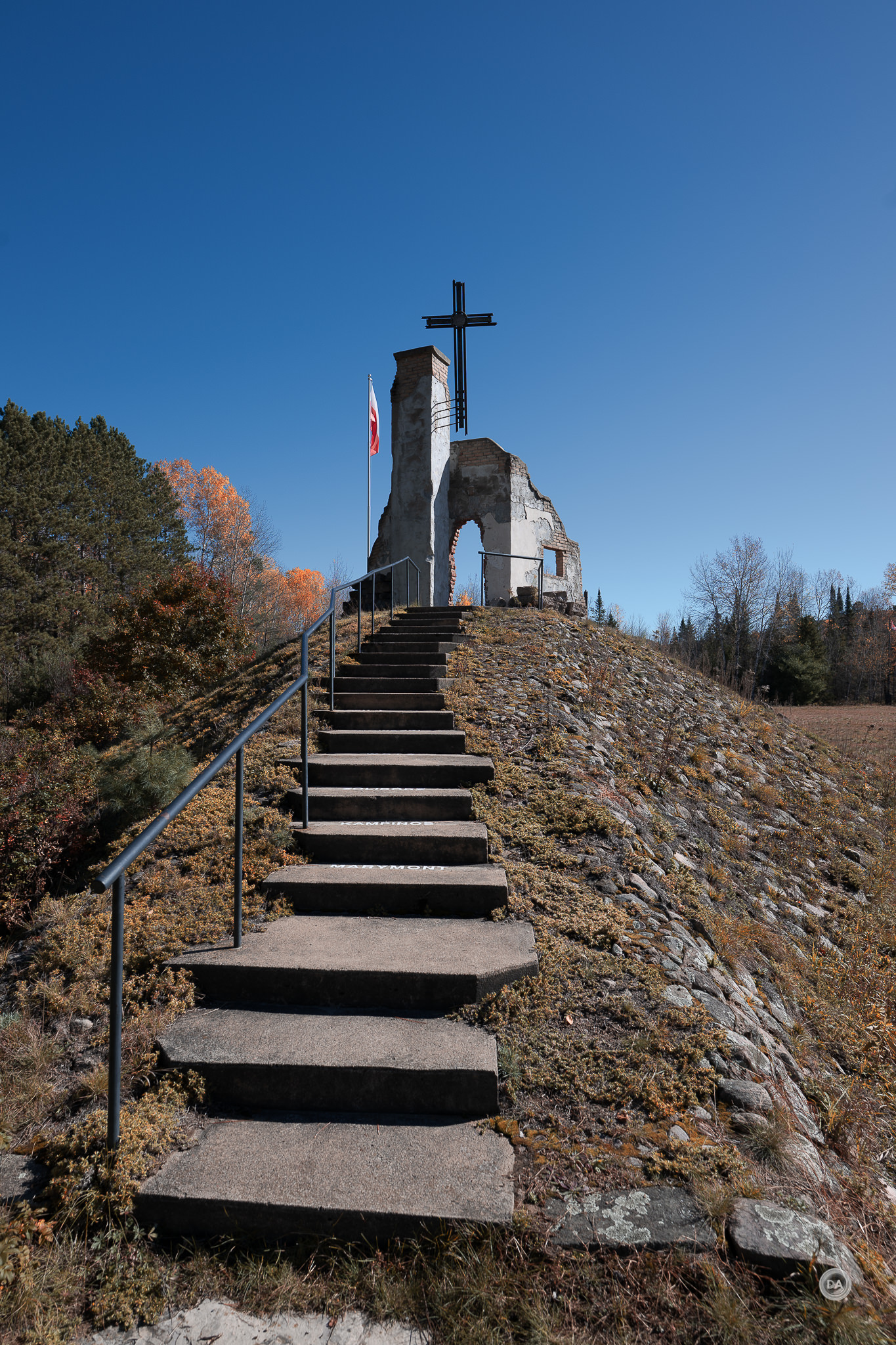
The 20mm F1.8 S has been a wonderful companion for capturing the unique beauty of autumn.
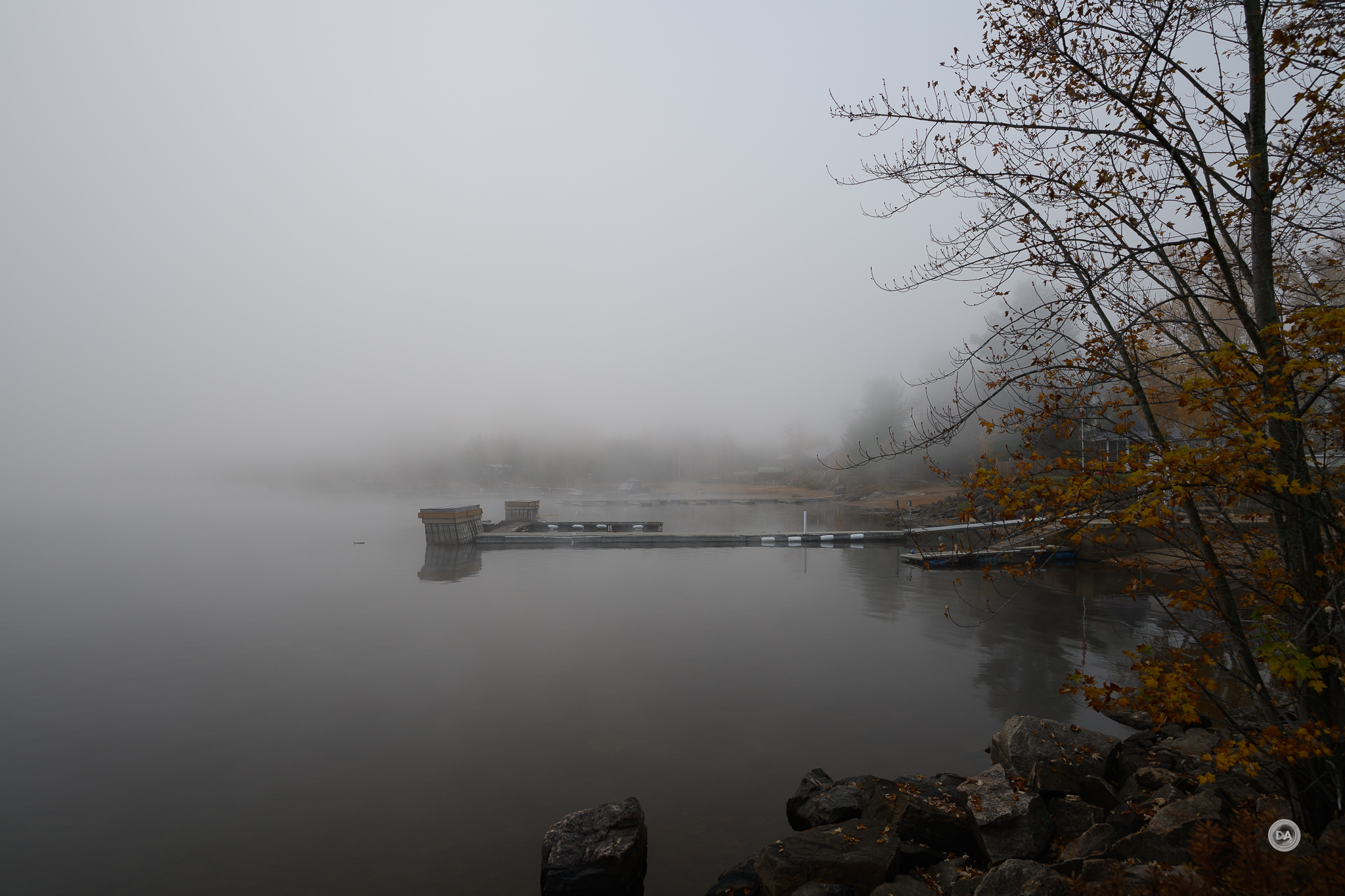
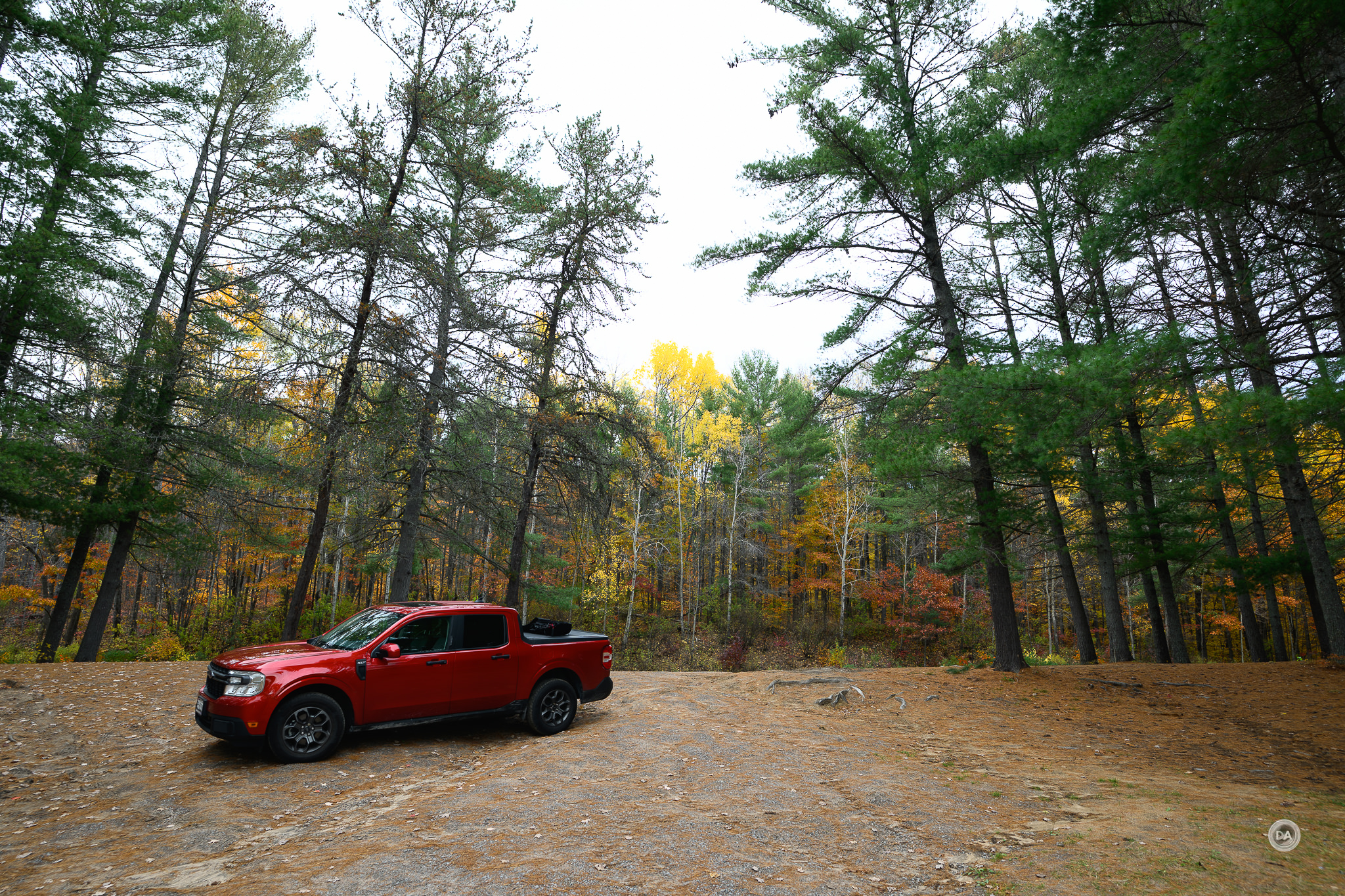
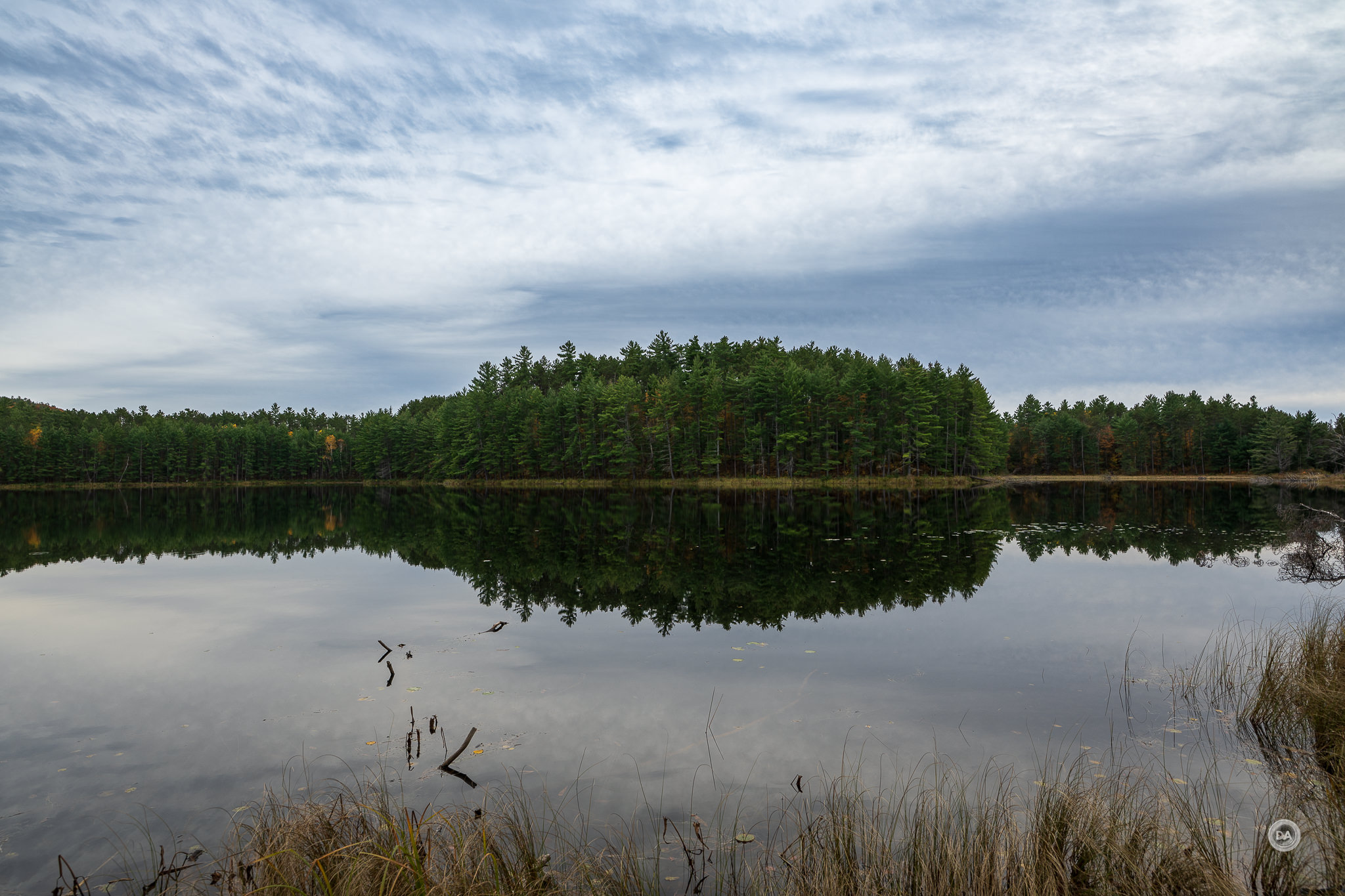
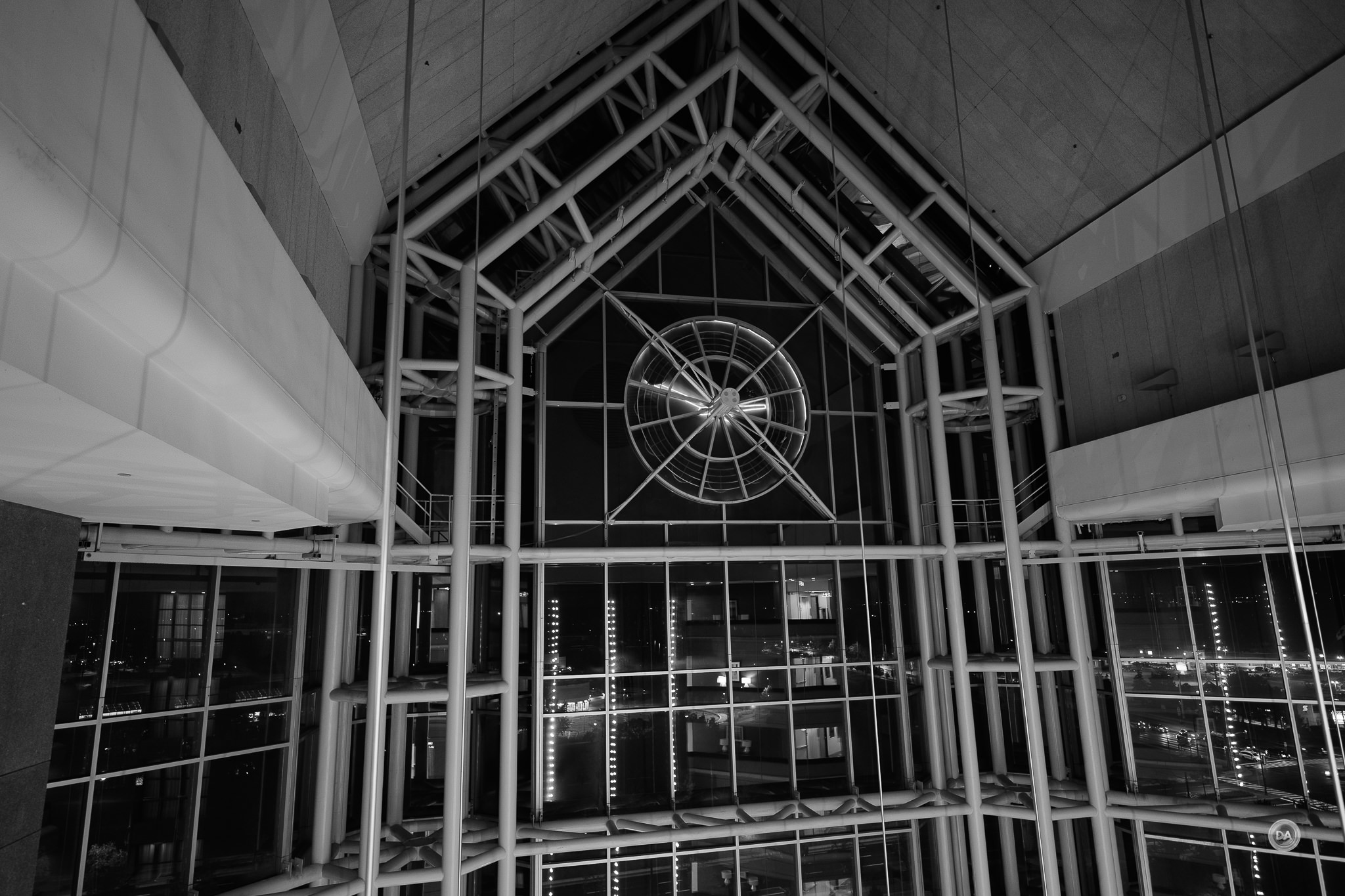
I’m not very impressed with the quantity of vignette (particularly since Nikon says, “One of the many advantages of the larger Z mount is its ability to retain even illumination, especially at the corners of the frame. This results in bright, even exposures with minimal vignetting.”) This feels a little disingenuous, as that might be true after electronic corrections, but if that is case, then all lenses have minimal vignetting. Everything else is great here, though. The lens is sharp, high contrast, has great flare resistance, and produces beautiful colors. I’m a fan. Here’s a mini-gallery of more images for you to enjoy.

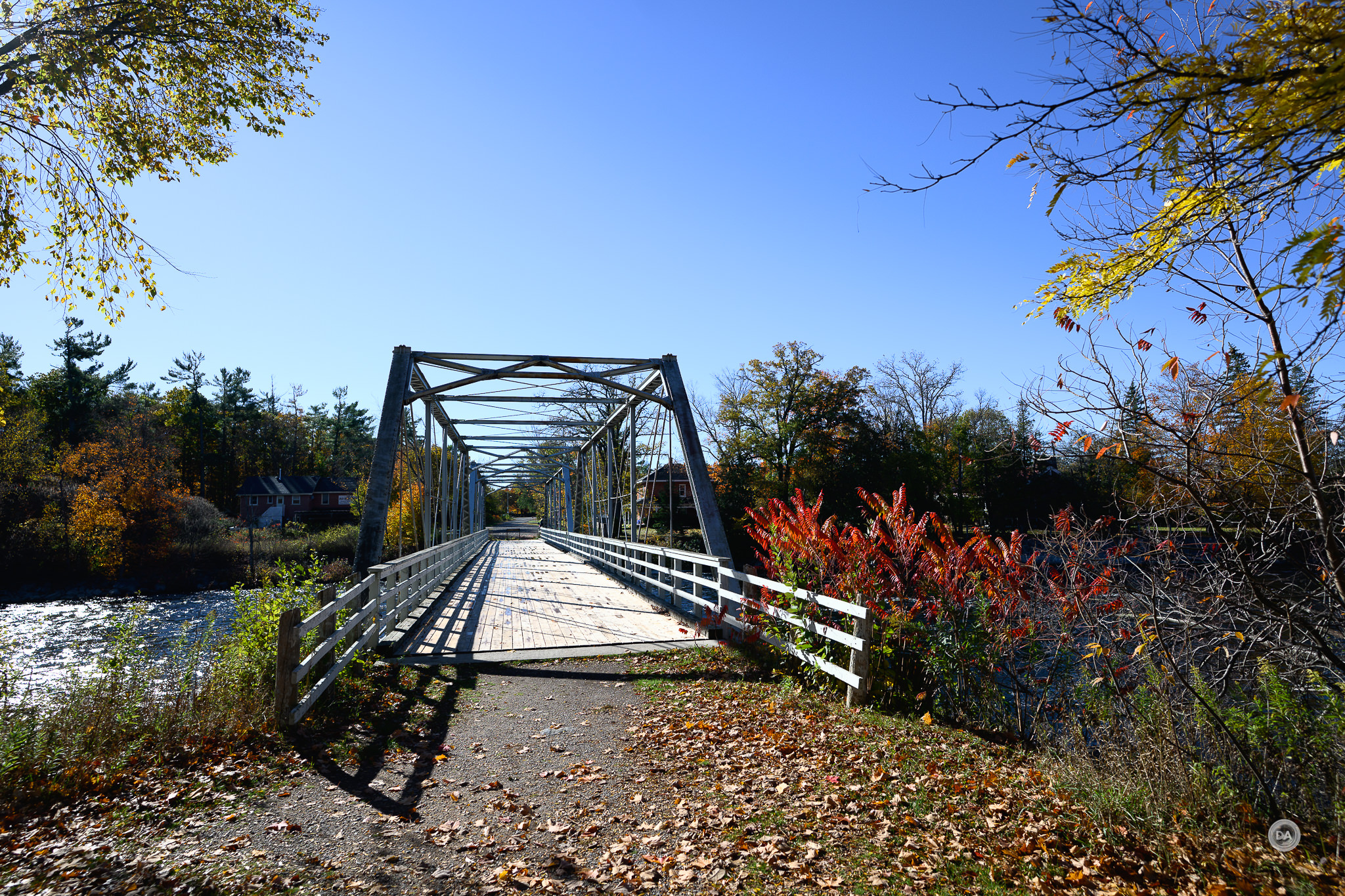
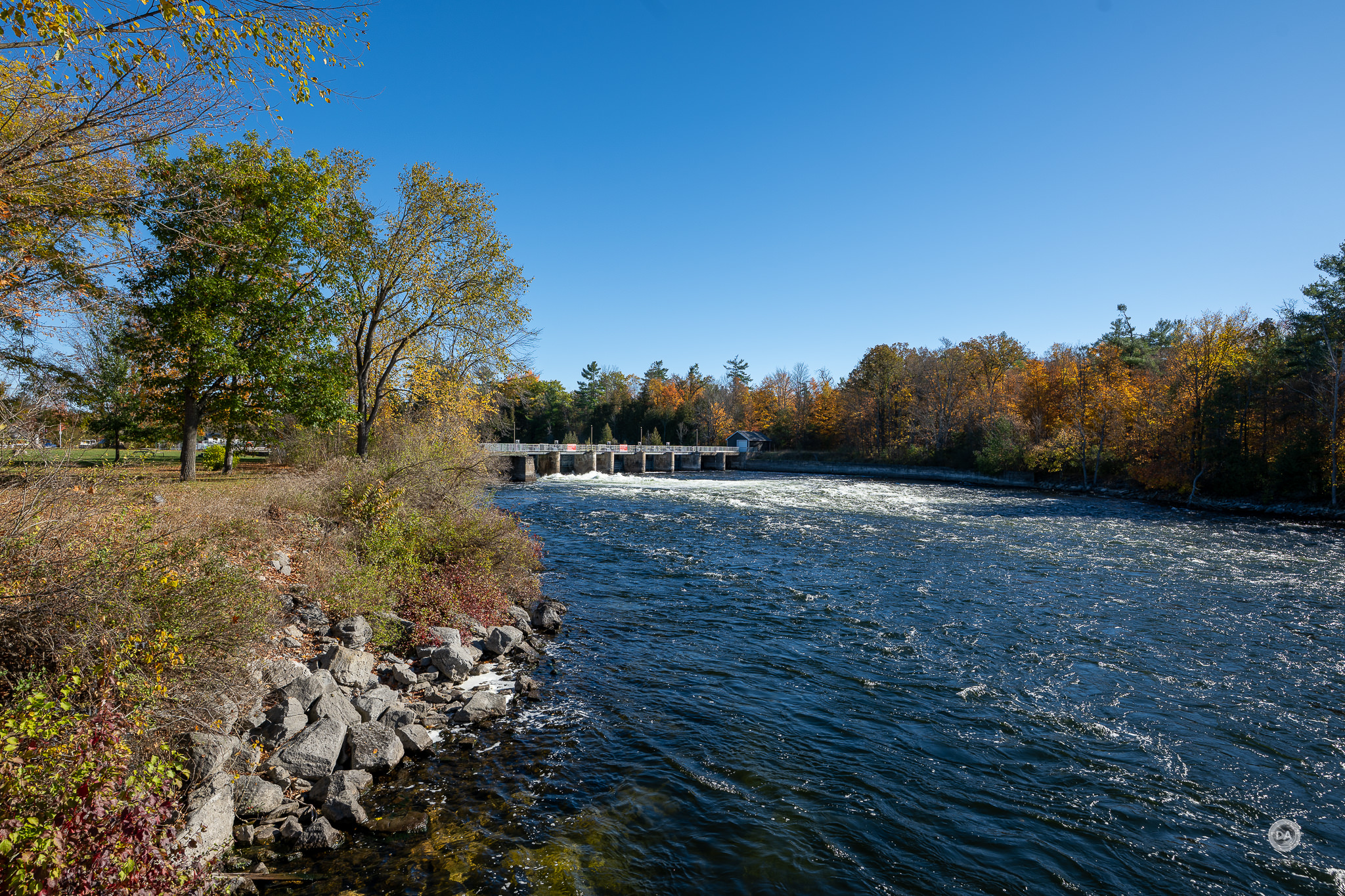
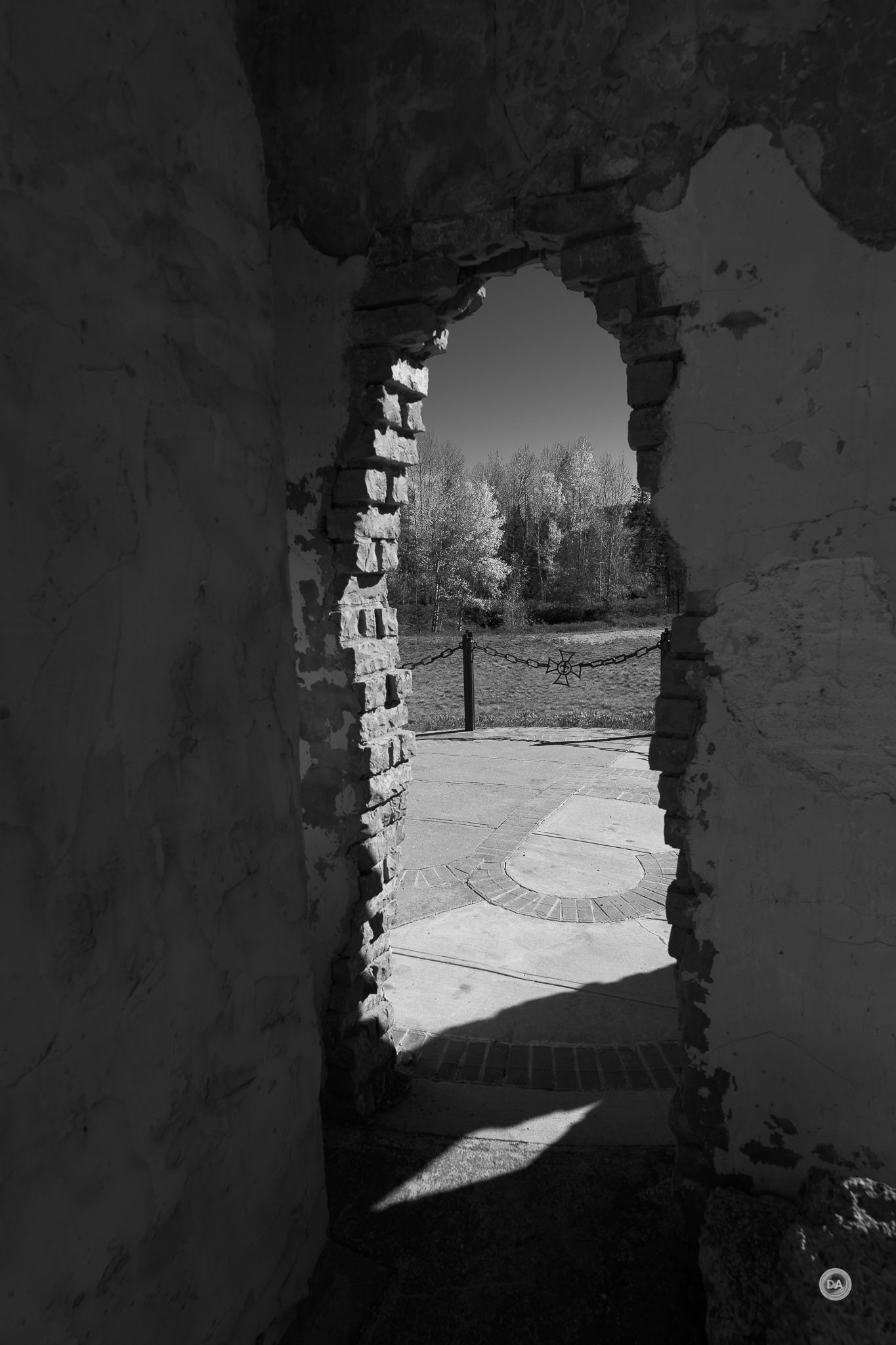
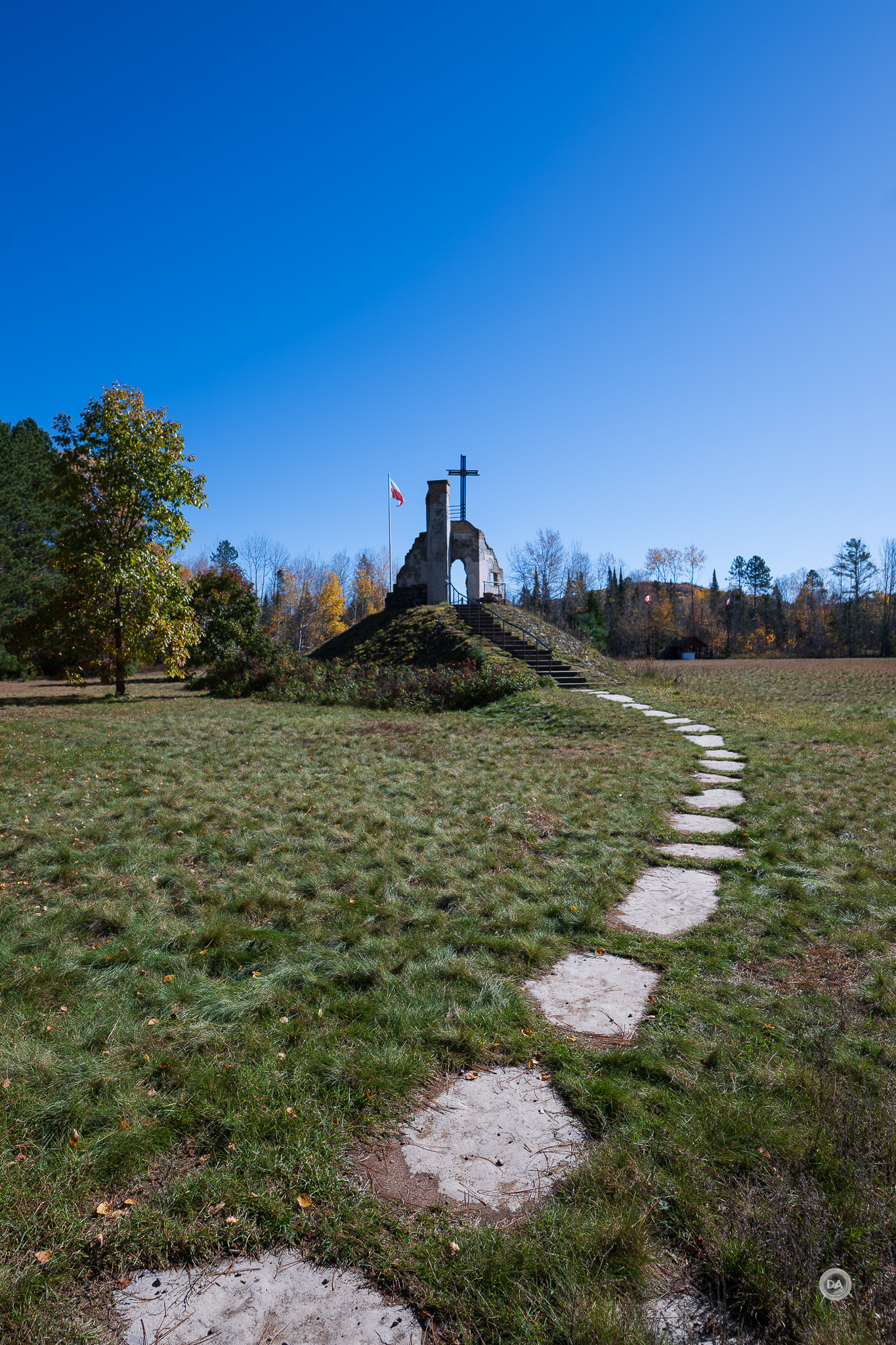
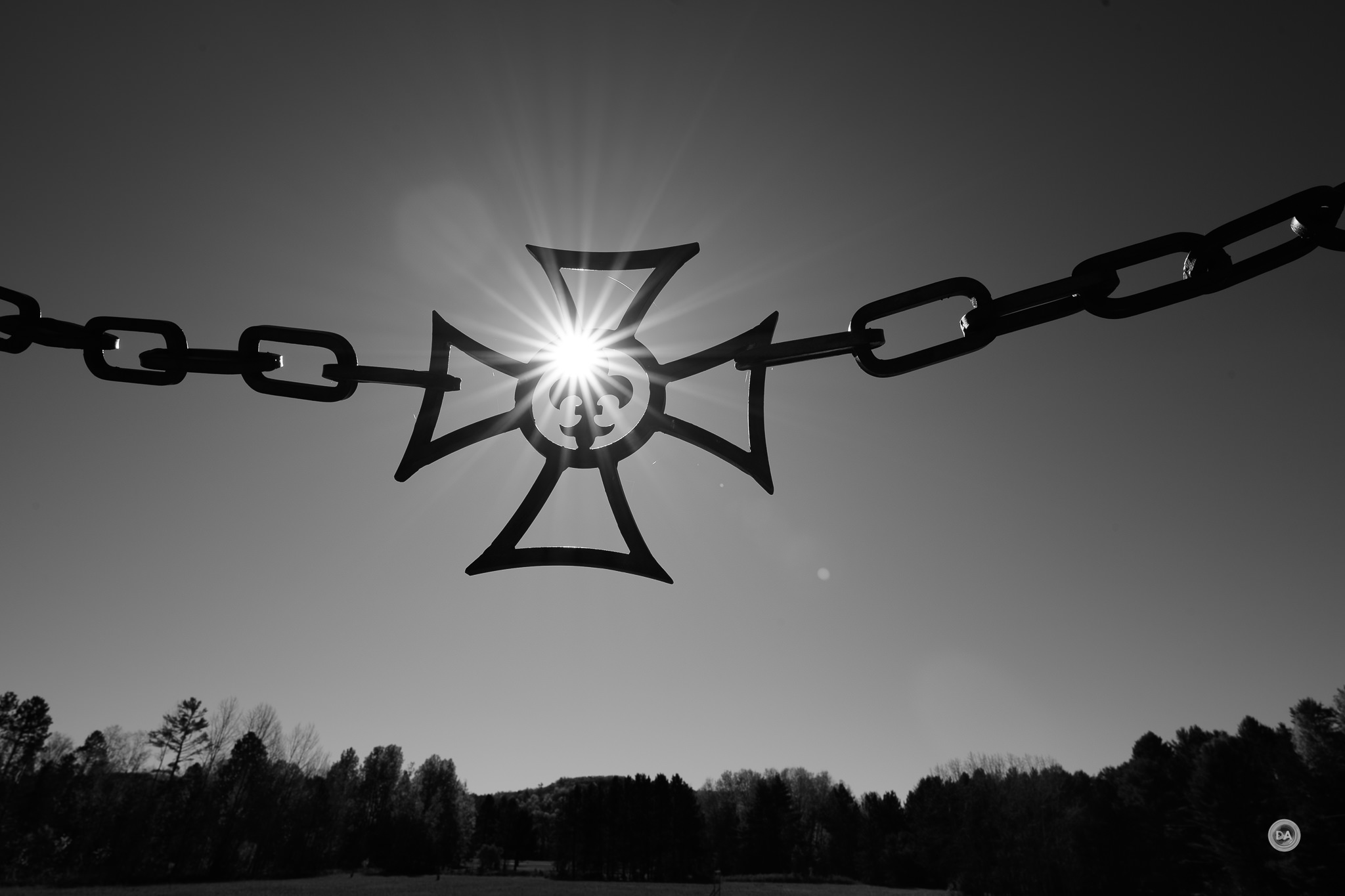

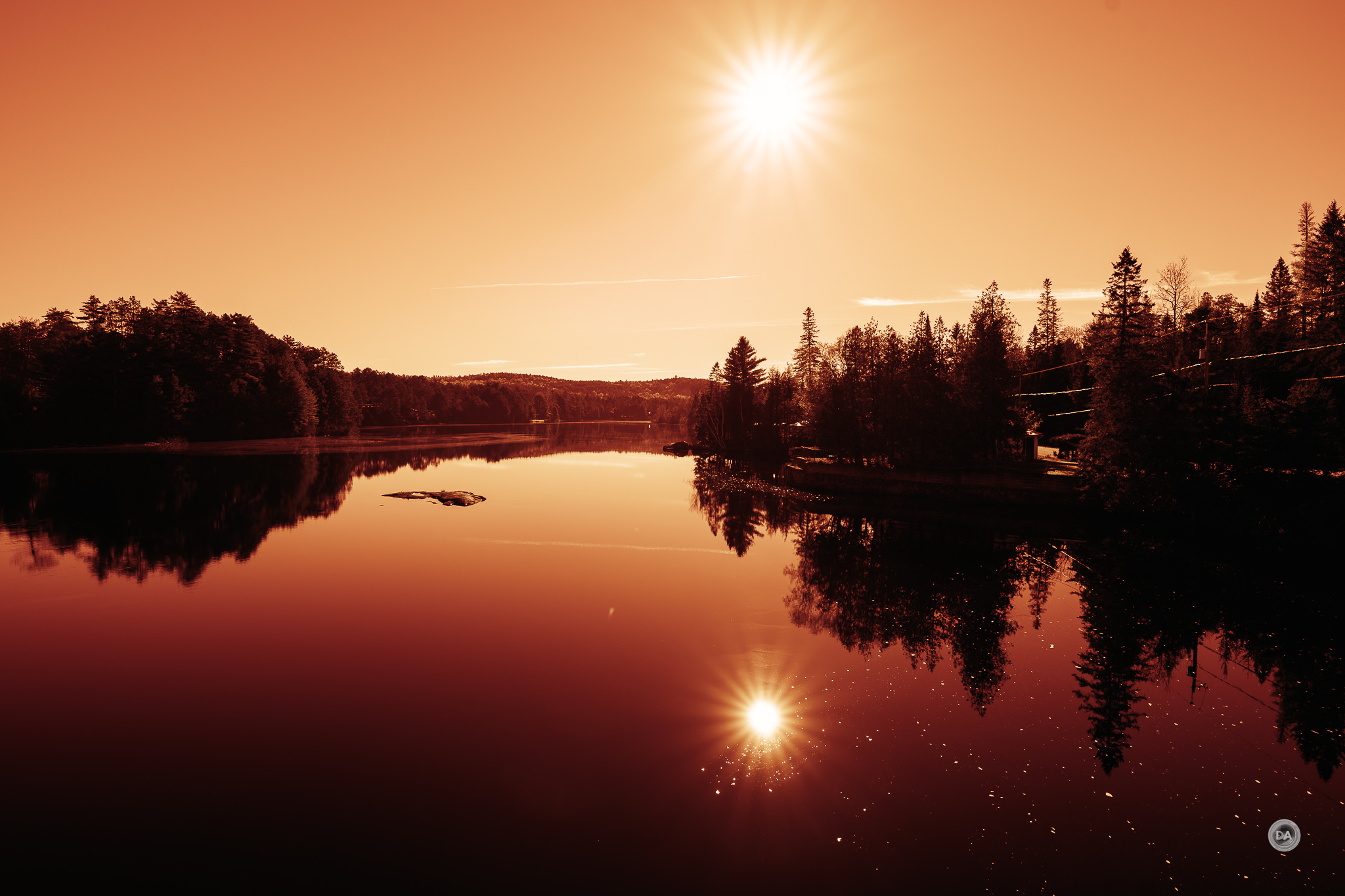
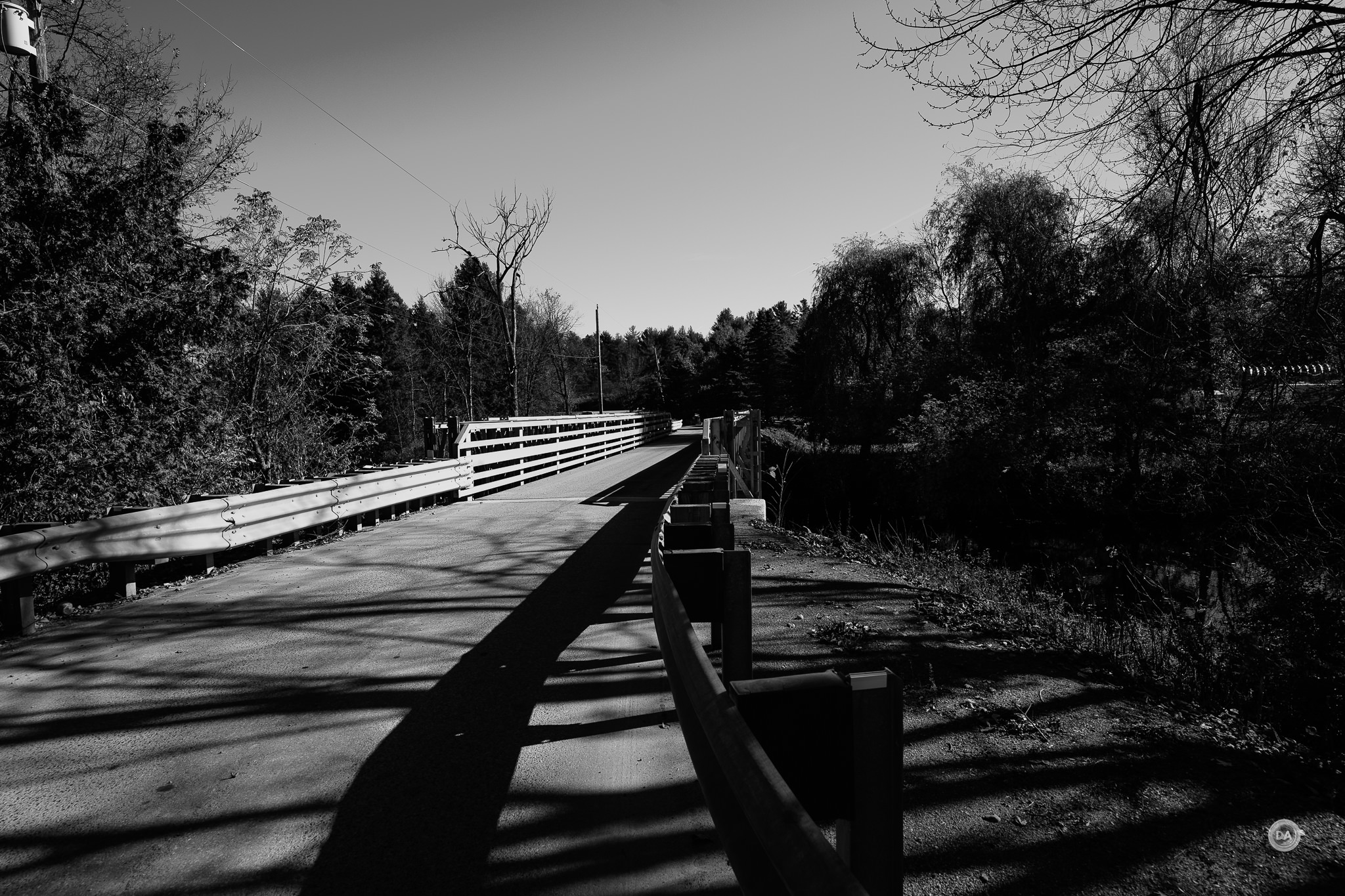
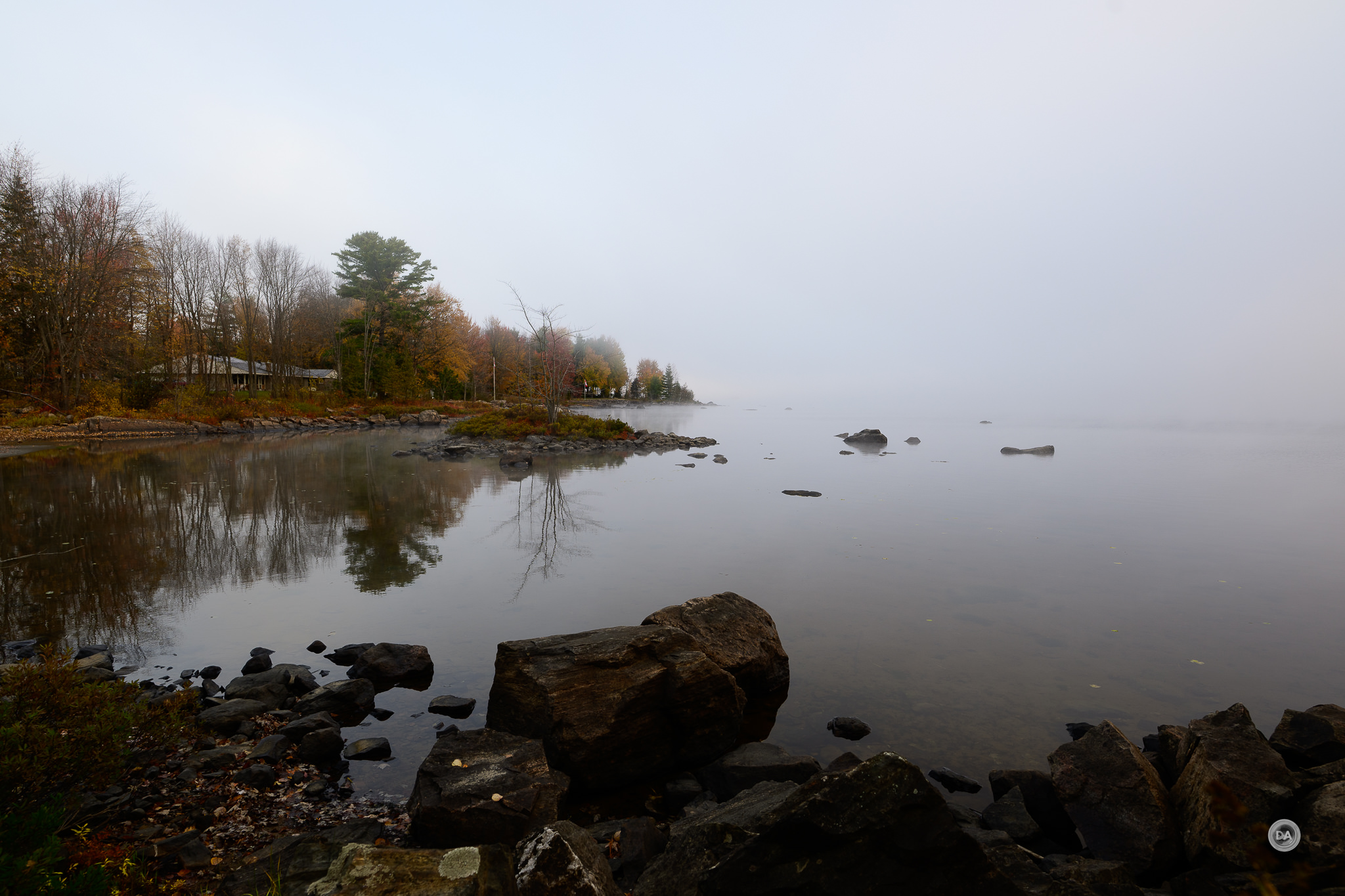

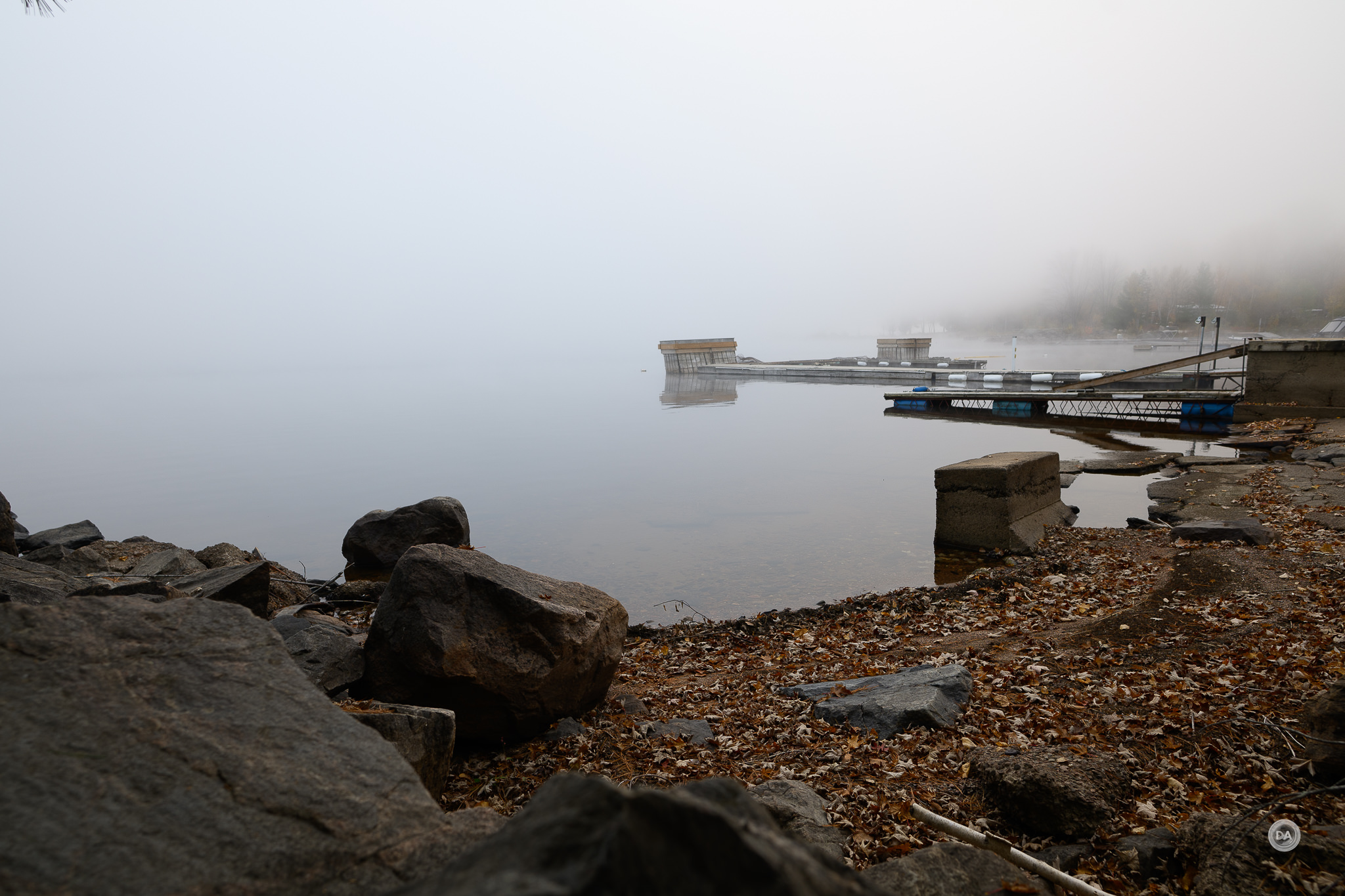
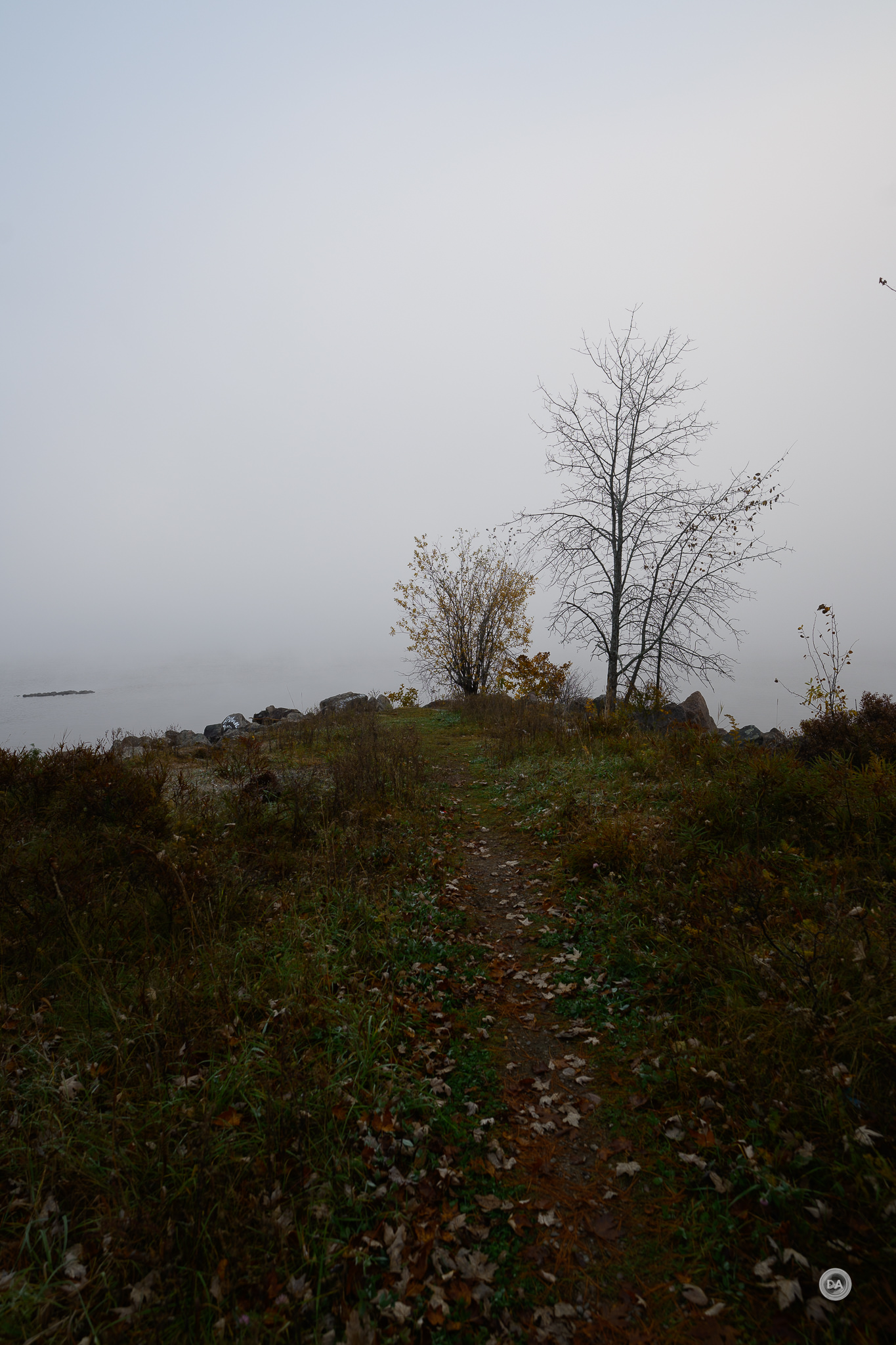
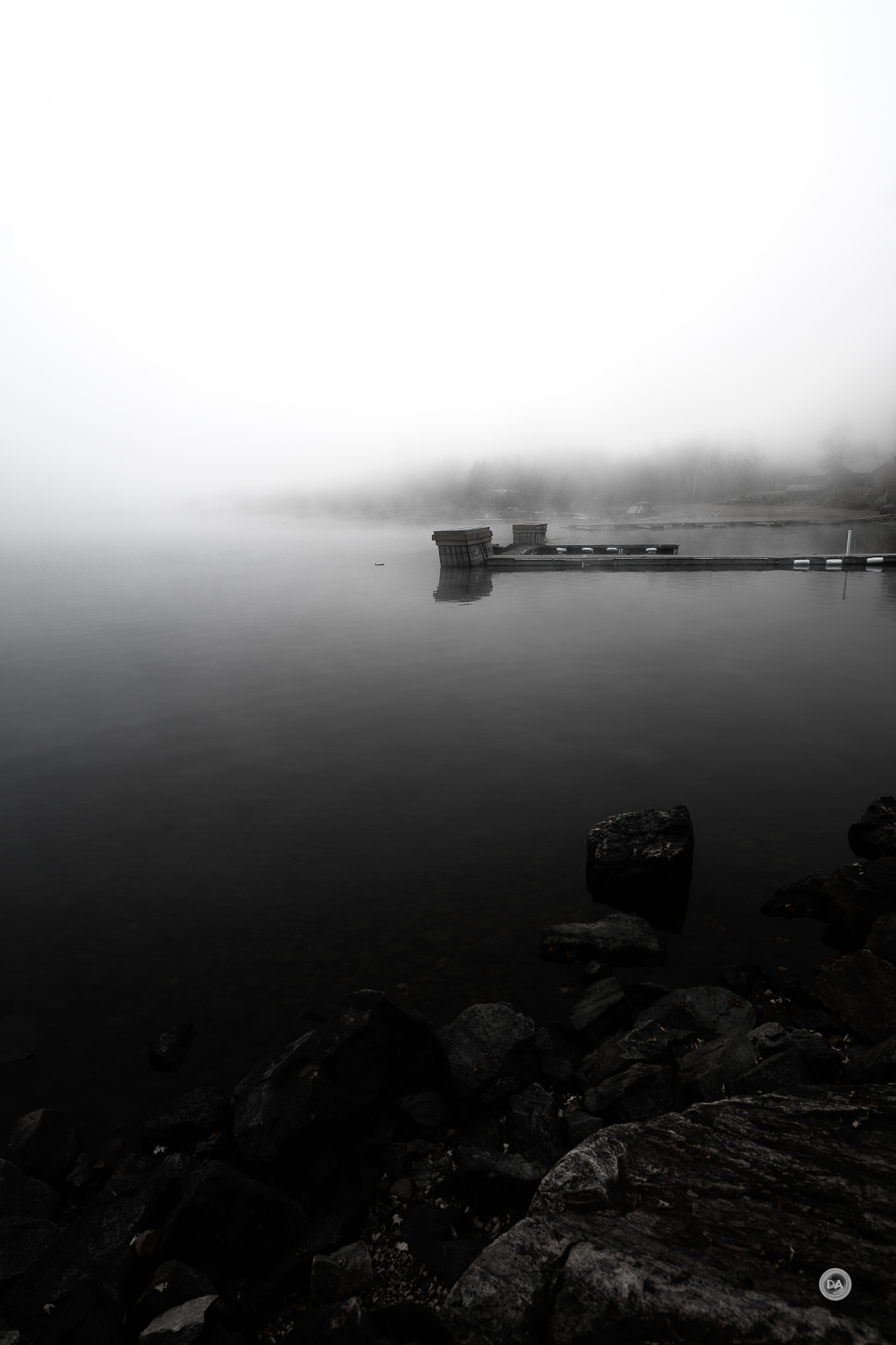

Conclusion
The Nikkor Z 20mm F1.8 S-Line is the rare Nikkor lens in 2026 that still doesn’t really have a lot of direct competition. That’s partly because doing a bright wide angle lens well is easier said than done. Nikon has done it, however, and I would say that the 20mm F1.8 S holds up extremely well in 2026. It is highly functional, produces beautiful images, and shows really strong flare resistance.
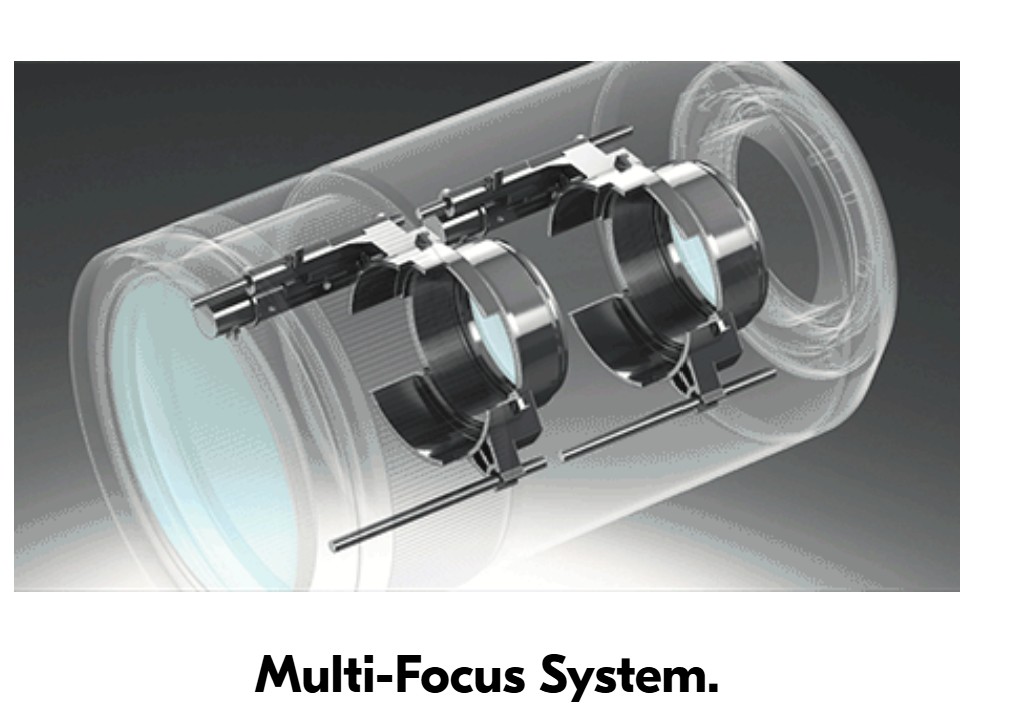
Like the 85mm F1.8 S, autofocus is solid due to the twin-STM focus motors, though I did find myself somewhat underwhelmed when shooting action sequences. I would say this is one the one area where I expect more in 2026. My other main critique is that in many ways the 20mm F1.8 S does the poorest job of fulfilling the F1.8 S-Line premise – it is bigger, heavier, and more expensive than other lenses in the series, and I can’t help but think that over on Sony we have access to, say, the Sigma 20mm F1.4 ART for $150 less…and that’s with an F1.4 aperture and more features.
But perhaps that’s not relevant, as that lens is designed for a different system. What we do have in the Nikkor Z 20mm F1.8 S is an excellent lens that makes it easy to capture beautiful images. And, at the end of the day, that’s what matters most.

Pros:
- Image Quality: Delivers sharp, high-contrast images with minimal distortion, making it ideal for landscape and architectural photography.
- Flare Resistance: Utilizes advanced coatings (Nano Crystal Coat and Super Integrated Coat) that effectively minimize flare, allowing for clear images even in challenging lighting.
- Build Quality: Constructed with robust materials and features weather sealing, ensuring durability in various shooting conditions.
- Close Focus Performance: Offers decent close-up capability with a magnification of 0.19x, enhancing versatility for creative shots.
- Autofocus Accuracy: Fast and quiet autofocus with dual STM motors provides confidence in capturing stills and videos.
- Versatile for Multiple Genres: Suitable for wide-angle shots, portraits, and video, making it a functional tool for various photography styles.
- Unique Market Position: Few direct competitors, maintaining its status as one of the leading wide-angle primes in the Z-mount line.
Cons:
- Size and Weight: Heaviest lens in the F1.8 S-Line series, which may make it less appealing to photographers who prefer a more compact setup.
- Higher Price Point: At an MSRP of $1,149, it is significantly more expensive compared to other options, such as the 50mm F1.8 S or certain competitor lenses.
- Autofocus Limitations: Struggles to keep up with fast-moving subjects, which could be a drawback for action photography.
- Vignetting Issues: Significant vignette present at wider apertures that requires electronic correction, potentially introducing noise in the corners.
- Limited Control Options: Features a single customizable control ring, which may feel restrictive compared to lenses with dedicated aperture rings or more customizable options.
_________________________________________________________________________
GEAR USED:
Purchase the Nikkor Z 20mm F1.8 S @ B&H Photo https://bhpho.to/3Kbh42N | Adorama https://prf.hn/l/gxZNbYl/ | Amazon https://link.amazon/B0bJBtNFG | Camera Canada https://tidd.ly/3UJgimj | Amazon Canada https://link.amazon/B05Y094vZ | Amazon UK https://link.amazon/B02uw12Wh | Amazon Germany https://link.amazon/B0es0NMmZ
Purchase the Nikkor Z 35mm F1.8 S @ B&H Photo | Adorama | Amazon | Camera Canada | Amazon Canada | Amazon UK | Amazon Germany
Purchase the Nikkor Z 50mm F1.8 S @ B&H Photo | Adorama | Amazon | Camera Canada | The Camera Store | Amazon Canada | Amazon UK | Amazon Germany
Purchase the Nikkor Z 85mm F1.8 S @ B&H Photo | Adorama | Amazon | Camera Canada | Amazon Canada | Amazon UK
_______________________________________________________________
Purchase the Nikon Z8 @ B&H Photo | Adorama | Amazon | Camera Canada | Amazon Canada | Amazon UK | Amazon Germany
_________________________________________________________________
Want to support this channel? Use these affiliate links to shop at: B&H Photo | Amazon | Adorama | Camera Canada | Amazon Canada | Amazon UK | Ebay | Make a donation via Paypal
Buy DA Merchandise https://bit.ly/TWIMerch

Keywords: Nikkor, 20mm, F1.8, Nikkor 20mm F1.8 S, Nikon 20mm F1.8 S, f/1.8, Nikon, Nikon Z8, Z, Z-mount, Z8, Z5II, Review, mirrorless, Full Frame, Sports, Tracking, Dustin Abbott, Real World, Comparison, Handling, Focus, Portraits, Resolution, High ISO, Image Quality, Sample Images, Photography, 45MP, #letthelightin, #DA, #NIKON, #Z8, #NIKONZ8, #NikonZ20mmF1.8LensReview, #NikonZMountLenses, #FullFrame20mmLens, #NikonPrimeLensComparison, #Nikon85mmF1.8SReview, #NikonLensBuyingGuide, #AutofocusPerformanceNikon, #NikonLensOpticalQuality, #CompactNikonLenses, #WeatherSealedNikonLenses, #NikonZSeriesLenses
Related posts:
 Nikkor Z 85mm F1.8 S Review
 Nikkor Z 35mm F1.8 S Gallery
 Nikkor Z 35mm F1.8 S Review
 Nikkor Z 50mm F1.8 S Review
 Nikkor Z 50mm F1.8 S Gallery
 Viltrox AF 16mm F1.8 Z Image Gallery
 Nikkor Z 135mm F1.8 S Plena Review
 Nikkor Z 135mm F1.8 S Plena Gallery
 LAB vs PLENA: Nikon 135mm Showdown
 Nikon Z 50mm Showdown – F1.4 vs F1.8 S