

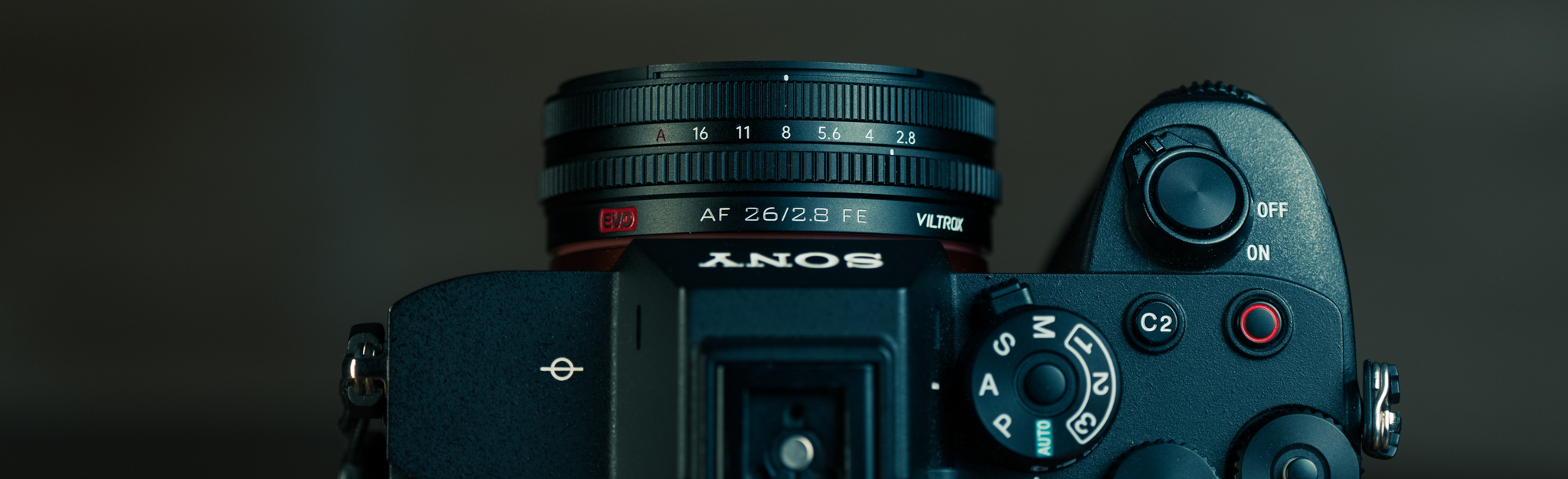
Until this point, the Viltrox EVO series has been fairly predictable. The series has been a winning combination of compact size, rich features, excellent optics, and a reasonable price. Across the three full frame (35mm, 55mm, and 85mm) lenses and the two APS-C lenses (75mm and 90mm) the formula has stayed identical – same size, same feature set, and roughly the same weight. But as of today, Viltrox is diversifying the format into something very different. The new Viltrox AF 26mm F2.8 EVO is a radically different kind of lens. This is a pancake-style lens that is much more upscale than their previous “Chip” lens (the AF 28mm F4.5), which lacked manual focus or aperture control (a fixed aperture lens). The EVO 26mm has weather sealing, manual focus, an aperture ring, and a much higher level of optical performance. It feels like a classic lens in the best sense of the word. It weighs just 130g, is just 23.8mm deep, and was generally a joy to pack around New Zealand as a street/landscape/general purpose lens for stills and video. It carries a price tag of $299 USD (319 EURO | 279GBP | $420 CDN), and could become an absolute hit for those with a7C series type cameras who want full frame goodness in a compact package. Does the EVO 26mm live up to its promise? We’ll find out in the video review linked below or in this text review.
Follow Me @ YouTube | Patreon | Instagram | Facebook | DA Merchandise | Flickr | 500px | X
Thanks to Viltrox for sending me a review copy of this lens. As always, this is a completely independent review. *The tests and most of the photos that I share as a part of my review cycle have been done with the Sony a7RV and the Sony A1 II. You can find the listing for the EVO 75mm F1.8 here.
__________________________________________________________________________________________________
Viltrox EVO Series Lens Reviews
APS-C Series
Full Frame Series
___________________________________________________________________________________________
AI SUMMARY: The Viltrox AF 26mm F2.8 EVO lens marks a significant departure from the predictable features of Viltrox’s previous offerings, introducing a high-quality pancake lens that combines a compact design with manual controls and exceptional optical performance. Weighing only 130g and measuring just 23.8mm in depth, this lens includes features like weather sealing and an aperture ring, enhancing usability for photographers seeking both portability and versatility. Although it may exhibit some flare and slower autofocus compared to its siblings, the lens delivers impressive image quality, allowing for creative photography without excessive compromise. Overall, the EVO 26mm presents a compelling option for those looking for a lightweight, efficient lens without sacrificing performance.
Strengths:
- Compact size and lightweight design (130g, 23.8mm depth).
- Manual focus and aperture control enhance creative flexibility.
- Excellent optical performance with good sharpness and contrast.
- Affordable price point compared to similar lenses from competitors.
Weaknesses:
- Susceptible to flare in certain lighting conditions.
- Autofocus is slower and less smooth compared to other lenses in the series.
- Corner sharpness can be less than ideal, particularly at wider apertures.
Street photographers along with those who value lightweight packouts are always interested in good pancake lenses. There’s something very appealing about compact lenses that make a camera potentially pocketable. The Viltrox EVO 26mm F2.8 allows you to do so with relatively few compromises…and can produce some beautiful images.

What’s more, unlike many pancake lenses, the handling is not compromised, and I found that I personally really loved having an effective aperture ring in the configuration. The EVO 26mm can be a little flare prone, but, outside of that, the optics are quite lovely.

I’ve read forums where Sony users have asked why a similar lens to Nikon’s 26mm F2.8 doesn’t exist on Sony (often with the theory that something about Sony’s E-mount makes it impossible, as per usual). People love to pontificate about the limitations of E-mount, but the reality is that just because a certain lens hasn’t been made for E-mount doesn’t mean that it cannot be made. The Viltrox EVO is not only basically the exact same size as a Nikon but also surpasses it in features and performance. What’s more, it is nearly half the price, too.

So should the AF 26mm F2.8 jump onto your list as a potential buy for your Sony FE or Nikon Z-mount camera? Let’s take a closer look.
Viltrox EVO 26mm Build and Handling
There are essentially three layers to this lens, and if you peel it back to the smallest configuration, you have a lens that is 66mm in diameter (2.59”) and just 23.8mm in length (0.93”).

That’s short enough that used on a bigger camera like my a7RV or a1 II, the lens isn’t much longer than the grip.
The weight is just 130g (4.58oz), which is 5g heavier than the Nikkor 26mm F2.8 Z. Despite that low weight, the lens feels substantial and well made, giving more of a metal than plastic “feel”.

The EVO 26mm utilizes a magnetic design to help fit first an ultra-slim hood/filter adapter onto the front of the lens. It will first snap on via magnetism, but can then be bayoneted tightly into place. It adds some small measure of shading/protection and also the ability to utilize 43mm filters.

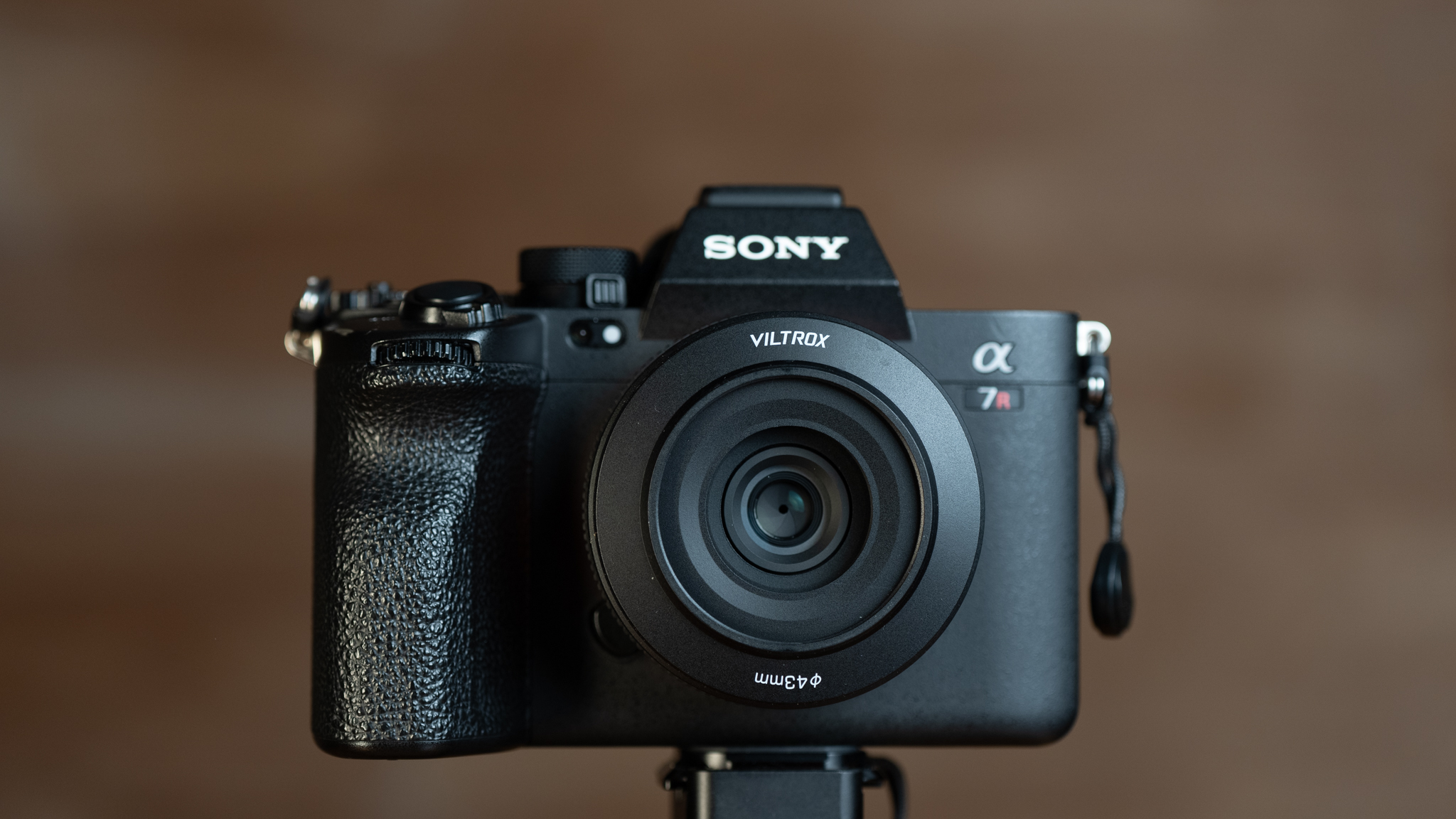
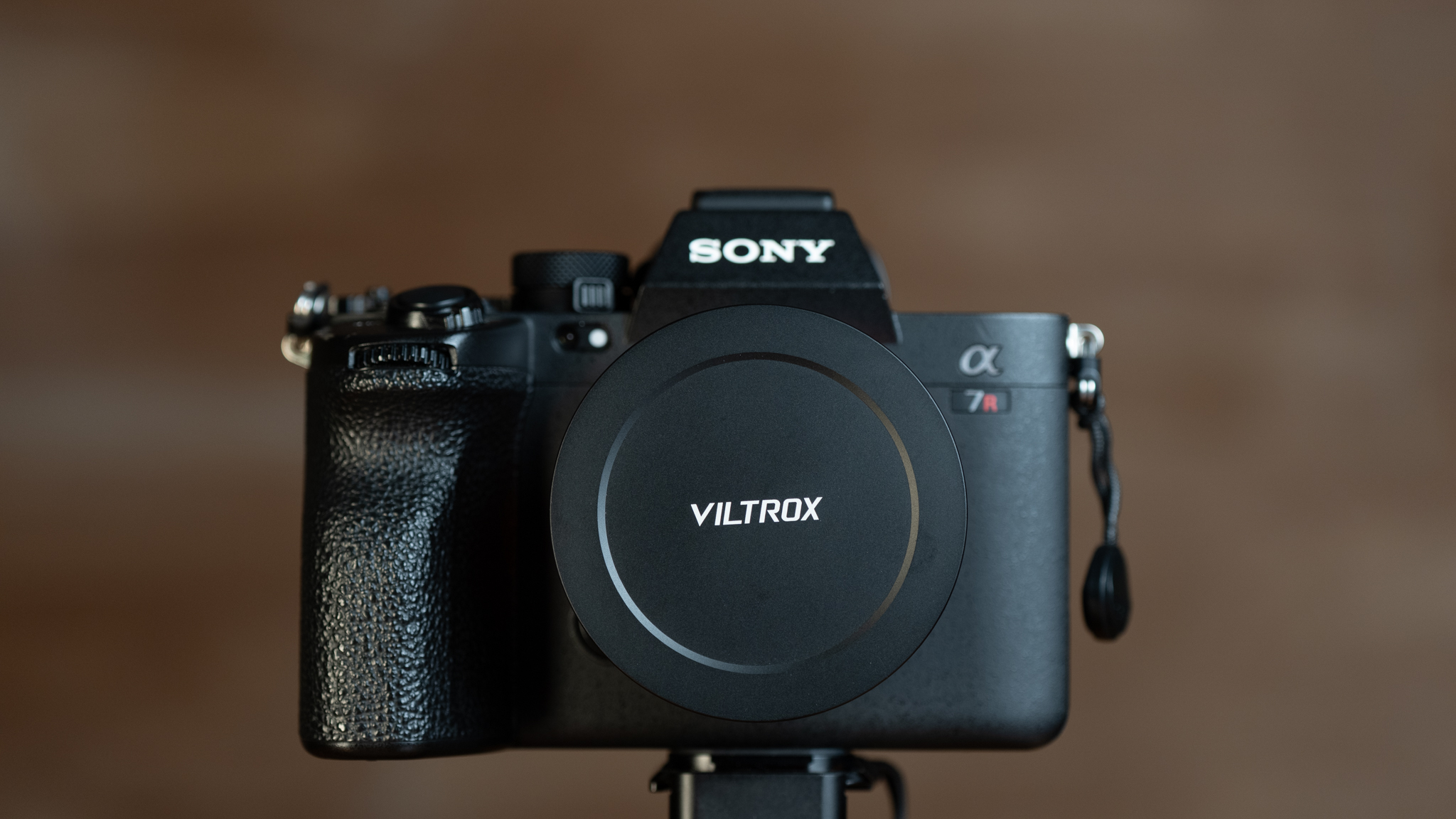
On top of that there is a very cool magentic front cap that snaps tightly on over the front hood, though it will also snap on over the bare lens without the hood attached. It is all a very clever design that looks cohesive at all stages.
The iris itself has 7 aperture blades, and these make for a fairly rounded aperture.

The aperture iris itself is clicked and, unlike the other EVO lenses, does not have a declick option. Doing aperture racks with this lens will not really be possible.

Having an aperture ring is fantastic, however, and the ring works well…though with one minor quirk. It rotates in a different direction than all the other EVO lenses. Those rings rotate to the right to progress through the aperture values, but the EVO 26mm rotates to the left to do the same. There must be something about the design that made this more convenient than the traditional direction. I’ve had to be very intentional about aperture control because I have so much muscle memory in the opposite direction.
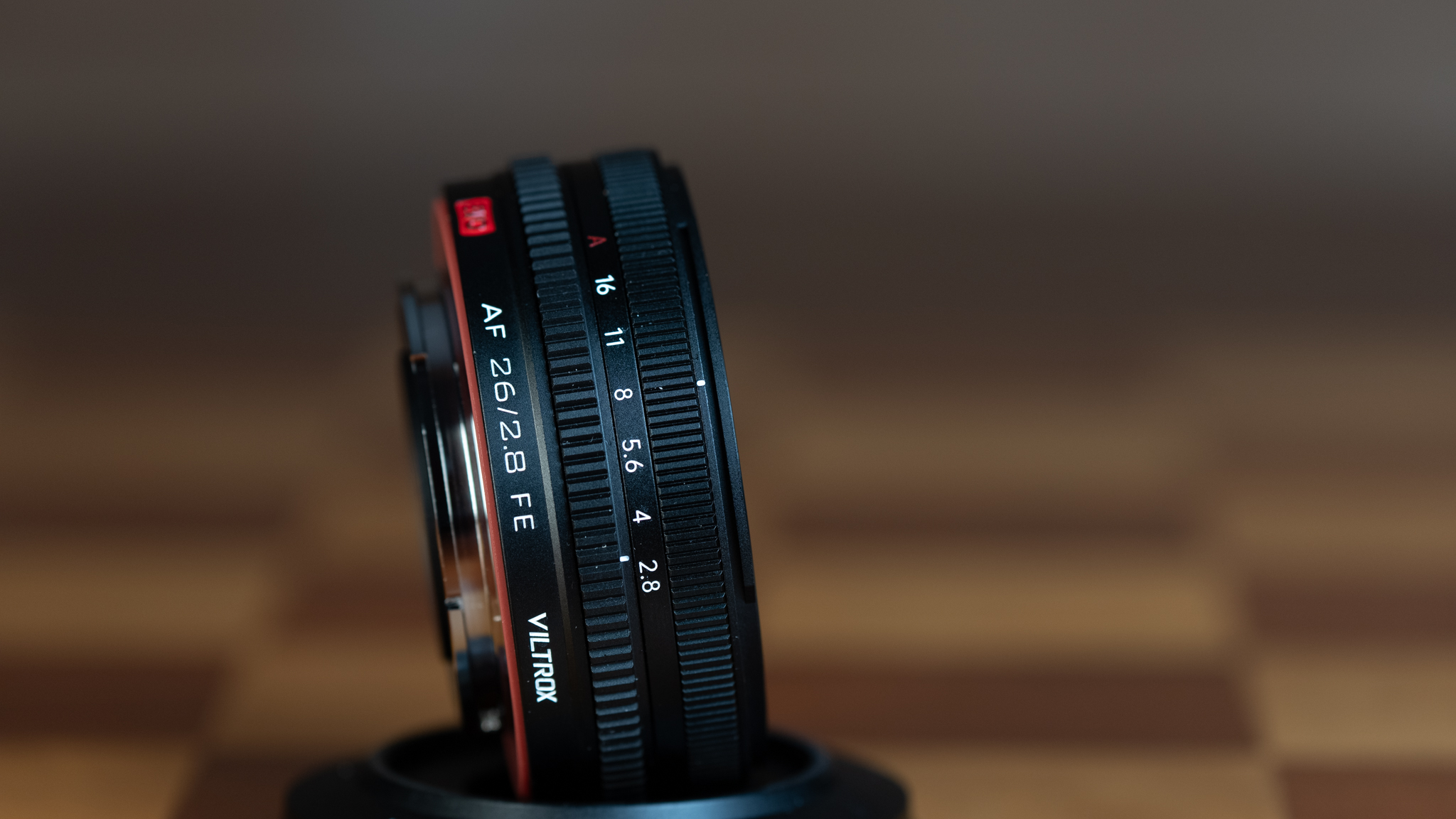
The focus ring is quite narrow, and can be a little hard to access by feel alone. I would have liked to have the ribs on it raised a little higher, as it sits fairly flush with the front hood and isn’t necessarily easy to grab.

There is a weather sealing gasket at the rear lens mount, though Viltrox has not released any details of internal seals.

There is also a USB-C port in traditional Viltrox style that allows for quick and easy firmware updates.
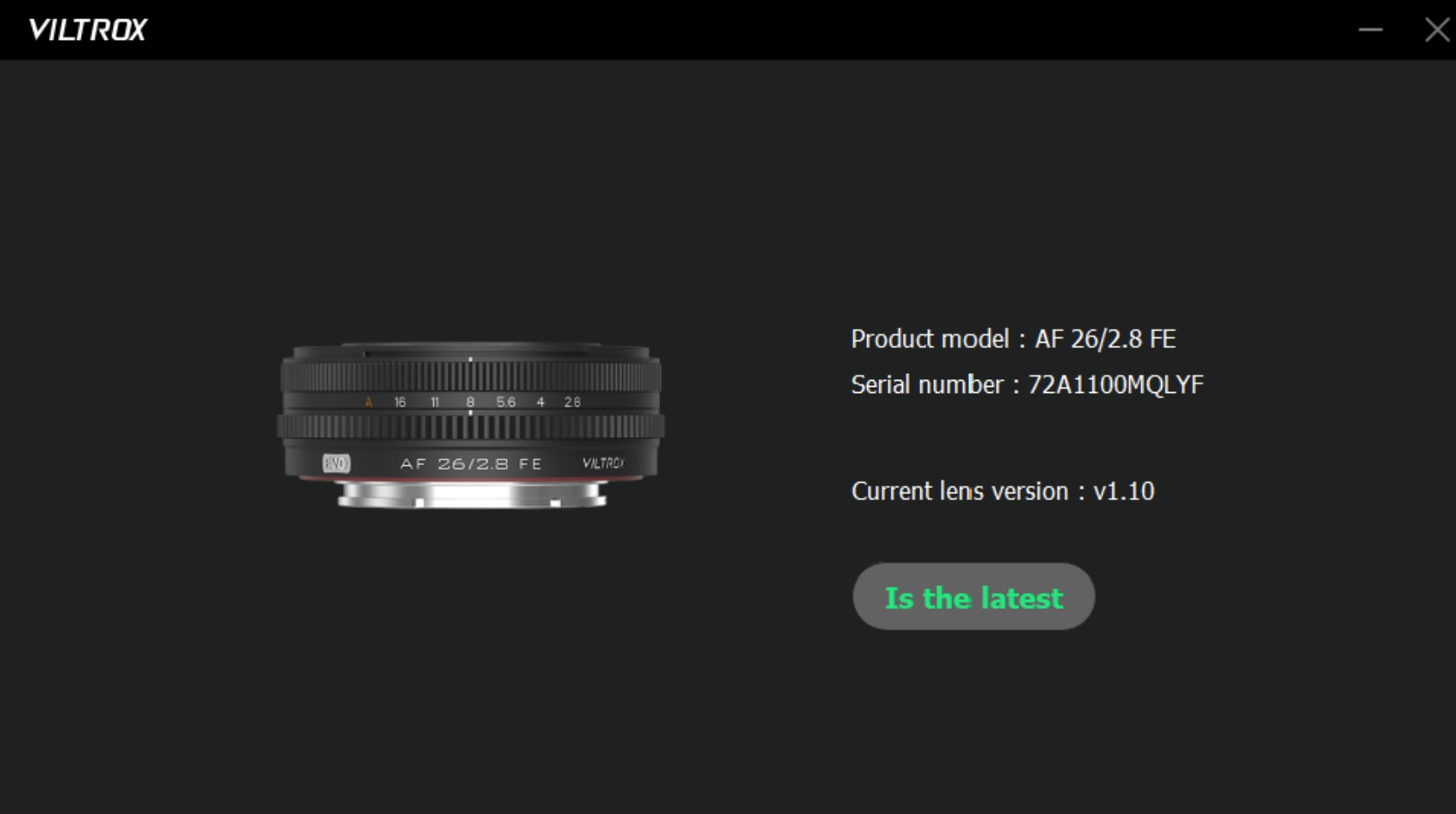
I’m a fan of this approach, as it eliminates the need for a separate dock or lens station for firmware updates, and I find the process more intuitive than even doing firmware updates through the camera.
There is no lens based stabilization, so you will need to rely upon the in-camera stabilization if your camera is so equipped.
The EVO 26mm isn’t quite as svelte as the 28mm F4.5, but this is a lens with much greater complexity. That lens did not have an aperture or manual focus ring, and, for that matter, didn’t even have the ability to change the aperture. The EVO 26mm is a much more flexible tool for creating images, and I personally strongly prefer it.


I carried it around New Zealand and found it a fantastic companion when wanting to travel light. The magnetic cap really works well, and everything about the lens feels very quality. It might feel expensive consdering its small size and smaller aperture relative to the other EVO lenses, but using it is pretty much a delighter.
The EVO 26mm can focus fairly close (20cm) and achieves a very useful 0.20x magnification level. Here’s what the magnification looks like.

I love the versatility that a decent level of magnification adds, as you can take up close shots to augment other perspectives. It also allows you to blur out backgrounds somewhat even with a wide angle focal length like this.

How about a blossom outside the yellow door of Samwise Gamgee’s home in Hobbiton?

The bottom line is that while this is the least feature rich lens in the EVO lineup thus far, it is actually more feature rich than most pancake lenses. It’s a genuine joy to use!
Autofocus for Stills
It is hard to put big, sophisticated focus motors in tiny lenses, and while the EVO 26mm features an STM (steppig motor) like other lenses in the series, this is a gear-type STM motor as opposed to the lead-screw type STM focus motor found in the other EVO lenses. Lead-screw STMs are more sophisticated and faster focusing, while the priority for gear-type STM is compactness (for obvious reasons here). Autofocus is solid in the Viltrox AF 26mm F2.8 EVO, but it isn’t as fast or smooth as the other EVO lenses.

Focus speed isn’t super fast, with the focus motor giving a bit of a “lurching” feel if it needs to make big adjustments. Part of this is exaggerated (as we will see in a moment), by having some significant amount of focus breathing (common in ultra-compact lenses).
For most things, however, focus speed was fast enough to get the shot I wanted. It’s rare in real world shooting that you are racking from close to distant subjects in the way that I do when I formally test a lens.
In this shot, for example, I grabbed my camera on the fly to get a shot of the host pastor of a church in Auckland that I was attending while there. My son and daughter-in-law are attending this church while studying abroad, and I wanted to snap a quick shot of the pastor. You can’t tell from the shot itself, but I grabbed the camera and snapped the shot within seconds, and the result was accurately focused.

I shot this photo in my kid’s appartment against some strong backlighting, but focus is perfectly accurate.
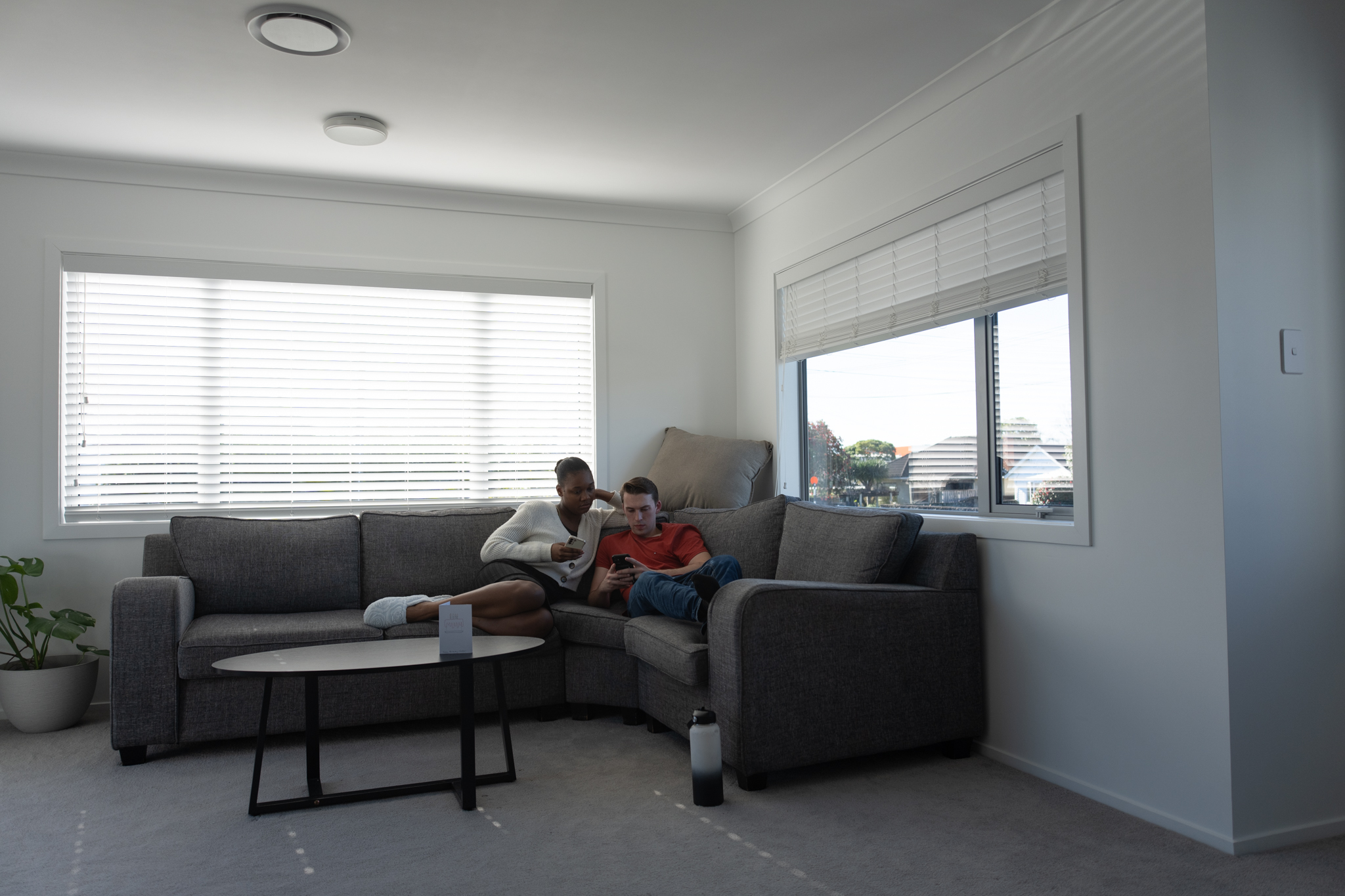

Whether indoors or outdoors, focus accuracy was good, and the focus motor is very quiet.

I shot in a wide variety of lighting conditions and was never anything less than satisfied with focus accuracy. Even shooting in the dim conditions of the amazing hobbit house in Hobbiton, focus was so accurate that I can read the names of all of the little family portraits on the wall.


This is obviously not a high-speed lens for action photography, but using this for general shooting or street would be no problem at all.
Video AF
I’ve shot dozens of video clips with the EVO 26mm, and found focus to be nicely stable on the lens. When doing focus pulls, the lens is nicely damped and pulls back and forth with good precision. As noted earlier, however, focus breathing is quite pronounced, which isn’t unusual in very compact lenses as there isn’t room to accommodate a lot of lens element movement.
Focus was stable in all of my video clips, and I generally enjoyed using the lens for video as well as stills. Footage was detailed, nicely colored, and generally pretty great for such a compact lens.
Viltrox EVO 26mm F2.8 Image Quality
The EVO 26mm sports a fairly simple optical design of 8 elements in 6 groups. This includes 1 HR (high refractive index) element and two apherical lenses. The MTF chart shows a broad range of performance across the frame at F2.8, with very strong center performance (near 88%), good midrange performance, but then a big drop in the corners (particularly on the meridional axis). Stopping down to F8 shows a slightly weaker center, about equal midframe performance, and a better (but not great) corner performance.
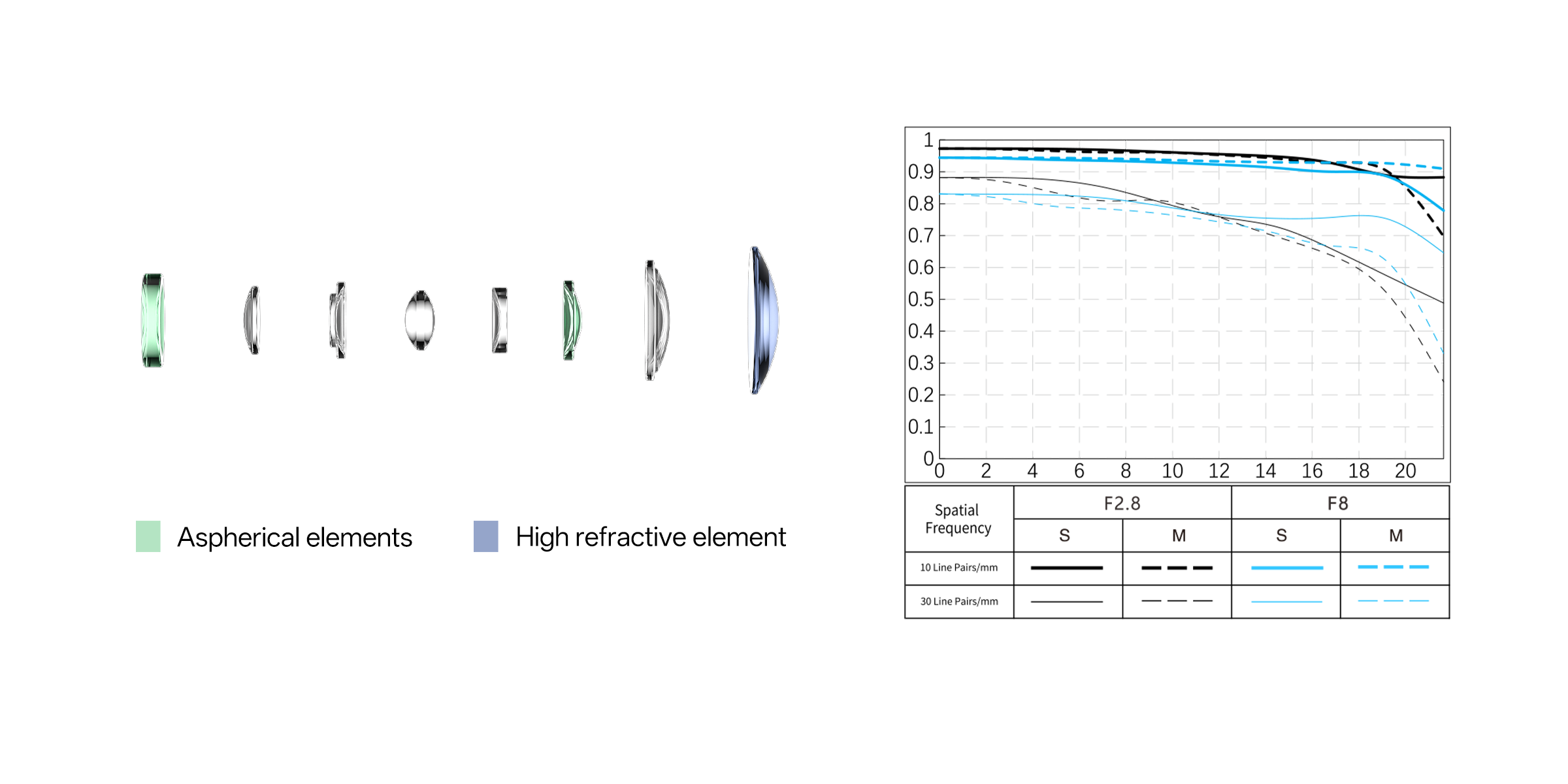
I was actually surprised to see how poorly the lens charted in the corners, as I found that real world shots didn’t have amazing corners, but not unusually bad ones.

Part of that may have to do with the fact that most landscape images require sharper edges more than they do corners. The edges here (at F6.3) are still fine, if not pin sharp.

How about an image where the corners do matter?


That really looks pretty good, actually. This is an F5.6 image, and those corners actually look pretty decent.
My point for those who are MTF junkies: some lenses underperform their MTF in real world use, others overperform them. The EVO 26mm seems to overperform.
There is some vignette and distortion, but neither are extreme for such a compact lens.
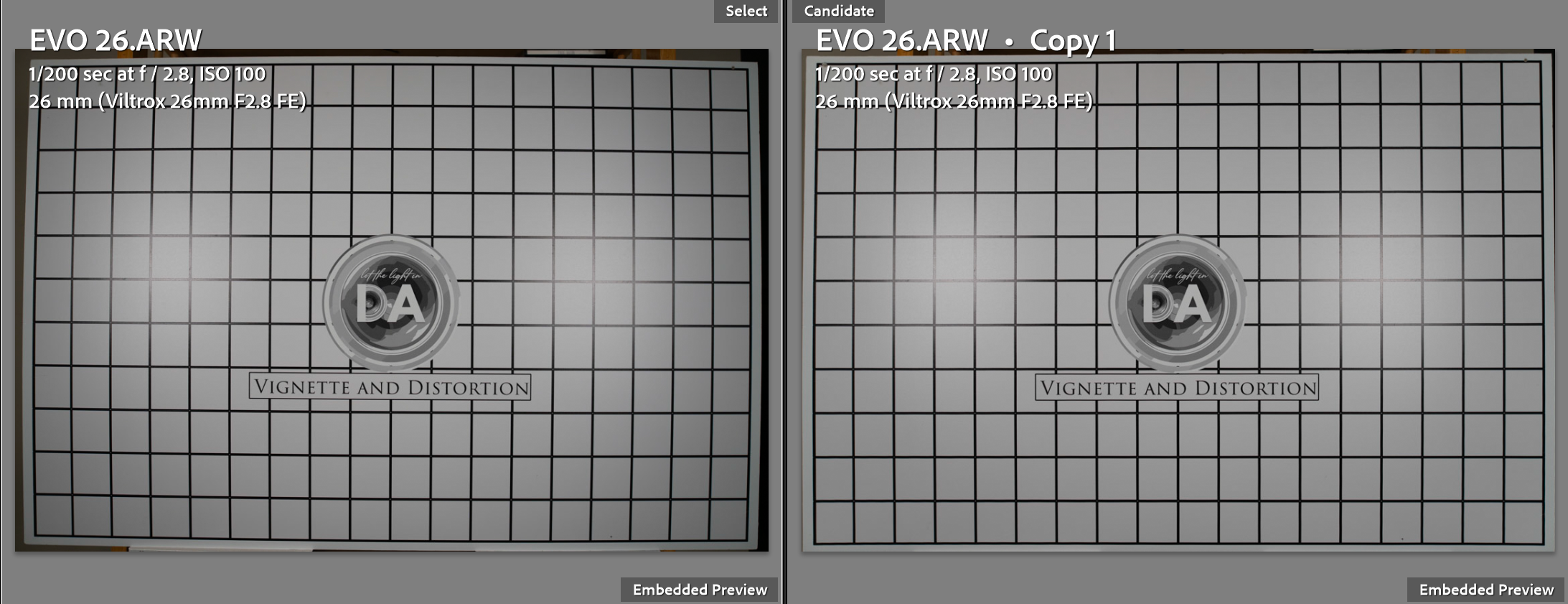
There is some barrel distortion, but I needed just a +6 to correct it, so nothing extreme. I used a +47 to correct the vignette, which is less than two stops in the corners. I’ve tested many, many more lenses in and around this focal length that had more distortion and/or vignette regardless of the size.
Uncorrected shots with straight lines are usable, though, as always, a correction profile does improve things. This shot is uncorrected (straight from camera).

Longitudinal Chromatic Aberrations, or LoCA, manifests as fringing before and after the plane of focus. Viltrox has done a very good job with correcting LoCA in many of their recent lenses, and that is the case here. There are minimal amounts of fringing before or after the plane of focus.

These small white blossoms in intense sunlight are potential hotbeds for fringing, but remain quite neutral.

Lateral Chromatic Aberrations (LaCA) show up as fringing around contrast transitions near the edge of the frame. I do see some LaCA on my test chart (and in real world images), though there is nothing extreme.

For such a compact optic, that’s actually quite a good performance in all these tests. No, it’s not a LAB lens in terms of absolute corrections, but this a real lens in optical performance.
So how about resolution and contrast? These results are shot on the Sony a7RV (61MP) and the crops are shown at roughly 200% magnification level. Here’s a look at the test chart that the crops are taken from.

If we zoom in and look at the 200% crops at F2.8 from the center, mid-frame, and lower right, we discover that sharpness and contrast are excellent in the center and mid-frame, and, while the corners are weaker than those spots, they are still pretty credible.



This is sufficient to provide excellent real world sharpness. I found plenty of sharpness even in my F2.8 images.

I’m actually pretty impressed with how sharp this lens is for being a pancake style lens. I was traveling with a 50MP Sony α1 II, and I didn’t feel like the little EVO 26mm was overmatched. I’ve owned pancake lenses in the past on much lower resolution cameras that didn’t do nearly as good of job of resolving even a 20MP sensor.
The MTF chart suggests that we shouldn’t expect big gains as the lens is stopped down, and that is in fact the case. The center and midframe are only very marginally improved at F4 (and even F5.6), though the corners are noticeably improved by that point.
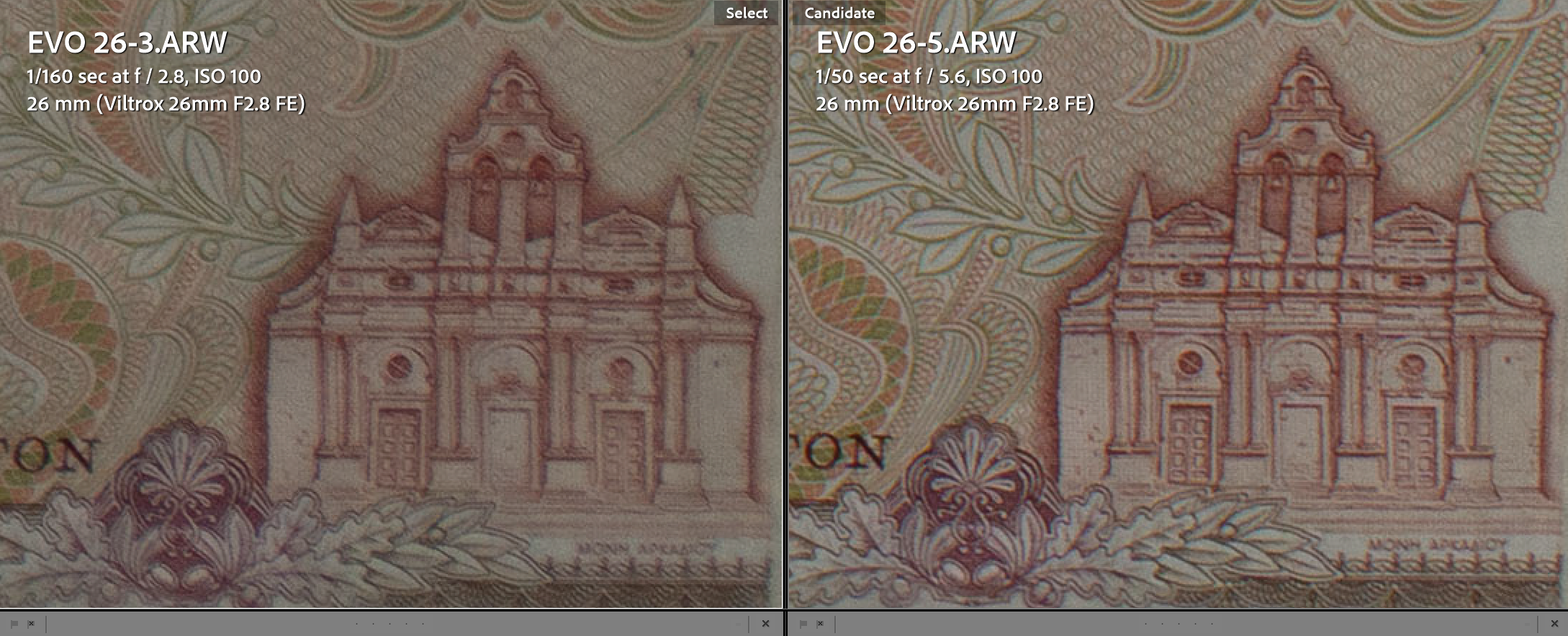
I actually felt like the corners peaked at F5.6, as everything looks slightly softer at F8:

There is plenty of resolution to deeply crop images if you are shooting with a higher resolution Sony or Nikon camera.


Diffraction is an unfortunate reality on higher resolution cameras, so you will see a faint softening by F11 and a more obvious softening by the minimum aperture of F16, though frankly results at 100% will still look fine.

In short, this is yet another very strong lens from Viltrox is terms of sharpness and contrast.
Bokeh quality doesn’t match what I’ve seen from other EVO lenses, which does stand to reason, as this is both the widest focal length thus far in the series and has the smallest maximum aperture.

The bokeh is fine here, but nothing special.
When up close, you can get a fairly strong defocus of the background.

Moving back a bit creates images that don’t have a strong amount of defocus but with a reasonable amount of 3D pop to the subject.

Quite nice!
How about flare resistance? This is what I consider to be the weakest area of the optical design. There can be a bit of a flashing effect when the light source is right out of frame at certain angles. This was the strongest effect that I saw during my hundreds of real world images.

This can be used to artistic effect (I kind of like the image above), but is obviously a optical defect.
Making a small adjustment to framing will make a radical difference with this lens. Look at the difference of veiling/contrast between these two images with just subtle adjustments.
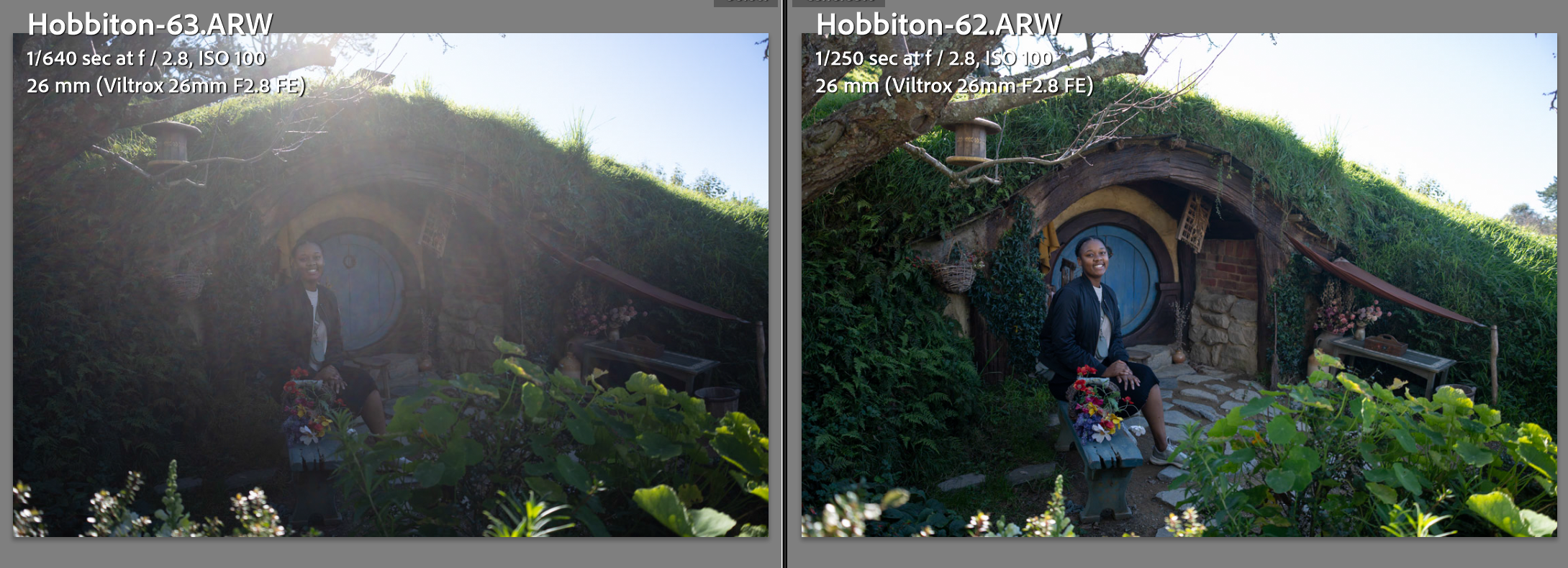
Shooting directly into the sun, however, is no problem. Contrast remains strong and there really isn’t any issues with ghosting.

I wouldn’t say the little lens hood does much in actually shading the front element (though it does provide a nice amount of protection value).

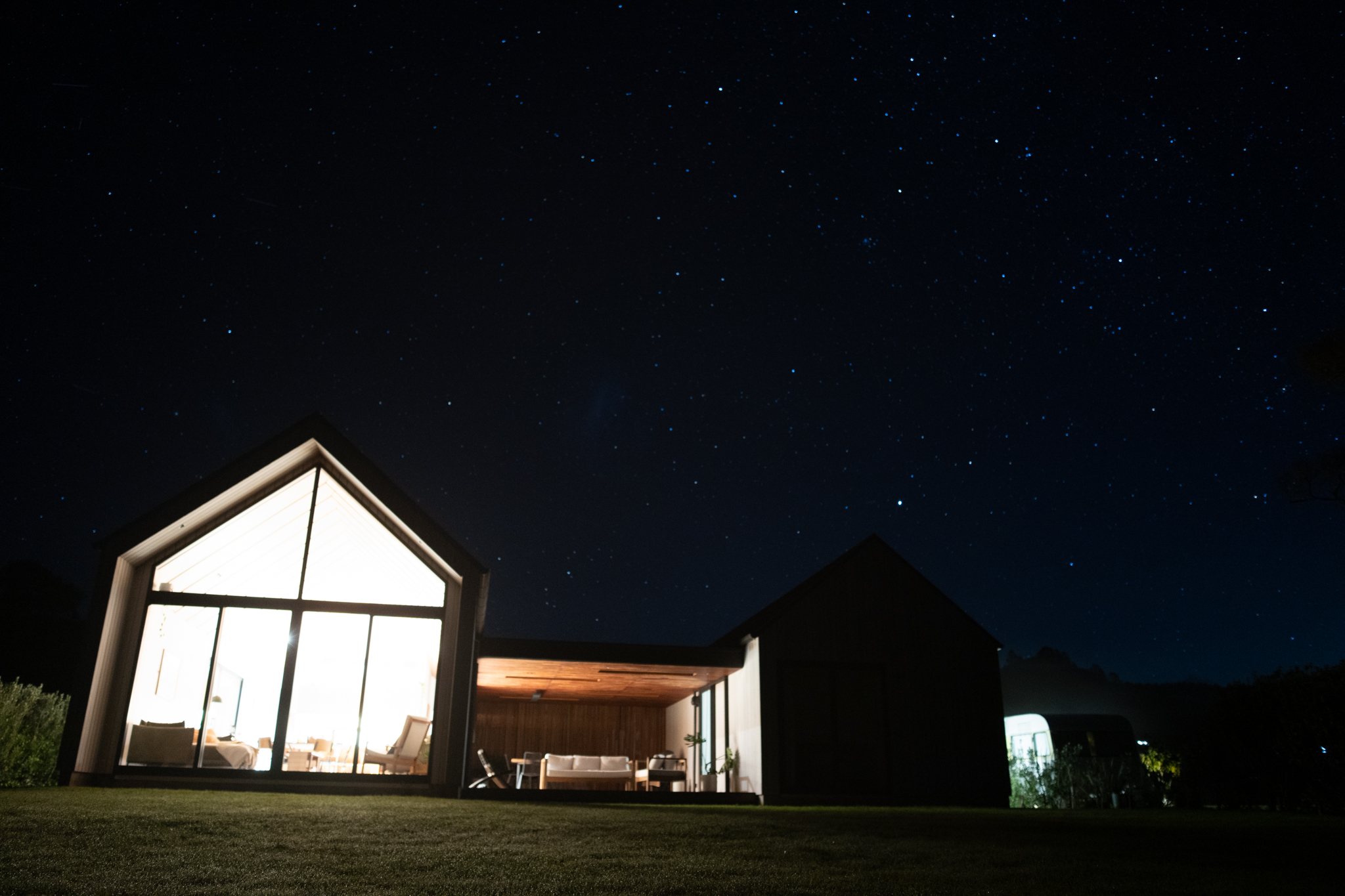
The stars in the Coramandel were just amazing, and while I wouldn’t consider the EVO 26mm a top-notch astrophotography lens (it would need to be slightly sharper in the corners, and a brighter aperture wouldn’t hurt), it did a sufficiently good job of catching the stars with relatively little coma smear.

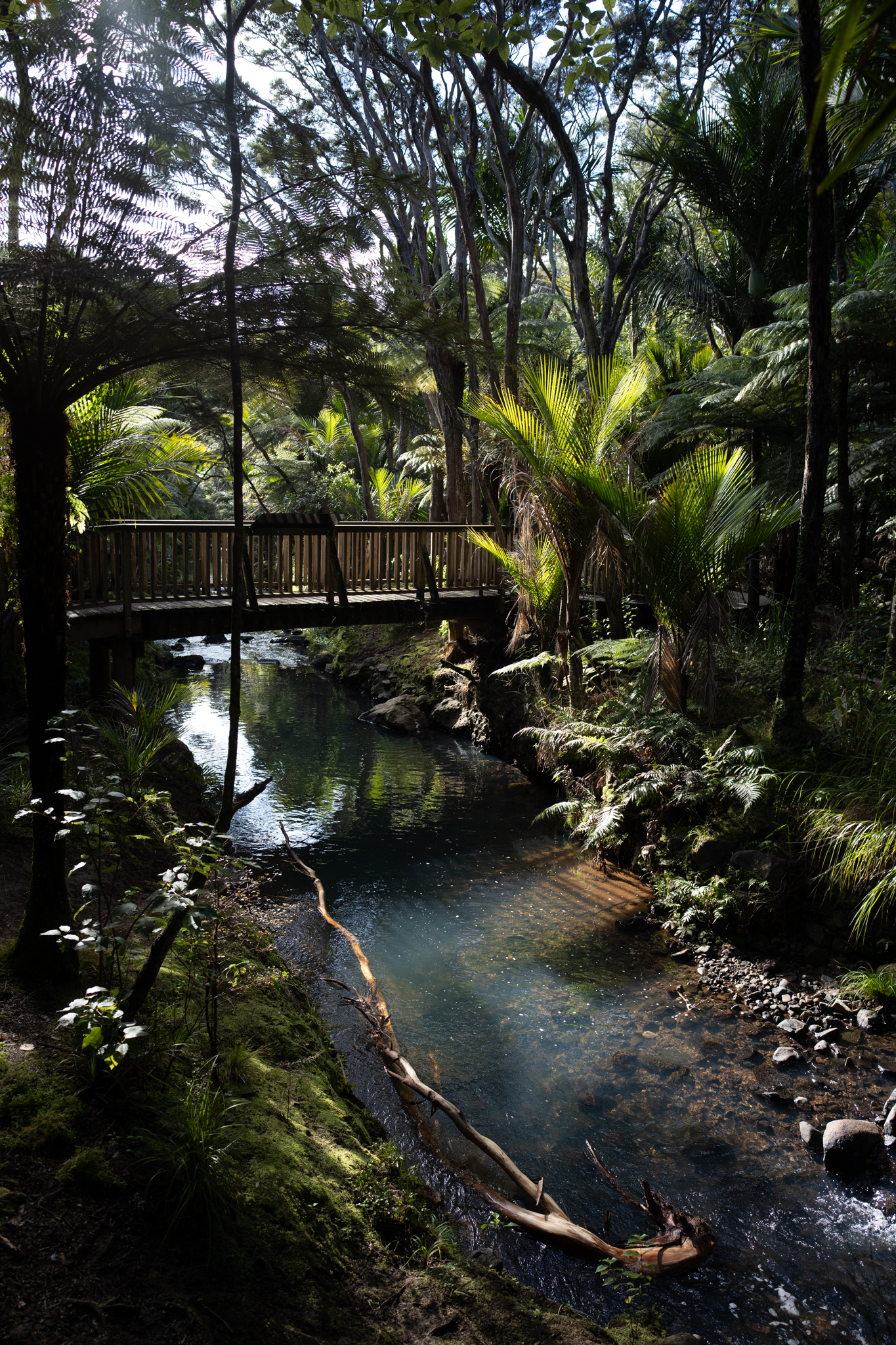
What I kept coming back to during my review was that this is definitely not just a compact lens; it is a very good lens, period. The fact that it is a pancake lens in size is just icing on the cake. Here’s a mini-gallery of more images for you to enjoy.













Conclusion
The EVO series of lens continues to be an absolute sweet spot for me, and I’m personally excited to see them diversify this lineup. There have been relatively few high quality pancake lenses on either Sony FE or Nikon Z, so the Viltrox AF 26mm F2.8 EVO slides nicely into an underserved niche. Not everyone is looking for pancake lenses, obviously, but at a relatively affordable price of under $300 USD, I think that a lot of people will at least be curious.

The fact that we actually get a serious little performer optically is a huge bonus. We don’t have to compromise quality for compactness, and I’ve added a lot of delightful images to my catalog from this little lens.

Where Viltrox always shines is in the price-to-performance ratio. This is a top notch lens that you can get for right under $300, which is nearly half what Nikon users have been paying for the Nikkor Z 26mm F2.8. You can use the code DUSTINABBOTT at Viltrox to shave a extra 5% off the MSRP of any Viltrox lens. That’s great news whether you are a Sony or Nikon shooter. And so a cheerful Kia Ora from New Zealand as the Viltrox and I head out for some more fun.


Pros:
- Compact Size: At only 130g and 23.8mm deep, the lens is highly portable, making it easy to carry for street photography and travel.
- Versatile Features: The inclusion of weather sealing, manual focus, and an aperture ring gives photographers greater control over their shots.
- Optical Performance: The lens offers excellent image quality with strong center sharpness and good contrast, performing well even on high-resolution cameras.
- Affordable Pricing: Priced at under $300, it provides a cost-effective alternative to similar lenses, especially appealing for budget-conscious photographers.
- User-Friendly Design: Features such as a magnetic lens hood/filter adapter simplify setup and enhance functionality.
- Close Focusing Capability: With a minimum focusing distance of 20cm and 0.20x magnification, it allows for creative close-up shots.
- Decent Video AF Performance: Stable autofocus during video recording, providing good precision for focus pulls despite some focus breathing.
- Good Build Quality: Feels substantial in hand, with a design that gives a premium feel while remaining lightweight.
- Low Longitudinal Chromatic Aberrations: The lens minimizes fringing effects, ensuring cleaner images in high-contrast situations.
- Creative Potential: Offers a nice bokeh for a pancake lens, enhancing the 3D effect of subjects in photography.
Cons:
- Flare Sensitivity: The lens is prone to flare in direct light, which may affect image quality in certain shooting conditions.
- Slower Autofocus: The gear-type stepping motor results in slightly slower autofocus, which may not be suitable for fast-paced shooting scenarios.
- Focus Breathing: Pronounced focus breathing can be distracting during video work and may hinder creative framing.
- Limited Corner Sharpness: While center sharpness is good, the corners can be softer, particularly at wider apertures like F2.8, affecting overall image quality in landscape shots.
- Aperture Ring Direction: The unique rotation direction of the aperture ring may confuse users accustomed to conventional lens designs, requiring adjustment to technique.
- Narrow Focus Ring: The relatively small focus ring can be difficult to manipulate by feel, especially in dynamic shooting environments.
_____________________________________________________________________
GEAR USED:
Purchase the Viltrox EVO 26mm F2.8 @ Viltrox (use code DUSTINABBOTT for 5% off) | B&H | Adorama | Amazon | Amazon Canada | Amazon UK | Amazon Germany
Purchase the Viltrox EVO 35mm F1.8 @ Viltrox (use code DUSTINABBOTT for 5% off) | B&H | Adorama | Amazon | Amazon Canada | Amazon UK | Amazon Germany
Purchase the Viltrox EVO 55mm F1.8 @ Viltrox (use code DUSTINABBOTT for 5% off) | B&H | Adorama | Amazon | Amazon Canada | Amazon UK | Amazon Germany
Purchase the Viltrox EVO 85mm F2 @ Viltrox (use code DUSTINABBOTT for 5% off) | B&H | Adorama | Amazon | Amazon Canada | Amazon UK | Amazon Germany | Pergear
_________________________________________________________________________
Purchase the Sony a7RV @ B&H Photo | Adorama | Amazon | Camera Canada | Sony Canada | Amazon Canada | Amazon UK | Amazon Germany
__________________________________________________________________
Purchase the Sony a7IV @ B&H Photo | Adorama | Amazon | Camera Canada | Sony Canada | Amazon Canada | Amazon UK | Amazon Germany
_________________________________________________________________
Purchase the Sony Alpha 1 @ Camera Canada | B&H Photo | Adorama | Amazon | Sony Canada | Amazon Canada | Amazon UK | Amazon Germany | Ebay
_________________________________________________________________
Want to support this channel? Use these affiliate links to shop at: B&H Photo | Amazon | Adorama | Camera Canada | Amazon Canada | Amazon UK | Ebay | Make a donation via Paypal
Buy DA Merchandise https://bit.ly/TWIMerch

Keywords: Viltrox AF 26mm FE EVO, Viltrox AF, EVO, Viltrox EVO, #EVO, Viltrox26mmEVO, #explorebeyond, Viltrox 26mm, Telephoto, Full Frame, F2.8 f/2.8, STM, Viltrox EVO 26mm F8.8 FE, Sony a7V, Sony A1 II, α1 II, Sony a7RV, Sony α7C, Review, Hands On, Dustin Abbott, Real World, Comparison, Sharpness, Bokeh, Flare Resistance, Autofocus, Image Quality, Sample Images, Video, Photography, let the light in, weathersealing, #letthelightin, DA
Related posts:
 Viltrox 20mm F1.8 ASPH for Sony FE Review
 Viltrox 85mm F1.8 MF FE Review
 Viltrox AF 33mm F1.4 XF Review
 Viltrox AF 33mm and 56mm F1.4 EF-M Reviews
 Viltrox AF 50mm F1.8 STM Image Gallery
 Viltrox Pro AF 75mm F1.2 Image Gallery
 Viltrox AF 20mm F2.8 Gallery
 Viltrox AF 56mm F1.7 X-Mount Review
 Viltrox AF 28mm F4.5 X-Mount Gallery
 Viltrox Pro AF 50mm F1.4 Z-Mount Review