

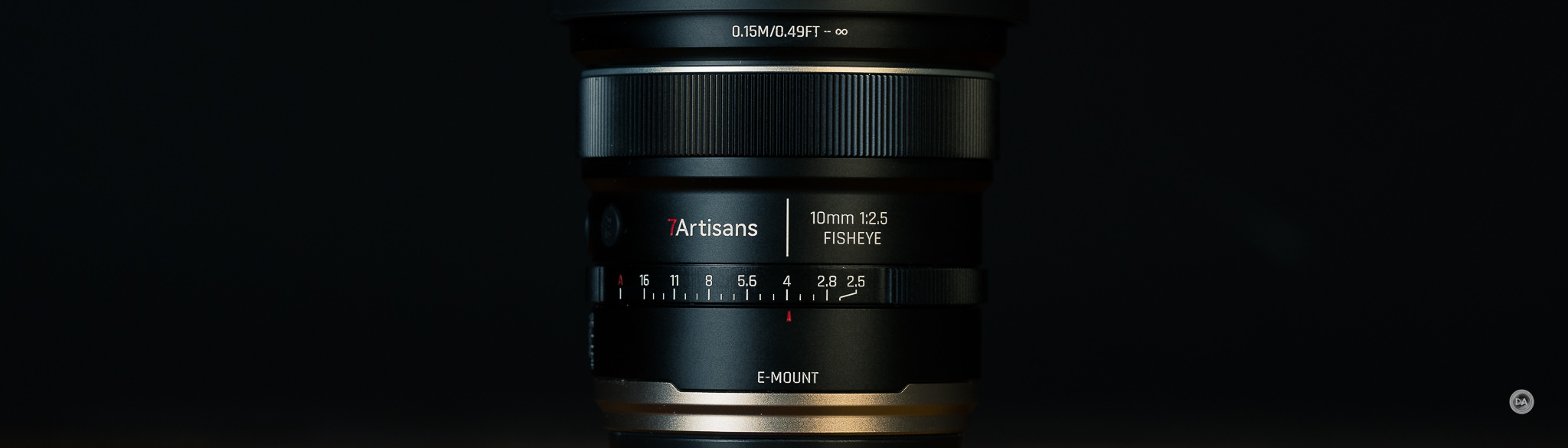
I did a review of the 7Artisans AF 135mm F1.8 just a few months ago. Little did I know at the time that it was the first of a new series of lenses that 7Artisans calls their MAX series. The MAX series is designed to be a premium lineup of autofocus lenses, and, while the pricing is still moderate, it does test a slightly higher level than previous 7Artisans lenses. The second lens in that series is here, in the form of the 7Artisans AF 10mm F2.5 MAX Fisheye. This is an immensely wide angle lens that combines advanced build and features with a playfully interesting fisheye design. The price of $449 USD is moderate, but fisheye lenses even at this price remain niche because not everyone wants to contend with the extreme distortion. That being said, the 7Artisans 10mm Fisheye is a much more accessible lens than most fisheyes due to having autofocus, a nice feature set, and quite nice image quality. Does it sound interesting? Find out more in either the video review below or by reading on in the text review.
Follow Me @ YouTube | Patreon | Instagram | Facebook | DA Merchandise | Flickr | 500px | X
Thanks to 7Artisans for sending me a review sample of this lens. As always, this is a completely independent review. *The tests and most of the photos that I share as a part of my review cycle have been done with the Sony a7RV and the Sony A1 II. You can find the listing for the Thypoch 7Artisans AF 135mm F1.8 here.
__________________________________________________________________________________________________
AI SUMMARY:
Strengths:
Weaknesses:
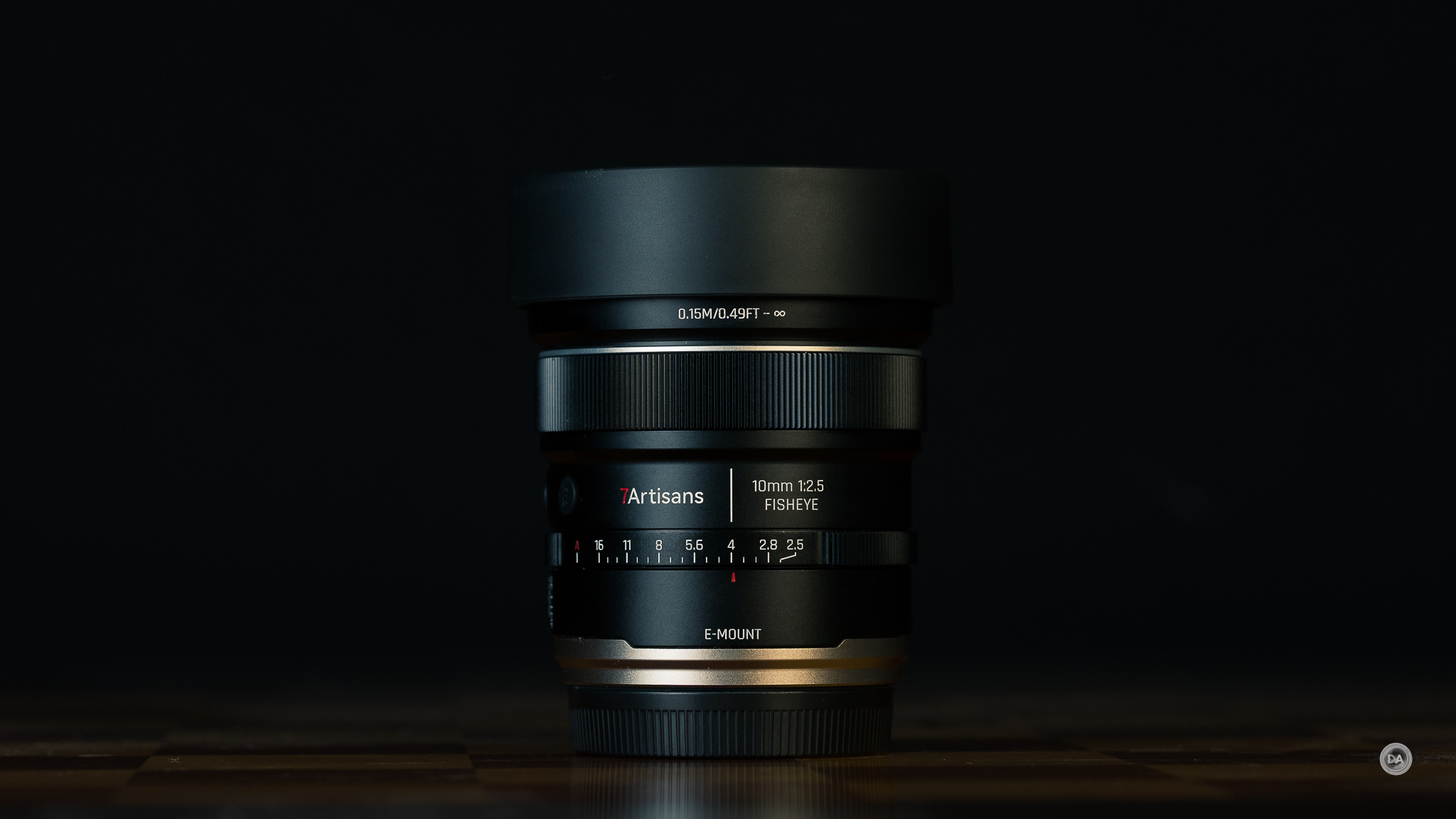
My first reaction to the 7Artisans AF 10mm Fisheye was that it was the most attractive lens that I’ve yet seen from 7Artisans. It has a very attractive black satin finish on its all-metal barrel along with the perfect amount of silver/platinum accents.
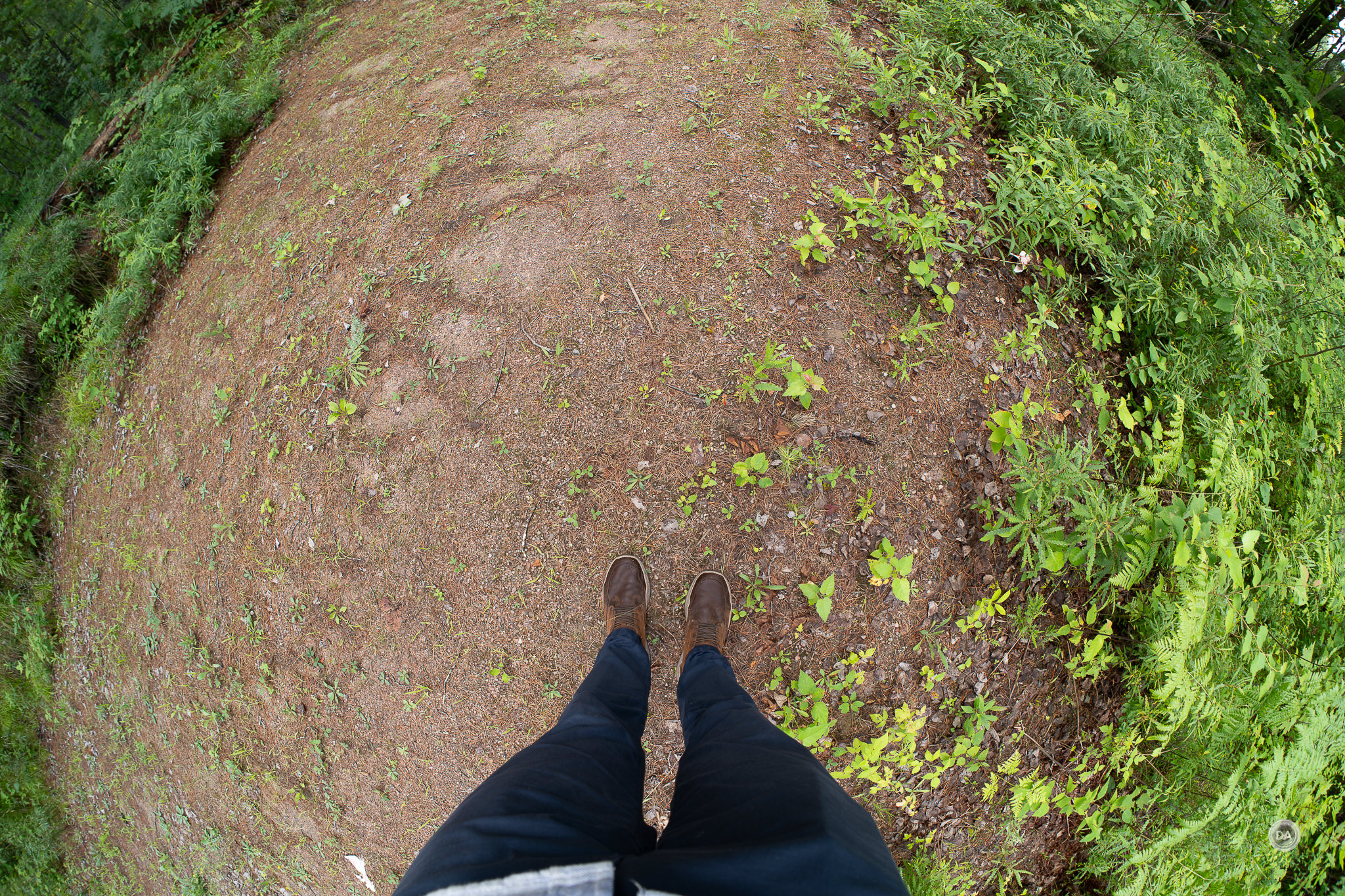
This lens is incredibly wide, giving a full 185° angle of view.
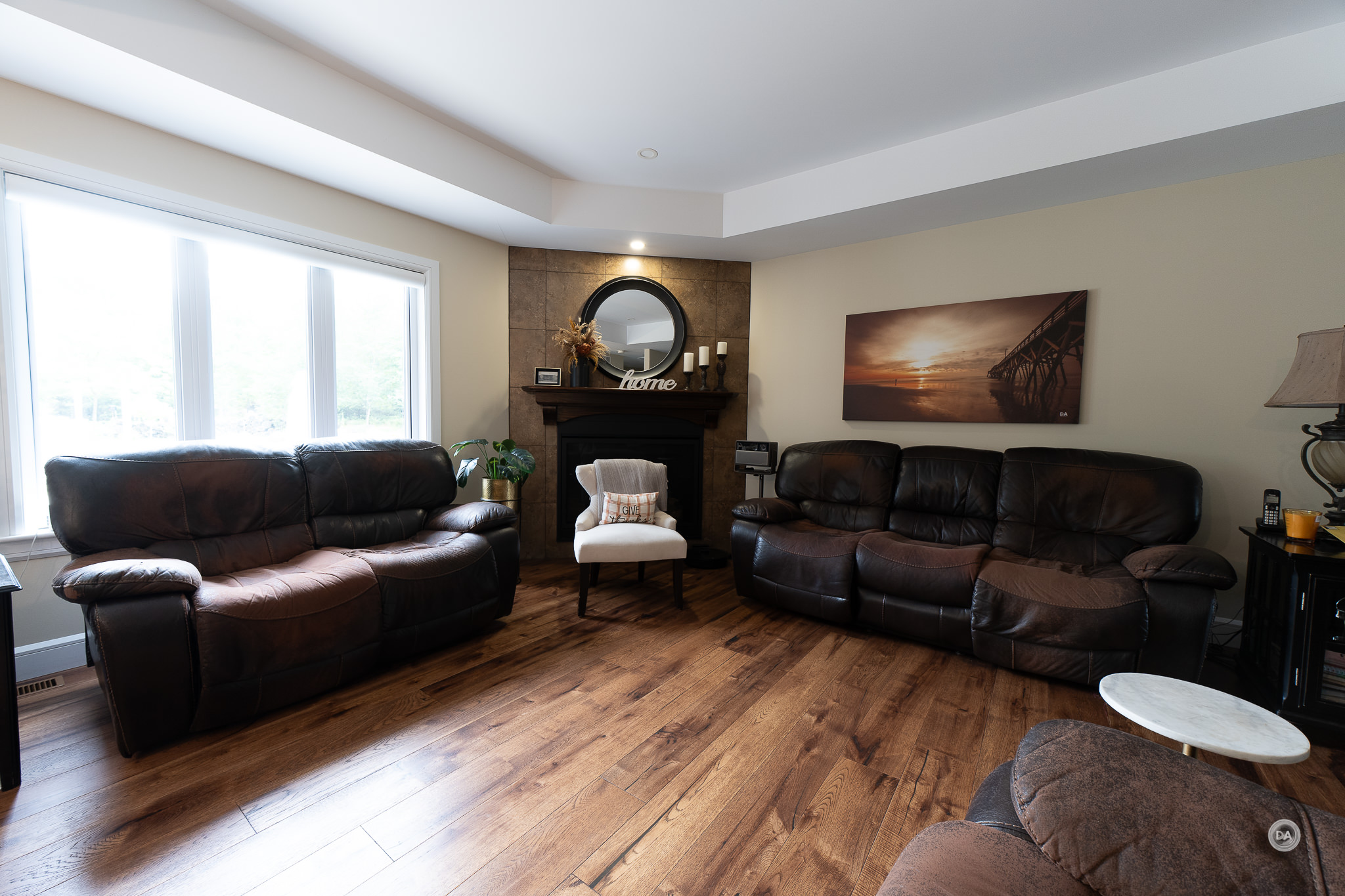
If your number one goal is to get as much in the frame as possible, it is hard to beat a lens like this. The LK Samyang 14-24mm goes as wide as 114.2°, which looks like this from a tripod position in my living room.
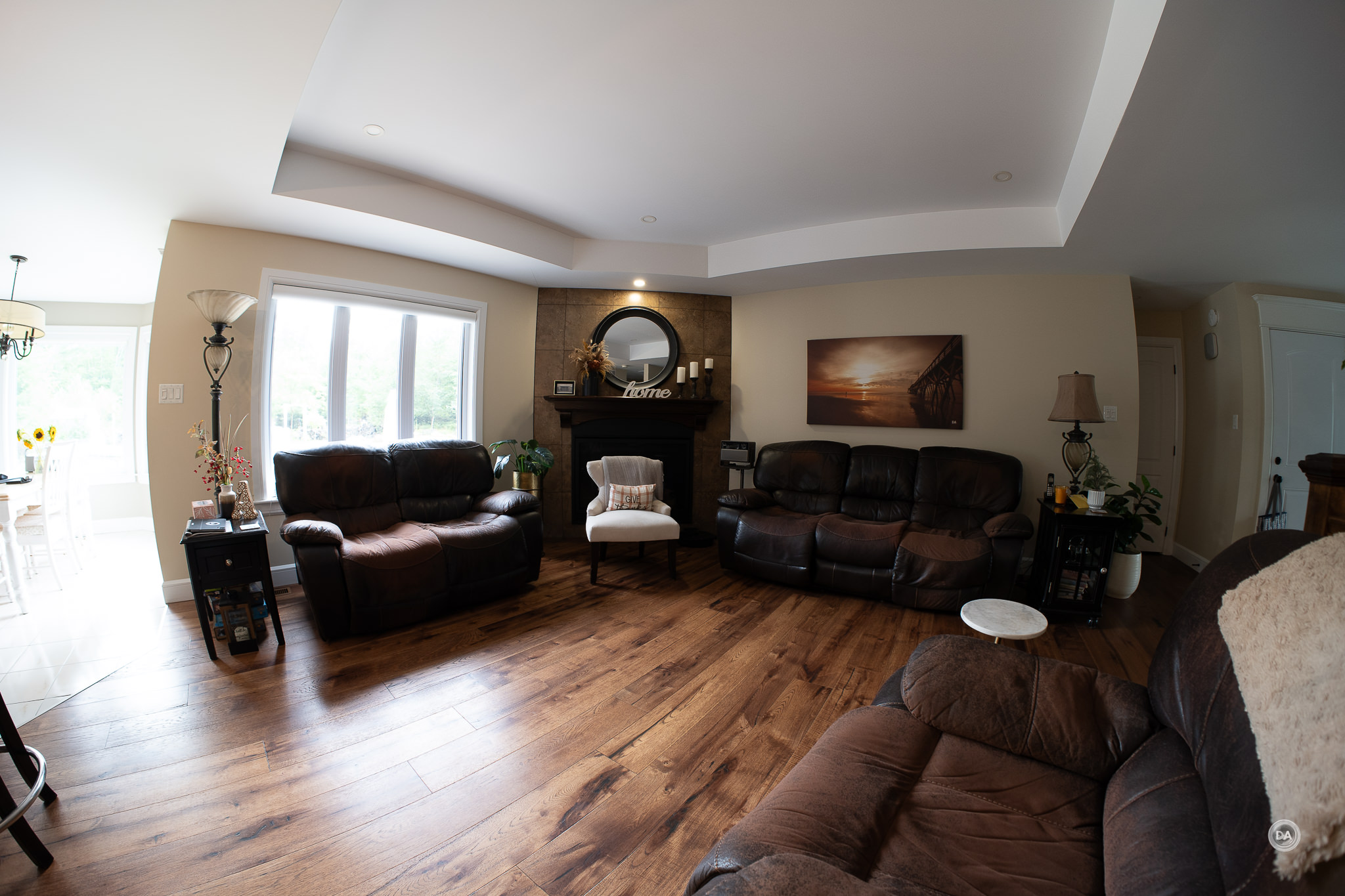
The new Tamron 12-20mm is capable of going as wide as 121°58′, which is extremely wide for a rectilinear (non-fisheye) lens. Here’s what the room looks like from the same tripod position.
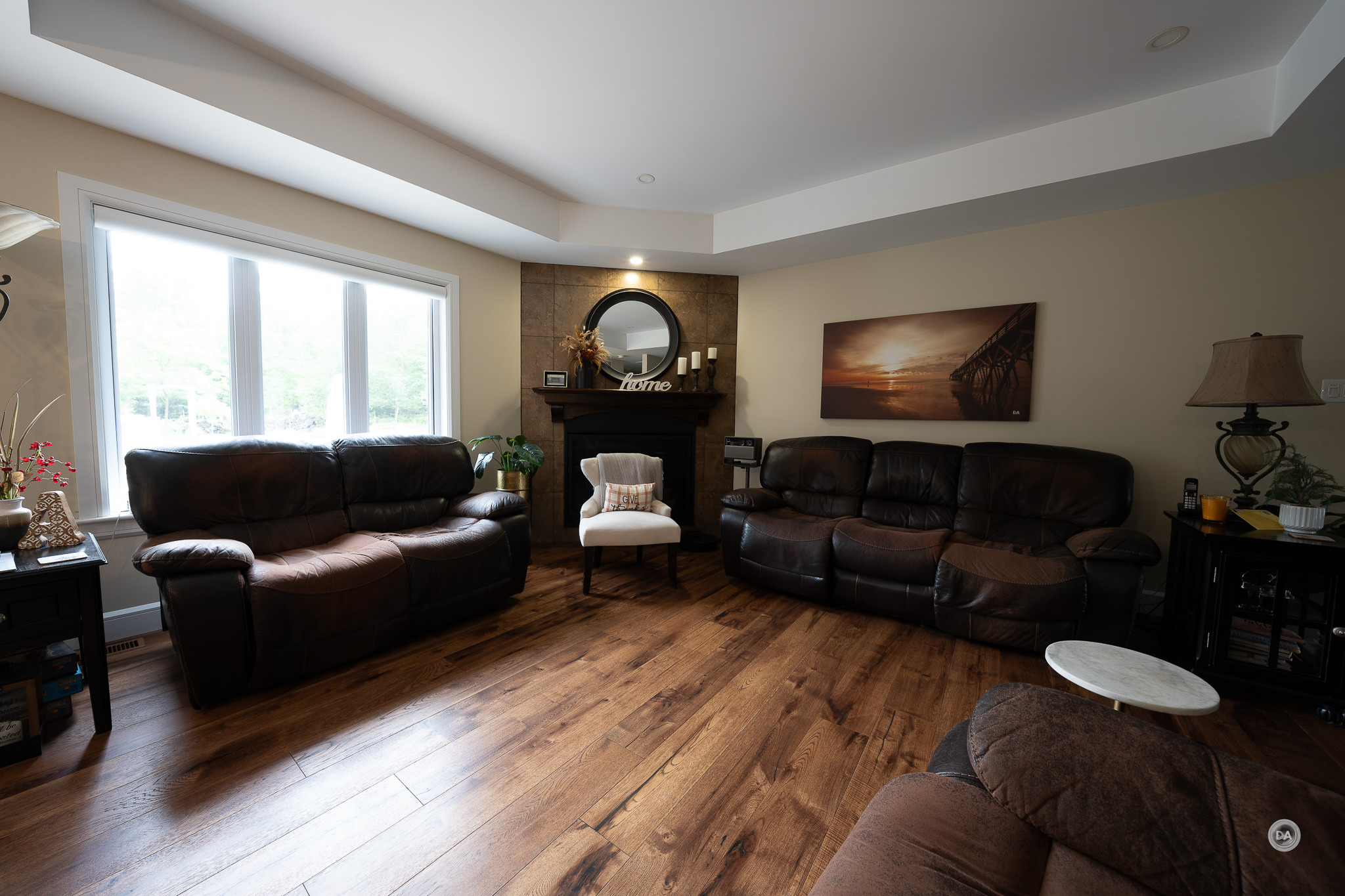
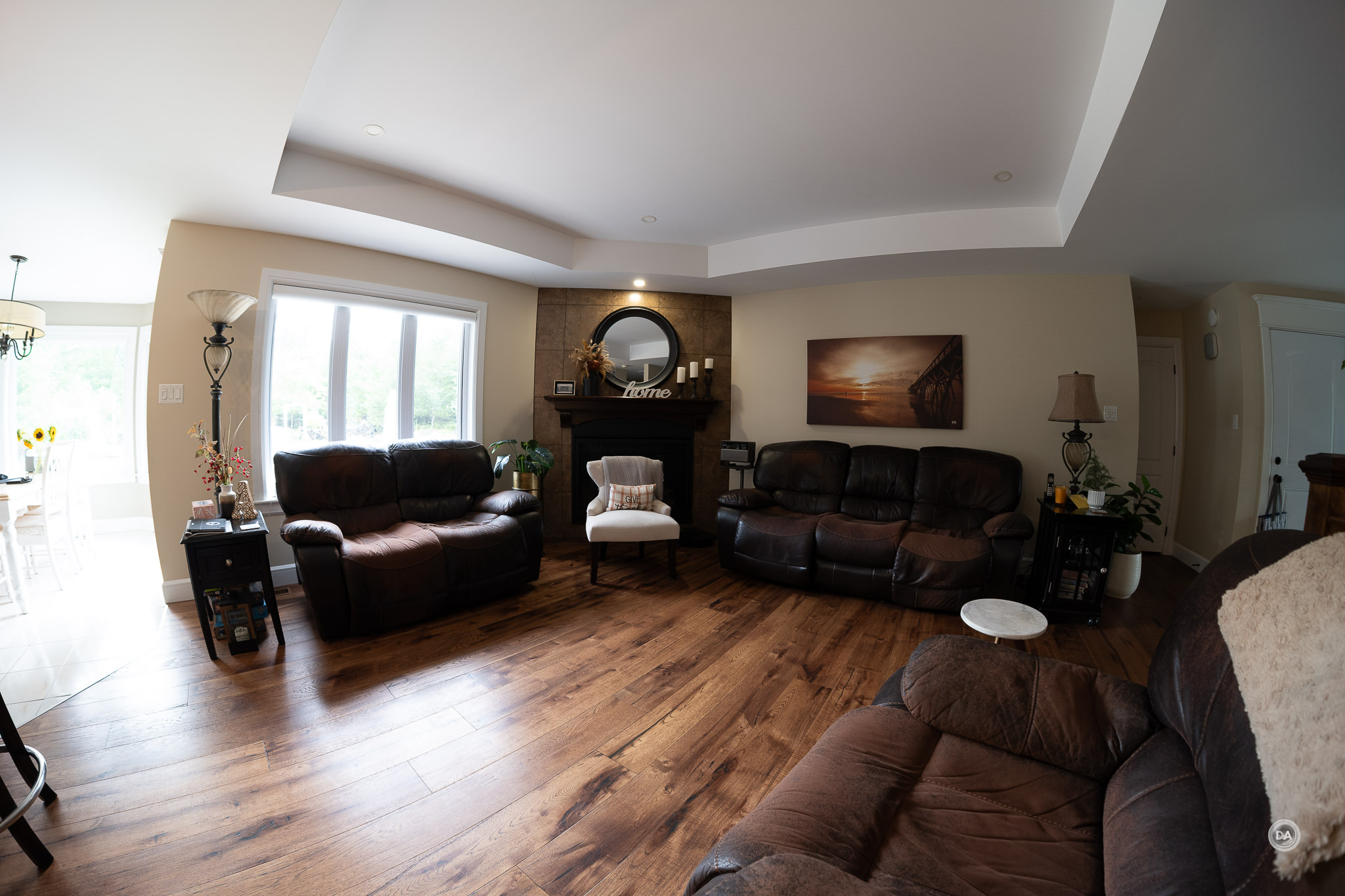
Obviously a lot more is in the frame. But the 7Artisans 10mm Fisheye gives a truly ridiculous 185° field of view. From the same position it opens up views into the rooms to either side of the living room.
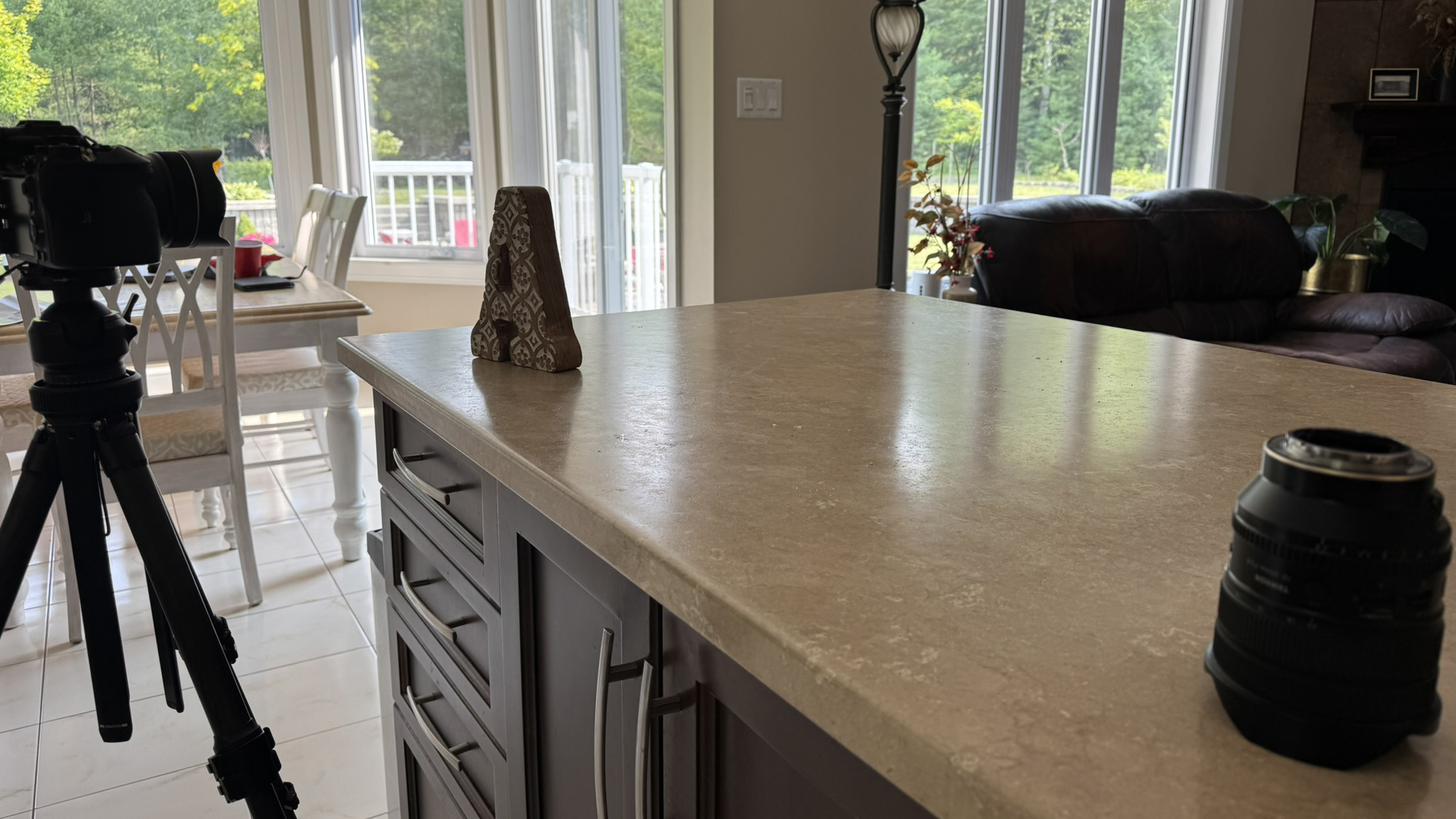
It’s hard to quantify how wide this is, but perhaps this will help. I set up the camera/lens at this distance from my subject (the A). Look how far to the right the Tamron lens is.
And yet, when I took the shot, look at what makes it into the frame.
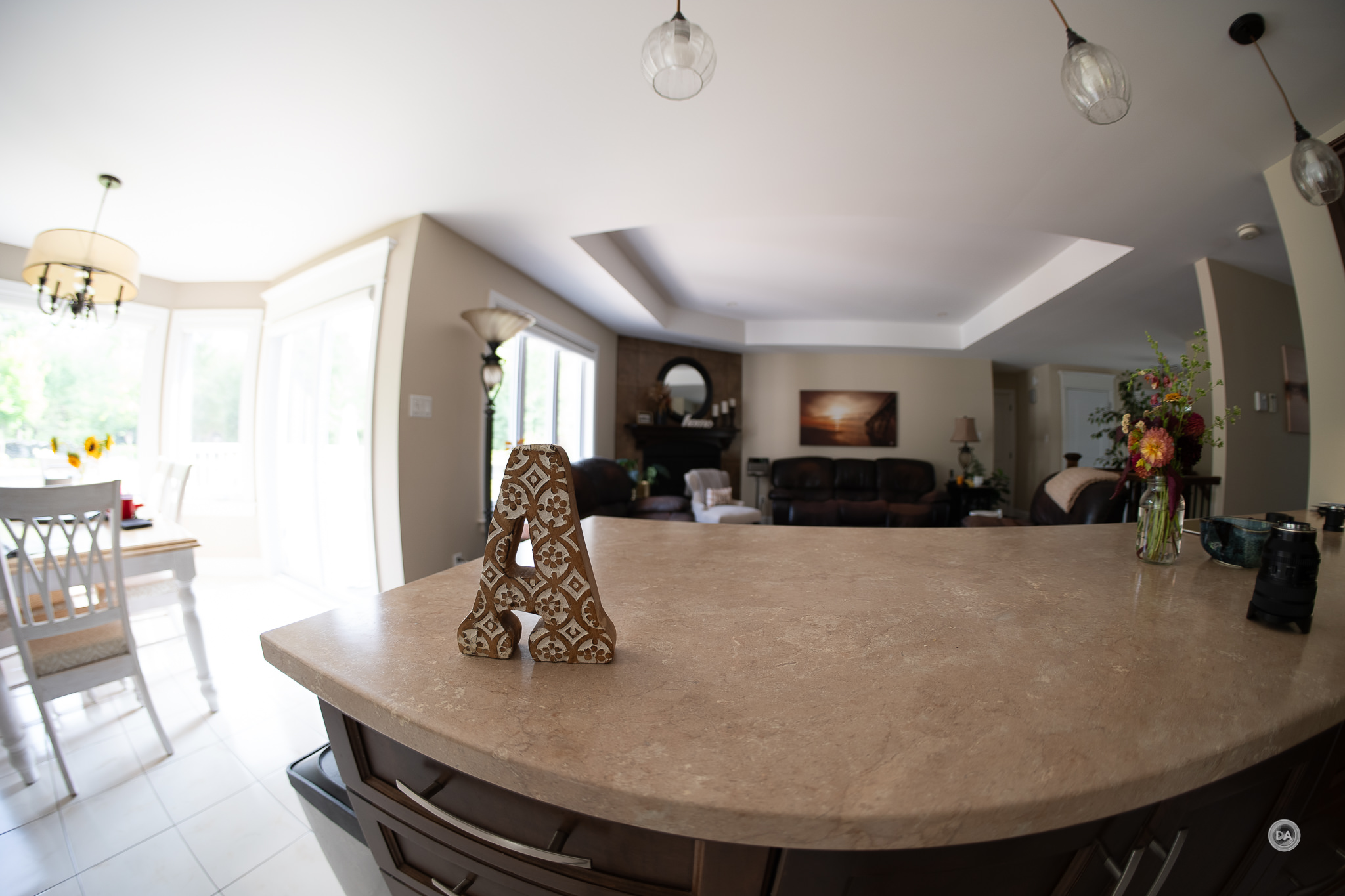
Pretty amazing. Lenses like this are clearly not designed with the corners in mind because of vast field curvature, and the extreme nature of the 10mm Fisheye means that my testing approach has to be altered somewhat since some tests become irrelevant. There is still a lot to cover here, however, so let’s jump in.
7Artisans AF 10mm Build and Handling
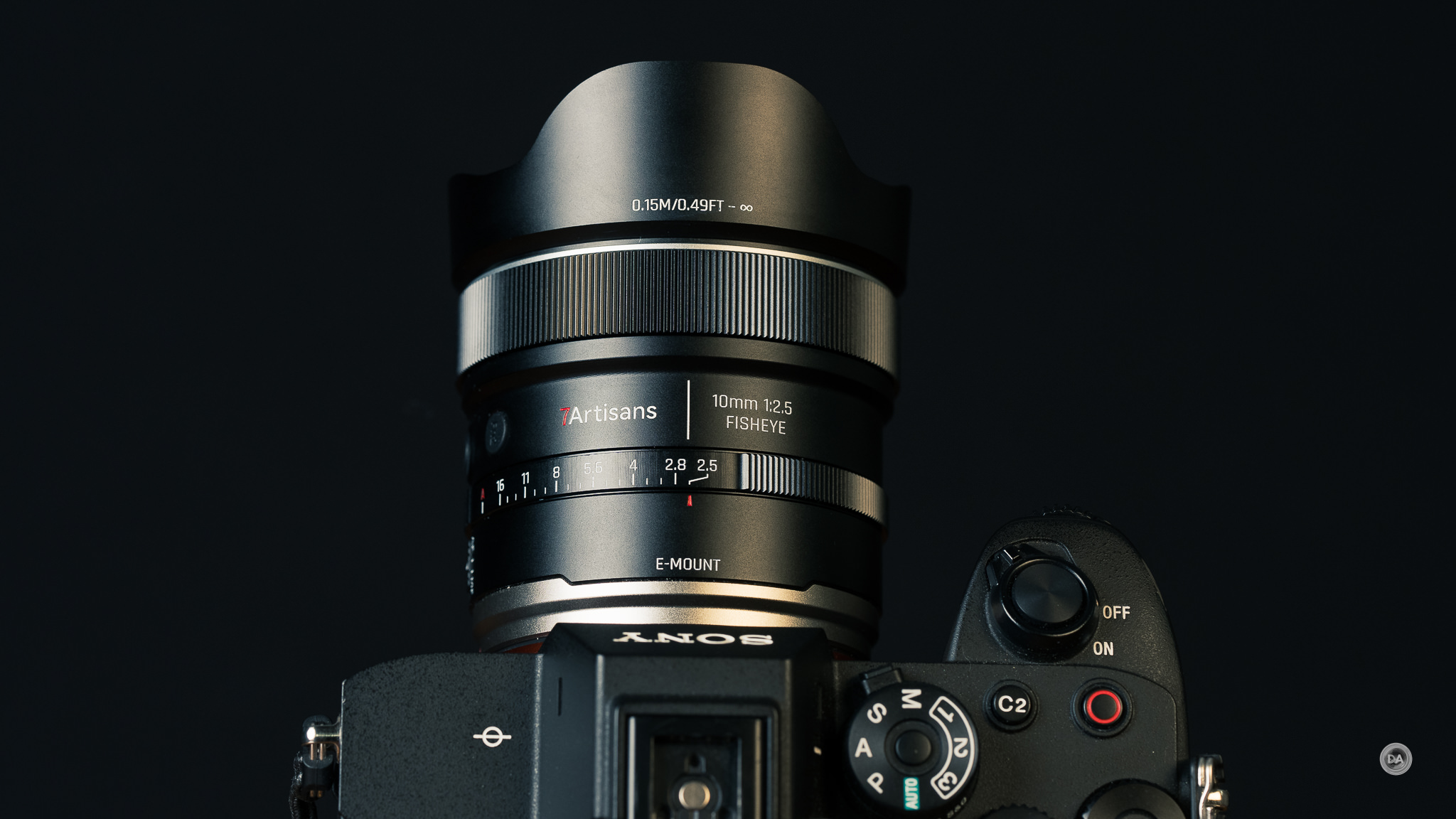
The 10mm F2.5 Fisheye will be available for Sony FE (tested here), Nikon Z, and L-mount. The new MAX series has definitely stepped up the set of features for 7Artisans lenses, and the 10mm Fisheye is no exception. It starts by including an aperture ring. The ring is clicked and doesn’t have a declick option.
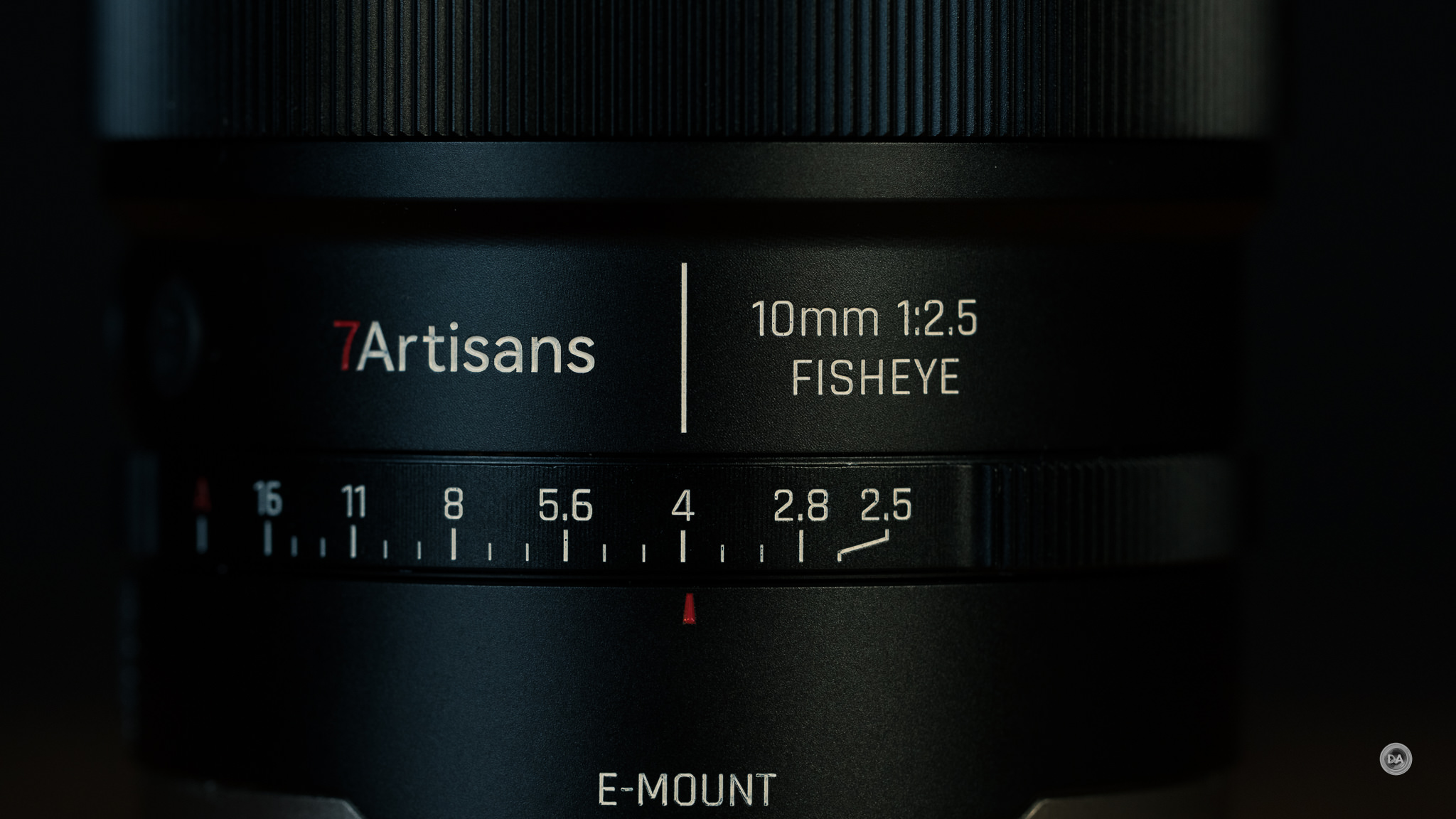
The feel of the ring is good, however, with definite clicks and a decent further gap between F16 and the A (Automatic) position.
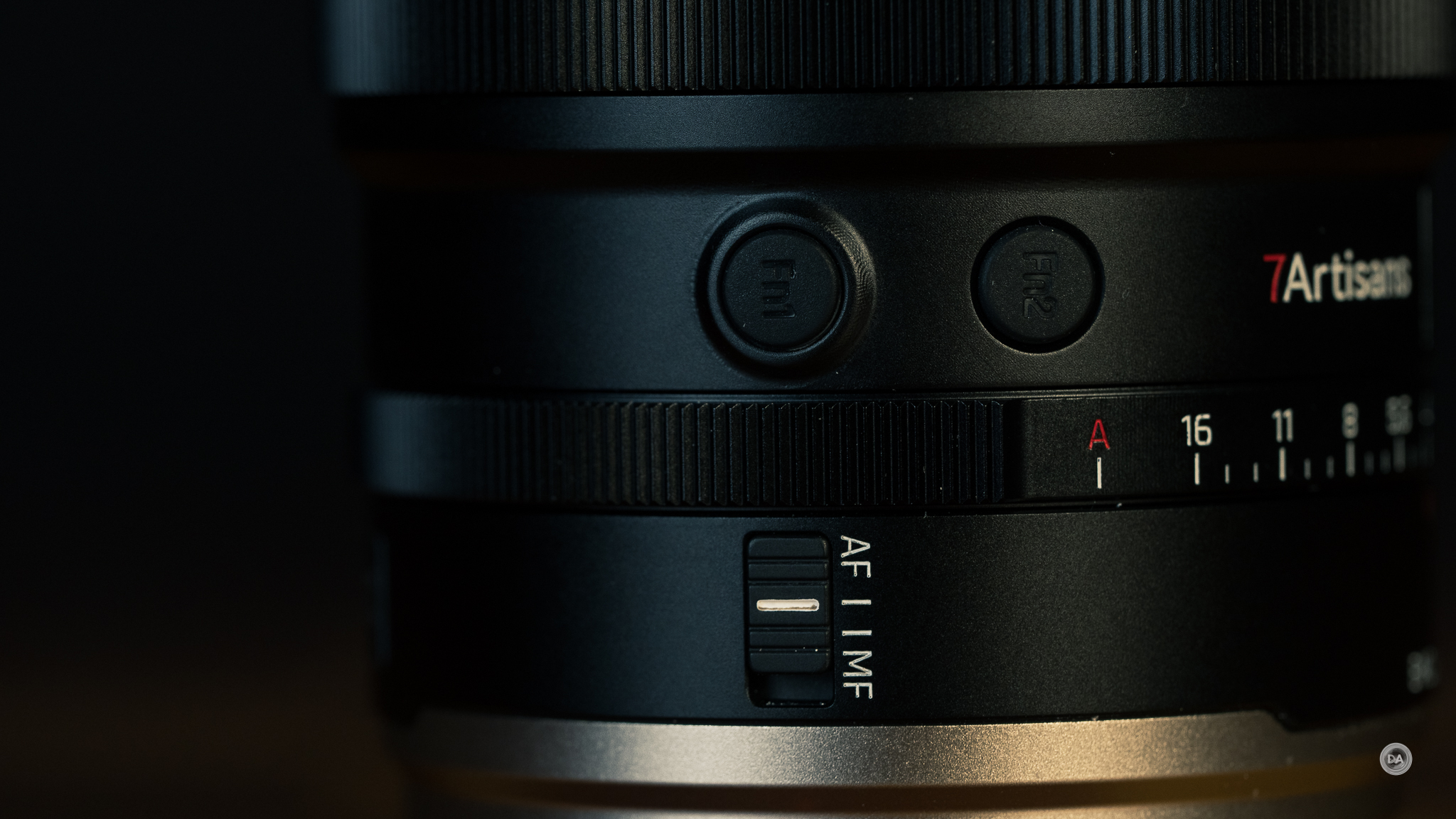
You probably have noticed that there is also an AF | MF switch there (always welcome) along with two function buttons. FN1 can be programmed from within the camera to whatever your desired setting may be, while the Fn2 button is for designated lens functions like A-B focus.
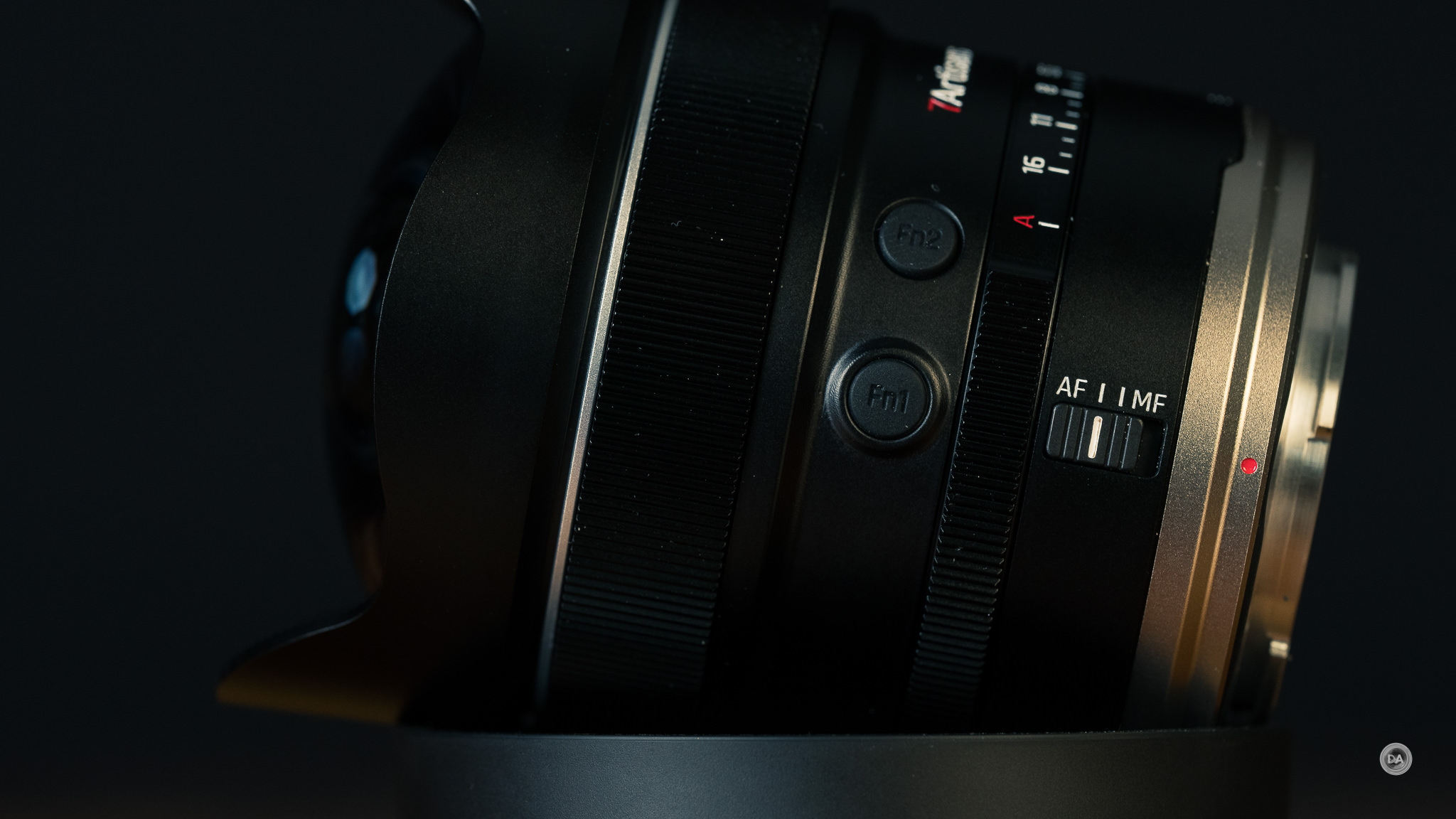
This is a nice level of control, and you’ll notice that the ergonomics around the two Fn buttons vary so that you can find them by feel rather than having to look. I do find that the Fn2 button is a little too flush, making it harder to depress. It would be even more difficult to do so with gloves on.
The size is 76mm (2.99″) in diameter and 94mm (3.7″) in length but weighs 504g (17.78oz) due to the dense construction. This lens comes across as quite compact, particularly when I consider that the last AF fisheye lens I reviewed was the truly massive Sigma 15mm F1.4 Fisheye, which weighs 1400g. The 7Artisans looks reasonably svelte mounted on camera.
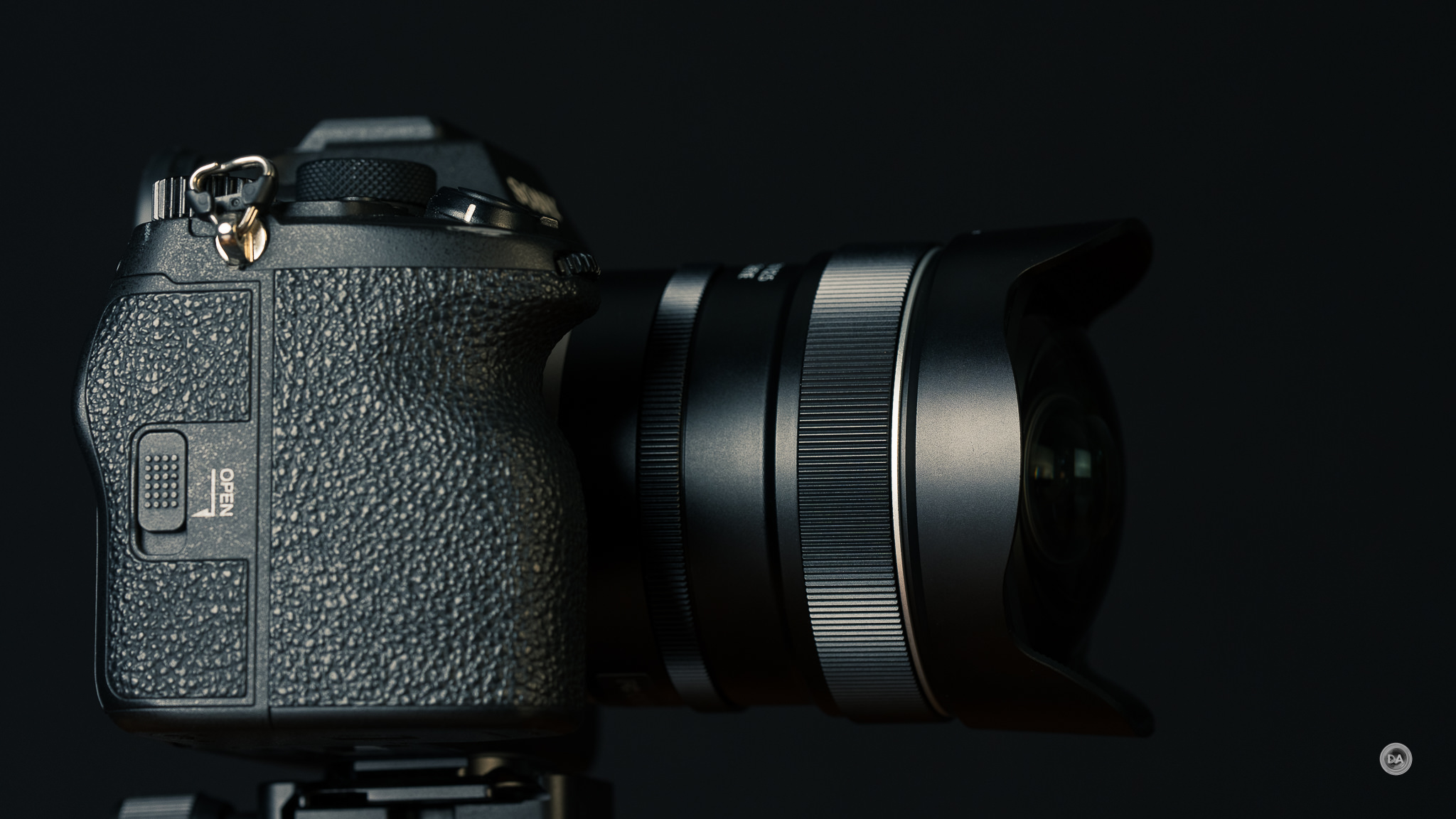
Up front we have a fixed lens hood that protects a curved front element with a lot of glass.
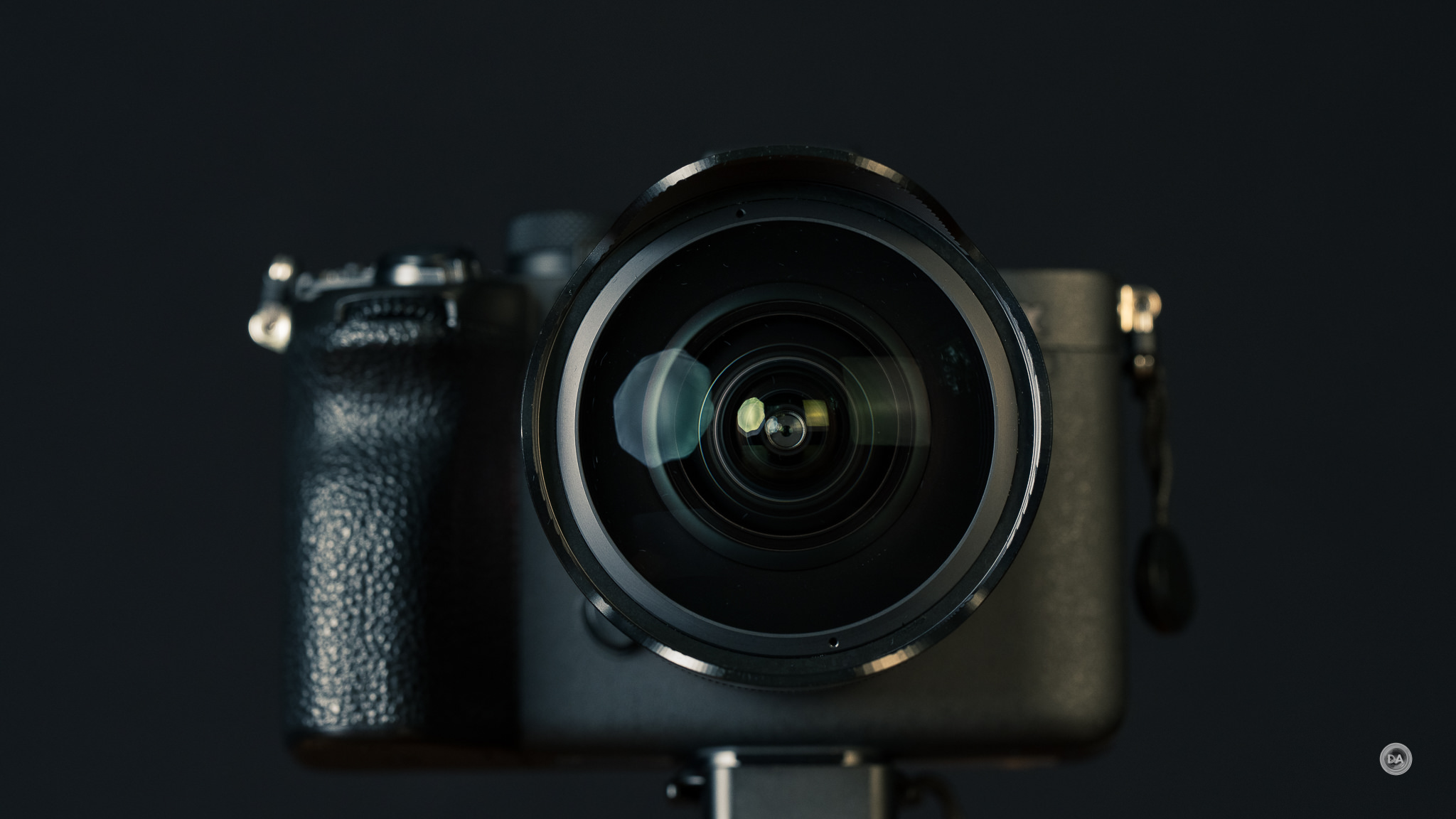
This means that the front cap has to fit over the lens hood, making it a little more of a challenge to slip into a pocket.
There is a gasket at the rear lens mount, though 7Artisans doesn’t mention other seal points in the lens.
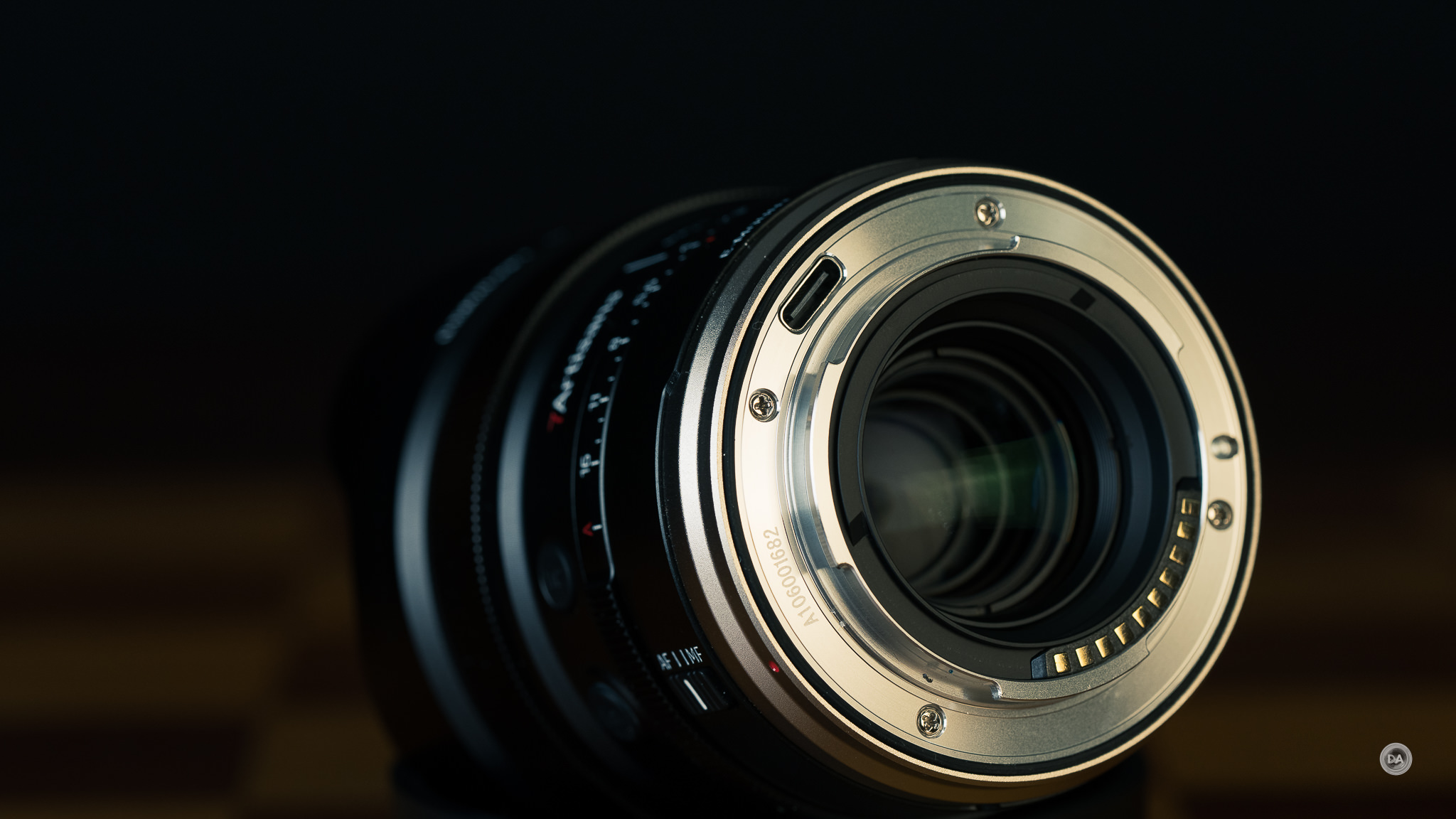
You’ll have noticed the USB-C port there that will allow you to do easy firmware updates to the lens in the future.
The manual focus ring moves smoothly and responsively, though the AF motors makes a bit of noise and you’ll feel a bit of drag from it as you focus back and forth.
The aperture iris itself has 9 aperture blades. I noticed a bit of “clacking” noise when changing apertures.
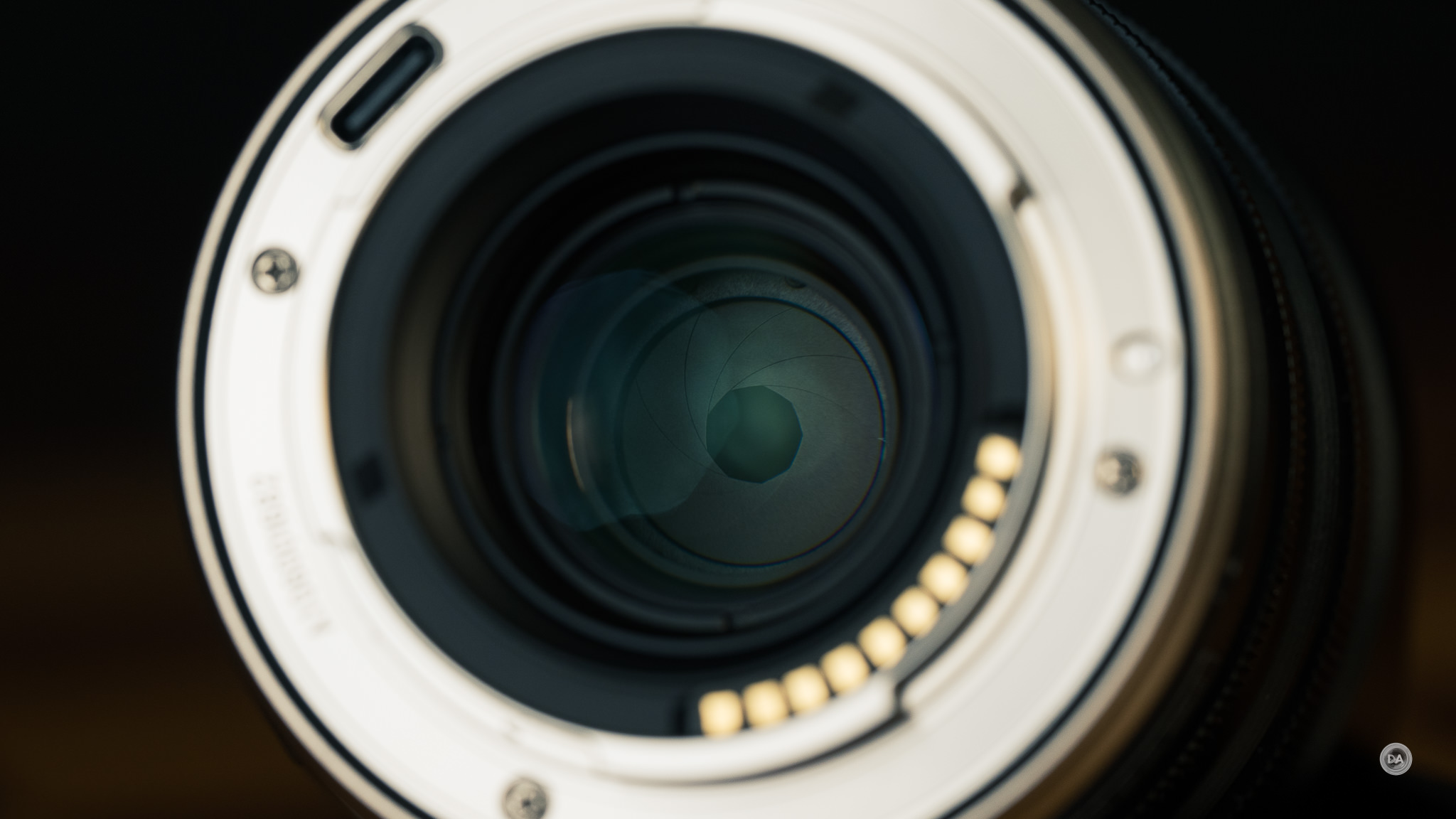
You won’t really have a chance to create “bokeh balls” with a lens like this, but the aperture does produce fairly nice 18 pointed sunstars.
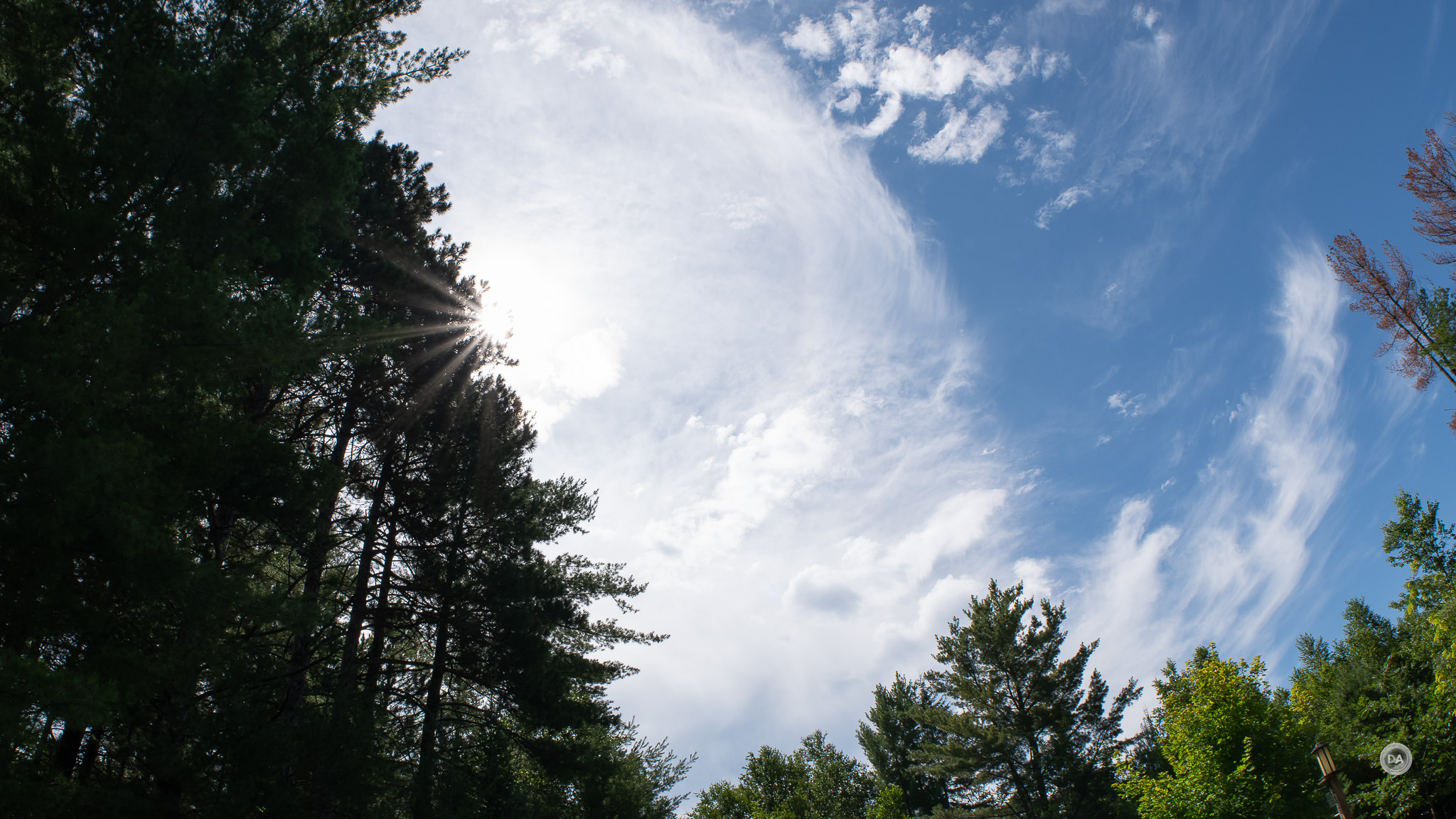
The copy I tested was a little tight in the mount when attaching it to my cameras. It worked fine, but took a little more resistance than most lenses.
There is no lens based stabilization, so you will need to rely upon the in-camera stabilization if your camera is so equipped. That’s true of competing lenses as well, though I’m not sure that communication is flawless in the current firmware build that I tested. Footage had a slightly nervous feel as if the level of stabilization wasn’t quite right. Manually selecting 10mm as the focal length does help.
The 7Artisans AF 10mm focuses as closely as 15cm, which is close but not enough to deliver a high level of magnification with such a wide lens.
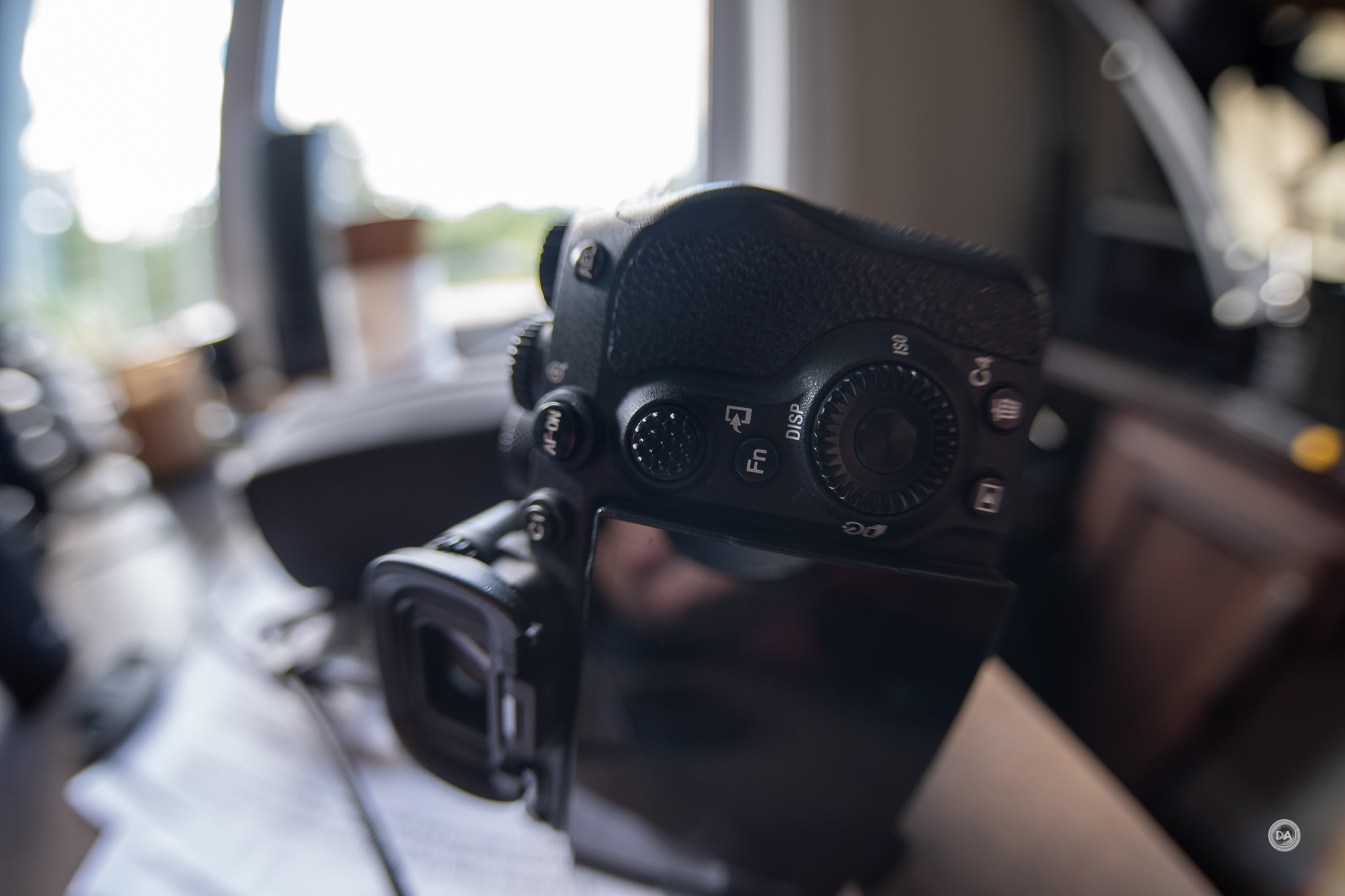
That’s useful, but you have to pretty much get right on top of your subject to get that level of magnification.
The 7Artisans AF 10mm F2.8 Fisheye is an interesting package, with nice features, good size, and a reasonable price.
Autofocus for Stills
While 7Artisans doesn’t overtly market the focus motor in the 10mm Fisheye, I suspect it is an STM (stepping motor) design. Unlike the 135mm F1.8, however, where I had some concerns over focus accuracy and consistency, the lower stress of the extreme wide angle of this lens means that autofocus works just fine here.
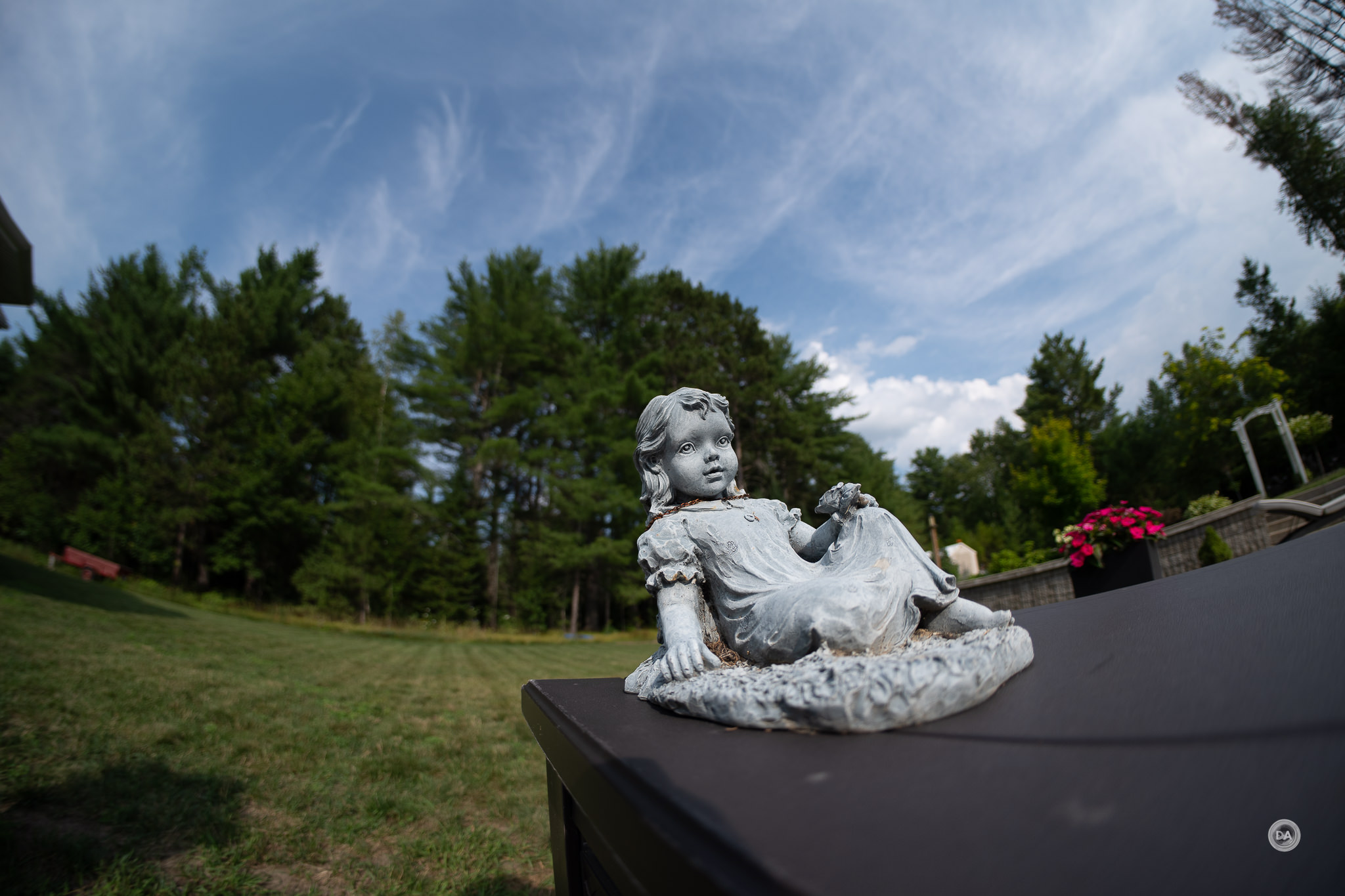

Depth of field is shallow enough in this shot to show that focus is accurate, and, what’s more, the detail and contrast in the focus area is fantastic.
The same is true in this shot of Nala.

If we zoom in close, we find that the focus is nailed and the detail is beautiful.

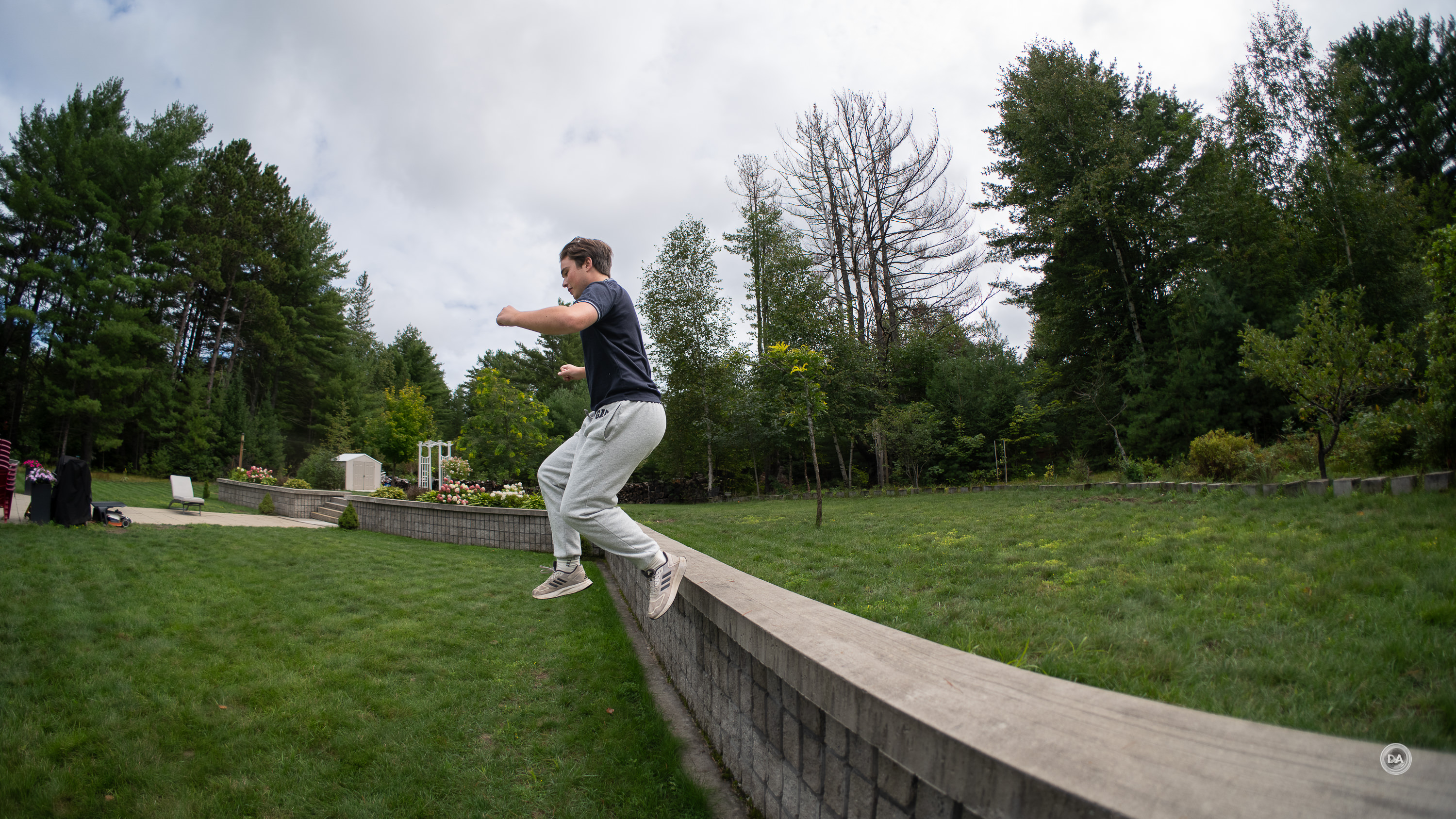
What’s more, I tracked some basic action of running and jumping, and found that the lens was able to handle that fine. Fisheye lenses are popular for things like skateboarding and similar sports, and I think the 7Artisans 10mm Fisheye should be able to keep up with that just fine.
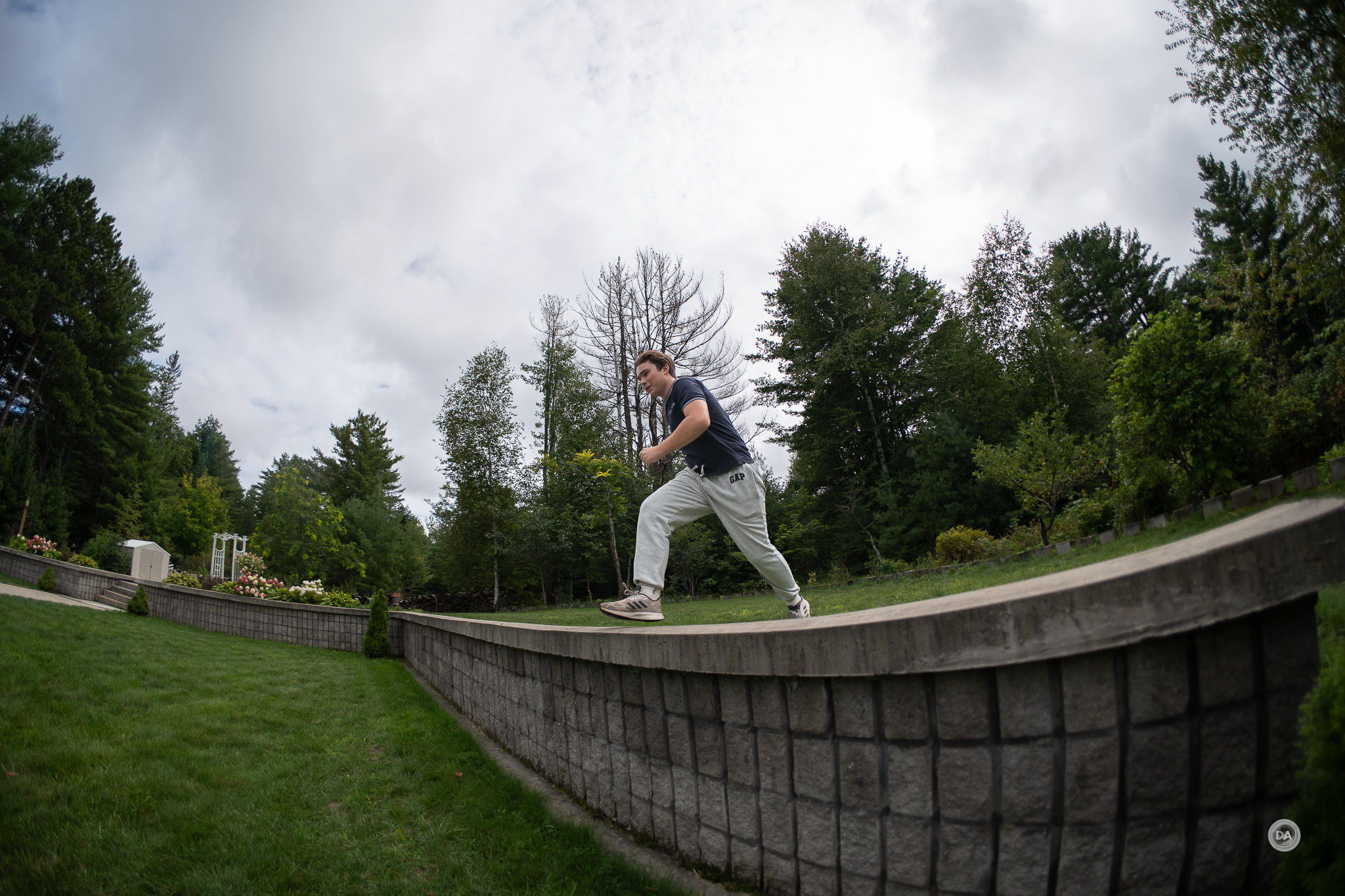
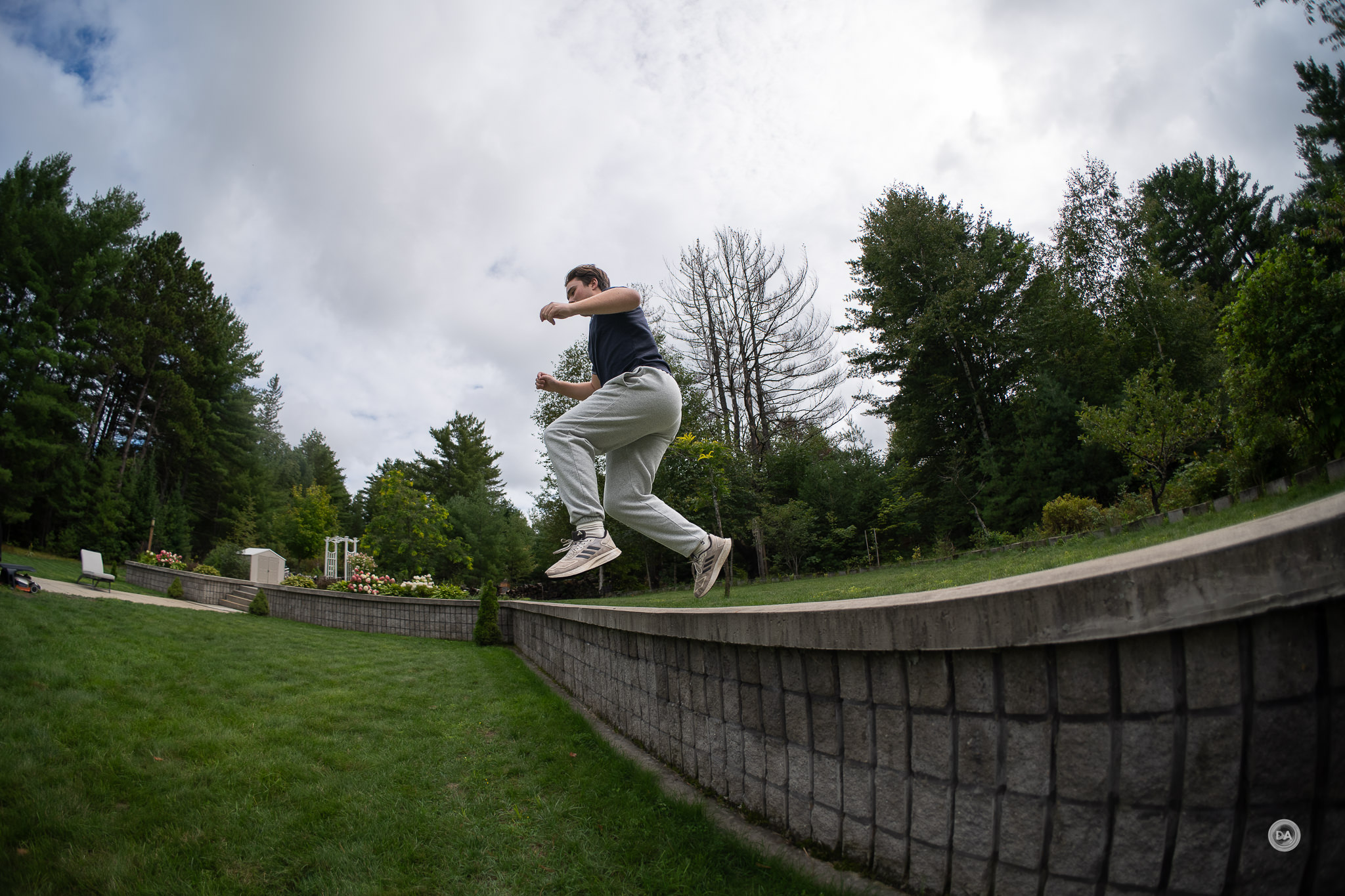
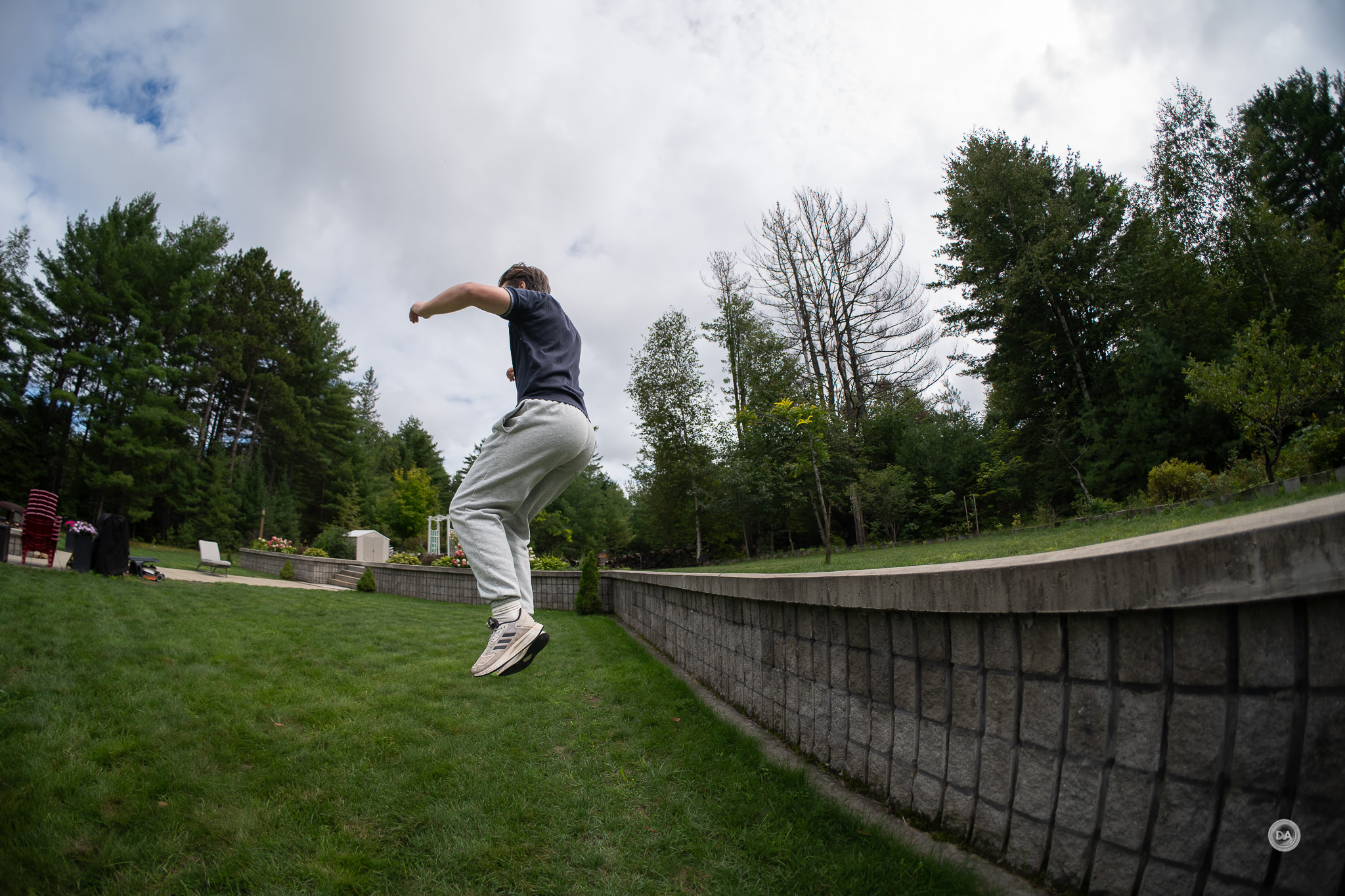
I complained about some focus glitches on the 135mm F1.8, but I didn’t pick up on any issues here. 7Artisans has done good work delivering a more polished product this time around.
Video AF
The video front largely brings positive things. Touch to focus pulls are a bit interesting with a lens this wide and with so much depth of field, as you can see that while focus does change, it only has to change very little. Focus breathing is also minimal because there isn’t a significant focus change happening.
My typical “hand test” where I alternatively block the camera’s view of the face with my hand and then remove it was difficult to do here for the simple reason that so much is in the frame that it is hard to actually entirely block the view of my face.
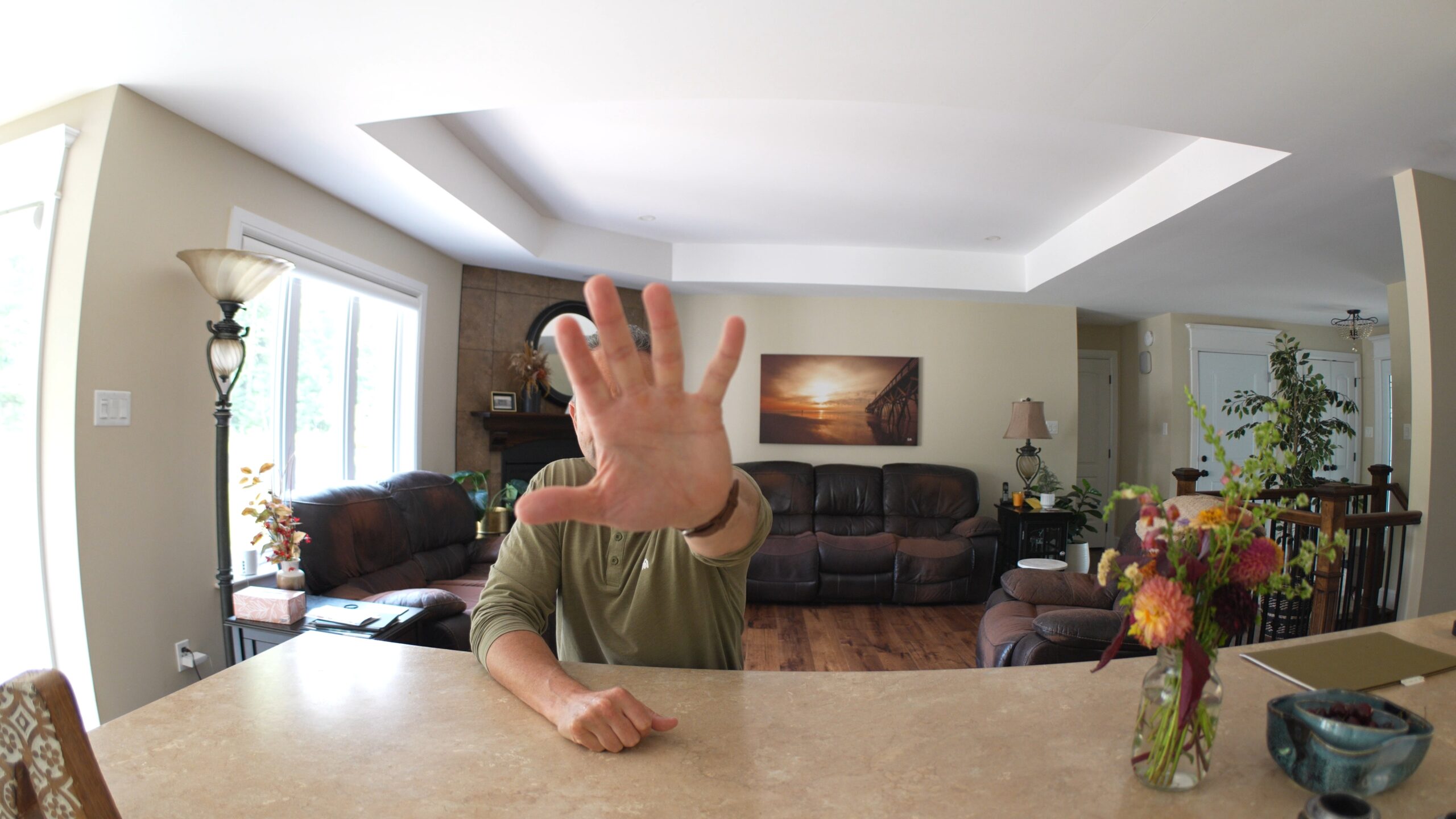
Autofocus seemed fairly stable when doing gimbal style work with the camera, and moving through the house with the 10mm fisheye turned our home into something from the Hobbit.
7Artisans AF 10mm Fisheye Image Quality
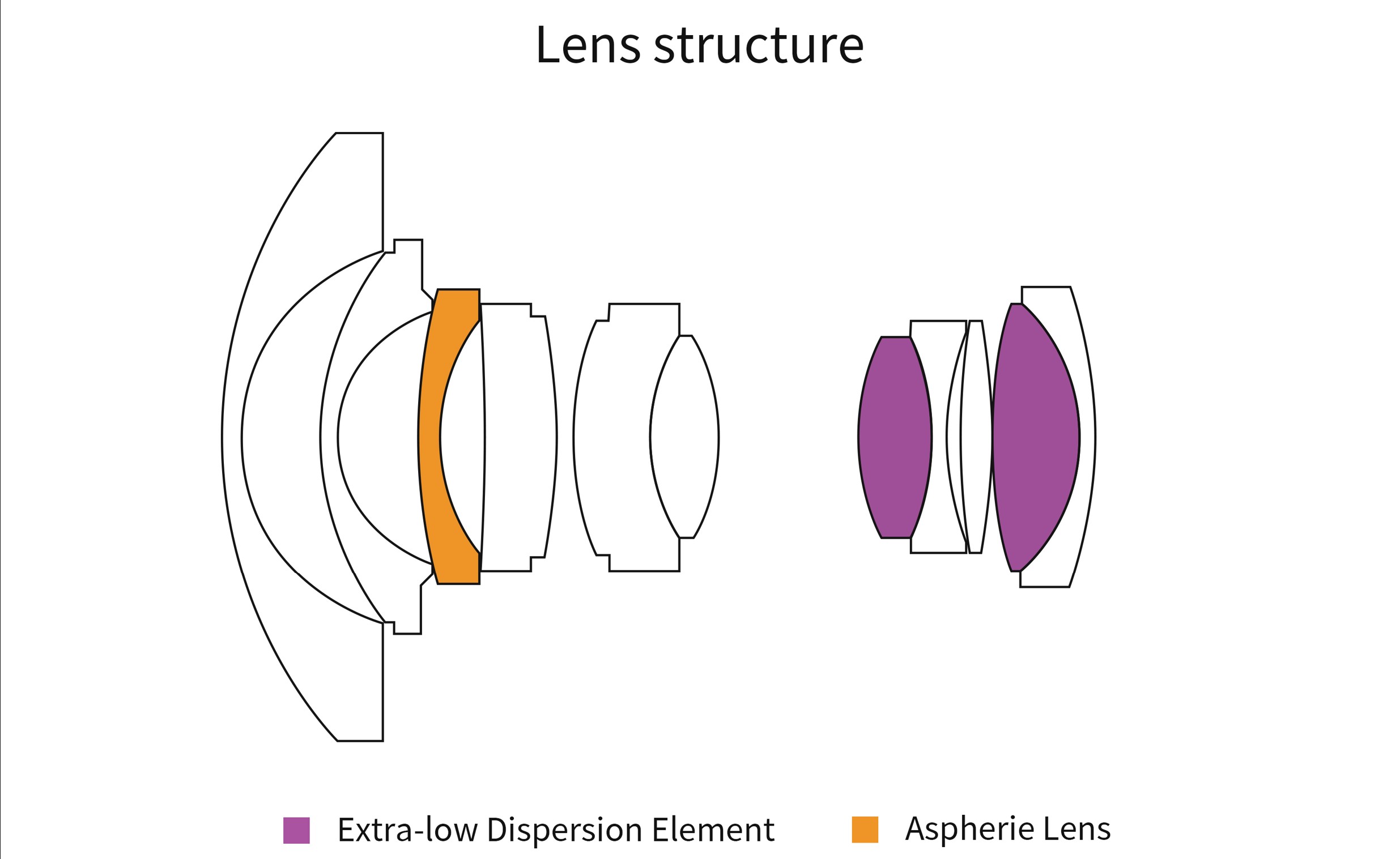
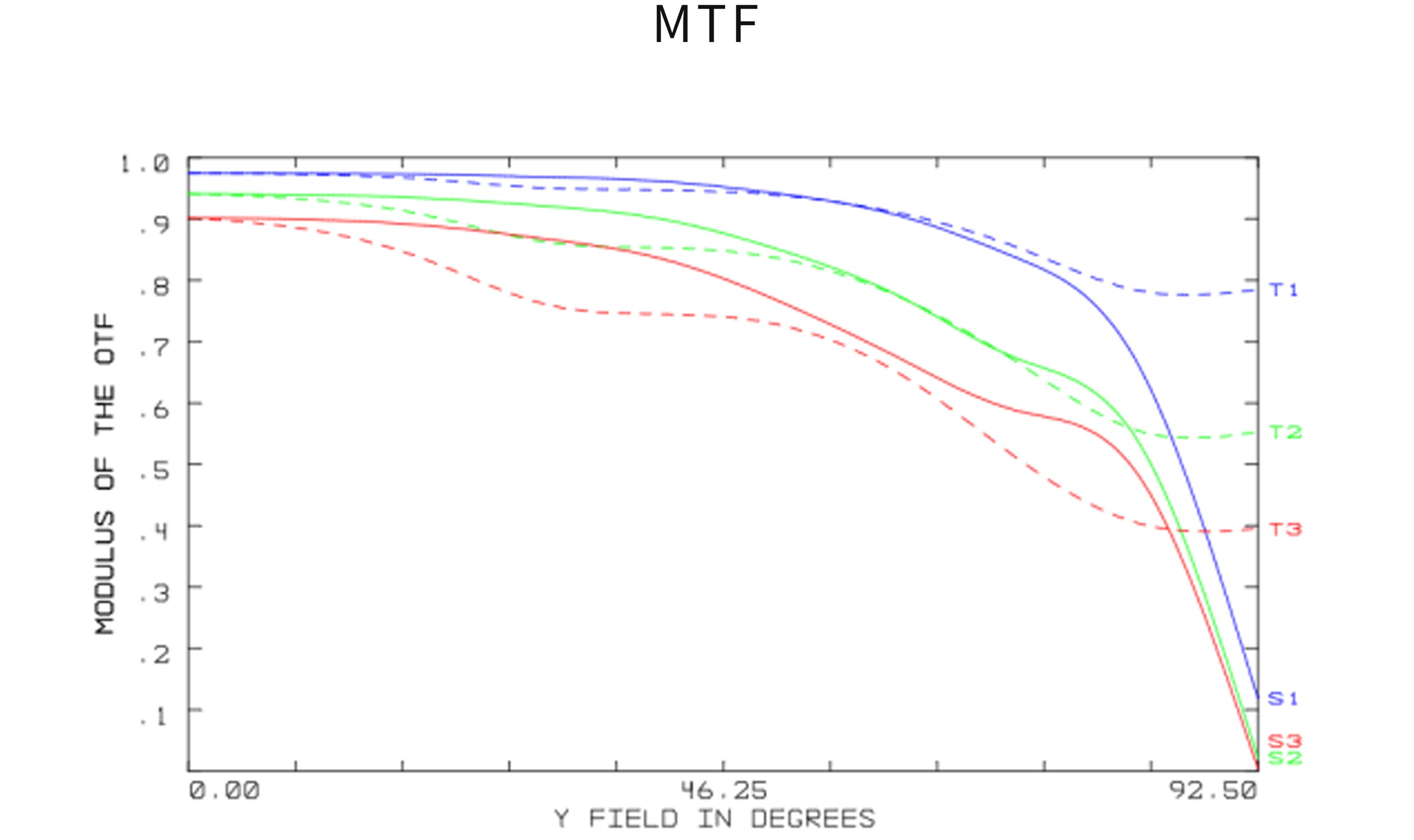
The 7Artisans AF 10mm F2.5 fisheye has an optical design of 11 elements in 8 groups. This includes 1 ED (extra low dispersion) elements and 2 Aspherical lenses. The MTF chart shows a fairly traditional fisheye profile, though the MTF shows a very sharp center and midframe result, though, by the corners, there is essentially no “image quality” left. That’s part of the fisheye design, however.
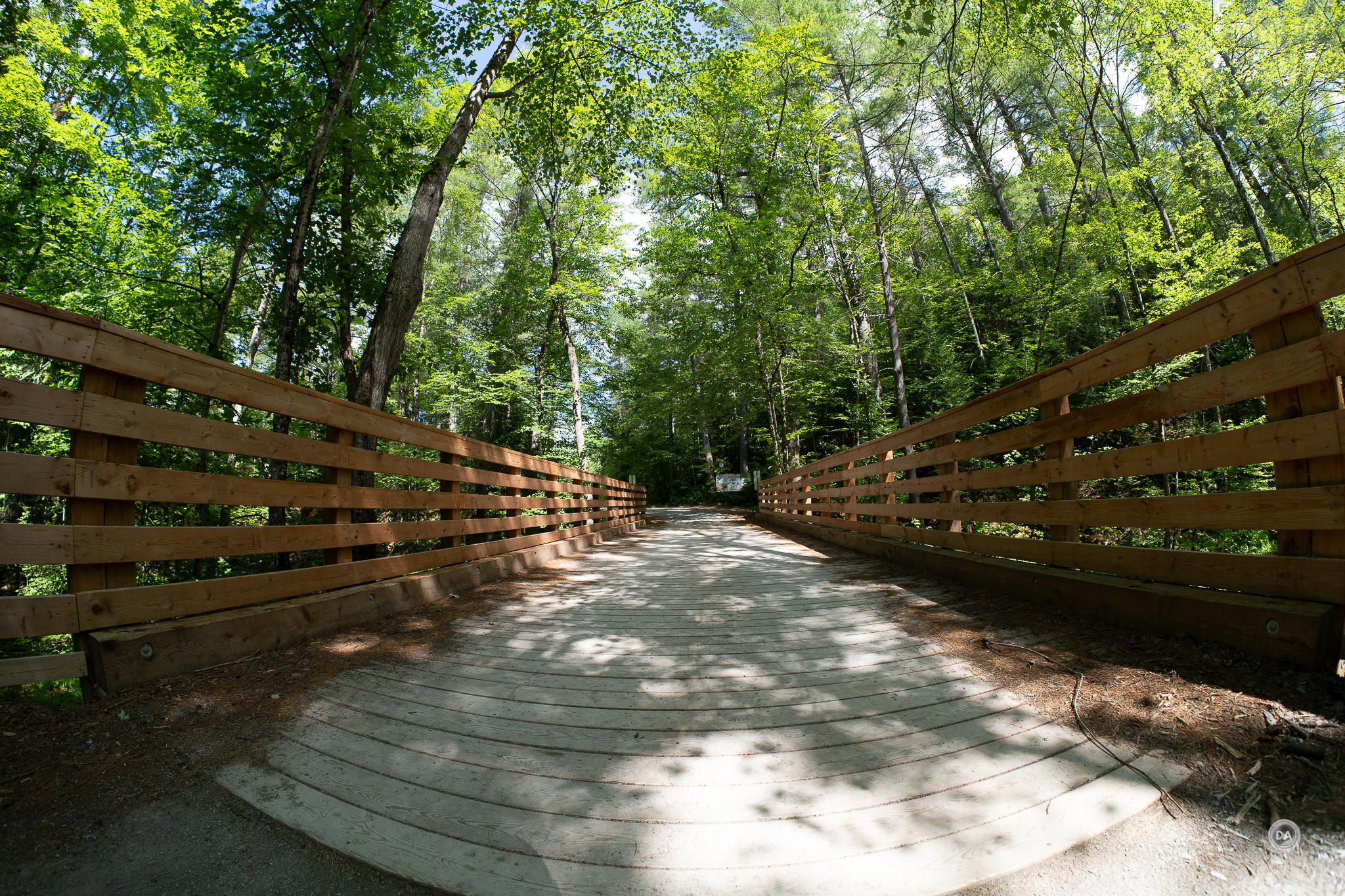
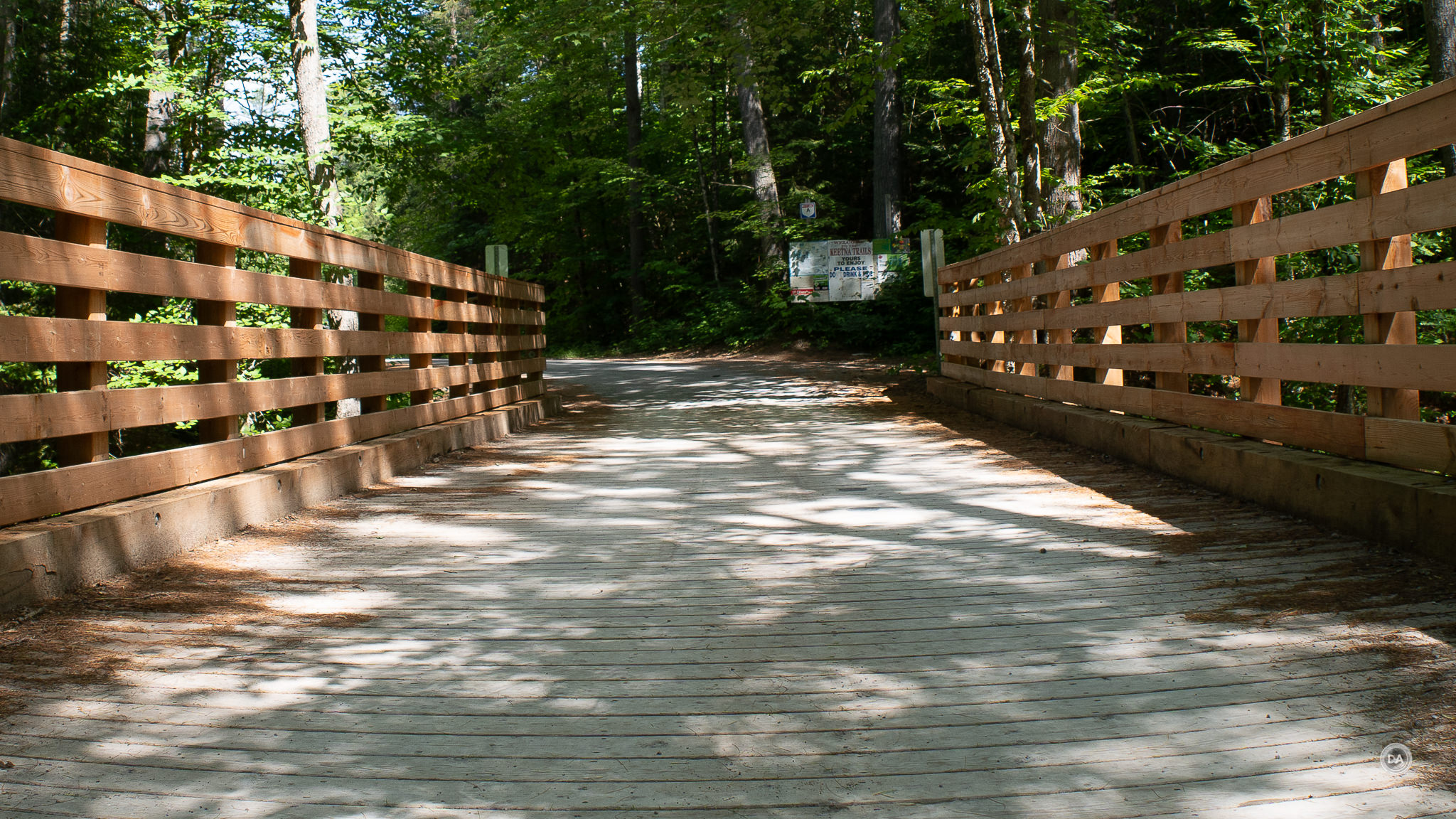
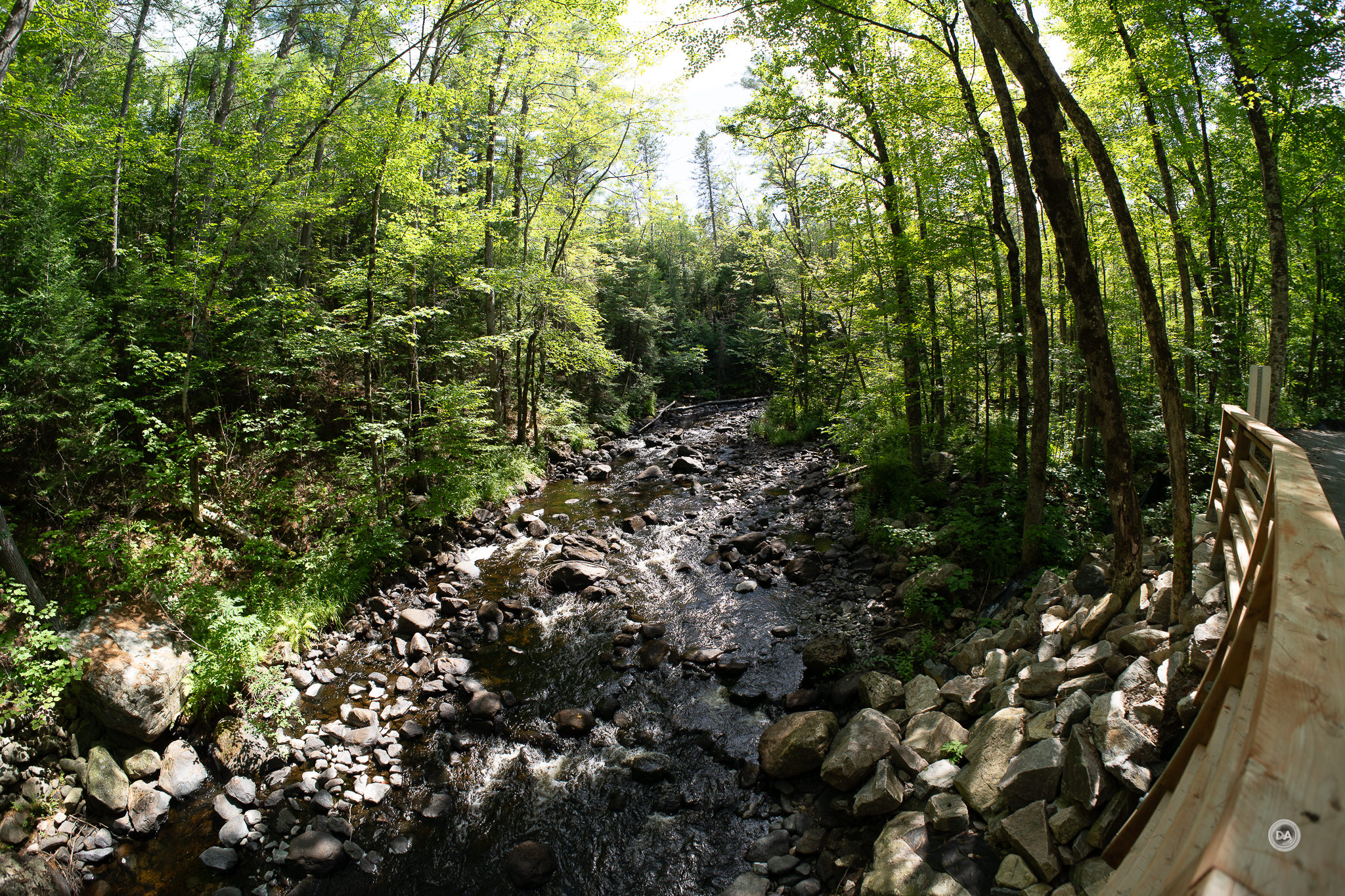
I actually found the 7Artisans to be sharper than most fisheyes in real world shooting. There’s actually still some image quality in the corners (here F5.6, second crop from the far upper right corner).

Doing traditional chart work is out of the question. If I try to shoot my test chart, this is what I’ll get:
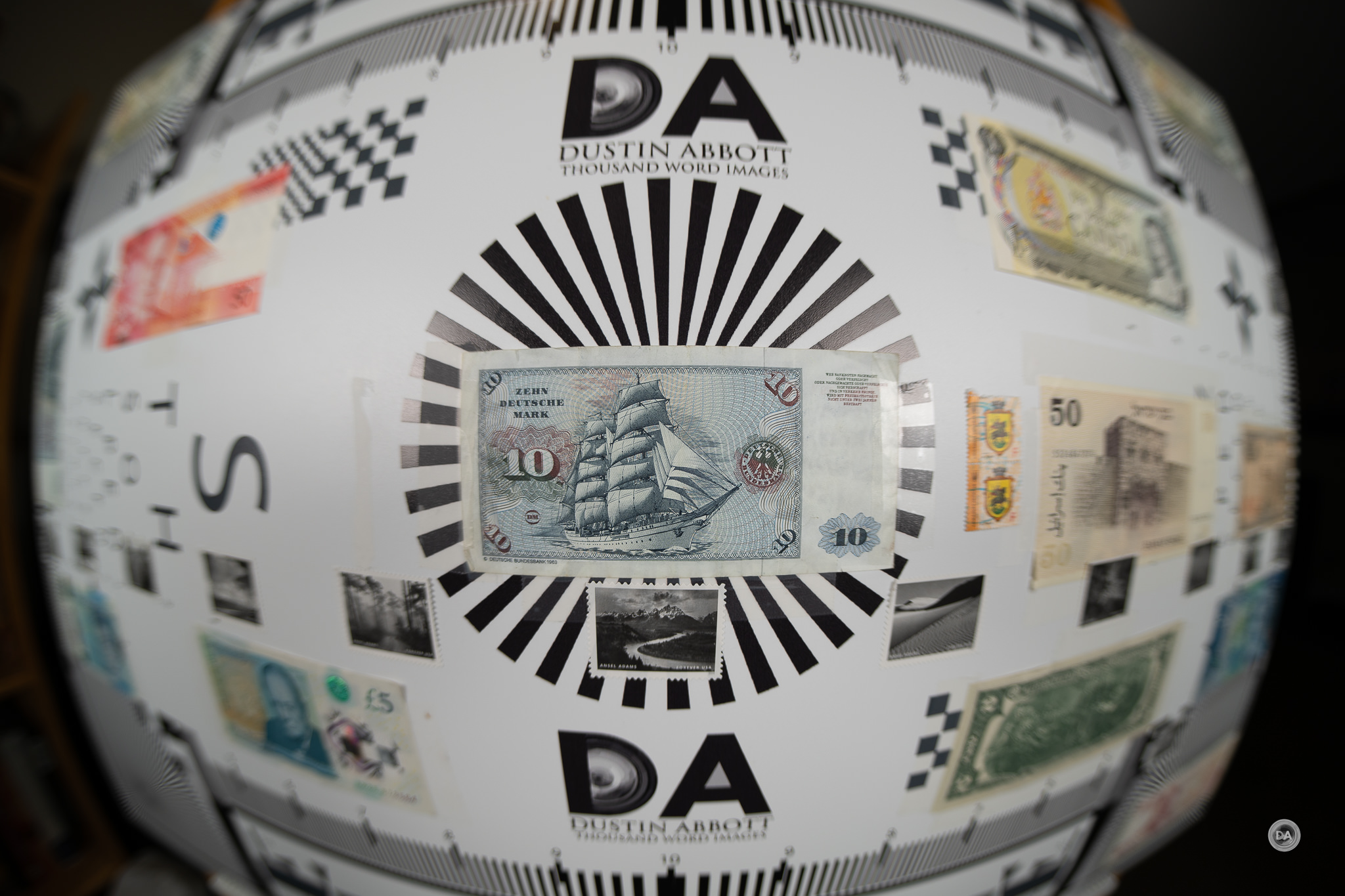
It’s a little hard to assess midframe and corner sharpness from that! We will focus more on real-world shooting scenarios instead.
Fringing is really well controlled. Longitudinal chromatic aberrations (LoCA) show up as fringing before or after the plane of focus. I looked for LoCA before and after the plane of focus but saw nice, clean results.
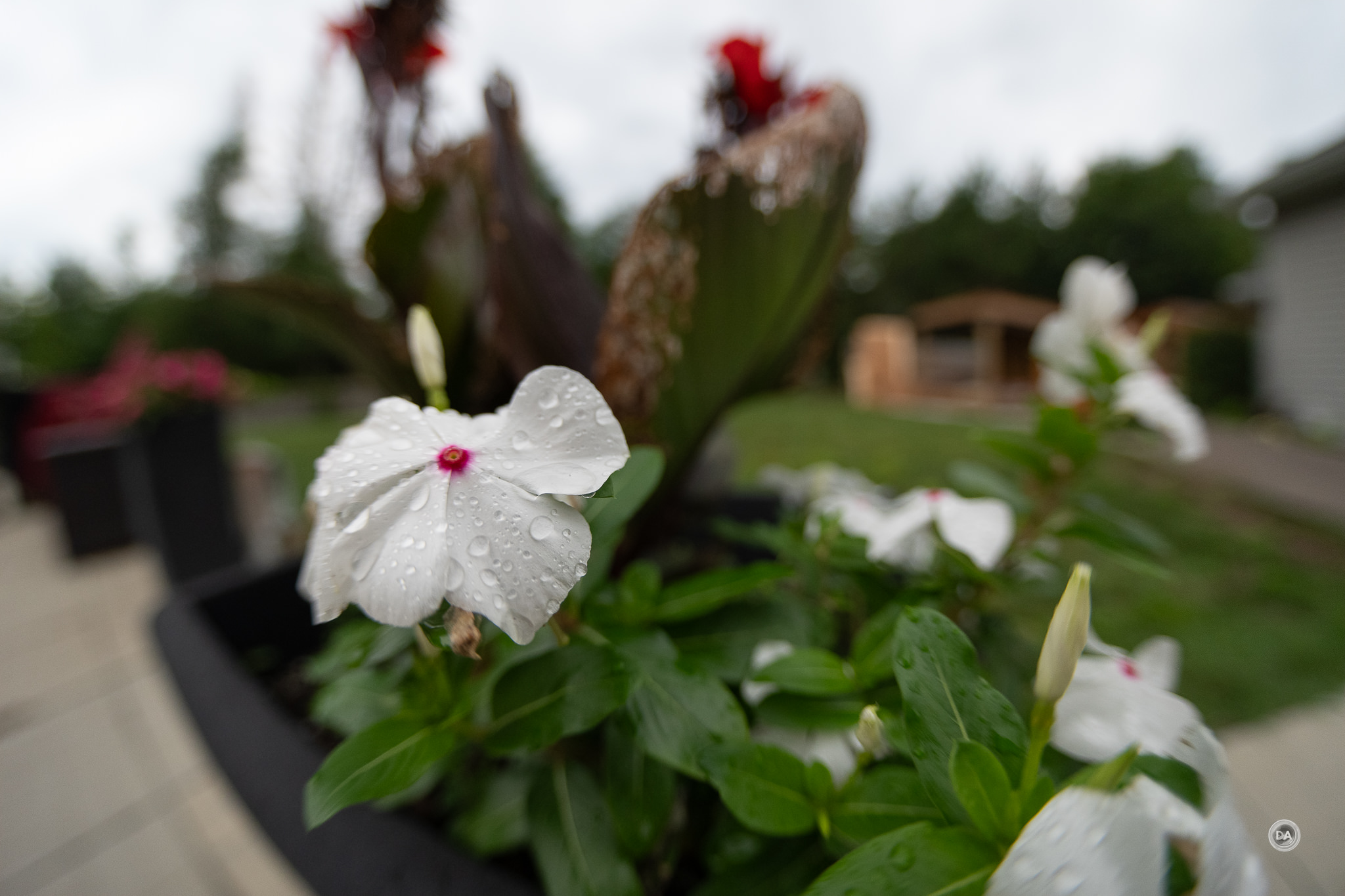
Here’s another shot with a lot of bright contrast edges where LoCA likes to emerge…but they are clean.

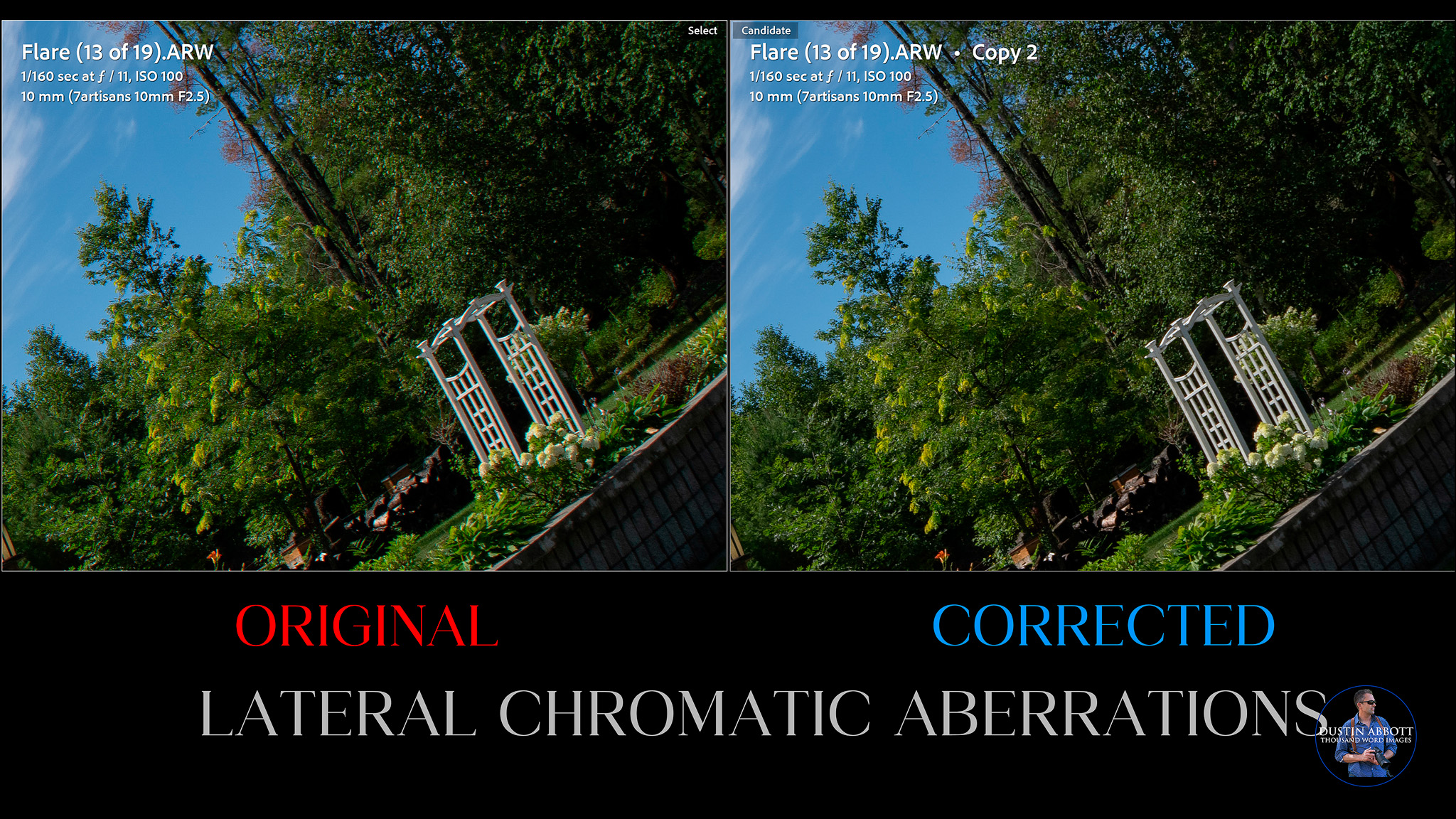
Lateral chromatic aberrations (LaCA) show up in the contrast transitions near the edge of the frame. In most shots LaCA was not bad, though I mostly preferred the results after some minor correction. Here’s a look at an image and the corner crop without any correction.

I did see some fringing in this image, but using Lightroom’s one-click “remove chromatic aberration” worked well for it.
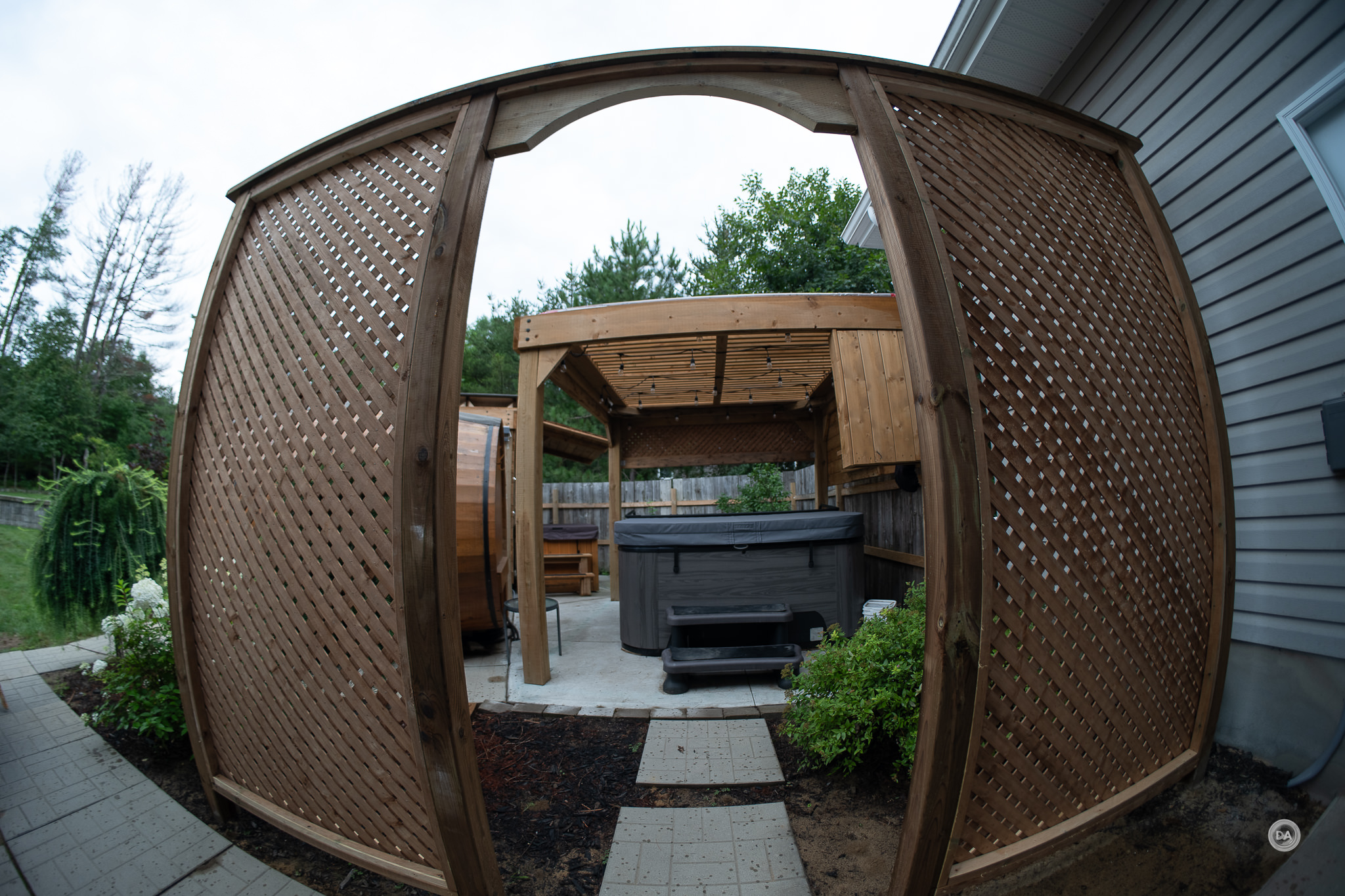
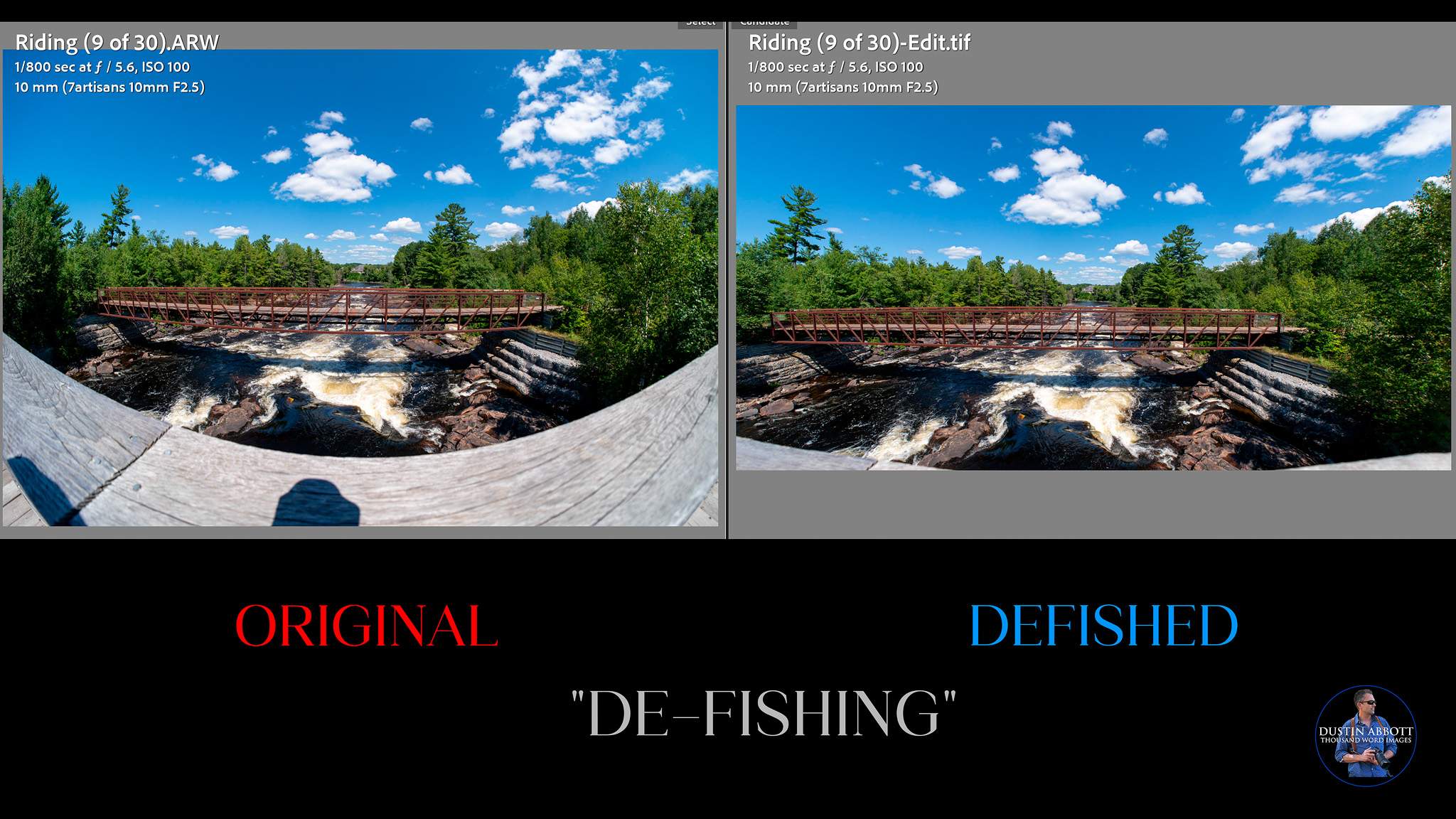
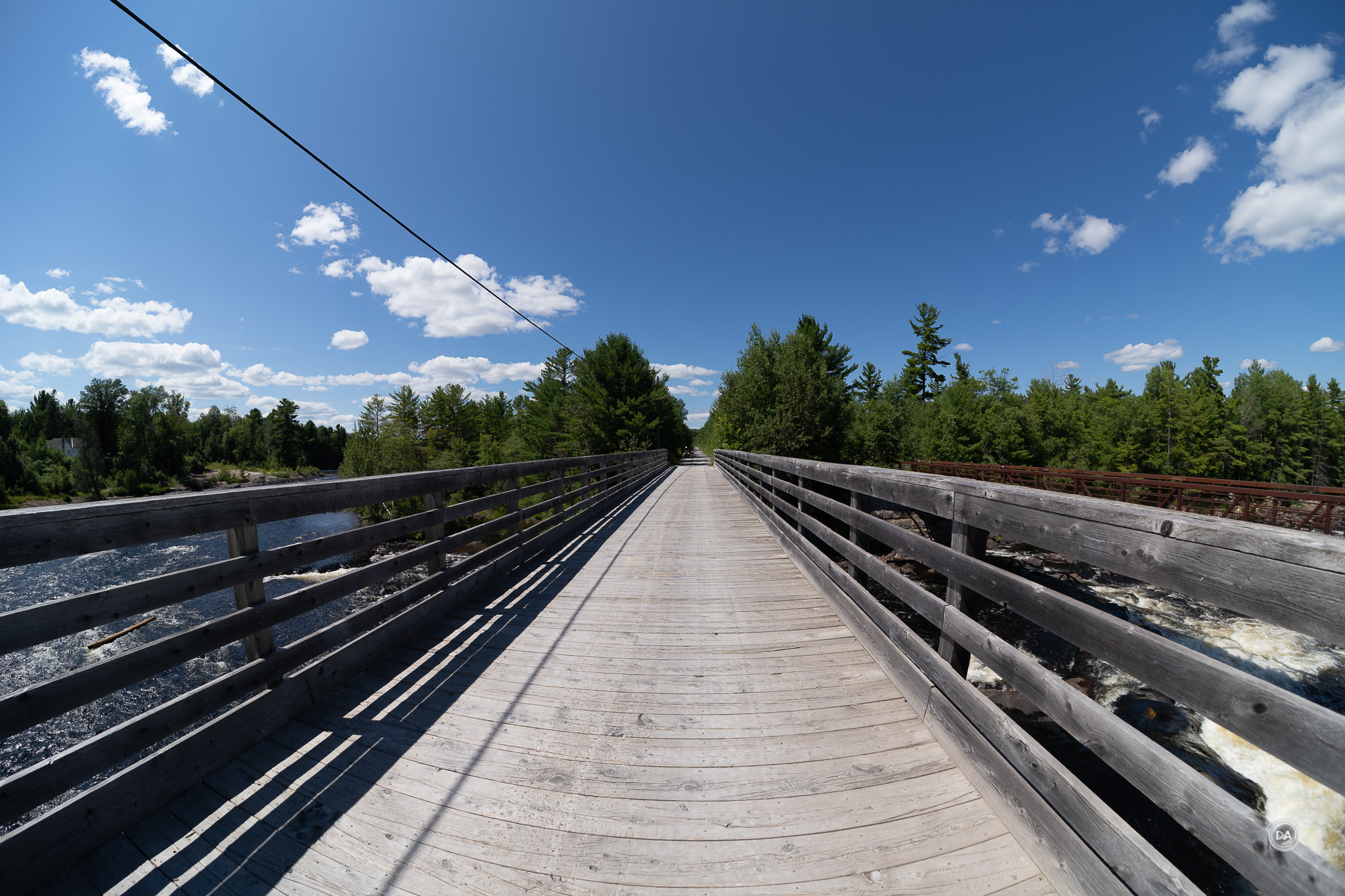
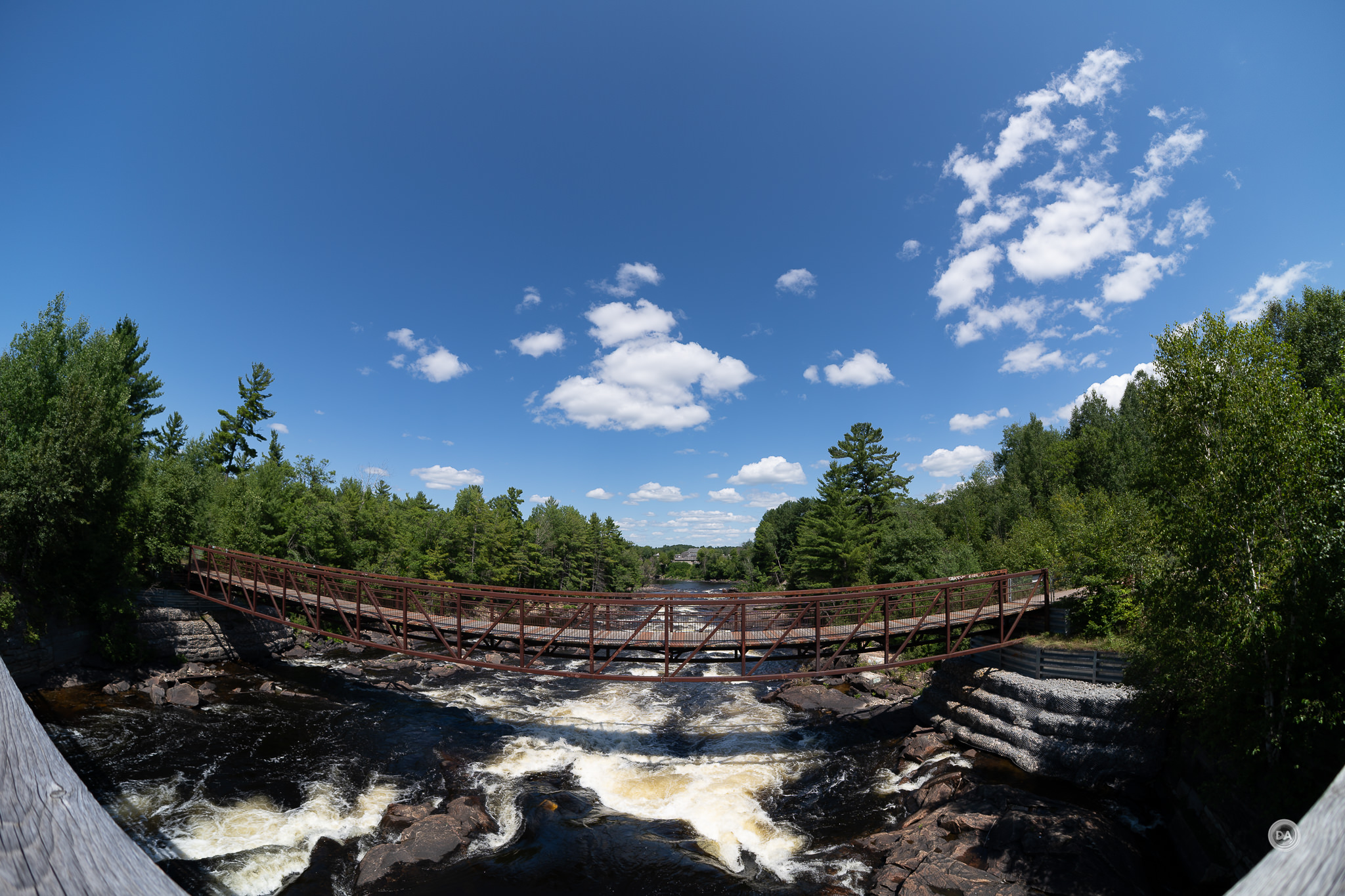
Distortion? Well that is kind of the point with fisheye lenses. There is a LOT of that!
There are options to “de-fish” the distortion from fisheye lenses (Photoshop’s “Adaptive Wide Angle” for one), but frankly if one wants a rectilinear wide angle look, there are plenty of good ultra wide angles available now (check out my review of the Laowa AF 10mm F2.8, for example). Here’s a look at an image I played with in Photoshop’s Adaptive Wide Angle plugin.
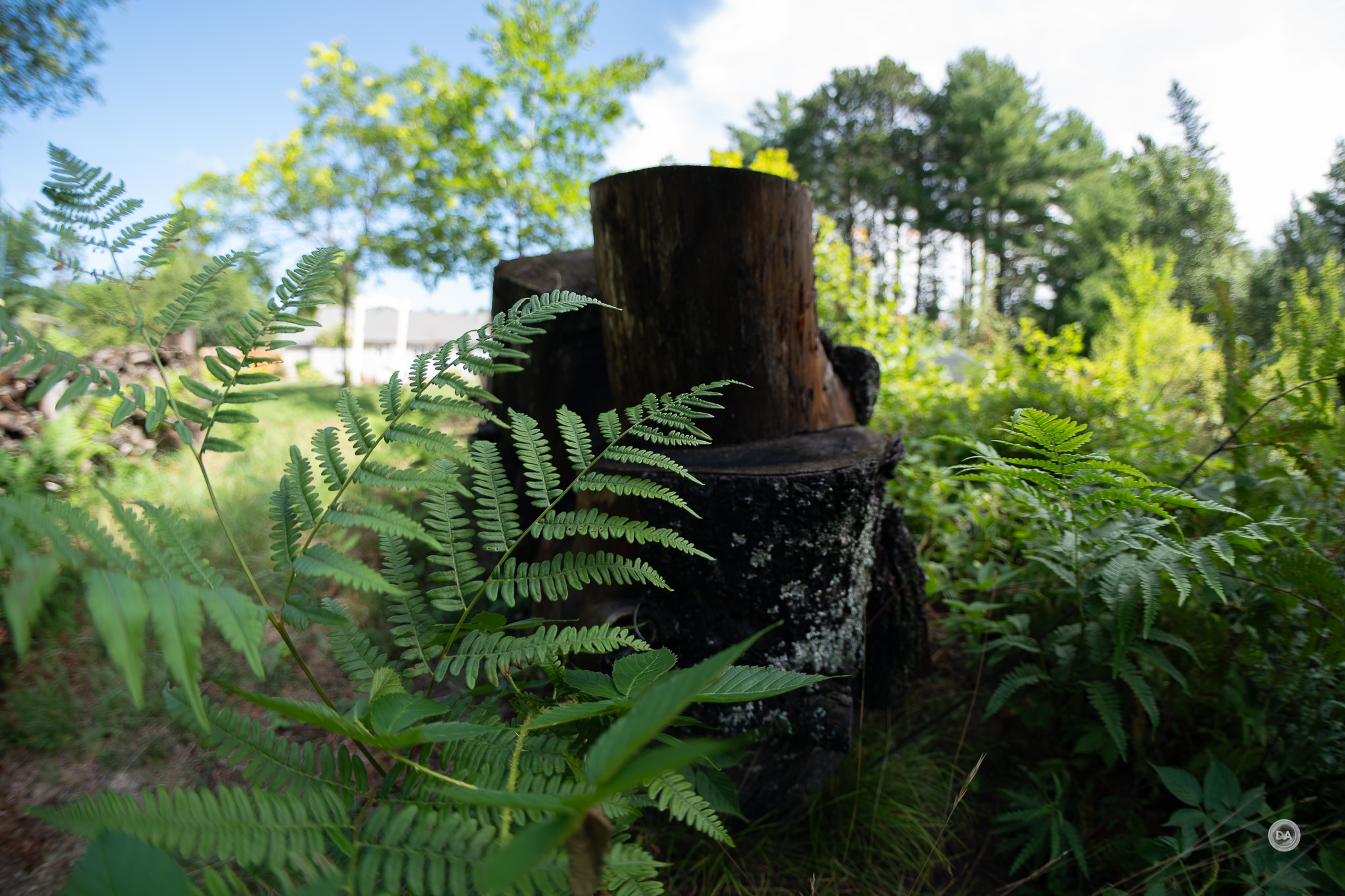
How about sharpness and contrast? Here’s a shot at F2.5. Obviously a good portion of the image falls either out of focus or in the distorted area, but detail and contrast in the plane of focus is good.
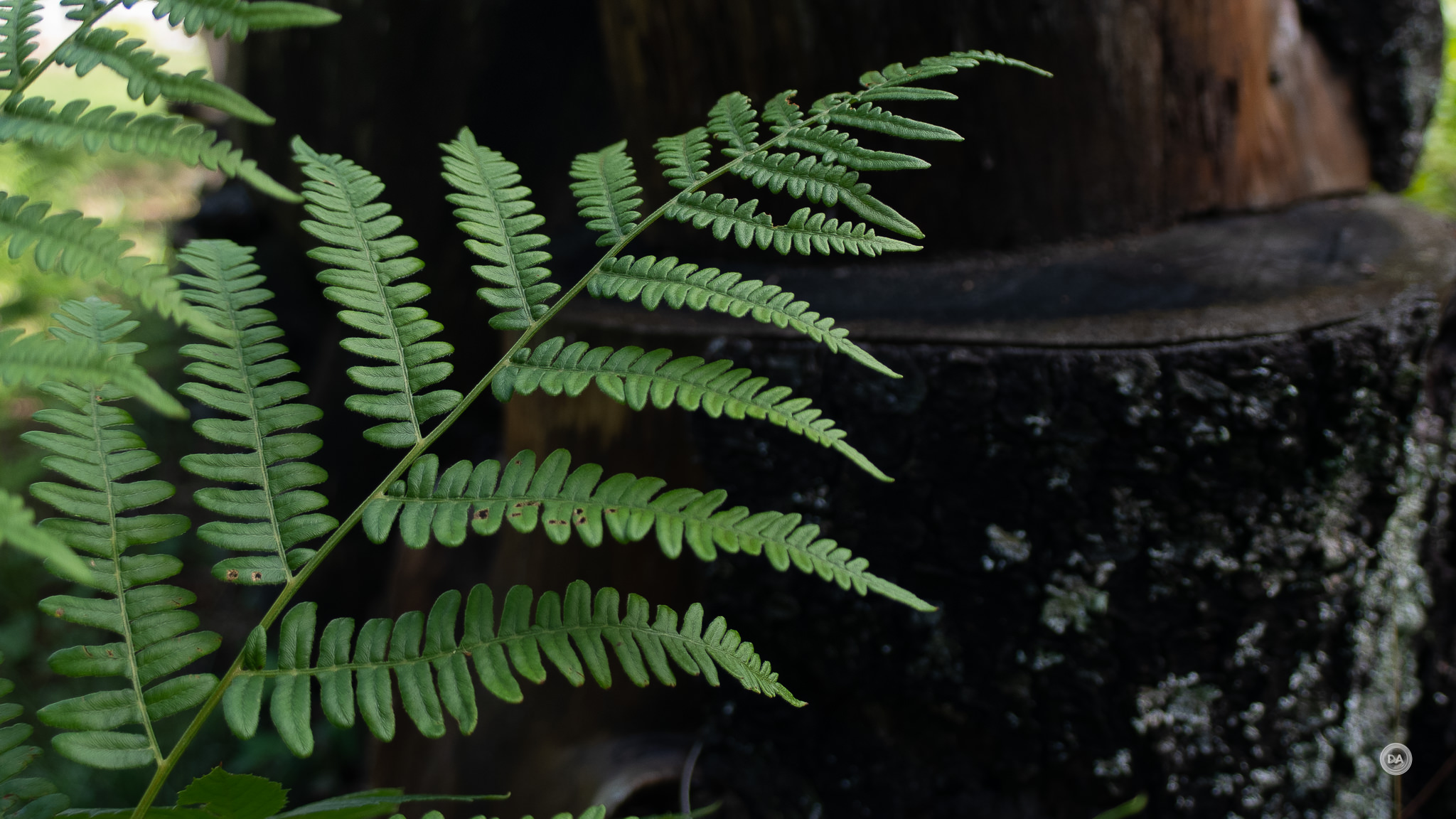
Stopping down does improve sharpness and contrast. Here’s a look at another landscape shot.
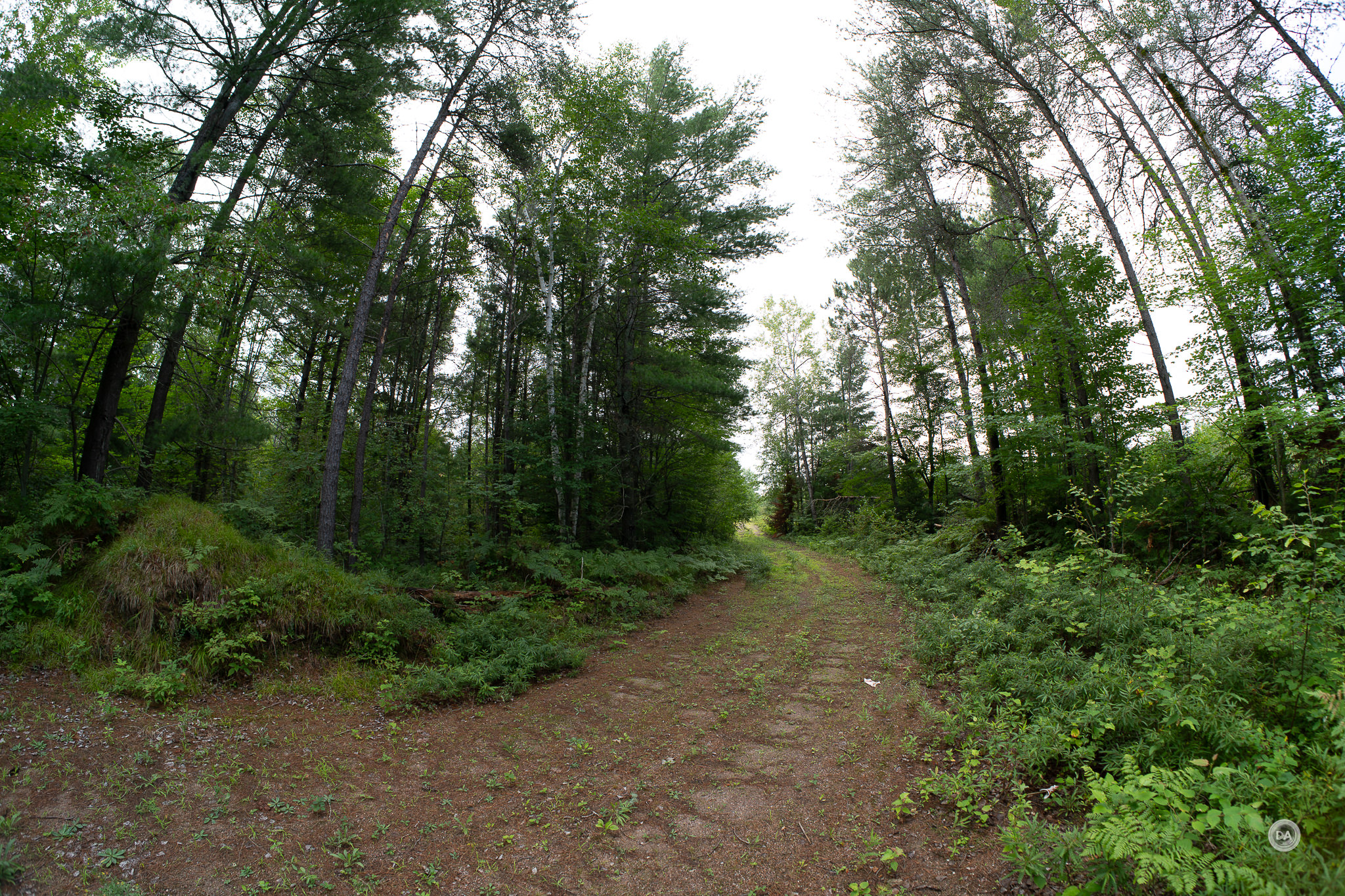
Looking closer, we can see that detail and contrast even as we move off-center are still quite good.
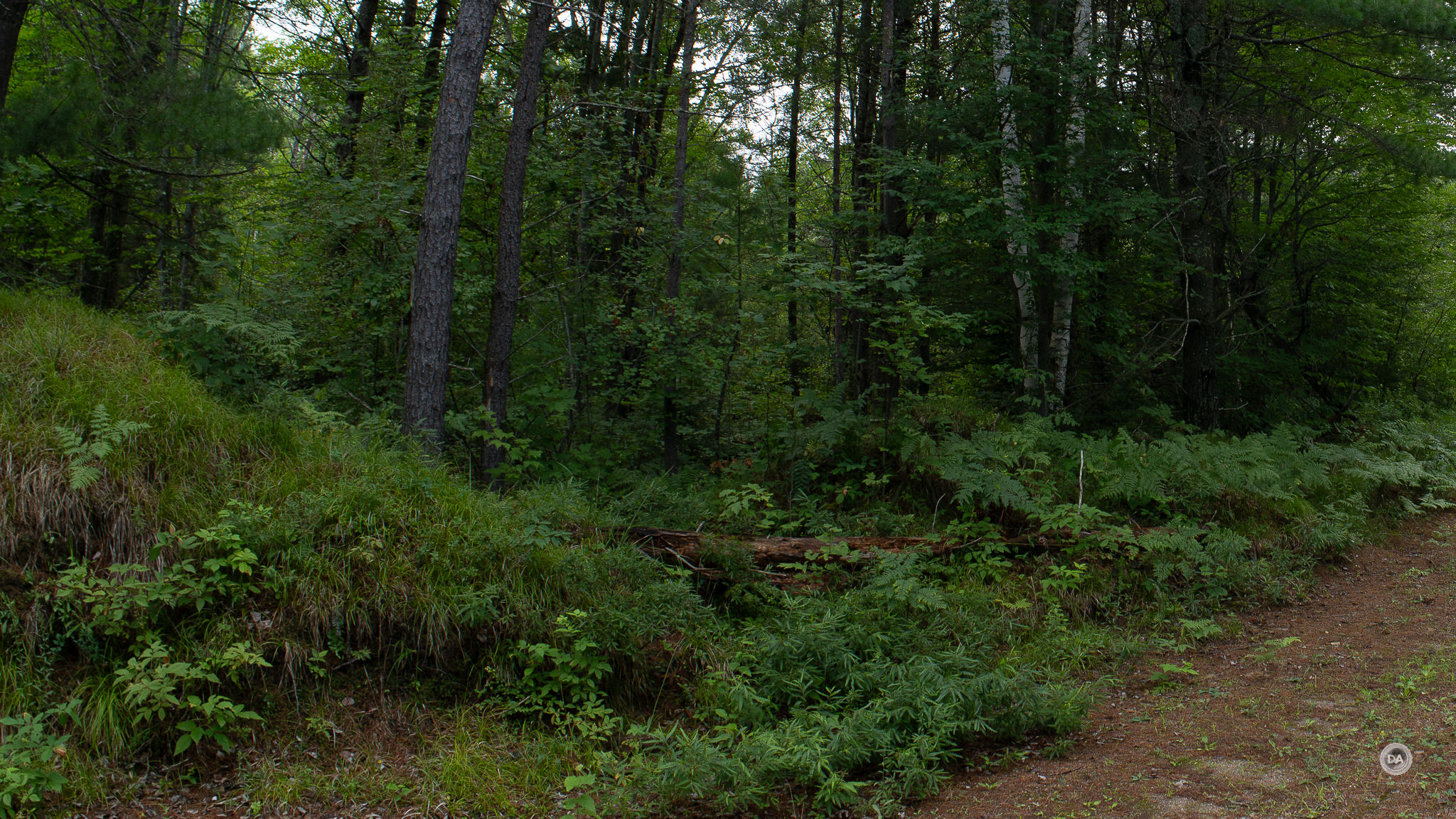
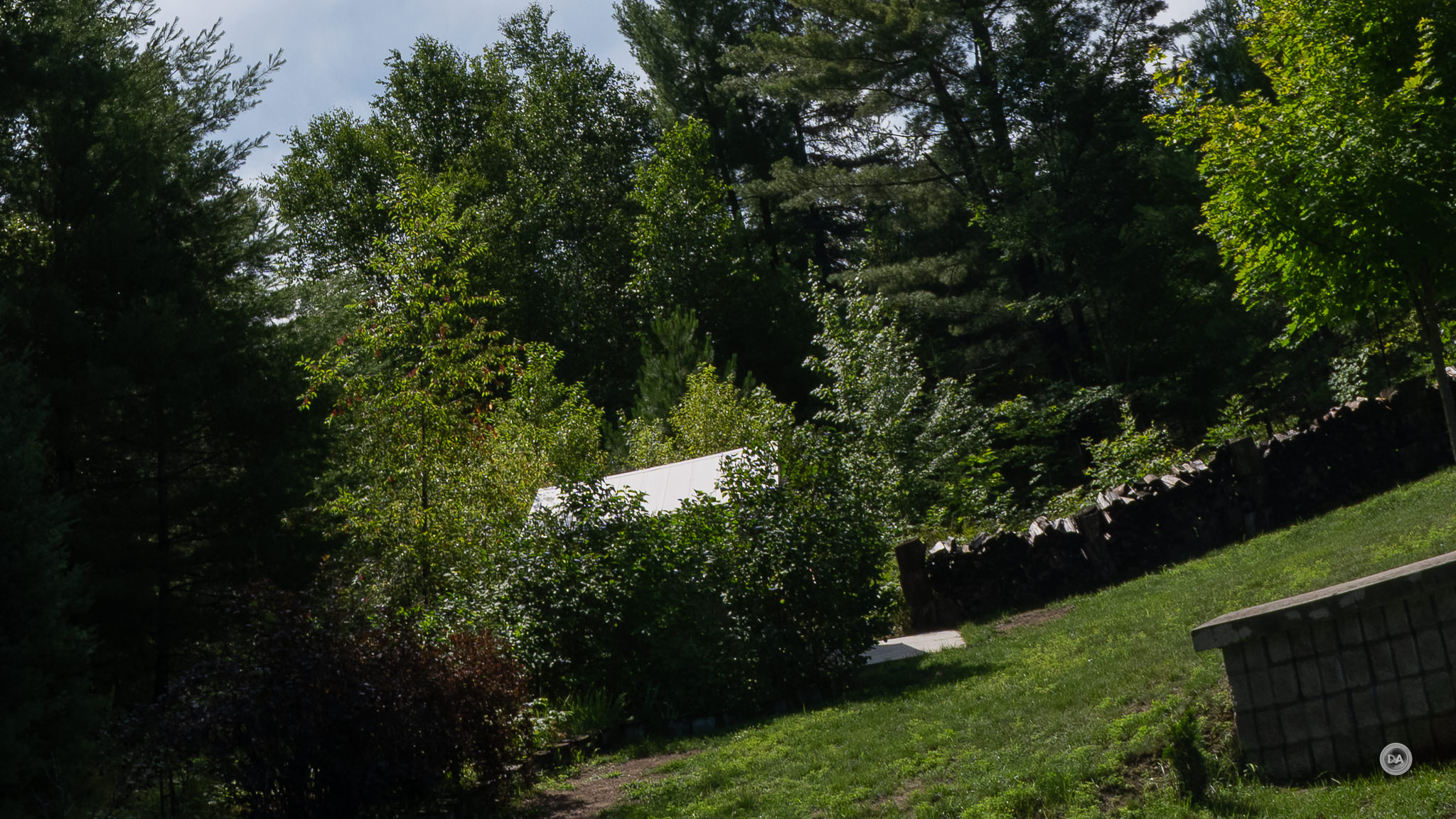
As per usual, diffraction will start to soften the image from F11 on, but it doesn’t look terrible in real world use…and most people are not buying fisheye lenses to pixel peep anyway. Minimum aperture is F16.
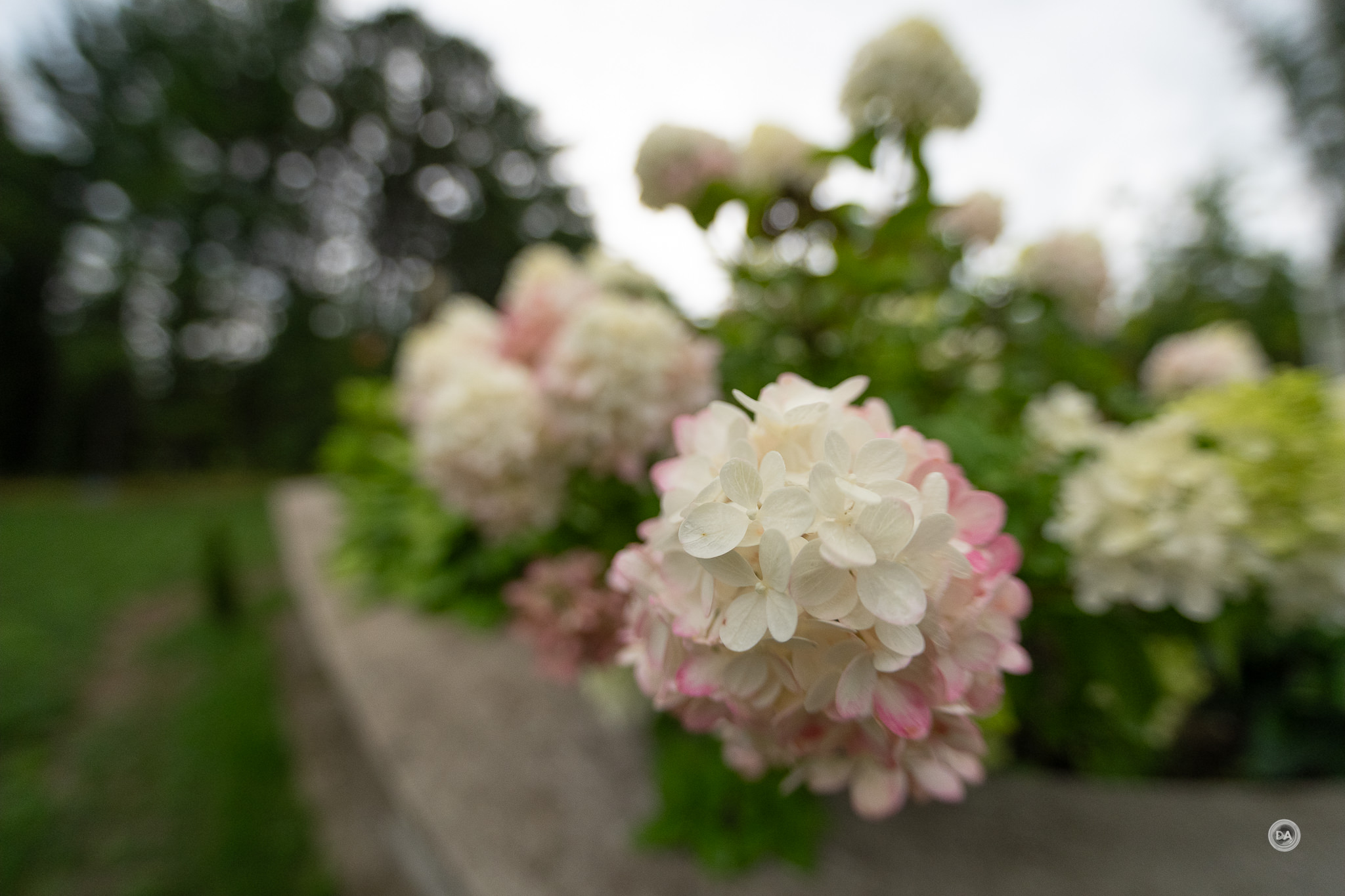
People are definitely not buying fisheye lenses for the bokeh, and, while it is possible to slightly defocus the background if you get as close as possible to your subject and shoot at F2.5, I found the bokeh somewhat harsh due to having outlining and hard edges.

The 135mm F1.8 from 7Artisans excelled for the soft bokeh, but that’s not the strength here.
Many Chinese lenses have struggled a bit with their coatings than established brands from Japan. This is obviously a more difficult area of lens design than most people consider. The end result is more issues with flare. A lens with such an incredibly wide angle of view is often going to have bright sources of light in frame. I found that the 10mm F2.8 MAX did fairly decent in this metric, though. I did see a few ghosting artifacts, and a bit of a halo/ring in a few shots, but contrast held up and I didn’t feel like images were ruined by flare at all.
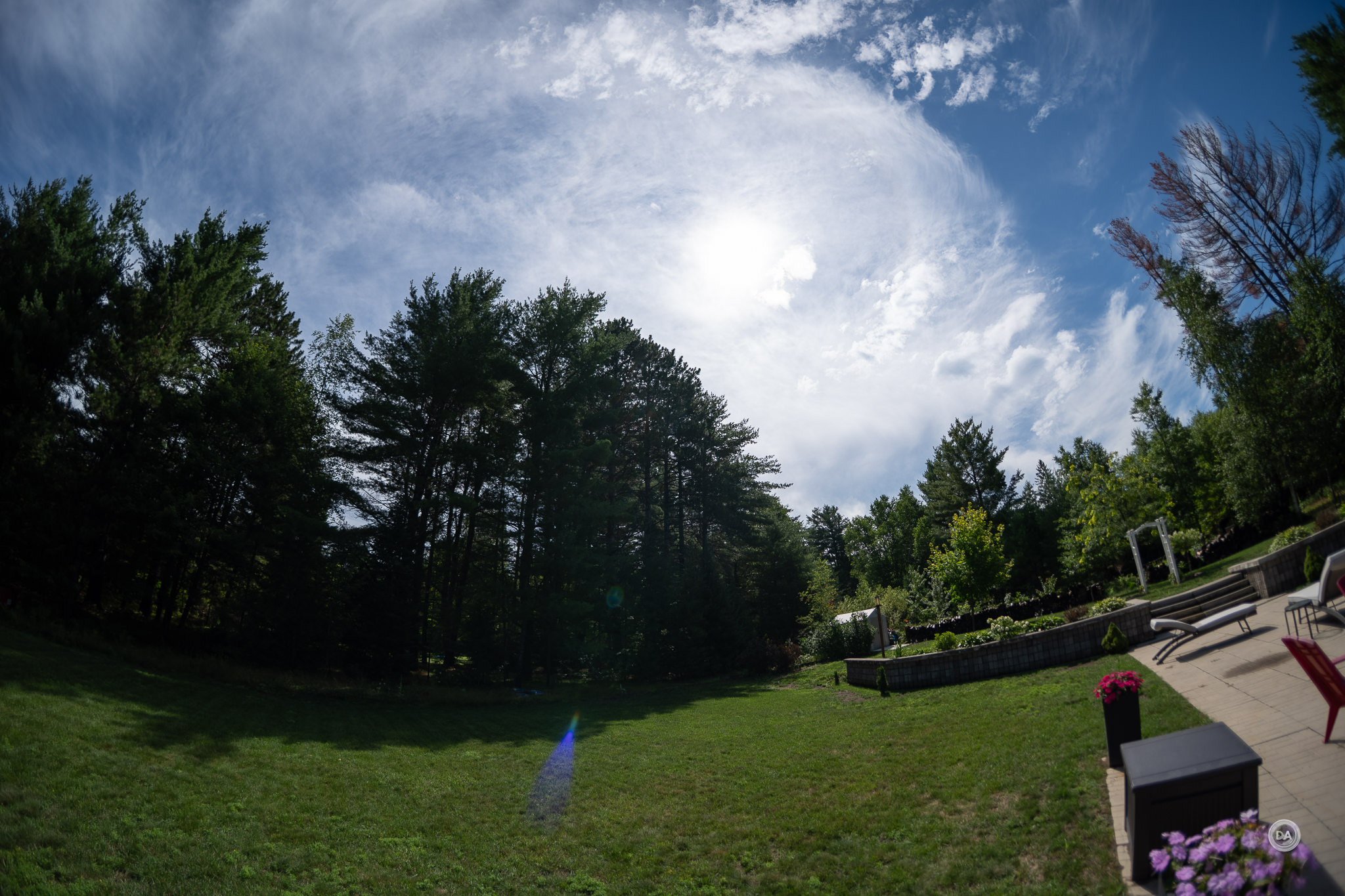
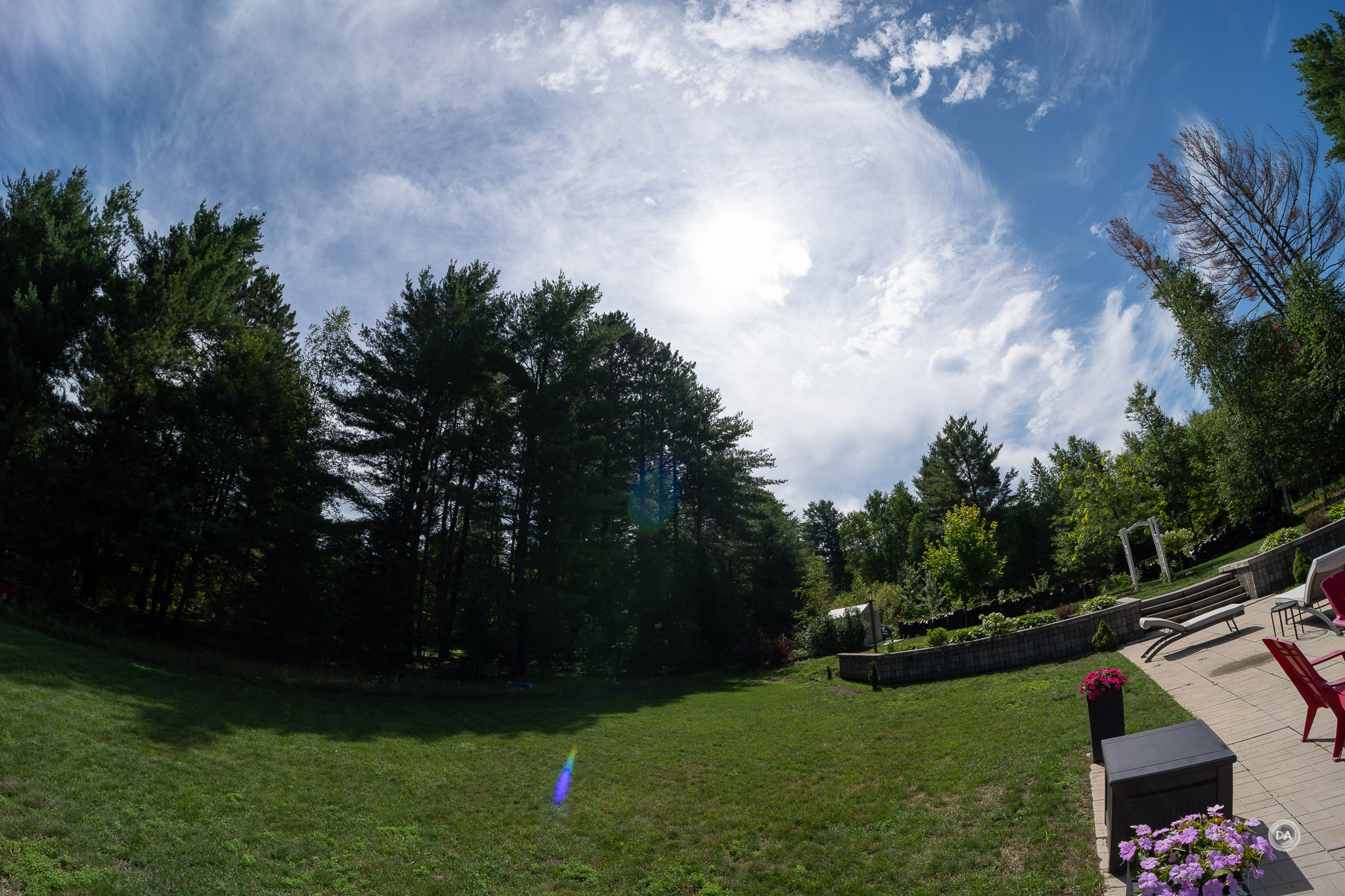
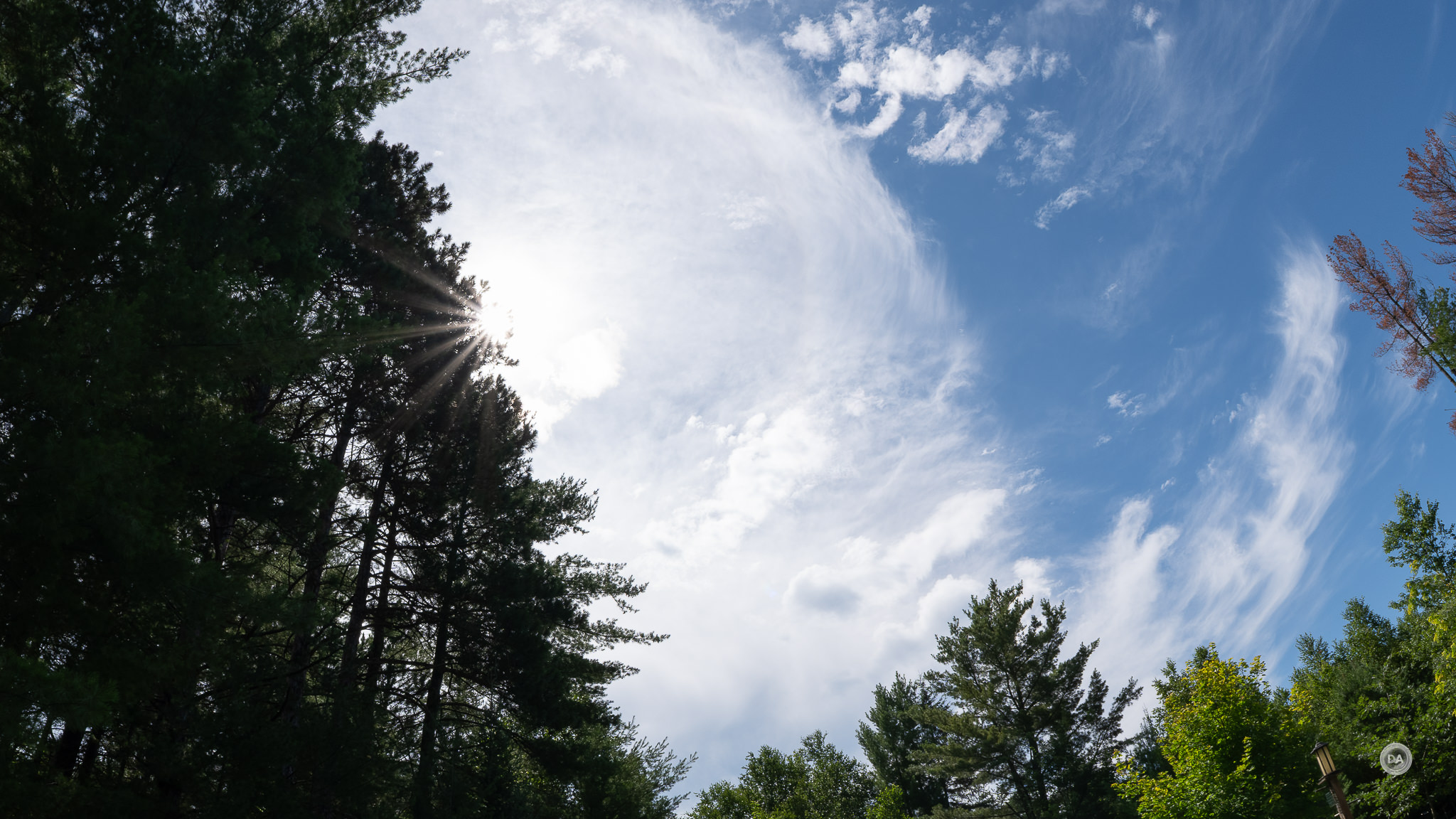
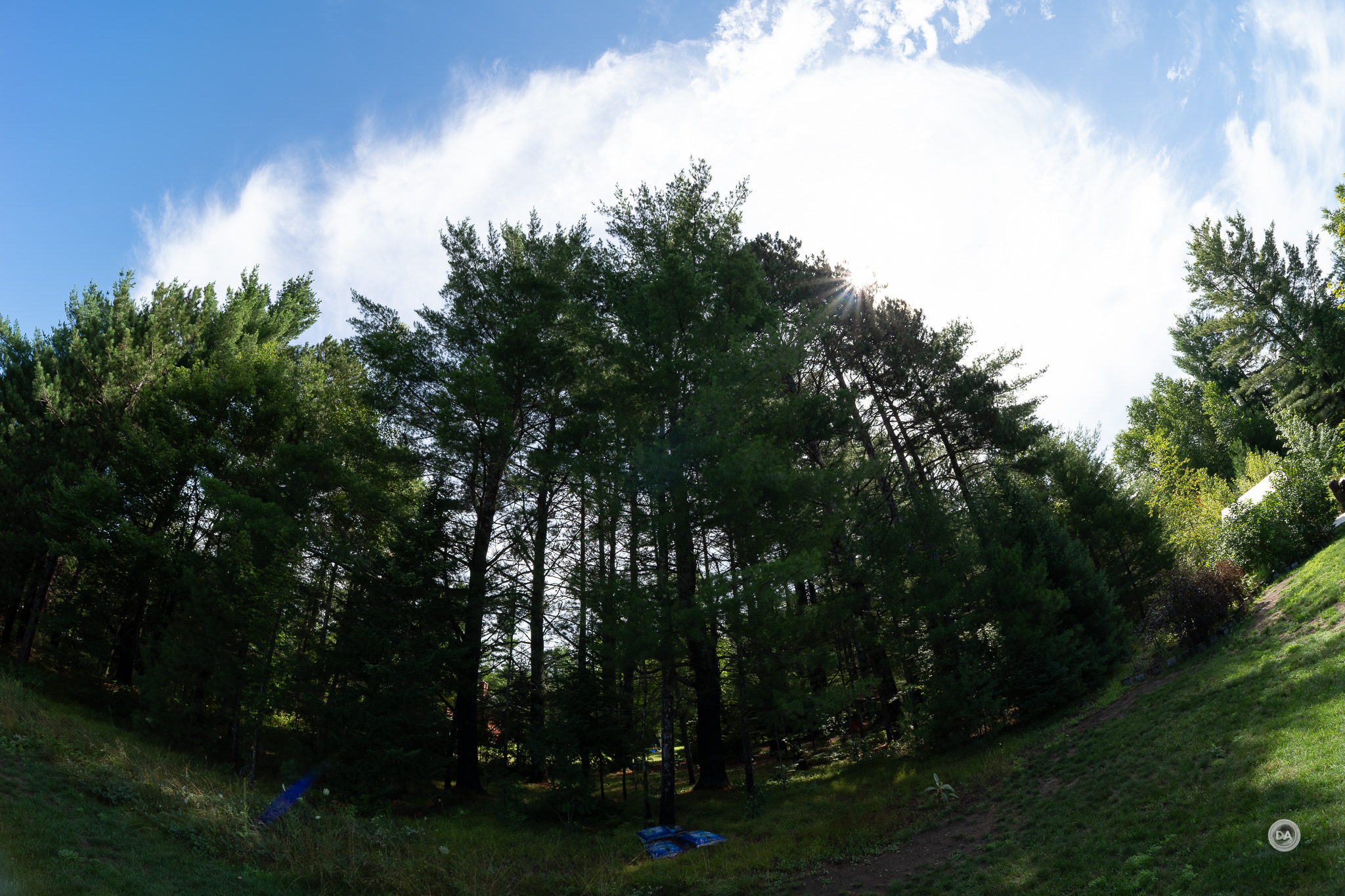
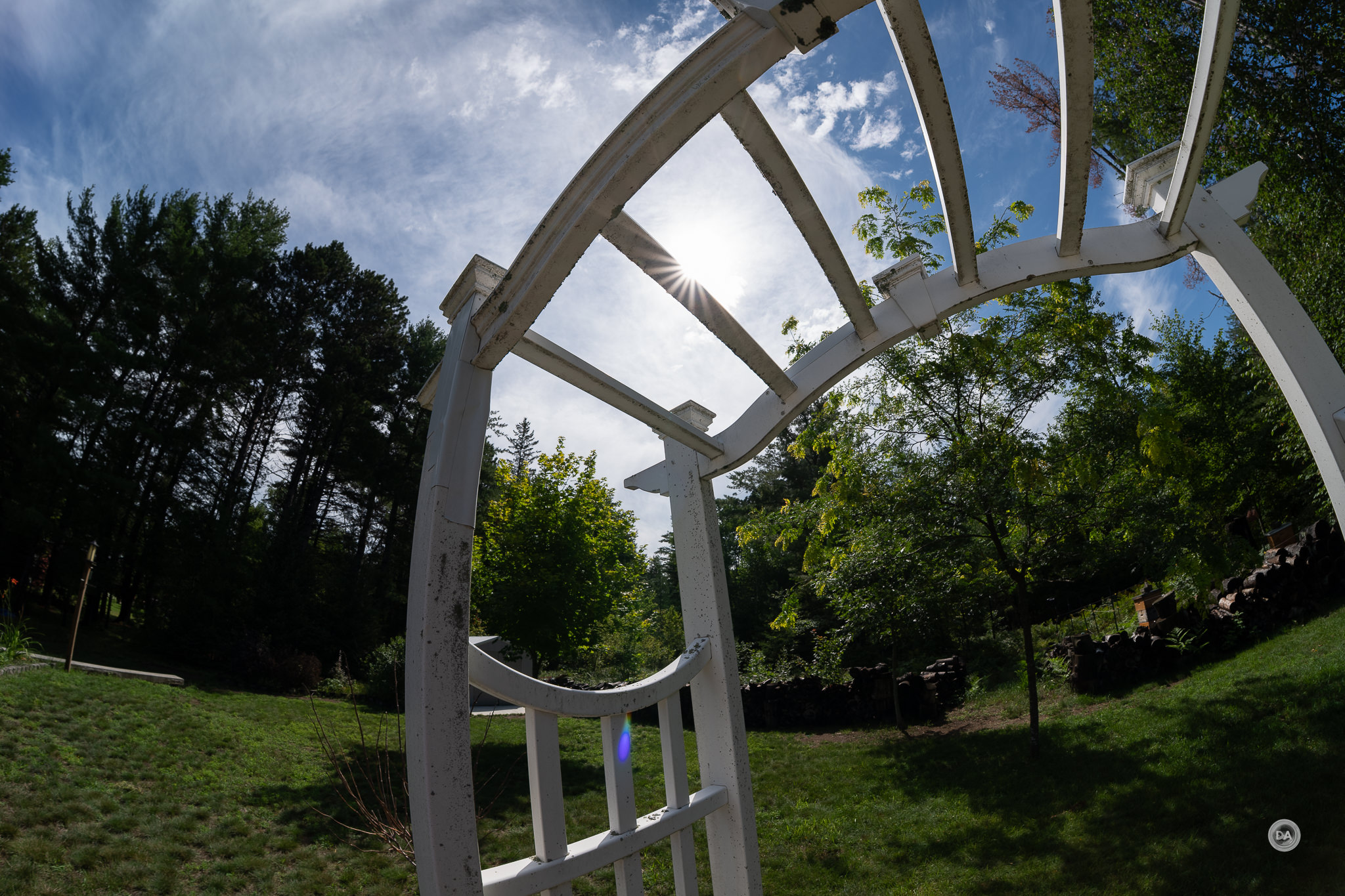
I certainly don’t think this is going to be a dealbreaker for anyone.
Some people enjoy using fisheye lenses for unique astrophotography work. I find them hard to use for this purpose in Eastern Canada, but that is mostly because the forests are so heavy that it is nearly impossible to get shots of the sky without trees blocking the edges! Still, I was able to get a few shots to allow for basic evaluation of coma.
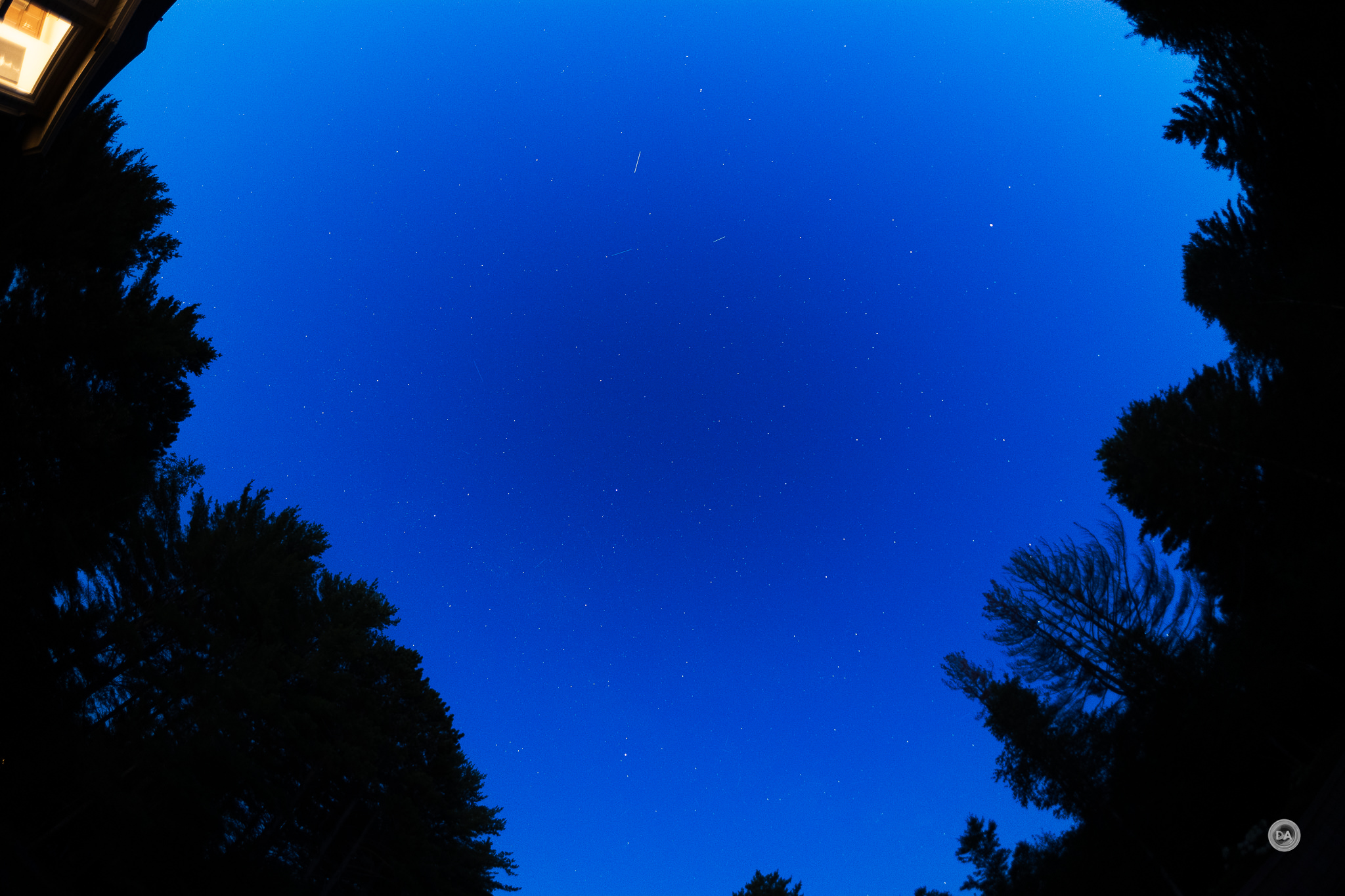

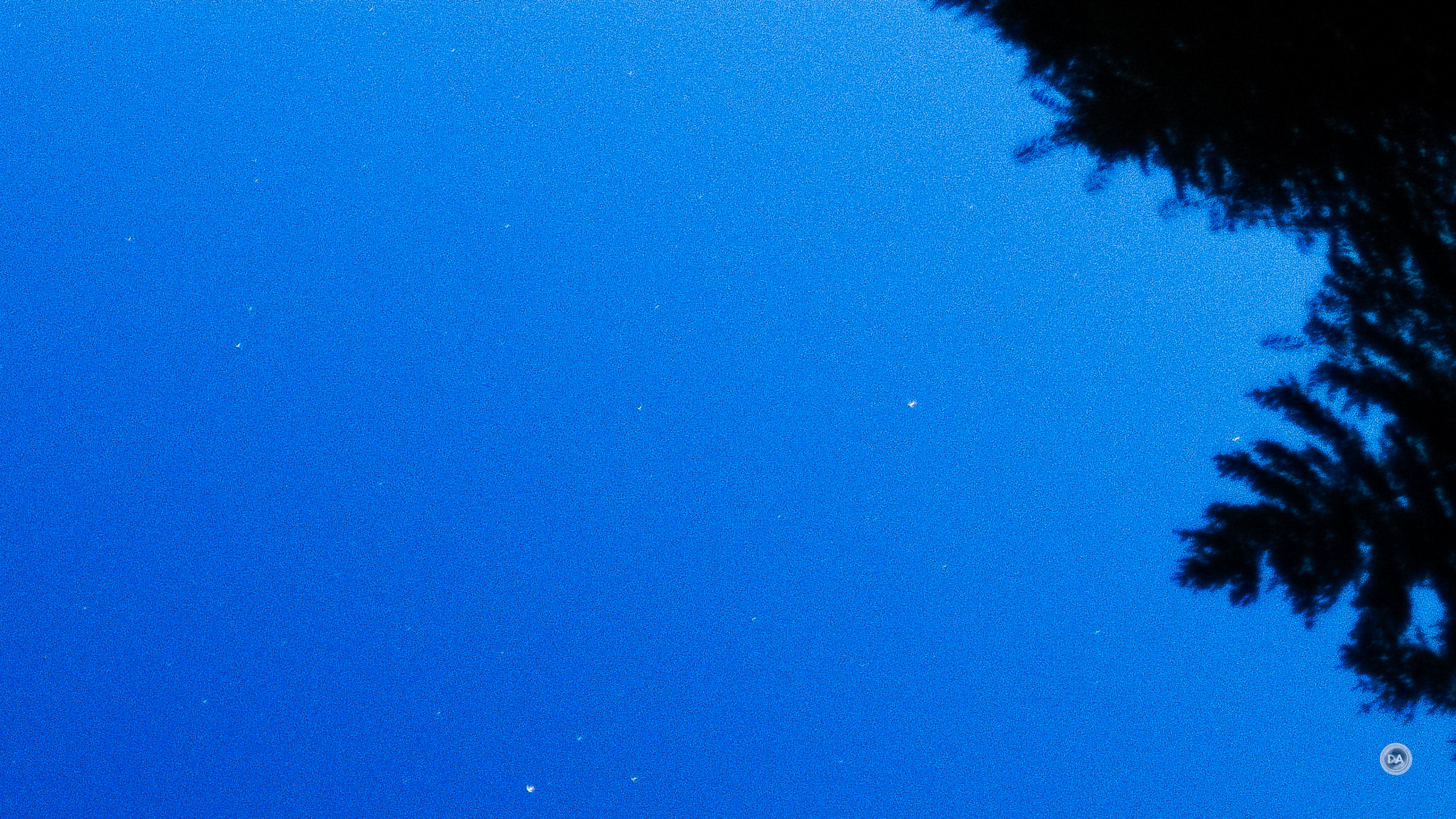
The maximum aperture of F2.5 is useful here, allowing a bit more light than a standard F2.8 lens, and the star points are crisp in the center of the frame. Image quality is softer on the edges, so that could be an issue, and there is some evidence of coma there. I wouldn’t consider this a top lens for astro, but I think (under the right conditions) that it could be useful for that type of photography.
7Artisan’s optical glass and the resulting colors are fine but not great by any stretch. I find that colors tend to look a little garish when pushed much.
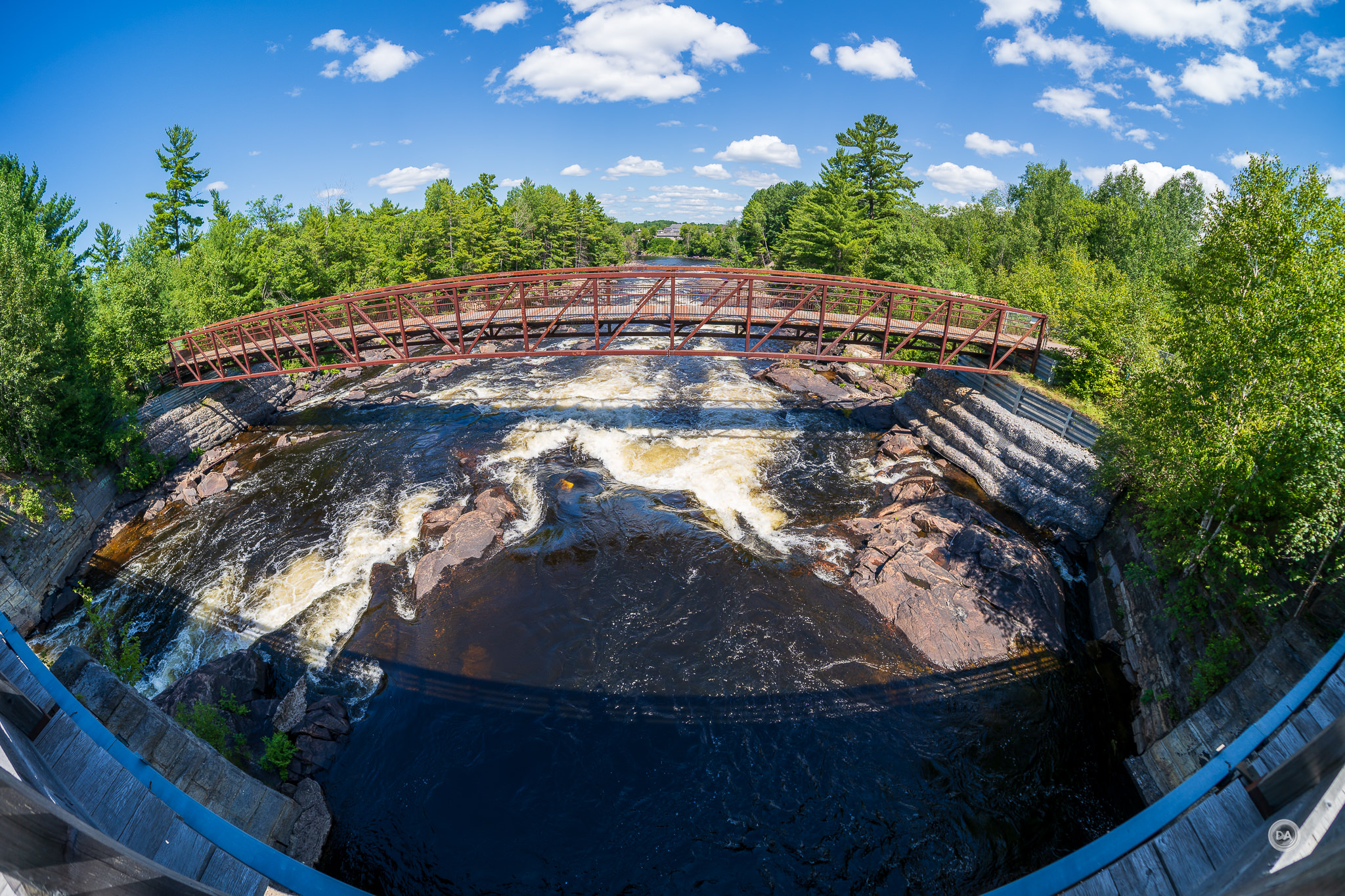
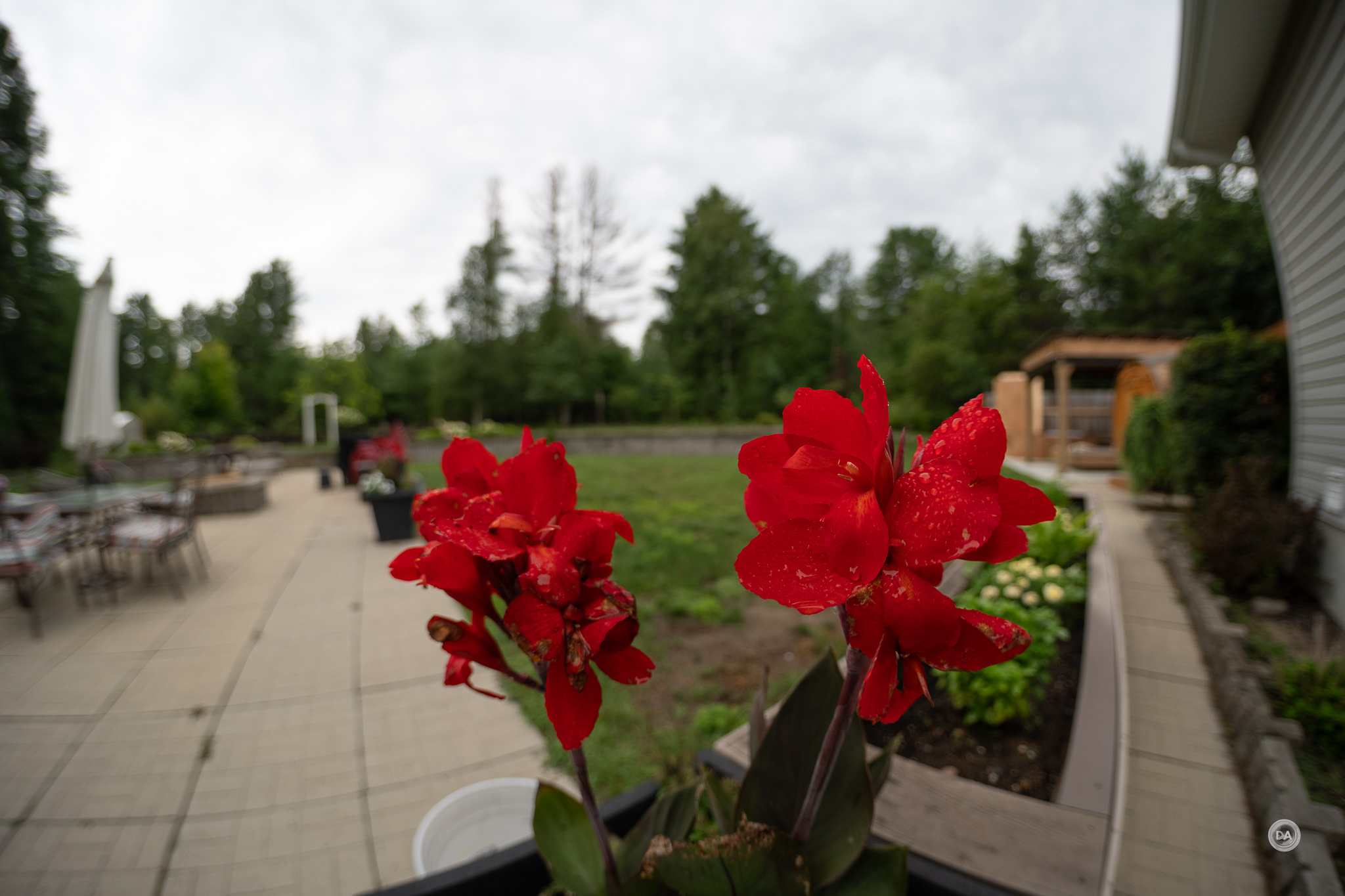
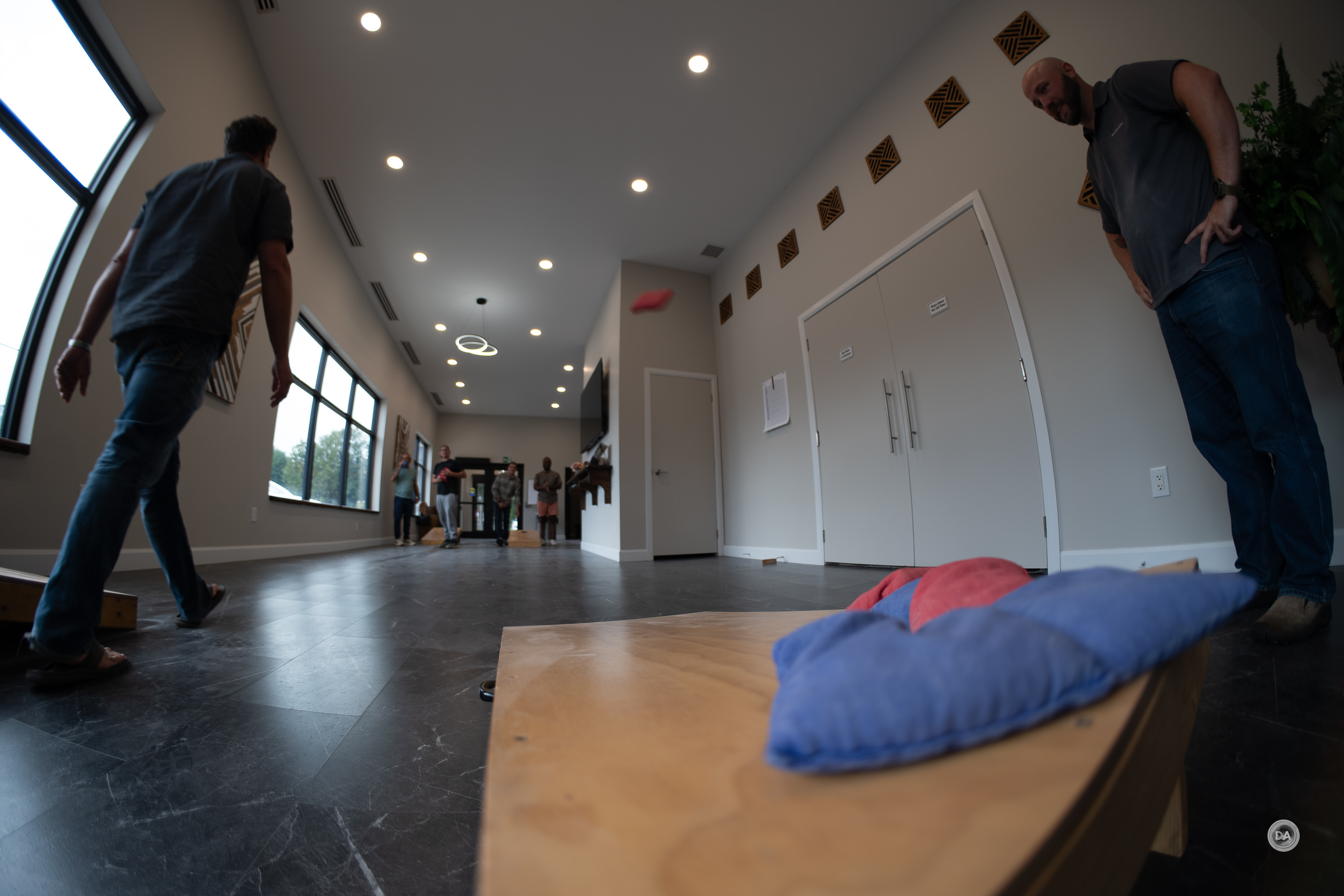
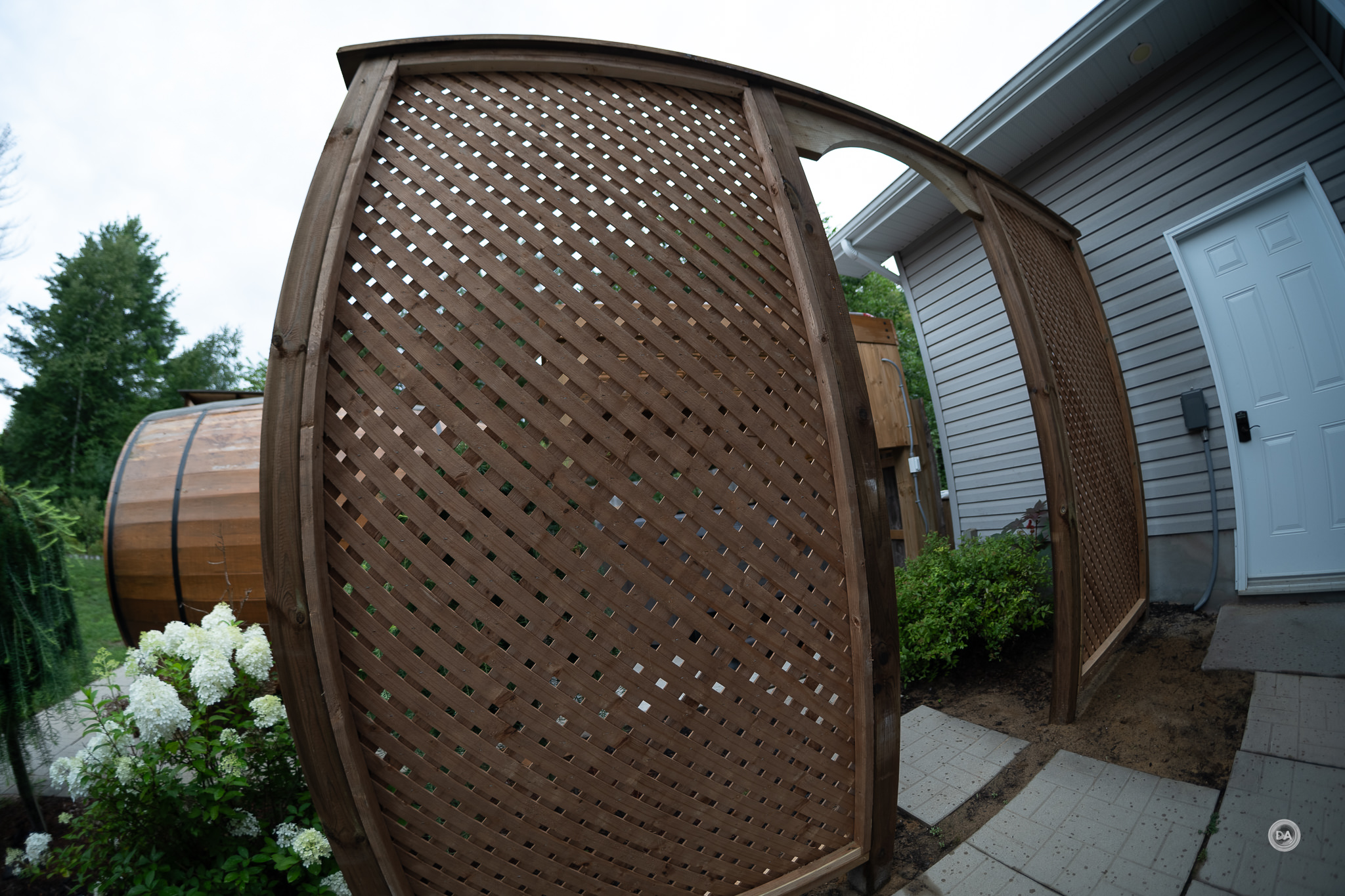
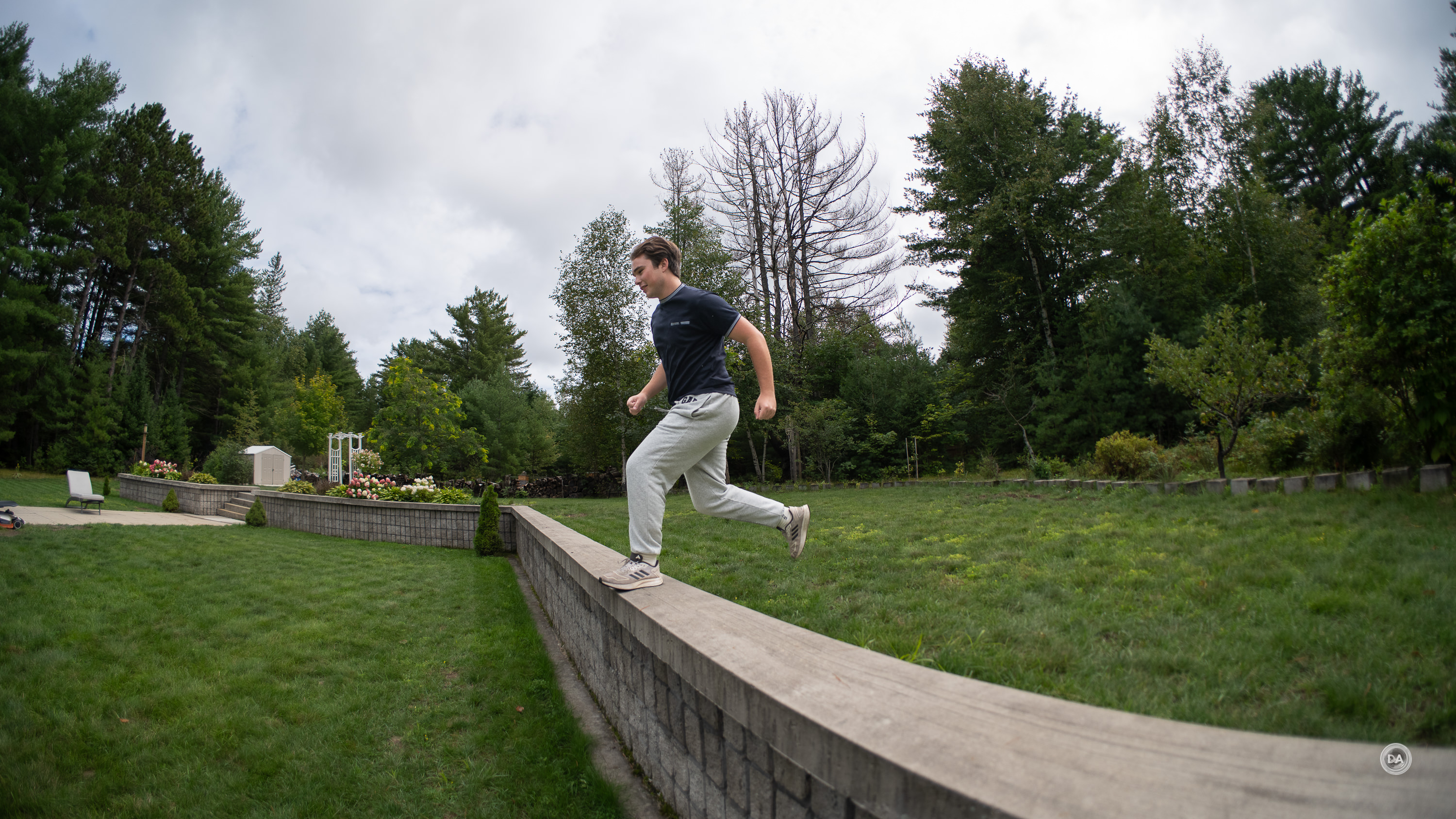
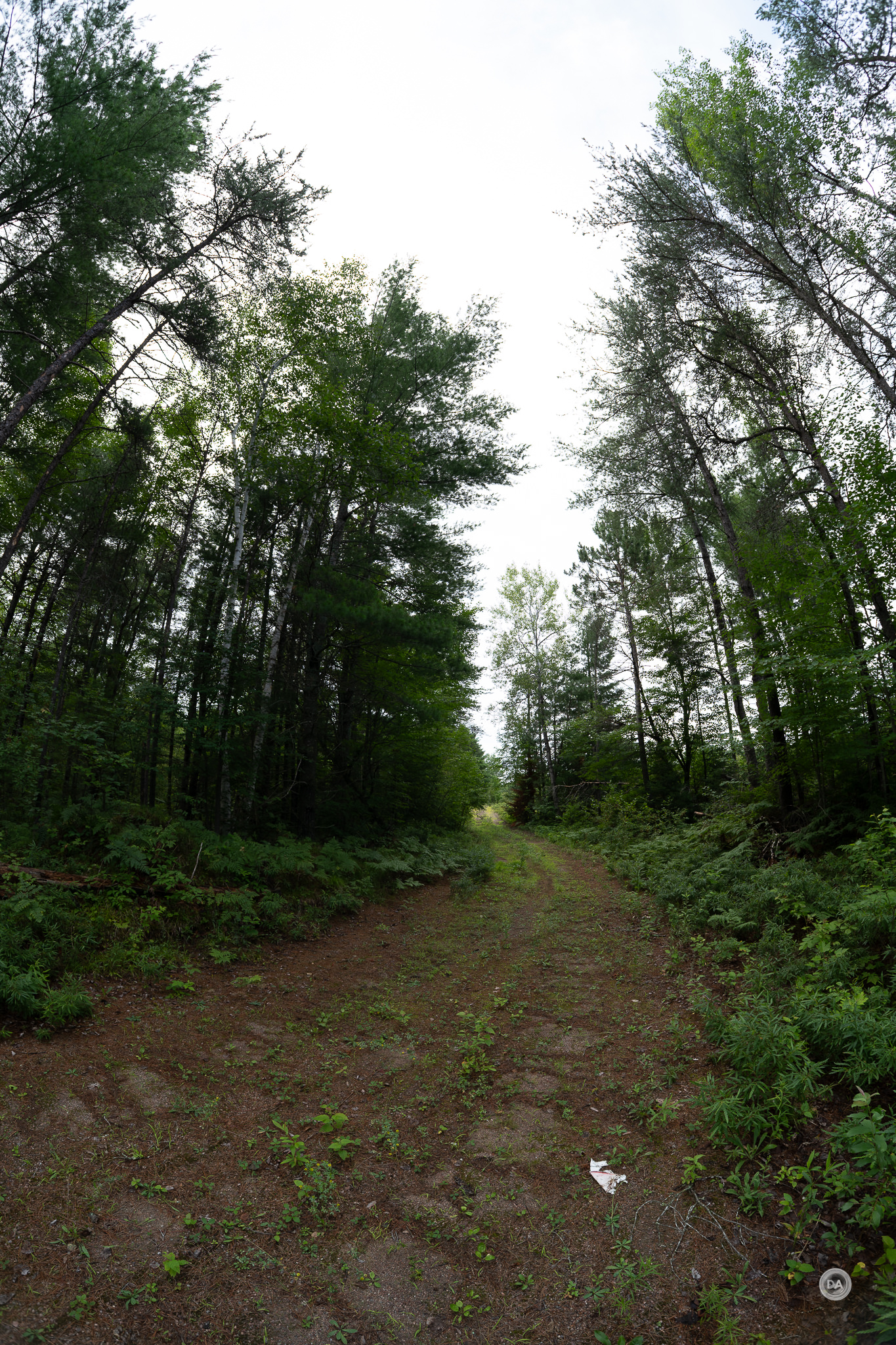
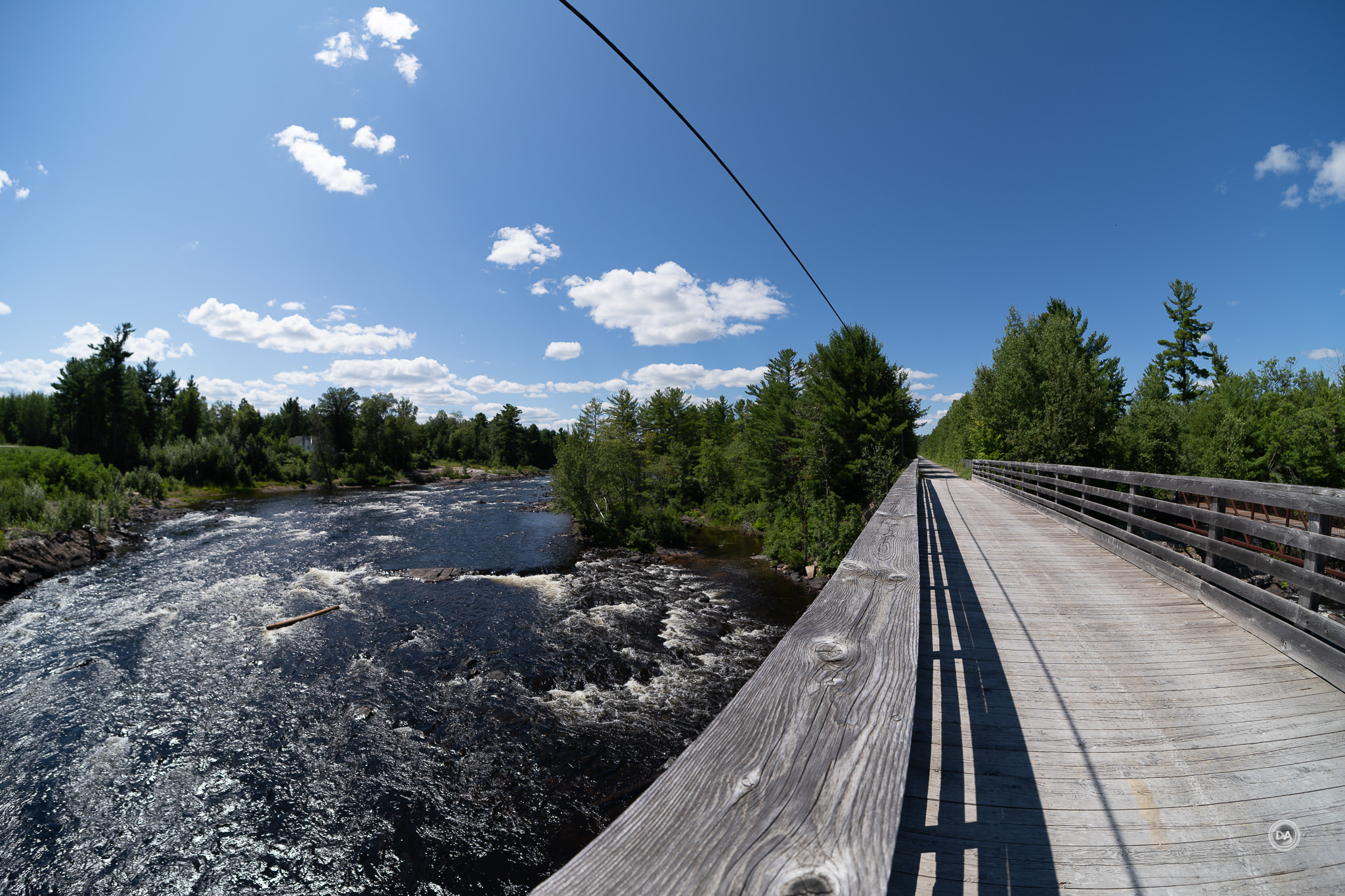
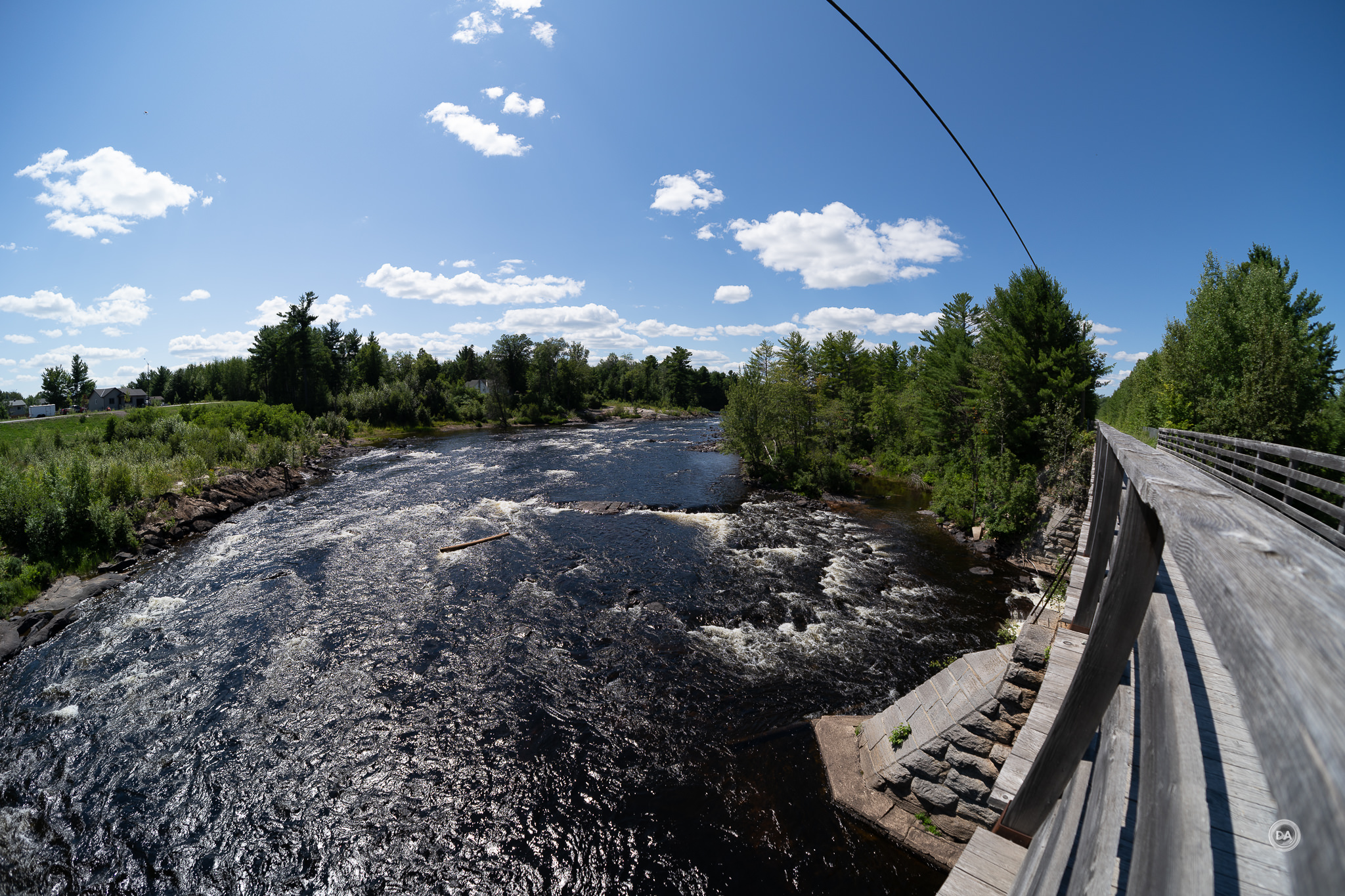
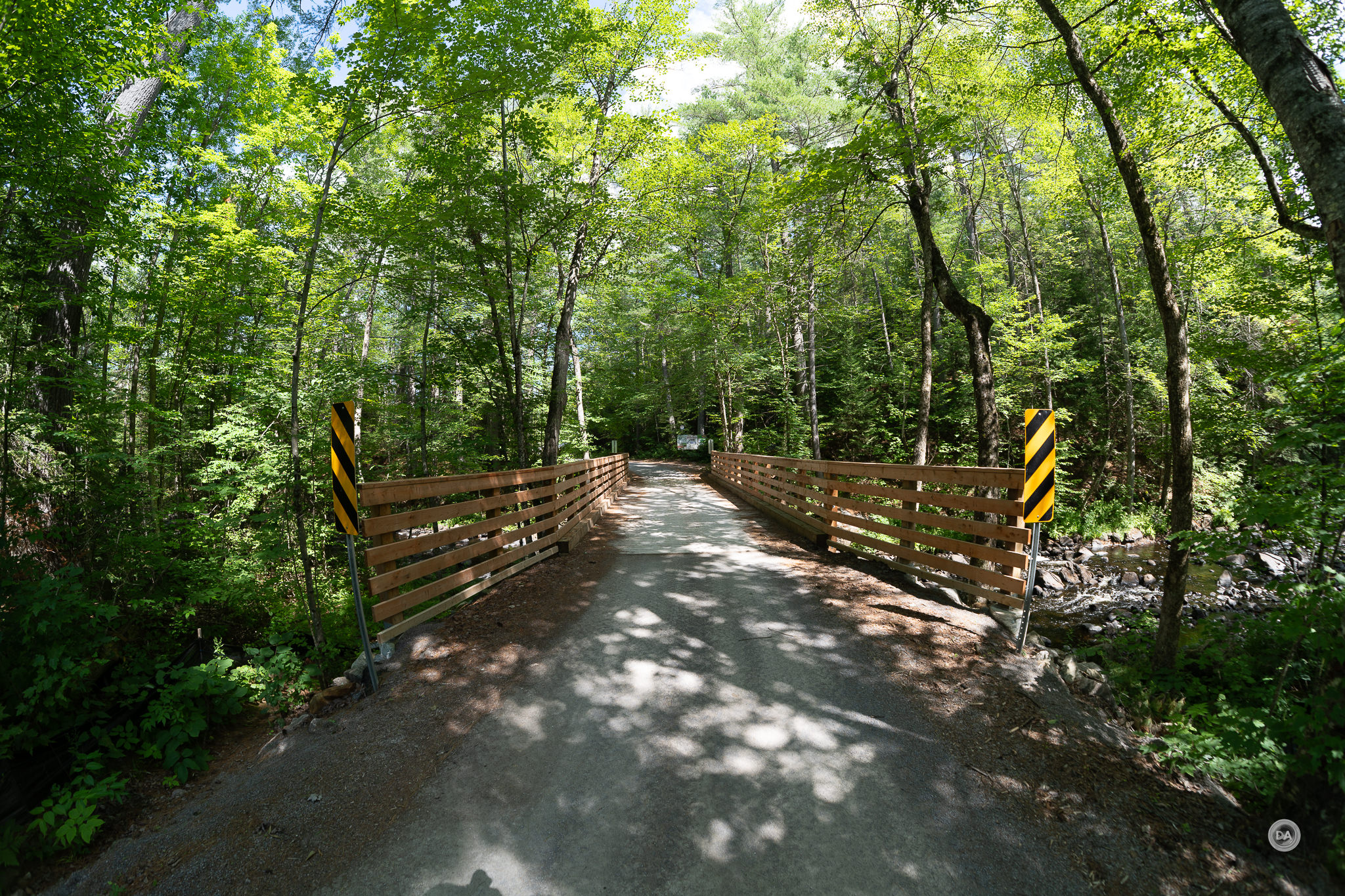
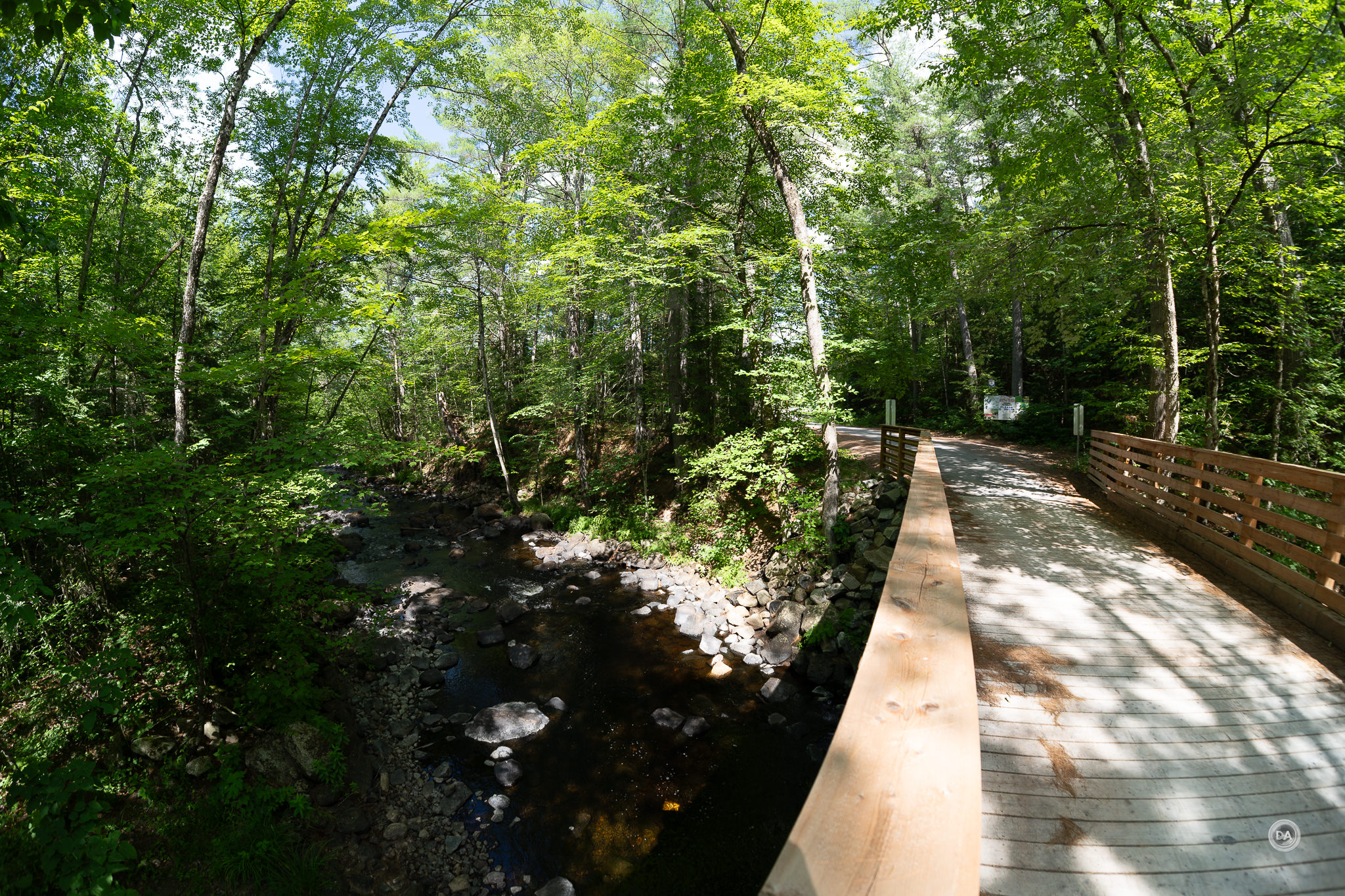
Zeiss glass it is not, but neither is it priced to be. Fisheye lenses are unique and wacky, but a lot of fun to use. This is one of the better ones that I have tested.

Conclusion
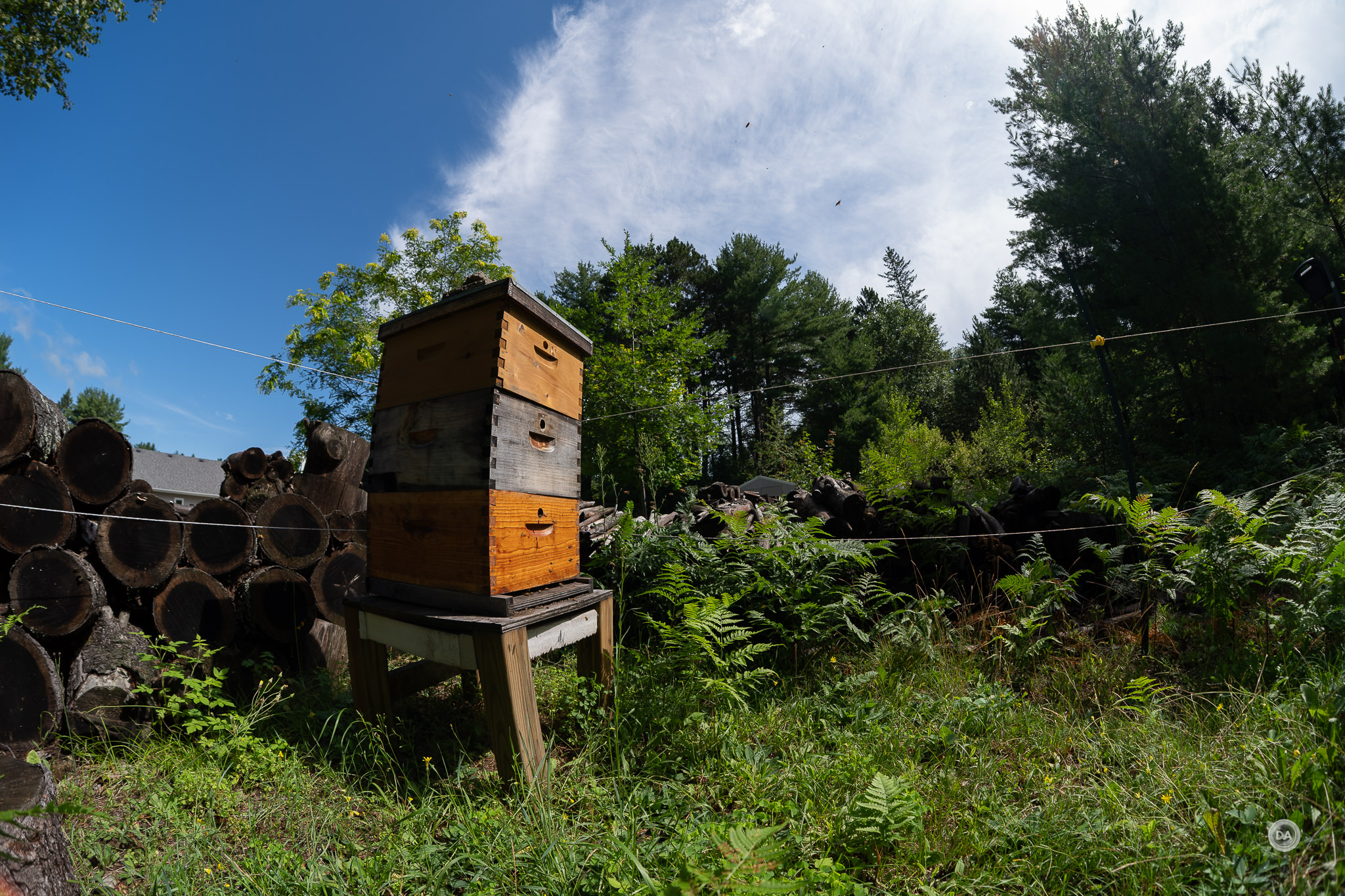
Fisheye lenses are wacky and fun, even if they aren’t for everyone. The vast majority of them have been simpler, manual focus only lenses with limited features, but the 7Artisans AF 10mm F2.5 Fisheye MAX adds layers of complexity, and with them, much more accessibility. This is a fairly mature lens, with a stable feature, reliable autofocus, and quite good image quality.

What’s more, it is (to my eye) the nicest looking lens that 7Artisans has made to date, with a nice blend of textures and finishes. I immediately liked the look of the lens when I unboxed it, and my opinion certainly has not changed.
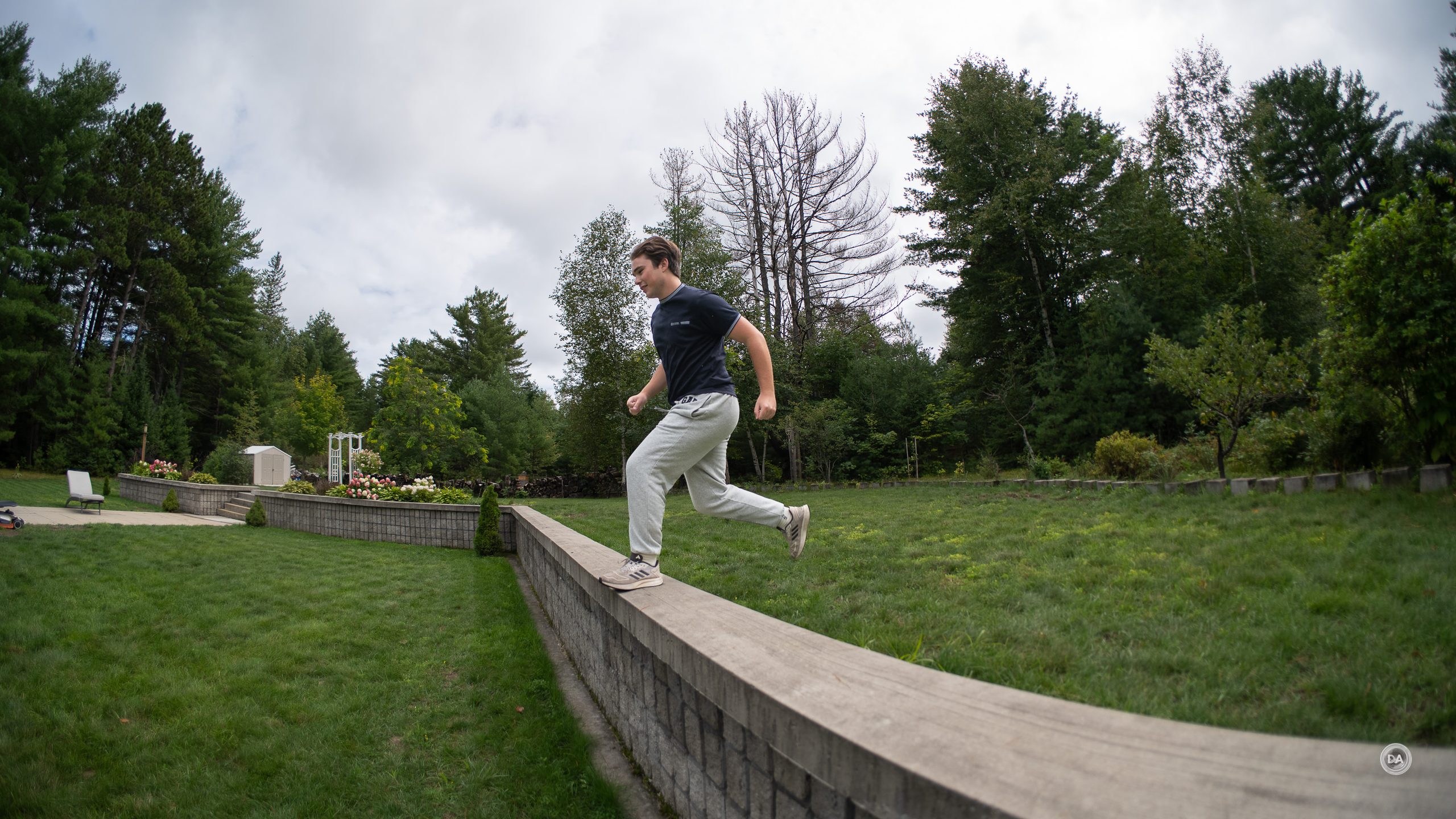
Fisheye lenses are not for everyone, but for the right photographers, this is going to be a lot of fun. It’s more expensive than the most of the manual focus options out there, but the fully modern design with autofocus, weathersealing, and a full feature set makes the 10mm F2.5 Fisheye feel like a winner to me.
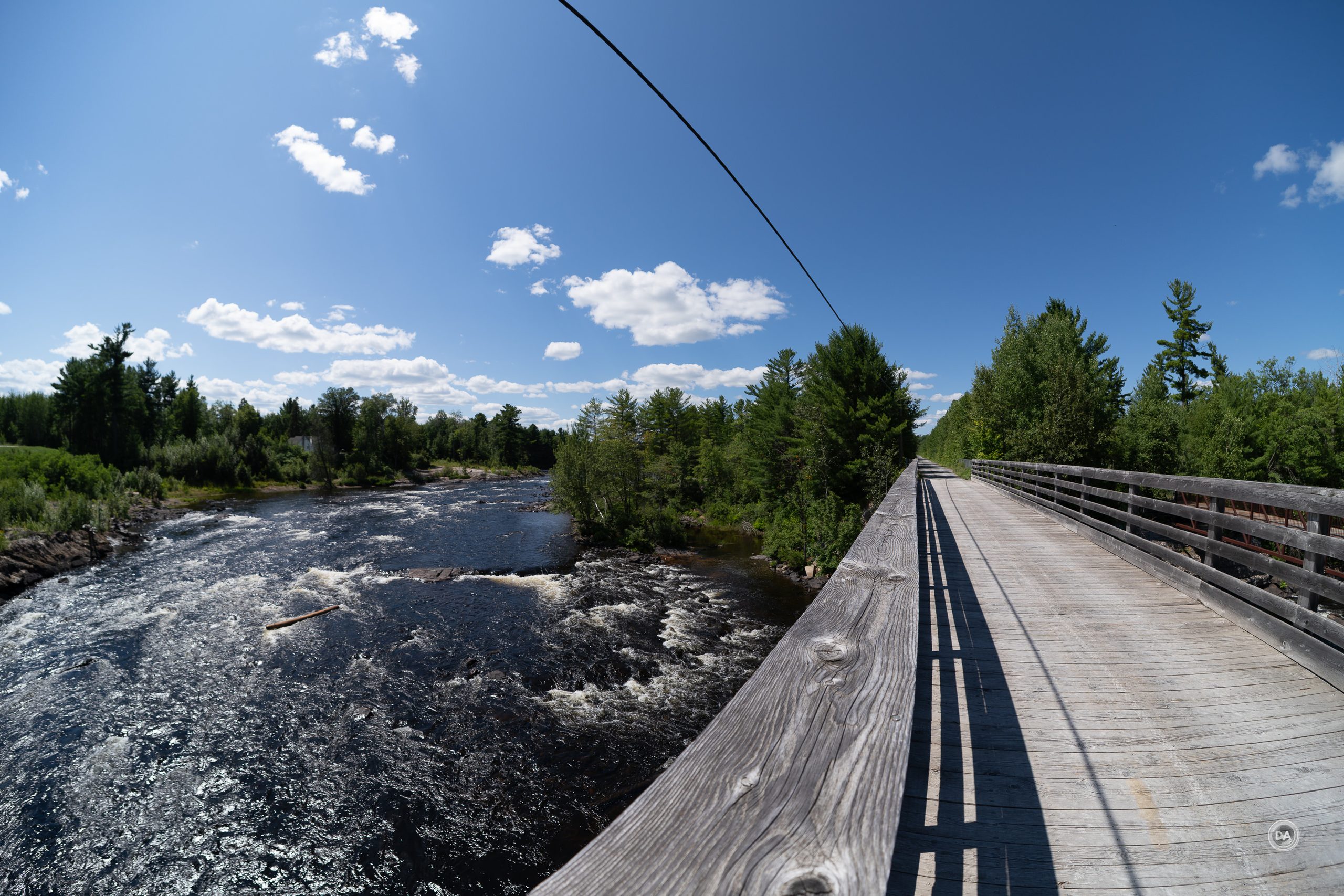
Pros:
Cons:
_________________________________________________________________________
GEAR USED:
Purchase the 7Artisans AF 10mm F2.5 Fisheye @ 7Artisans | Vitopal | B&H | Adorama | Amazon | Amazon Canada | Amazon UK | Amazon Germany
_________________________________________________________________________
Purchase the Sony a7RV @ B&H Photo | Adorama | Amazon | Camera Canada | Sony Canada | Amazon Canada | Amazon UK | Amazon Germany
__________________________________________________________________
Purchase the Sony a7IV @ B&H Photo | Adorama | Amazon | Camera Canada | Sony Canada | Amazon Canada | Amazon UK | Amazon Germany
_________________________________________________________________
Purchase the Sony Alpha 1 @ Camera Canada | B&H Photo | Adorama | Amazon | Sony Canada | Amazon Canada | Amazon UK | Amazon Germany | Ebay
_________________________________________________________________
Want to support this channel? Use these affiliate links to shop at: B&H Photo | Amazon | Adorama | Camera Canada | Amazon Canada | Amazon UK | Ebay | Make a donation via Paypal
Buy DA Merchandise https://bit.ly/TWIMerch

Keywords: 7Artisans, AF, MAX, 10mm, F2.5, AF 10mm, f/2.5, 7Artisans 10mm F2.5, 7Artisans Review, 10mm, Fisheye, AF, Sony a7V, Sony A1 II, α1 II, Sony a7RV, Sony FE, Nikon Z, L-mount, Review, Hands On, Dustin Abbott, Real World, Portrait, Comparison, Sharpness, Bokeh, Flare Resistance, Autofocus, Image Quality, Sample Images, Video, Photography, let the light in, weathersealing, #letthelightin, DA
Related posts:
 7Artisans AF 135mm F1.8 Review
 Brightin Star AF 12mm F2.8 Review
 7Artisans AF 50mm F1.8 Review
 7Artisans AF 50mm F1.8 Photo Gallery
 7Artisans AF 27mm F2.8 Review
 7Artisans AF 27mm F2.8 STM Gallery
 7Artisans AF 85mm F1.8 Review
 7Artisans AF 85mm F1.8 STM Gallery
 Viltrox AF 35mm F1.8 II EVO E-Mount Review
 Viltrox EVO 75mm F1.8 E-Mount Review