

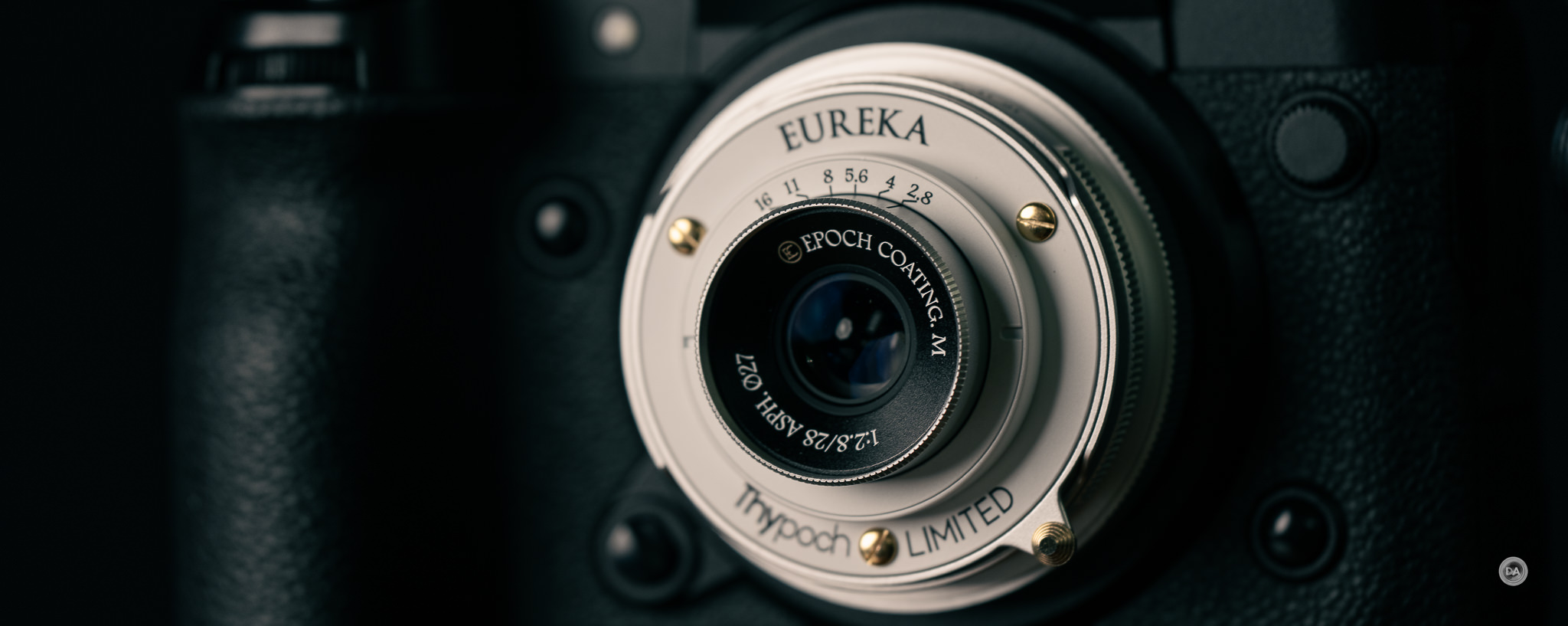
Thypoch has been one of the more intriguing new lens makers out of China in large part because of their unconventional approach. Viltrox has muscled onto the scene by sheer force of wills, standing up to the big brands and often outpunching them. Laowa was one of the earliest brands, and they carved out a niche with innovative macro and wide-angle lenses. But Thypoch has taken a different path, choosing highly aesthetic designs that evoke more of a Leica sensibility. Lenses like the Thypoch Eureka 28mm F2.8 ASPH that we are reviewing today are as much objects of photography as they are tools for making images. The Eureka 28mm looks like a classic lens from another era, though it brings a lot of modern sensibilities to the imaging…including launching their new Epoch coatings. This stylish little lens doesn’t come cheap, though, and will set you back roughly $400 USD. Is it worth it? We’ll find out in the video review linked below or in this text review.
Follow Me @ YouTube | Patreon | Instagram | Facebook | DA Merchandise | Flickr | 500px | X
Thanks to Thypoch for sending me a review sample of this lens. As always, this is a completely independent review. *The tests and most of the photos that I share as a part of my review cycle have been done with the FUJIFilm X-H2.
___________________________________________________________________________________________
SUMMARY: The Thypoch Eureka 28mm F2.8 ASPH lens, inspired by vintage designs, combines classic aesthetics with modern imaging capabilities, making it a stylish choice for photographers. While it features an appealing brass construction and two finishes, its unconventional focusing method and aperture control may challenge usability and require adjustment for some users. Image quality shows excellent contrast and detail in the center but weaker performance at the edges, particularly when shooting at longer distances. This niche lens, priced at approximately $400, offers a unique artistic experience, appealing to enthusiasts of retro-style photography.
Strengths:
- Aesthetic design with high-quality brass construction, available in two attractive finishes.
- Produces excellent center sharpness and contrast, with minimal chromatic aberrations.
- Compact size and lightweight, enhancing portability.
Weaknesses:
- Unconventional focusing mechanism and aperture control can hinder usability and precision.
- Weaker performance in edge sharpness, particularly at infinity distances.
- Higher price point may limit its accessibility to a broader audience.
The Eureka 28mm is crafted from brass and comes in two different finish options. There’s a more traditional matte black finish along with the Pearl White finish that I’m covering here. The Pearl White finishes has a pearlescent white lacquer process, which contains pure gold powder and makes for a really lovely finish. The front aesthetic looks very vintage and very attractive.
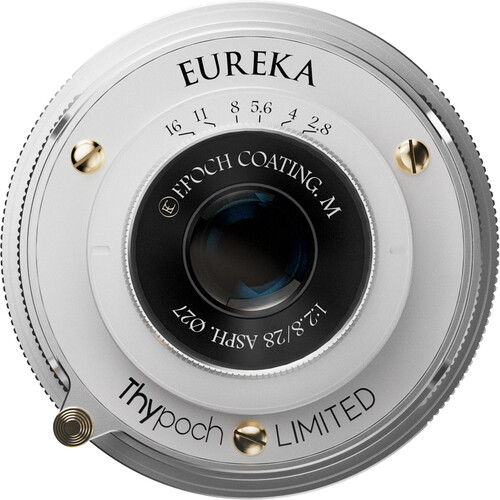
It’s also a very slim little lens, just 19.5mm deep (at least in the original M-mount form, which we’ll get to in a moment). My Fujifilm camera (the X-H2) has a more traditional design, but if you are pairing this with one of the compact Fuji designs, you could have a truly pocketable experience.
The Eureka 28mm definitely scores high in style points, but you can also make real images with it.

This is clearly more of a niche style lens for several reasons, but is it worth the money? Let’s take a closer look.
Thypoch Eureka 28mm Build and Handling
This inspiration for Eureka 28mm is the Dallmeyer Anastigmat 35mm f/4.5, a rangefinder lens from the 1940s. Thypoch is clearly a company with some photography enthusiasts/traditionalists on staff, as they have shown a really well-honed sense for nailing the aesthetics of their lenses. They went first for the Leica M-mount crowd, which has a well-deserved reputation for being a bit, well, snobbish, and yet Thypoch has managed to win over quite a number of M-mount shooters because they “get it”.
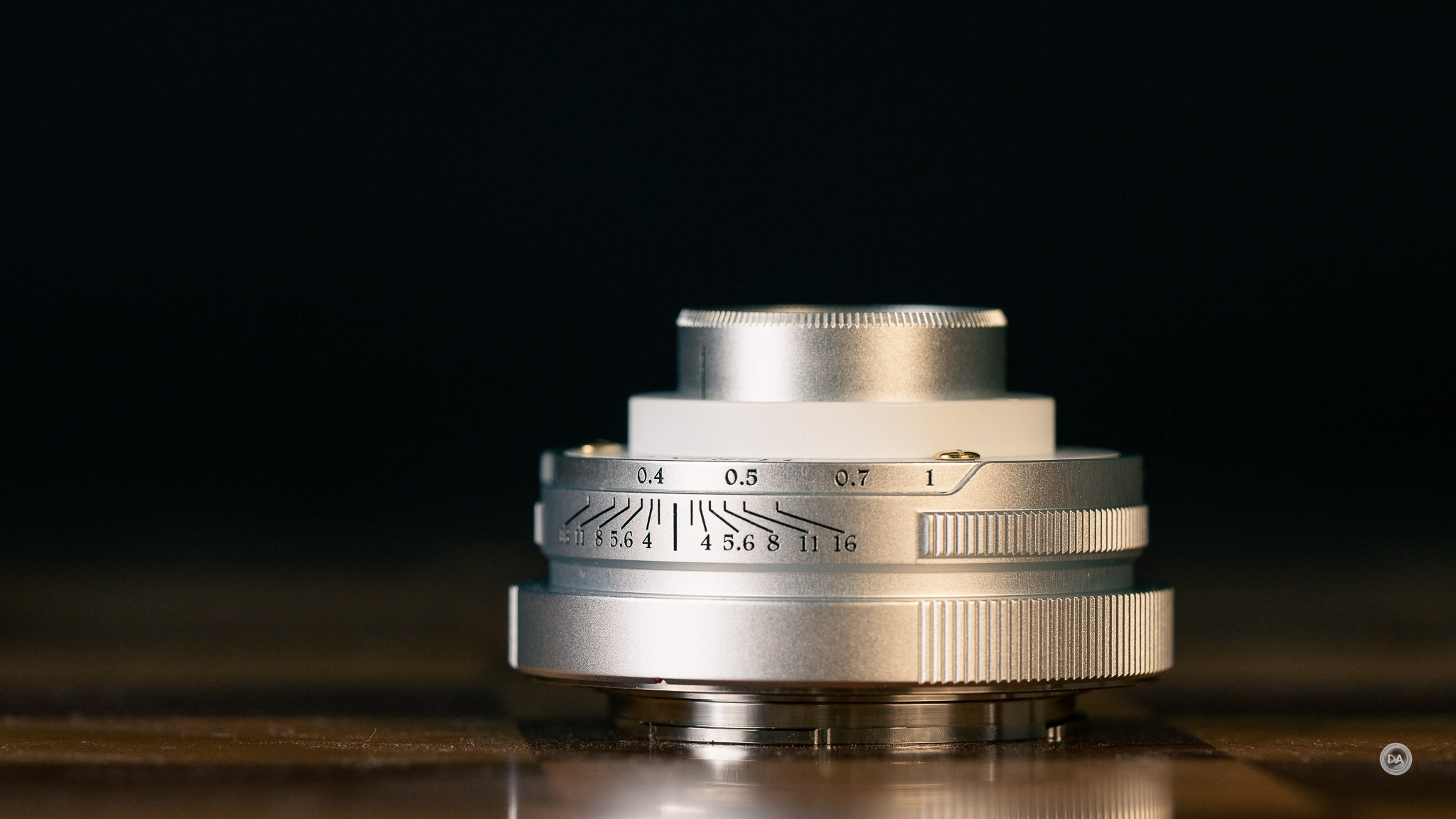
Their attention to detail in the design and mechanics of their lenses often effectively nails that retro sensibility. There’s a reason why Thypoch markets the fact that this is an all-brass lens; that kind of detail matters…particularly on Leica. Here on Fuji, the focus perhaps isn’t as pronounced, and yet Fuji shooters also embrace “the vibes”, and Fuji as a company has really gone after that with their camera and lens designs. This is a lens that would look really, really good on one of Fuji’s silver cameras.
Note the attention to detail in the engravings and ridged areas. This is a beautiful little lens.
Unfortunately it doesn’t look as natural on one of the black cameras like my X-H2, though you can purchase the black finish if you own a black camera.
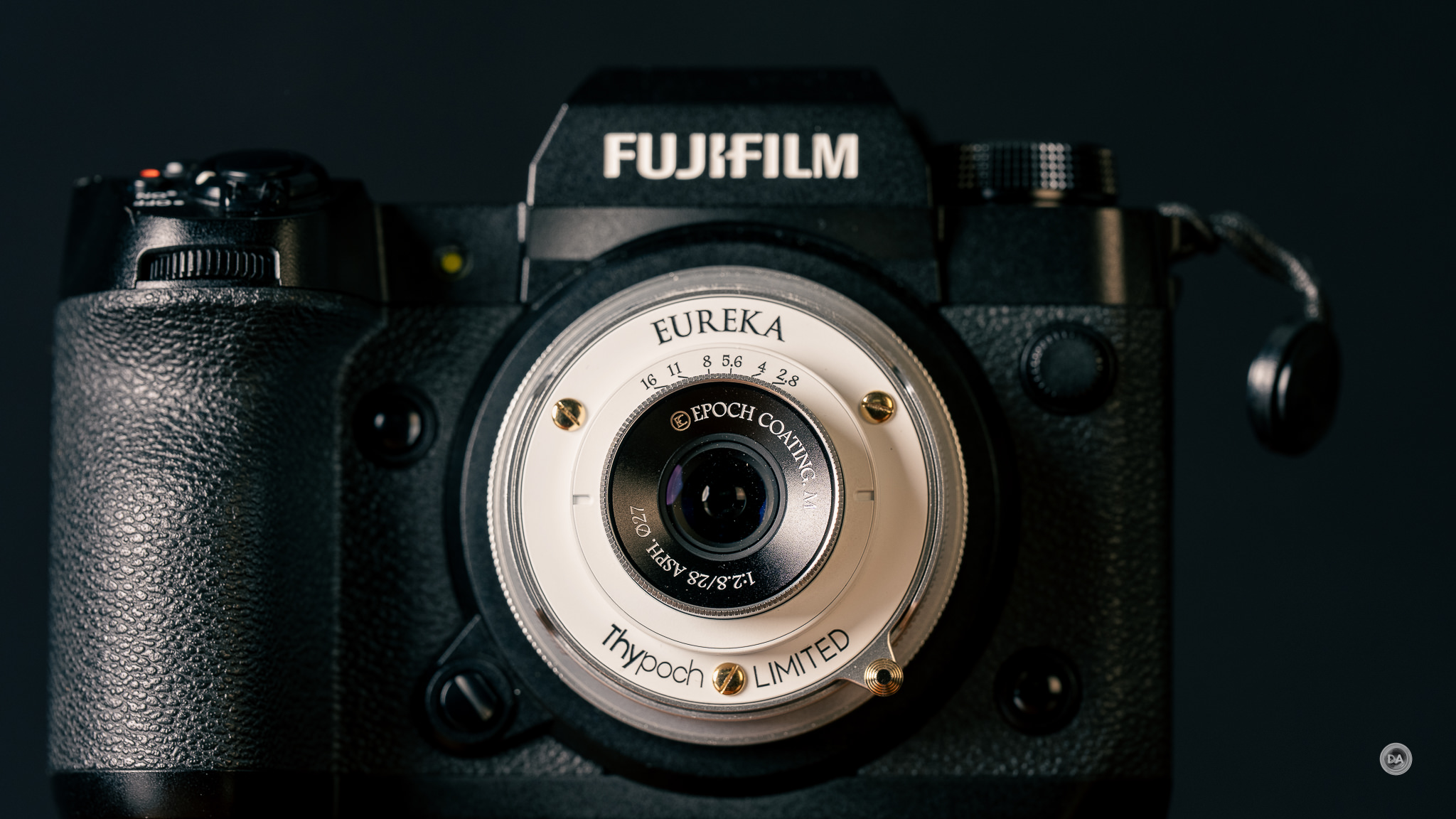
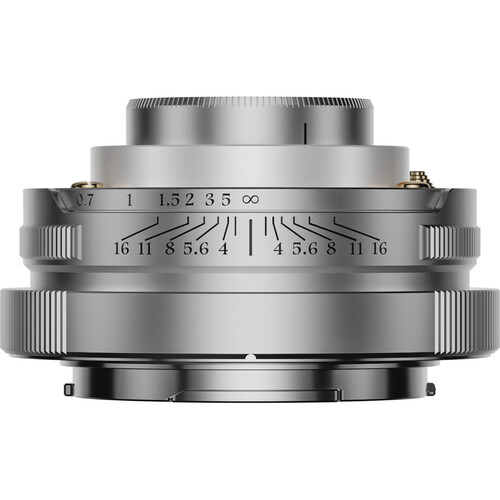
An earlier version of this lens required an adapter to work on Fuji X-mount, but if you look at the photo above, you’ll find that Thypoch has essentially made this new version a one-piece lens with the adapter integrated right into the design. This means that it is longer than the M-mount version (which is really tiny), but now the optics are at the appropriate distance from the sensor for proper focus calibration.
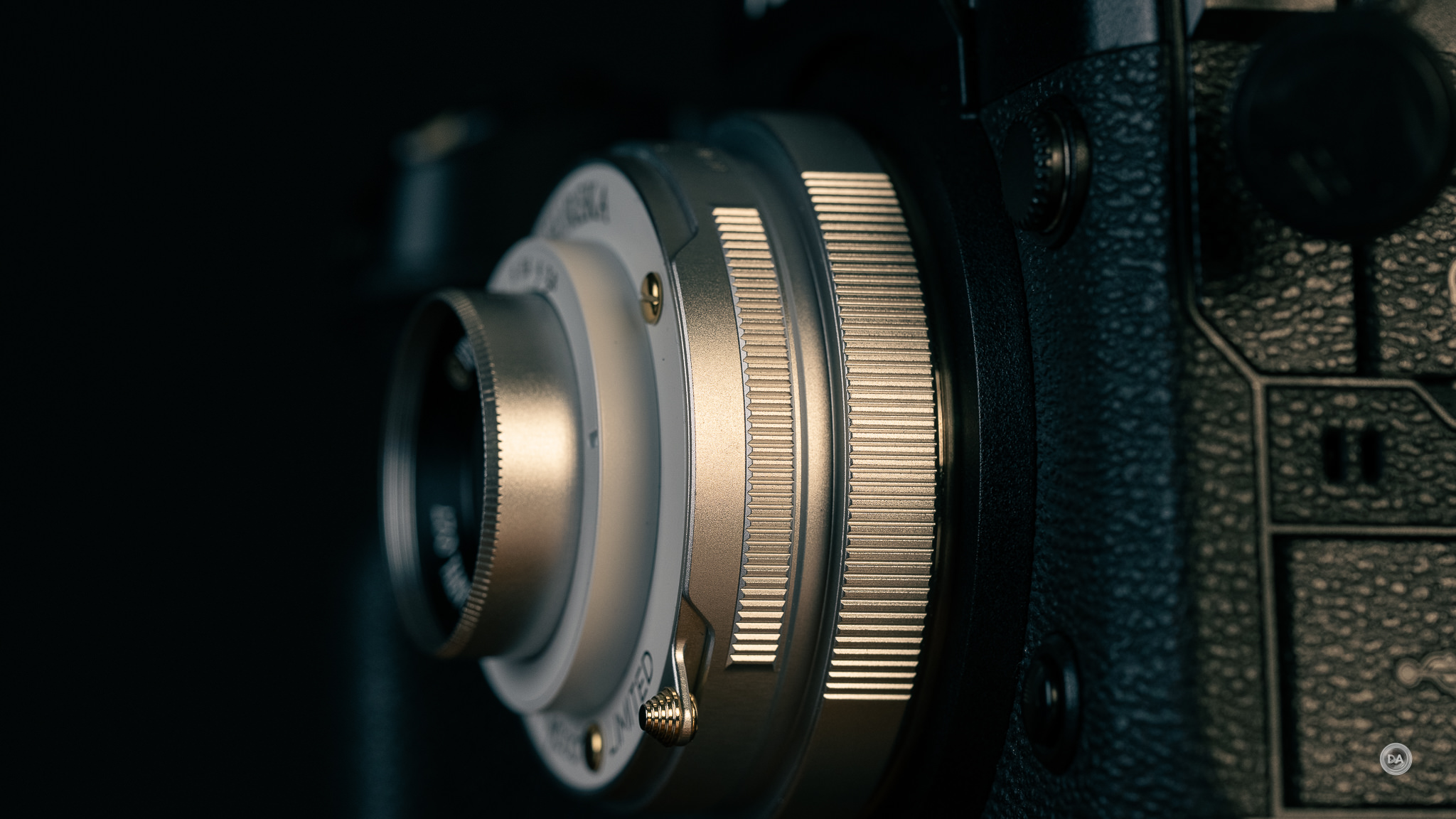
I measure the Fuji version at about 30mm in length (1.18″) with a diameter of 55mm (2.16″). On my scale, this version of the lens weighs 161g (5.67oz), and only weighs that much because of the quality, all-metal construction. It is extremely compact, but not near as flat at the M-mount version that doesn’t require the additional spacing.
For good and bad, Thypoch has chosen to give the lens a classic level of control, in which focus is handled by moving the brass lever at the front of the lens. On the plus side, the carefully machined brass nub looks very cool.
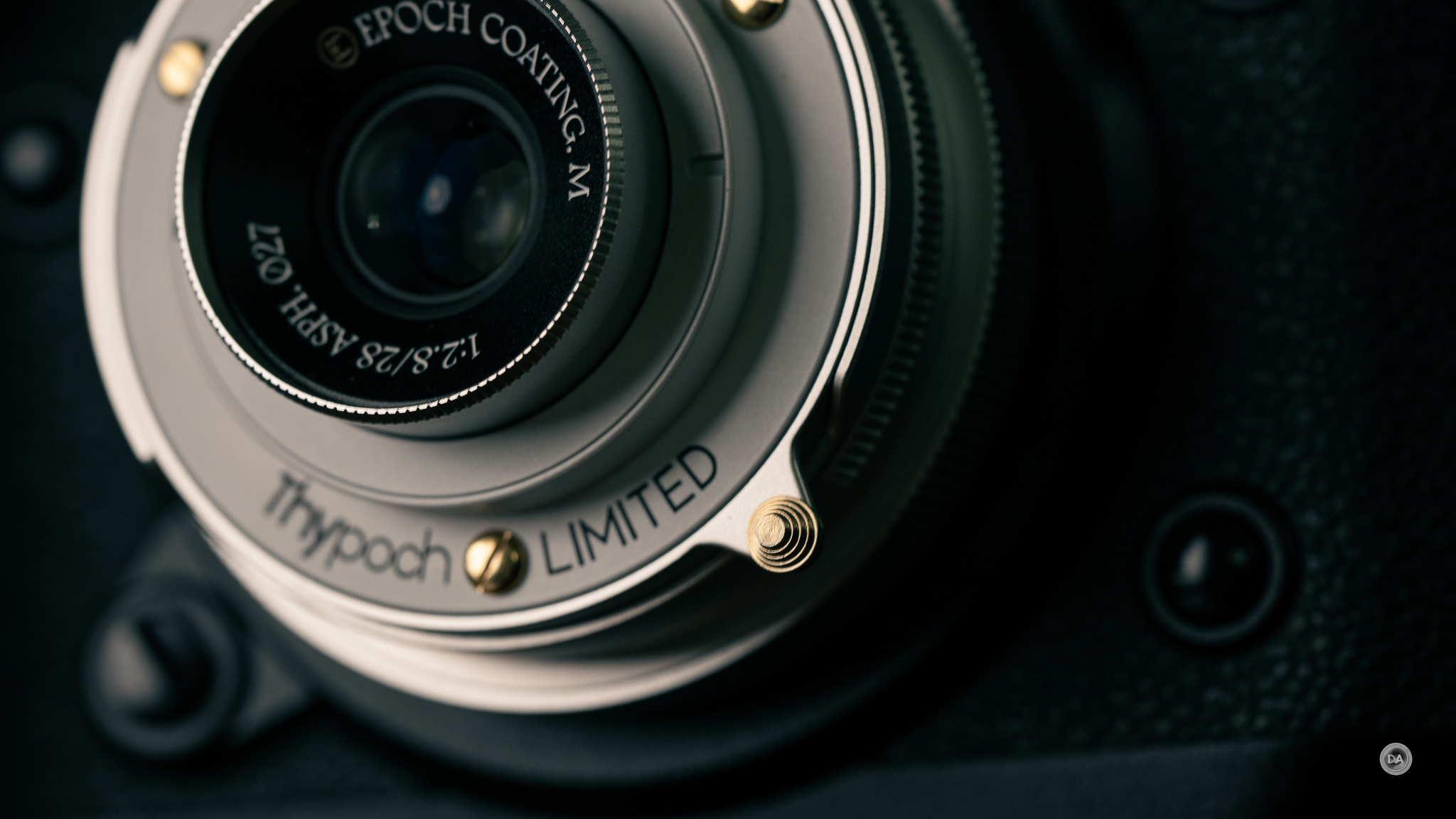
On the negative side, however, I don’t find the focus process nearly as intuitive as a ring. The control doesn’t fall to the hand as easily, and it isn’t as easy to do small, precise focus adjustments.
There is a distance scale that rotates in the cutout view from the top, while a hyper-distance scale is etched into the top of the lens if you want to do zone focus.
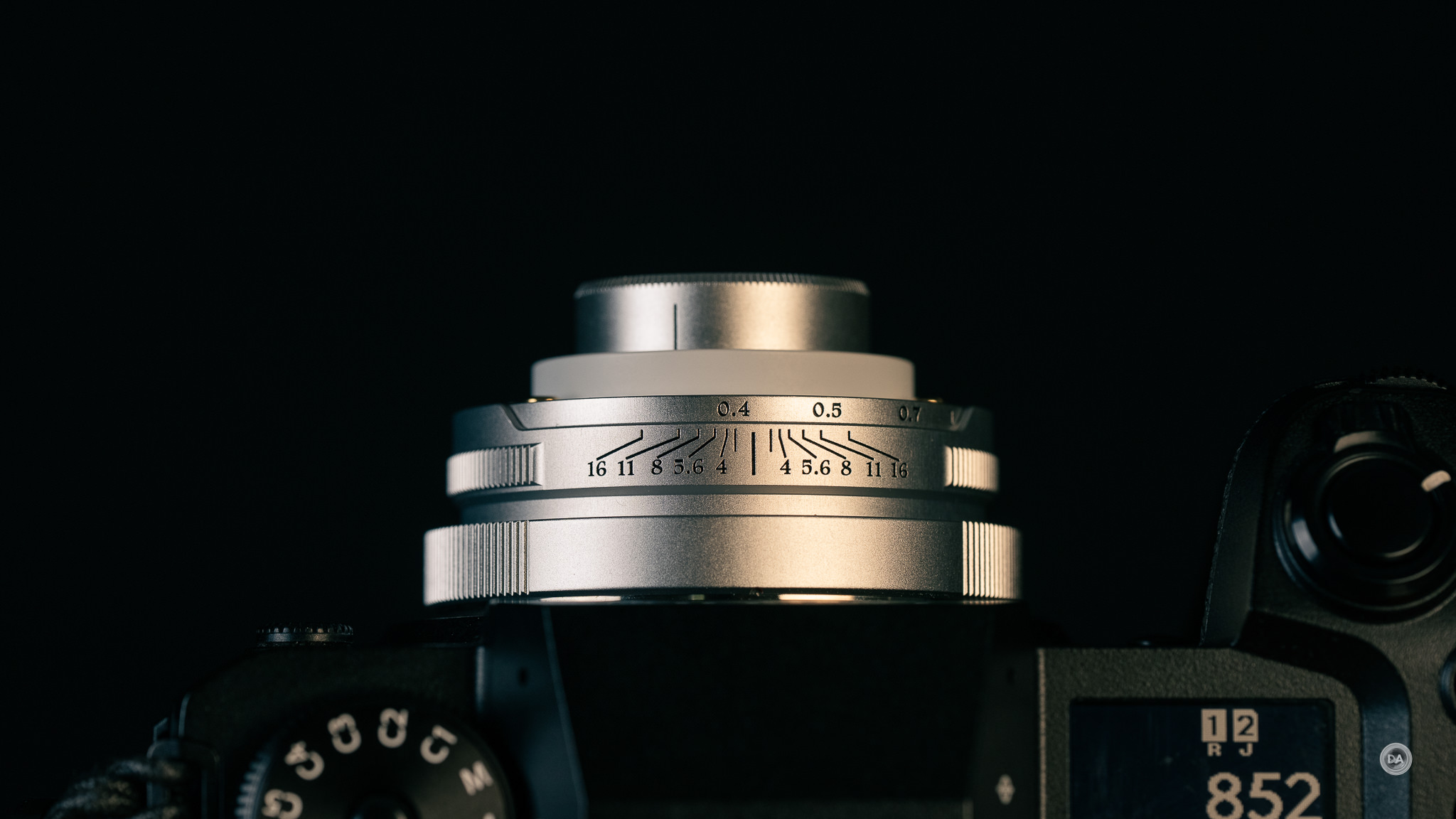
Aperture control is also unconventional. The farthest protrusion of the lens barrel is where aperture is controlled, and you have to reach around the lens and rotate that front section. The aperture markings face outwards, meaning that you can’t really see them unless you rotate the camera around to the front.
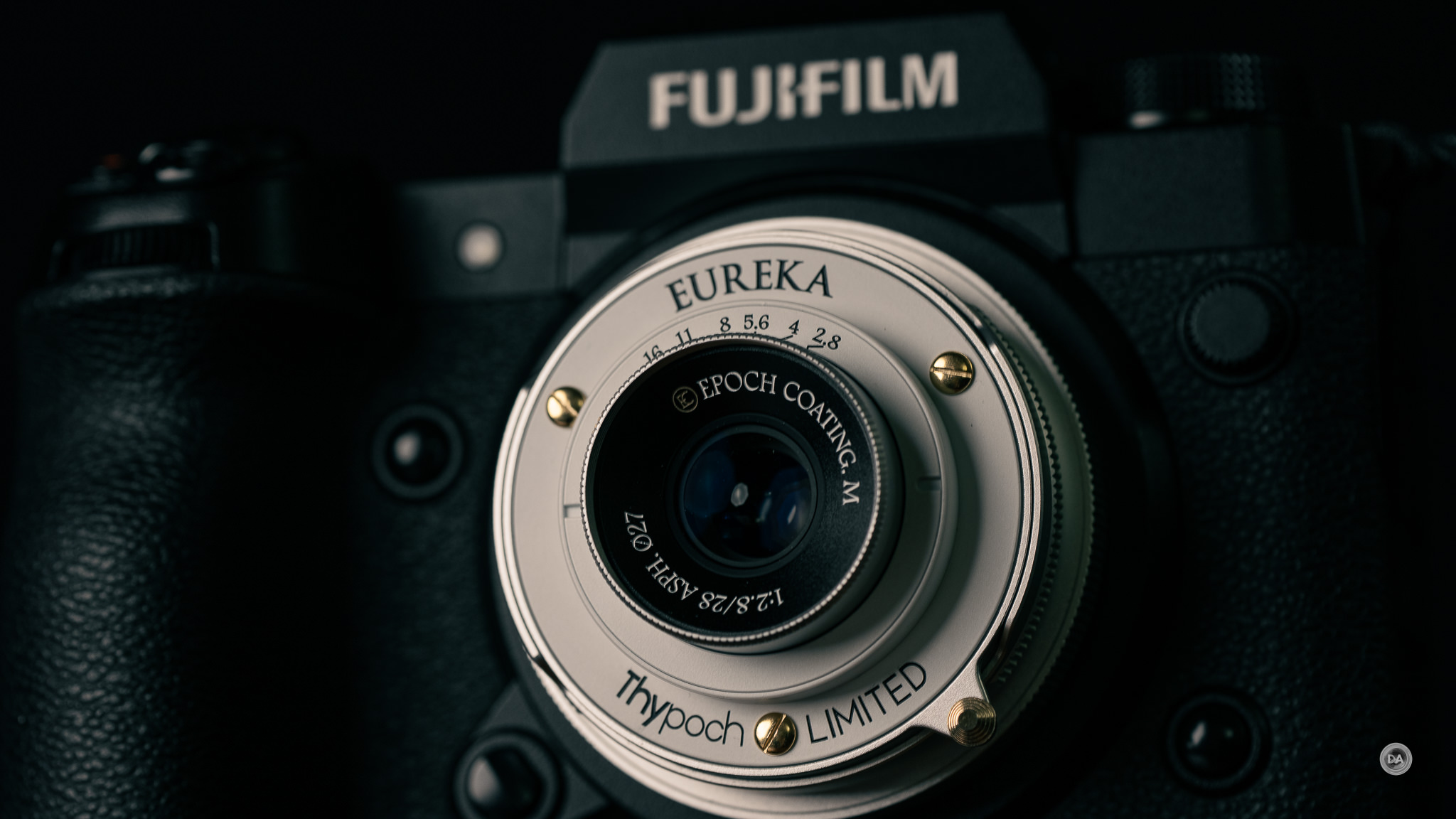
The aperture is declicked, so unfortunately that means that you can’t just control aperture by relying on the clicks to indicate aperture stop changes. The method of controlling the aperture is a little clunky, as the front of the barrel is fairly small and slim, so grabbing it isn’t as easy as just rotating a typical ring.
The iris itself has 8 aperture blades.
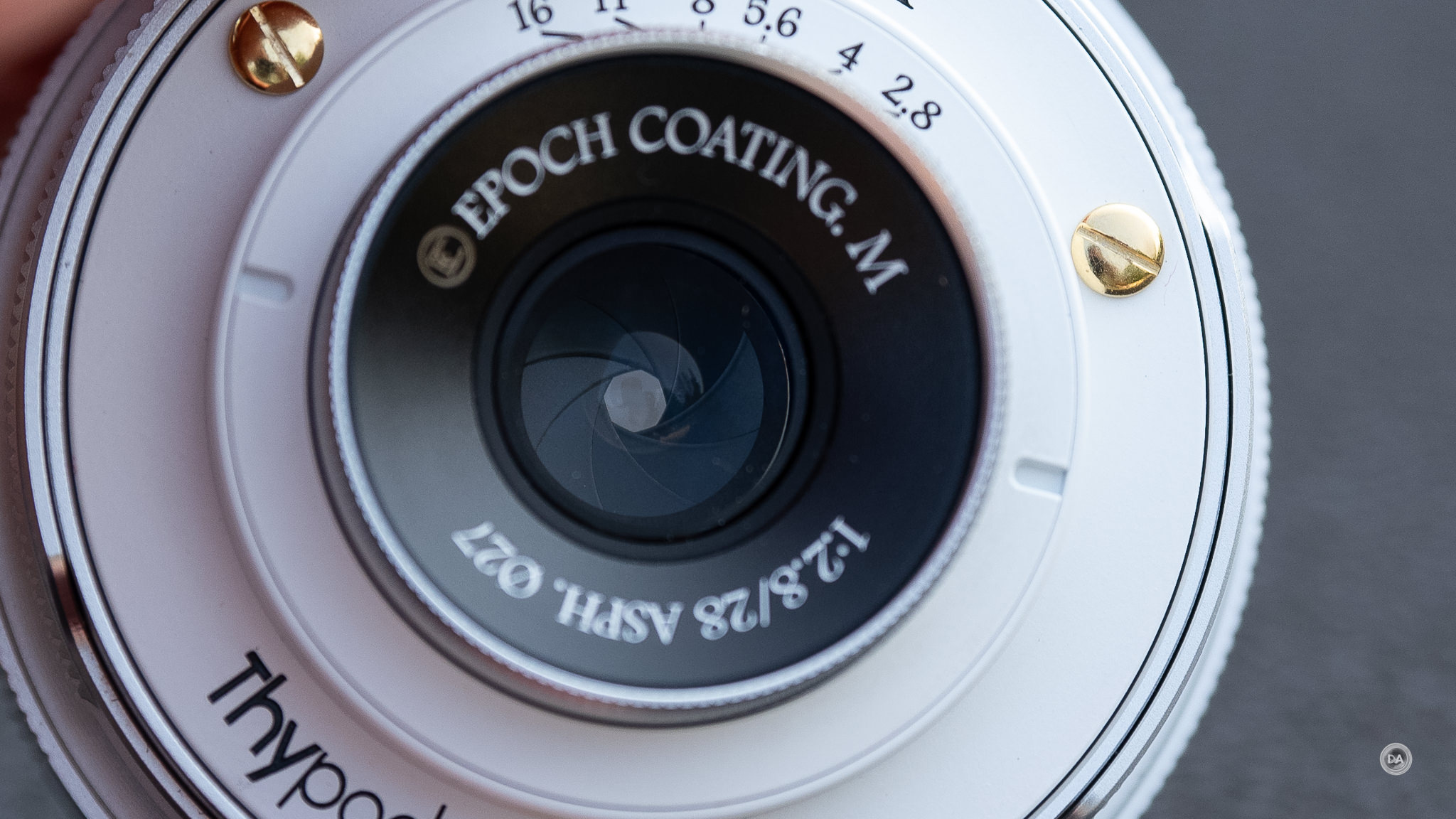
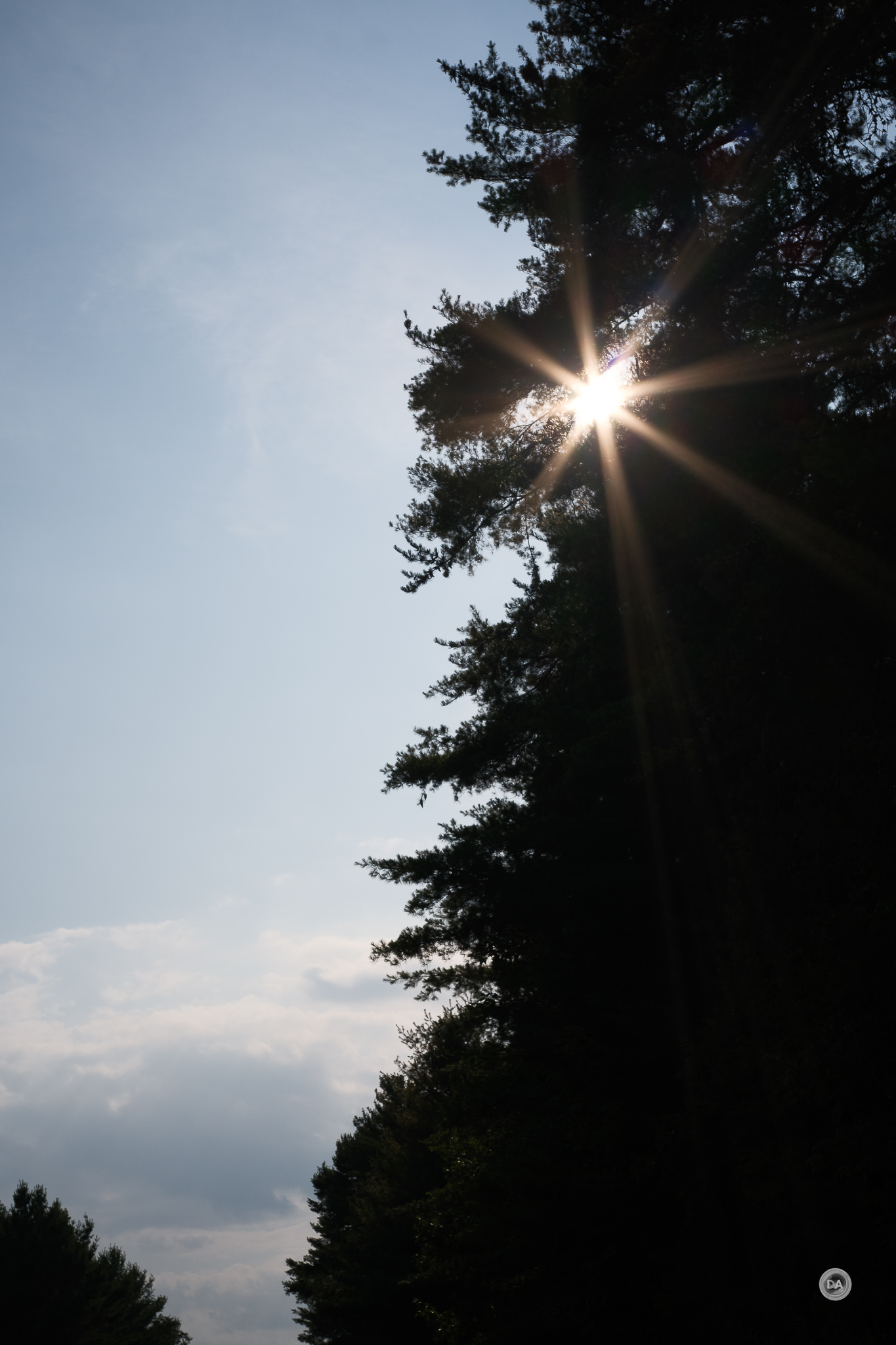
When stopped down, this will produce a fairly clean looking 8-pointed sunstar.
There is a very small front cap that slips over the front of the barrel.
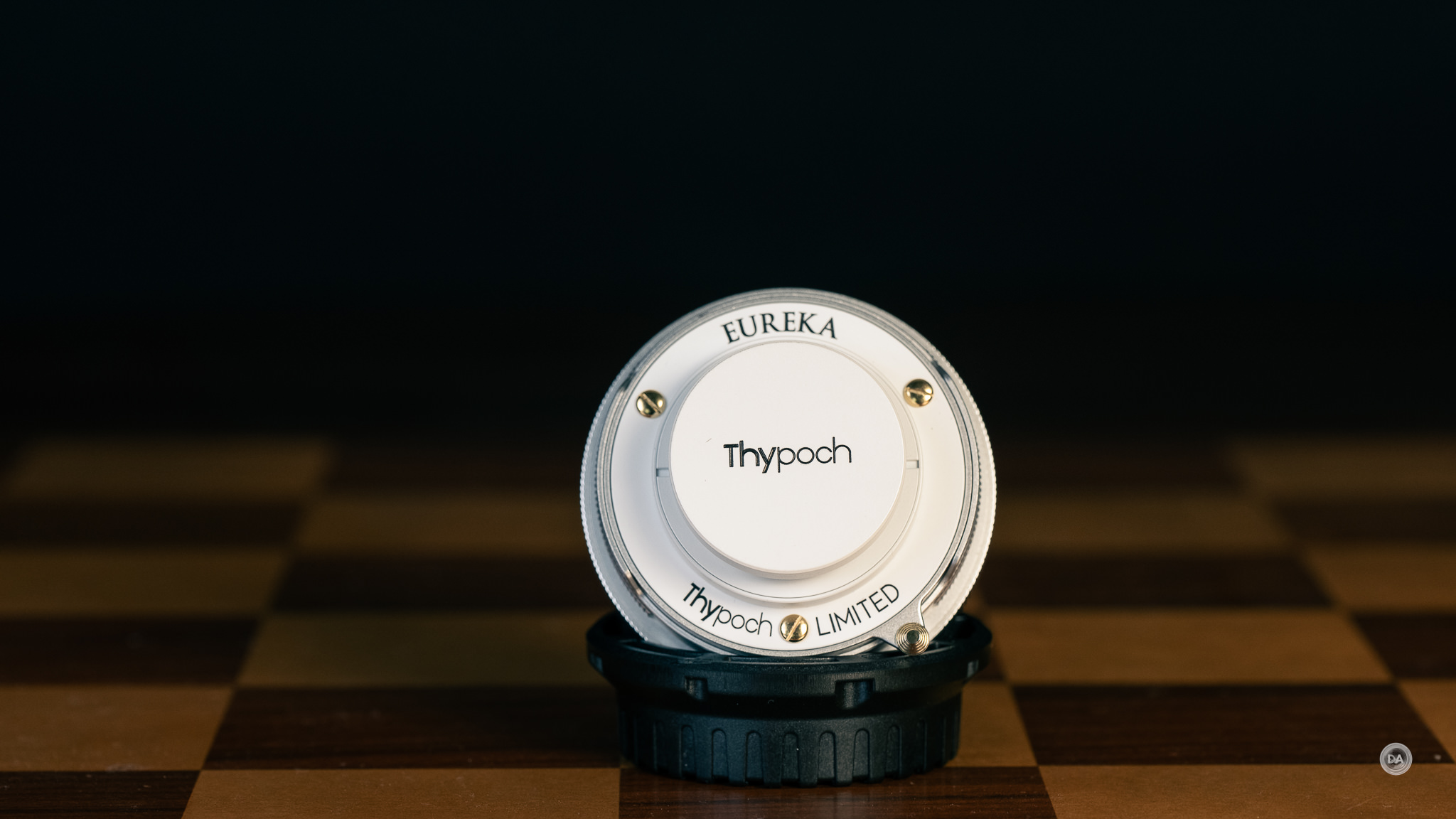
The rear of the lens looks great (like everything else), but there are no electronic contacts there. Fortunately on Fuji you can customize lens
Rangefinder lenses are rarely known for their close focus abilities, and while the Eureka 28mm can focus closer than some, it still has a minimum focus distance of 40cm, leading to a fairly low level of magnification. Here’s the maximum I can achieve on my test chart.

Up close performance is fairly good, however, with a flat plane of focus and decent detail and contrast. Here’s a look at a real world subject:
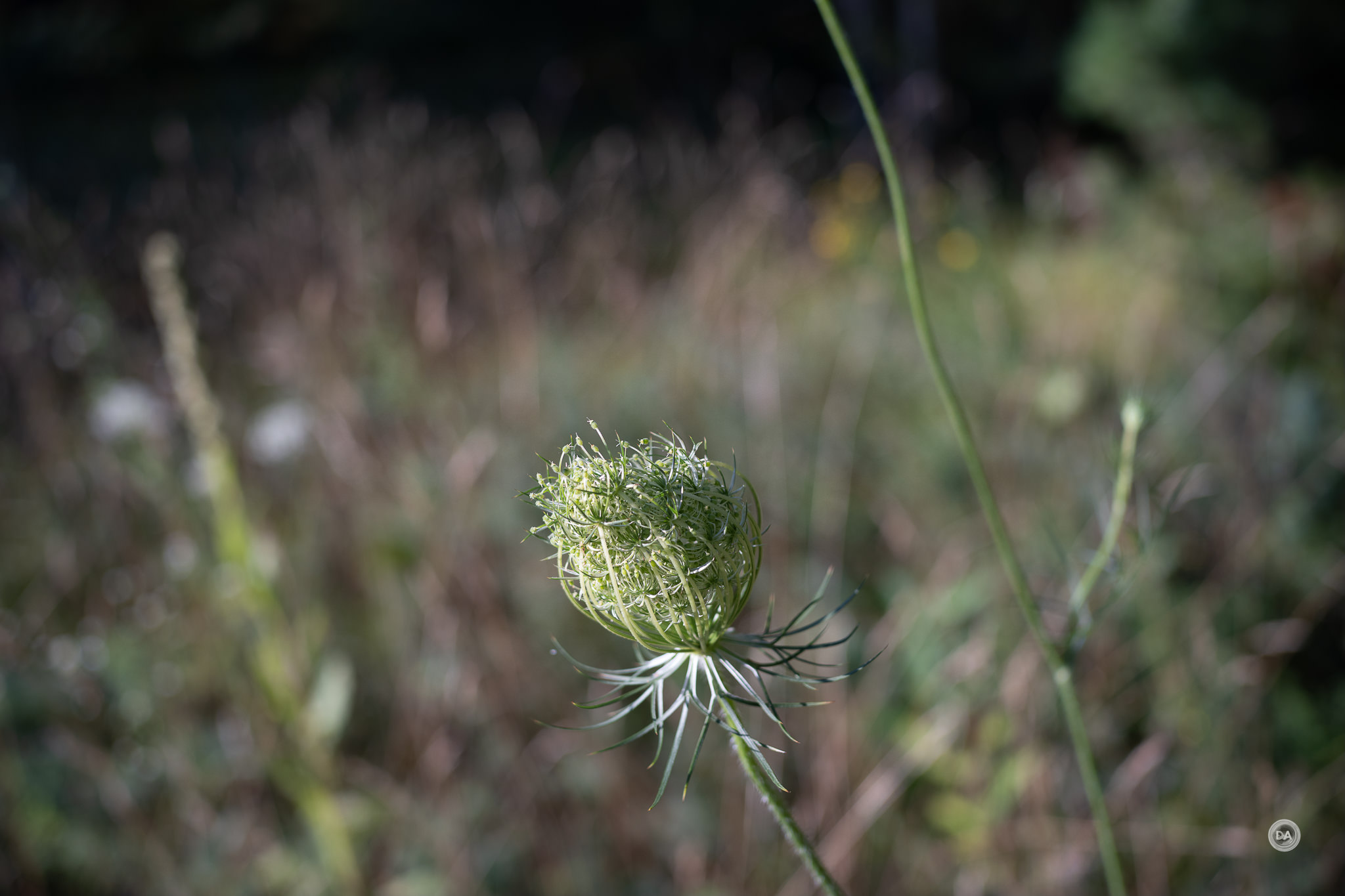
A crop shows that detail and contrast look pretty good, even at F2.8:
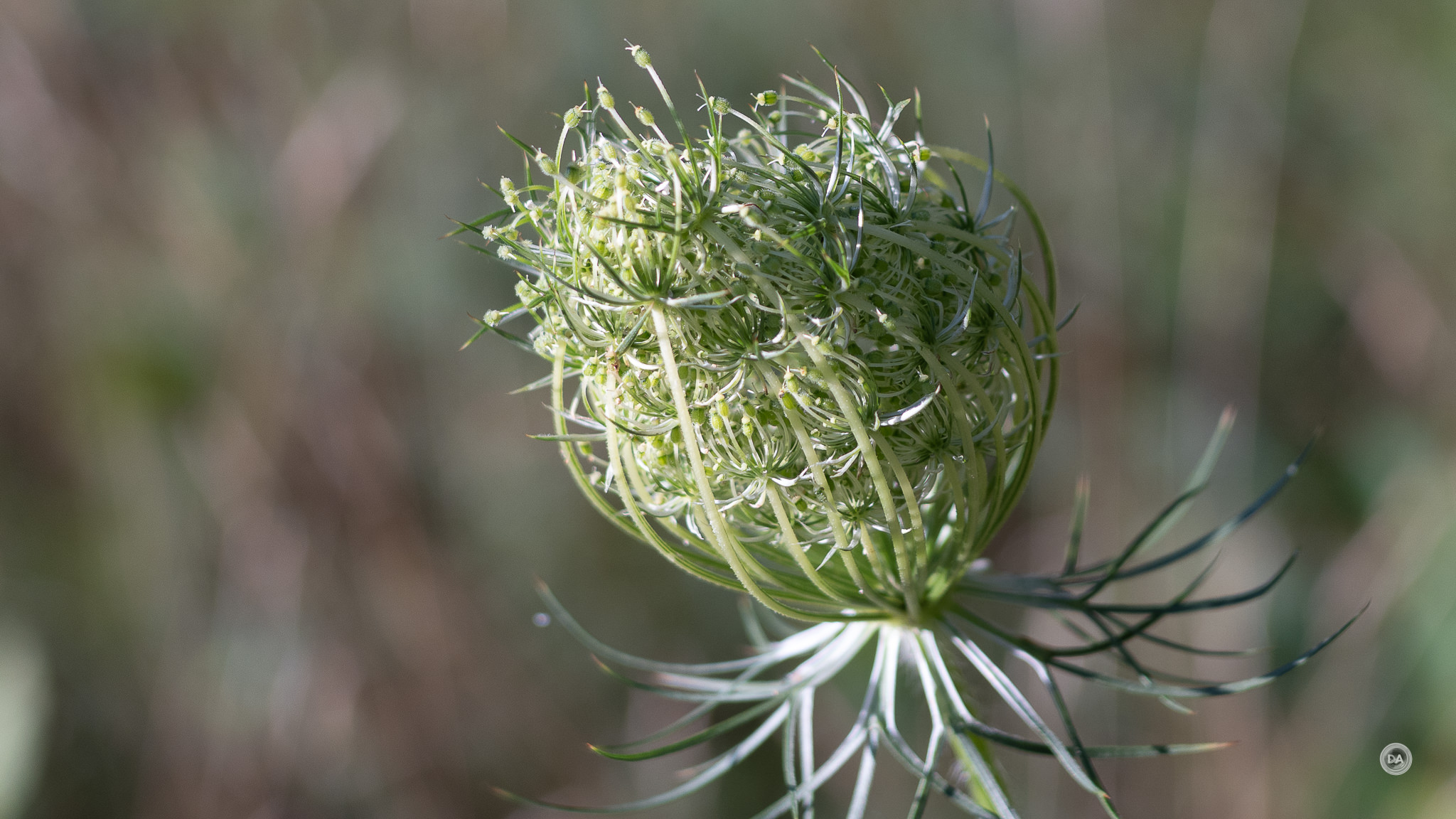
Lenses like this don’t come cheap, and the MSRP for the lens is $459 USD. It is a truly beautiful lens, but that style does come at some cost in both price and also some handling challenges.
Manual Focus Experience
information for manual focus lenses, allowing you to at least identify photos taken with the lens, and you can manually set the focal length for in-body-image-stabilization if your camera is so equipped. What you won’t get, however, is any kind of automatic manual focus aids or EXIF data being transmitted.
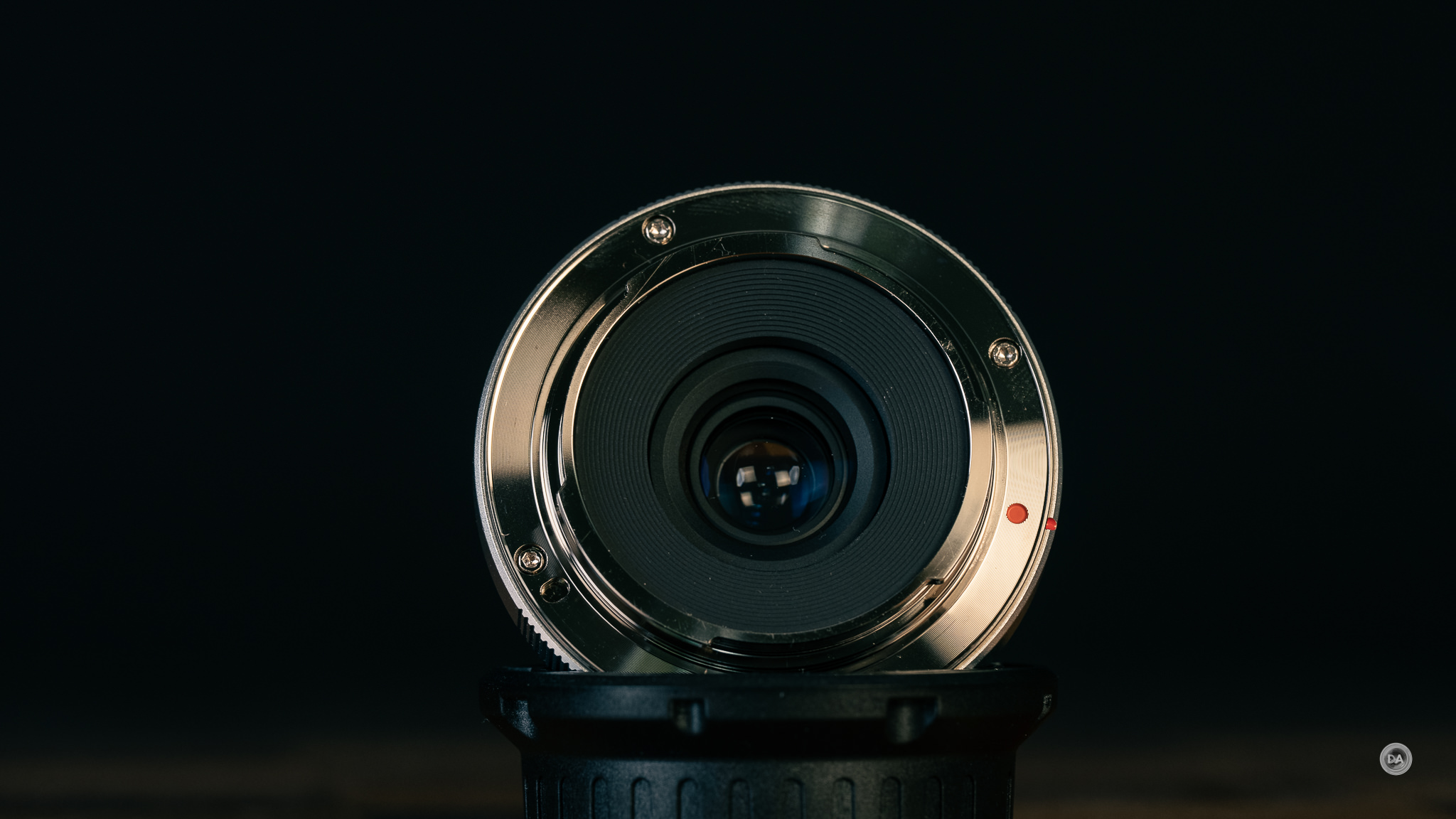
You can use manual focus aids like focus overlays and Fuji’s different split-prism options, but you will have to manually engage them. Likewise you can manually enlarge the image to visually confirm focus.
I primarily used the image magnification method, and was able to get accurately focused results, though I didn’t find the process as intuitive as I’d like to due to the unique focus method using the front lever.
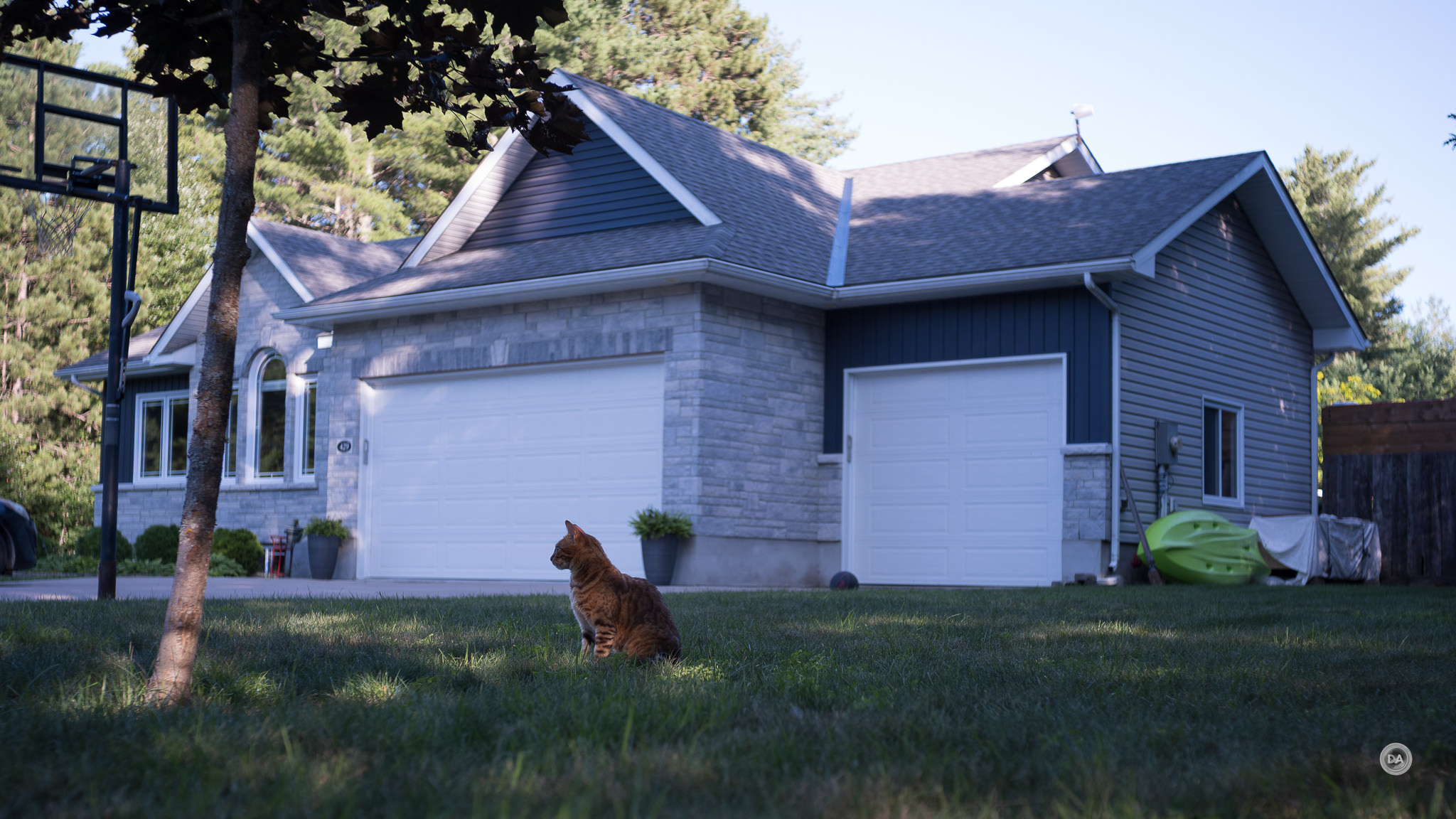
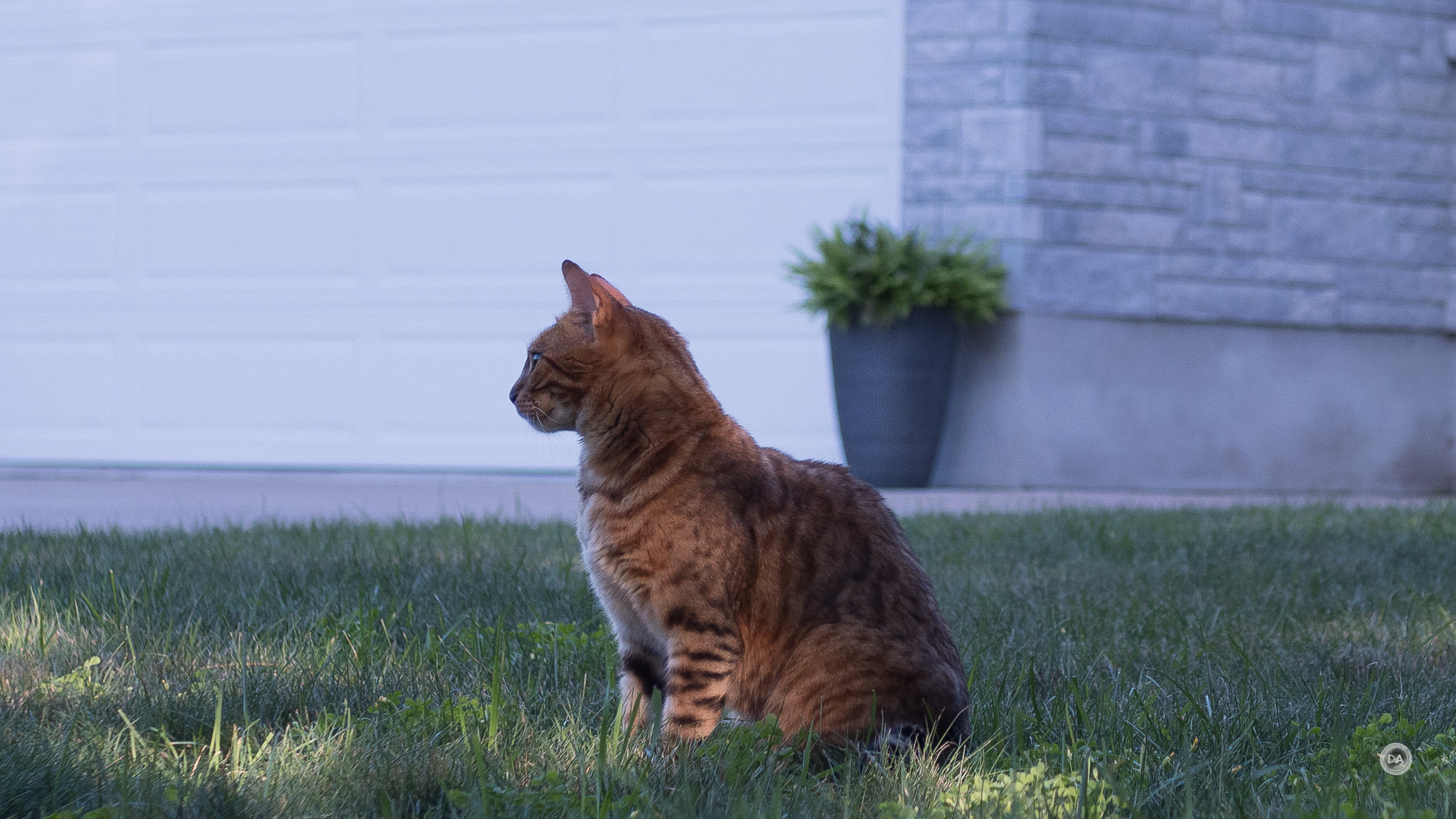
Those who love this type of lens have more tolerance for these things, however, and are willing to slow down their capture process in order to enjoy the organic nature of using manual focus lenses.
Thypoch Eureka 28mm F2.8 Image Quality
The Eureka 28mm sports a fairly simple optical design of 7 elements in 3 groups. This includes 3 HR (high refractive index) elementa and one DPGM high-precision aspherical element. The MTF chart shows a broad range of performance across the frame at F2.8, with very strong center performance but a steady decline out to the corners, which chart to be fairly soft.
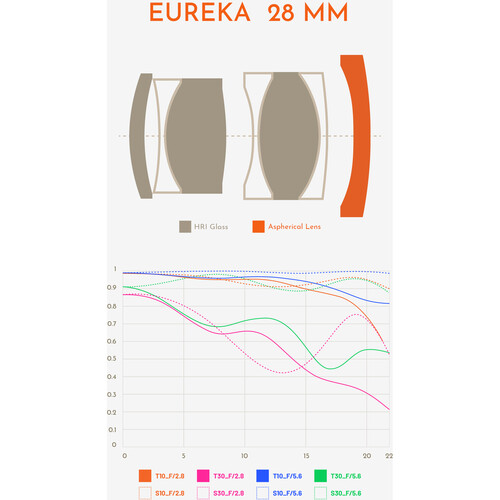
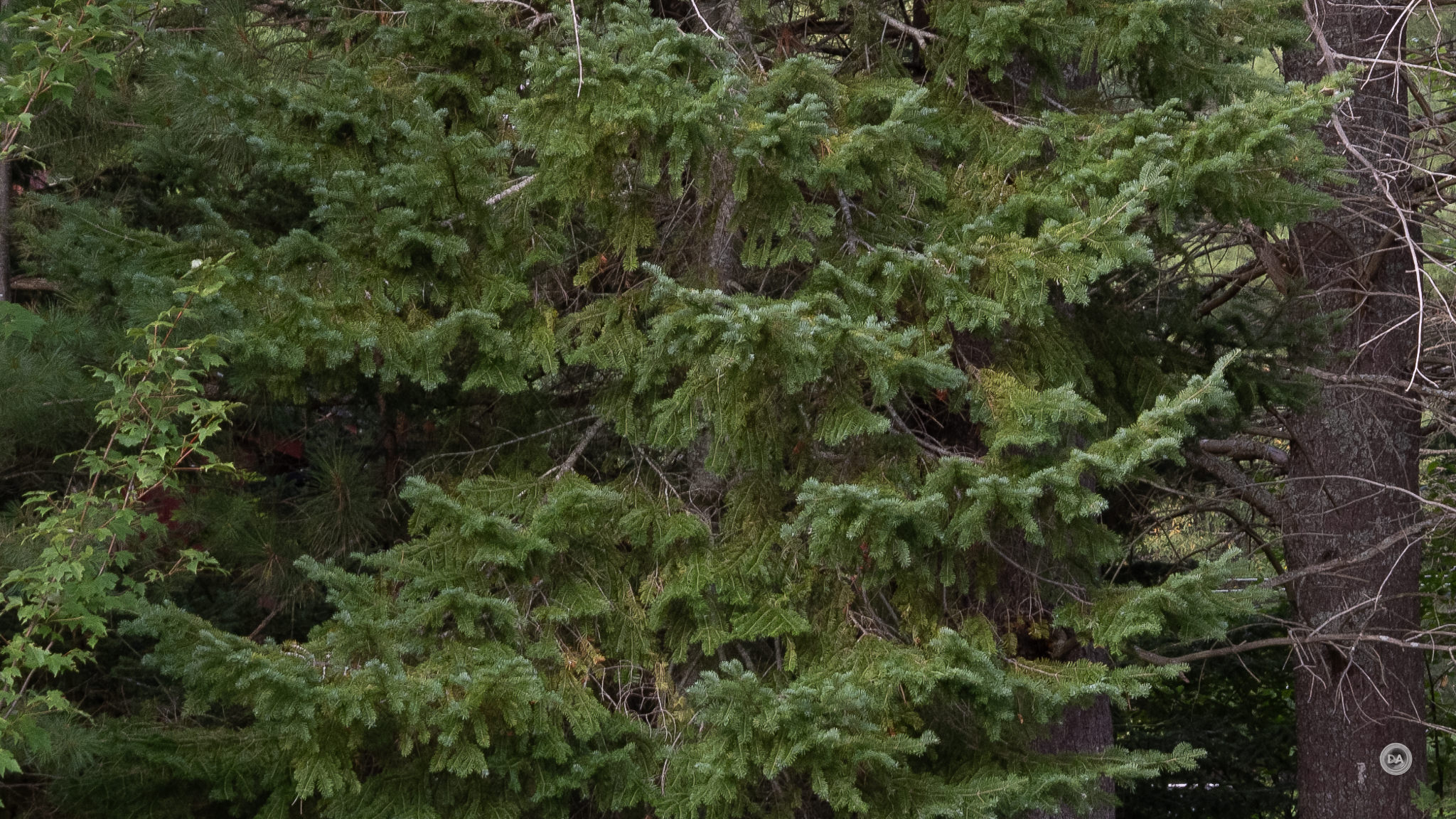
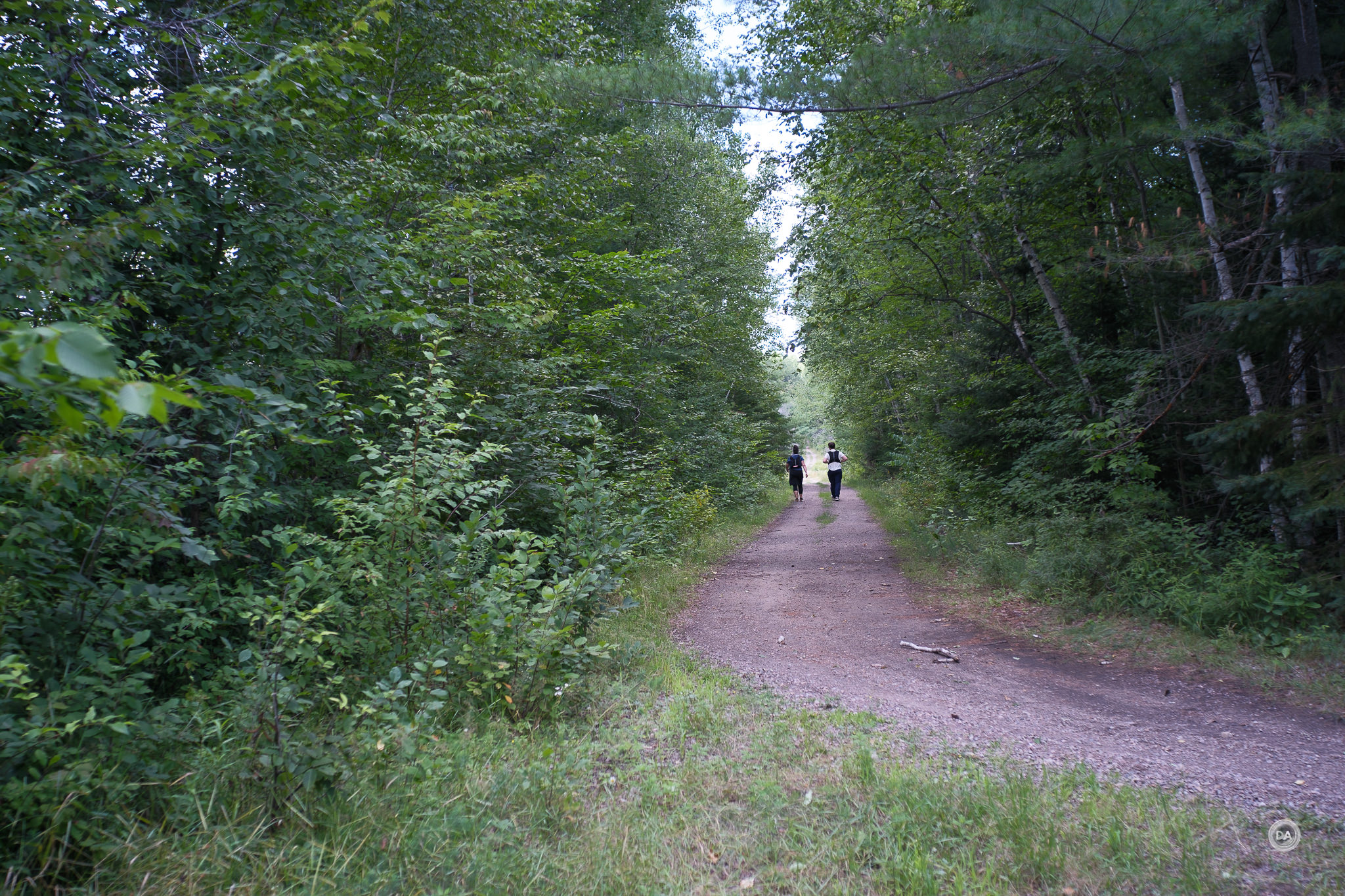
The MTF looks good in the center, only okay in the midframe, and fairly weak in the corners. Testing it on the extremely demanding Fujifilm 40MP X-Trans sensor definitely puts it to the test. This seems to be a lens that is optimized for a certain focus distance. I found that I was rarely impressed by sharpness and clarity at infinity/landscape distances:
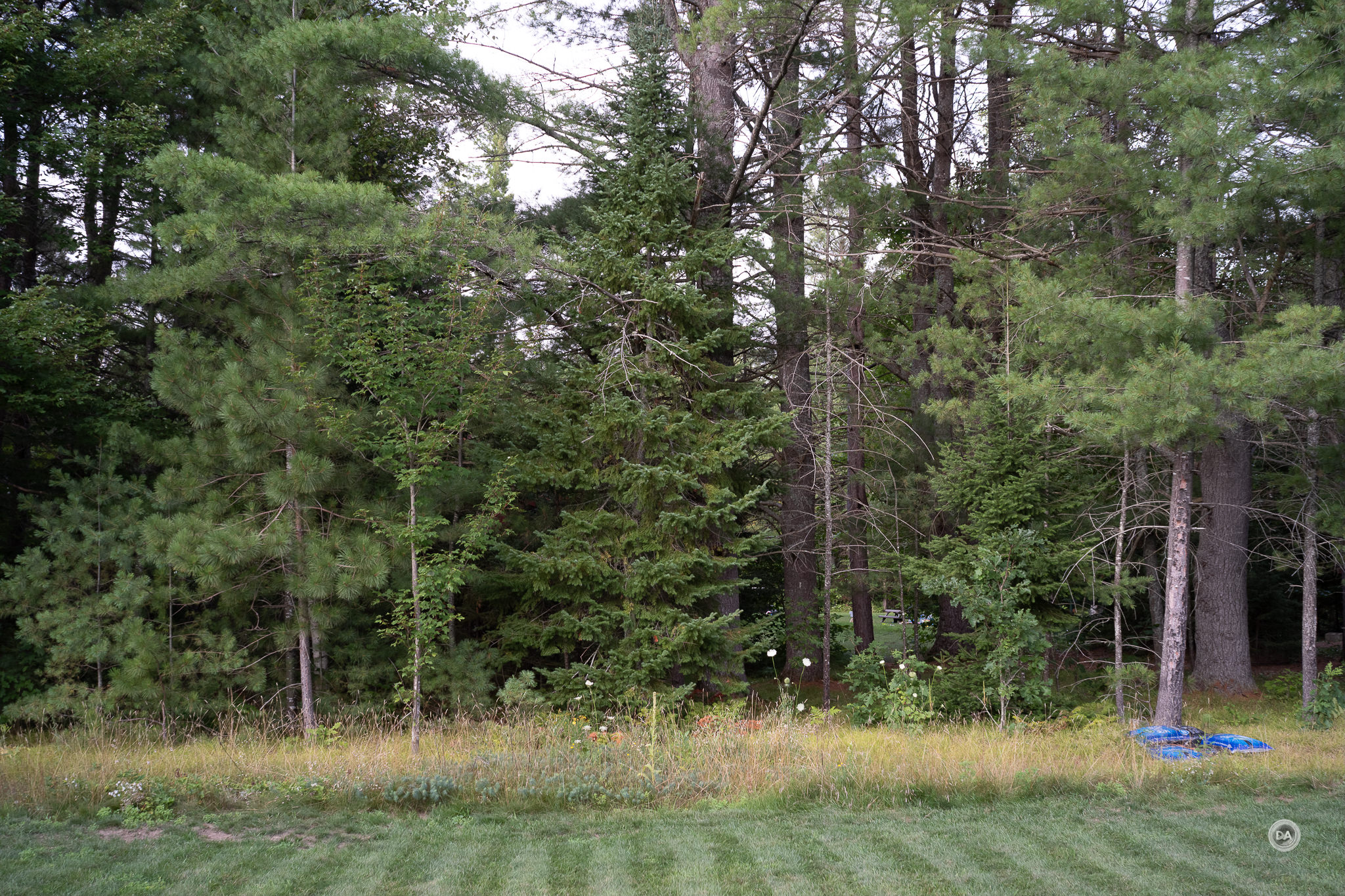
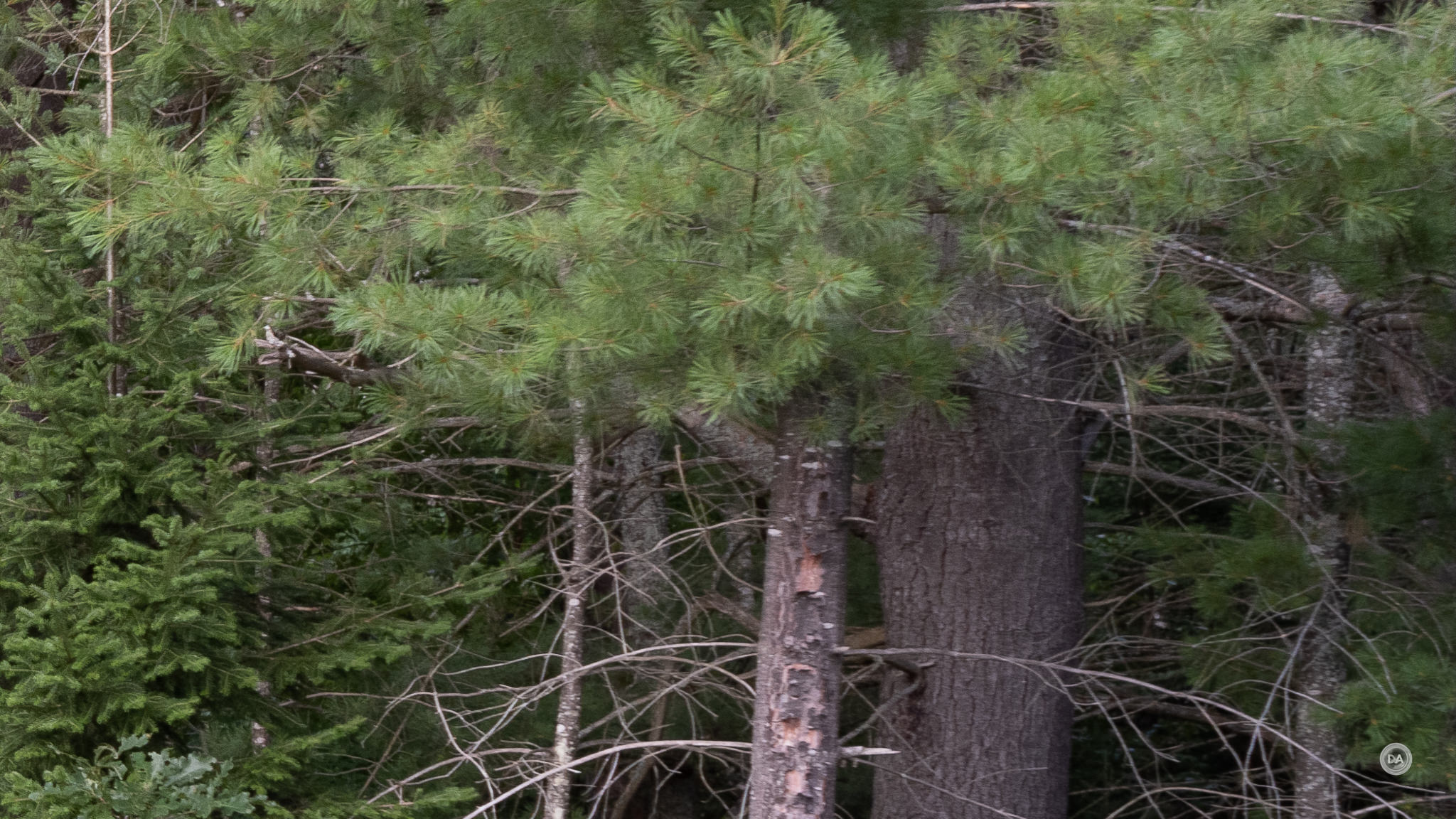
But this shot, taken just a minute afterward and at closer distances, shows excellent sharpness and contrast.
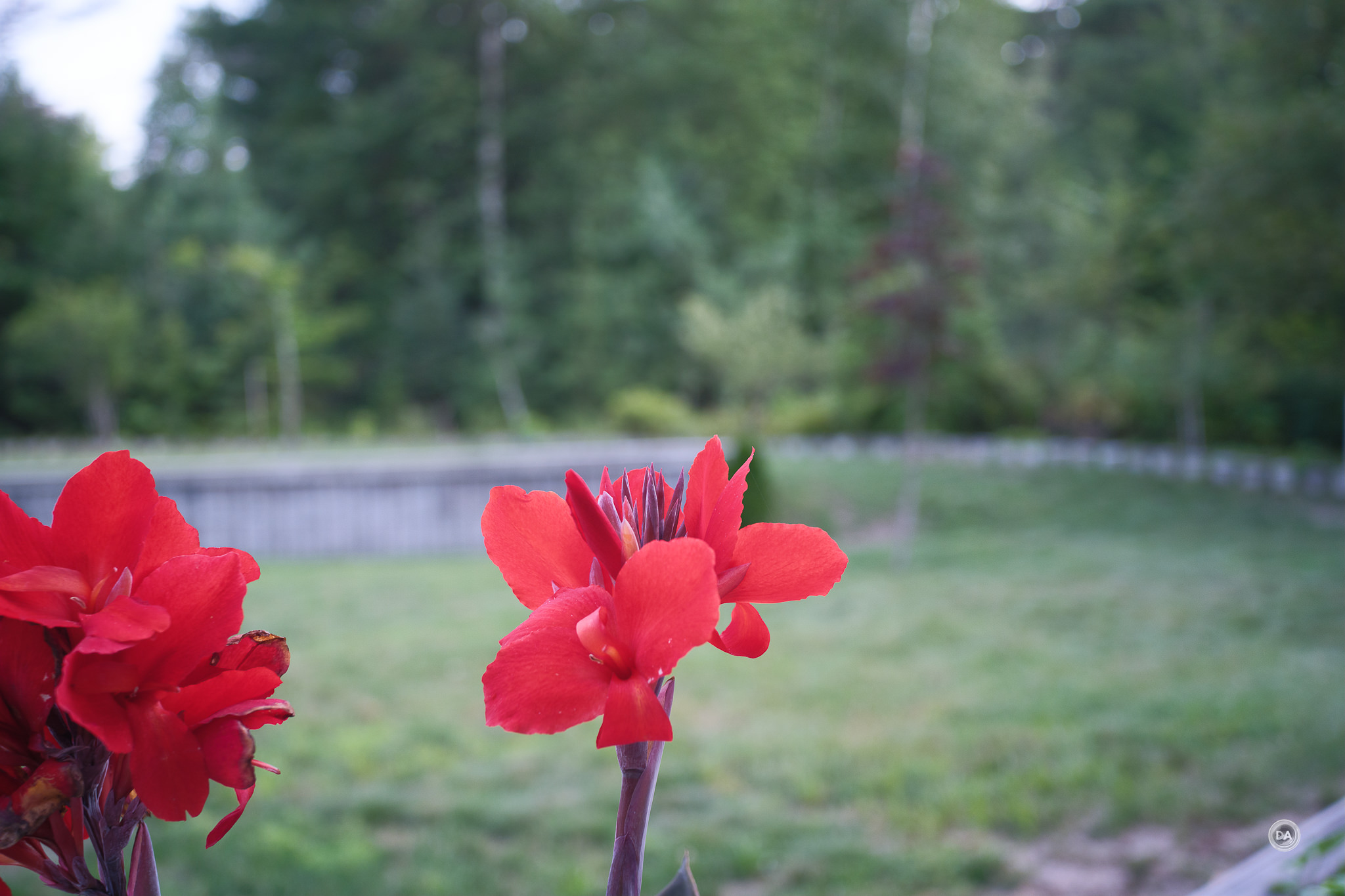
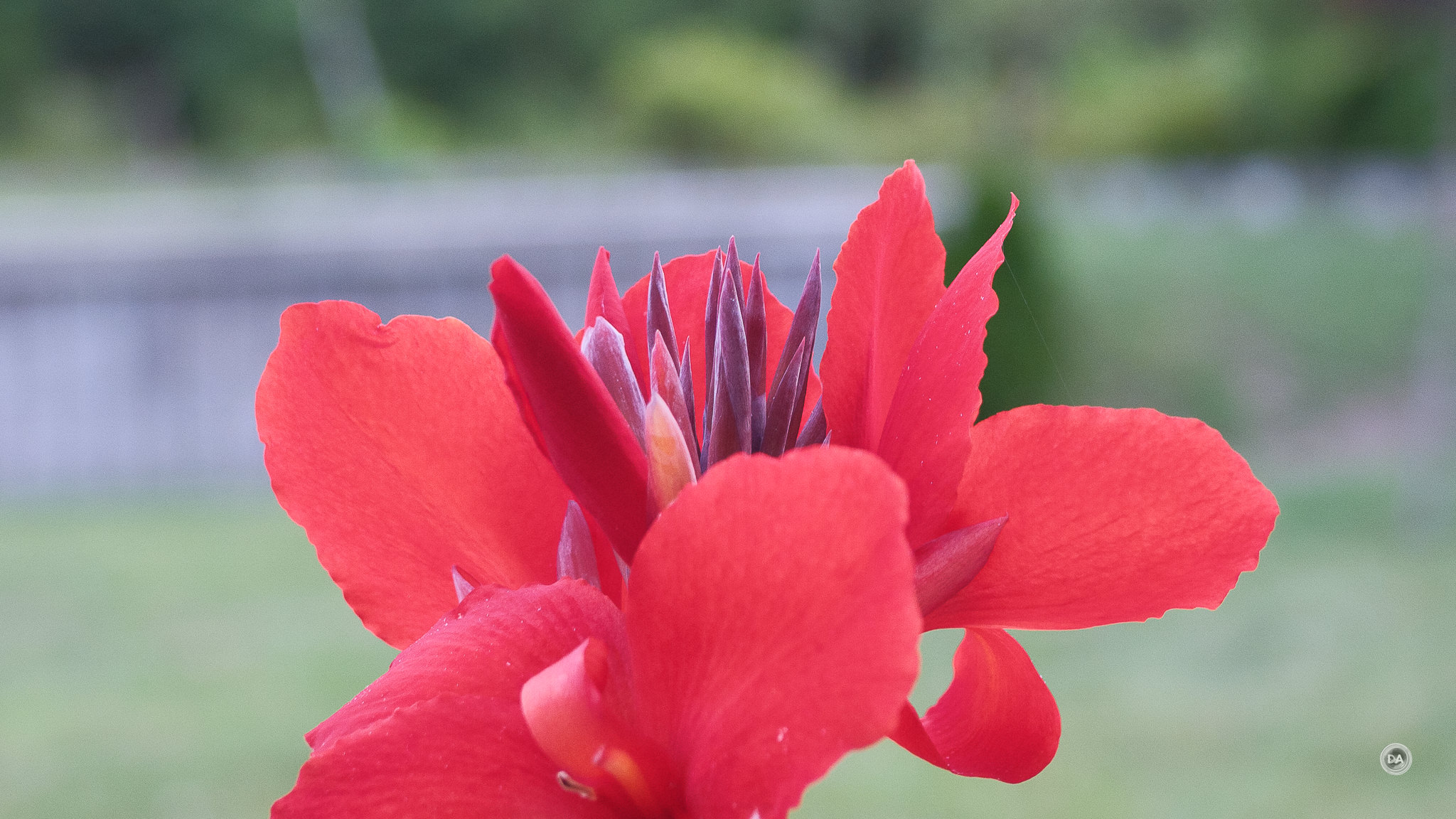
We’ll take a look at other aspects of performance, but first I’ll give a clarification for the eagle-eyed among you. Lightroom will show the proper focal length and lens name because I manually edited that in my X-H2, but it doesn’t communicate lens-specific data like aperture. Aperture shows up consistently as F1.0 here, but obviously that is not correct.
There is basically no distortion and only a moderate amount of vignette, which surprised me, though as happens at times, there is some color variation where the vignette has been corrected.
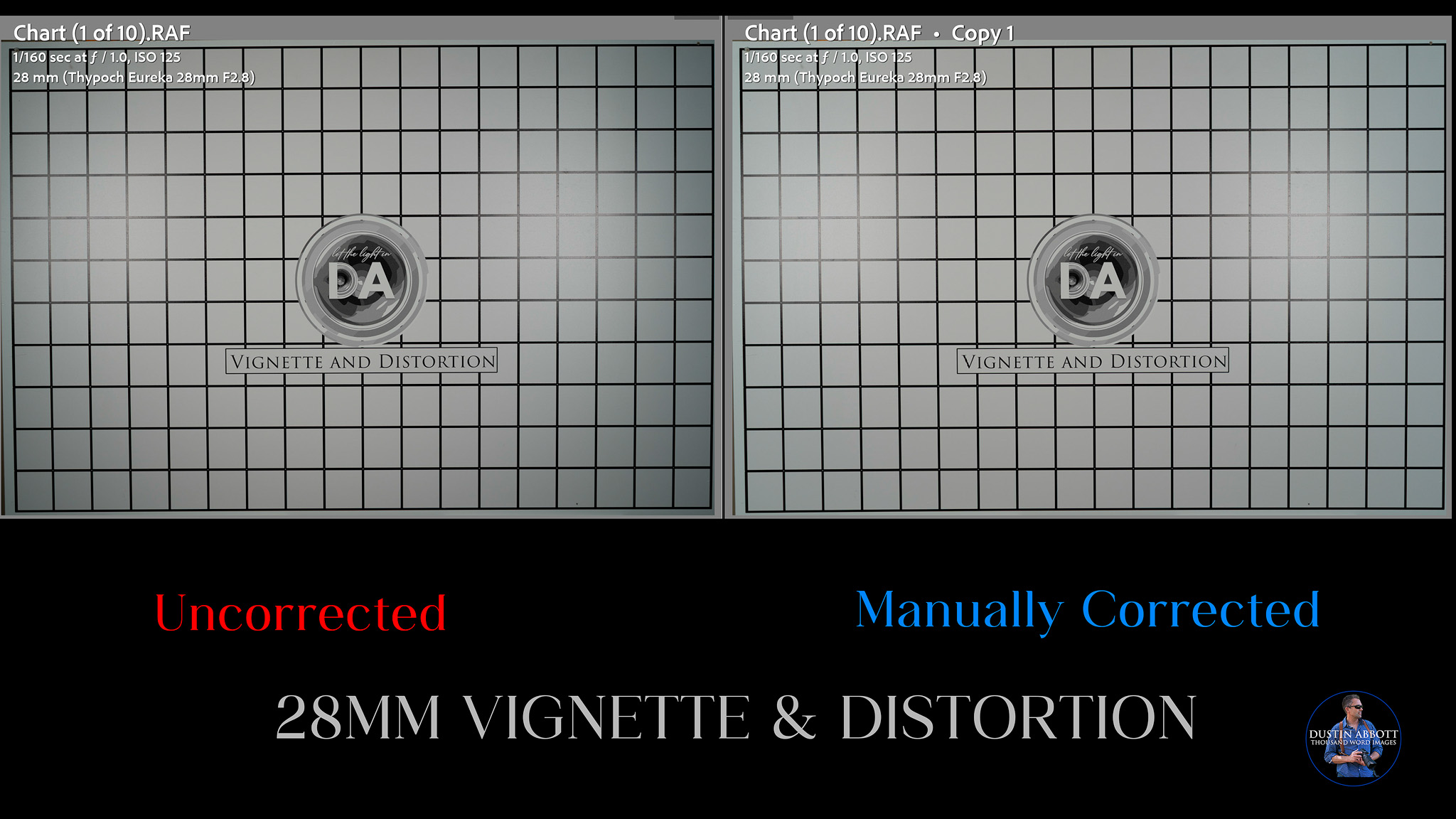
There is some barrel distortion, but I needed just a +6 to correct it, so nothing extreme. I used a +50 to correct the vignette, which is less than two stops in the corners. This is a really good result overall for such a tiny little lens. I don’t see either being an issue in real world shots. The image below (at F2.8) is uncorrected.

Longitudinal Chromatic Aberrations, or LoCA, manifests as fringing before and after the plane of focus. I was pleasantly surprised to find that Thypoch has actually done a very nice job in this area, as the tiny Eureka 28mm actually shows very little fringing.
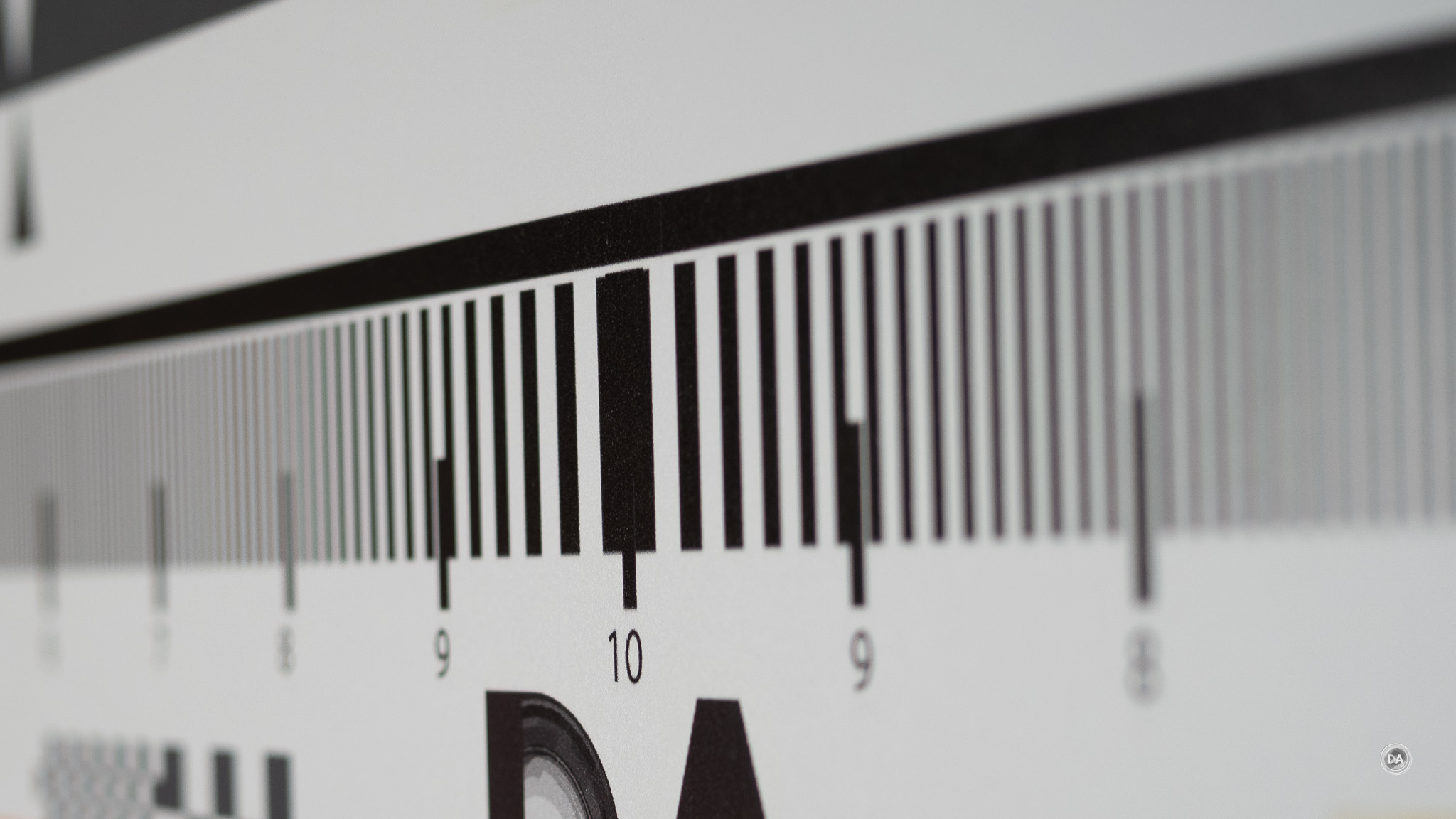
I saw this not only on the test chart, as above, but also with real world subjects.
Lateral Chromatic Aberrations (LaCA) show up as fringing around contrast transitions near the edge of the frame. There is a very minimal amount of LaCA here.
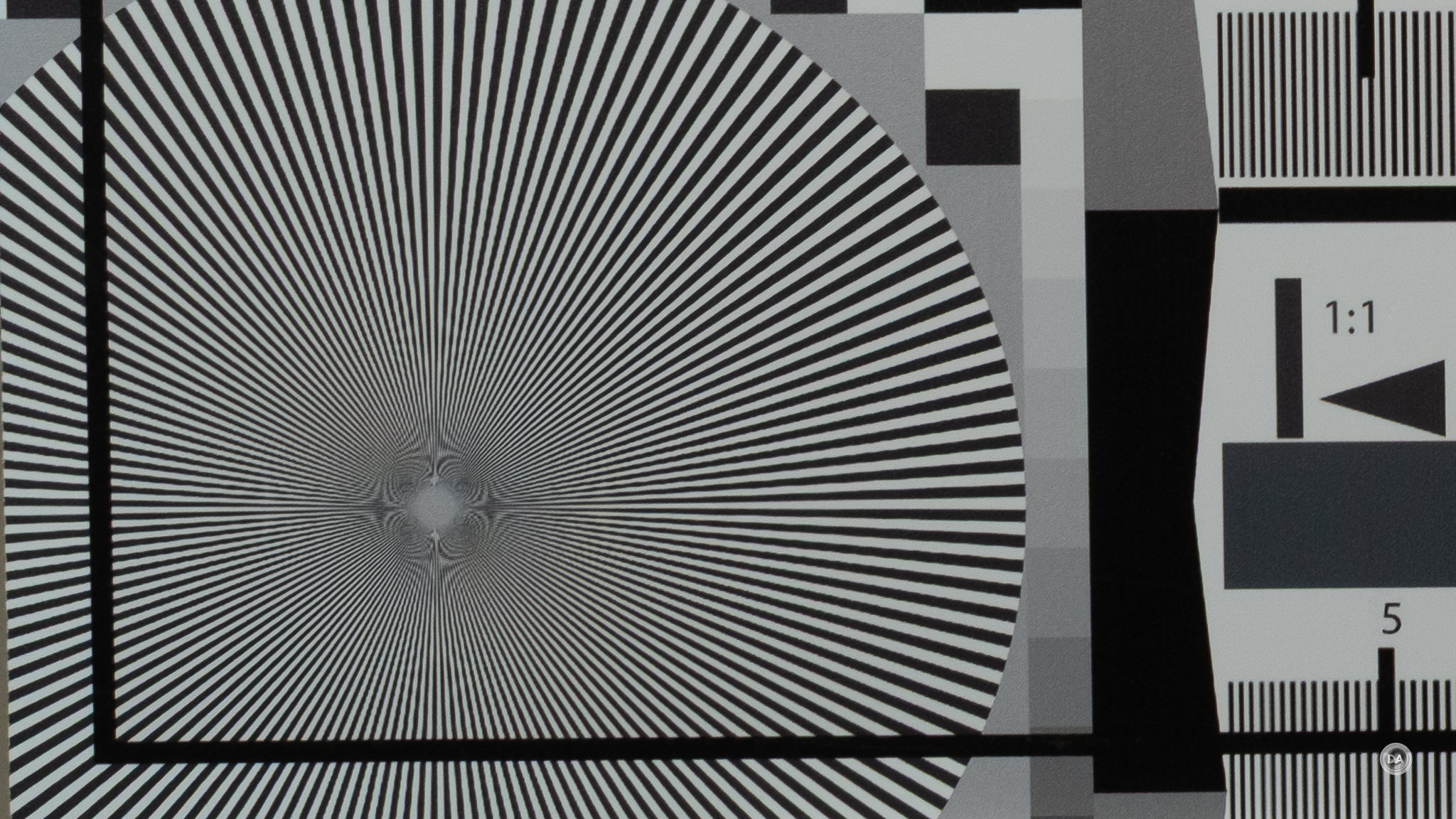
Fringing is a surprisingly well controlled area of optical design here.
So how about resolution and contrast? These results are shot on the Fujifilm X-H2 (40MP) and the crops are shown at roughly 200% magnification level. Here’s a look at the test chart that the crops are taken from.
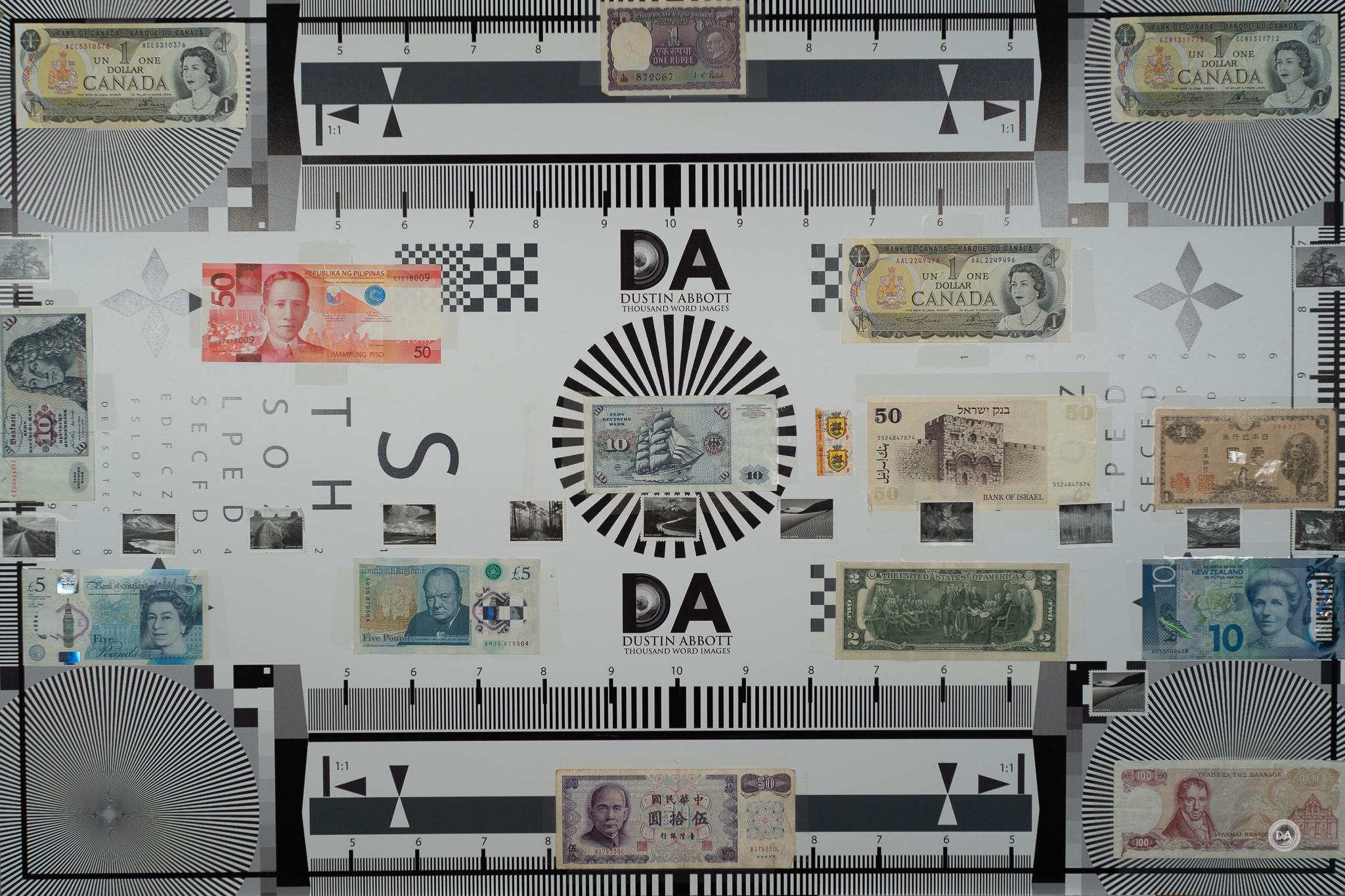
If we zoom in and look at the 200% crops at F2.8 from the center, mid-frame, and lower right, we discover that sharpness and contrast are good in the center, fairly good in the midframe, and softer in the corners.



In many cases I found that wide open sharpness looked pretty good, certainly sufficient to give nice looking results.

The low levels of fringing contribute to very clear and definite edges to subjects, without bleeding or blooming.

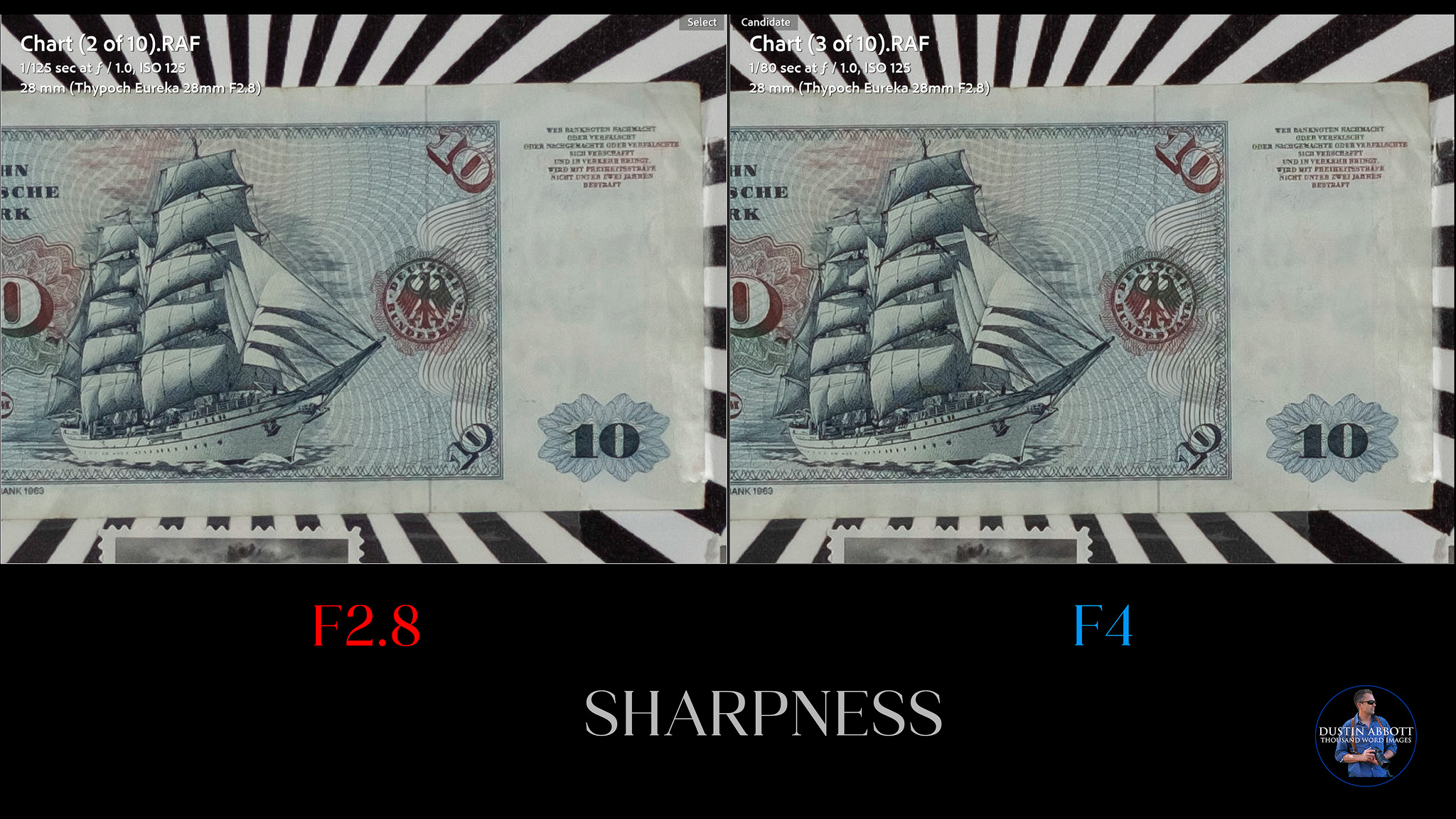
Stopping down to F4 does increase contrast in the center of the frame:
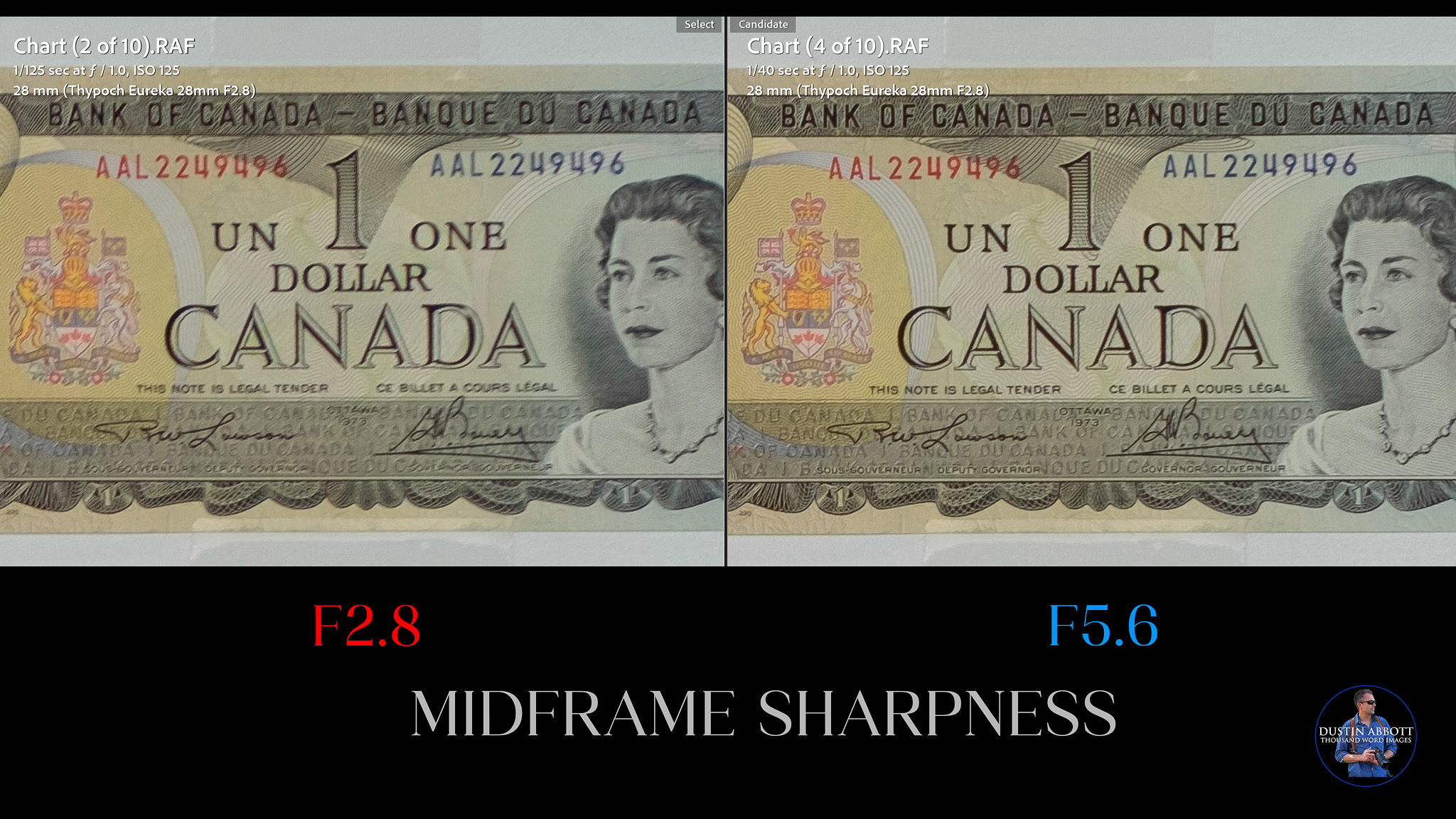
By F5.6, the midframe results are better but still not exceptional.
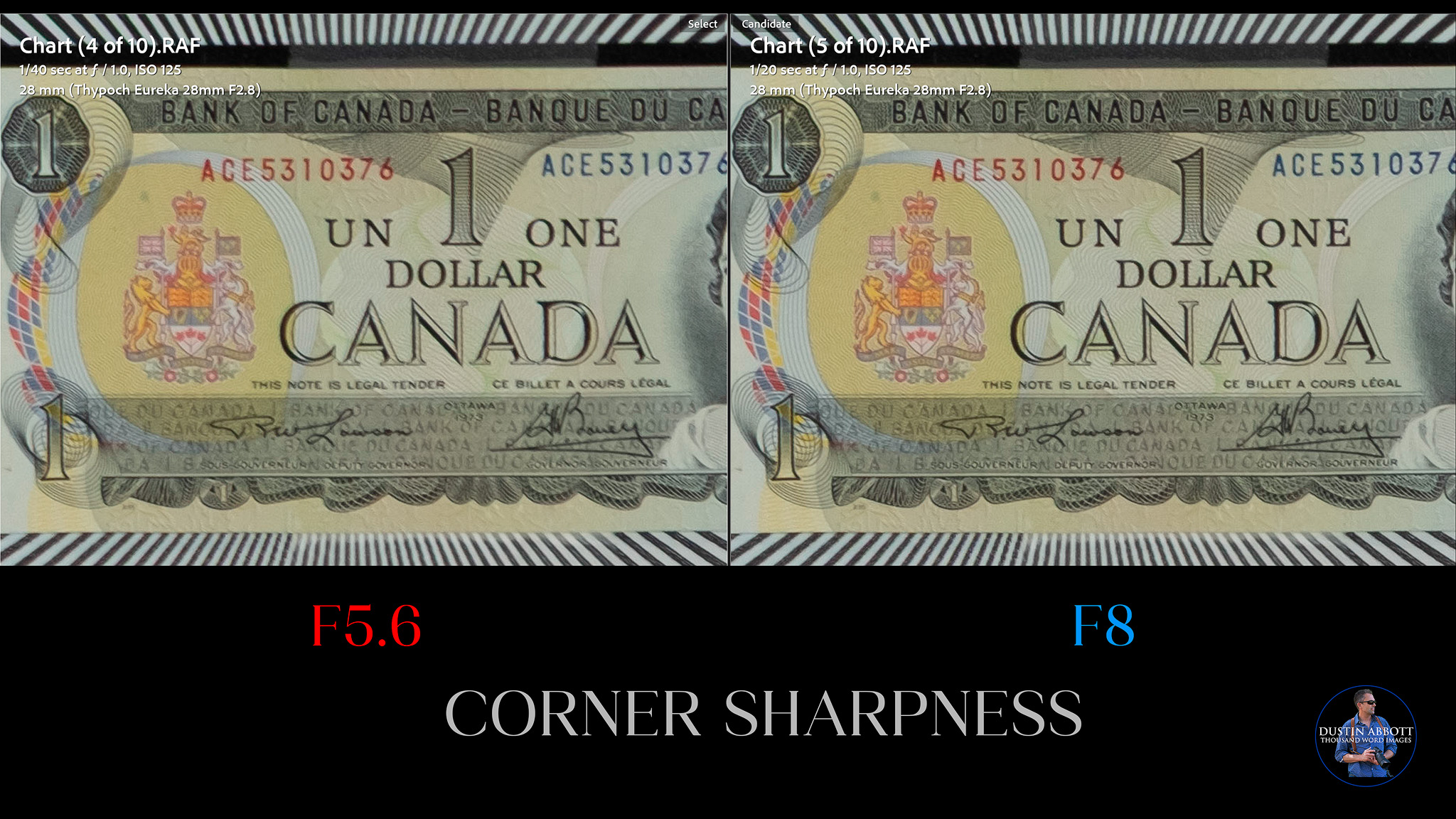
I found that corner sharpness peaked at F8, showing slightly better contrast and detail than an F5.6.
Diffraction is an unfortunate reality on higher resolution cameras, so you will see a faint softening by F11 and a more obvious softening by the minimum aperture of F16. I do find that the further optical gains made as the lens is stopped down means that the loss at F11 is minimal, though a bit more obvious by F16.
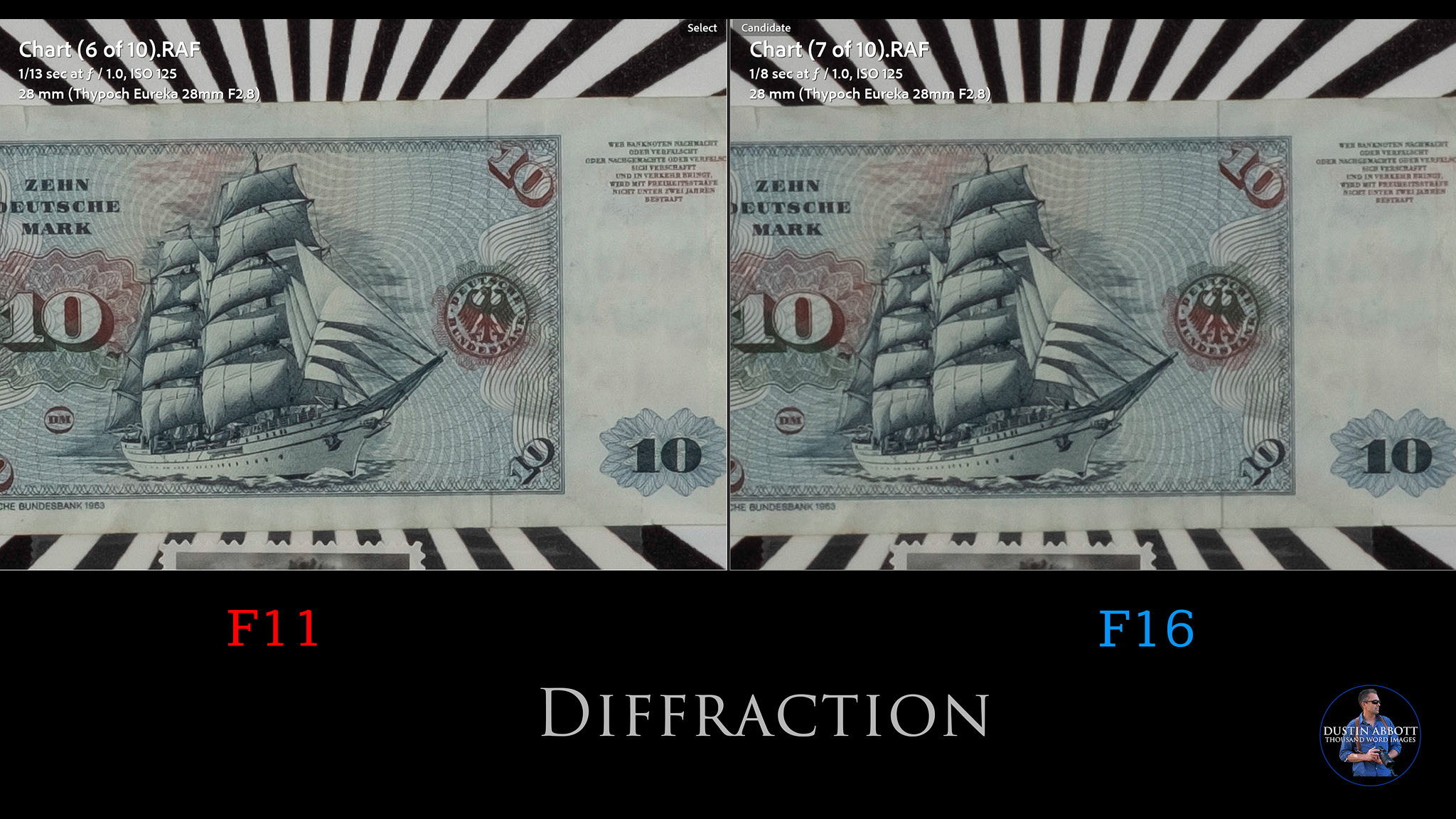
Corners will rarely wow you here, but otherwise the lens is actually quite capable.
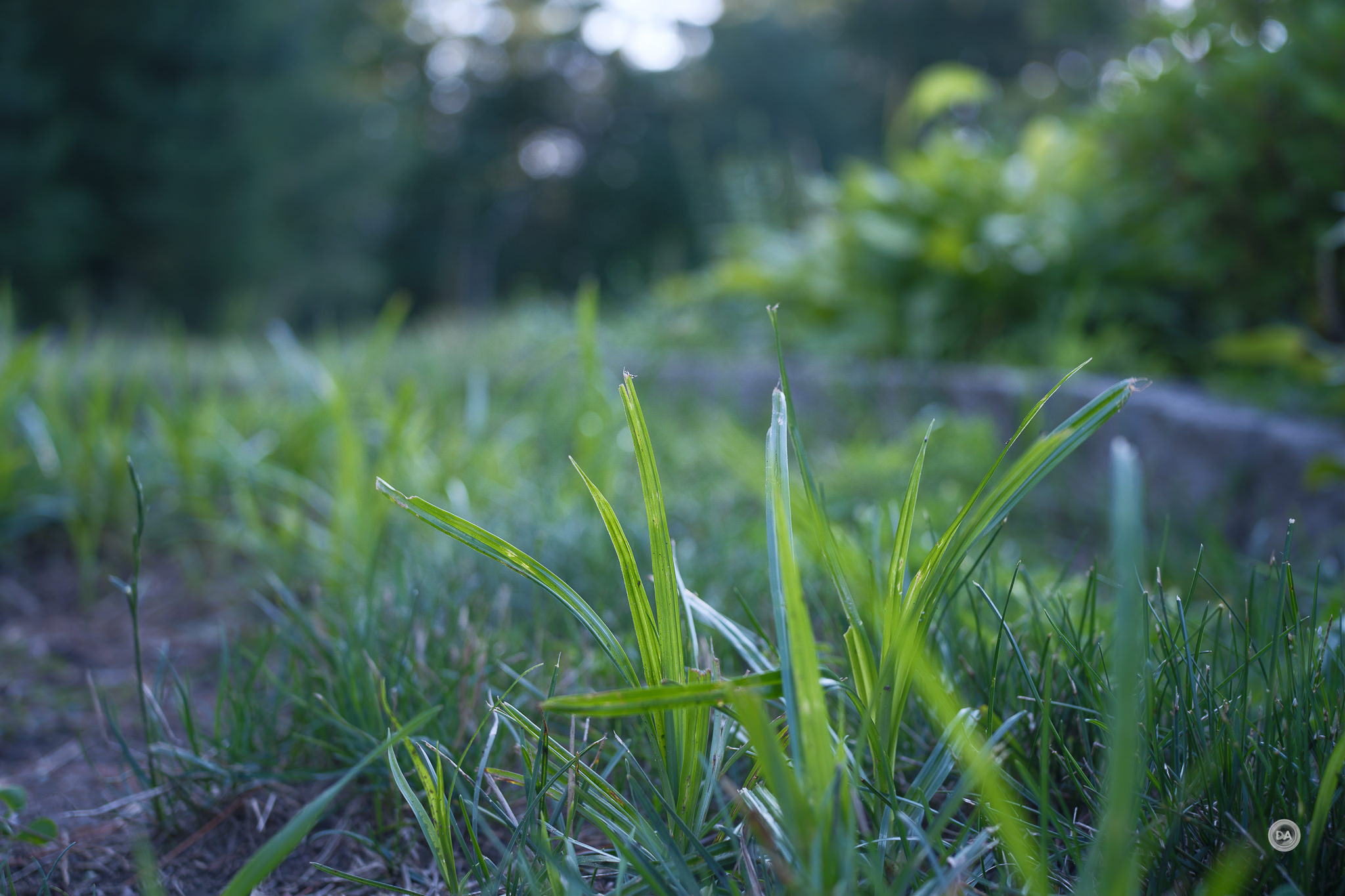
This is not a particularly bright aperture, and the lens can’t focus particularly close, which means that opportunities to strongly blur out backgrounds will be rare. When shooting in situations where the background is relatively close (like shooting down on these flowers), there is going to be a certain amount of busyness present.

That separation will make a huge difference in the quality of the bokeh, so, for example, if I am bit further away from my subject (even by a foot or two) the background isn’t strongly blurred.

The out of focus area doesn’t look bad here, for sore, but neither is the bokeh particularly soft.
Moving closer allows the background to look softer and more defocused.
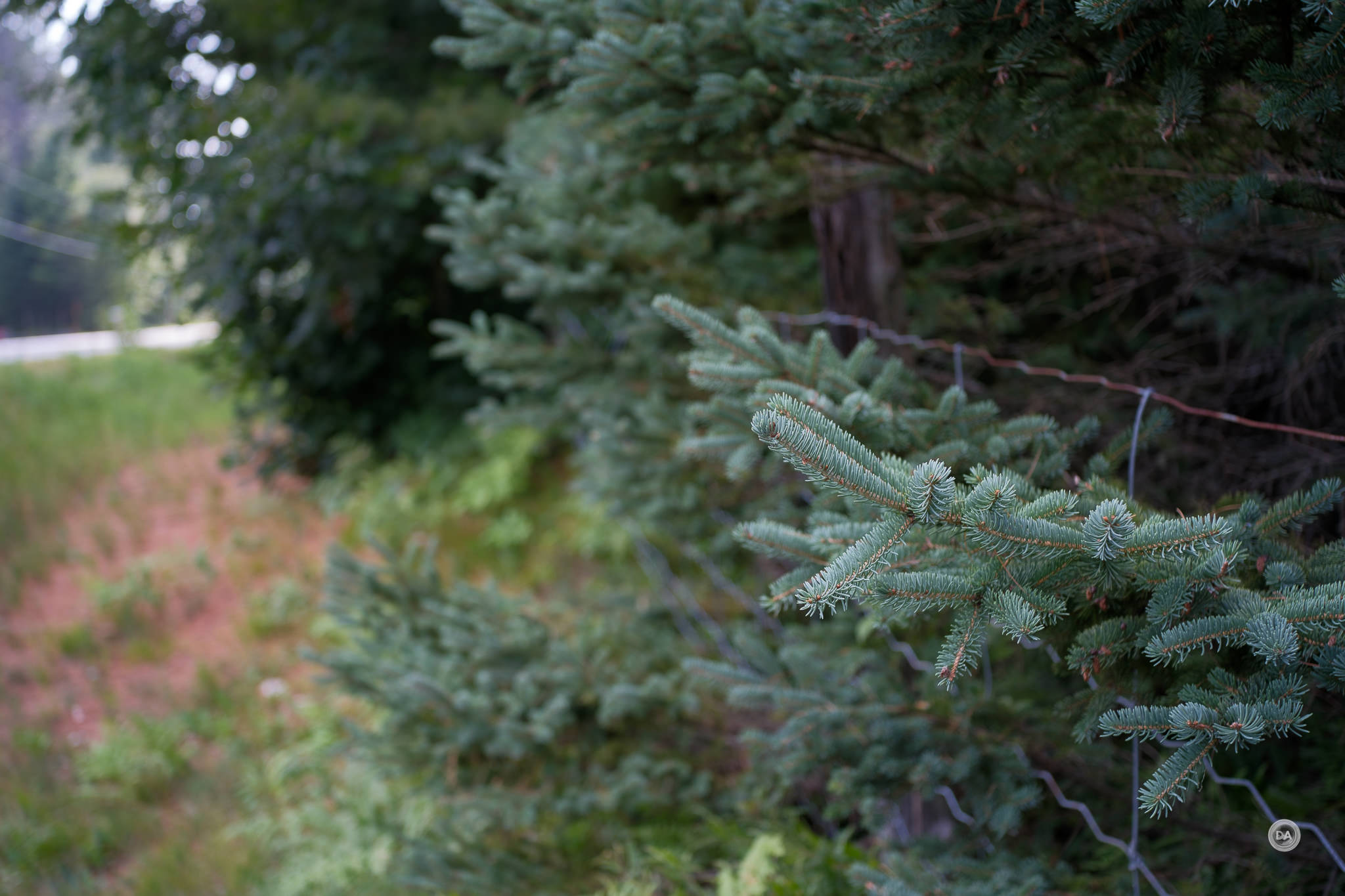
I did find in some images that I could get a reasonable amount of 3D pop to the subject, which will certainly appeal to some photographers.
How about flare resistance? This is actually an interesting area of the design, as the lens is not completely resistant to flare, but the flare artifacts are actually visually intriguing. This is the first lens to employ their new Epoch coatings, and I would say they seem to work pretty well in terms of stopping ghosting.

The source of light will often produce rays or shafts off the light source, which I think actually looks very cool.
Here’s an early morning shot of the dew on the grass, and you can see that the sun through the trees produces an interesting effect.

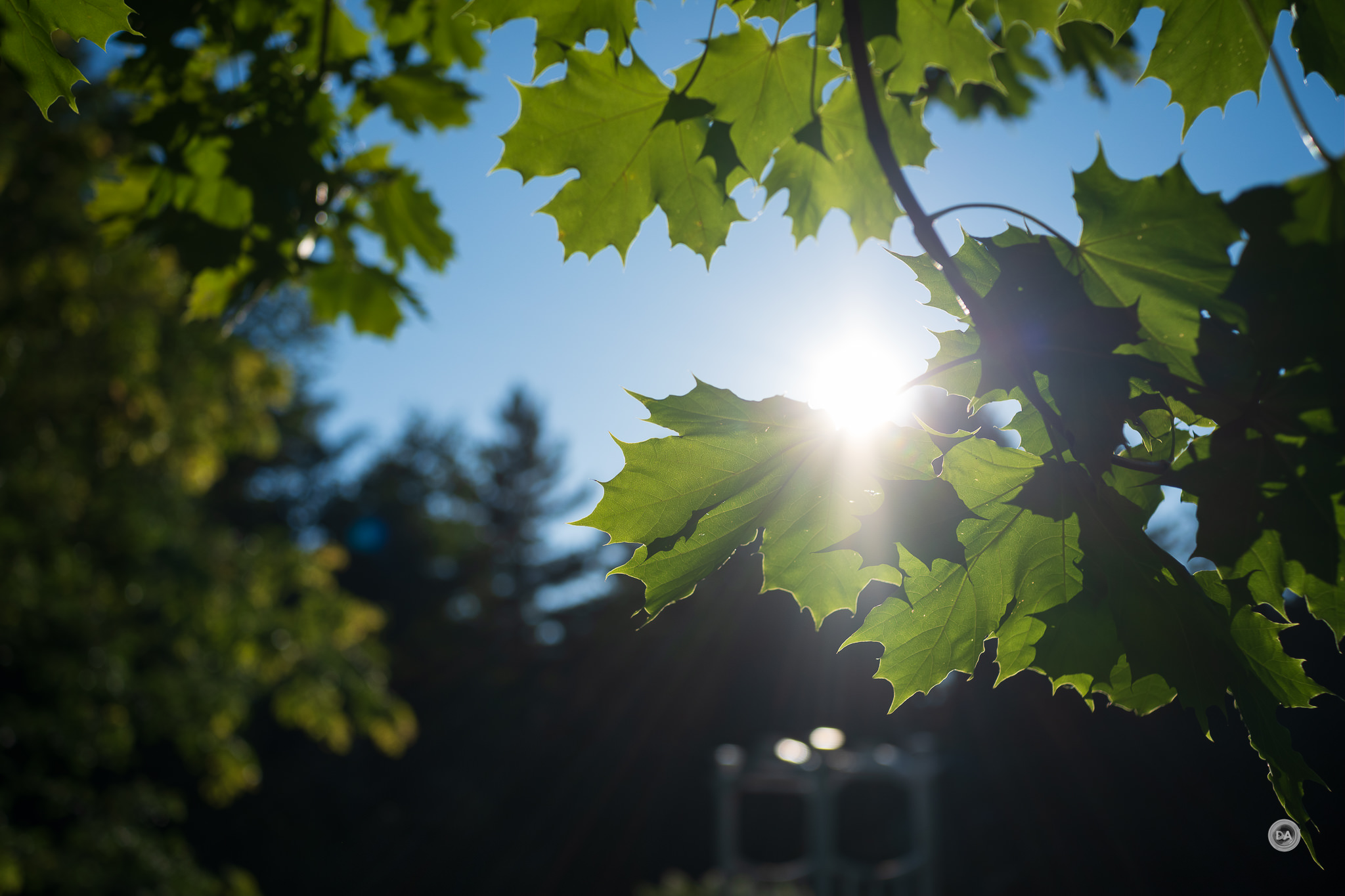
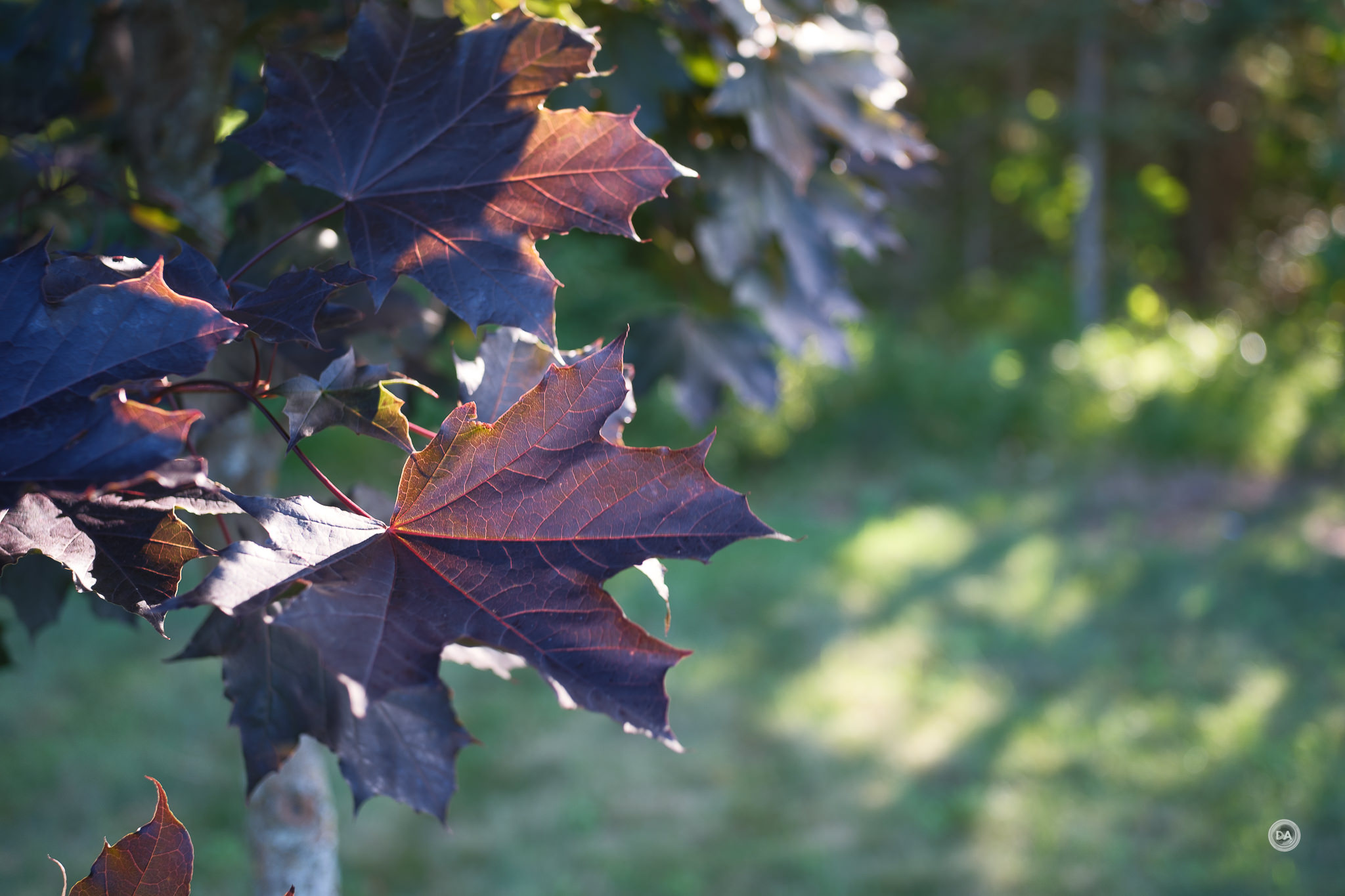
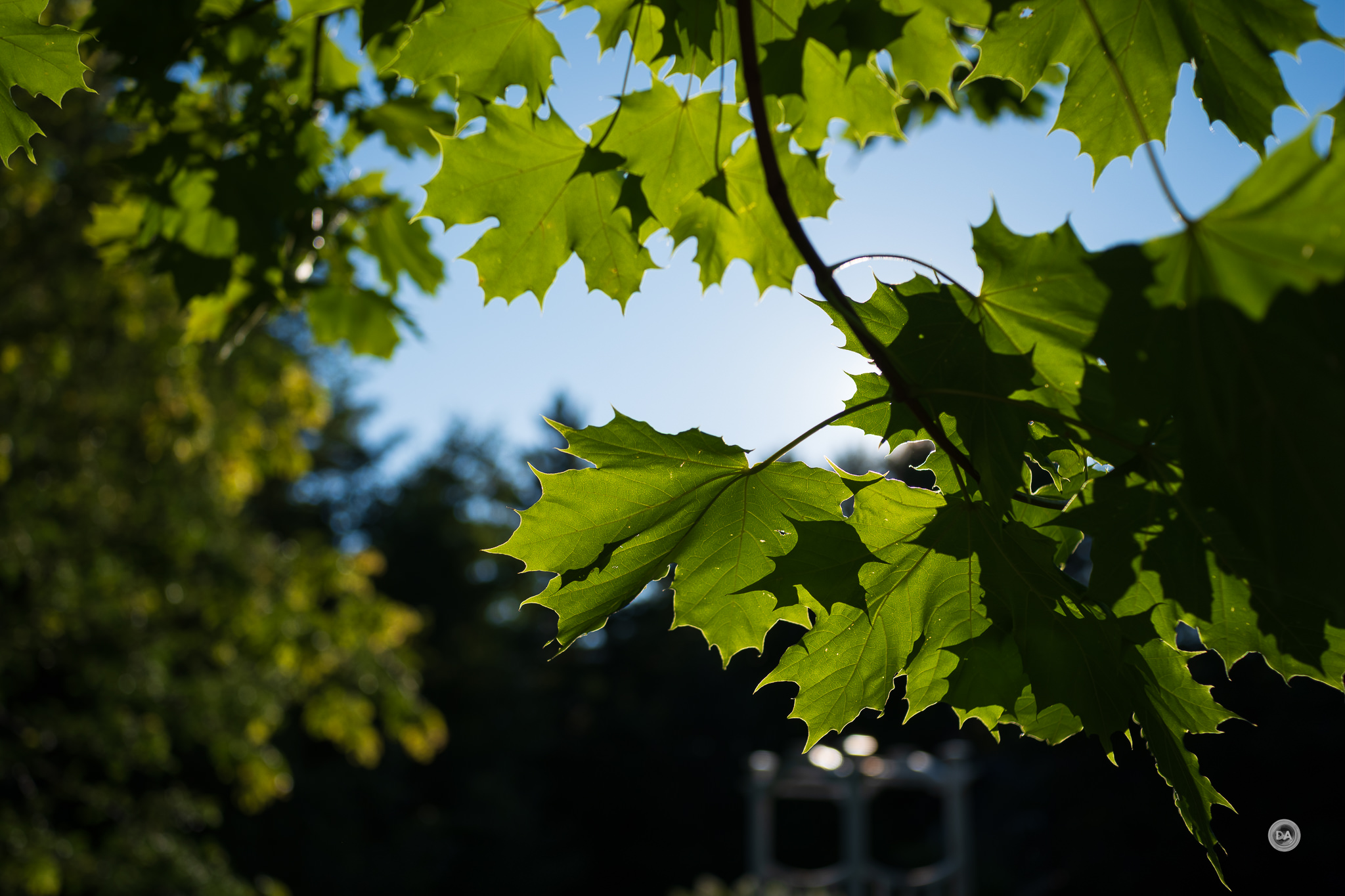
My favorite image taken with the lens was shot into the suns through some Crimson King maple leaves, and the suns provides some veiling and shafts of light, but I feel it adds to the image.

There is no lens hood in this design, so you will get some flaring as a part of normal use, but the coatings are working fairly well.
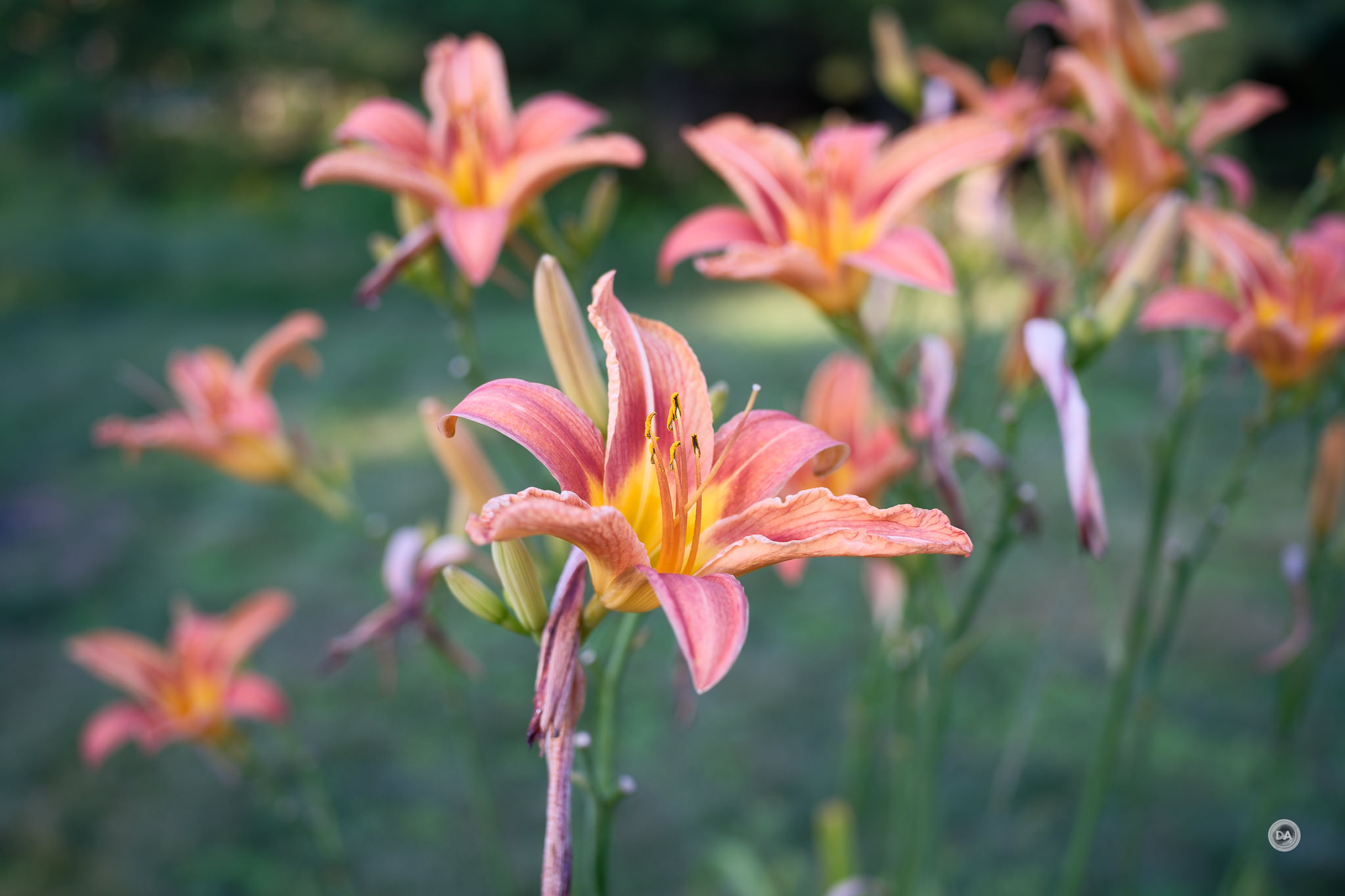
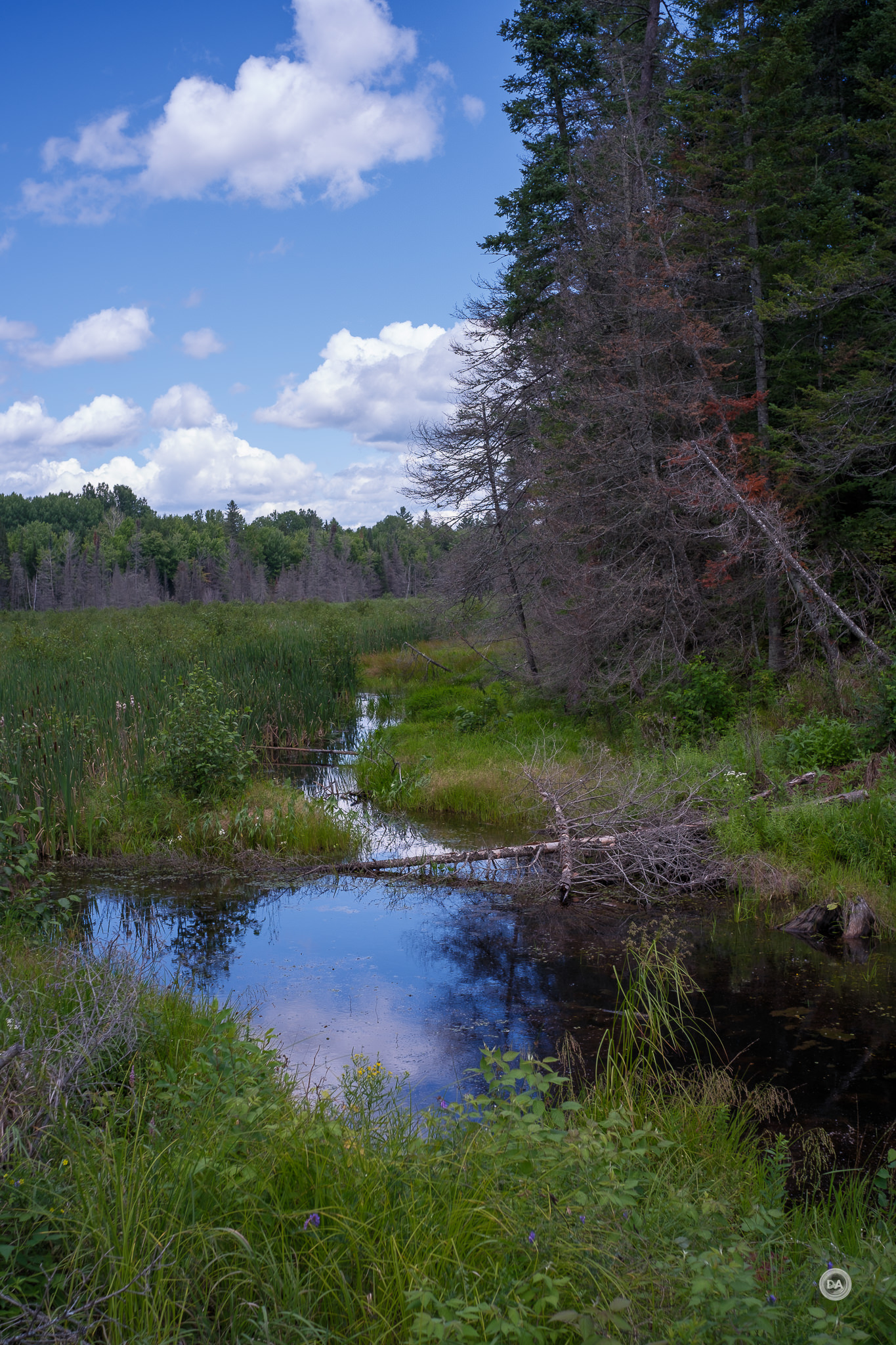
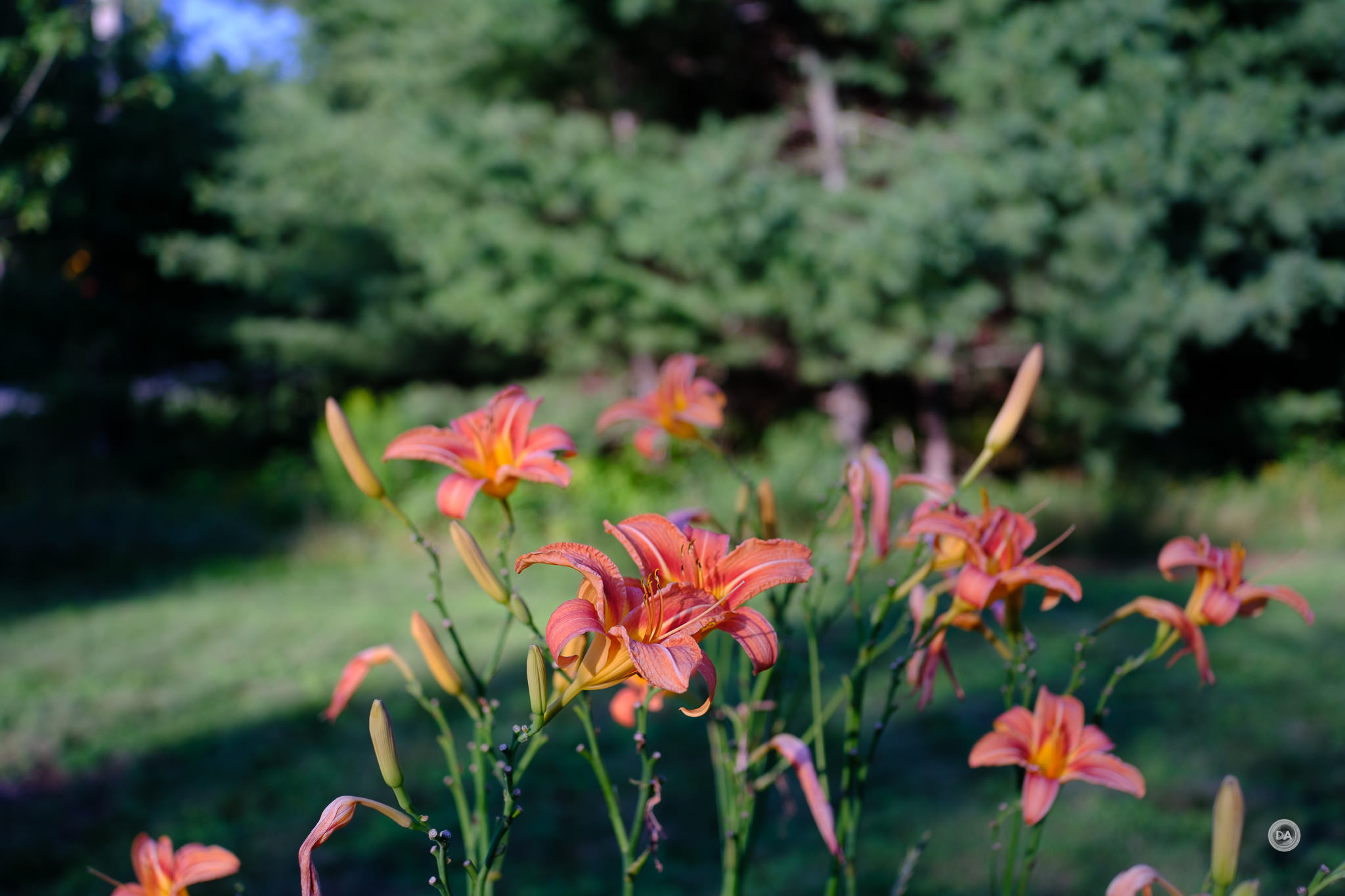
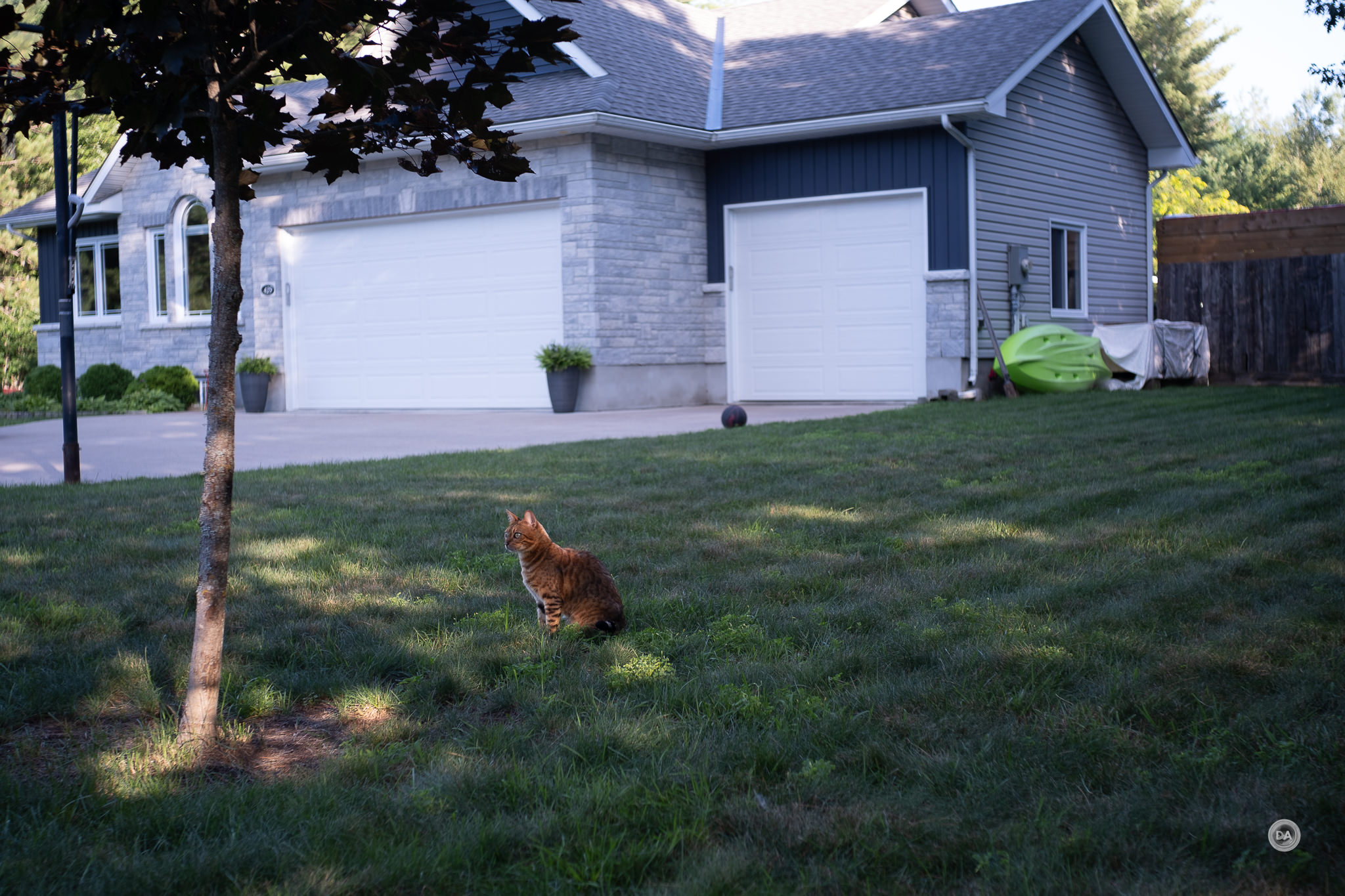
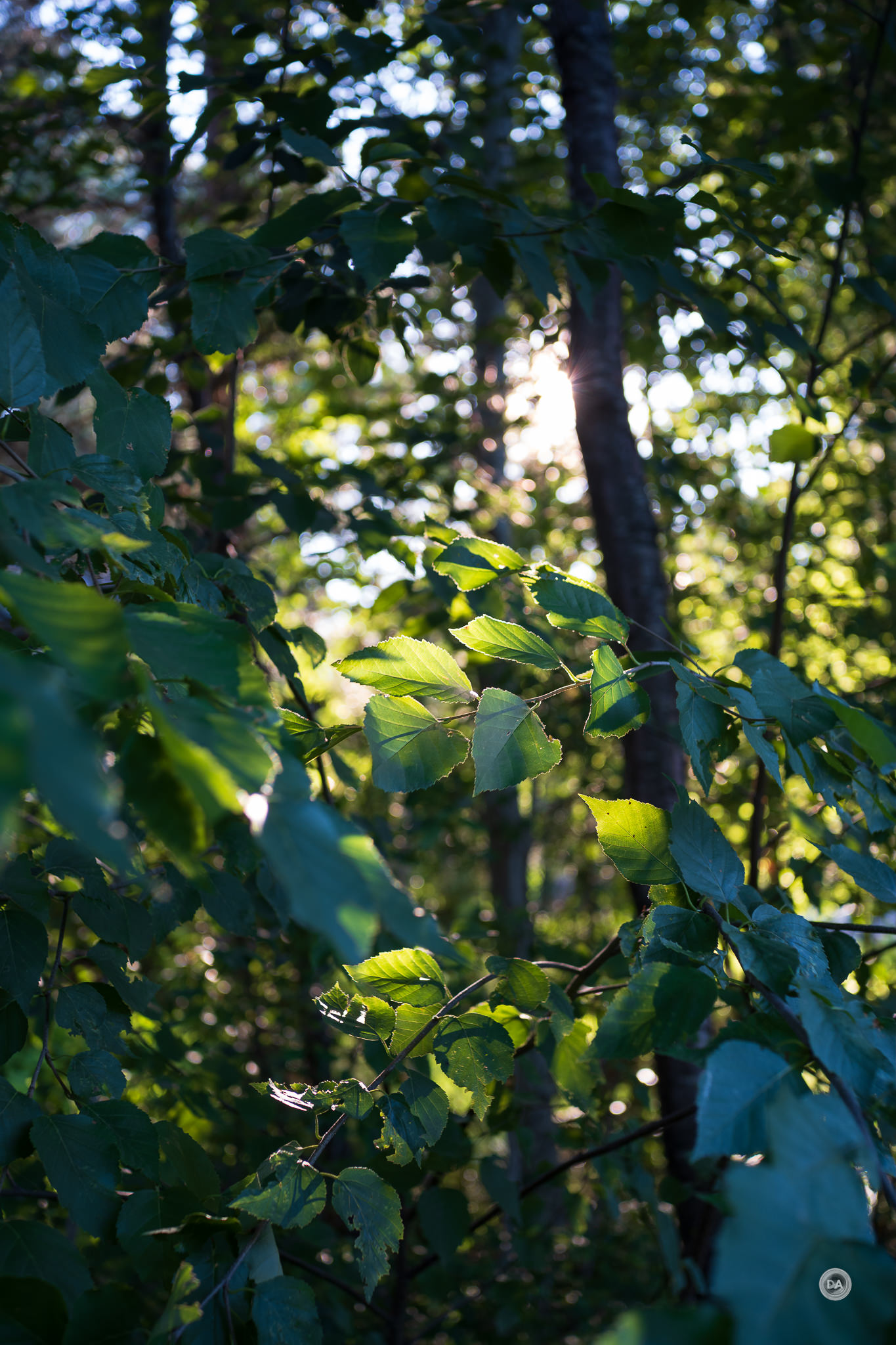
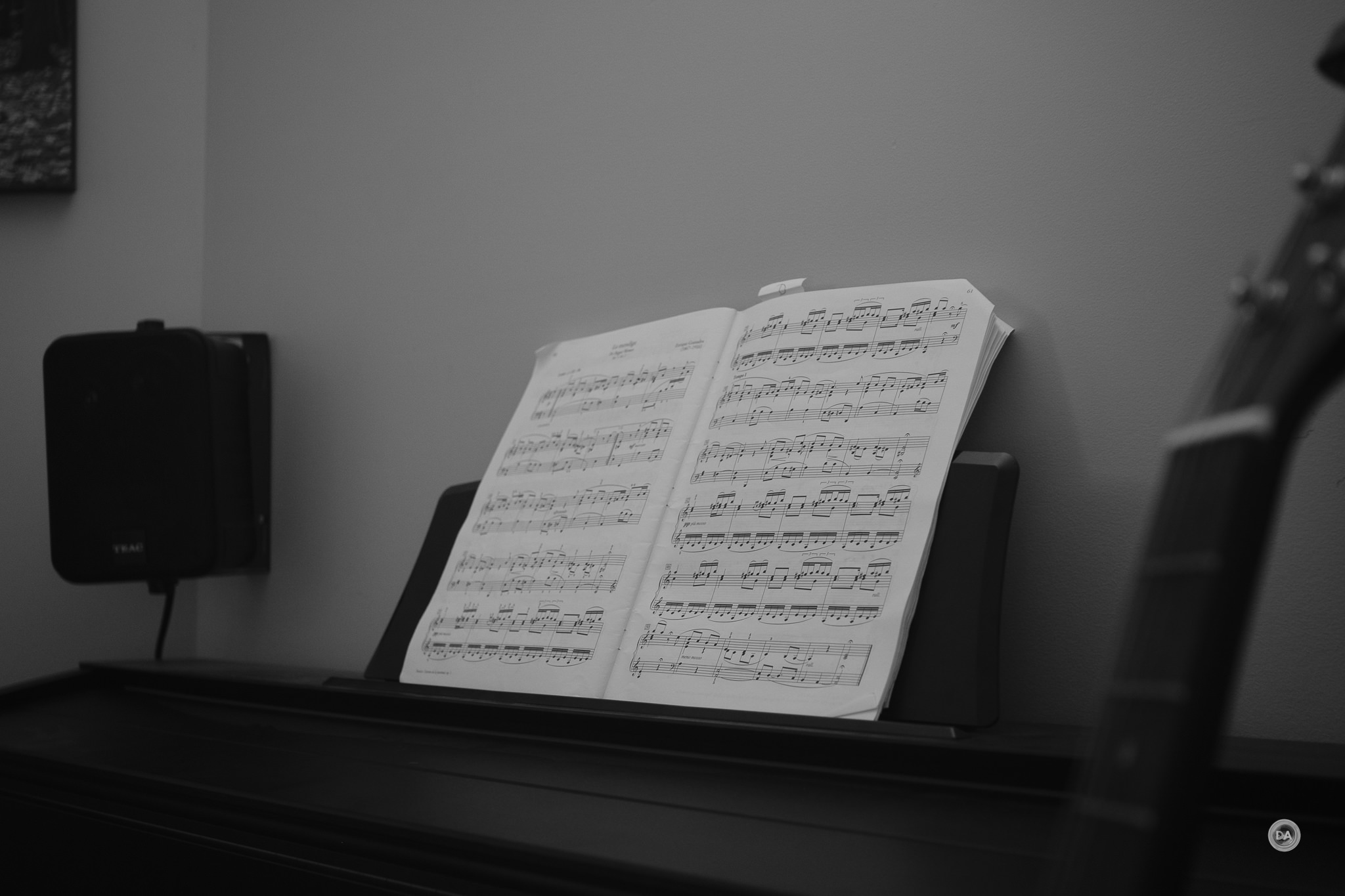
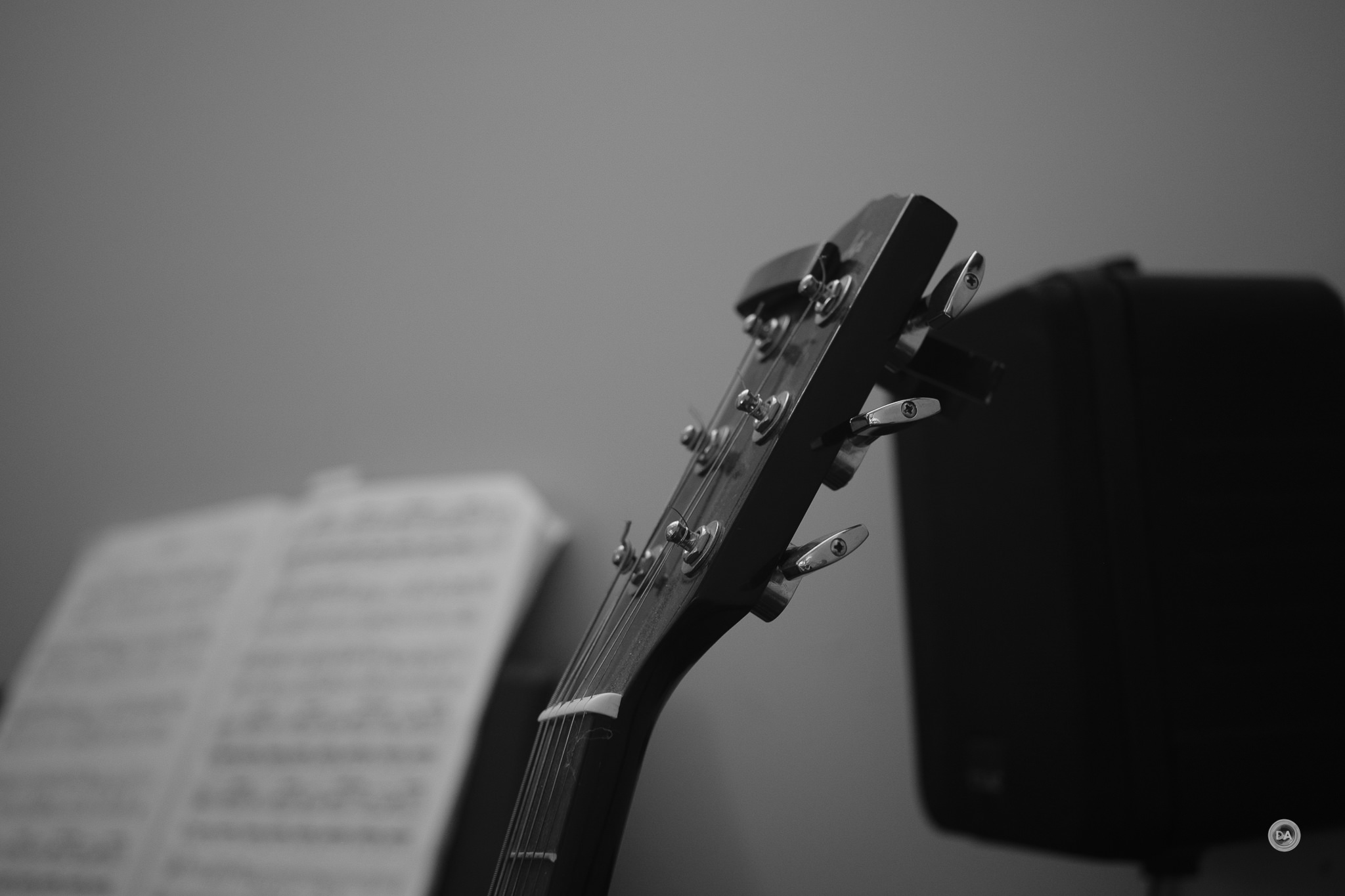
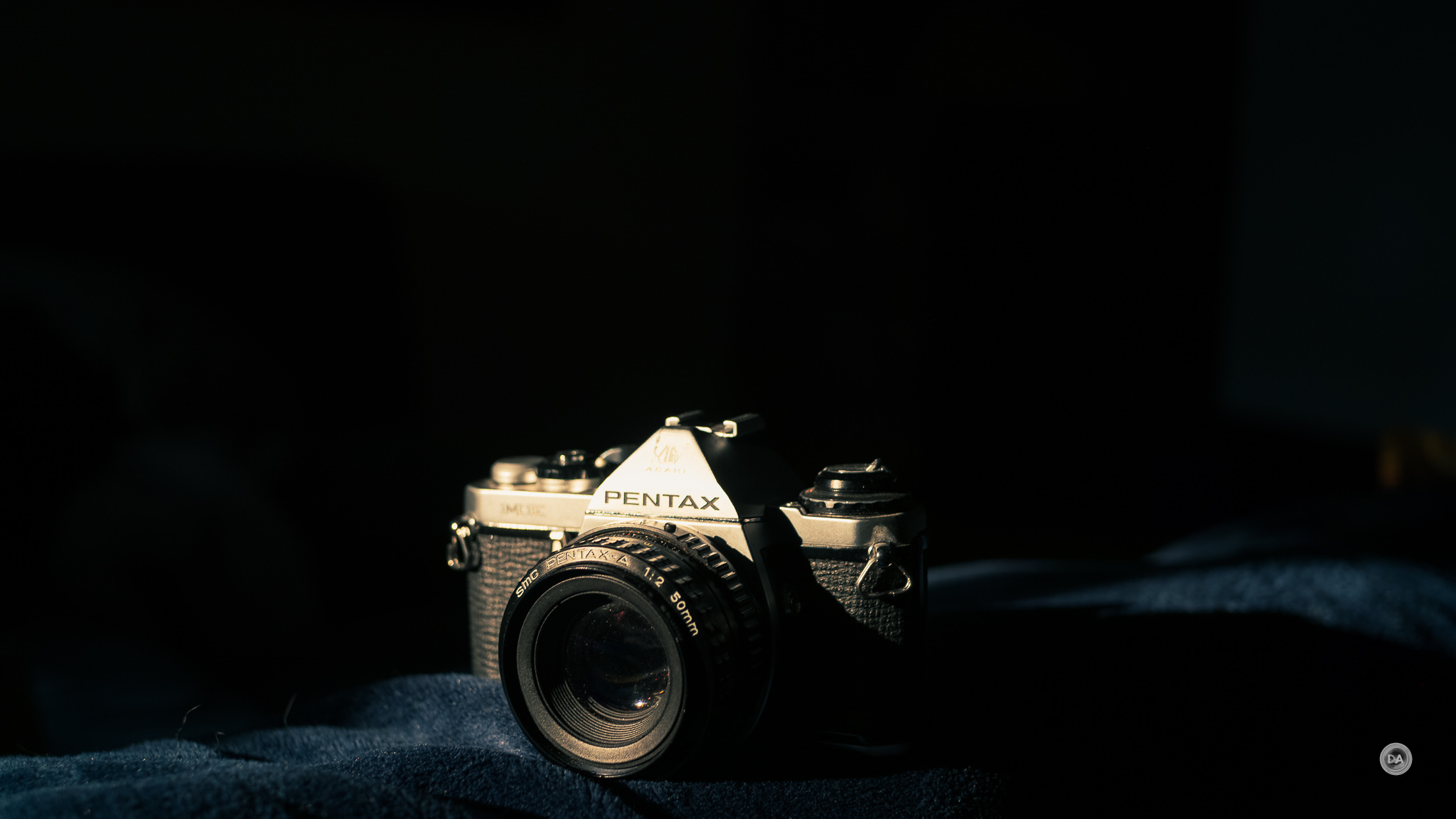
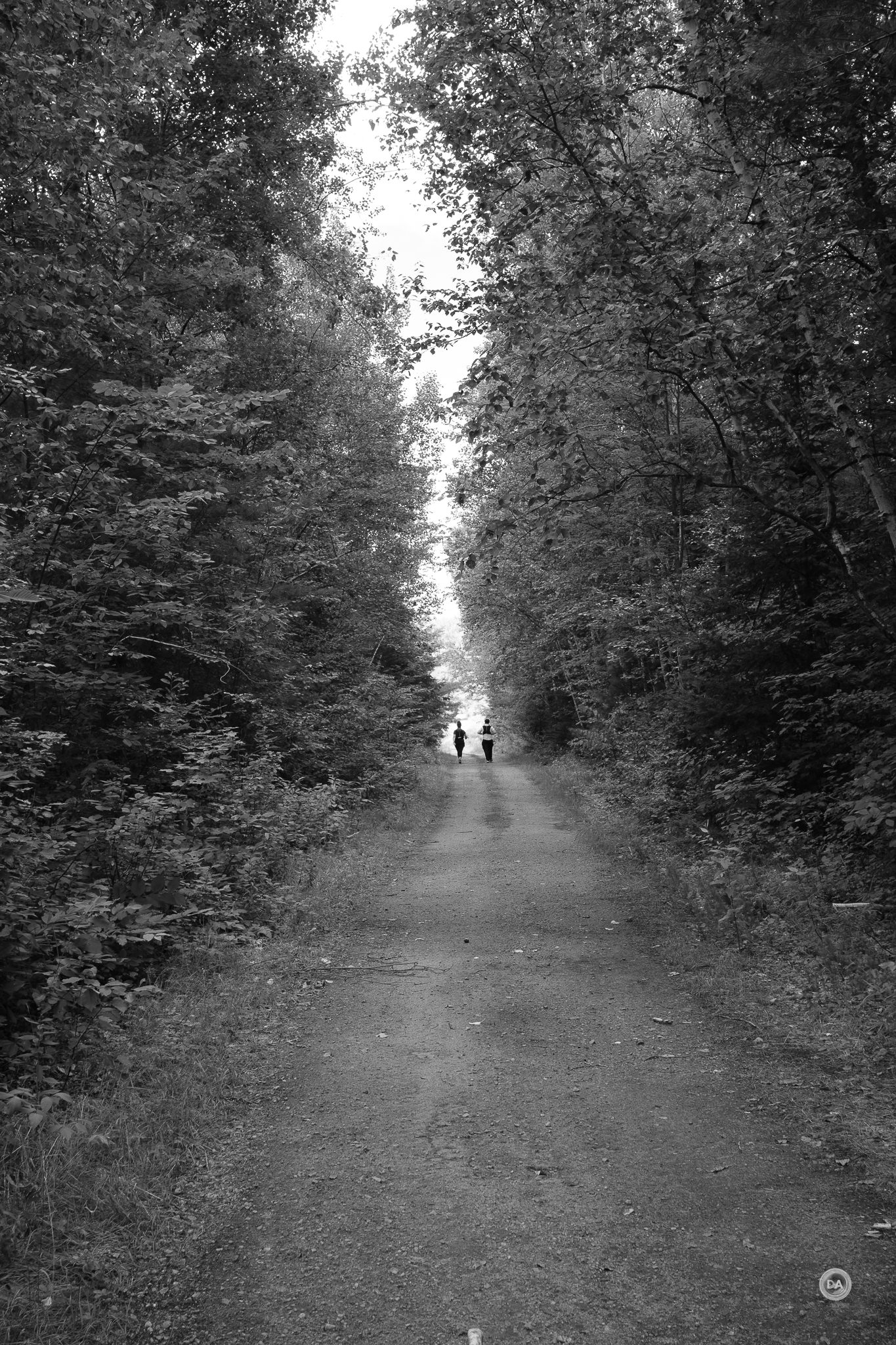
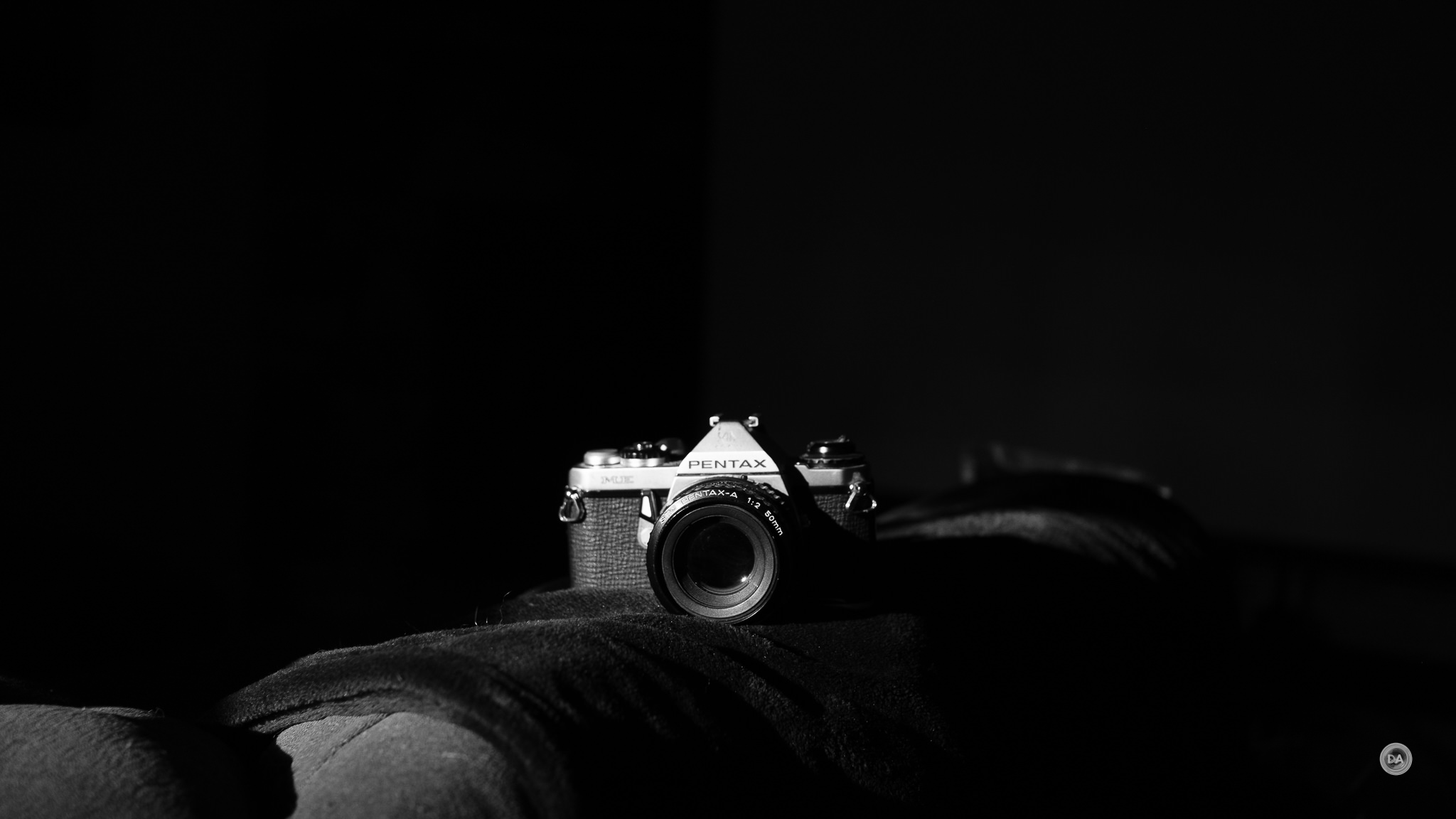
In the Fuji X-mount form, the Eureka 28mm isn’t quite pancake size, but it’s also a real lens optically. Here’s a mini-gallery of more images for you to enjoy.








Conclusion
Thypoch remains a very interesting company to me, particularly as they begin to diversify. They’ve started to add more modern autofocus designs to their catalog while also staying very connected to photography’s past with lenses like the Eureka 28mm.
The Eureka 28mm is a real treat to look at, though I personally didn’t find as much of a treat to use. The vintage ergonomics were a reminder why lens design has evolved the way that it has.

Lenses like the Thypoch Eureka 28mm F2.8 are essentially guaranteed to be niche, though like other Thypoch lenses, I wouldn’t be surprised if this one gains a cult following for those who love retro aesthetics and “vibe-based” photography. Minimalists will delight in the clean, handsome design. And you can make very nice images with it…just be prepared to take a little more time in the journey.
Pros:
- Aesthetic Design: Features a classic, vintage-inspired look that appeals to photography enthusiasts and complements period cameras.
- Brass Construction: The use of high-quality brass materials contributes to durability and a premium feel.
- Two Finish Options: Available in both a traditional matte black and a luxurious Pearl White finish, catering to different aesthetic preferences.
- Compact and Lightweight: The lens is slim and easy to carry, making it suitable for travel and everyday photography.
- Excellent Center Sharpness: Shows very strong image quality in the center at wide open apertures
- Minimal Chromatic Aberrations: Performs well in controlling both longitudinal and lateral chromatic aberrations, leading to clear images with defined edges.
- Unique Flare Artifacts: Creates visually intriguing flare effects in certain lighting conditions, adding artistic flair to images.
Cons:
- Unconventional Focusing Mechanism: The front lever for focusing may feel awkward and less intuitive compared to traditional focus rings, possibly resulting in slower adjustments.
- Complex Aperture Control: The aperture control method is clunky, requiring awkward hand positioning; markings are not easily visible.
- Weak Edge Performance: Although it excels at the center, sharpness and contrast drop off significantly in the corners, particularly at infinity focus.
- Limited Close Focusing: Minimum focus distance of 40cm restricts macro capabilities and fine-detail photography.
- No Electronic Contacts: Lacks electronic contacts, meaning no EXIF data is transferred to the camera, which can be inconvenient for some photographers.
- Price Point: Positioned at around $400, it may be considered expensive for some users, especially given its niche appeal.
_____________________________________________________________________
GEAR USED:
Purchase the Thypoch Eureka 28mm F2.8 @ B&H Photo | Adorama | Amazon
_________________________________________________________________________
Purchase the Sony a7RV @ B&H Photo | Adorama | Amazon | Camera Canada | Sony Canada | Amazon Canada | Amazon UK | Amazon Germany
__________________________________________________________________
Purchase the Sony a7IV @ B&H Photo | Adorama | Amazon | Camera Canada | Sony Canada | Amazon Canada | Amazon UK | Amazon Germany
_________________________________________________________________
Purchase the Sony Alpha 1 @ Camera Canada | B&H Photo | Adorama | Amazon | Sony Canada | Amazon Canada | Amazon UK | Amazon Germany | Ebay
_________________________________________________________________
Want to support this channel? Use these affiliate links to shop at: B&H Photo | Amazon | Adorama | Camera Canada | Amazon Canada | Amazon UK | Ebay | Make a donation via Paypal
Buy DA Merchandise https://bit.ly/TWIMerch

Keywords: Thypoch, Thypoch Eureka, 28mm, F2.8, ASPH, Thypoch Eureka 28mm F2.8, X-Mount, FUJIFilm, X-H2, X-T5, X-T6, Review, Hands On, Dustin Abbott, Real World, Comparison, Sharpness, Bokeh, Flare Resistance, Autofocus, Image Quality, Sample Images, Video, Photography, let the light in, weathersealing, #letthelightin, DA
Related posts:
 Yongnuo YN 50mm F1.8X DA DSM Pro Review
 Yongnuo YN 50mm F1.8 DA DSM Pro Gallery
 Tokina ATX-M 11-18mm F2.8 X-Mount Review
 Tokina ATX-M 11-18mm F2.8 X Gallery
 Viltrox Pro AF 56mm F1.2 X Review
 Thypoch Voyager 24-50mm F2.8 Review
 Brightin Star X-Slim 28mm F2.8 Gallery
 Thypoch Simera 35mm F1.4 M Gallery
 Fujinon XF 56mm F1.2 R WR Review
 Fujinon XF 16-55mm F2.8 R LM WR II Review