


Sirui’s Aurora series has had a solid start, combining a great price with good build and nice optics. They started with a few predictable focal lengths like 35mm and 85mm, but this second tranche of lenses covers a couple of wide angle options instead of jumping right to 50mm. The 24mm F1.4 is a common enough option, but the subject of today’s review is more unique. The Sirui Aurora 15mm F1.6 takes the series wider than ever and in many ways delivers the most interesting option in the bunch. Most 15mm lenses are for APS-C, not full frame, and fewer still have as bright of a maximum aperture. Sigma has a 15mm F1.4 ART (my review here), but that is a fisheye lens, not a rectilinear lens like the Sirui. The closest competing lens will probably be Viltrox’s 16mm F1.8, which has proven quite popular (I reviewed it here), but at 105.6°, the Viltrox is considerably less wide than the Sirui at 109.3° while also not being quite as bright (F1.8 vs F1.6). And, at a price of $599 USD, the new Aurora 15mm is extremely well priced for just a bright wide-angle prime. But does it deliver the goods? You can find out my full thoughts by watching the video review below…or reading on.
Follow Me @ YouTube | Patreon | Instagram | Facebook | DA Merchandise | Flickr | 500px | X
Thanks to Sirui for sending me a review sample of this lens. As always, this is a completely independent review. *The tests and most of the photos that I share as a part of my review cycle have been done with the Sony a7RV and the Sony Alpha 1. You can find the listing for the Sirui Aurora 15mm F1.6 here.
__________________________________________________________________________________________________
Sirui Aurora Series Reviews
- Aurora 16mm F1.6
- Aurora 24mm F1.4
- Aurora 35mm F1.4
- Aurora 85mm F1.4
__________________________________________________________________________________________________
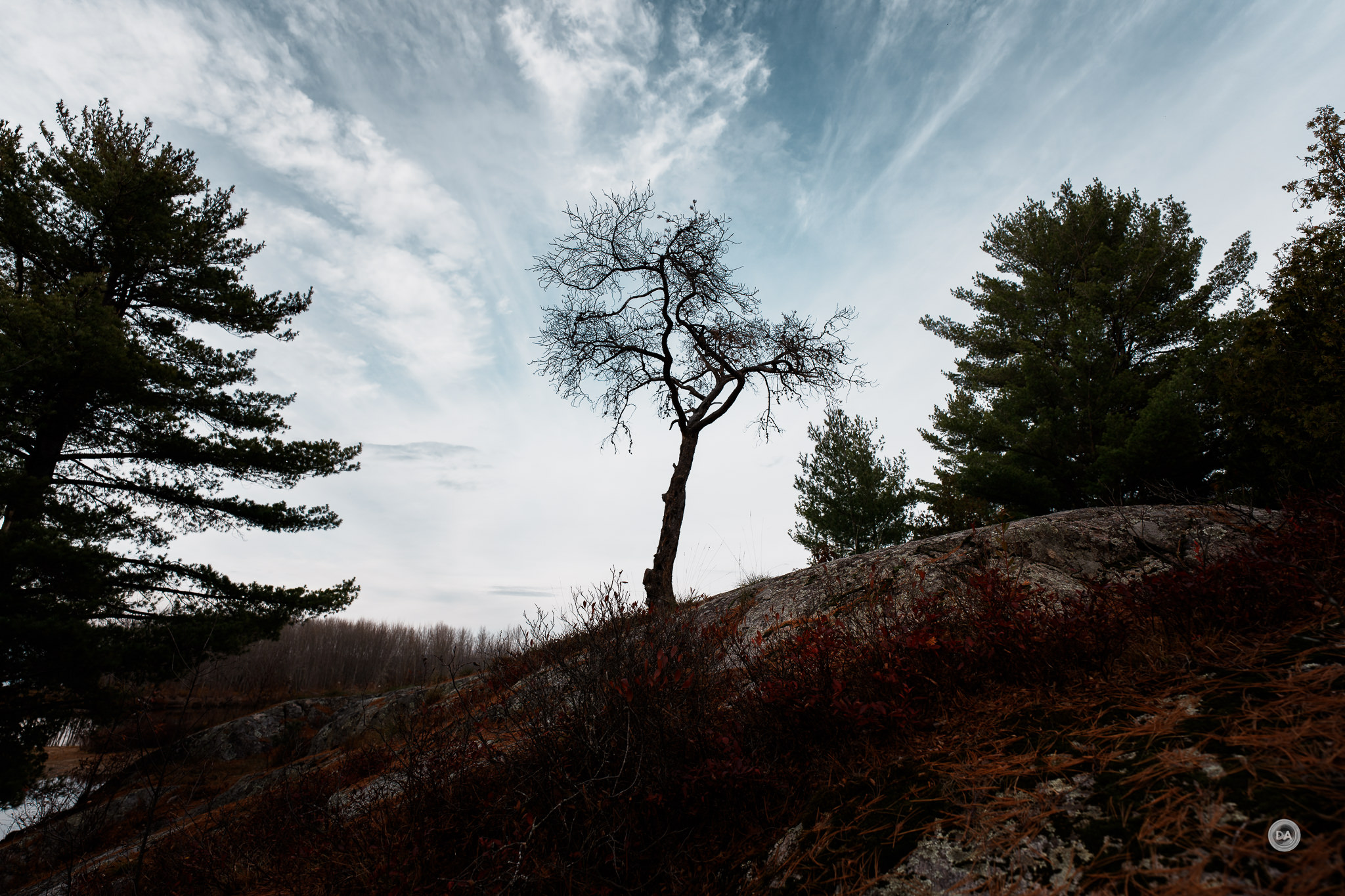
Most of Sirui’s lens development to date has been on the cine side of things, and that is directly reflected here, as Sirui has a 15mm T1.6 in their Vision Prime series, a lens that is almost certainly the source of the optics in the new Aurora 15mm F1.6. The wide maximum aperture combined with the wide focal length certainly allows for some dramatic images, whether shooting at F1.6 (like here)…

…or shooting at smaller aperture values.
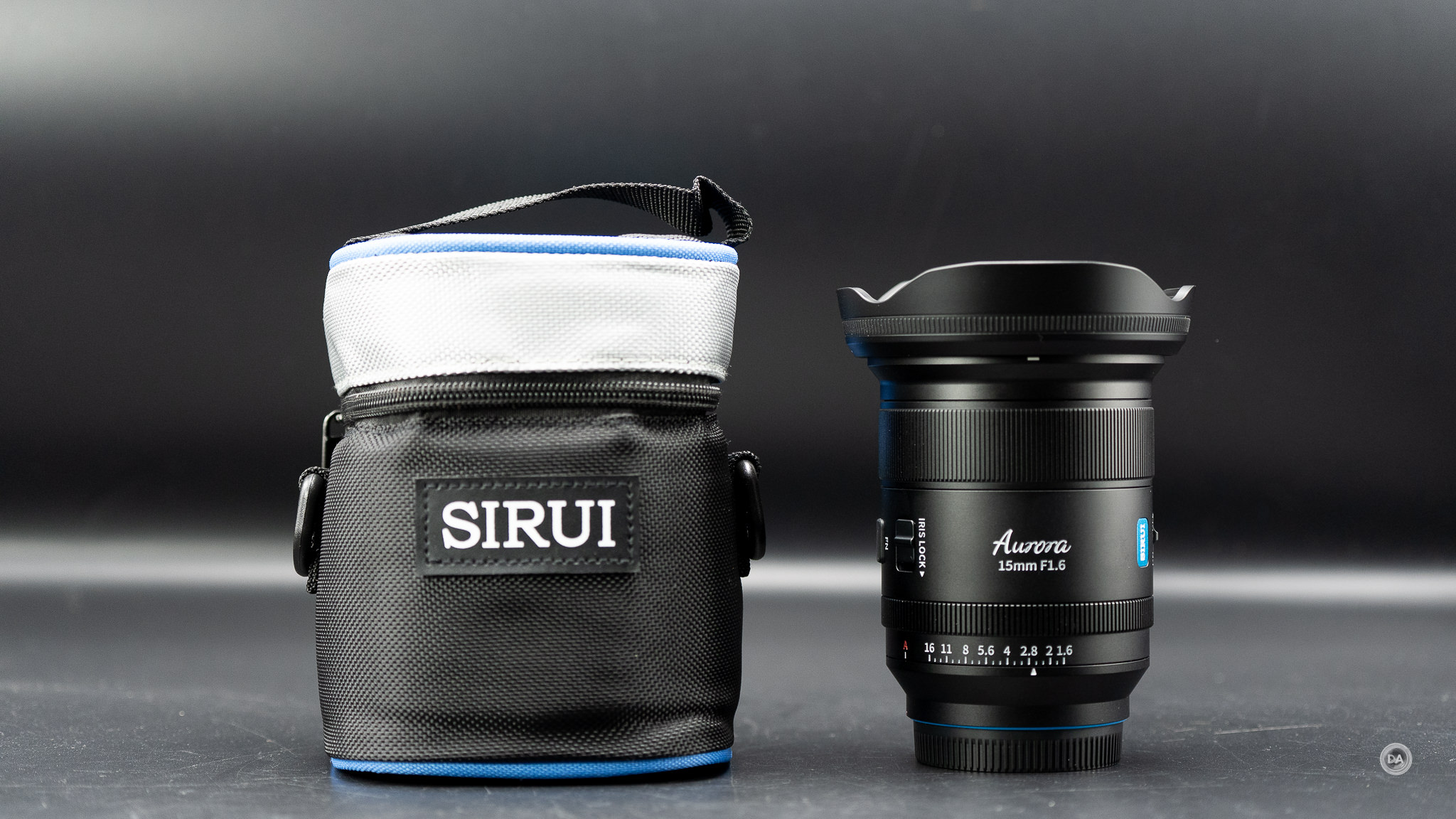
I’ll give Sirui high marks for presentation. There’s a clever little tab made of material that allows the box to be easily opened, and inside they packed the lens in a zippered and padded nylon case (leaving them one of the only lensmakers to do this after Sigma stopped including their own cases), which actually adds real protection value, unlike, say, a Canon L series drawstring pouch. The lens is shrinkwrapped inside to help it to be perfectly sealed during shipment. I’m not a big “unboxing” kind of reviewer, but I was impressed as I unboxed the Aurora 15mm.
This isn’t a lens with a lot of natural competitors, but the concept is intruiging. Let’s take a closer look.
Aurora 15mm Build and Handling
The Sirui Aurora 15mm F1.6 will be coming to four different platforms. Sirui has become one of the L-mount alliance partners, meaning that their lenses are essentially first party lenses there. We’ve also got Sony E (tested here), Nikon Z, and, once again, Fuji X.
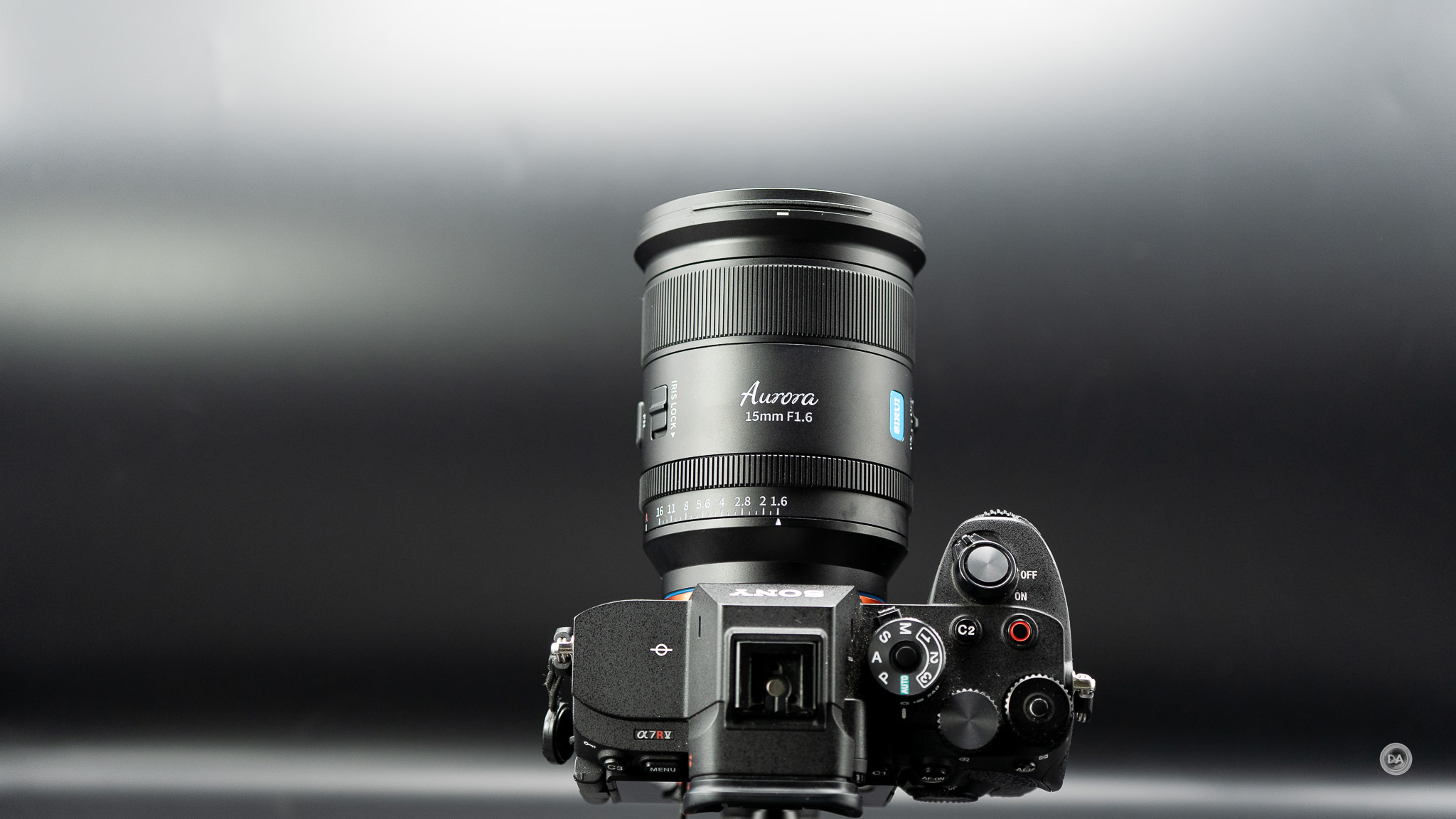
The most surprising addition is X-mount, which is APS-C only, meaning that the lens behaves very differently there. It will have a 22.5mm full frame equivalent focal length there.
As noted, there are few direct competitors to this lens, with the Viltrox being perhaps the most natural competitor. The Sirui is wider in its focal length, however, allowing you to capture more of the scene and get those dynamic shots than include the foreground.

In the modern era where high resolution cameras allow you easy ability to crop in closer to your subject, no amount of high resolution allows you to go wider. The Sirui 15mm is also one third stop brighter, making it a more natural choice for low light photography, including astrophotography.
Somehow they have managed to go this wide and this bright while retaining A) a rectilinear design and B) the ability to use traditional filters in a moderate 77mm size.
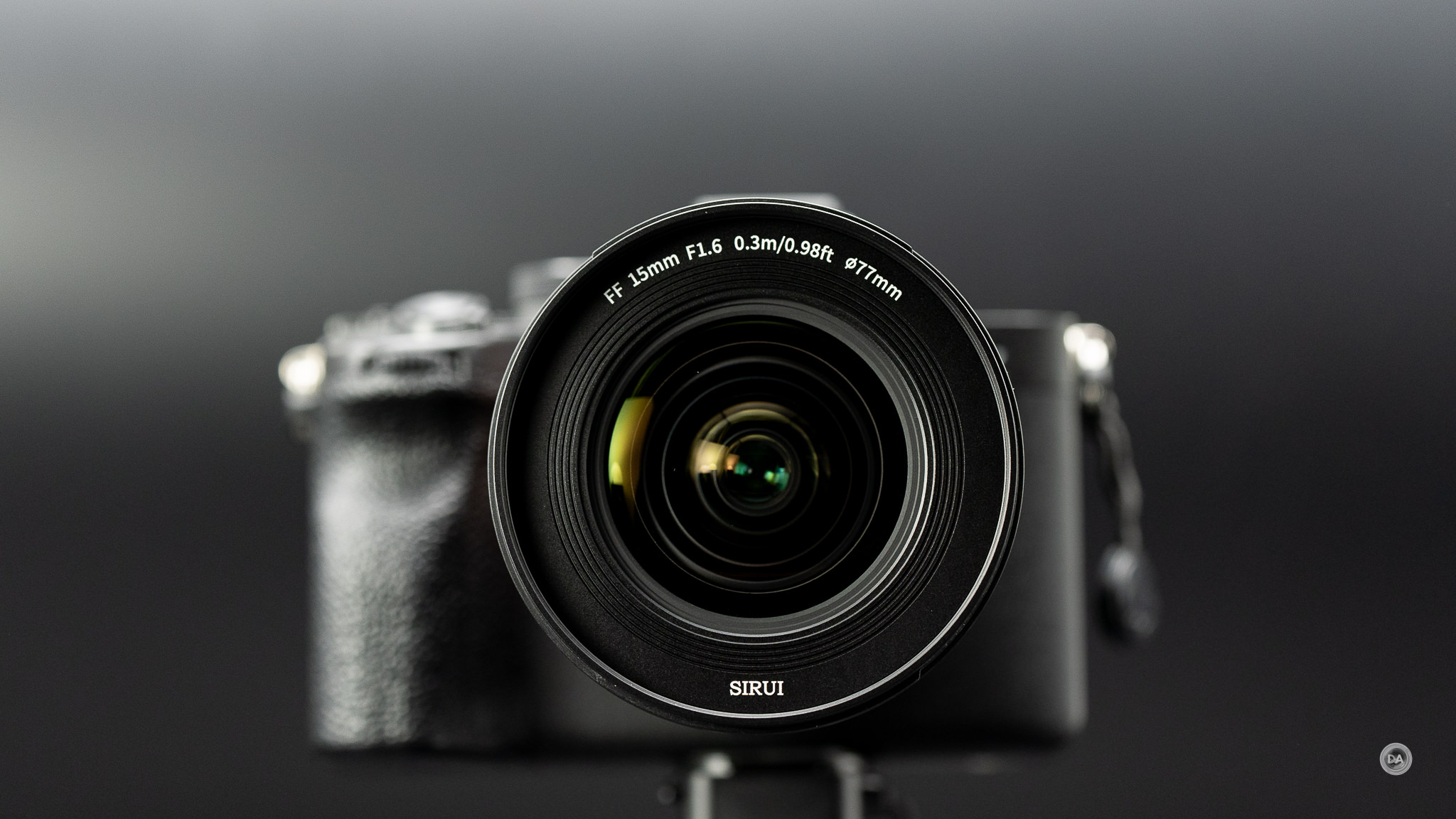
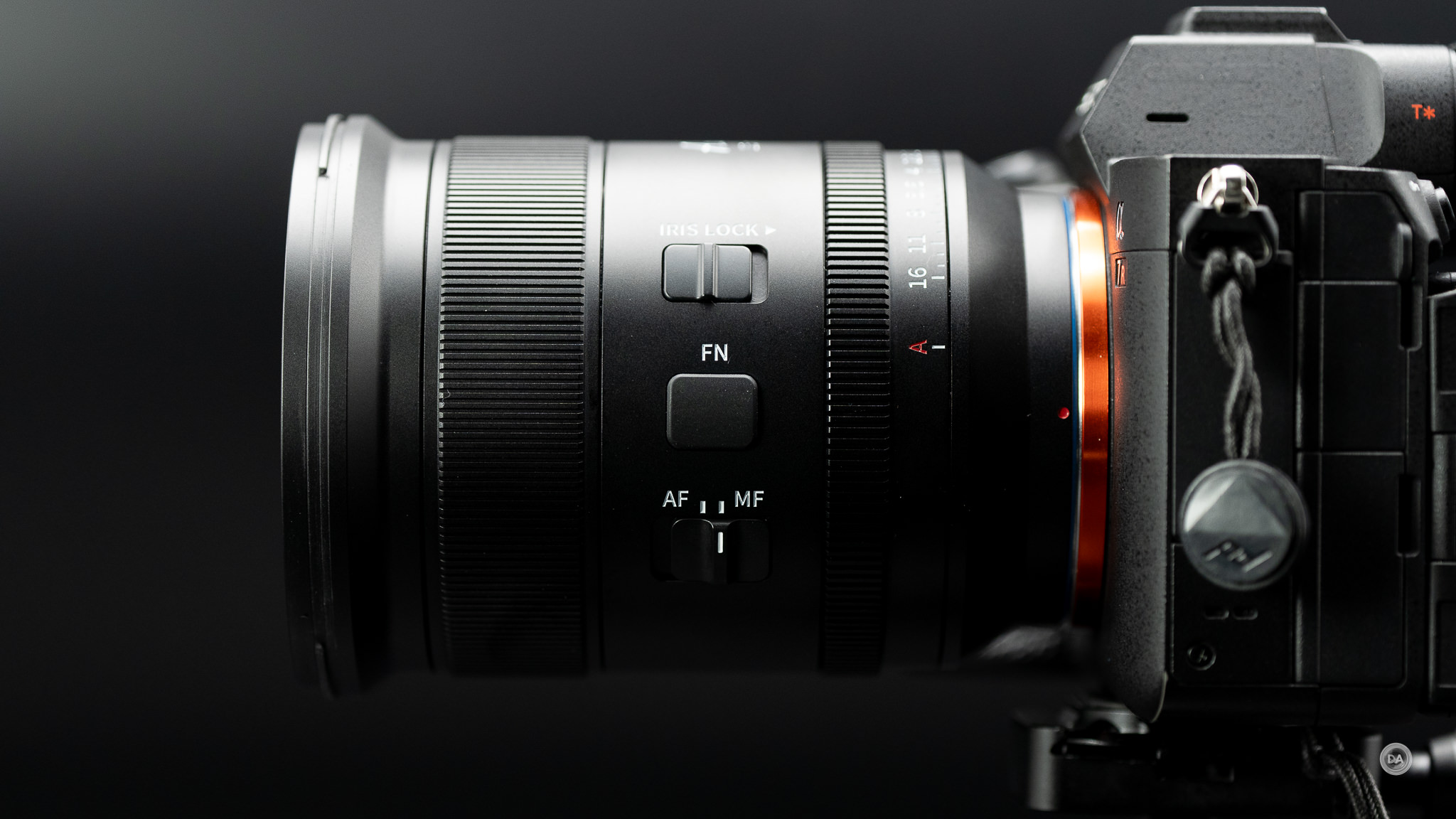
The Aurora 15mm is a great package, including essentially all the features I look for on a high quality lens. This includes a robust set of aperture controls, including an aperture ring, the ability to click/declick that ring, and even an iris lock that will allow you to lock into or out of the aperture ring. Don’t like having an aperture ring? Lock out of it and don’t worry about it. Want to never inadvertently slip into automatic aperture control? Just lock into the ring.
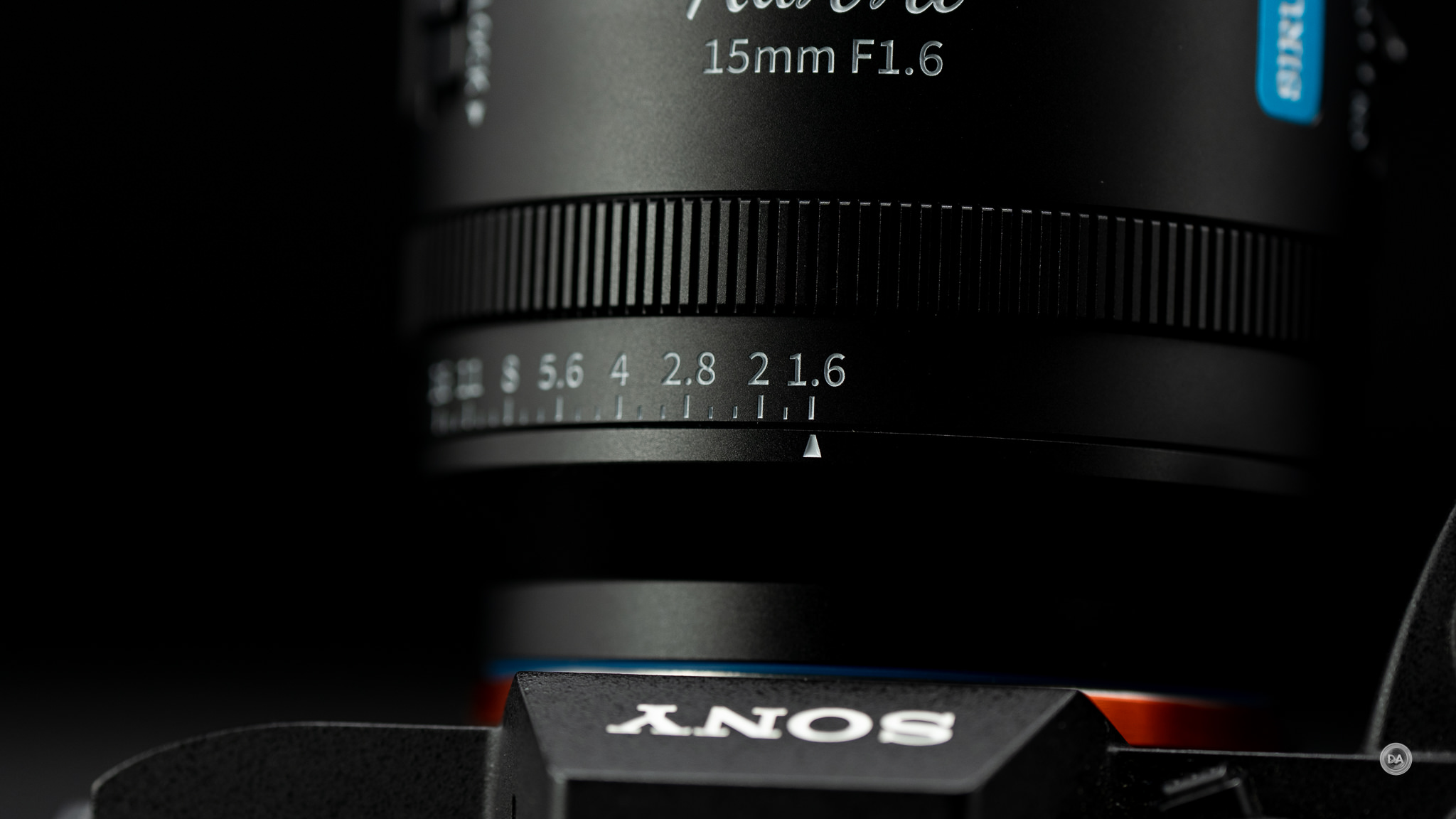
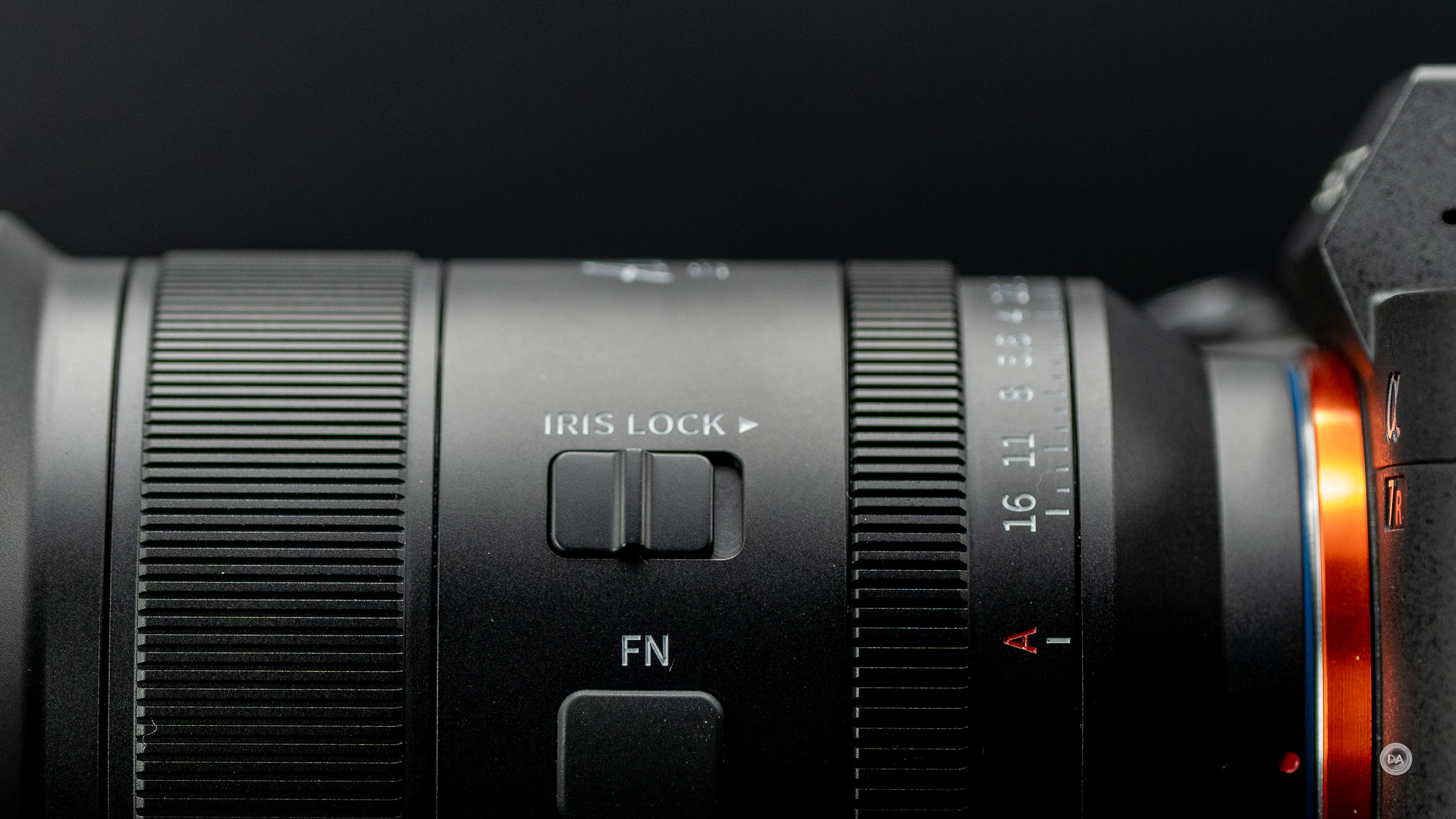
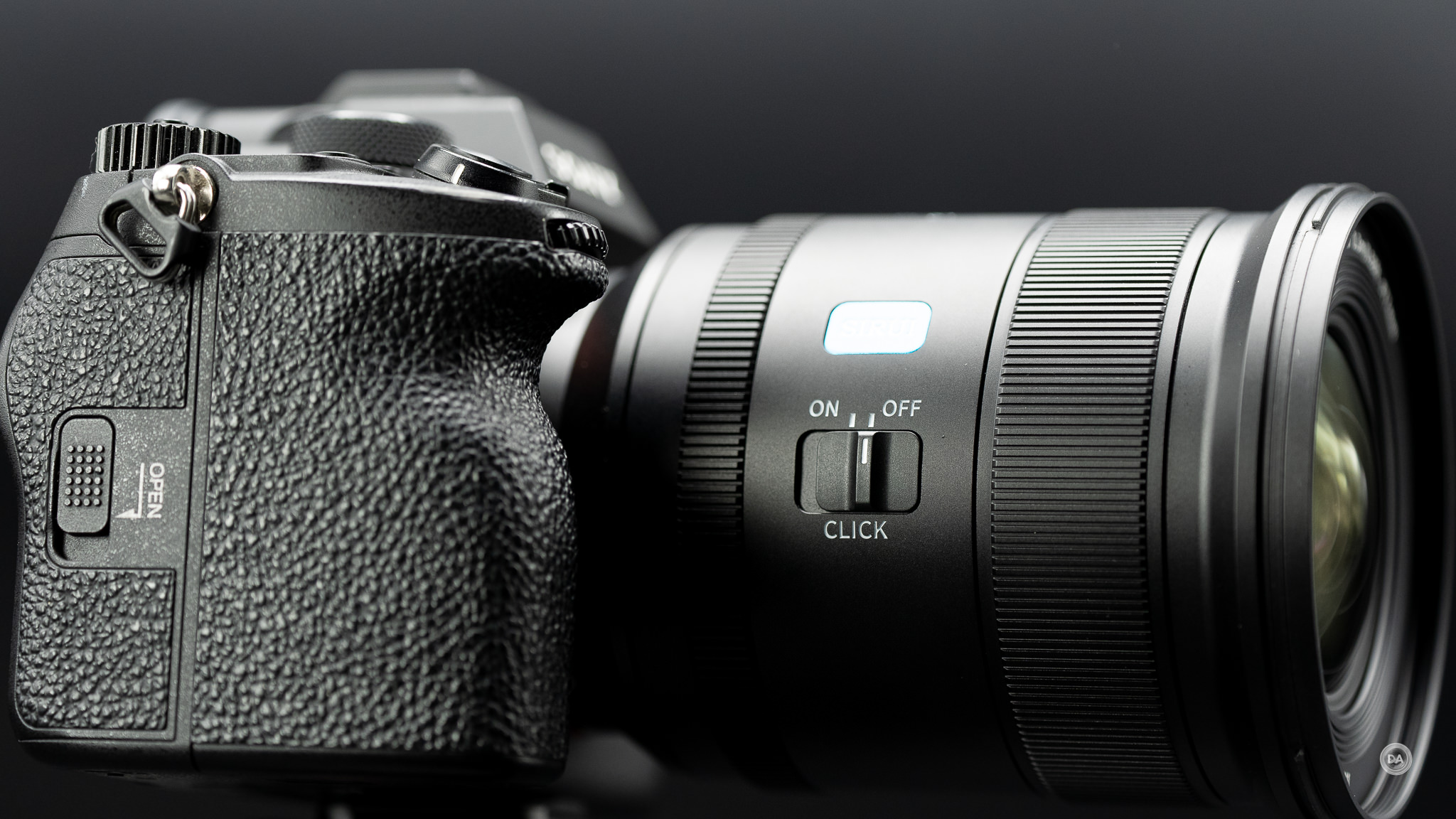
You have the capability of doing smooth aperture racks in the declicked mode, giving you greater versatility for video use (or if you just prefer smooth aperture control).
It is hard to show them on wide angle lenses, but the aperture iris has 11 rounded blades. That will retain a circular aperture when stopped down (F1.6, F2, and F2.8), though there will be few opportunities to have strongly blurred backgrounds.
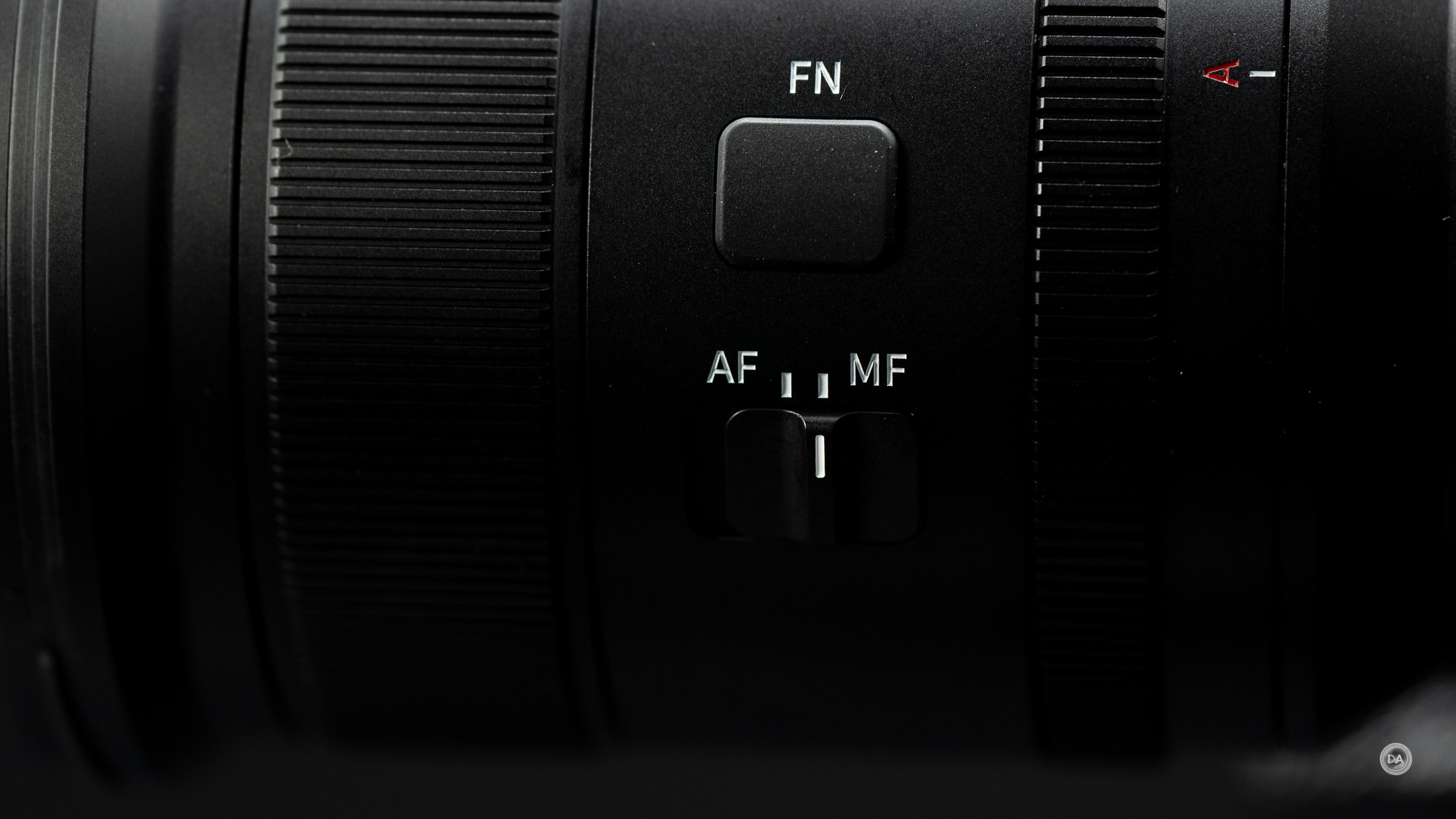
Additional controls include an AF | MF switch and a Fn button that can be assigned your preferred control from within the camera.
The overall appearance is similar to the 35mm and 85mm F1.4 lenses. It’s a nice looking lens. The lens barrel is made of metal (aluminum alloy), and it has a nice, anodized black satin finish that has classic charm.
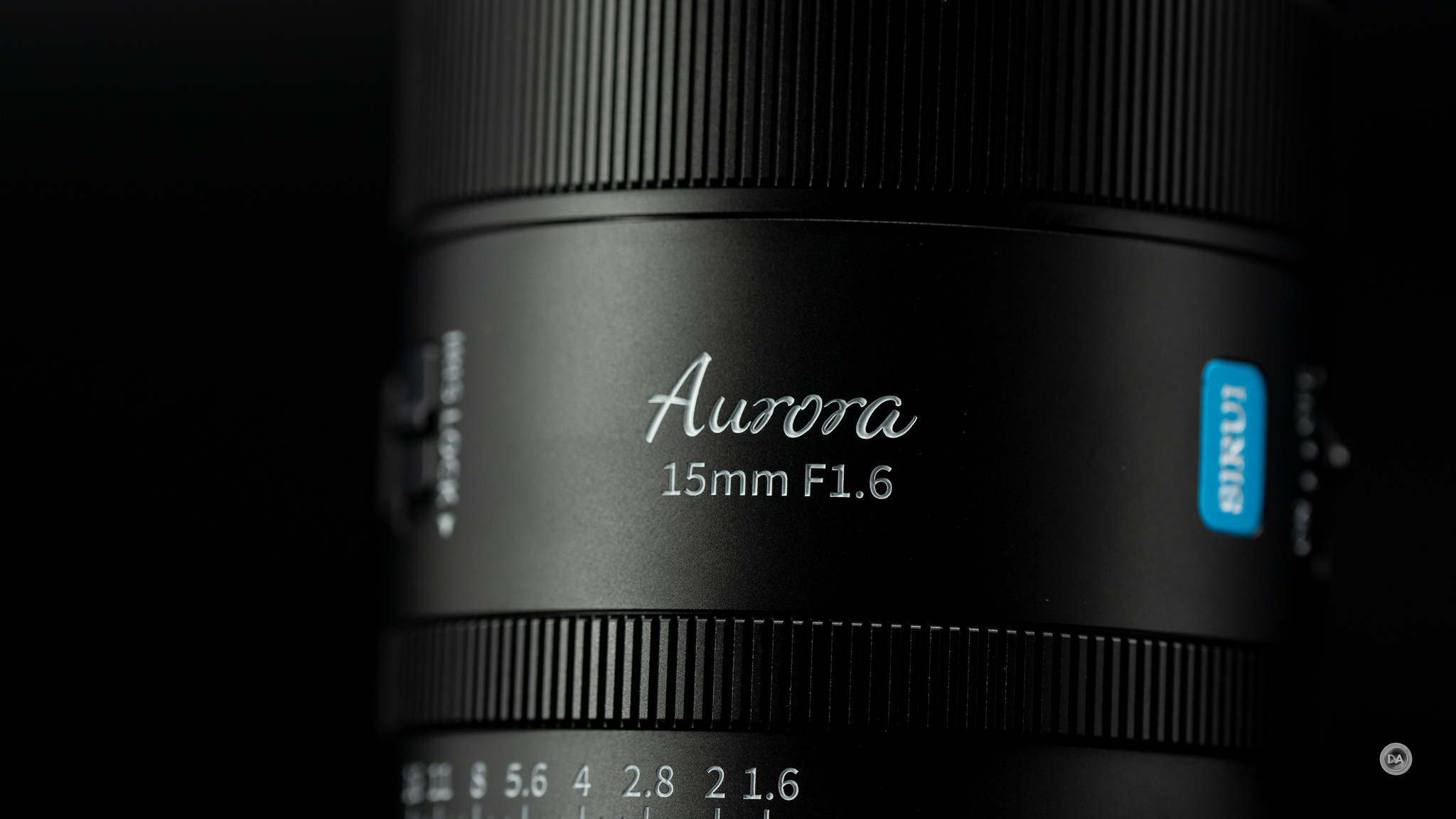
They have eliminated the too-large lens designation from the 85mm, too, making for a cleaner, less busy look.
The size of the Aurora 15mm is fairly comparable to the Viltrox 16mm F1.8, making it medium-sized lens. It is 82mm (3.22″) in diameter, making it slimmer than the 85.2mm of the Viltox. It is a big longer, however, at 106.4mm (4.18″) in length, making it 3.4mm longer than the 103mm of the Viltrox. For practical purposes, however, these are very similarly sized lenses.
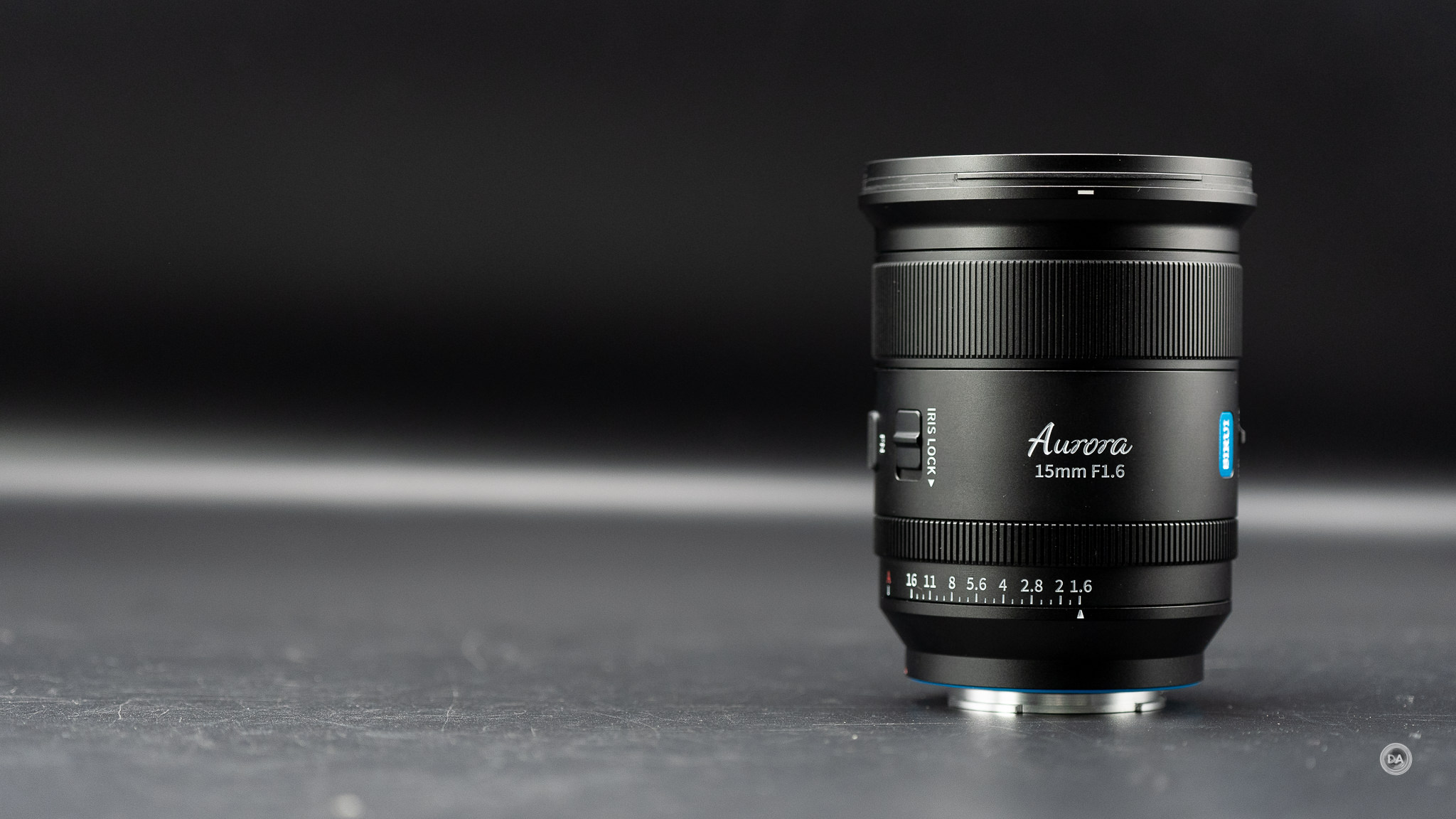
The weight is also very similar, with the Sirui weighing 540g (19.04oz) compared to the 550g of the Viltrox.
Also like the Viltrox, the Sirui Aurora 15mm sports a weather sealing gasket at the lens mount along with a USB-C port for easy firmware updates.
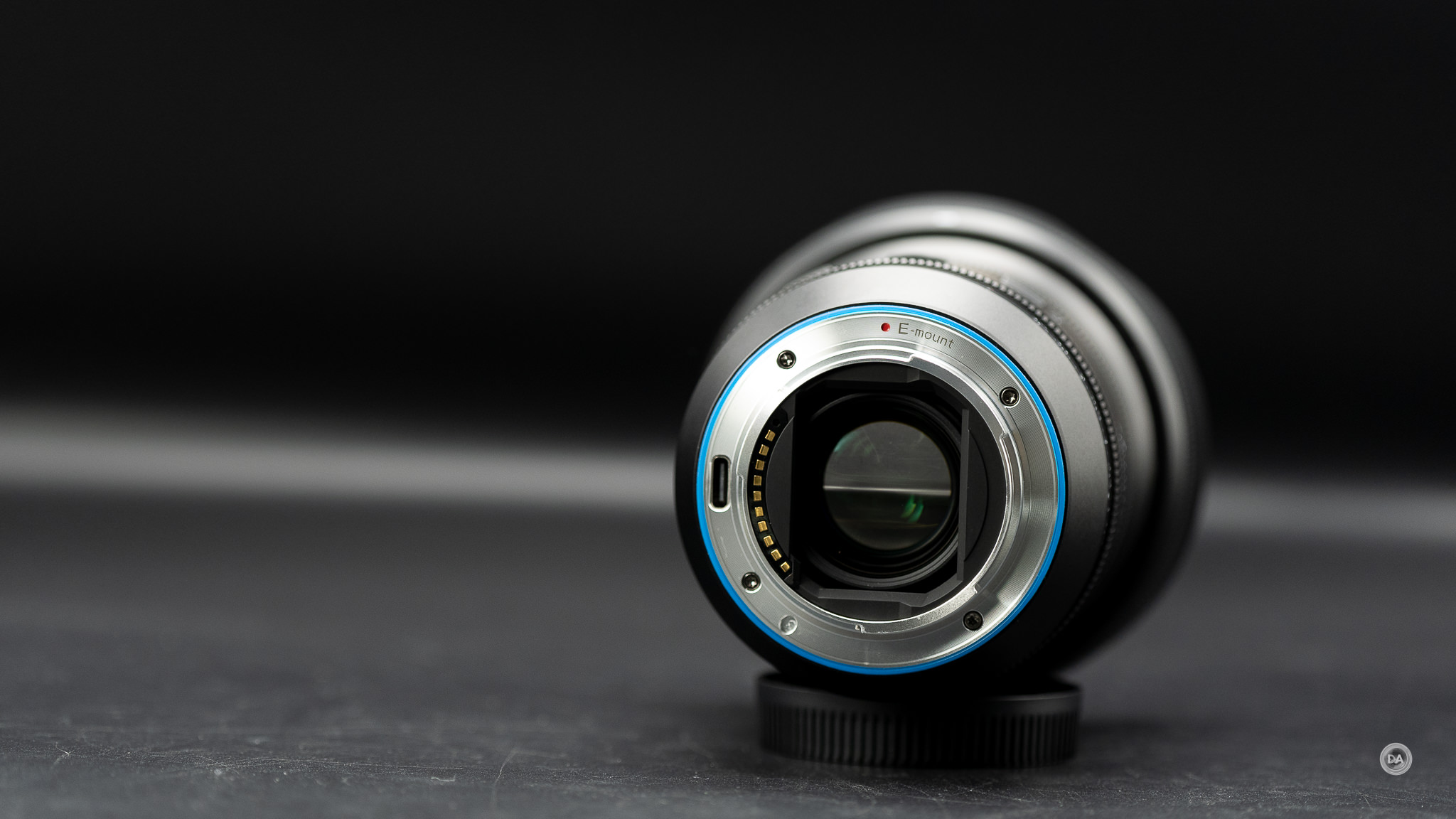
I haven’t yet seen a weather sealing diagram, but previous entries in the Aurora lineup have had thorough weather sealing with 10-11 seal points throughout the lens.
The included lens hood (pictured below) is shallow and has a ribbed section like Sigma’s hoods to make it easy to remove.
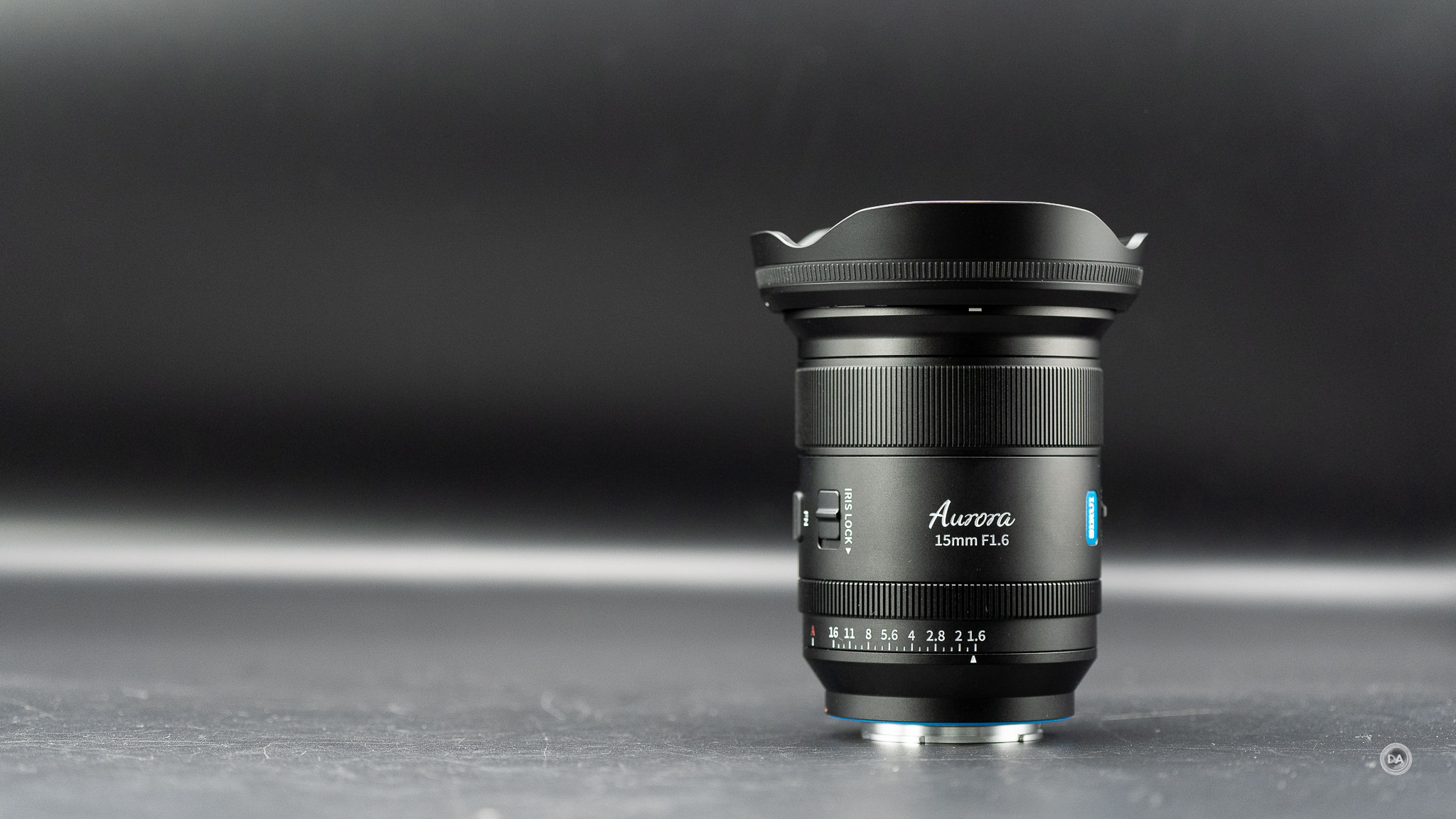
The manual focus ring has a nice feel to it overall. The damping is good, and focus smooths well without any apparent lag between input on the ring and the actual focus action. The behavior may be slightly different on Z-mount or X-mount due to different protocols there.
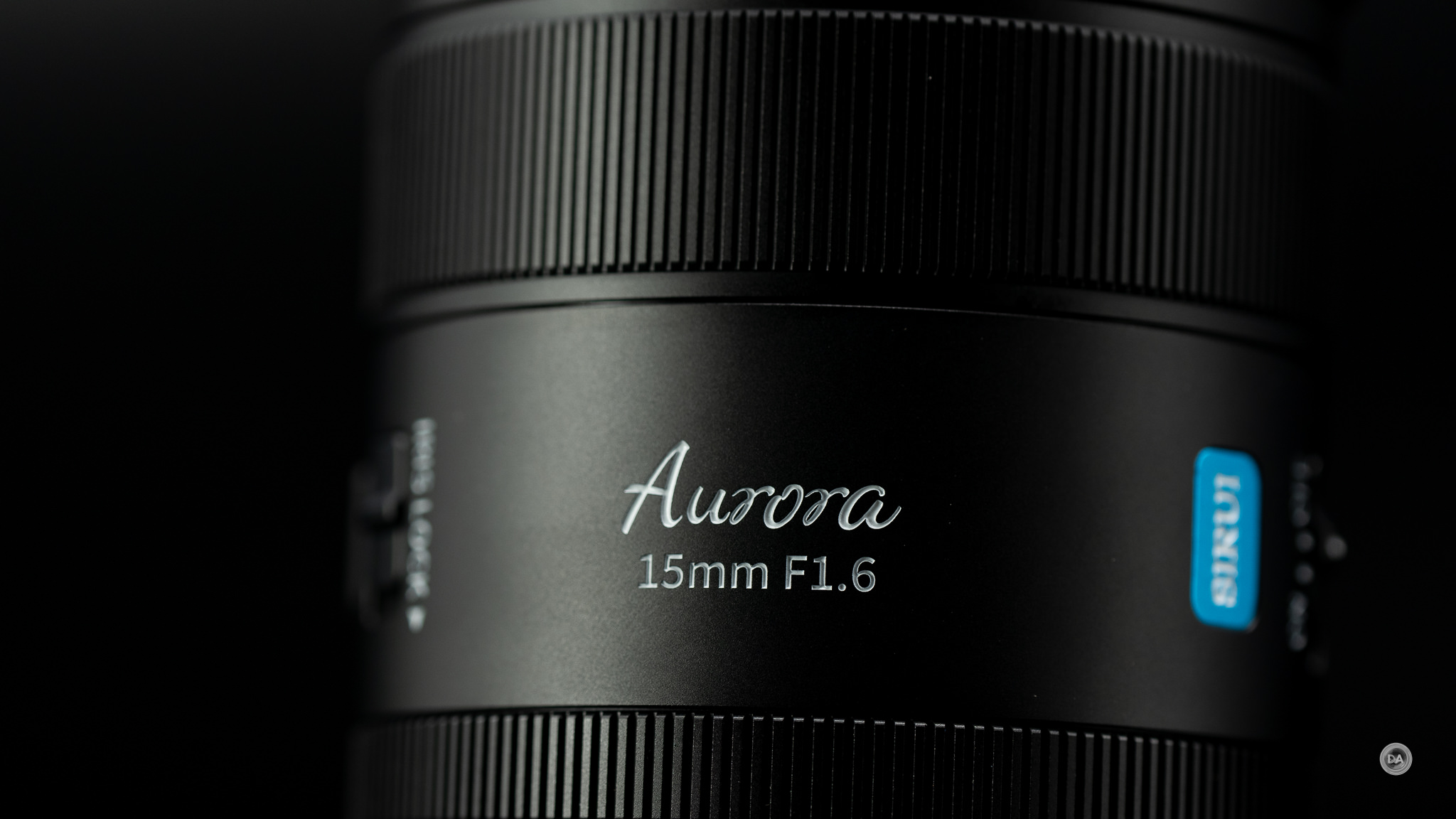
The minimum focus distances is a rather long 30cm, and the resulting magnification is very low at just 0.08x. Here’s what the Aurora’s maximum magnification looks like.

Definitely do not purchase this lens to do close ups! This was one of my better close up attempts while testing the lens, but you can see that magnification is not very high.

The overall package of the Sirui Aurora 15mm F1.6 is great. It is feature rich, reasonably compact, can use traditional filters, and generally handles very well. Add to this an excellent price point of $599 USD, and you’ve got a potential winner.
Stills Autofocus
Sirui has equipped the Aurora 15mm with an STM or stepping motor. While I prefer Linear and Voice Coil motors as more upper tier focus motors, the Viltrox 16mm (the main competitor here) also uses an STM focus motor. Autofocus zips back and forth with good pace, and for moderate action (like Nala doing her thing), I got great results…even at F1.6.


You’ll notice that results in this sweet spot of the frame have a lot of punch, too.
I still caught her fairly well as she hopped down.

I do find that Sirui lenses do better on Sony than on Nikon, though I haven’t tested them on L-mount, where in theory they should do well due to having direct access to focus algorithms.
My formal focus tests found autofocus zipping back and forth with little to no lag, and there is no real audible focus noise, either.
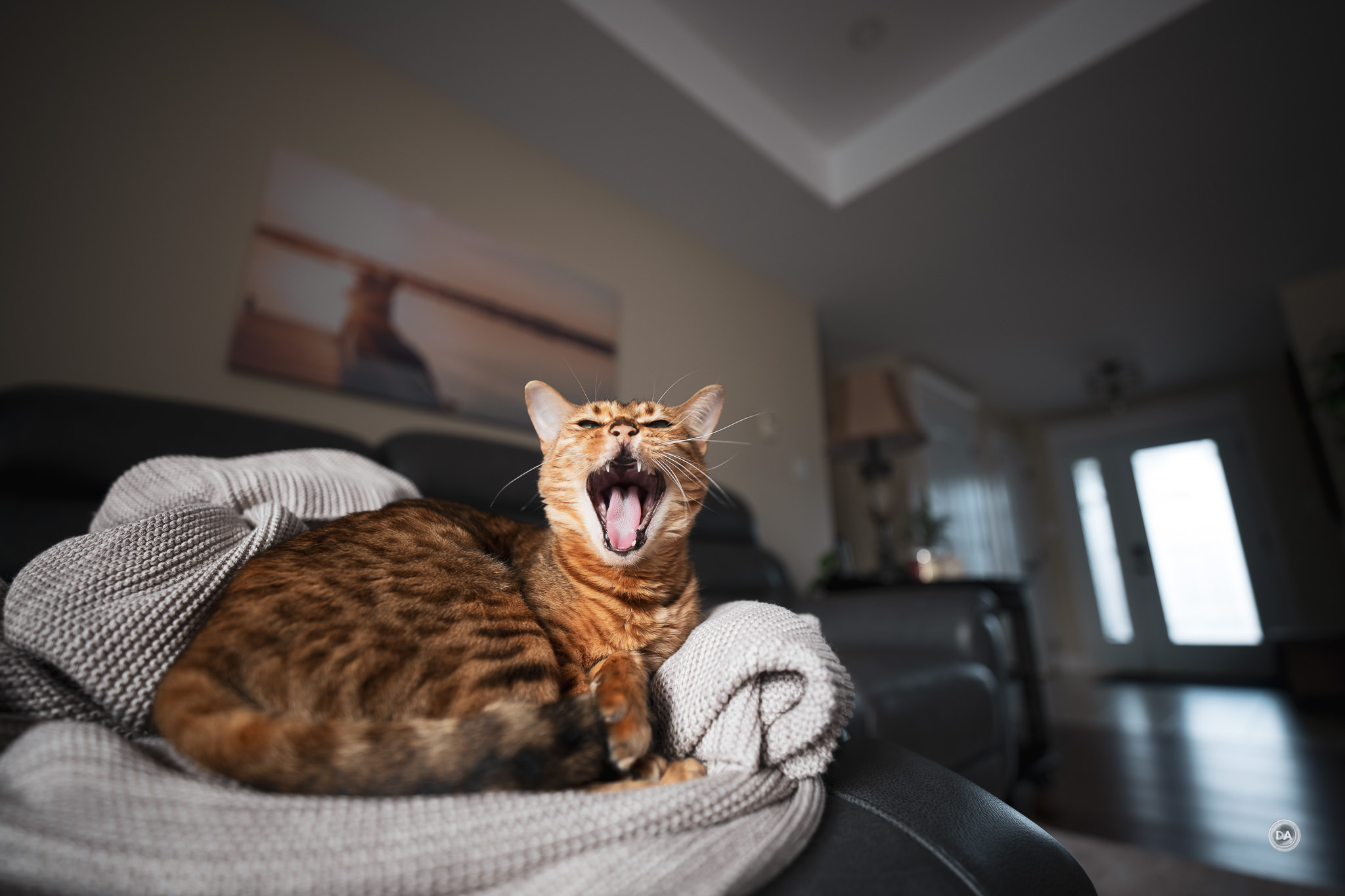
I had no real complications or frustrations to report. Things might be a bit different on the other platforms, but on Sony AF was excellent.
Video AF
Video pulls were nice and smooth, with no visible steps and low focus breathing. The wide focal length means that a lot is on screen at any given time, but the focus changes felt fair cinematic.
I had one clip (at F1.6 where I moved around Nala and in and out during the clip, and focus felt stable throughout without any visible focus adjustments. If I grabbed frames out of the clip, they are basically always in focus.

My hand test where I block the camera’s view of my face with my hand and then remove, challenging the camera/lens to change focus from my hand to my face and vice-versa went very well. The low focus breathing allowed for very seamless transitions from my face to my hand and back.
Other clips where I wanted stable results delivered…mostly stable results. Some clips are perfect, but at least one has a bit of a slow pulsing as if focus doesn’t quite know where to land. A firmware update may be in order to give just a little more stability.
Aurora 15mm F1.6 Image Quality Breakdown
The Aurora 15mm has an optical design of 17 elements in 12 groups, which includes 3 aspherical lenses, 4 HR (High Refractive Index) elements, and 3 ED (Extra Low Dispersion) elements. I don’t have an optical breakdown diagram or an MTF chart yet.
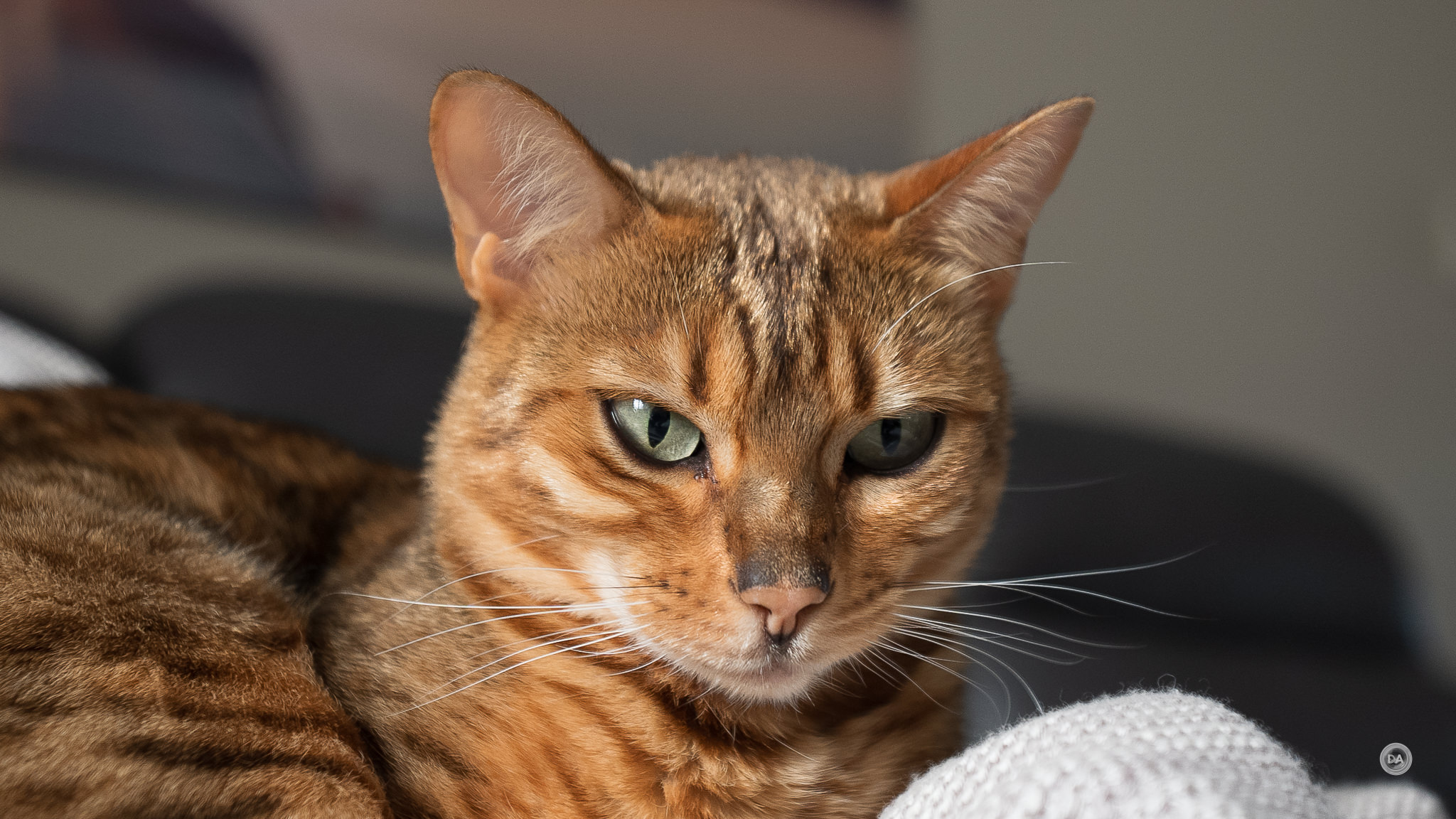
Sometimes Sirui lenses produce sharpness and contrast results that – for me – are somewhat inconsistent. In some situations, they are crisp and details, like here at F1.6:
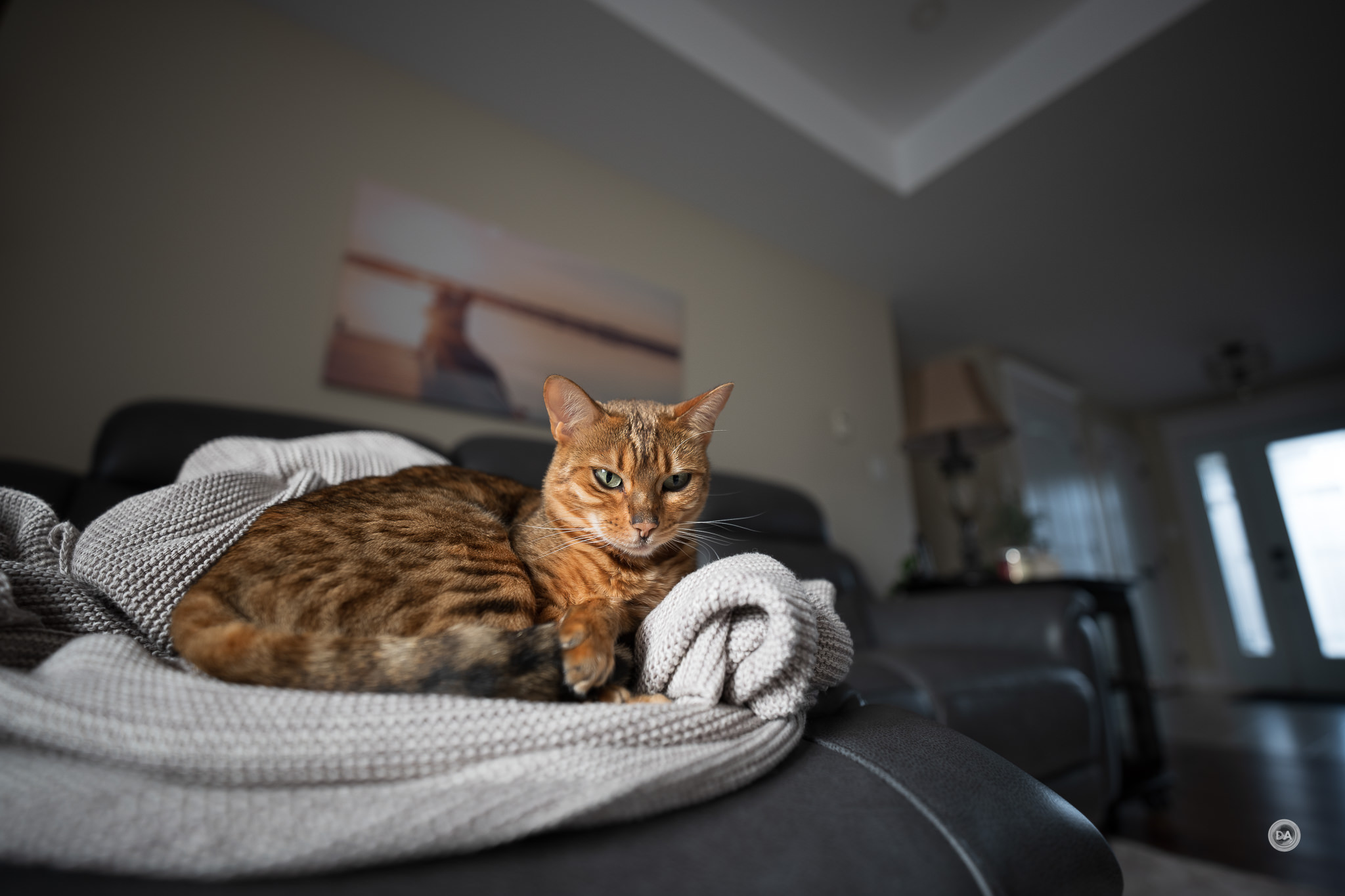
In other images, however, I find the textures lacking fine definition (also at F1.6):
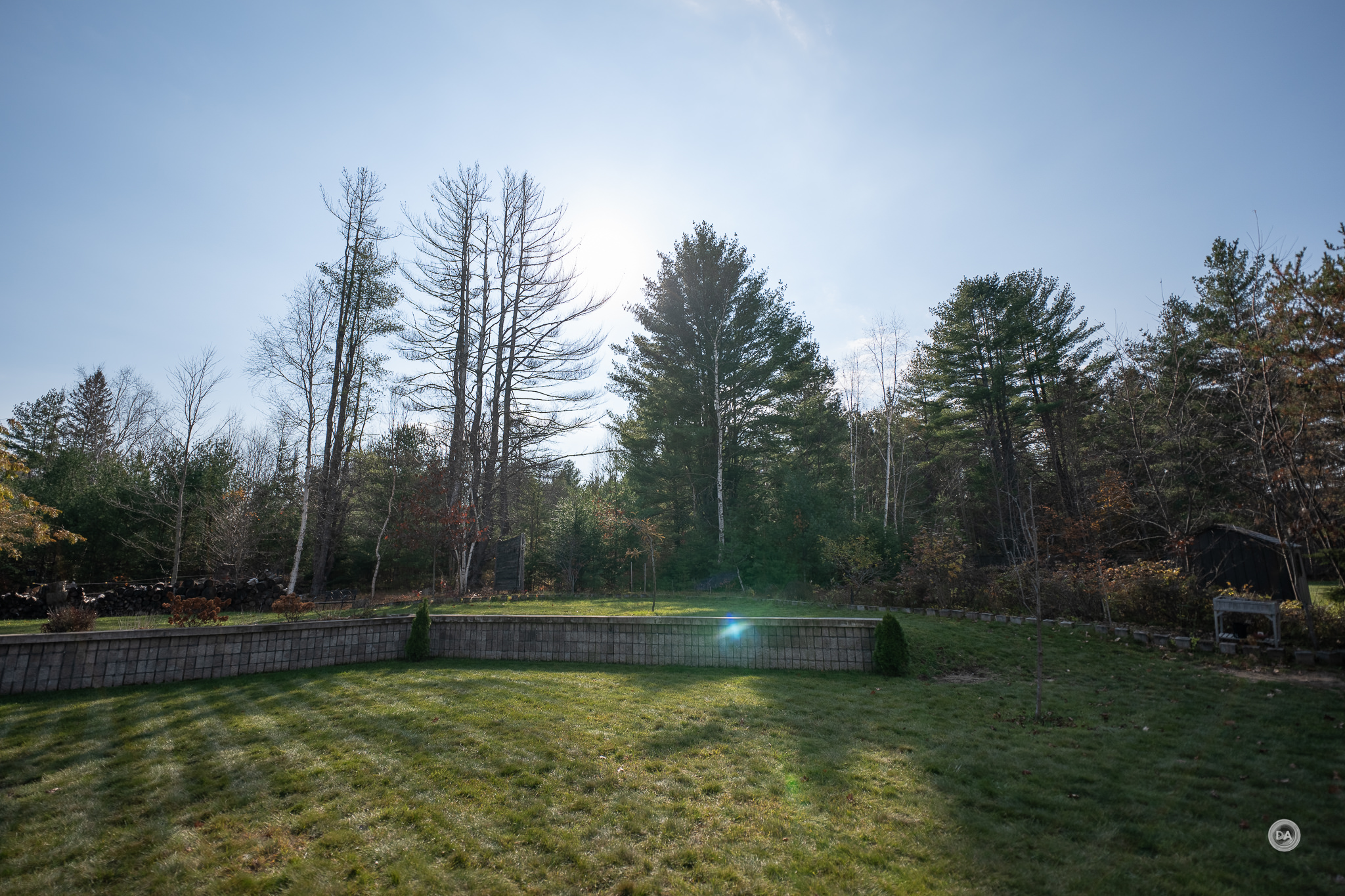
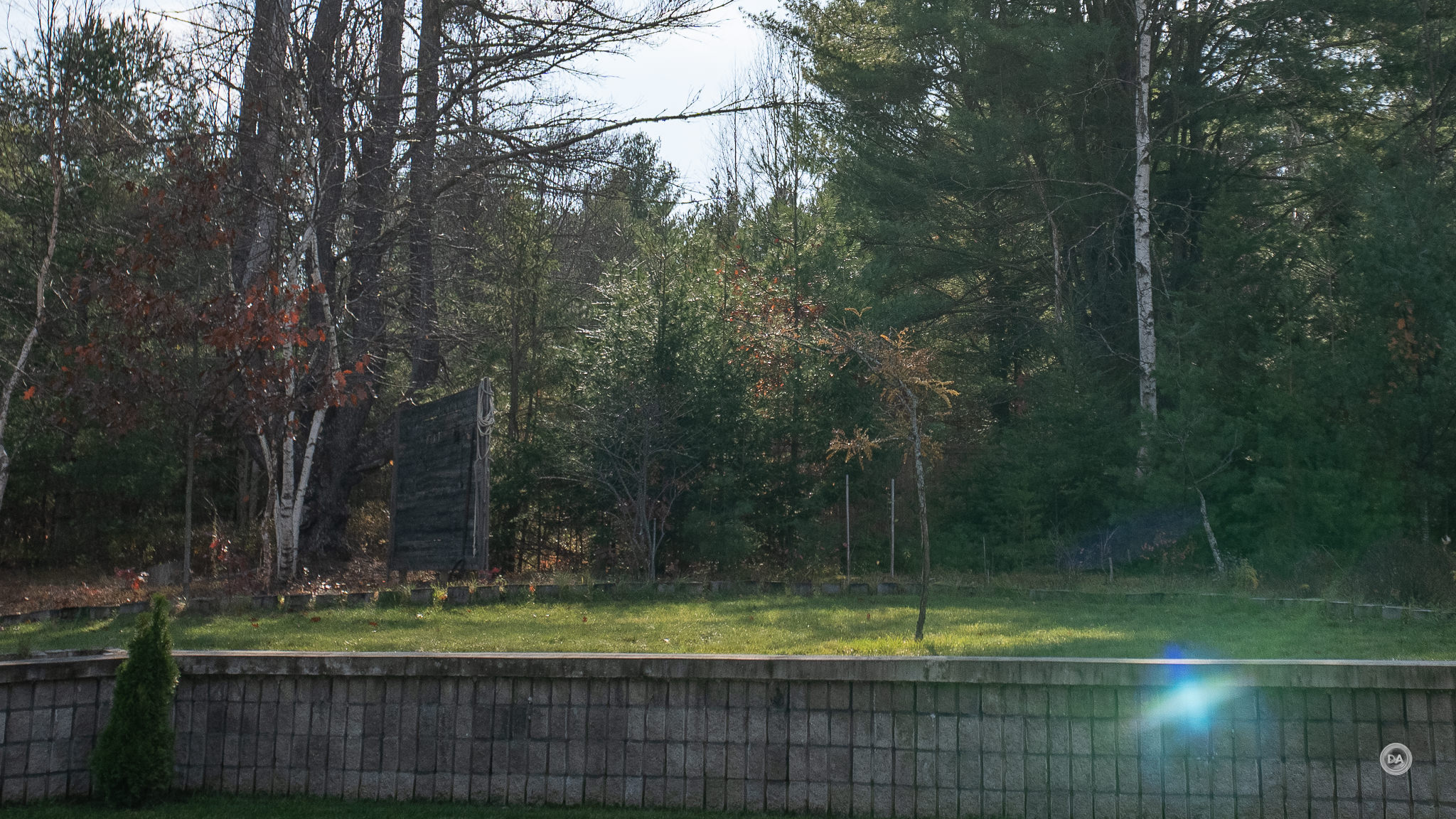
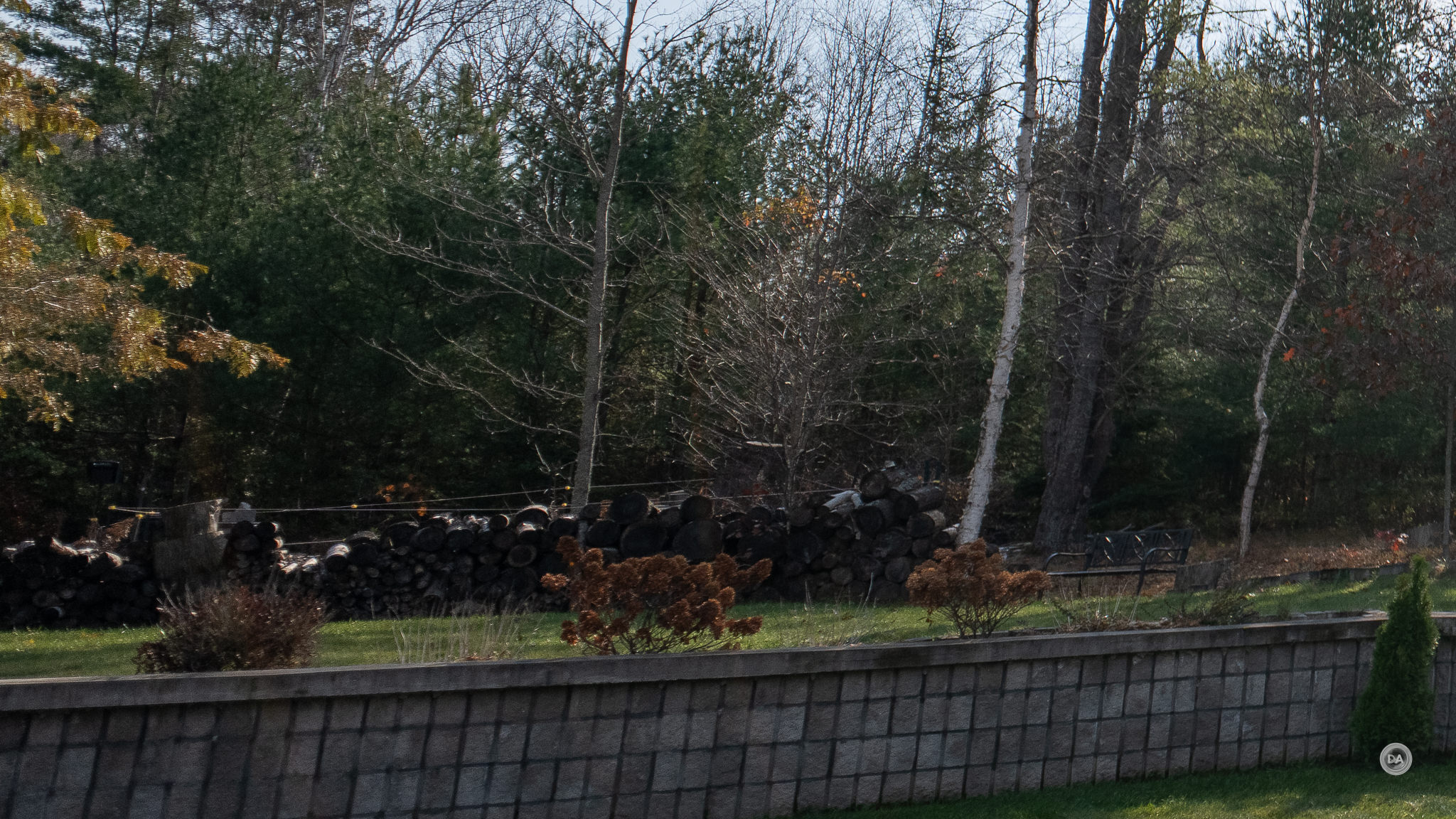
Let’s take a closer look.
I noted in their literature that Sirui is touting the low distortion of the Aurora 15mm, “Outstanding distortion control (-1.2% horizontal / -0.27% vertical) — straight architectural lines and undistorted subjects even at the frame edges“. I was initially a bit nonplussed by this, as while distortion on my test chart isn’t bad for such a wide angle lens, the barrel distortion bulge was quite obvious.
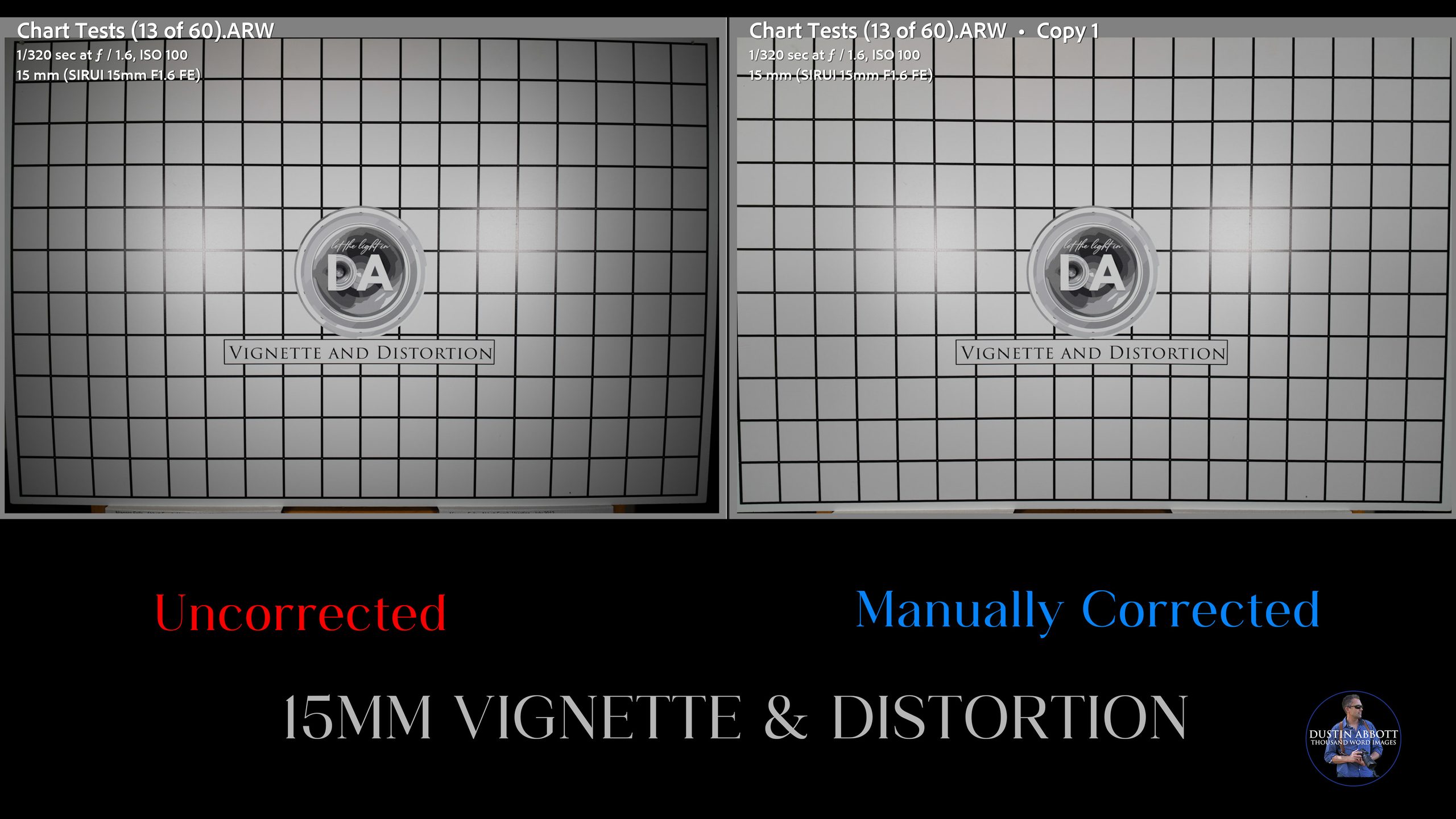
I needed to dial in a +10 to correct the barrel distortion, which wasn’t completely linear and caused a bit of pinching in the middle. Vignette was extremely heavy, requiring a near maximum correction (+97) to achieve the result seen above.
Having read Sirui’s literature, I wondered if the very close distance to my test chart was exaggerating the distortion. I took it outside, where I could use my fence backdrop to create a larger test chart.
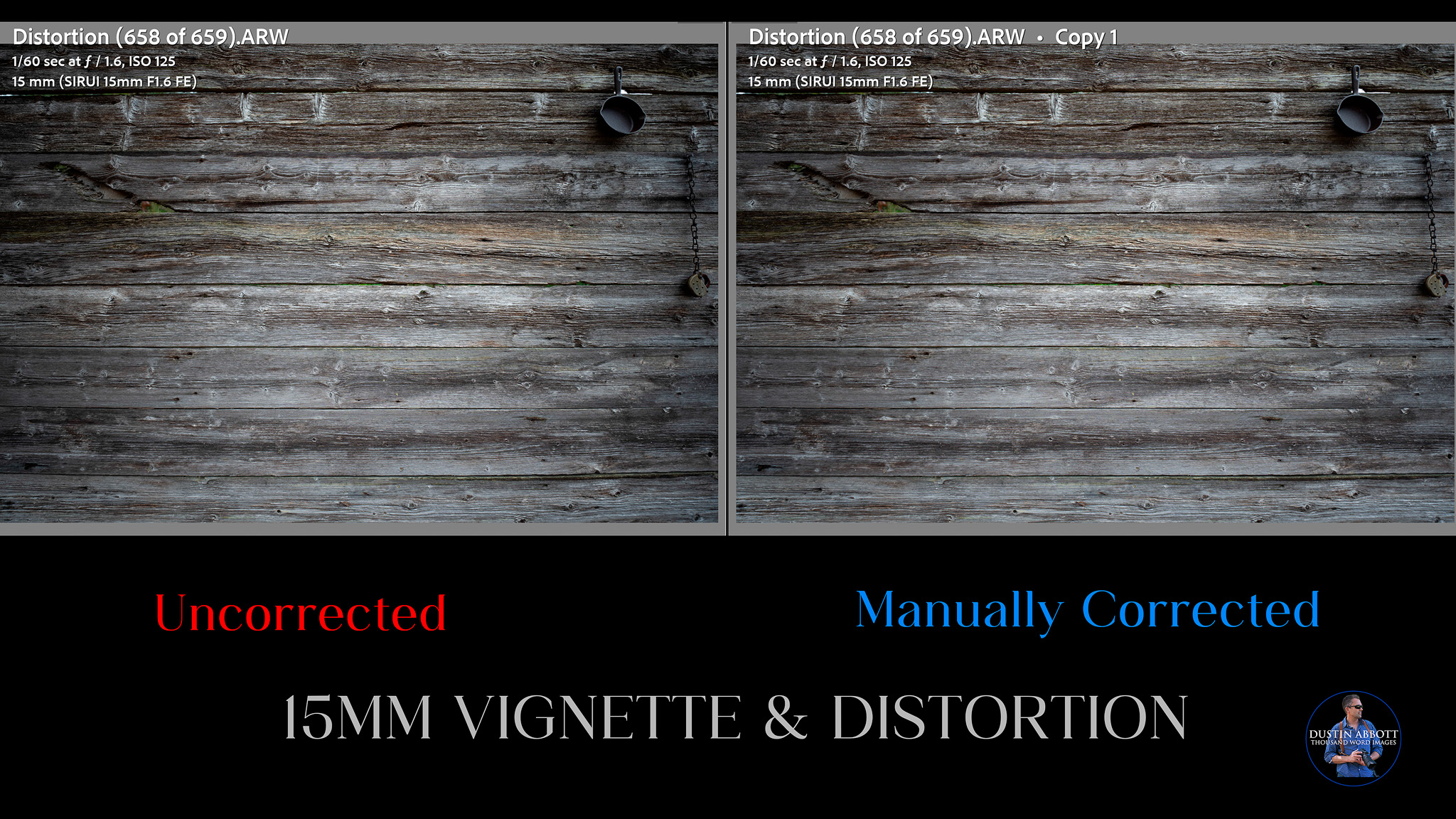
Definitely much better. I only used a +5 to correct the distortion, which is only half of what I needed at the chart distance. Vignette wasn’t quite as extreme, either, though still noticeable.
In a shot of my living room, I found that lines looked pretty good even without correction. Vignette is pretty obvious.
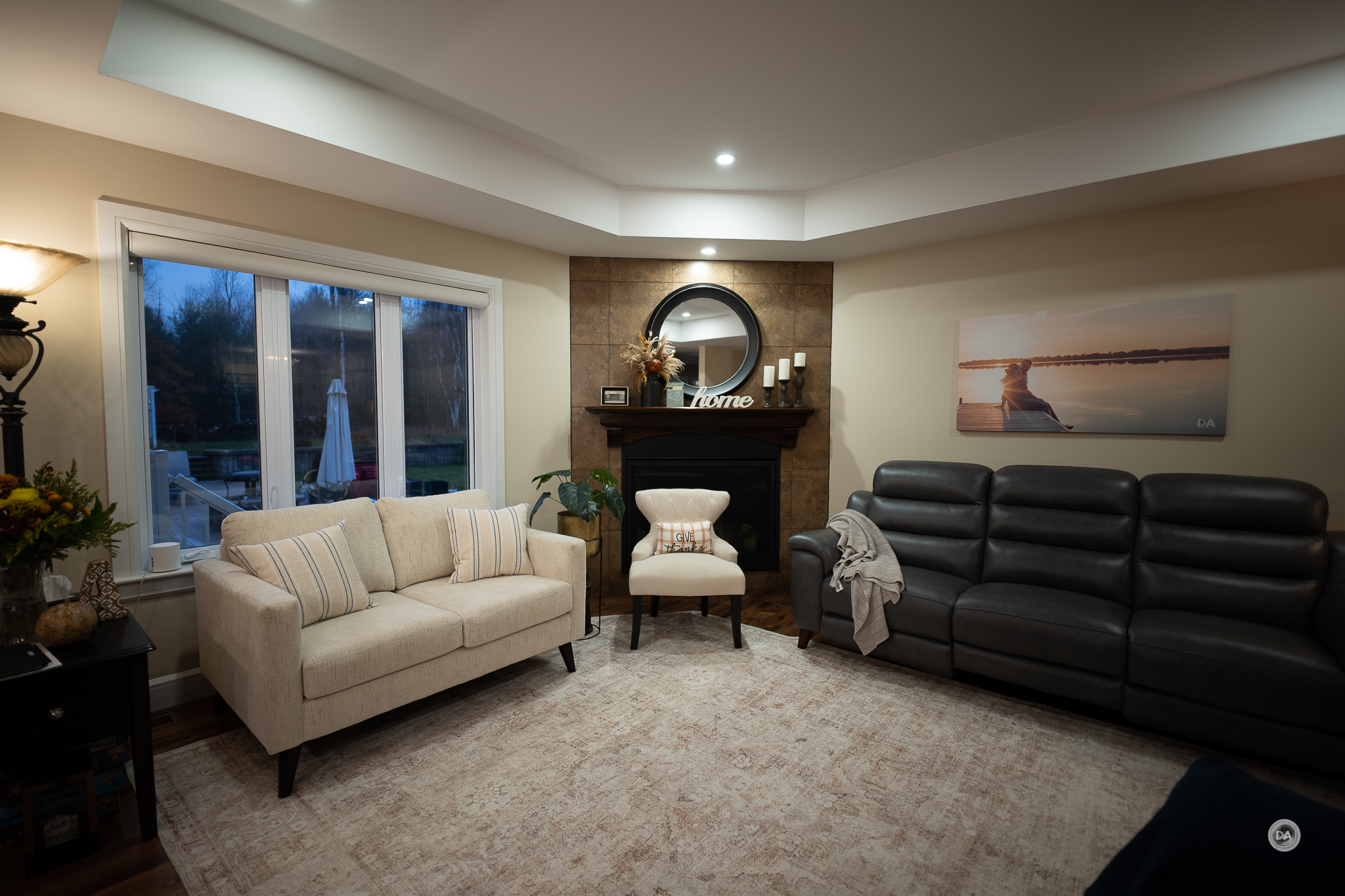
My conclusion is that in real-world situations the low distortion should be a real strength for the Aurora 15mm, though I definitely found the vignette impactful in real-world use.
The Aurora 15mm shows some light color fringing before and after the plane of focus (LoCA, or Longitudinal Chromatic Aberrations), though nothing excessive in my standard tests. This is less of a problem for a wide angle lens, as you will rarely have such a narrow plane of focus in real world situations.
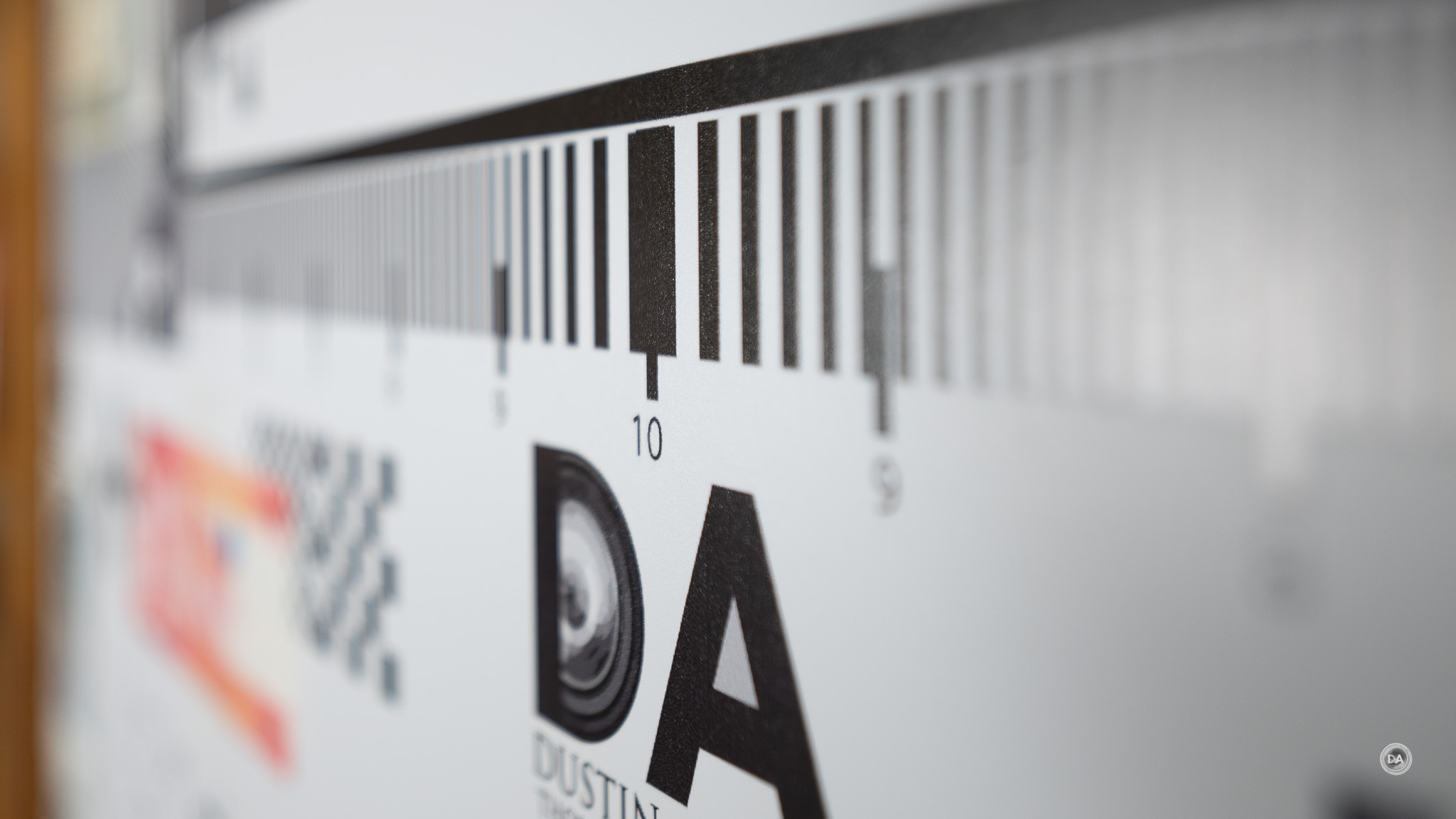
I do see a bit of fringing at very high magnification on my Dad’s old SLR, but nothing excessive.
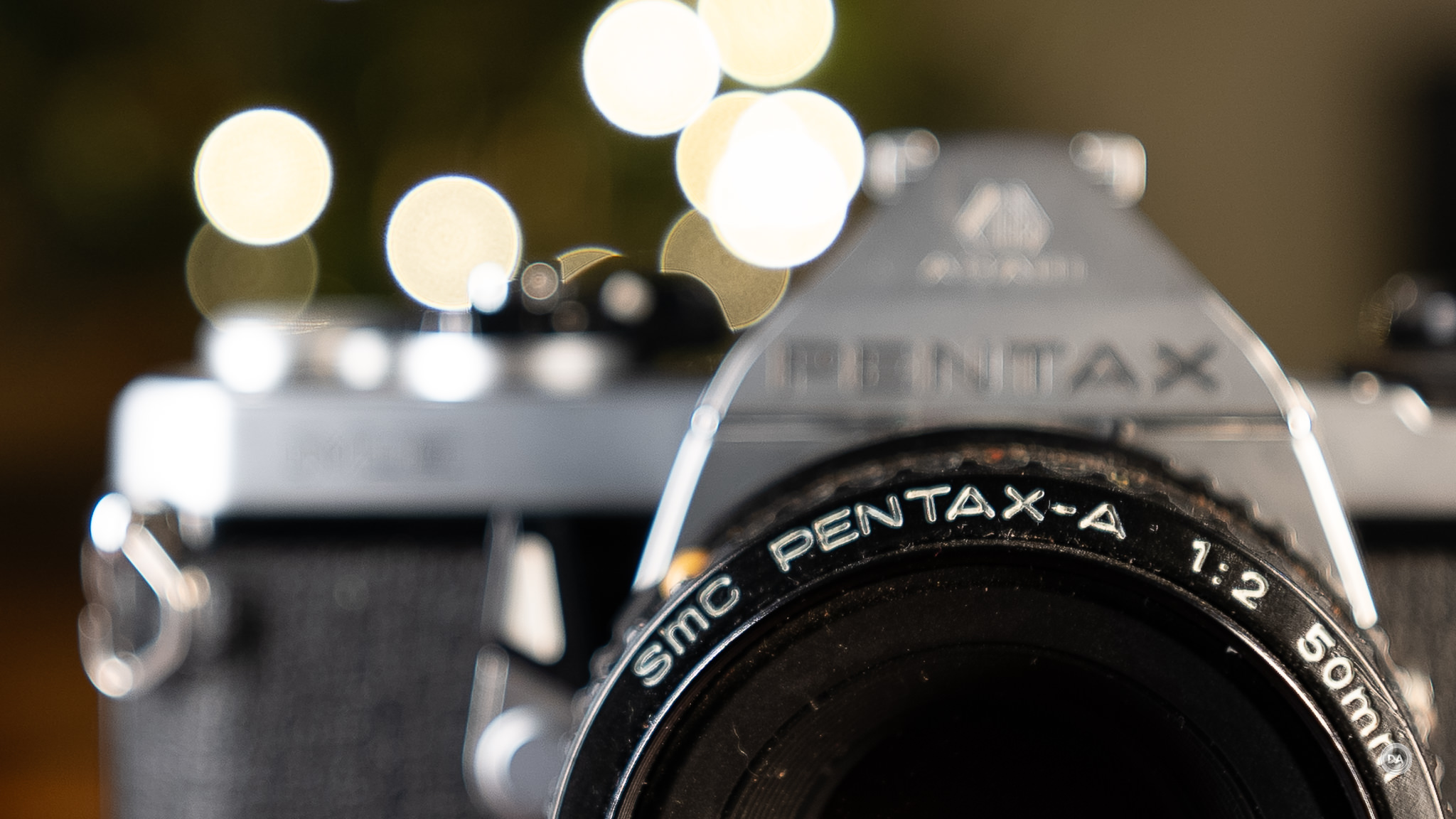
There is some mild fringing around bright specular highlights.
Lateral chromatic aberrations (LaCA) are far more common for wide angle lenses, but fortunately those are very mild here.
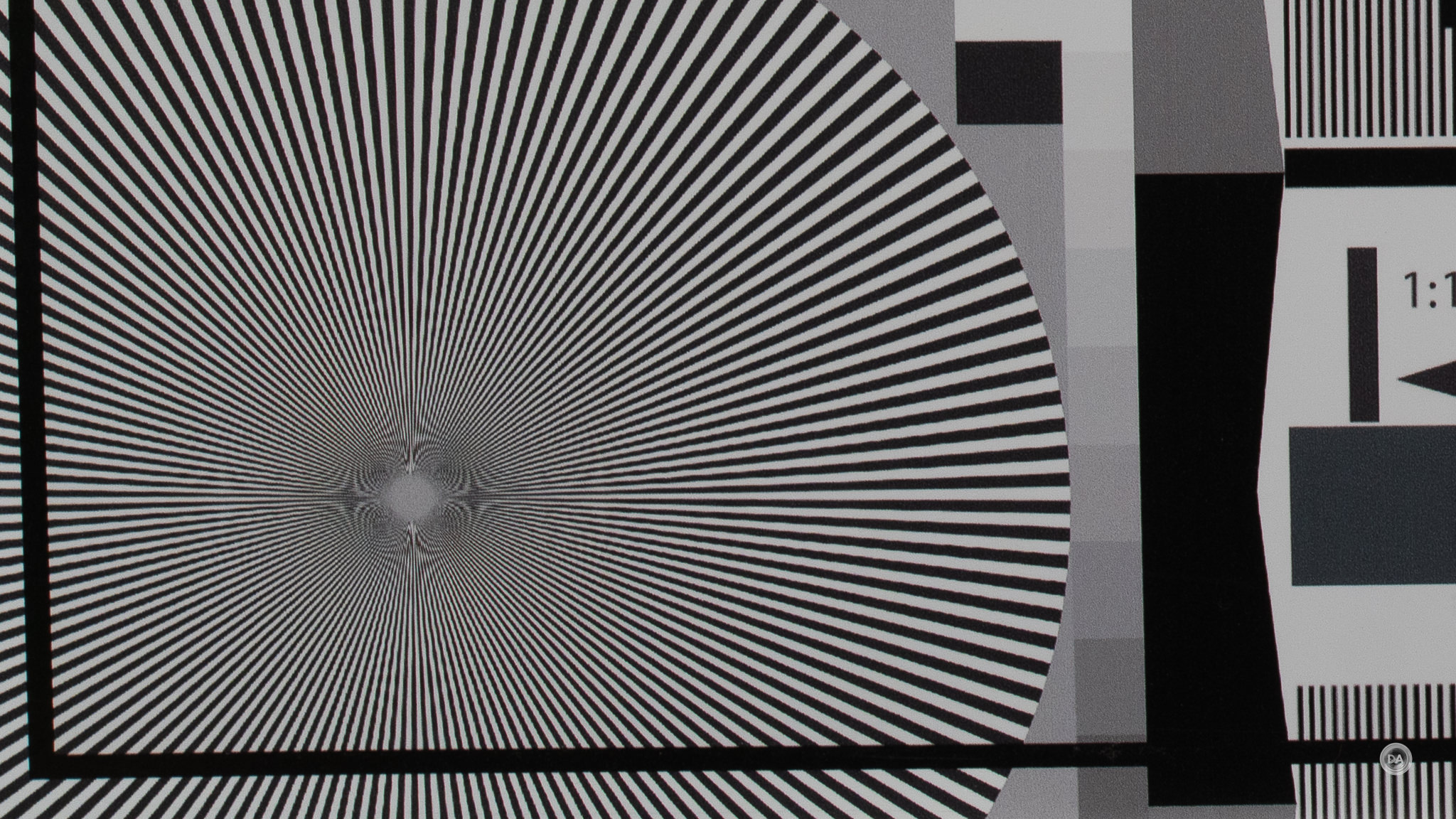
Nothing too concerning on any of these fronts, outside of the heavy vignette.
So how about resolution and contrast? My tests have been done on a 61MP Sony a7RV, and crops are typically shown at 200% magnification. Here’s the test chart:

Here are F1.6 crops at roughly 200% from across the frame (center, mid-frame, and lower right corner).



Above all what stands out is a very even performance. The corners are a bit dark, but detail is still good there. Contrast in the center of the frame doesn’t look exceptional, but in general this is a nice results.
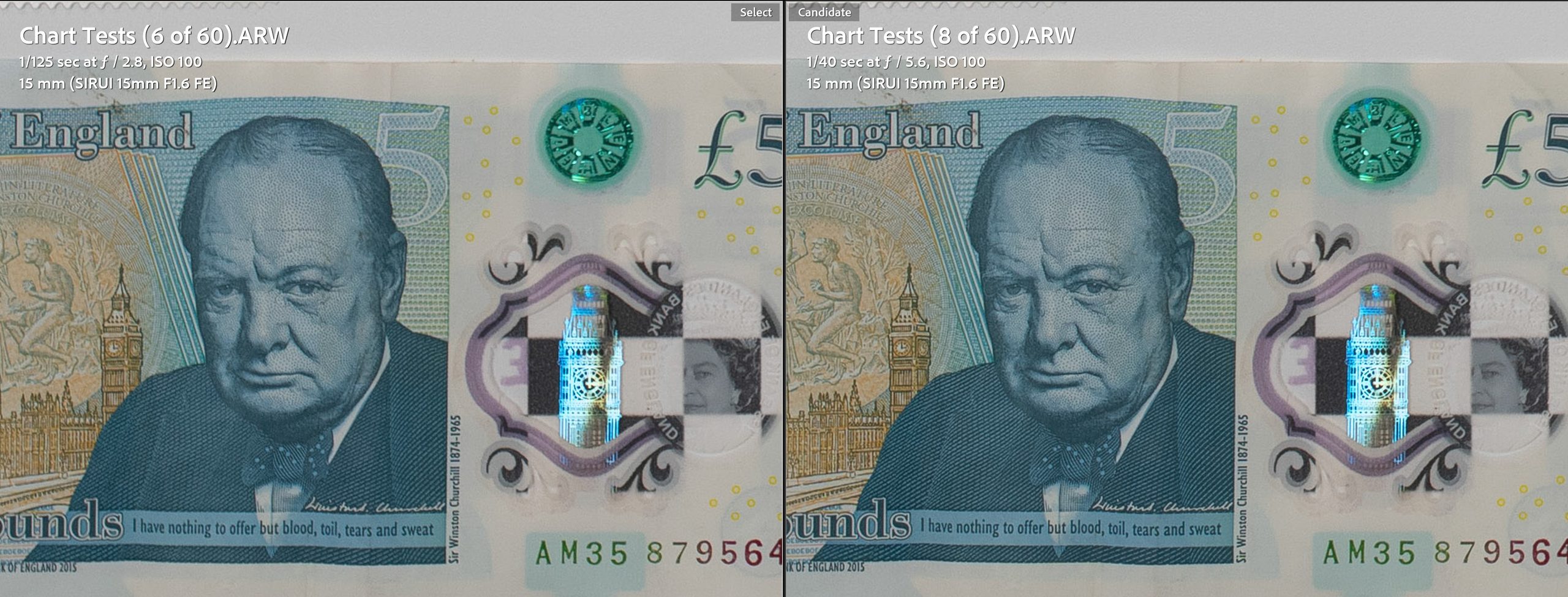
Stopping down even to F1.8 produces a bit more contrast, with a bit more on tap at F2:
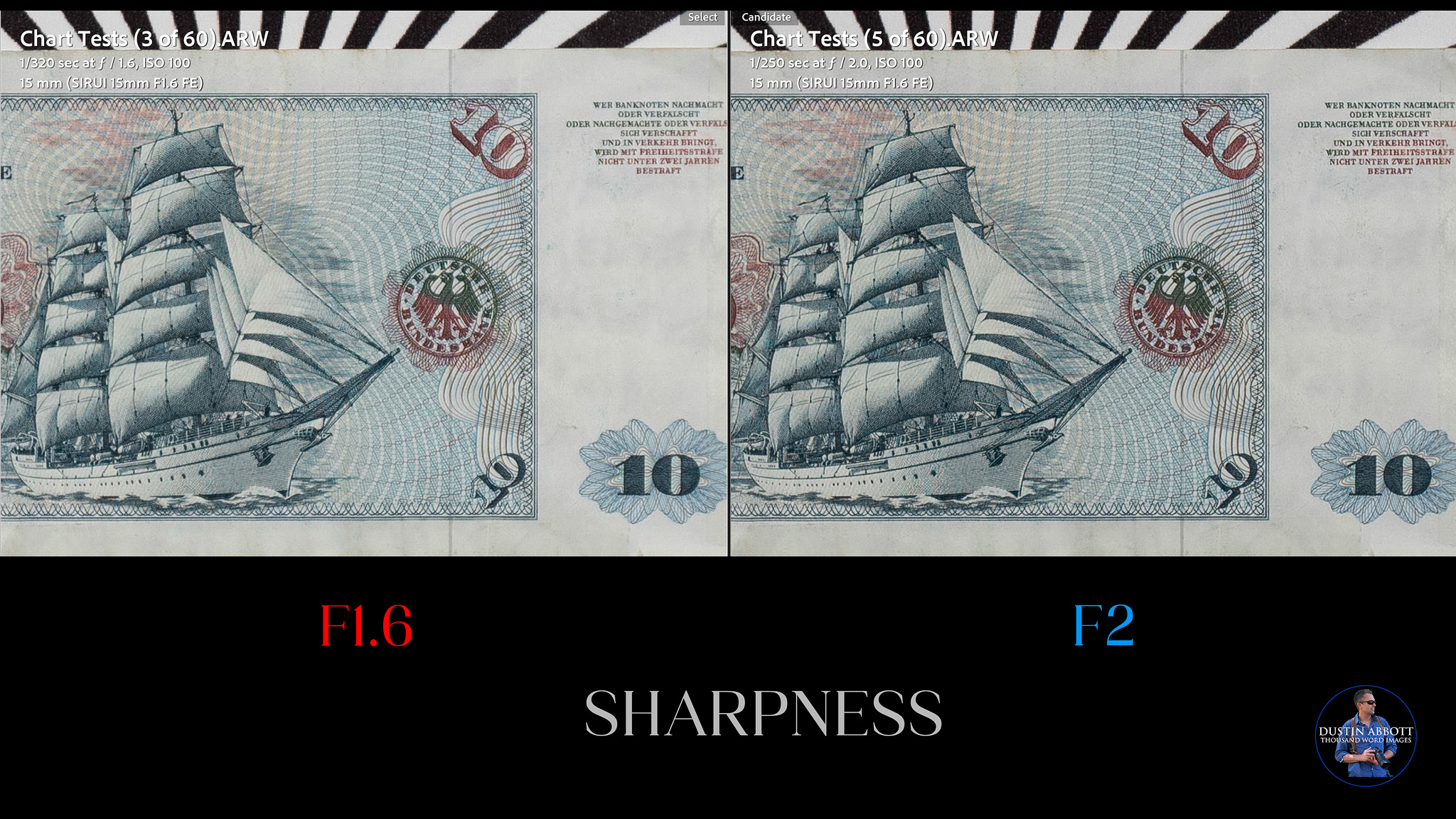
By F2.8 the corners are looking very sharp.
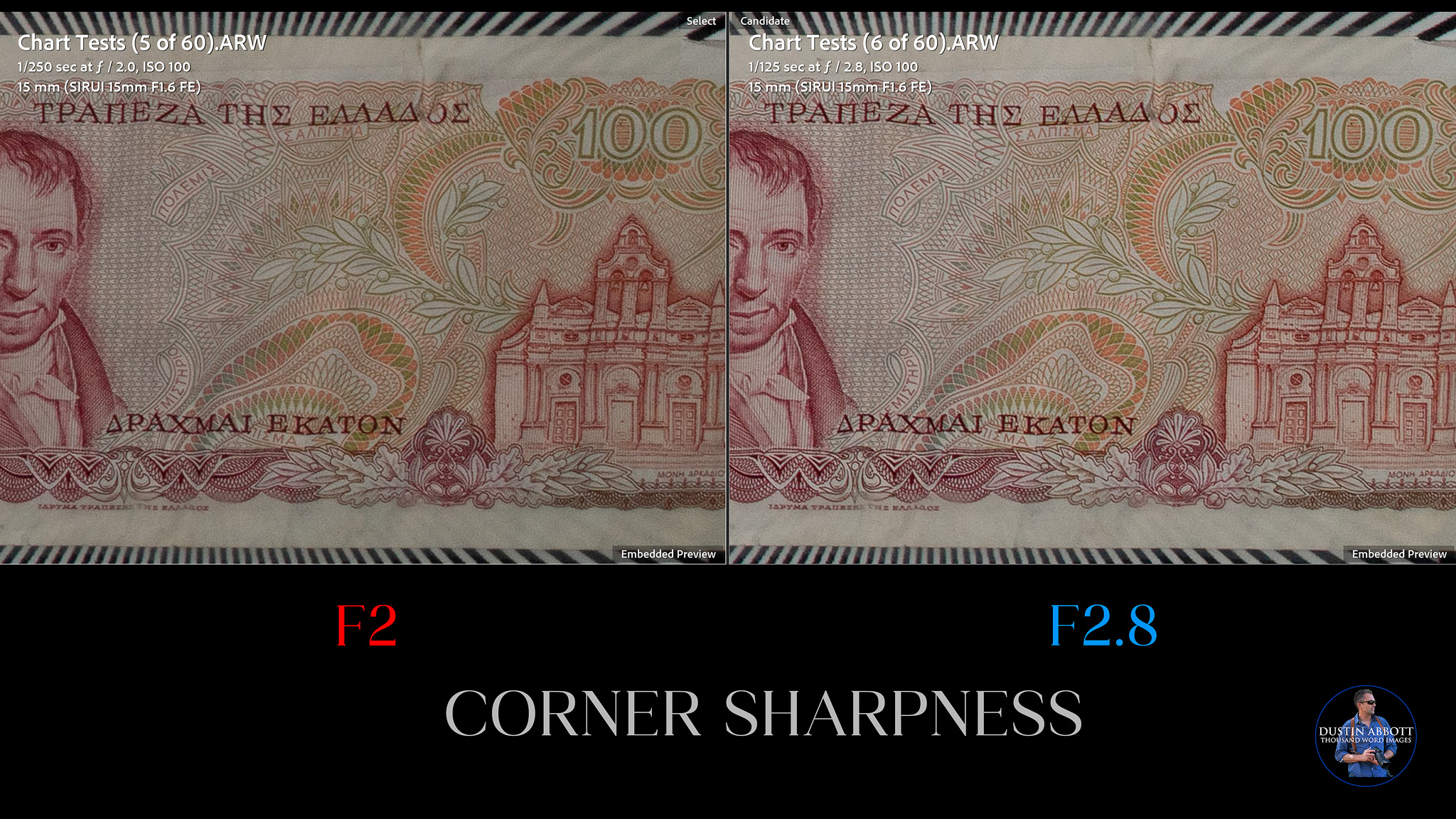
Stopping on down adds further contrast.
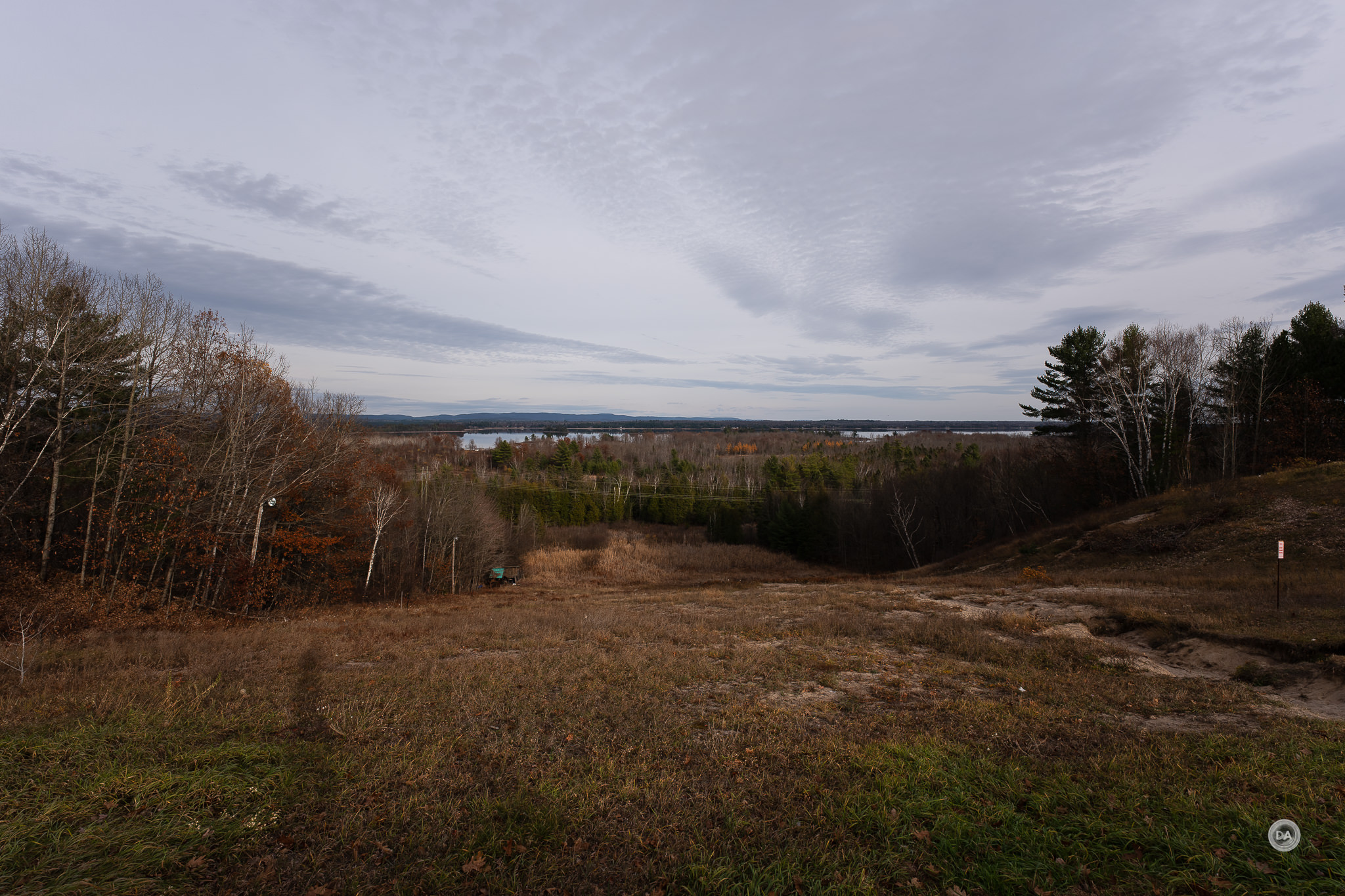
Landscape images show a lot of fine detail in many images (here at F8).
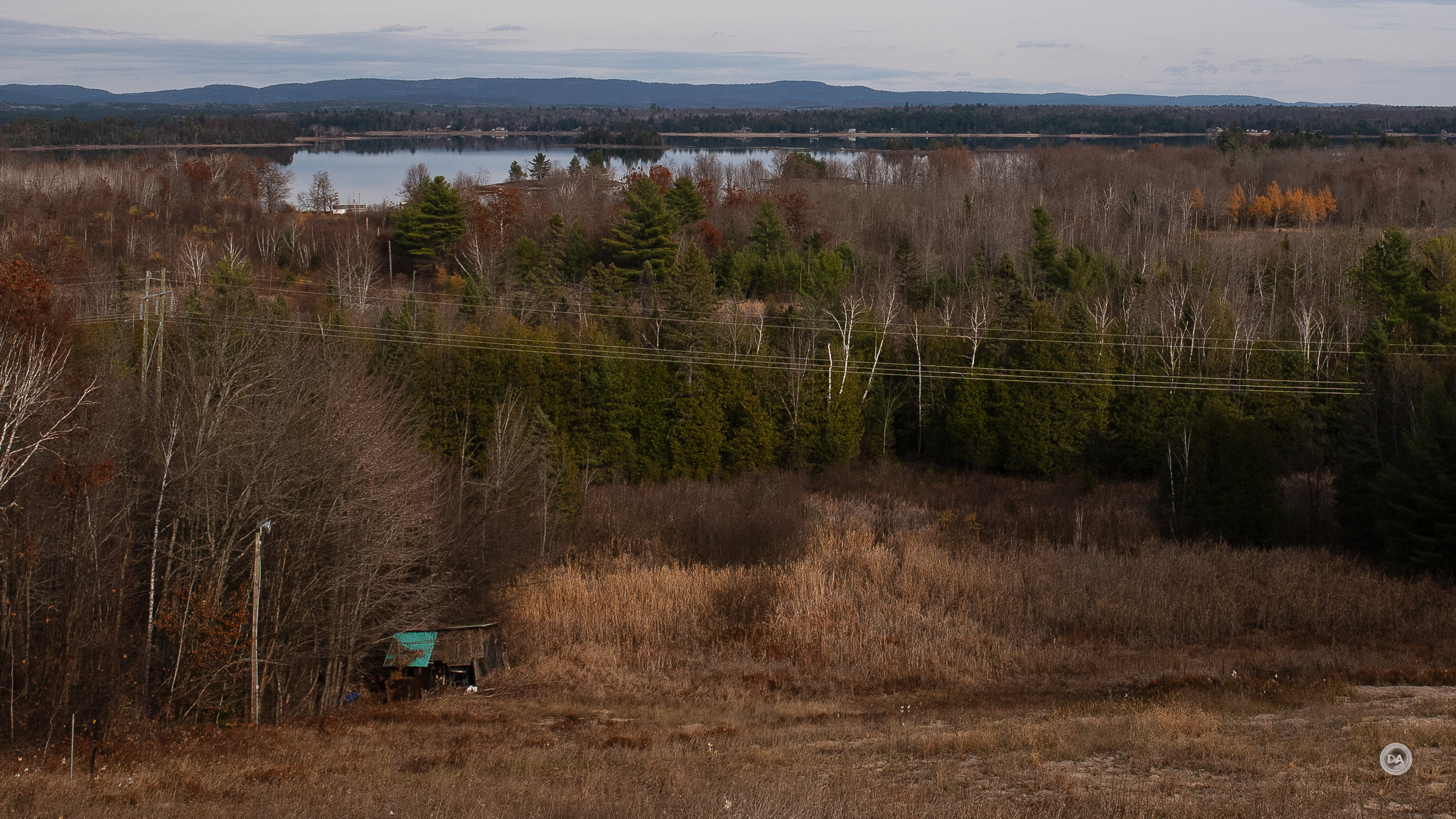
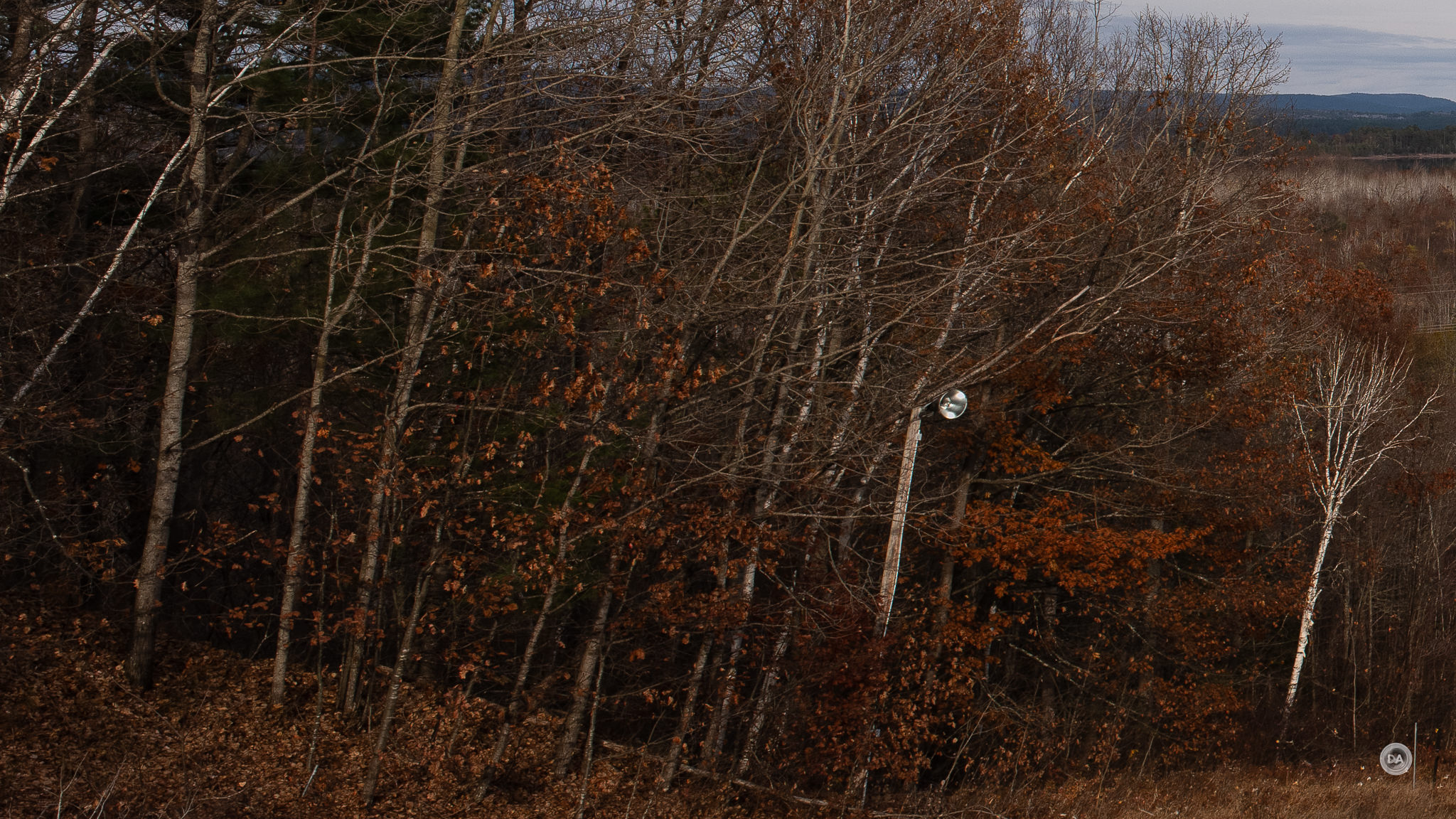
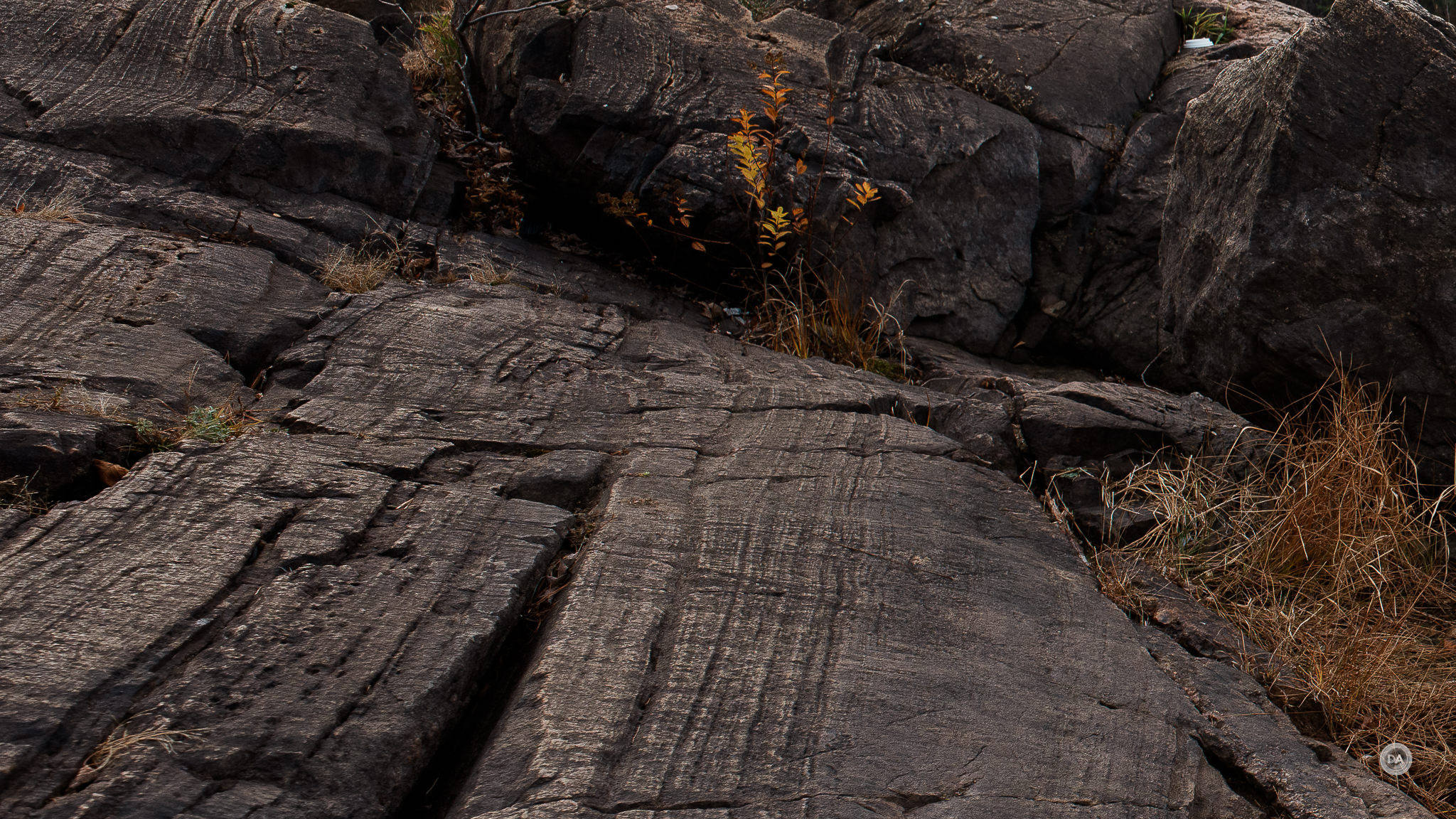
Here’s another that shows good sharpness consistently across the frame at F5.6:


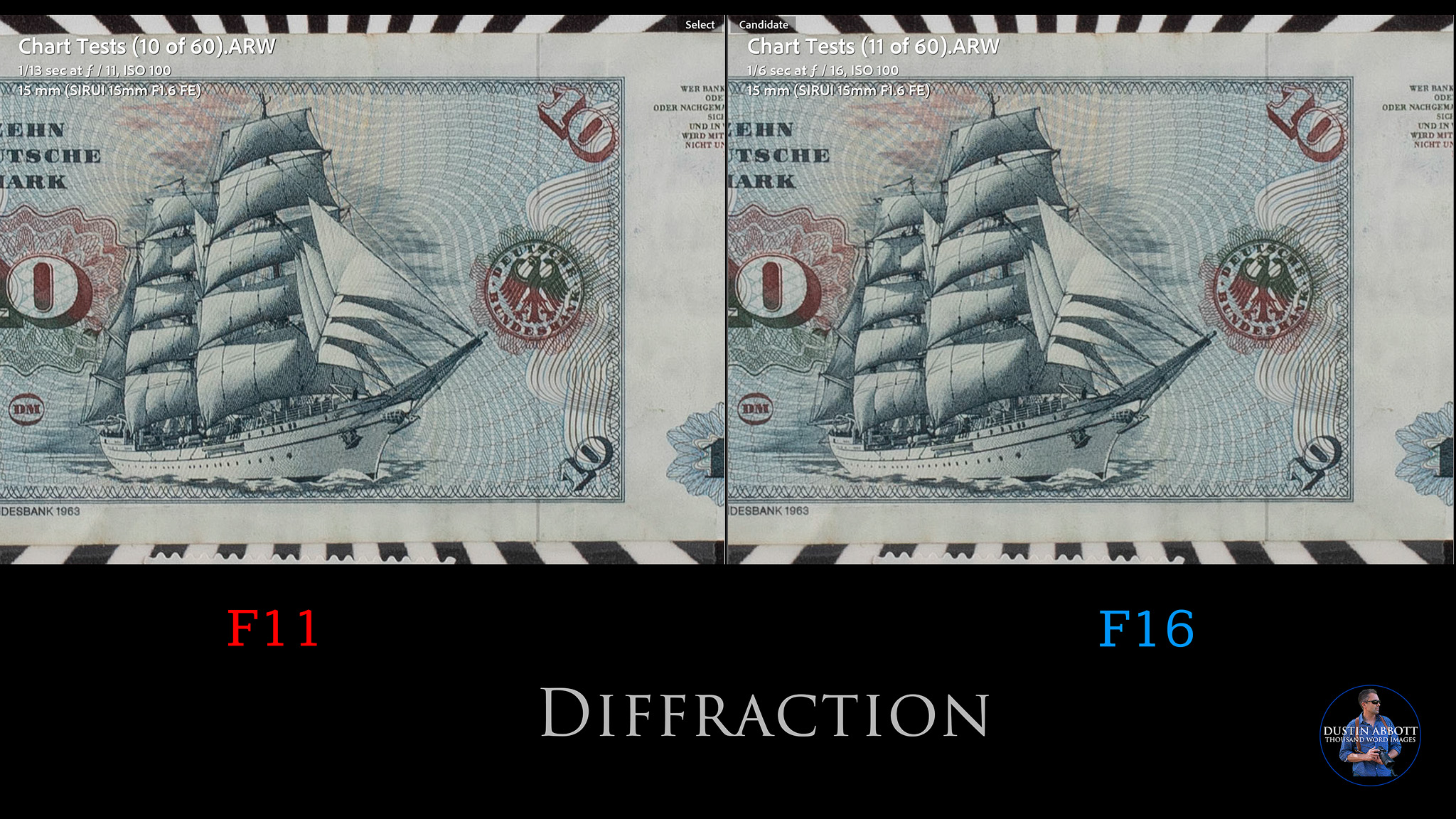
Diffraction will creep in at F11 and become slightly more pronounced at F16. It doesn’t seem terrible, however, and I would say that images will still be usable at all apertures.
Rendering has typically been the main strength of the Aurora series, but a 15mm lens provides far less outlet for rendering. Bokeh is a fine for a 15mm lens, but thanks to very low magnification, the opportunities for shallow depth of field will be very rare…even with that F1.6 aperture:

Here’s a decent shot that is helped by a bit of morning fog.

Sirui’s coatings are not top notch, yet, and flare resistance leaves some room for improvement.
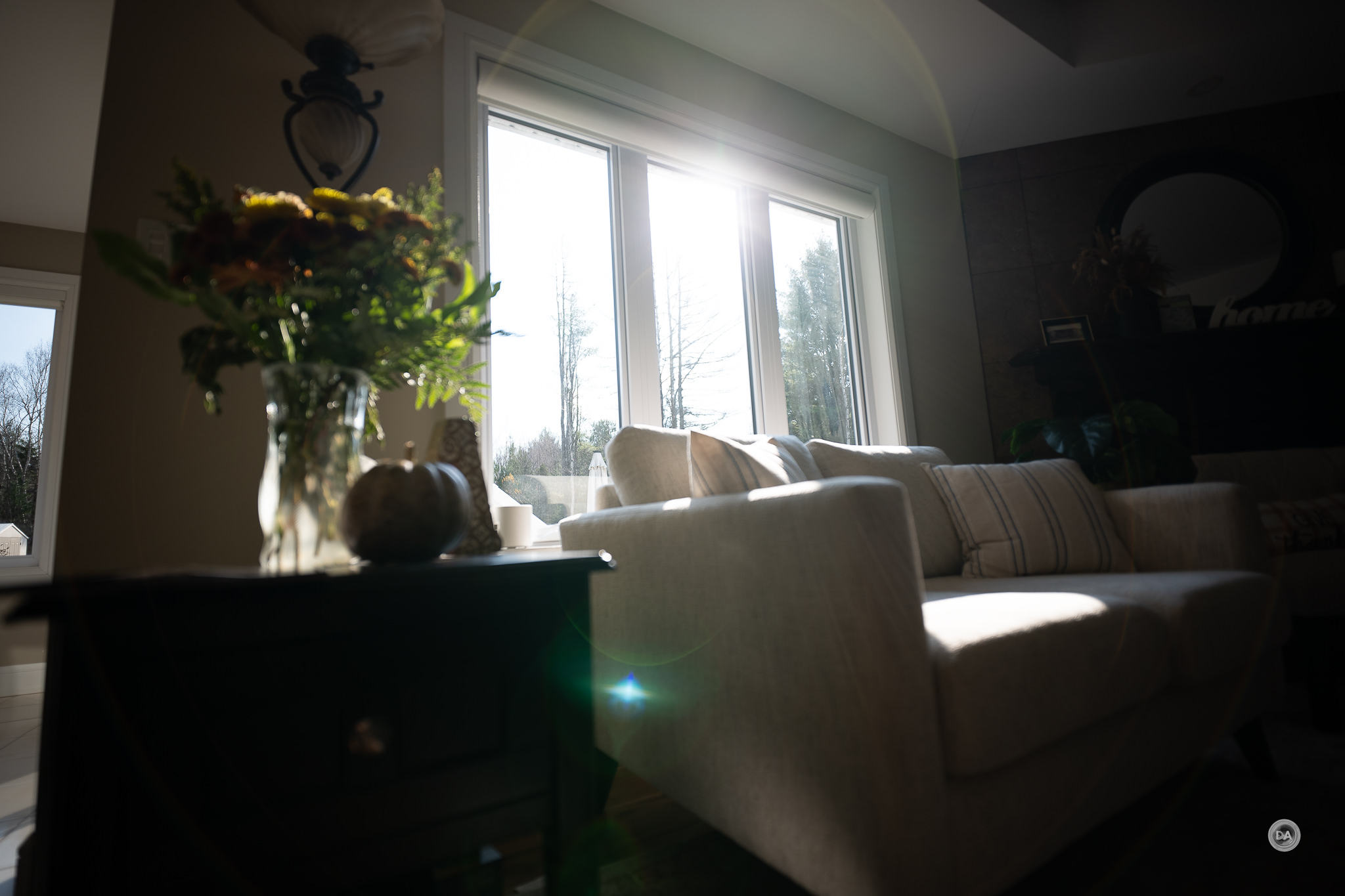
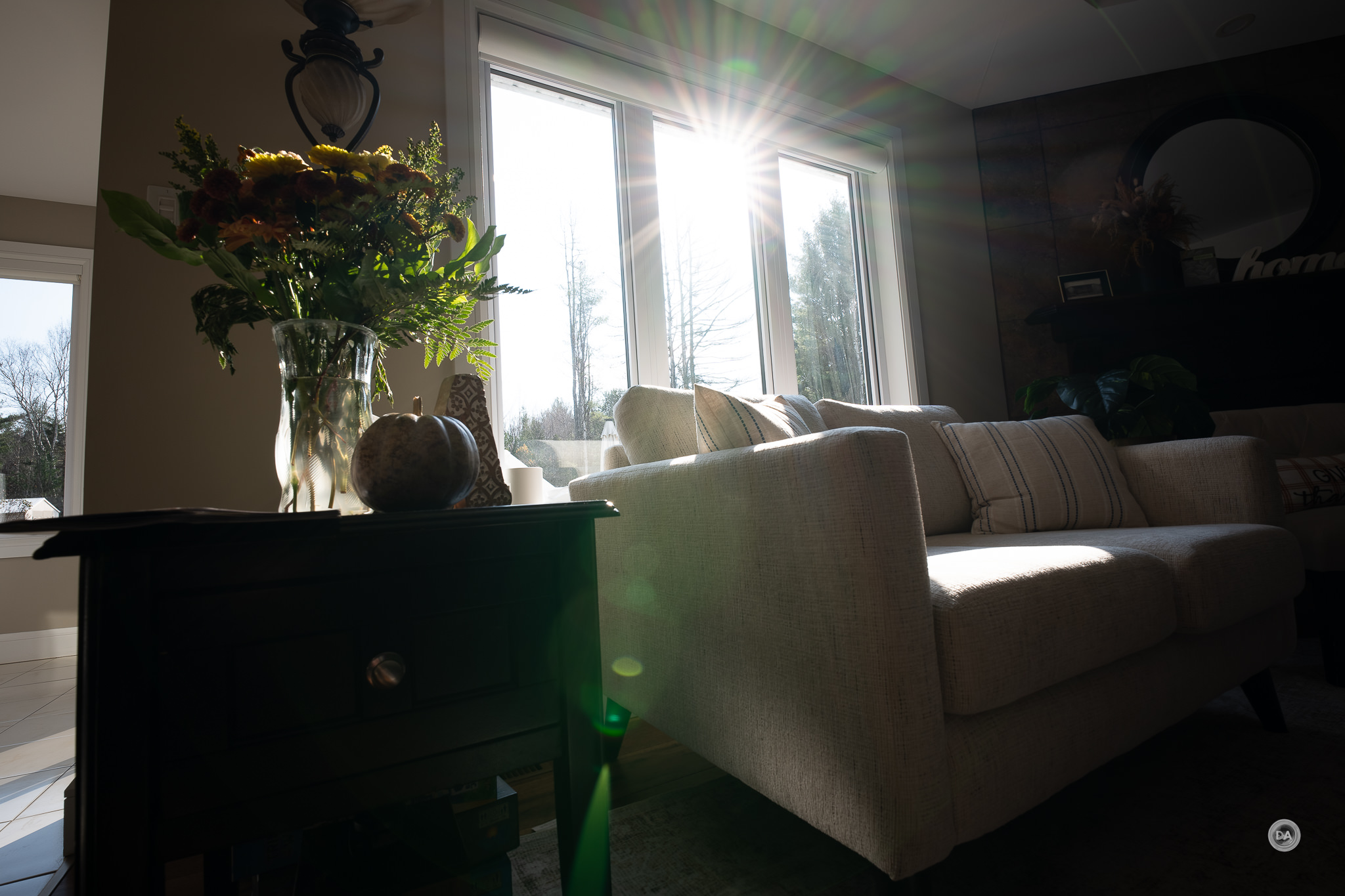
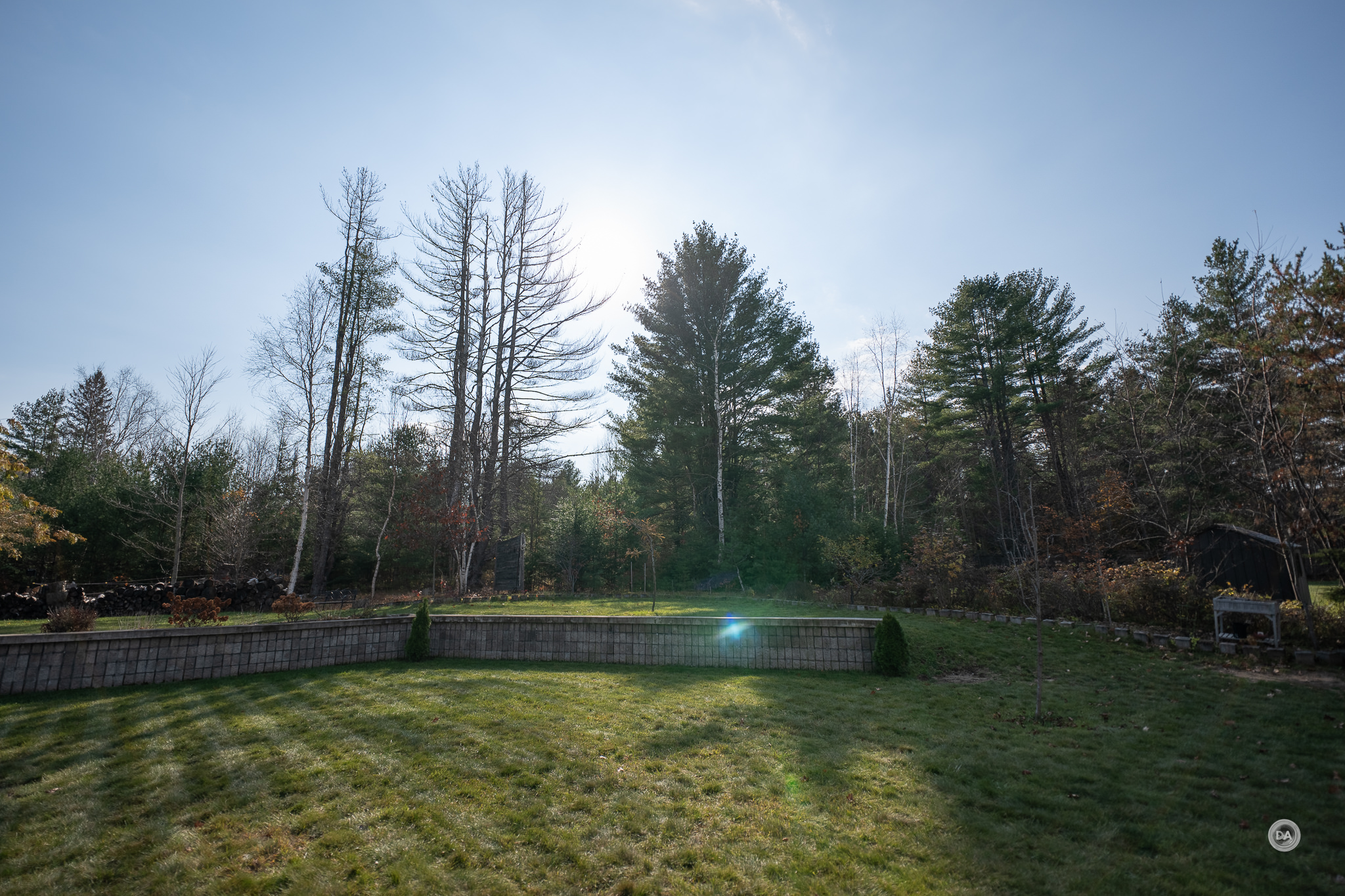
Best case flare is where a little of the intensity is blocked and we can look at the interesting 22 pointed sunstar.
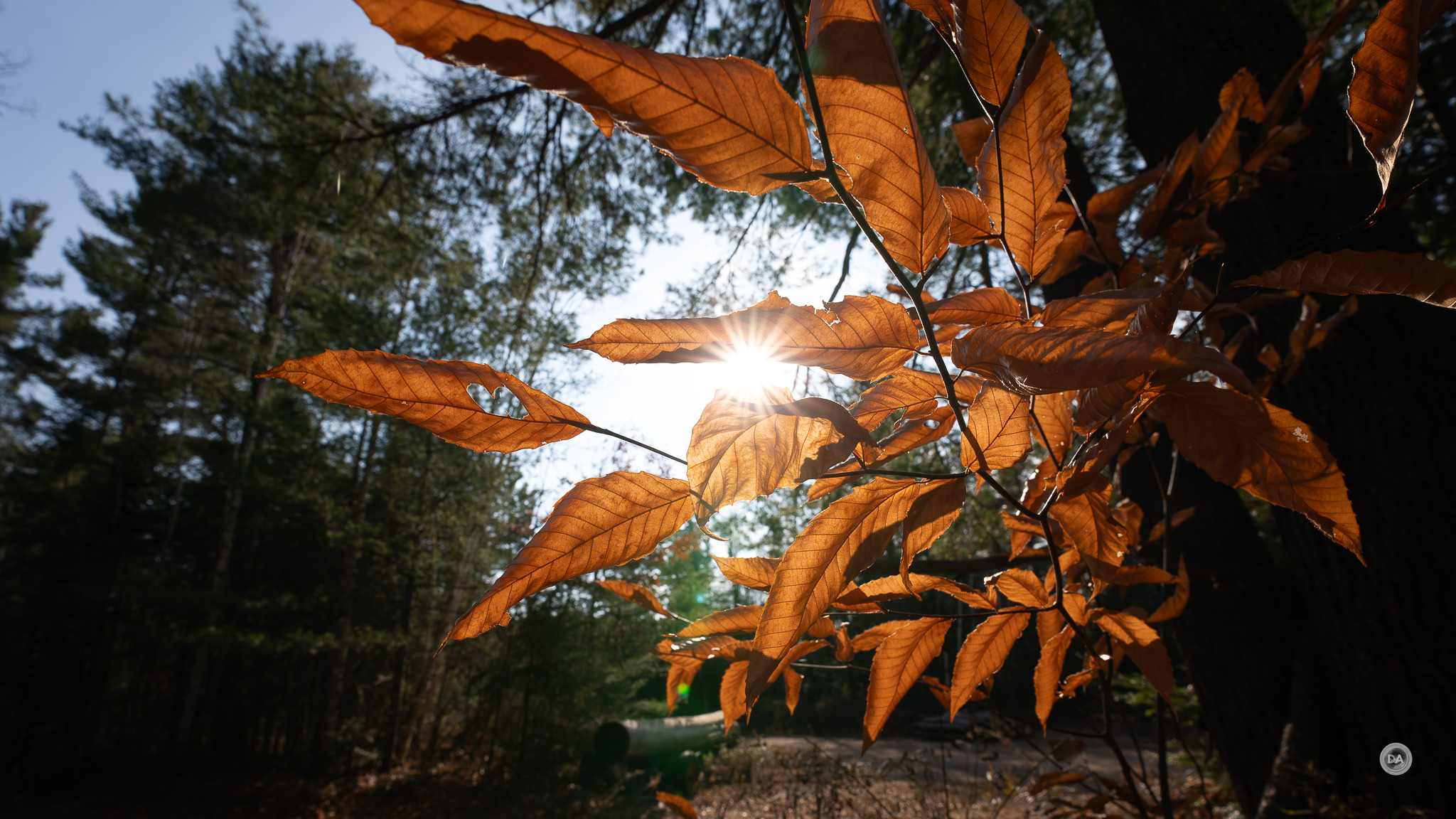
I’m not always a huge fan of Sirui’s optical glass. The colors here are good, but not “magical” like the best optical glass.
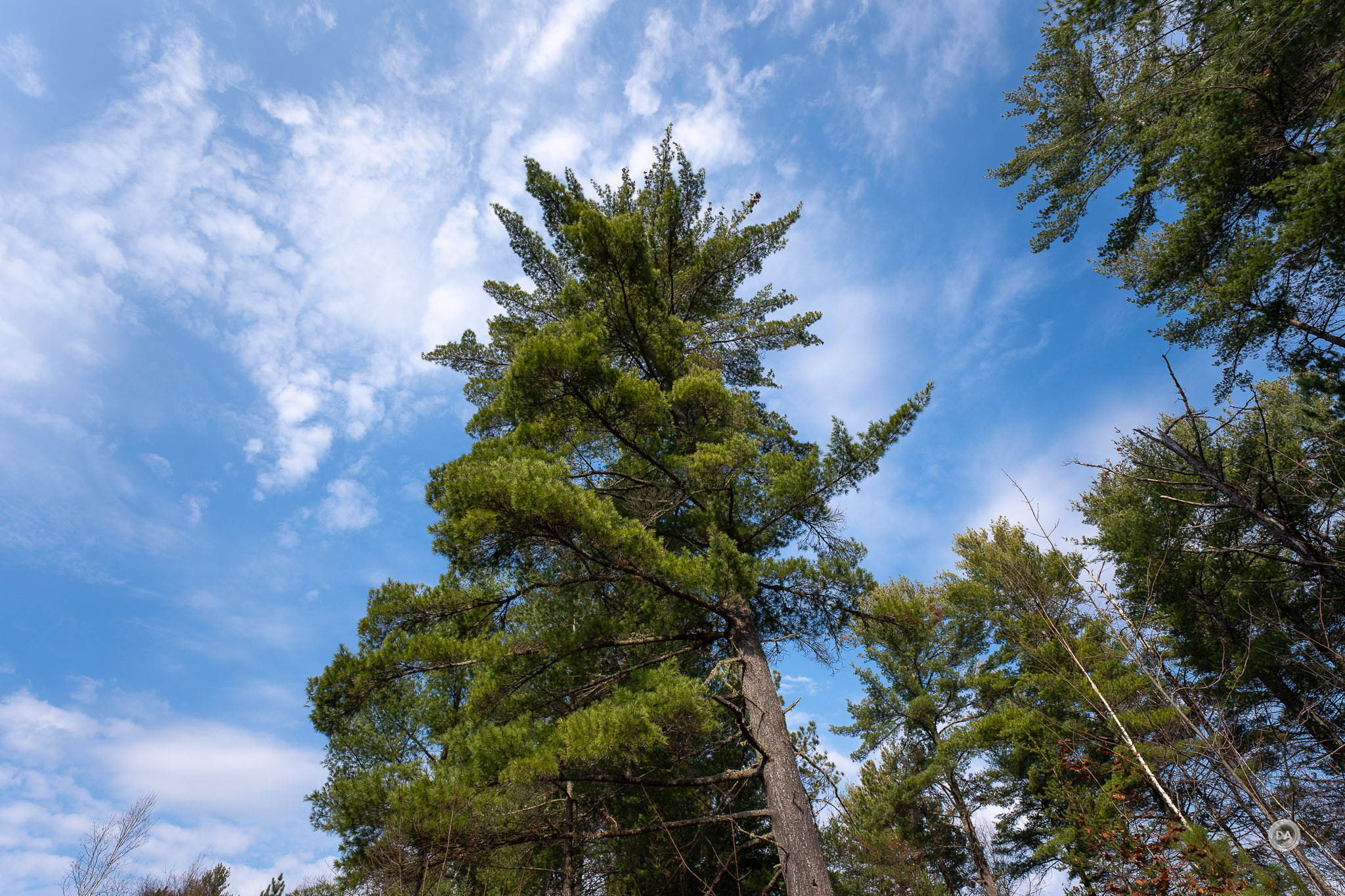
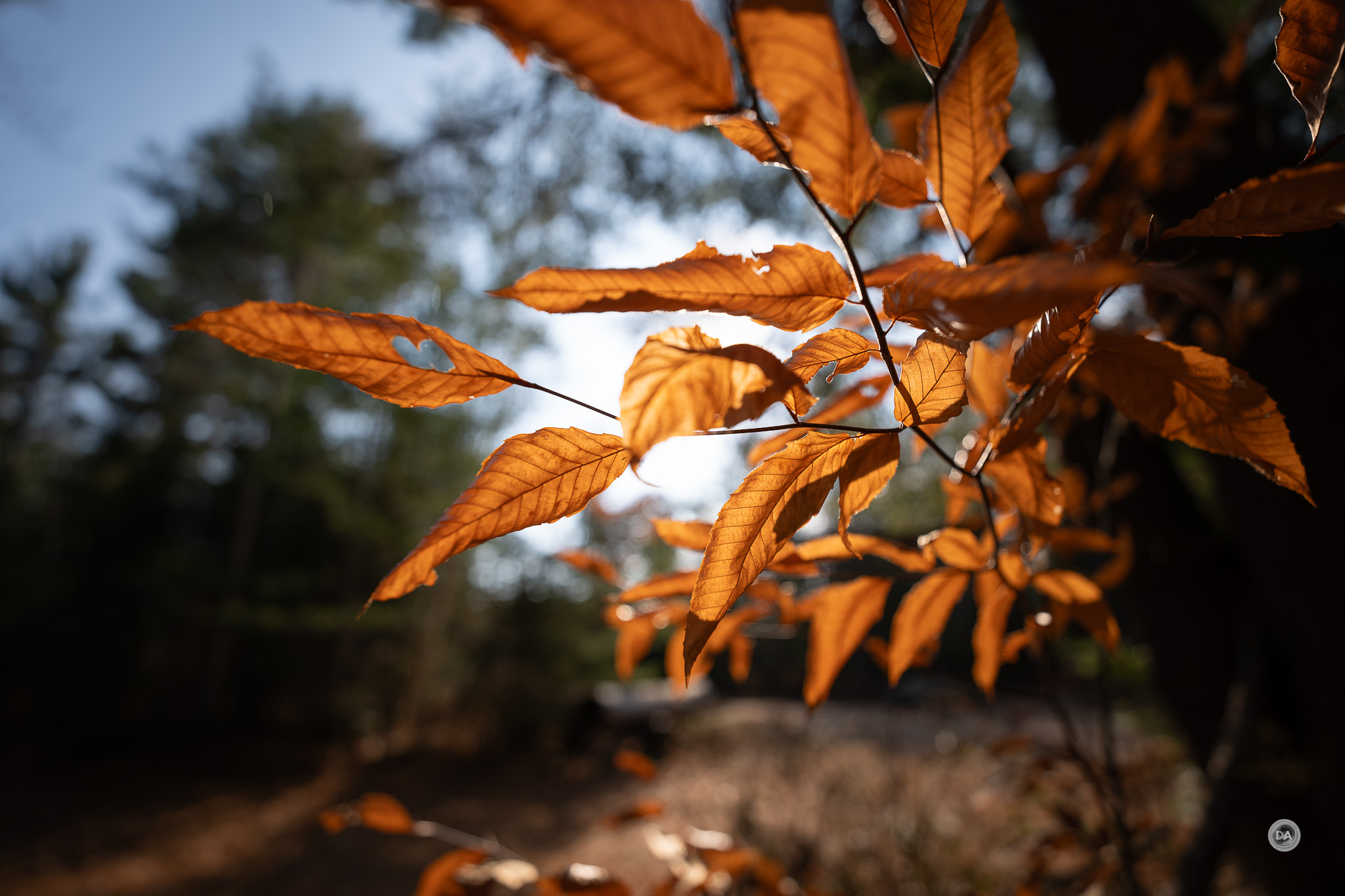
I was filming late autumn, and I found like the lens caught the warm colors quite well.

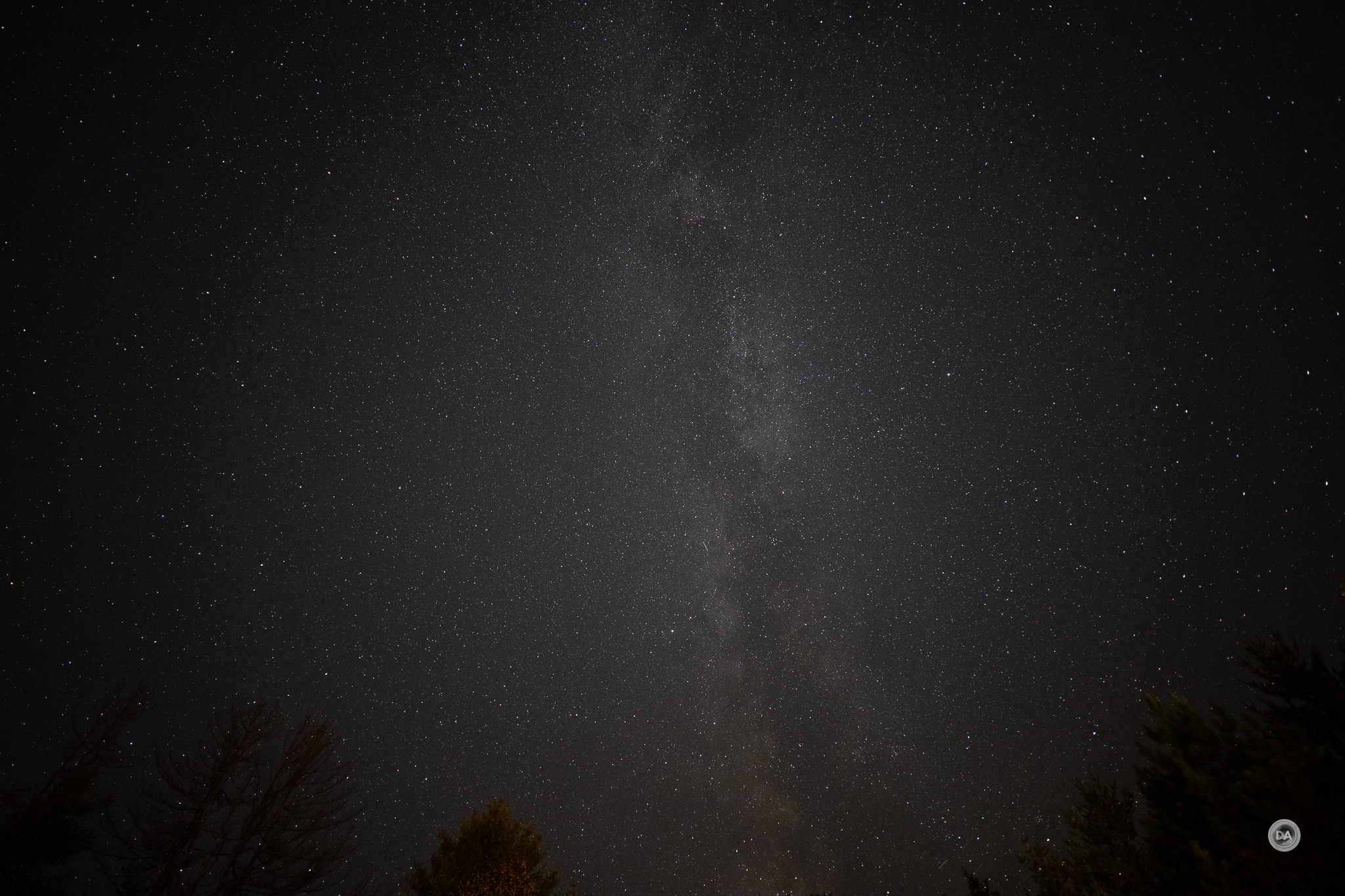
A lens like this is a natural option for astrophotography, as it sports a very wide angle of view and an extremely bright maximum aperture for going so wide. This lens can suck in a lot of light, which is helpful, and the wide angle of view gives you a little longer shutter speed time before star trails begin, but there is some coma in the corners.
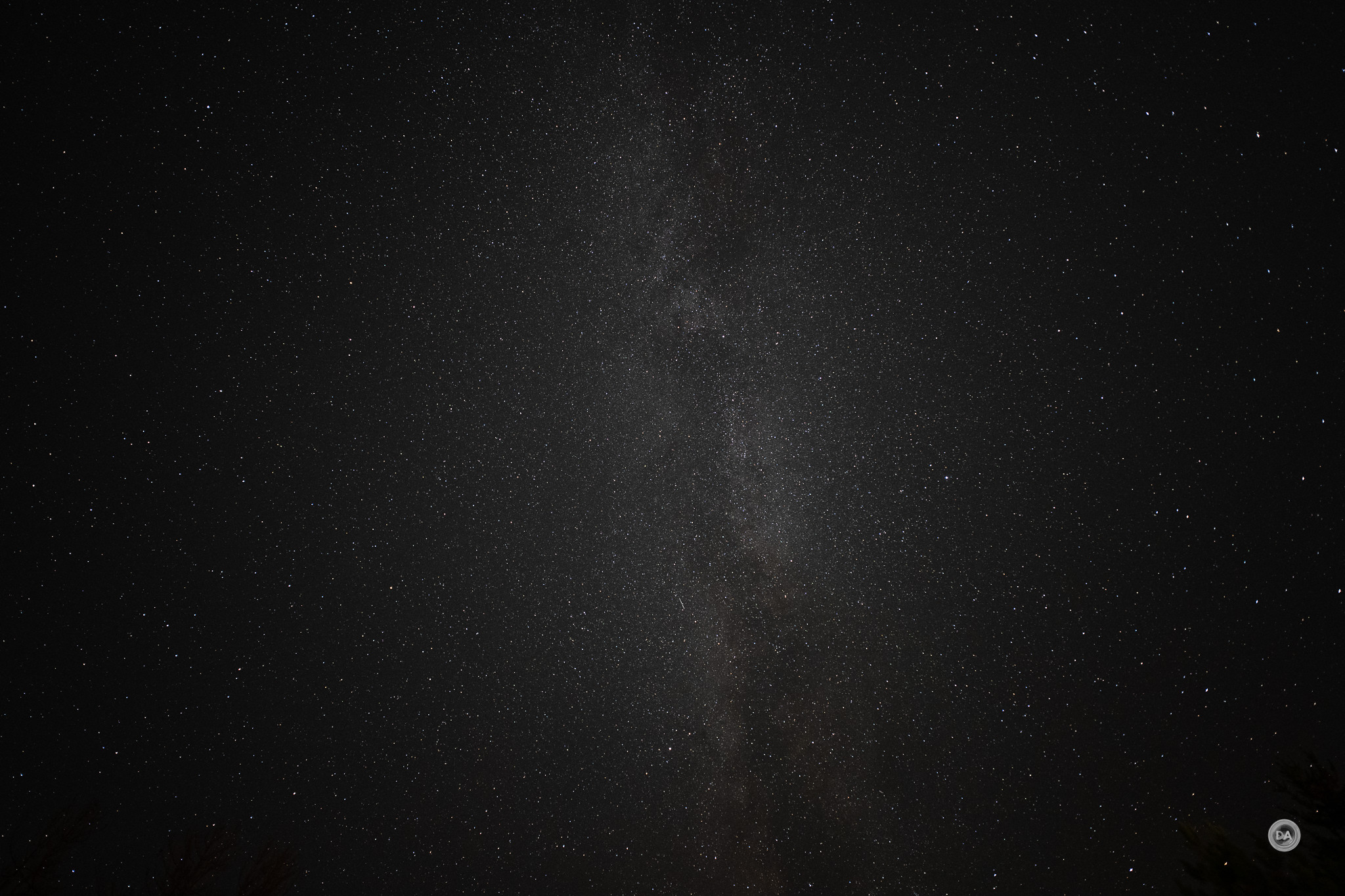
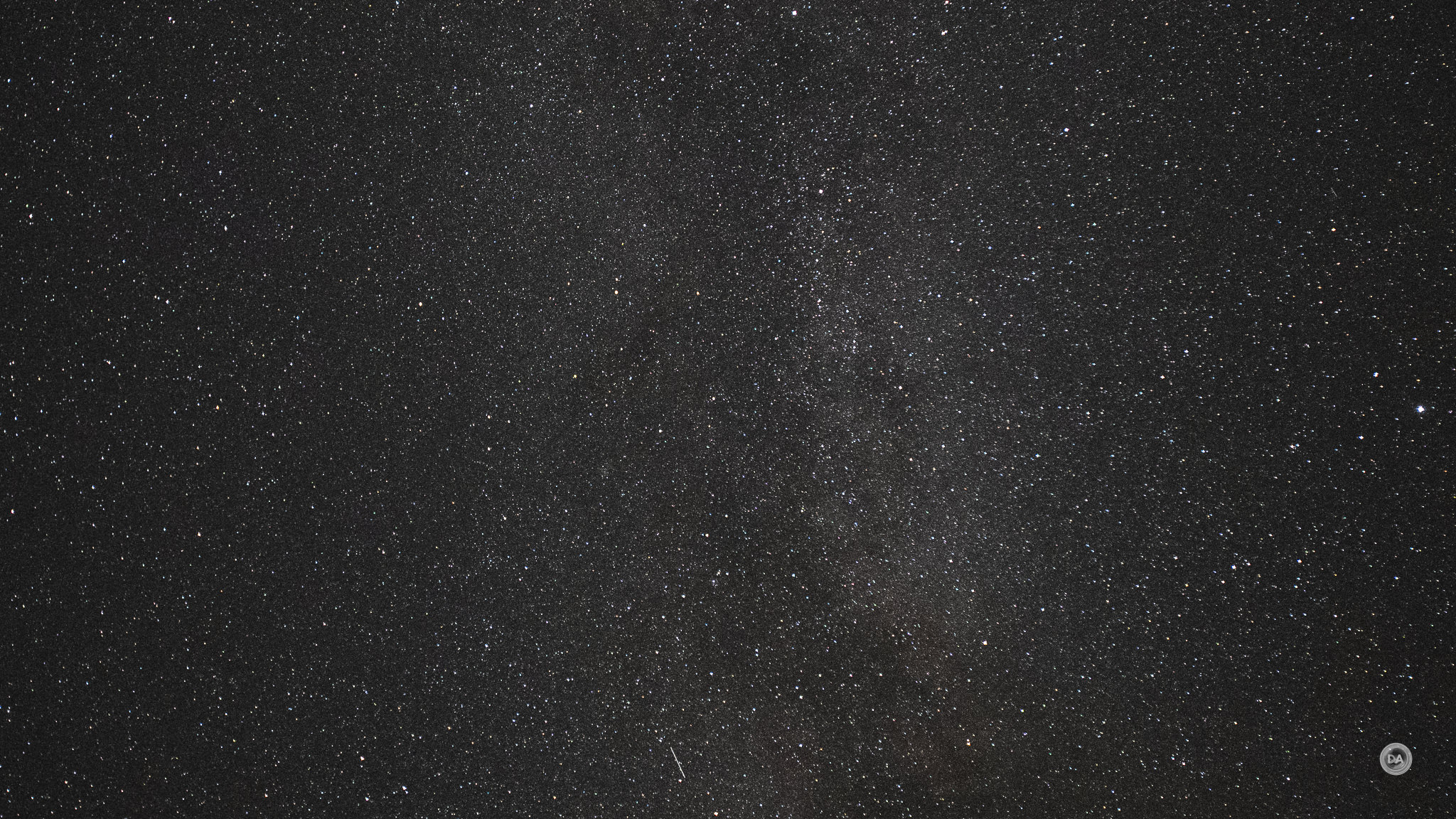
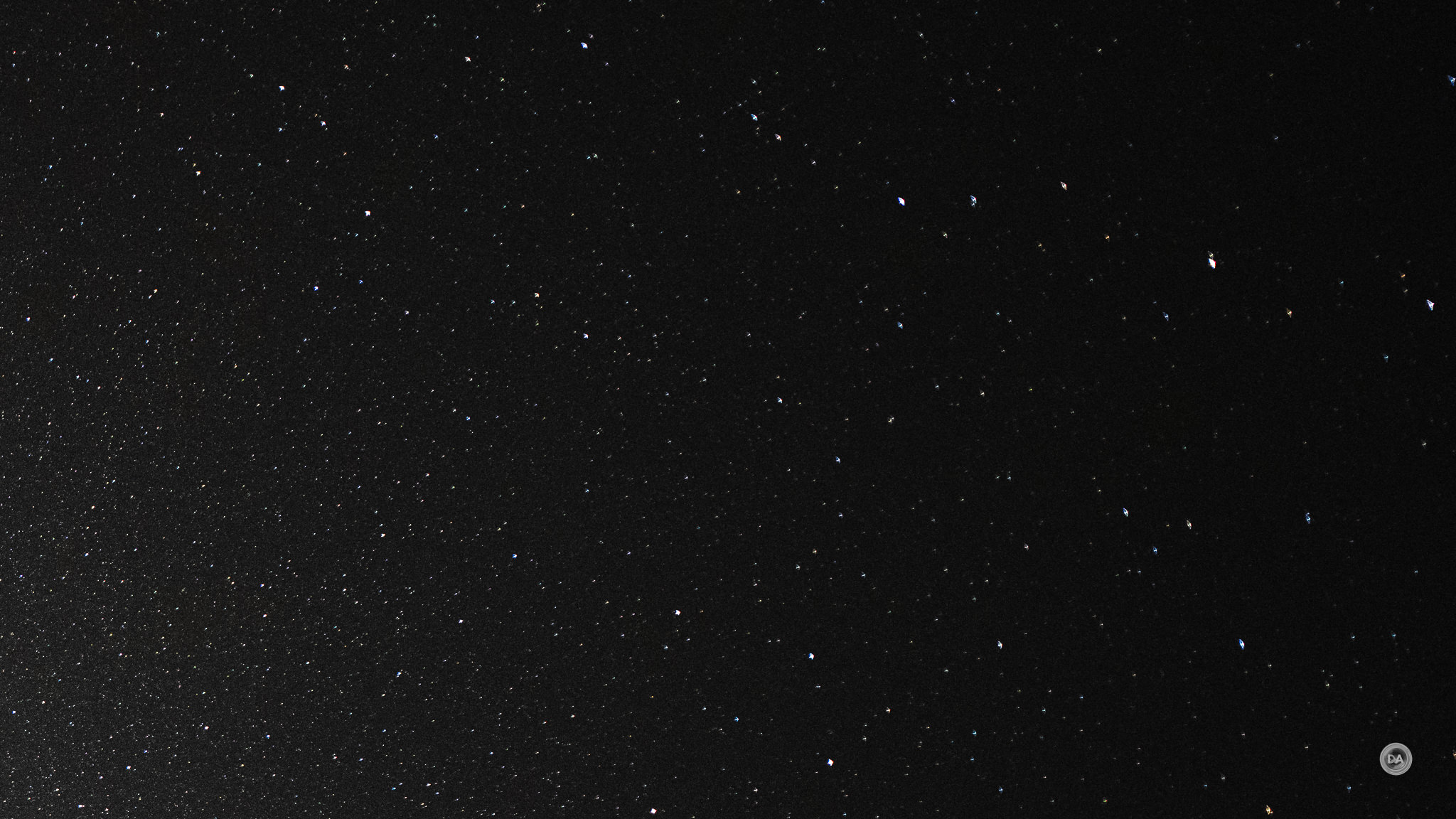
The coma isn’t terrible, however, and it is helped by the fact that such a wide angle of view means that the star points are all quite small in the frame.
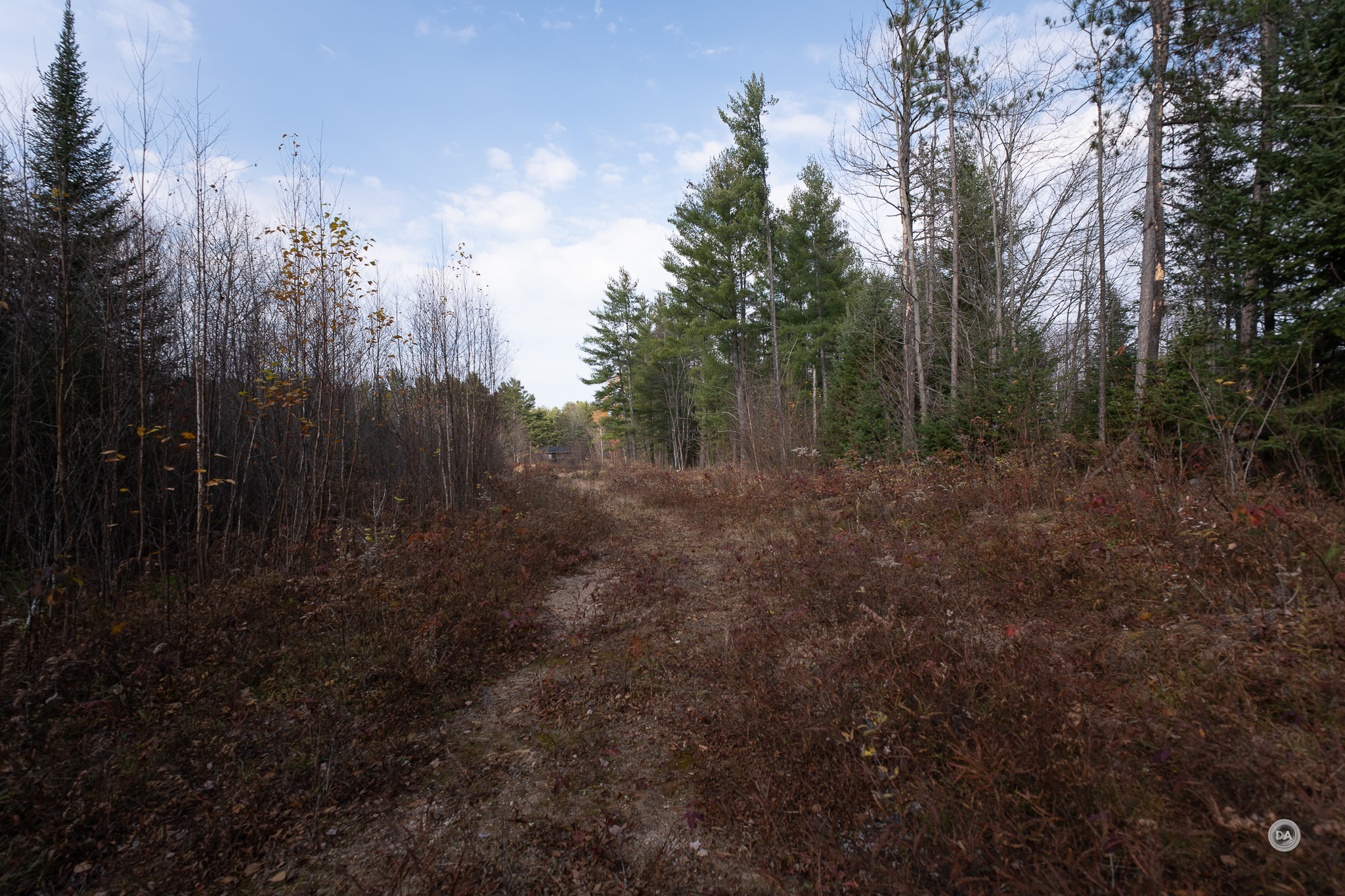
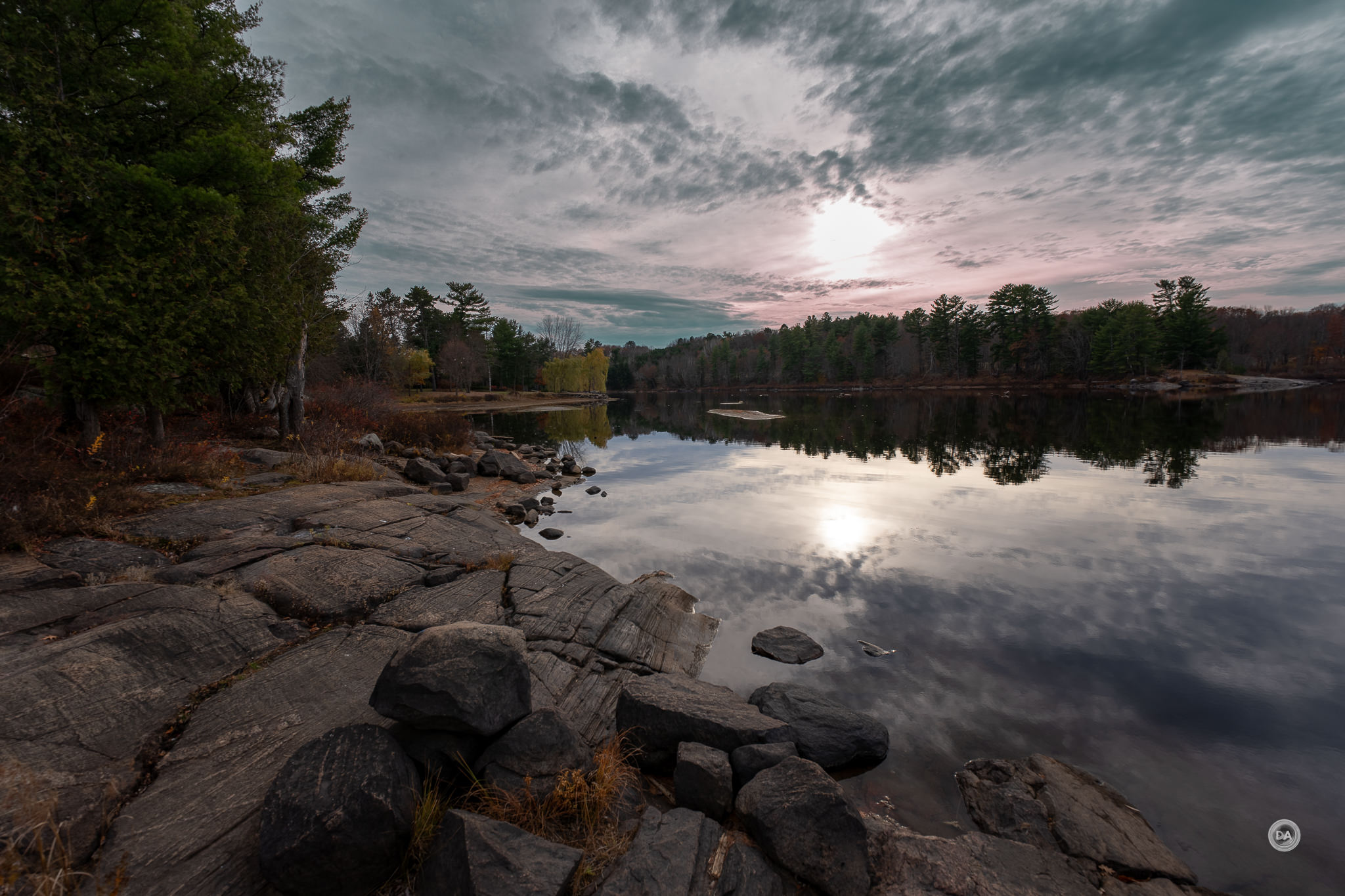
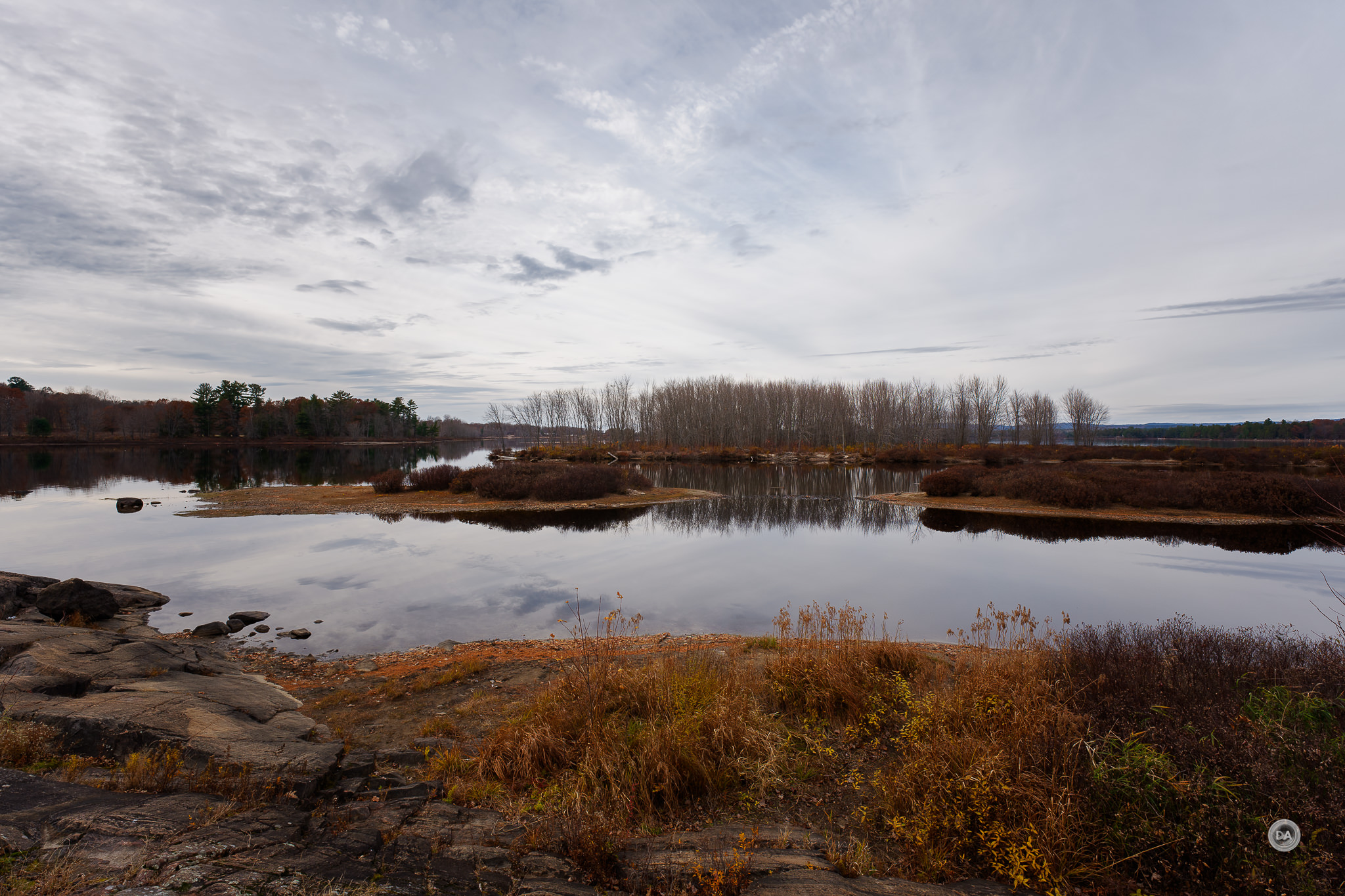
In general, however, this is a lot of lens optically for the money, and I was able to get a lot of images that I really liked over the course of my review period. You can see them throughout this review article, and here is a mini-gallery of a few more for you to enjoy.





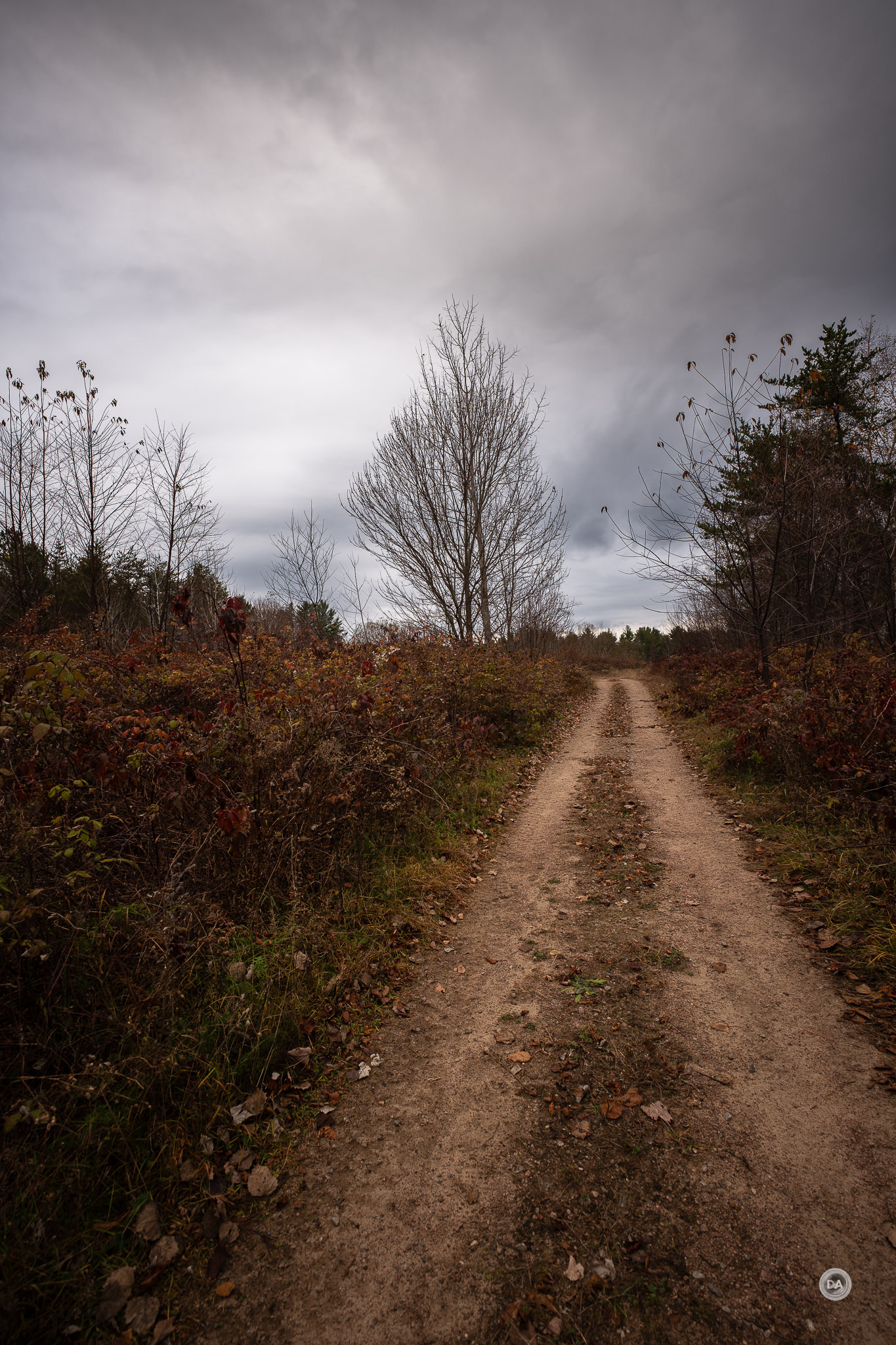
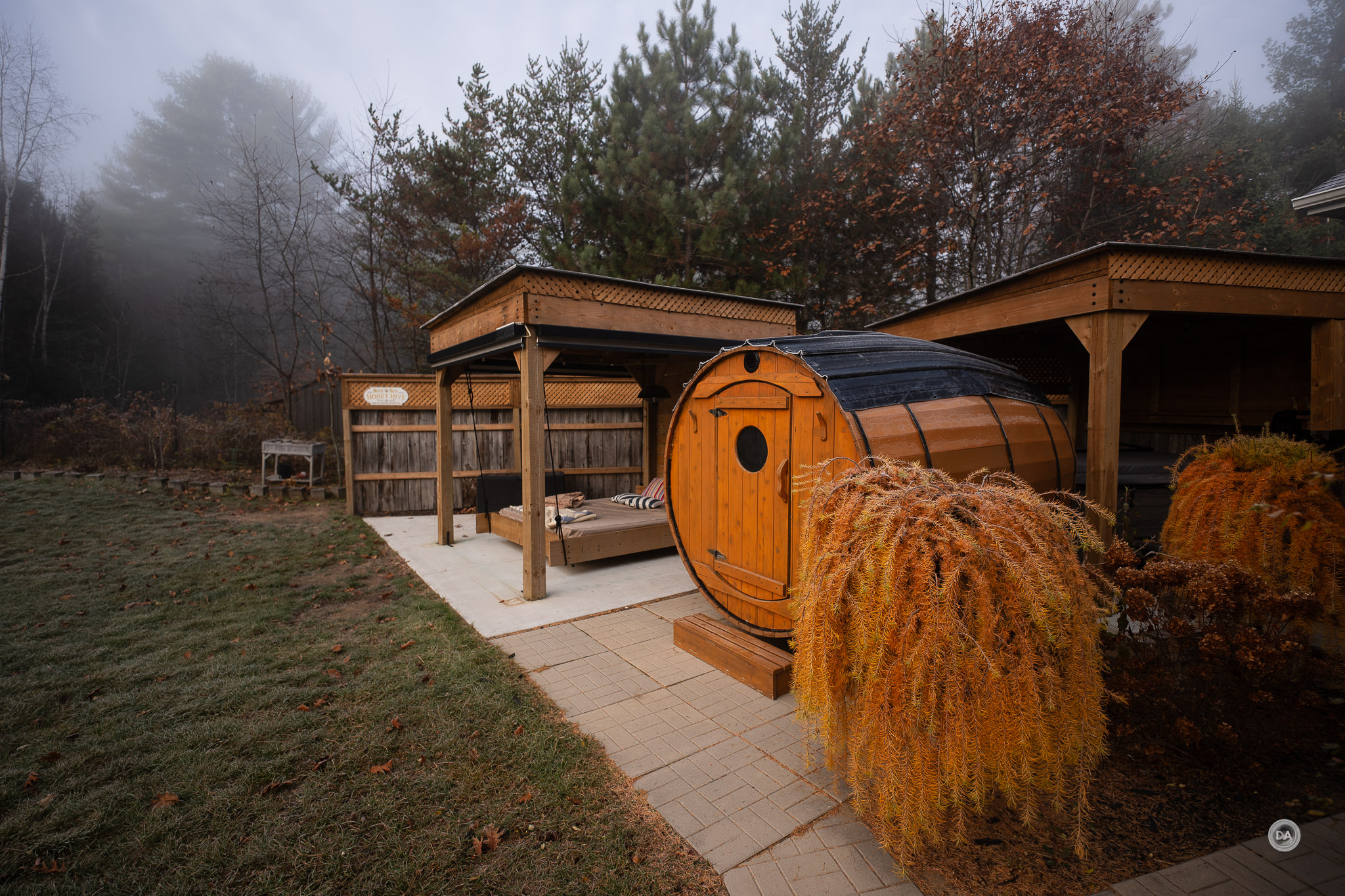
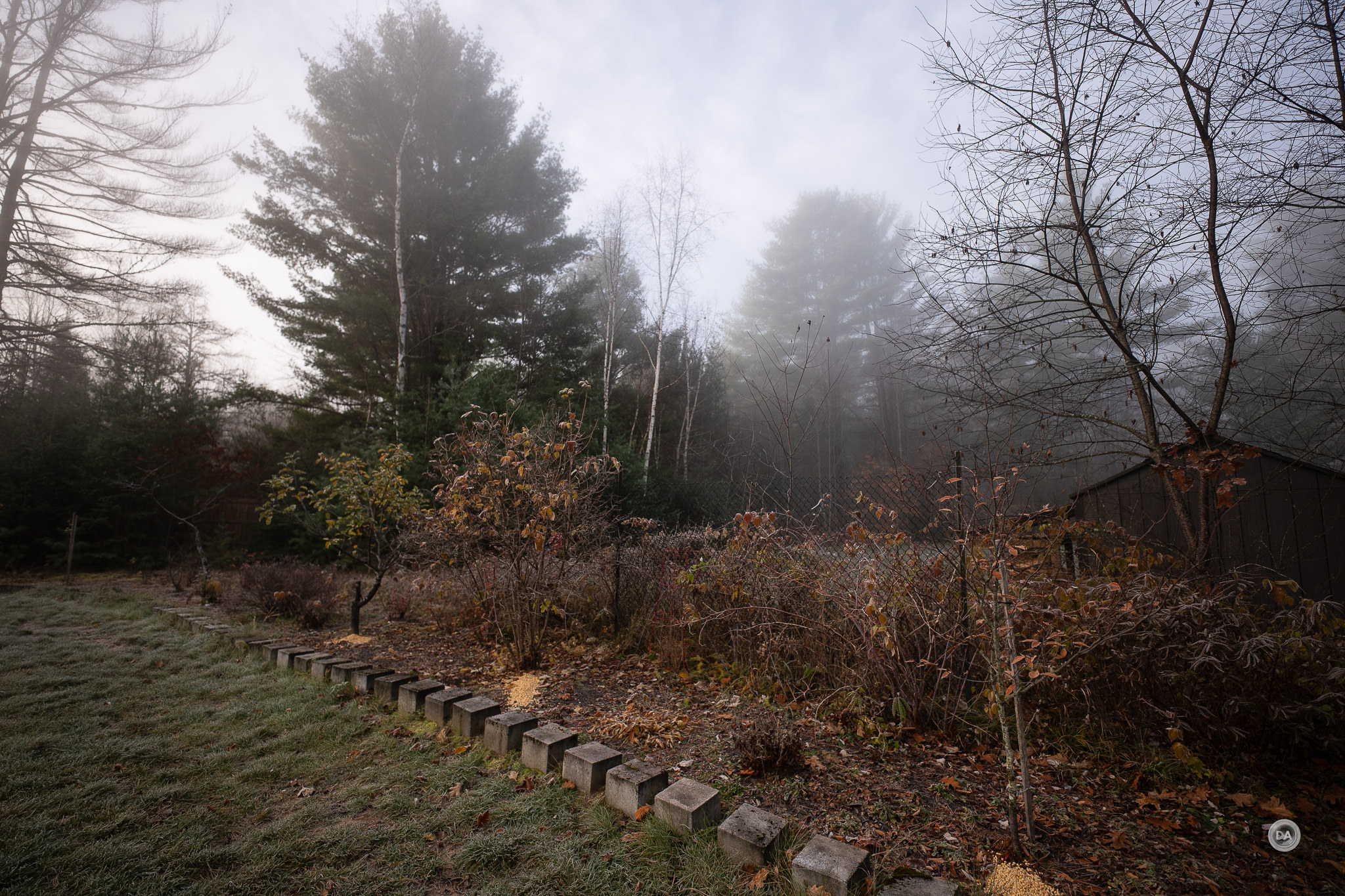



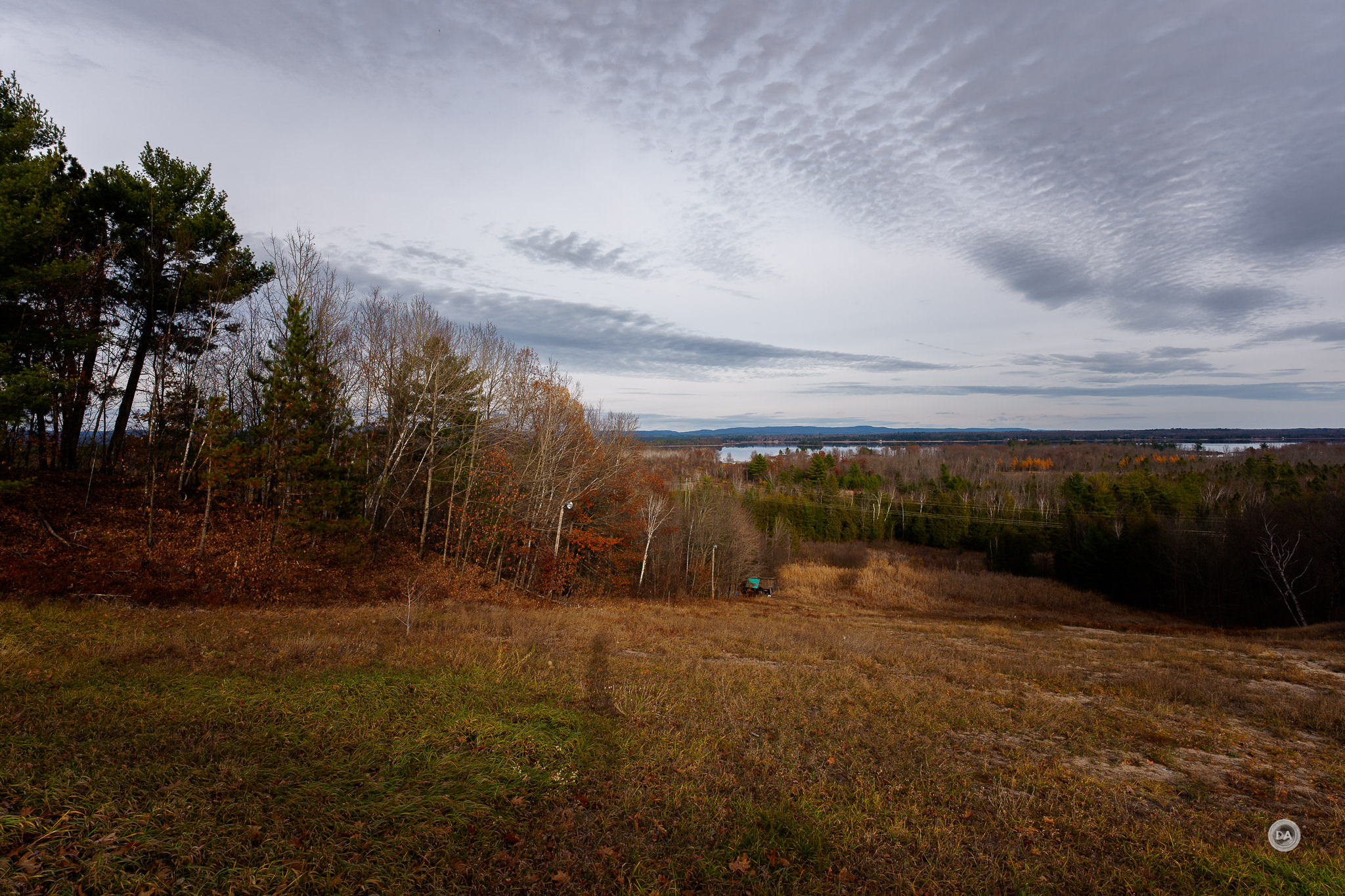



Conclusion
The Sirui Aurora 15mm F1.6 is a welcome addition to the Aurora series and E, Z, L, and X-mounts in large part because so few lenses like this exist. The Viltrox 16mm F1.8 has been the most probable lens to fill this need in the past, but the Aurora 15mm is arguably even more desirable due to having the wider focal length and the brighter maximum aperture.
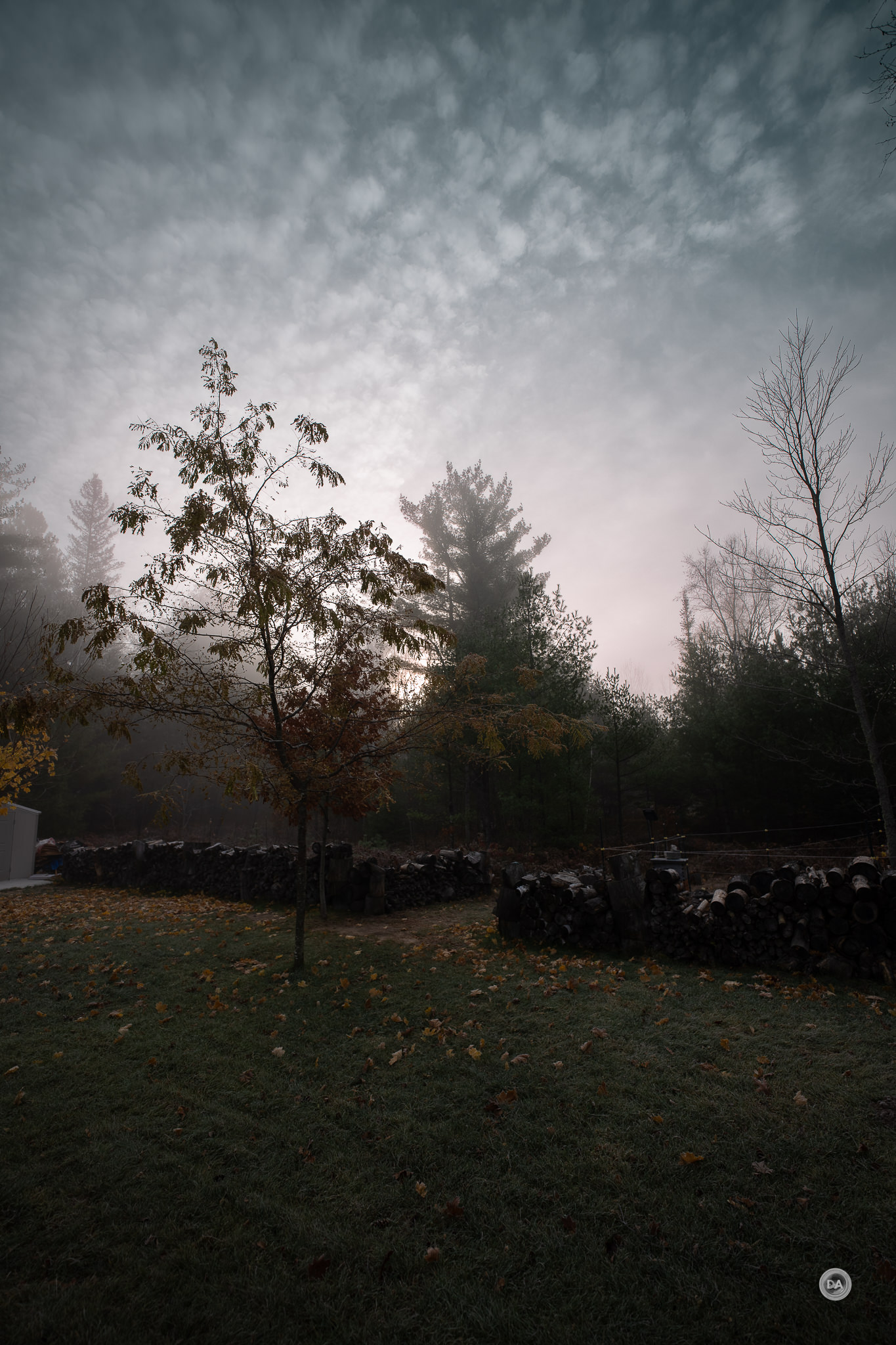
It is easy to make dynamic images with a lens like this, though it takes some skill to compose well if you aren’t used to a lens this wide. The lens doesn’t have much magnification, but that bright aperture does give you some depth of field options in images, and I got a few of them that I felt like this really made a difference in.

I love shooting those wide, dynamic shots, and I think this could be an intriguing option for landscape photographers, astrophotographers, and even real estate photographers due to reasonably low distortion. It’s a lot of lens for the money, making it pretty easy to recommend…and it even comes with a case. Sold.

Pros:
- Bright Aperture: The F1.6 maximum aperture allows for excellent low-light performance, enhancing usability for night and astrophotography.
- Wide Angle: At 109.3°, it captures expansive scenes, making it ideal for landscape and architectural photography.
- Low Distortion: Claims of -1.2% horizontal and -0.27% vertical distortion create usable images with straight lines, particularly useful in architectural settings.
- Good Sharpness: Delivers even image quality across the frame, with sharpness improving at smaller apertures.
- Build Quality: Constructed from aluminum alloy with a satin finish, it feels sturdy and high-quality, plus it includes a lens hood and weather sealing.
- User-Friendly Features:
- An aperture control ring that can be clicked or declicked.
- An AF | MF switch and customizable Fn button for enhanced user control.
- Smooth Focus Transition: Autofocus performs well in video, providing stable transitions with minimal focus breathing.
- Great Value: Priced competitively at $599 for its features, making it accessible for enthusiasts and professionals alike.
- Packaging and Presentation: Comes with a padded carrying case, ensuring protection during transport.
Cons:
- Limited Magnification: Low maximum magnification (0.08x) restricts its use for close-up photography, making it unsuitable for detailed macro shots.
- Heavy Vignetting: Vignetting is apparent, especially at wider apertures, which may require post-processing correction.
- Flare Resistance: Sirui’s coatings are not the best, resulting in noticeable flare under certain lighting conditions.
- Color Fringing: Mild longitudinal chromatic aberration may be visible, particularly in high-contrast situations, though generally manageable.
_________________________________________________________________________
GEAR USED:
Purchase the Sirui Aurora 15mm F1.6 @ Sirui (use code UPA-DUSTINABBOTT for 5% off) | B&H Photo | Amazon | Adorama | Amazon Canada | Amazon UK | Amazon Germany
Purchase the Sirui Aurora 35mm F1.4 @ Sirui (use code DustinA5 for 5% off) | B&H Photo | Amazon | Amazon Canada | Amazon UK | Amazon Germany
Purchase the Sirui Aurora 85mm F1.4 @ Sirui (use code DustinA5 for 5% off) | B&H Photo | Amazon | Amazon Canada | Amazon UK | Amazon Germany
___________________________________________________________________
Purchase the Sony a7RV @ B&H Photo | Adorama | Amazon | Camera Canada | Sony Canada | Amazon Canada | Amazon UK | Amazon Germany
__________________________________________________________________
Purchase the Sony a6600 @ B&H Photo | Amazon | Camera Canada | Amazon Canada | Amazon UK | Amazon Germany | Ebay
Purchase the Sony a6400 @ B&H Photo | Amazon | Amazon Canada | Amazon UK | Amazon Germany | Ebay
_________________________________________________________________
Want to support this channel? Use these affiliate links to shop at: B&H Photo | Amazon | Adorama | Camera Canada | Amazon Canada | Amazon UK | Ebay | Make a donation via Paypal
Buy DA Merchandise https://bit.ly/TWIMerch

Keywords: Sirui, Aurora, 15mm, F1.6 Sirui Aurora Review, Sirui 15mm Review, Aurora 15mm F1.6 Review, f/1.6, Review, Sony A1 II, Sony a7RV, Wireless, Review, Hands On, Dustin Abbott, Real World, Comparison, Sharpness, Bokeh, Flare Resistance, Autofocus, Image Quality, Sample Images, Video, Photography, Wide Angle, let the light in, weathersealing, #letthelightin, DA
Related posts:
 Sirui Aurora 35mm F1.4 Z Review
 Sirui Aurora 85mm F1.4 Review
 Sirui Aurora 85mm F1.4 AF Gallery
 Sirui Autofocus 1.33x Anamorphic 40mm T1.8 Review
 Sirui Aurora vs Sigma DN 85mm F1.4
 Sirui AF 20mm T1.8 1.33x Anamorphic Review
 Tamron 16-50mm F2.8 A Review
 Sirui SWIFT 40mm F2.2 FE Review
 Yongnuo YN 33mm F1.4 DA DSM WL Pro Review
 Yongnuo YN 33mm F1.4 DA DSM WL Pro Gallery